In today’s rapidly changing agricultural landscape, farmers are increasingly adopting modern technologies to improve efficiency and productivity. Increasing crop yield, reducing production costs, and managing farms more precisely are key goals for every farmer. In this context, drone technology is emerging as a highly valuable tool in agriculture.
Drones used in agriculture are also known as Unmanned Aerial Vehicles (UAVs). With the help of these drones, farmers can quickly and accurately monitor their fields, sobserve crop growth, assess soil conditions, and identify irrigation requirements.
Earlier, monitoring large farm areas required significant time and labour. However, with drone technology, farmers can now survey an entire field within minutes. This helps save time, reduce labour costs, and improve crop management with greater accuracy.
How Do Agricultural Drones Work?
Agricultural drones are equipped with high-resolution cameras, GPS systems, and advanced sensors. These drones fly over the fields and capture detailed images and data about the crops and soil conditions. Using this information, farmers can quickly identify:
- Pest and disease infestations
- Nutrient deficiencies in crops
- Areas that require more or less irrigation
- Uneven crop growth across the field
Based on these insights, farmers can take timely corrective actions, preventing potential crop losses and improving overall productivity.
Key Applications of Drones in Agriculture
- Crop Monitoring: Drones capture high-resolution images to monitor crop growth, detect diseases, and identify pest infestations early.
- Precision Spraying: Drones can spray fertilizers, pesticides, and micronutrients accurately on targeted areas, reducing chemical wastage.
- Field Mapping: Aerial mapping helps farmers understand field variability, soil moisture patterns, and drainage conditions.
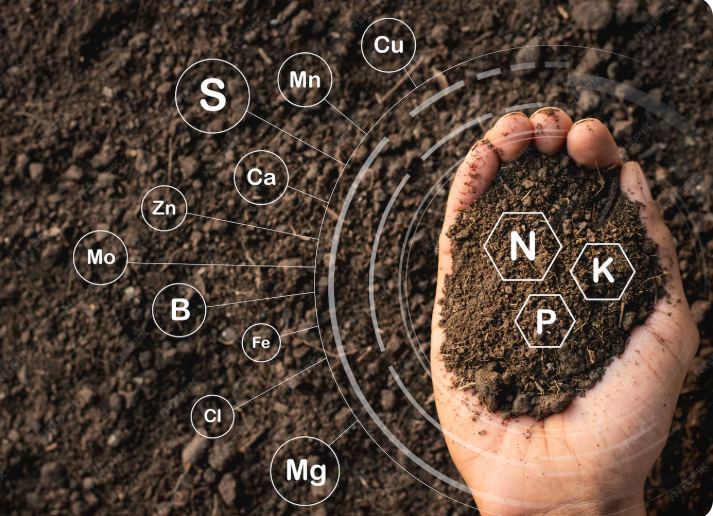
- Soil & Crop Analysis: Drone sensors collect data on plant health, soil quality, and nutrient levels for better decision-making.
- Irrigation Management: Drones help identify dry zones or over-irrigated areas, improving water management.
- Crop Yield Estimation: Farmers can estimate crop production and plan harvesting more efficiently.
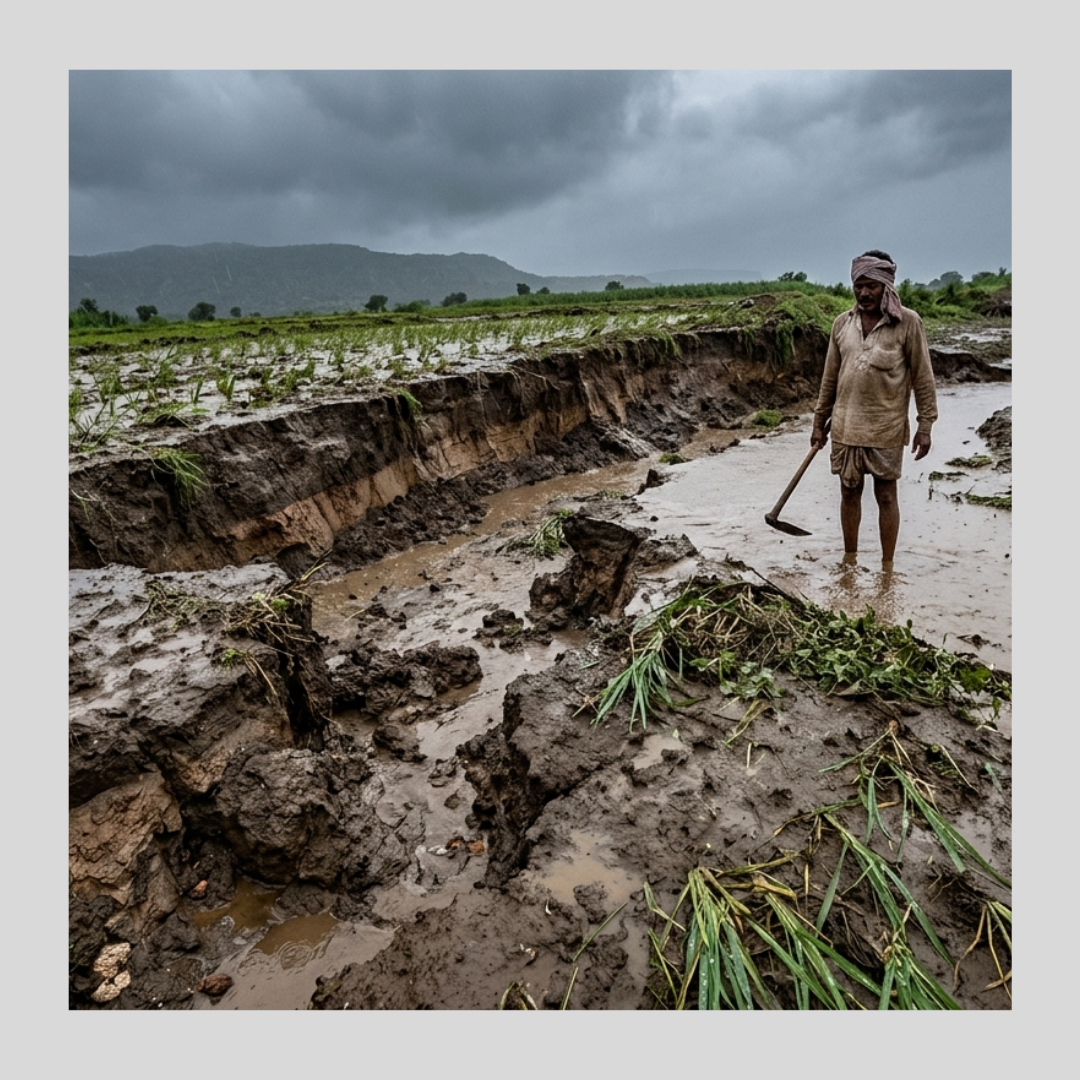
- Disaster Assessment: Drones help assess crop damage caused by floods, droughts, or pests.
Drone technology is becoming more affordable, accessible, and efficient, making it an important tool for modern agriculture. With the adoption of drones, farmers can practice smart farming, where decisions are based on accurate data and real-time monitoring. By using drone technology effectively, farmers can increase productivity, reduce input costs, and make better use of available resources. Ultimately, this leads to sustainable, profitable, and technology-driven agriculture.
SmartFarming #DroneAgriculture #PrecisionFarming #AgriTech #ModernFarming #FarmInnovation #DigitalFarming #SustainableAgriculture #CropMonitoring #AgriDrones #FutureOfFarming #FarmEfficiency #AgriSolutions #TechInAgriculture #IncreaseYield #ReduceCosts #SoilHealth #IrrigationManagement #FarmProductivity #AgricultureInnovation