Achieving higher crop yields is not possible by using fertilizers alone. Understanding soil health is essential for sustainable and profitable farming. Two of the most important indicators of soil health are pH (potential of hydrogen) and EC (Electrical Conductivity). Both of these factors directly influence crop growth, nutrient availability, and overall productivity.
What is Soil pH?
Soil pH is a measure of the soil’s acidity or alkalinity.
- pH scale: 0 to 14
- 7 = Neutral
- Below 7 = Acidic
- Above 7 = Alkaline
👉 Ideal pH for most crops: 6.5 to 7.5
🌾 Importance of pH in Agriculture
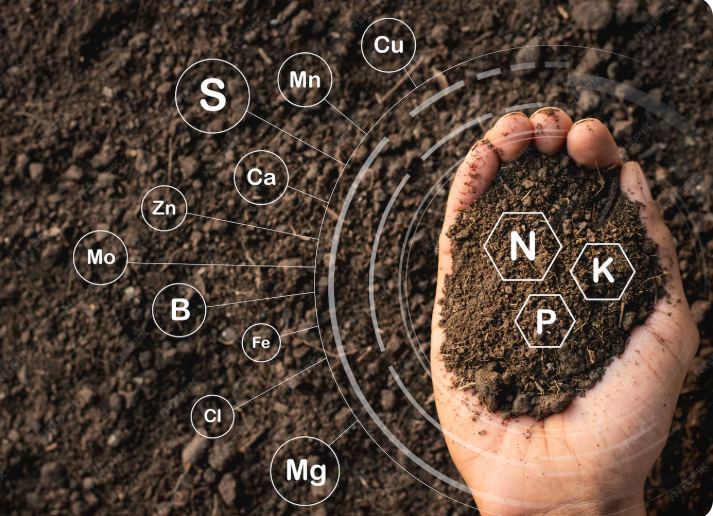
- Nutrient Availability: At the right pH, essential nutrients like Nitrogen (N), Phosphorus (P), and Potassium (K) are easily available to plants.
- Microbial Activity: Beneficial soil microorganisms remain active in a balanced pH range.
- Fertilizer Efficiency: Improper pH reduces the effectiveness of applied fertilizers.
- Crop Growth & Yield: Imbalanced pH can restrict plant growth and reduce yield.
What is Soil EC?
EC (Electrical Conductivity) indicates the salt concentration (soluble salts) present in the soil.
- High EC: High salt content
- Low EC: Low salt content
👉 Unit of measurement: dS/m (decisiemens per meter)
Importance of EC in Agriculture
- Water Uptake: High EC reduces the plant’s ability to absorb water.
- Root Development: Excess salts weaken root growth.
- Leaf Health: Symptoms like leaf burn, scorching, and yellowing may appear.
- Crop Yield: High EC levels can significantly reduce productivity.
Ideal Range of Soil pH and EC (General Guidelines)
| Parameter | Ideal Range |
| pH | 6.5 – 7.5 |
| EC | 0.5 – 1.5 dS/m |
What Happens When pH and EC Are Imbalanced?
❌ High pH (Alkaline Soil)
- Deficiency of micronutrients (e.g., Iron, Zinc)
- Yellowing of leaves (chlorosis)
❌ Low pH (Acidic Soil)
- Reduced availability of phosphorus
- Poor root development
❌ High EC (Saline Soil)
- Reduced water absorption
- Increased risk of crop drying and stress
How to Manage Soil pH and EC
Managing Soil pH
- If pH is high (alkaline):
- Apply organic matter (farmyard manure, compost)
- Use sulfur-based amendments
- If pH is low (acidic):
- Apply lime (calcium carbonate)
Managing Soil EC
- Use good quality irrigation water
- Practice leaching (applying excess water to flush salts below the root zone)
- Increase organic matter content in soil
Conclusion
Soil pH and EC are two critical factors in successful farming. Maintaining them within the ideal range helps:
✔️ Improve crop growth
✔️ Enhance fertilizer efficiency
✔️ Increase yield and profitability
👉 Therefore, every farmer should regularly conduct soil testing and manage pH and EC accordingly for better and sustainable agricultural outcomes.
#SoilHealth #SoilTesting #SoilPH #SoilEC #SoilManagement #SustainableAgriculture #ModernFarming #SmartFarming #PrecisionAgriculture #AgricultureTechnology #FarmersKnowledge #CropManagement #NutrientManagement #HealthySoilHealthyCrop #IncreaseCropYield #BetterFarming #AgriInnovation #FarmingTips #AgricultureAwareness #DhanashreeCropSolutions