Farmers adopt various practices to increase crop yield, but sustainable and profitable farming is not possible without improving soil health. One of the most important components of soil health is Soil Organic Carbon (SOC). When the level of organic carbon in the soil is adequate, it significantly improves crop growth, yield, and quality.
What is Soil Organic Carbon?
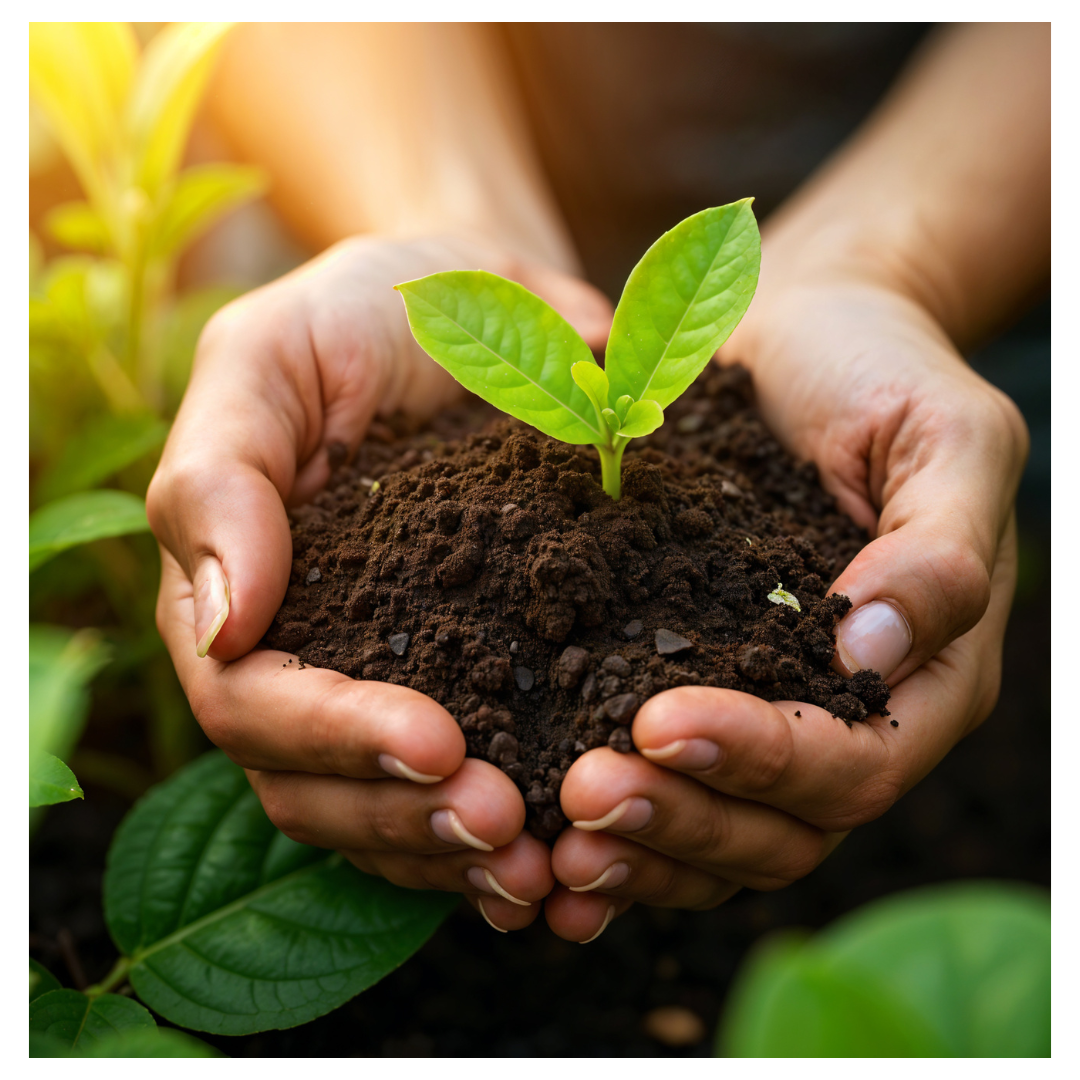
Soil Organic Carbon is the carbon component of organic matter present in the soil. It is formed from decomposed plant residues, farmyard manure, compost, and other organic materials. SOC plays a key role in keeping the soil alive and creating a favourable environment for crop growth.
Effects of Low Soil Organic Carbon
When SOC levels are low, the following problems may arise:
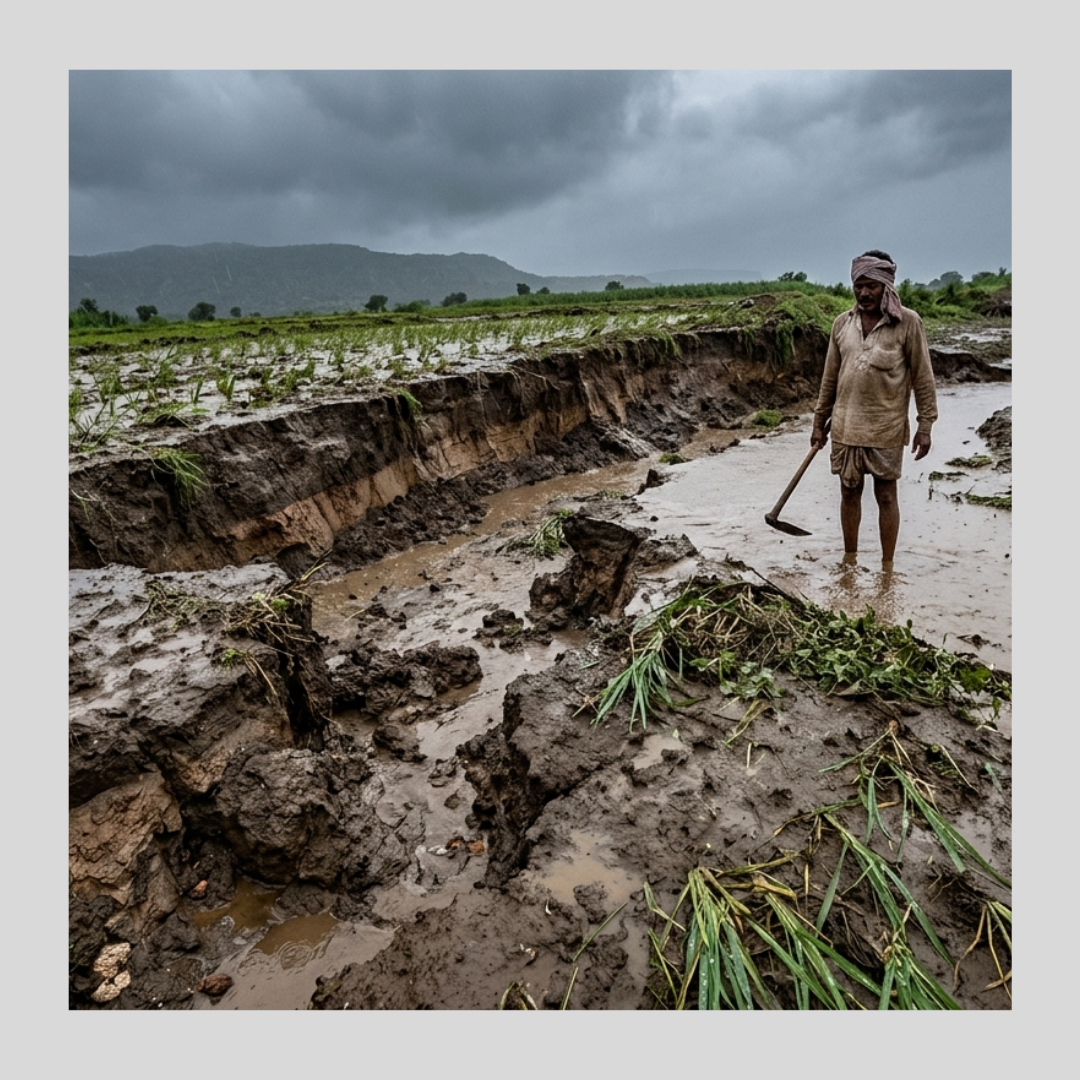
- Soil becomes hard and compact
- Water holding capacity decreases
- Root growth is restricted
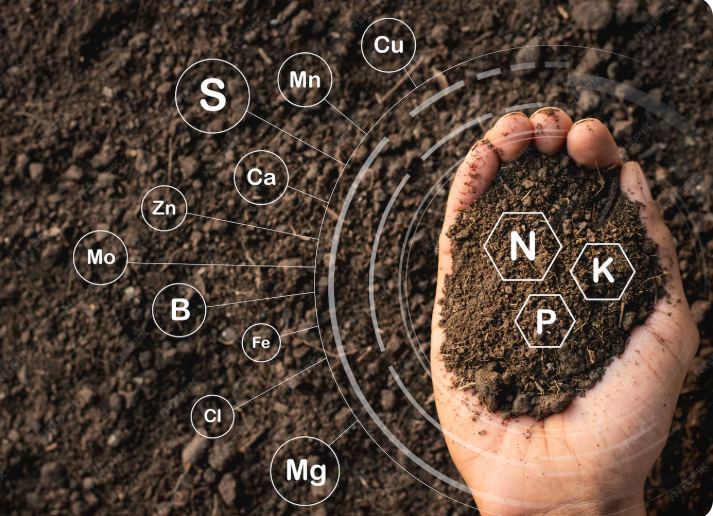
- Nutrient availability to plants is reduced
Why is Soil Organic Carbon Important?
- Improves Soil Structure : SOC helps make the soil loose and friable, allowing roots to grow deeper and stronger.
- Enhances Water Retention : Soil with higher organic carbon can retain more moisture, reducing the impact of drought.
- Boosts Microbial Activity : It supports beneficial soil microorganisms, which help in nutrient availability and overall soil fertility.
How to Increase Soil Organic Carbon
- Apply farmyard manure and compost regularly
- Avoid burning crop residues; instead, incorporate them into the soil
- Use green manuring practices
- Practice mulching to cover the soil
Conclusion
Soil Organic Carbon is the foundation of soil health. Increasing SOC is one of the simplest and most effective way to maintain long-term soil fertility. It not only enhances crop productivity but also ensures sustainable farming.
#SoilOrganicCarbon #SoilHealth #SustainableFarming #OrganicFarming #HealthySoil #SmartFarming #Agriculture #Farmers #SoilManagement #CropProduction #Compost #Mulching #GreenManure #FarmTips #AgriKnowledge #ModernFarming #NaturalFarming #SoilFertility #EcoFriendlyFarming #AgriAwareness