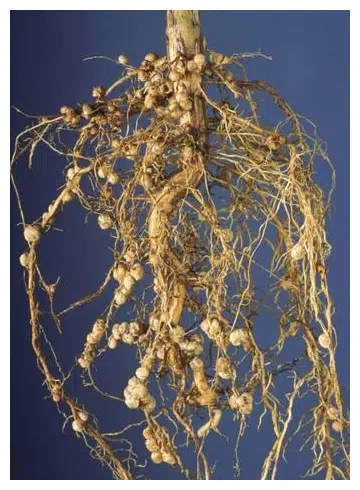
Indian agriculture is highly dependent on monsoon rainfall. While adequate rainfall is essential for crop growth, continuous heavy rainfall can severely affect the physical, chemical, and biological properties of soil. Due to changing climatic conditions, many regions are experiencing intense rainfall within short durations, leading to long-term effects on soil fertility, root activity, microbial balance, and agricultural productivity.
1. Nutrient Leaching
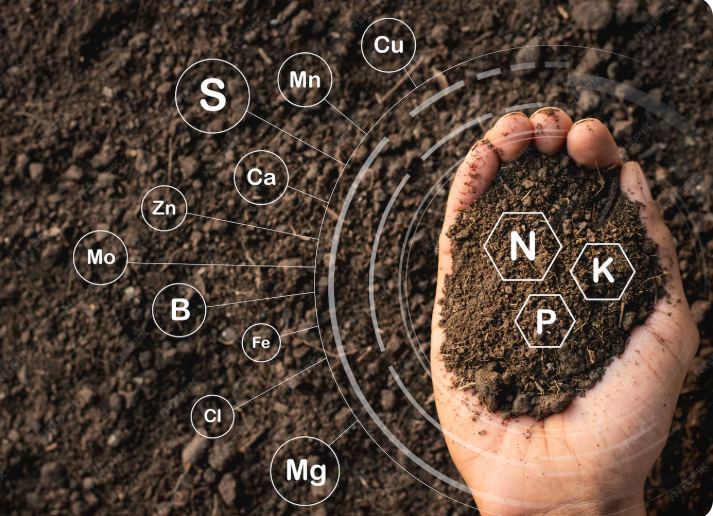
Heavy rainfall increases water movement through the soil profile, causing soluble nutrients to leach into deeper soil layers. Nitrogen, especially in nitrate form, is highly prone to leaching. Nutrients such as Sulphur, Calcium, and Magnesium may also be lost.
This results in:
• Reduced nutrient availability to crops
• Lower fertilizer use efficiency
• Increased cultivation cost
• Decline in soil fertility
The effect is more severe in sandy and light-textured soils.
2. Deterioration of Soil Structure
Excess water fills soil pores and reduces air space within the soil. Soil aggregates begin to break down, leading to compaction and increased stickiness. Continuous wet conditions reduce soil friability and aeration.
As a result:
• Root growth becomes restricted
• Drainage decreases
• Soil aeration is reduced
• Nutrient absorption efficiency declines
3. Oxygen Deficiency in Soil
Waterlogged conditions significantly reduce oxygen availability in the root zone. Since roots require oxygen for respiration, prolonged saturation creates anaerobic conditions.
This leads to:
• Reduced root activity
• Increased incidence of root rot diseases
• Yellowing of plants
• Lower energy production within plant tissues
Long-term oxygen deficiency directly impacts crop growth and yield.
4. Disturbance in Microbial Balance
Beneficial soil microorganisms play an important role in nutrient cycling, organic matter decomposition, and root development. However, excessive moisture reduces the population and activity of beneficial microbes.
At the same time:
• Harmful fungal pathogens increase
• Diseases caused by Phytophthora and Pythium become more common
• Biological activity in soil declines
This negatively affects overall soil health.
5. Soil Erosion
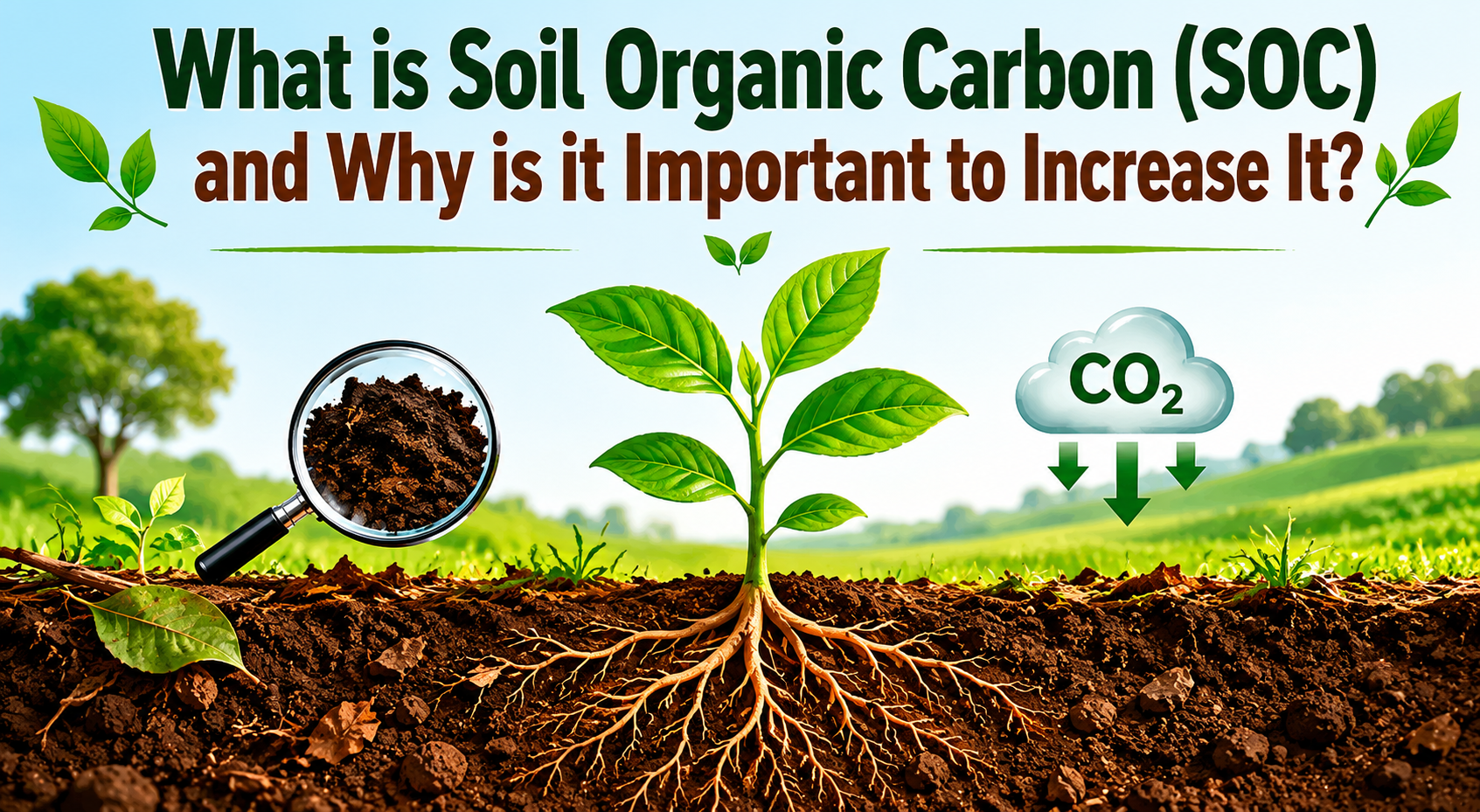
Intense rainfall often removes the fertile topsoil layer, which contains high levels of organic carbon, micronutrients, and beneficial microorganisms.
Soil erosion results in:
• Loss of organic matter
• Reduced water holding capacity
• Lower soil productivity
• Long-term land degradation
6. Increase in Soil Salinity
In poorly drained areas, prolonged water stagnation can lead to salt accumulation in the upper soil layer after evaporation. This increases soil Electrical Conductivity (EC).
High EC levels can:
• Restrict water uptake by roots
• Disturb nutrient balance
• Reduce crop growth and productivity
Why Soil Health Matters Under Changing Climate Conditions
Climate change is increasing the frequency of excessive rainfall, irregular monsoon patterns, and flooding events. Under such conditions, sustainable agriculture depends not only on crop management but also on maintaining healthy soil. Soil health has become a critical factor for long-term agricultural sustainability.
Conclusion
Heavy rainfall disturbs the physical, chemical, and biological balance of soil. Nutrient loss, oxygen deficiency, microbial imbalance, and soil erosion can significantly reduce agricultural productivity over time. Therefore, protecting soil health has become one of the most important priorities in modern agriculture under changing climatic conditions.
SoilHealth #HeavyRainfall #ClimateSmartAgriculture #SustainableFarming #HealthySoil #SoilFertility #NutrientManagement #Agriculture #MonsoonFarming #ClimateChange