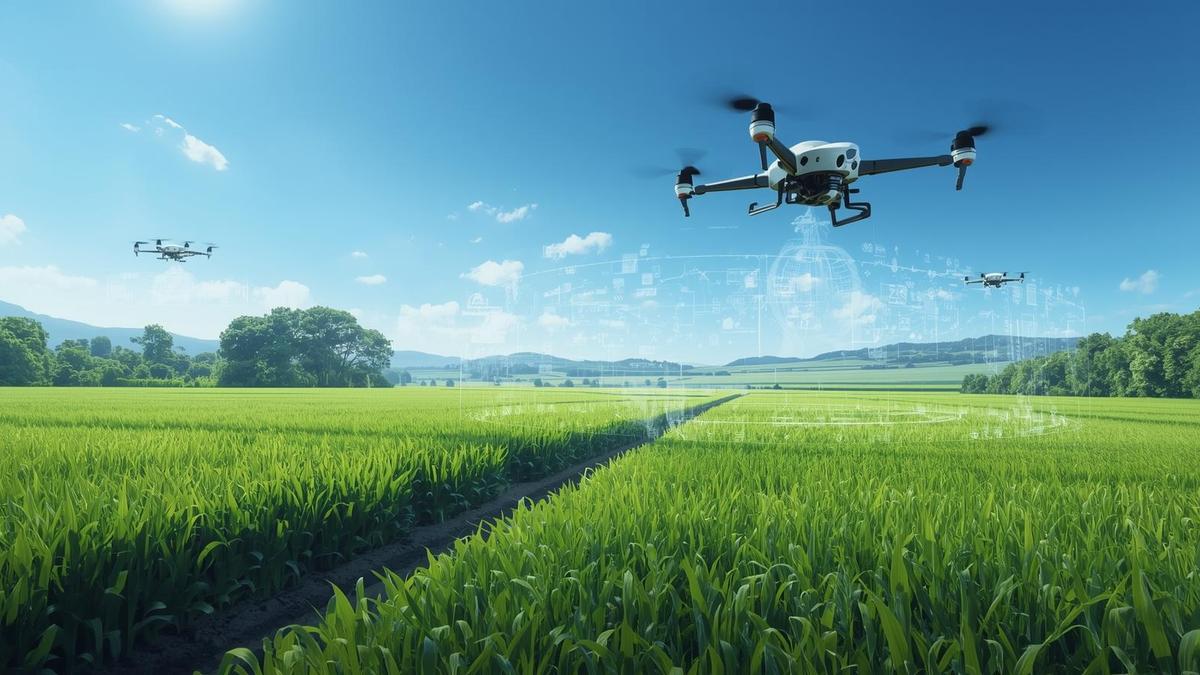
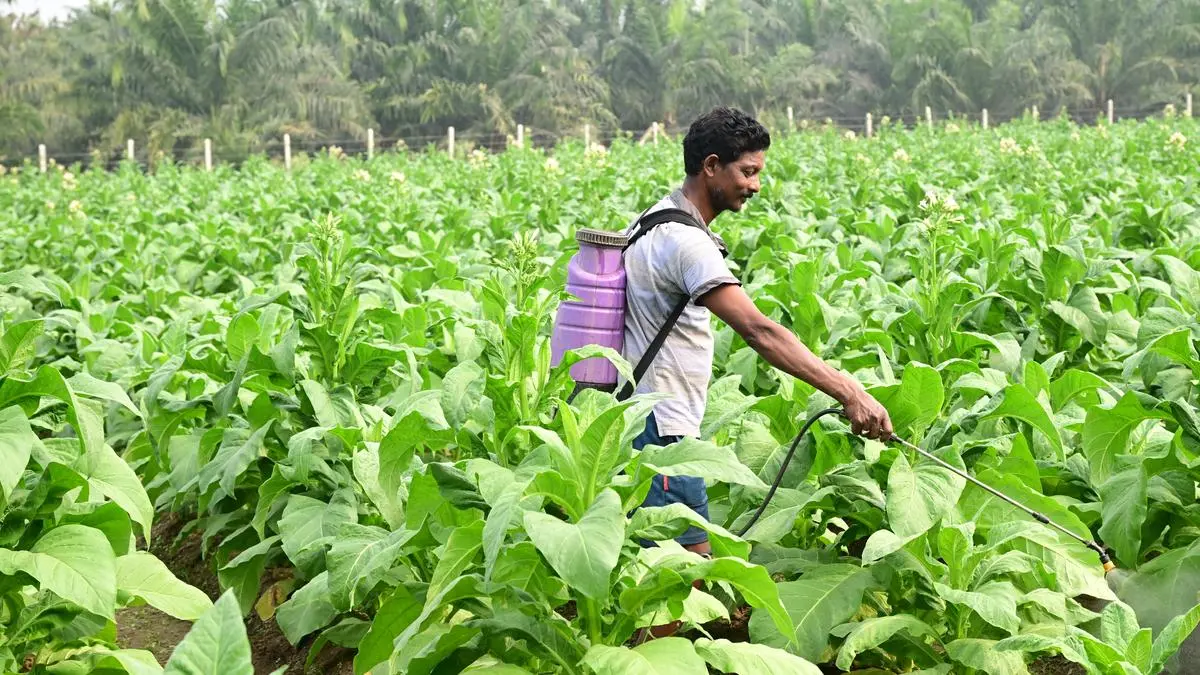
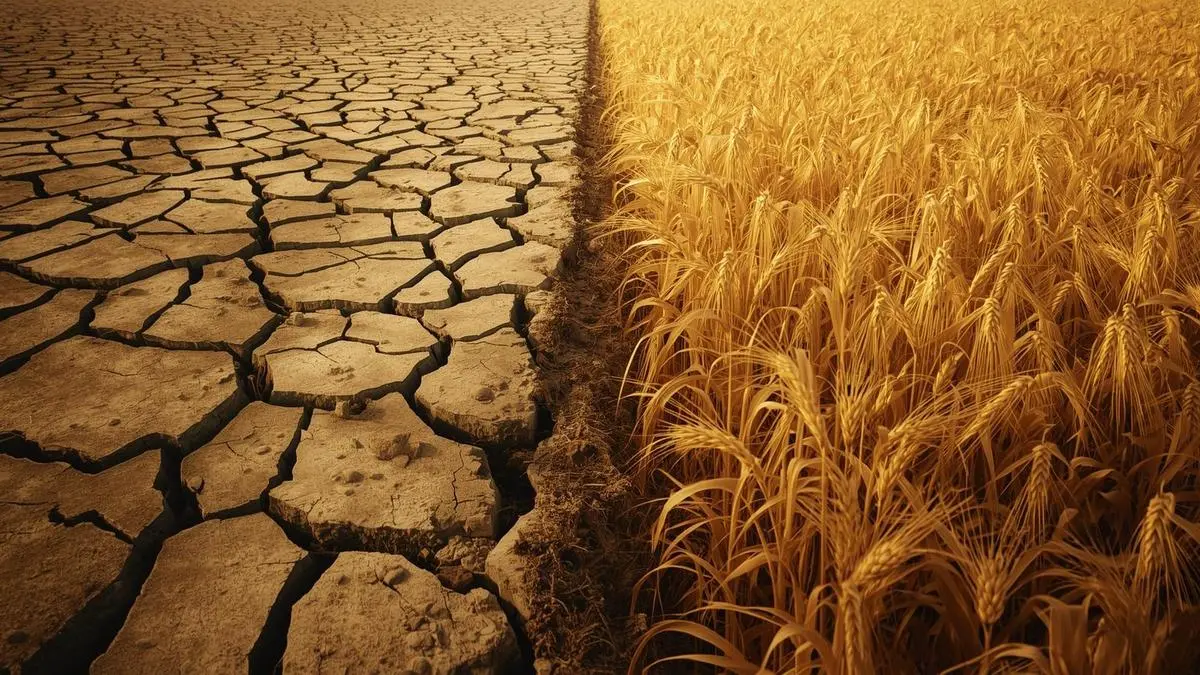
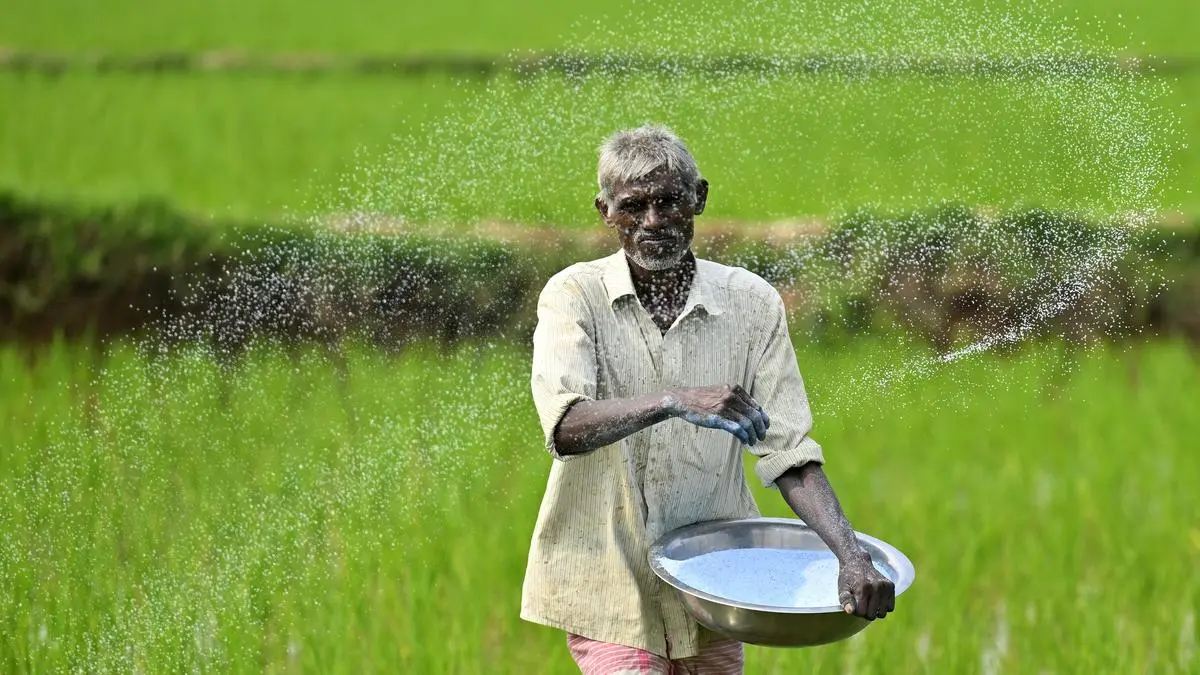
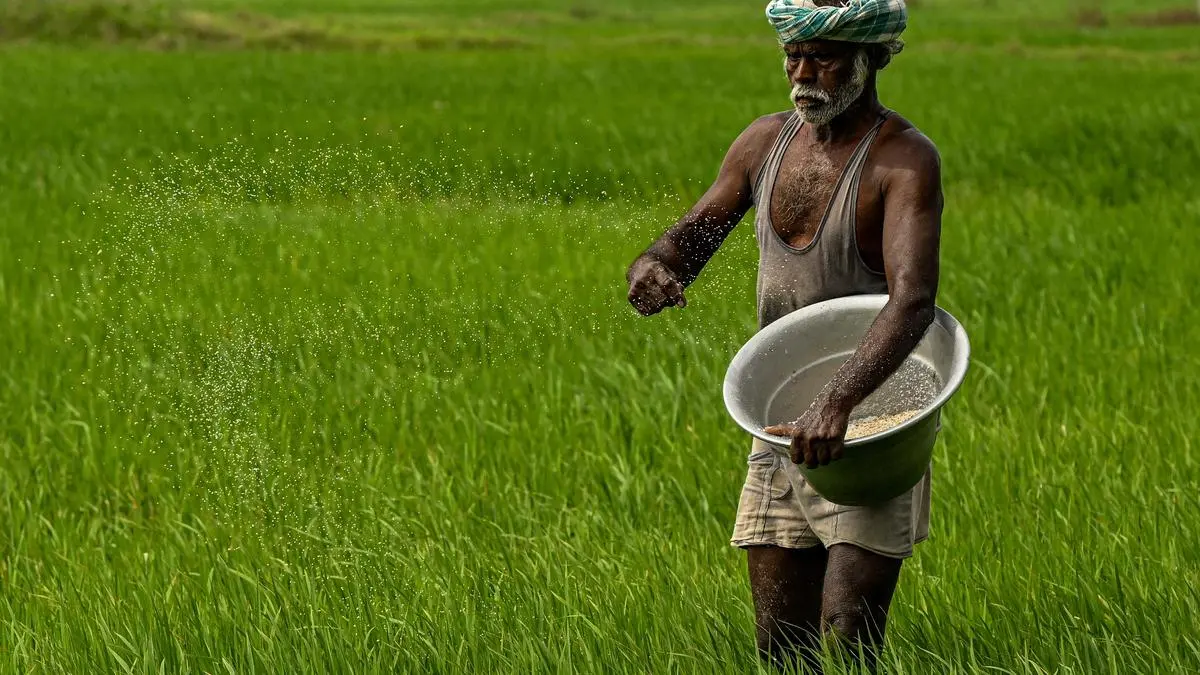
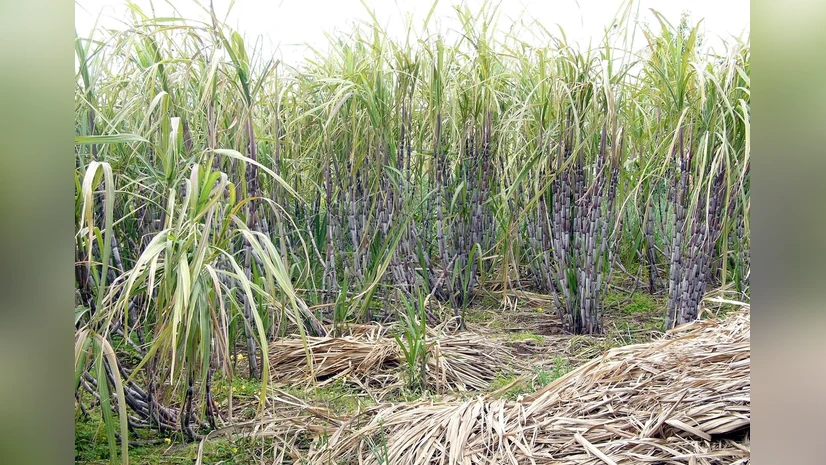
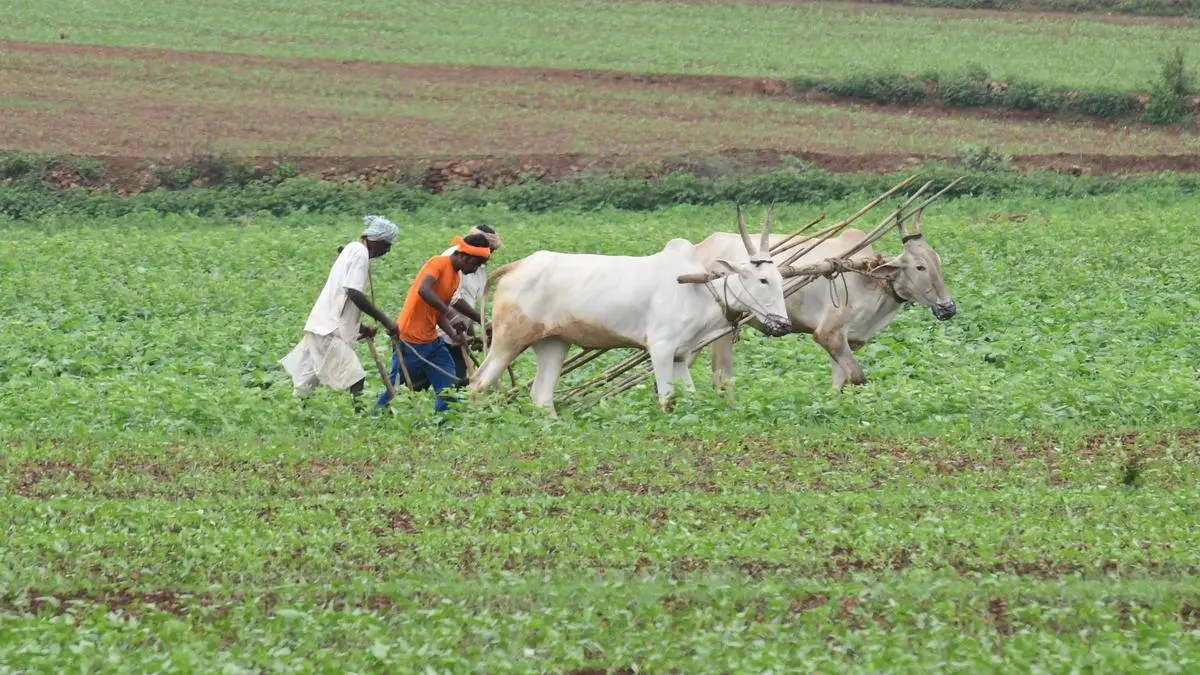
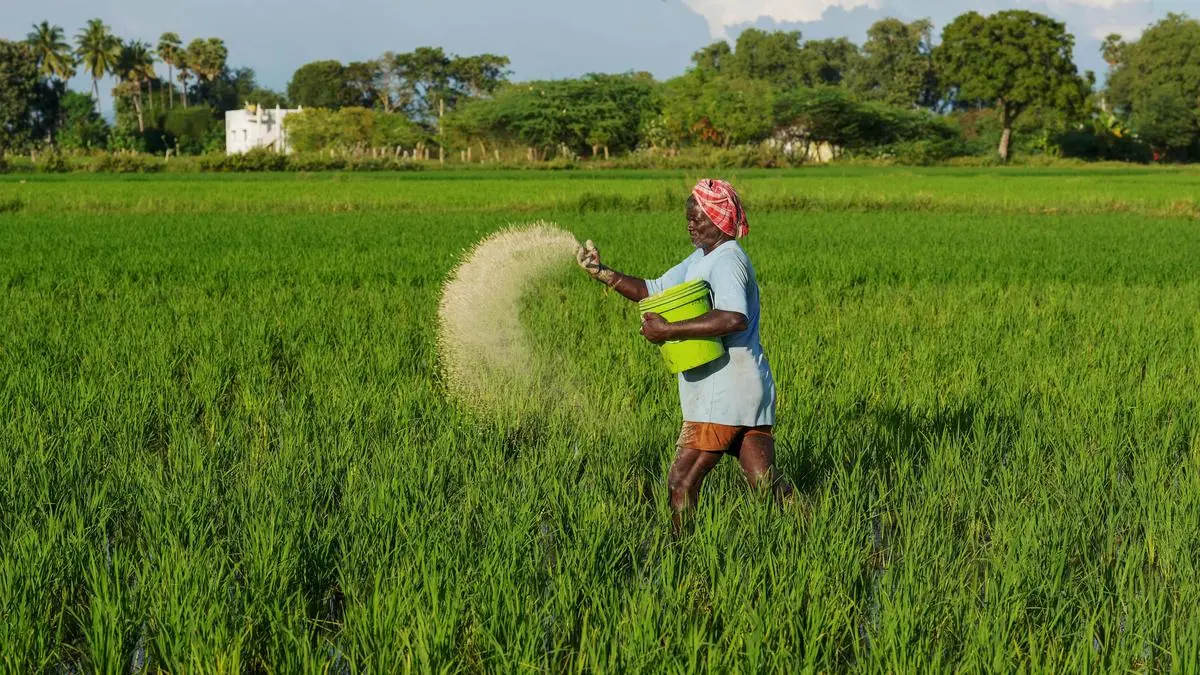
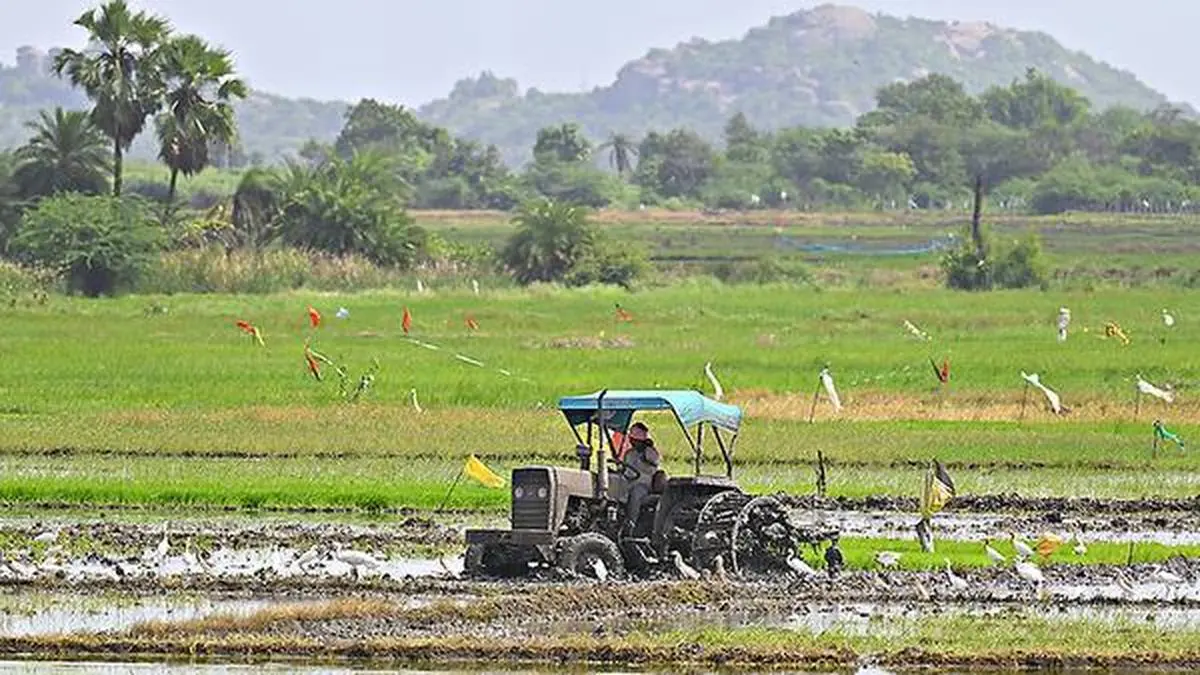
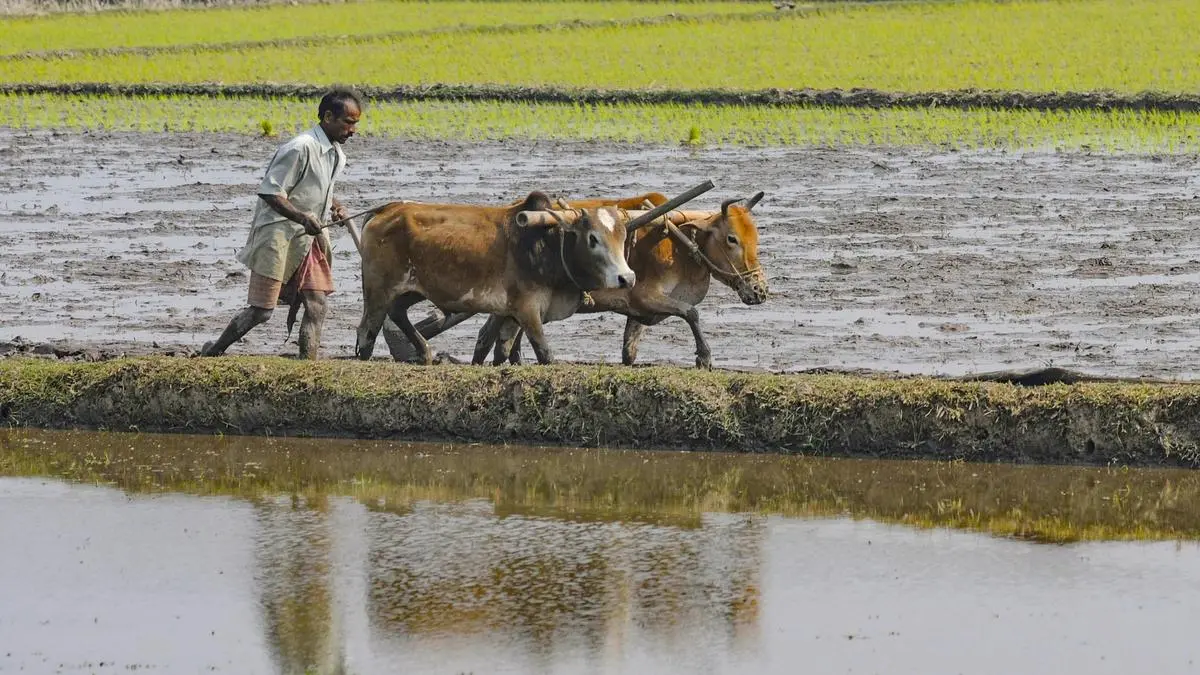
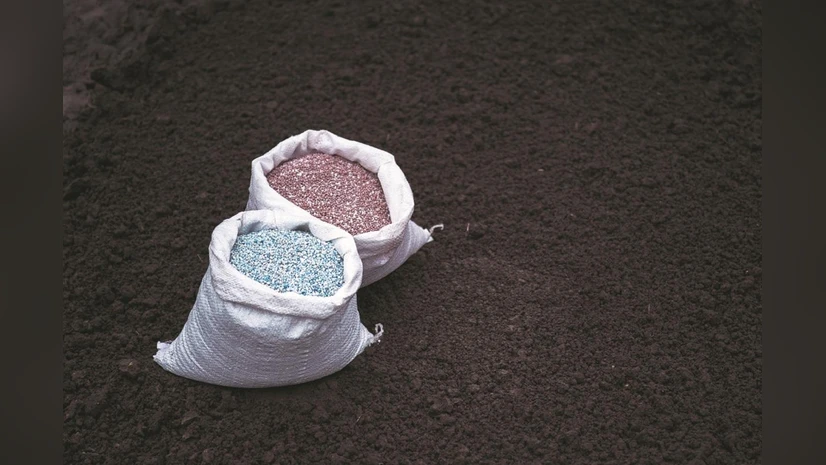
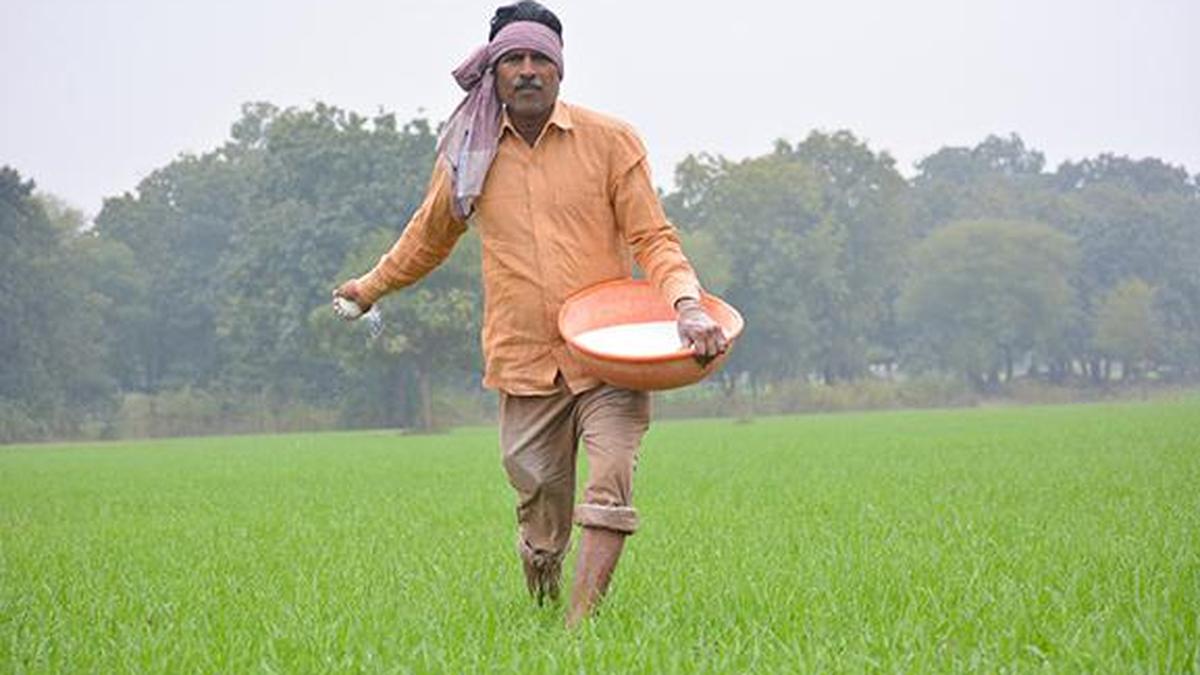
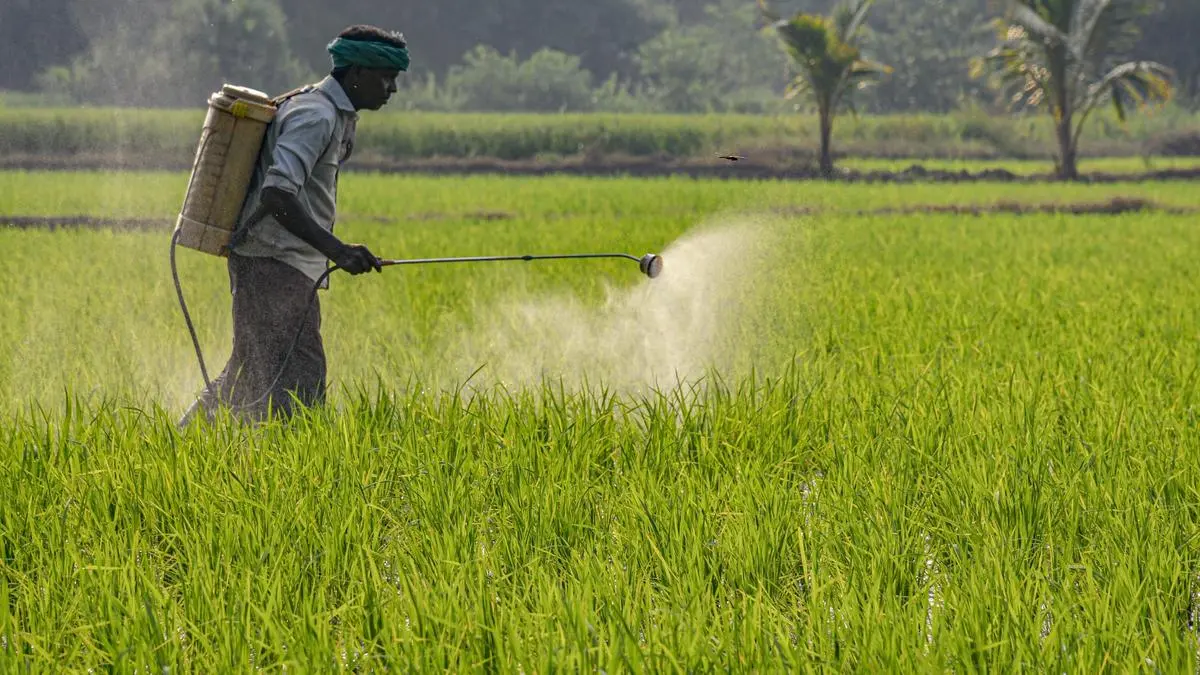
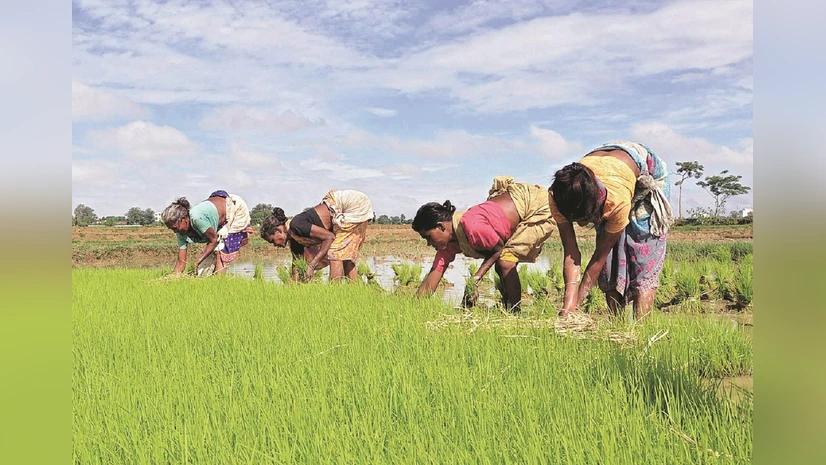
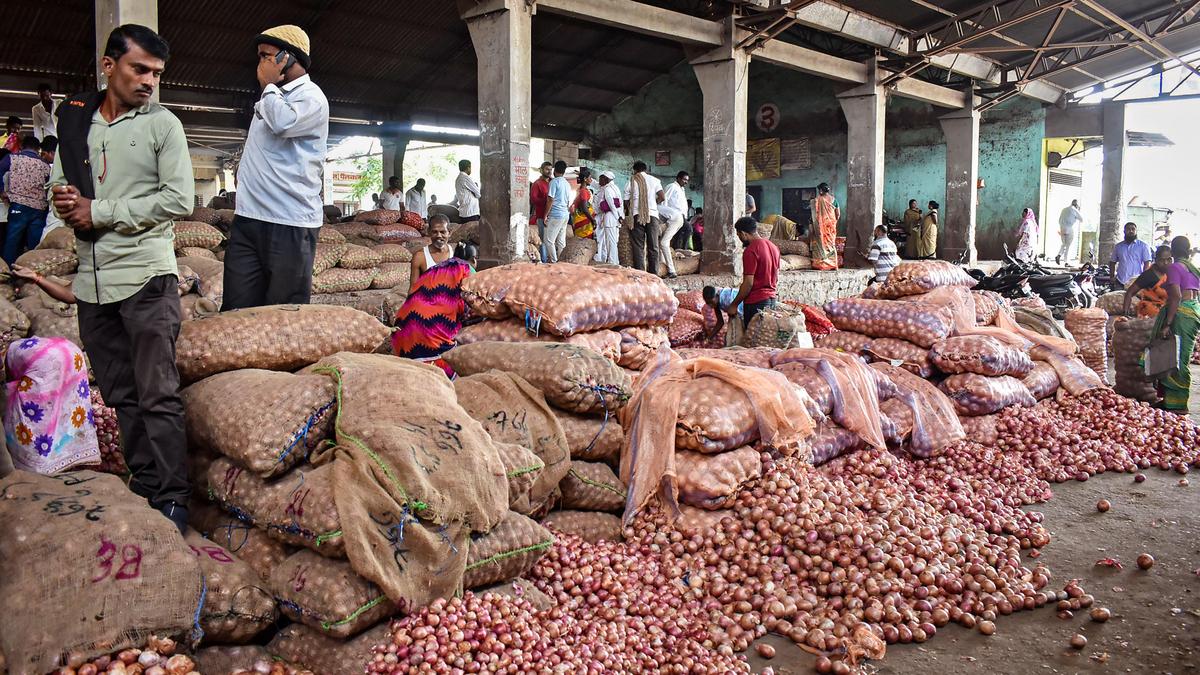
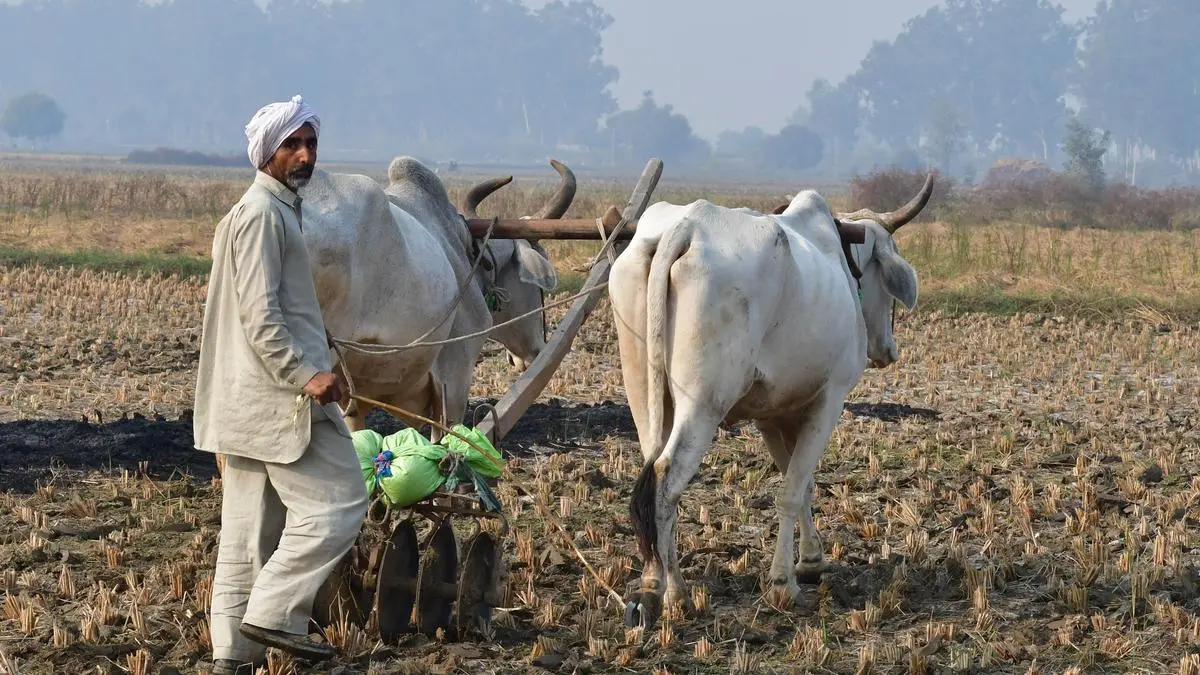
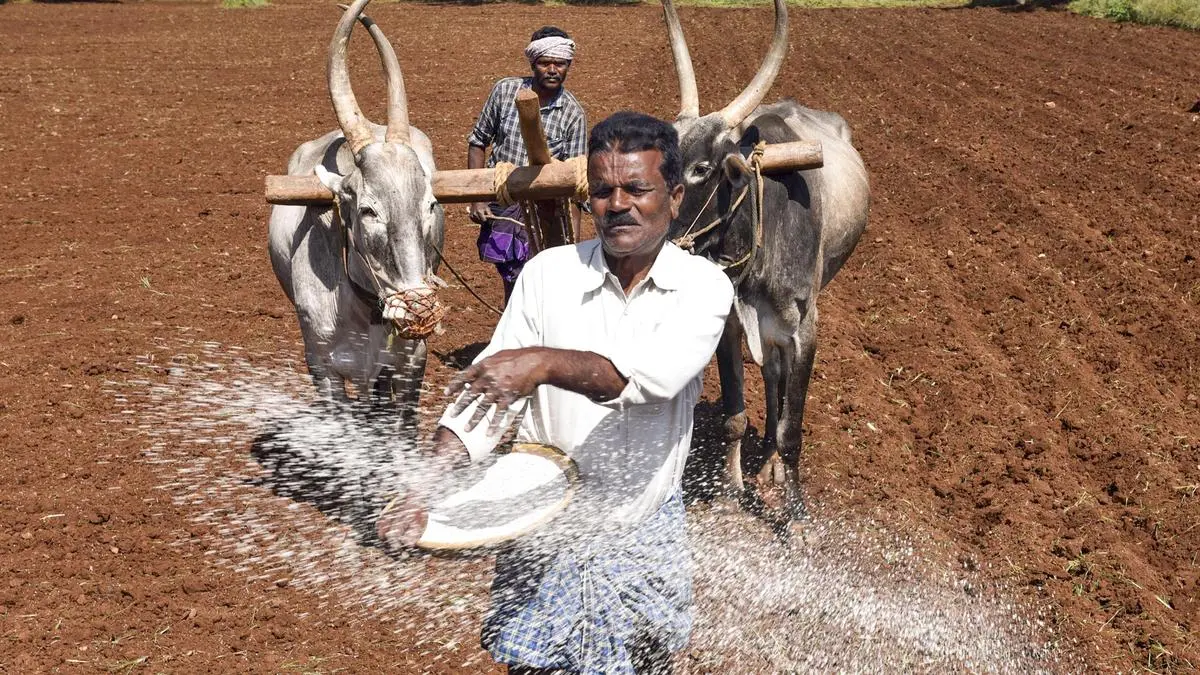
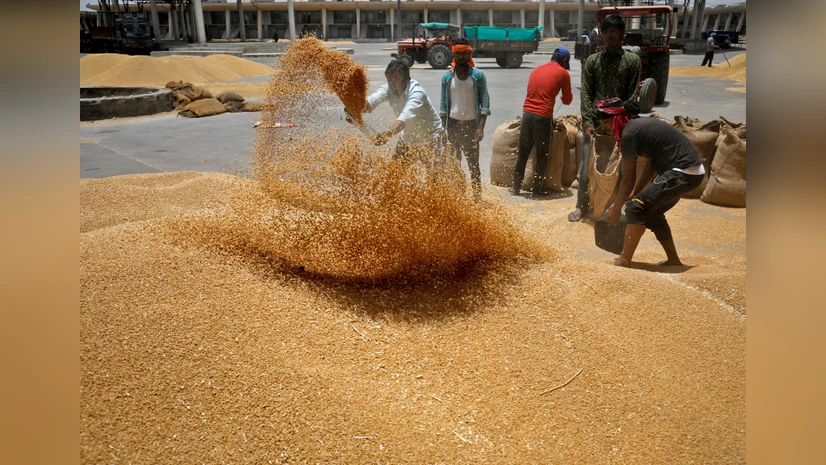
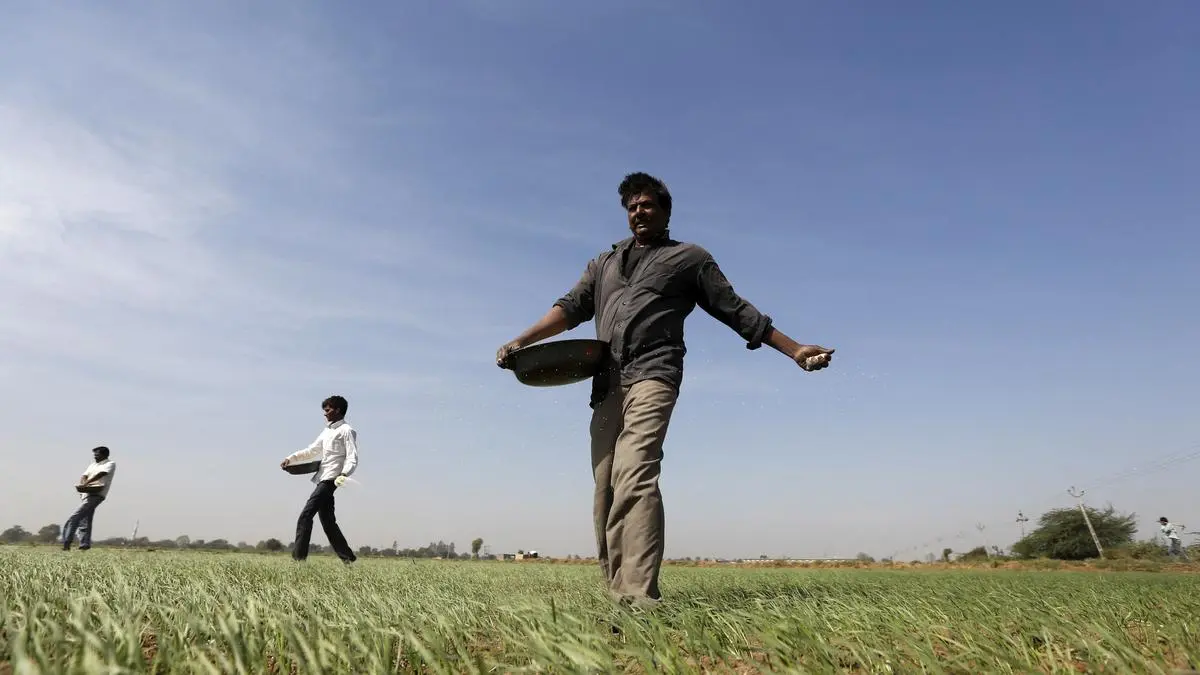
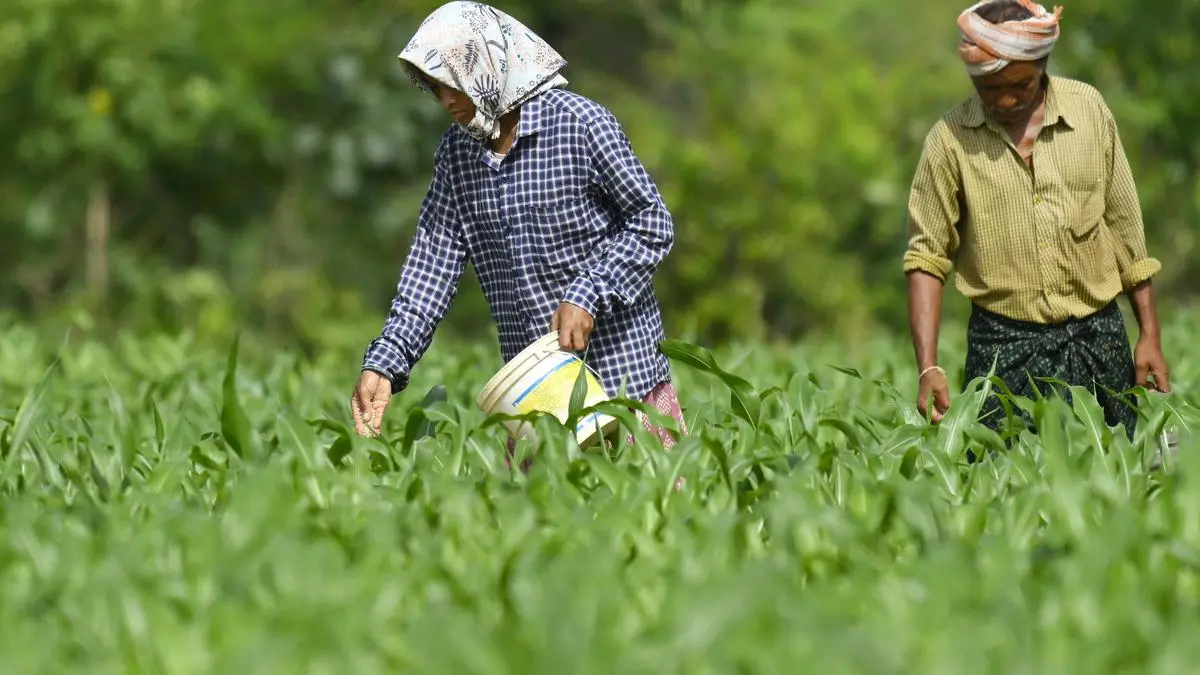
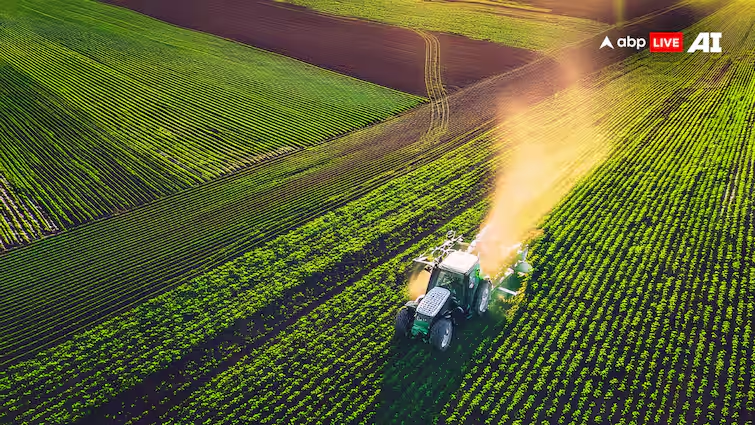
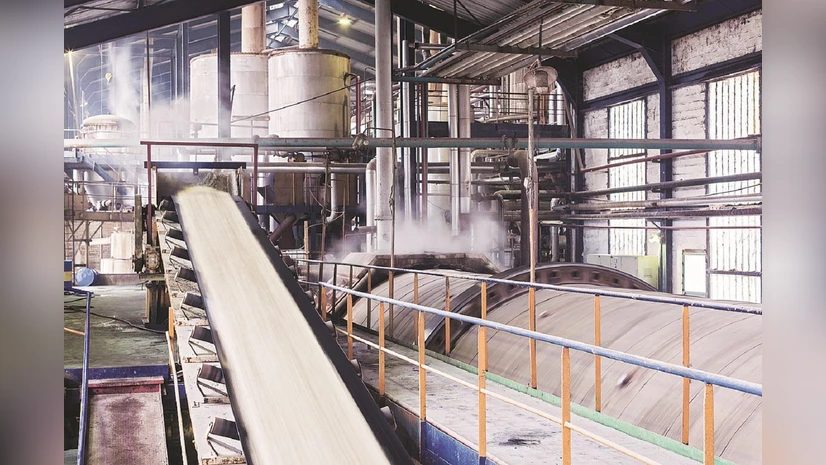
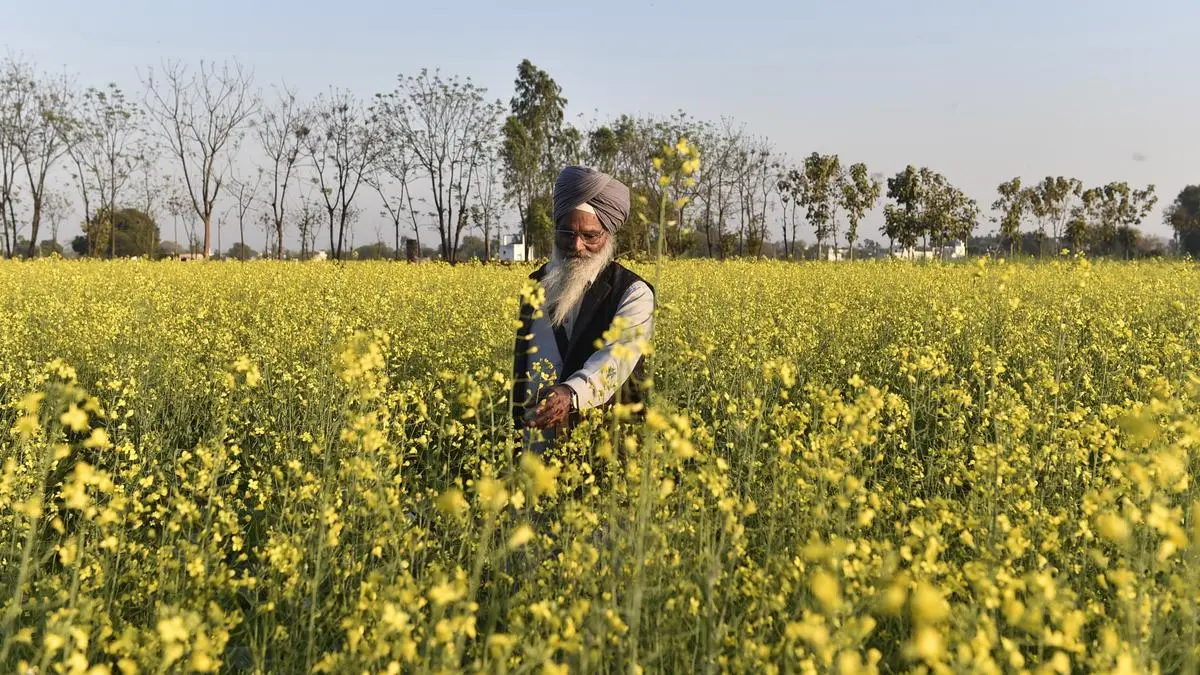
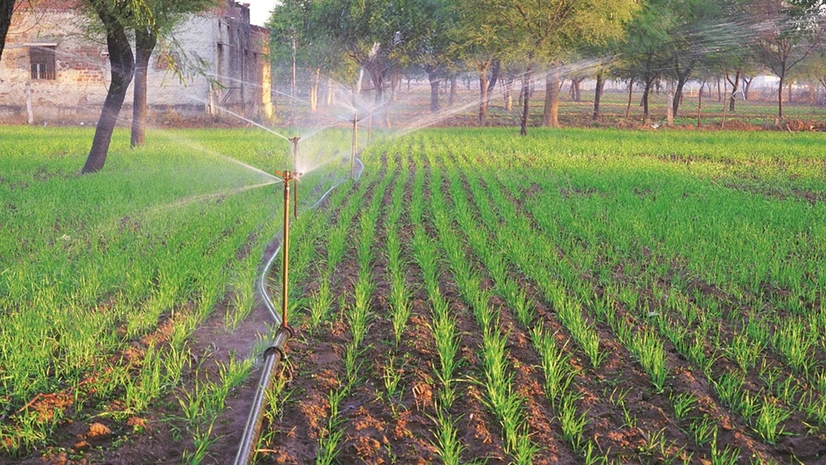
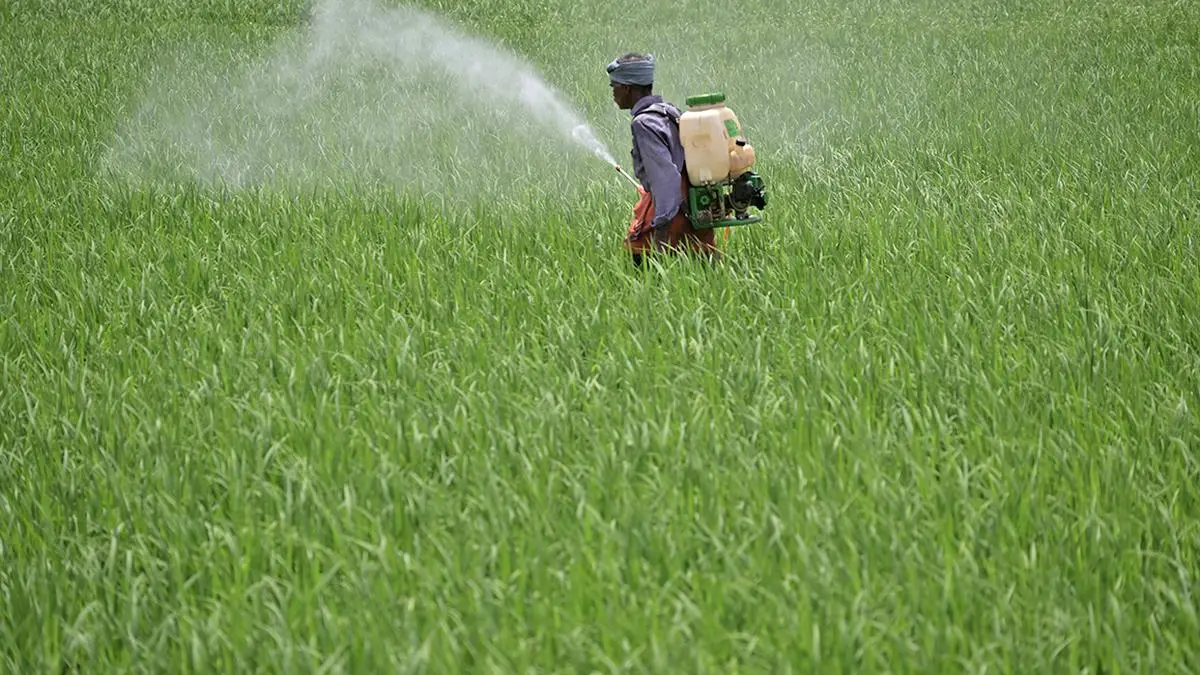
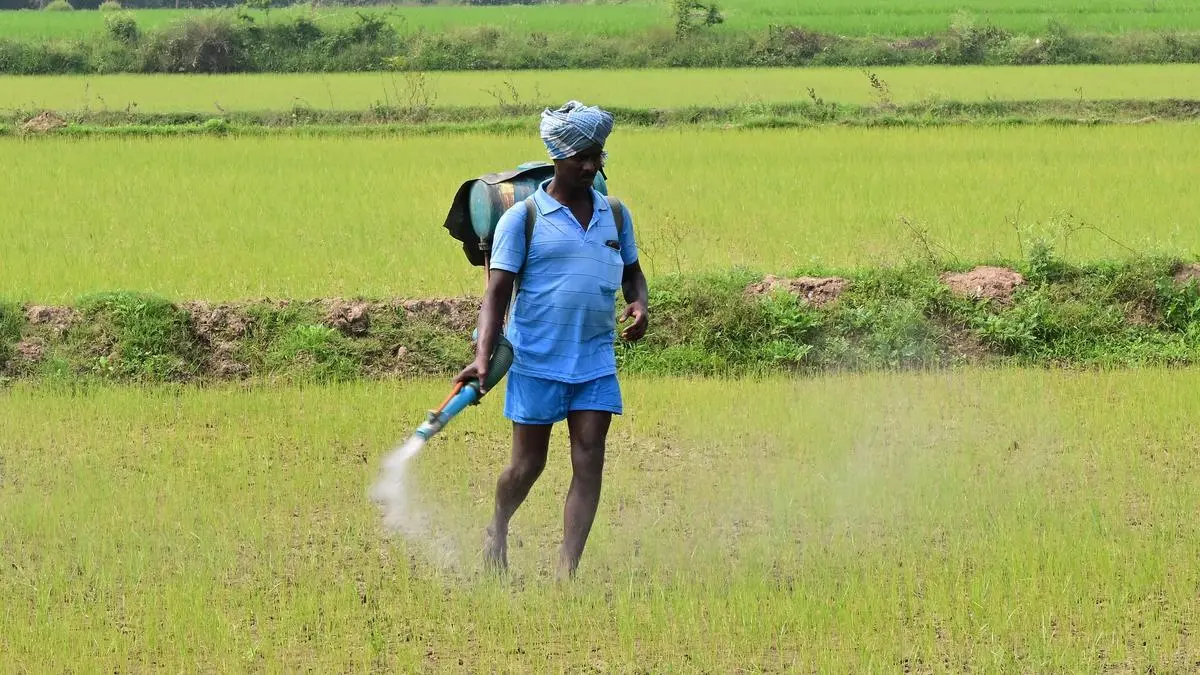
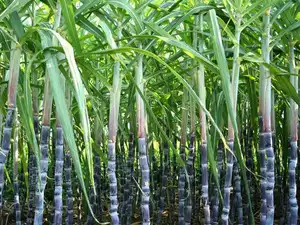
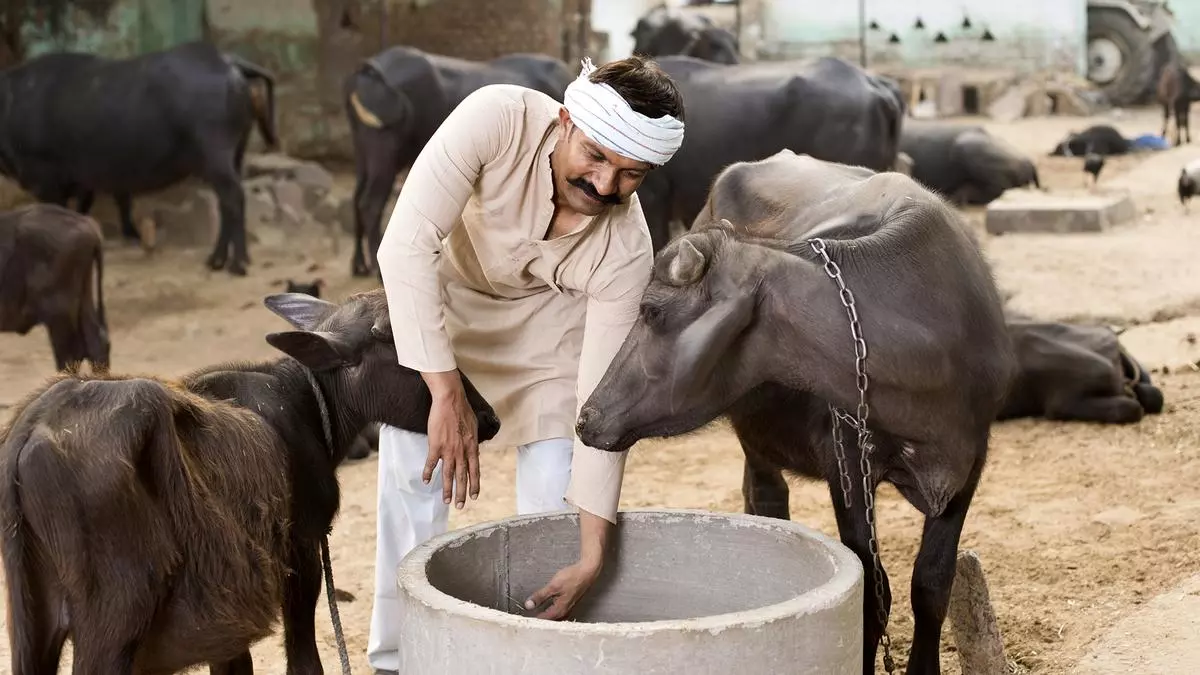
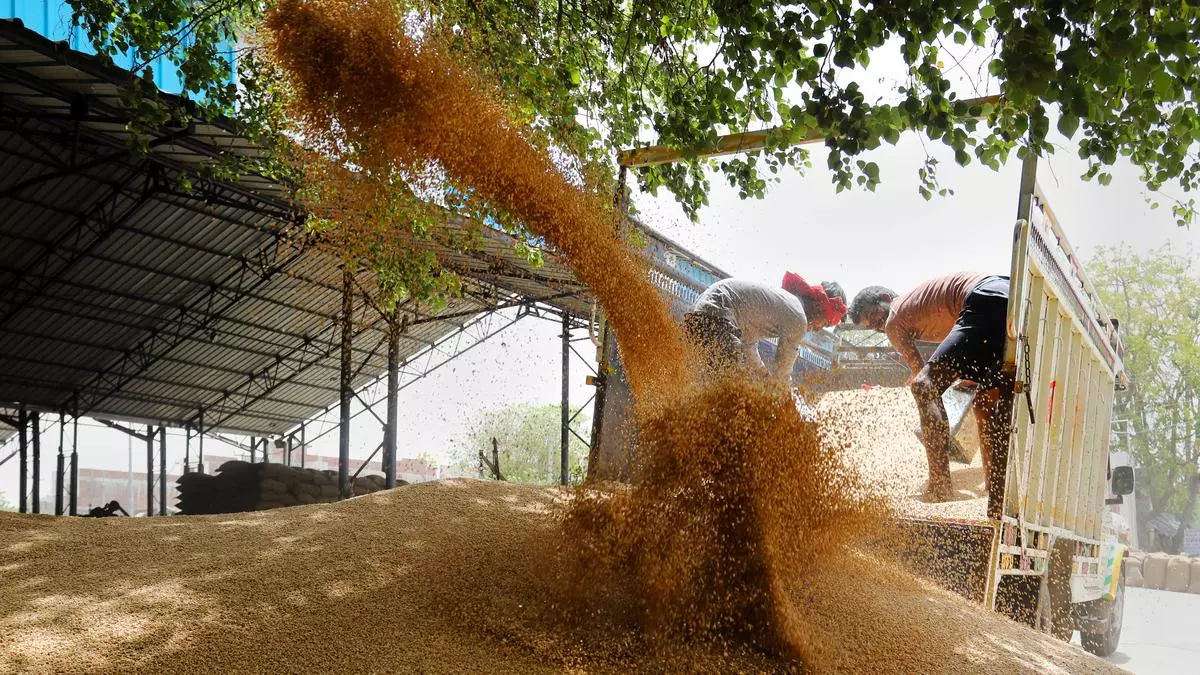
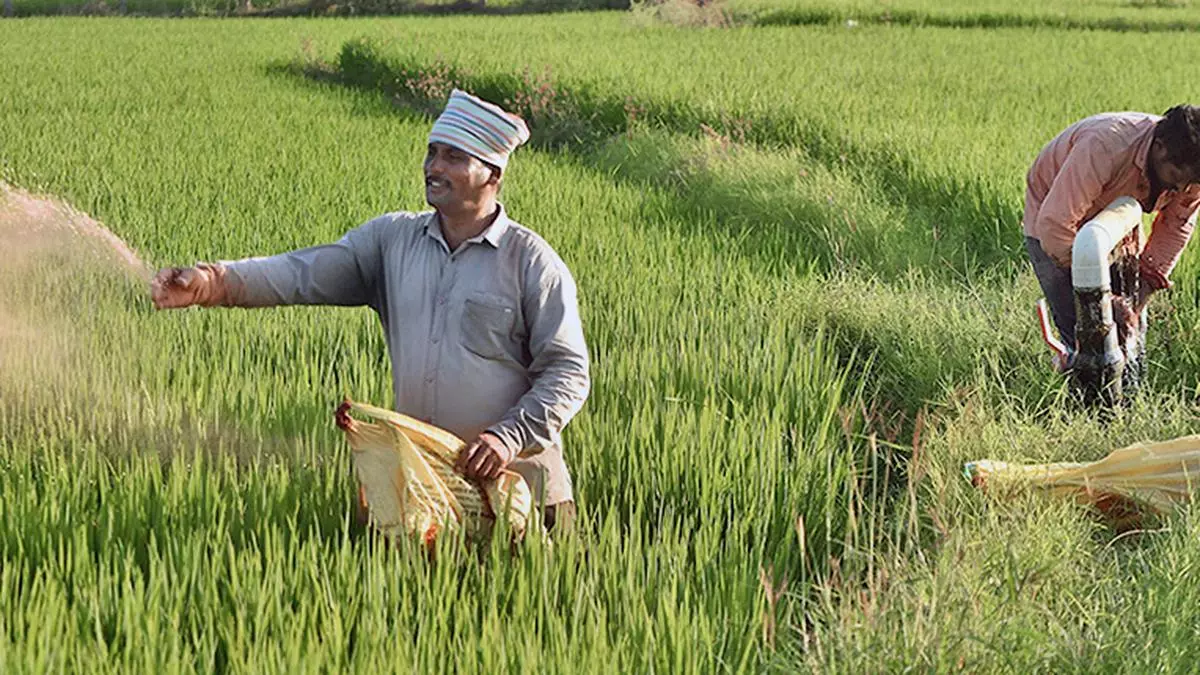
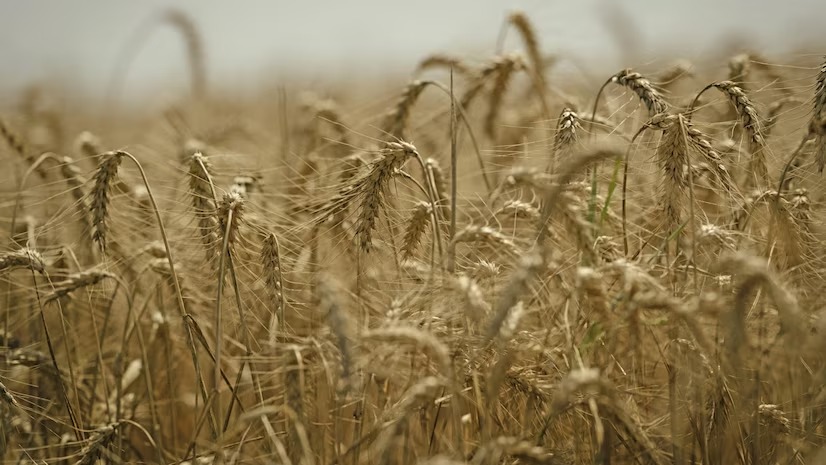
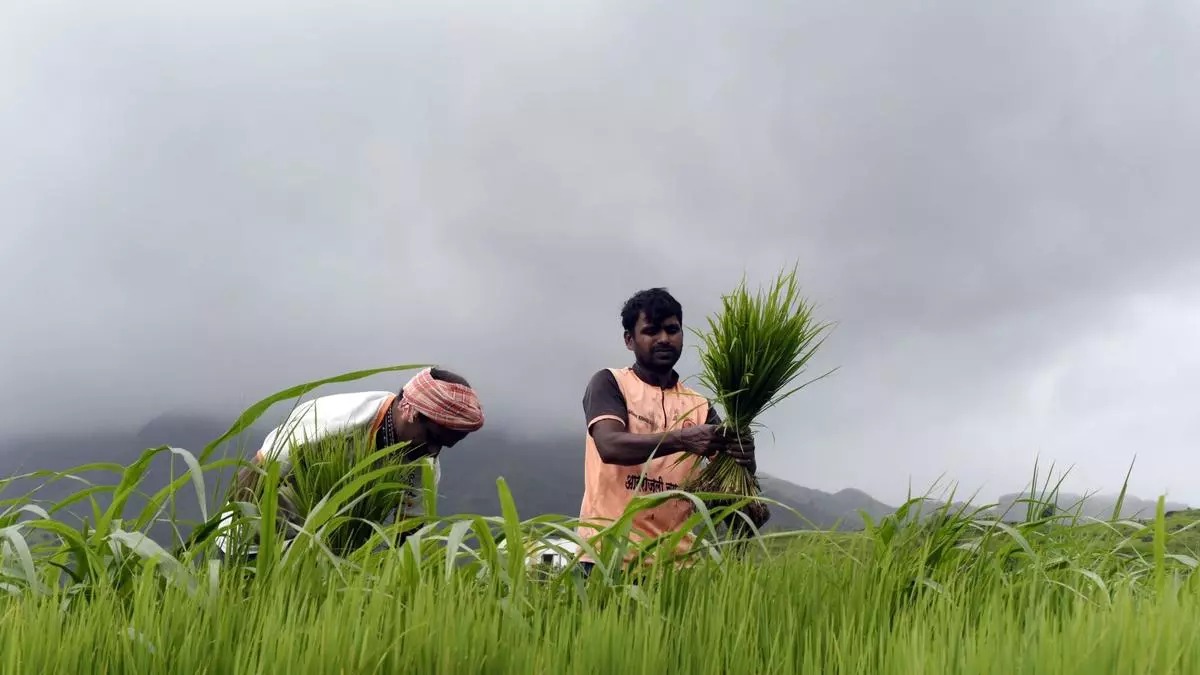
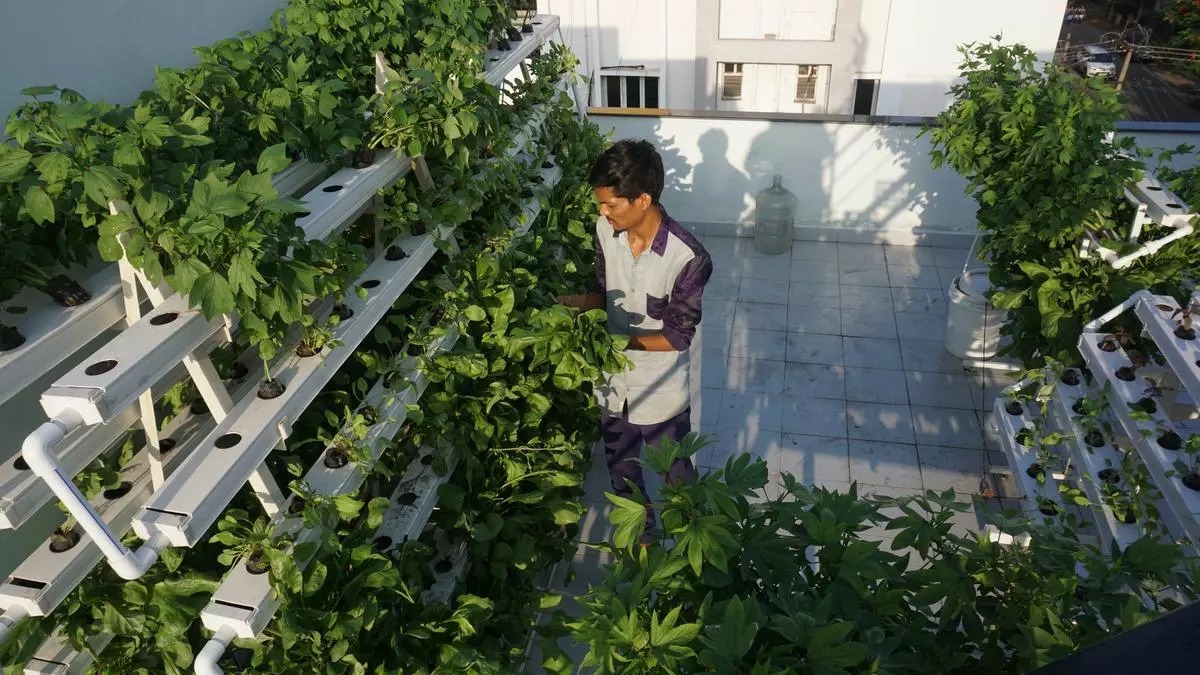
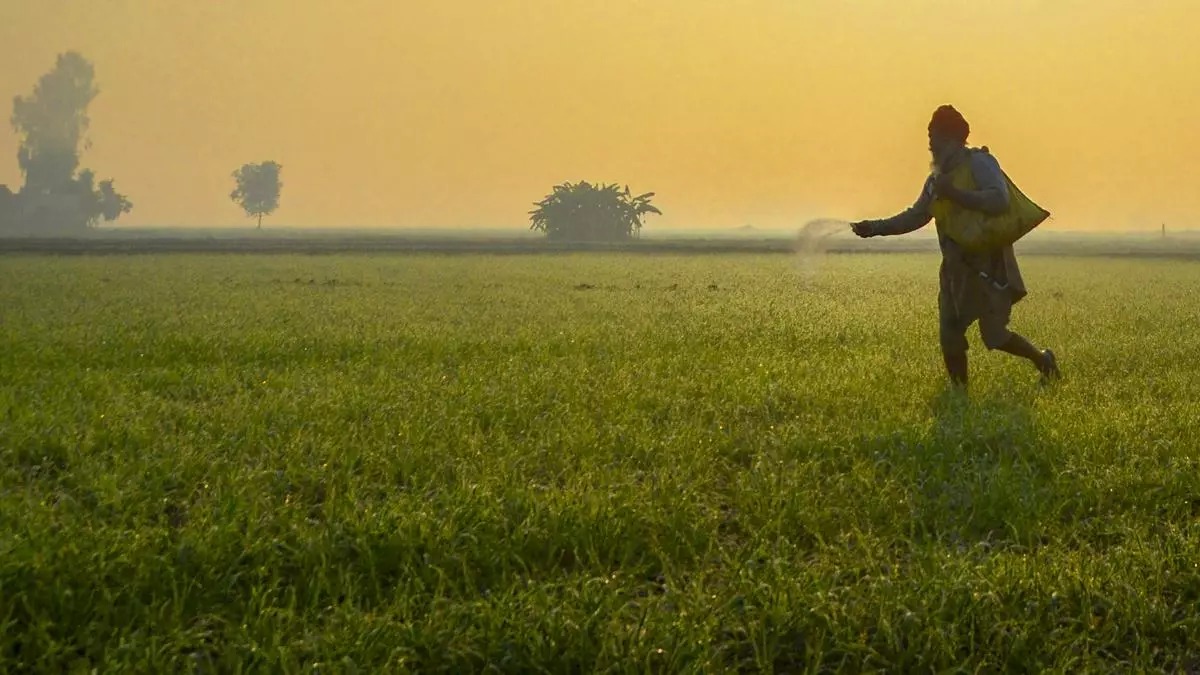
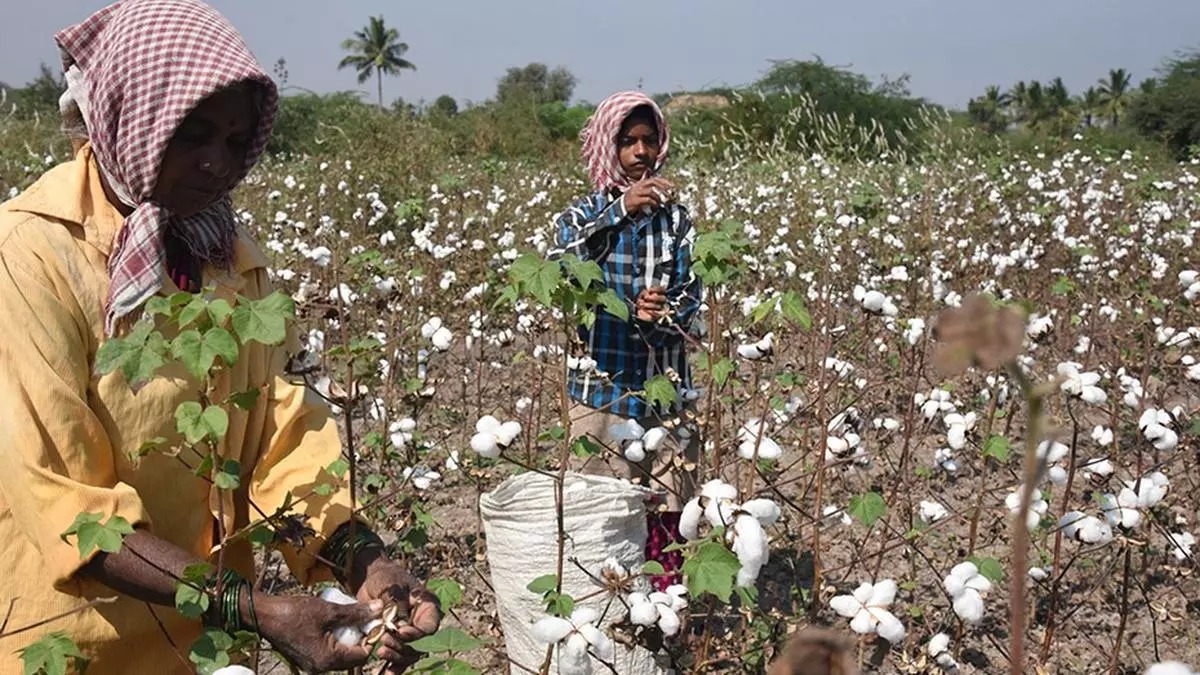
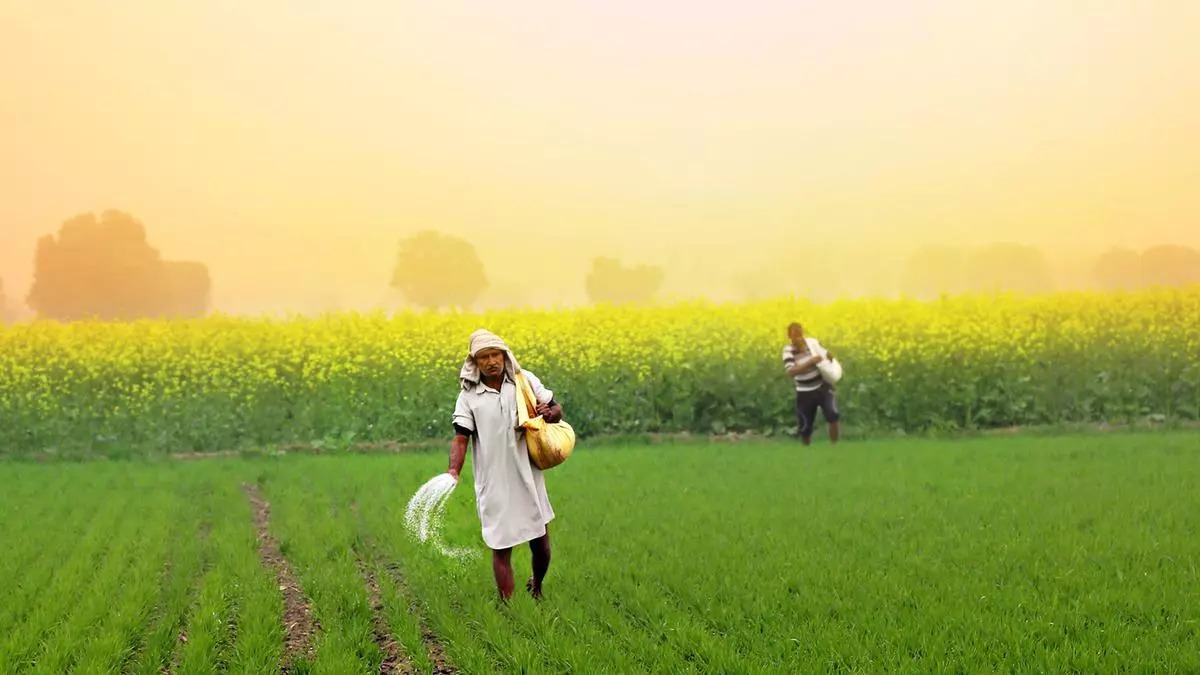
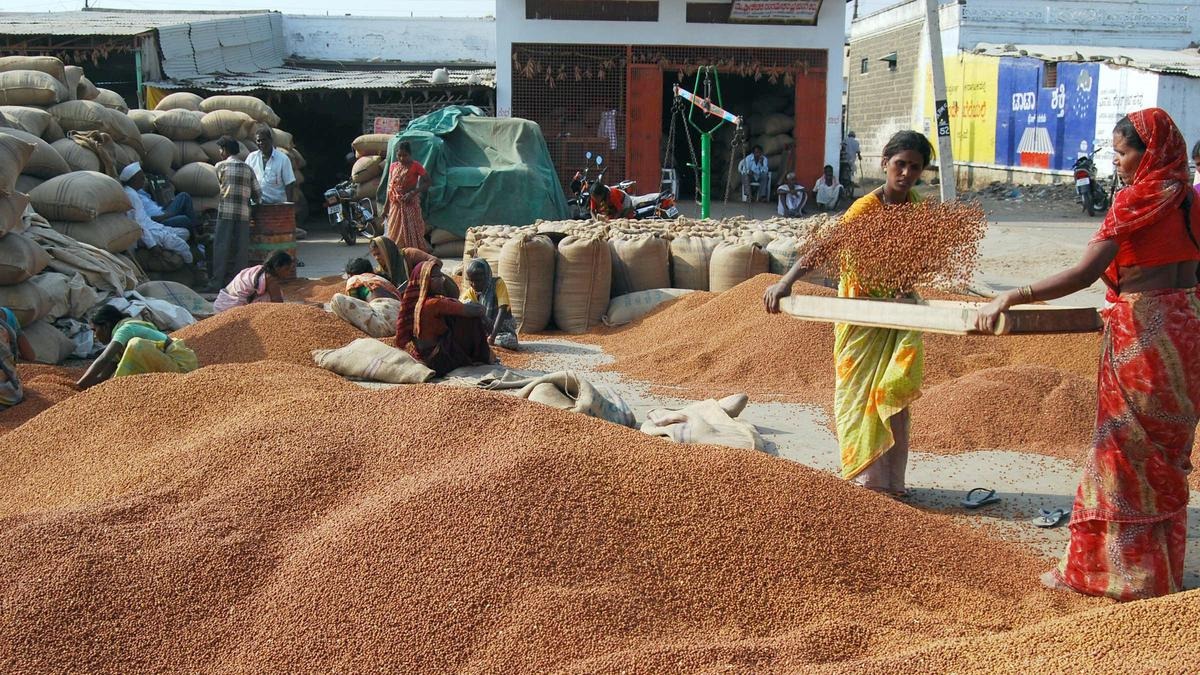
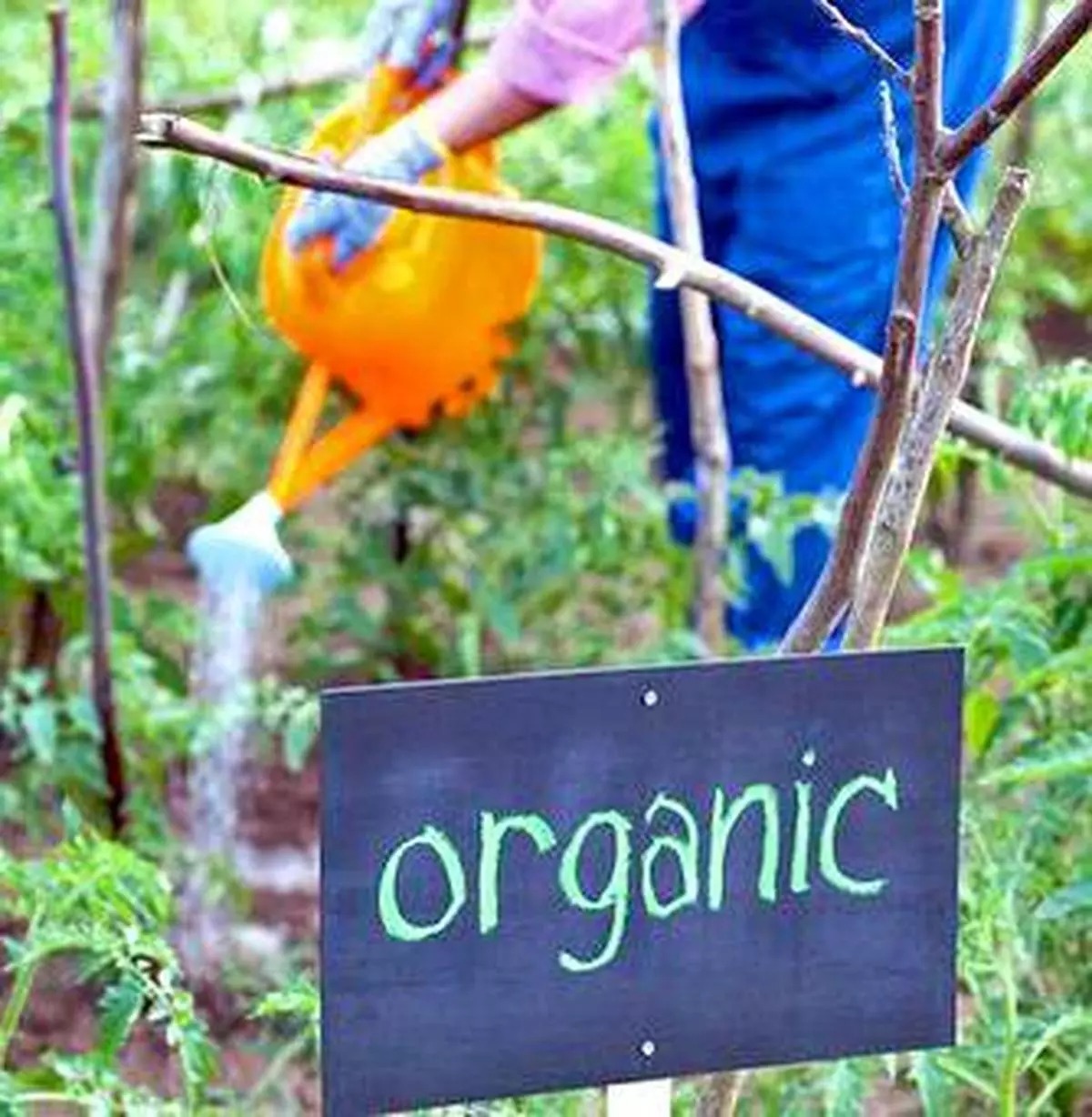
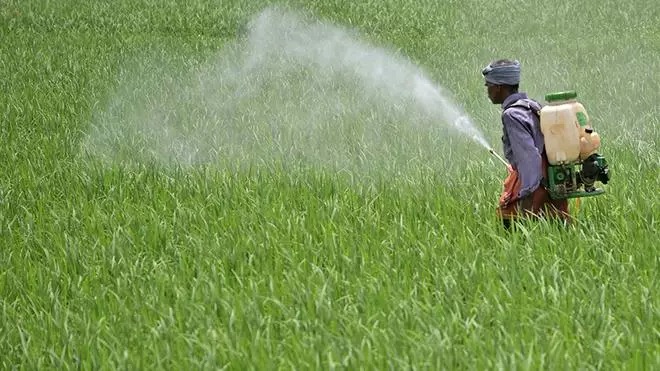
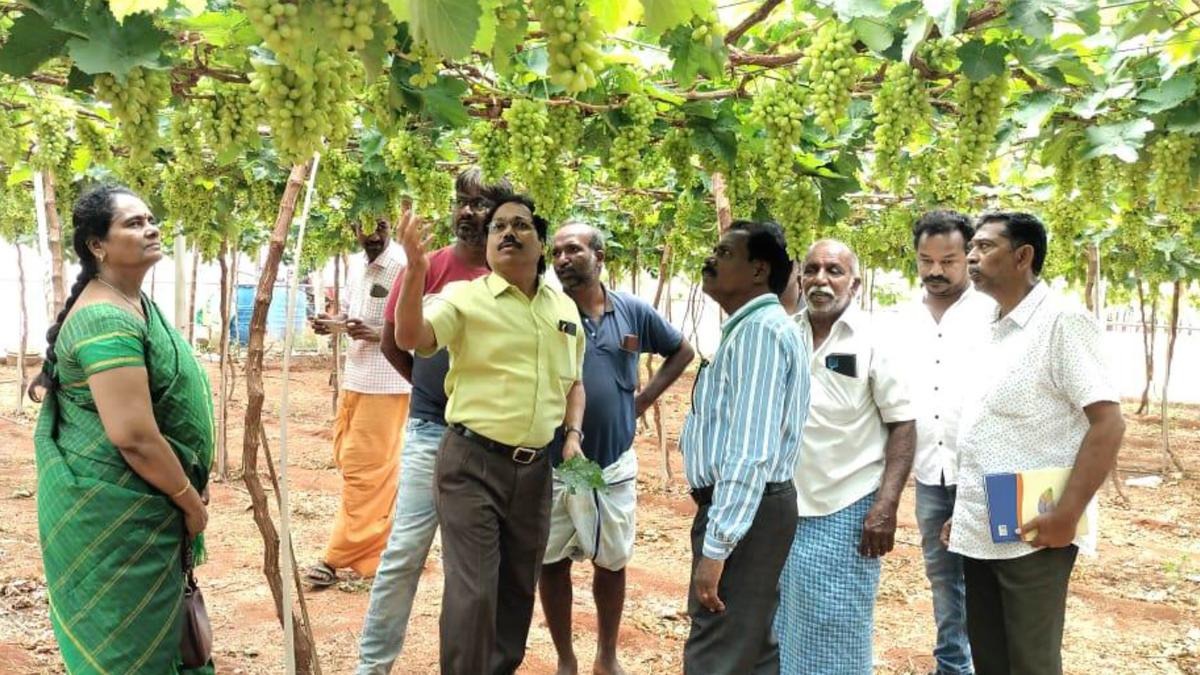
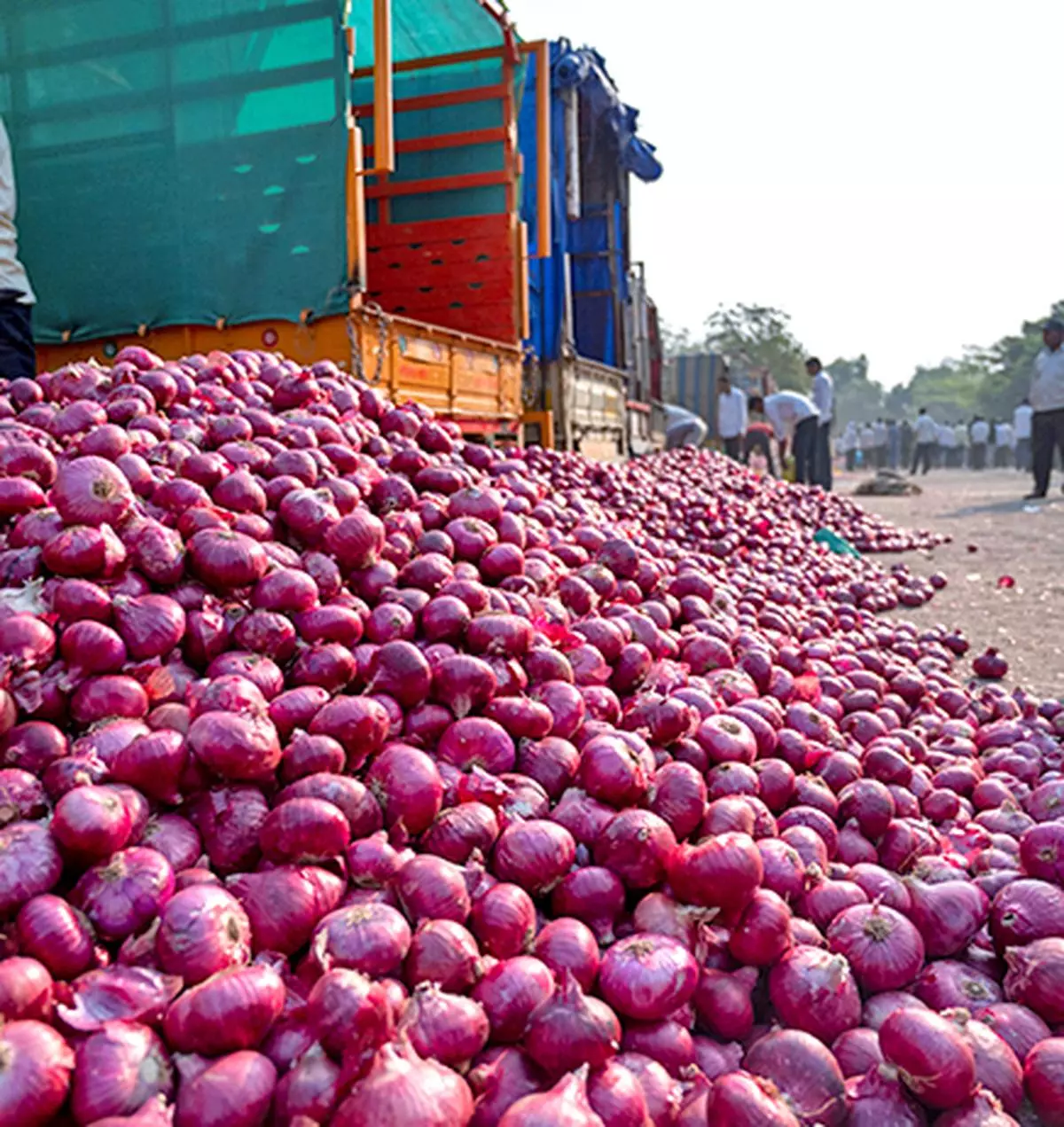
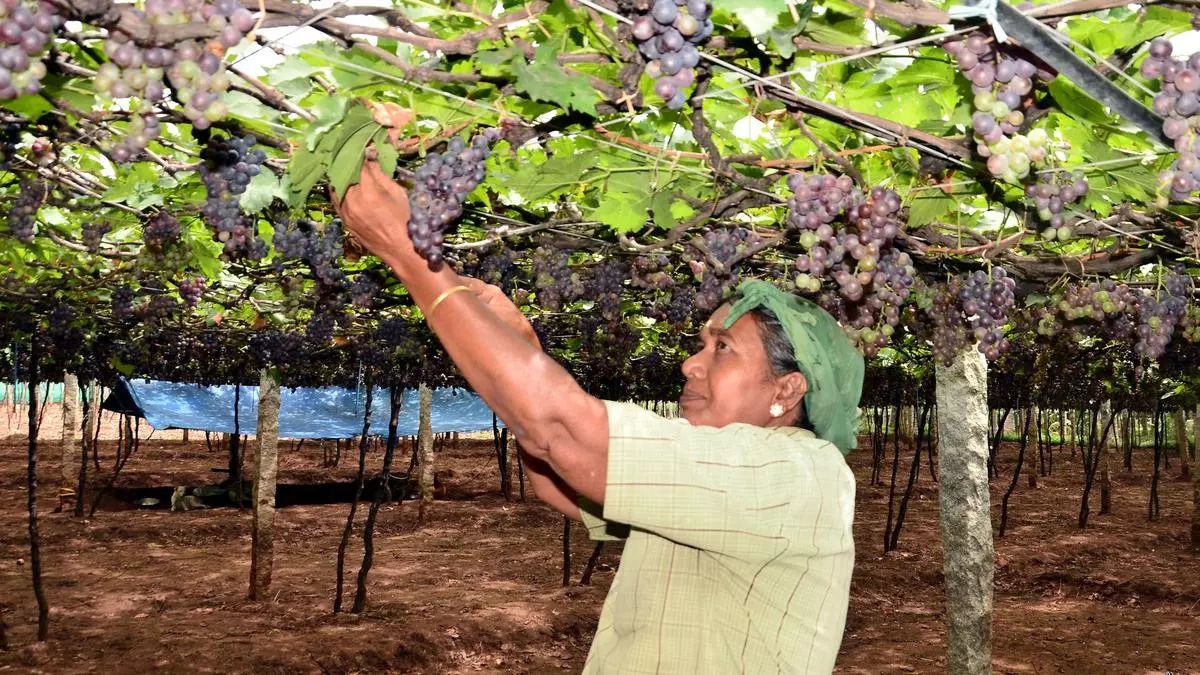
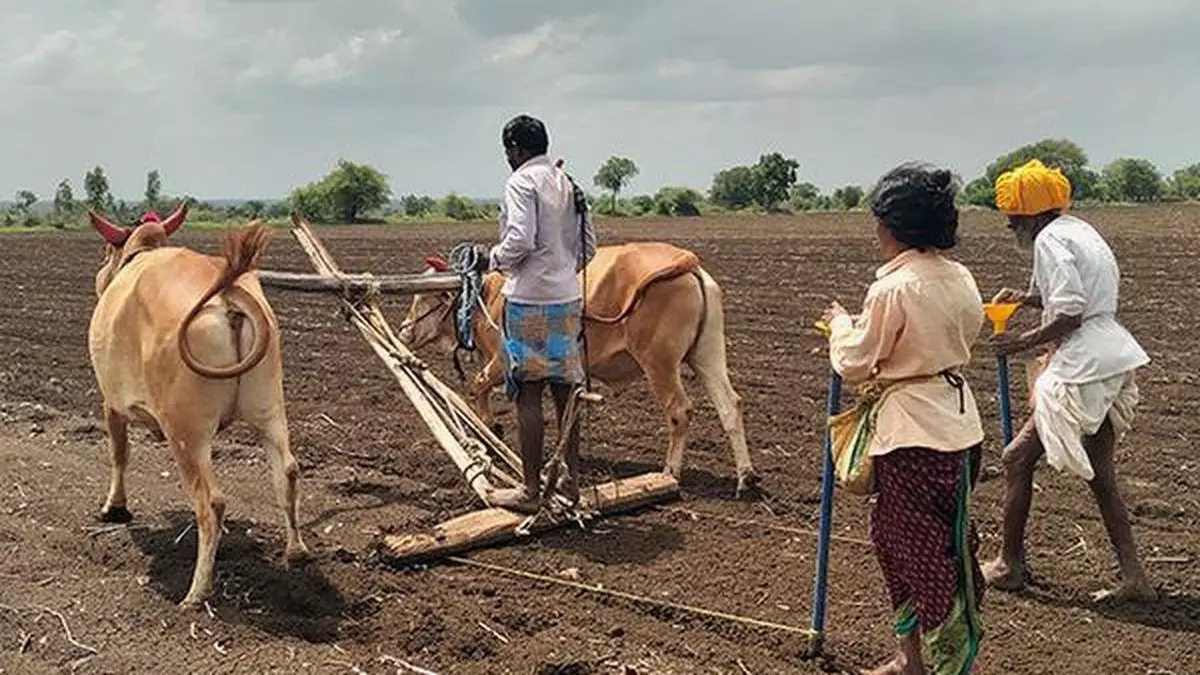
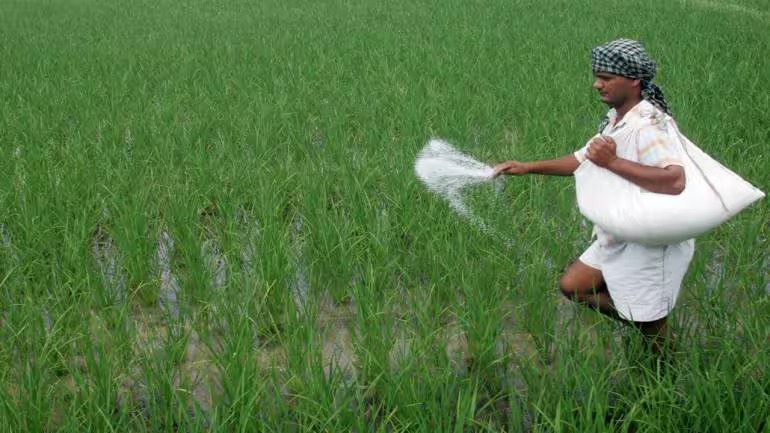
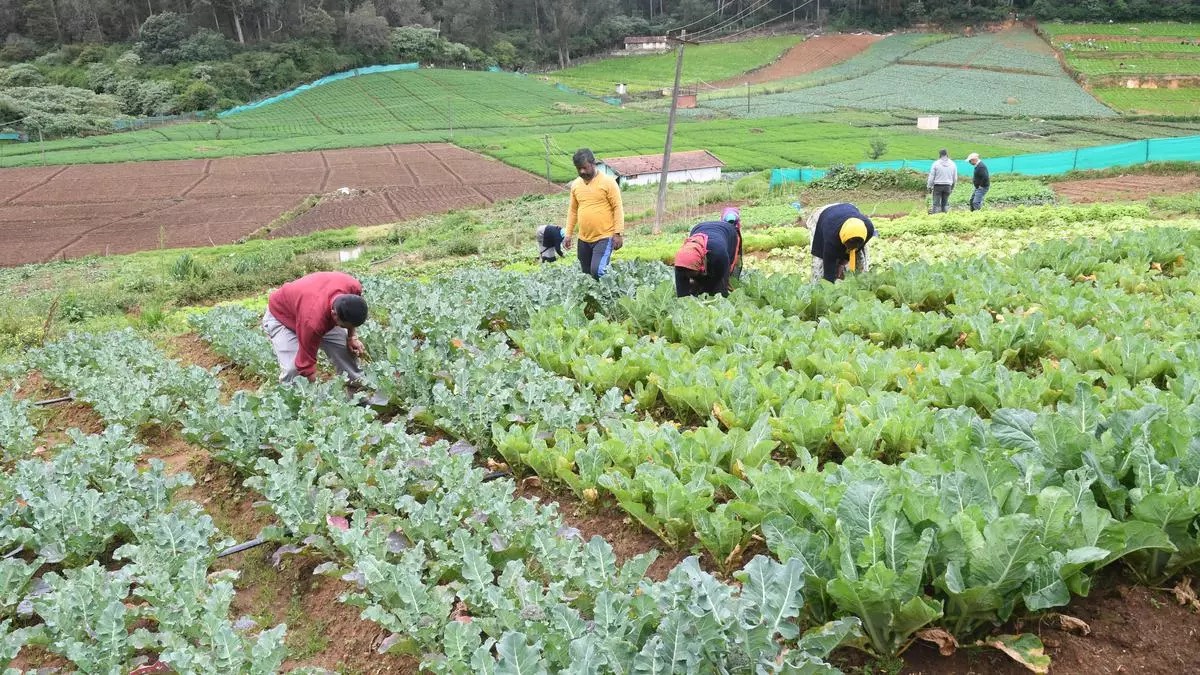
Maharashtra is uniquely placed to emerge as India’s leading state in natural farming at a time when the country is fundamentally rethinking the future of its agricultural growth. Decades of chemical-intensive cultivation has boosted production, but it has also weakened soil health, stressed water resources and sharply raised the cost of cultivation. Climate volatility, falling farm profitability and rising indebtedness now demand a structural shift. Natural farming offers Maharashtra a credible pathway to reconcile farm incomes with ecological security.
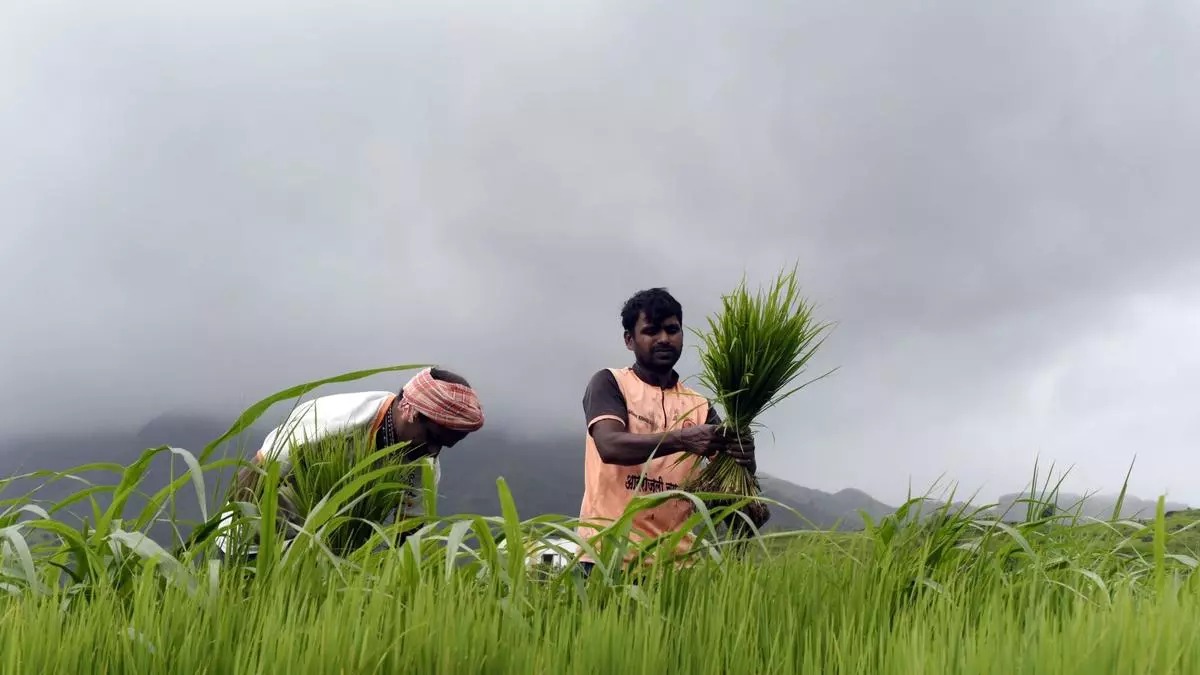
Maharashtra’s total geographical area is about 307.6 lakh hectares, of which the gross cropped area is around 241.5 lakh hectares, and the net sown area is approximately 165.9 lakh hectares. This implies a cropping intensity of roughly 145 per cent. However, most of the state’s agriculture still depends on rainfall, as only about 17.9 per cent of the gross cropped area is irrigated. Therefore, natural farming is not just an option in Maharashtra—it is a necessity. Because it- works with less water