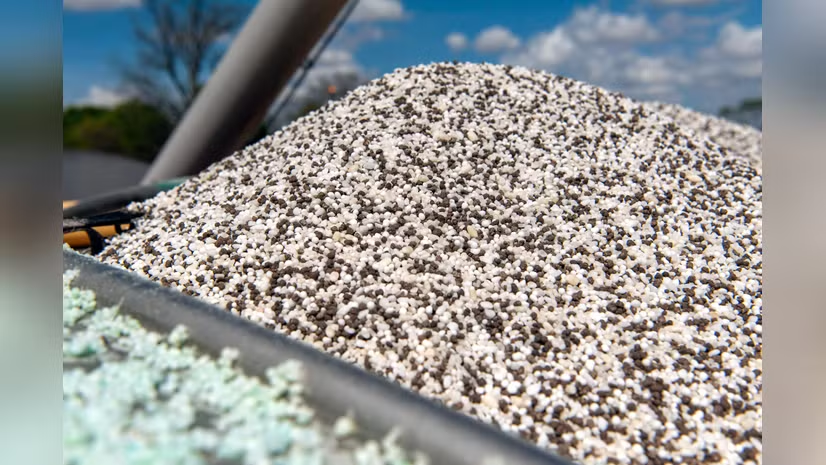
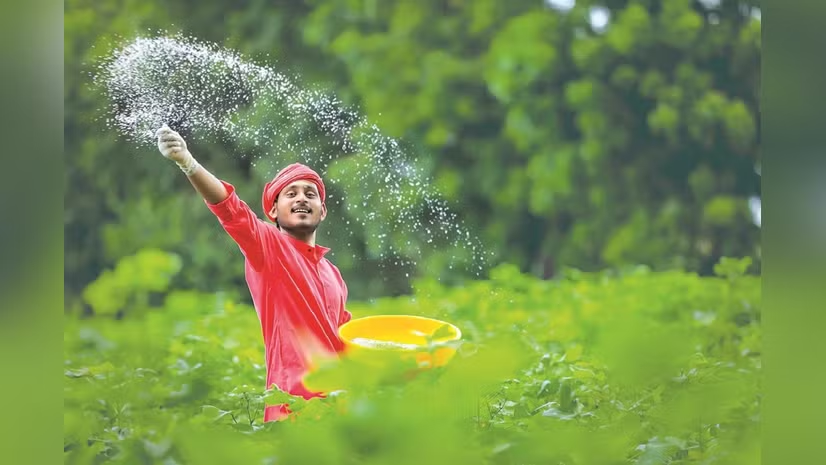
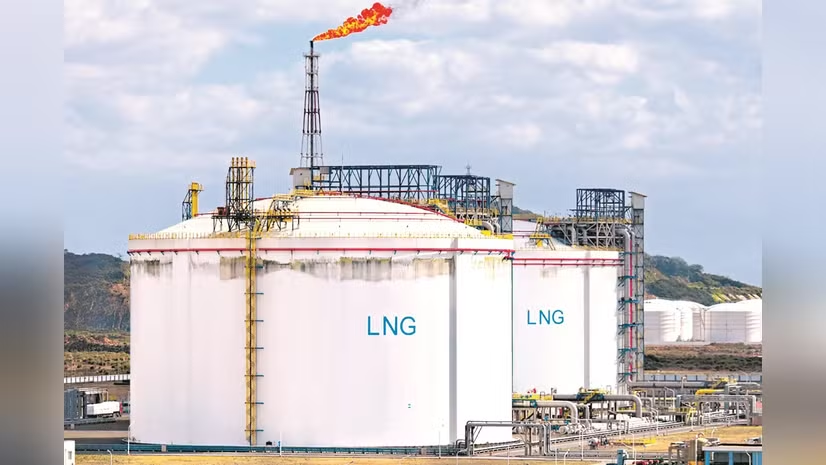
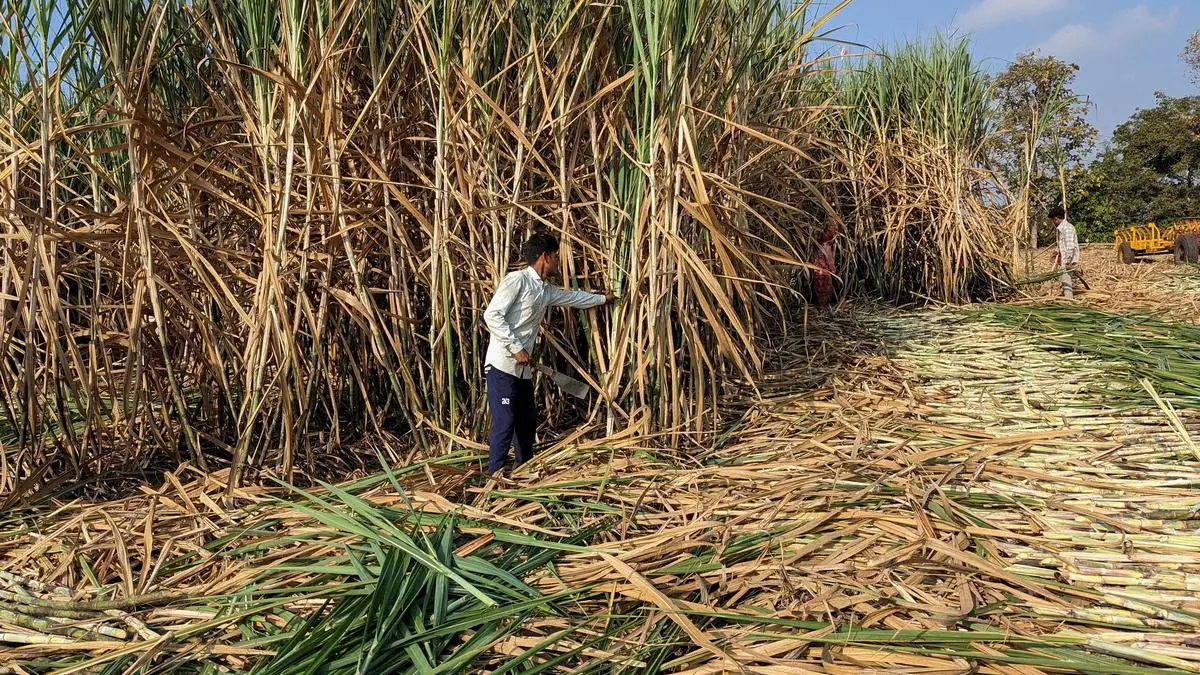
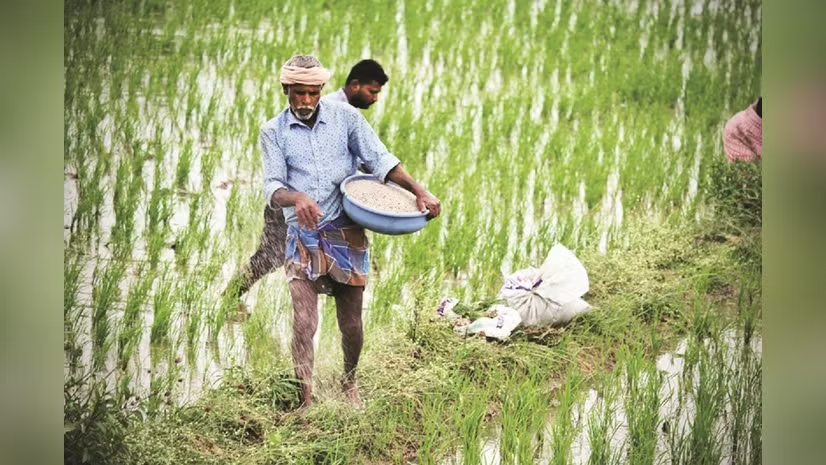
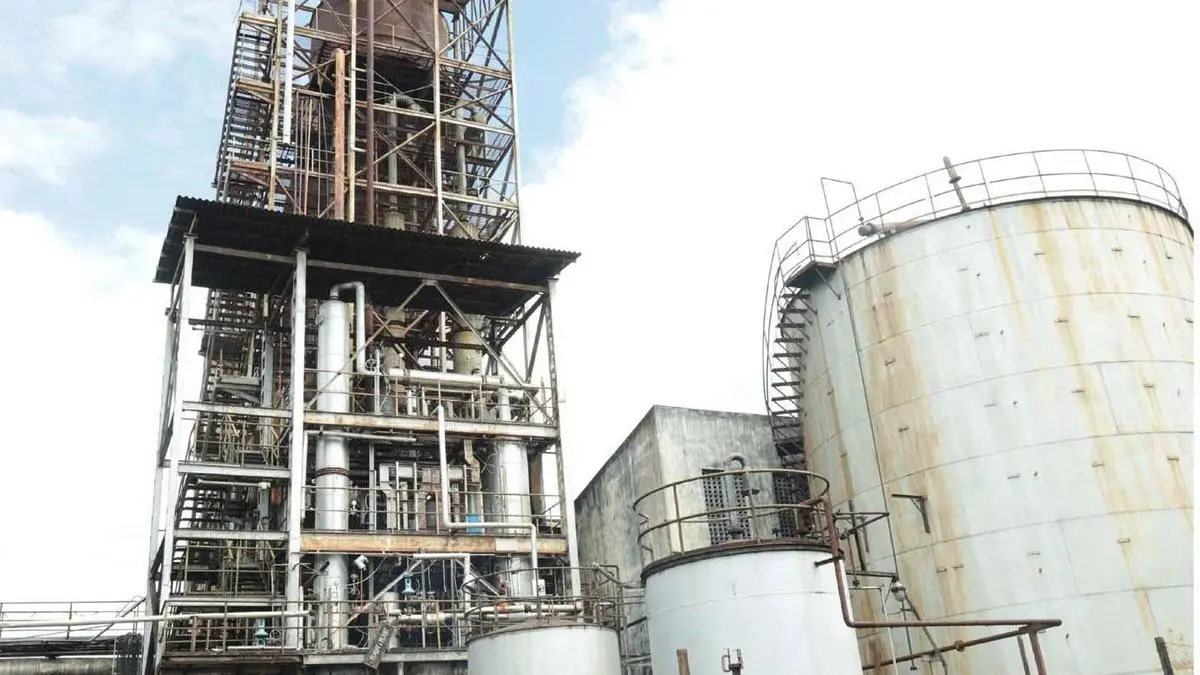
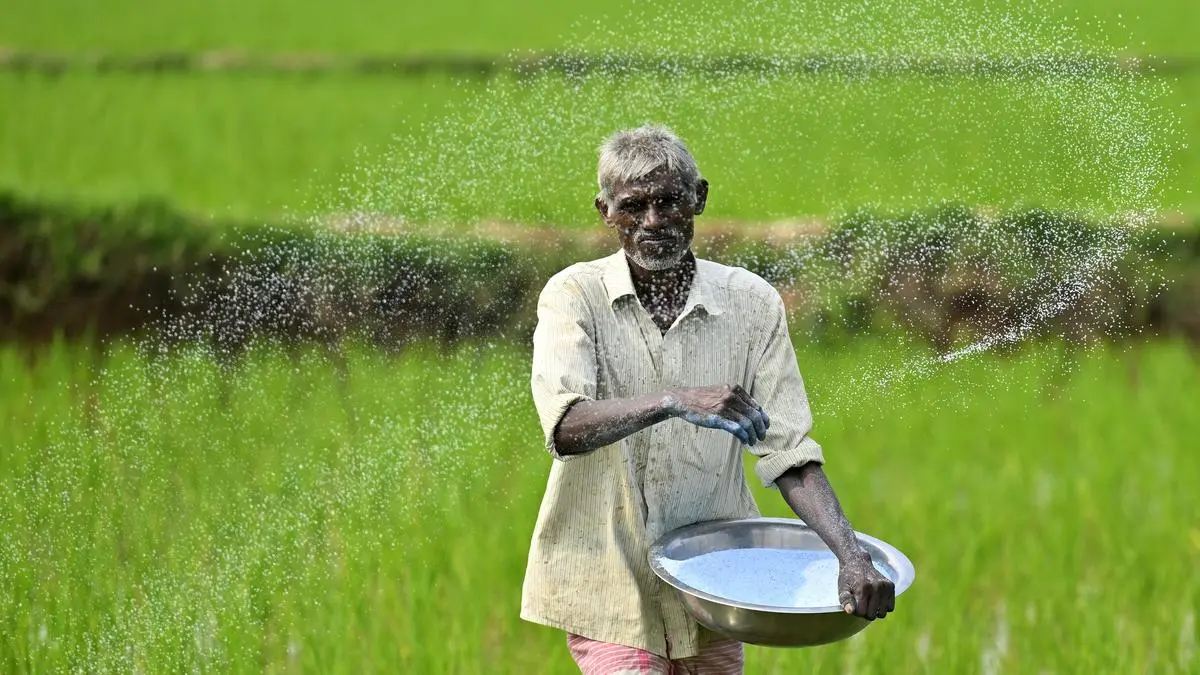
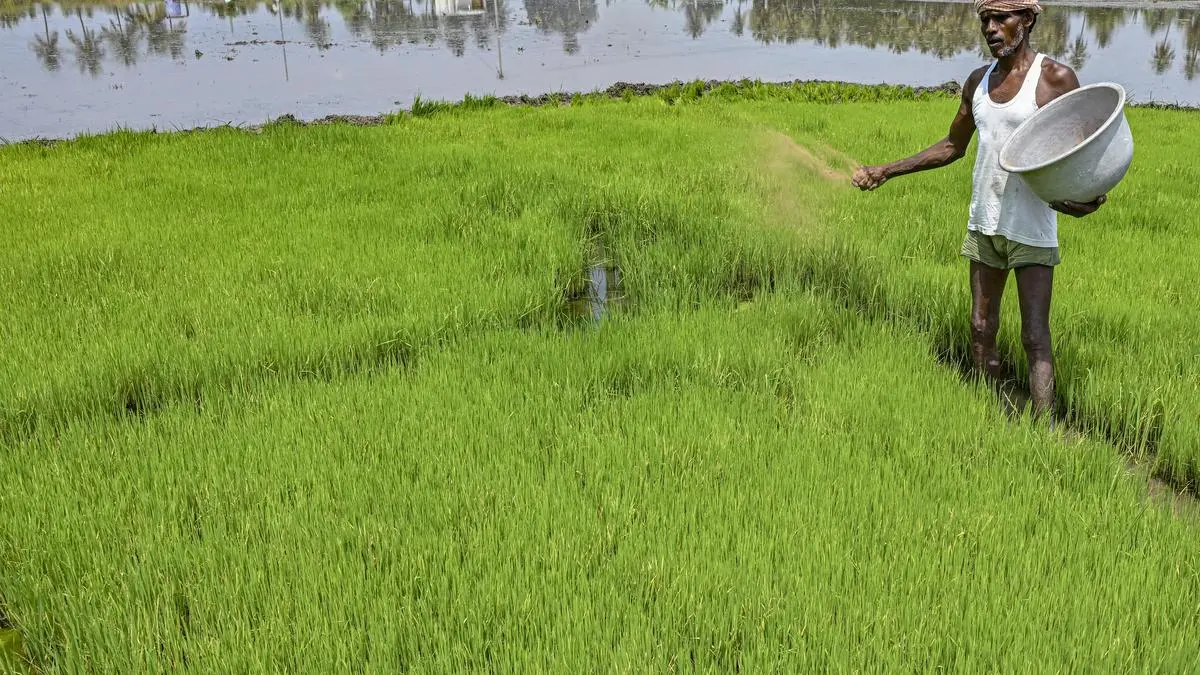
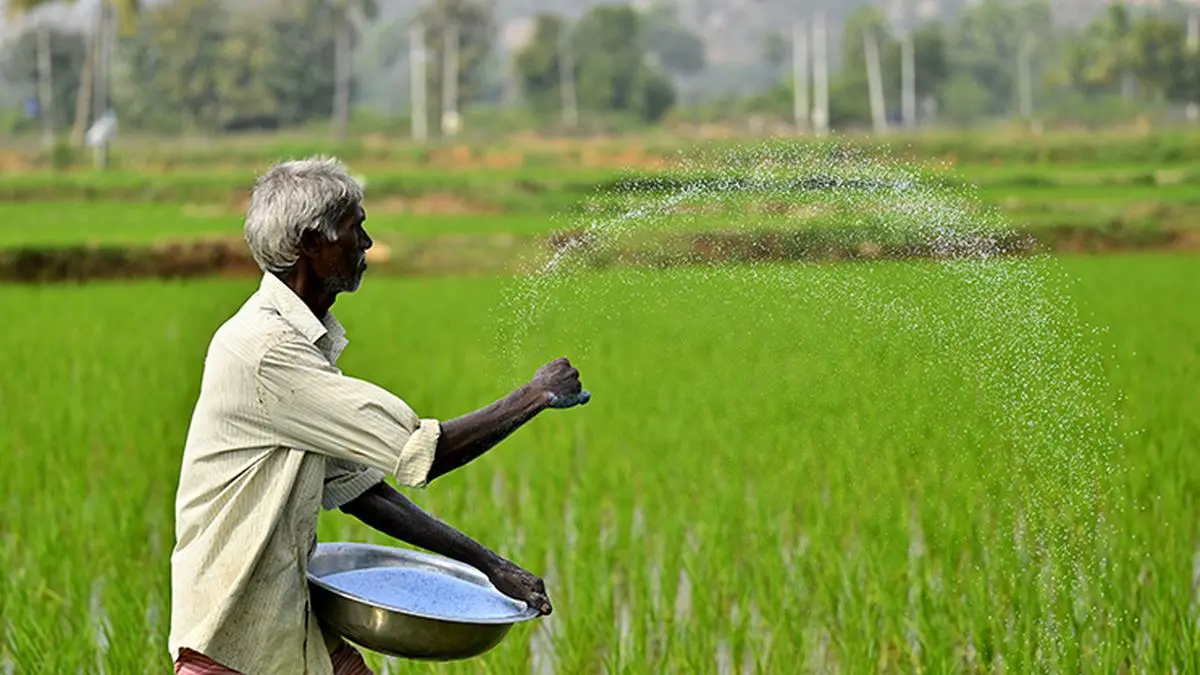
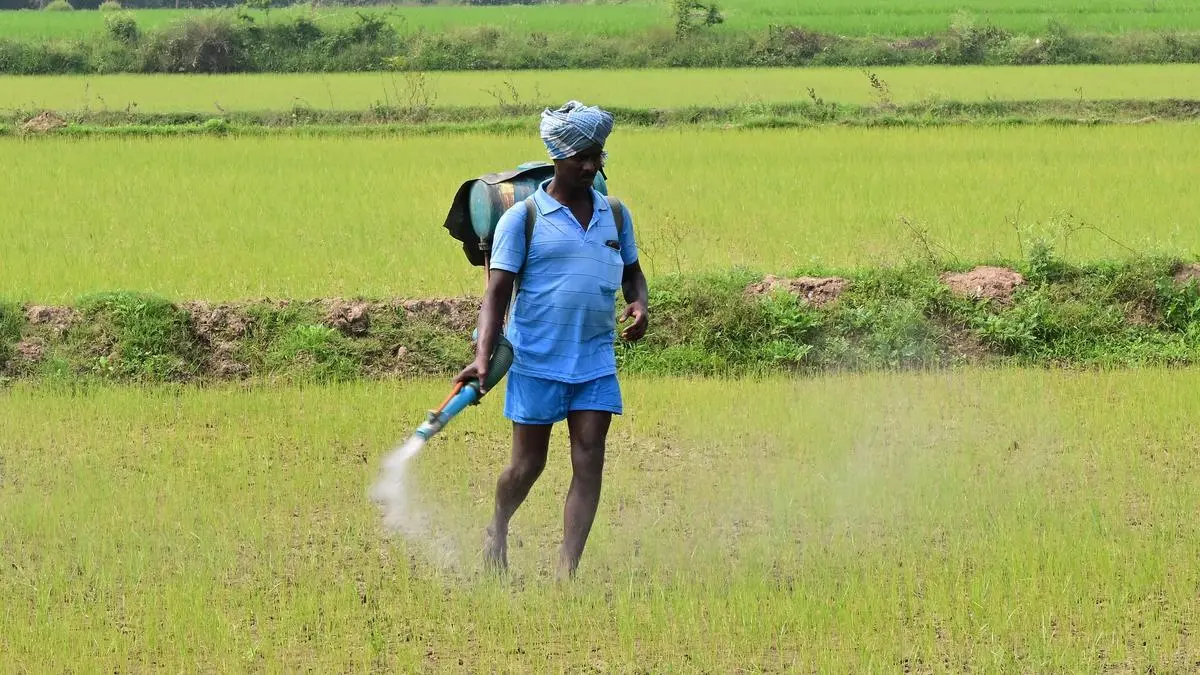
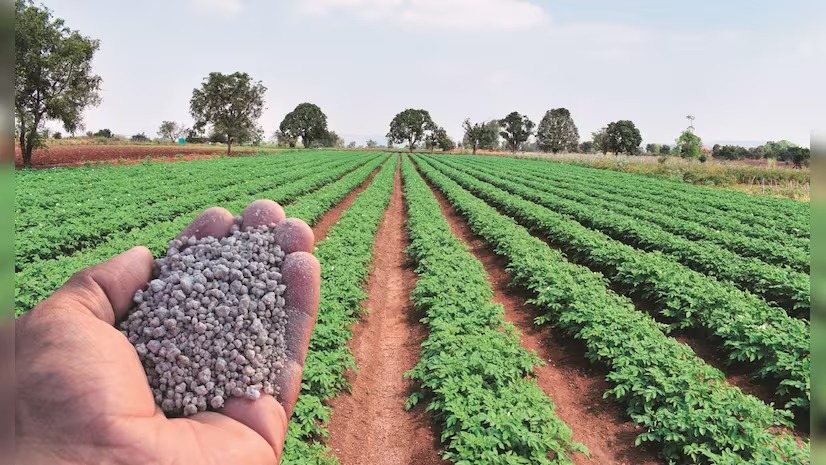
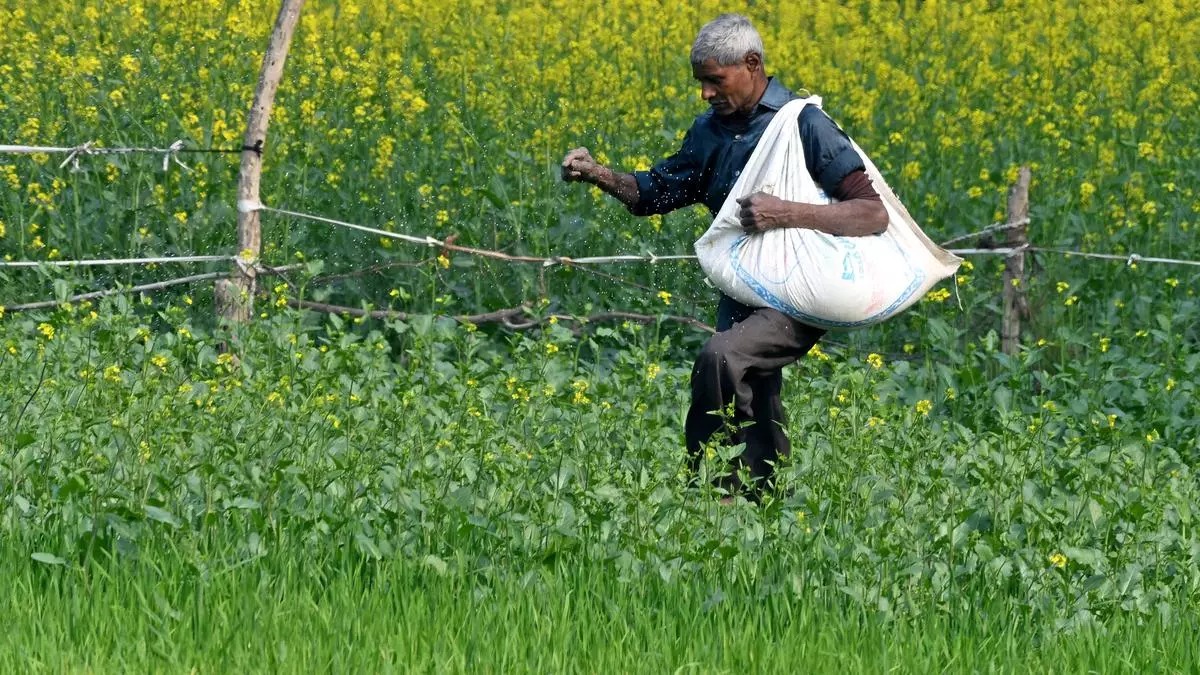
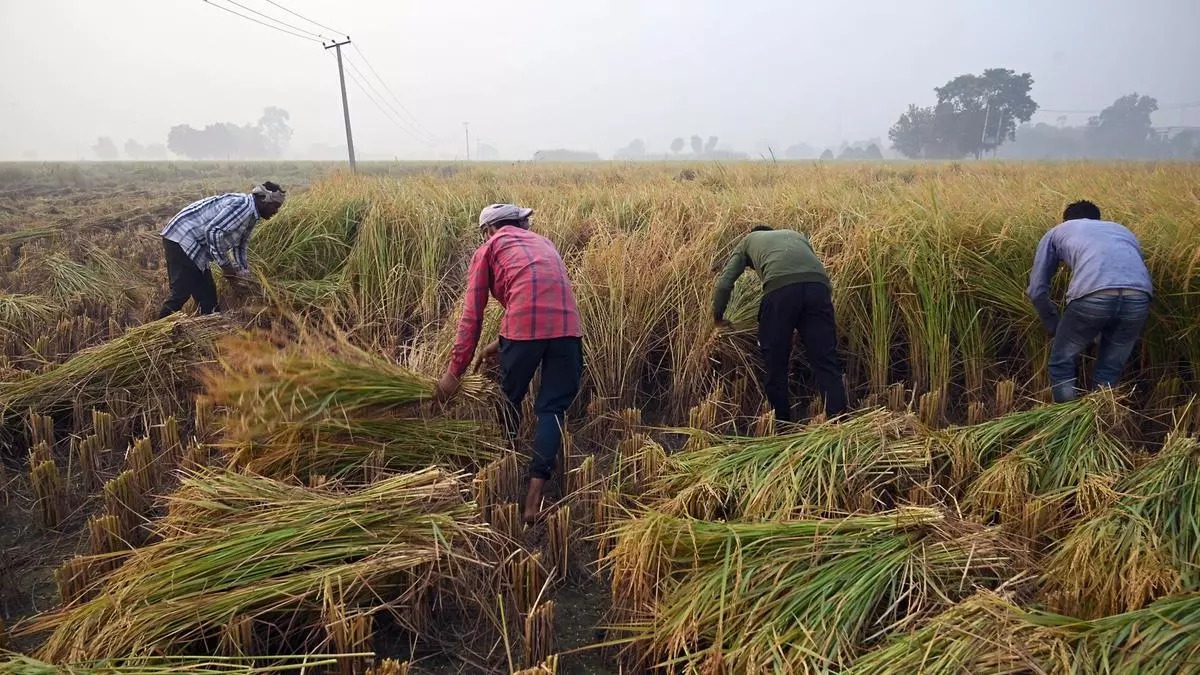
The fertilizer sector forms the backbone of India’s agricultural economy, ensuring food security and farmer support. In its 56th Meeting, the GST Council has taken significant steps to ease long-standing concerns in the industry. The recommendations included rationalizing rates on inputs like ammonia and nitric acid which are used to manufacture fertilizers. This was expected to resolve the inverted duty structure (“IDS”) that previously burdened manufacturers.
This is a welcome reform, as it aligns the input tax rates with those on finished fertilizers, both now taxed at five per cent GST. This will also curb the issue of the accumulation of unutilised input tax credit (ITC). However, while the rationale behind this was noble and for support to the industry, it has had some unintended consequences, which the Government will need to step in for.
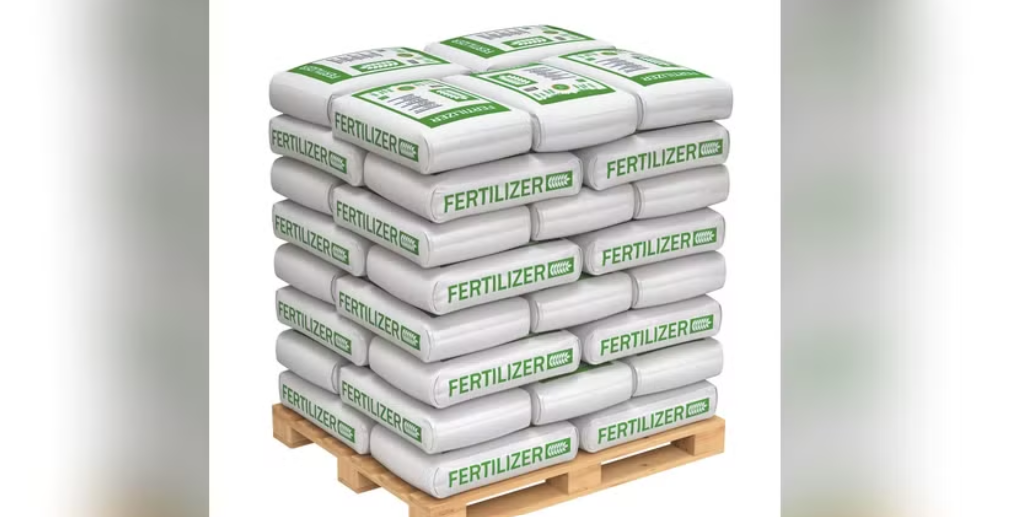
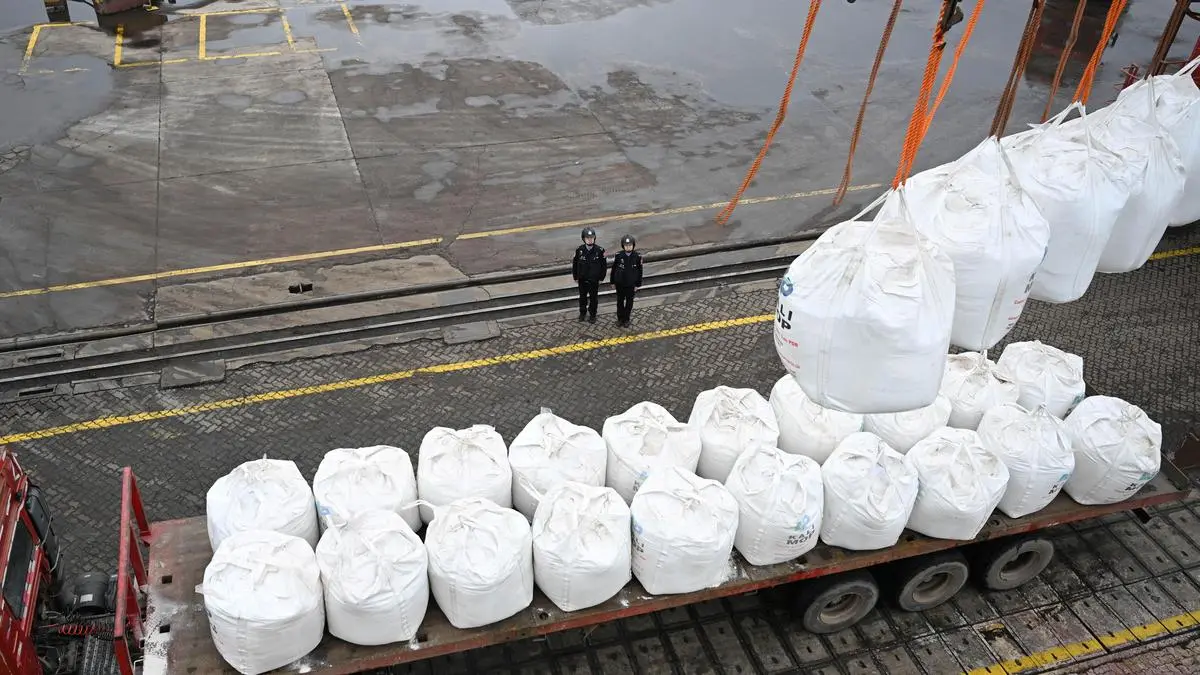
Unlike most commodities, fertilizers are not sold at free market prices, which means that the Maximum Retail Price (MRP) is fixed by the Government of India. This is done under the Fertilizer Control Order, 1985. For instance, MRP of a 45 kg bag of urea is mandated to be sold at ₹242 per bag, whereas the actual cost of production/import is much higher.
The practice followed by the government is that the difference between the actual cost and the notified MRP is reimbursed to manufacturers/importers by the government as a subsidy. Percentage-wise, there is no mandate imposed on the manufacturers regarding how much subsidy they must absorb. Instead, the government is simply fixing the MRP and subsequently reimbursing the manufacturers for their actual cost incurred.