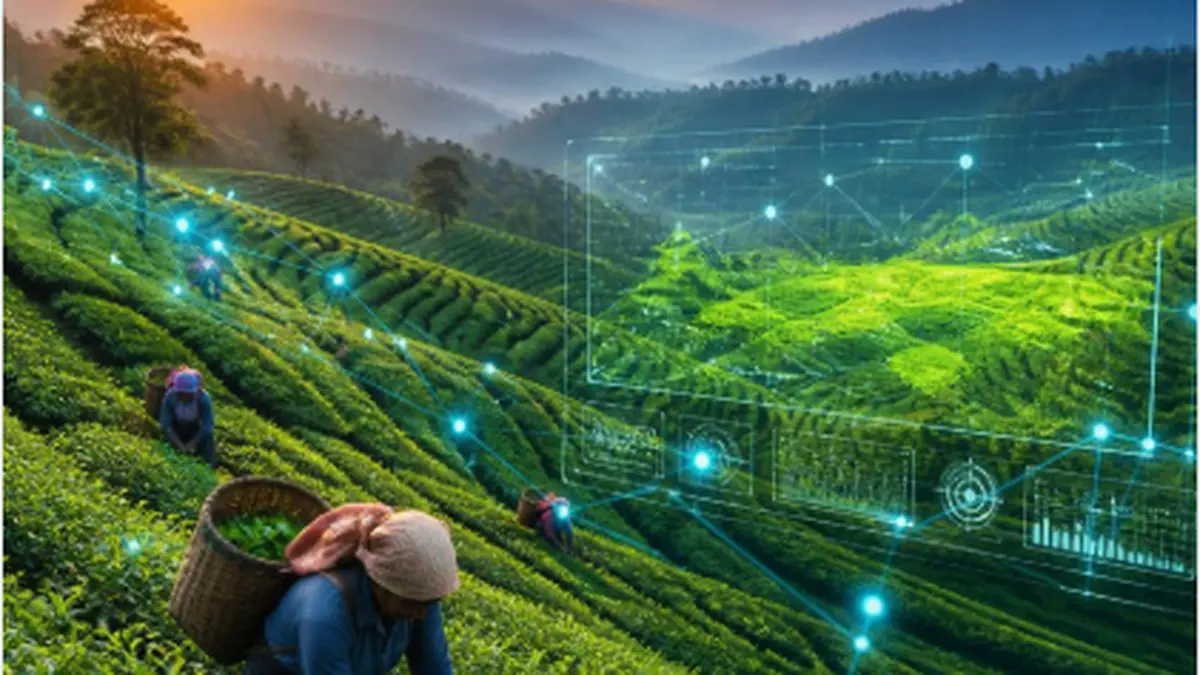
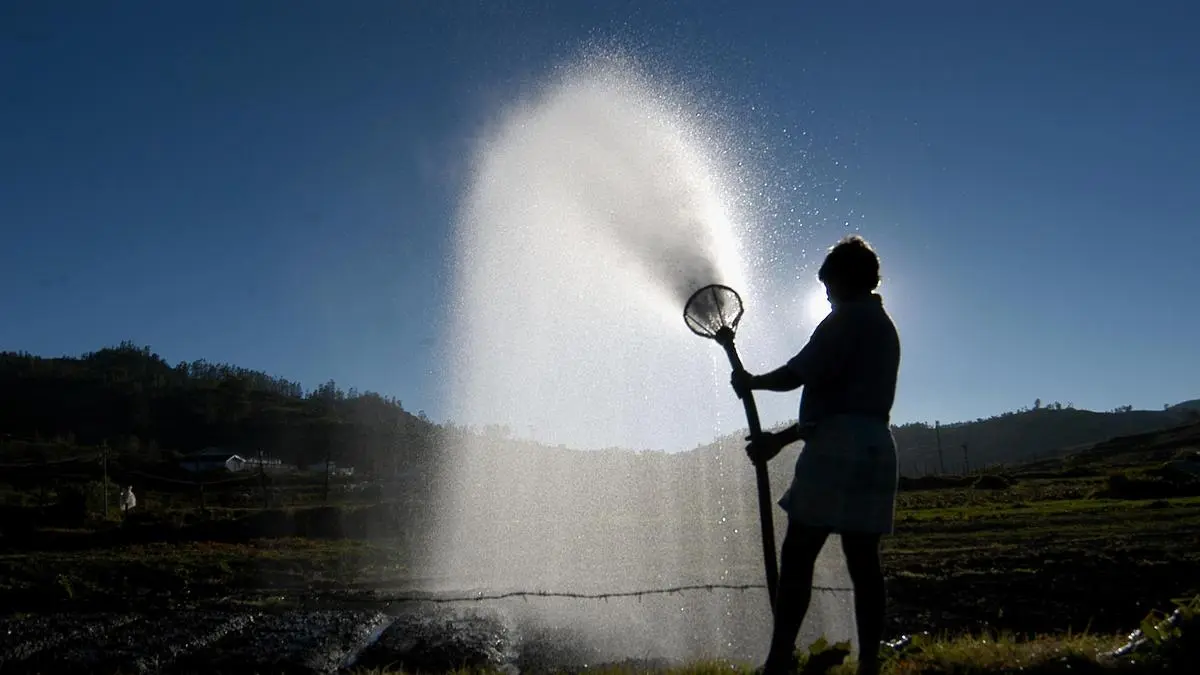
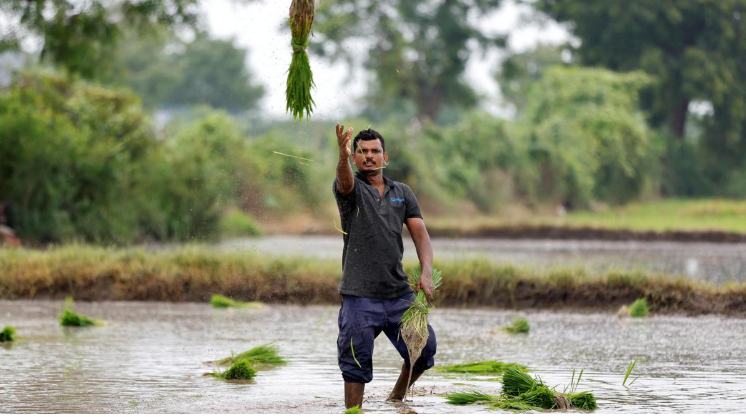
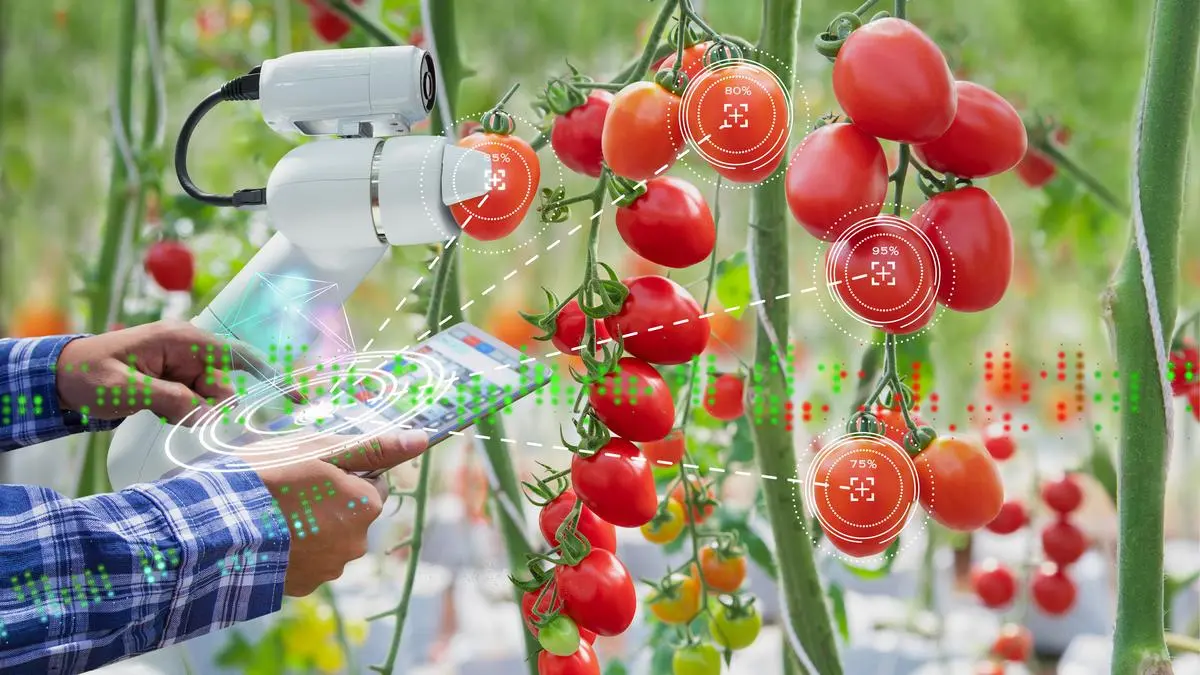
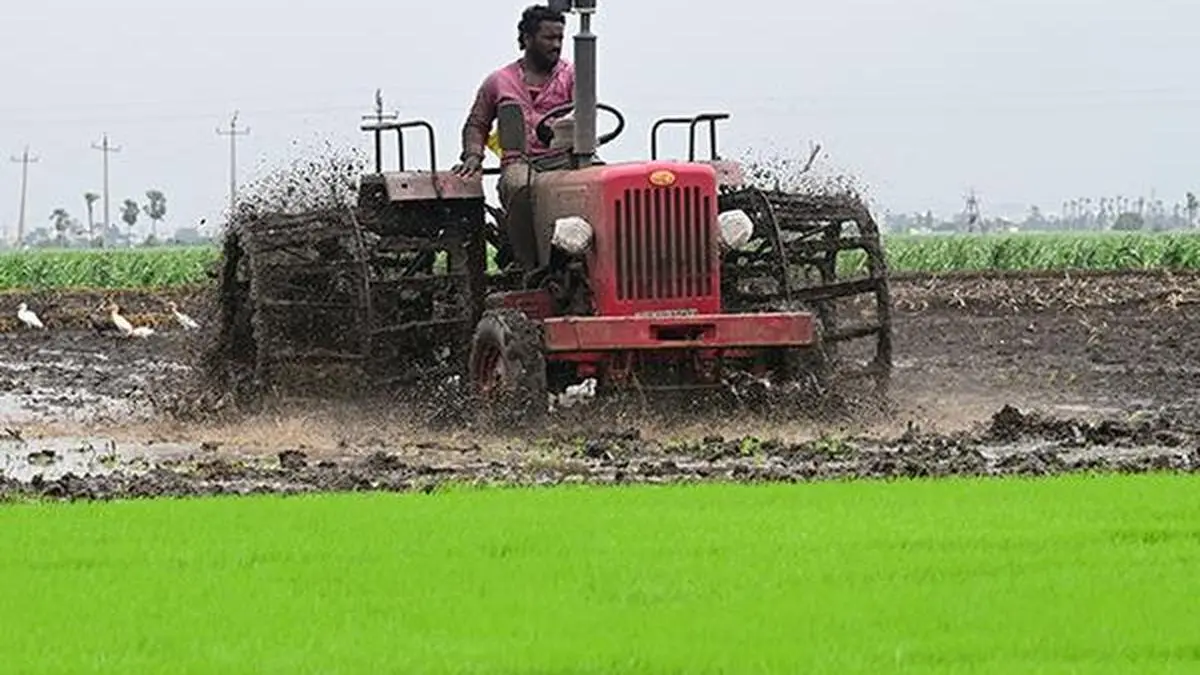
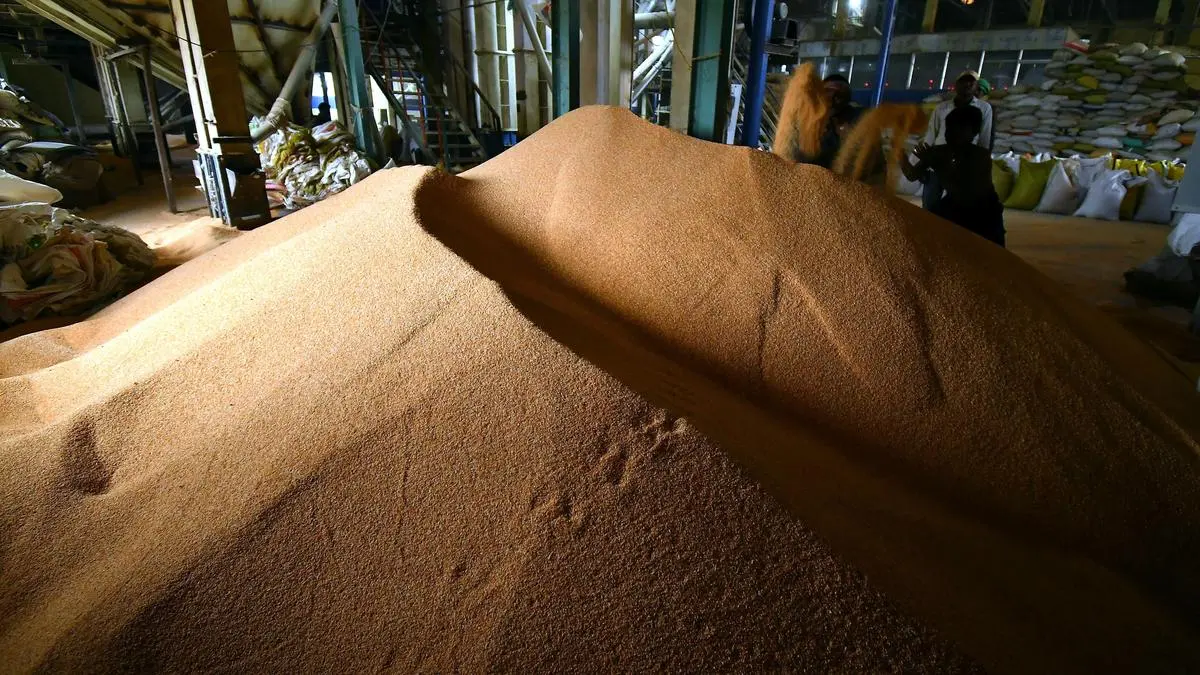
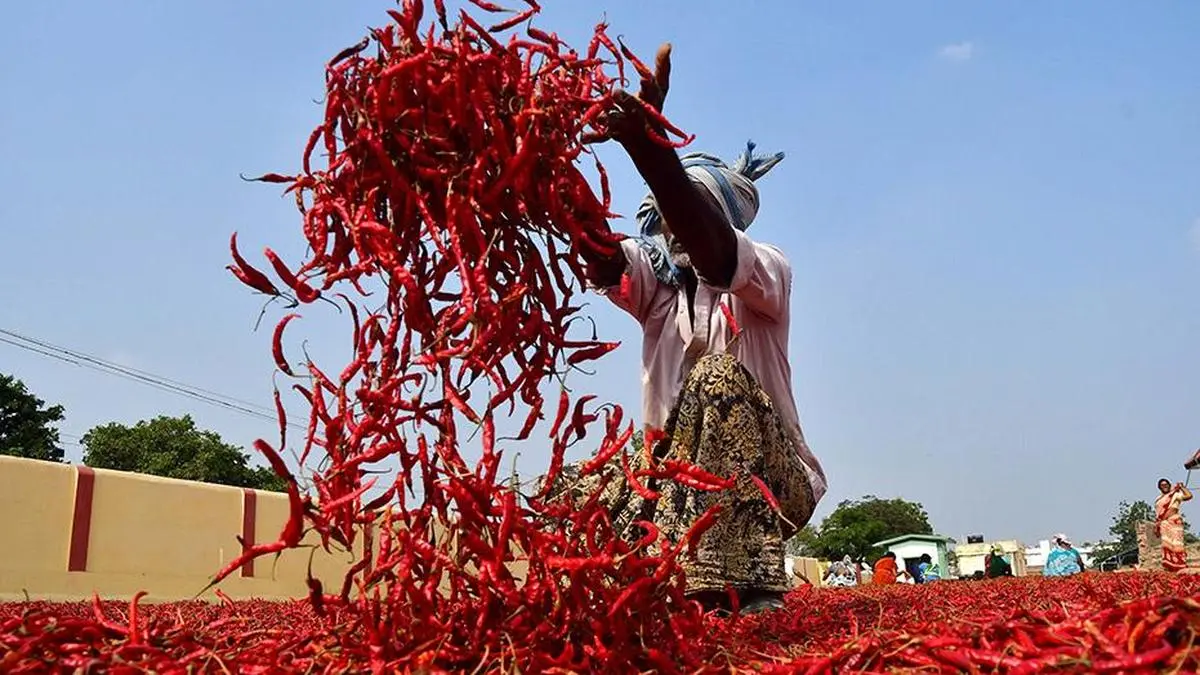
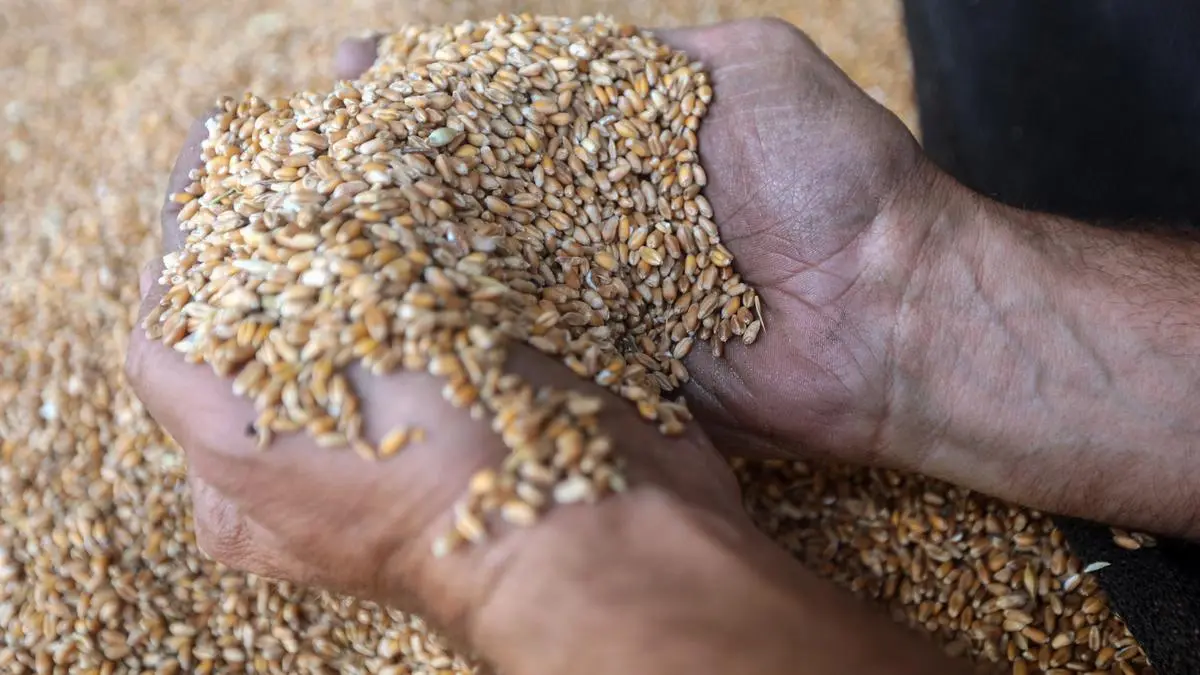
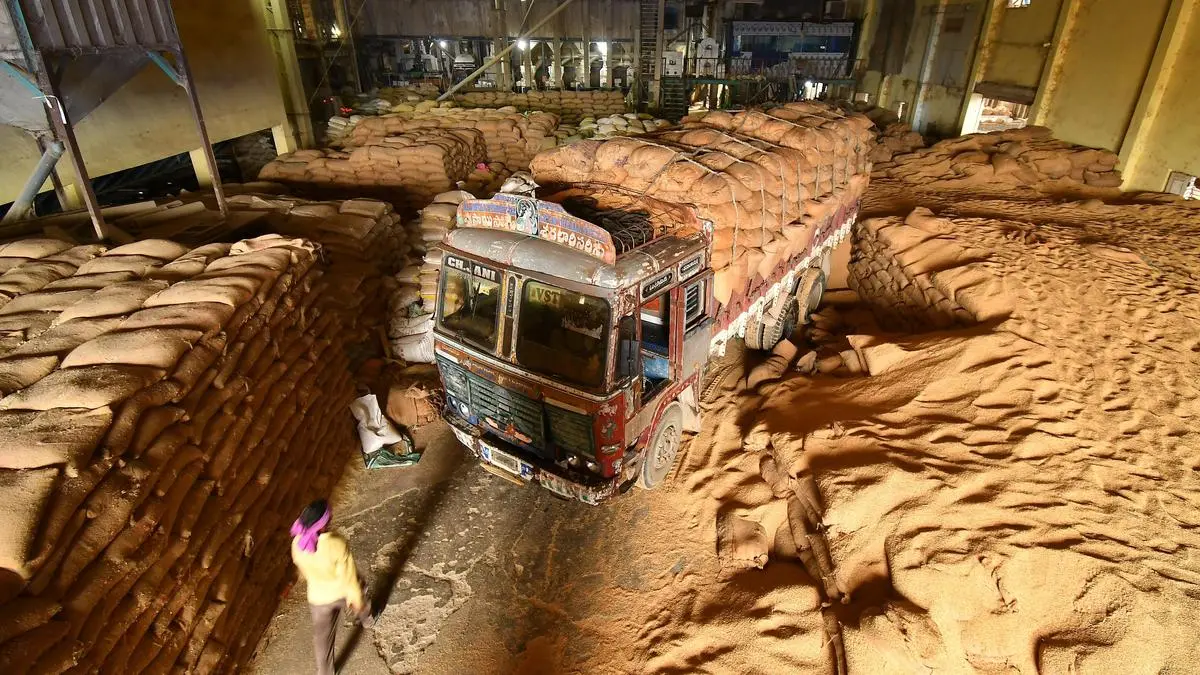
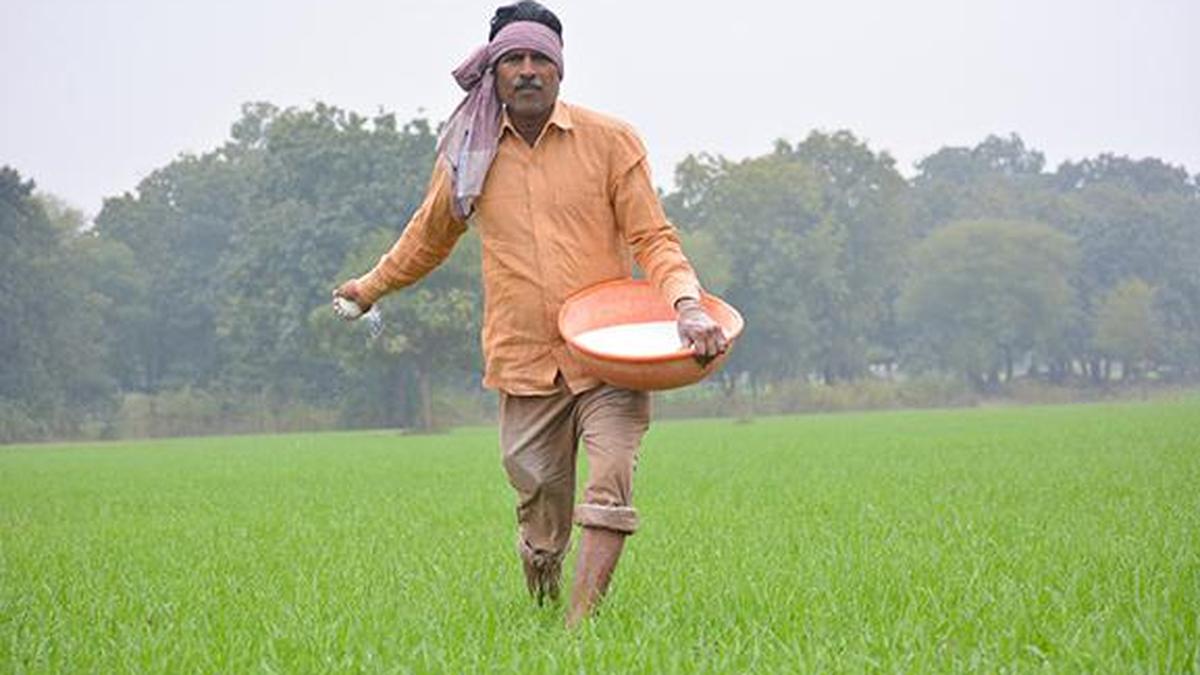
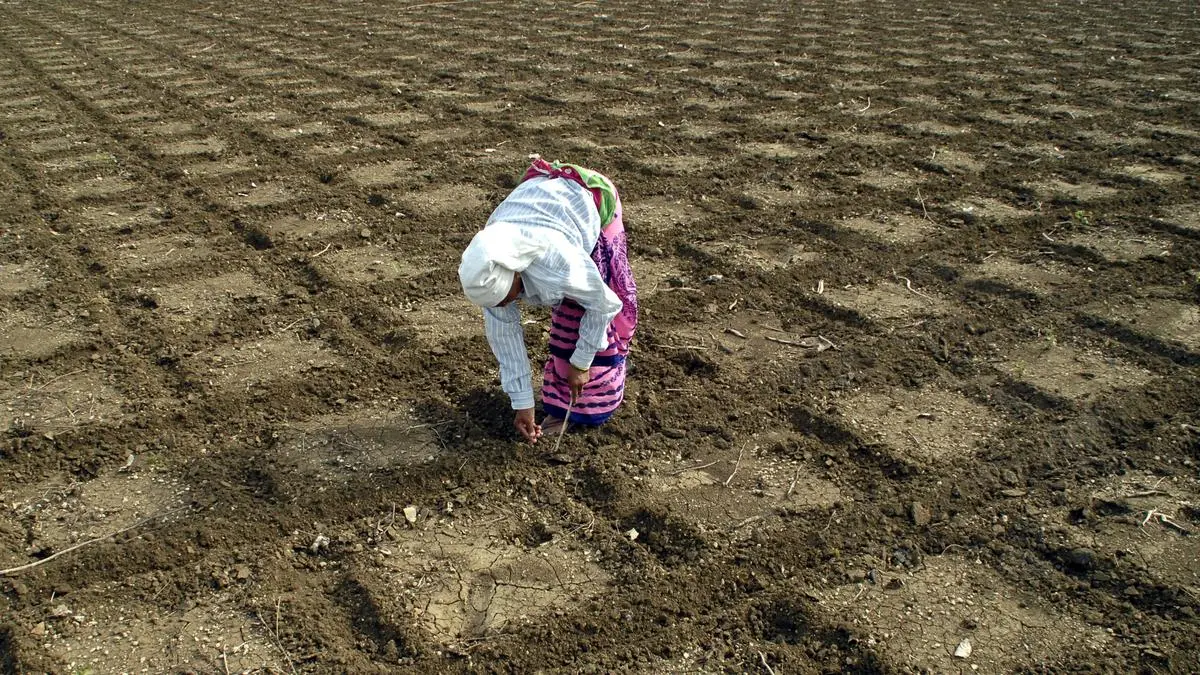
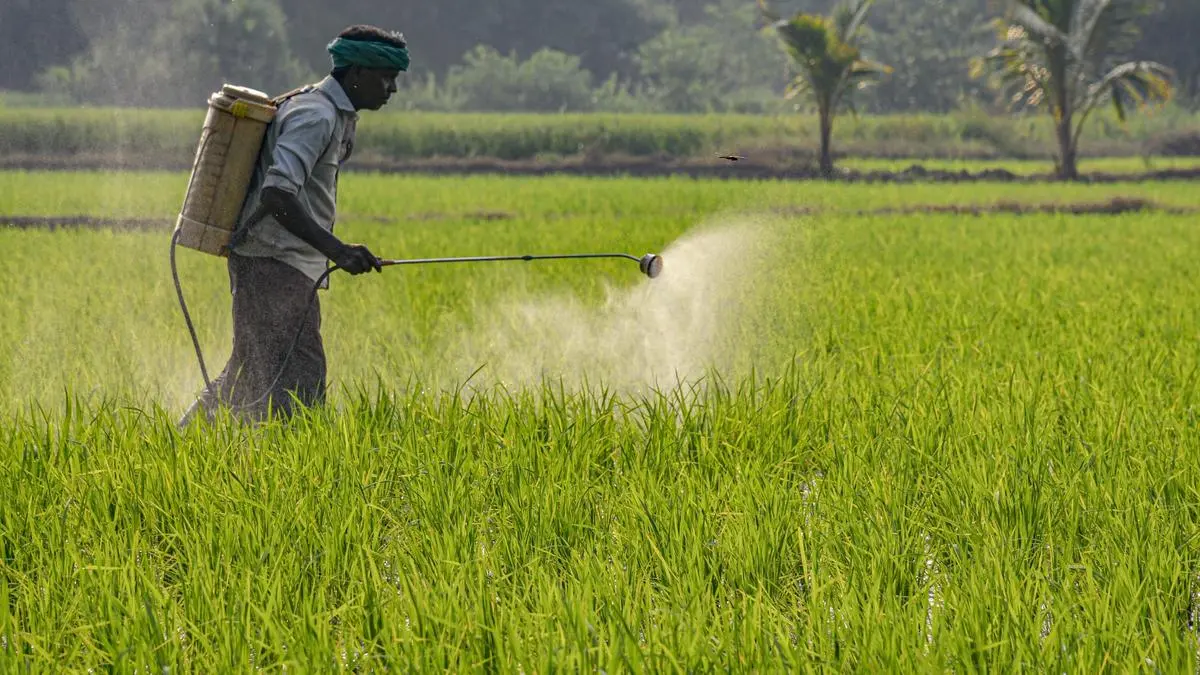
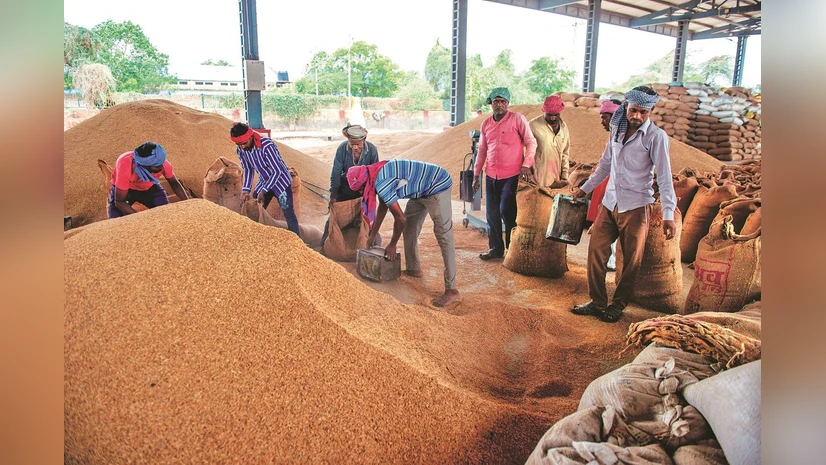
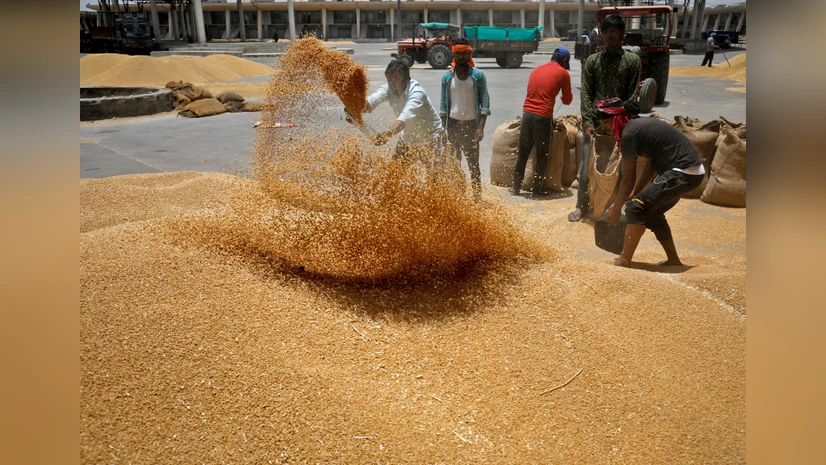
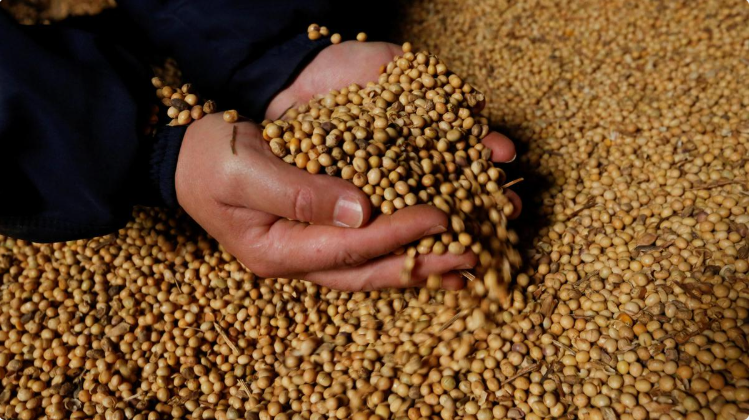
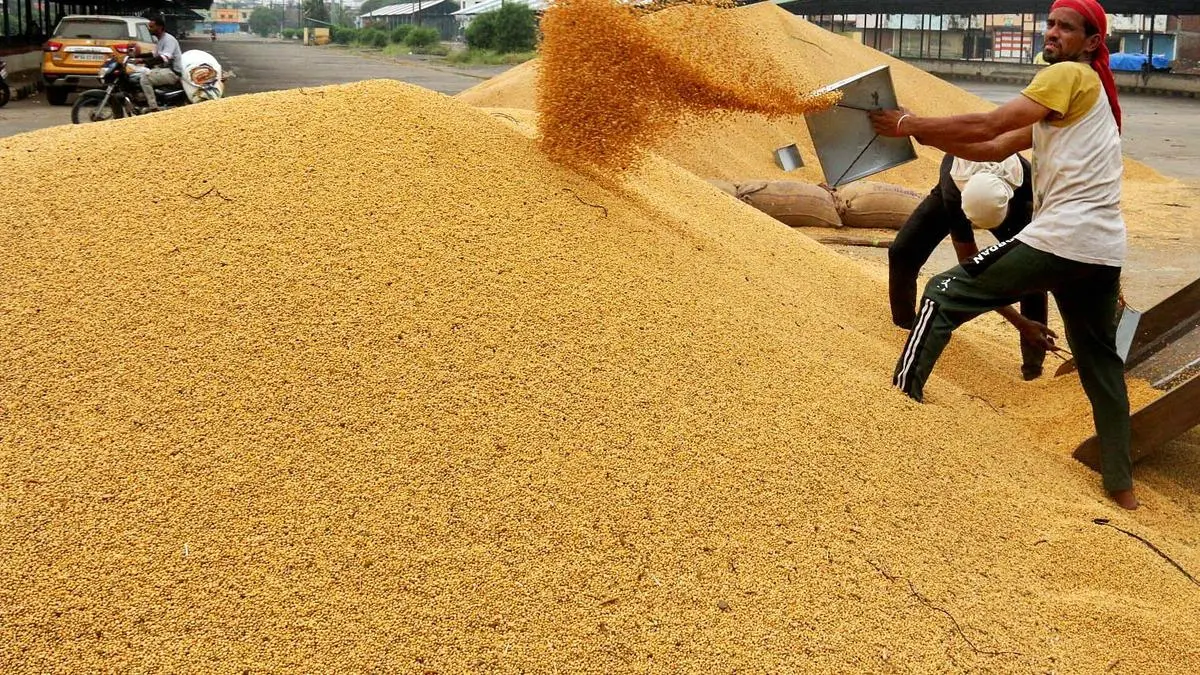
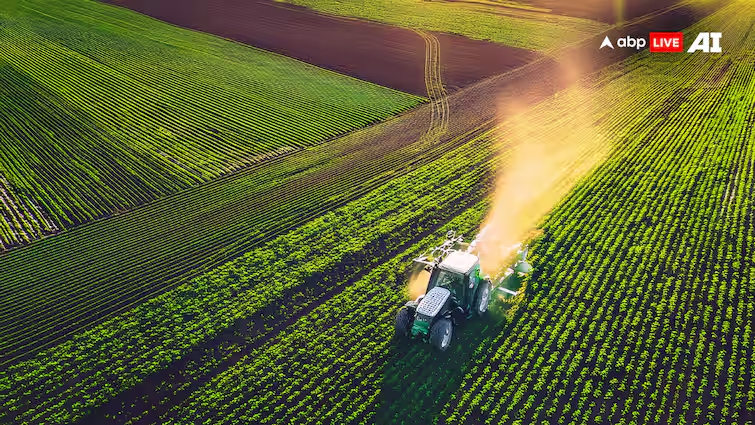
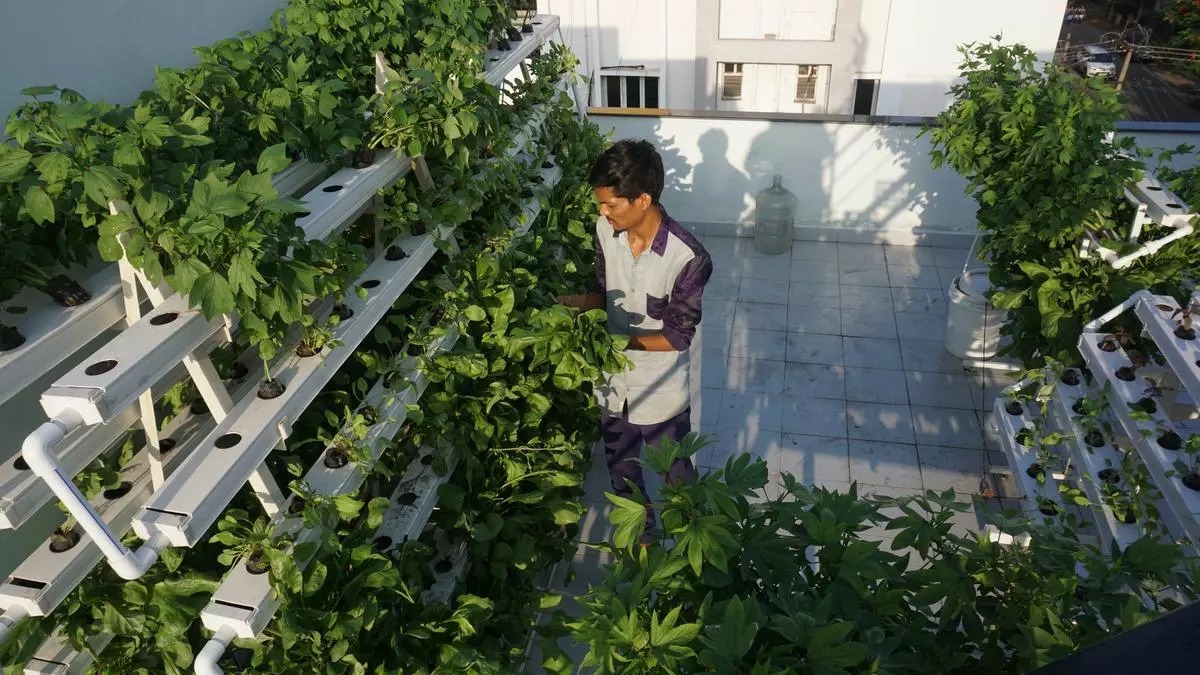
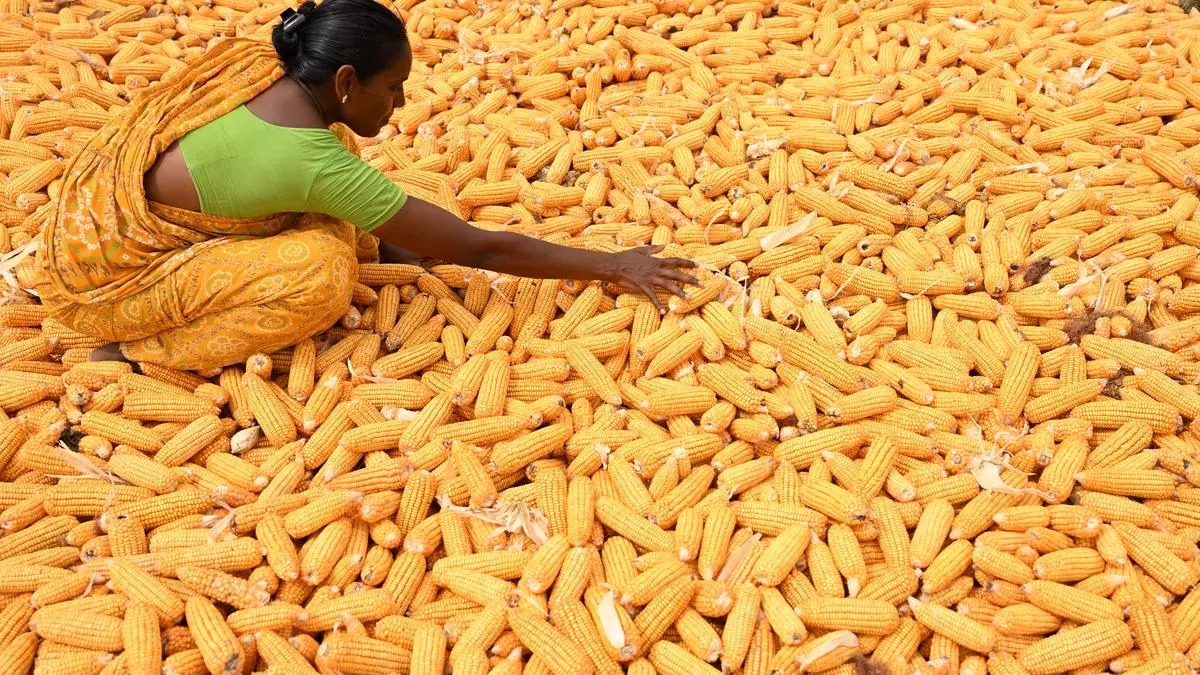
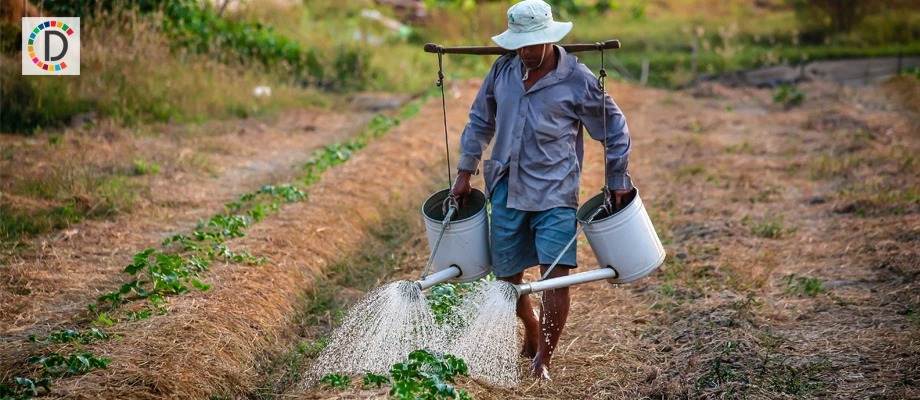
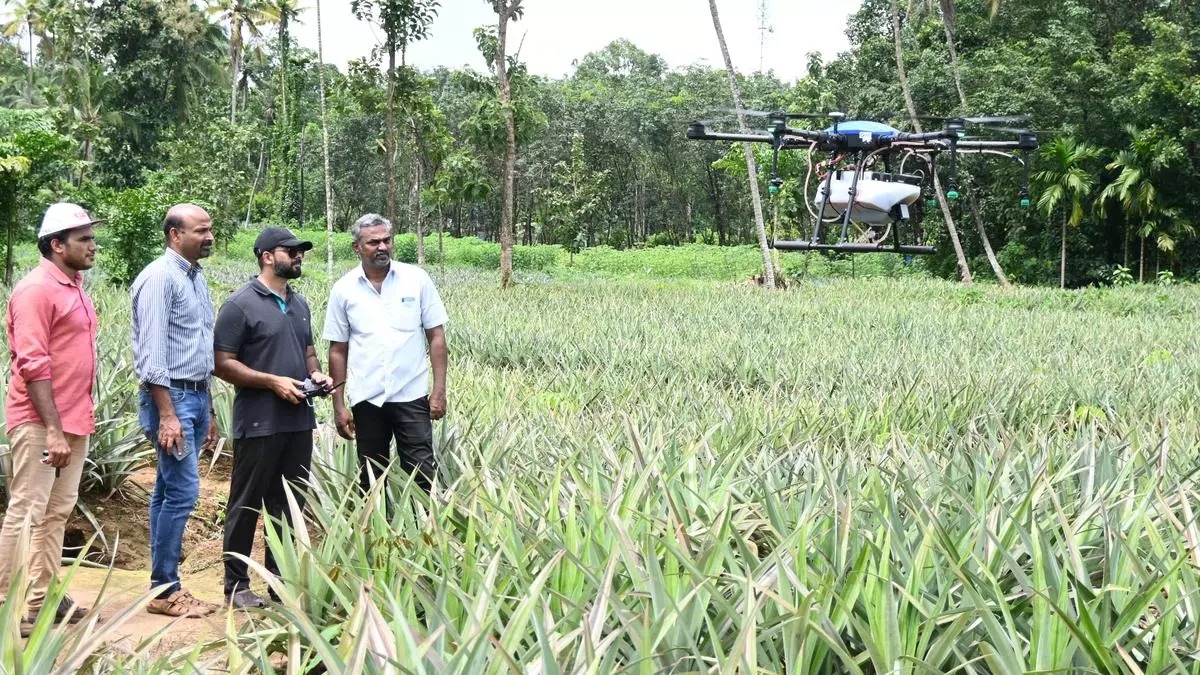
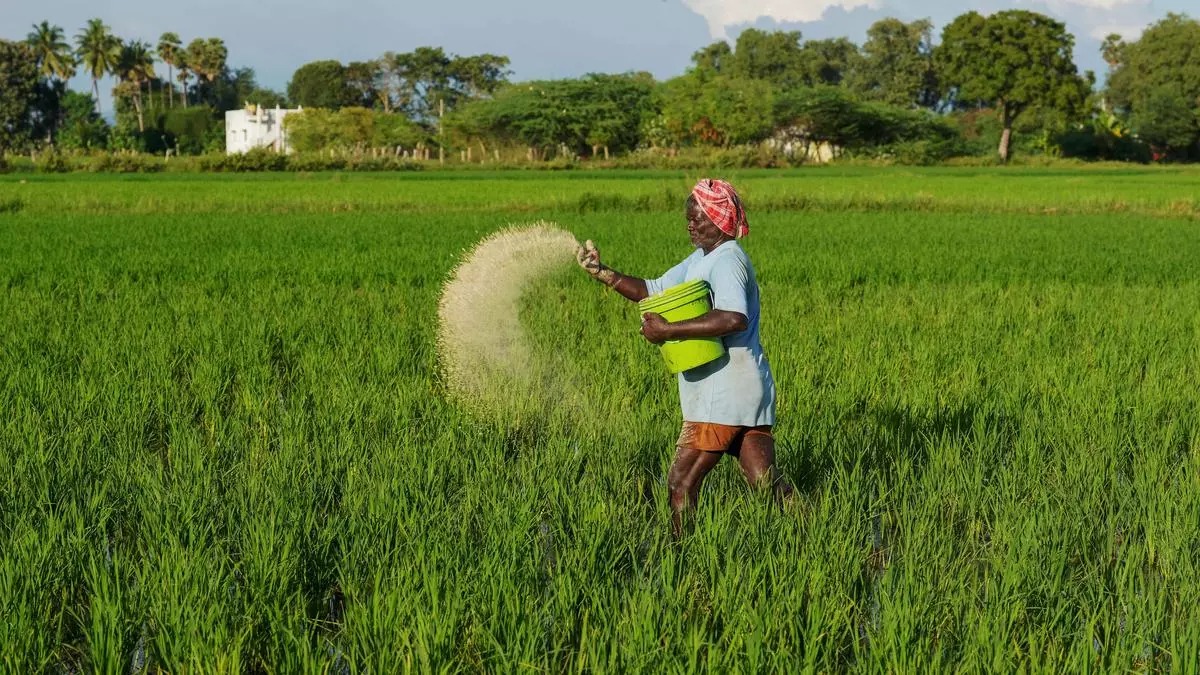
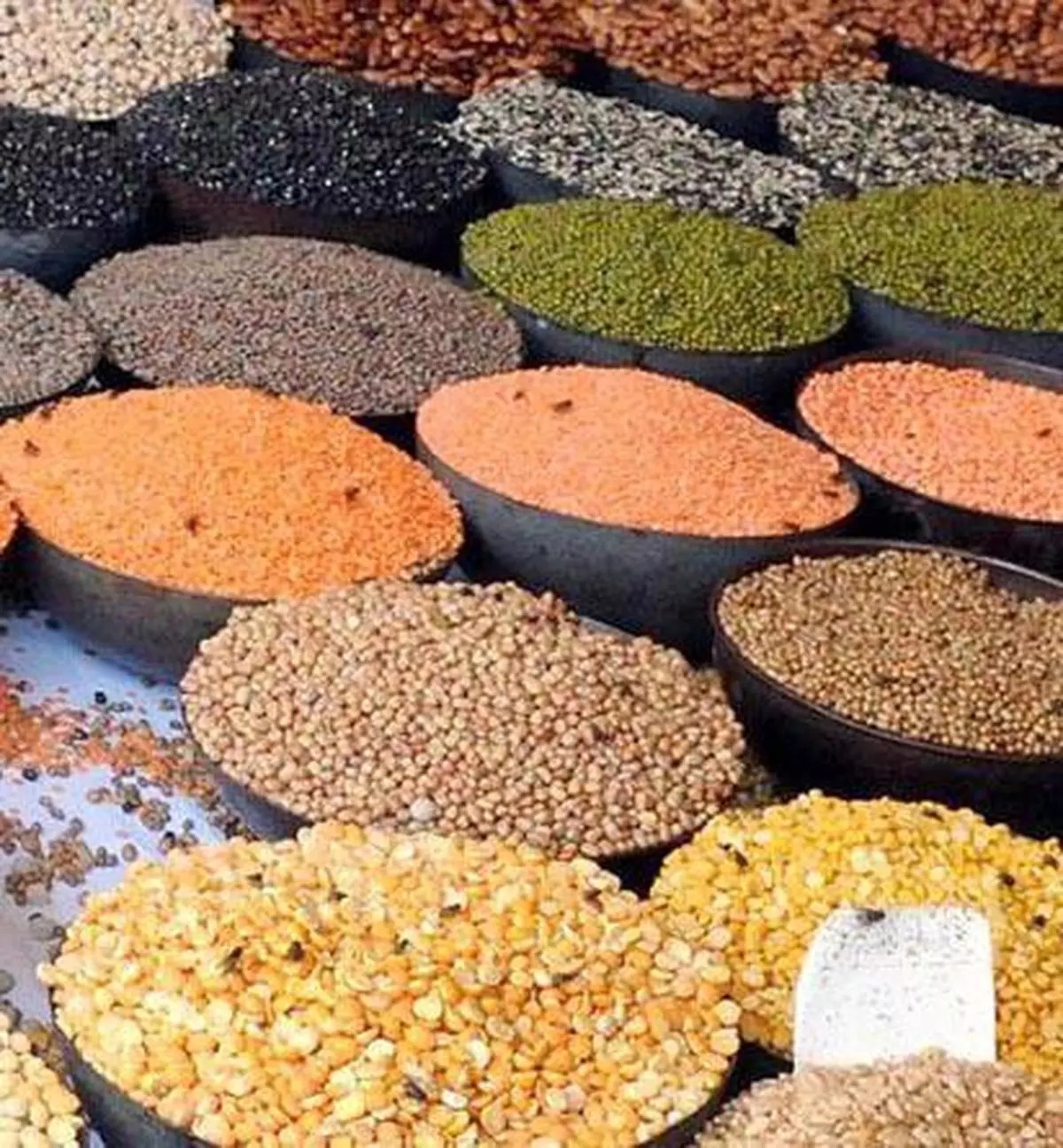
National security is usually discussed in terms of defence preparedness, border management and internal security. Yet, one of the strongest foundations of national security lies much closer to home — in the fields that grow our food and the systems that deliver it to our people. For India, food security is not just a welfare concern; it is a strategic necessity.
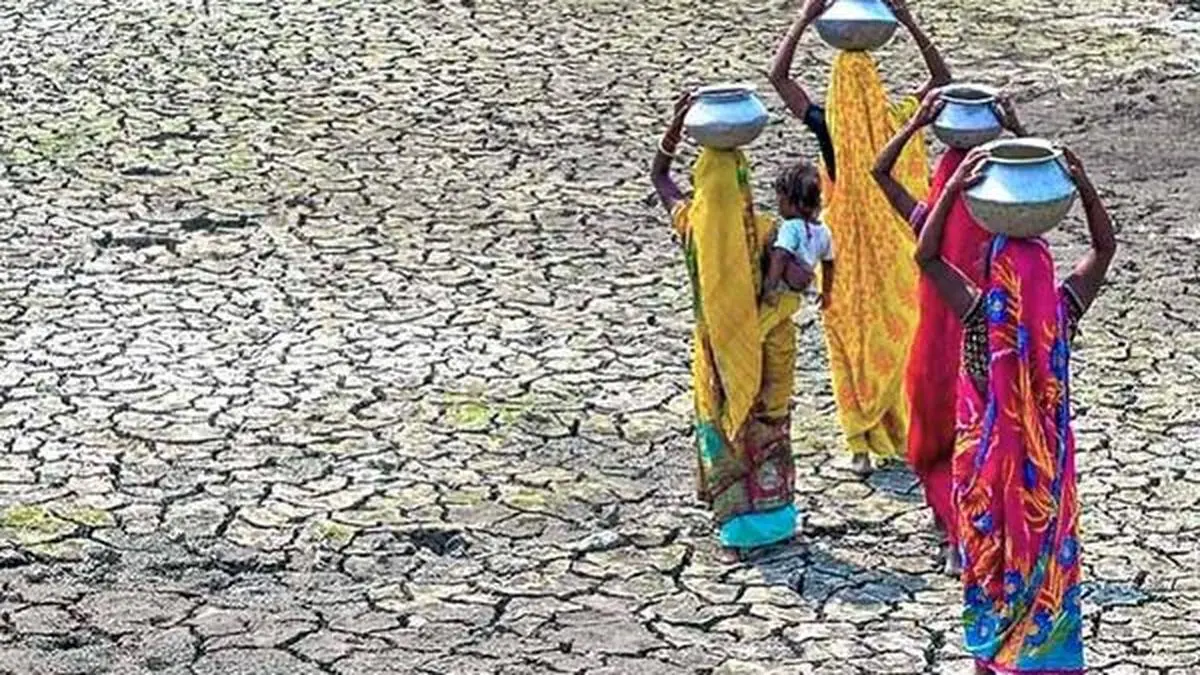
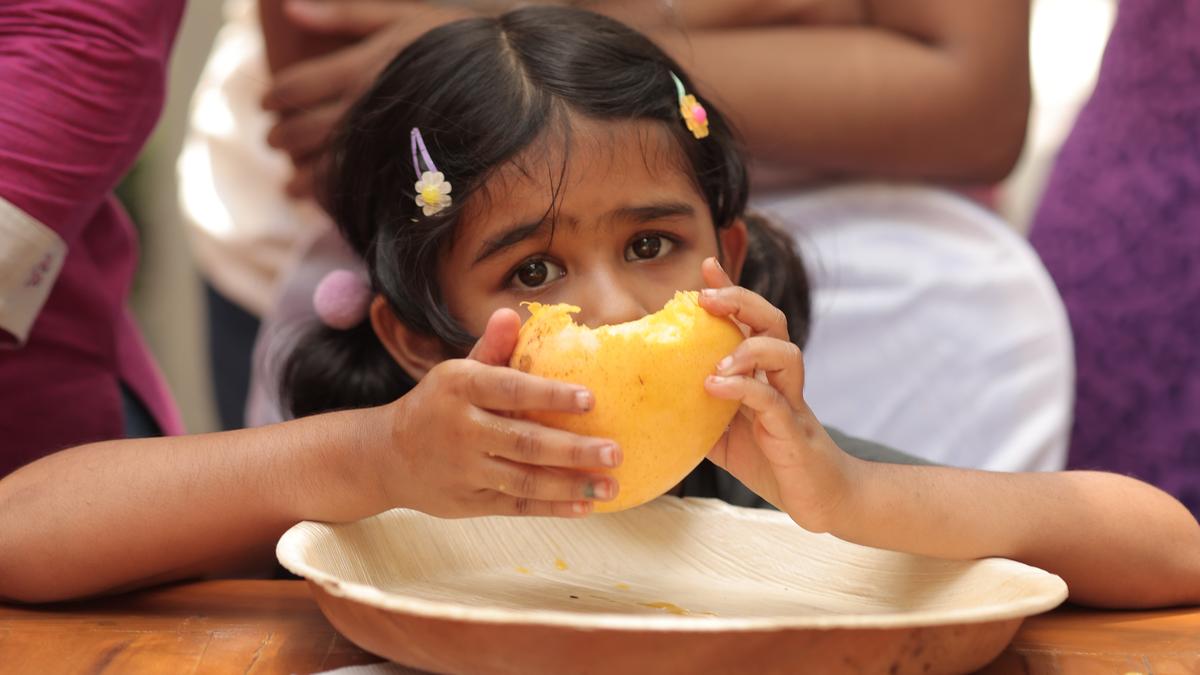
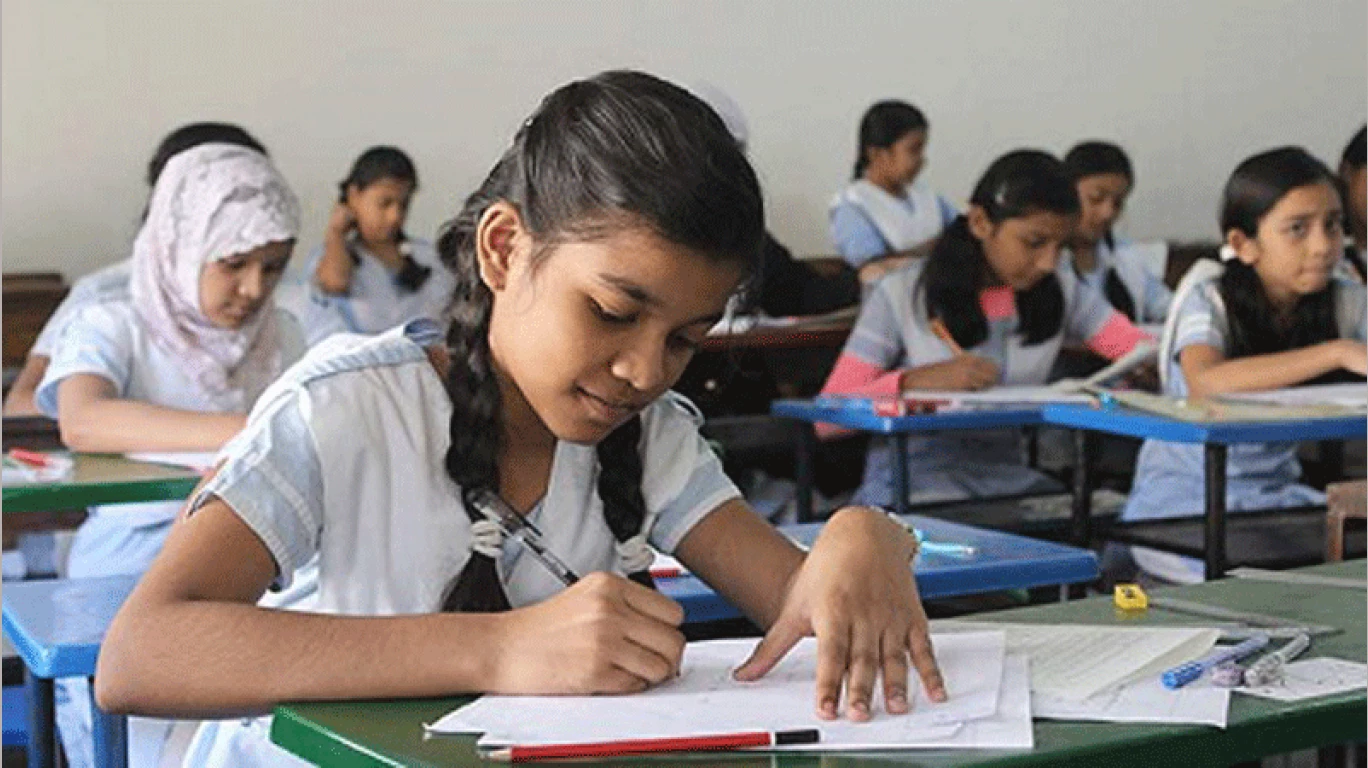
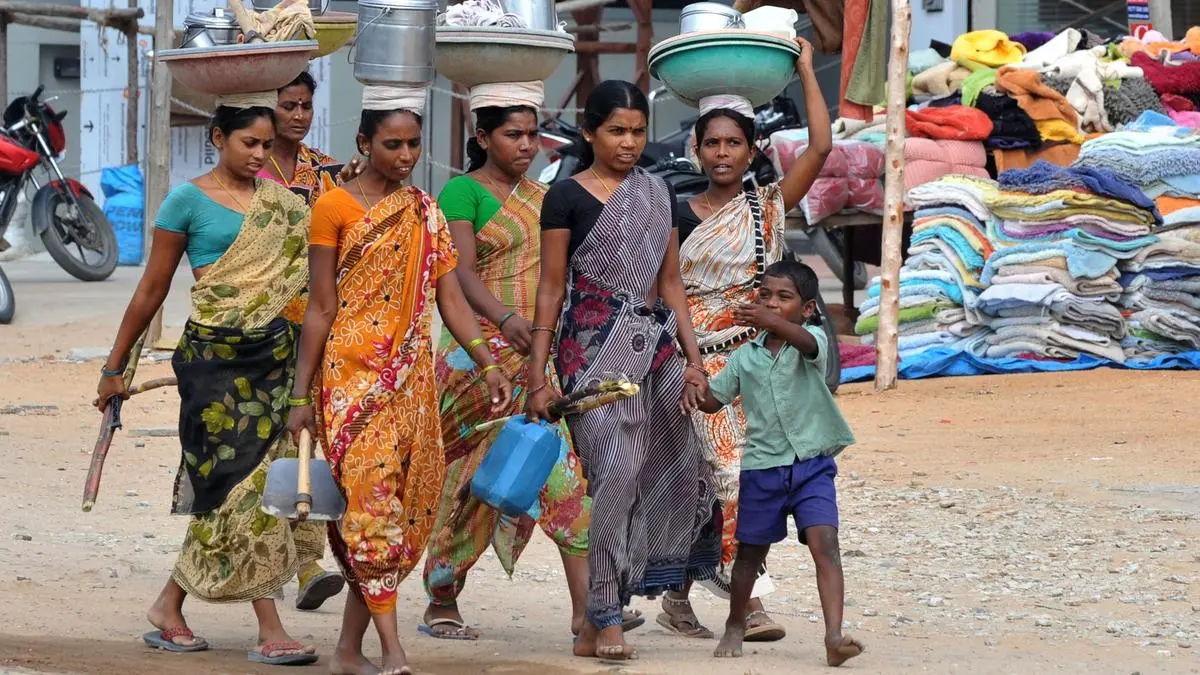
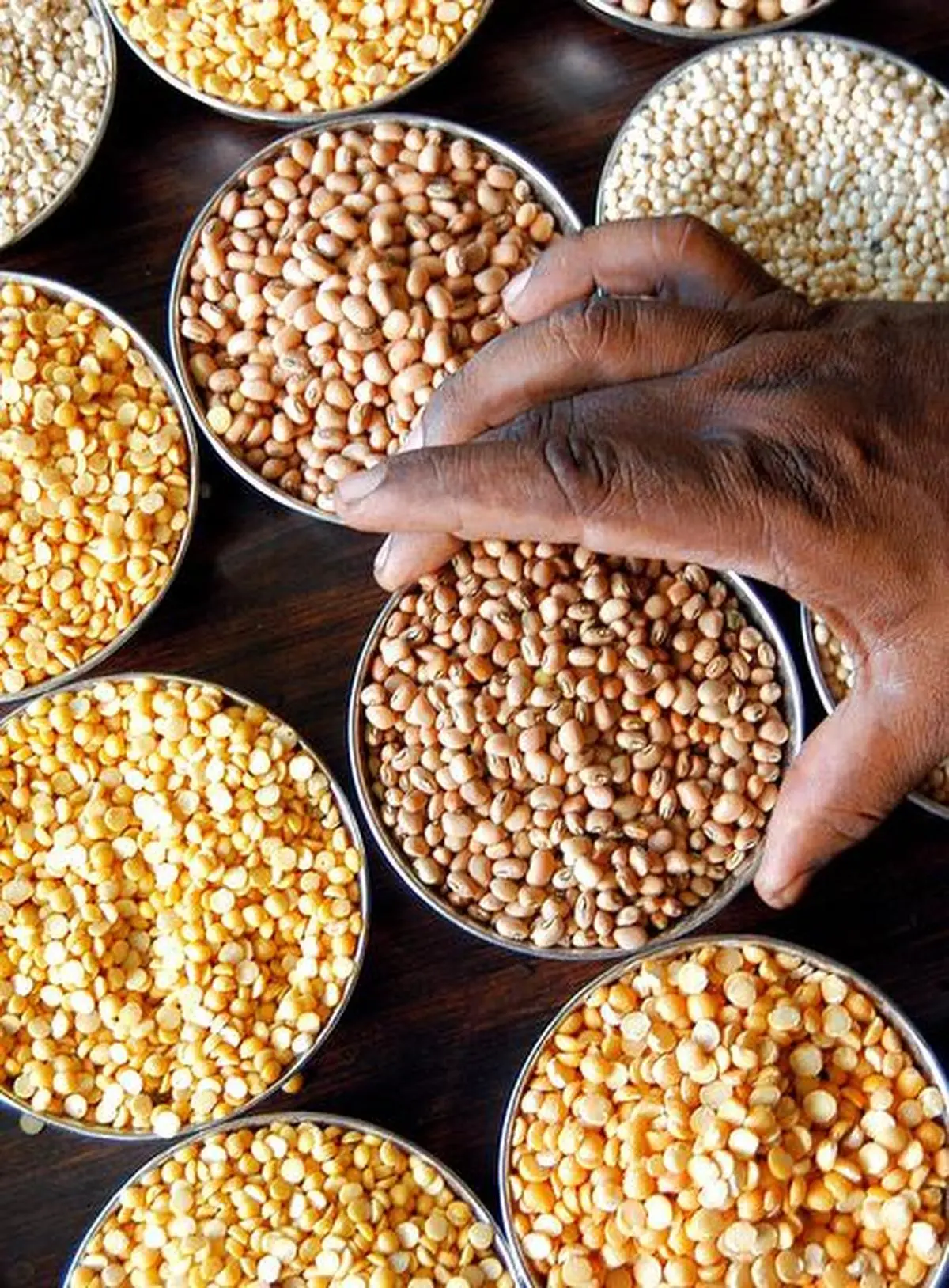
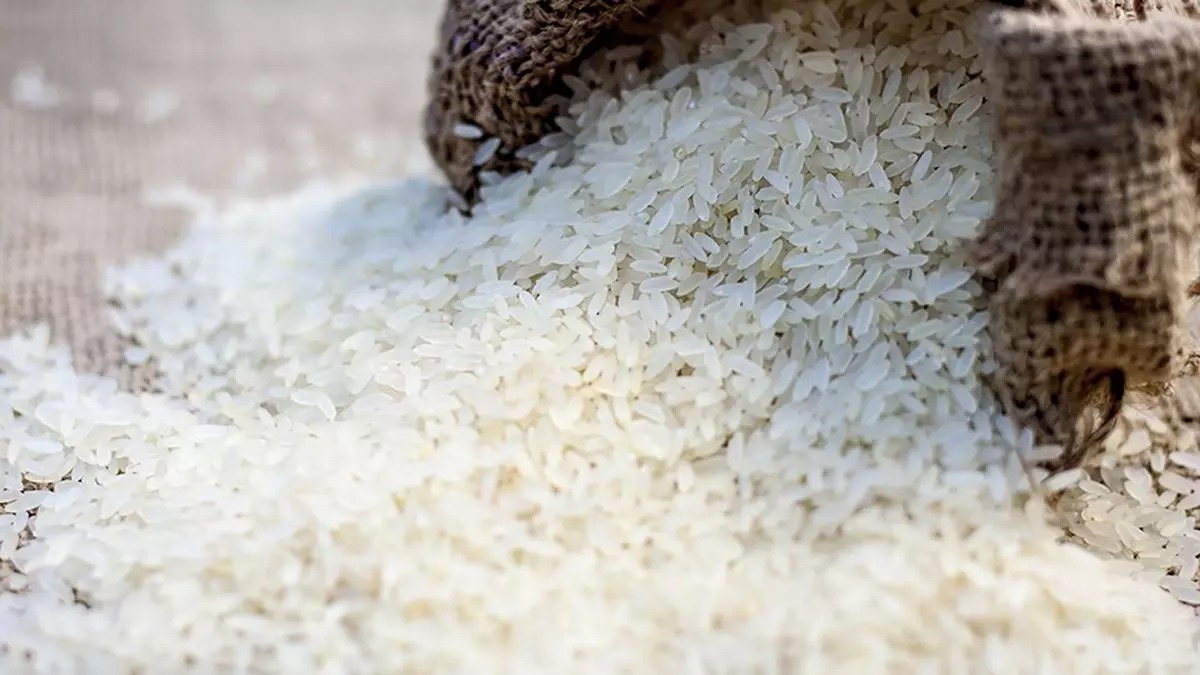
Despite being among the world’s largest producers of foodgrains, India continues to face serious nutrition challenges. About 16.3 per cent of the population is malnourished, with children bearing the worst impact through stunting, wasting and being underweight. Malnutrition weakens human capital, lowers productivity and increases healthcare burdens. A nation with a poorly nourished population cannot sustain long-term economic growth or social stability. Healthy citizens begin with healthy food systems, making food security central to national strength.
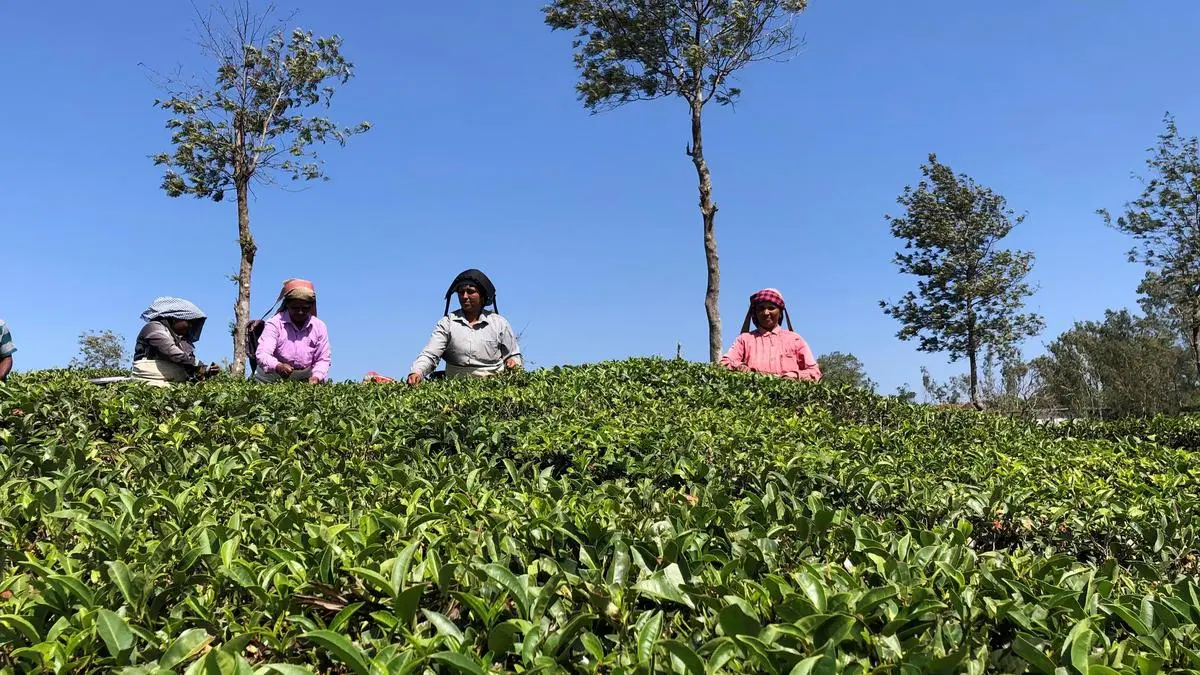
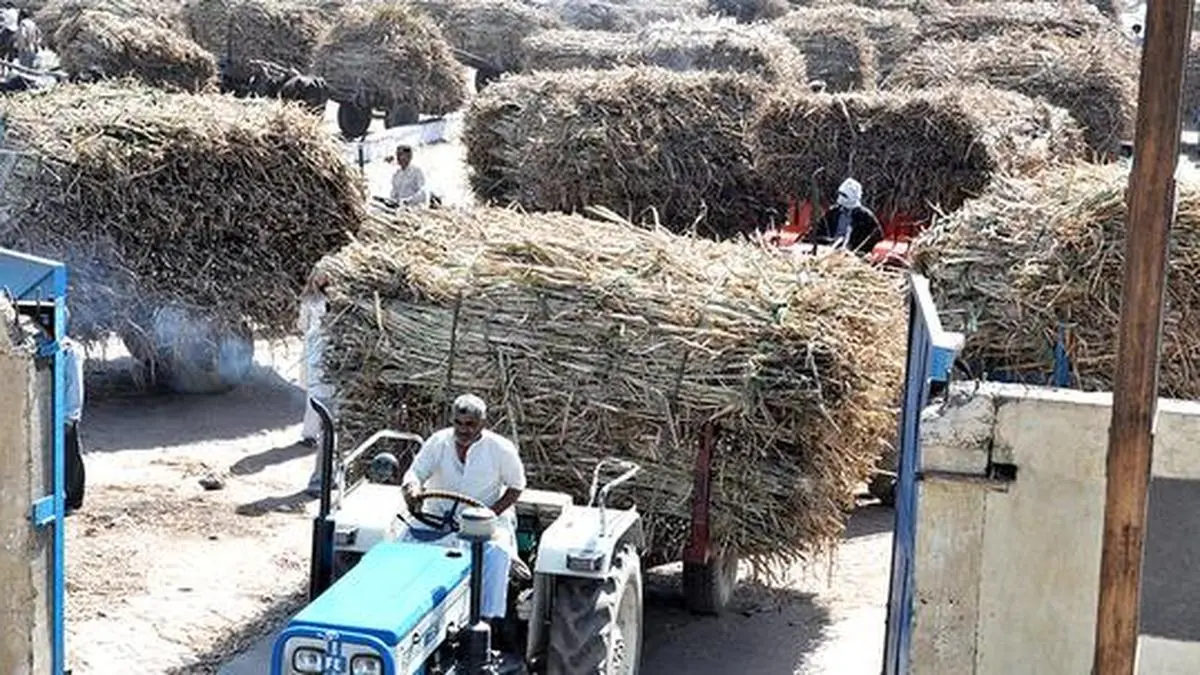
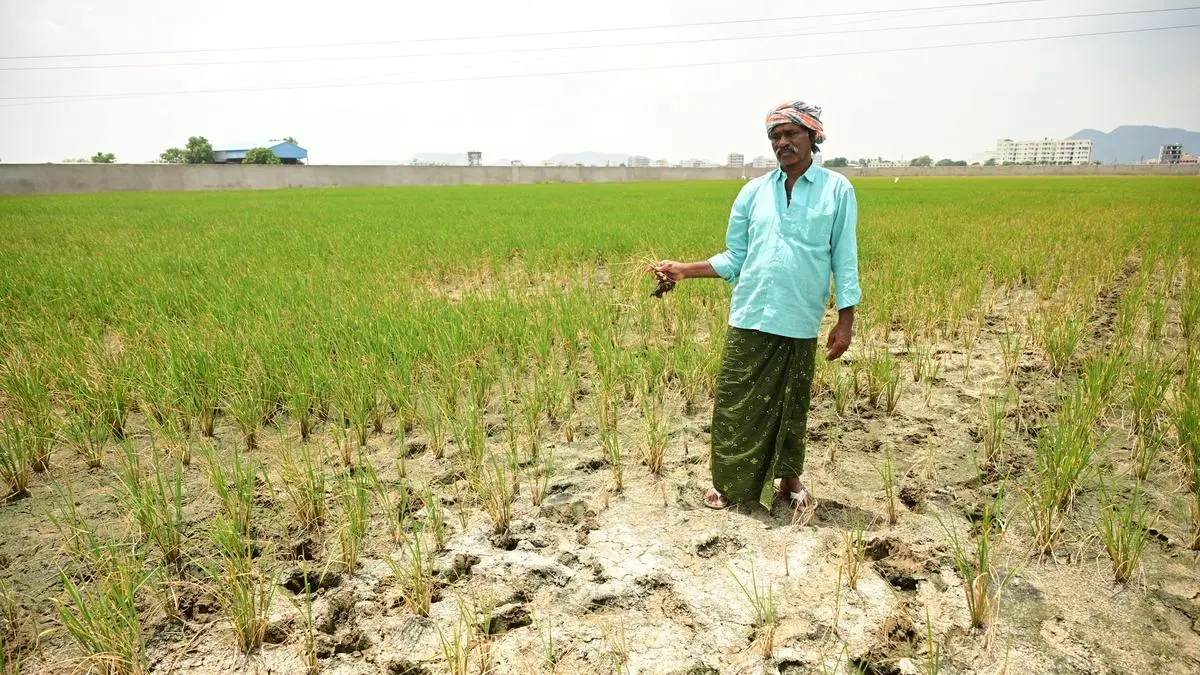
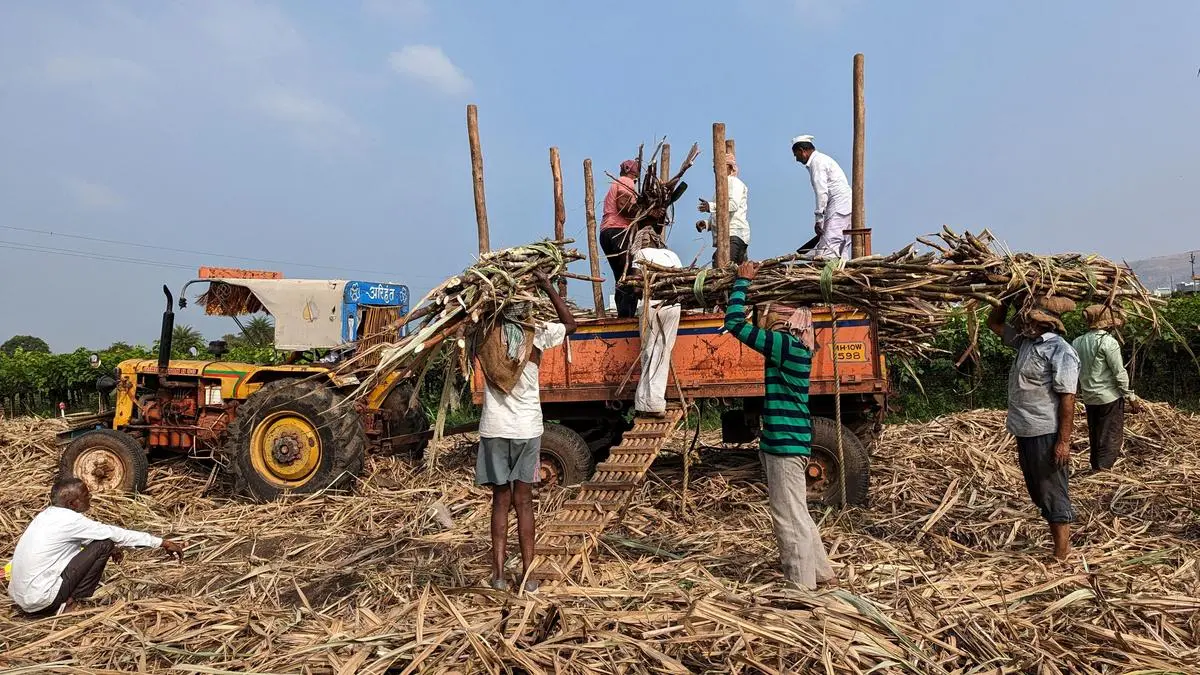
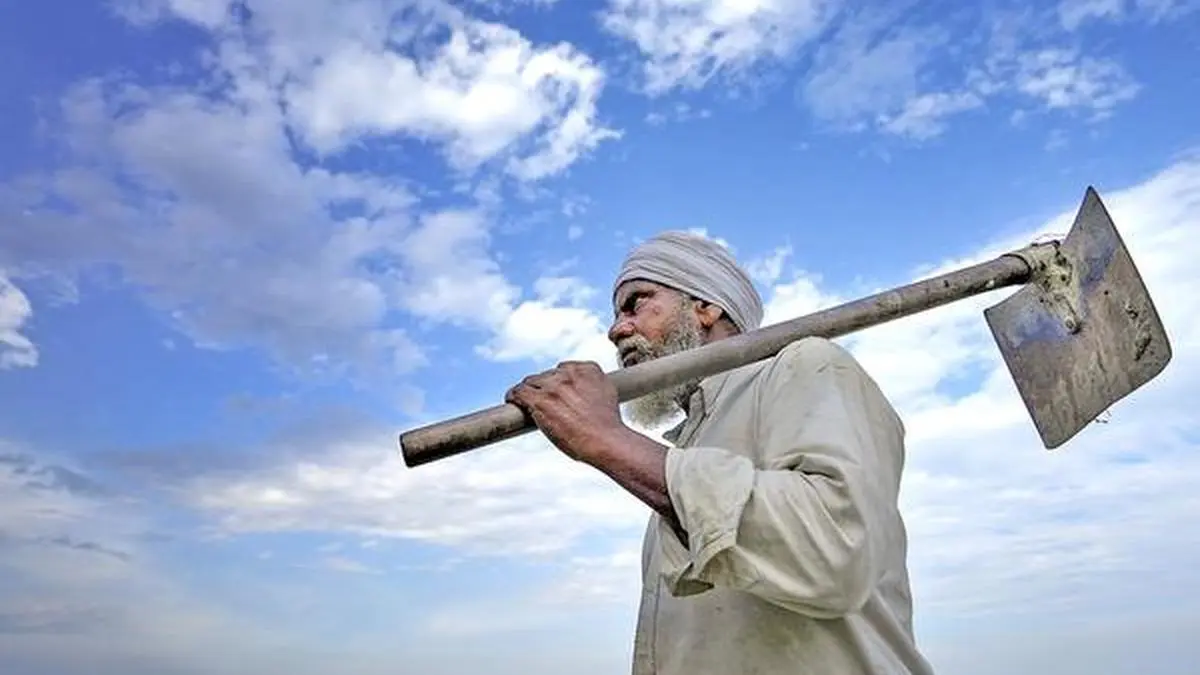
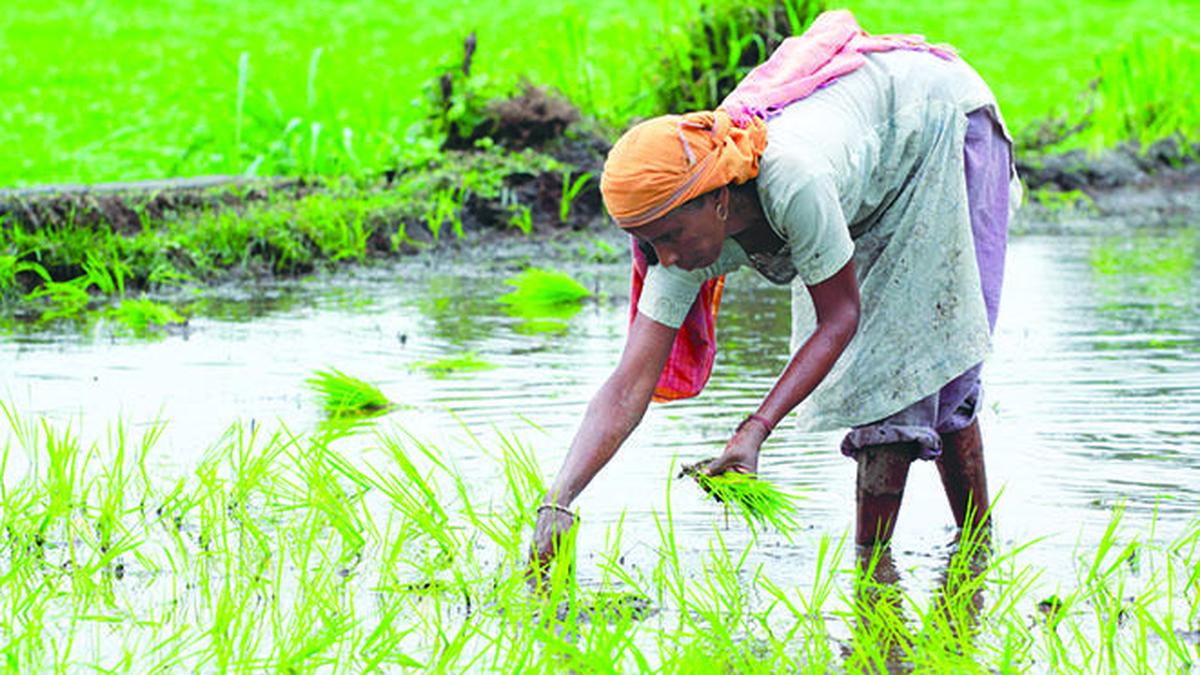
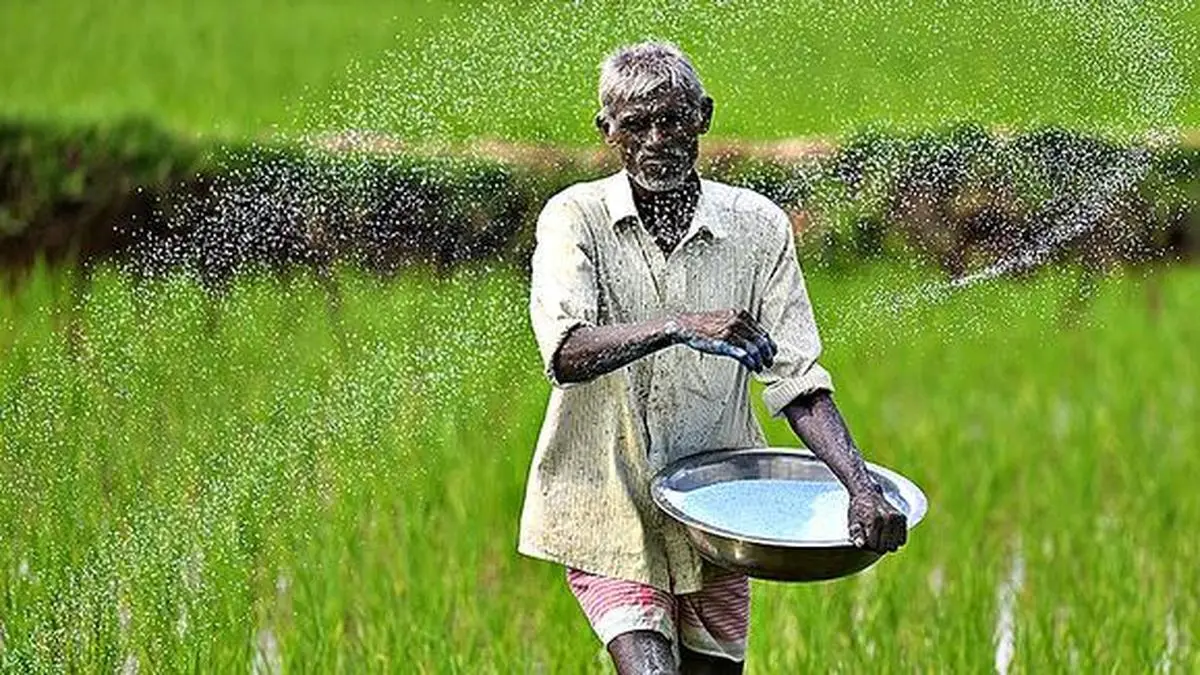
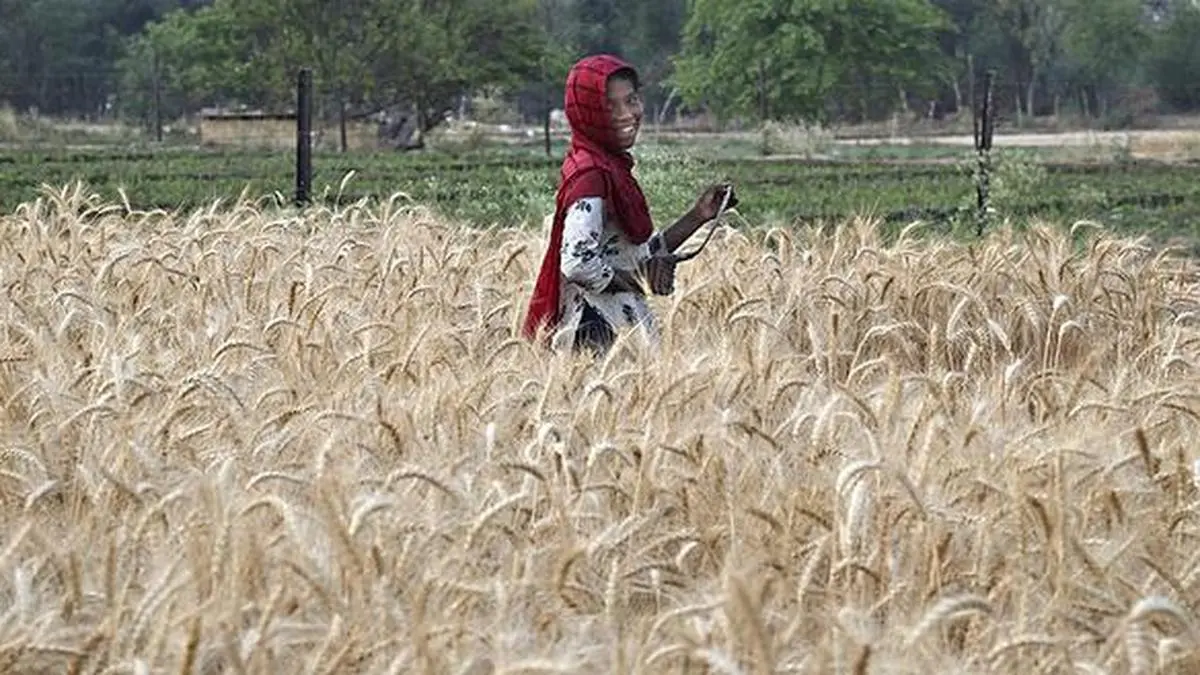
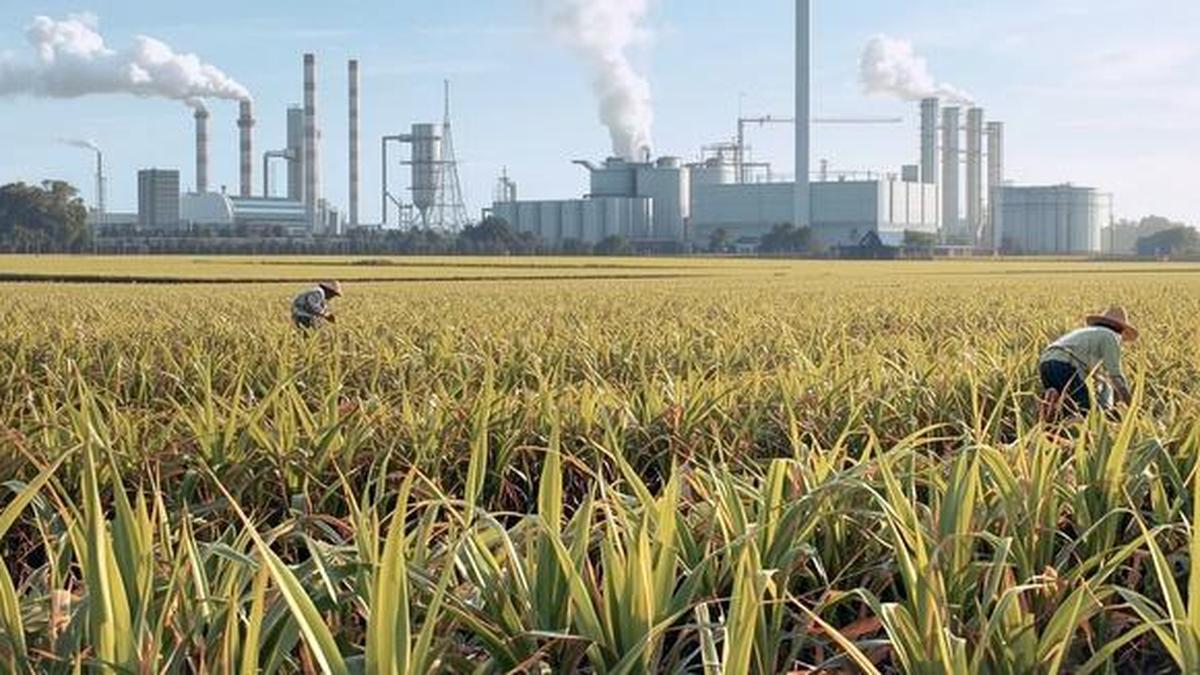
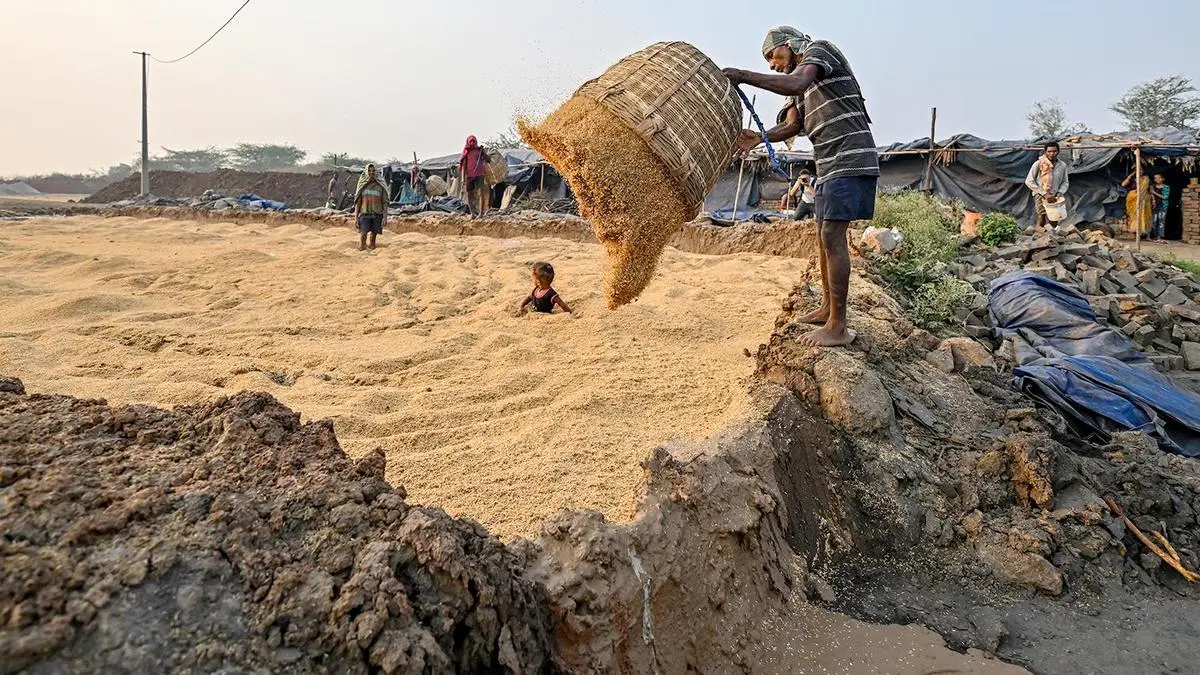
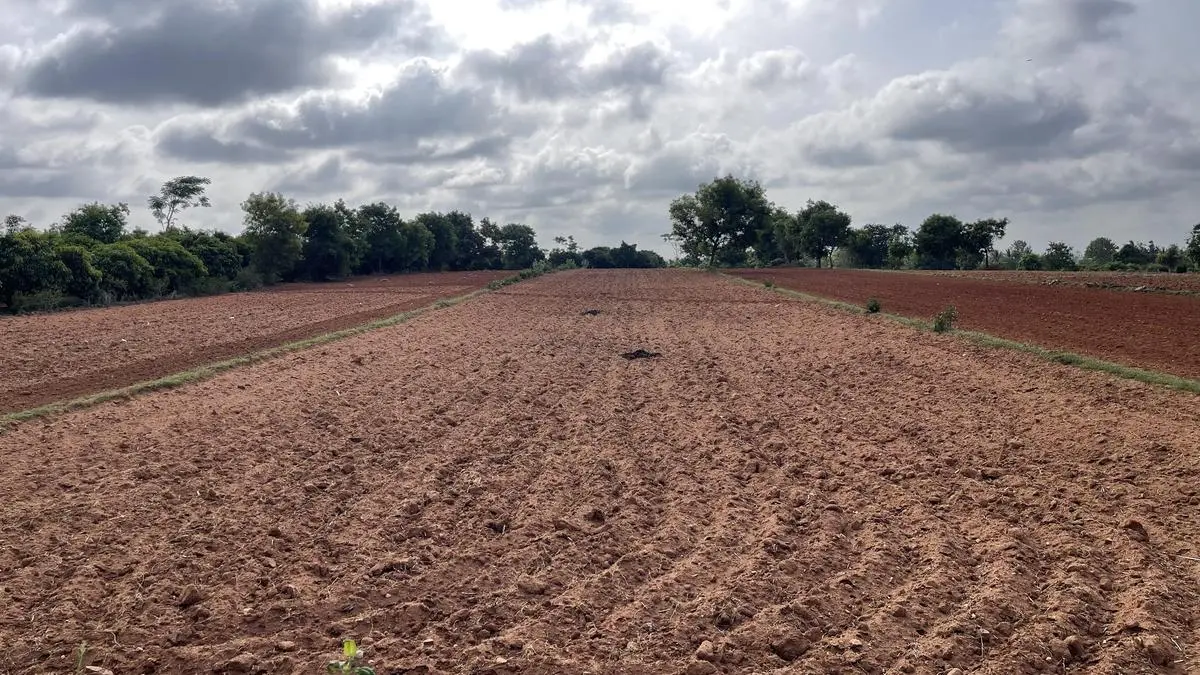
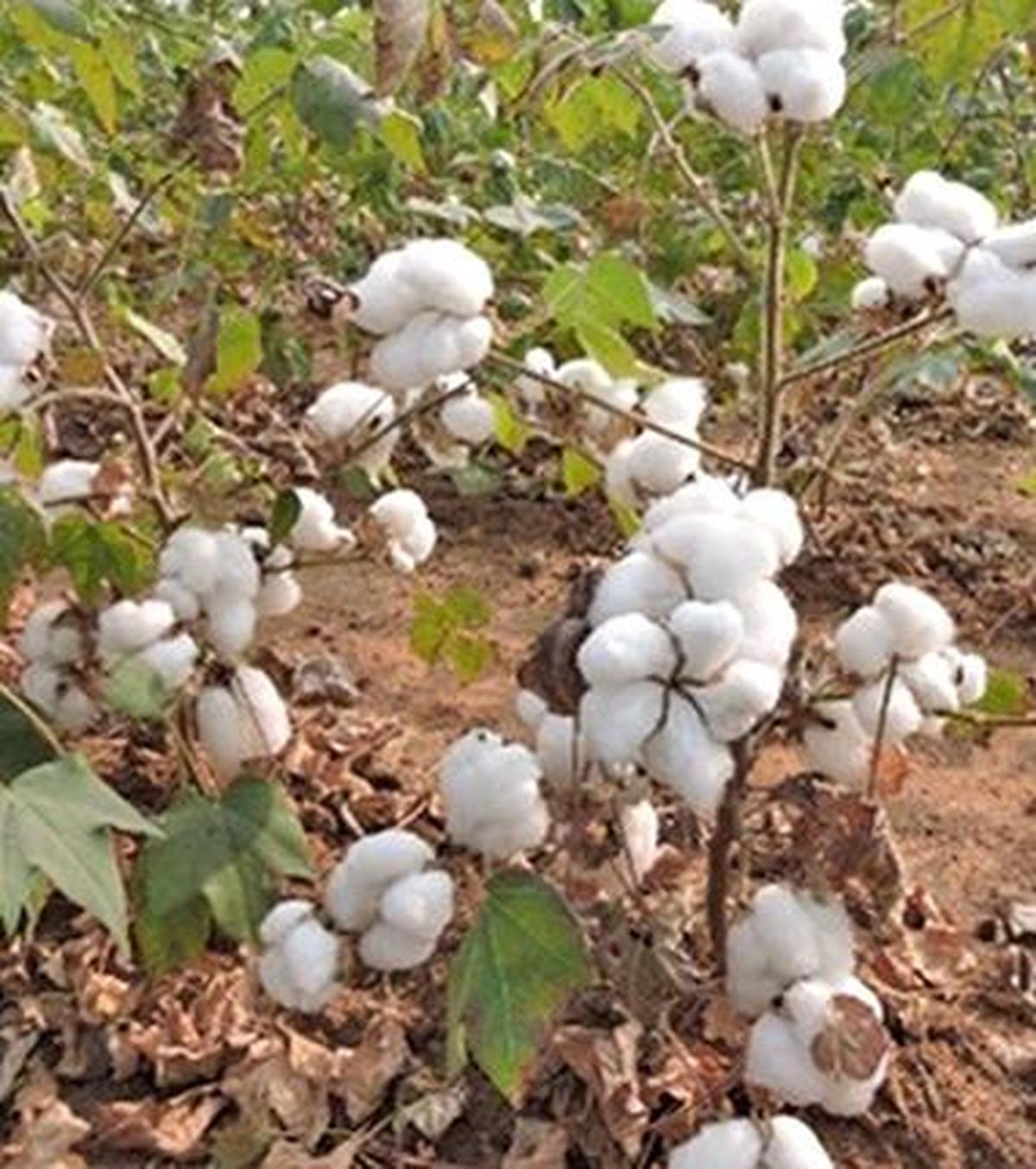
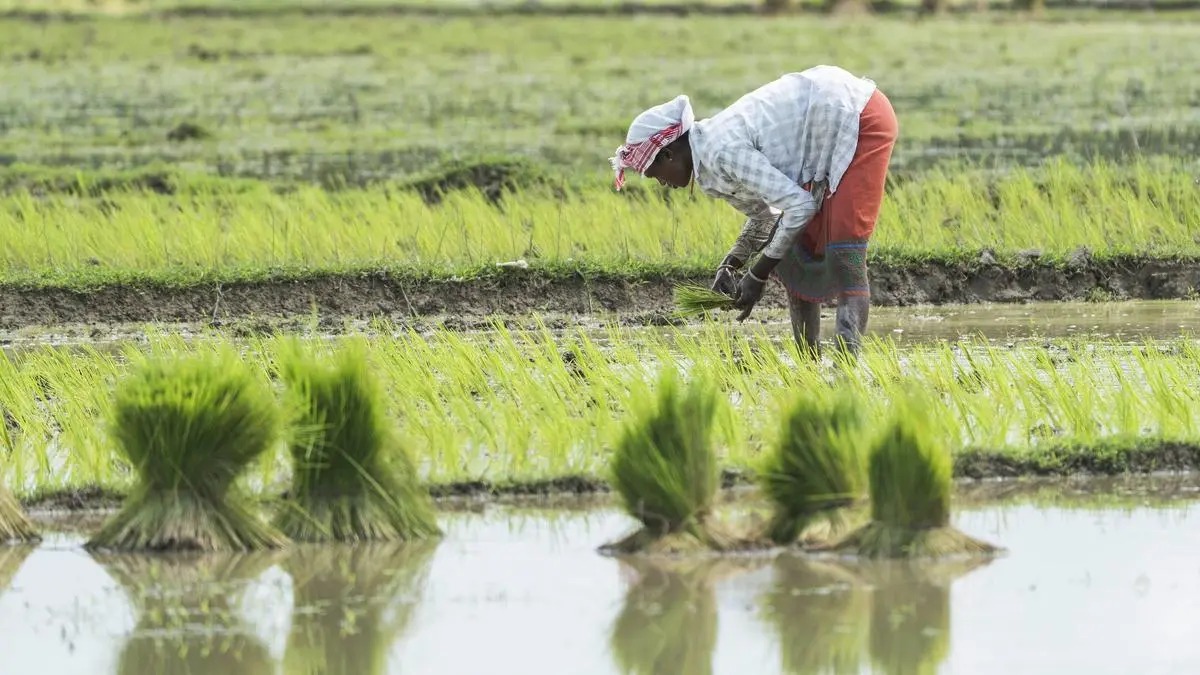
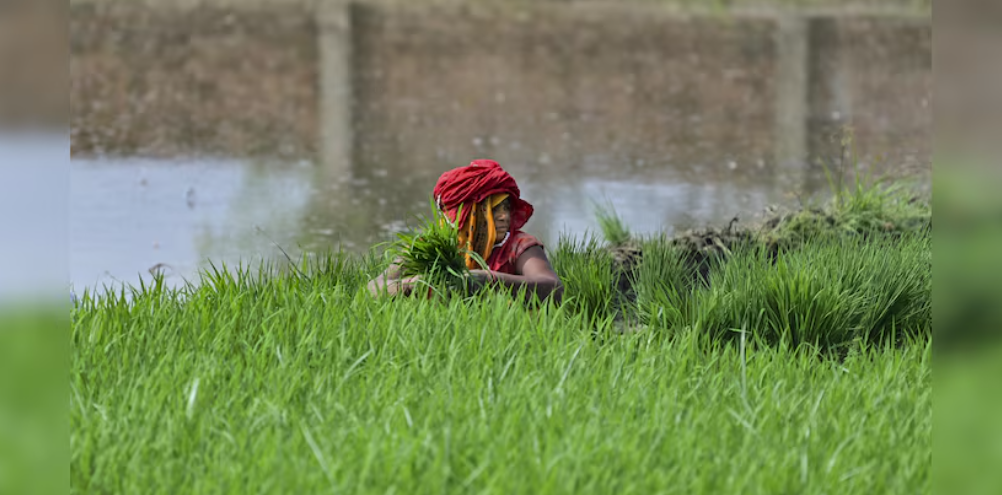
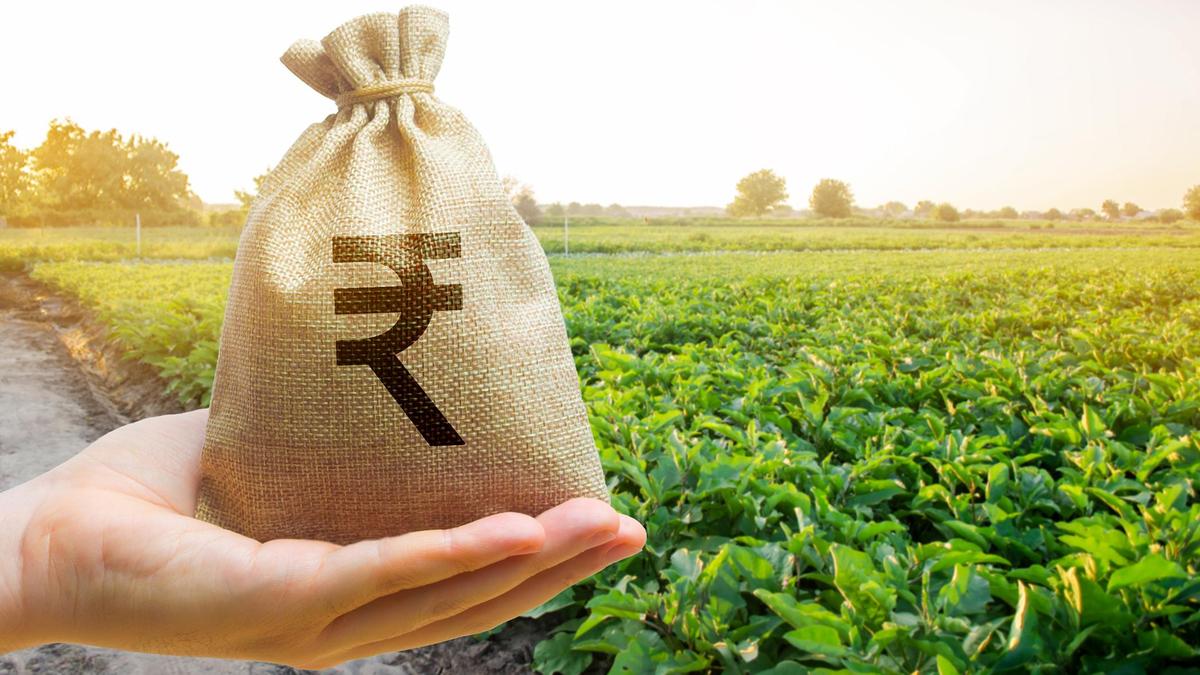
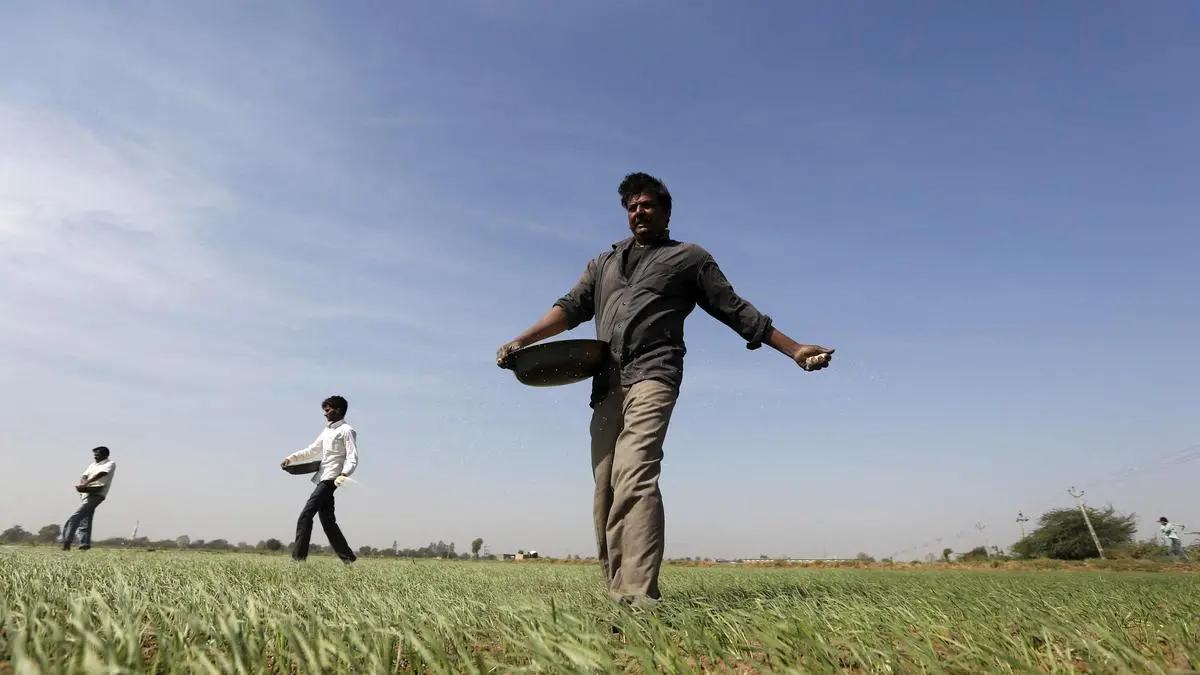
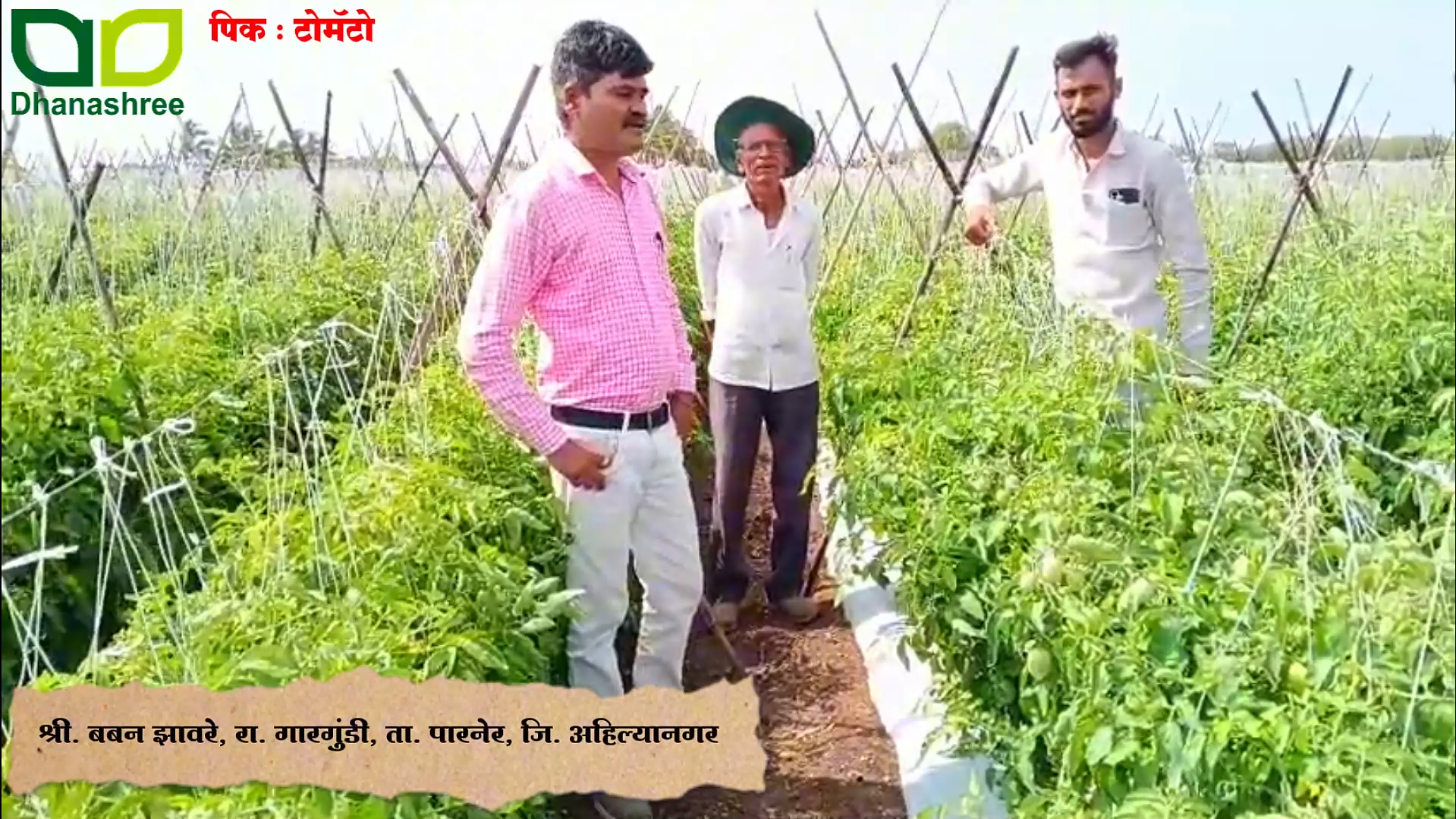
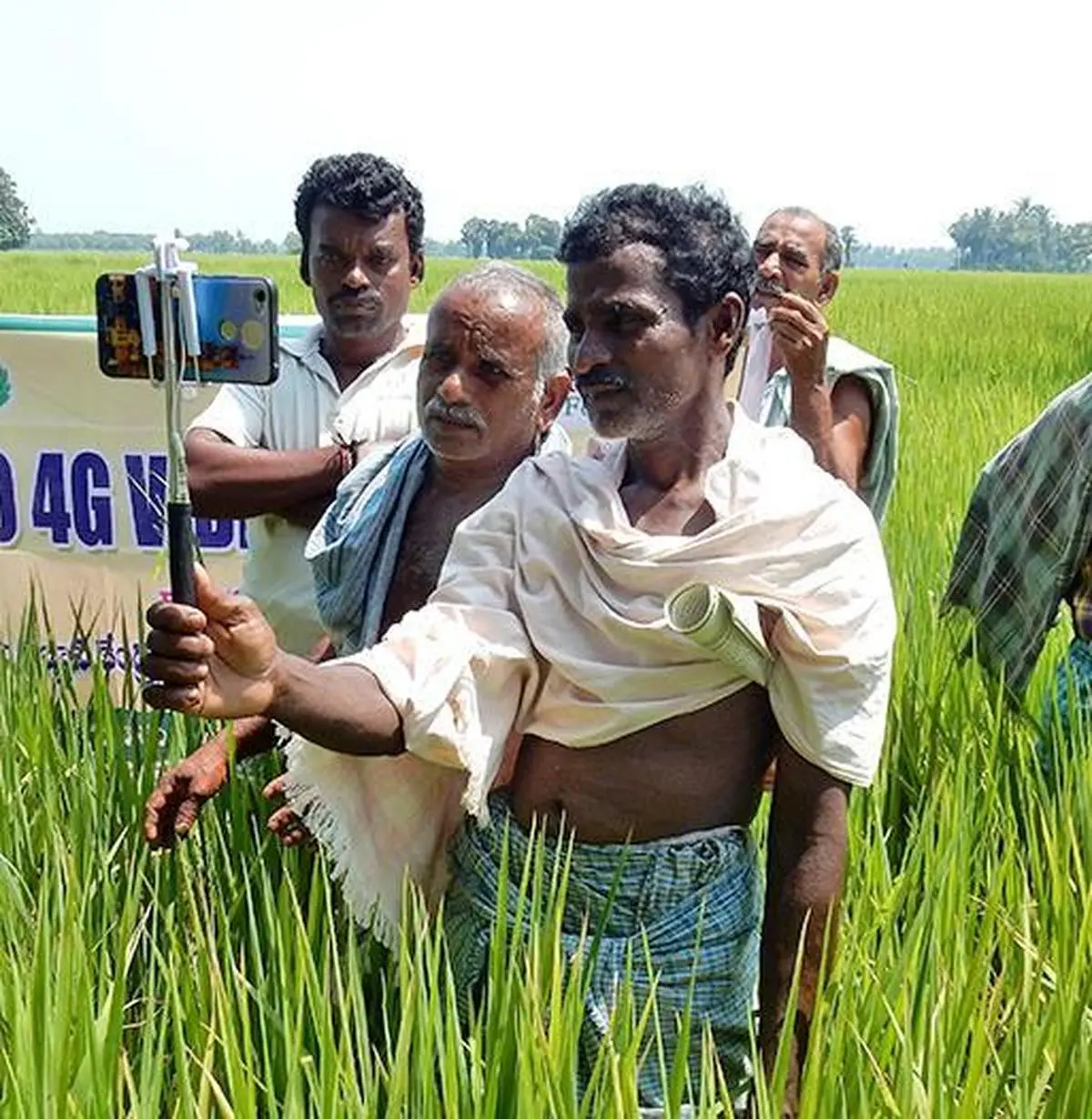
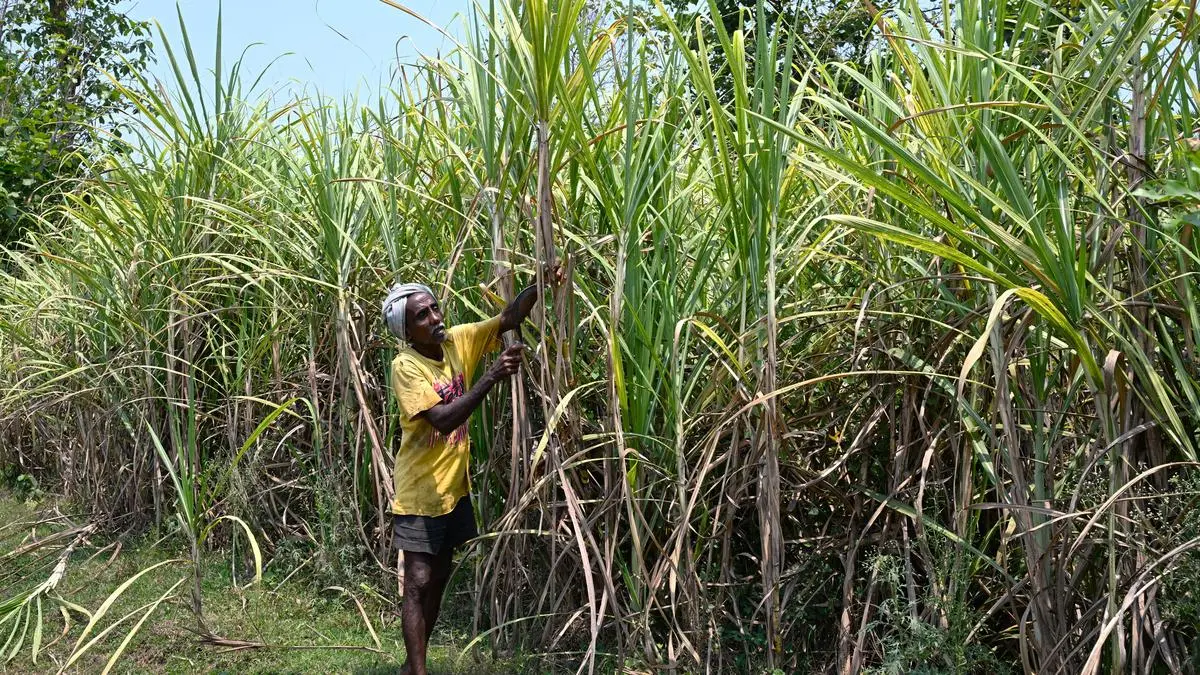
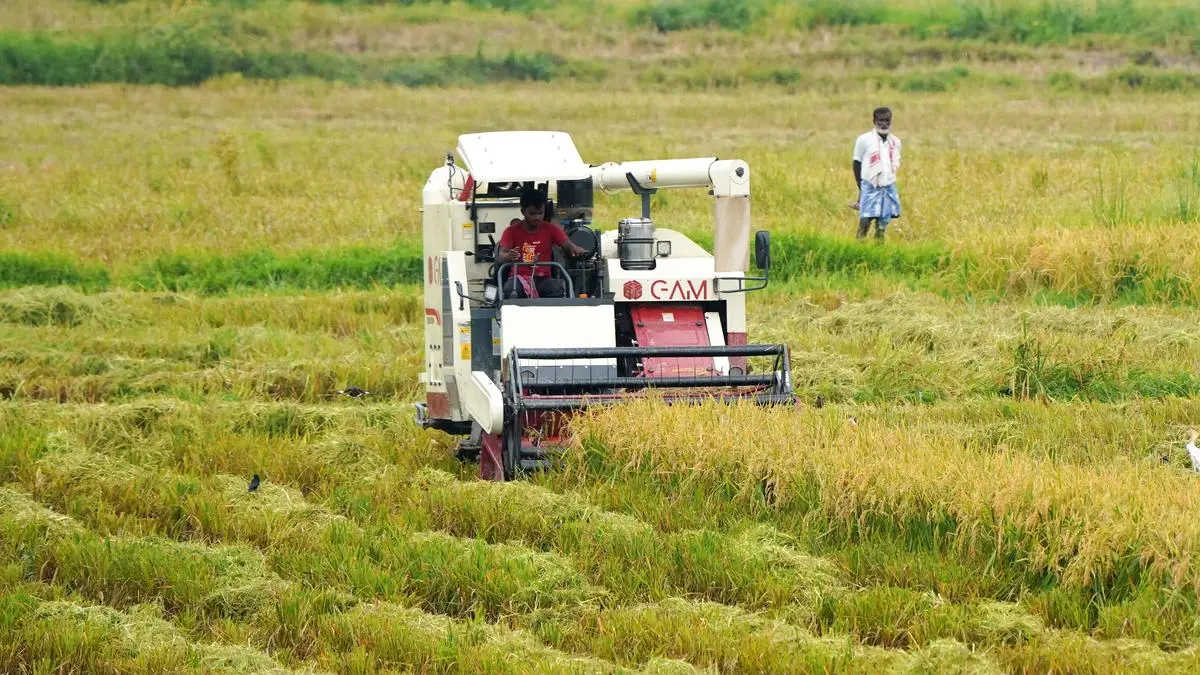
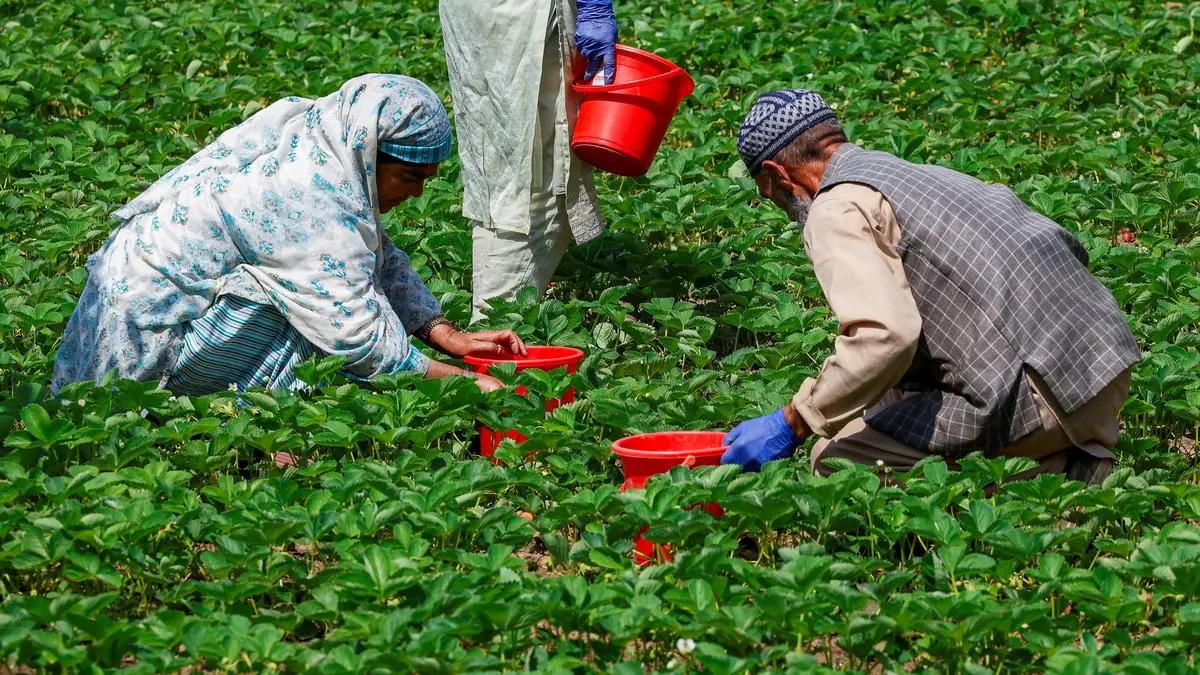
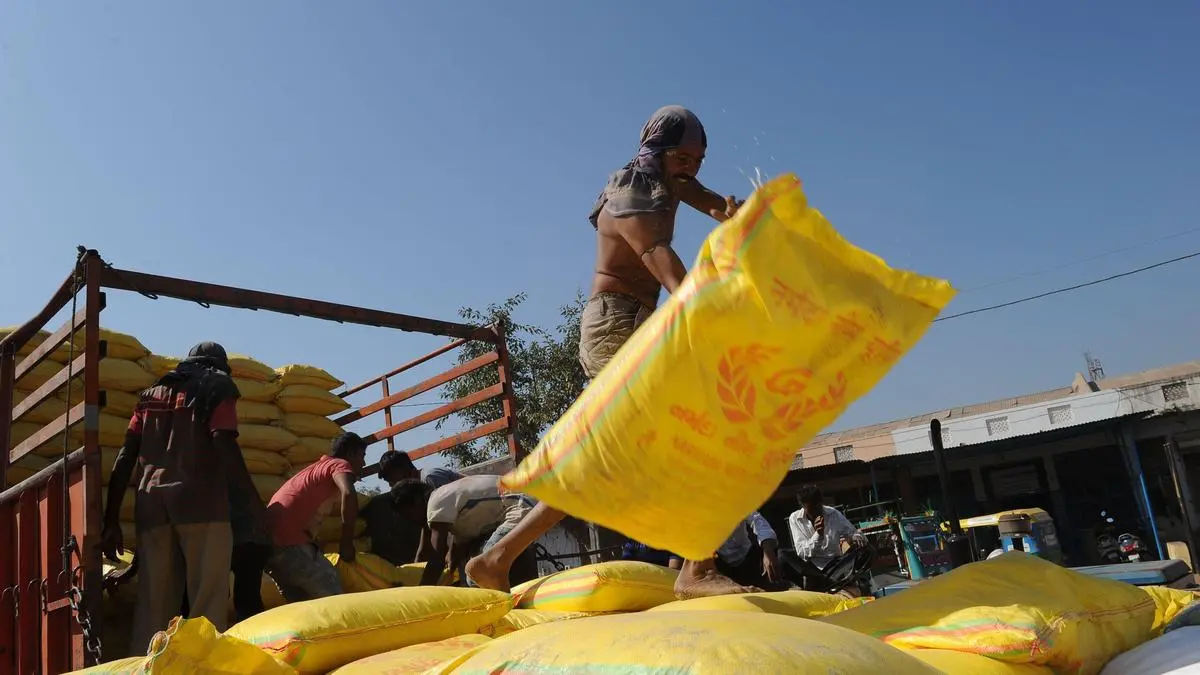
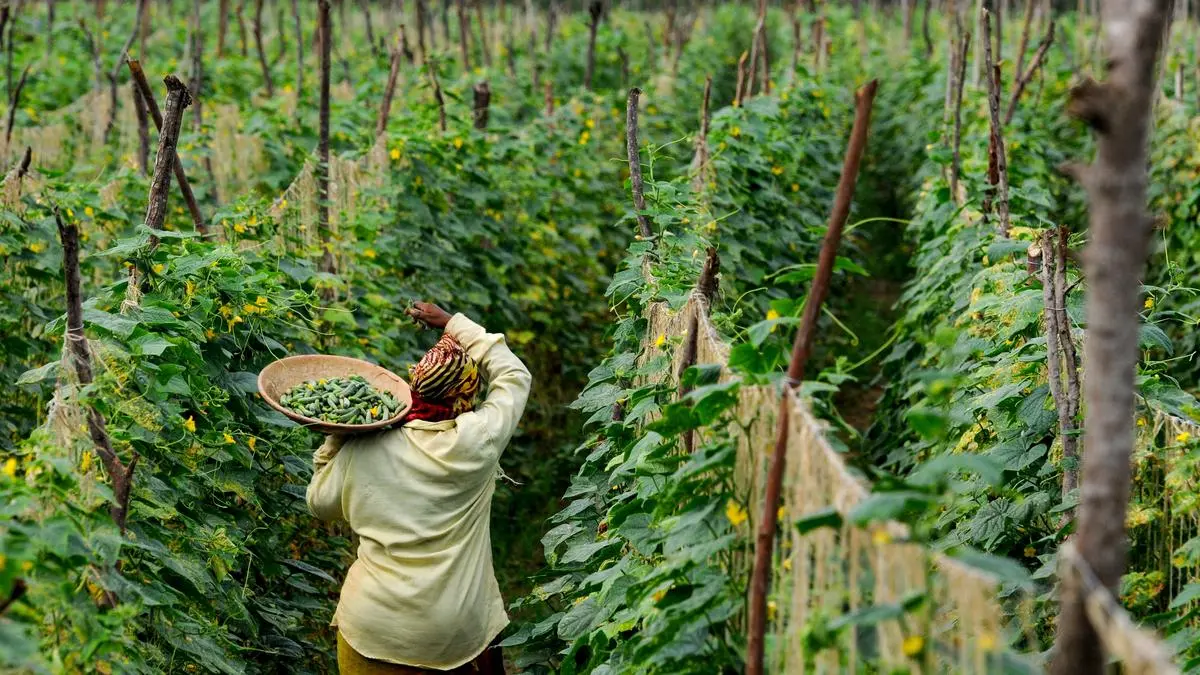
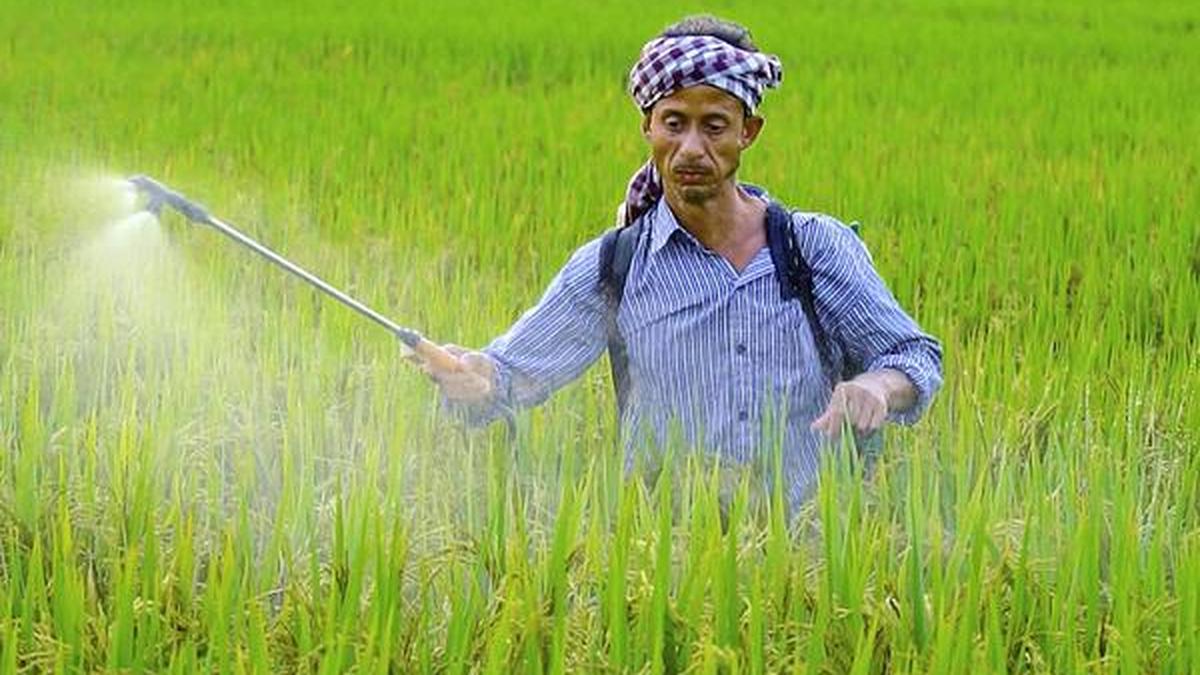
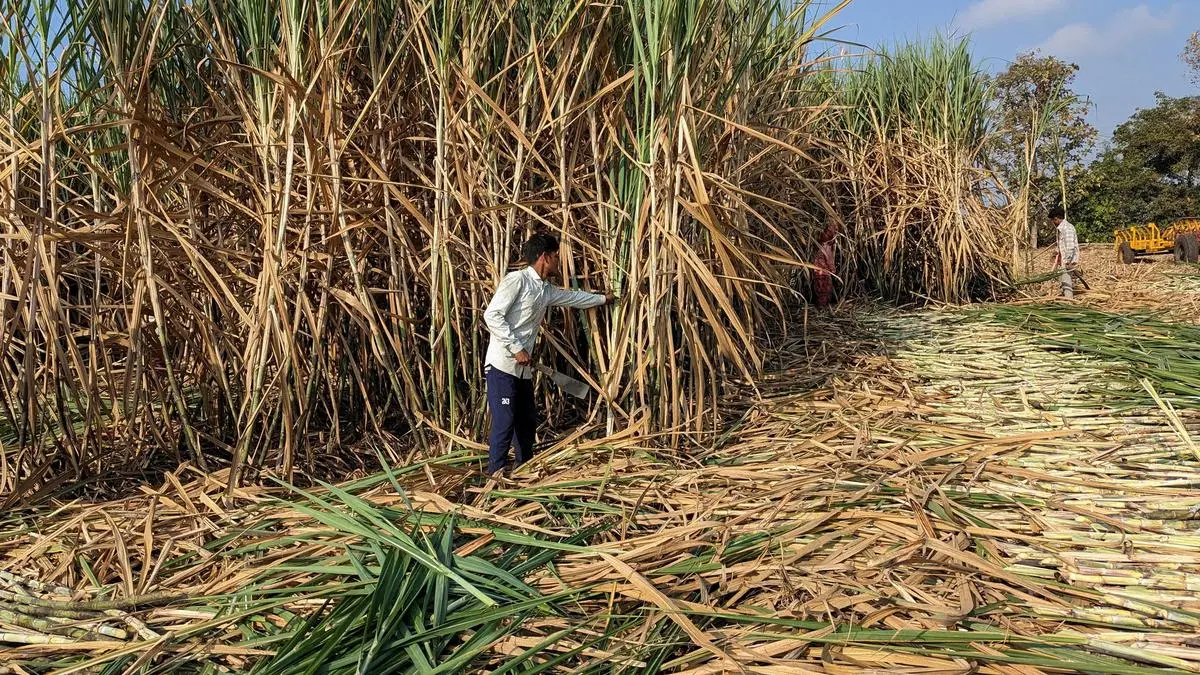
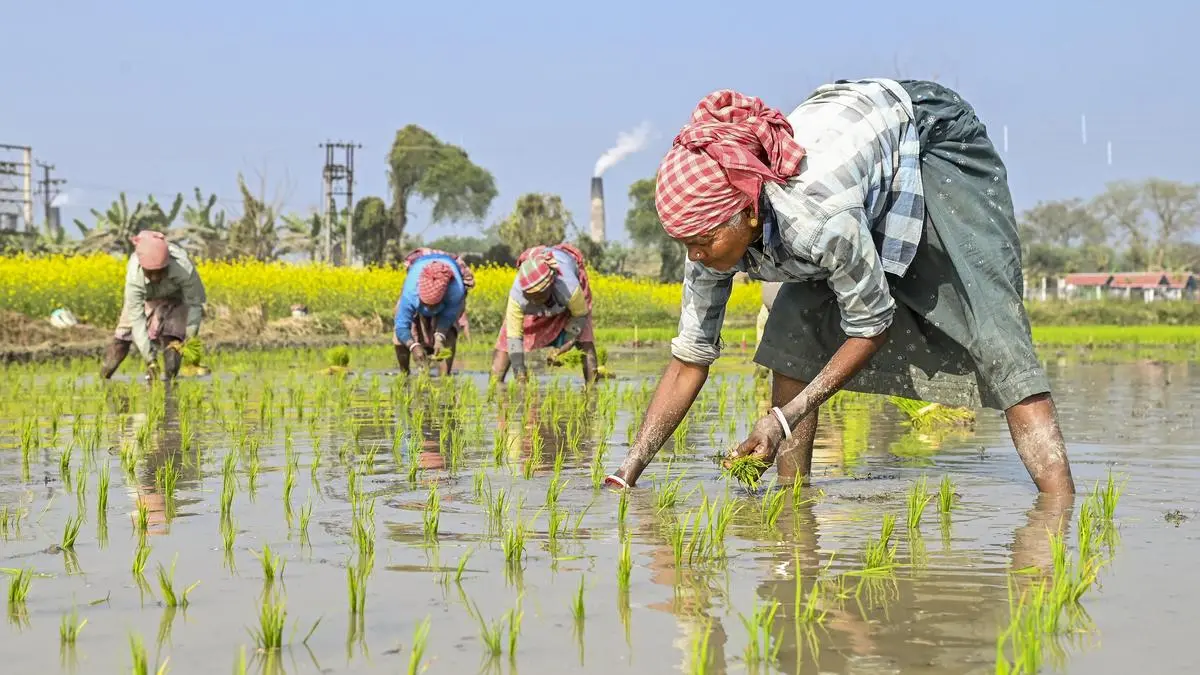
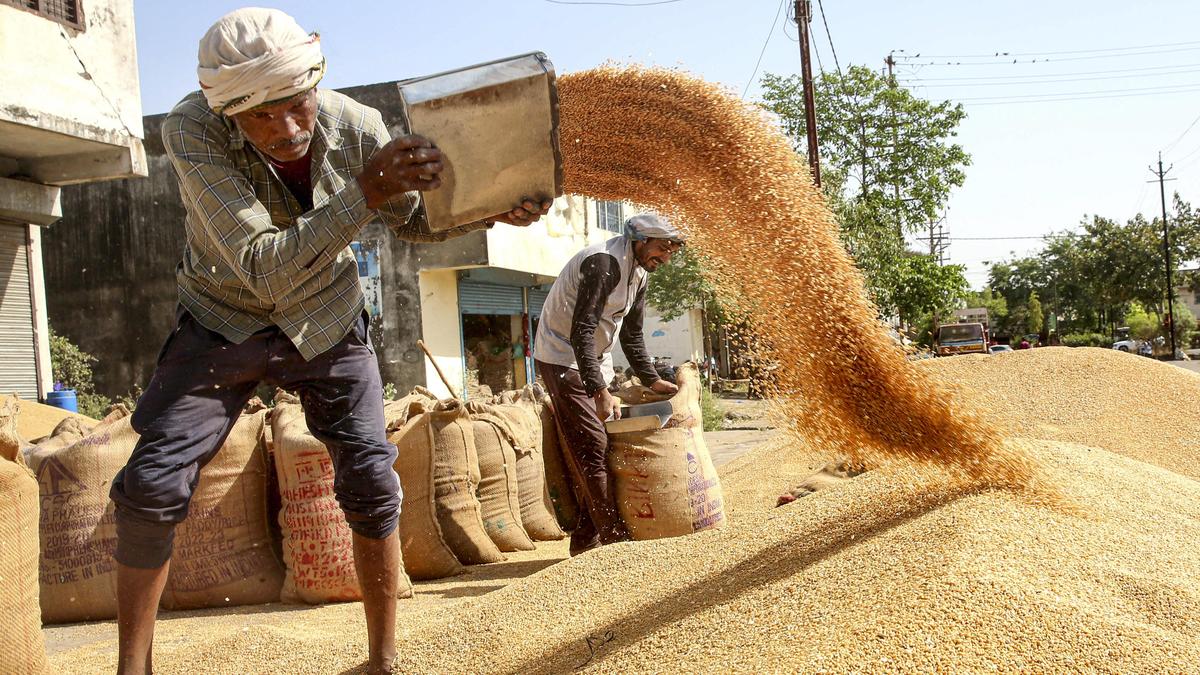
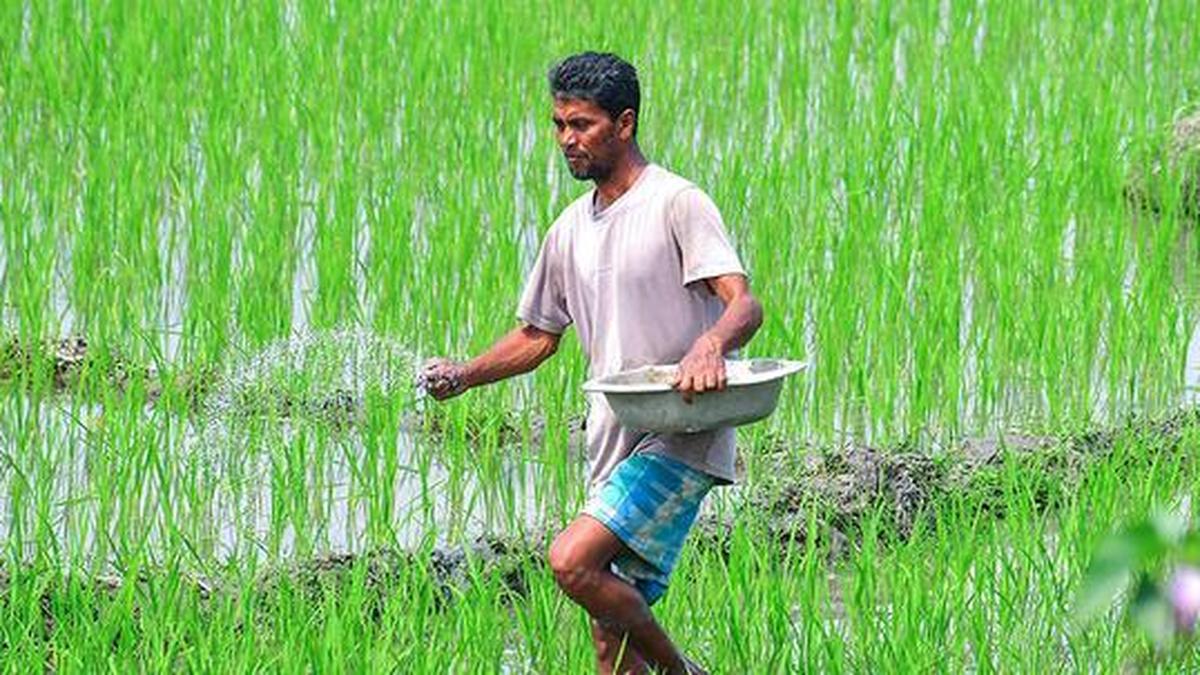
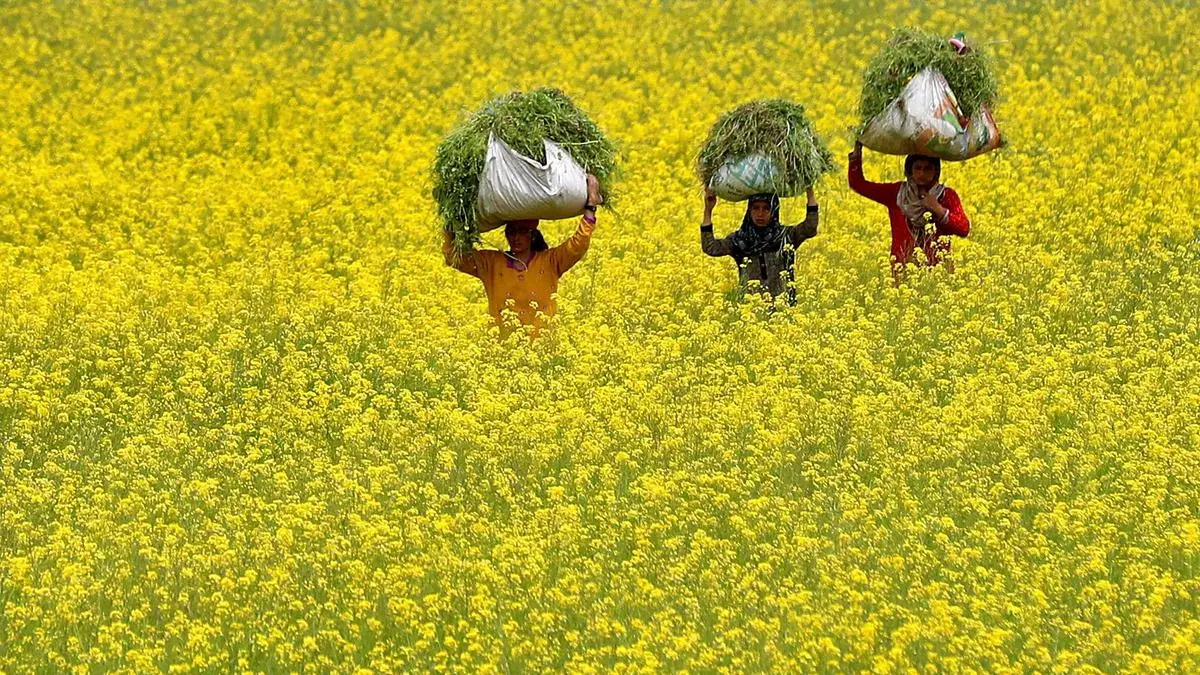
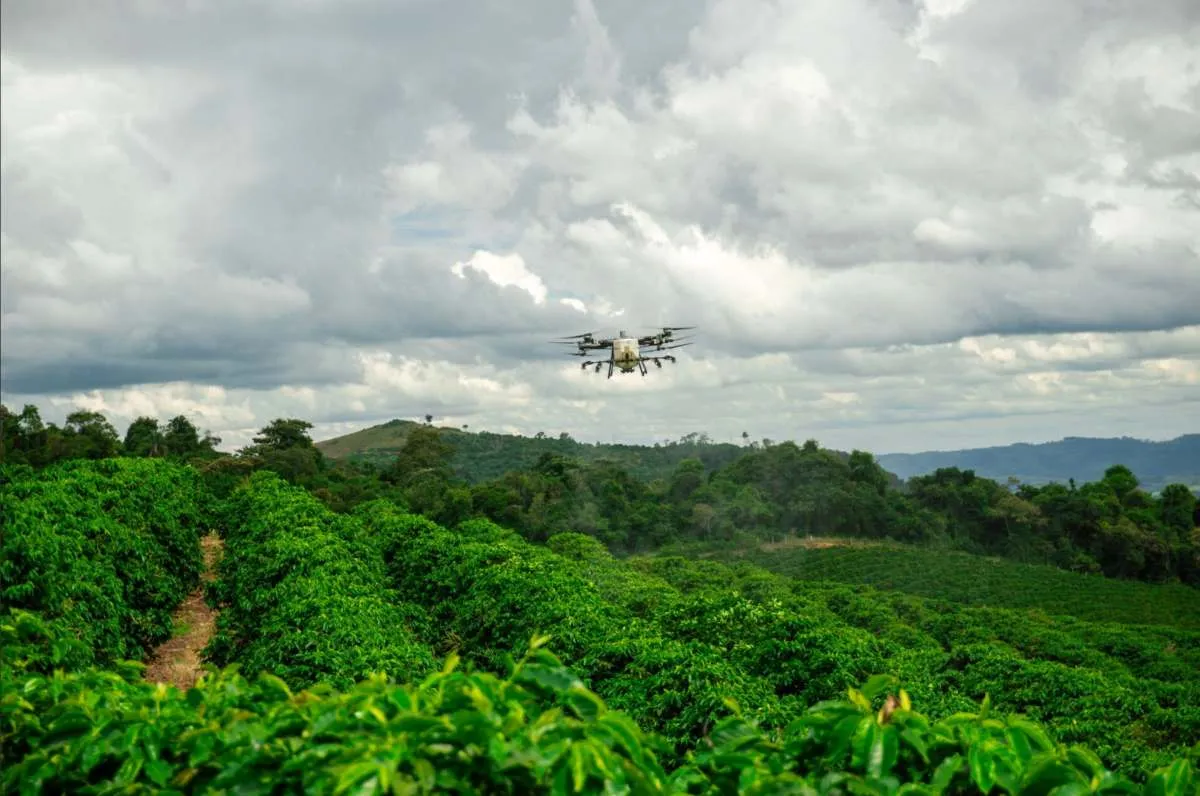
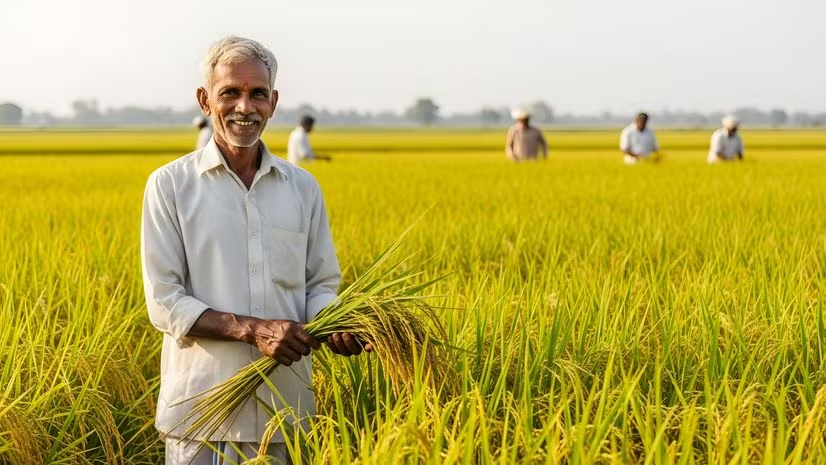
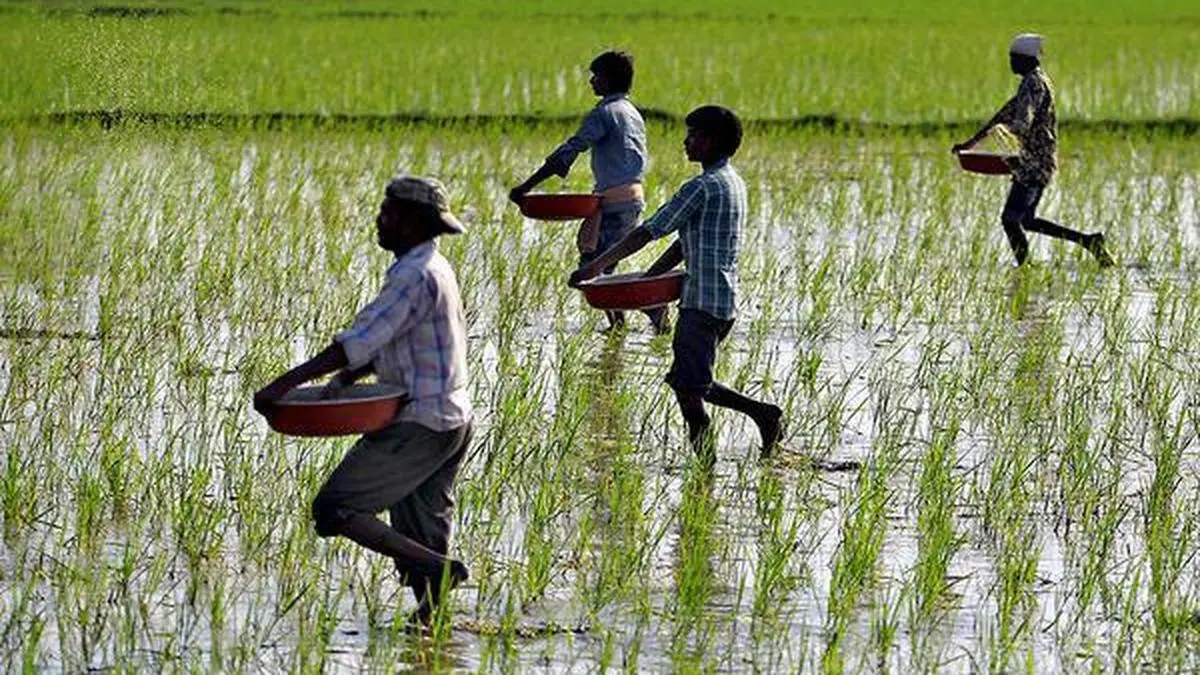
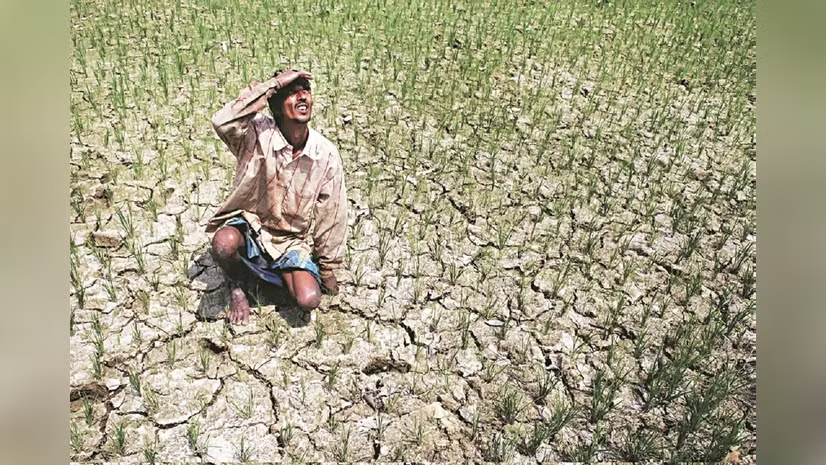
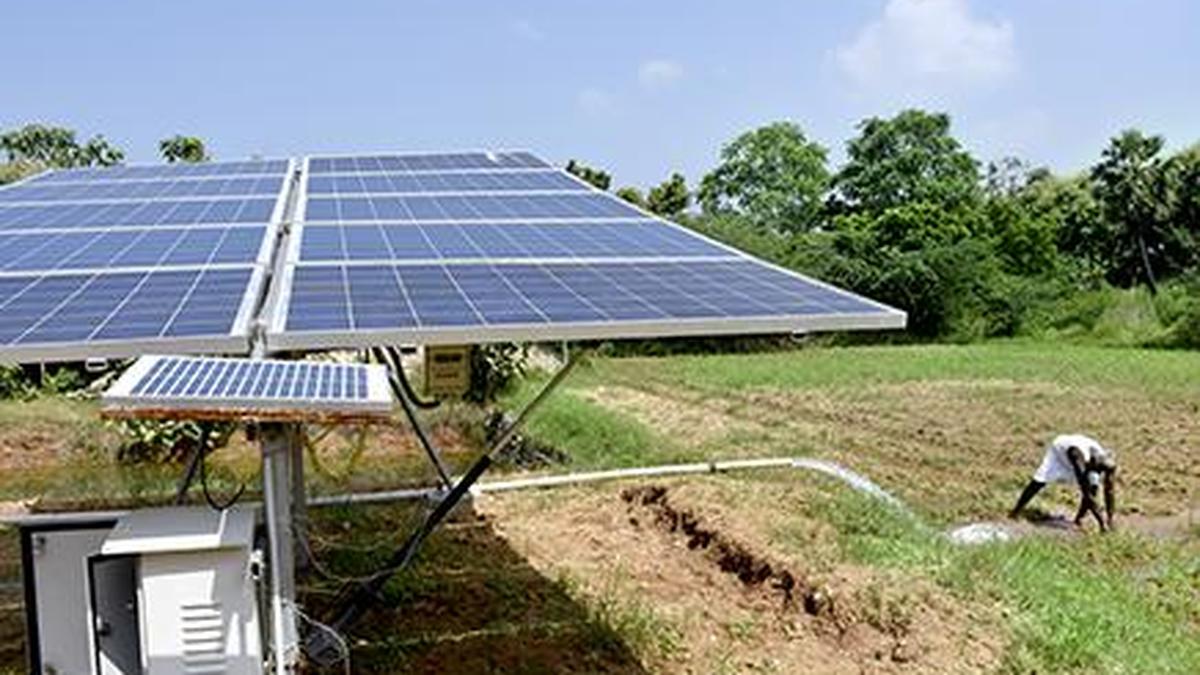
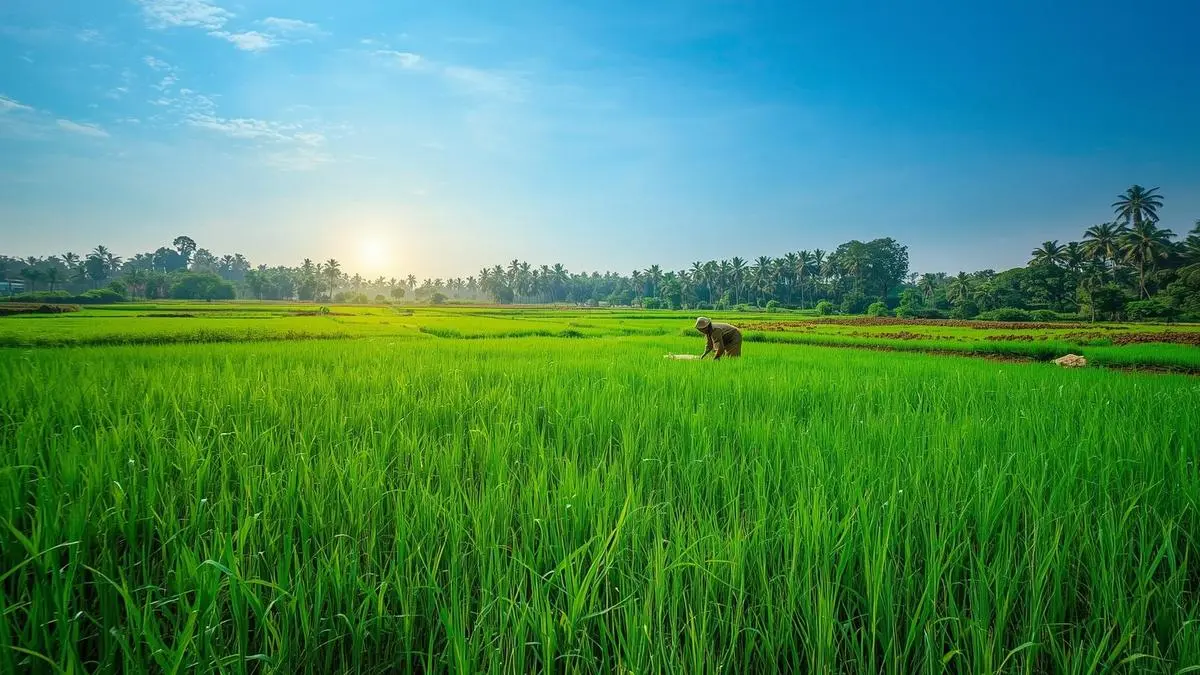
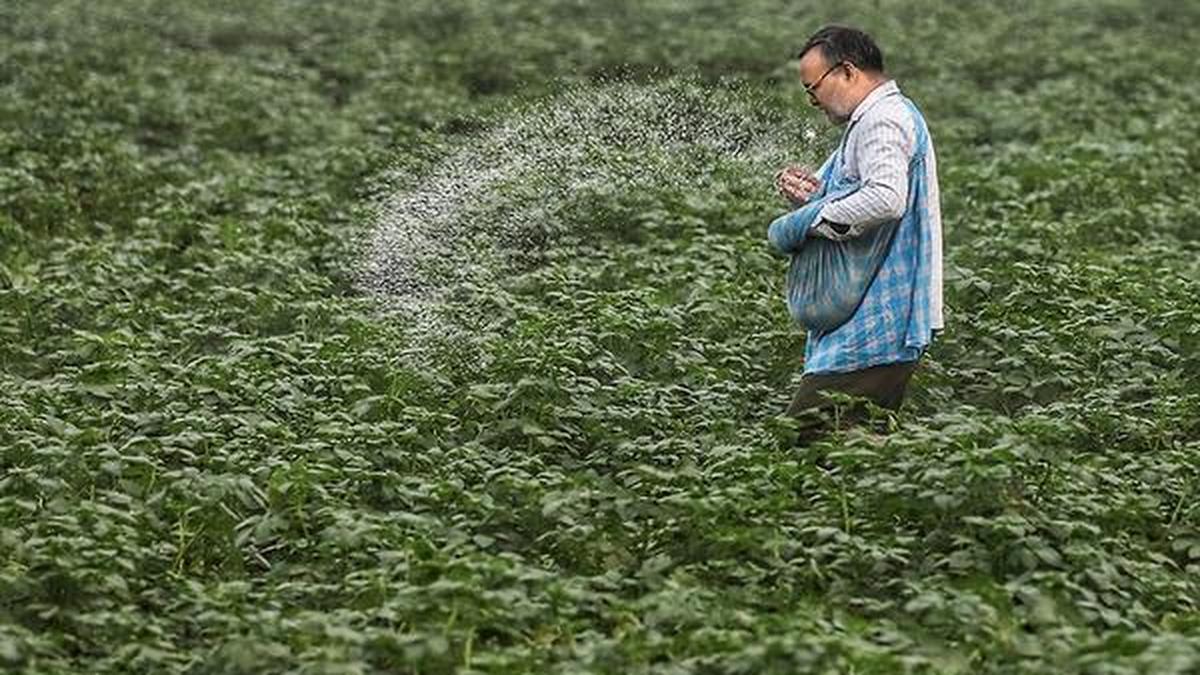
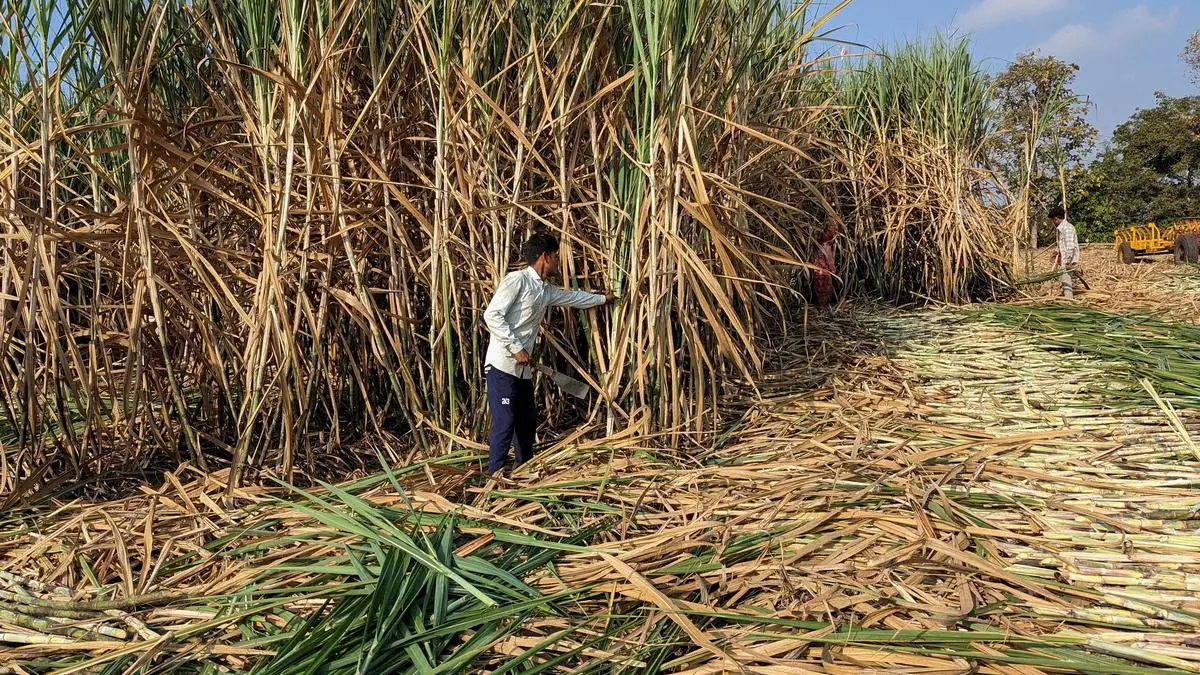
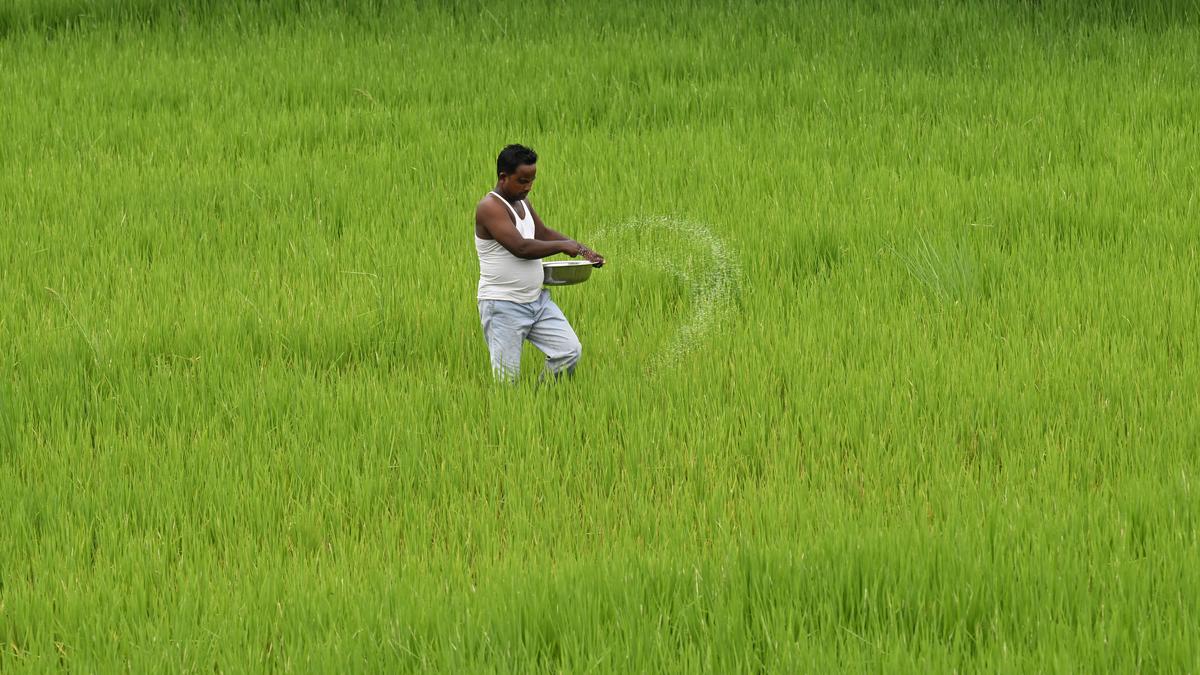
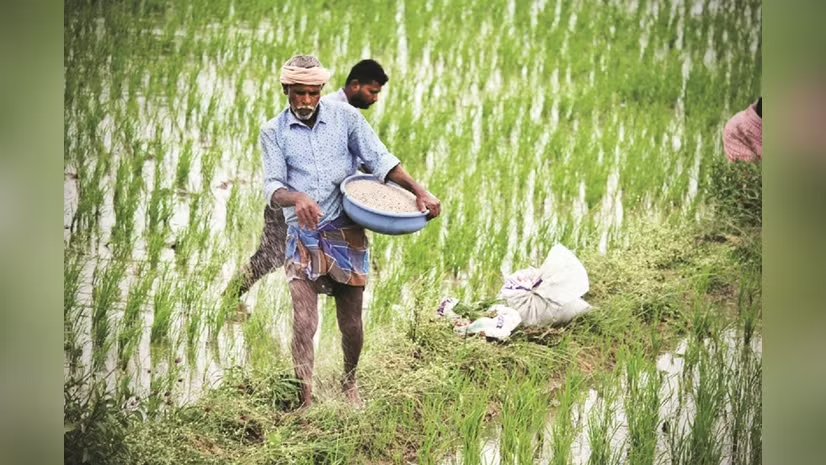
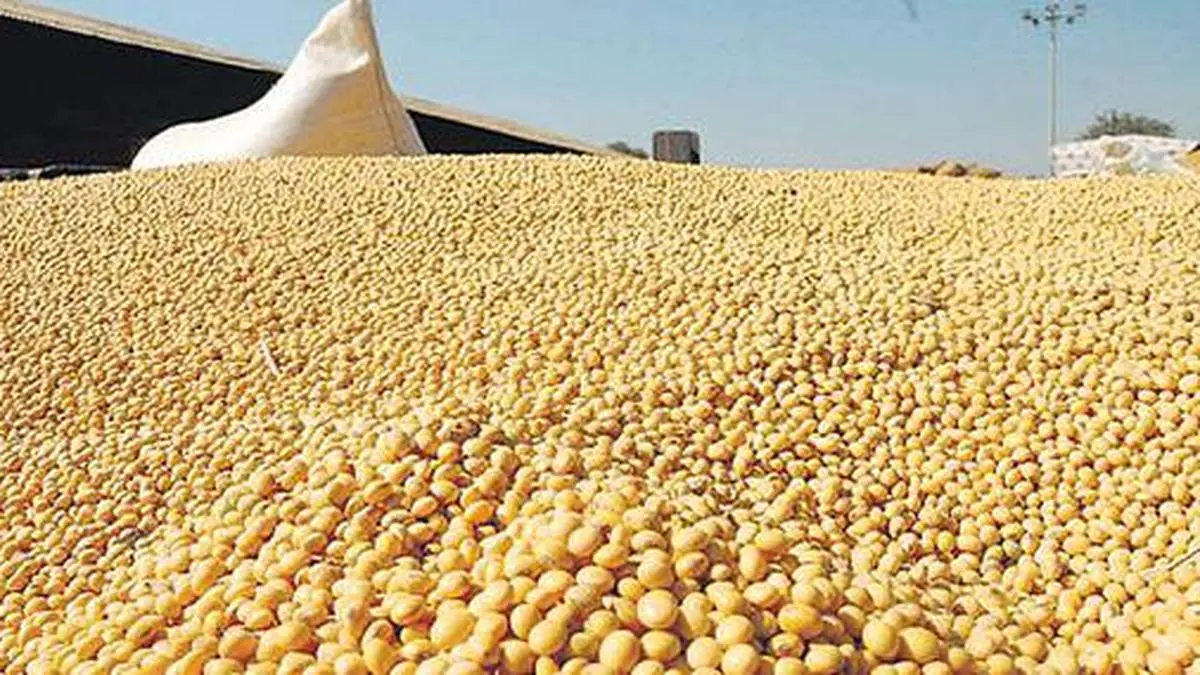
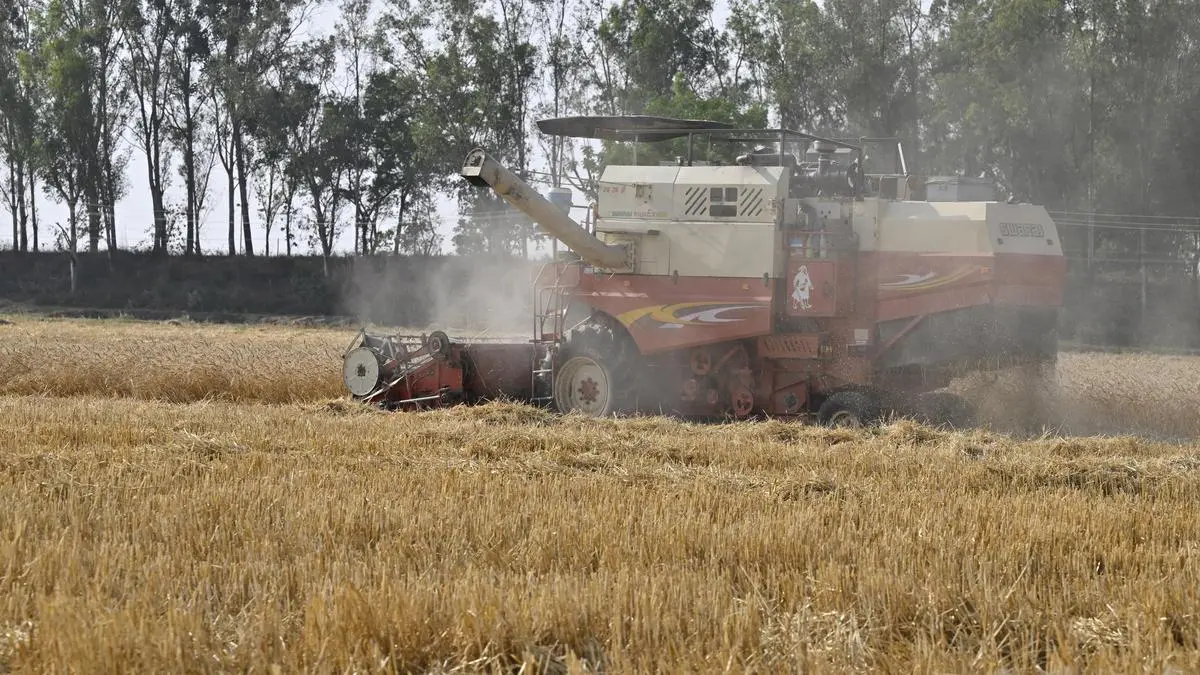
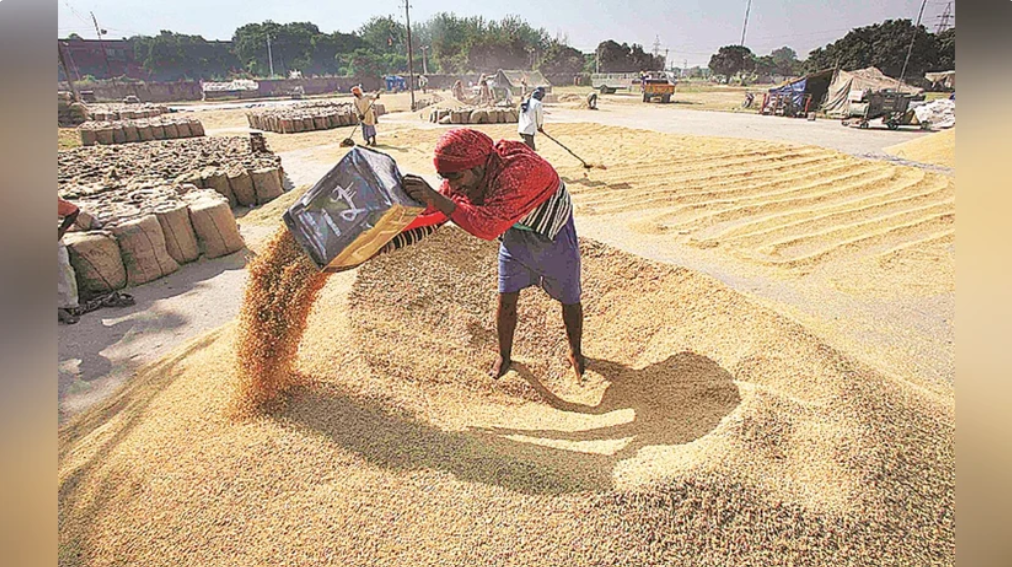
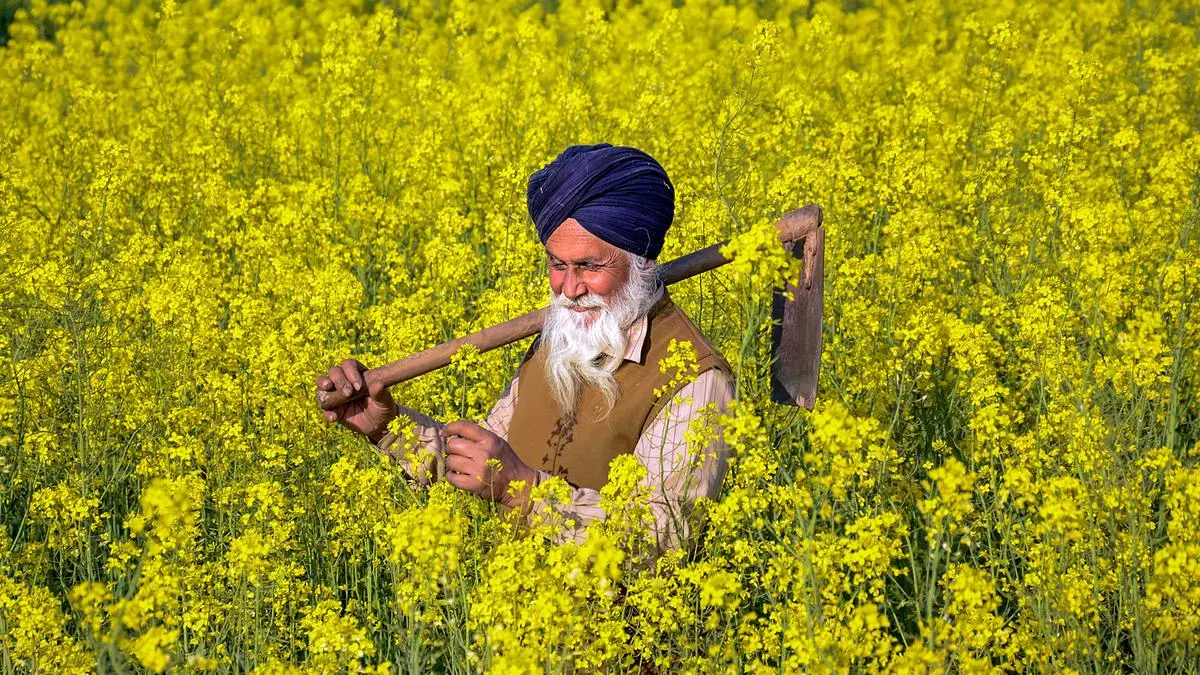
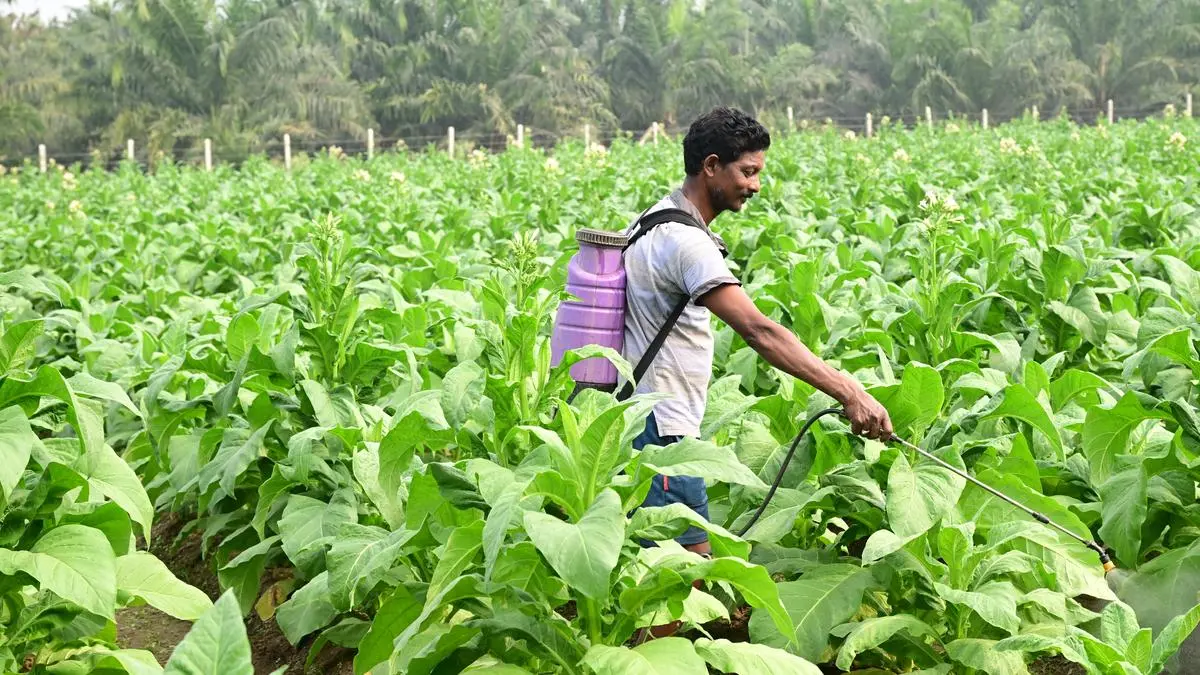
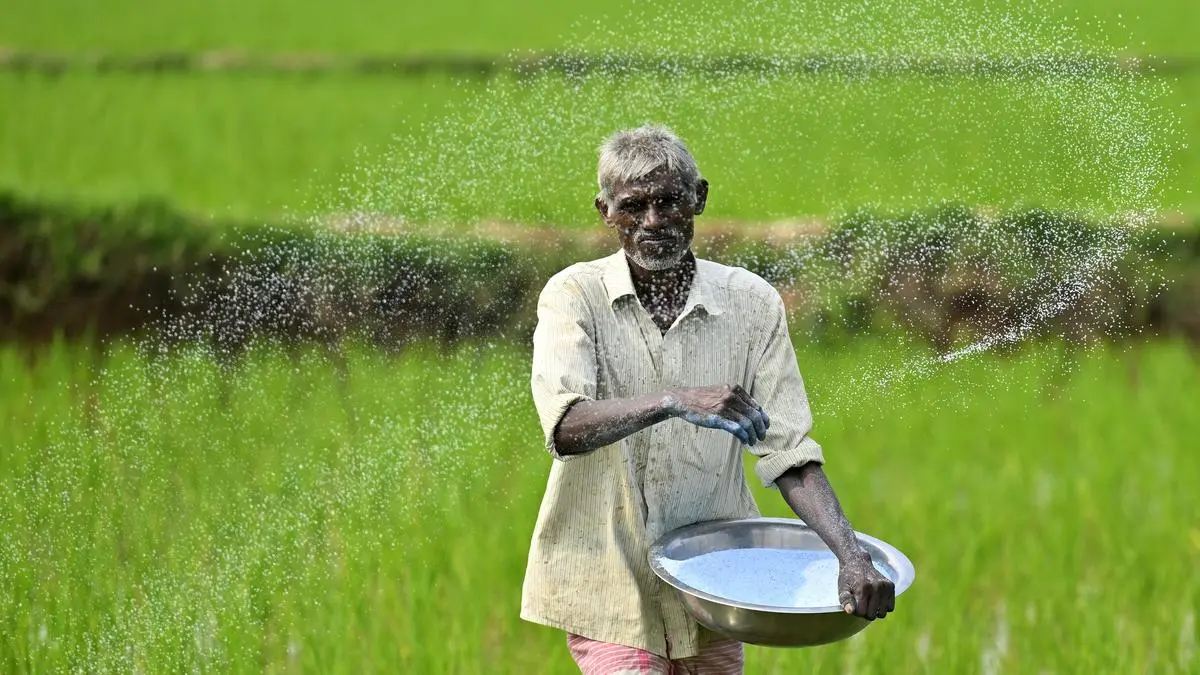
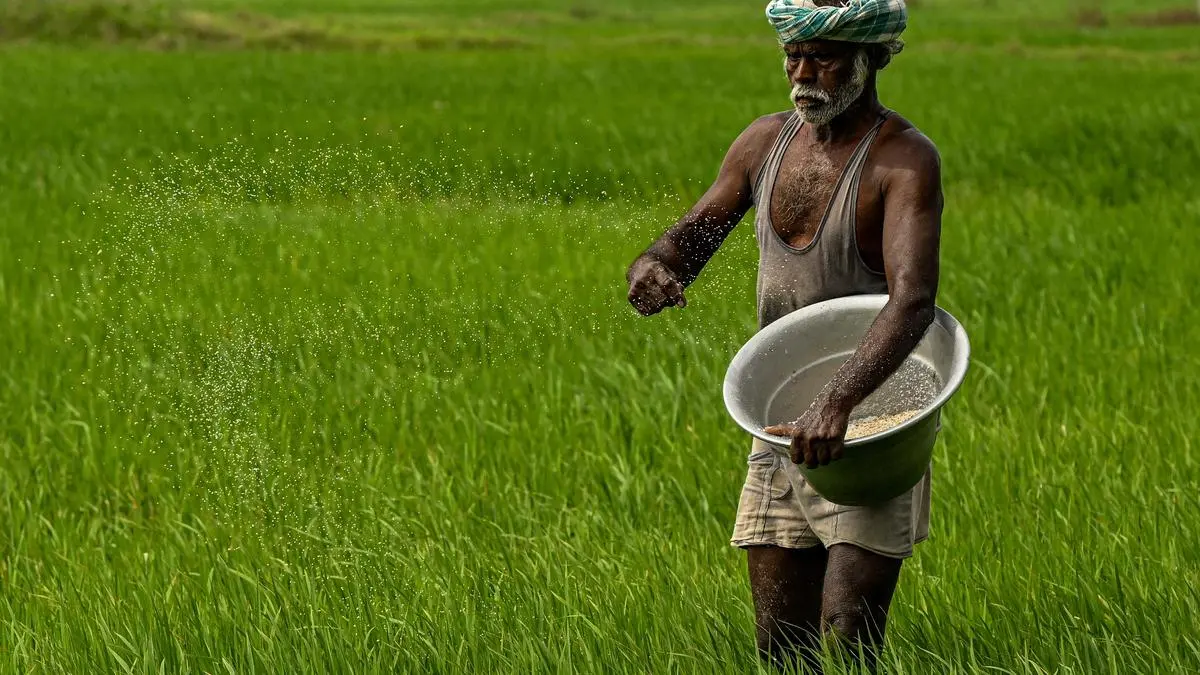
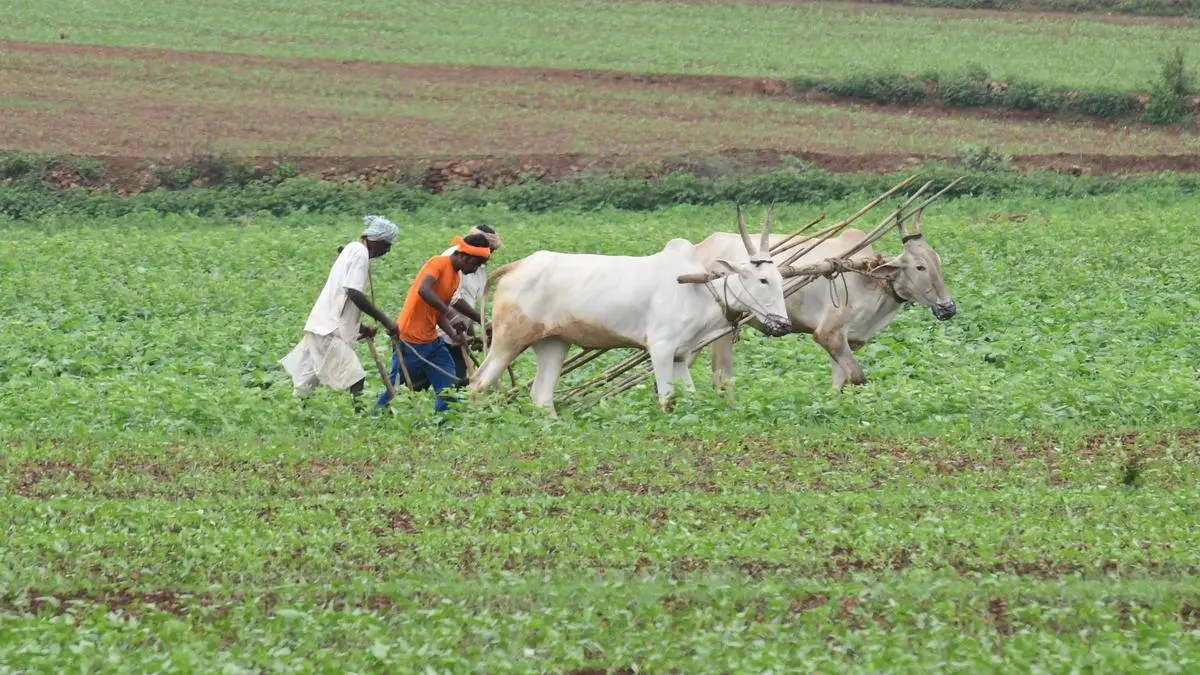
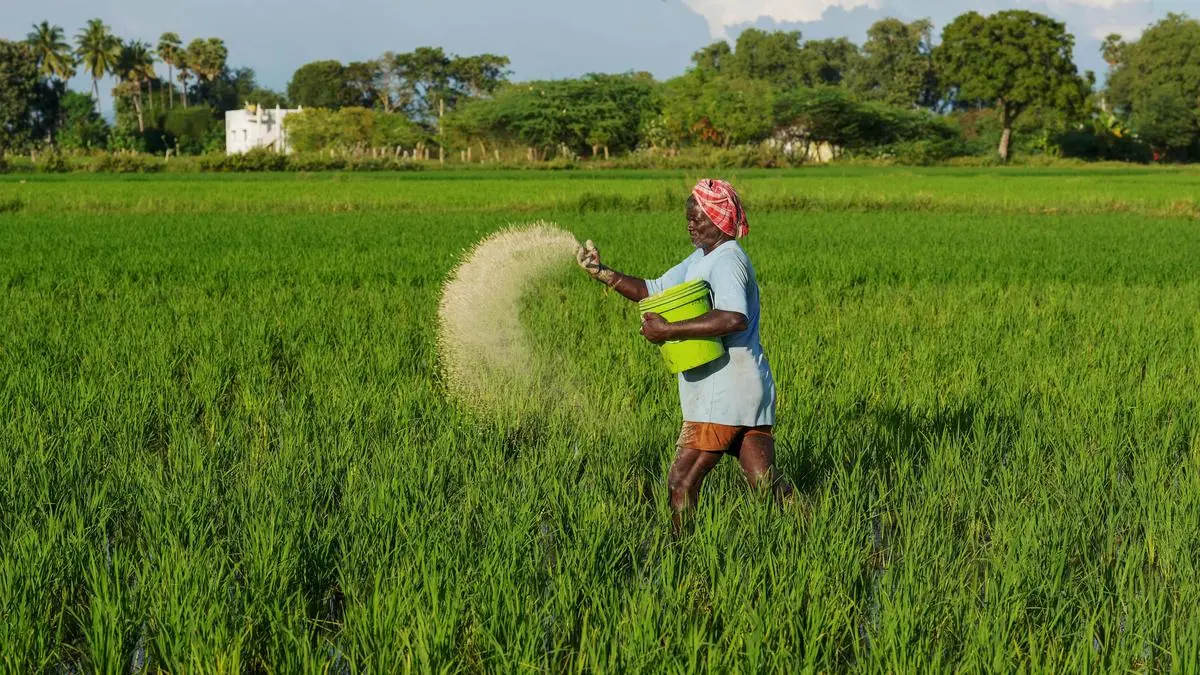
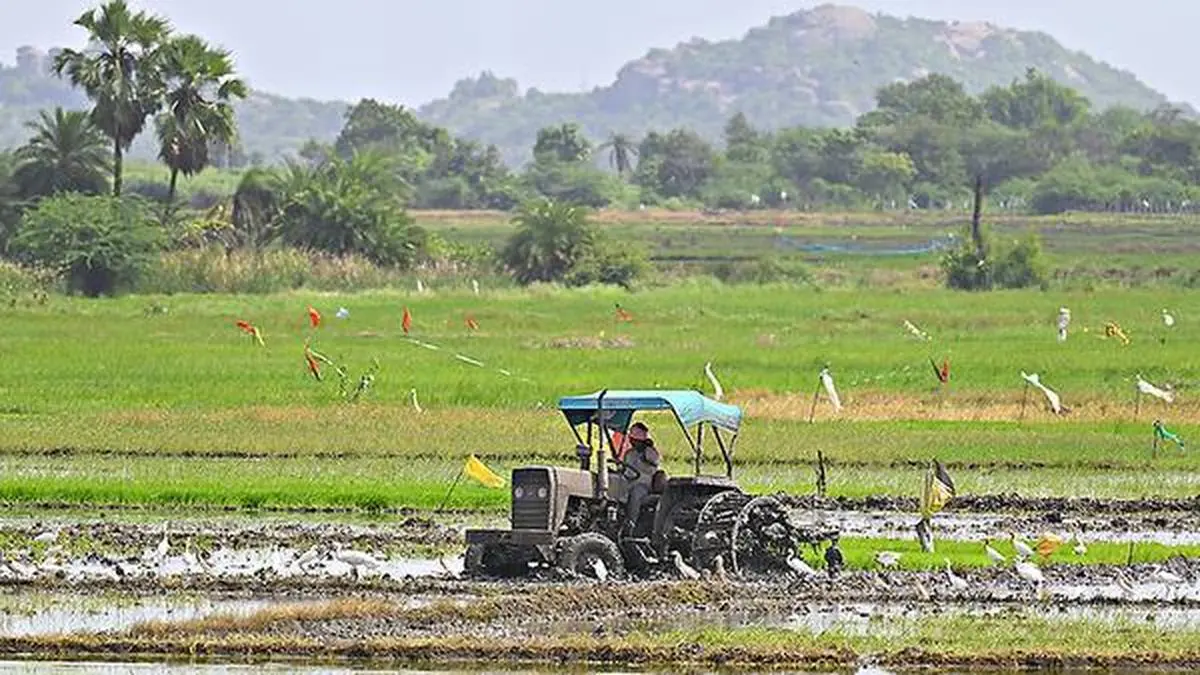
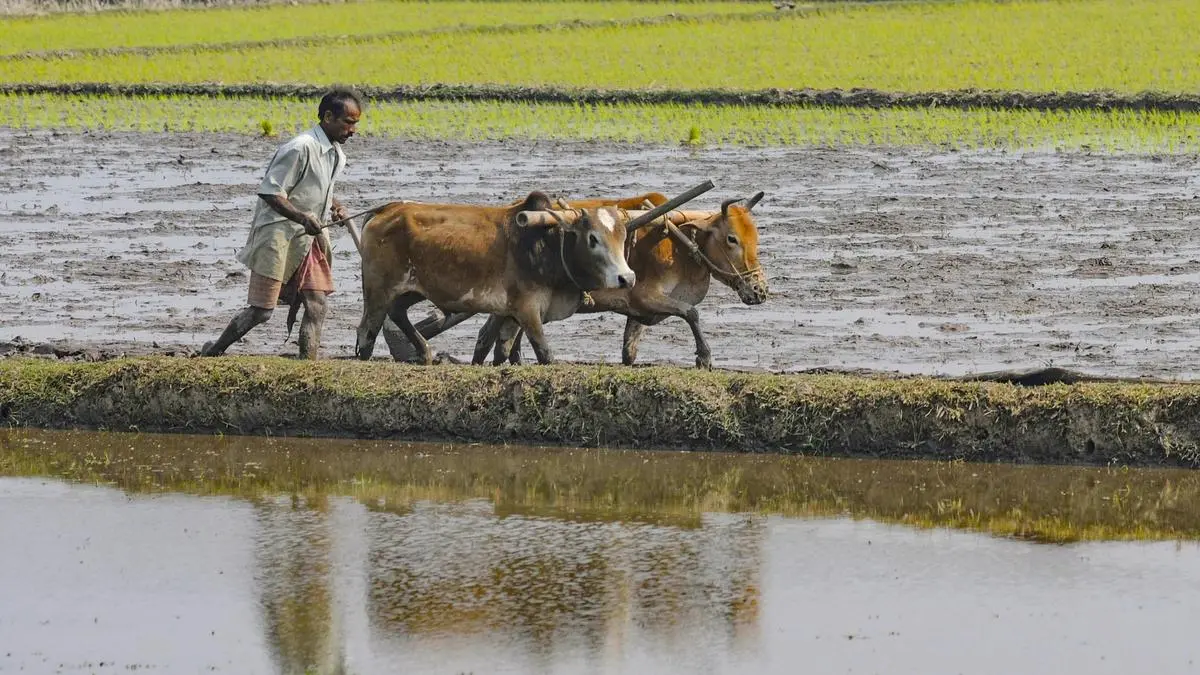
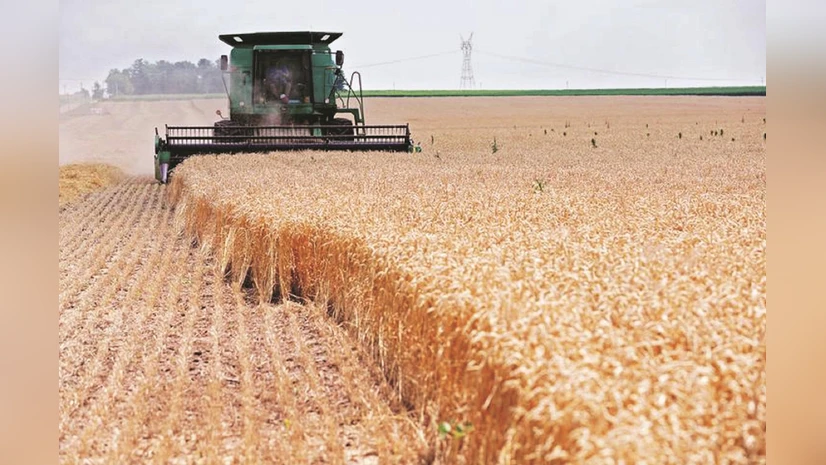
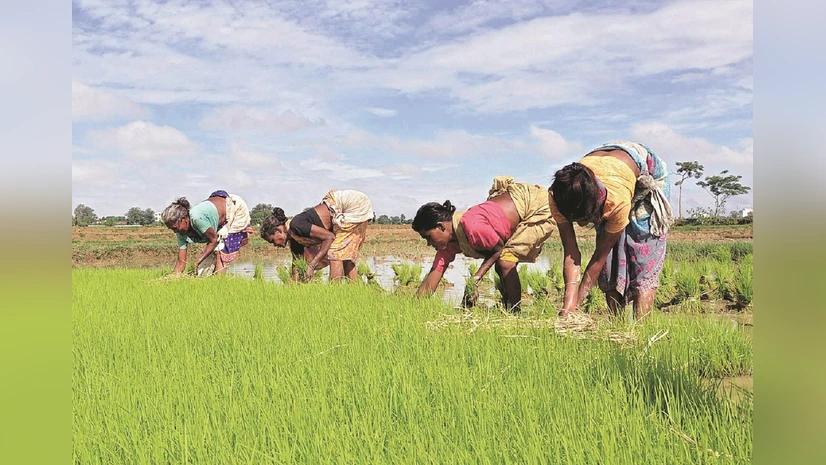
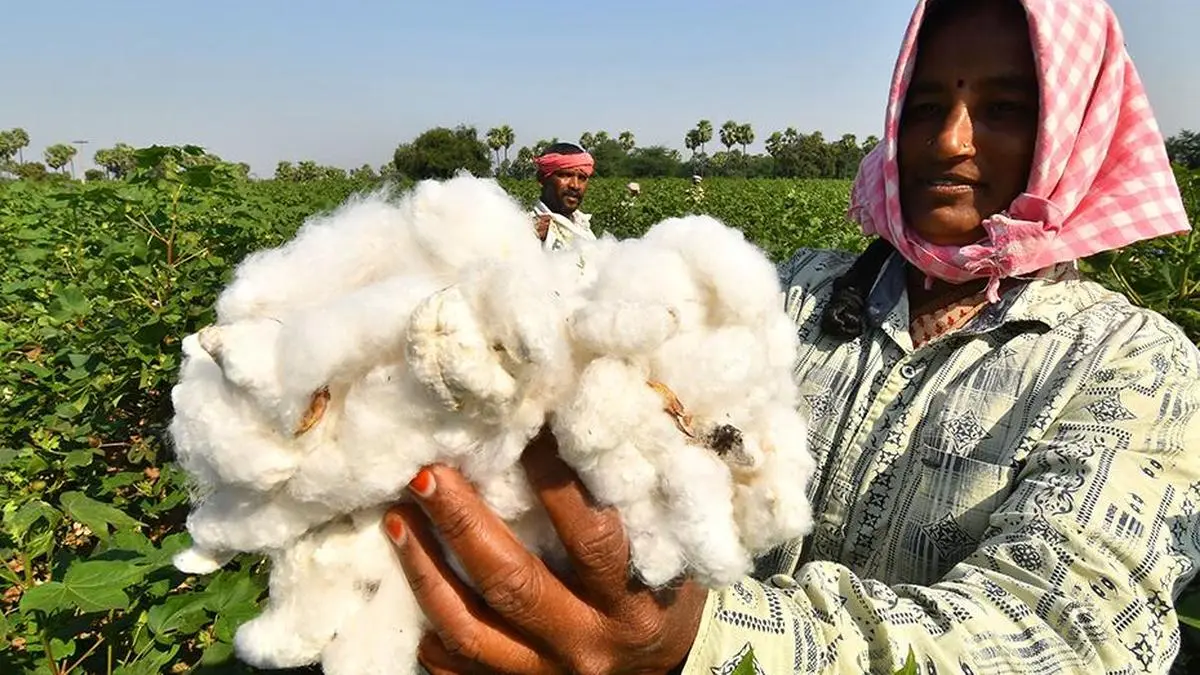
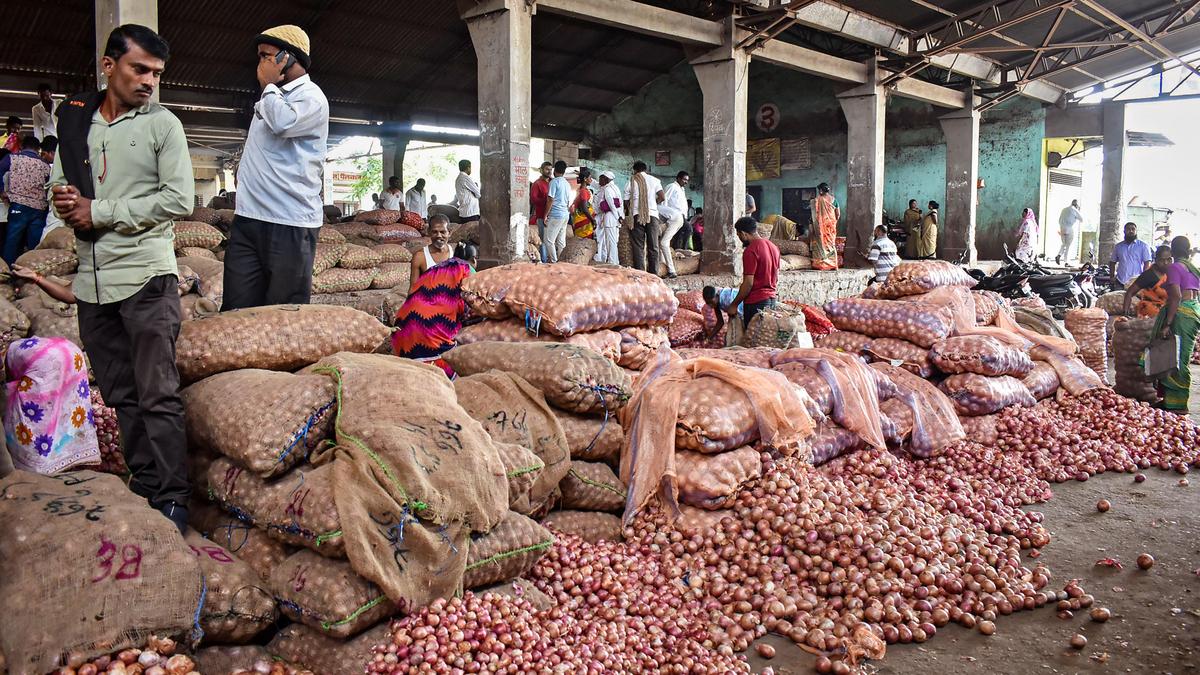
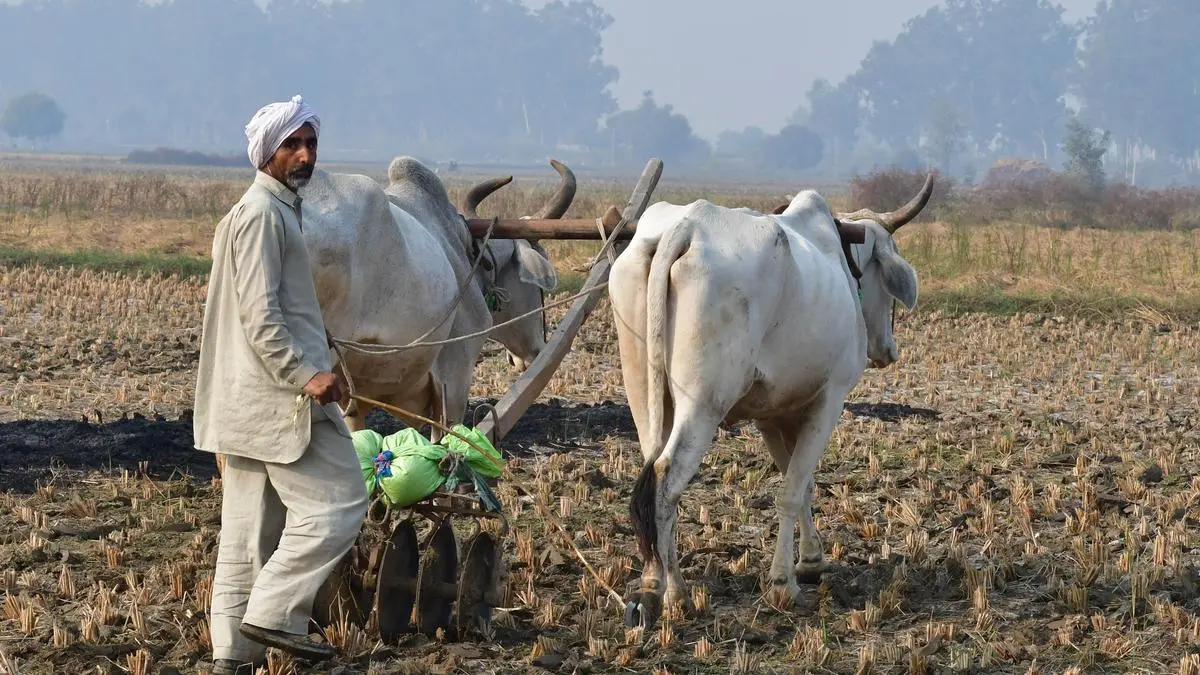
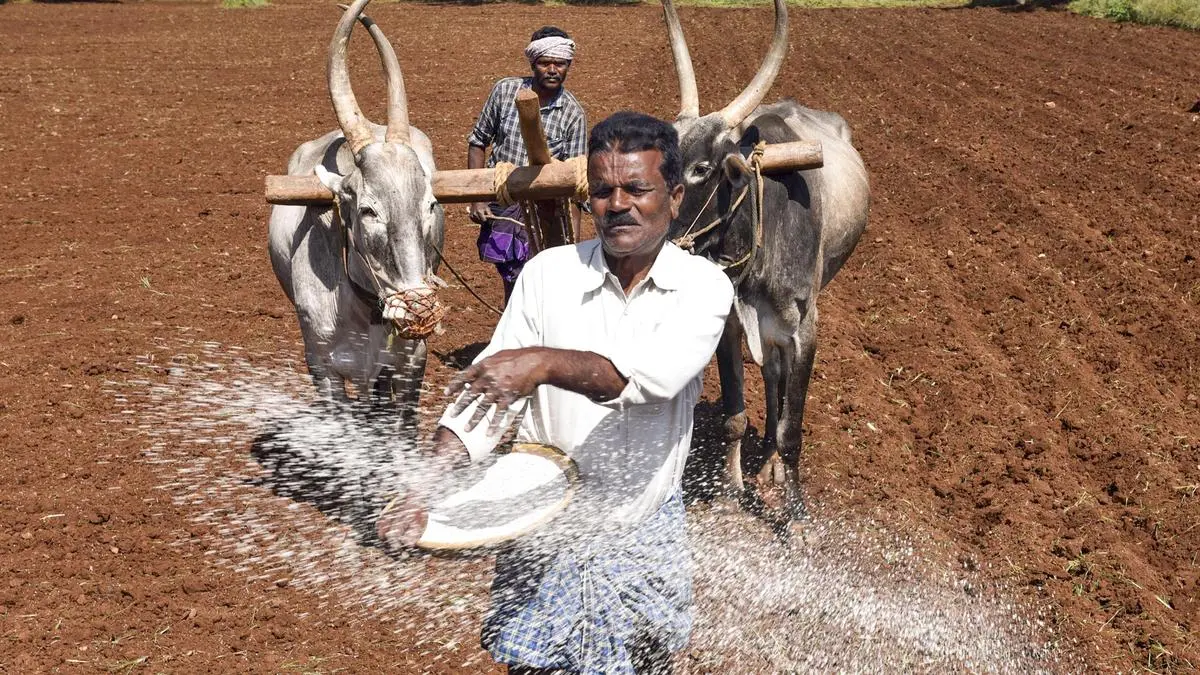
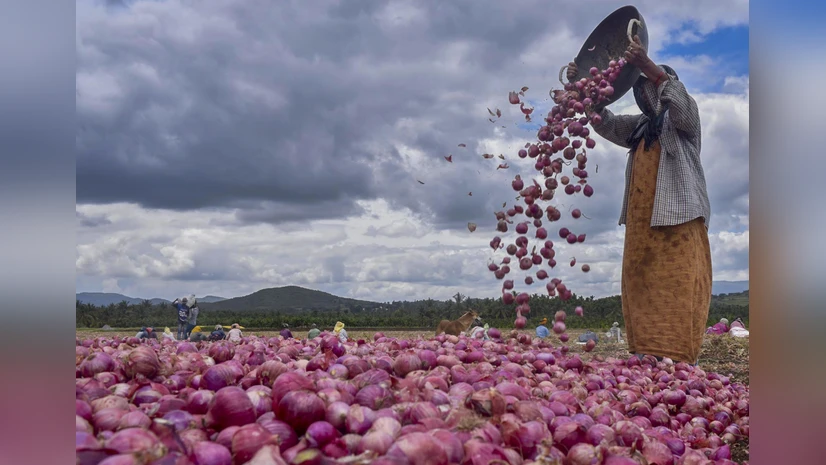
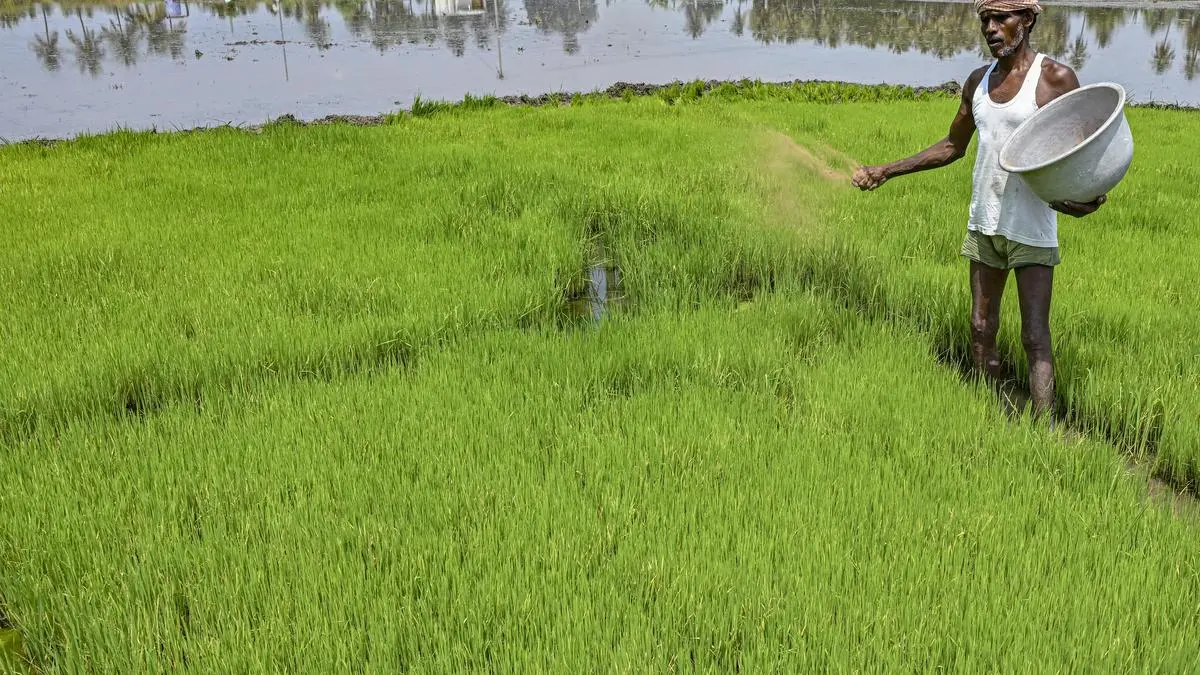
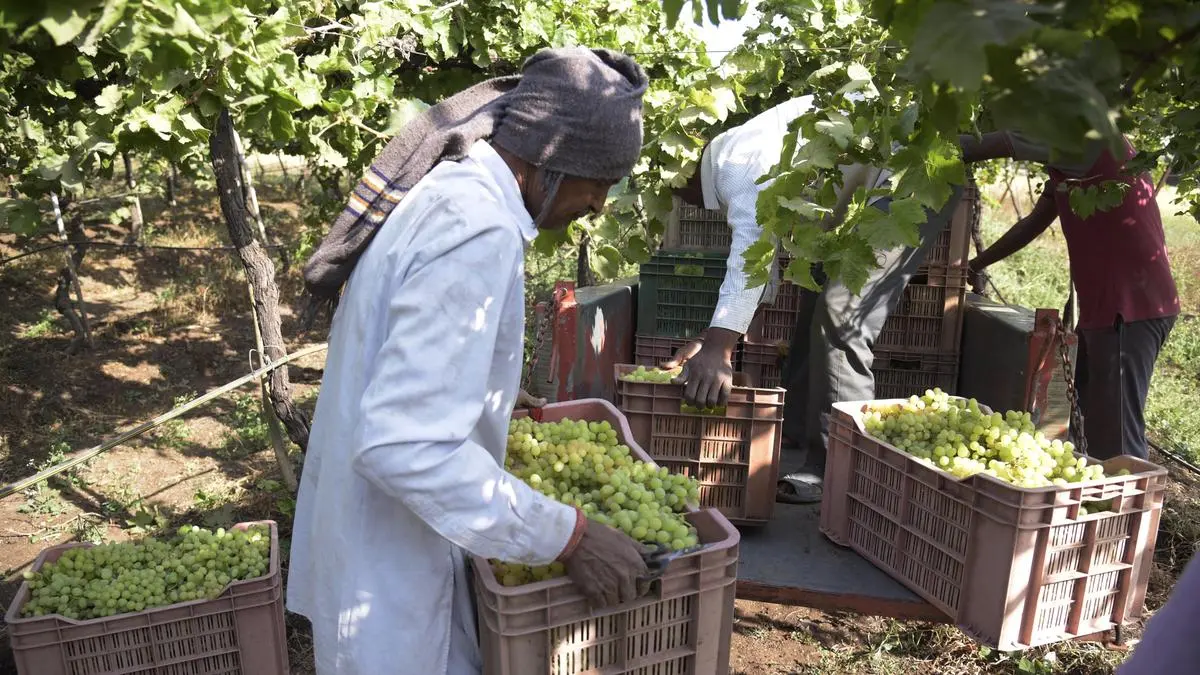
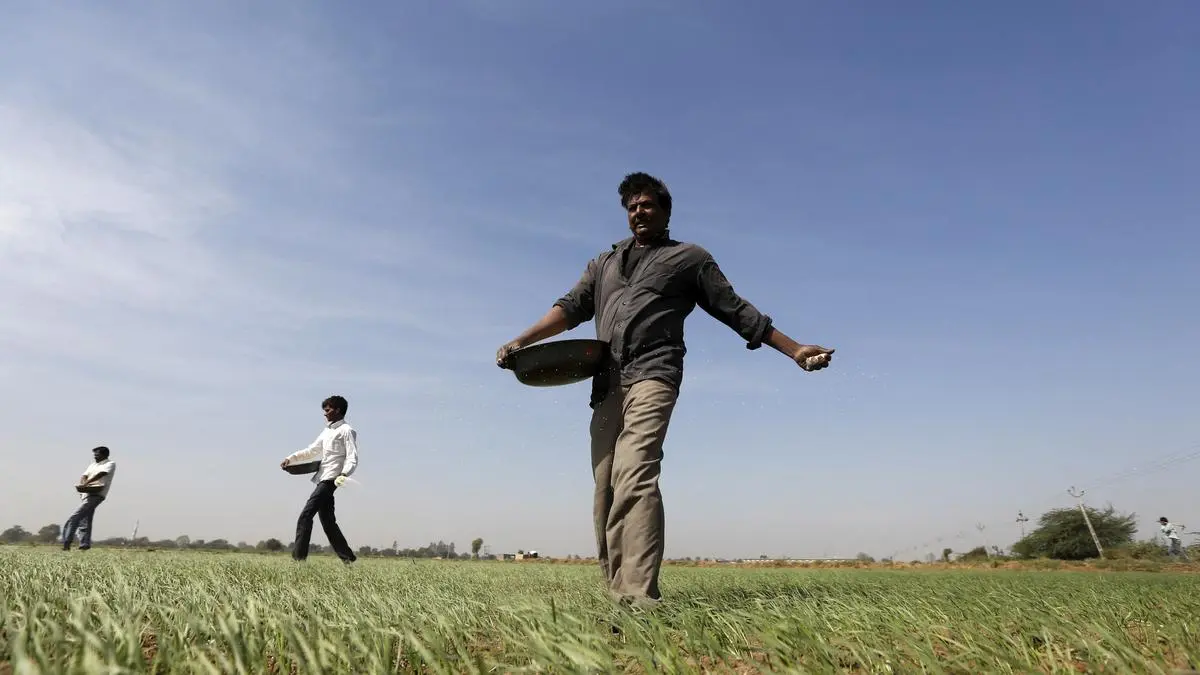
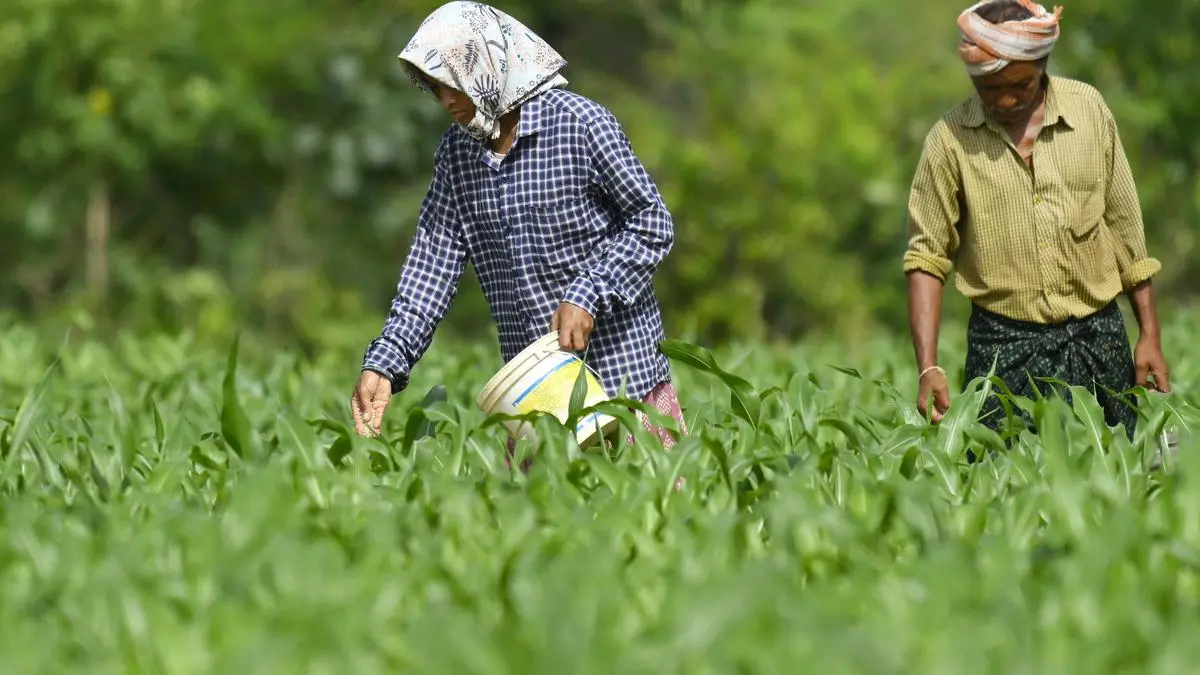
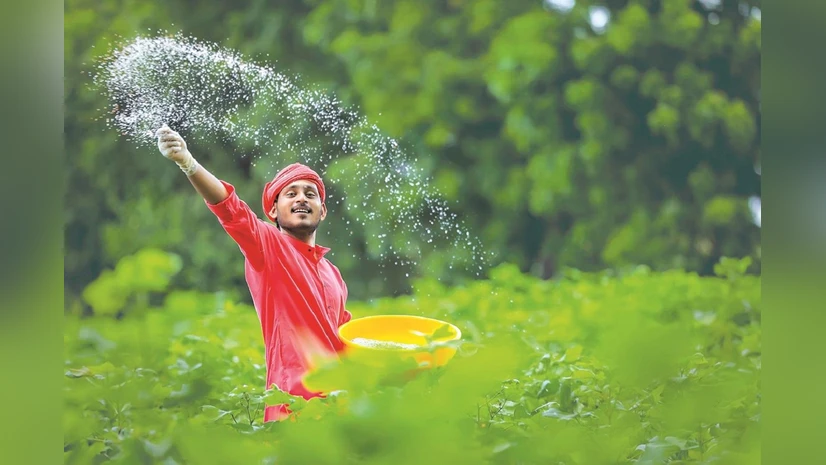
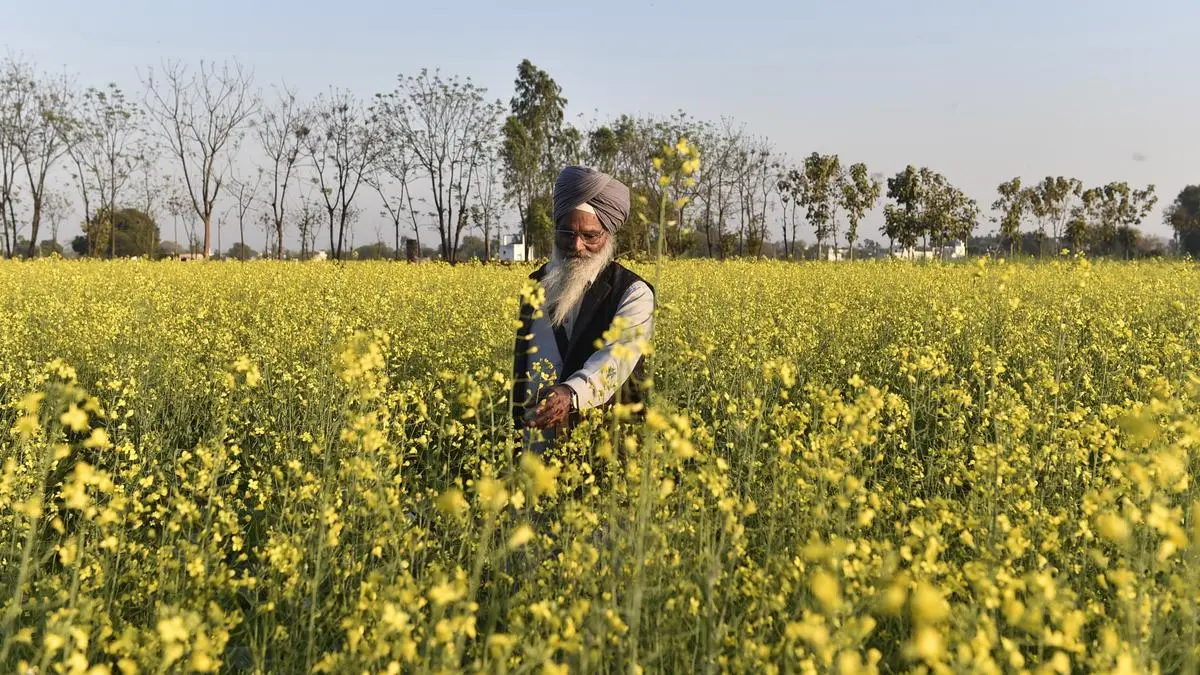
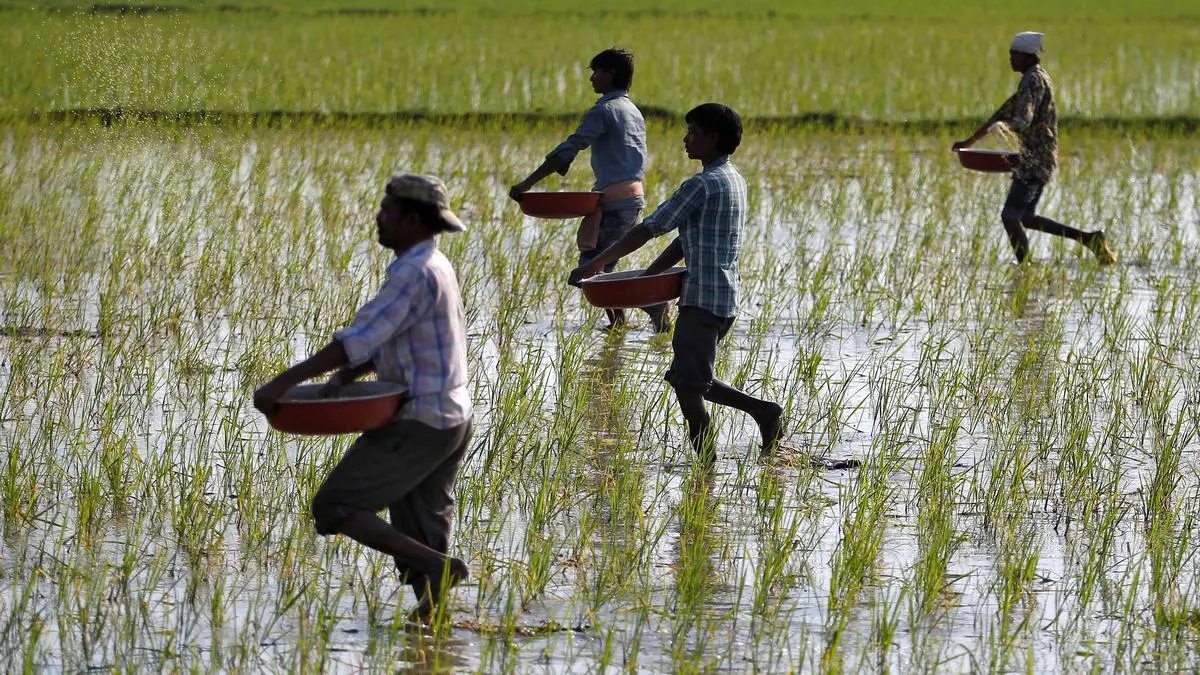
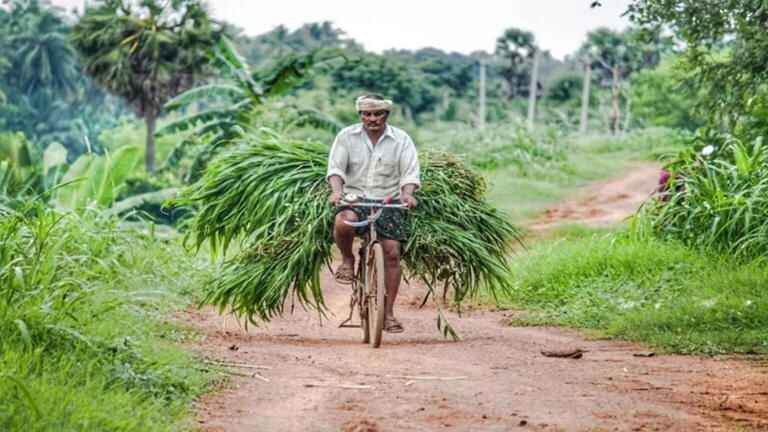
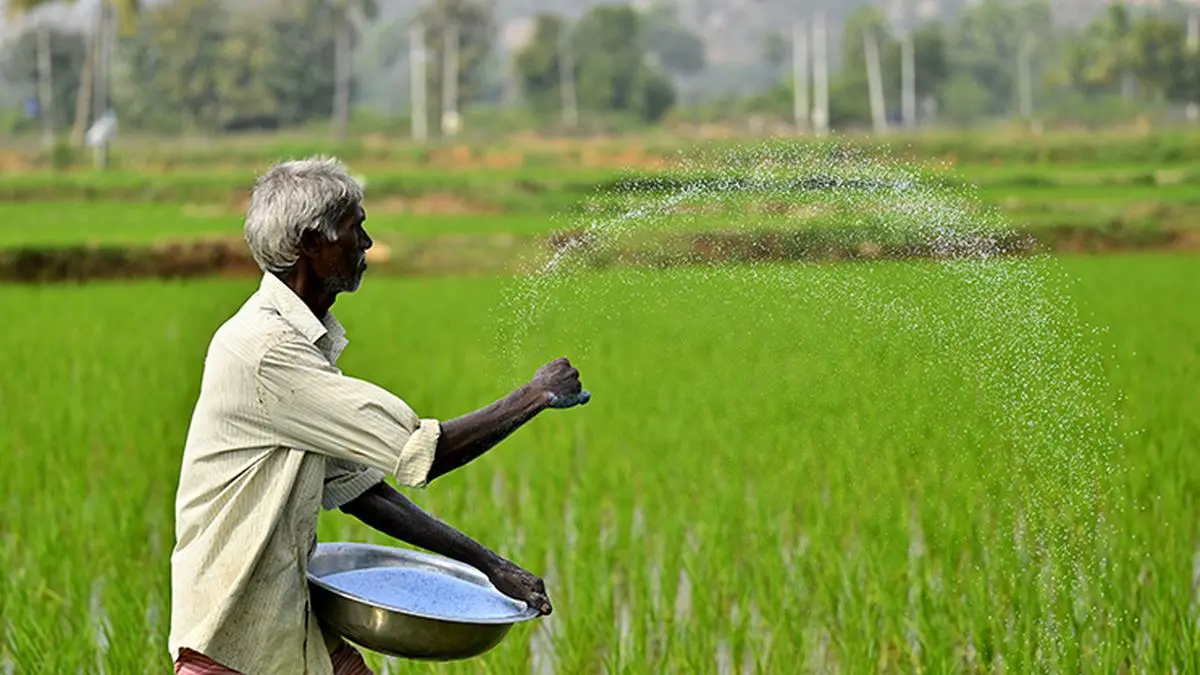
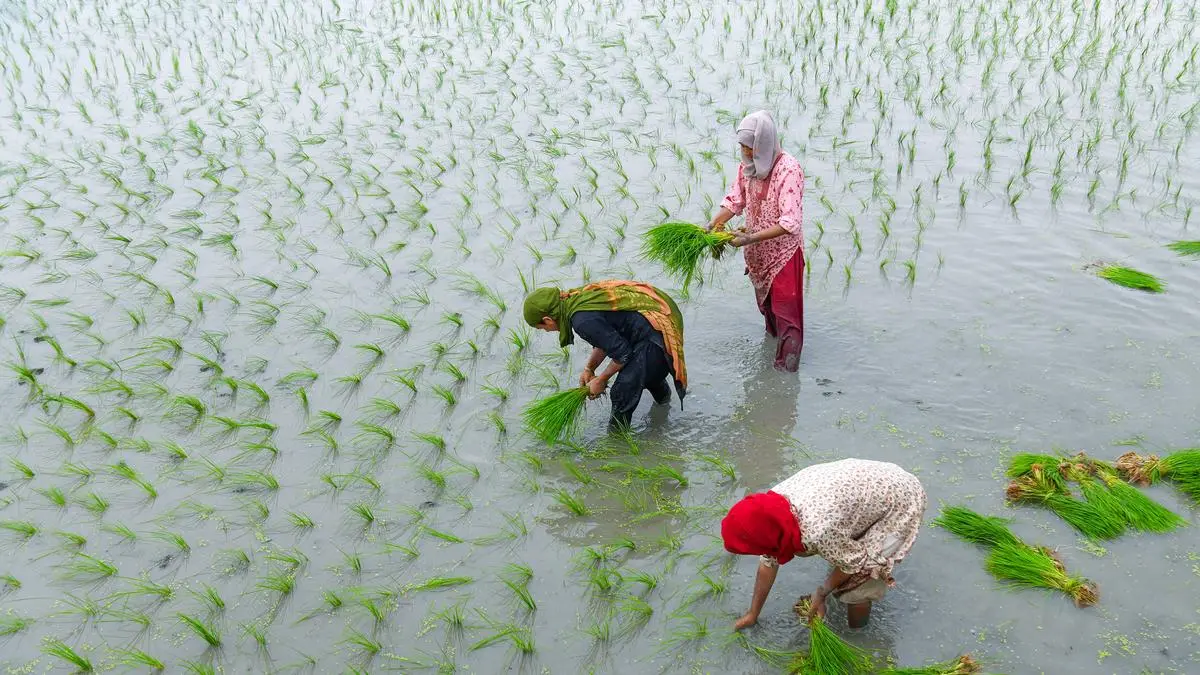
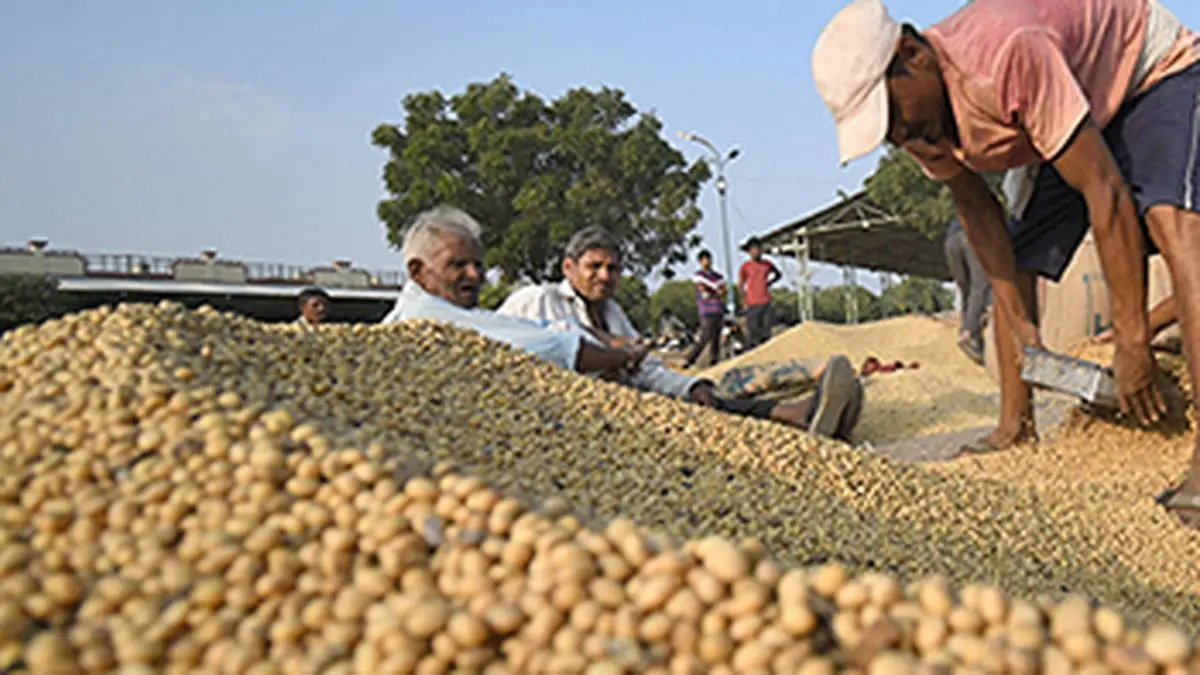
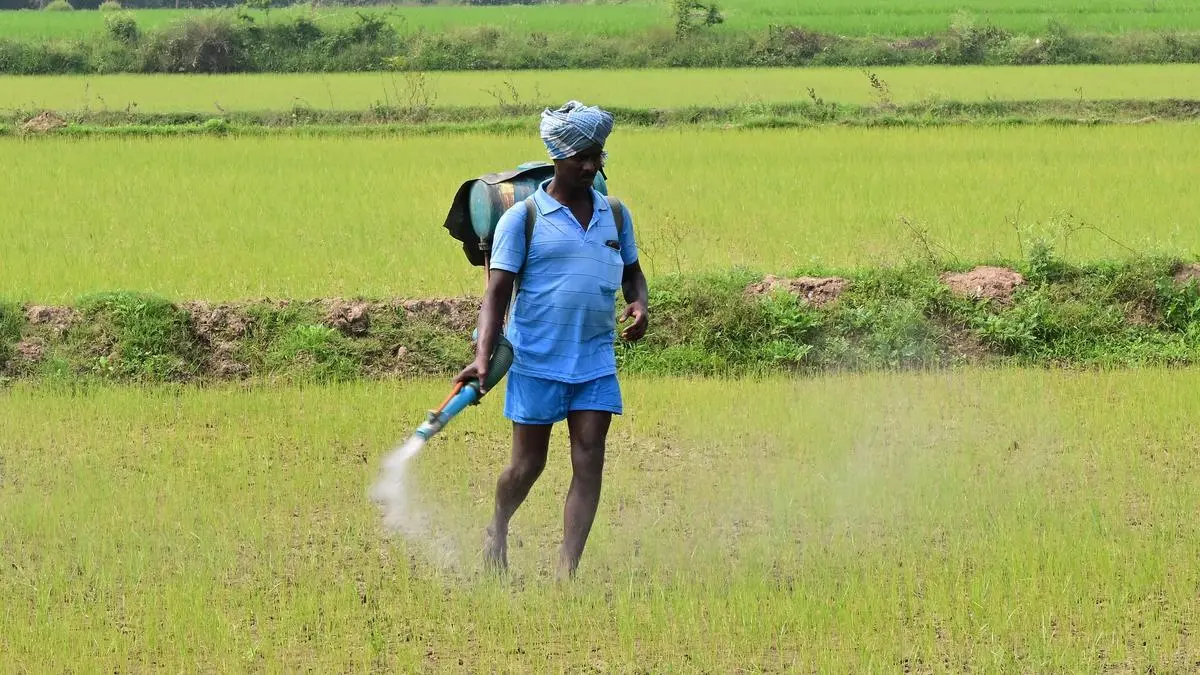
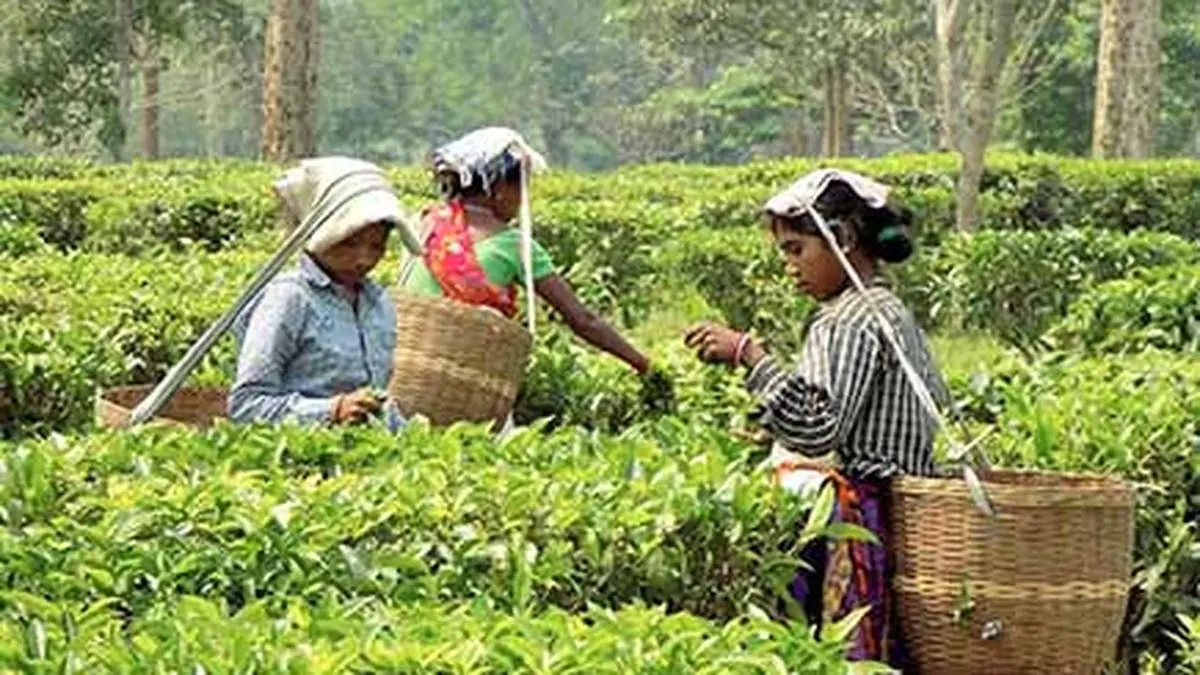
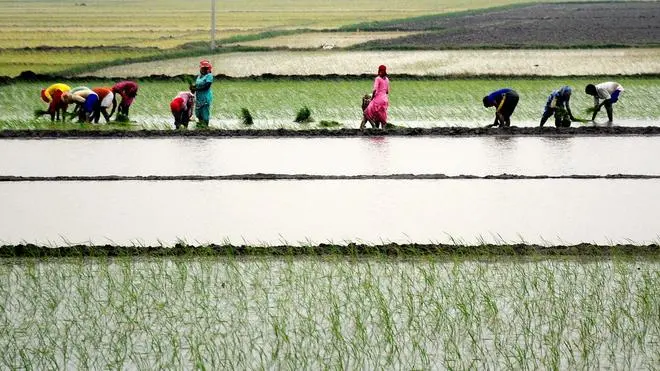
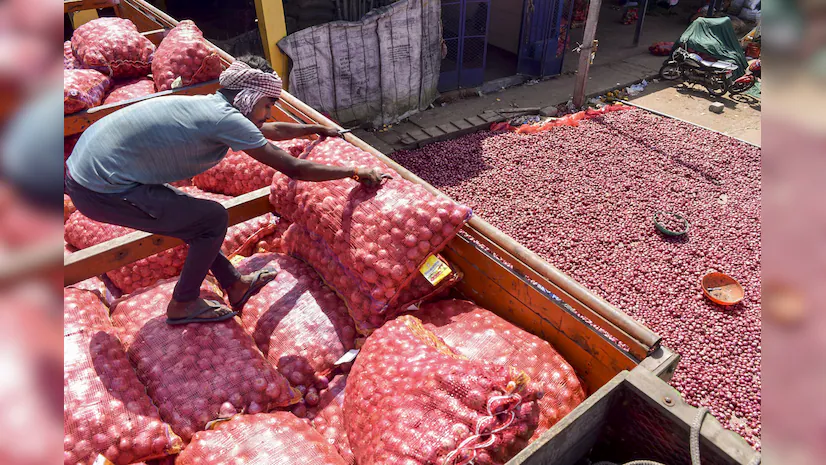
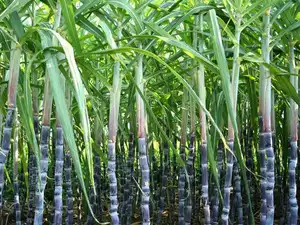
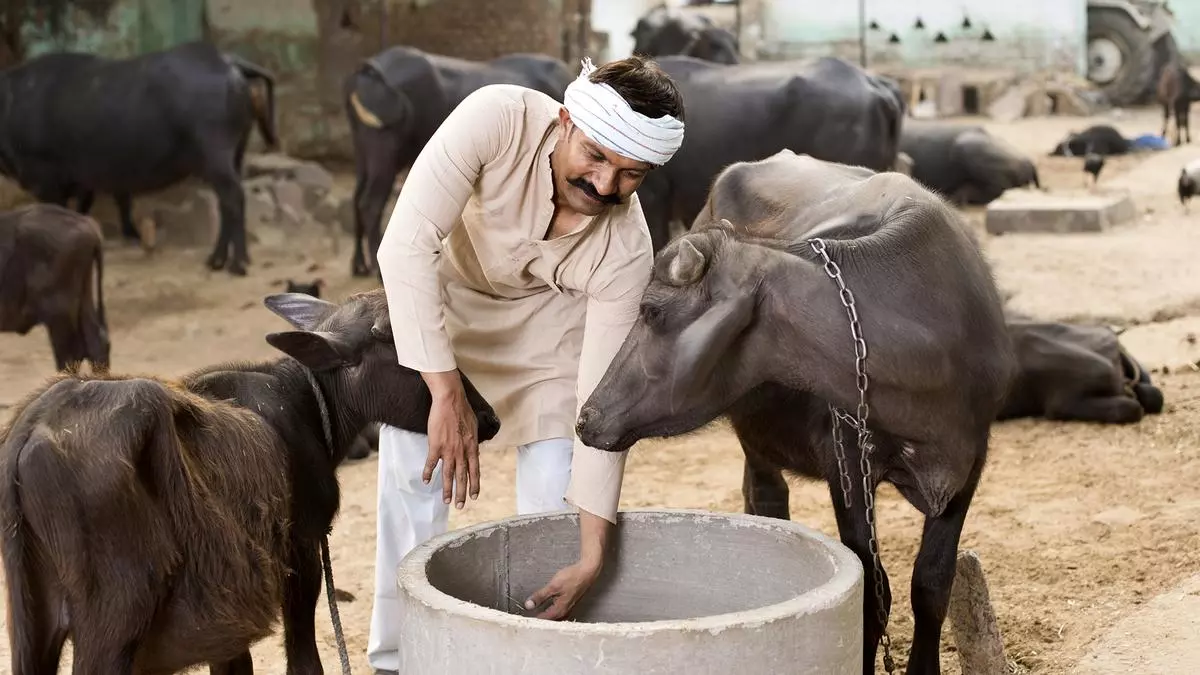
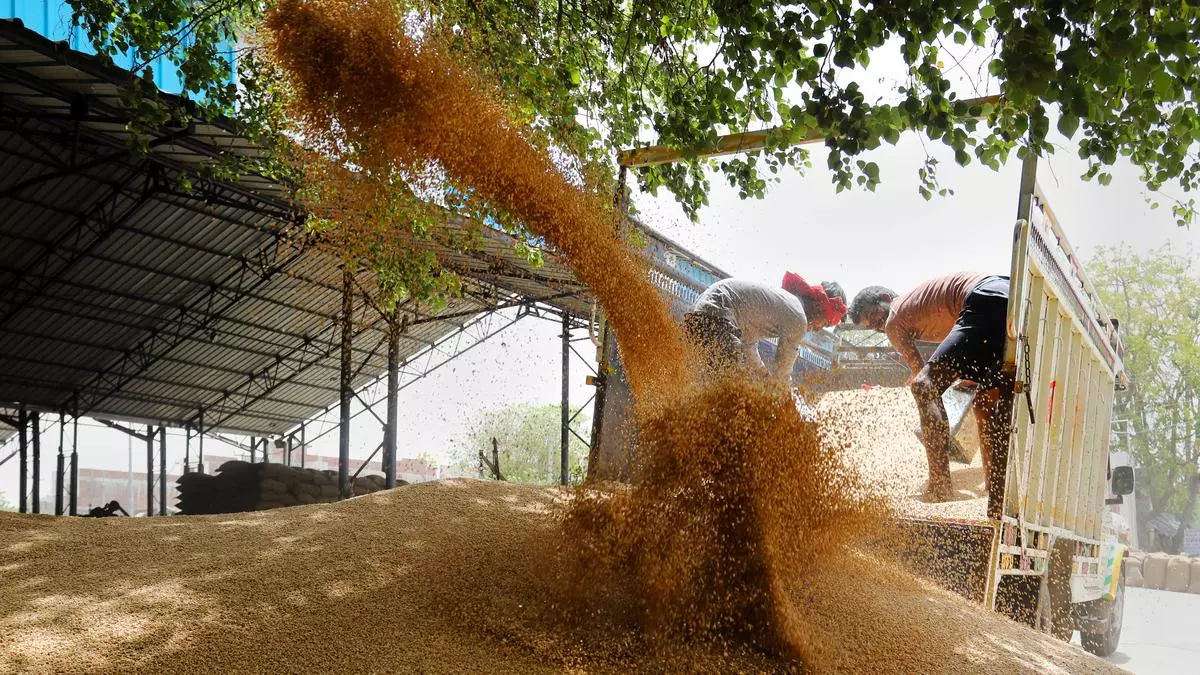
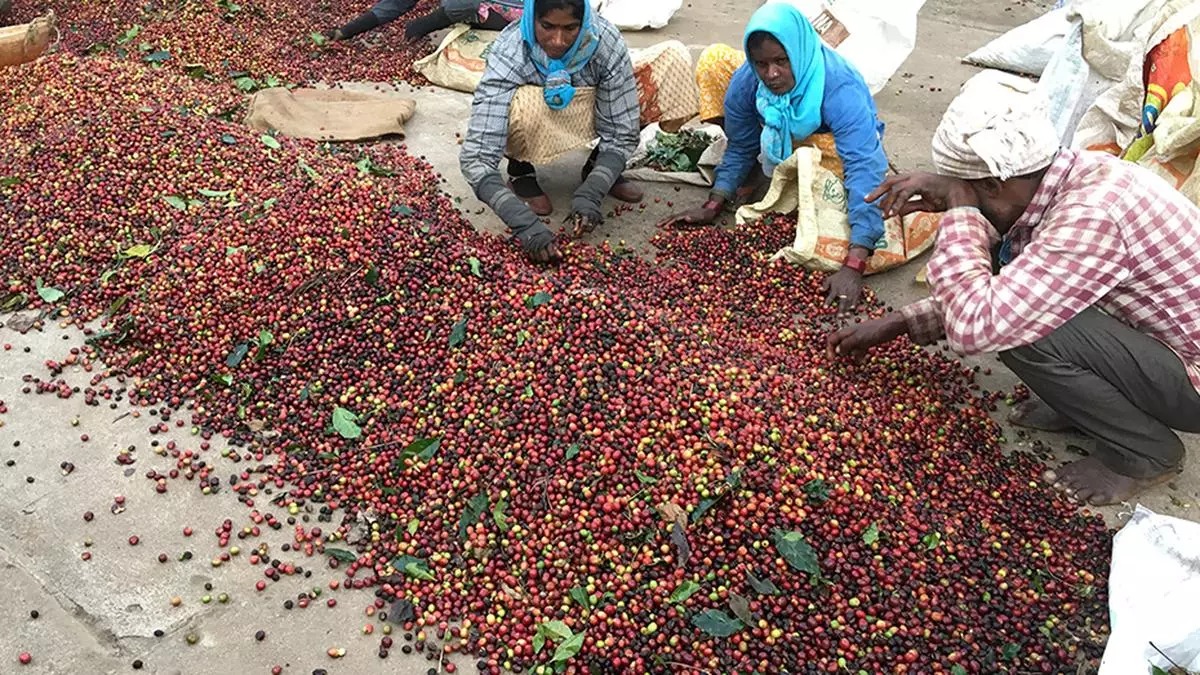
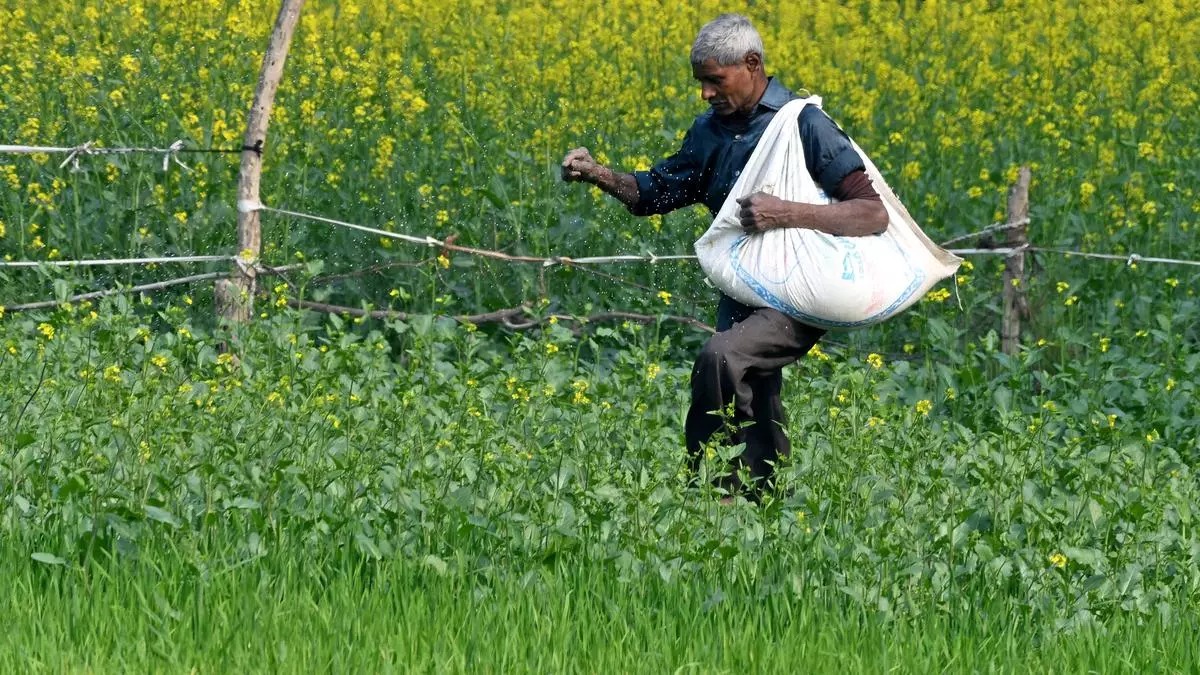
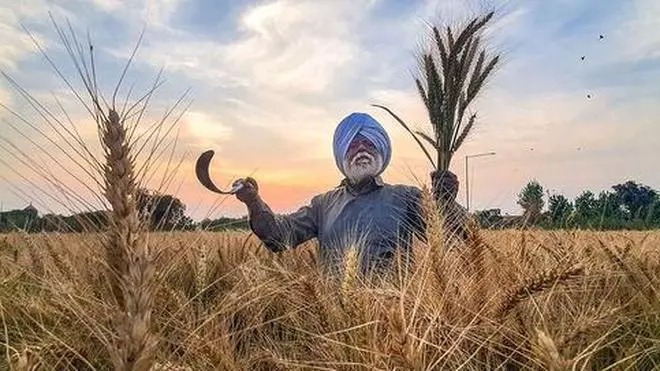
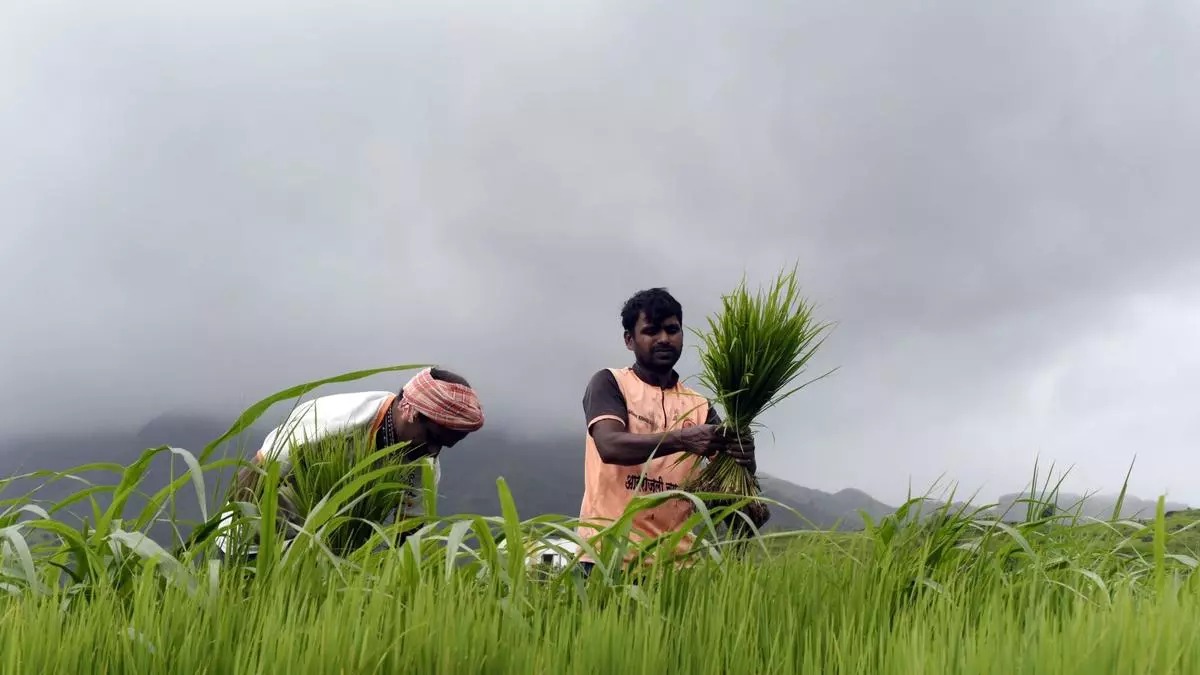
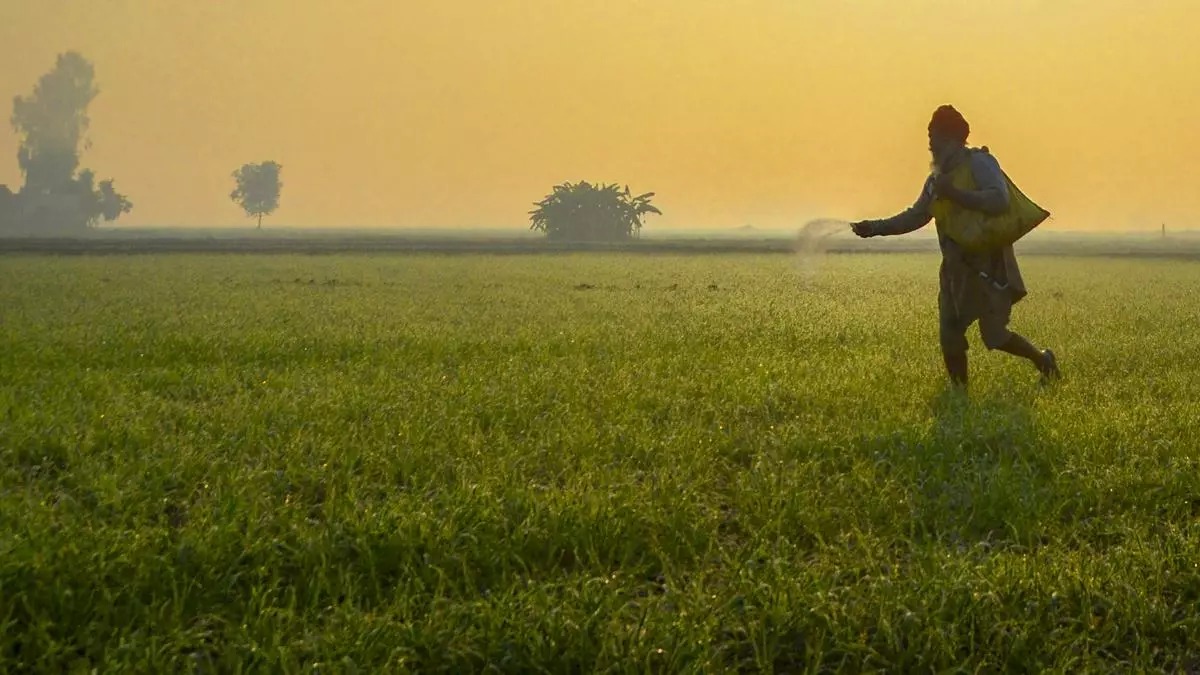
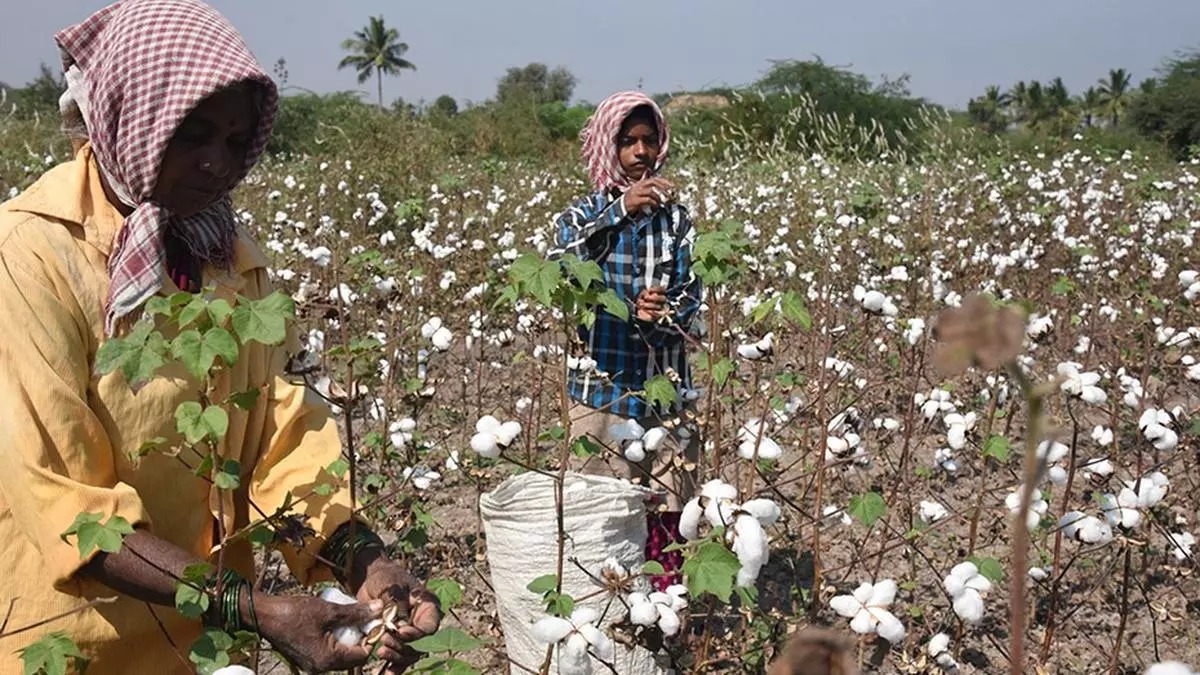
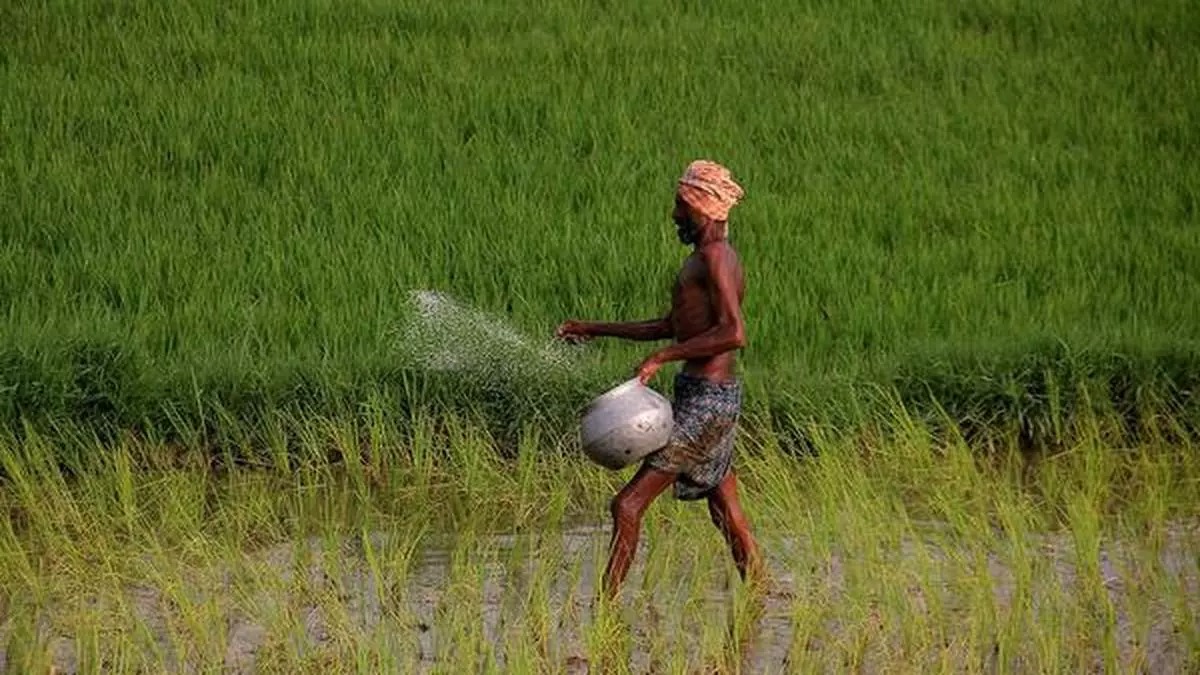
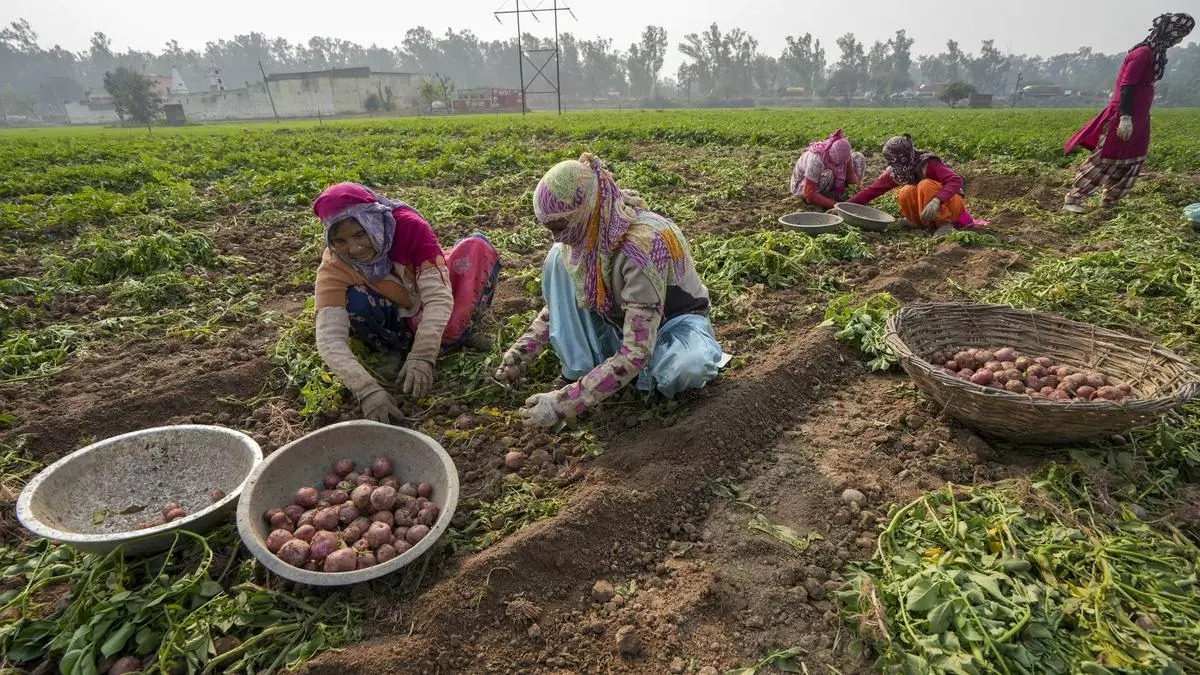
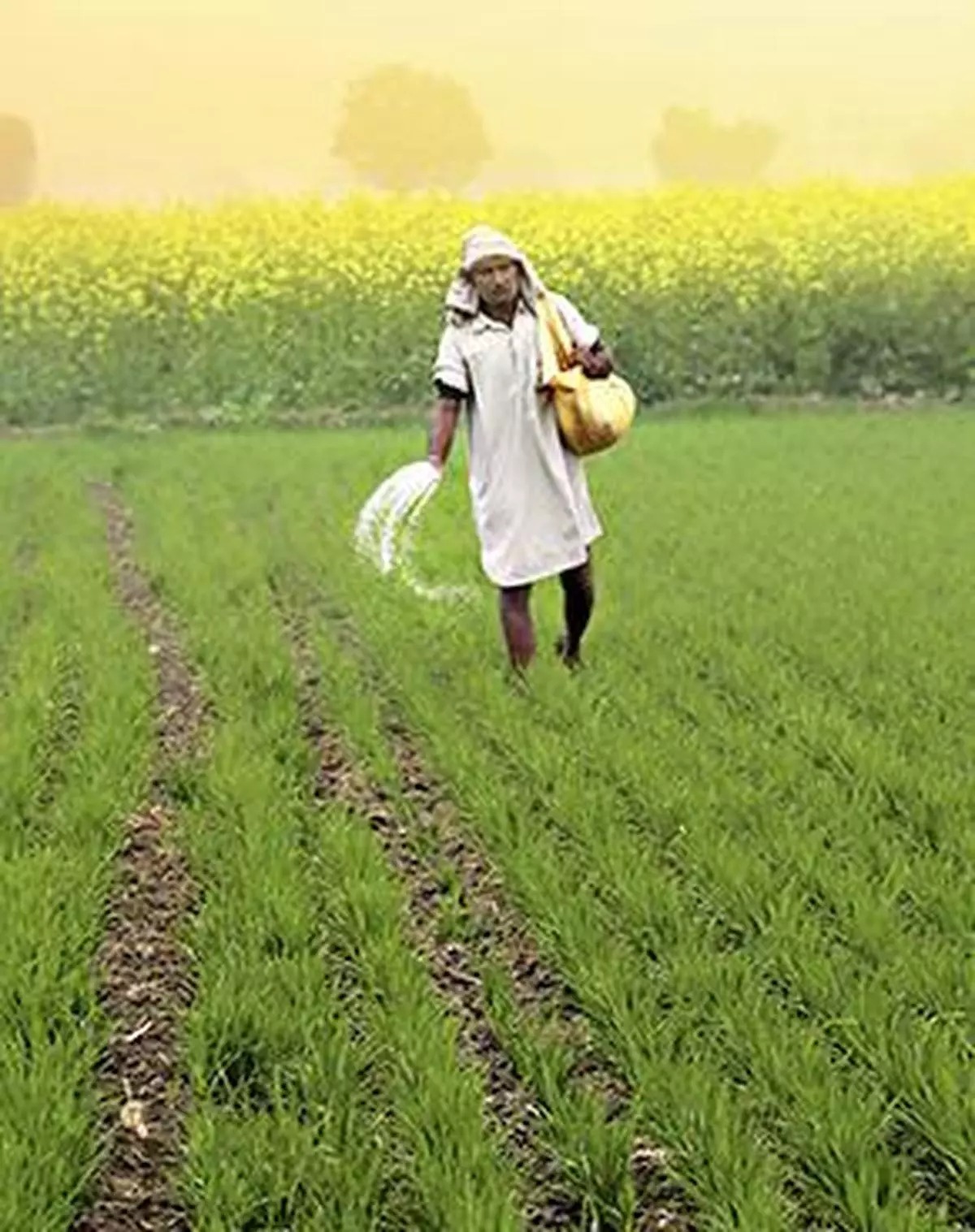
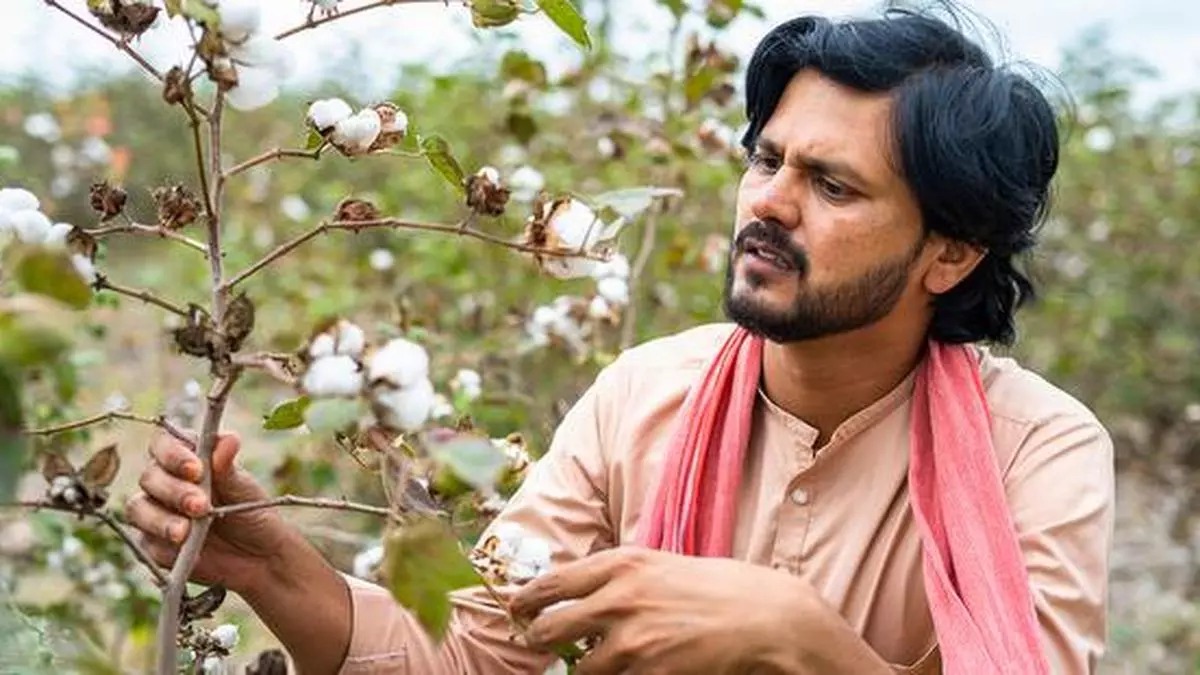
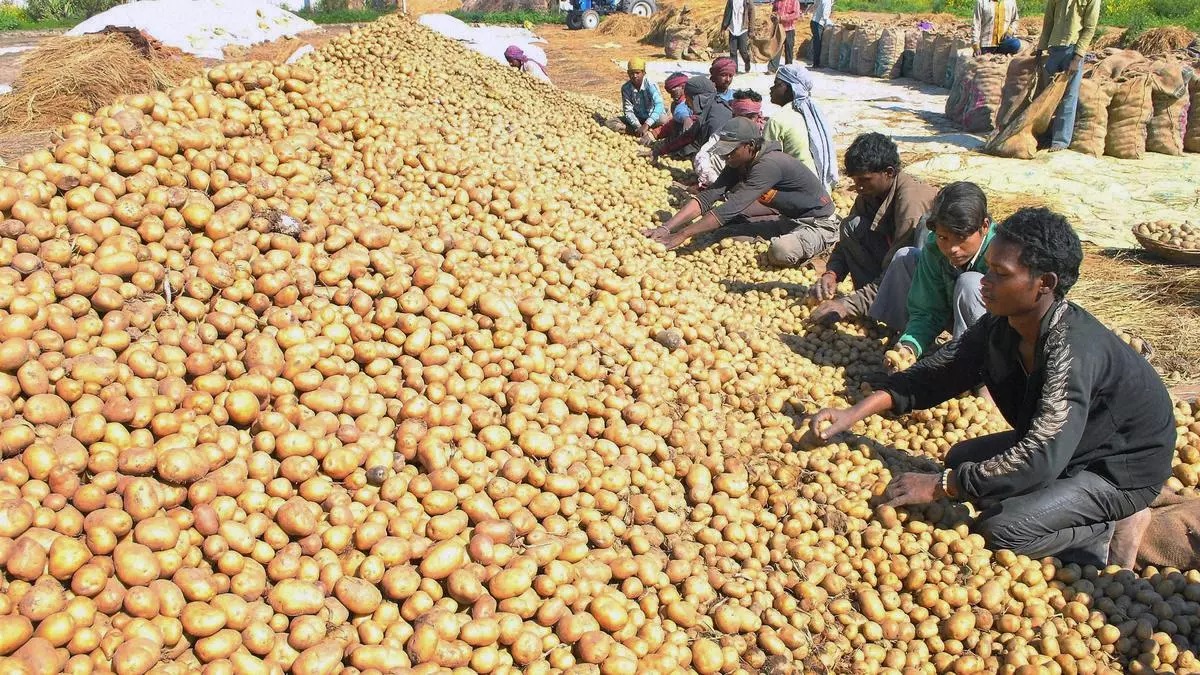
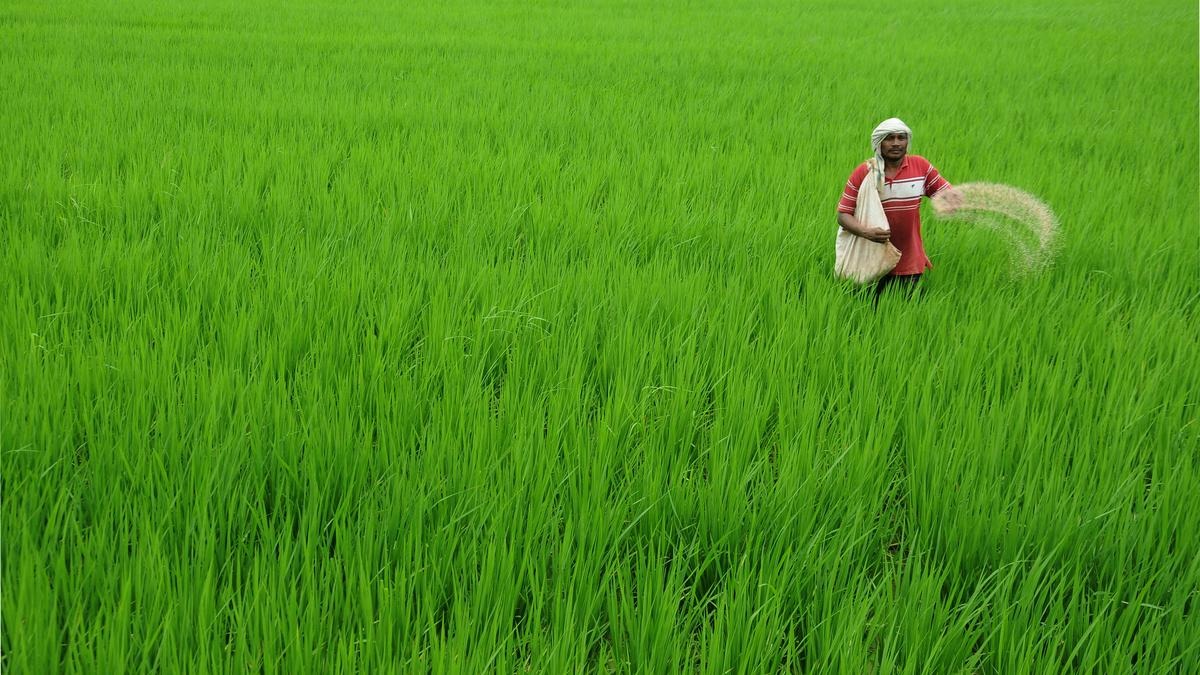
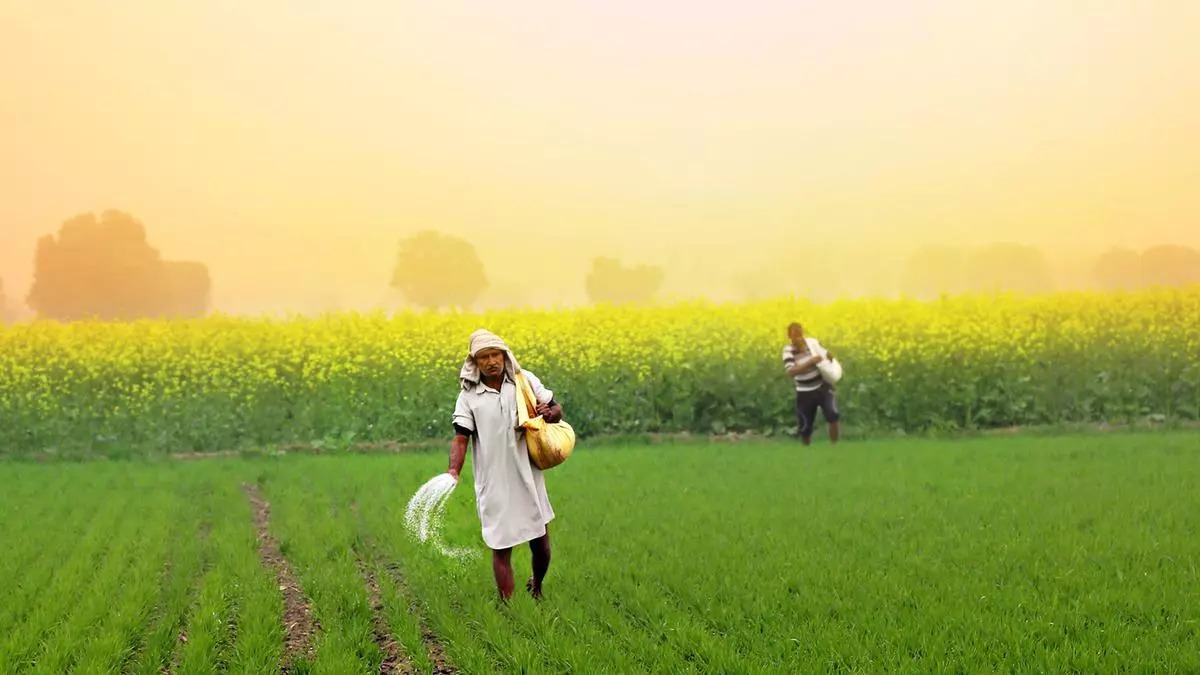
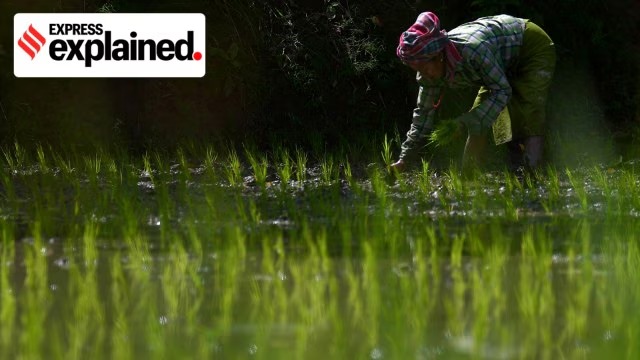
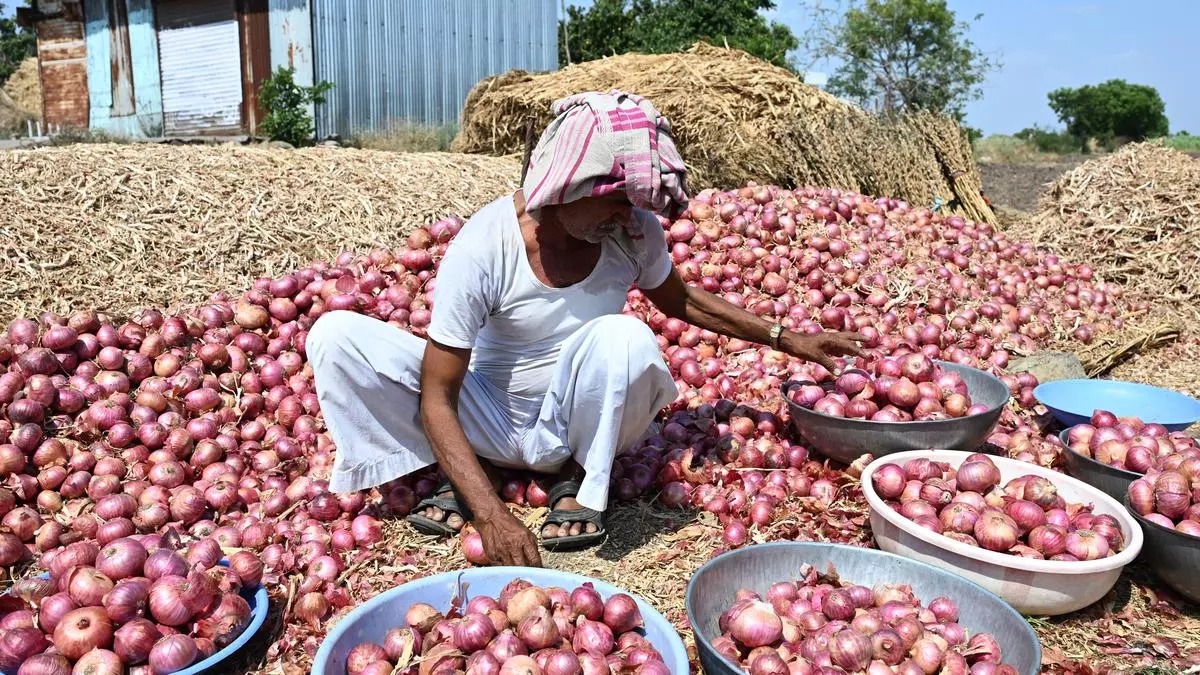
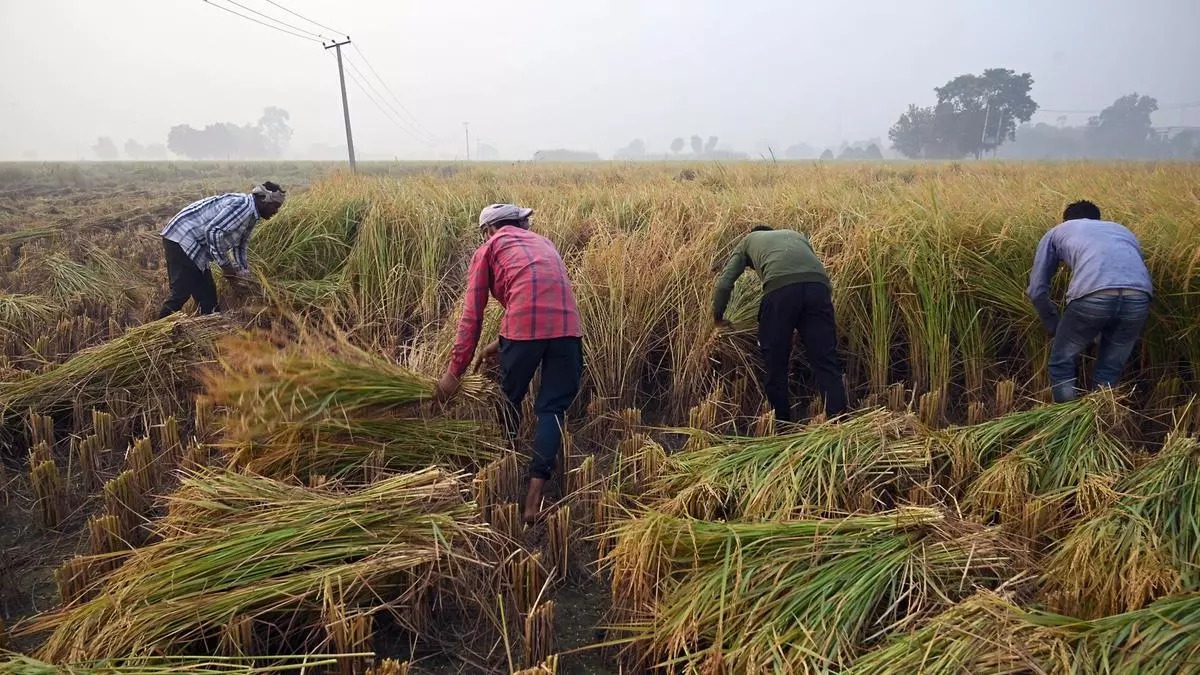
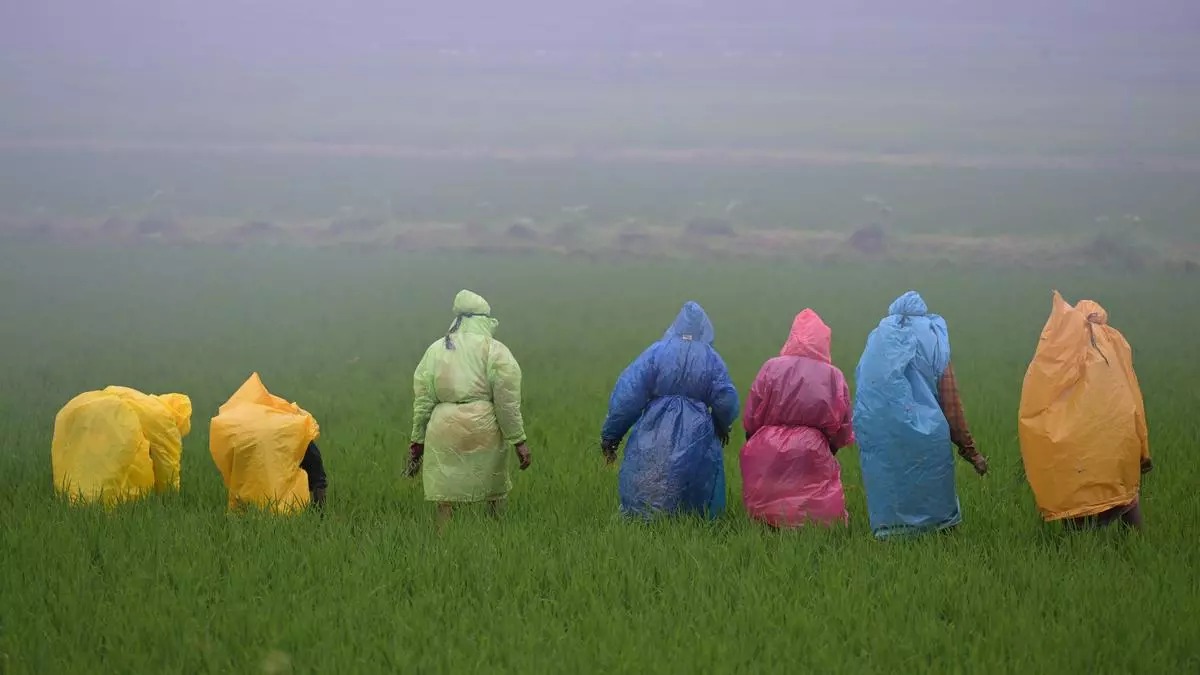
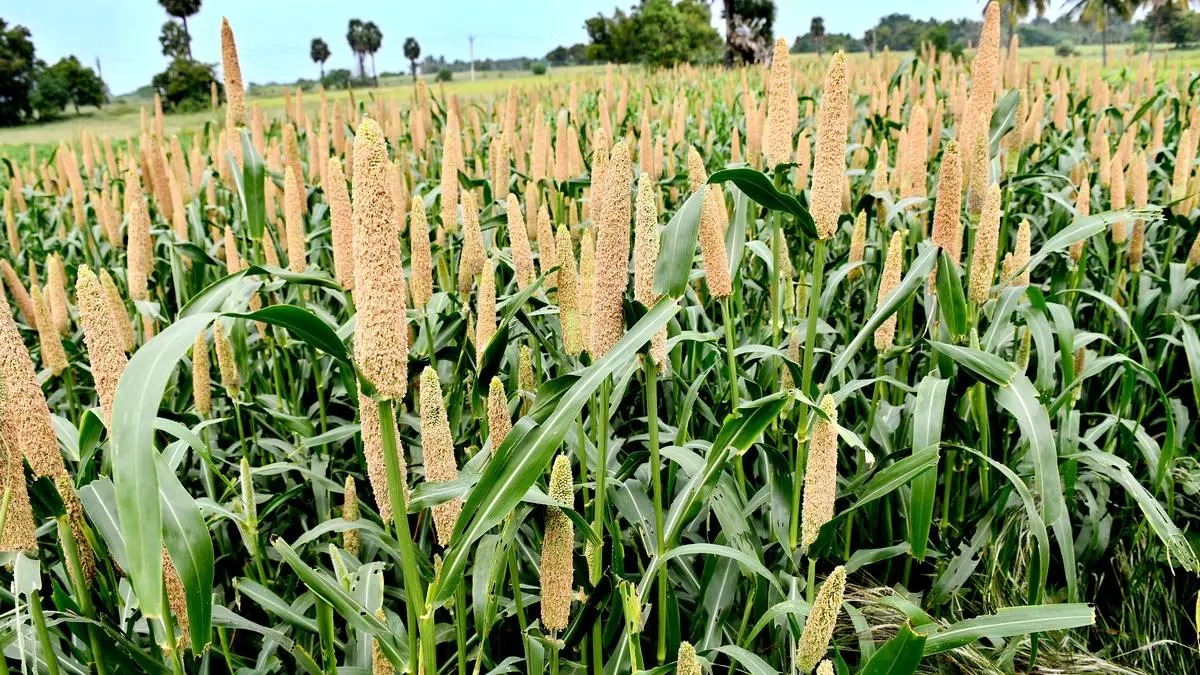
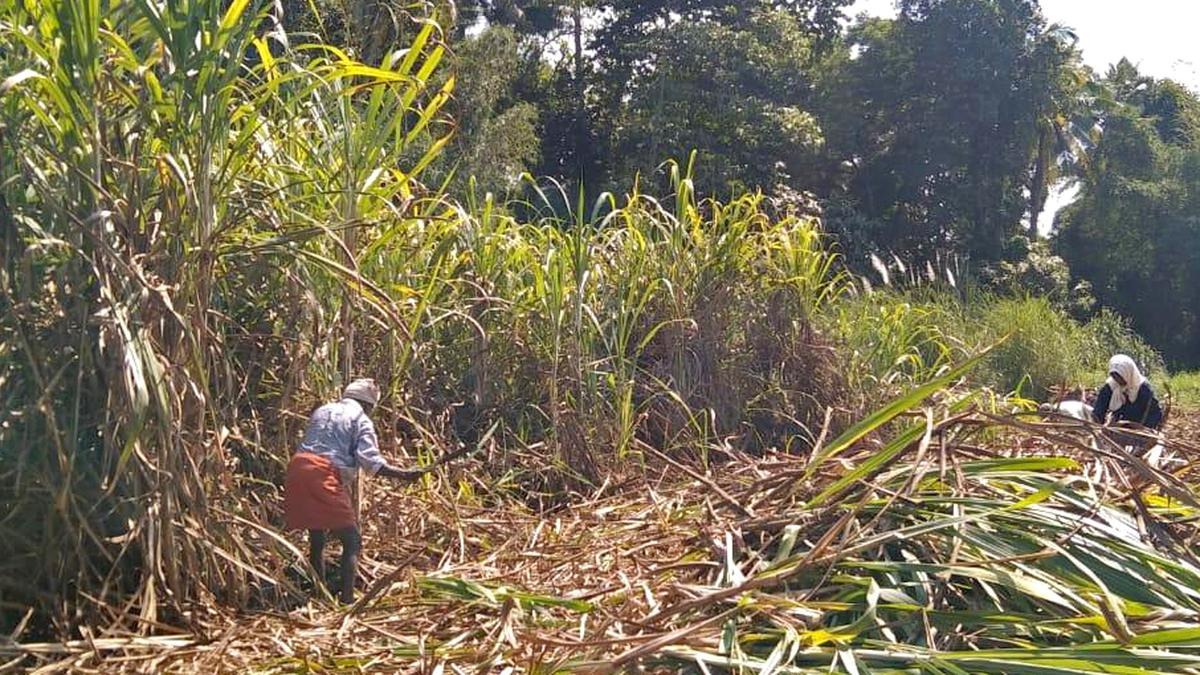
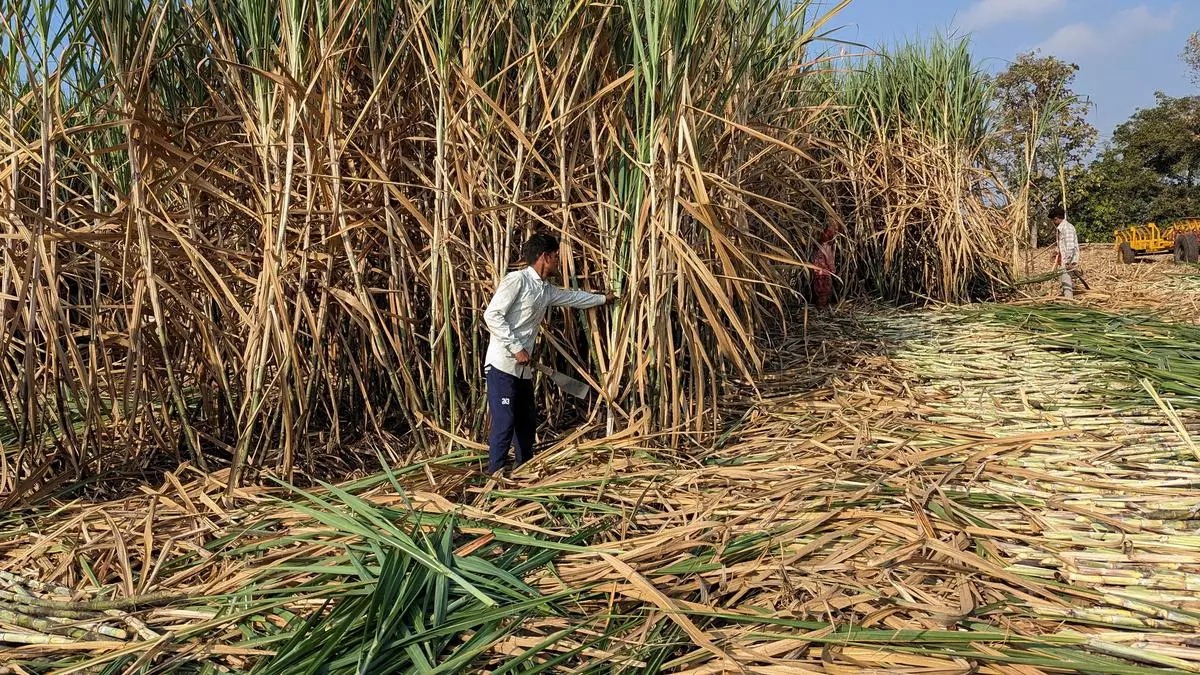
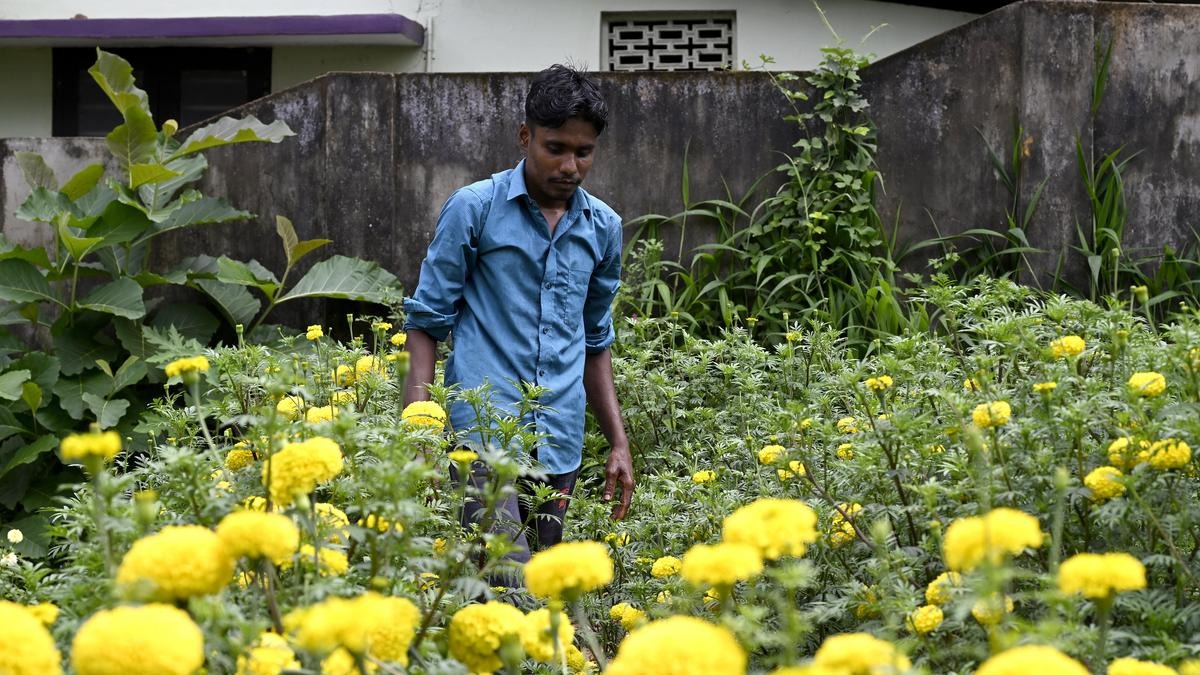
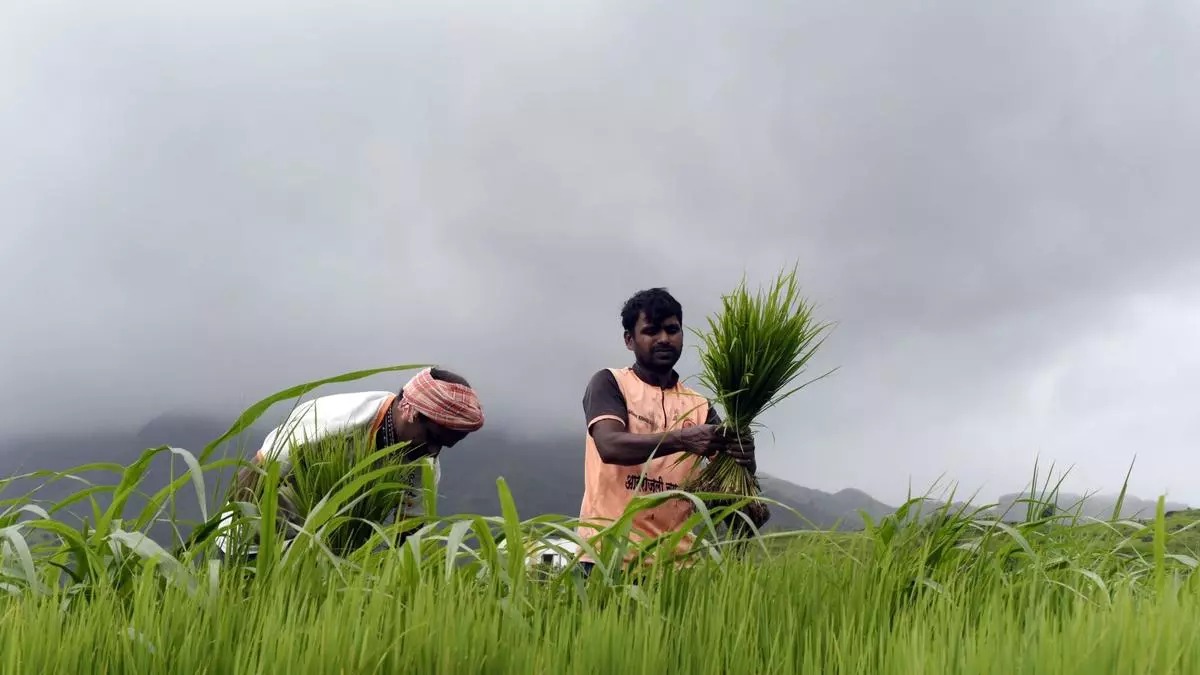
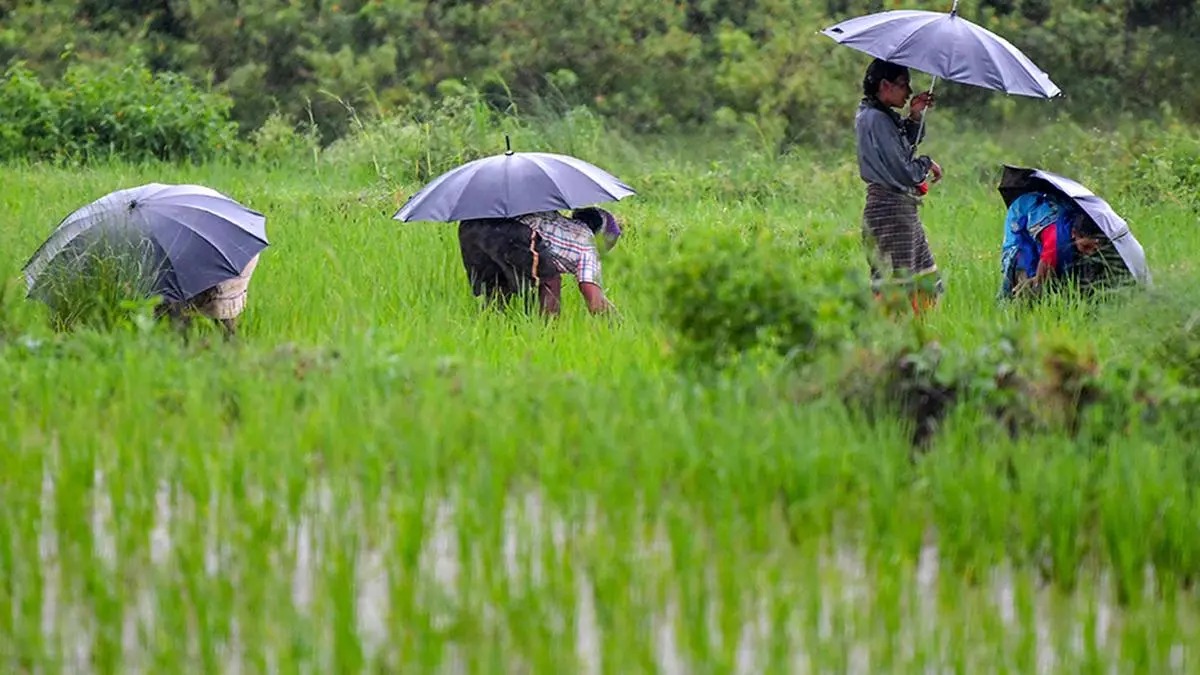
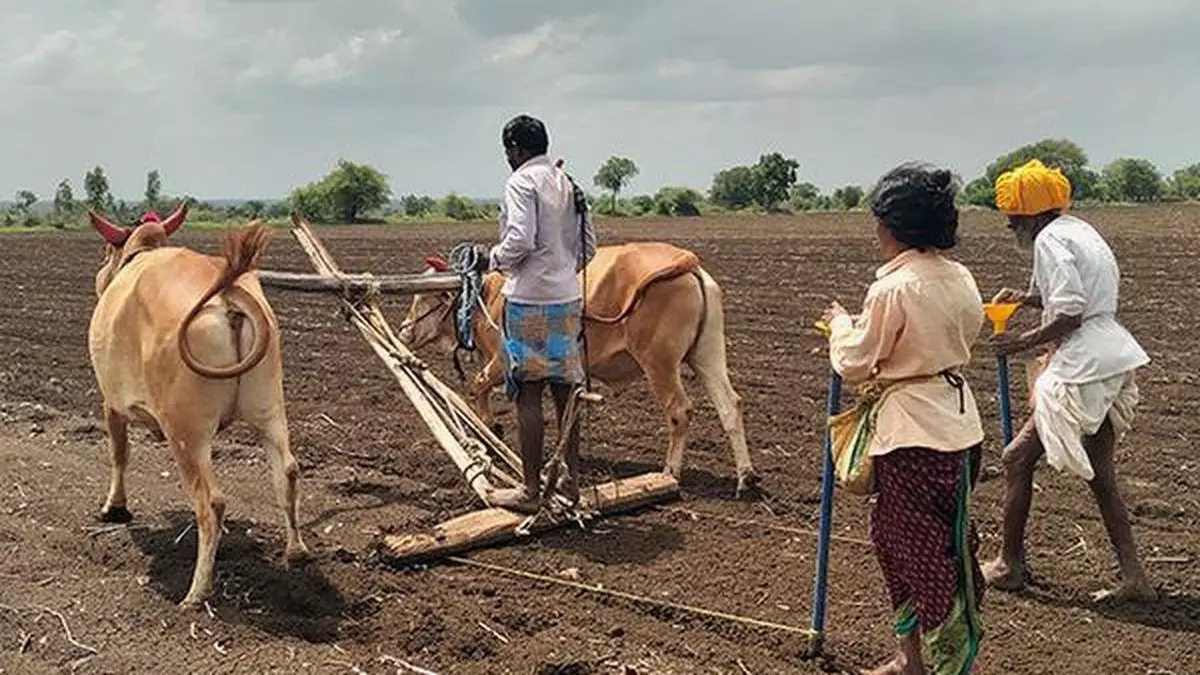
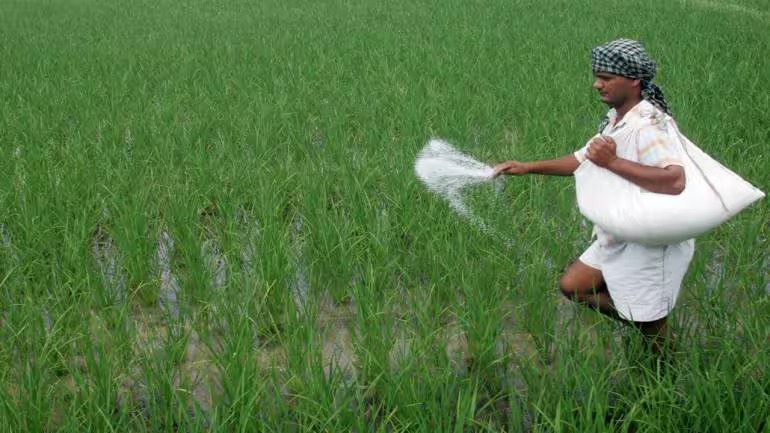
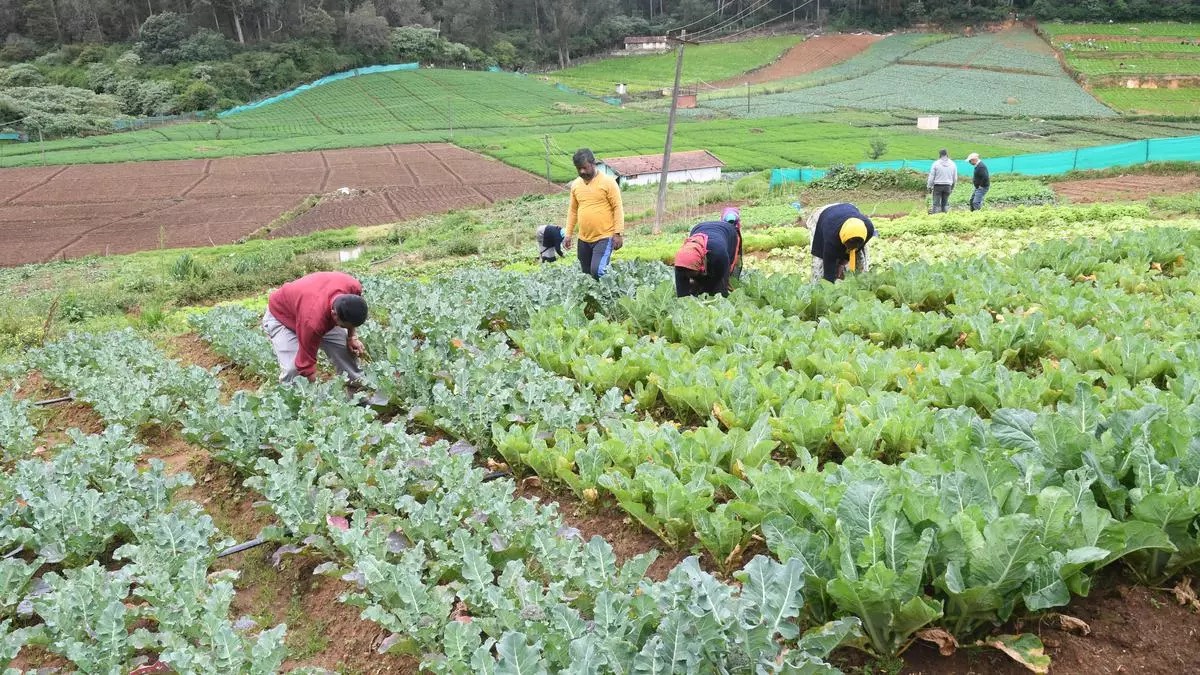
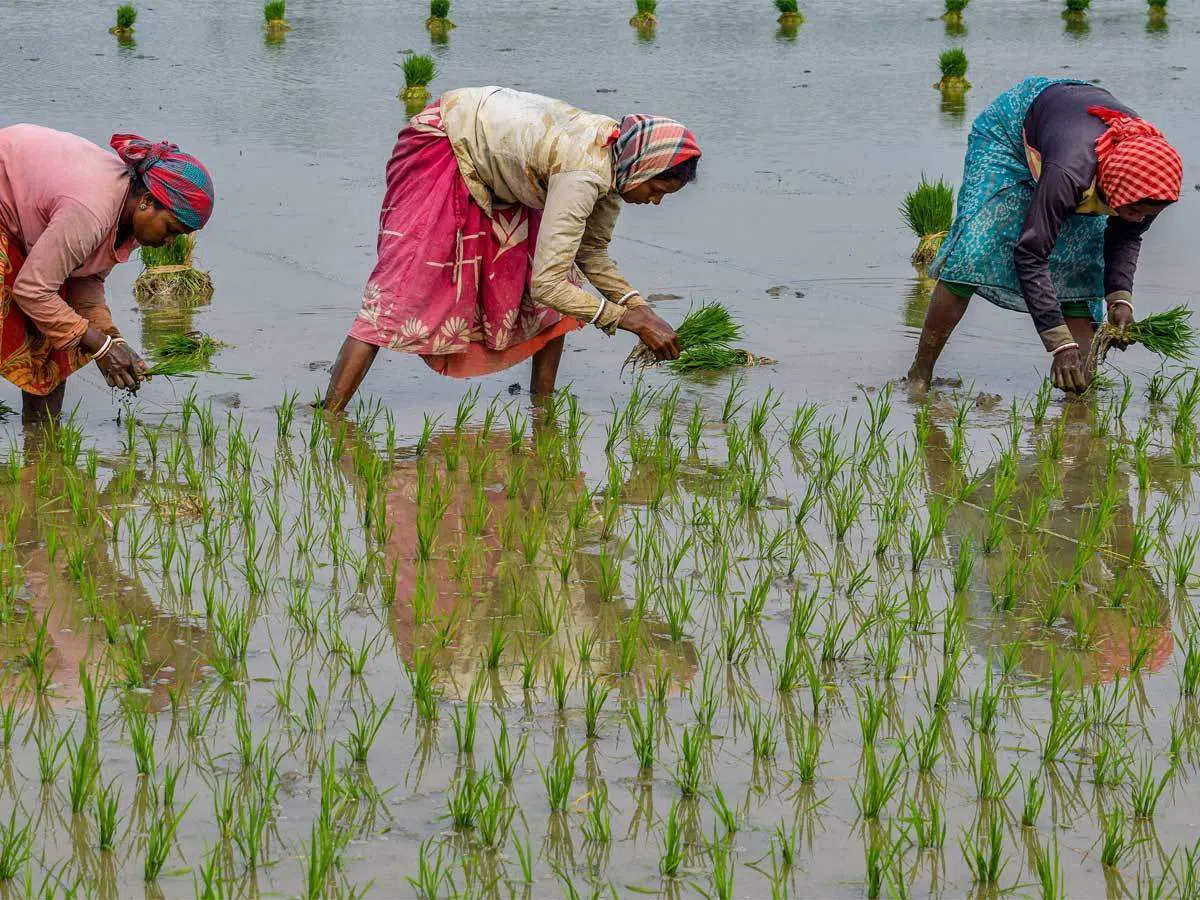
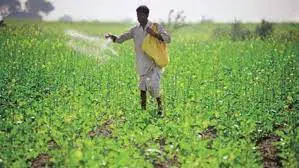
India’s economy still rests heavily on agriculture. More than 70 per cent of the population depends directly or indirectly on farming and allied activities for livelihood. Food security policies help stabilise agricultural markets, reduce extreme price volatility and ensure consistent demand. This directly strengthens farmers’ incomes and provides economic predictability. When farm incomes rise, rural consumption expands, migration pressures ease and overall economic stability improves. This is why farmer welfare has remained a political and developmental priority across governments.