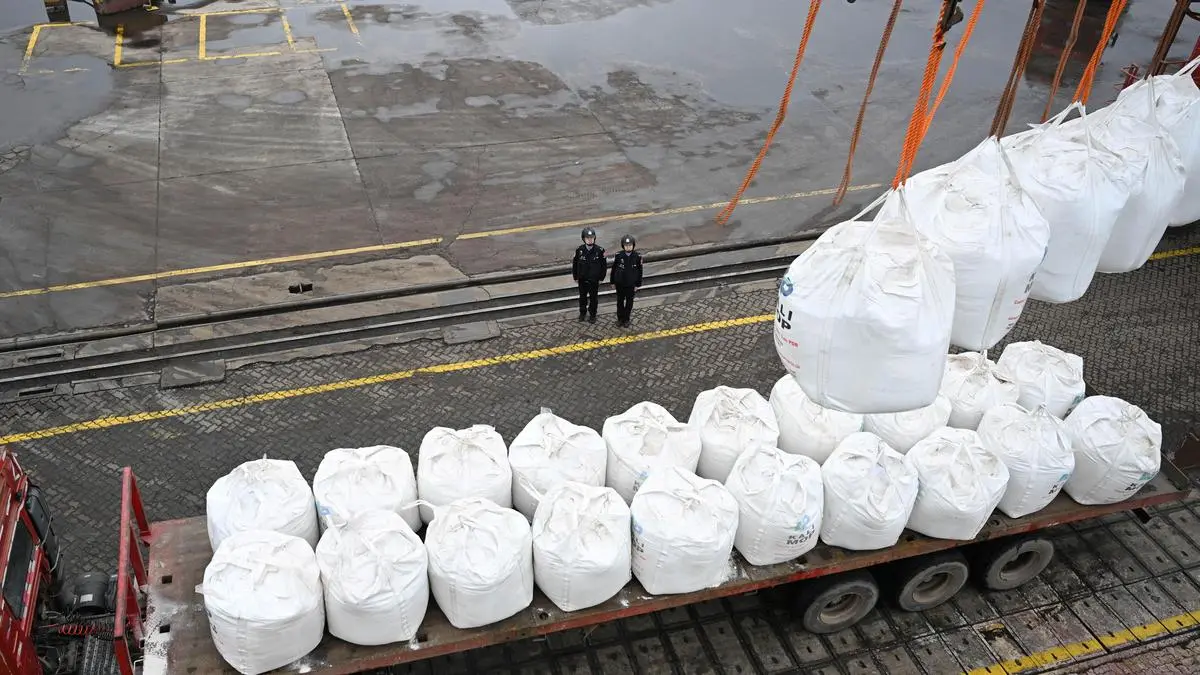
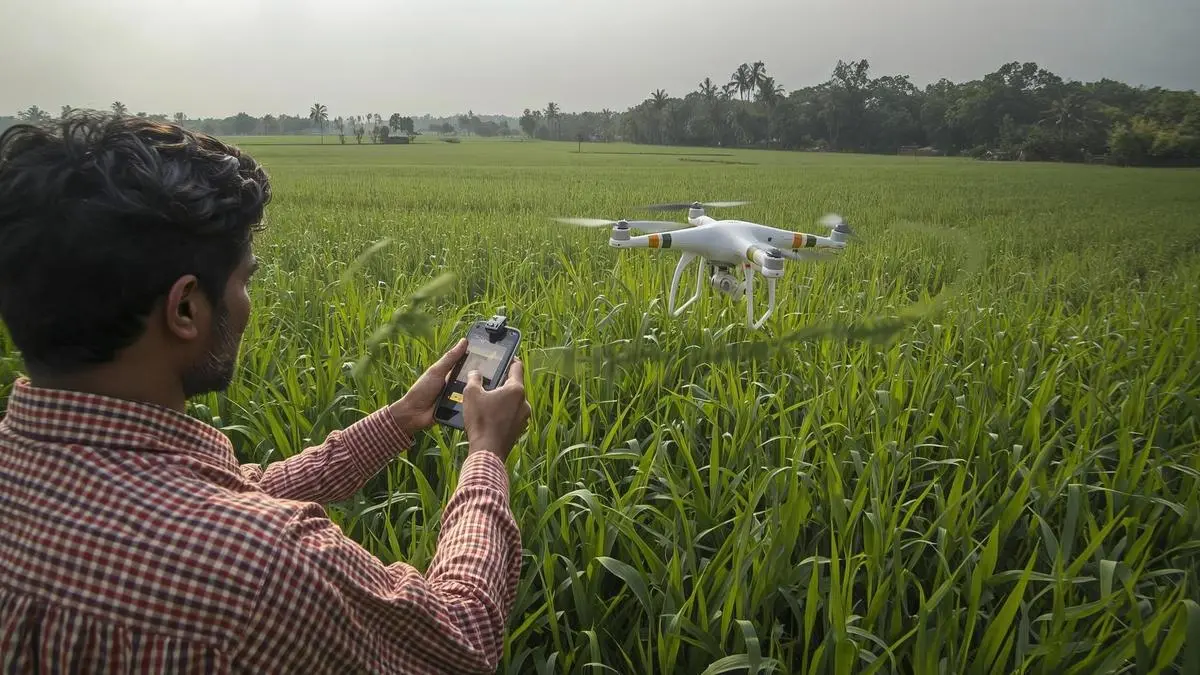
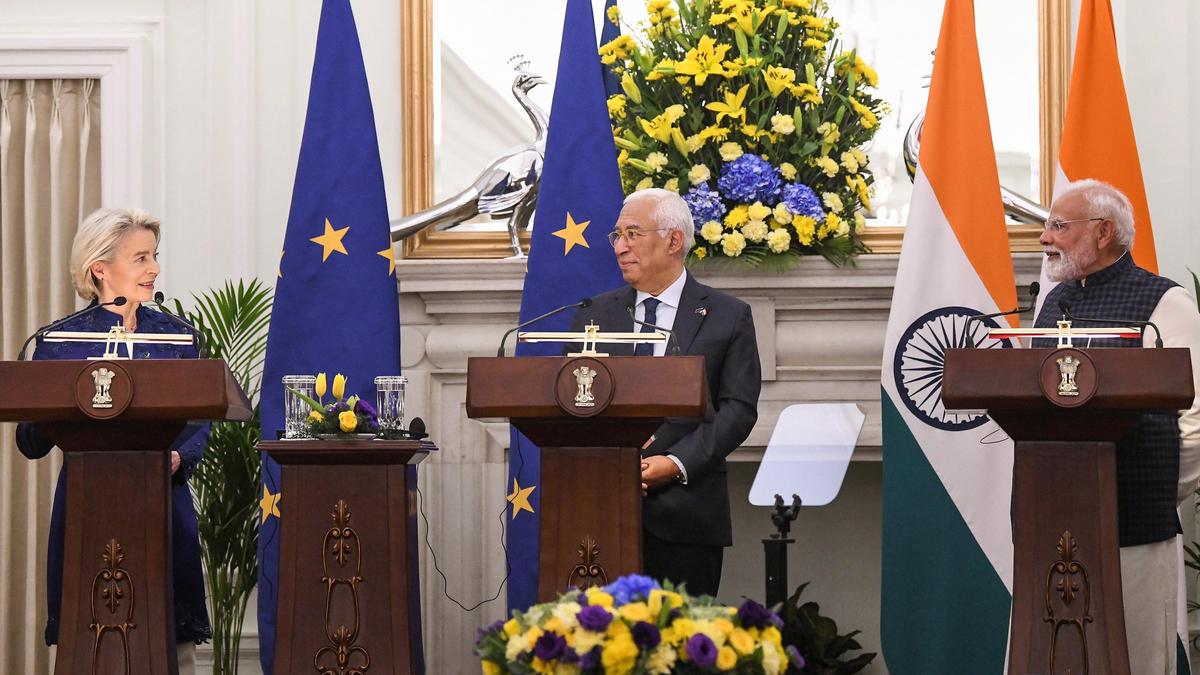
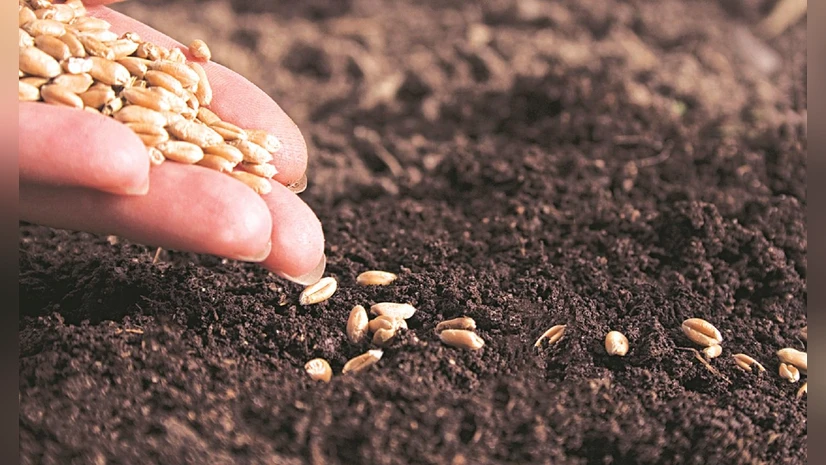
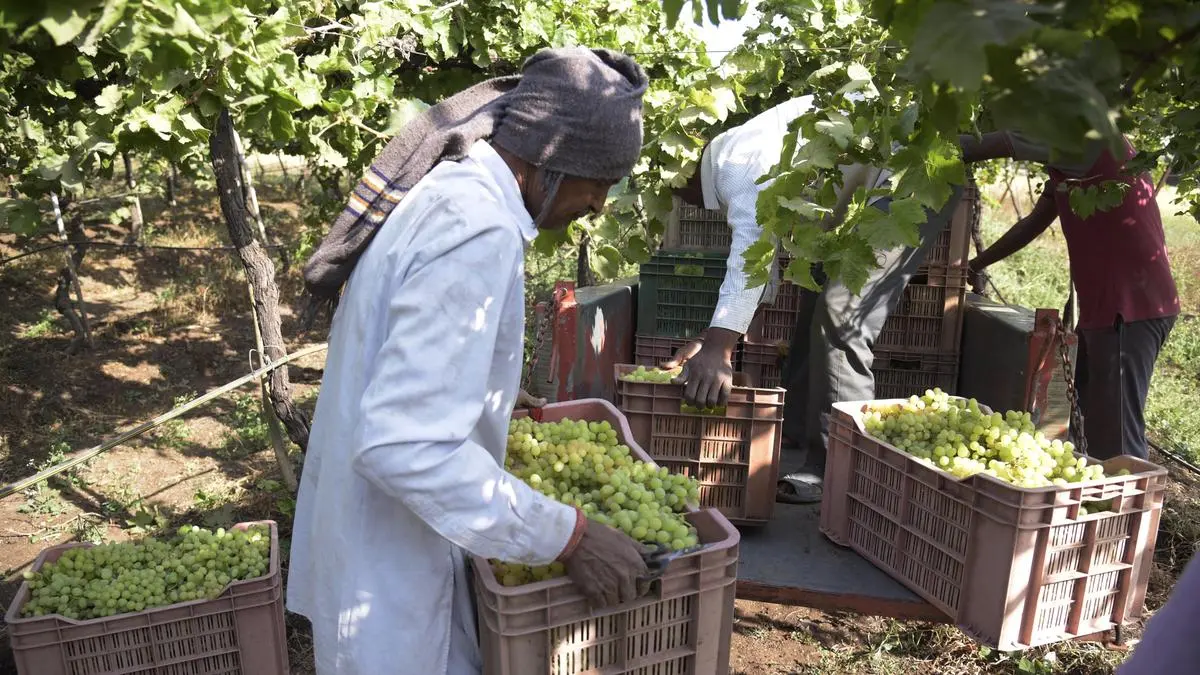
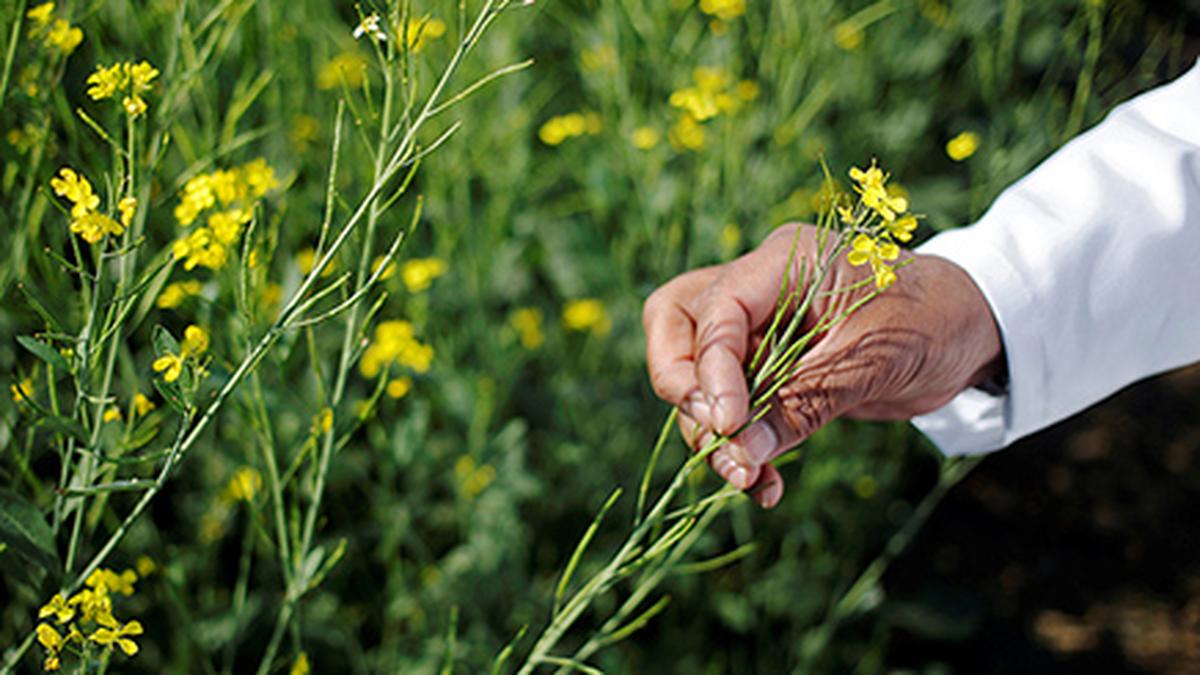
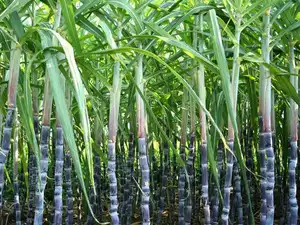
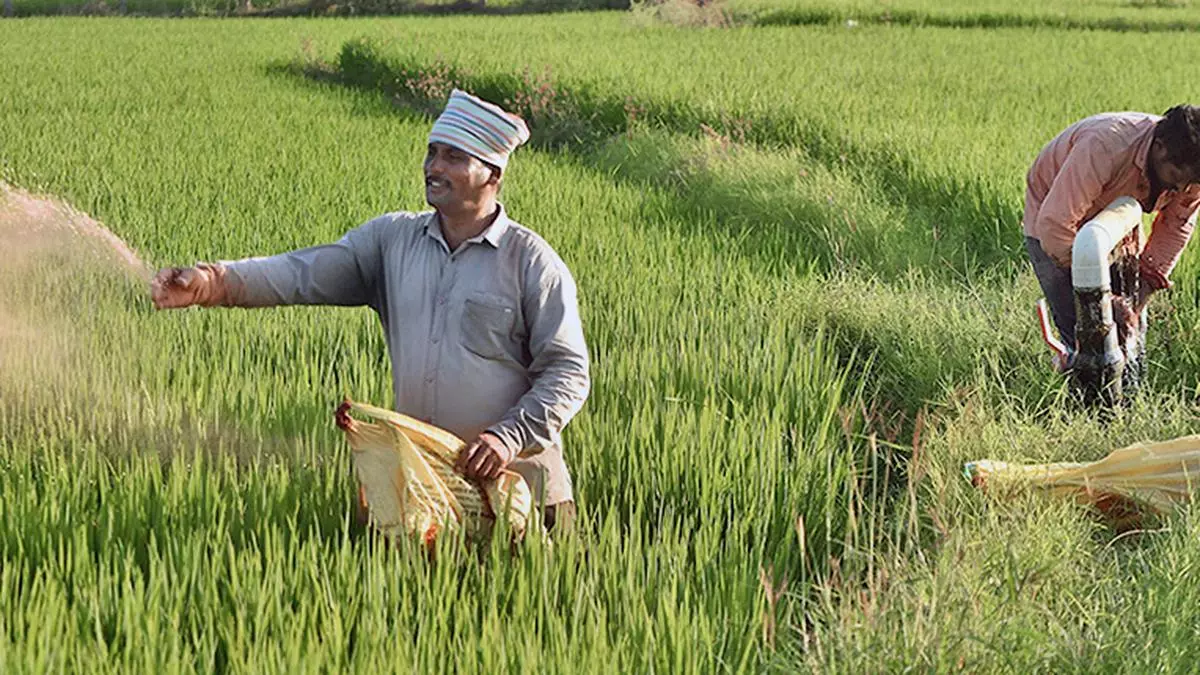
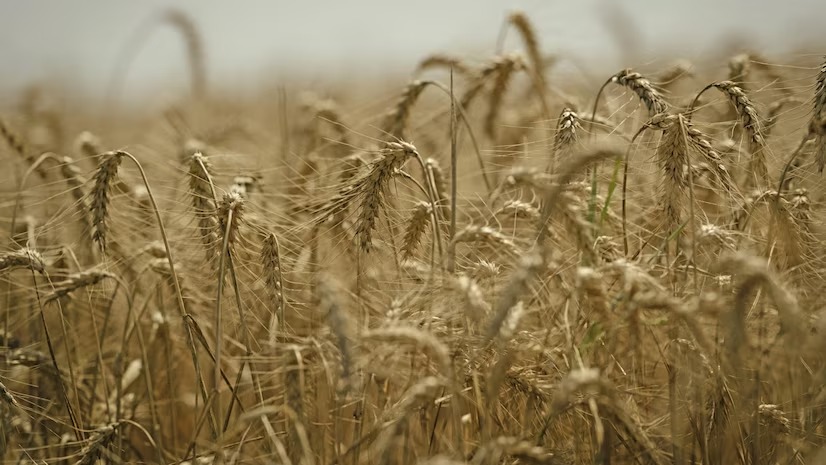
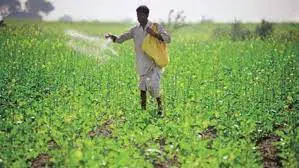
With the US pushing India to reduce import duty on alfalfa (lucerne) fodder seed, the government is preparing to restrict the genetically modified (GM) version of the crop from entering the country. The Americans grow GM and non-GM varieties of alfalfa, which derives its name from the Arabic word al-fasfasa, meaning the best forage.
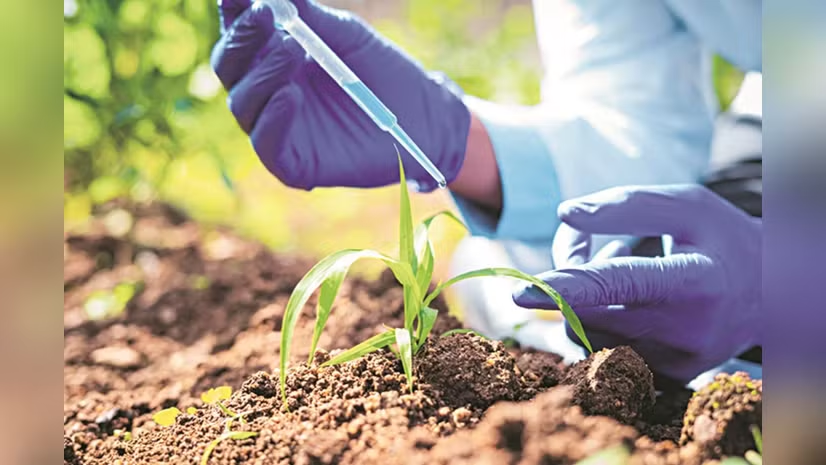
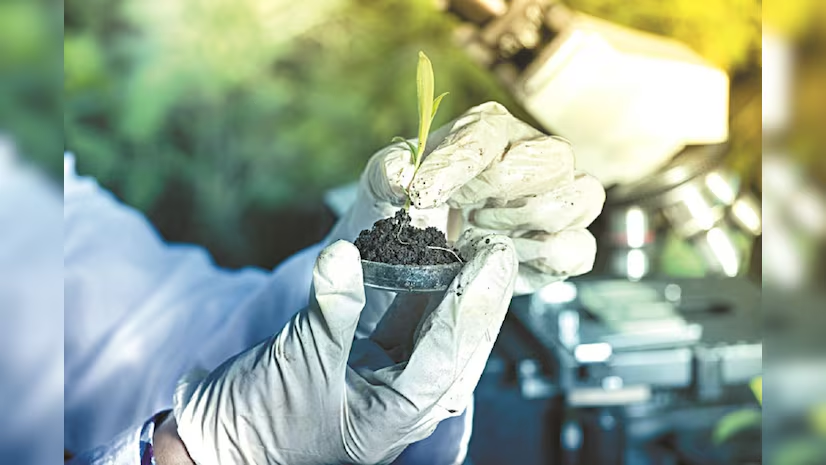
“Scientists may have to develop an easy test kit so that it can be verified before unloading,” a source said, adding that it is possible to develop such a kit at short notice. Currently, domestically-produced alfalfa seed is available in the market in the range of ₹500-800/kg, whereas the imported seeds cost more due to import duty, sources said.
50% import duty
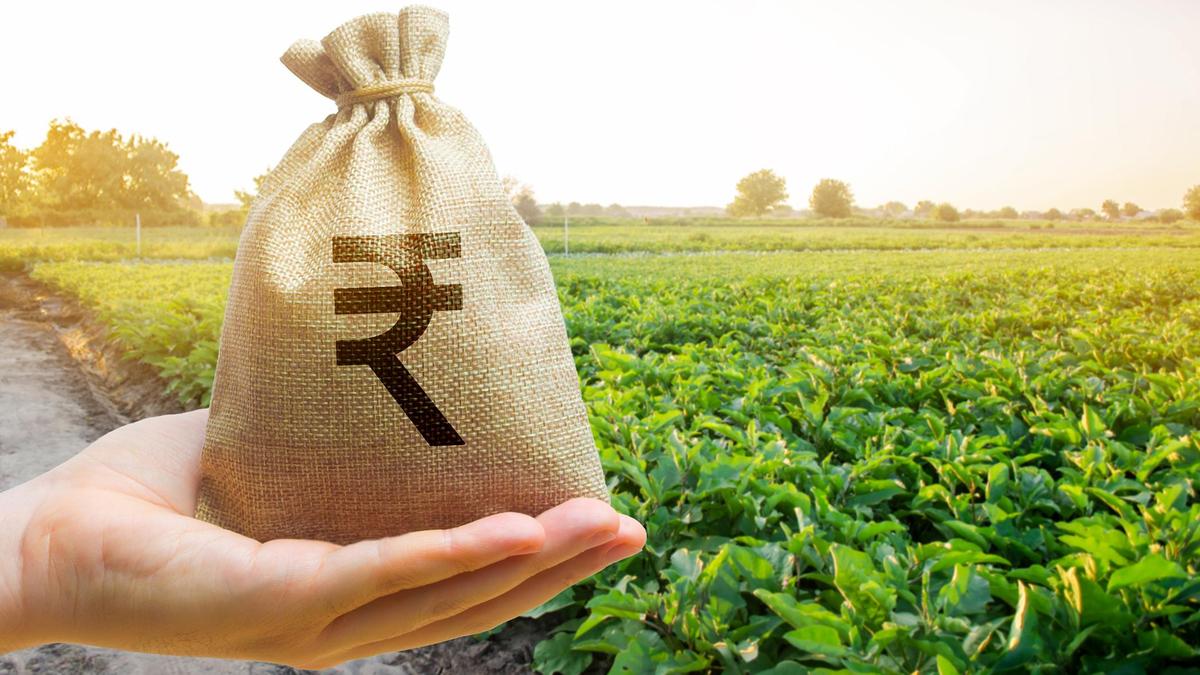
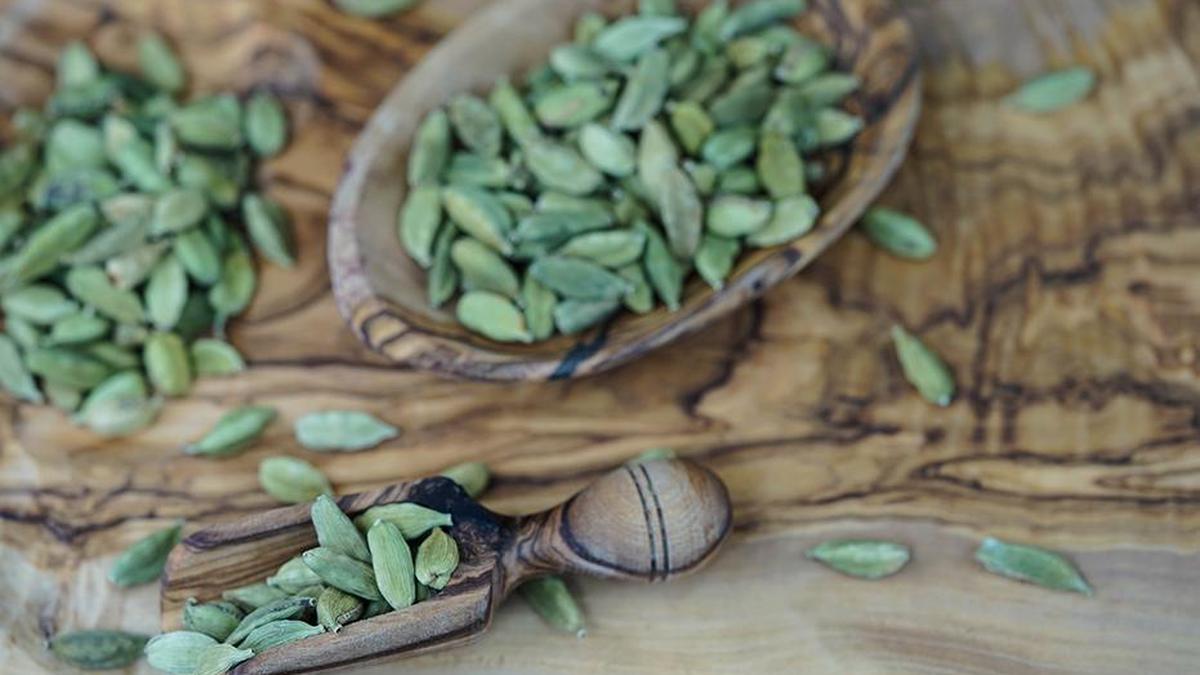
The effective import duty on Lucerne (alfalfa) seed (HS code 12092100) is 50.045 per cent which includes basic customs duty (BCD) of 30 per cent, agri (AIDC) cess 30 per cent levied against BCD, social welfare surcharge 10 per cent (on BCD+AIDC) and IGST 5 per cent.
Besides, the import of alfalfa seeds has to adhere to the plant protection guidelines of the Agriculture Ministry, and it has to arrive with a valid phytosanitary certificate from the exporting country, meeting Indian standards. Currently, alfalfa seeds are not imported, as India has been growing the crop domestically. It is not economical for widespread use due to the import duty, trade sources said.
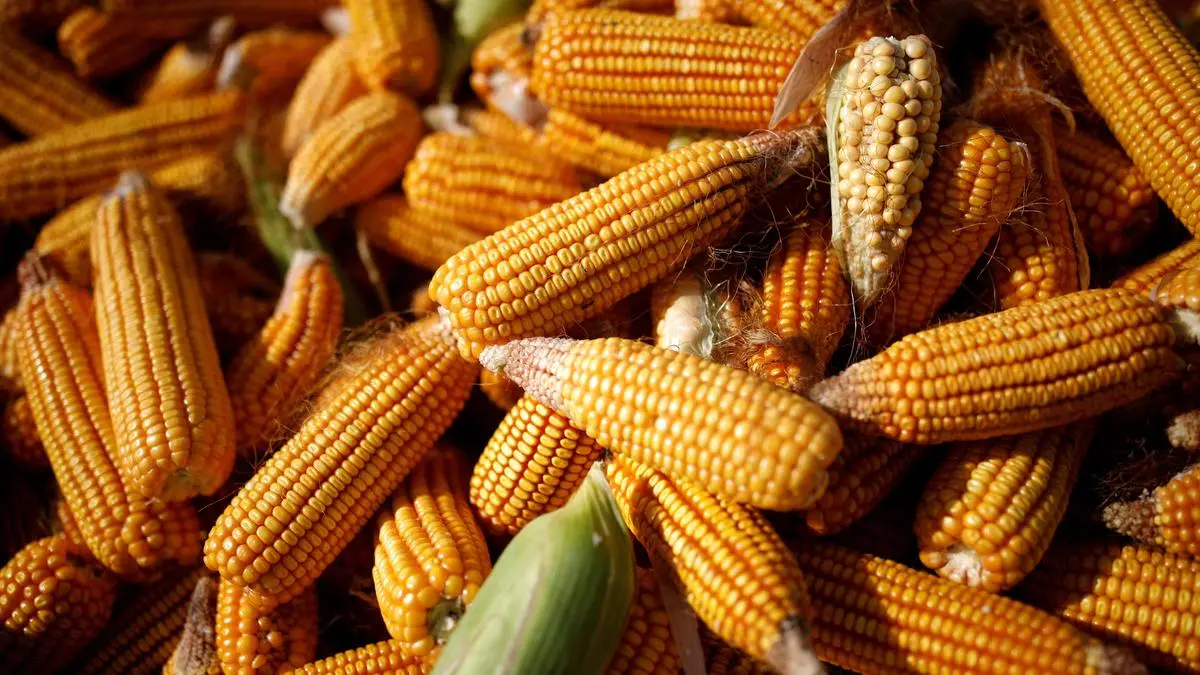
India imports Berseem seeds for fodder purposes from Egypt and some CIS countries. The import quantum used to be very high a few years ago, but it has come down now to about 500 tonnes a year because of the rise in its domestic production. However, industry sources said that since it used to be cheaper and high-yielding, there was the preference for the imported varieties.