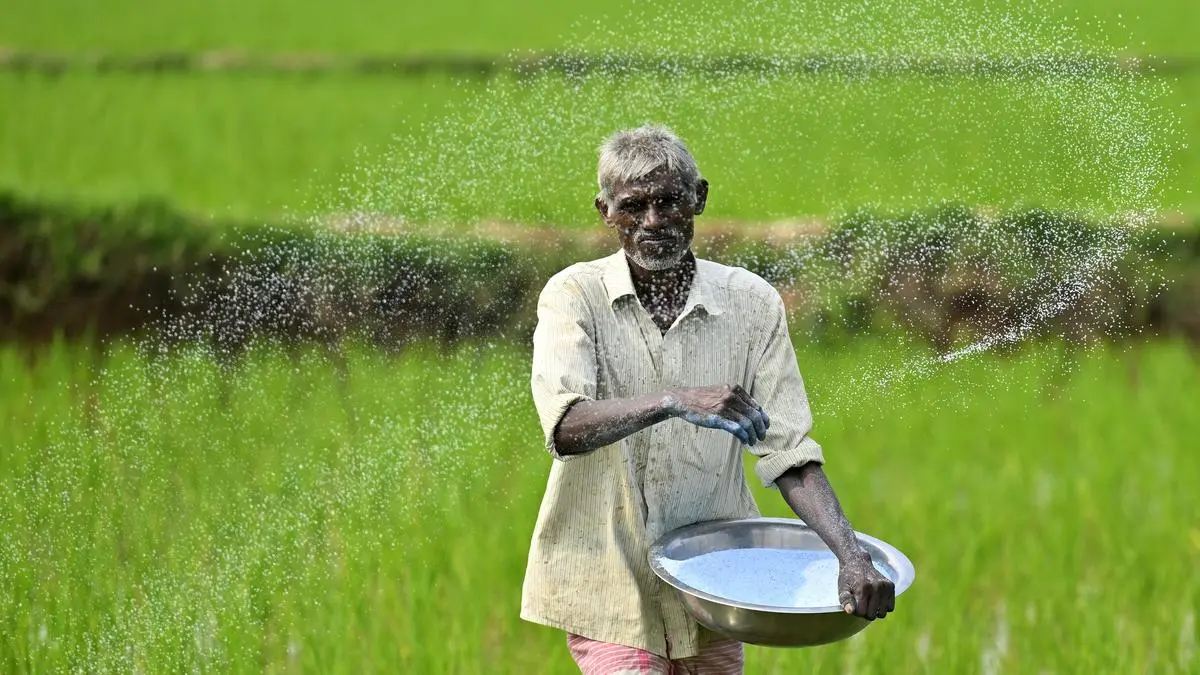
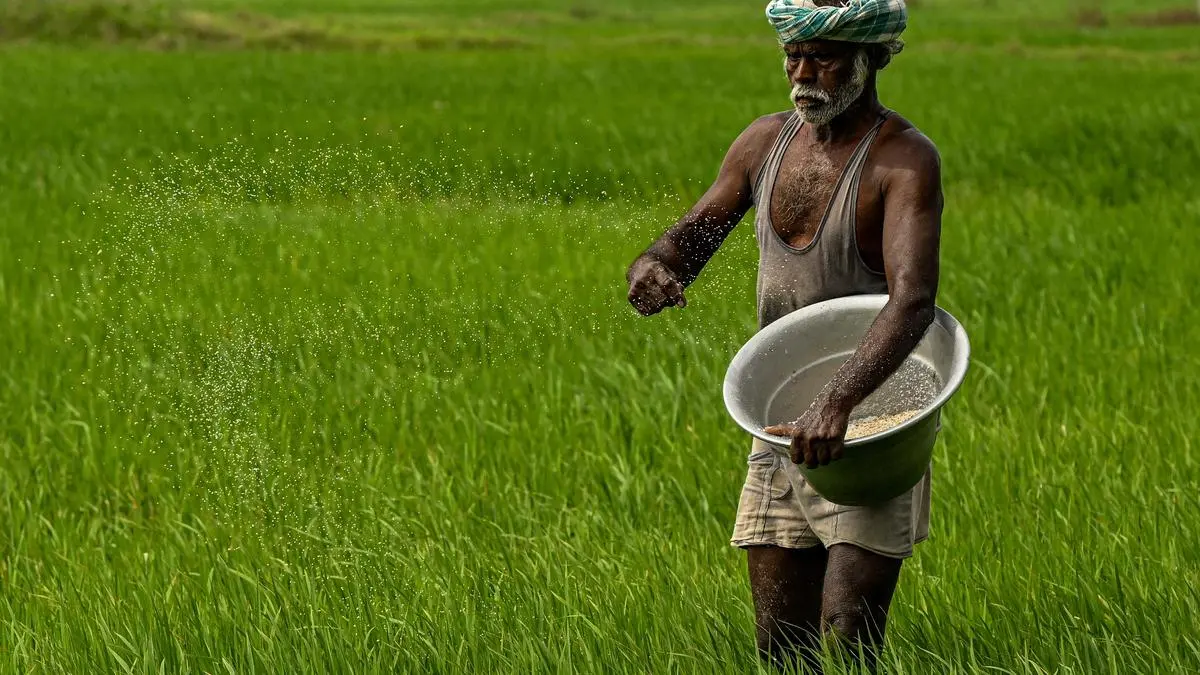
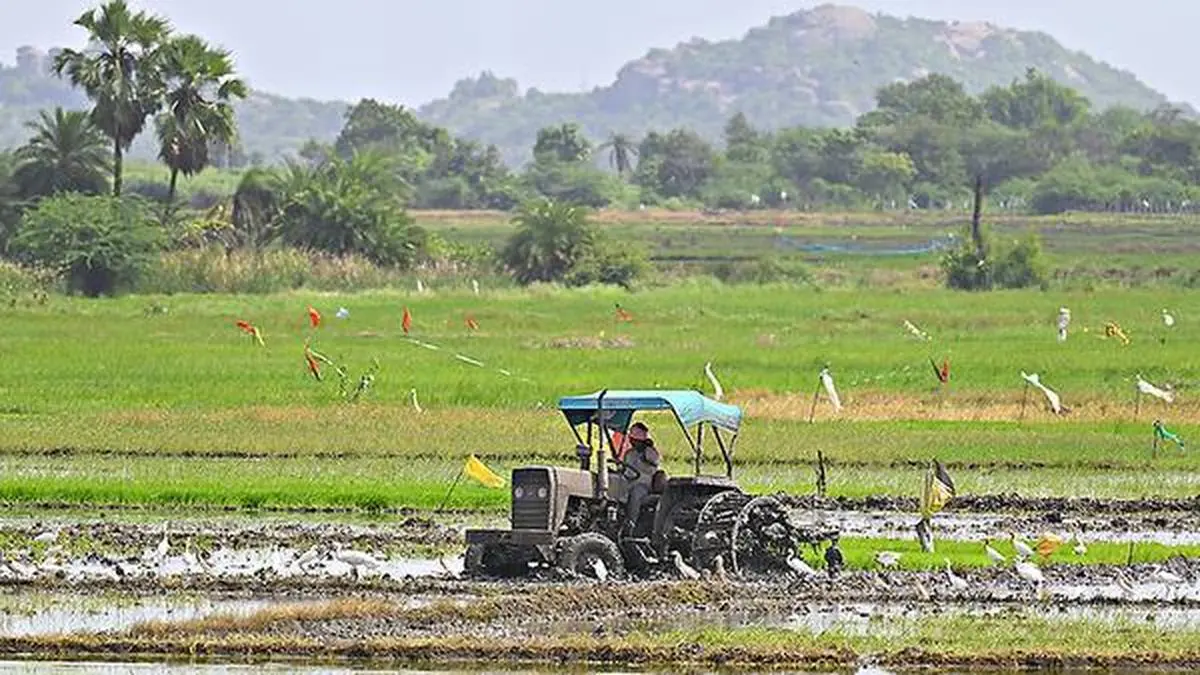
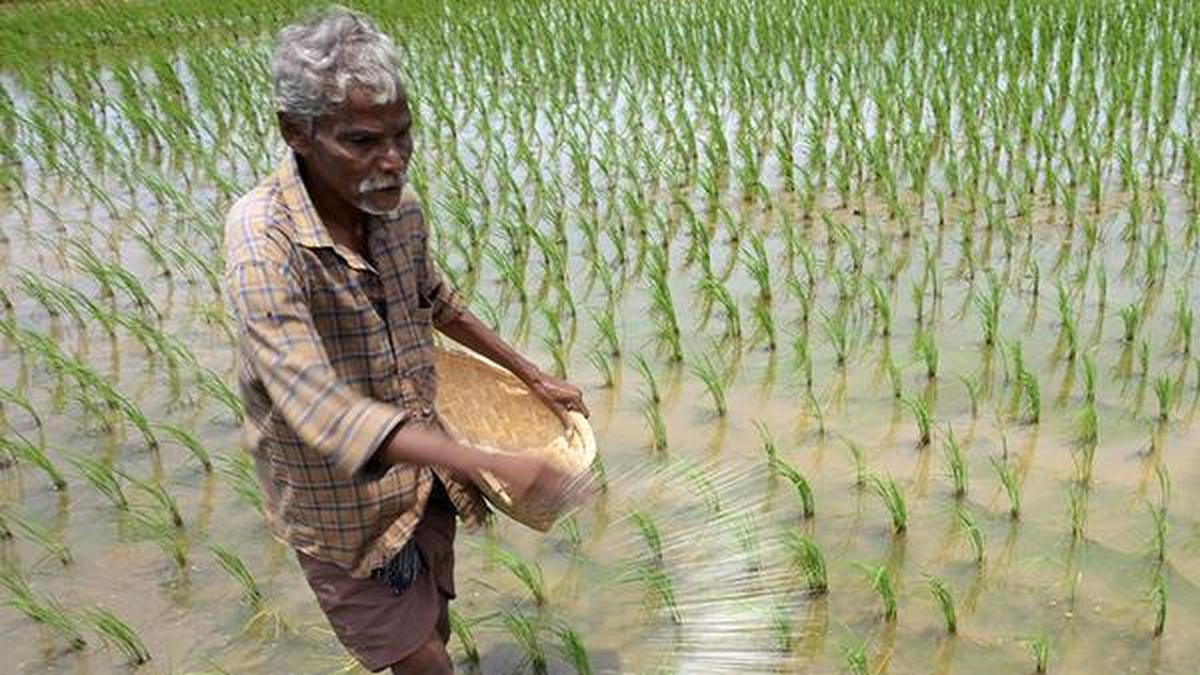
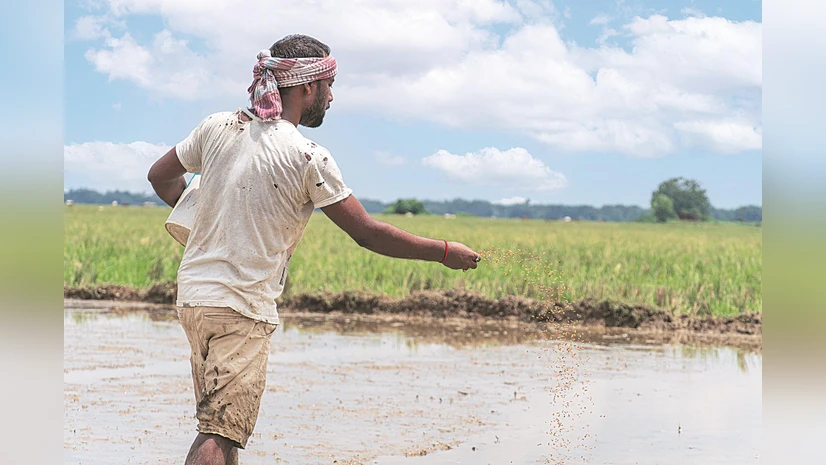
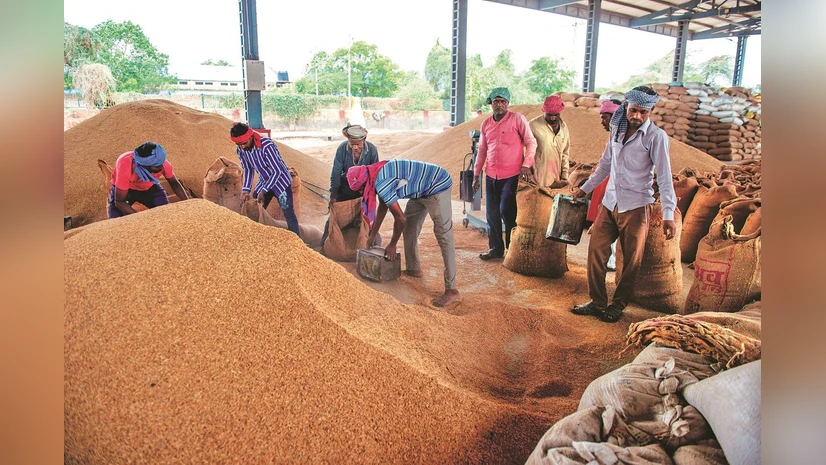
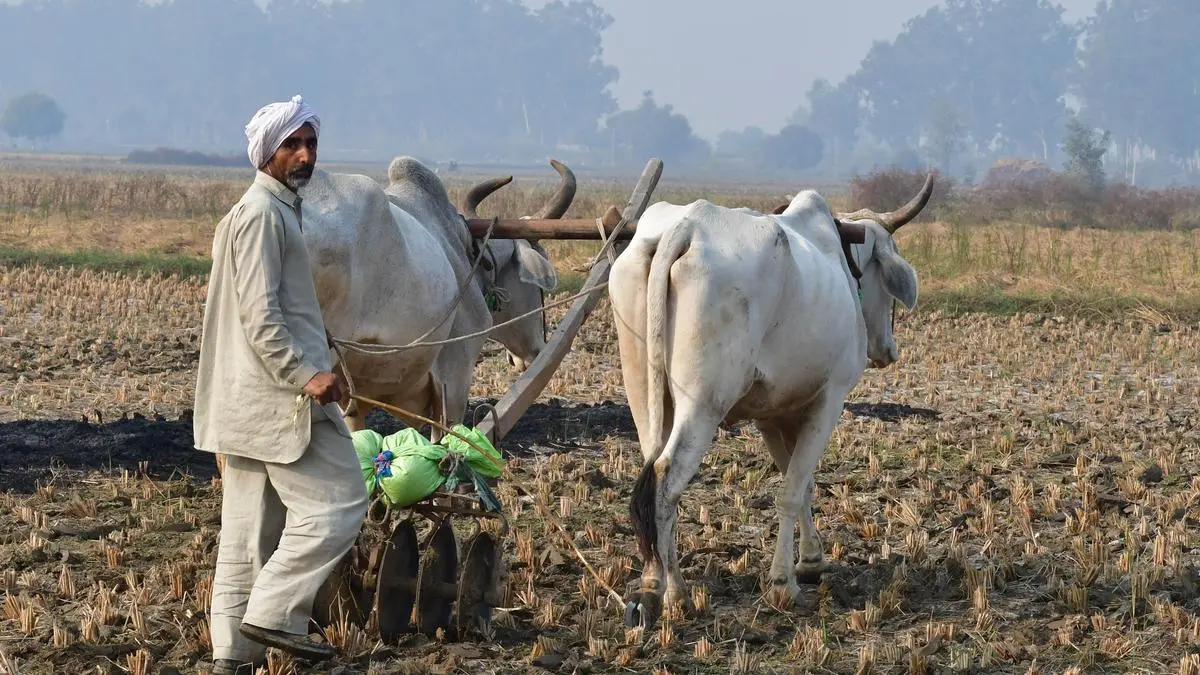
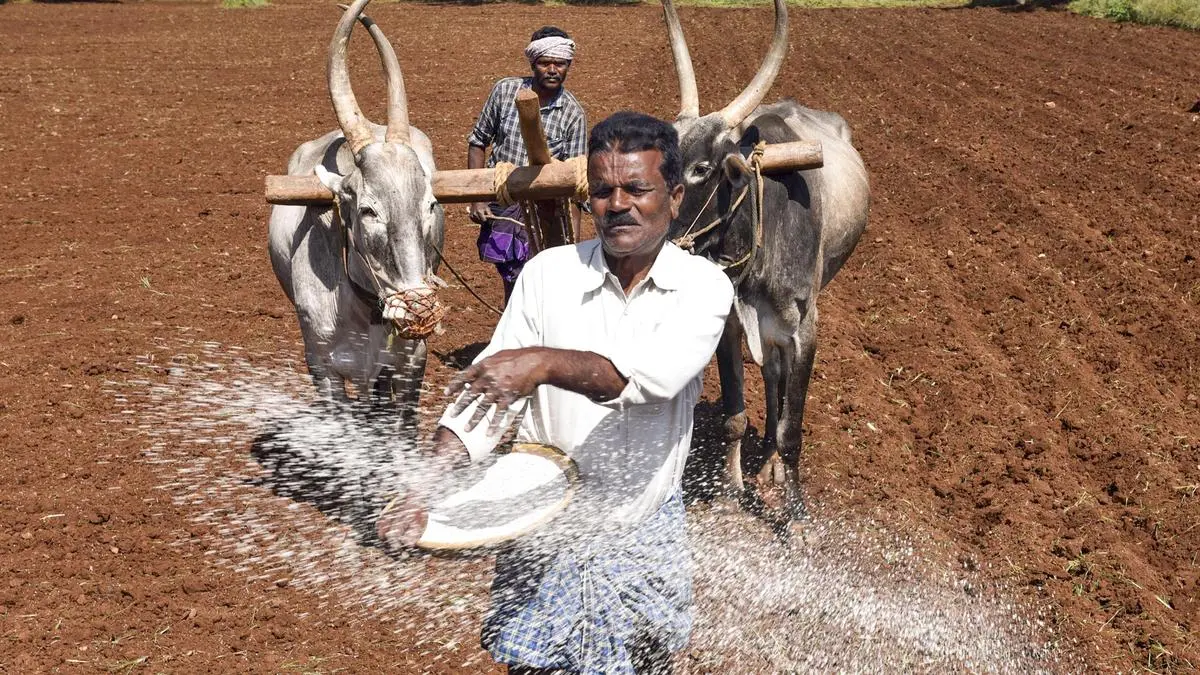
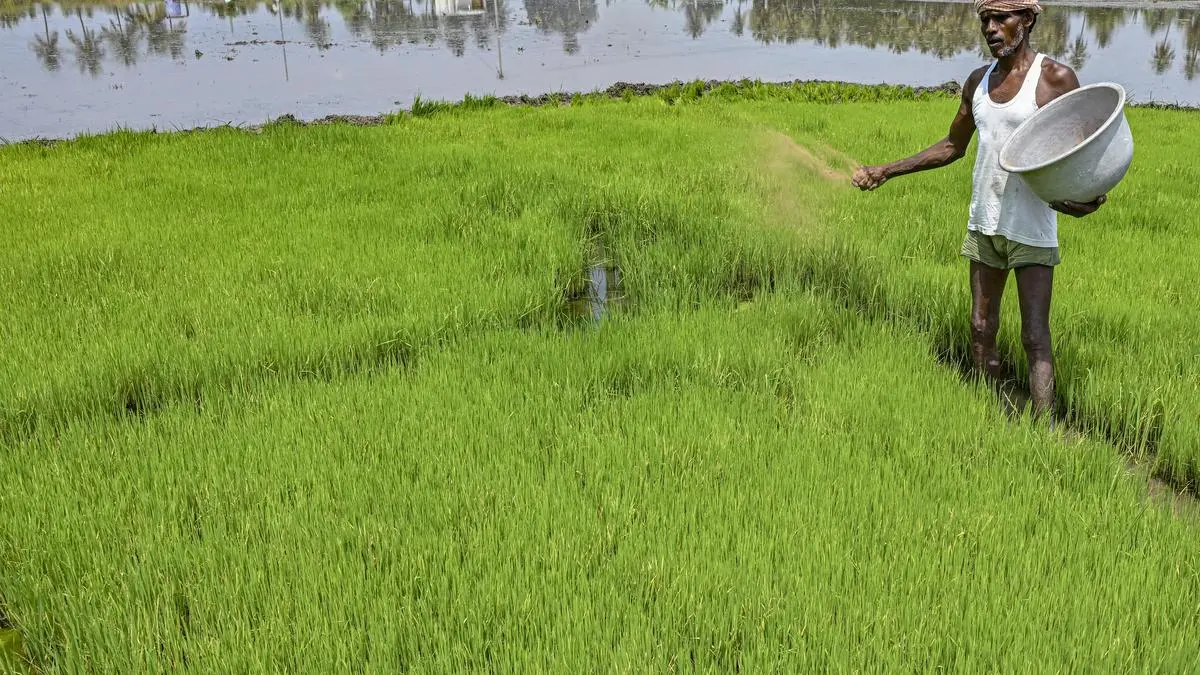
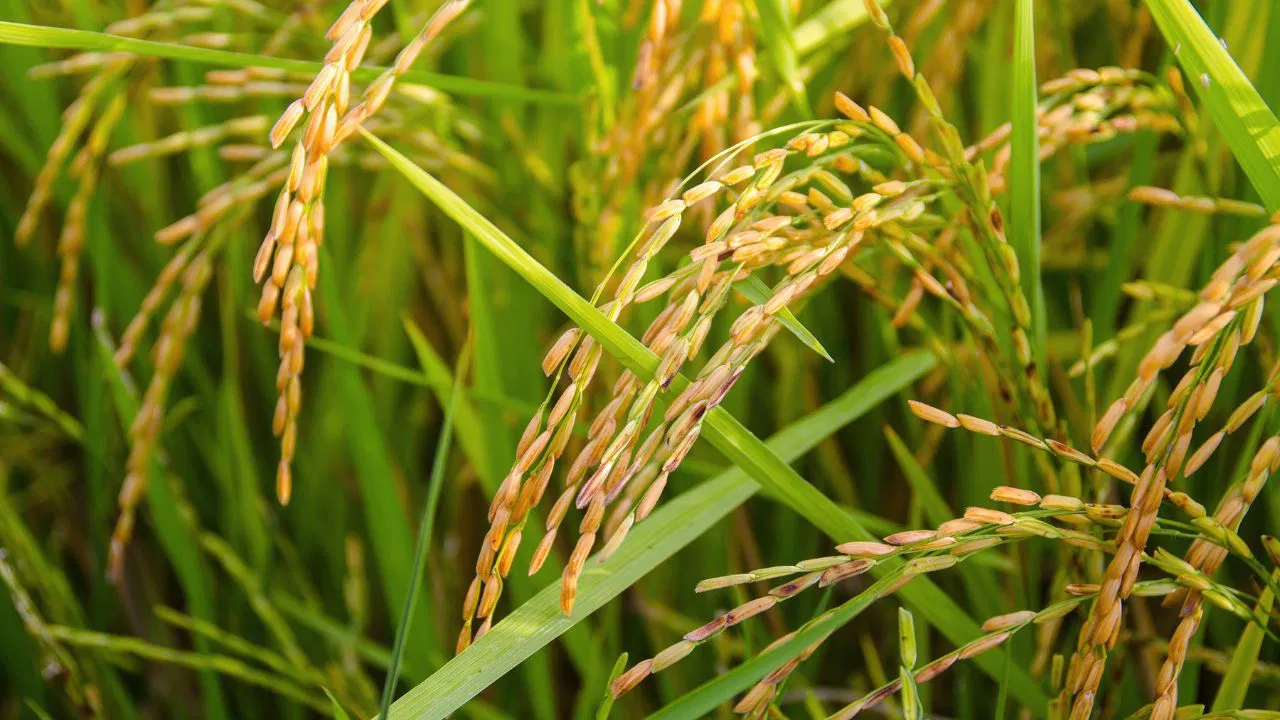
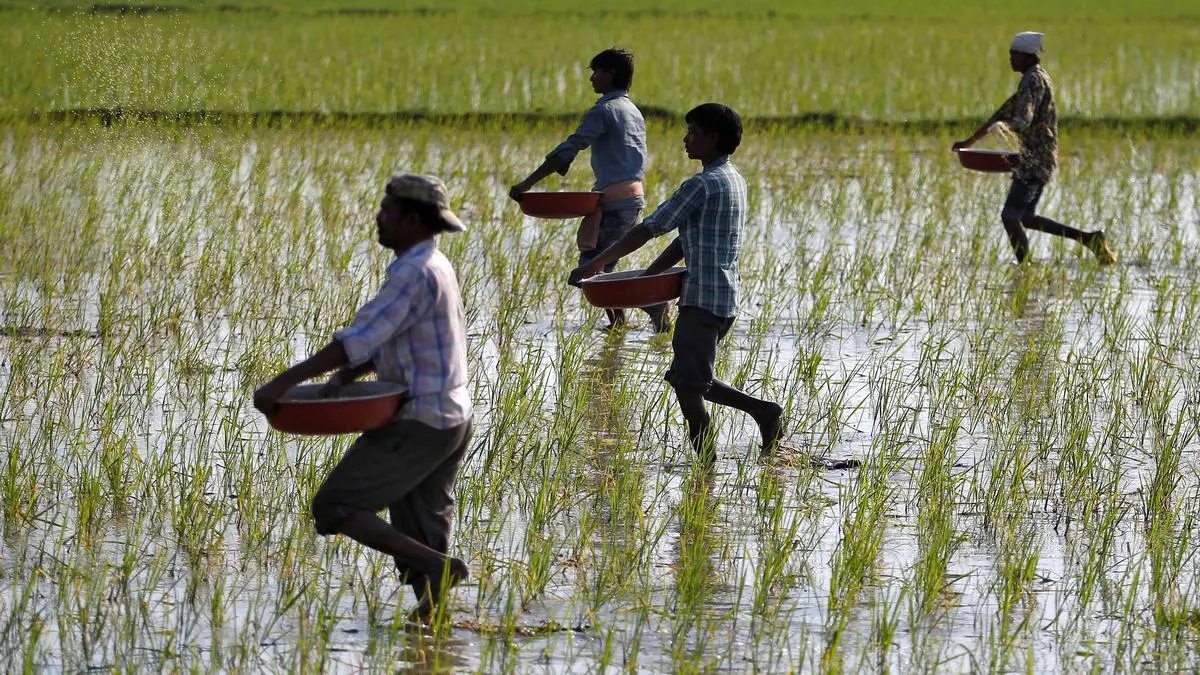
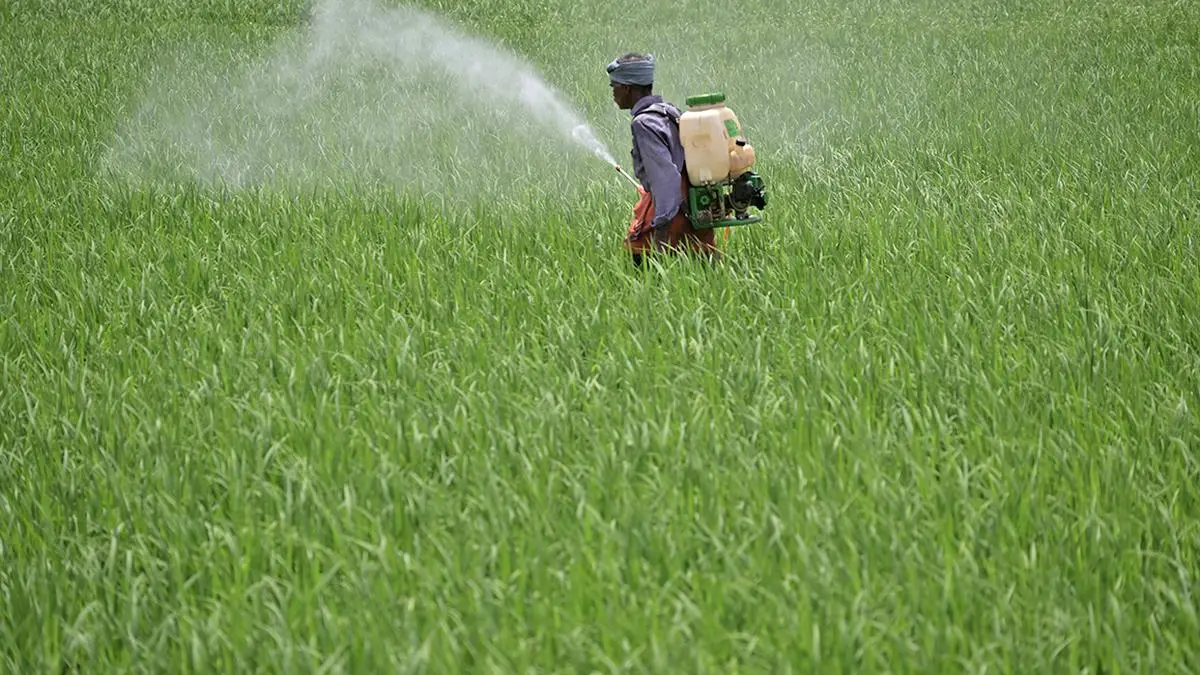
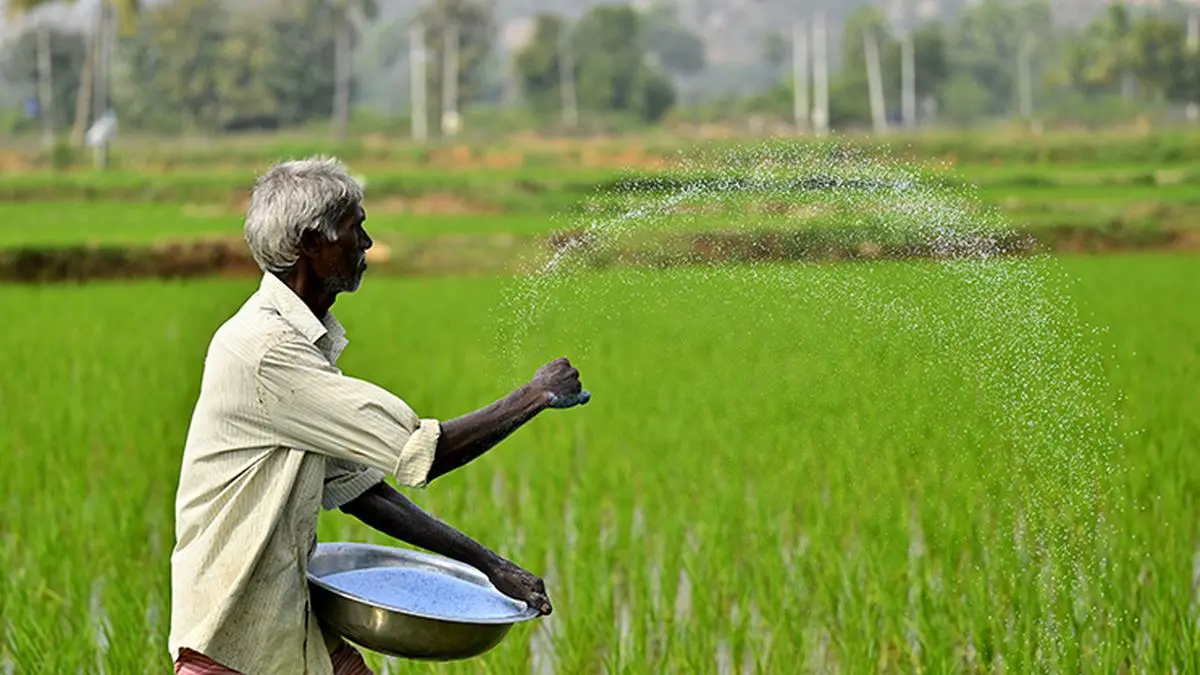
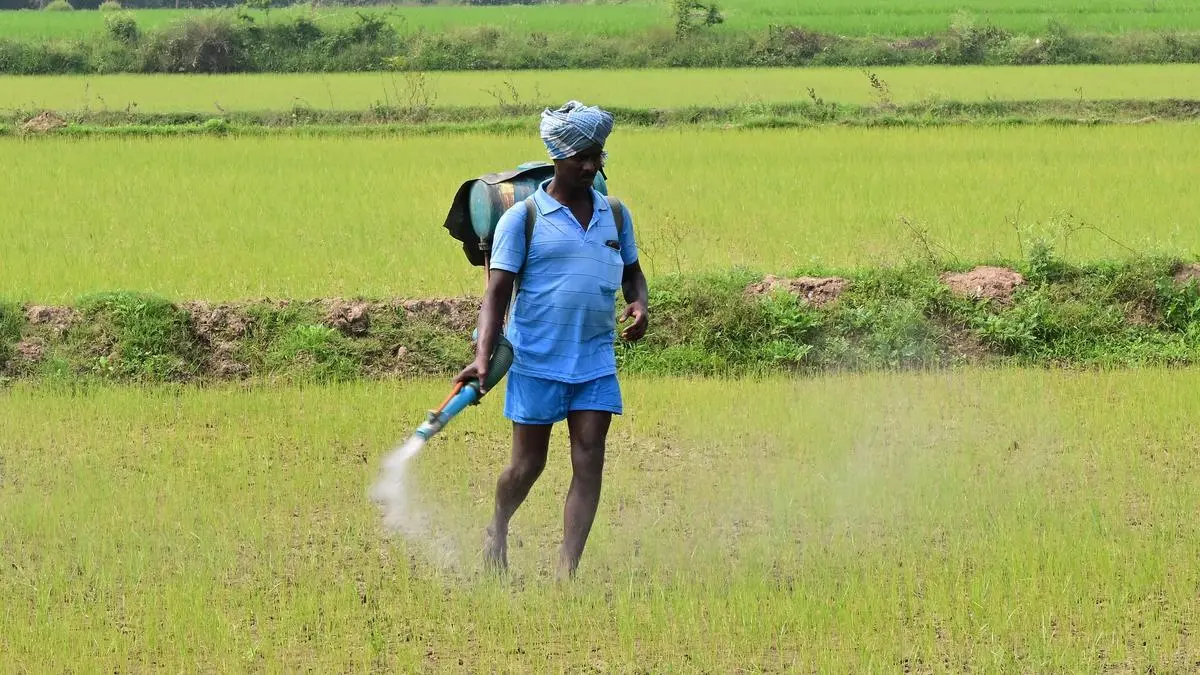
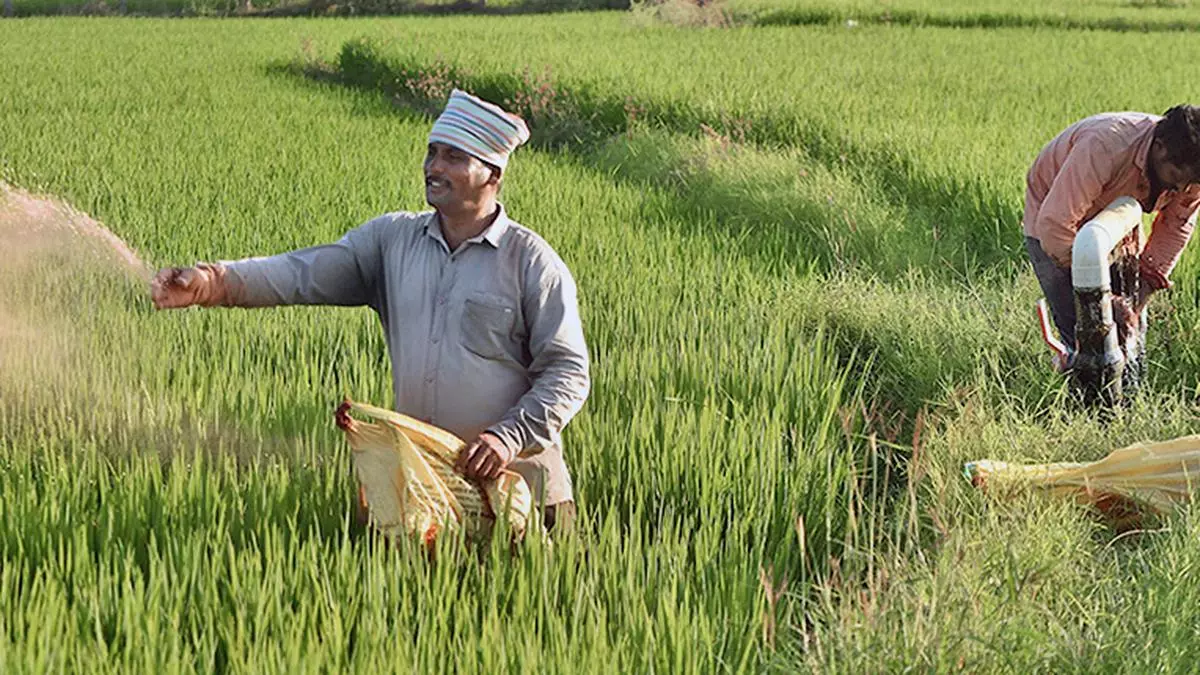
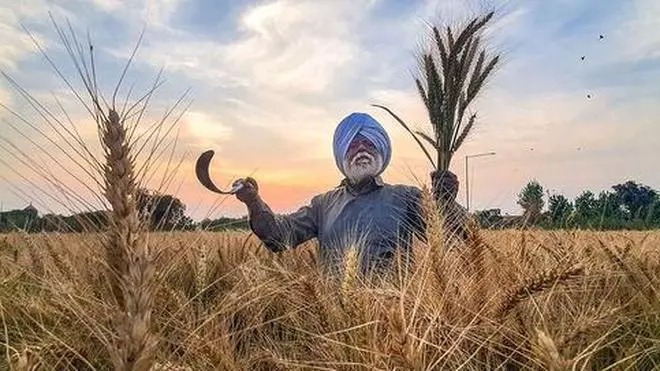
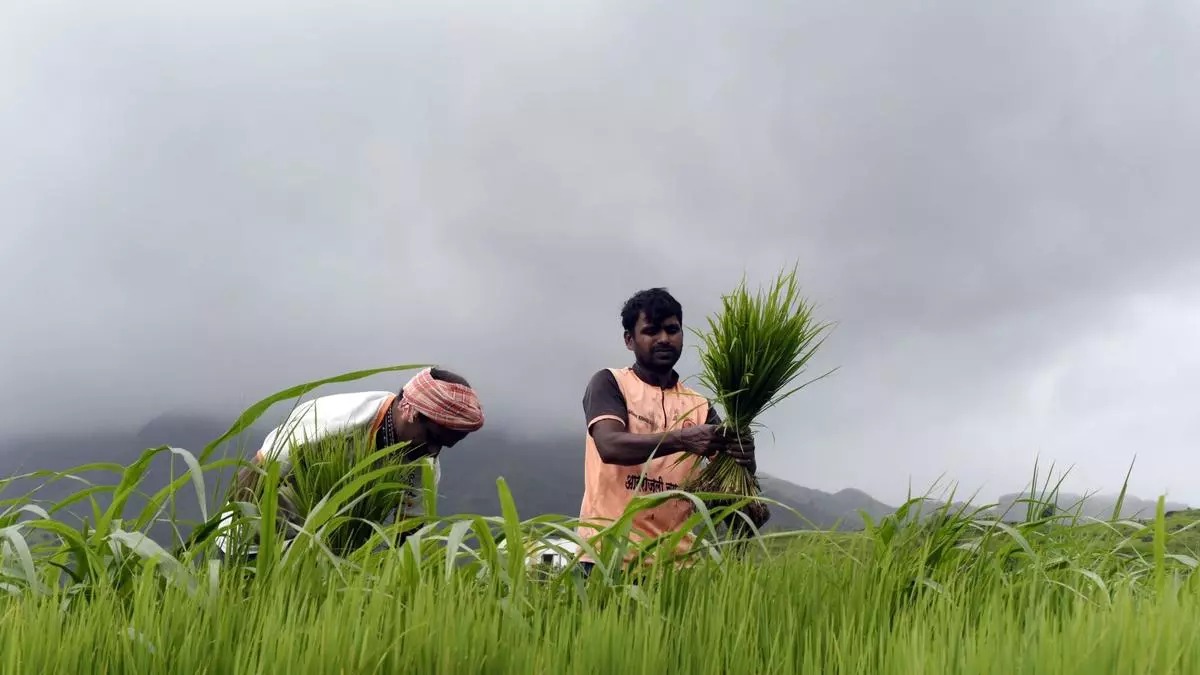
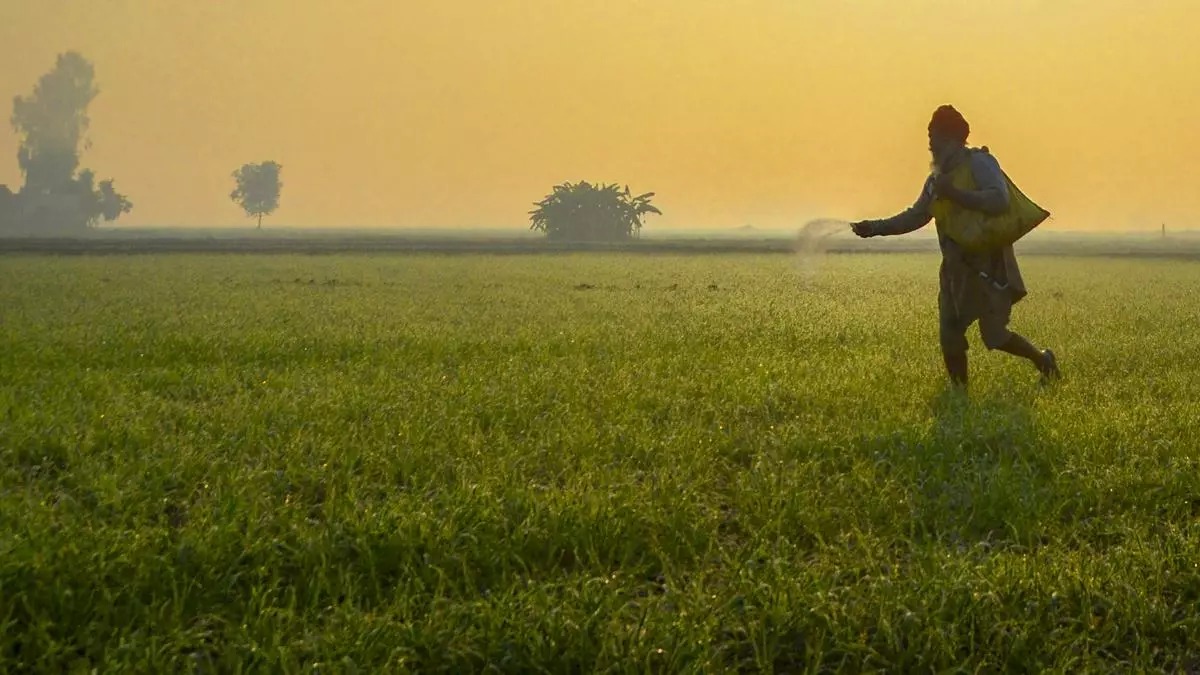
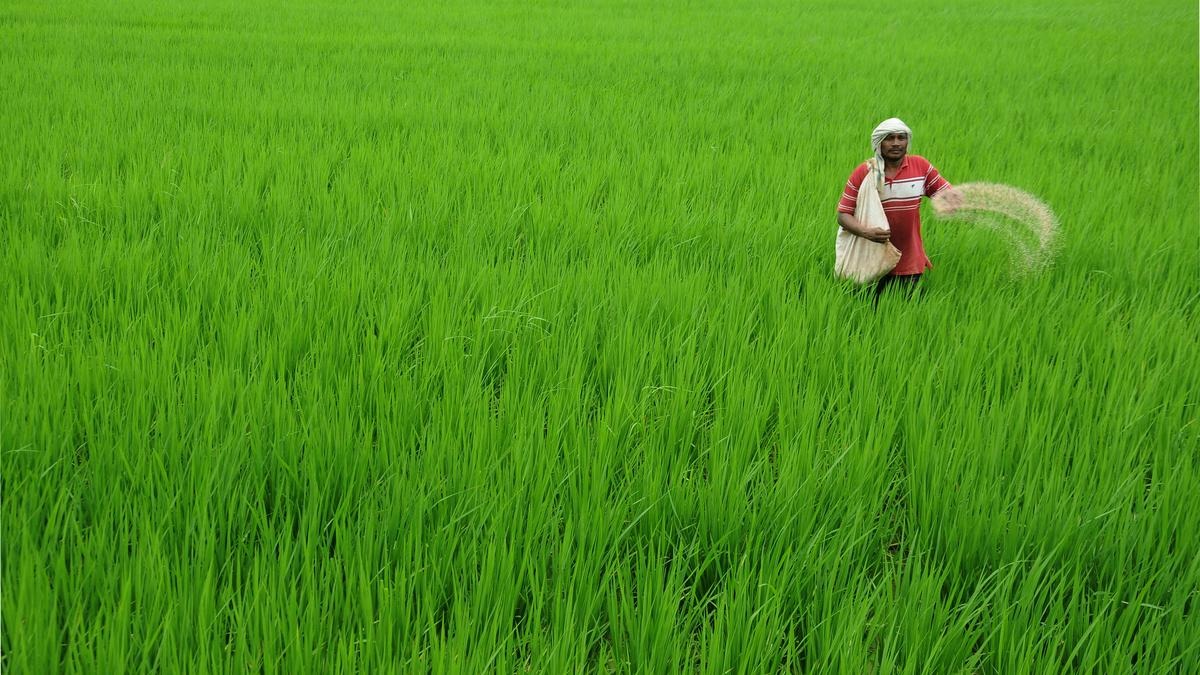
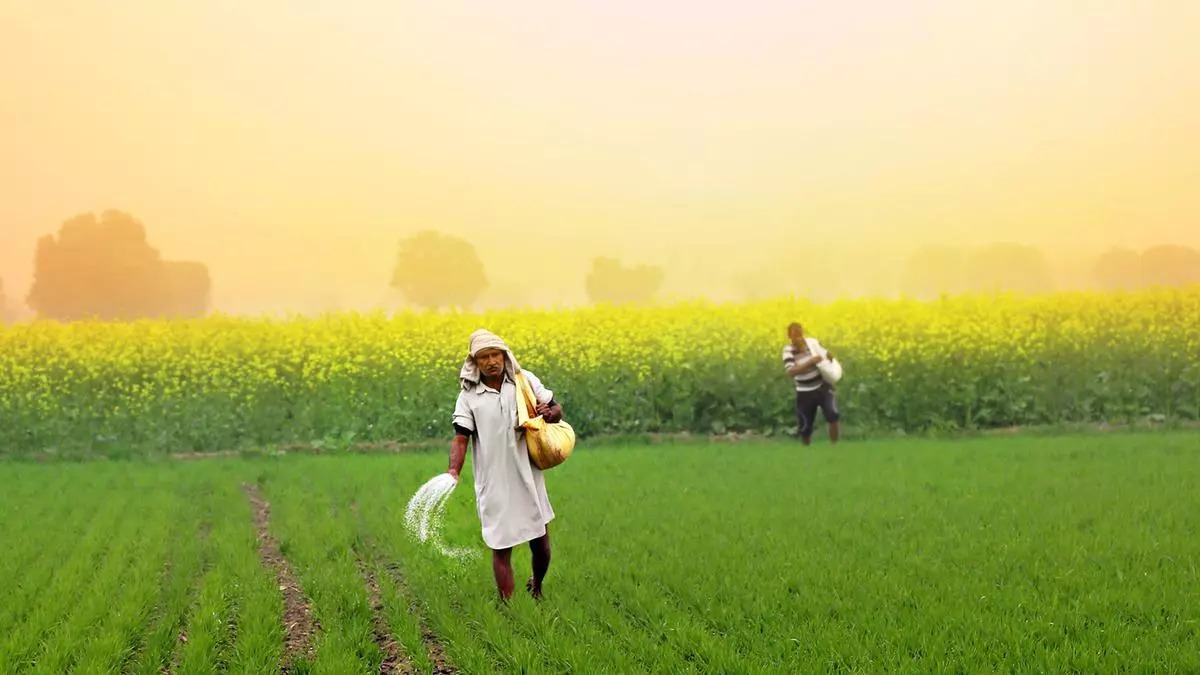
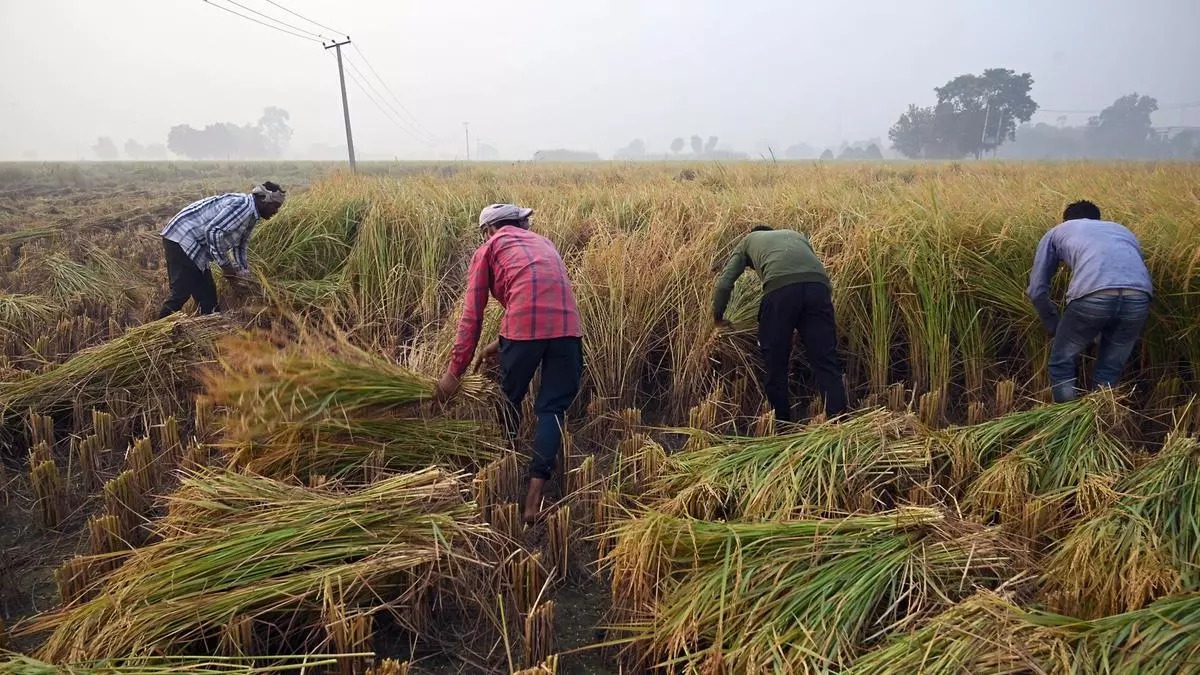
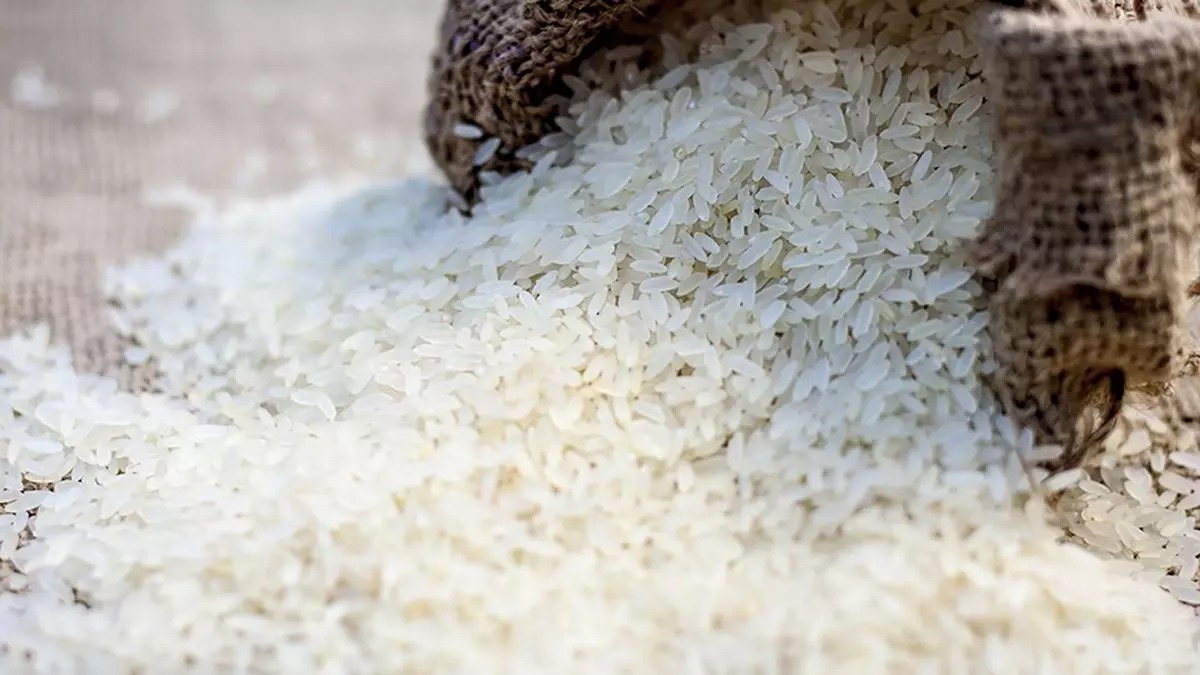
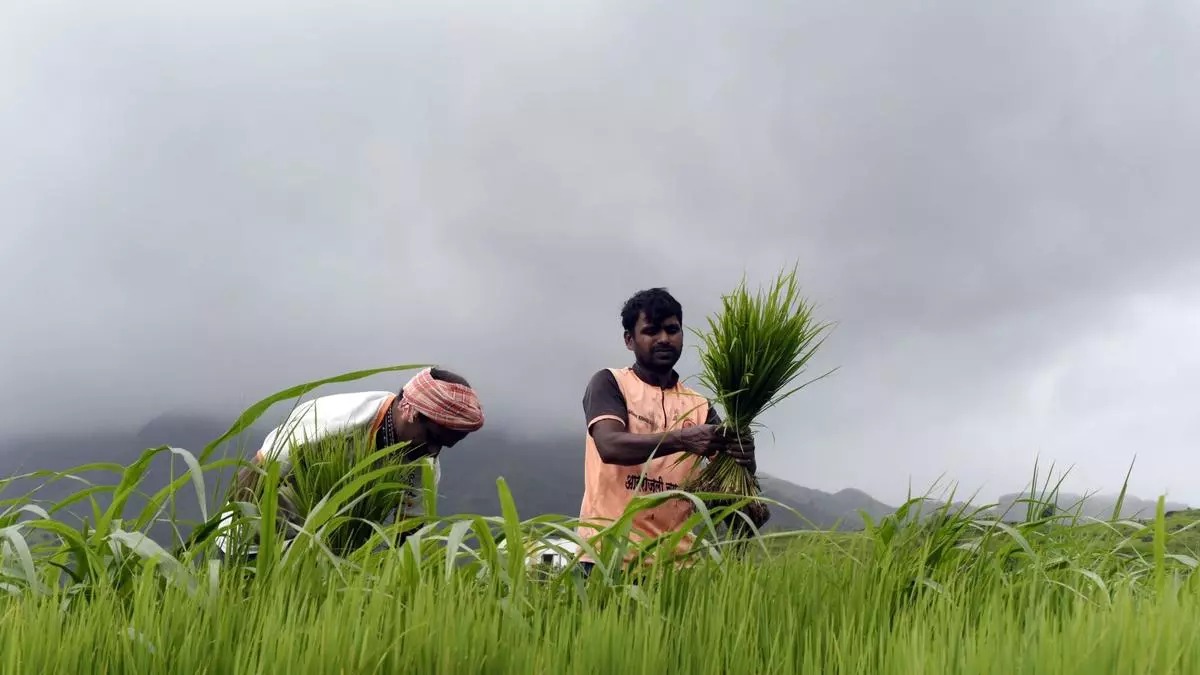
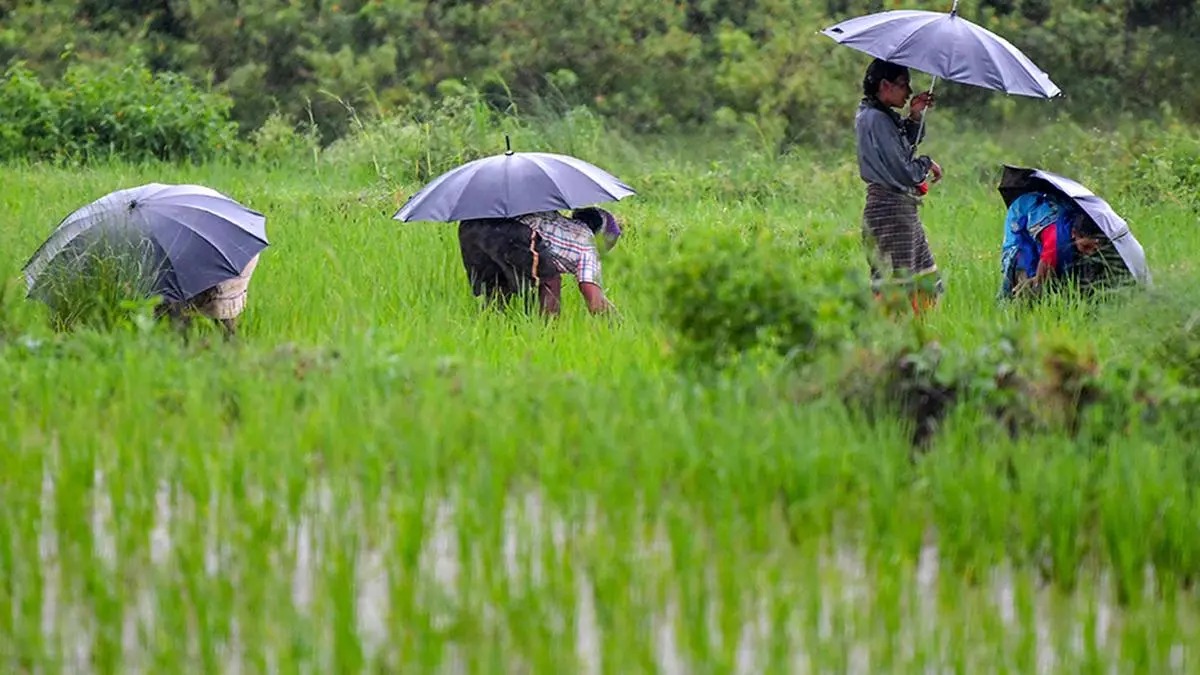
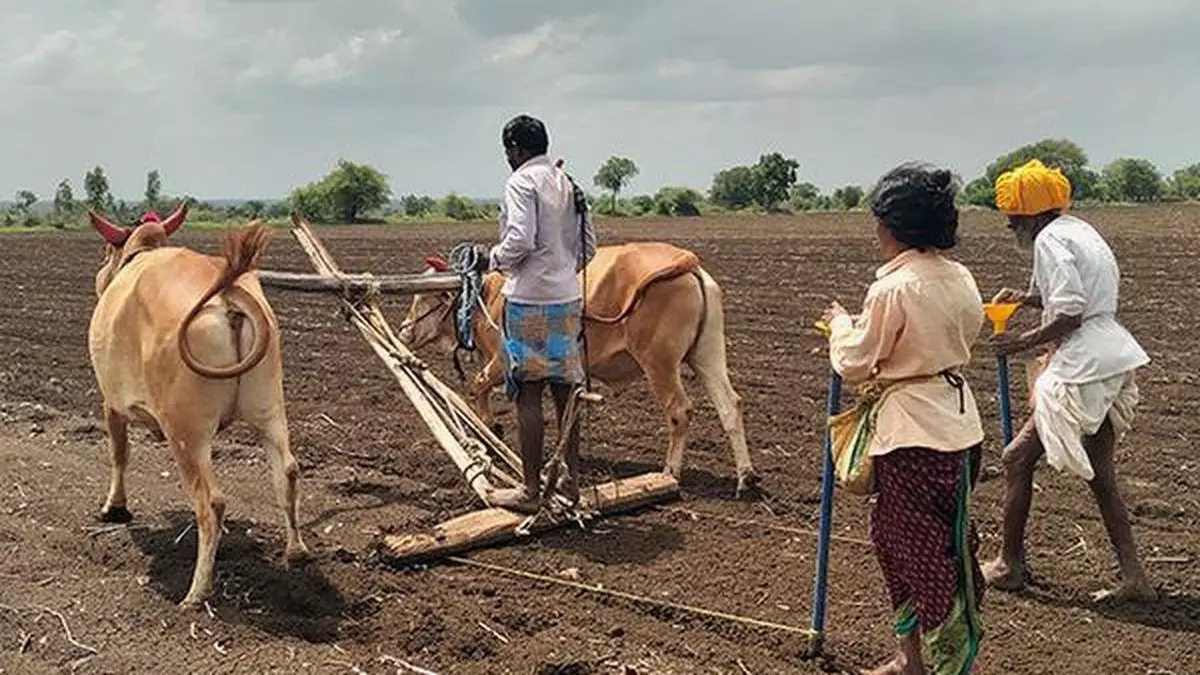
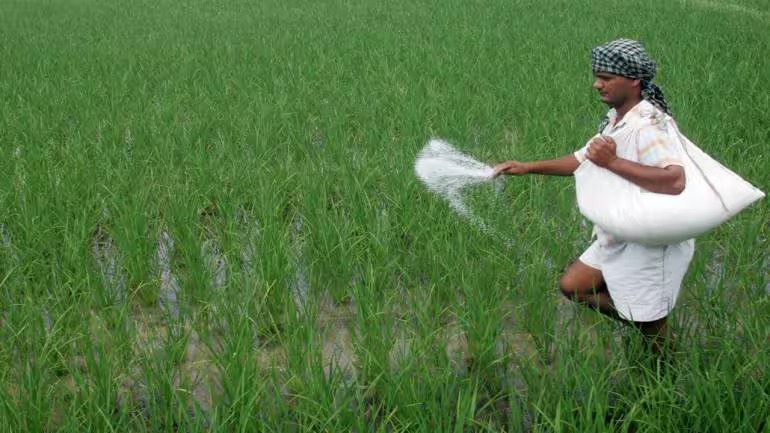
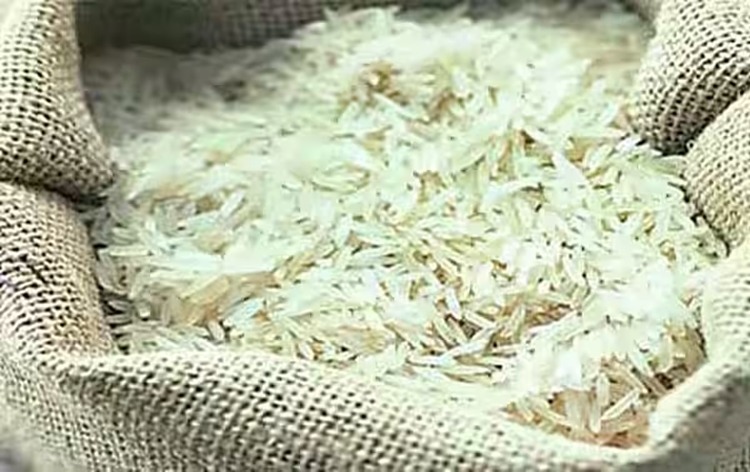
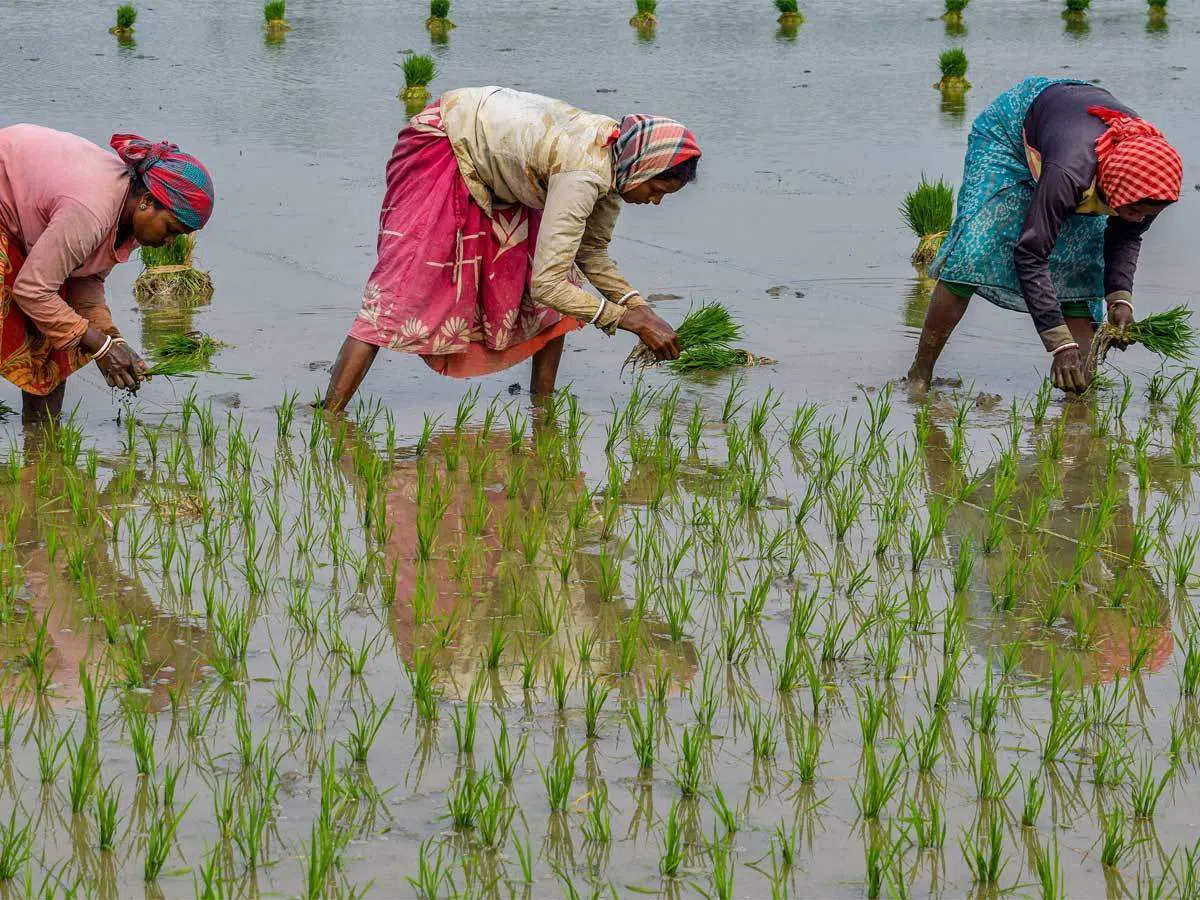
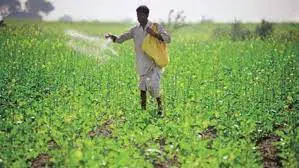
Targeted investment in direct seeded rice (DSR) research can help reshape India’s future of climate resilient farming, according to a study by the International Rice Research Institute (IRRI). The IRRI study, in partnership with Indian research organizations and supported by the Department of Biotechnology (DBT), demonstrates how targeted investment in DSR research can help address constraints such as water shortage and farm labour costs and provide benefits for farmers and the environment. The Indian government’s support reflects the country’s commitment to climate-resilient agriculture and its international climate pledges, it said.
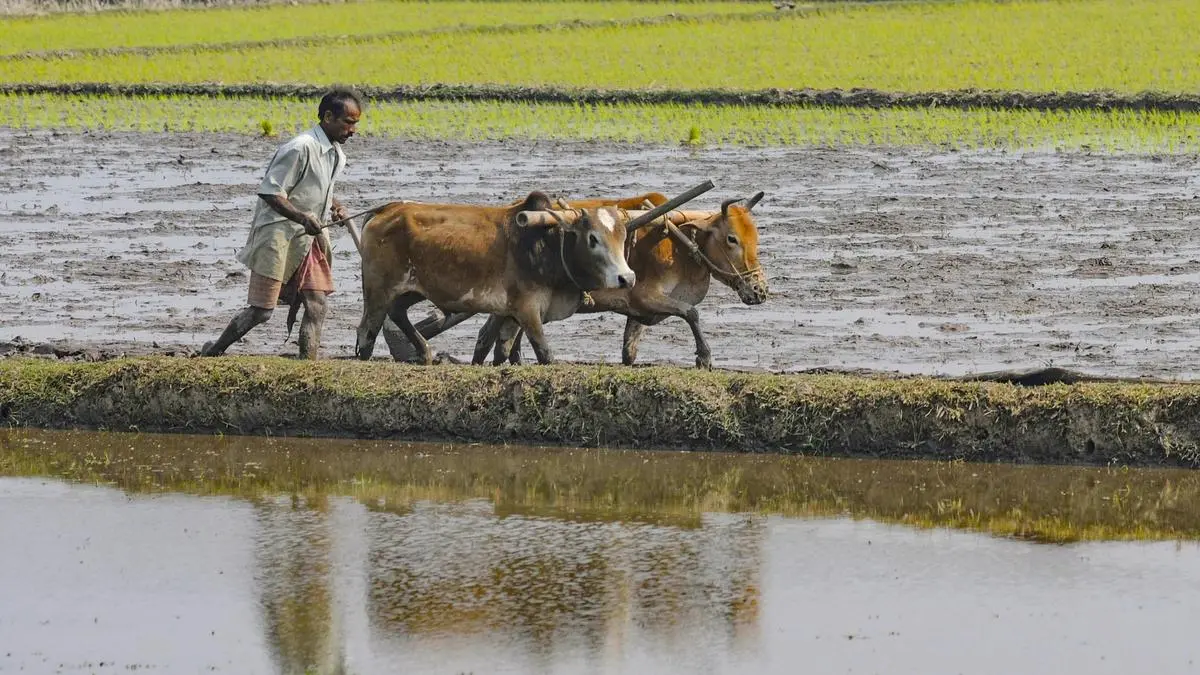
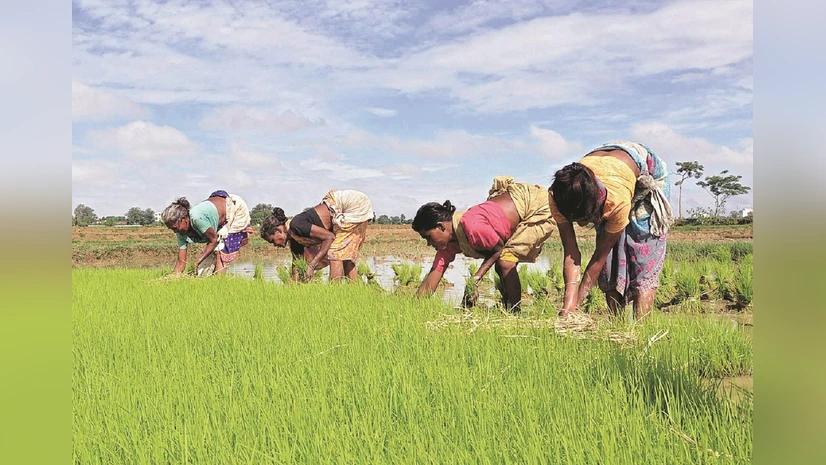
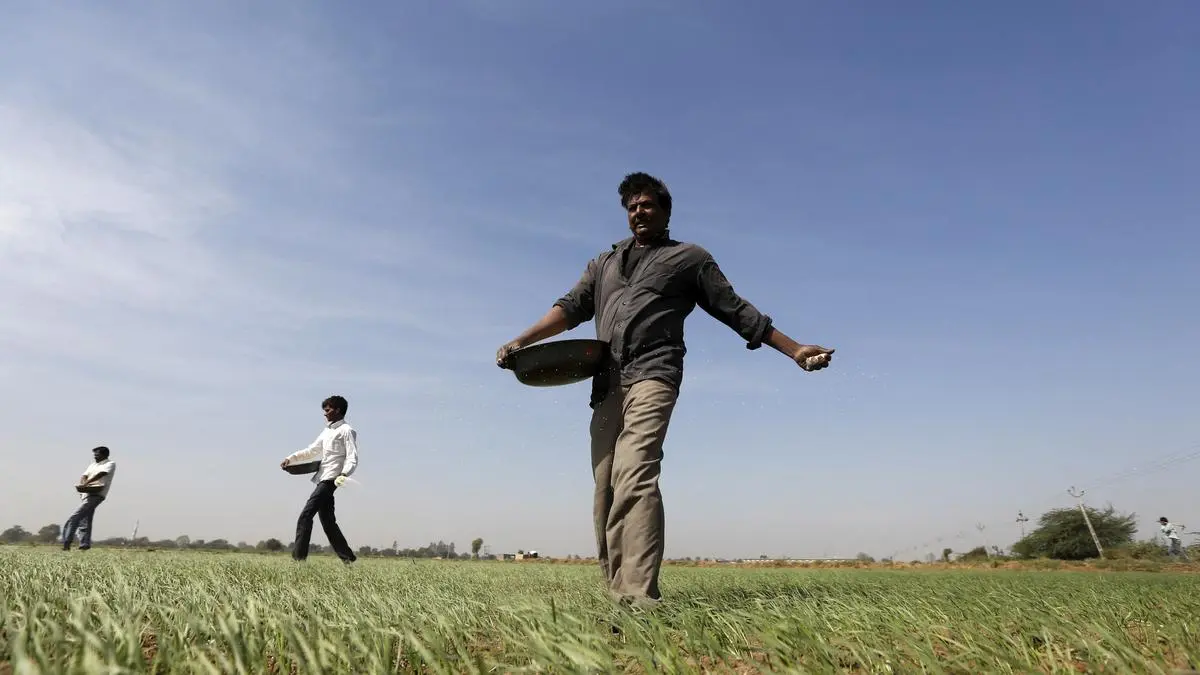
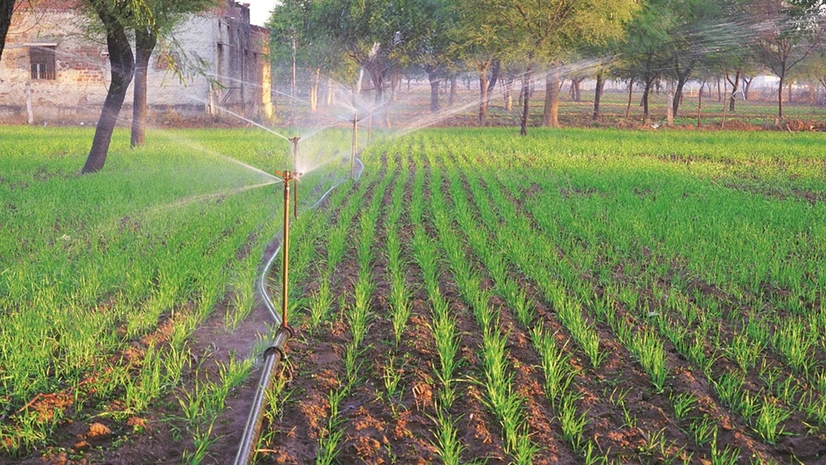
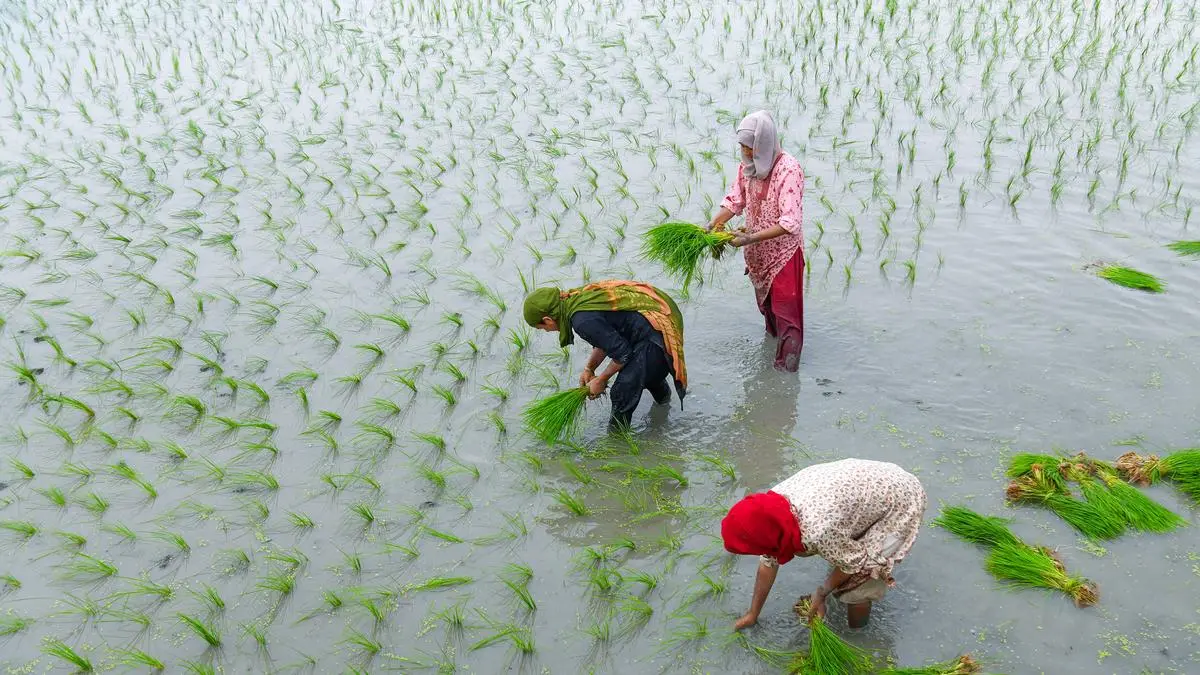
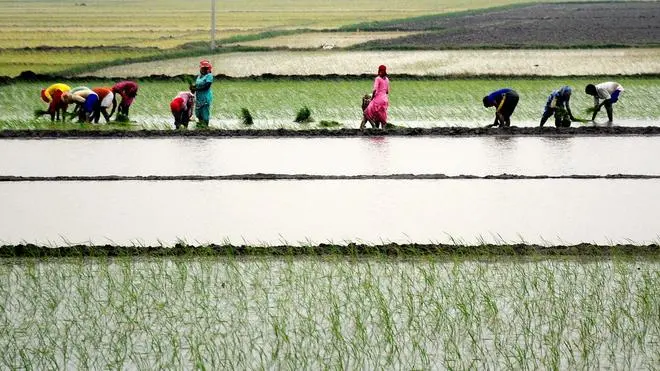
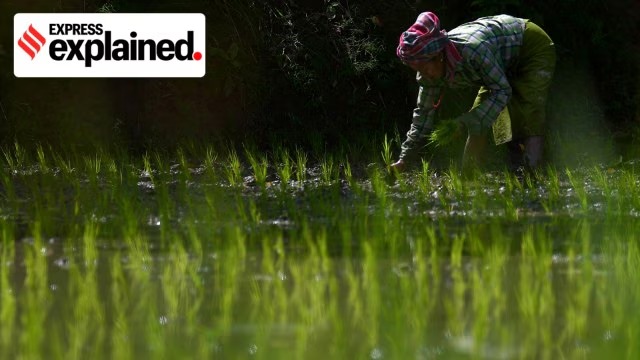
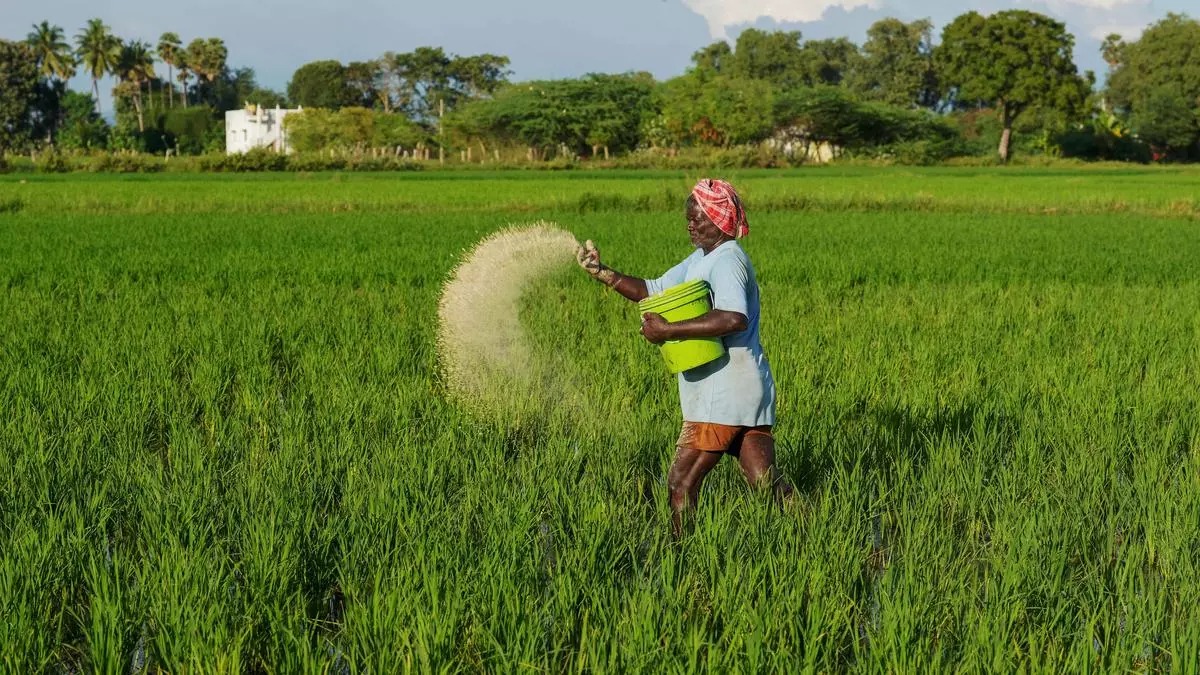
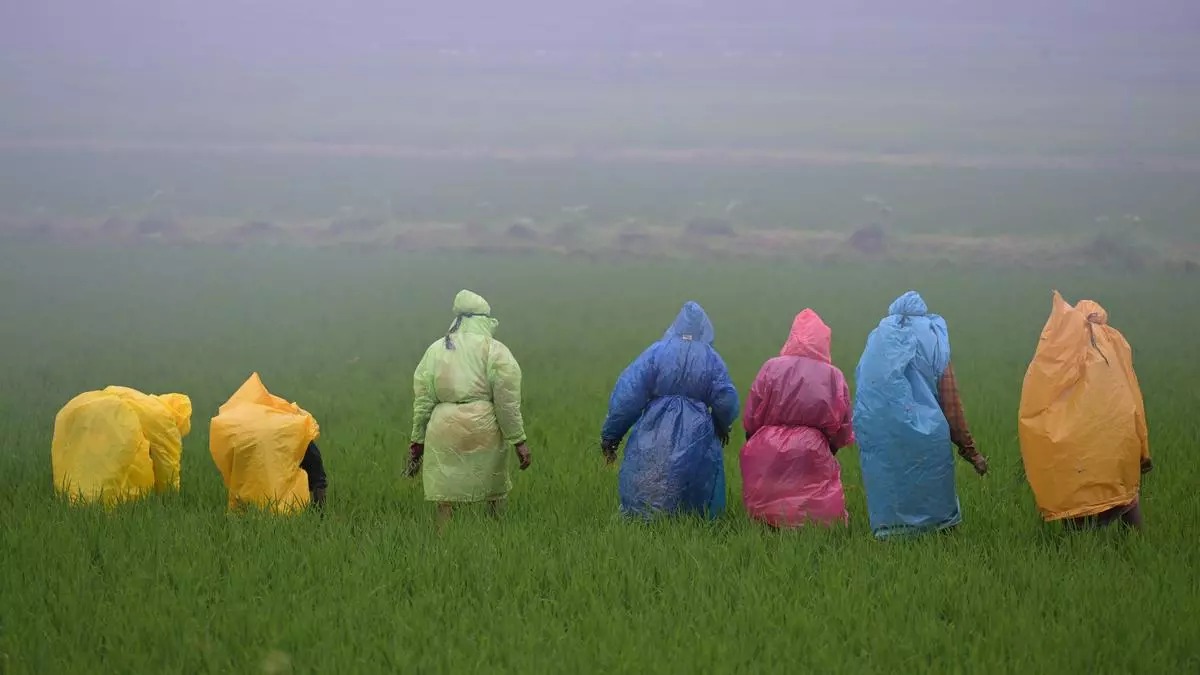
Rice cultivation in India is facing growing pressures from increasing water shortages, rising farm labour costs, and the effects of climate change. Traditional transplanted puddled rice (TPR) is resource-intensive, while dry direct-seeded rice (DSR) offers a promising alternative. Adoption of dry DSR, however, has been limited as most popular rice varieties were not bred for direct seeding. “Direct-seeded rice only works if farmers can rely on it year after year,” said Pallavi Sinha, IRRI rice breeder. “Consistent investment allows us to deliver varieties that perform under diverse conditions”