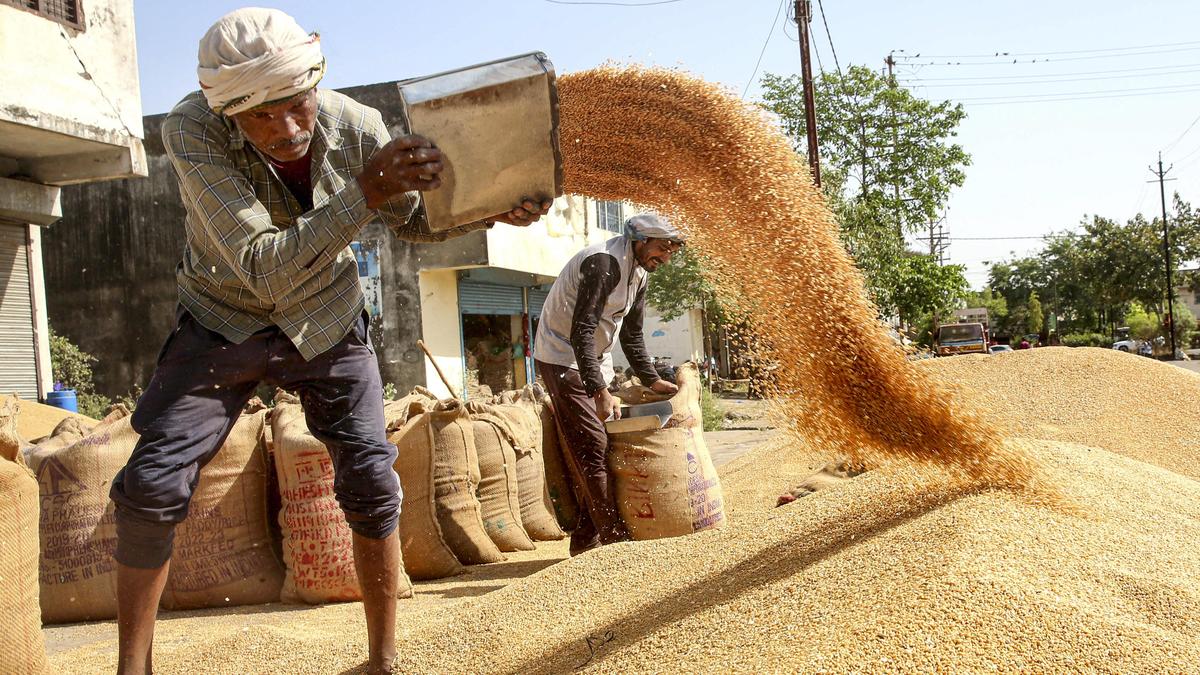
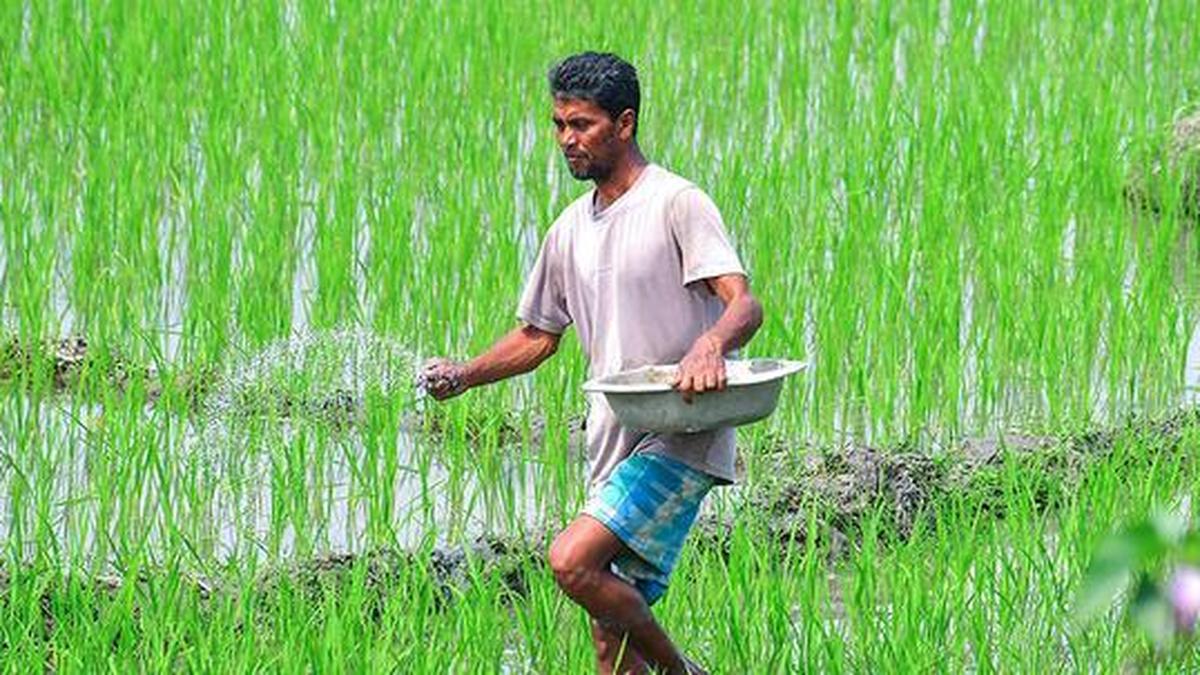
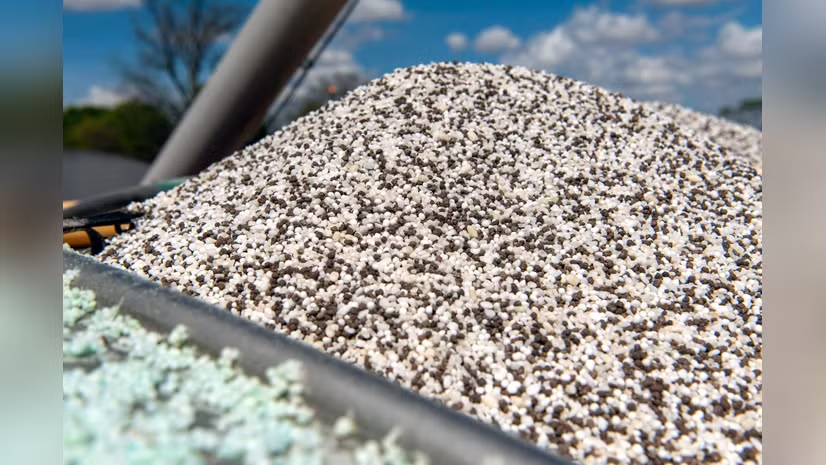
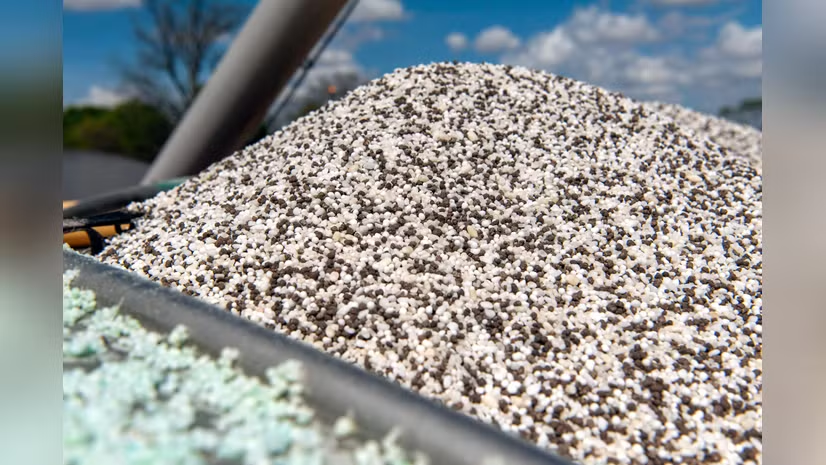
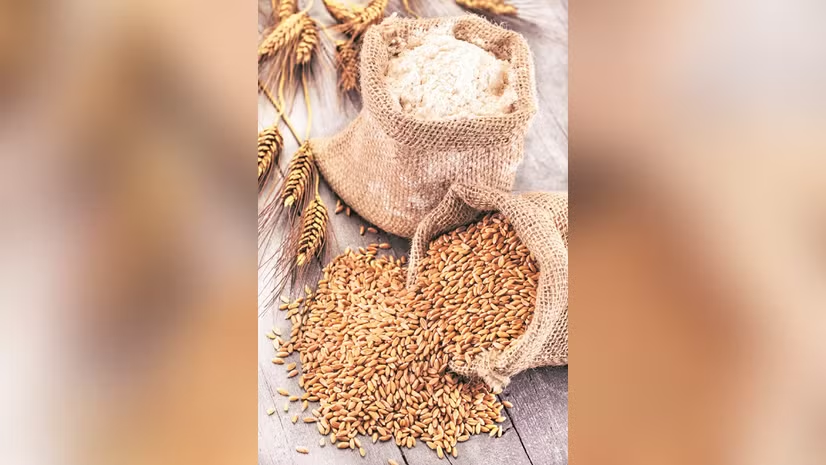
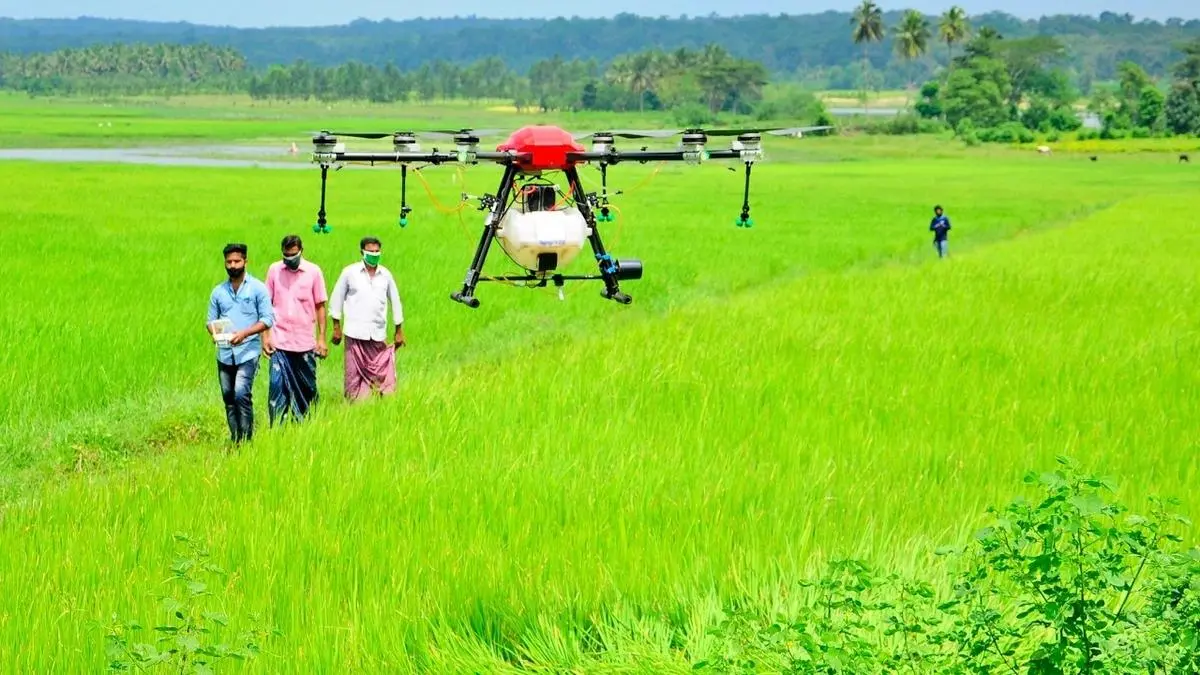
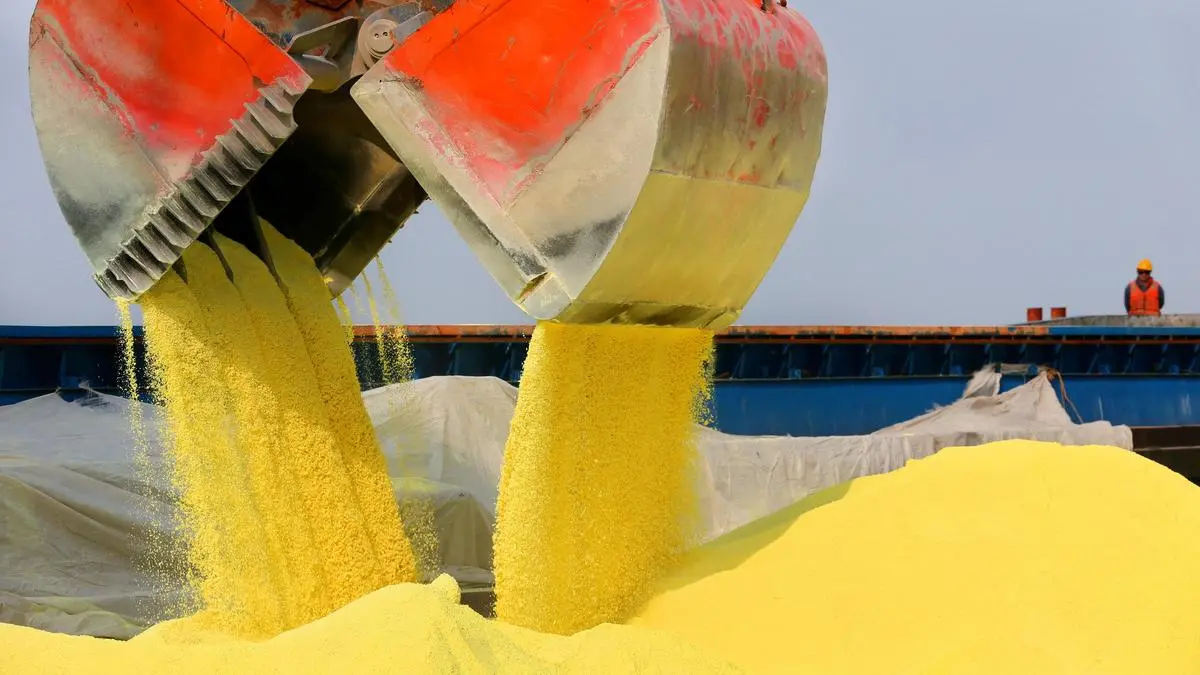
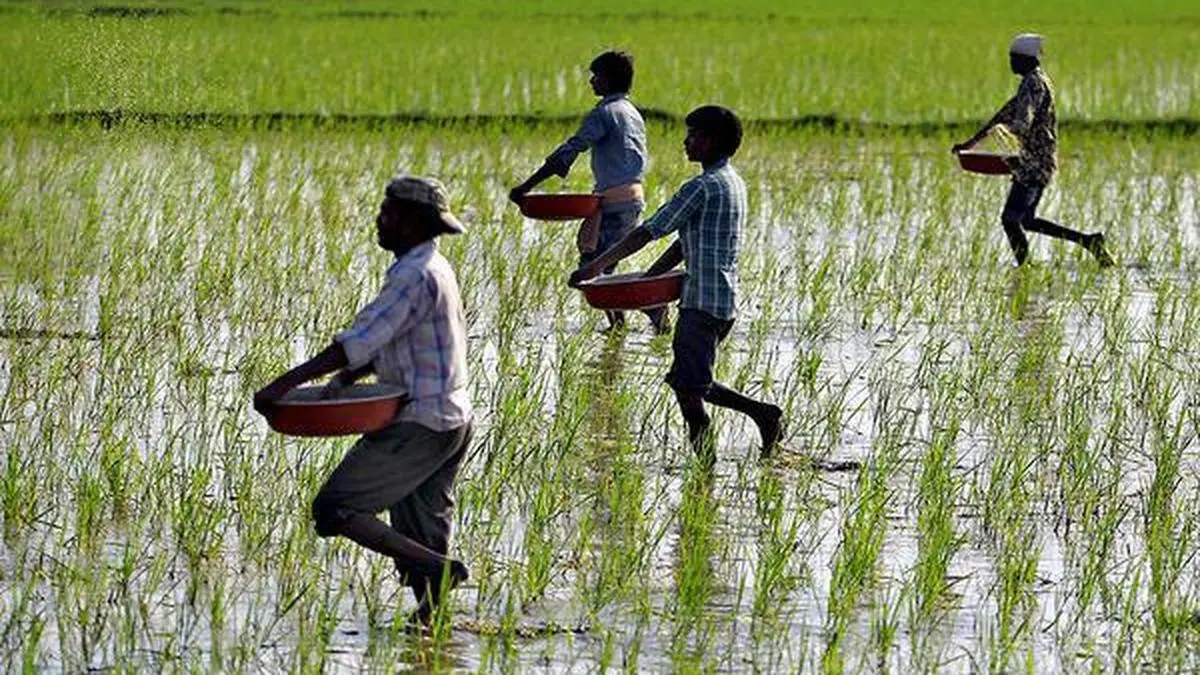
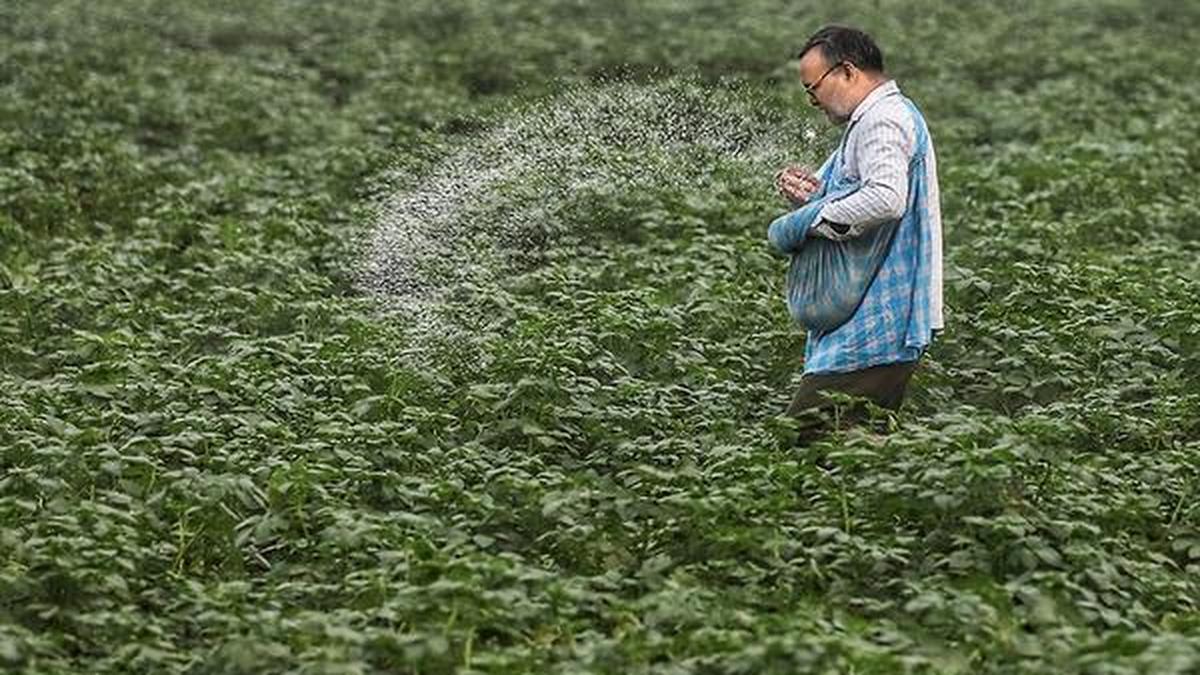
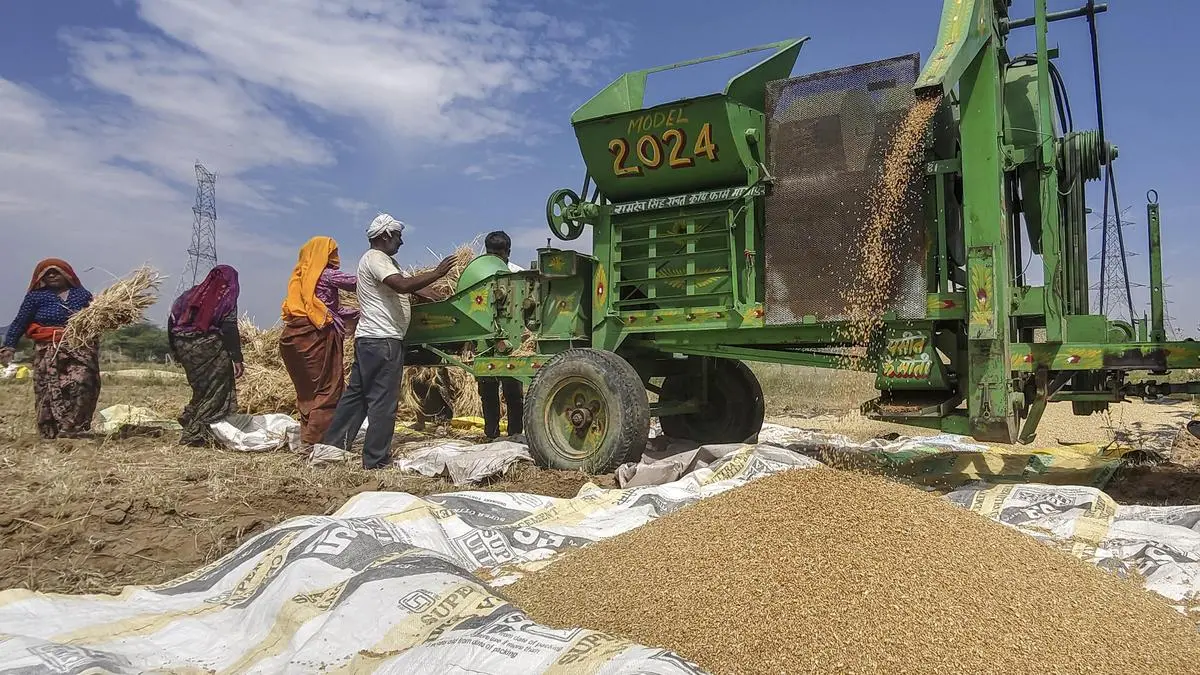
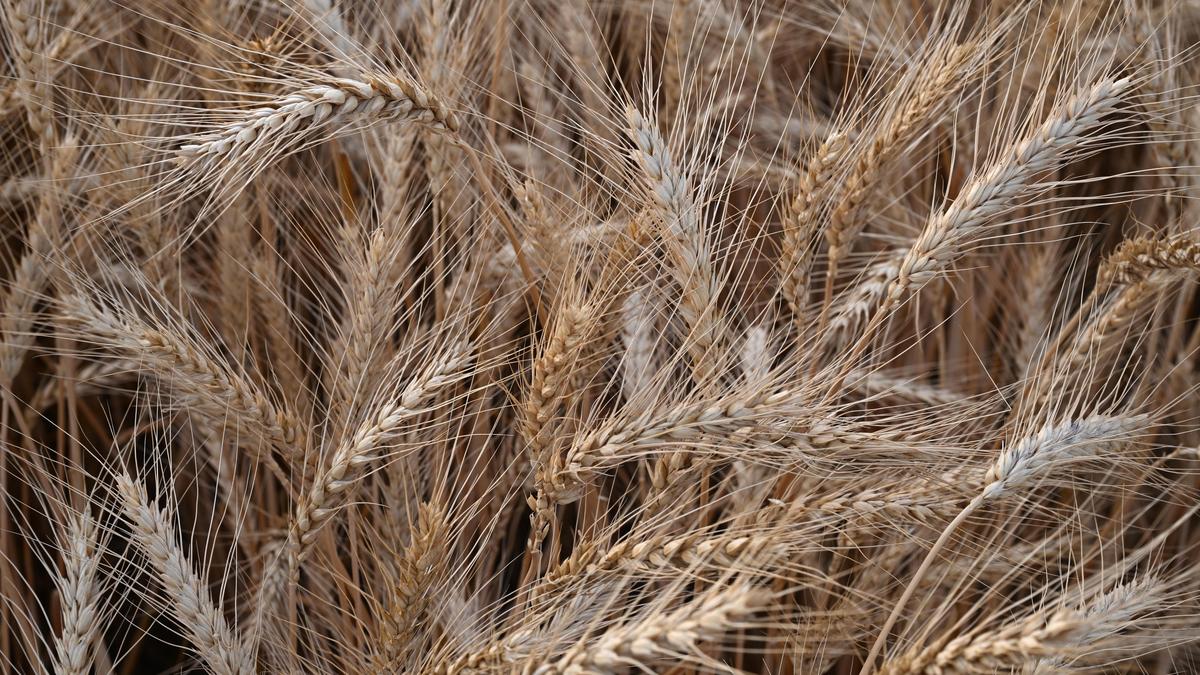
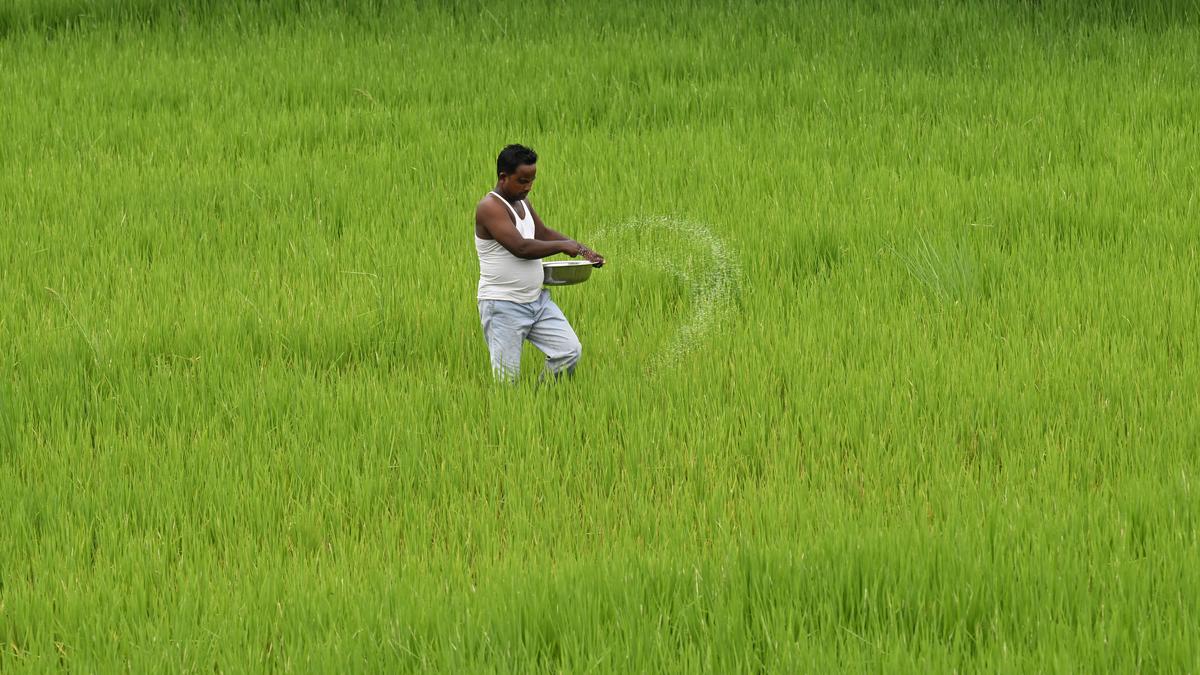
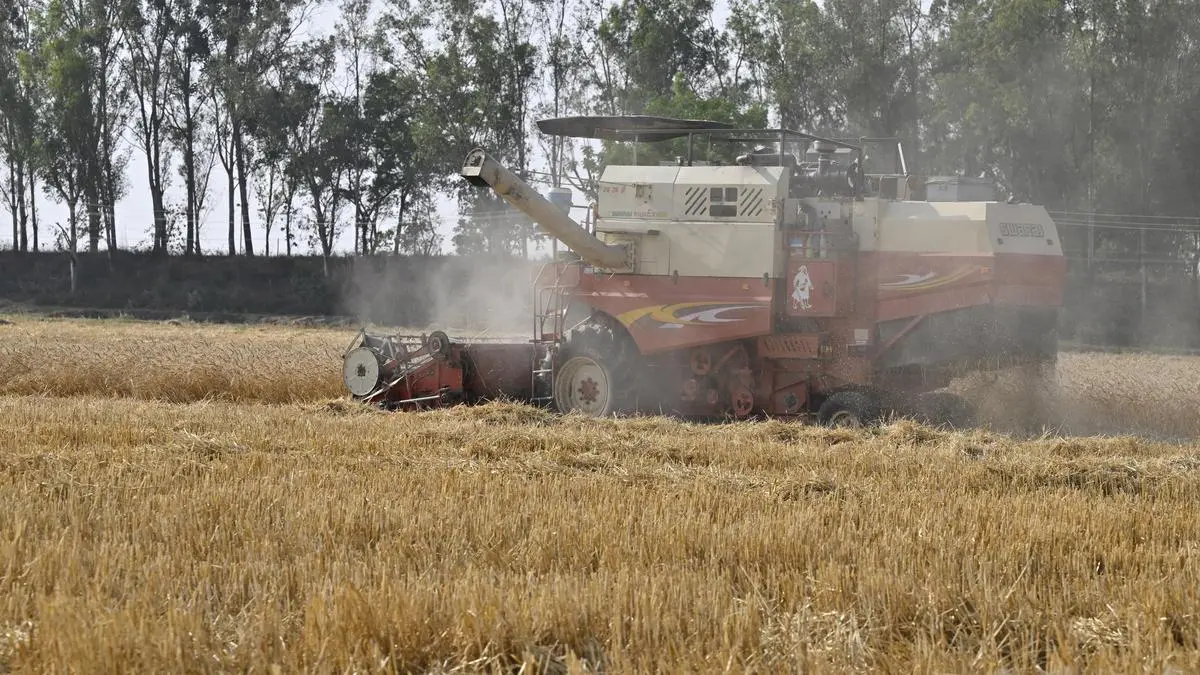
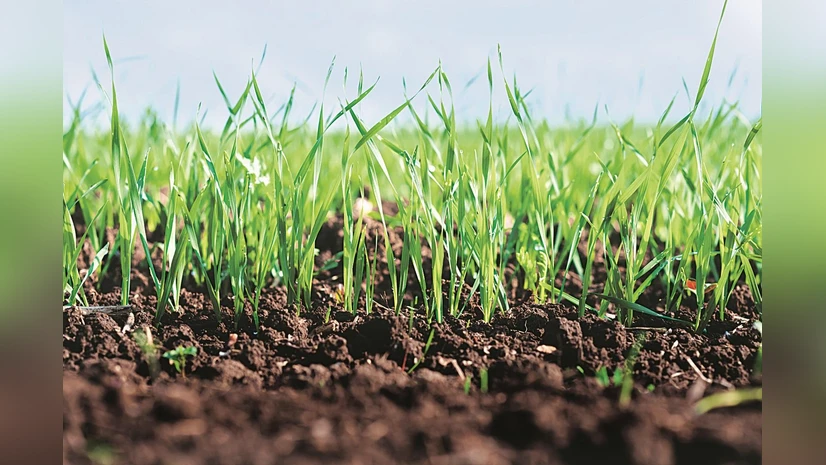
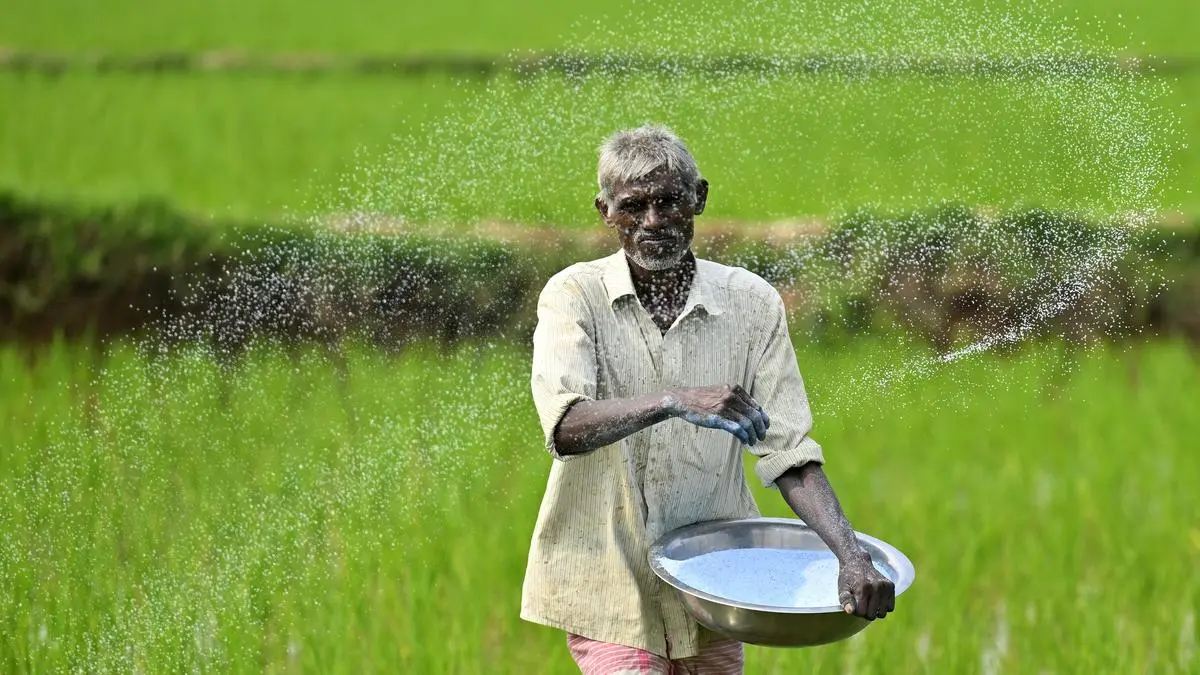
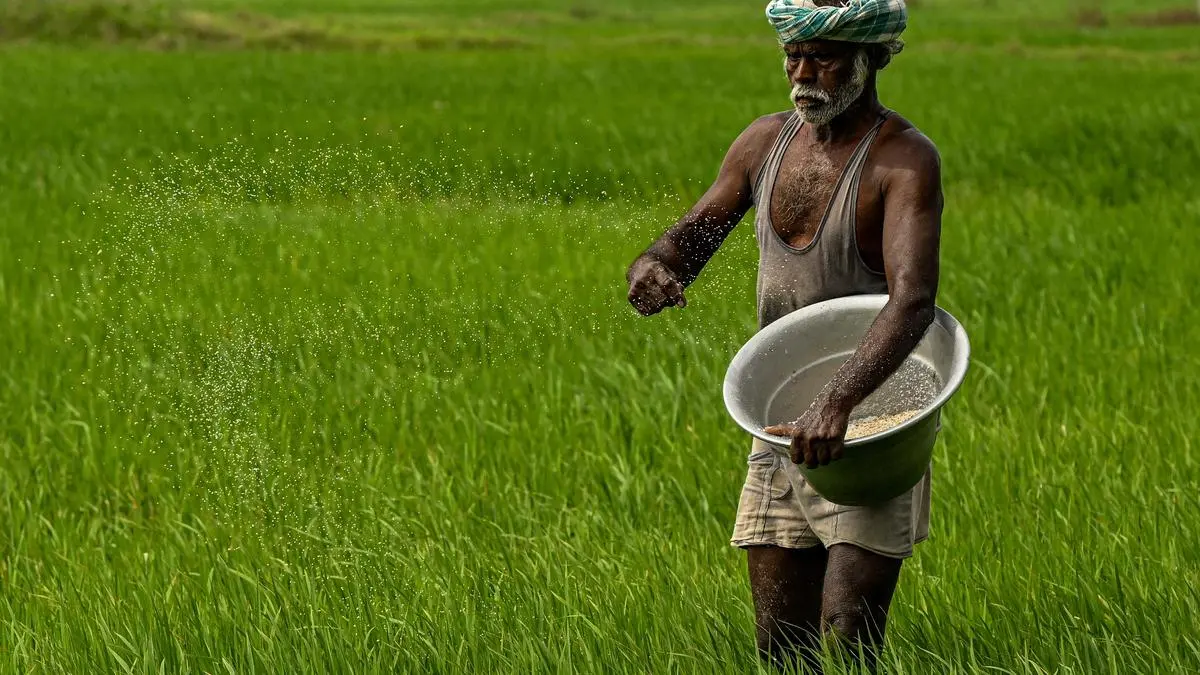
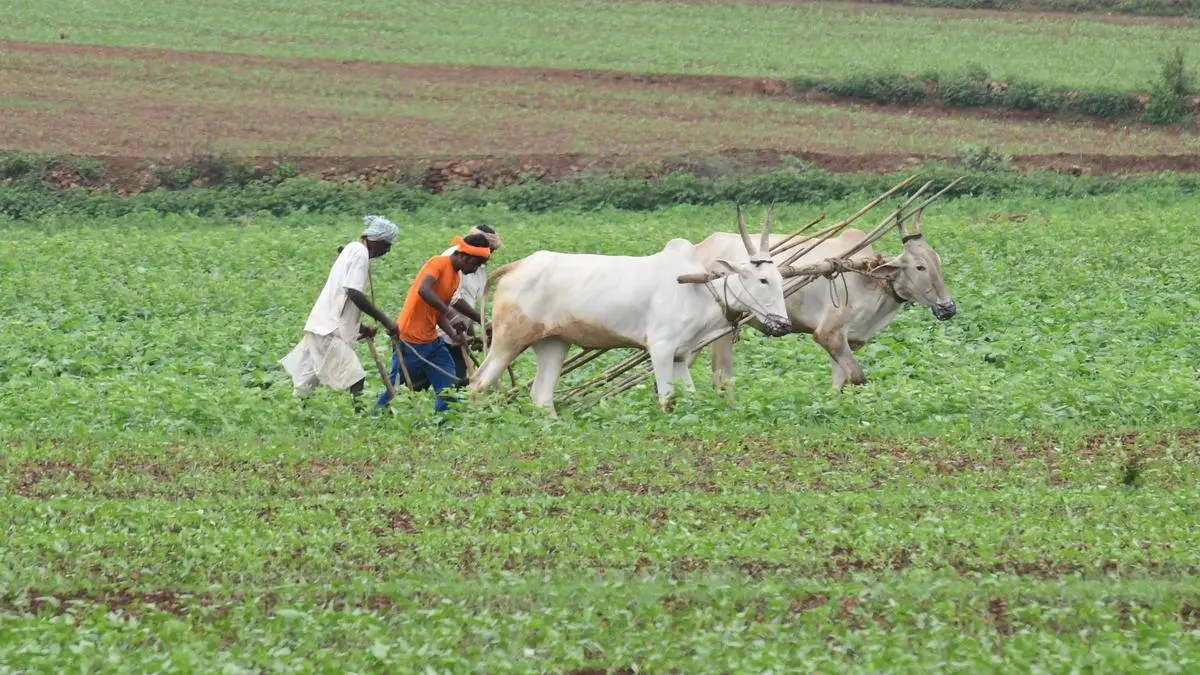
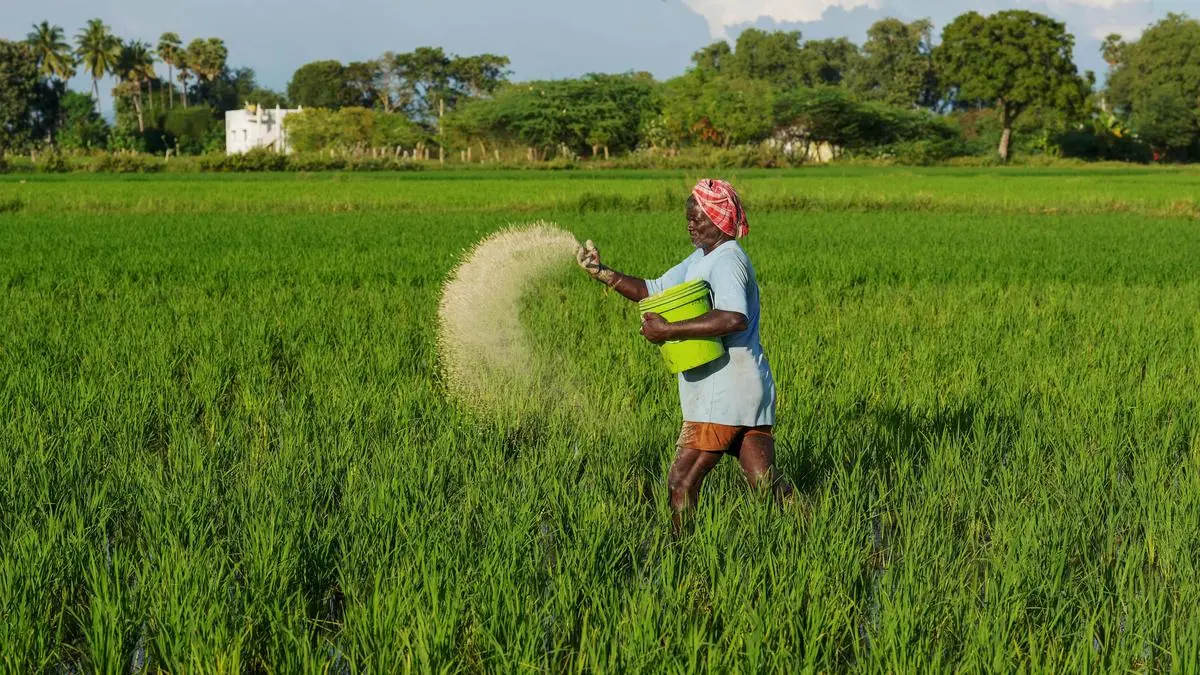
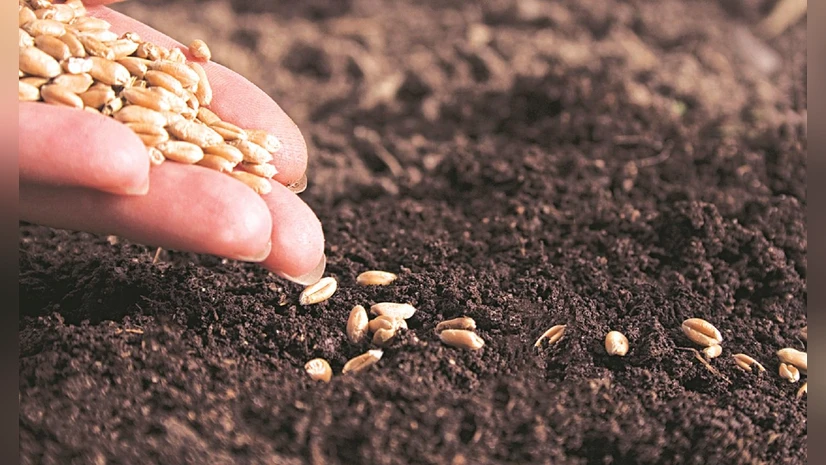
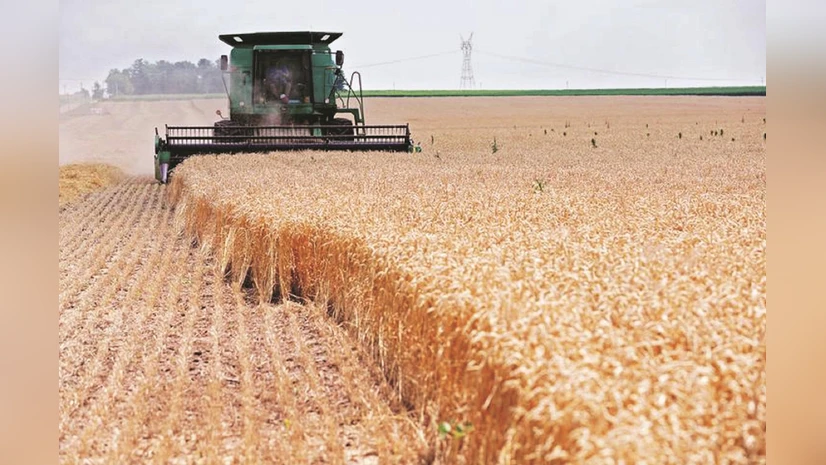
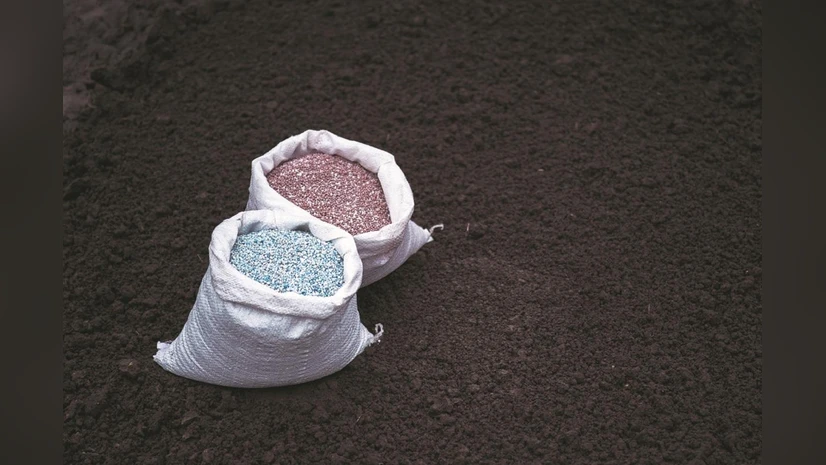
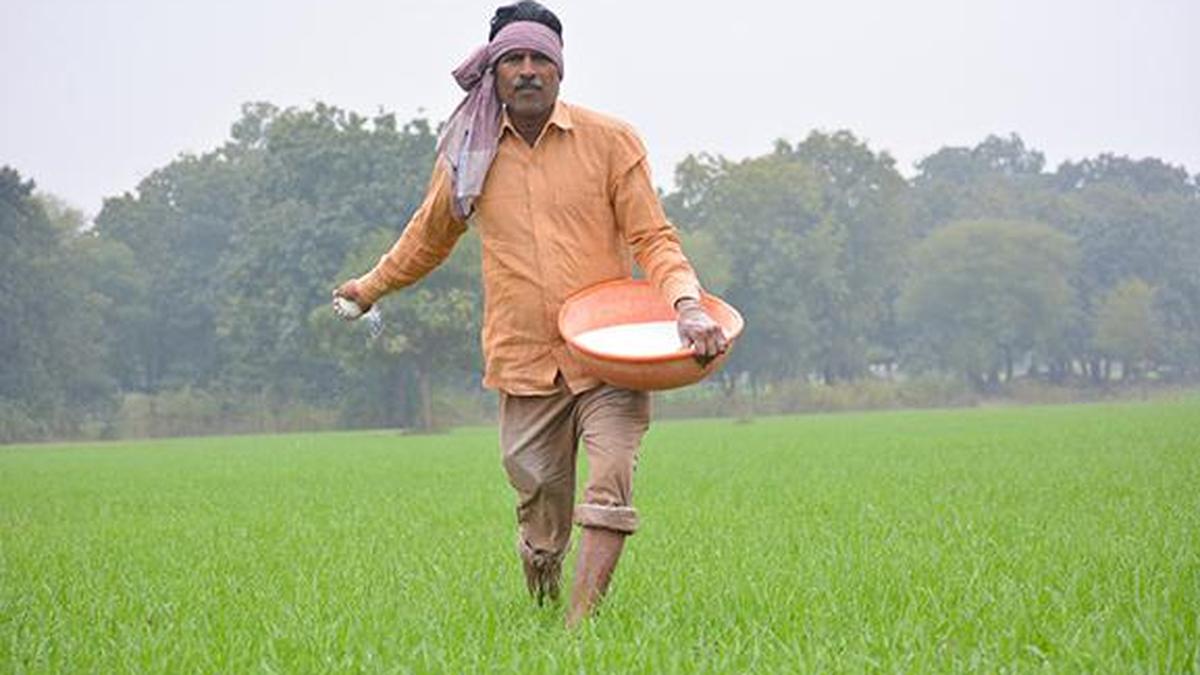
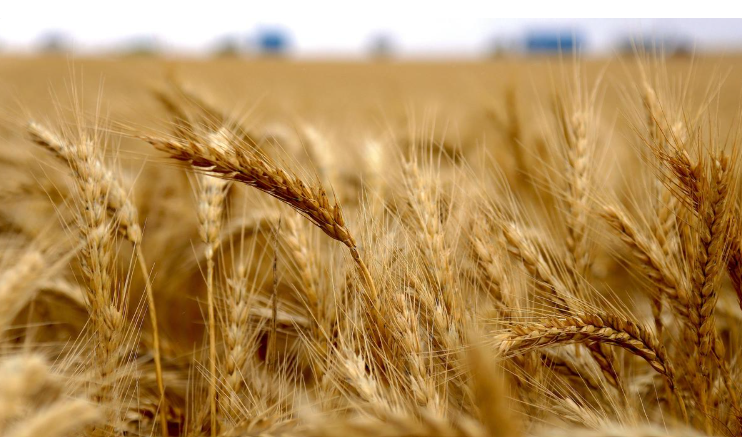
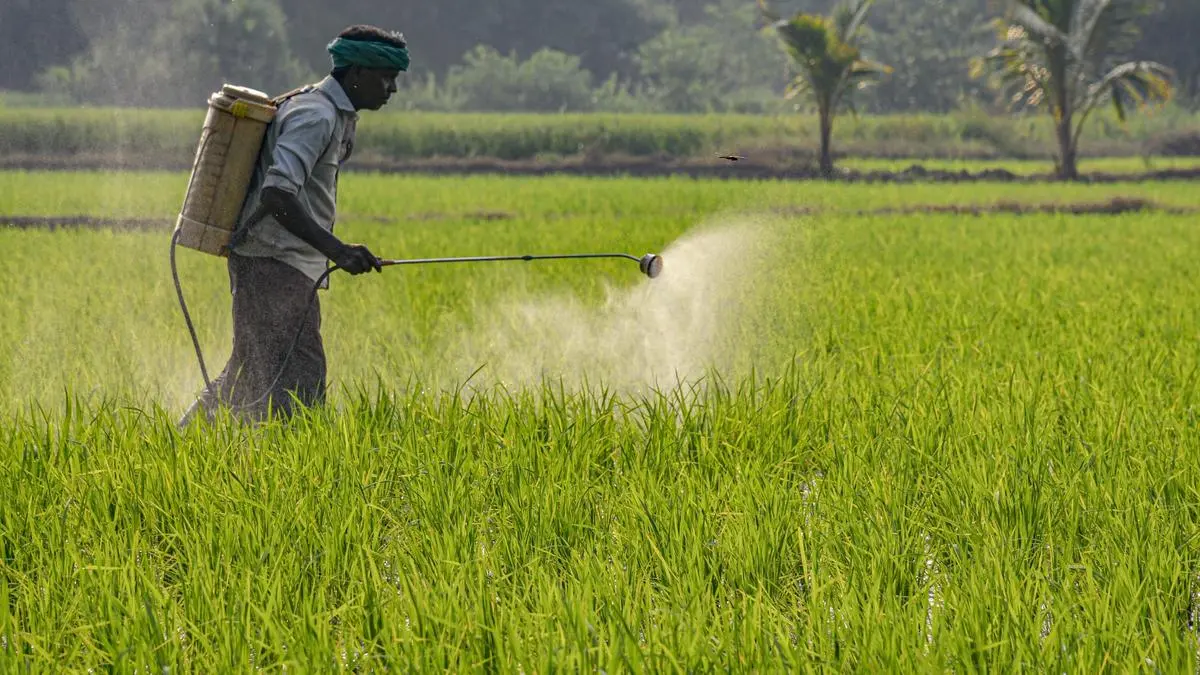
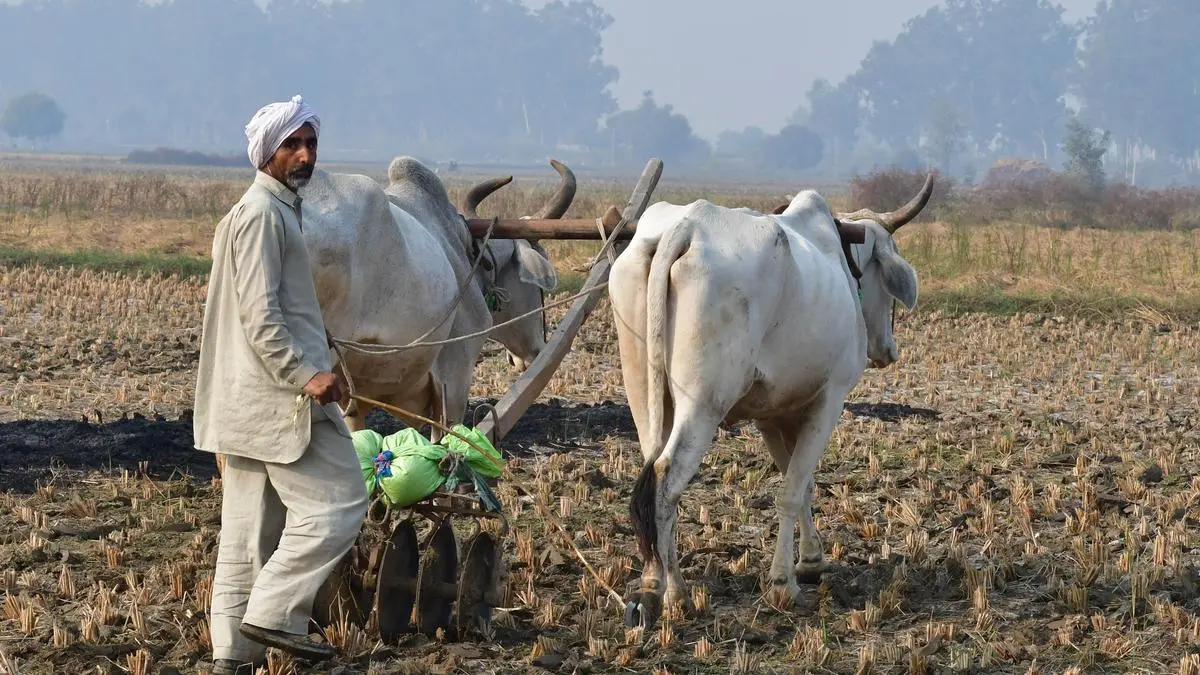
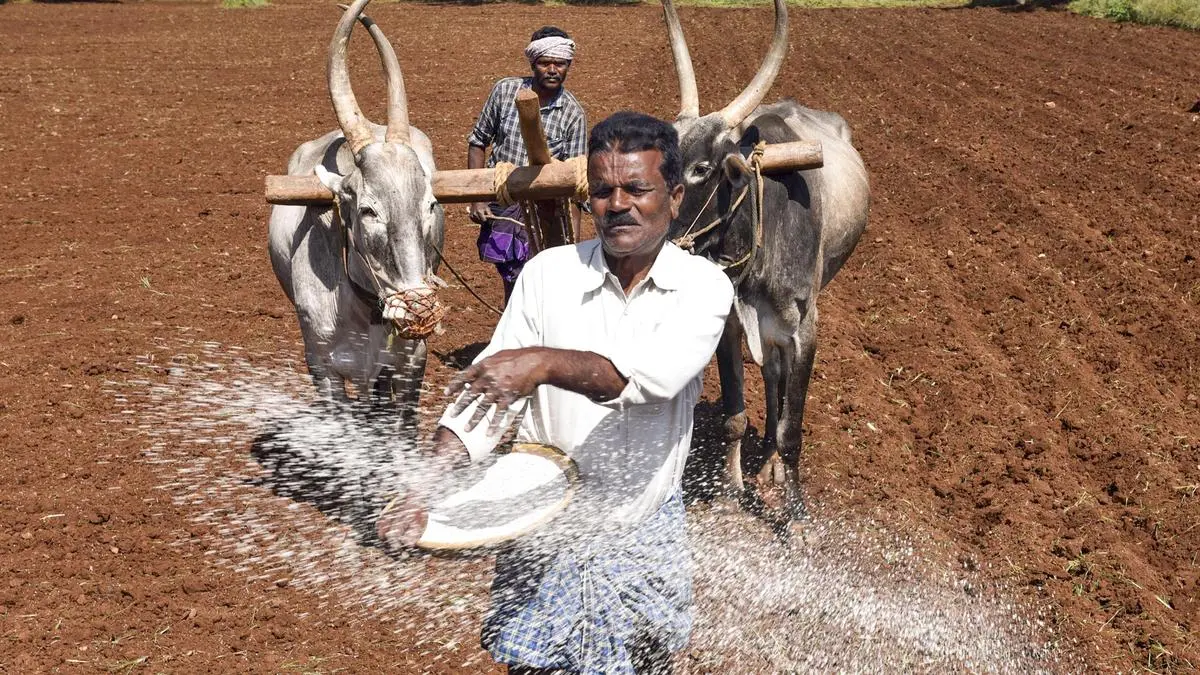
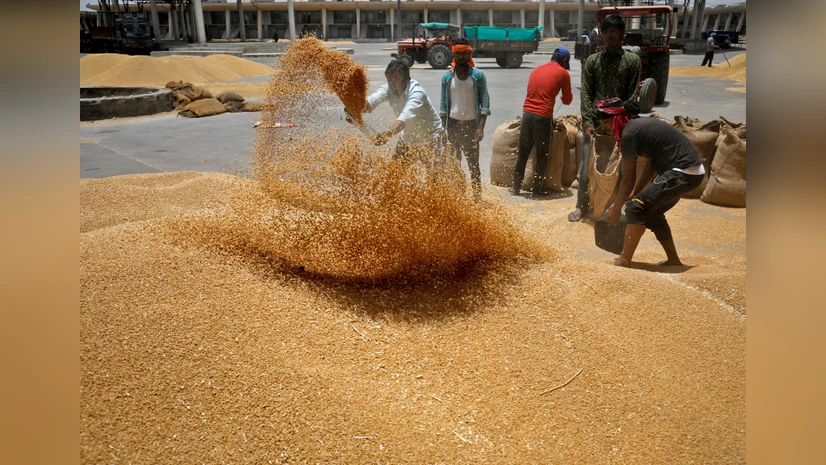
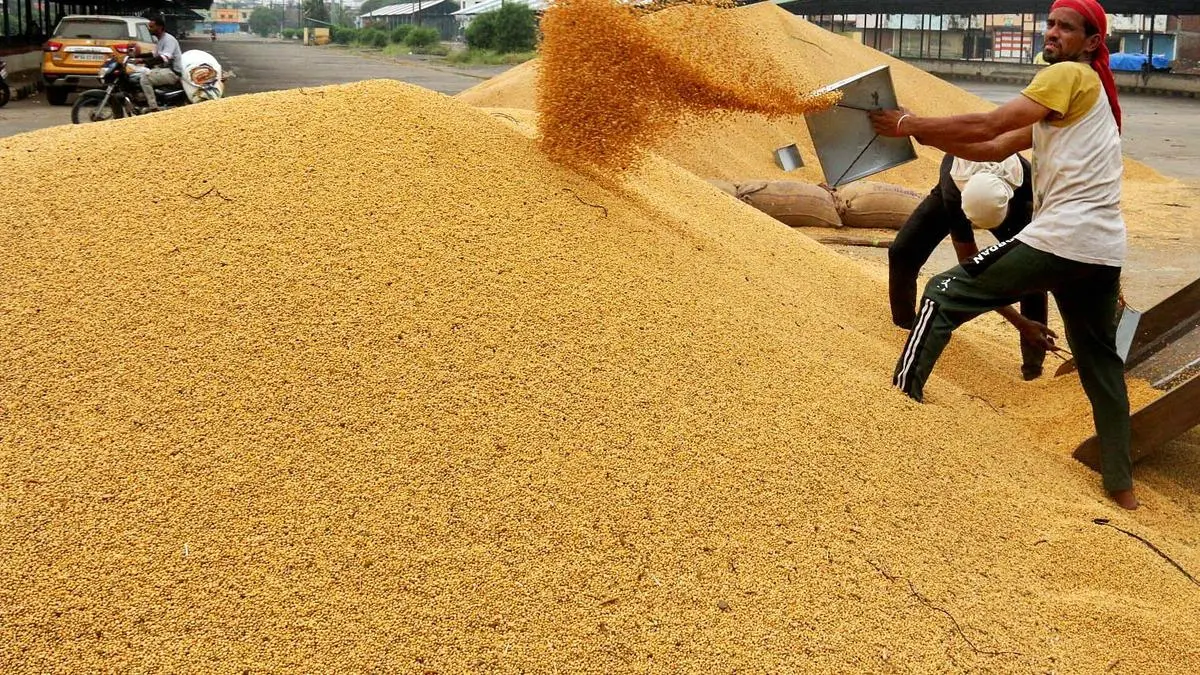
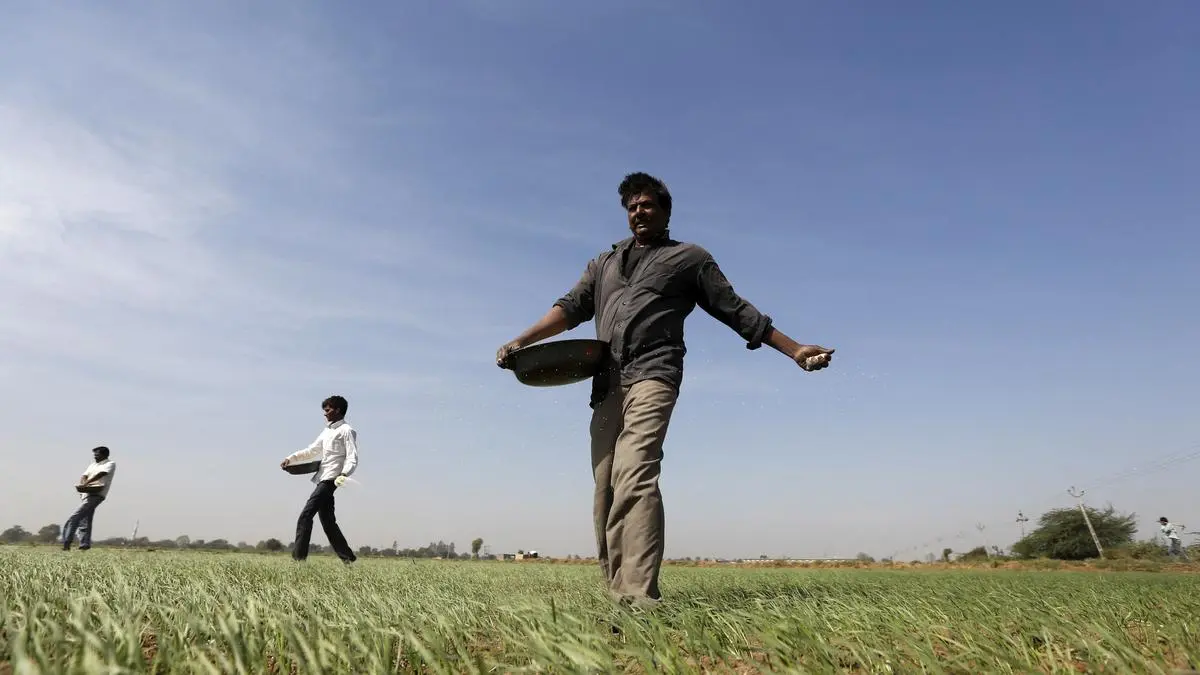
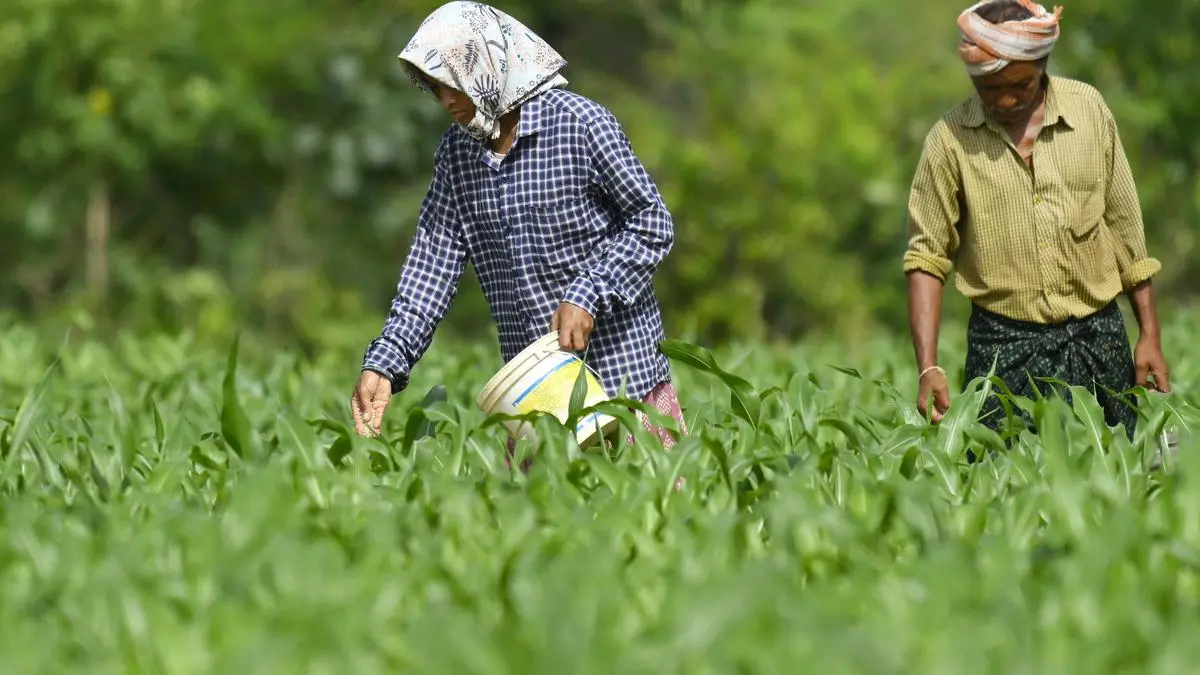
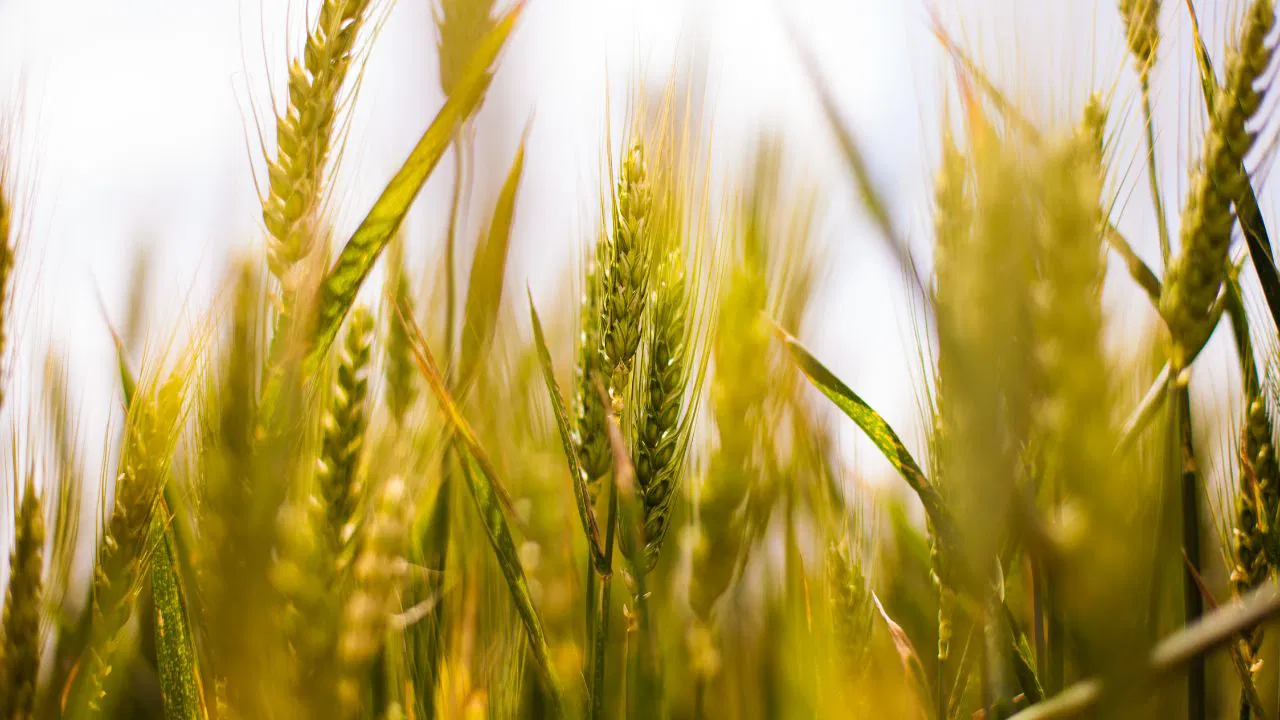
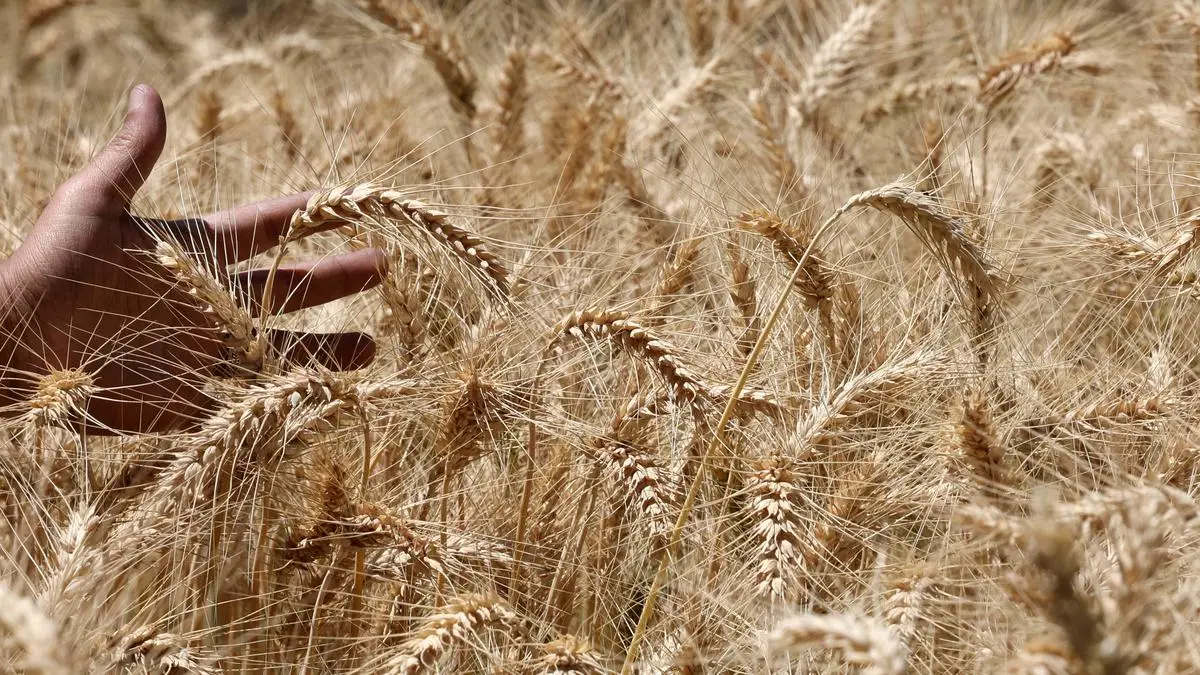
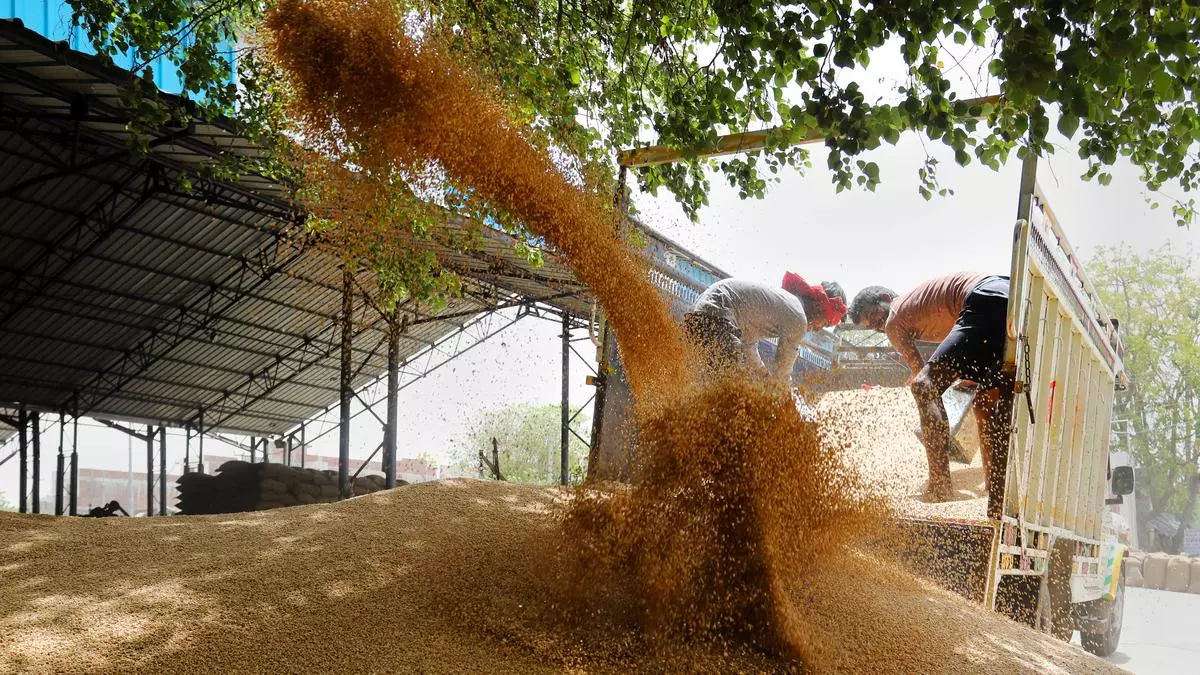
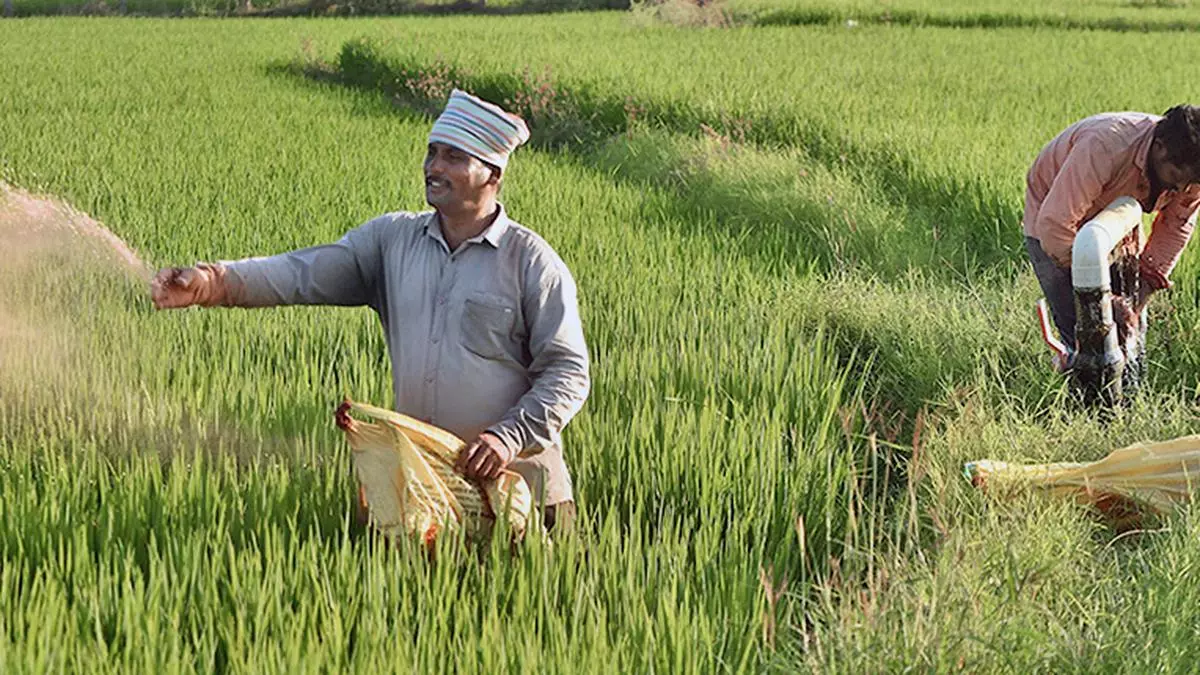
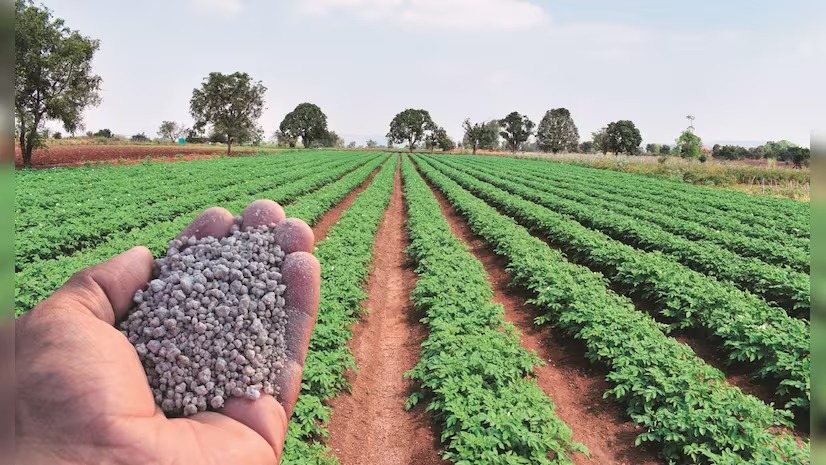
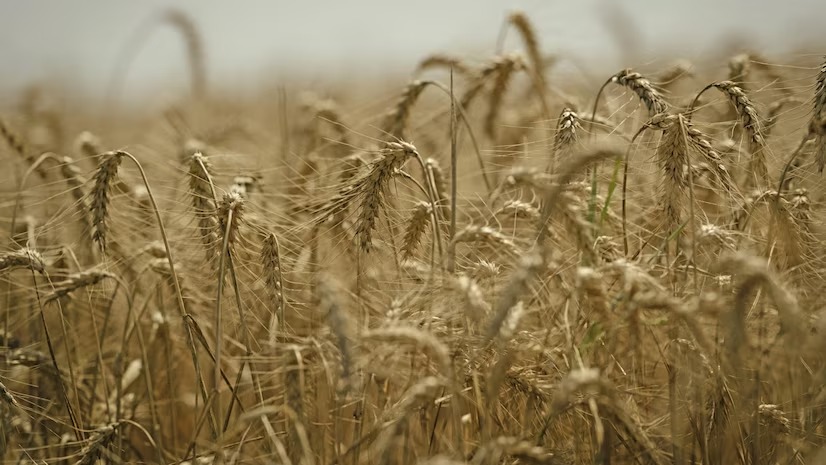
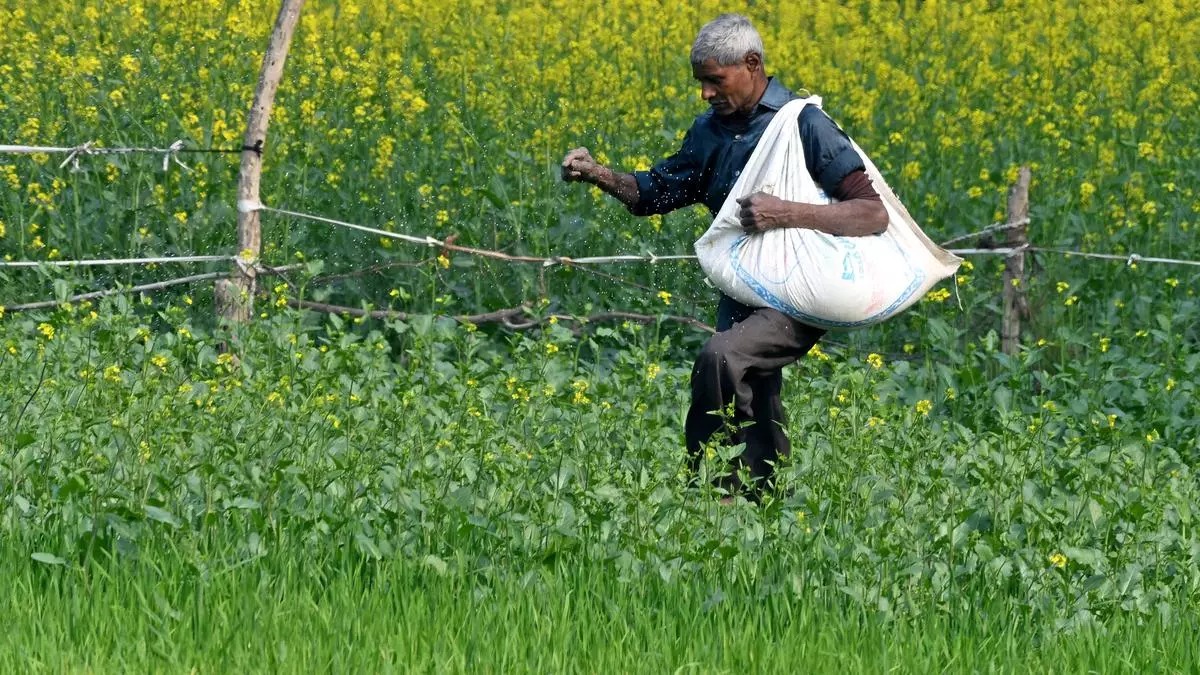
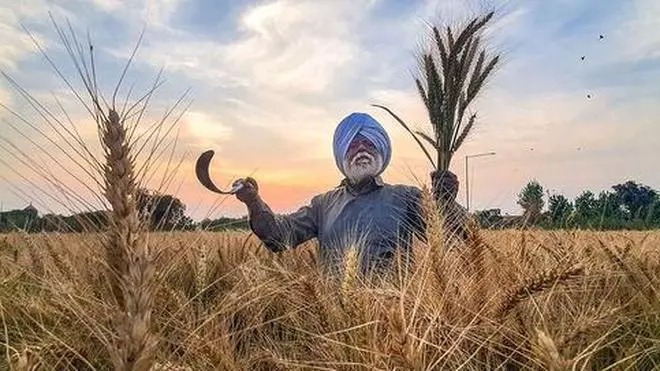
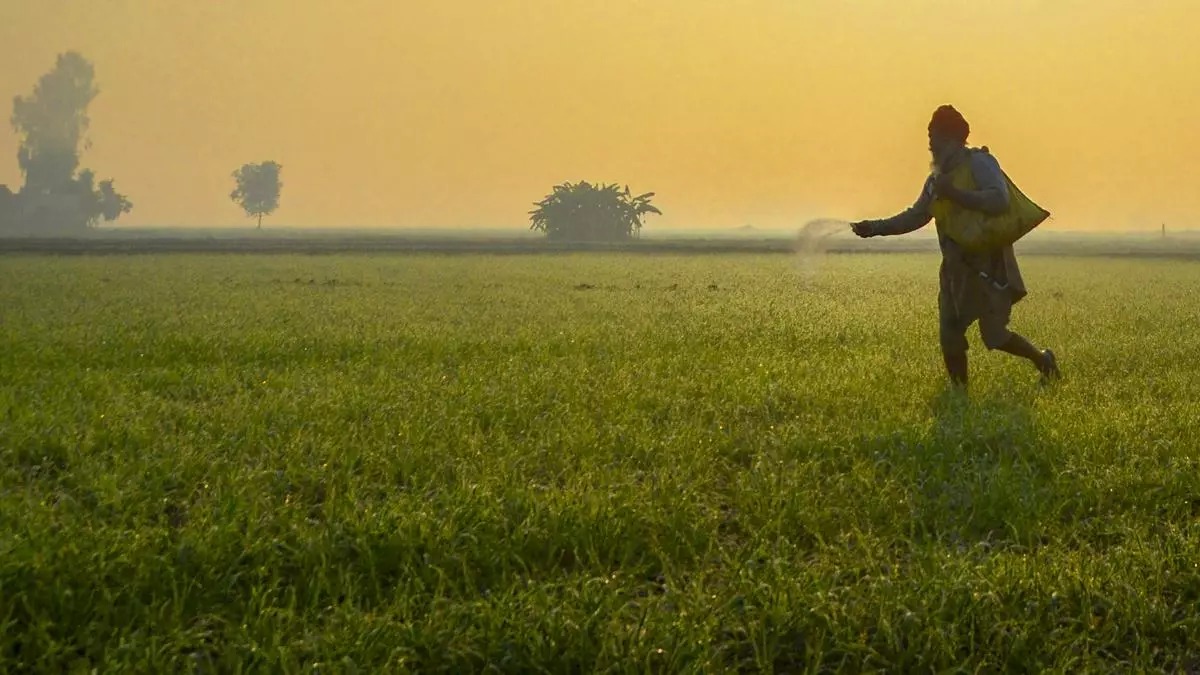
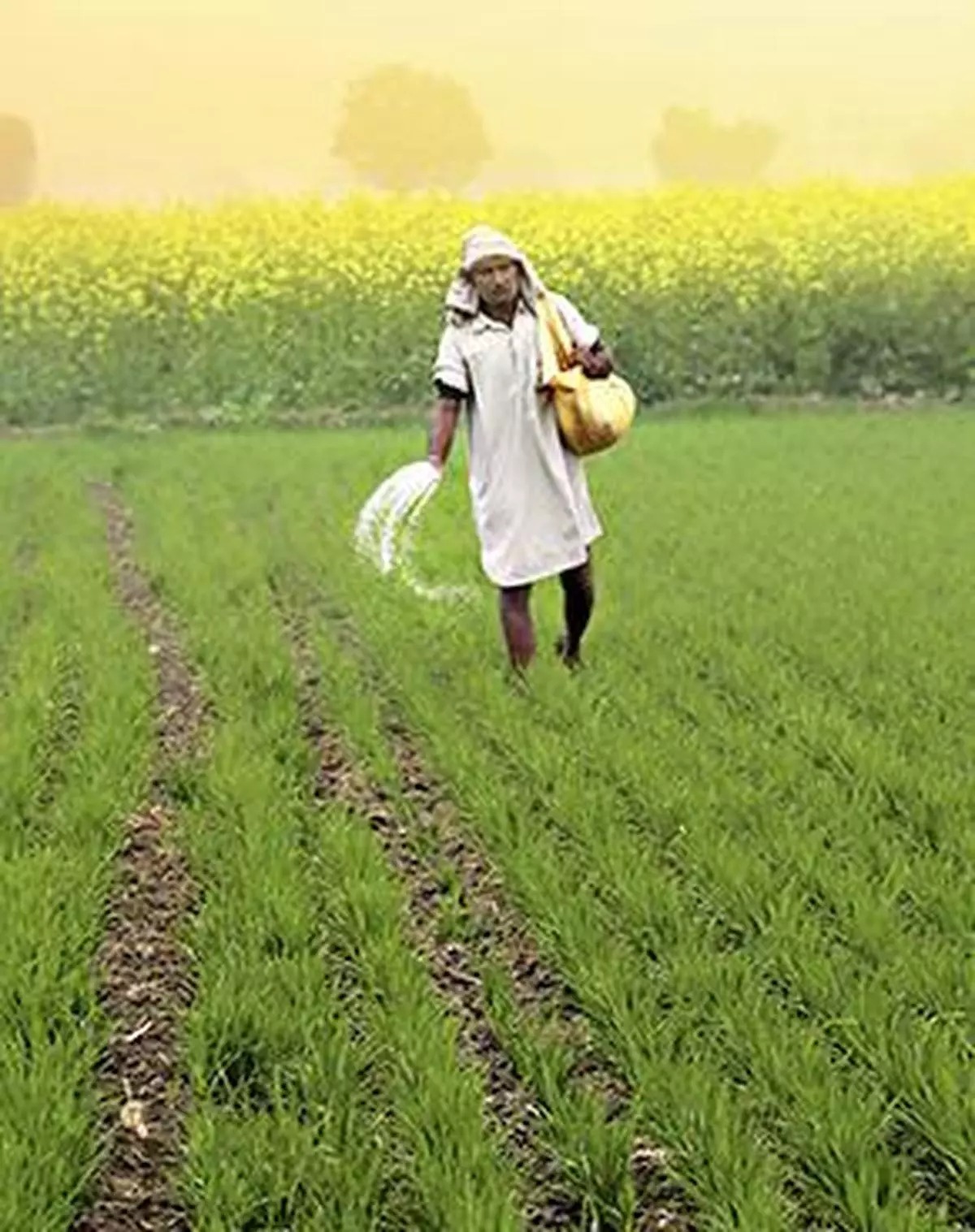
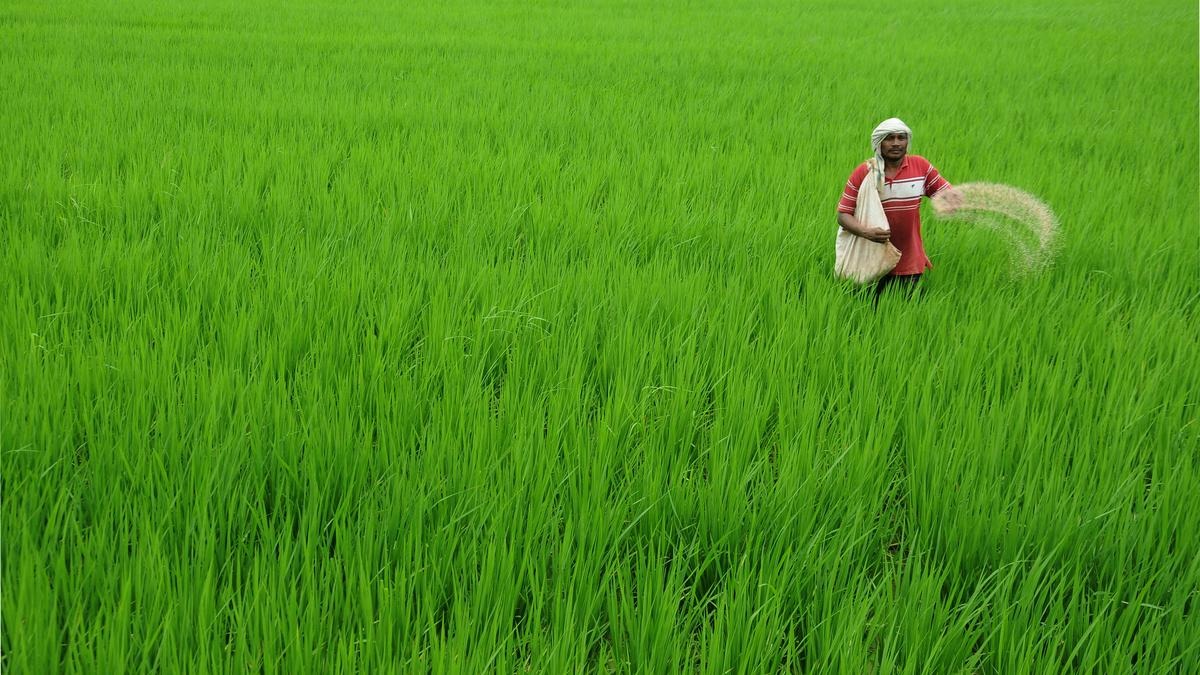
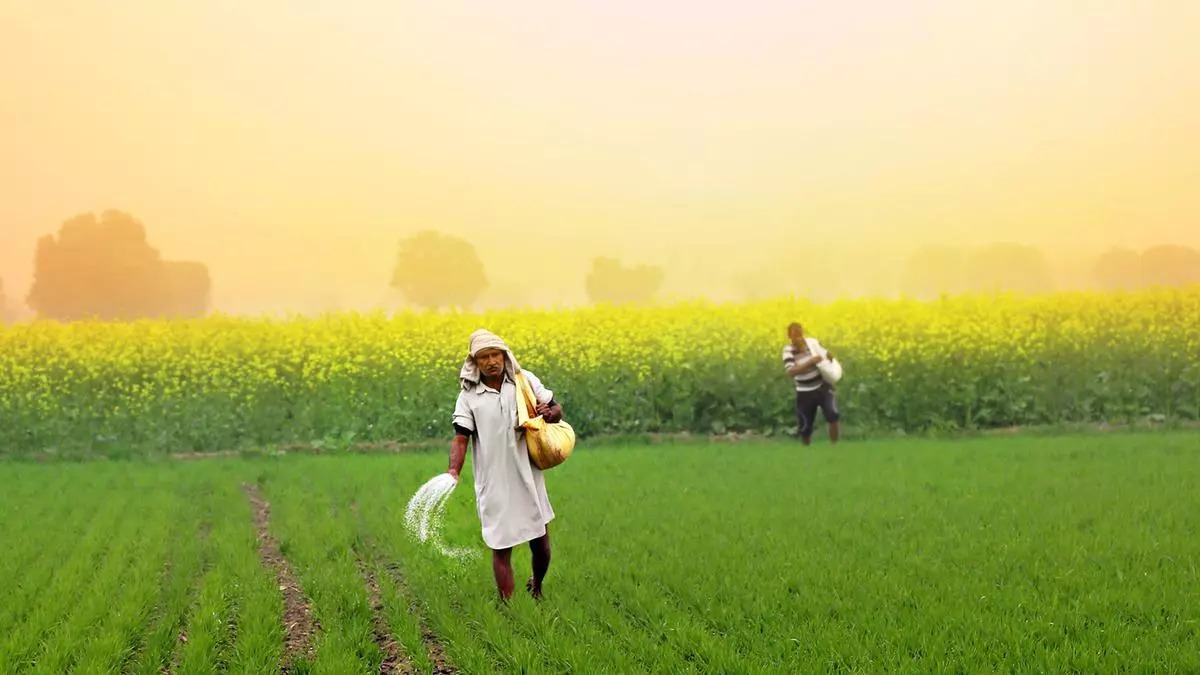
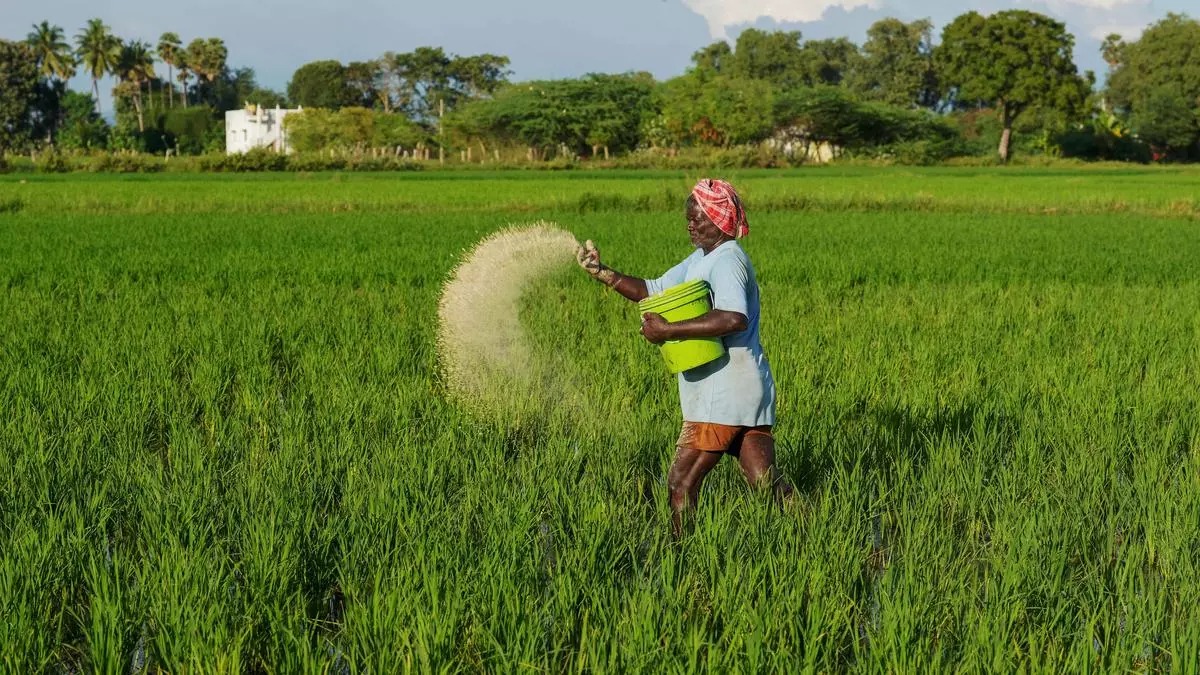
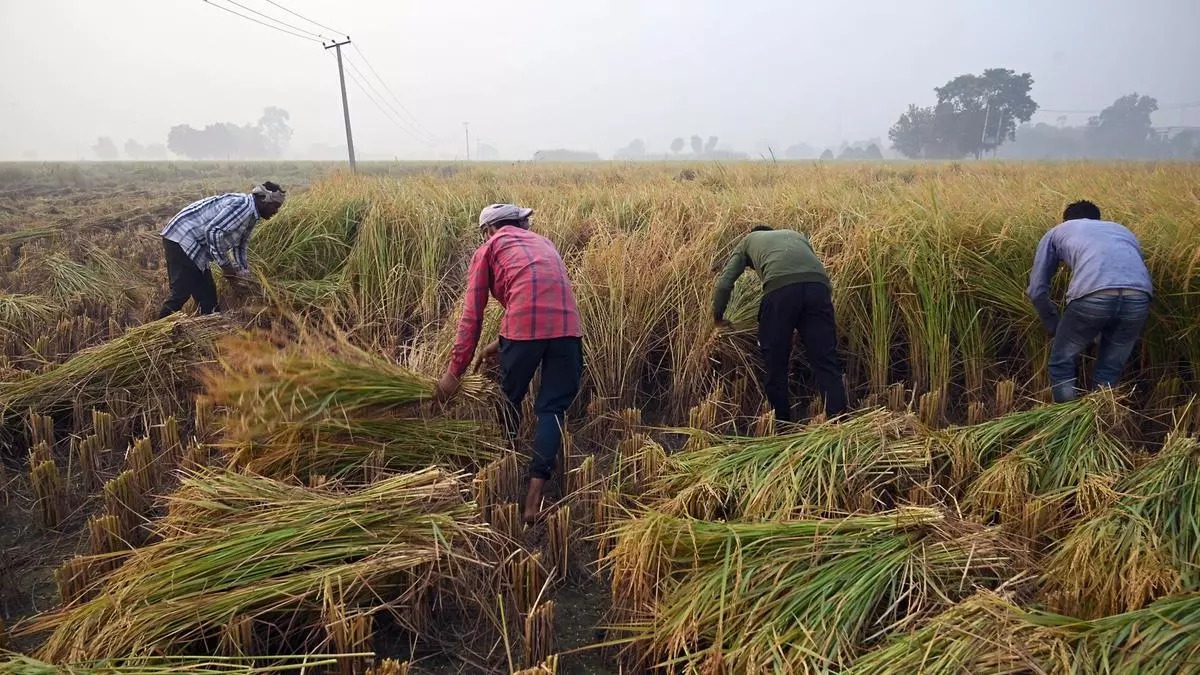
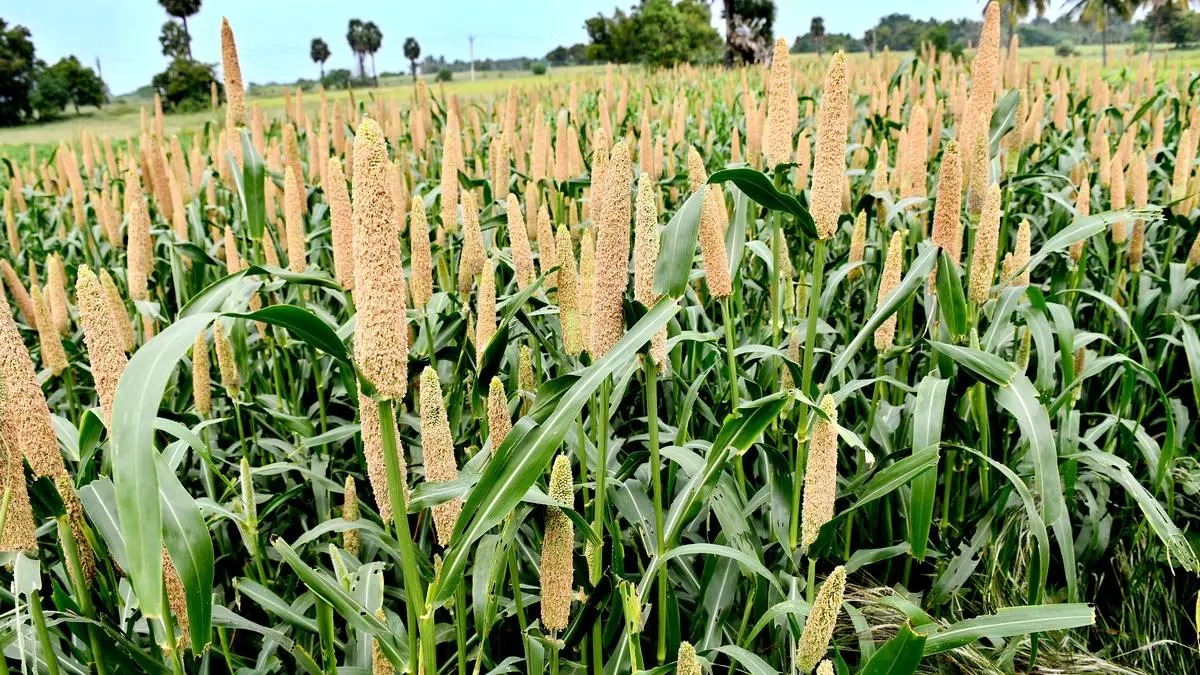
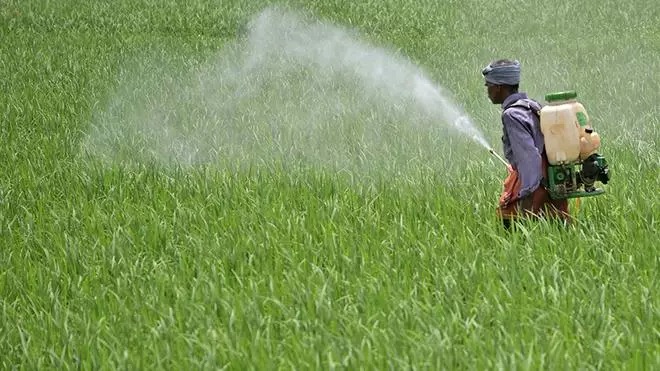
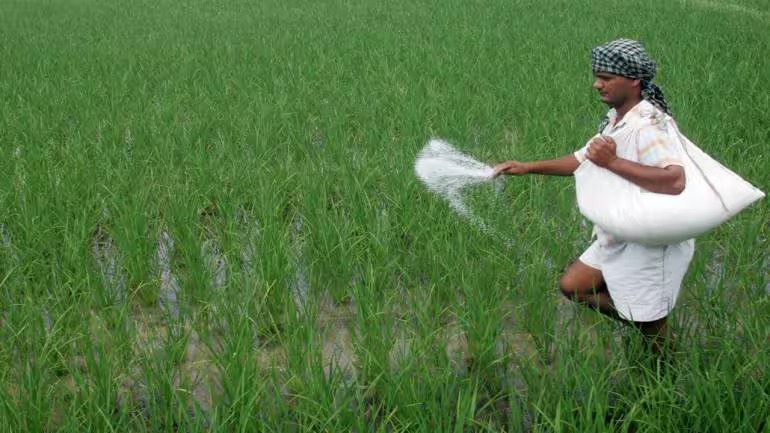
Recently, a controversy broke out regarding allowing the commercial cultivation of six wheat varieties in Punjab because they require more fertilisers than other varieties. Scientists developed these varieties with a tad longer growing periods—about two additional weeks—allowing for greater irrigation and fertilizer use to boost yields. But the approach may offer only a short-term fix in some areas, as unusually high February temperatures risk shrivelling the grain.
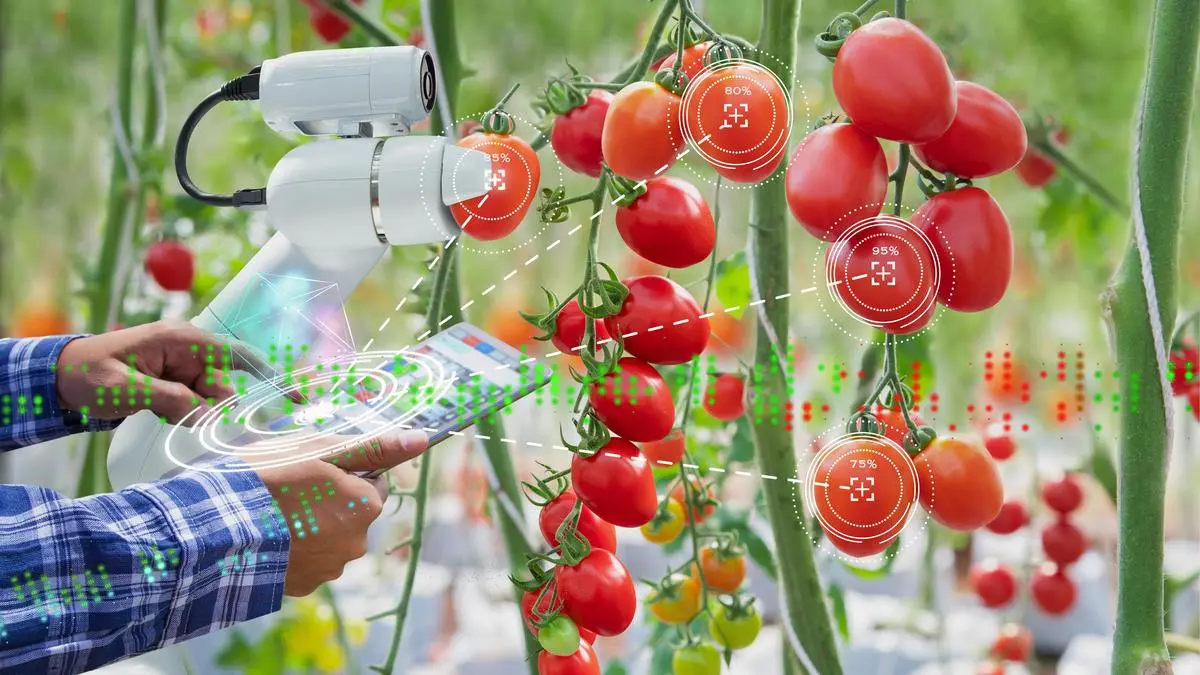
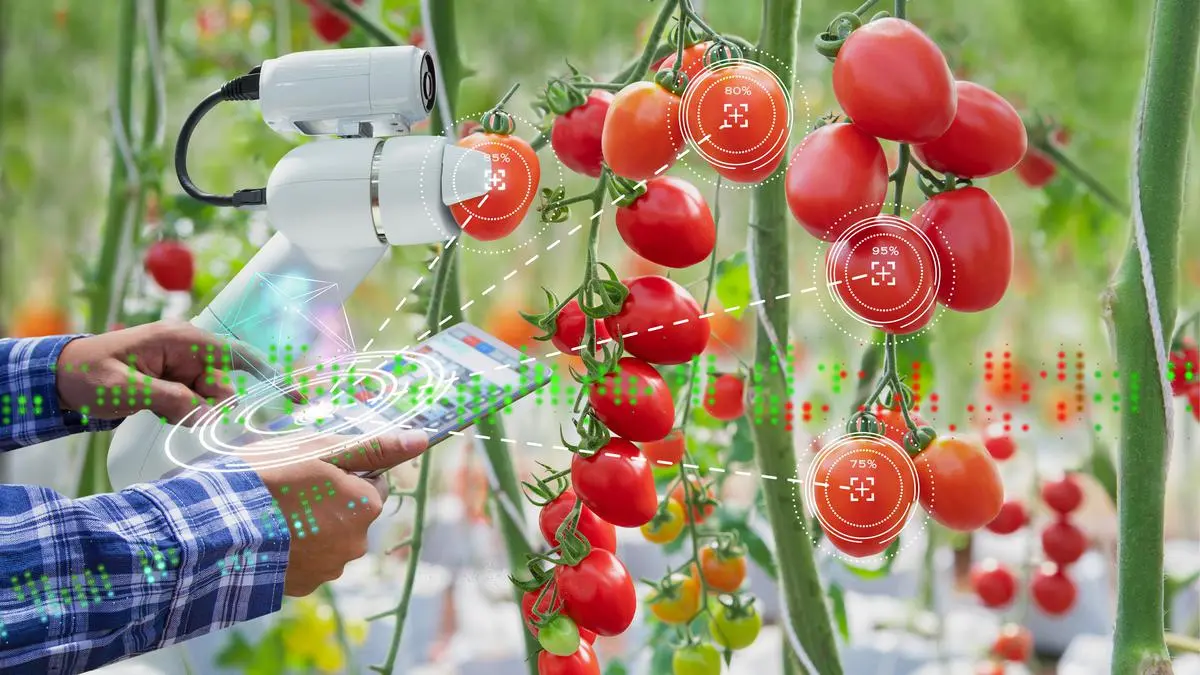
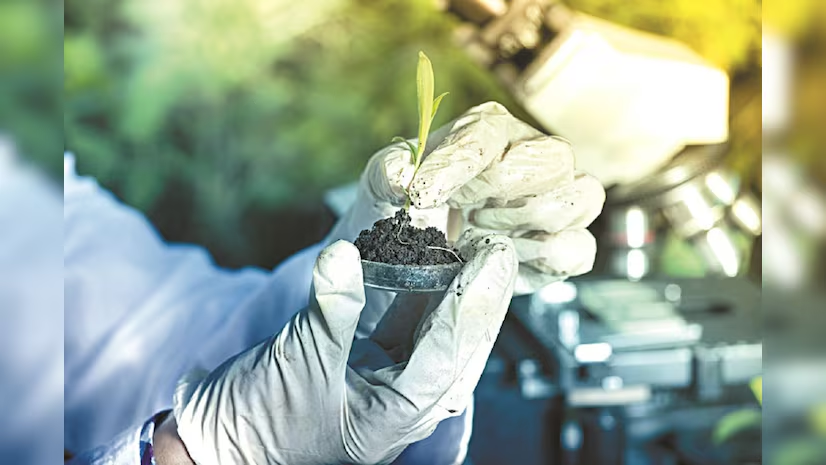
Here, the genome editing technology may help scientists to develop high-yielding varieties by reducing the duration and thereby reduce the use of water and fertilisers. Yet, given the direction in which current research is proceeding, the Indian Council of Agricultural Research faces a long road before it can meet expectations of farmers.
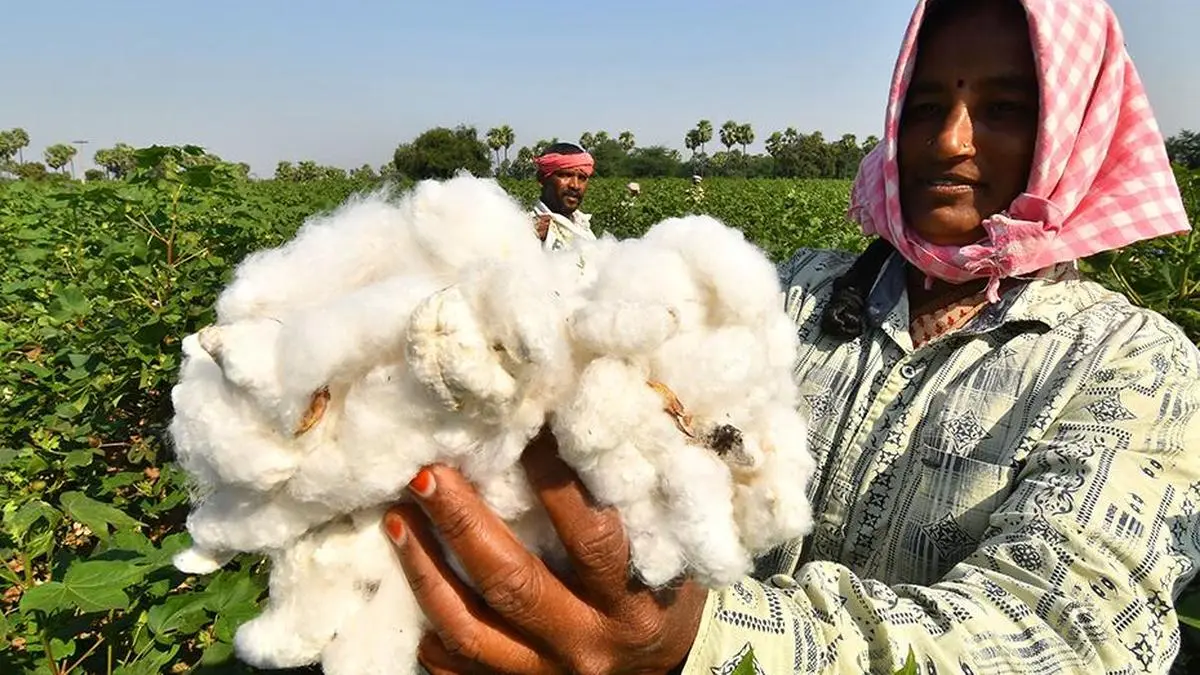
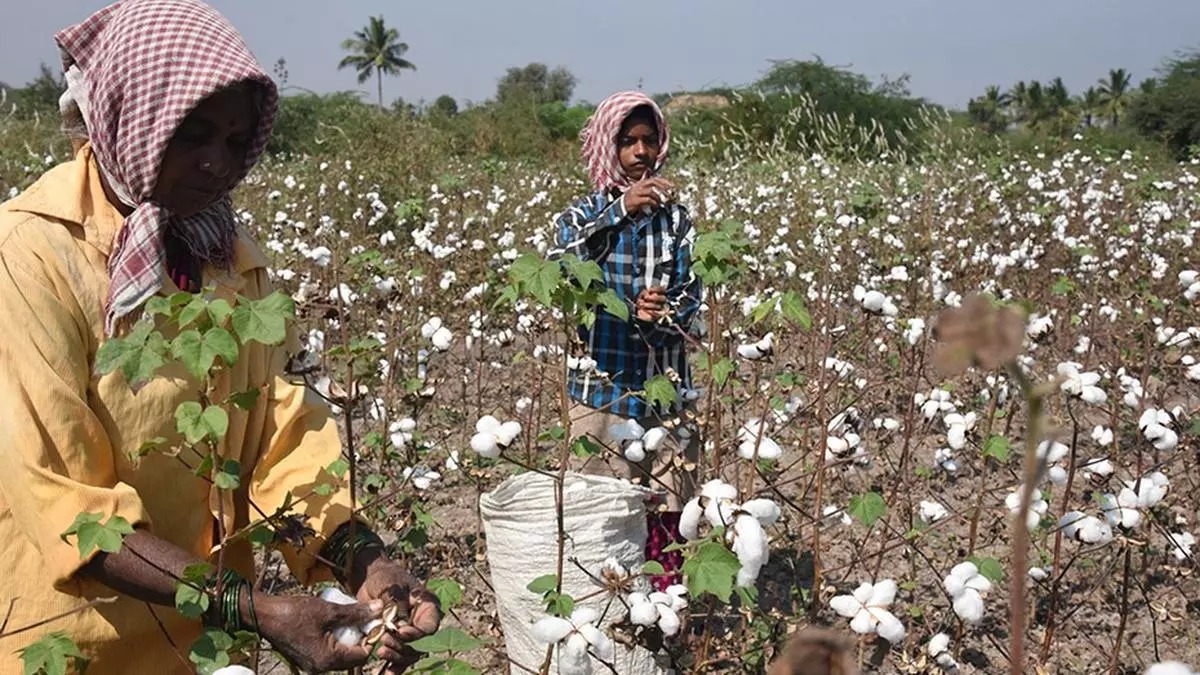
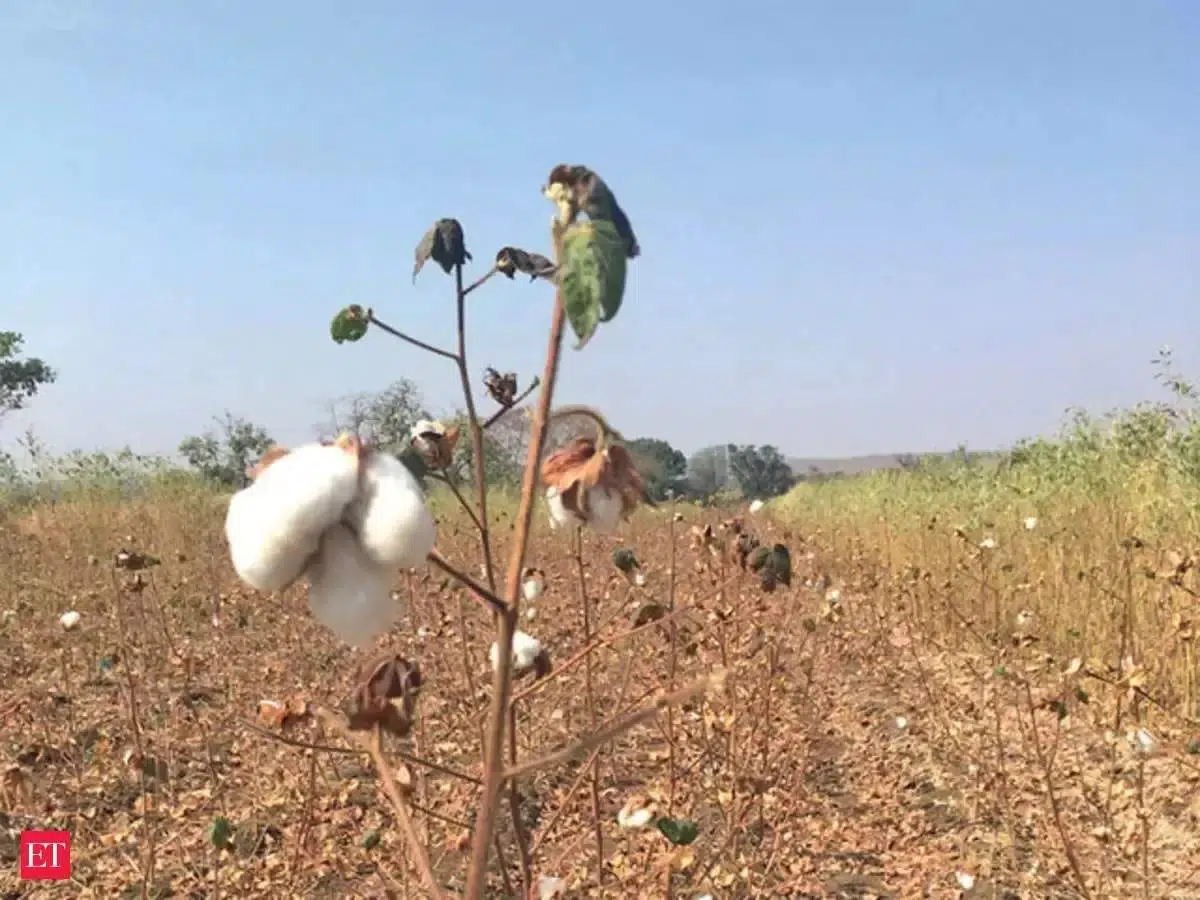
First, the time consumed in getting an approval in the ICAR system is longer than other Ministries/Departments, though there could be valid reasons at times. There are several instances and latest are the two Budget ( 2025-26) announcements – Mission on High-Yielding Seeds and Cotton Productivity Mission, both entrusted to ICAR. They are yet to get the Cabinet approval even as next Budget (for 2026-27) will be presented after another 34 days.