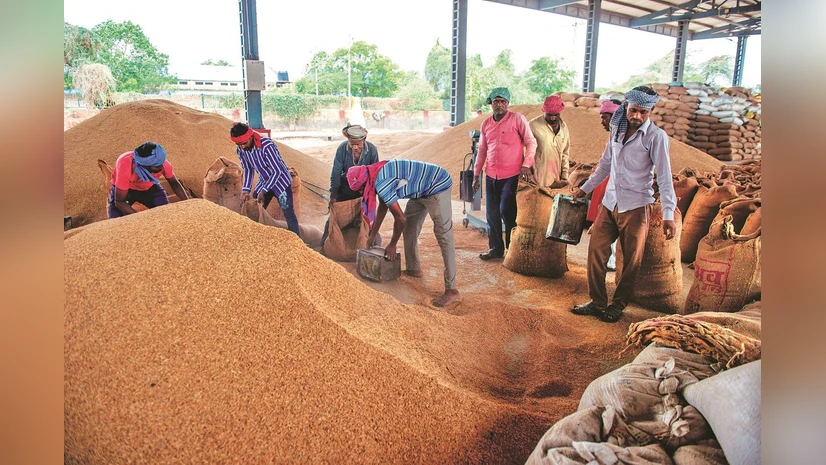
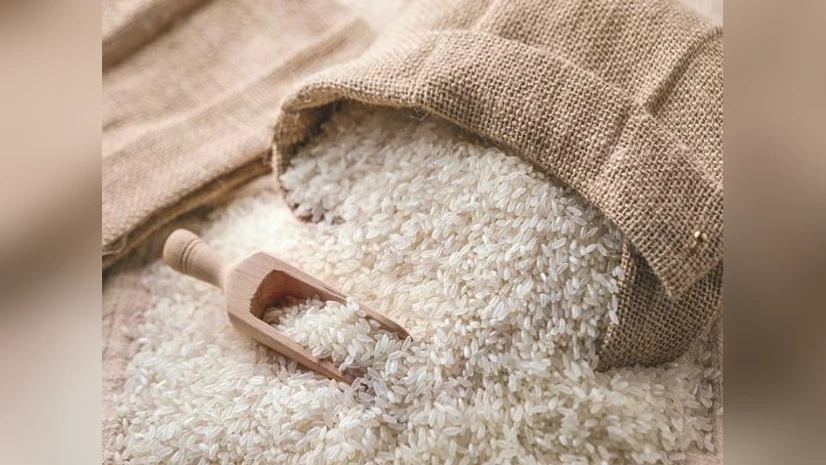
India’s food system is at an inflection point. We produce more than enough staples, yet millions continue to suffer from micronutrient deficiencies. This paradox also masks a significant commercial opportunity. Millers control the last mile of staple processing, where rice and wheat become foods consumed daily, and this positions them uniquely to scale fortified staples at low marginal cost while achieving high social returns.
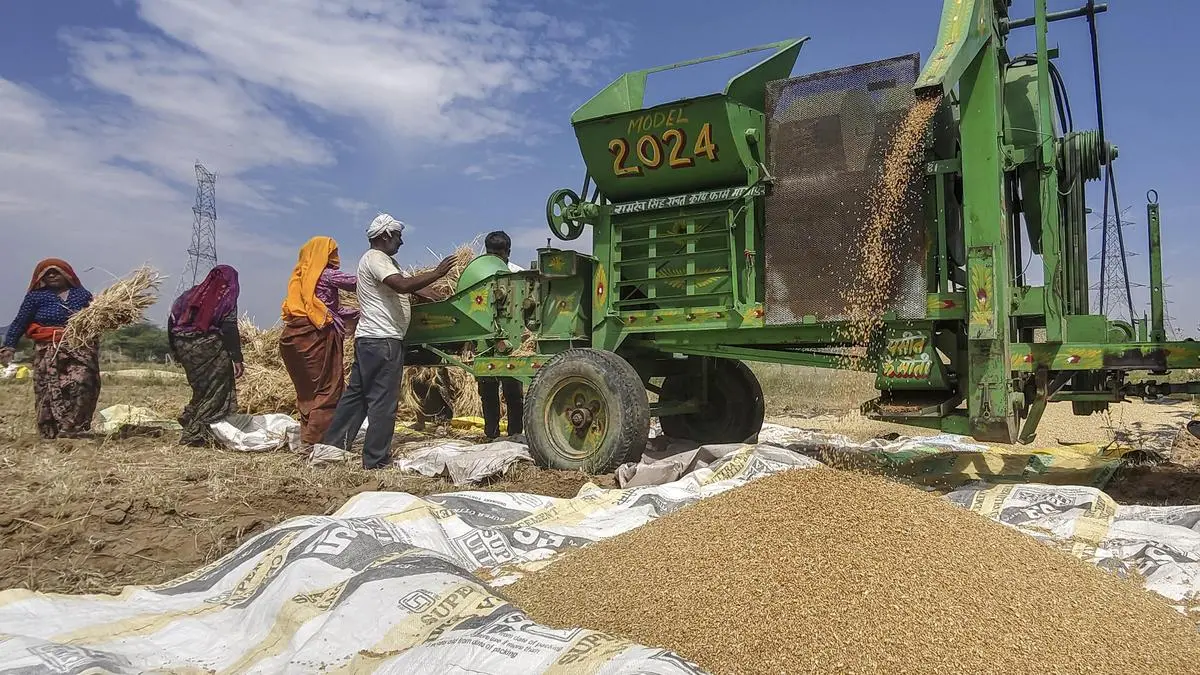
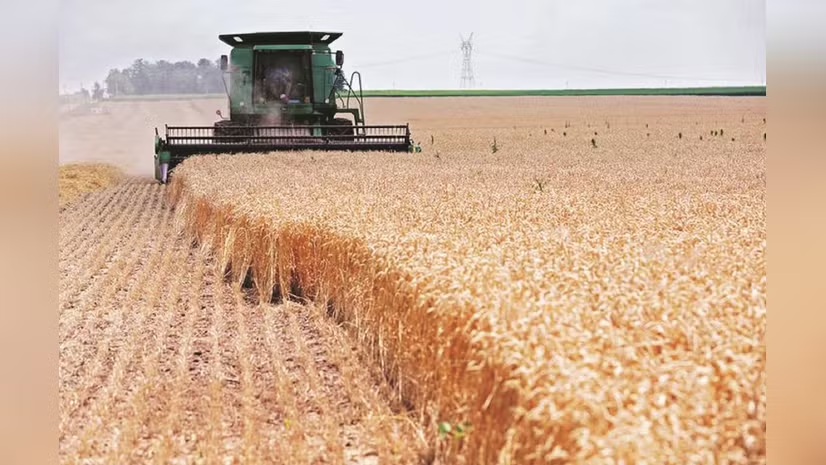
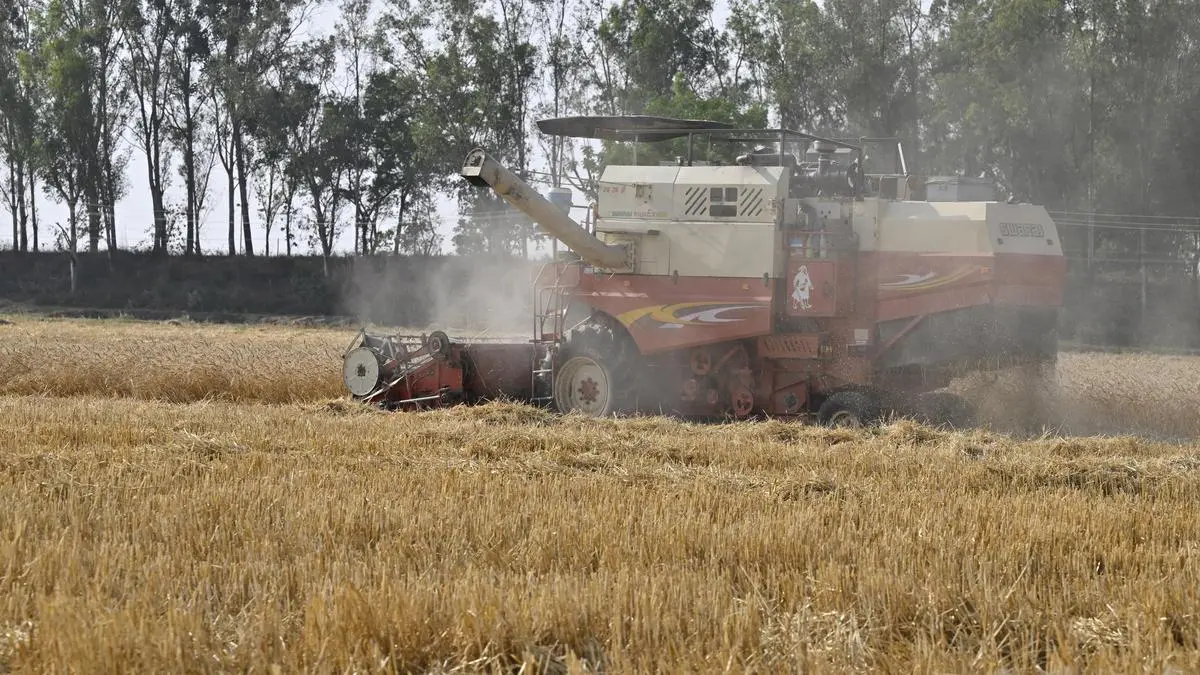
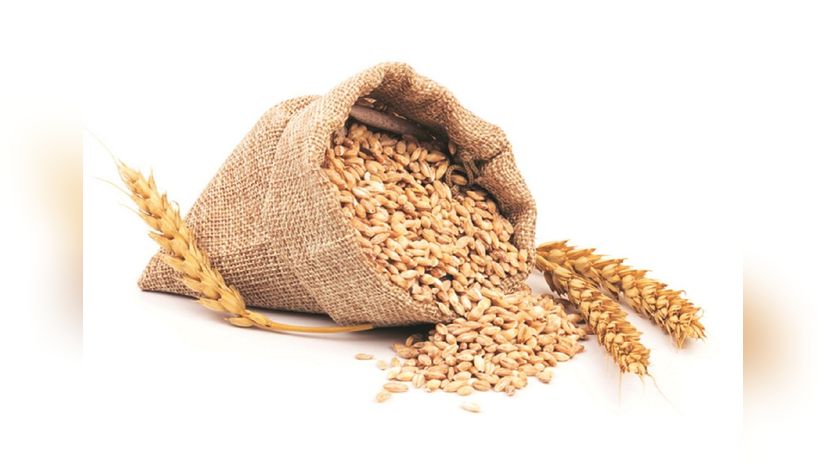
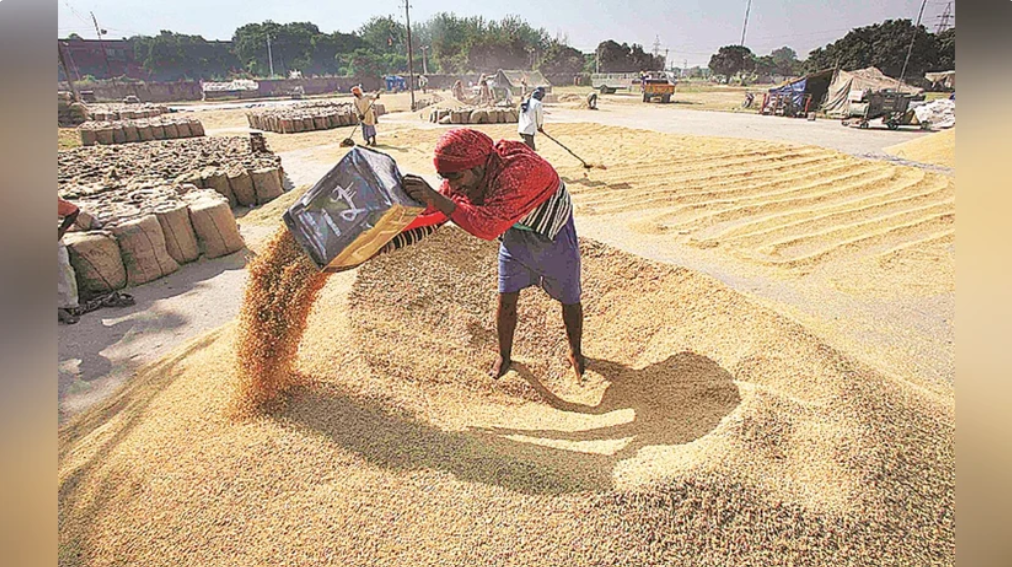
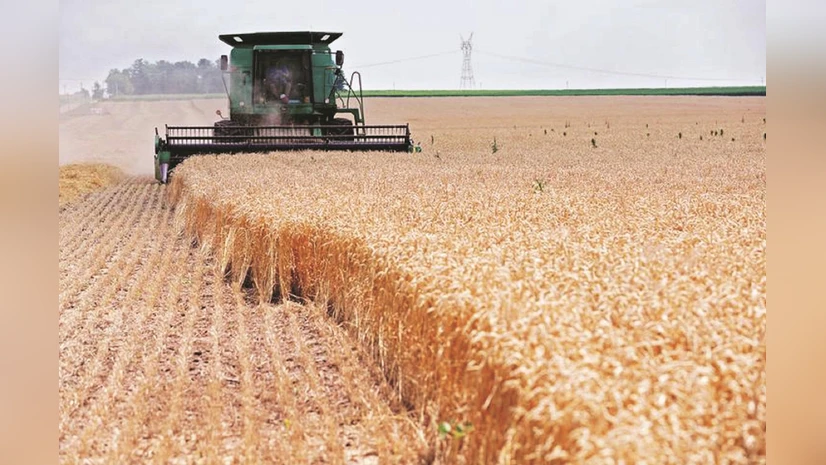
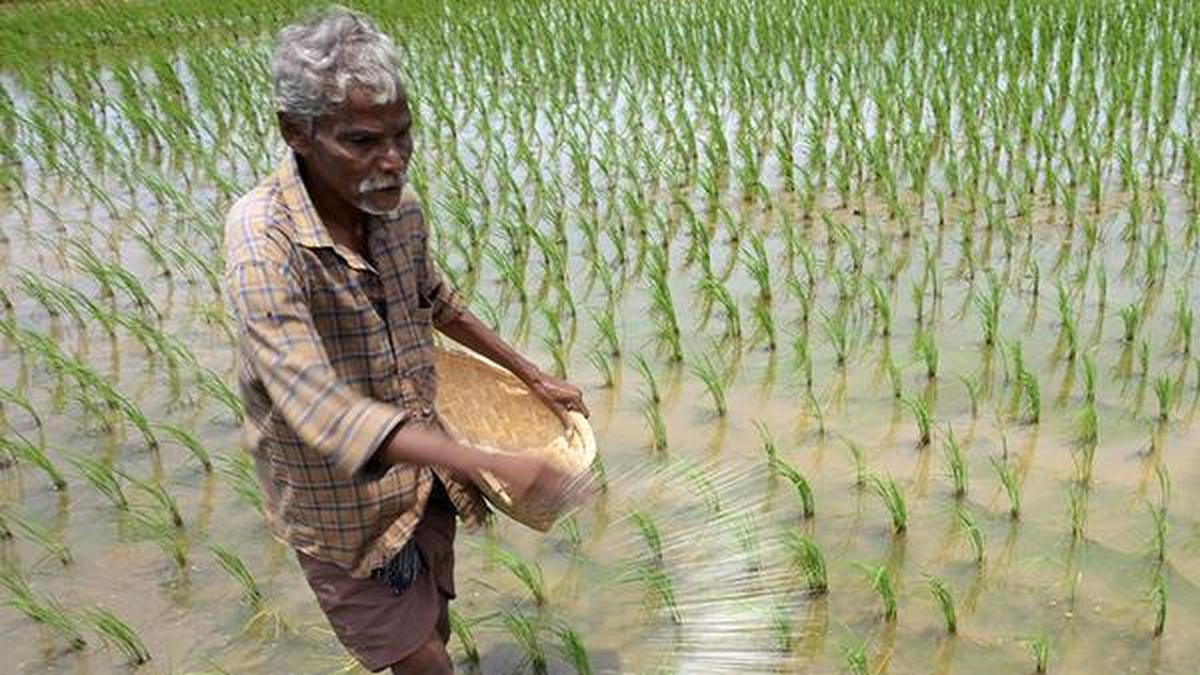
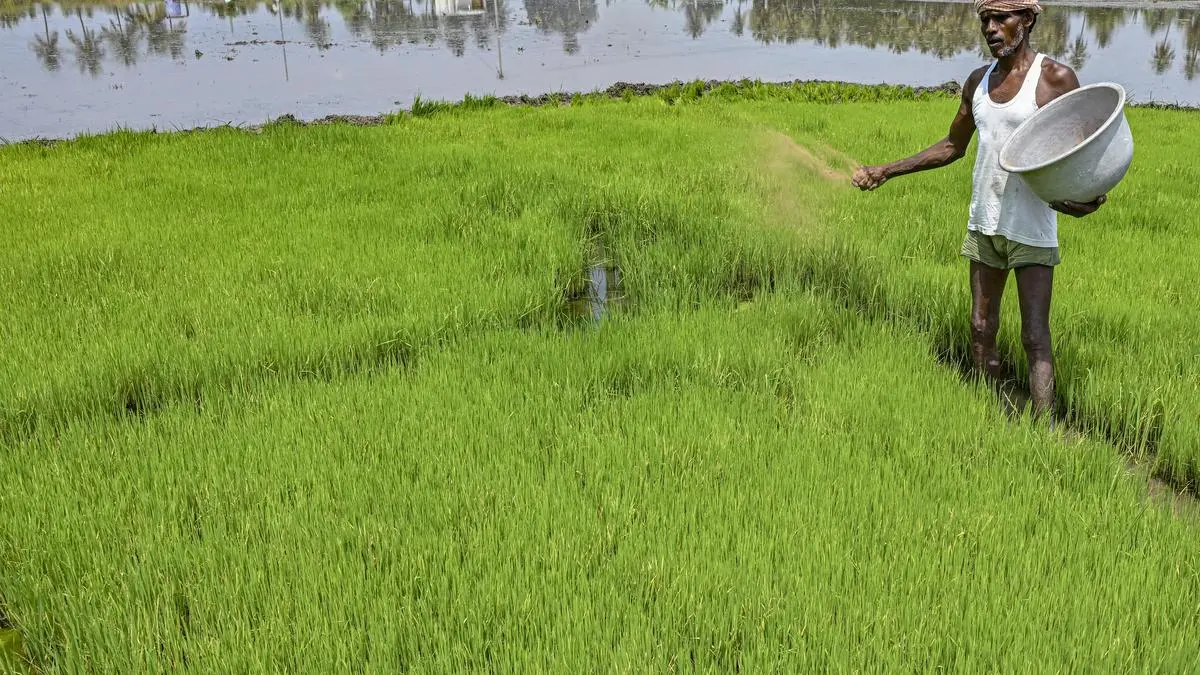
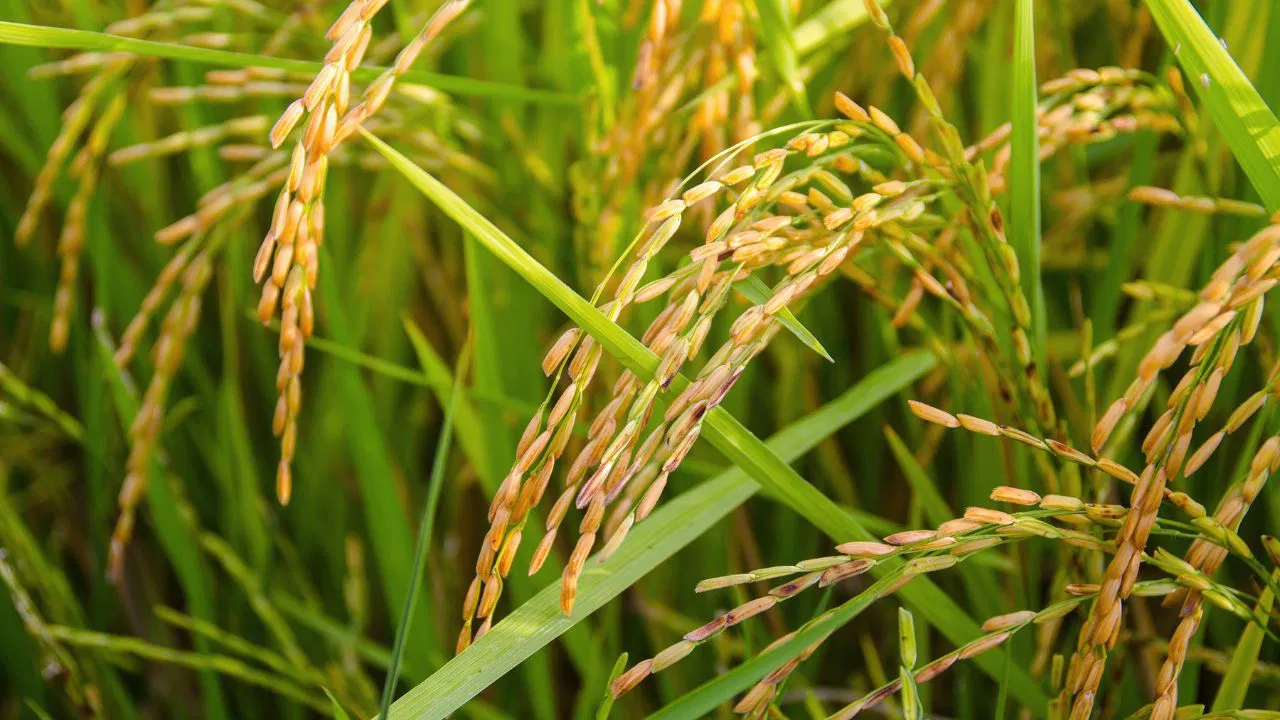
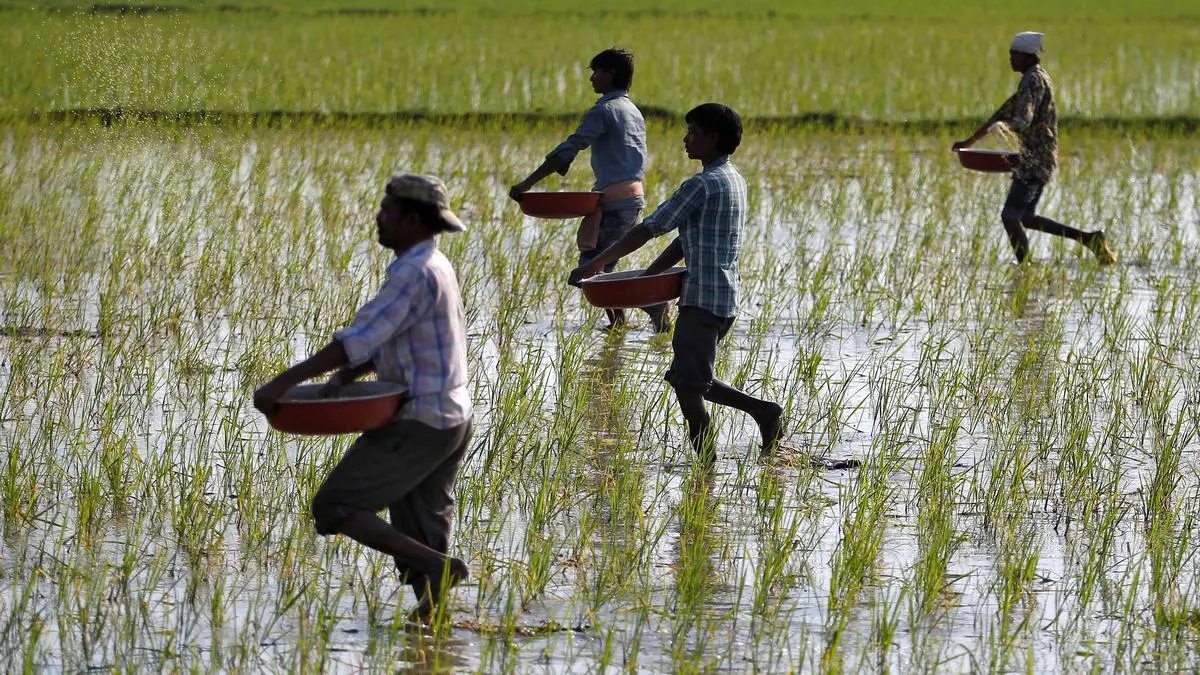
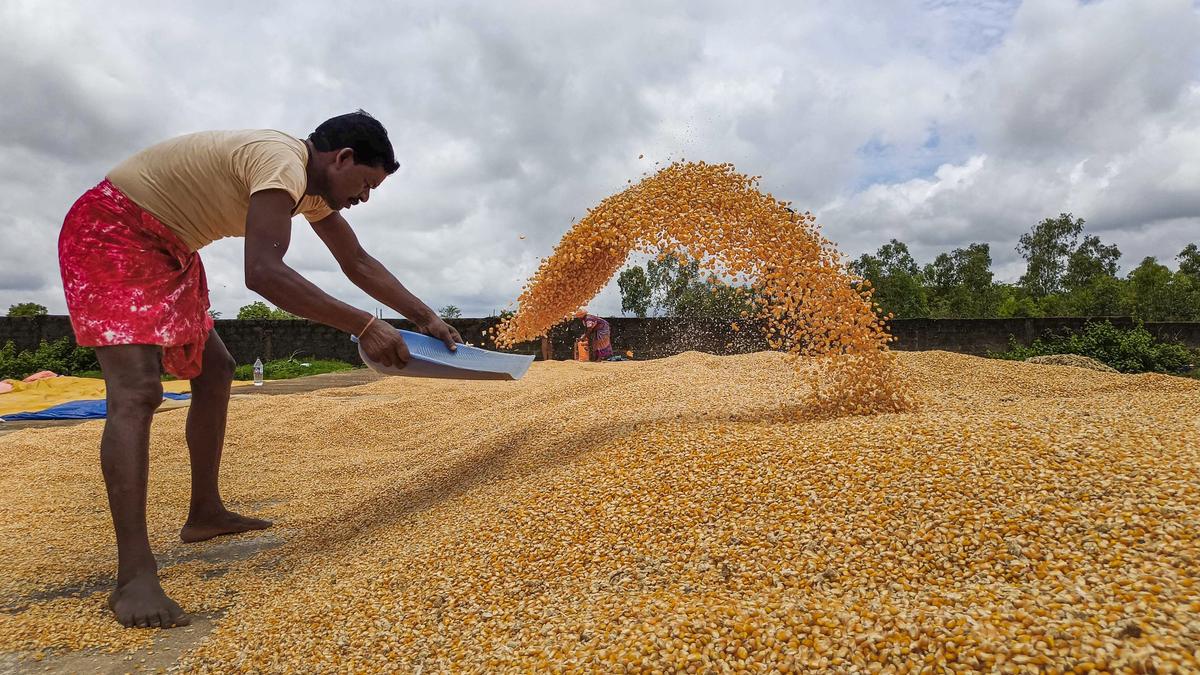
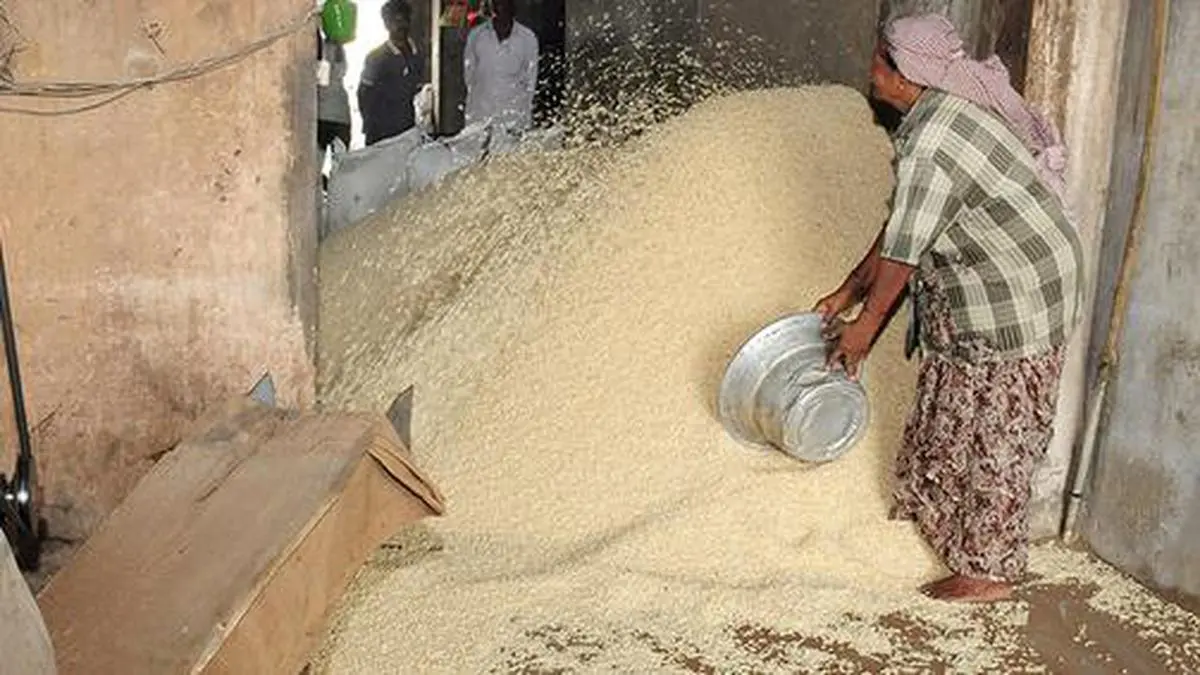
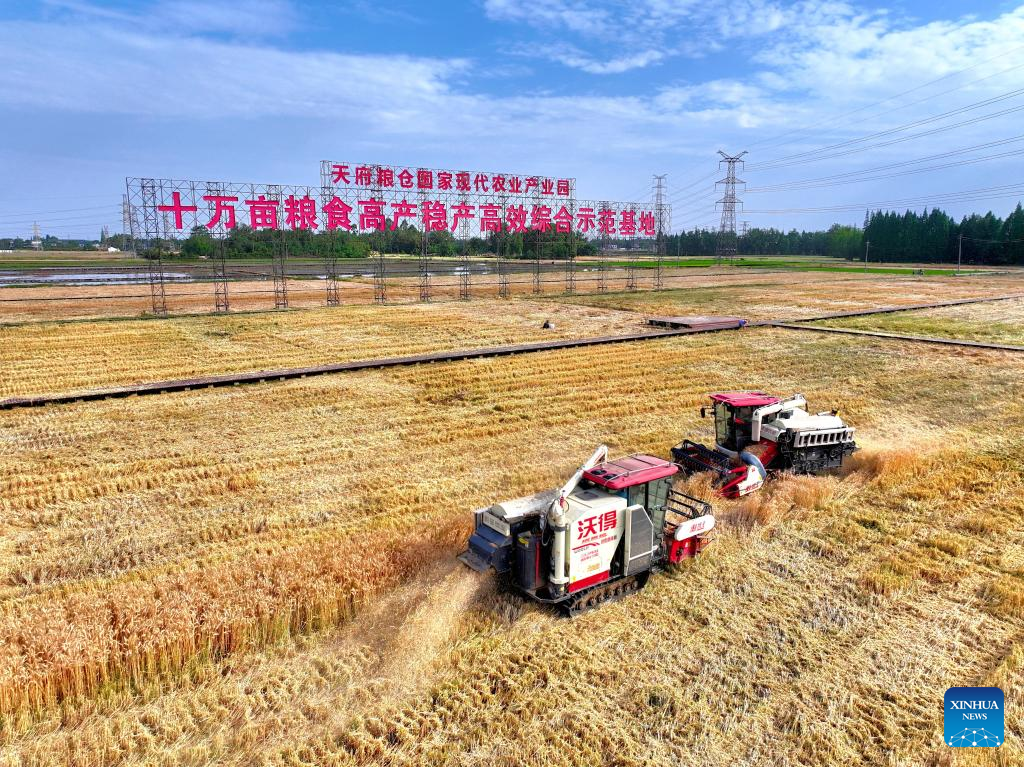
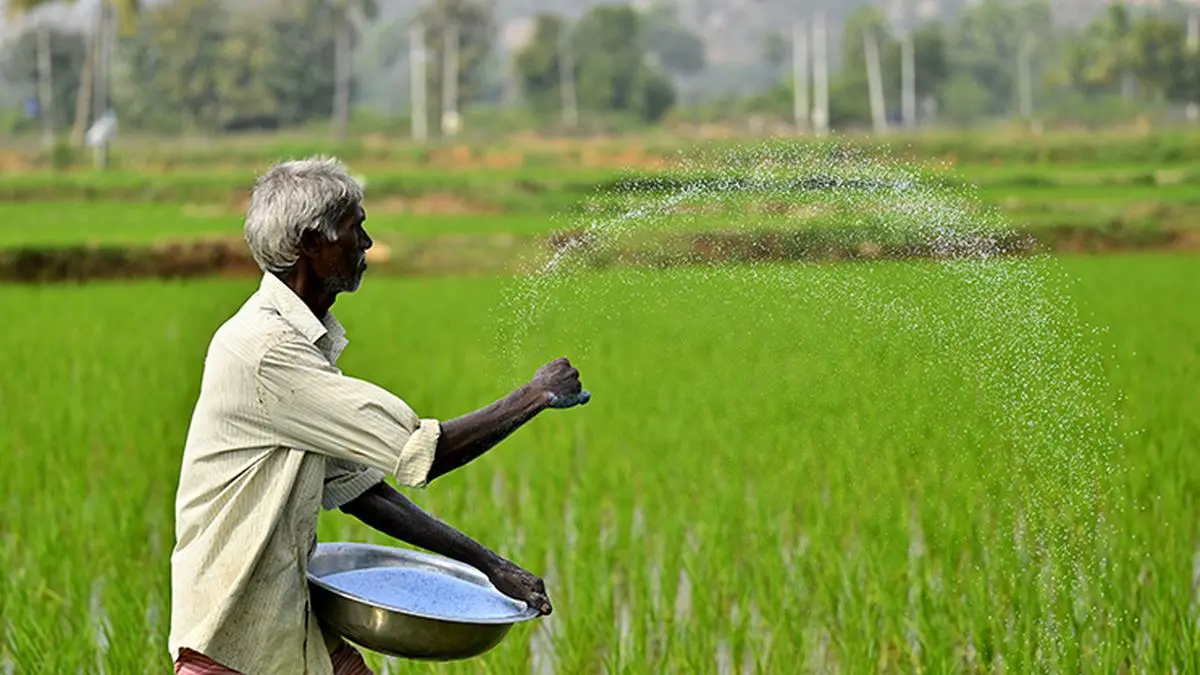
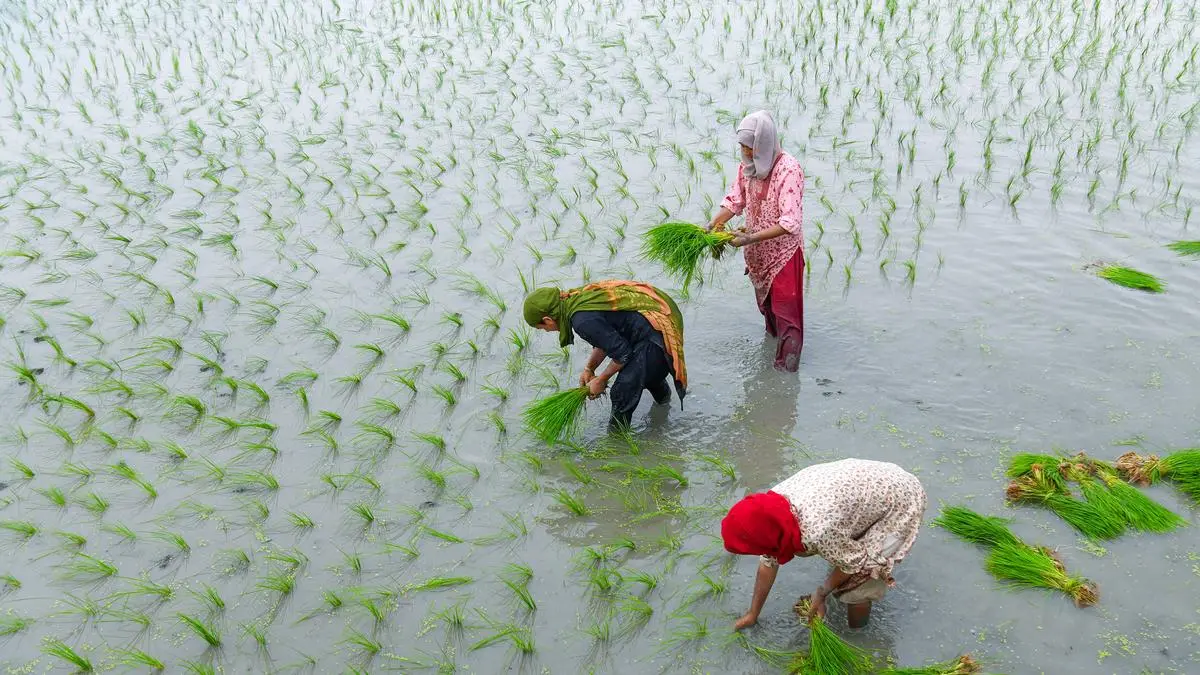
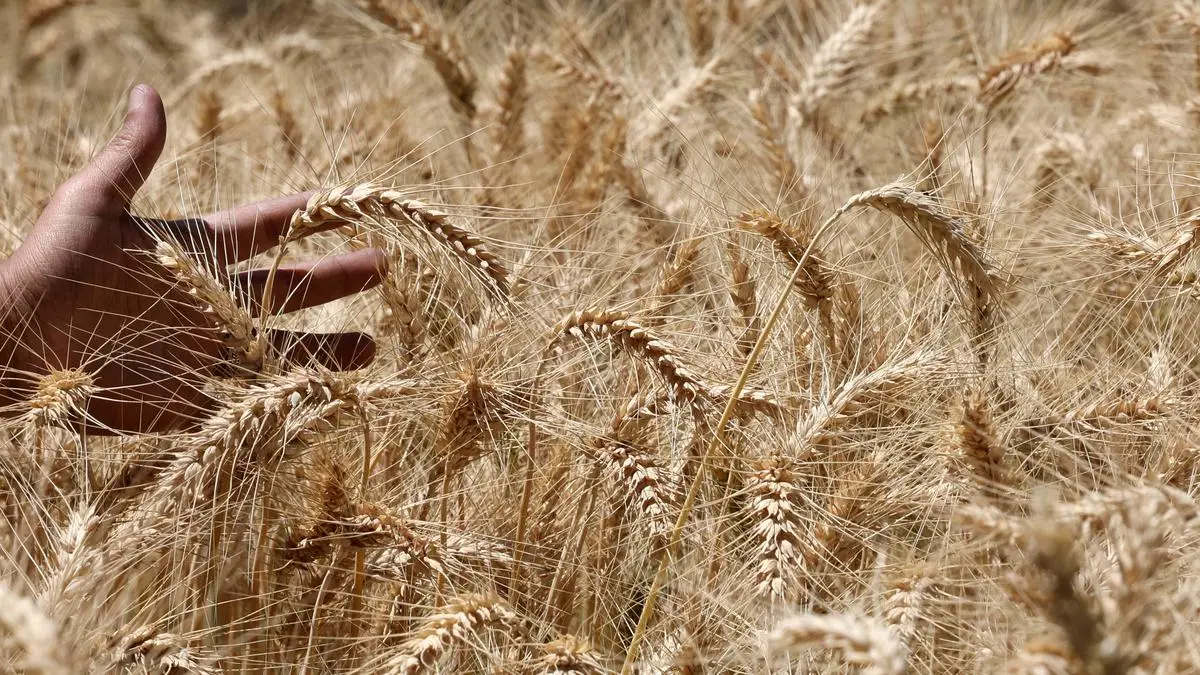
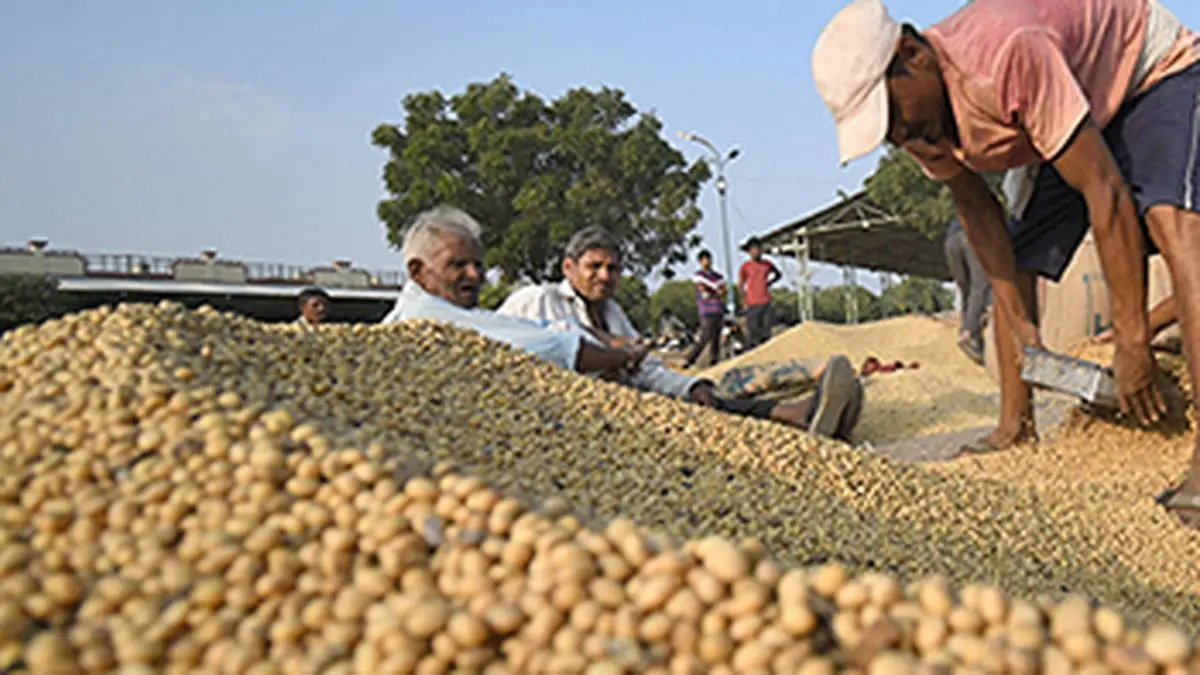
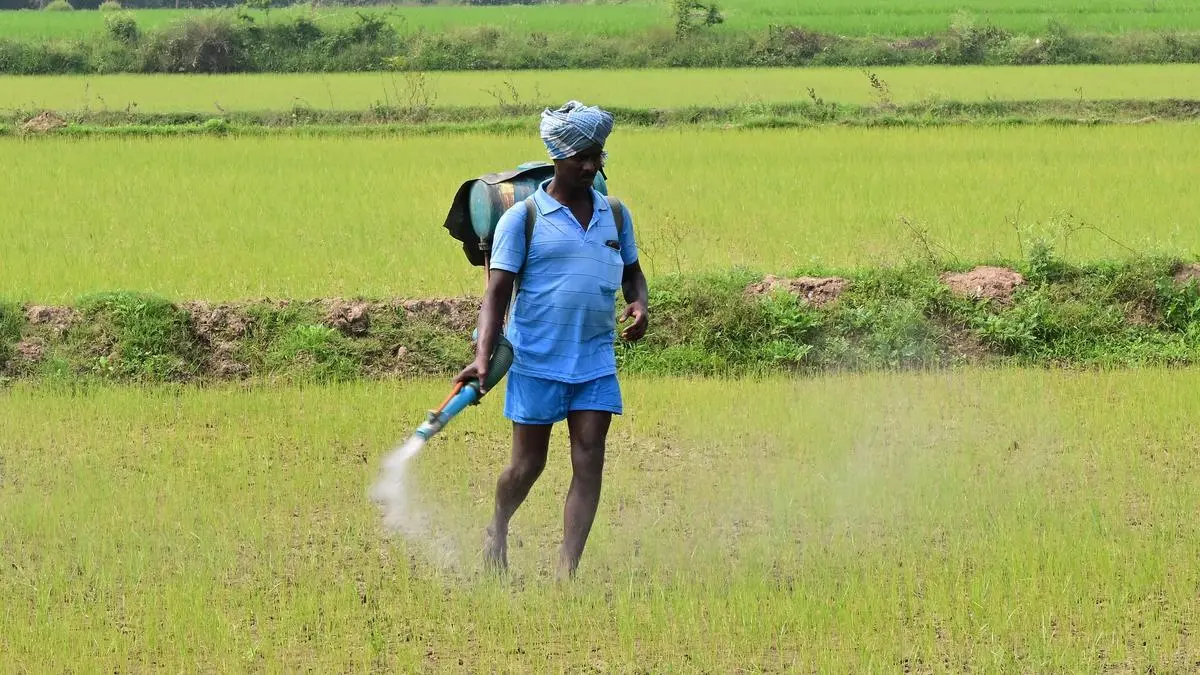
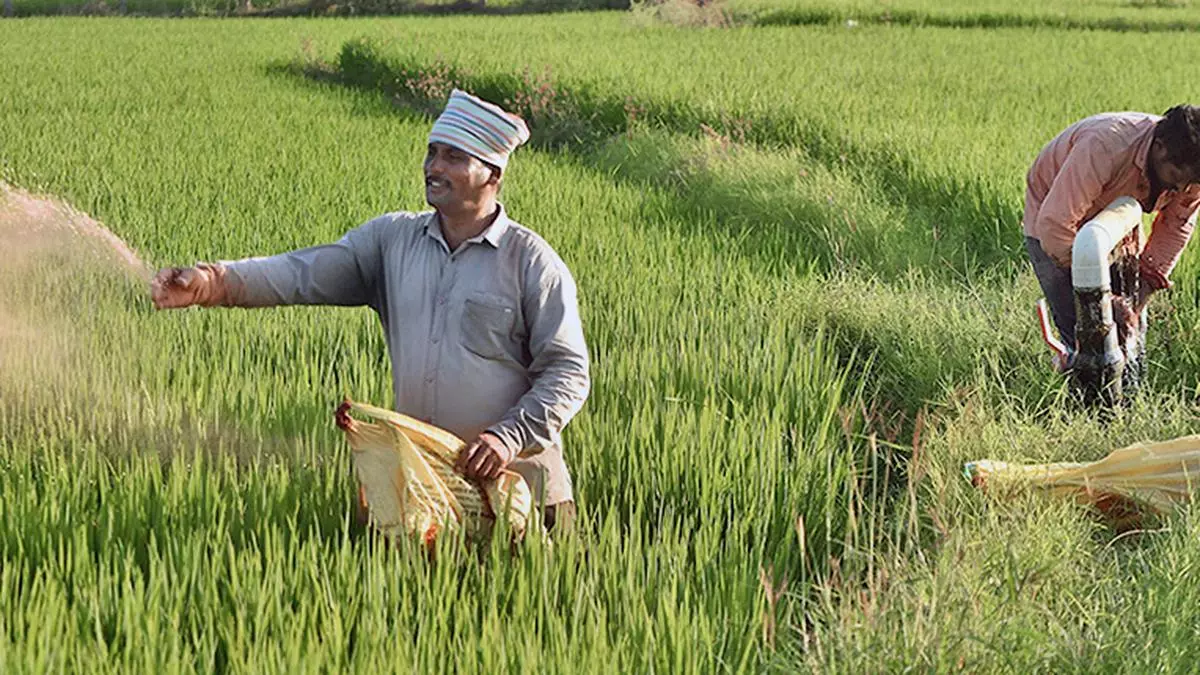
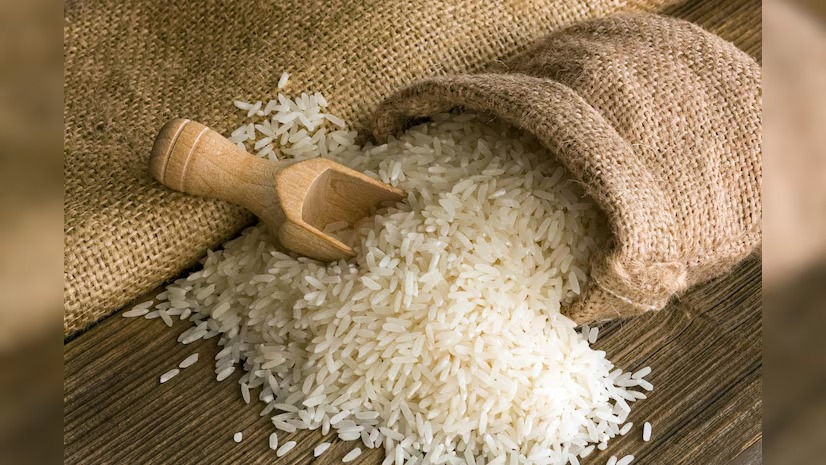
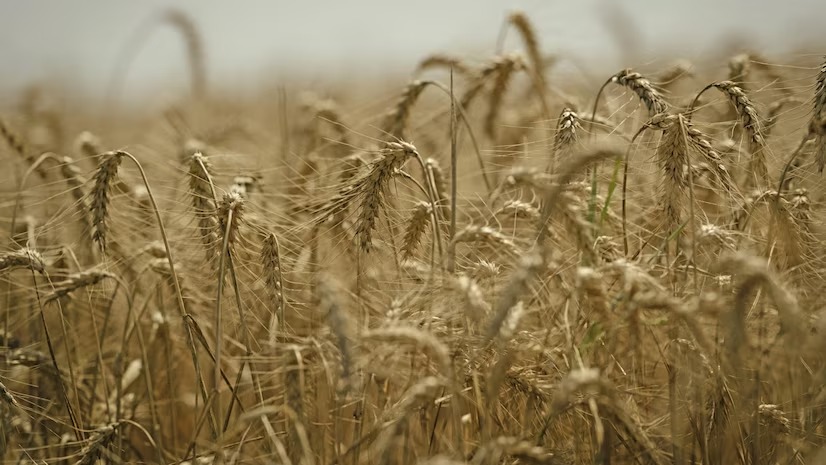
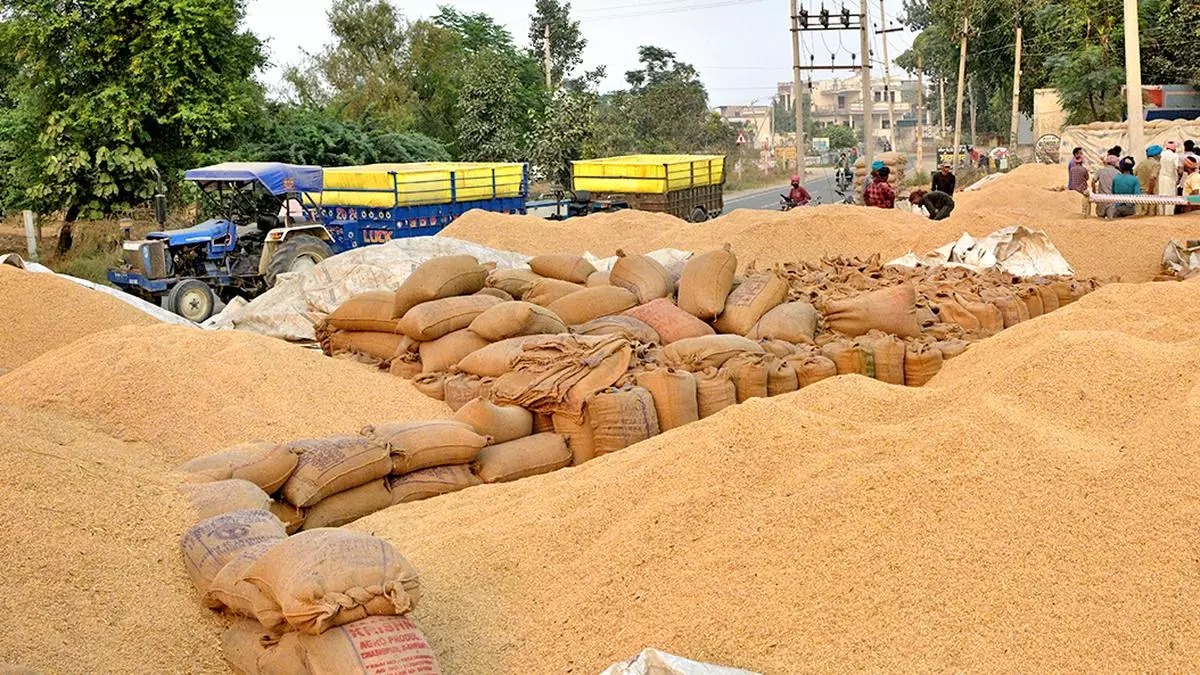
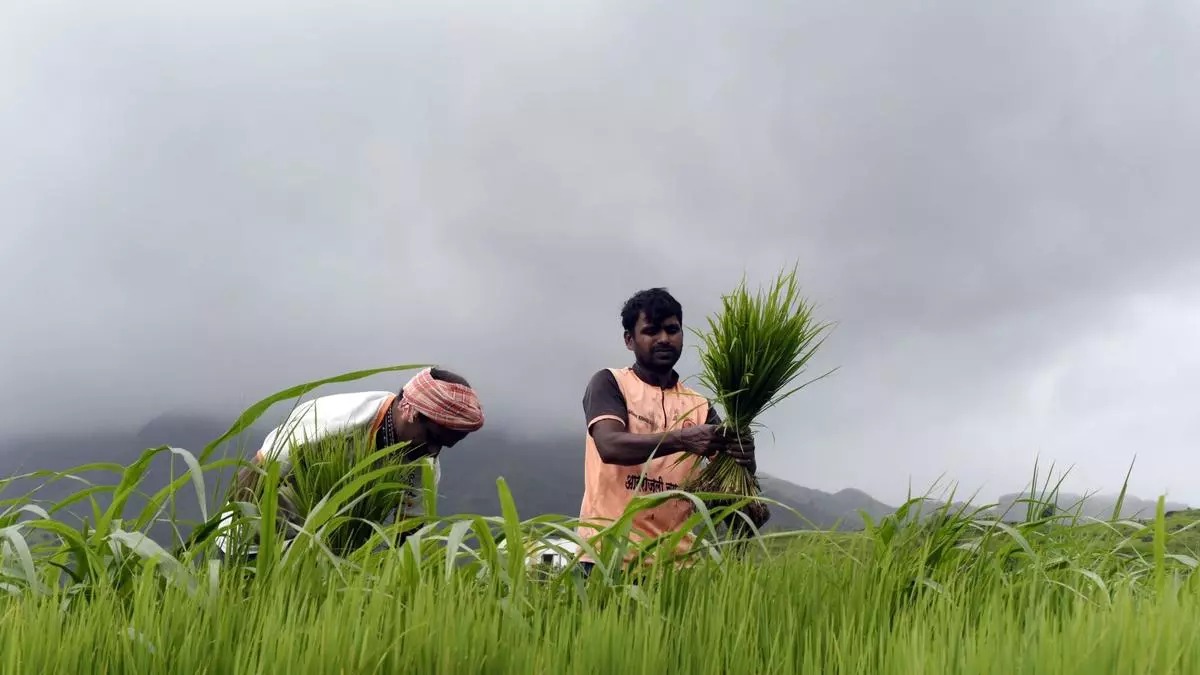
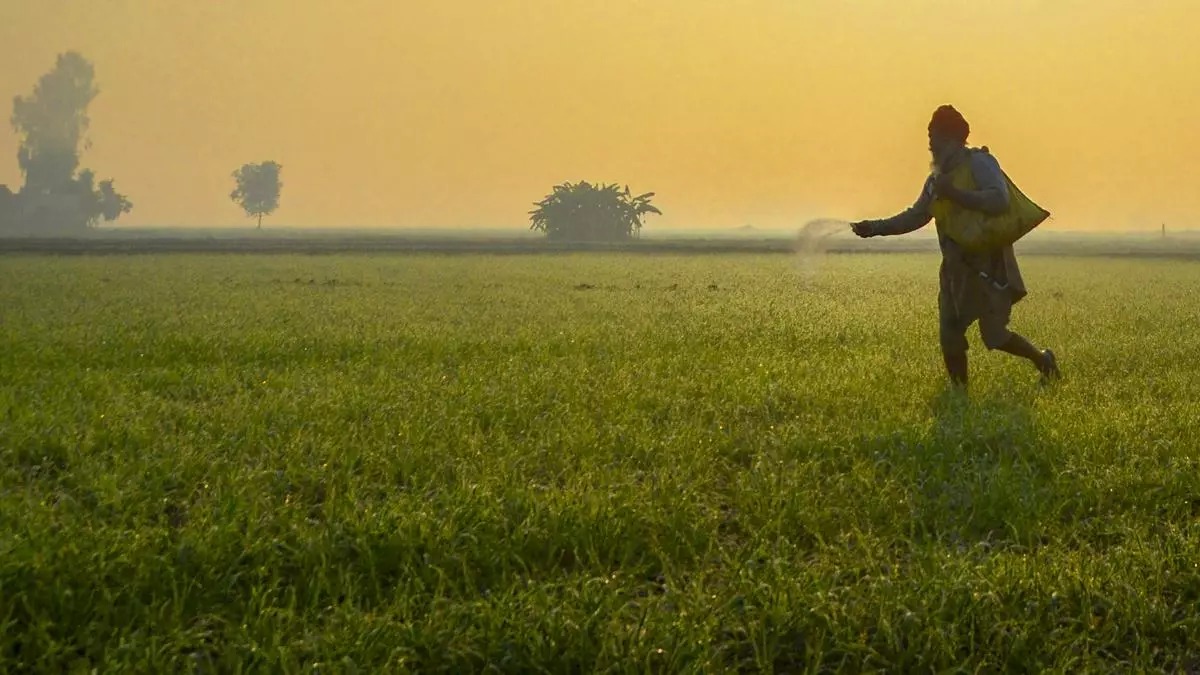
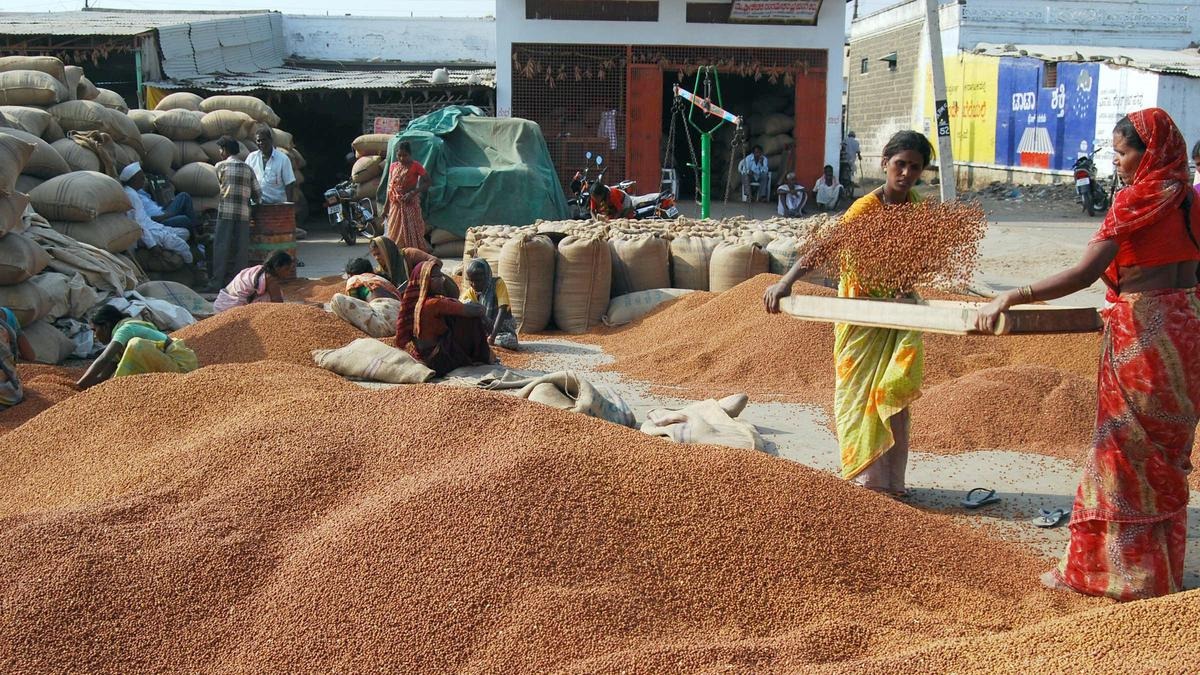
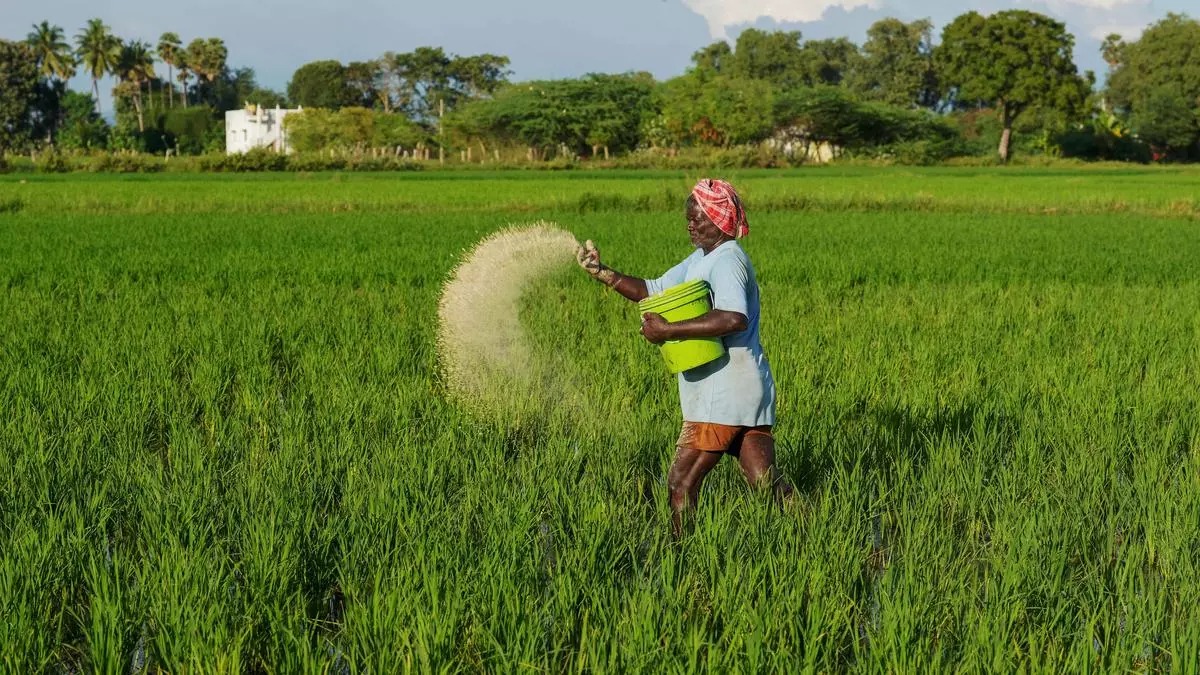
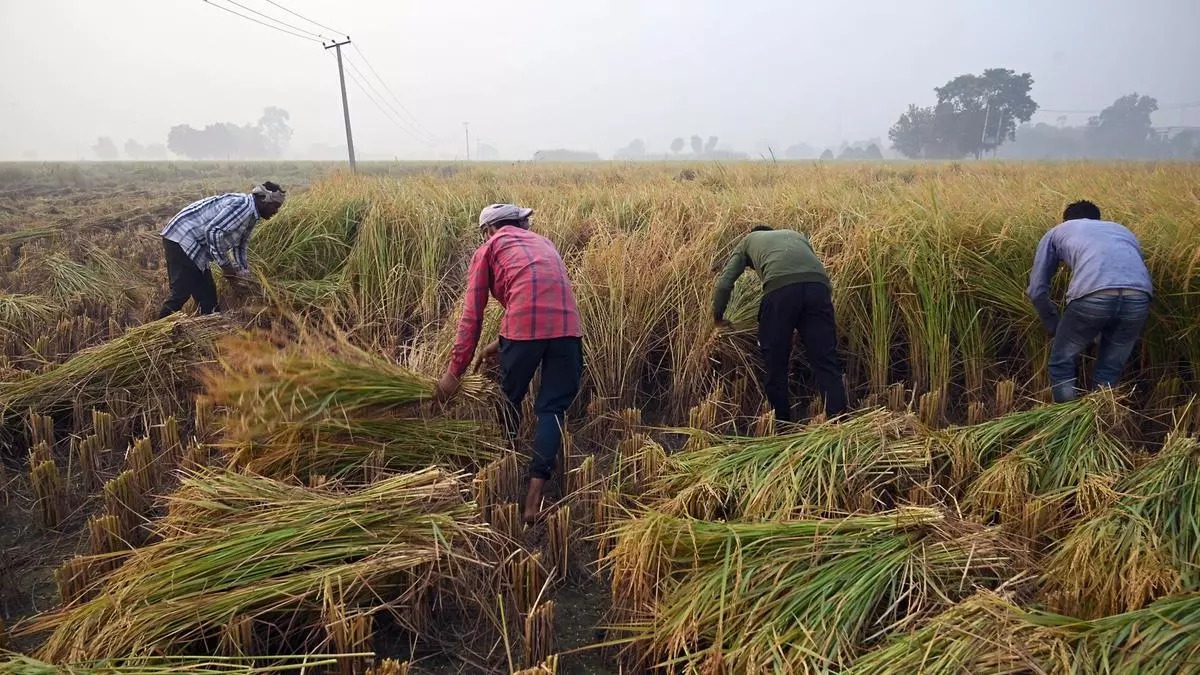
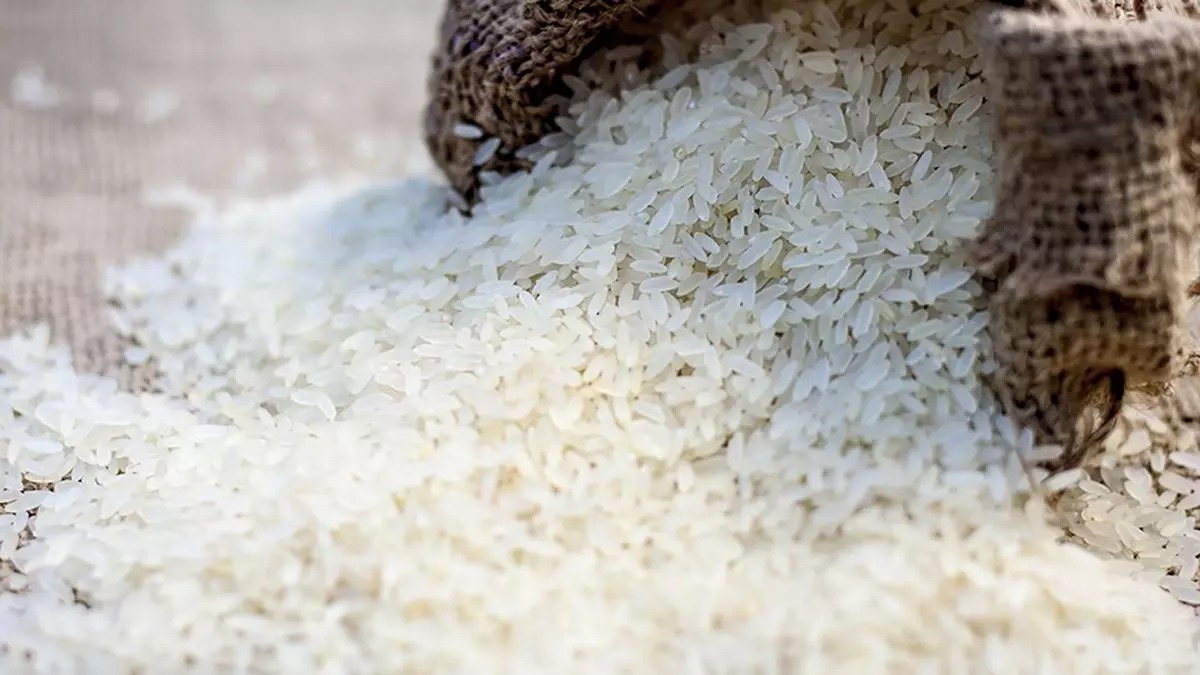
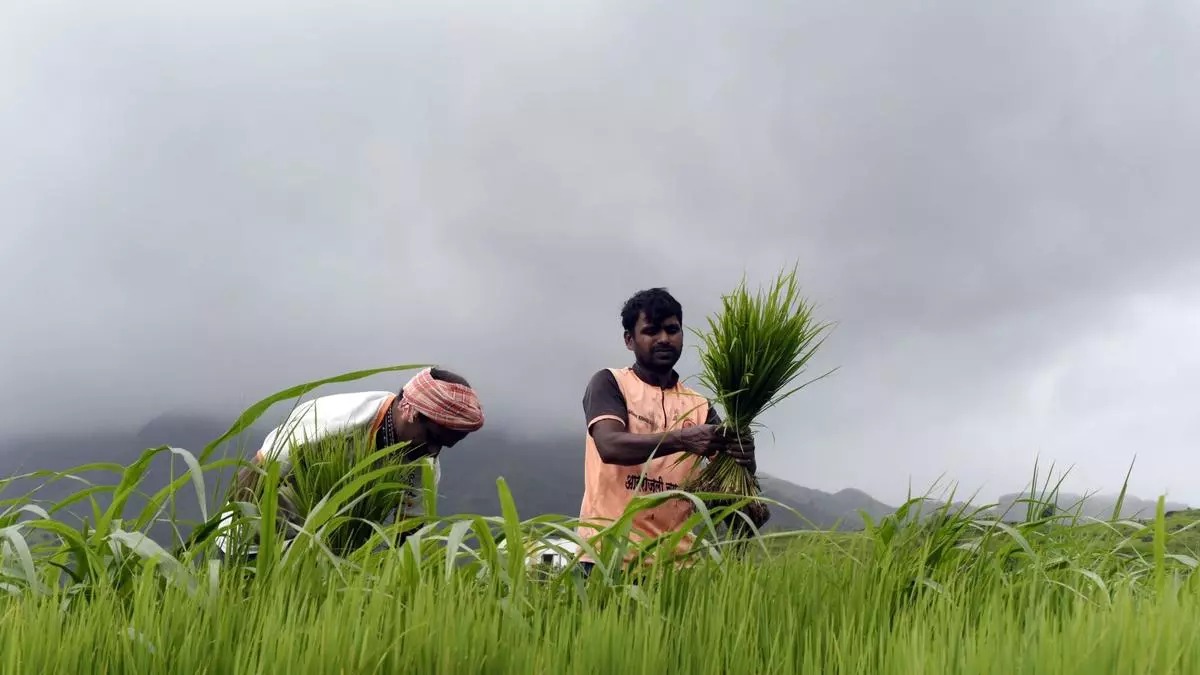
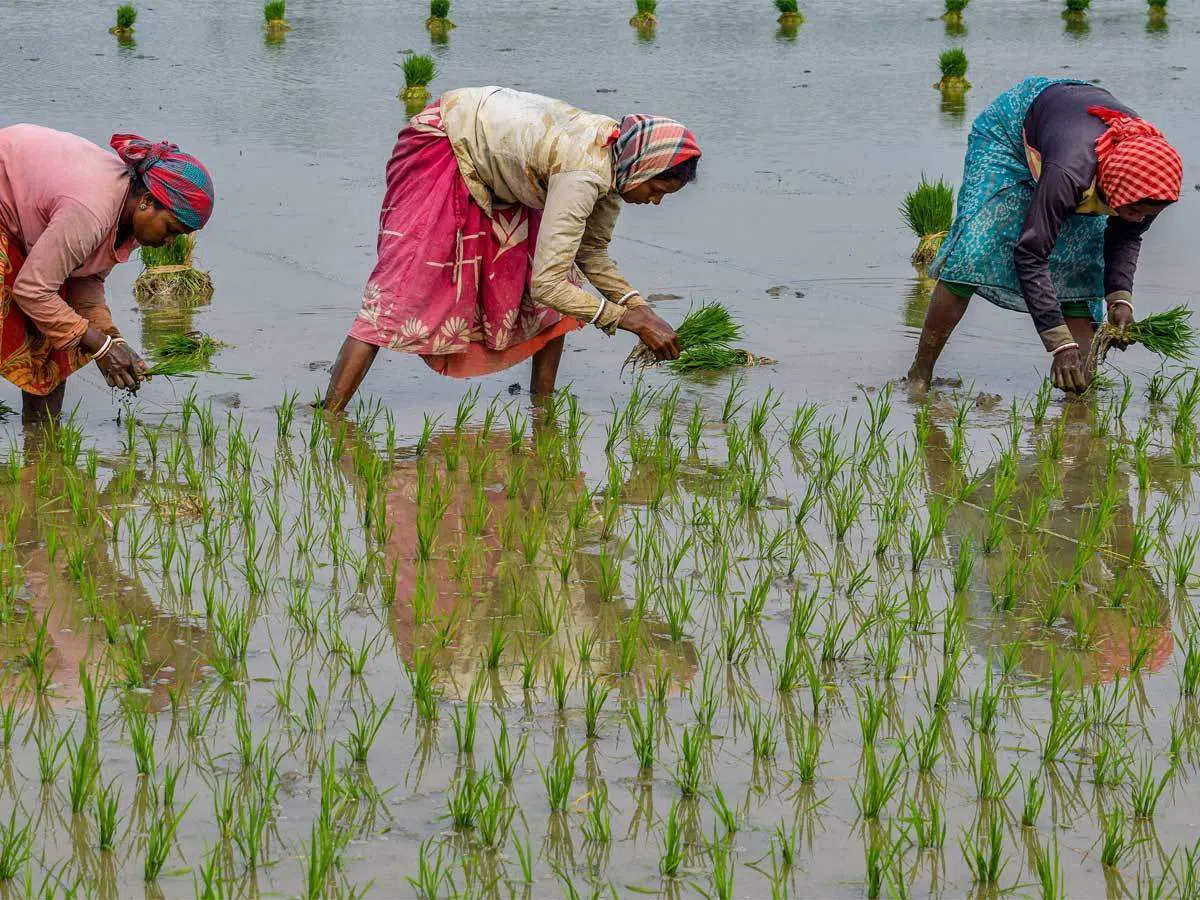
The scale of food production in India underscores this opportunity. In 2024–25, India harvested record crops, with rice production at roughly 150.18 million tonnes and wheat at about 117.94 million tonnes, resulting in a combined output of 357.73 million tonnes. A meaningful share of this volume already moves through modern mills and institutional channels, meaning that adding micronutrients at source can reach consumers at scale without requiring any change in dietary habits.
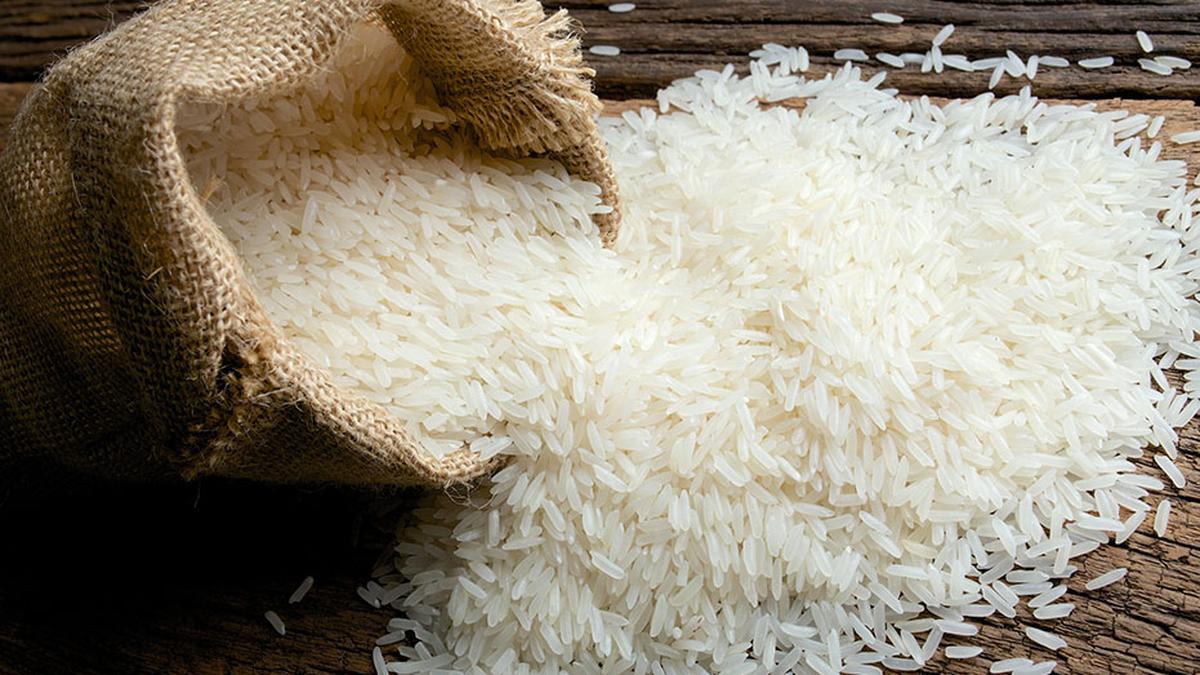
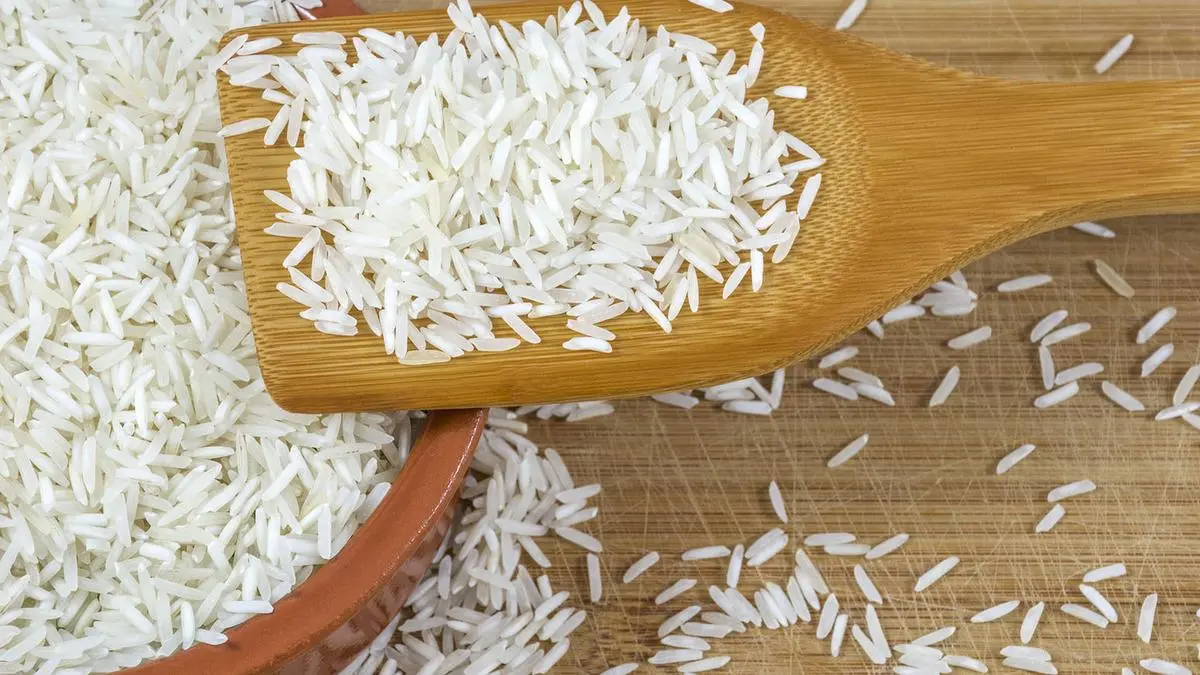
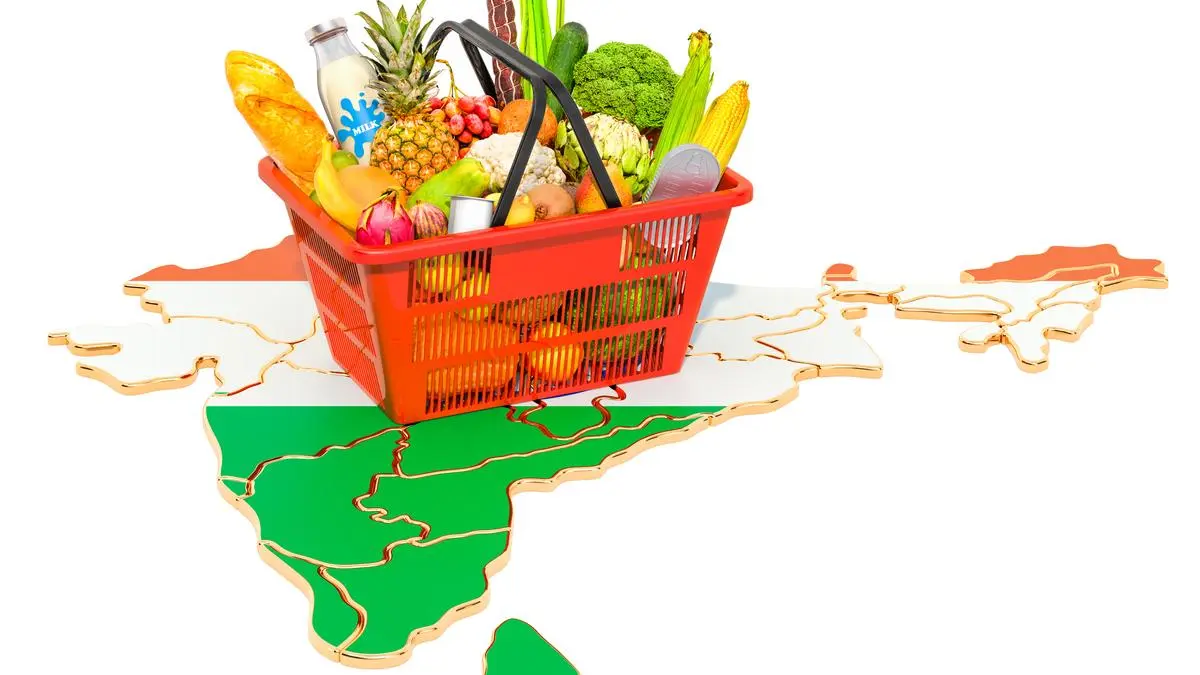
Demand signals are equally clear. While urban consumers are increasingly valuing nutrition and convenience, institutional buyers such as government’s social safety net programmes and corporate canteens are constantly exploring avenues to deliver nutritious food to the beneficiaries. Fortified rice and fortified atta address three critical needs including improving nutritional value invisibly, food-safety and procurement standards compliance, and branded retail differentiation. For millers, fortification is therefore both an ESG (Environmental, Social, and Governance) lever and a pathway to margin expansion through value-added SKUs (Stock Keeping Units).