India’s fertiliser subsidy calculations for the coming financial year (FY27) could come under pressure if global prices continue their upward march, as seen over the past few days. However, the country currently has adequate stocks to meet immediate demand, traders and market participants said.
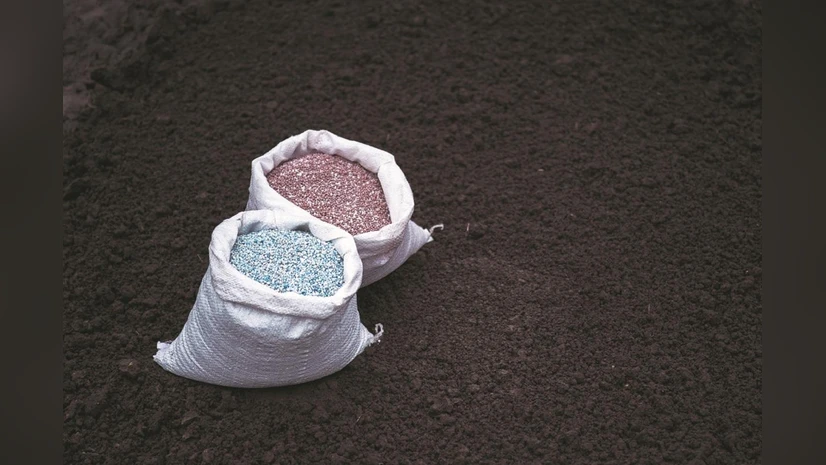
In the FY27 Union Budget, the government pegged the fertiliser subsidy at about ₹1.7 trillion, 8.4 per cent lower than the revised estimate (RE) of ₹1.86 trillion for FY26. The FY26 RE itself was more than 11 per cent higher than the Budget estimate (BE), as India used record quantities of urea and diammonium phosphate (DAP) at high prices. The subsidy burden could rise as retail prices of major fertilisers, such as urea and DAP, are kept fixed to support farmers, while import costs and domestic production expenses increase.
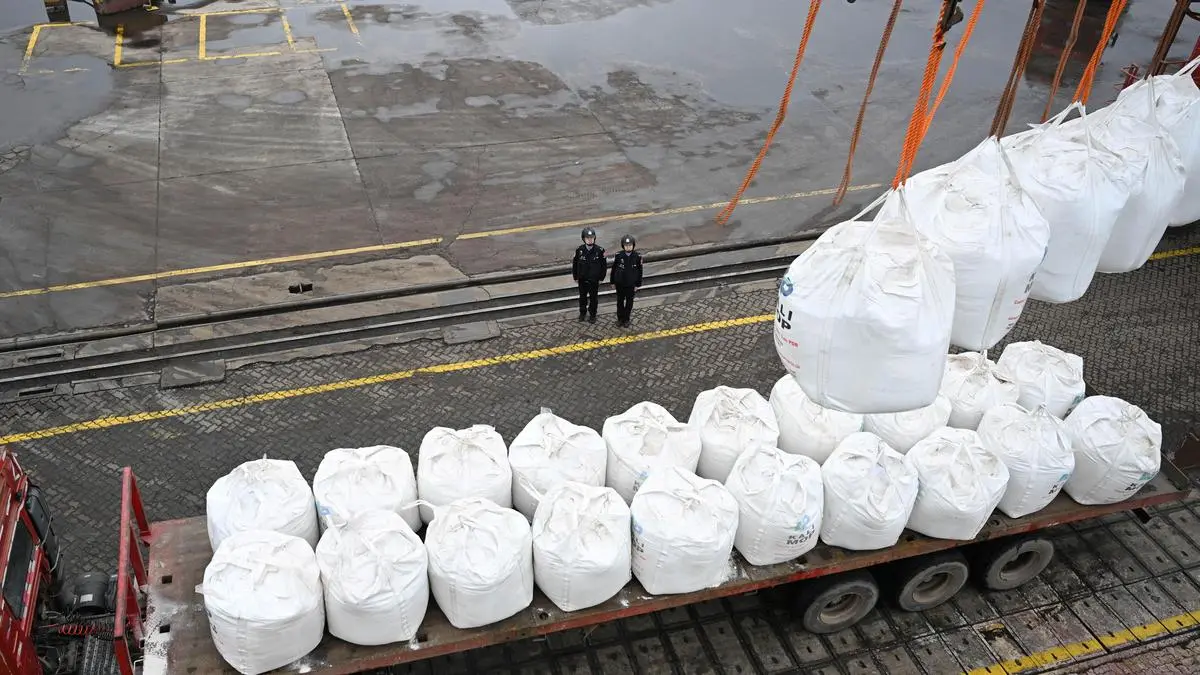
Experts said urea prices in West Asia have risen by nearly $100 per tonne to around $600 per tonne (FOB) since the crisis began a week ago. DAP prices have also increased to around $750-770 per tonne from about $650-670 per tonne before the crisis. India imported roughly 70 per cent of its urea, 42 per cent of DAP, 83 per cent of ammonia, and about 60 per cent of liquefied natural gas (LNG) from Gulf countries in FY25.