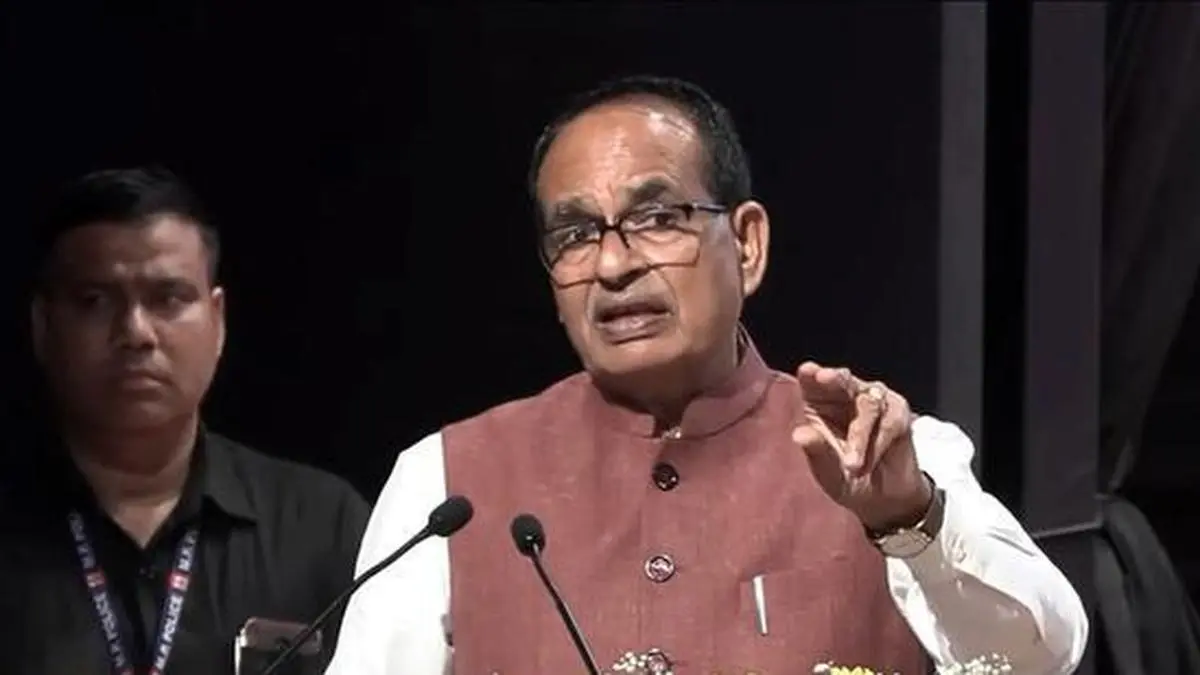
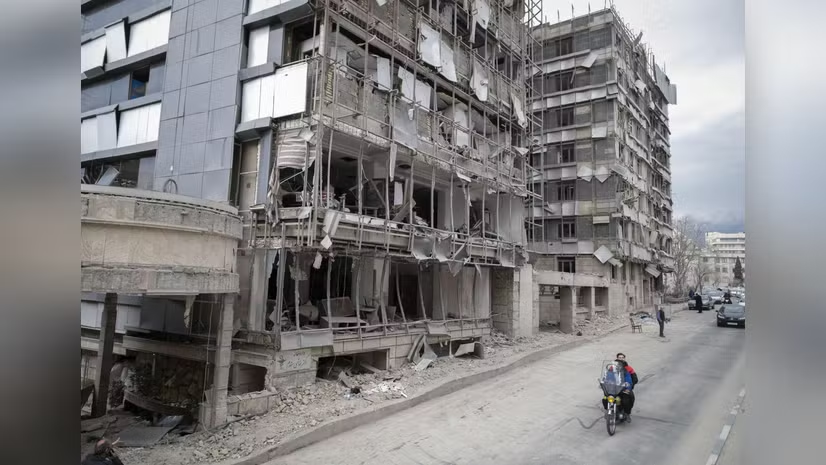
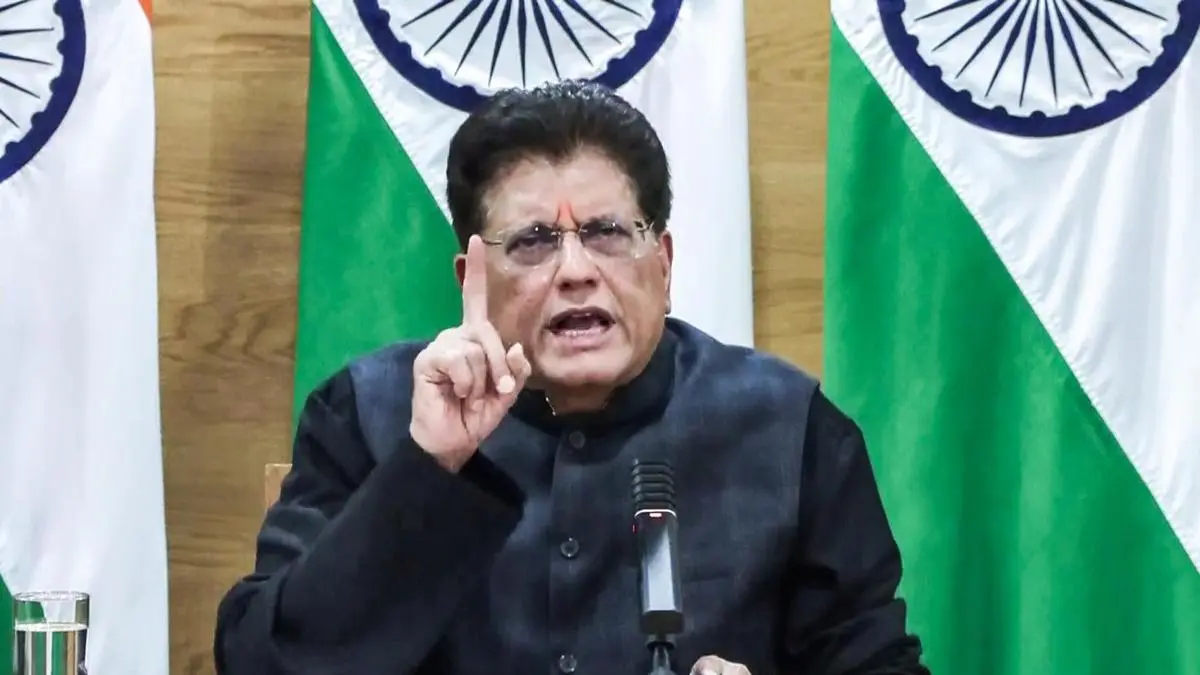
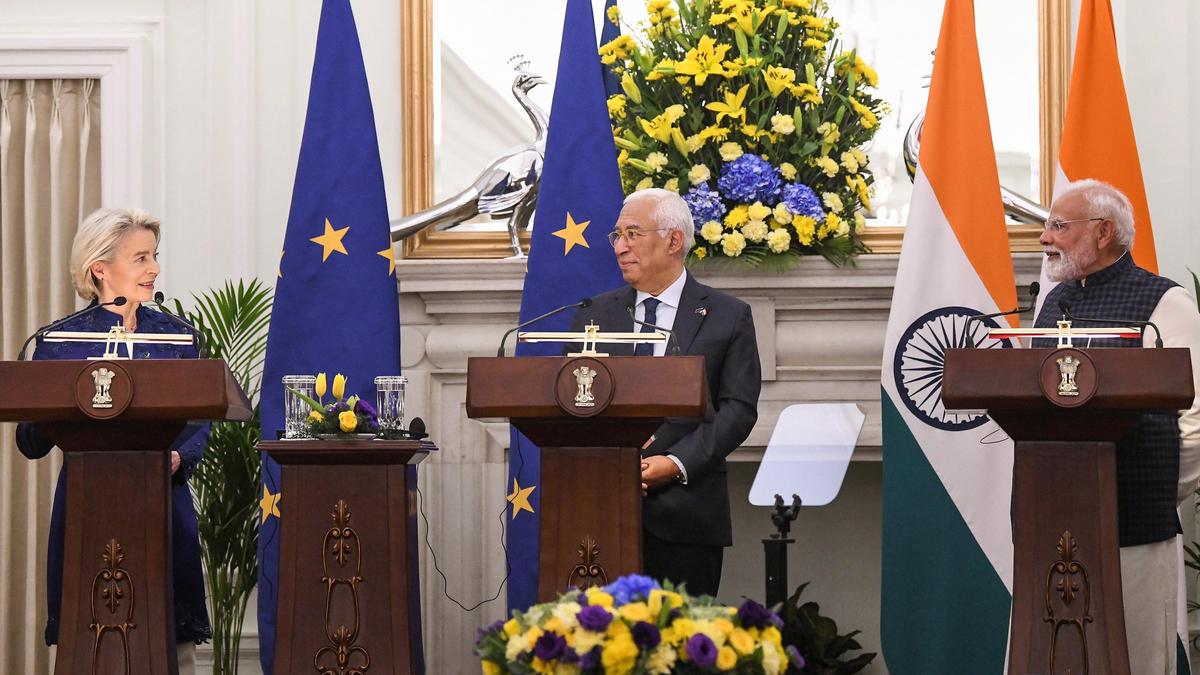
Prime Minister Narendra Modi, in his address to the Lok Sabha on March 23, 2026, framed India’s energy challenge in terms that go well beyond immediate crisis response. Against the backdrop of escalating tensions in West Asia and vulnerabilities around critical transit routes such as the Strait of Hormuz, the message was clear: energy security must be structurally engineered, not reactively managed.
India’s exposure remains significant. Imported crude oil continues to dominate the energy mix, and diesel underpins the country’s economic engine. While strategic petroleum reserves and diversification of crude sourcing—from 27 to 41 countries—have strengthened resilience, they do not fundamentally alter the equation.
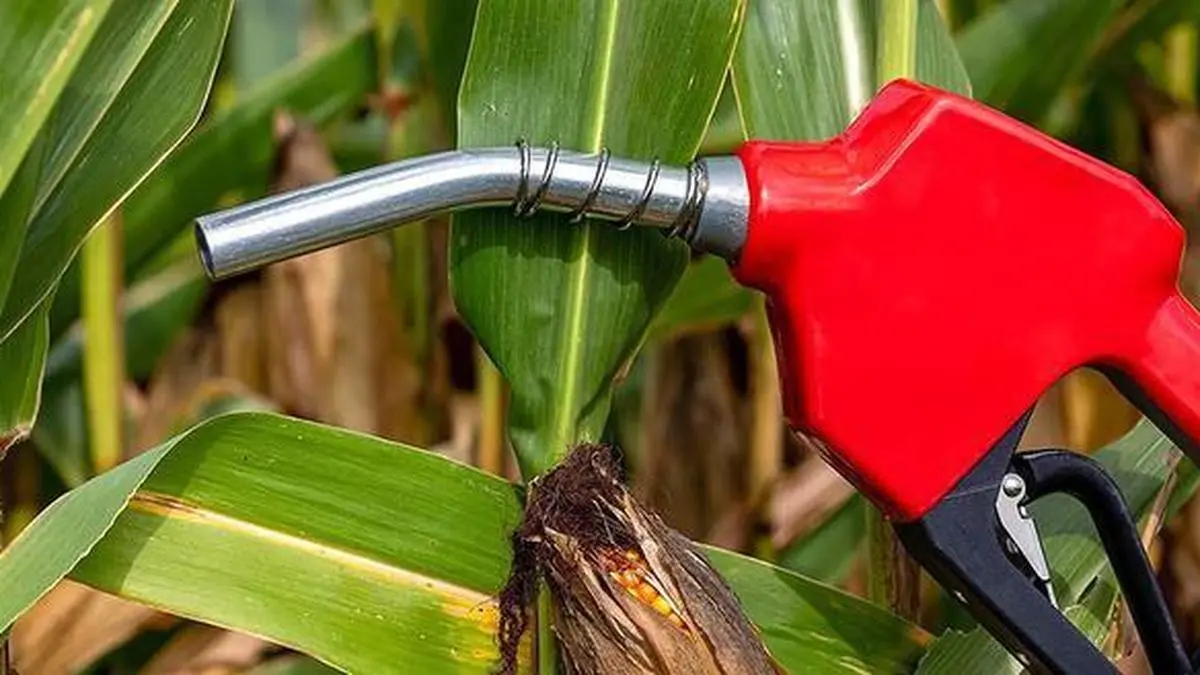
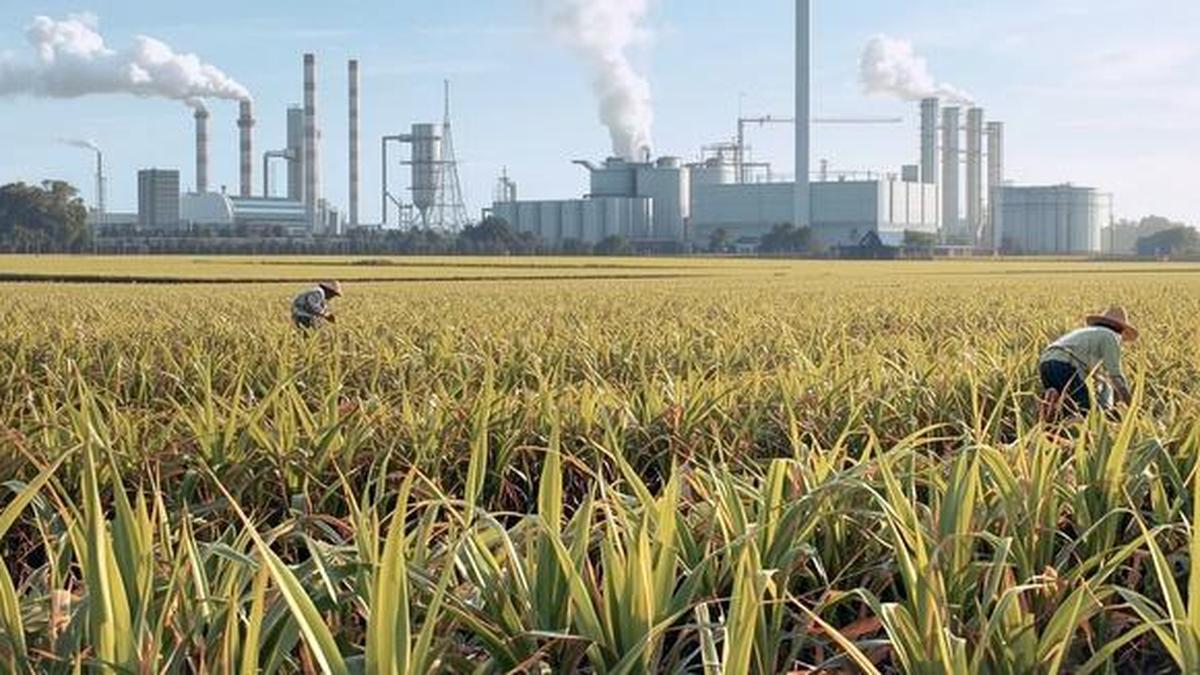
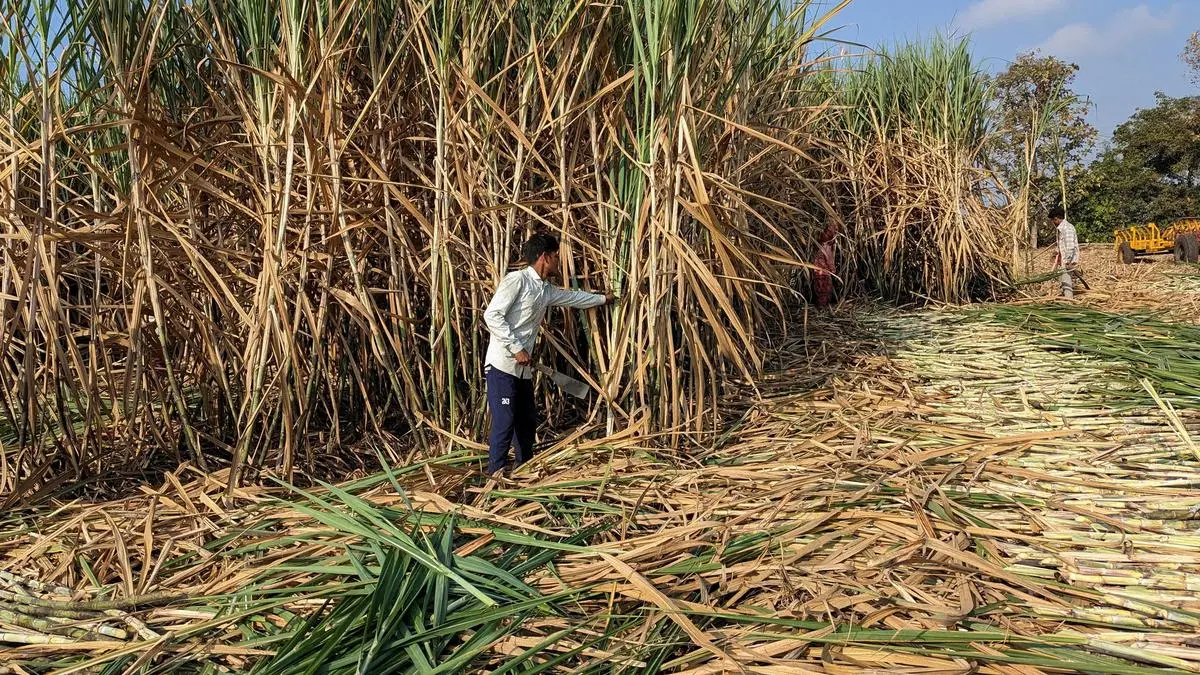
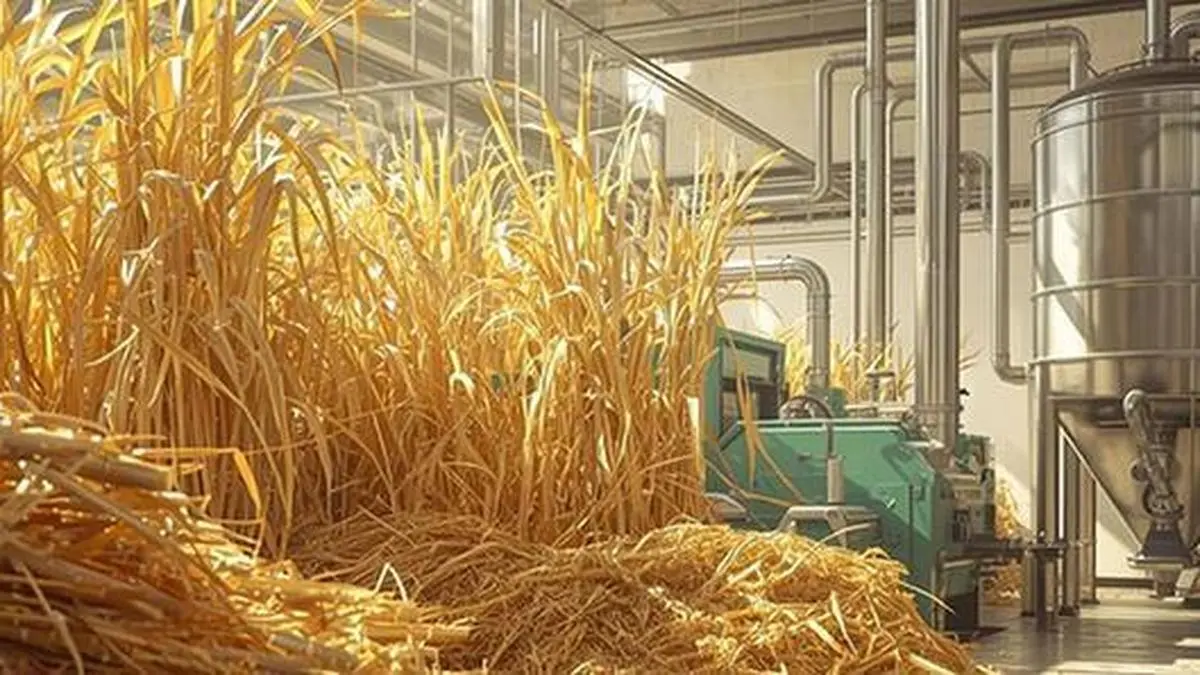
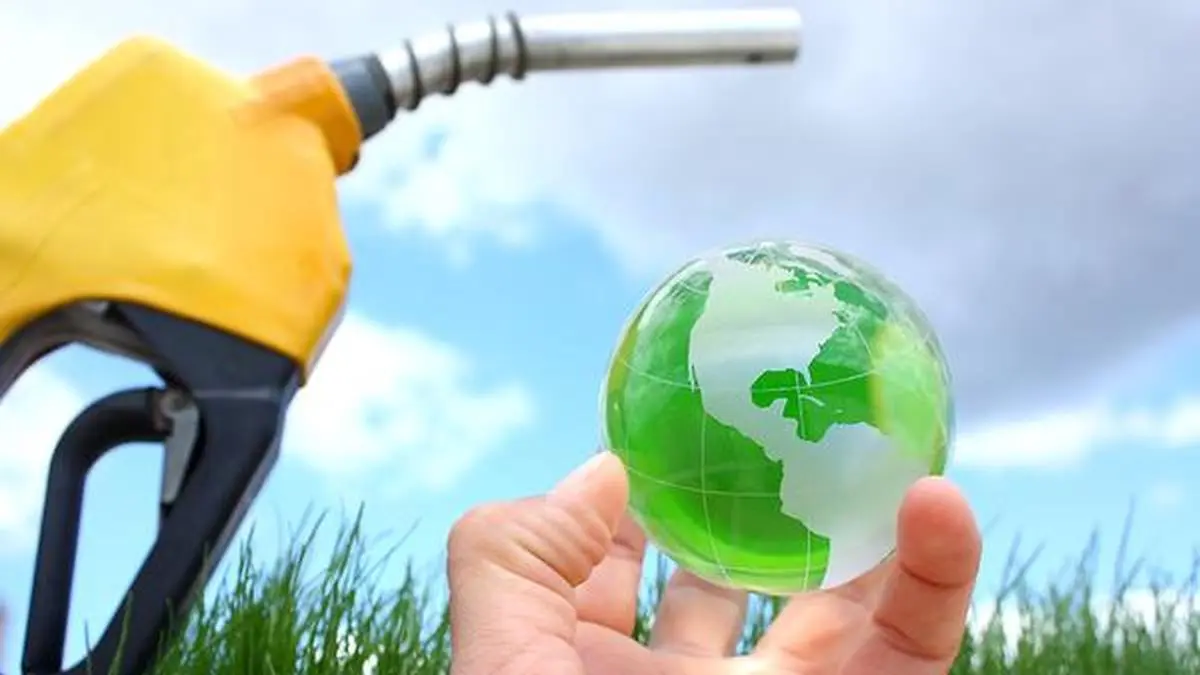
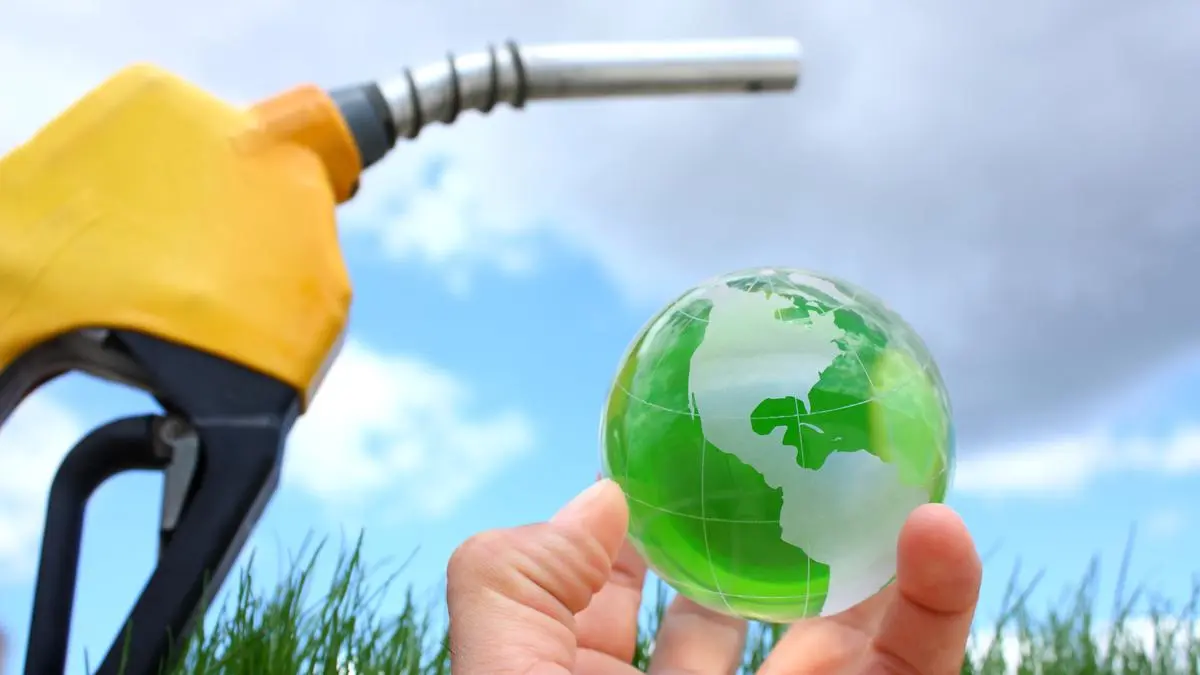
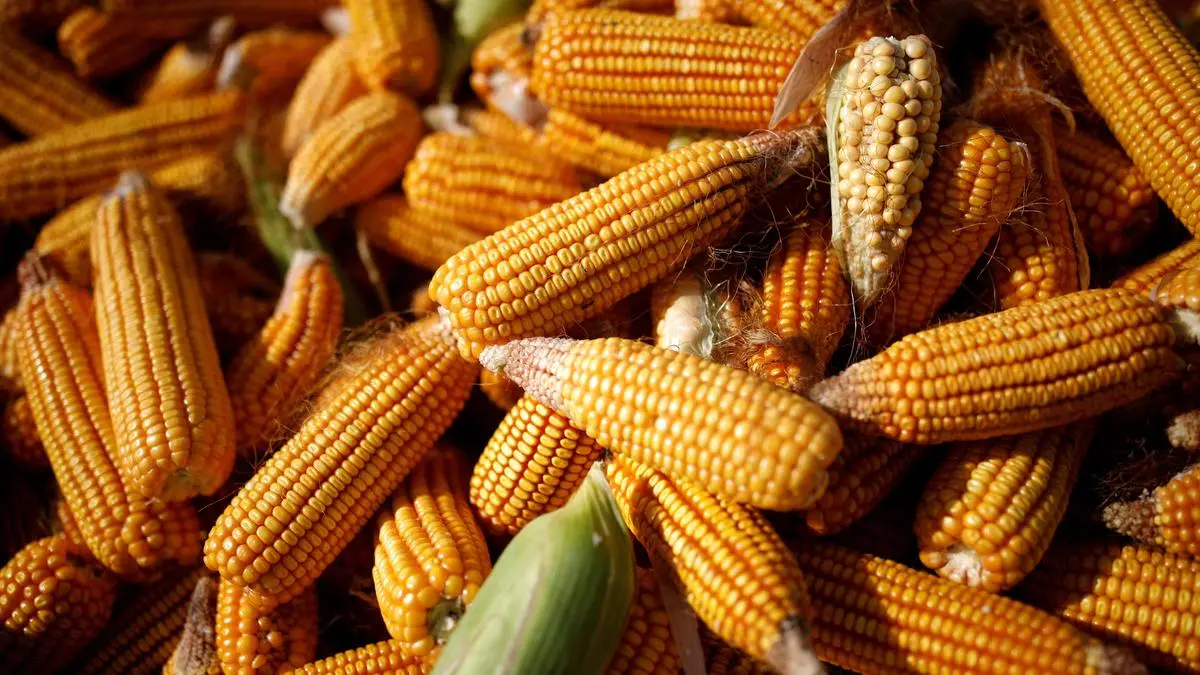
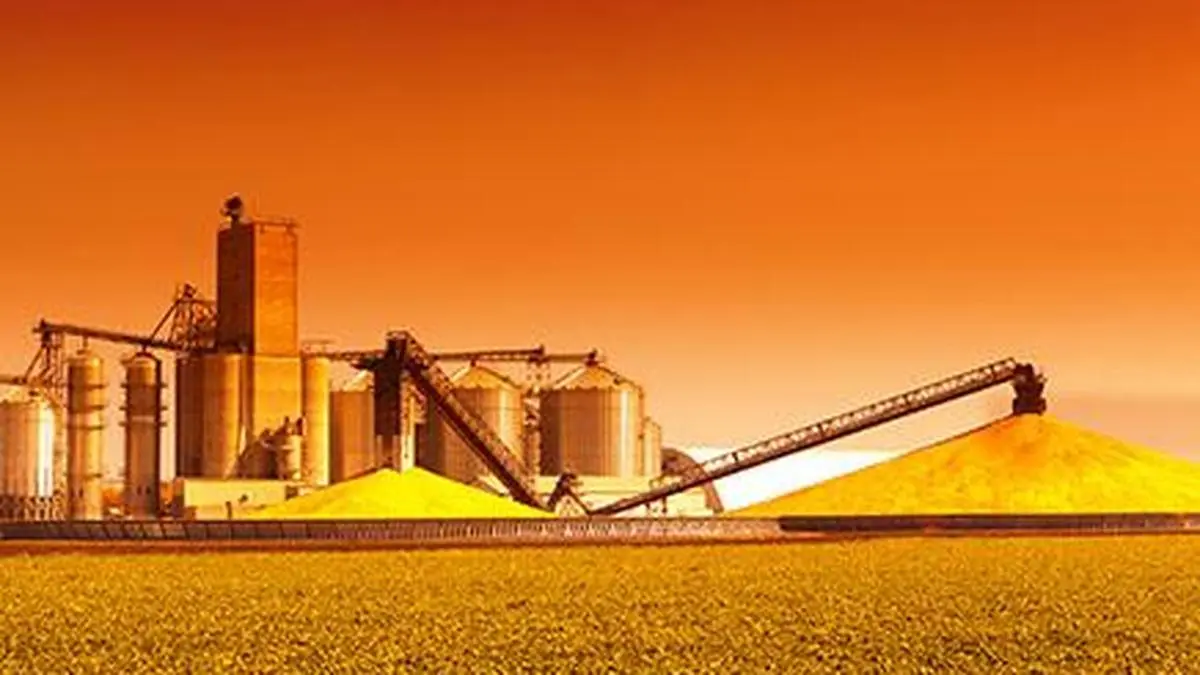
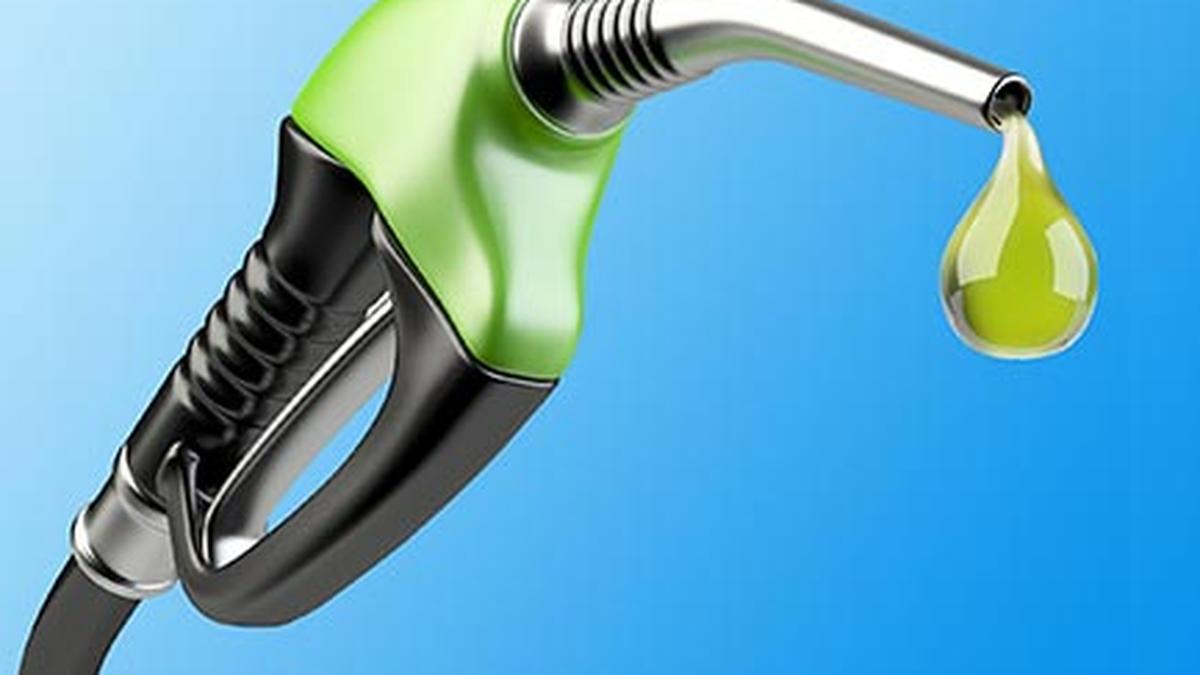
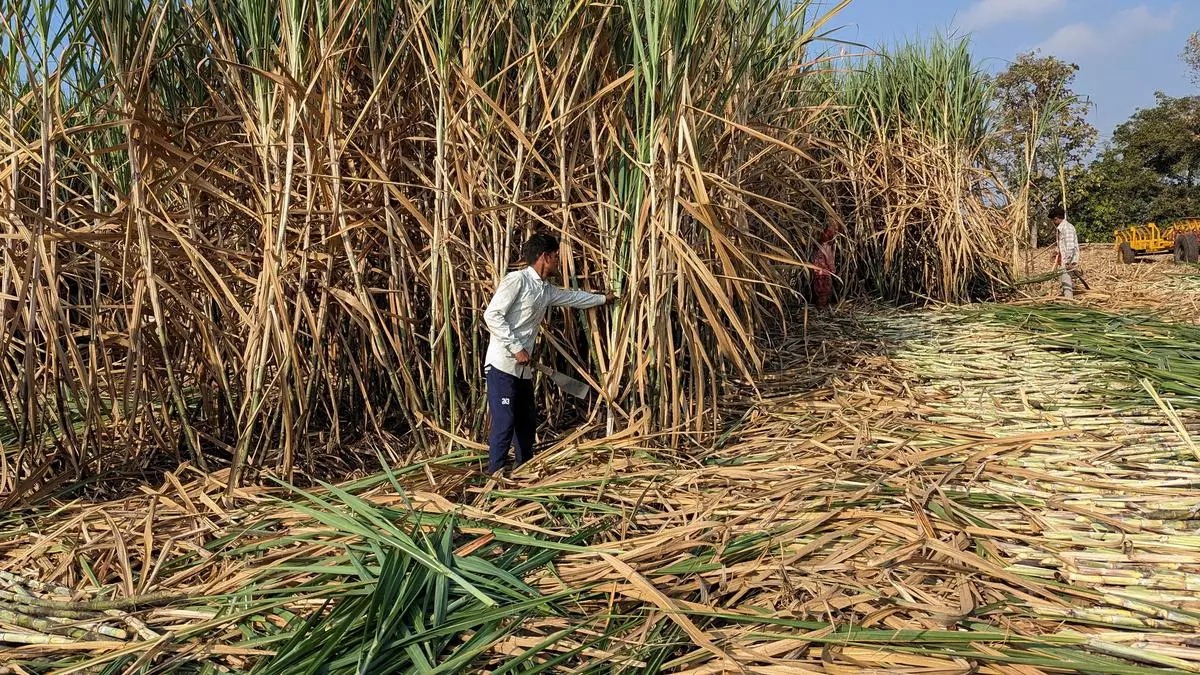
The more structural shift lies in reducing dependence on imported hydrocarbons. The ethanol blending programme—now at 20 per cent—has demonstrated what coordinated policy, technology, and industry alignment can achieve. It has materially reduced crude import requirements by 4.5 crore barrels a year and created a domestic biofuel ecosystem at scale. However, its impact has largely been confined to the petrol segment.