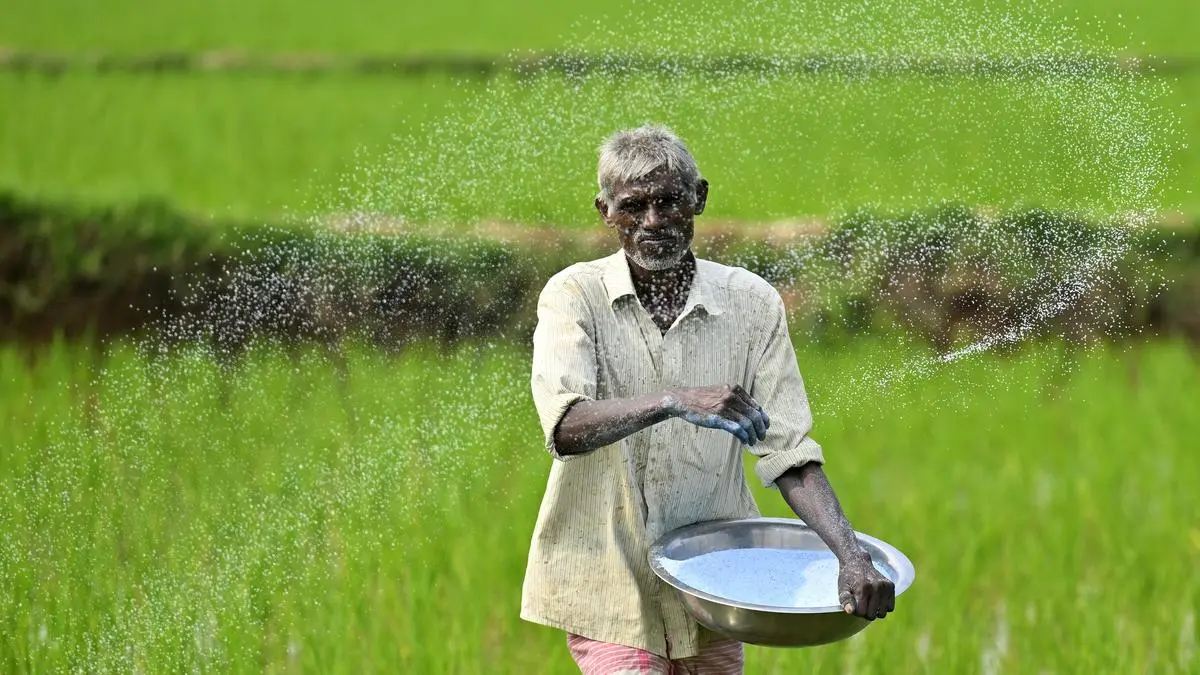
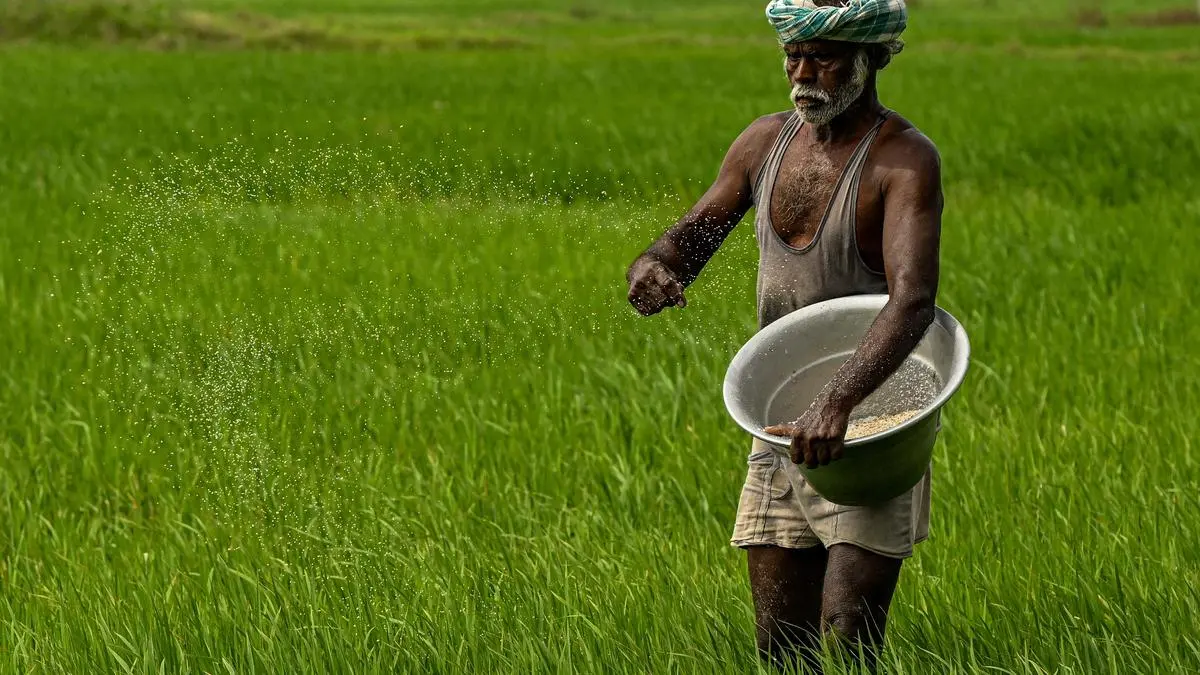
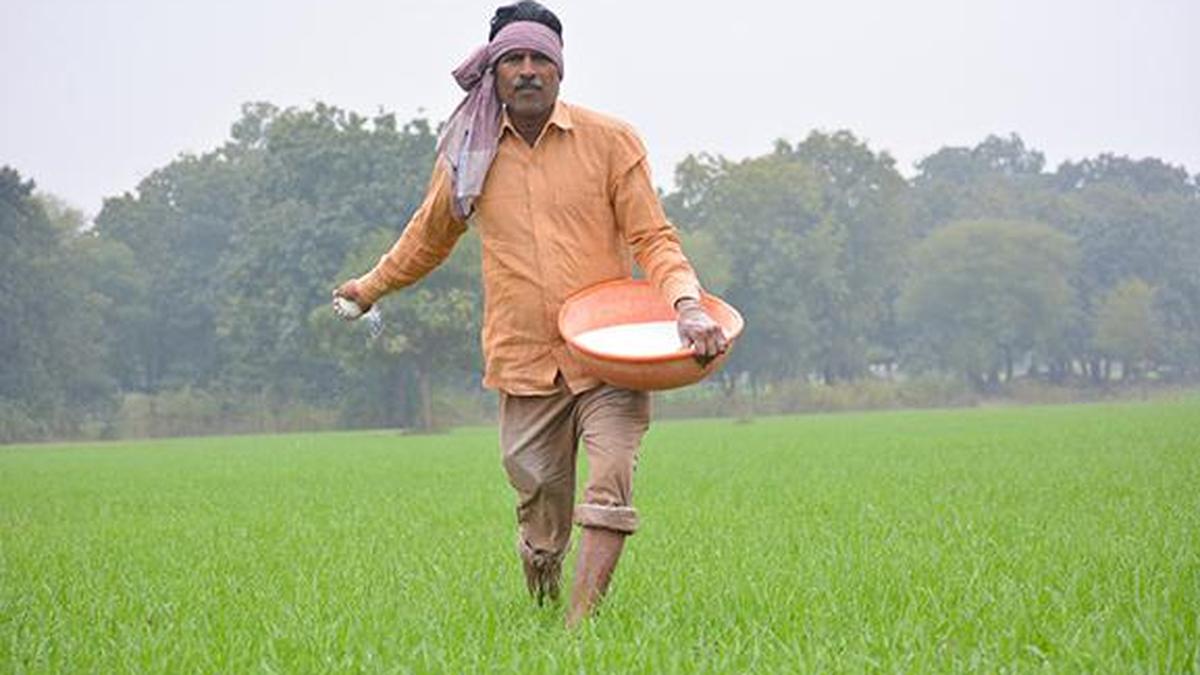
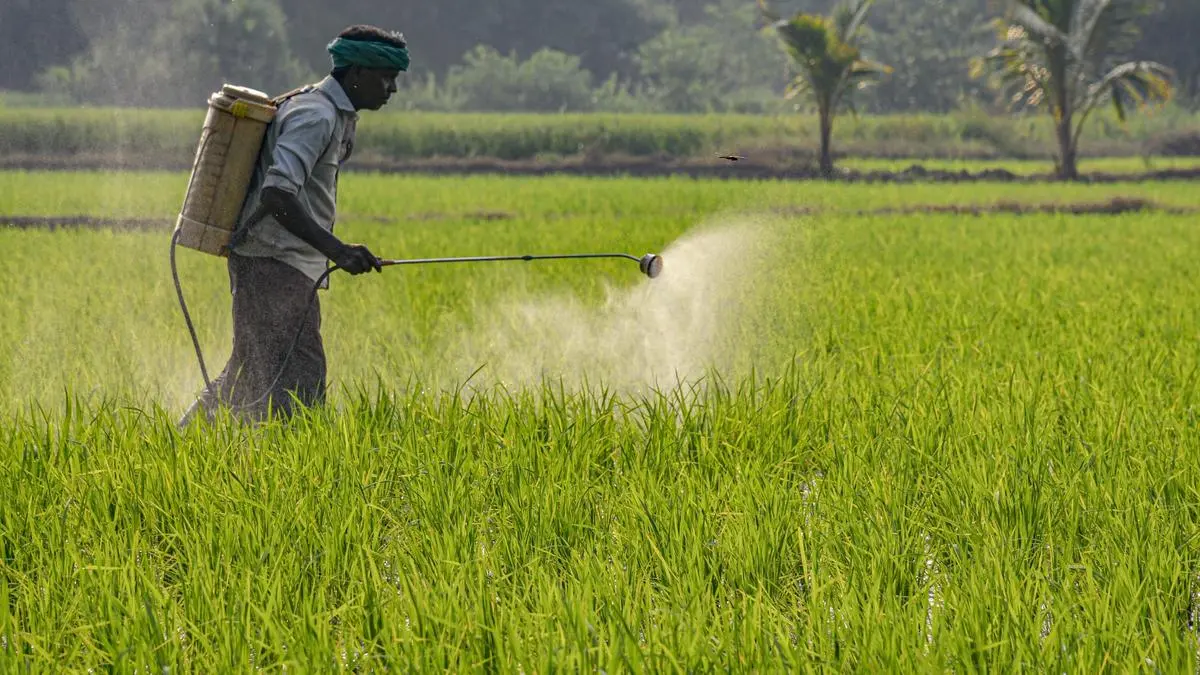
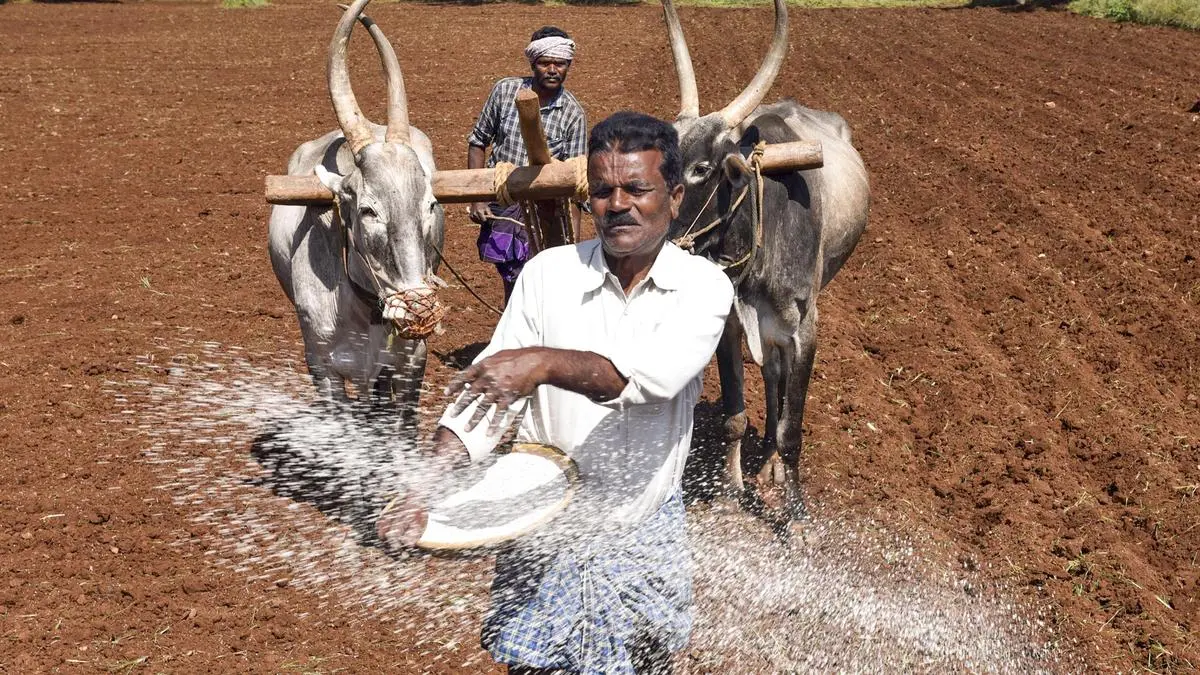
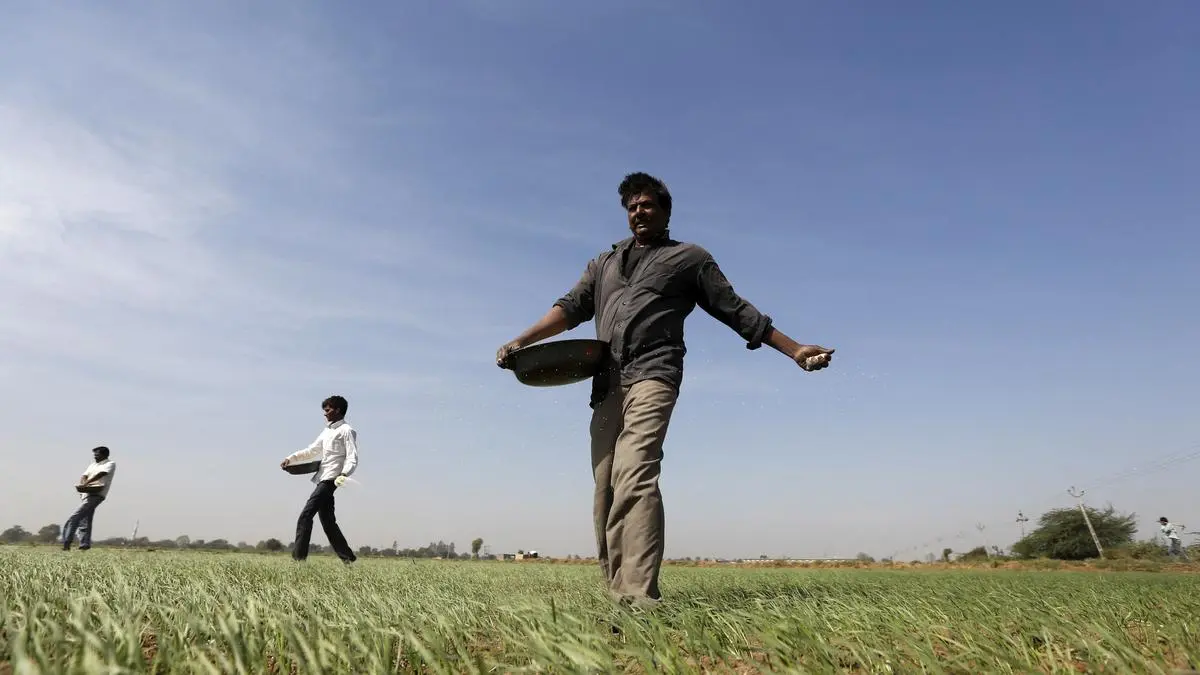
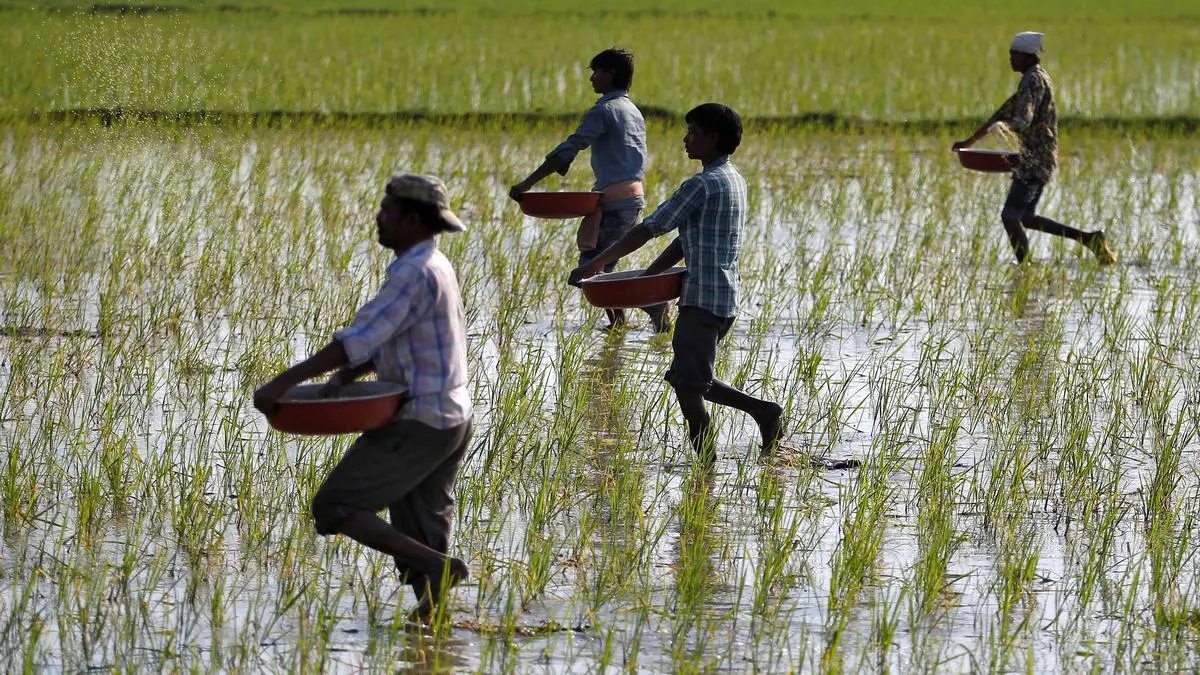
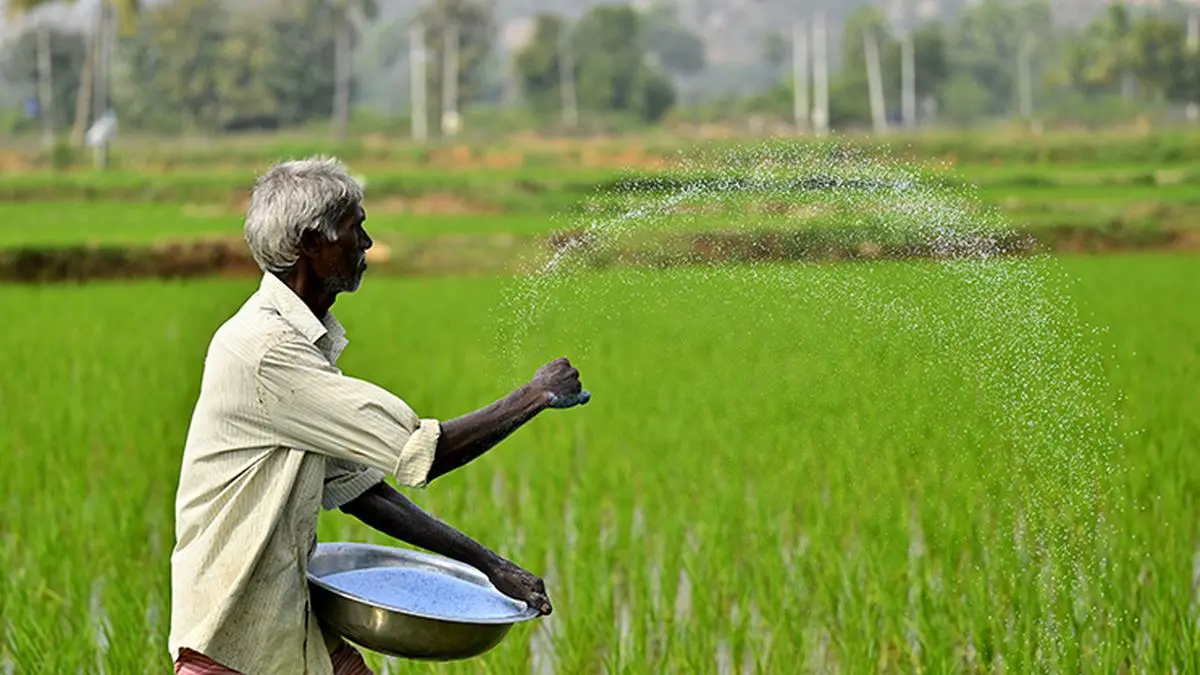
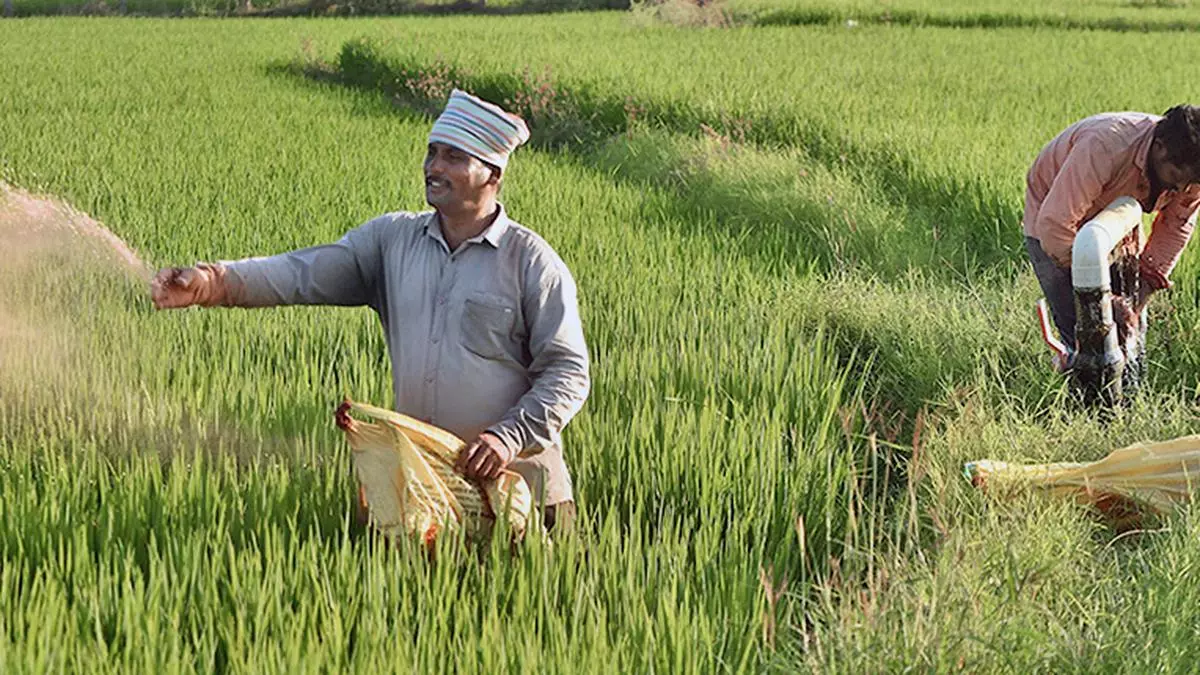
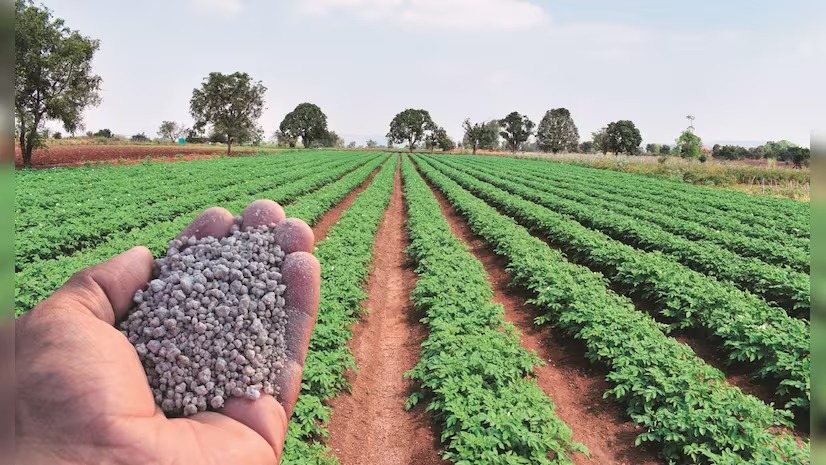
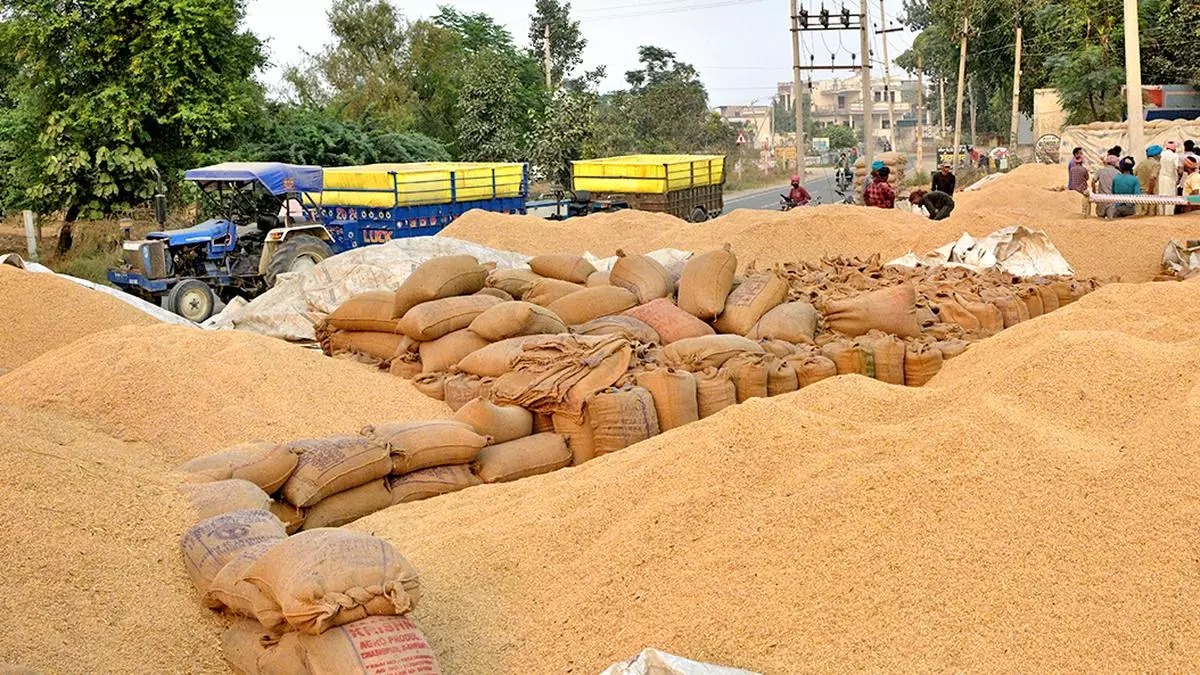
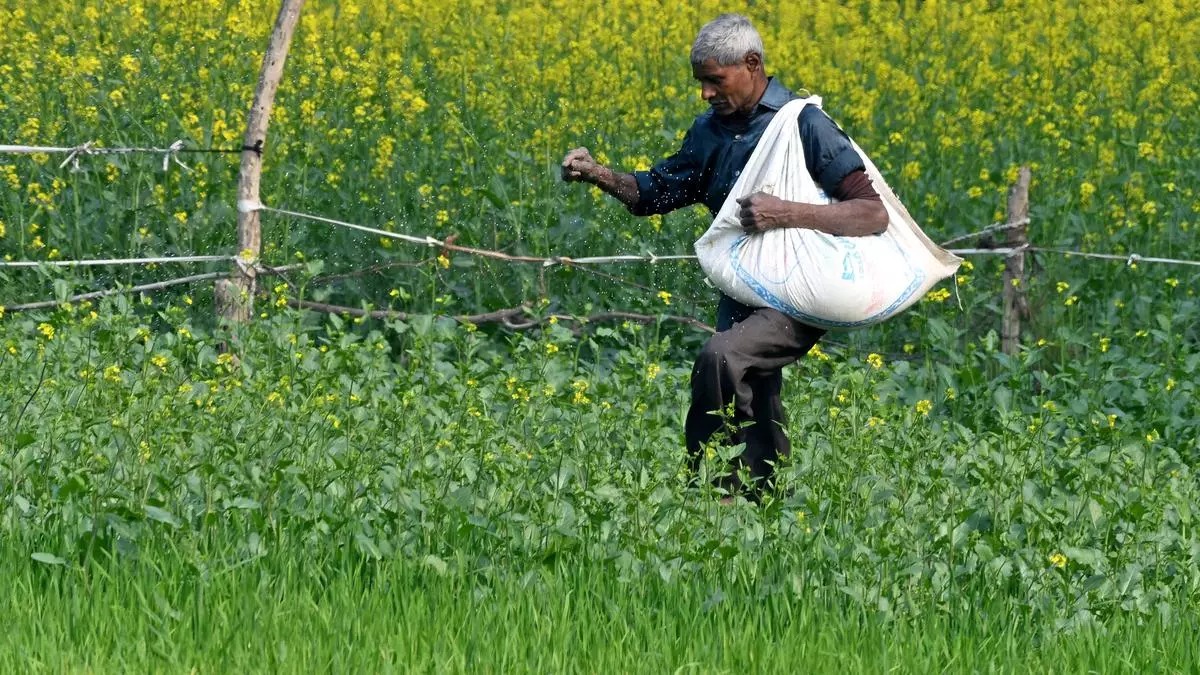
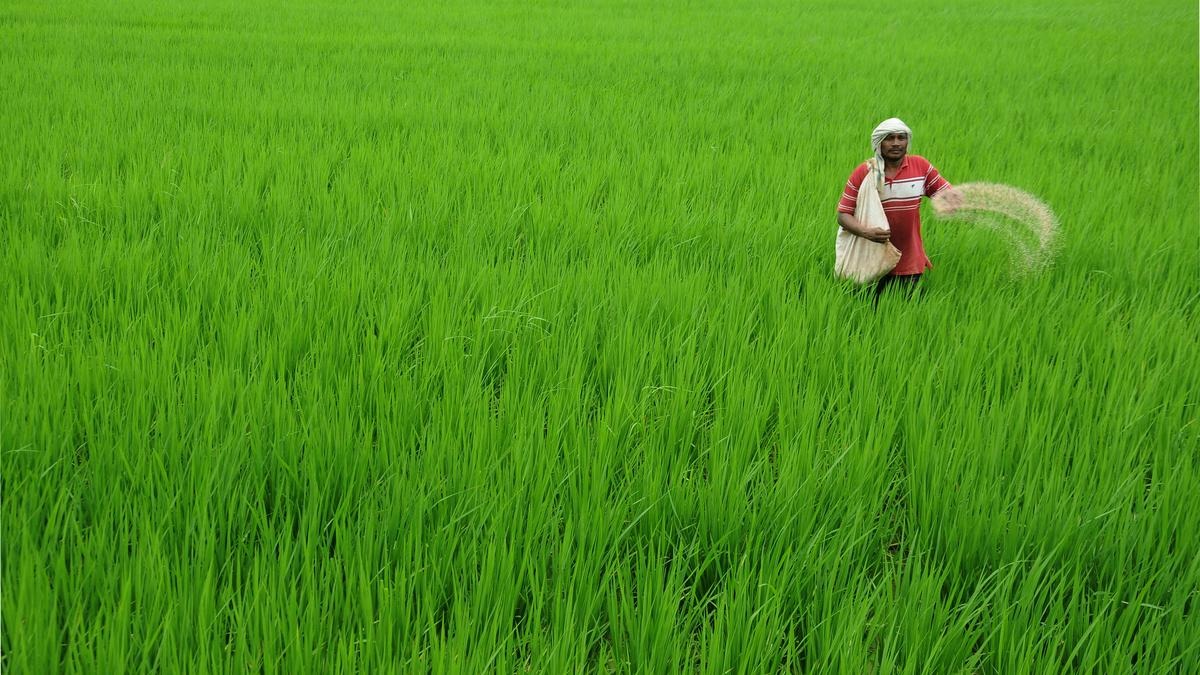
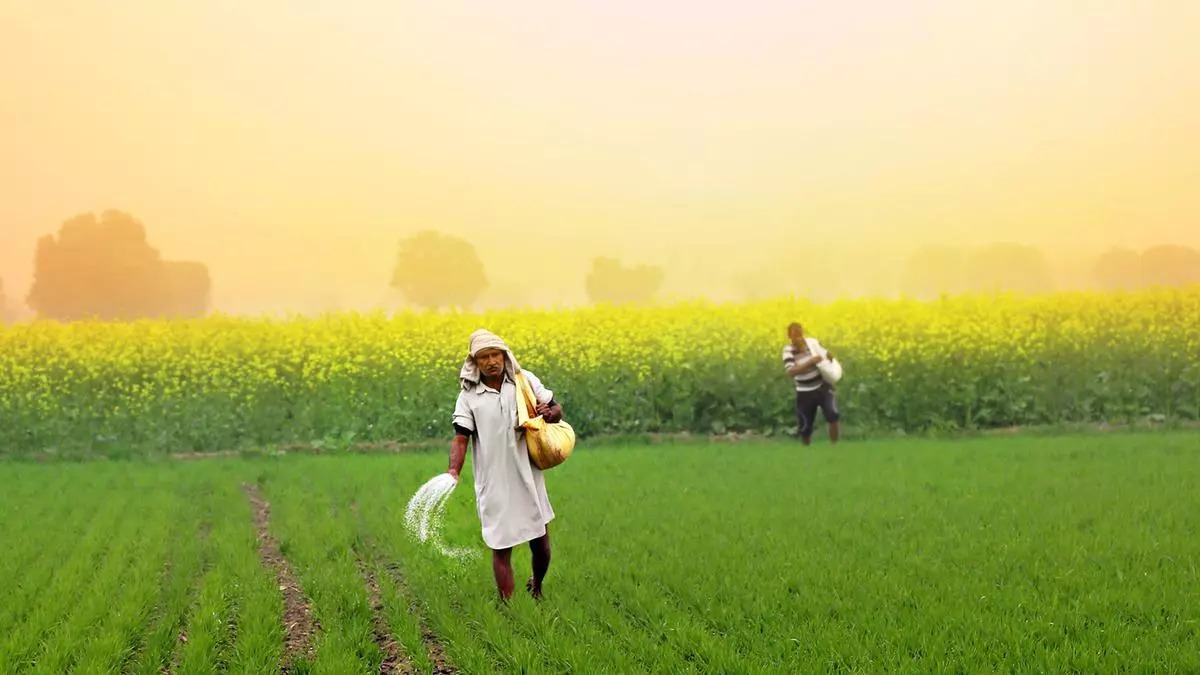
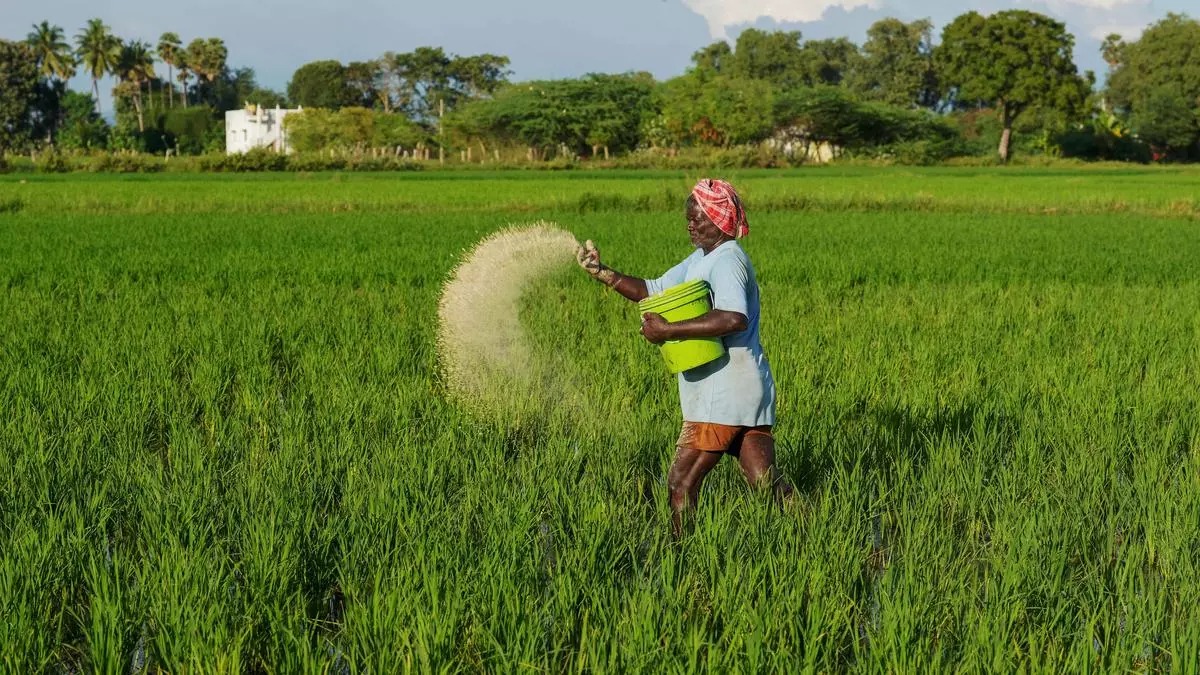
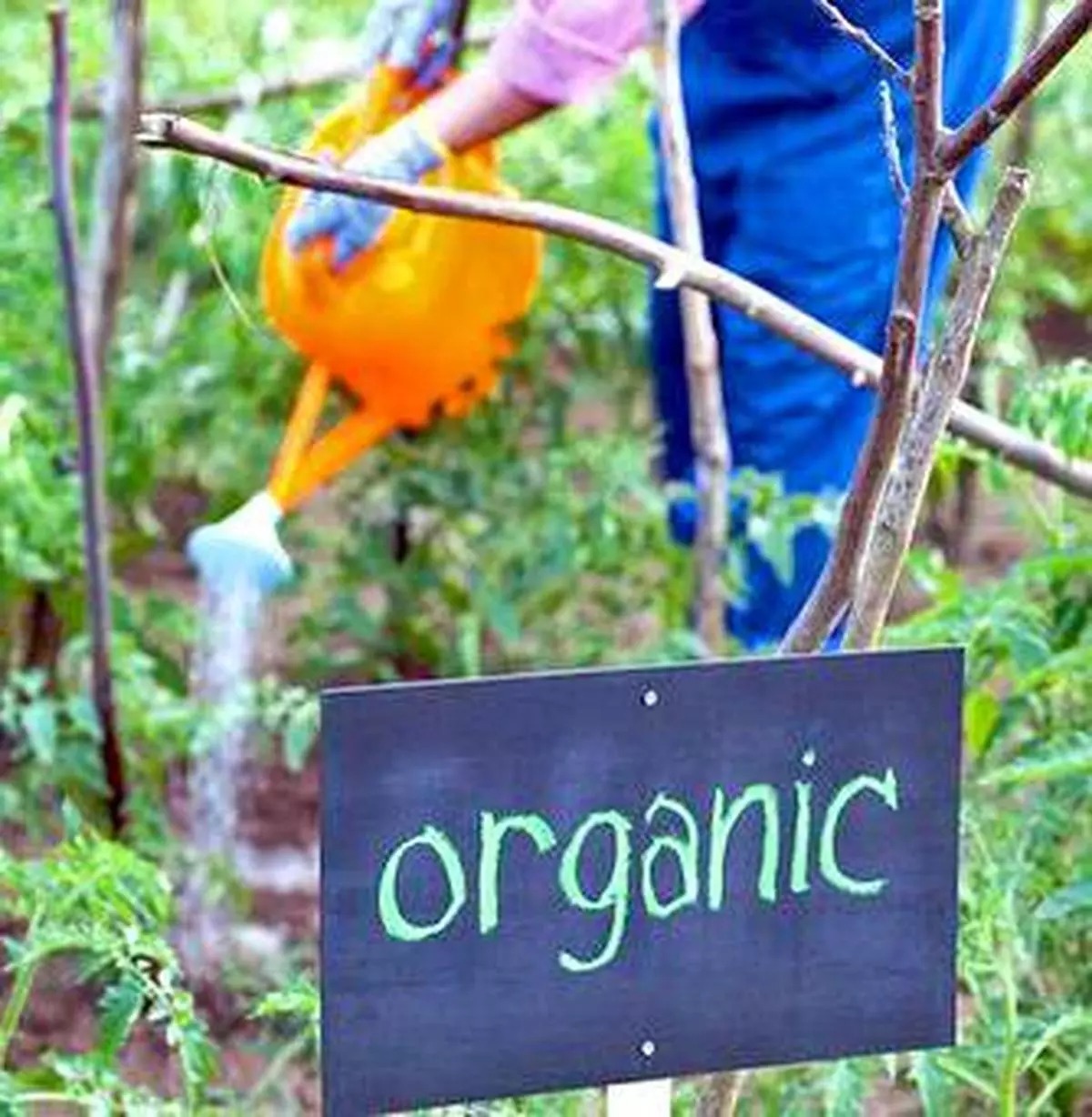
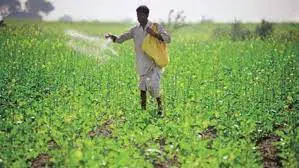
As India prepares for the Kharif 2026 season, ensuring adequate fertiliser availability remains central to sustaining crop production and farmer incomes. While domestic fertiliser production has strengthened and imports have diversified, evolving global dynamics — particularly supply chain pressures linked to geopolitical developments in West Asia — highlight the value of complementary solutions, such as natural farming, to improve nutrient efficiency and soil health.
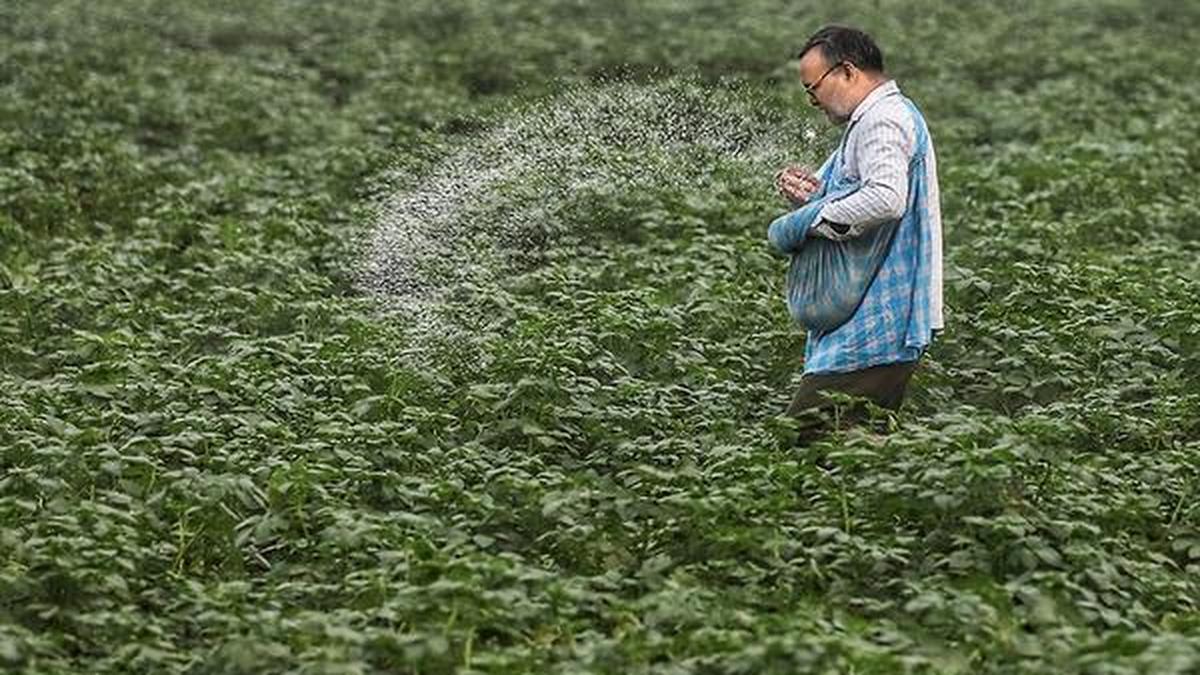
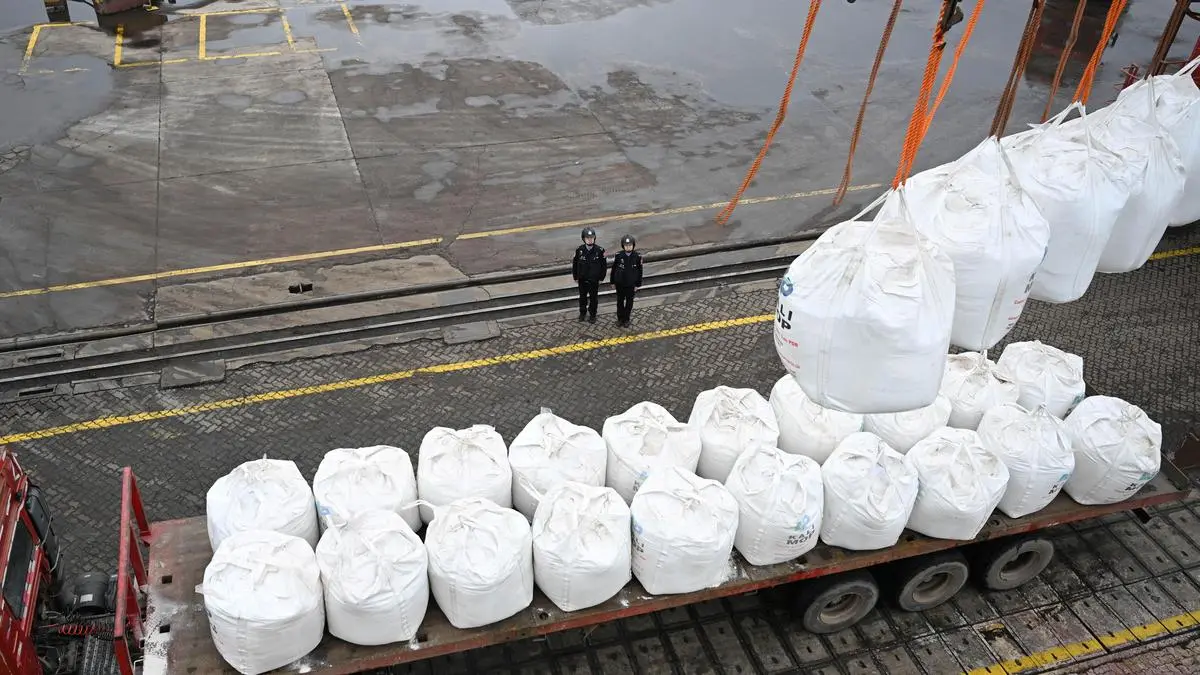
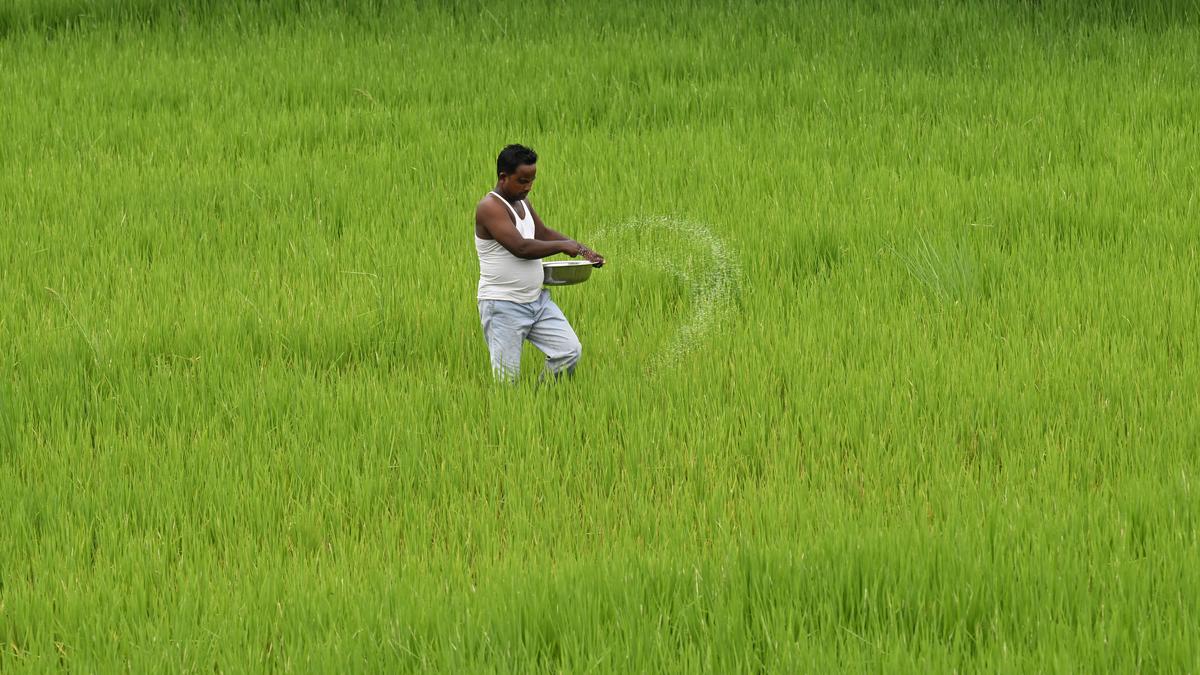
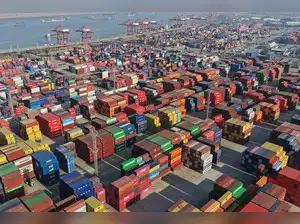
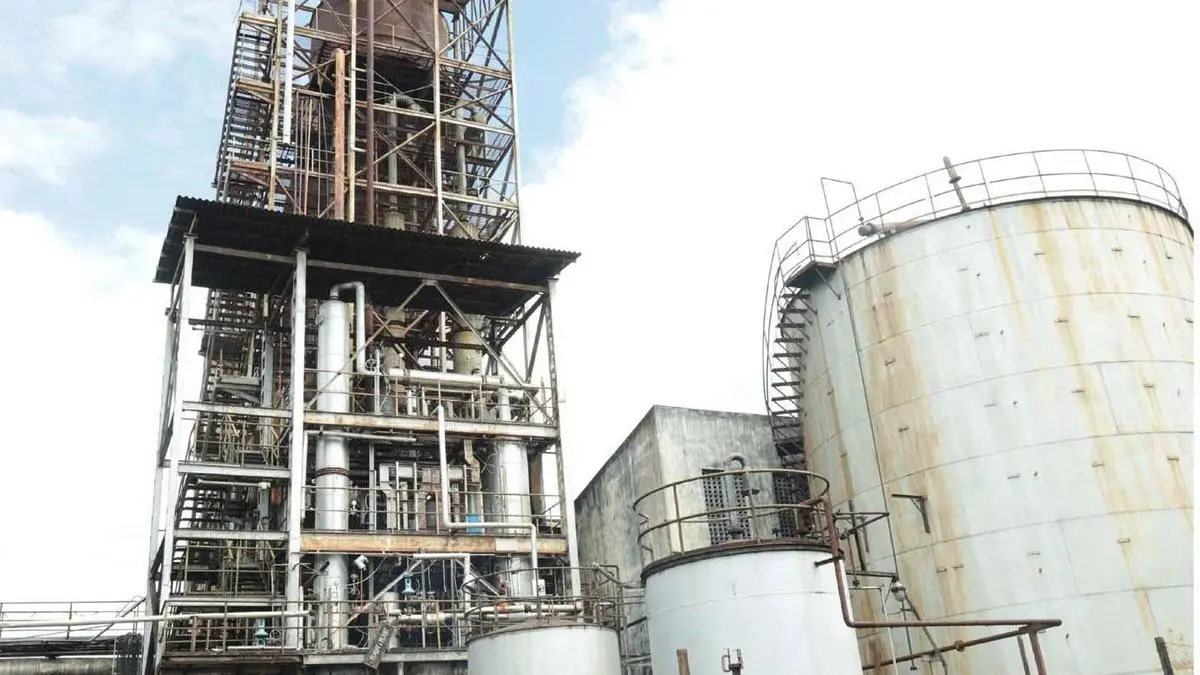
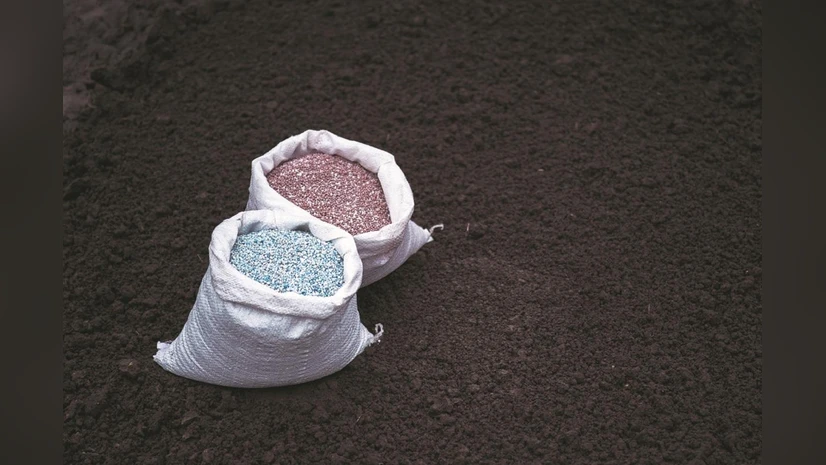
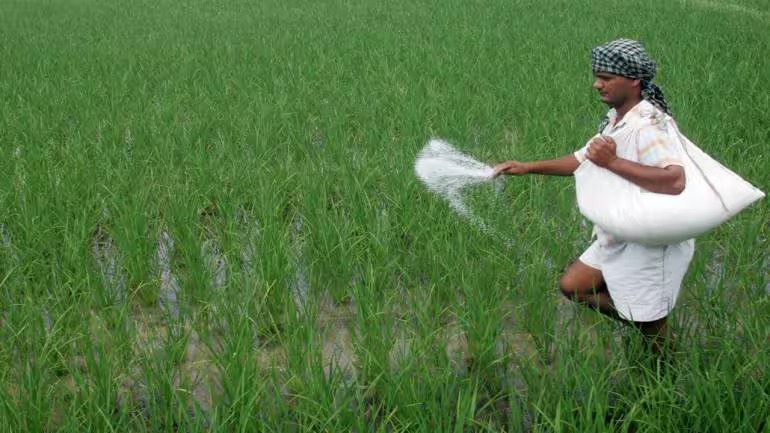
India is one of the world’s largest consumers of fertiliser. Despite an annual domestic urea production of around 30–31 million tonnes, imports continue to play an important role, especially during peak demand periods. Recent data show that urea imports have risen sharply, with significant consignments arriving from China and Russia. At the same time, the country remains import‑dependent for phosphatic (DAP) and potassic (MOP) fertilisers, with MOP largely sourced from overseas markets. These shipments often traverse strategic sea lanes such as the Strait of Hormuz, making supply chains sensitive to maritime disruptions.
In the current fiscal year, India’s fertiliser import bill is projected at a record level, driven by sustained demand and elevated global prices. This underlines the ongoing importance of effective subsidy management. Fertiliser subsidies remain one of the largest agricultural expenditure items in the Union budget, particularly for urea, which is sold to farmers at subsidised rates to support affordability and production.