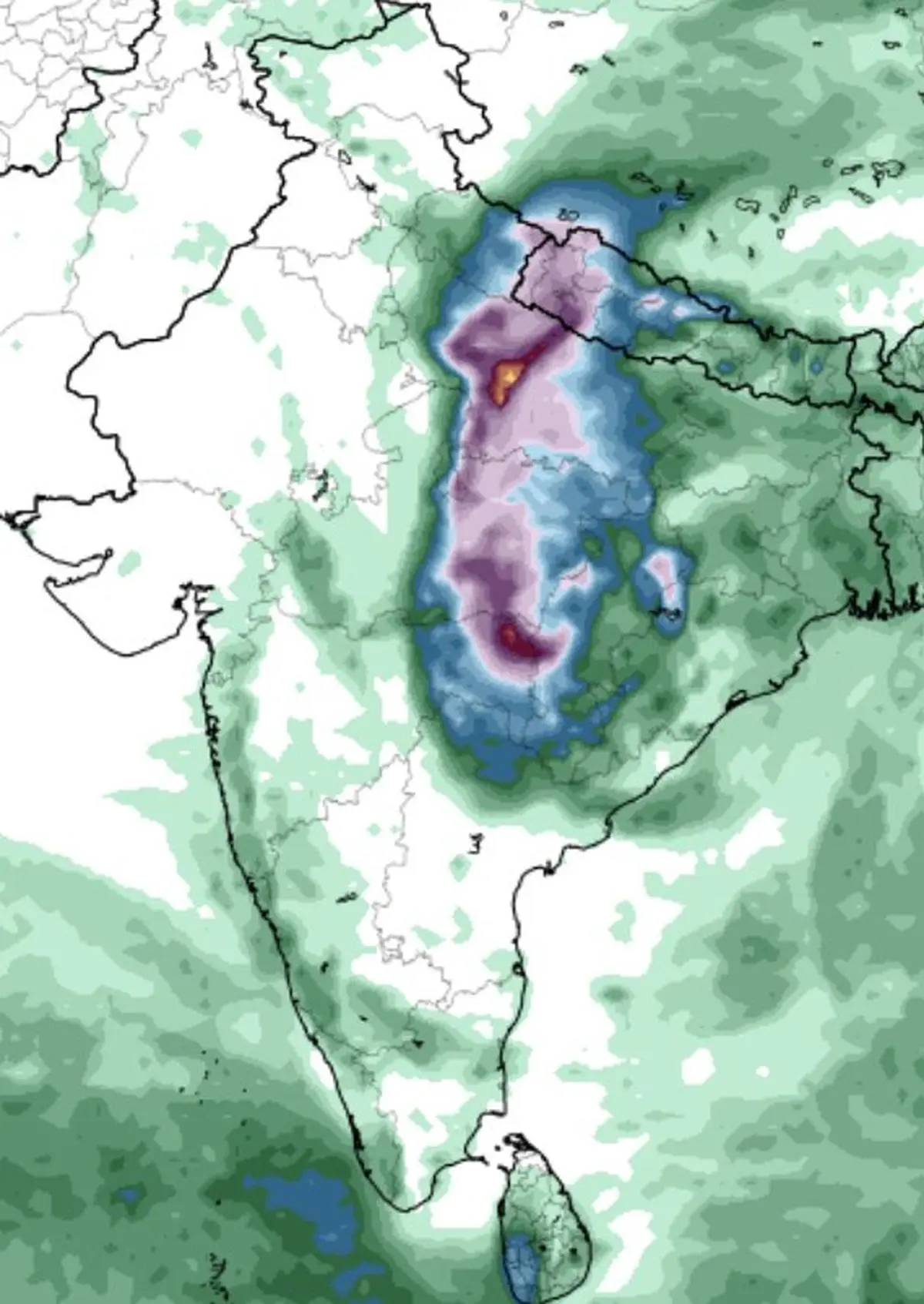
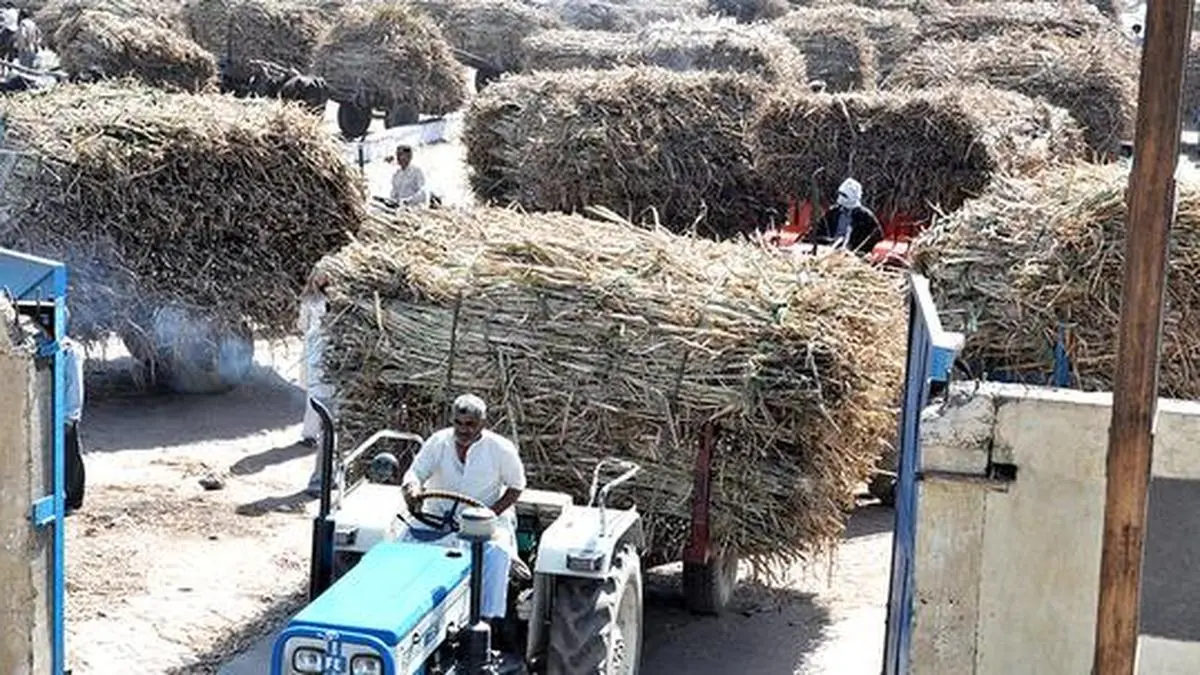
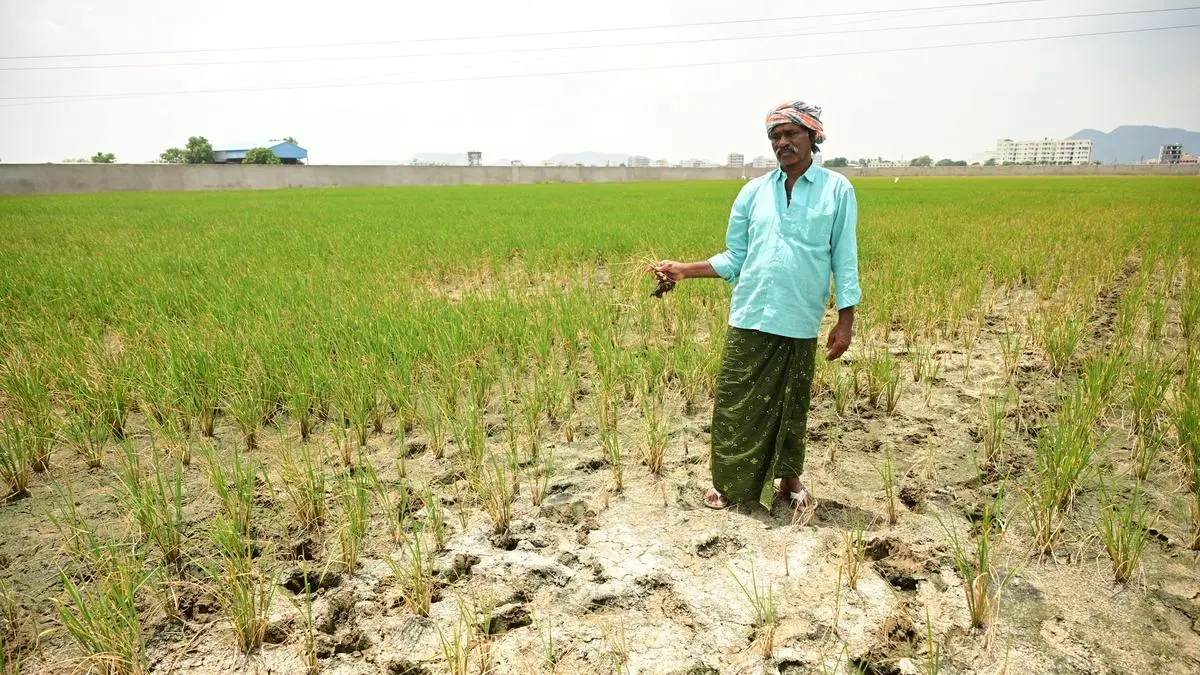
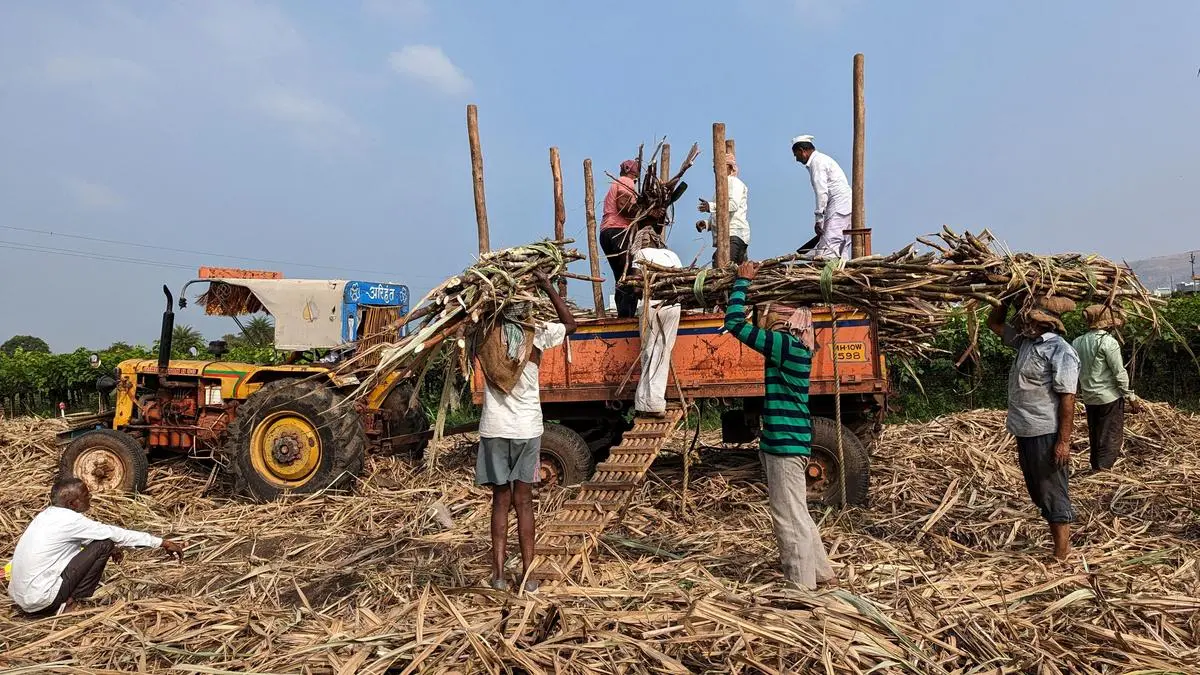
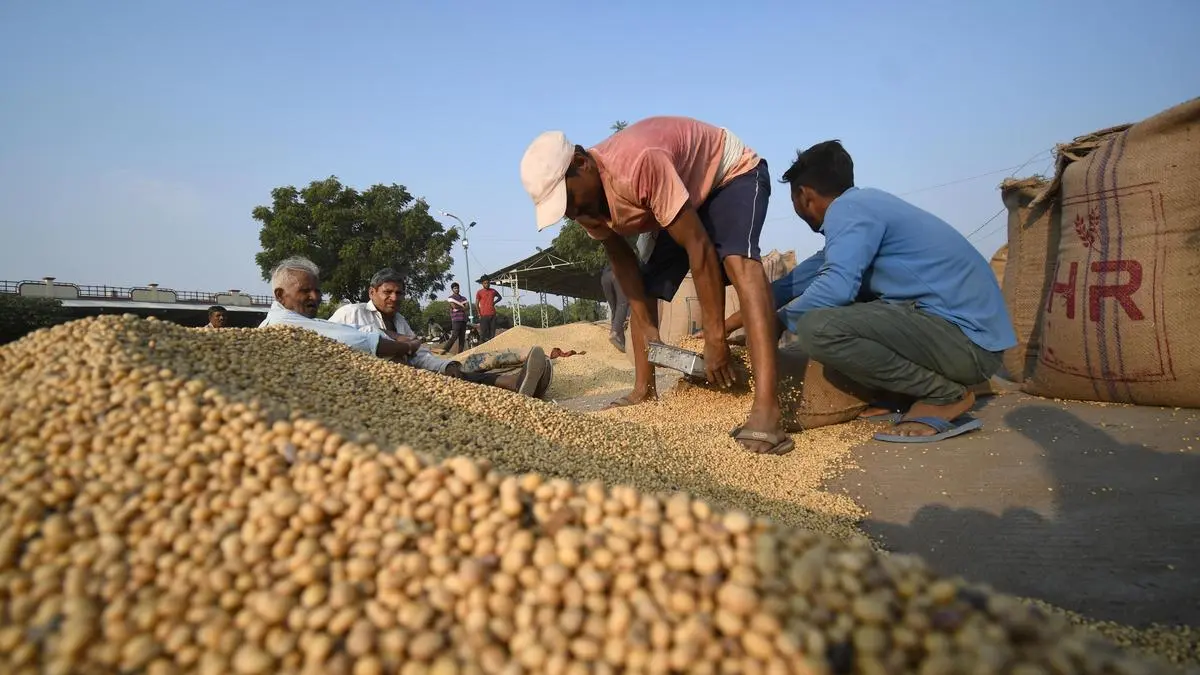
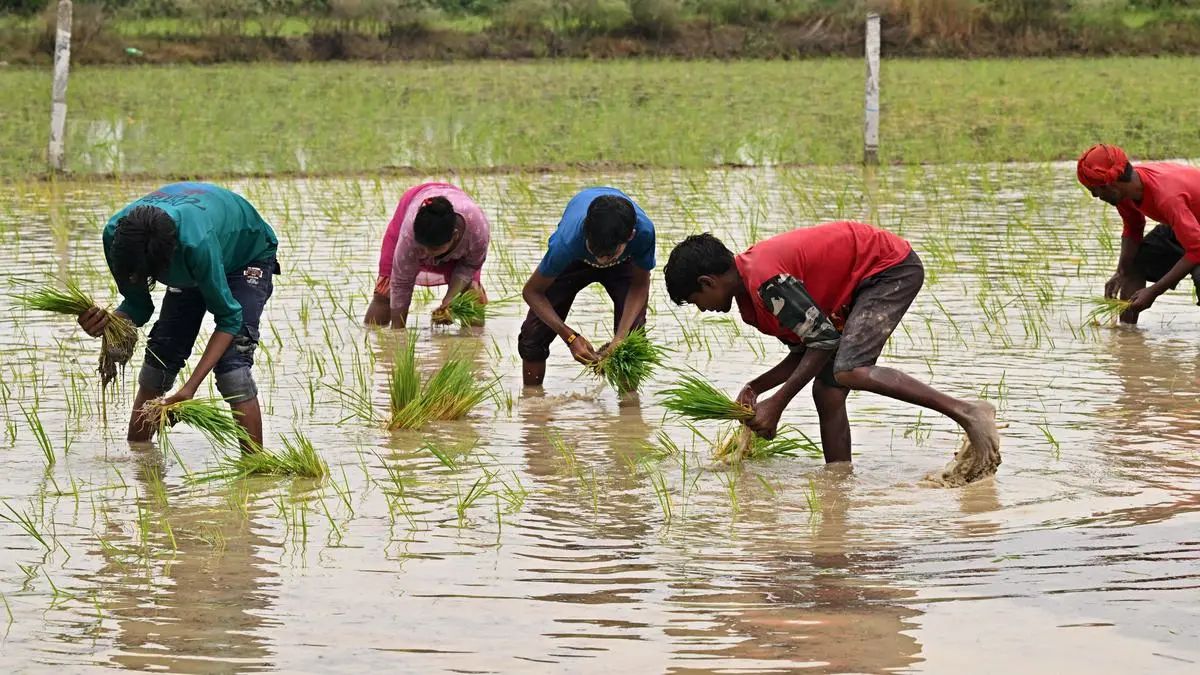
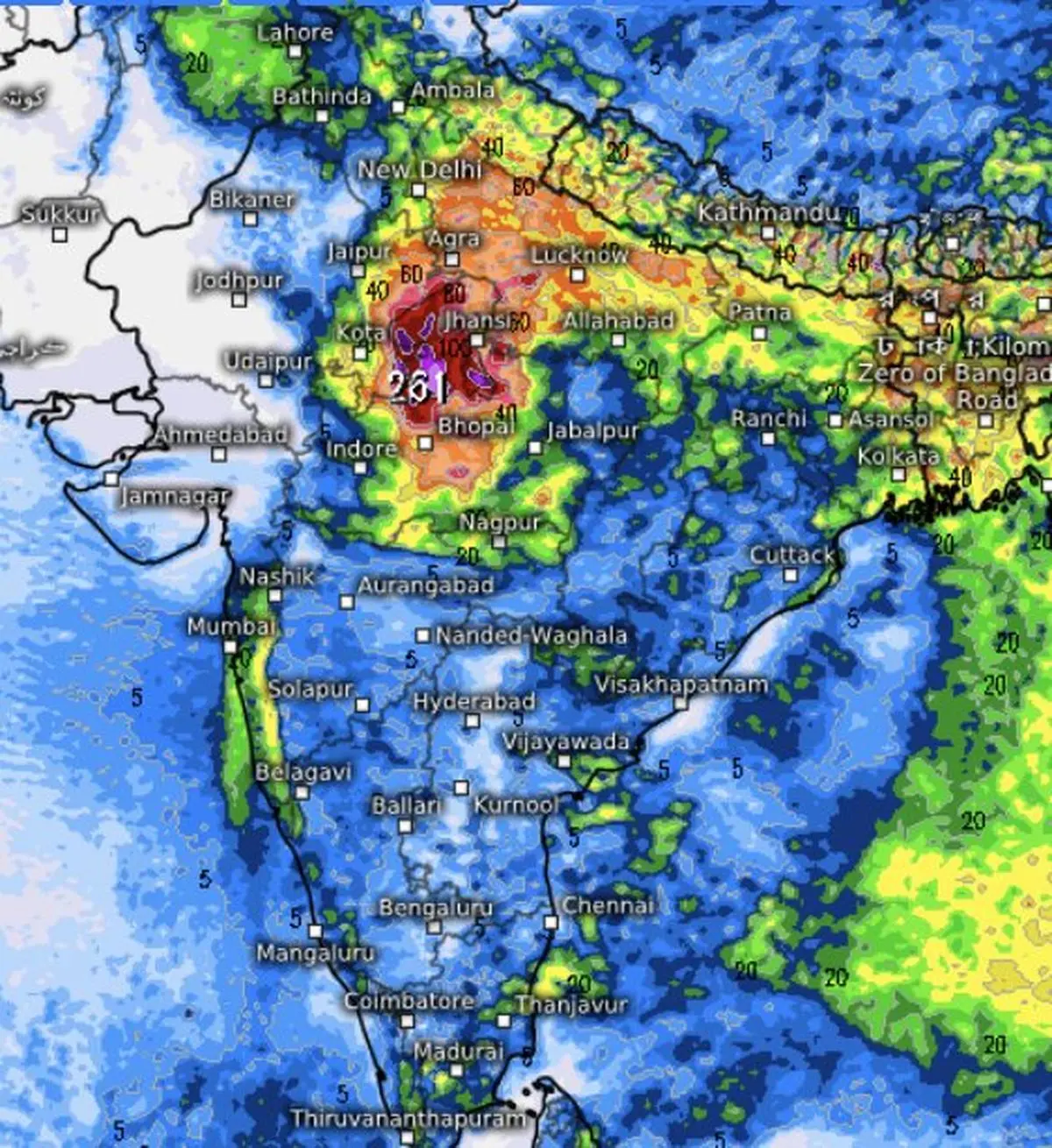
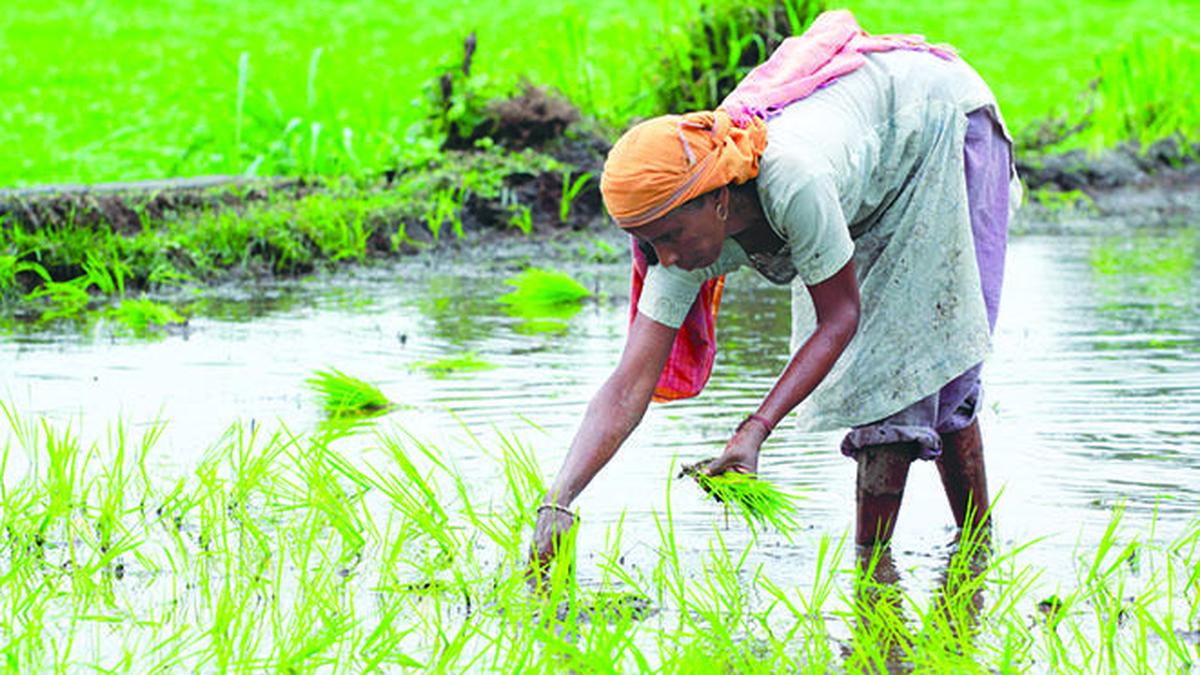
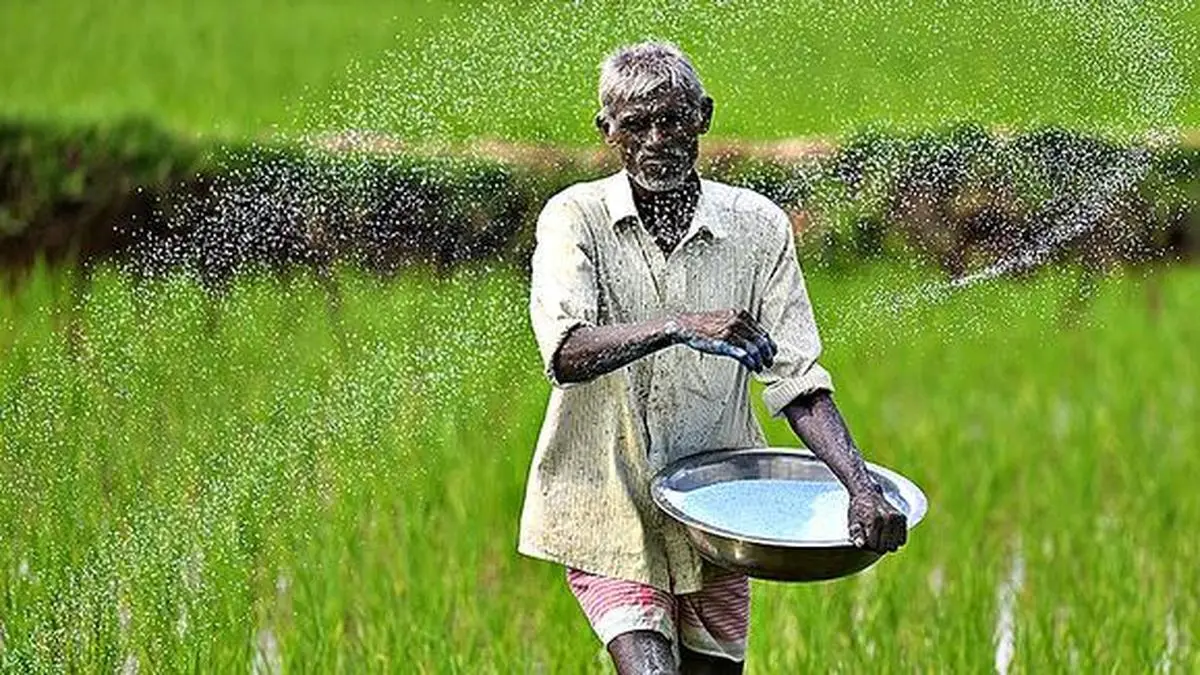
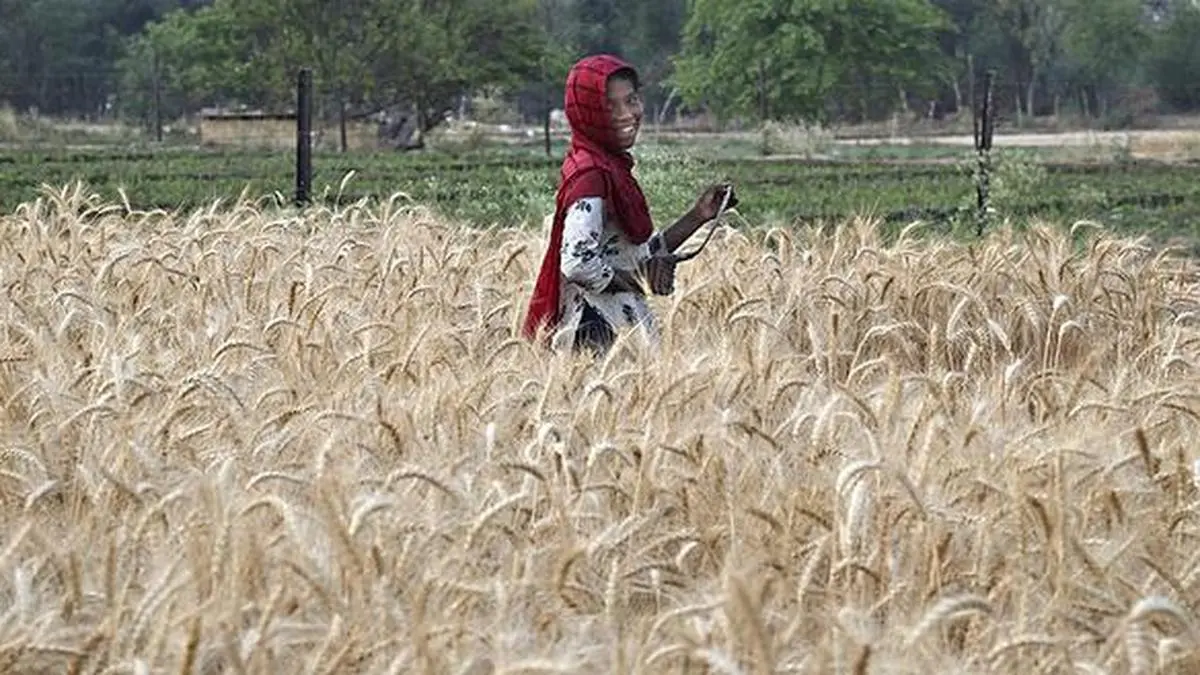
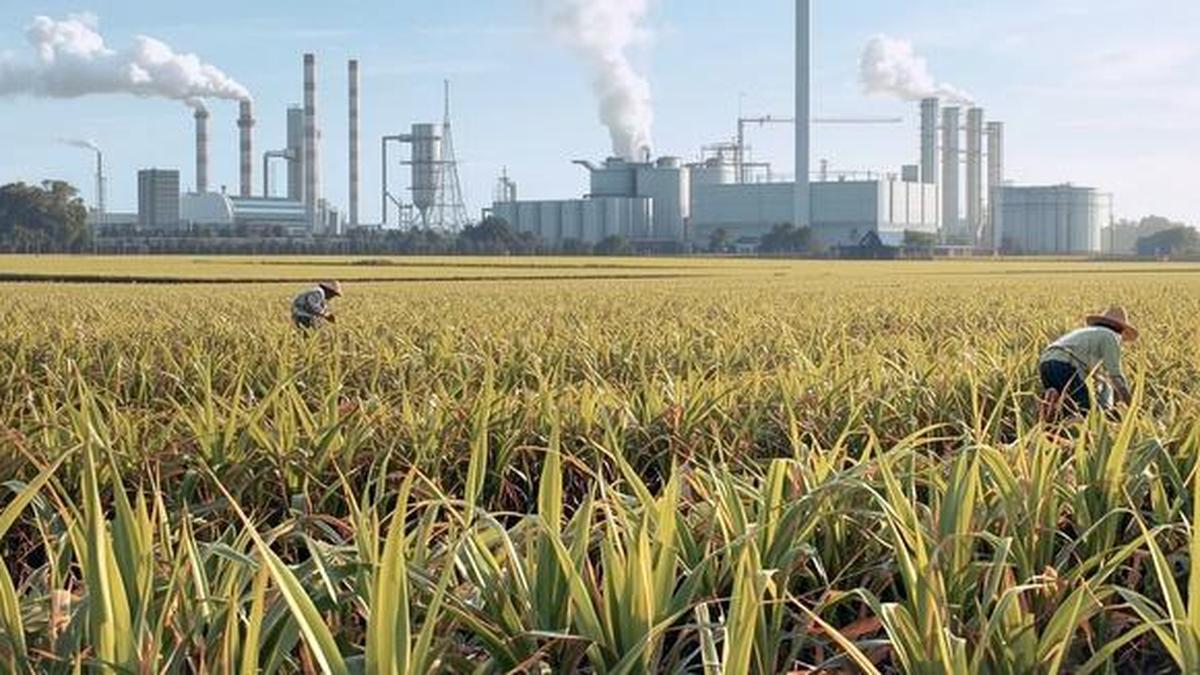
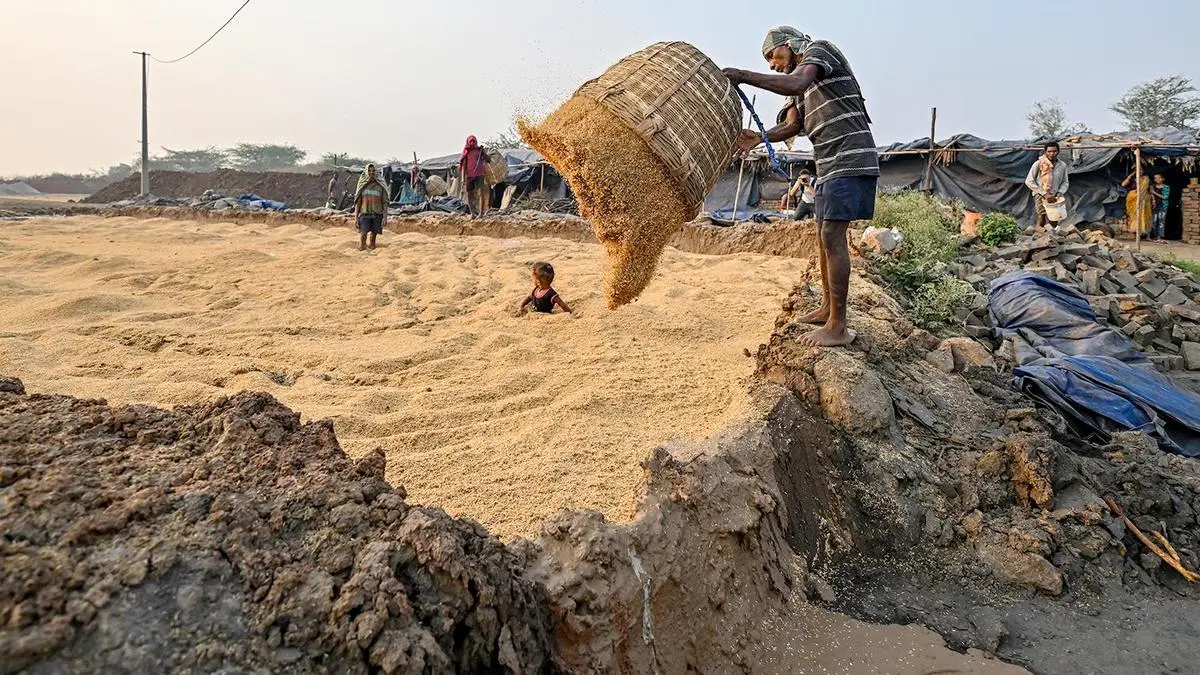
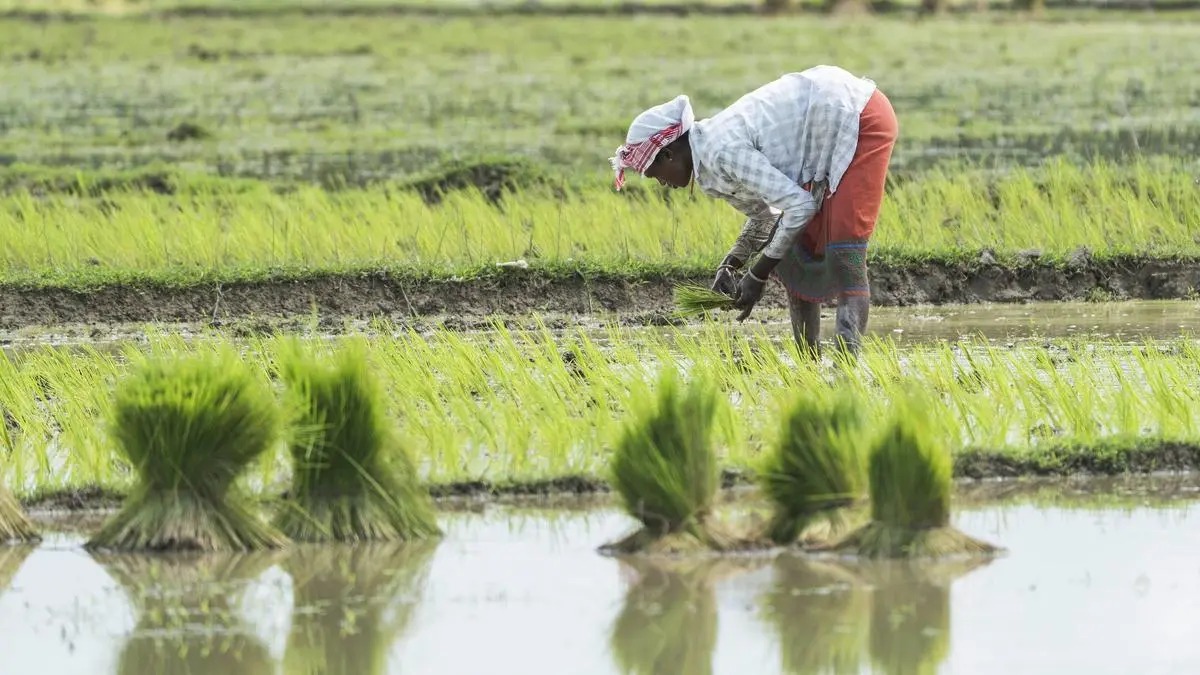
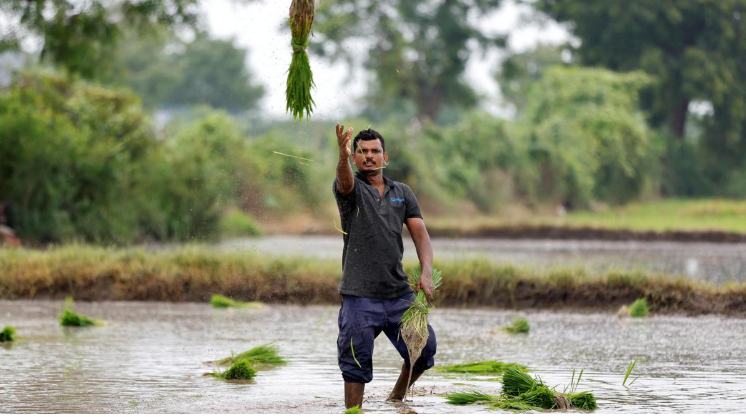
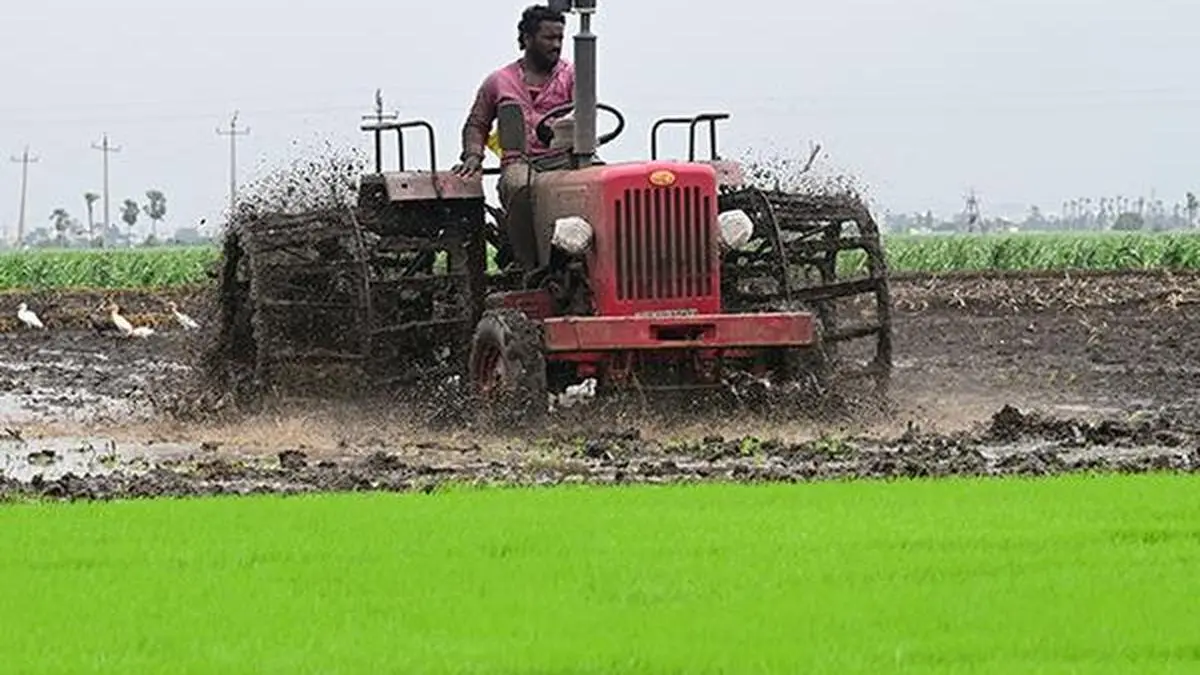
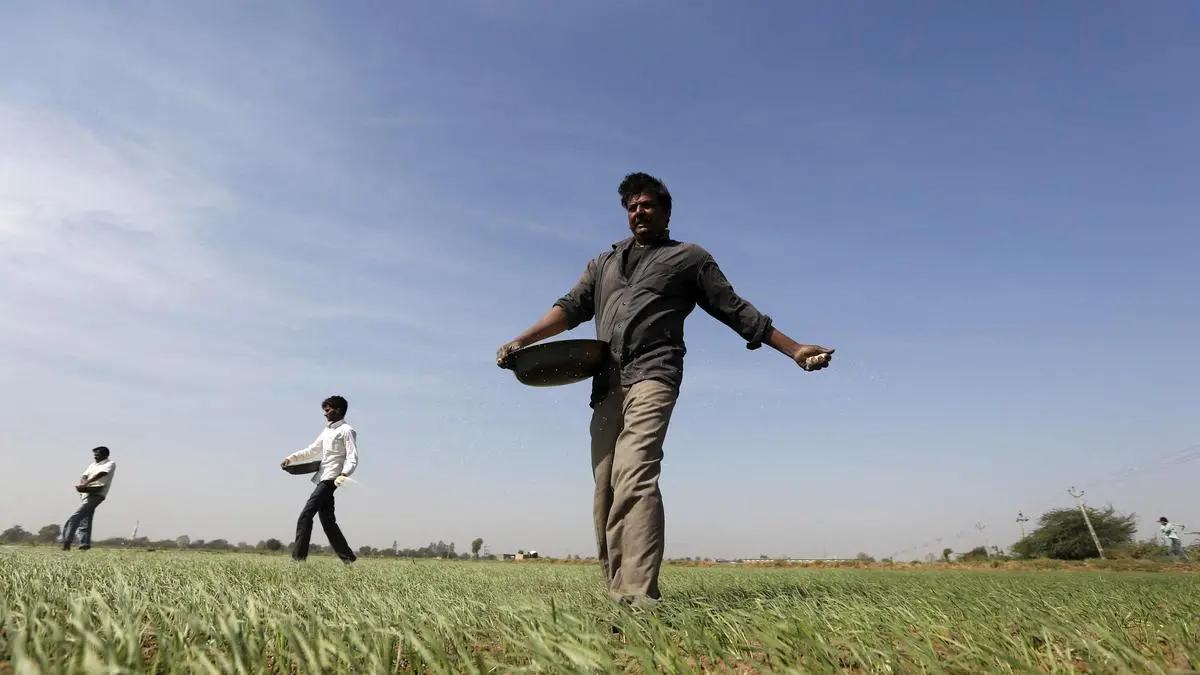
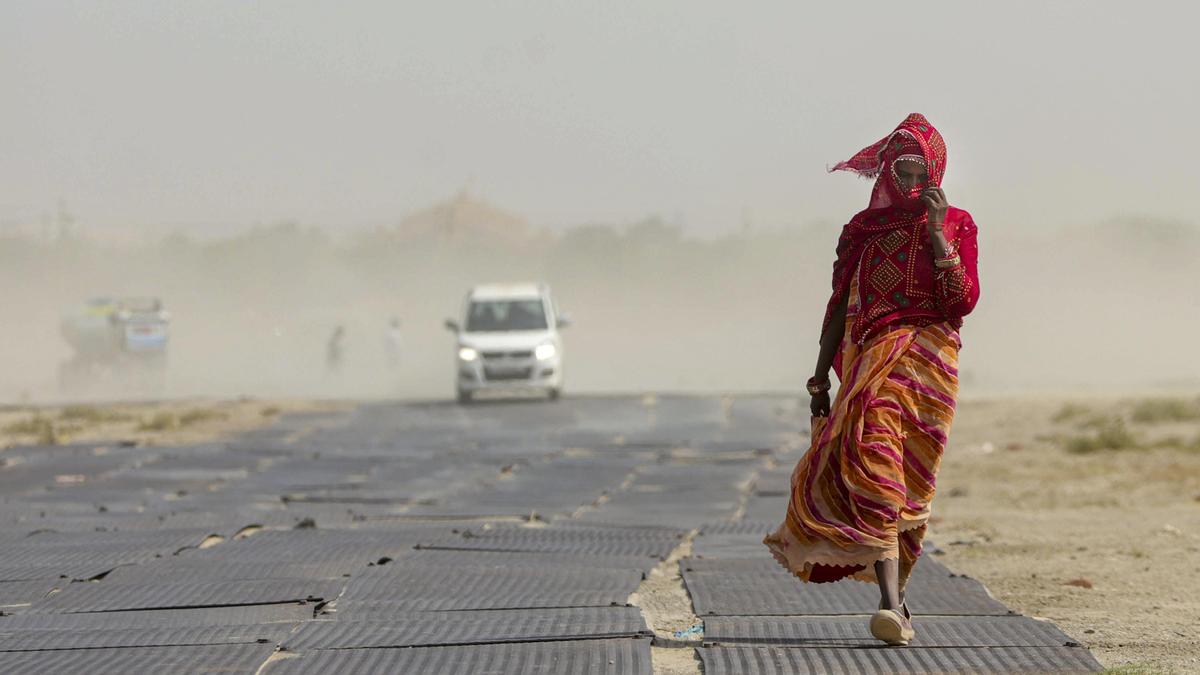
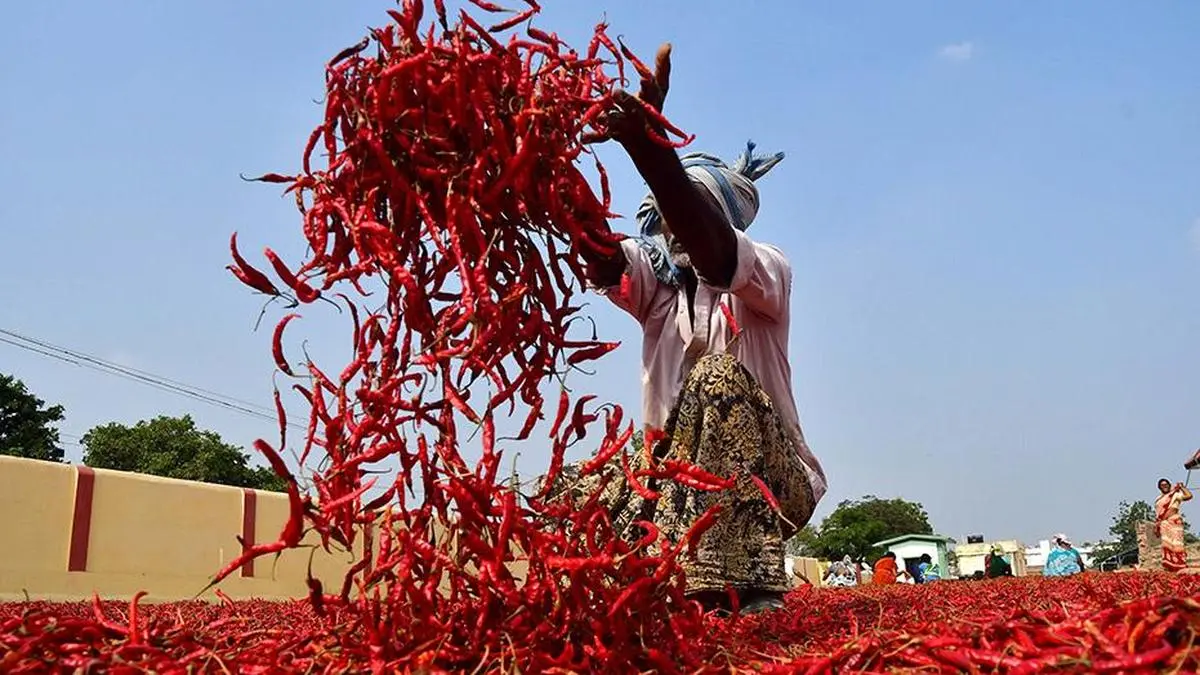
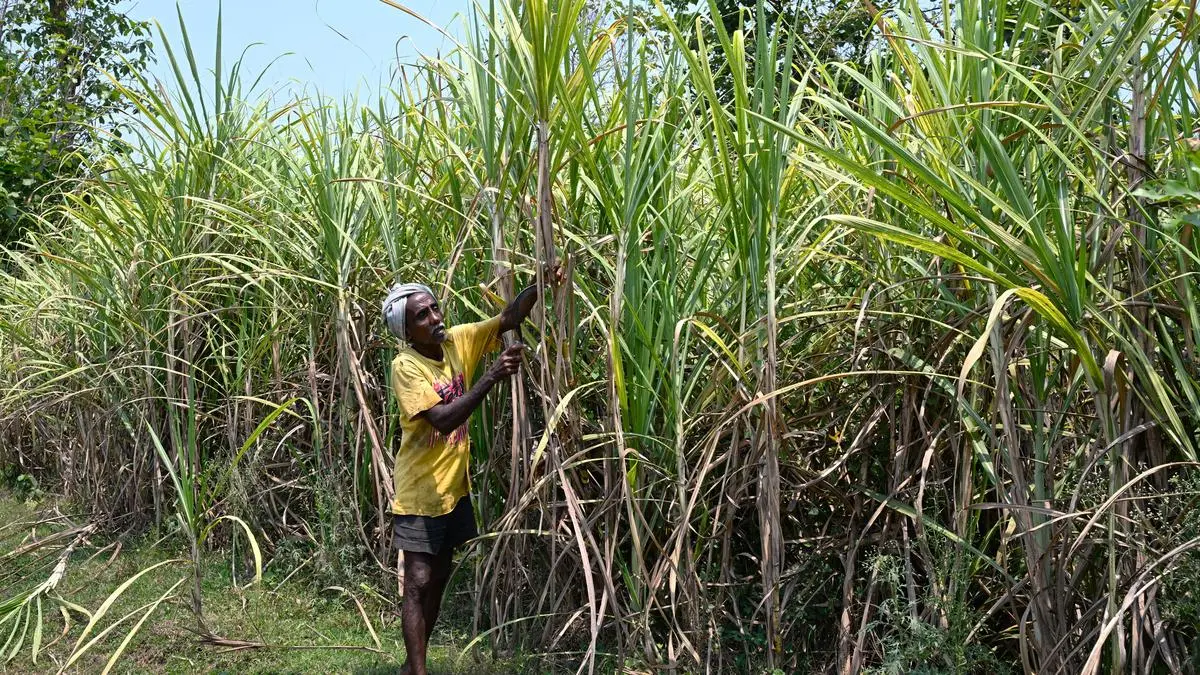
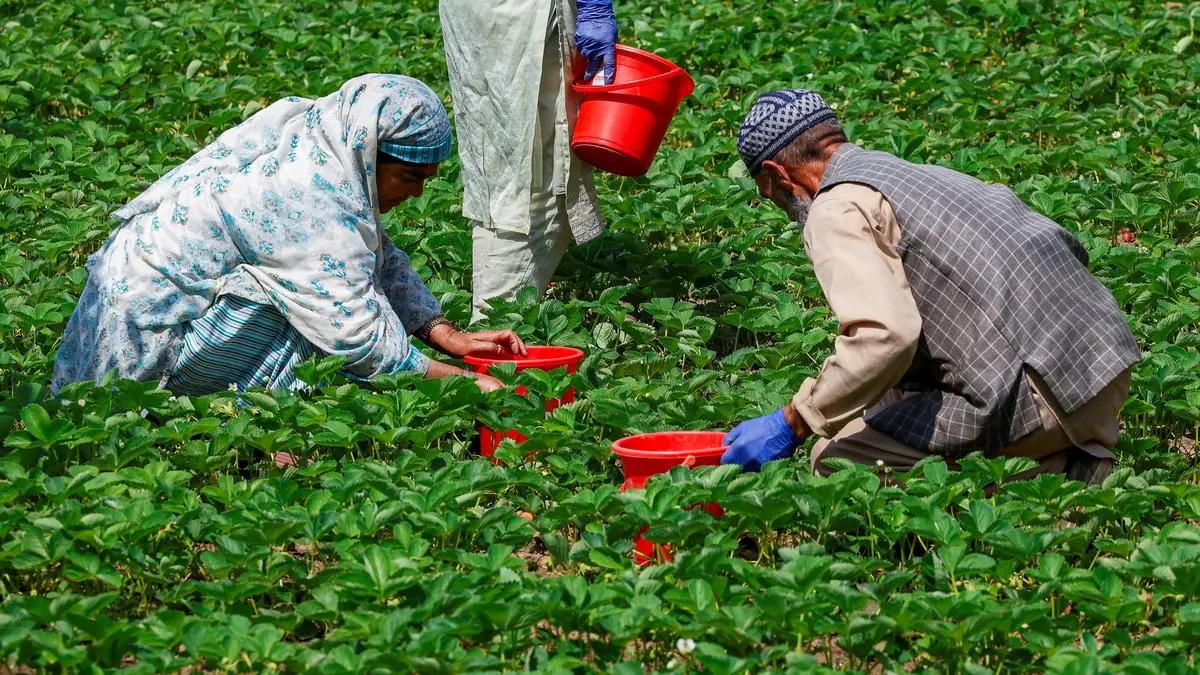
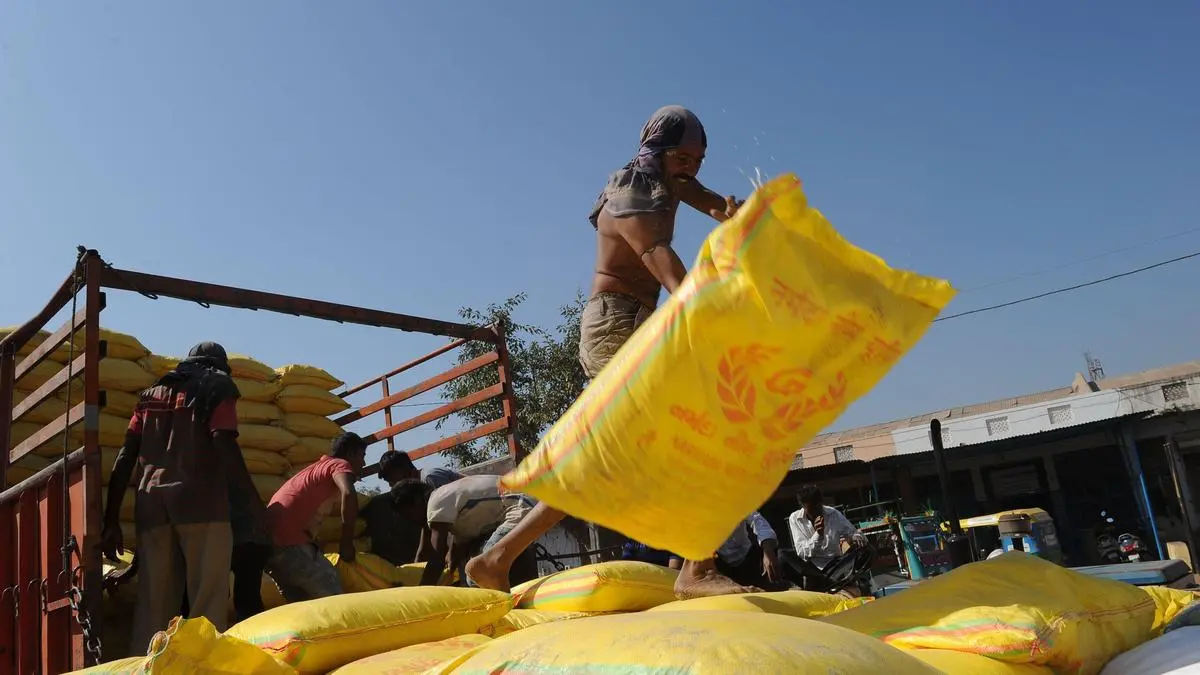
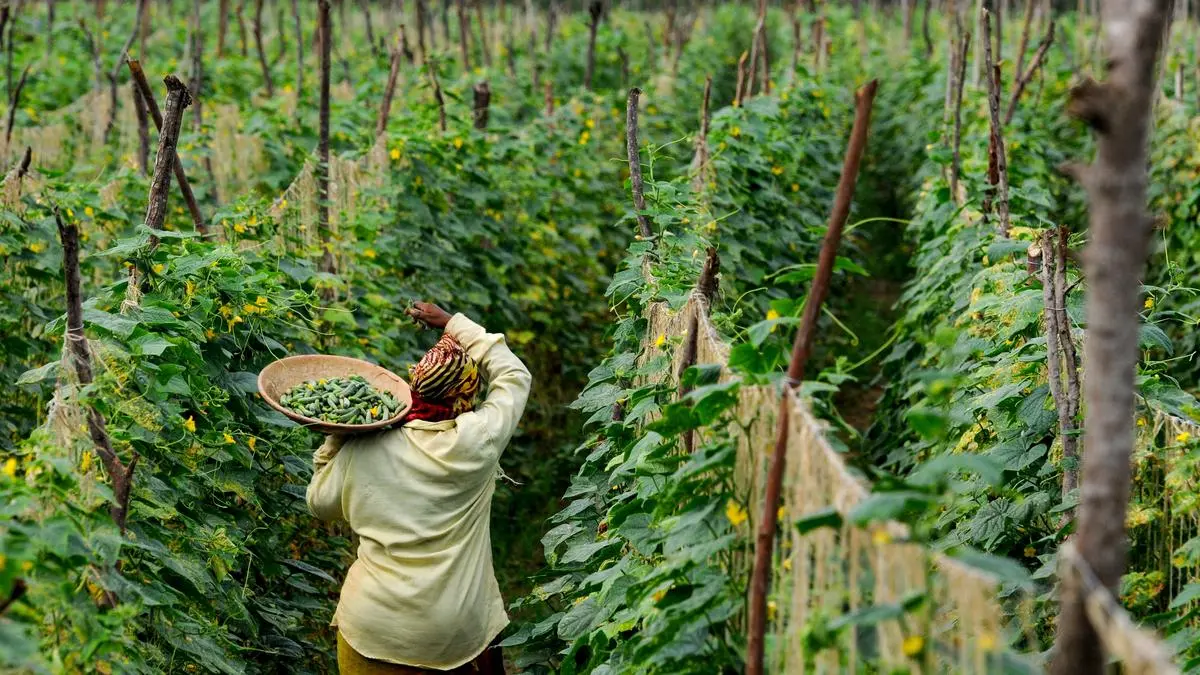
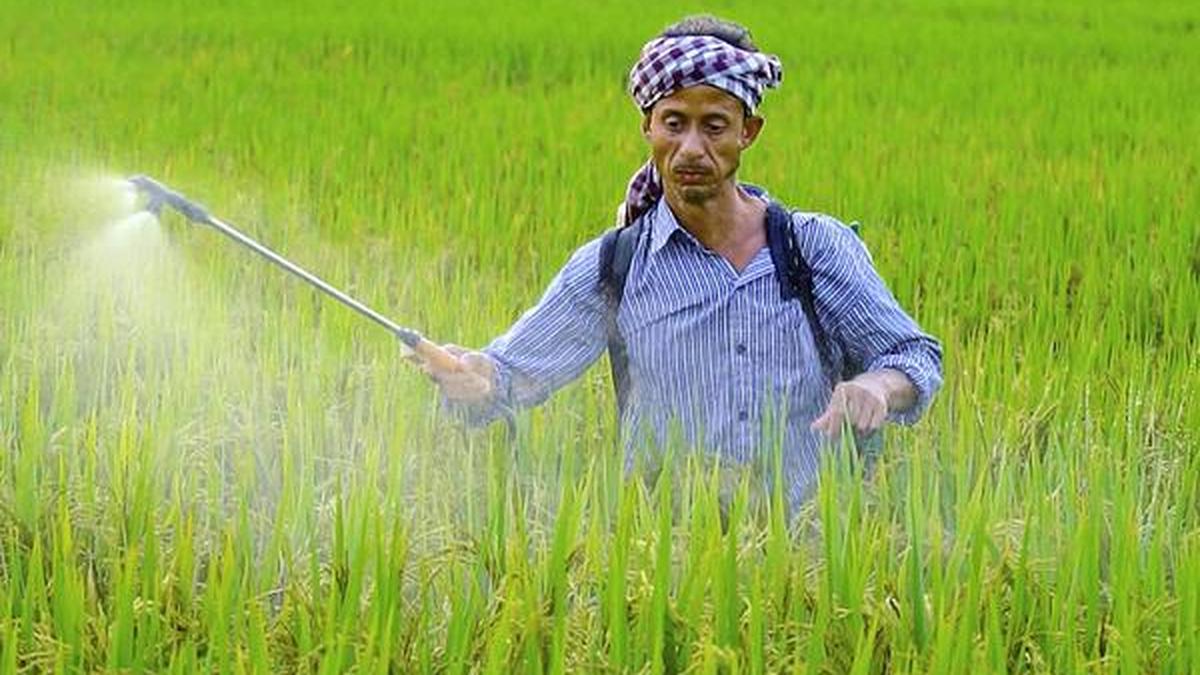
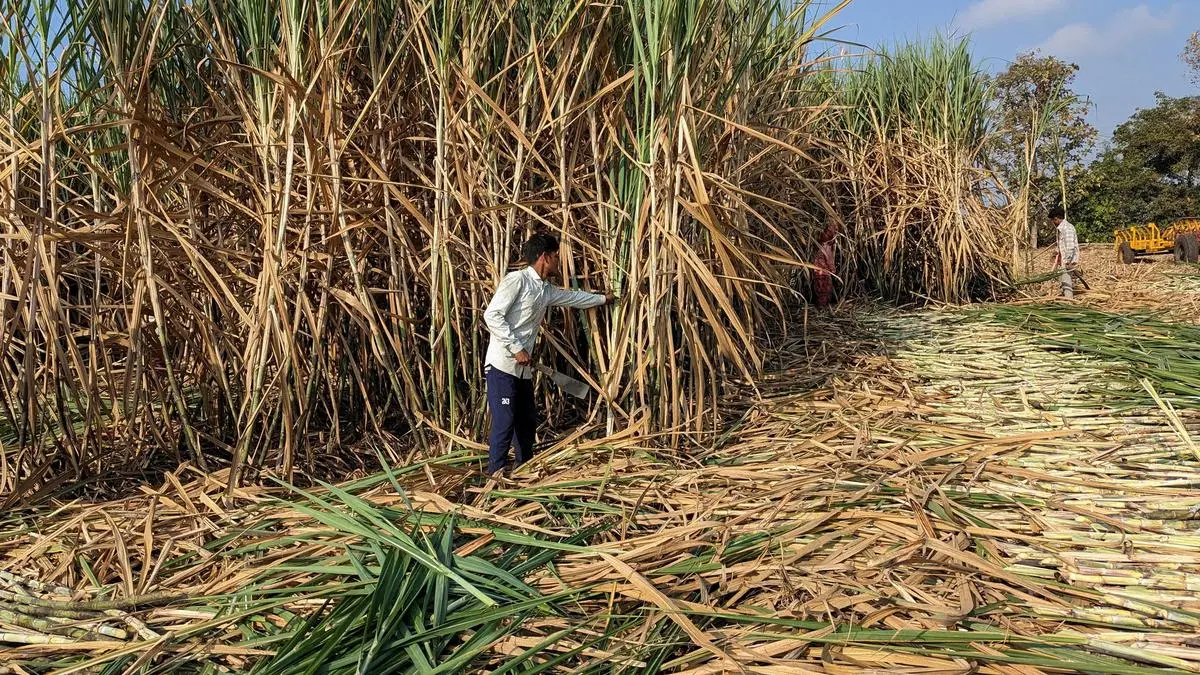
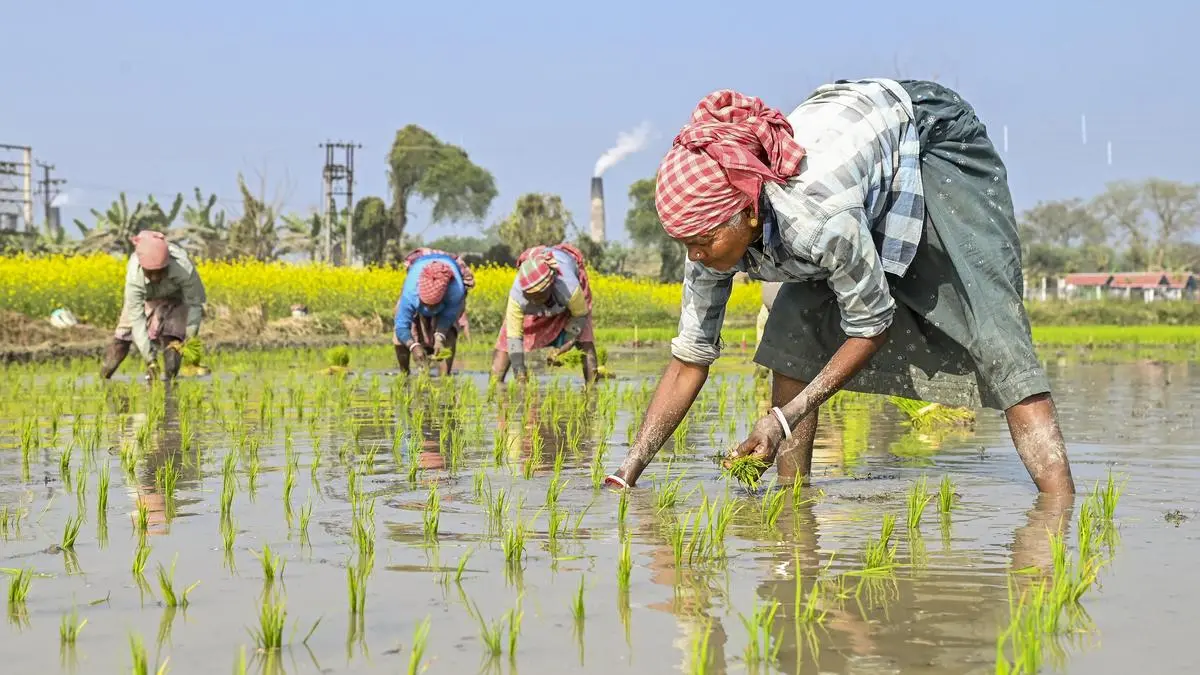
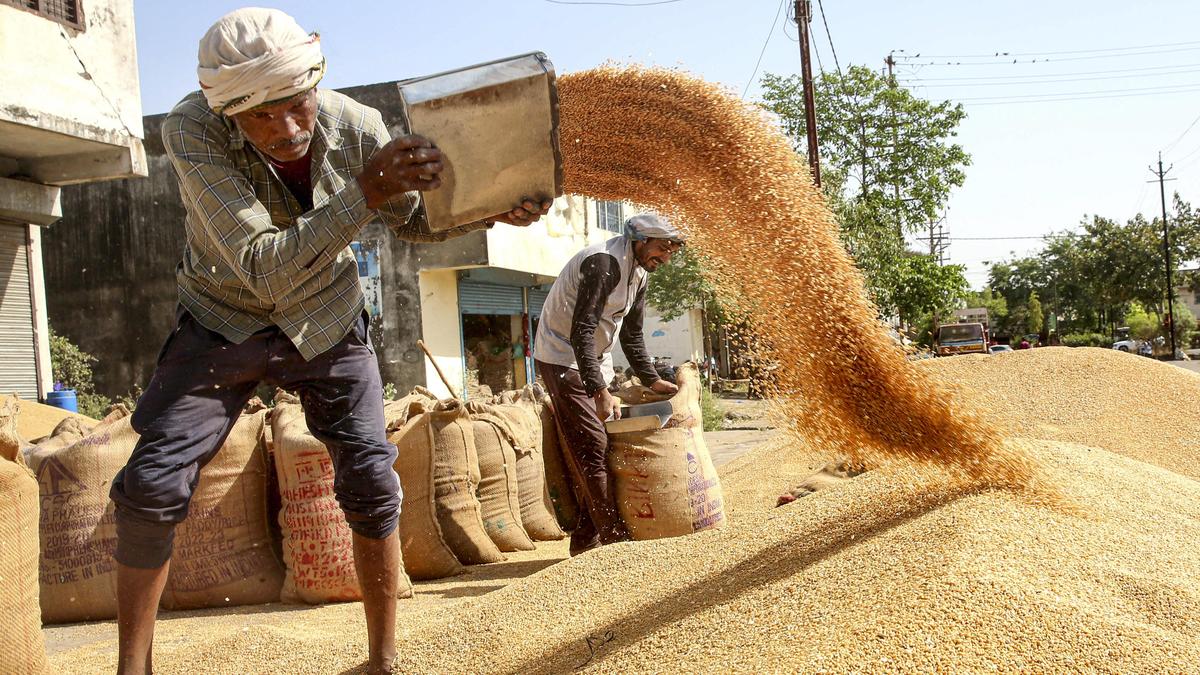
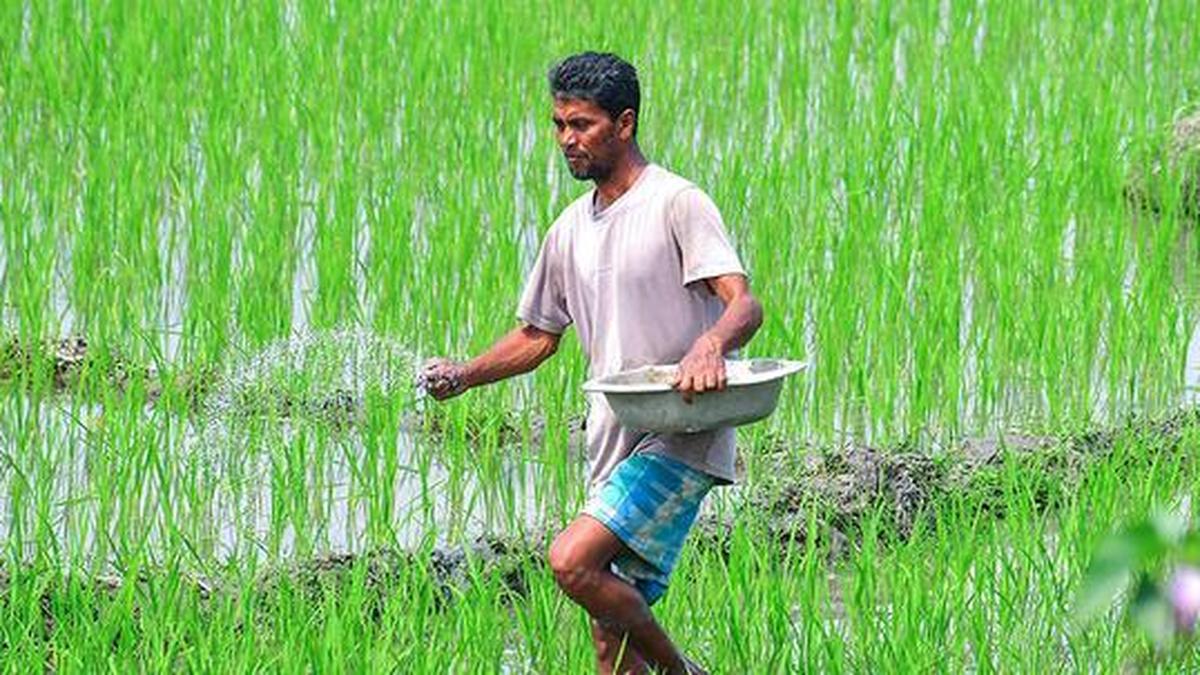
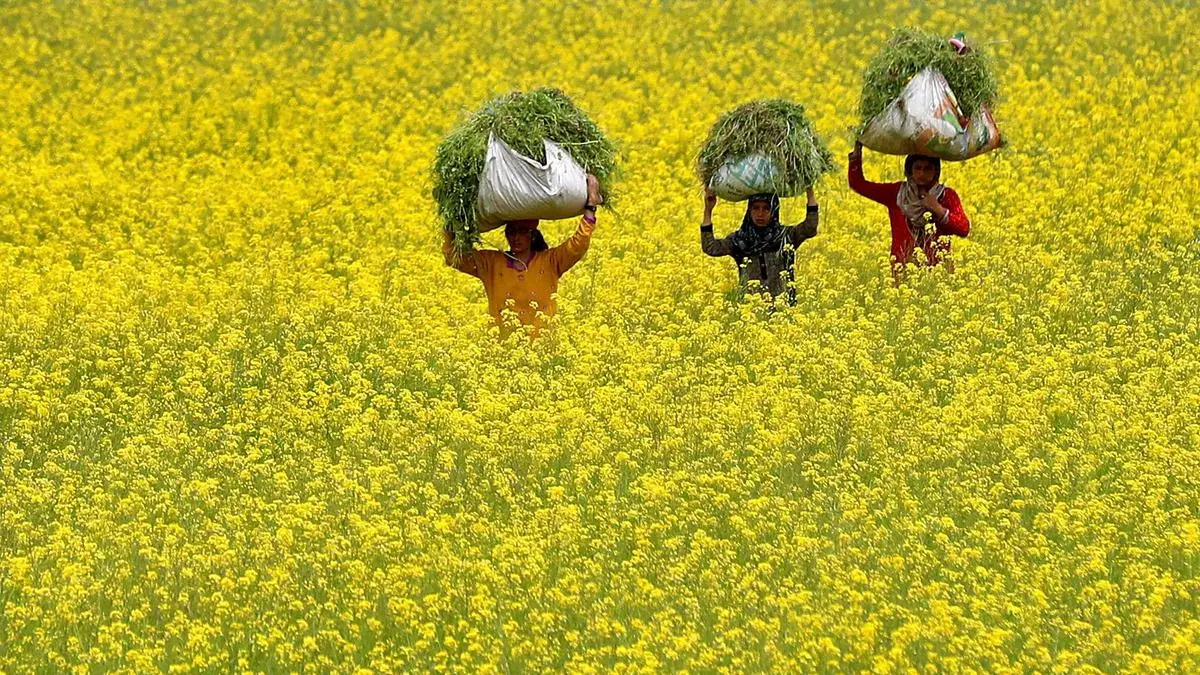
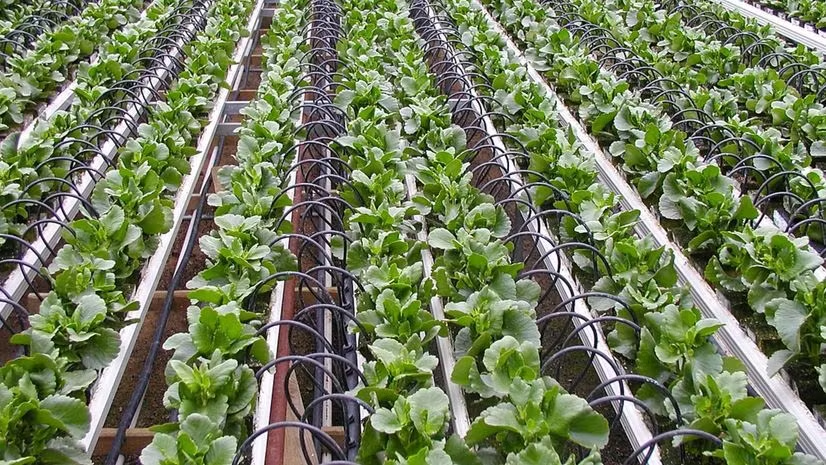
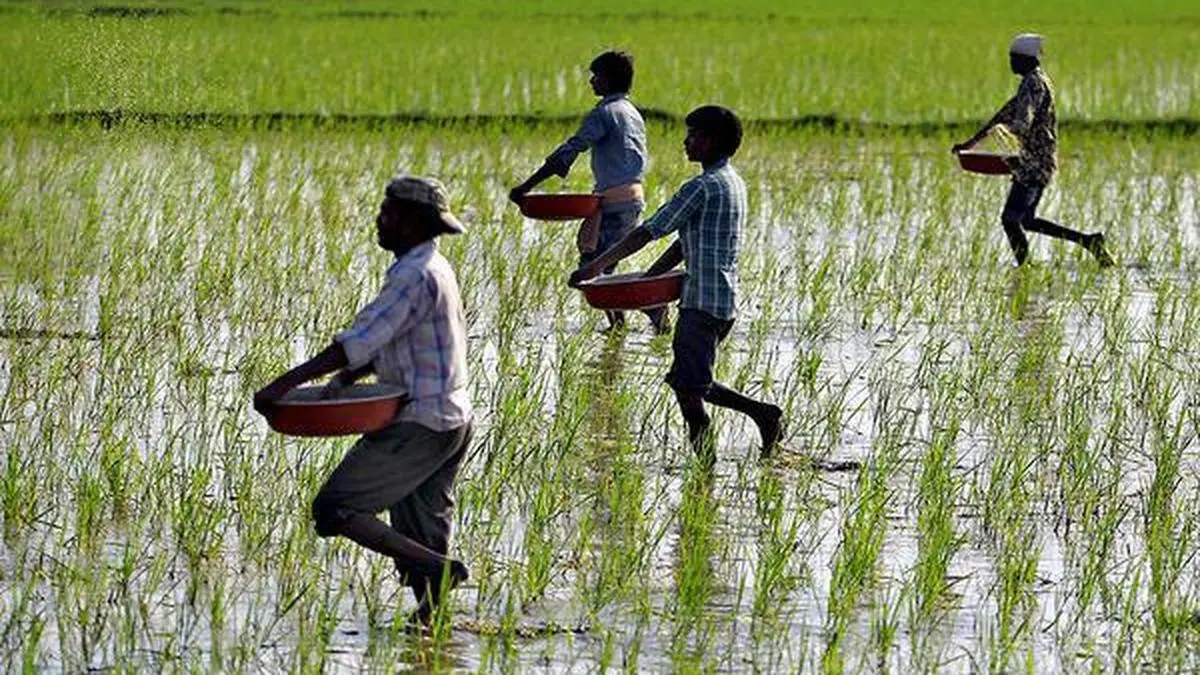
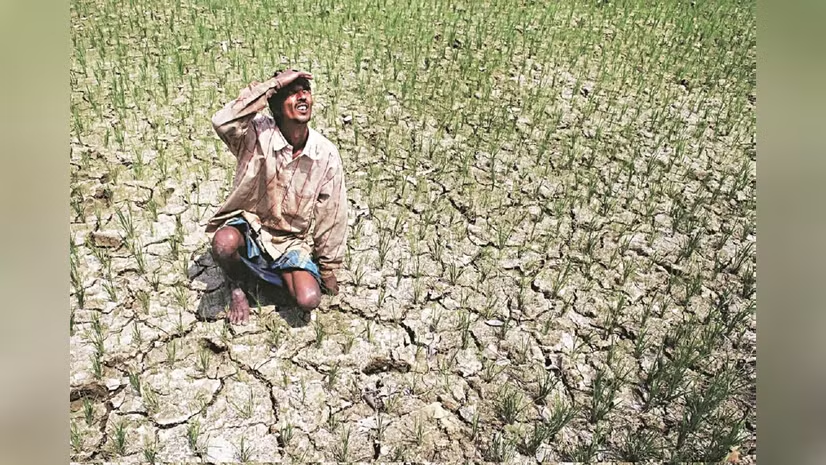
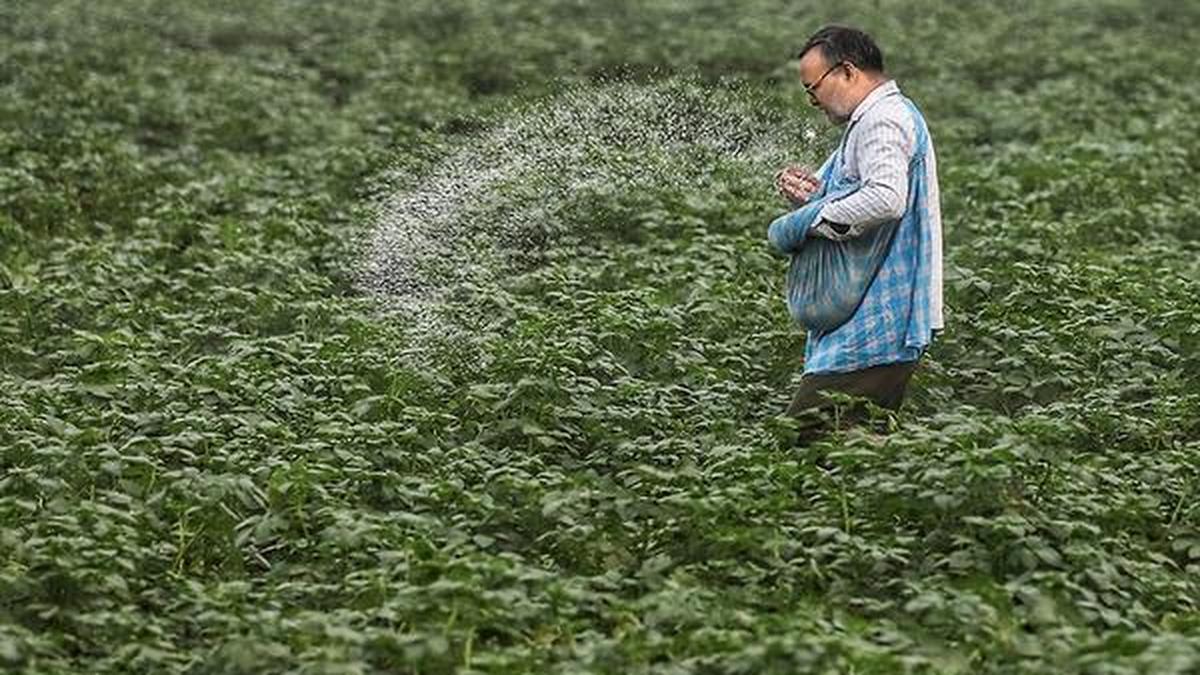
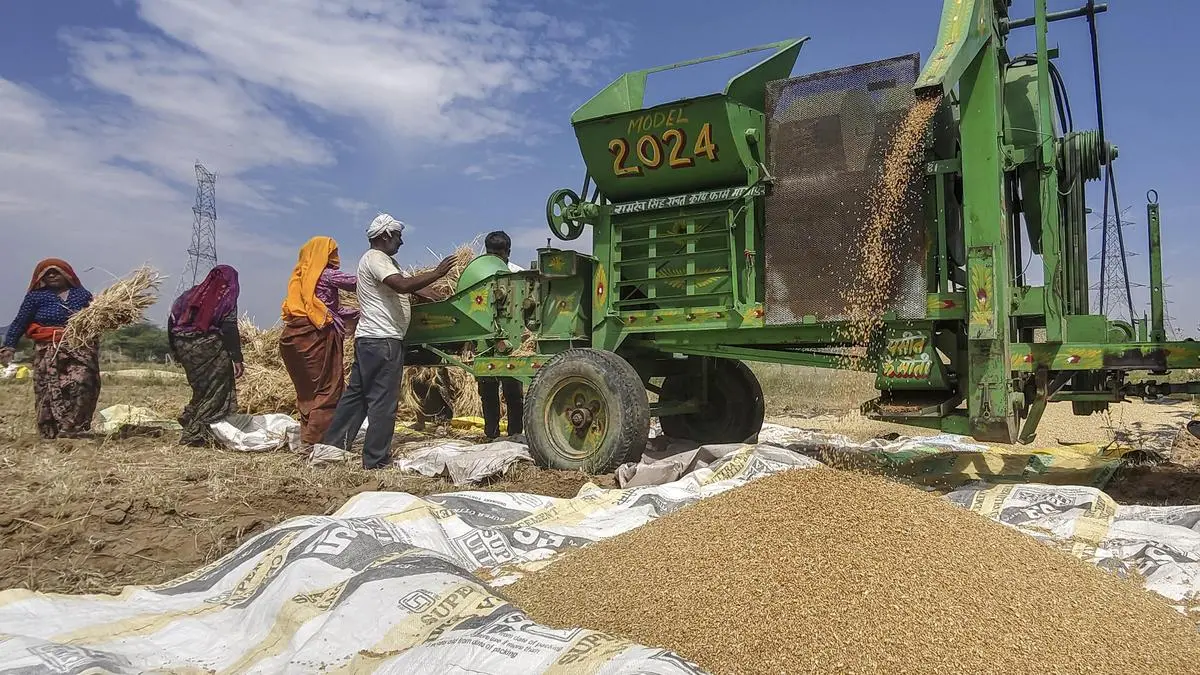
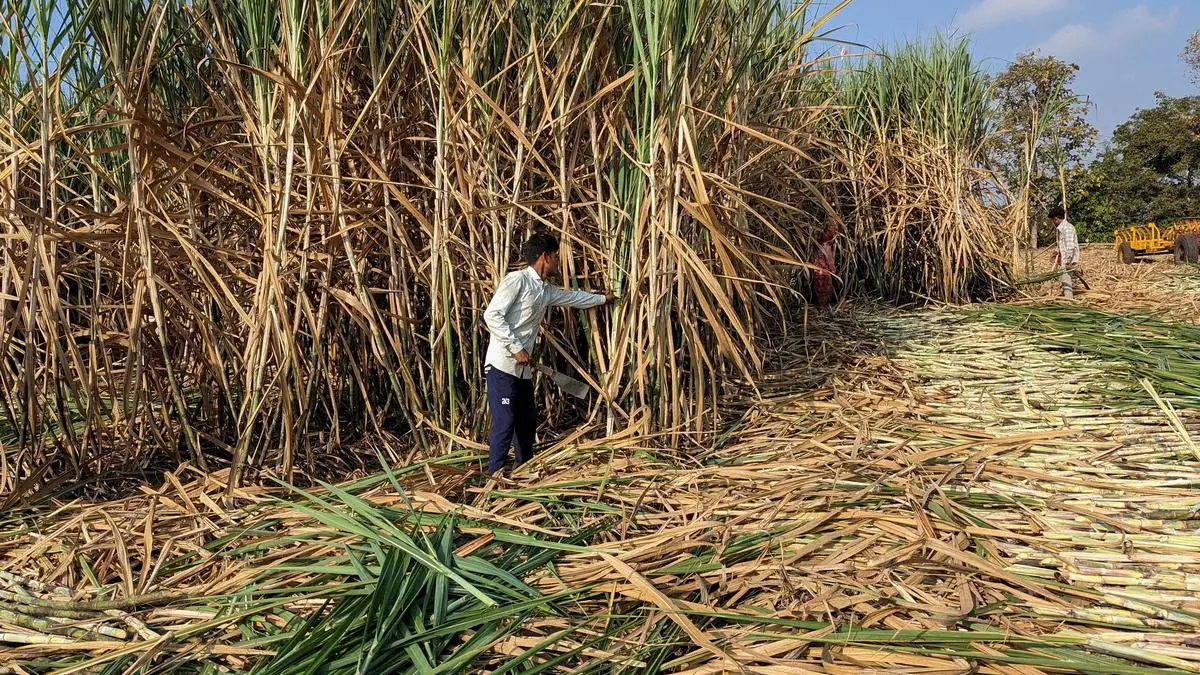
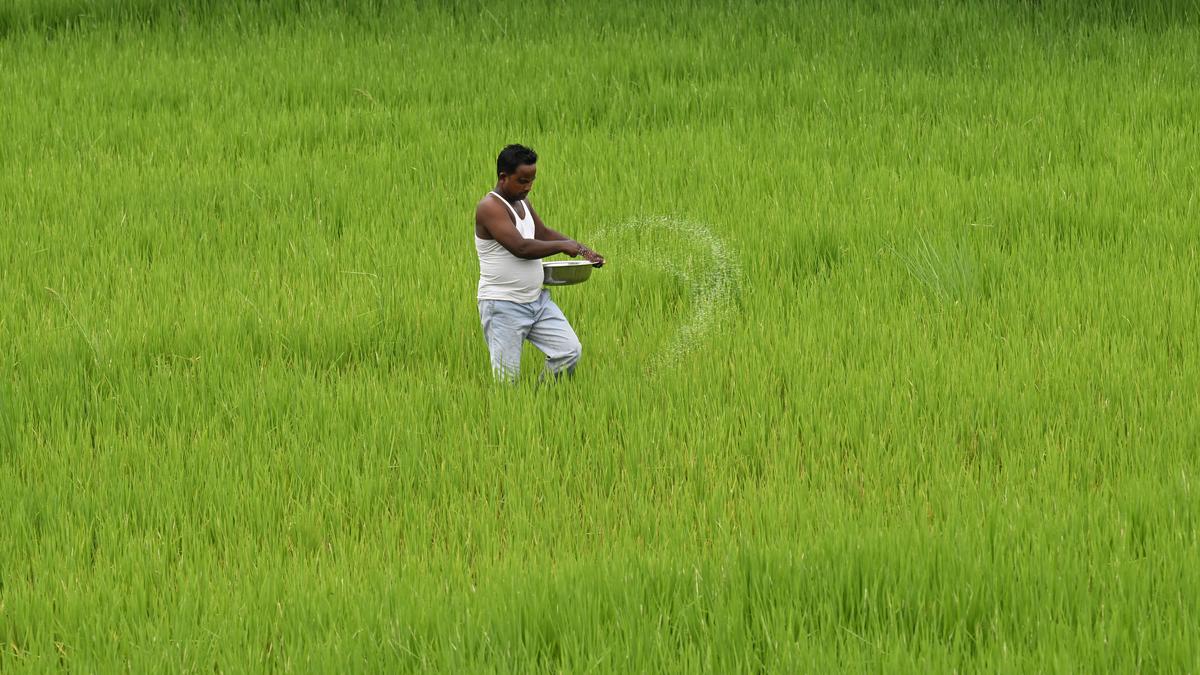
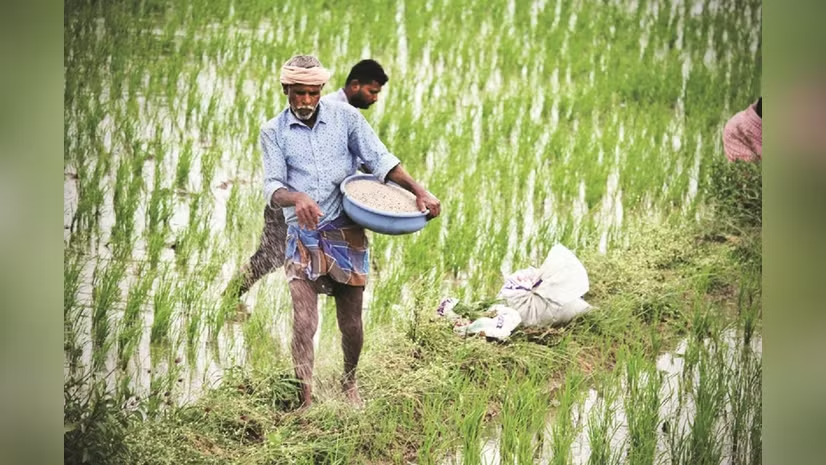
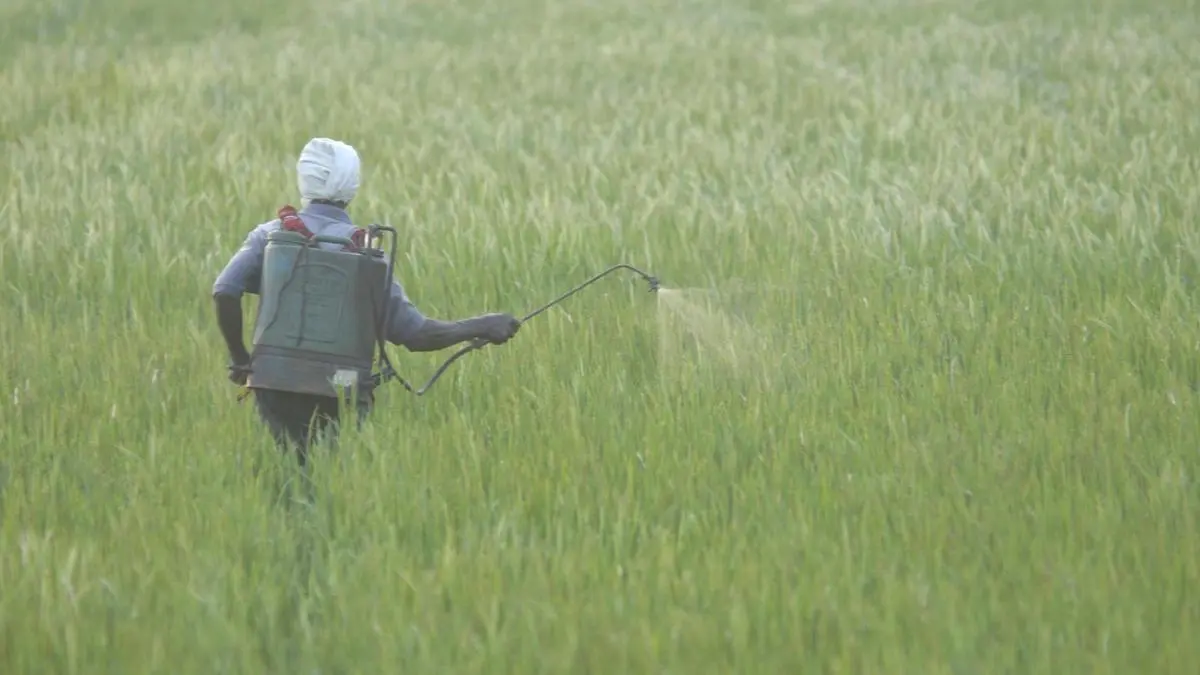
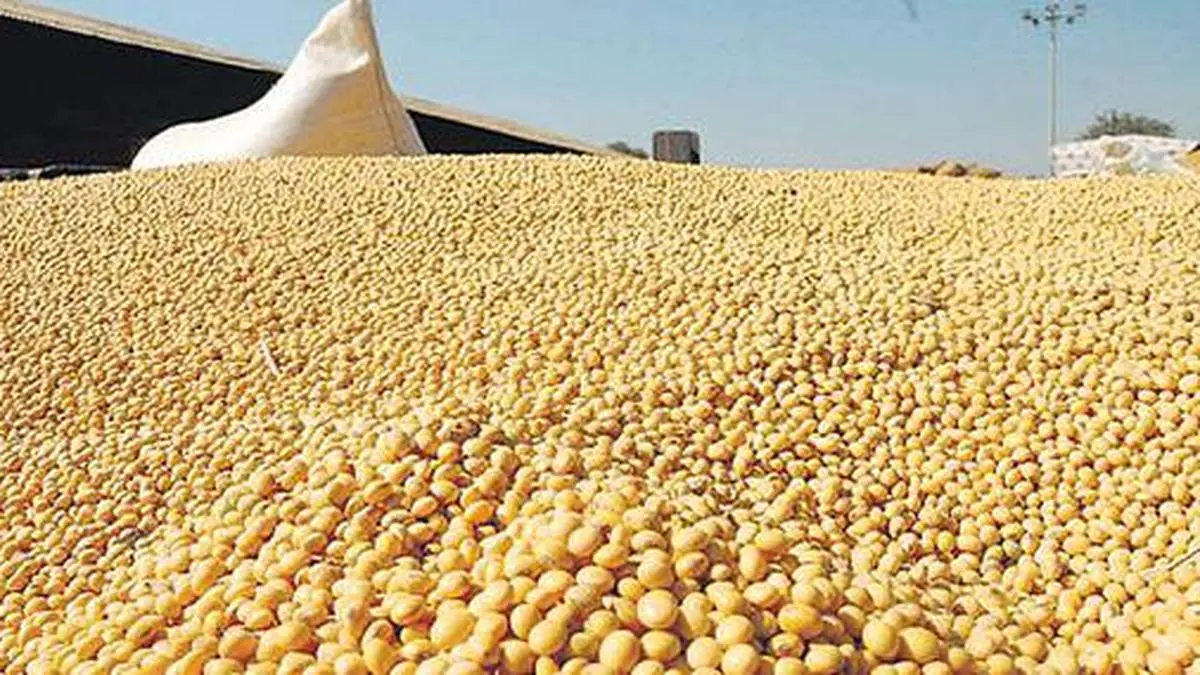
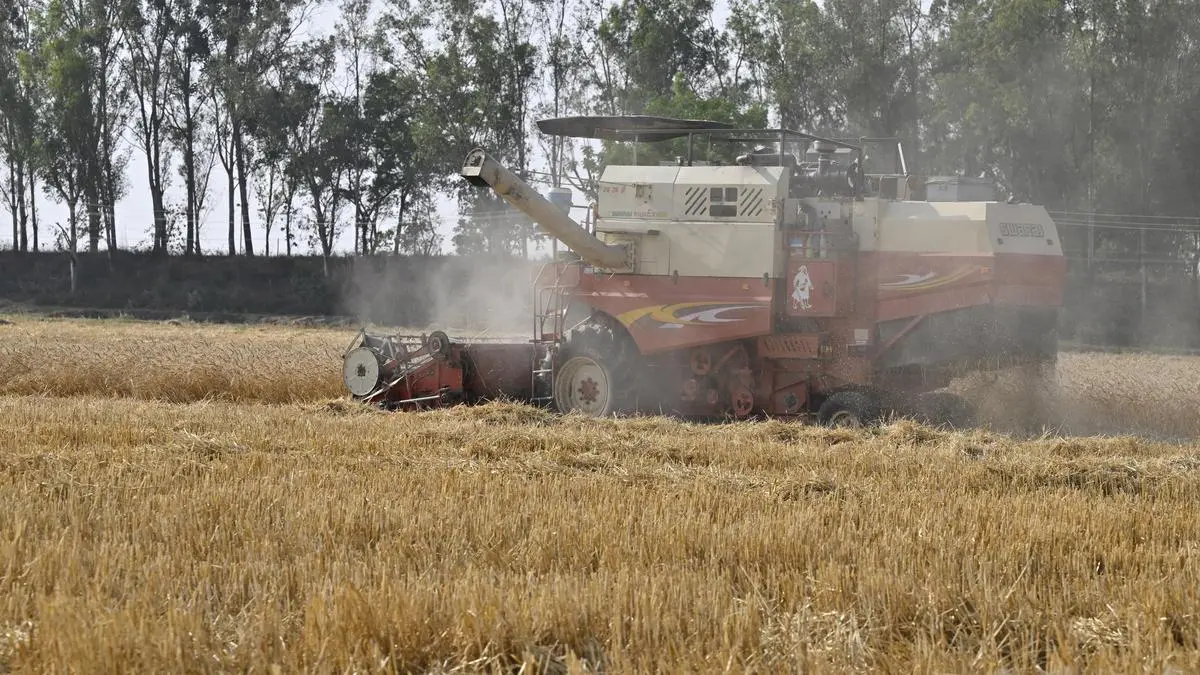
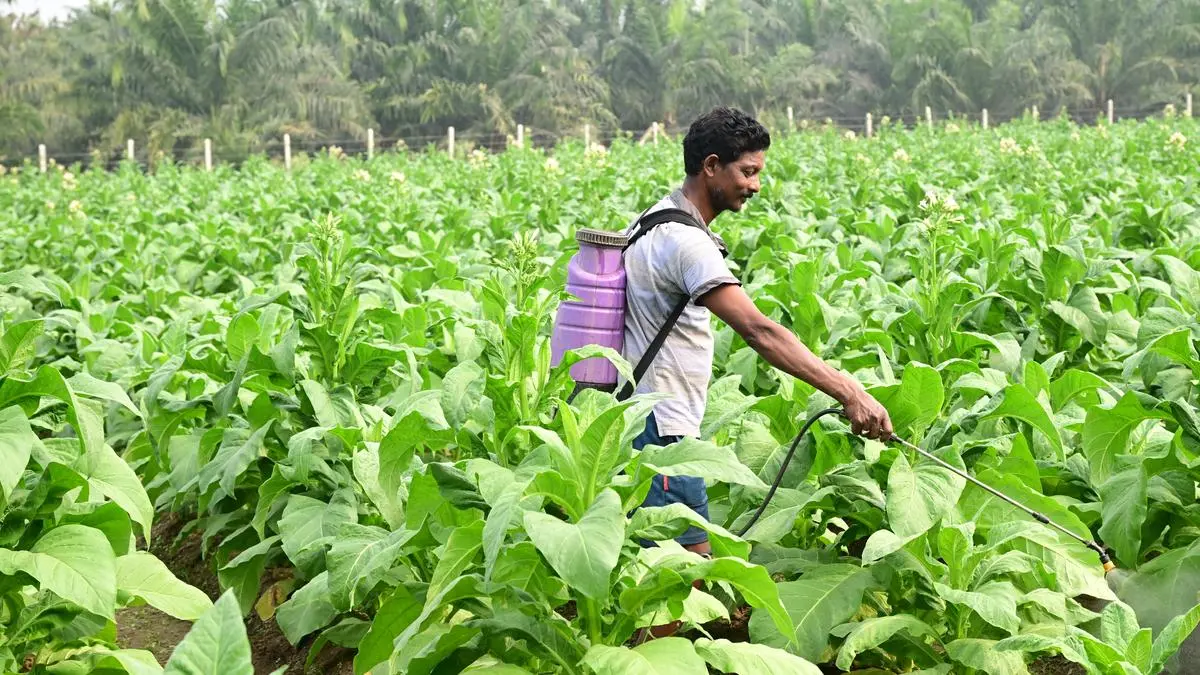
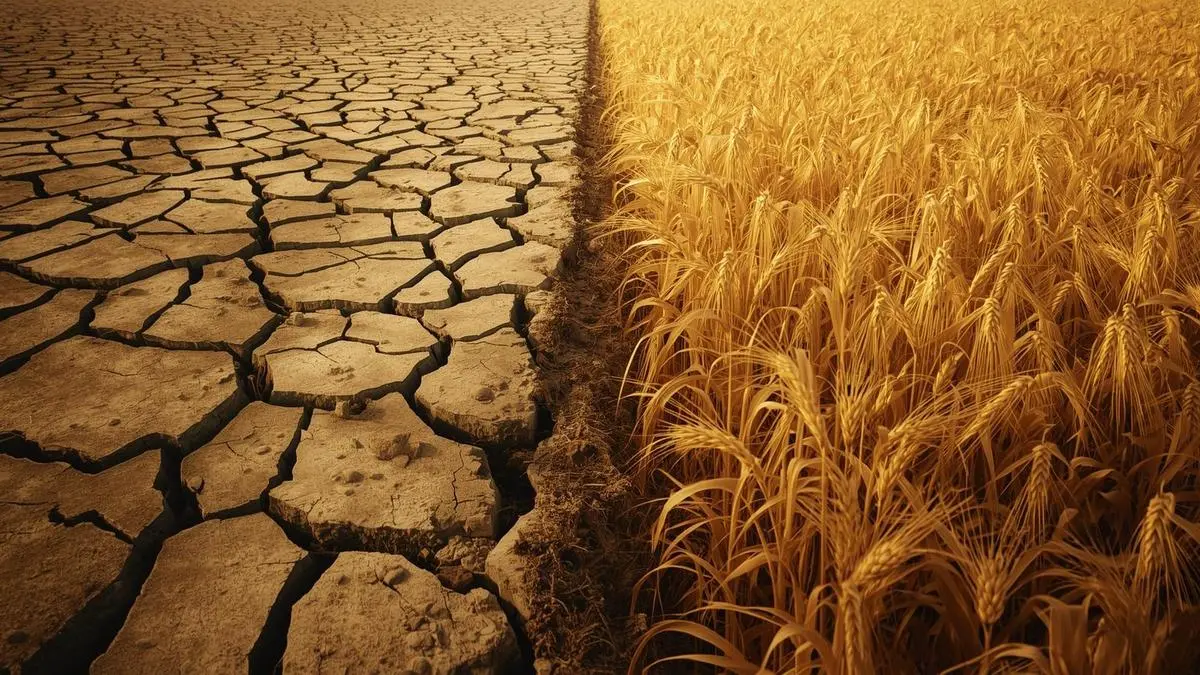
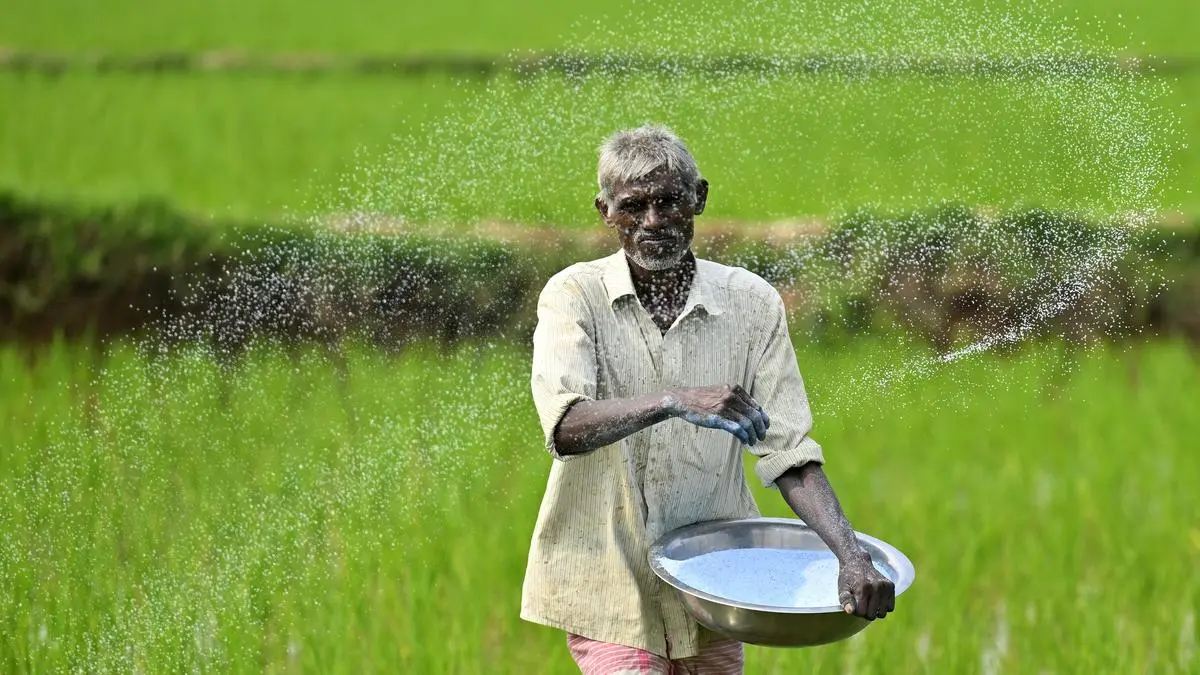
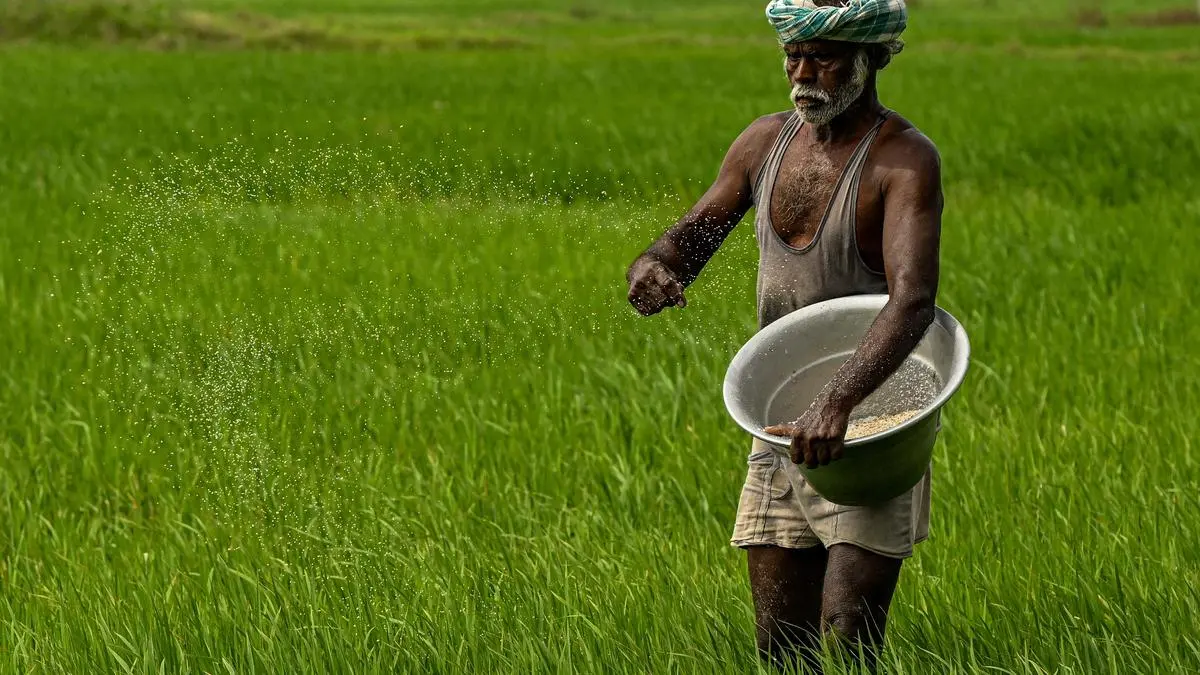
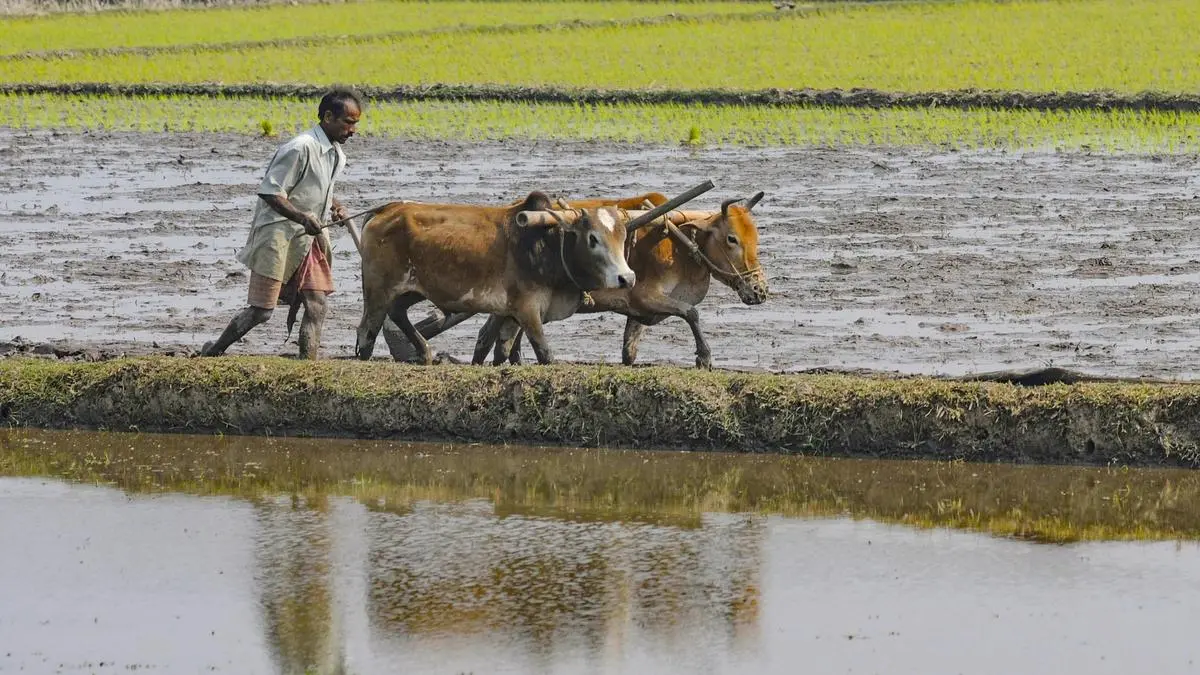
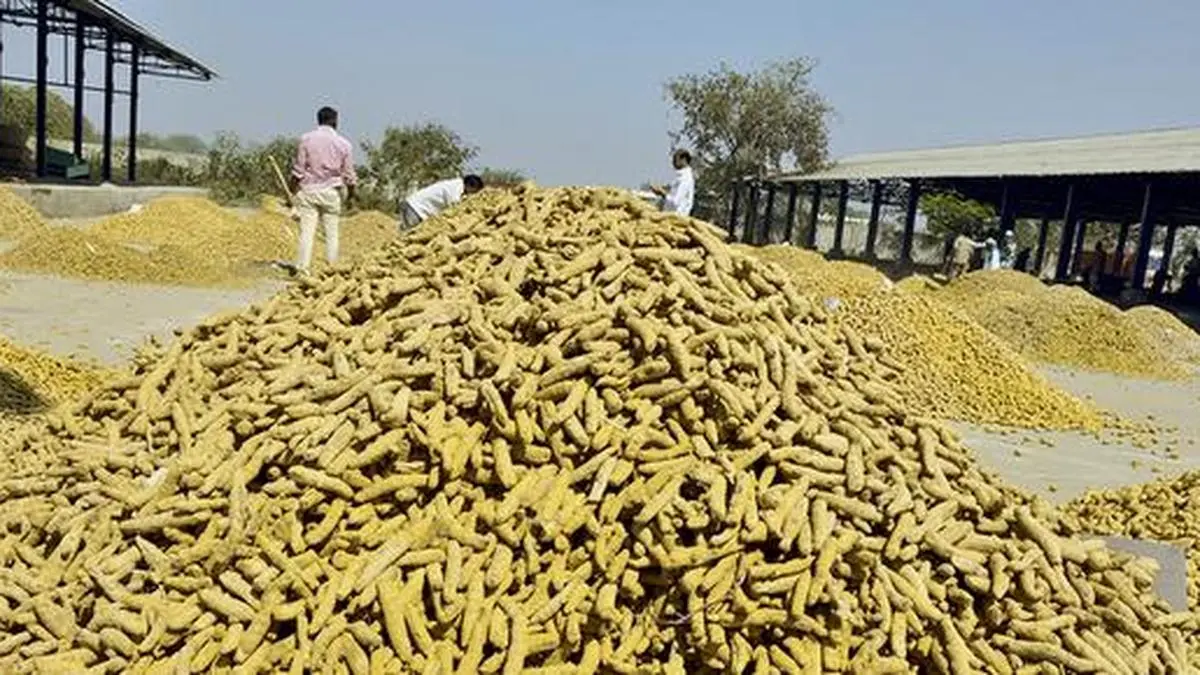
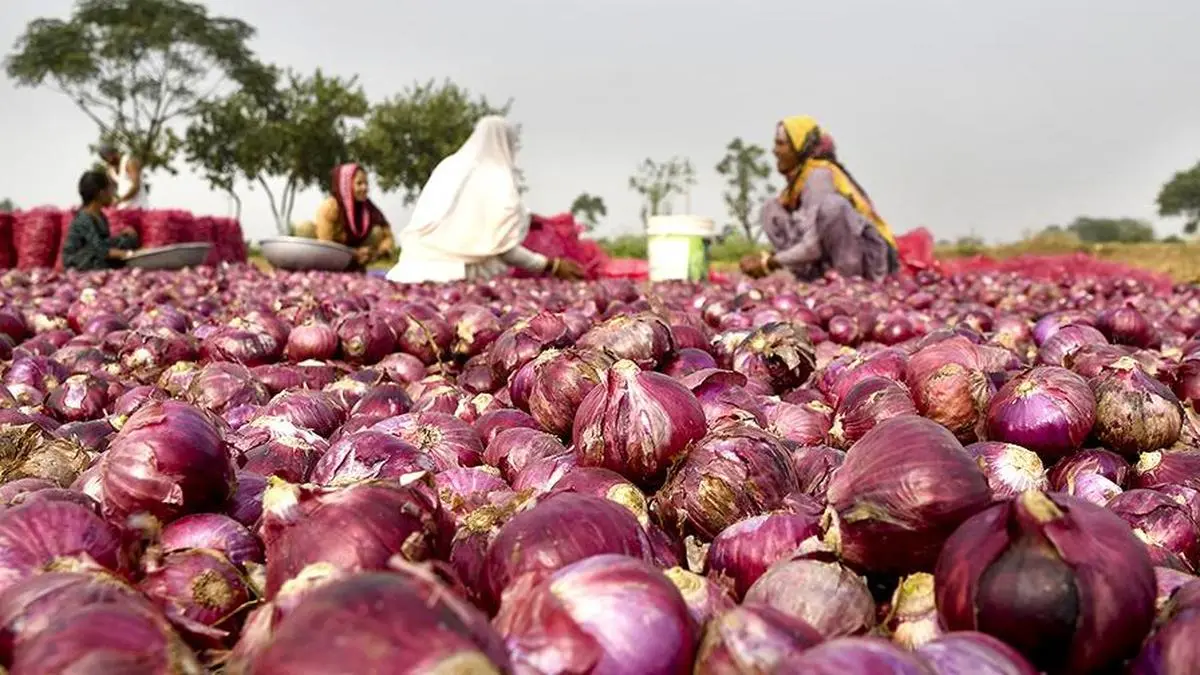
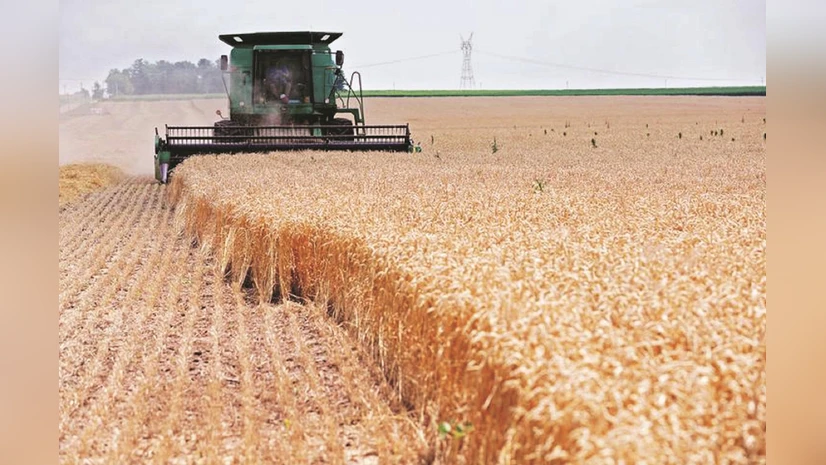
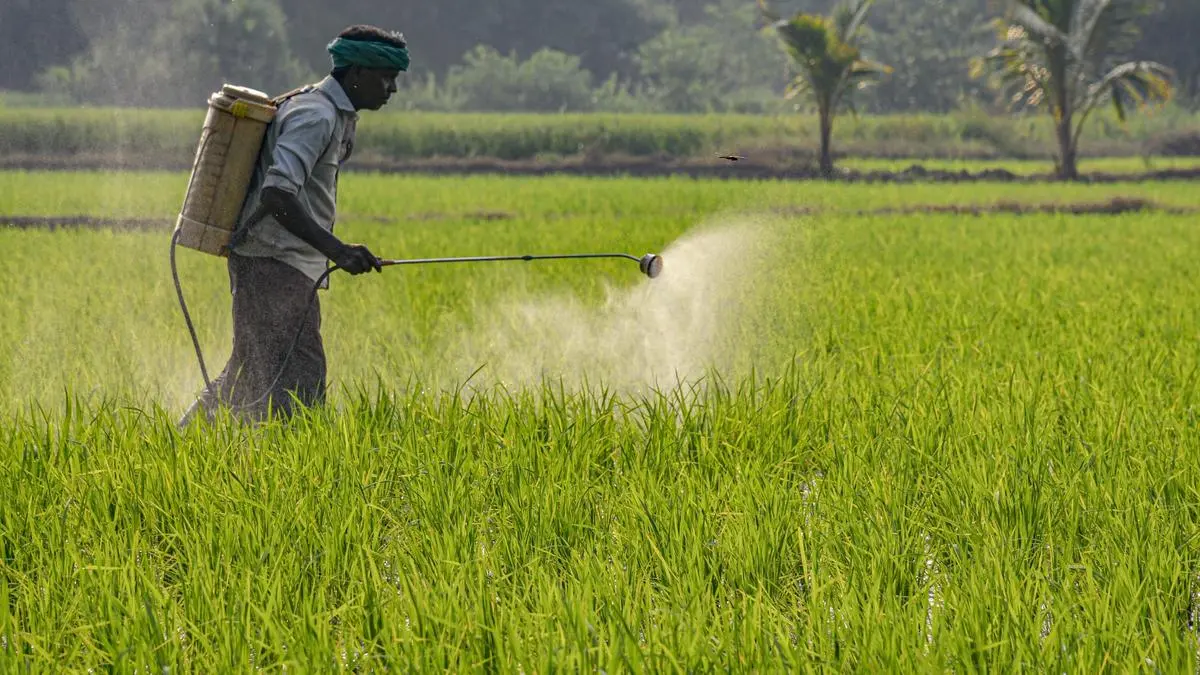
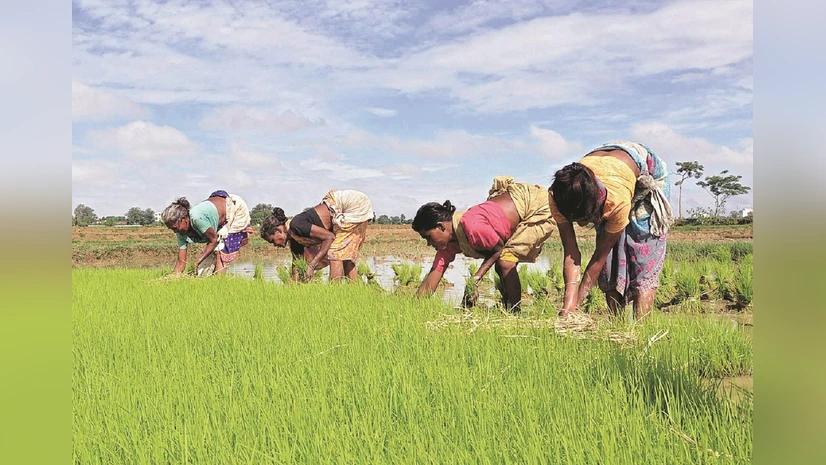
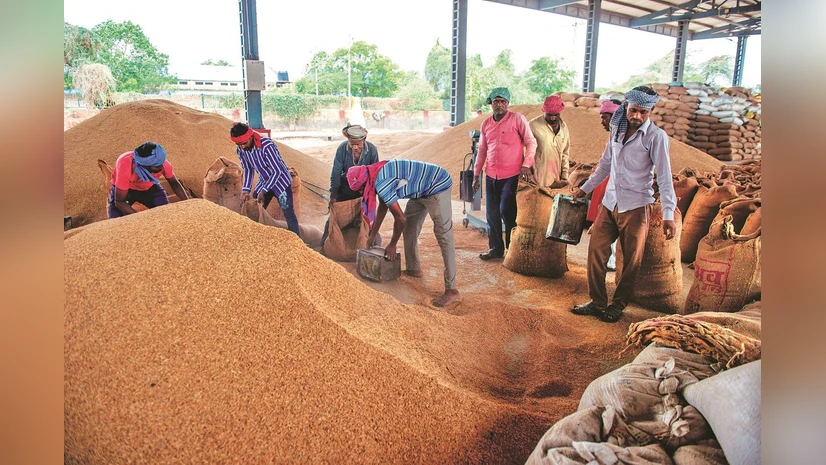
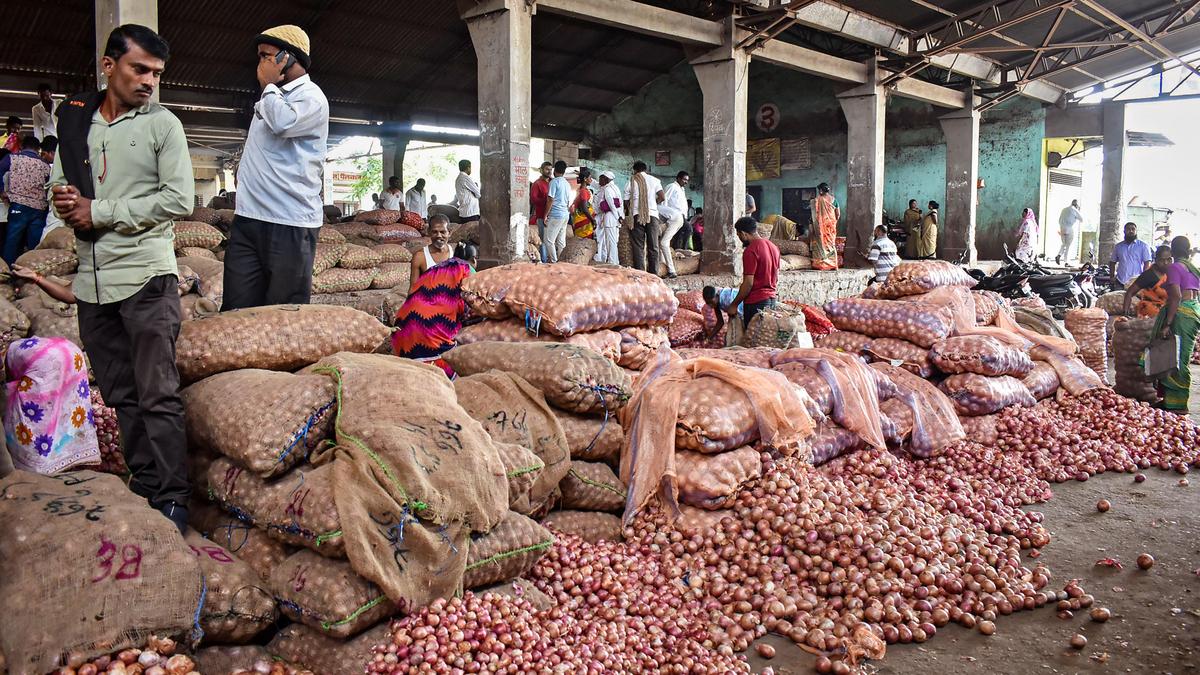
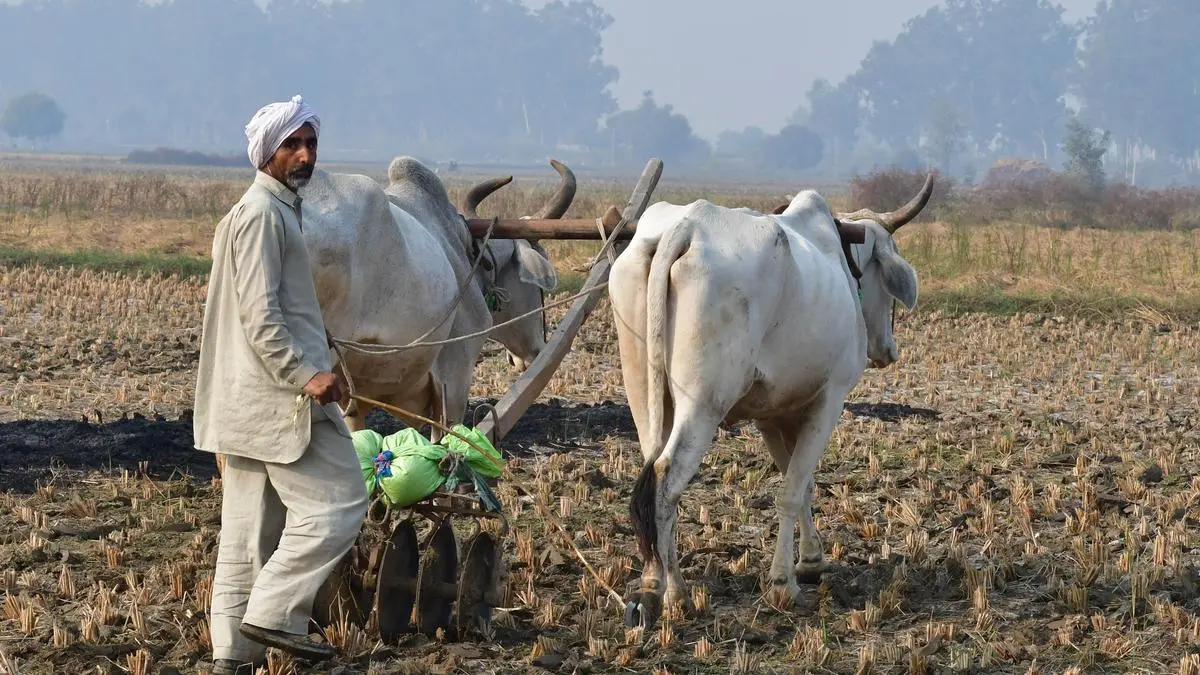
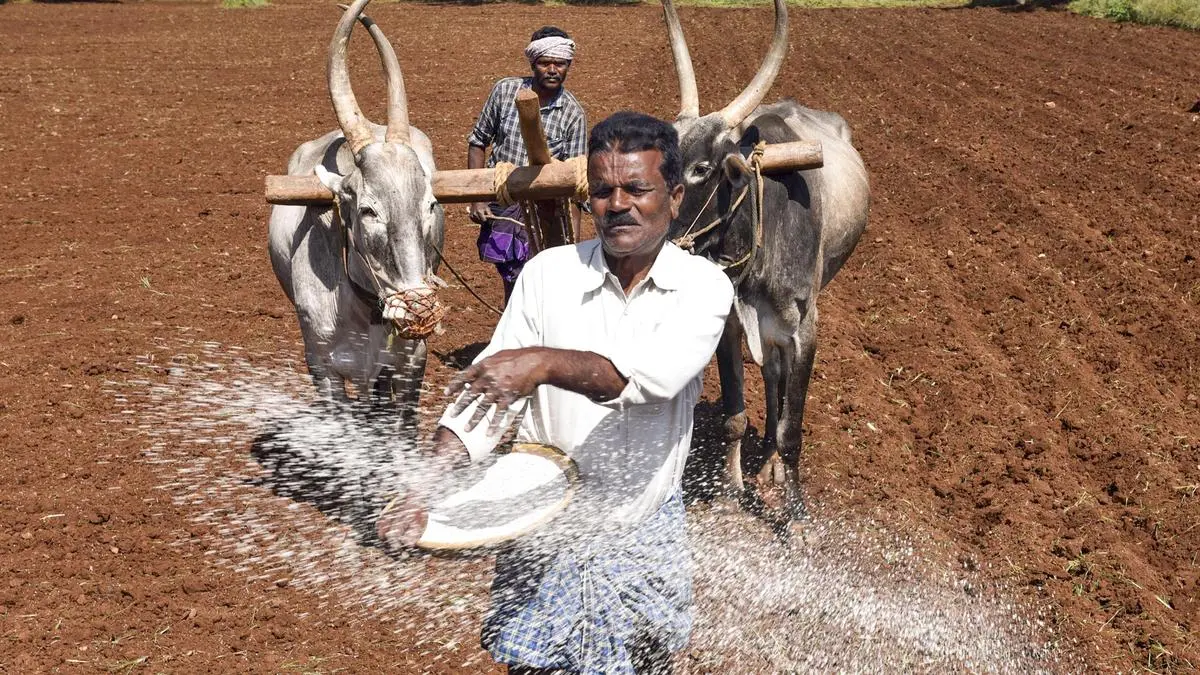
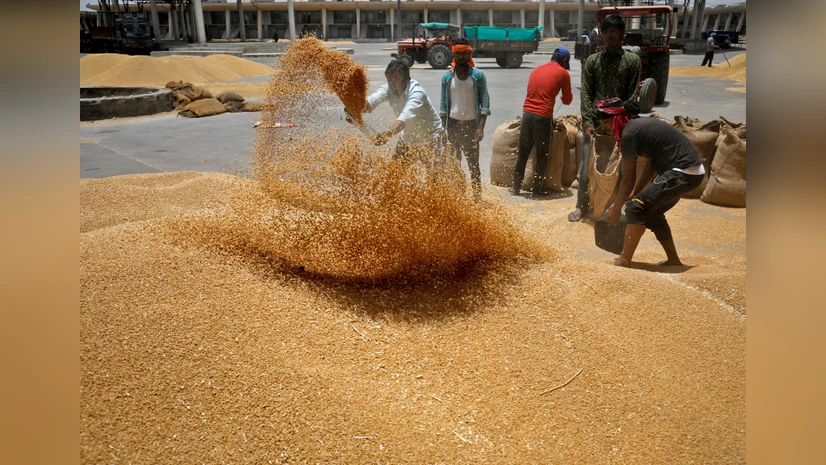
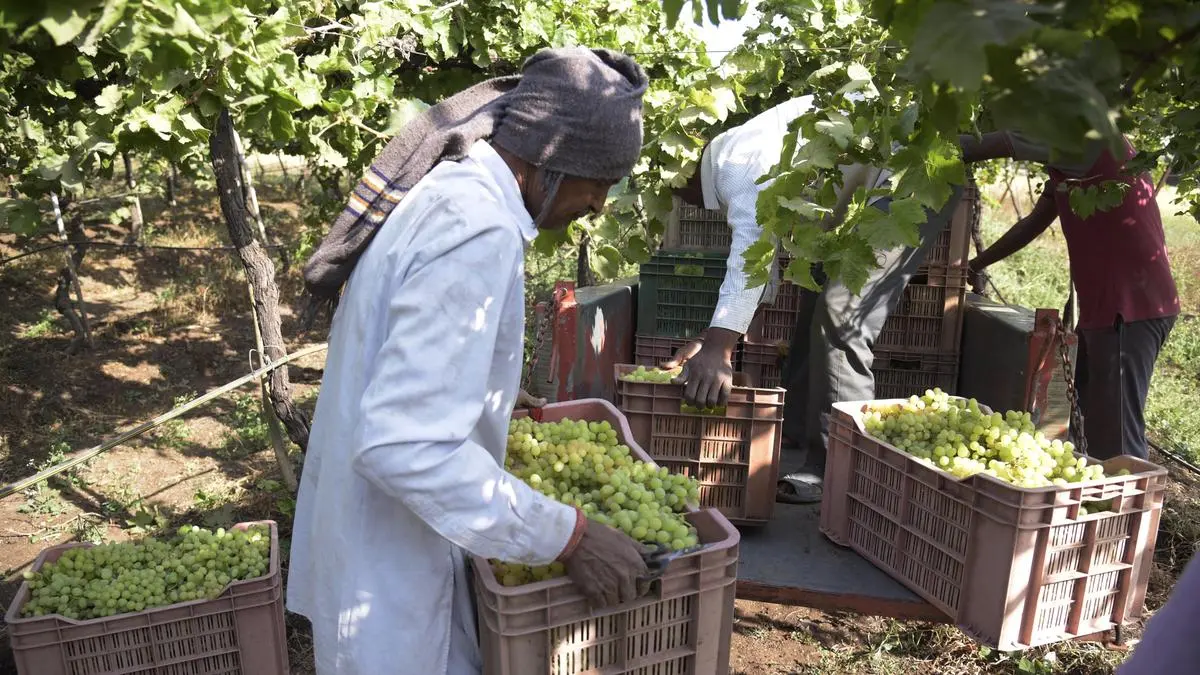
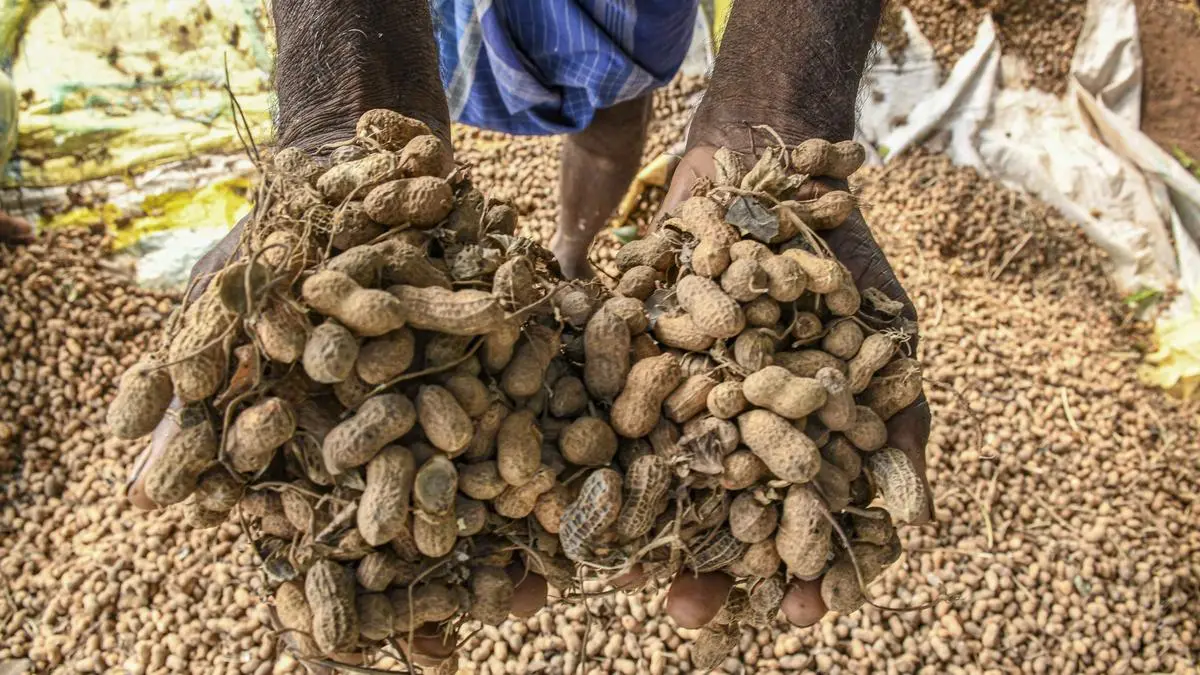
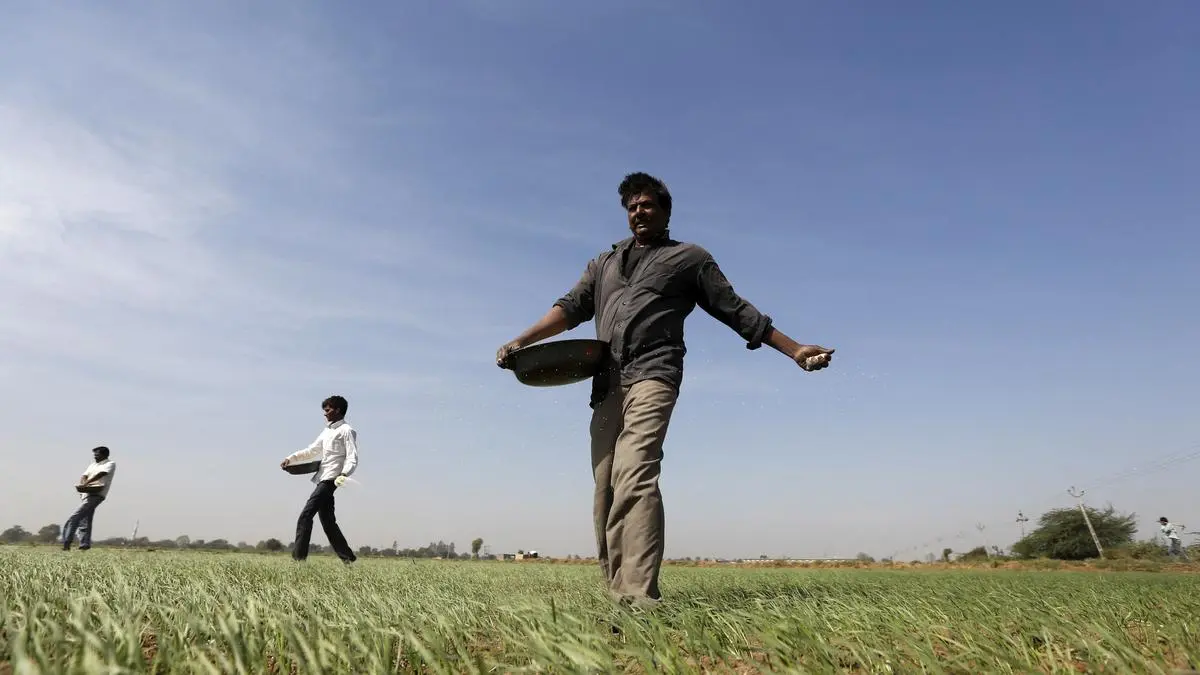
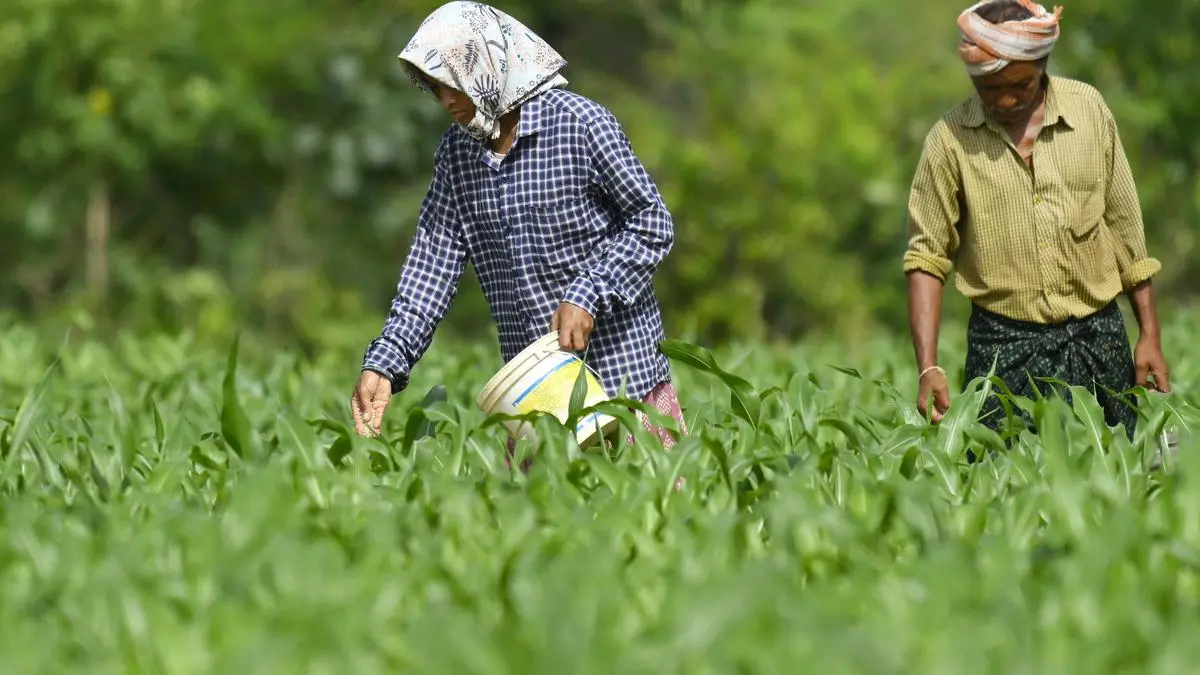
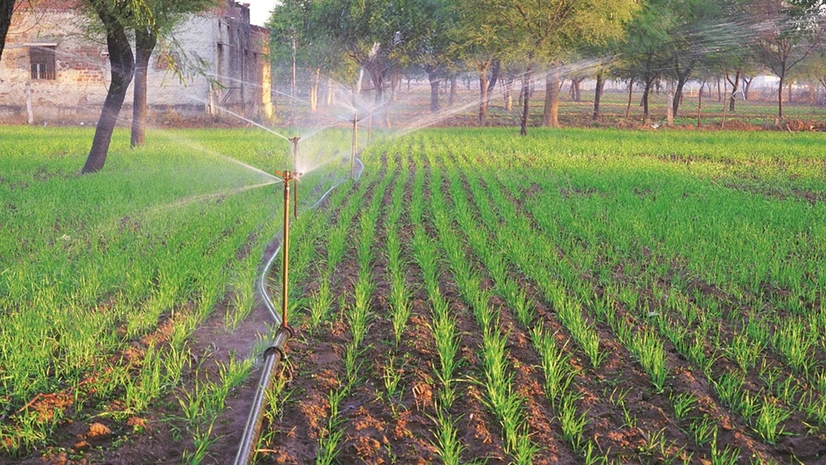
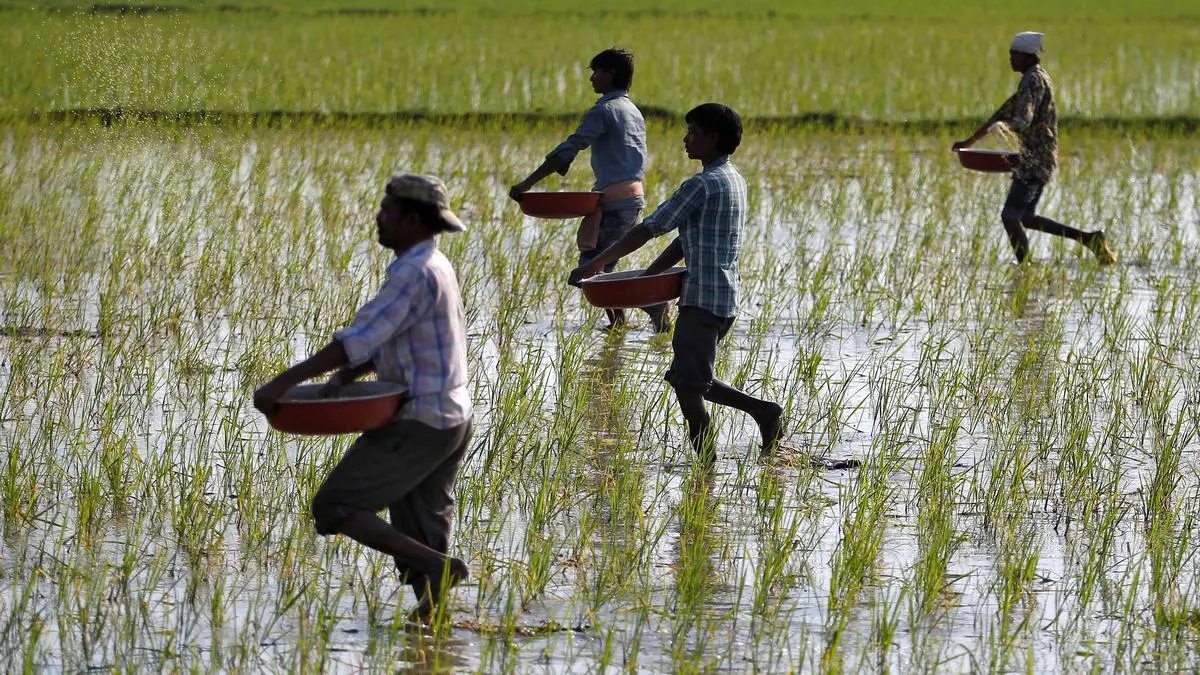
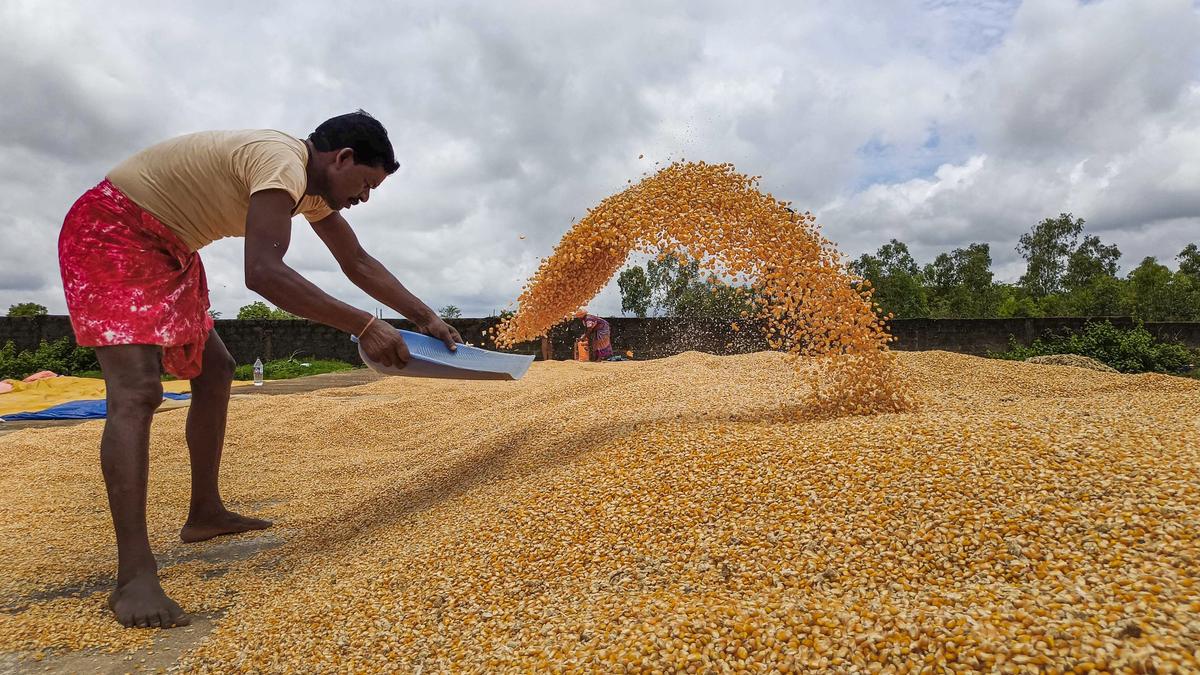
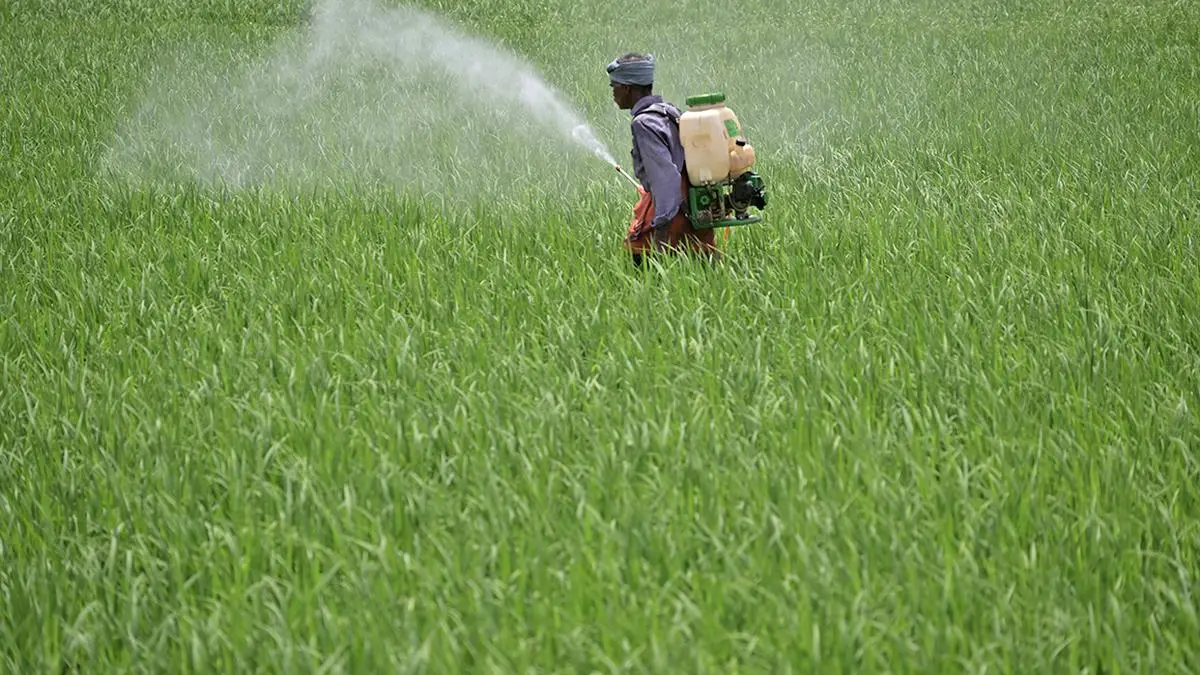
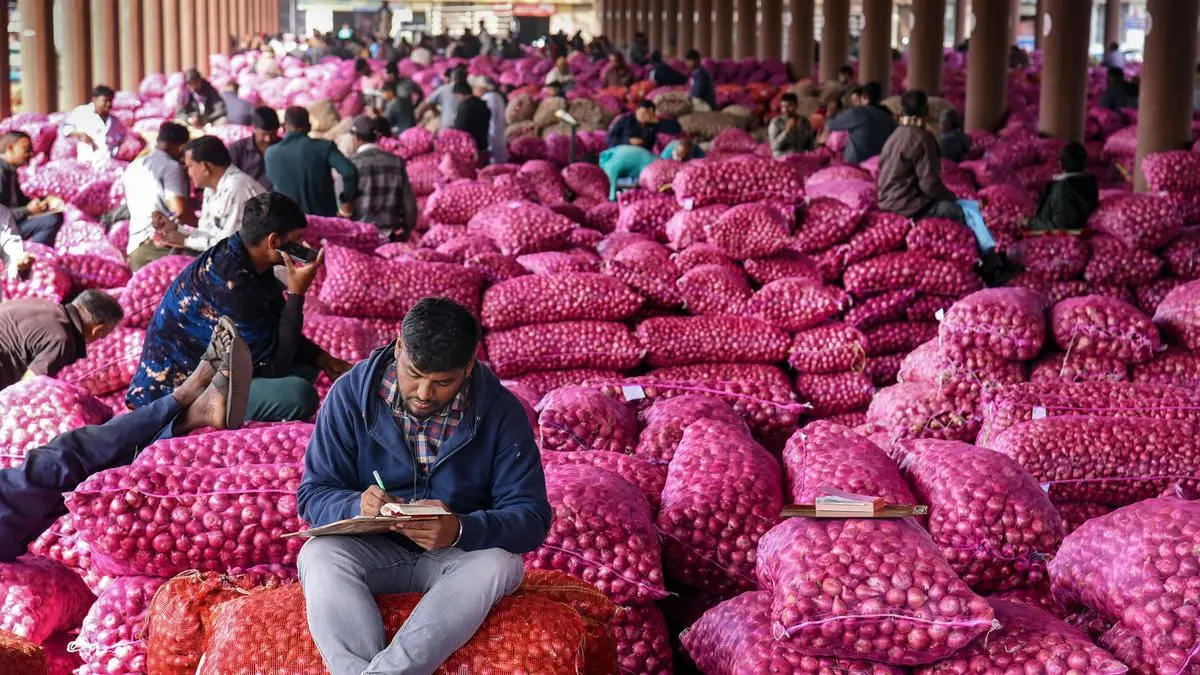
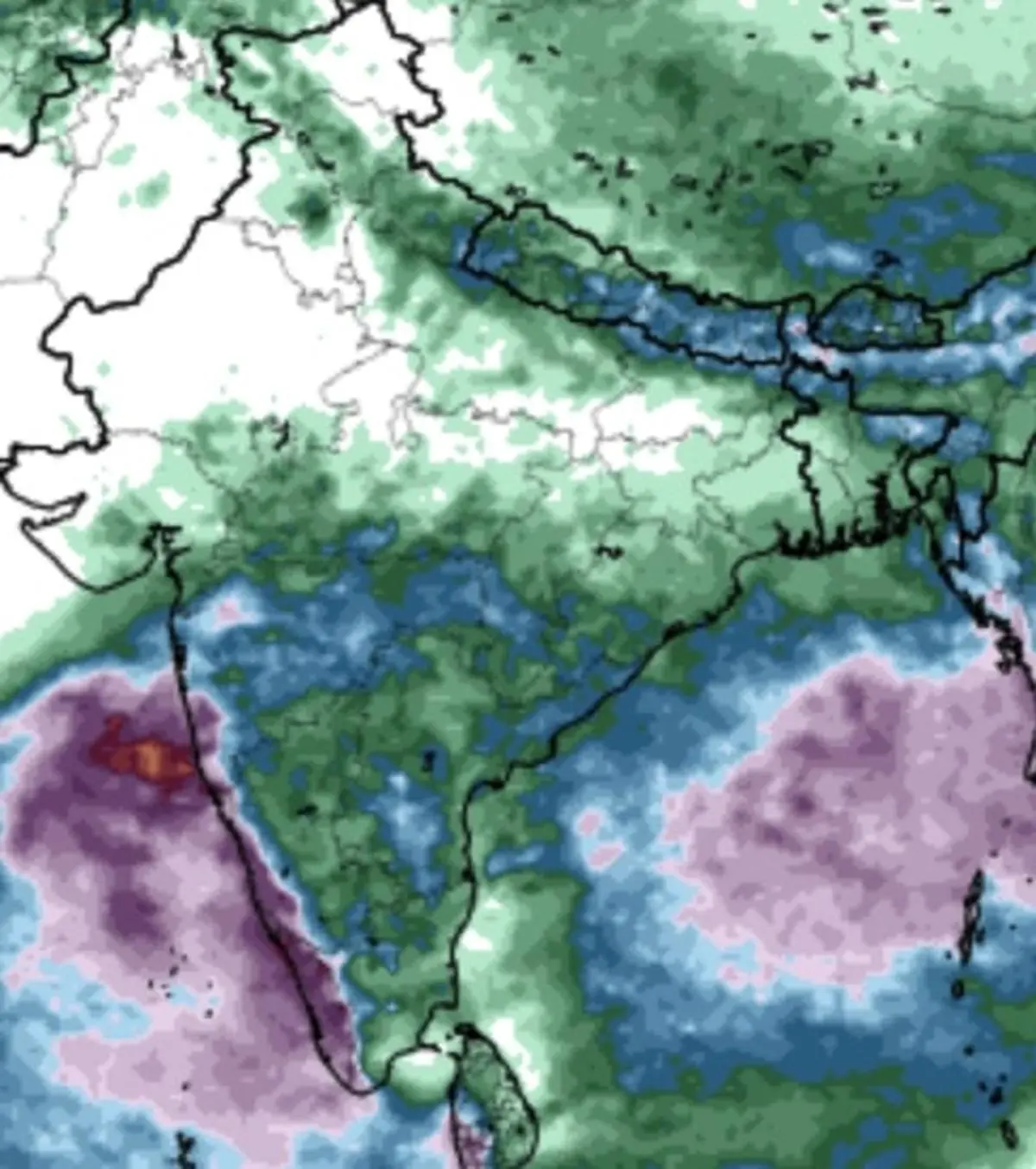
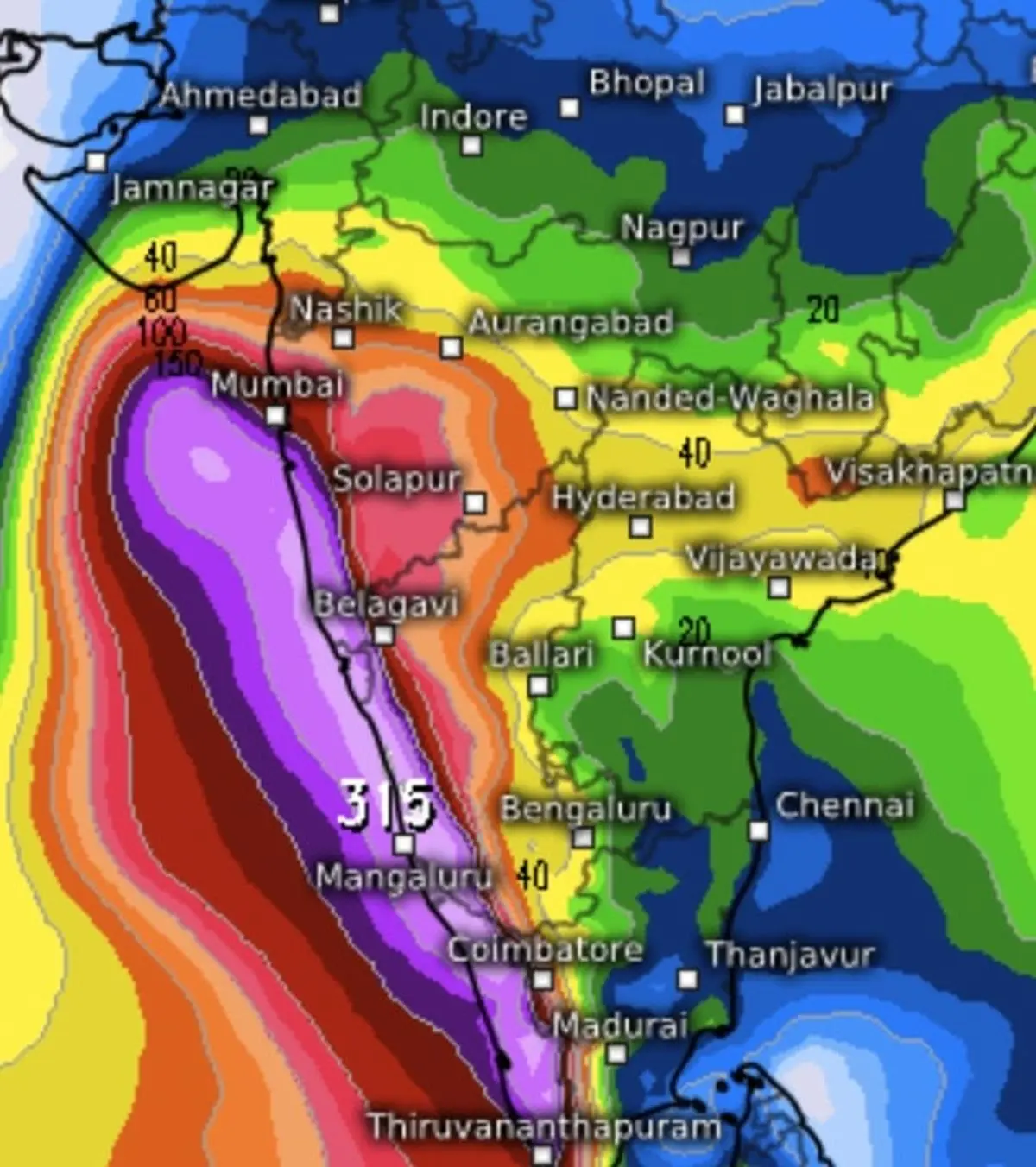
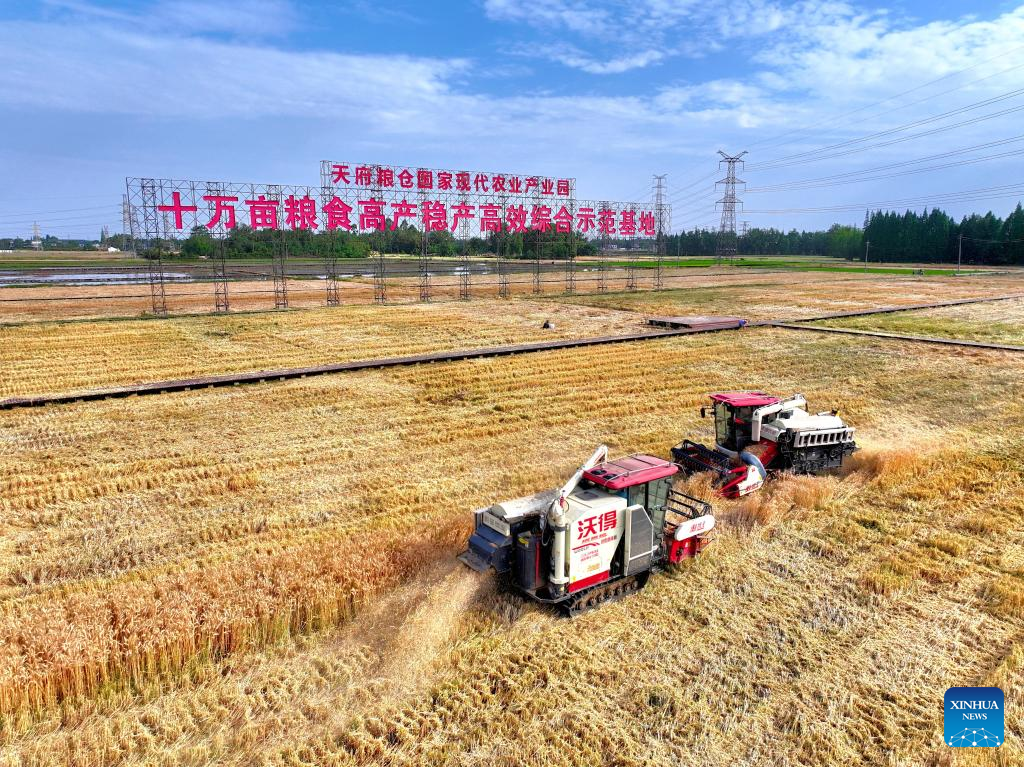
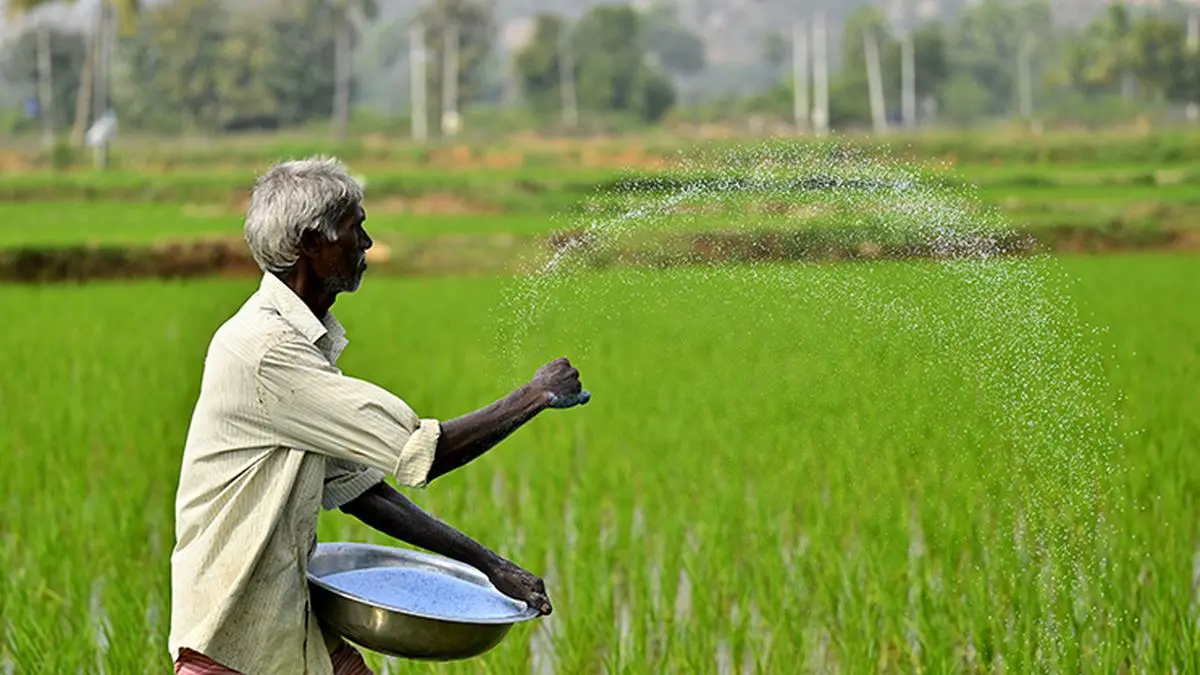
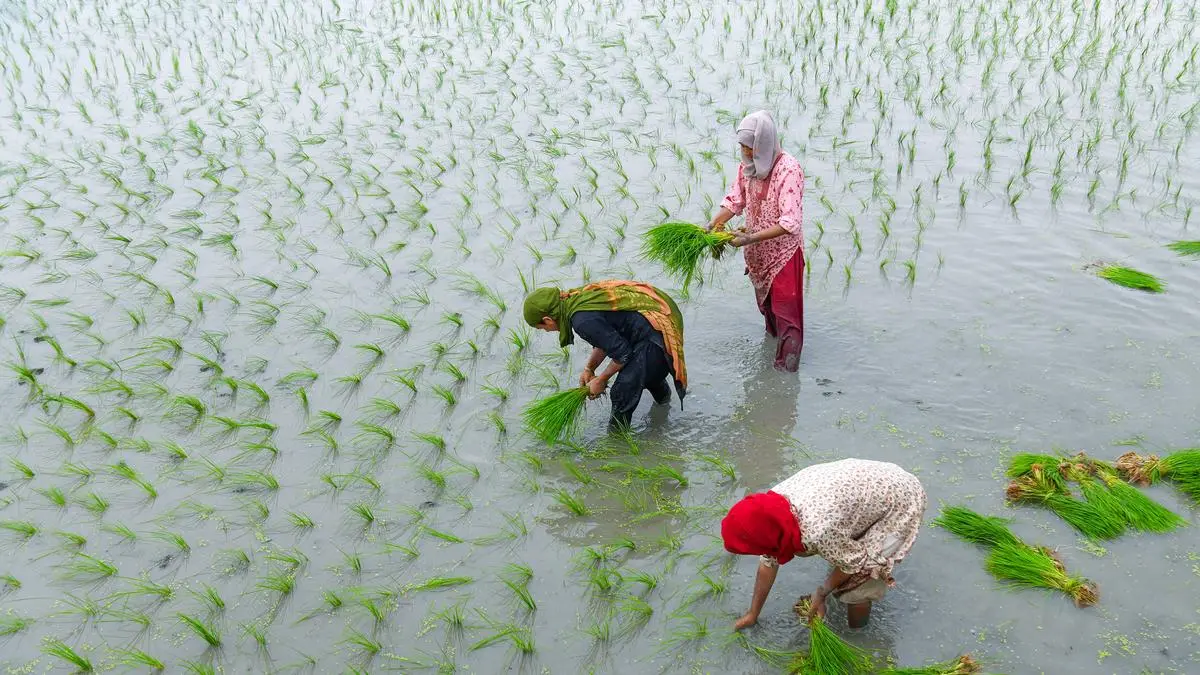
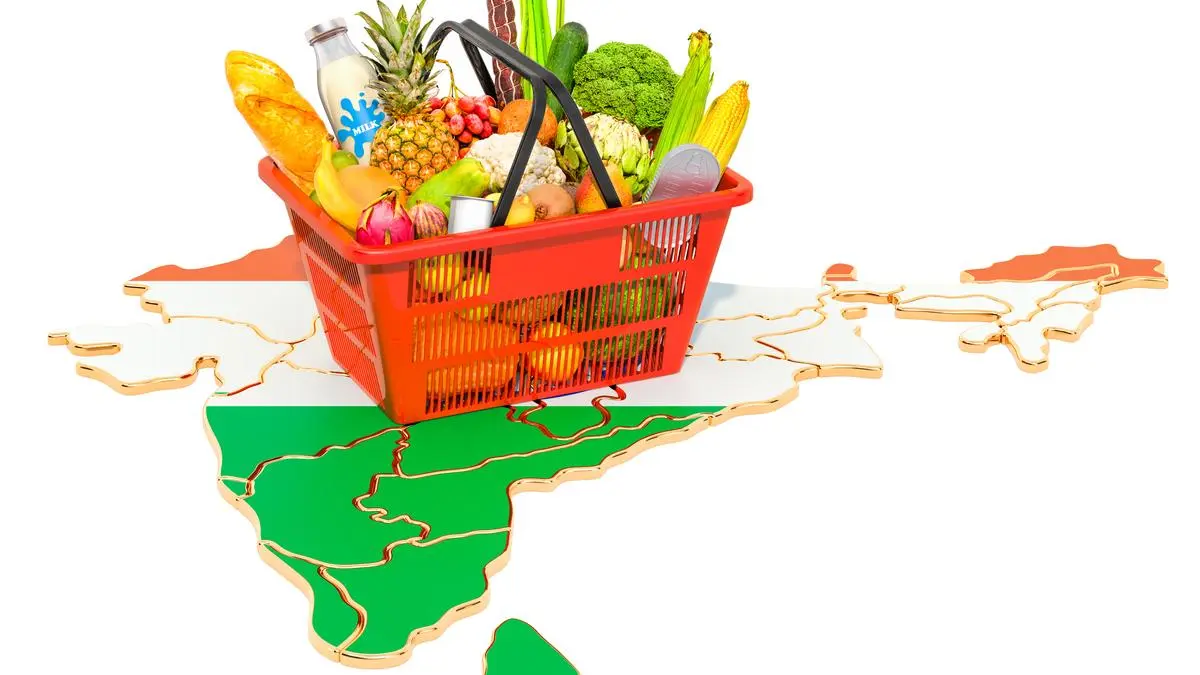
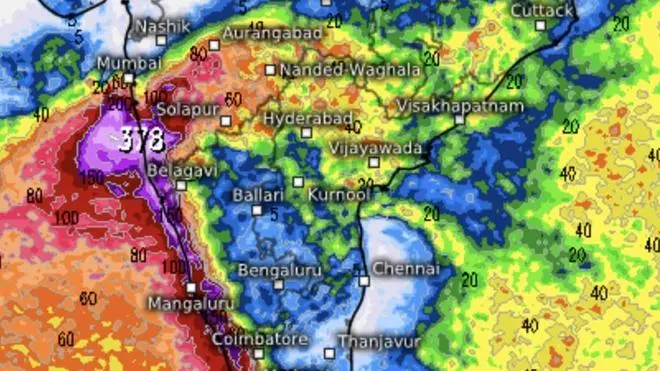
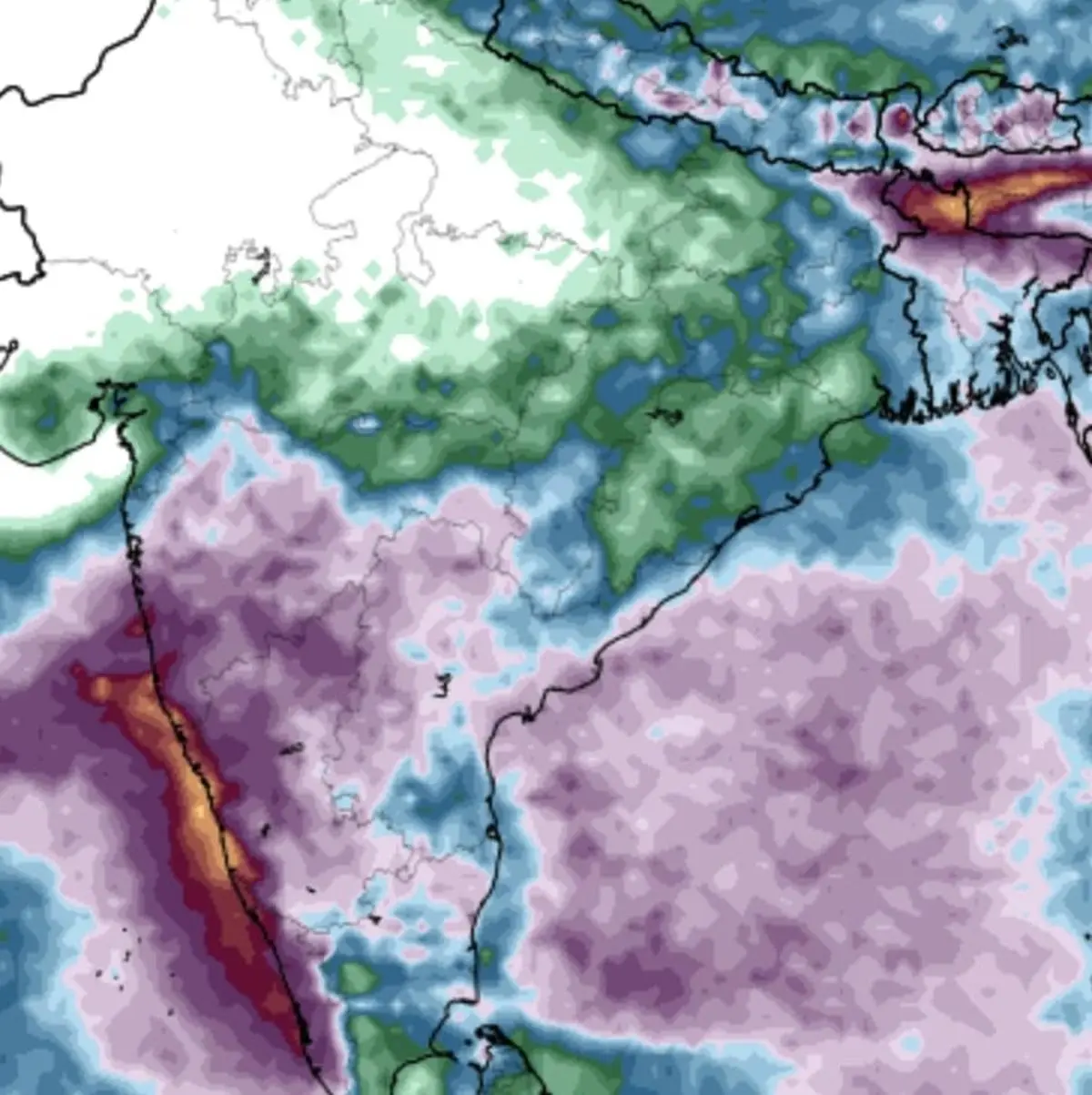
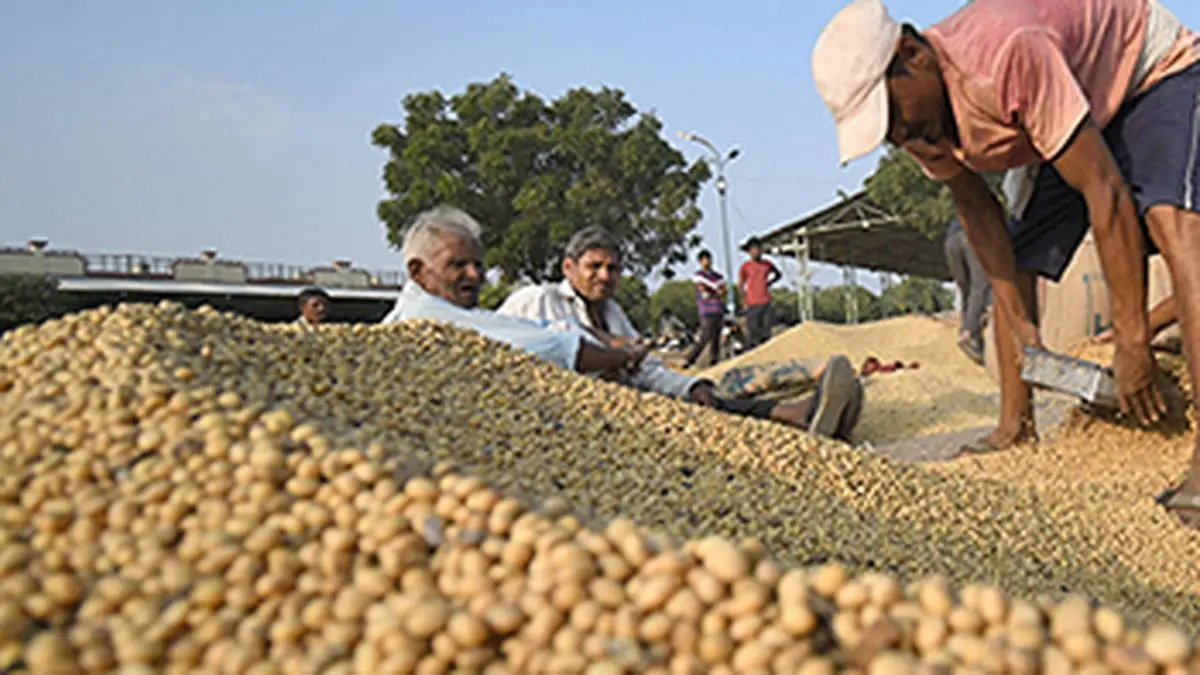
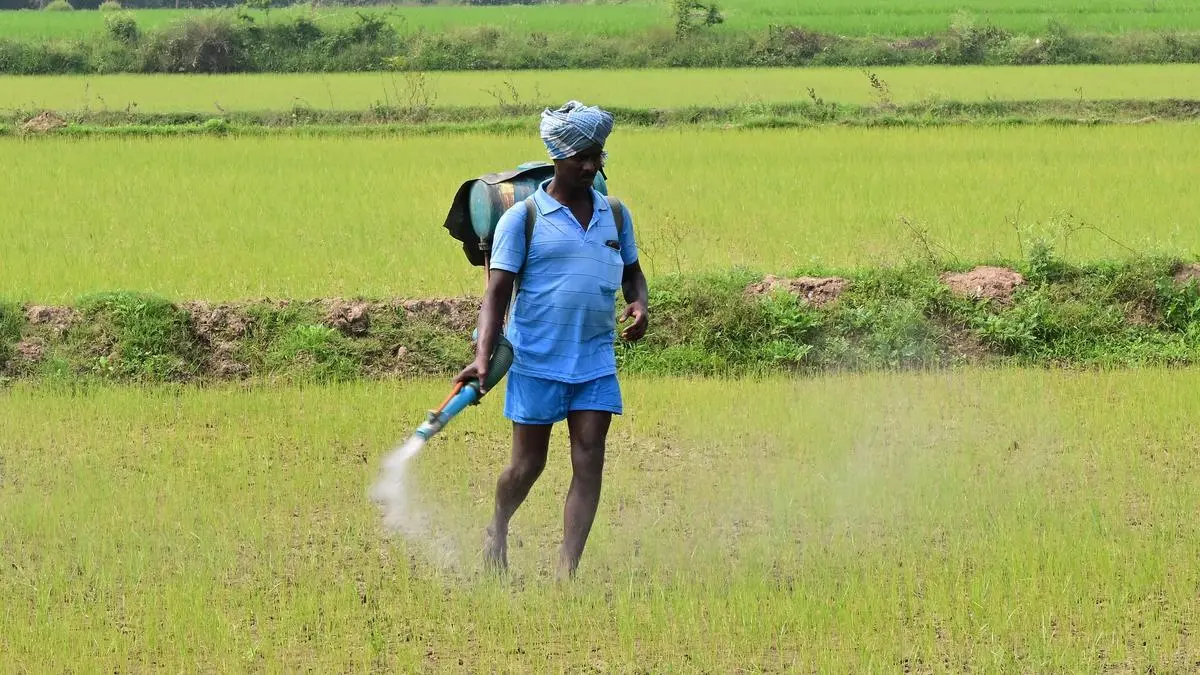
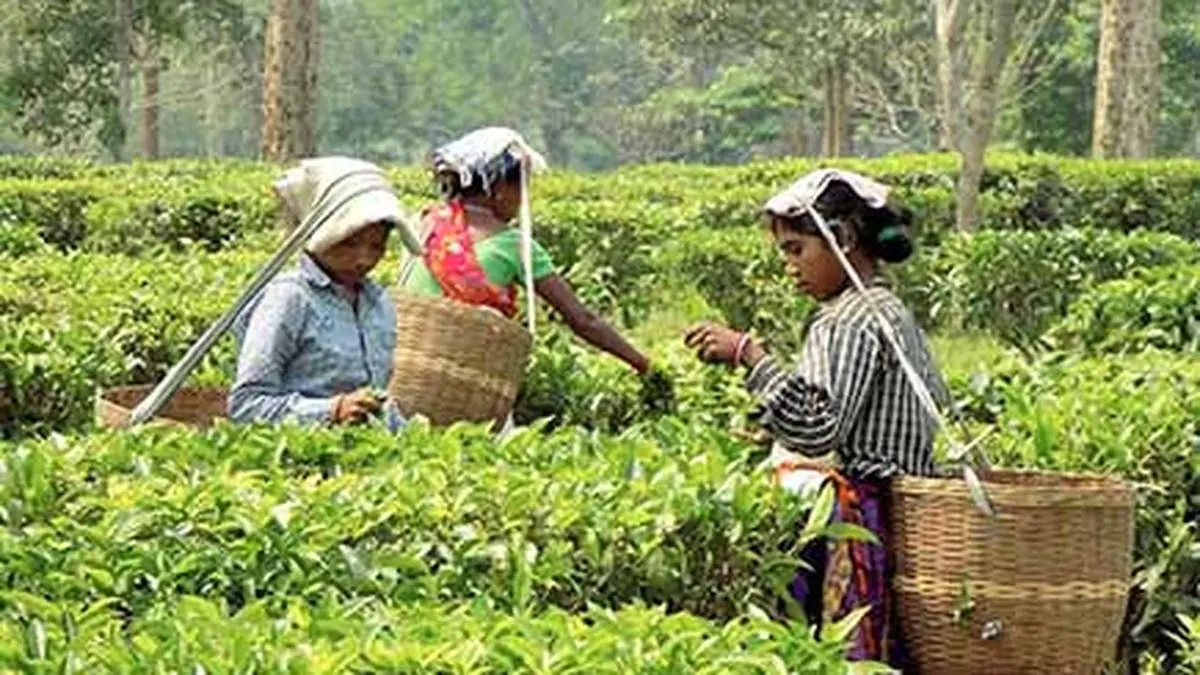
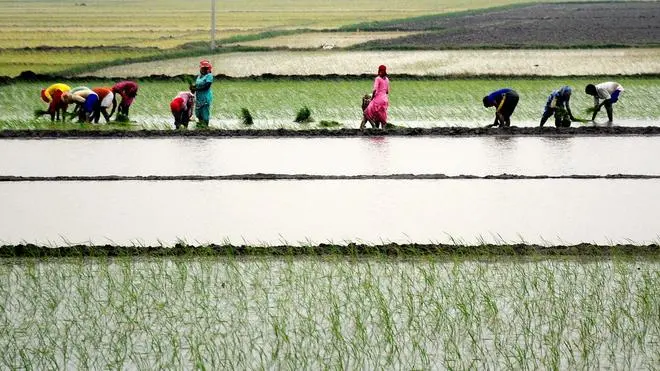
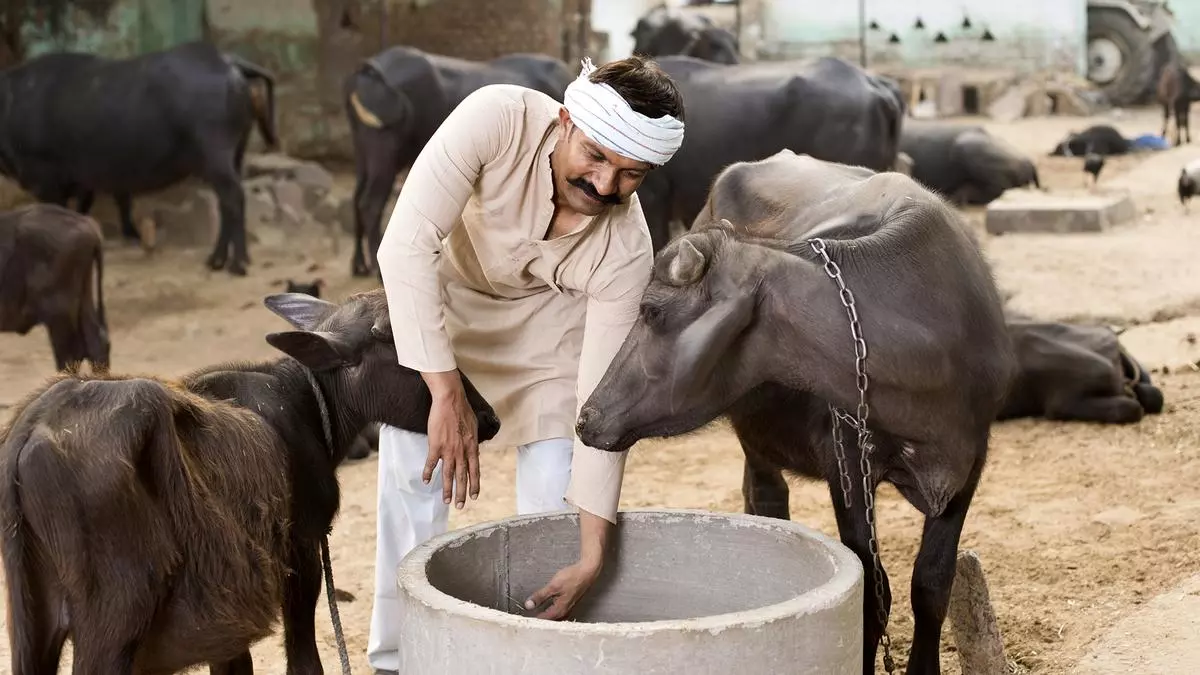
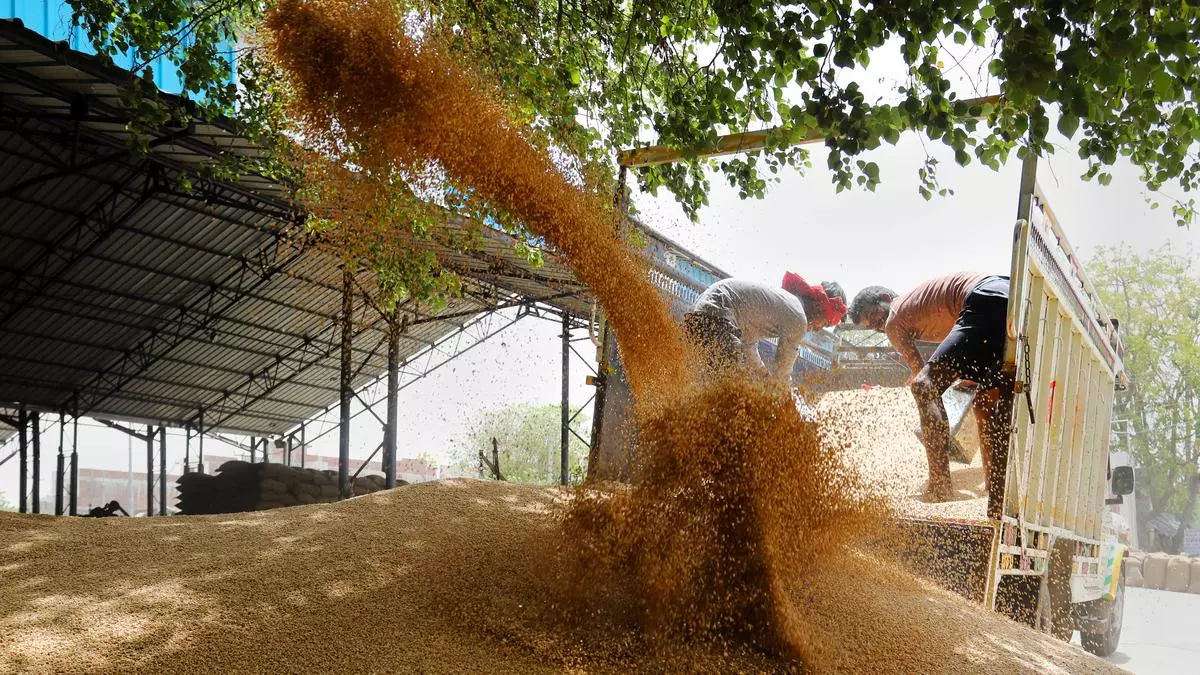
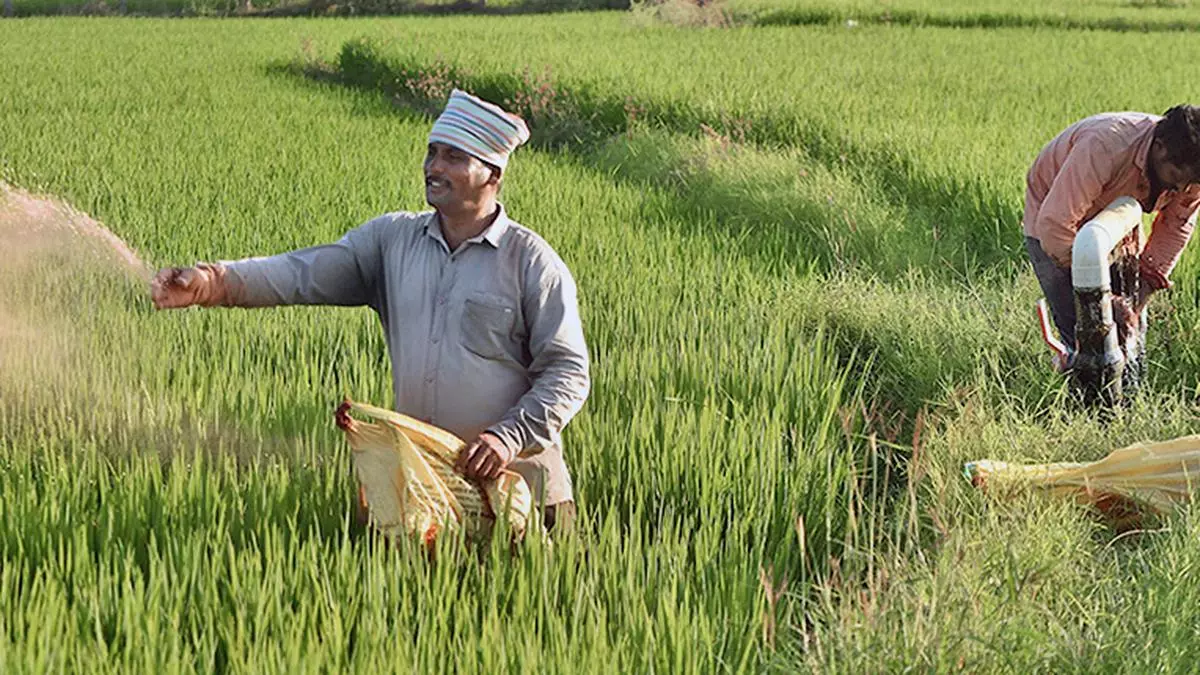
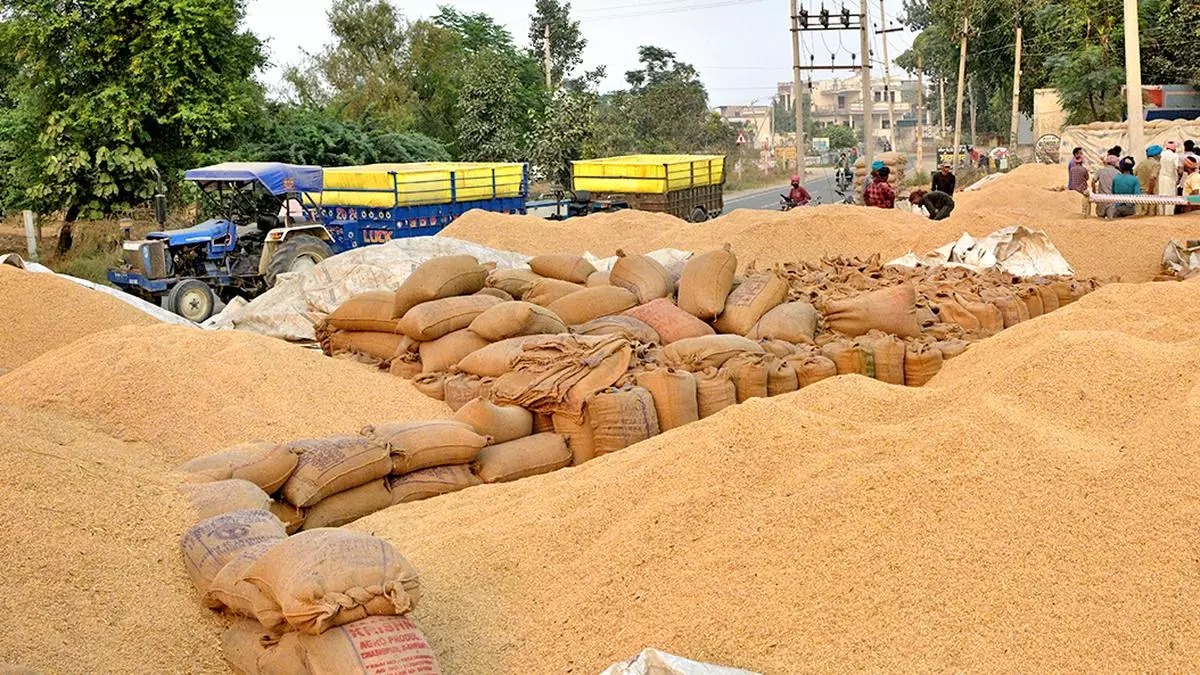
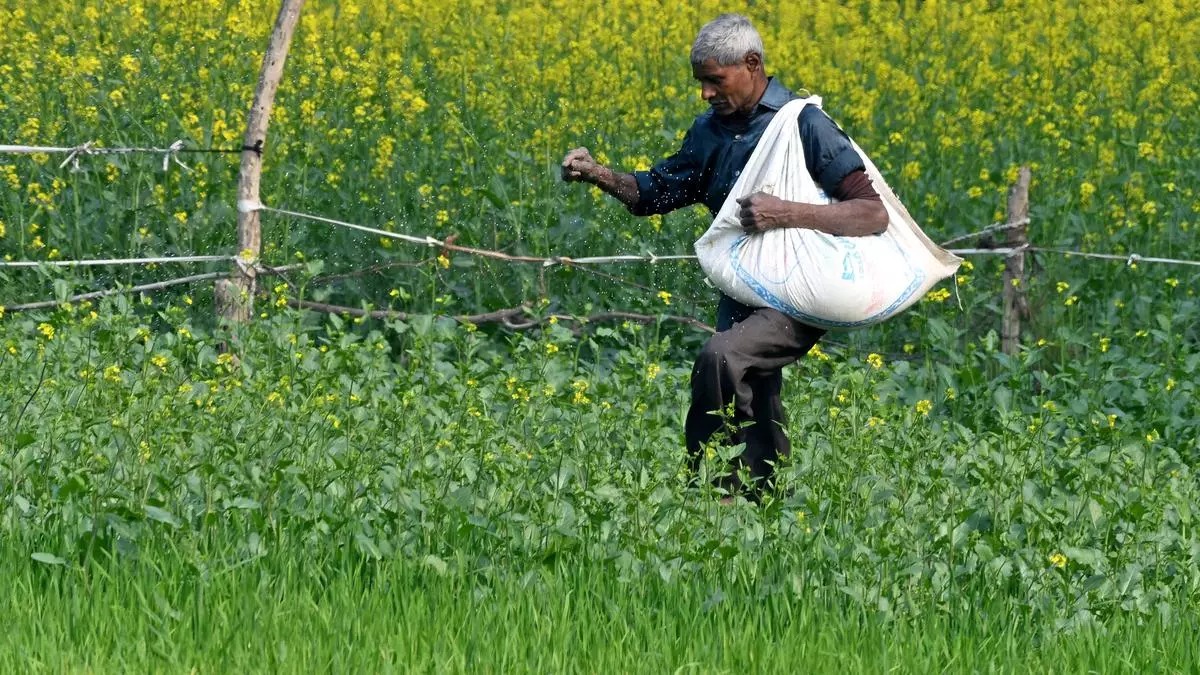
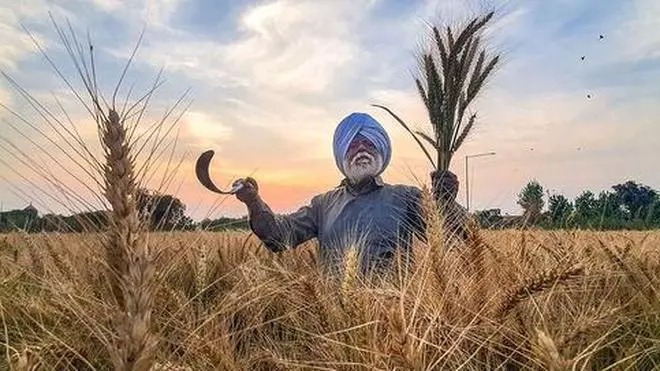
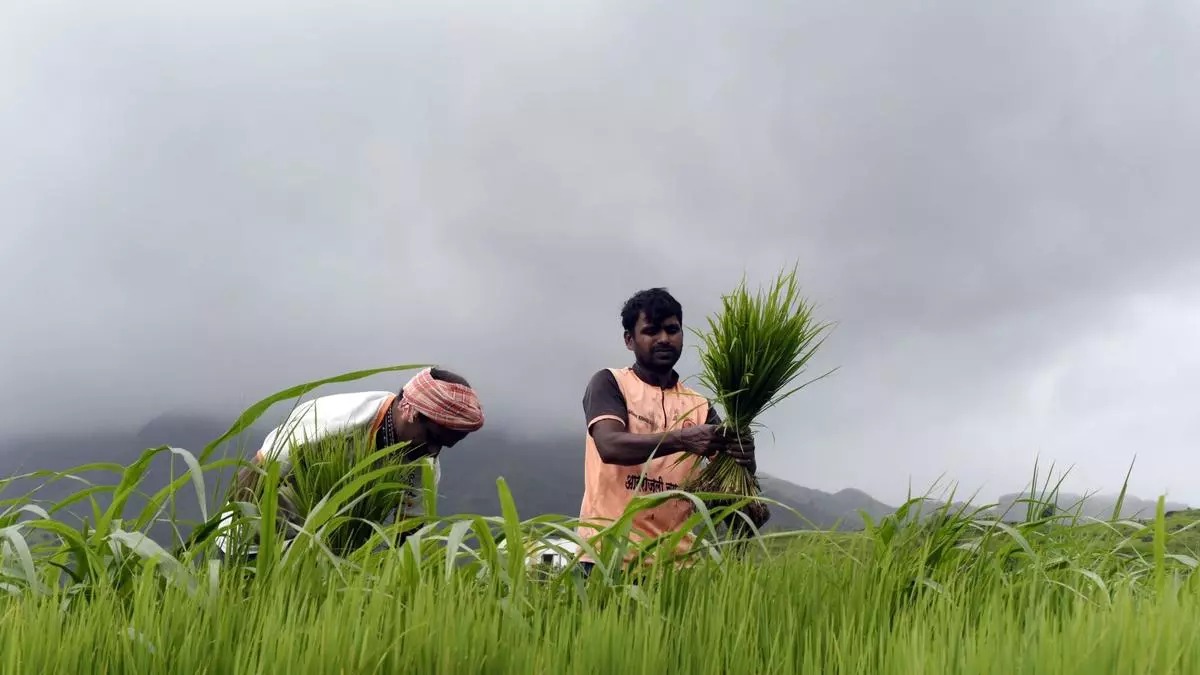
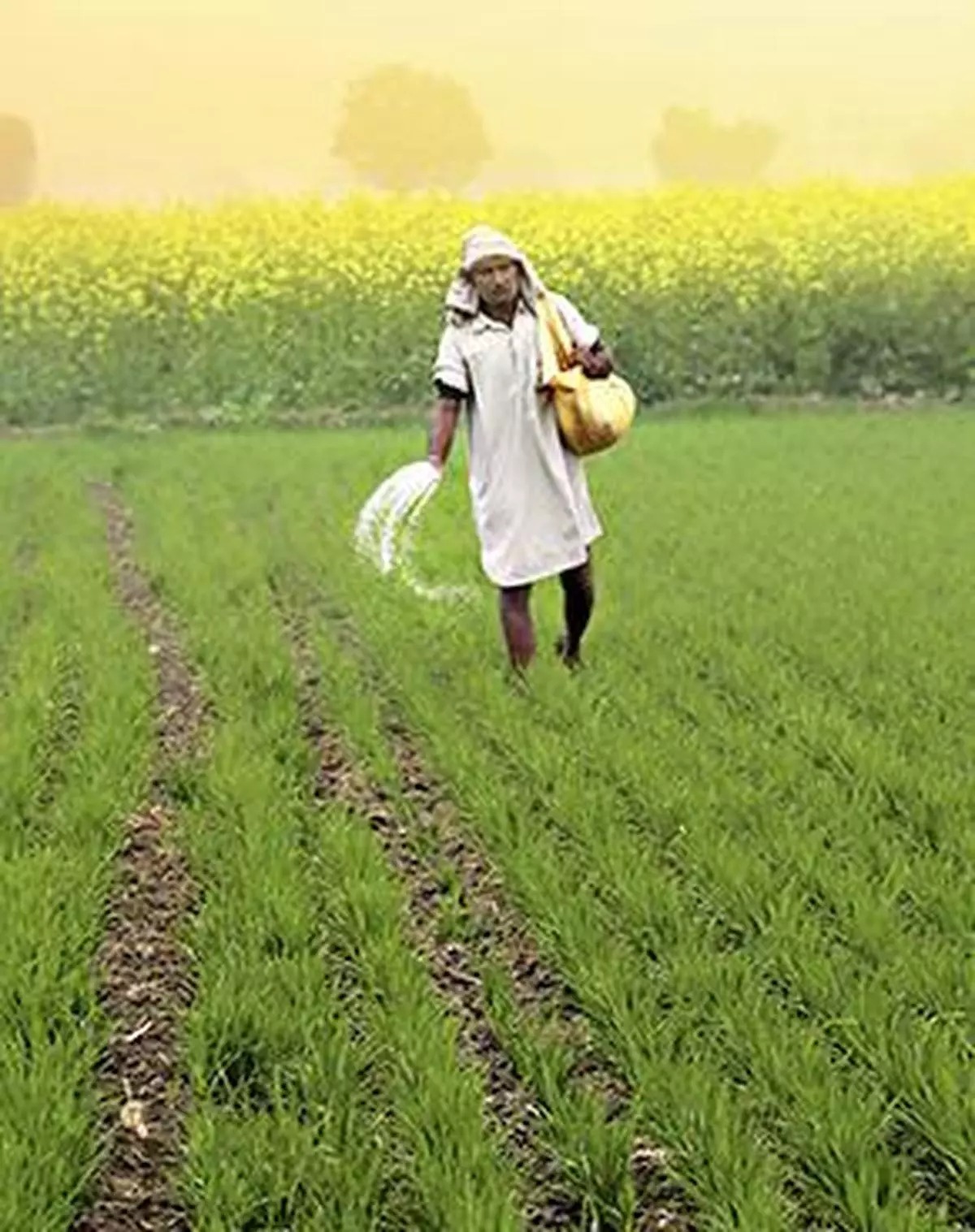
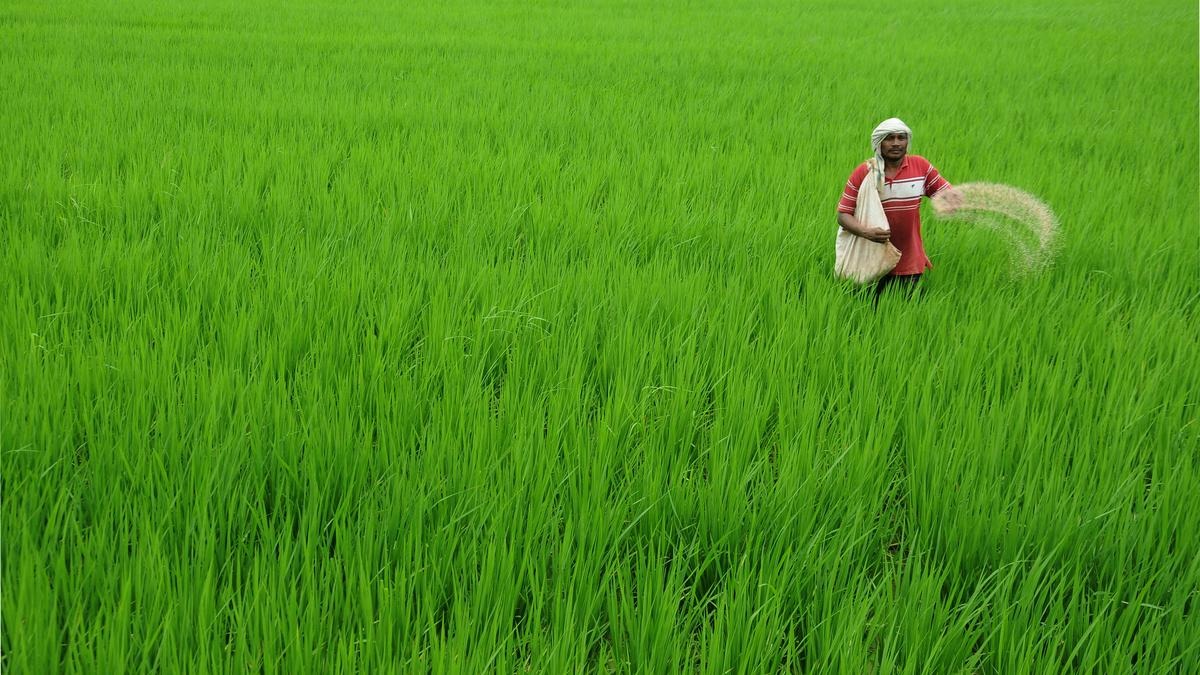
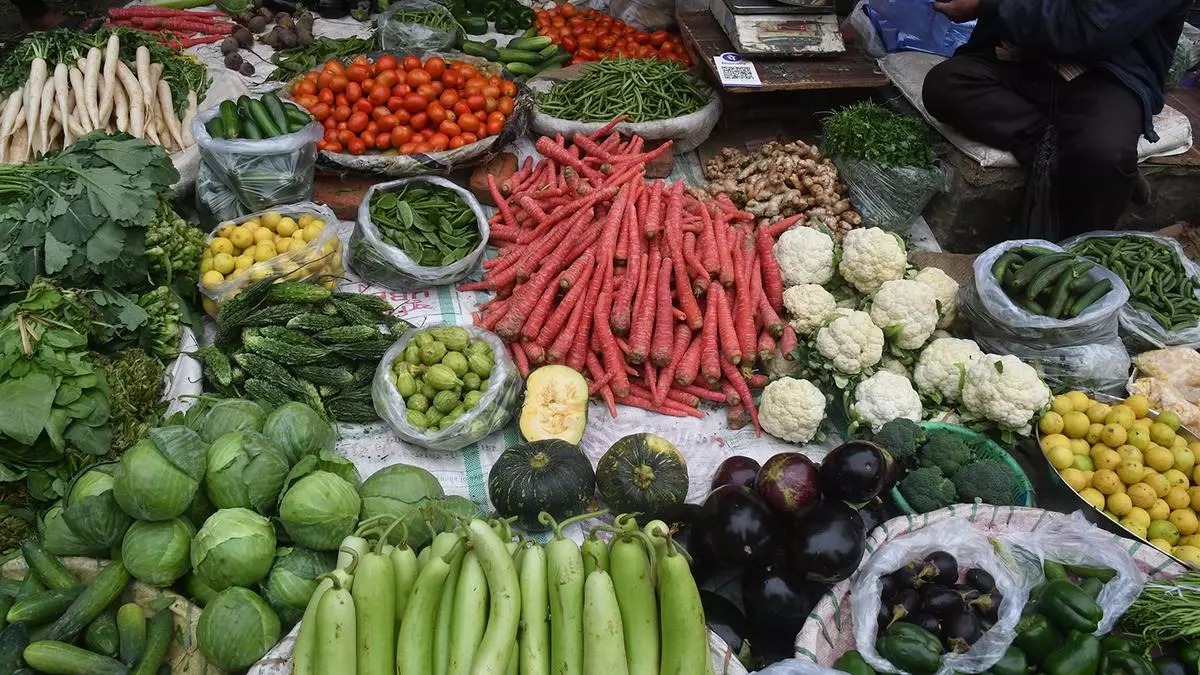
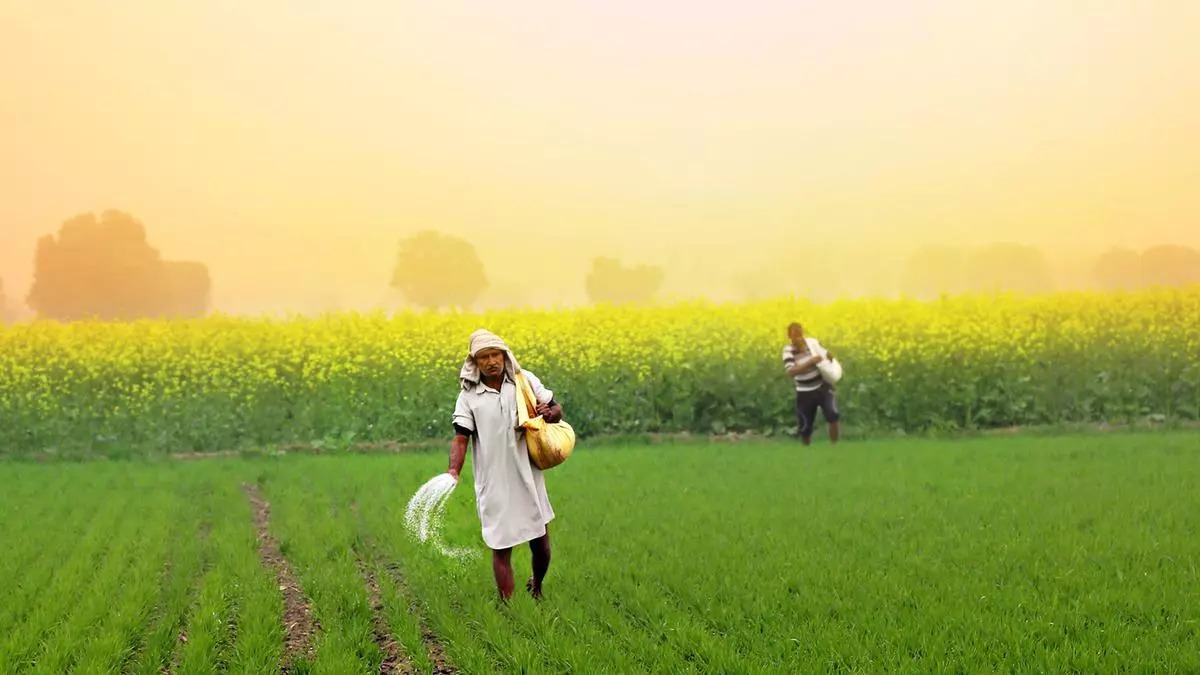
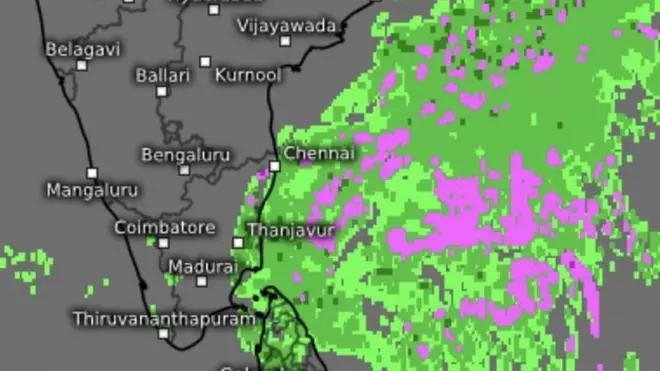
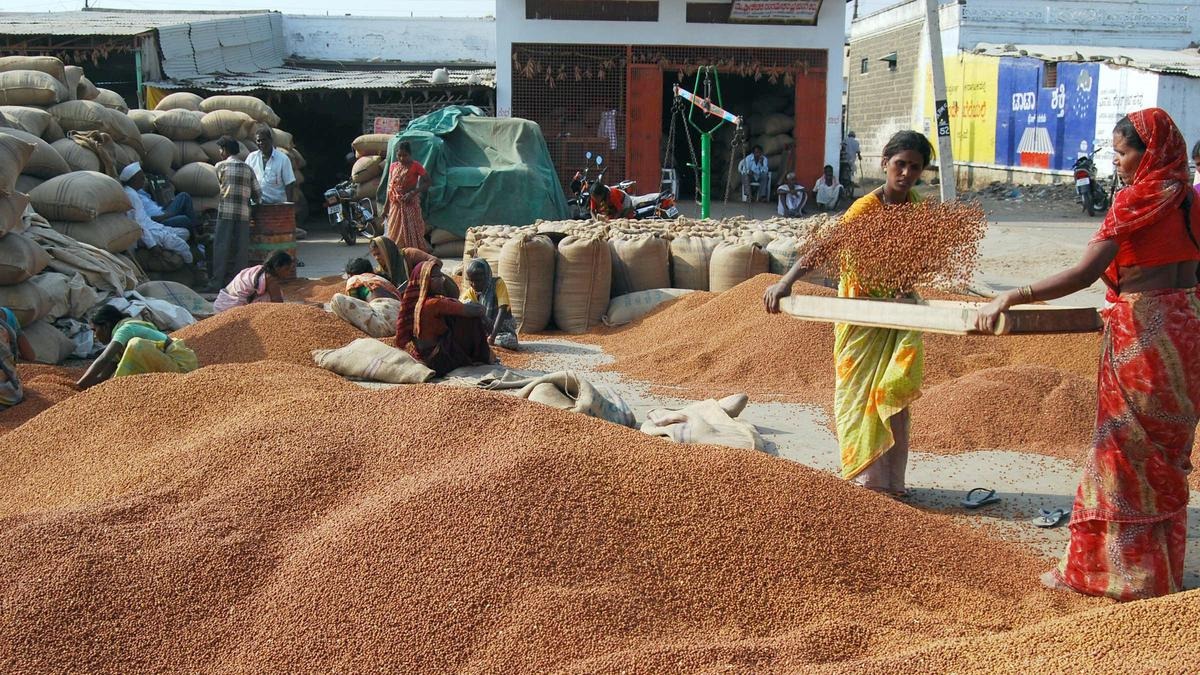
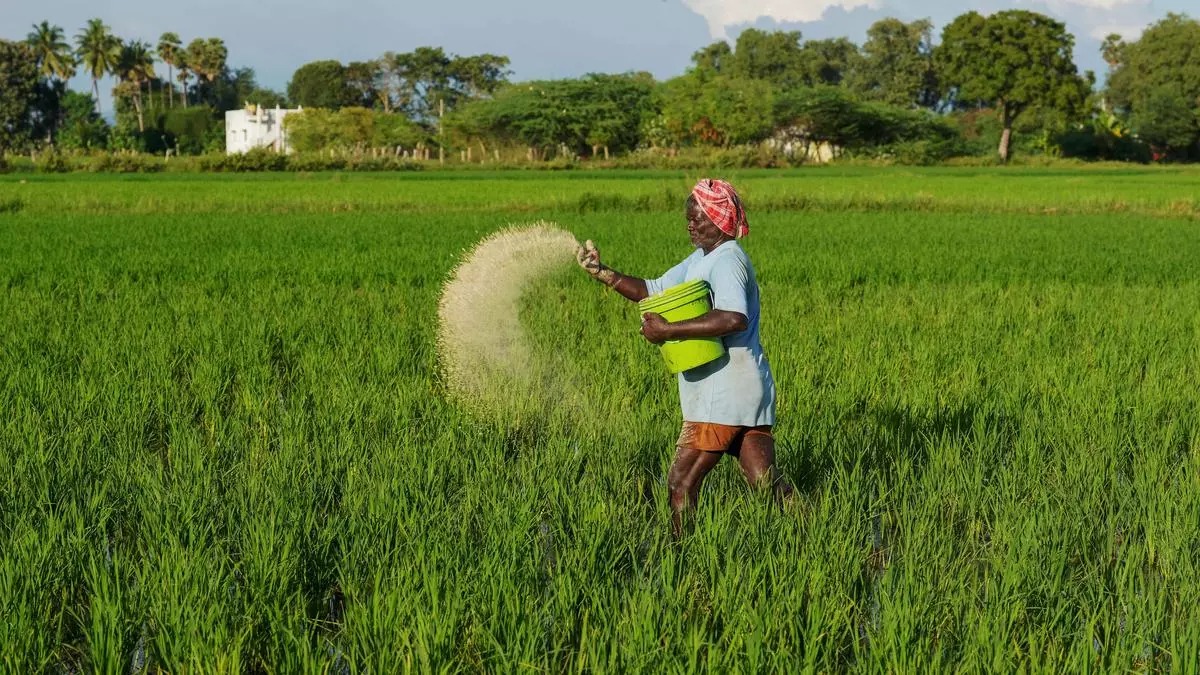
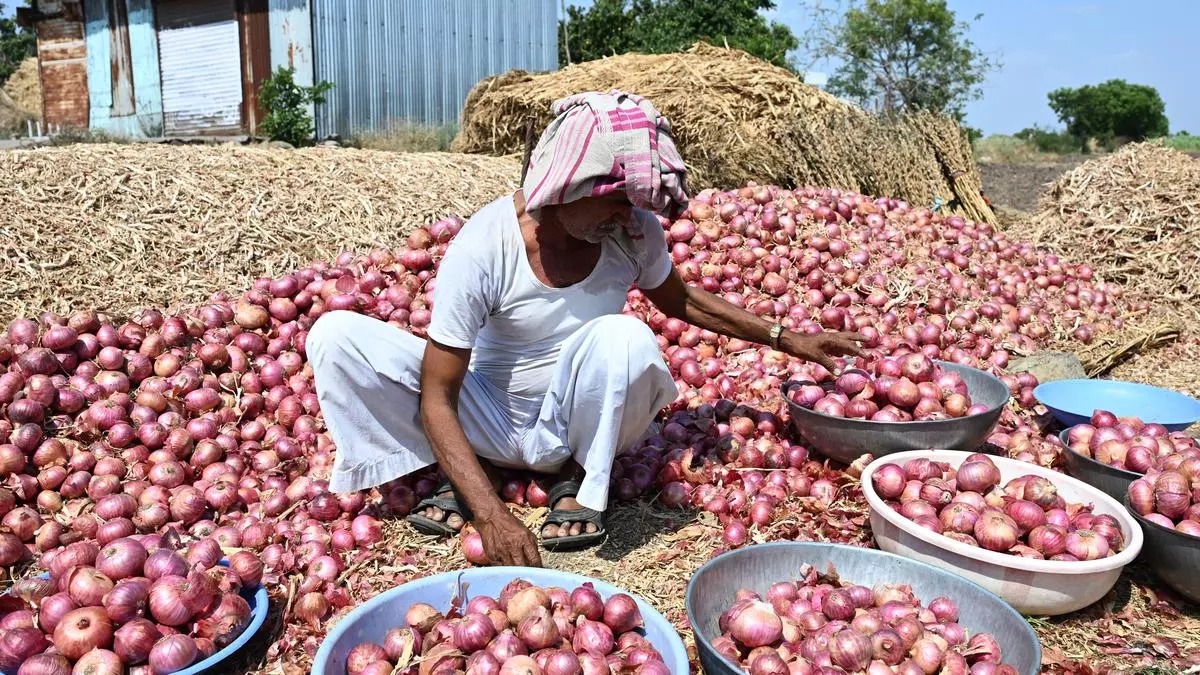
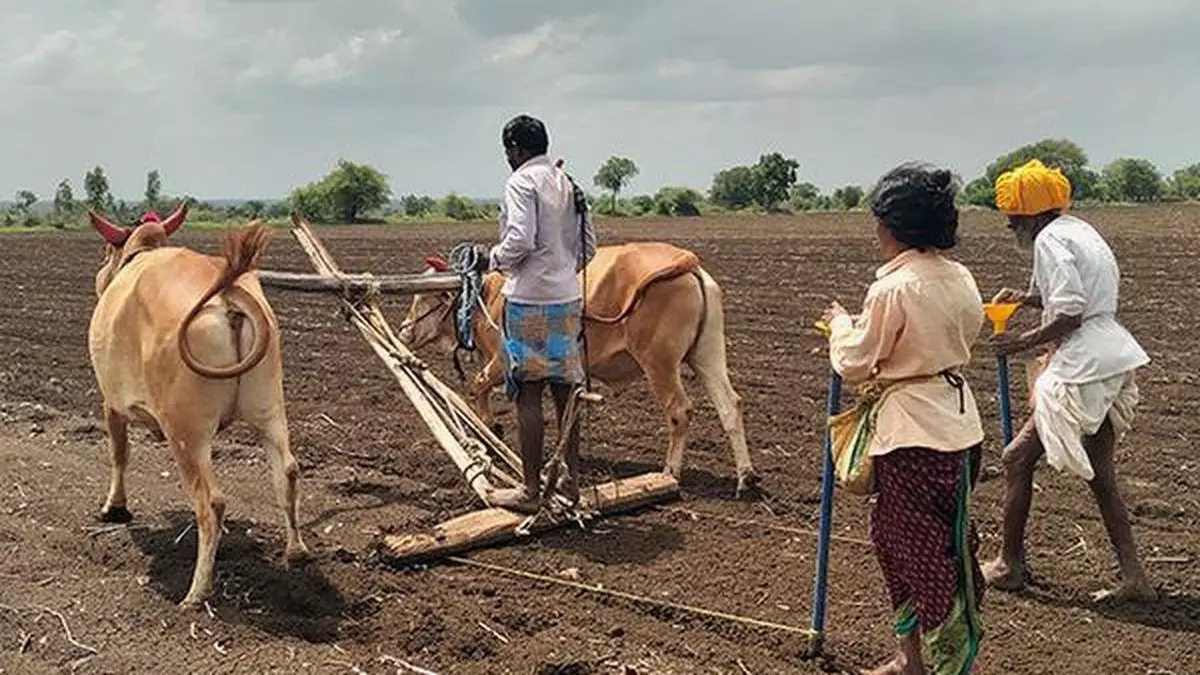
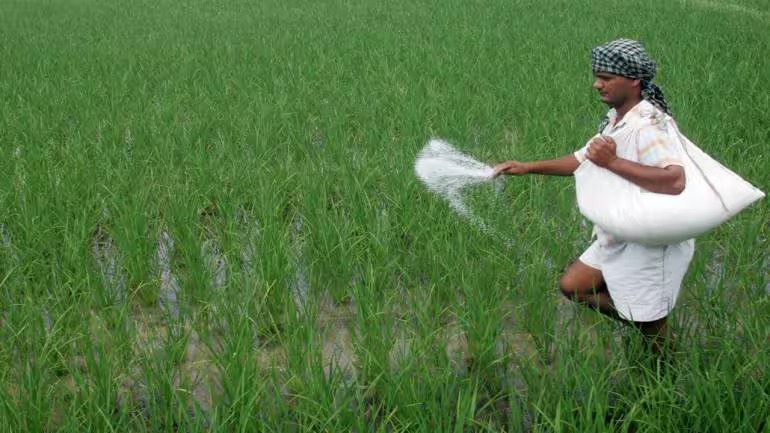
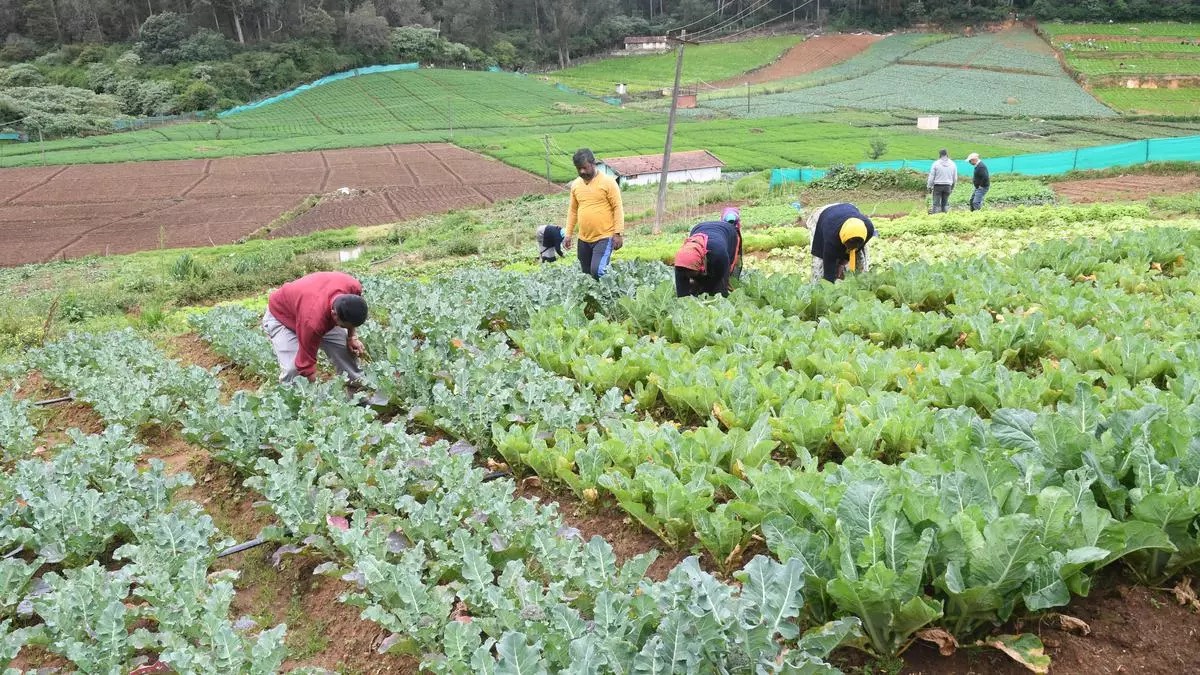
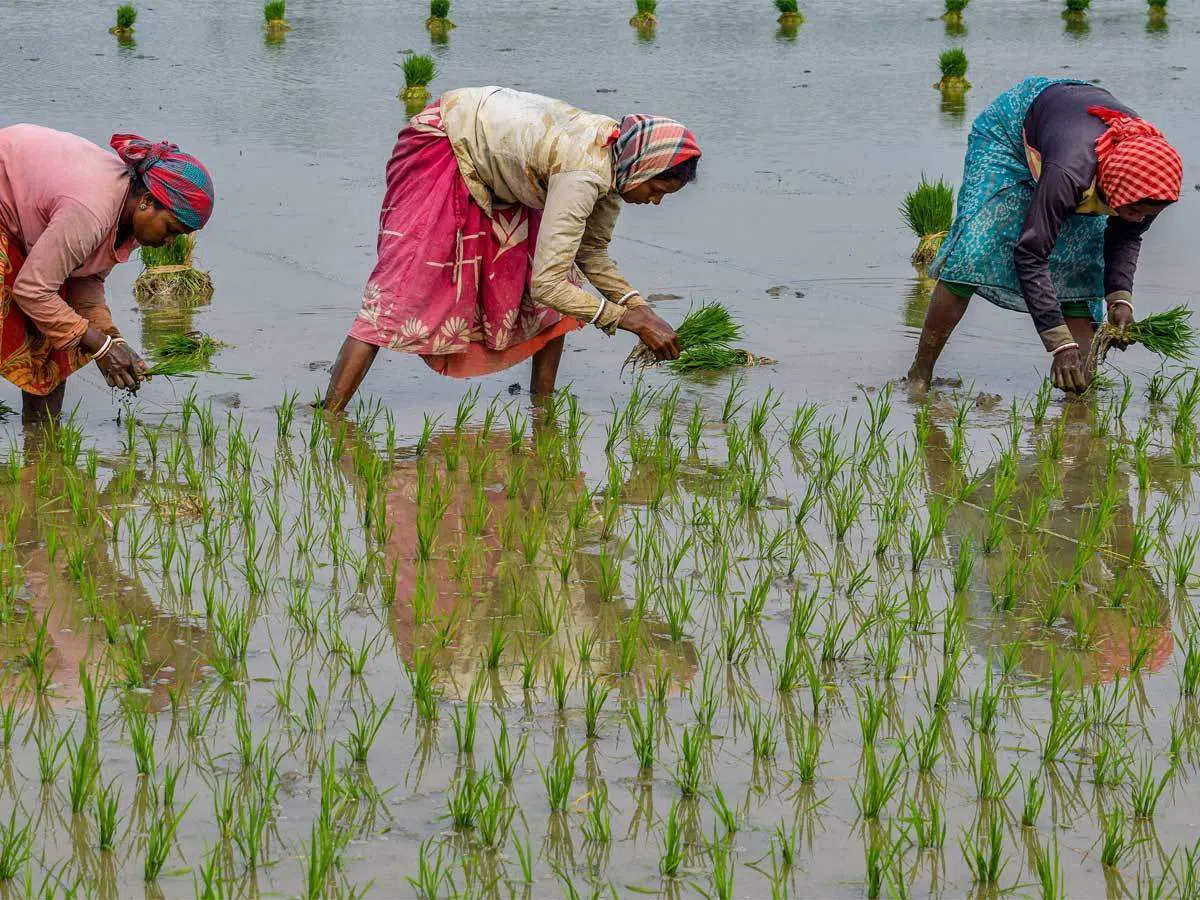
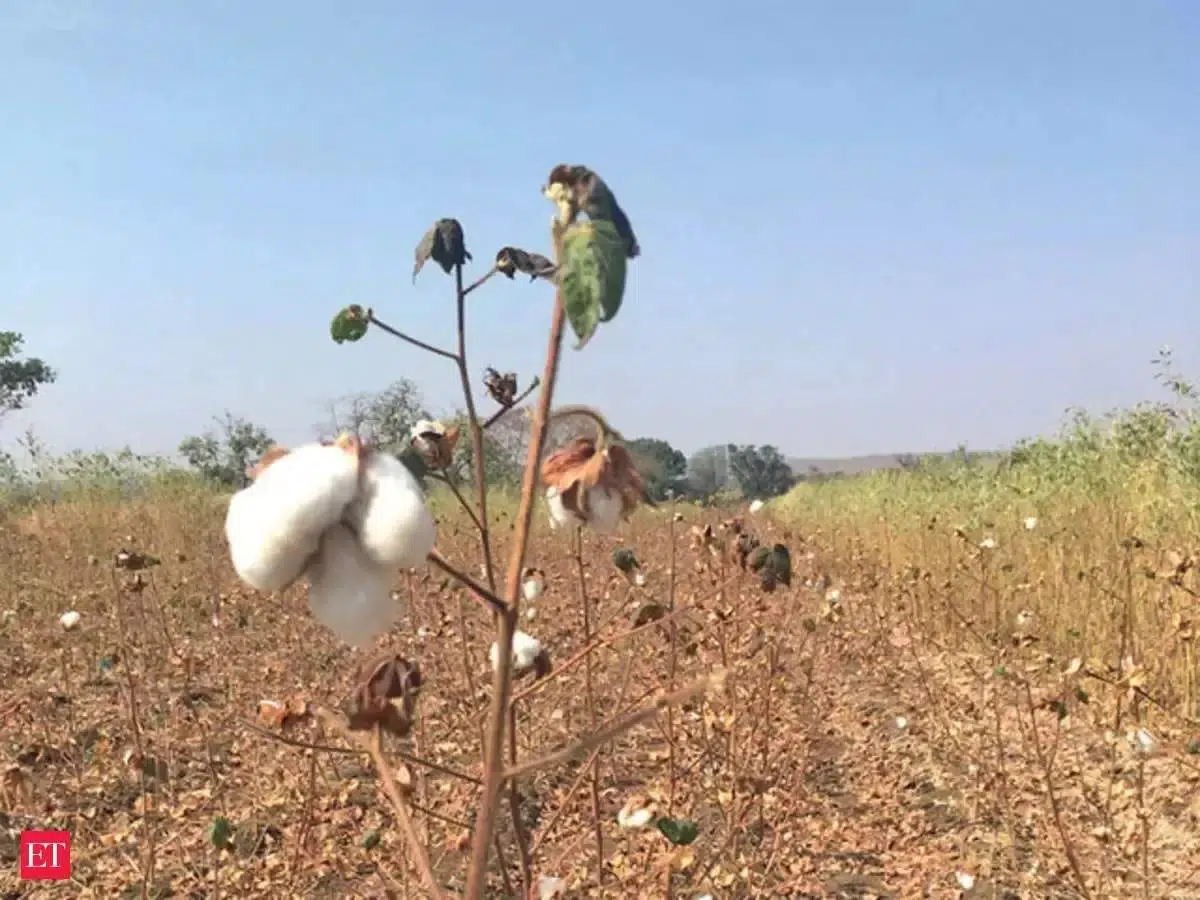
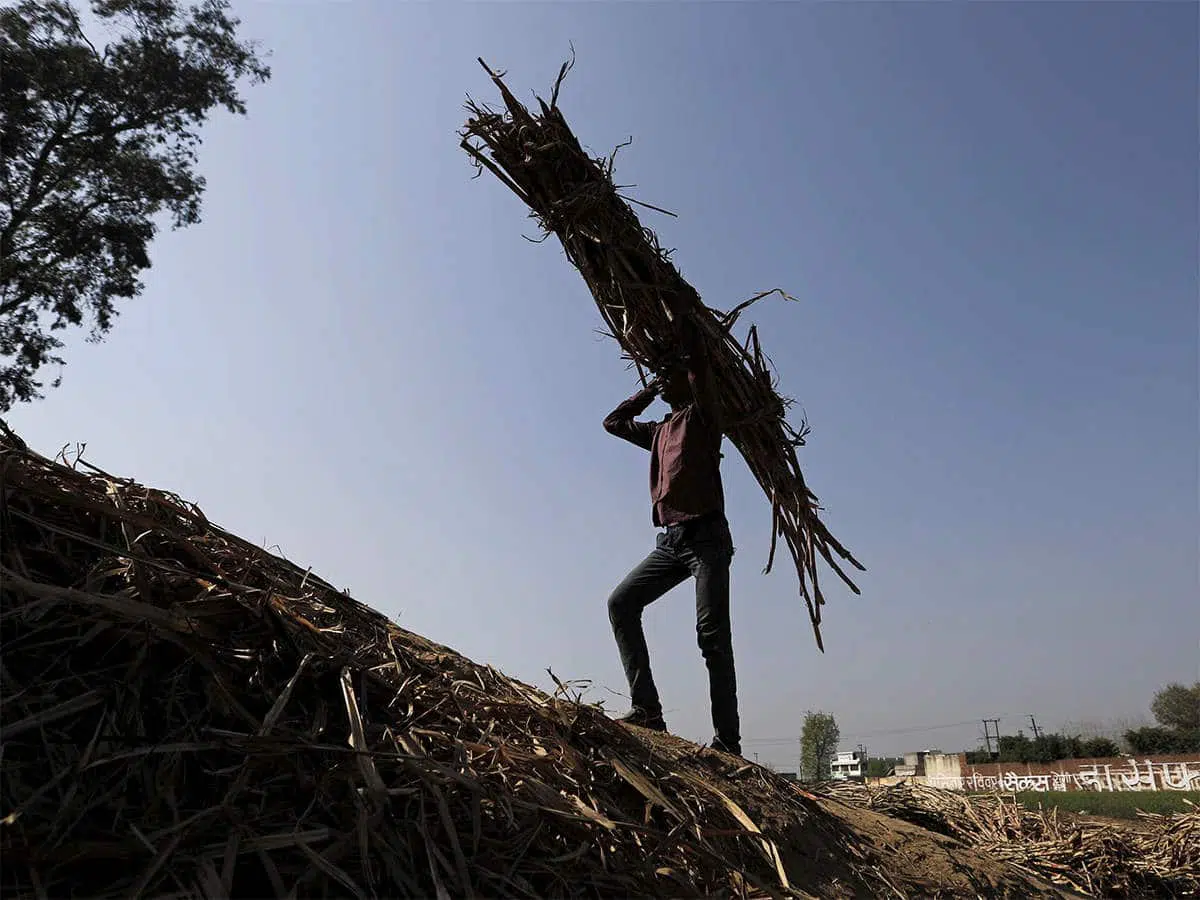
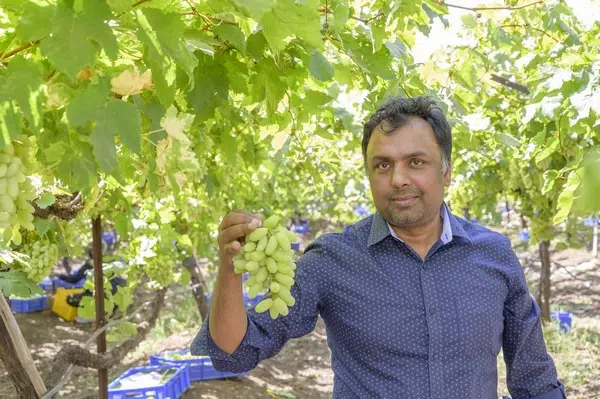
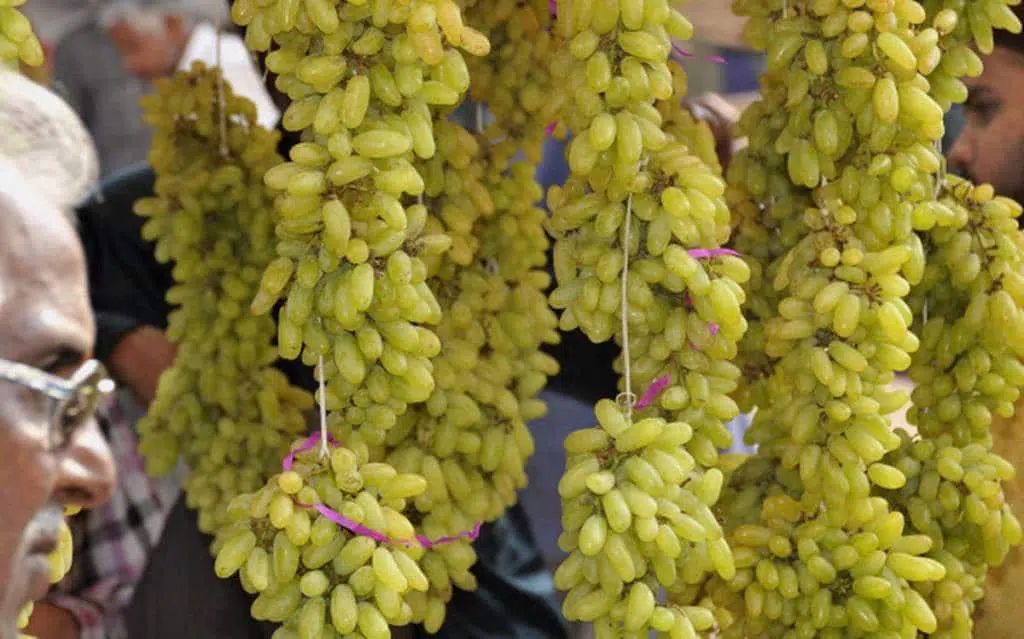
Agriculture is the backbone of India, vital for food security, livelihoods and the overall economy with employment opportunities over 42 per cent of the country’s workforce and contributes 17–18 per cent to GDP. While the sector remains crucial for Indian households, erratic monsoons and climate disruptions continue to threaten yields. Some of the government’s initiatives such as improved irrigation under the Pradhan Mantri Krishi Sinchayee Yojana have assisted farmers to expand output, but the climate resilience of the sector remains fragile.
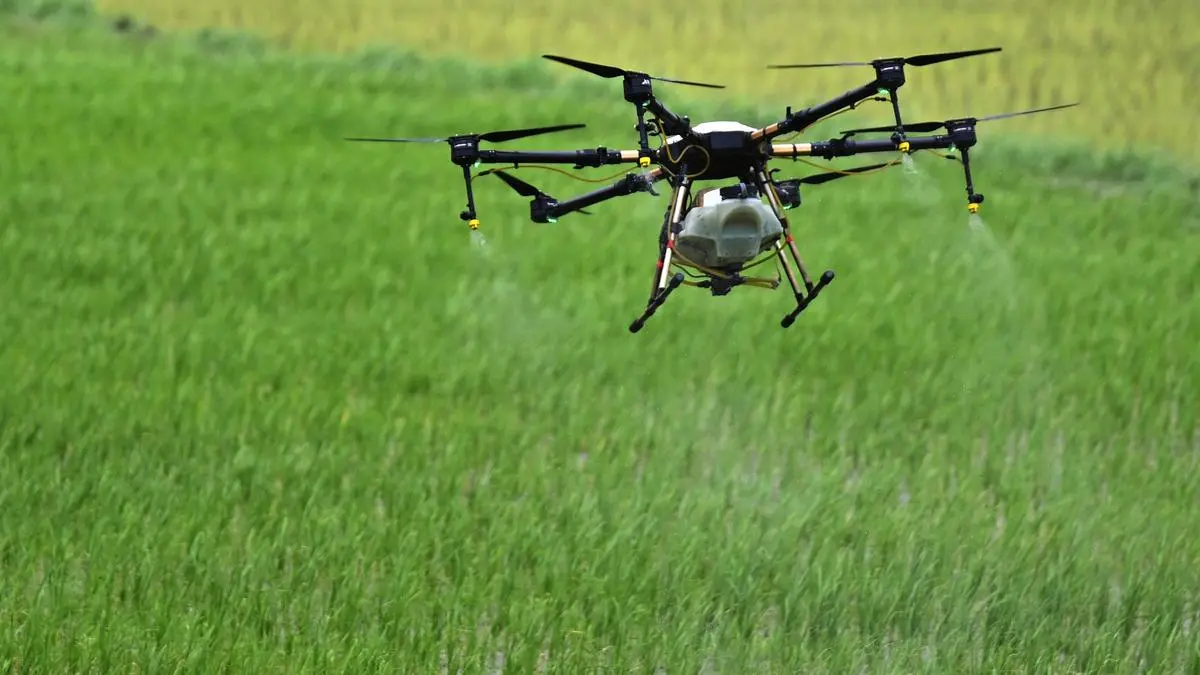
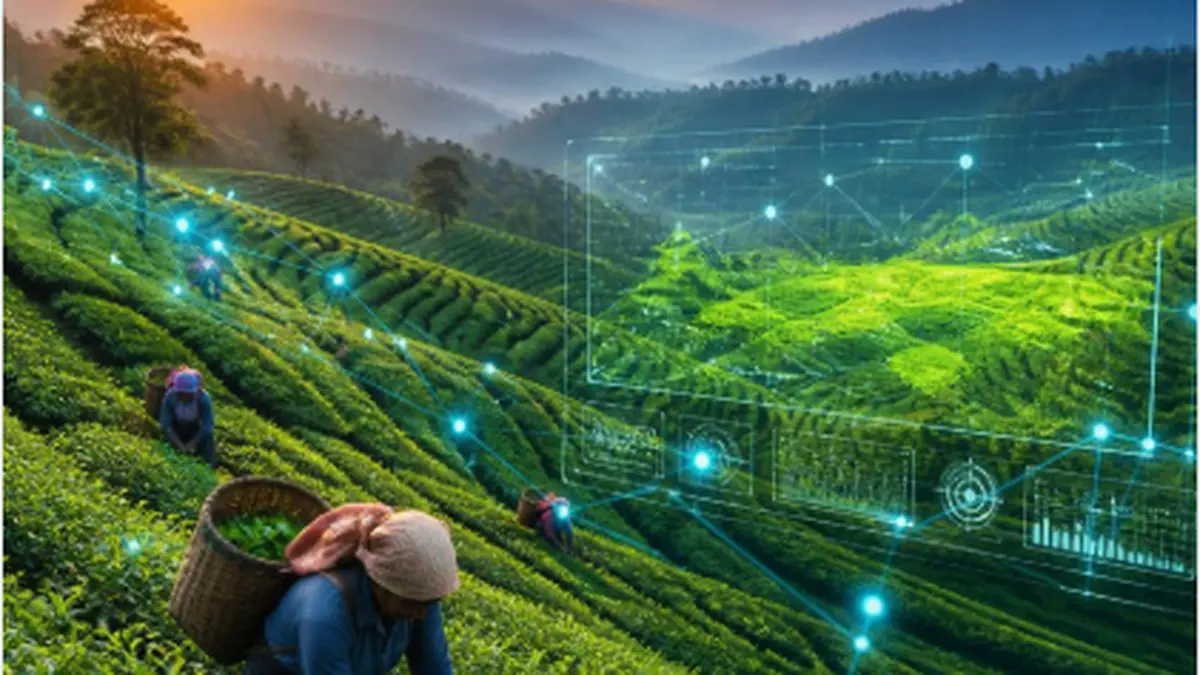
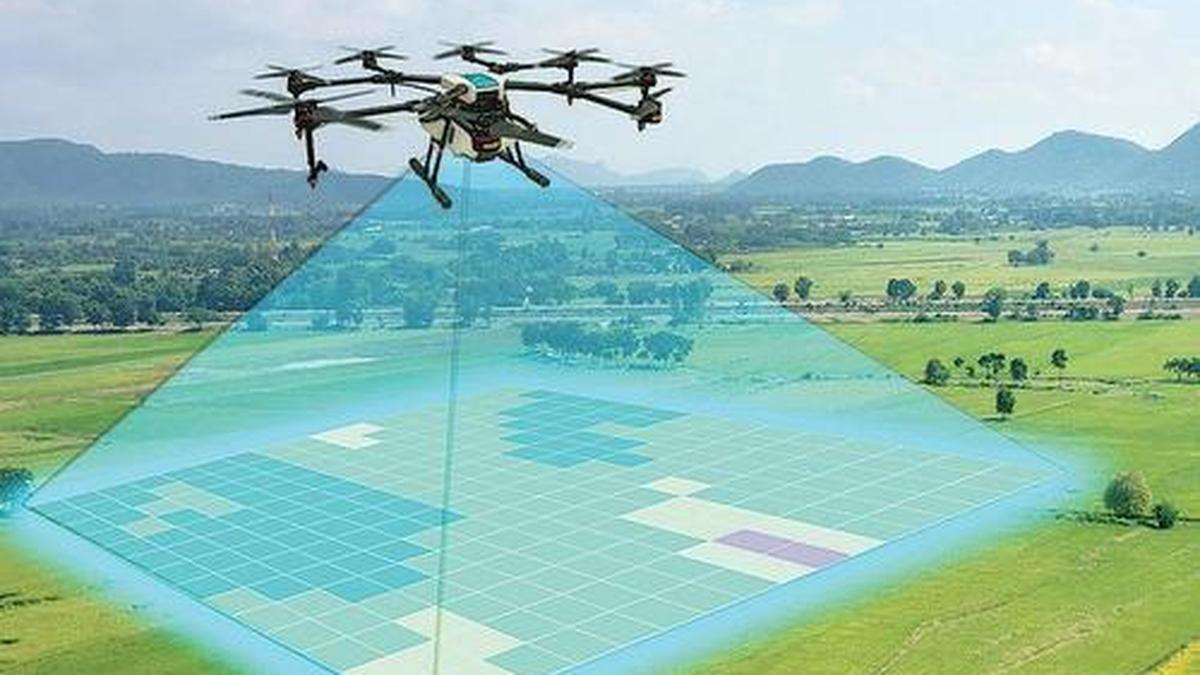
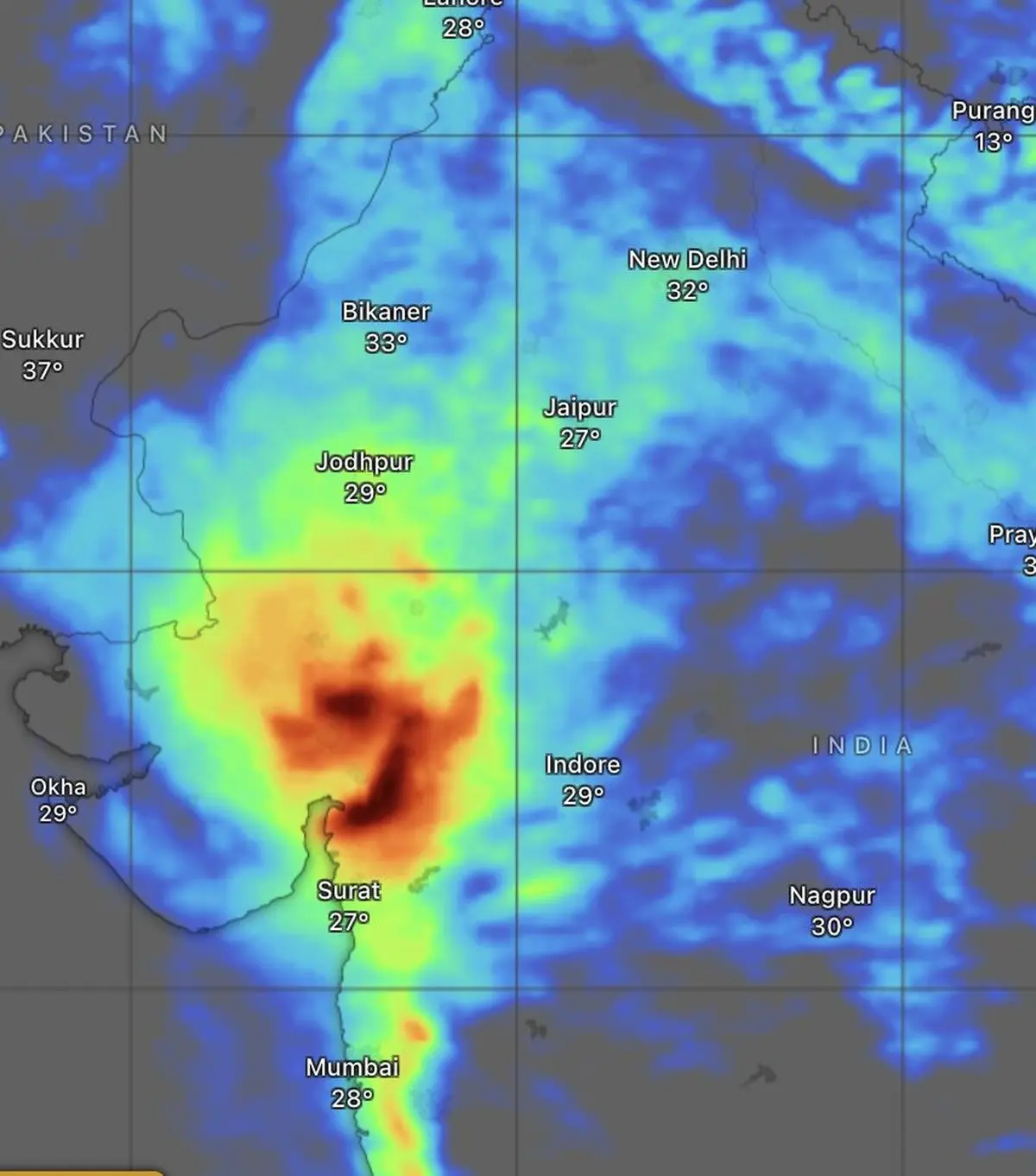
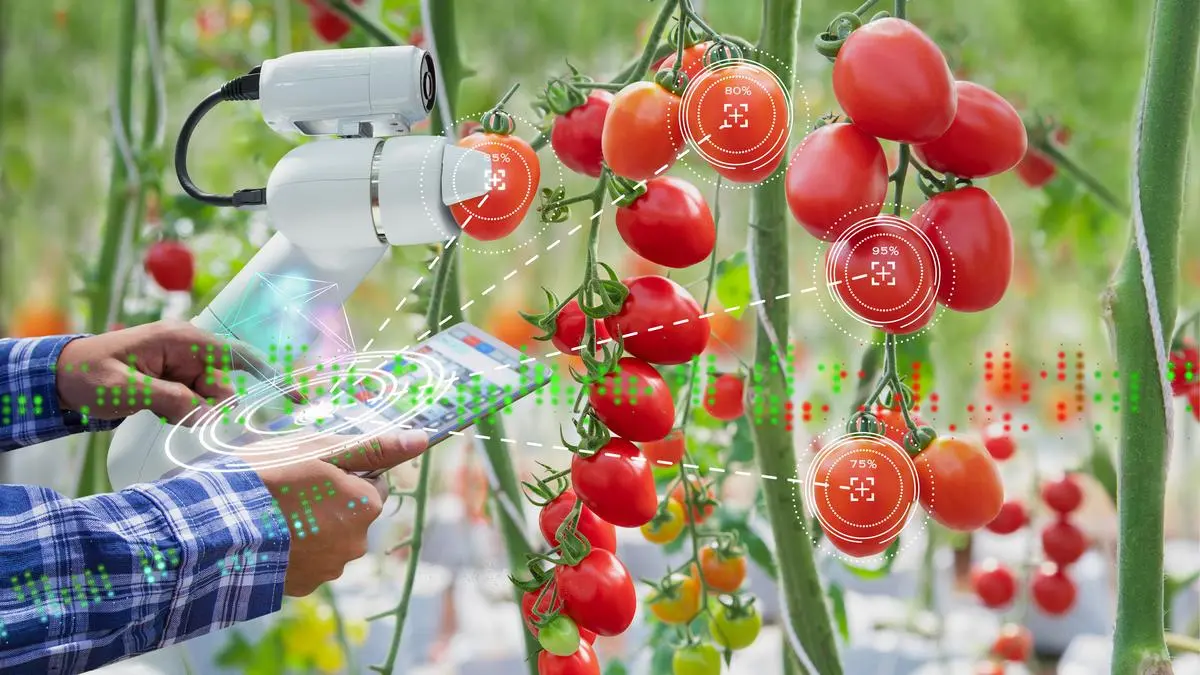
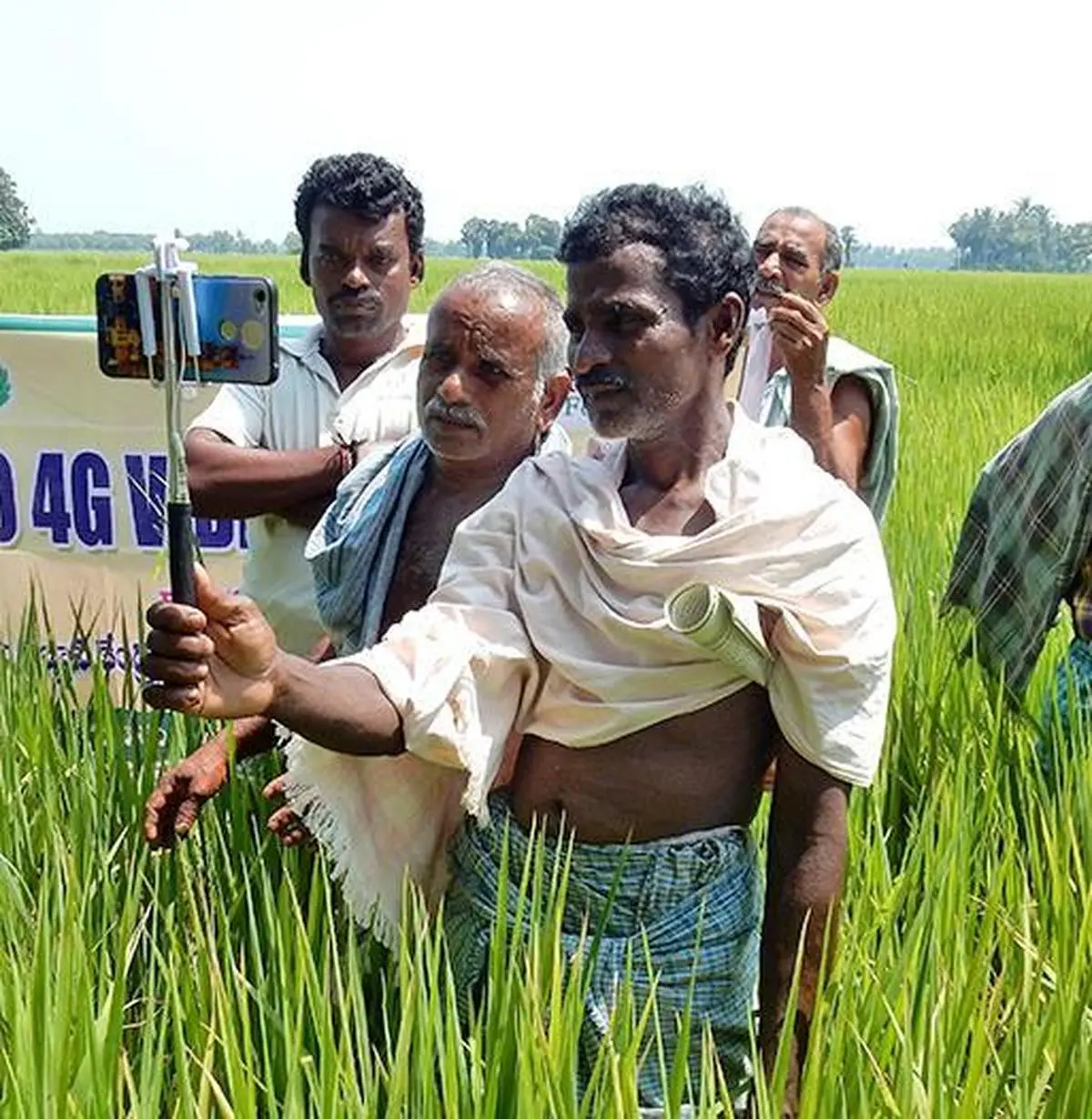
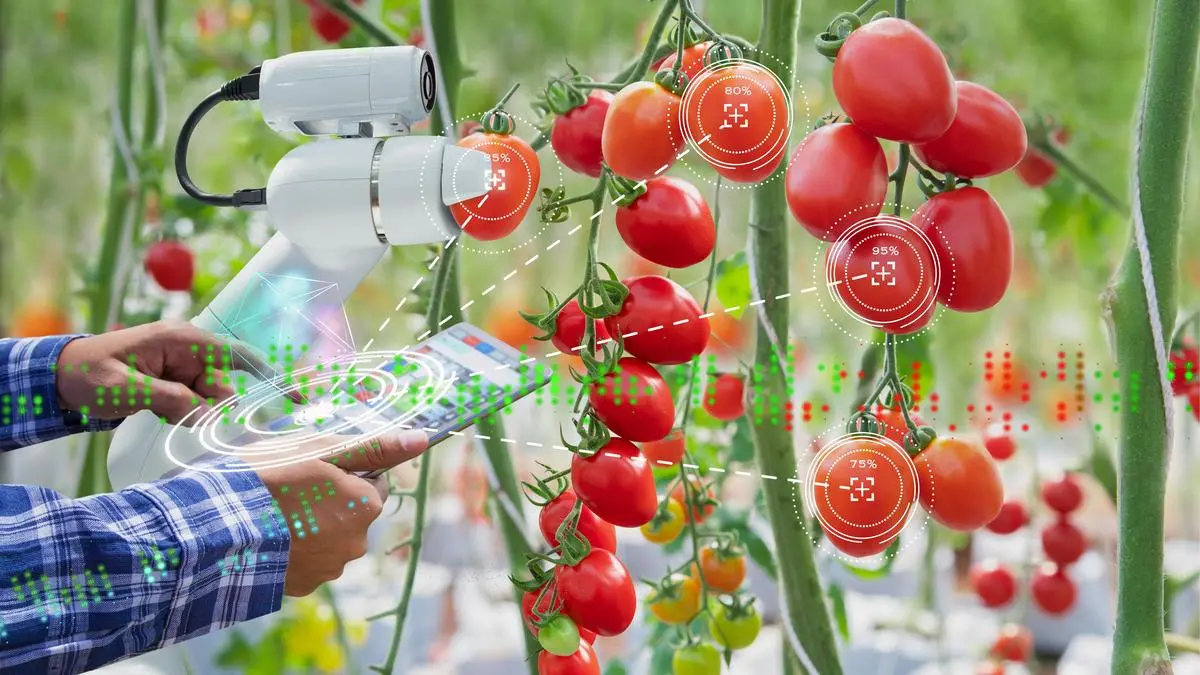
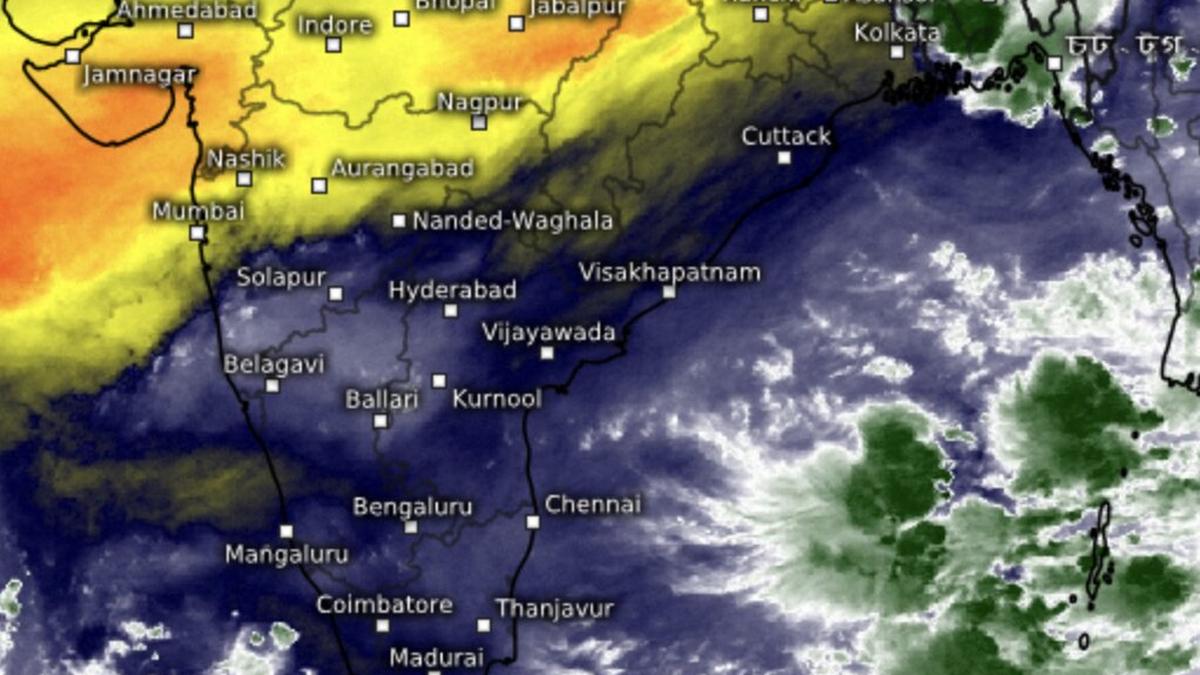
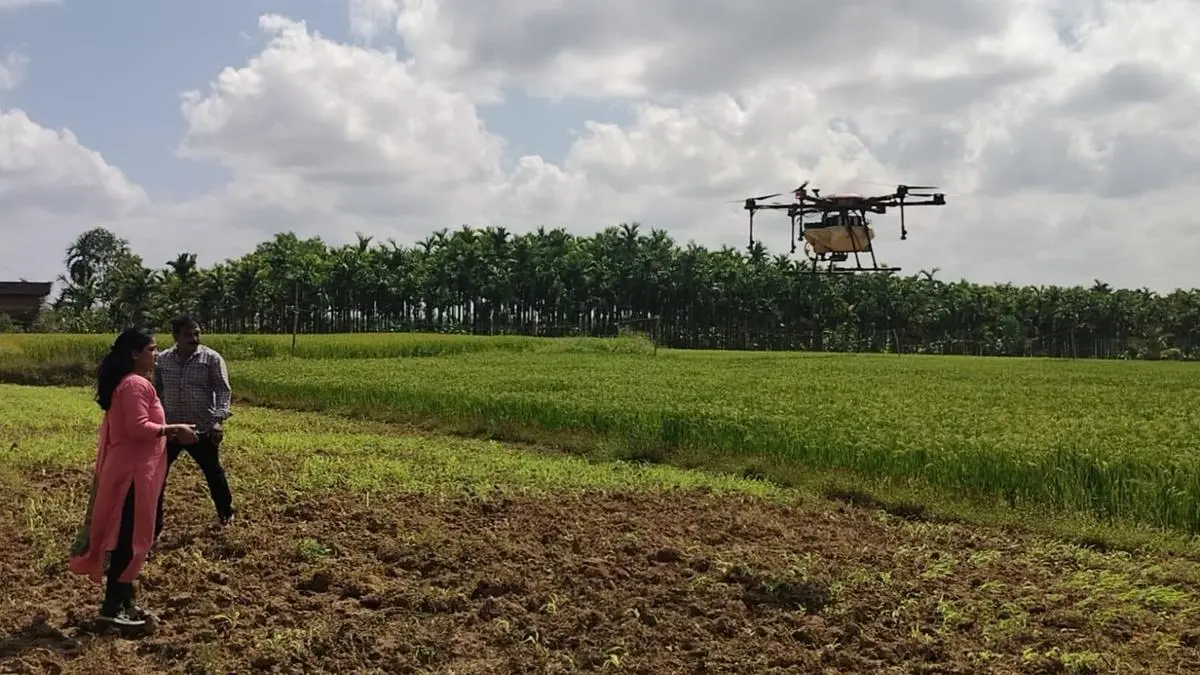
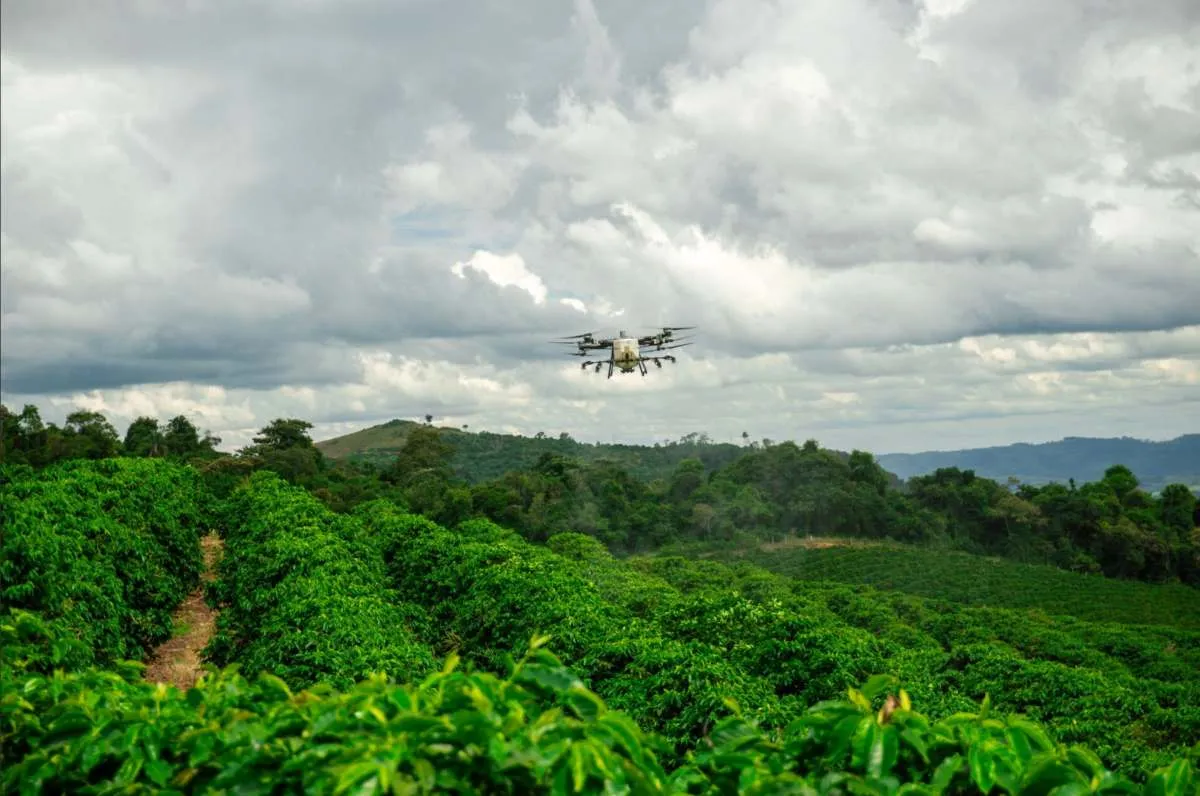
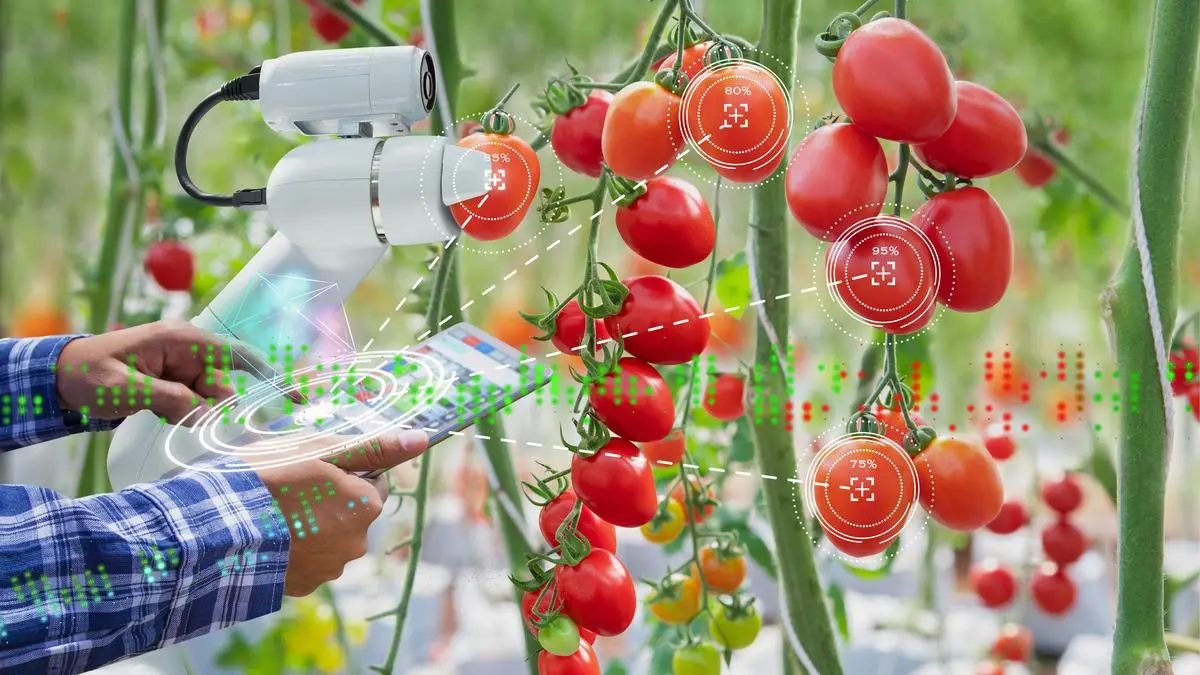
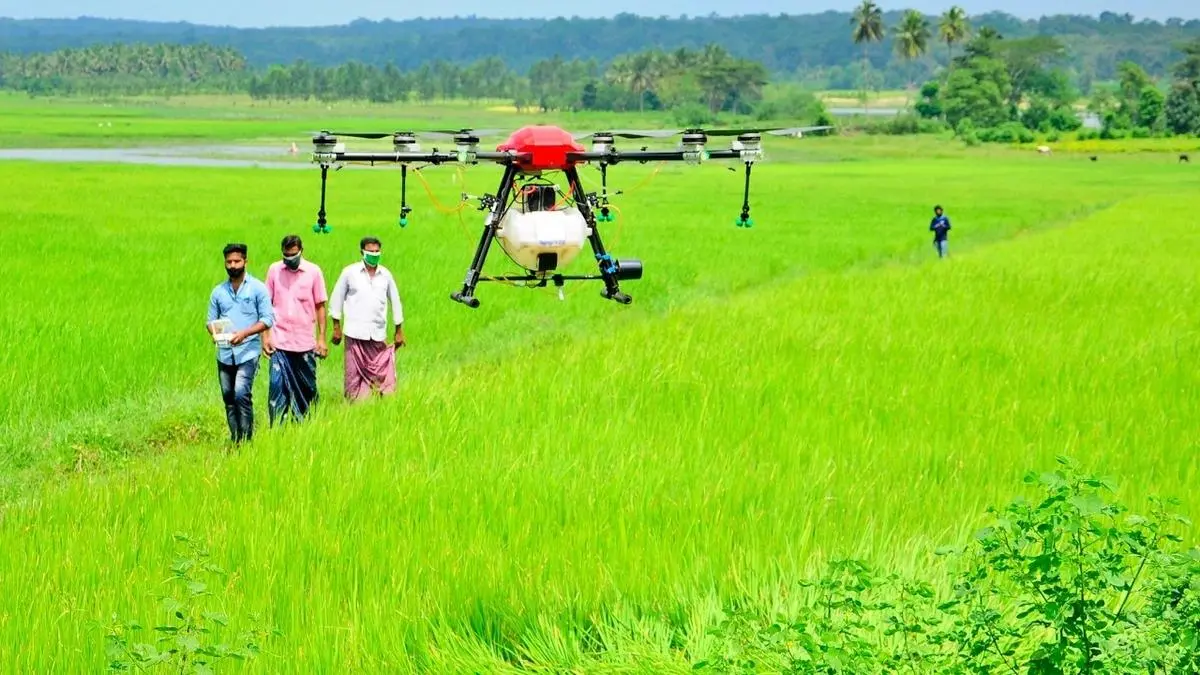
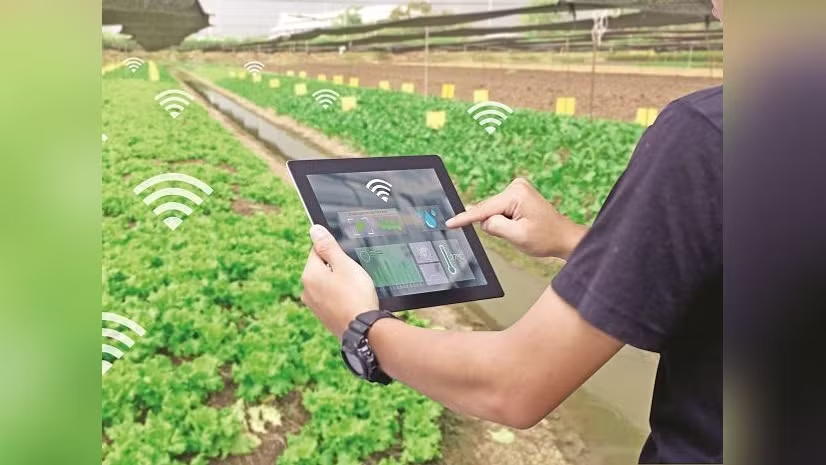
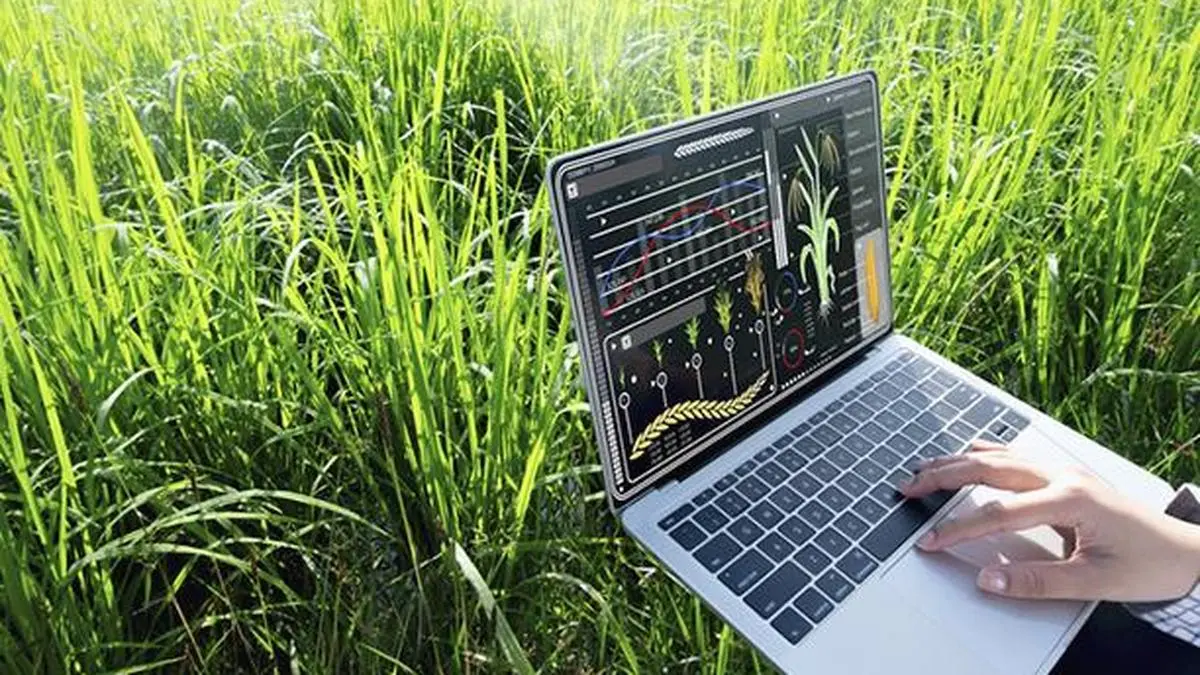
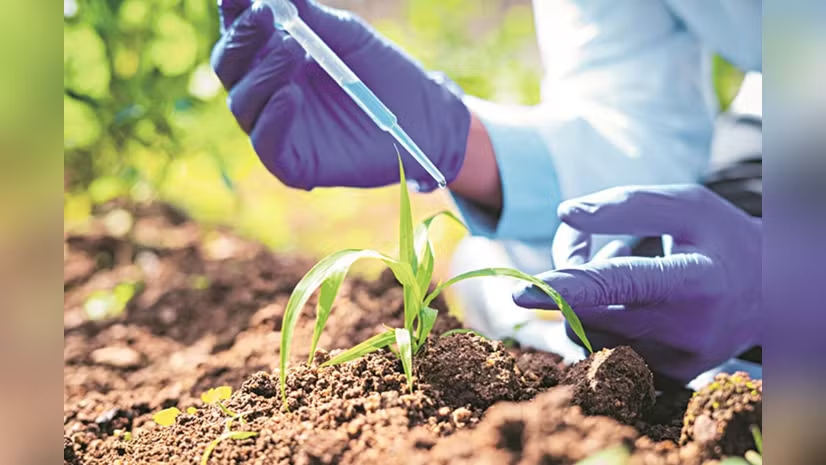
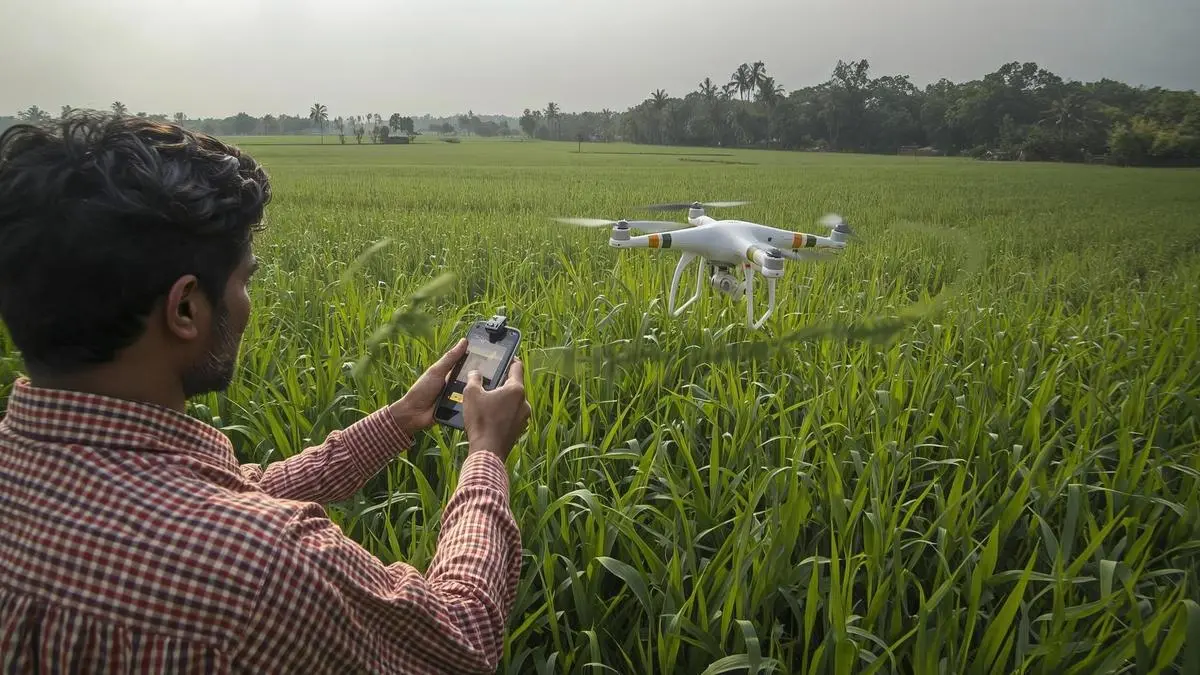
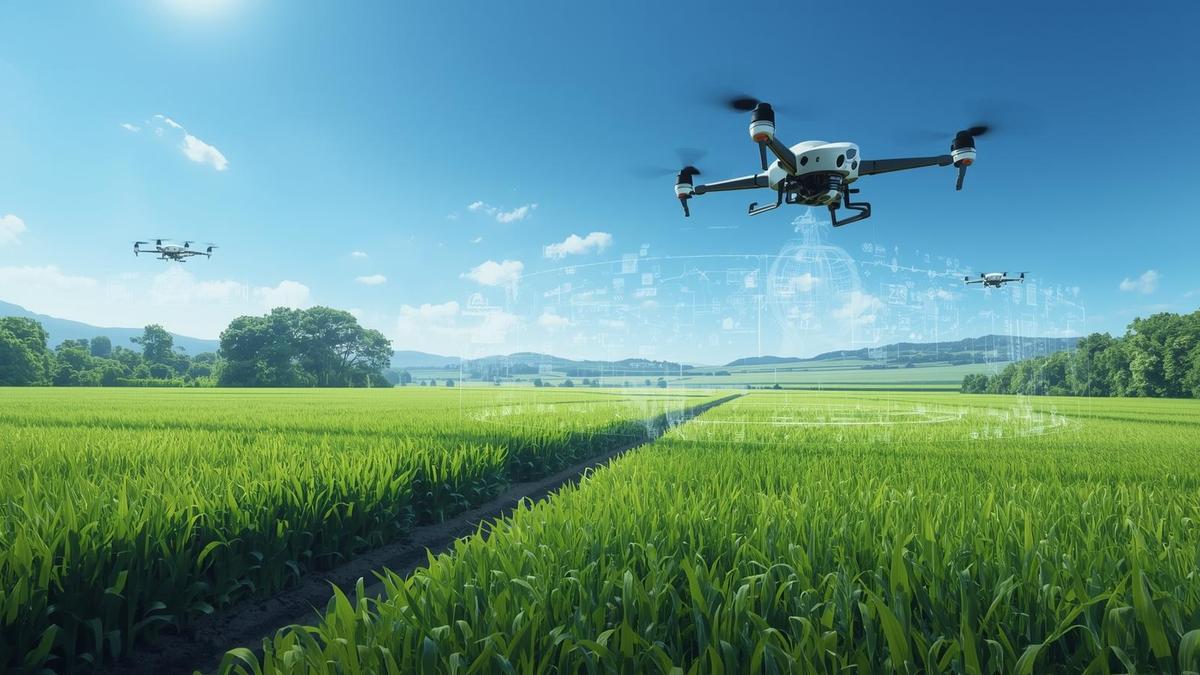
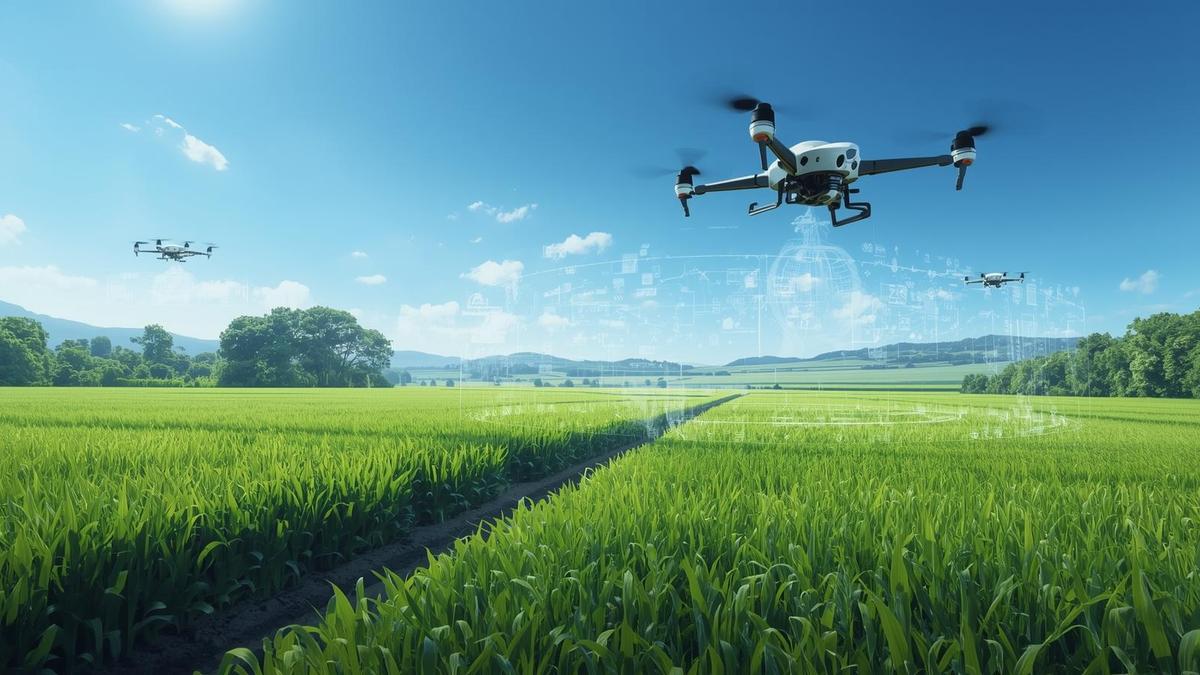
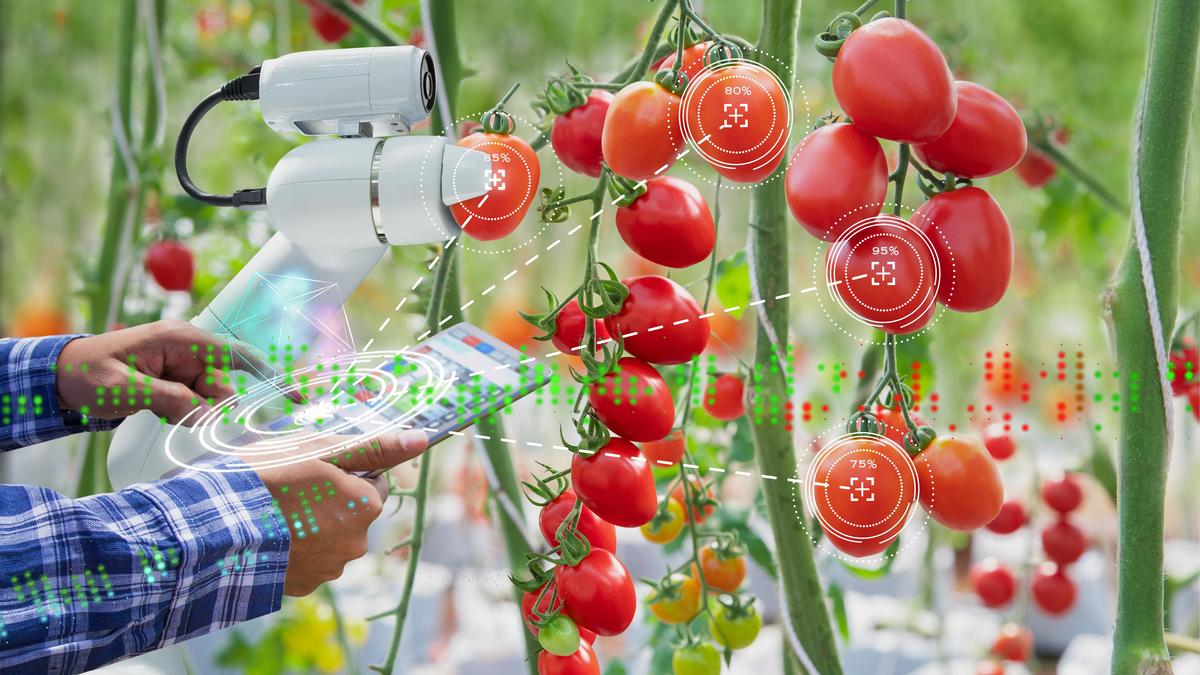
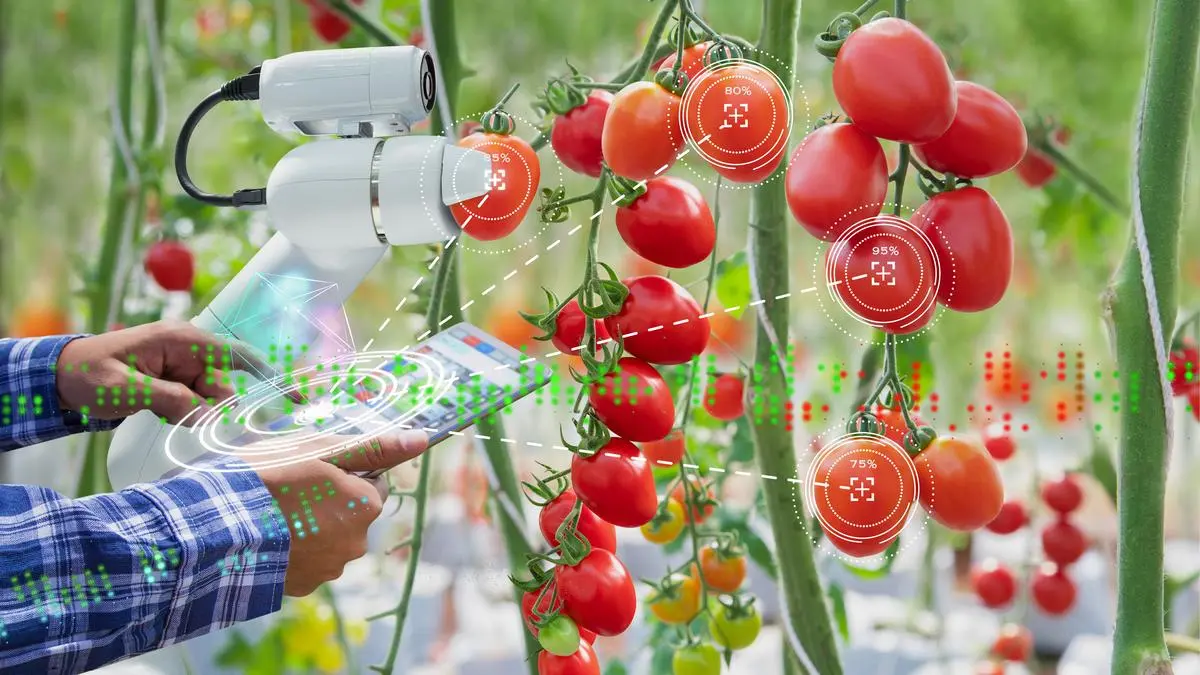
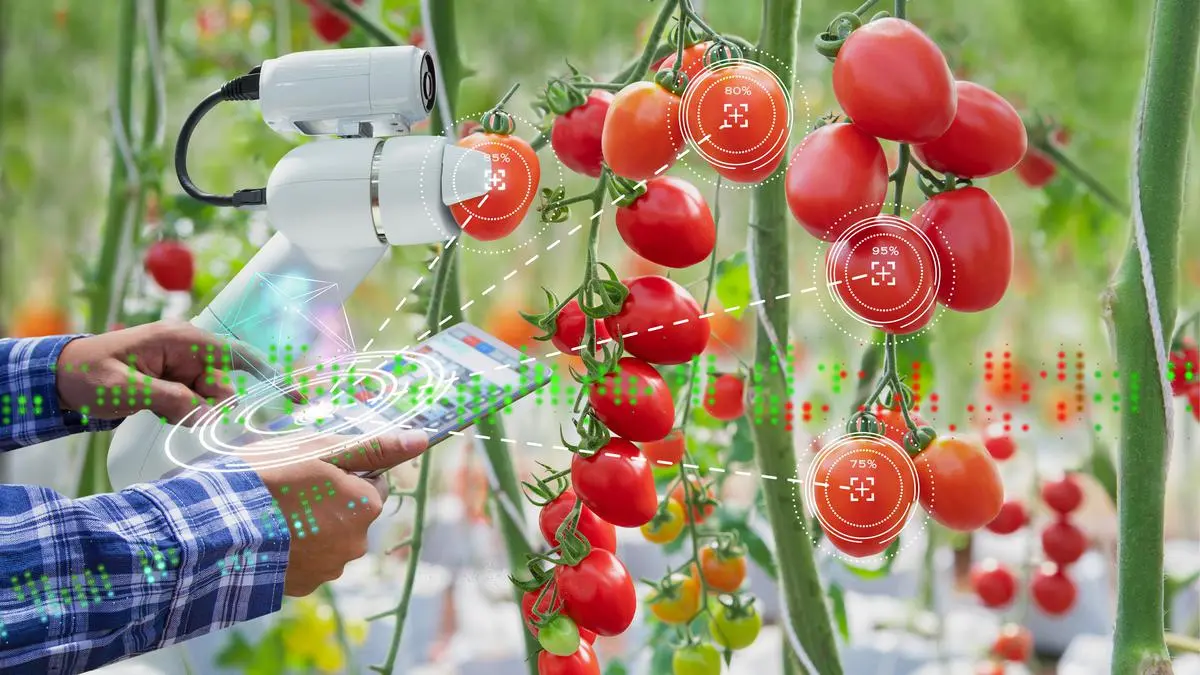
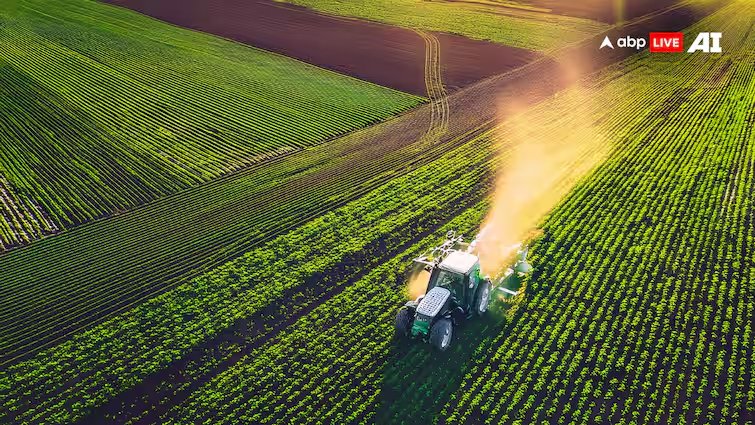
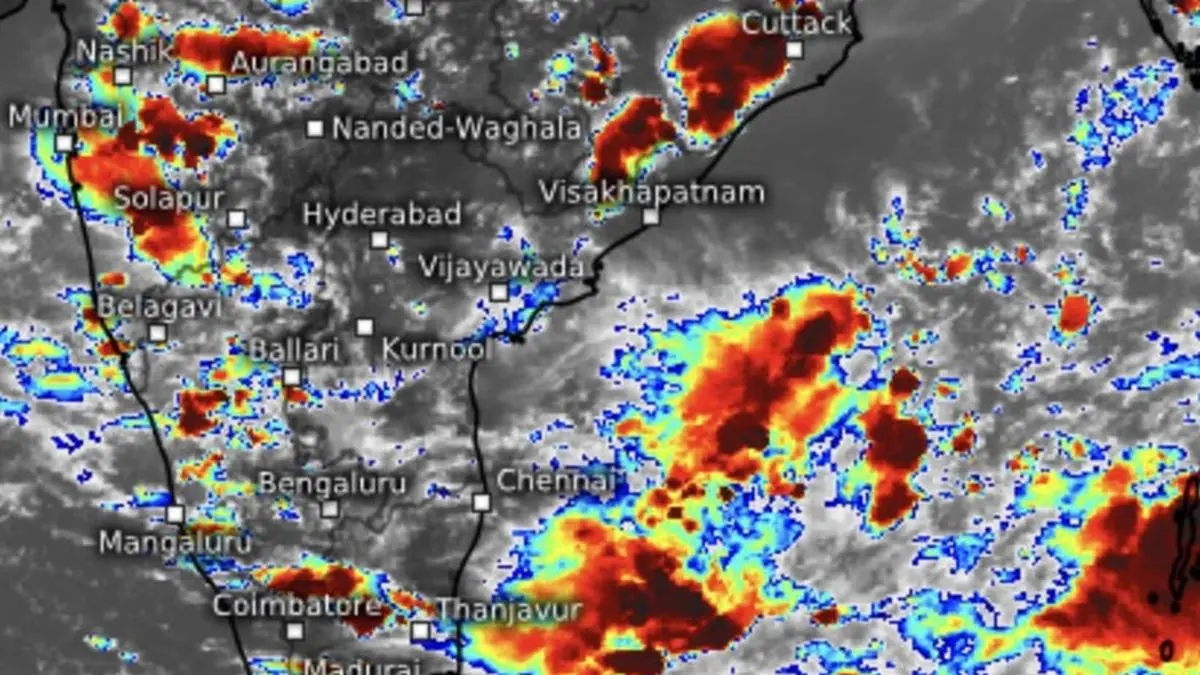
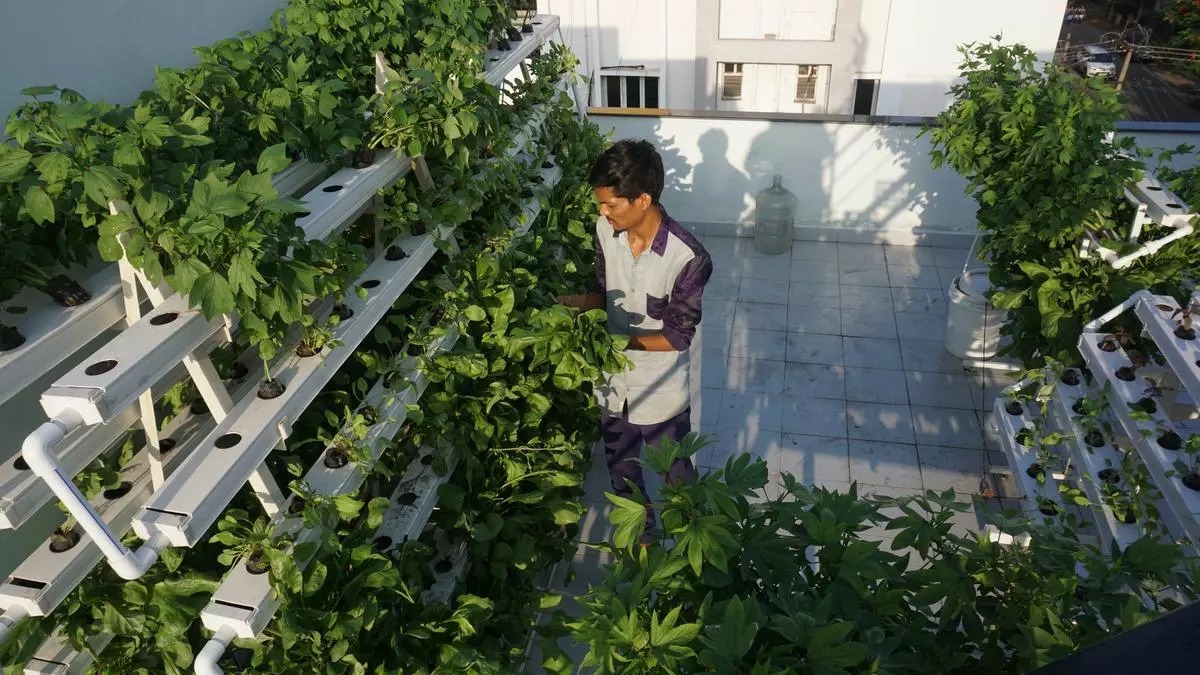
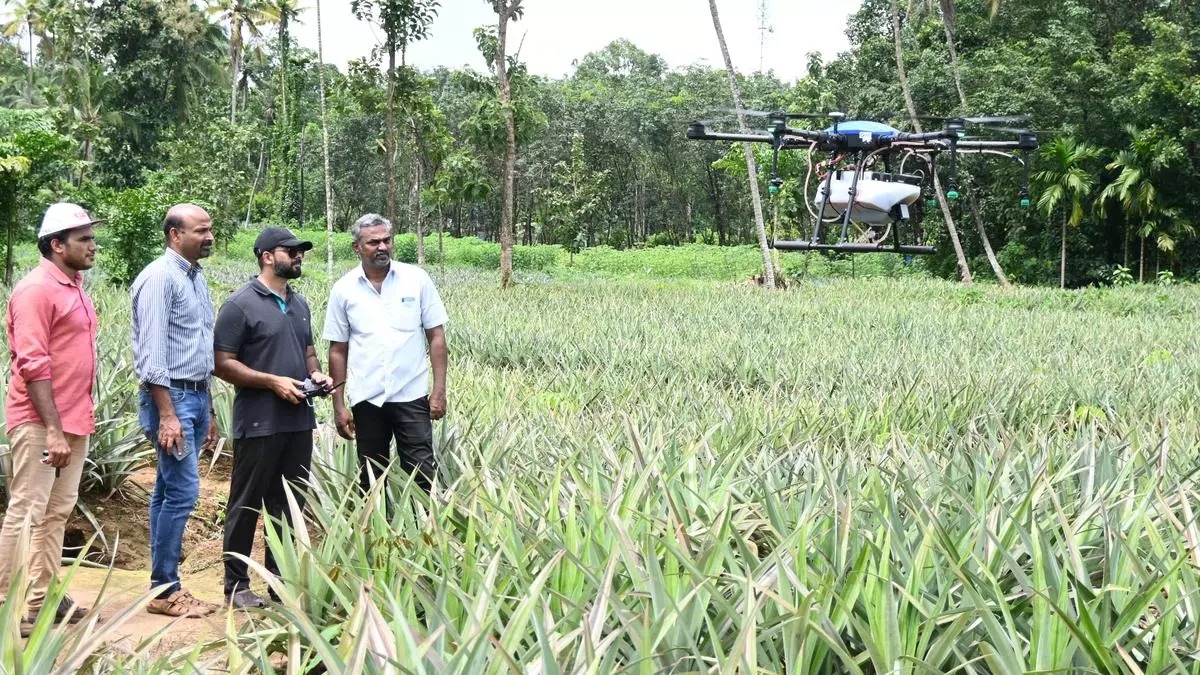
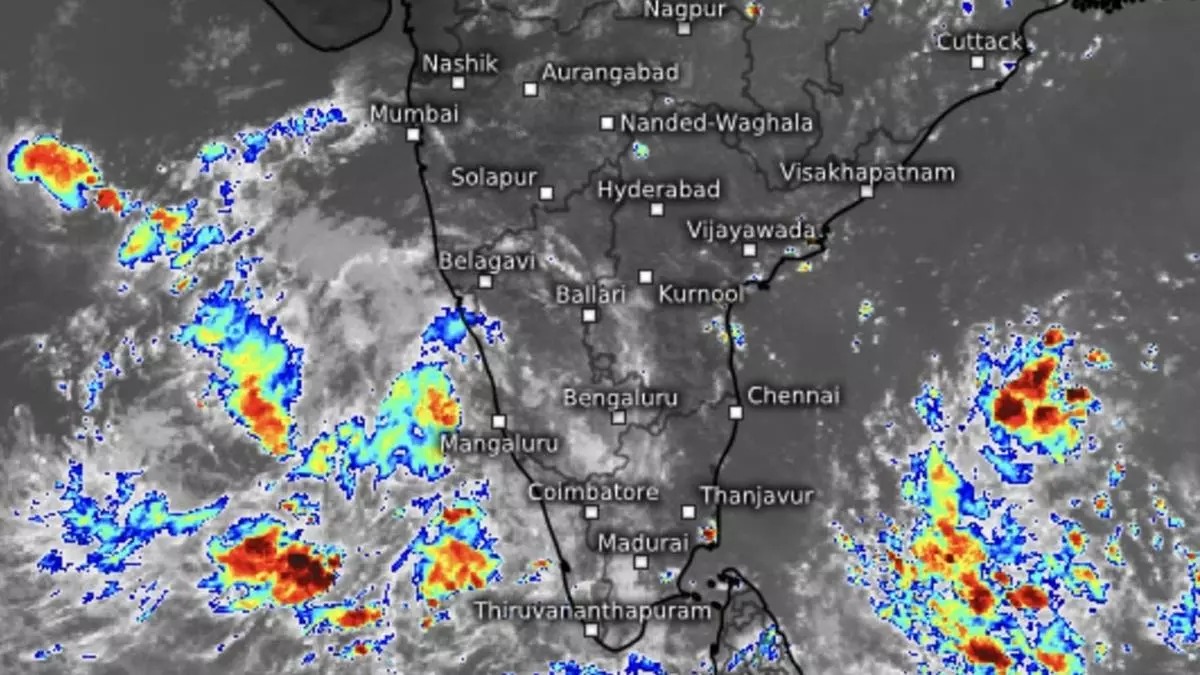
Progress, prosperity and economic vibrancy in this era are driven by new ways of doing things. Technological advancements that disrupt legacy systems in the agriculture sector are expanding their footprints with capabilities such as weather forecasting, precision farming, pest surveillance, and market intelligence.
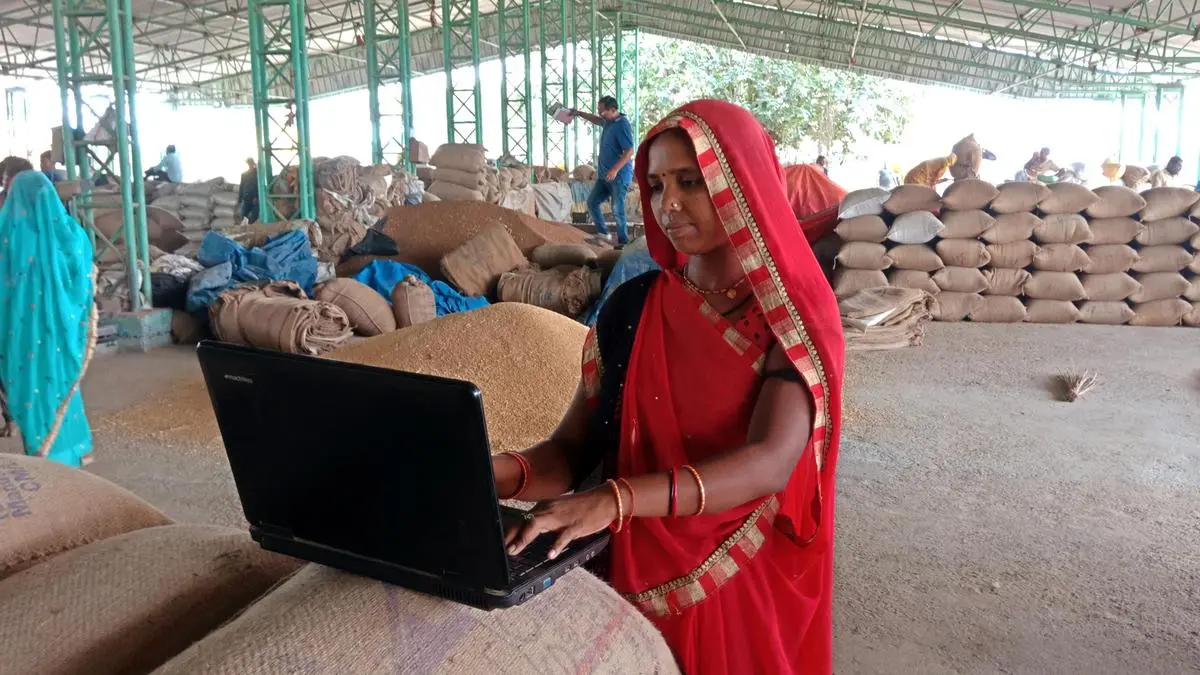
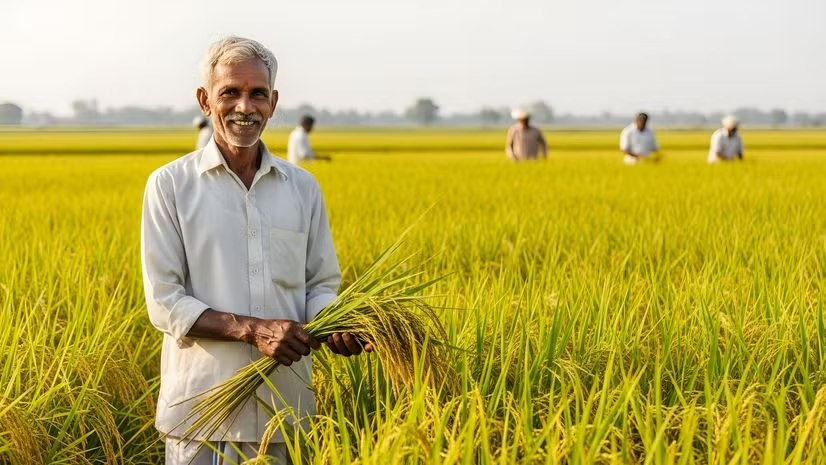
India’s emergence as the world’s third-most competitive nation in AI underscores its growing ability to deploy advanced technologies at scale. But agriculture presents a uniquely Indian challenge: over 86 per cent of farmers are small and marginal, often with low digital literacy.