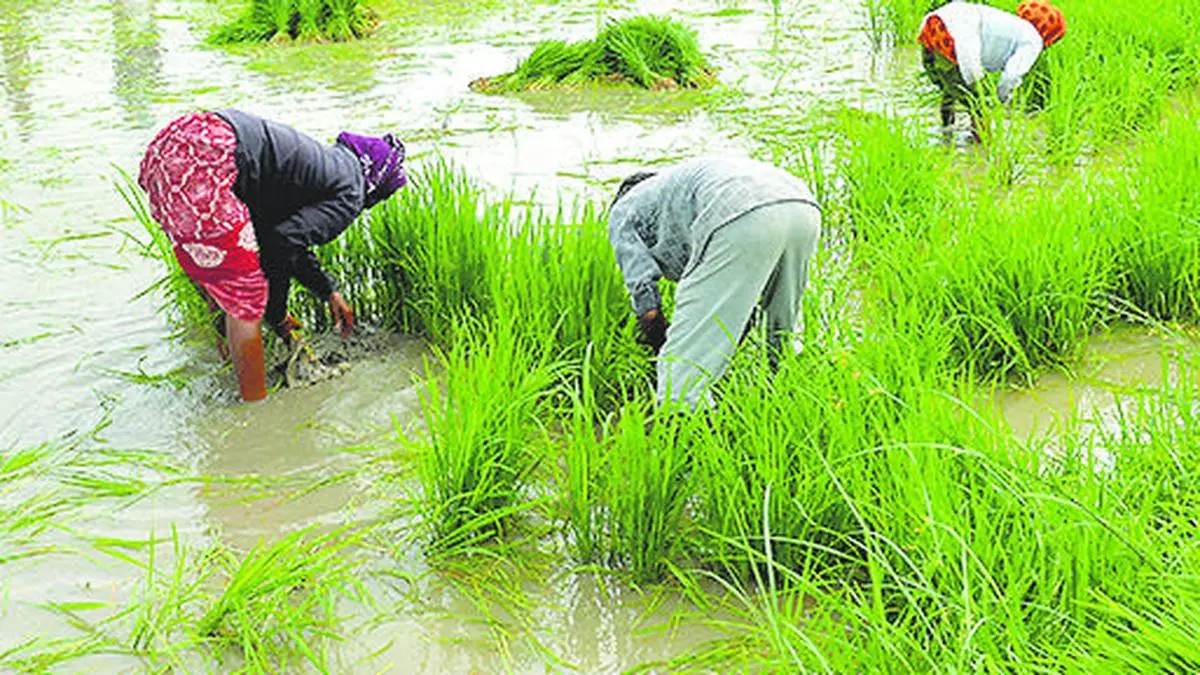
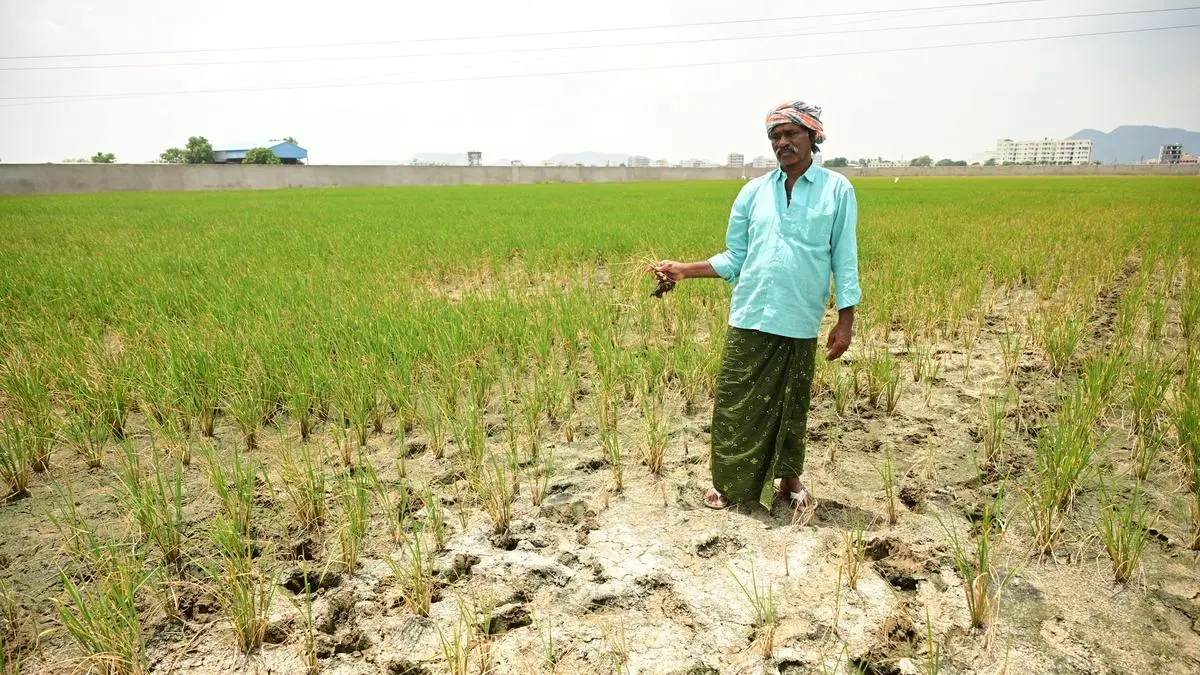
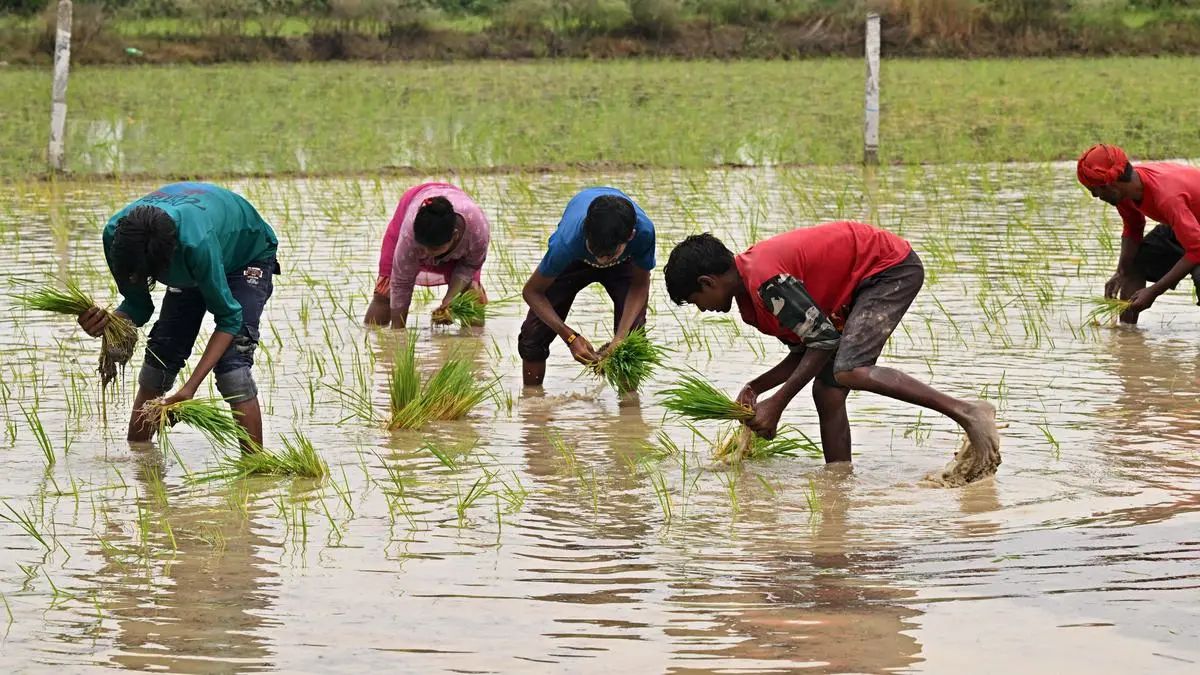
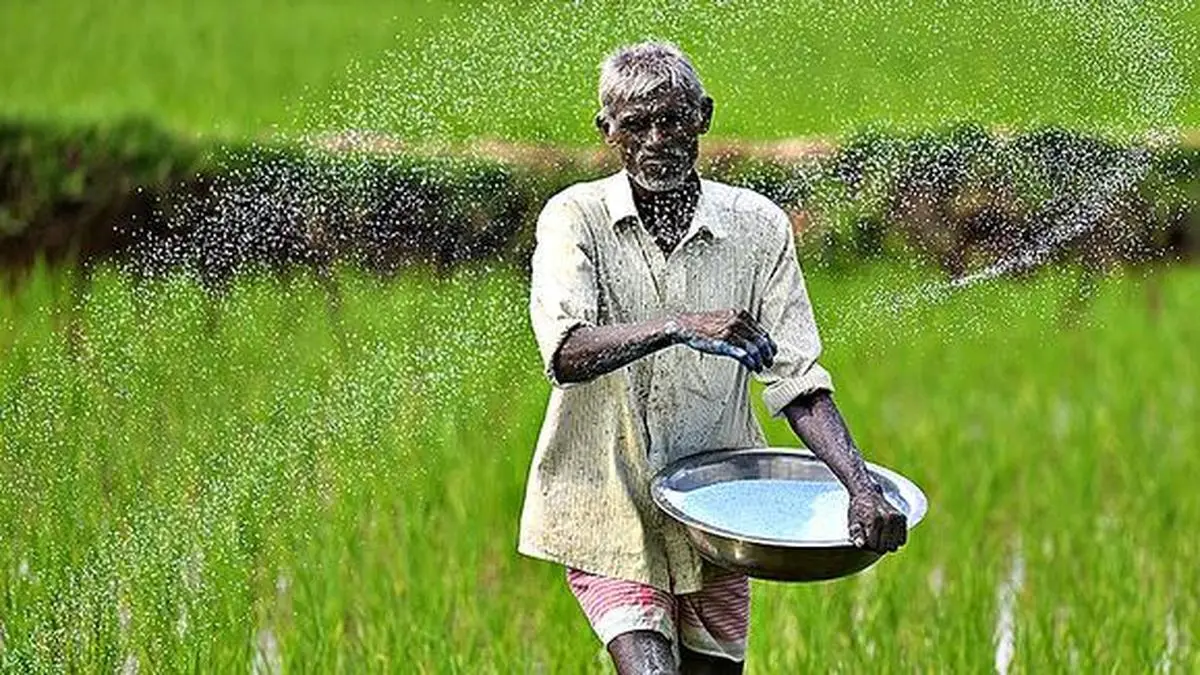
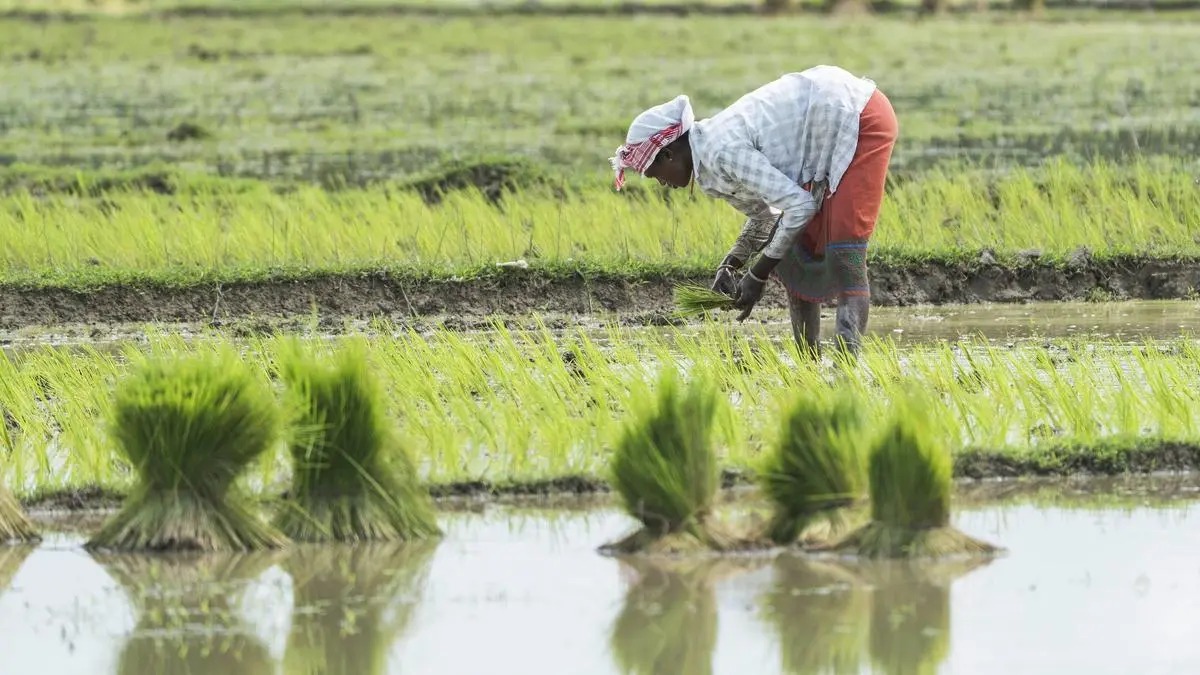
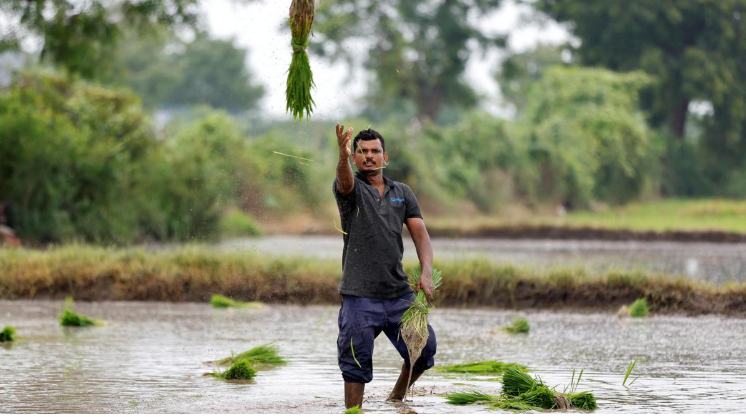
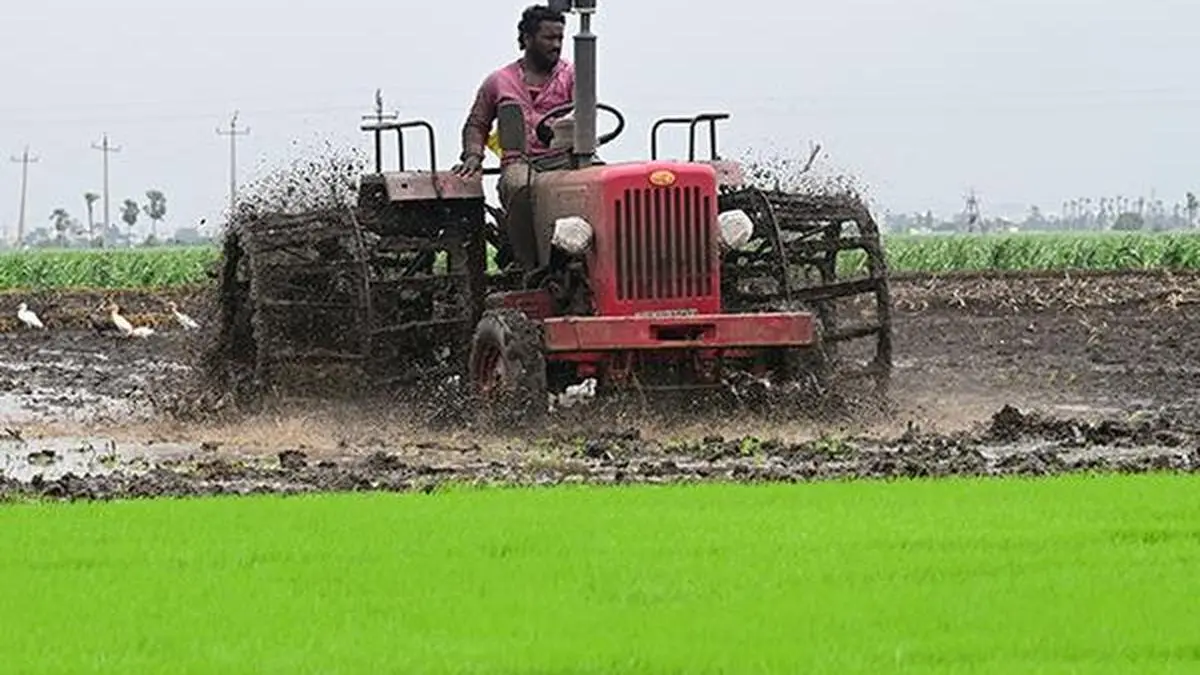
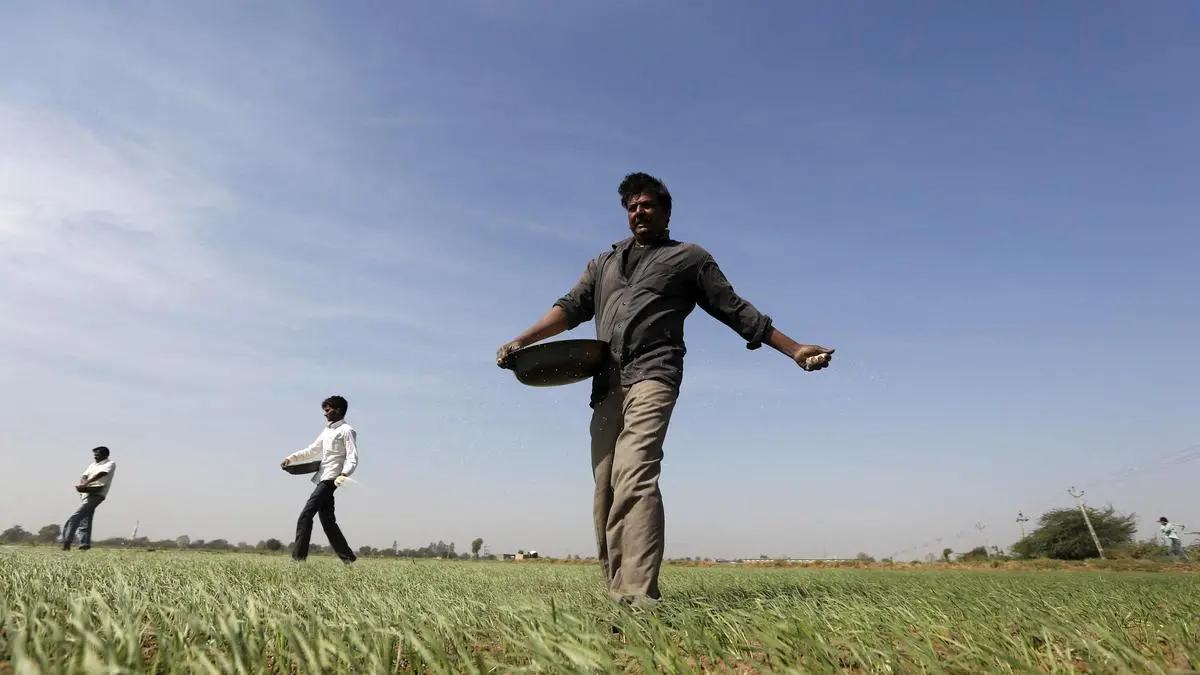
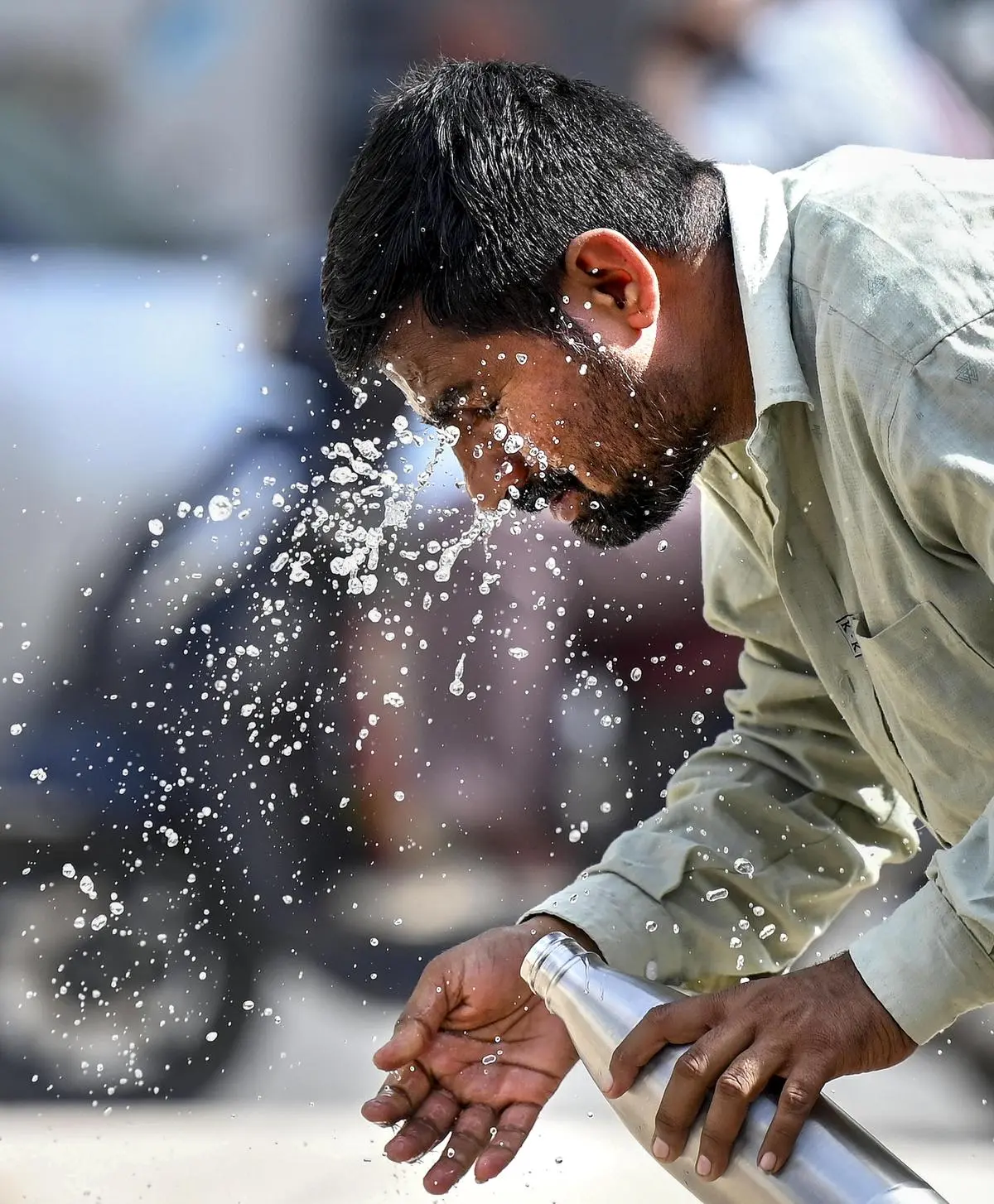
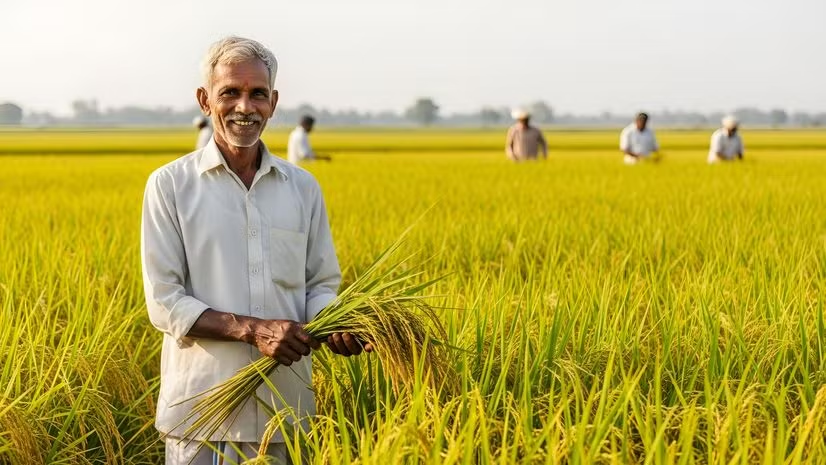
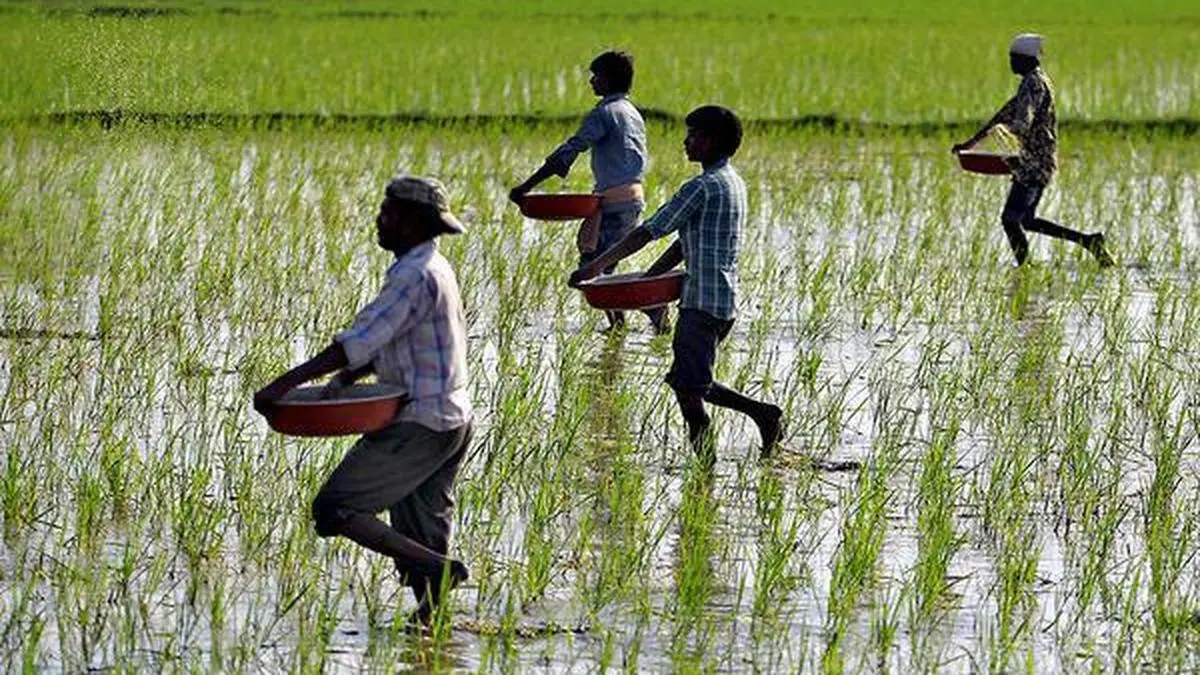
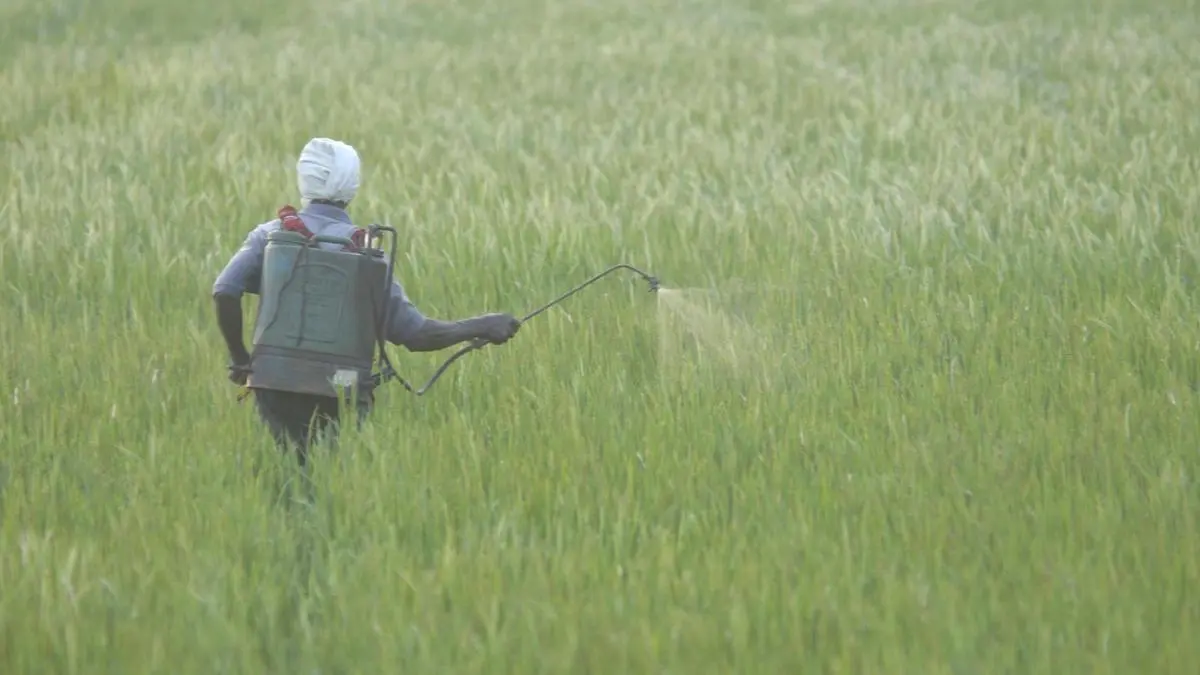
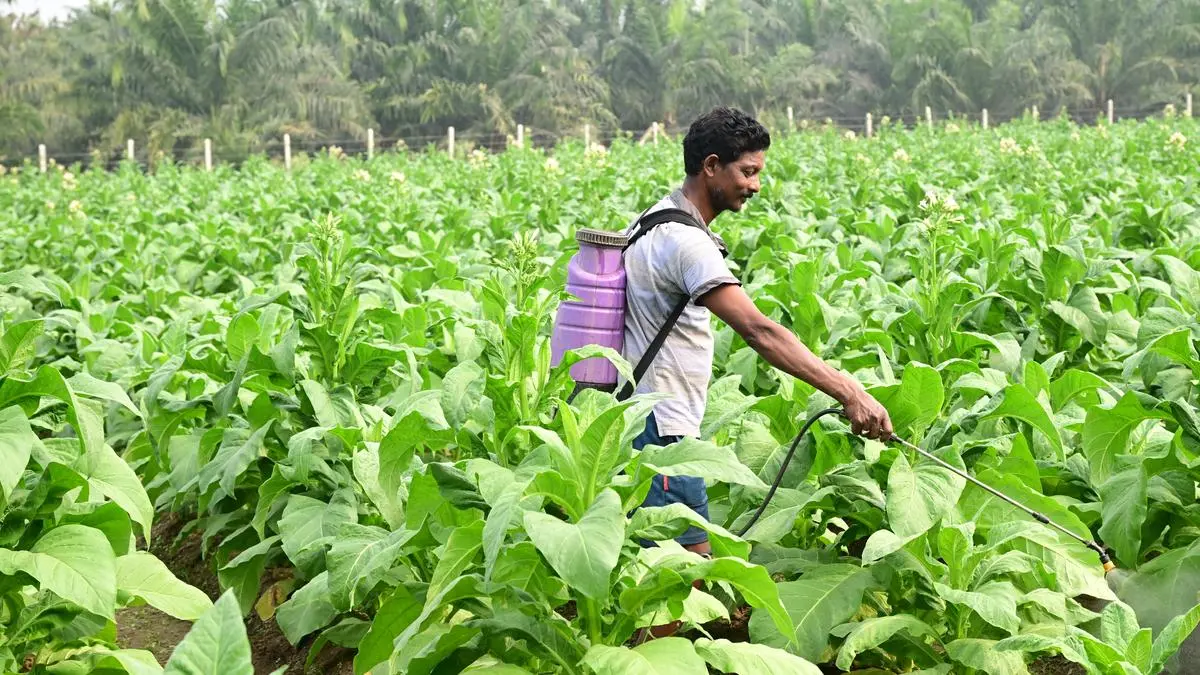
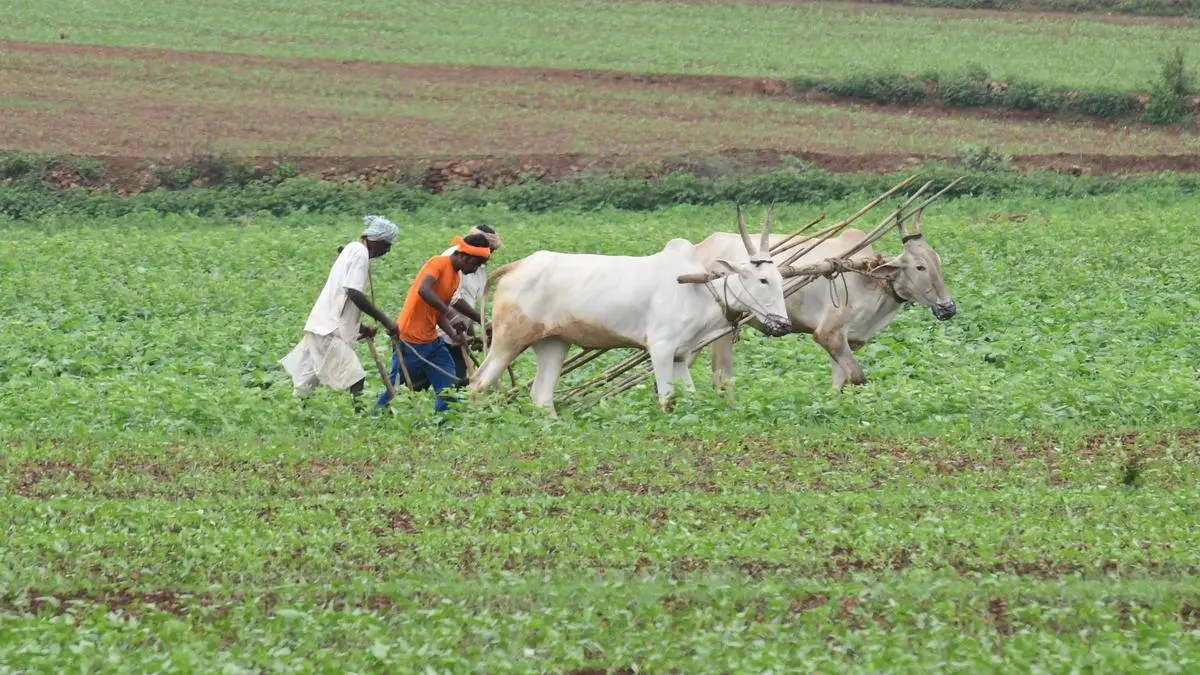
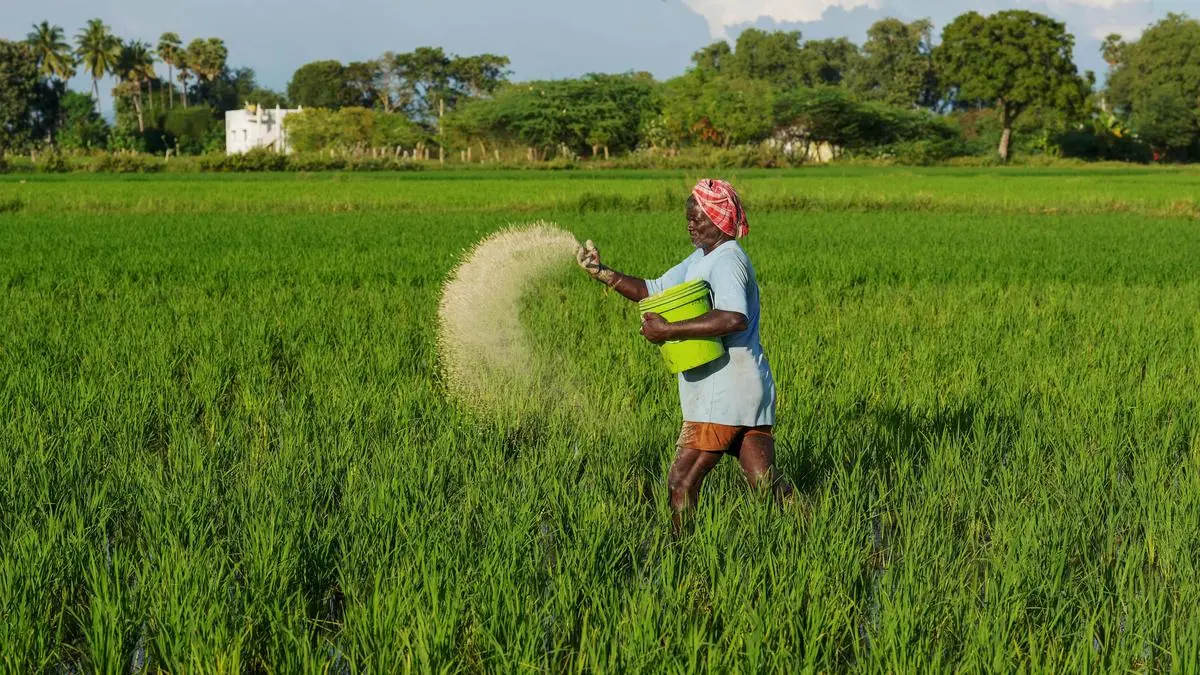
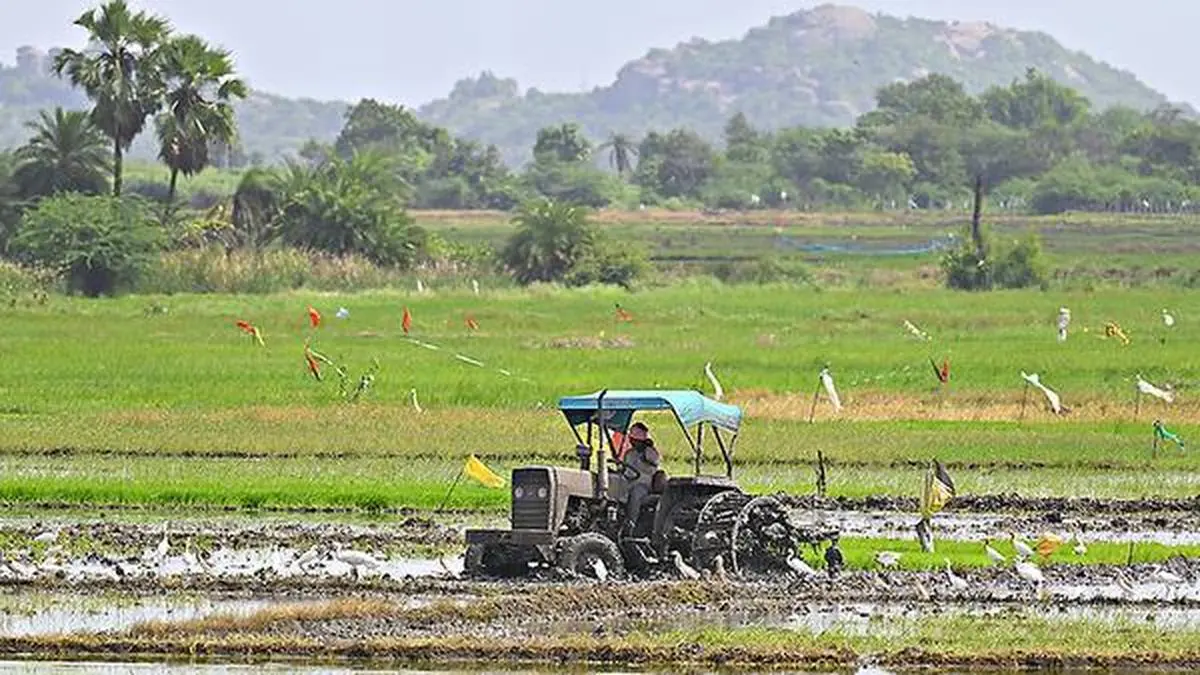
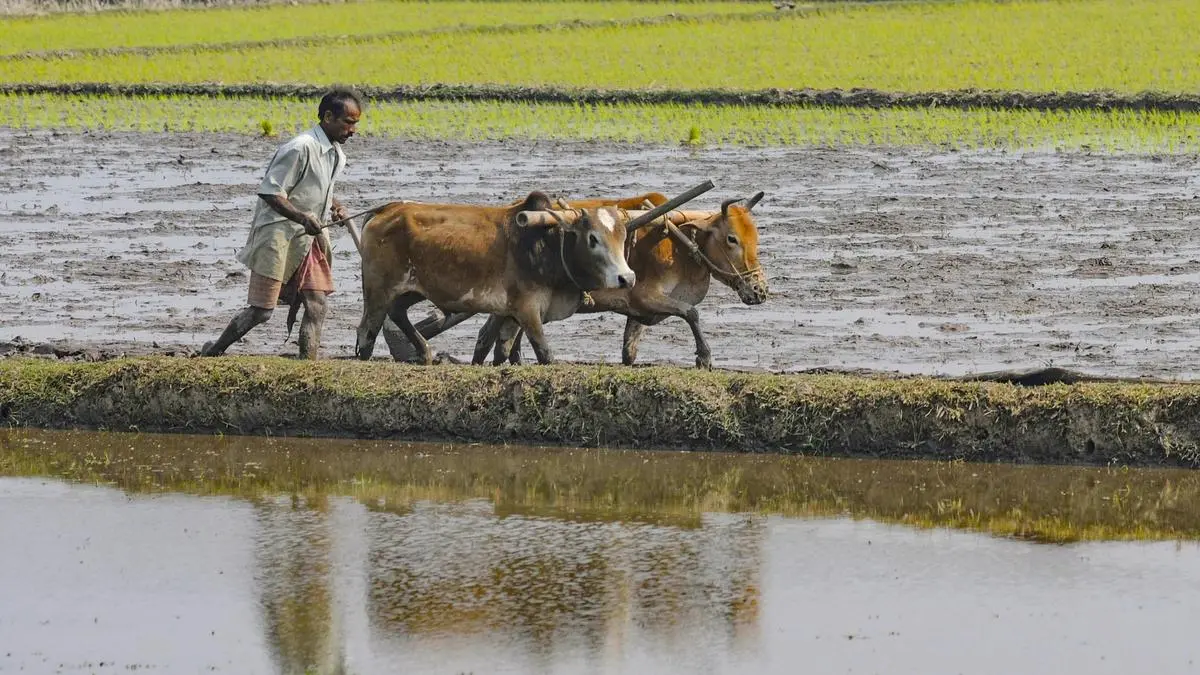
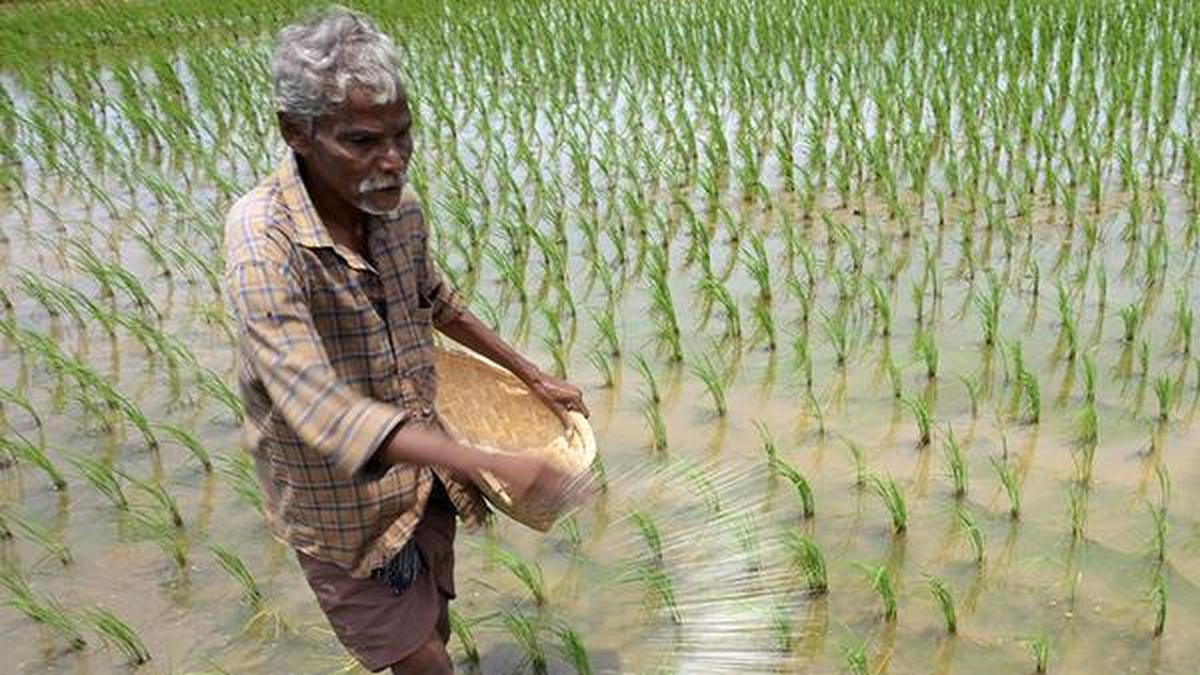
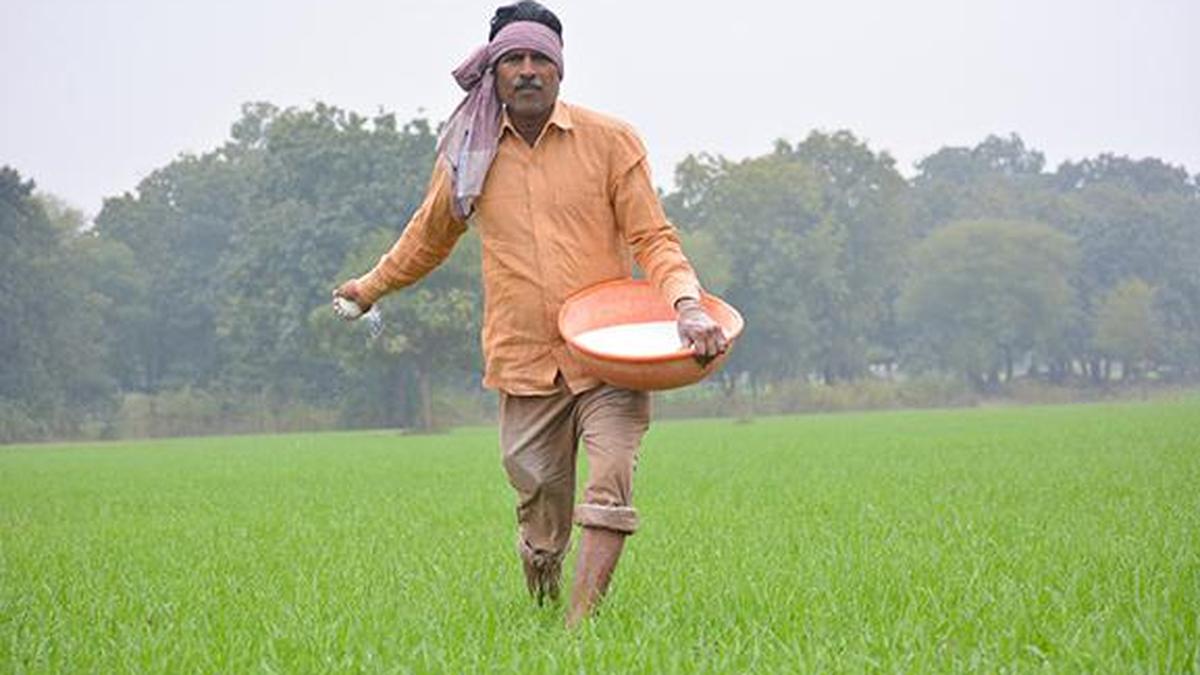
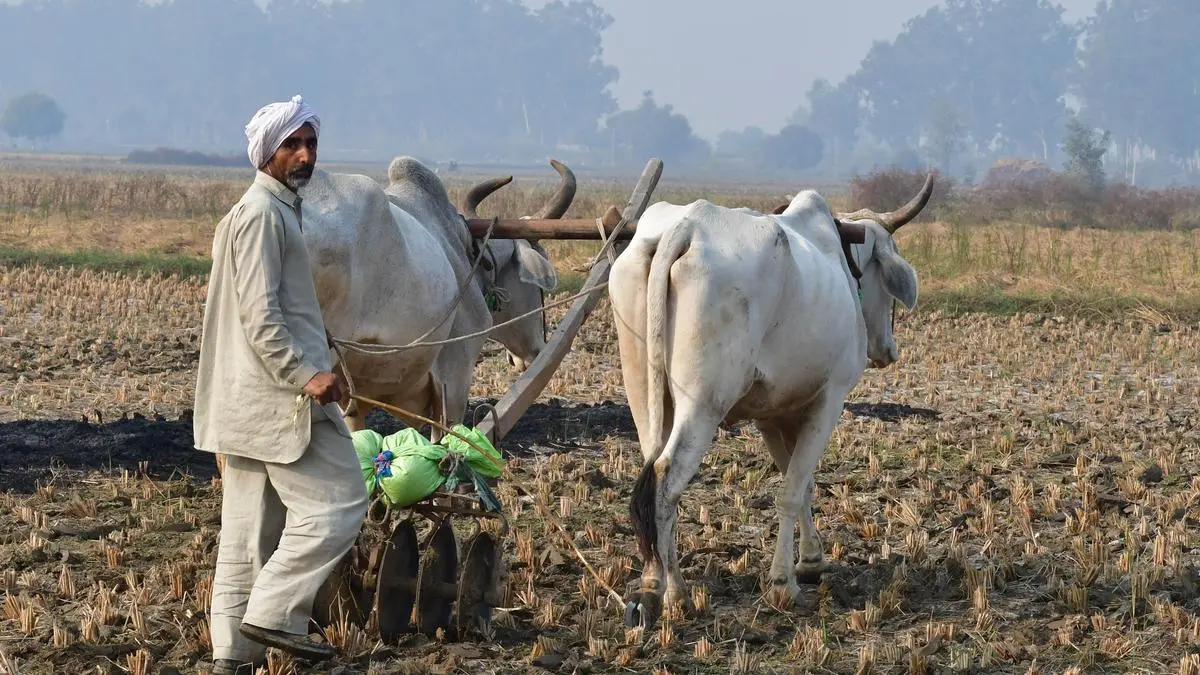
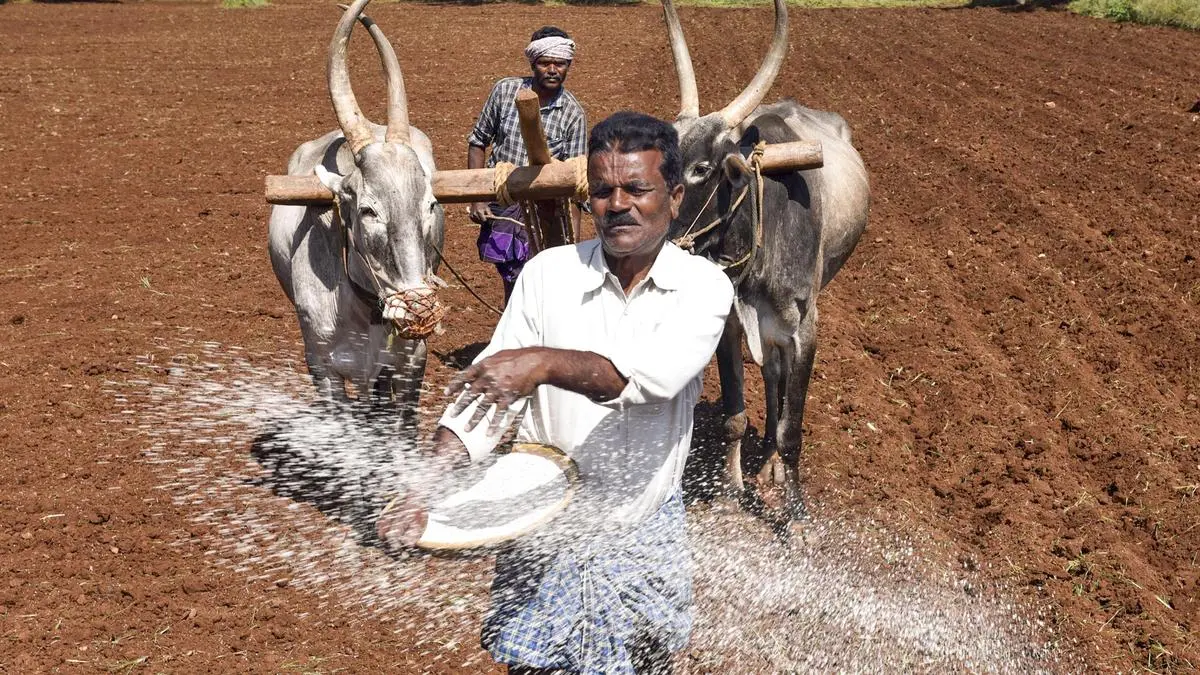
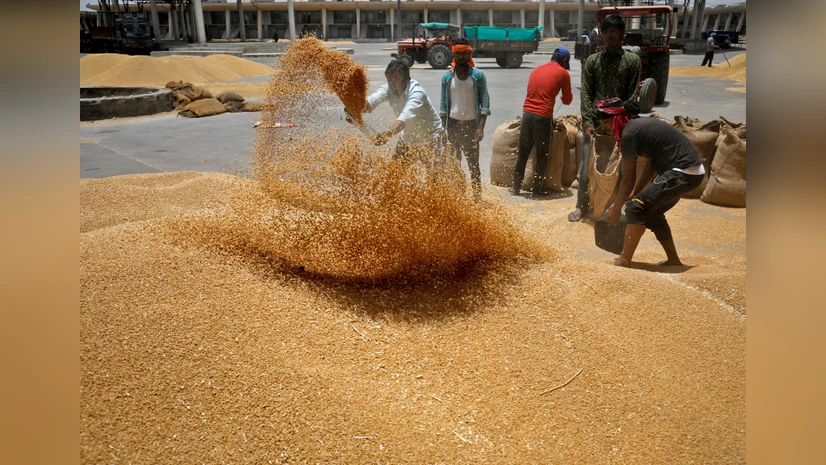
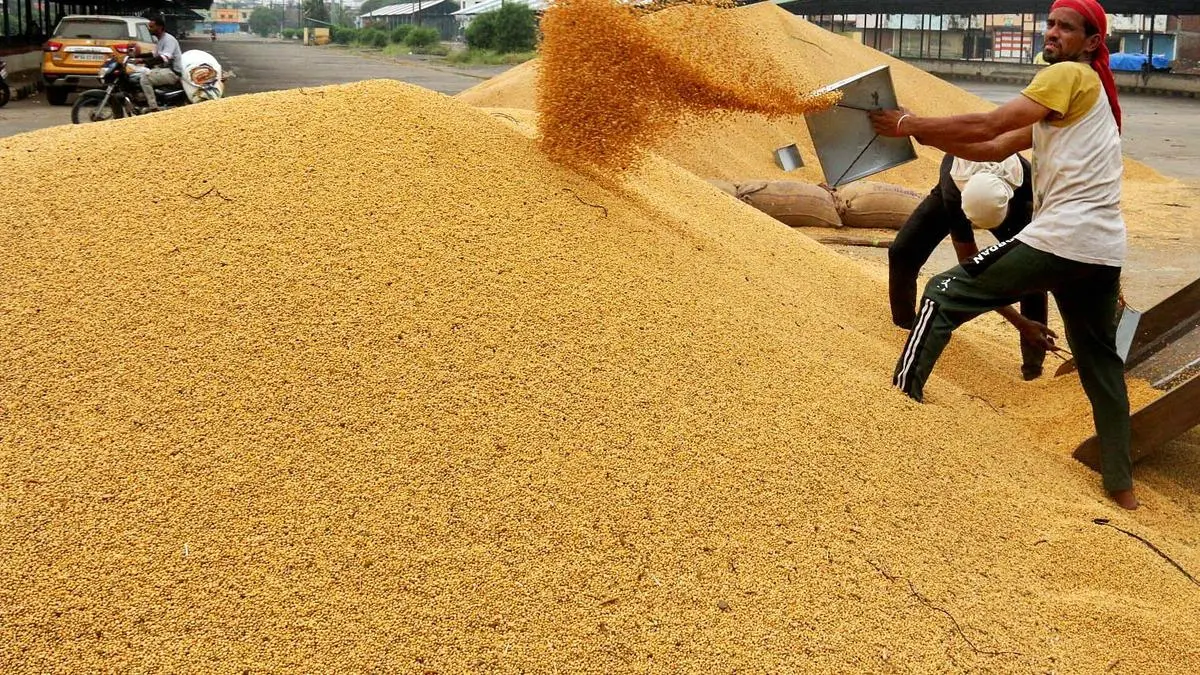
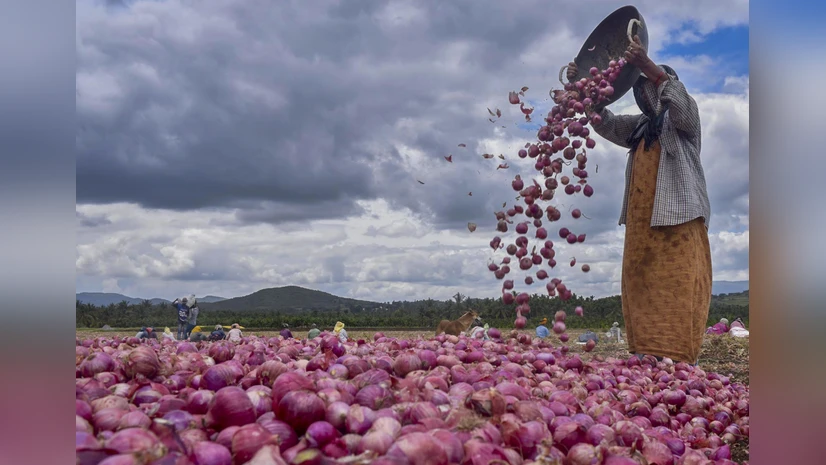
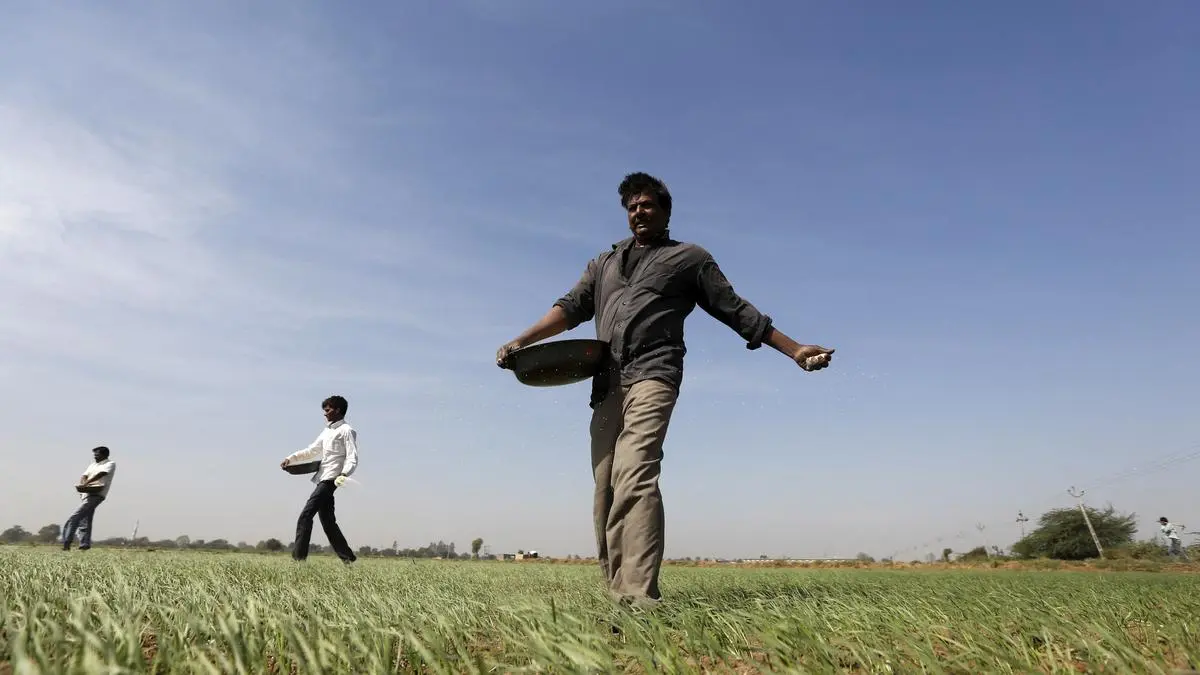
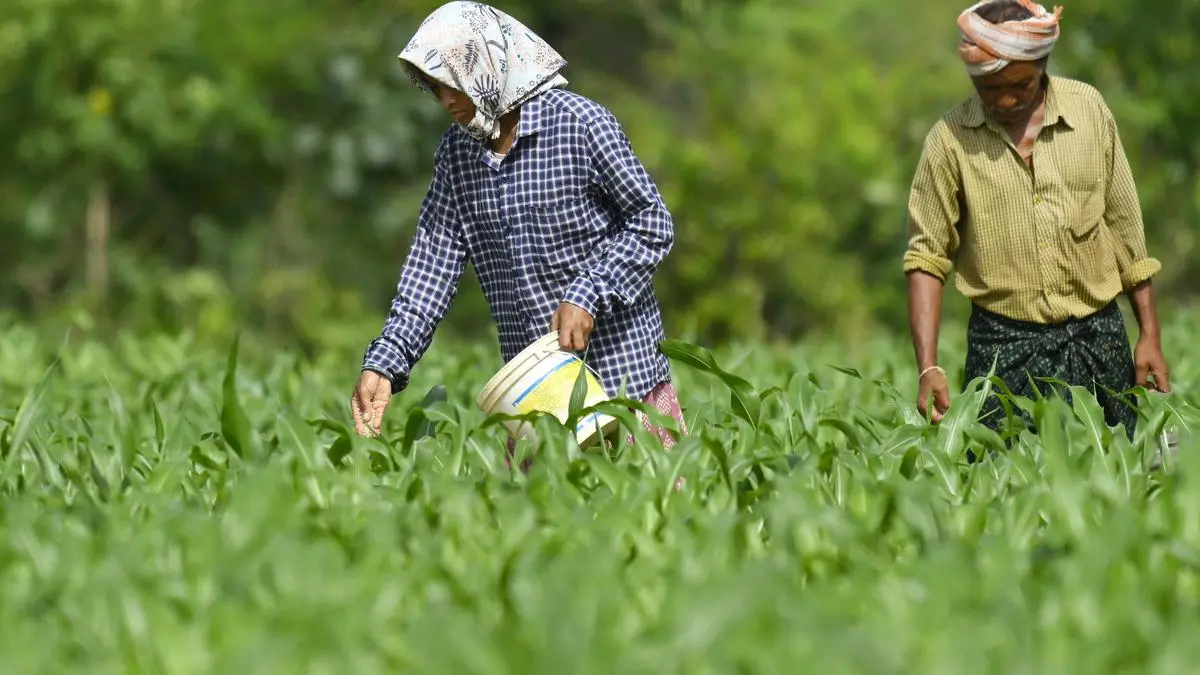
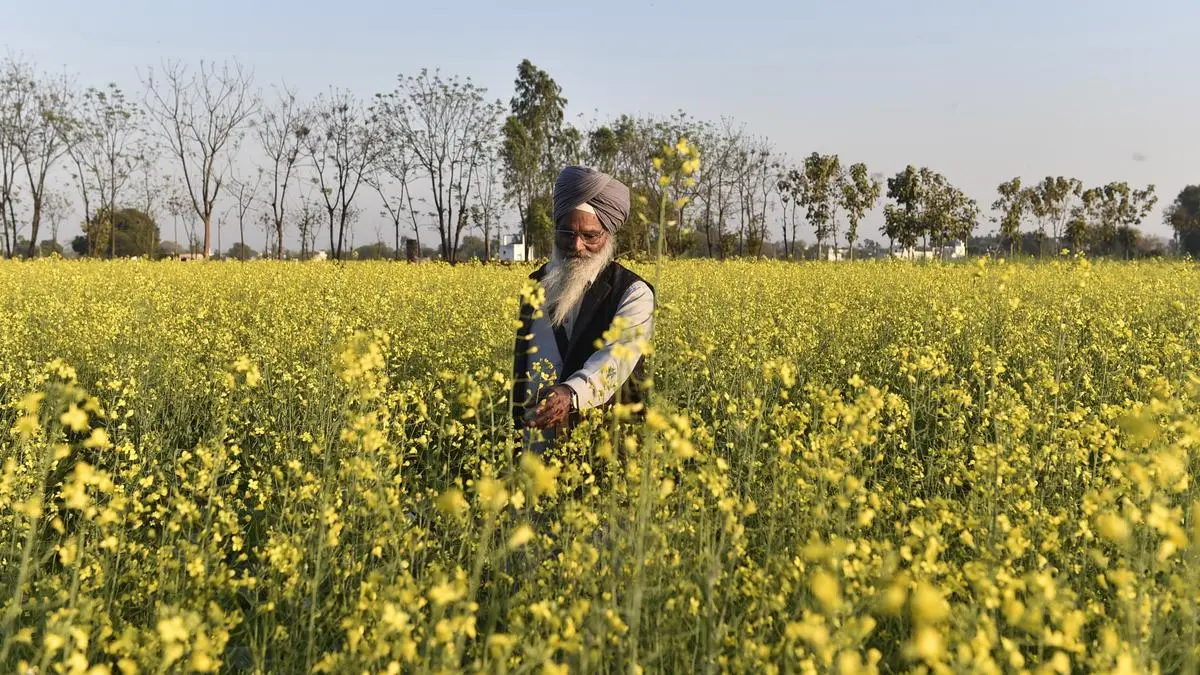
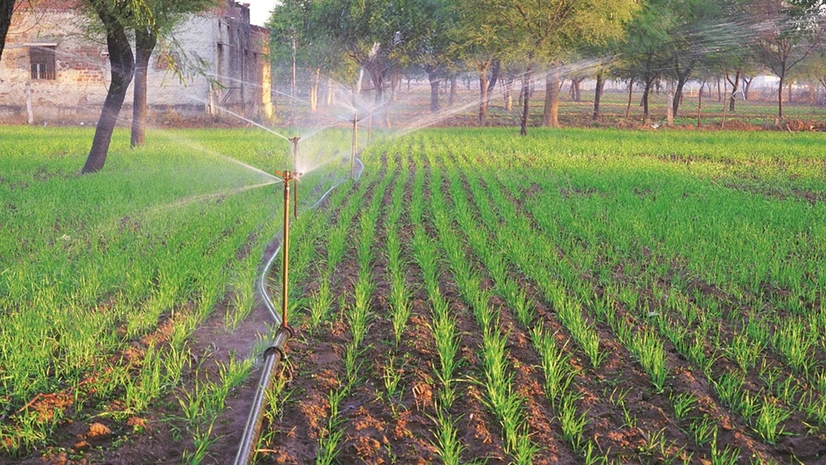
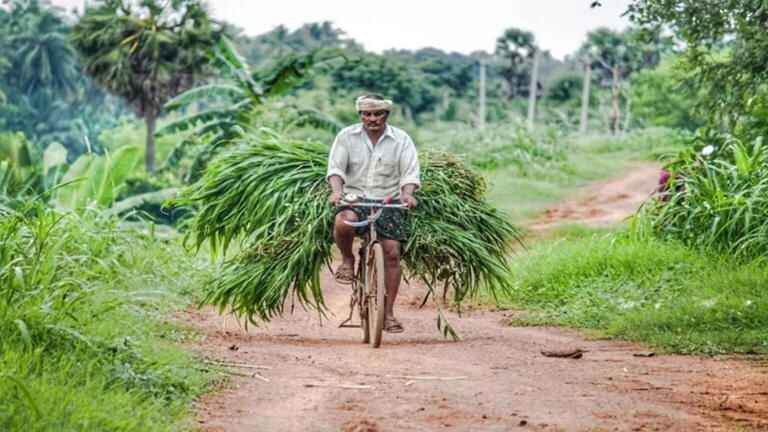
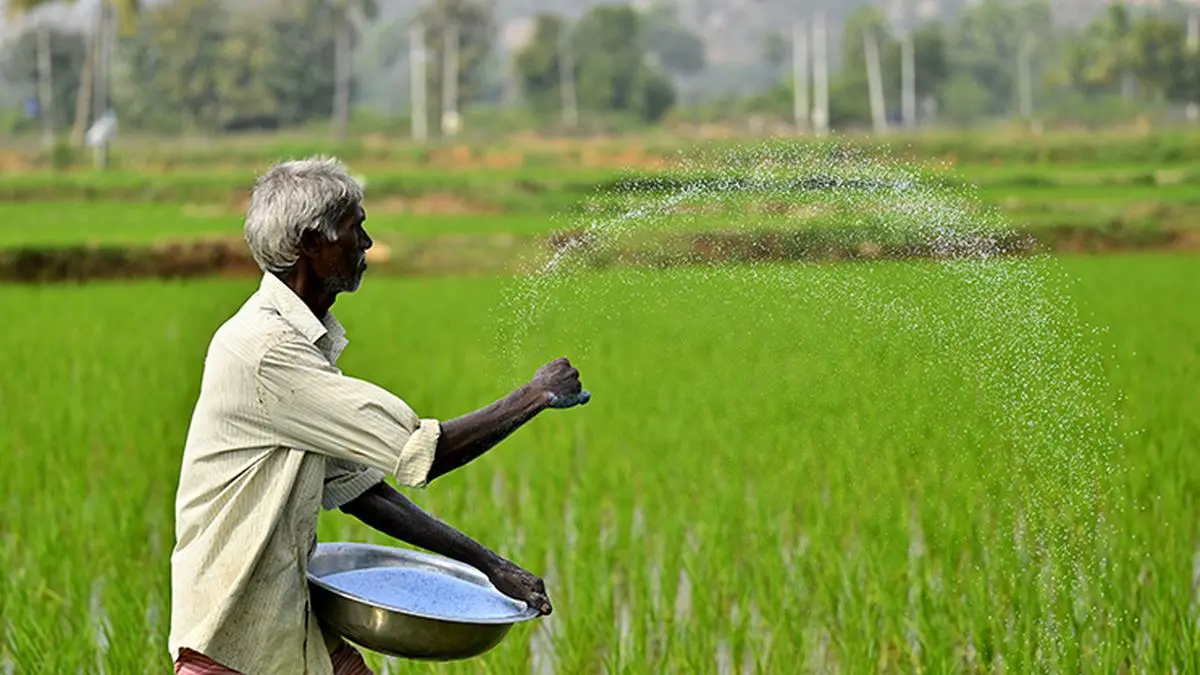
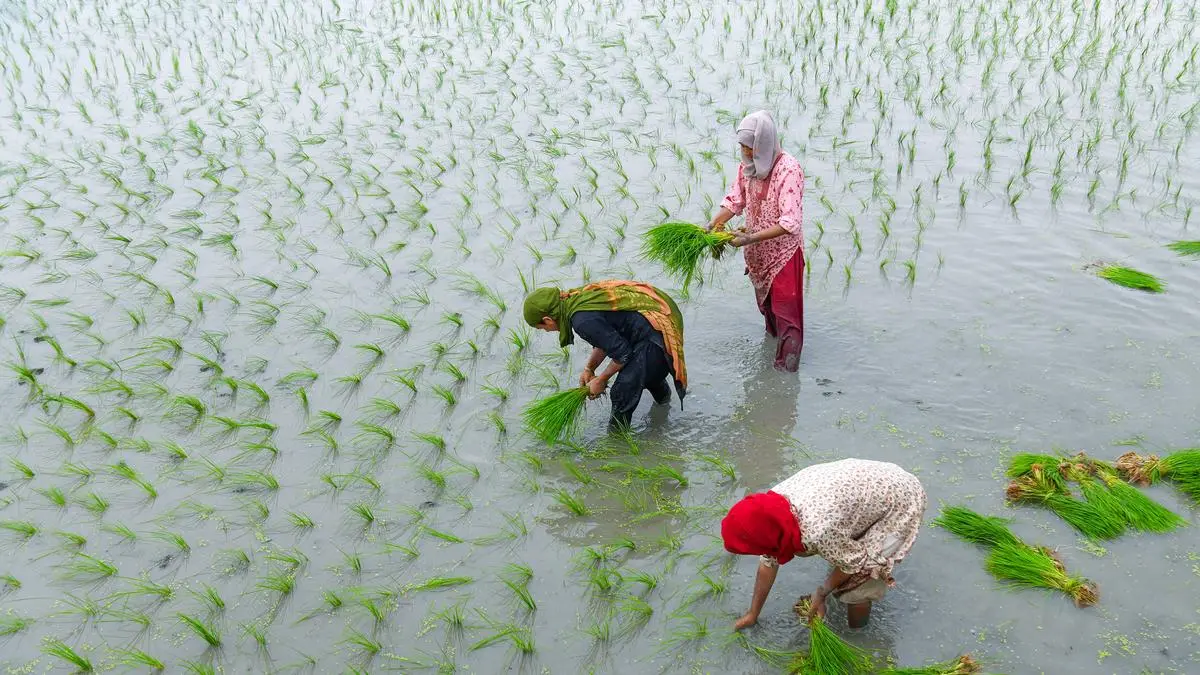
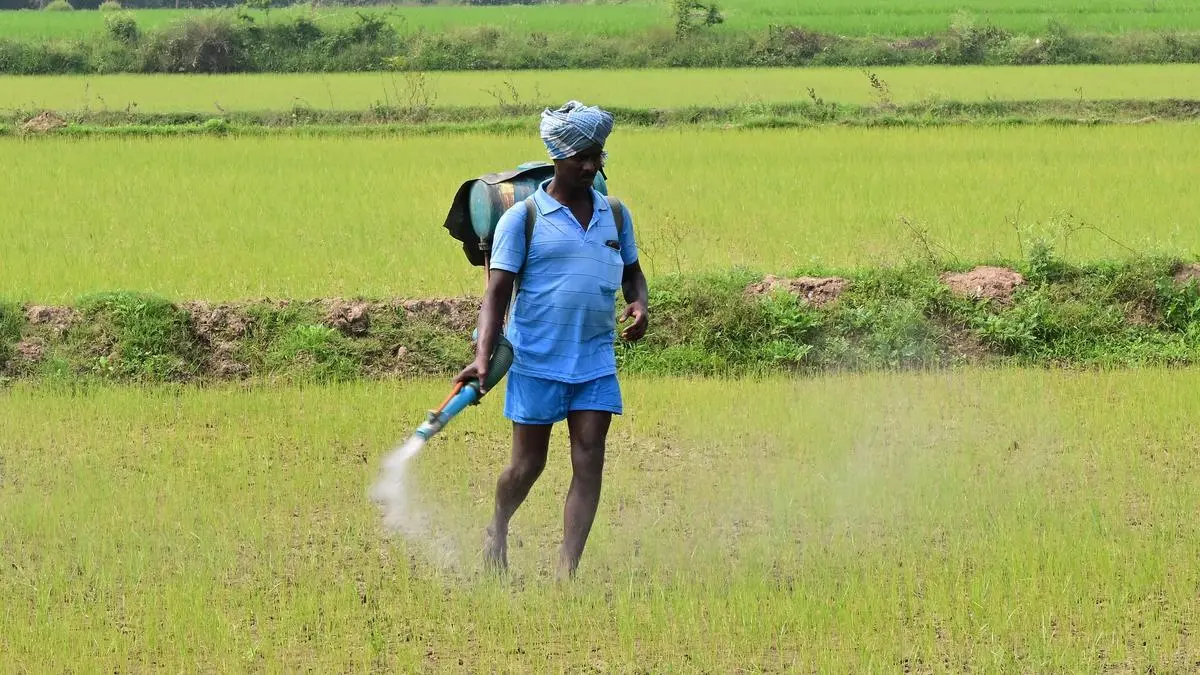
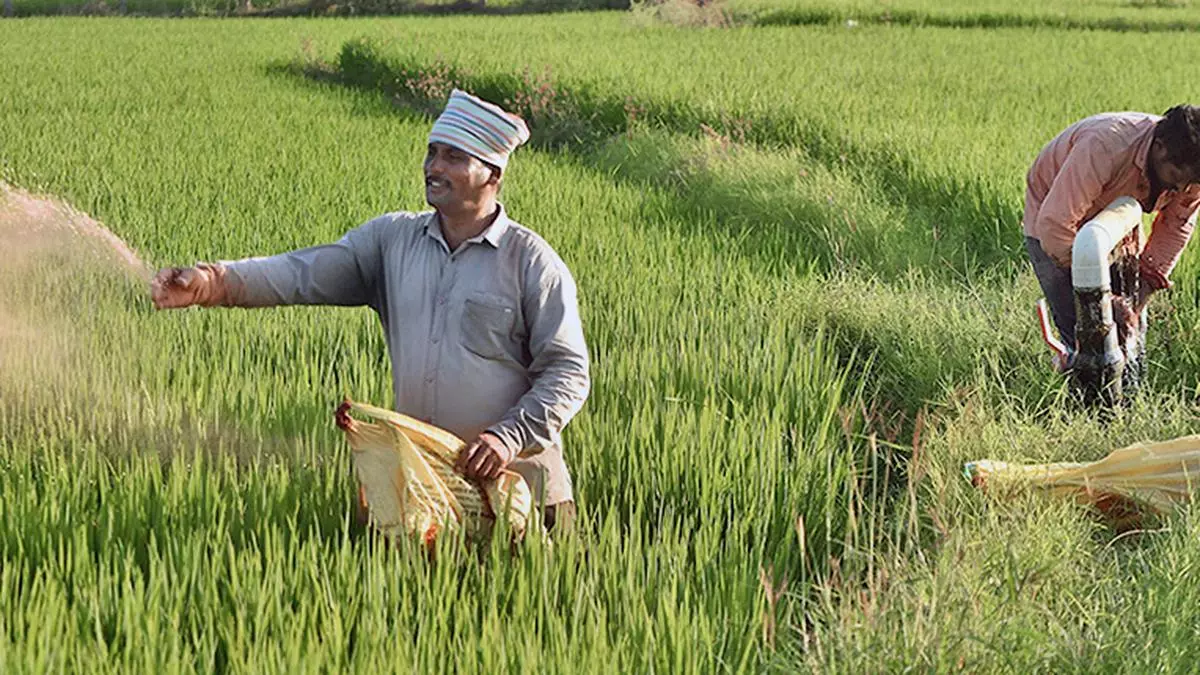
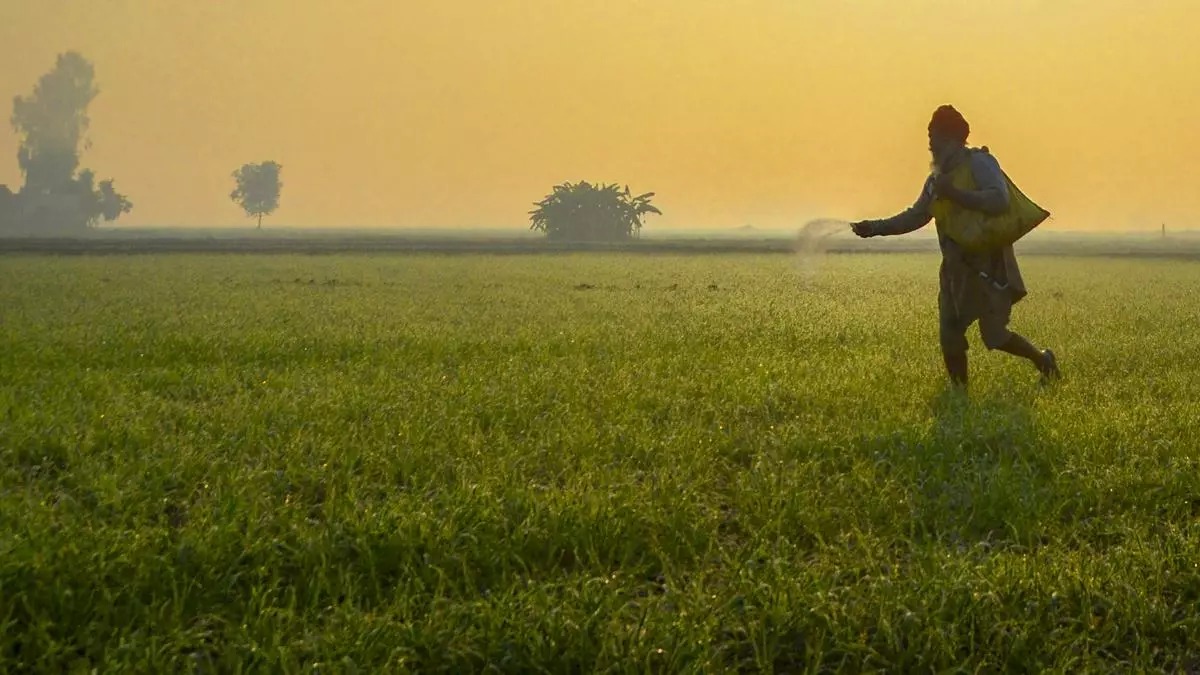
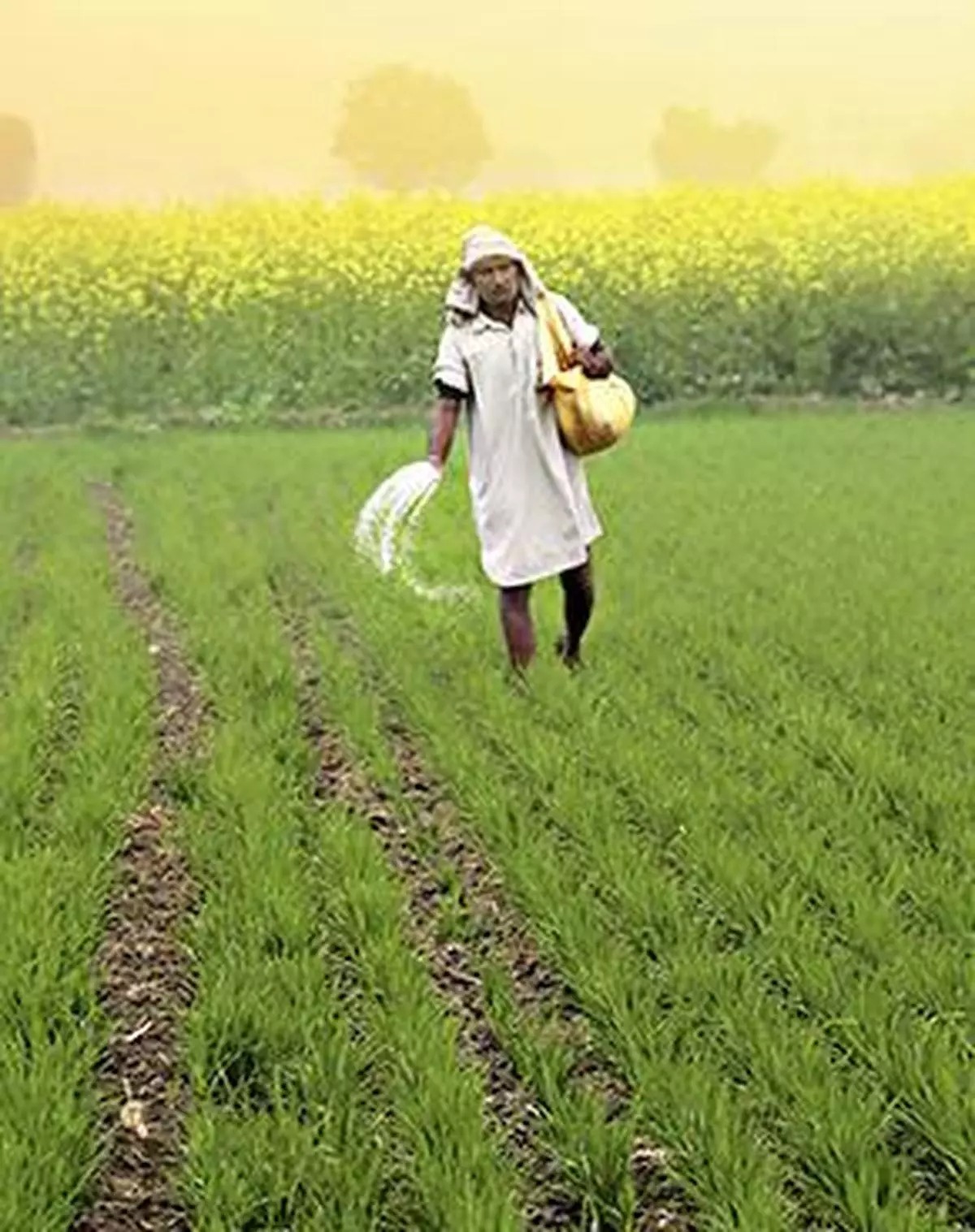
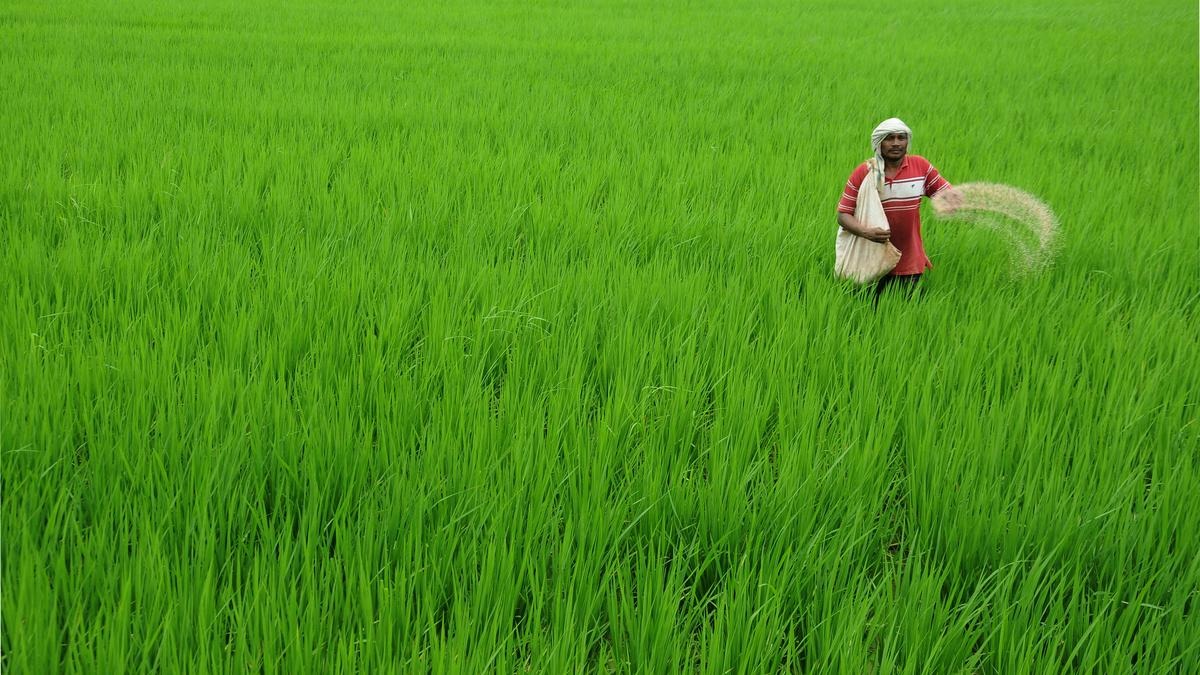
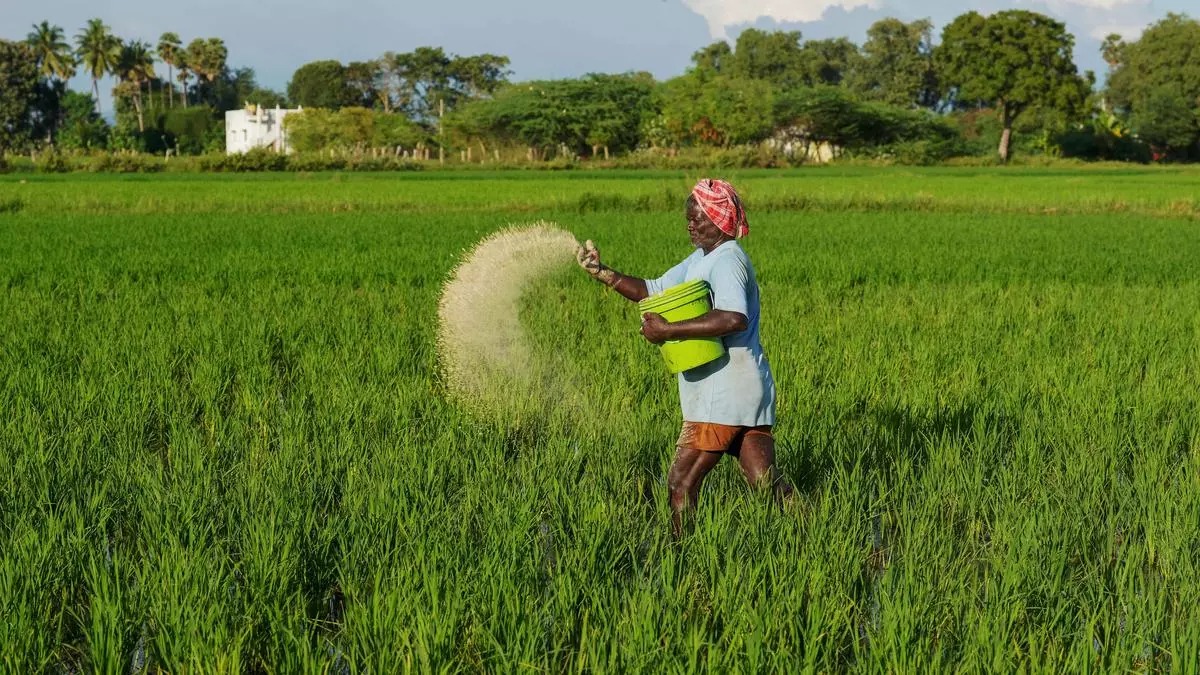
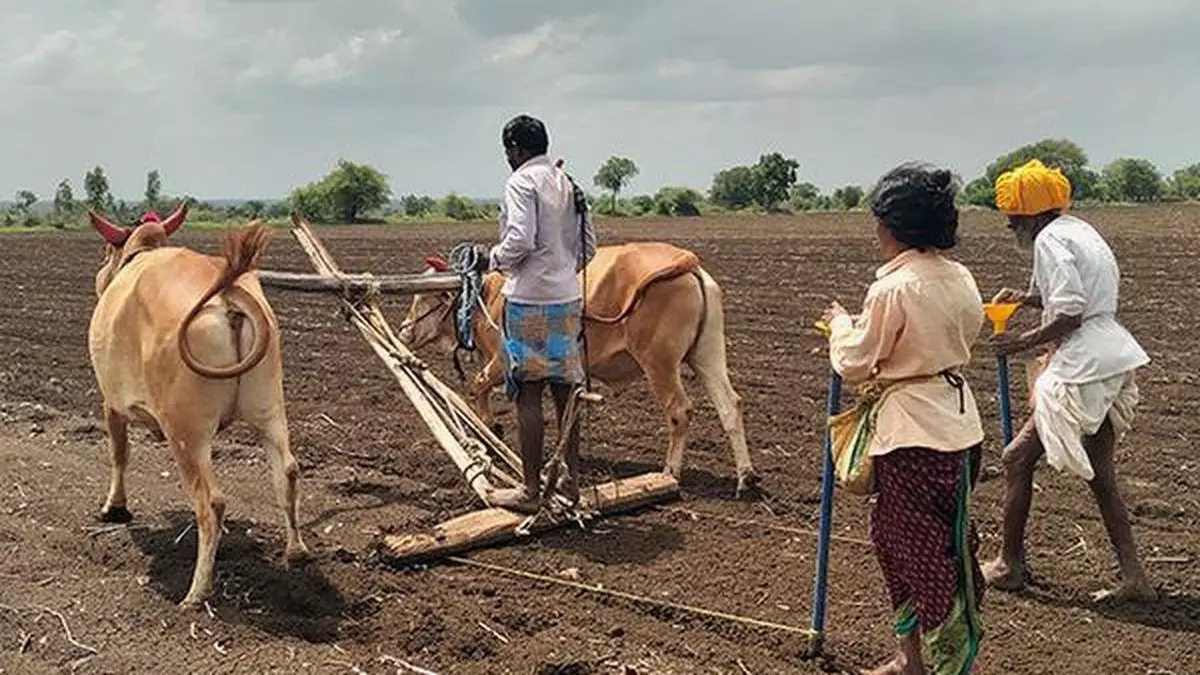
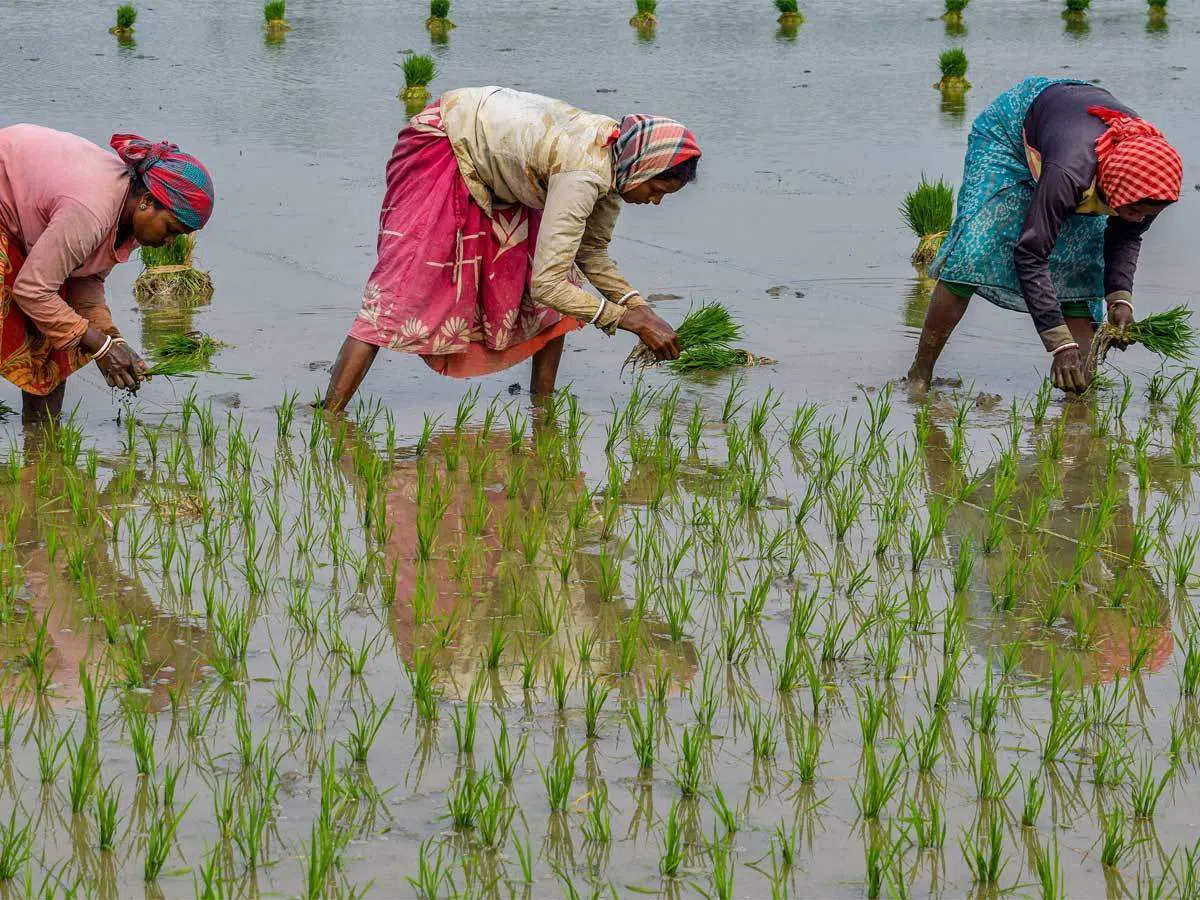
Every morning across rural India, millions of farmers start their day by fuelling a diesel pump. For a small landholder in Haryana, that ritual costs between ₹8,000 and ₹12,000 a month when diesel is at ₹88.40 per litre (at the time of writing of this article) in the state. That fuel bill, month after month, is what keeps farm incomes where they are.
India runs its farms on approximately nine million diesel-powered irrigation pumps, each emitting 5.2 tonnes of carbon dioxide every year on a fuel that cost ₹38.5 per litre in 2010 and has more than doubled since. The Government of India launched PM-KUSUM in 2019 as a direct intervention to transition agriculture from diesel to solar.
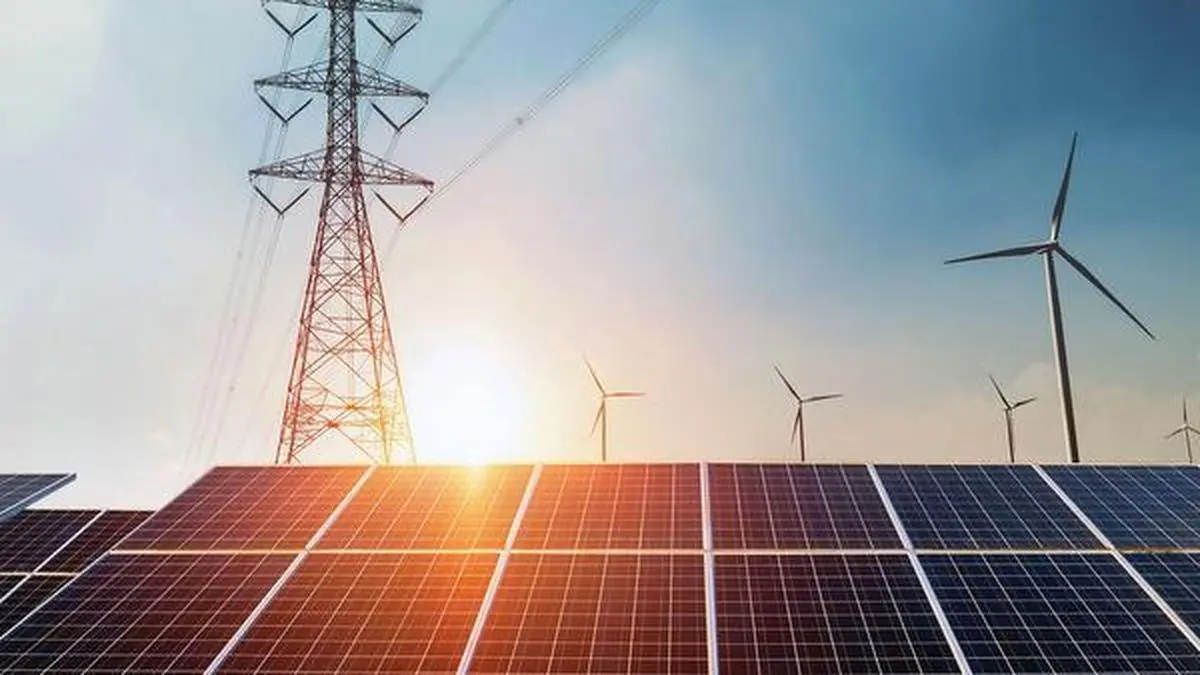
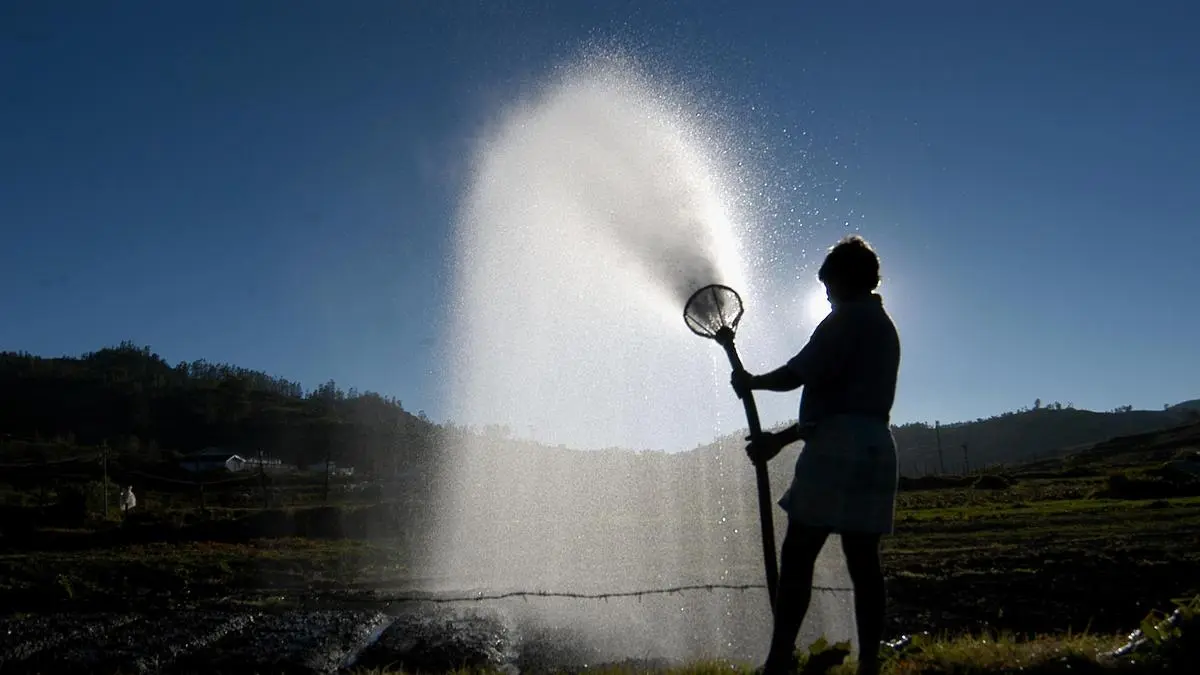
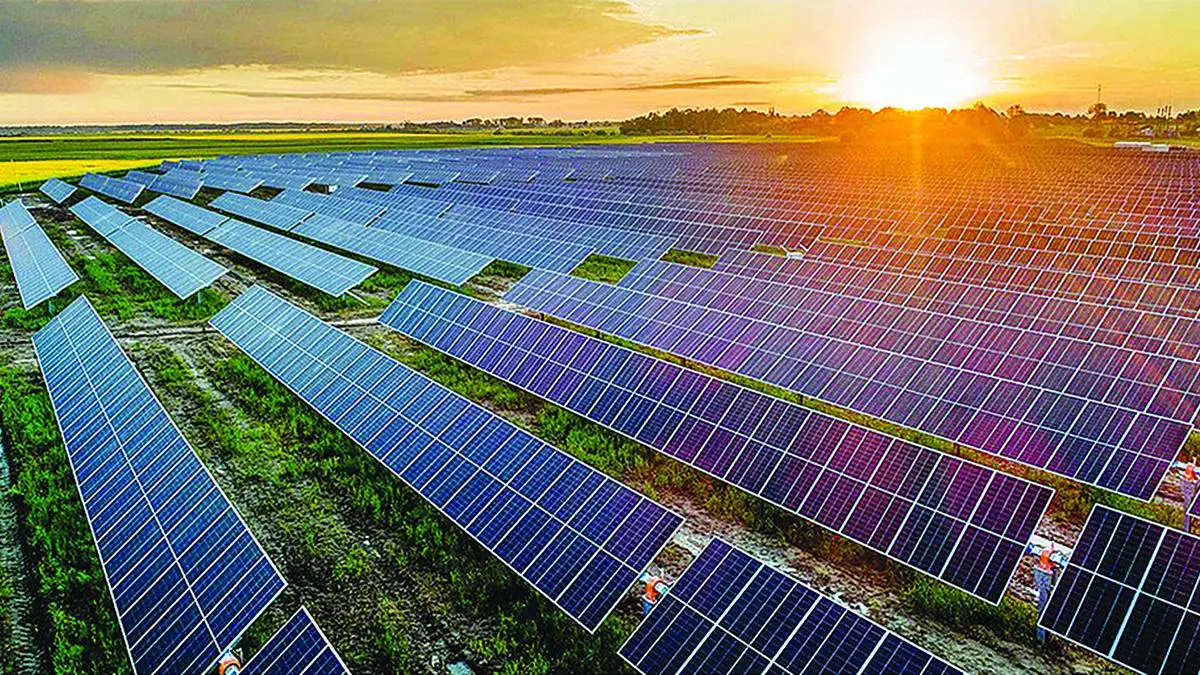
PM-KUSUM has three tracks. The first puts solar power plants on agricultural land. The second replaces diesel pumps with standalone solar sets in off-grid areas. The third solarises grid-connected pumps so farmers get reliable power through the day. Central allocation stands at ₹34,422 crore, target at 34,800 MW — and the farmer, in this framing, is an energy producer.