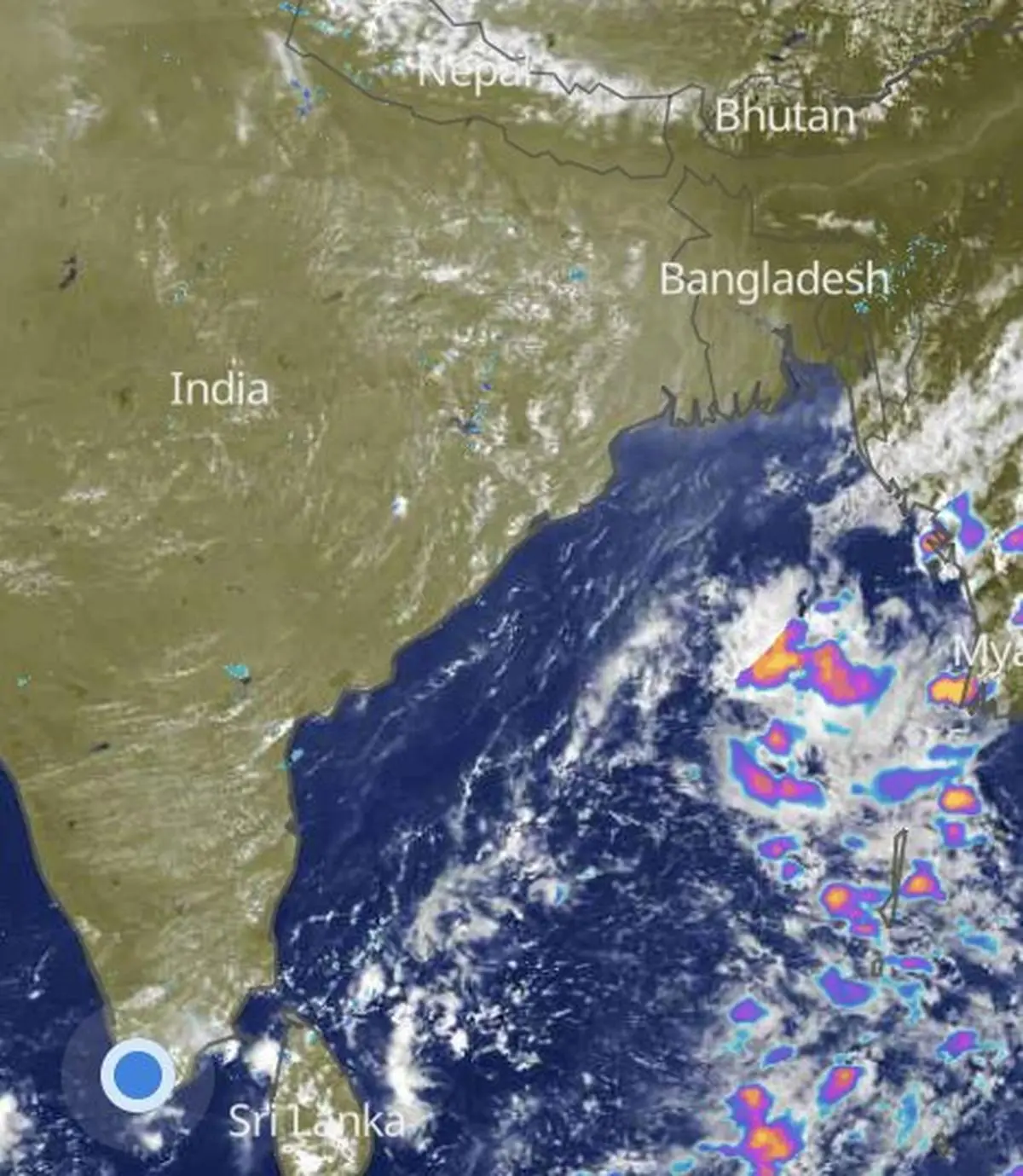
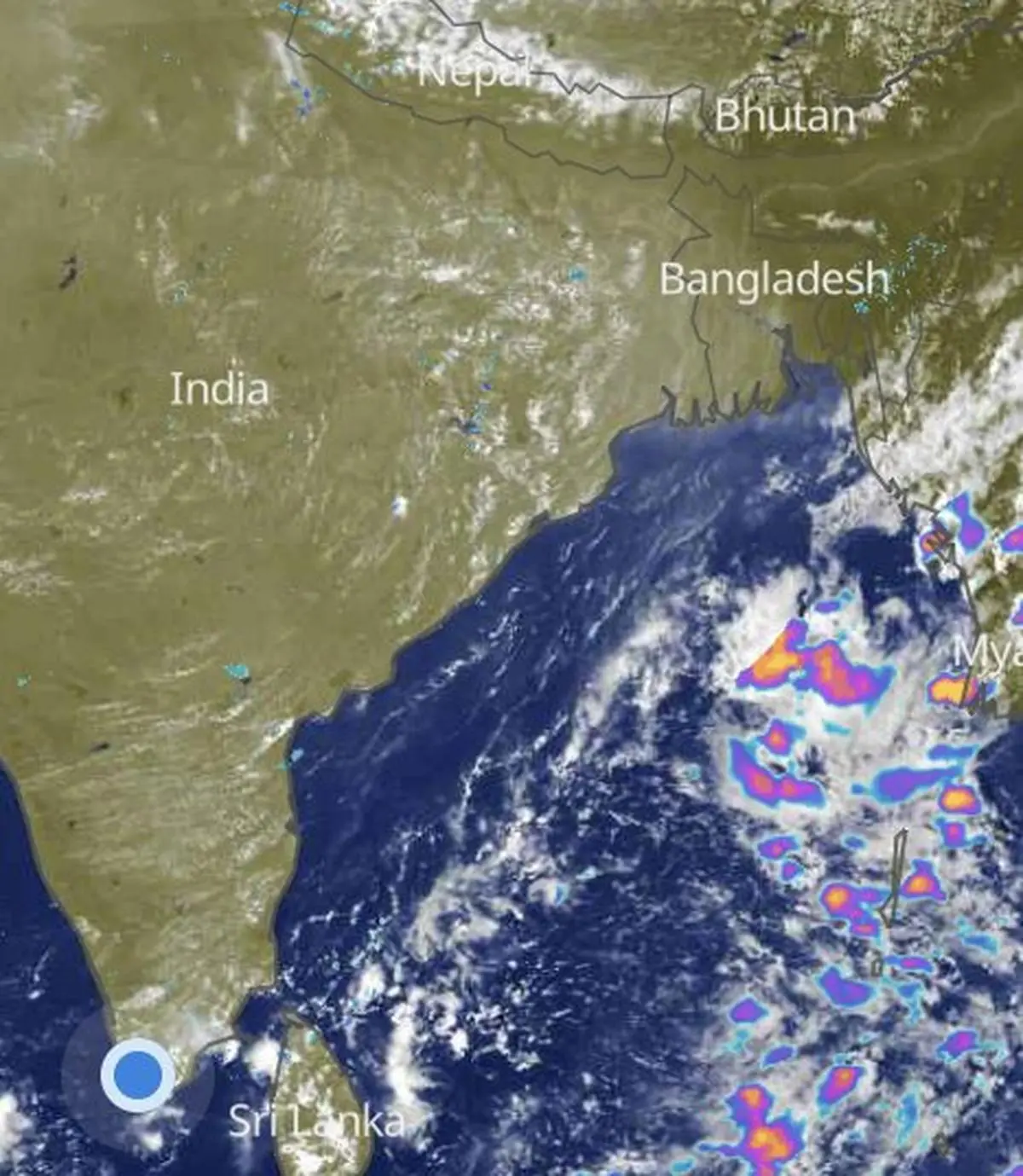
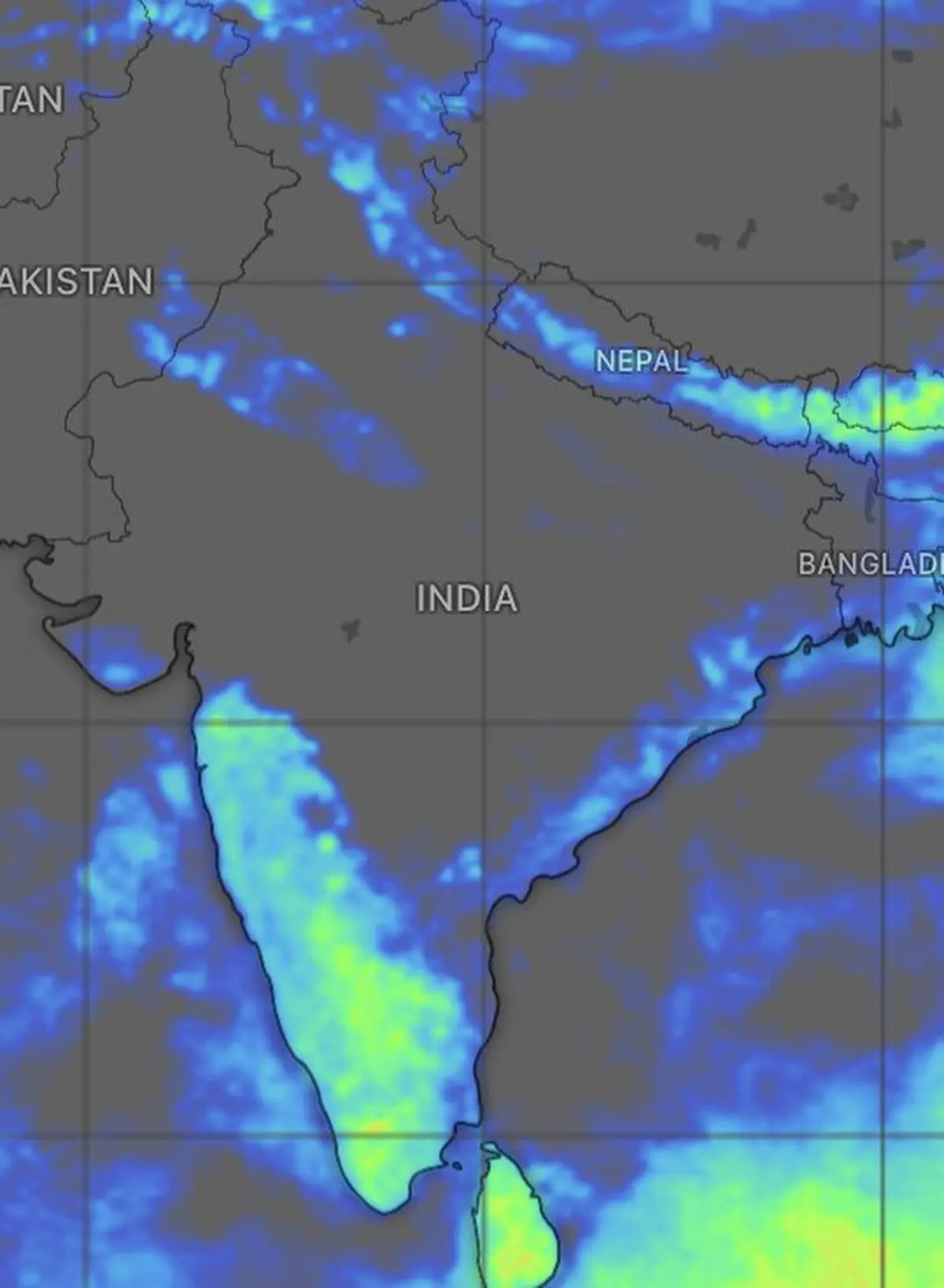
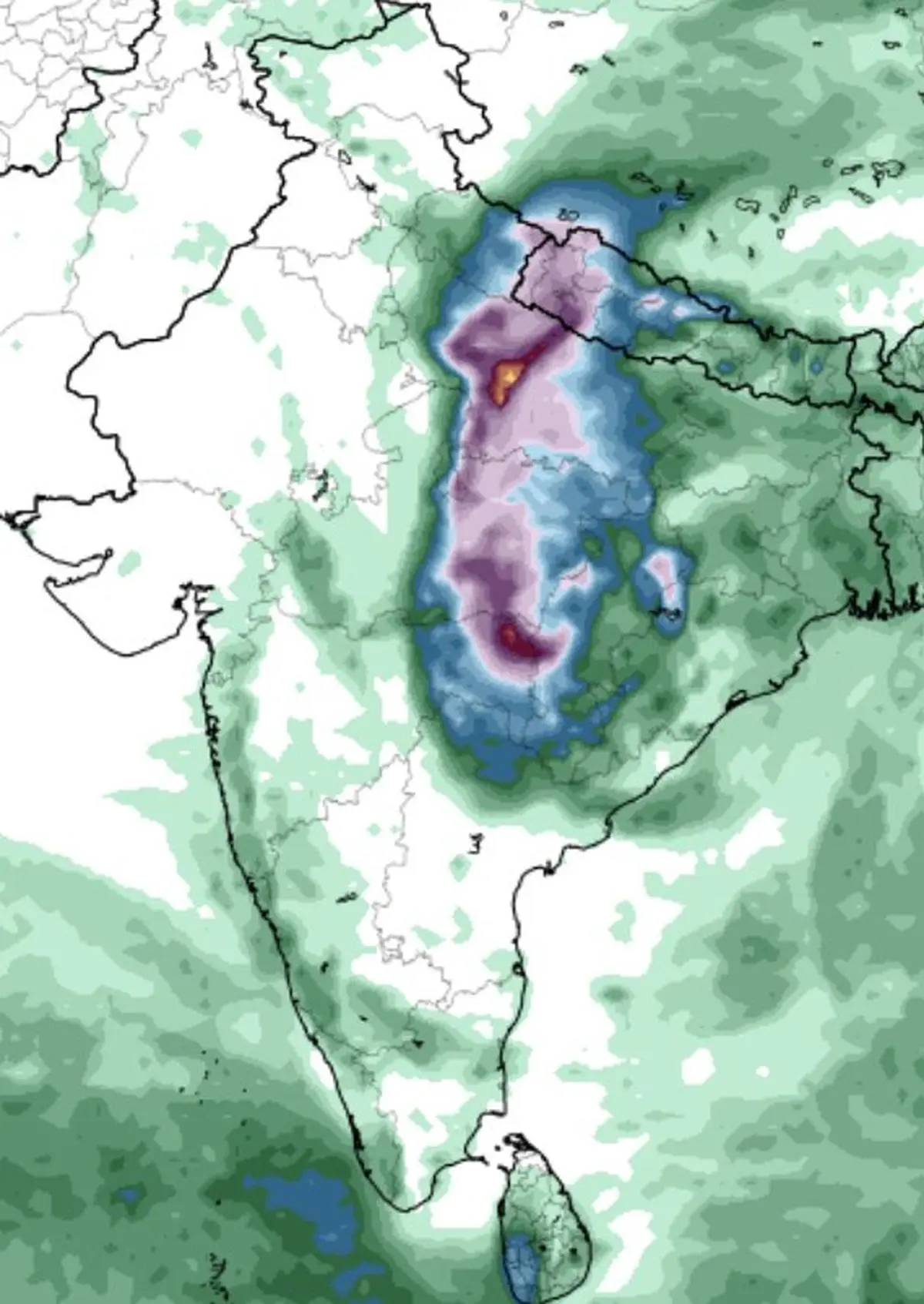
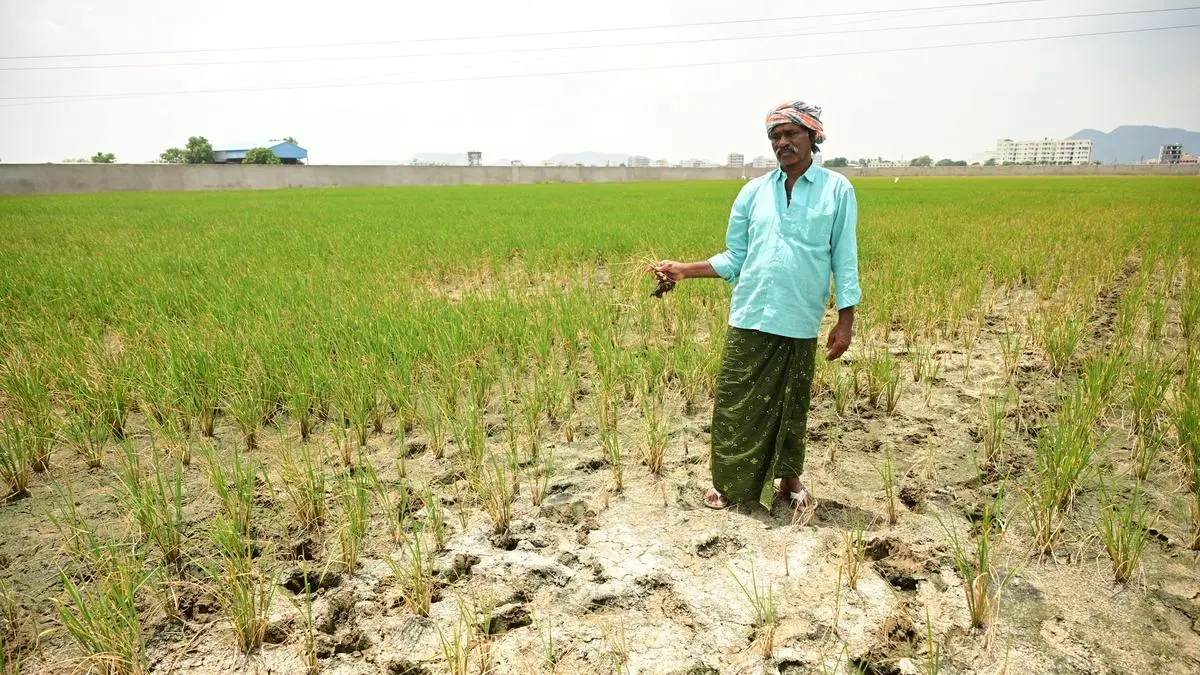
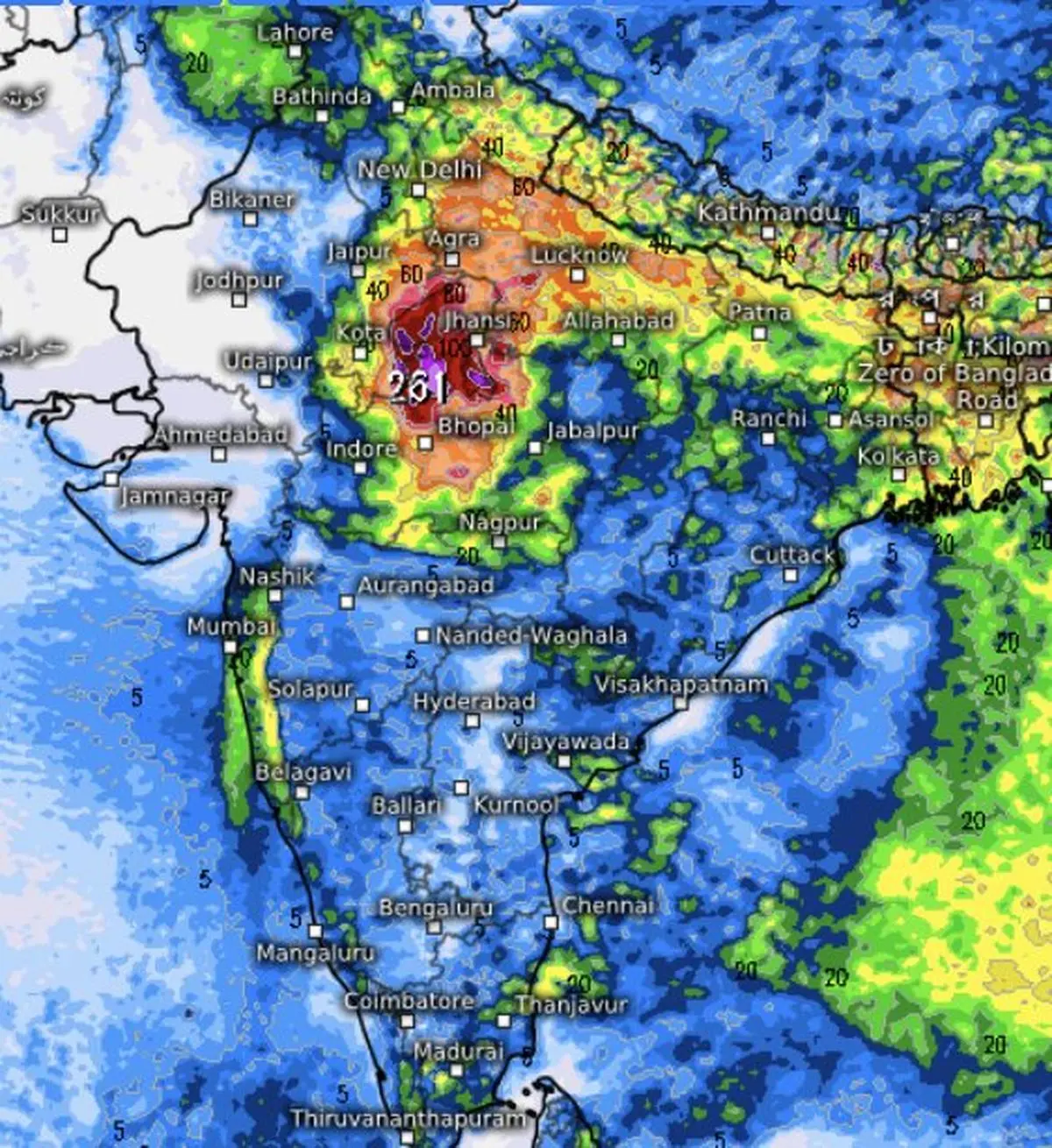
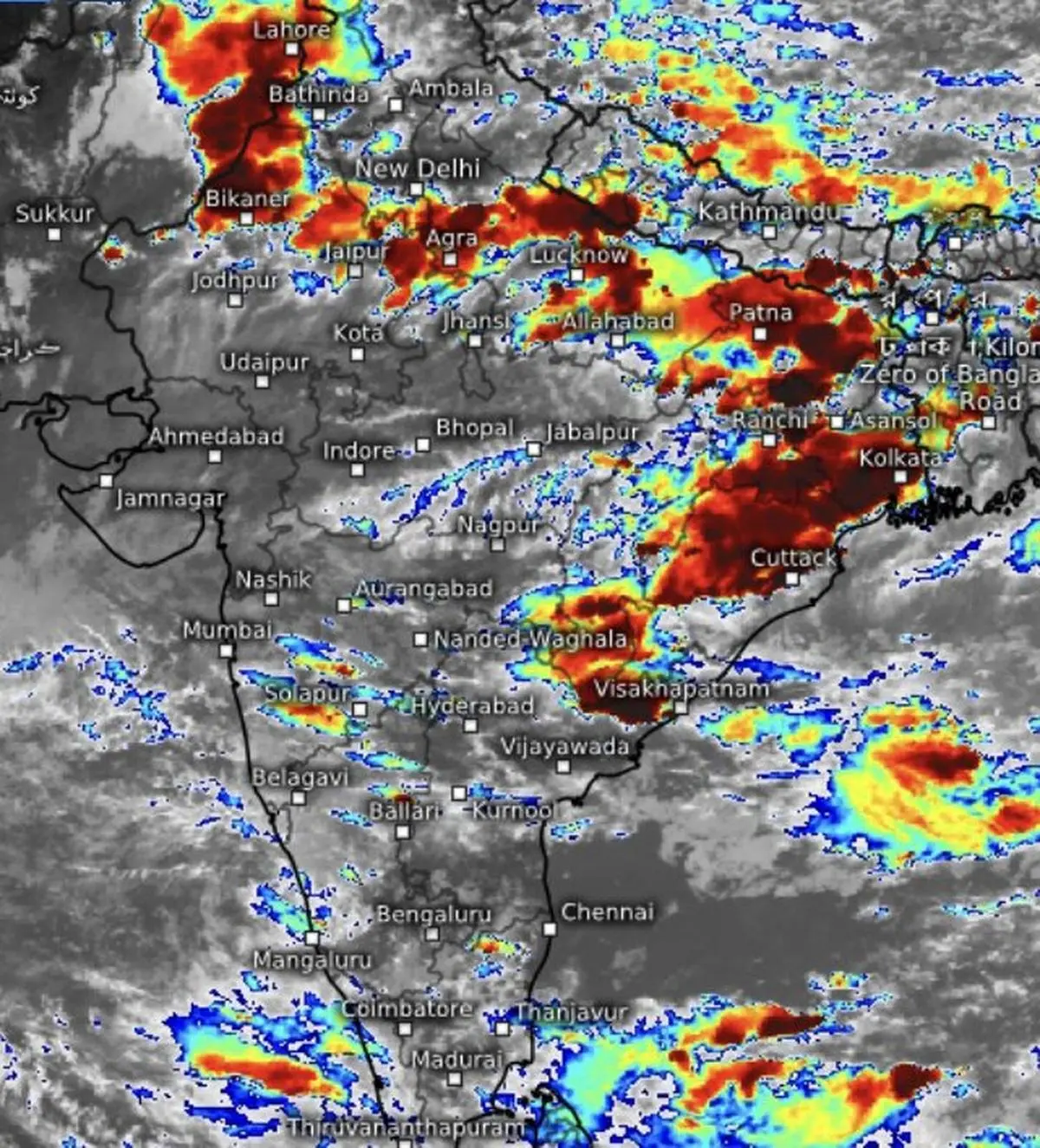
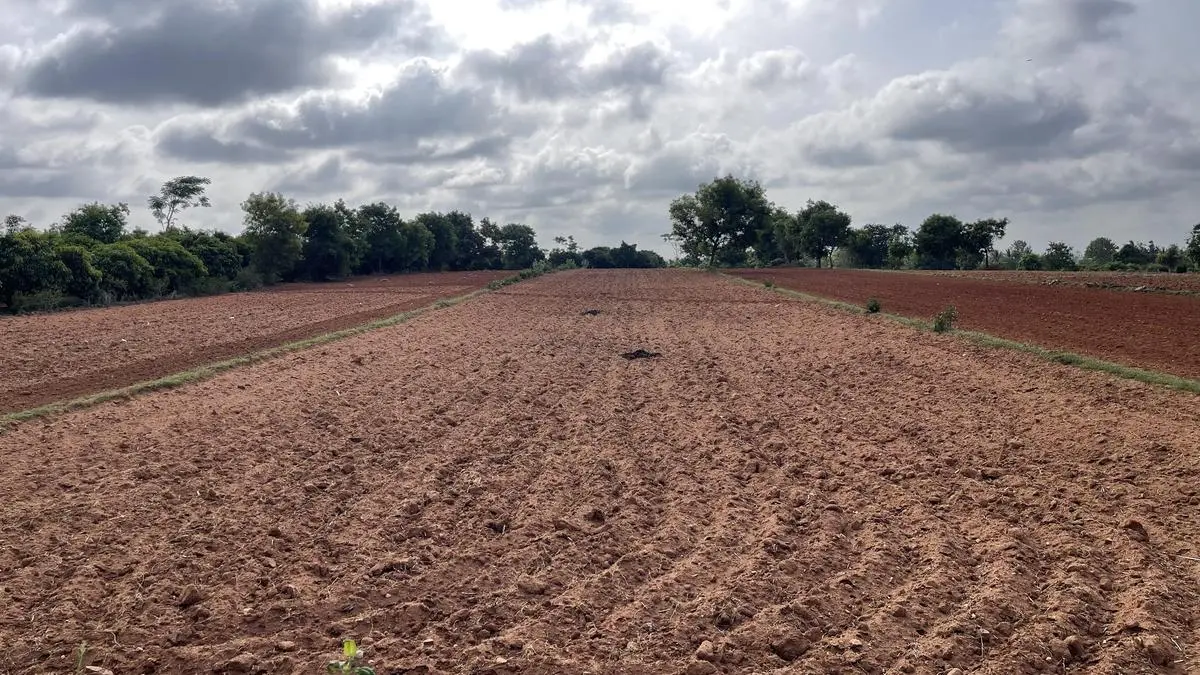
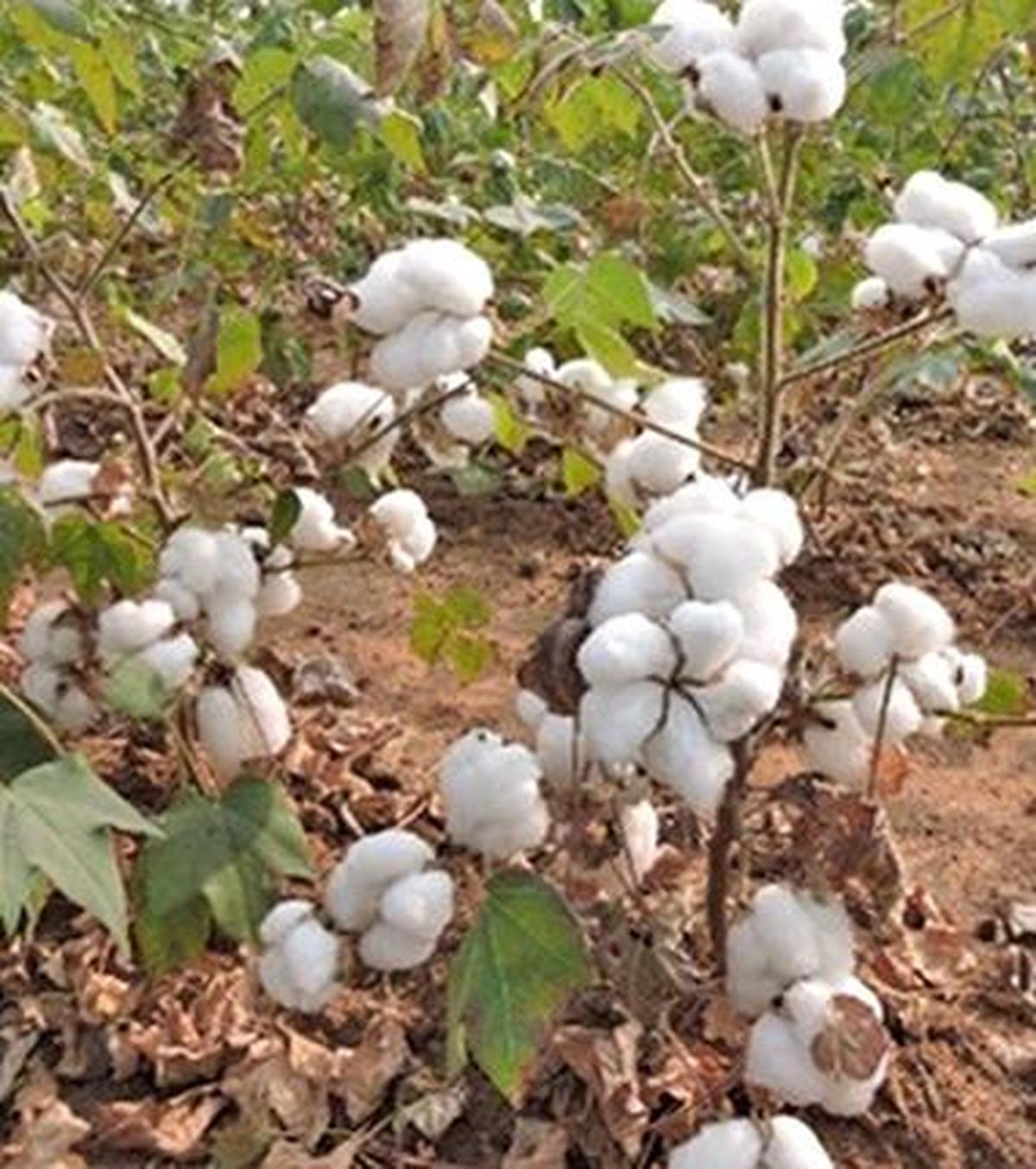
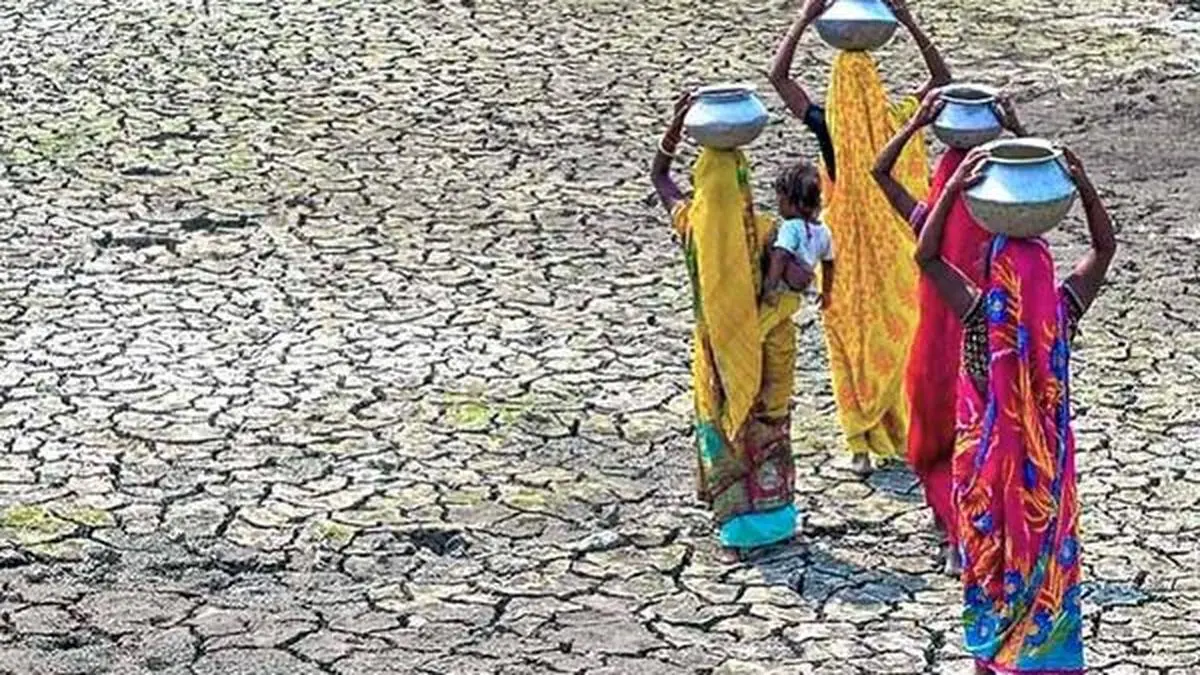
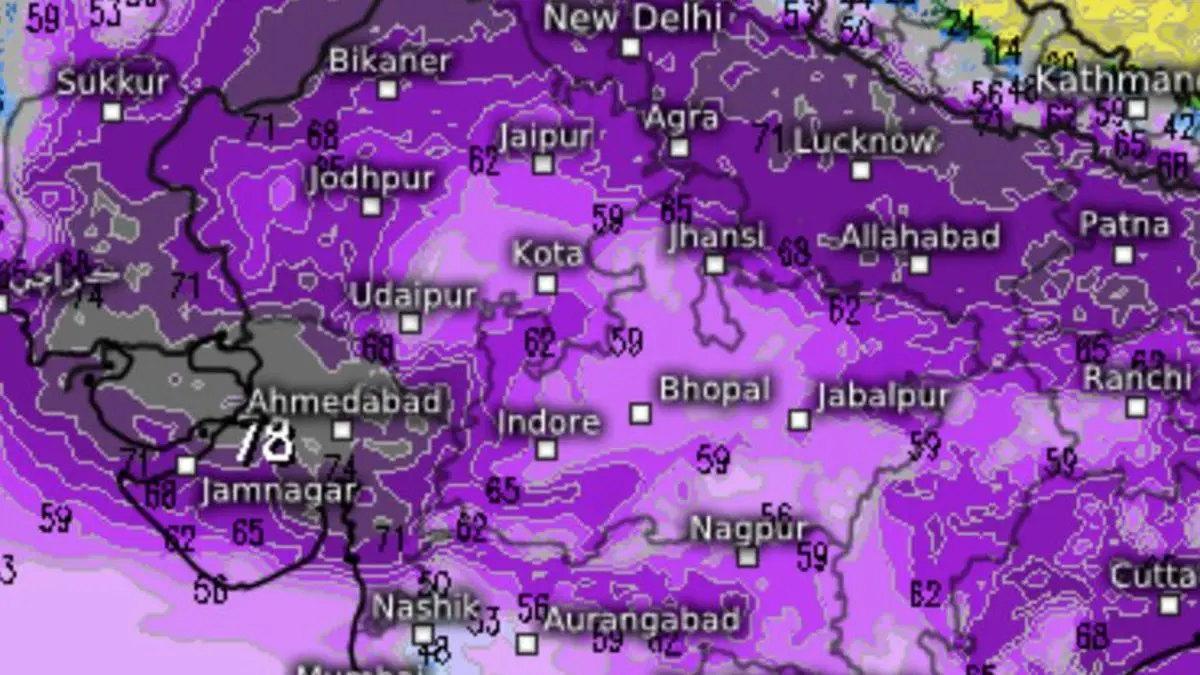
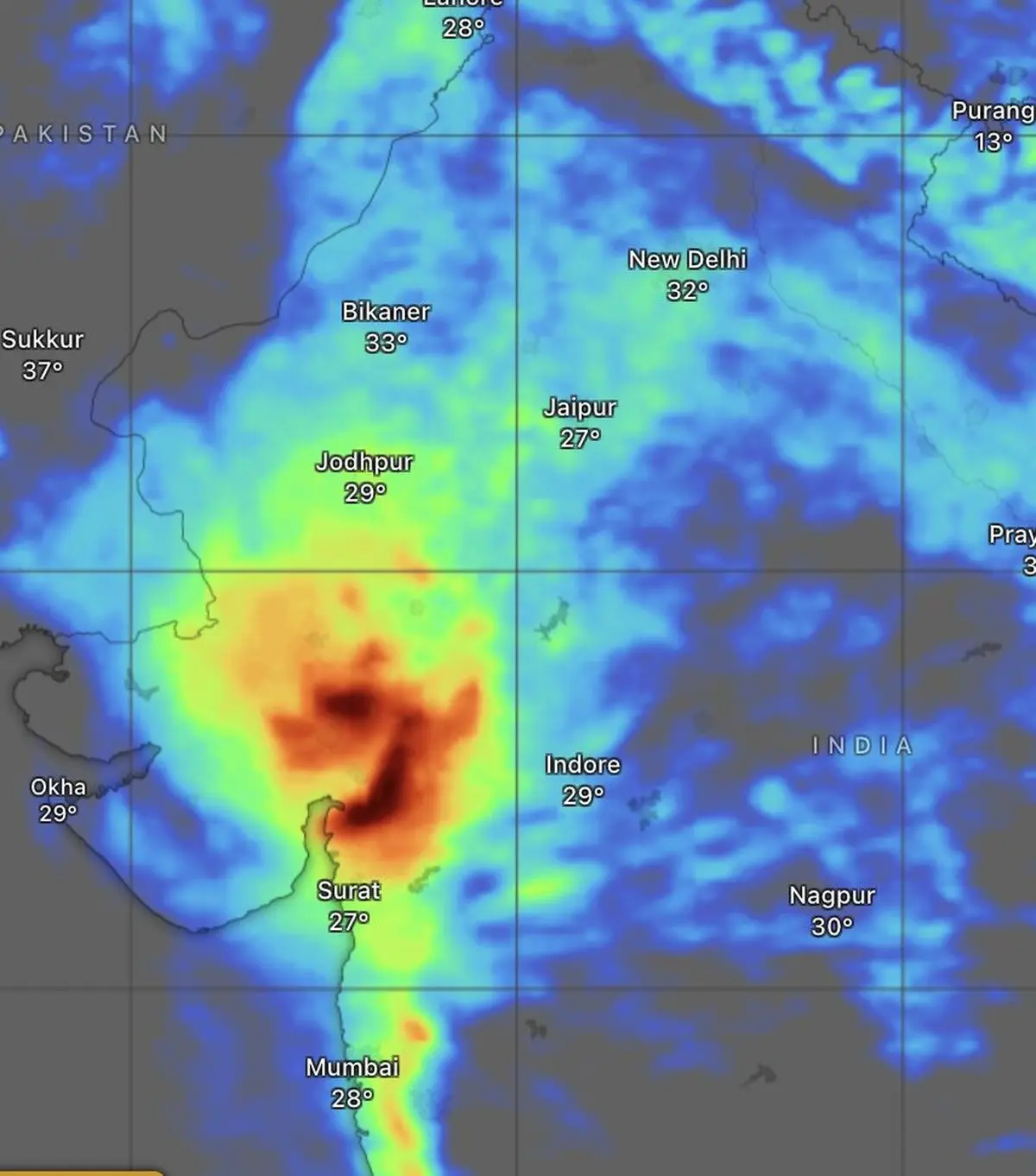
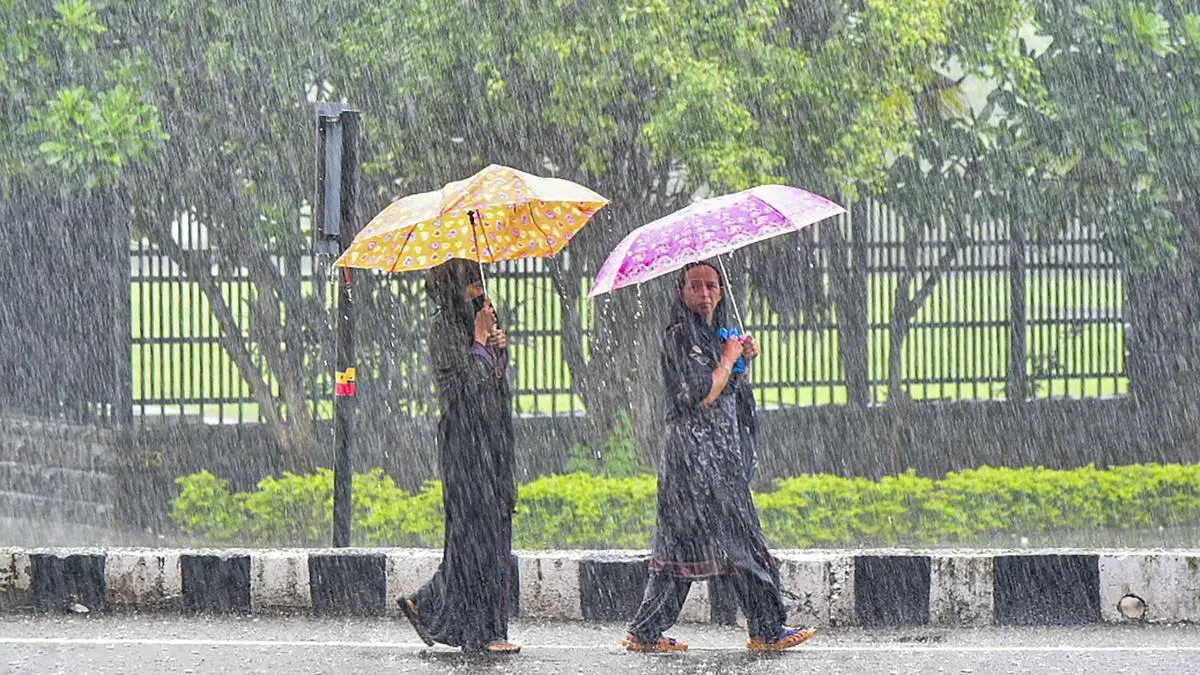
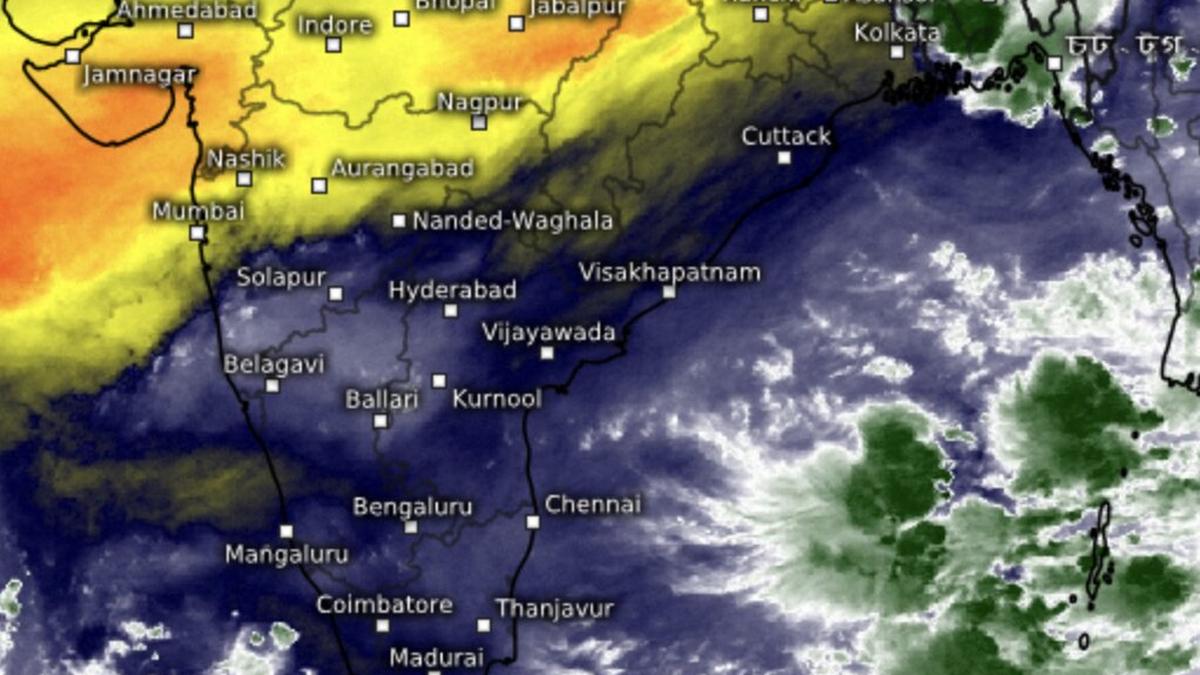
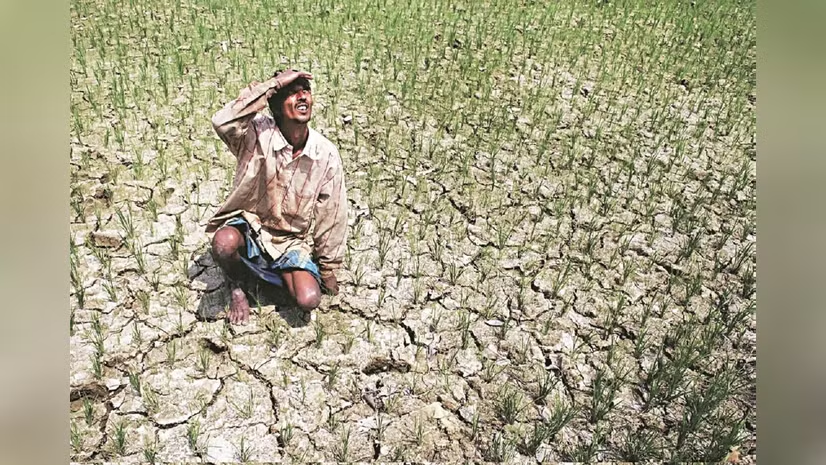
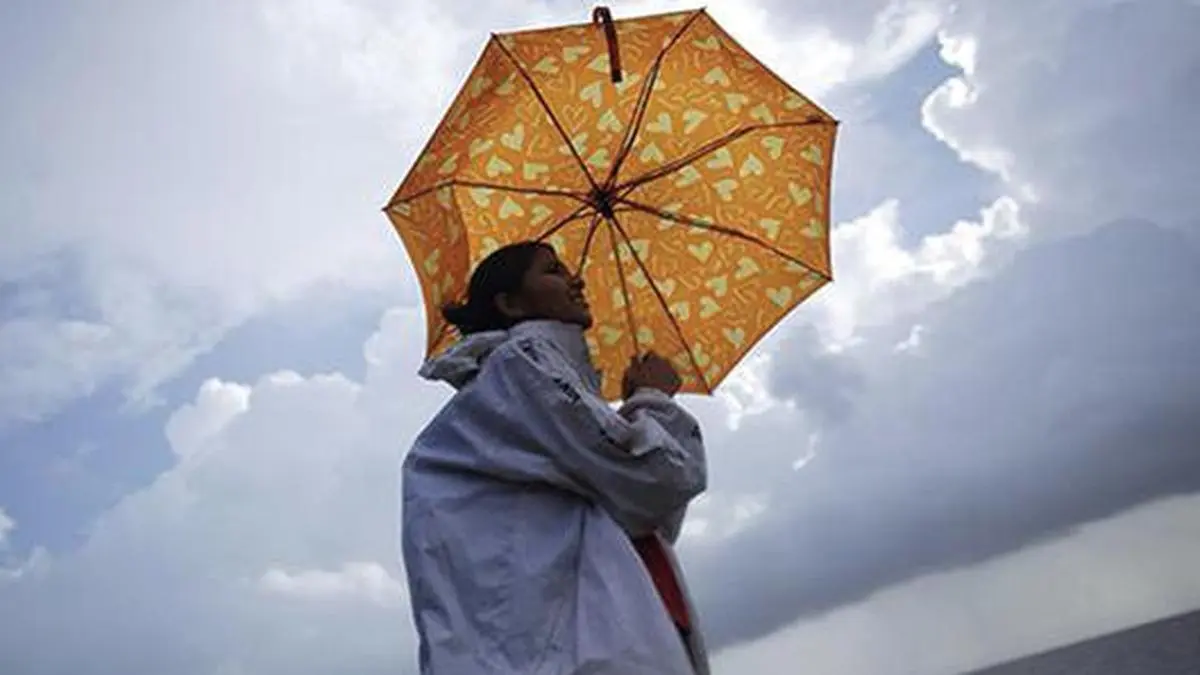
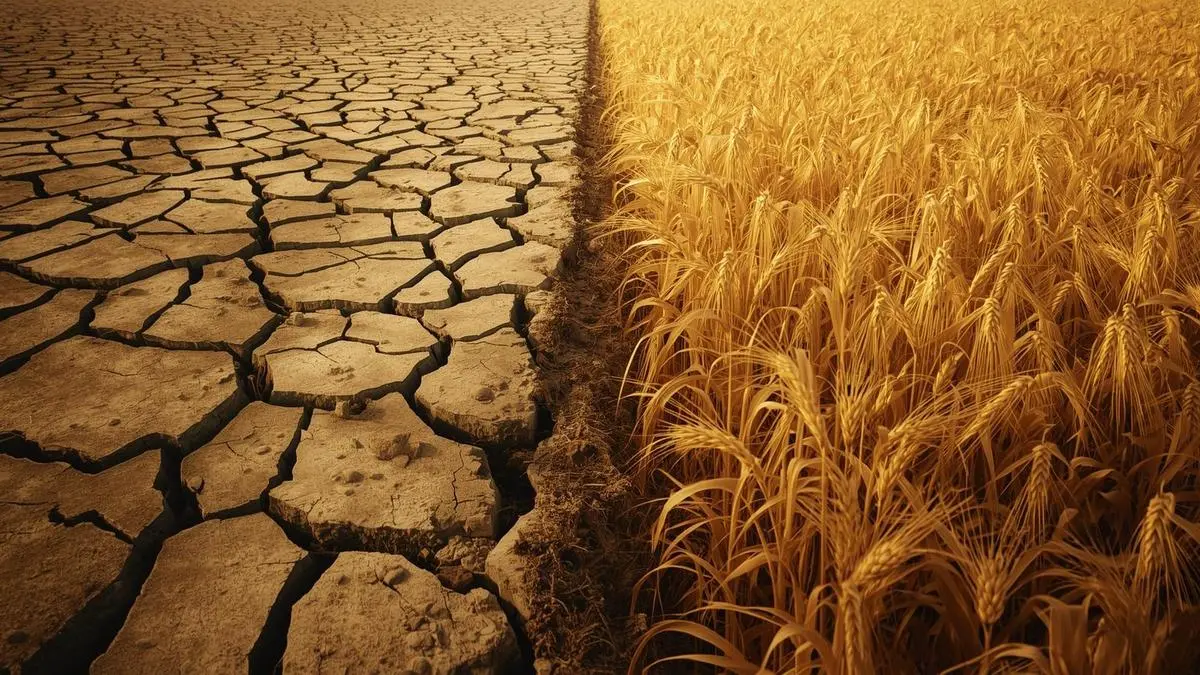
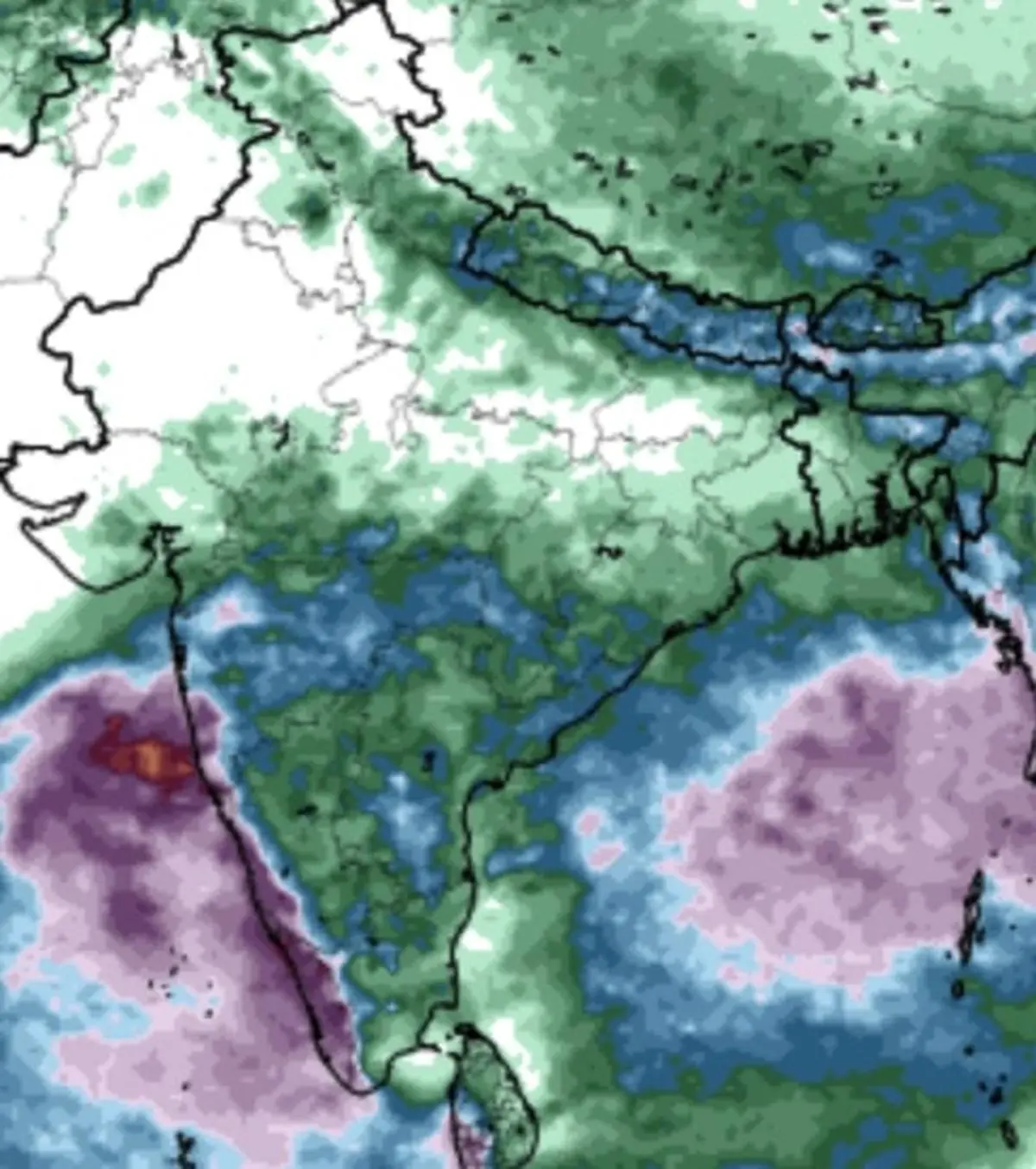
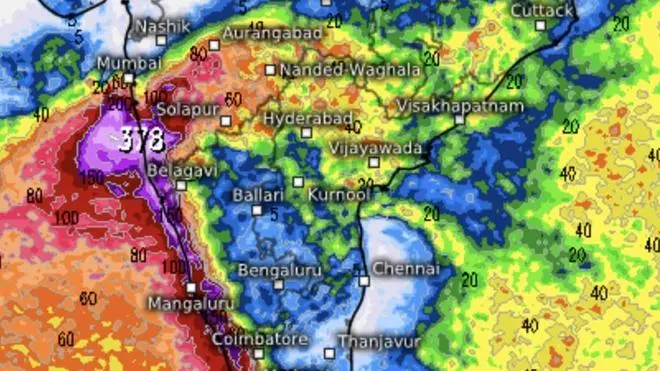
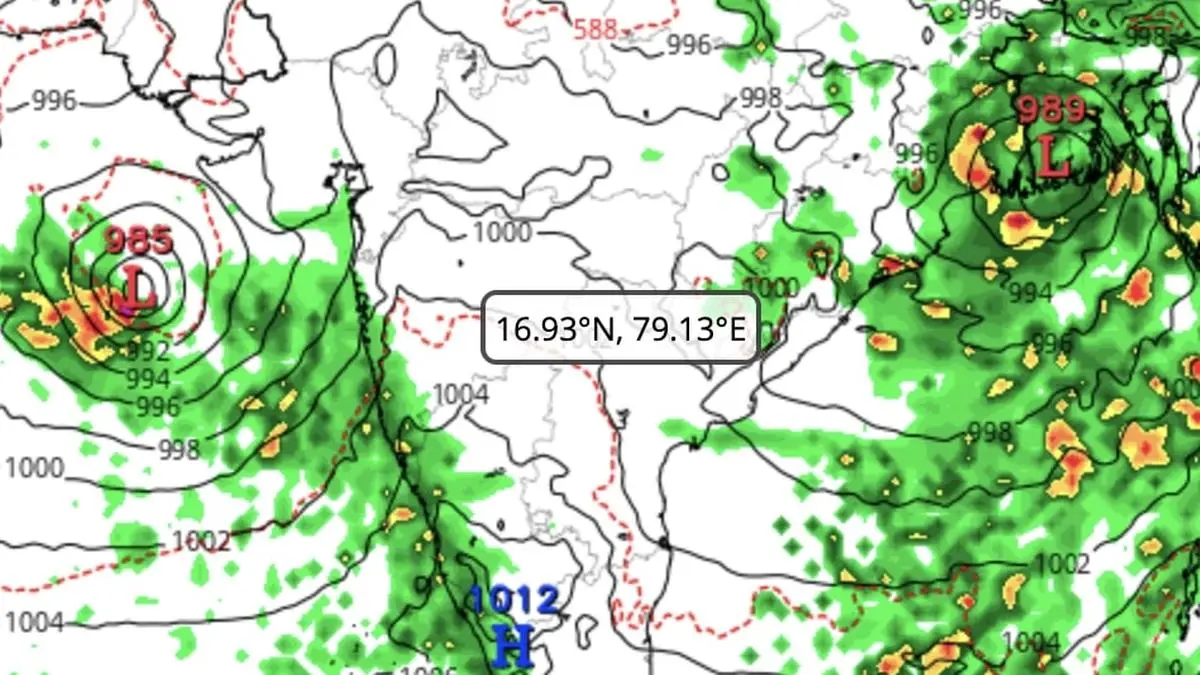
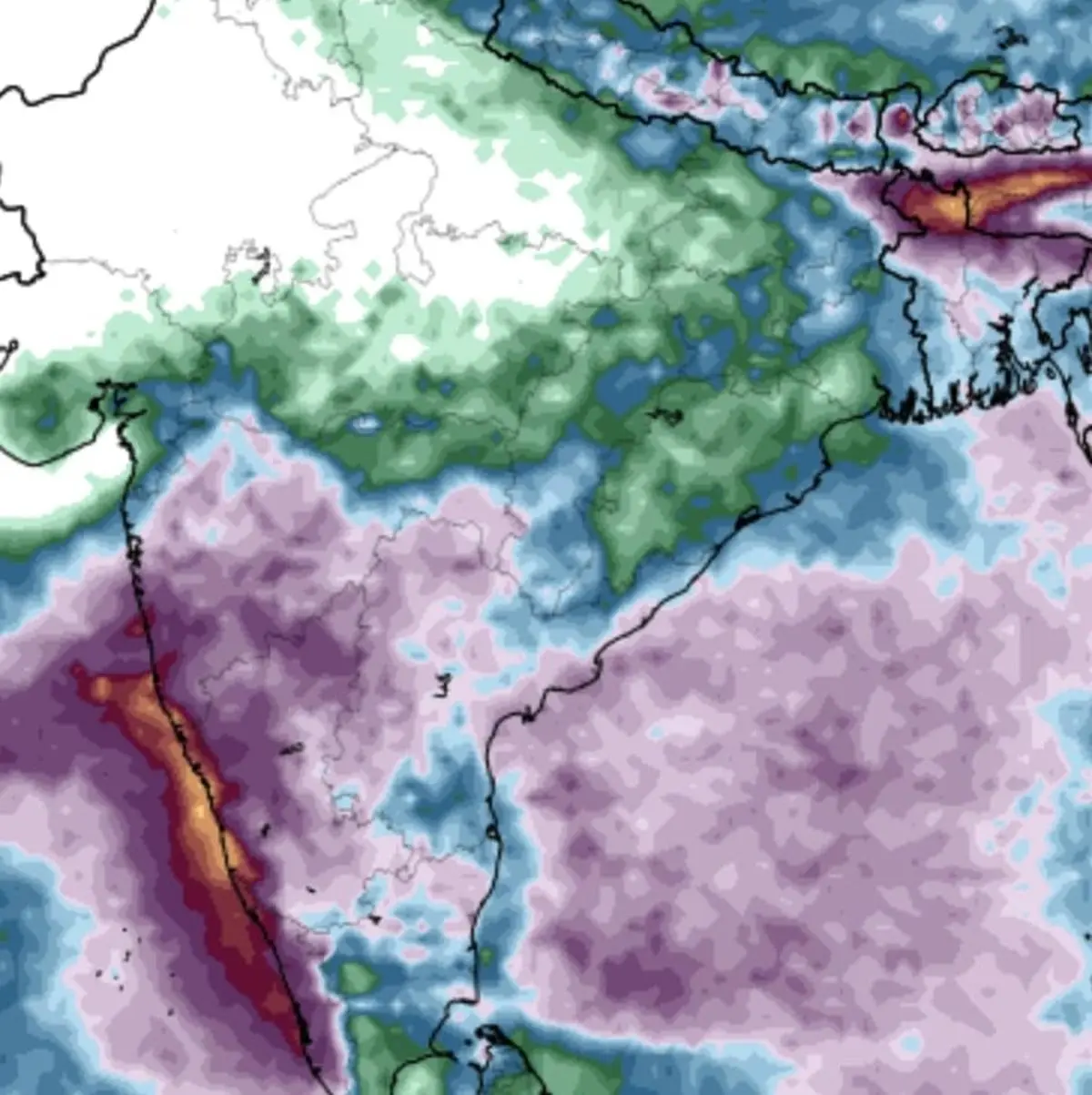
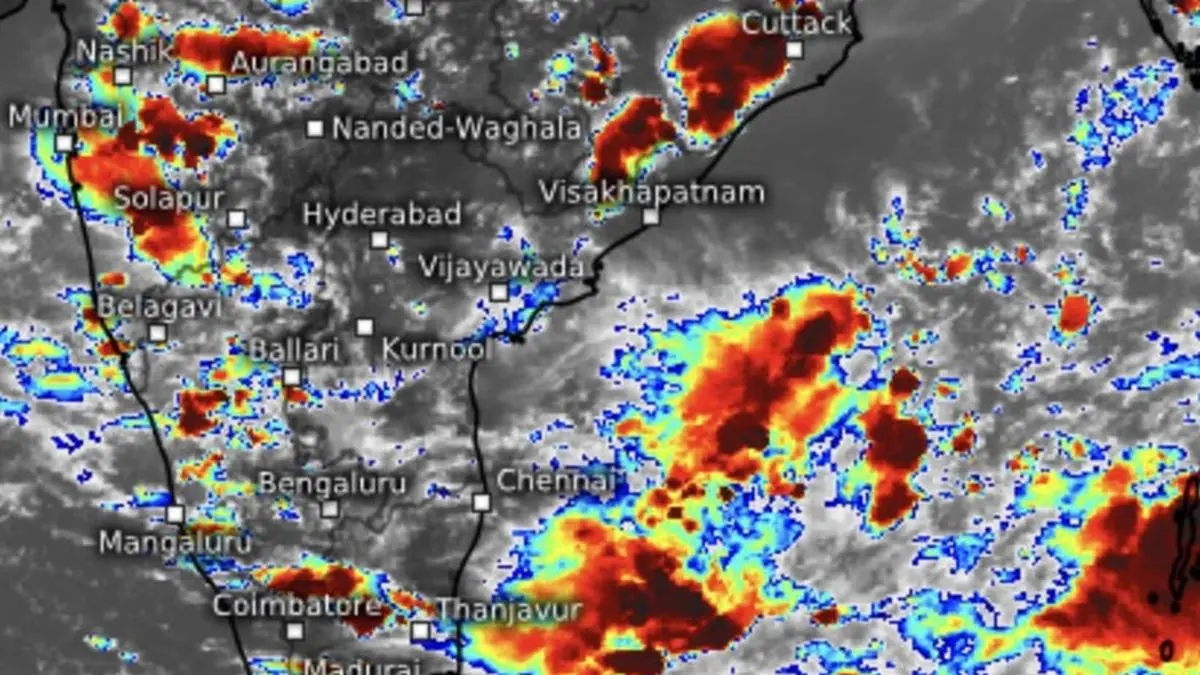
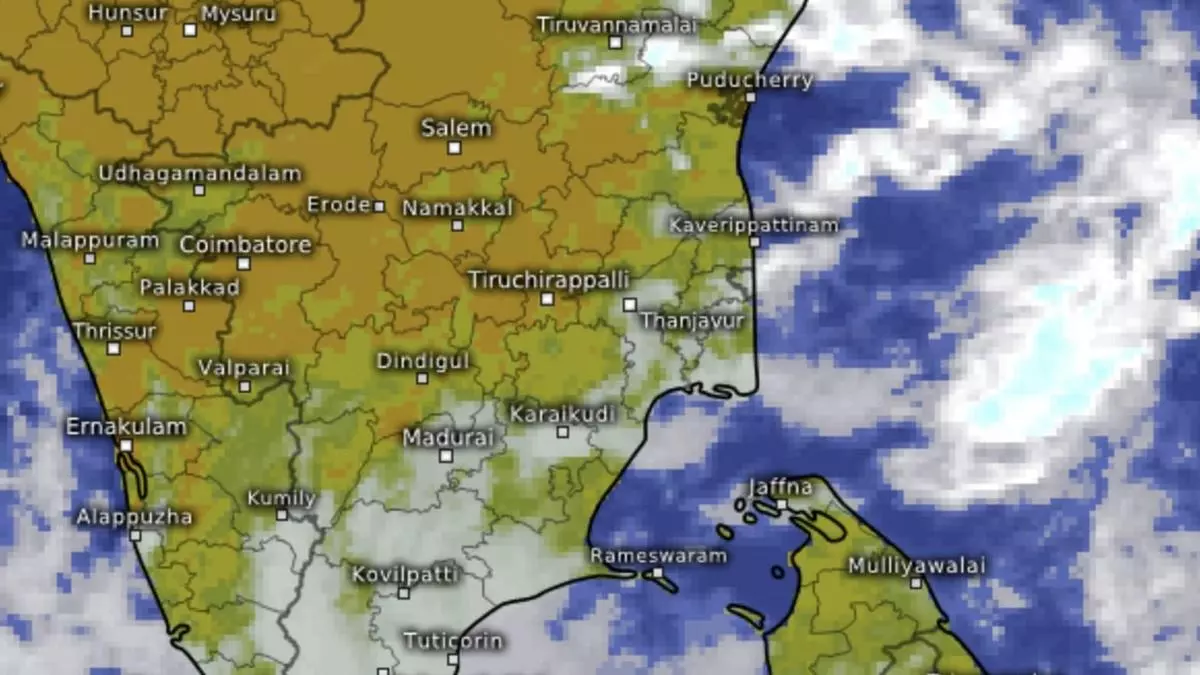
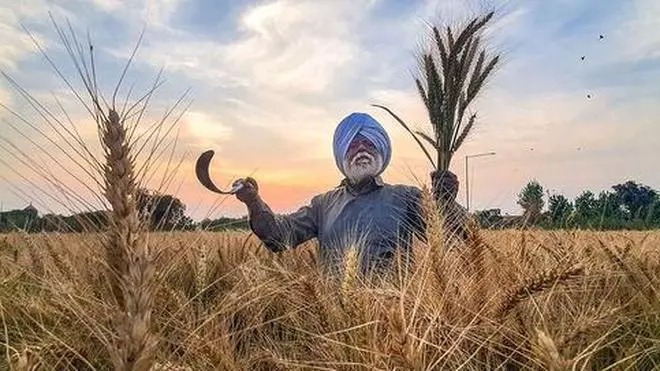
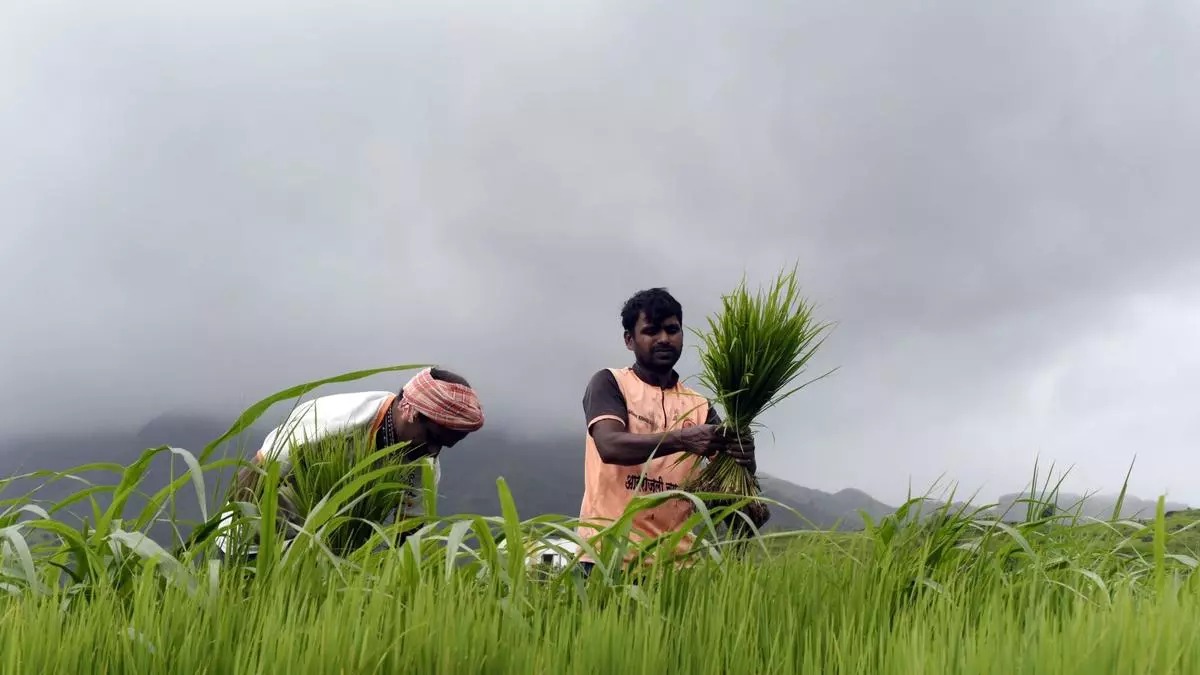
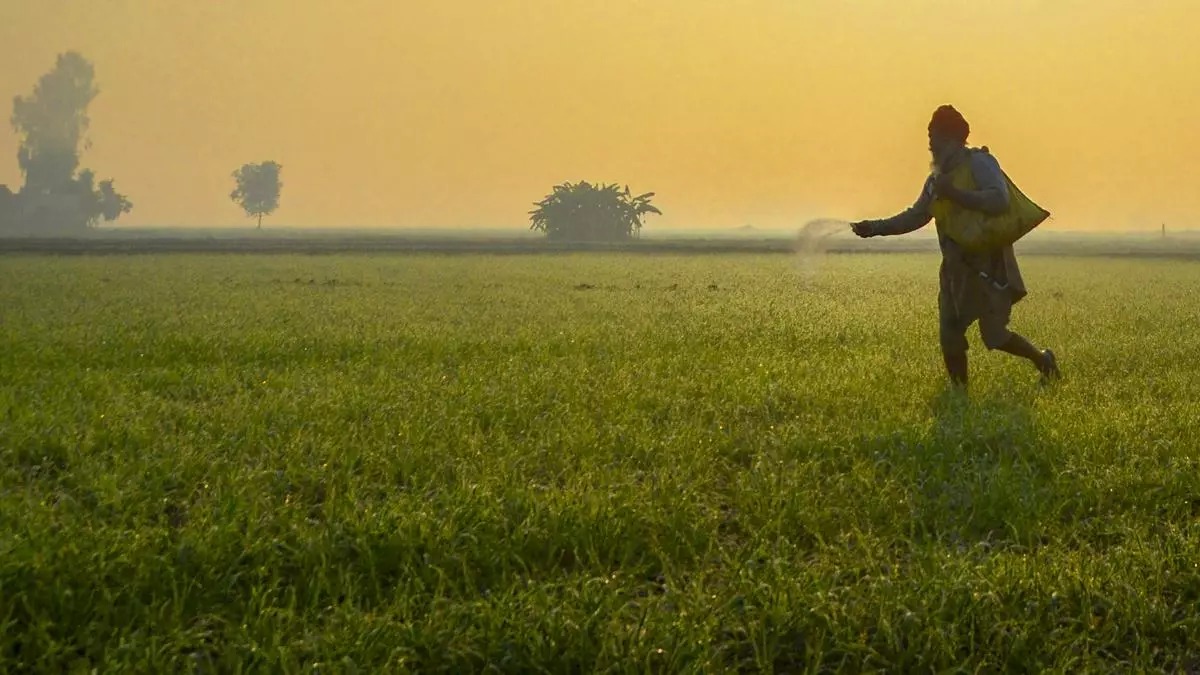
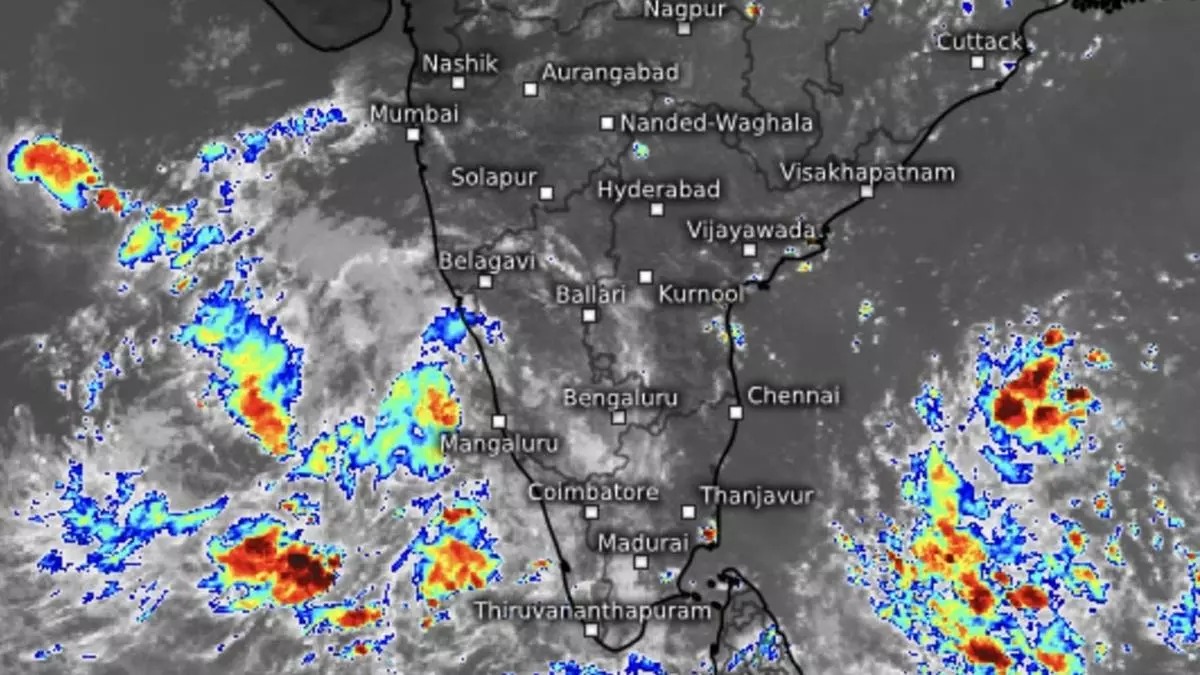
The India Meteorological Department’s first long-range forecast for the 2026 southwest monsoon has brought back an old anxiety. The Met department expects seasonal rainfall at 92 per cent of the long-period average and says the season is most likely to be below normal, while also flagging the possible development of El Niño conditions during the monsoon months.
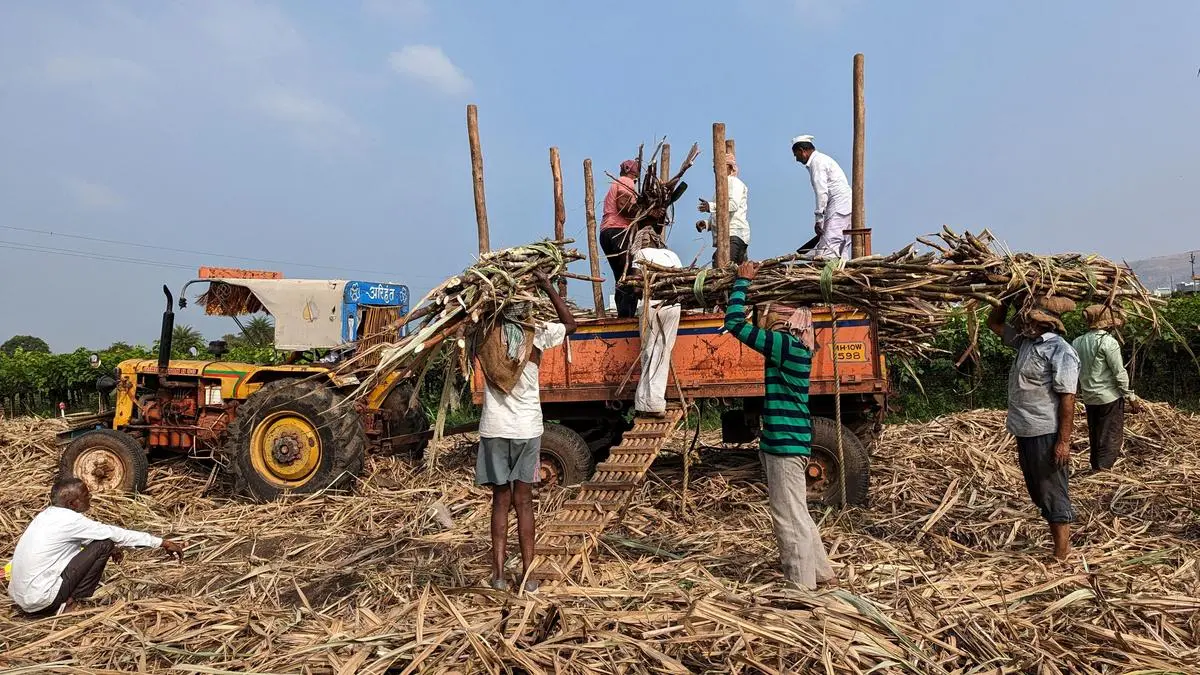
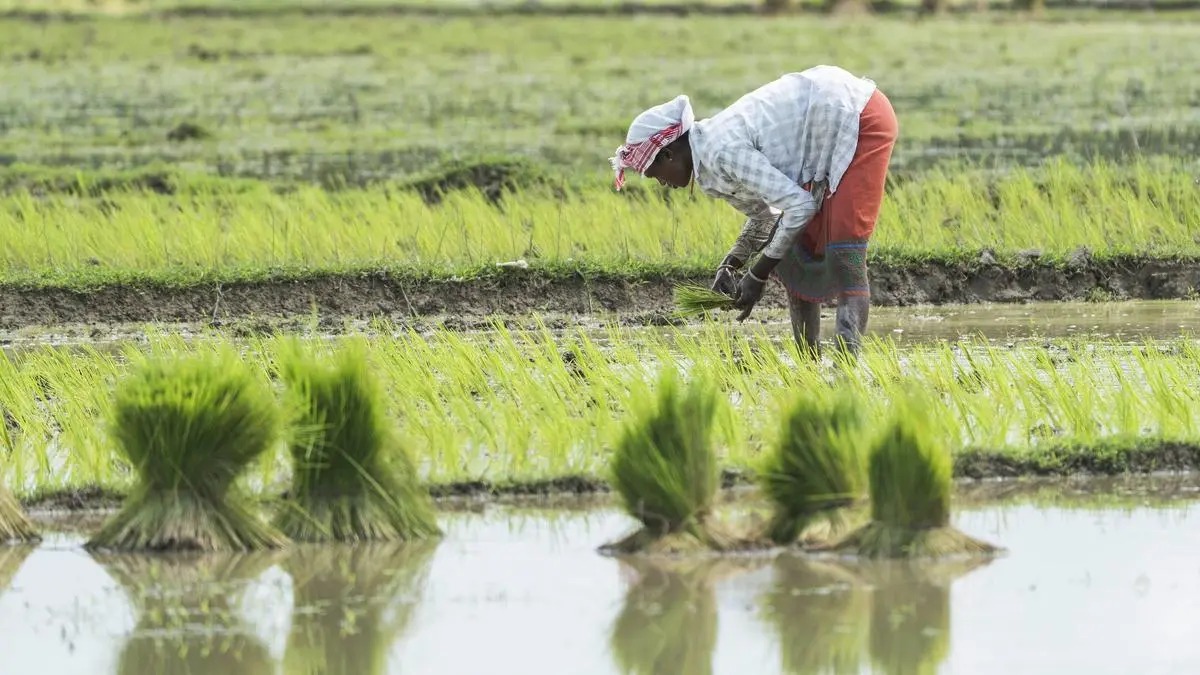
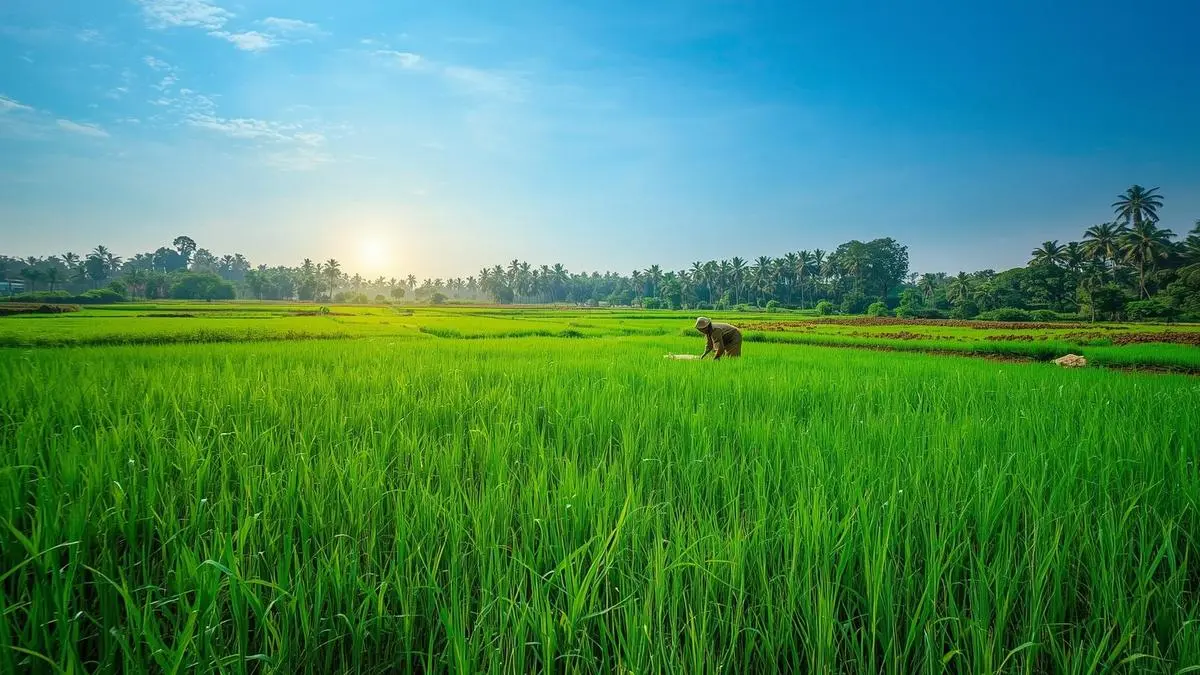
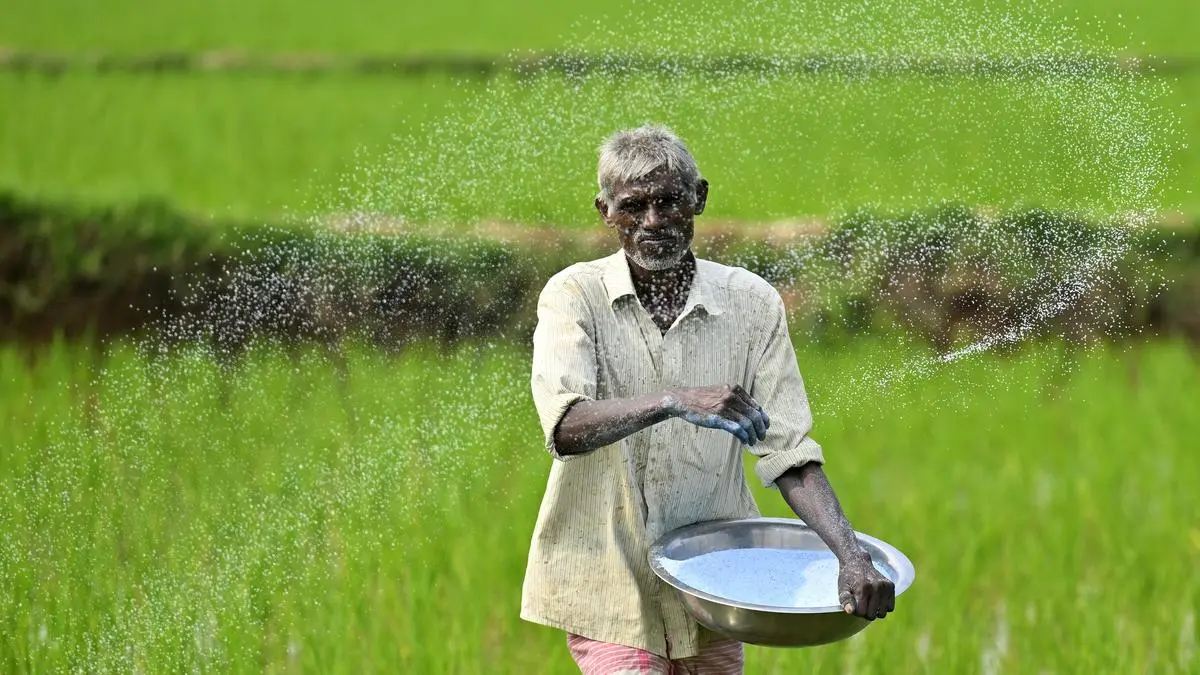
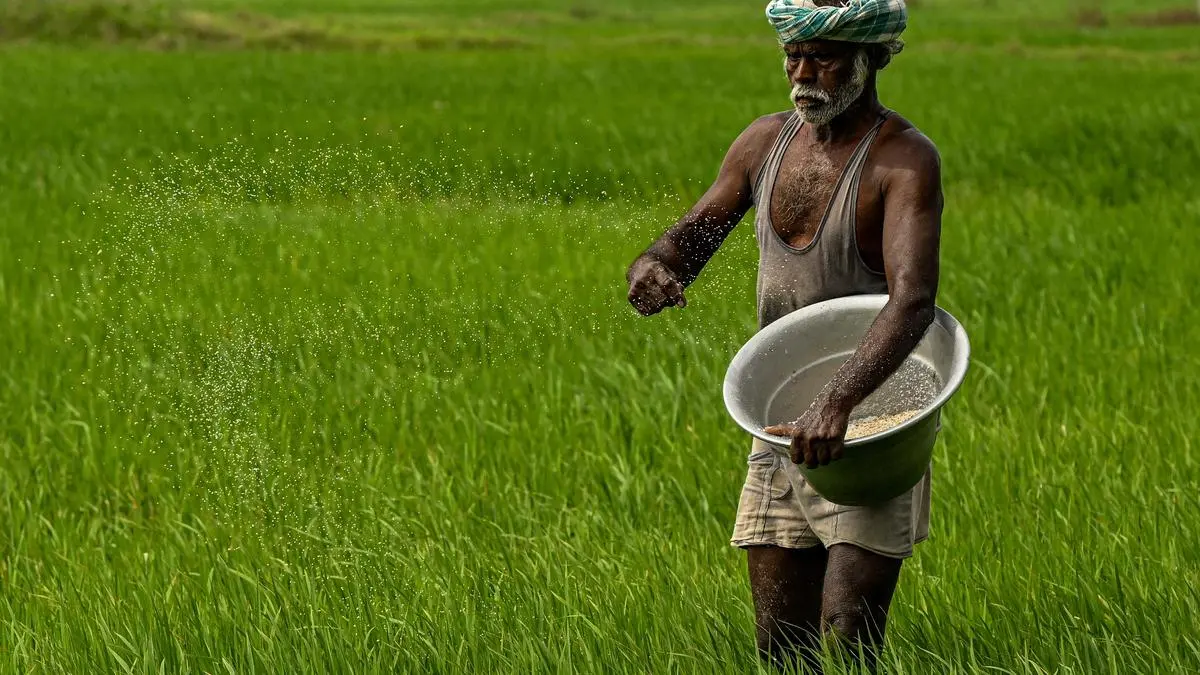
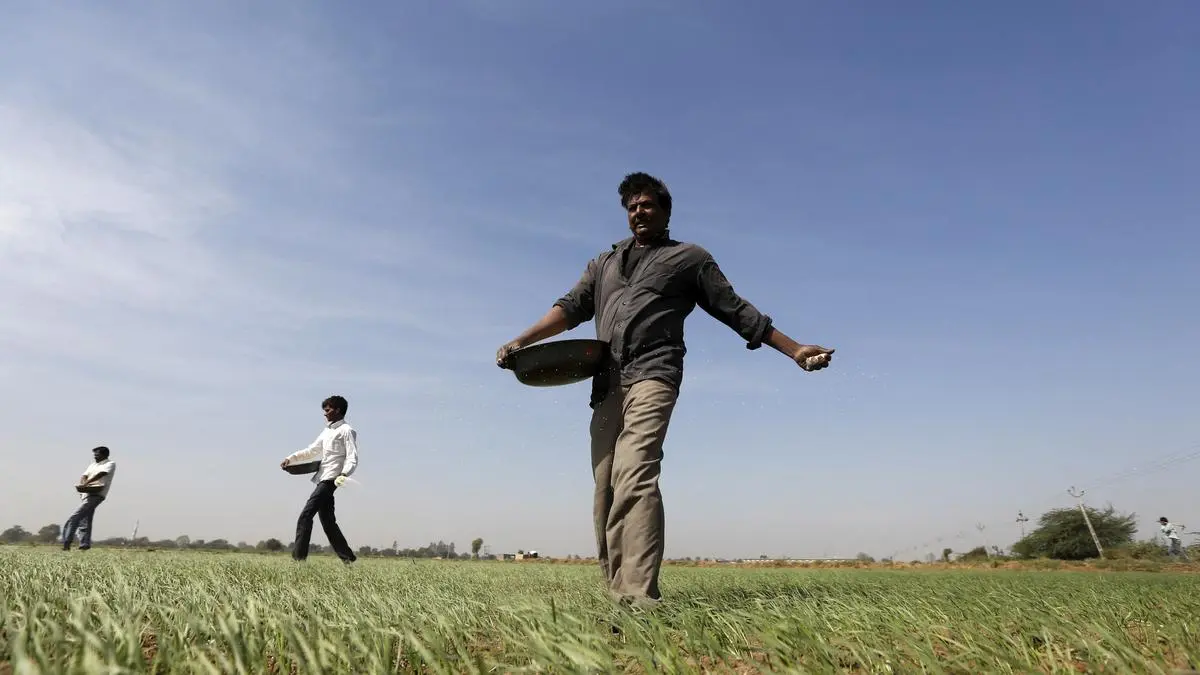
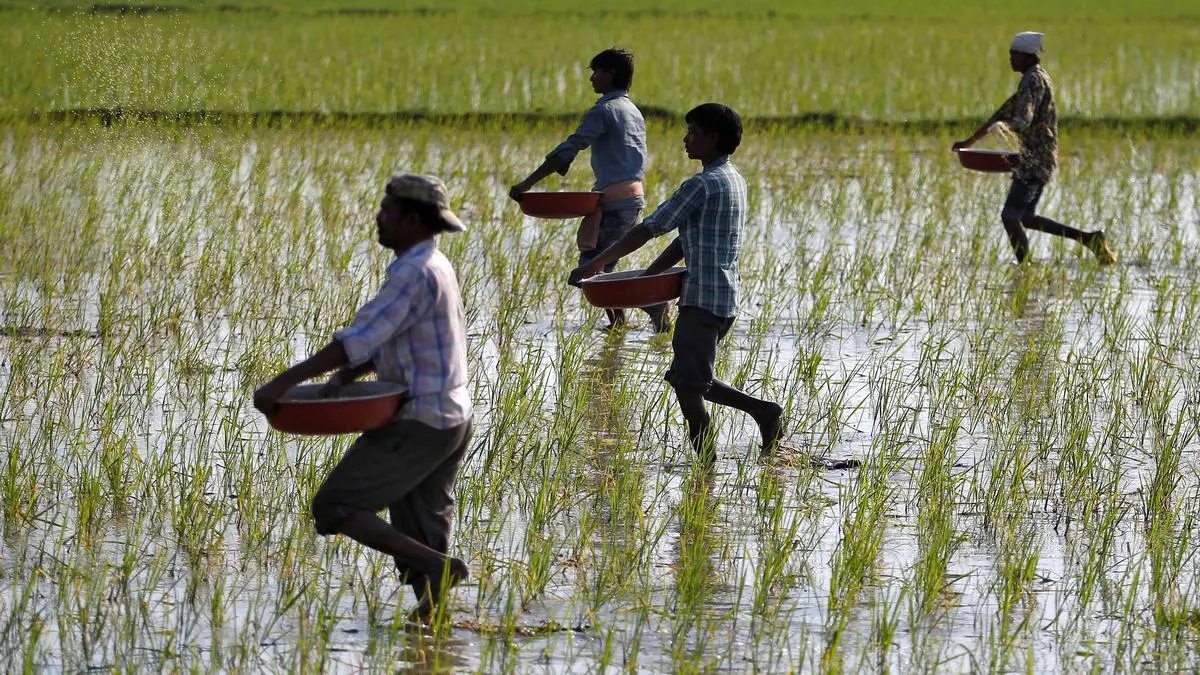
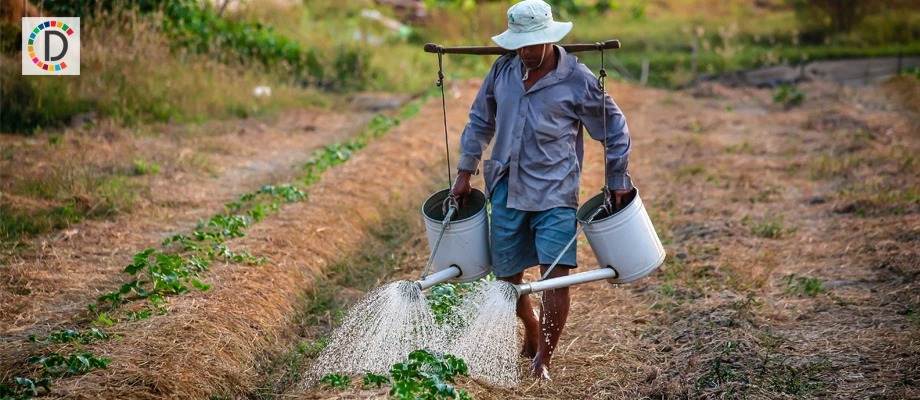
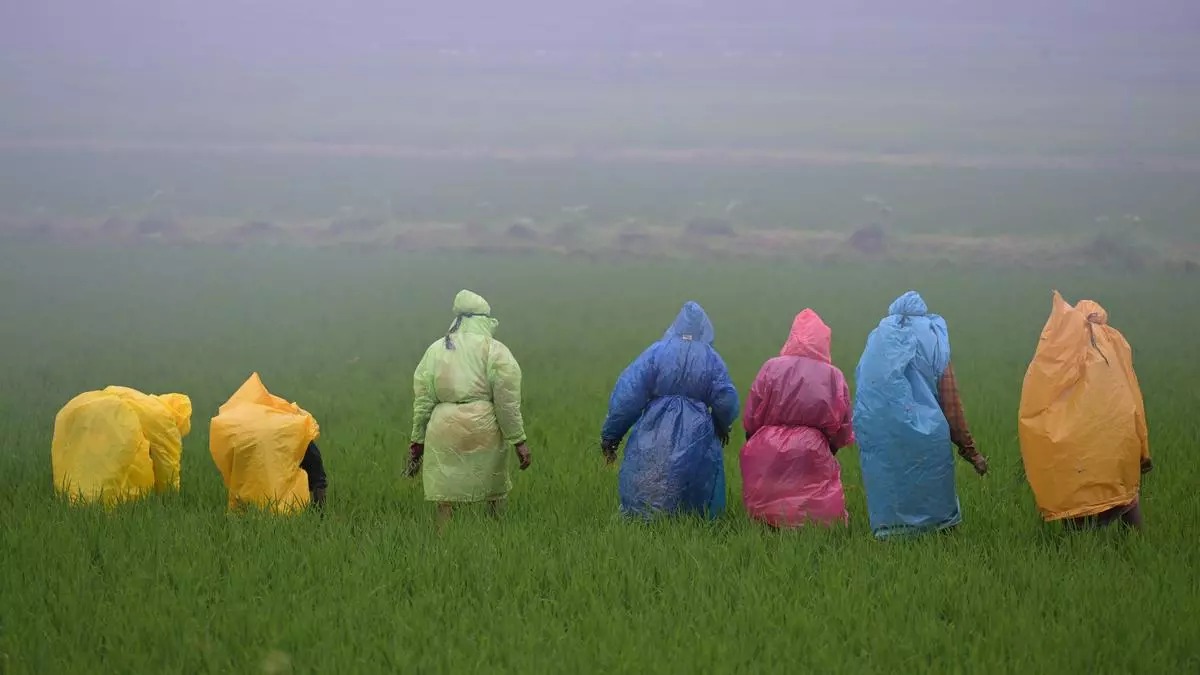
In a country where farm output, rural demand and food prices still move with the rhythm of the rains, such a forecast should have made one policy answer look obvious: use water more carefully, expand drip and sprinkler irrigation, and reduce the risks of uneven rainfall. Yet that is not what India has done at scale.
While the numbers show both progress and the gap, they also point to a highly uneven adoption across states. This paradox is at the heart of India’s irrigation debate. The country’s farm economy remains exposed to the monsoon, but micro irrigation has spread far more slowly than the policy urgency around it.
How micro irrigation helps farmers
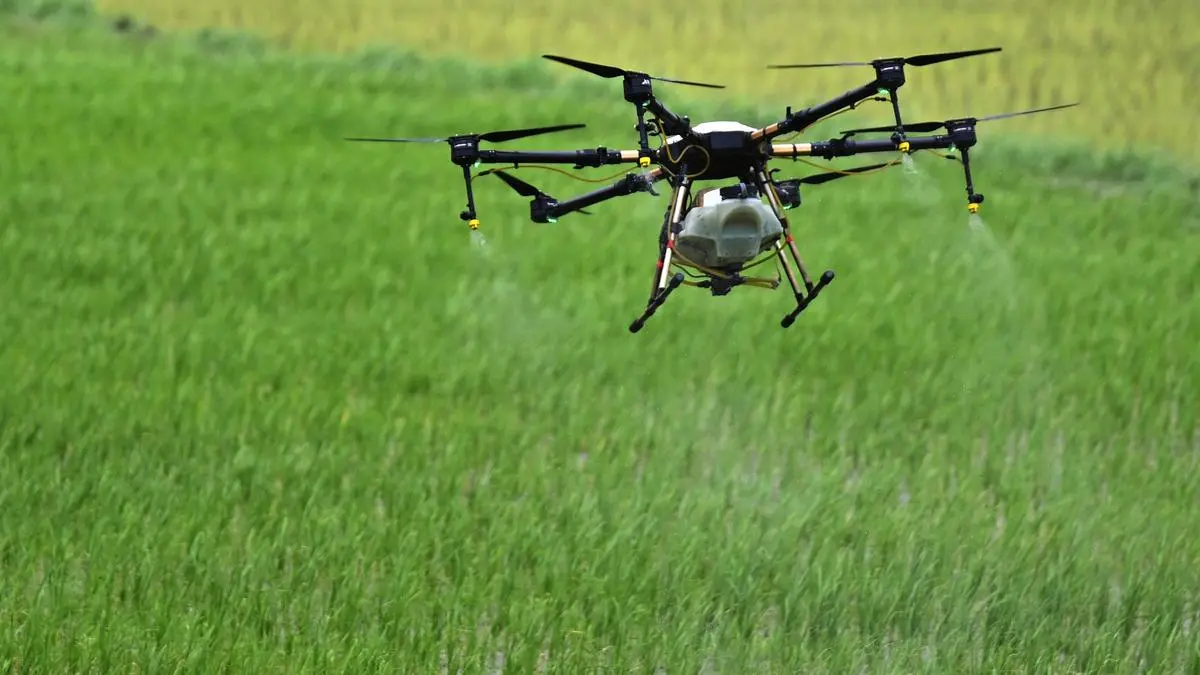
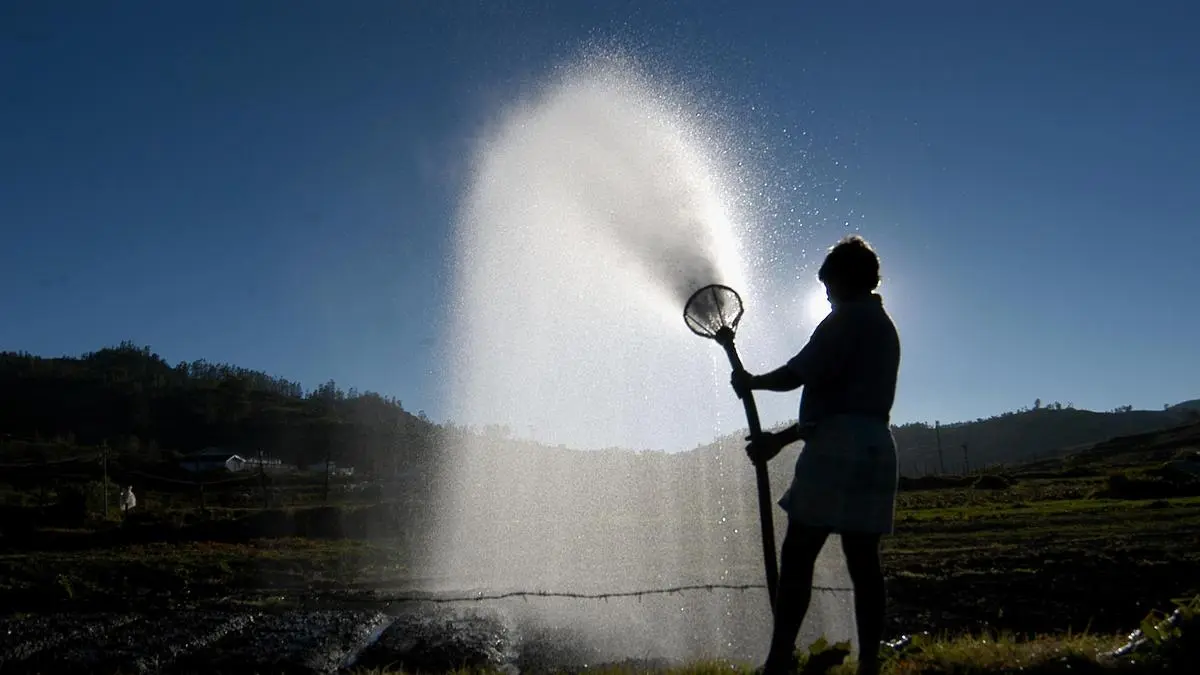
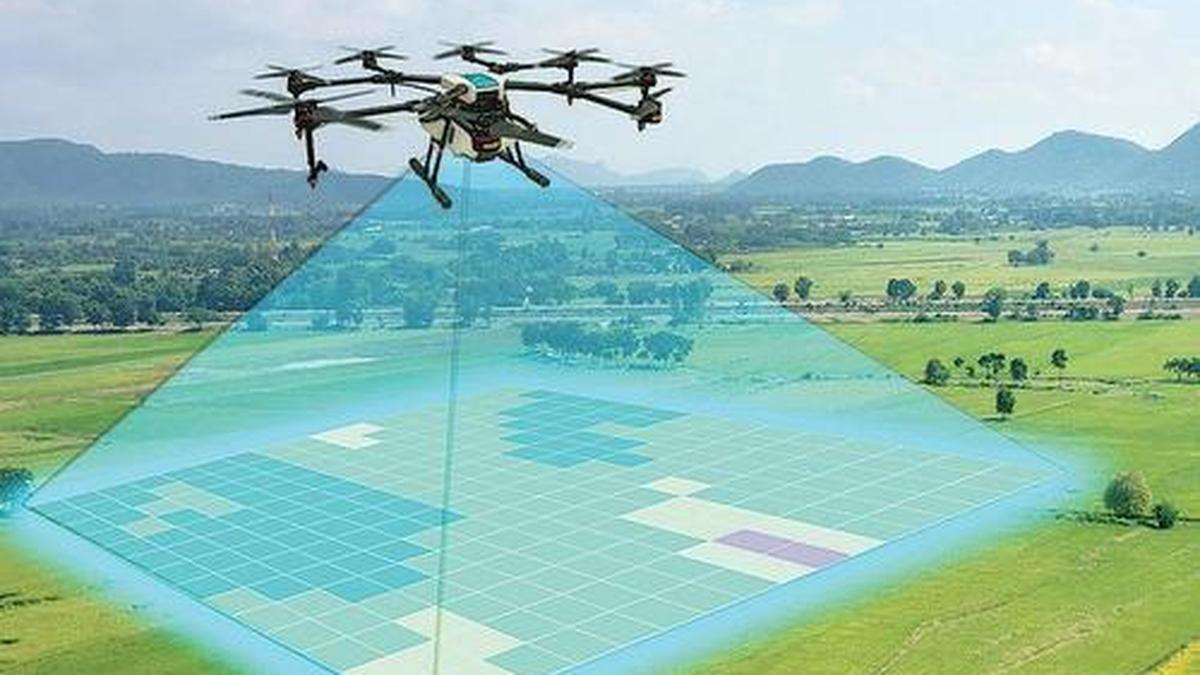
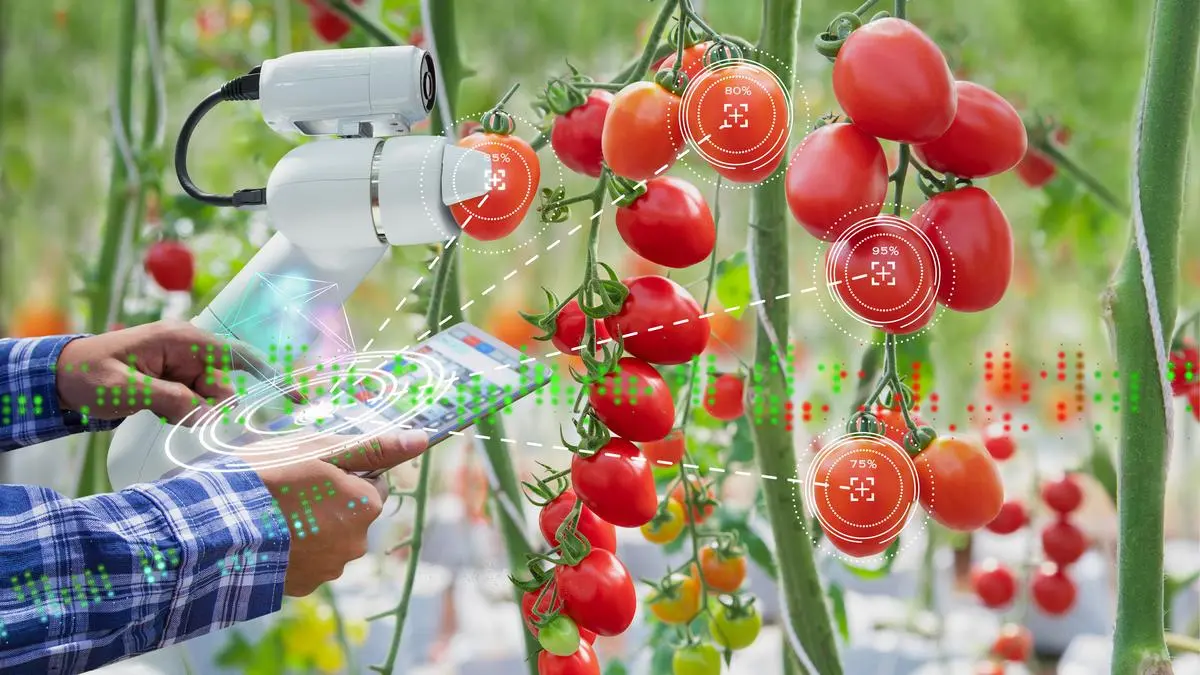
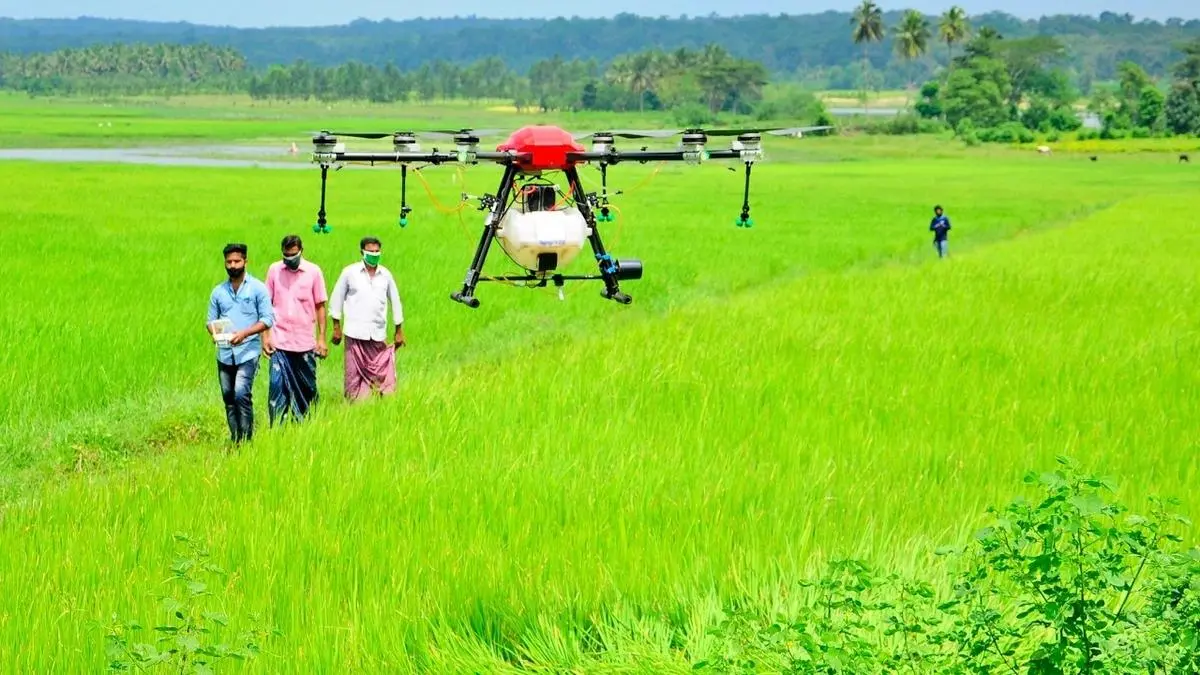
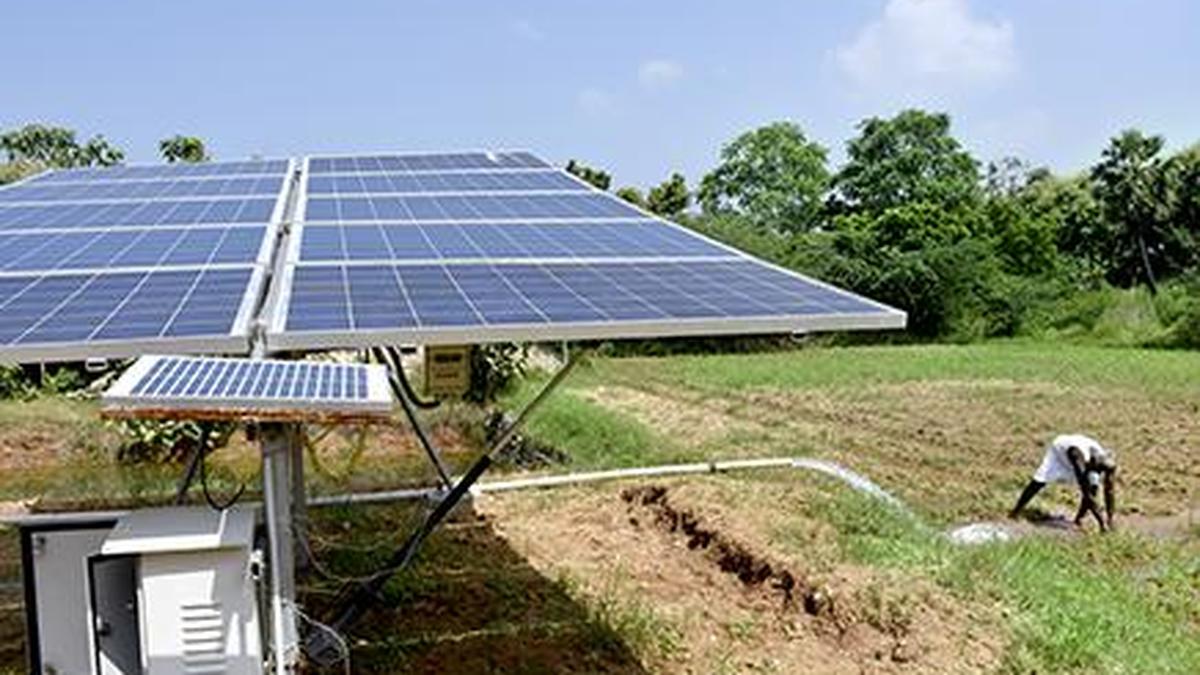
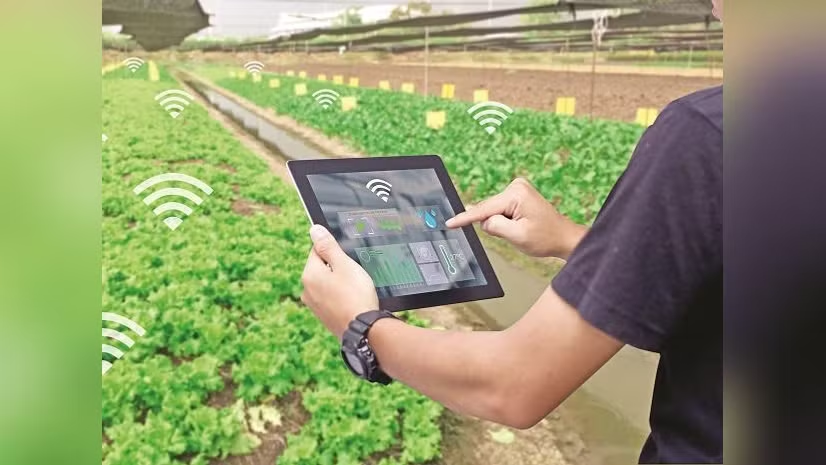
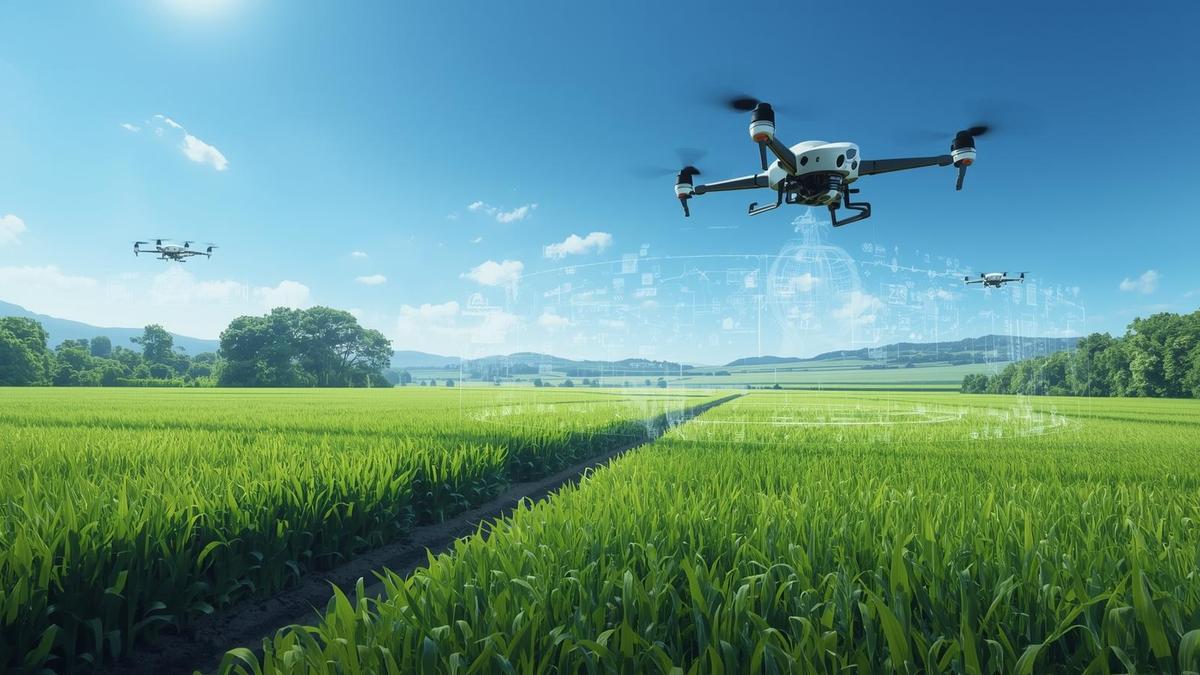
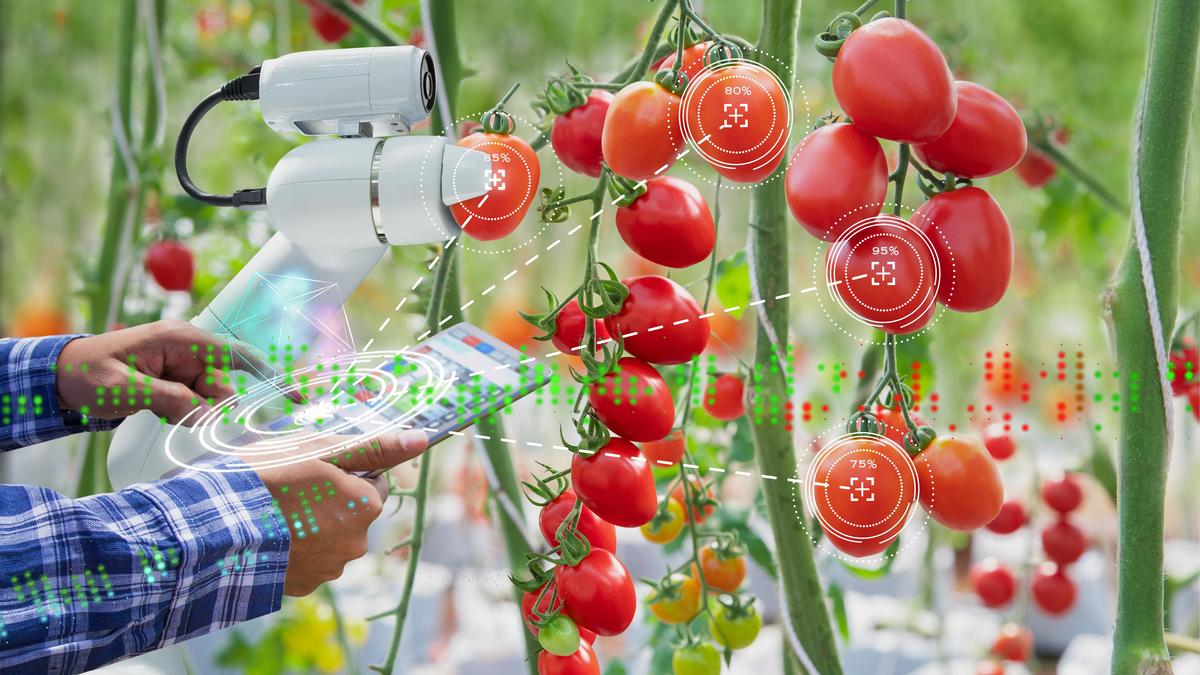
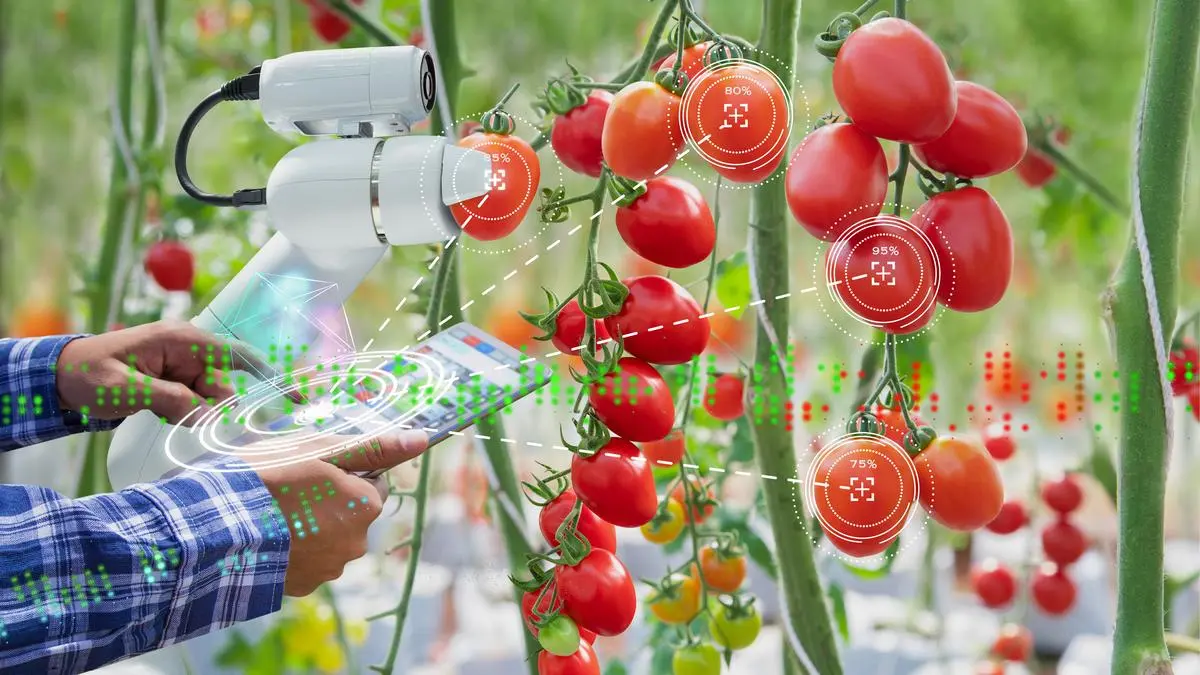
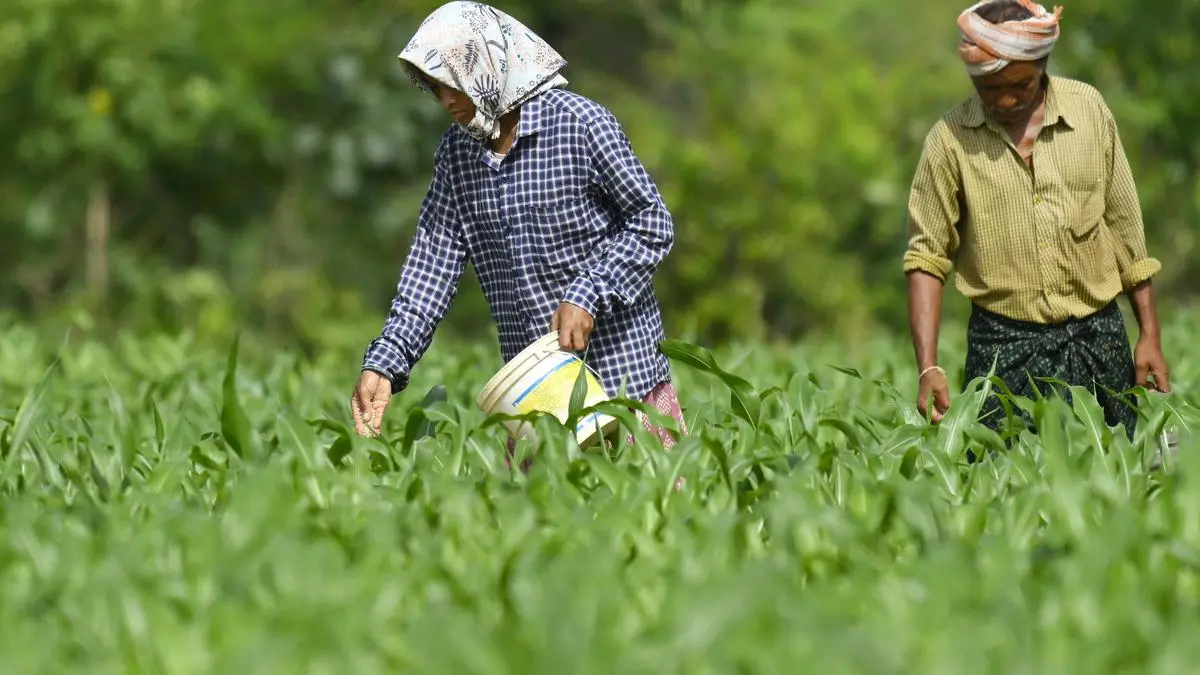
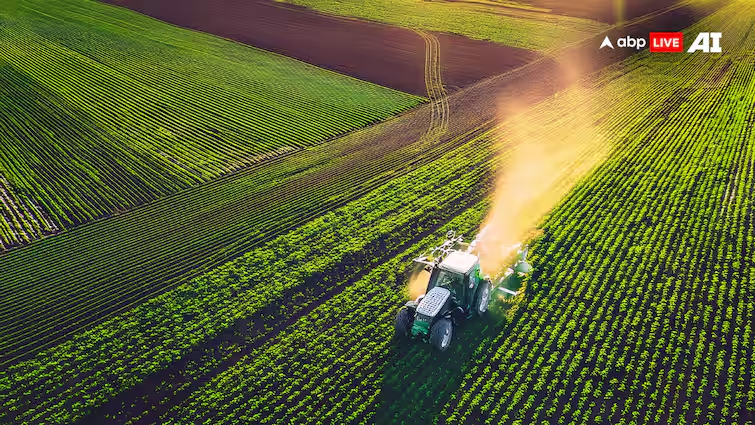
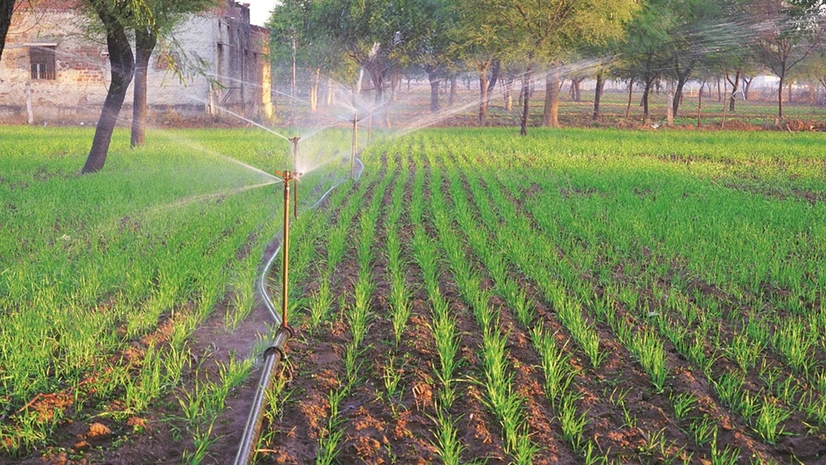
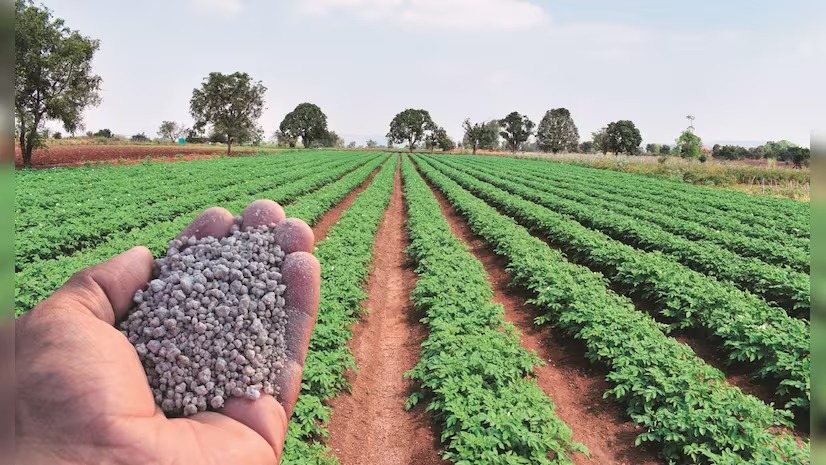
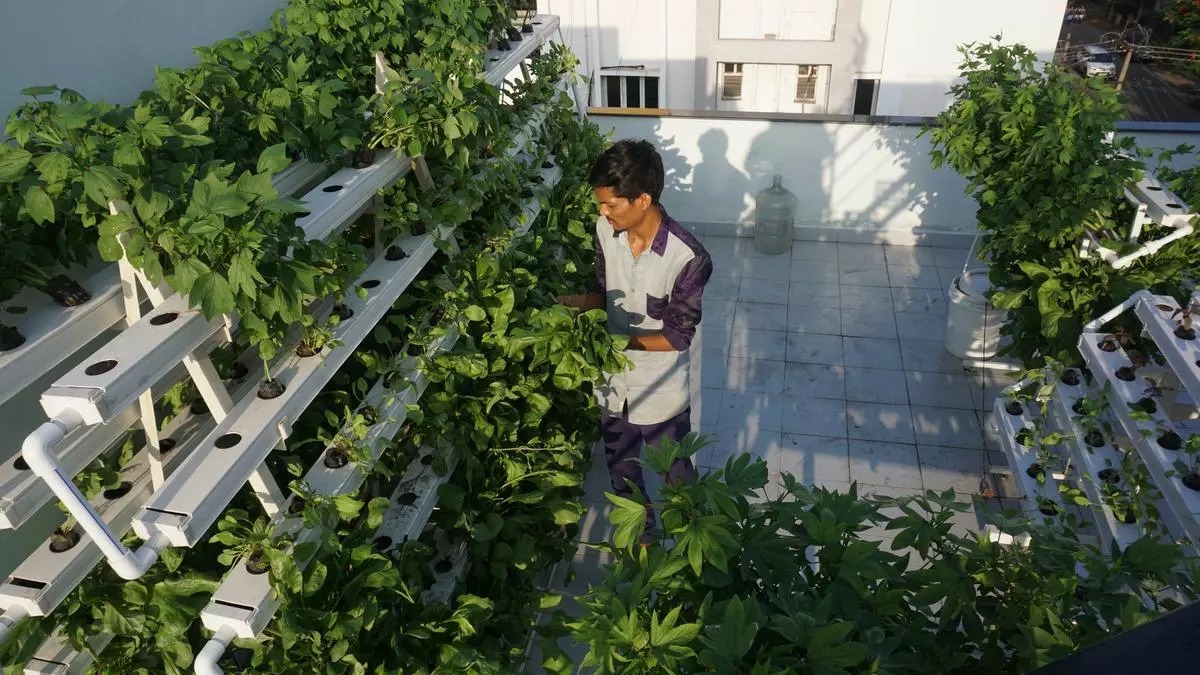
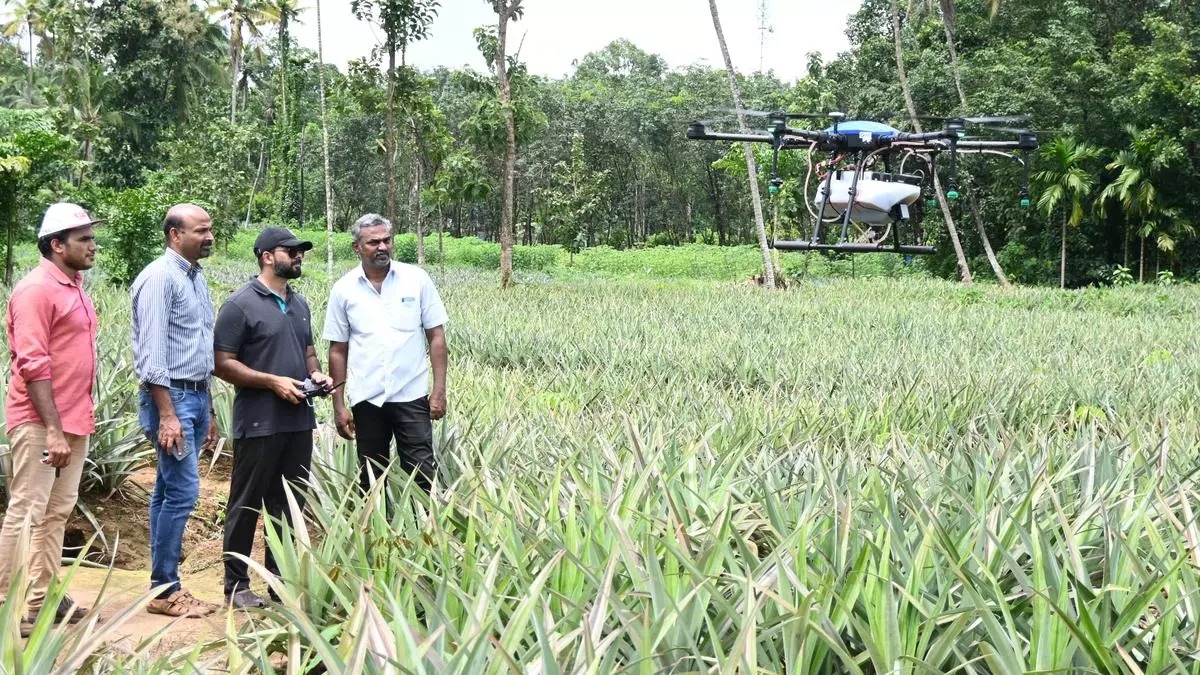
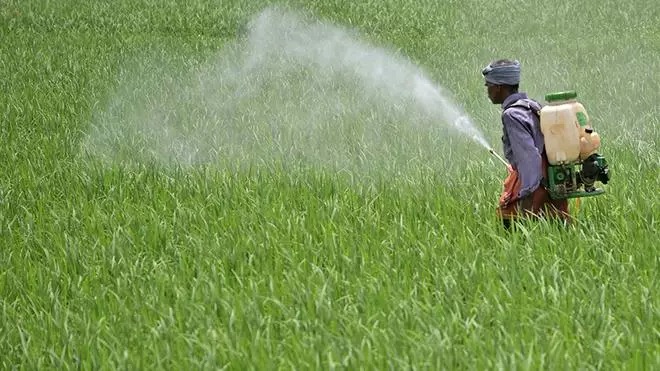
Micro irrigation, which includes technologies such as drip and sprinkler, can help farmers use available water more precisely, stretch supplies over a longer period, improve fertiliser use and reduce crop stress during dry spells.