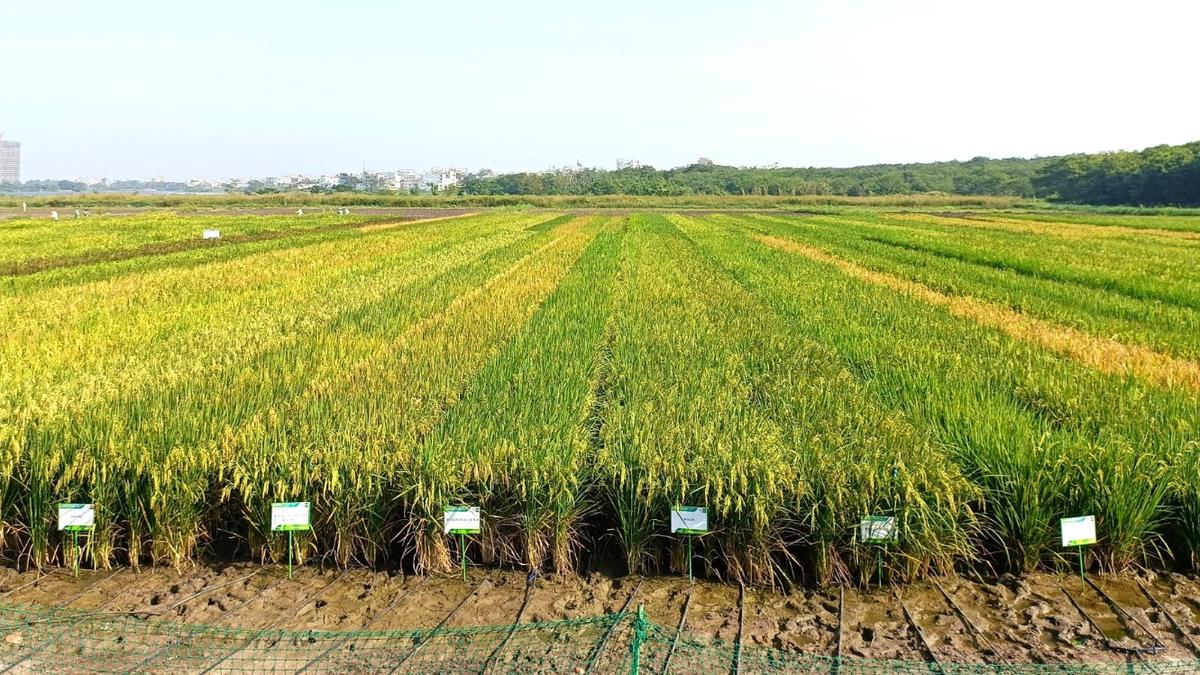
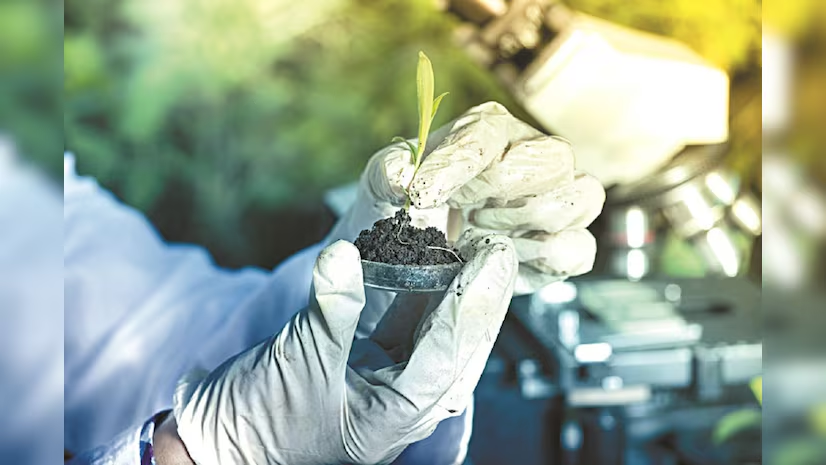
In a breakthrough that could redefine crop biotechnology, scientists at the Indian Council of Agricultural Research’s Central Rice Research Institute have developed and experimentally validated the world’s first AI-designed genome-editing tool for plants, marking a major advance beyond the existing CRISPR systems that depend on naturally occurring microbial proteins.
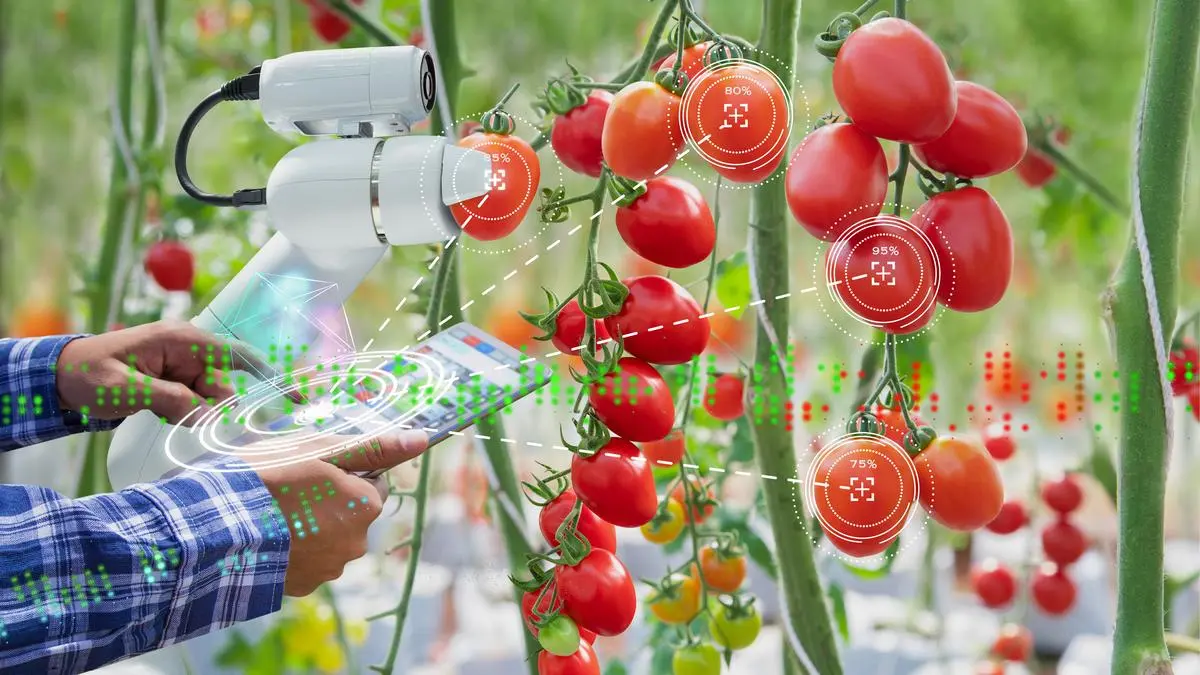
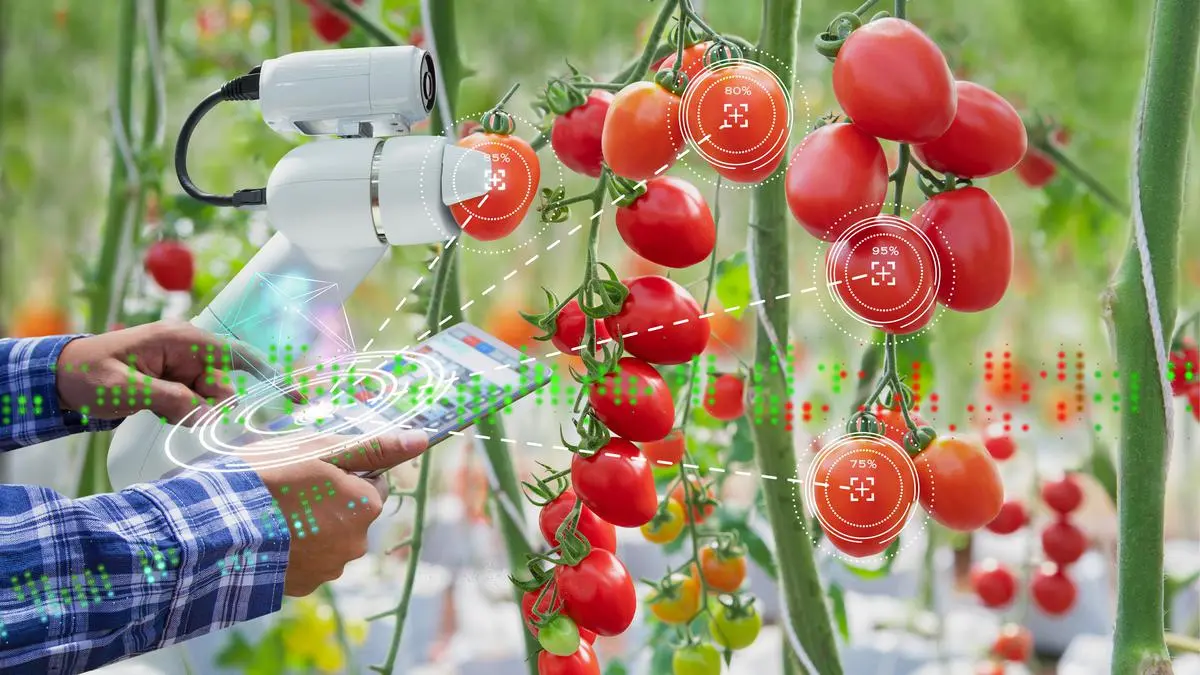
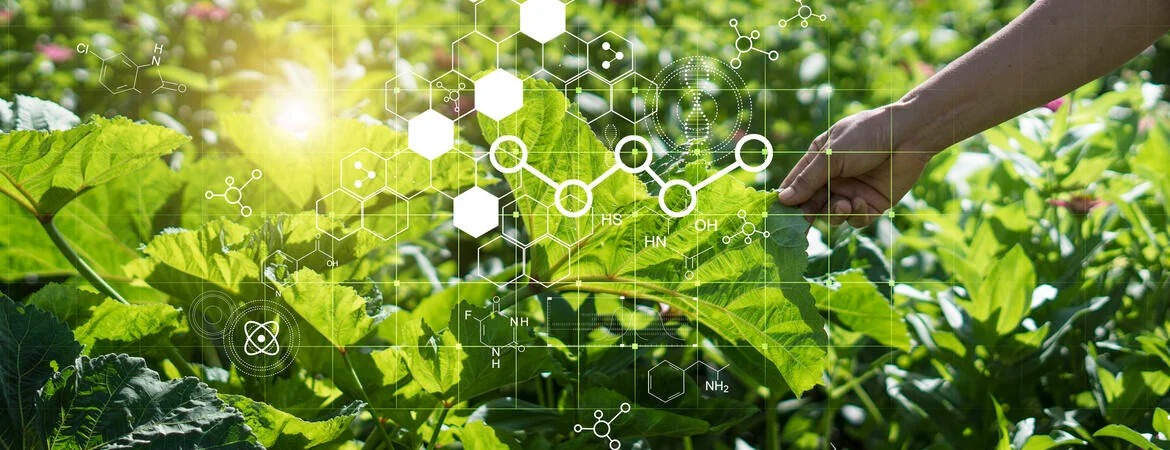
Gene editing works like a molecular scalpel, allowing scientists to precisely cut and rewrite sections of a plant’s DNA to develop traits such as higher yield, climate resilience or disease resistance without introducing foreign genes. Until now, these tools relied on proteins borrowed from bacteria and other microbes found in nature. The Indian team’s breakthrough lies in showing that artificial intelligence can design entirely new enzymes from scratch that work efficiently inside plants. This could open the door to tailor-made editing systems that could be cheaper, more versatile and less constrained by global CRISPR patents.
Led by scientist Kutubuddin Ali Molla, the team showed that AI-designed enzymes can accurately edit plant DNA, enabling gene knockout, base editing and prime editing in crops. While a US company had earlier developed a similar AI-designed system for human cells, this is the first successful demonstration in plants.