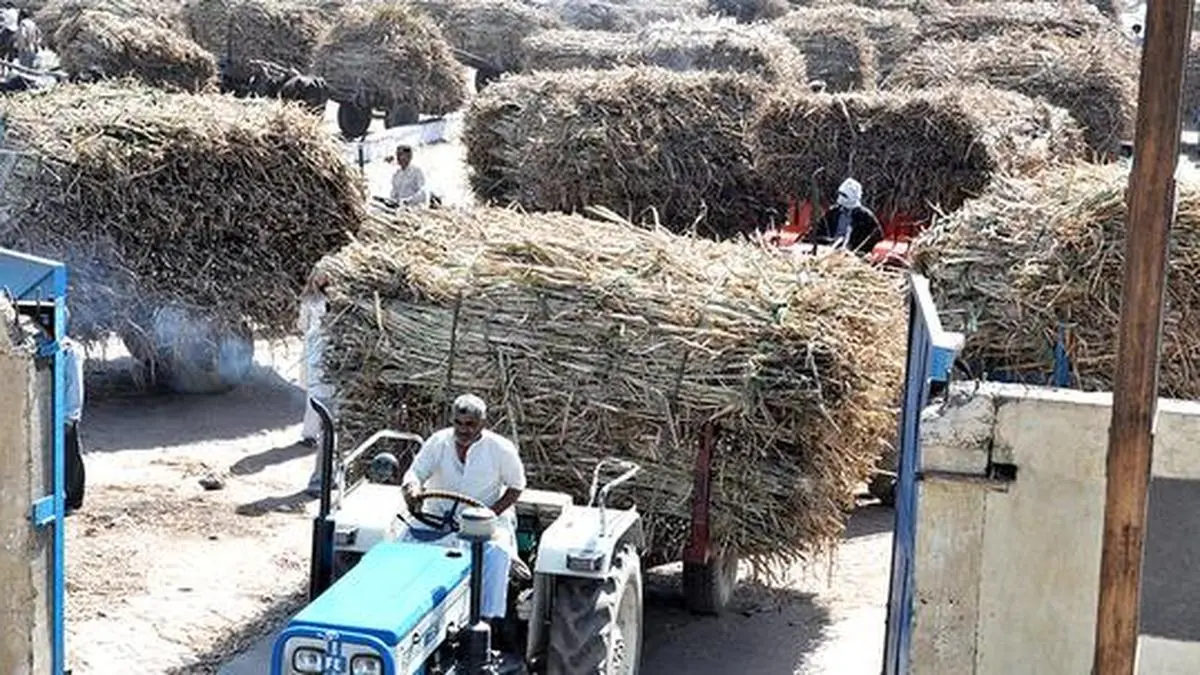
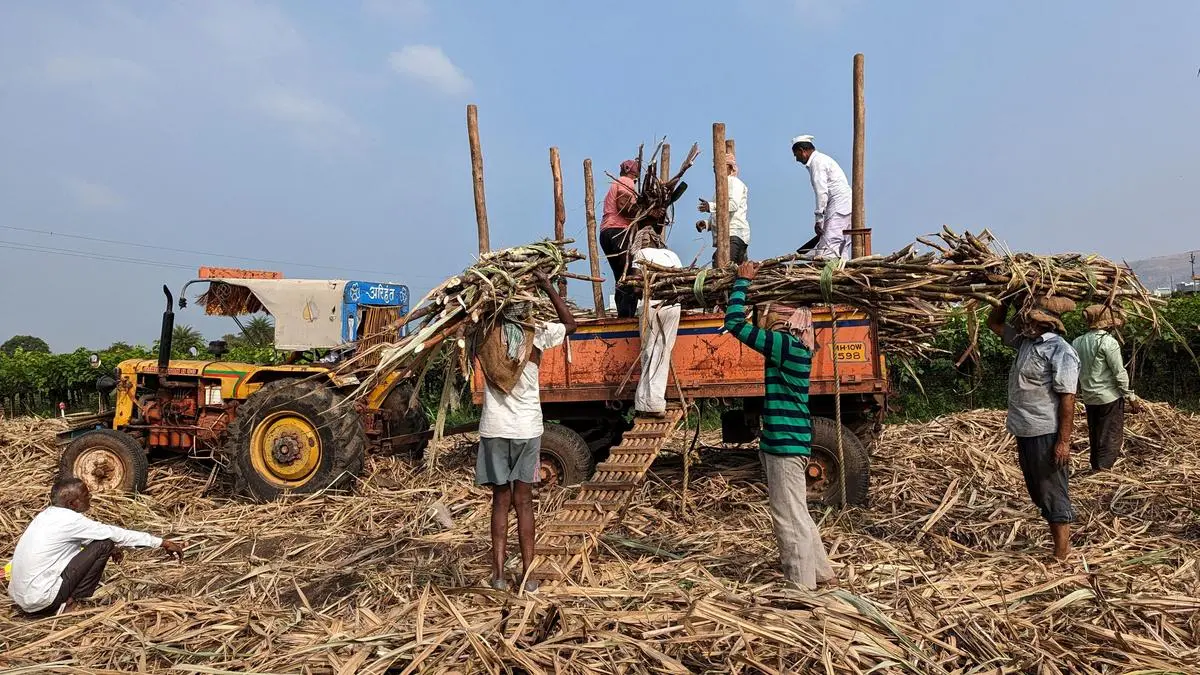
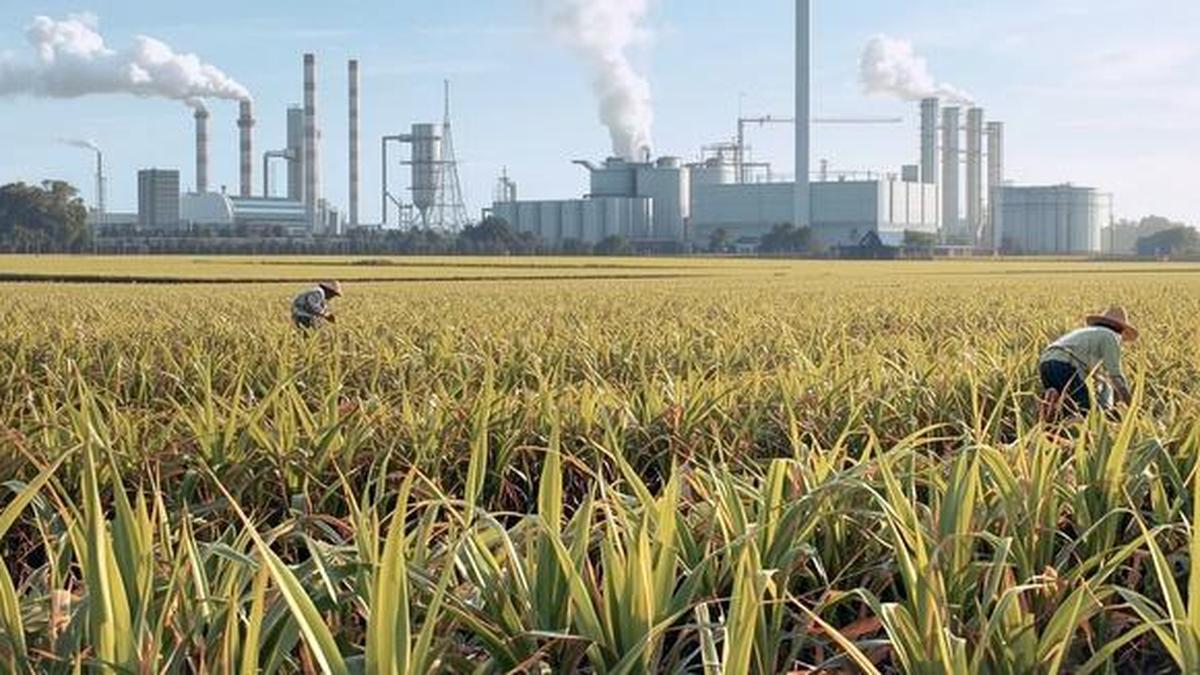
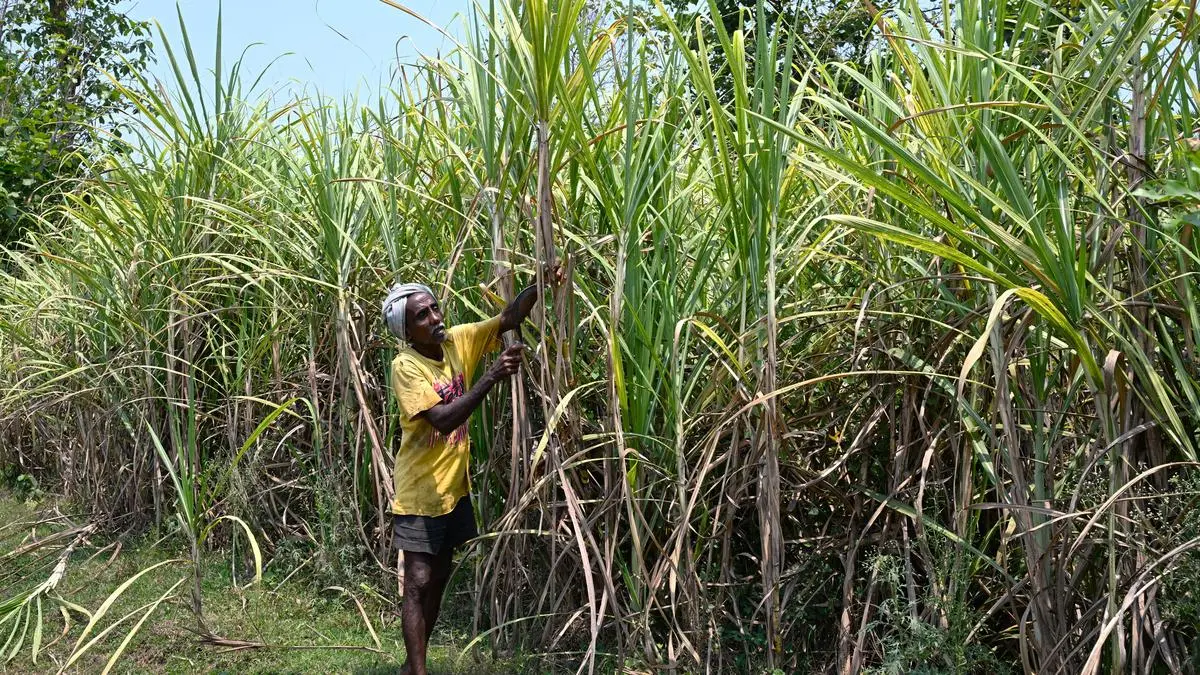
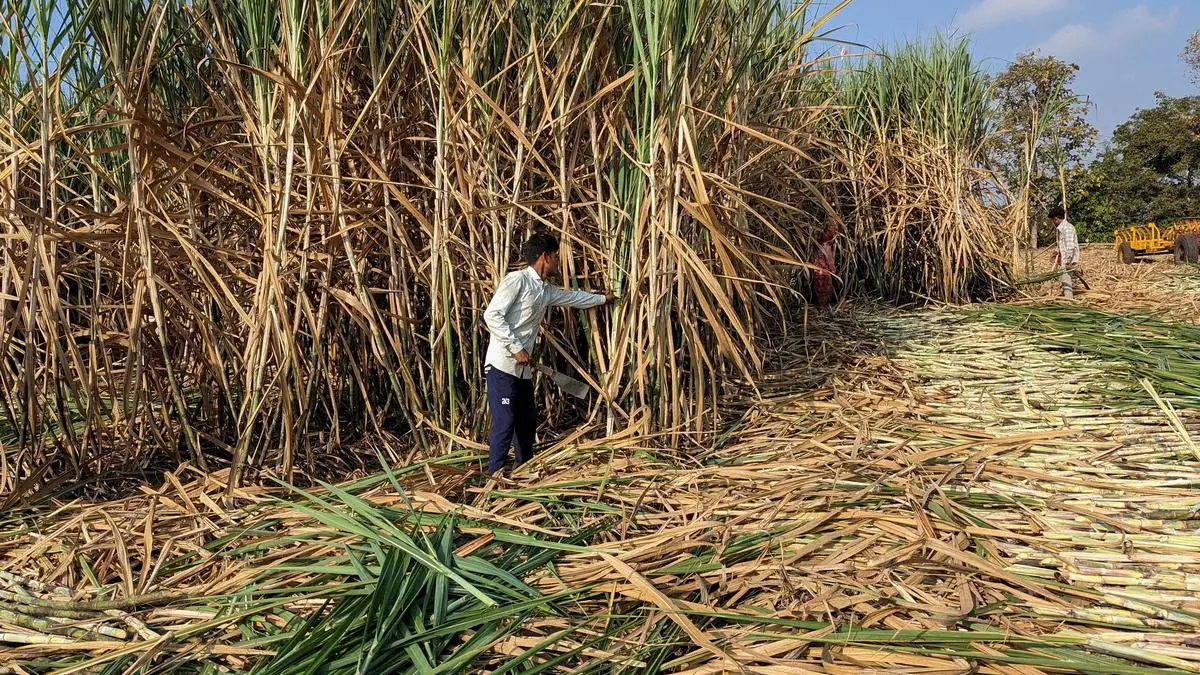
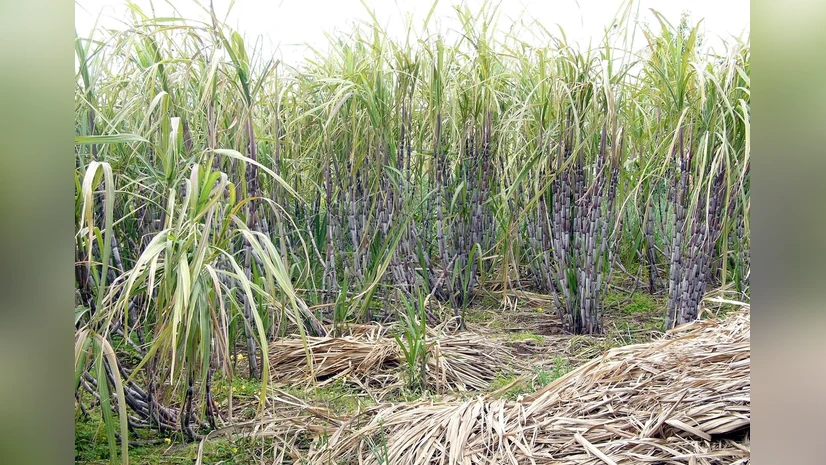
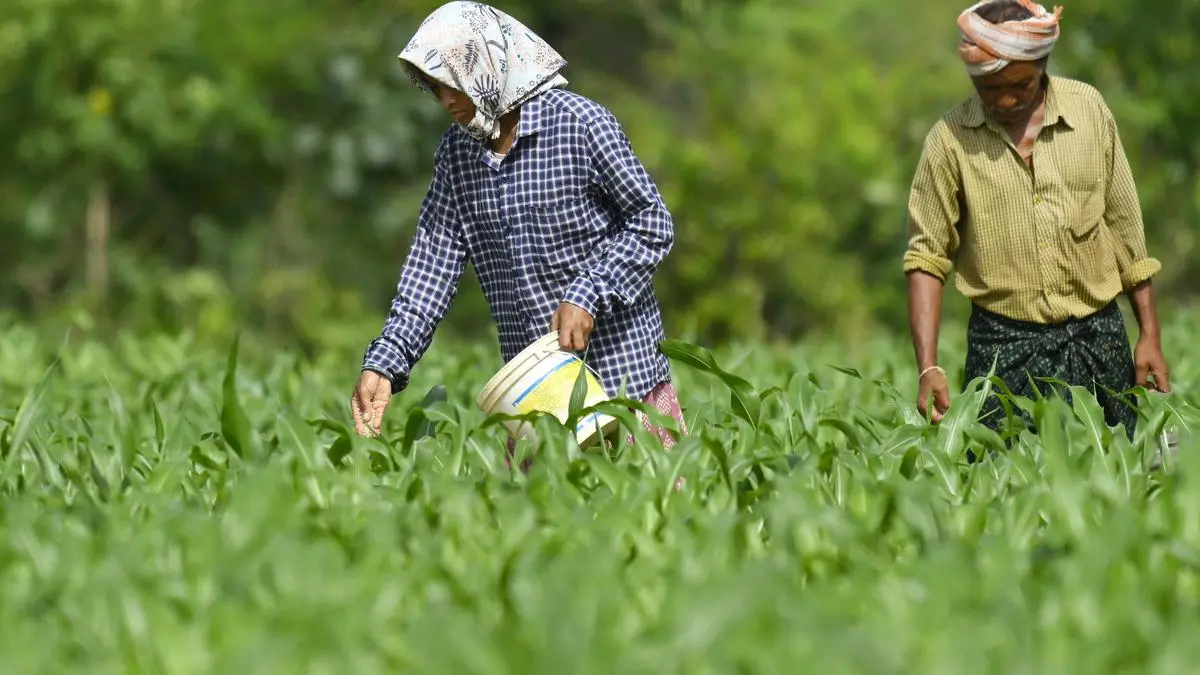
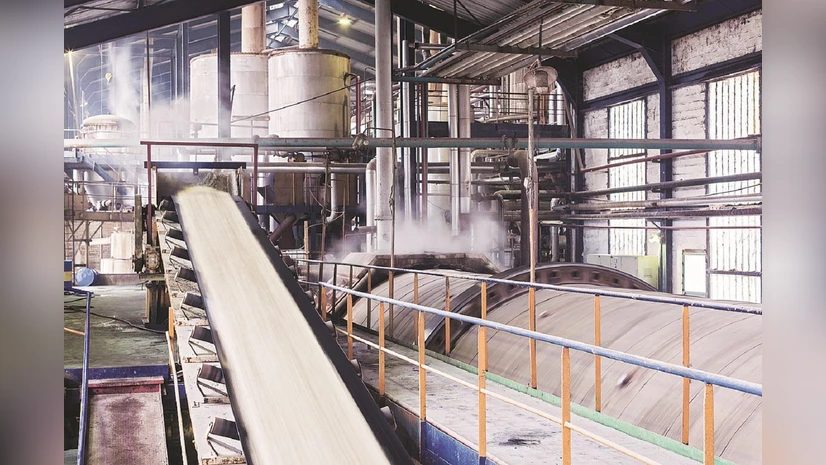
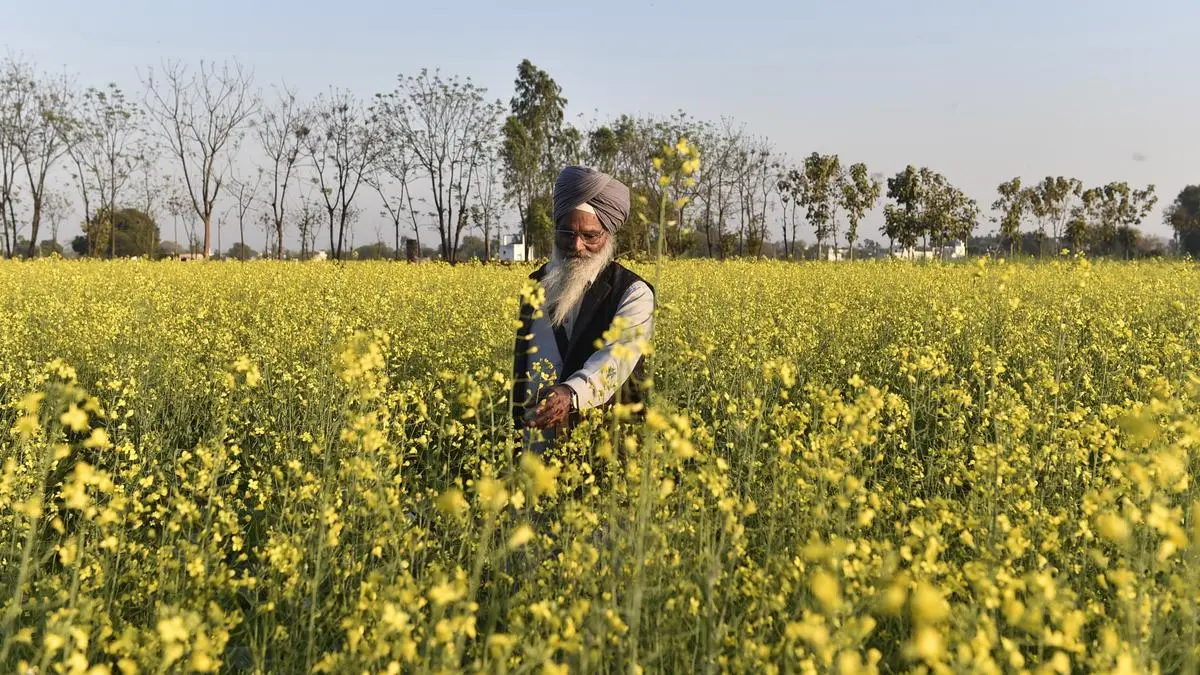
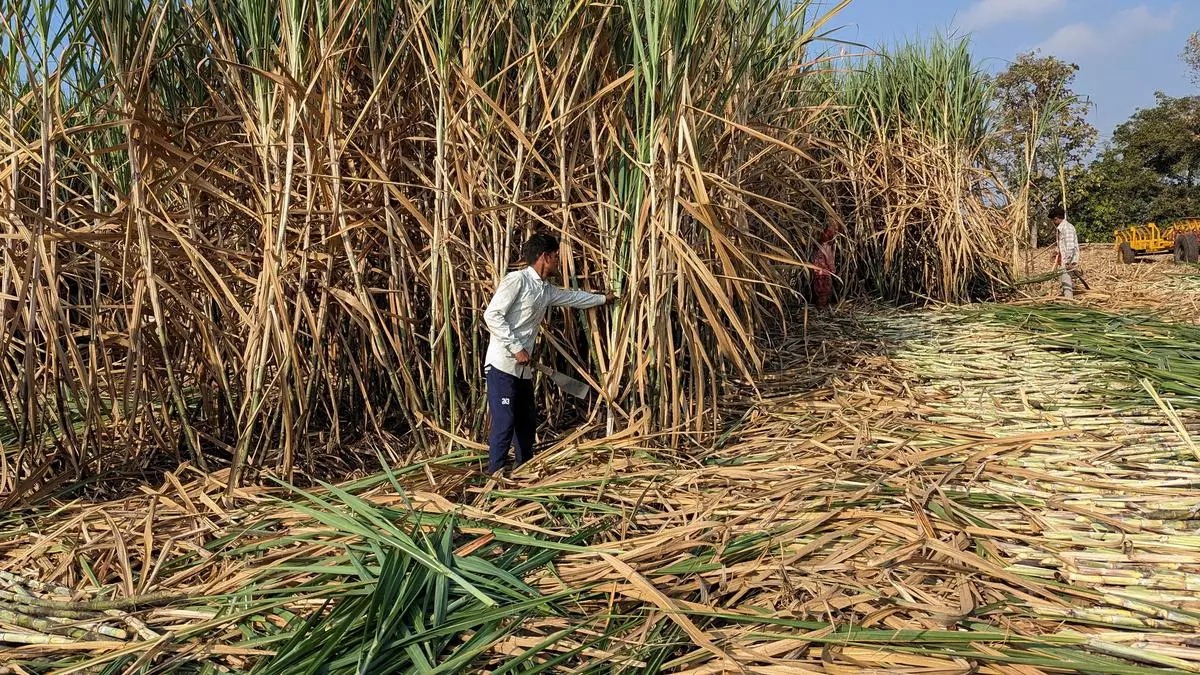
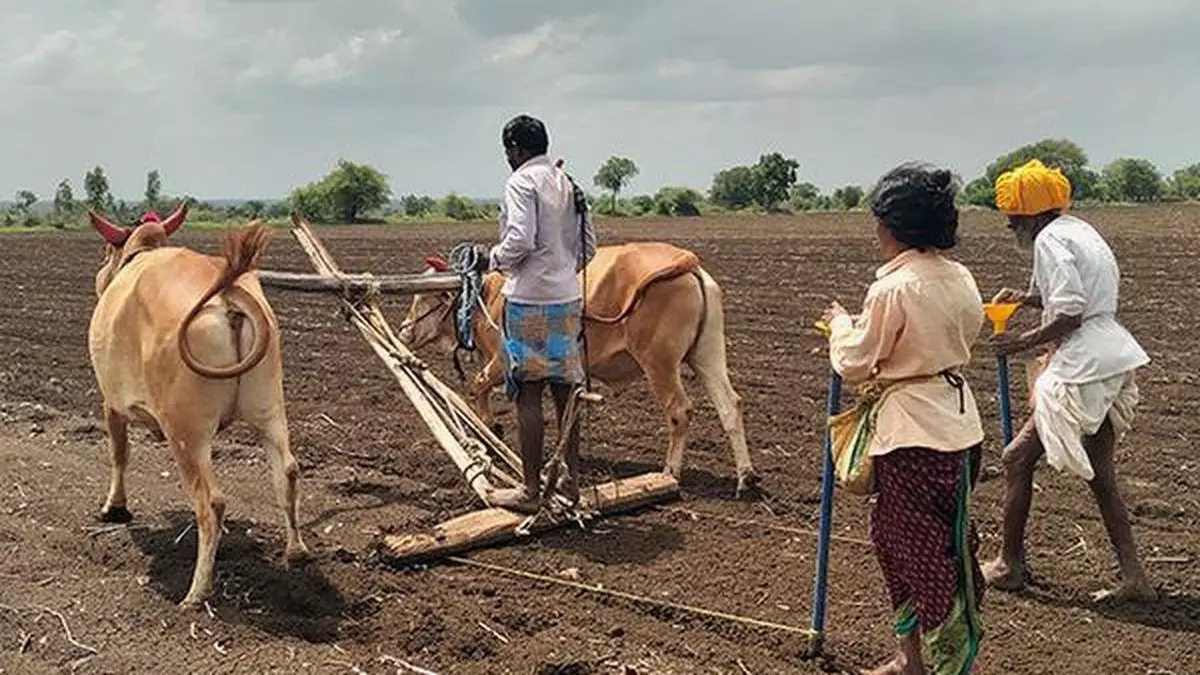
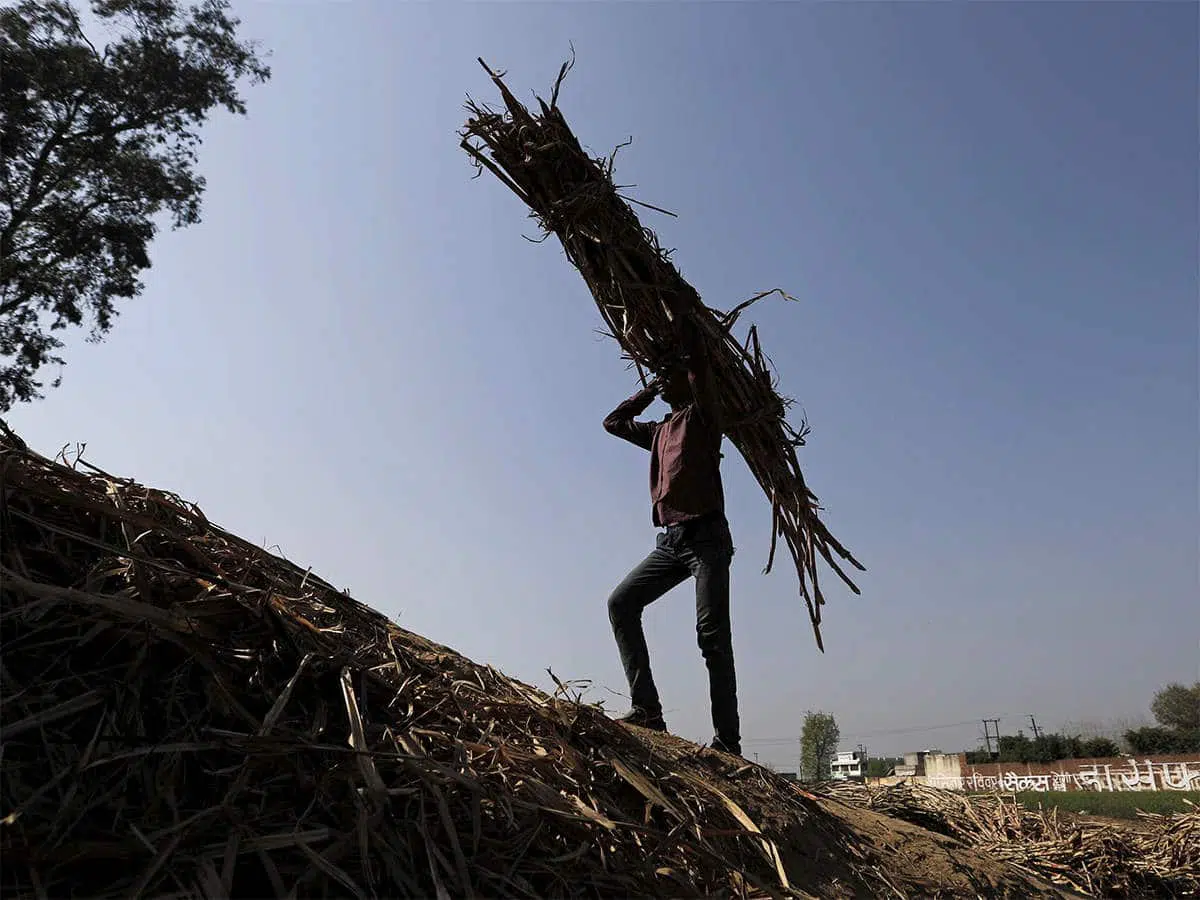
Sugarcane remains one of the most important pillars of India’s rural economy, supporting millions of farmers and workers across the agricultural and industrial value chain. India is among the world’s largest producers of sugarcane, with annual cane production exceeding 450 million tonnes in recent years. Given the scale and socio-economic importance of the sector, a transparent and sustainable pricing framework is essential not only for farmer welfare, but also for the long-term viability of the entire sugar ecosystem.
The Fair and Remunerative Price (FRP) mechanism remains central to India’s sugar economy, as it establishes a minimum assured price for sugarcane that mills are mandated to pay farmers. Over the years, the FRP framework has provided stability to growers by reducing exposure to market fluctuations and ensuring a greater degree of income certainty.
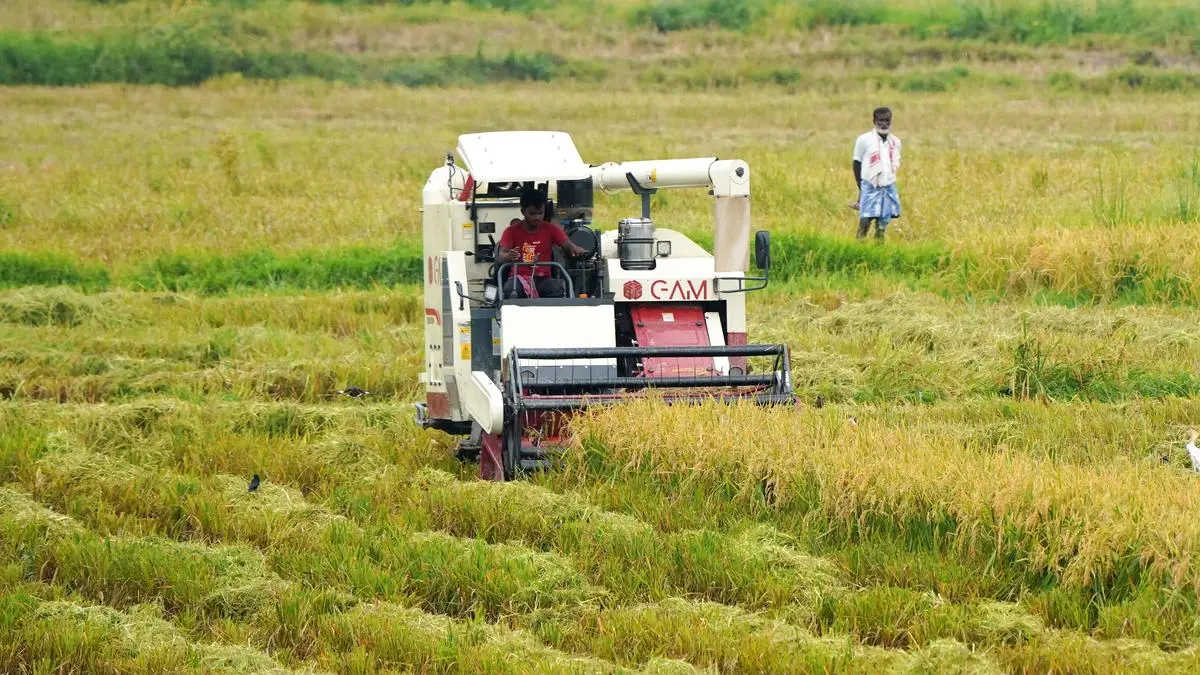
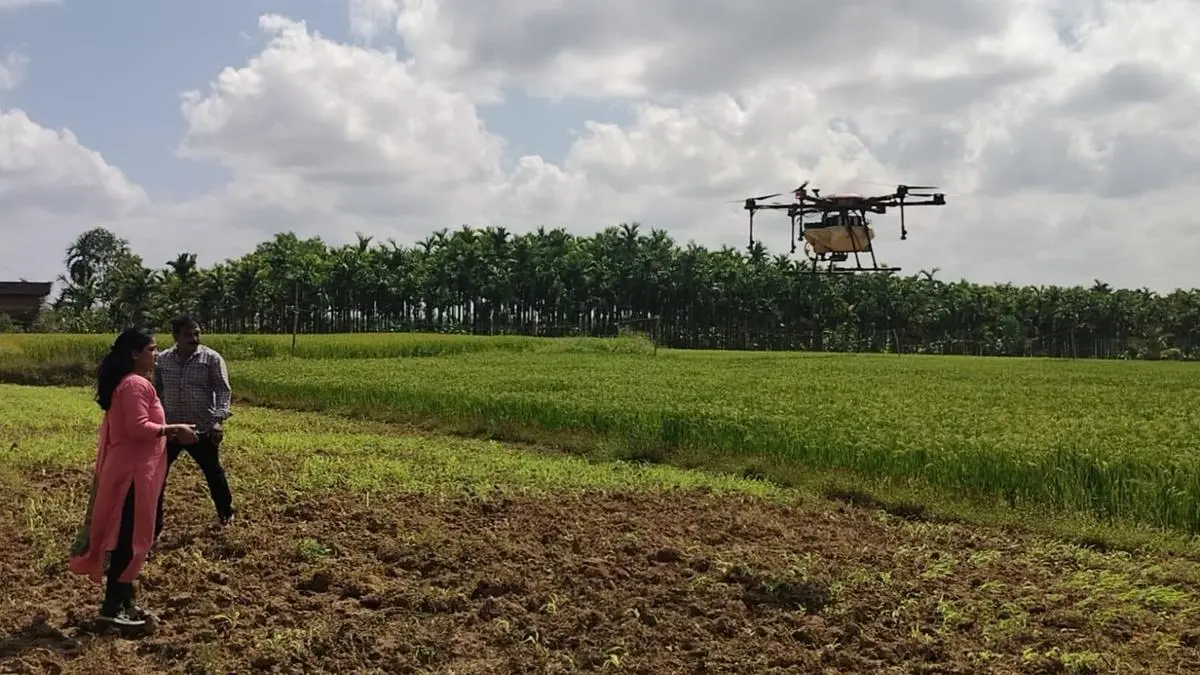
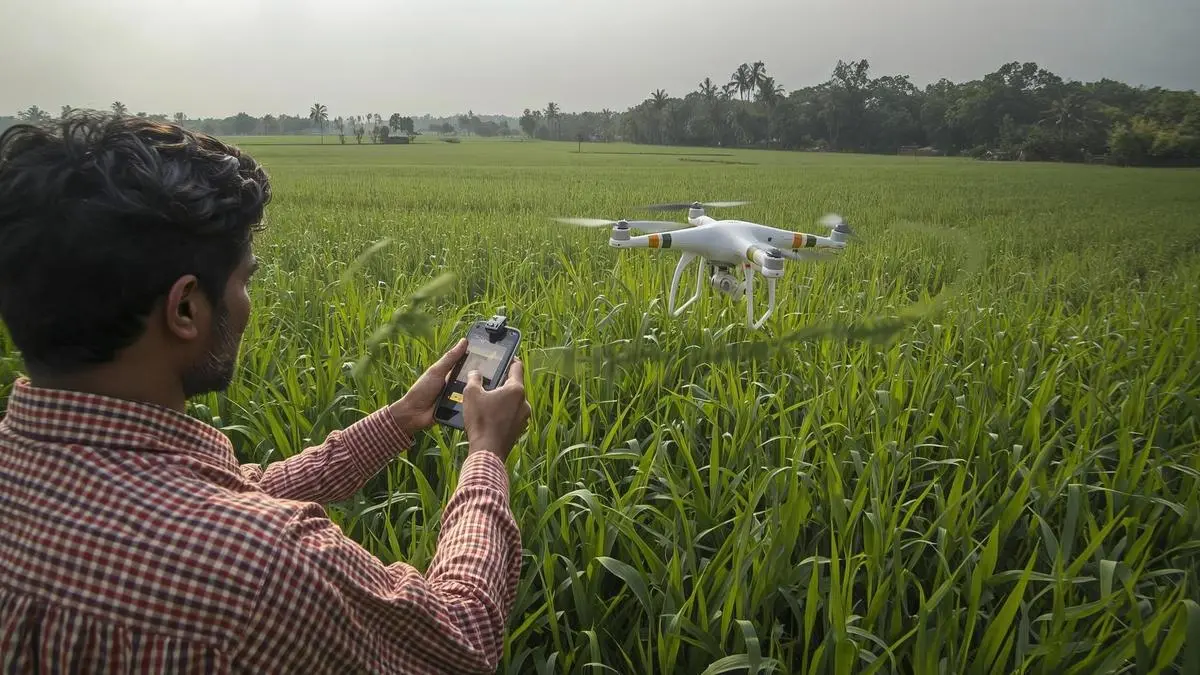
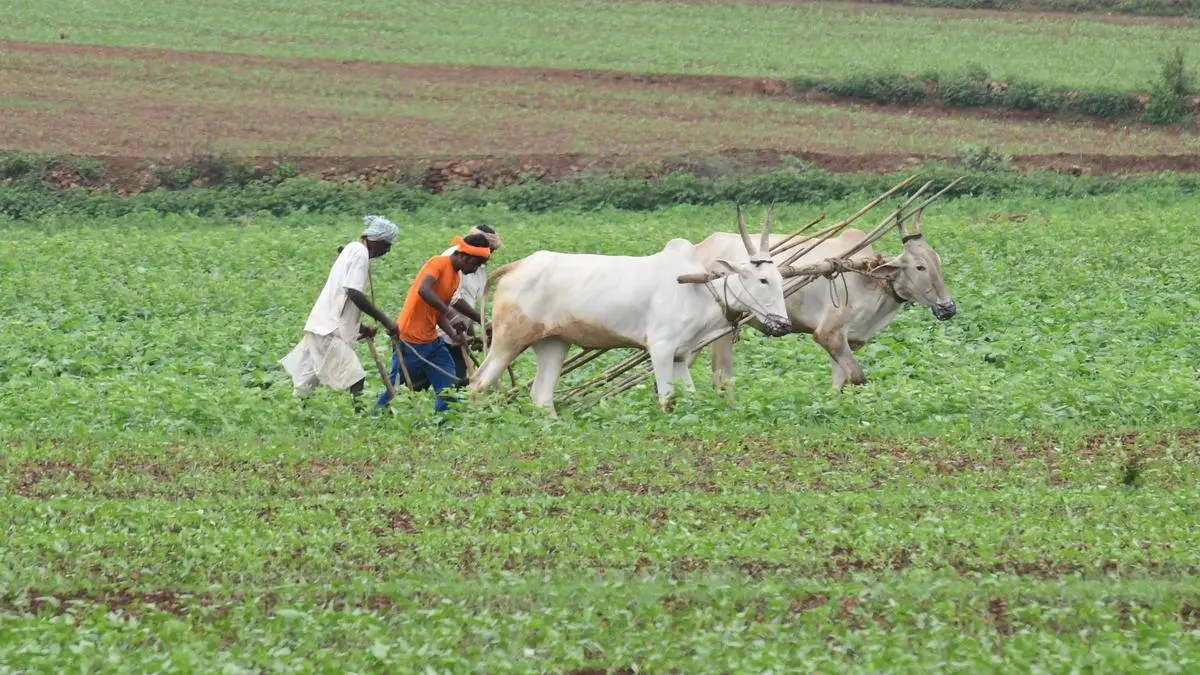
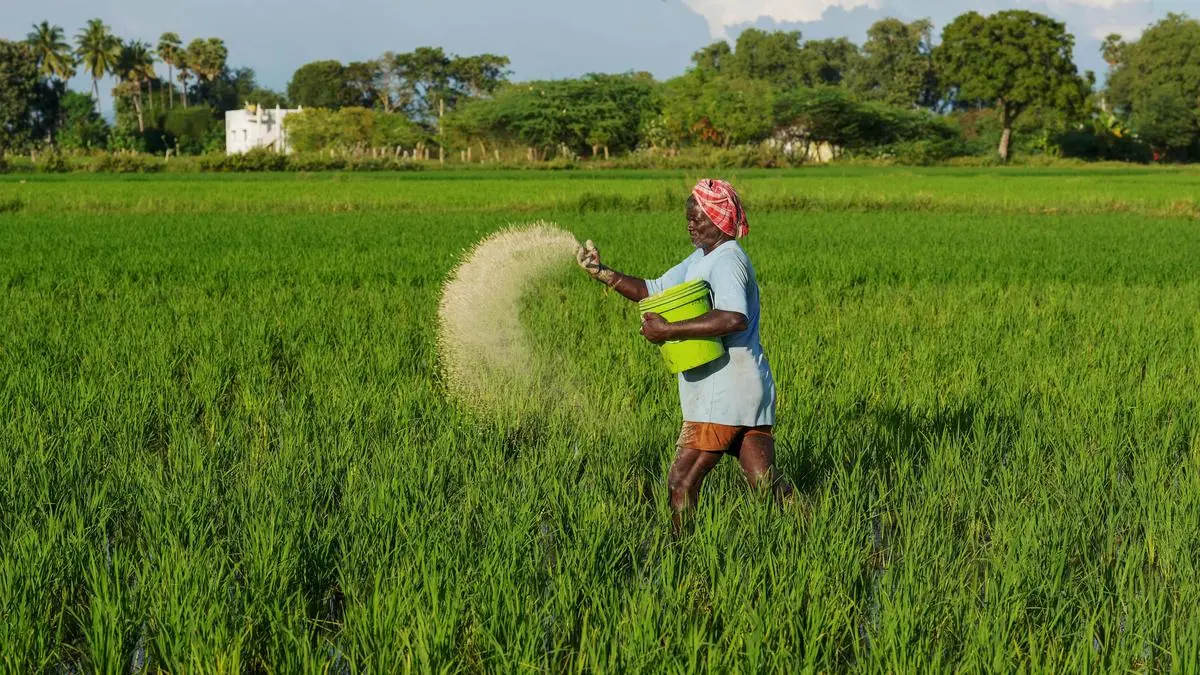
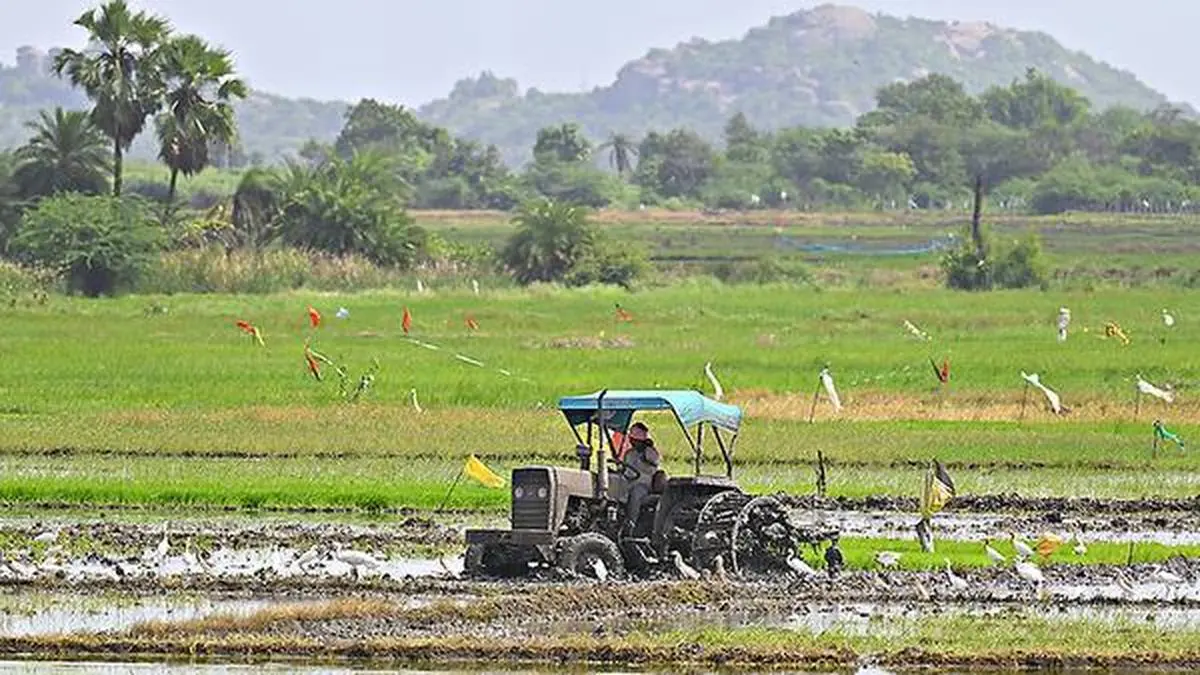
A predictable pricing structure gives farmers the confidence to continue investing in cane cultivation, adopt improved farming practices, and enhance productivity. Over time, stable returns can encourage greater adoption of modern agricultural techniques such as precision farming, improved seed varieties, mechanised operations, and better nutrient management practices.