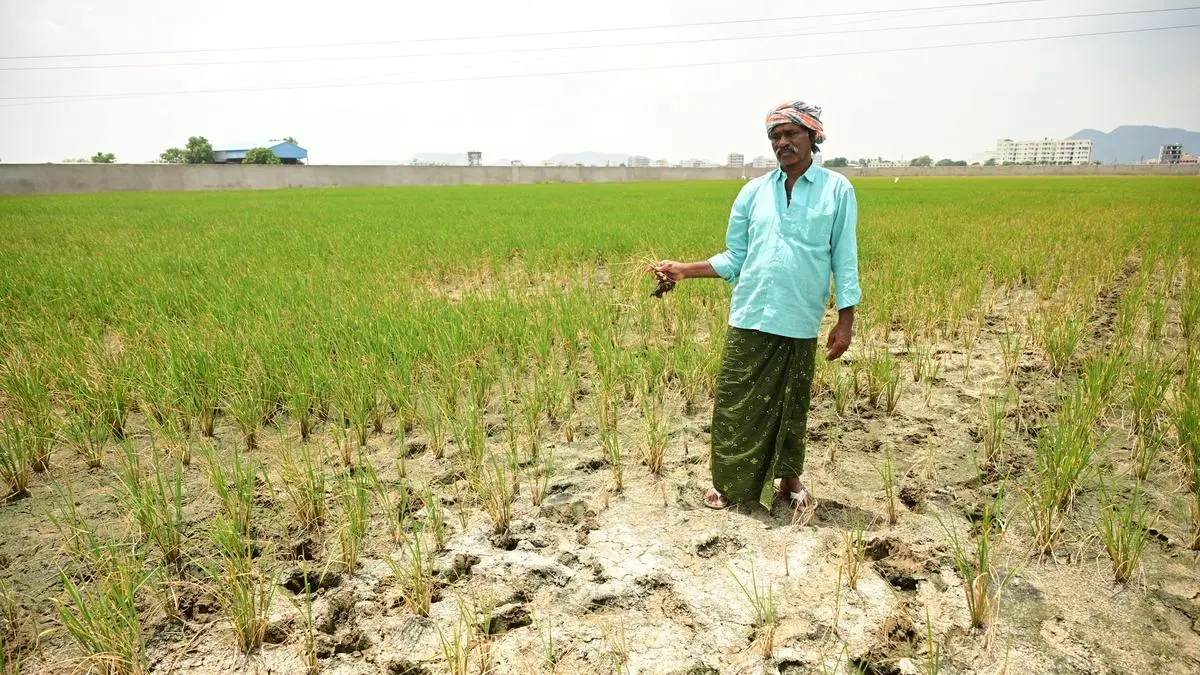
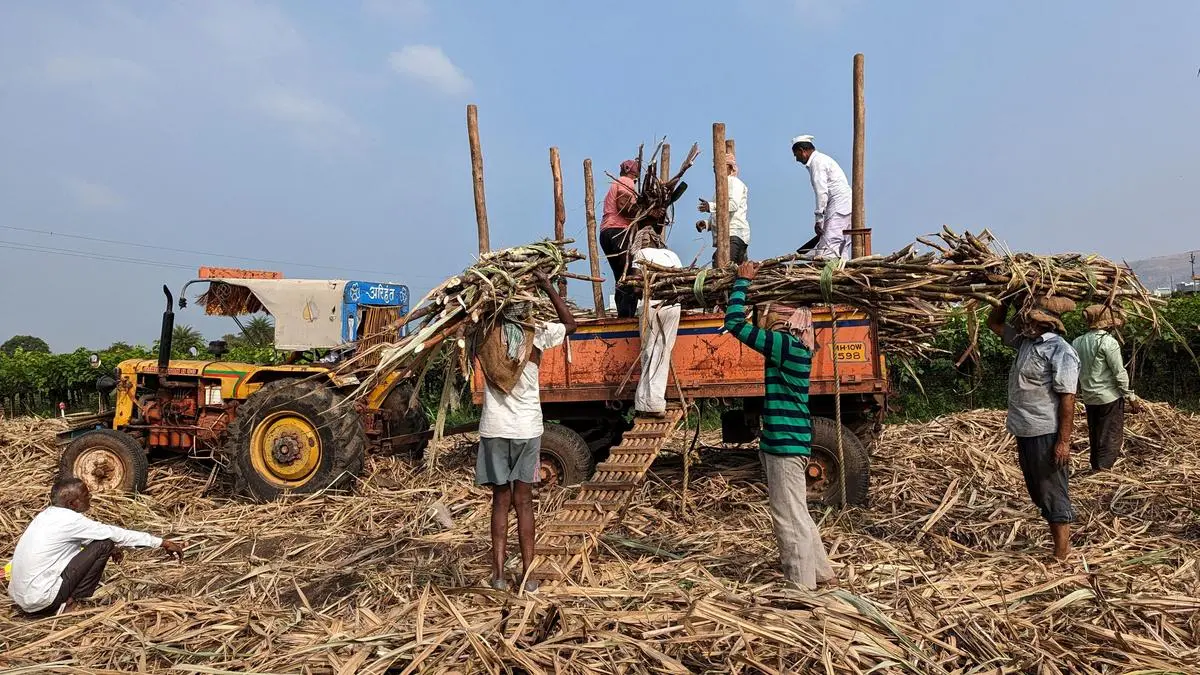
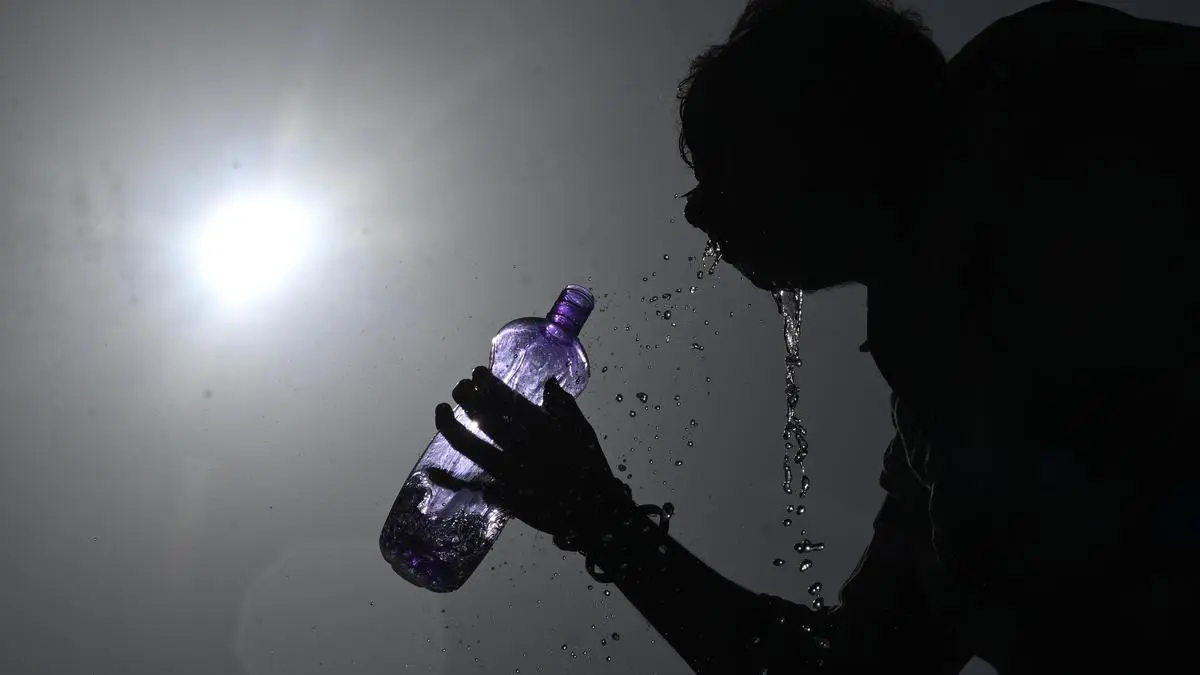
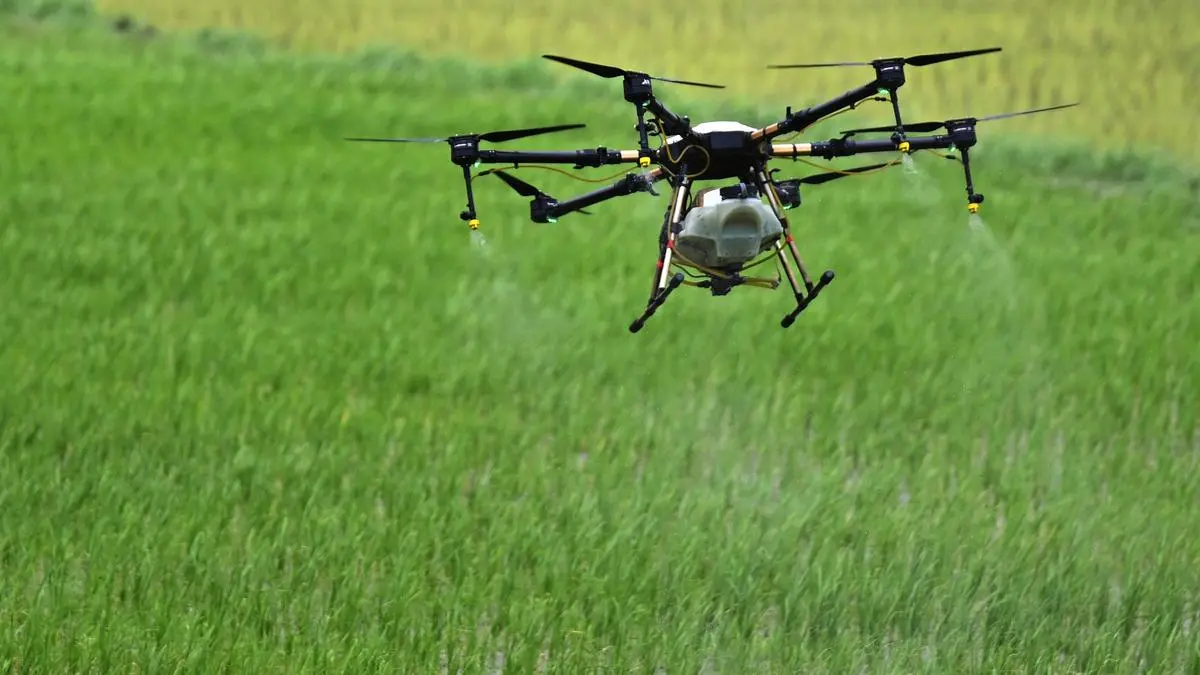
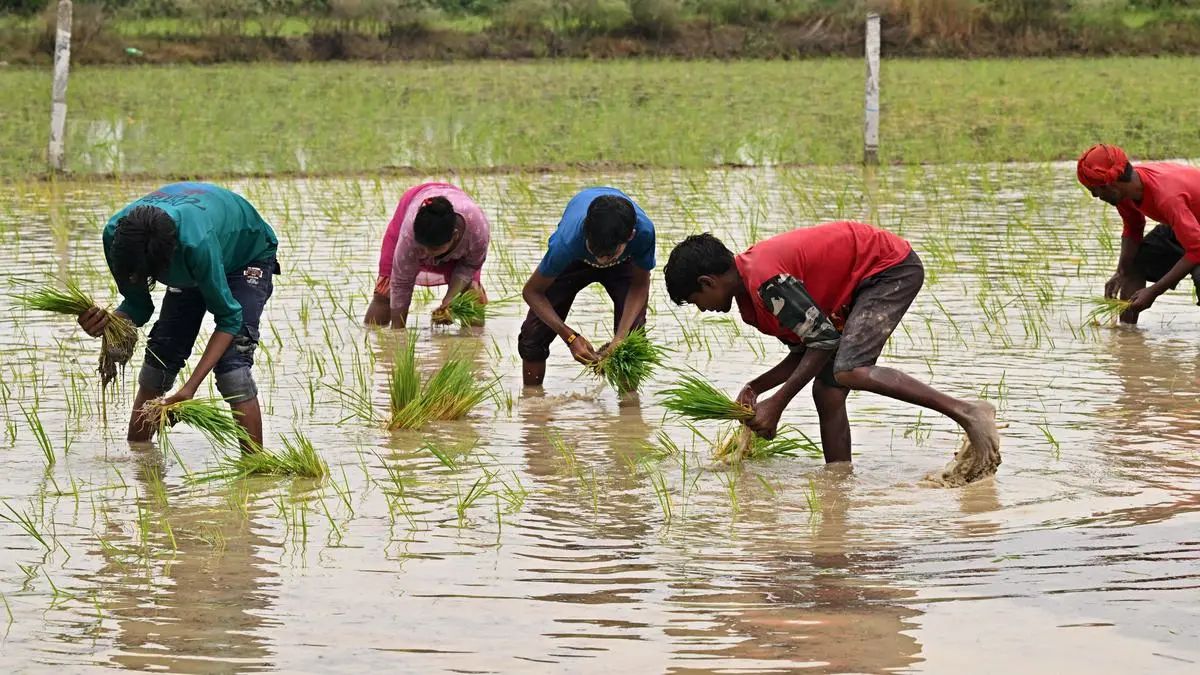
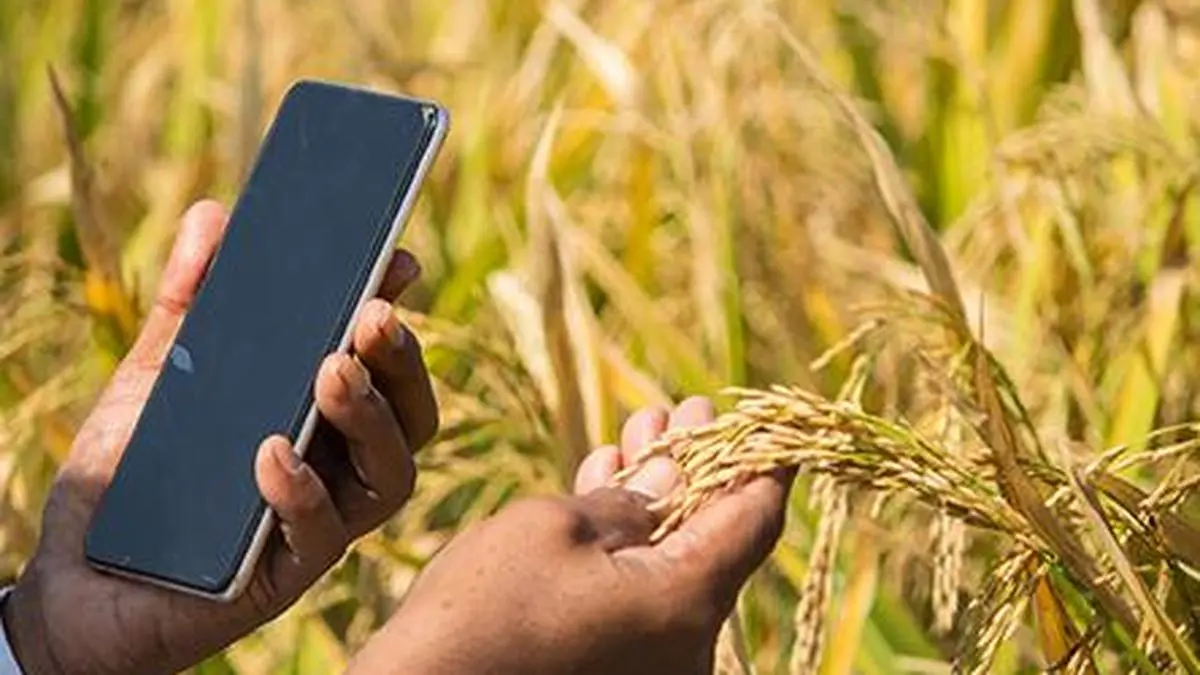
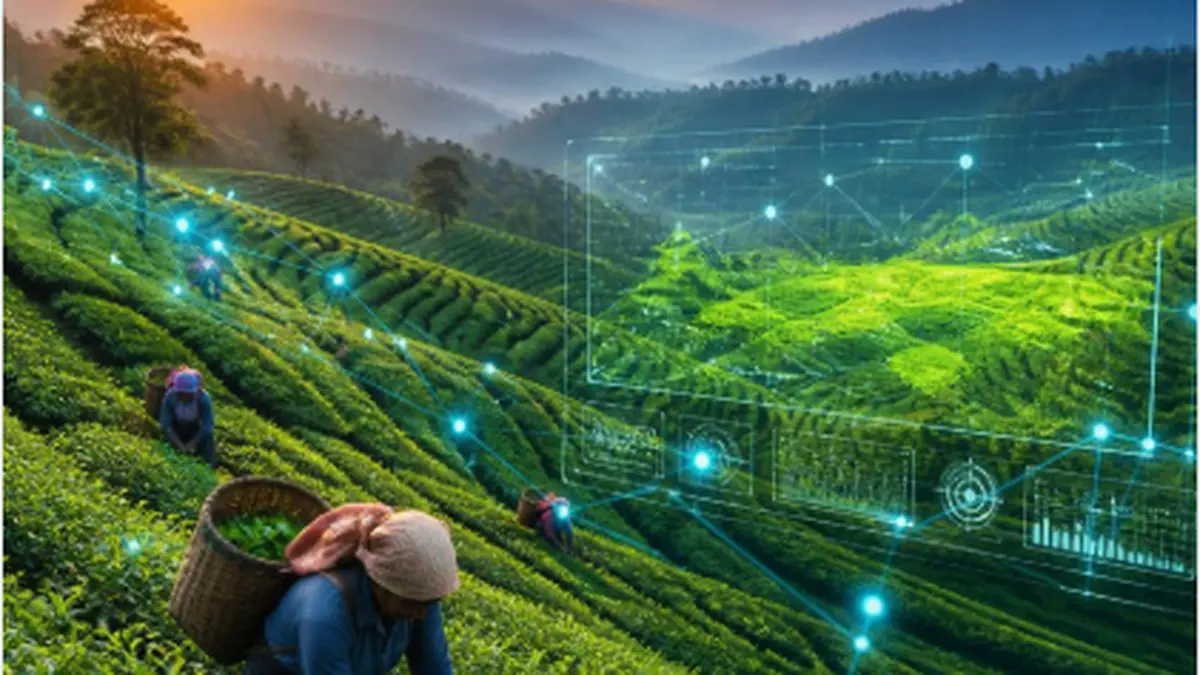
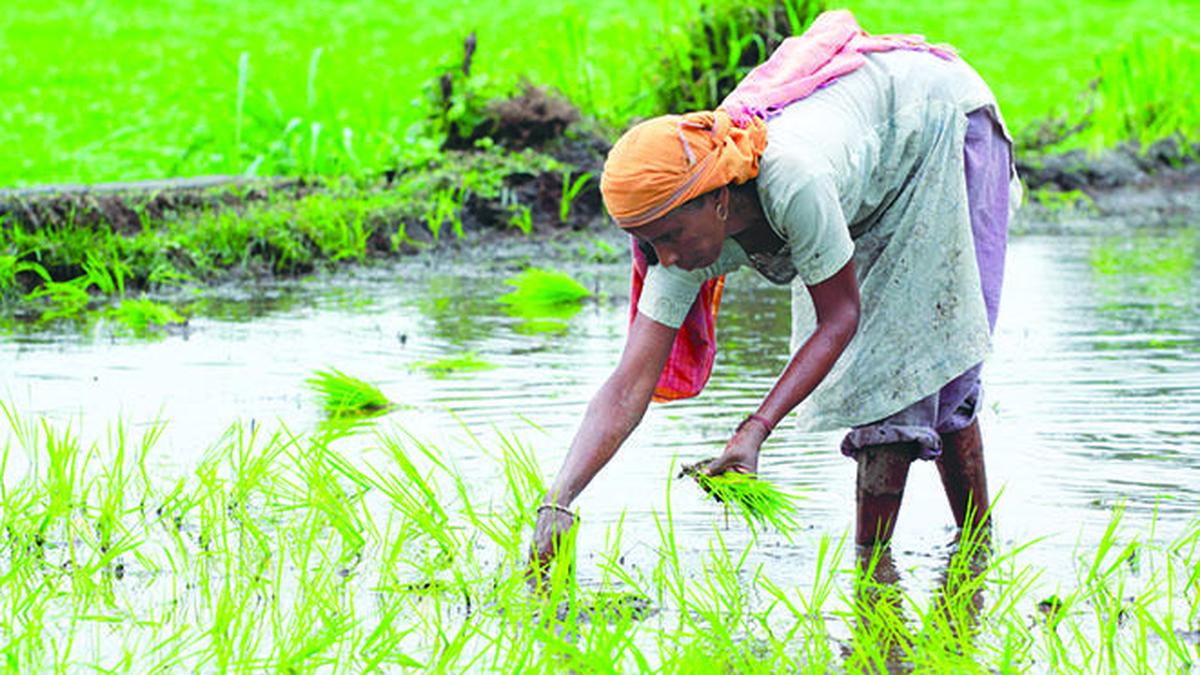
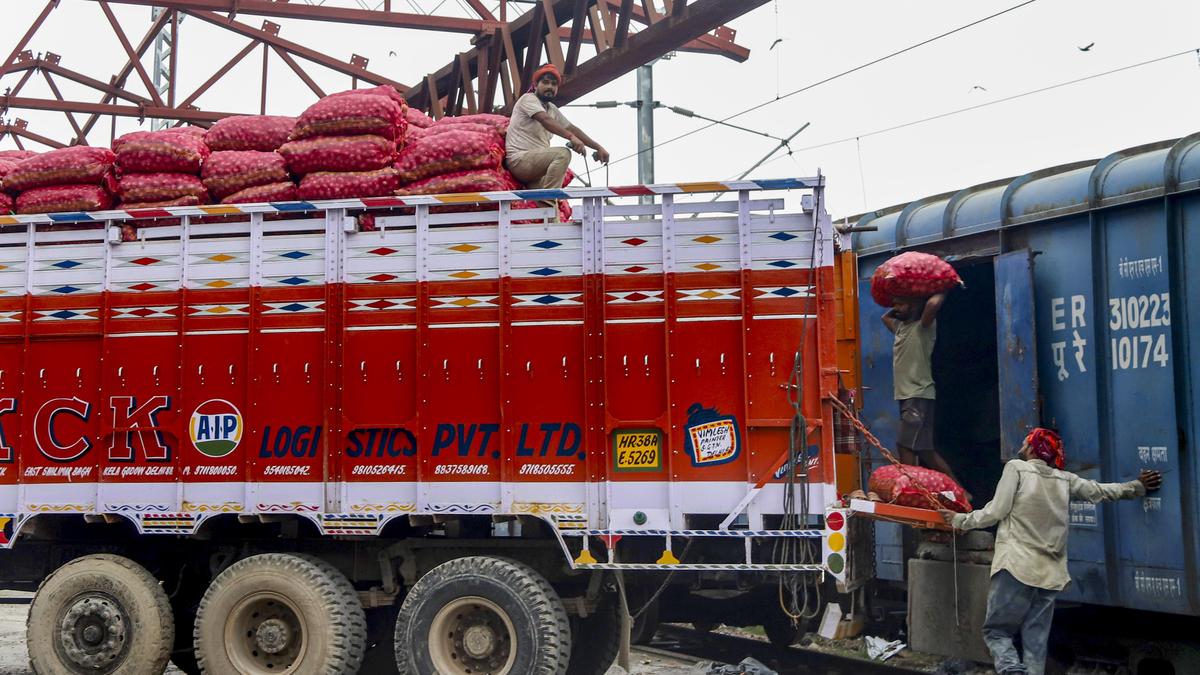
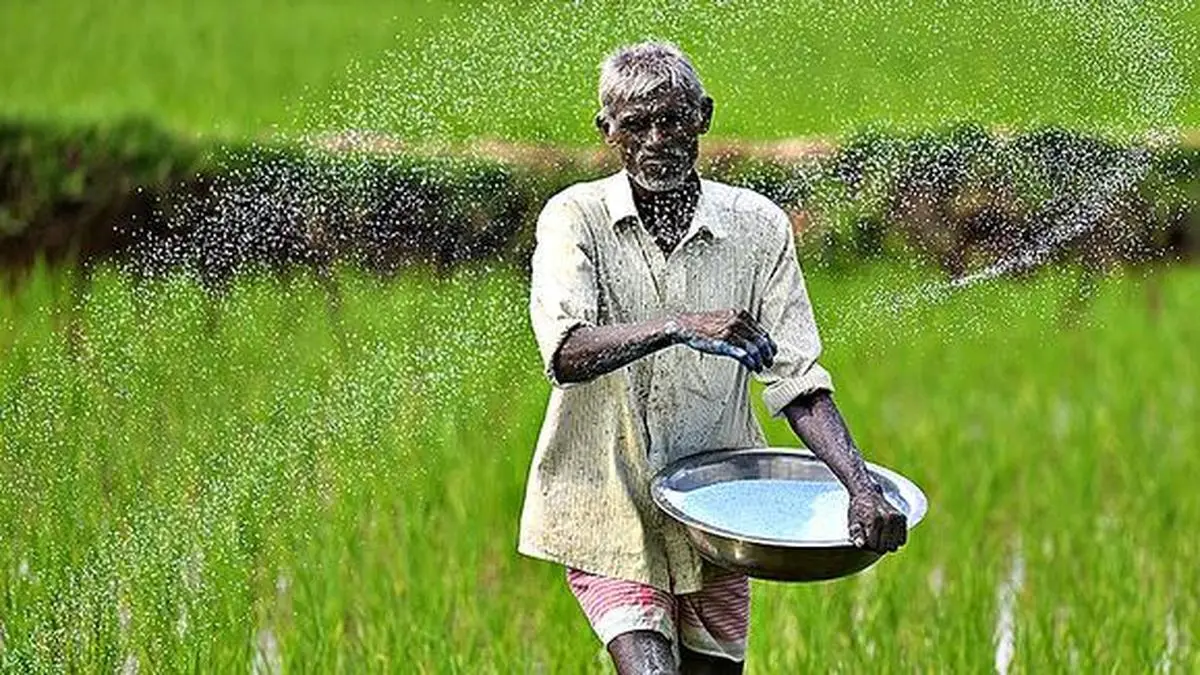
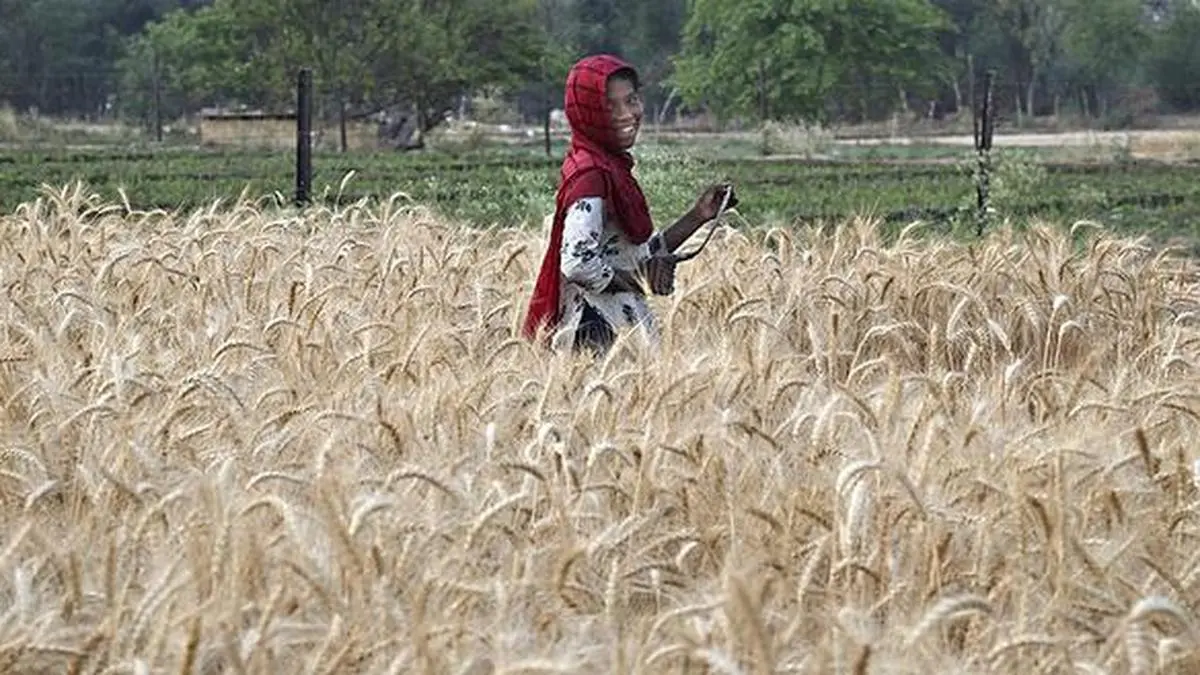
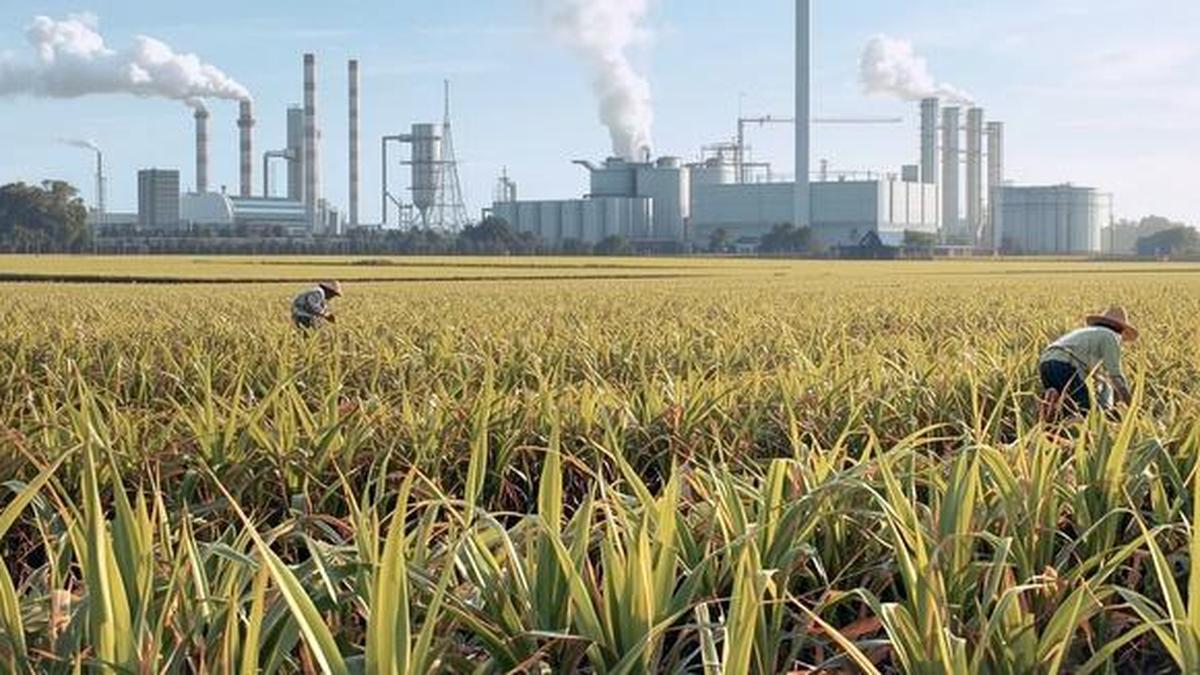
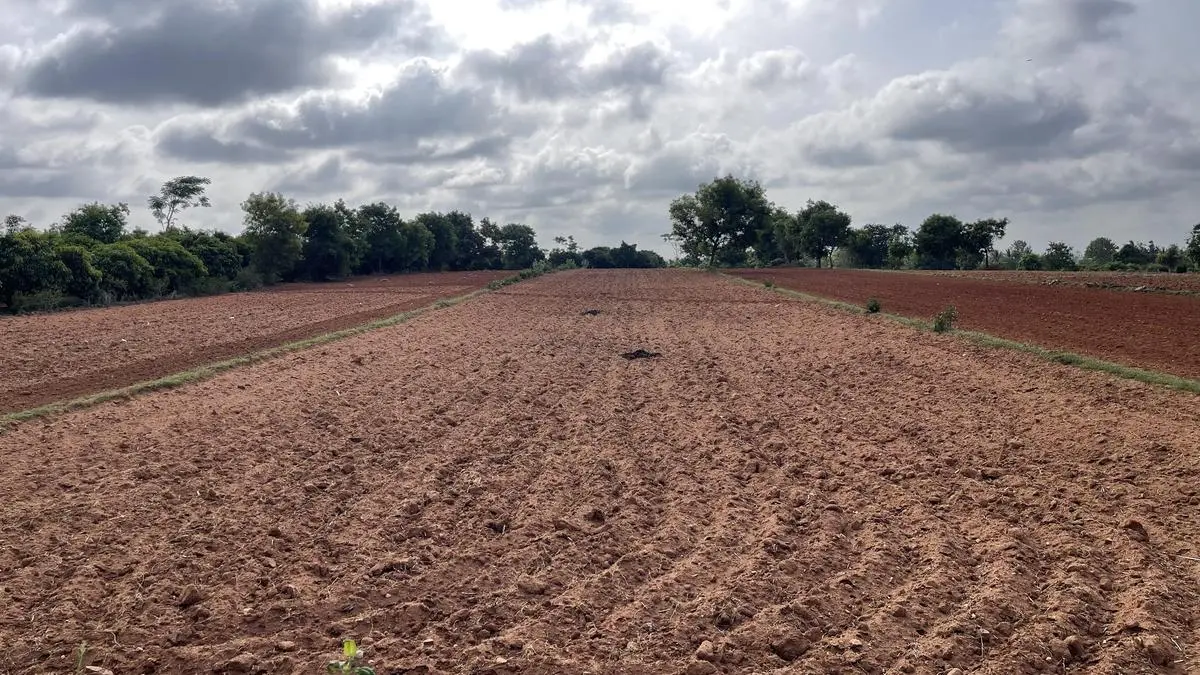
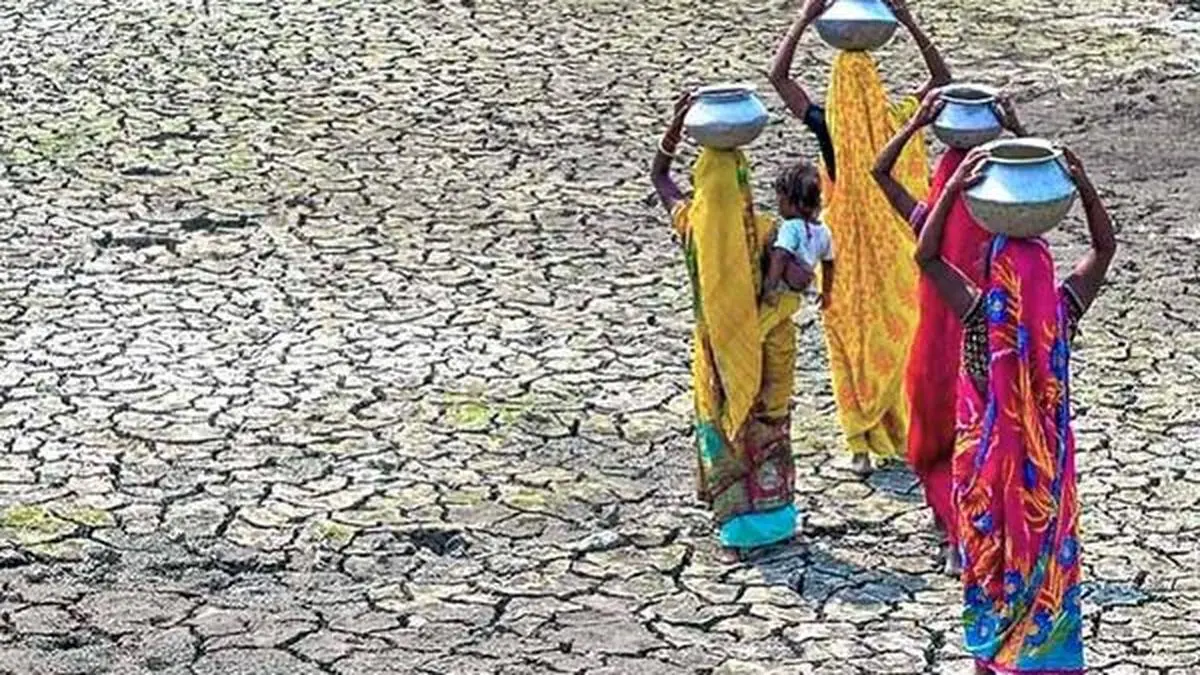
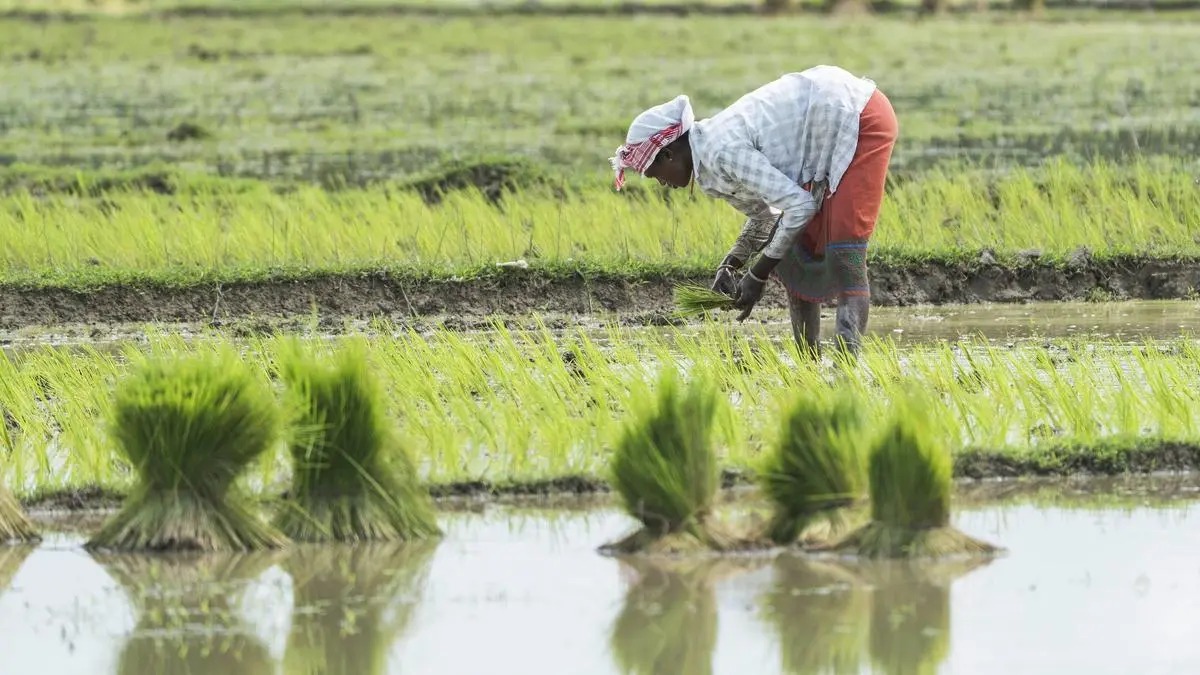
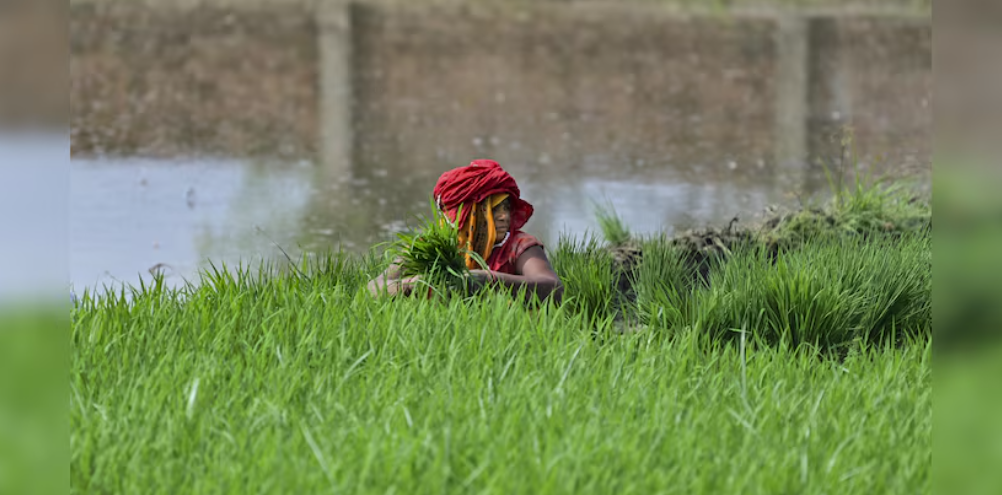
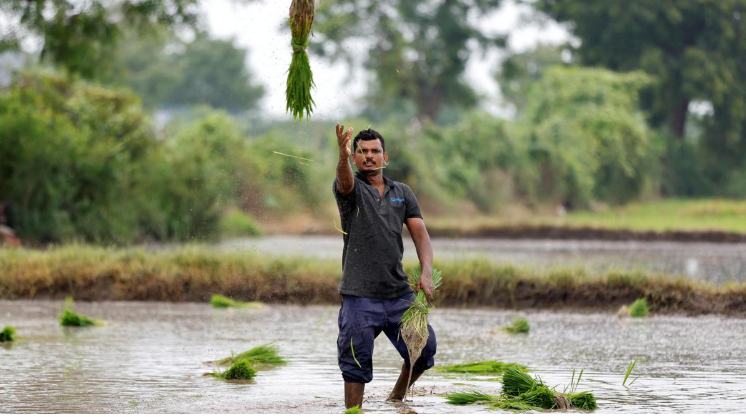
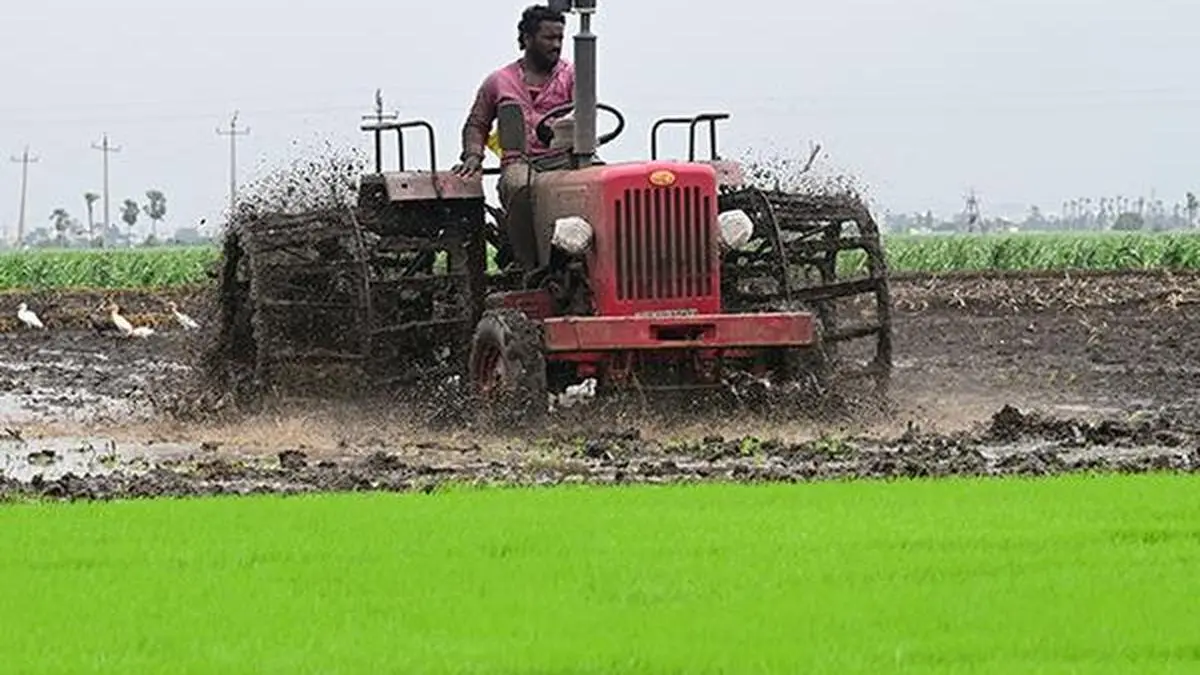
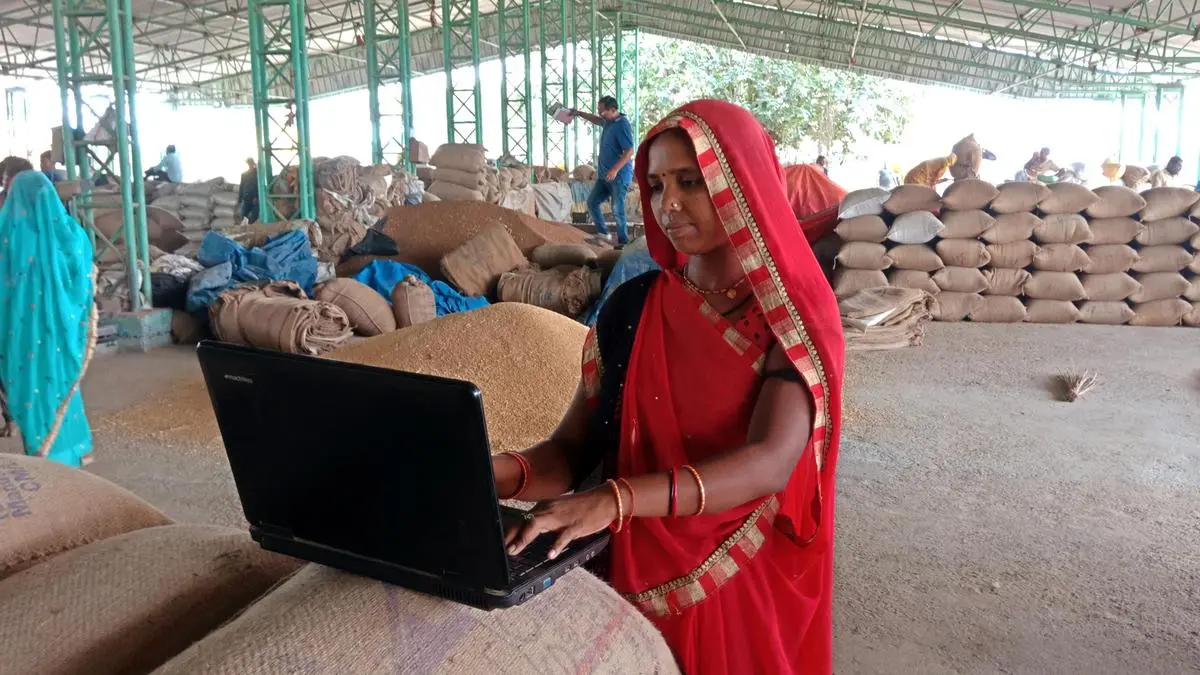
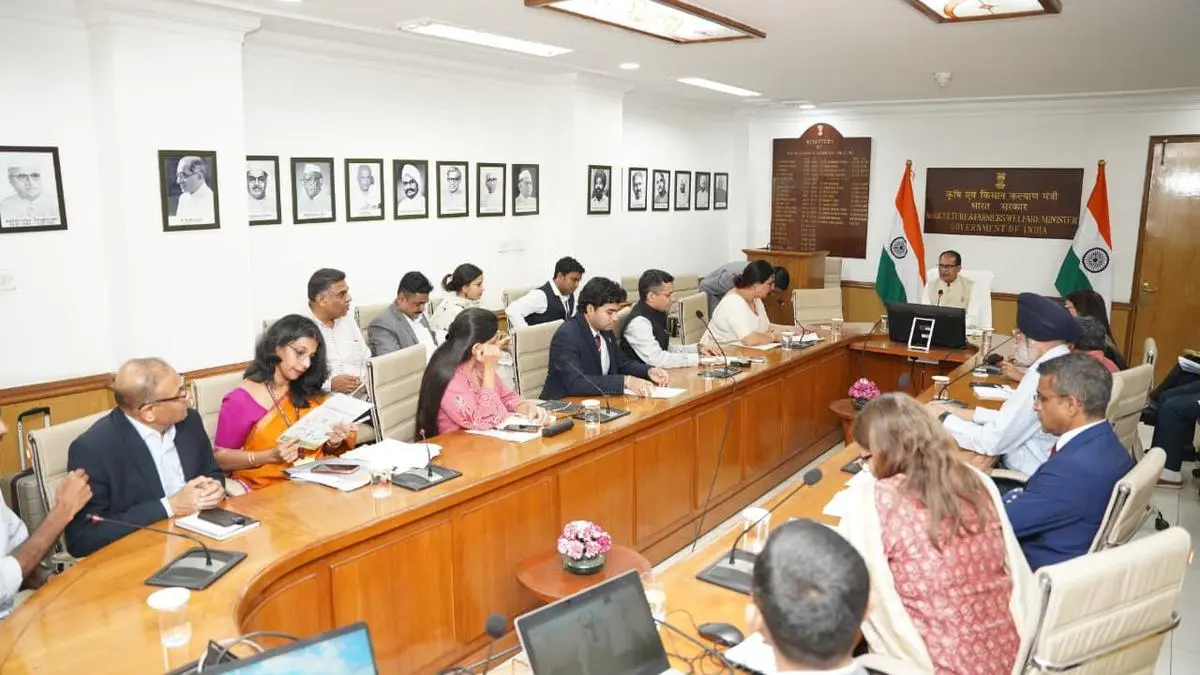
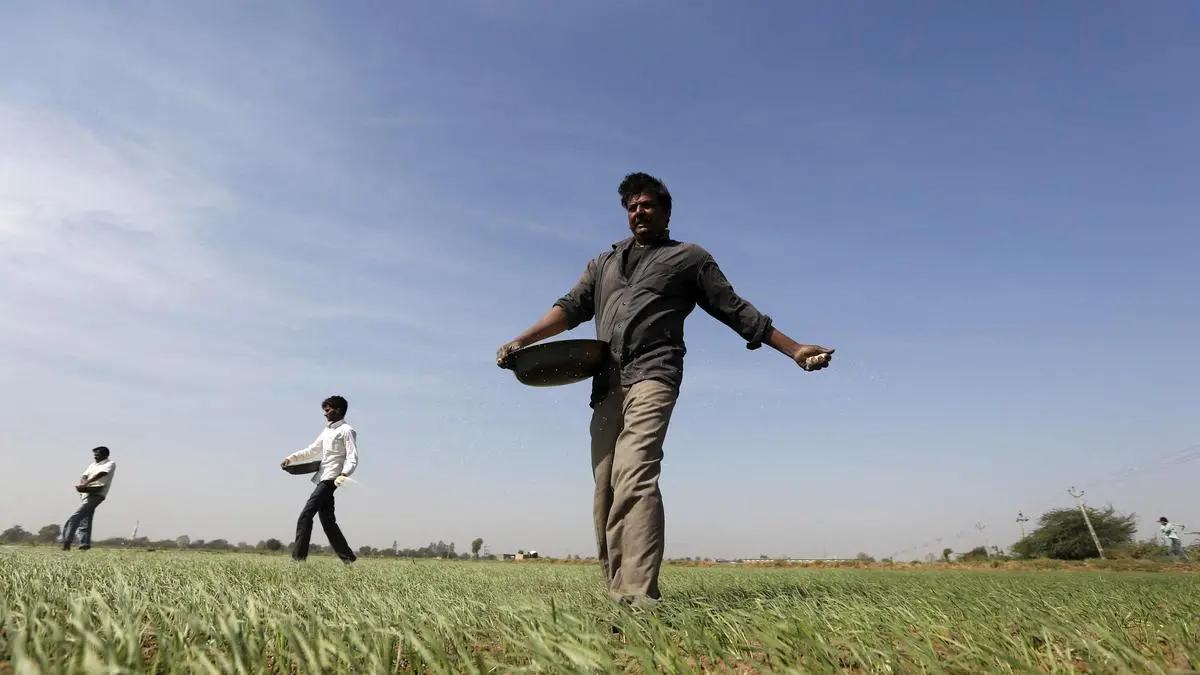
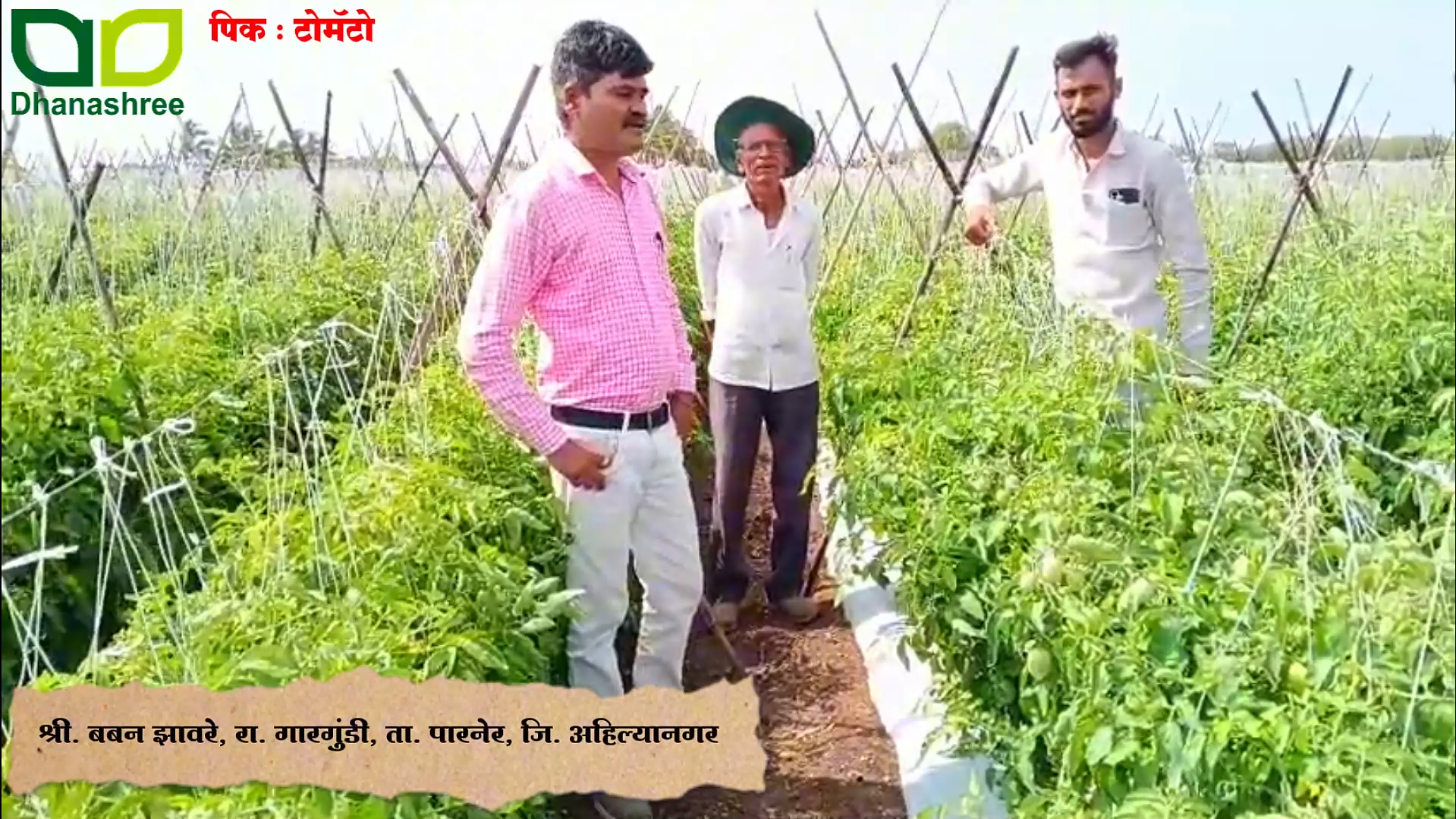
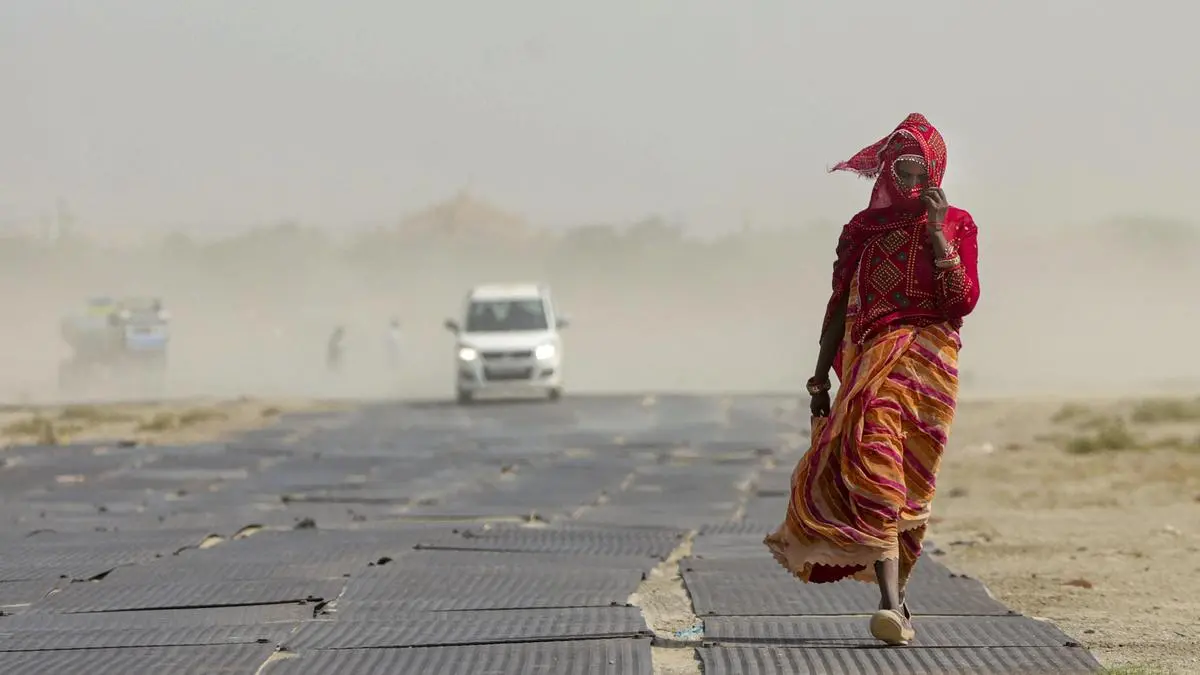
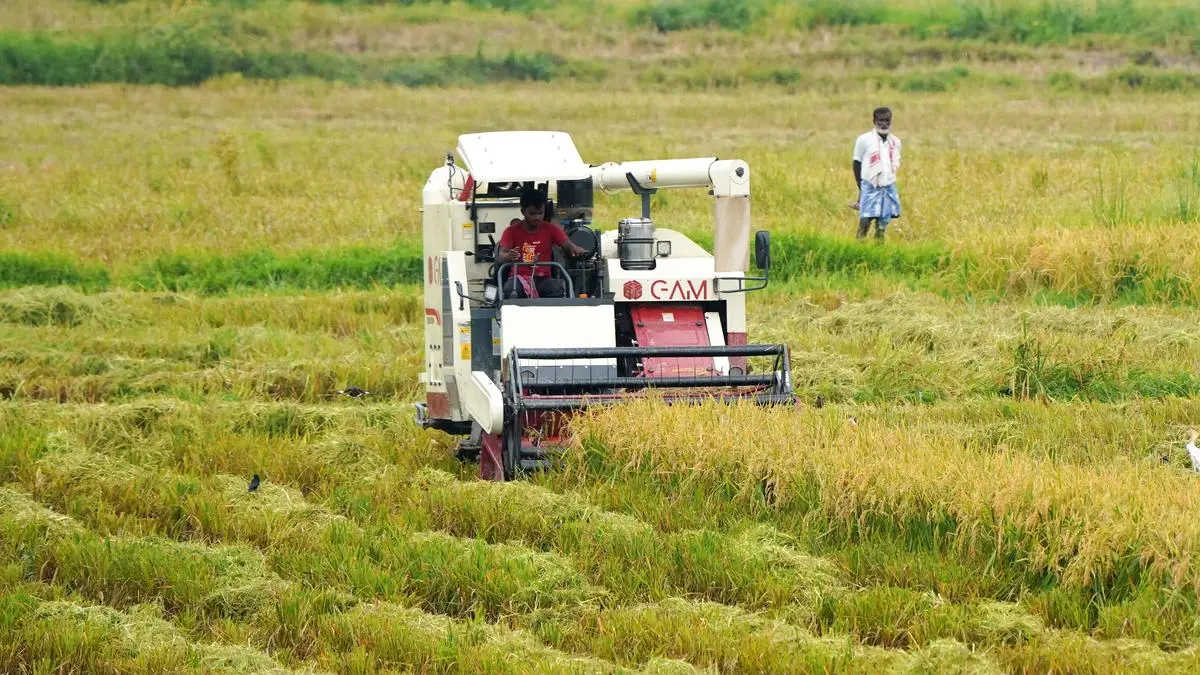
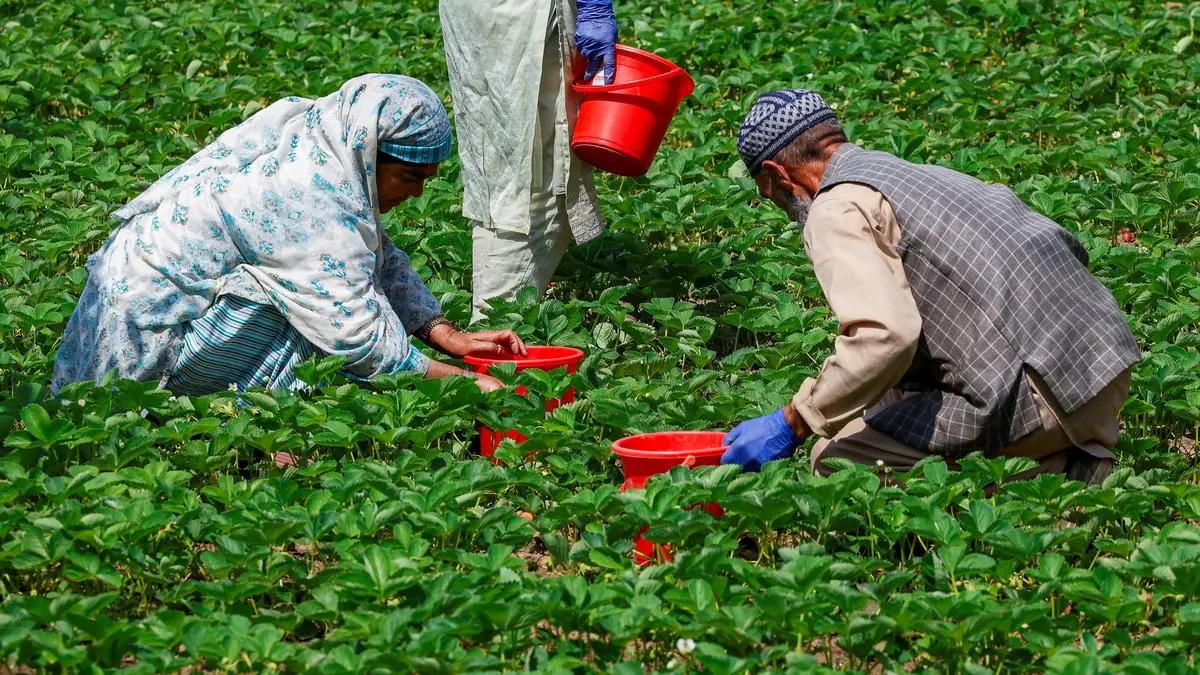
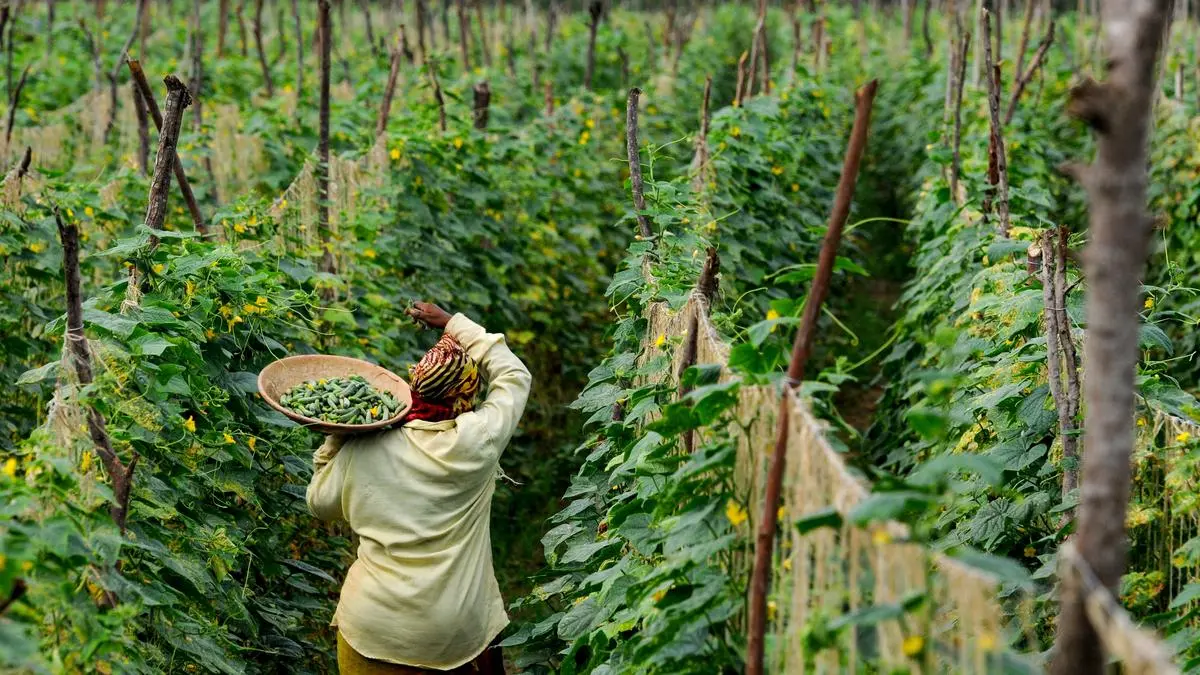
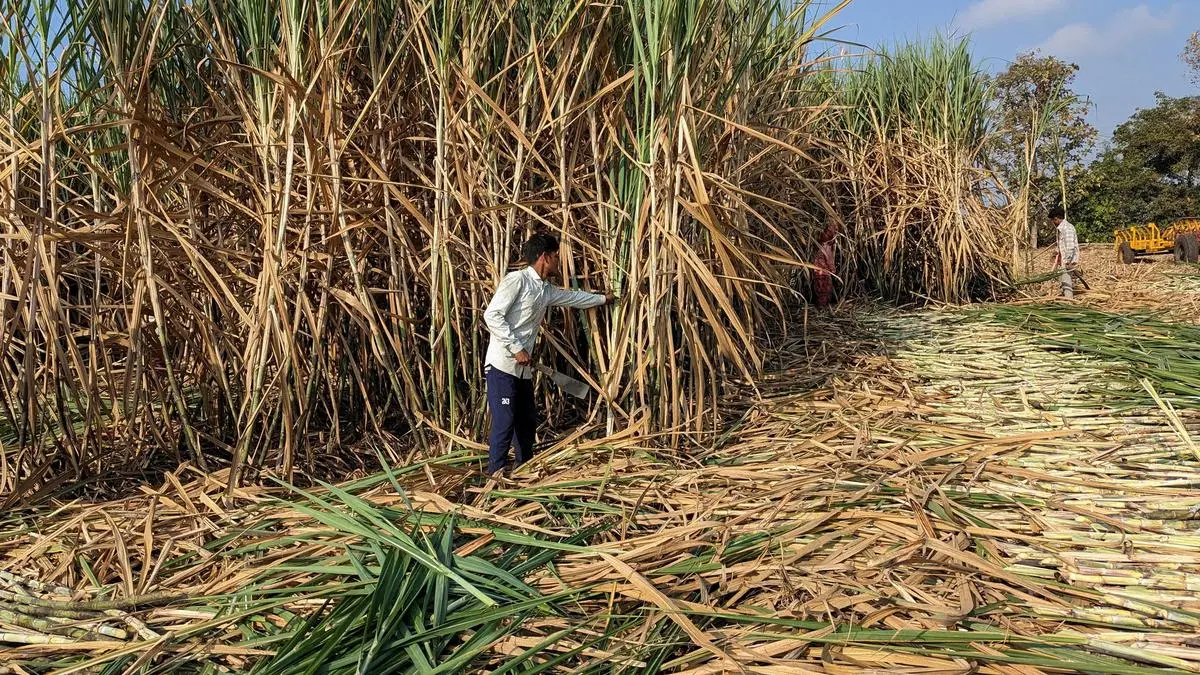
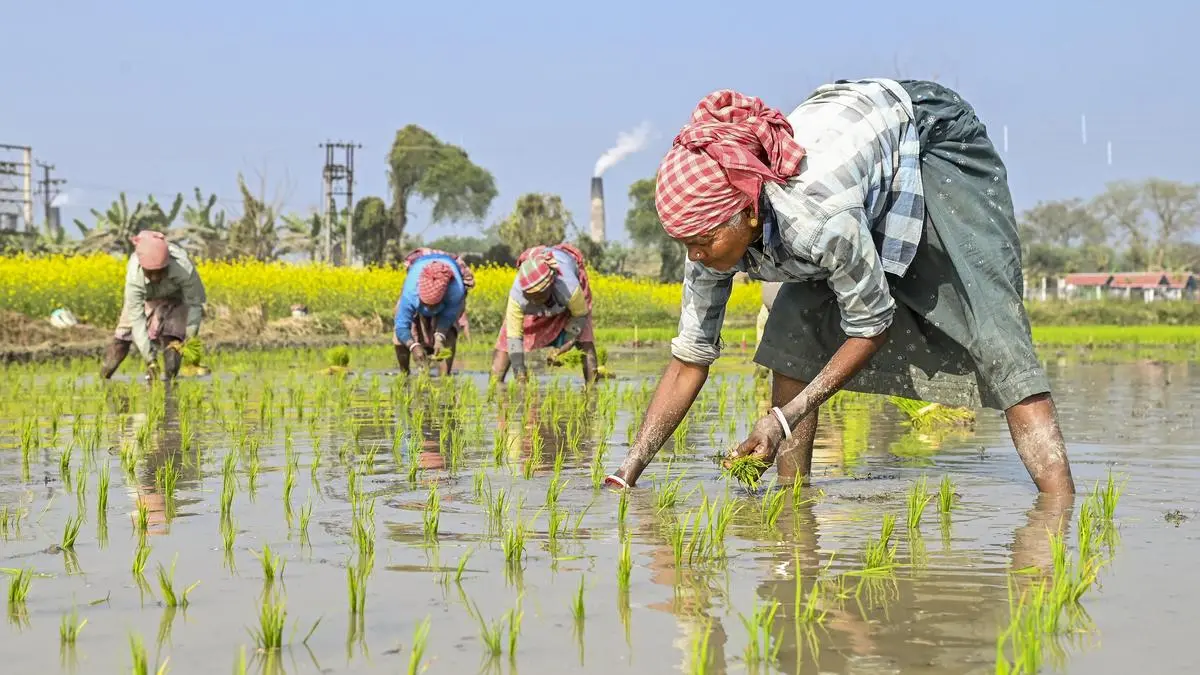
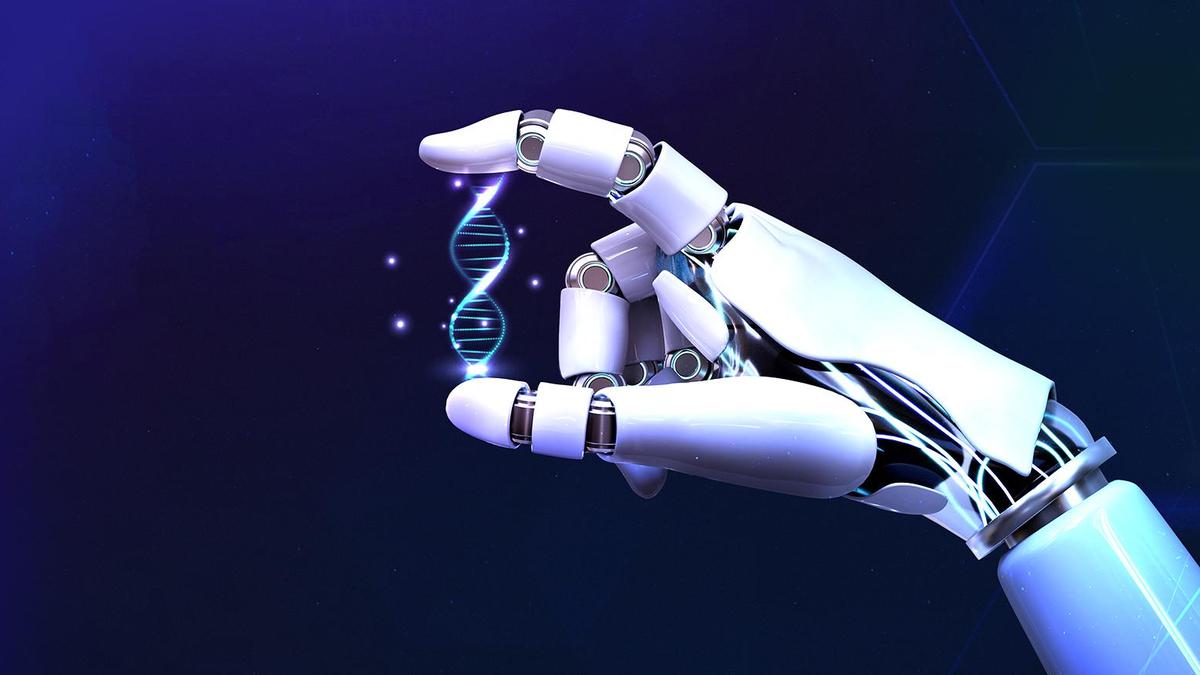
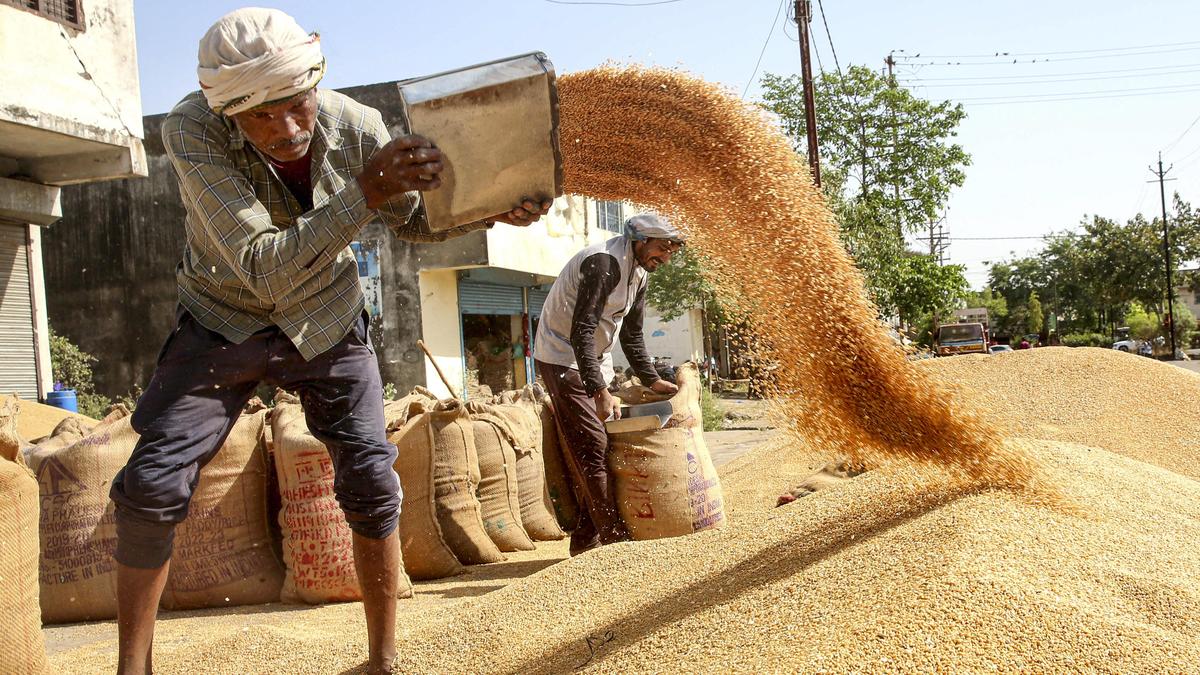
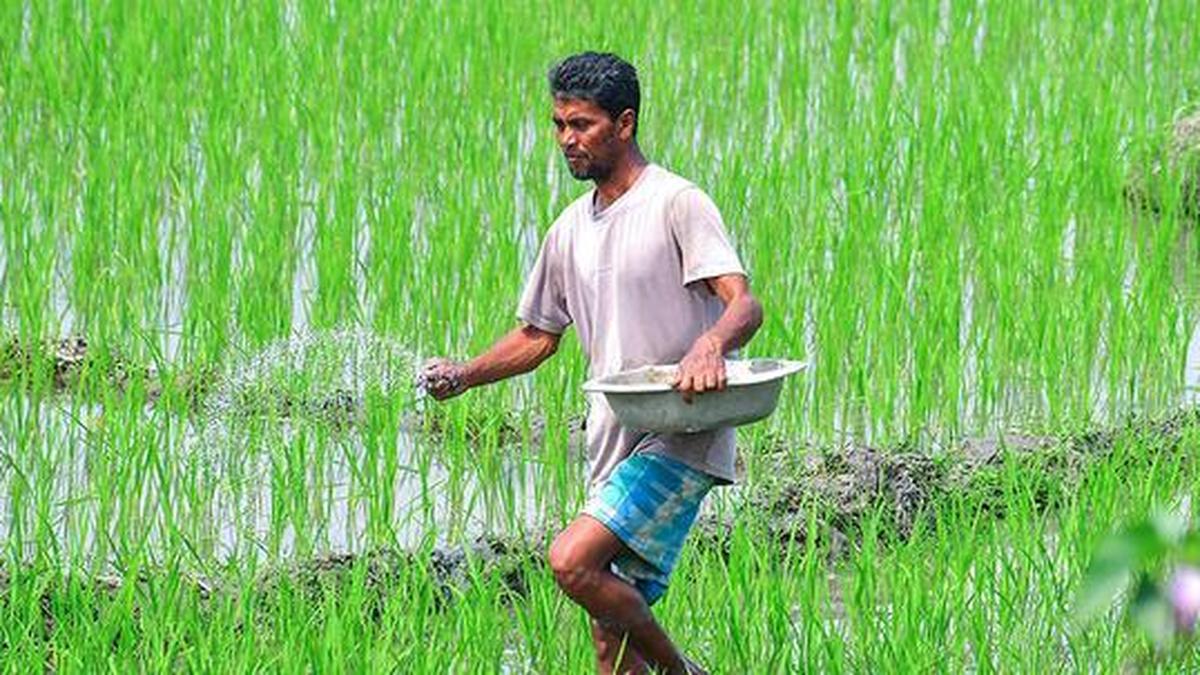
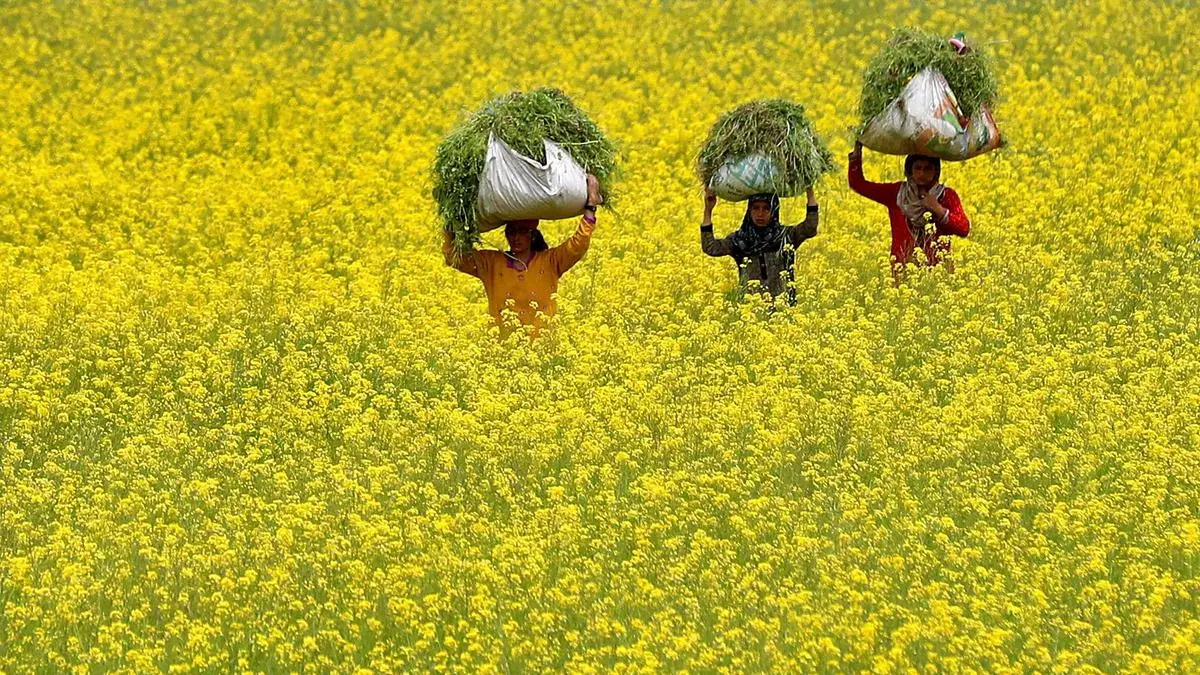
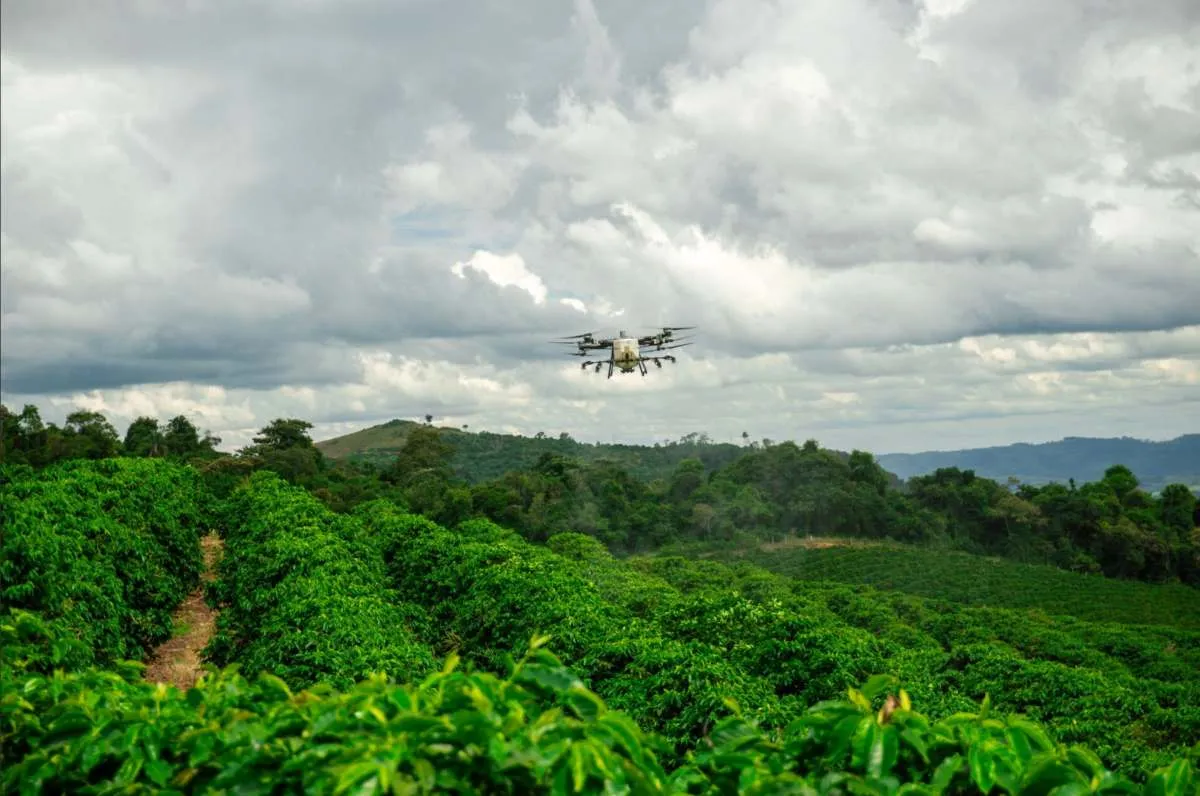
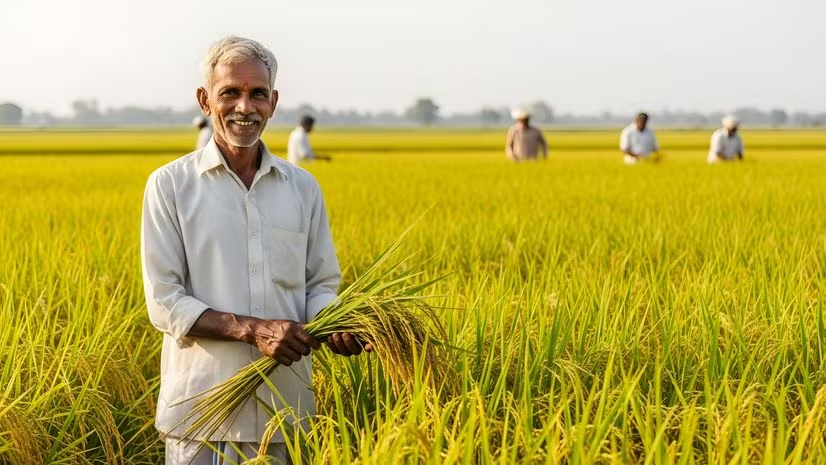
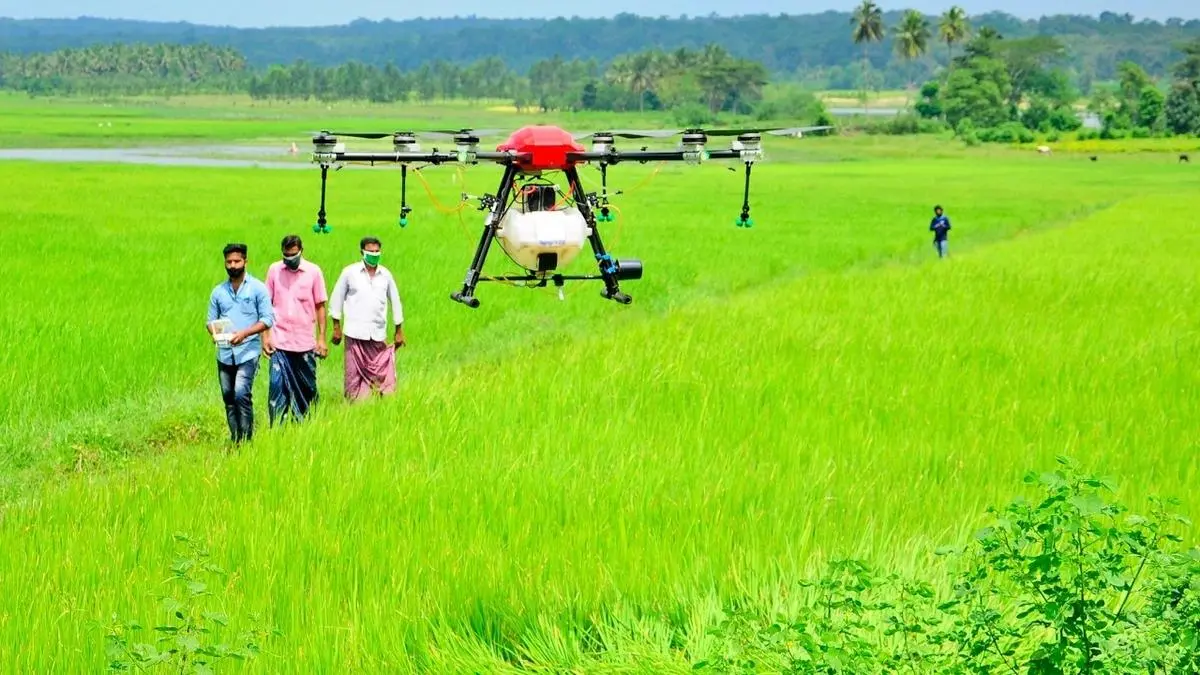
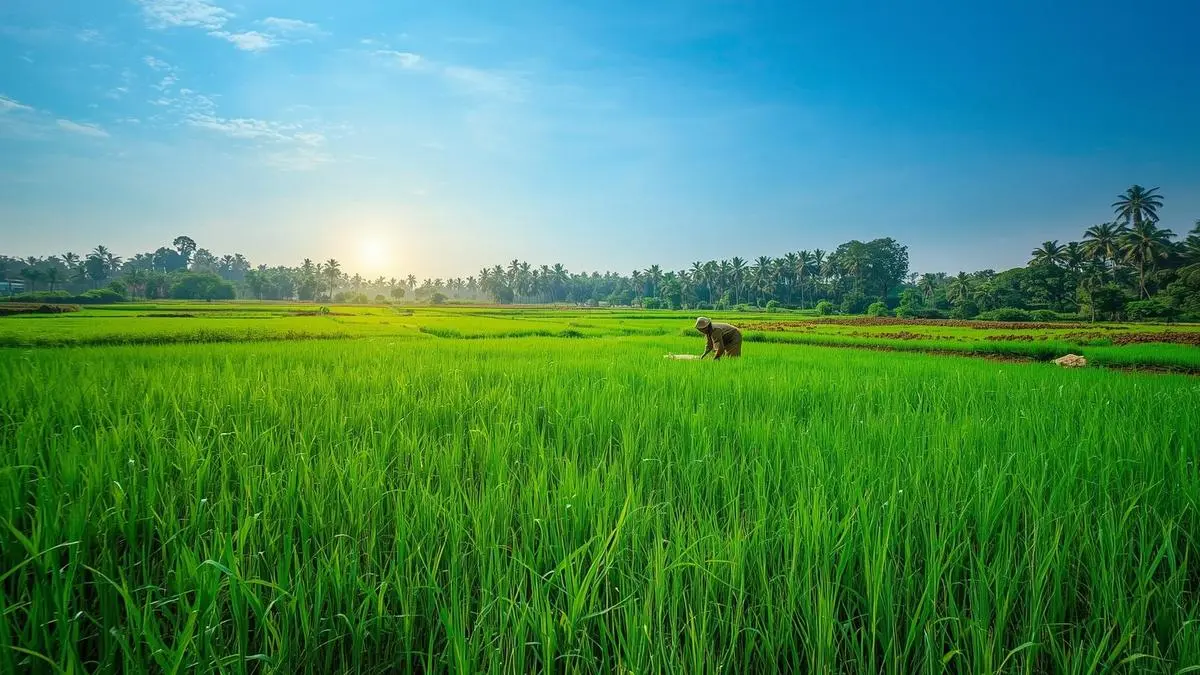
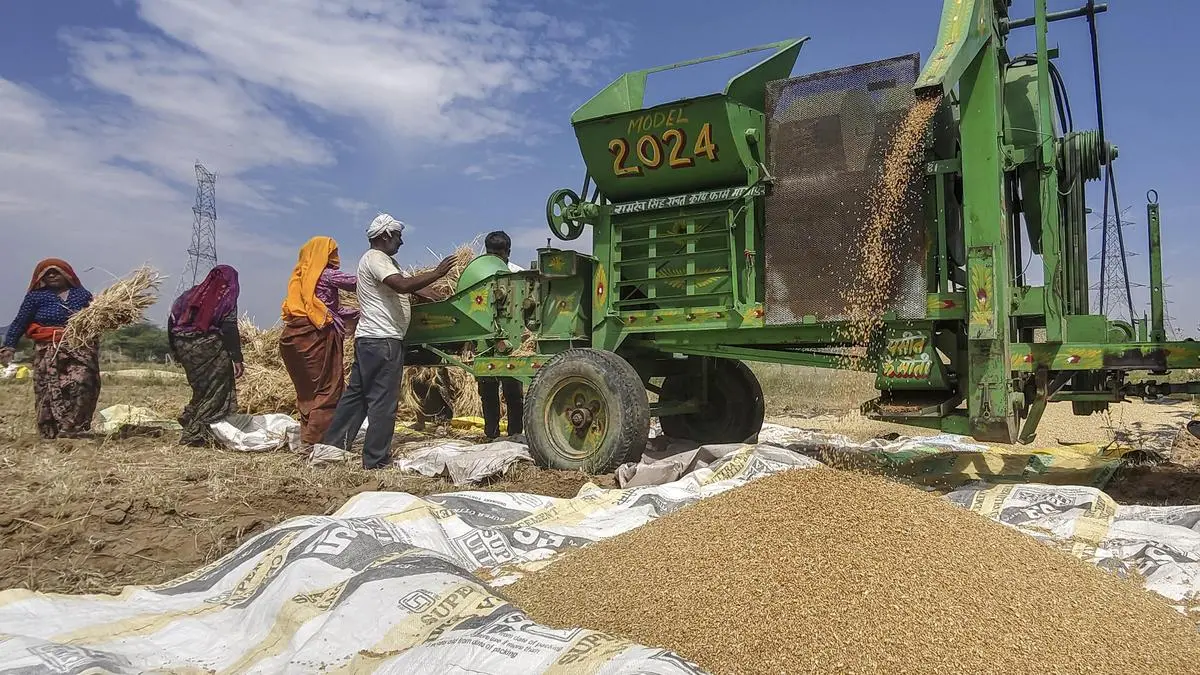
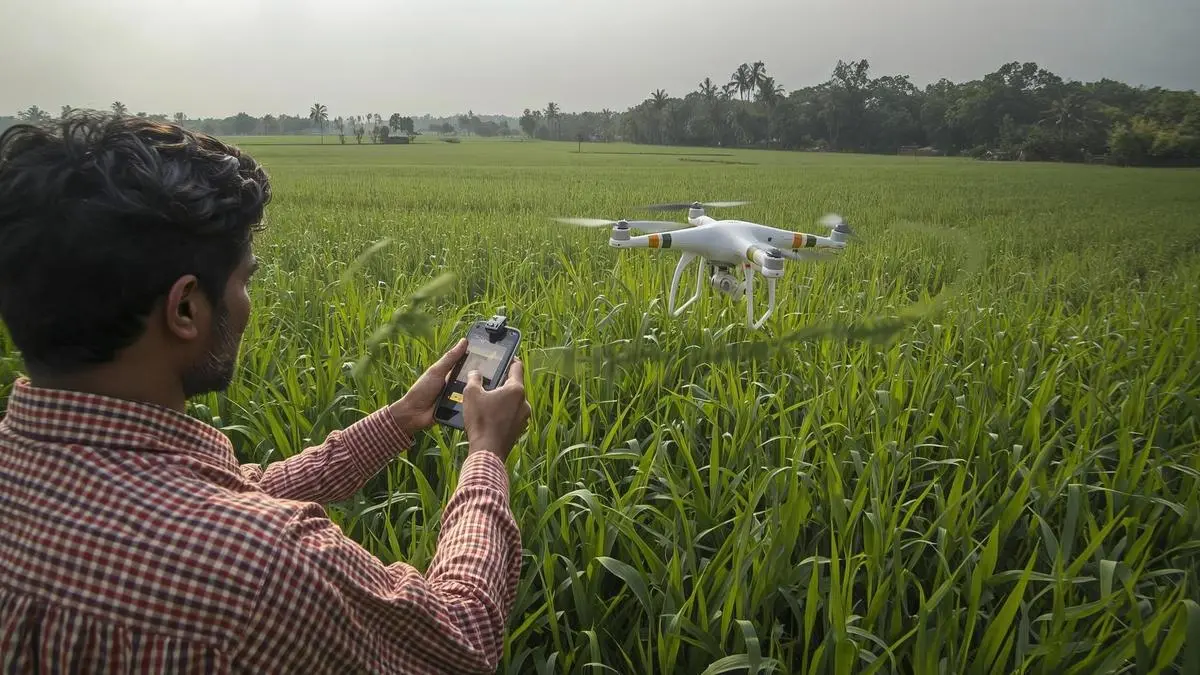
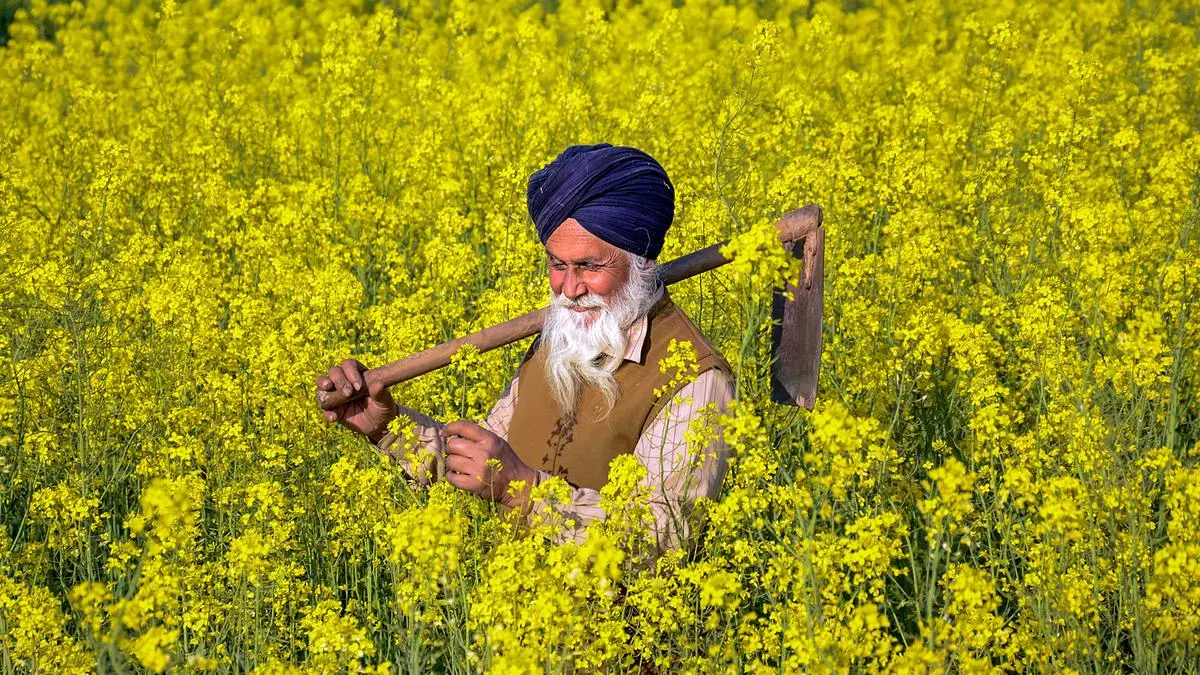
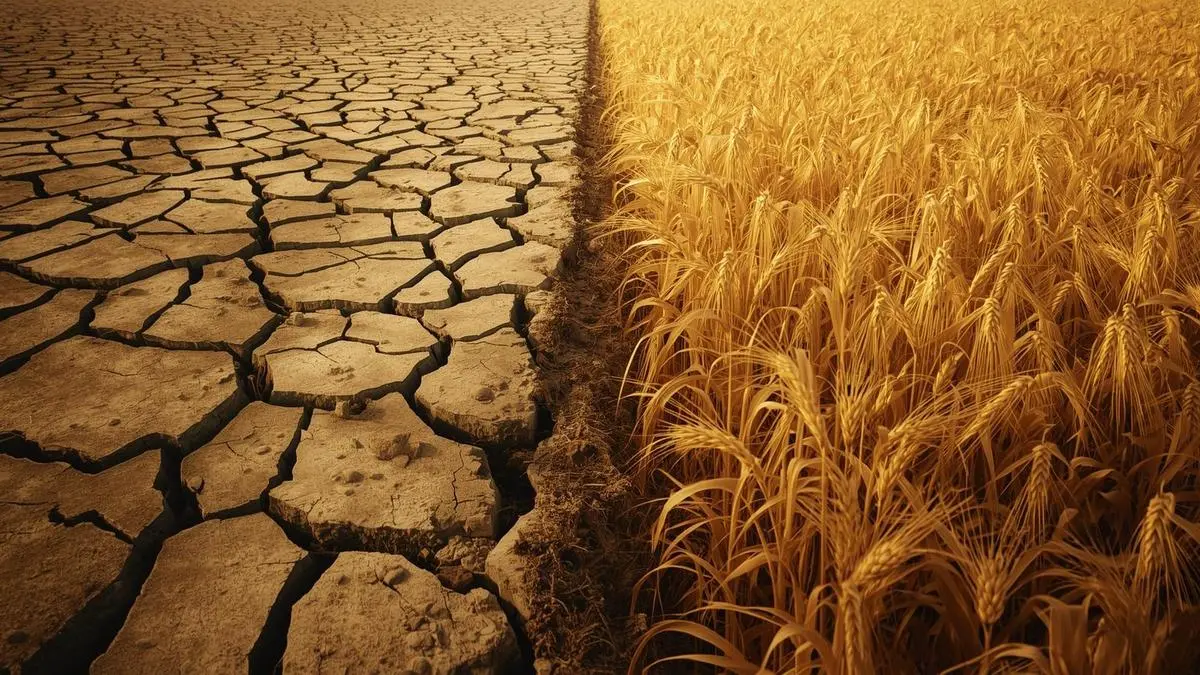
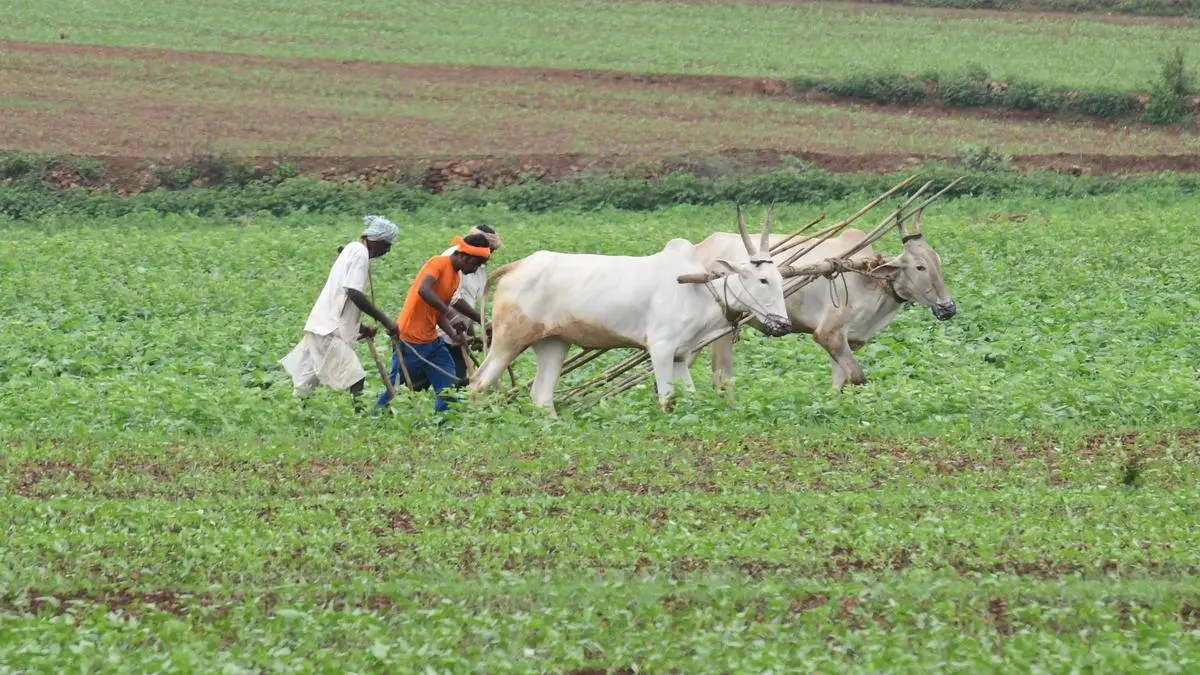
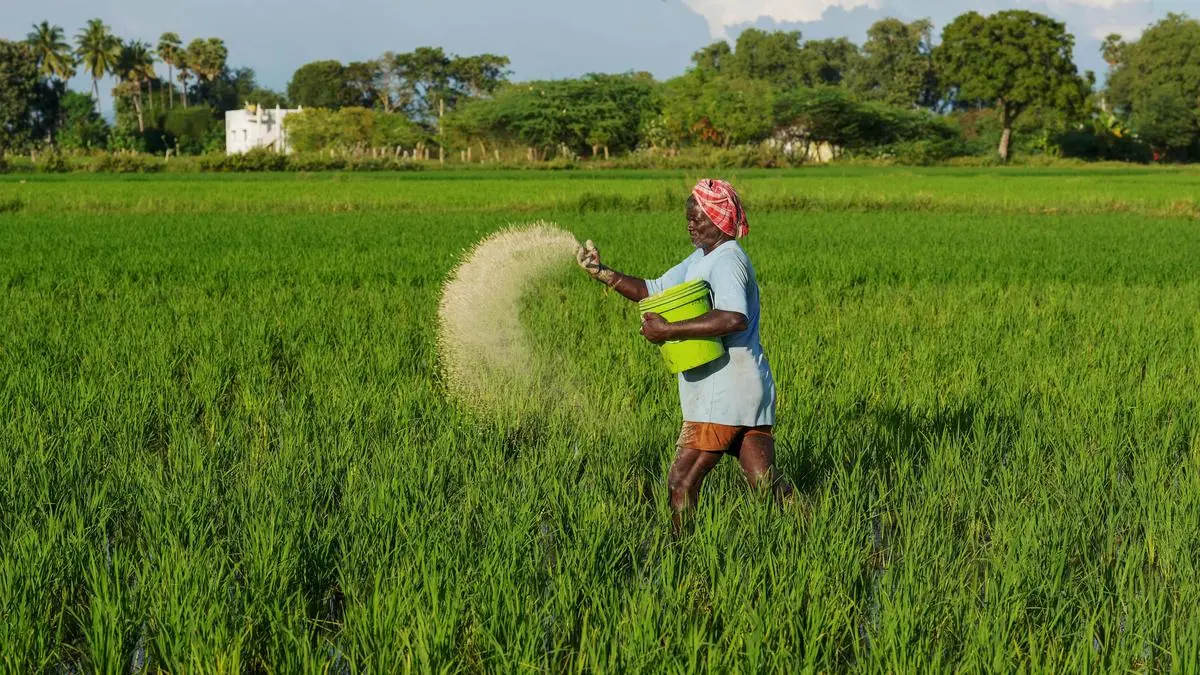
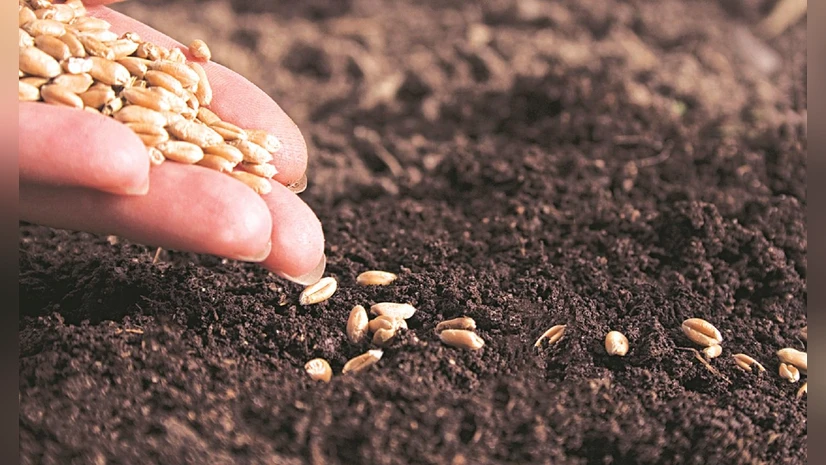
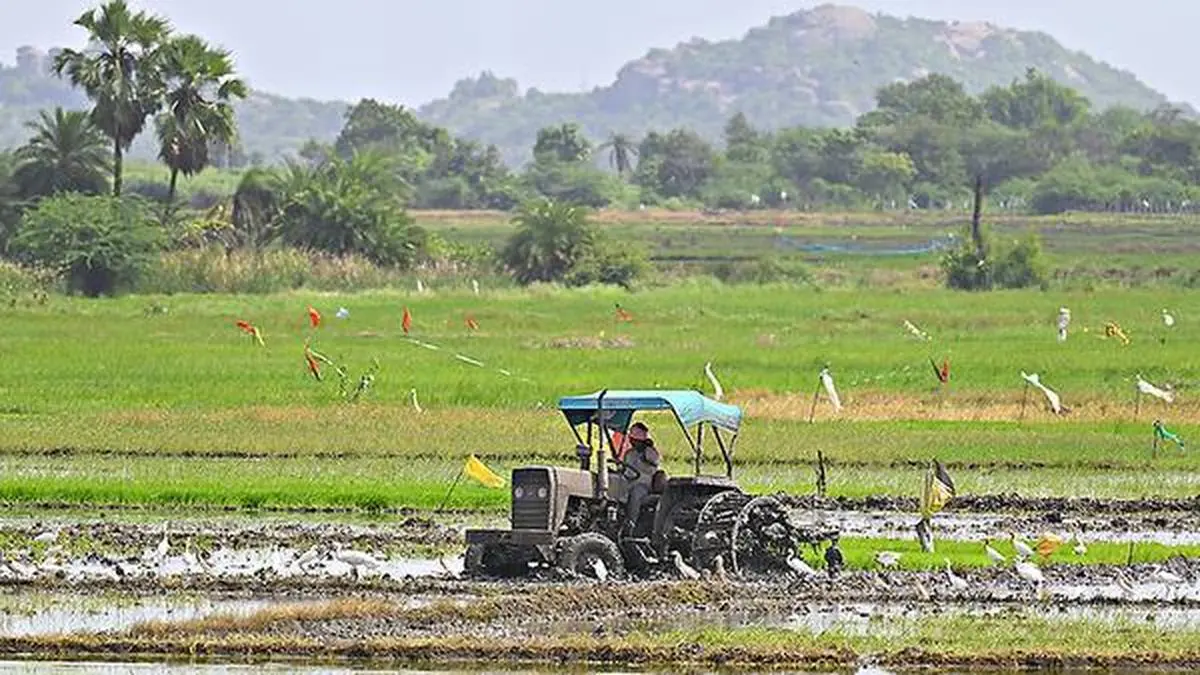
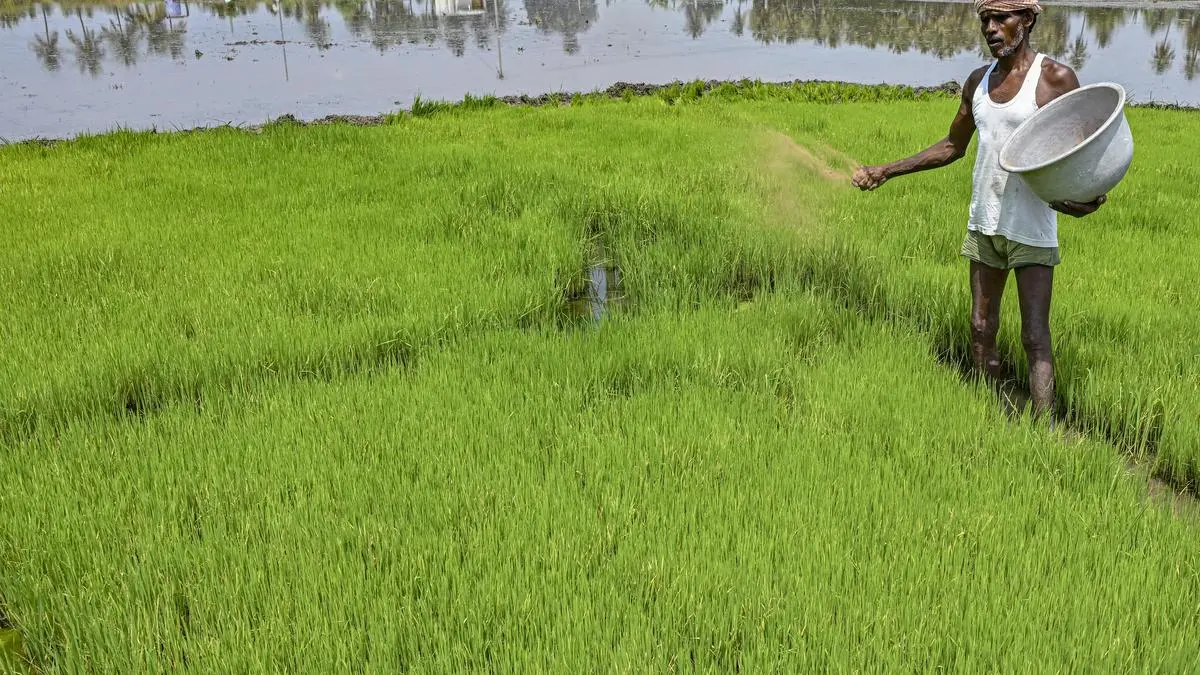
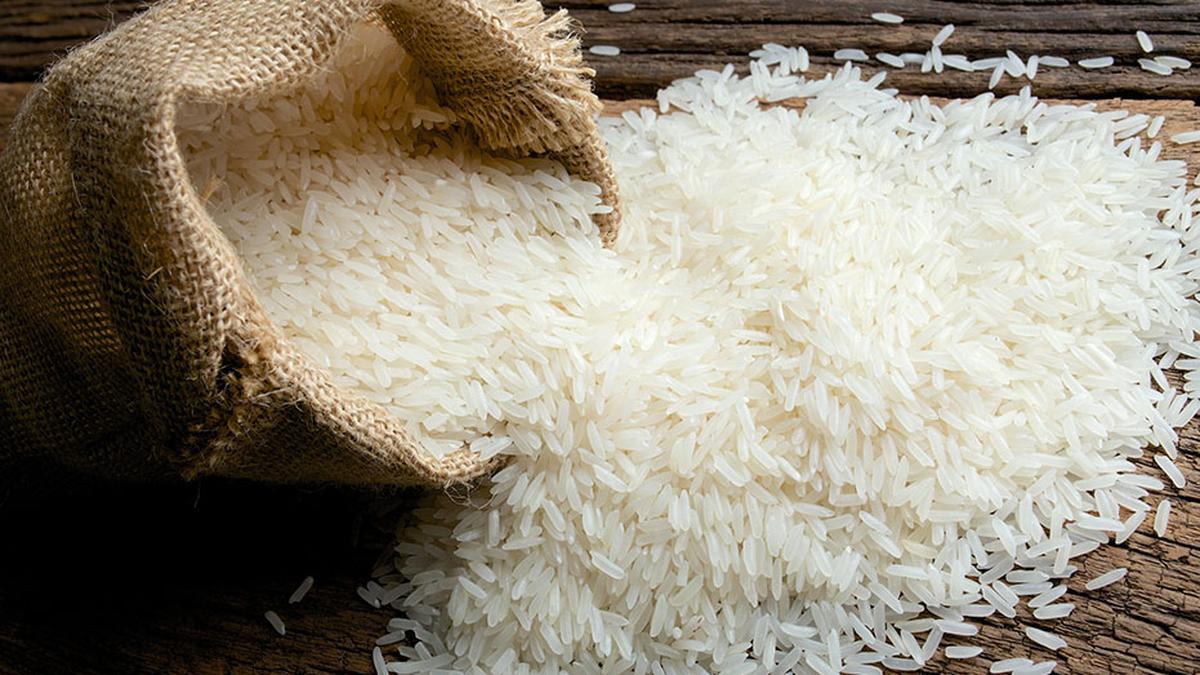
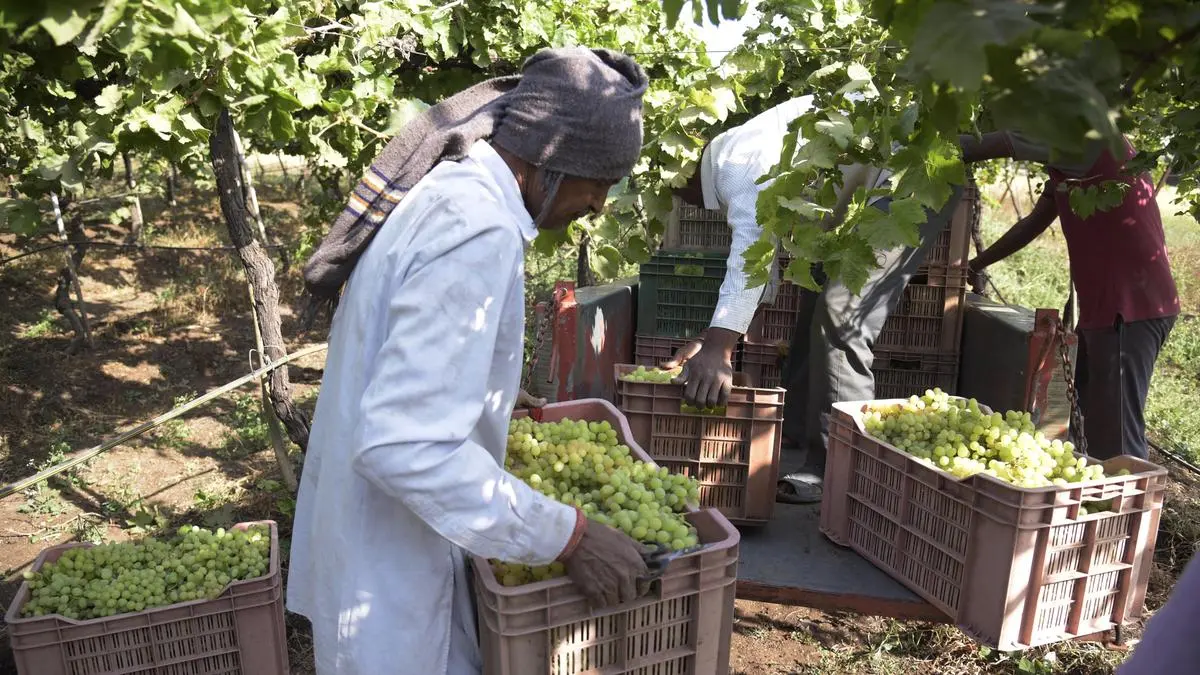
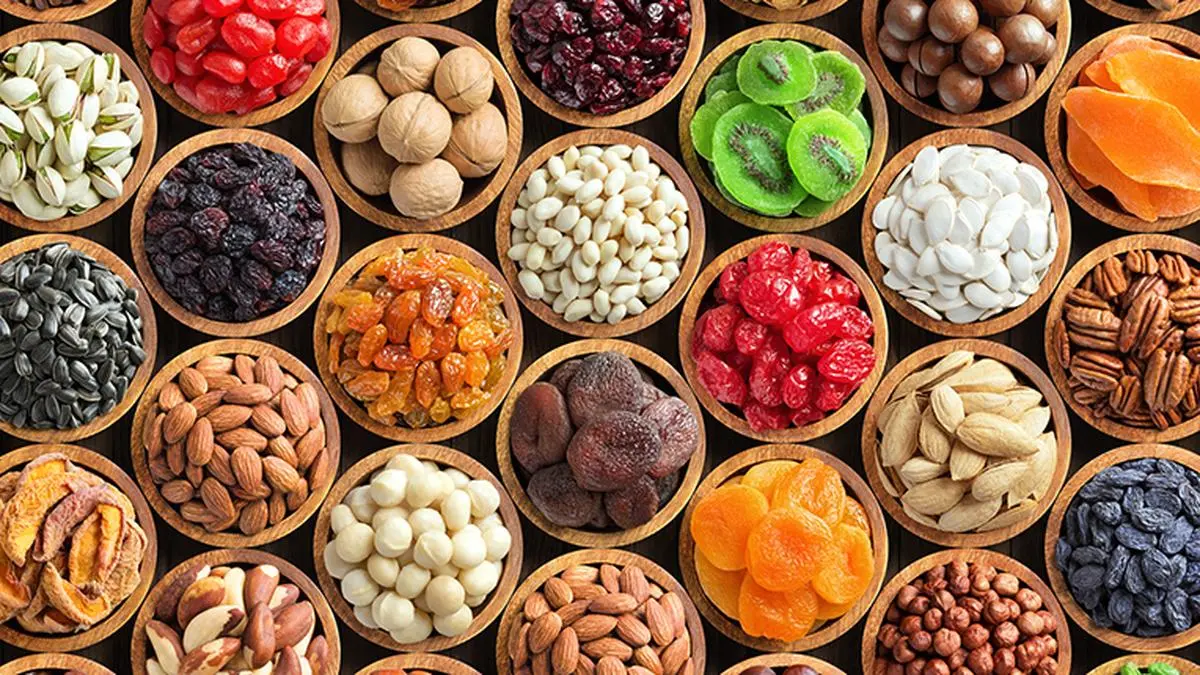
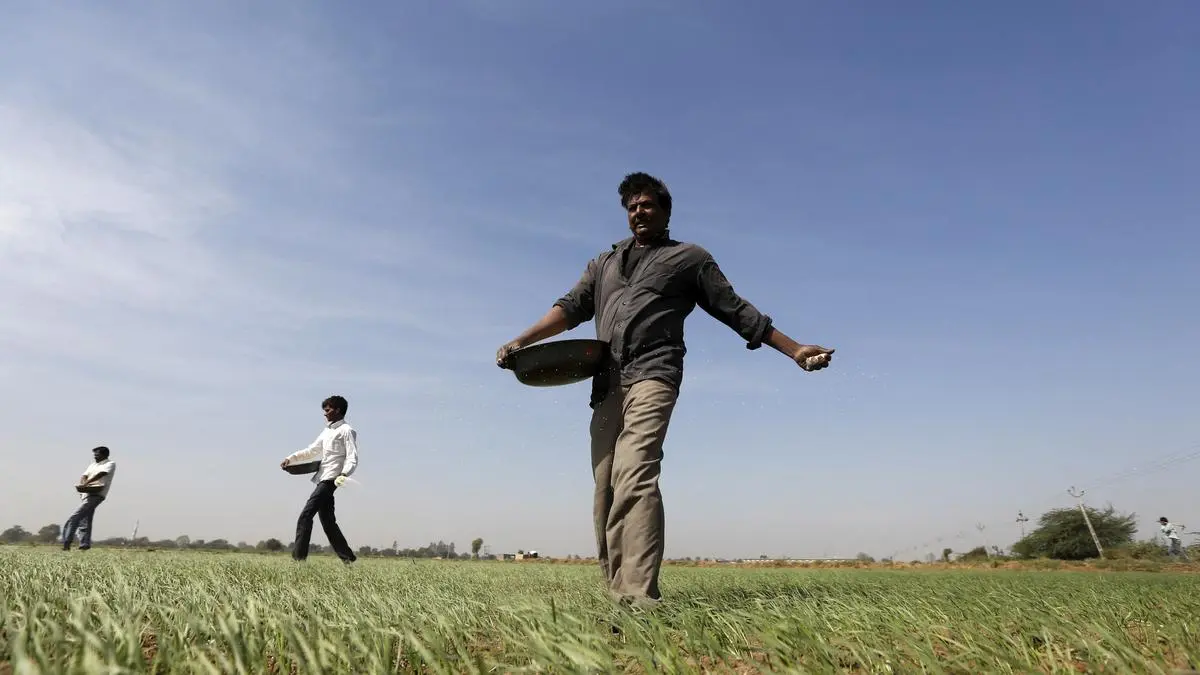
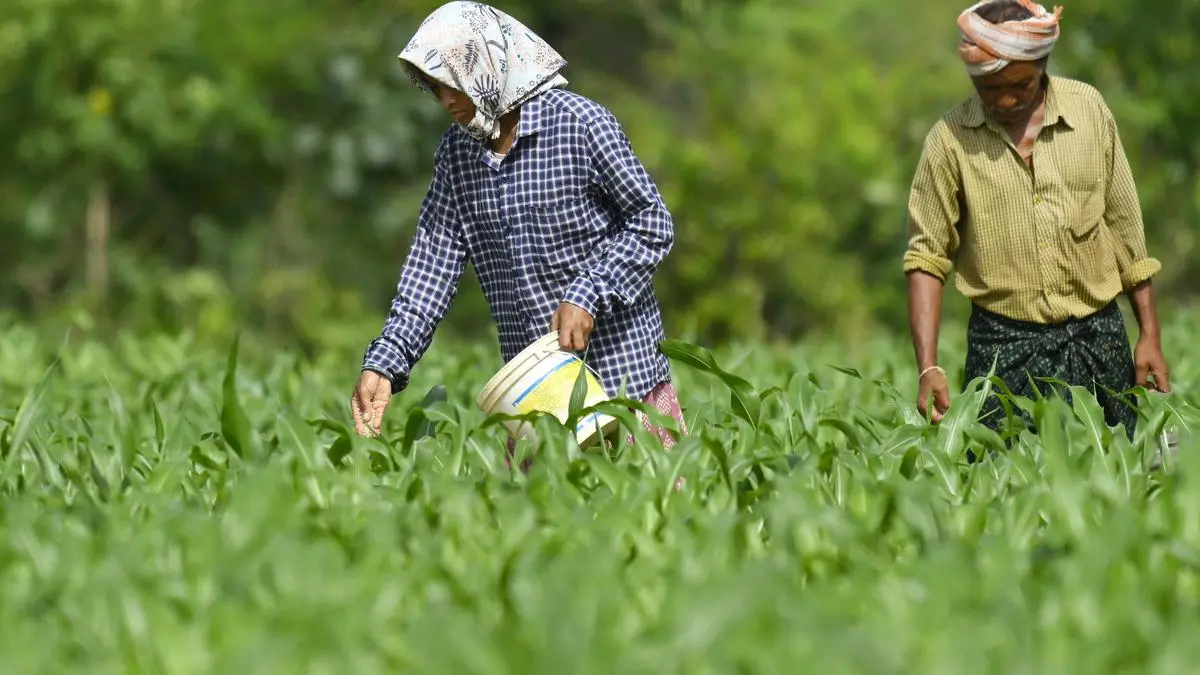
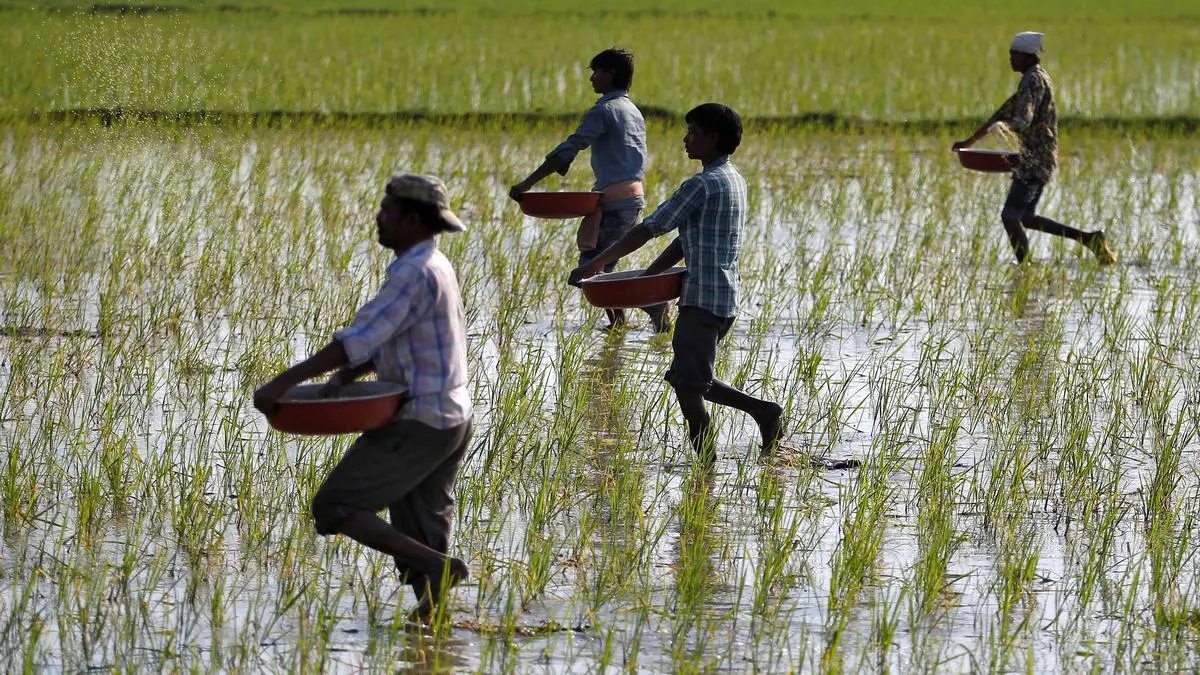
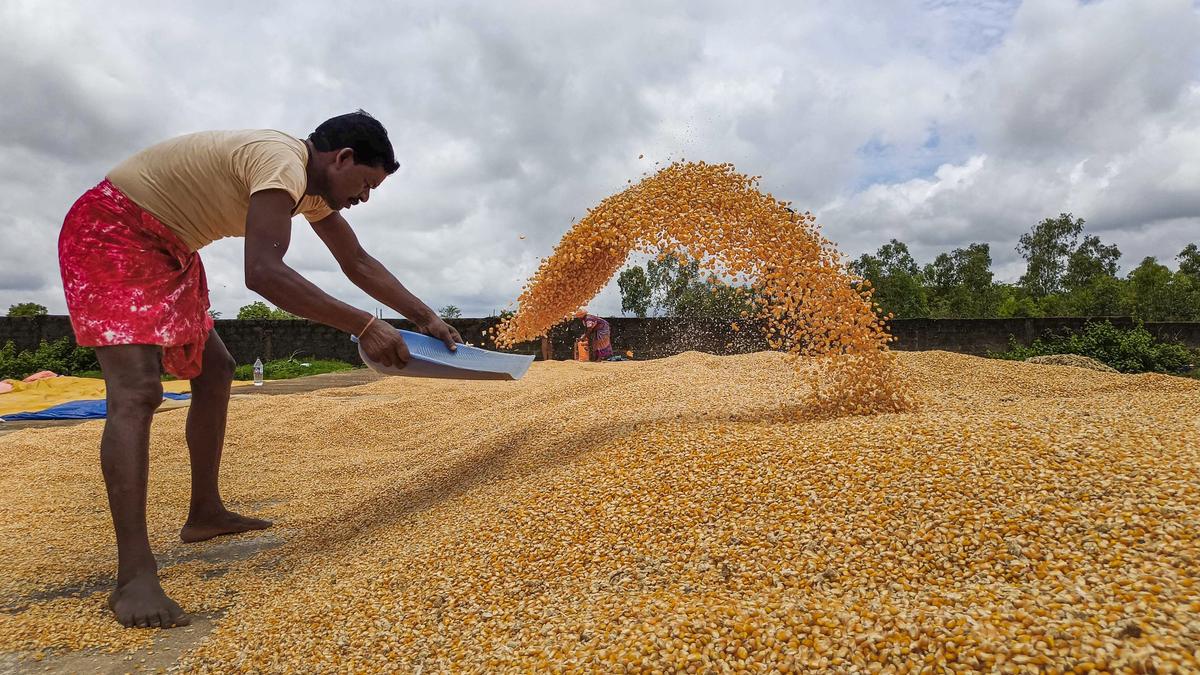
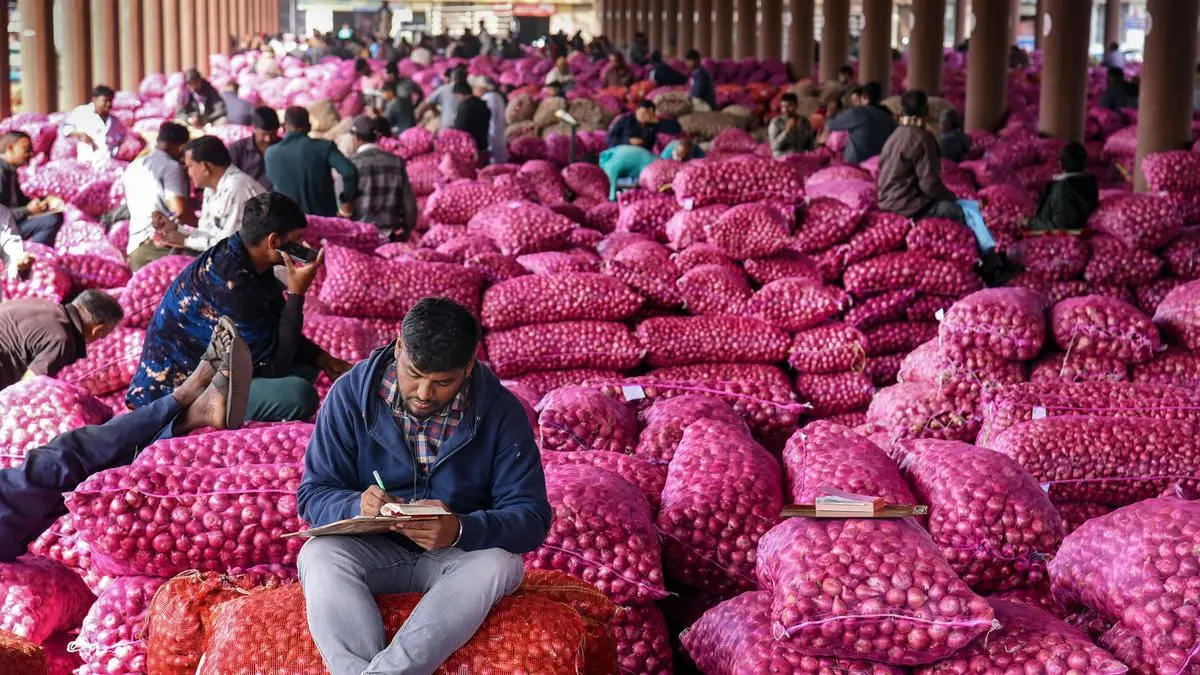
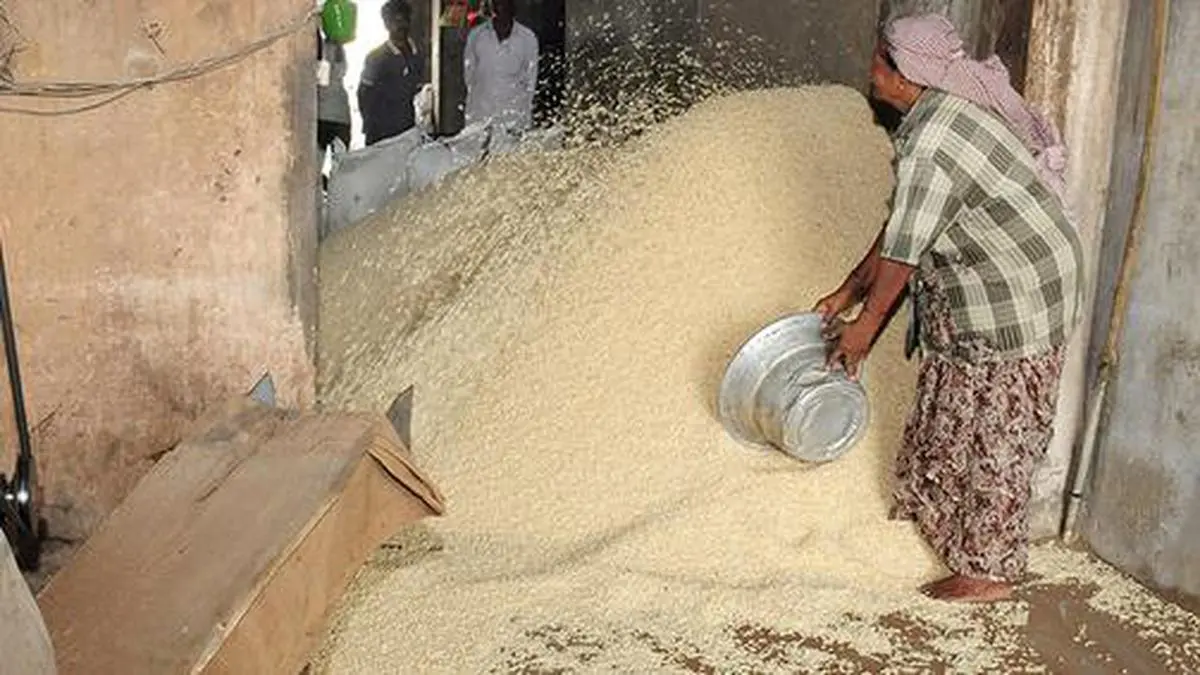
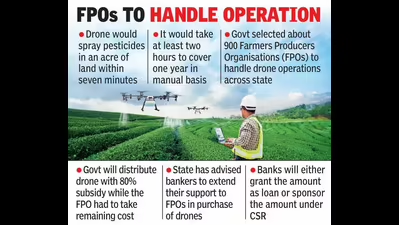
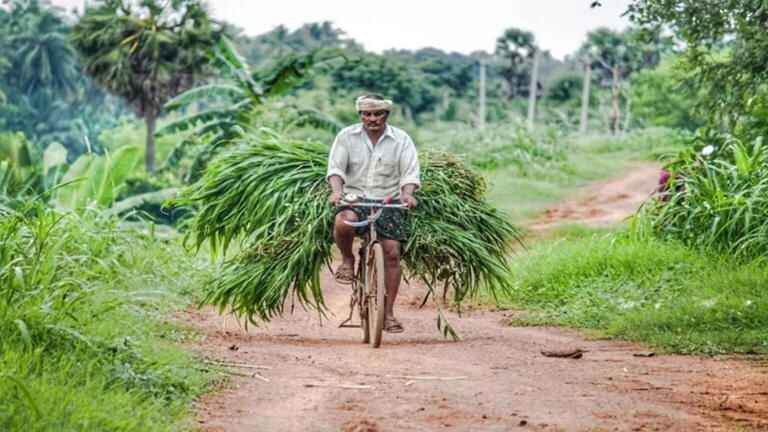
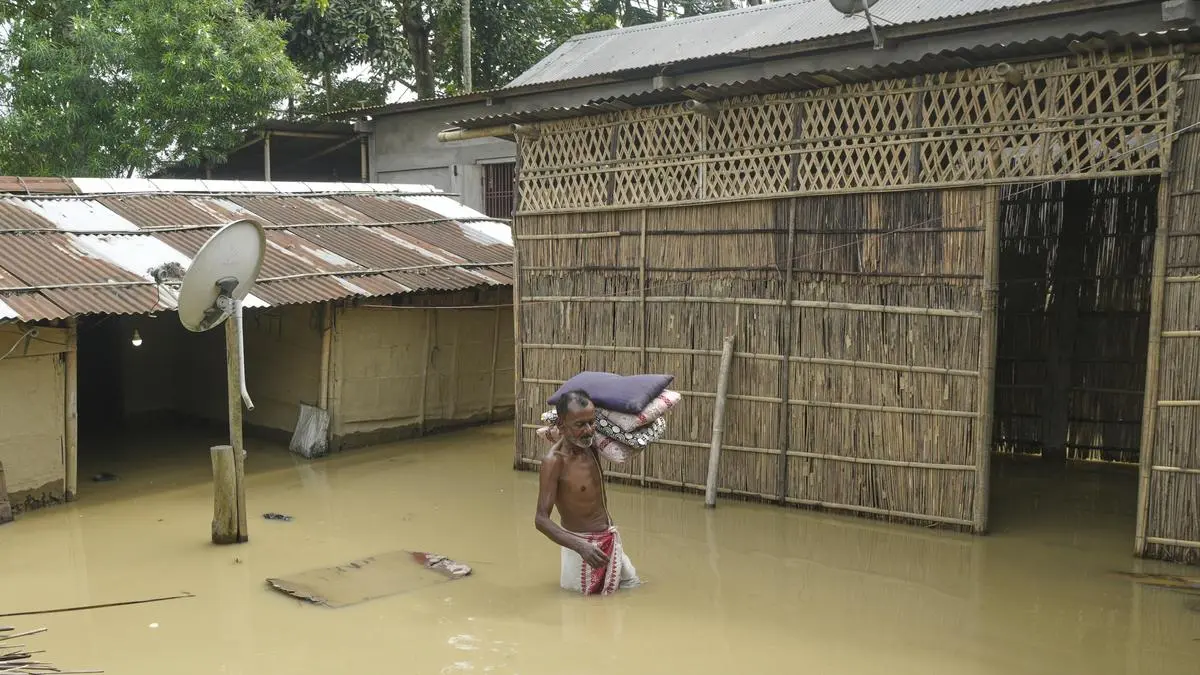
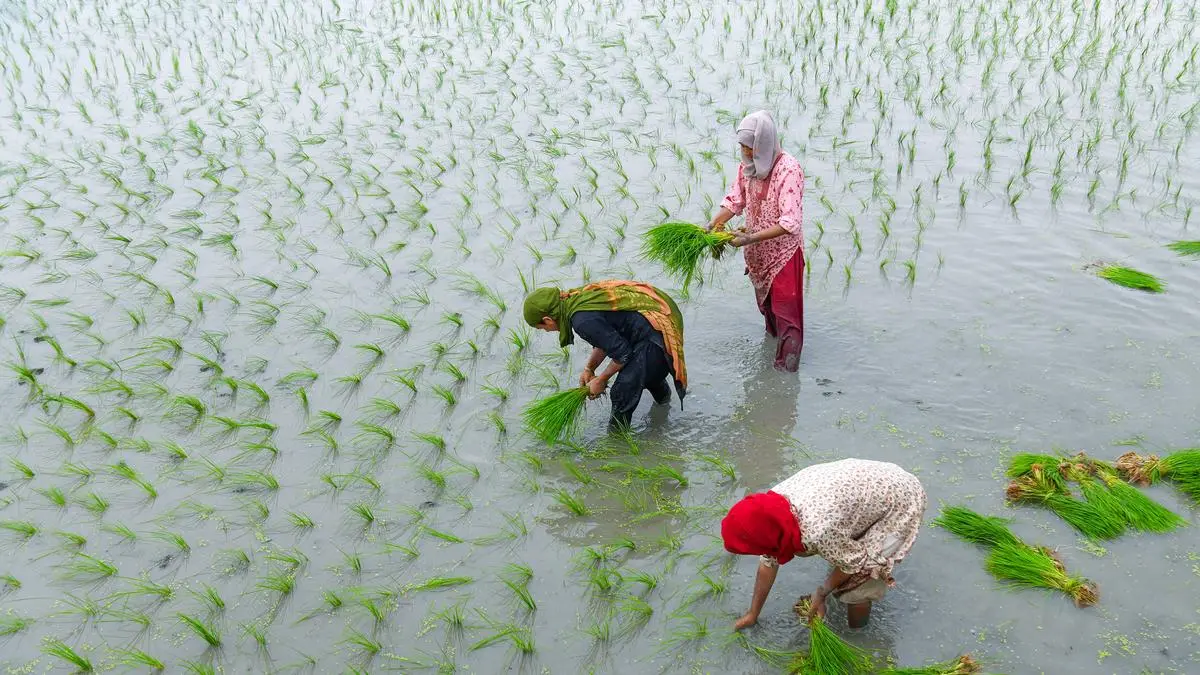
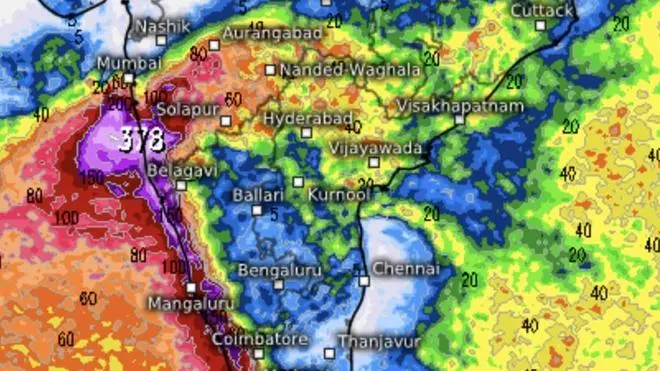
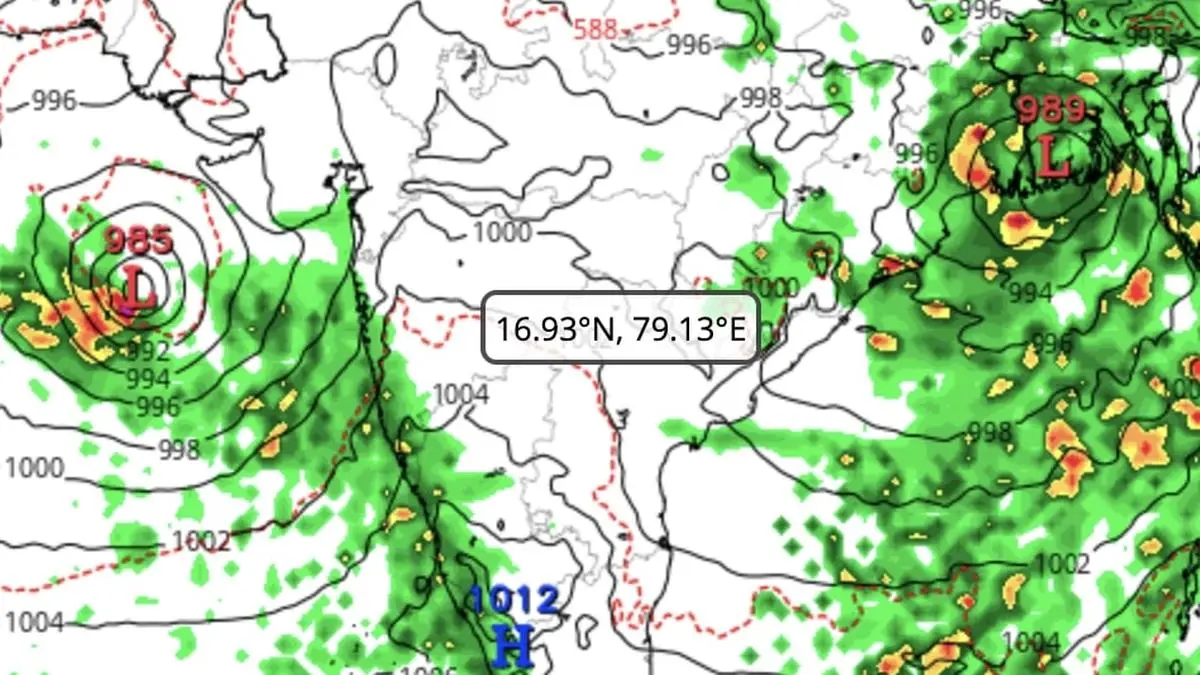
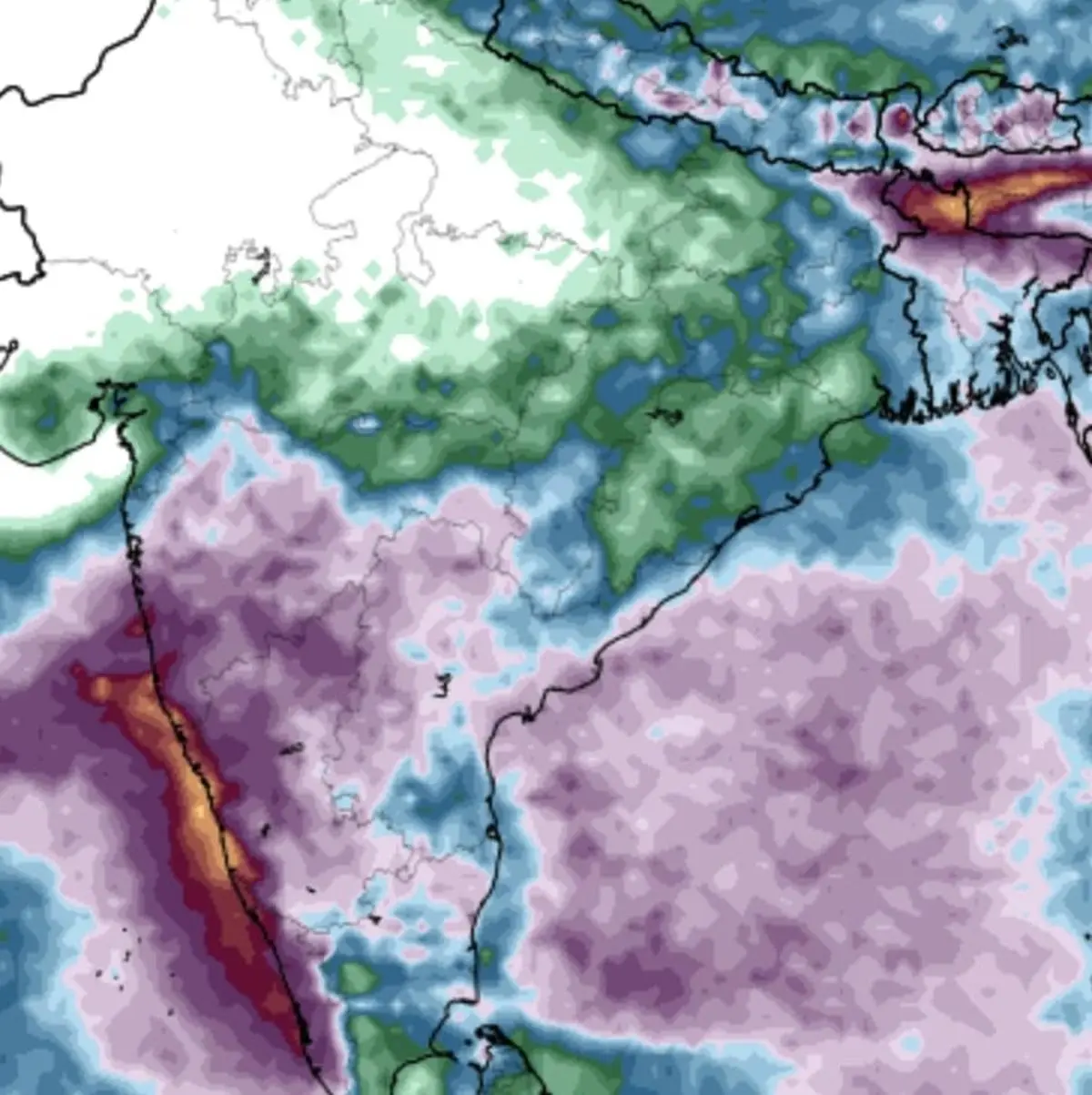
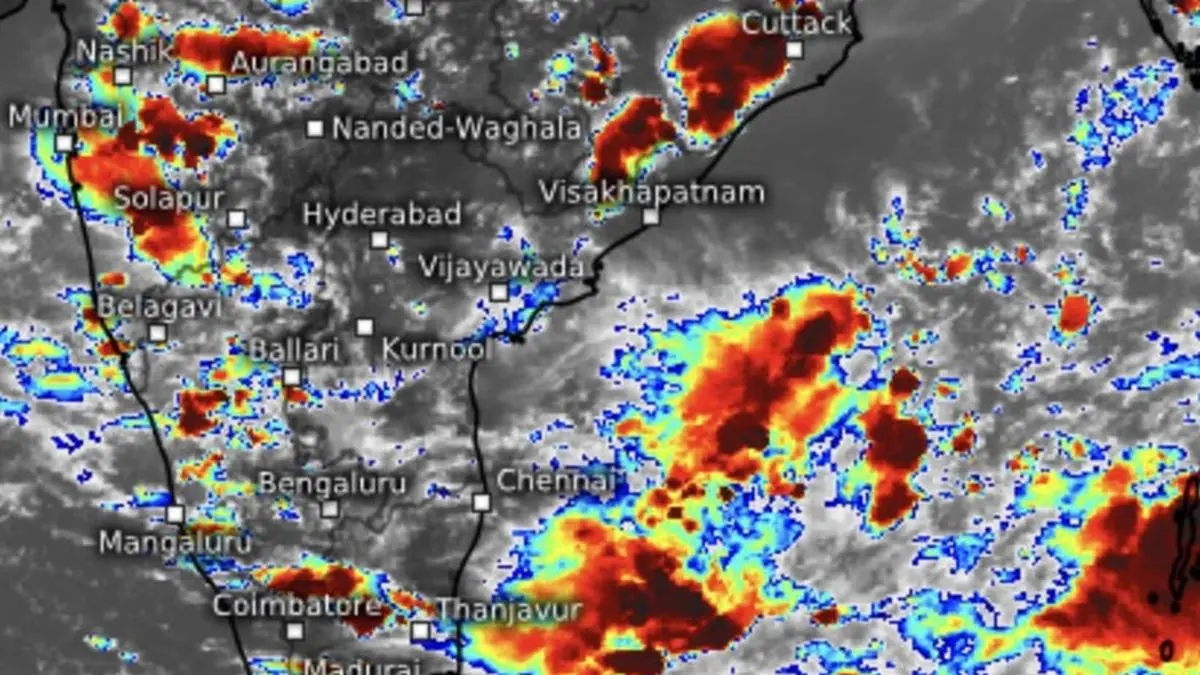
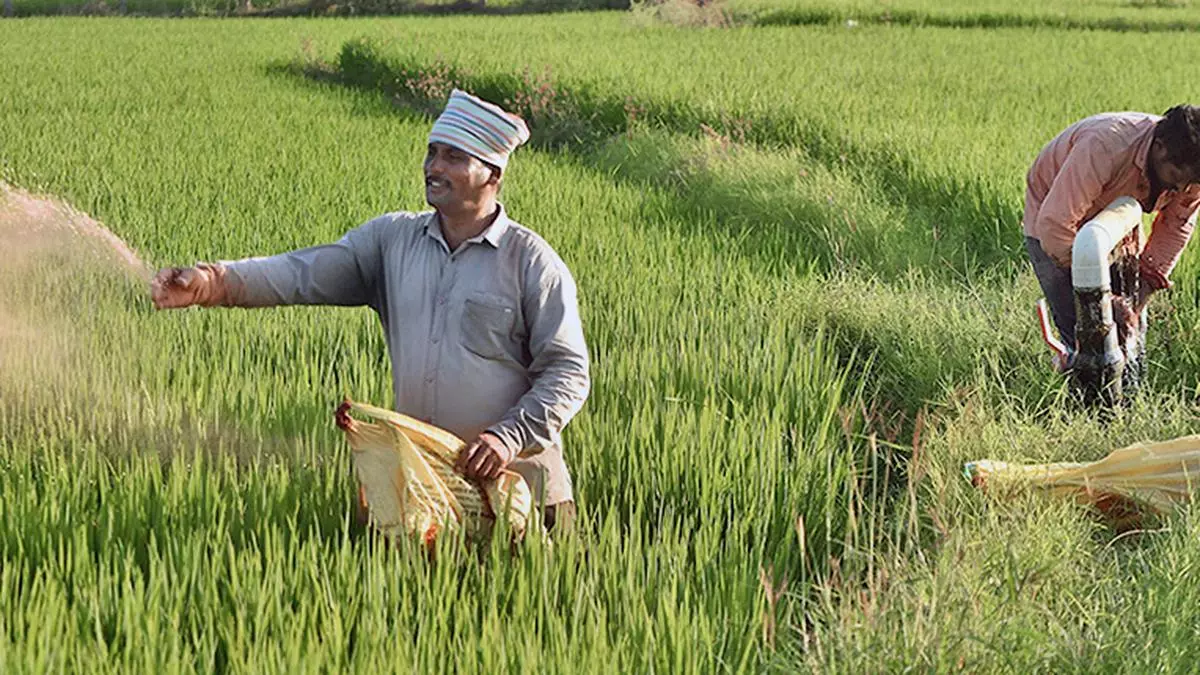
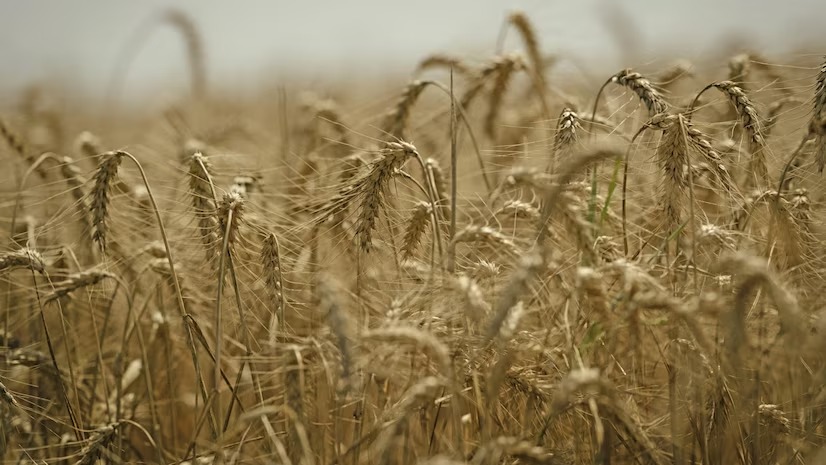
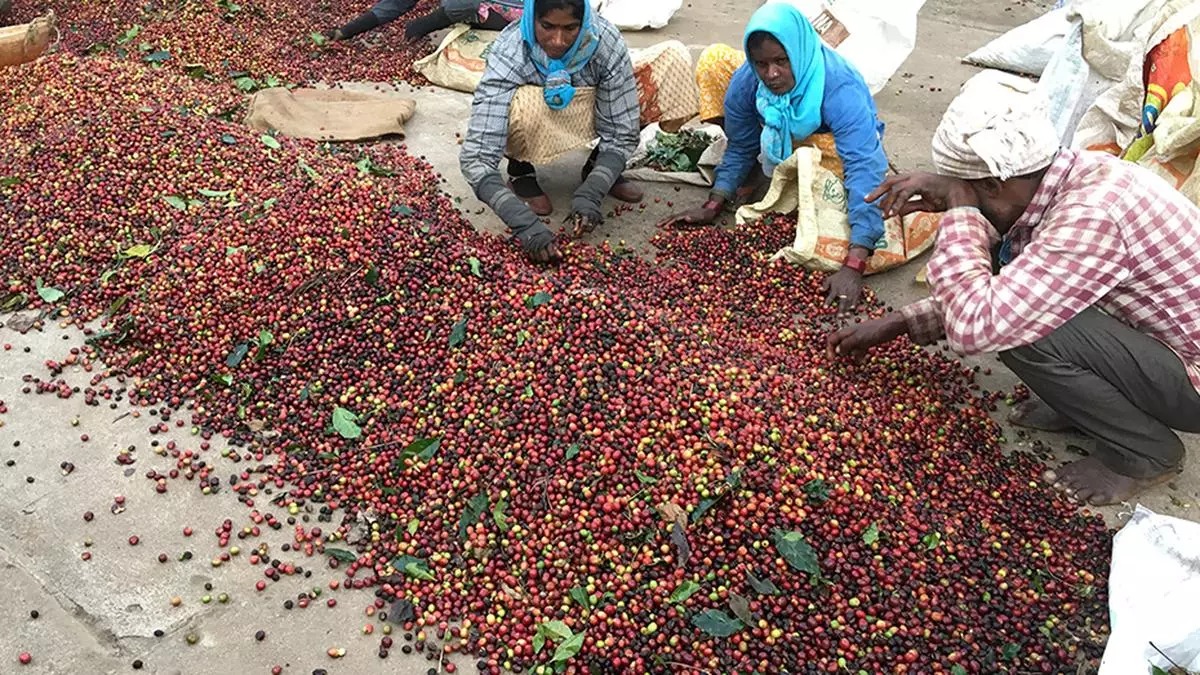
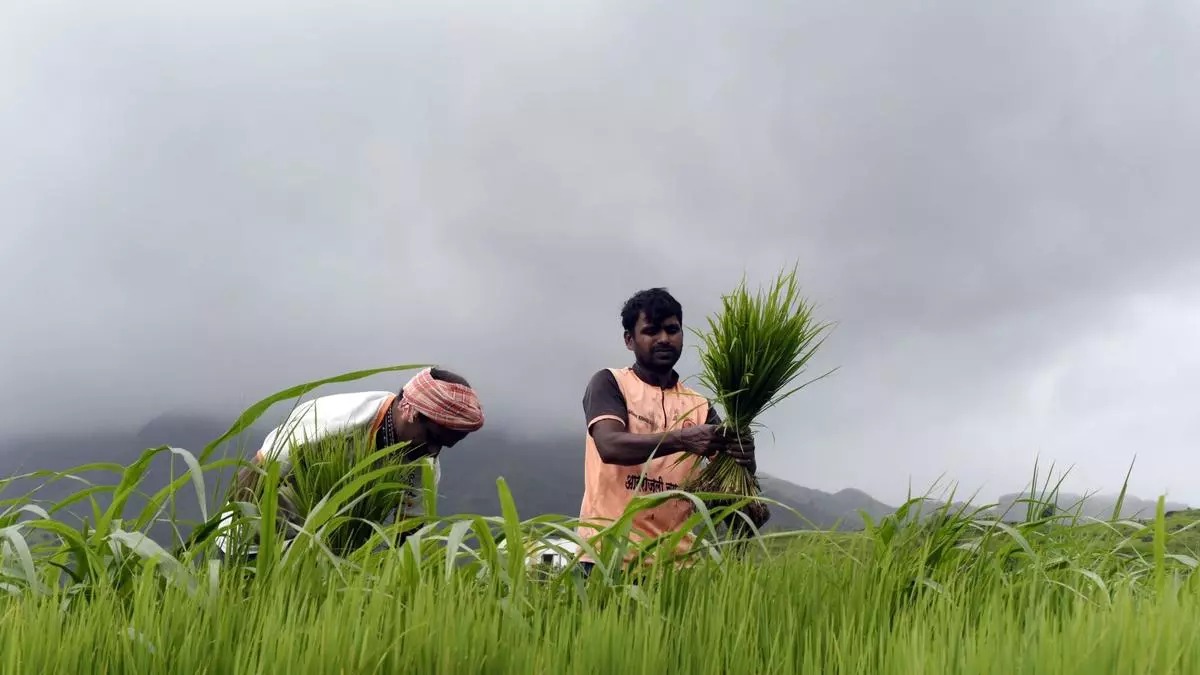
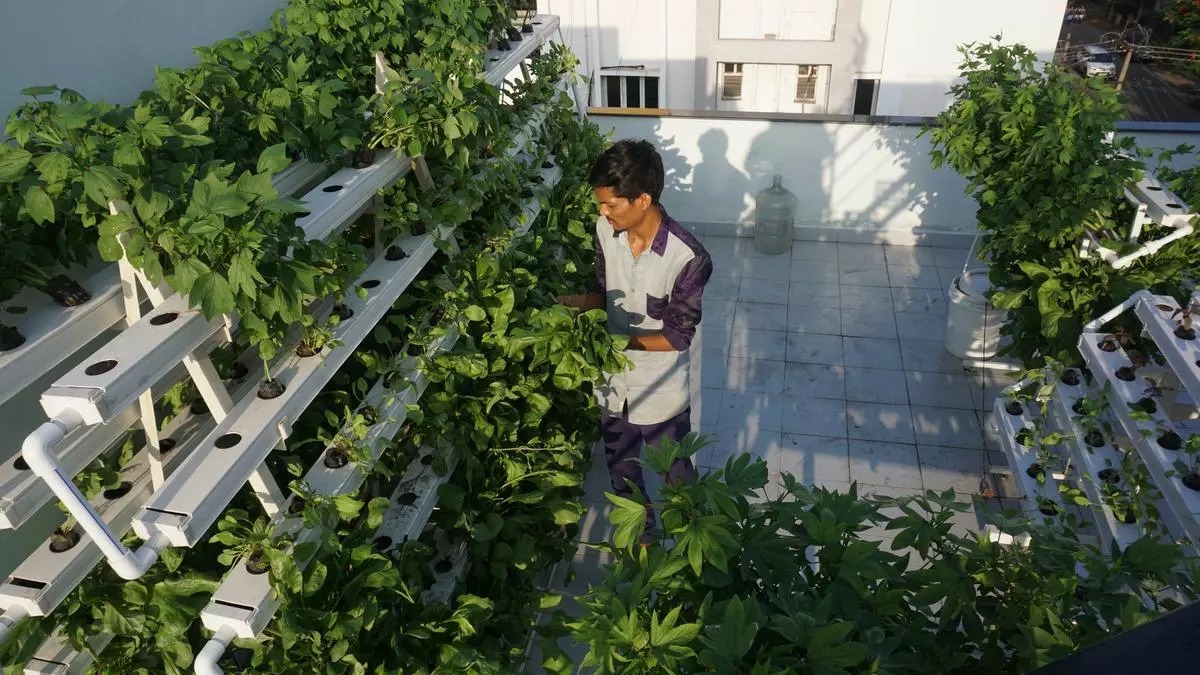
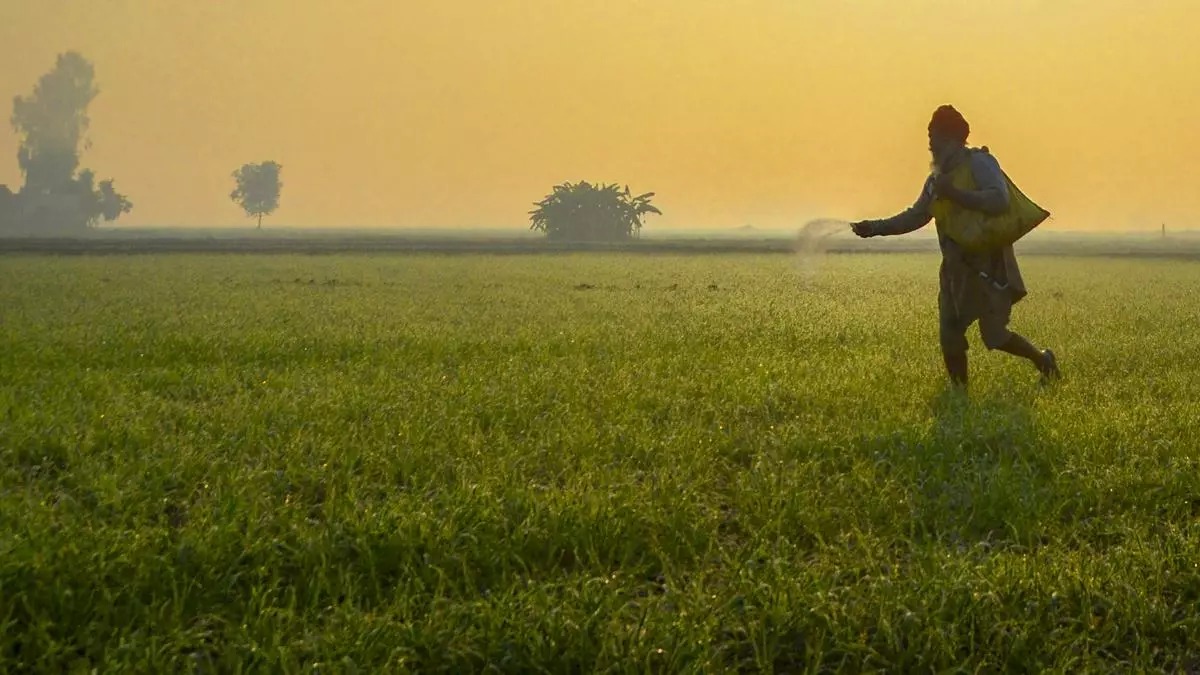
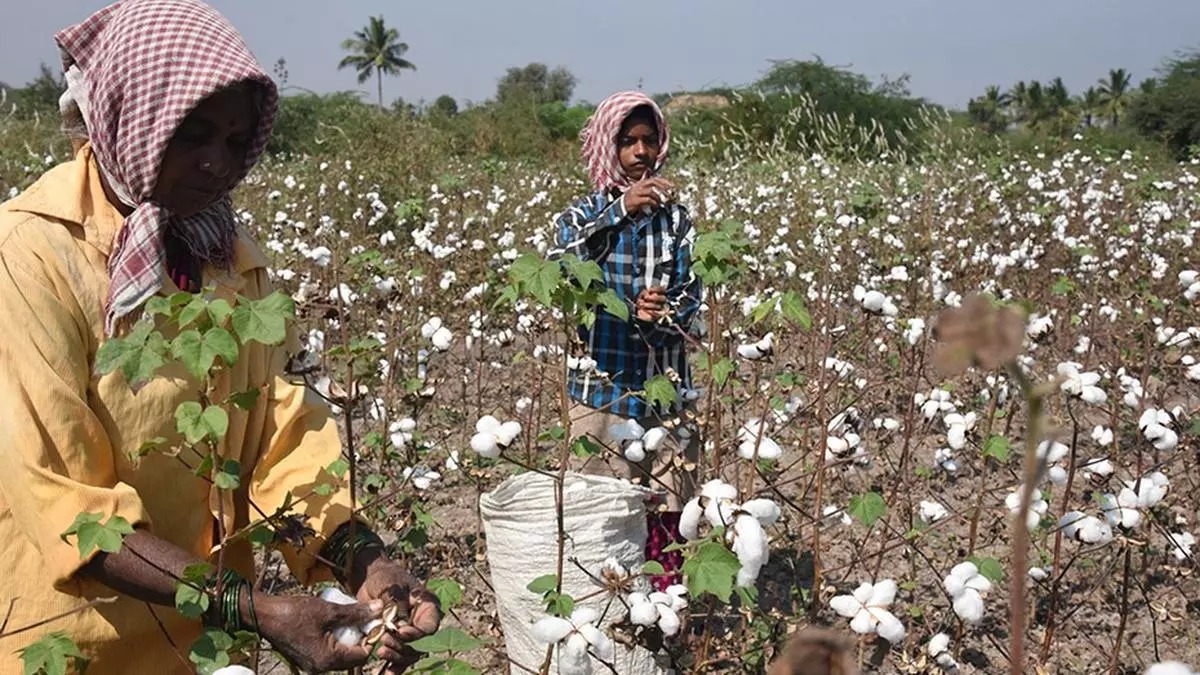
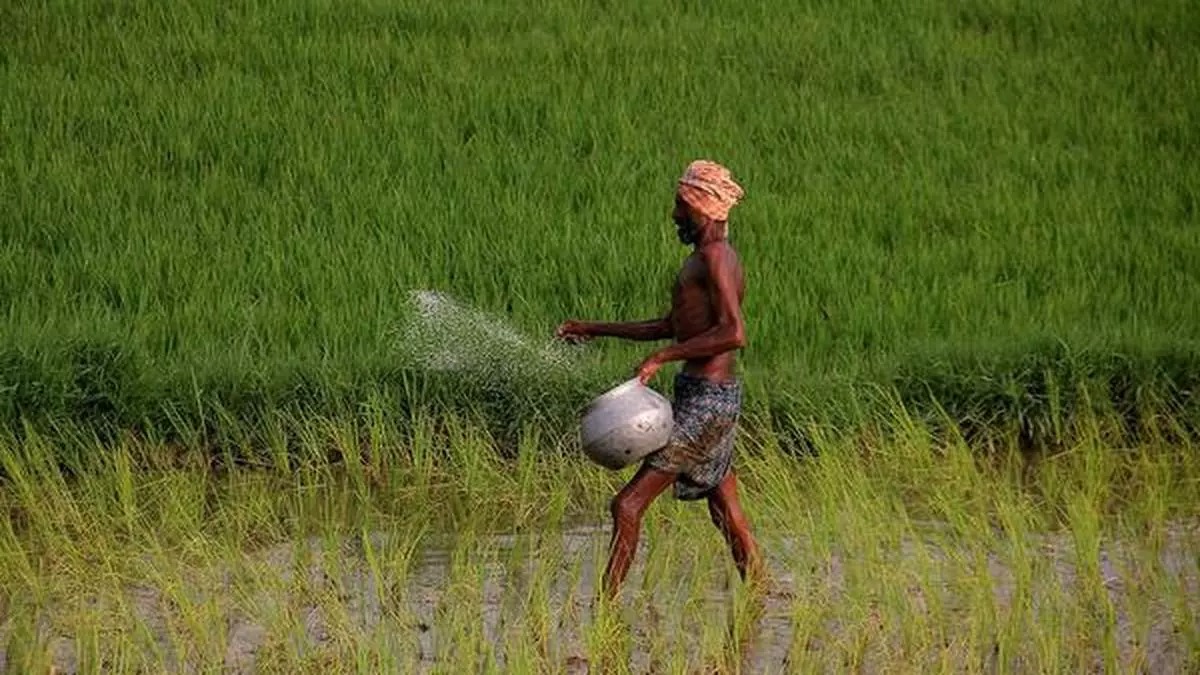
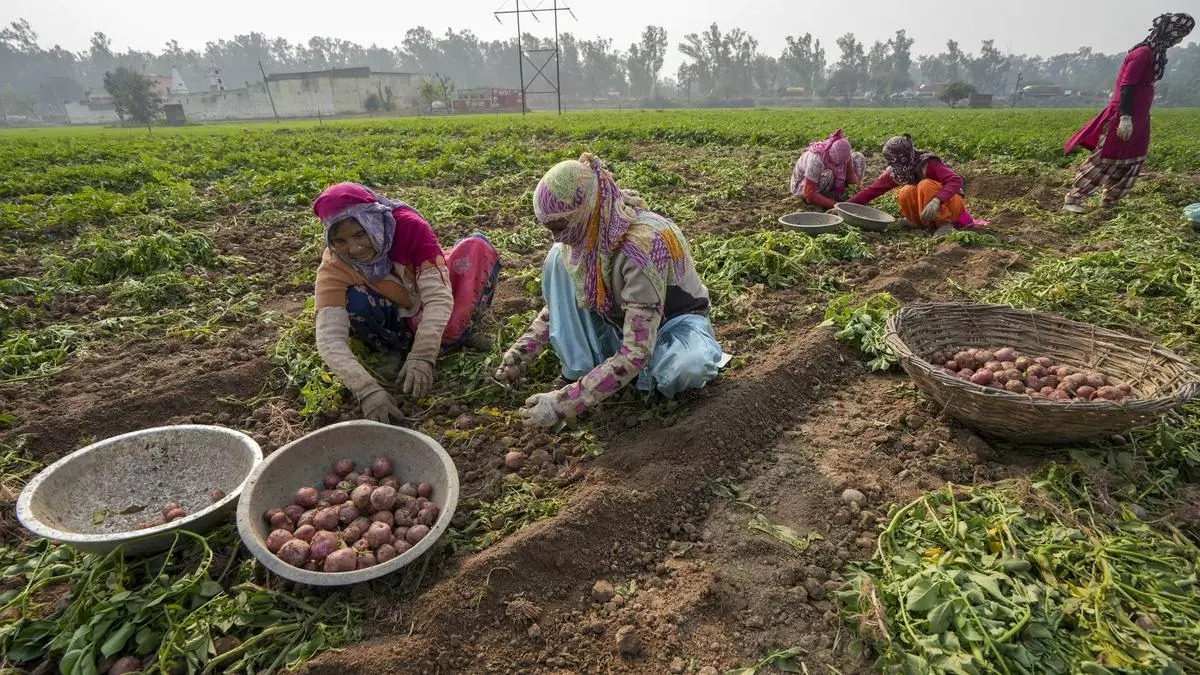
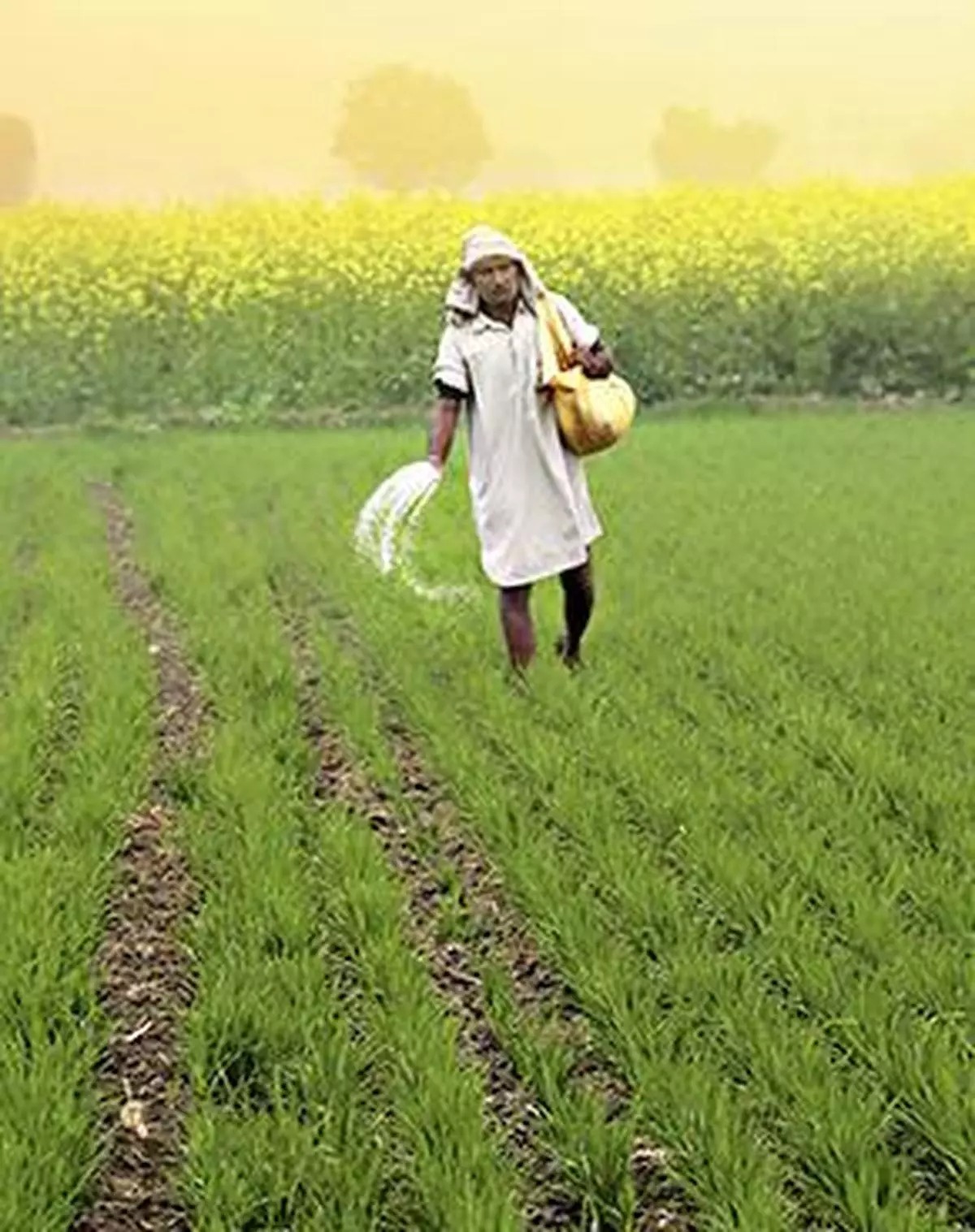
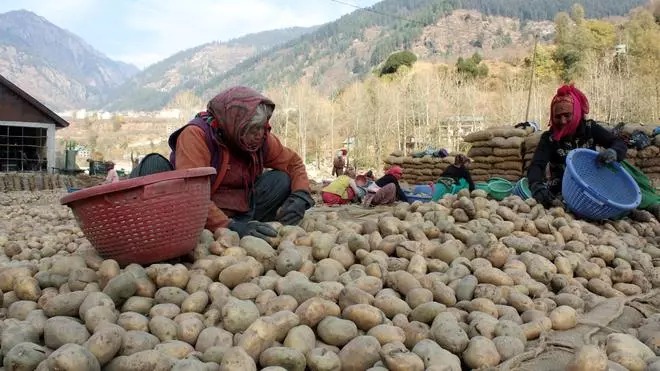
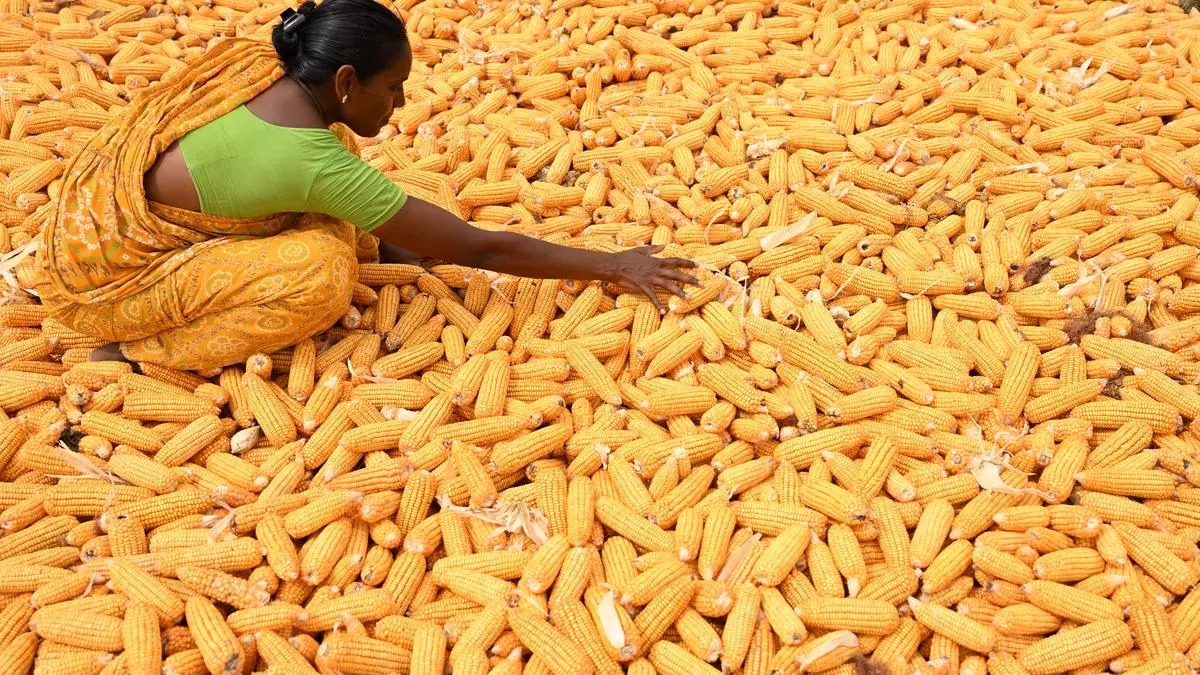
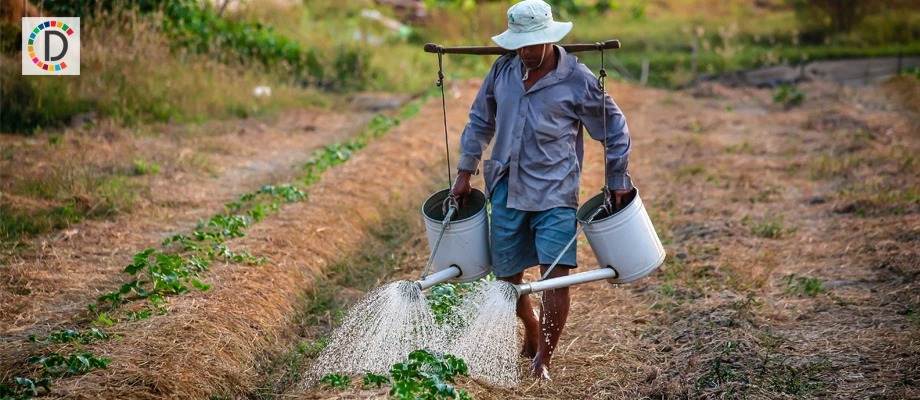
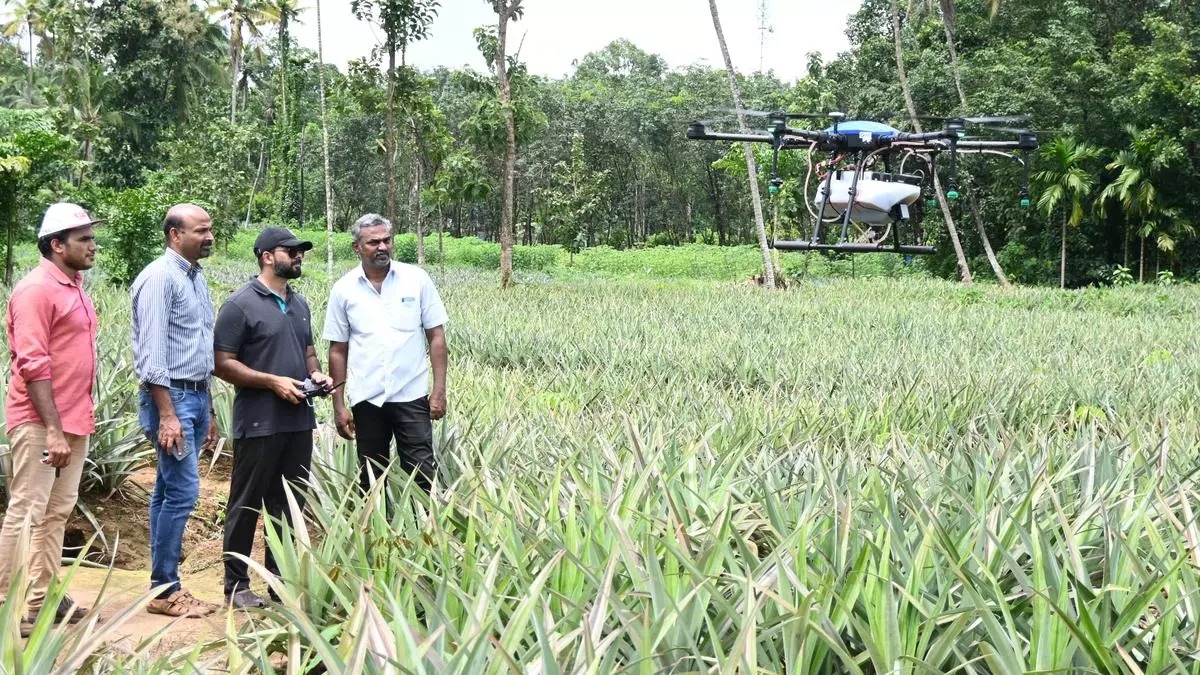
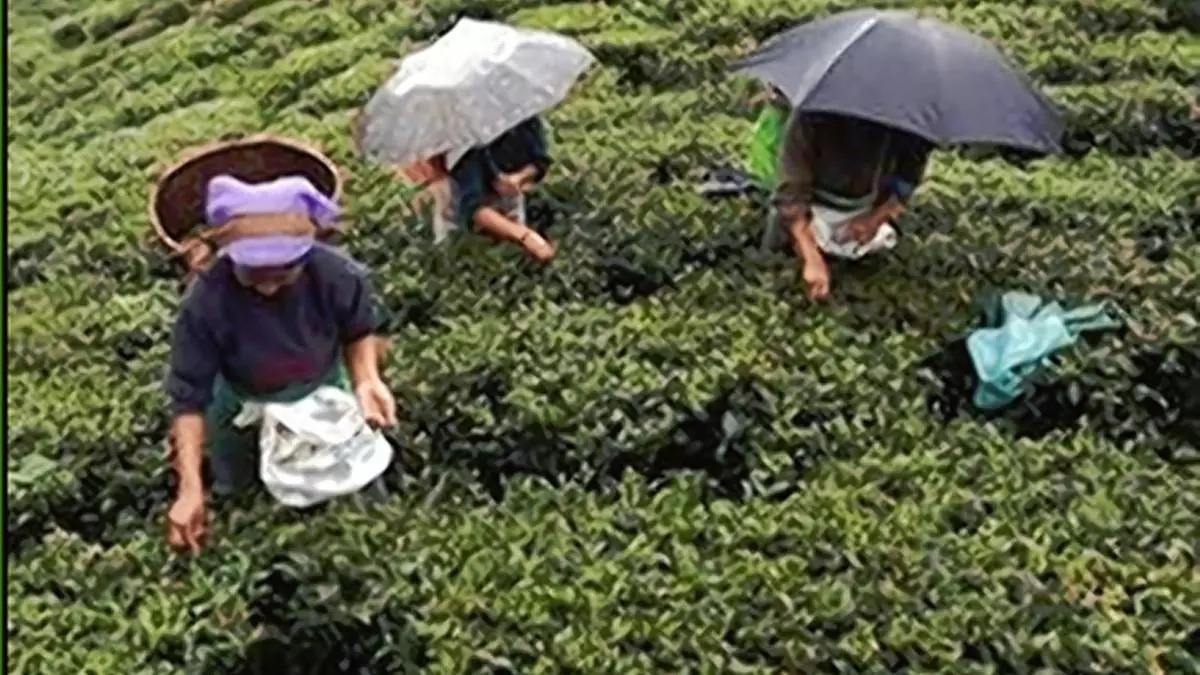
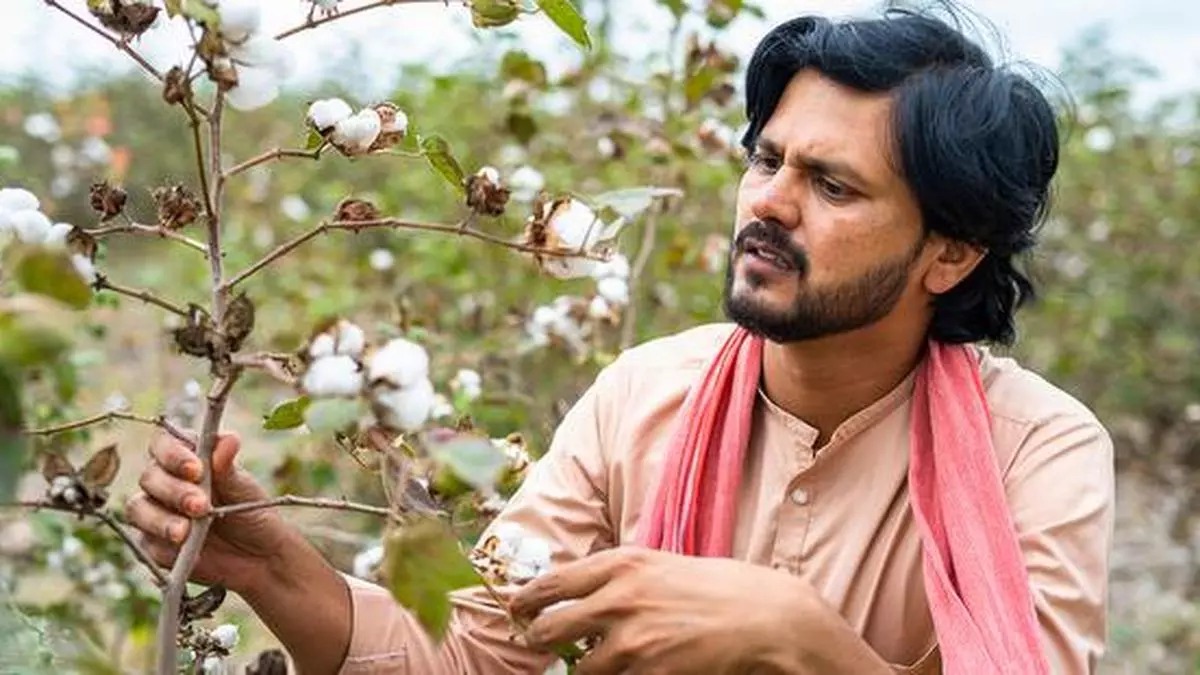
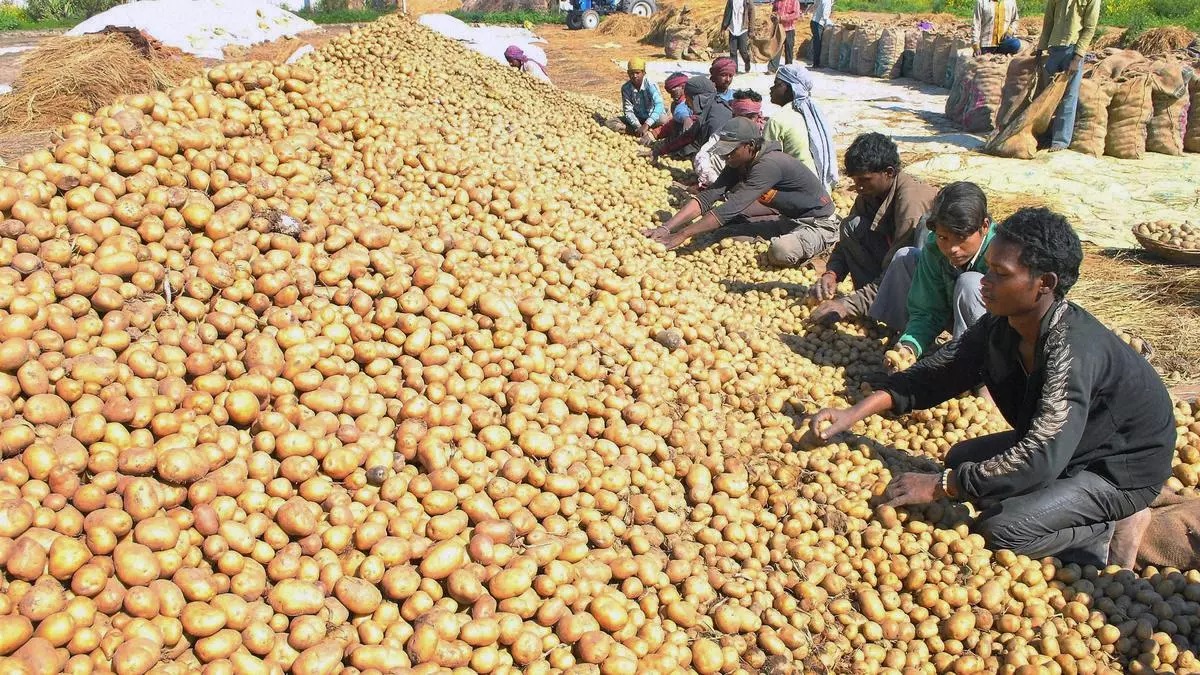
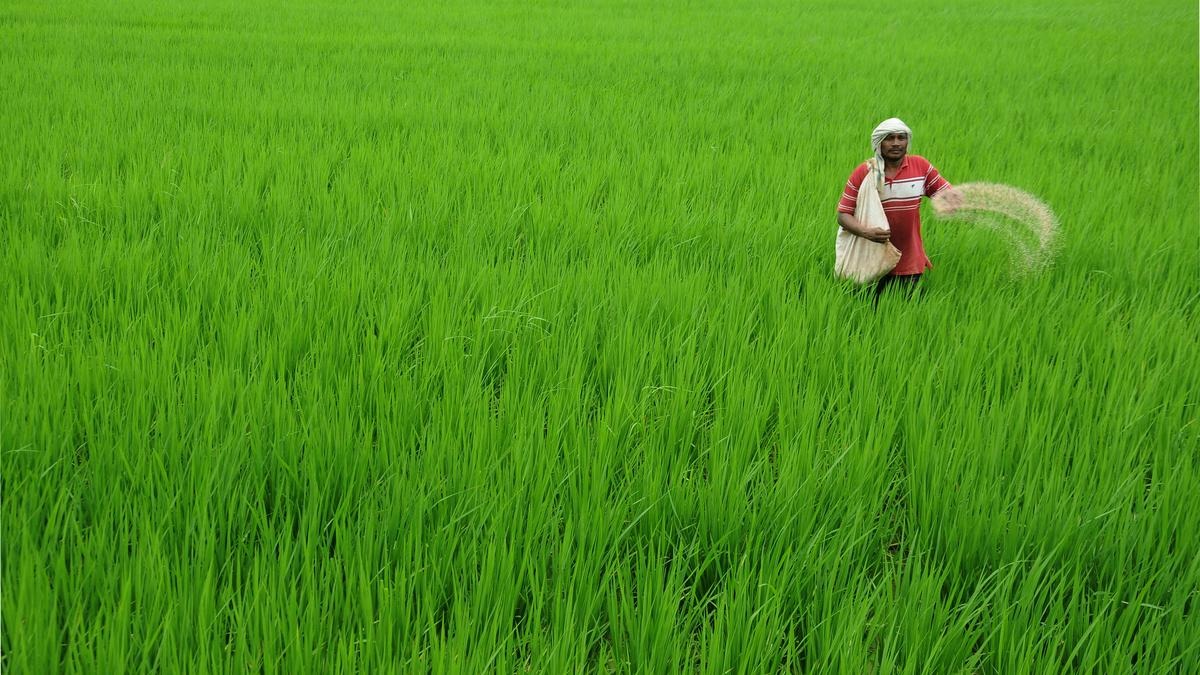
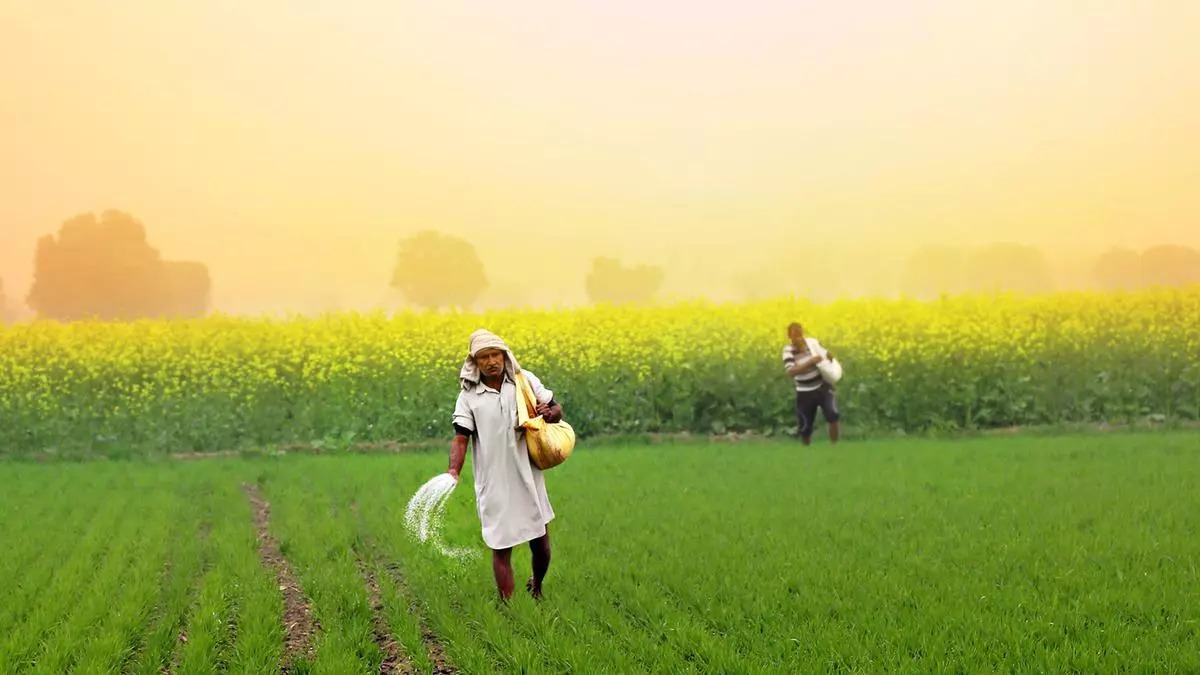
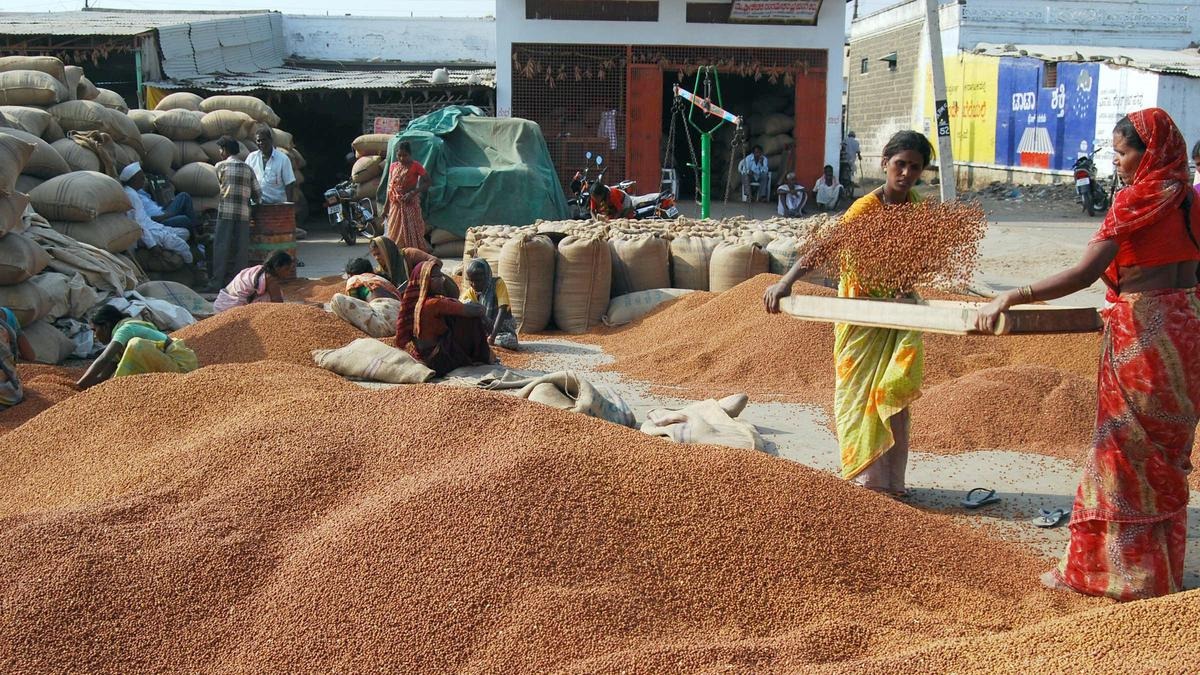
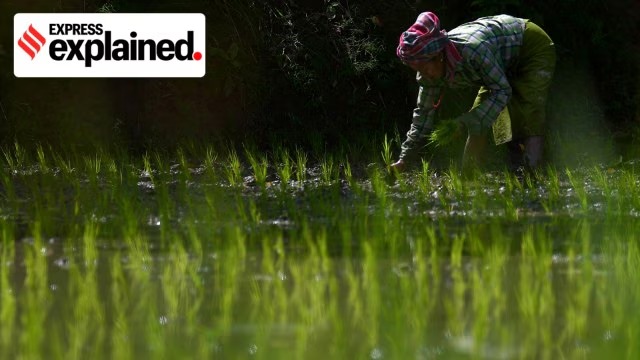
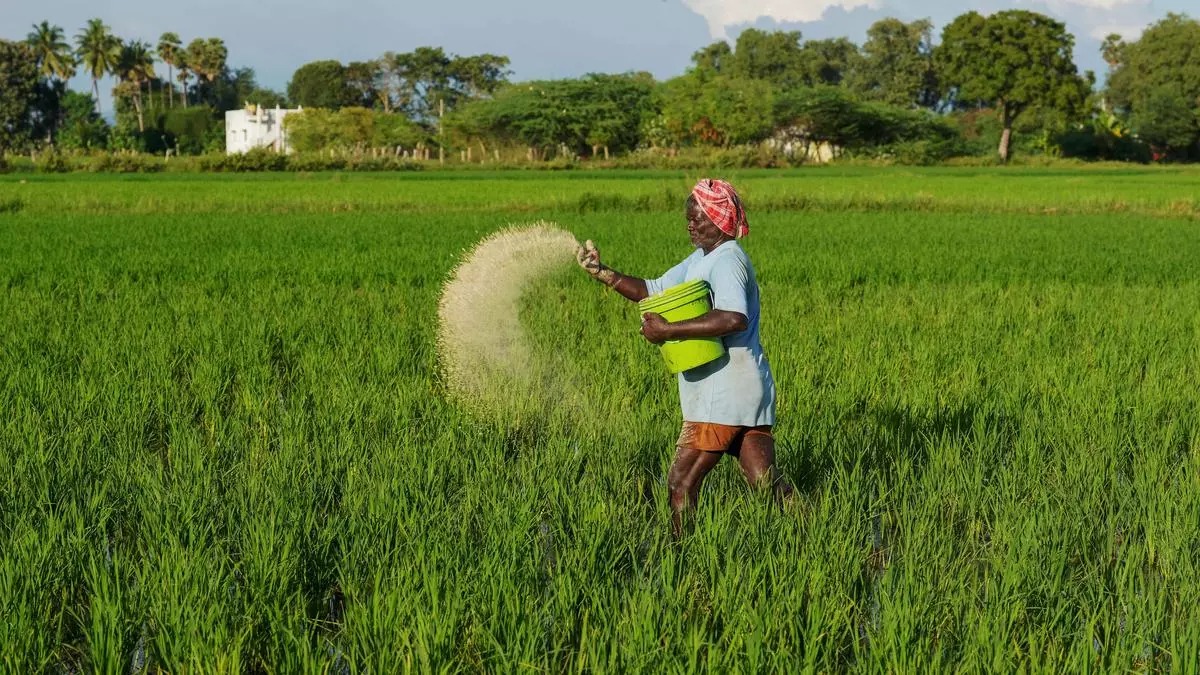
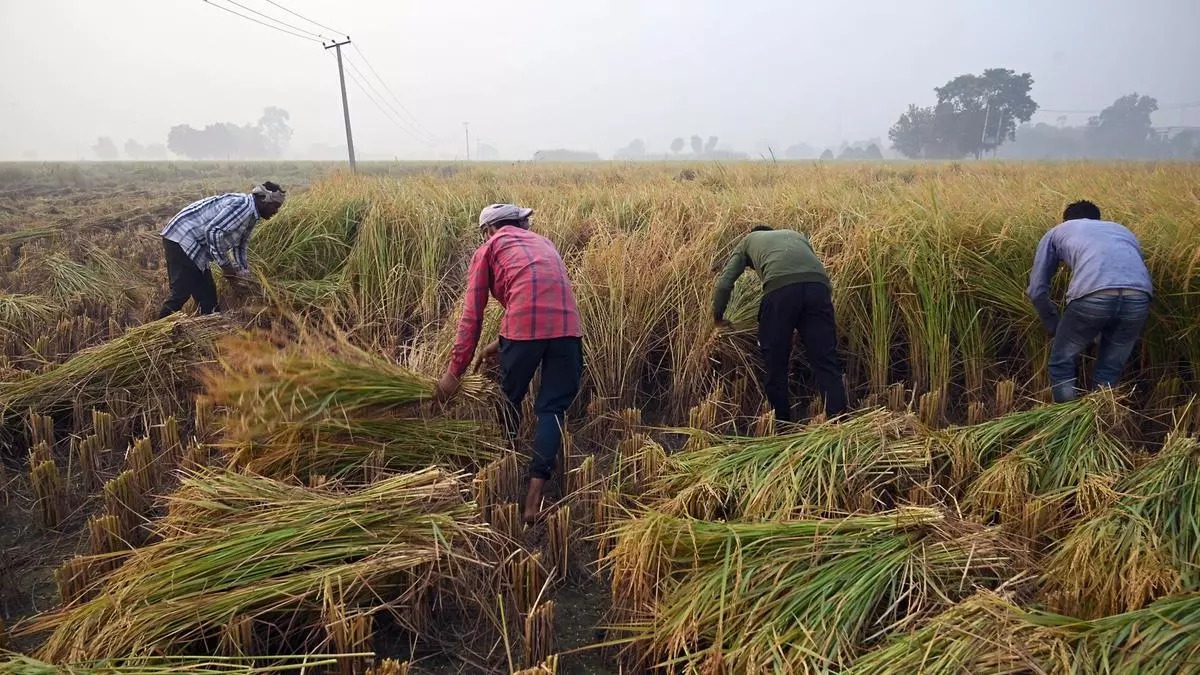
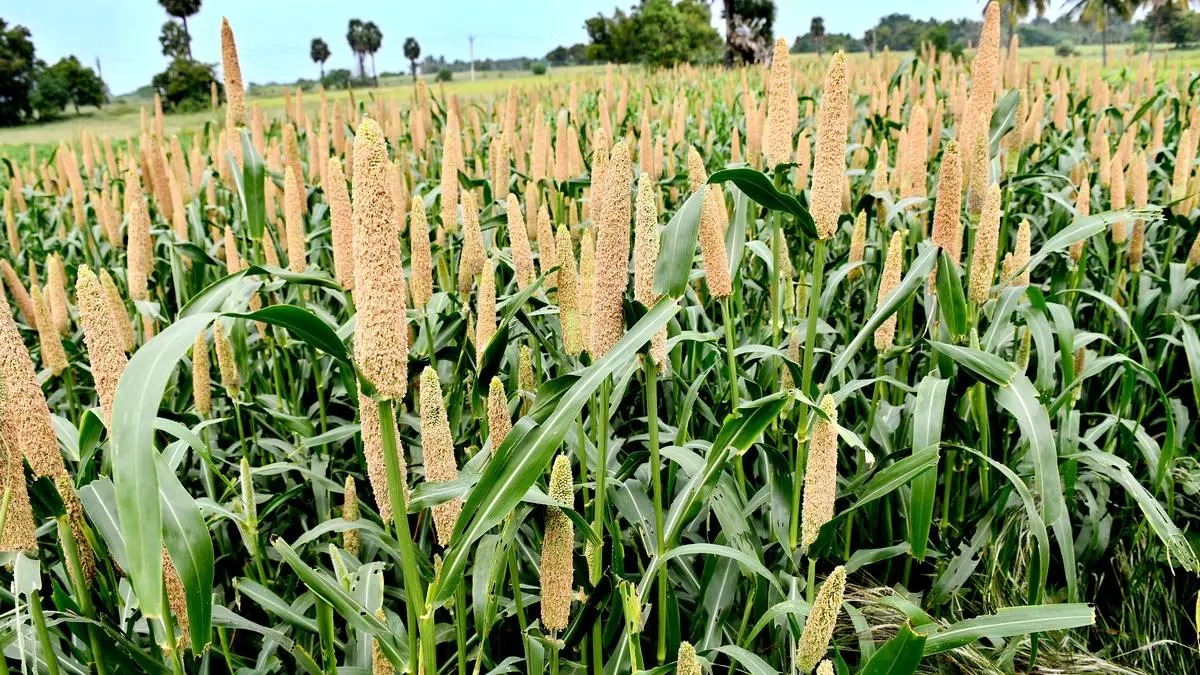
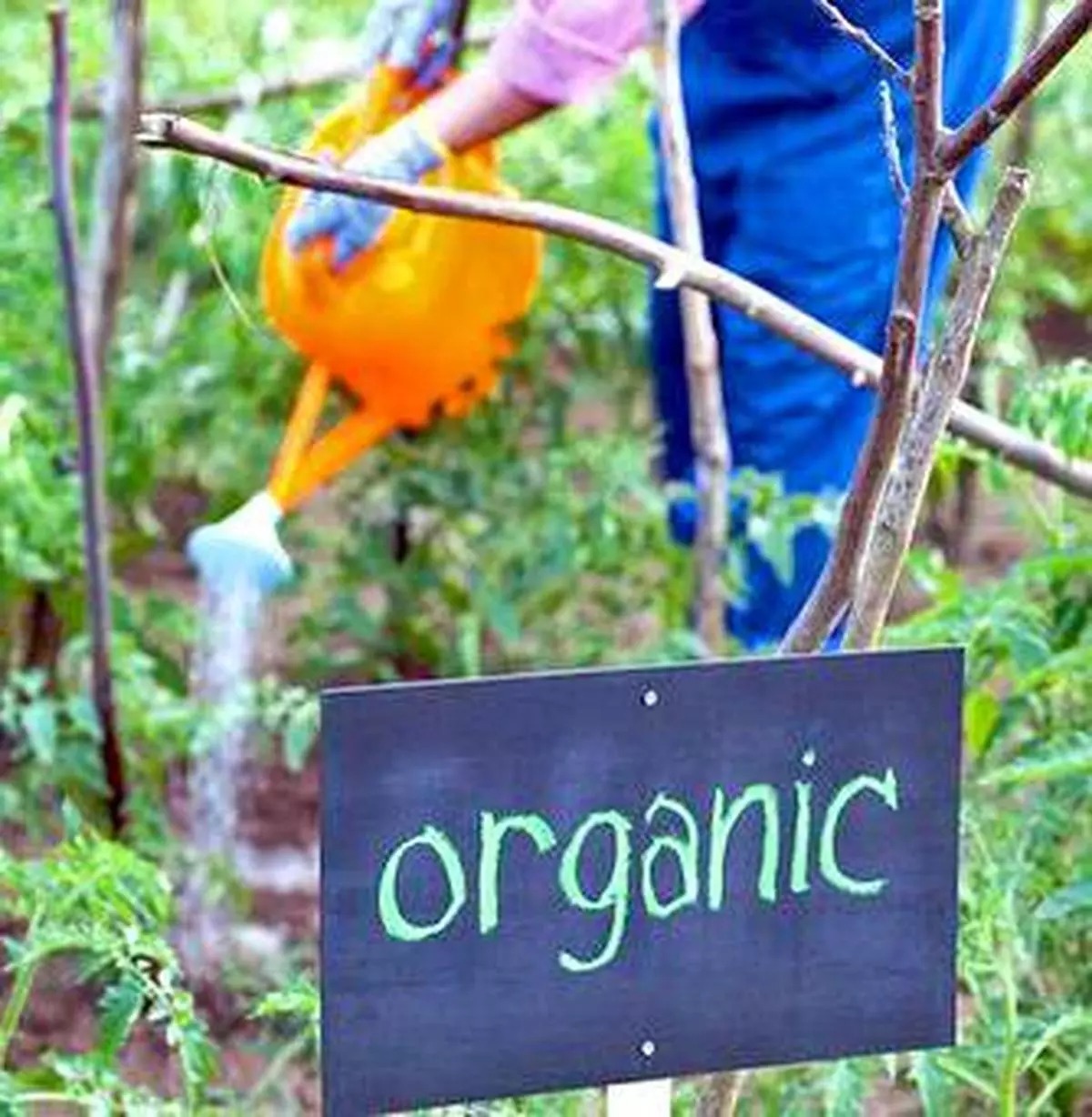
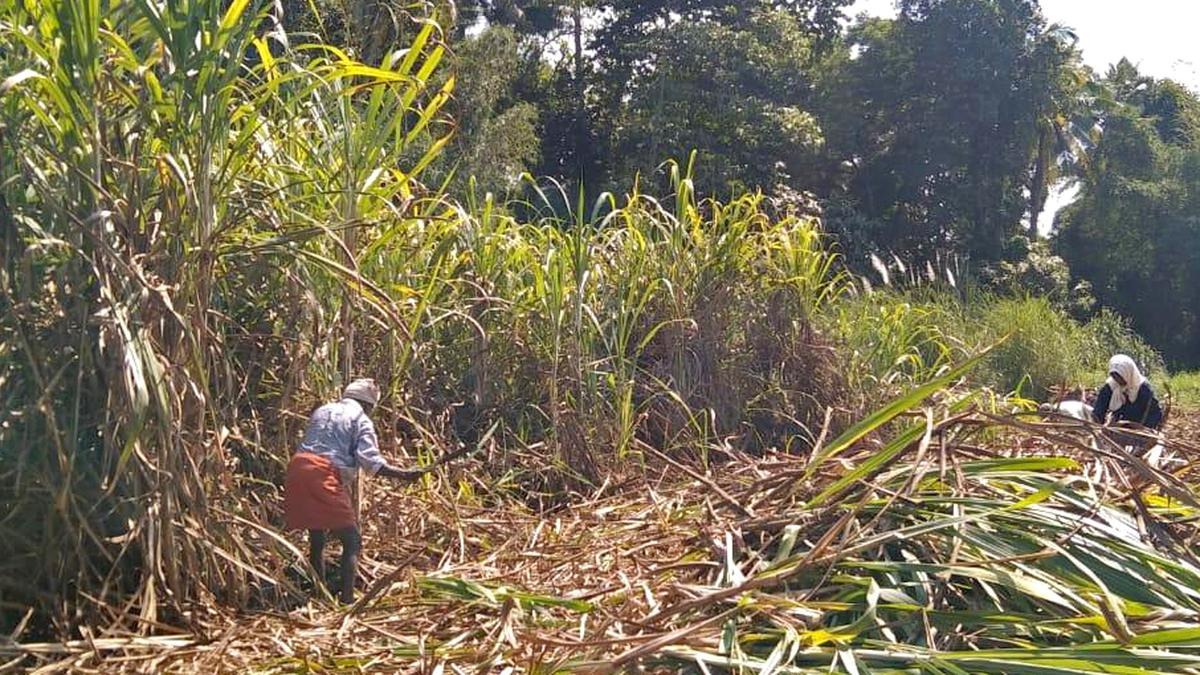
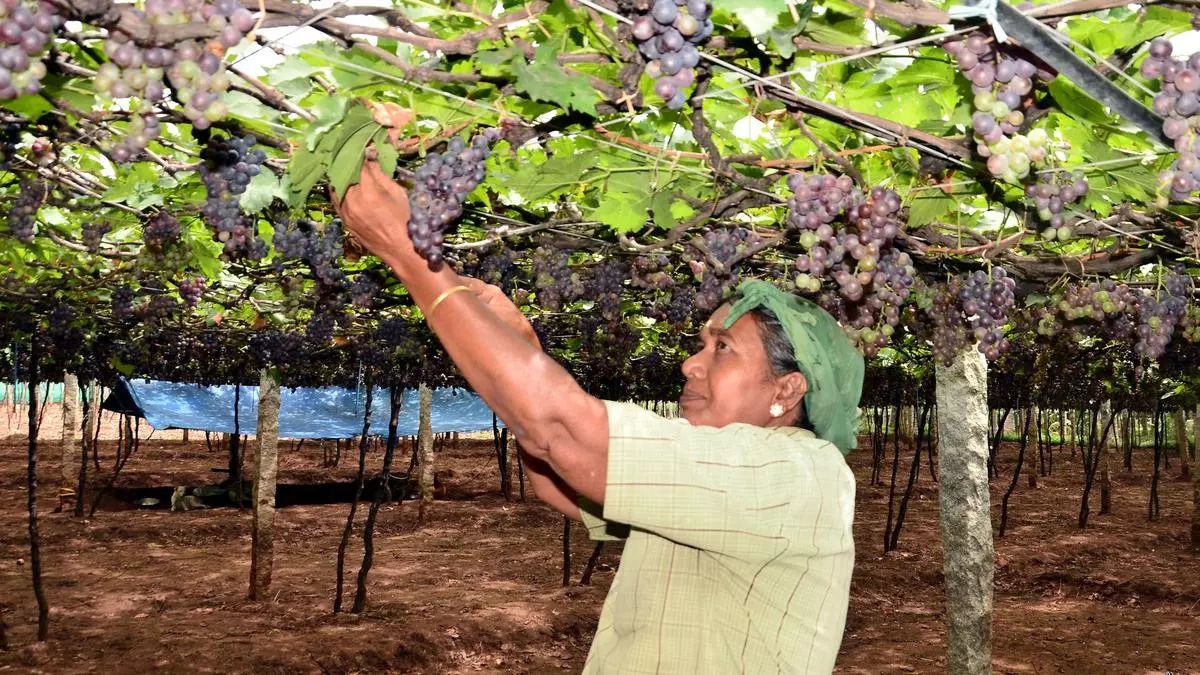
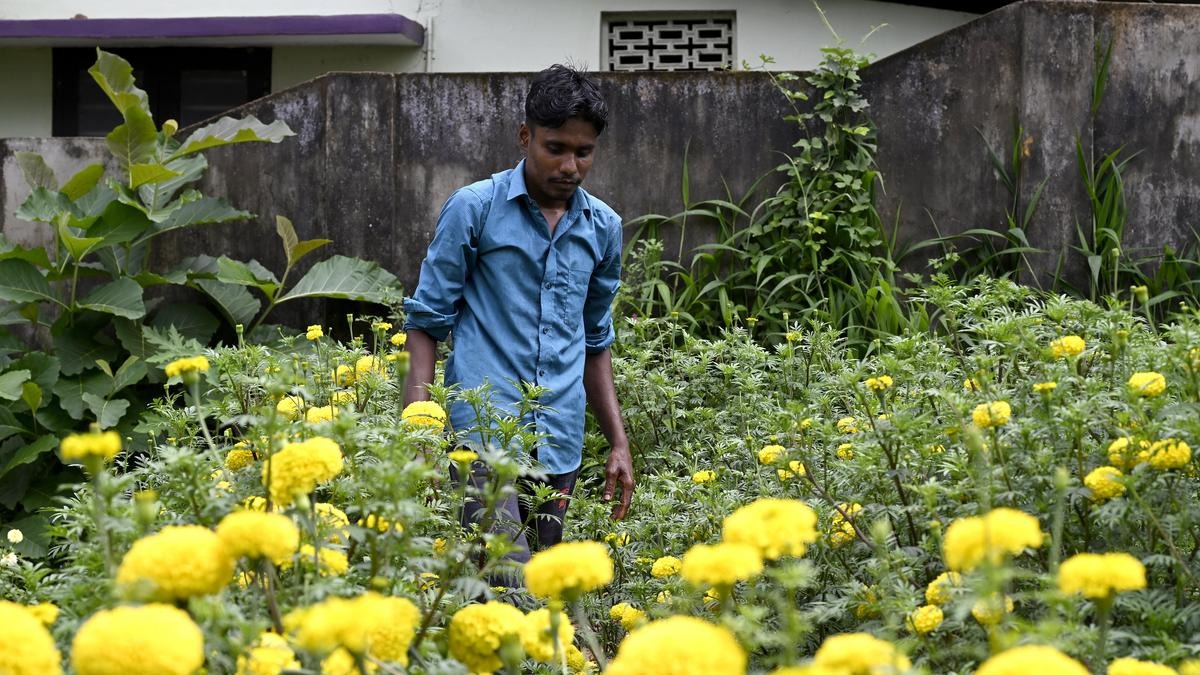
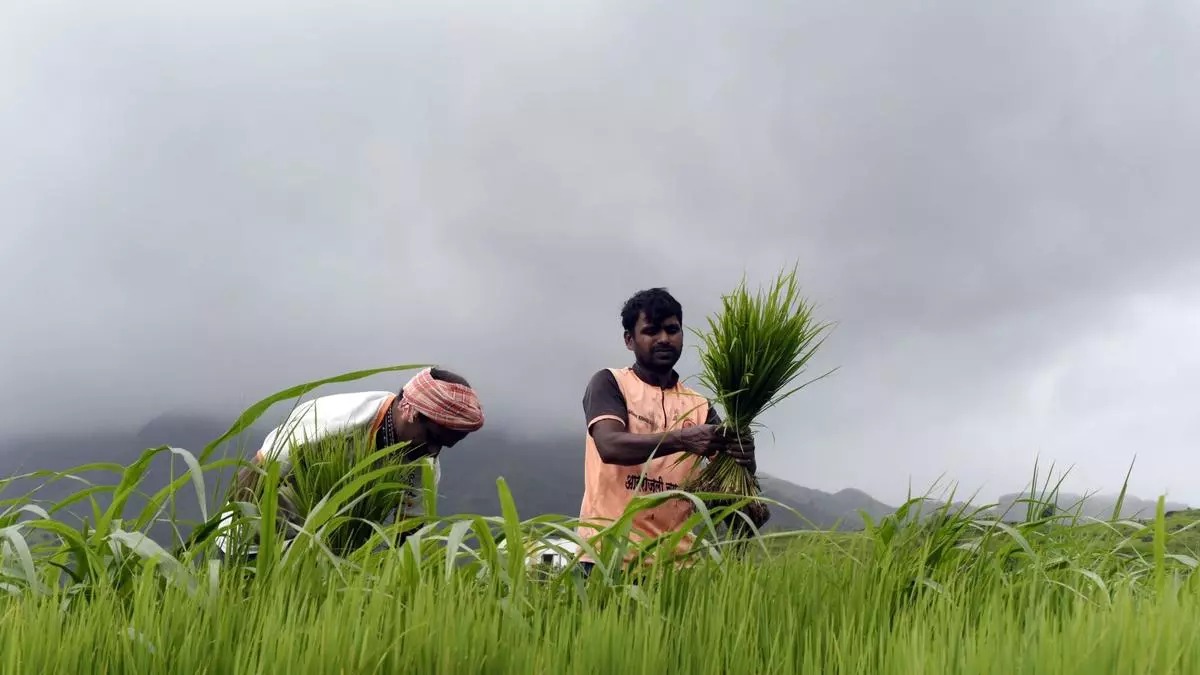
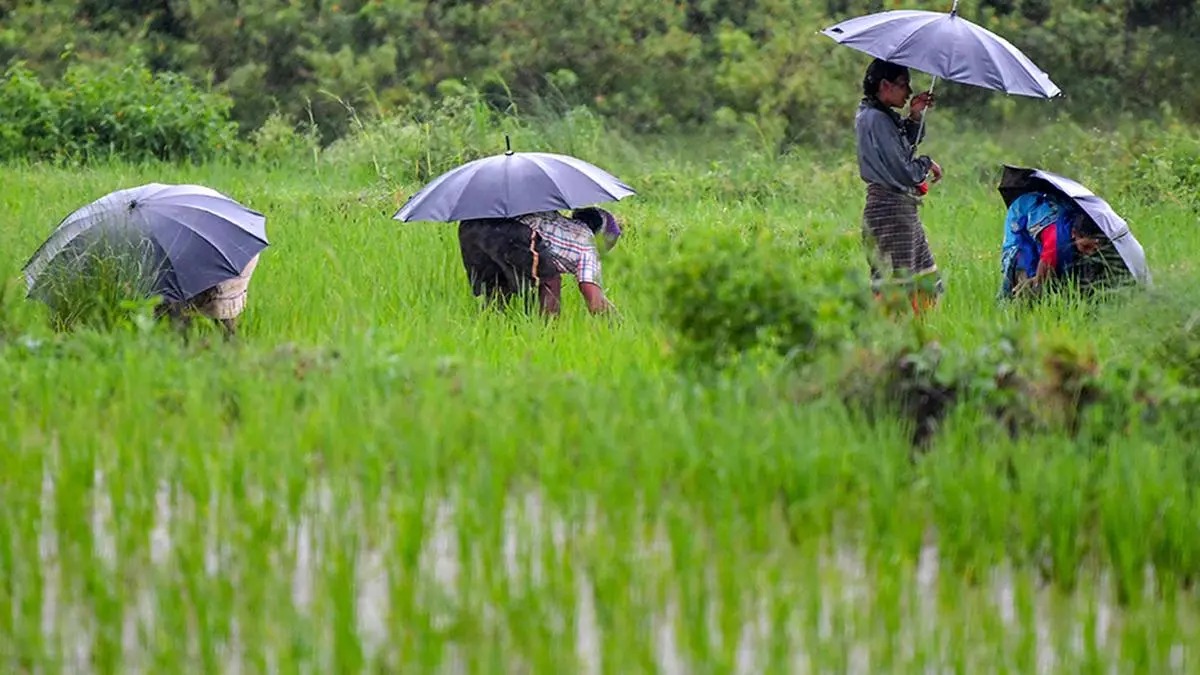
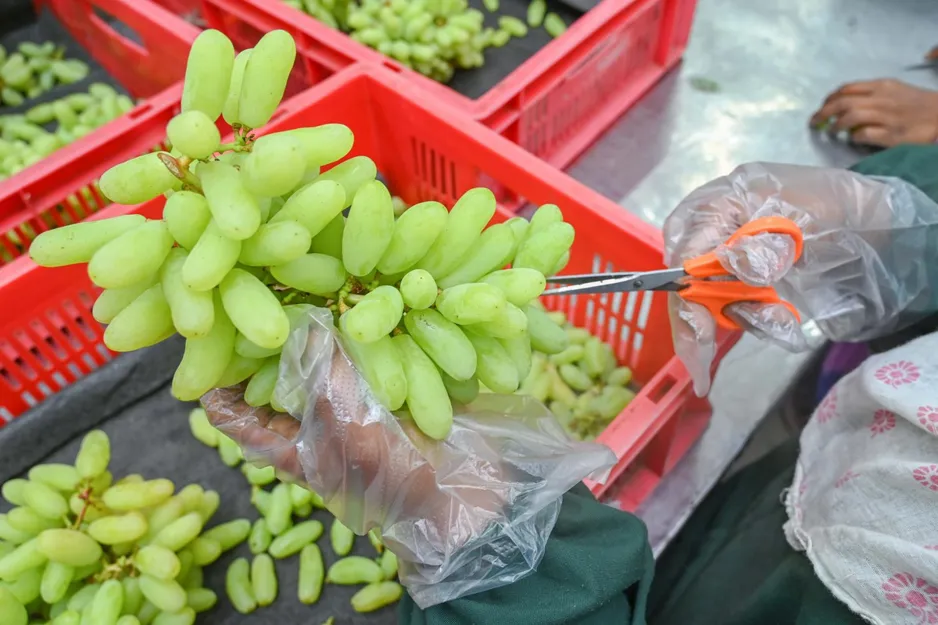
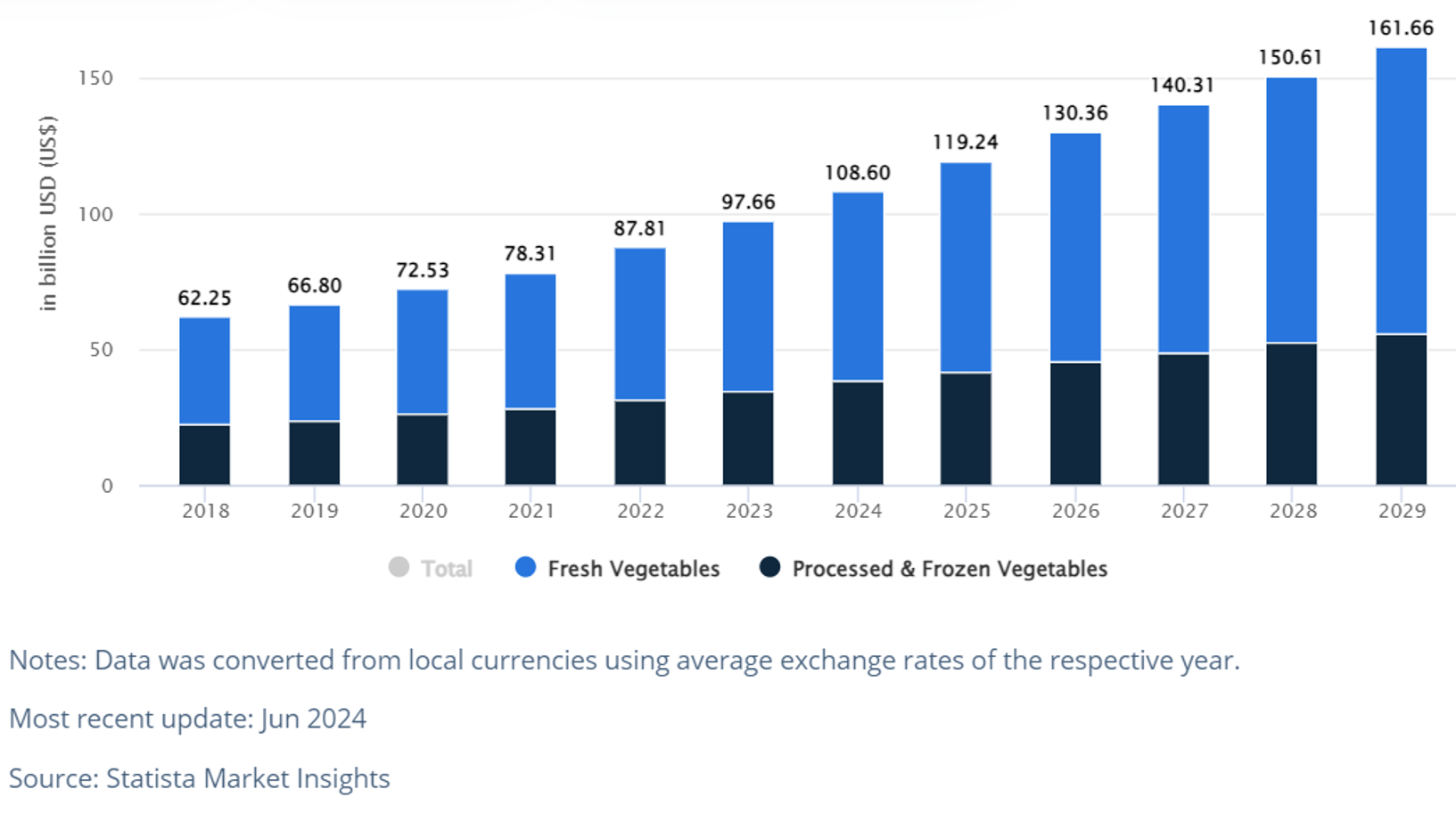
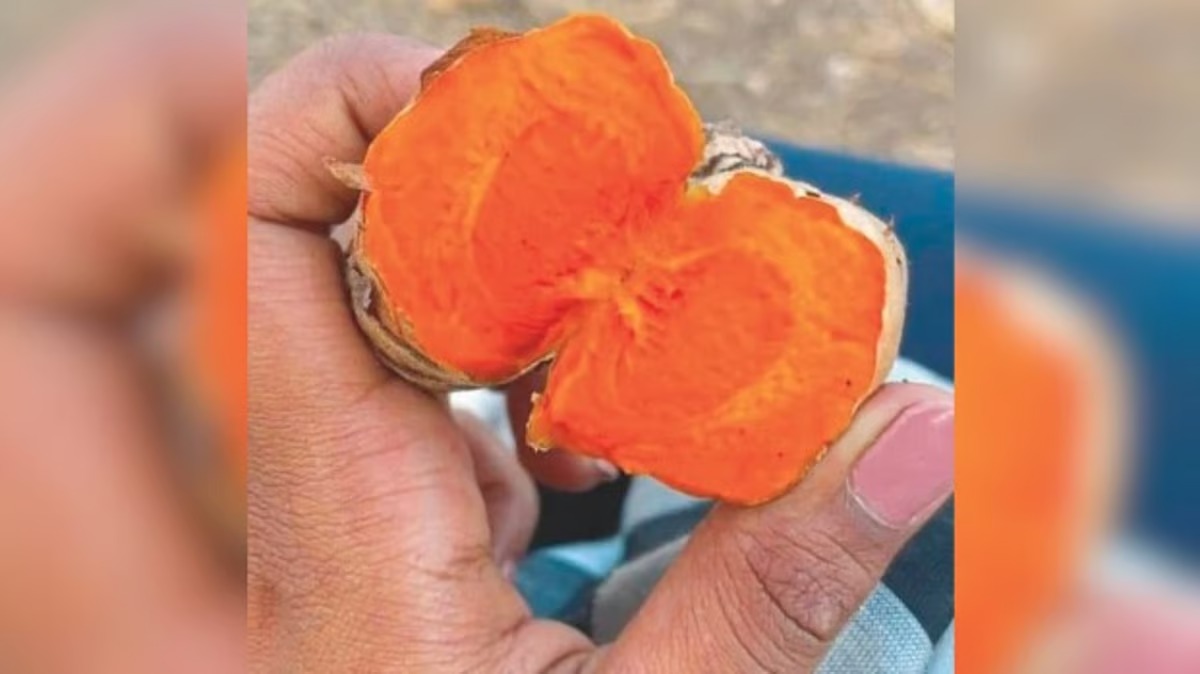
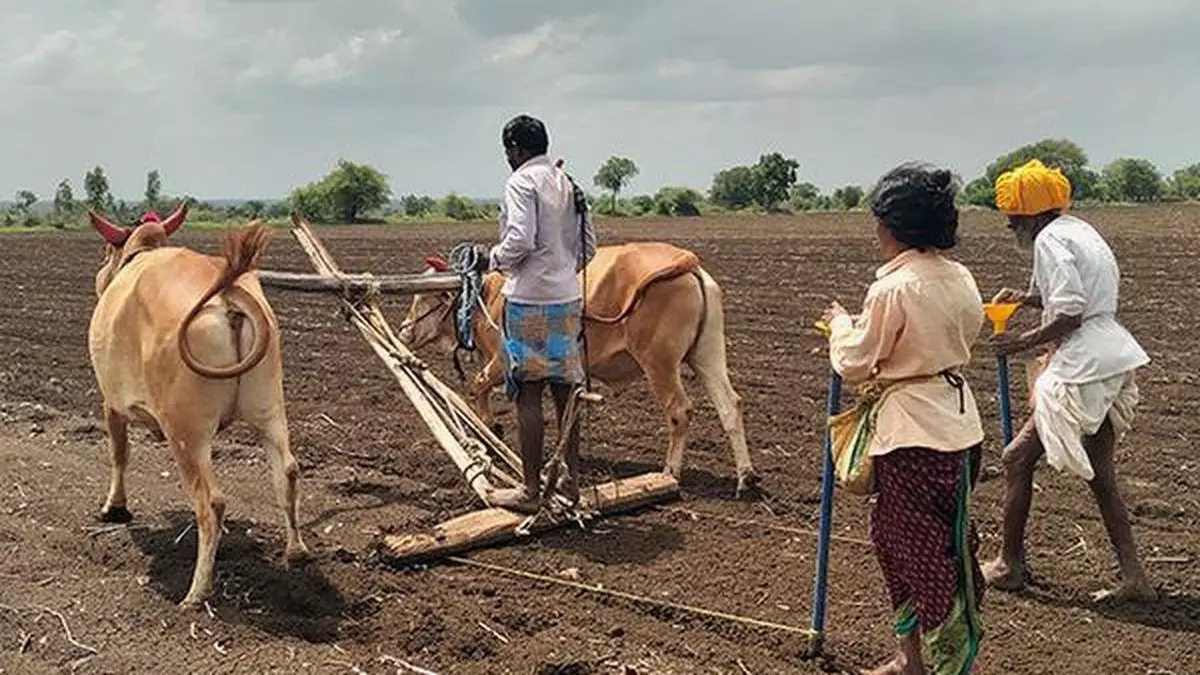
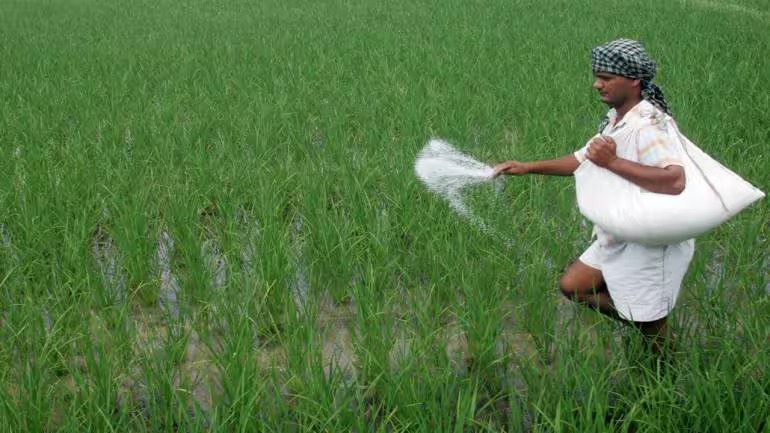
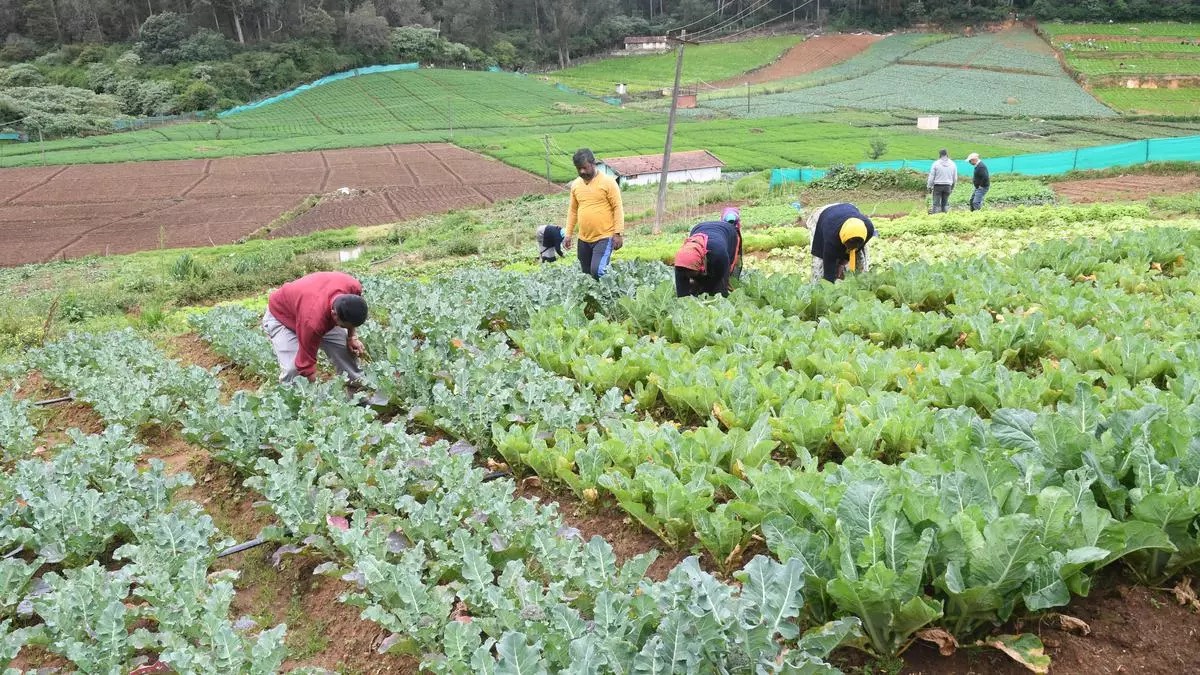
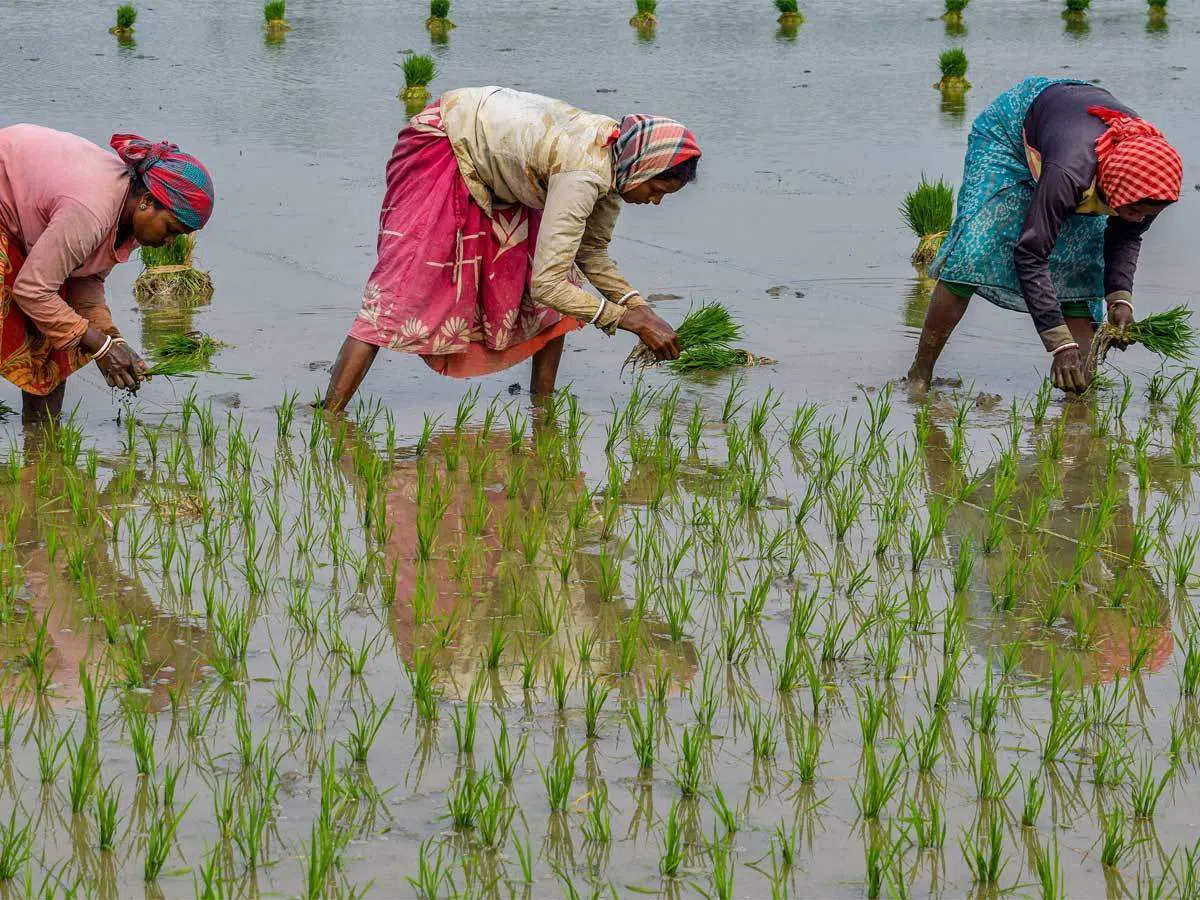
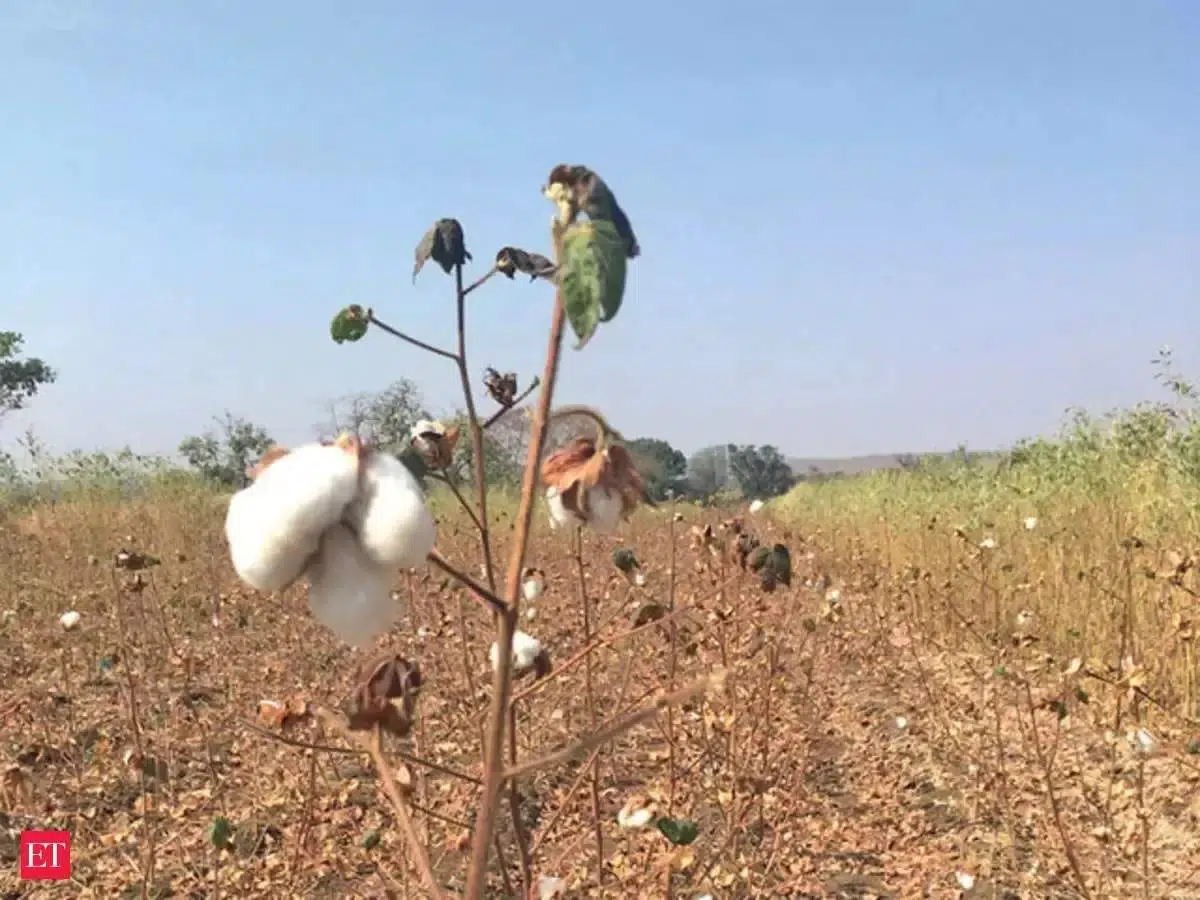
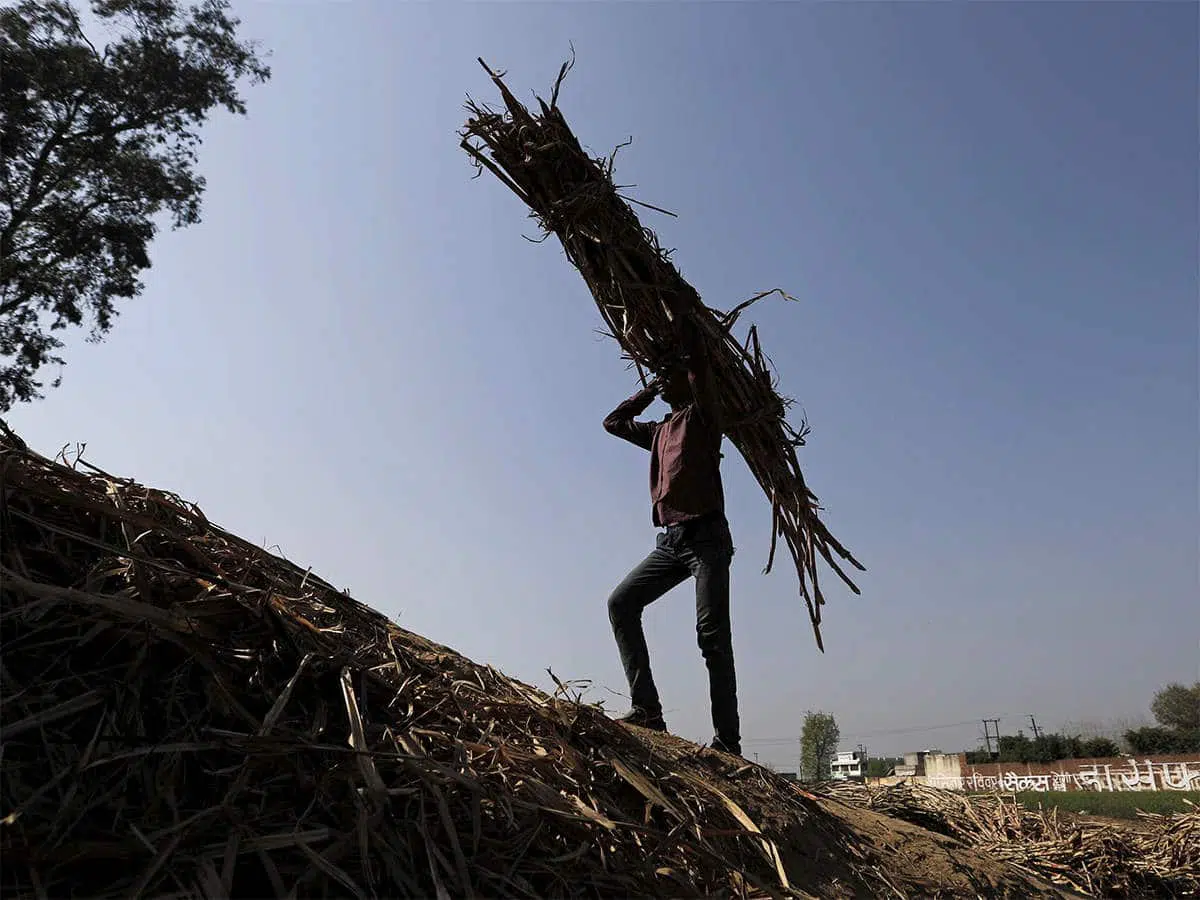
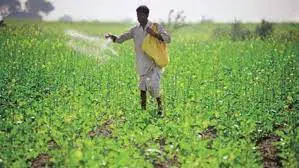
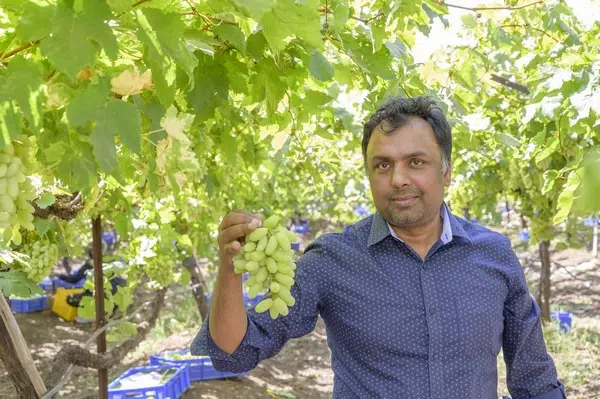
Agriculture plays a vital role in India’s economy and supports the livelihood of millions of people. For generations, Indian farmers have depended on traditional knowledge, seasonal experience, and local weather patterns to make farming decisions. However, climate change, unpredictable rainfall, rising temperatures, and increasing crop diseases are creating new challenges for agriculture. To deal with these problems, modern technologies such as weather forecasting systems, artificial intelligence (AI), and digital farming tools are gradually becoming part of Indian agriculture.
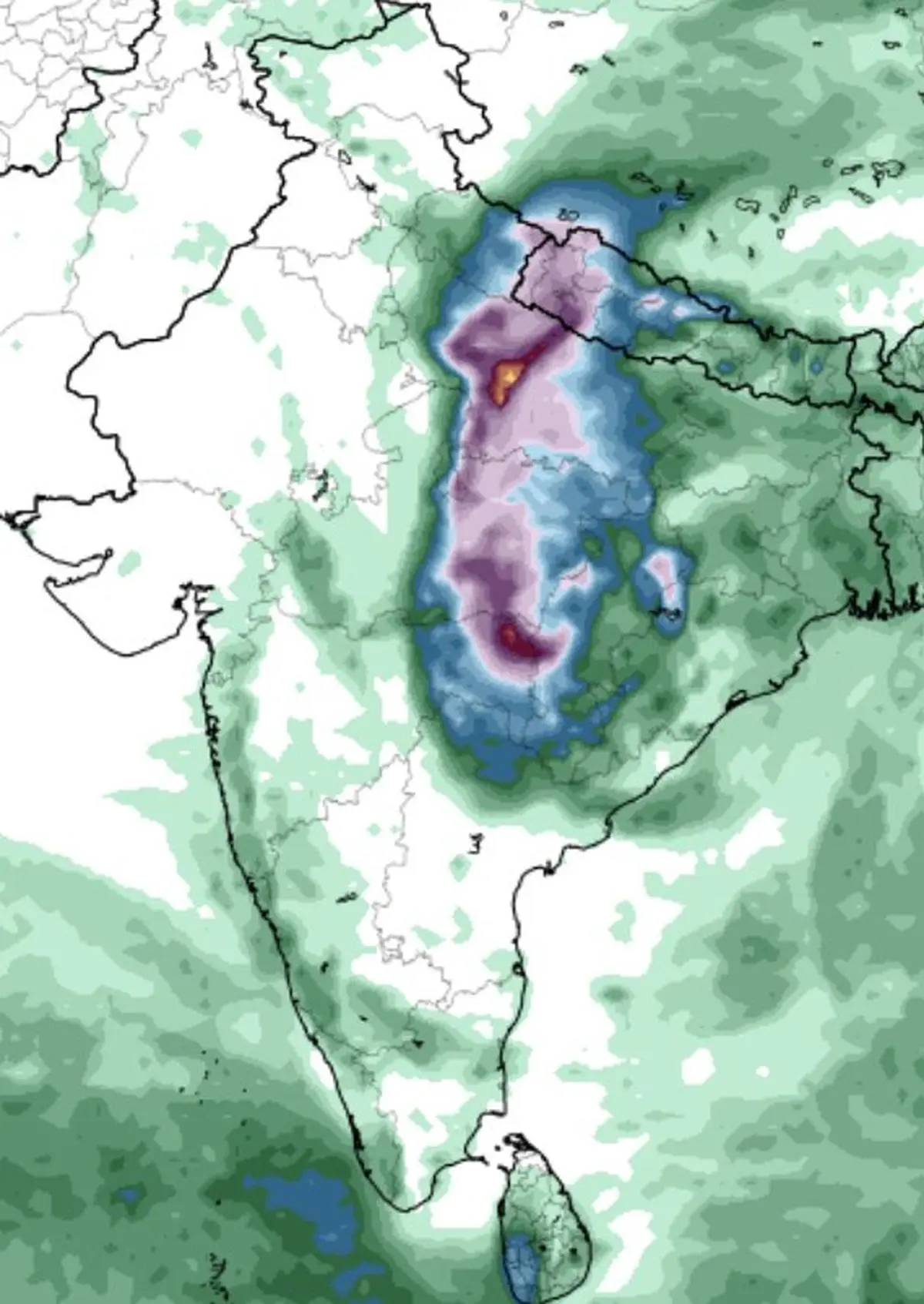
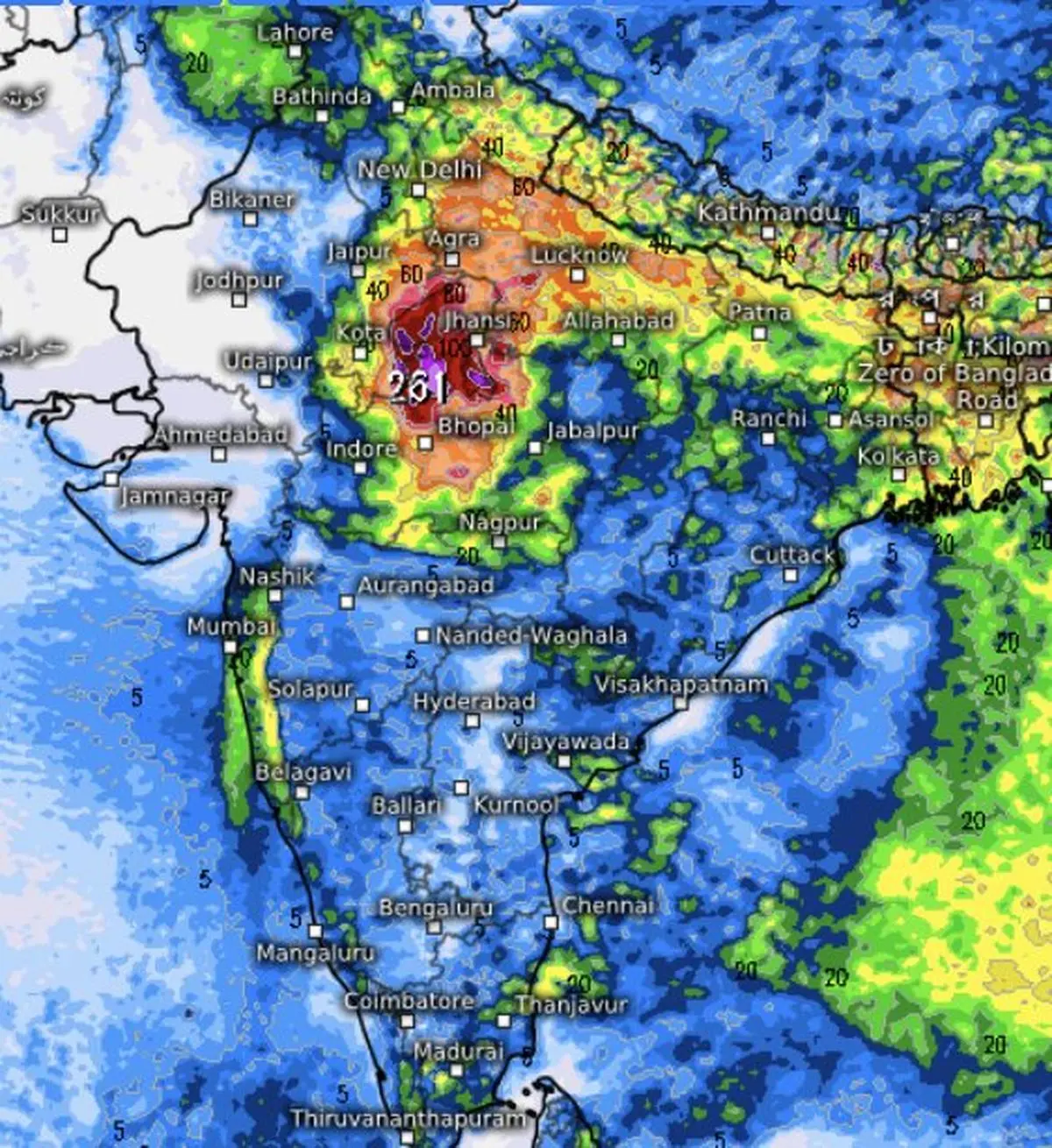
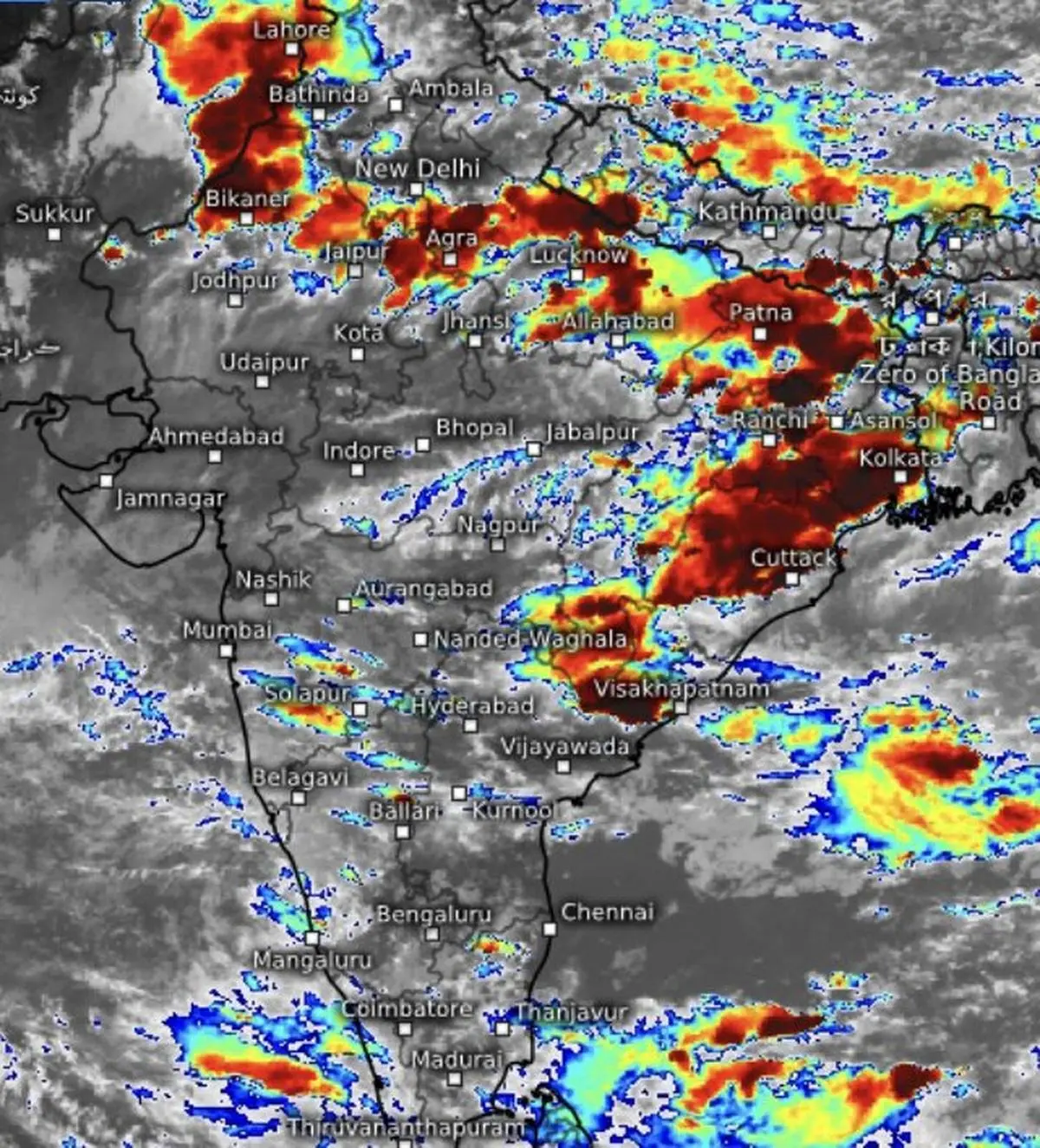
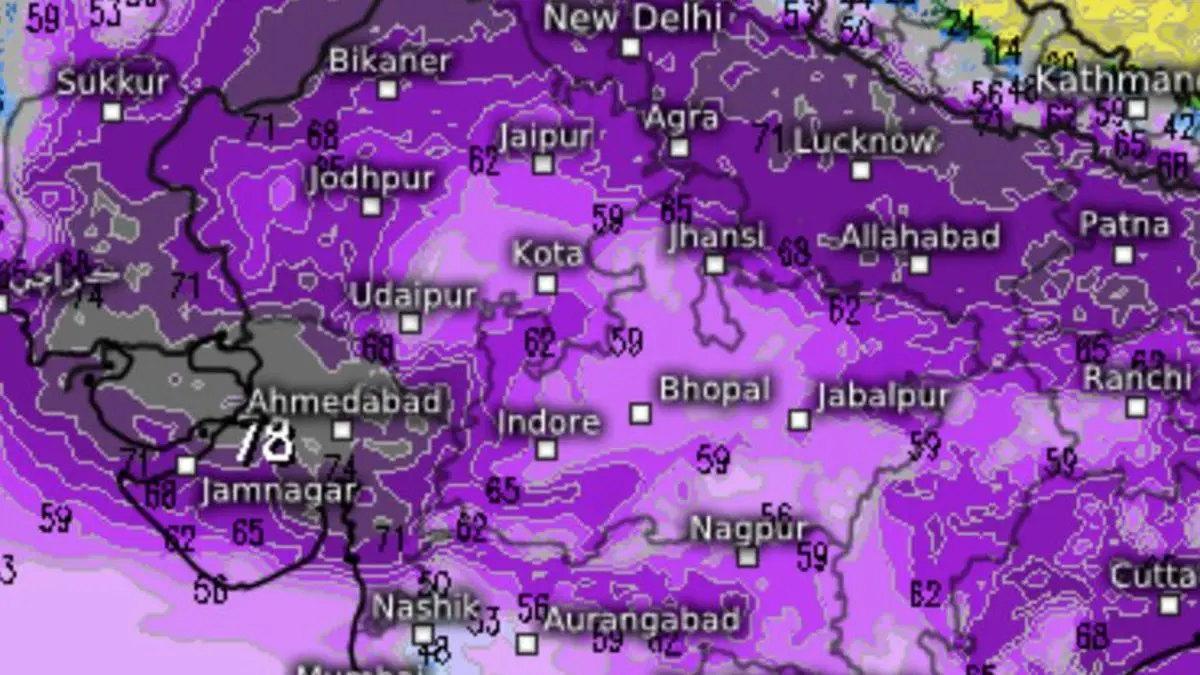
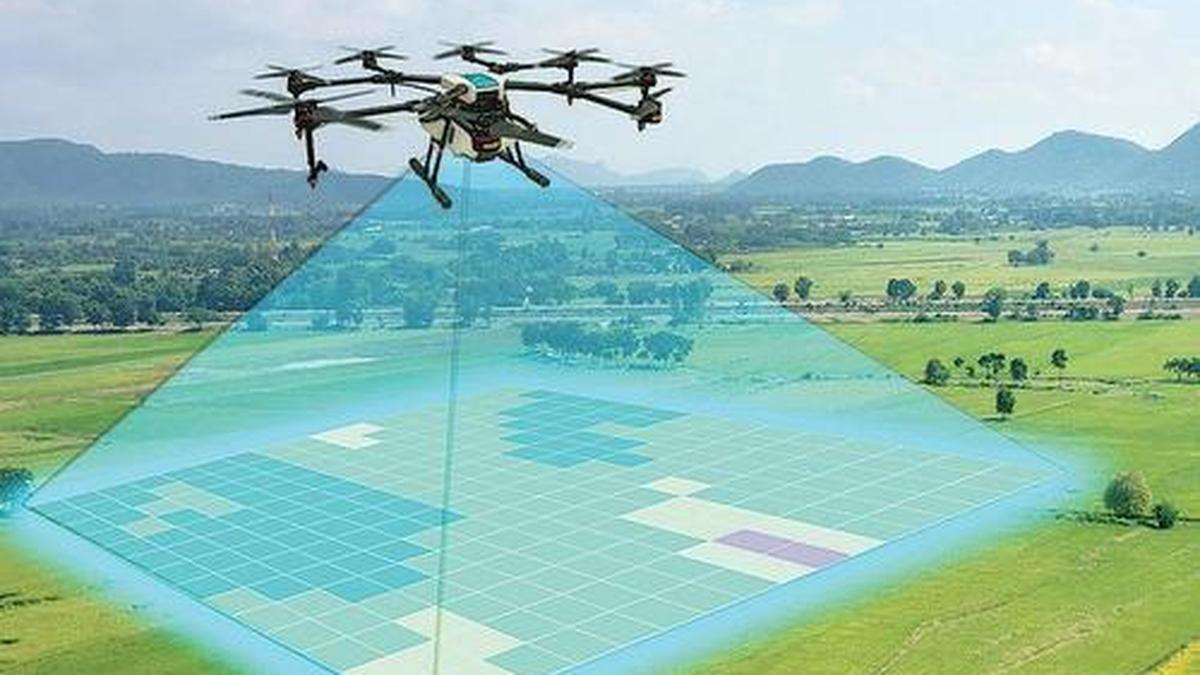
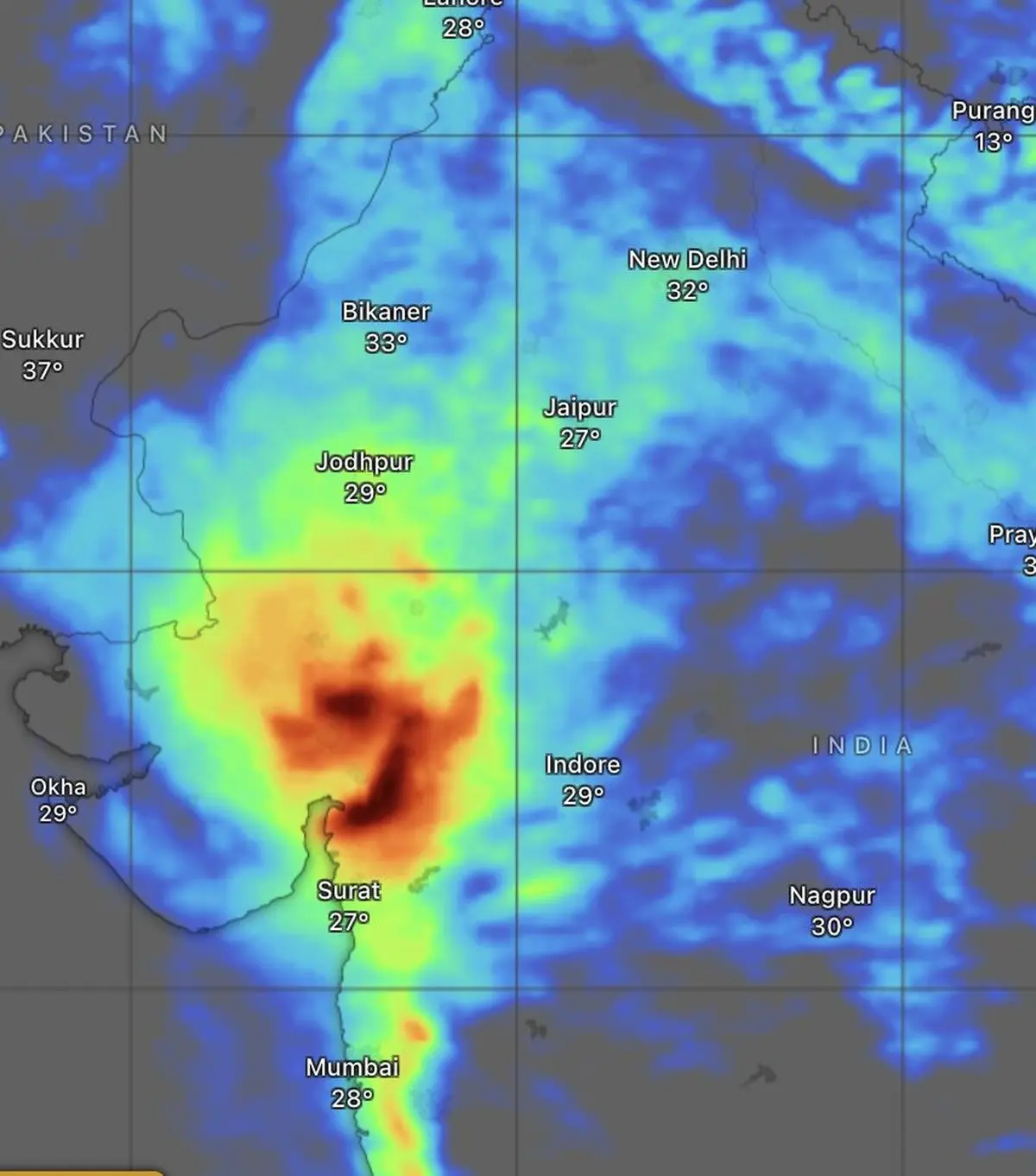
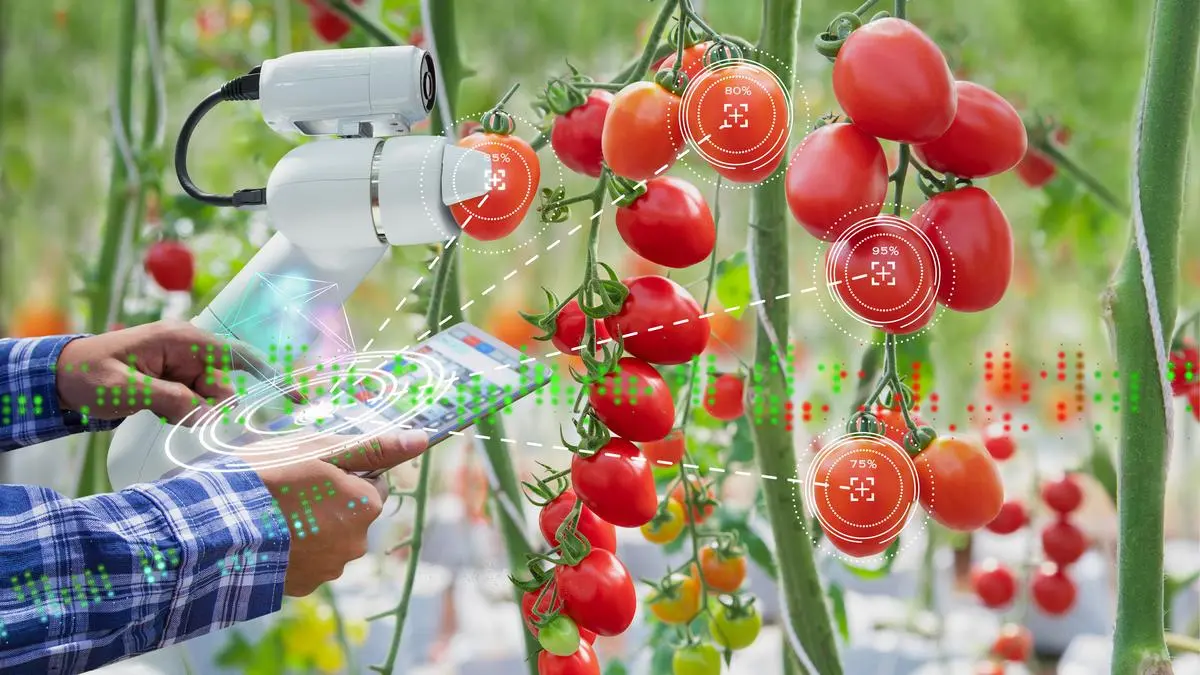
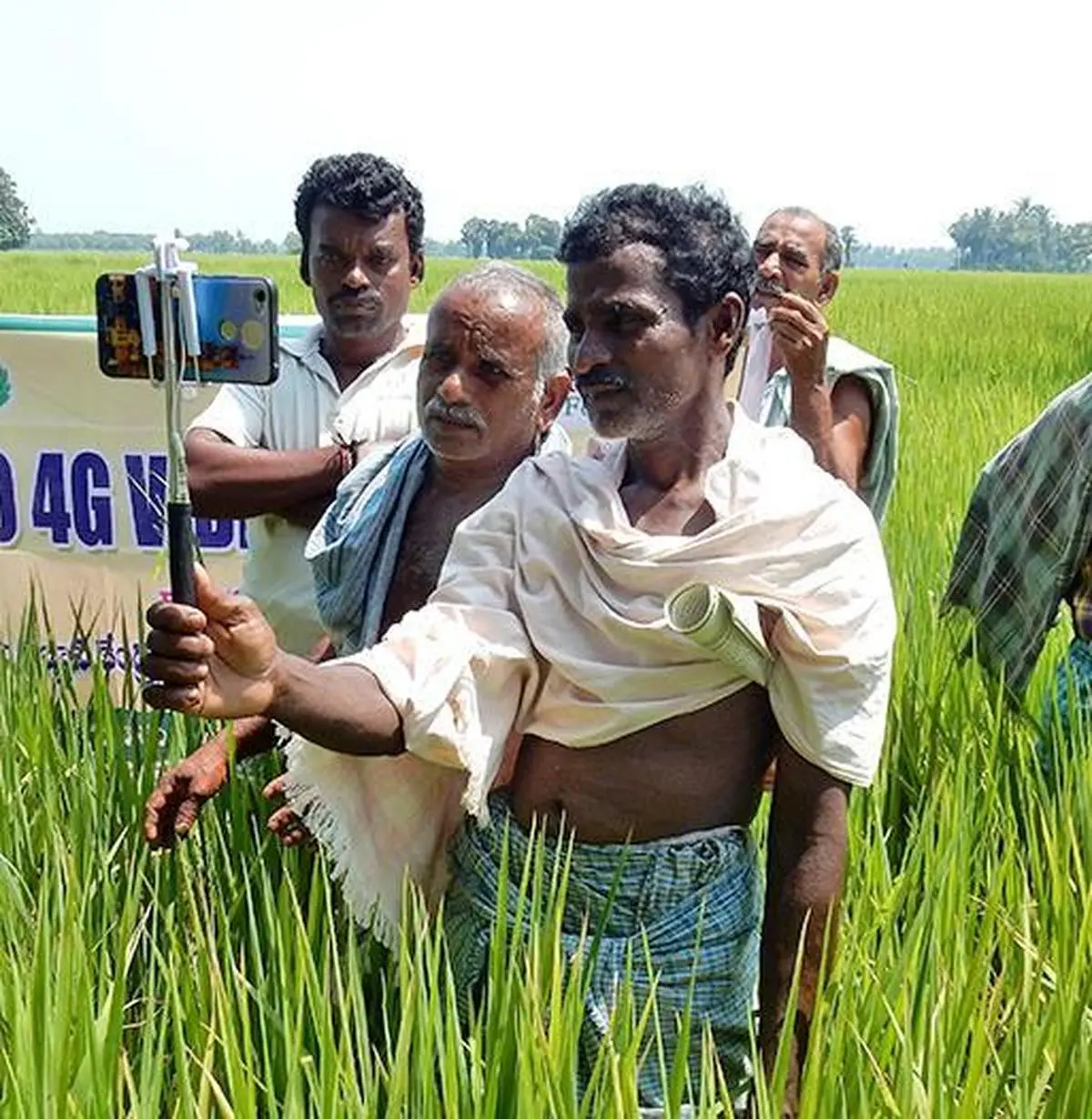
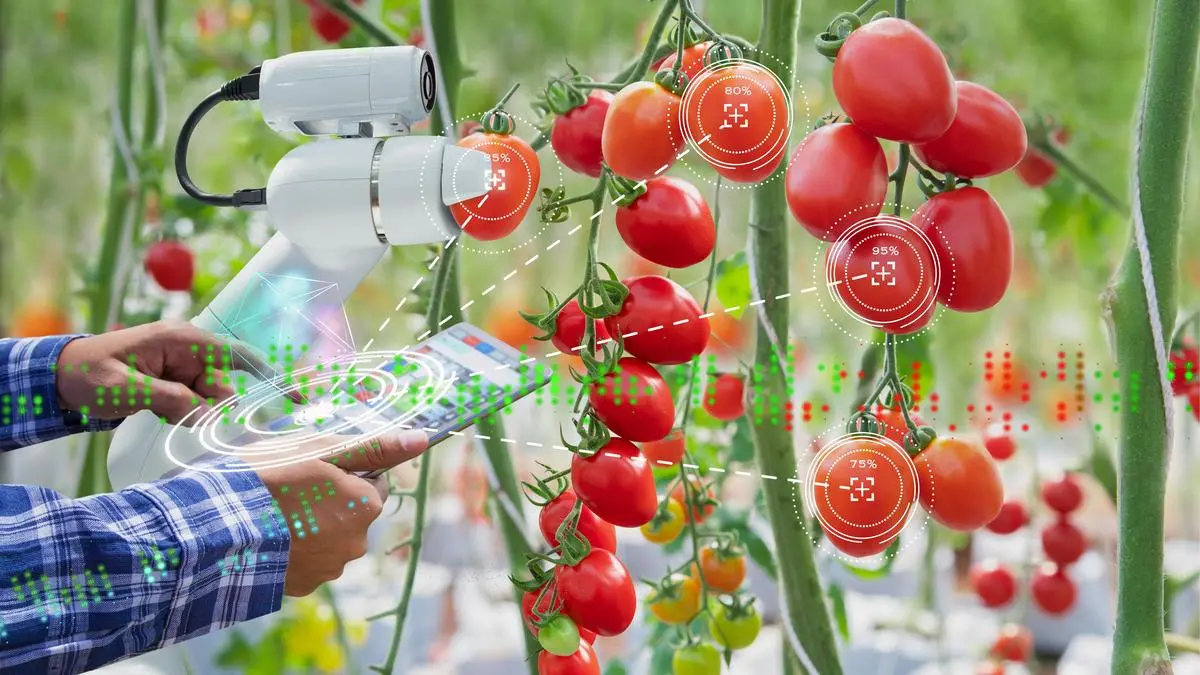
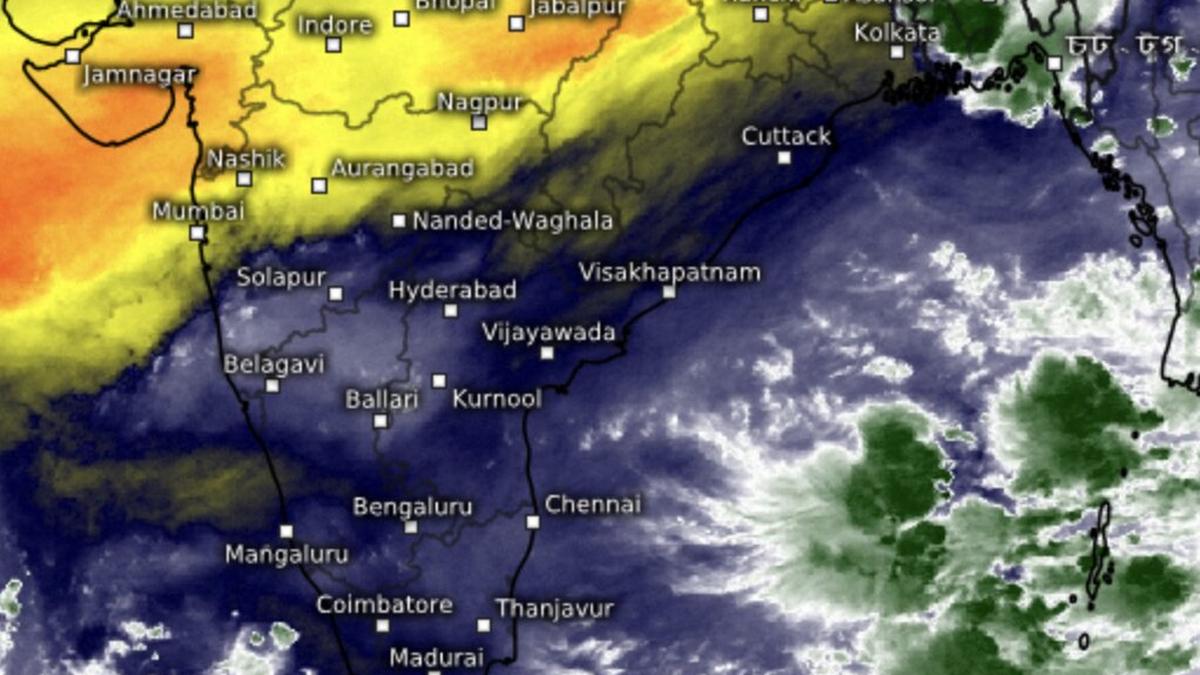
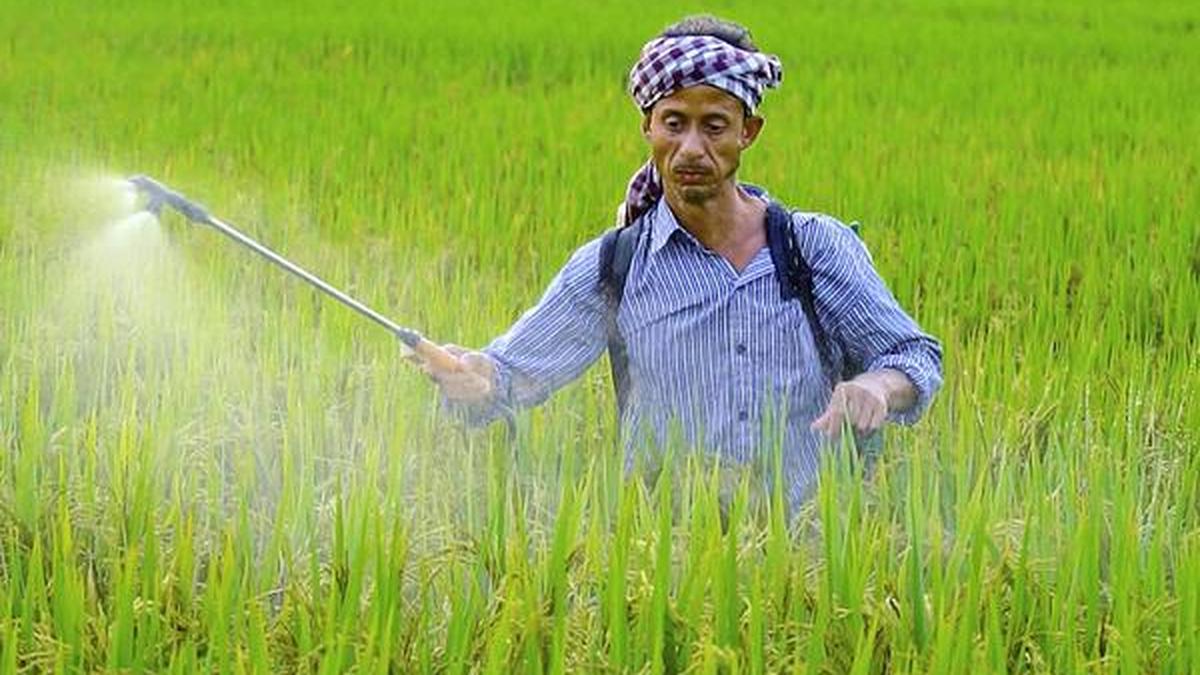
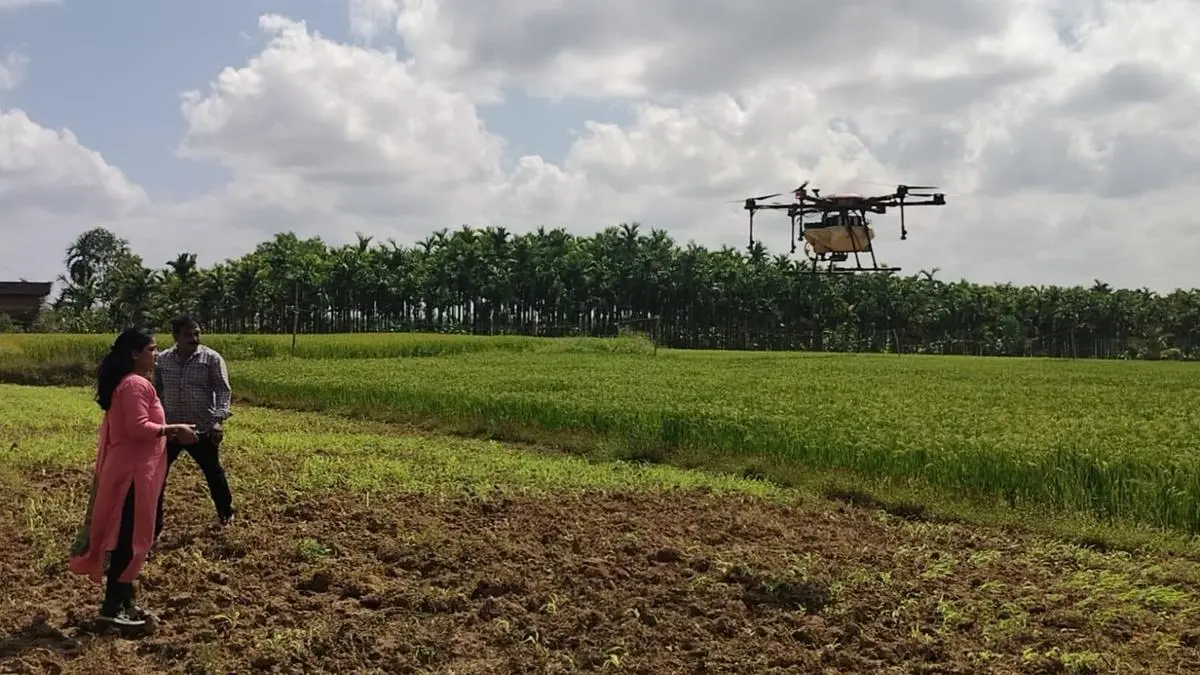
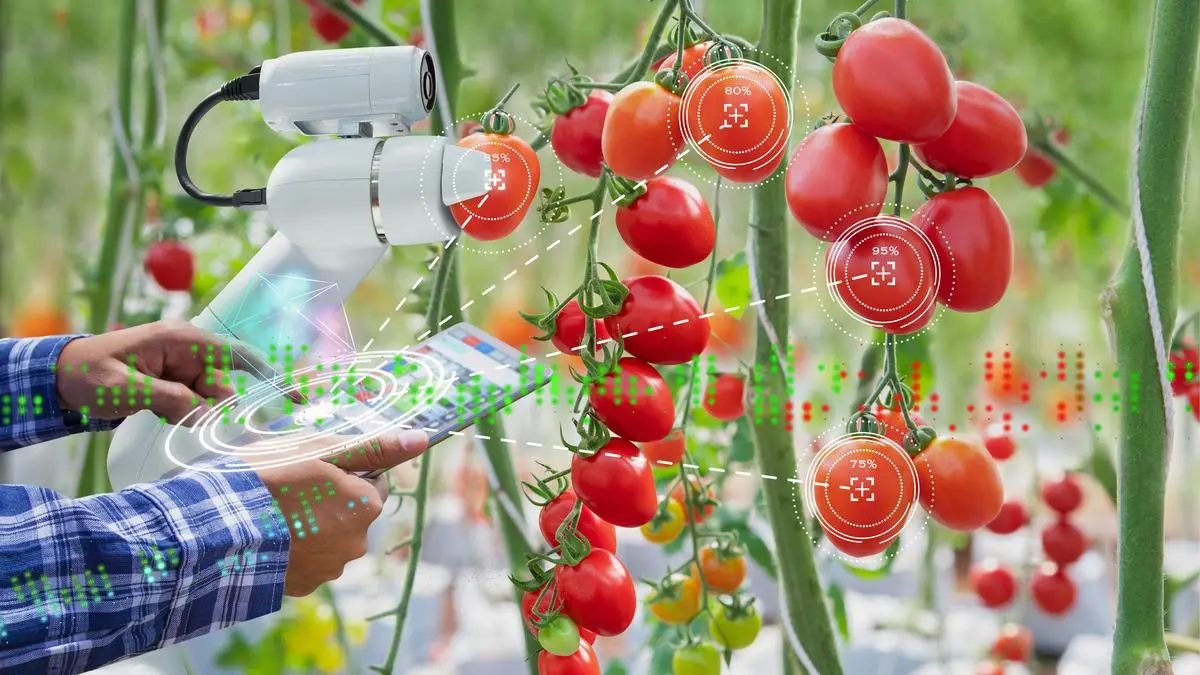
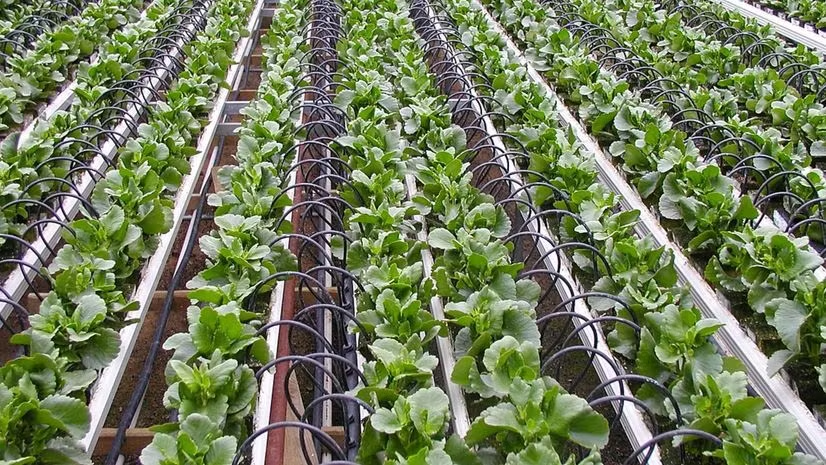
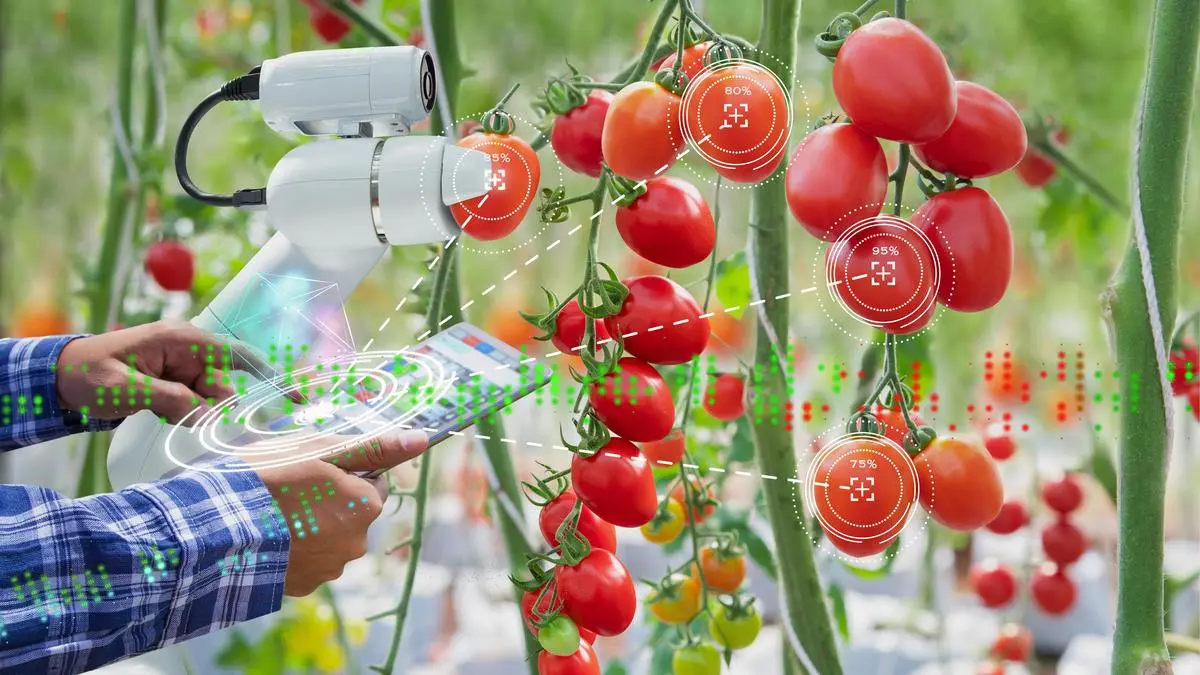
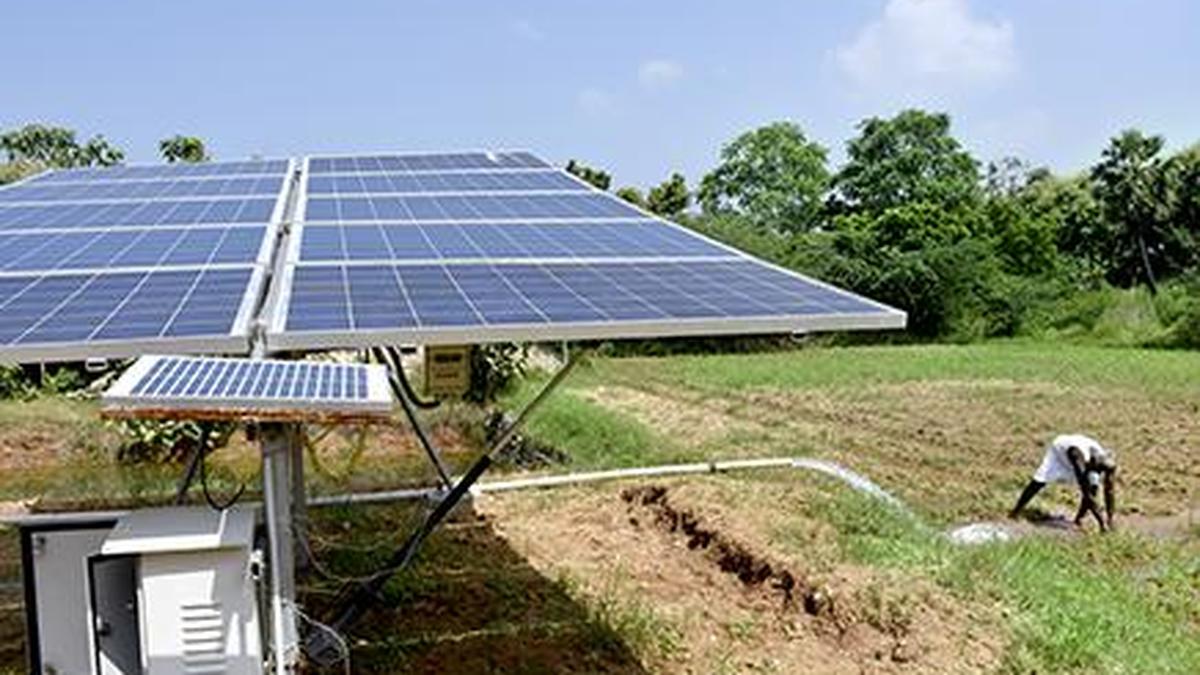
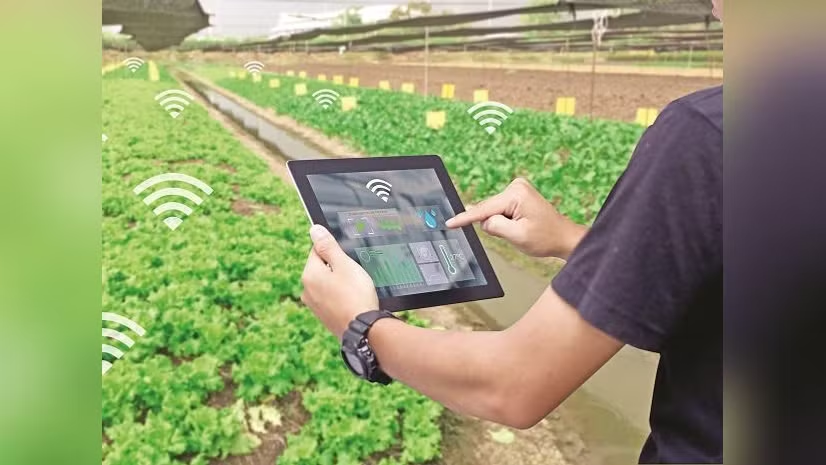
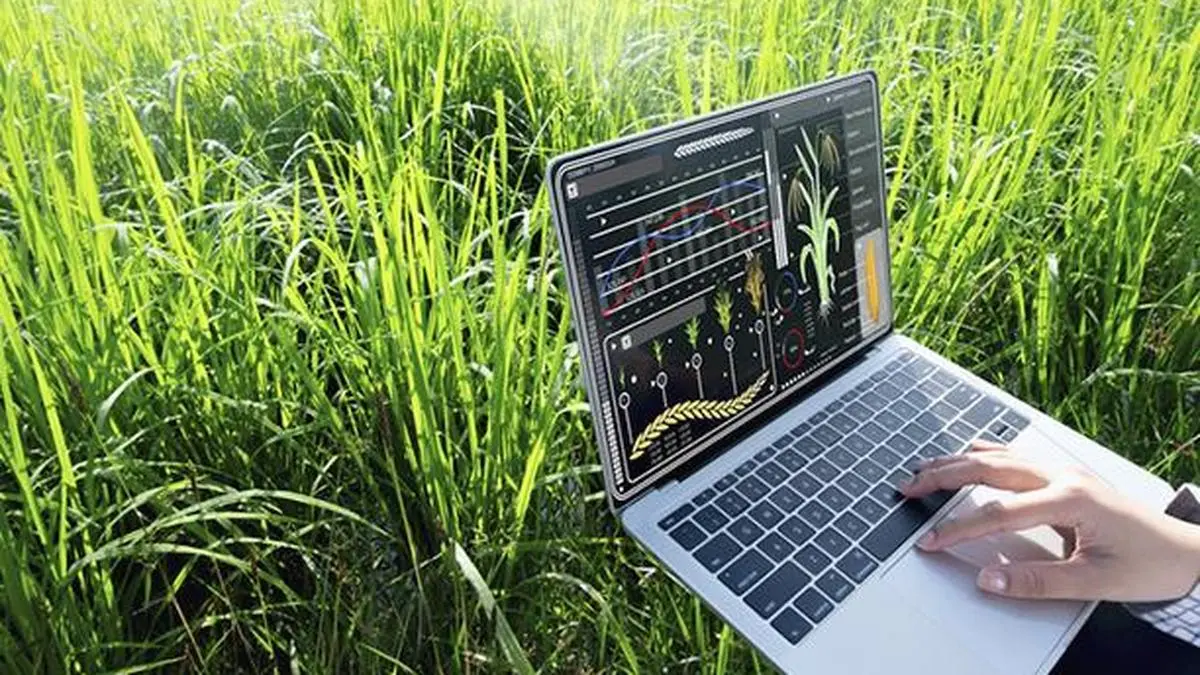
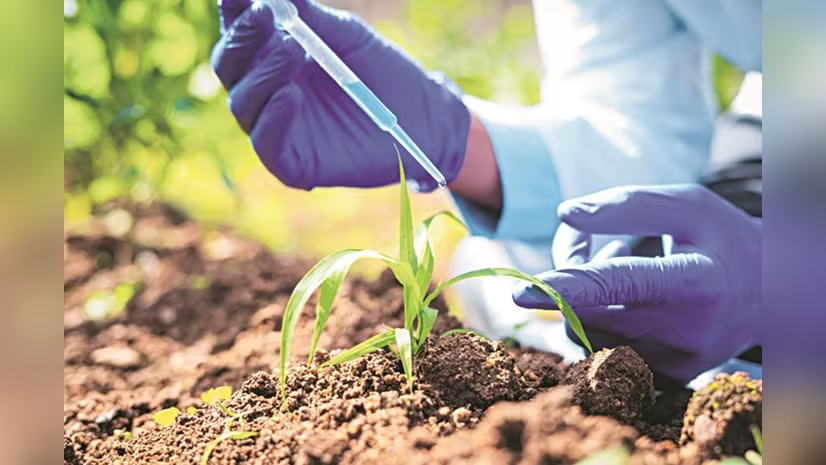
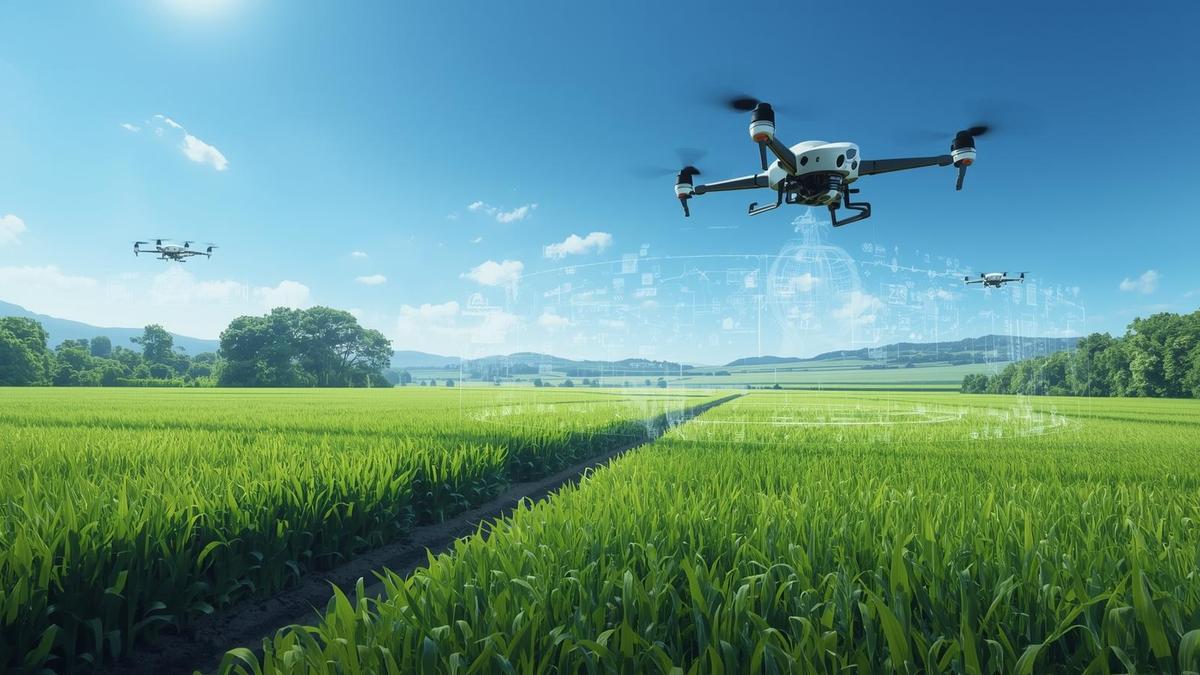
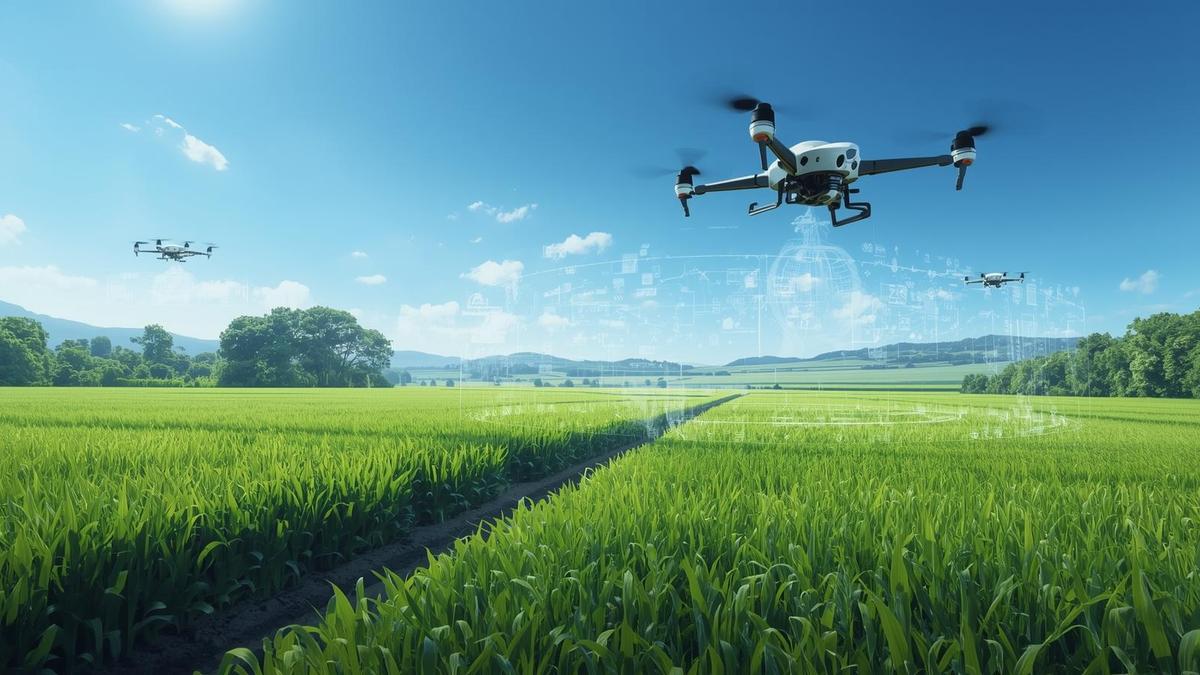
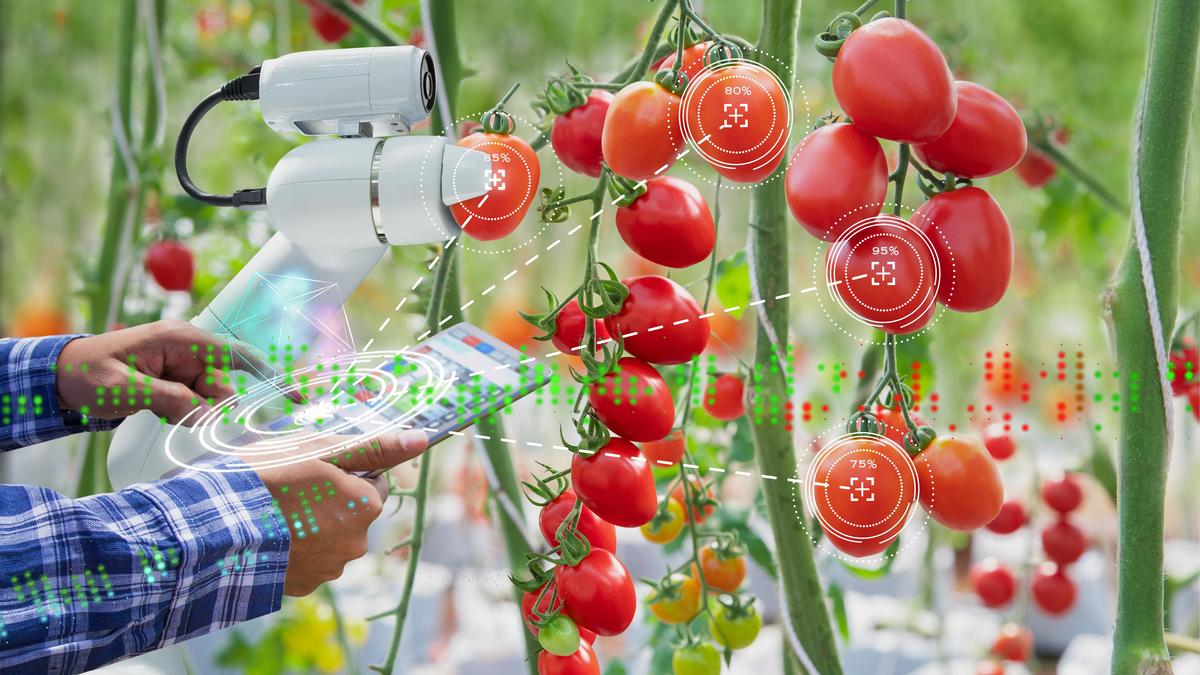
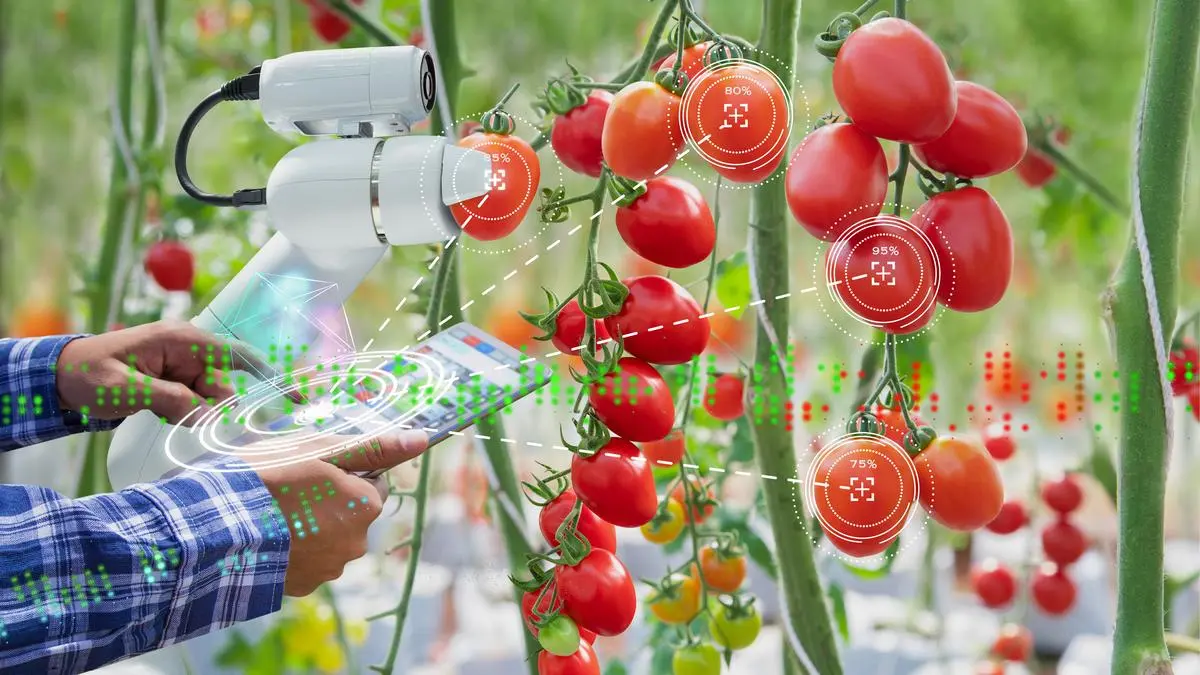
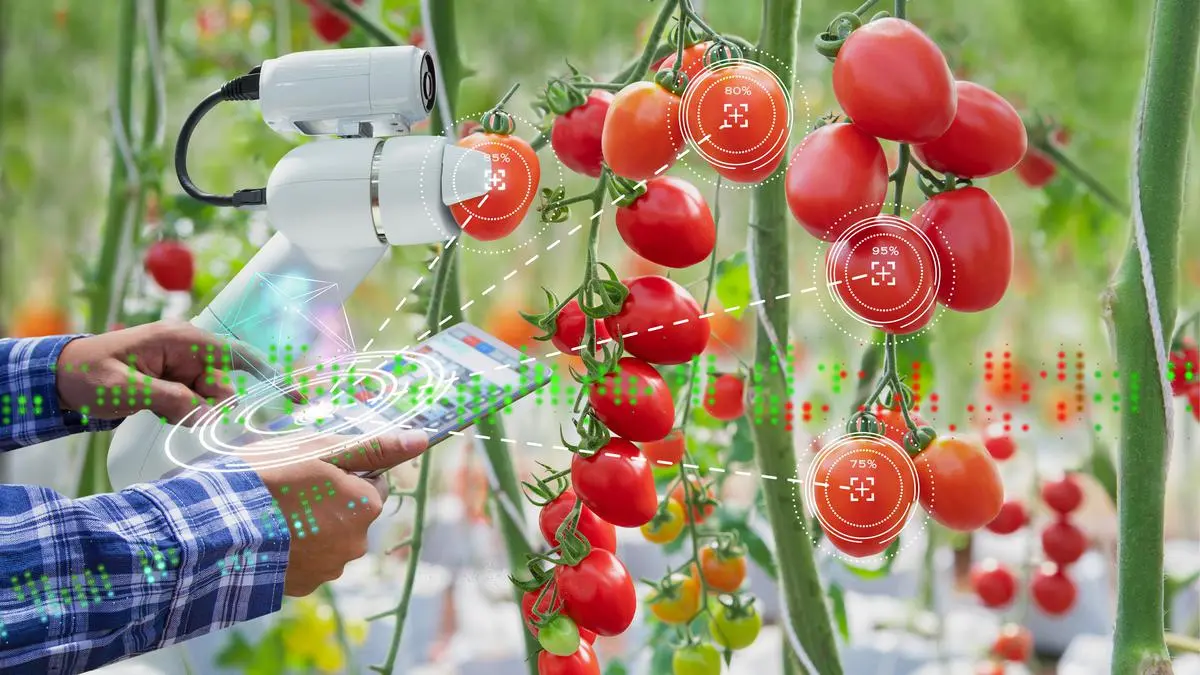
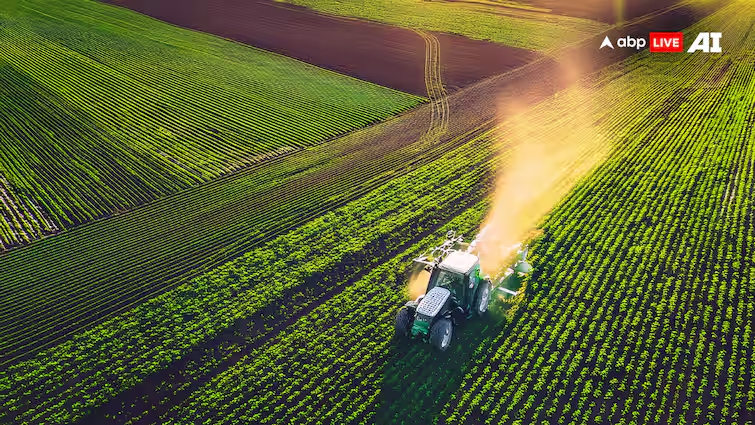
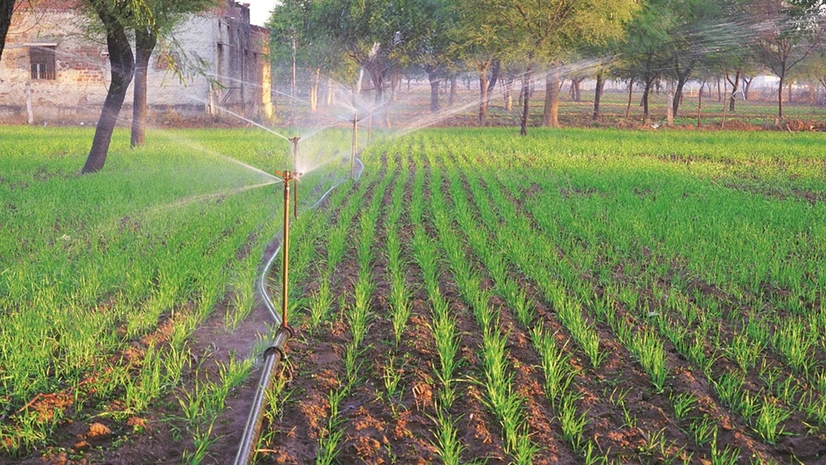
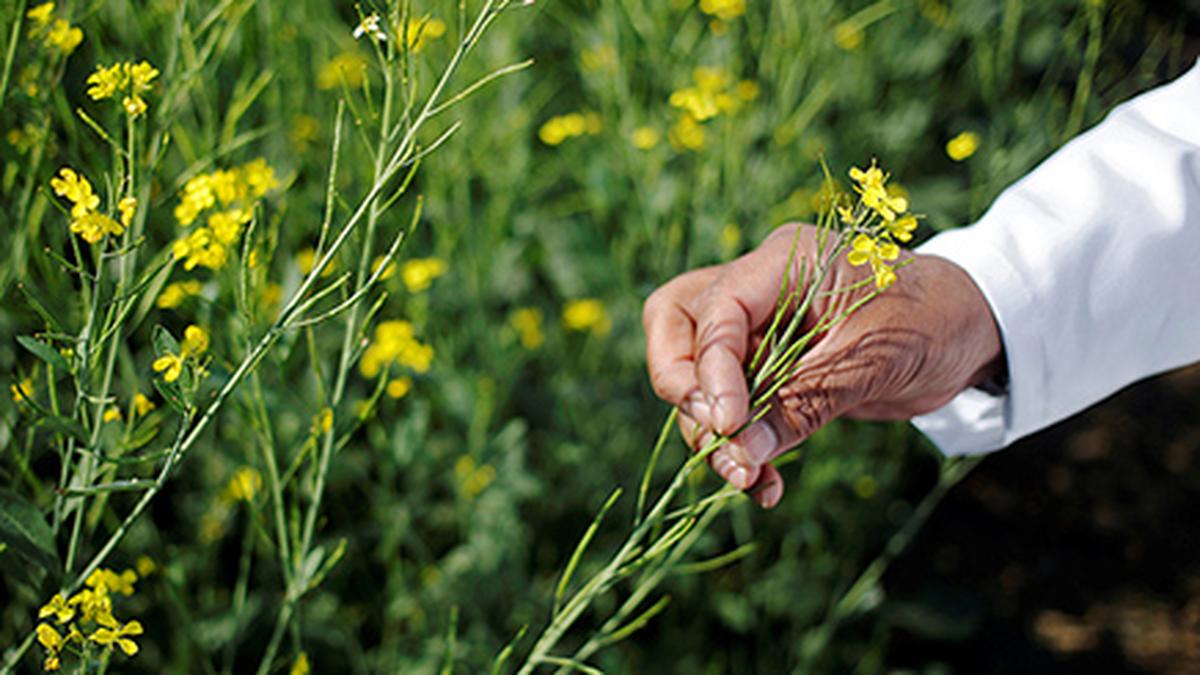
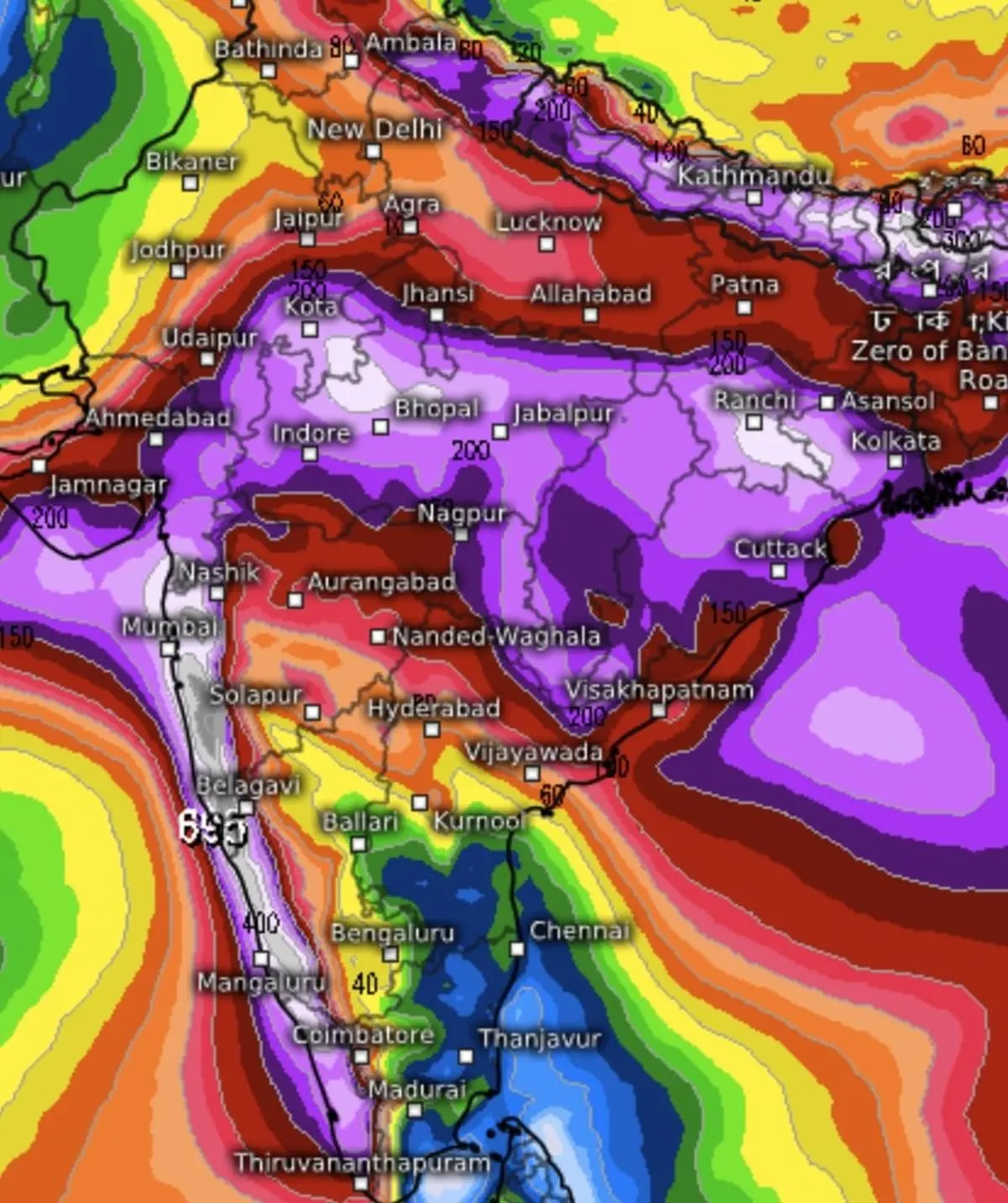
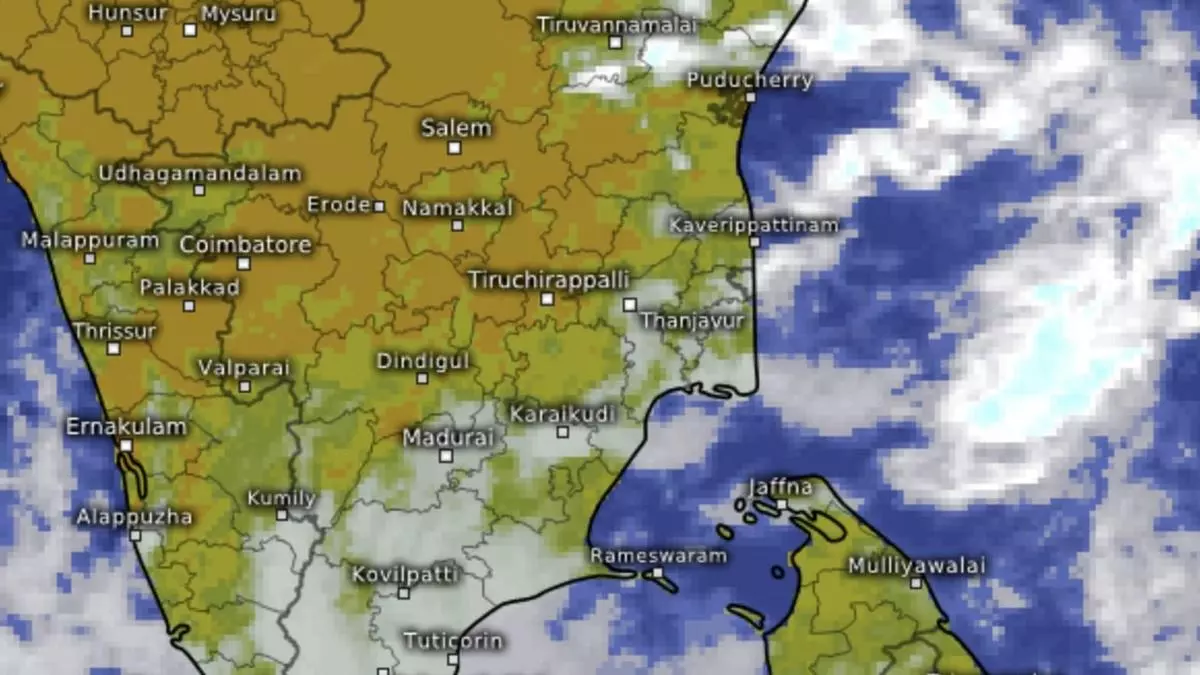
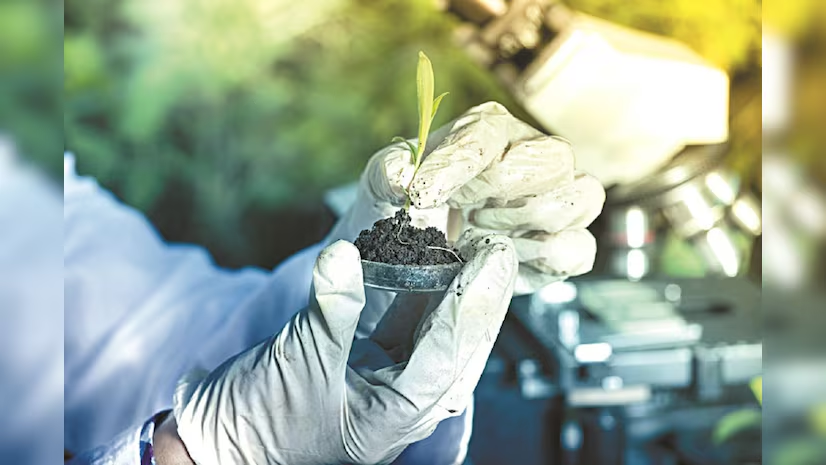
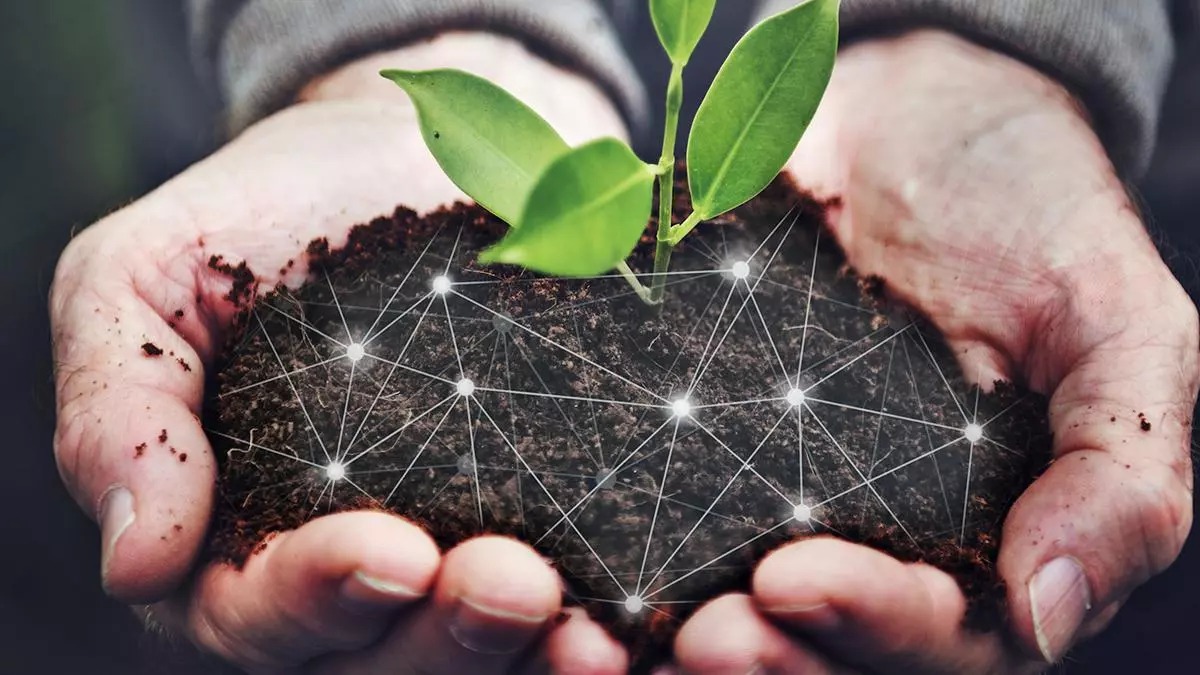
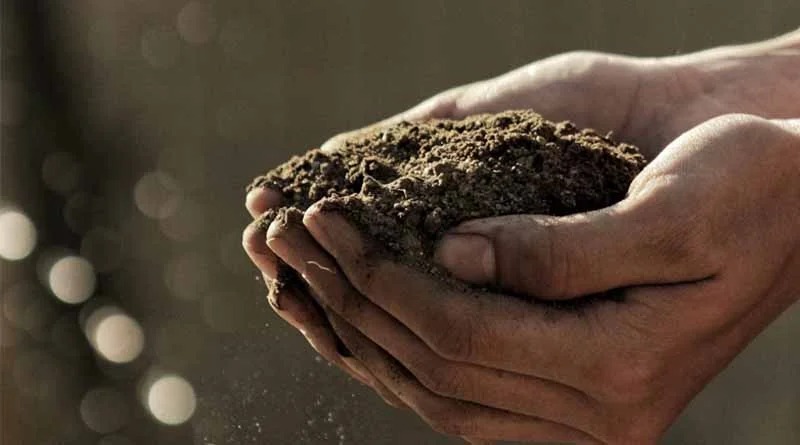
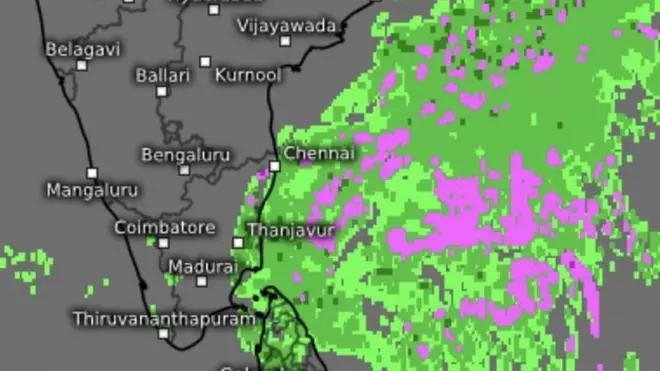
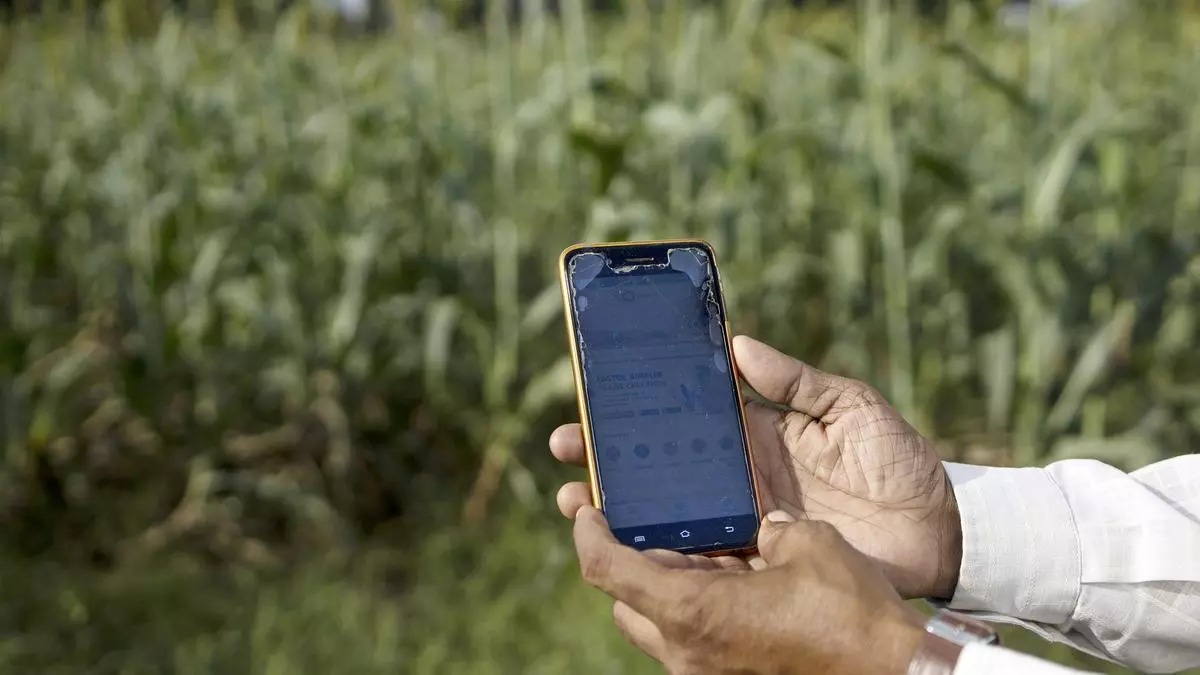
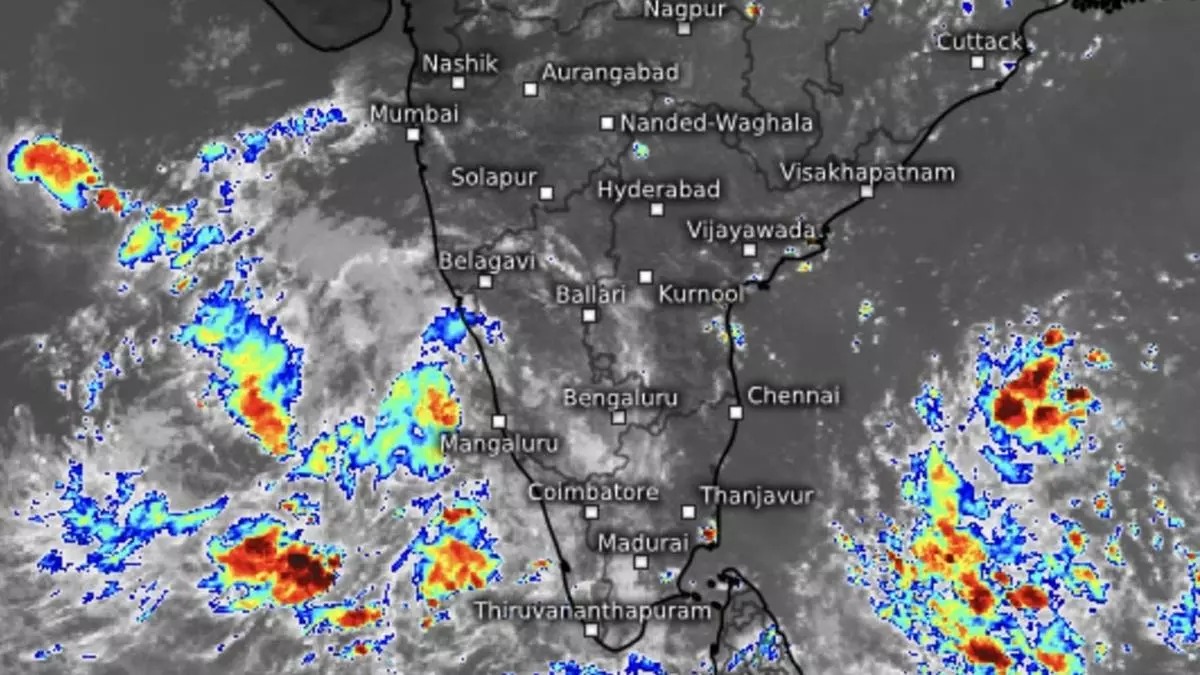
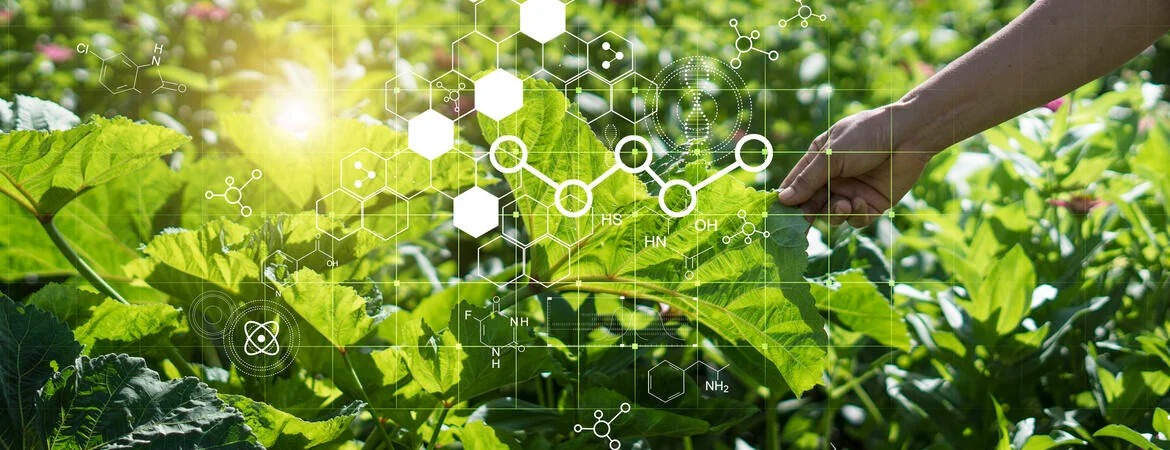
In today’s modern world, there are many technological solutions available that can assist farmers to improve decision-making processes. There are numerous devices that give data on rainfall, temperatures, humidity, soil, potential pests’ attacks and diseases of plants. Using such techniques as climate, satellite data, sensors and artificial intelligence, such technology can inform farmers of potential dangers and prevent them from any severe damages. For example, if weather conditions become favourable for a fungal infection or pest outbreak, the system can send an early alert to farmers so they can take preventive measures in advance. This reduces crop losses and improves productivity.
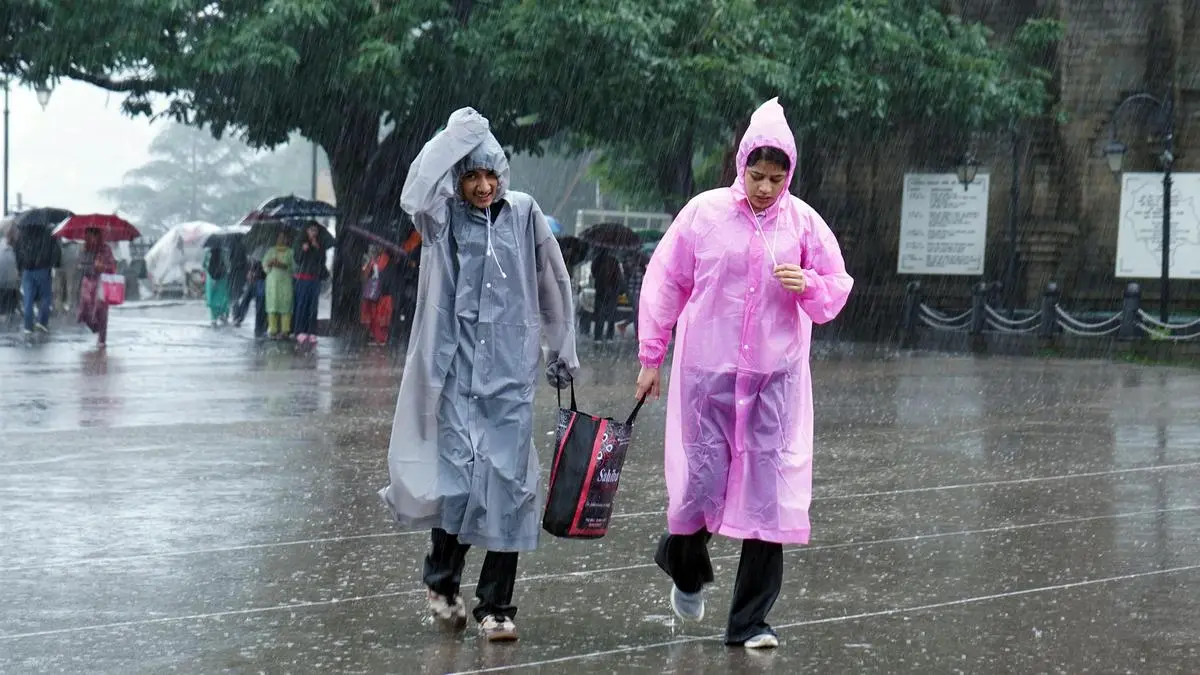
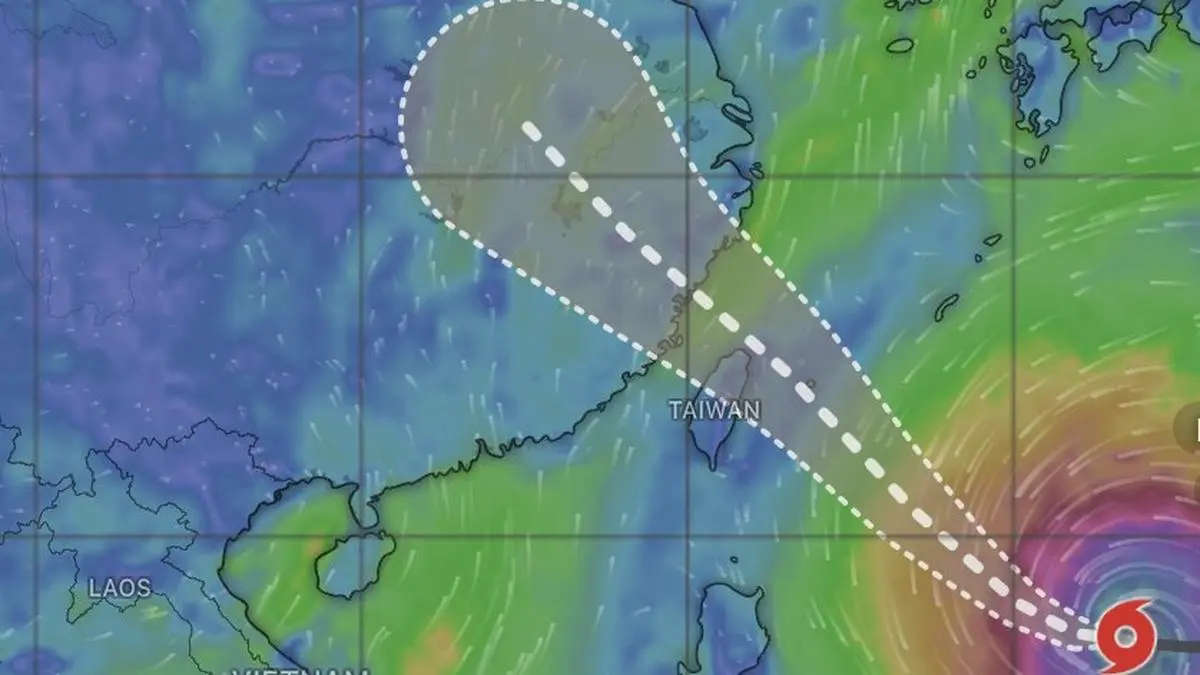
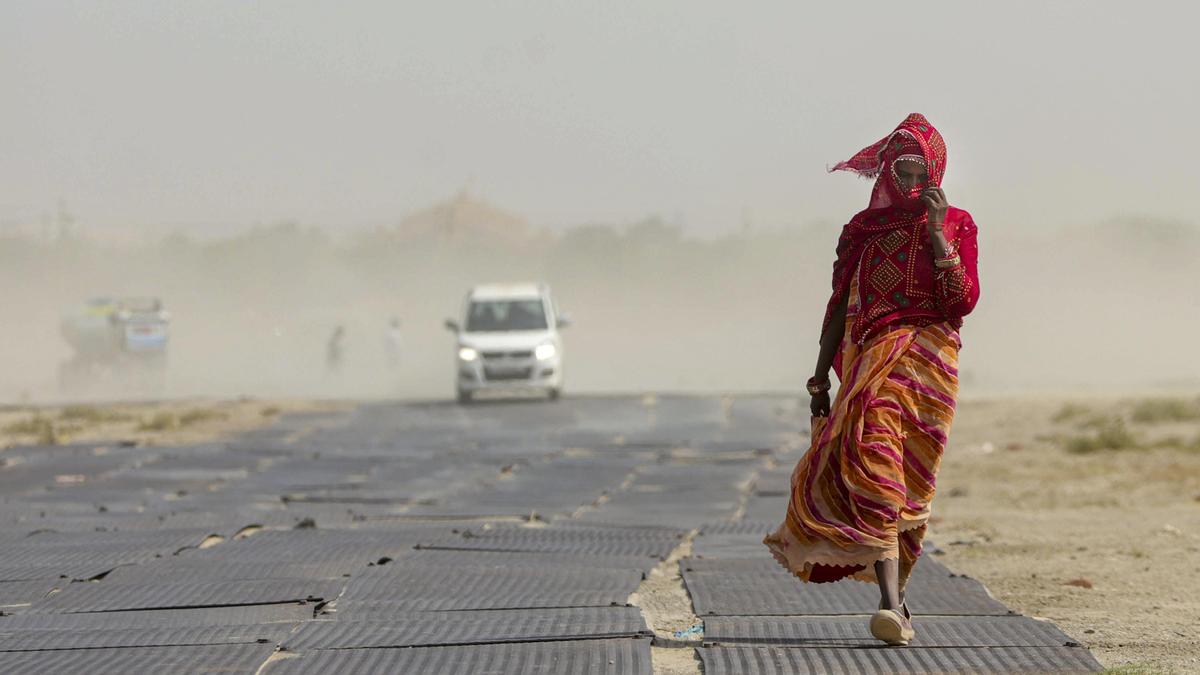
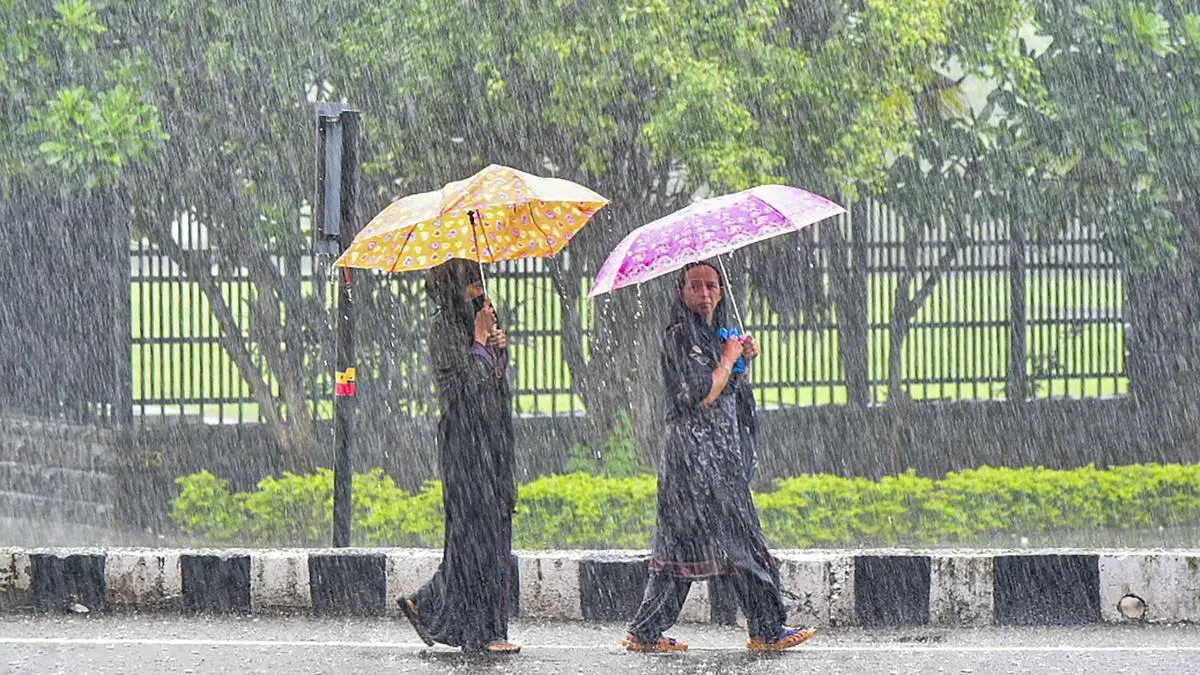
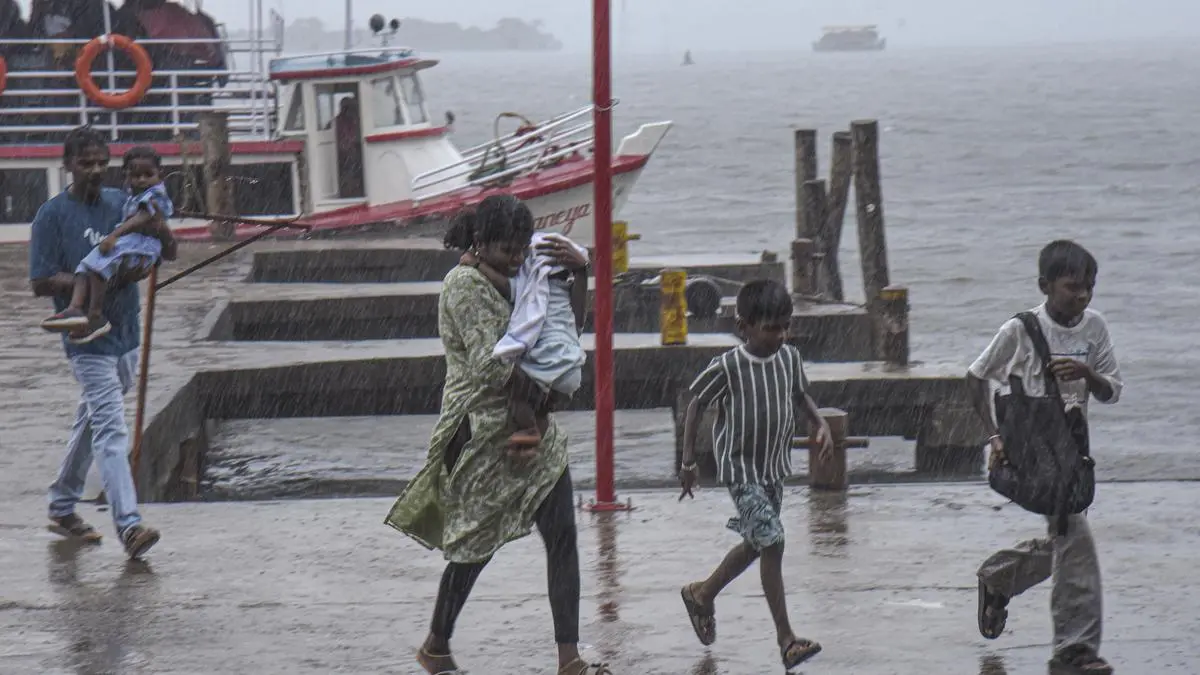
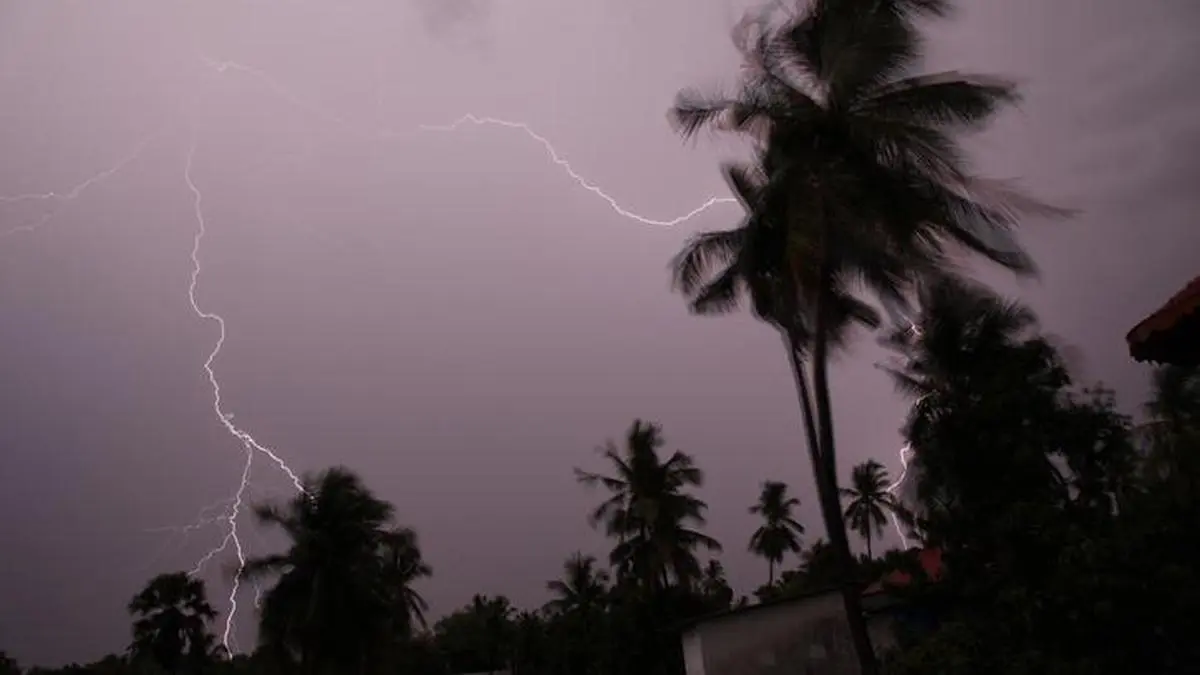
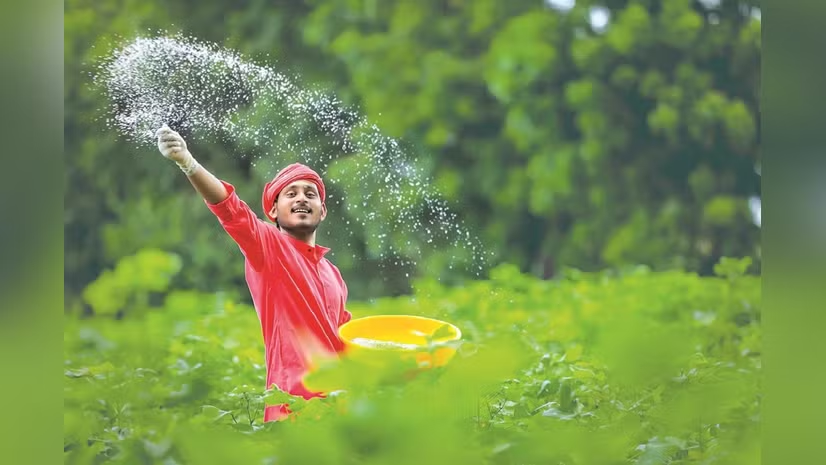
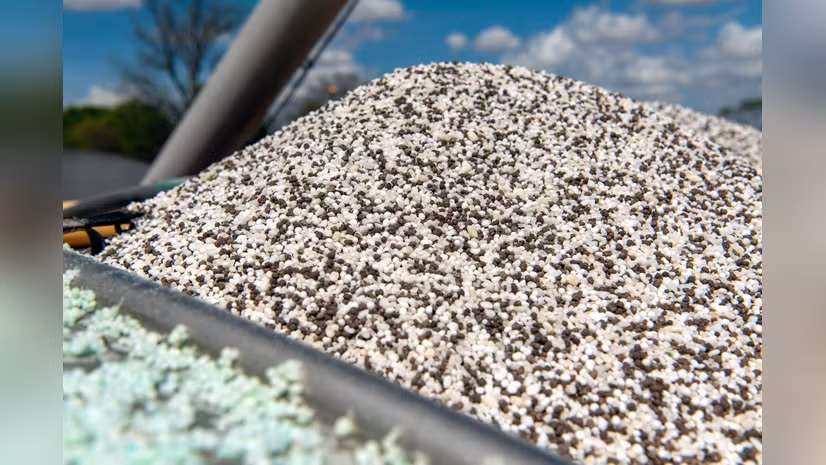
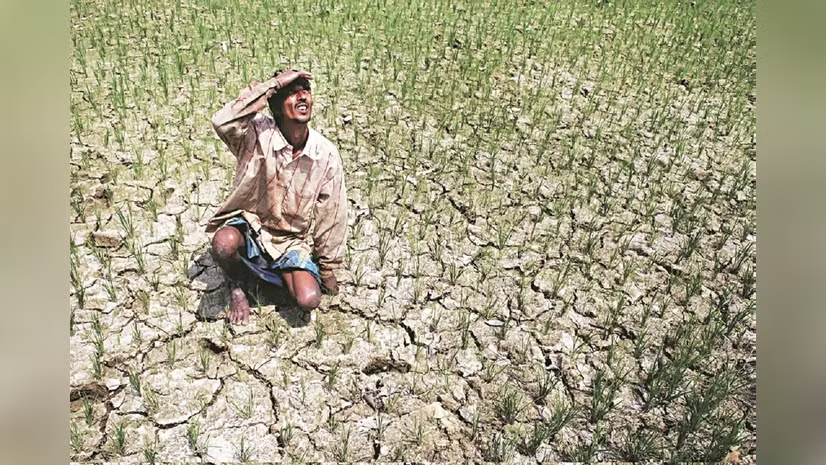
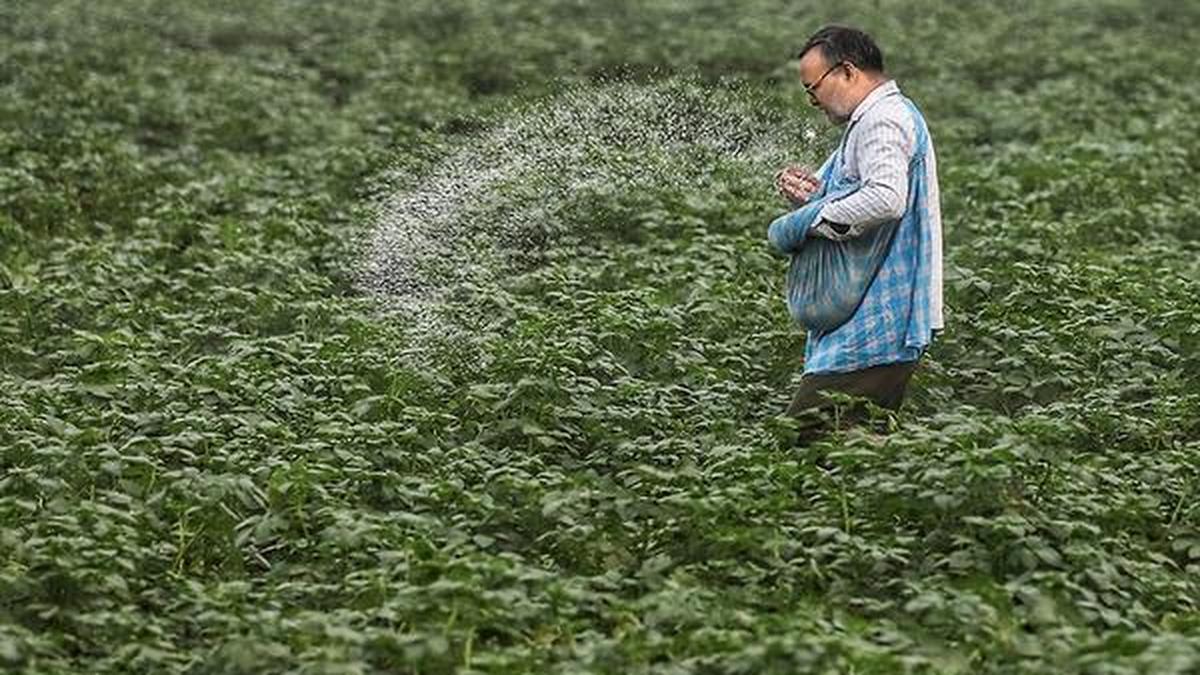
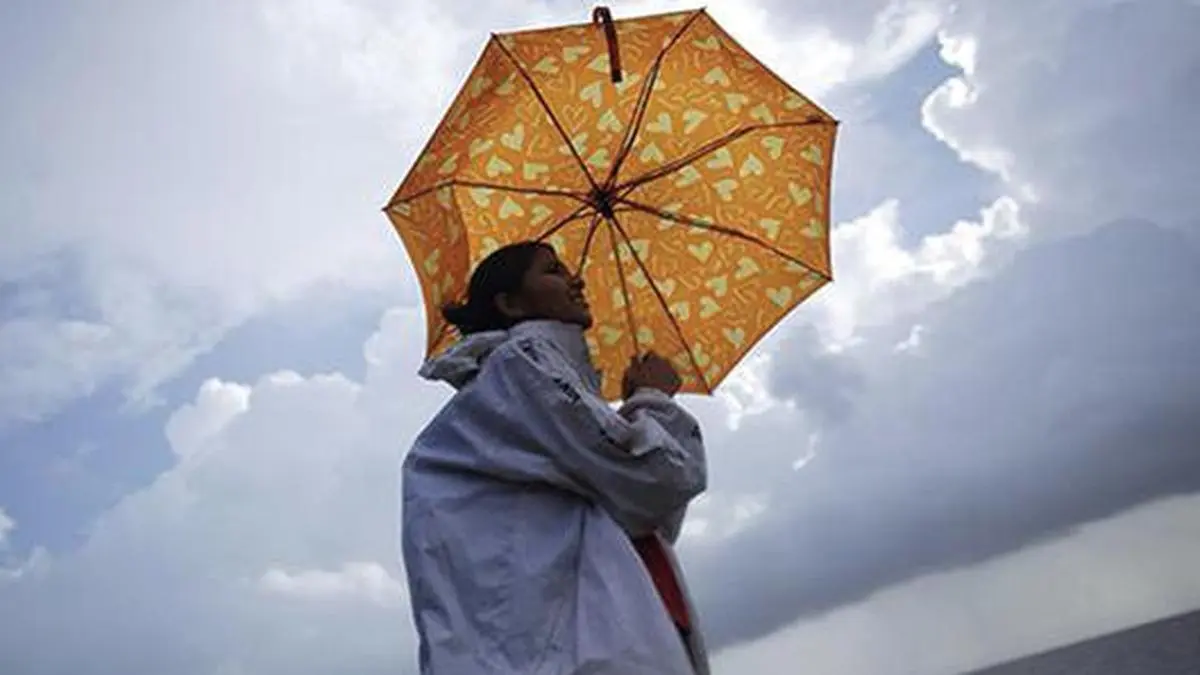
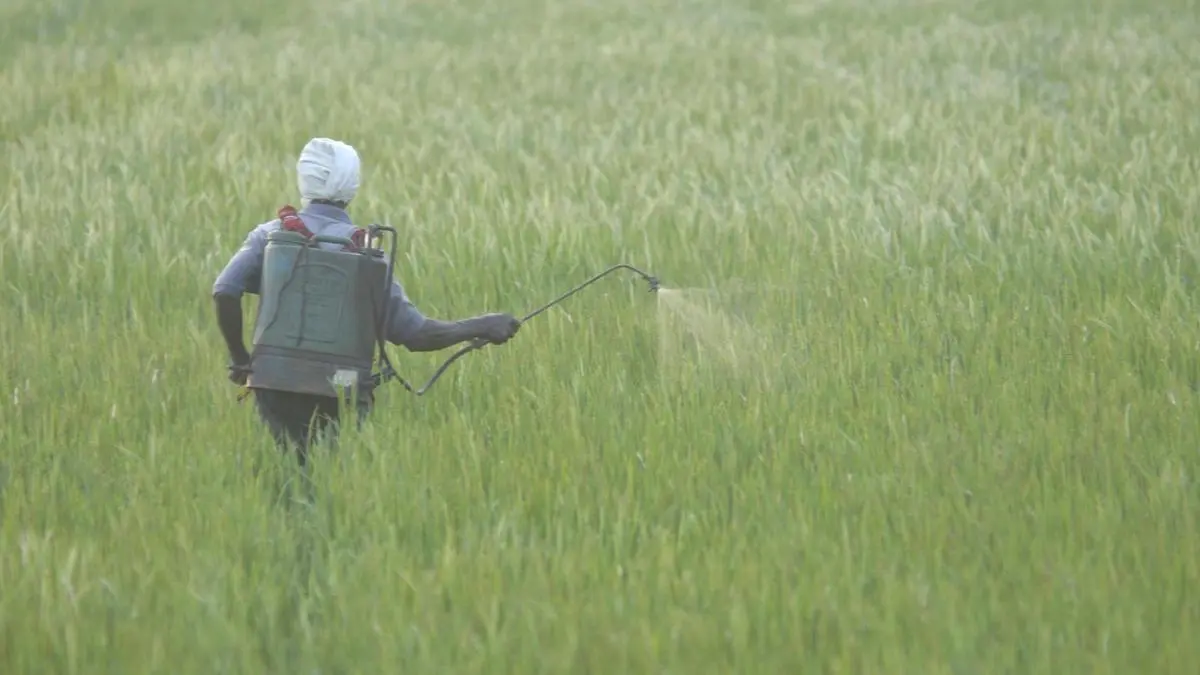
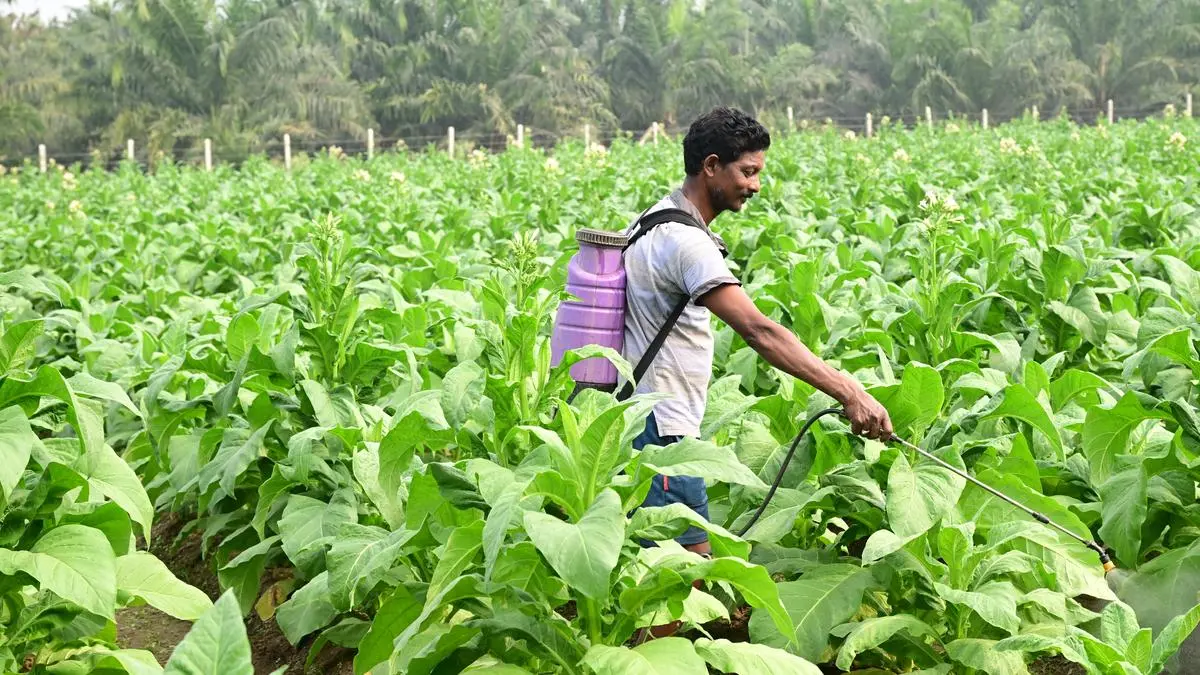
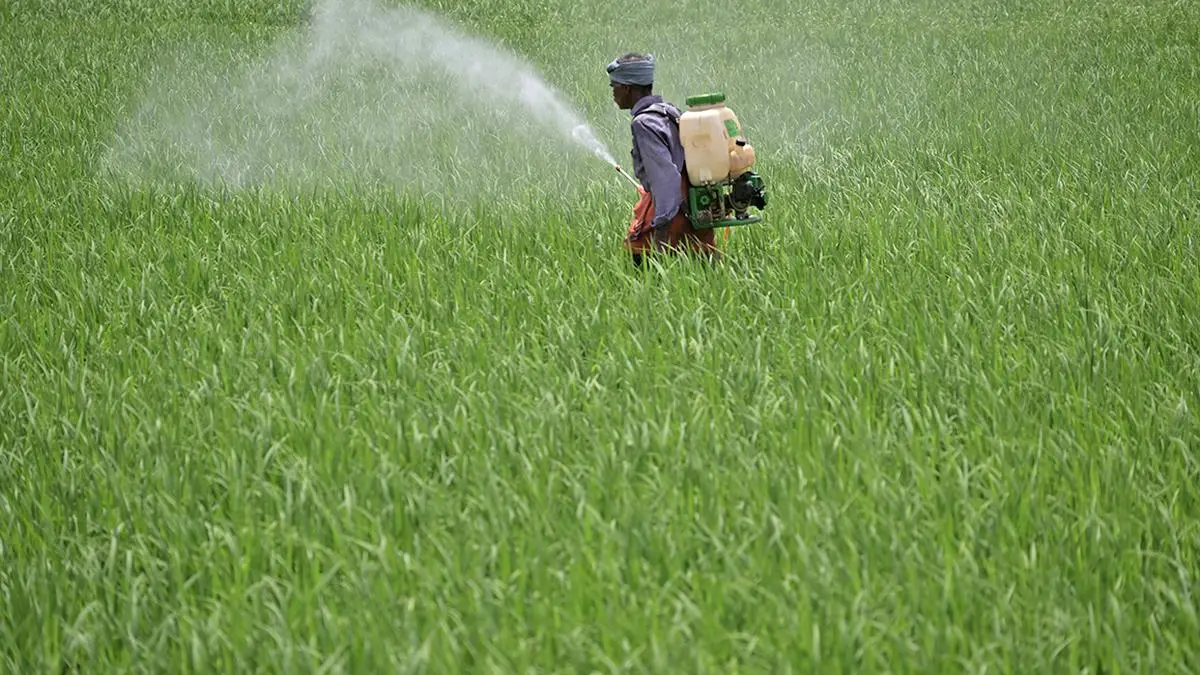
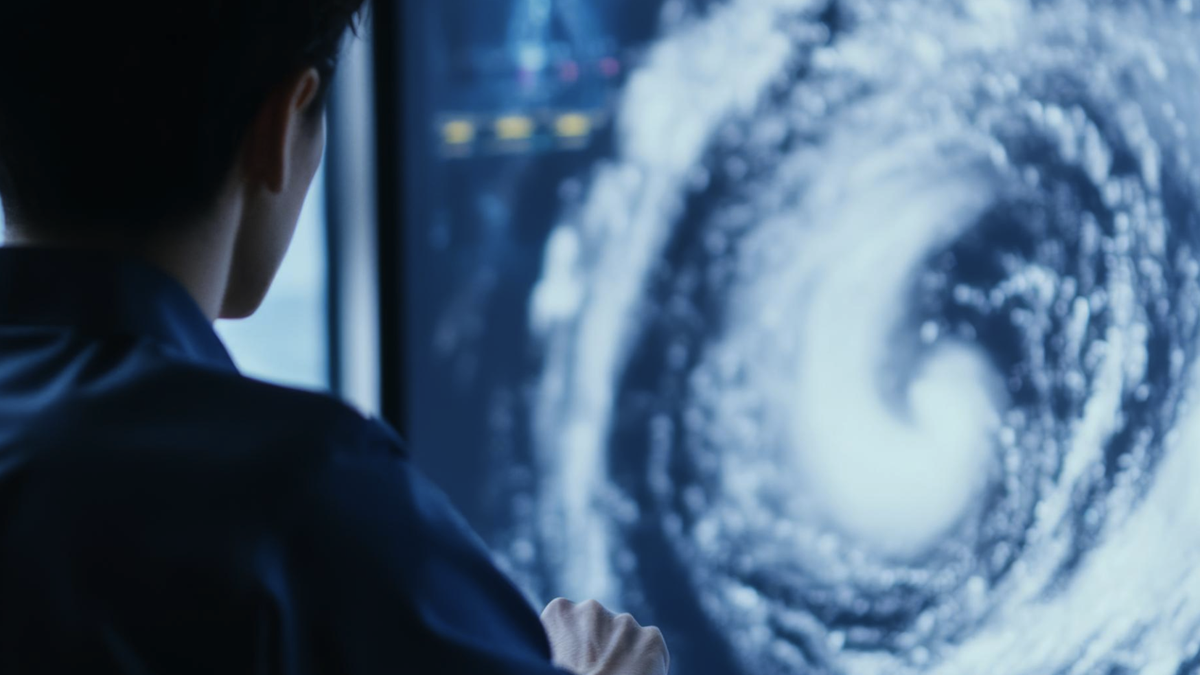
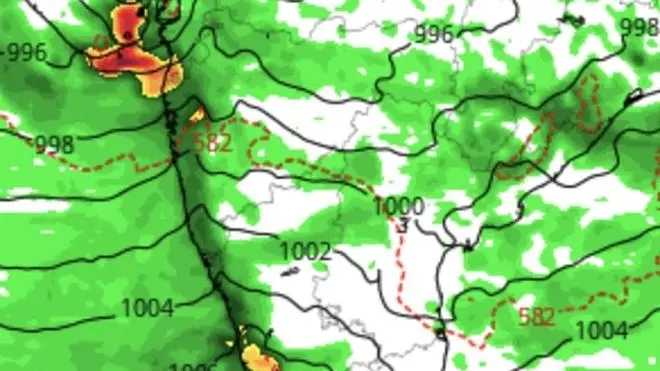
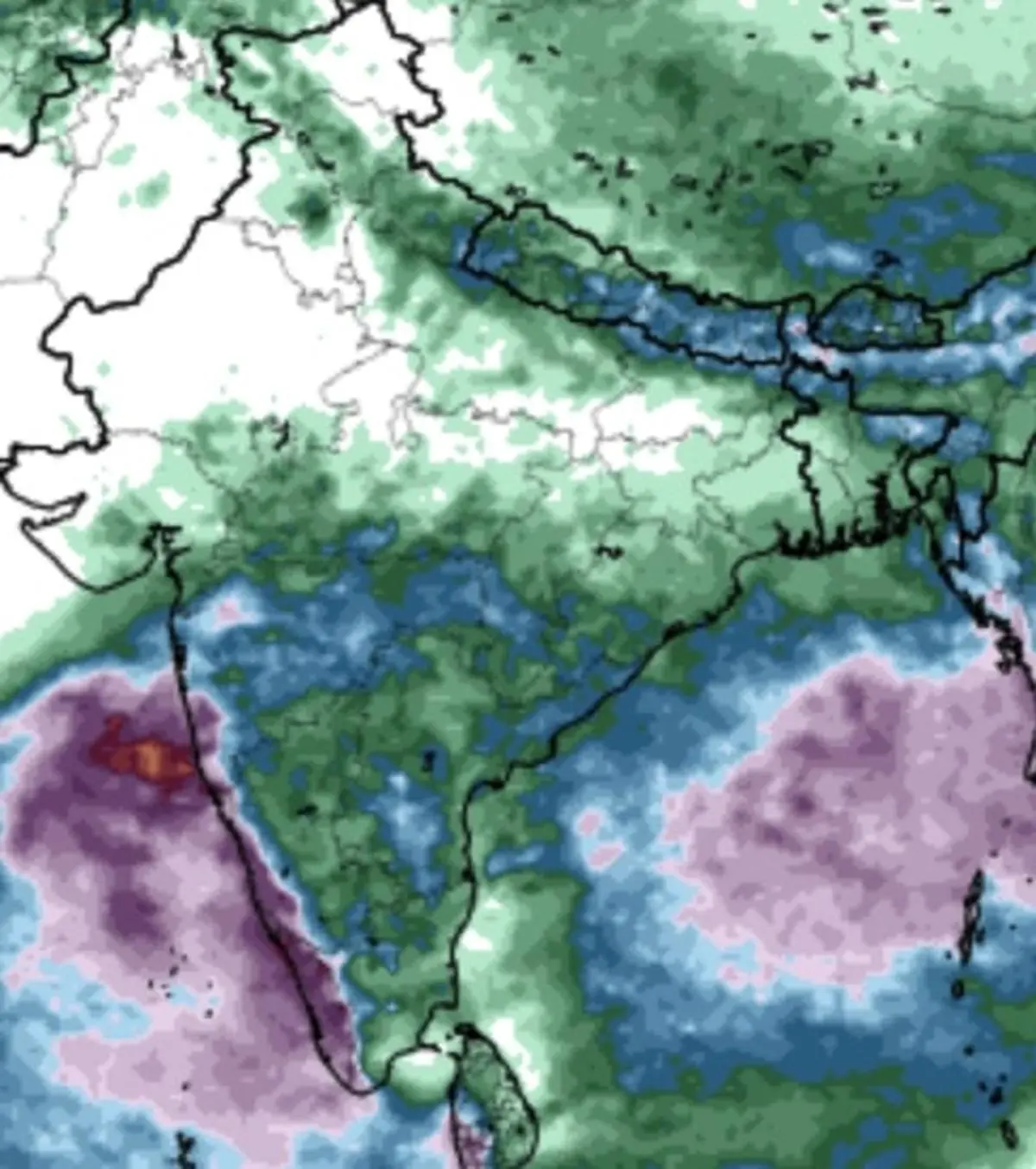
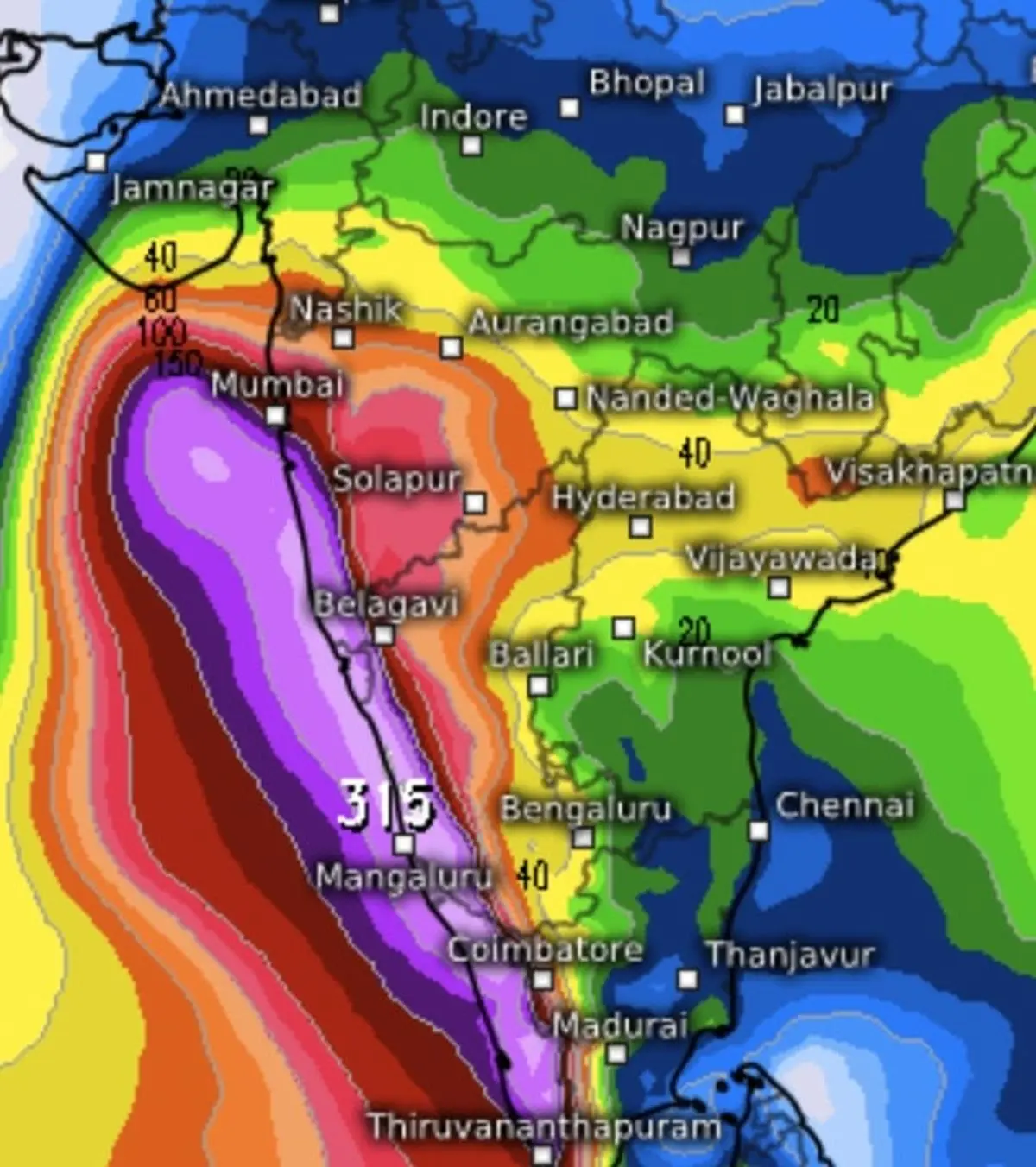
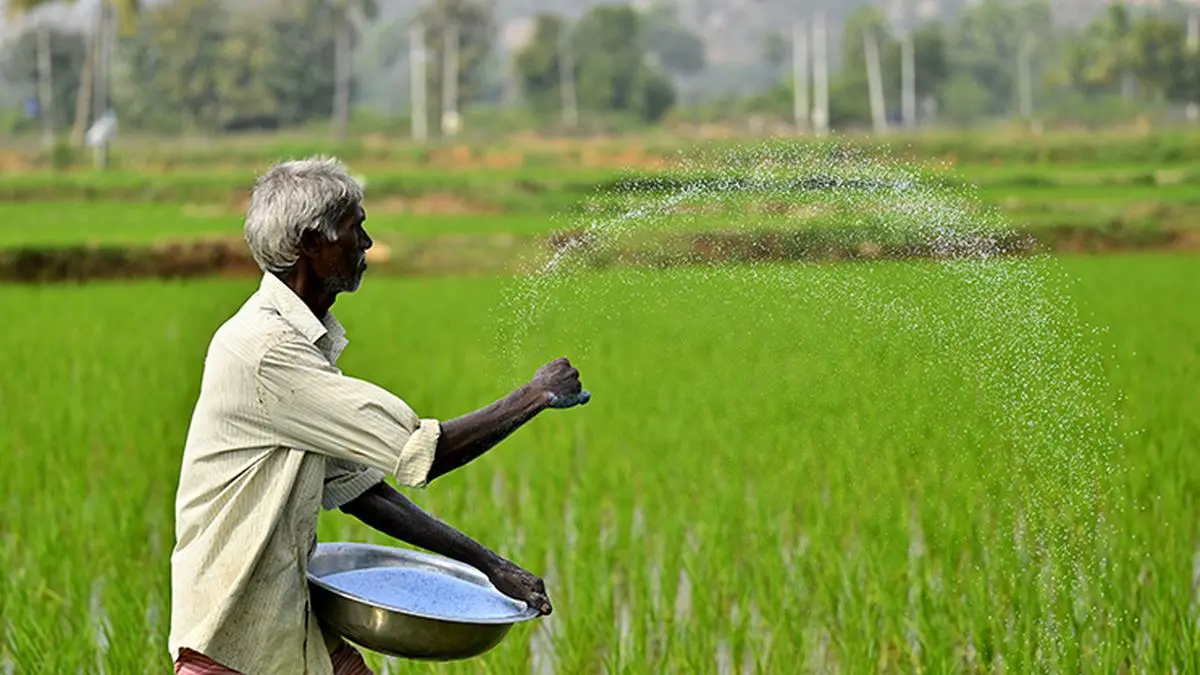
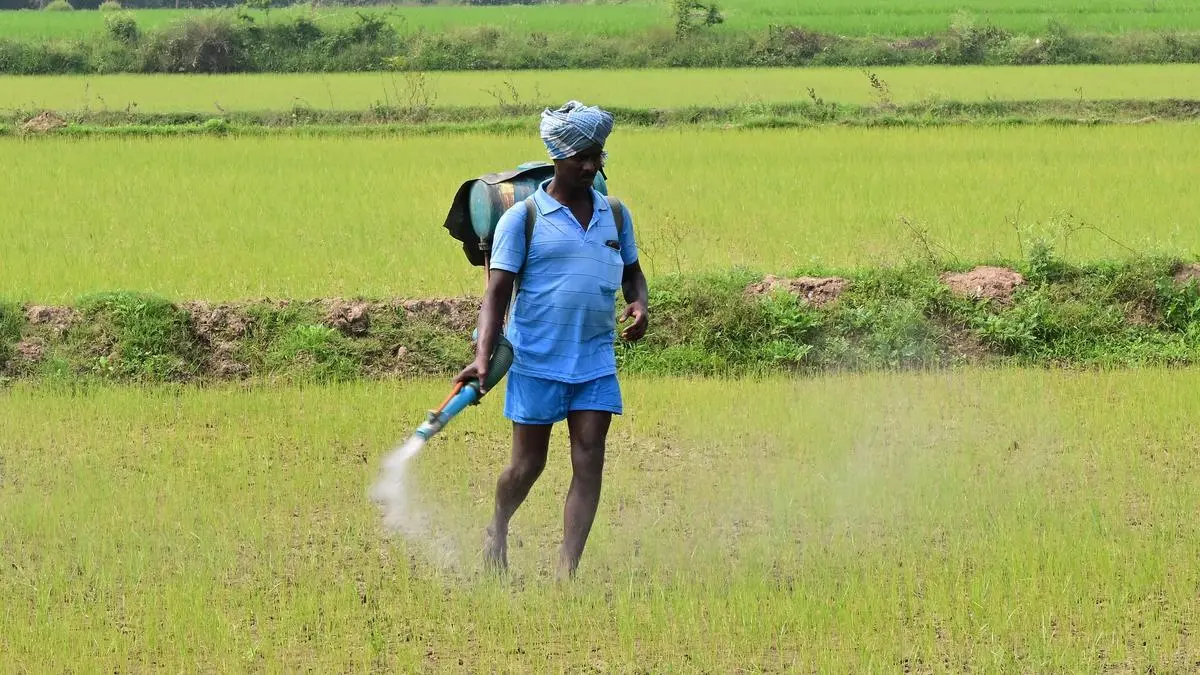
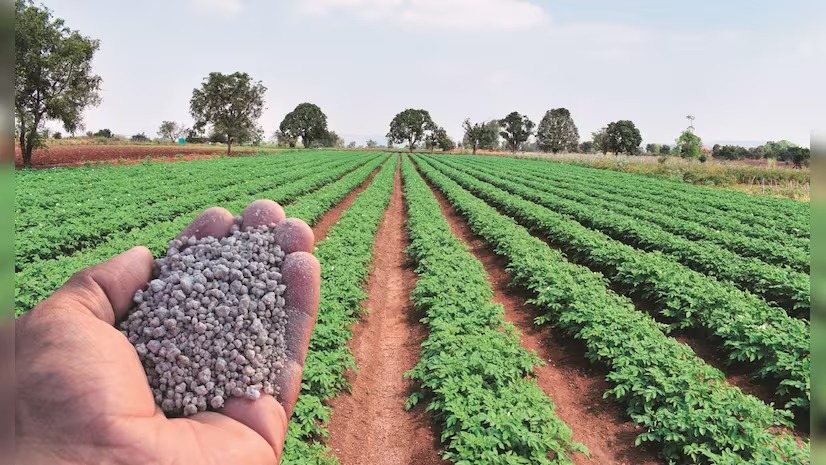
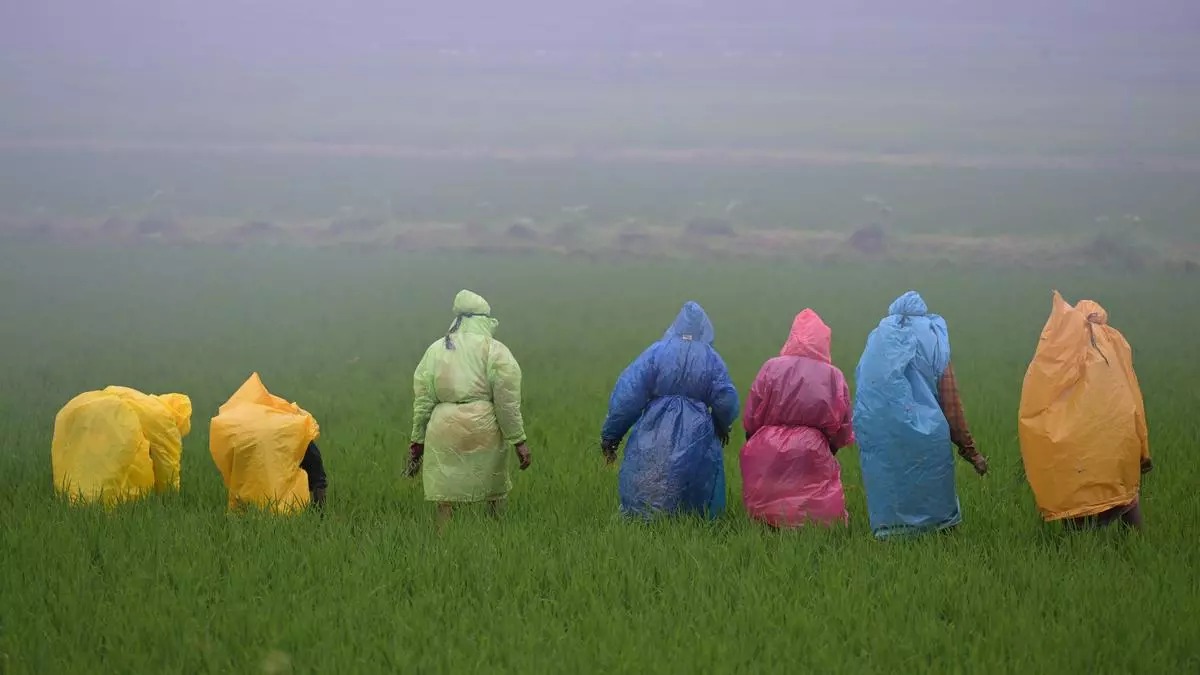
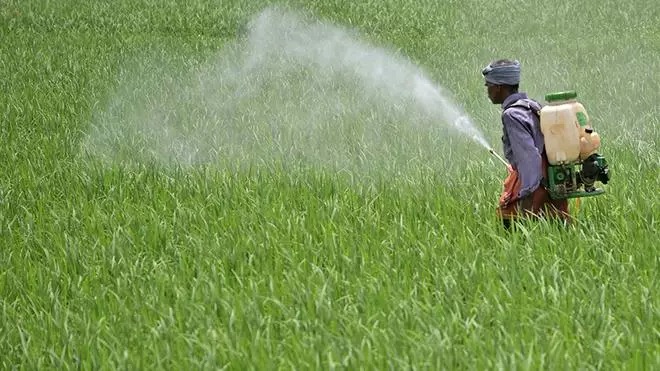
One of the biggest advantages of weather and climate forecasting tools is that they help farmers prepare for changing environmental conditions. Weather plays an important role in agriculture; even slight changes in rainfall or temperature may affect agricultural productivity. Using these tools, farmers can plan when to sow seeds, fertilize or spray chemicals, and harvest crops. In many cases, early warnings about storms, droughts, or heavy rainfall can help farmers protect their crops and reduce financial losses.