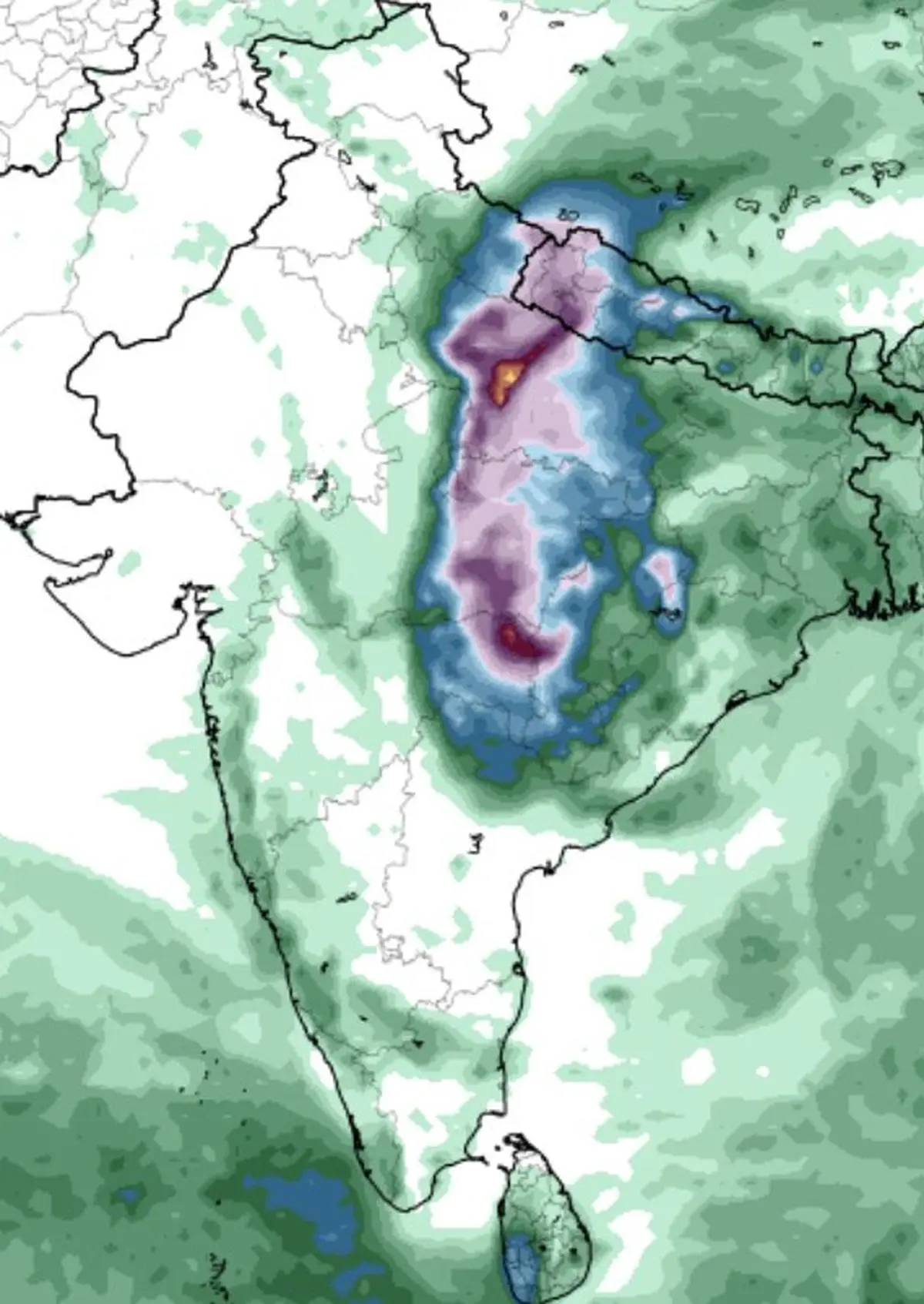
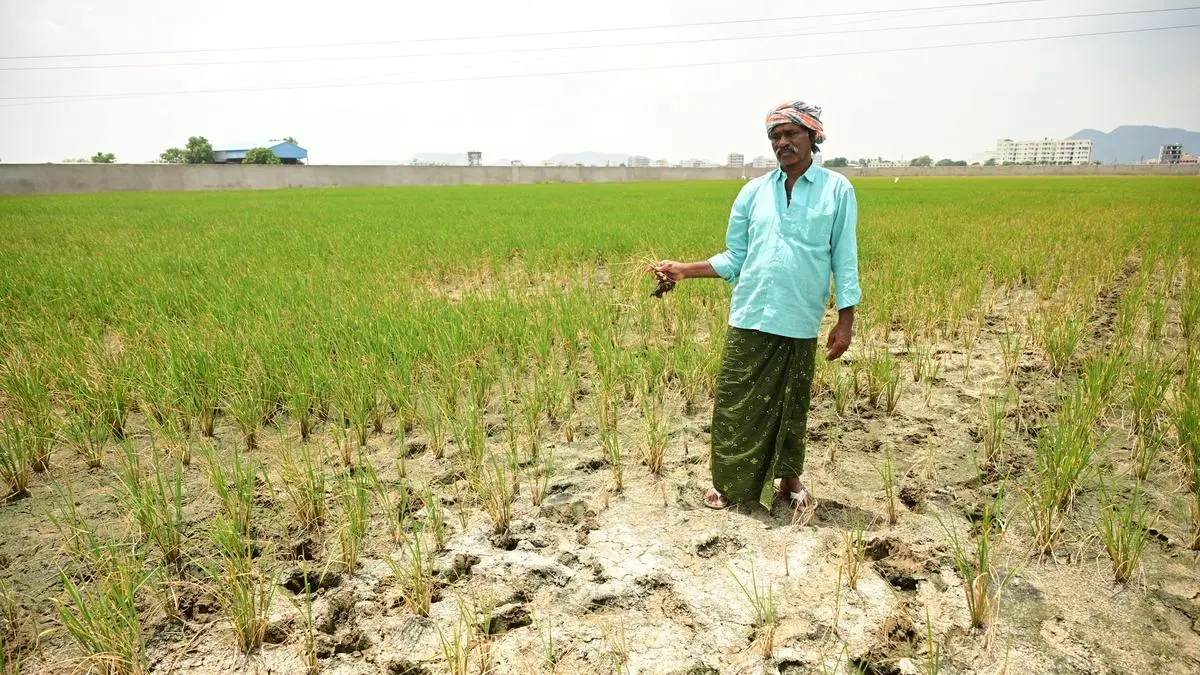
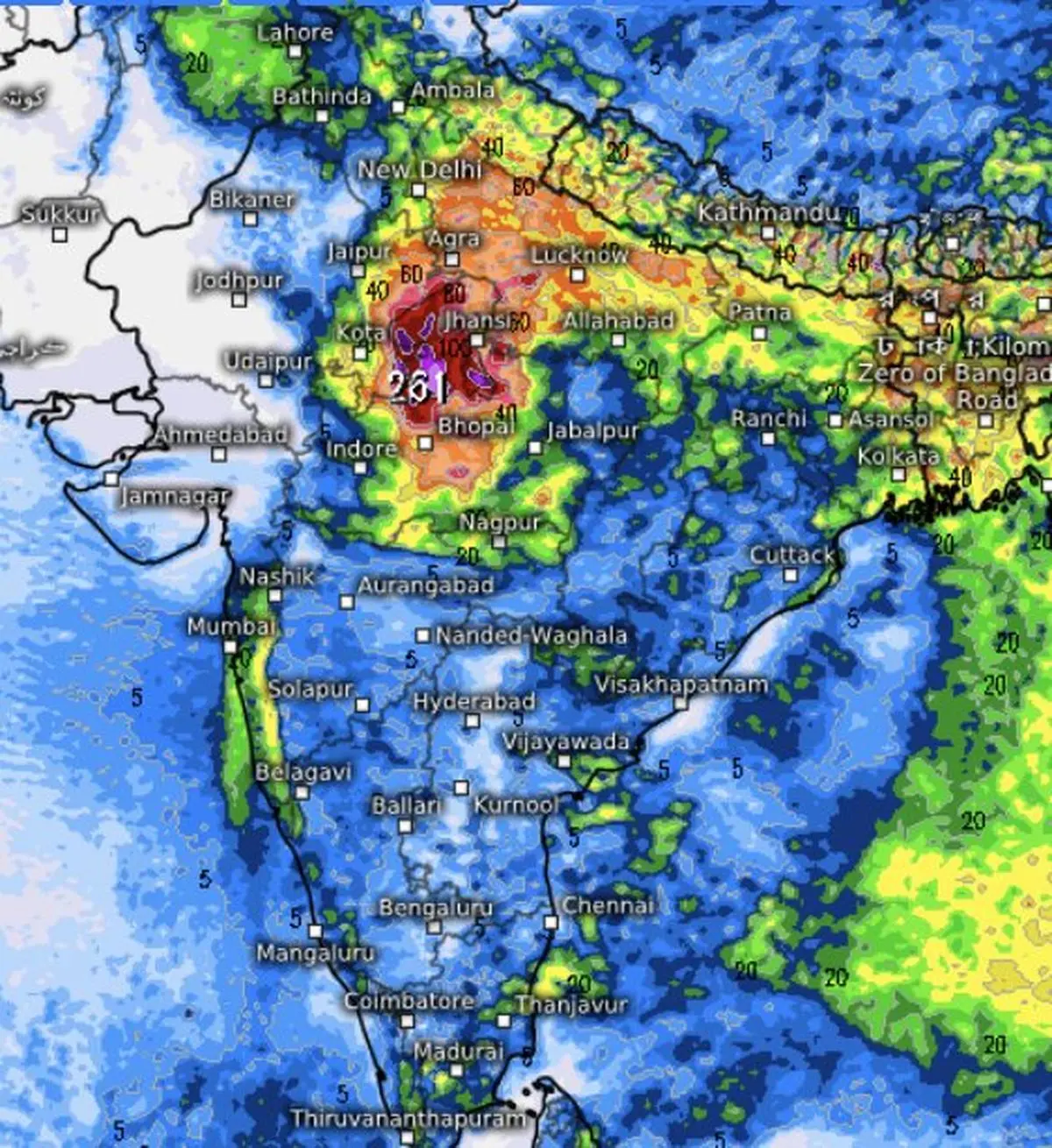
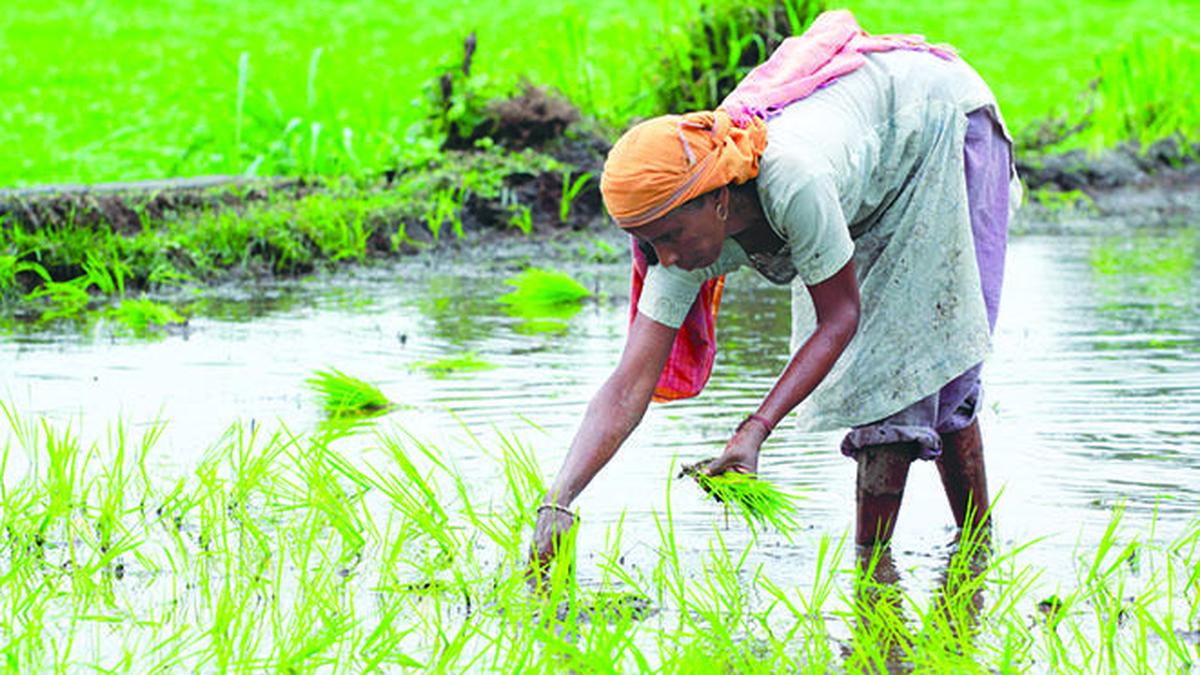
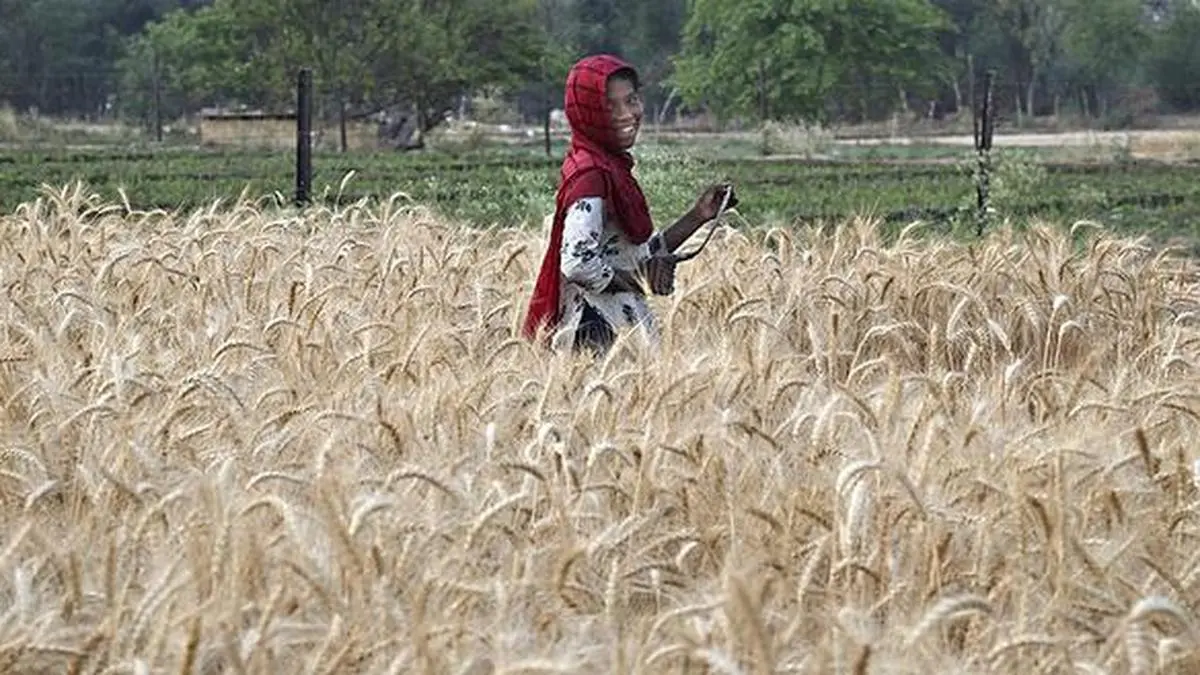
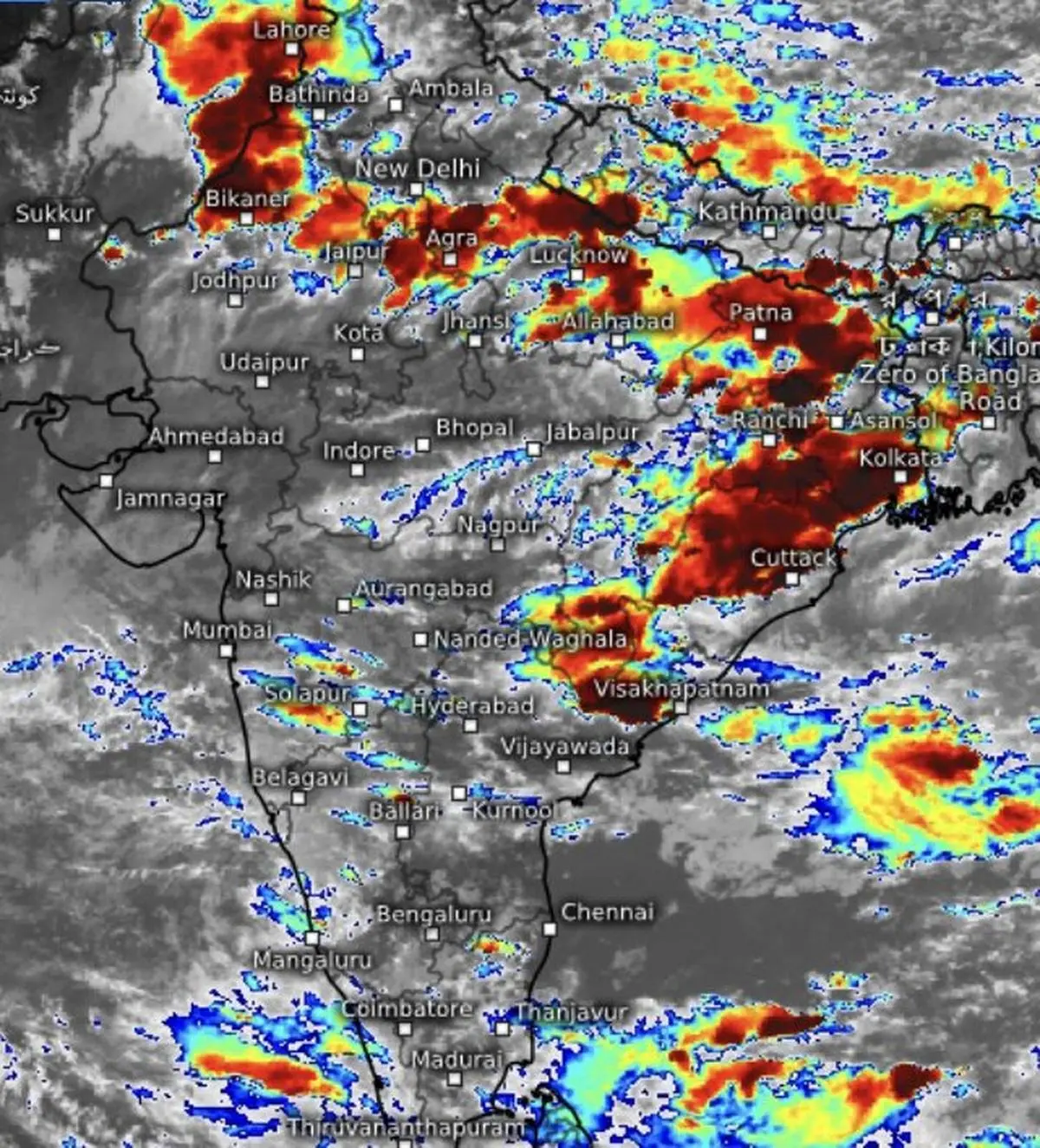
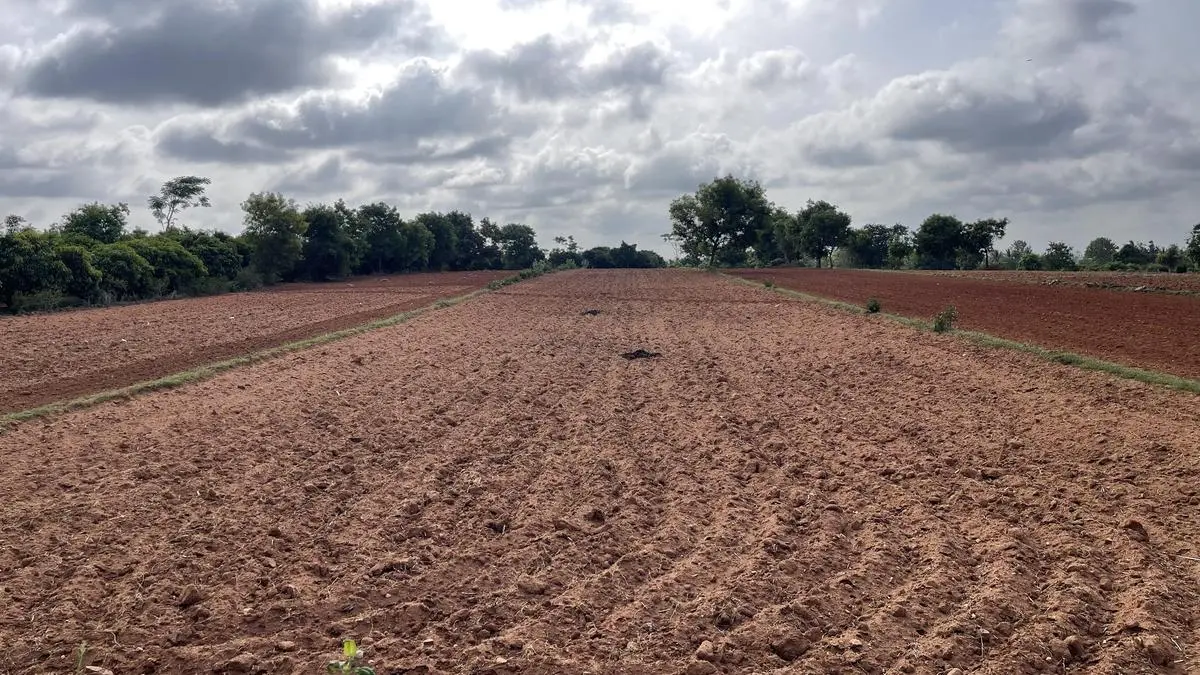
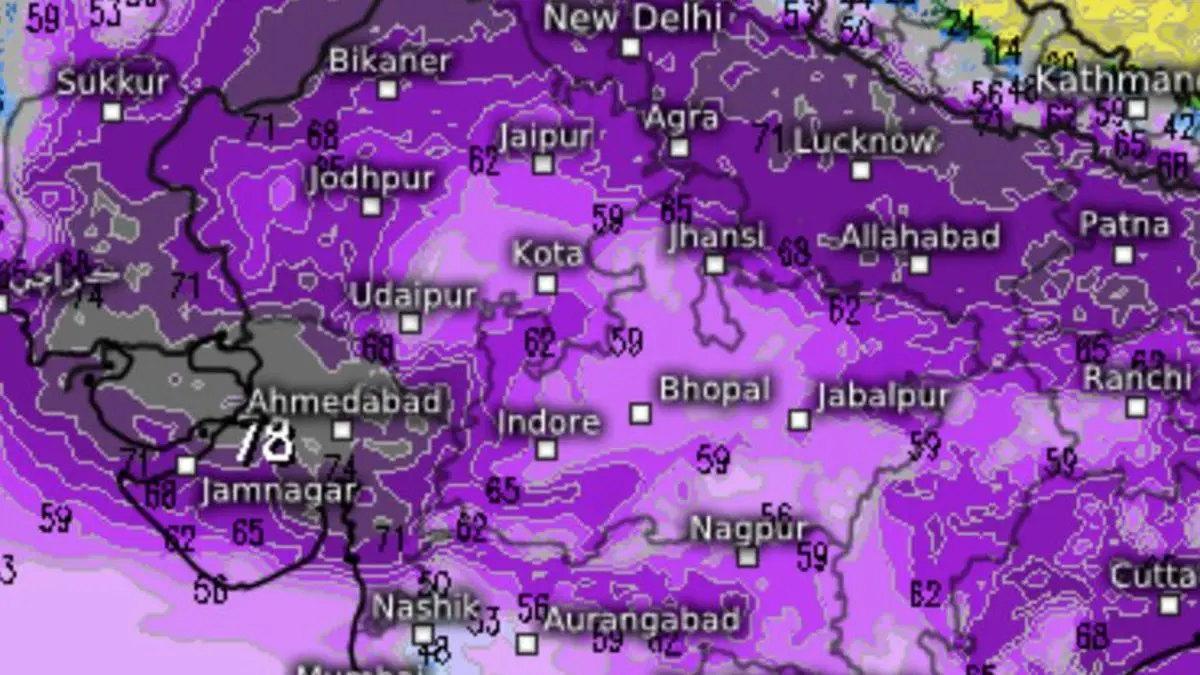
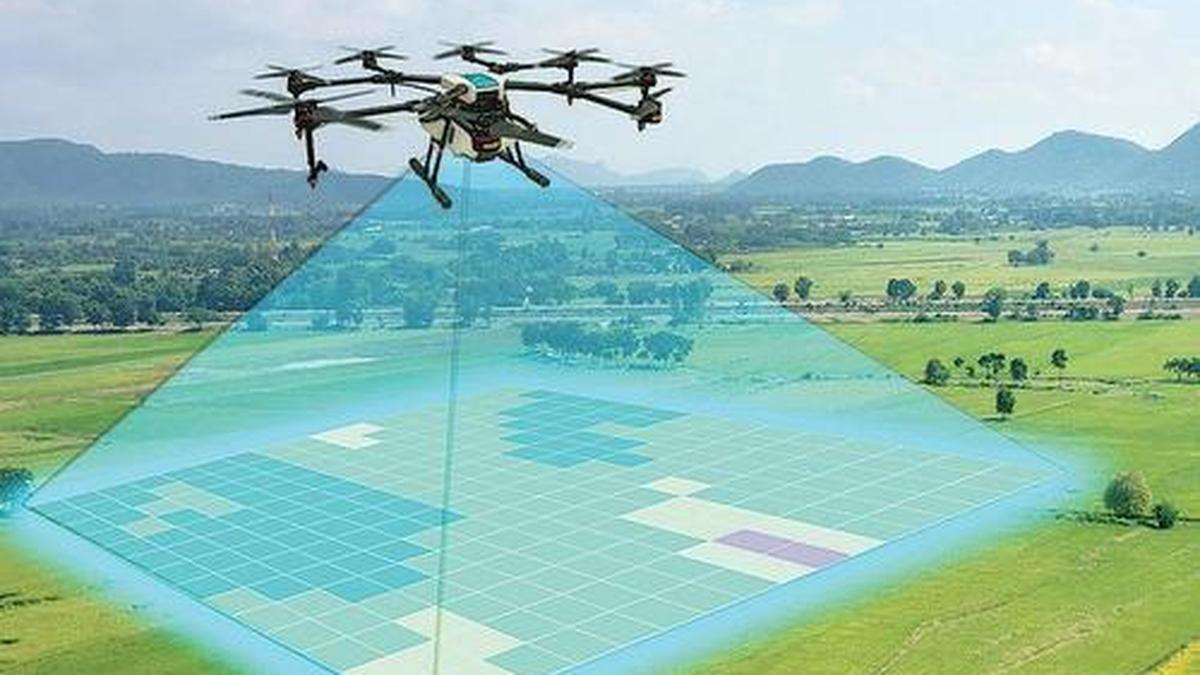
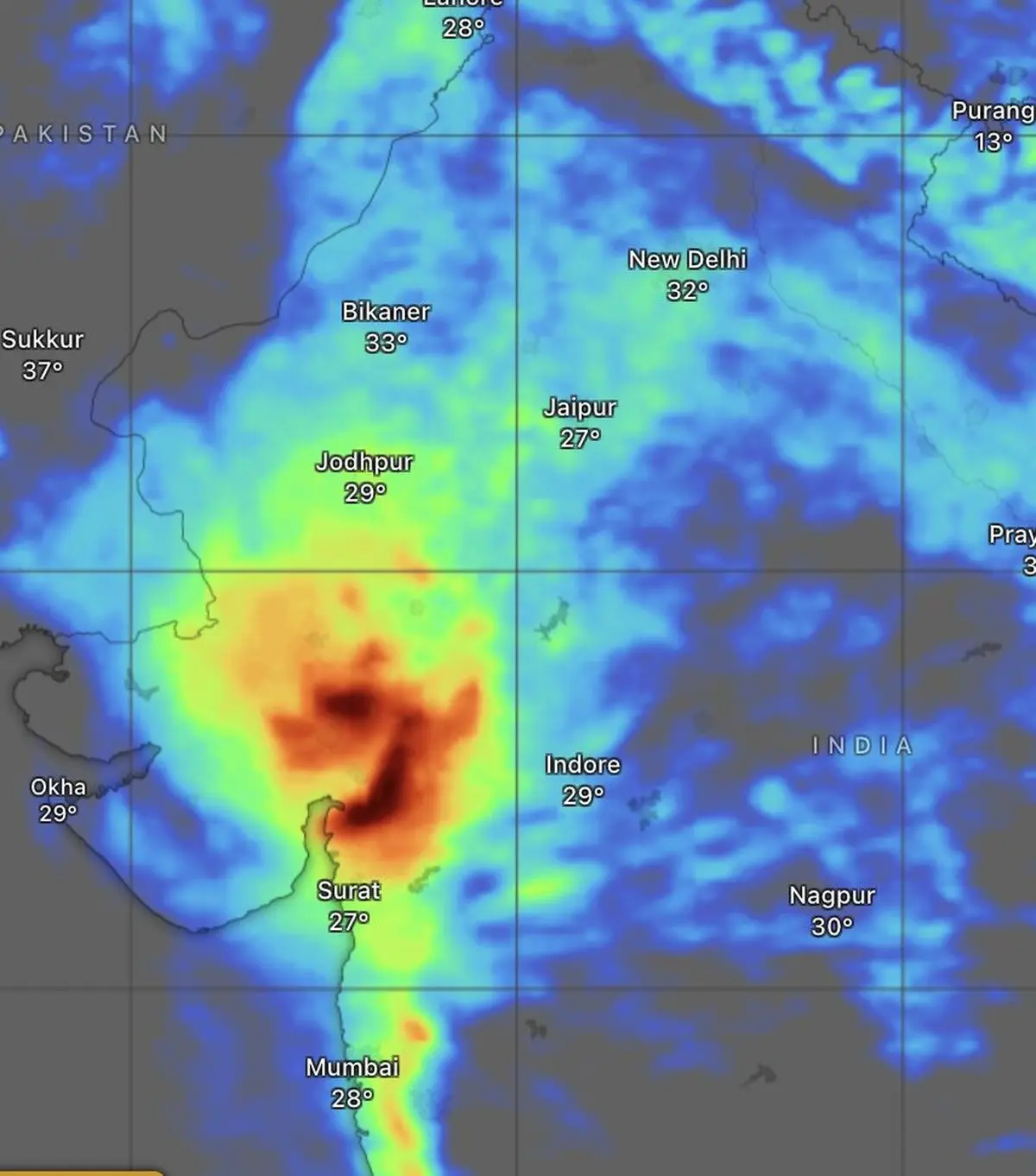
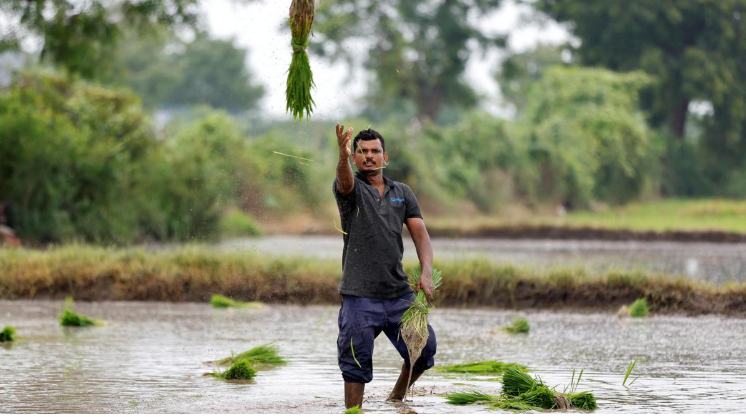
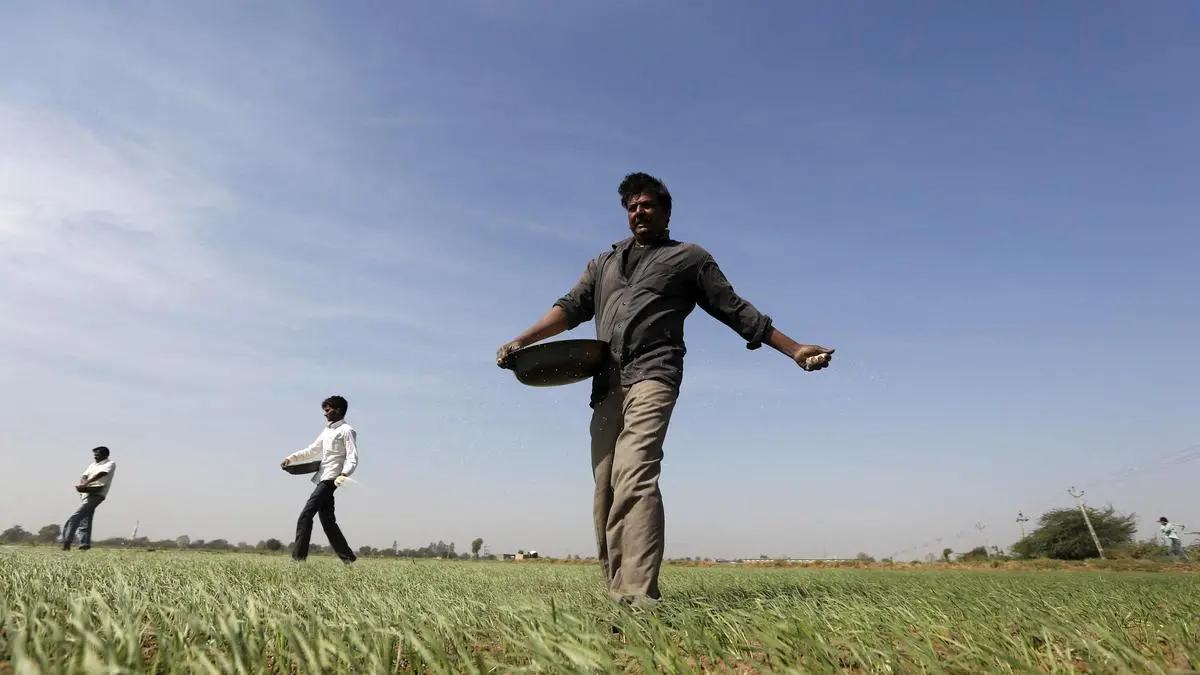
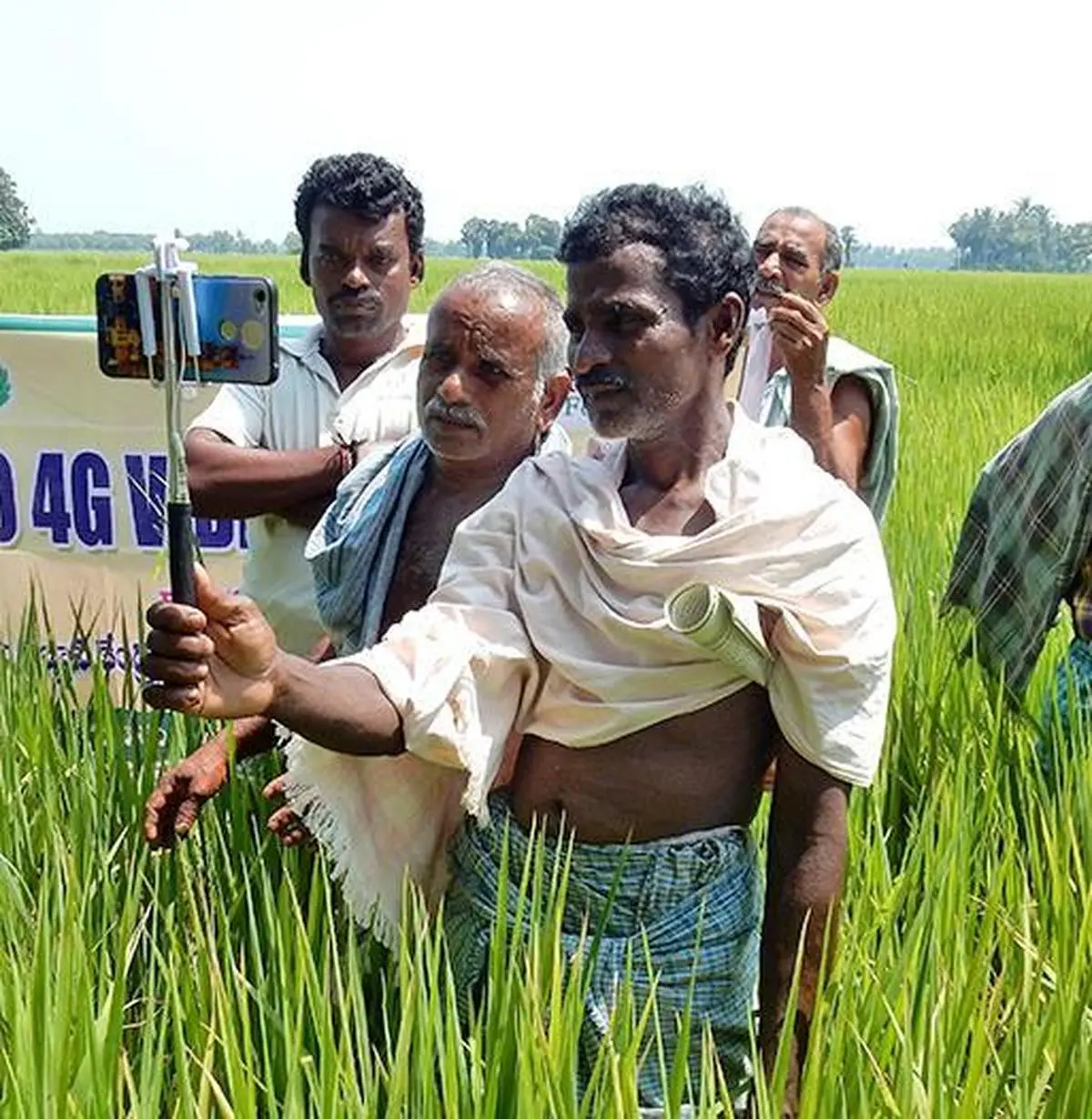
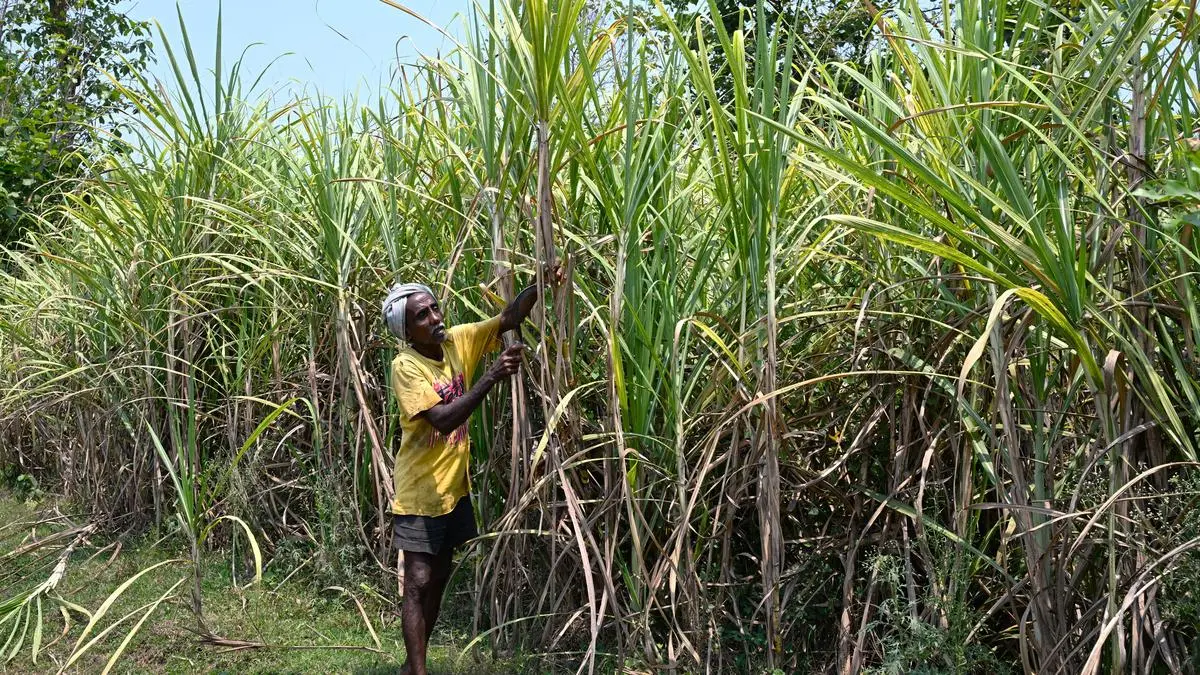
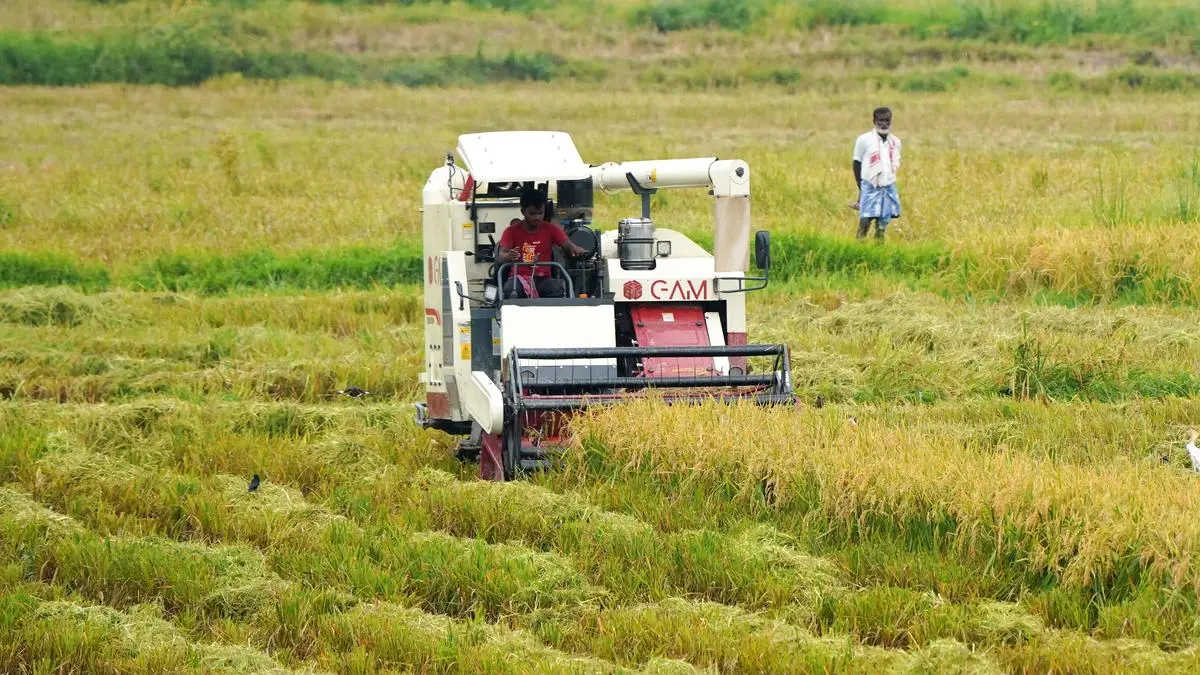
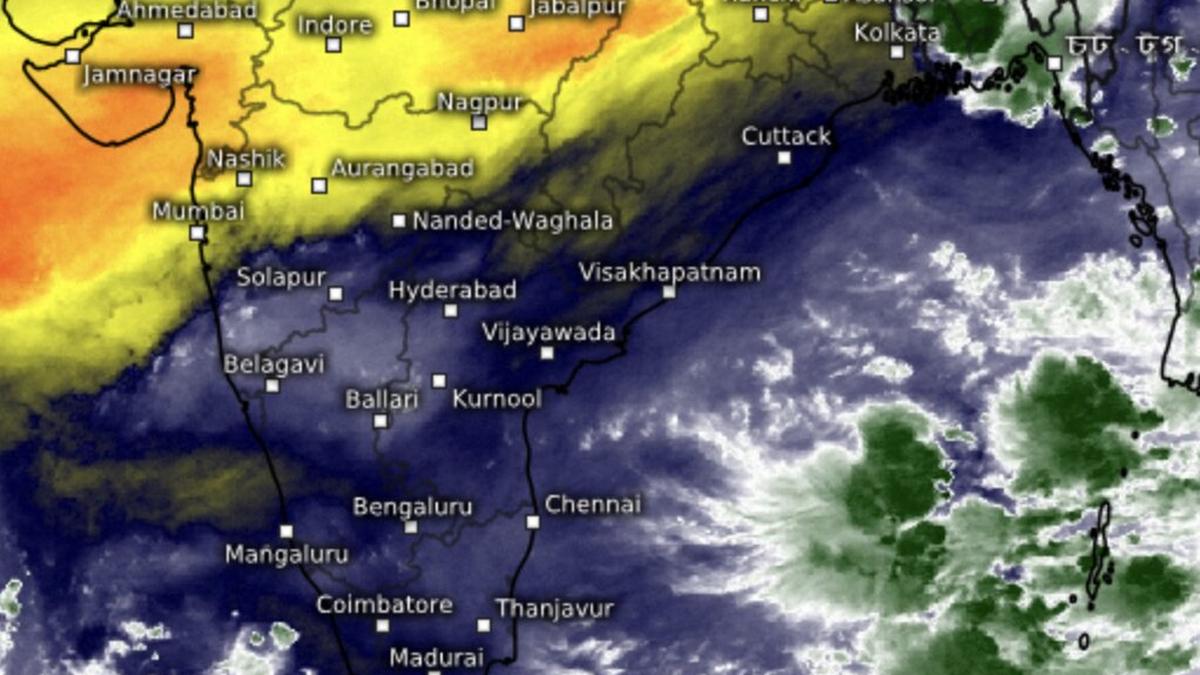
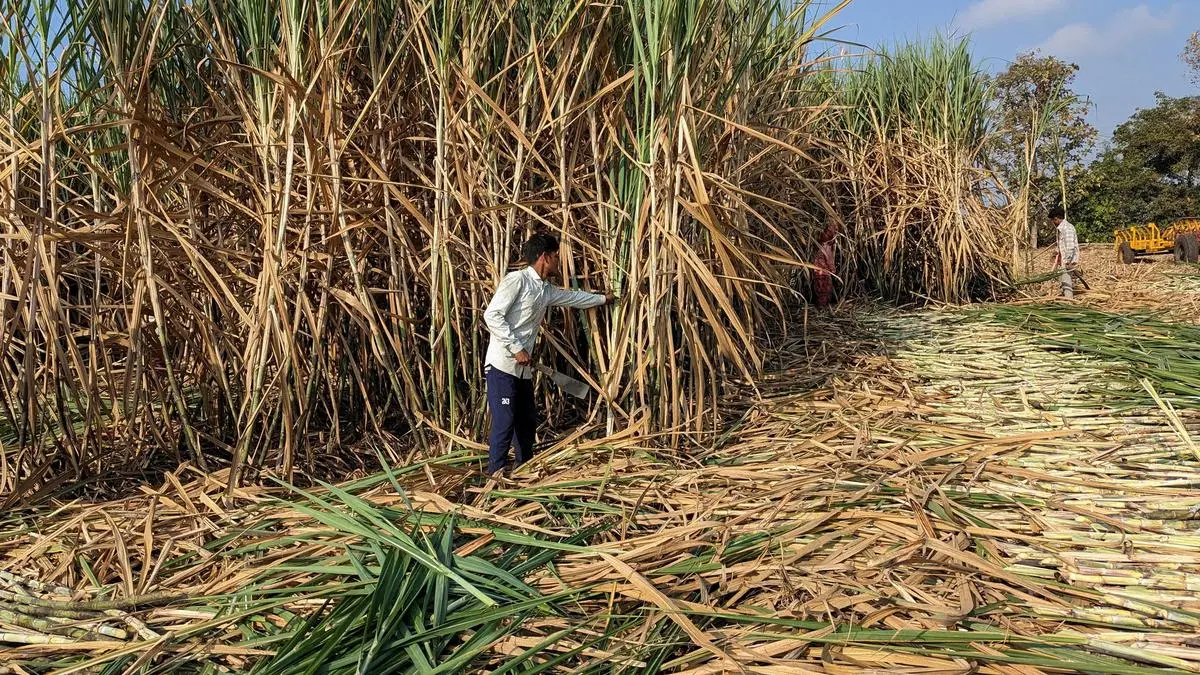
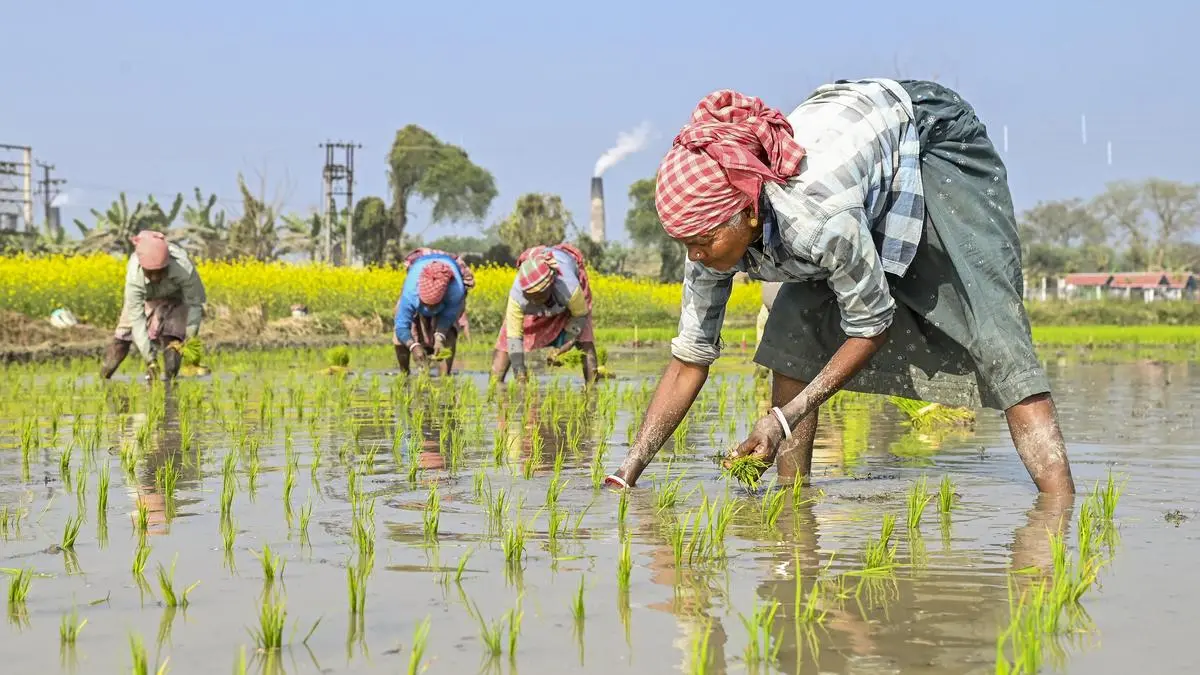
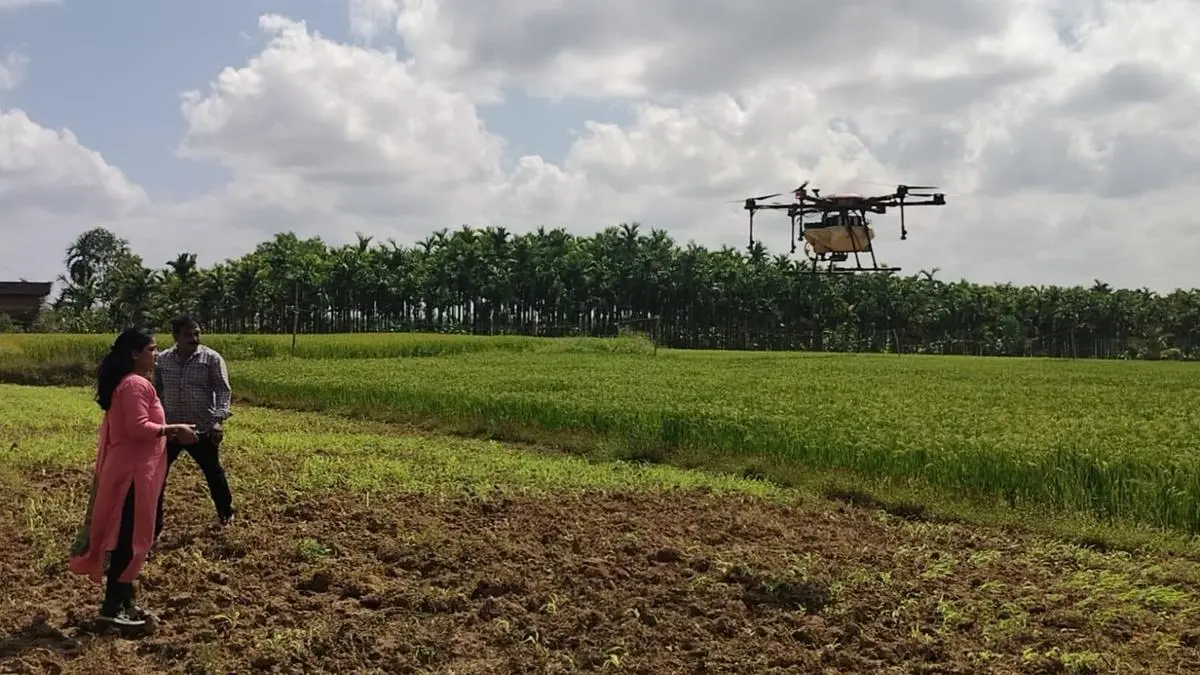
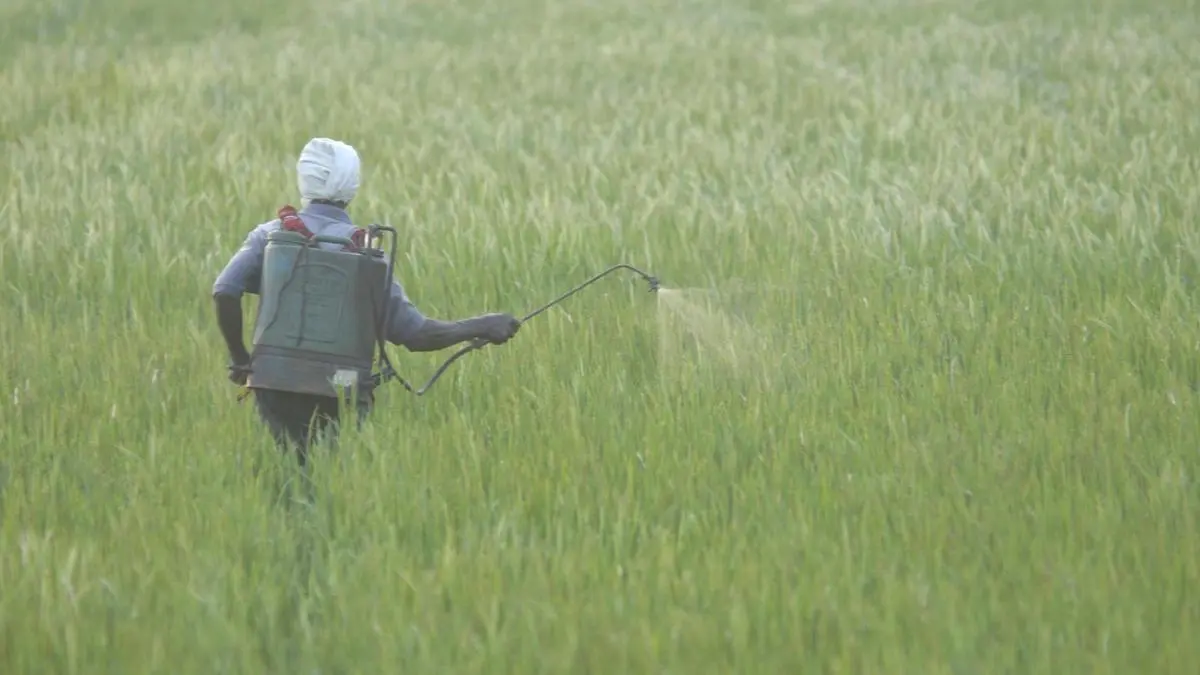
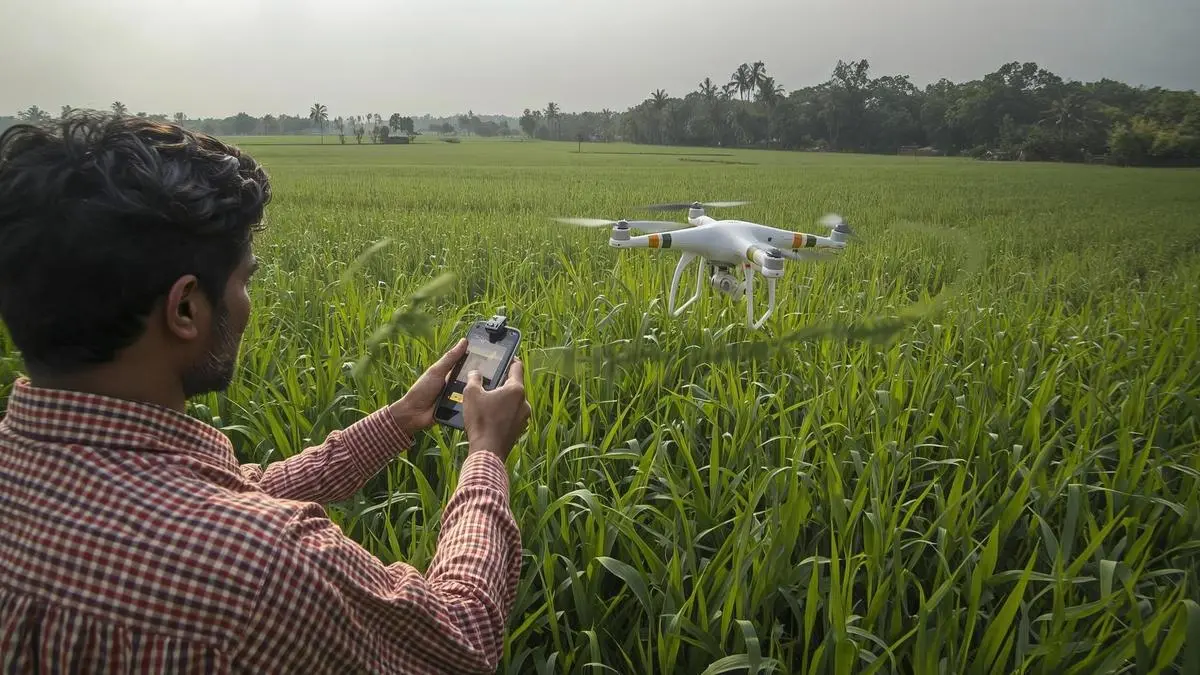
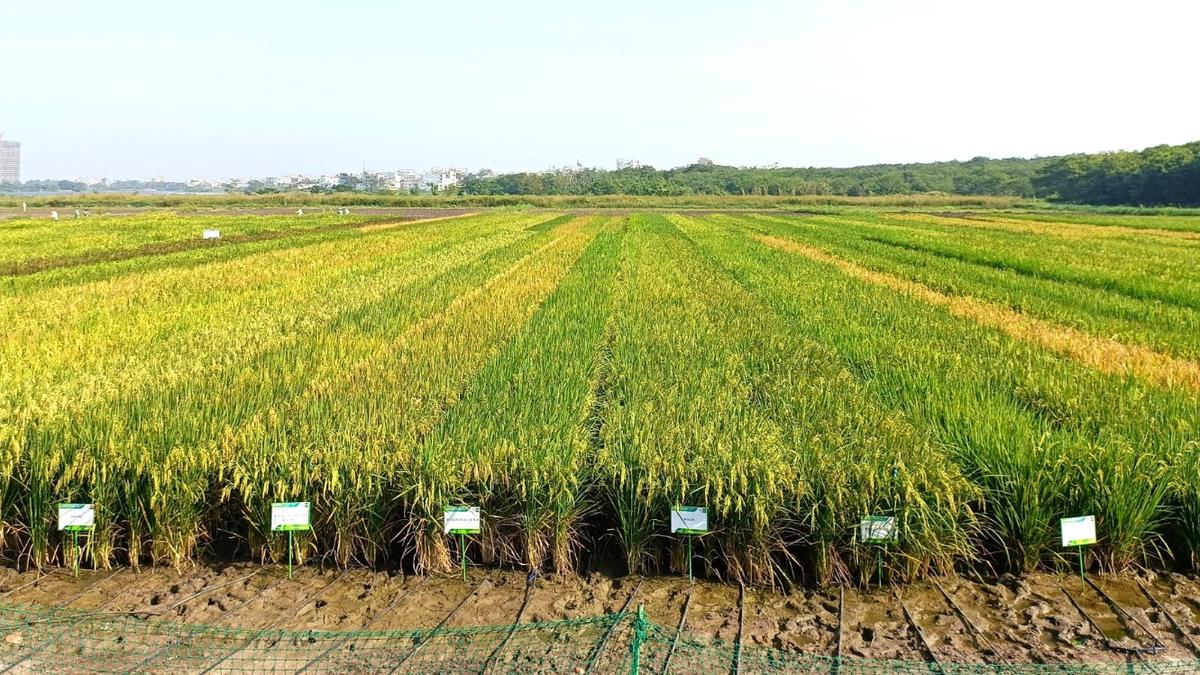
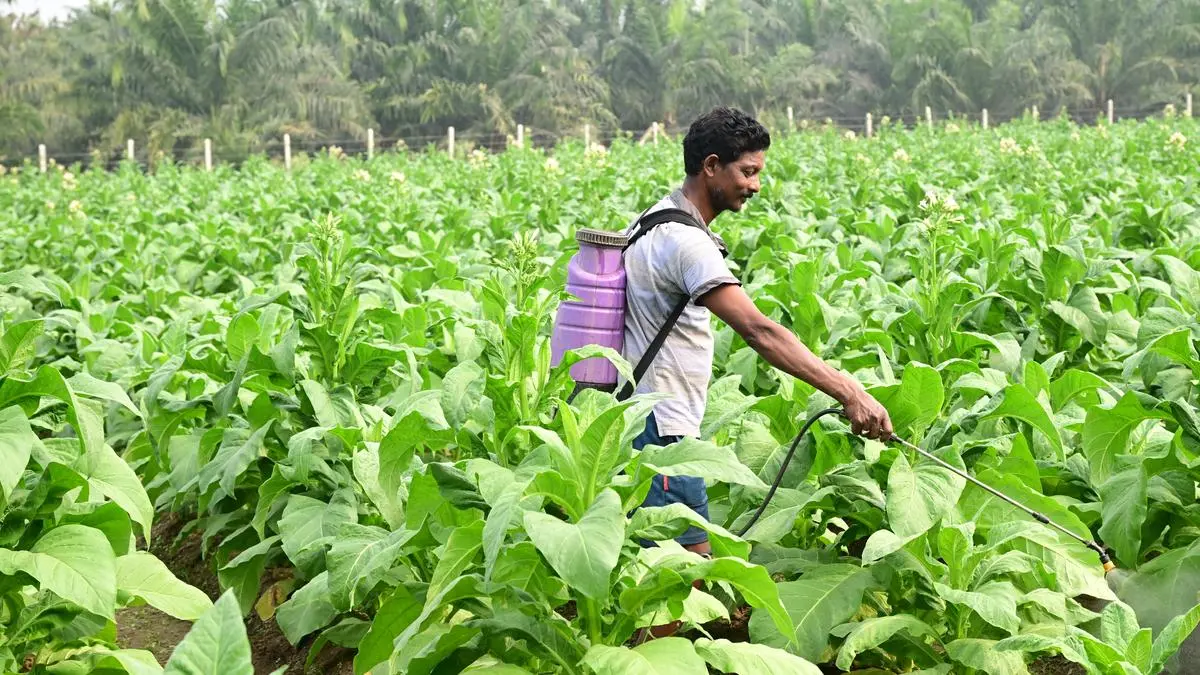
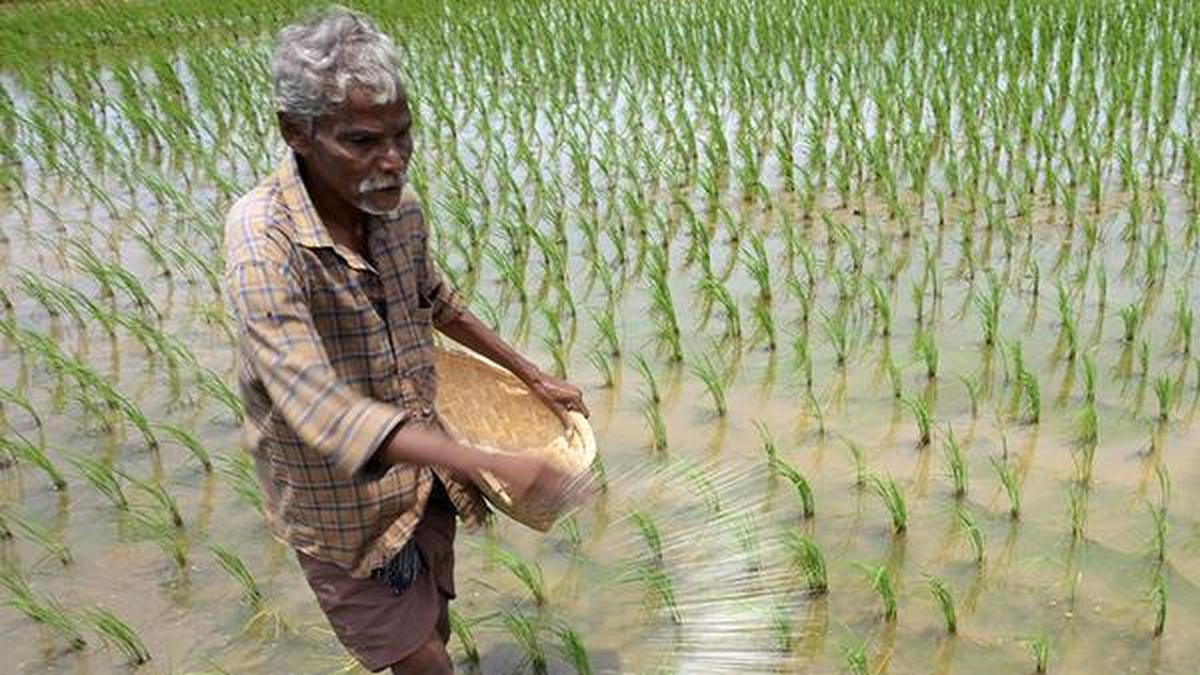
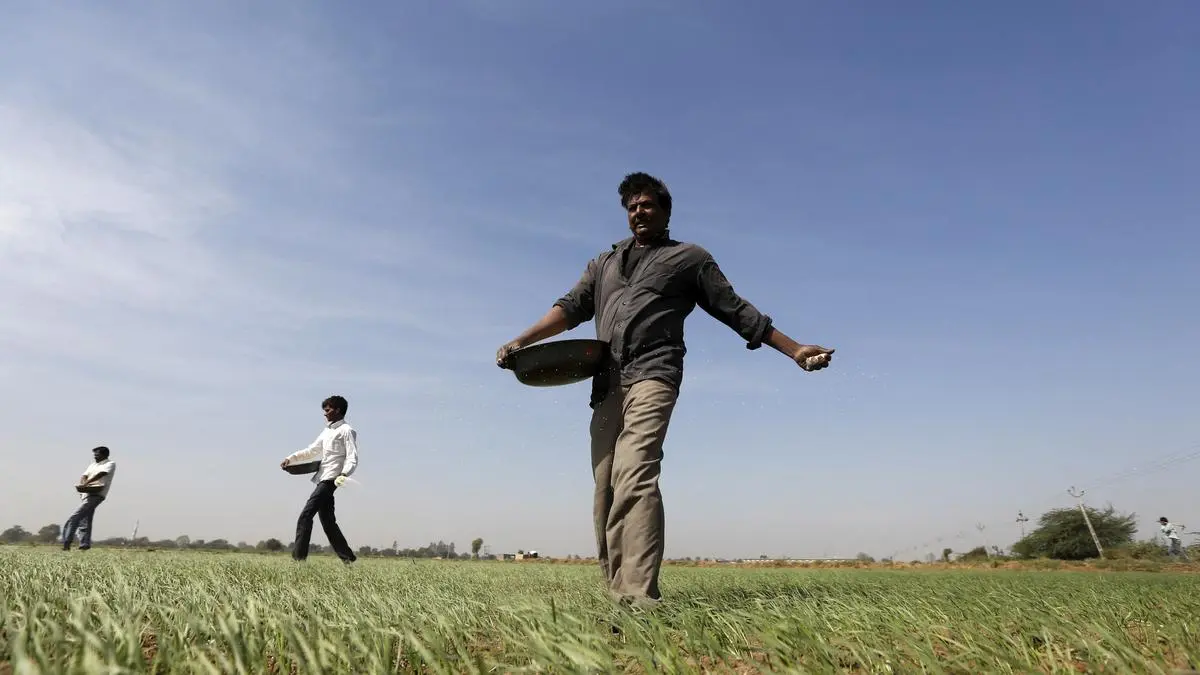
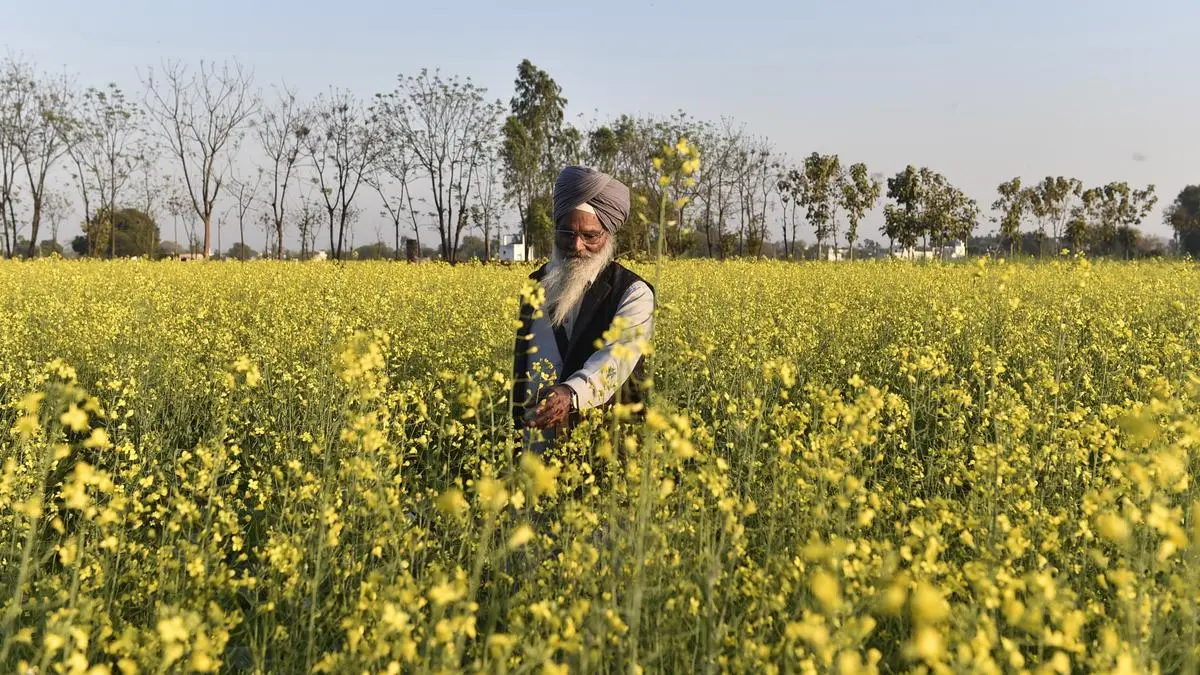
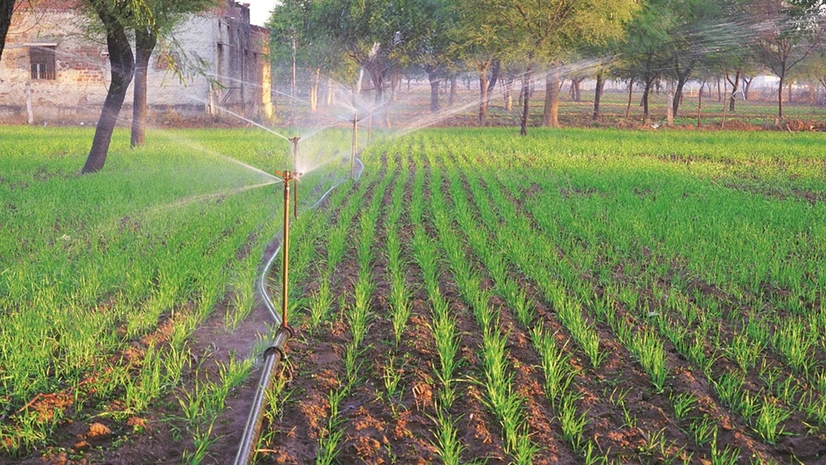
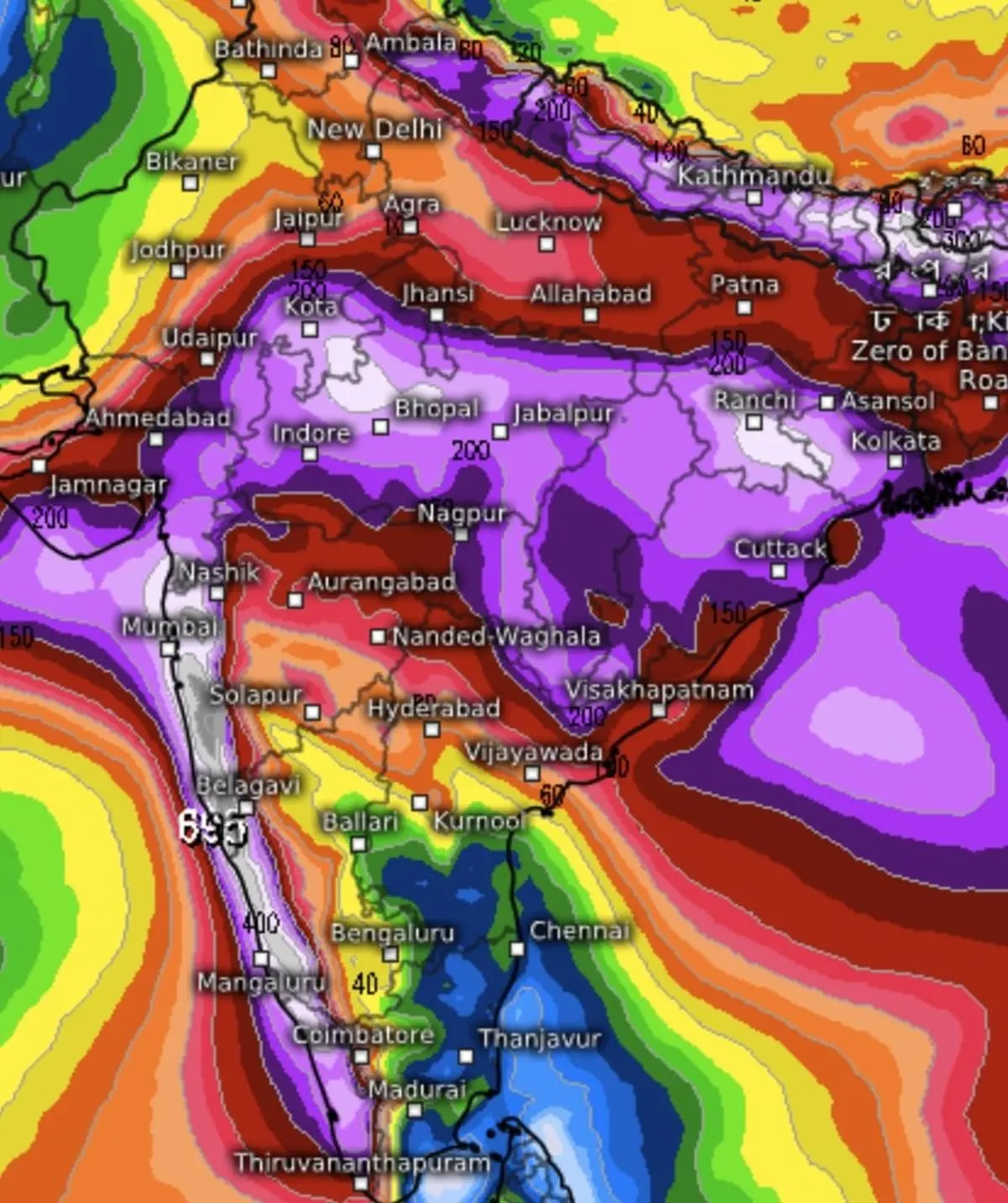
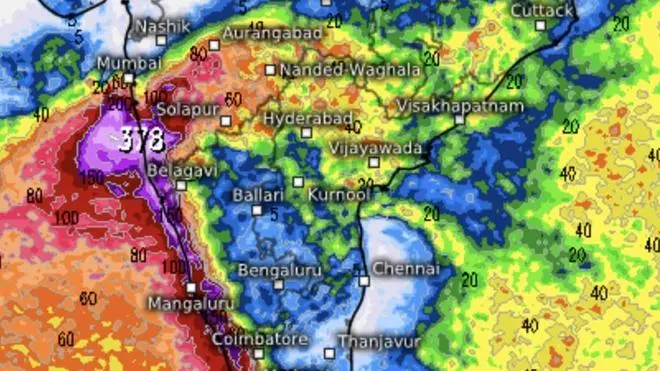
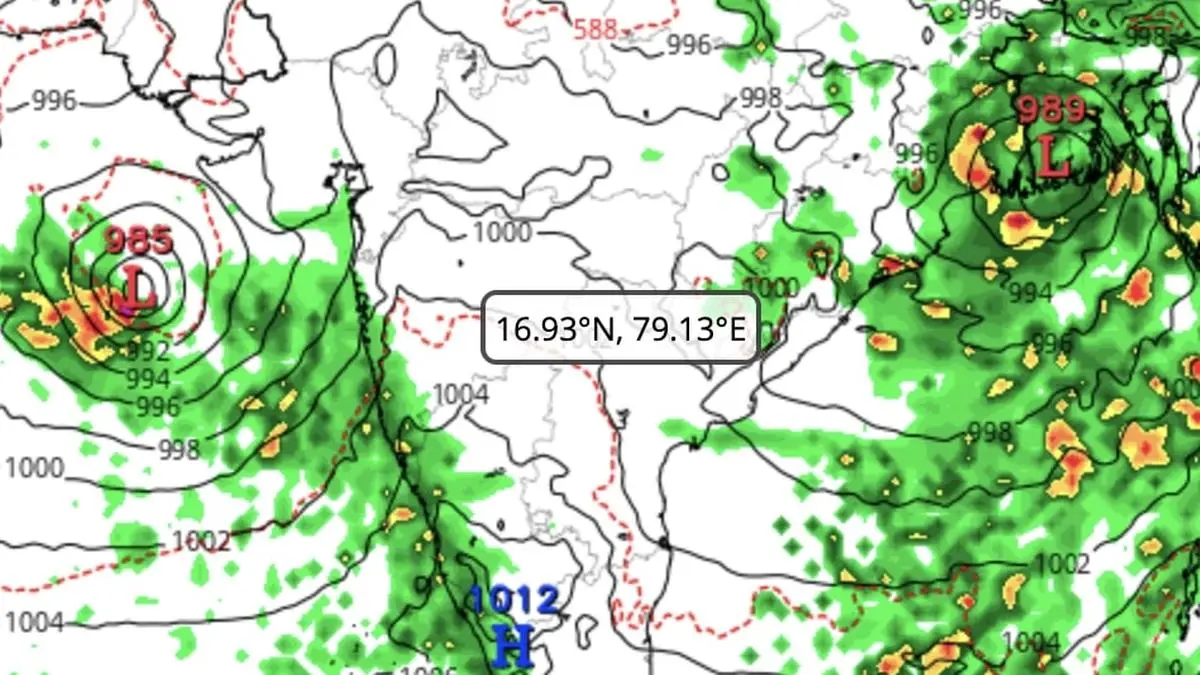
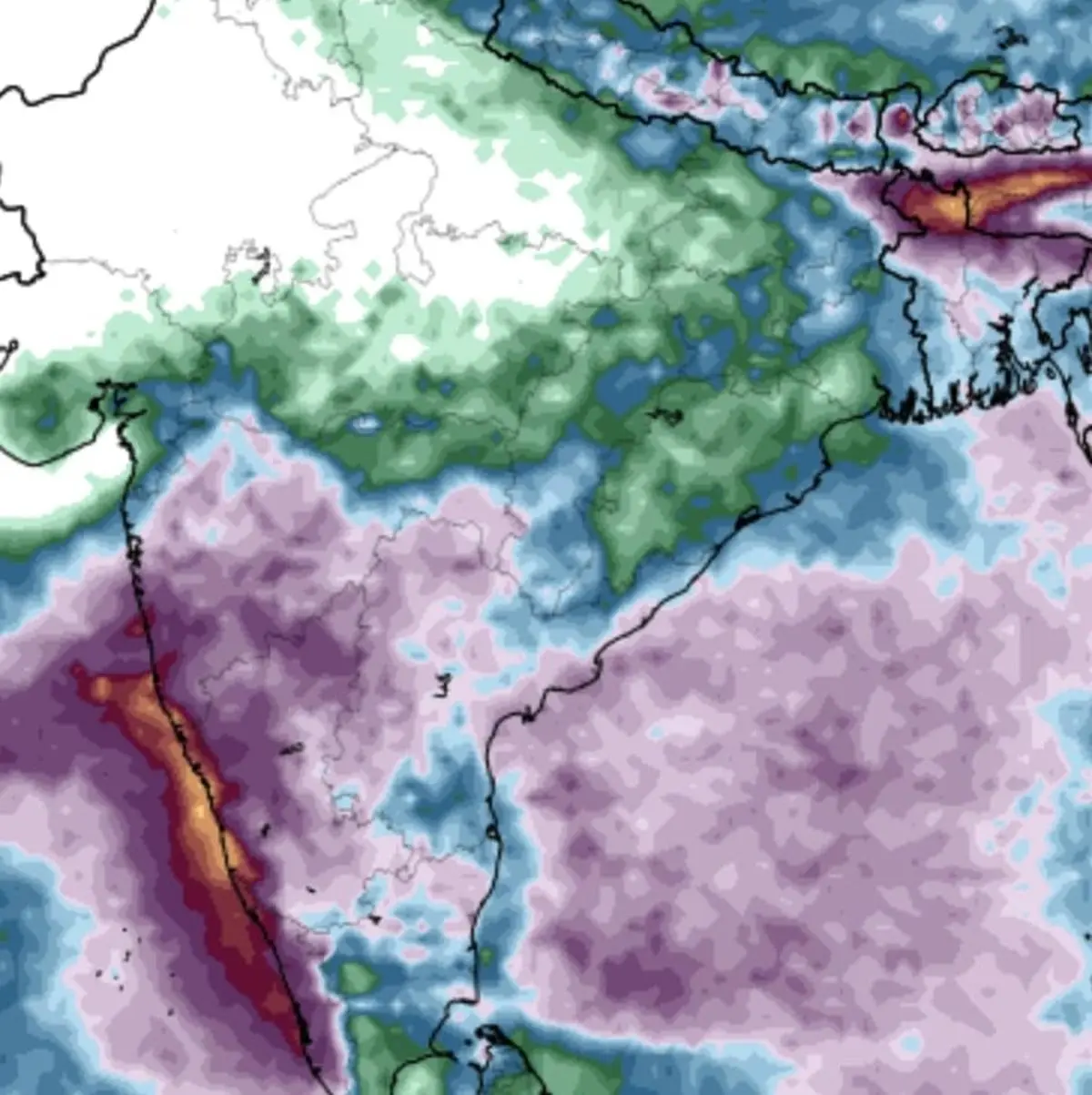
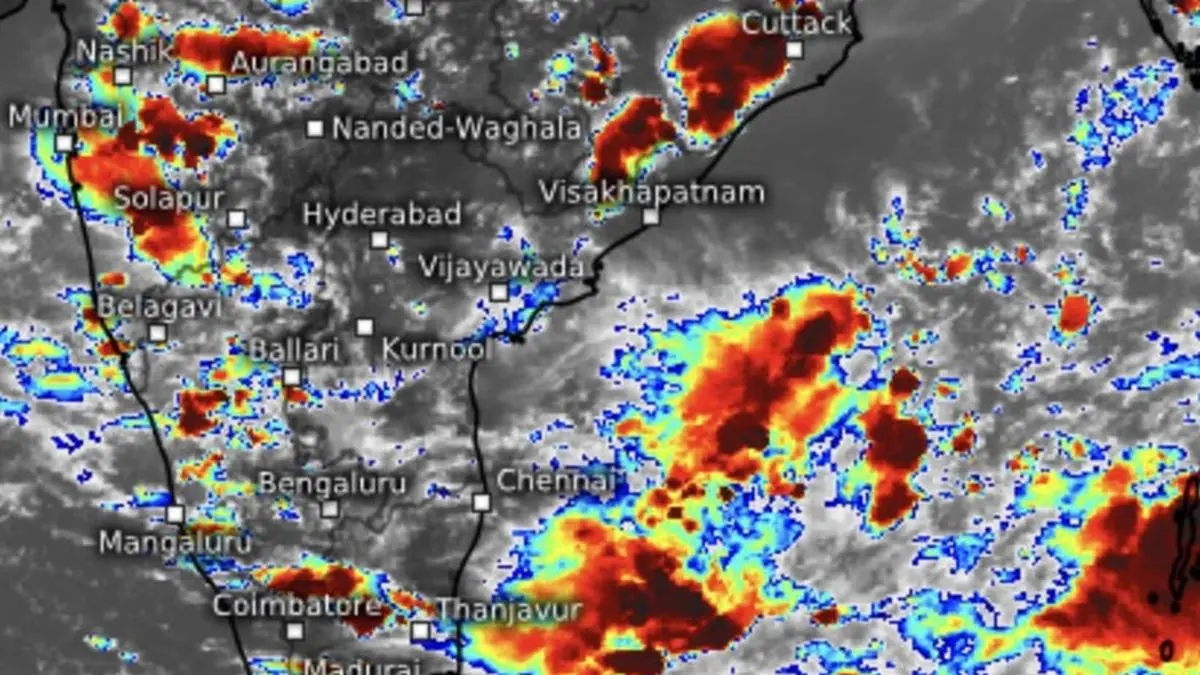
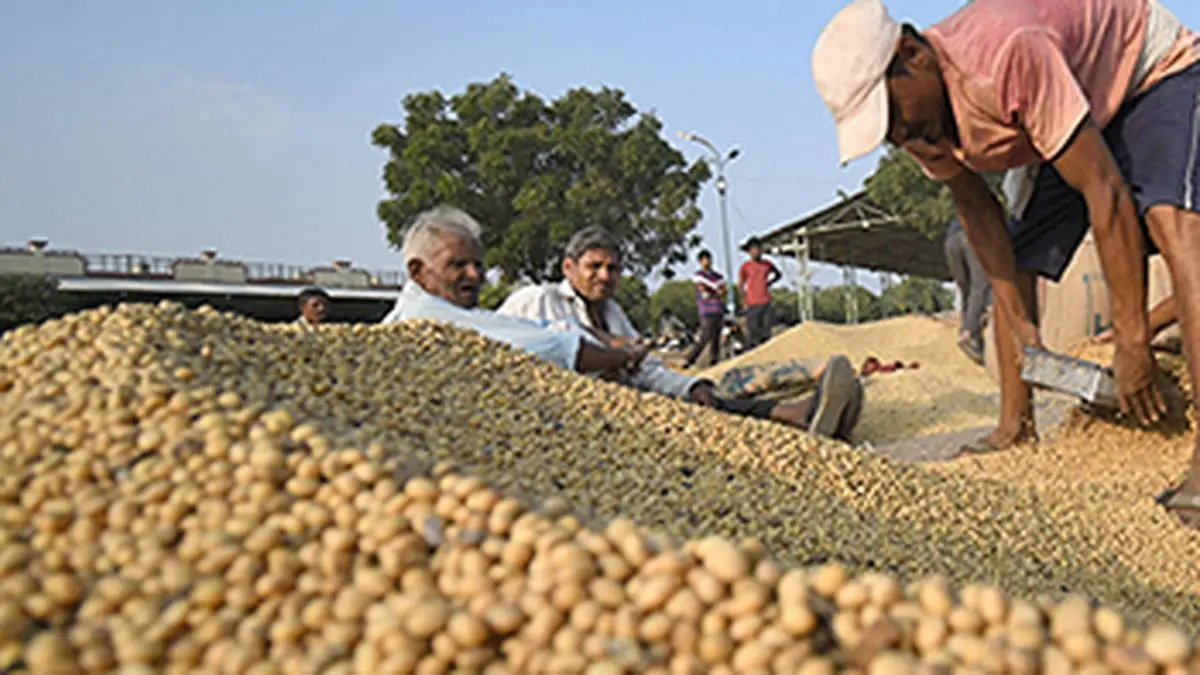
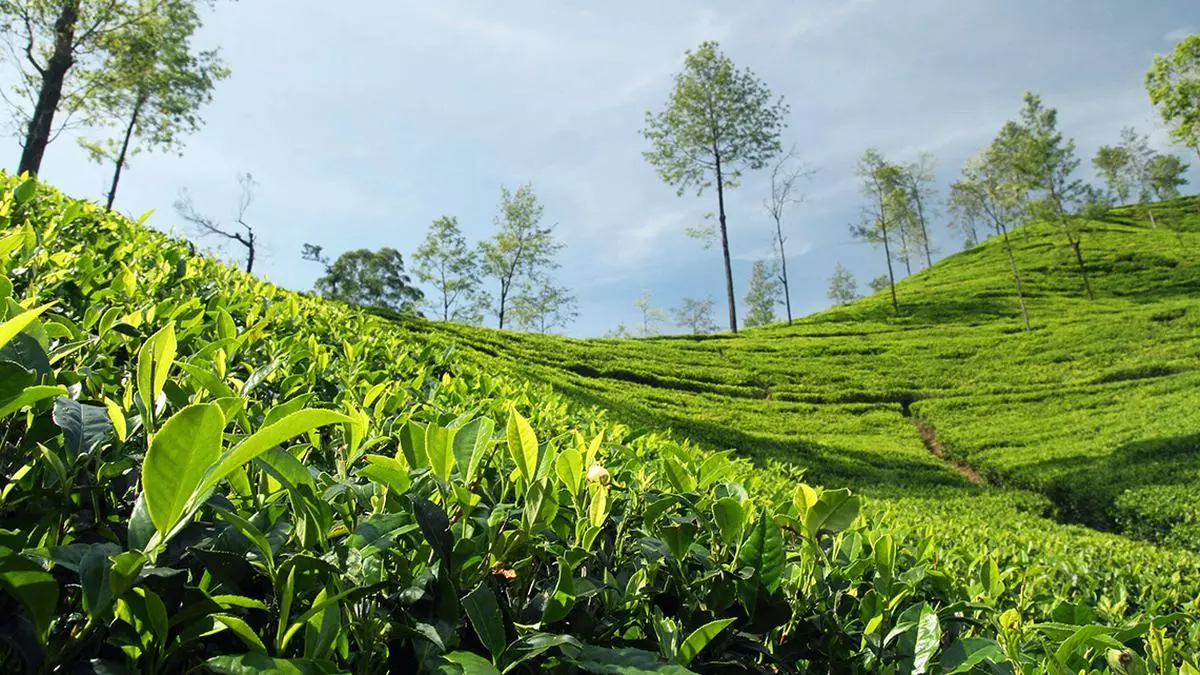
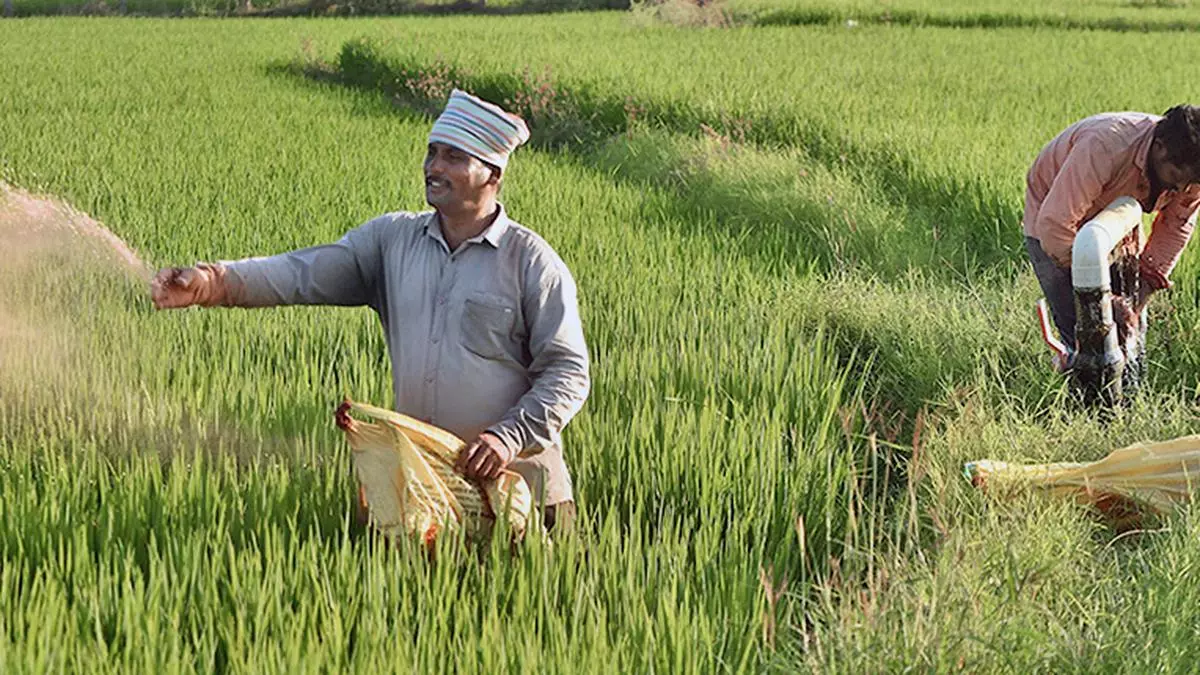
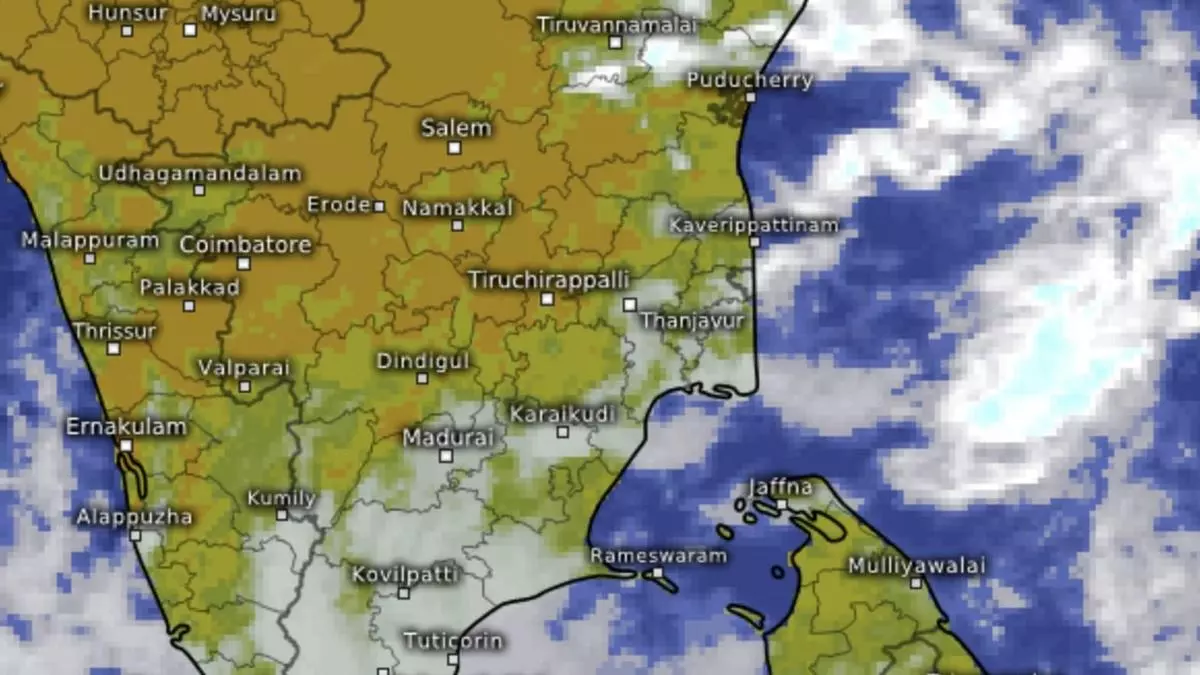
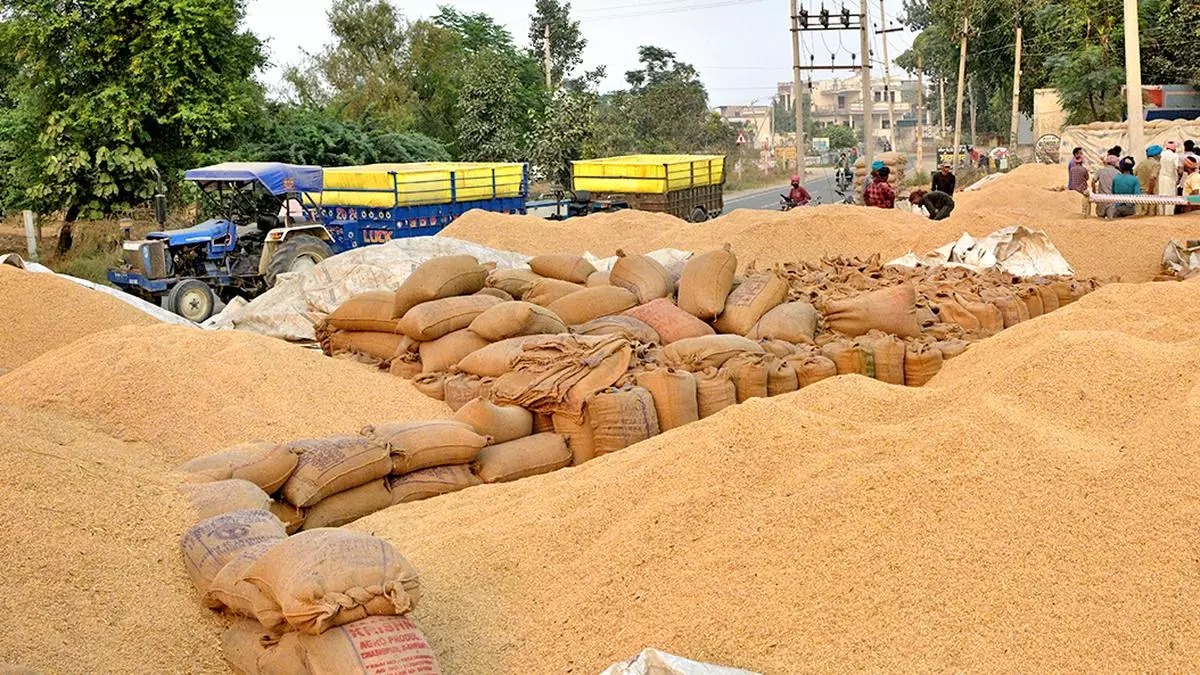
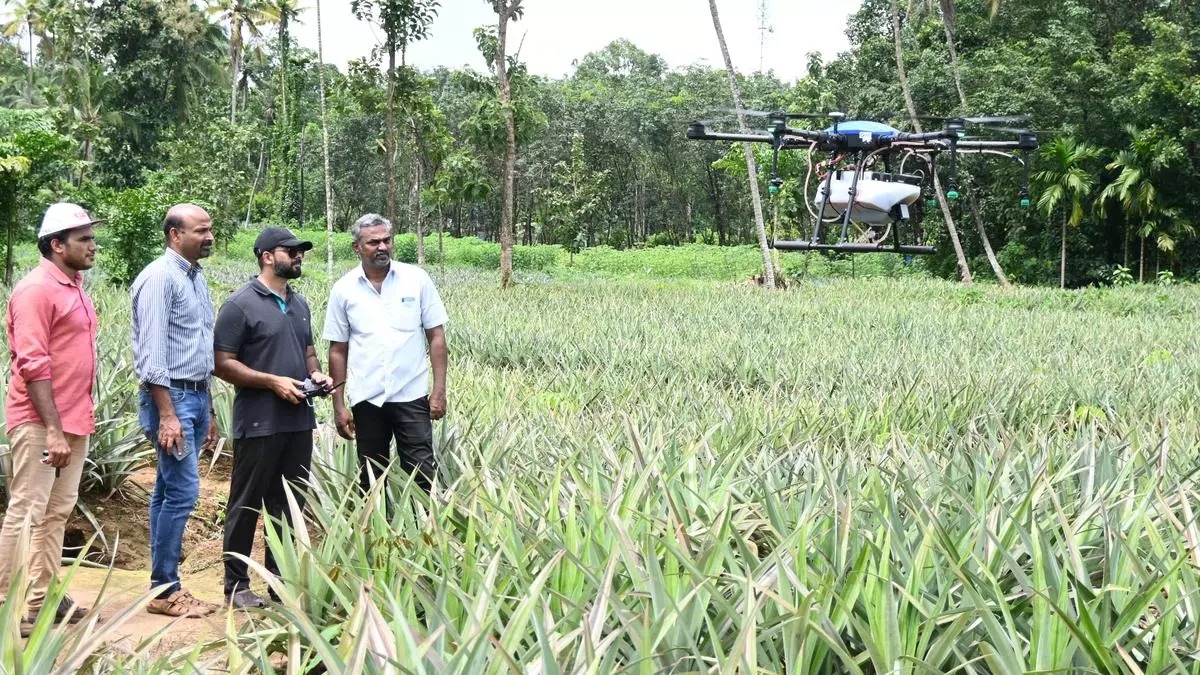
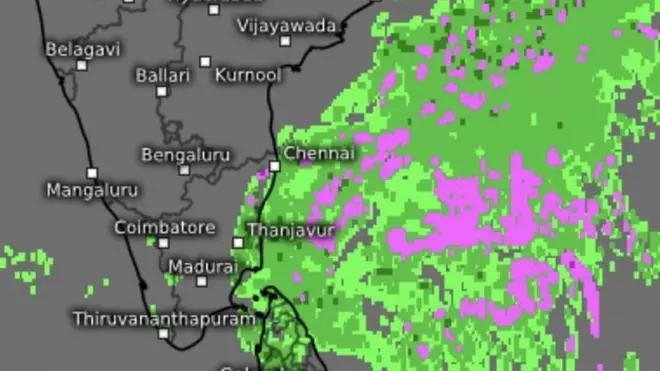
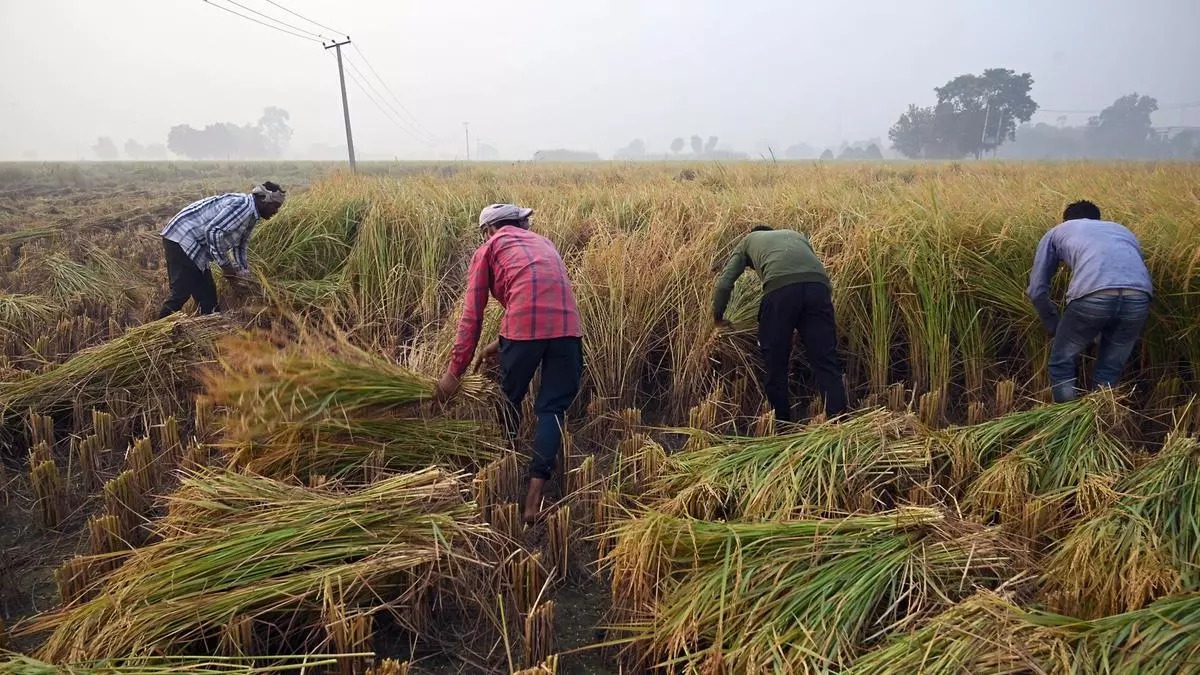
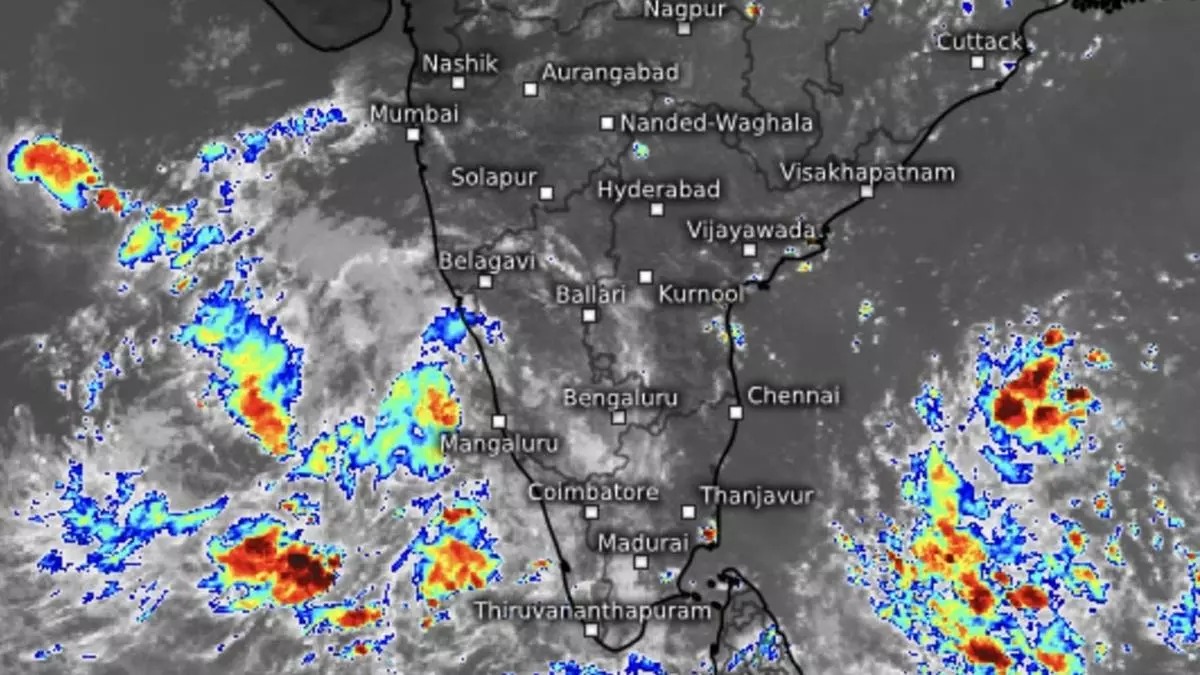
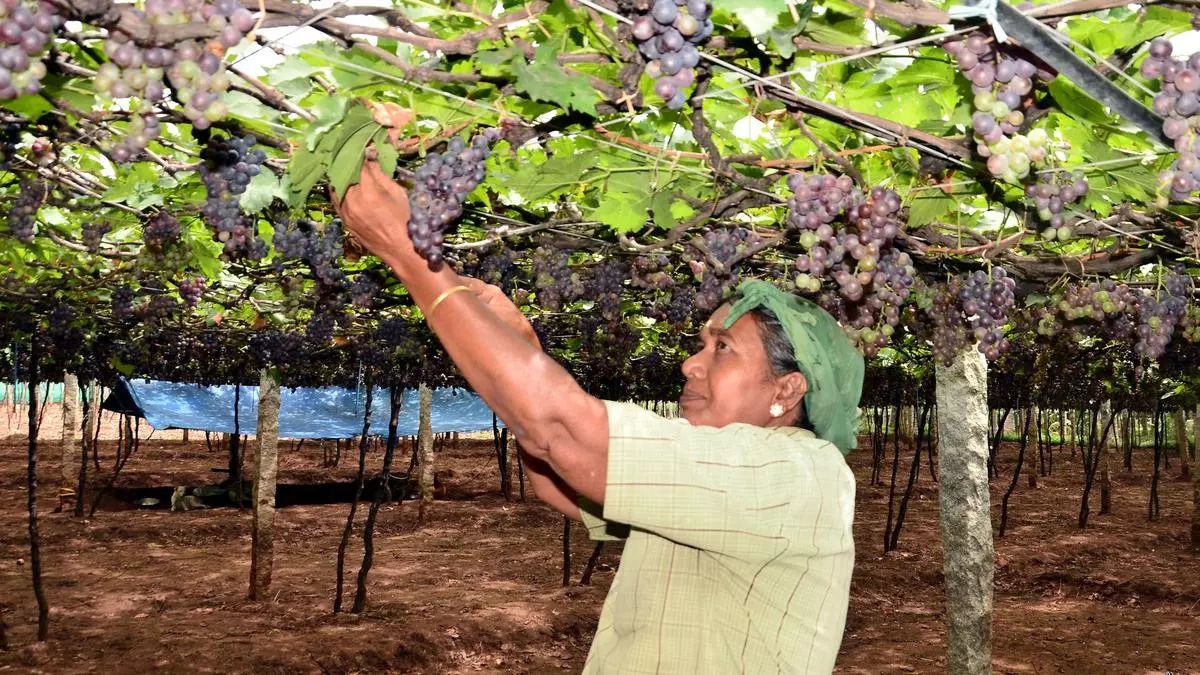
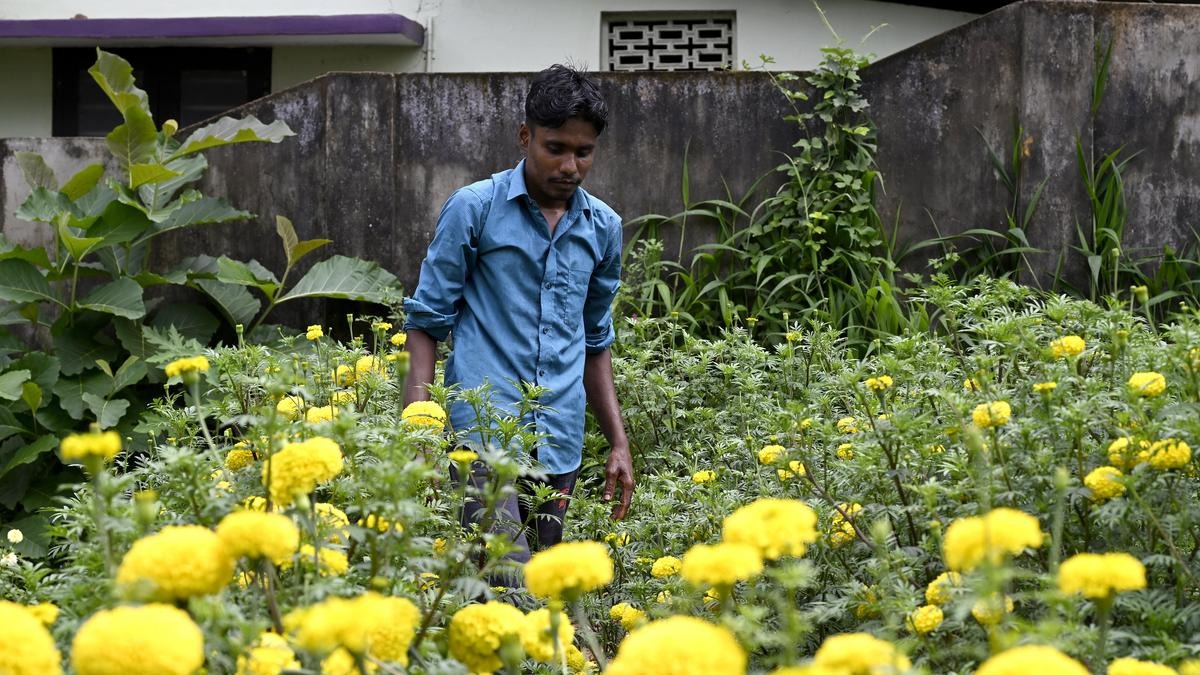
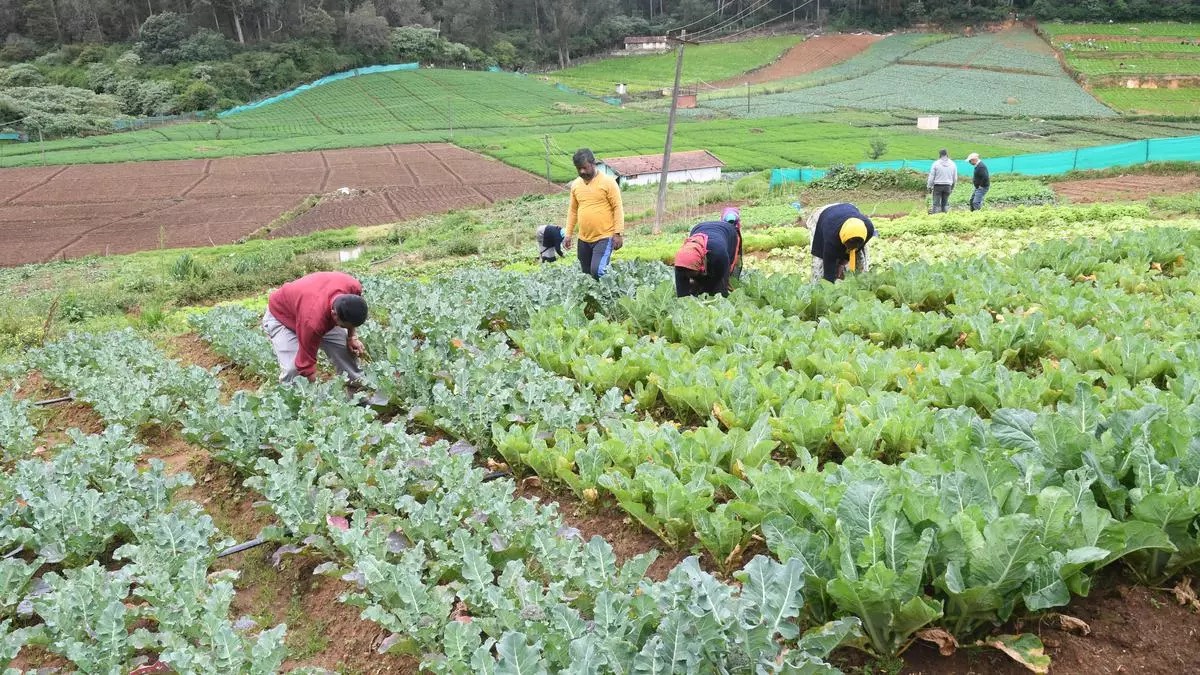
This summer, 38 million farmers across India accessed AI-driven monsoon forecasts, enabling them to choose whether to plant, change crops, or delay. This was made possible by NeuralGCM, a Google Research model enhanced by the University of Chicago, combining physics with machine learning to deliver precise monsoon predictions.
For years, weather and climate models have been expensive and complex, often demanding a supercomputer to run. Teams at Google Research set out to explore whether these models could be developed more efficiently with greater accuracy, which led to the development of NeuralGCM.
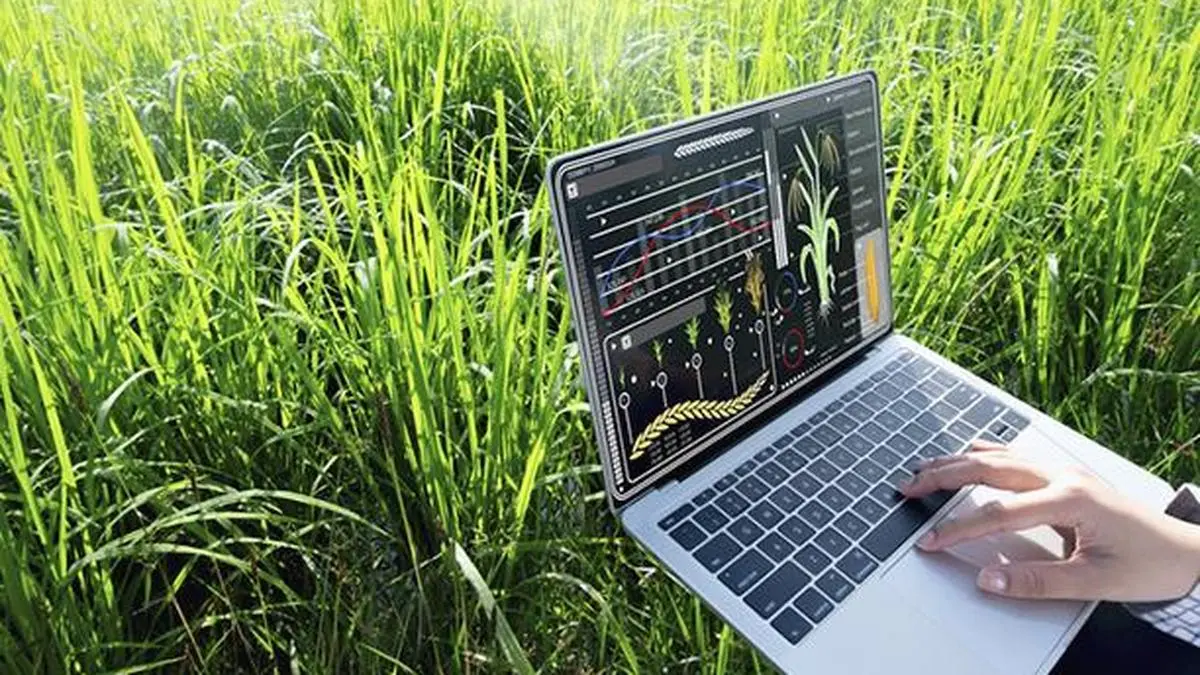
Unlike traditional models that depend solely on physics, this AI-based model is trained on historical weather data to infer patterns and learn from past events, while using physics. Importantly, it is built to be adaptable and efficient, capable of running on a single laptop, making forecasting more accessible to the scientific community.