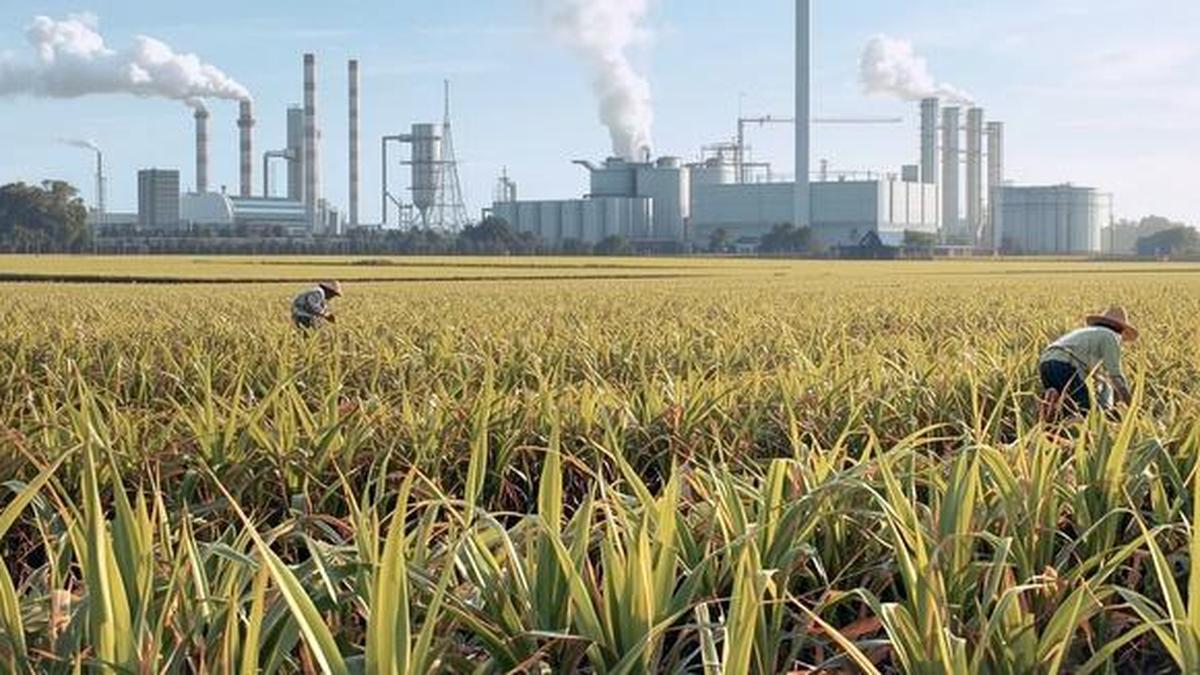
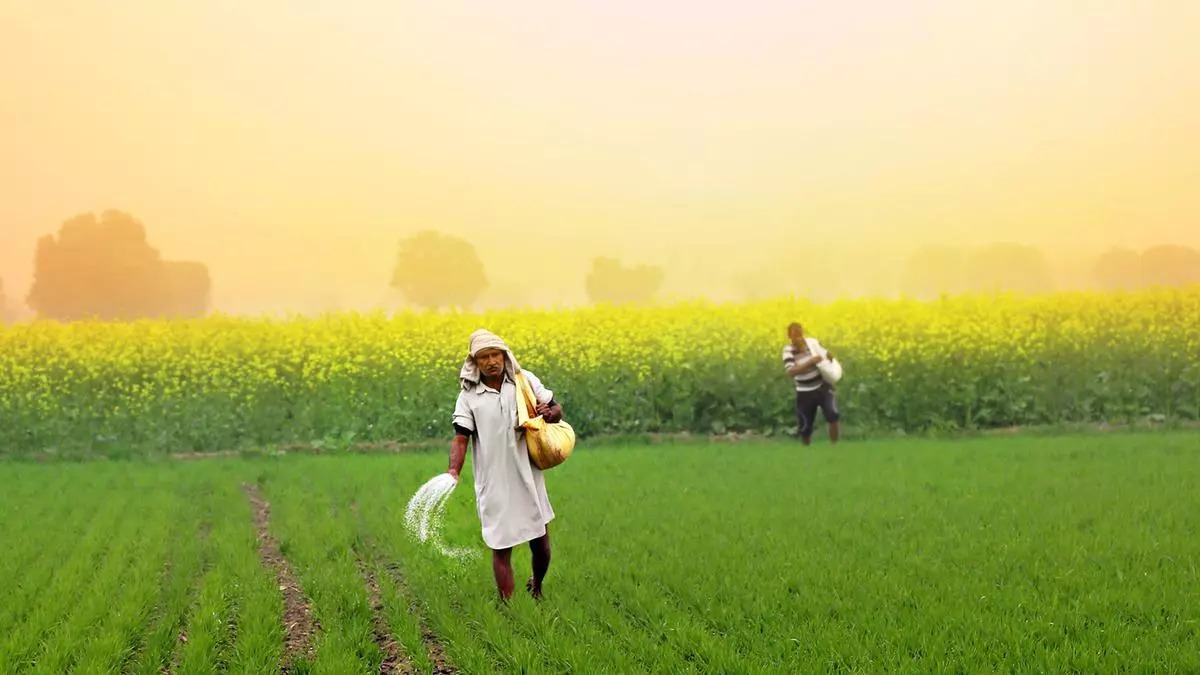
Agriculture has always been the backbone of economies worldwide, providing food security, employment, and livelihoods for billions. However, the sector is also a significant contributor to greenhouse gas emissions, largely due to its dependence on fossil-fuel-powered machinery and transportation systems. As the world moves toward cleaner and more sustainable practices, electric mobility is emerging as a transformative force in modern agriculture, helping farmers improve productivity while reducing environmental impact.
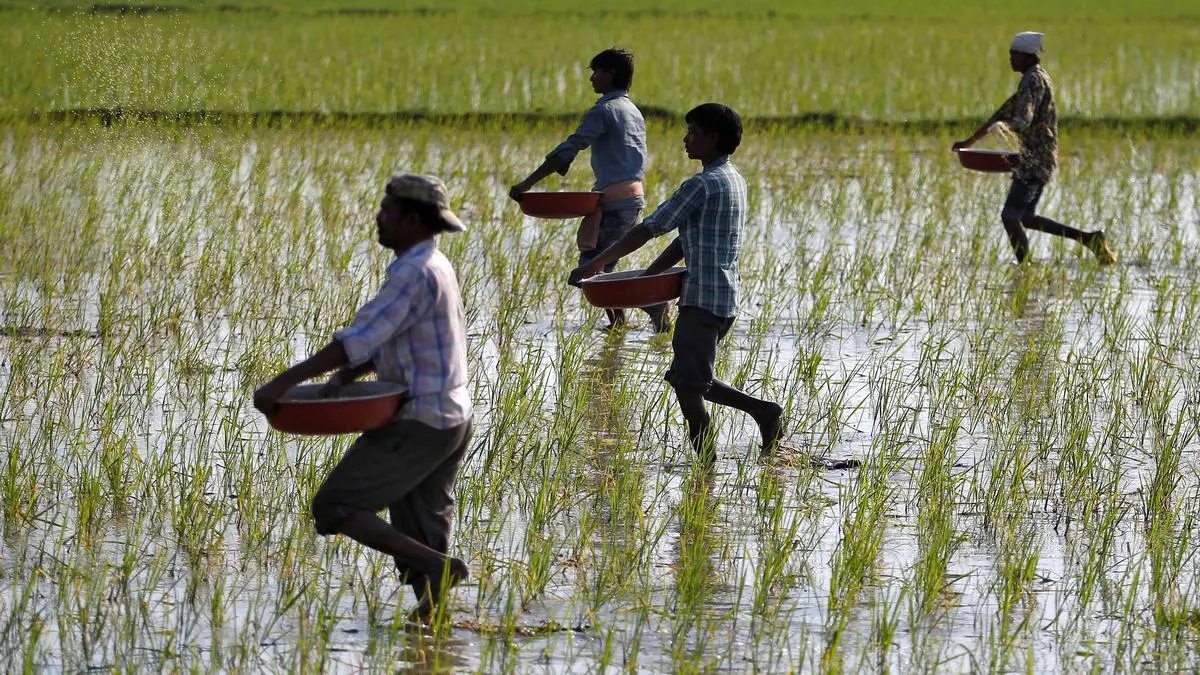
According to the International Energy Agency (IEA), the agriculture sector accounts for nearly 22 per cent of global greenhouse gas emissions when land use and food systems are included. In India, agriculture contributes approximately 18 per cent of the country’s Gross Value Added (GVA) while employing nearly 45 per cent of the workforce. The challenge lies in maintaining agricultural growth while simultaneously reducing emissions and operational costs. Electric mobility offers a practical solution to address both concerns.
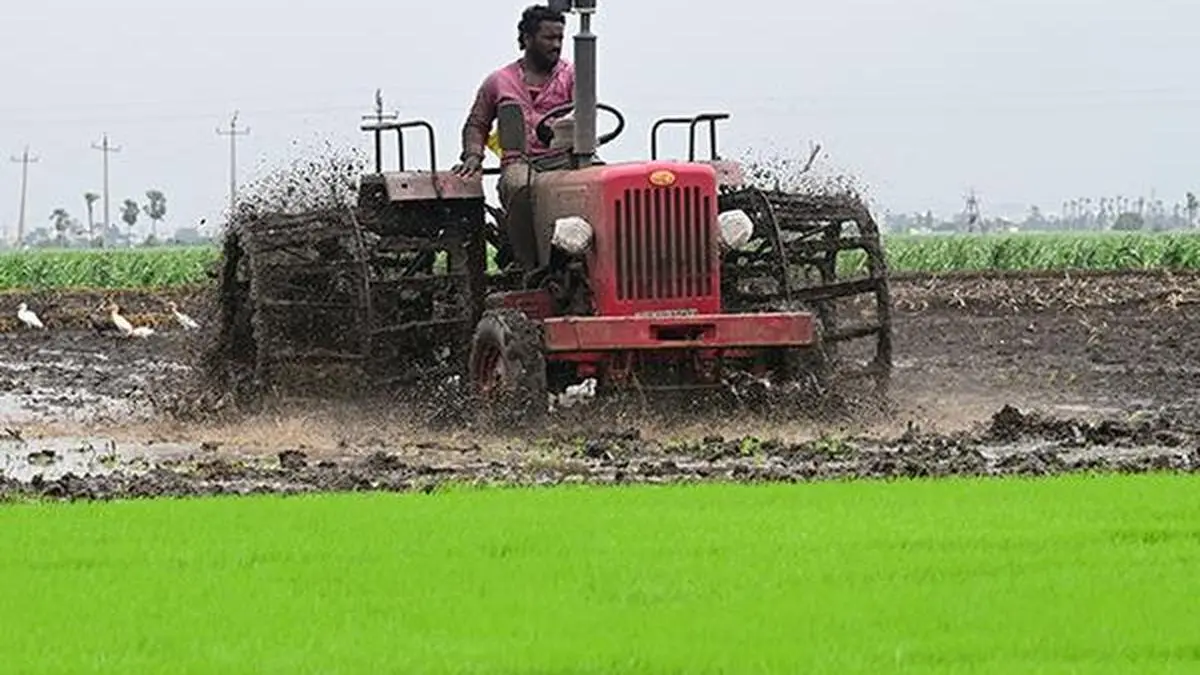
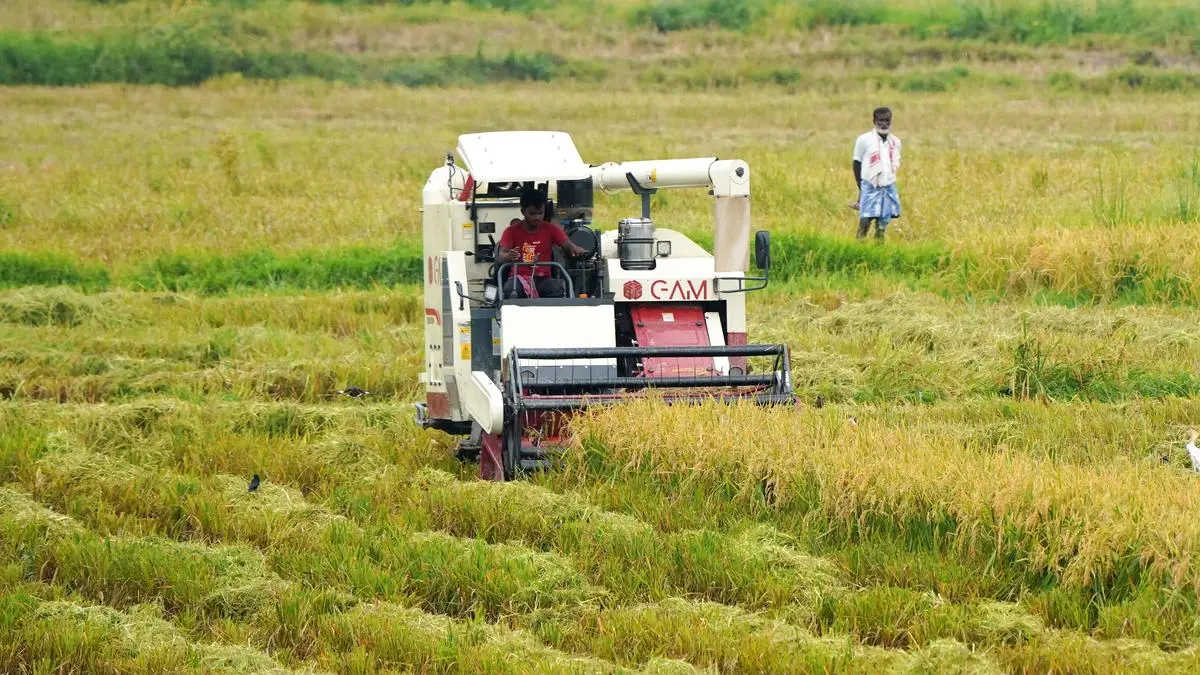
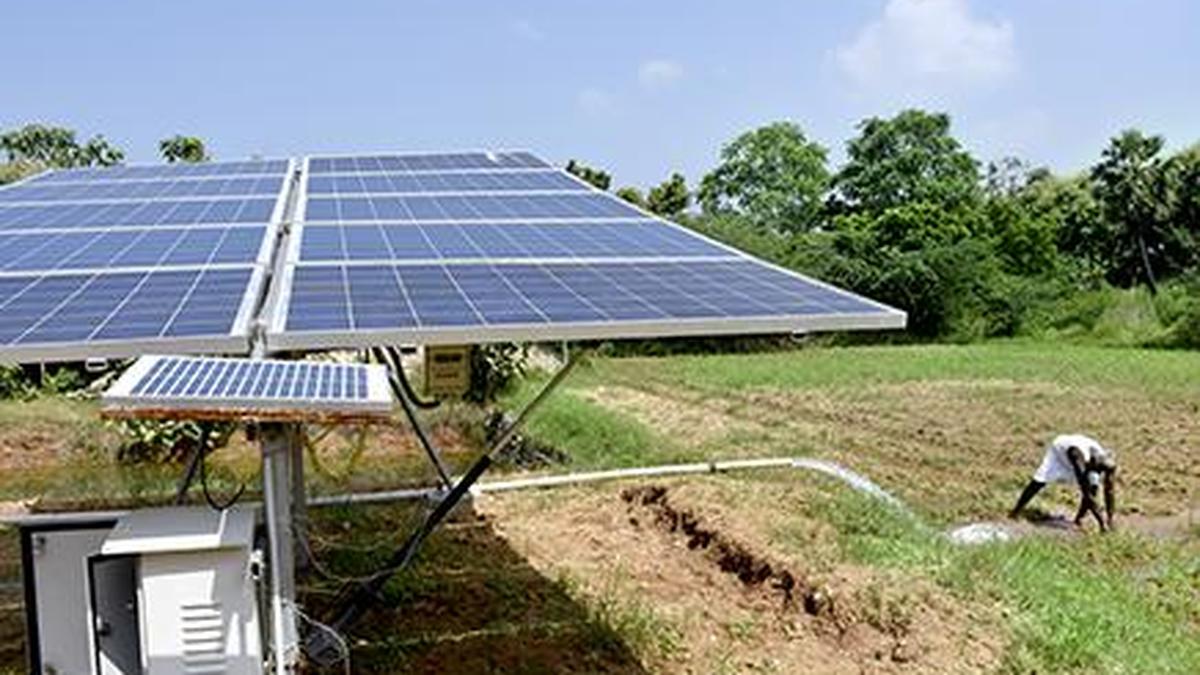
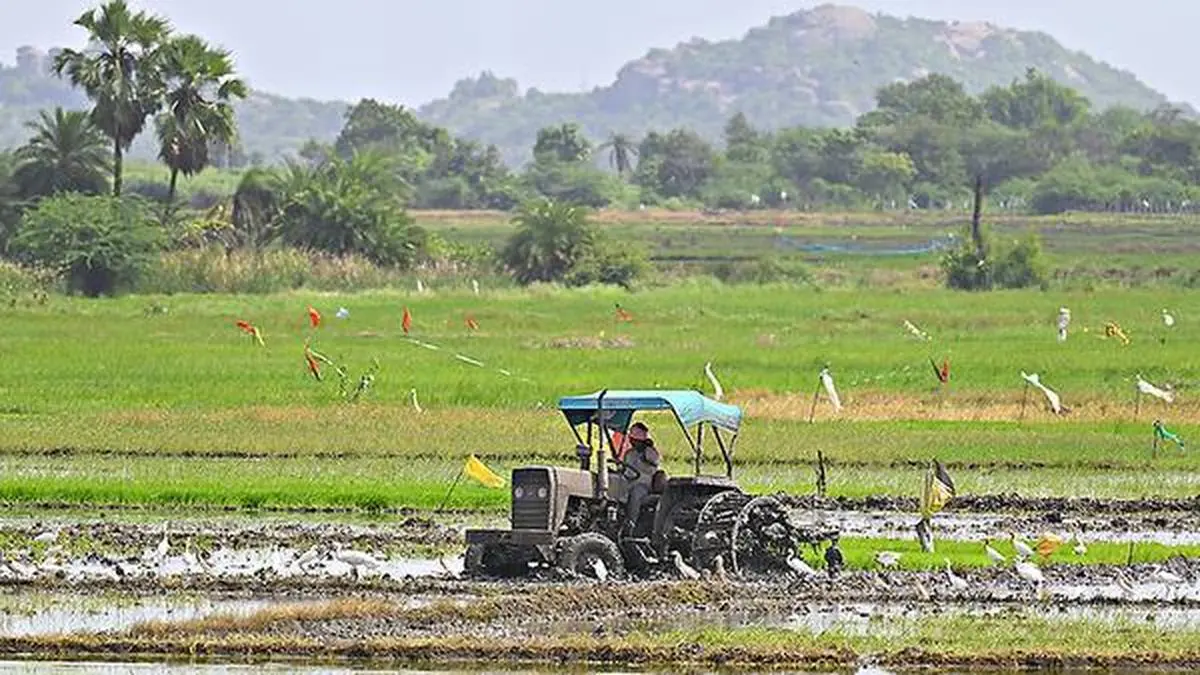
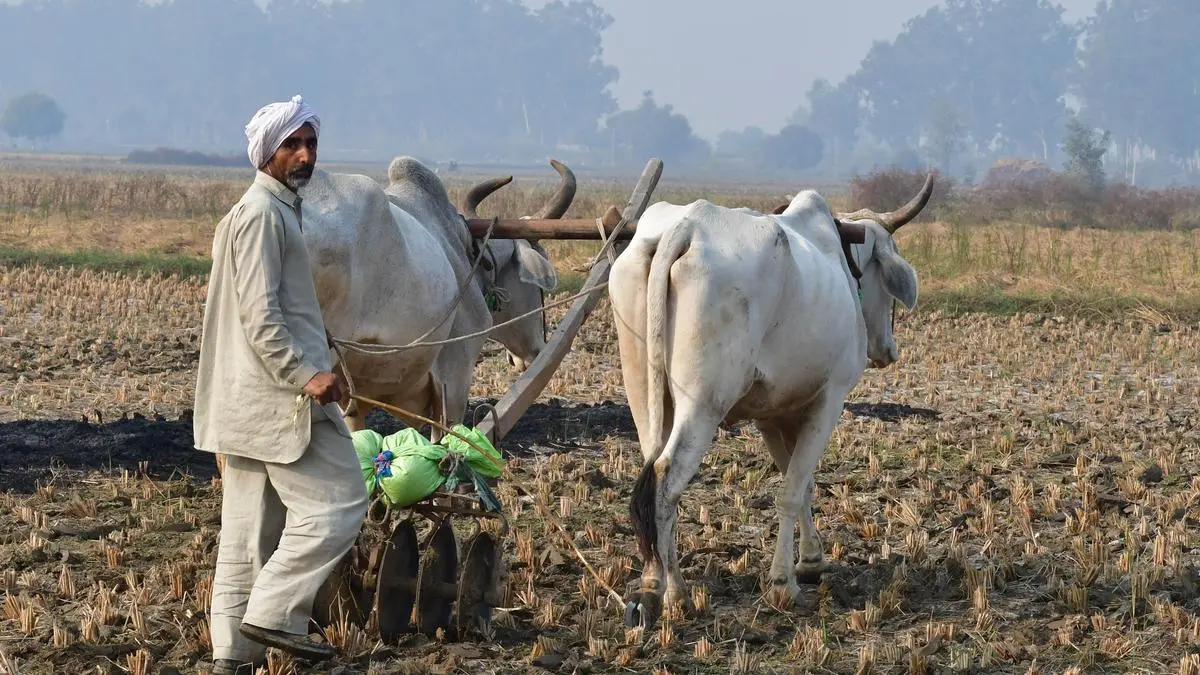
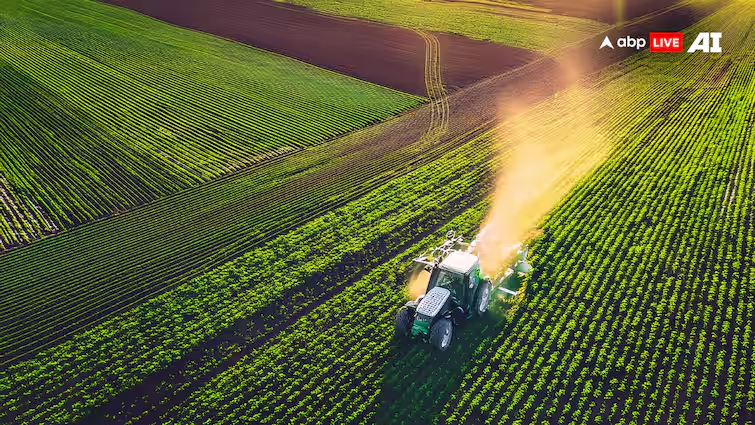
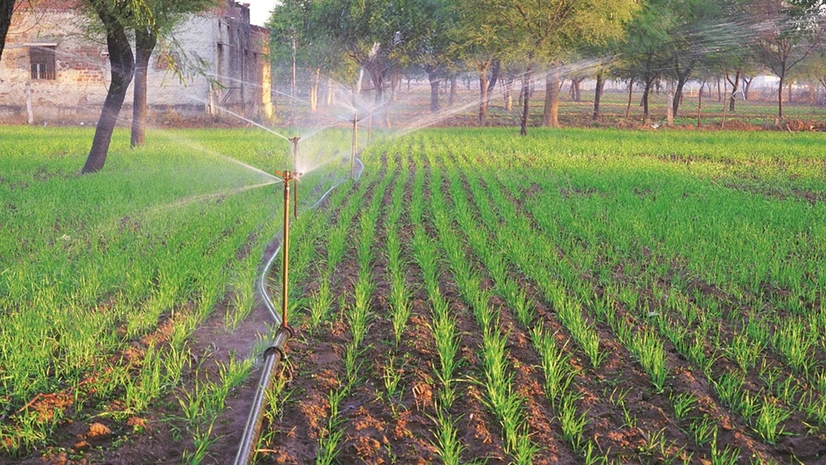
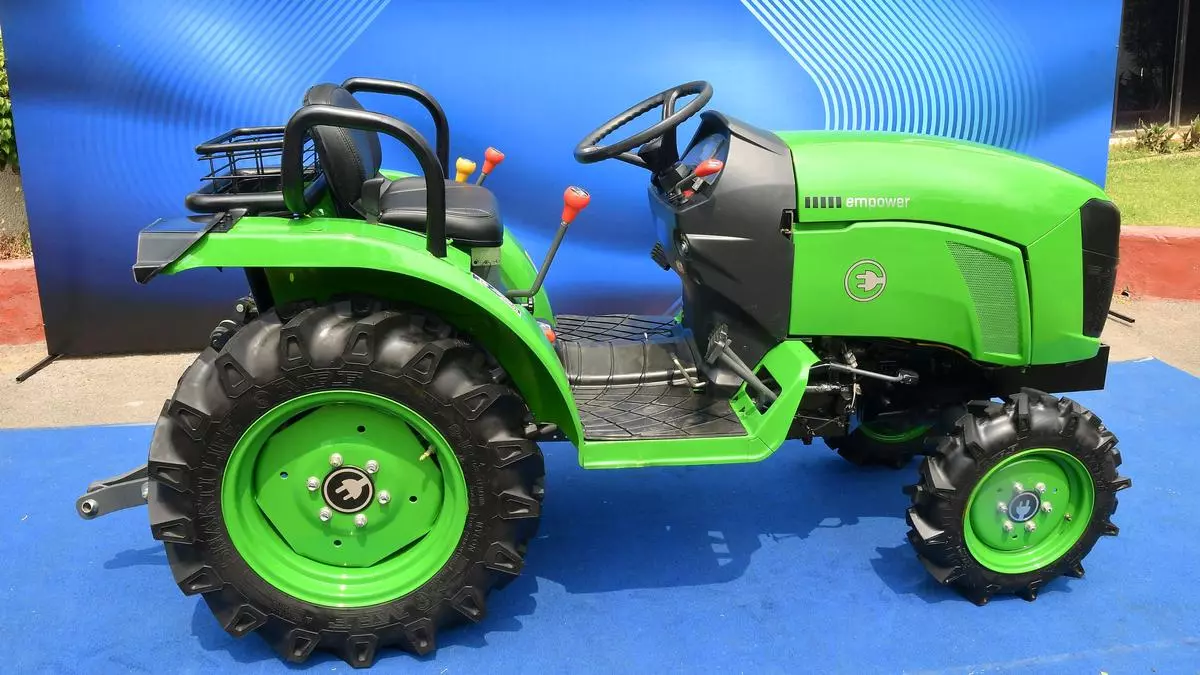
One of the most significant advantages of electric mobility in agriculture is the reduction of fuel expenses. Traditional diesel-powered tractors, irrigation pumps, and utility vehicles require substantial fuel consumption, making farmers vulnerable to fluctuating fuel prices. Electric alternatives, including e-tractors, electric farm utility vehicles, and battery-powered irrigation systems, significantly lower operating costs. Studies suggest that electric tractors can reduce energy costs by up to 70 per cent compared to diesel-powered counterparts over their operational lifetime.