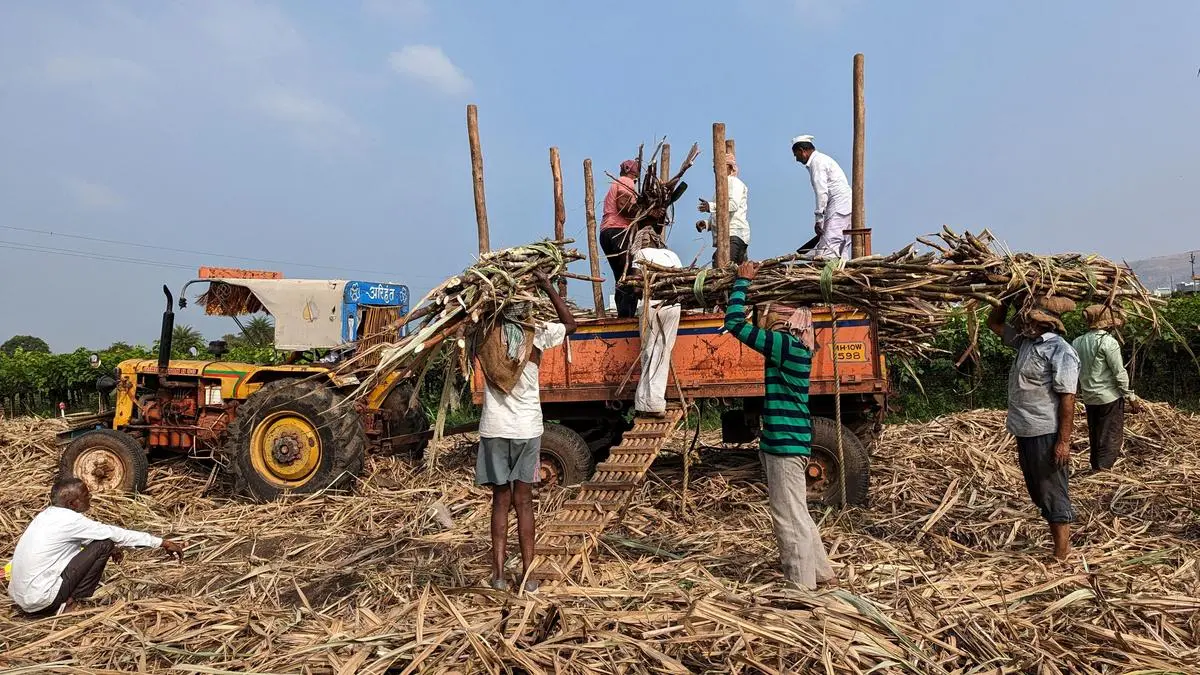
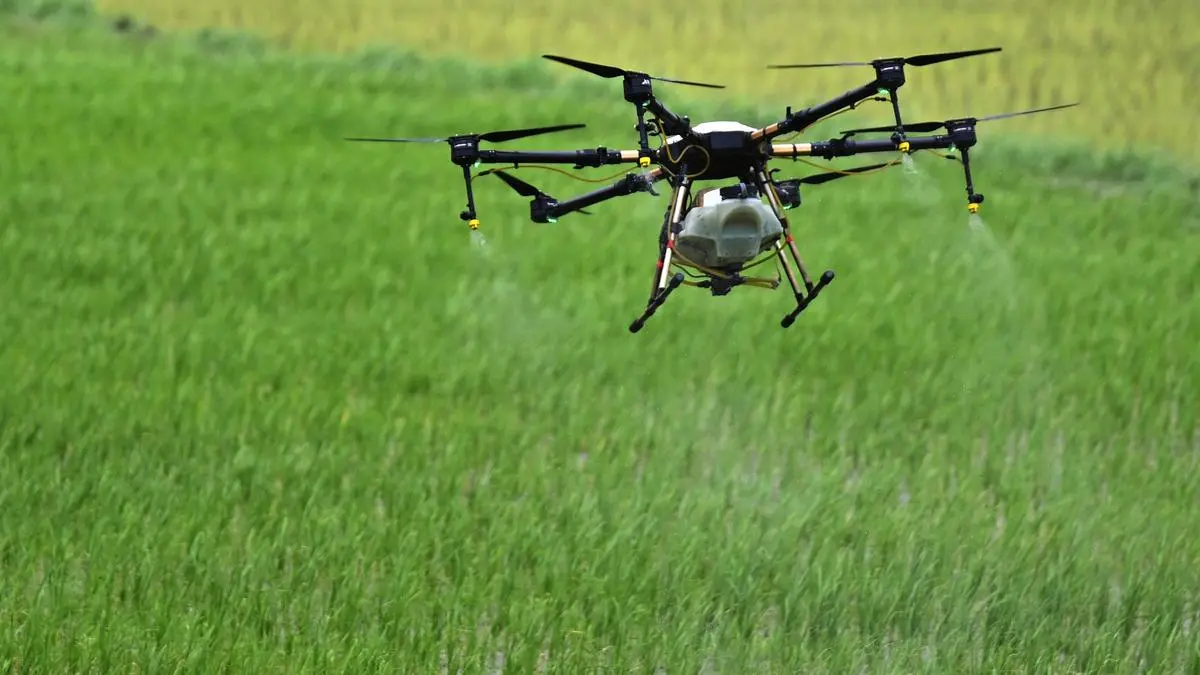
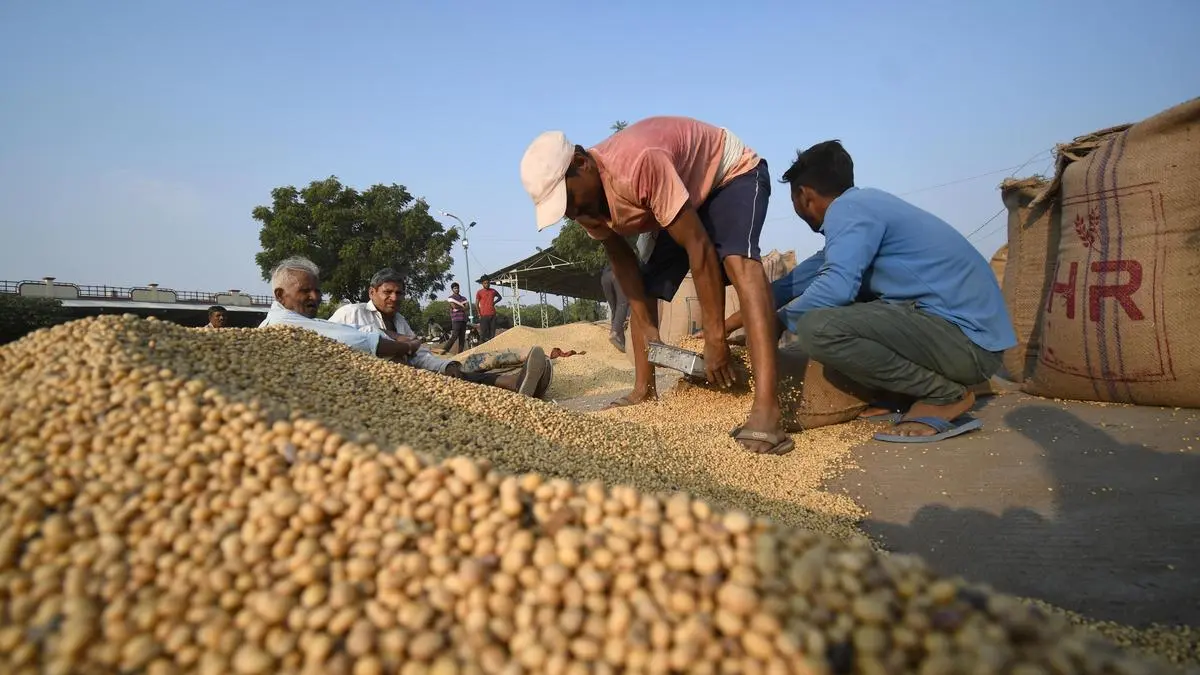
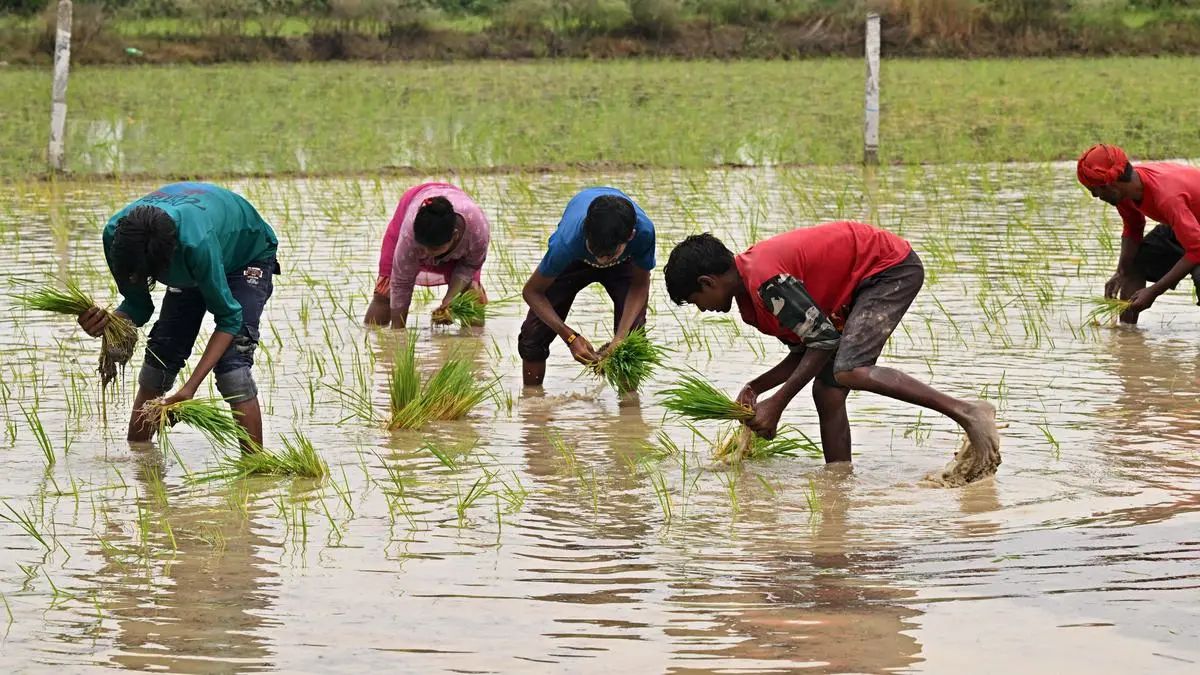
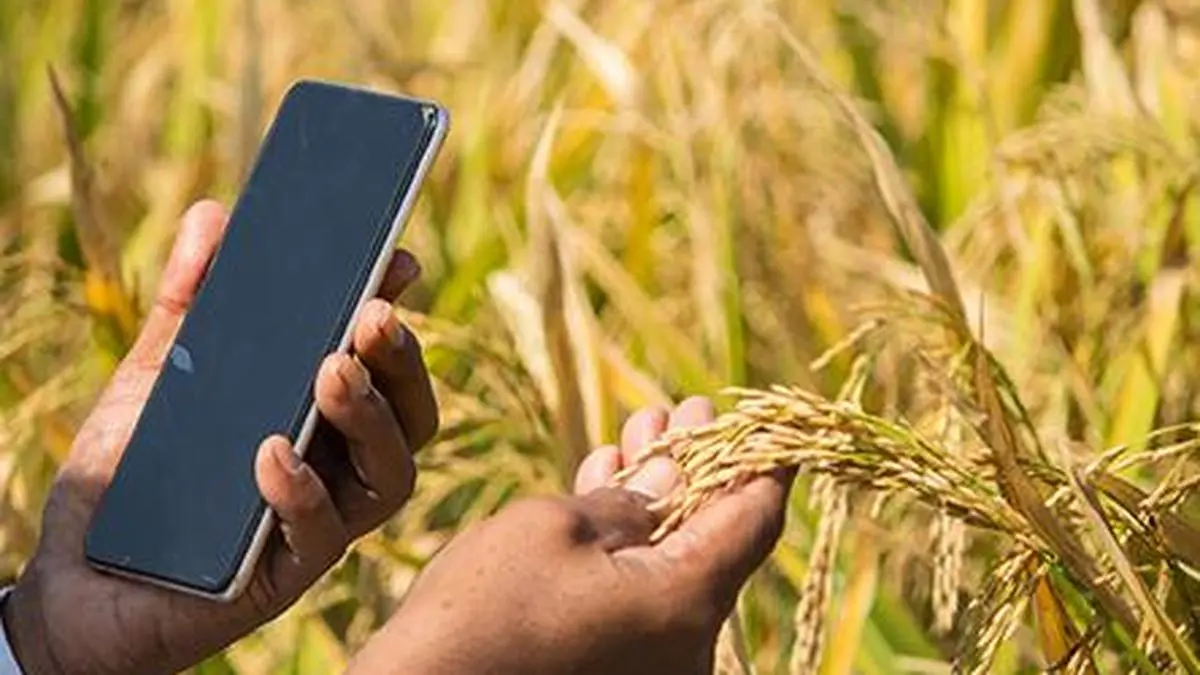
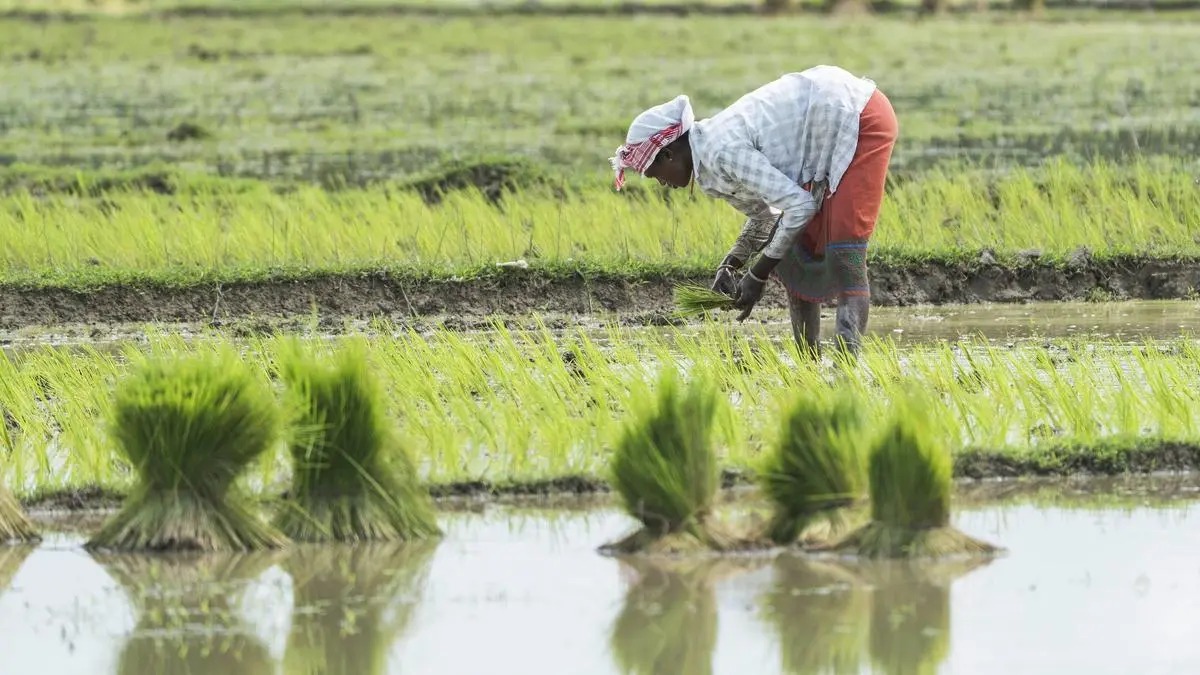
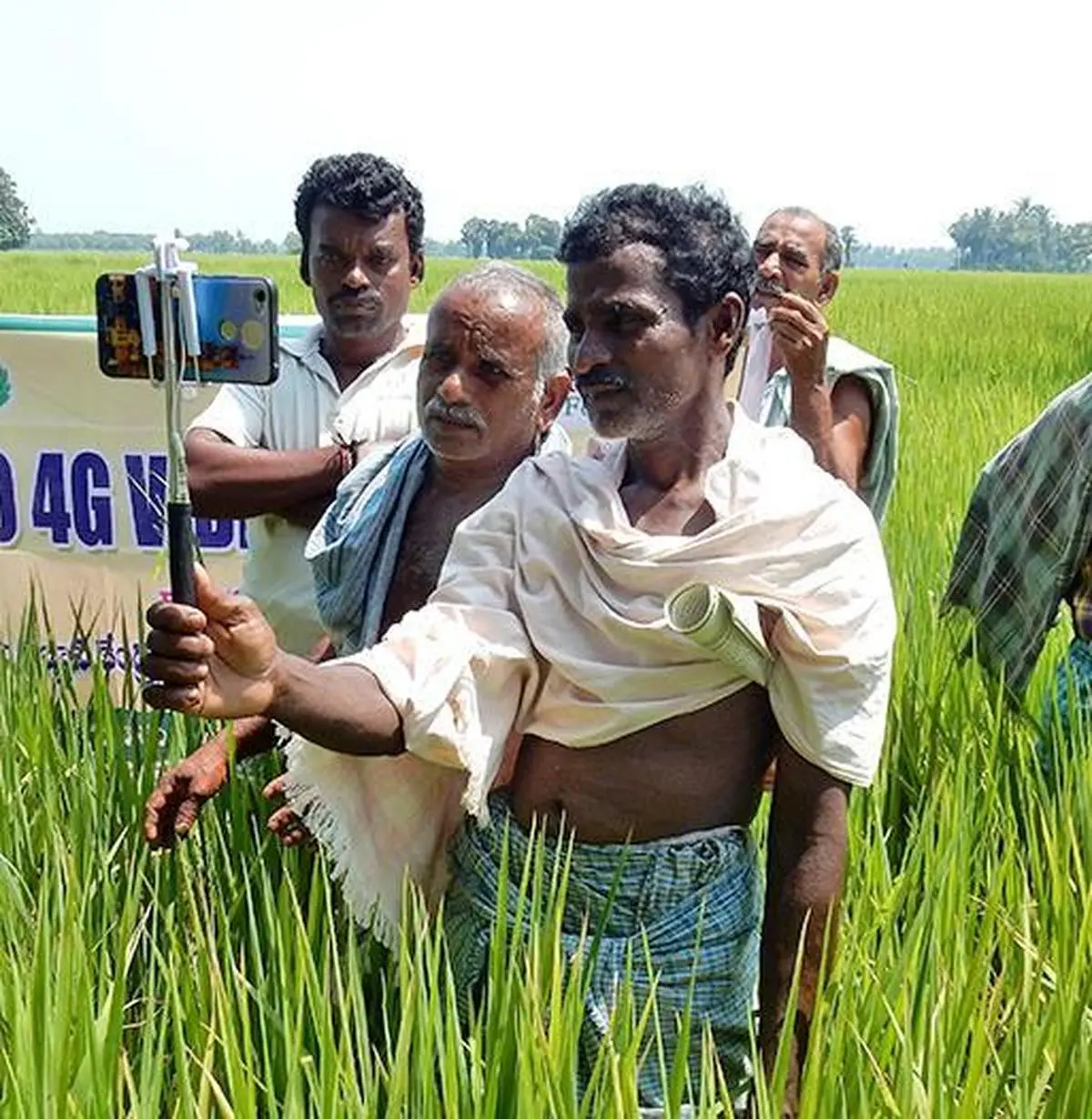
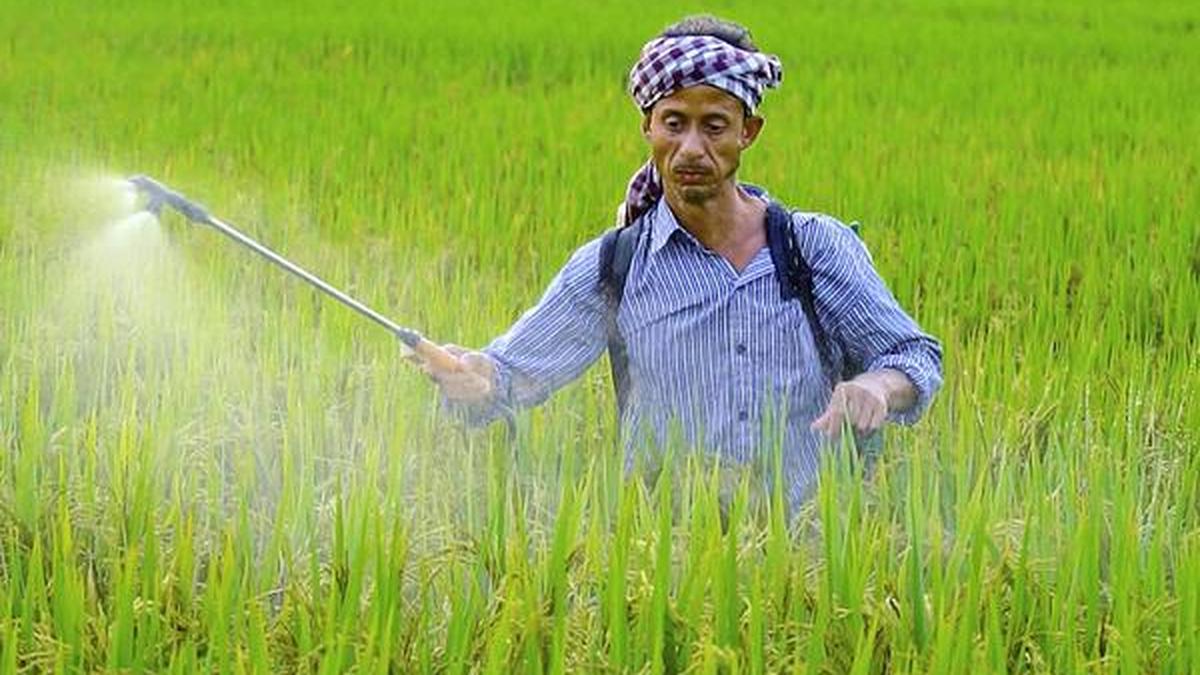
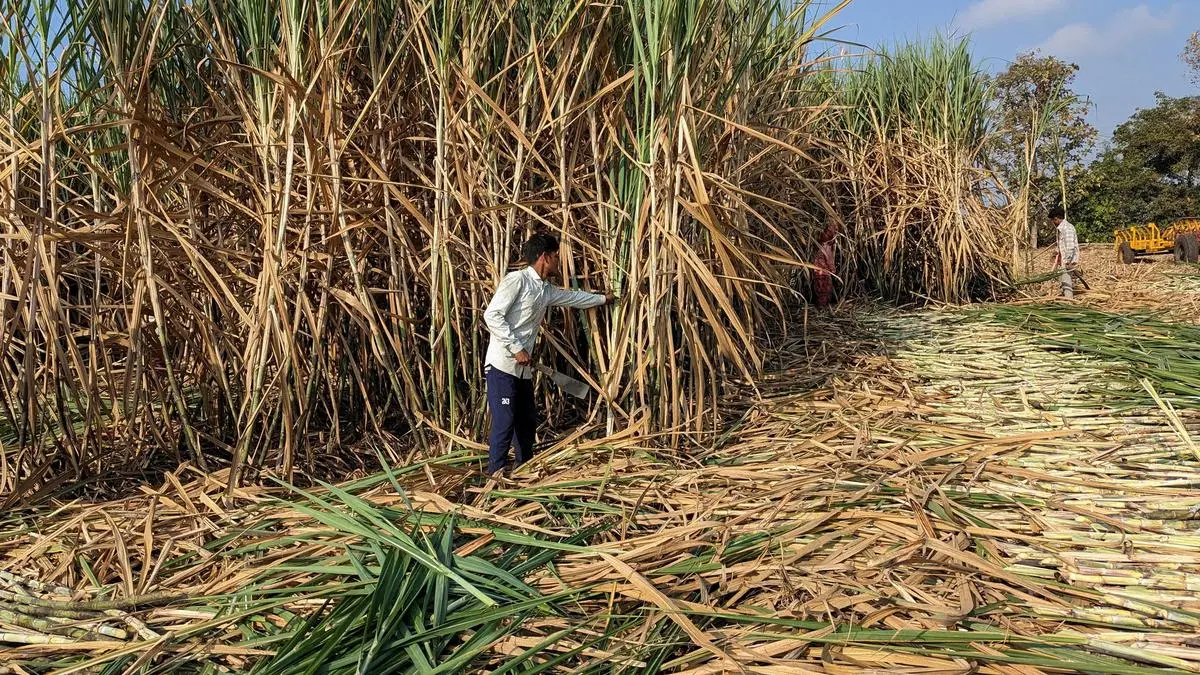
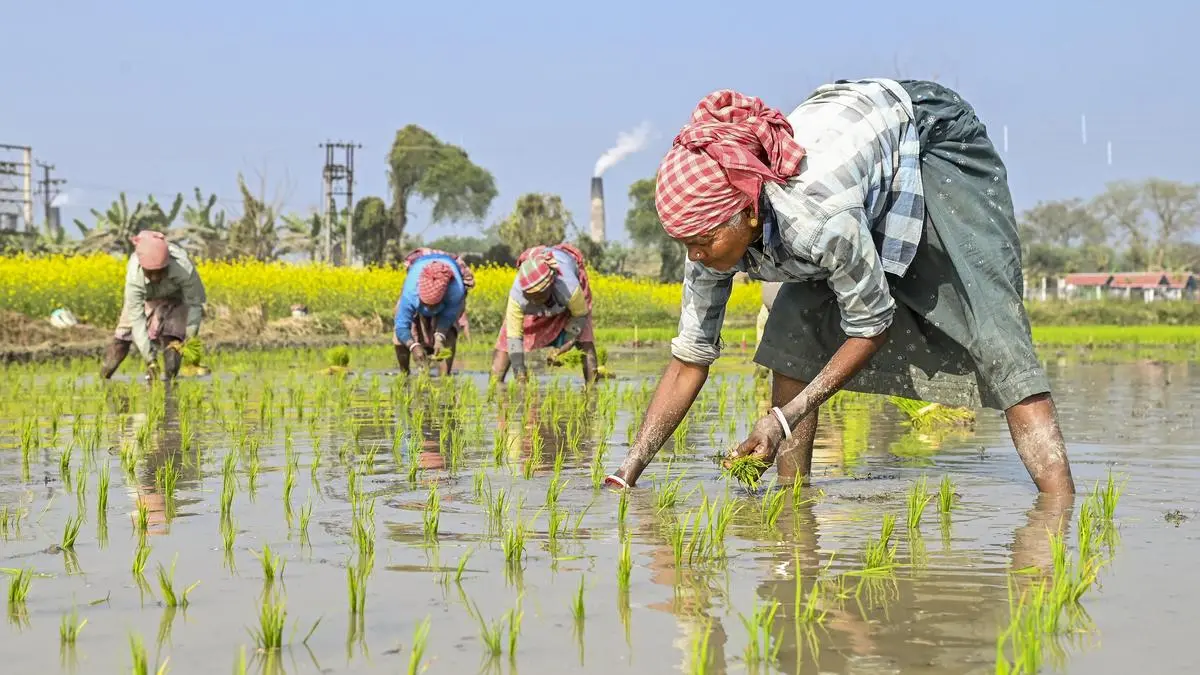
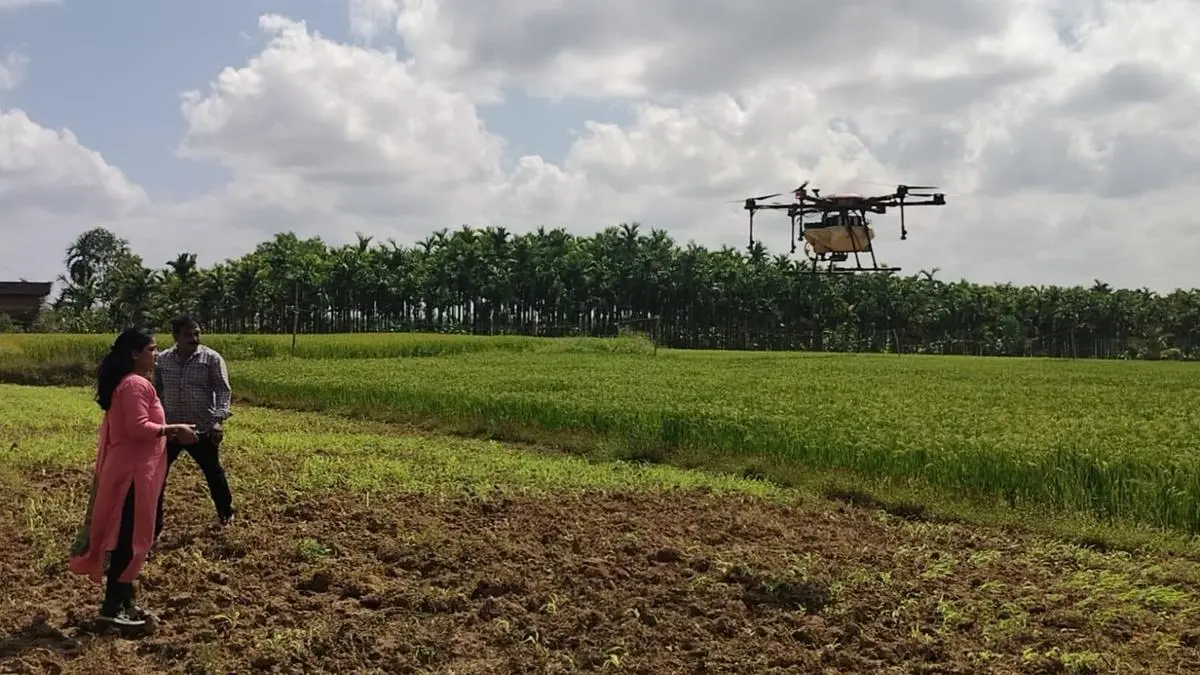
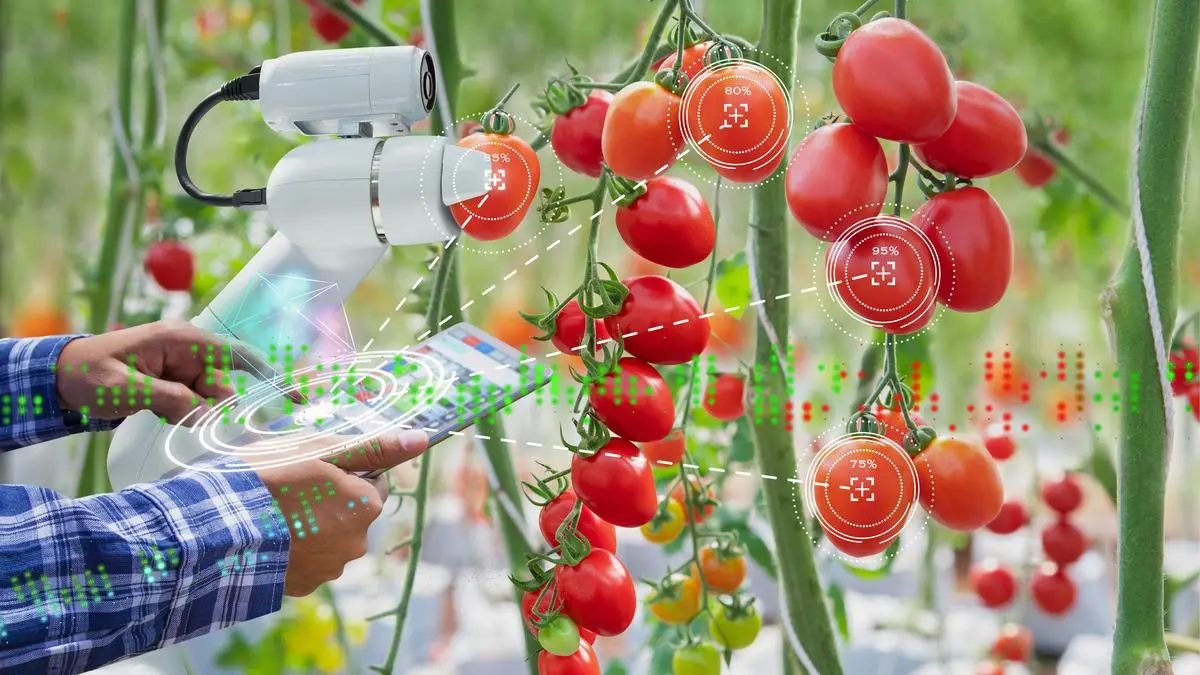
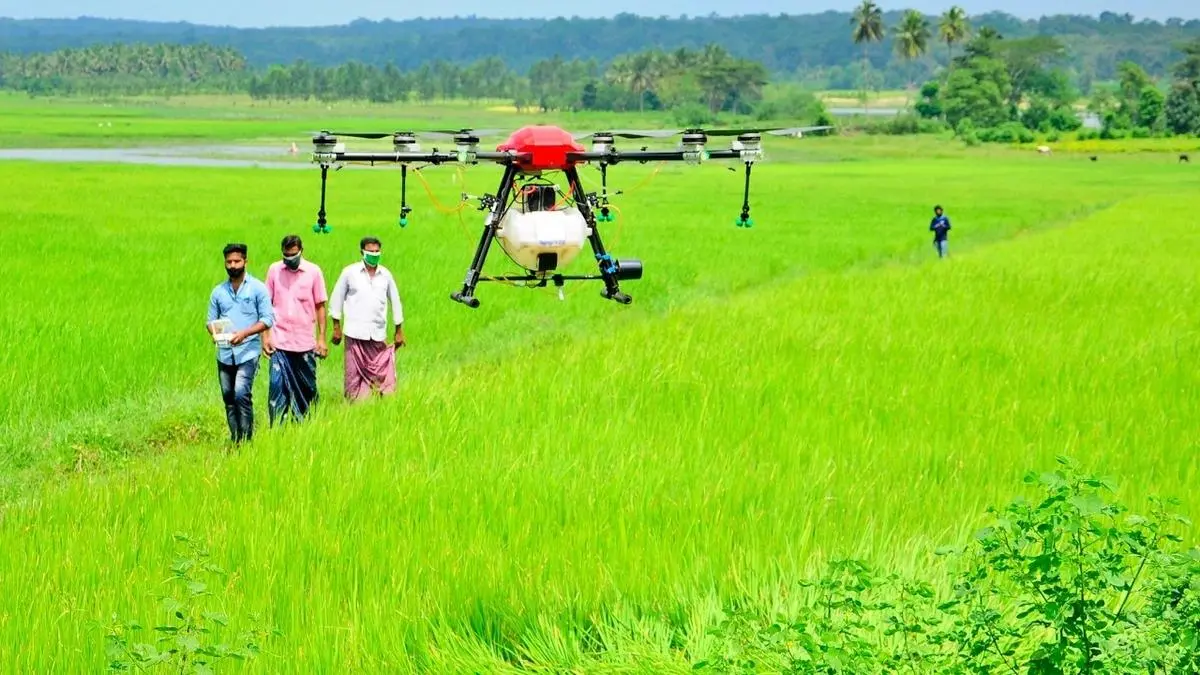
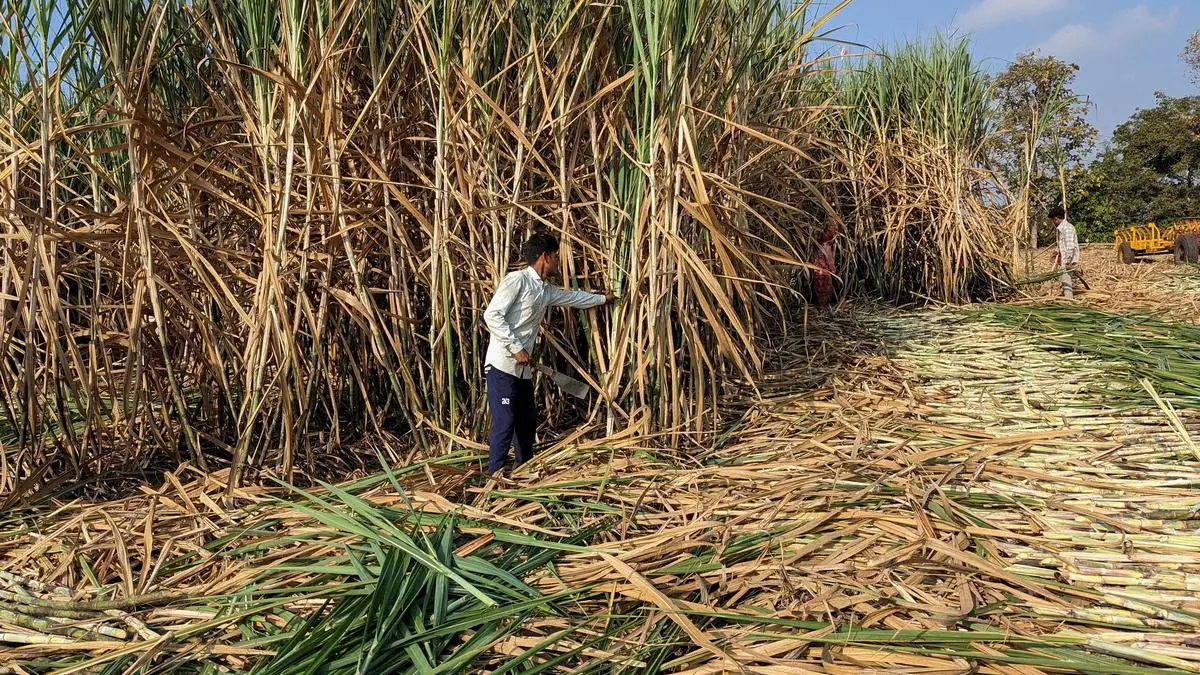
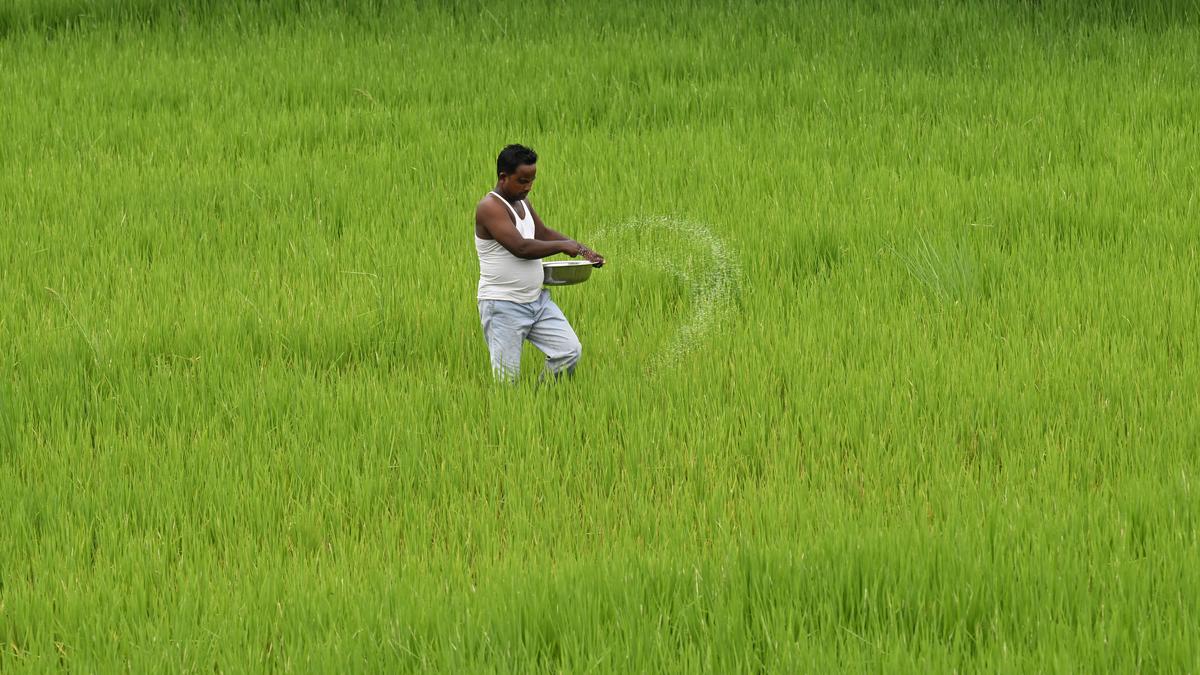
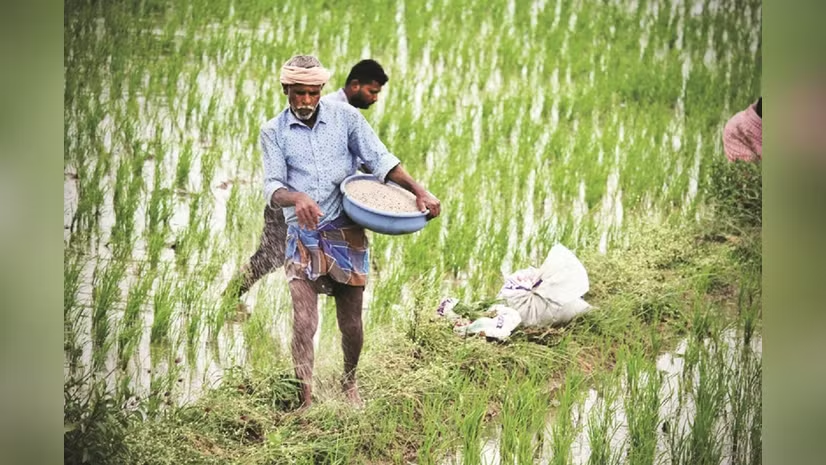
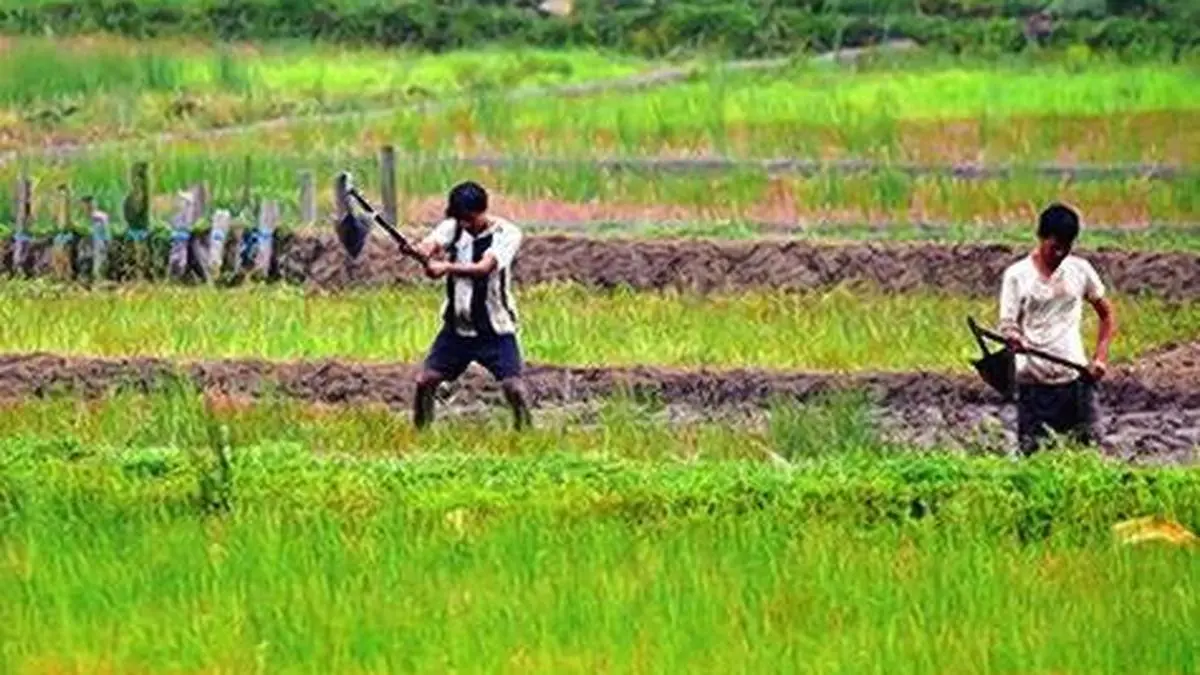
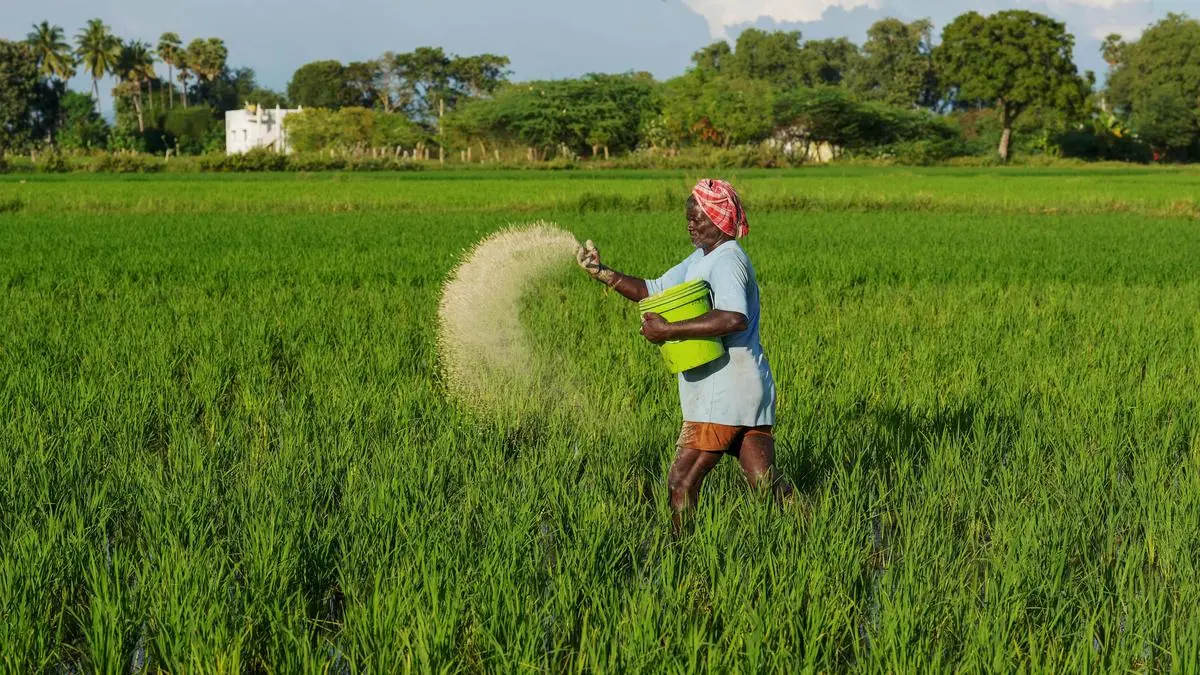
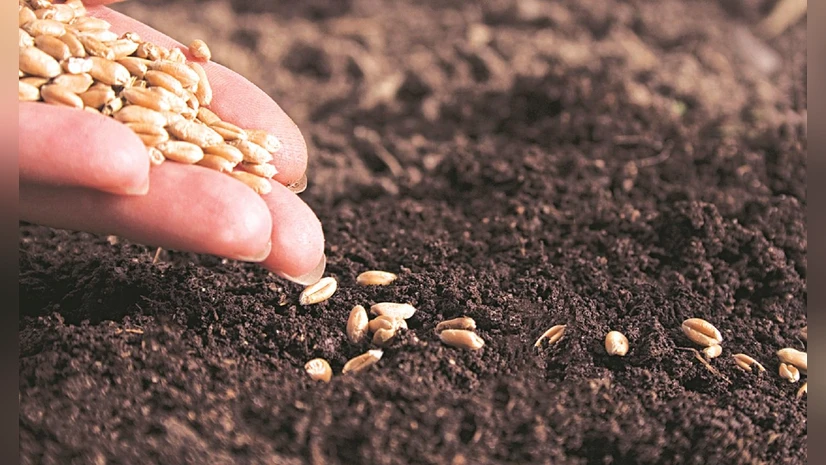
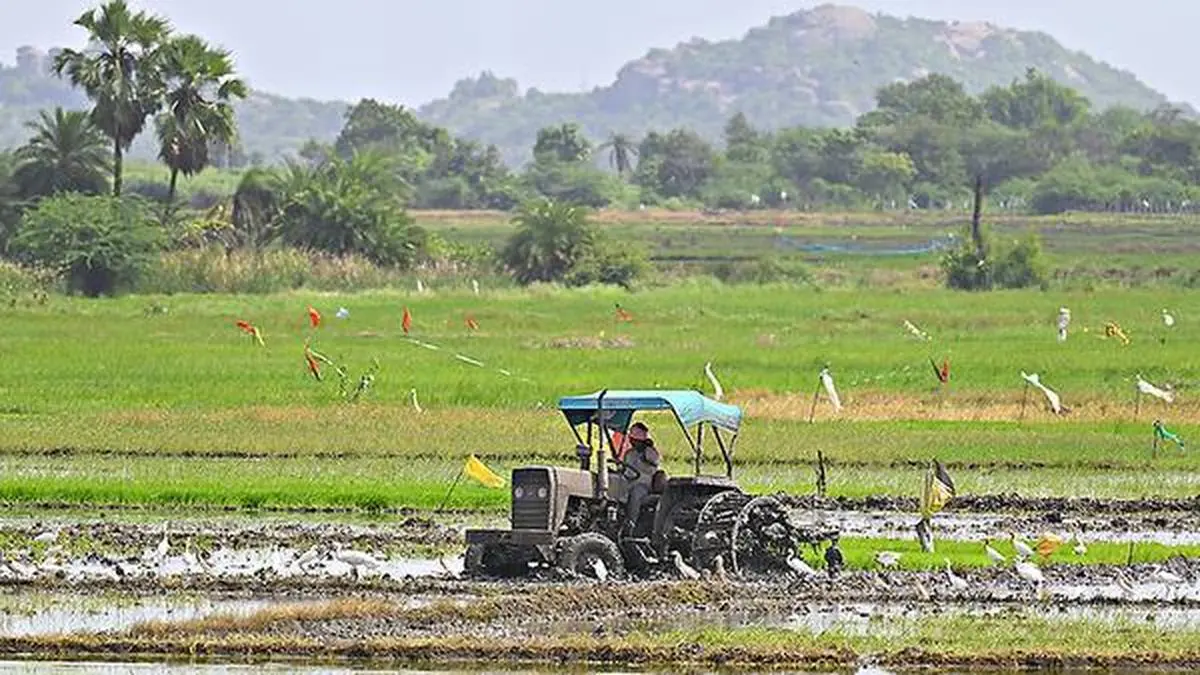
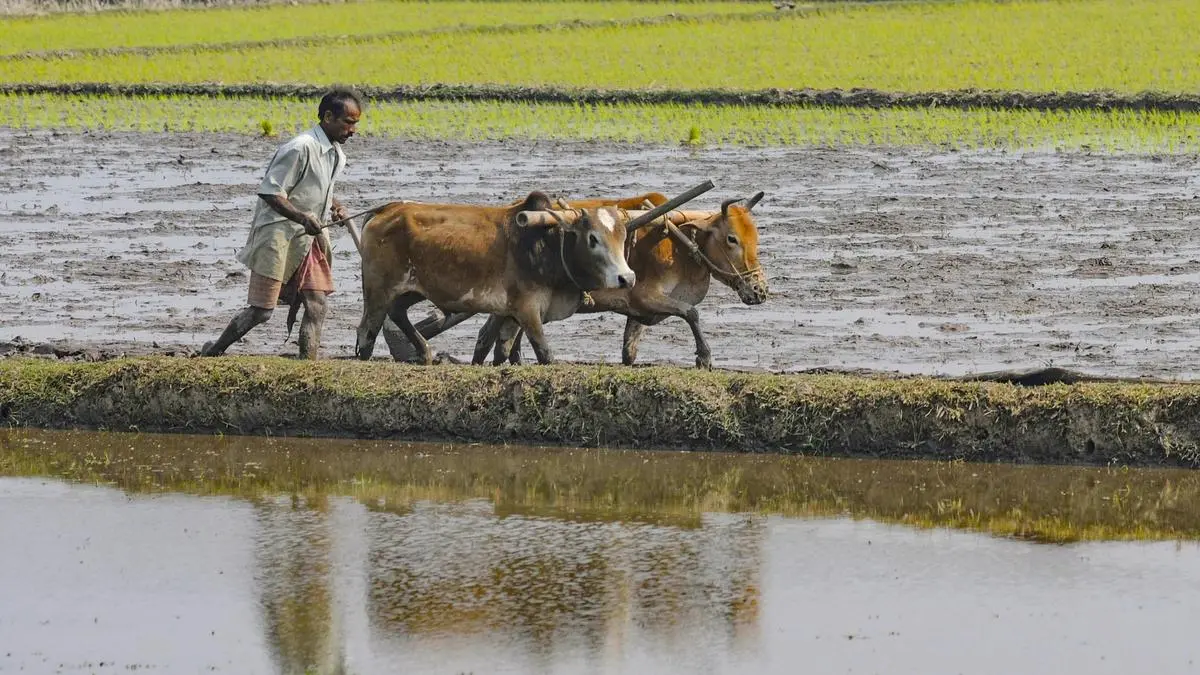
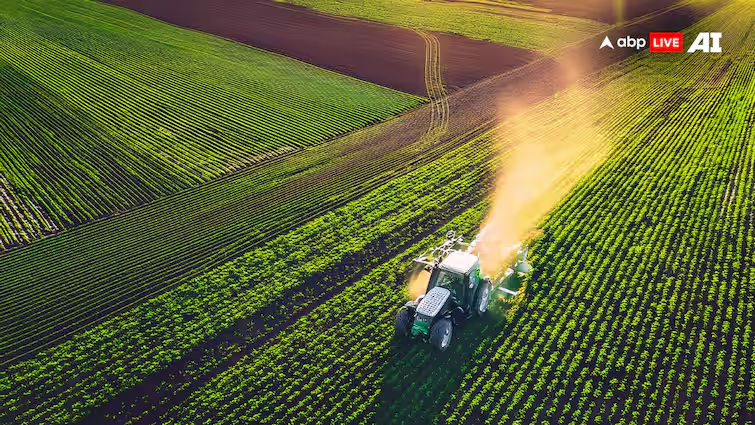
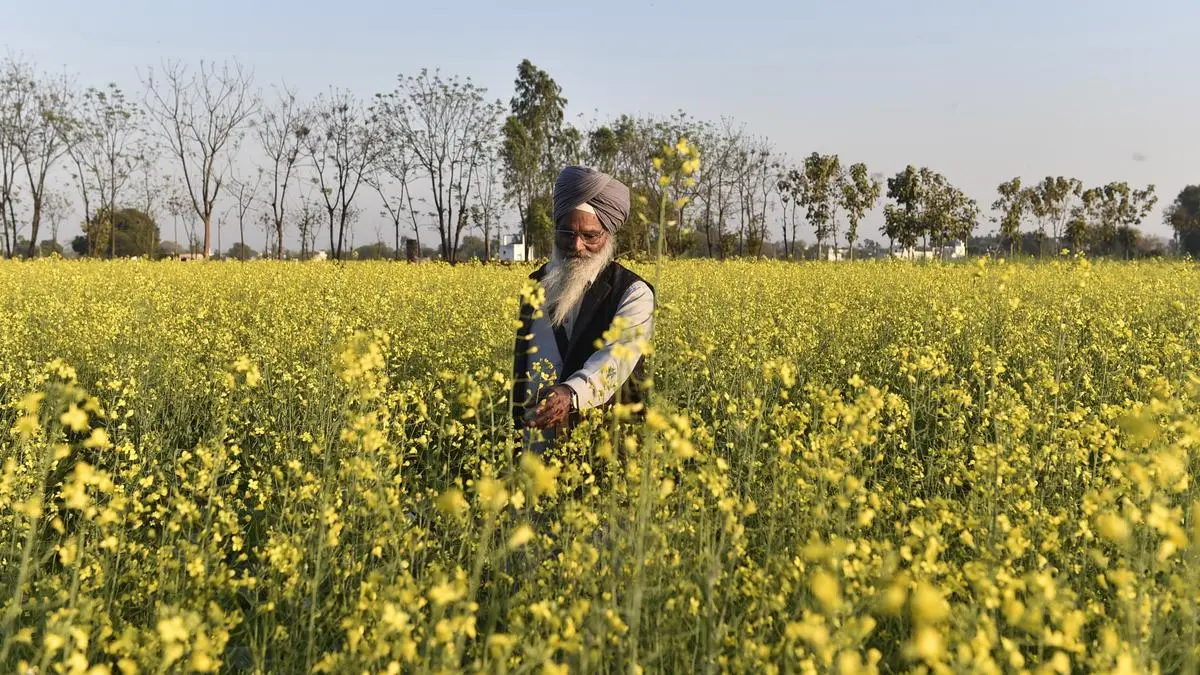
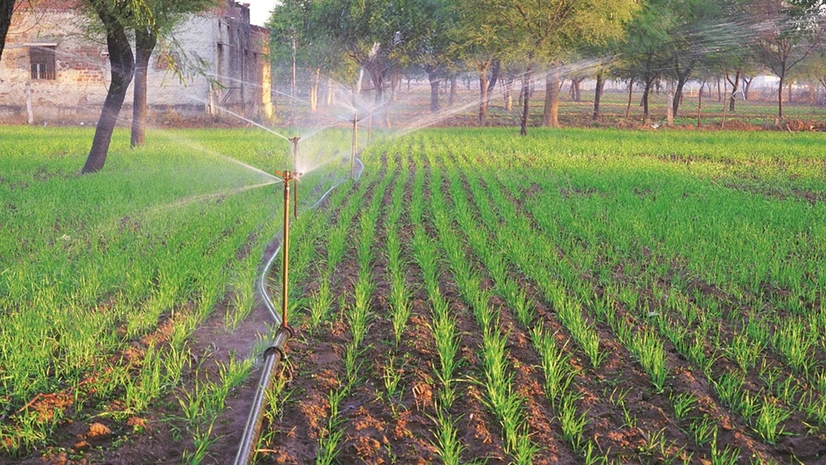
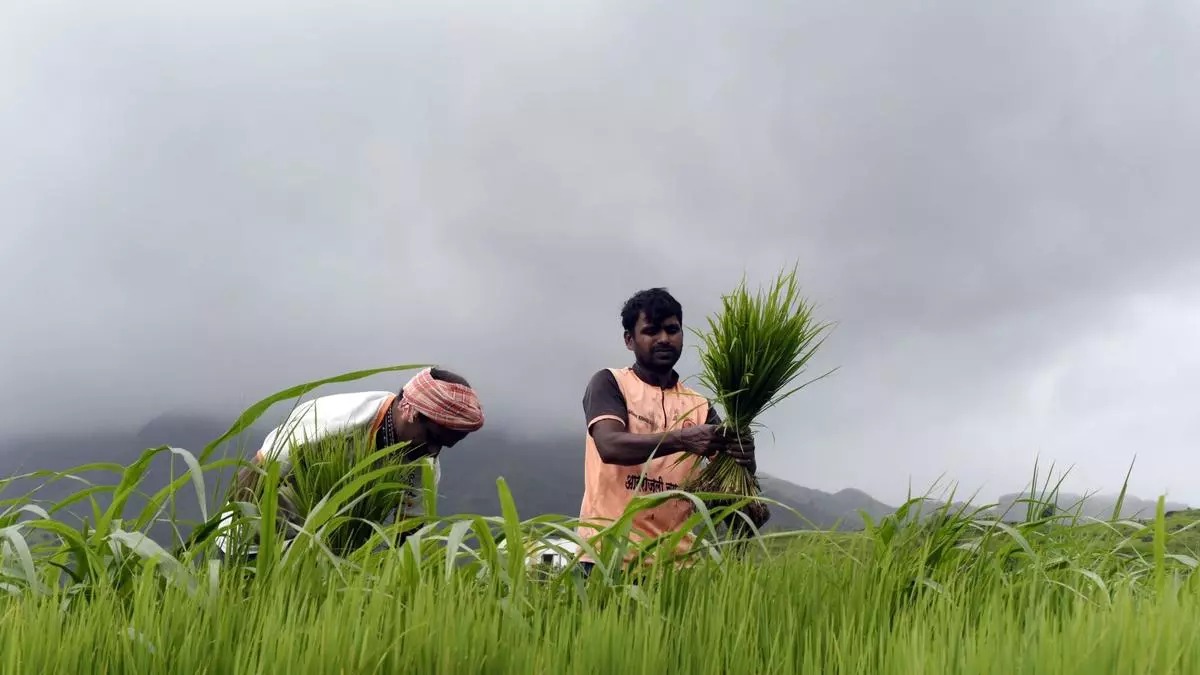
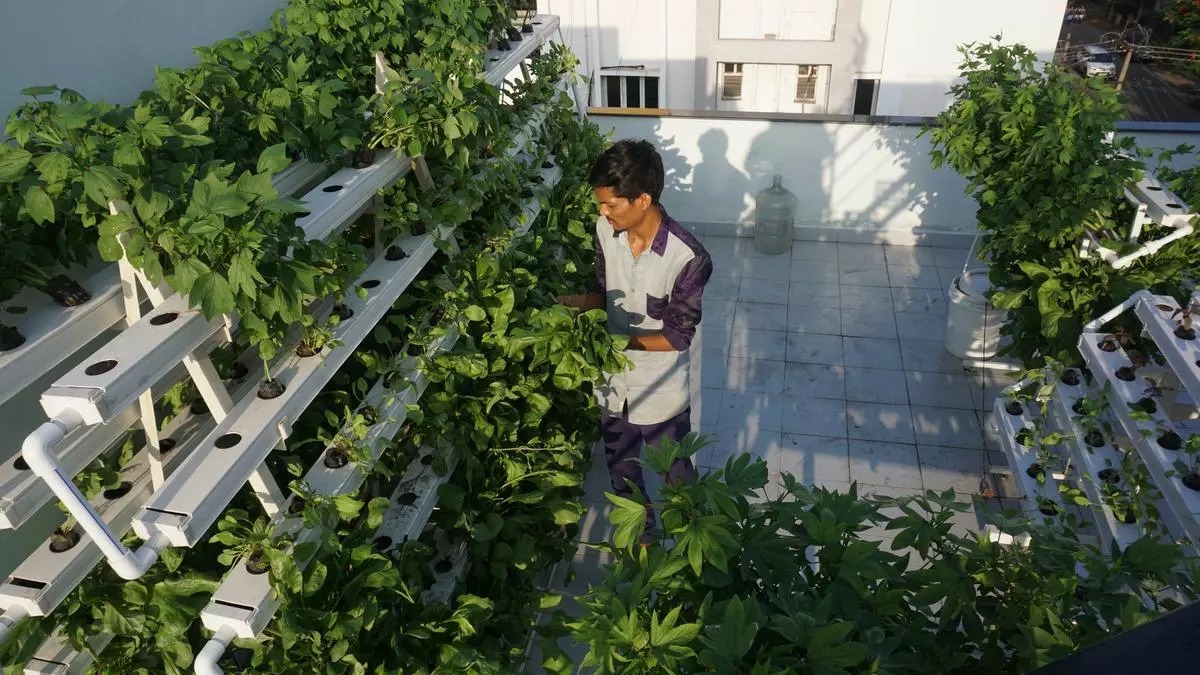
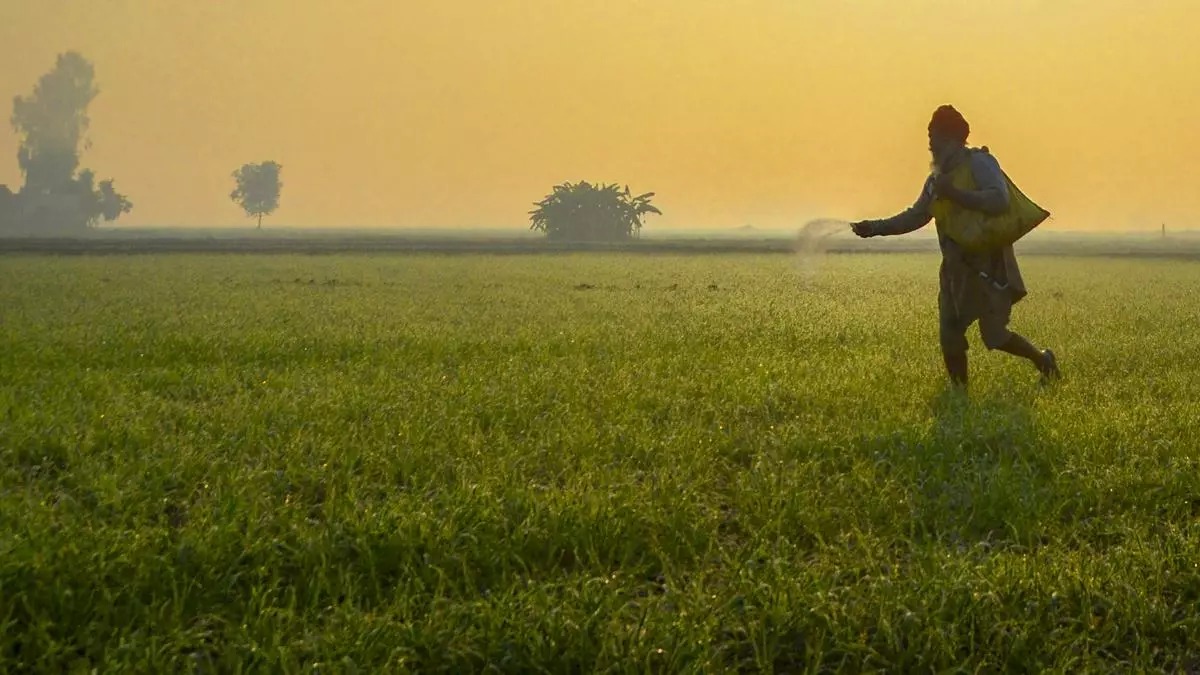
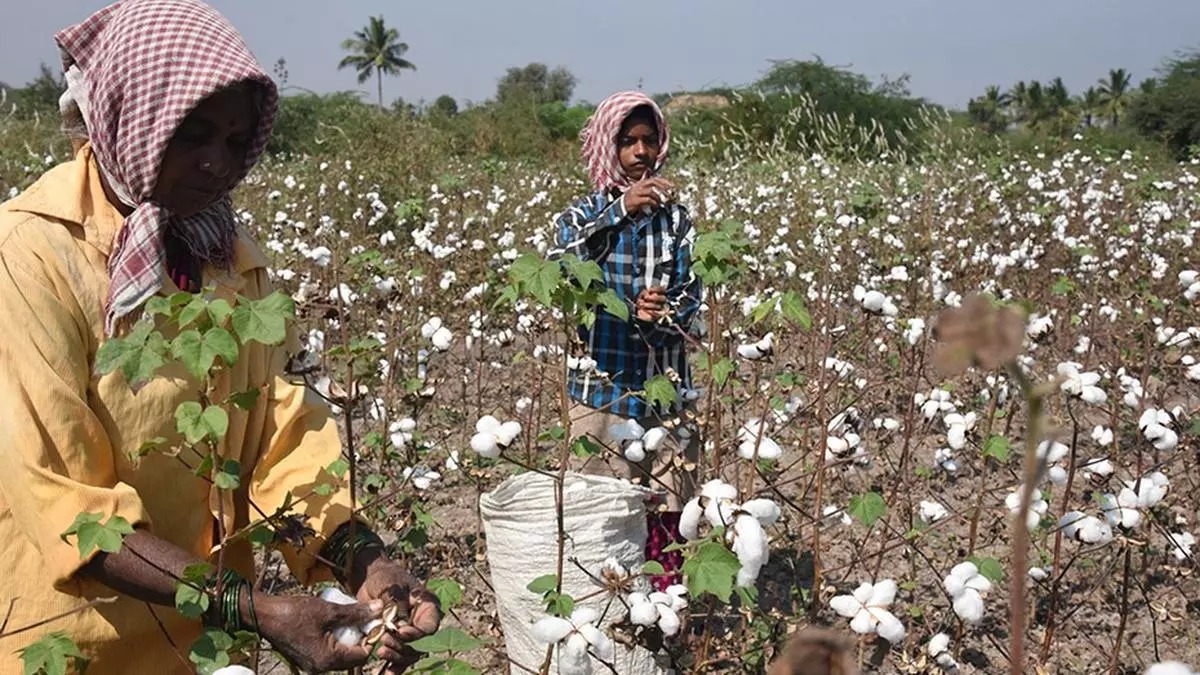
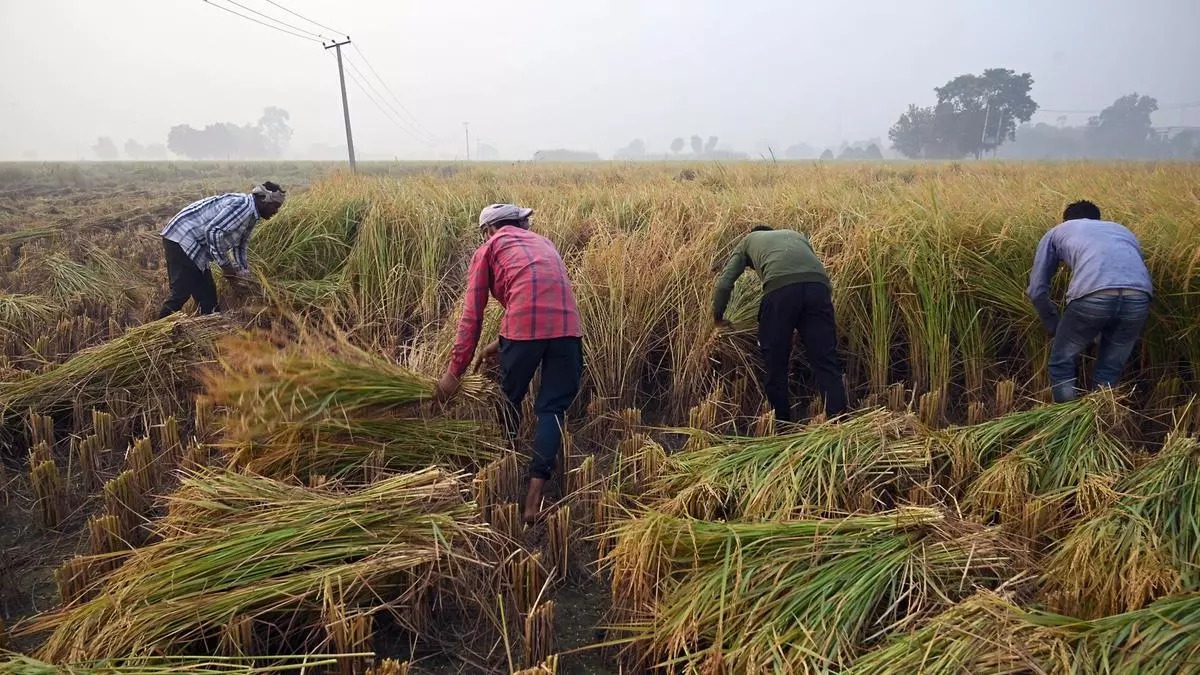
For most of Indian agriculture’s history, the data available to support harvesting decisions have been thin, delayed, and generic. AI is now beginning to change the information environment that farmers operate in, and the shift from backwards-looking data to real-time predictive farming is one of the more significant technological transitions happening in any sector of the Indian economy right now.
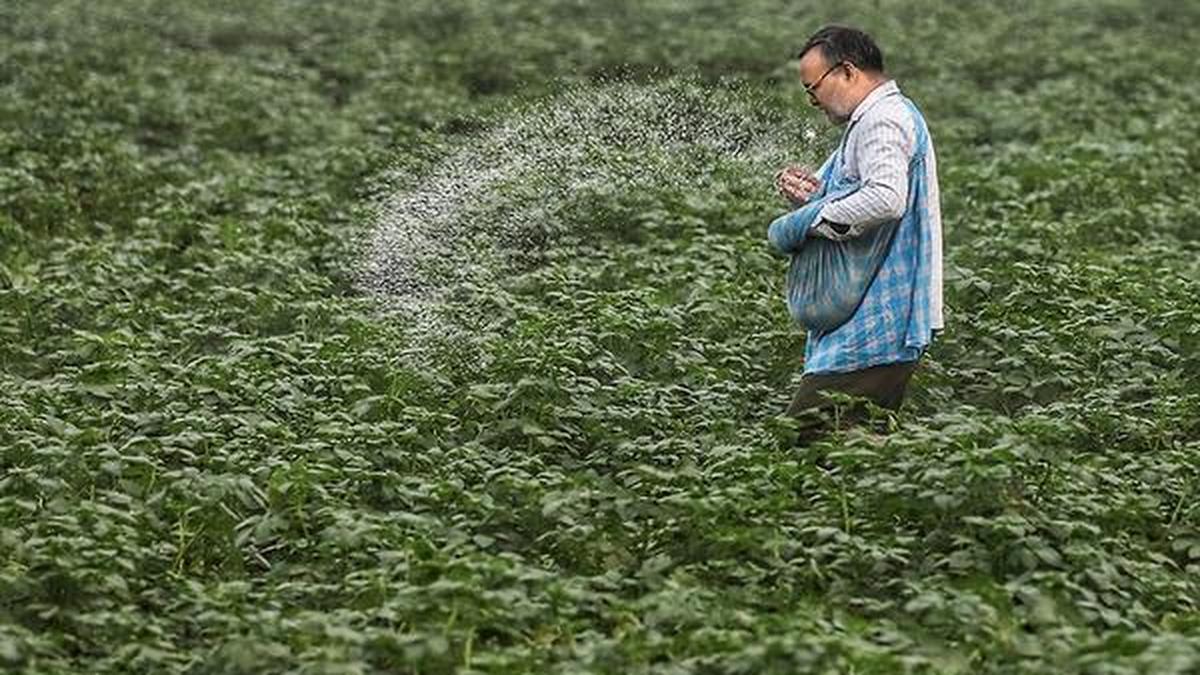
The fundamental limitation of traditional agricultural data is not its inaccuracy. It is its timing. A crop survey that tells a farmer what yields looked like last season is useful context. It is not a decision-making tool. By the time field survey data is collected, aggregated, and distributed, the season it describes is already over.
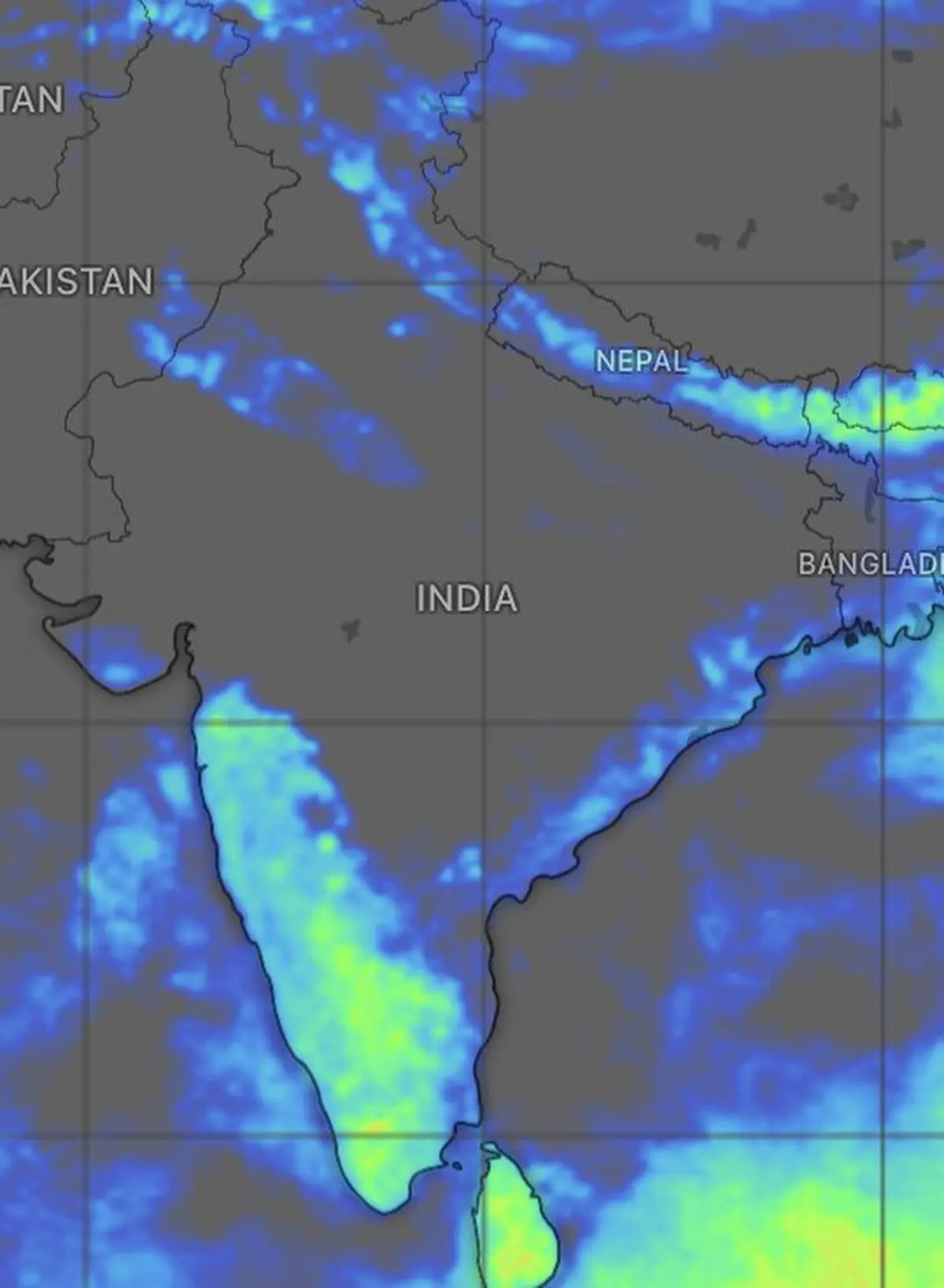
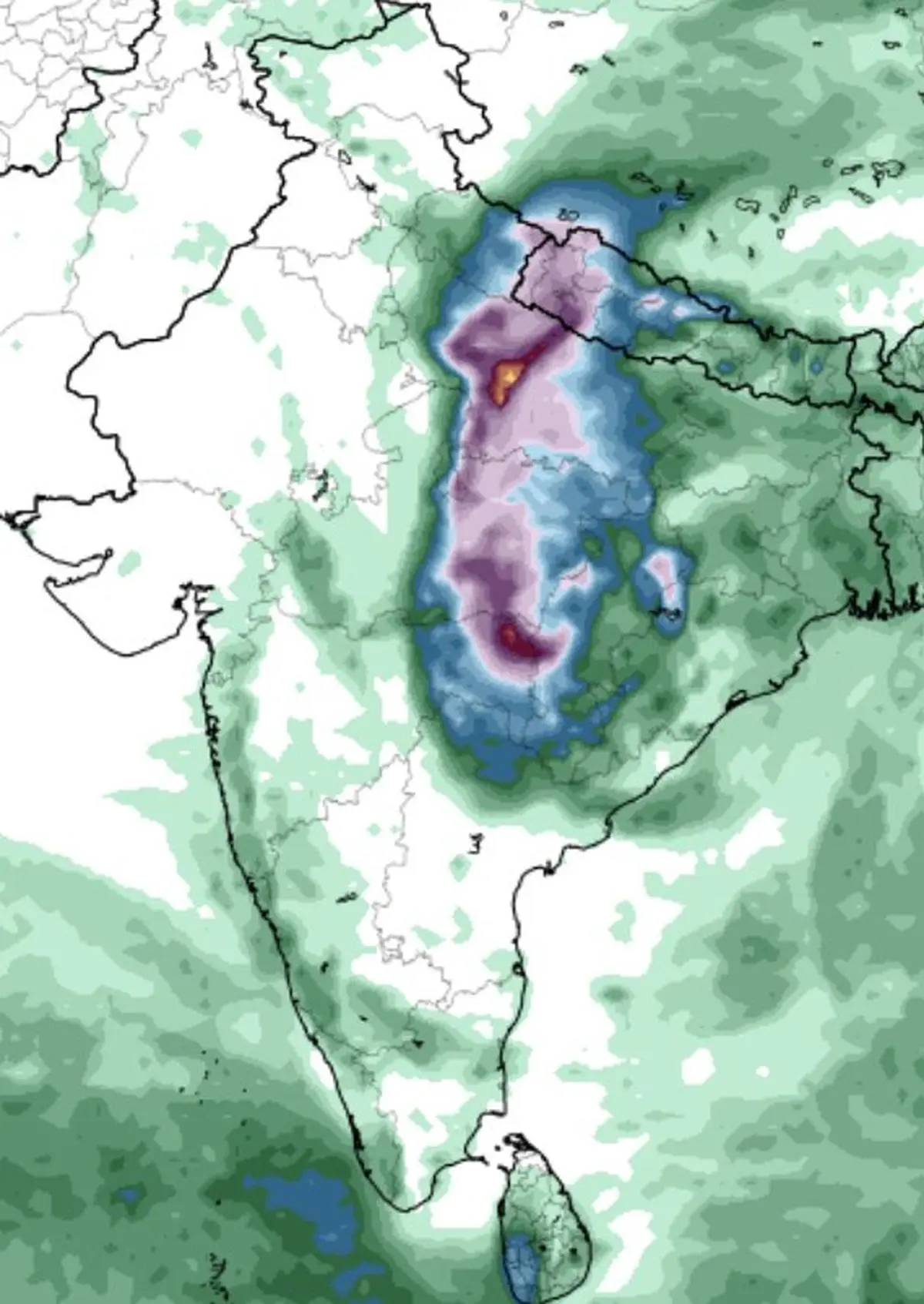
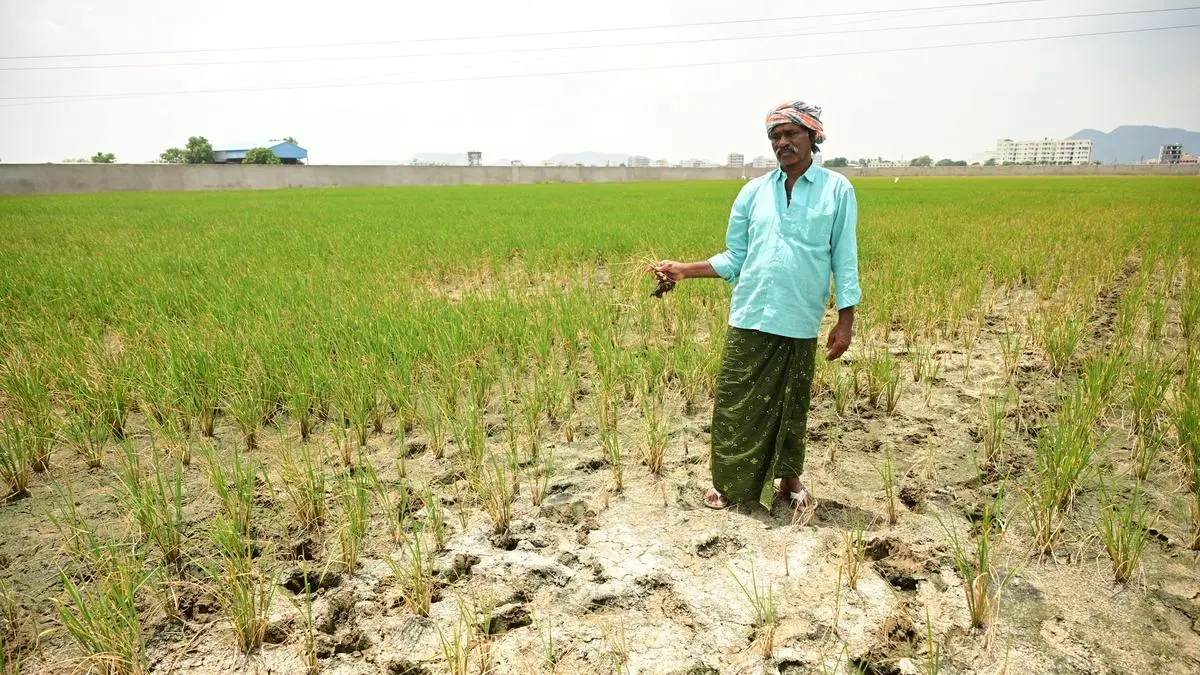
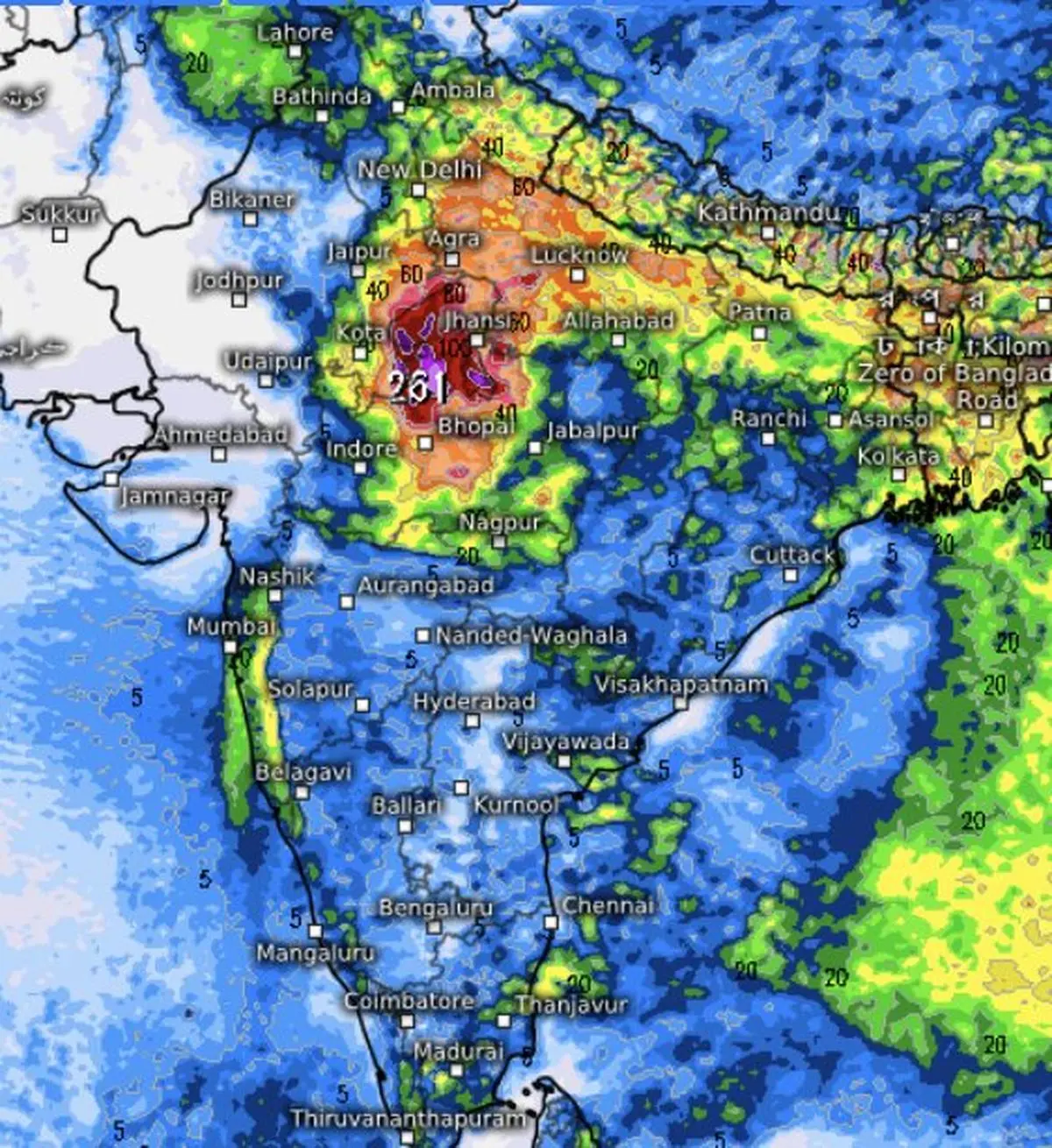
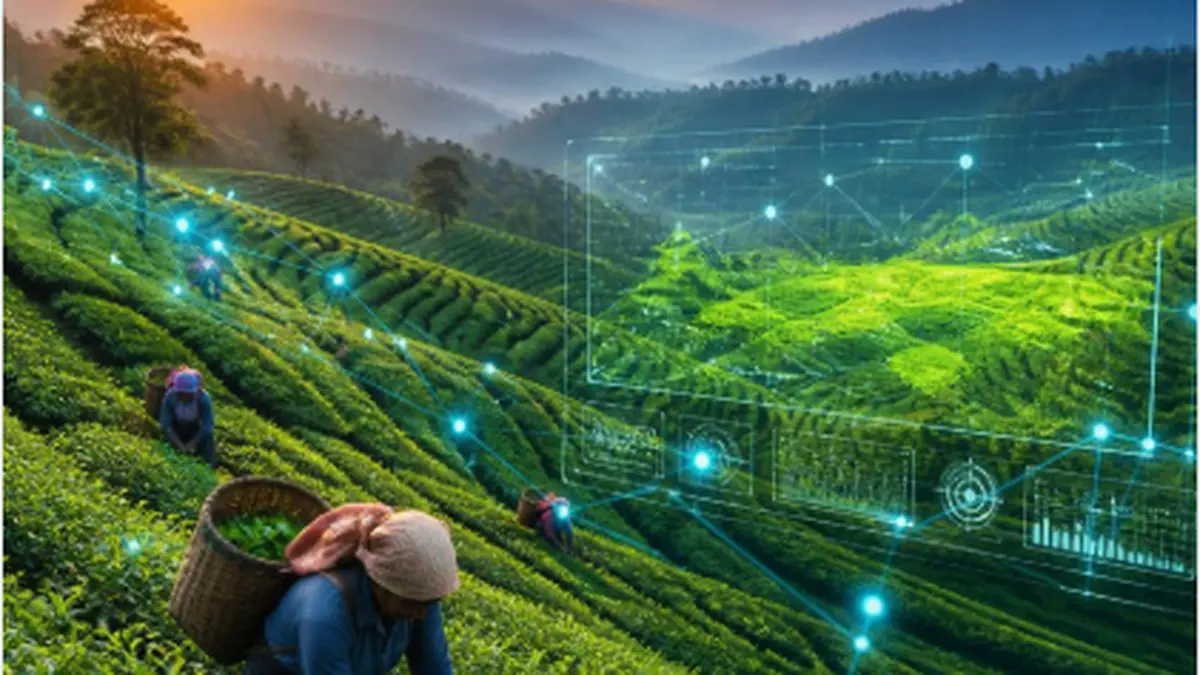
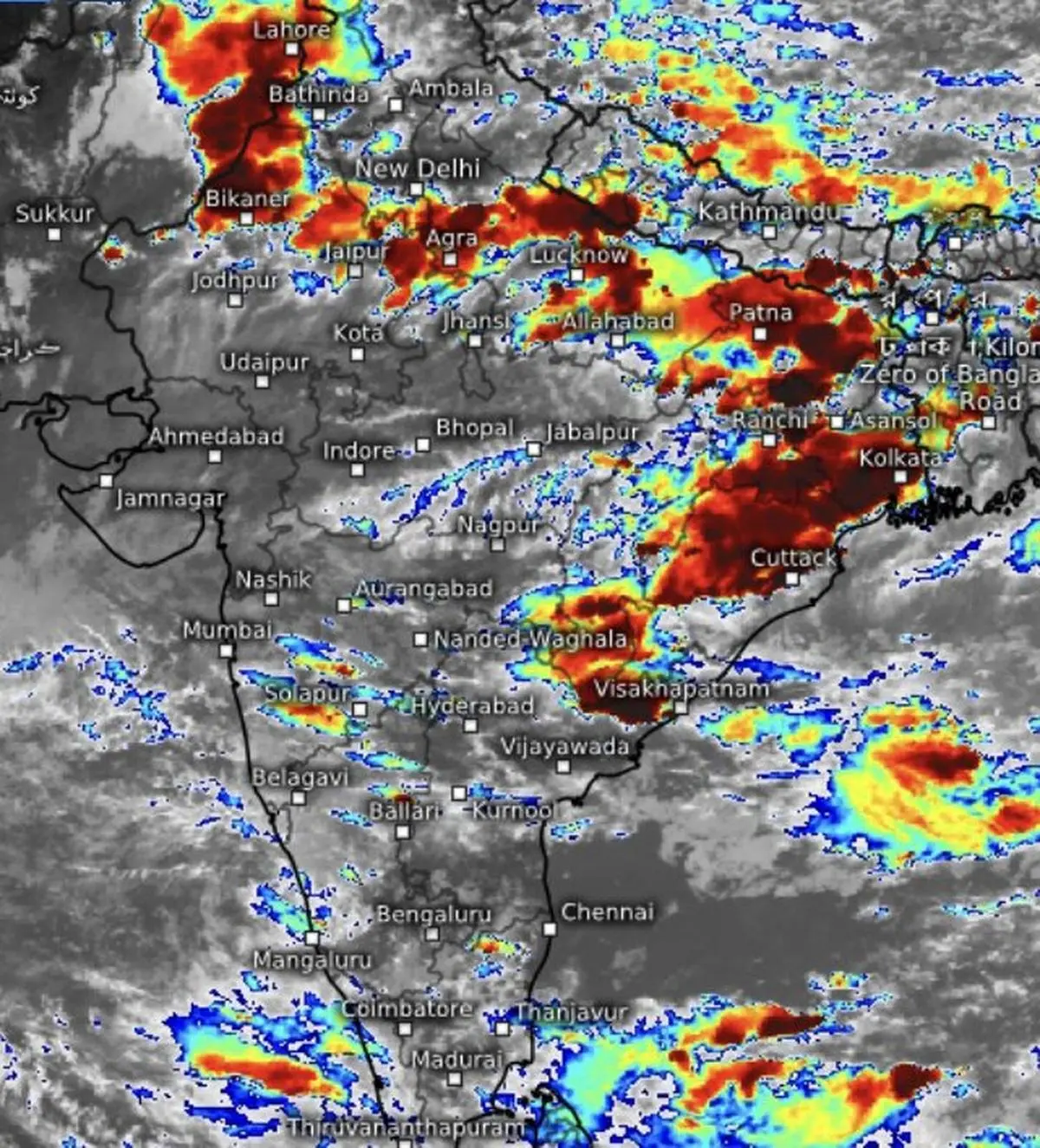
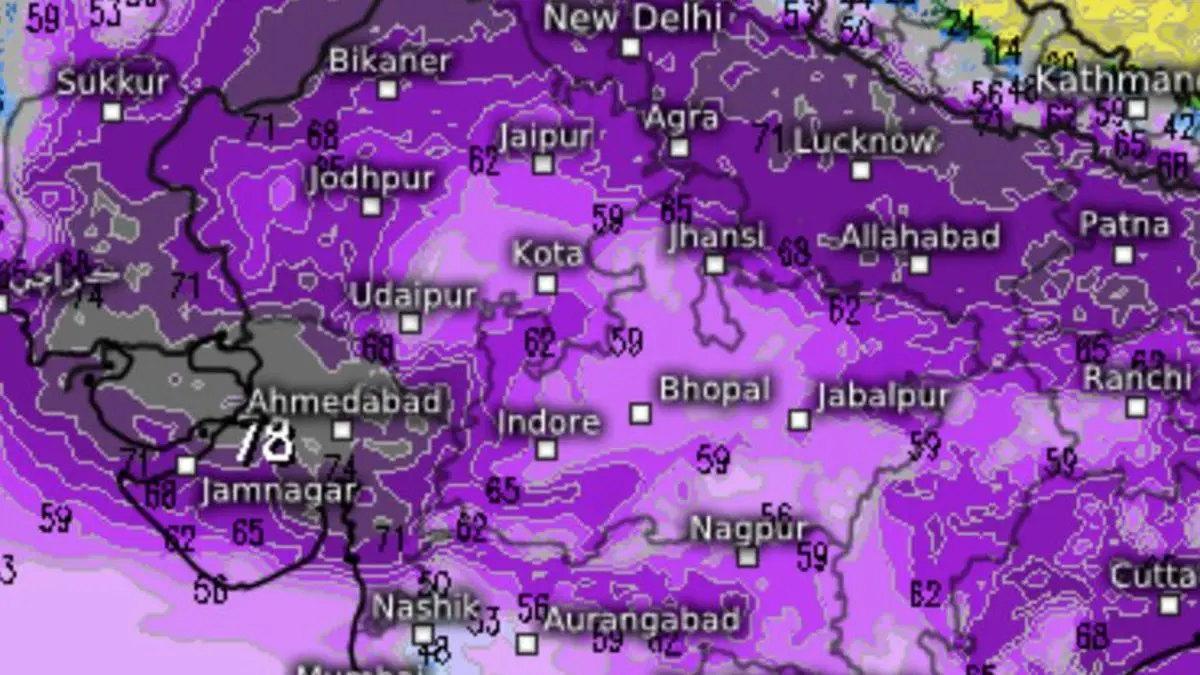
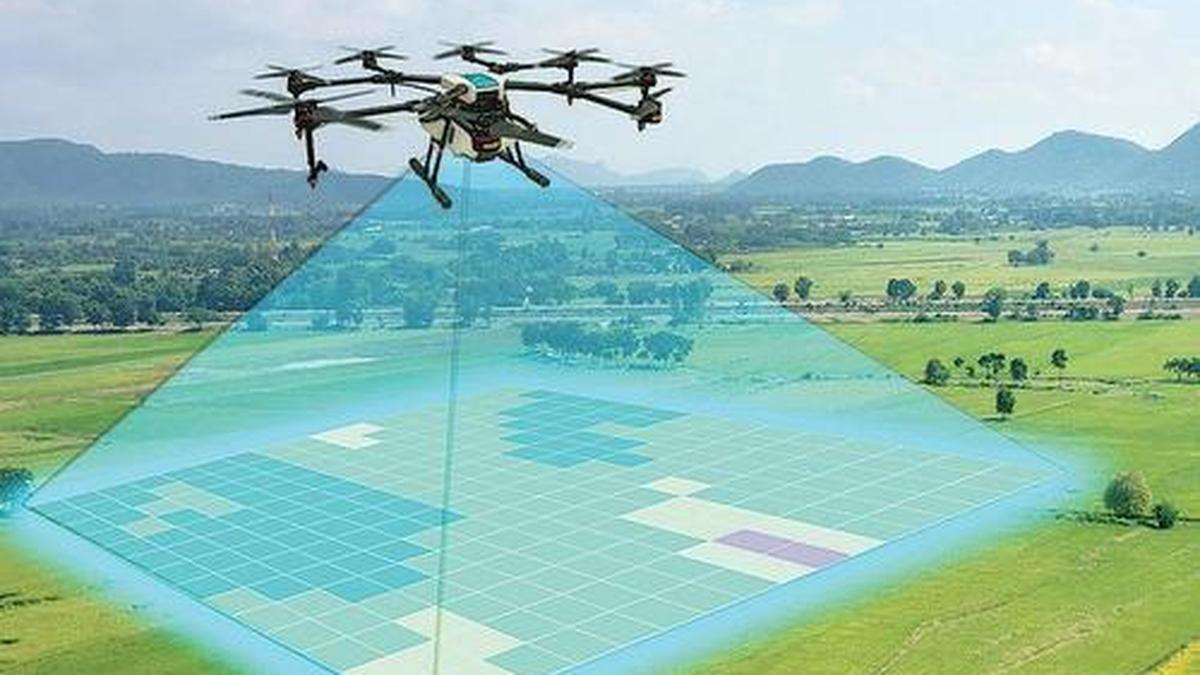
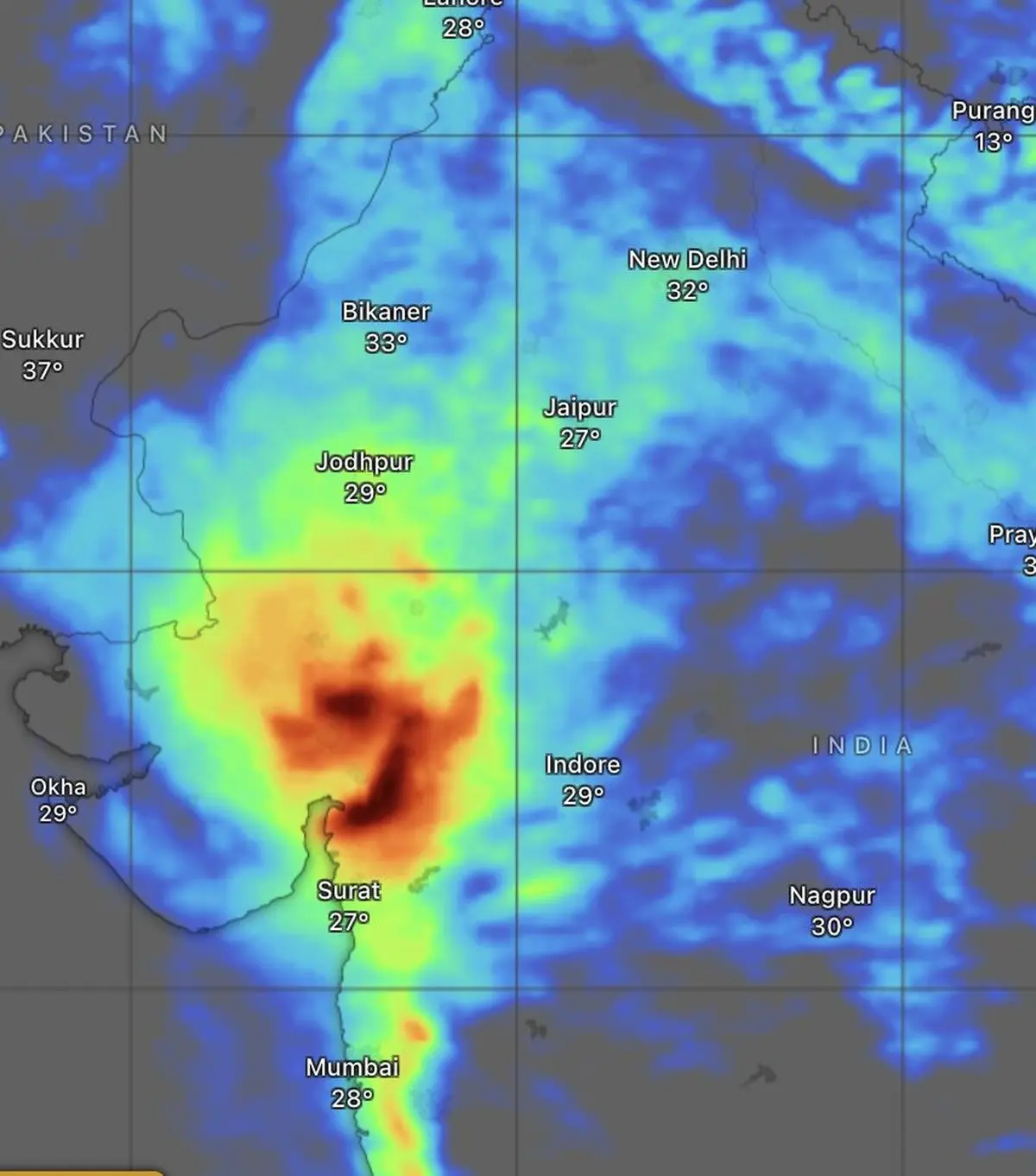
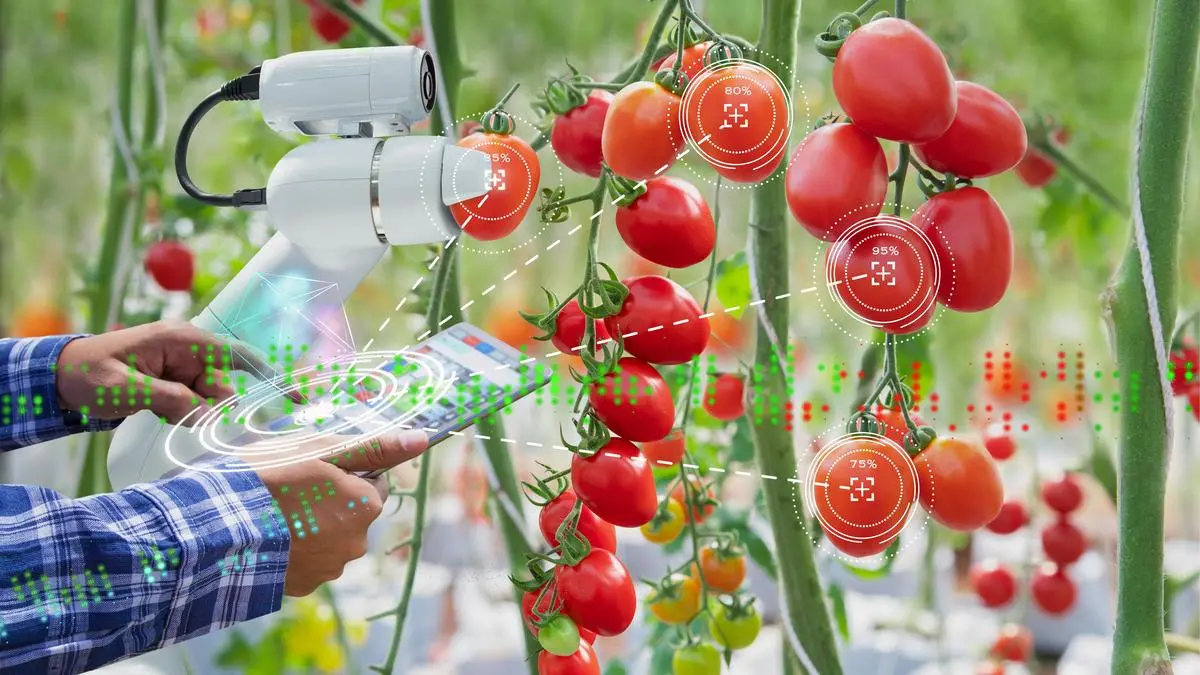
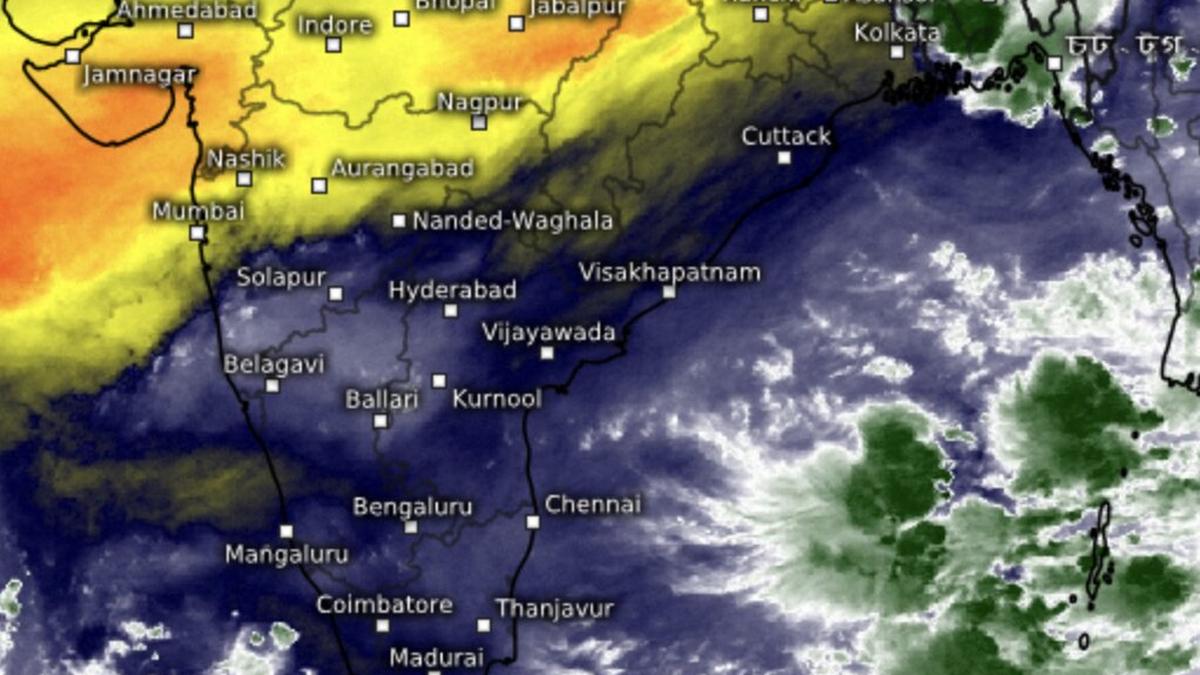
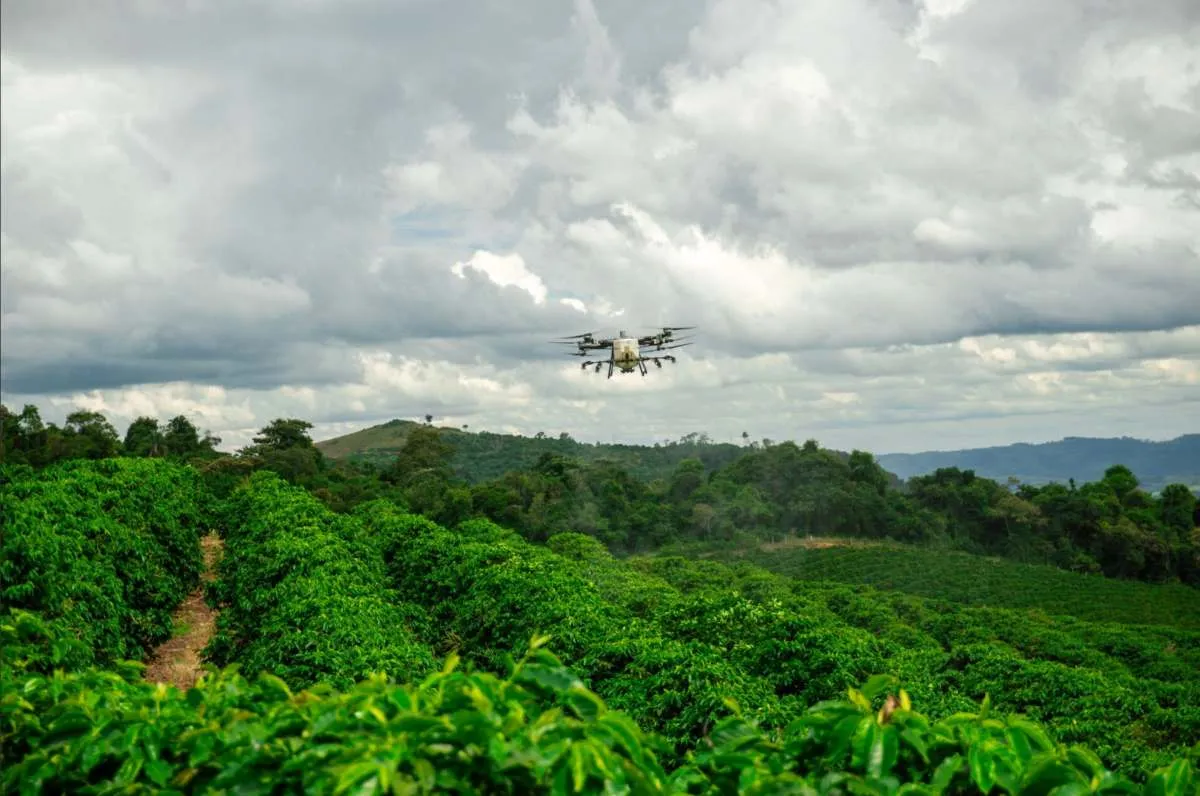
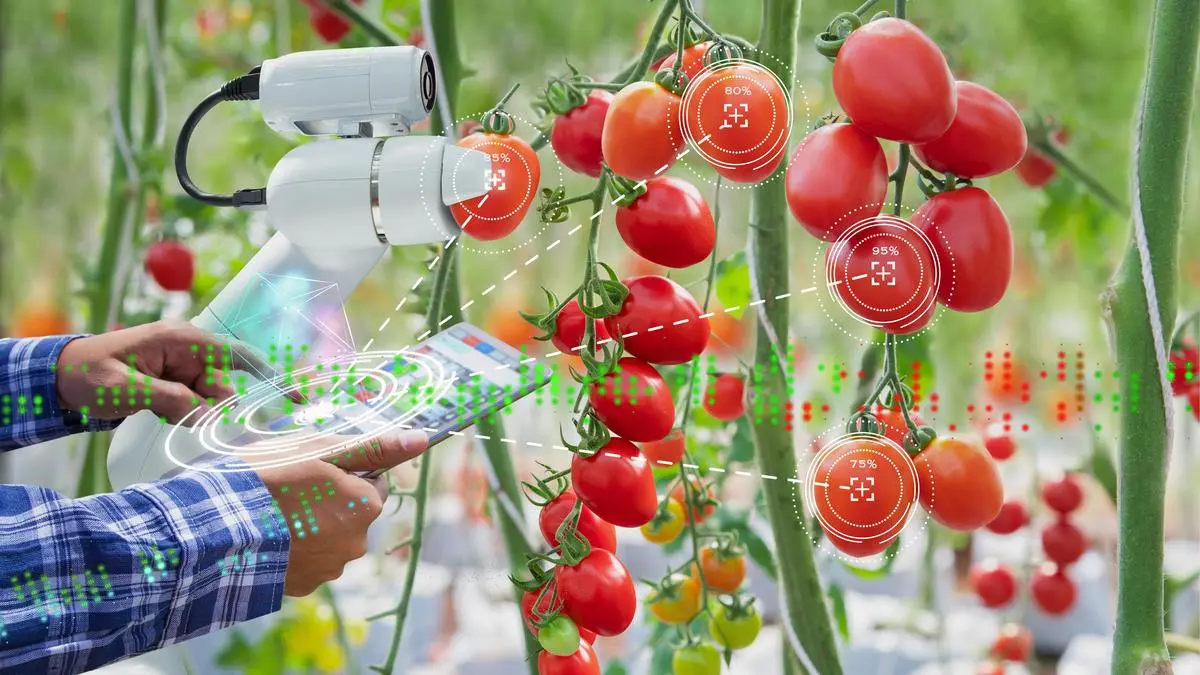
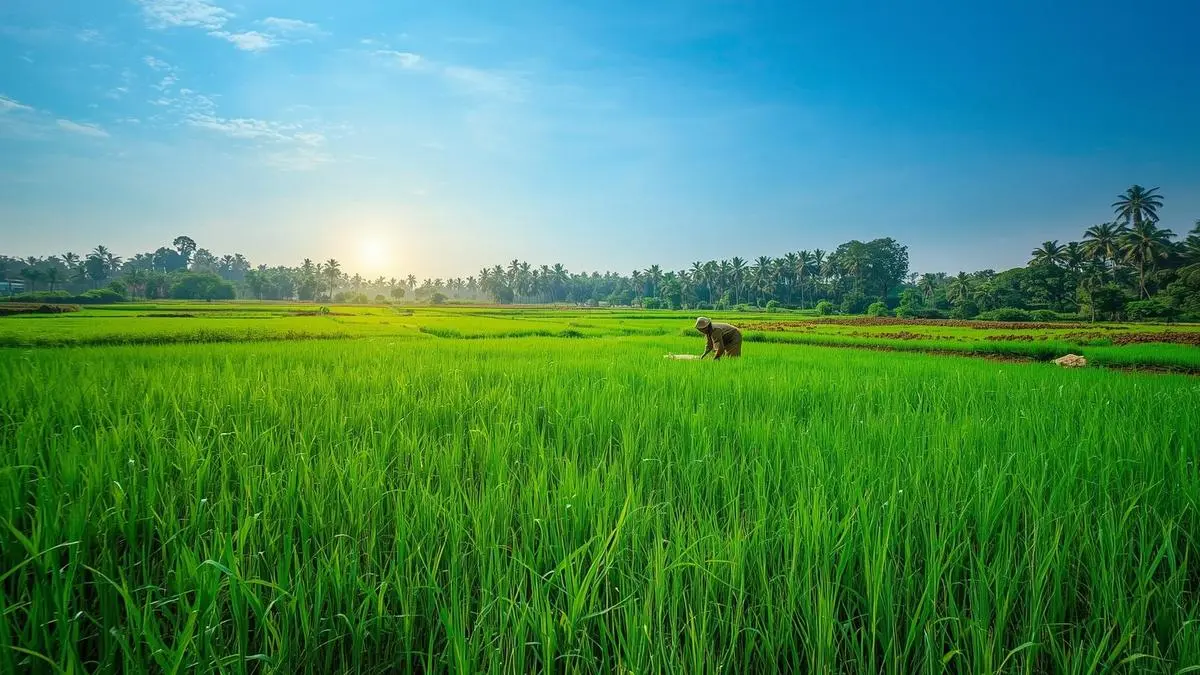
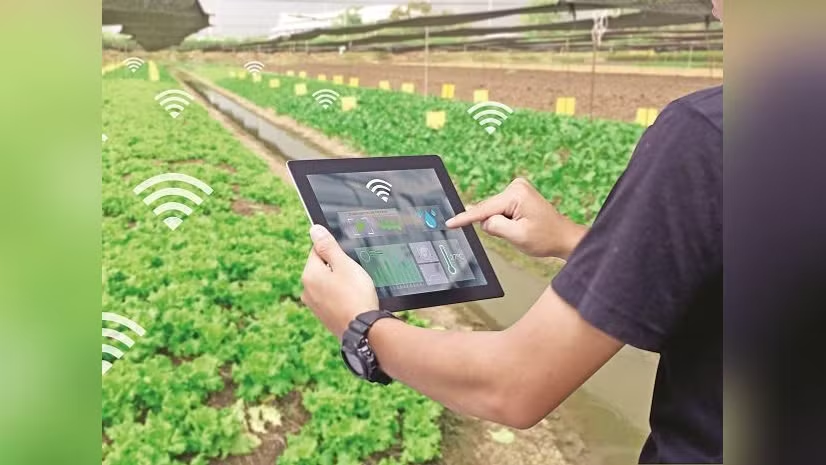
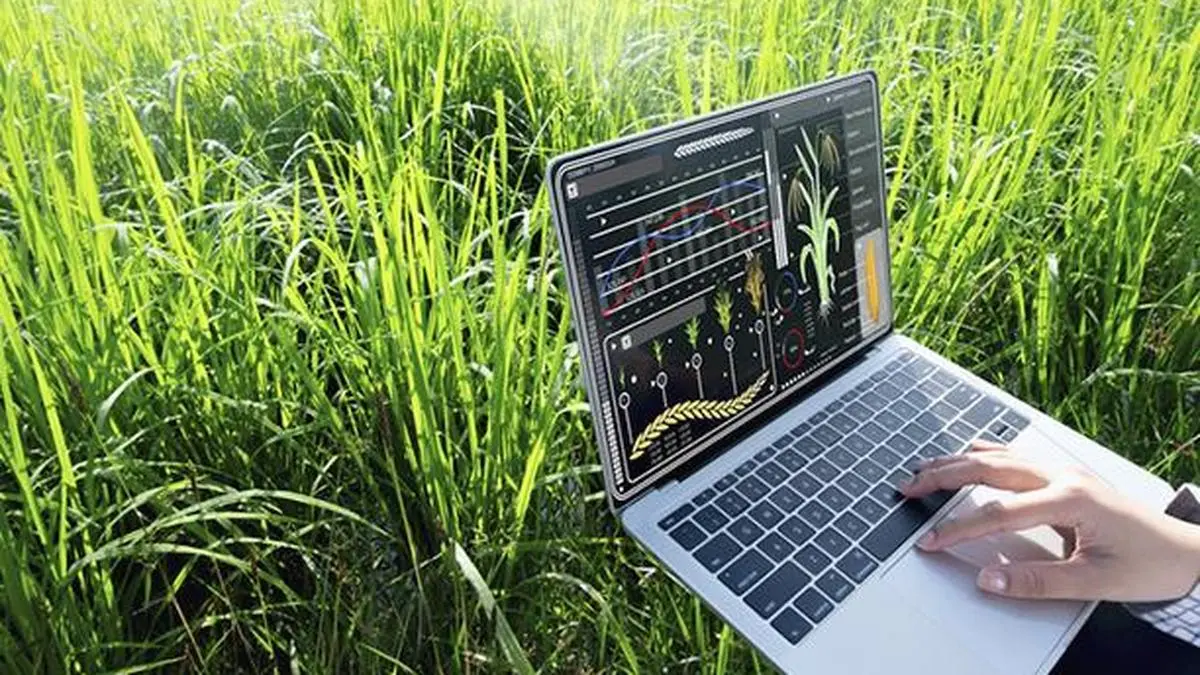
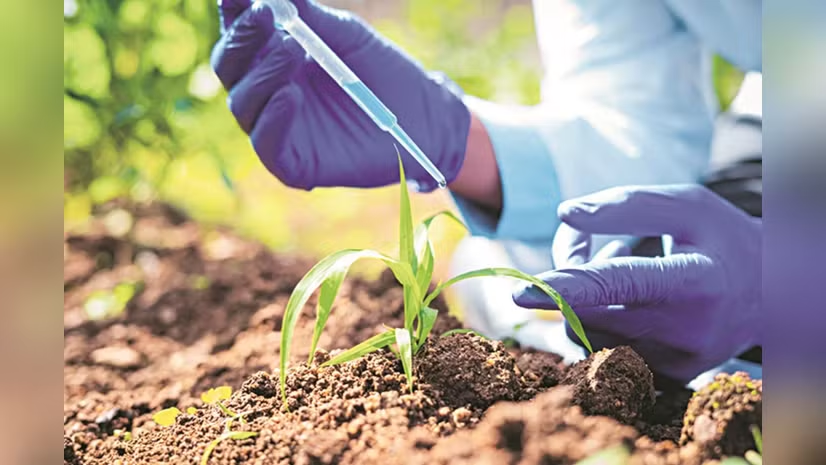
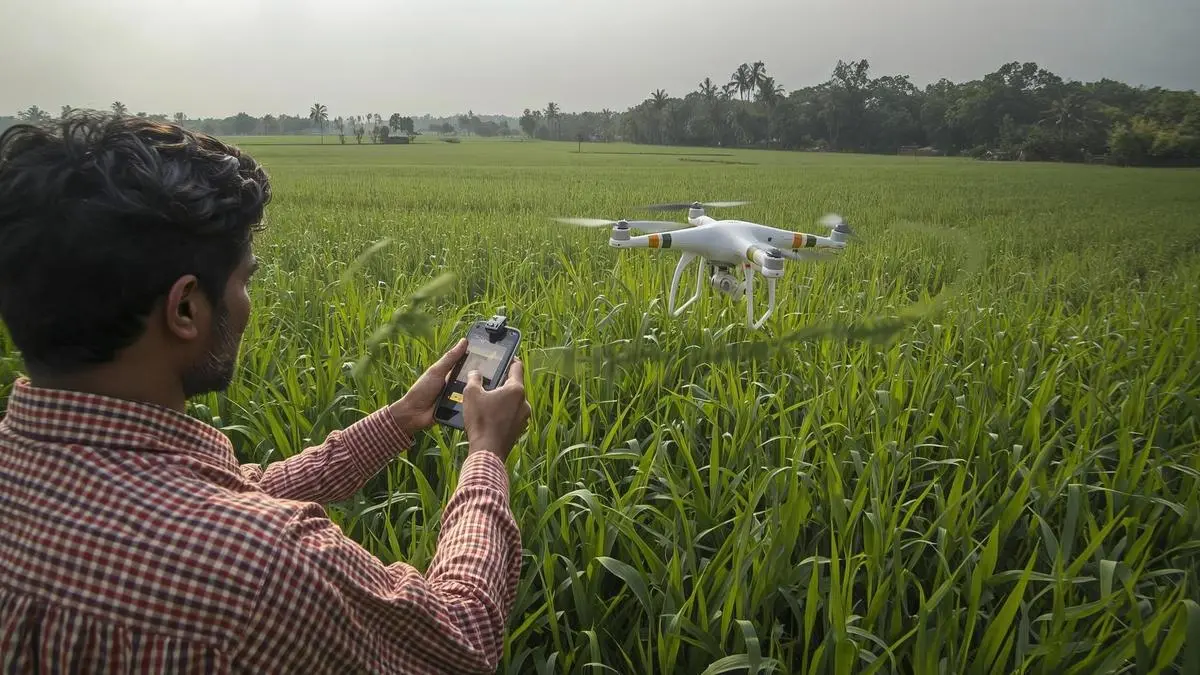
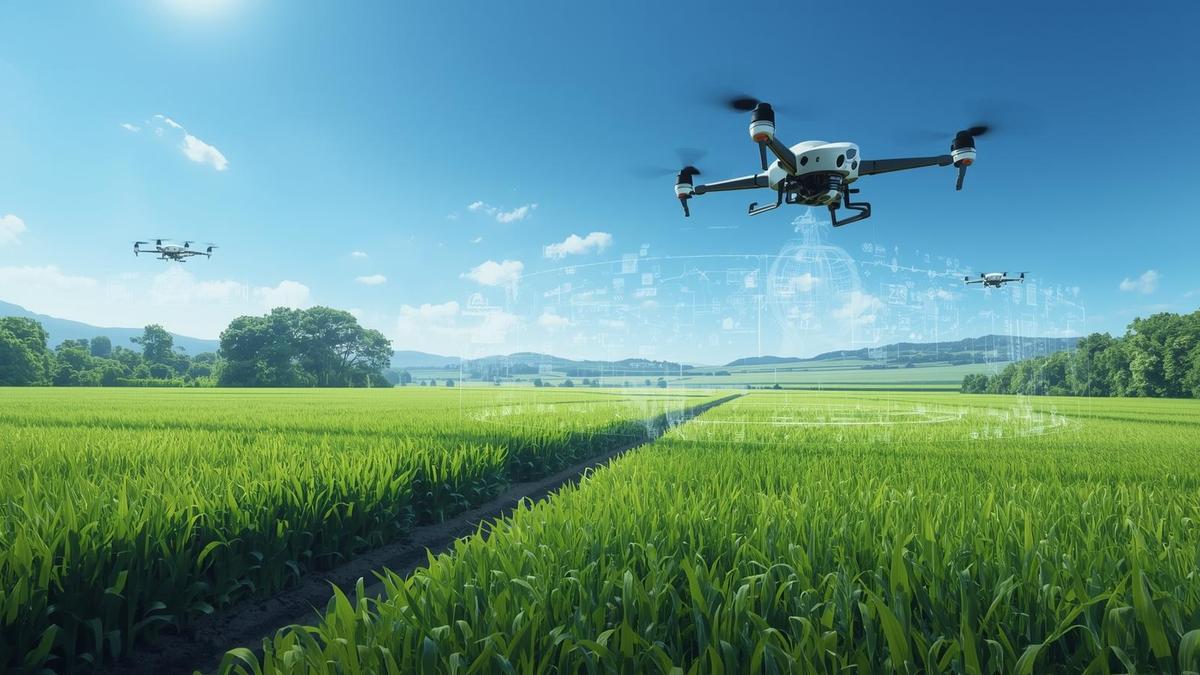
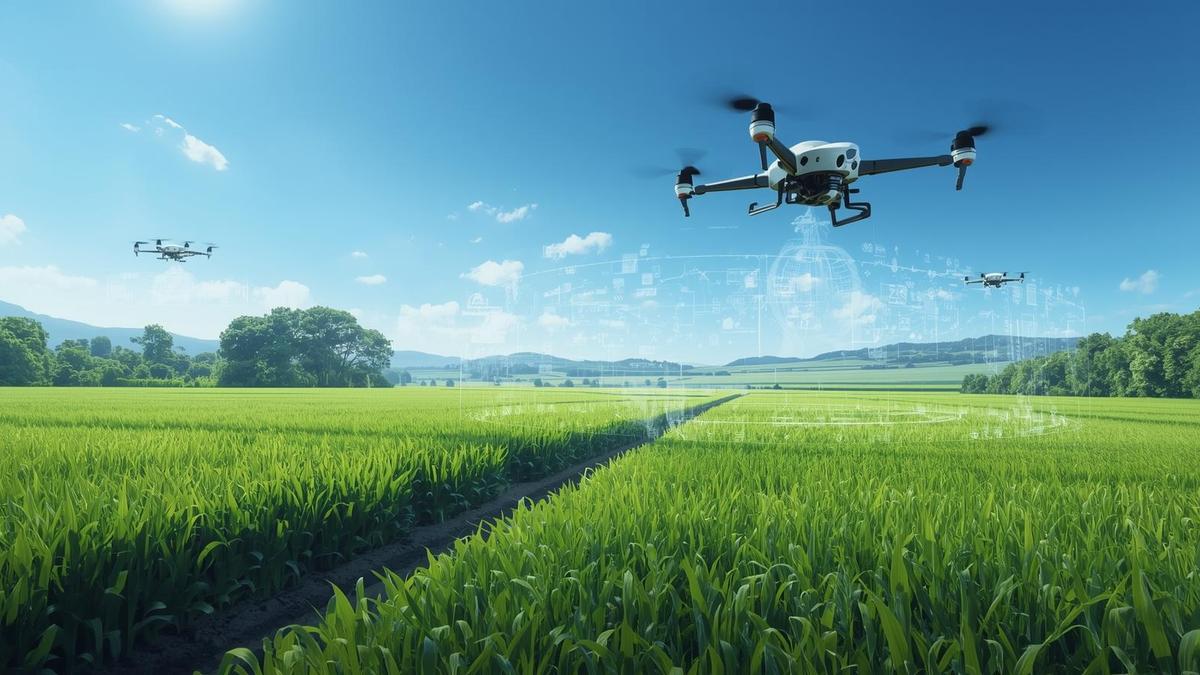
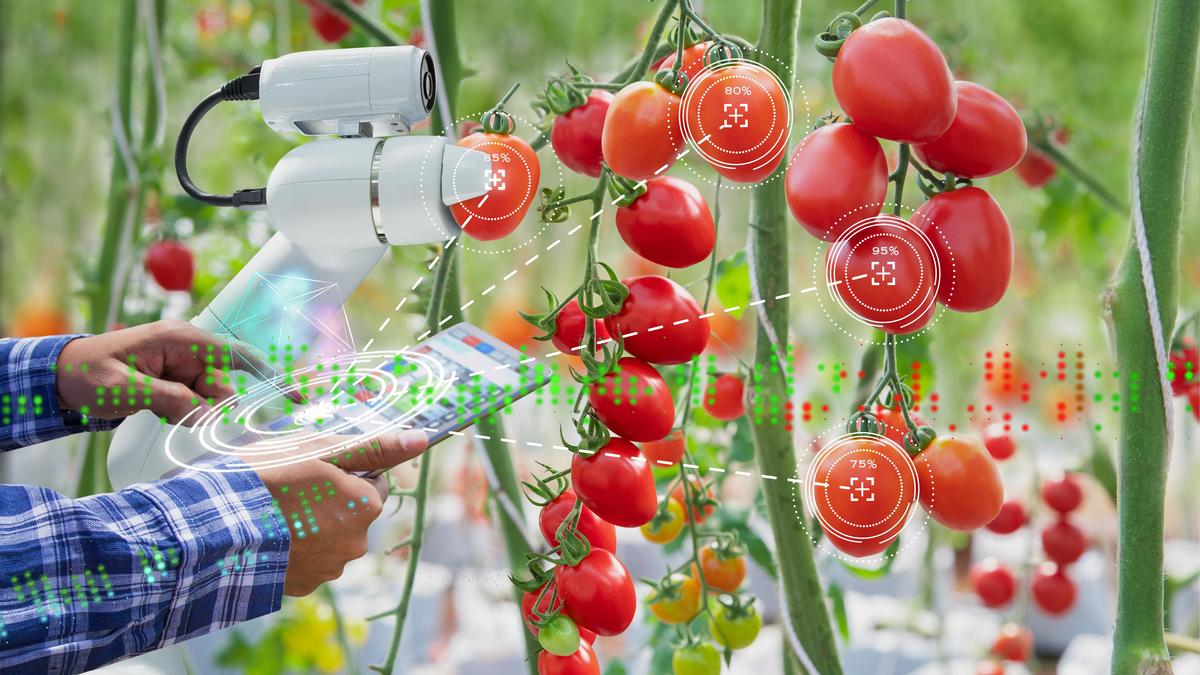
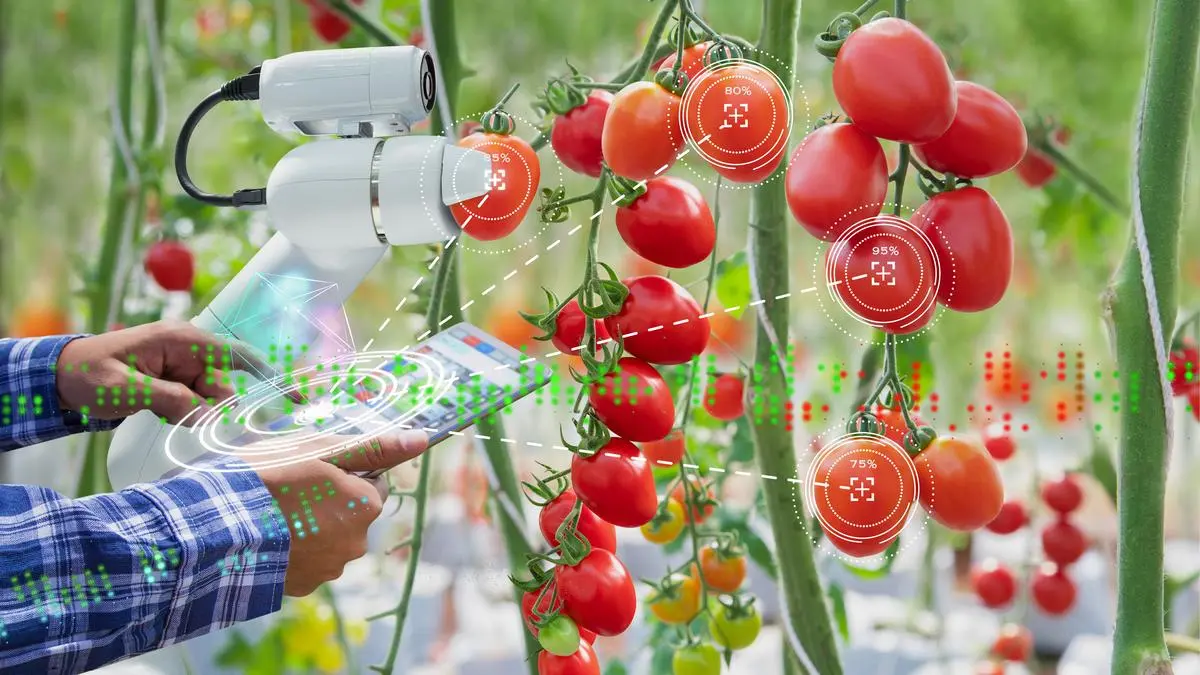
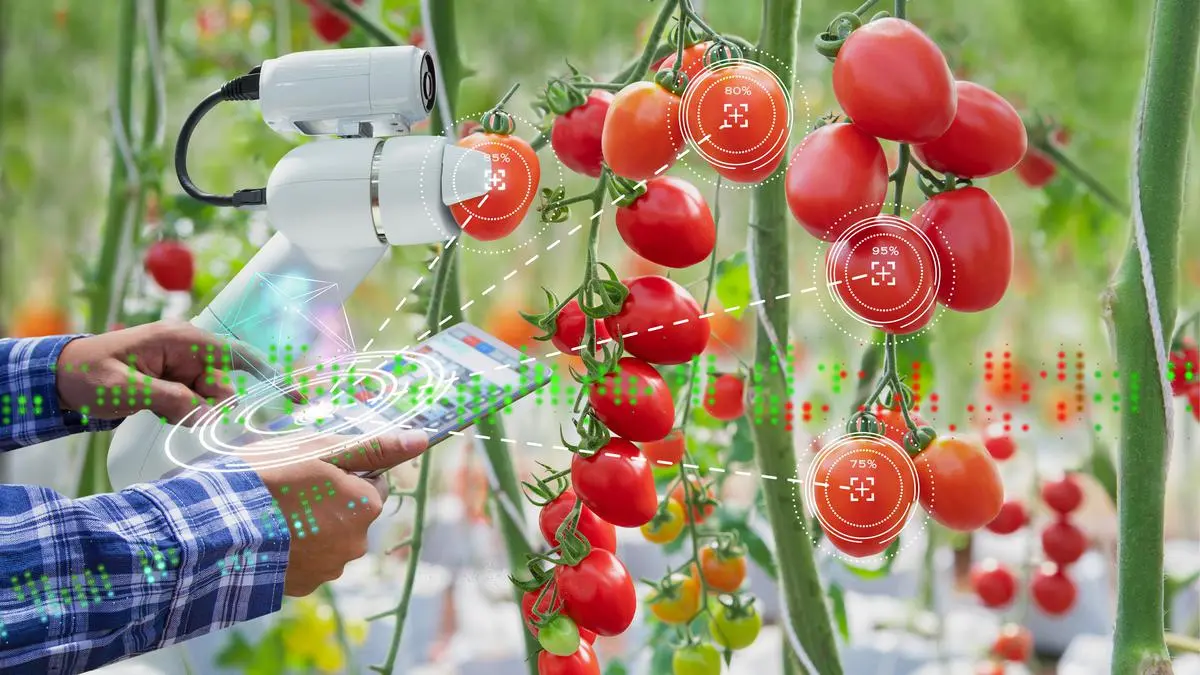
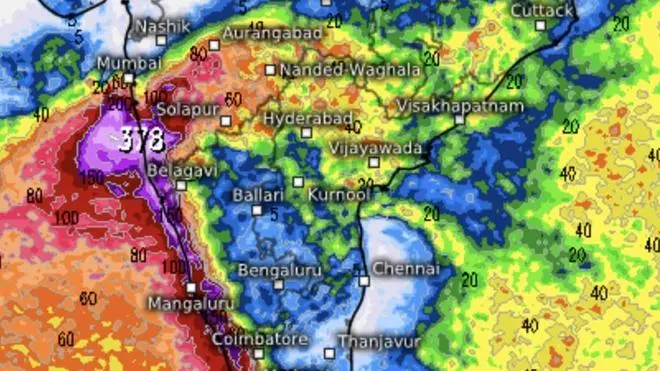
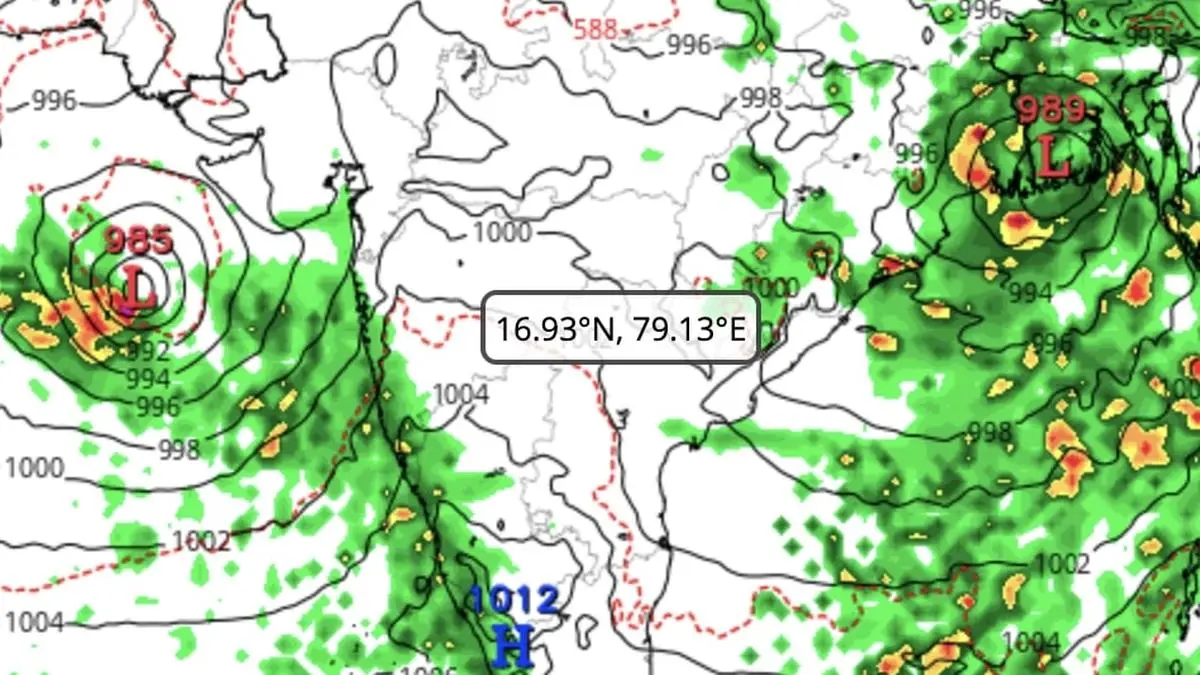
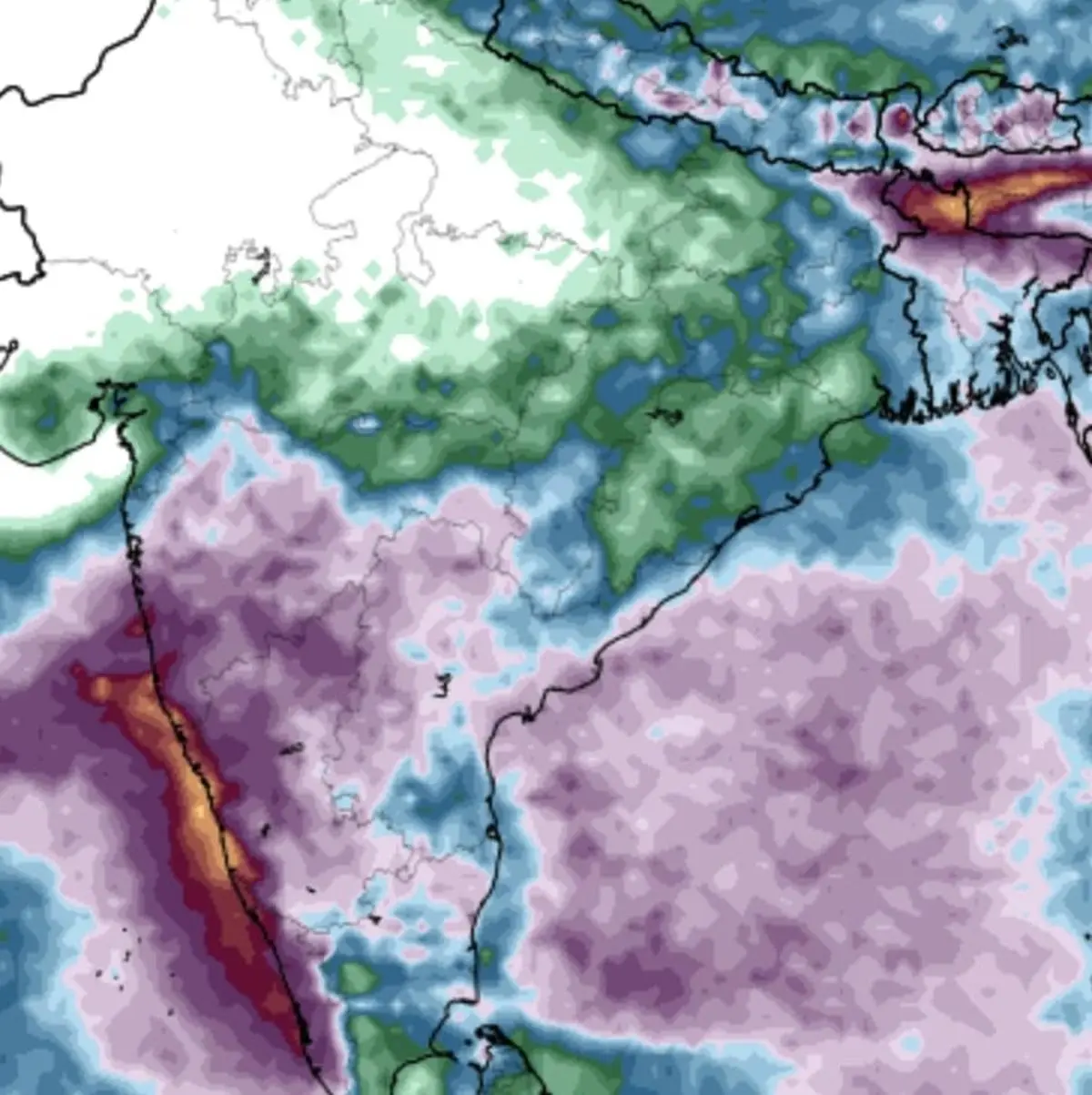
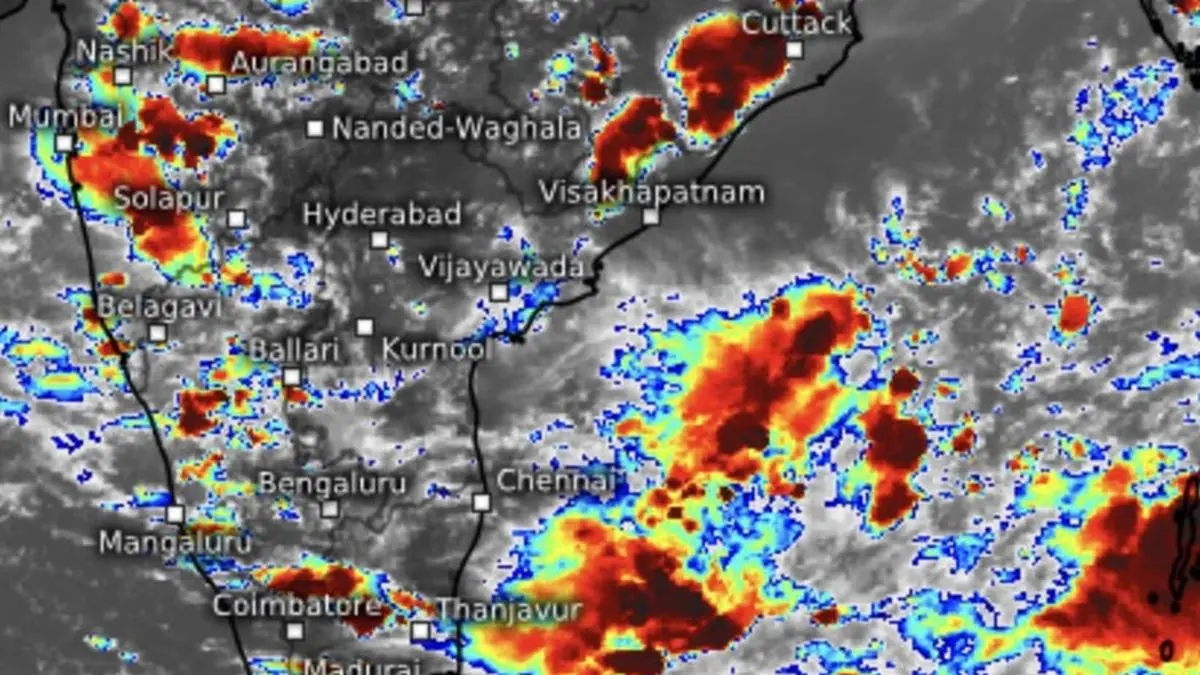
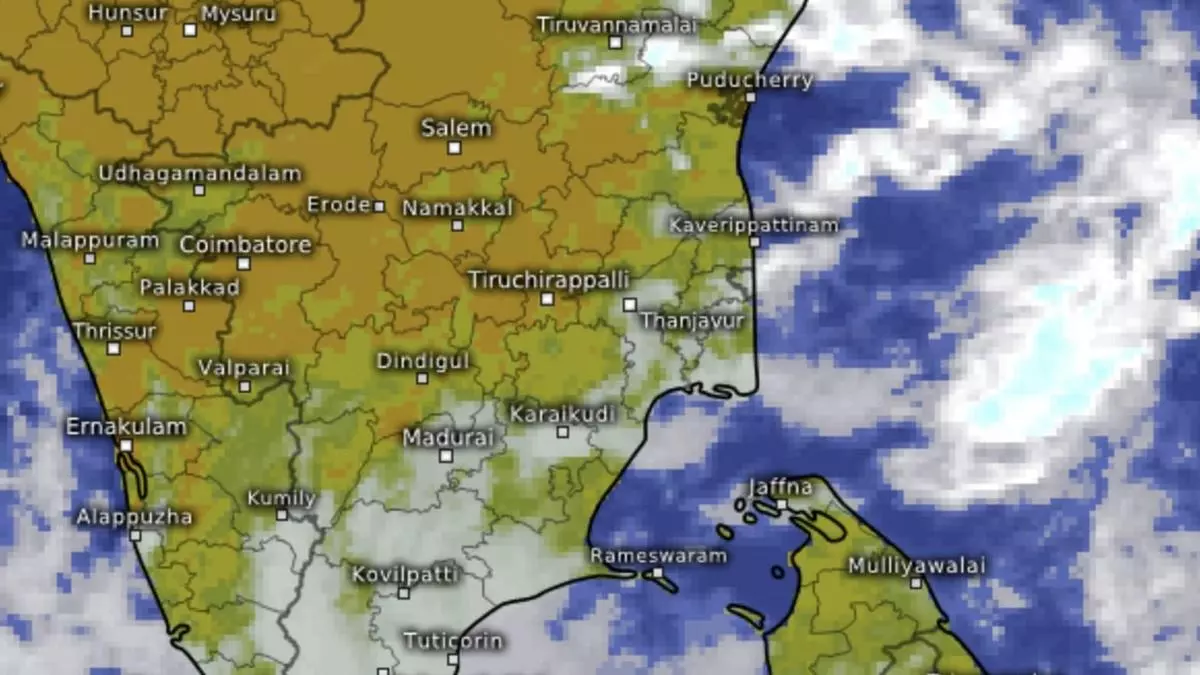
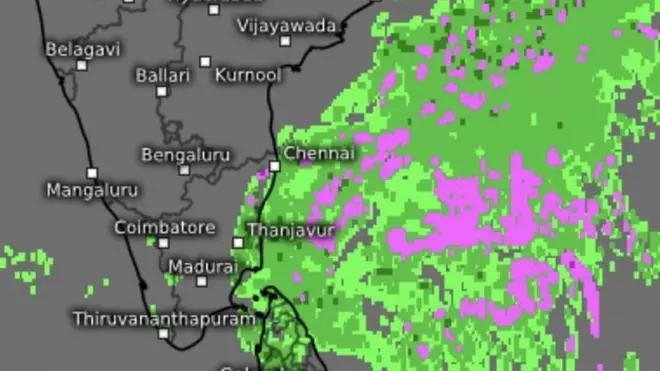
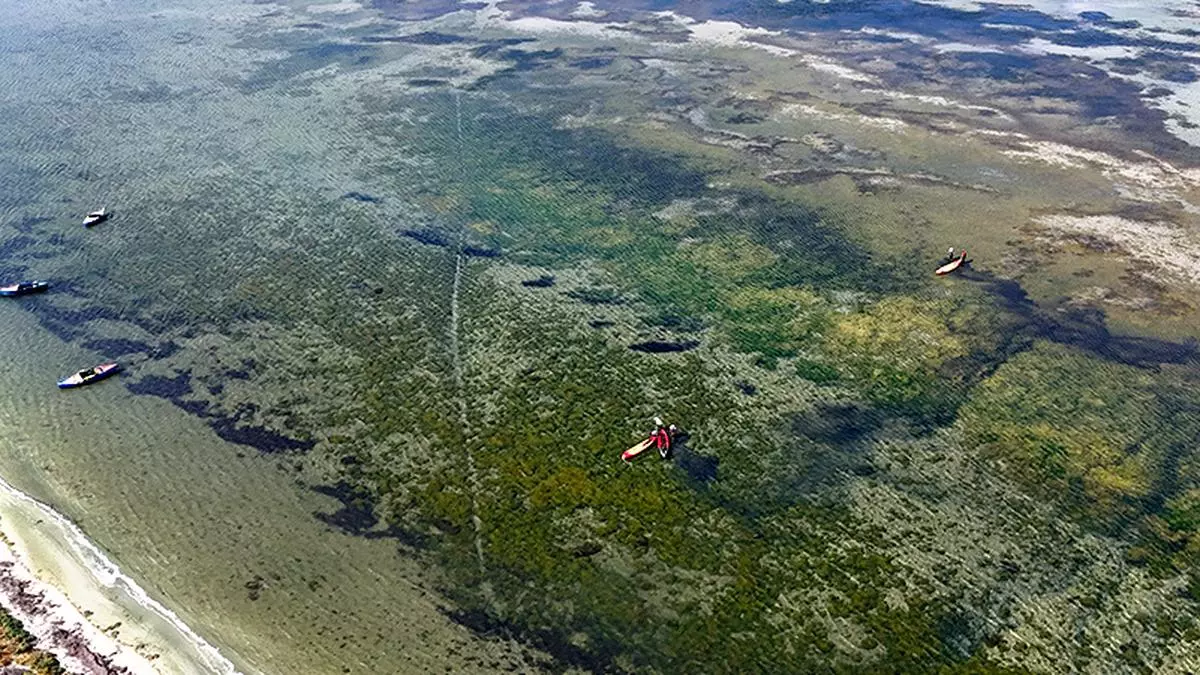
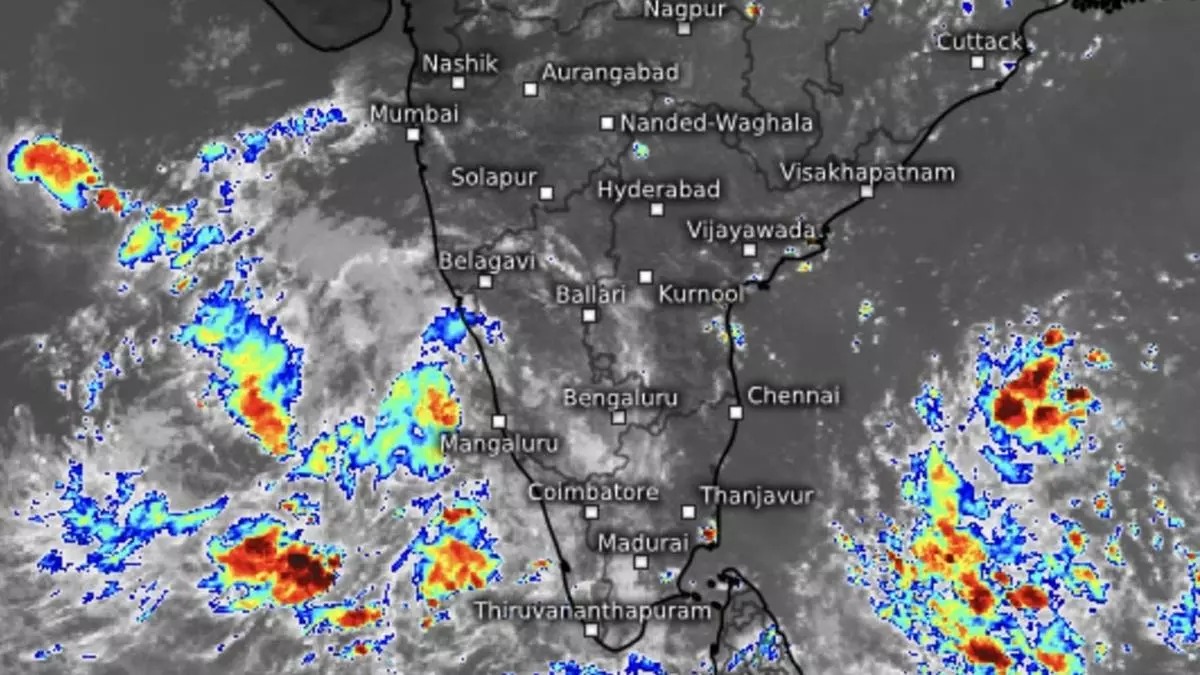
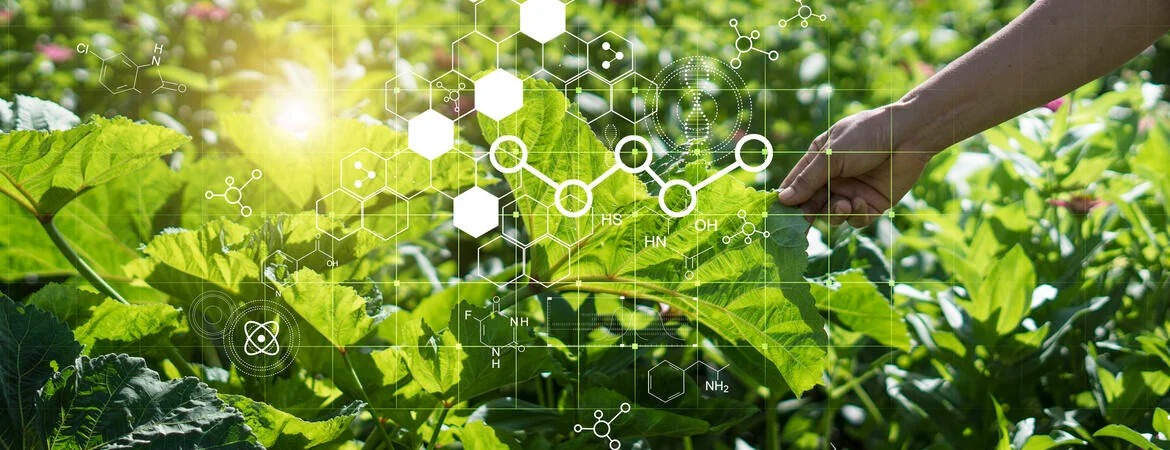
AI-powered decision support systems work on an entirely different timeline. By processing satellite imagery, hyper-localised weather feeds, and soil property data simultaneously, these systems build a picture of what is happening in a specific field, right now, rather than what happened across a region, months ago. Lightweight transformer models, built to handle large and varied datasets without requiring expensive computing infrastructure, can detect changes in crop stress, soil moisture, and canopy health that no field survey could catch in time to act on.