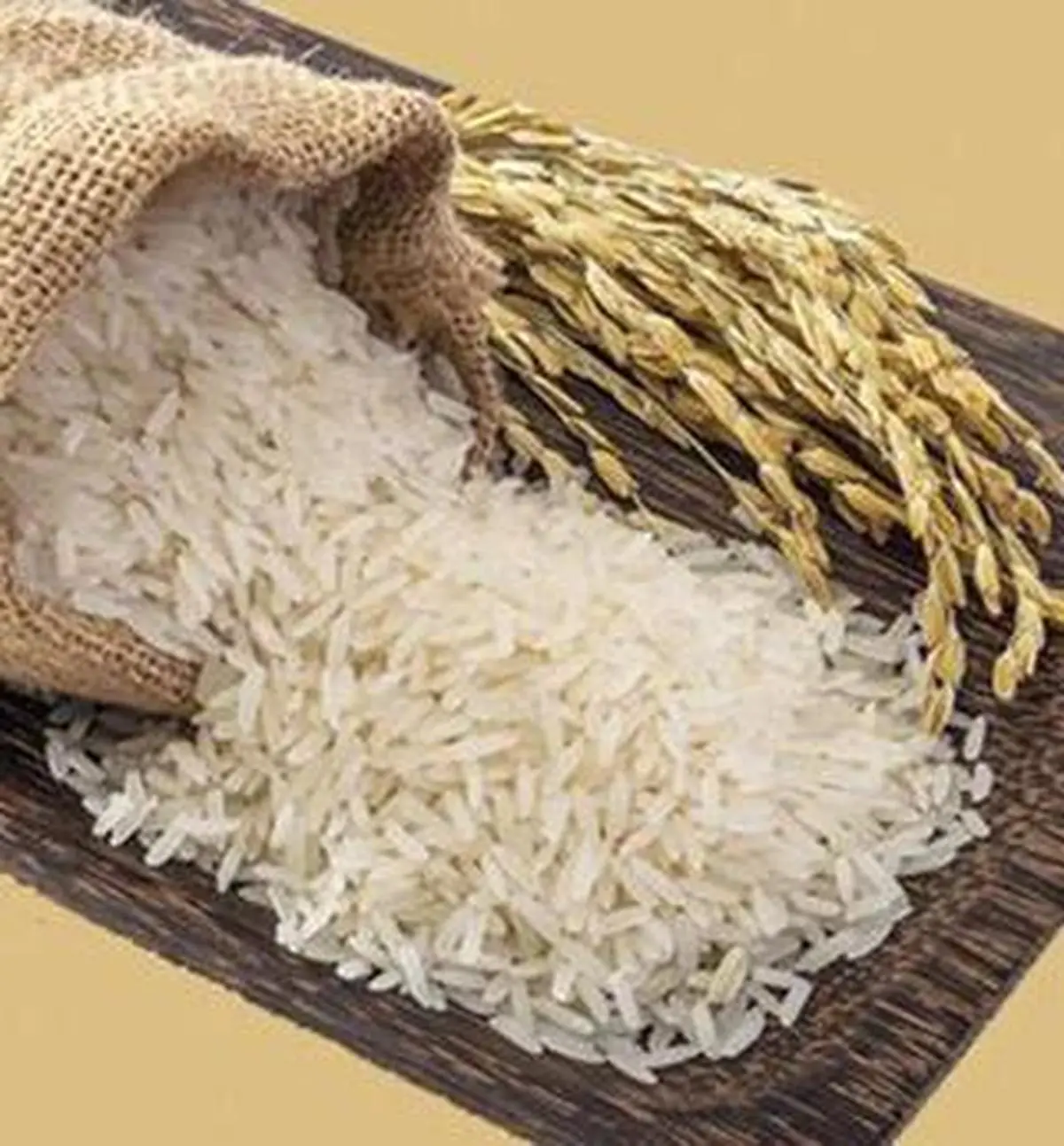
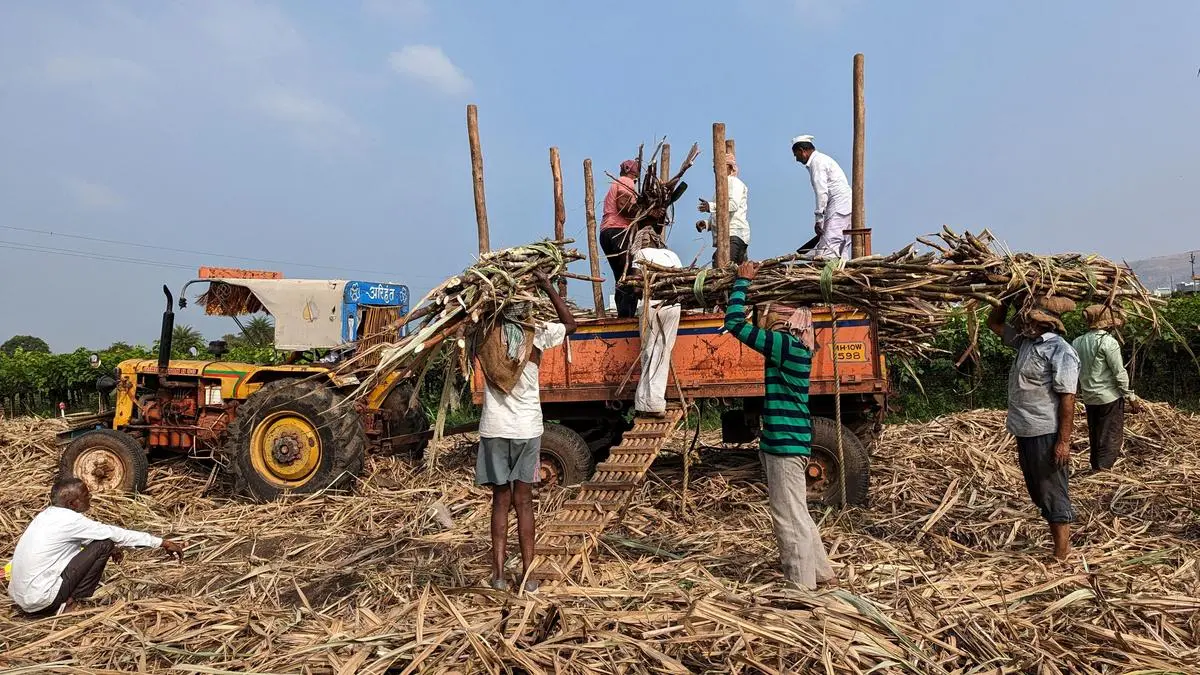
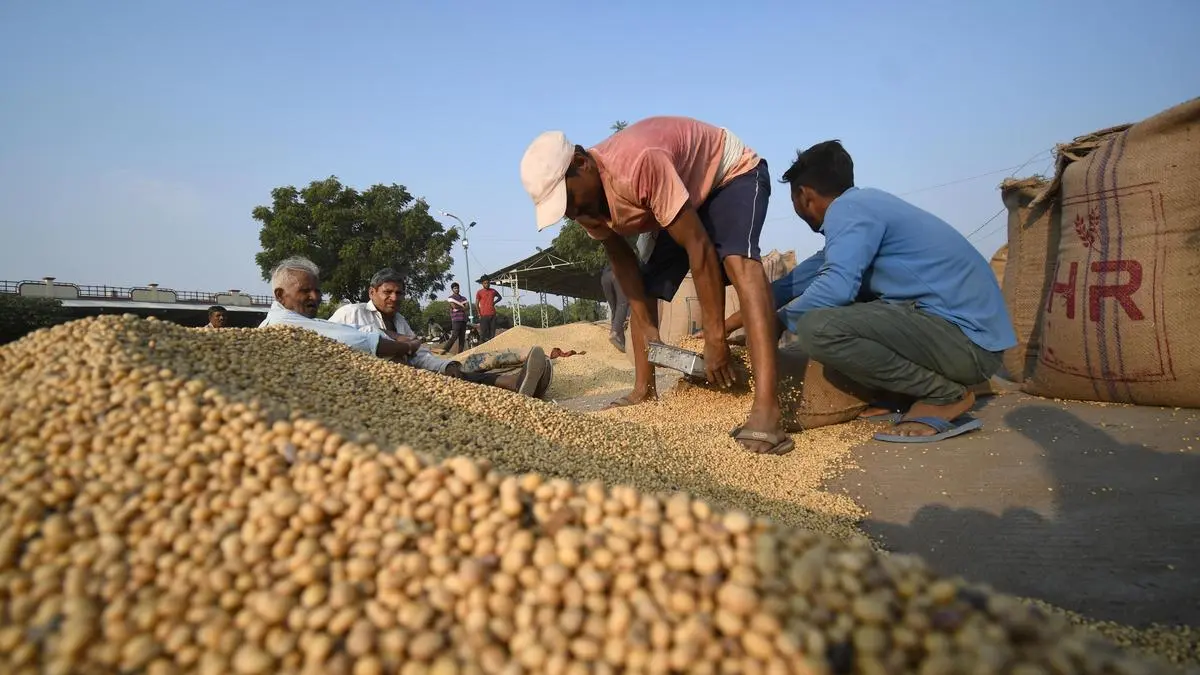
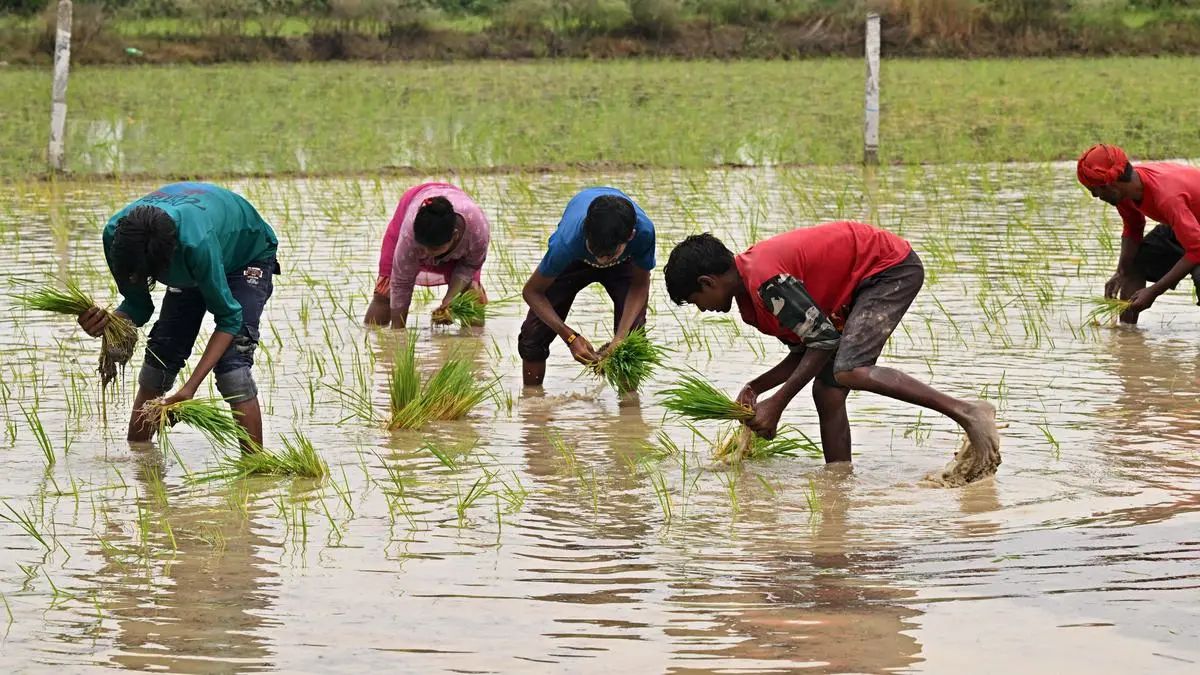
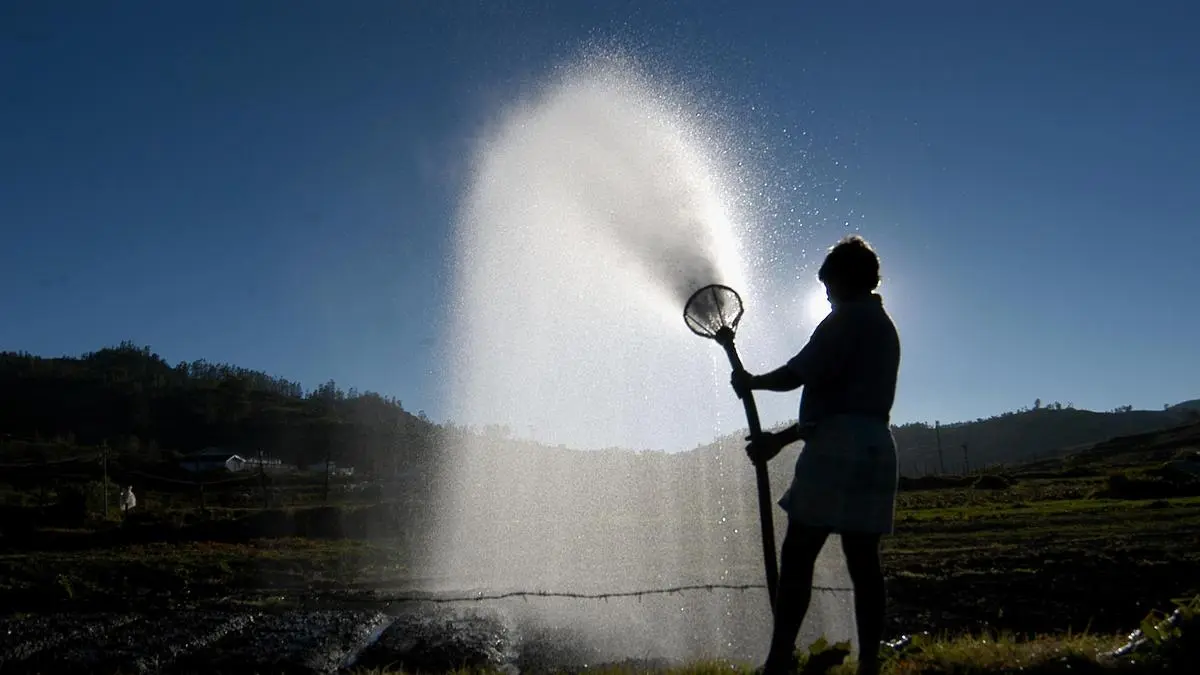
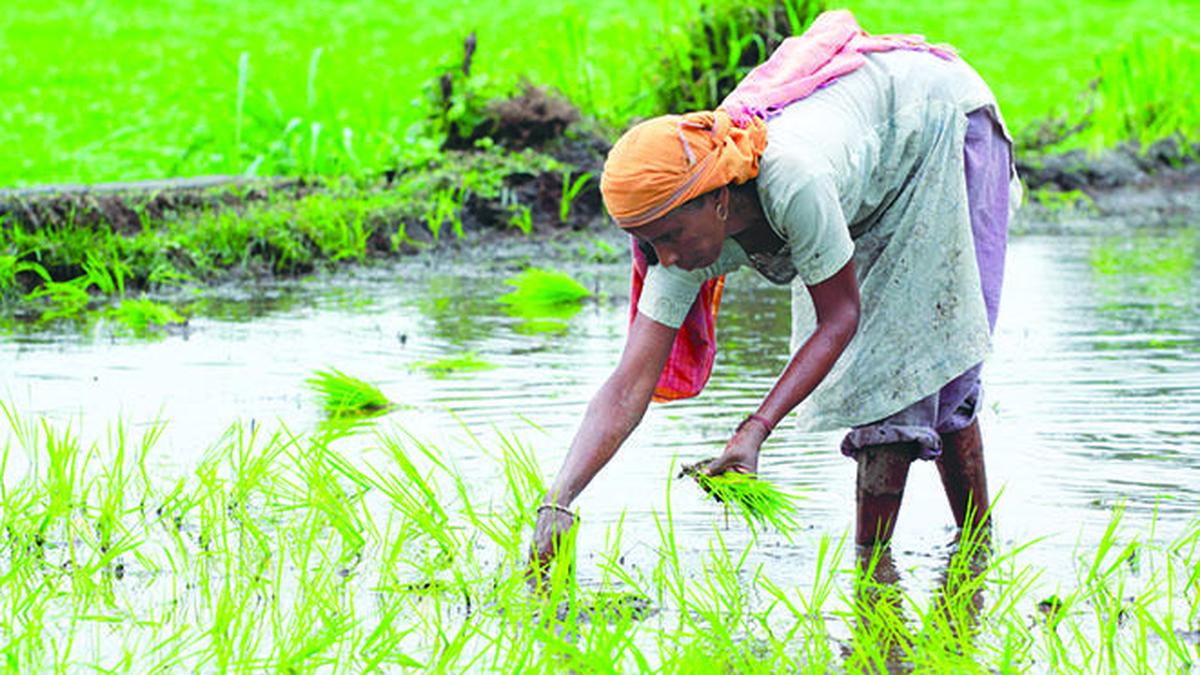
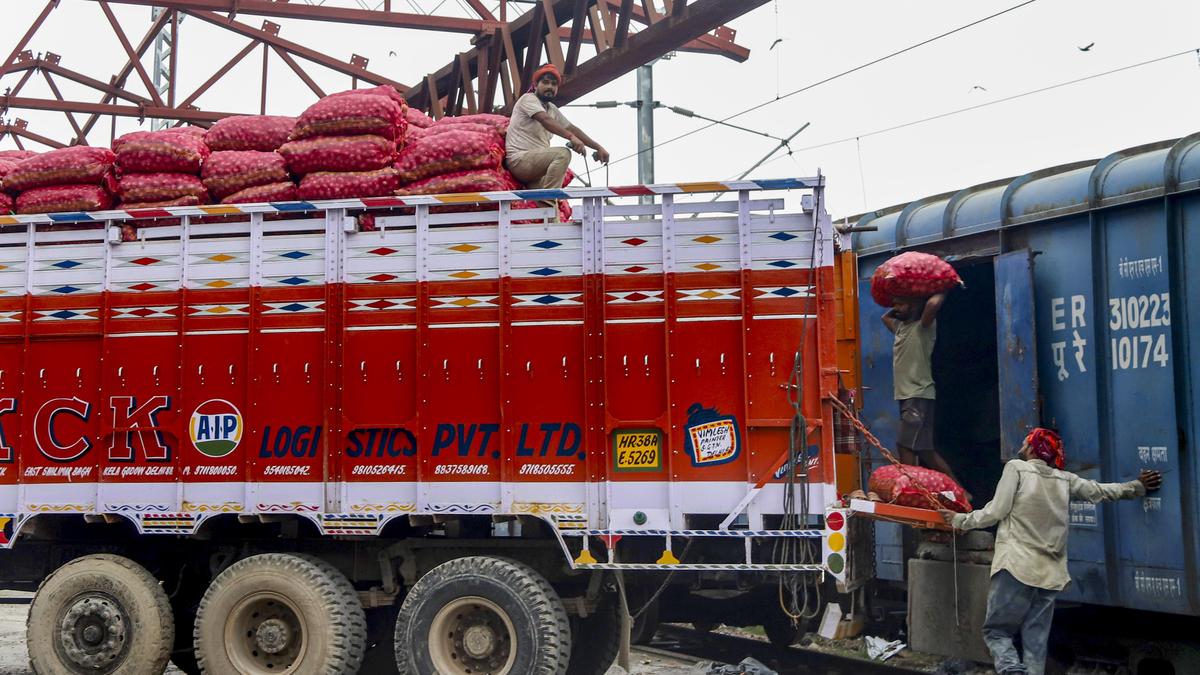
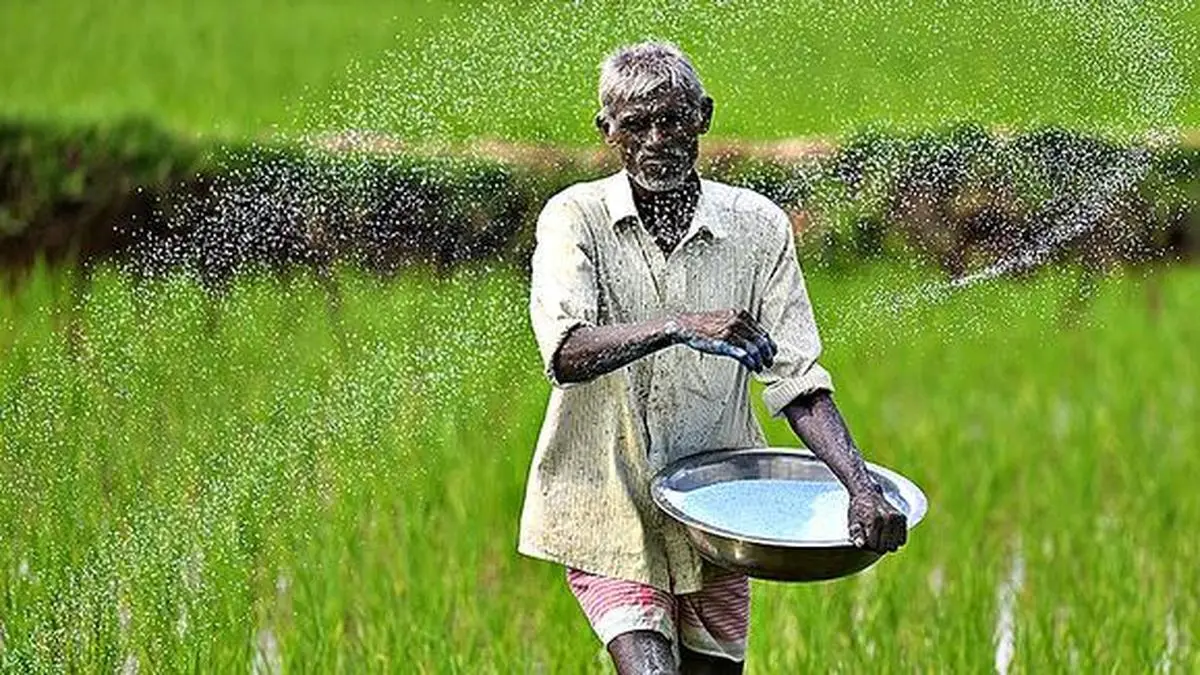
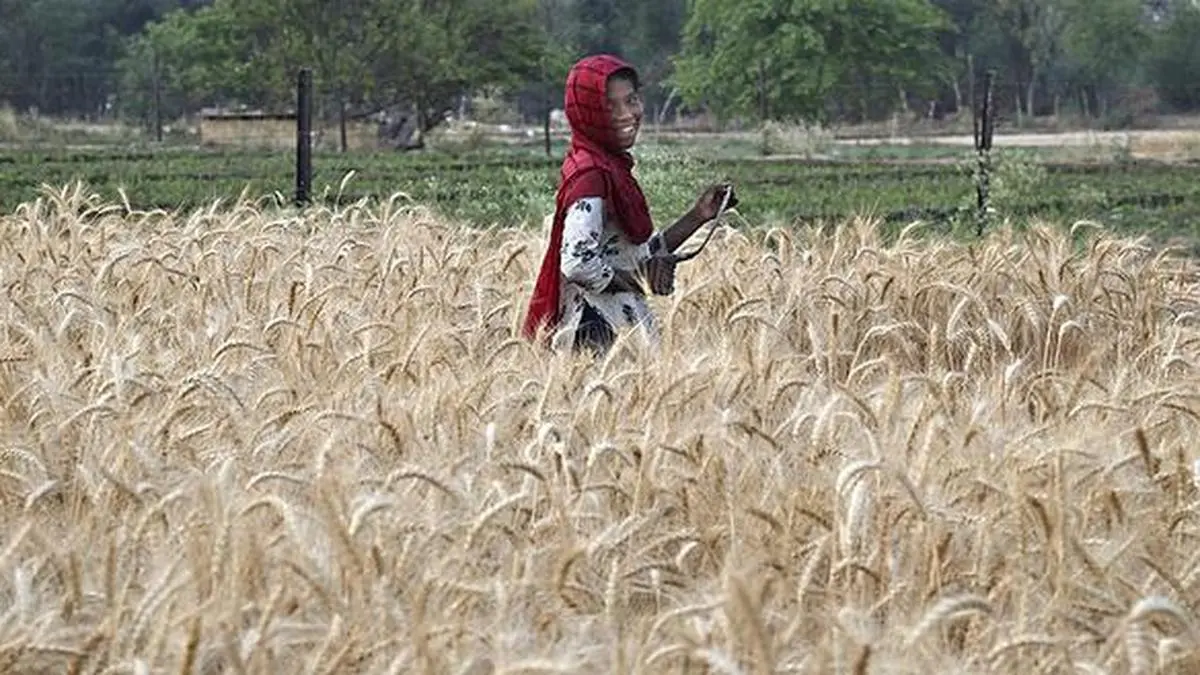
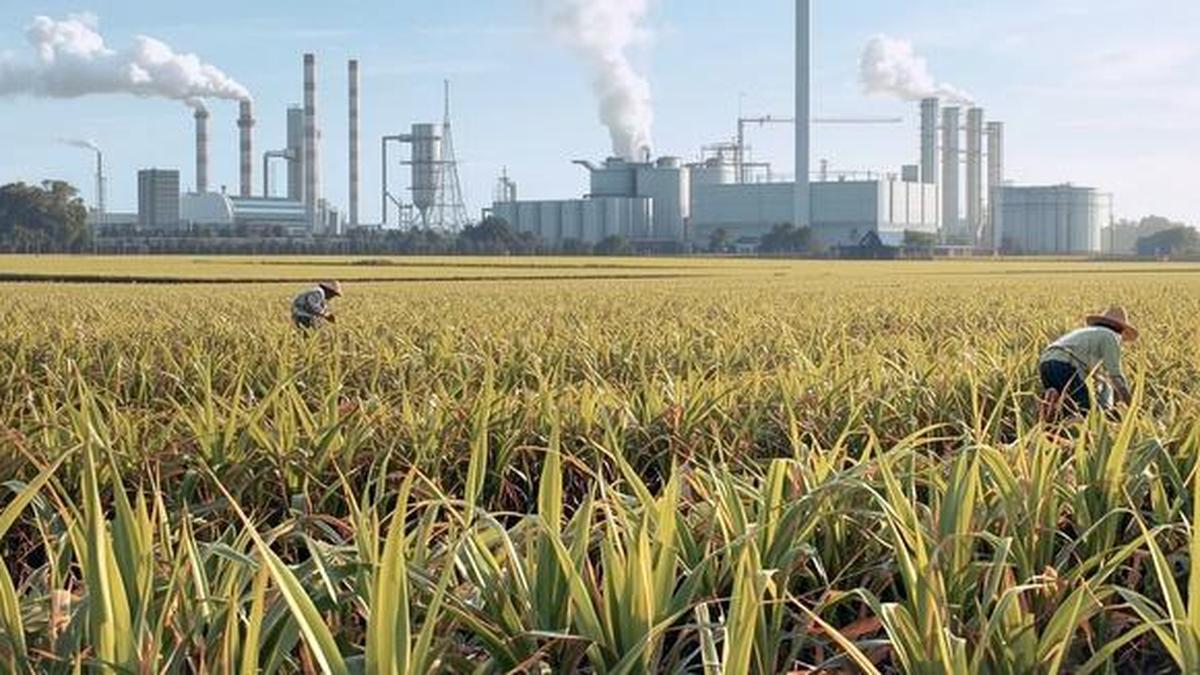
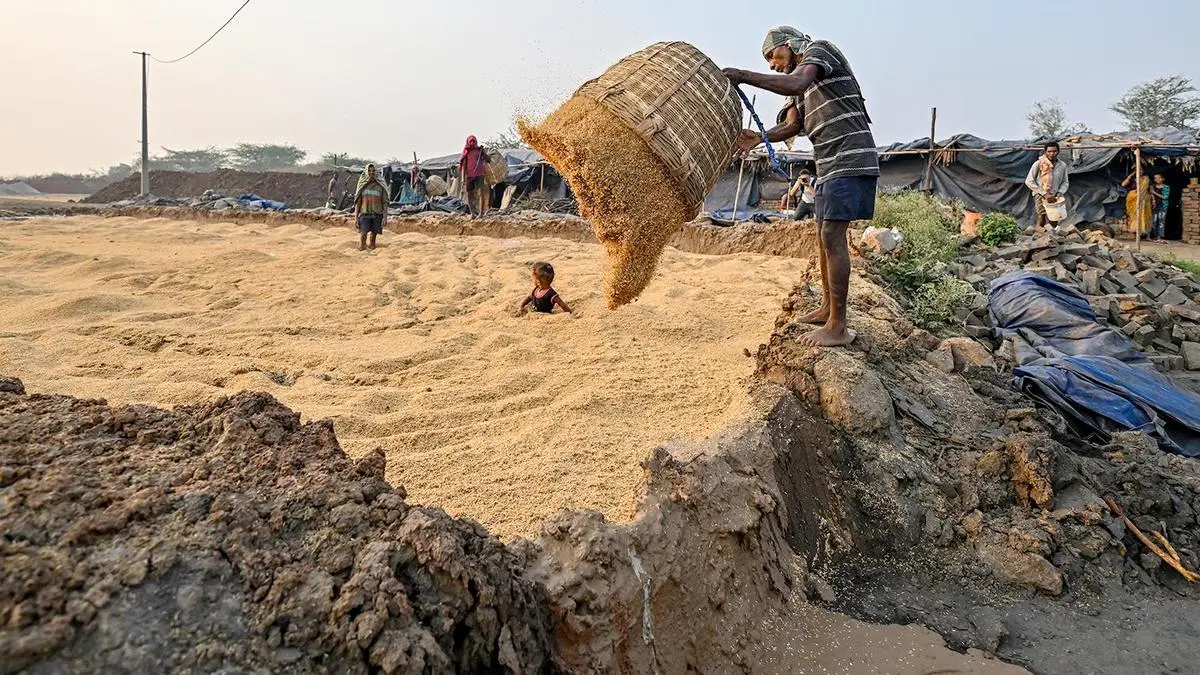
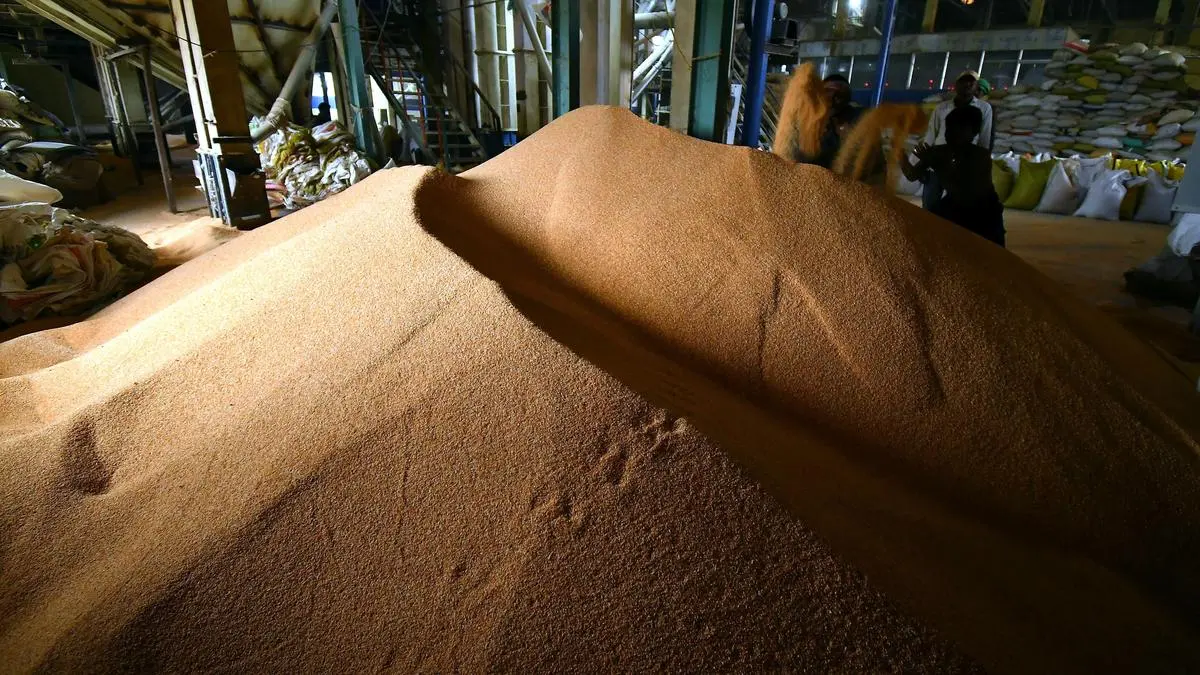
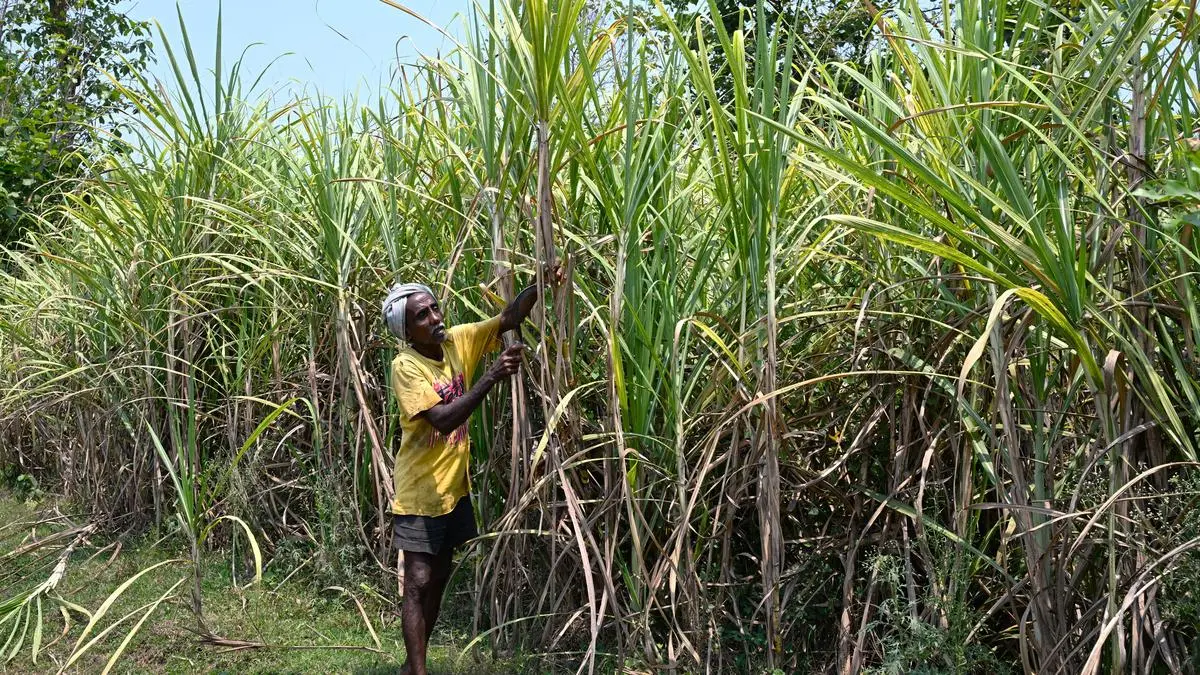
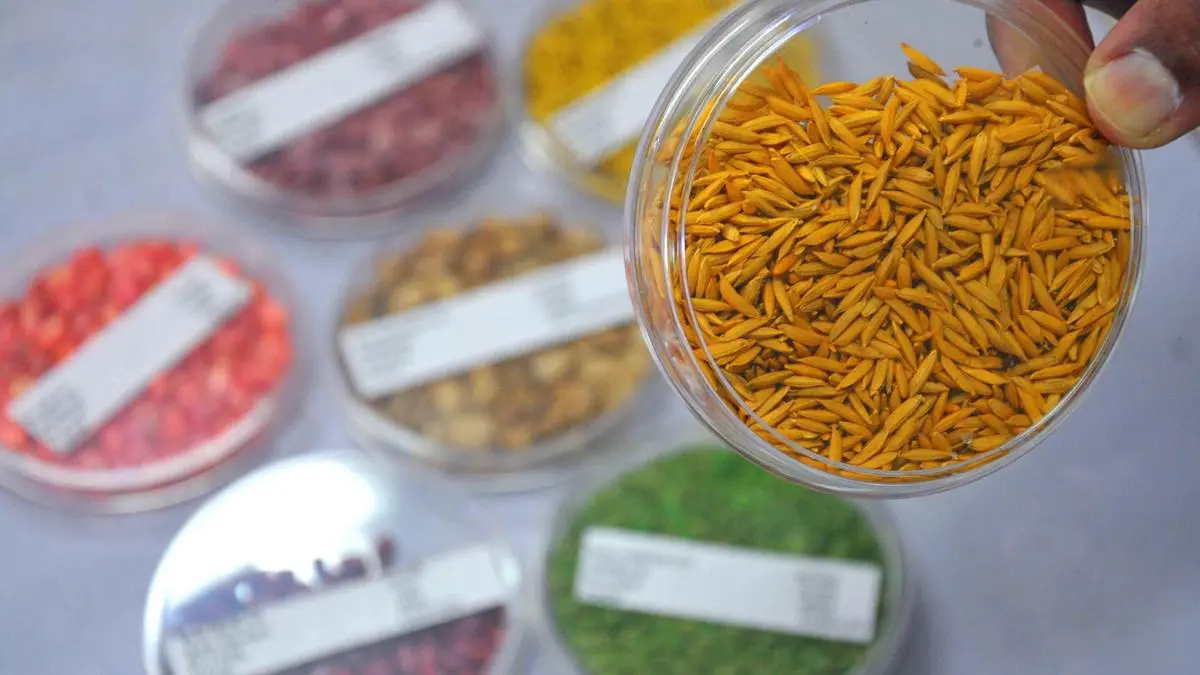
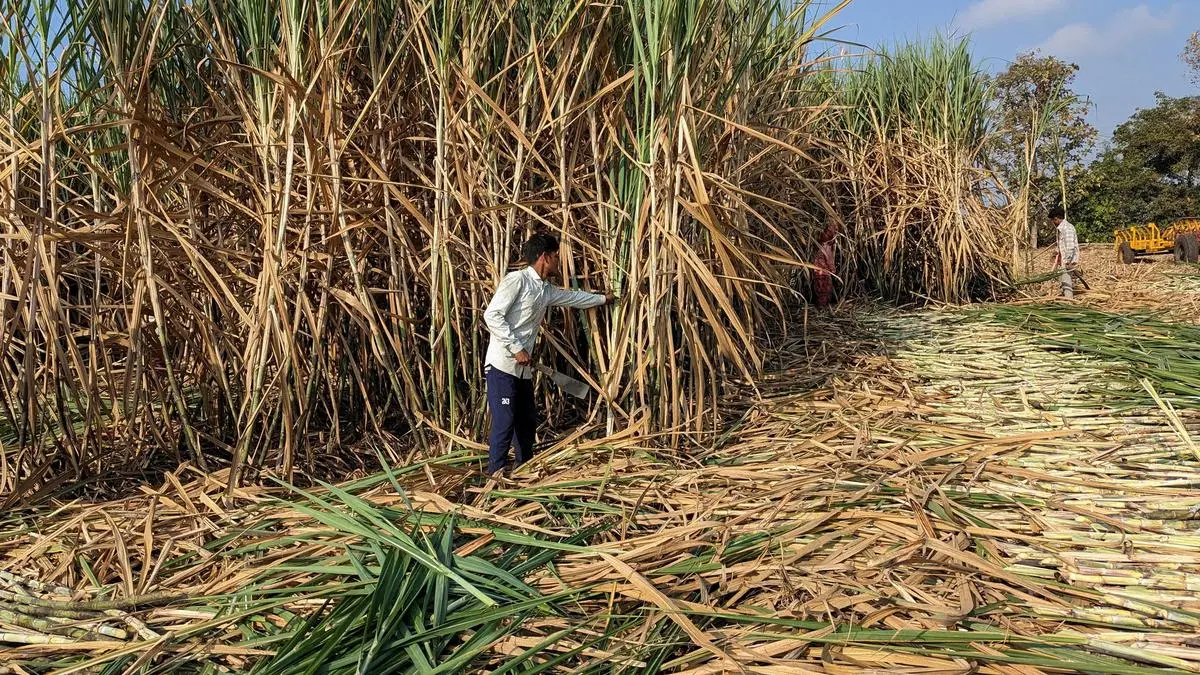
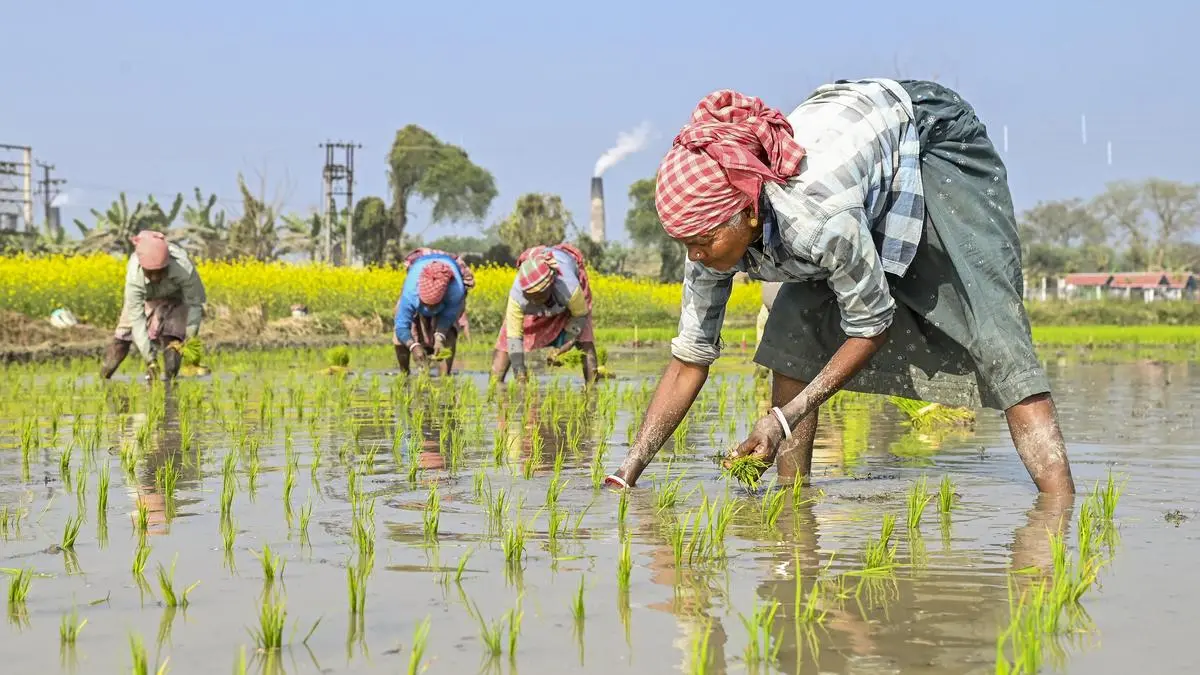
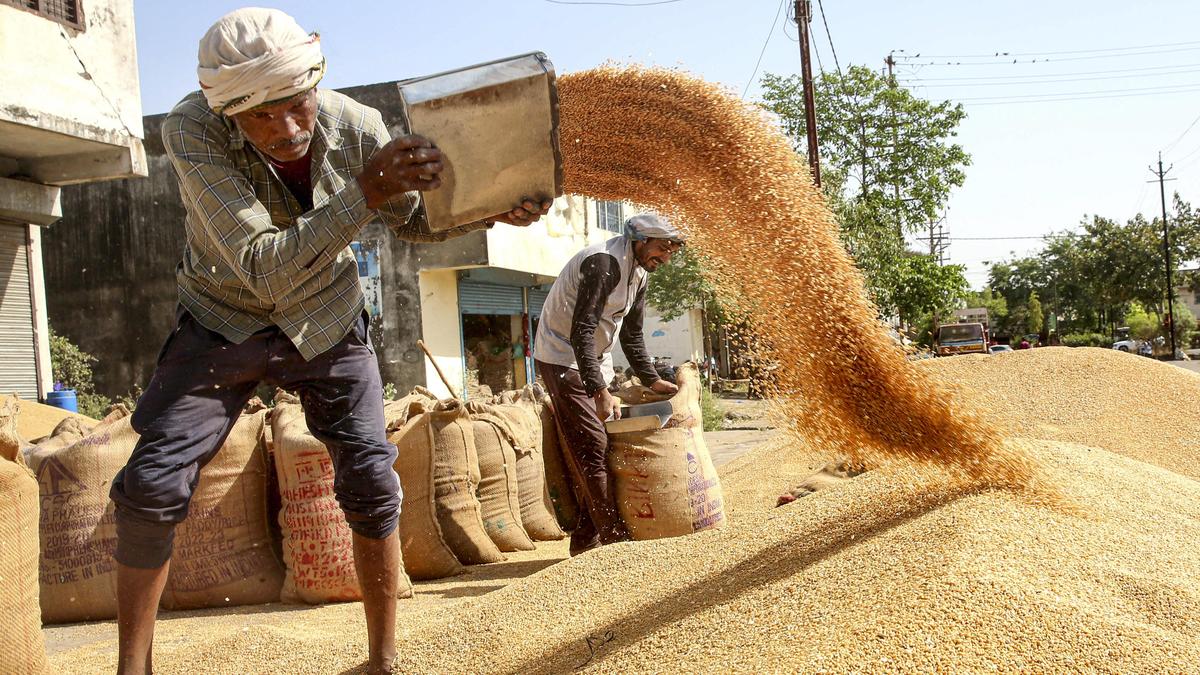
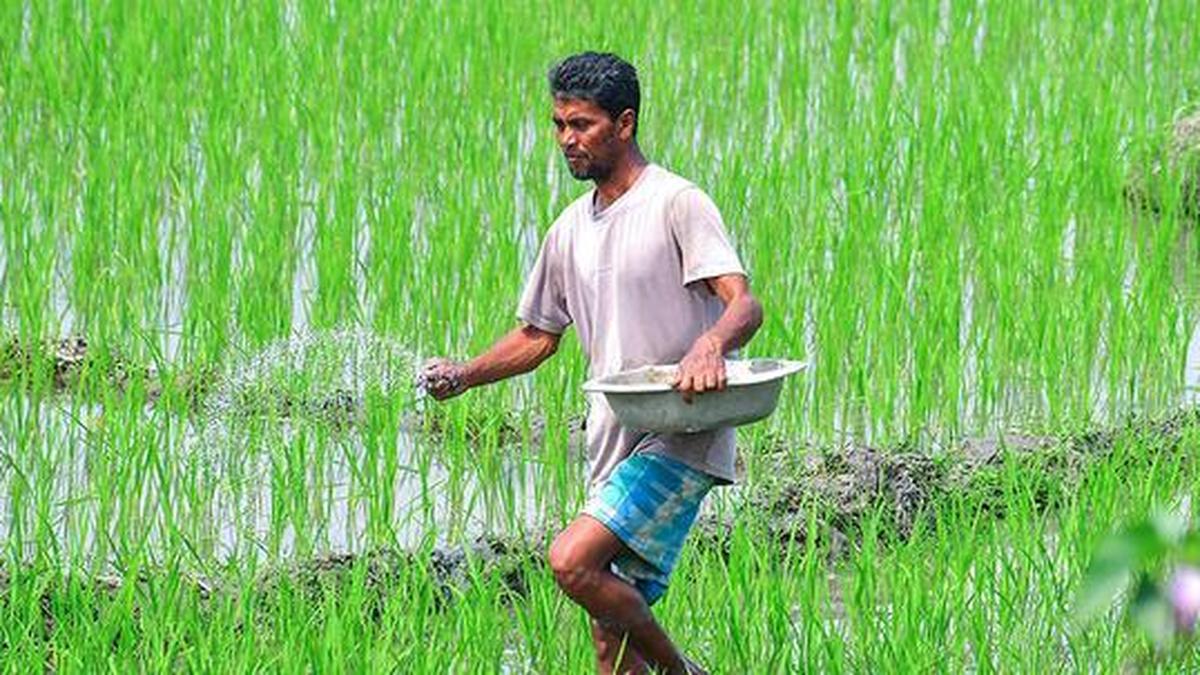
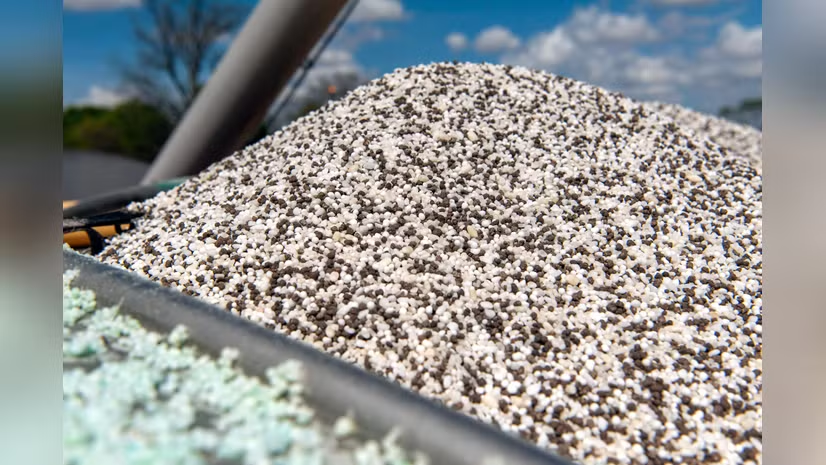
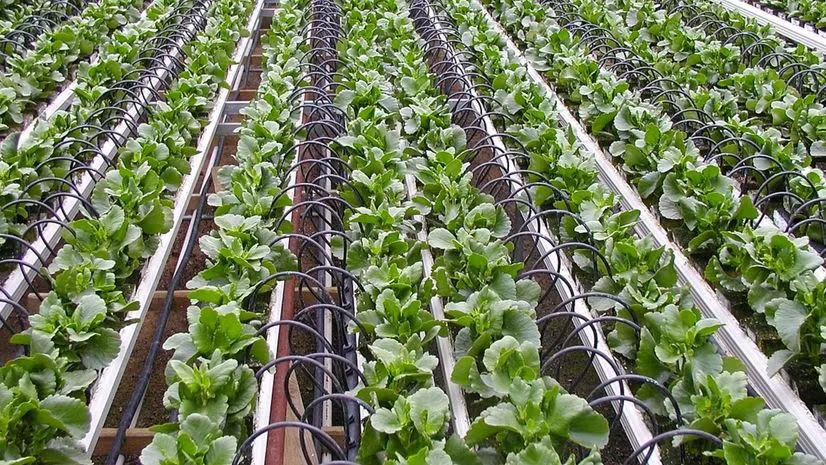
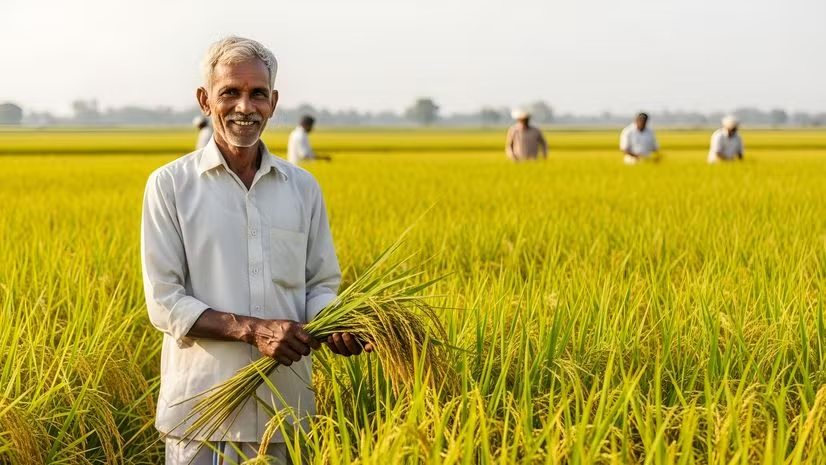
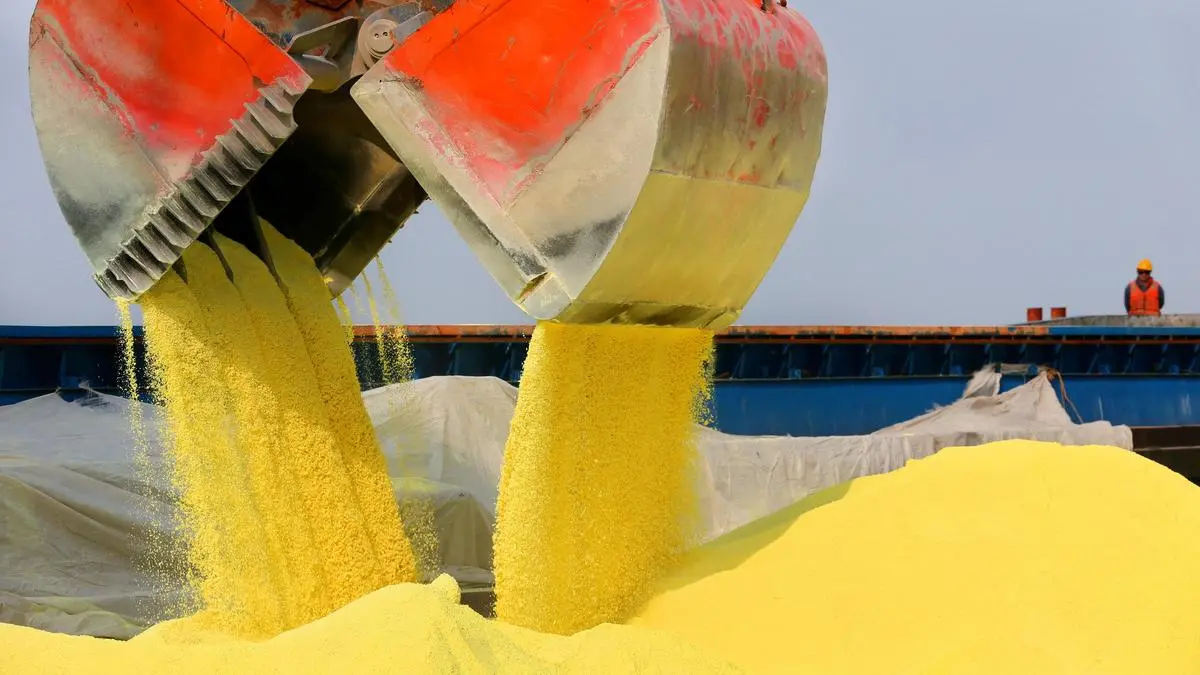
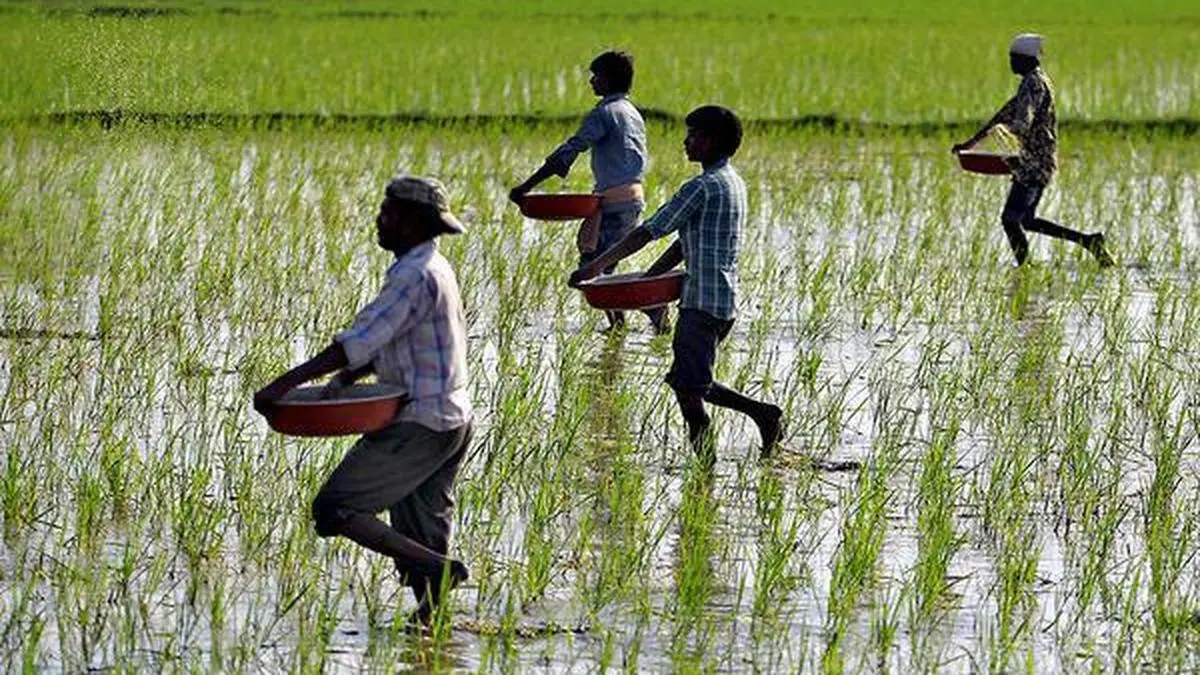
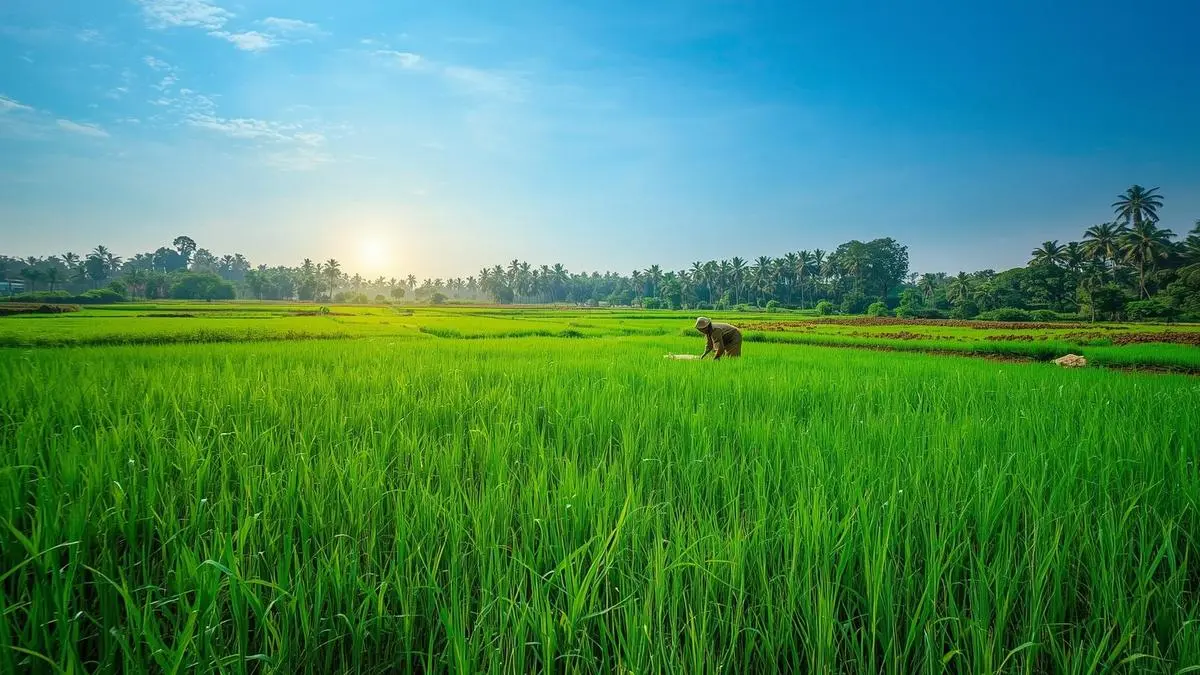
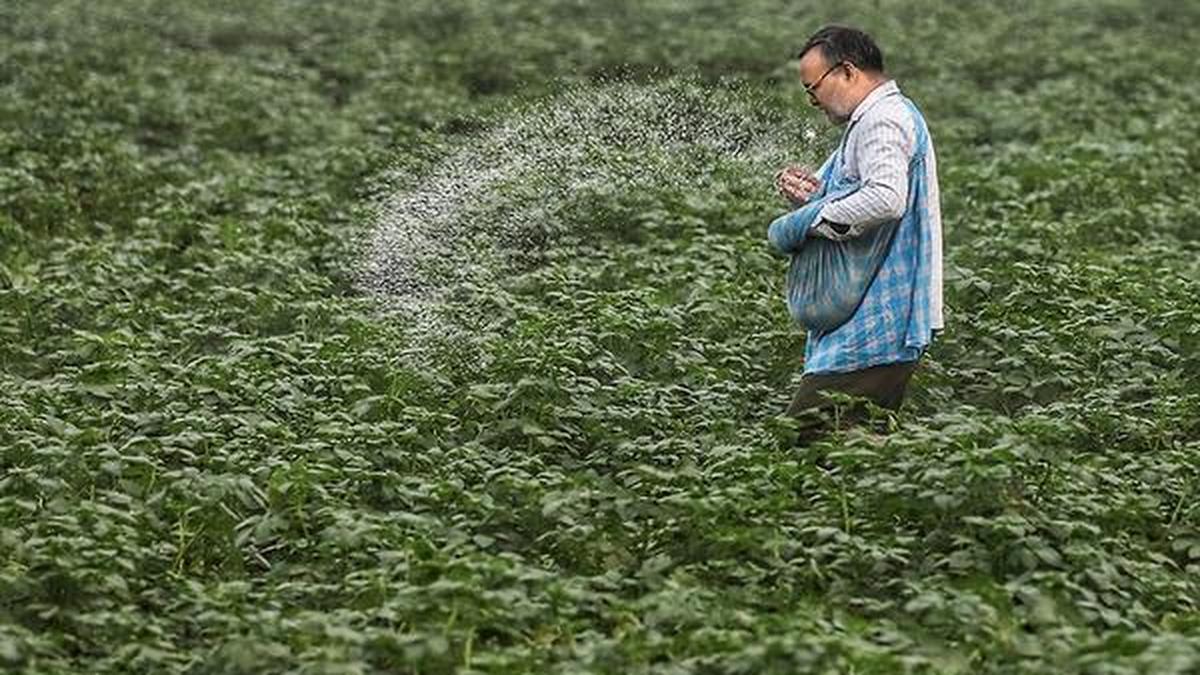
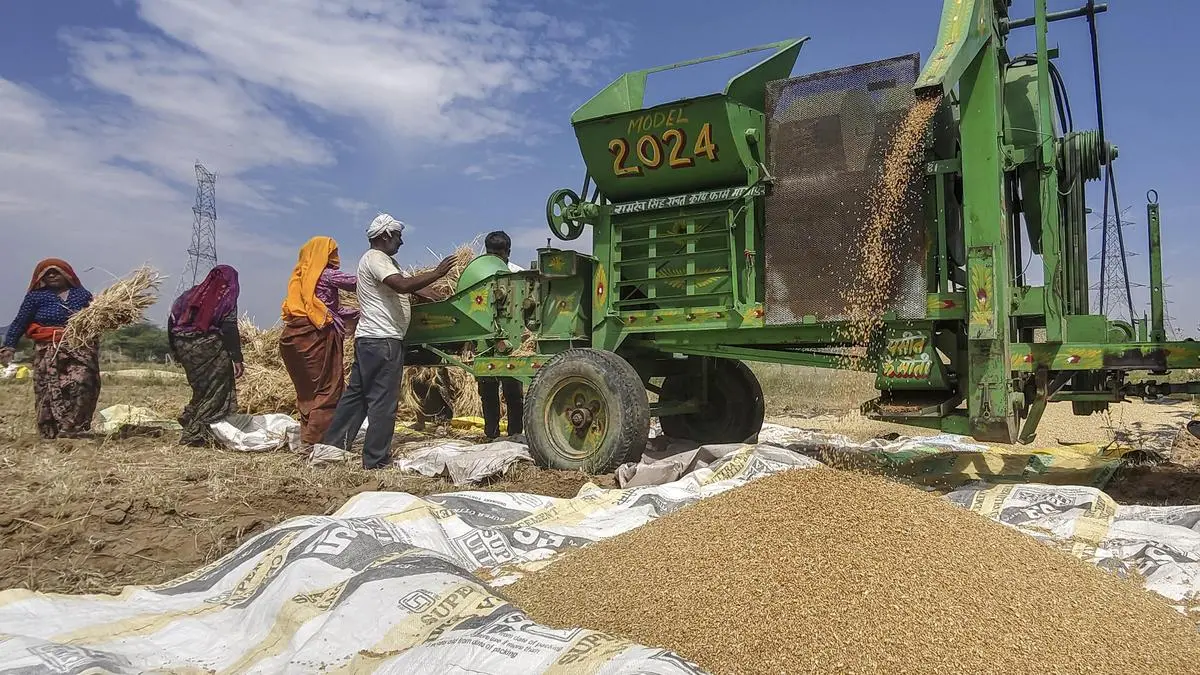
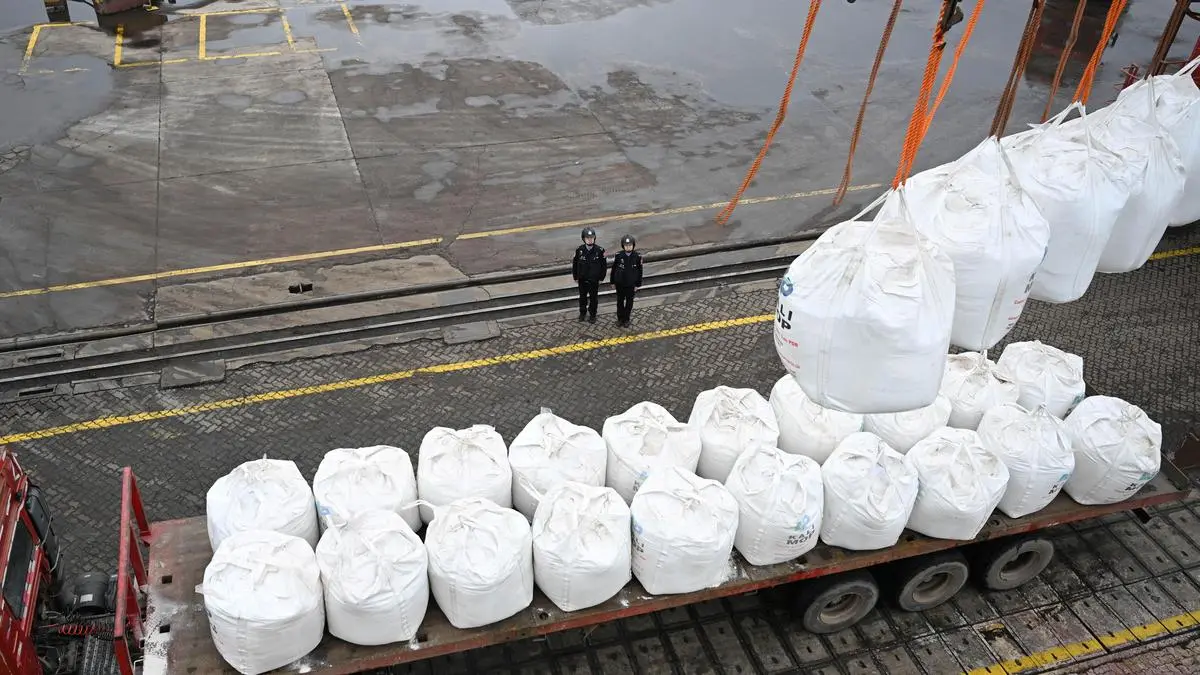
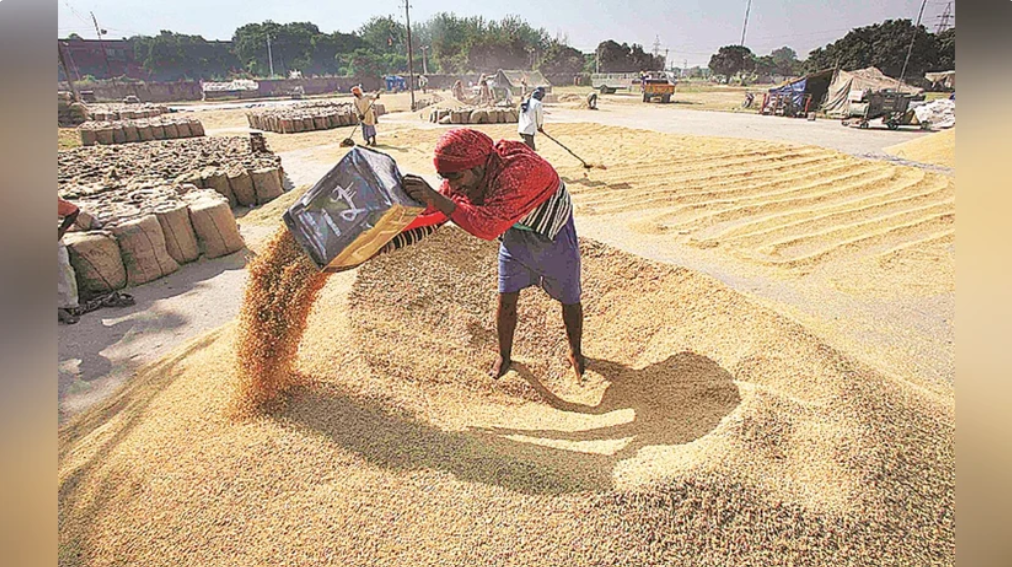
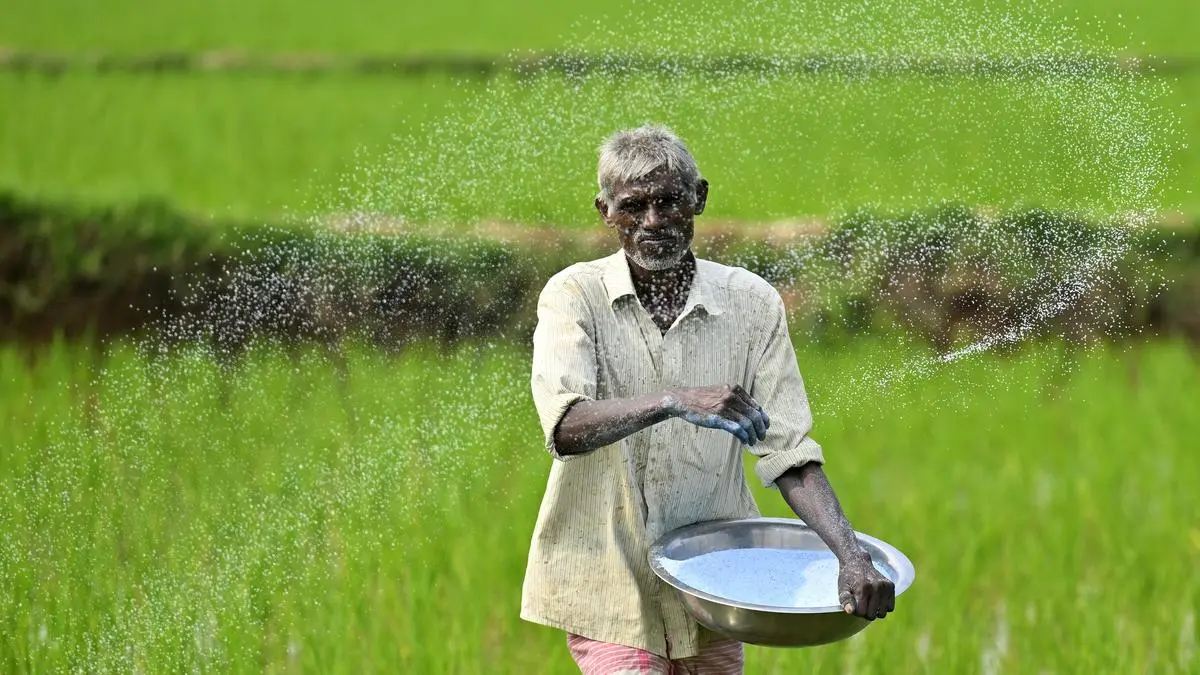
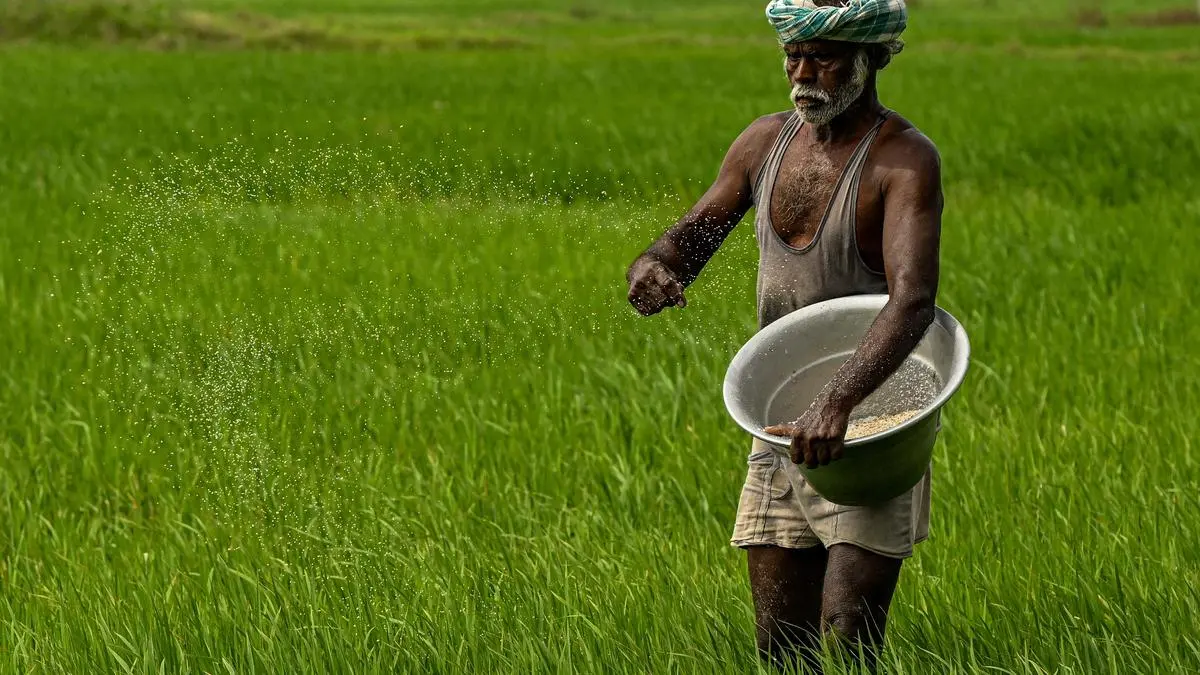
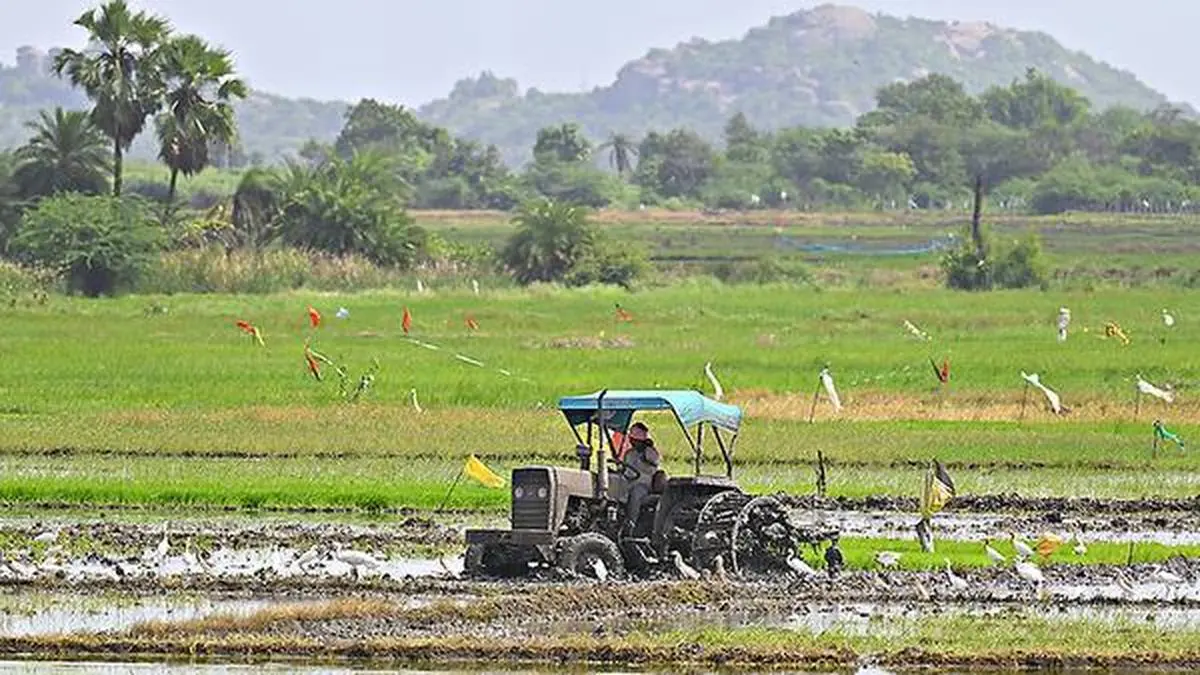
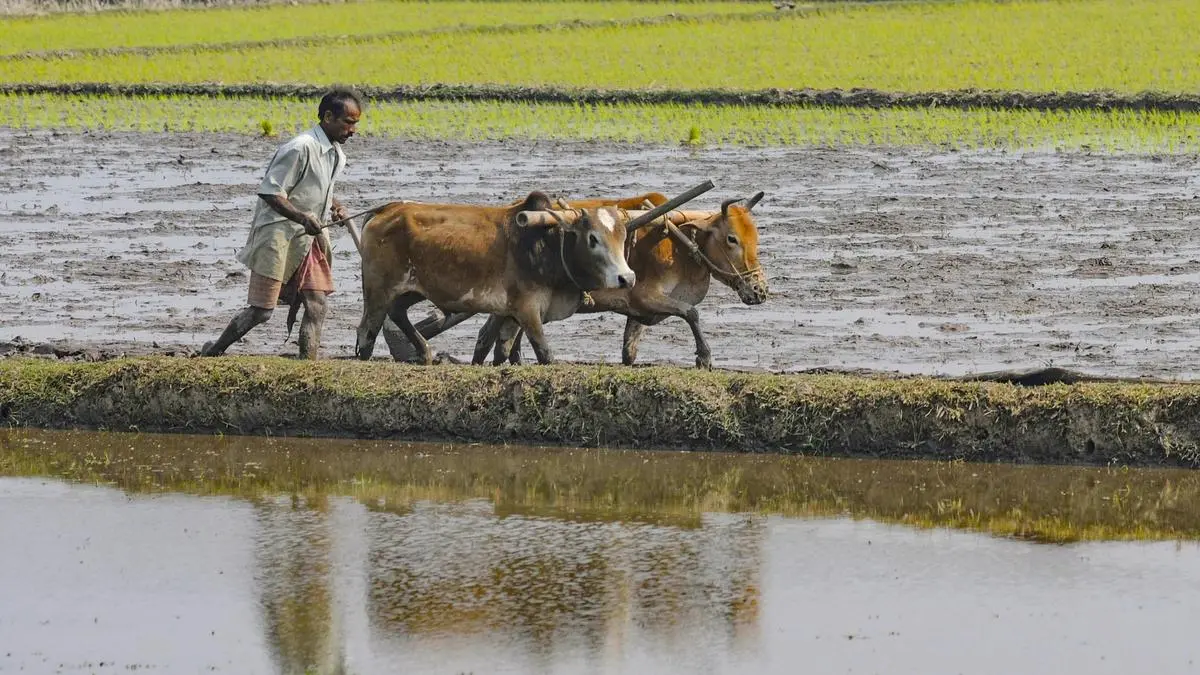
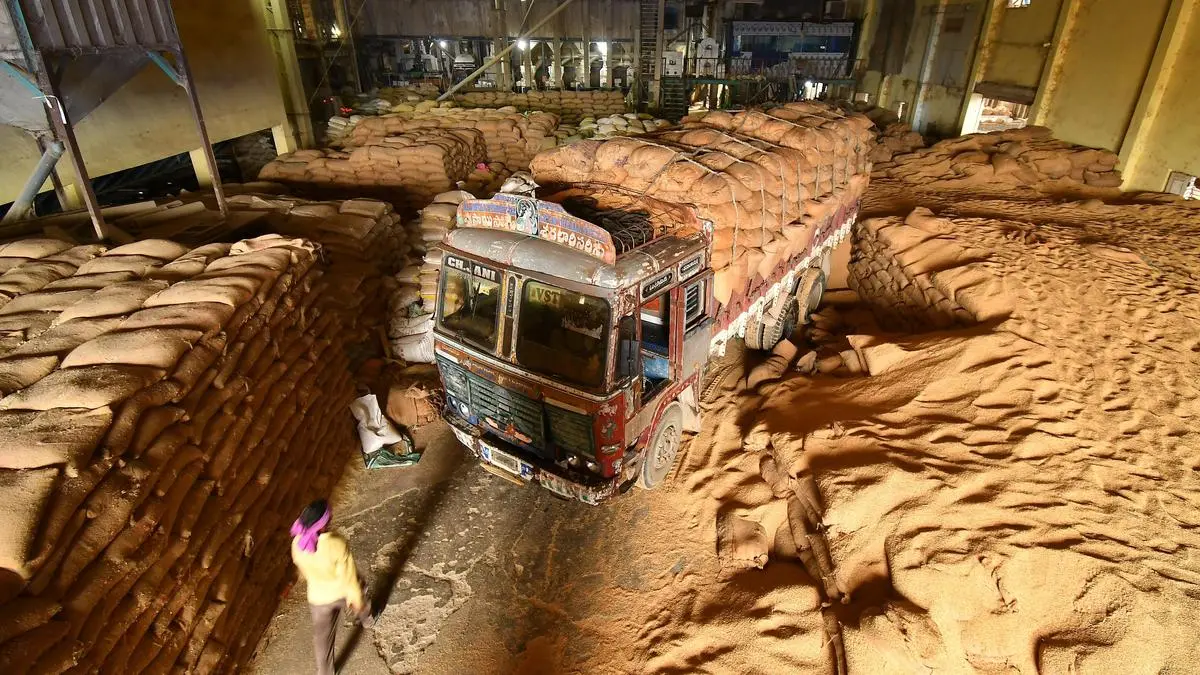
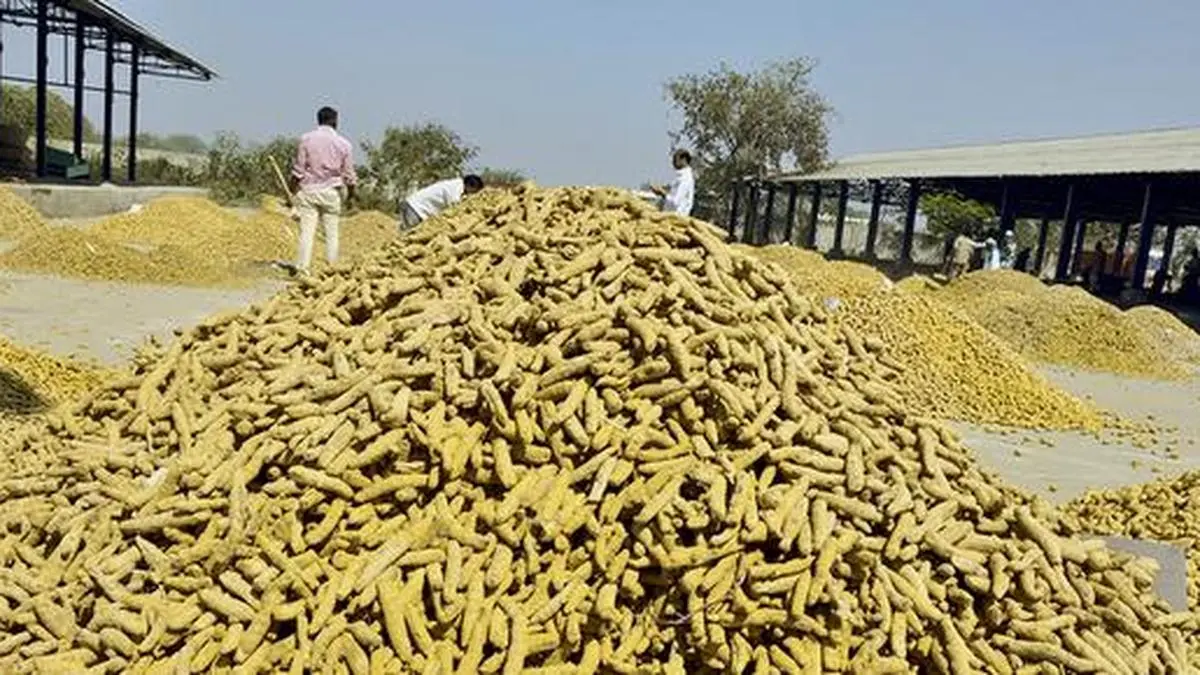
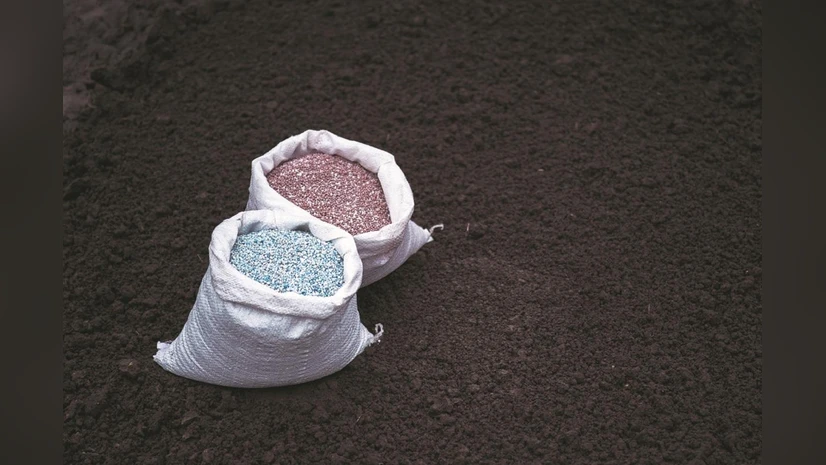
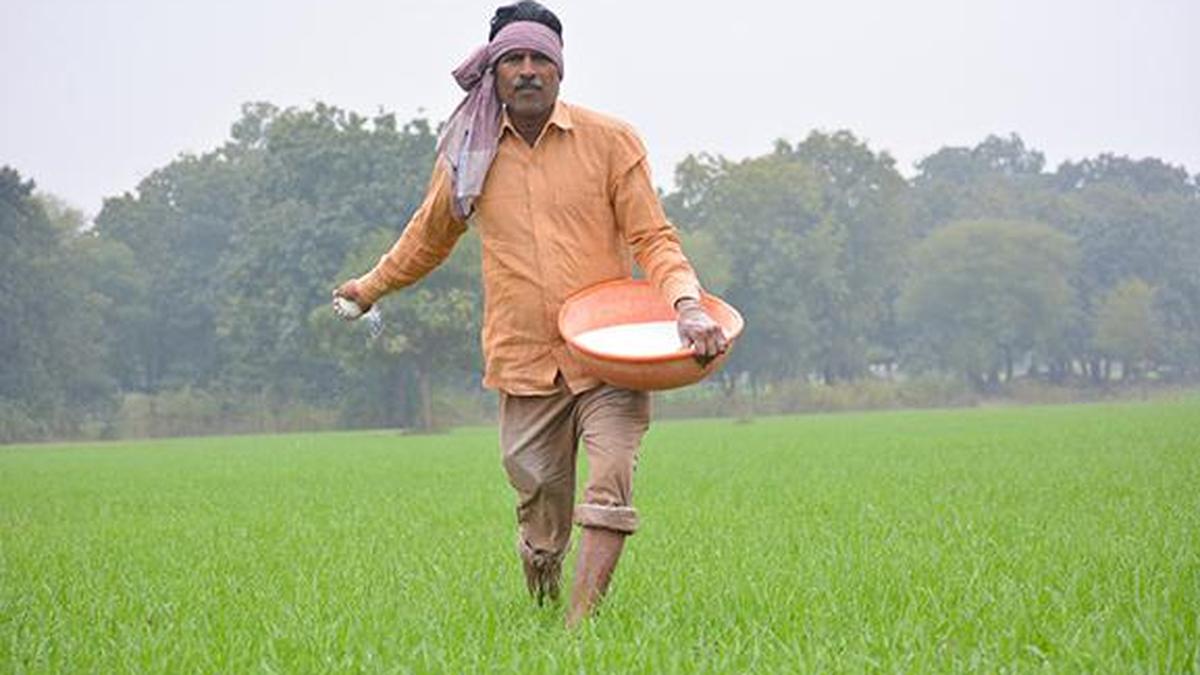
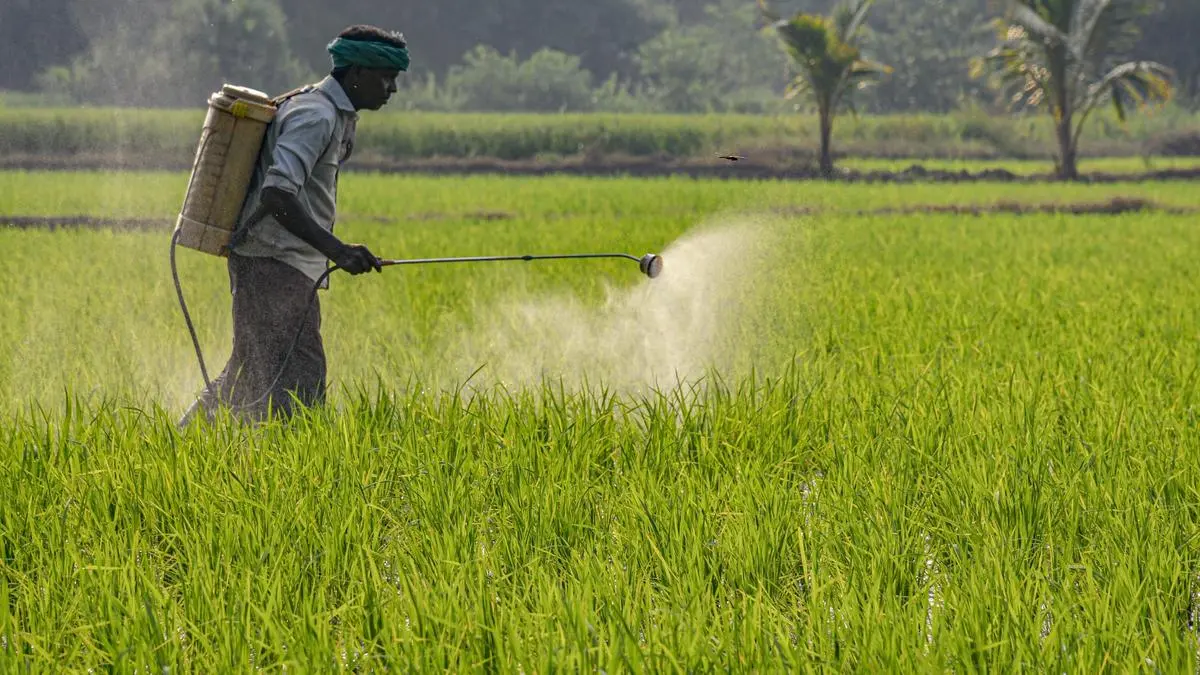
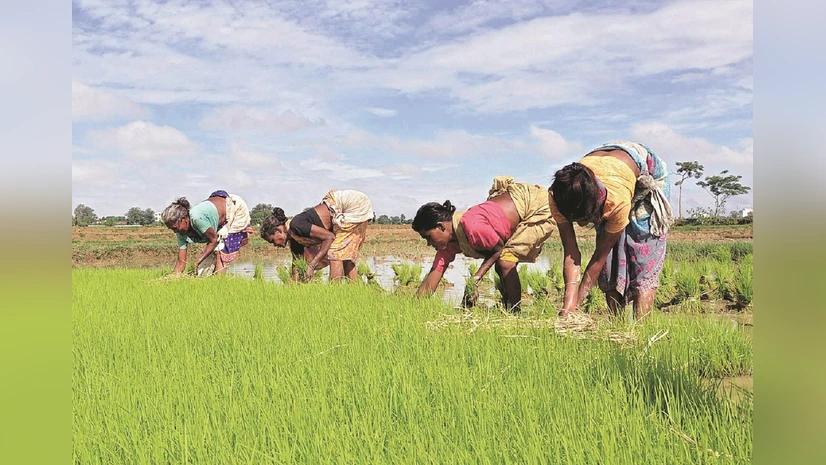
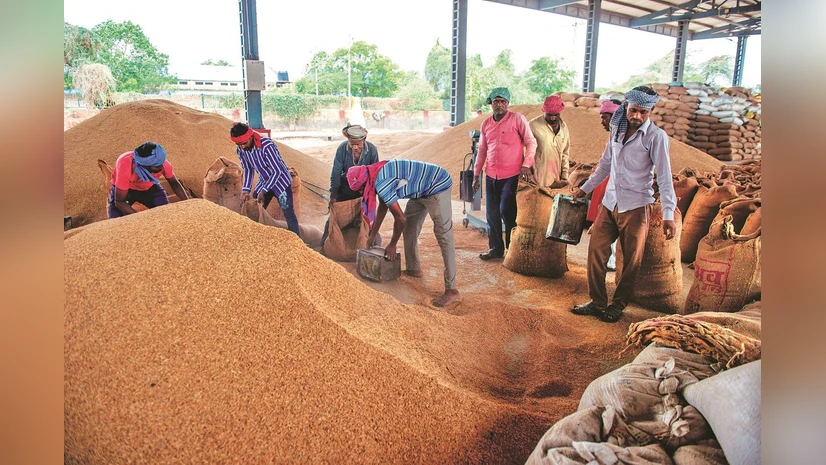
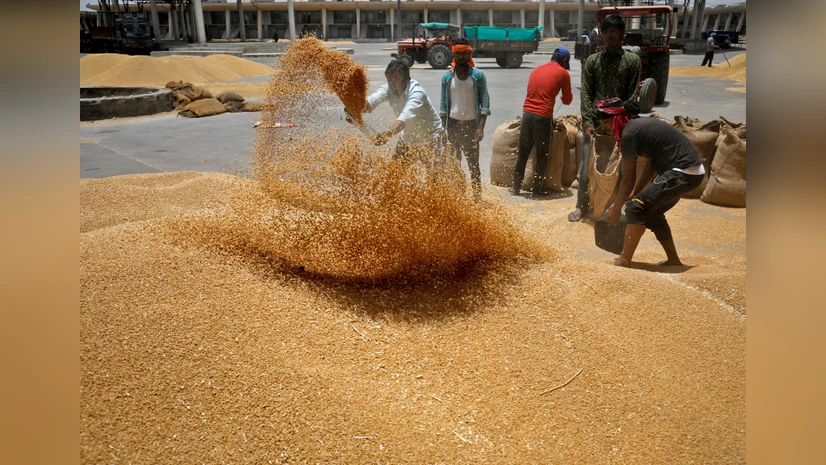
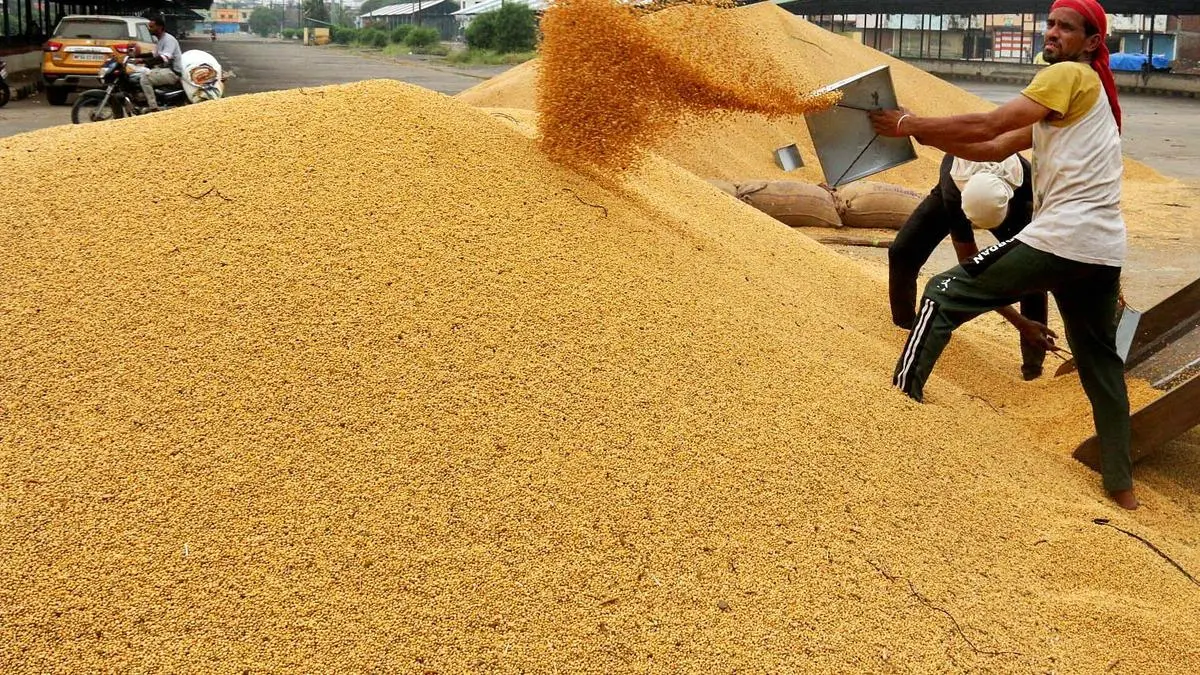
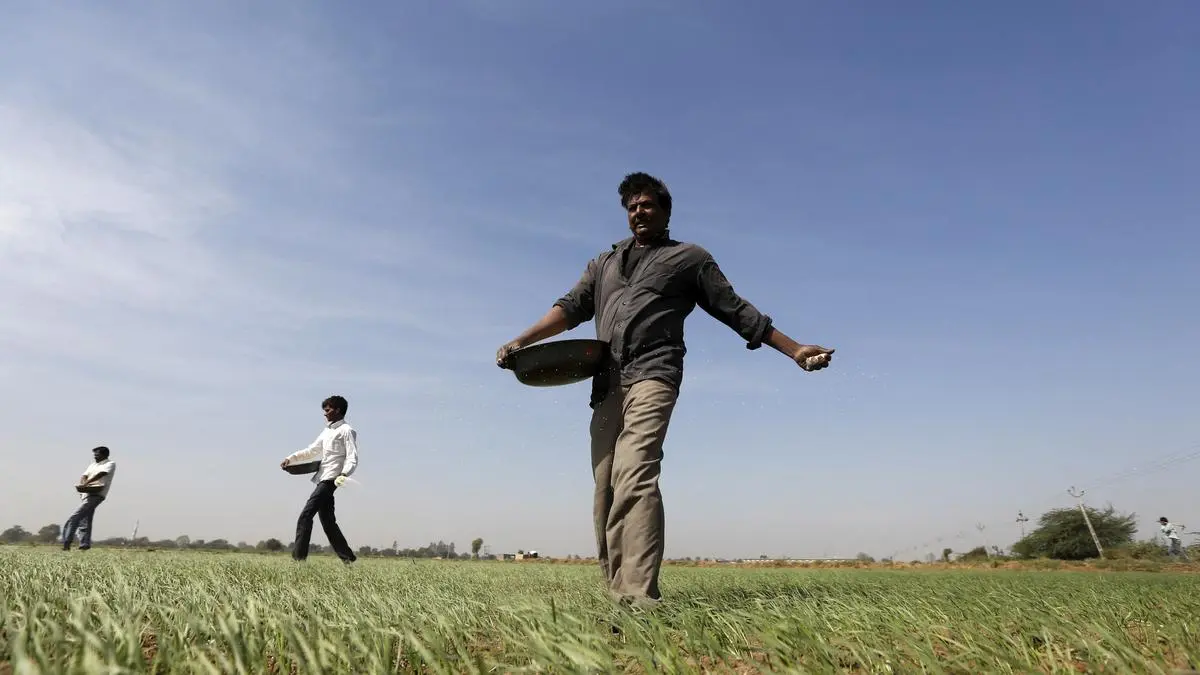
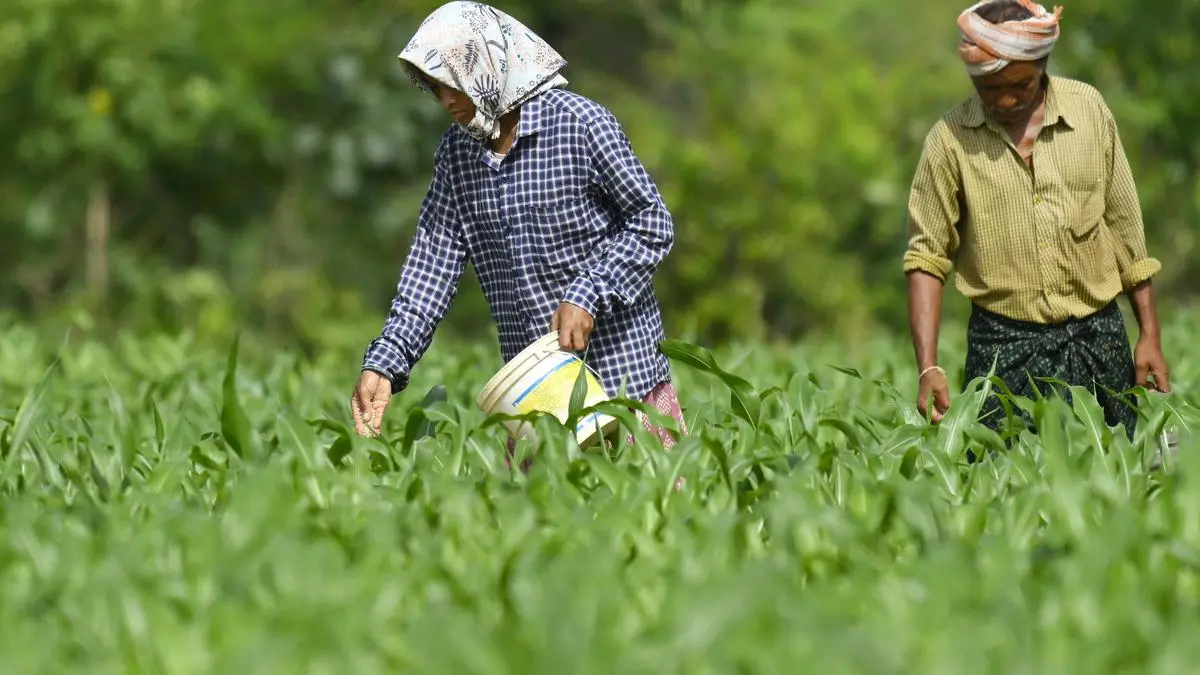
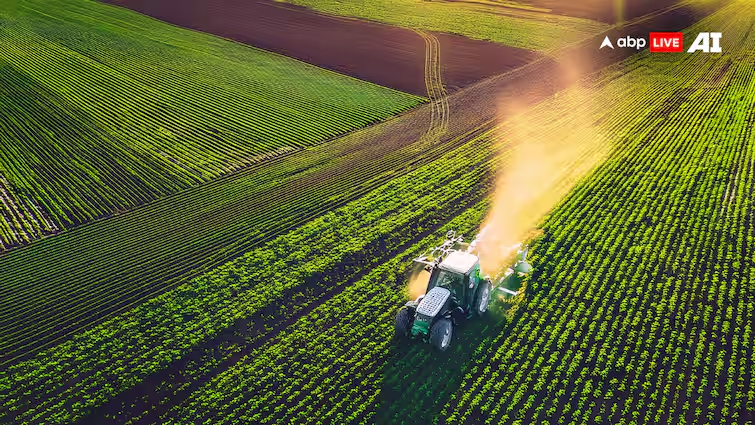
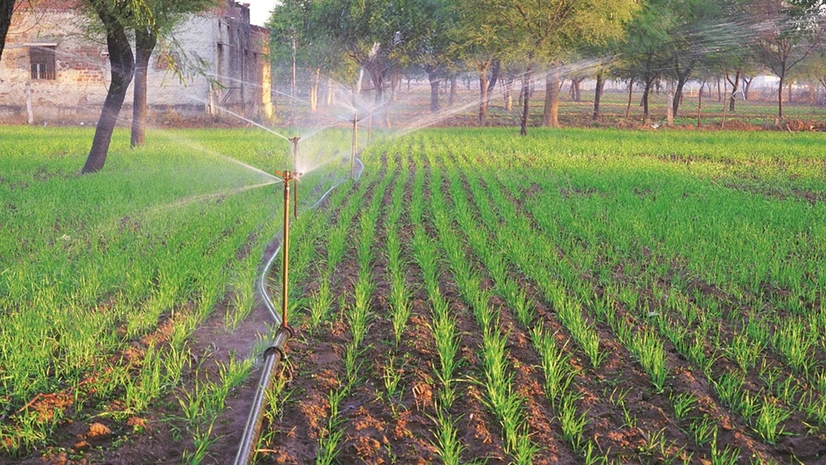
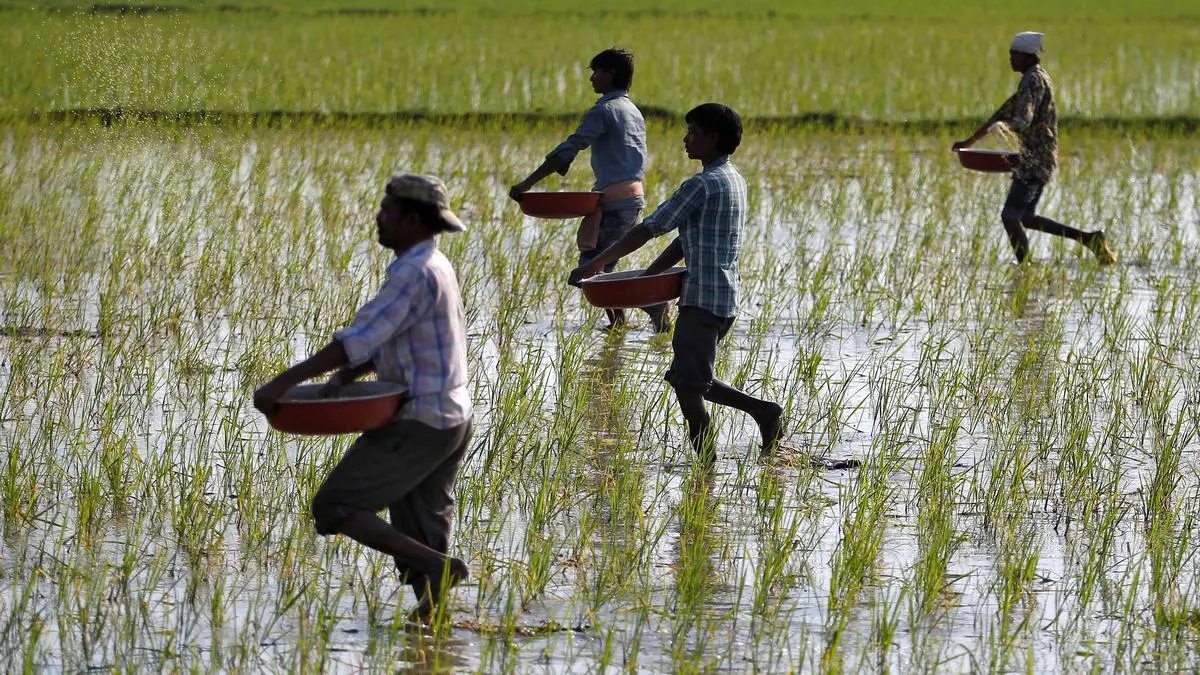
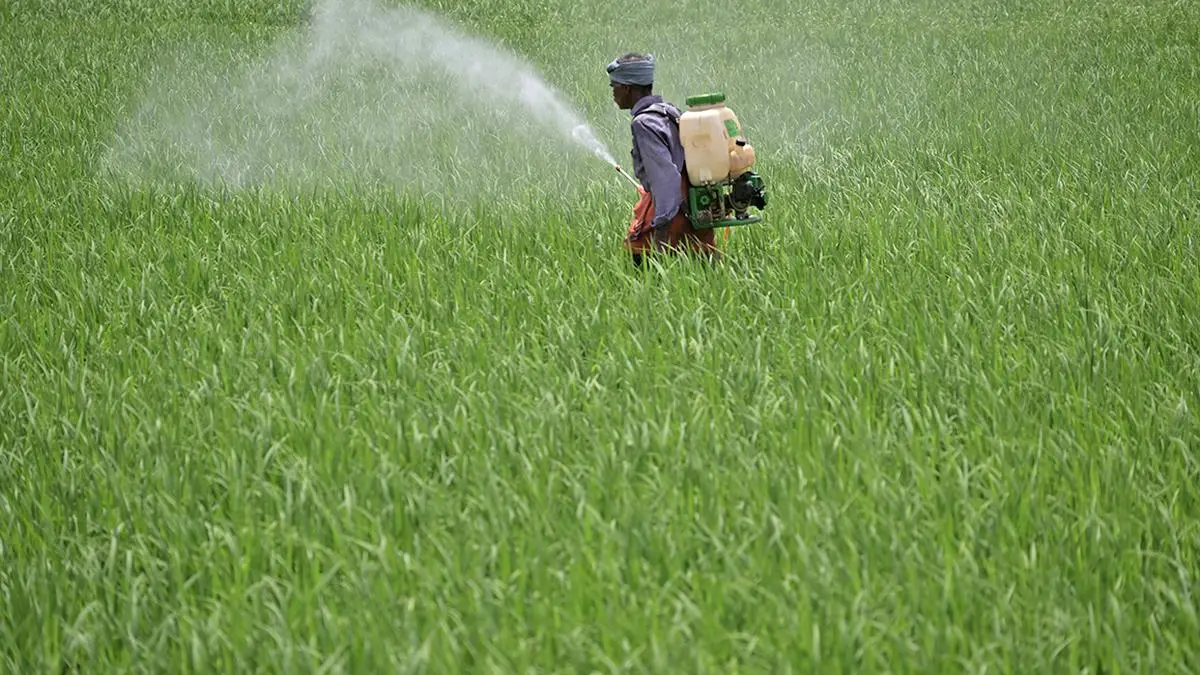
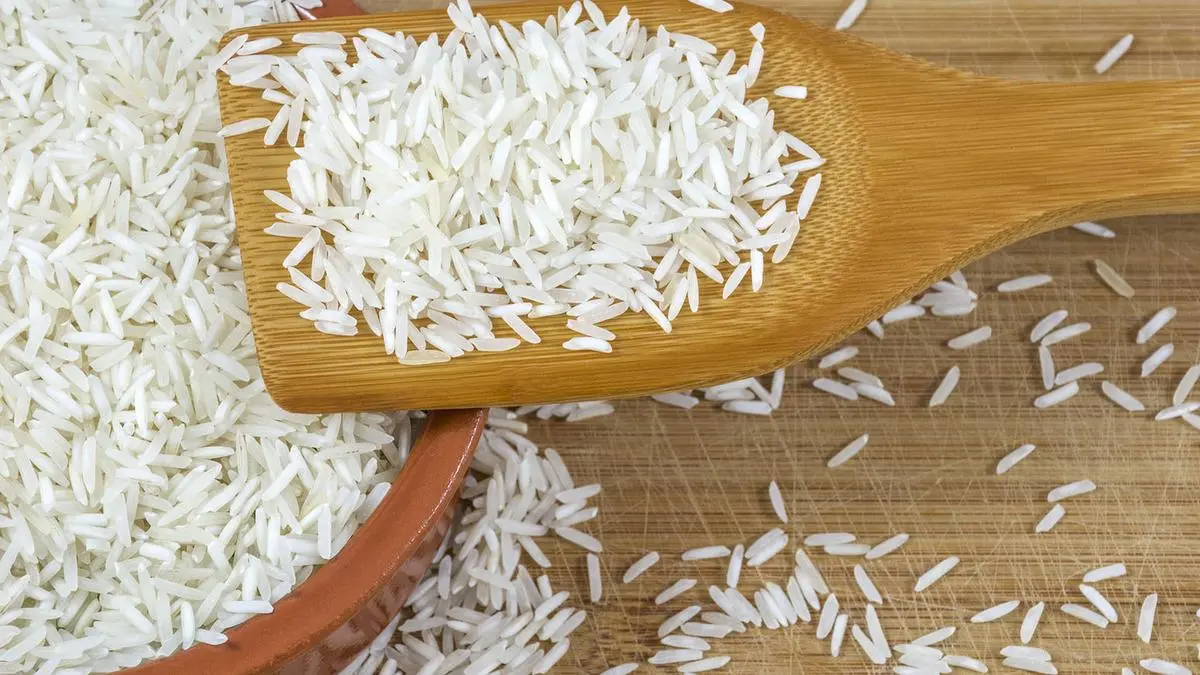
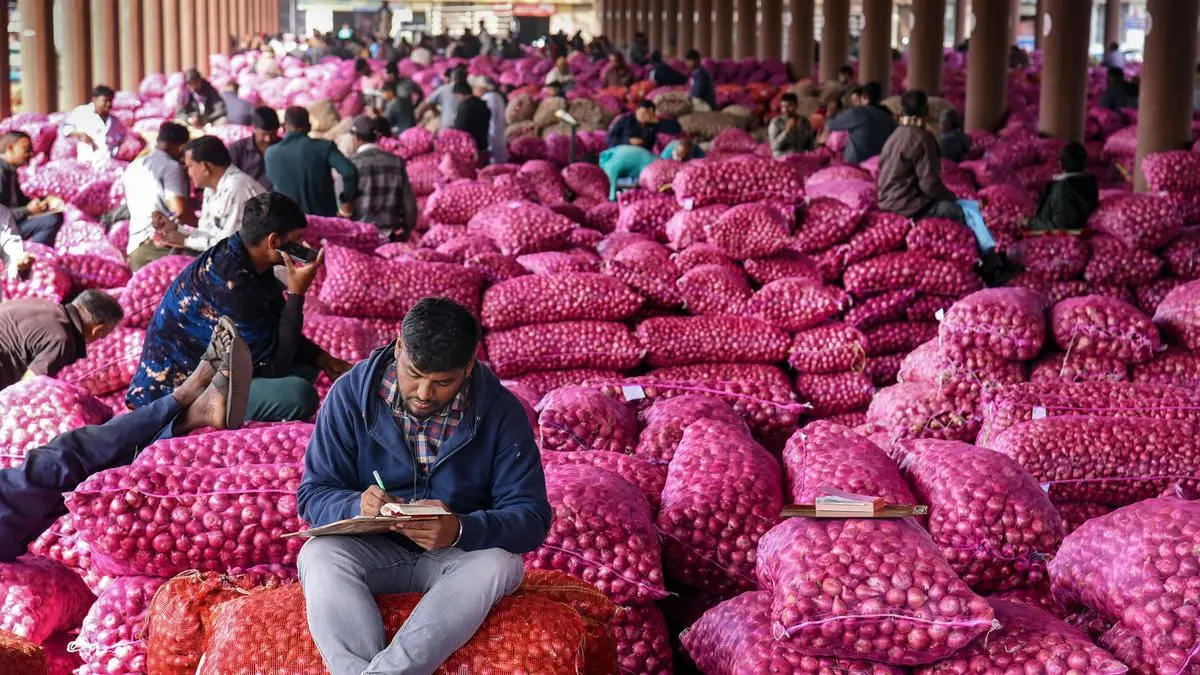
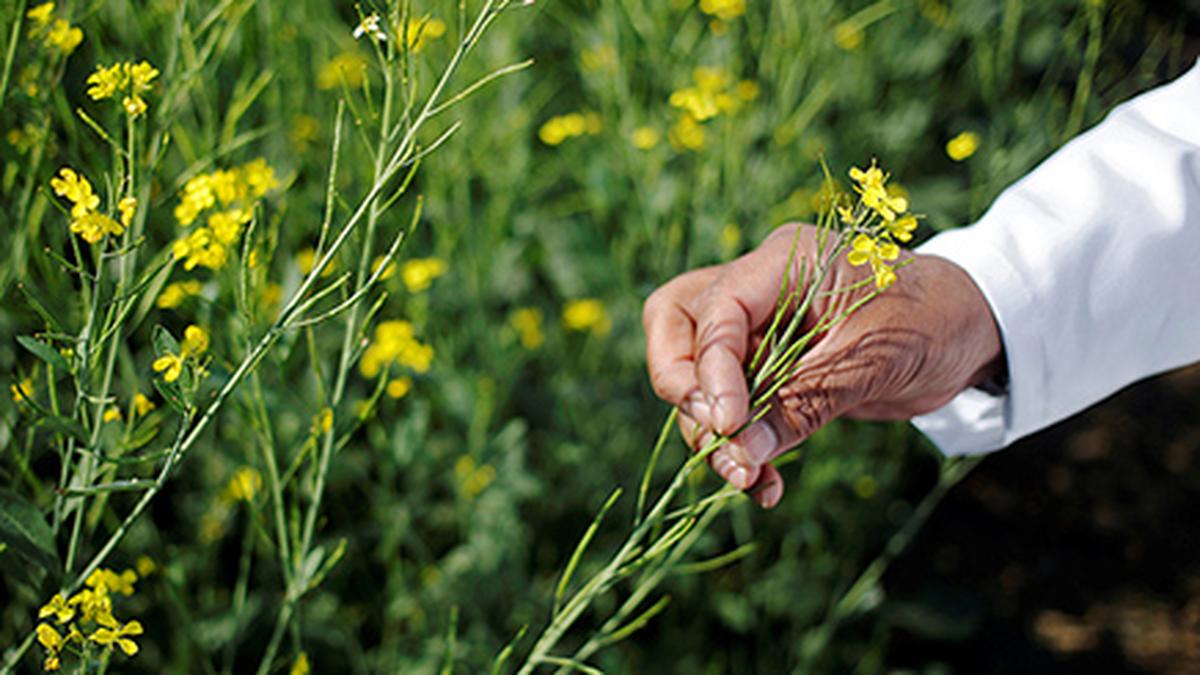
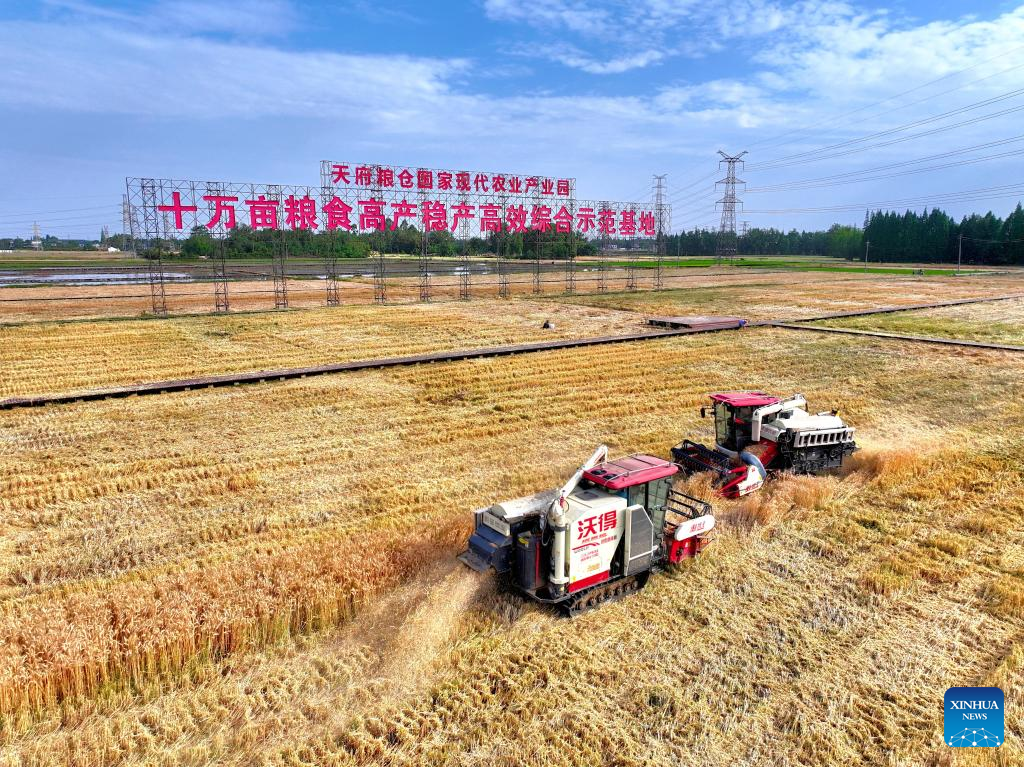
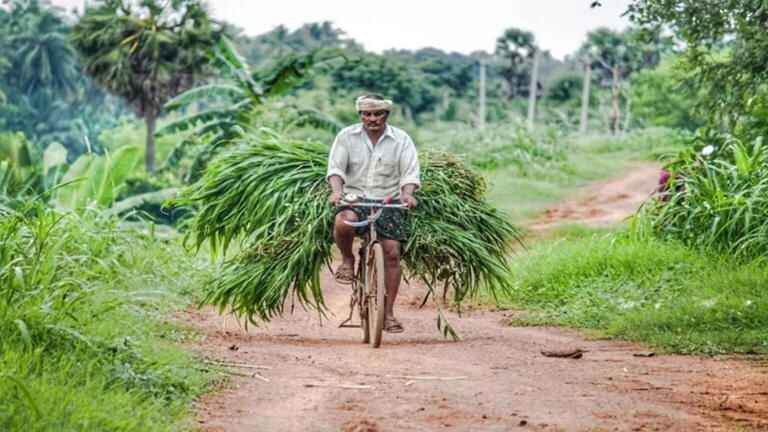
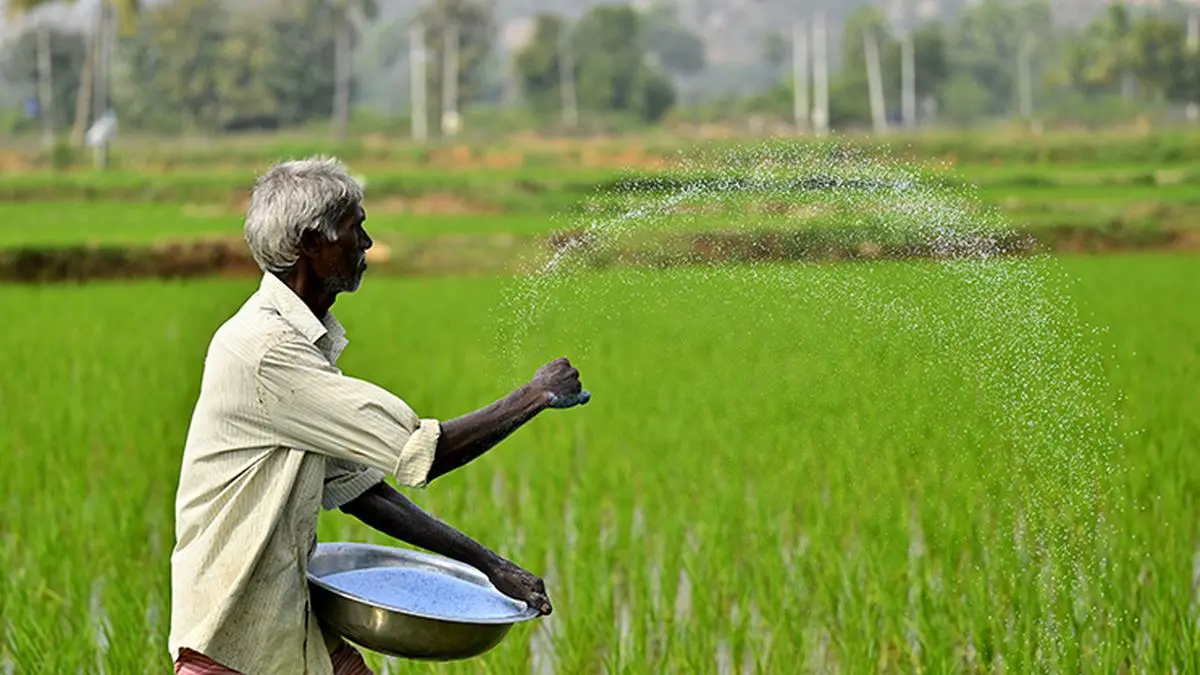
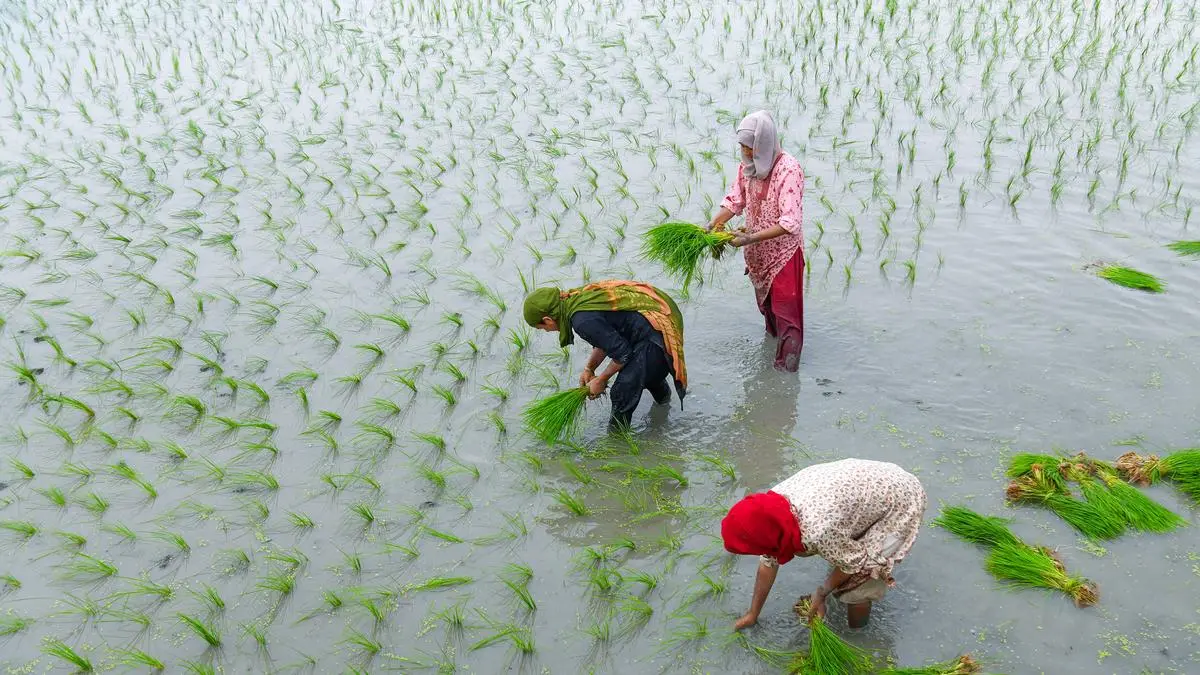
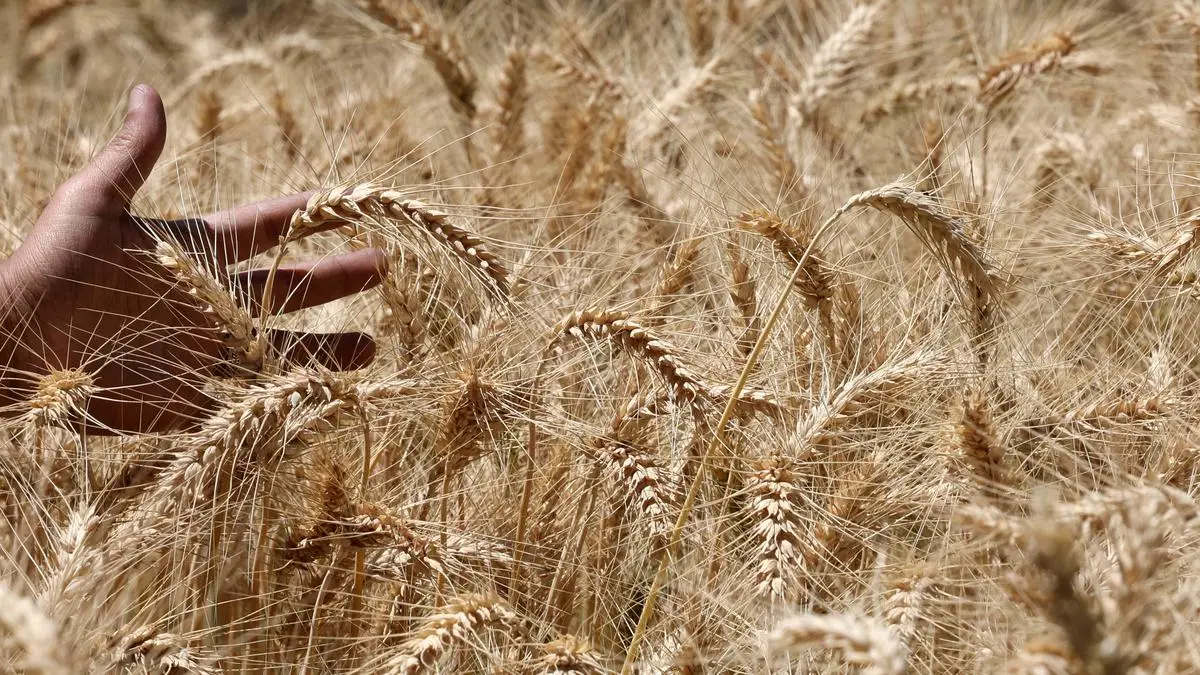
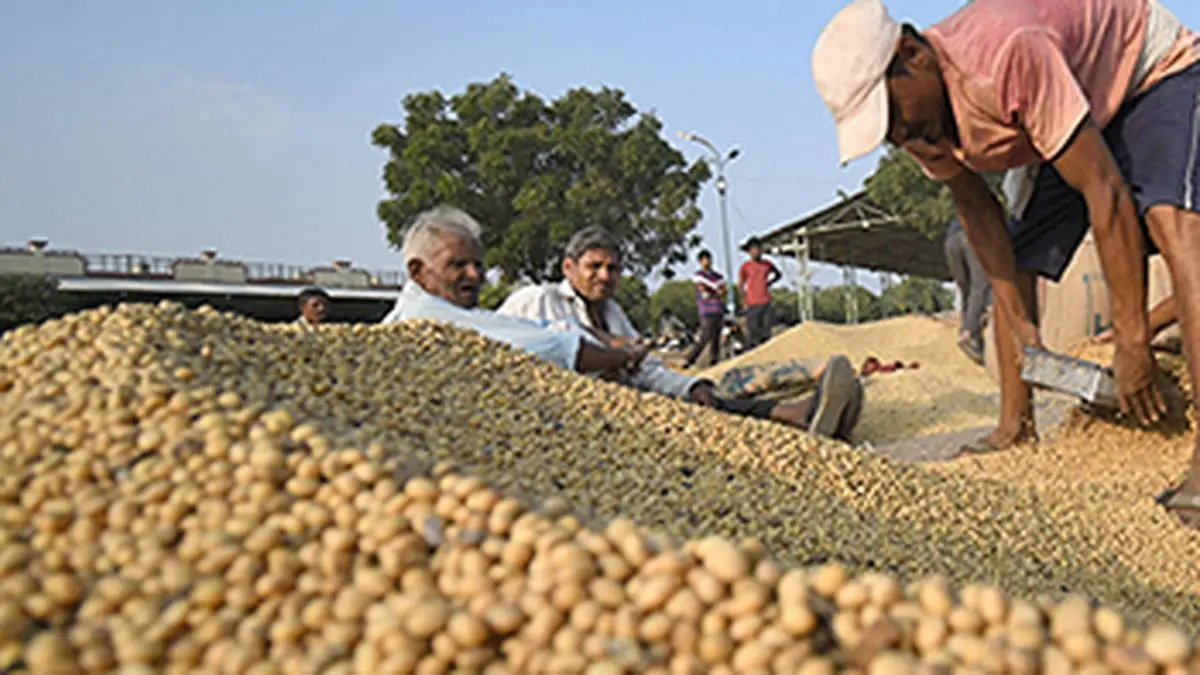
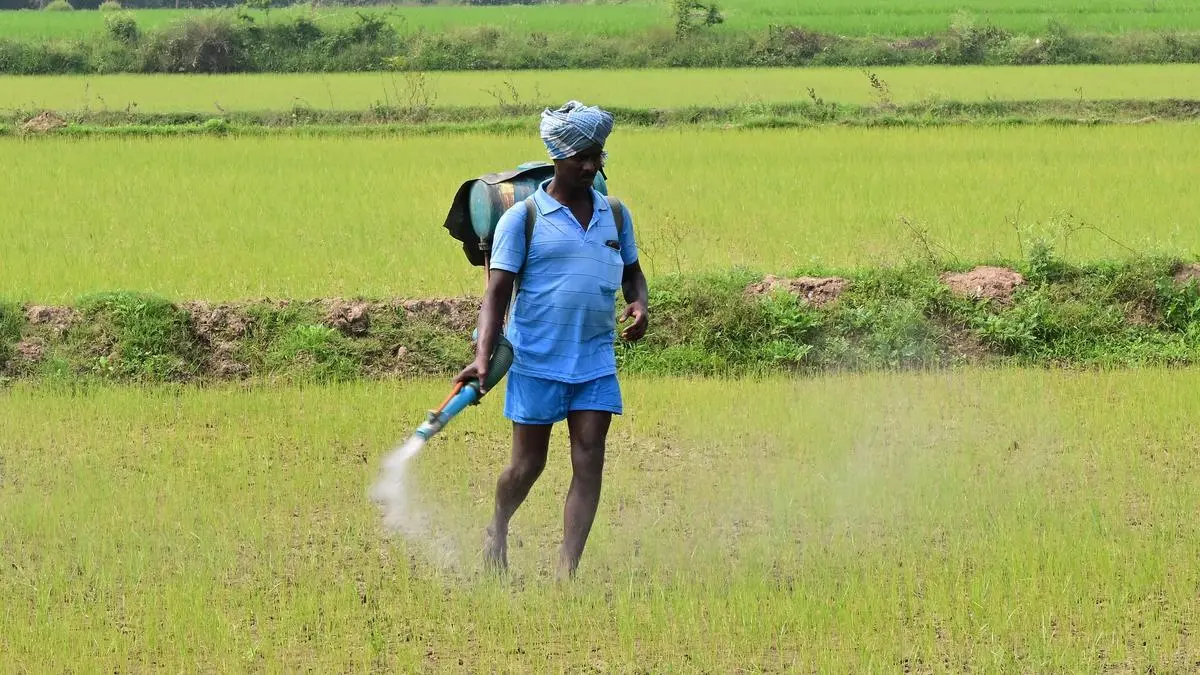
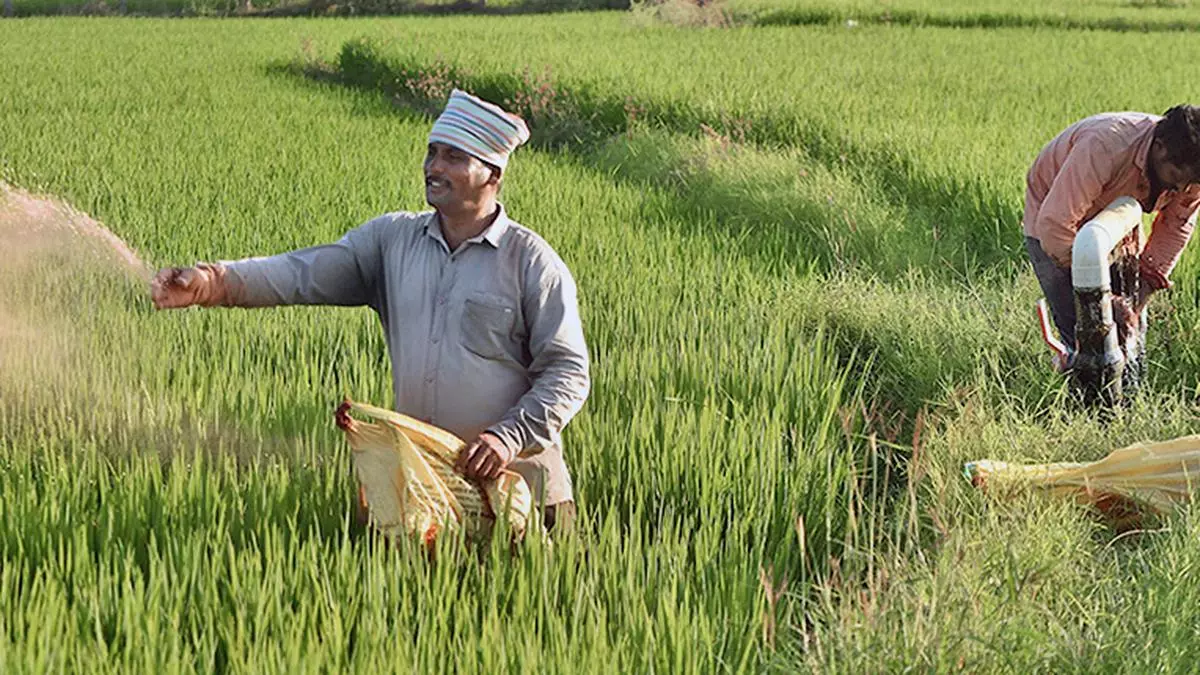
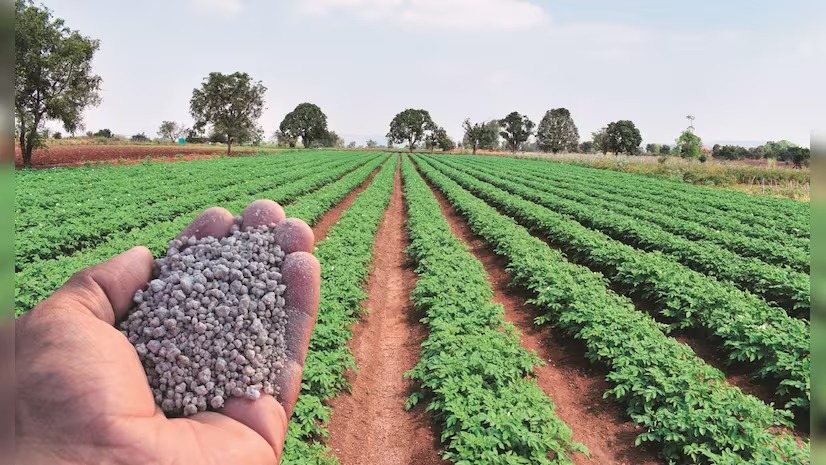
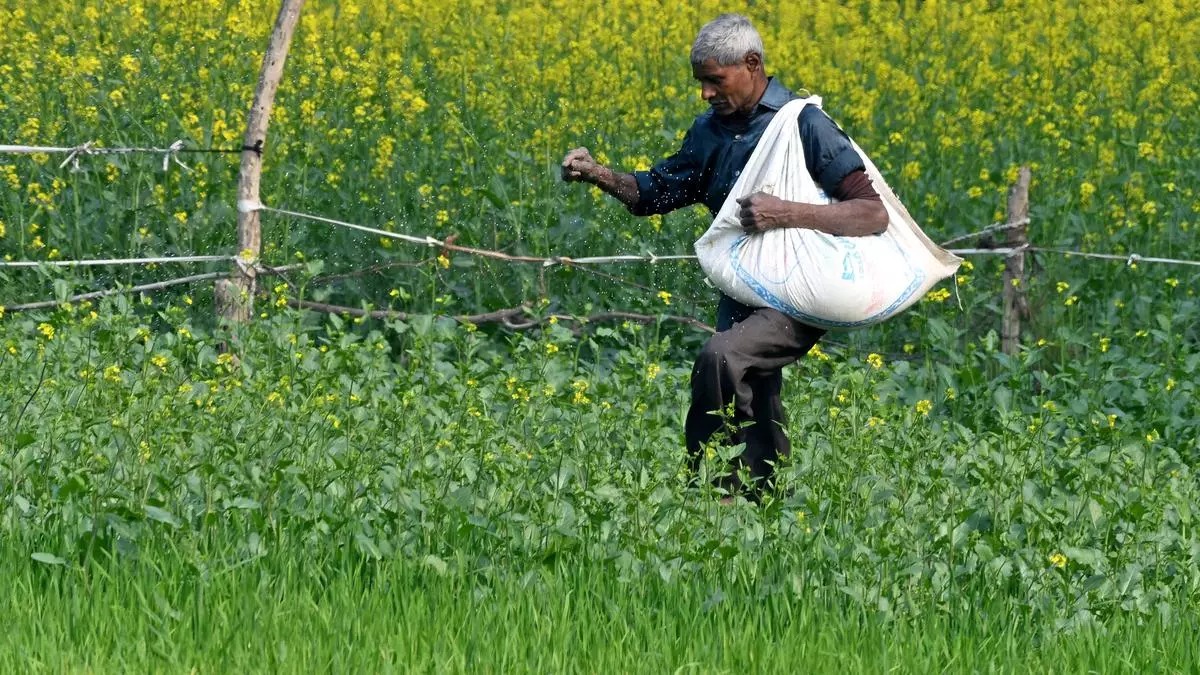
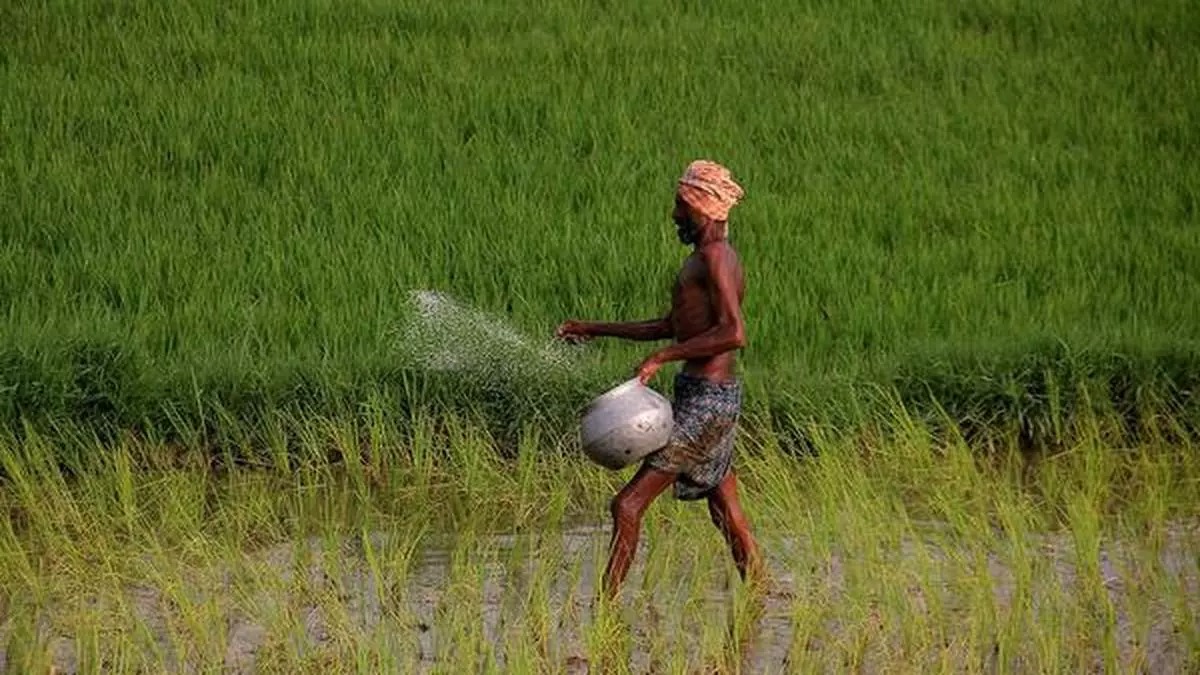
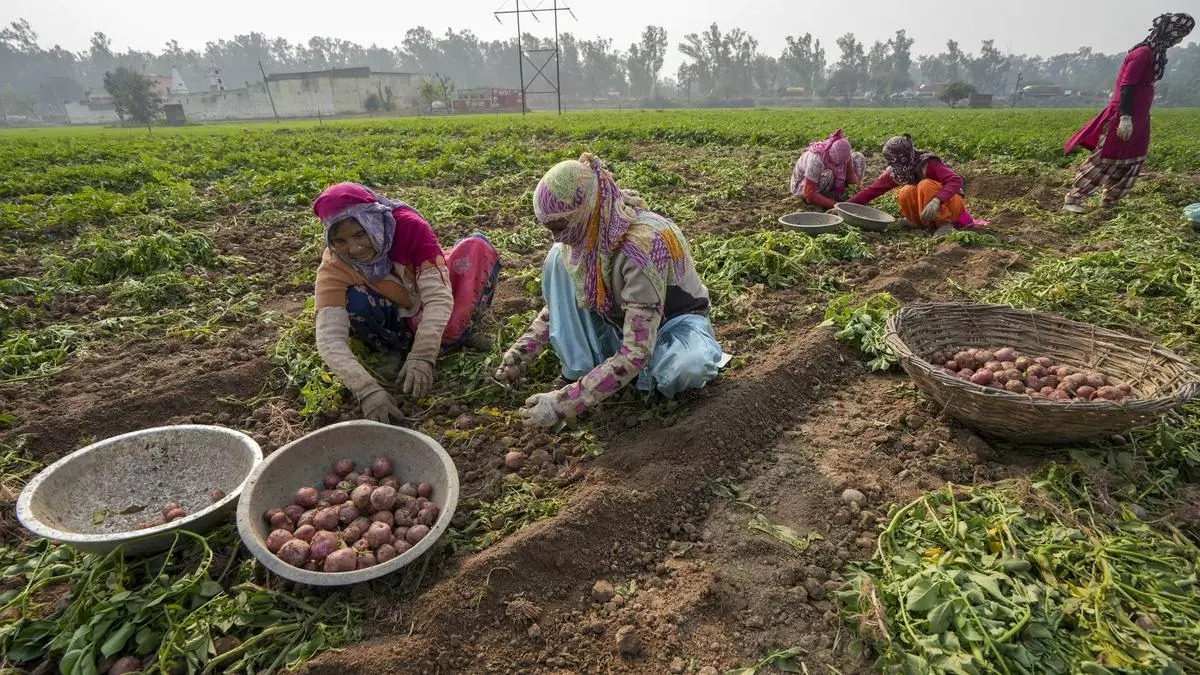
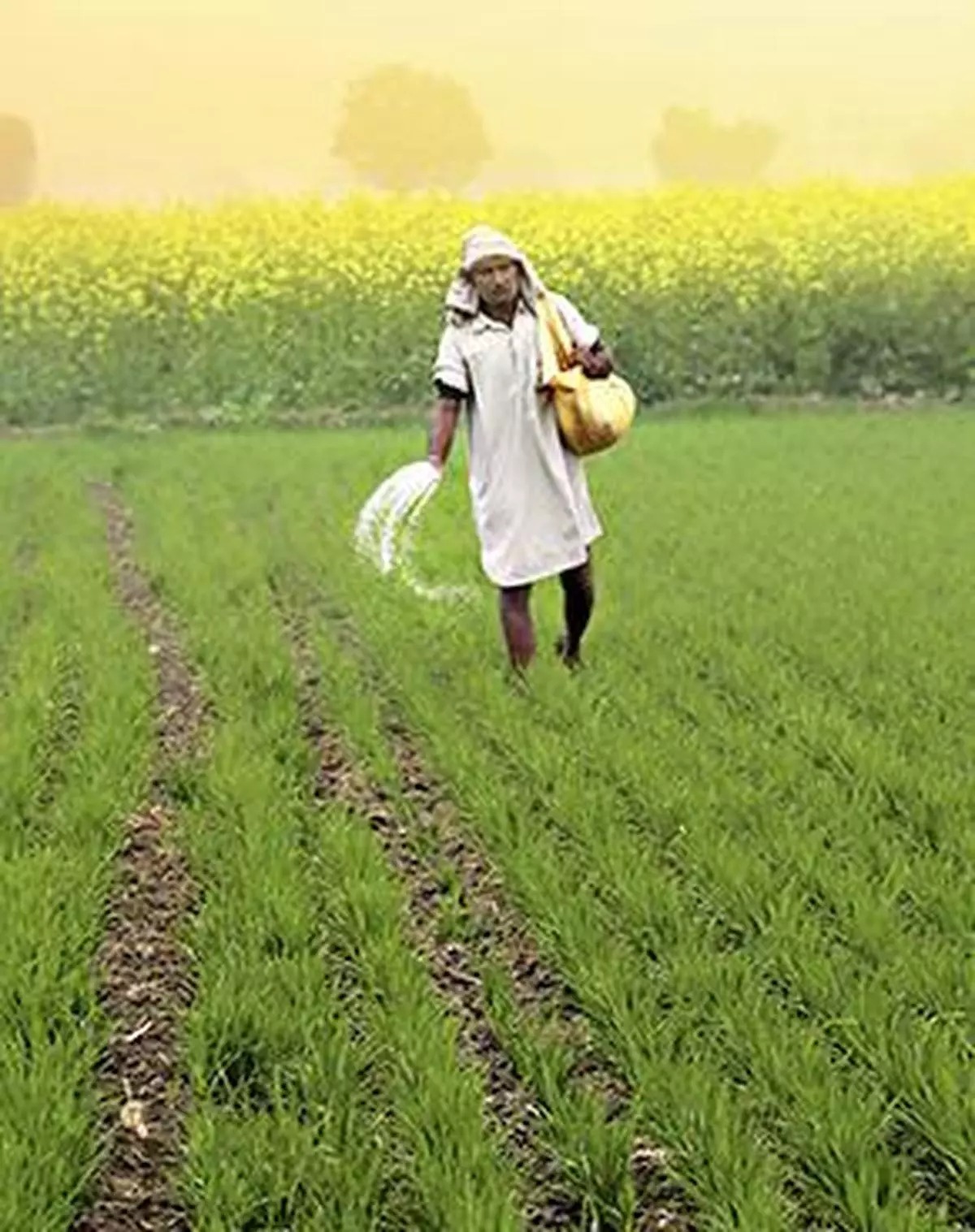
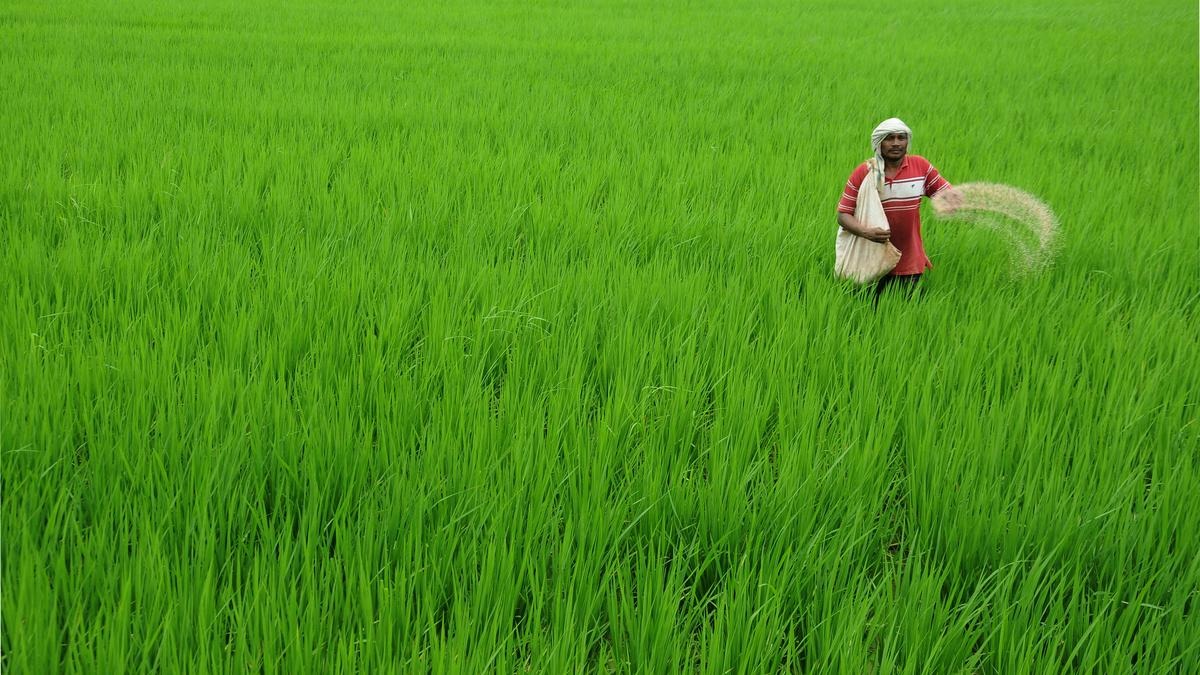
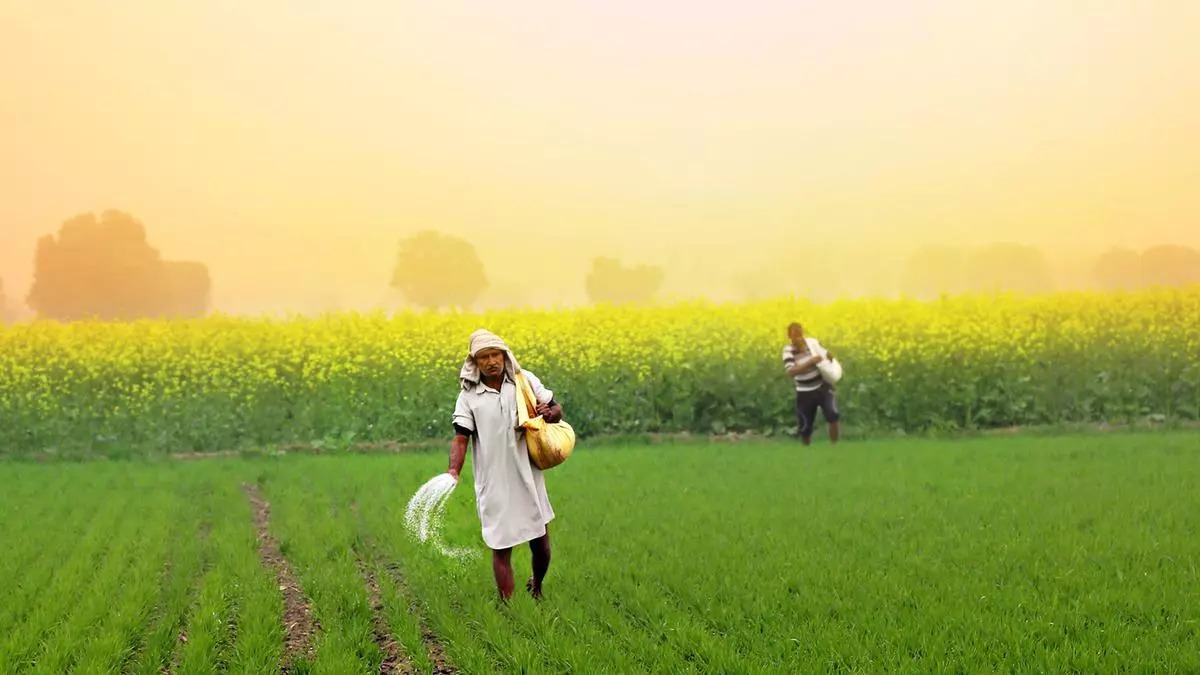
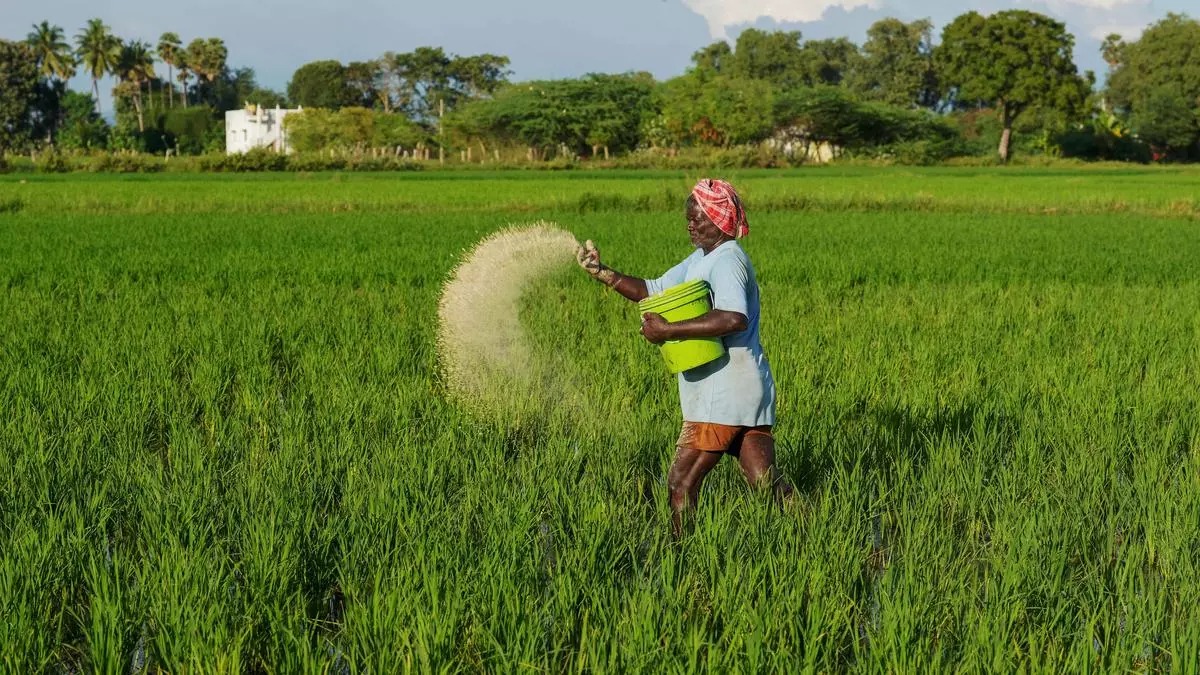
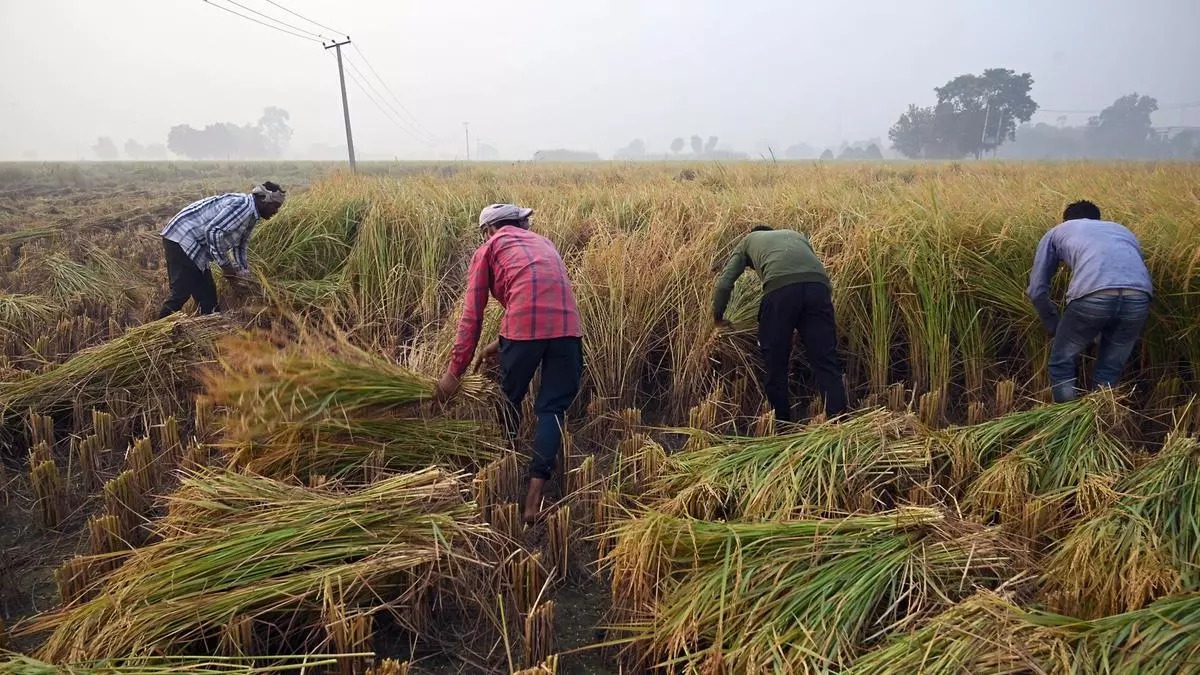
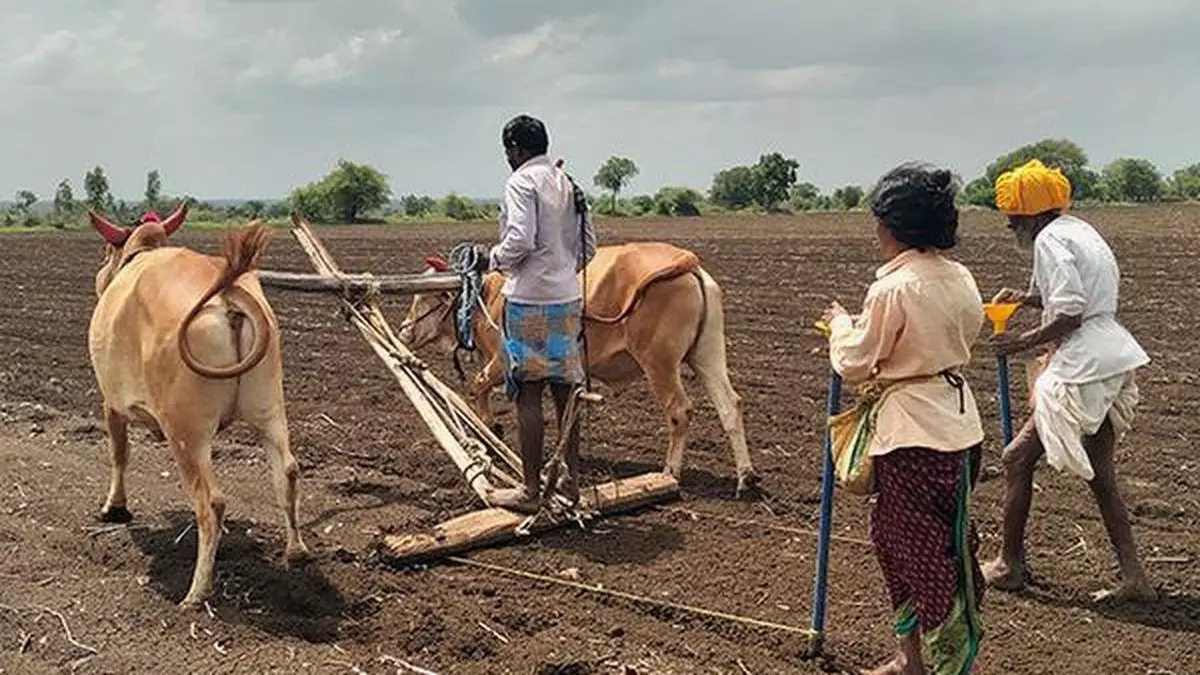
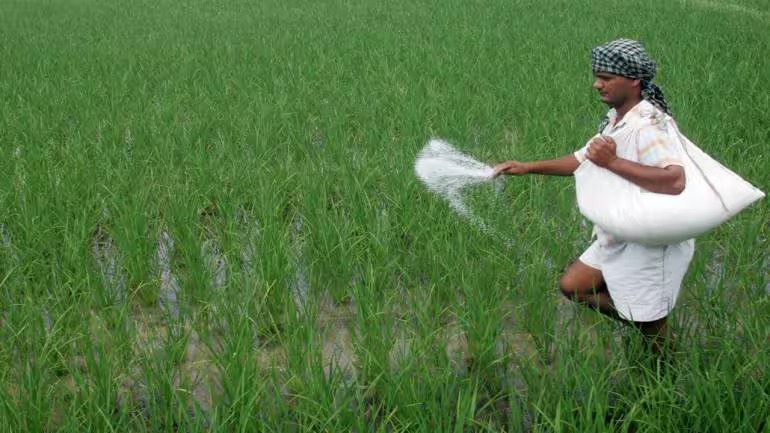
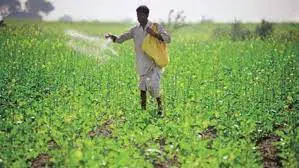
India’s Green Revolution remains one of the defining achievements of modern agriculture. In the span of a few decades, the country transformed itself from a food-deficit nation dependent on imports into one of the world’s largest producers of food grains. High-yielding crop varieties, expanded irrigation networks and the widespread adoption of chemical fertilisers played a pivotal role in securing the nation’s food future.
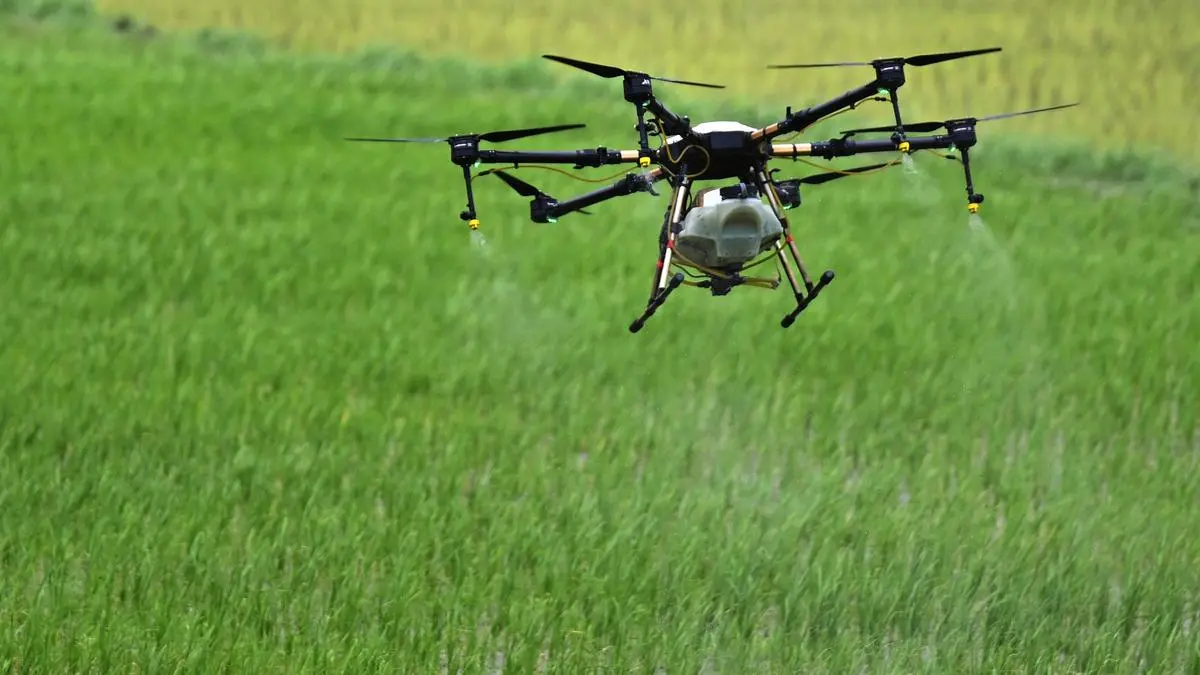
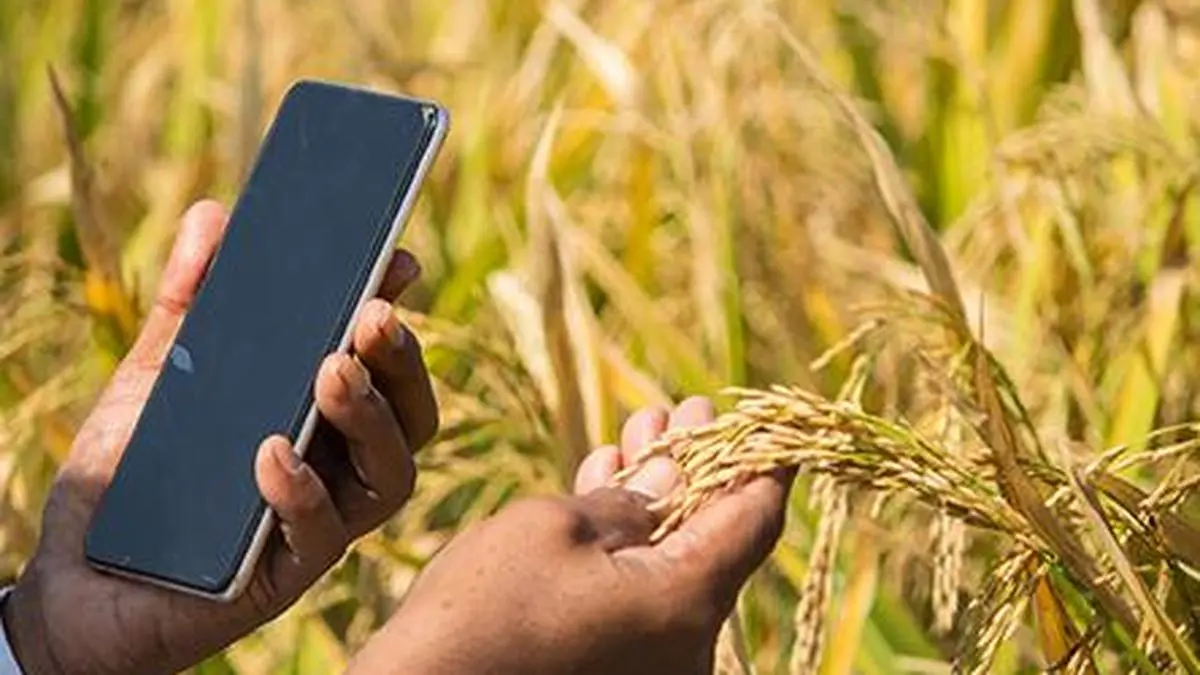
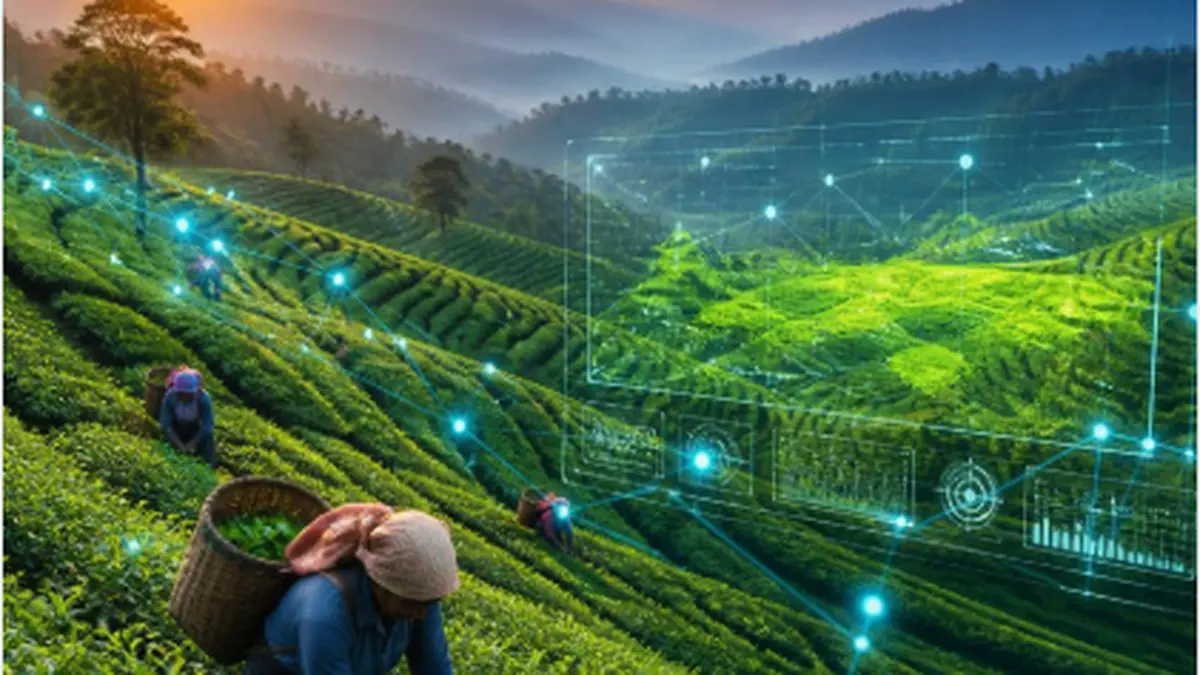
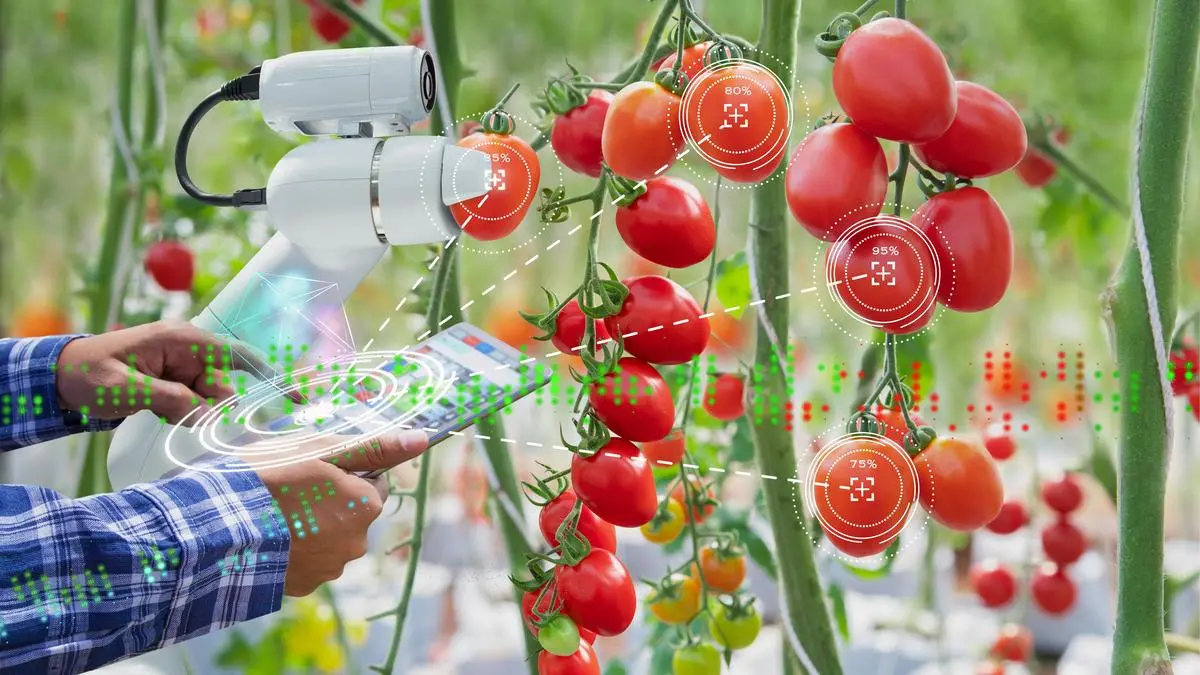
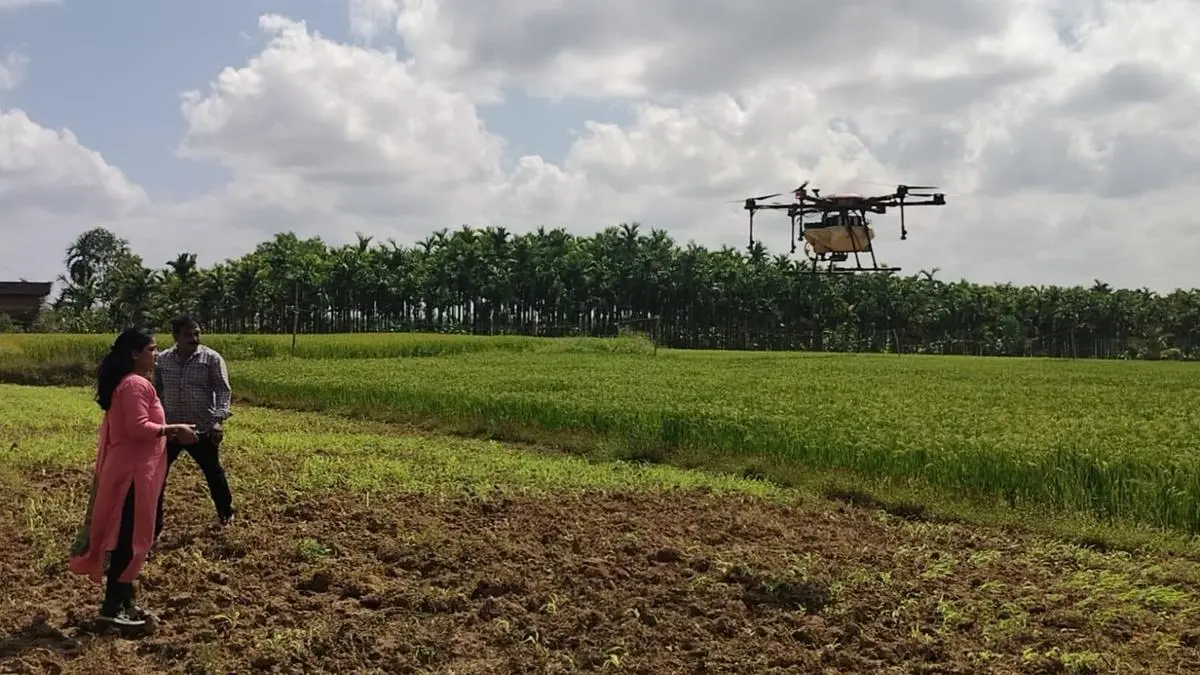
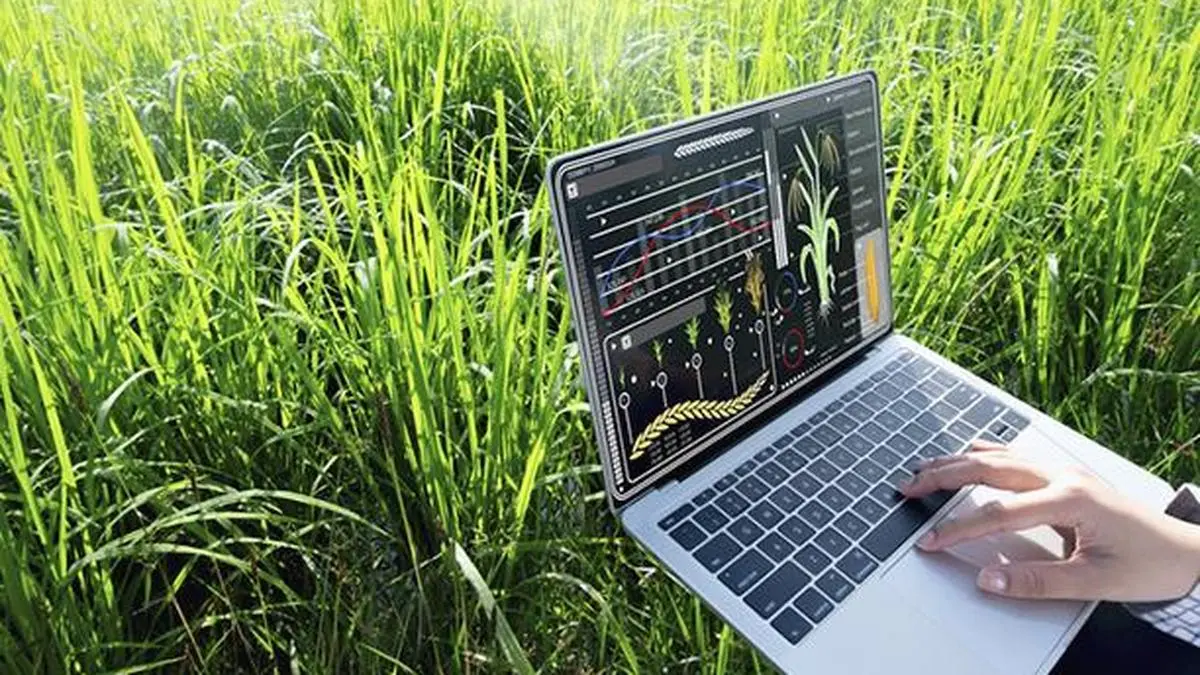
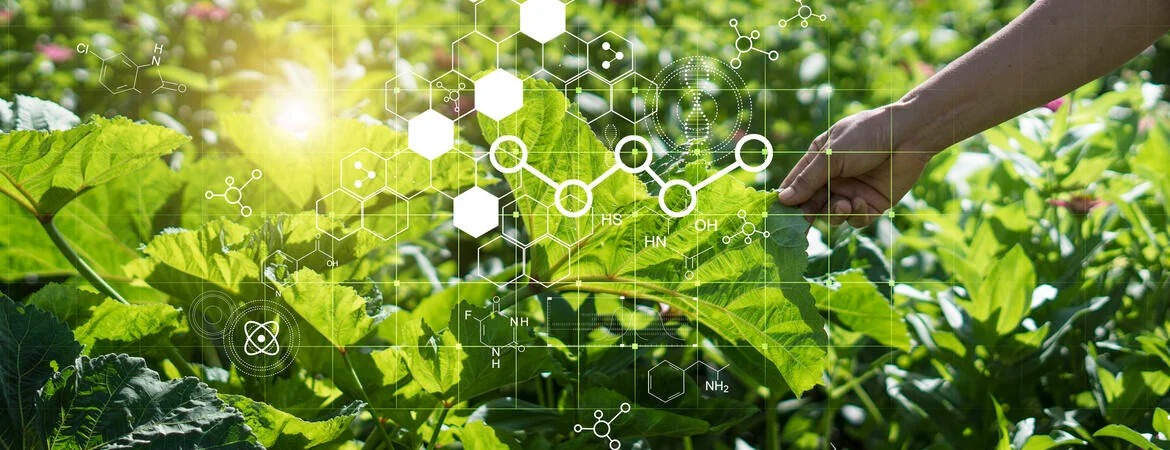
Yet, more than half a century later, the most important lesson of the Green Revolution is not that agricultural inputs can transform productivity. It is that quality, stewardship and balanced use determine whether those gains remain sustainable over generations. As India stands at the threshold of a Bio Revolution powered by biofertilisers, microbial consortia, biostimulants and other biological inputs, this lesson has never been more relevant.