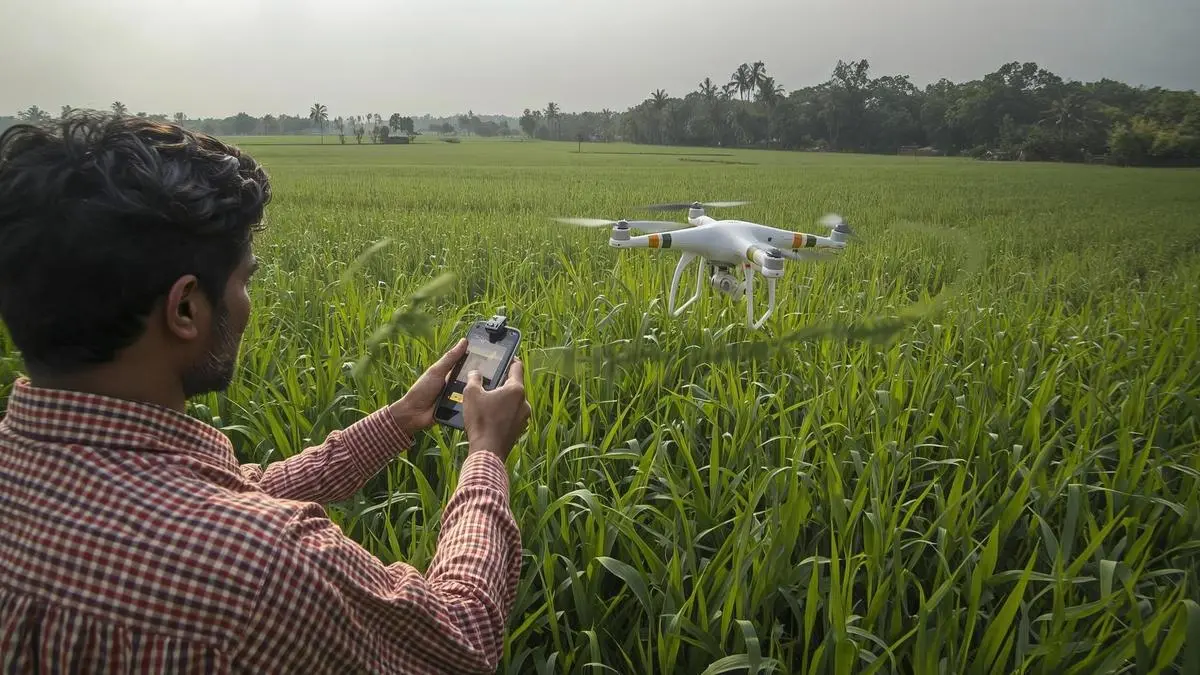
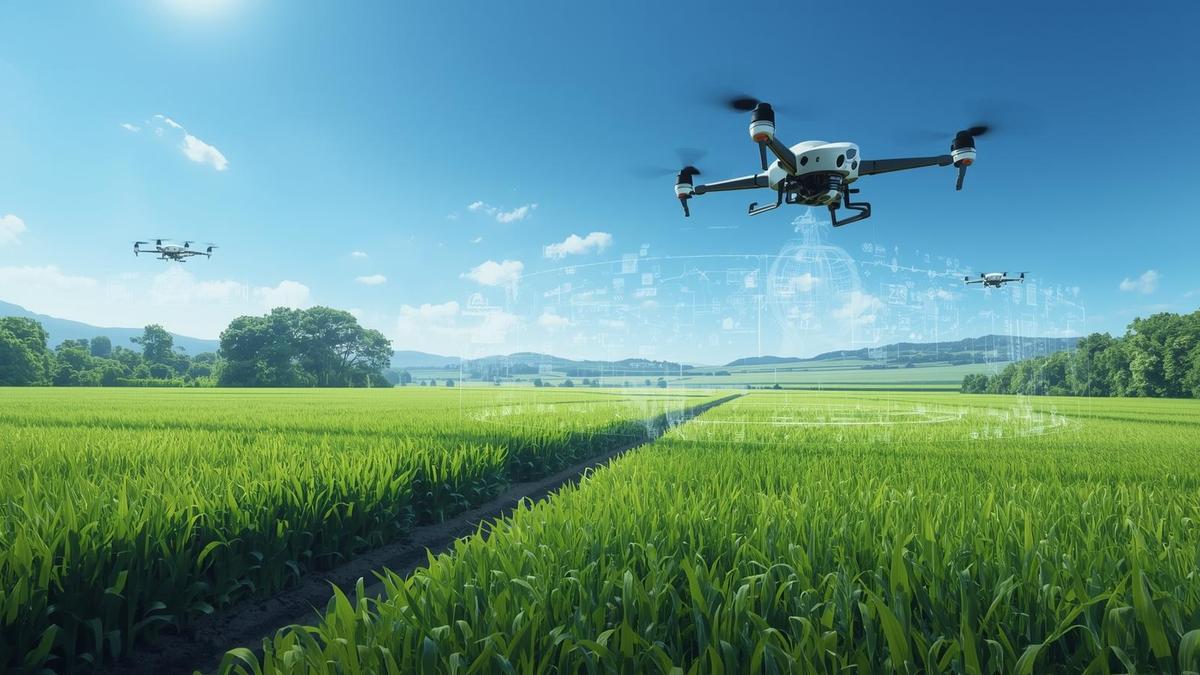
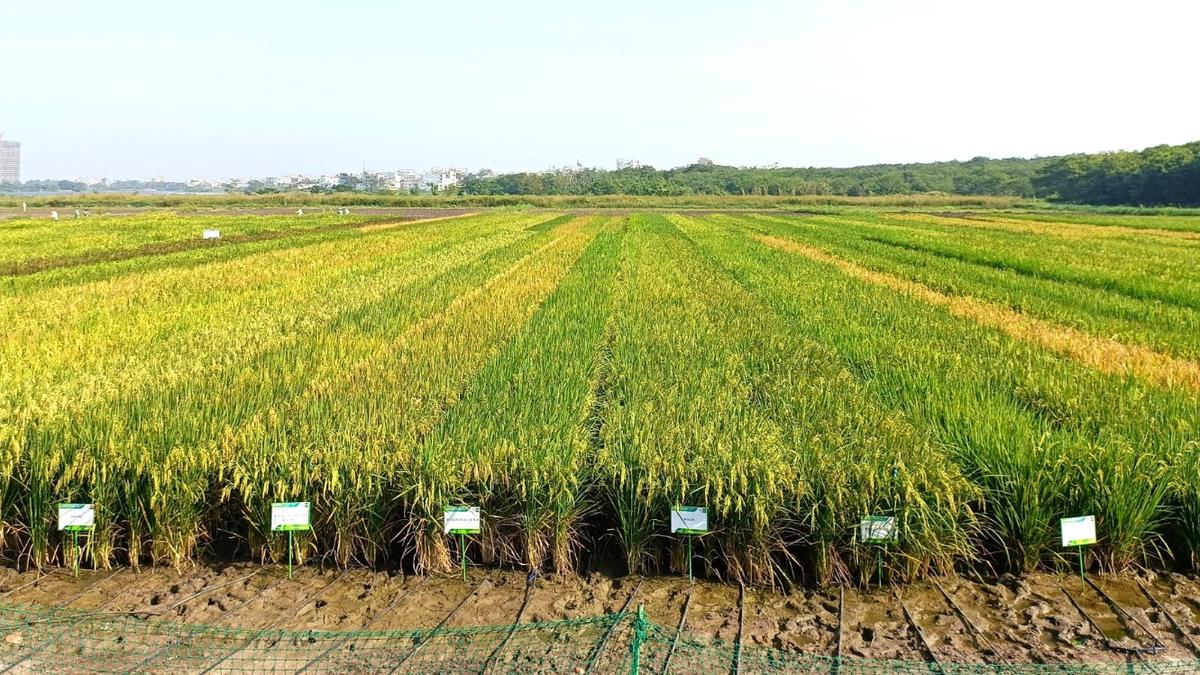
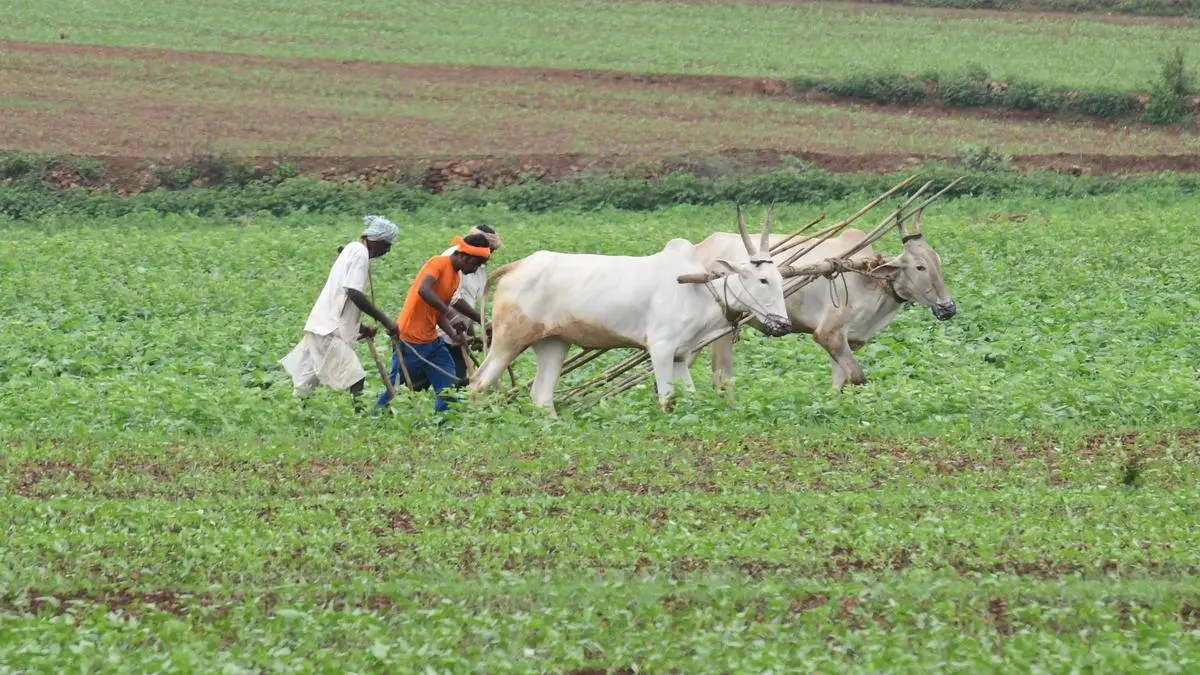
India has produced hundreds of agritech startups over the past decade, attracted more than two billion dollars in venture capital, and still cannot point to a definitive pure-play agritech unicorn in the field. That gap between investor enthusiasm and commercial outcomes is not a failure of technology. Rather, it reflects a deeper reality: technology investments have frequently overlooked the most critical bottlenecks in the agricultural value chain.
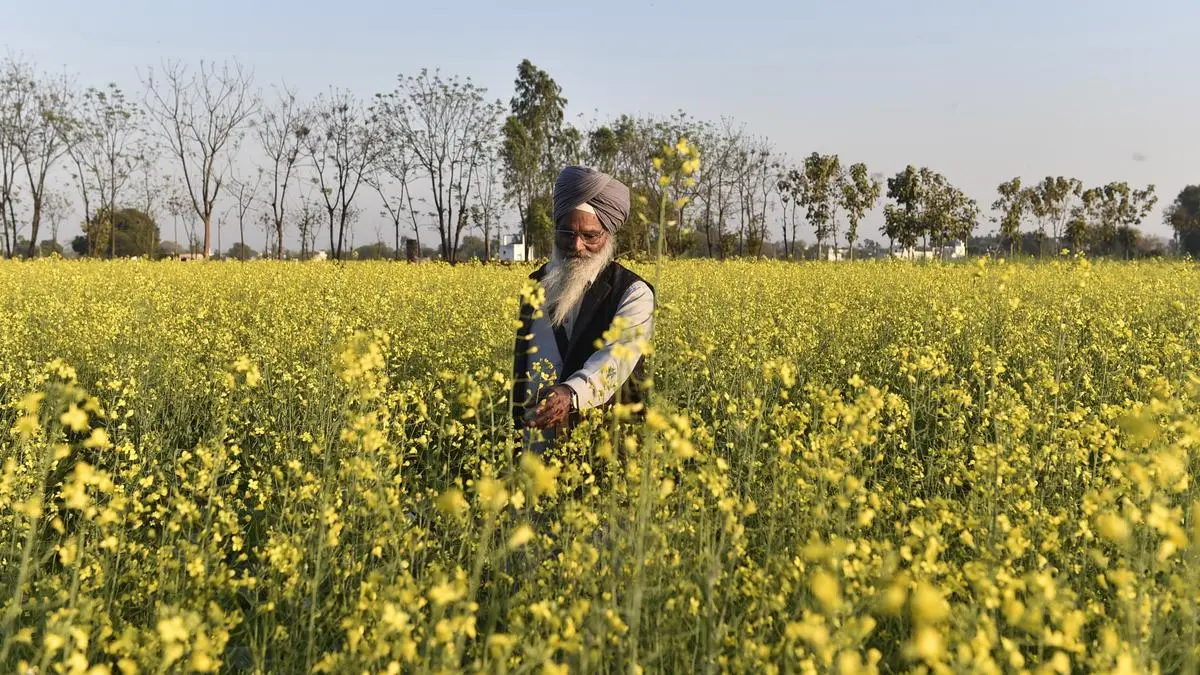
The paradox is particularly striking in a country where agriculture and allied sector supports 46.1 per cent of the population and contributes around 16 per cent to the GDP.
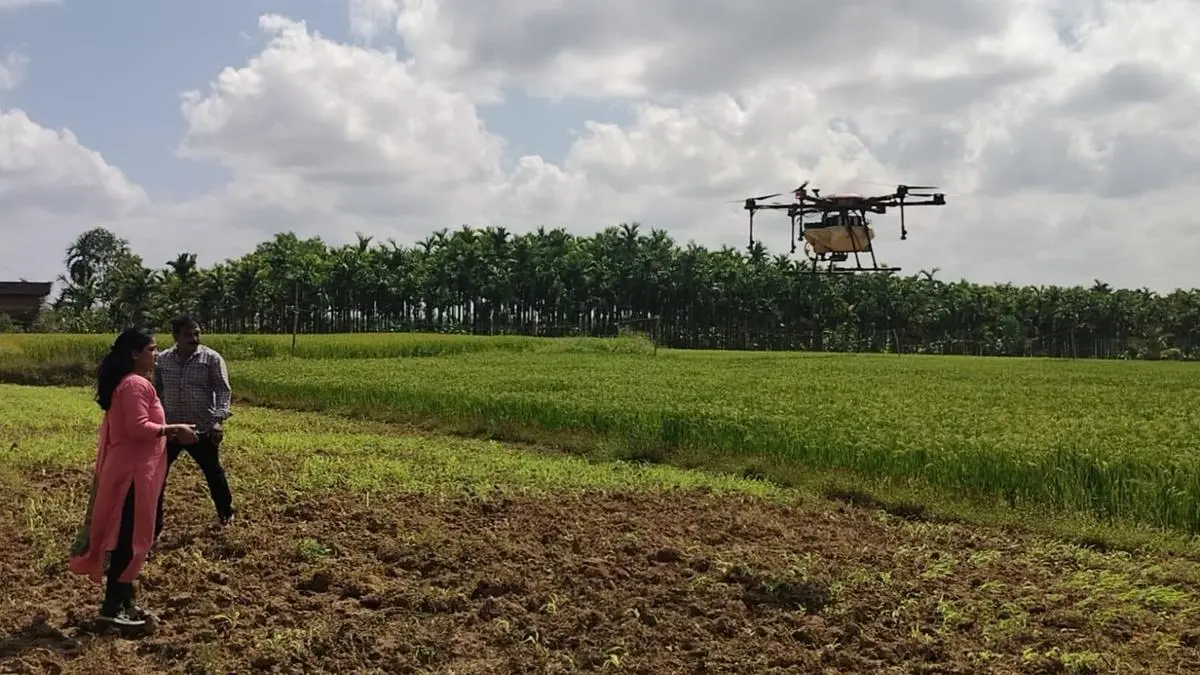
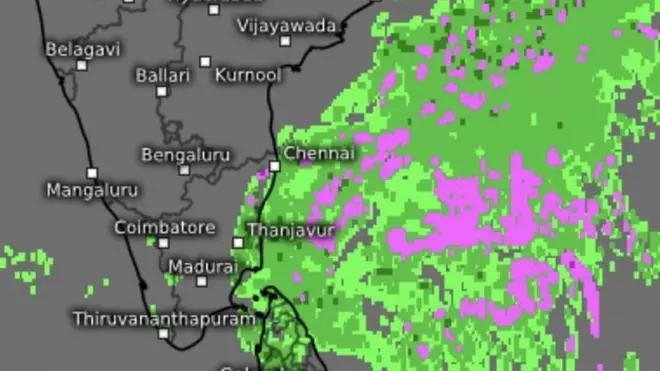
The rise of agritech in India followed a familiar and logical trajectory. In the early years, roughly 2012 to 2017, efforts focused on advisory services, weather data and market information delivered through mobile platforms. As the ecosystem matured, investors moved into a more ambitious phase, backing platforms that sought to connect farmers directly with inputs, procurement, logistics and financial services. Several sizable businesses emerged on the premise that a digital layer could unlock significant value by connecting India’s fragmented agricultural ecosystem.