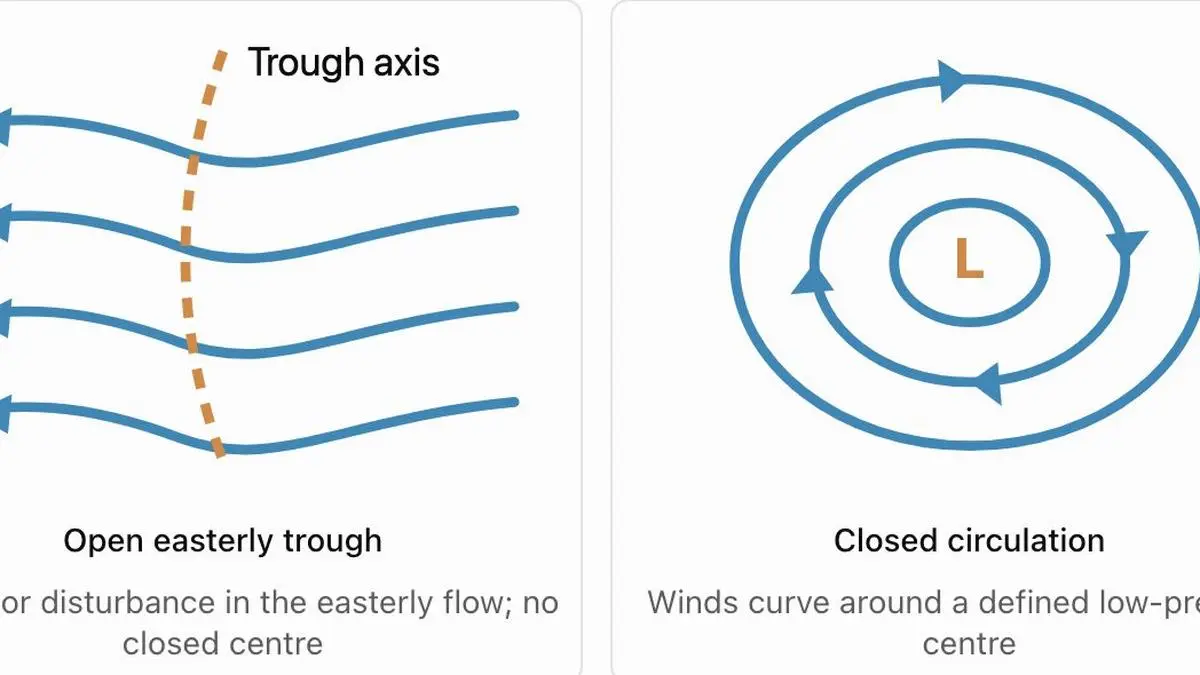
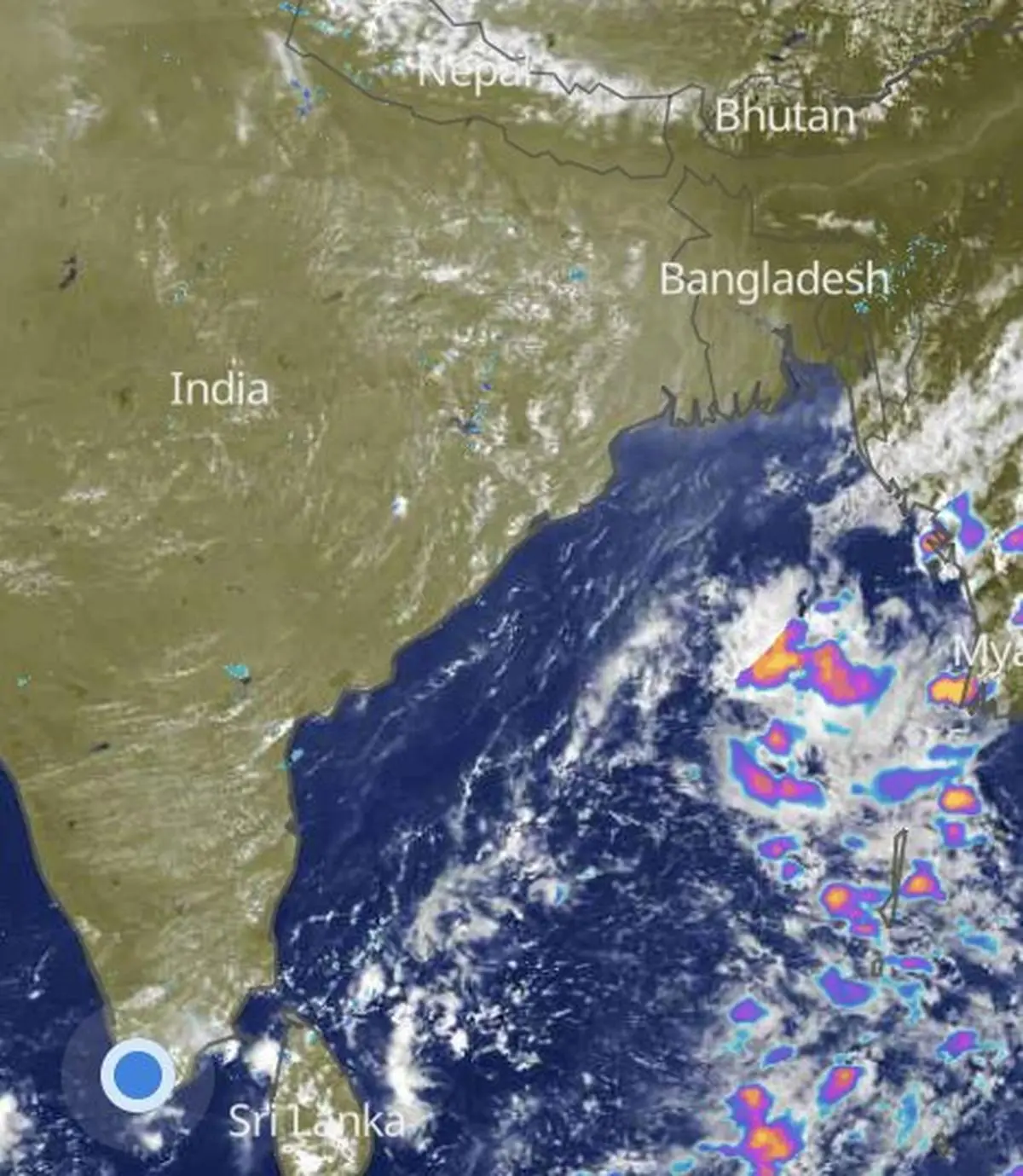
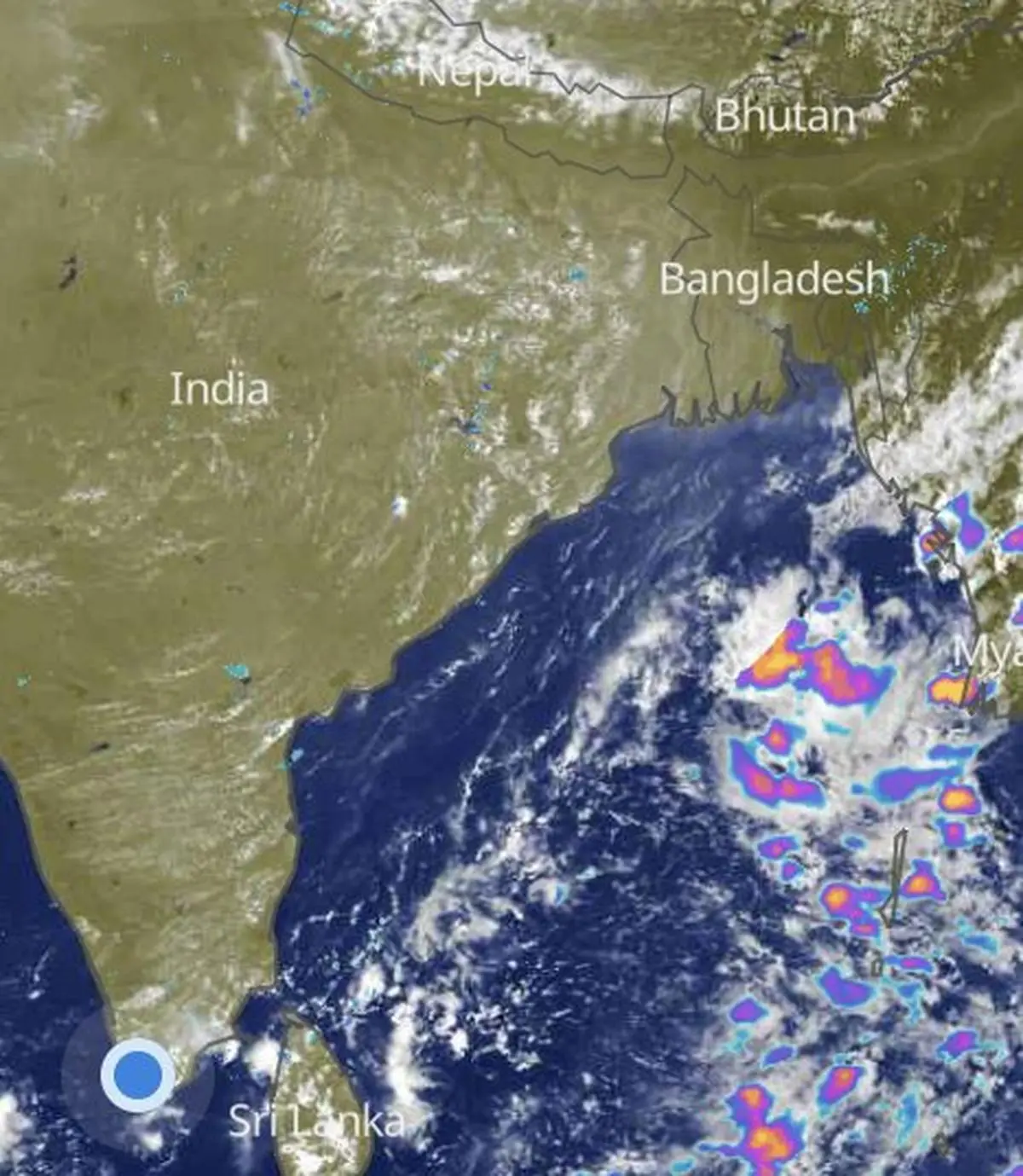
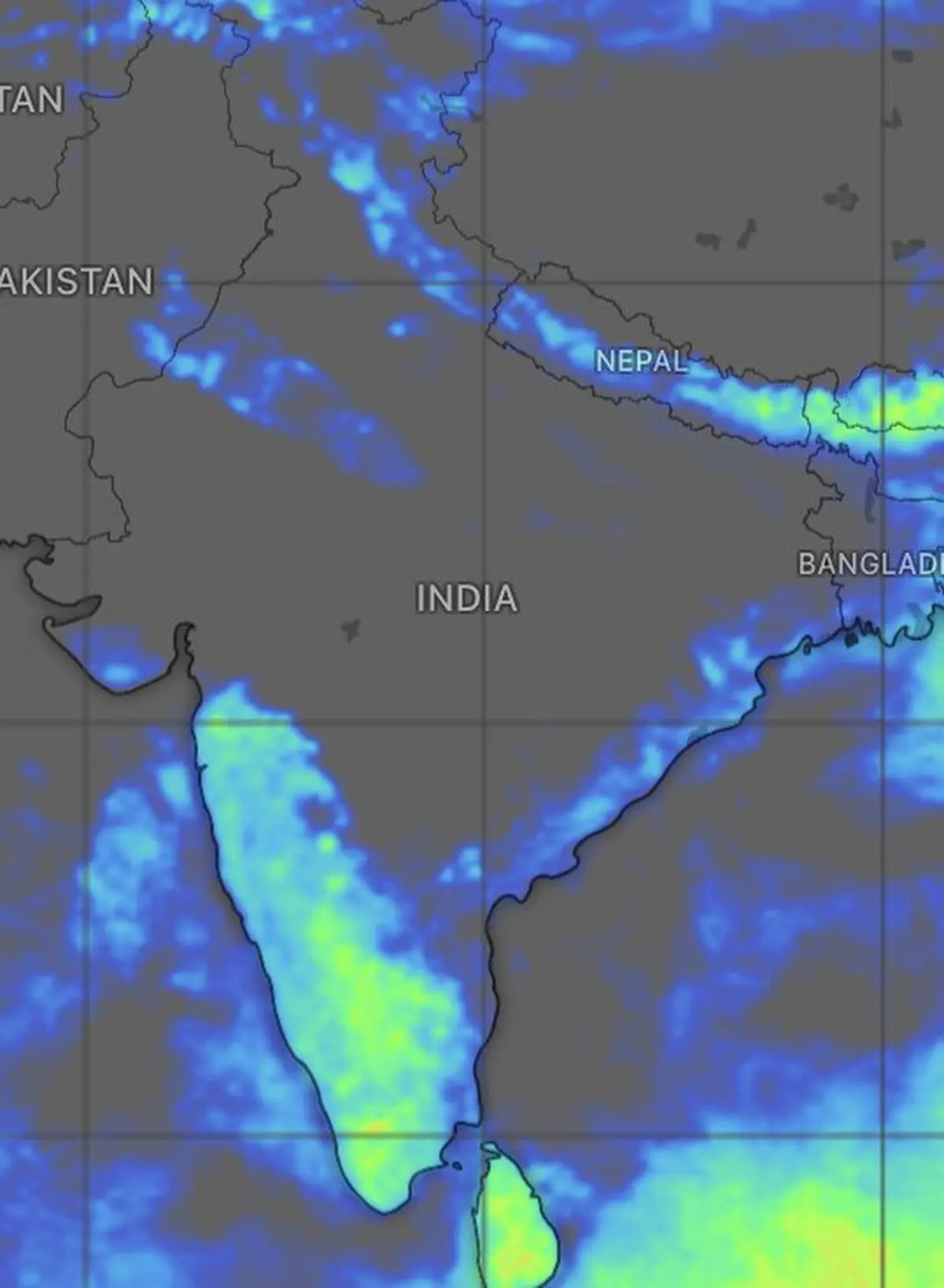
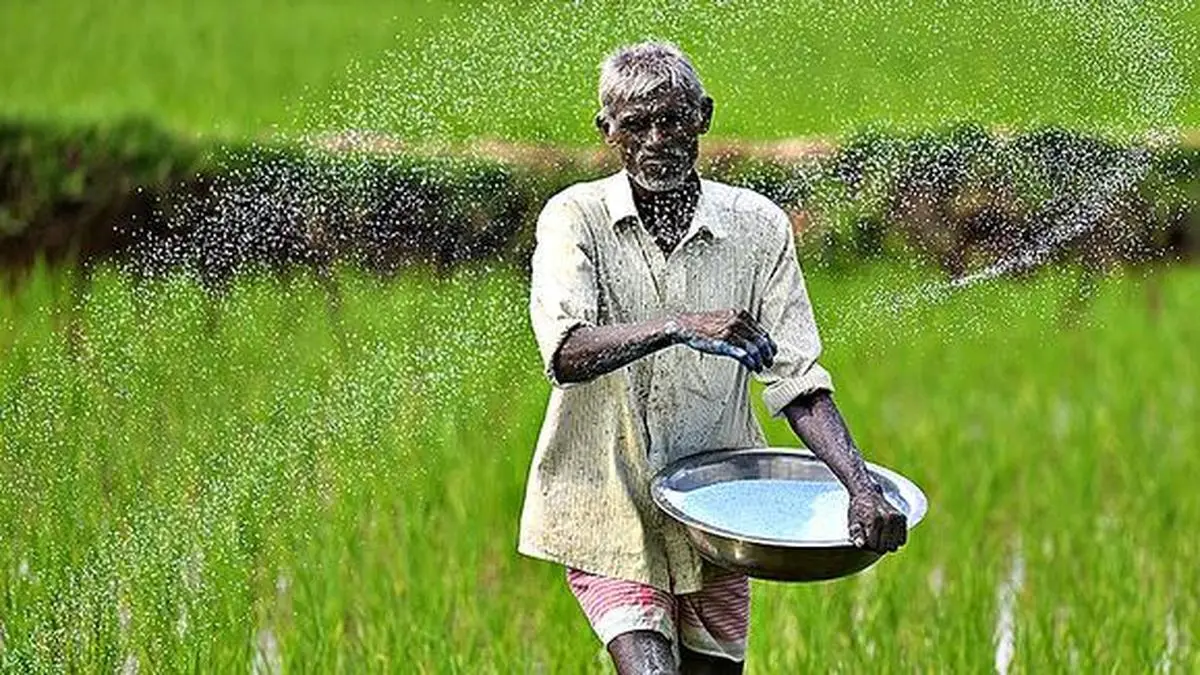
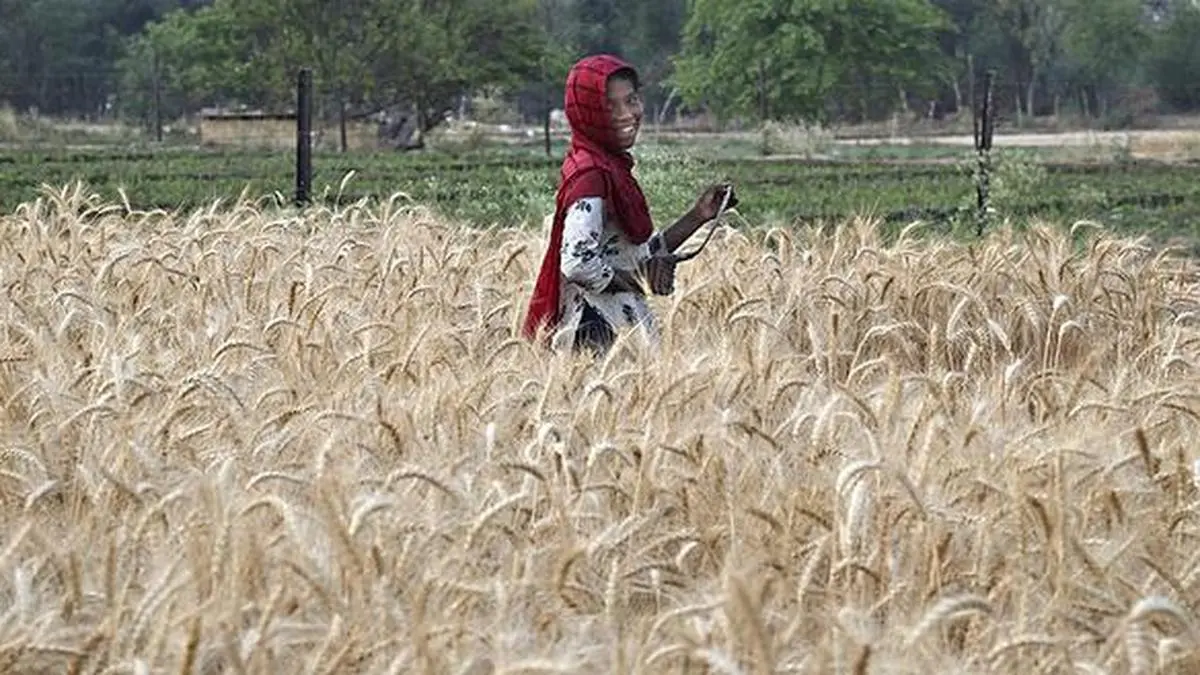
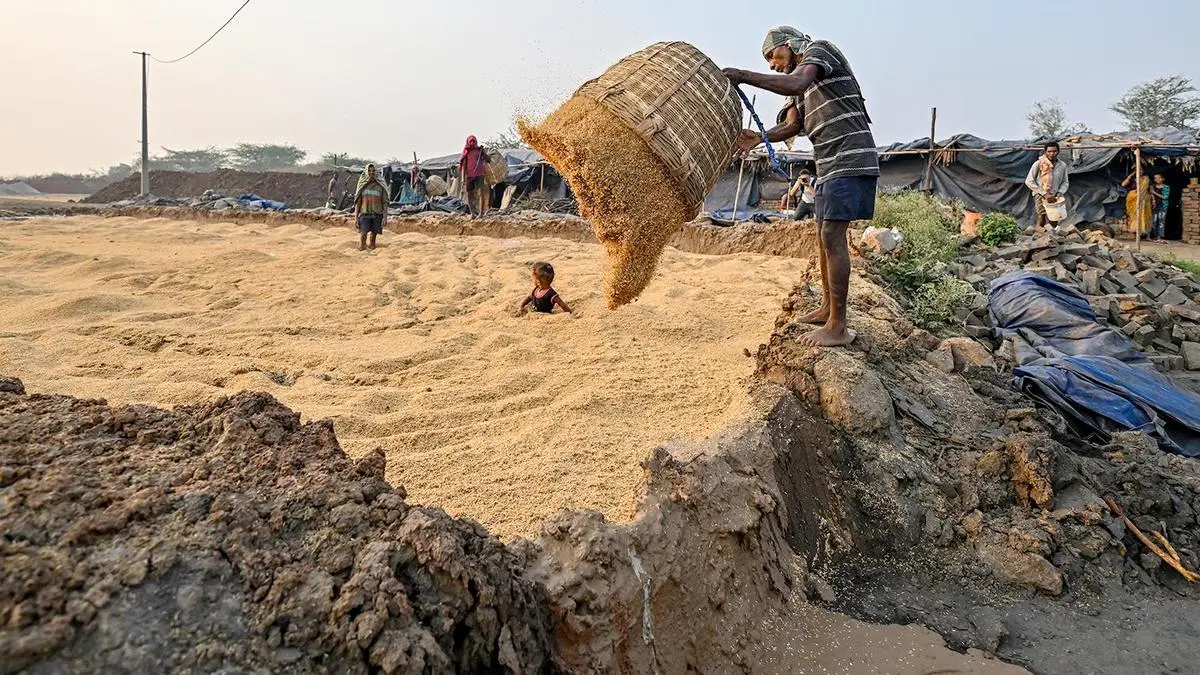
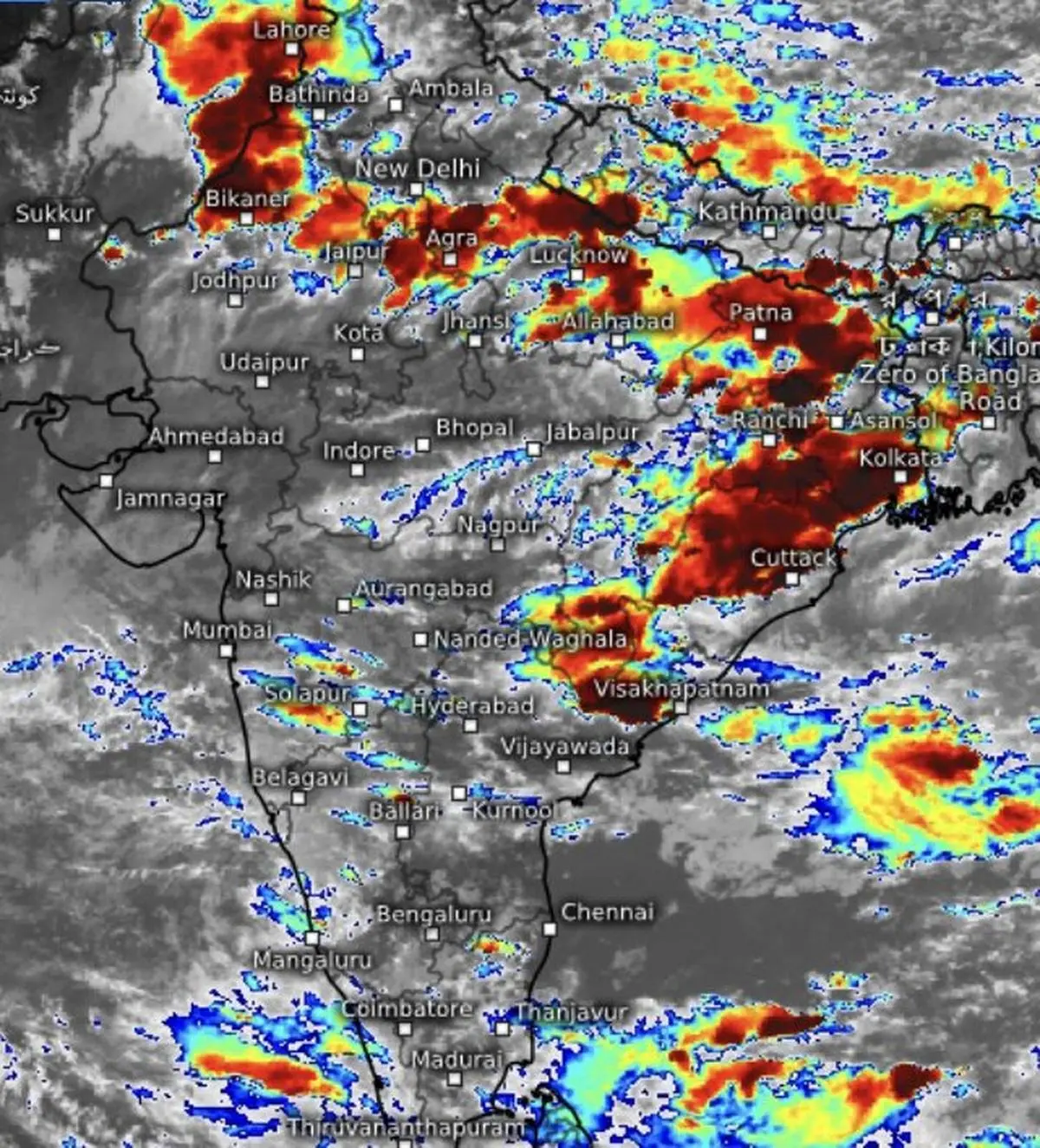
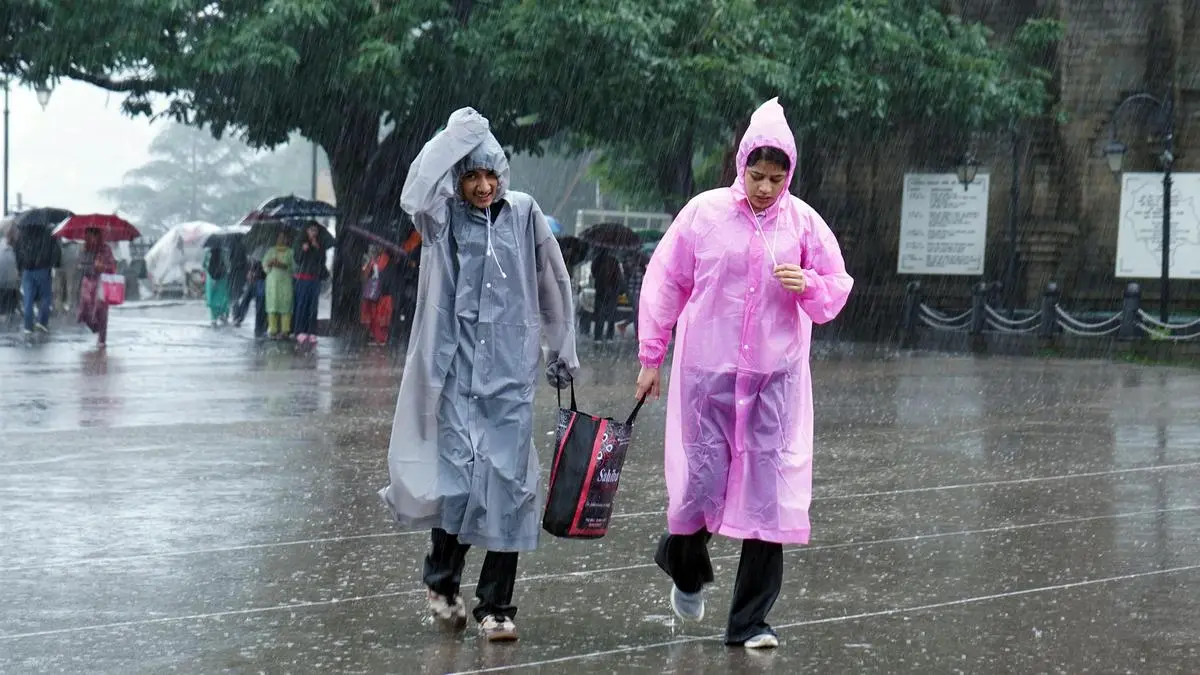
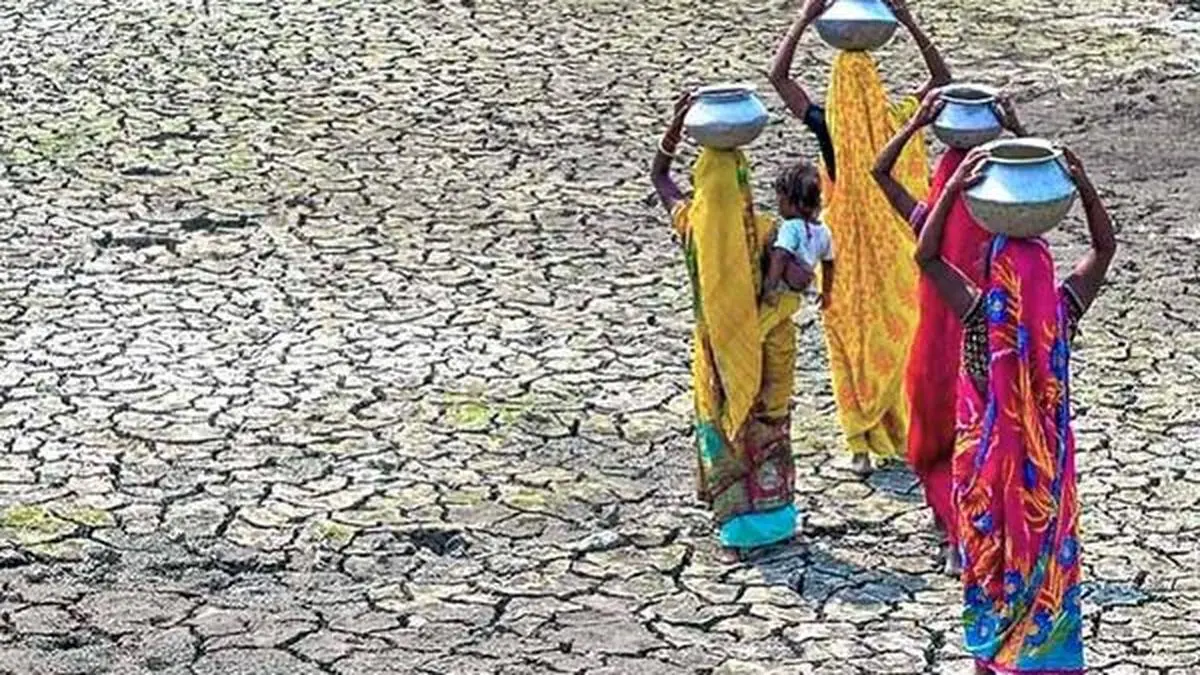
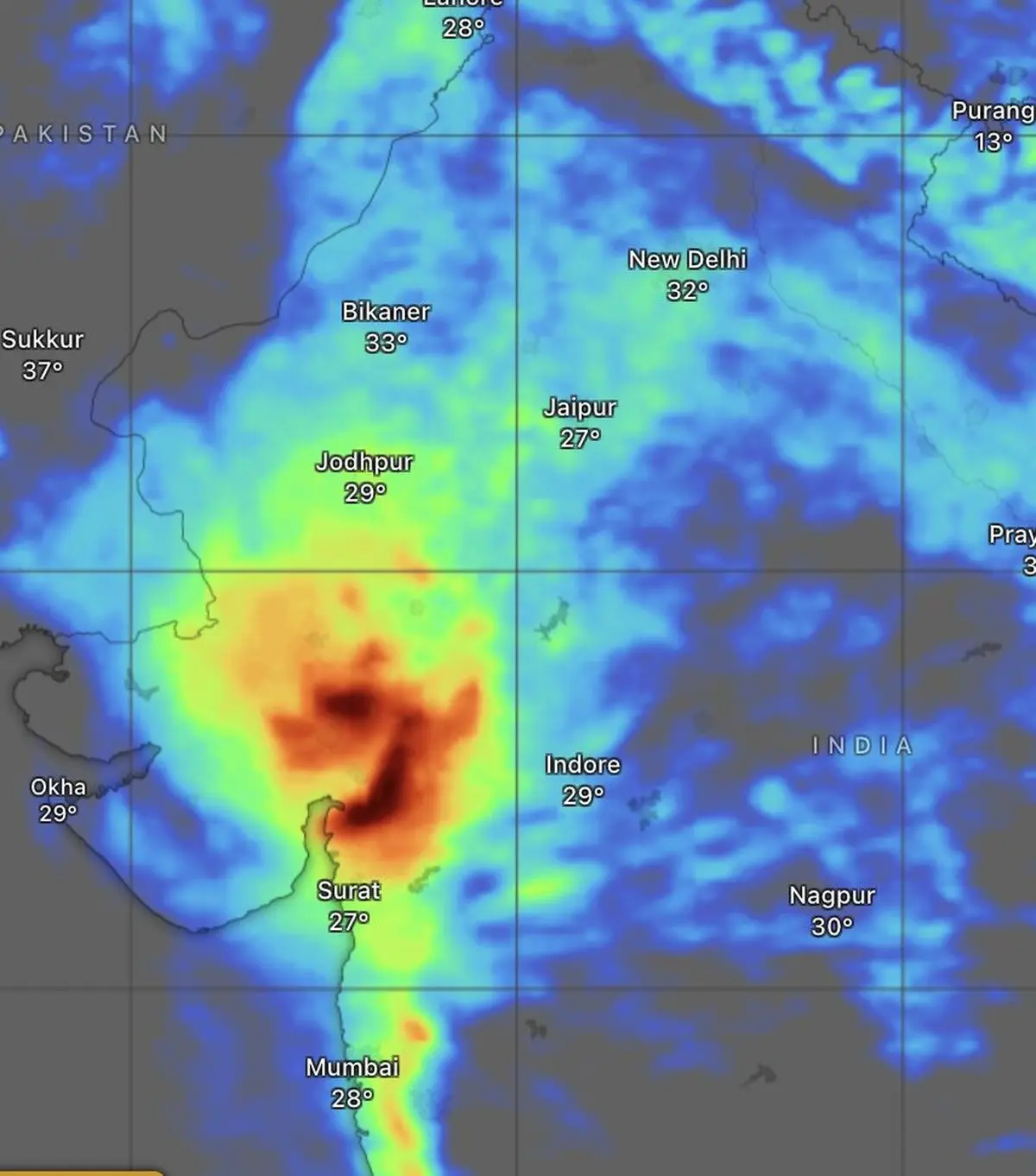
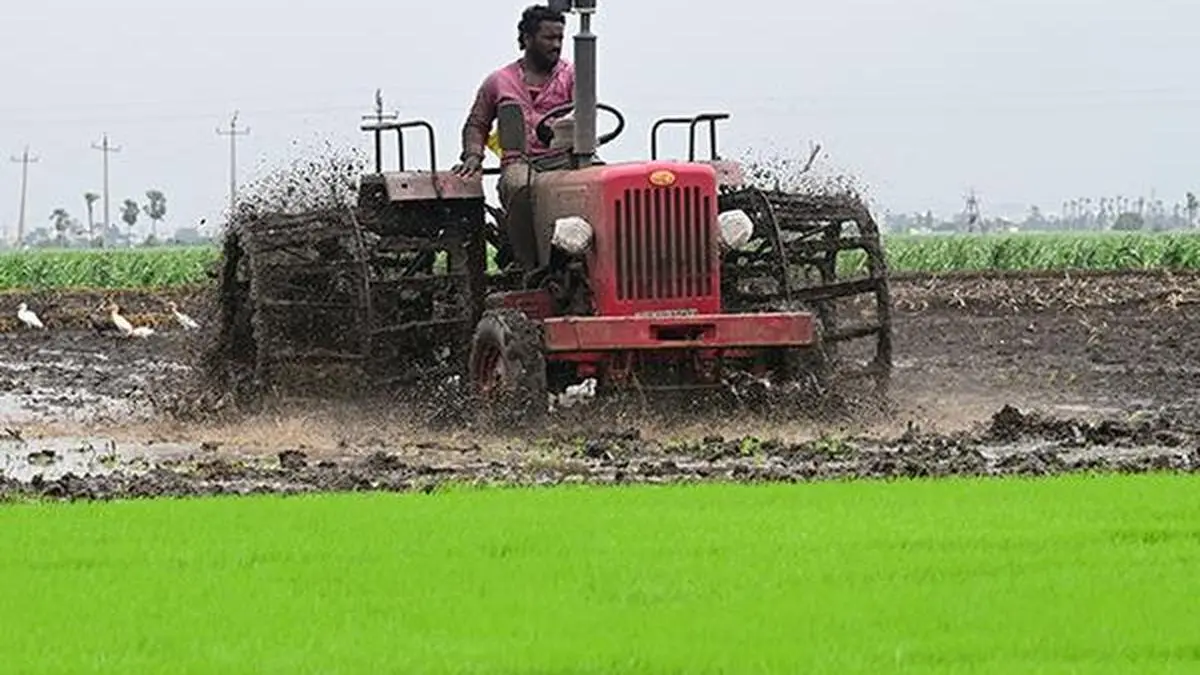
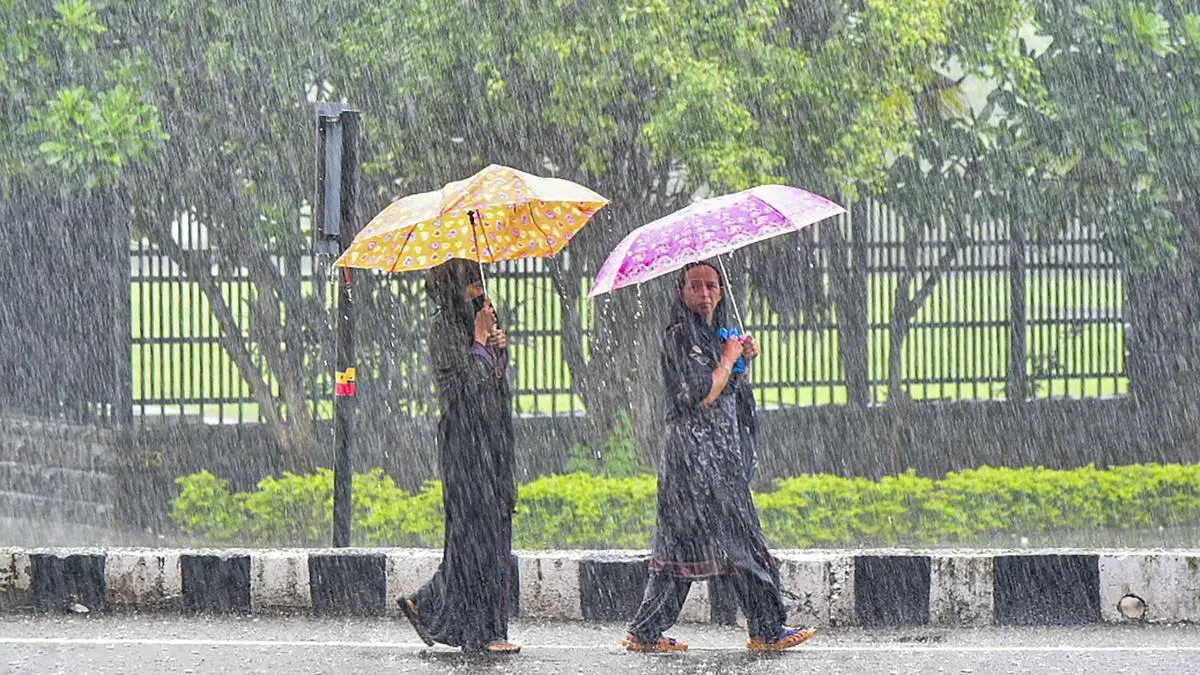
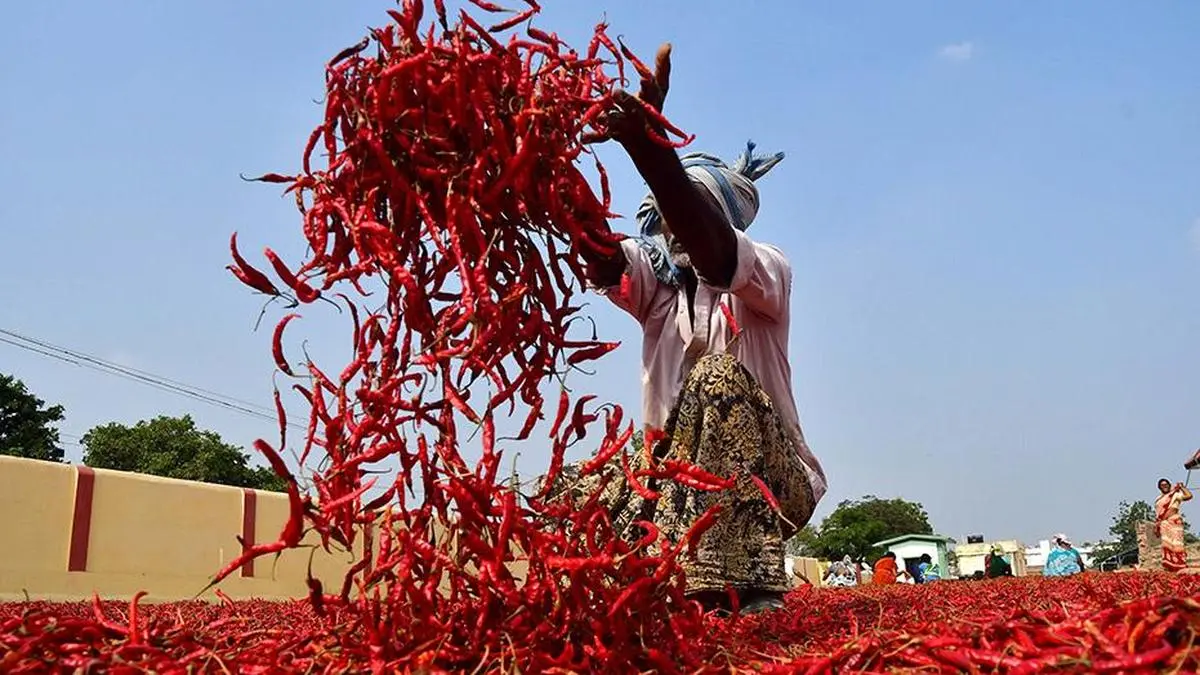
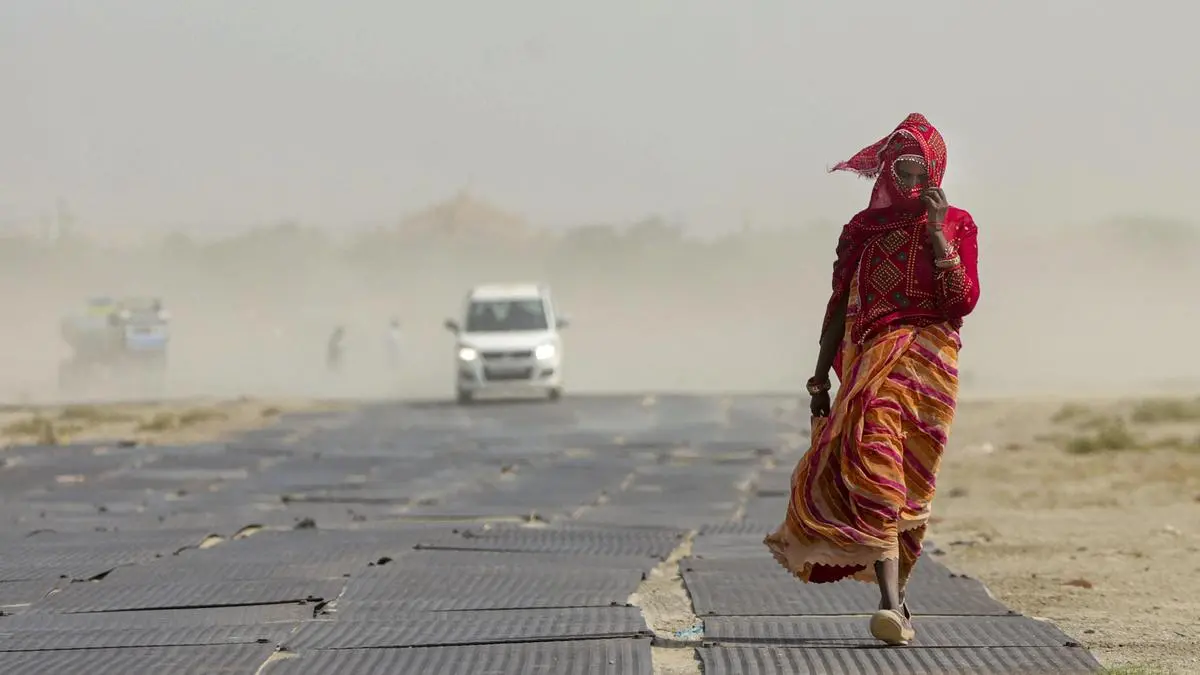
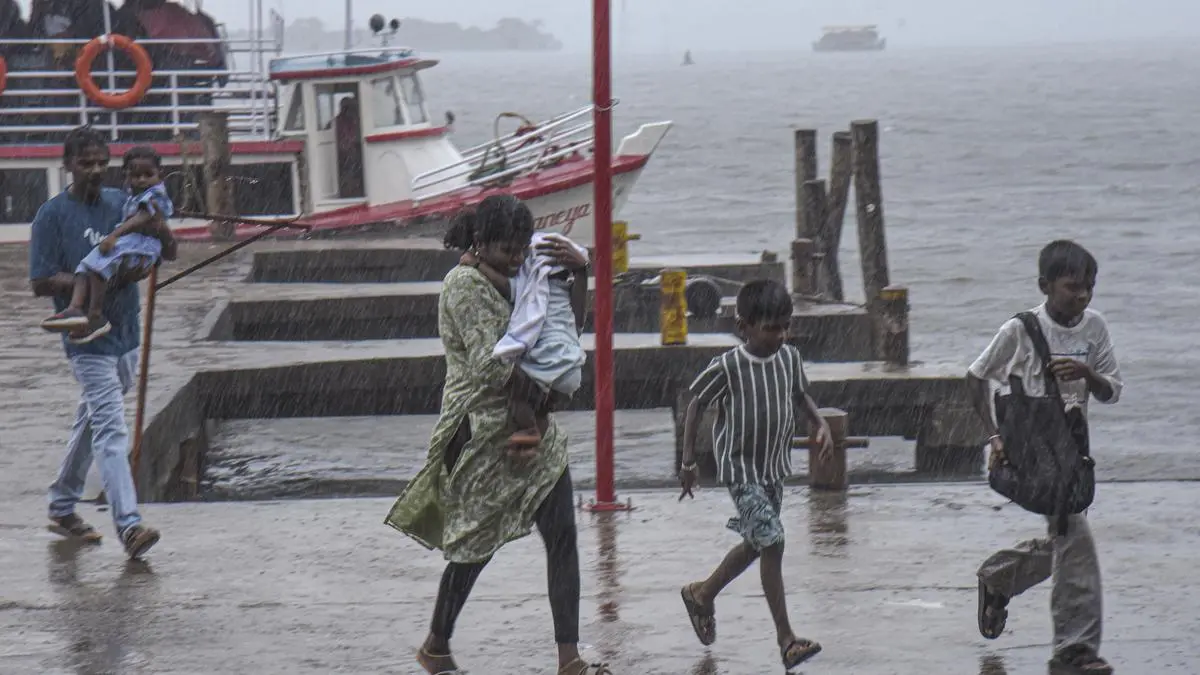
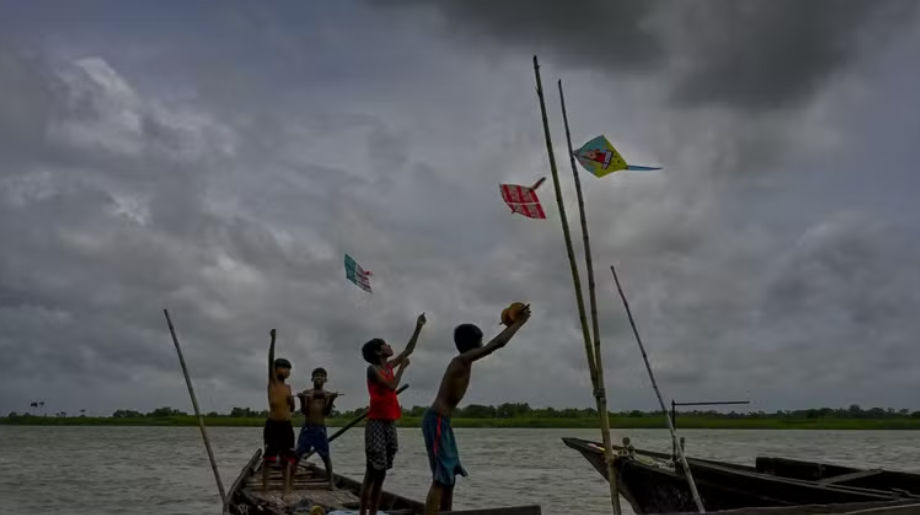
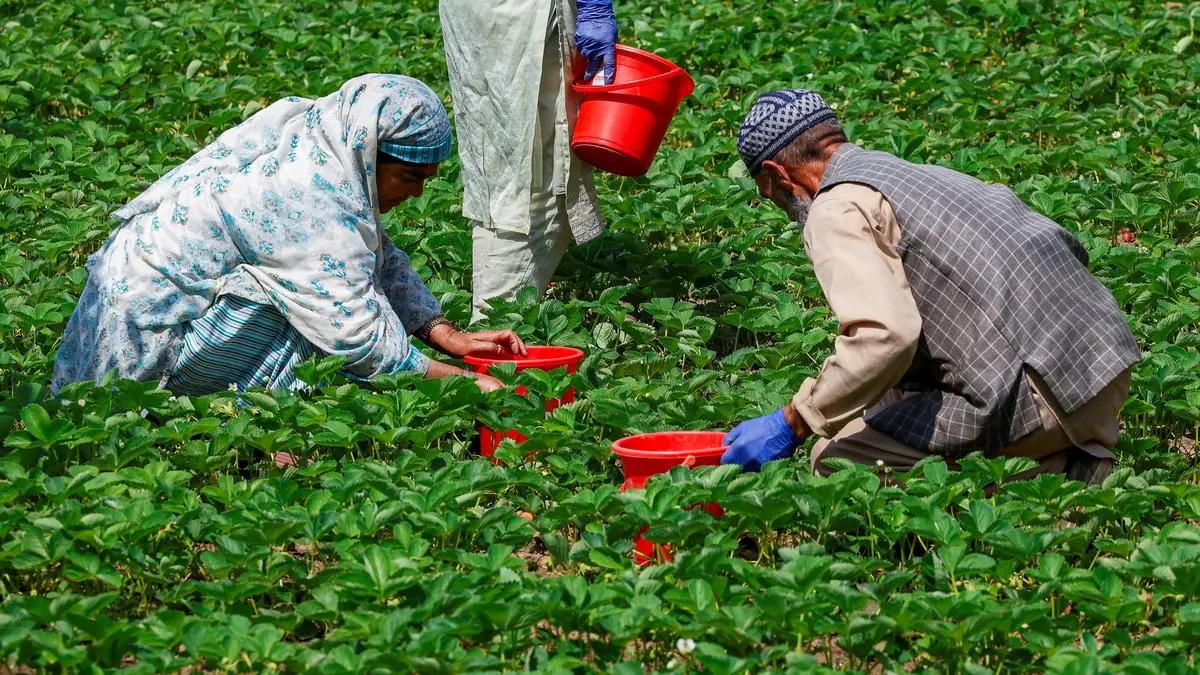
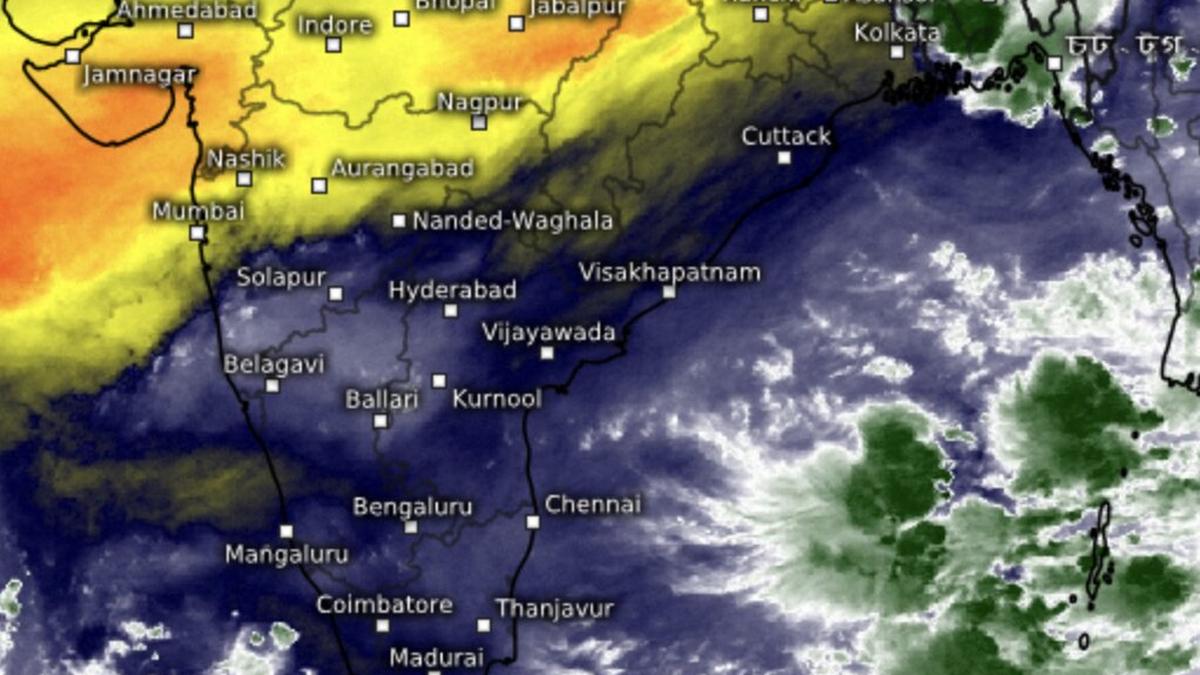
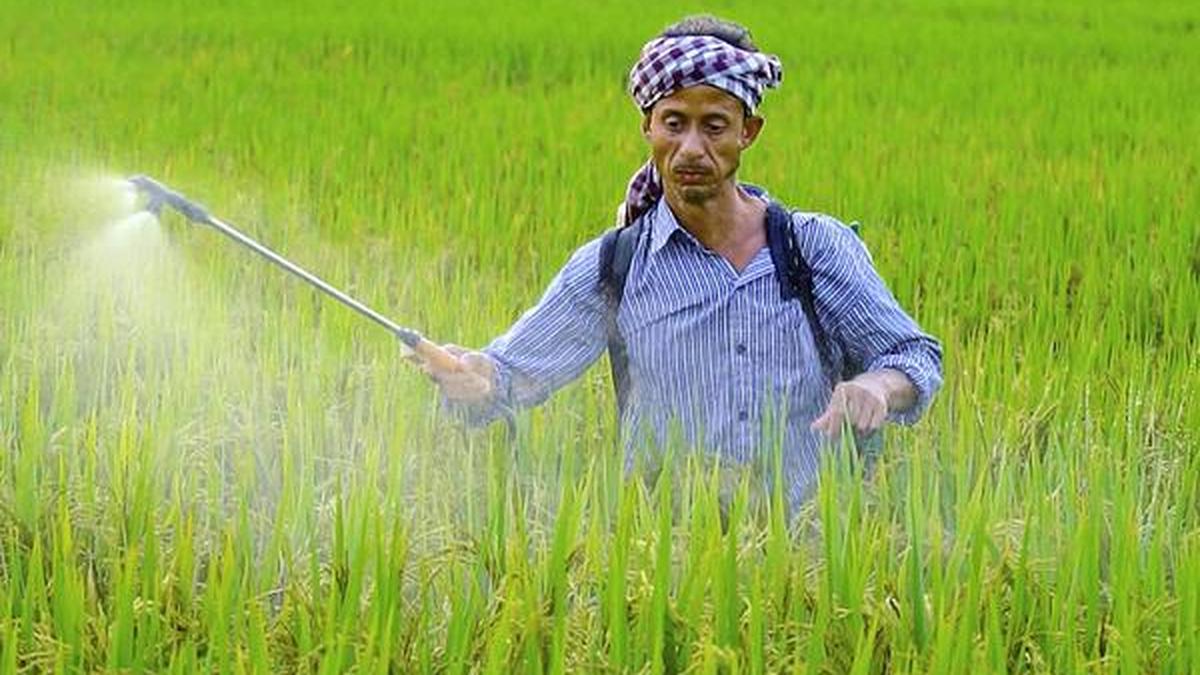
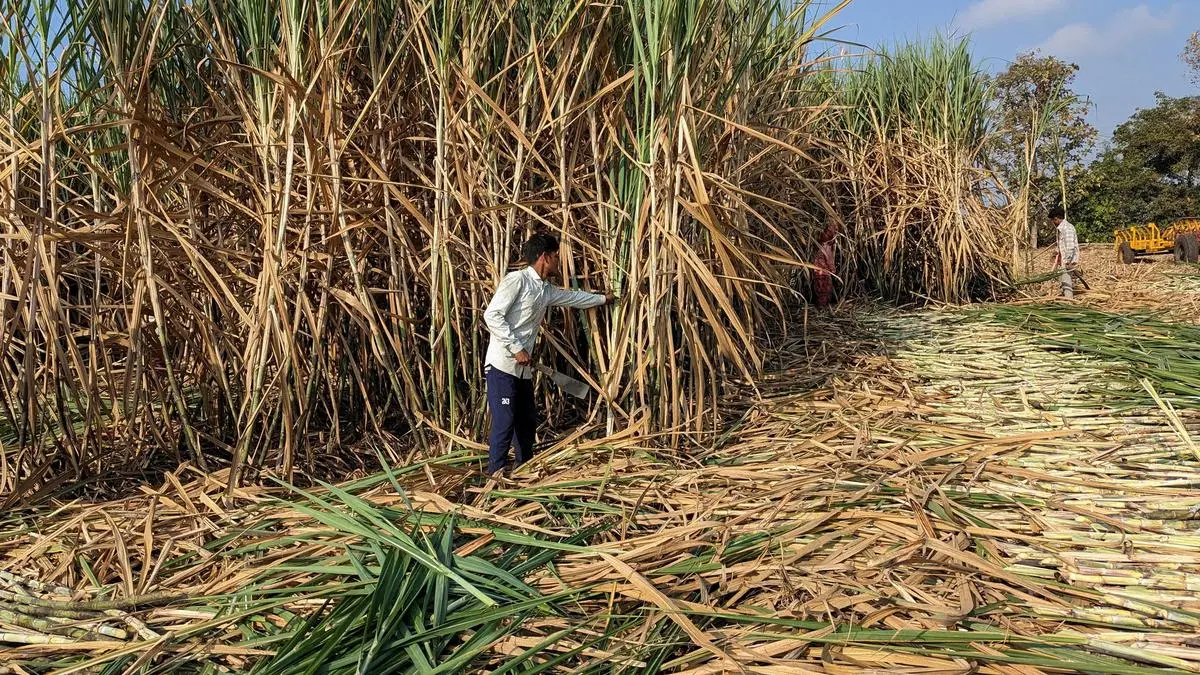
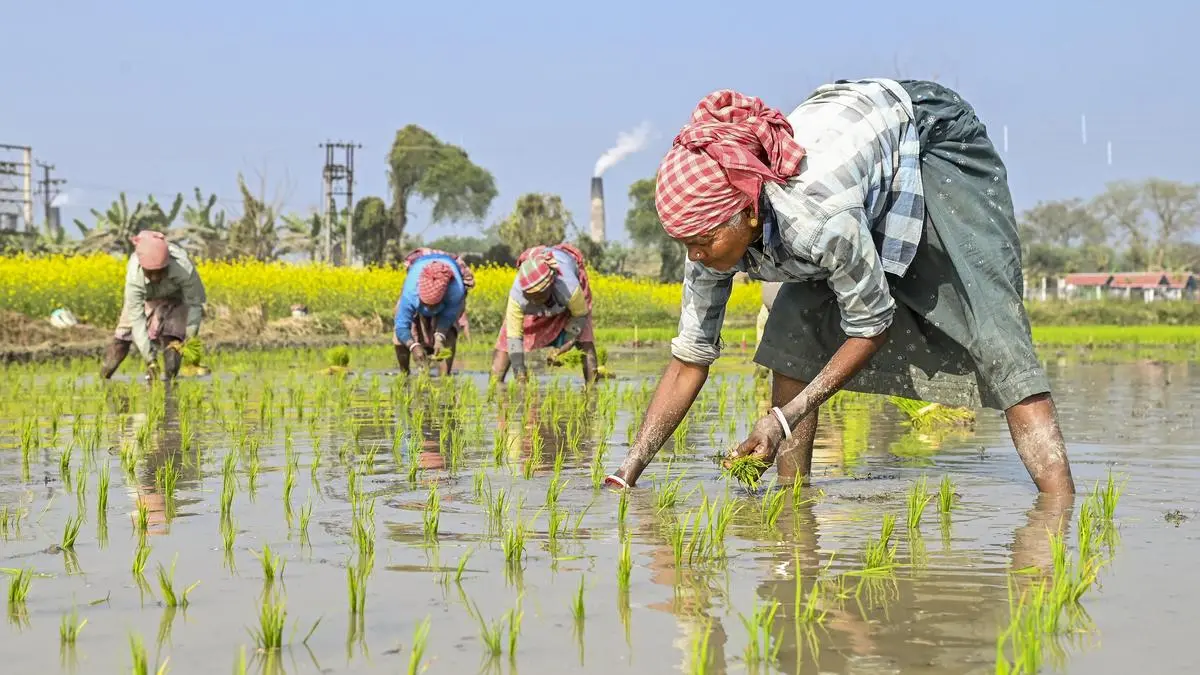
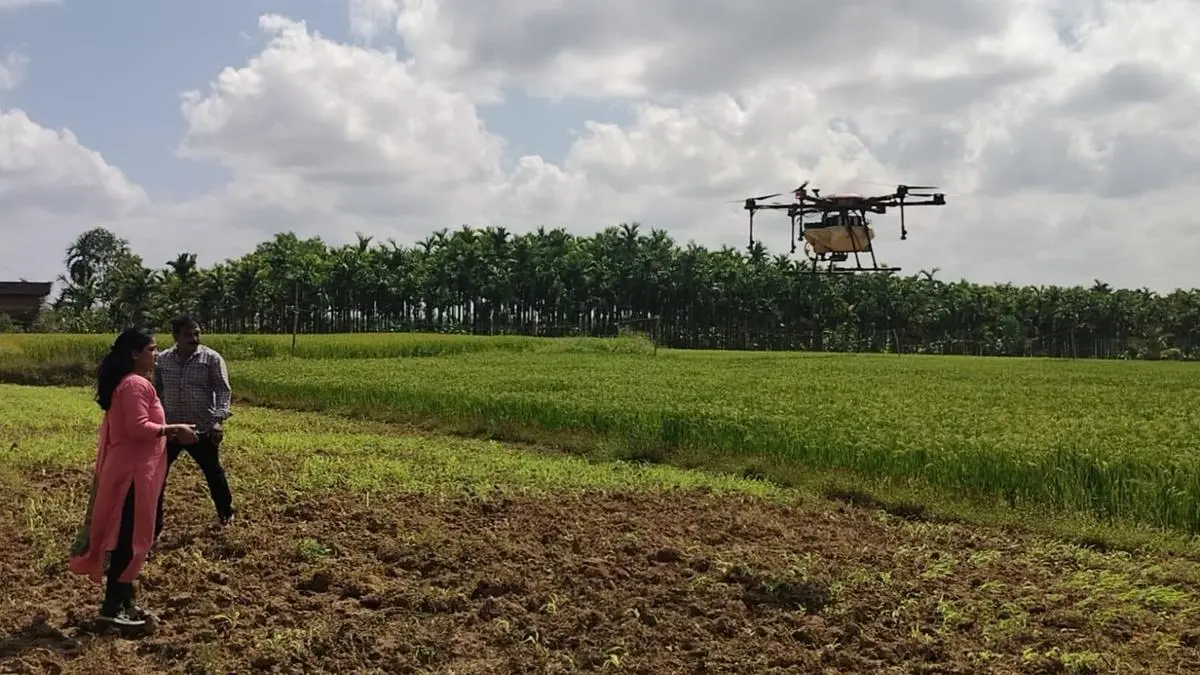
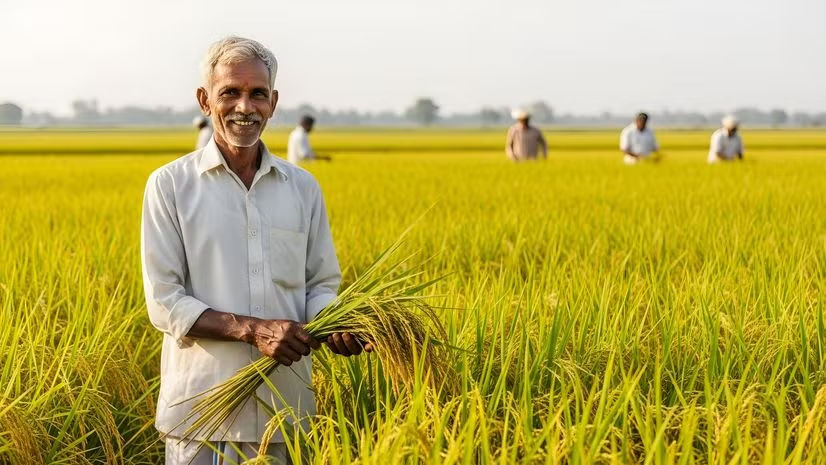
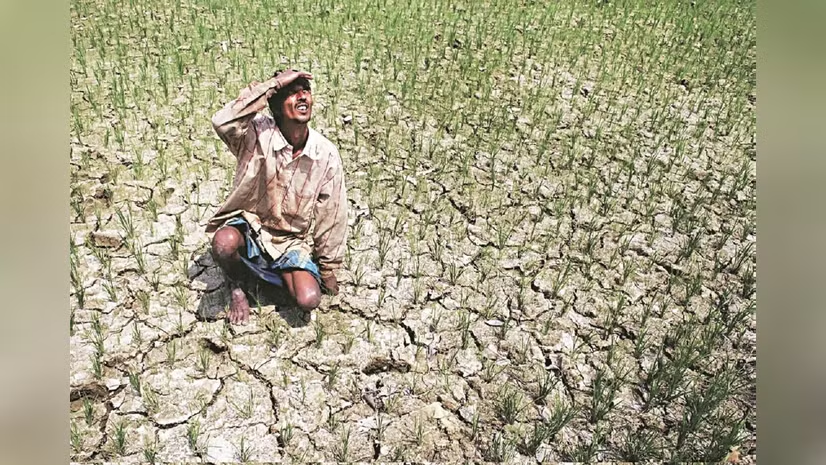
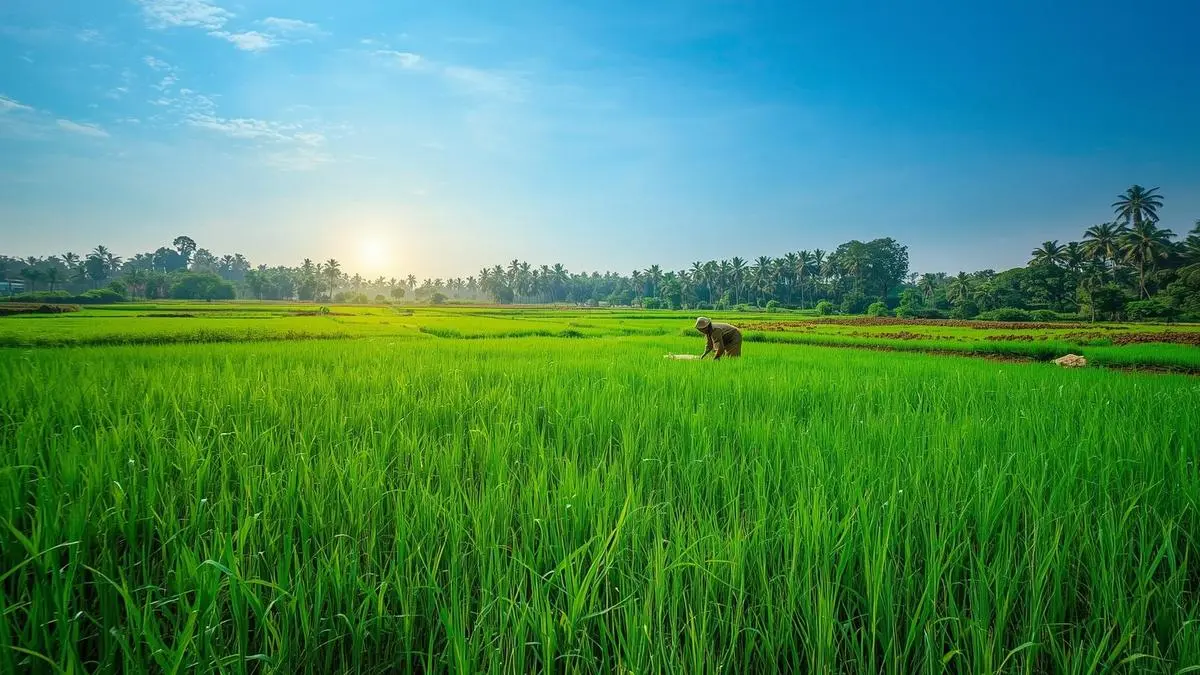
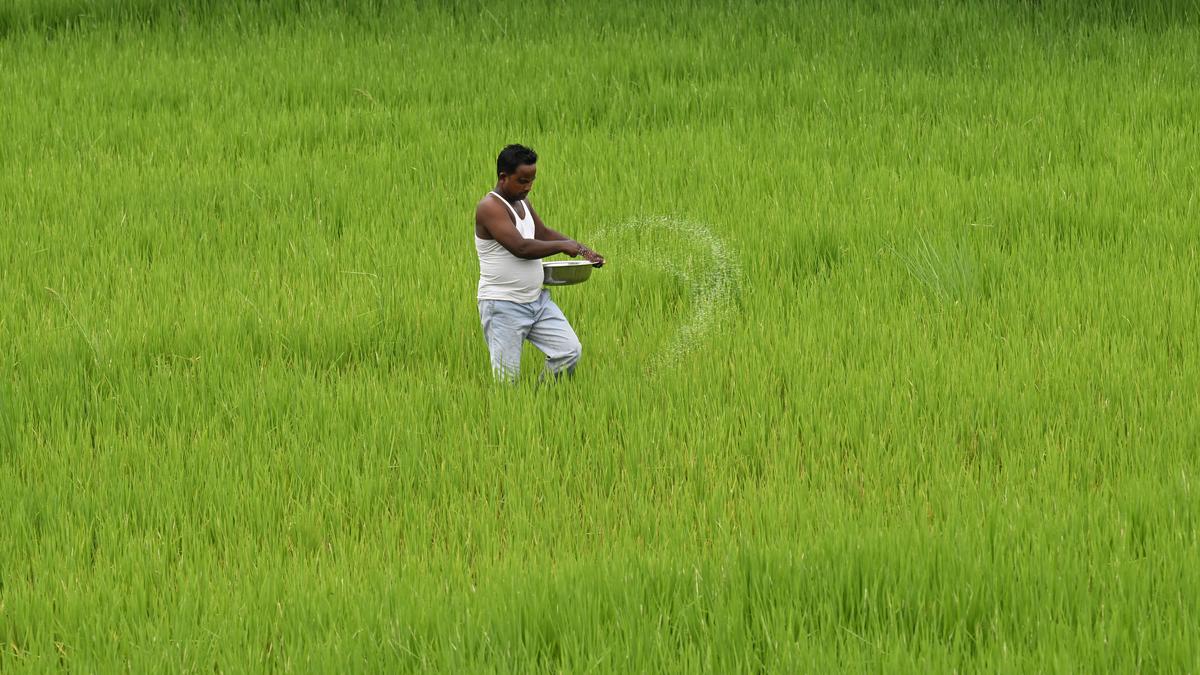
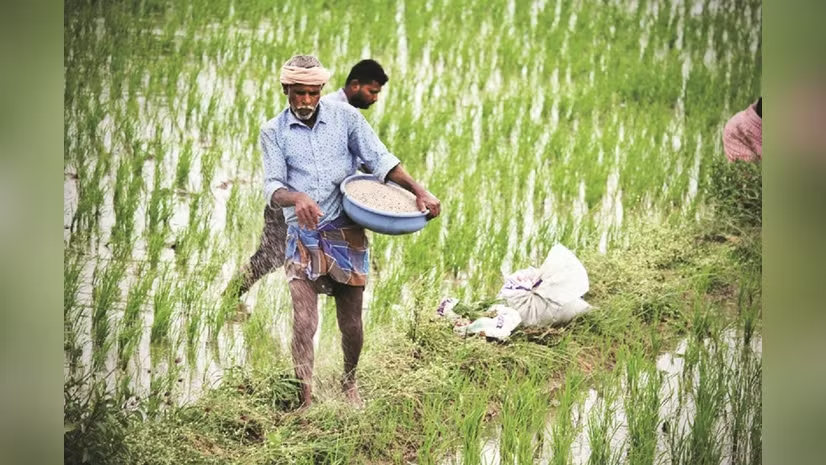
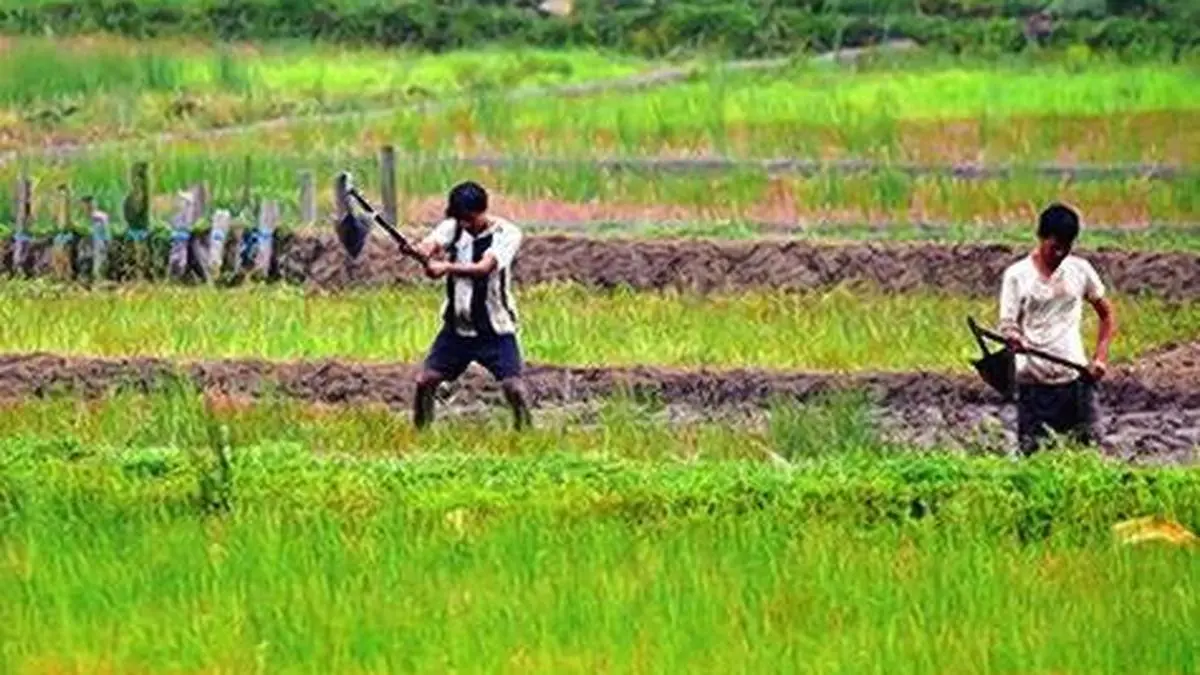
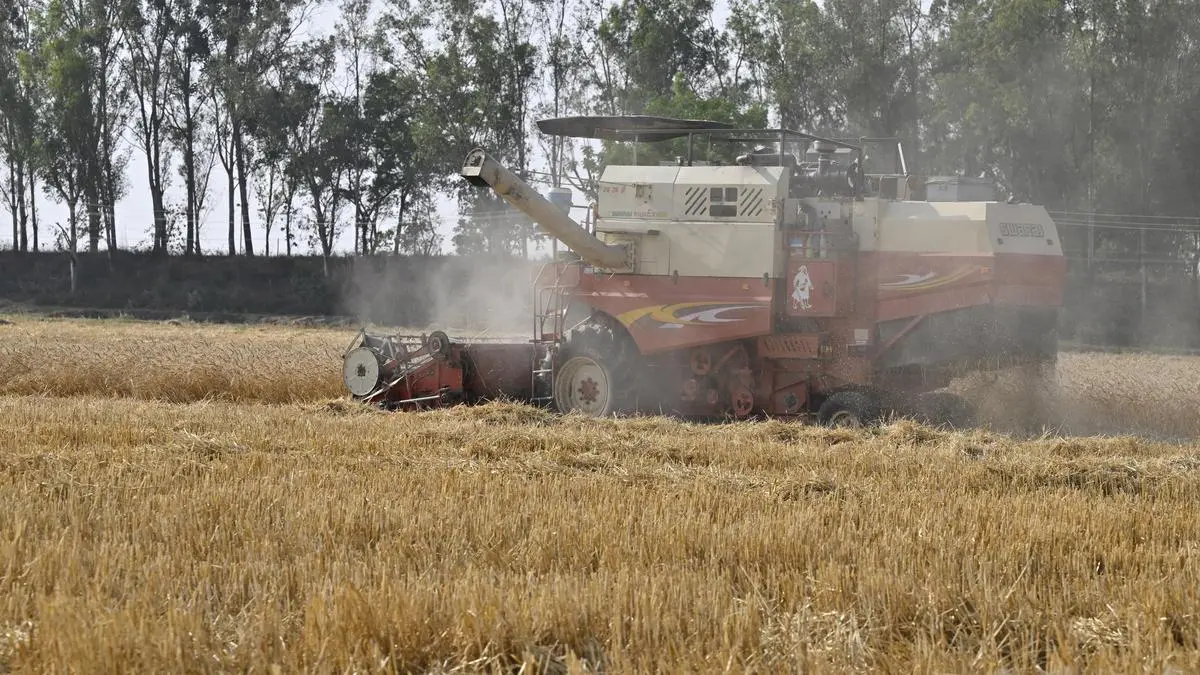
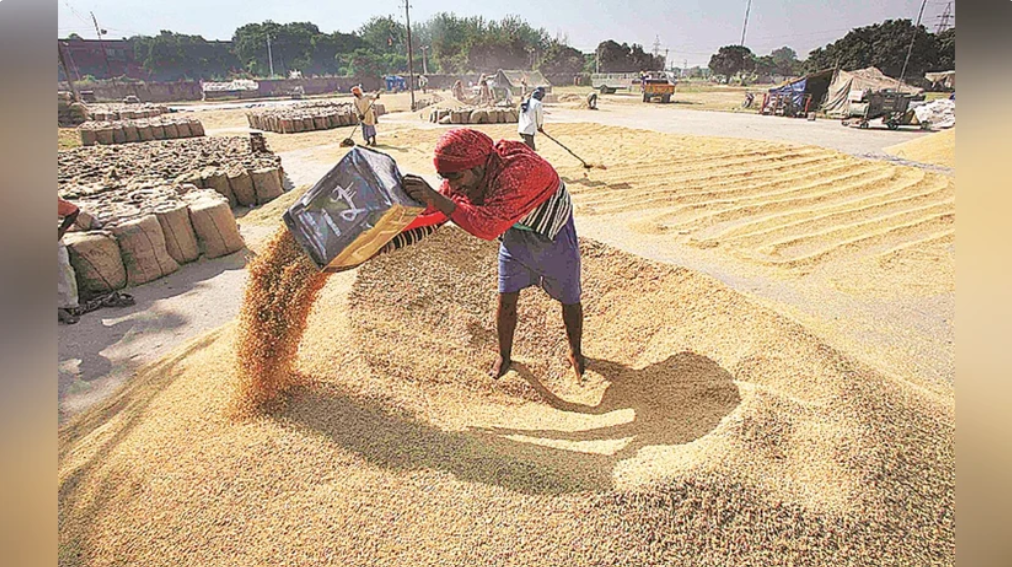
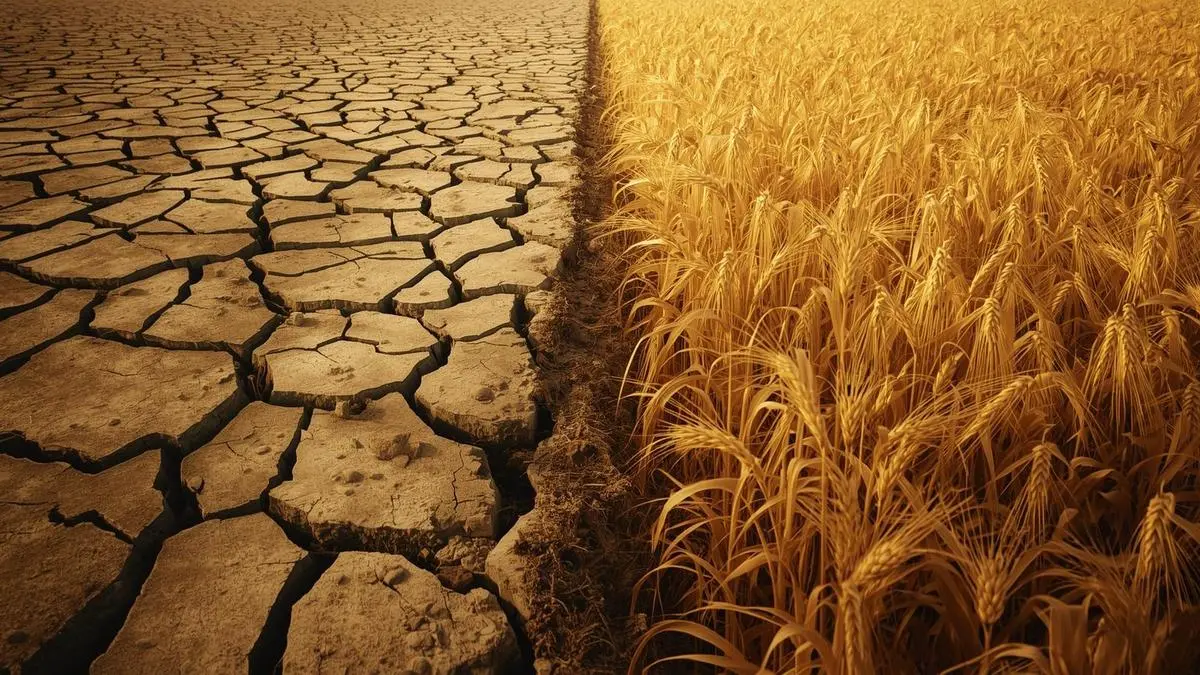
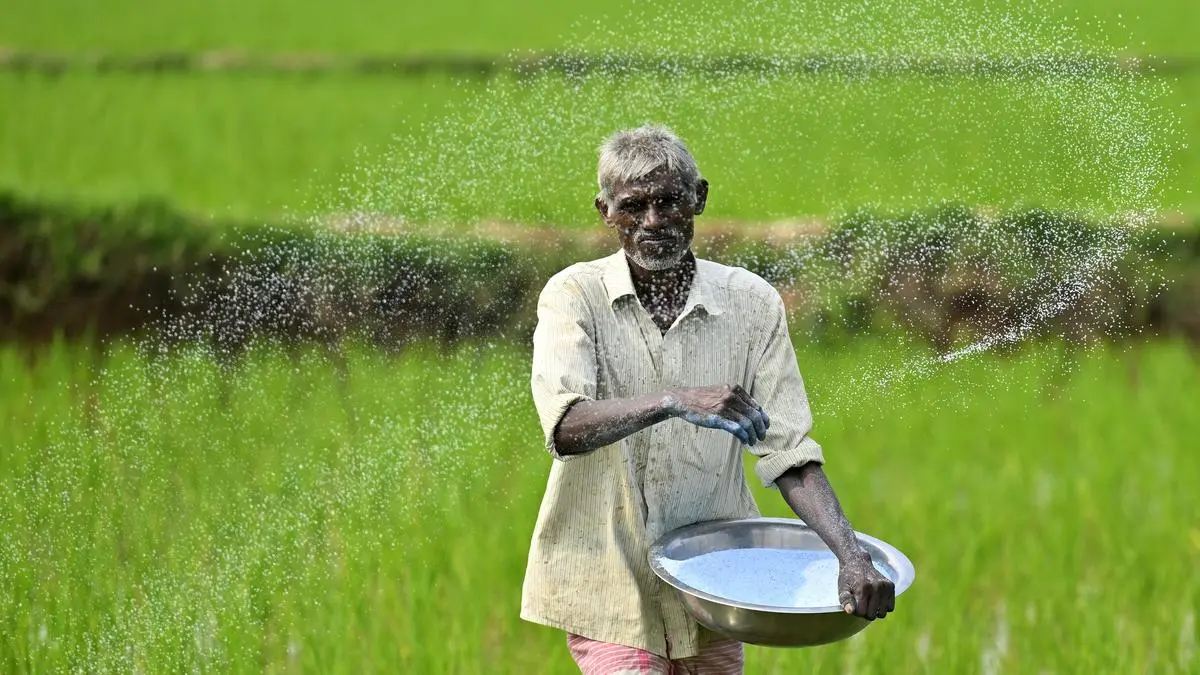
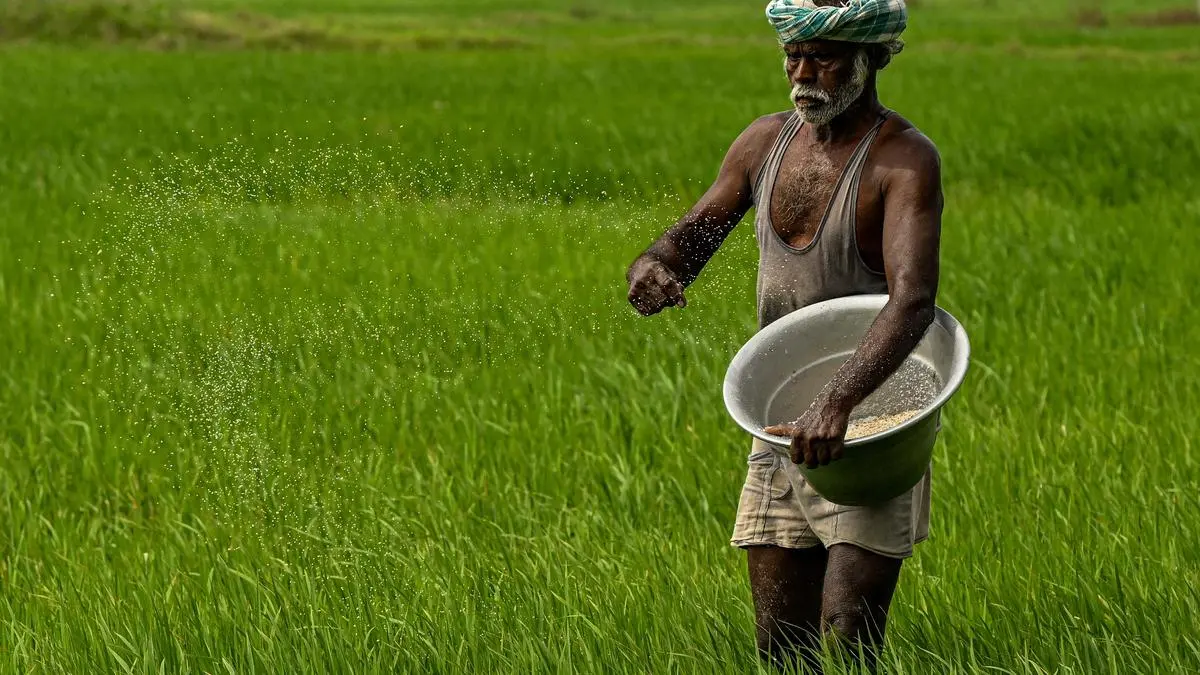
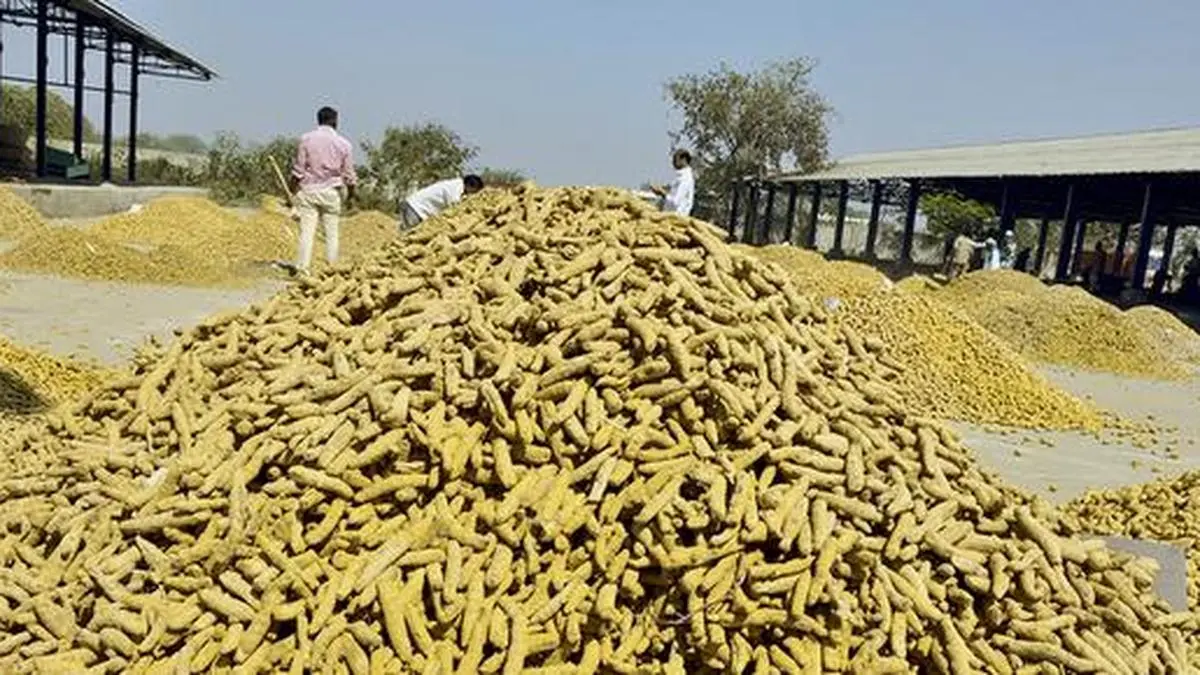
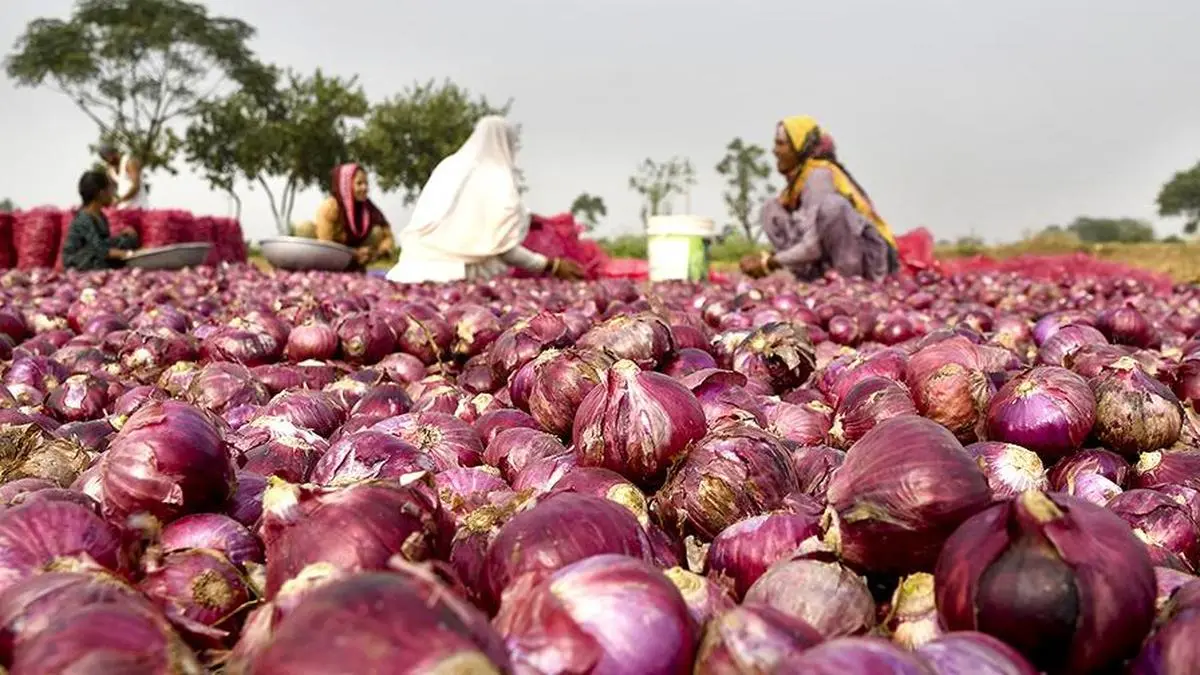
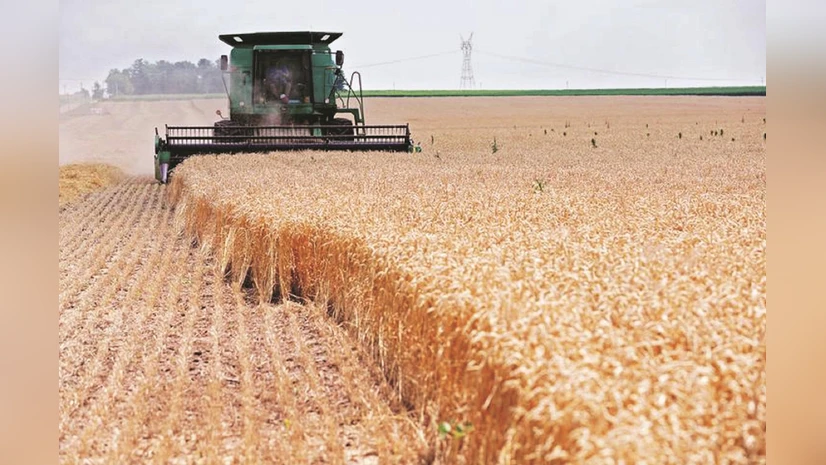
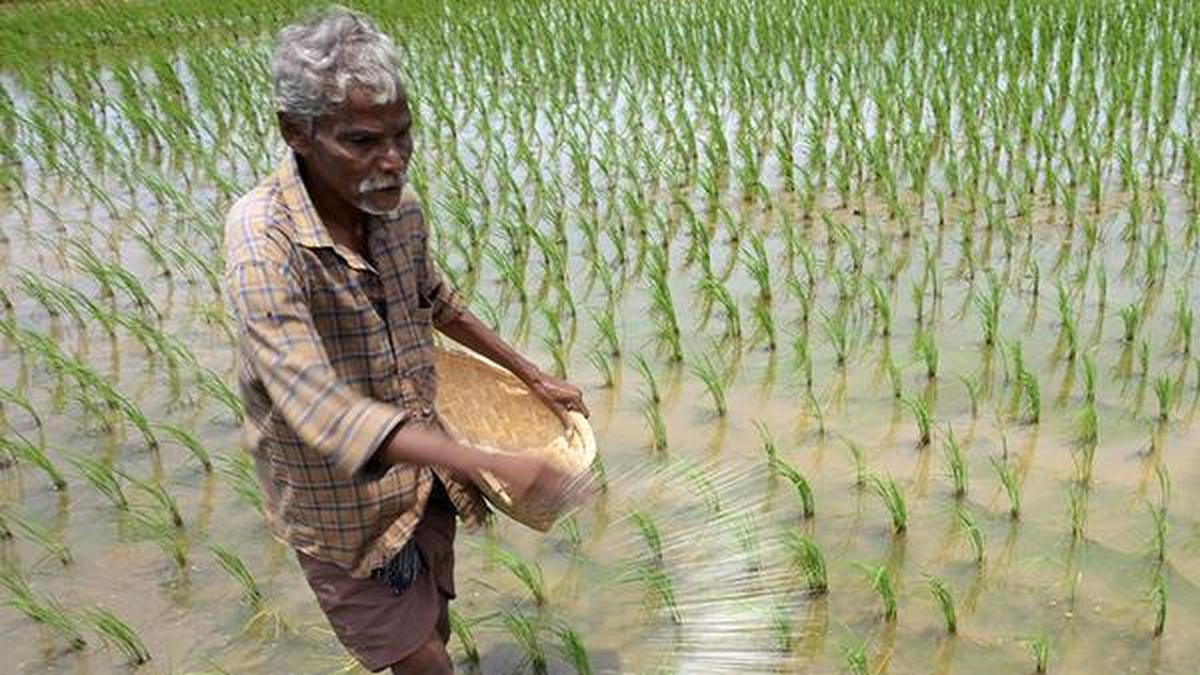
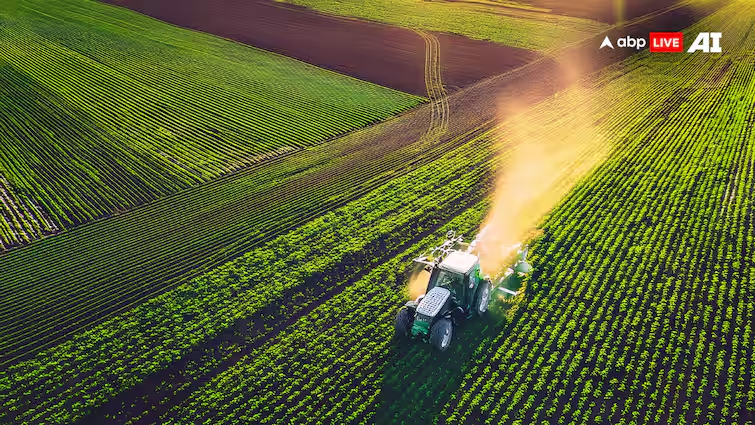
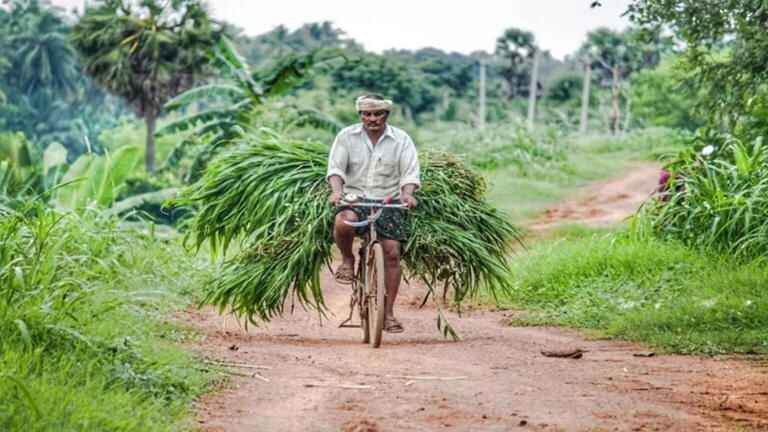
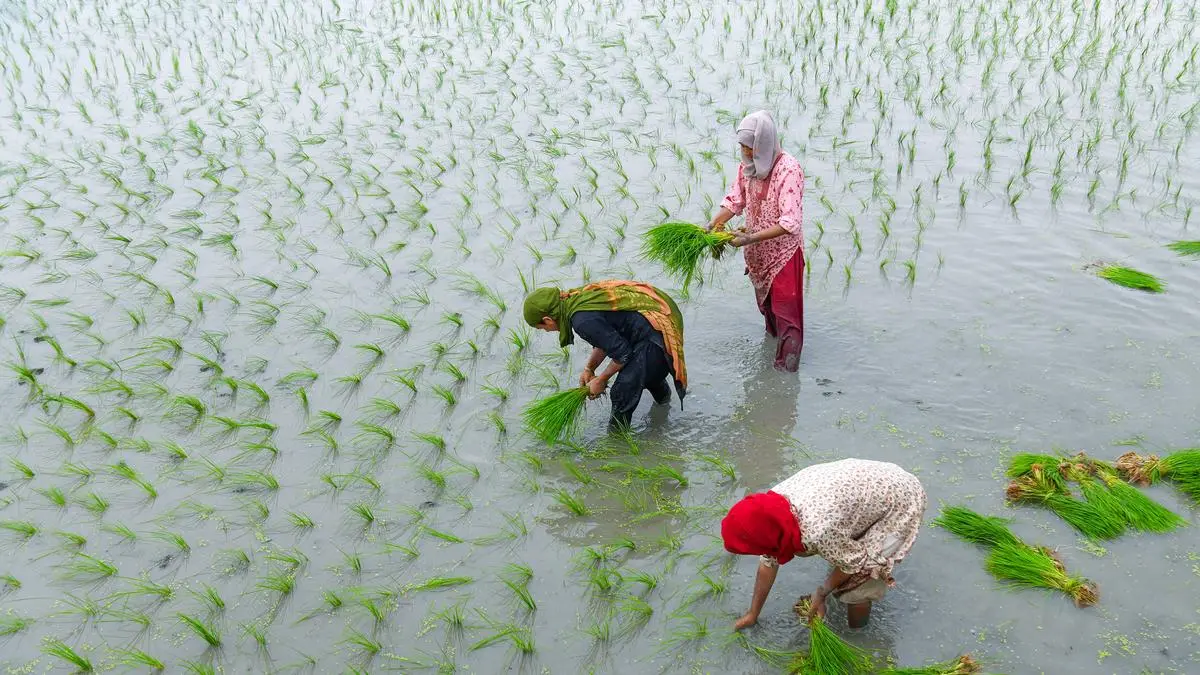
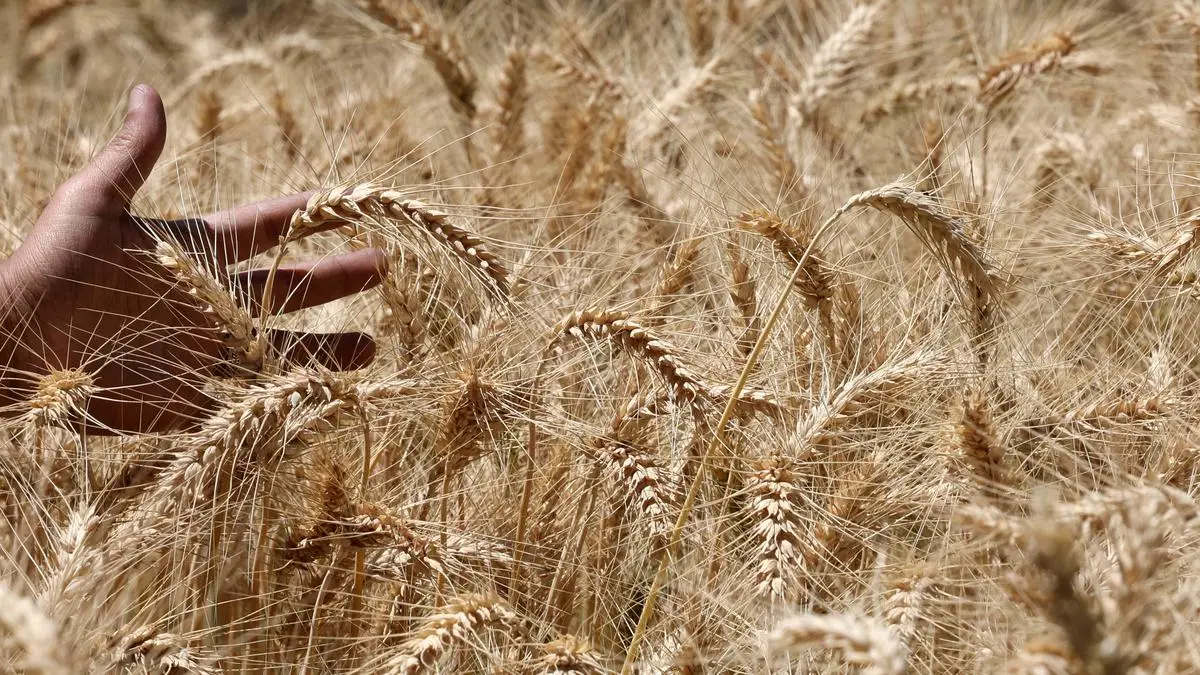
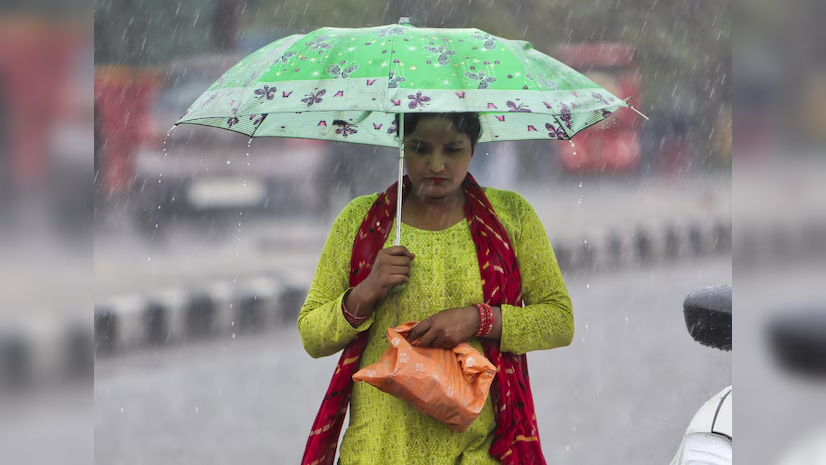
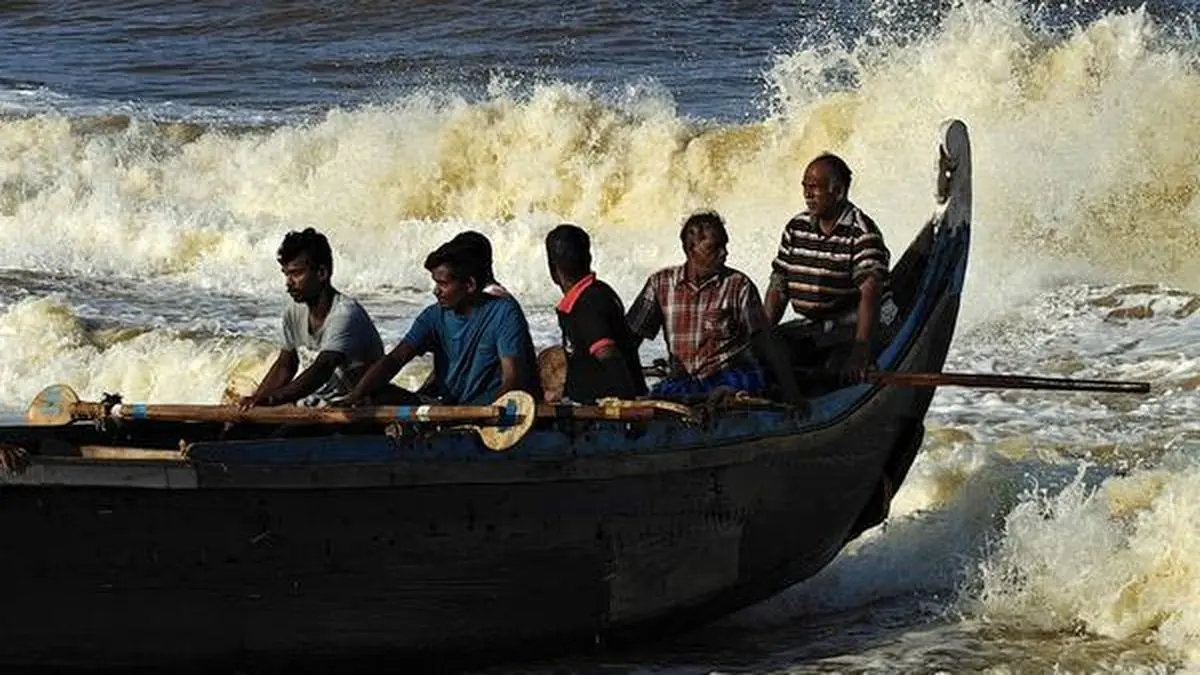
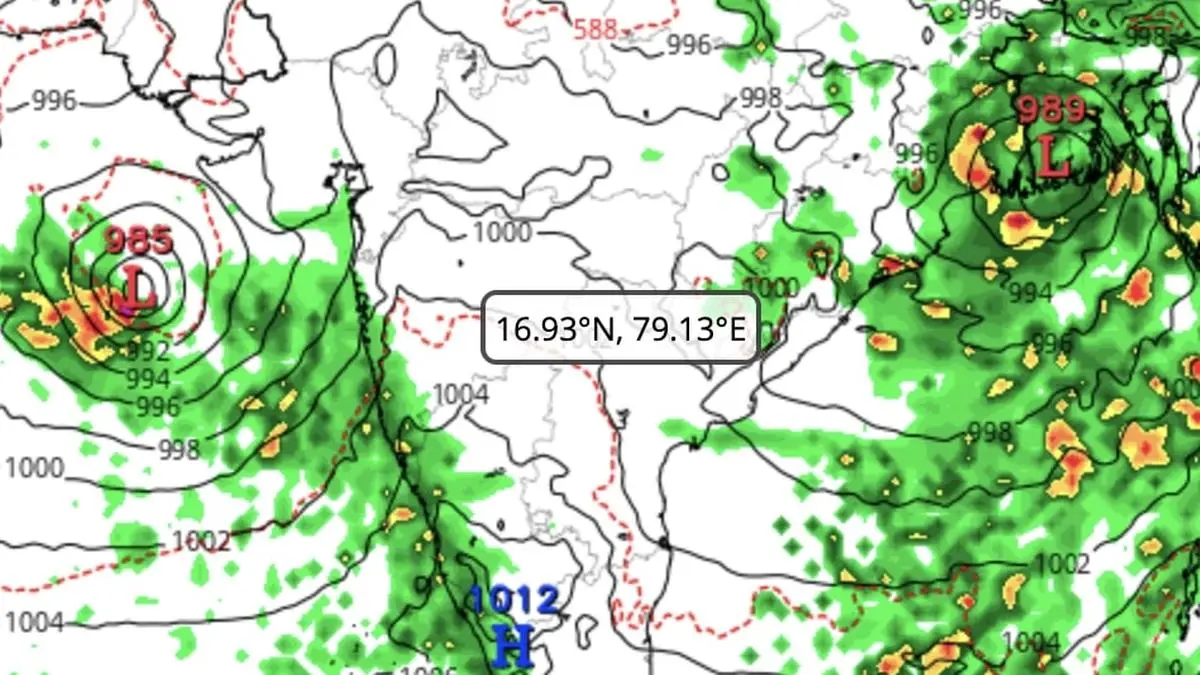
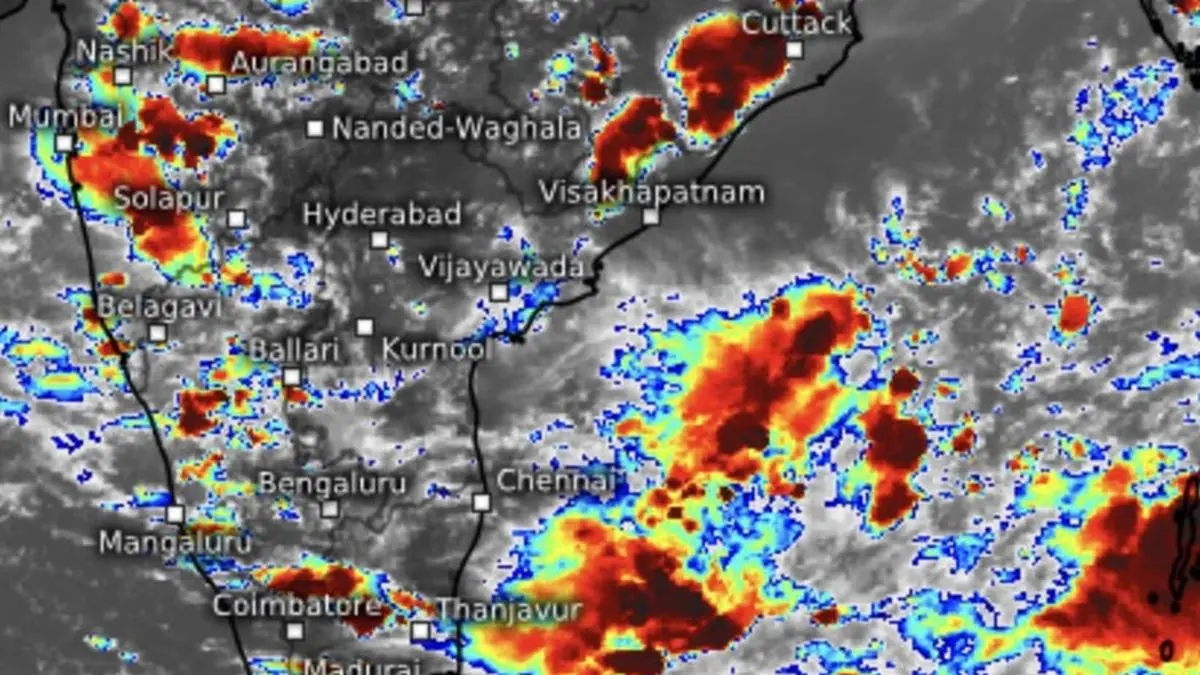
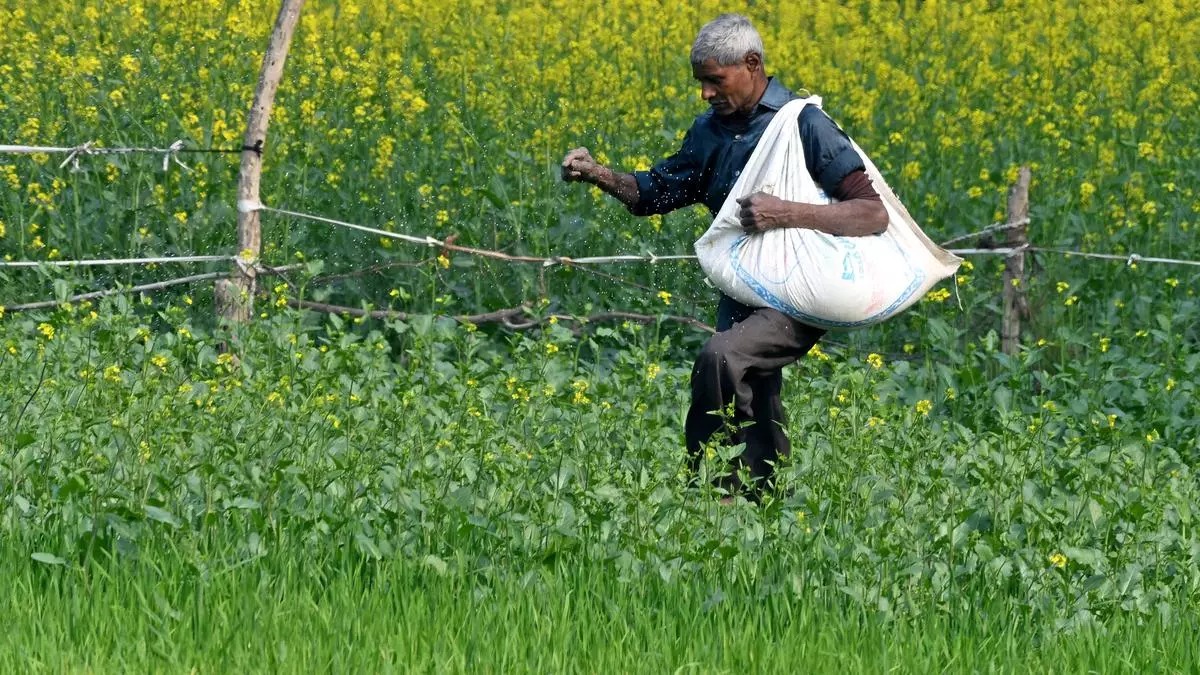
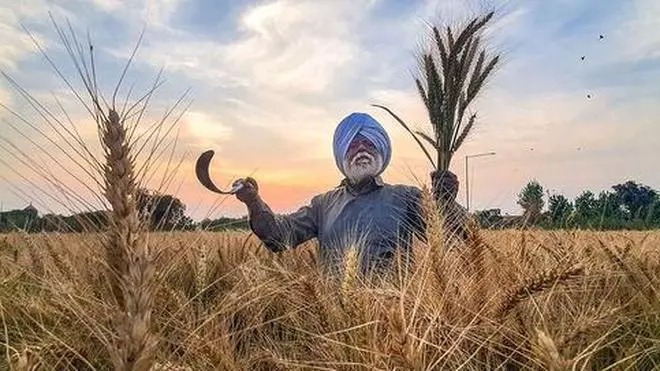
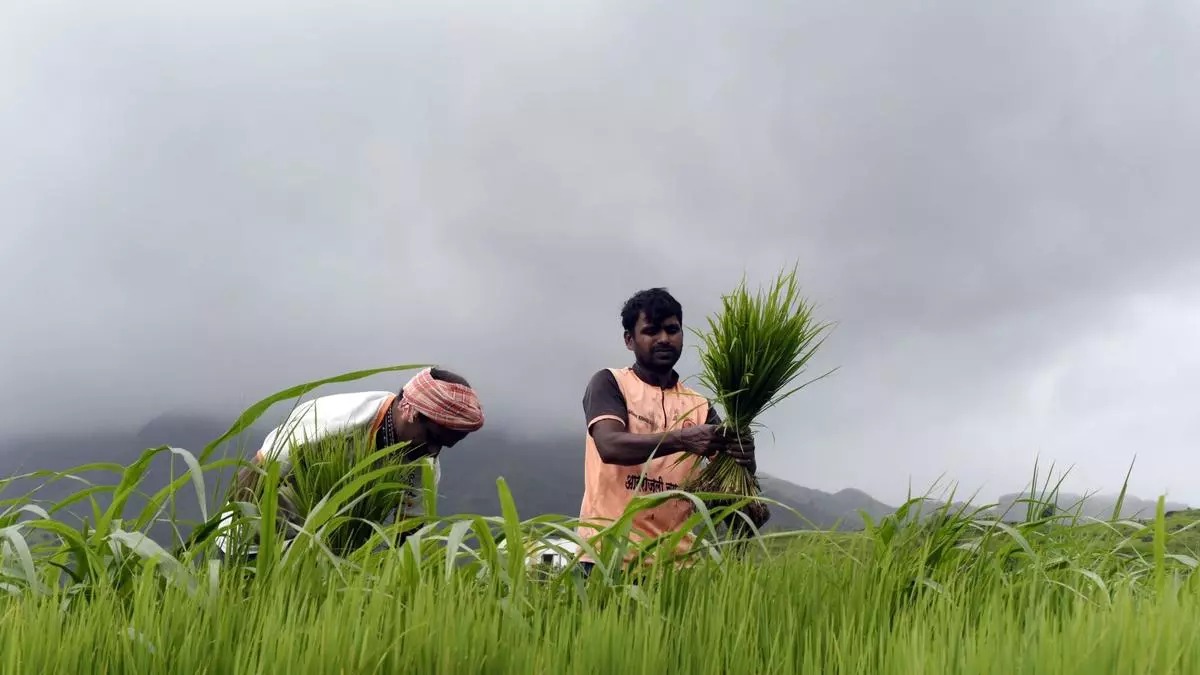
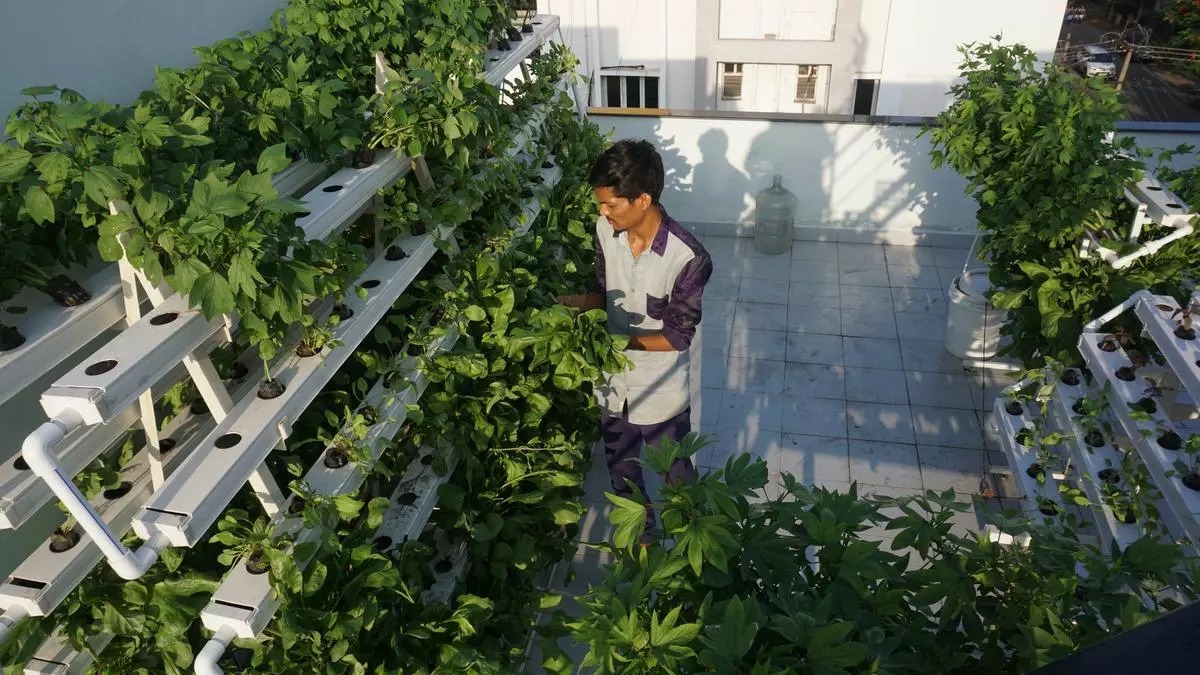
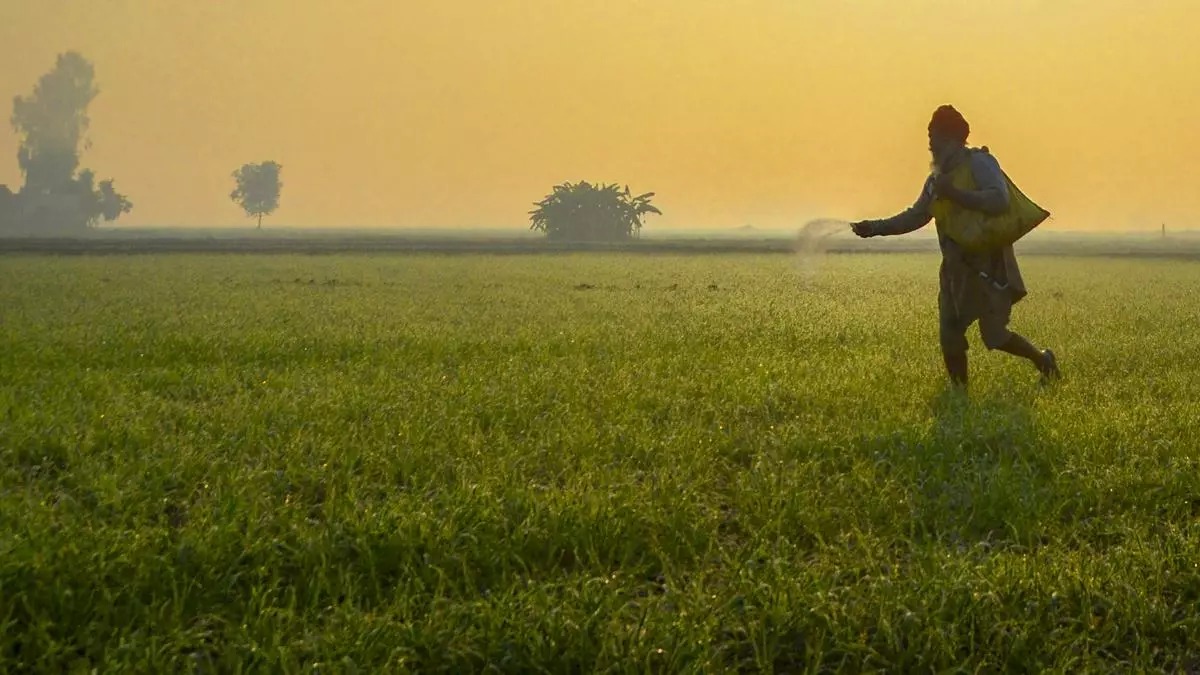
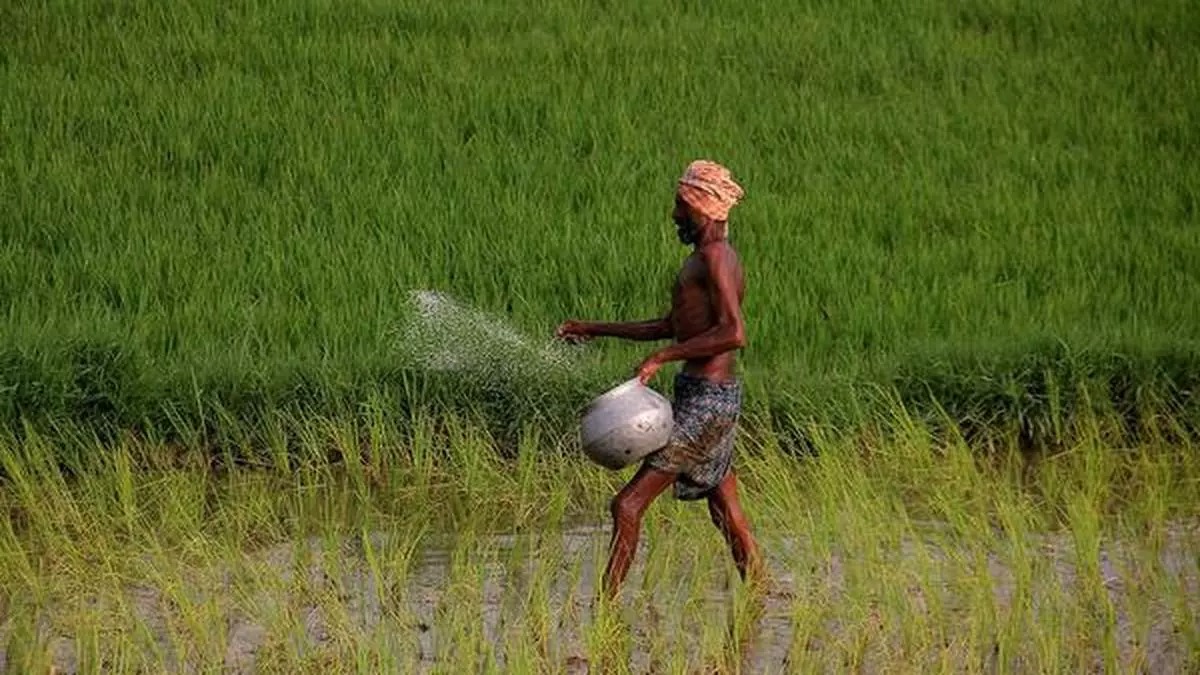
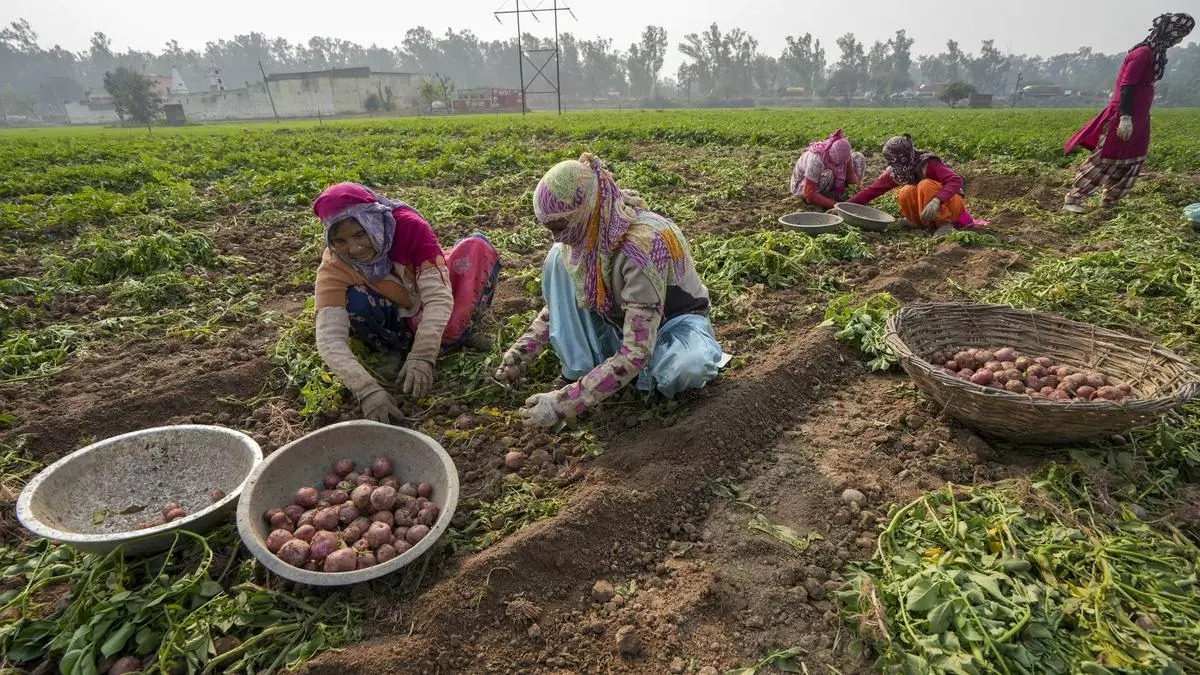
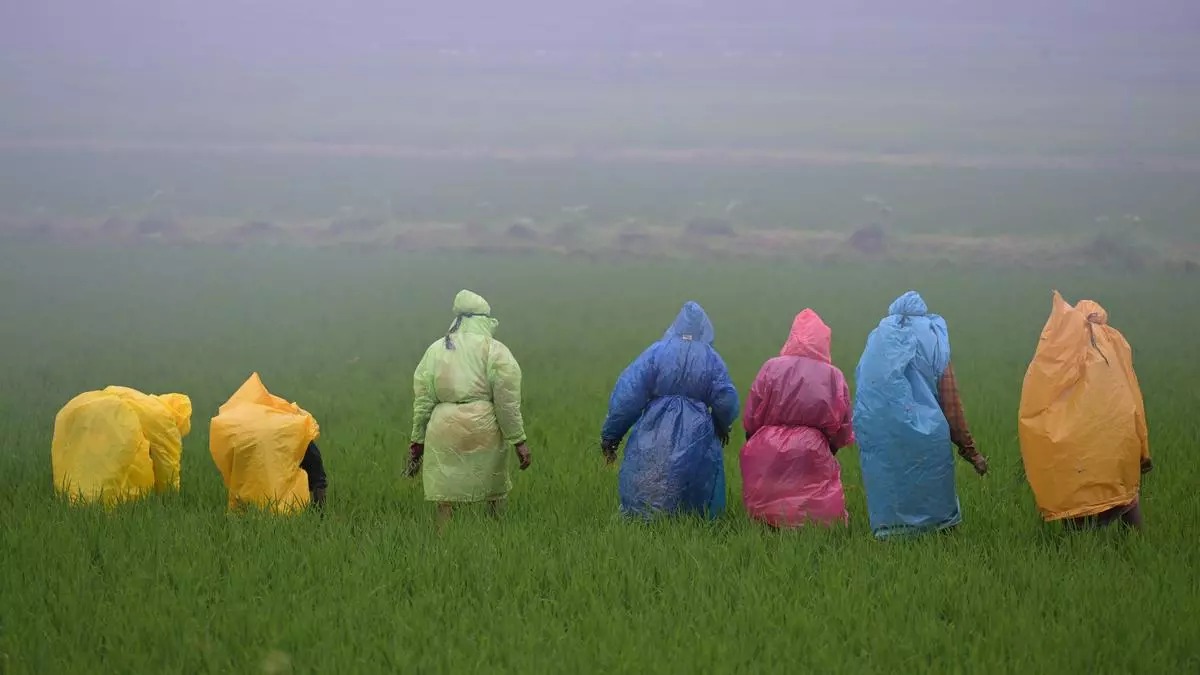
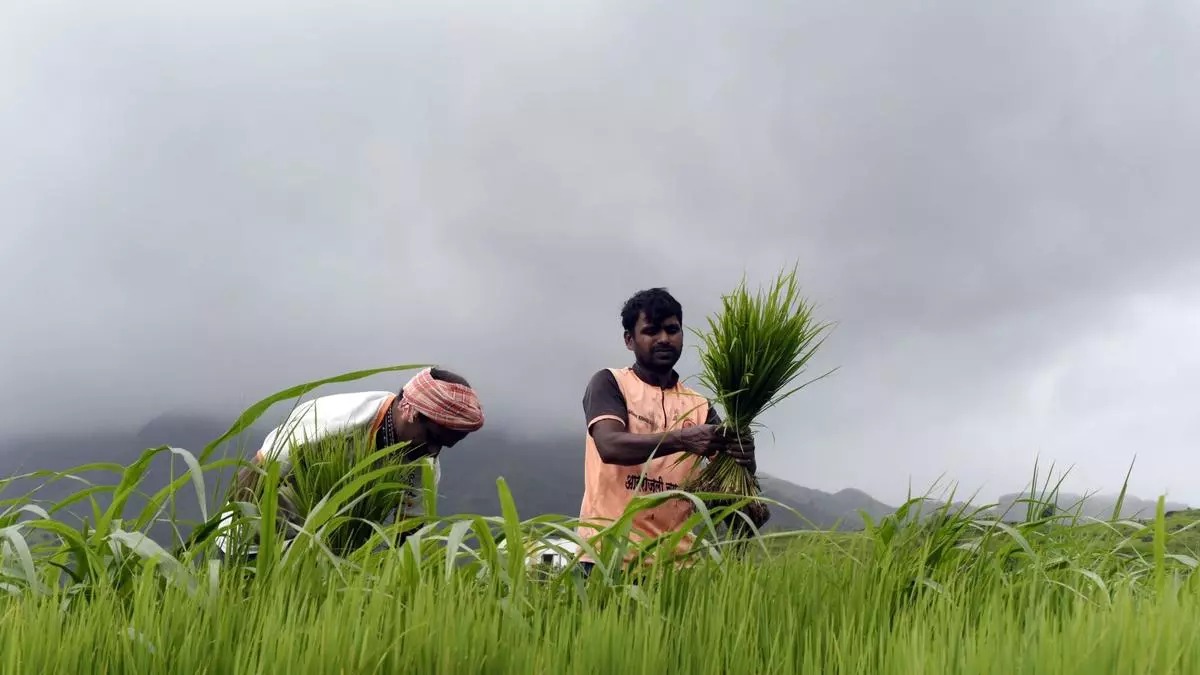
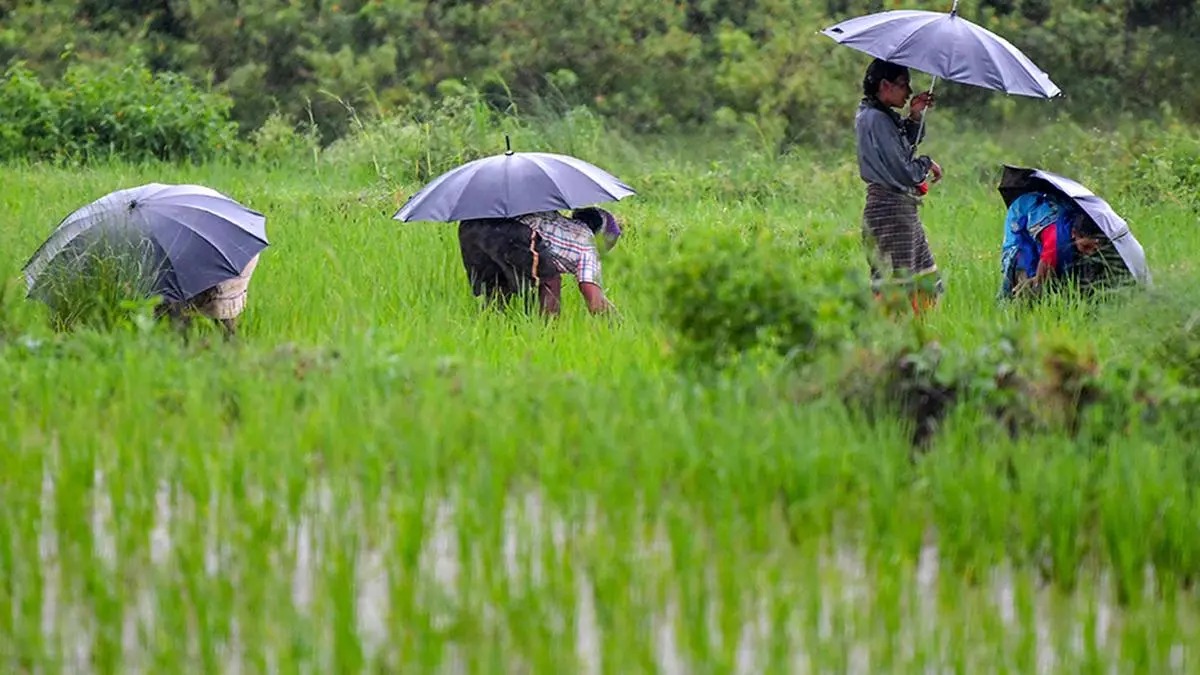
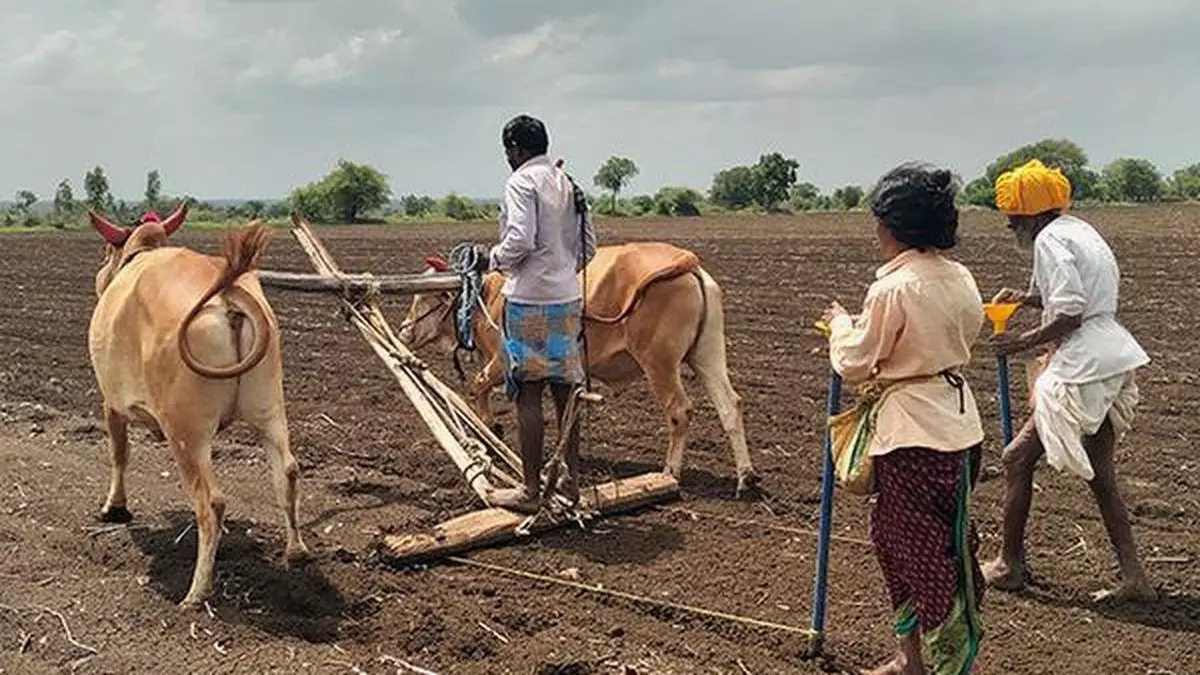
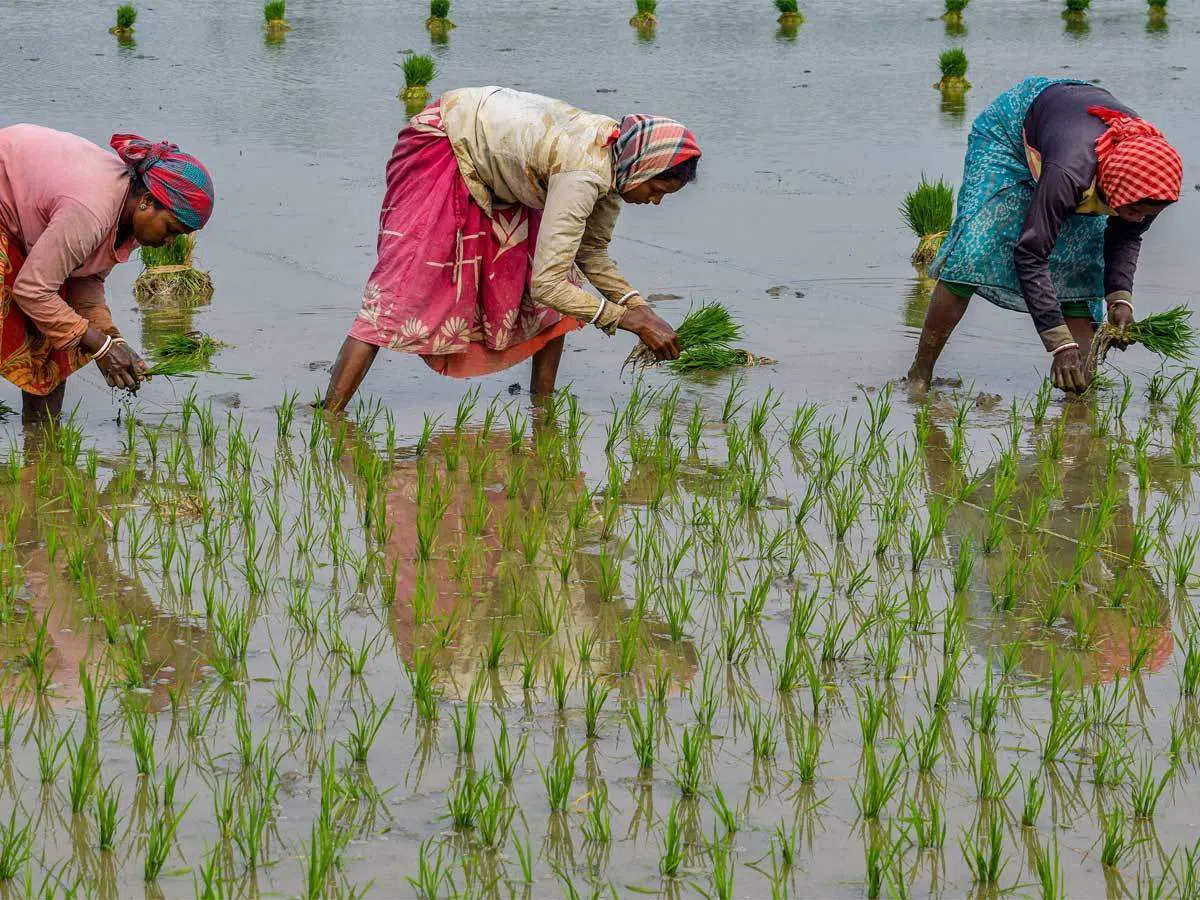
Climate change is no longer only an agricultural challenge. It is increasingly a financial challenge, shaping how rural households earn, borrow, save and recover from economic shocks. The southwest monsoon has progressed across India, yet rainfall remains uneven in several regions, affecting the kharif sowing season. El Niño is among the weather factors that can influence monsoon rains in India, though its effects vary by region and other climatic conditions. For farmers, the immediate concern is uncertainty. When rains are delayed or erratic after sowing begins, already stretched household cash flows come under additional pressure.
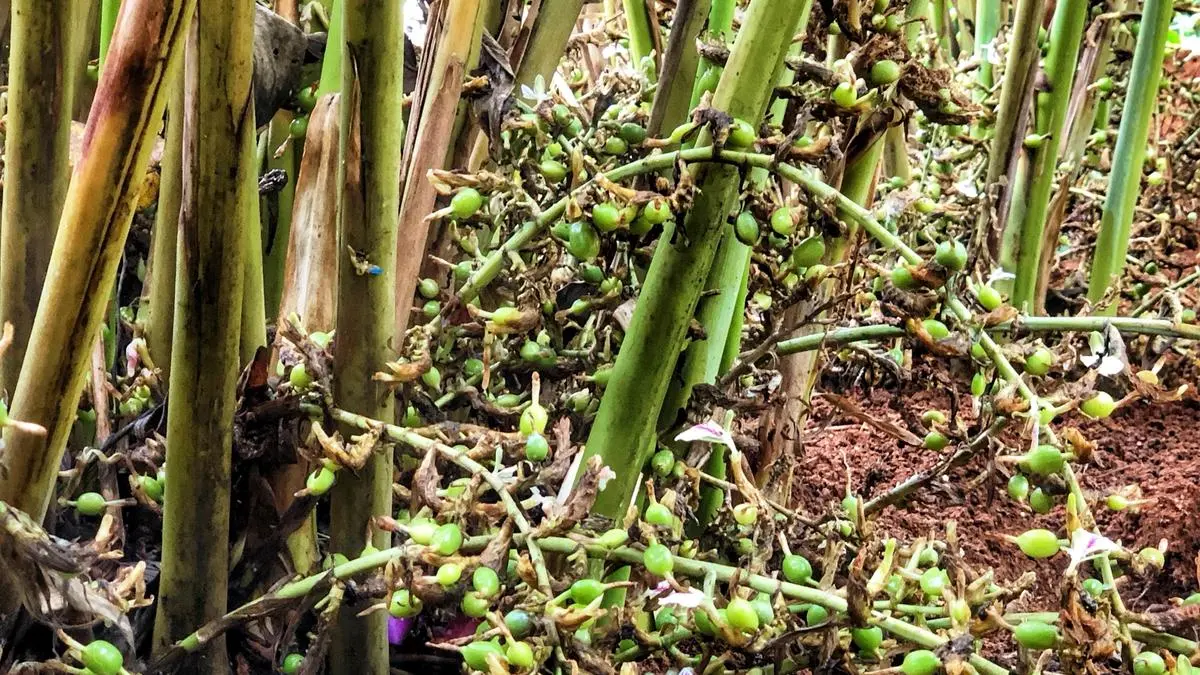
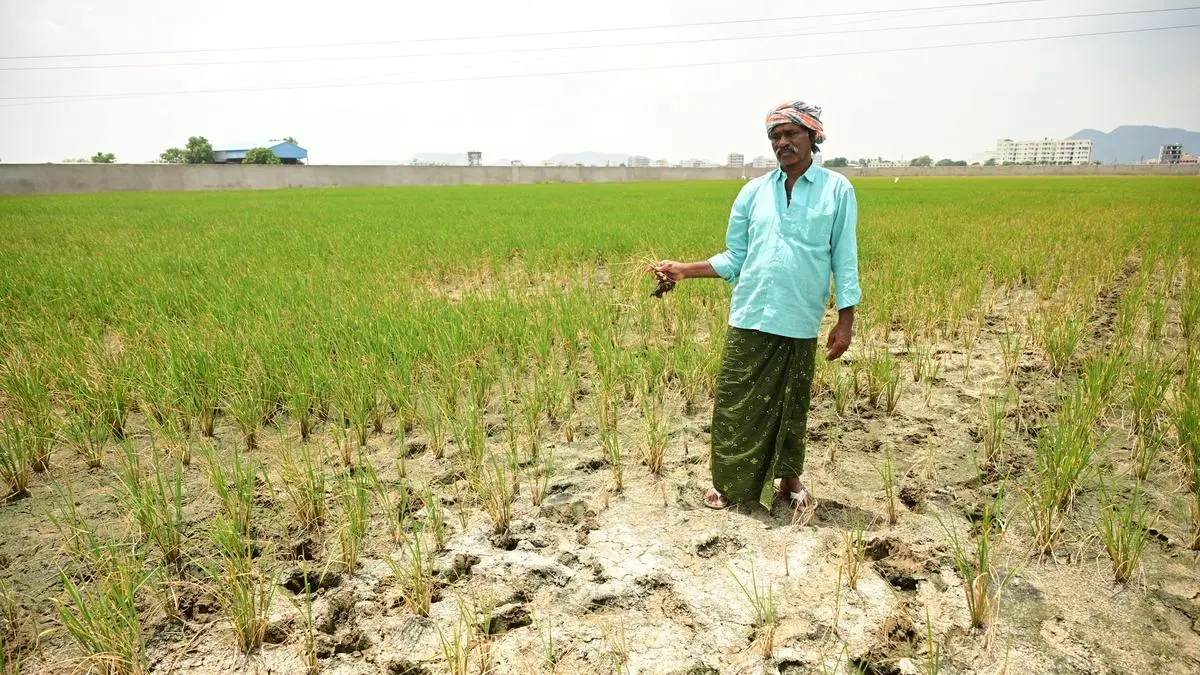
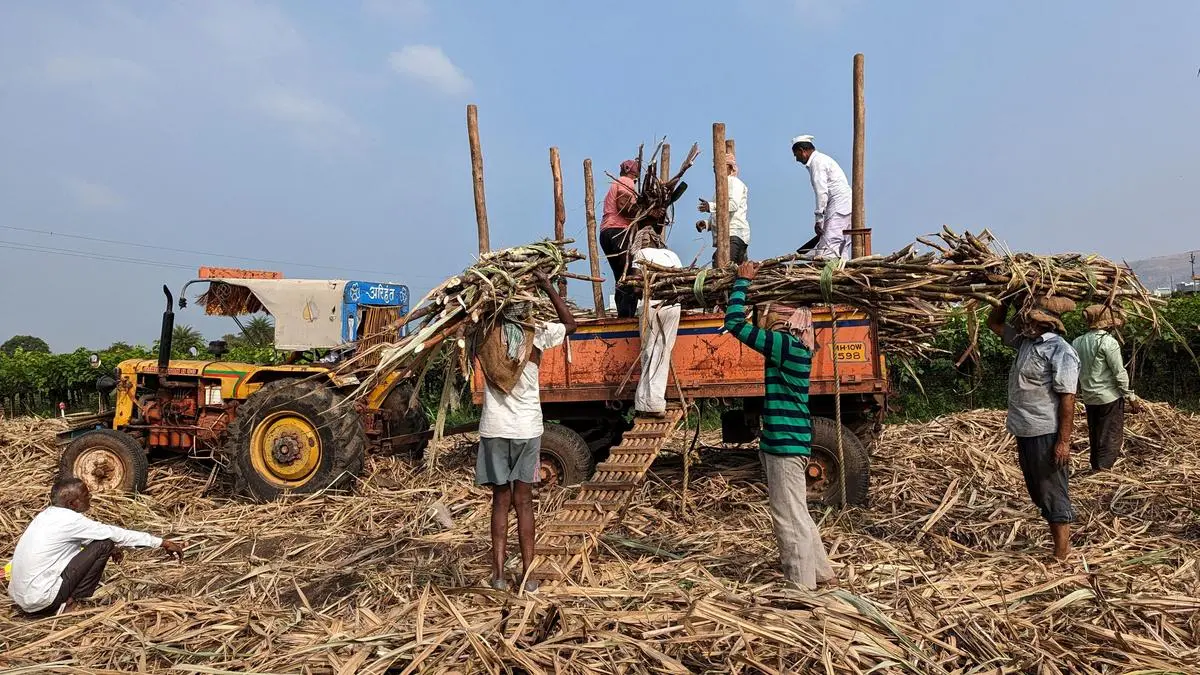
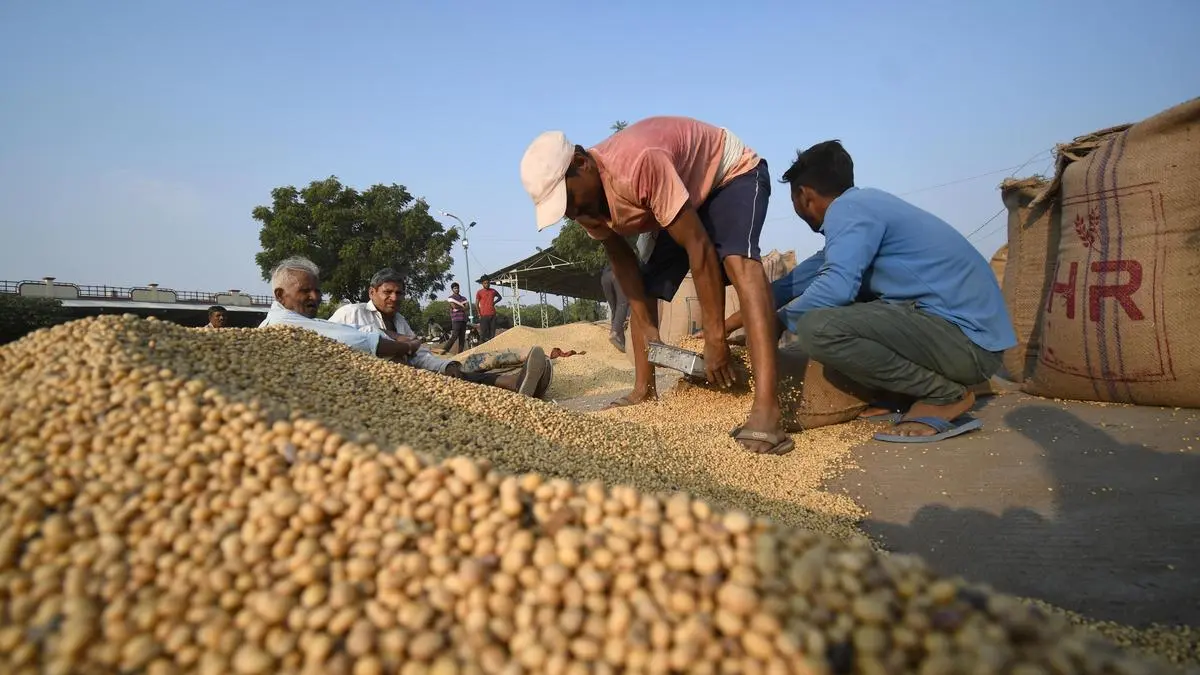
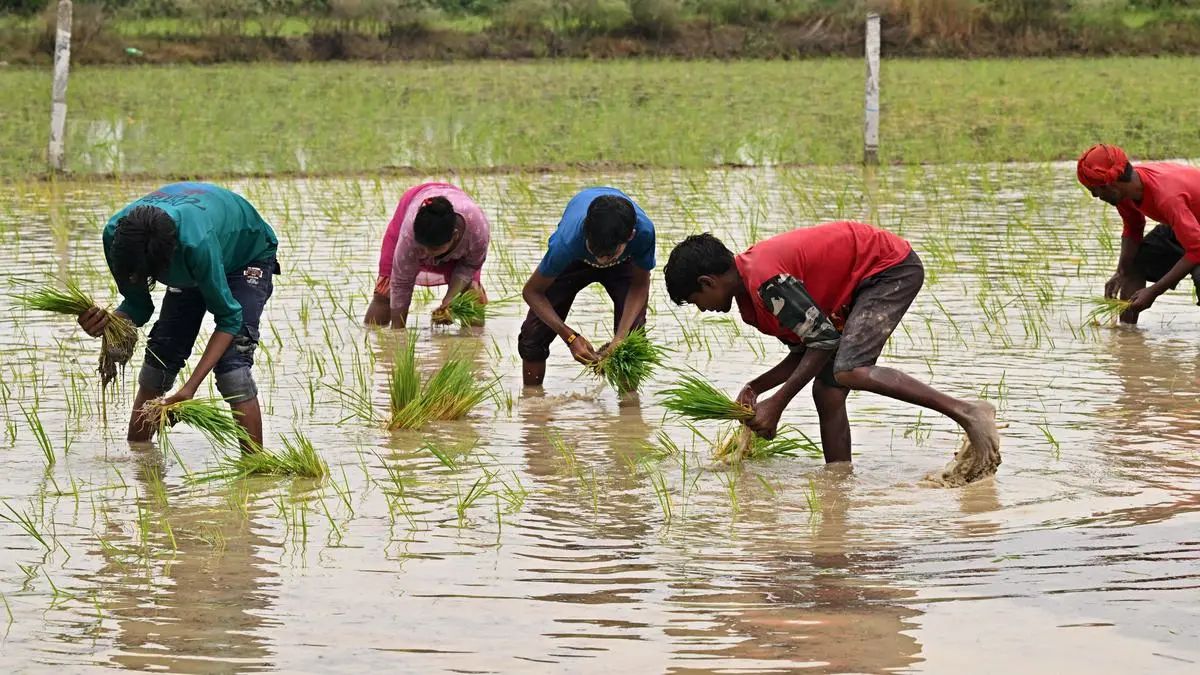
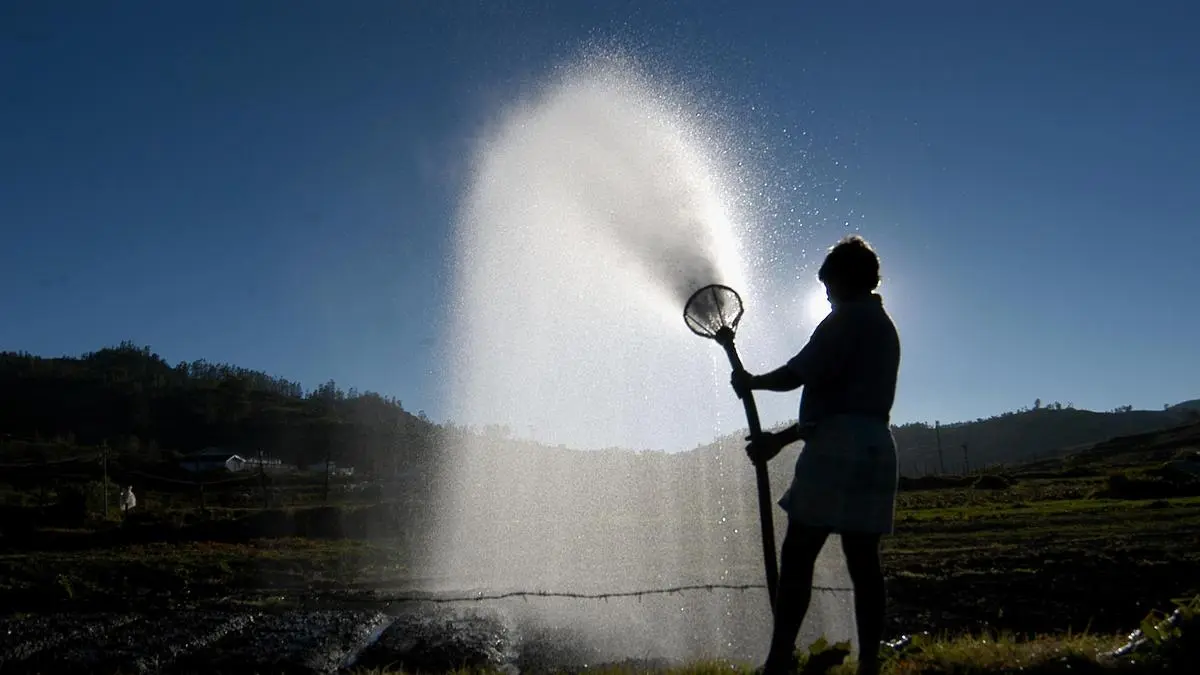
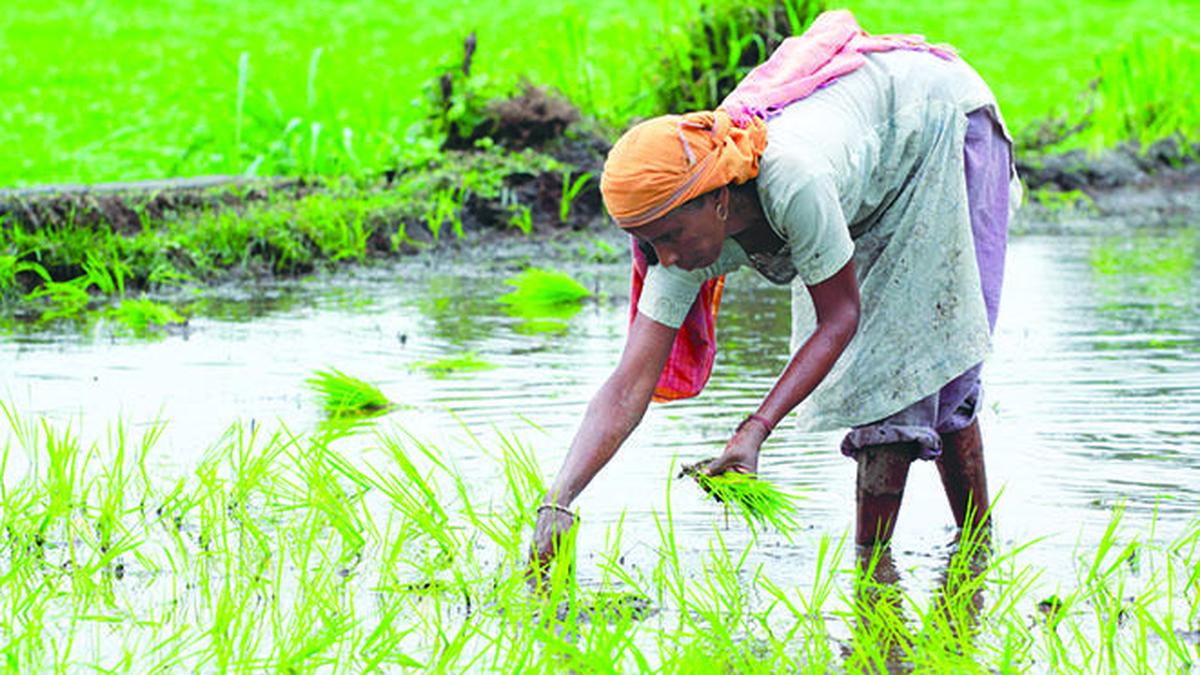
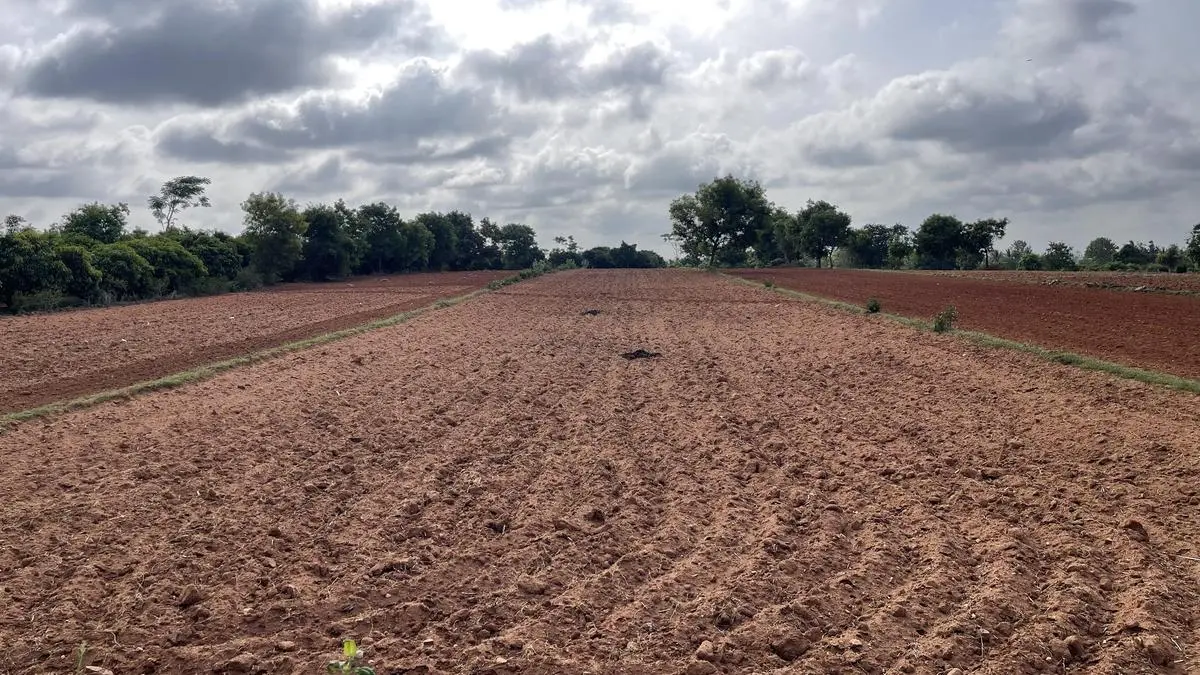
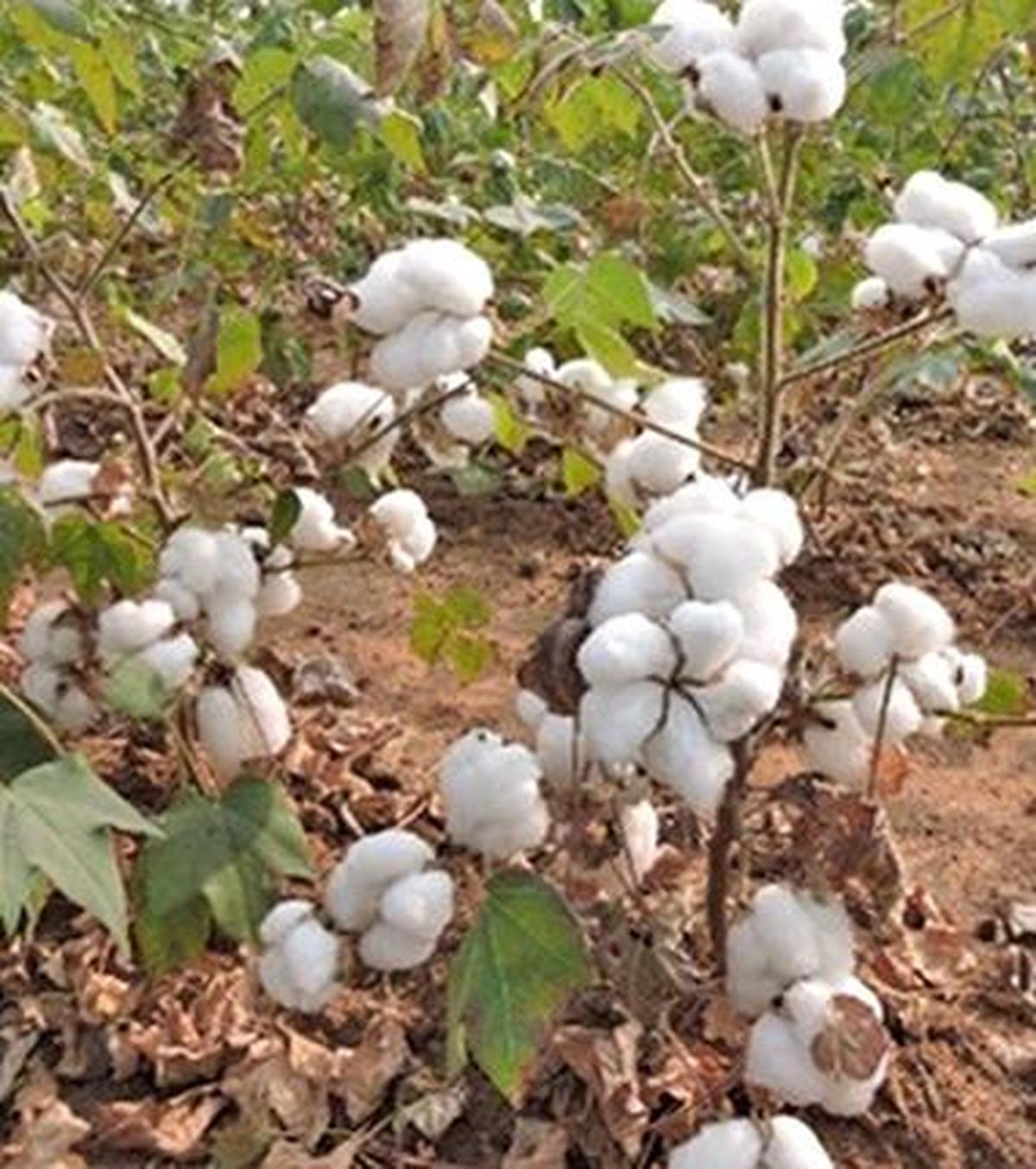
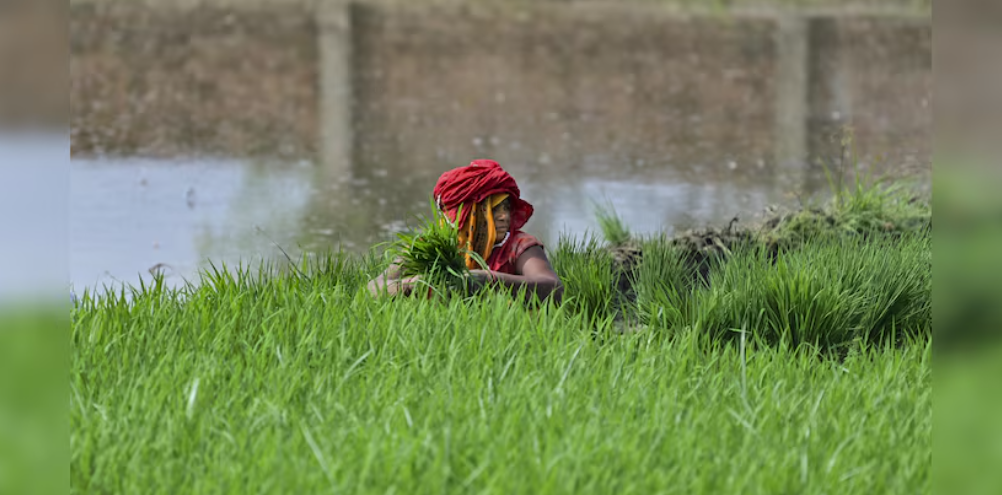
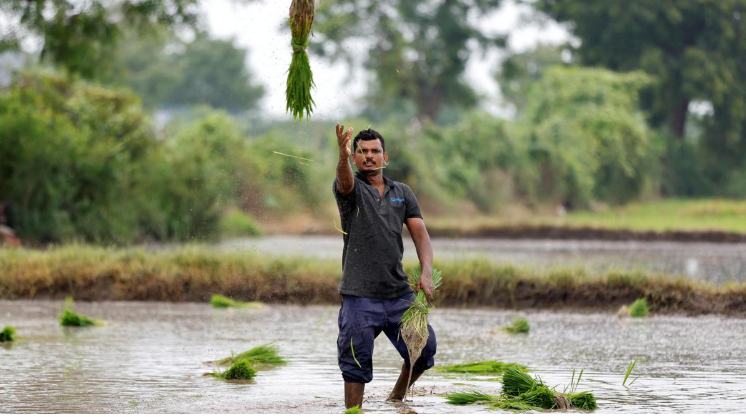
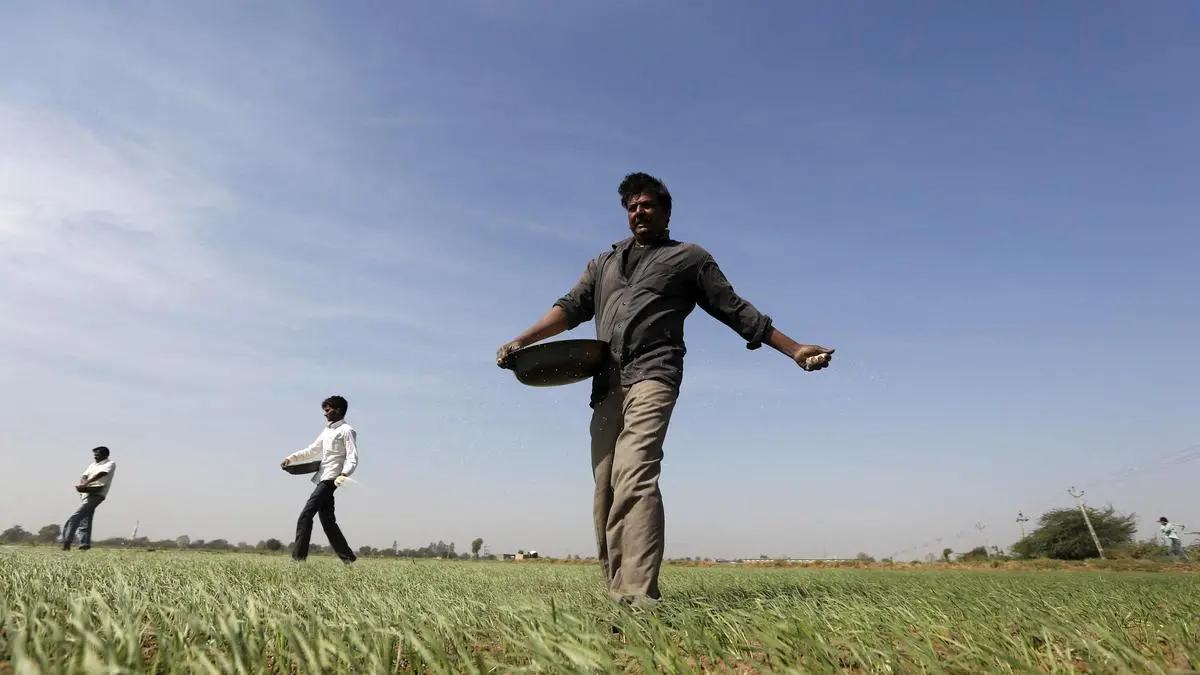
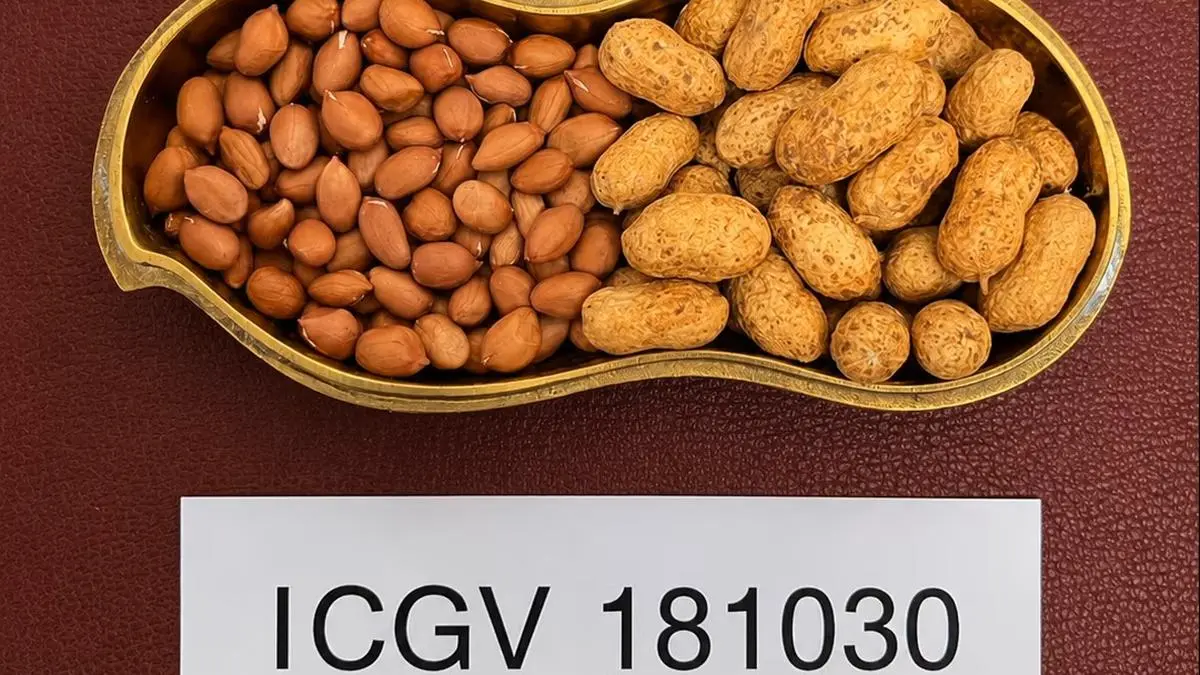
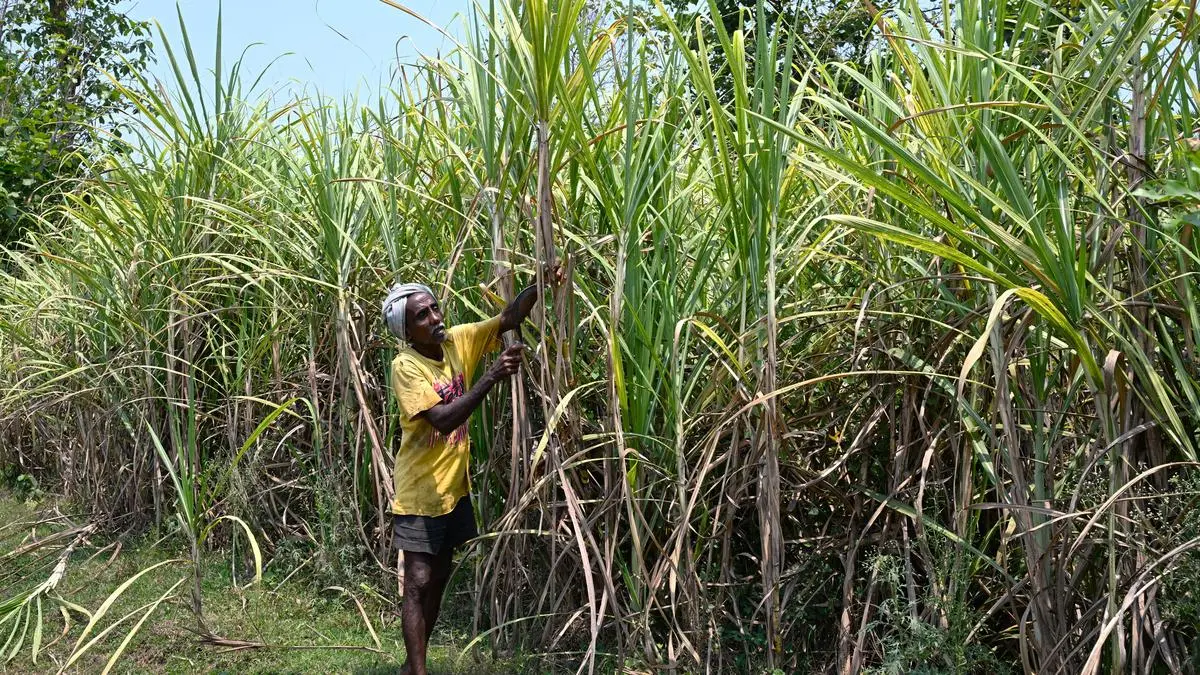
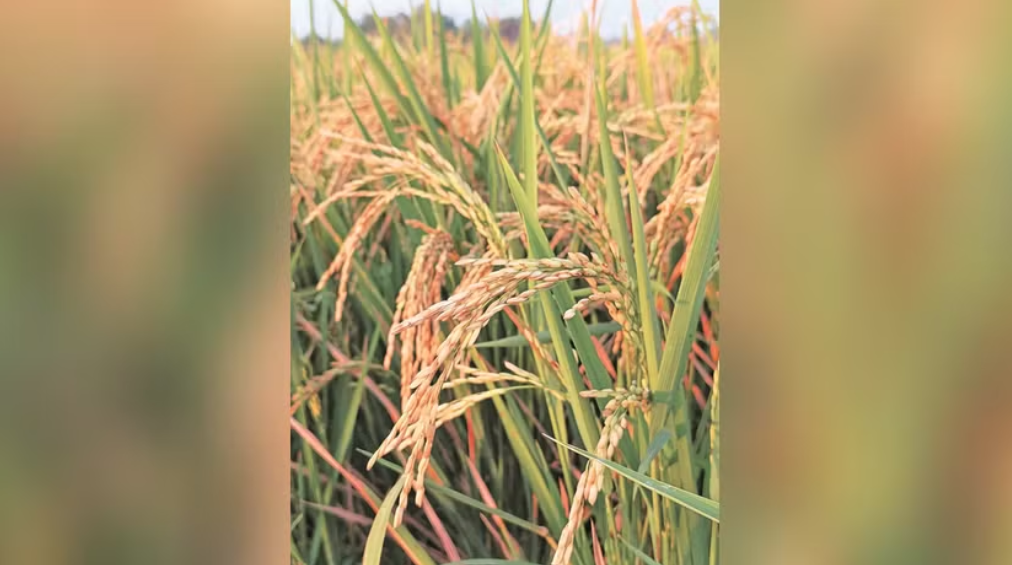
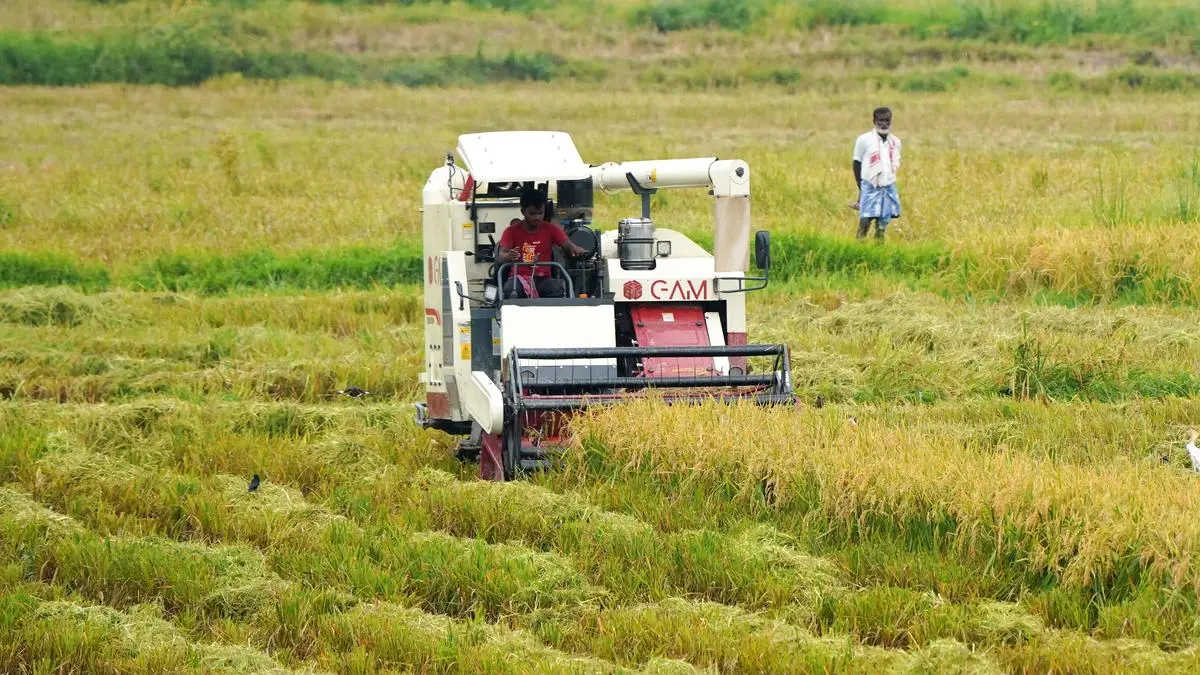
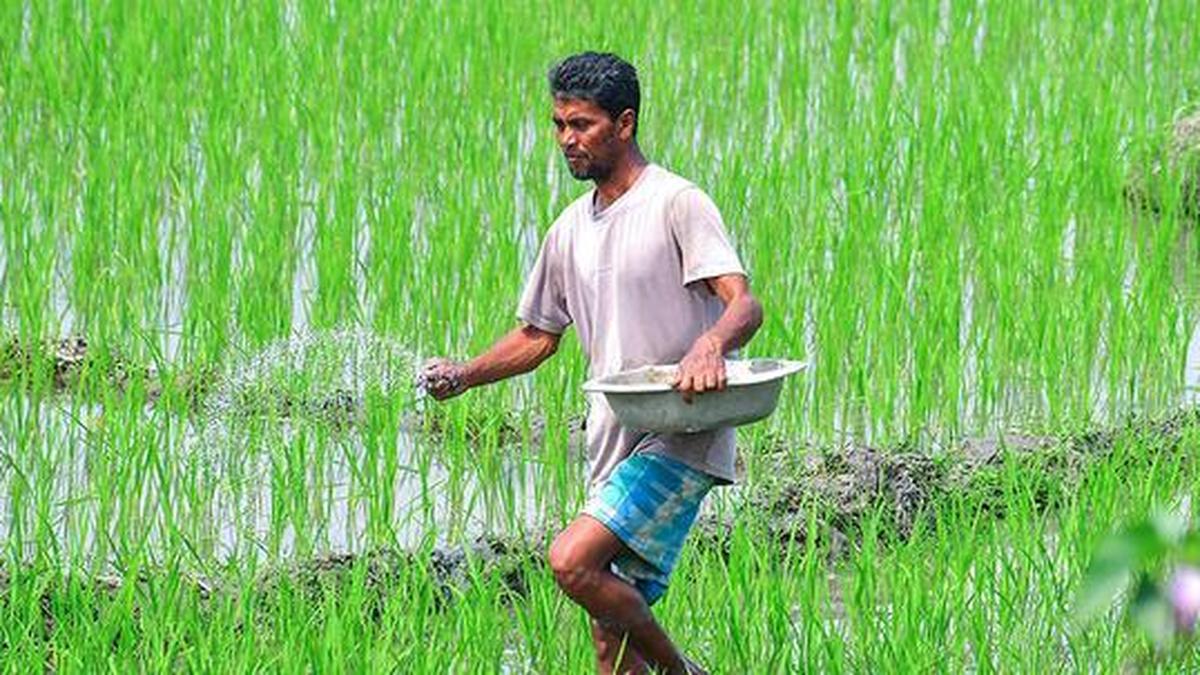
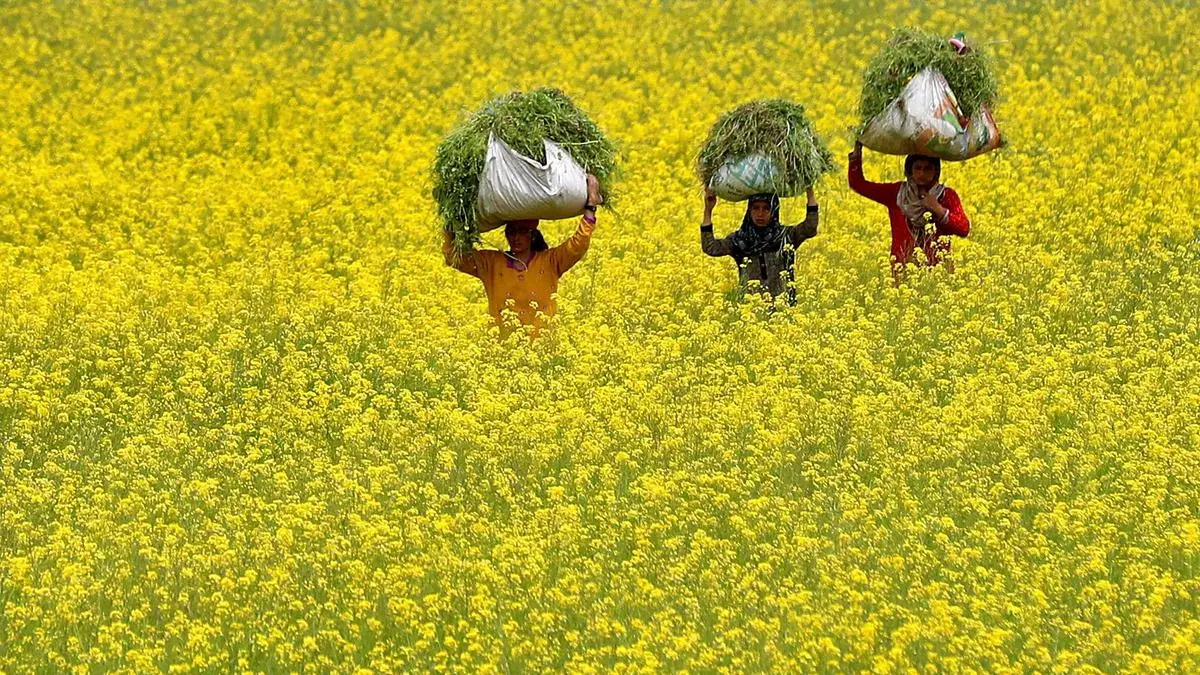
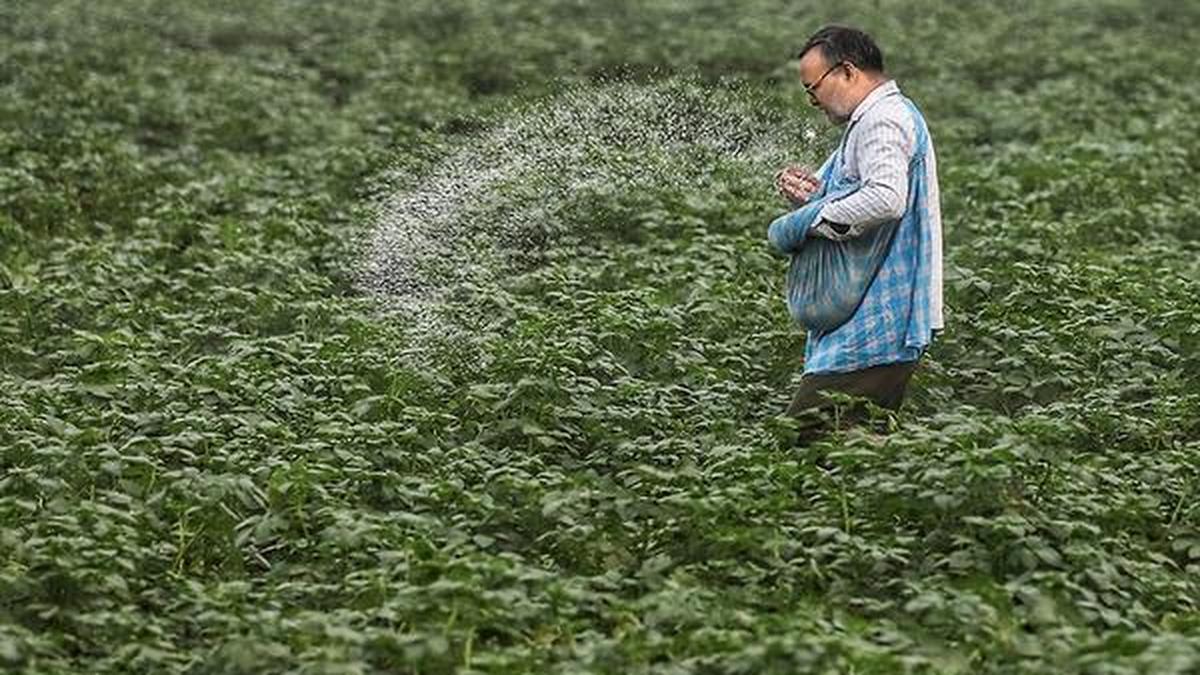
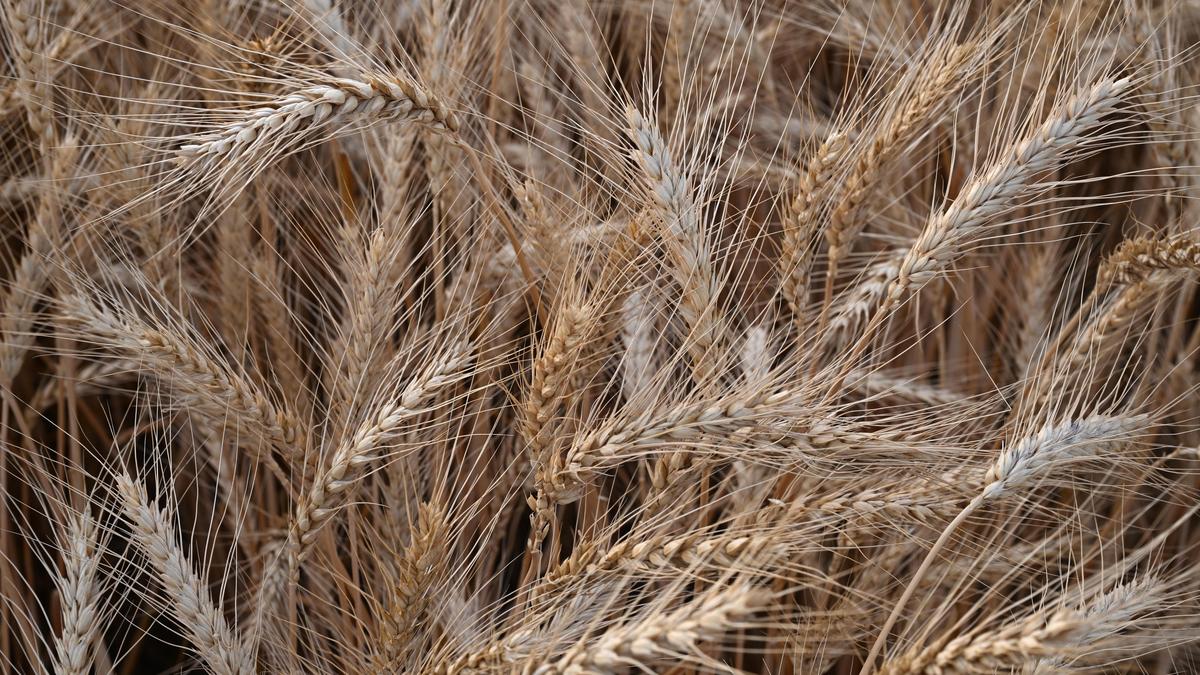
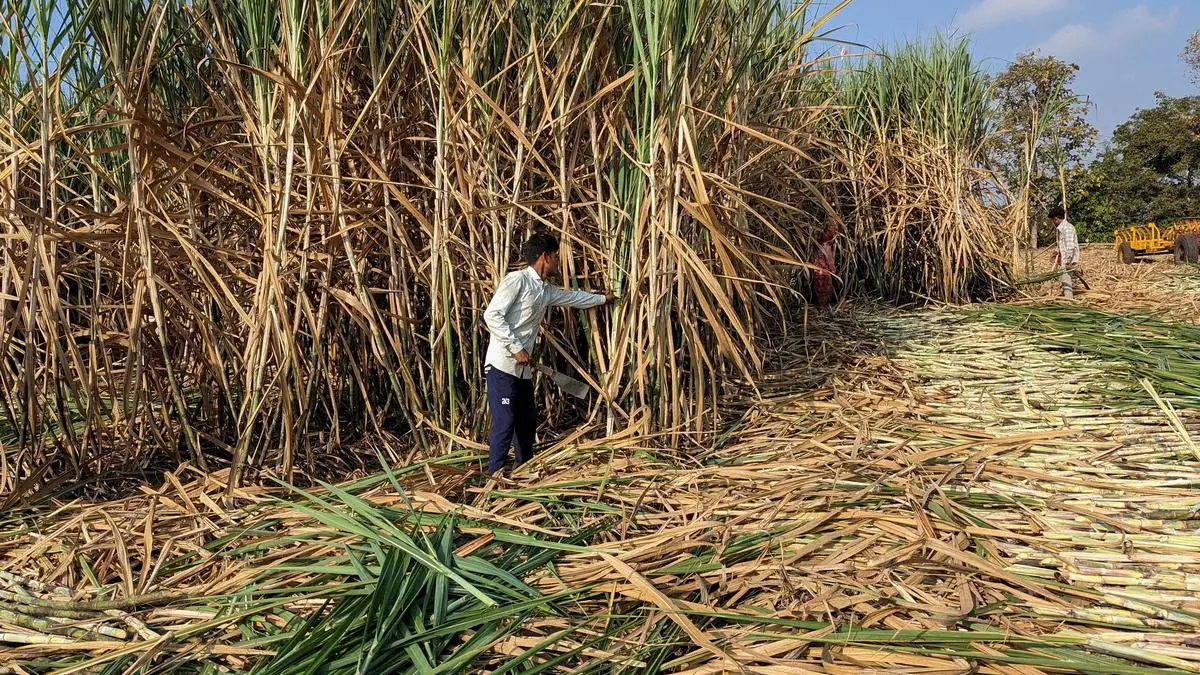
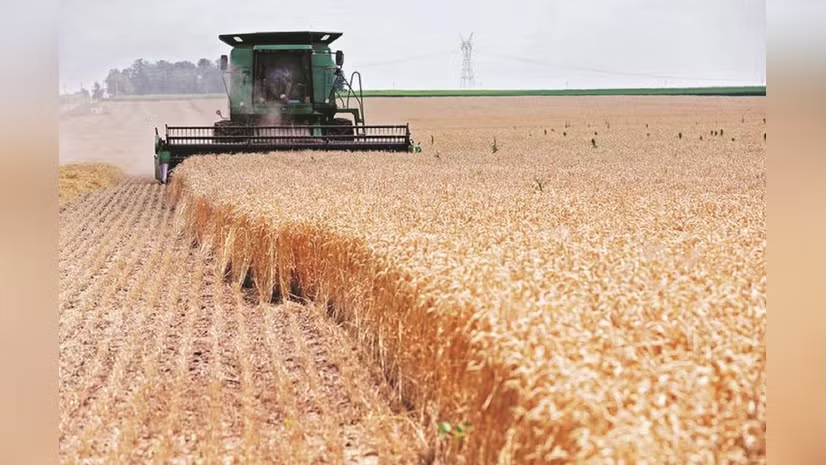
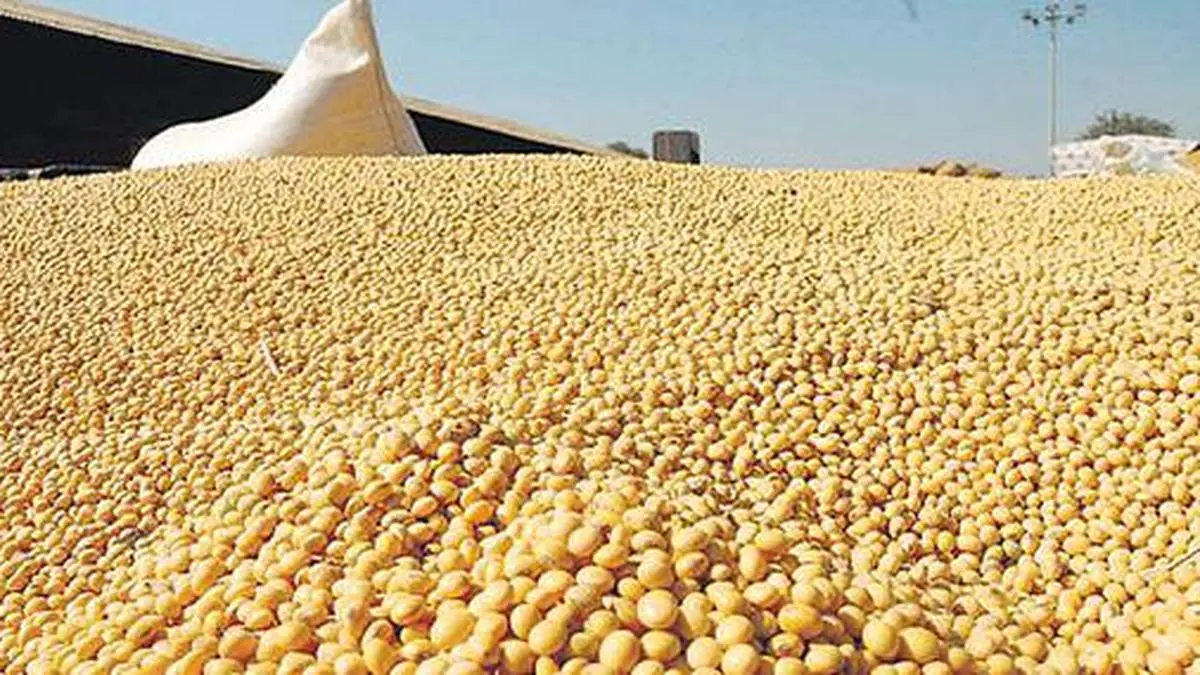
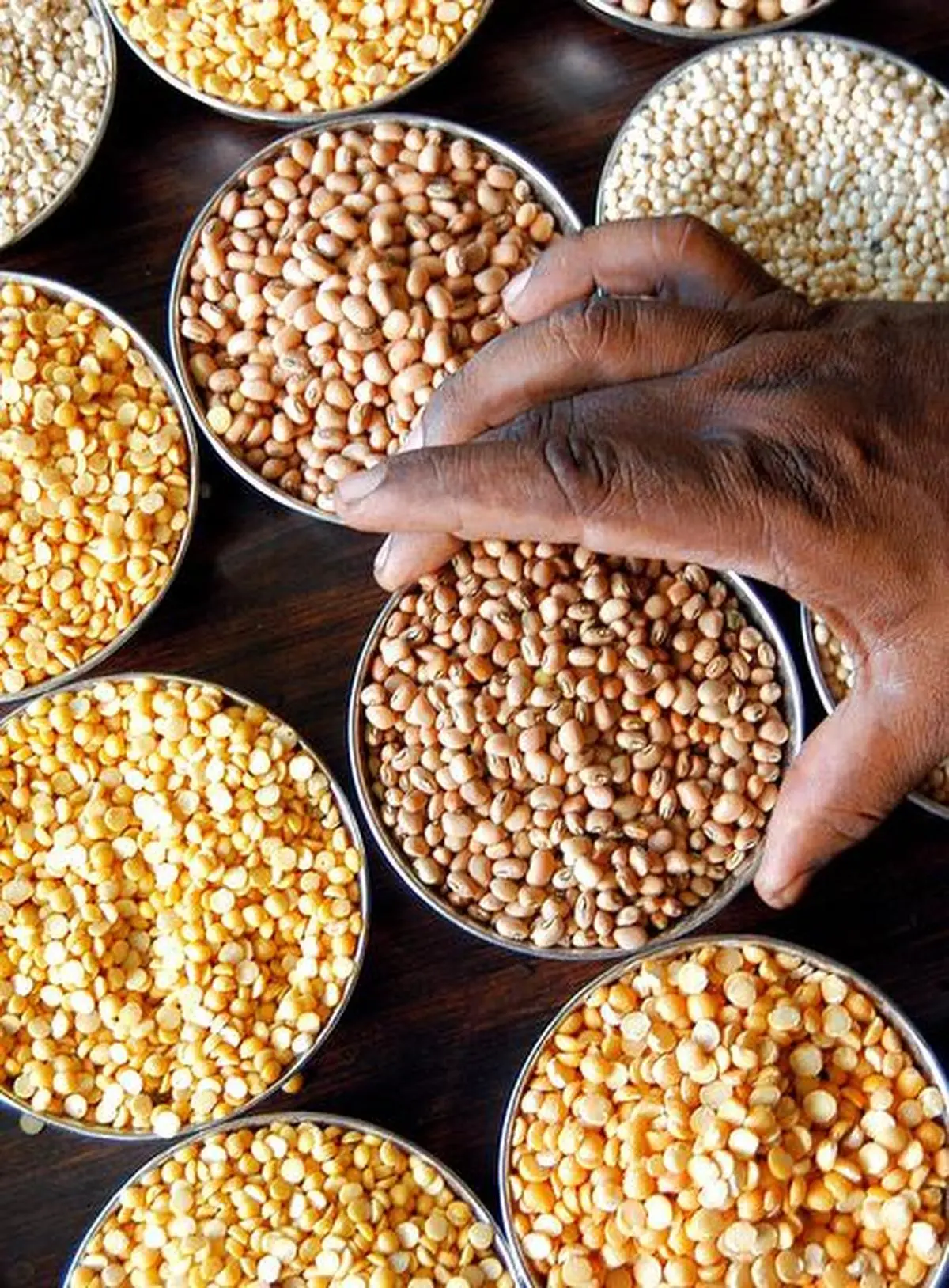
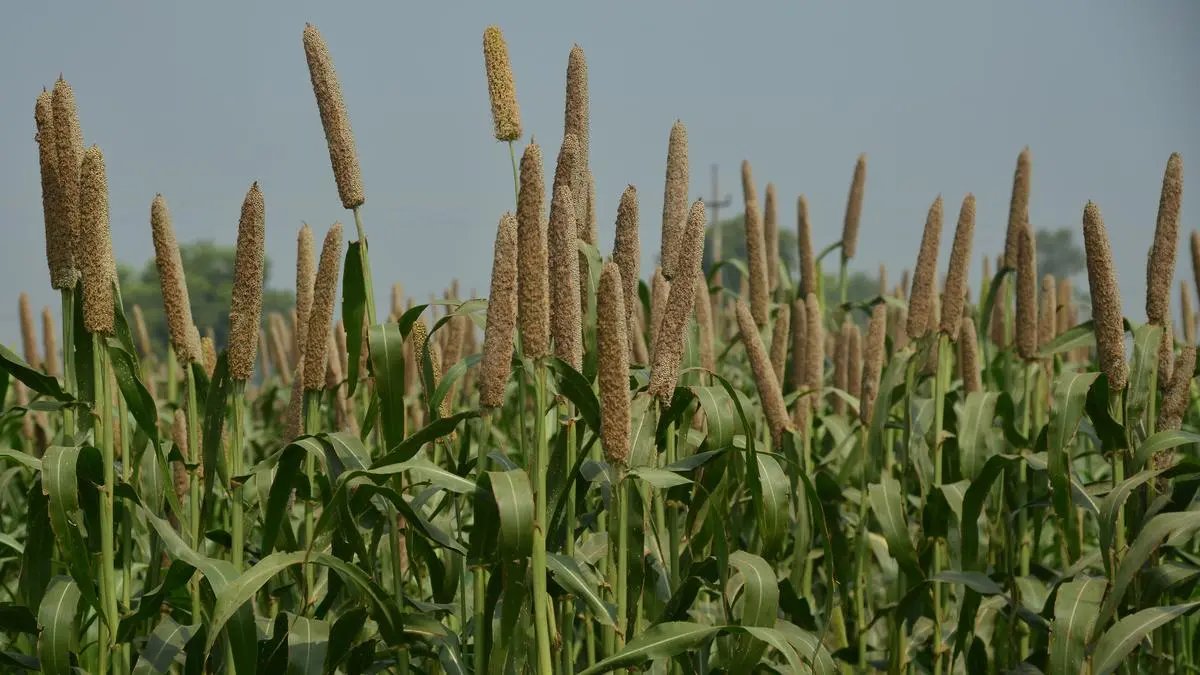
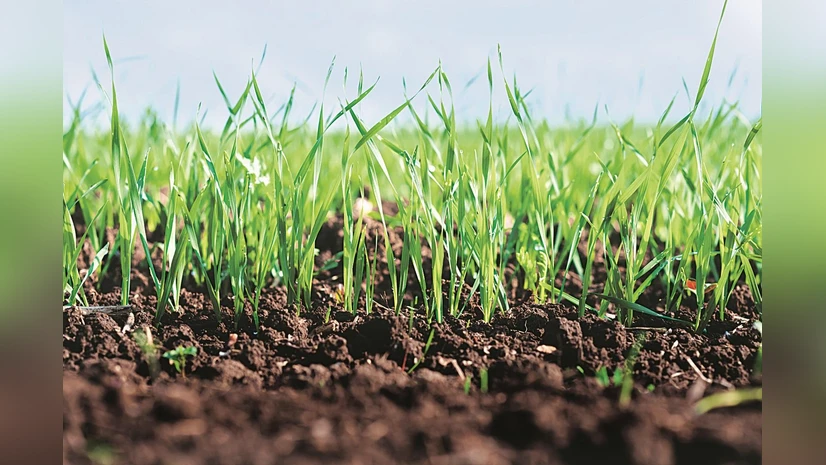
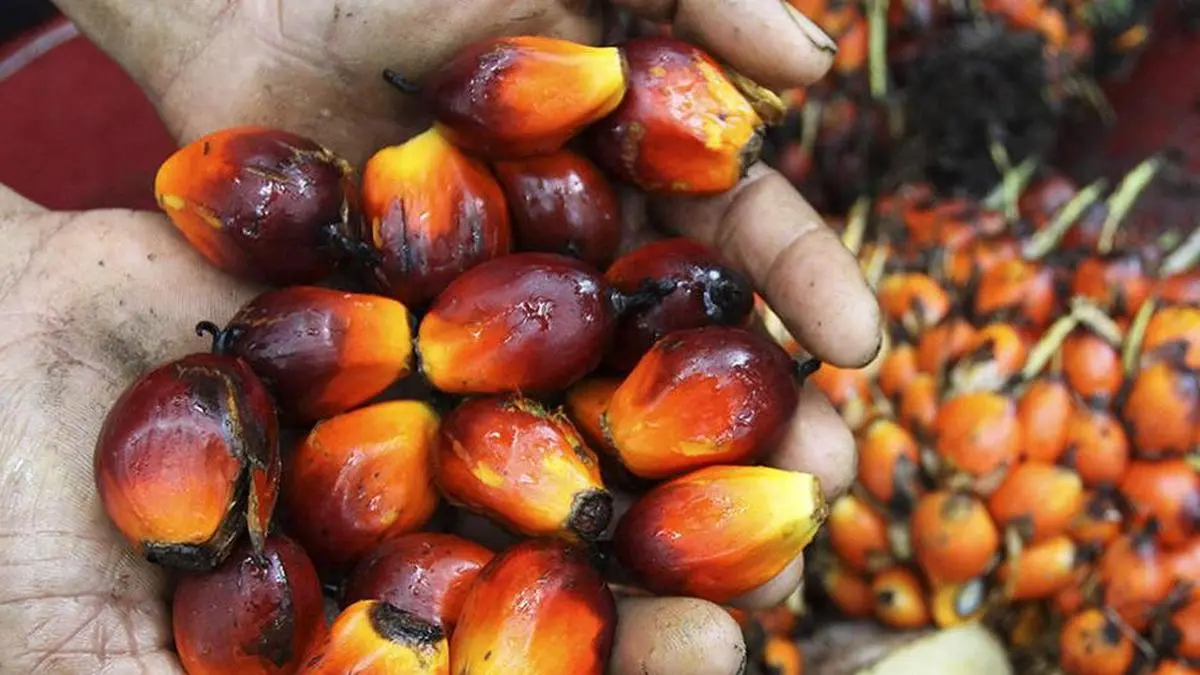
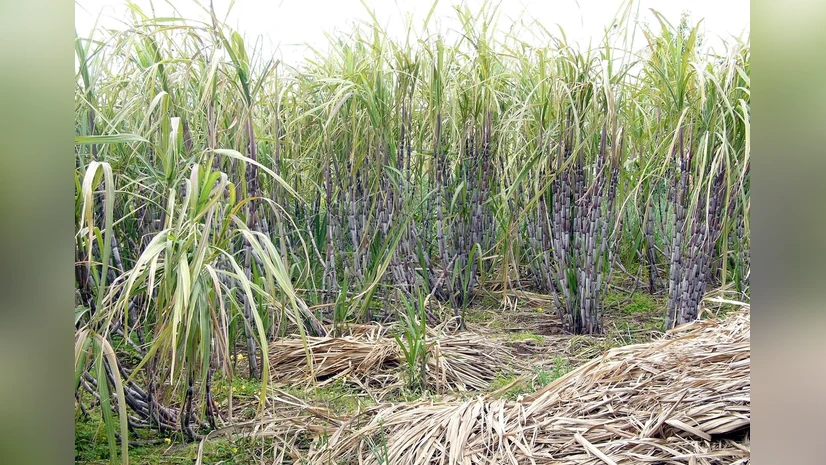
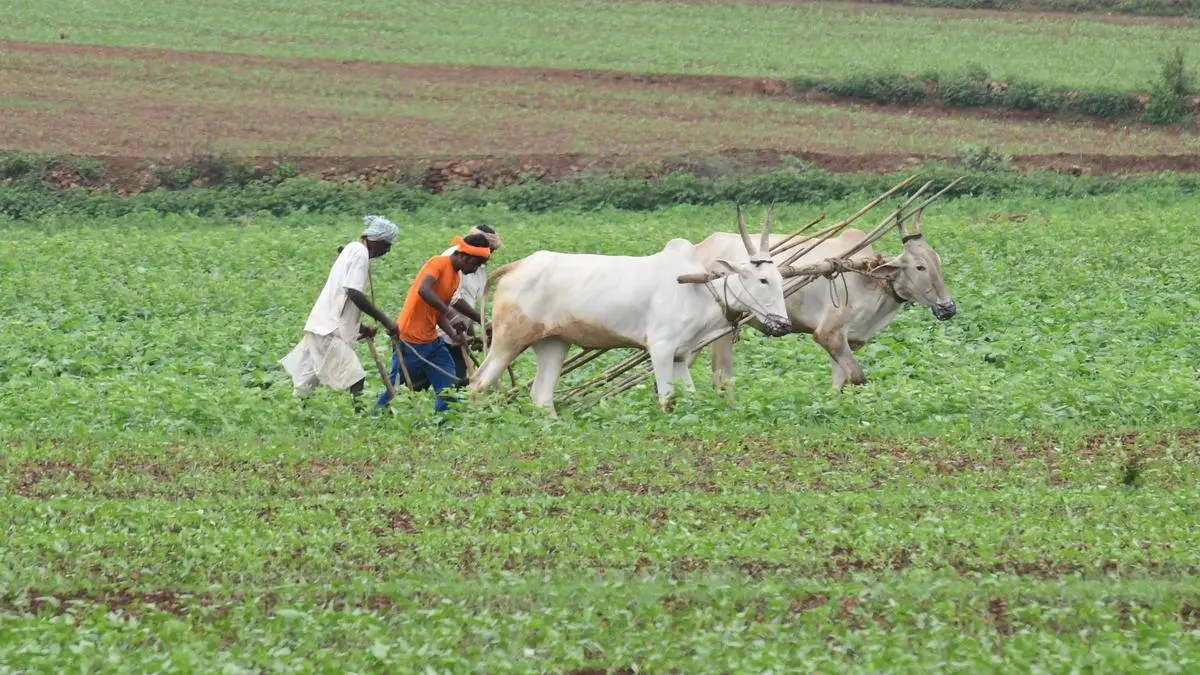
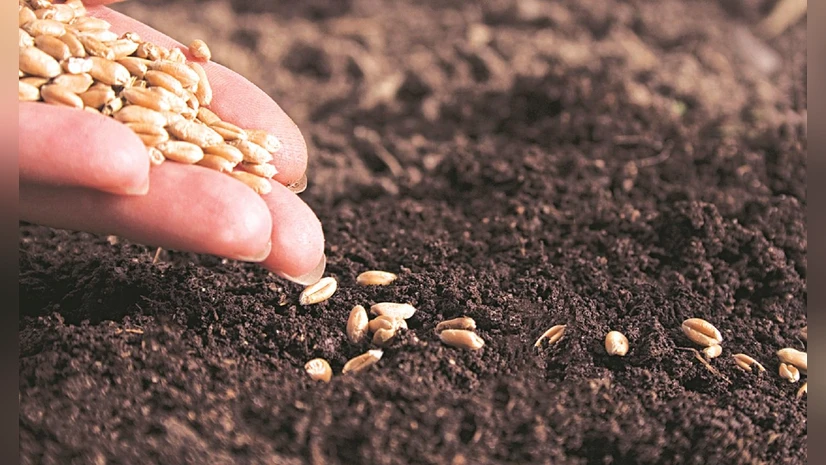
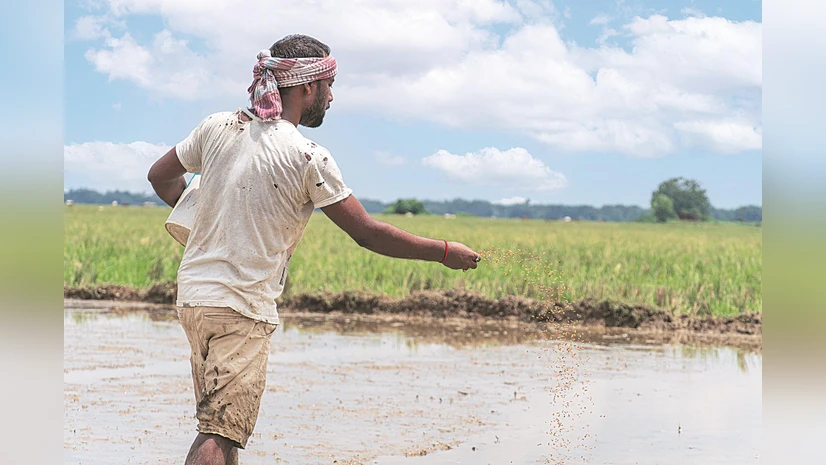
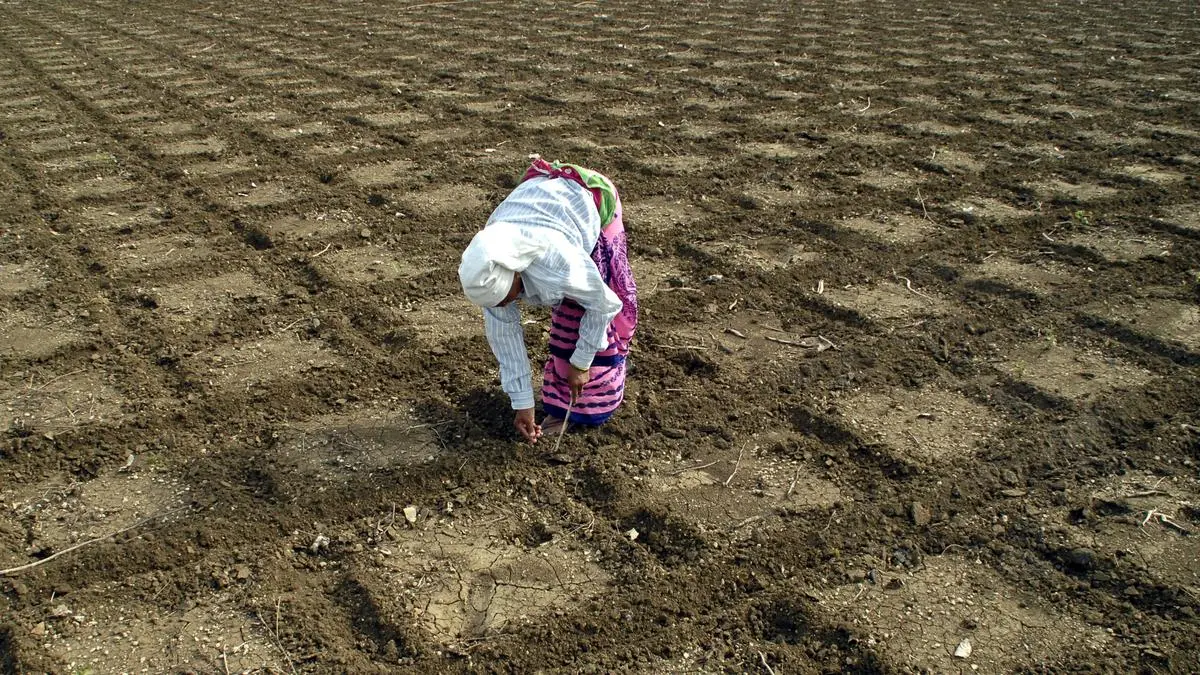
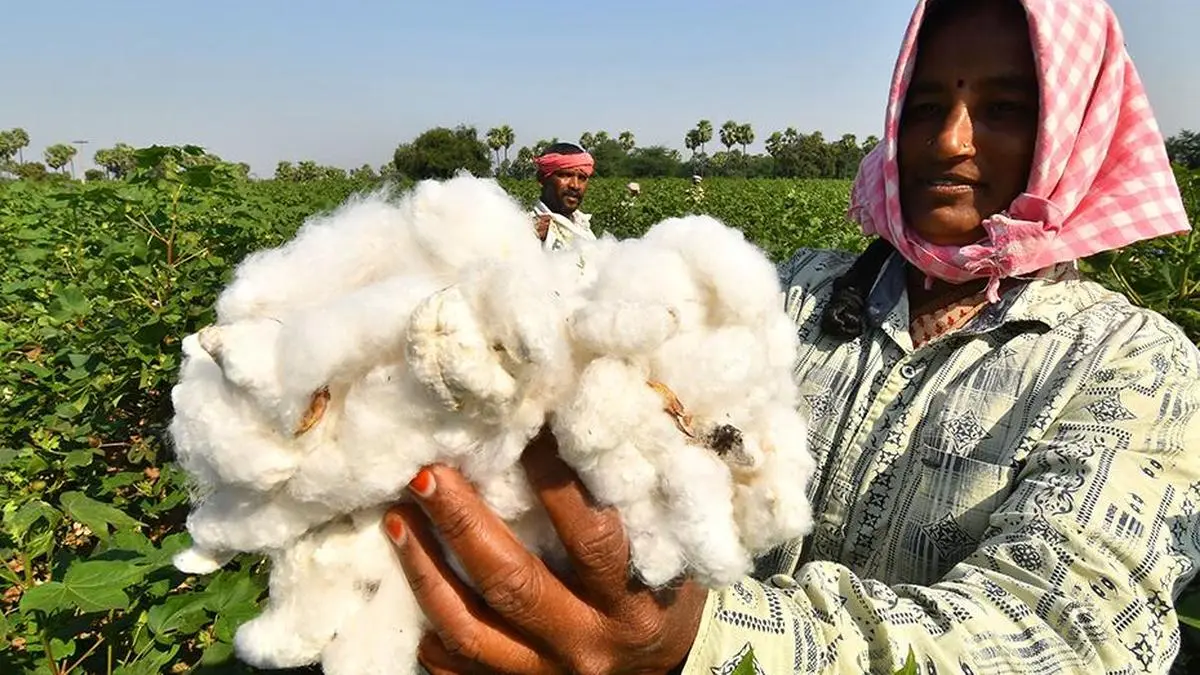
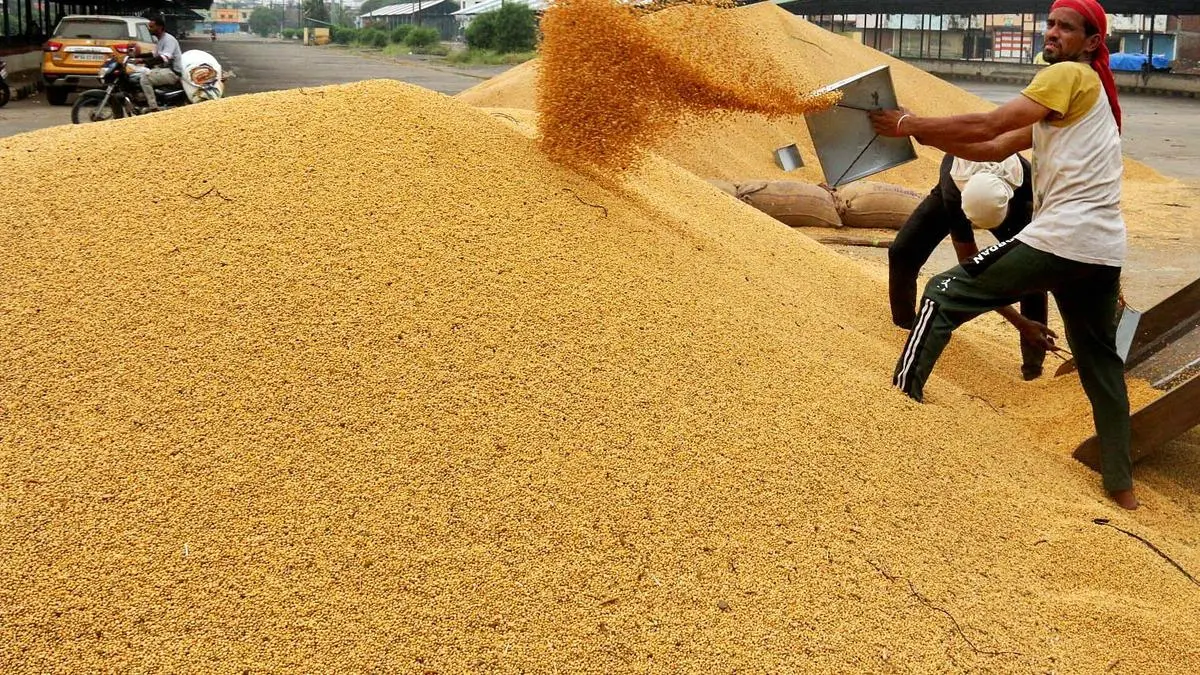
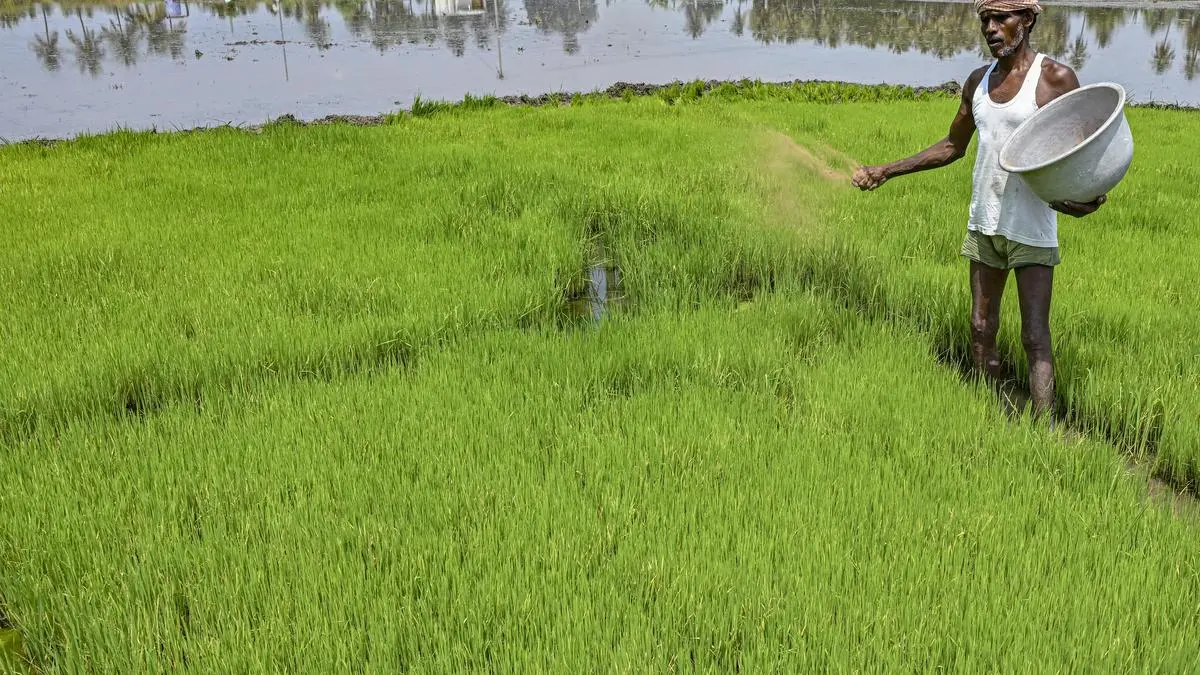
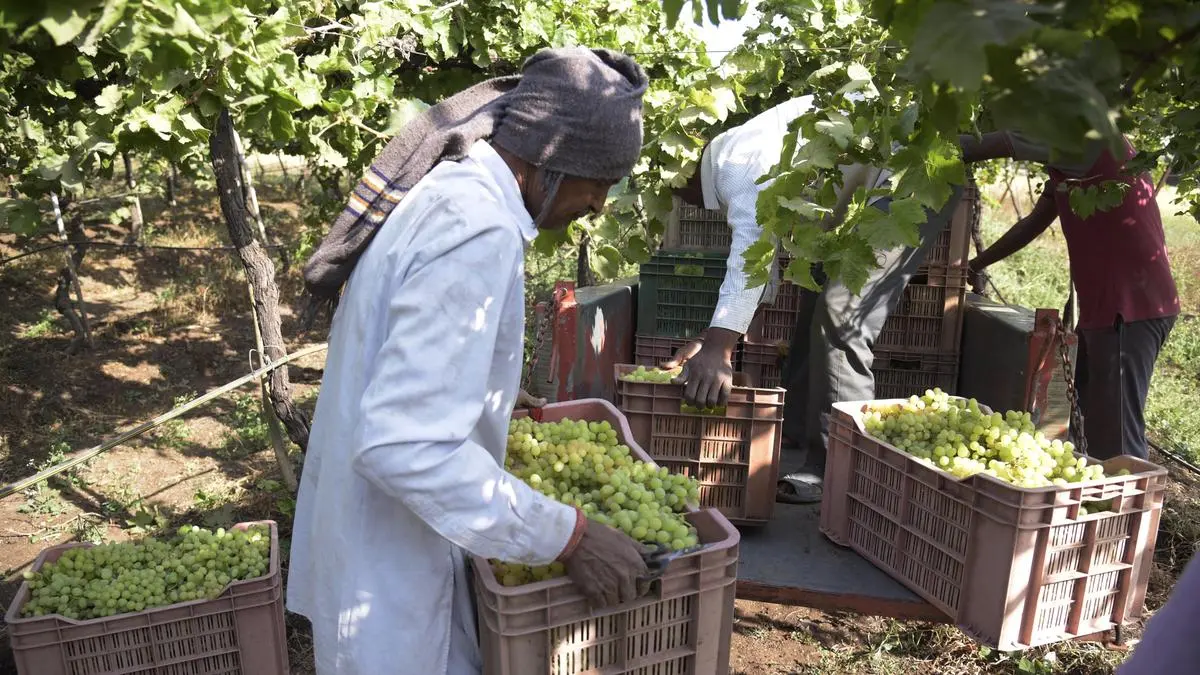
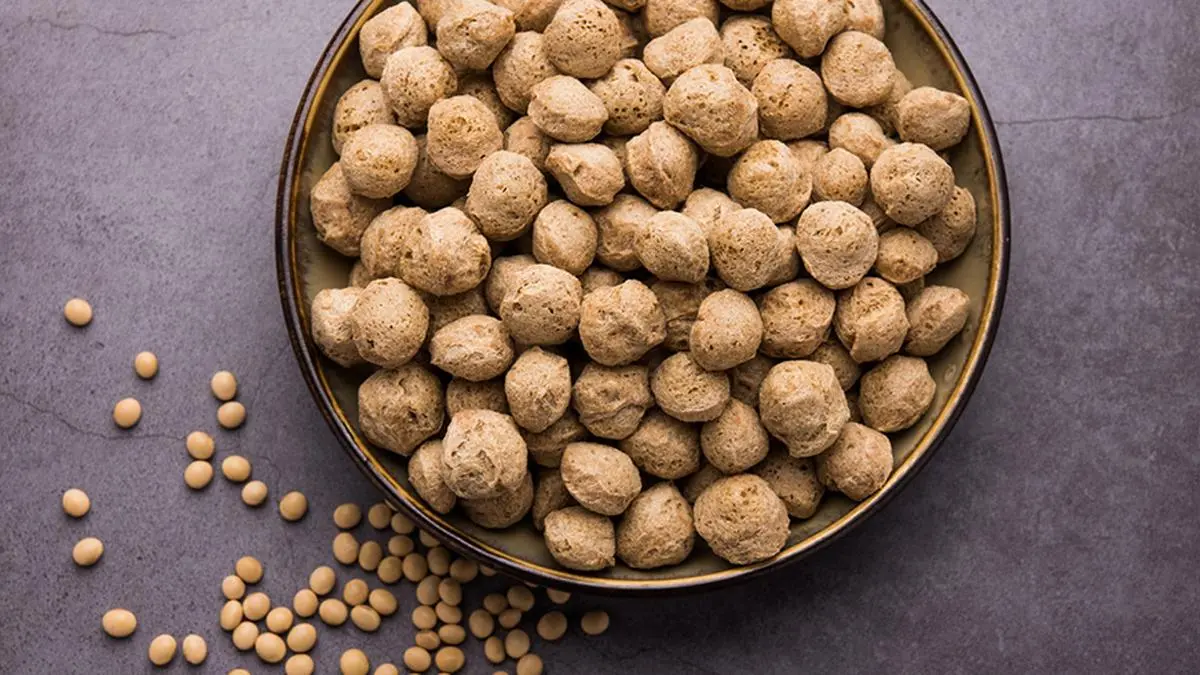
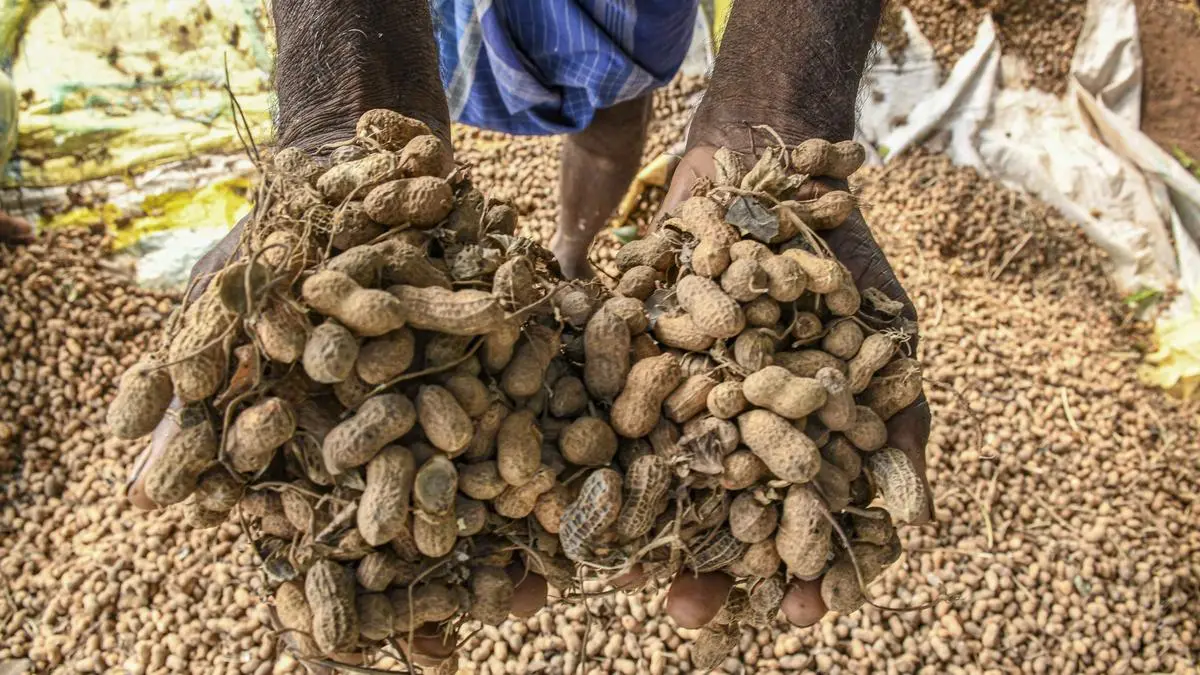
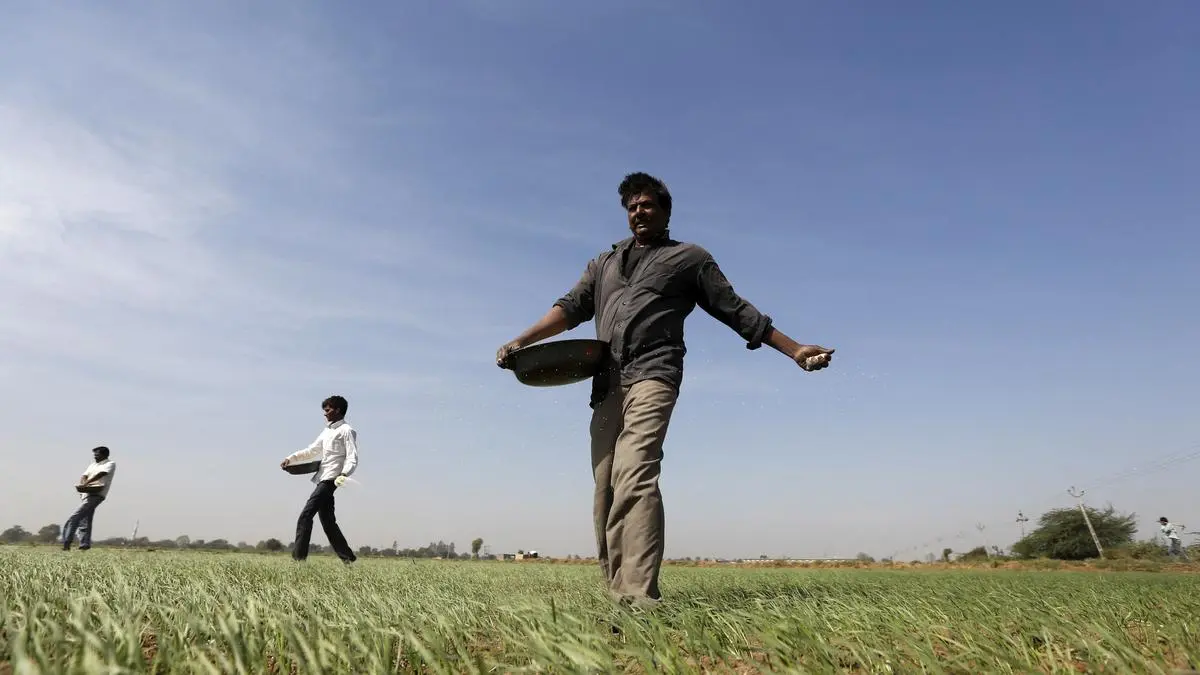
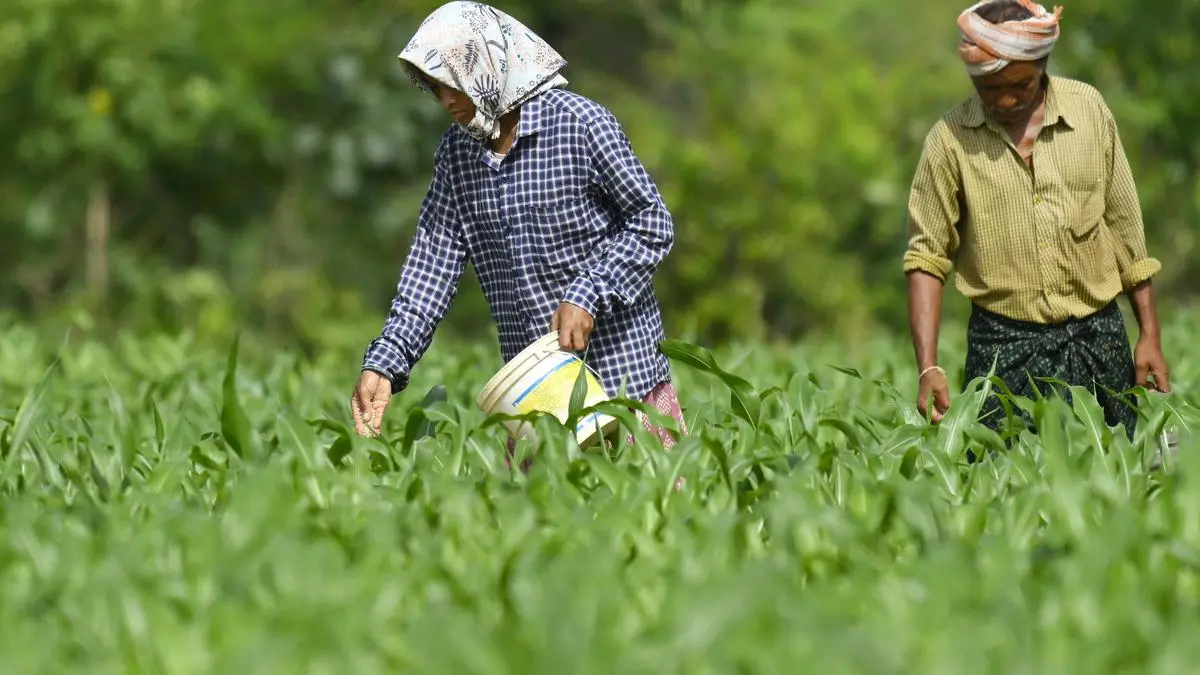
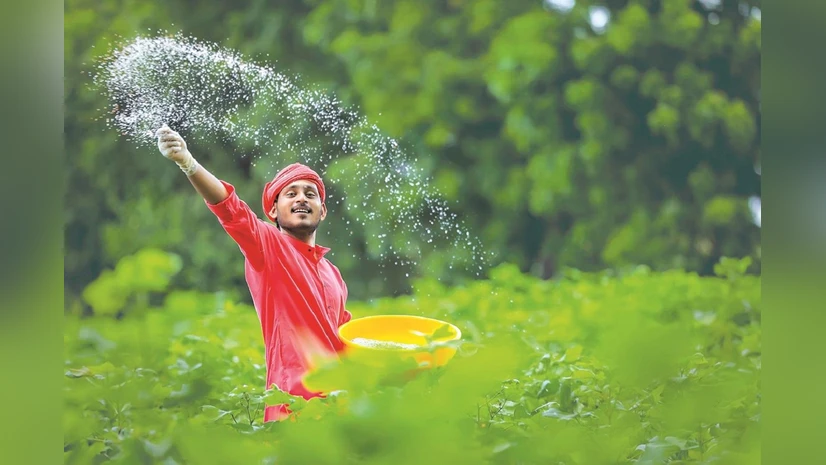
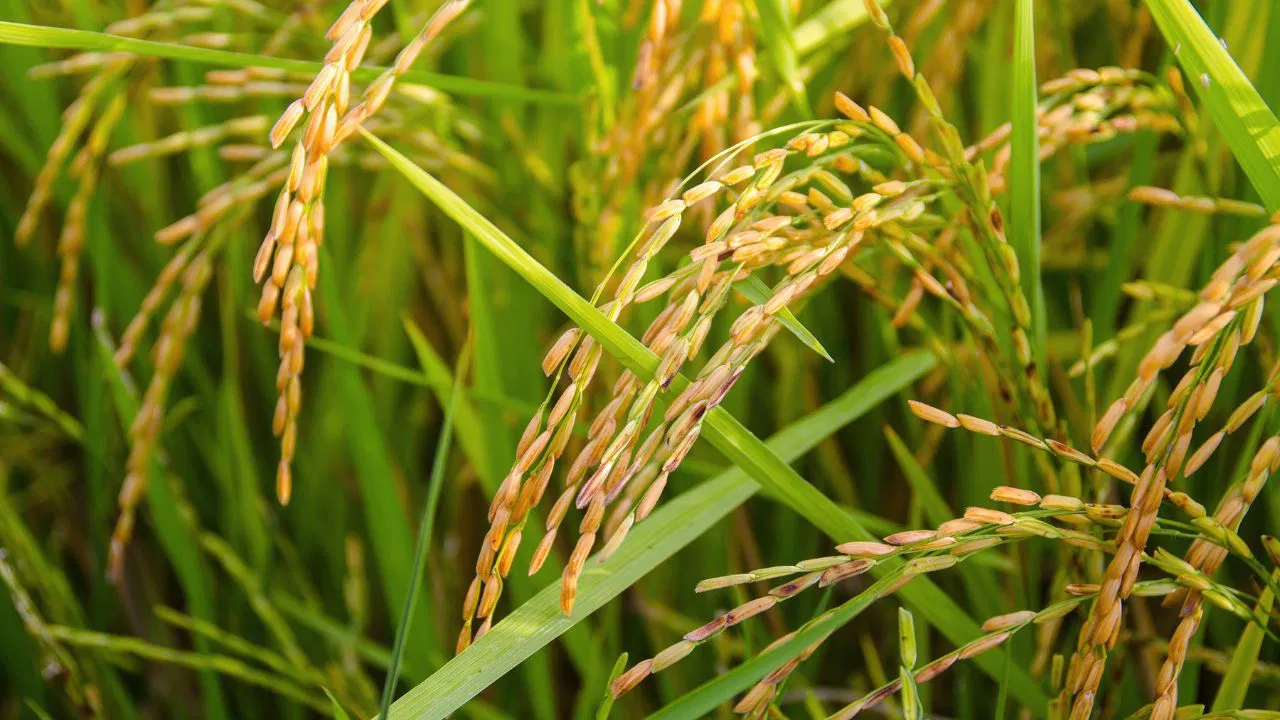
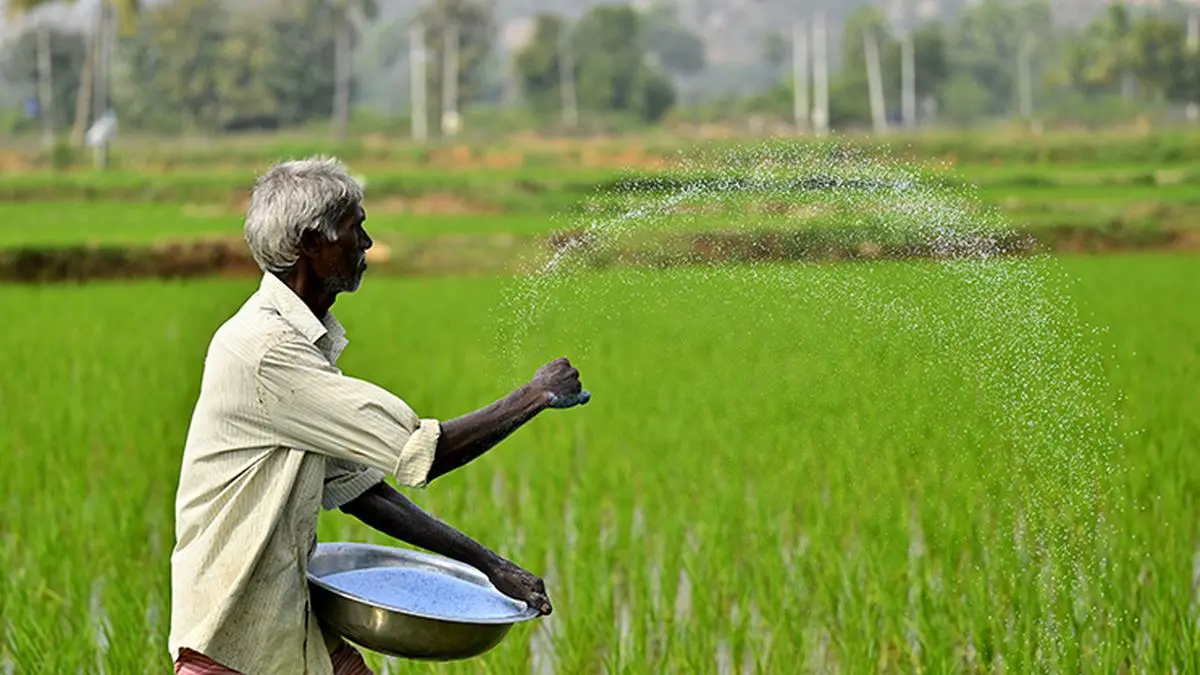
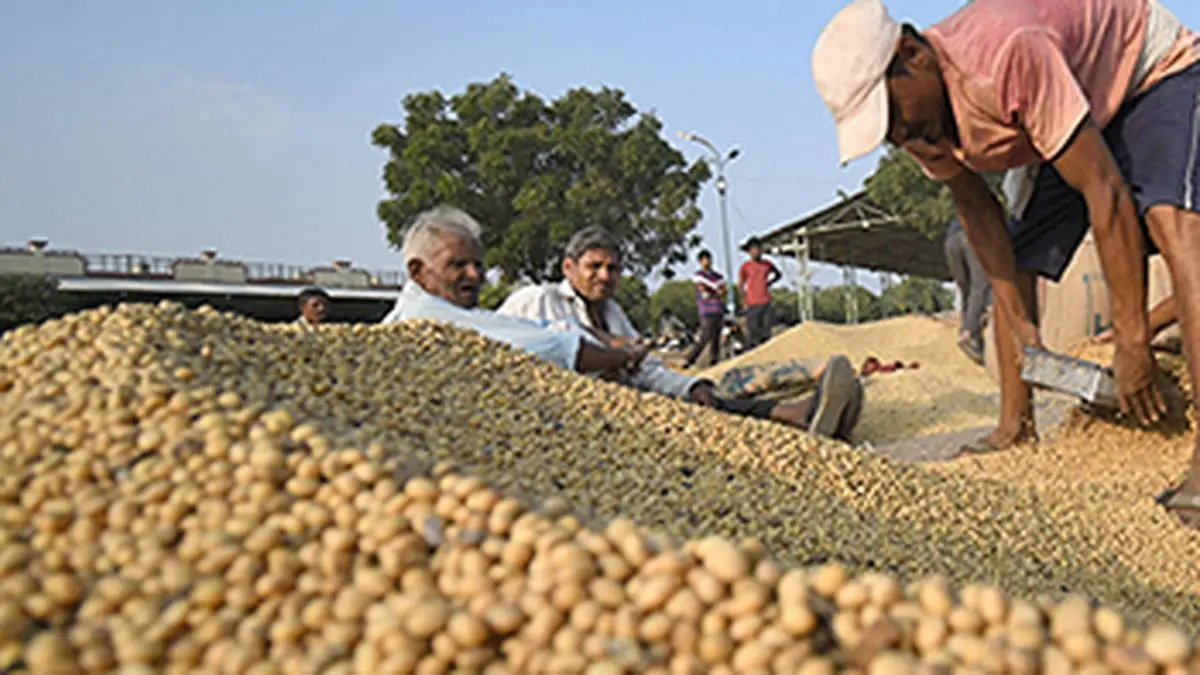
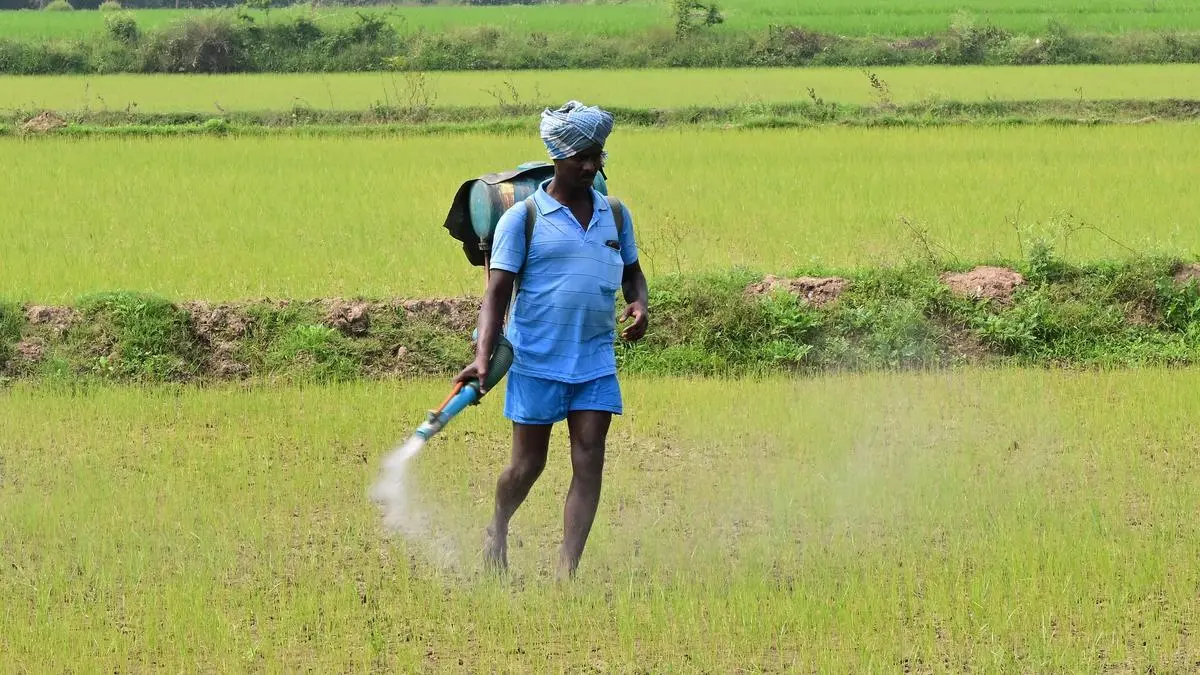
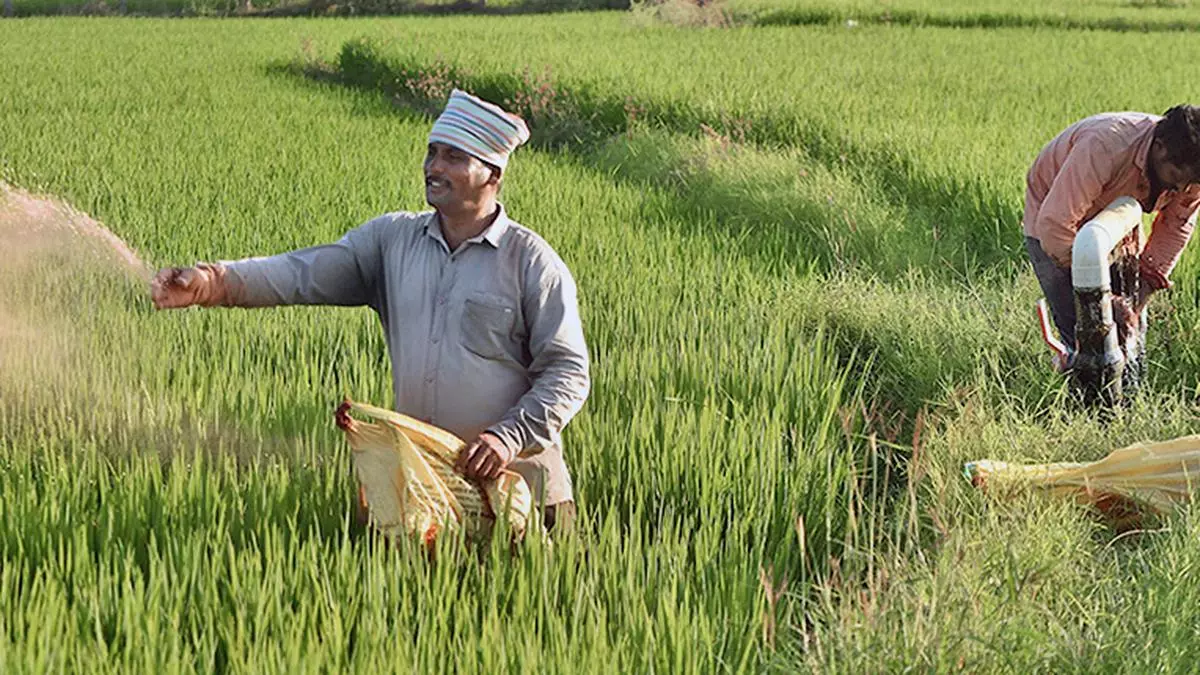
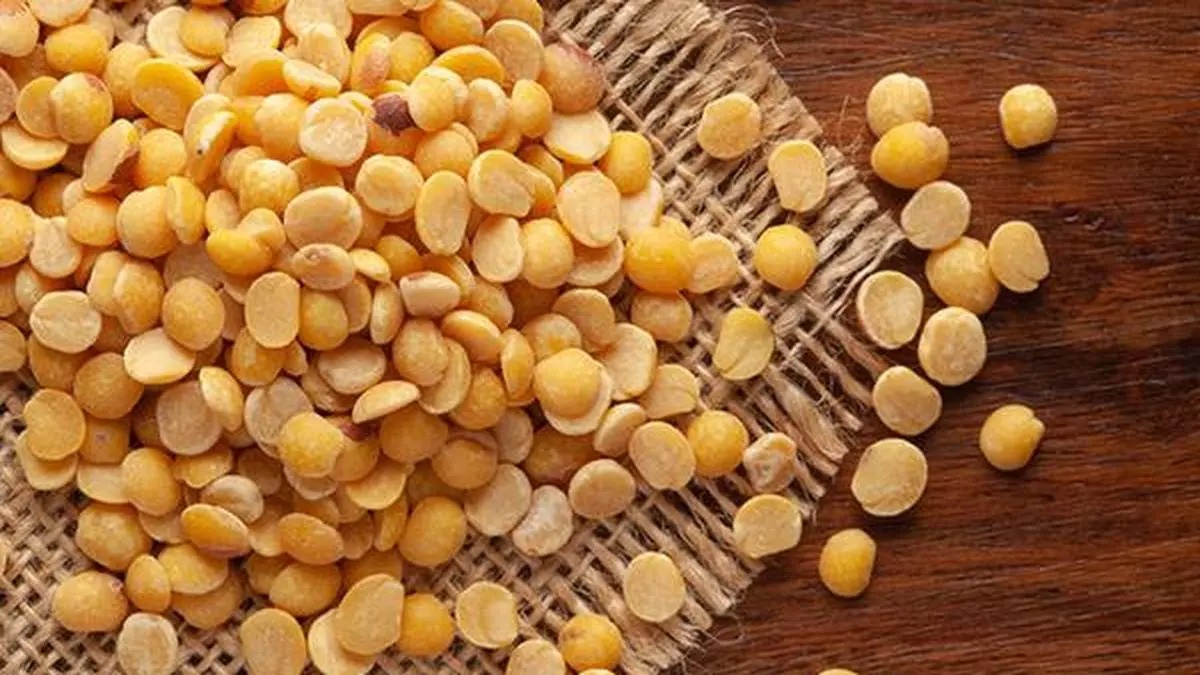
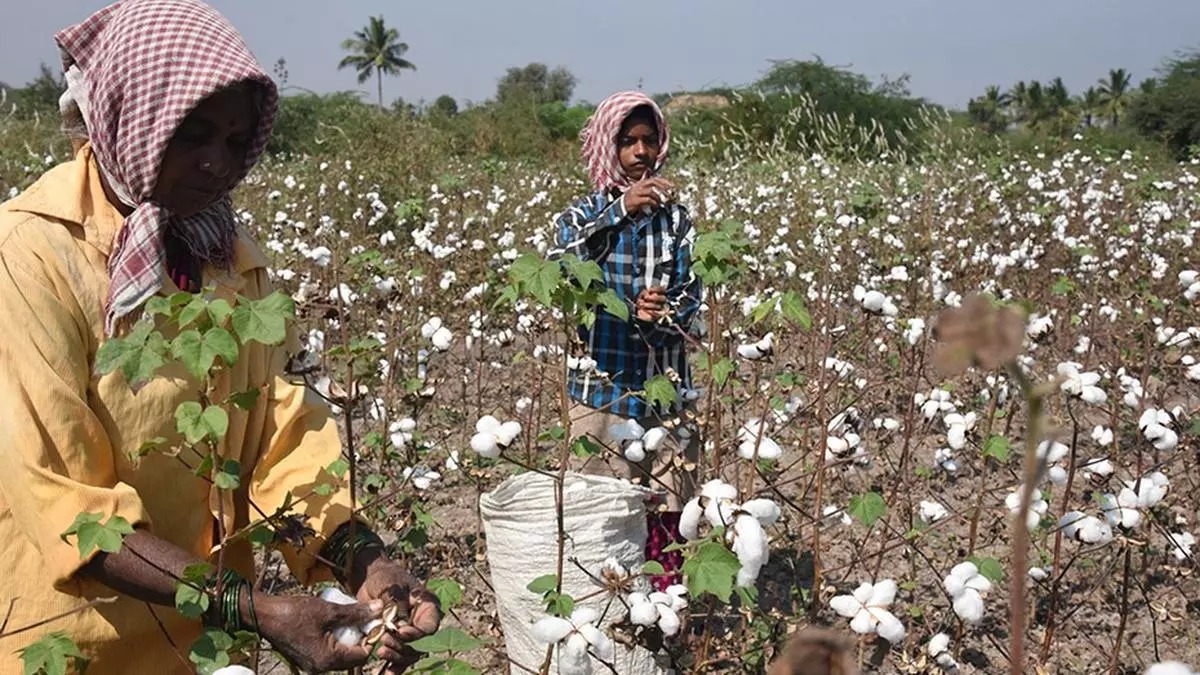
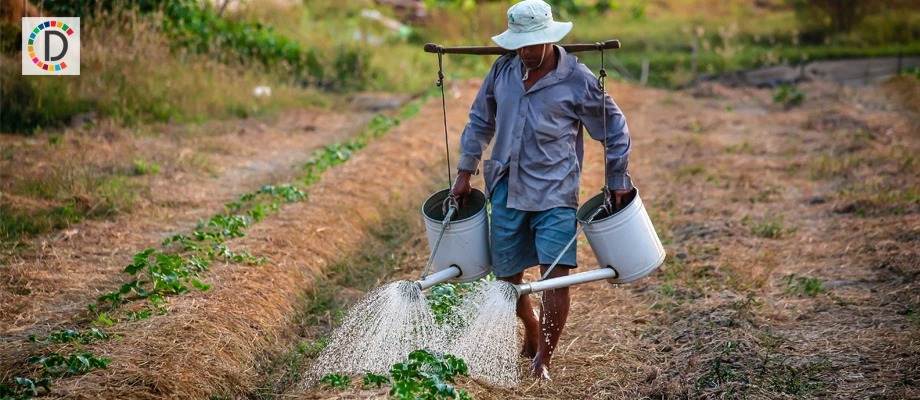
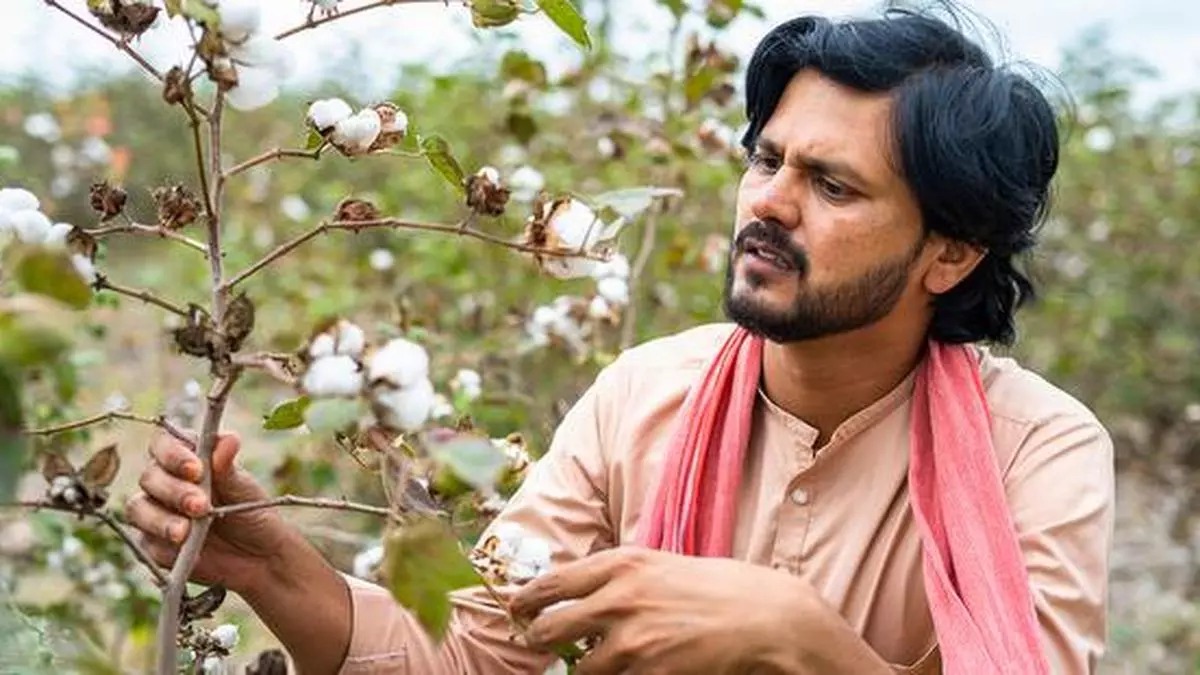
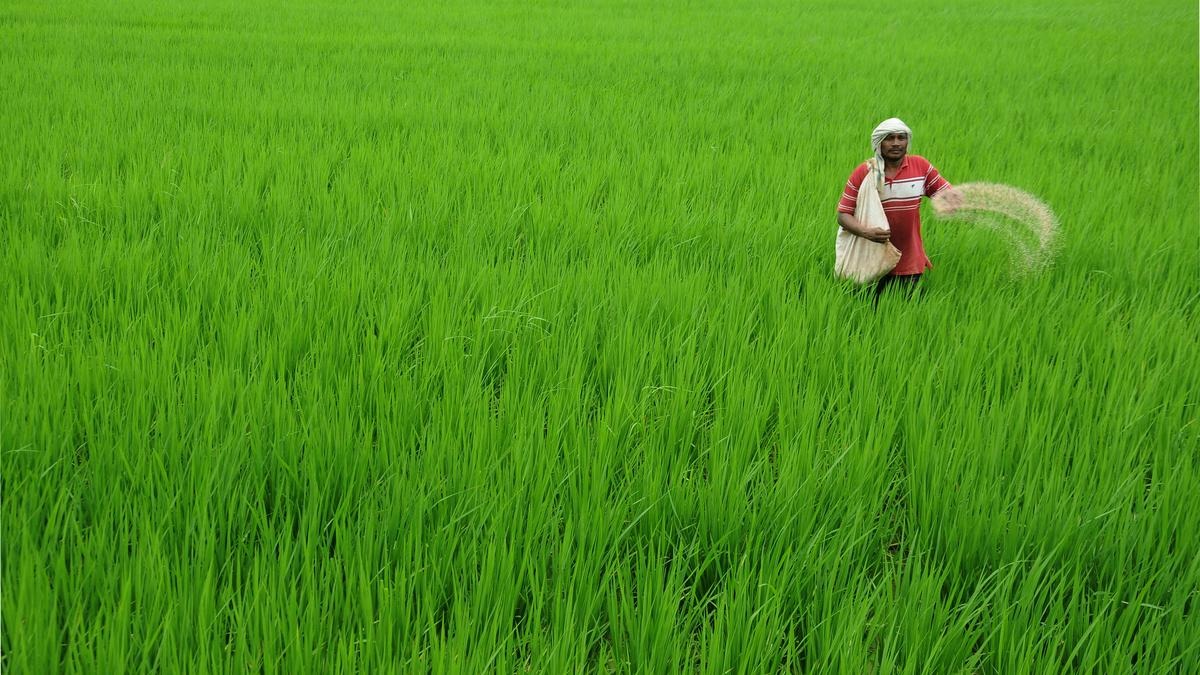
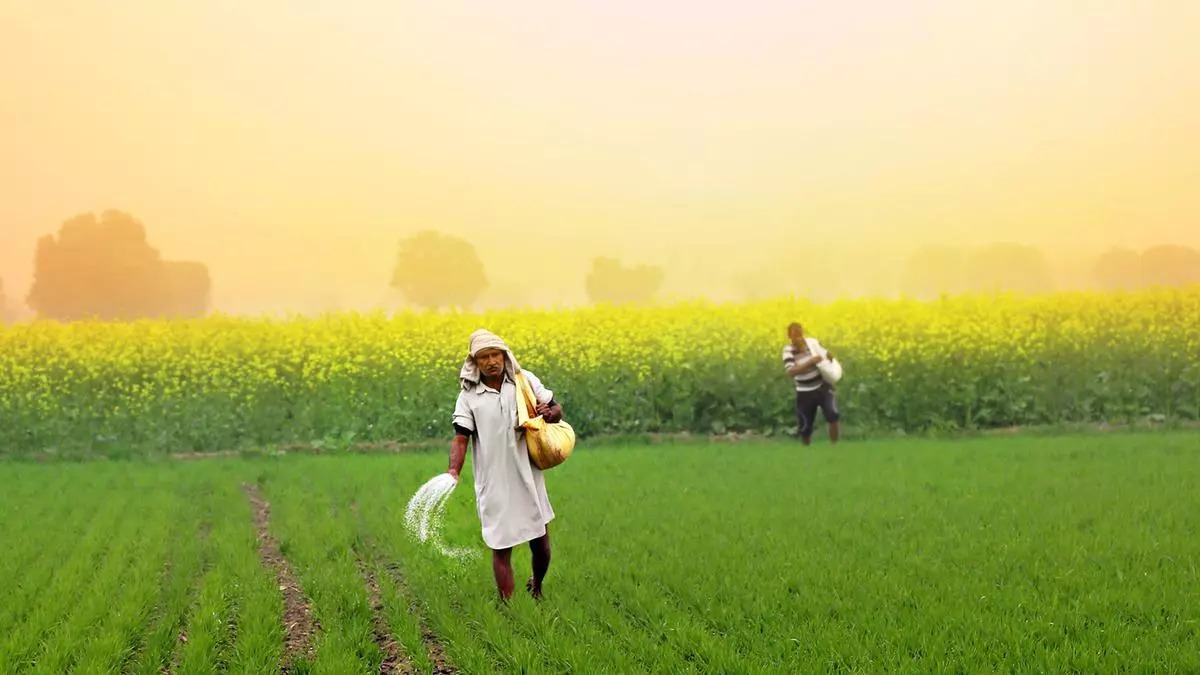
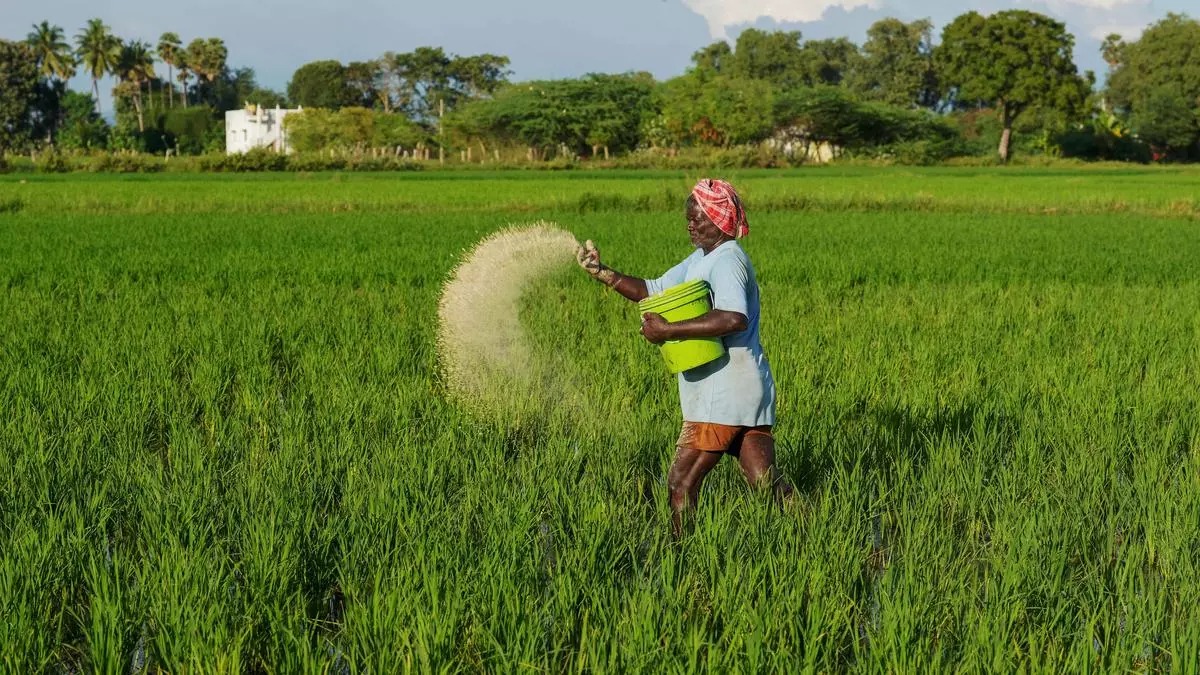
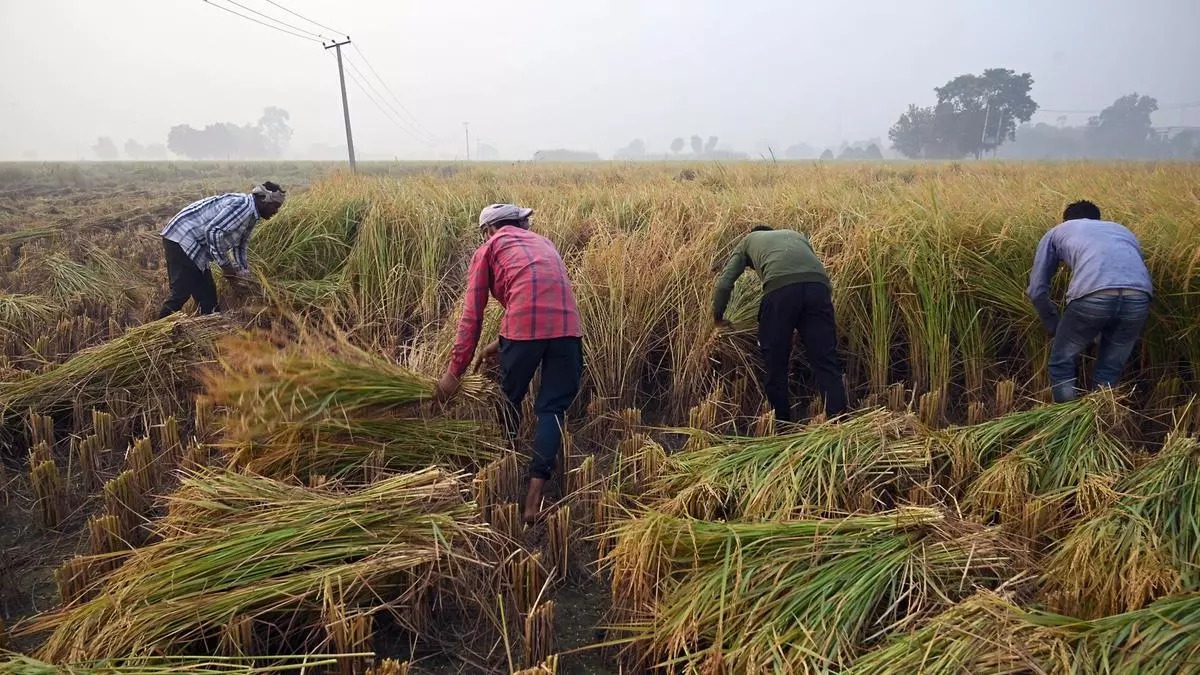
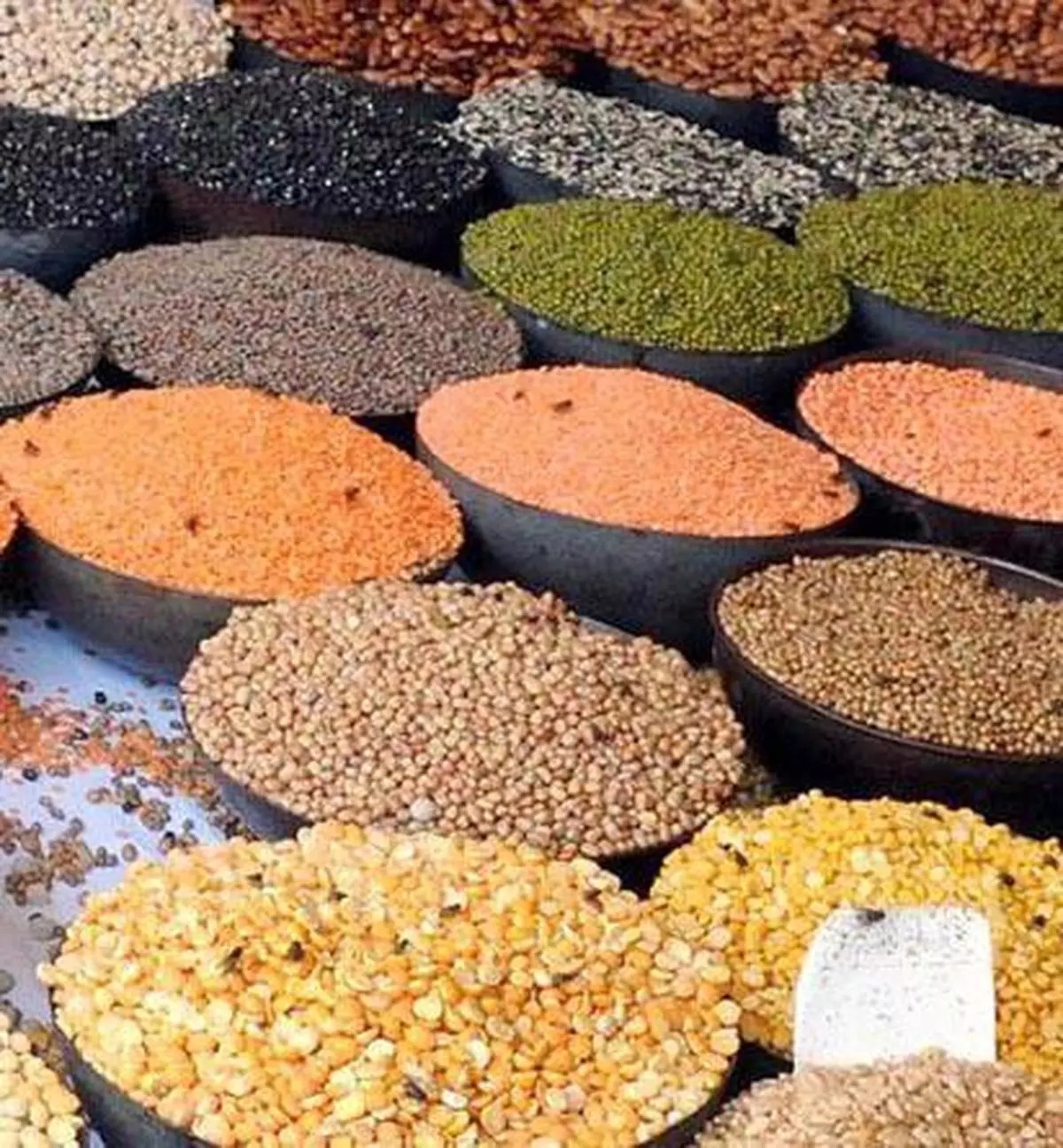
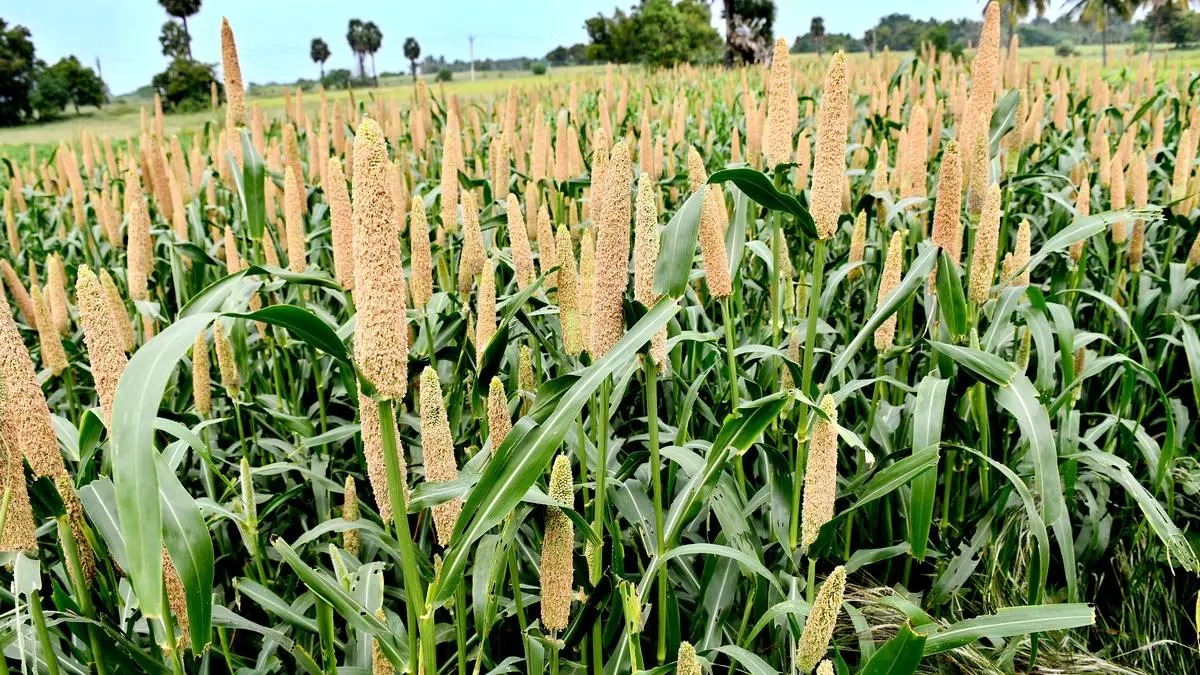
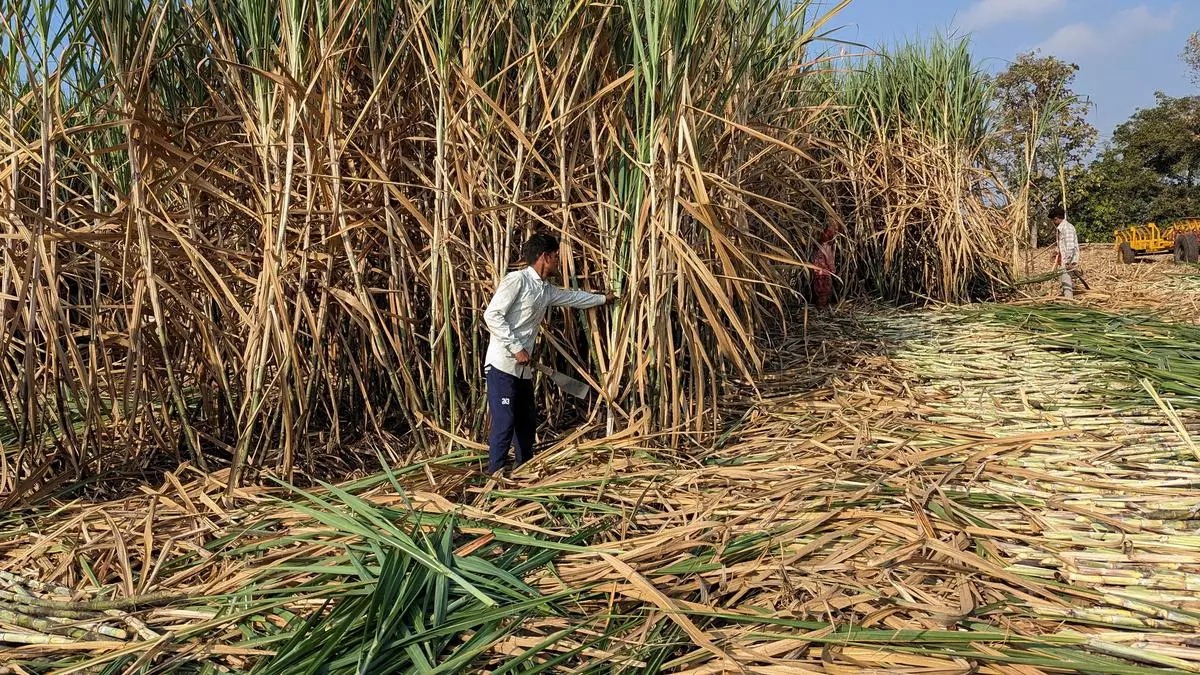
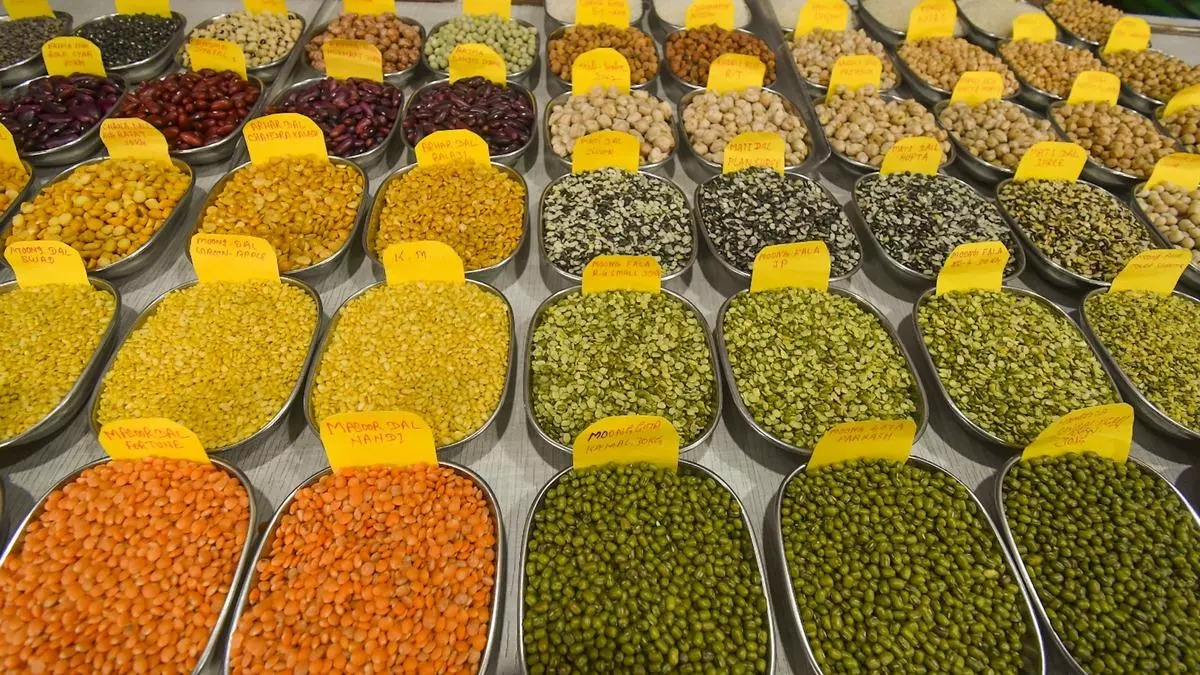
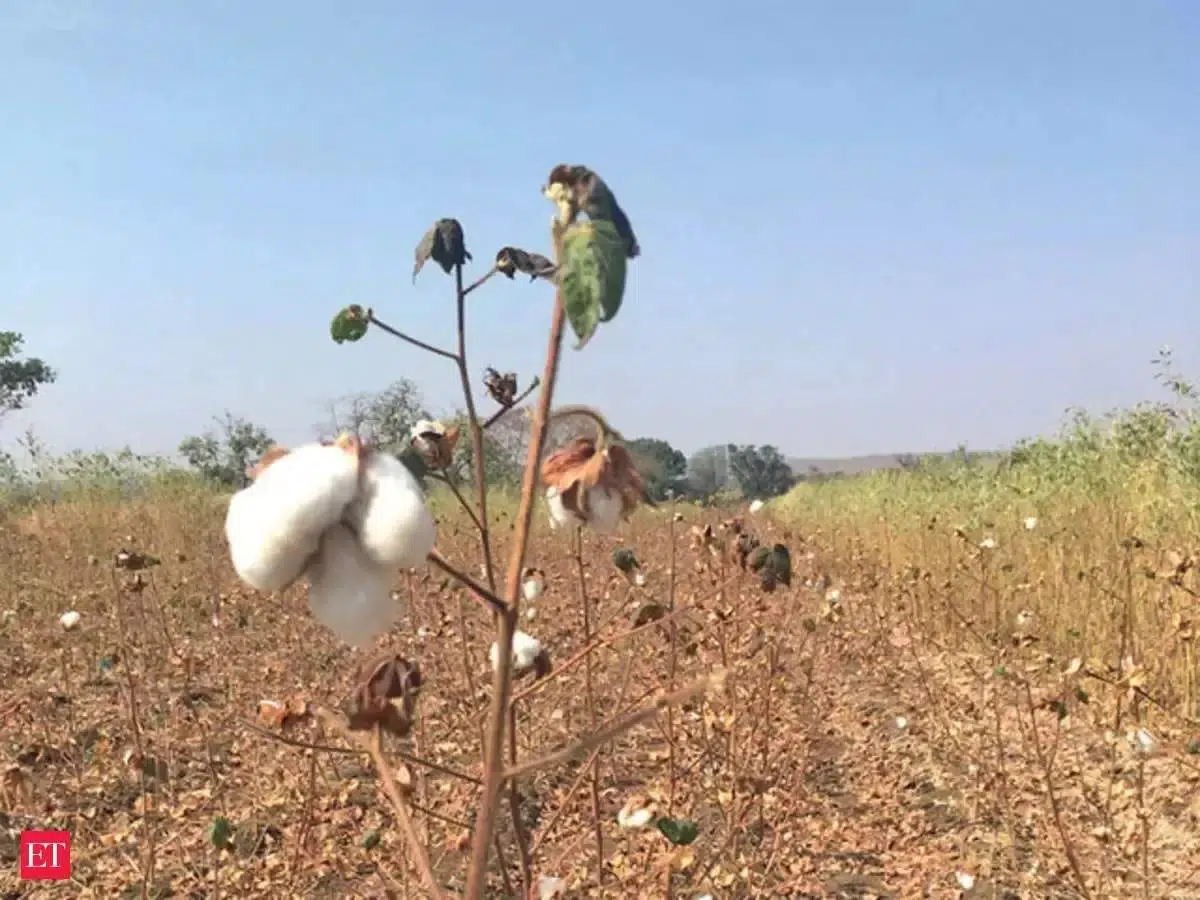
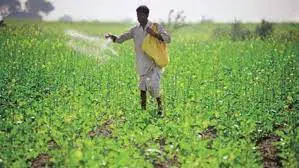
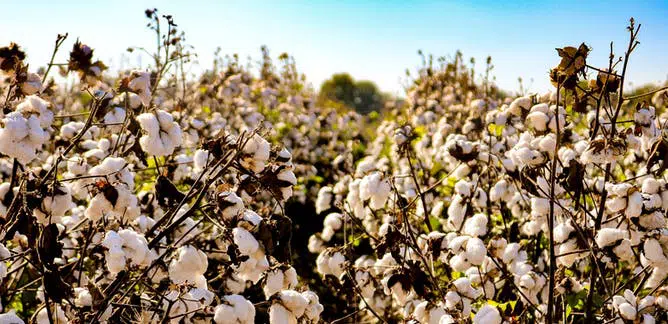
As of early July, kharif sowing stood around 20 per cent below last year’s pace, with oilseeds (down 21%), cotton and pulses (down over 20 per cent) among the worst-affected crops, although the gap narrowed during the first half of the month. Delayed rains, uneven rainfall or prolonged dry spells often force small farmers to re-sow, spend more on irrigation or change crops.
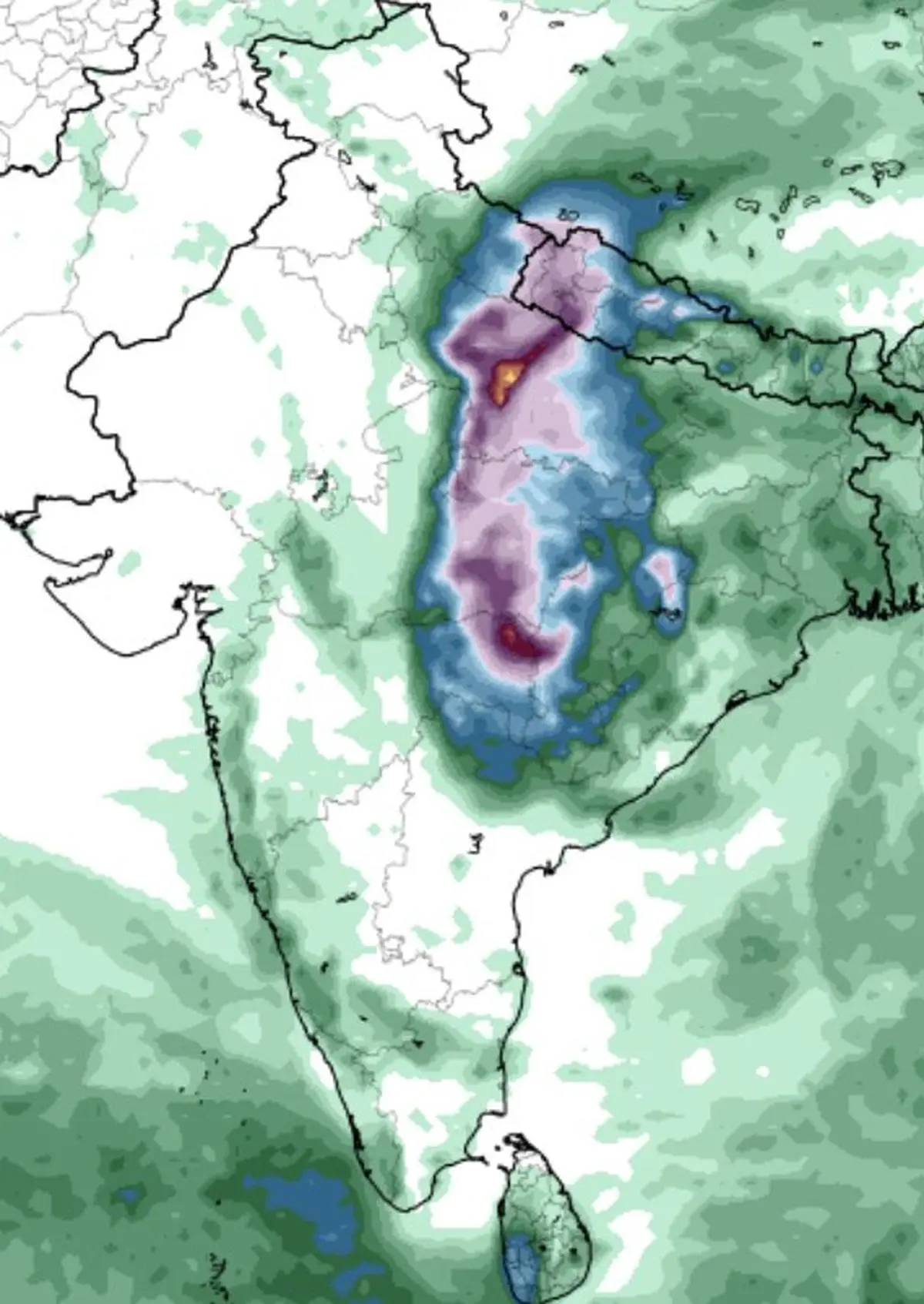
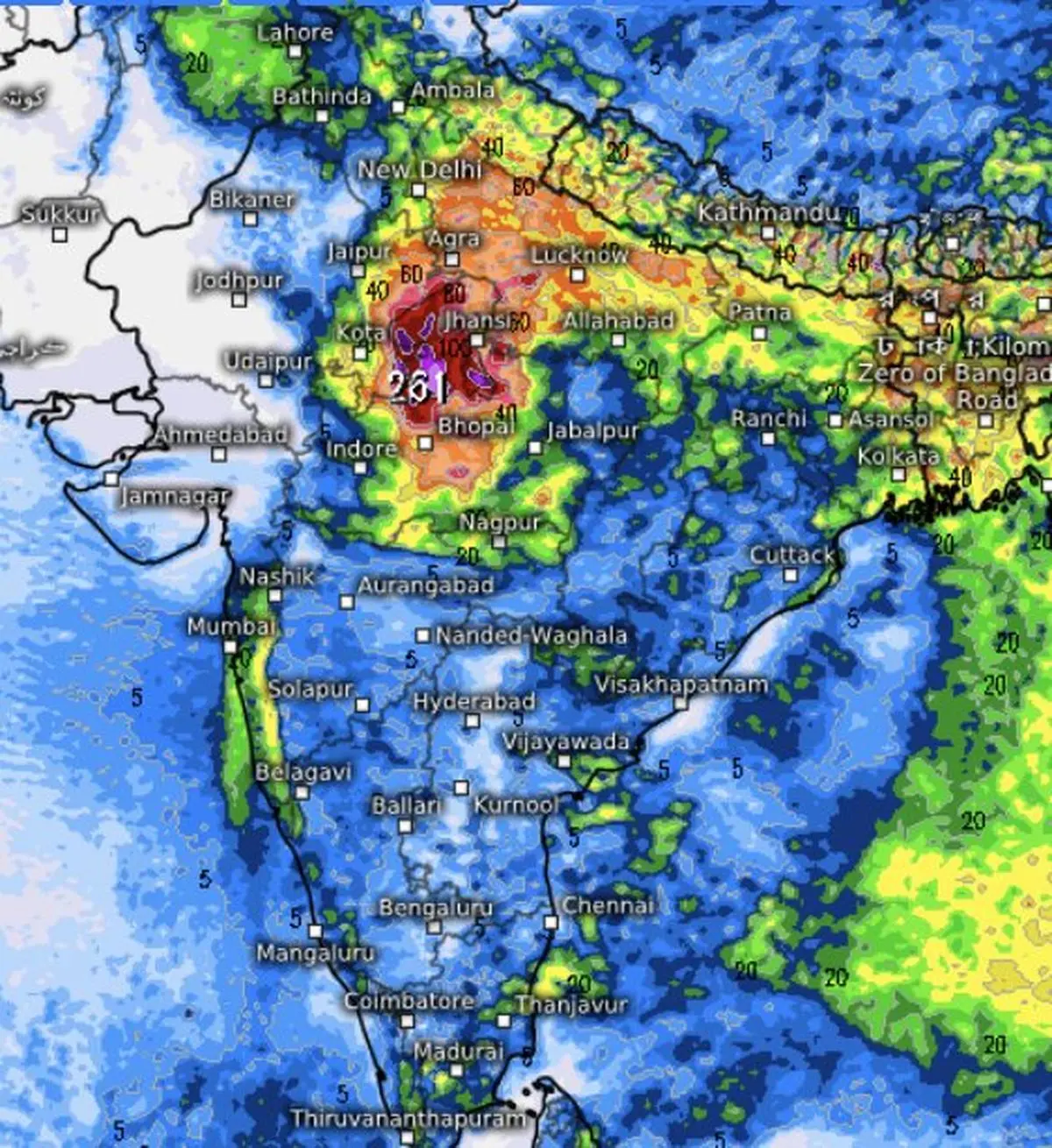
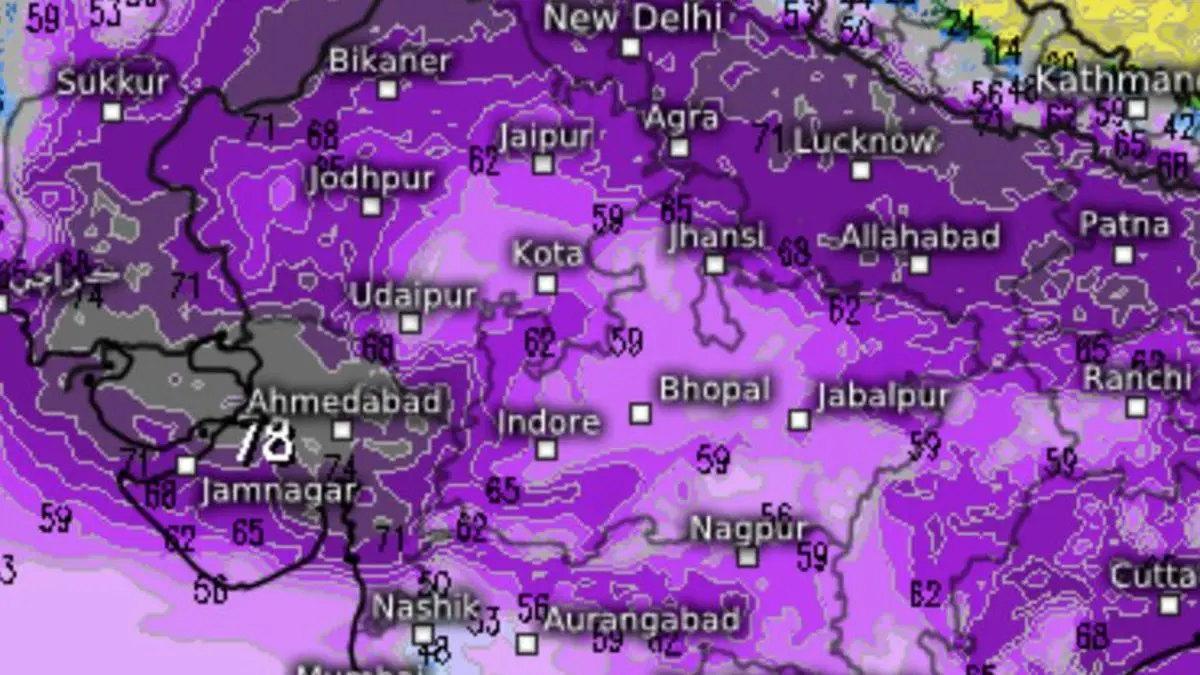
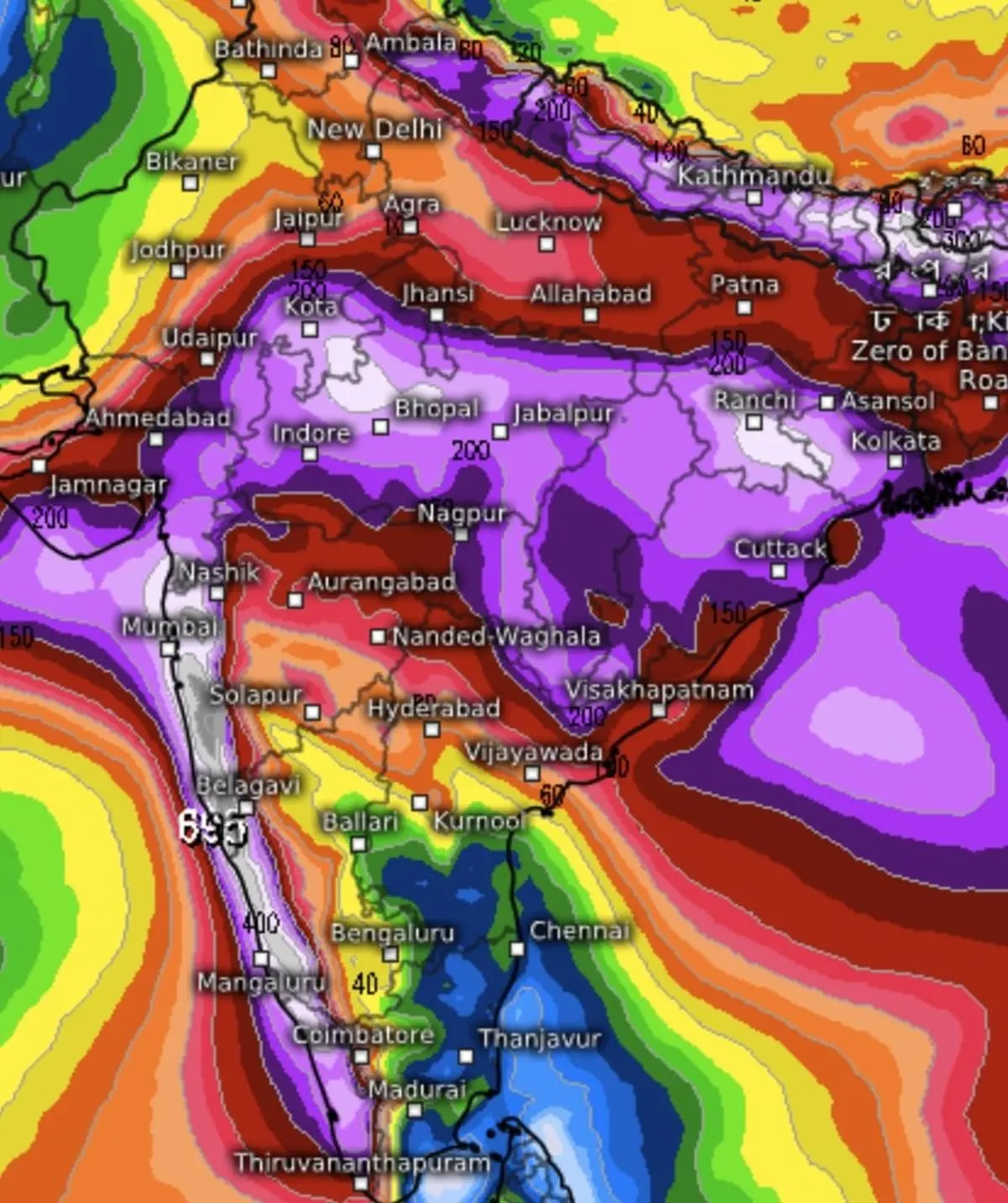
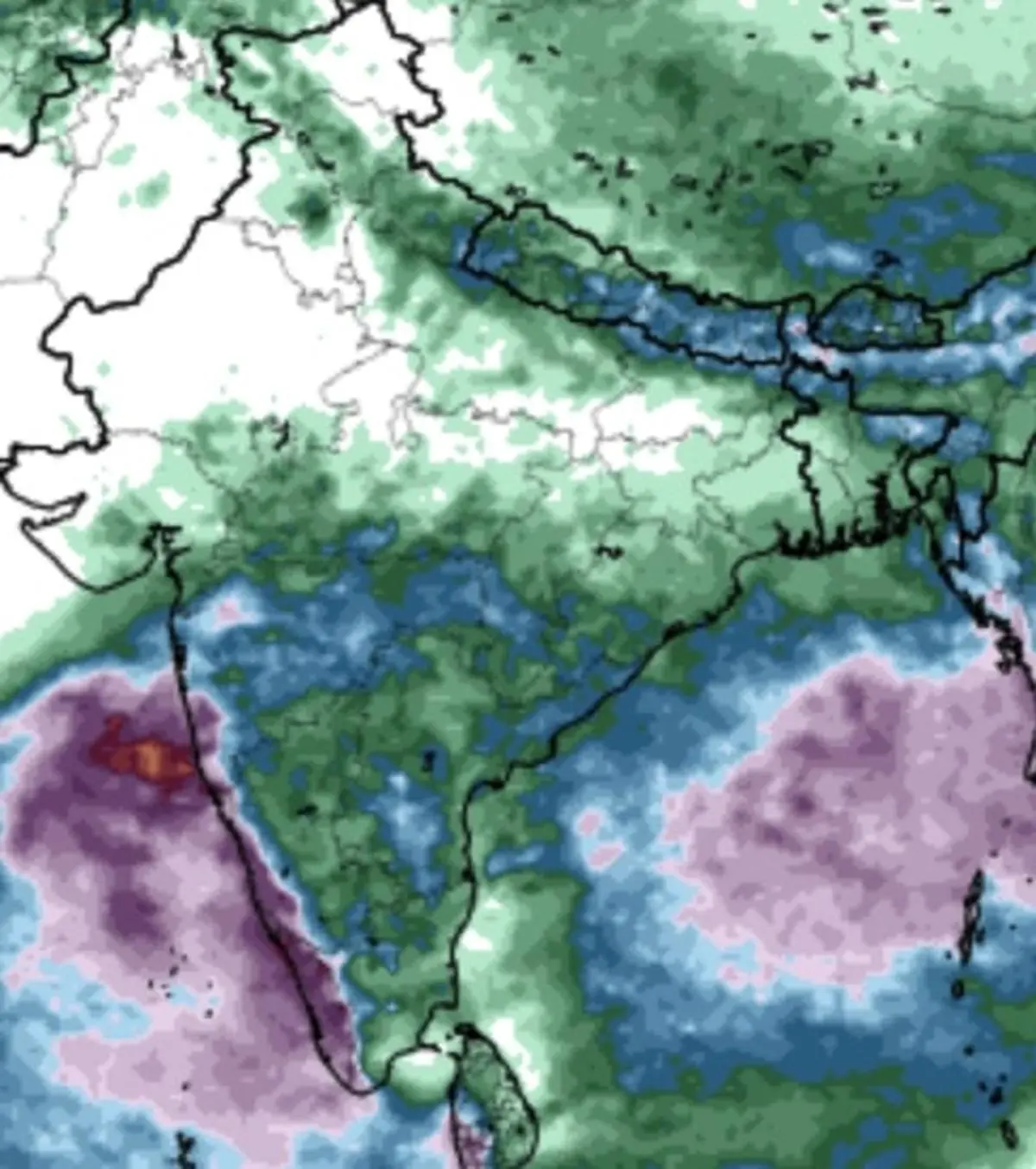
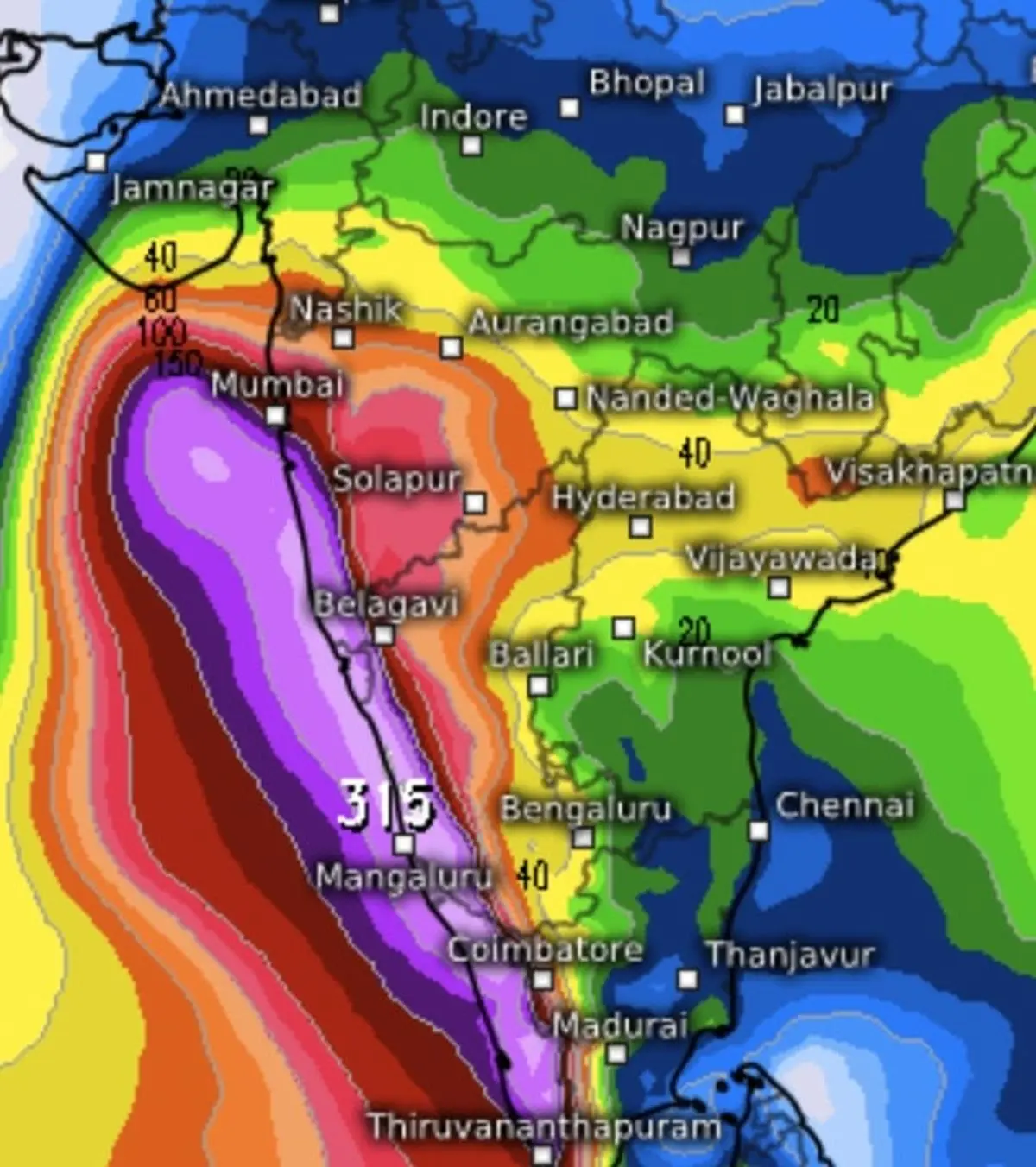
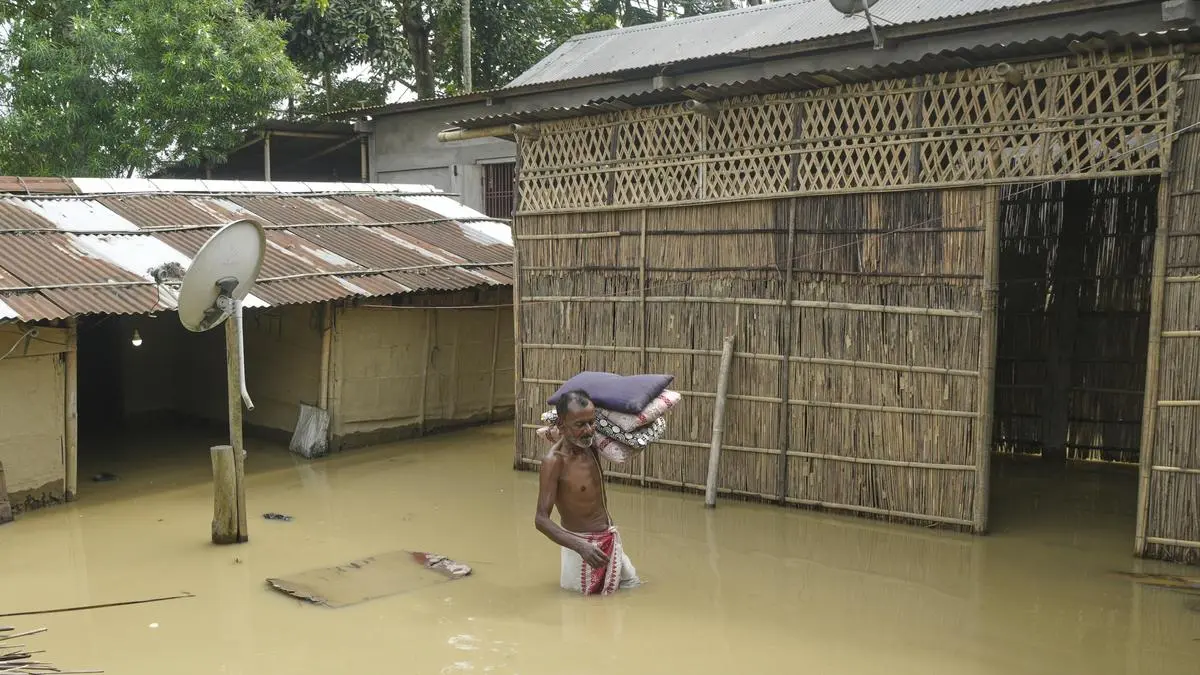
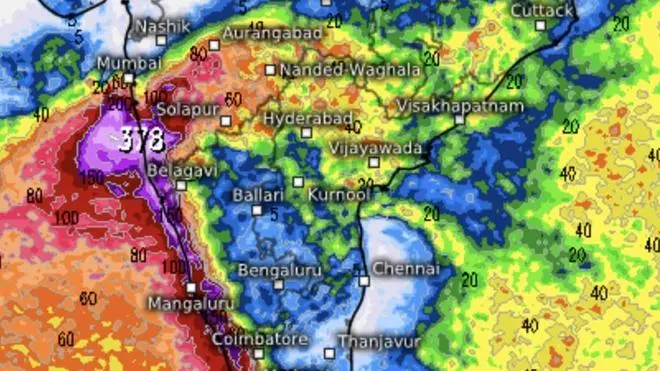
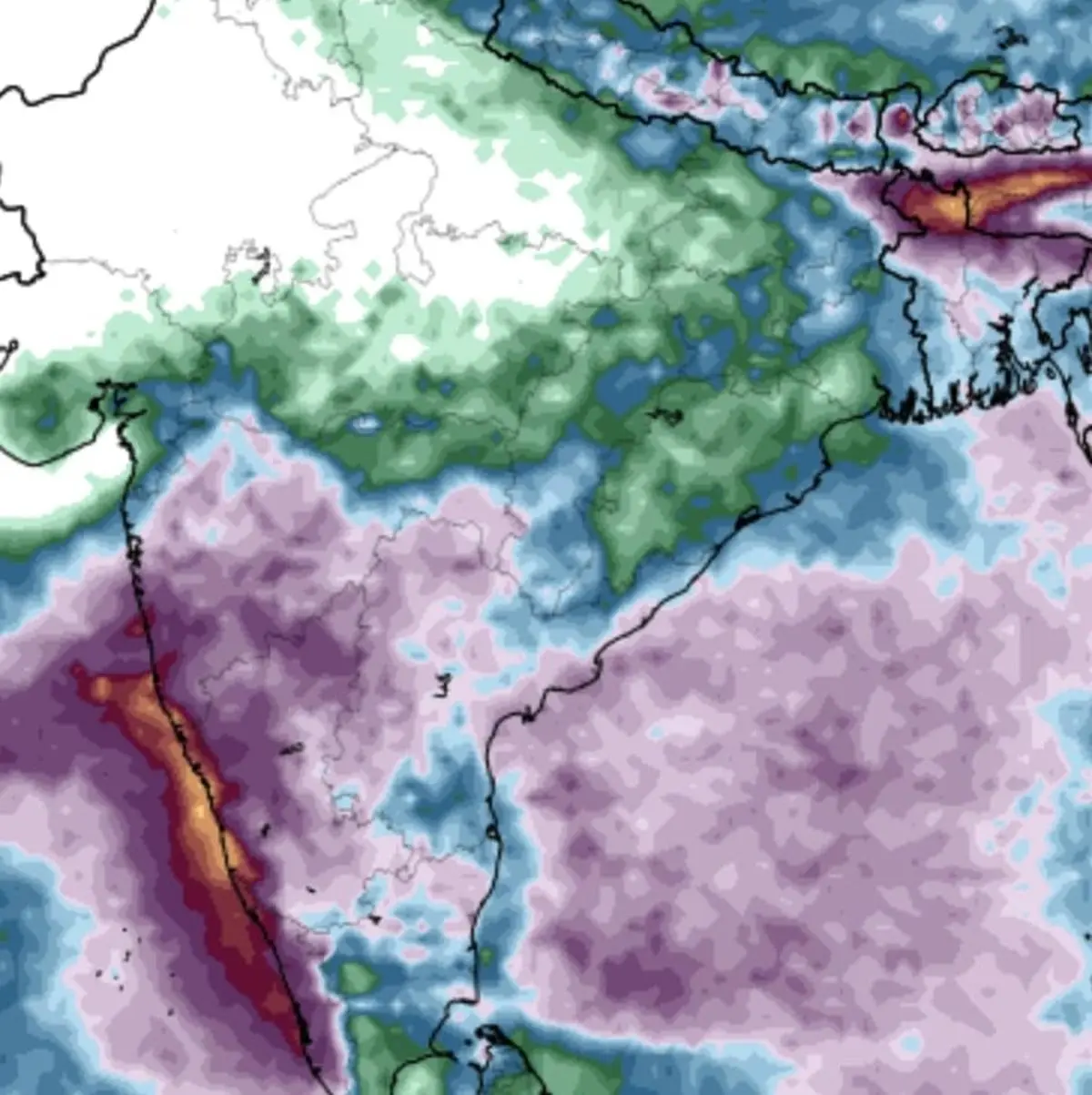
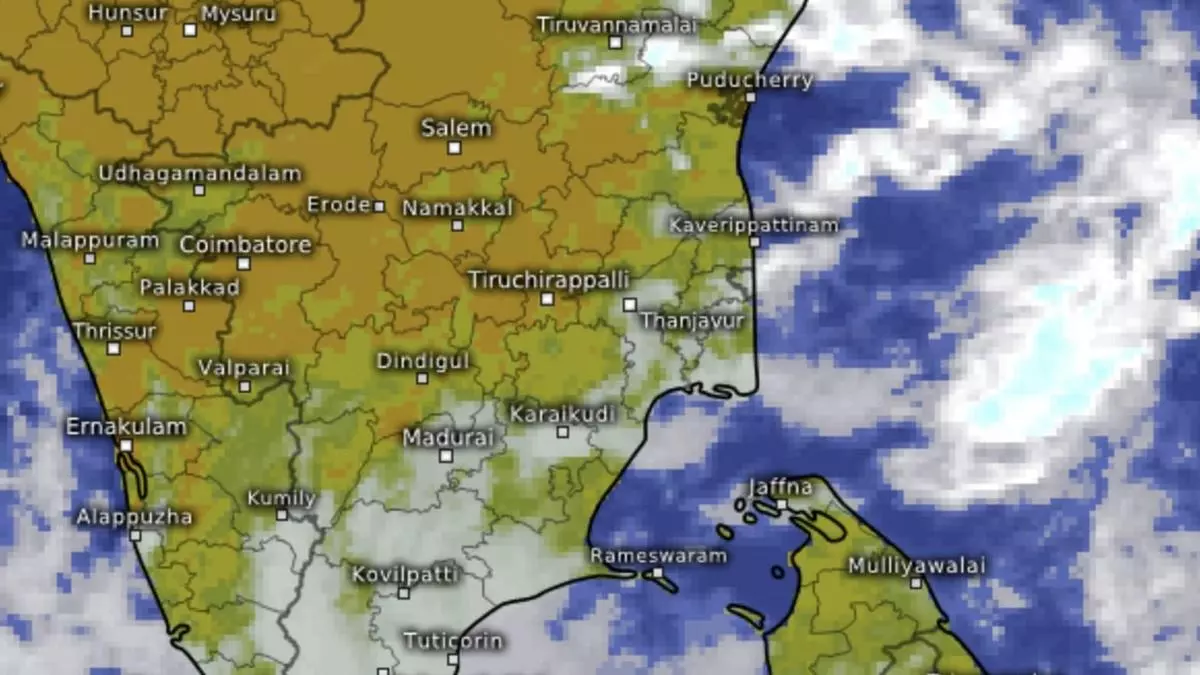
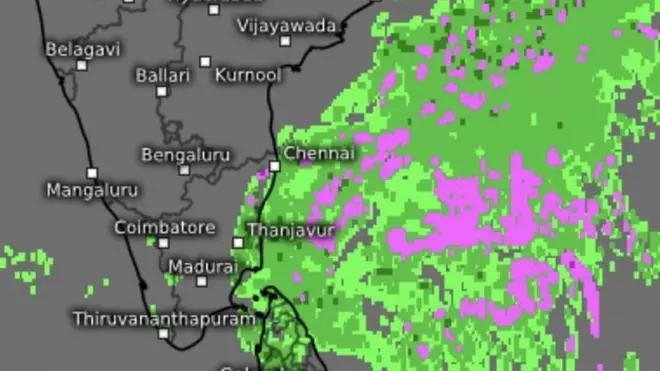
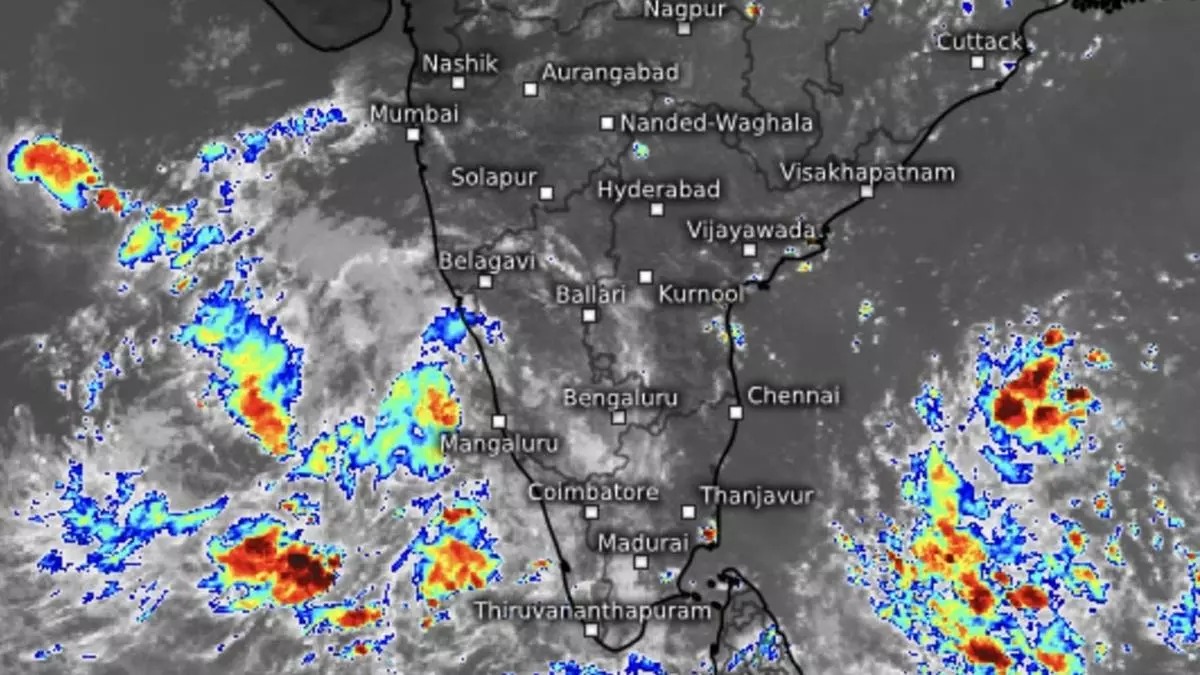
These additional costs increase the financial burden on households, making it harder to manage daily expenses and meet loan repayments. While the all-India rainfall deficit narrowed from over 40 per cent in late June to 18 per cent within a fortnight, East and Northeast India continued to record a 37 per cent deficit, with forecasts pointing to further dry spells across central and southern India. Recovery at the national level can thus mask sustained stress at the regional and district levels.