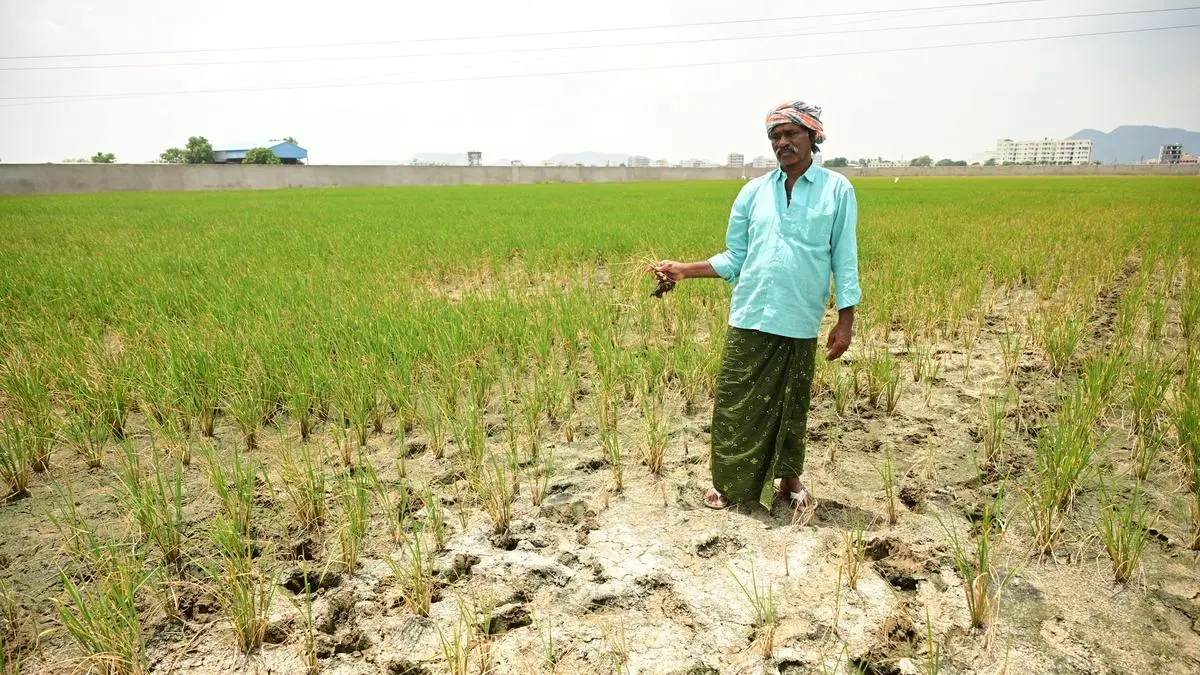
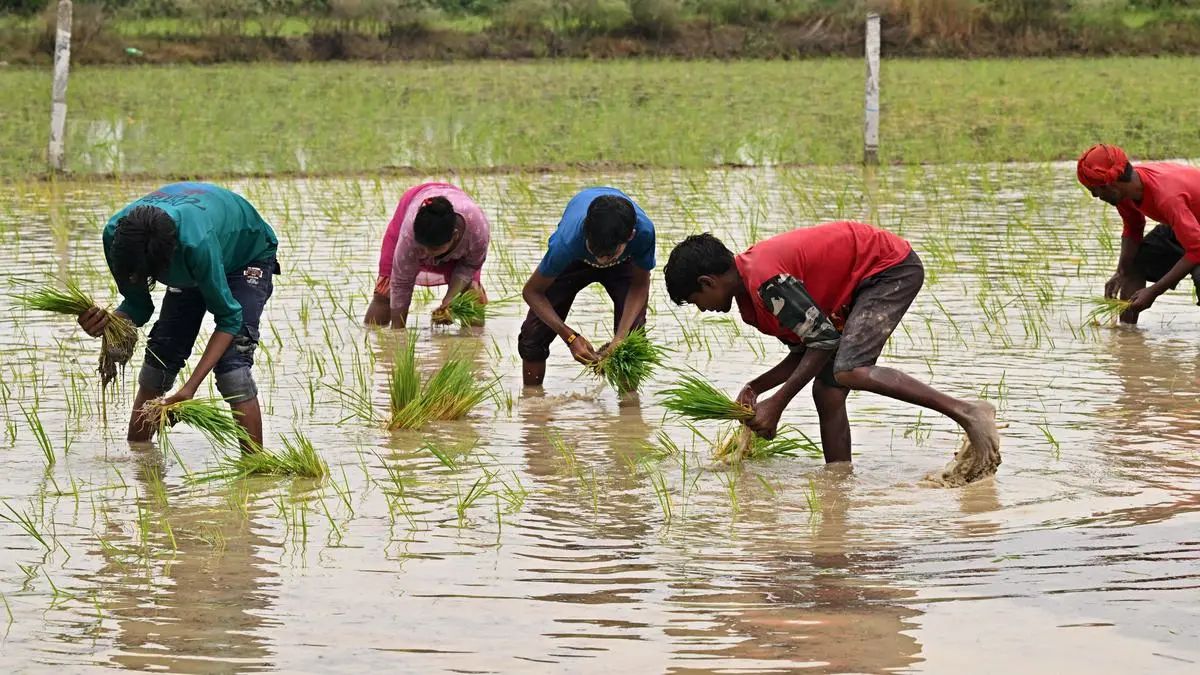
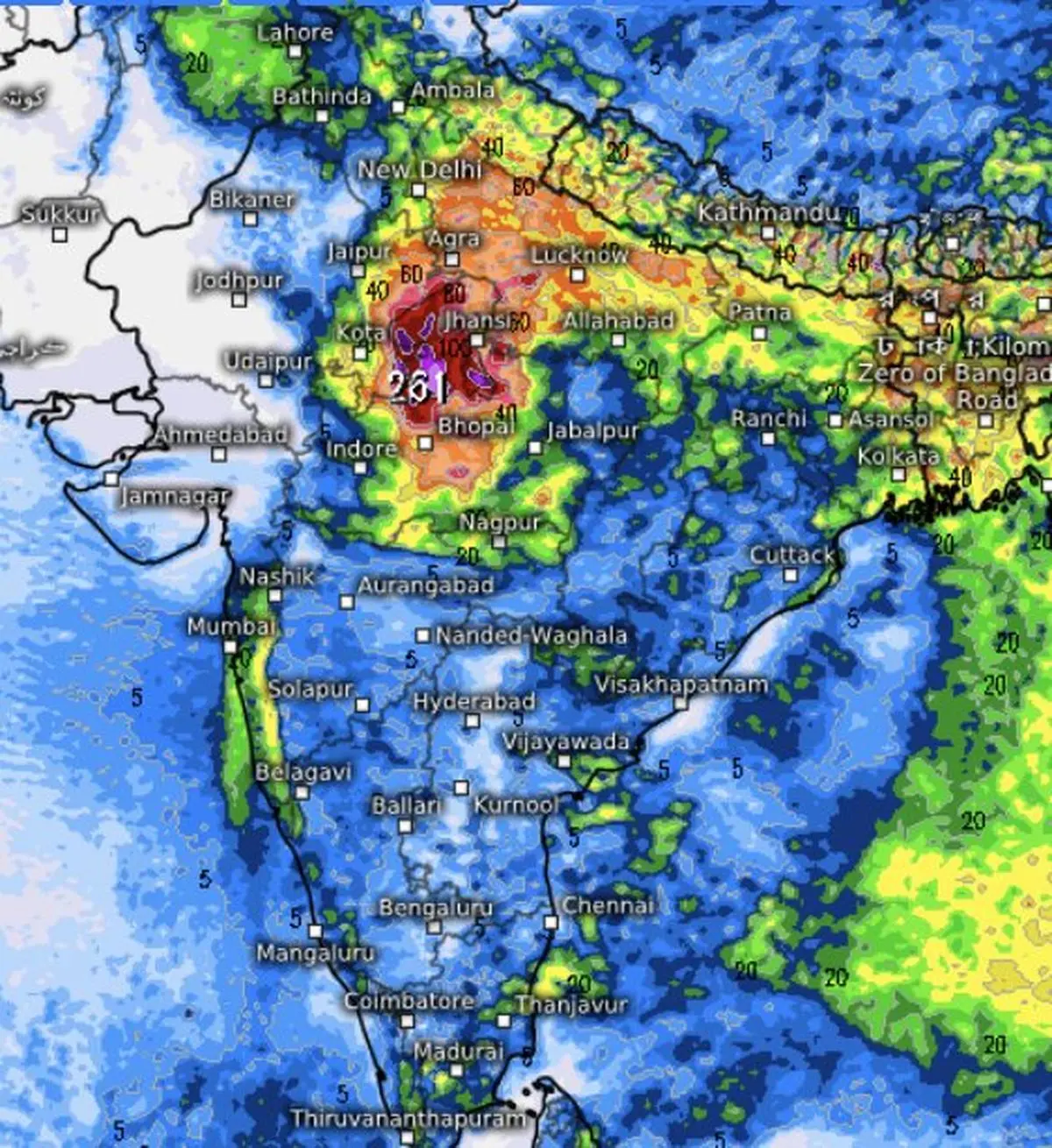
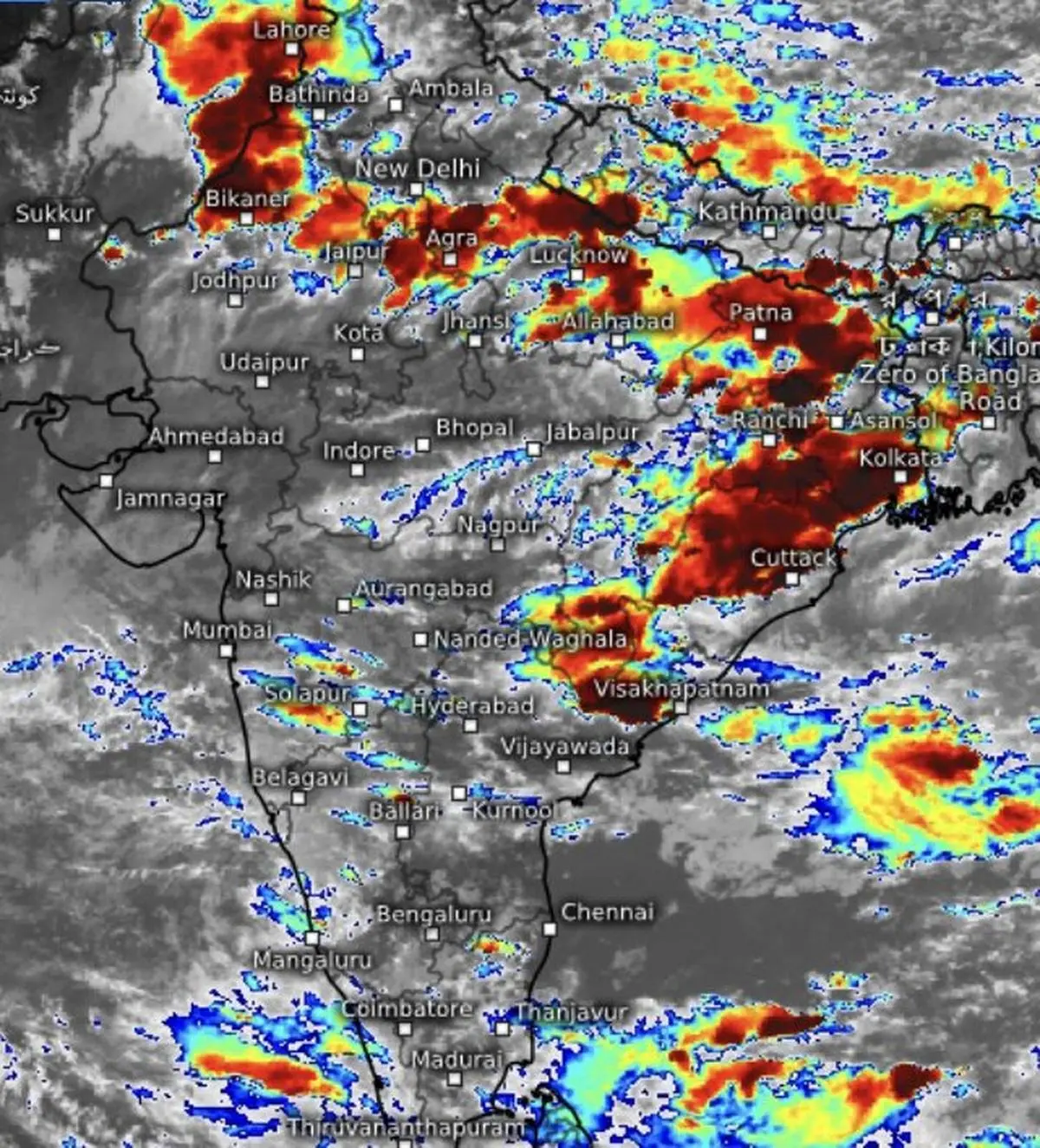
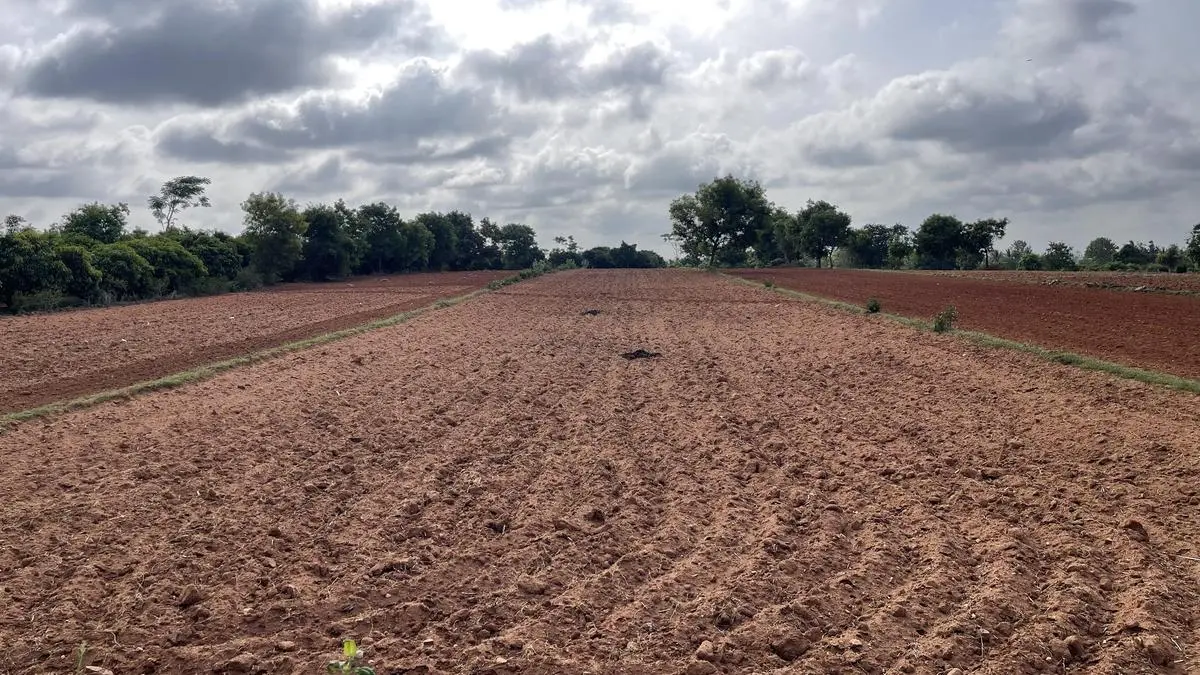
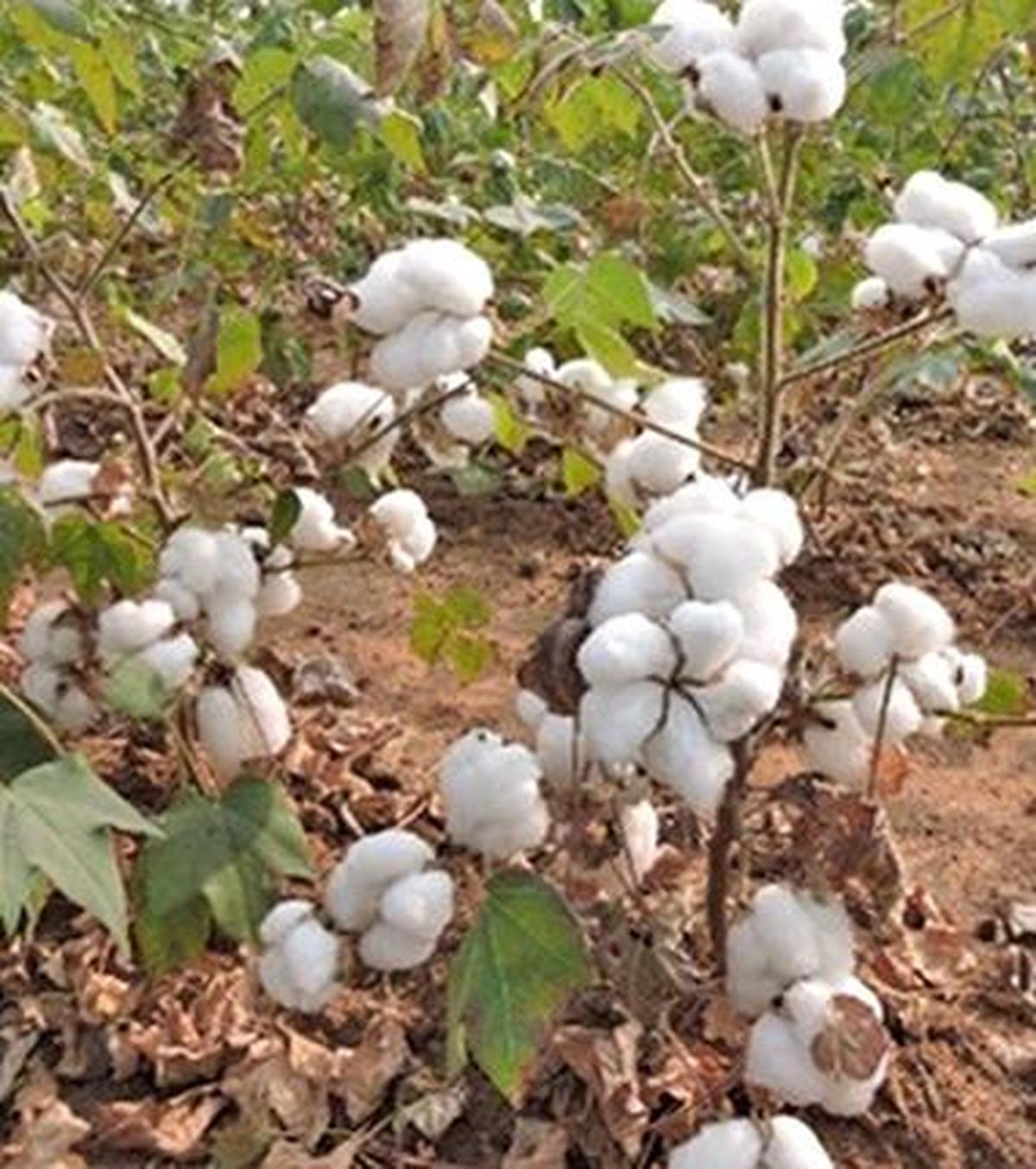
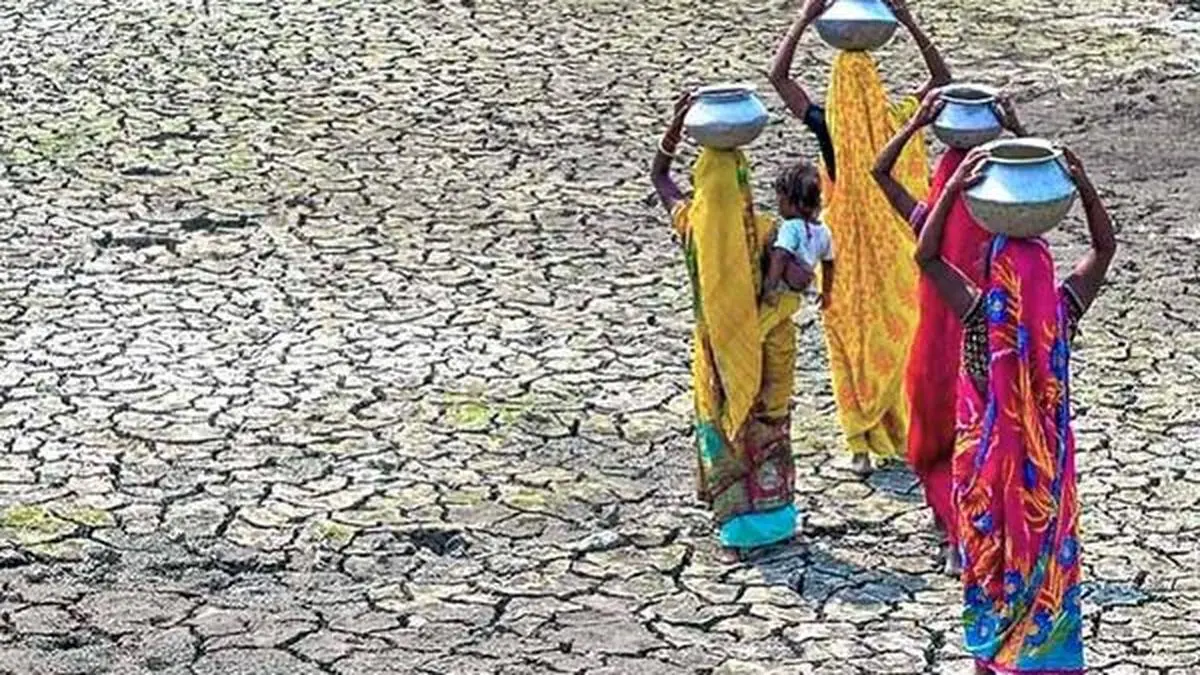
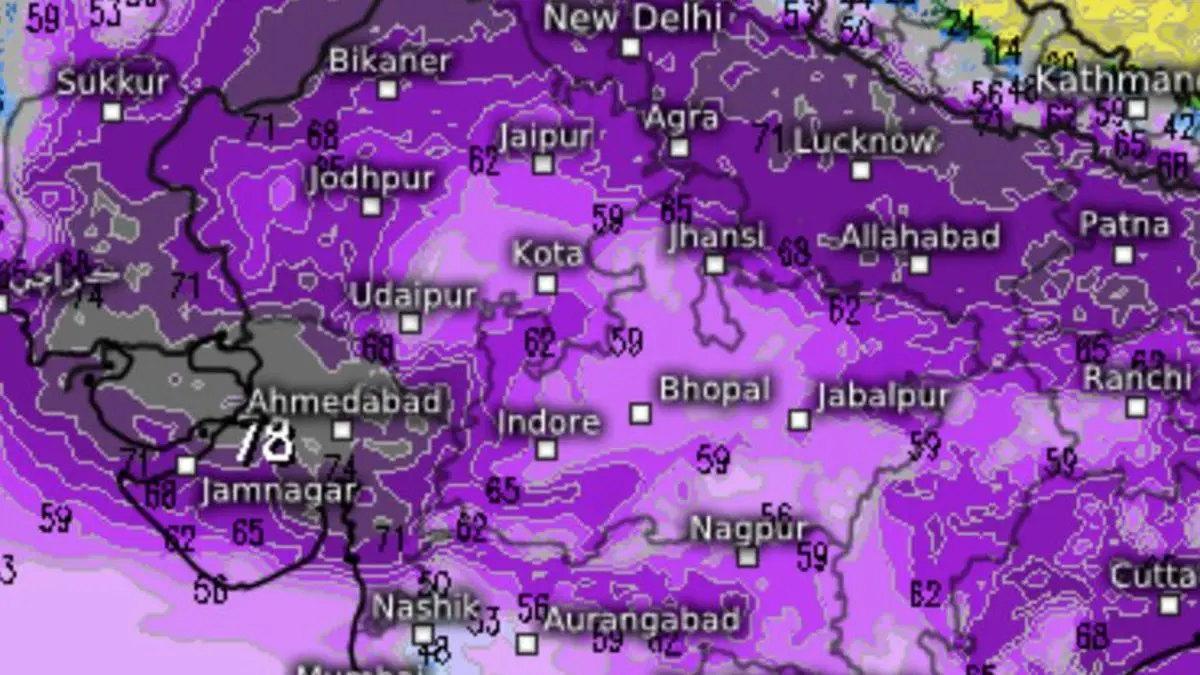
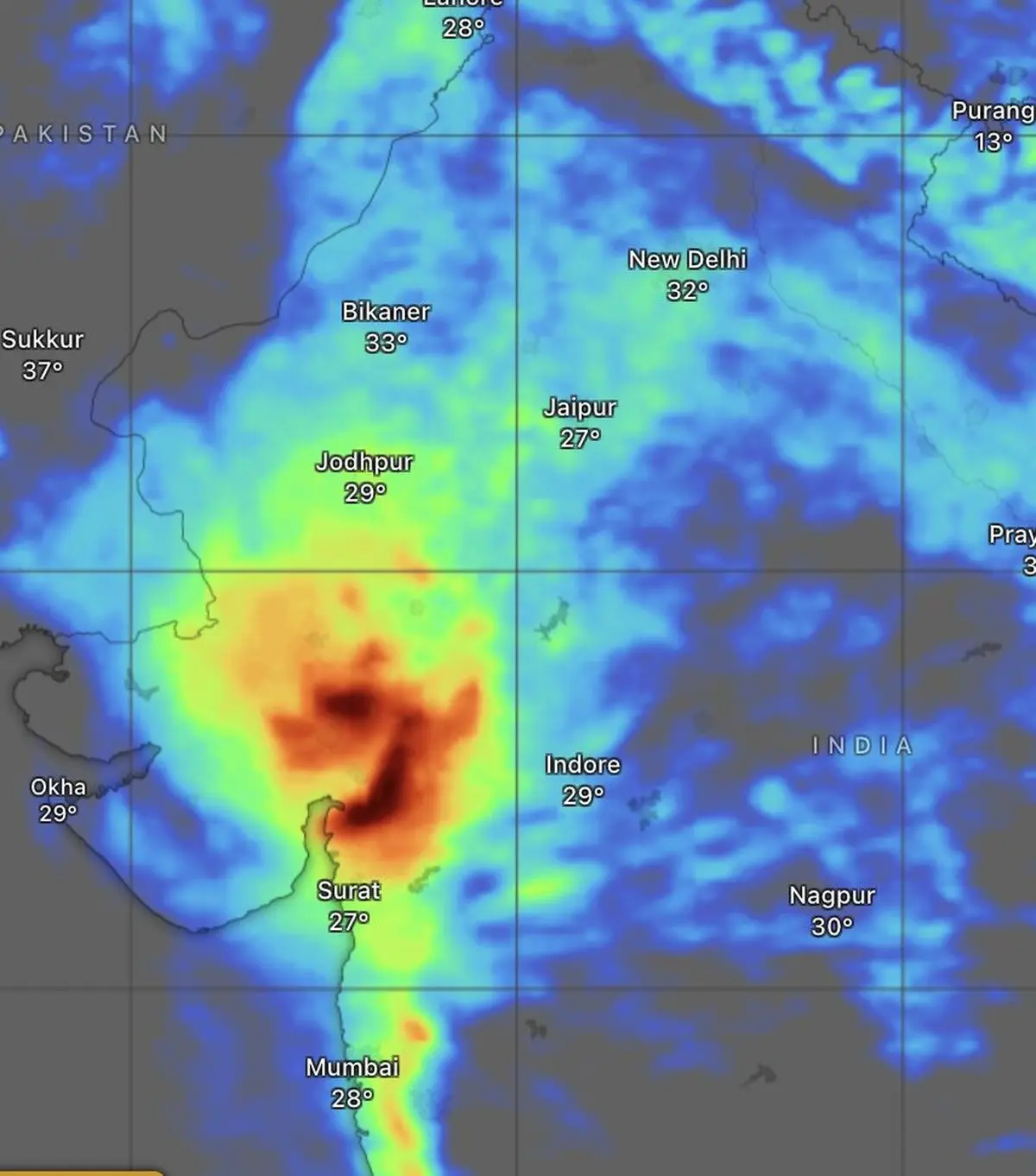
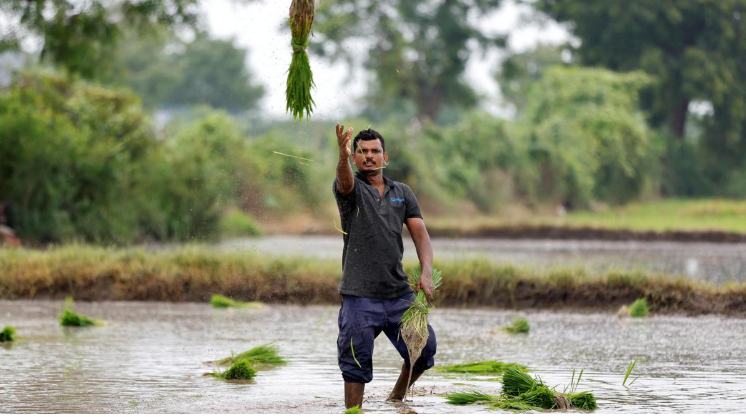
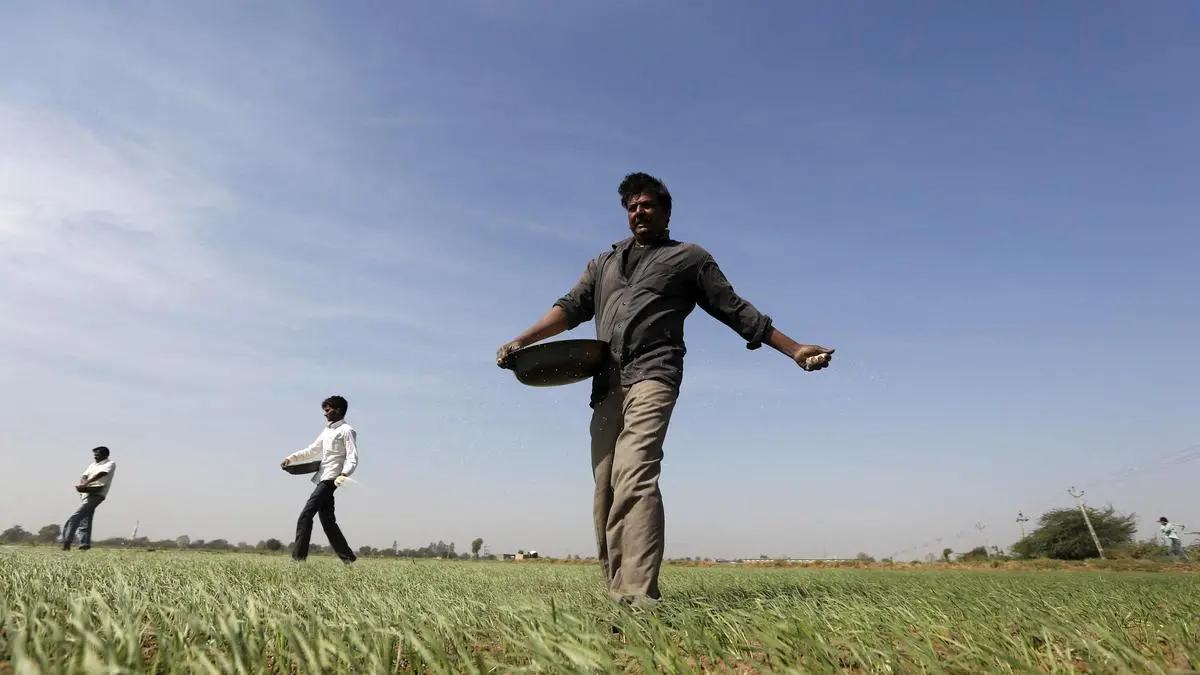
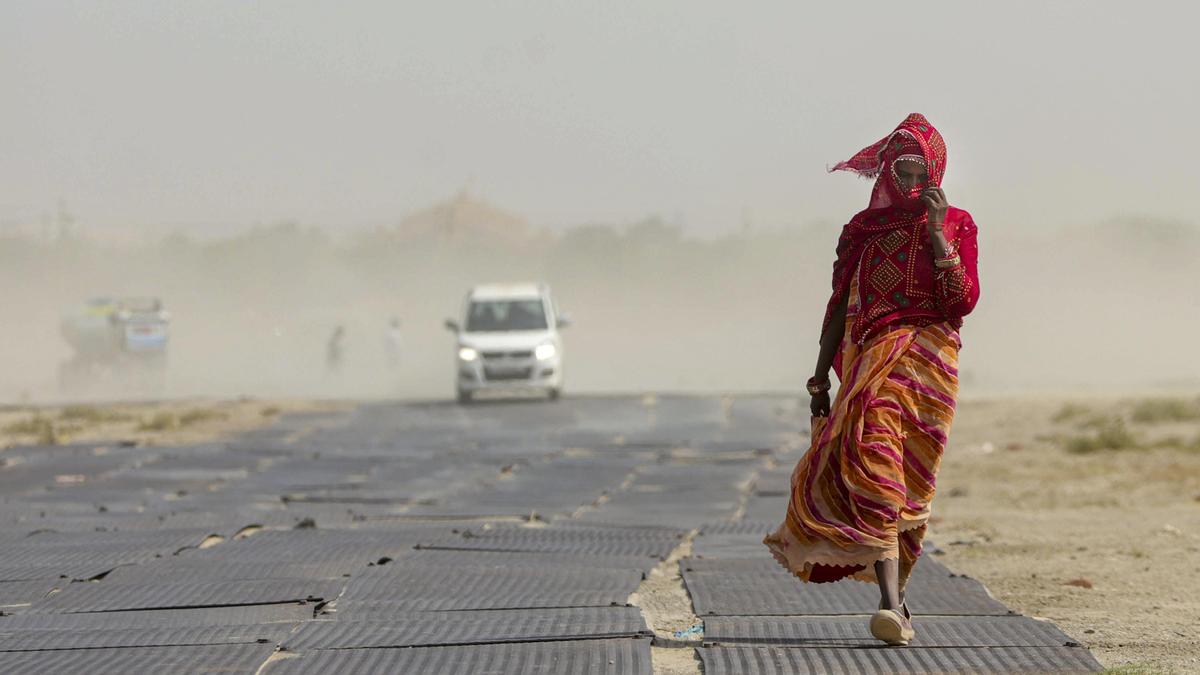
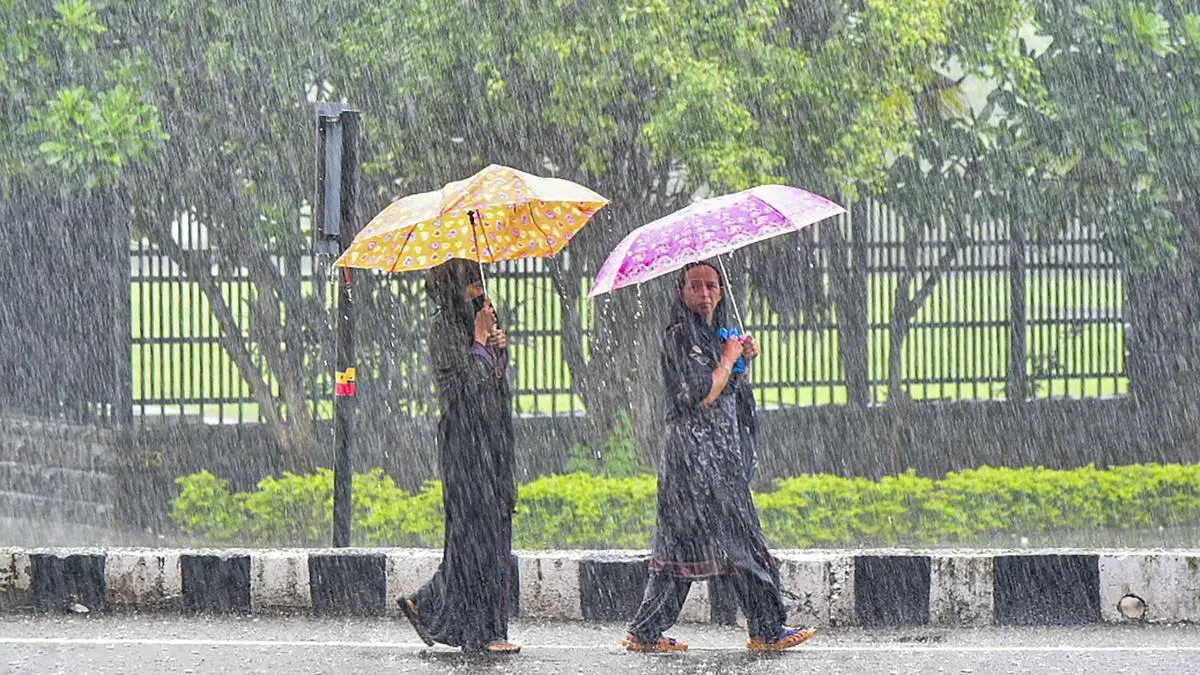
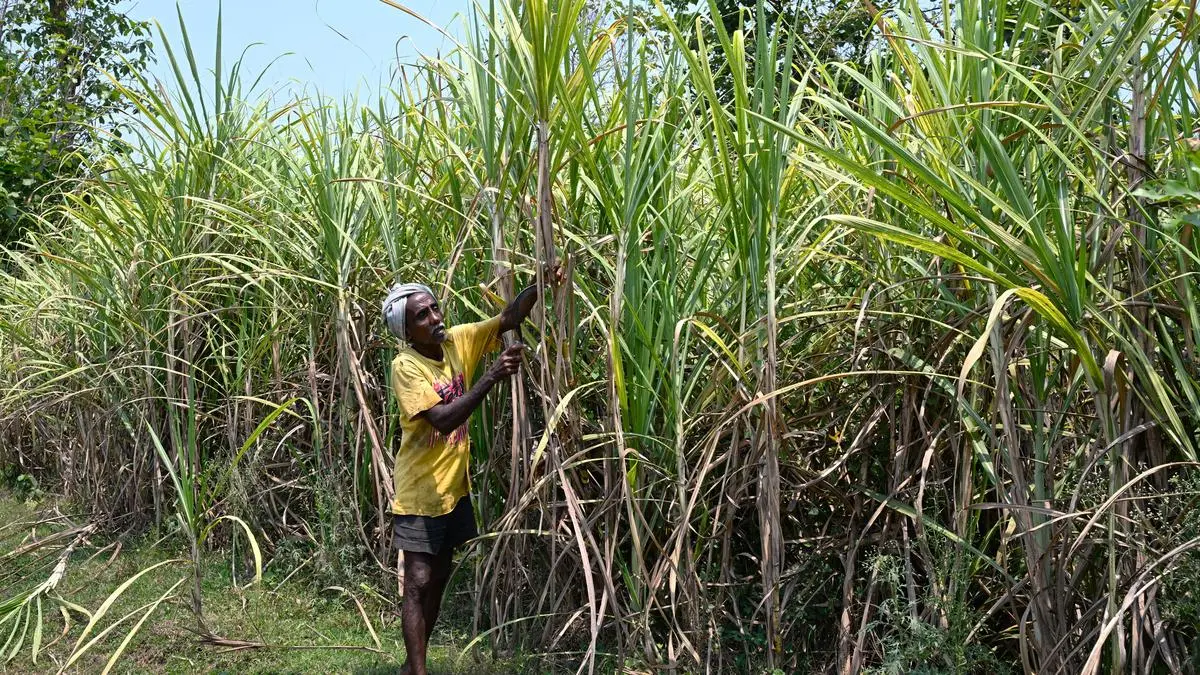
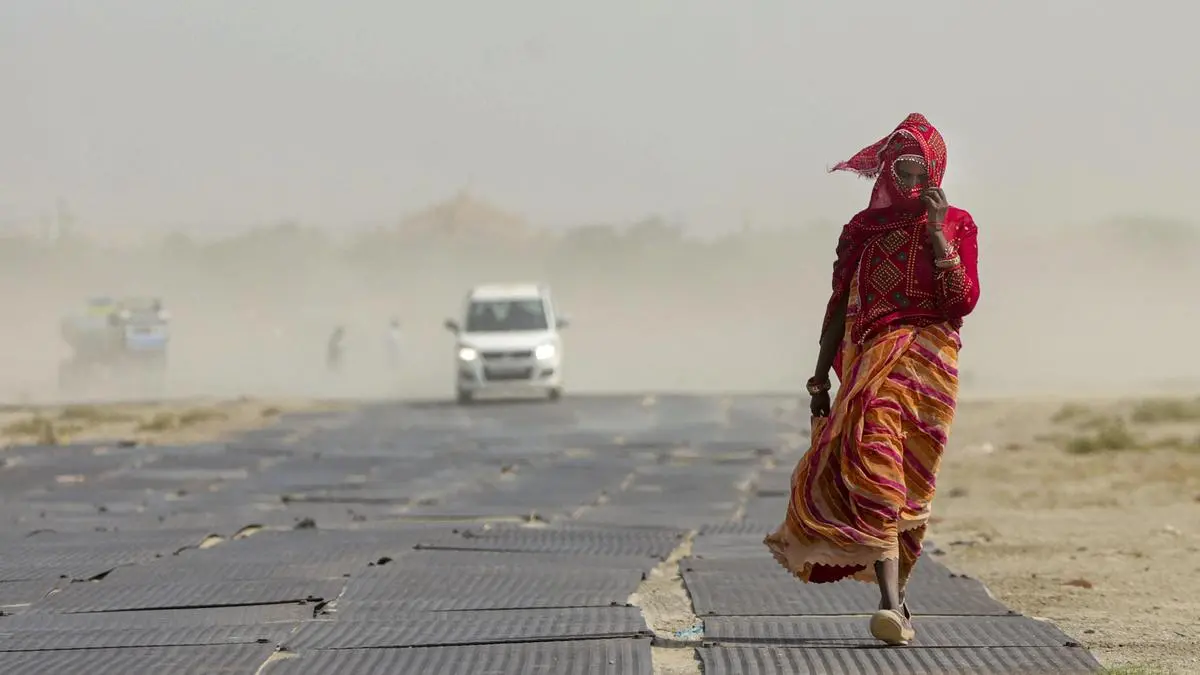
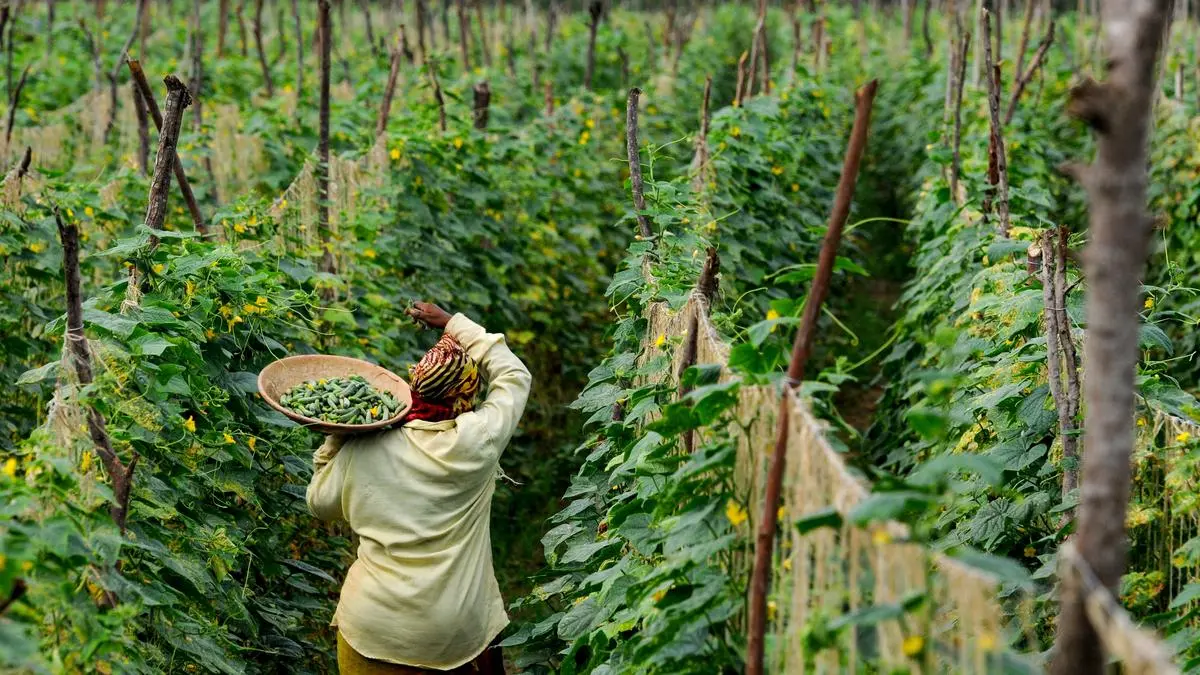
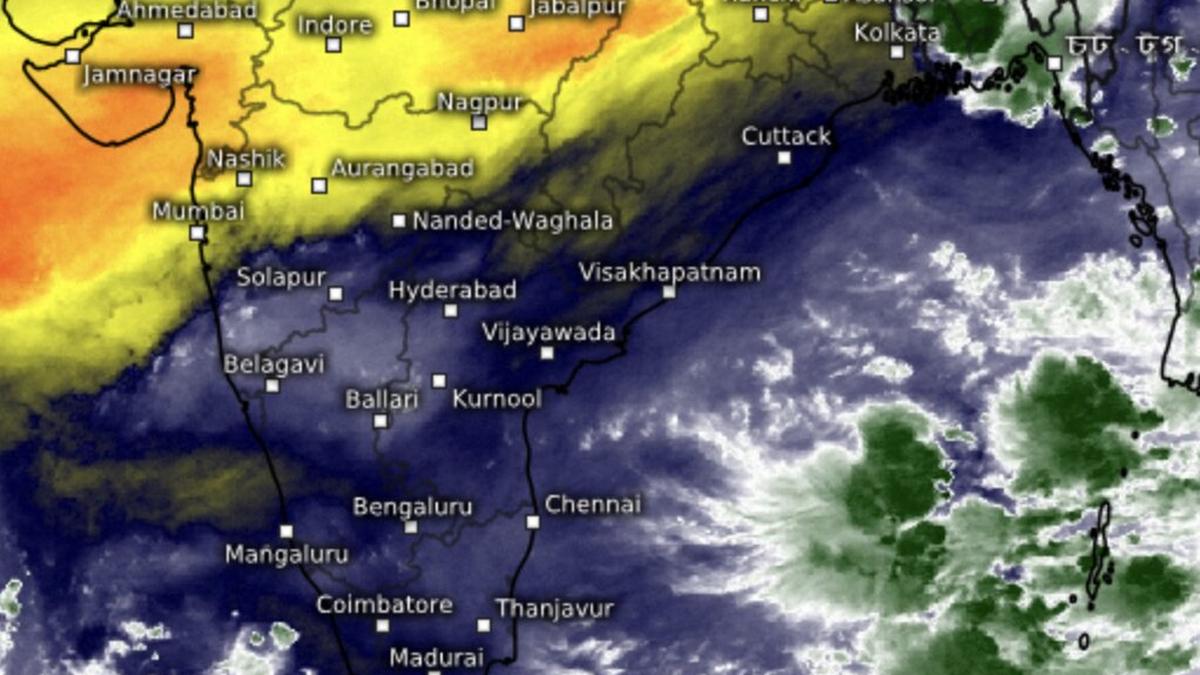
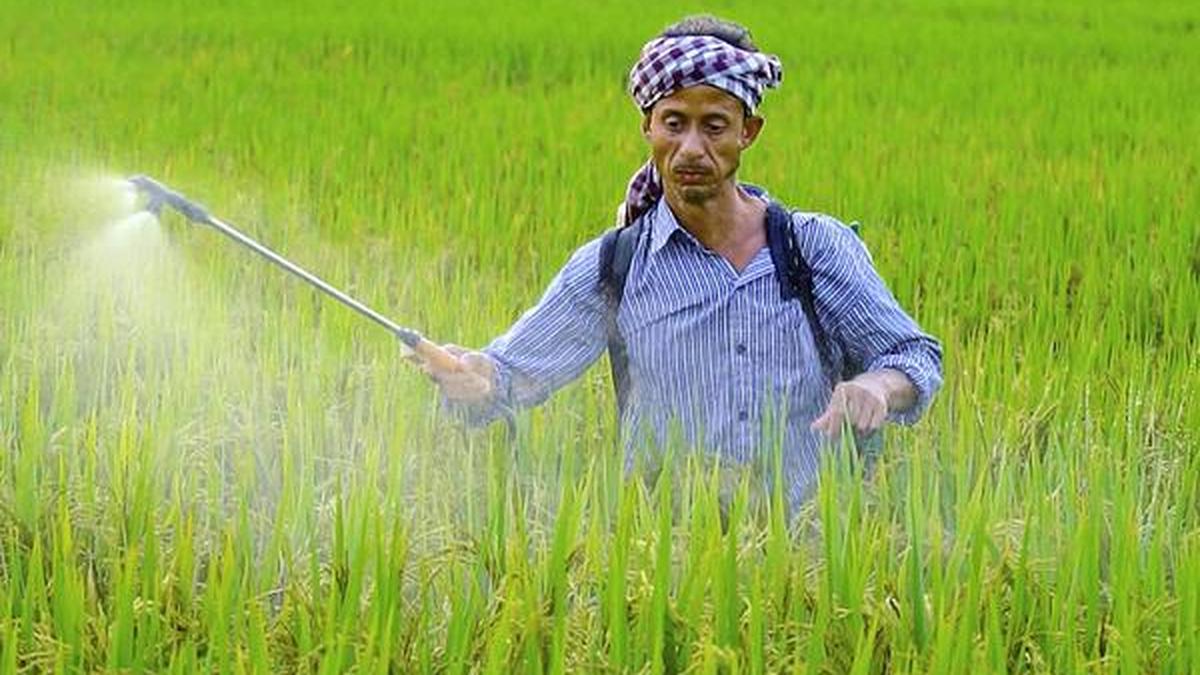
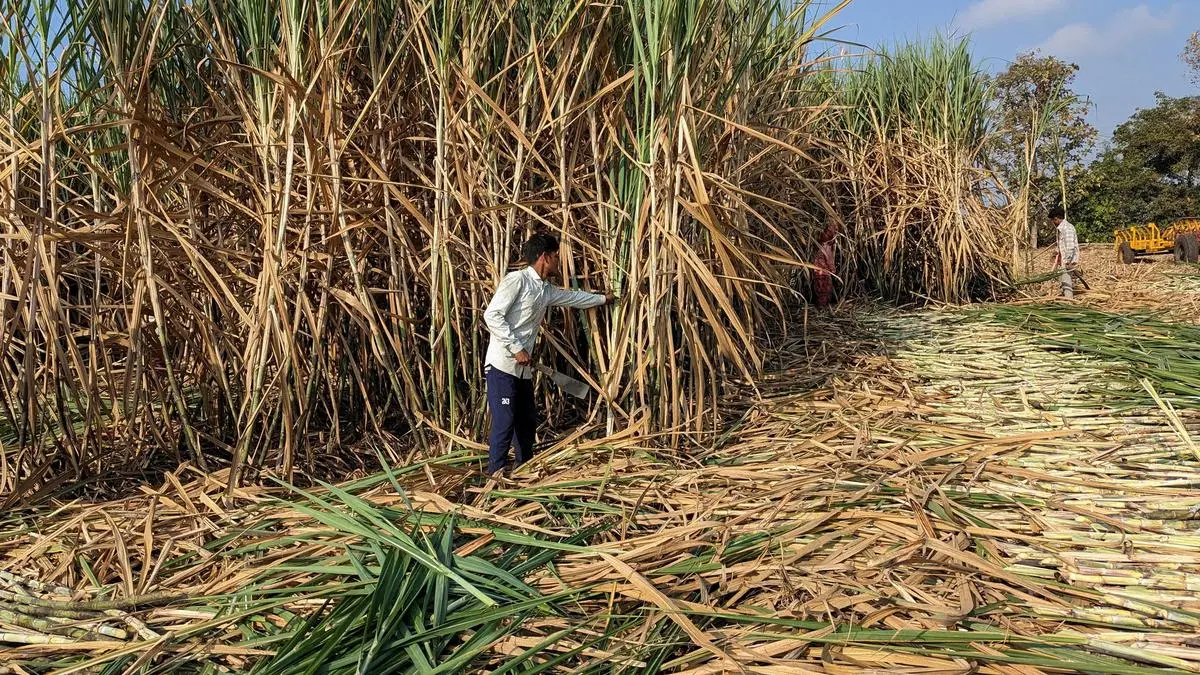
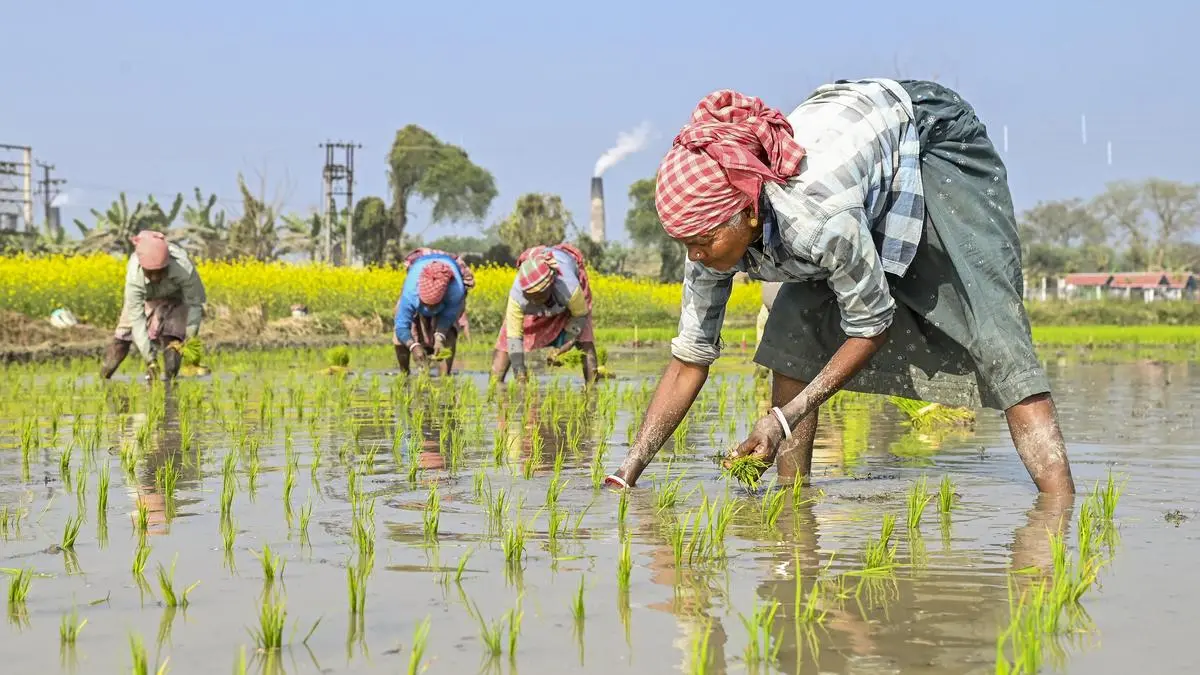
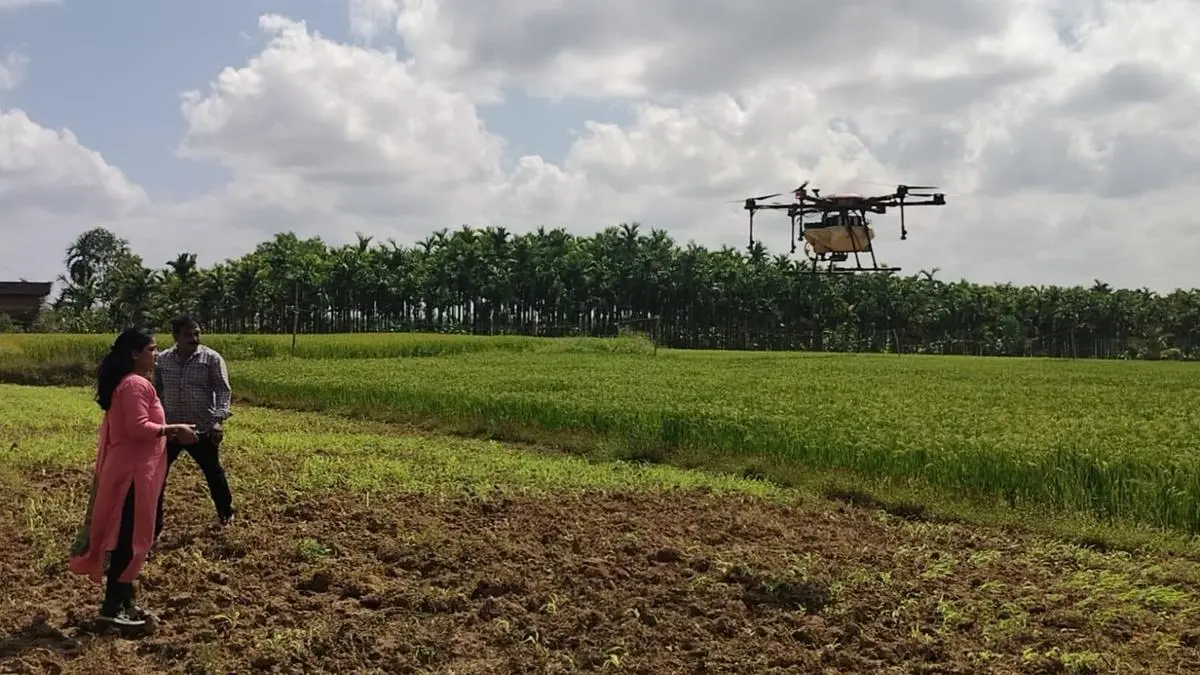
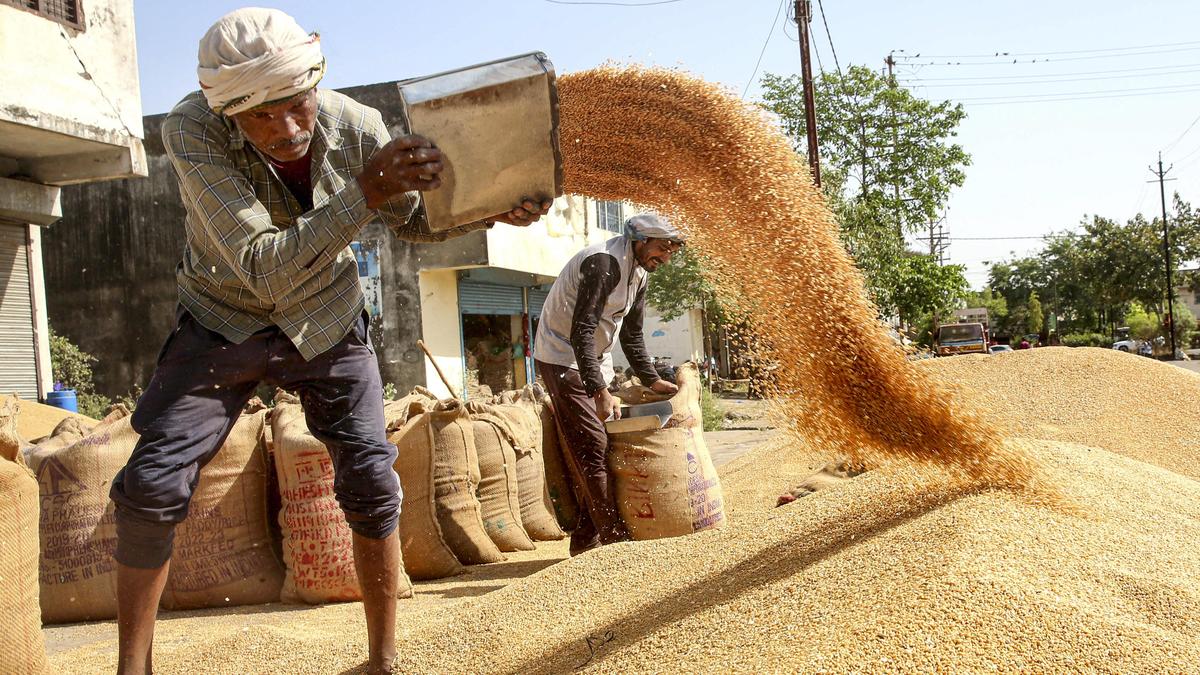
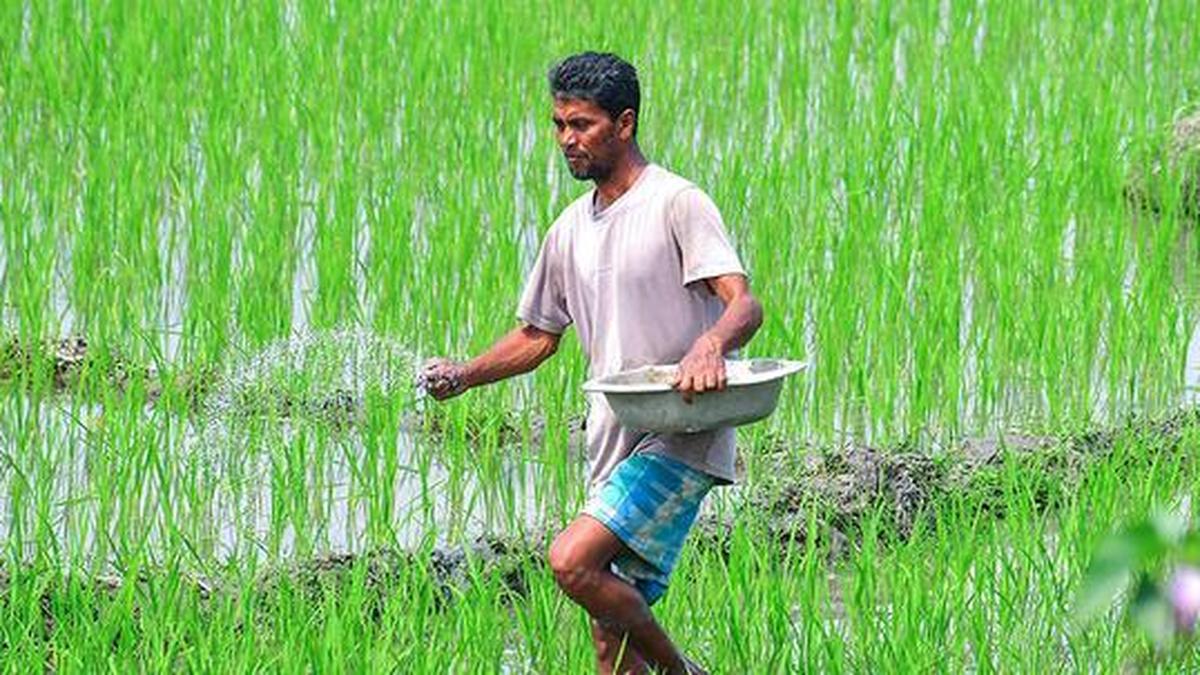
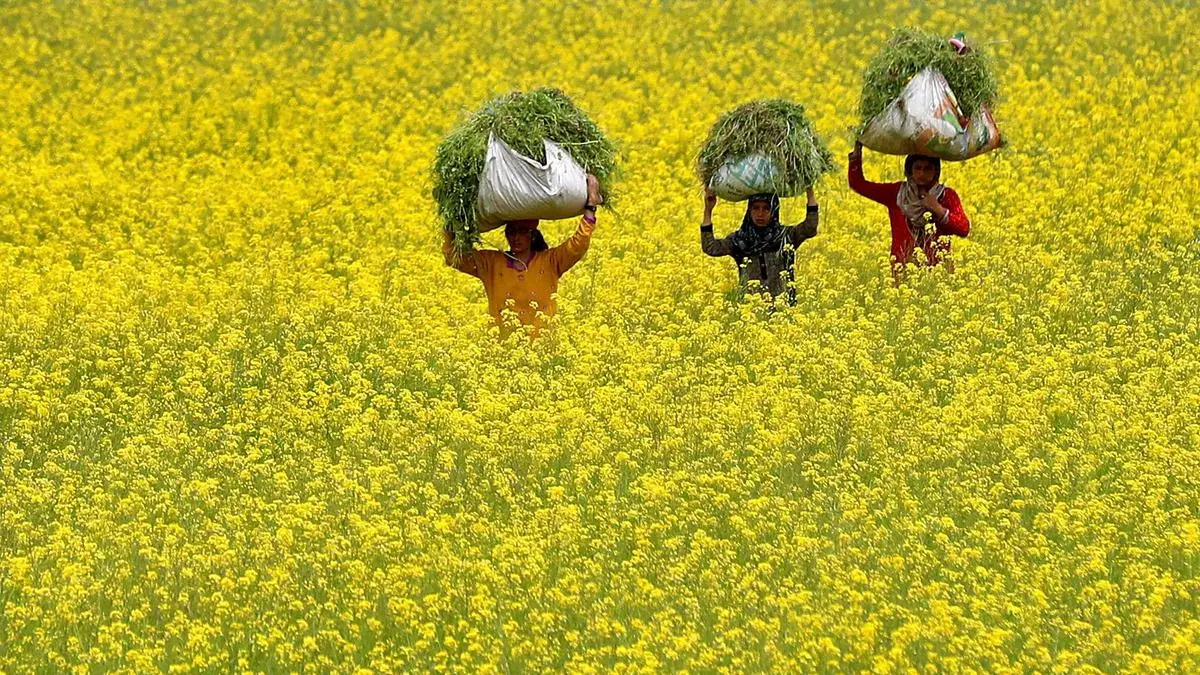
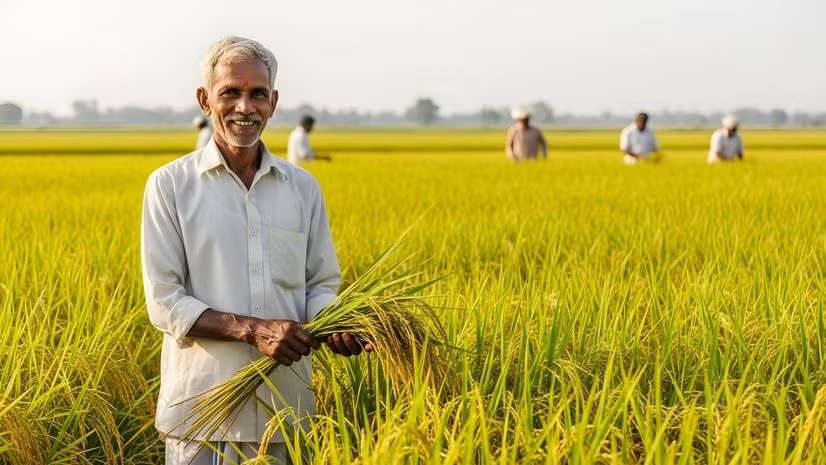
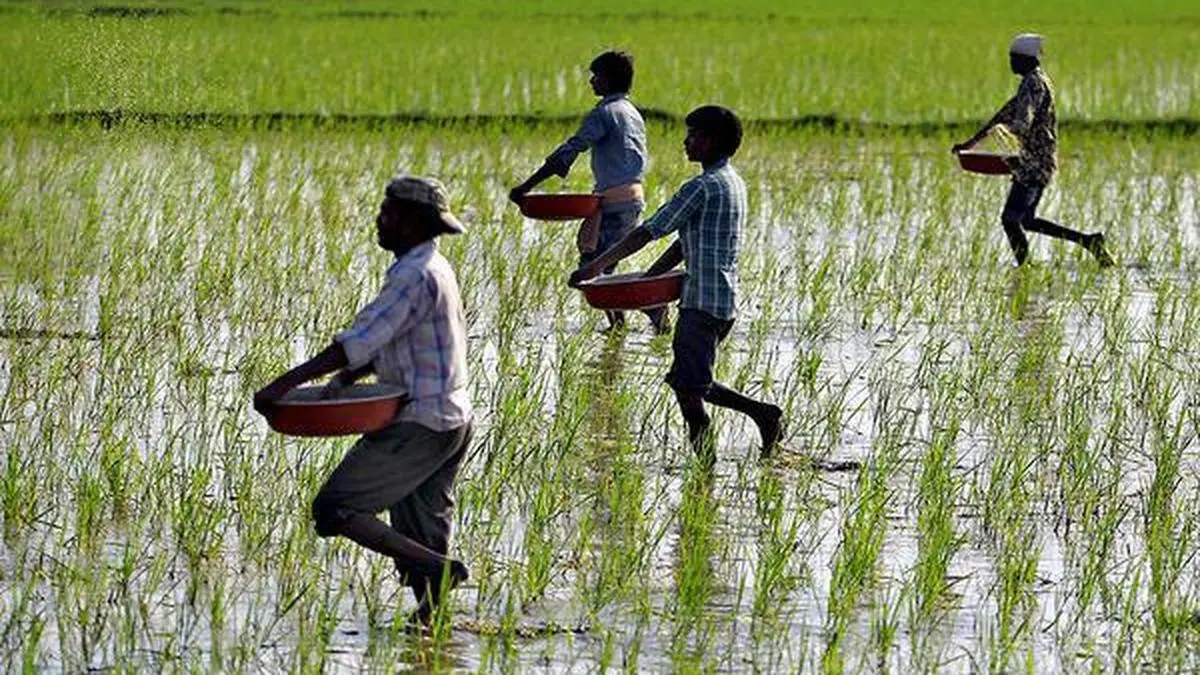
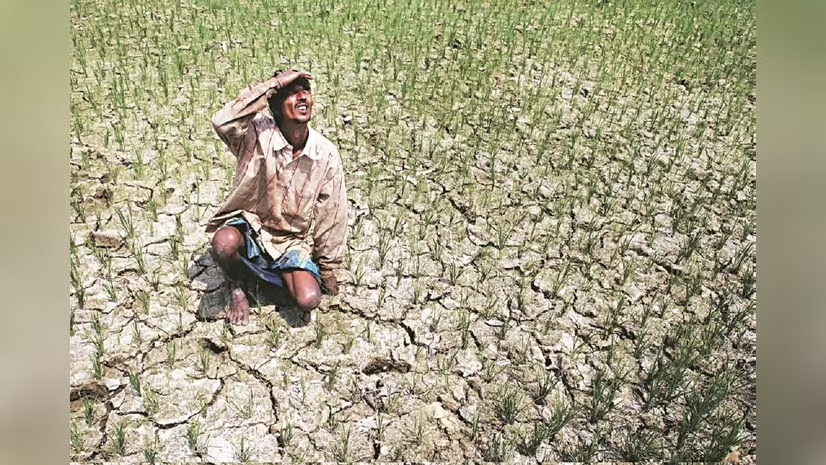
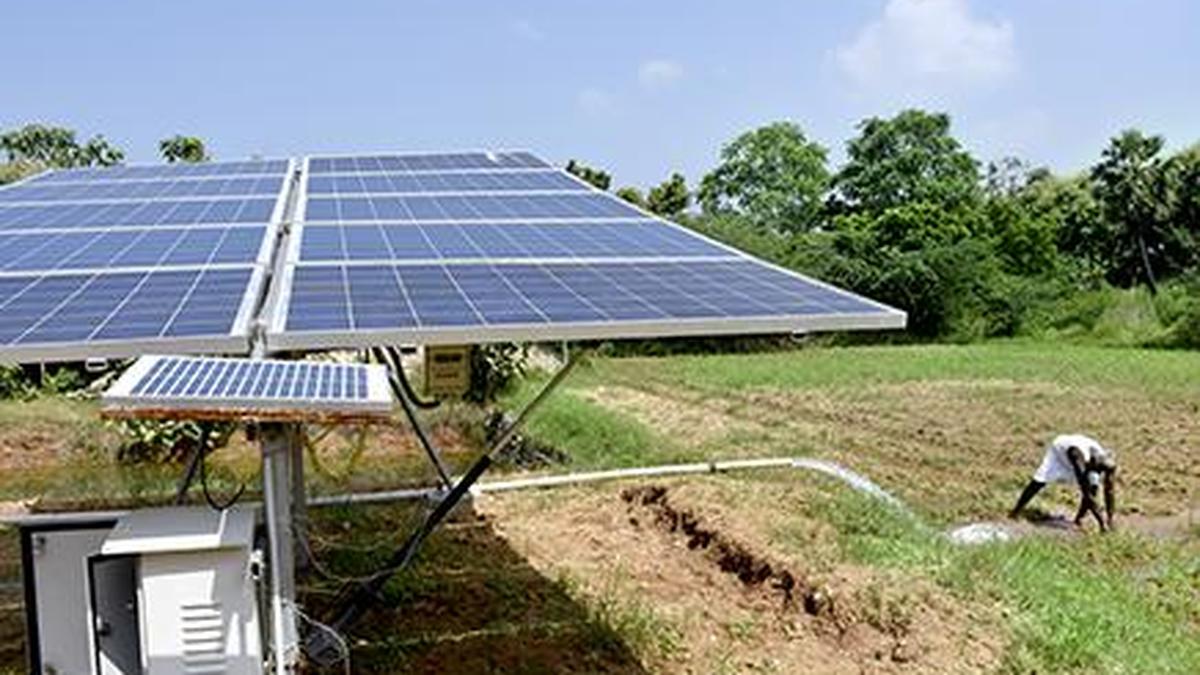
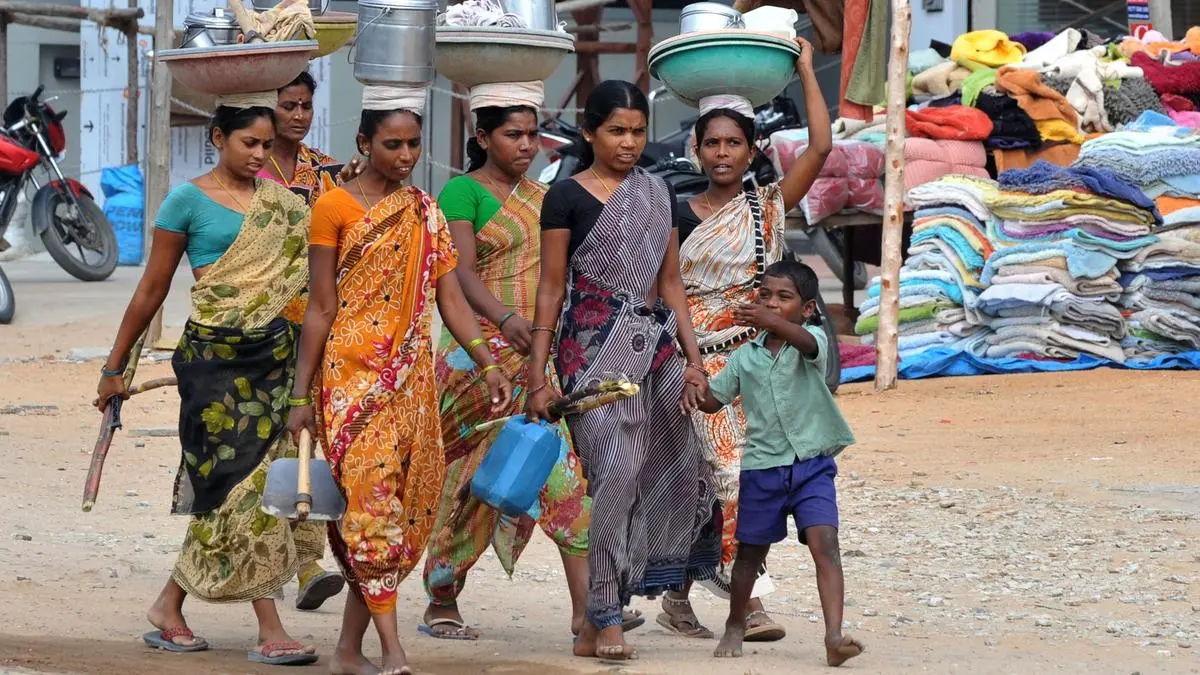
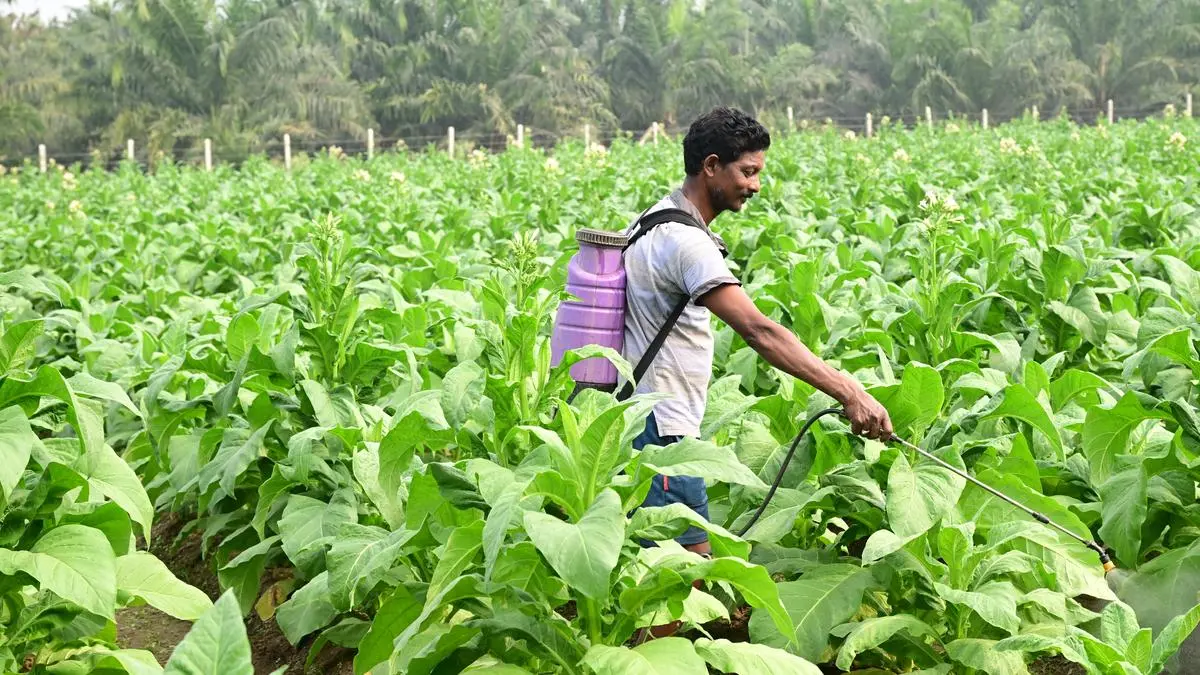
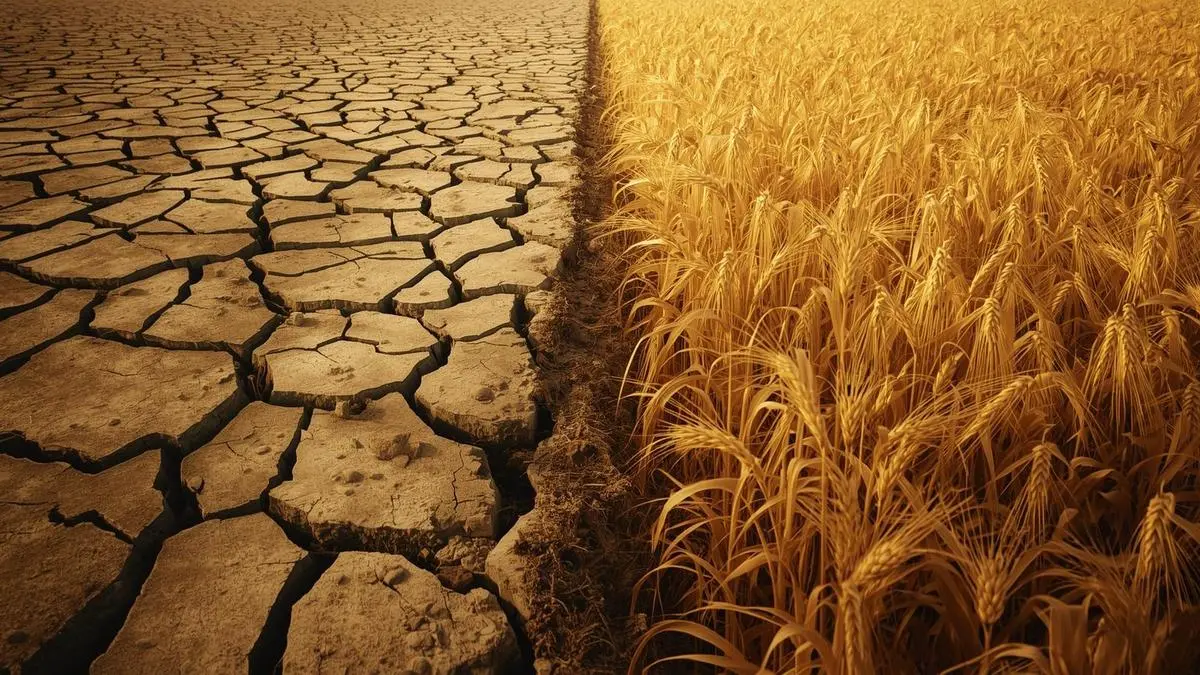
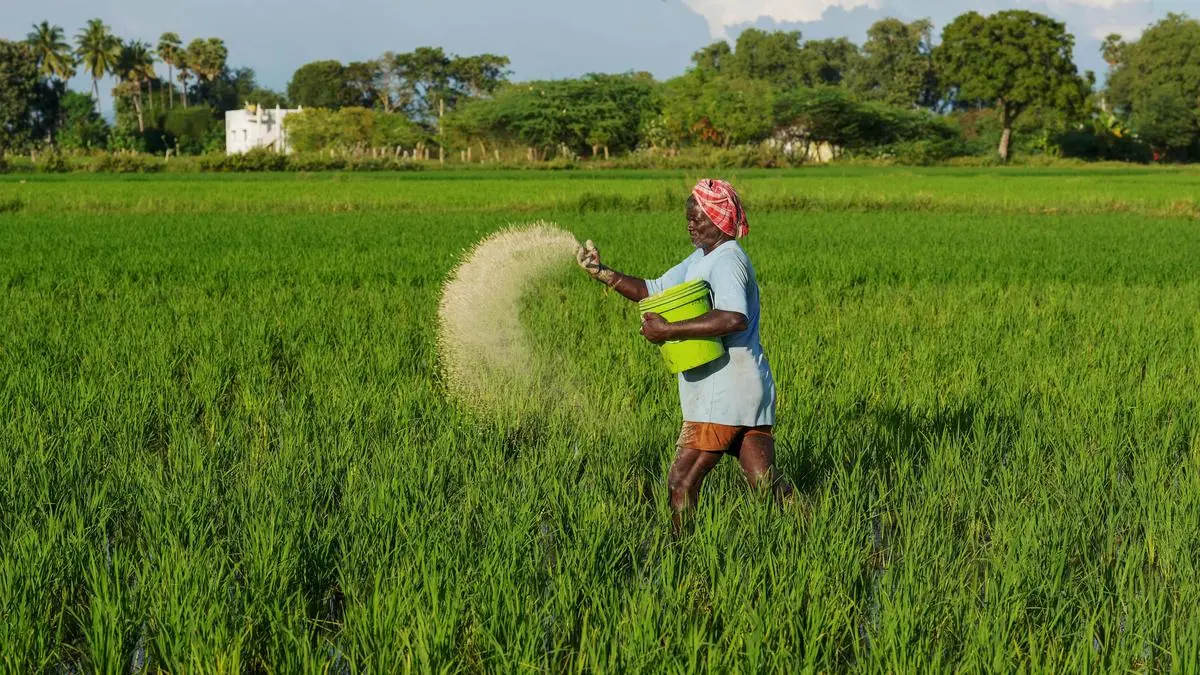
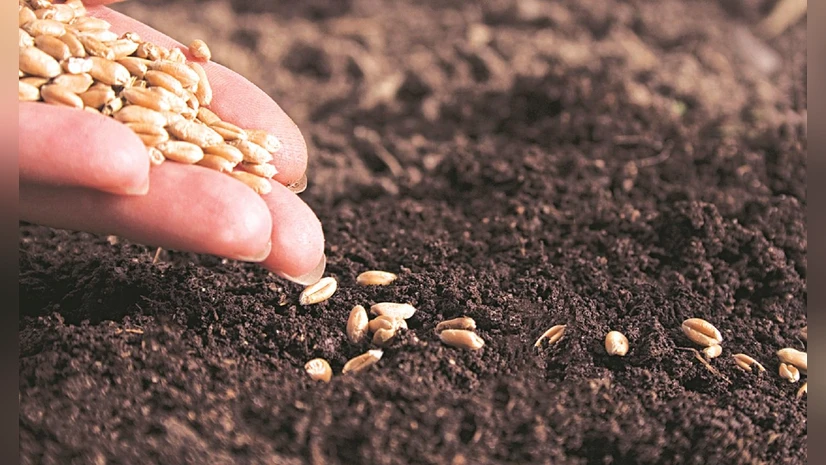
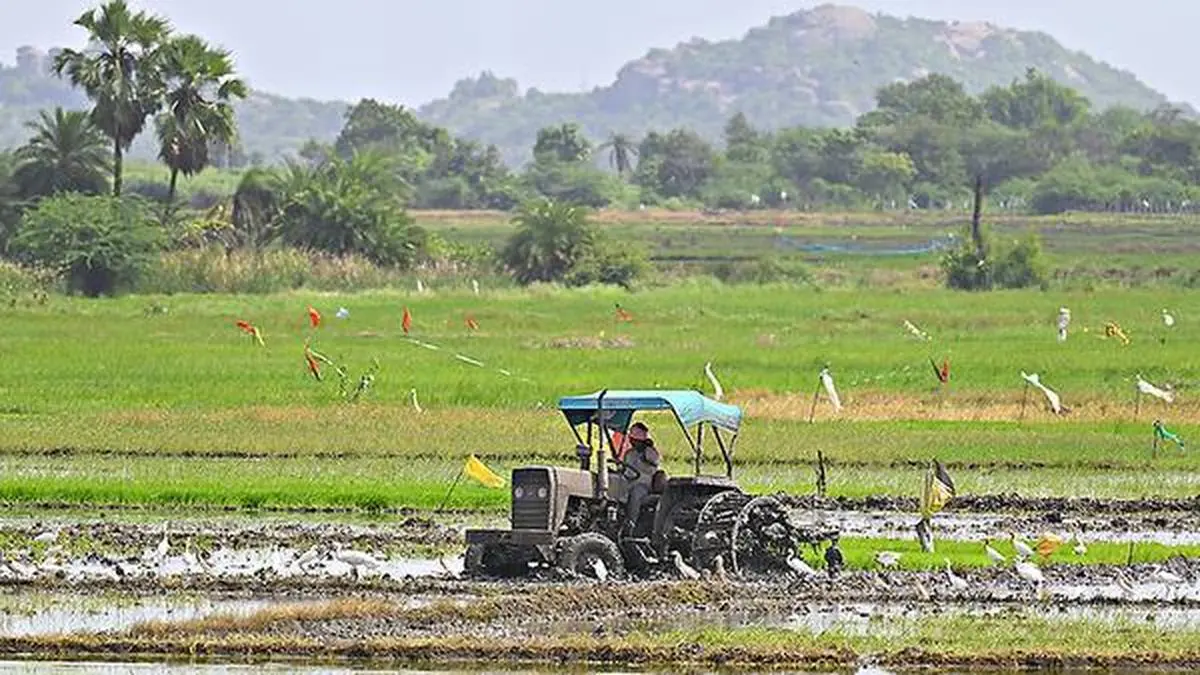
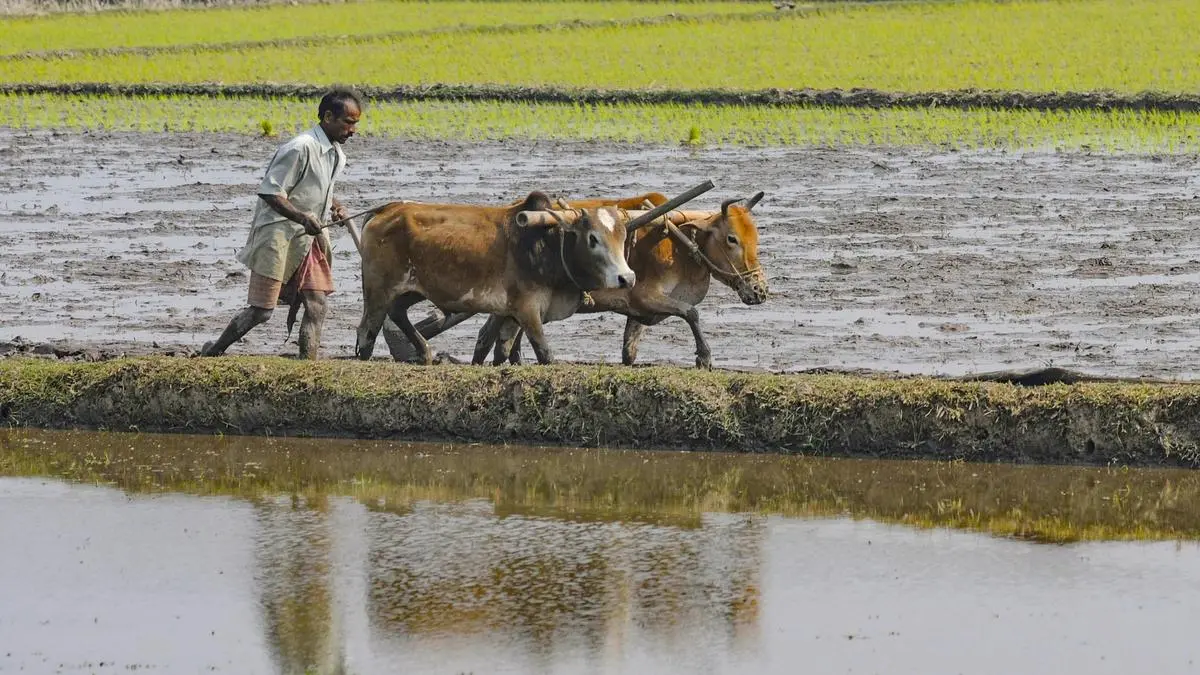
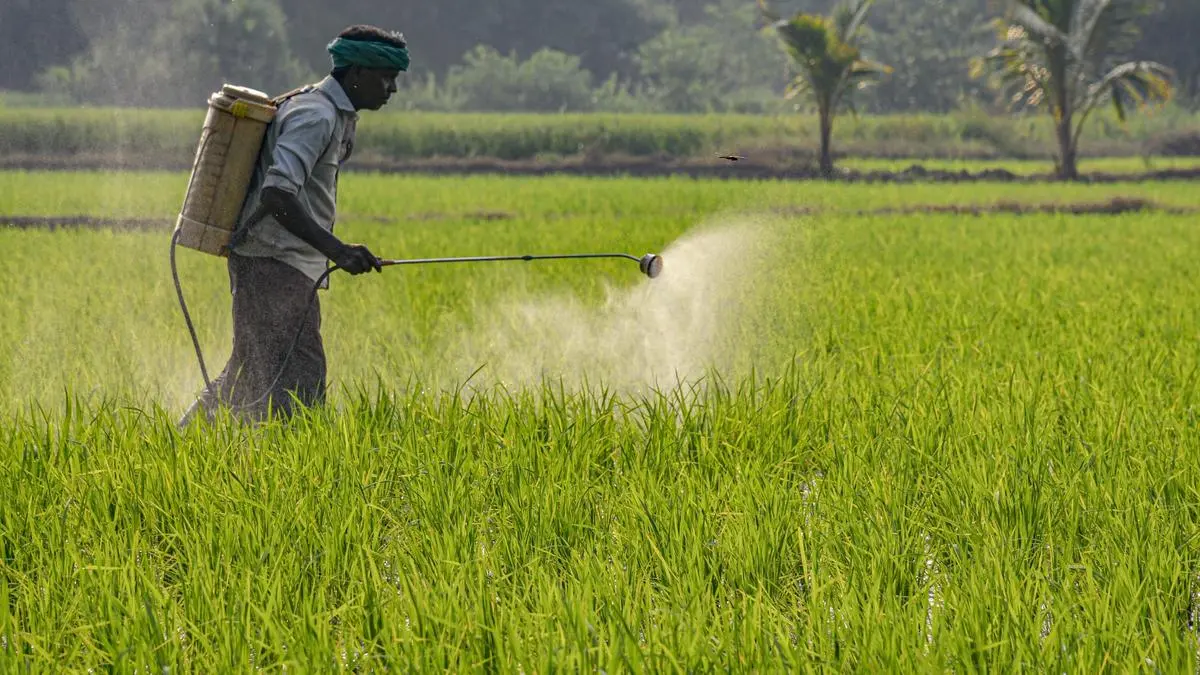
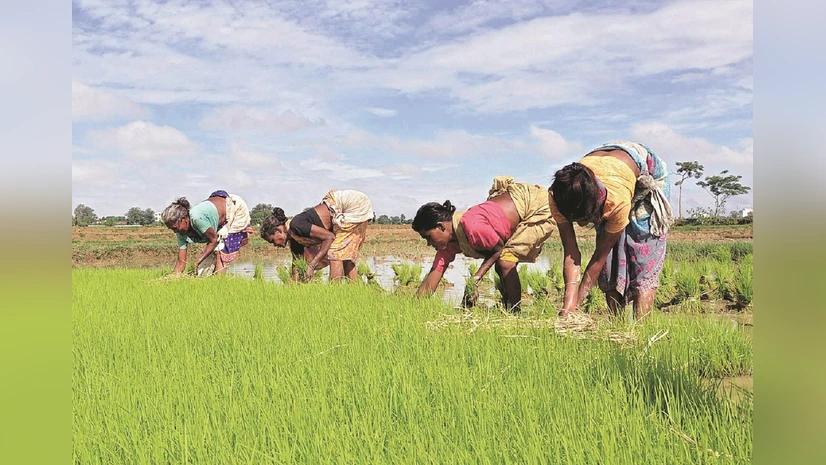
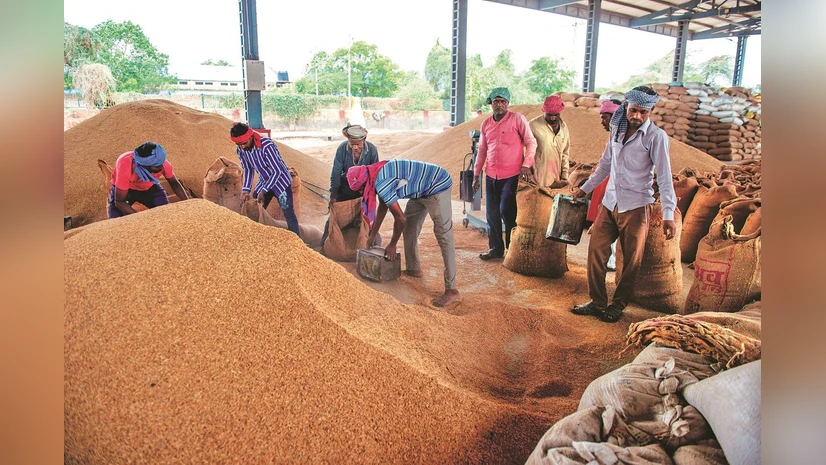
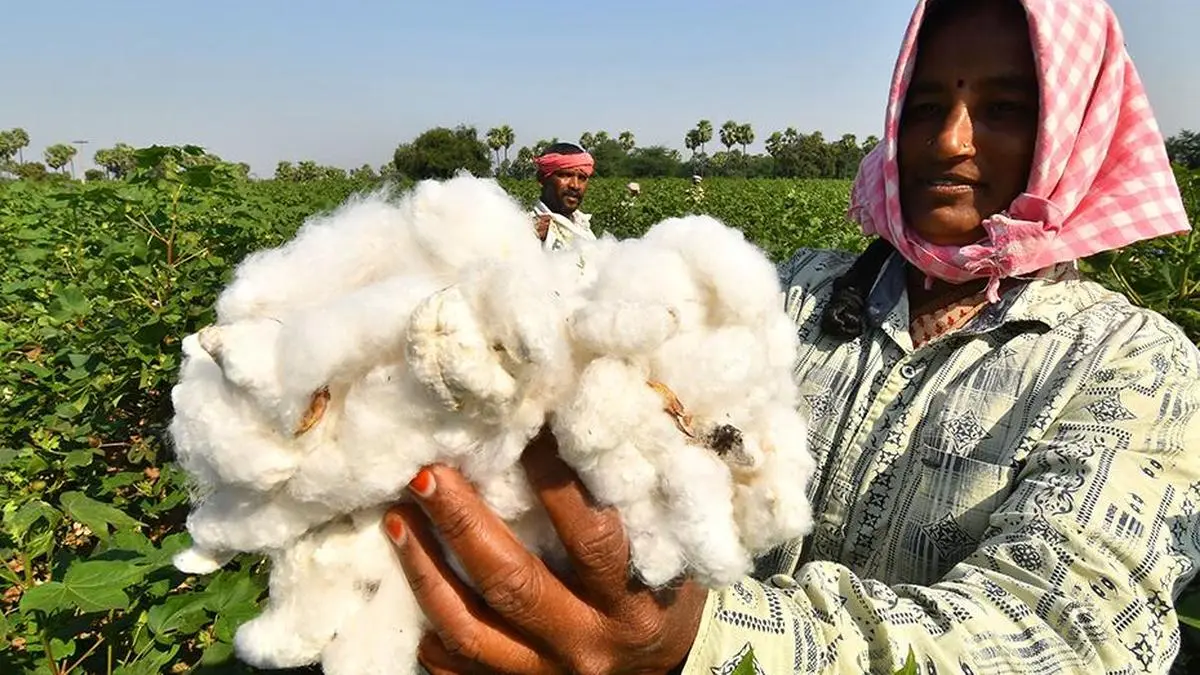
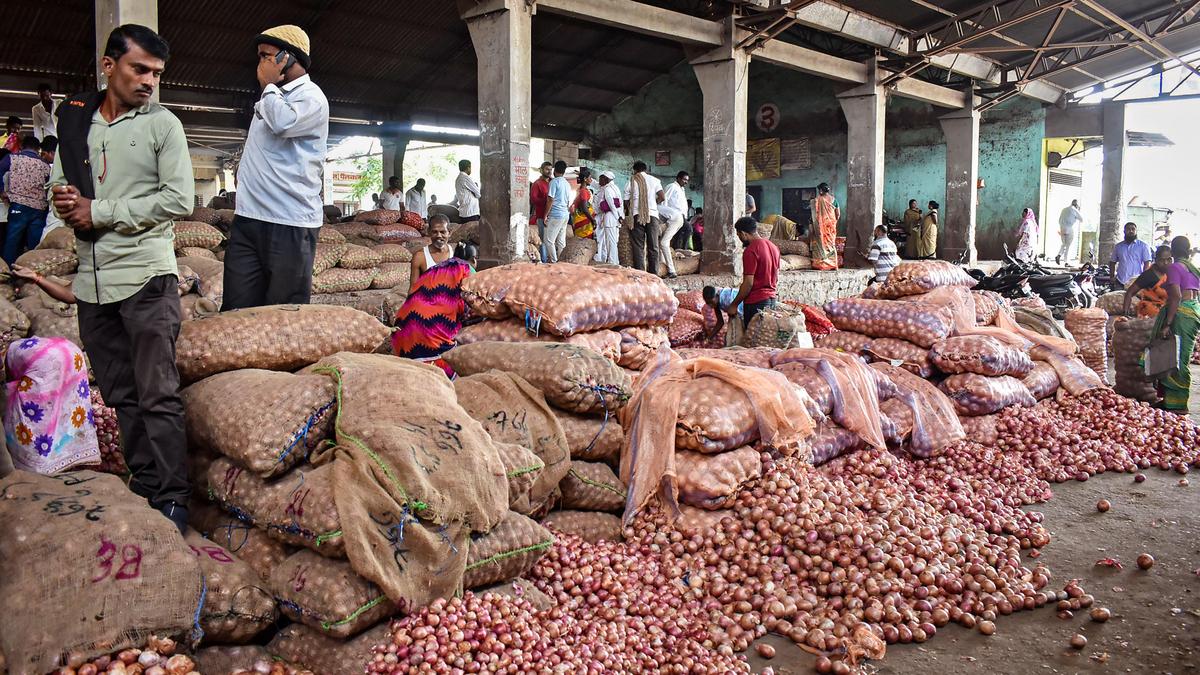
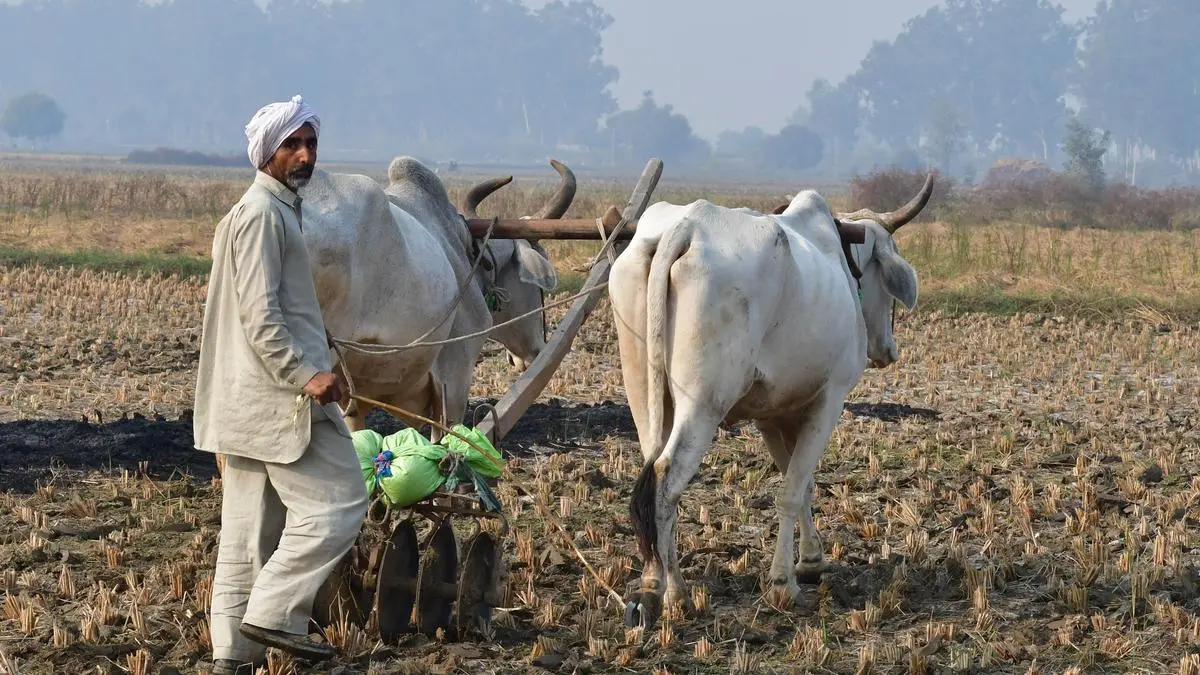
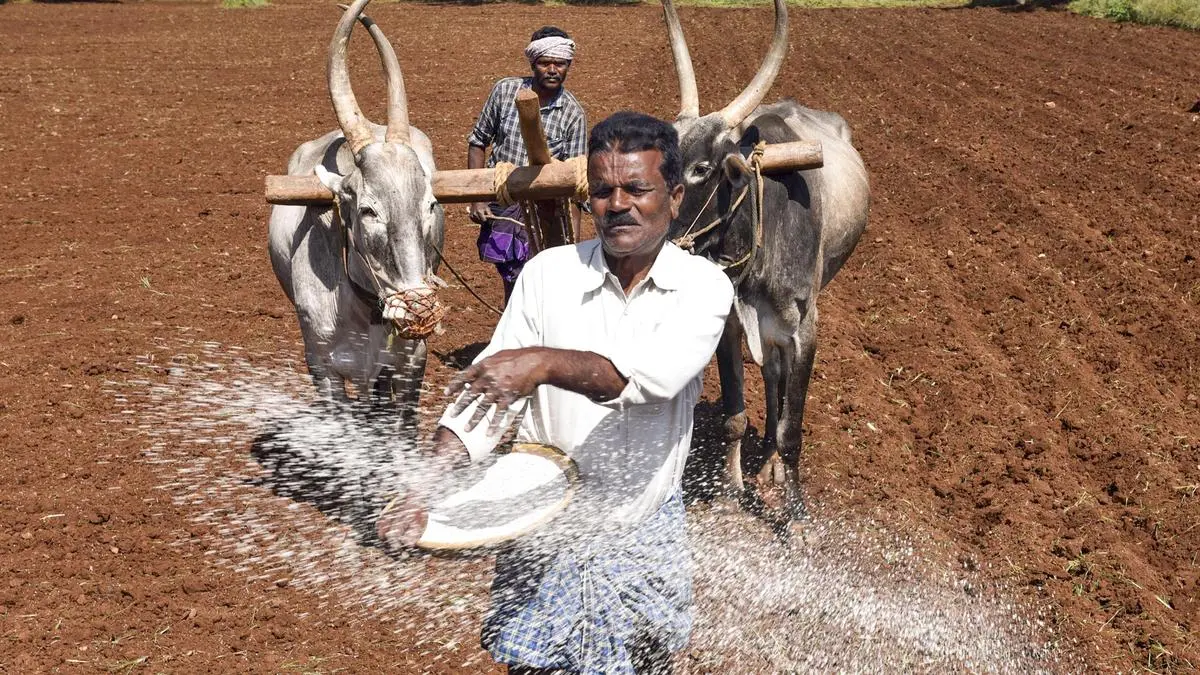
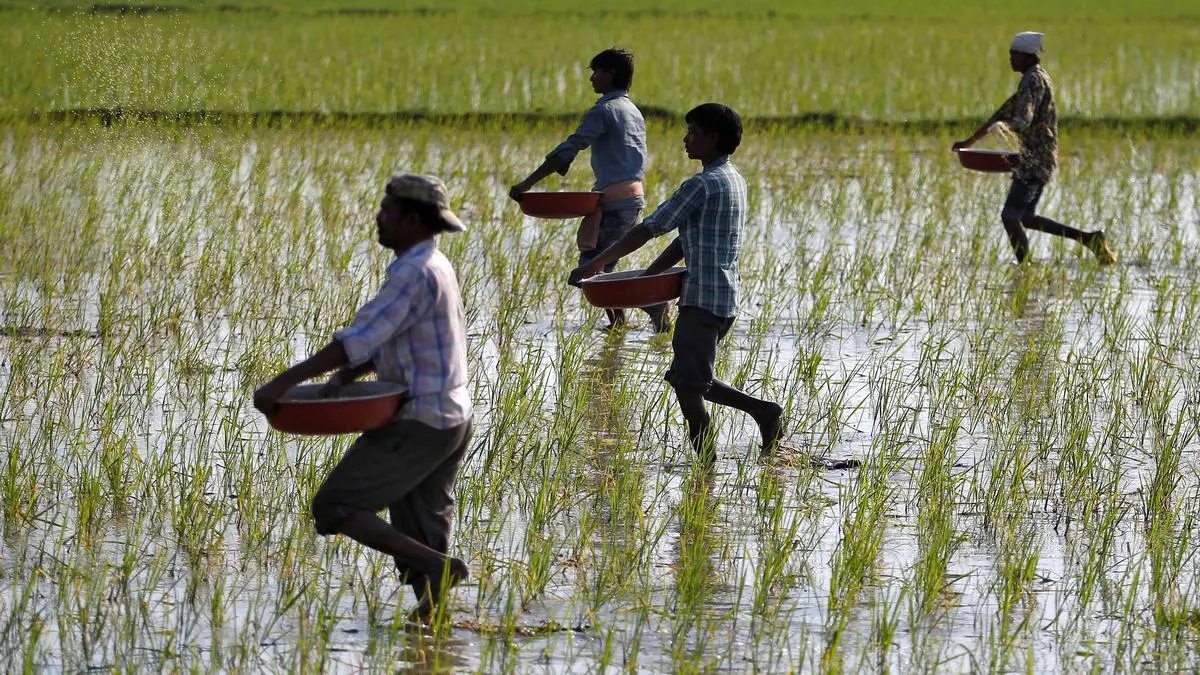
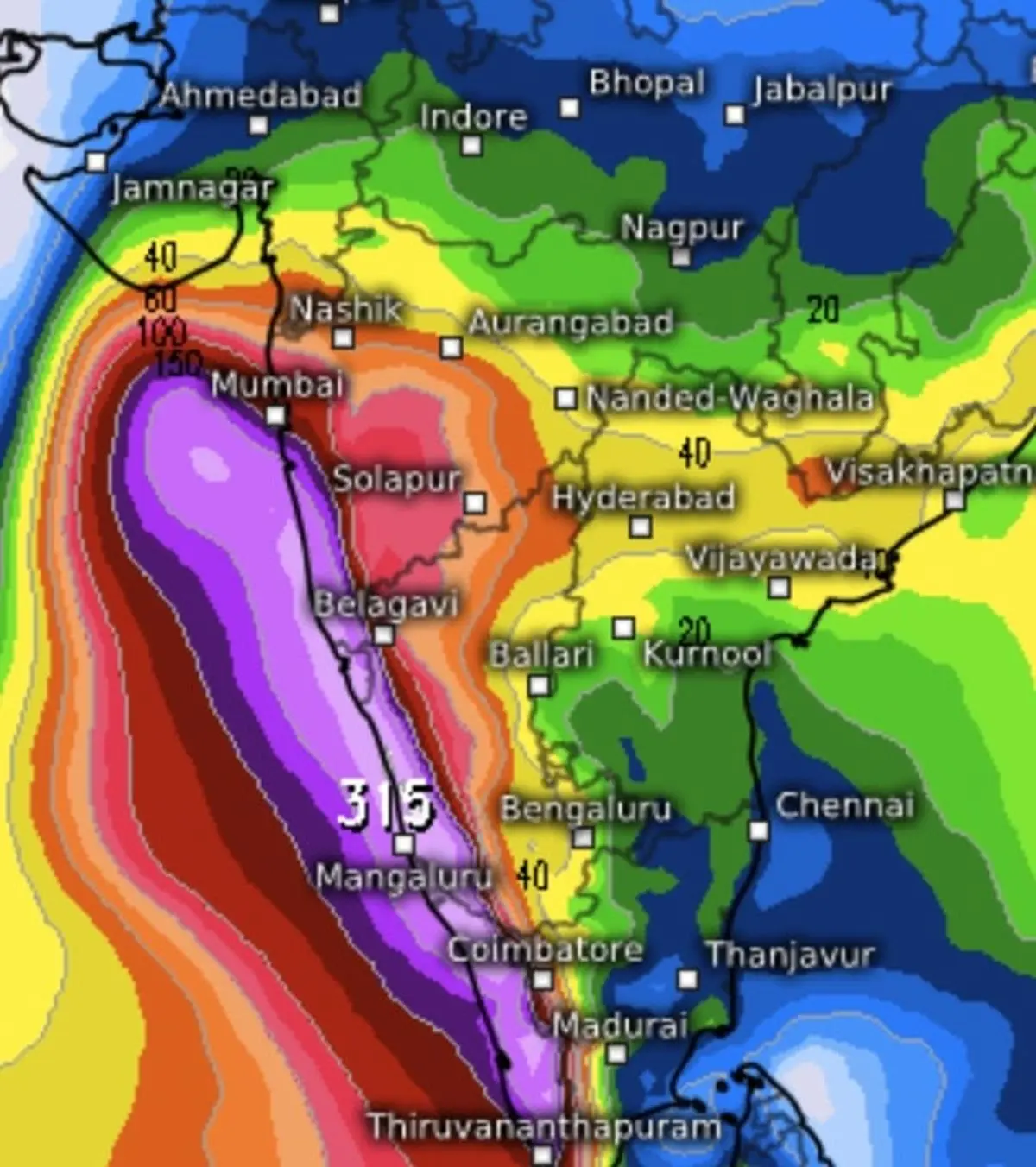
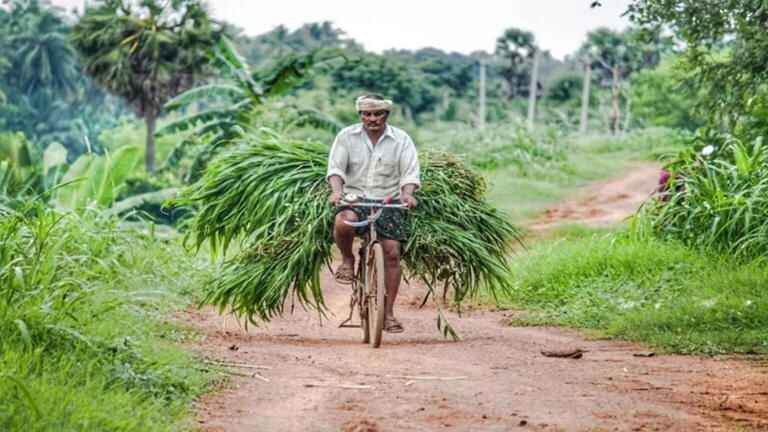
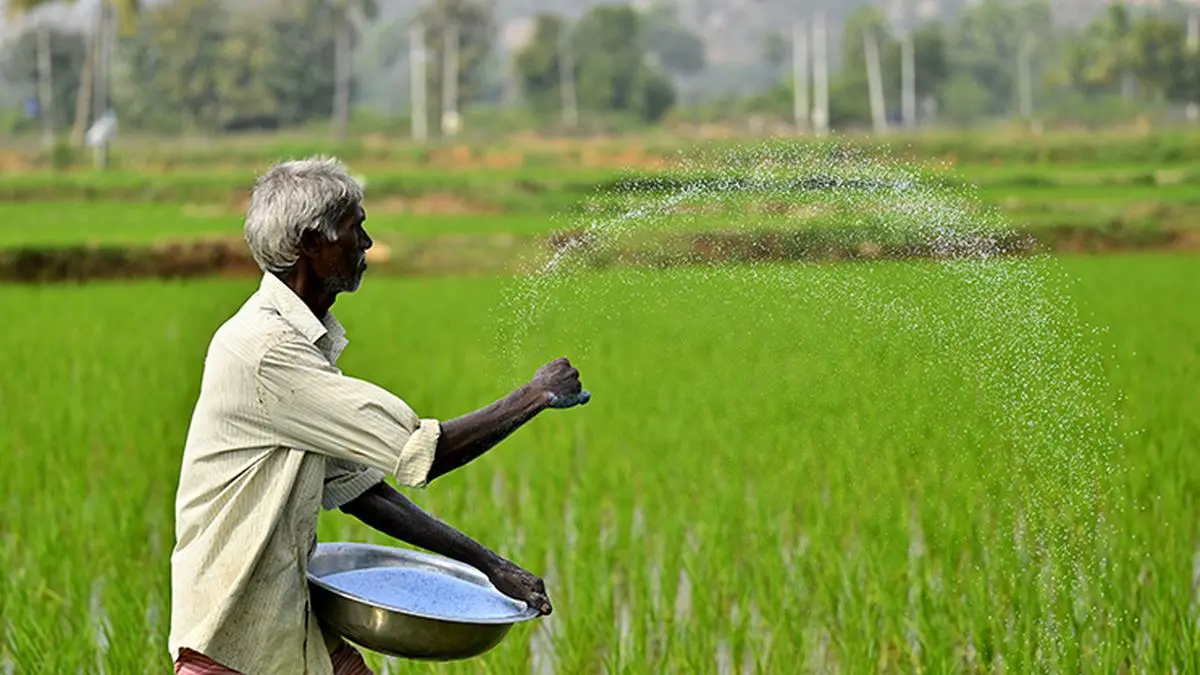
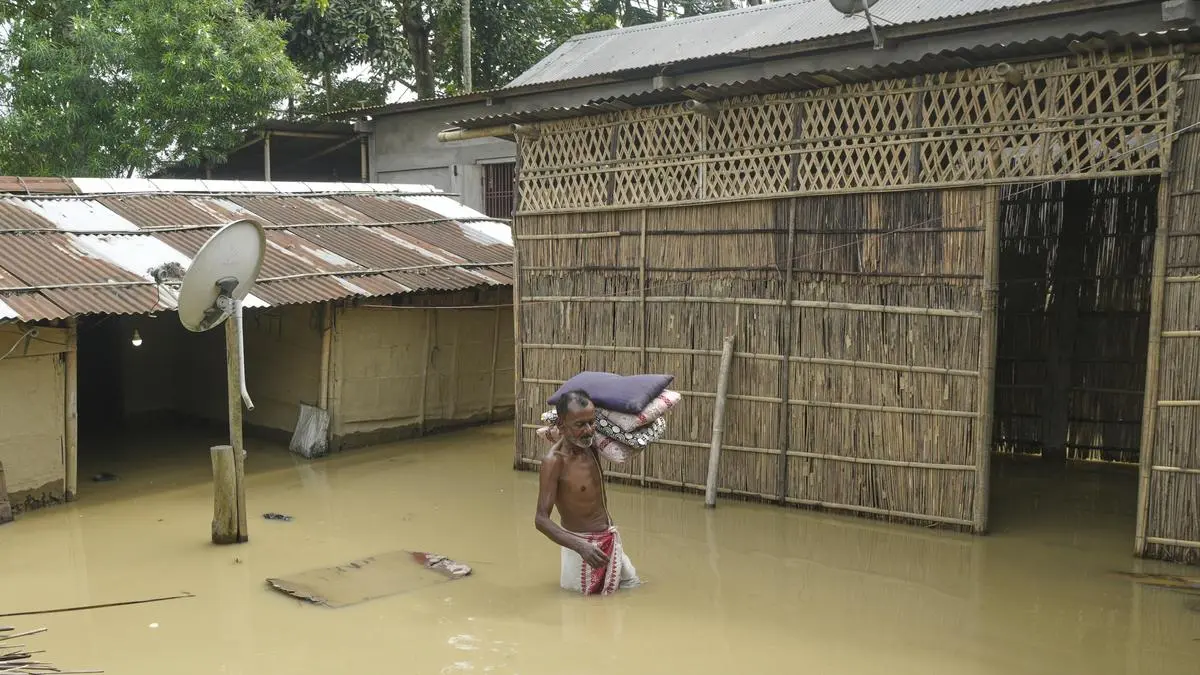
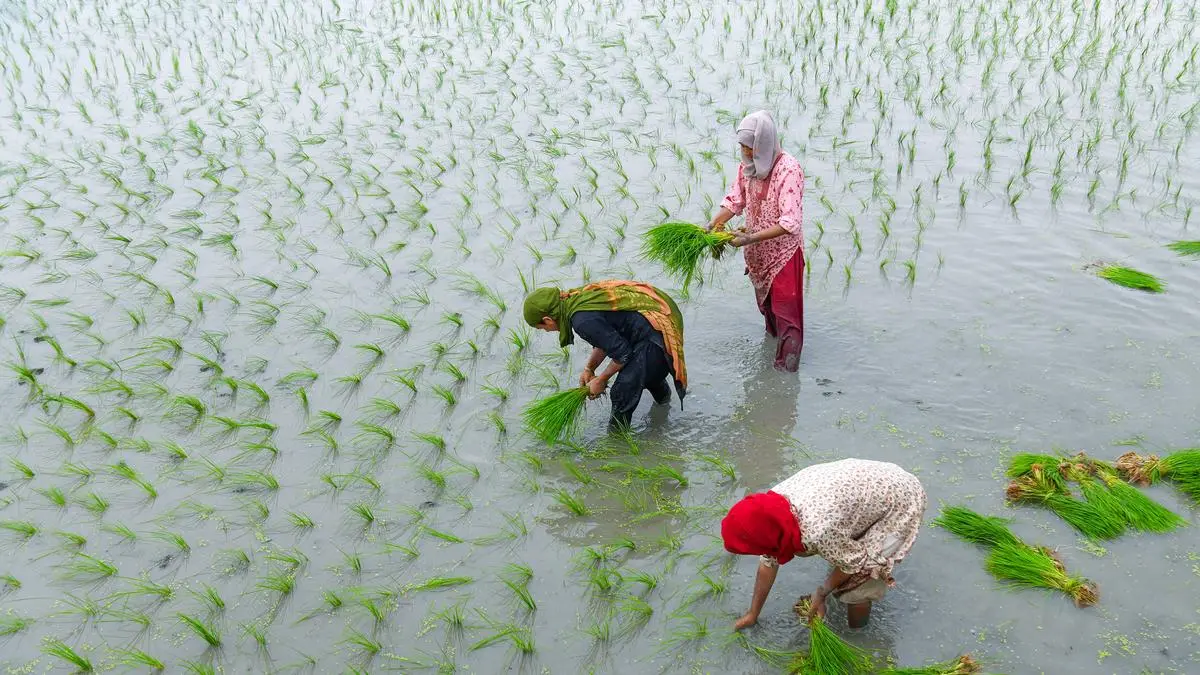
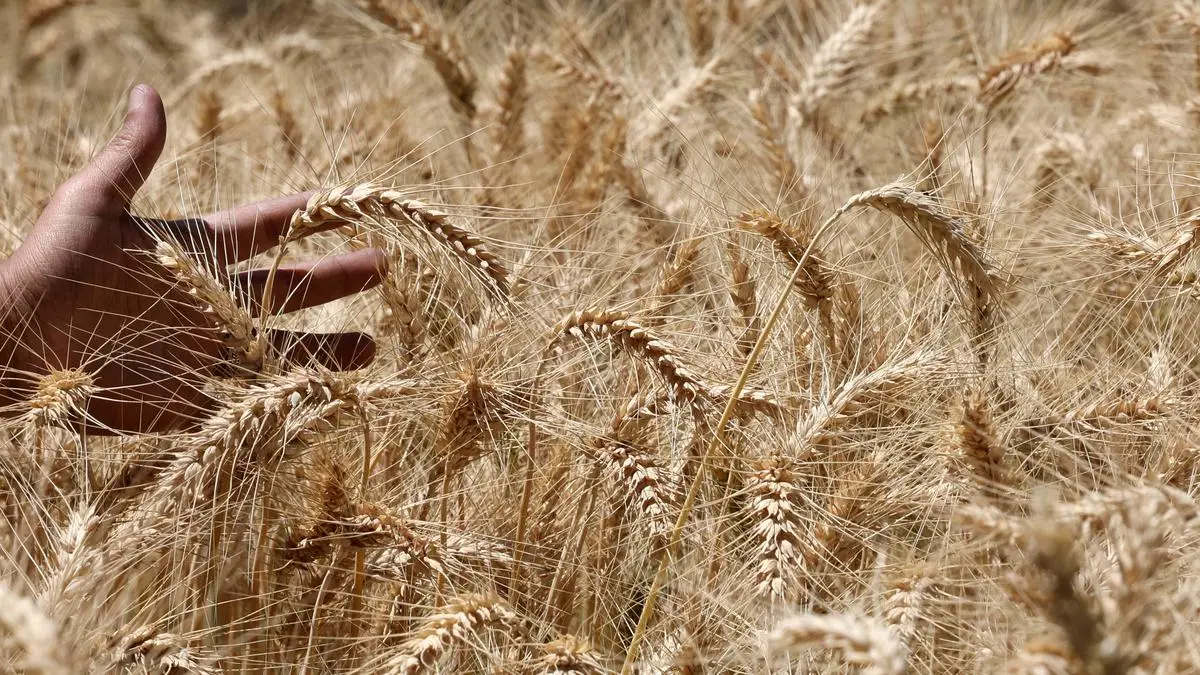
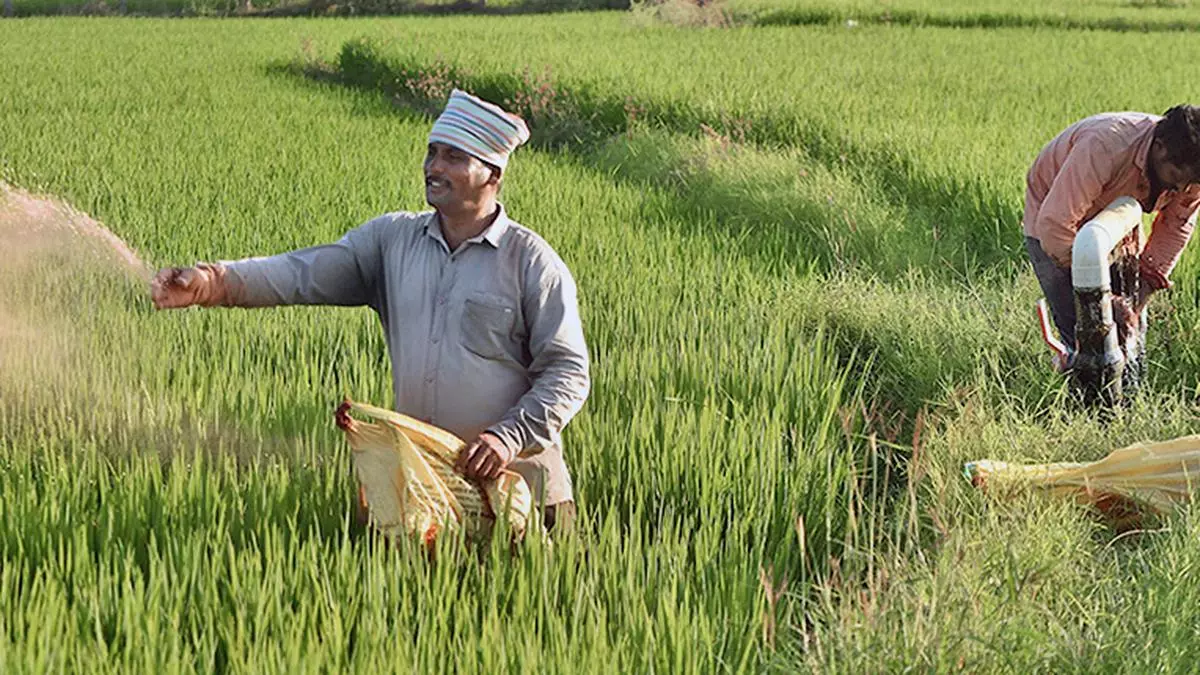
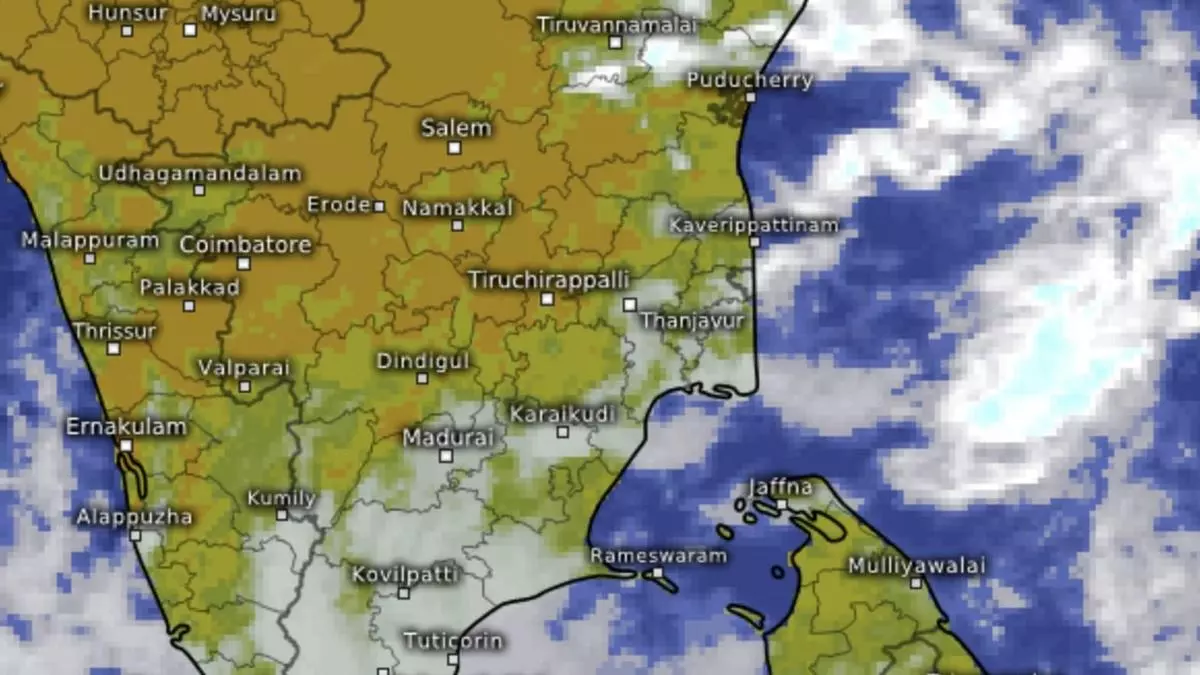
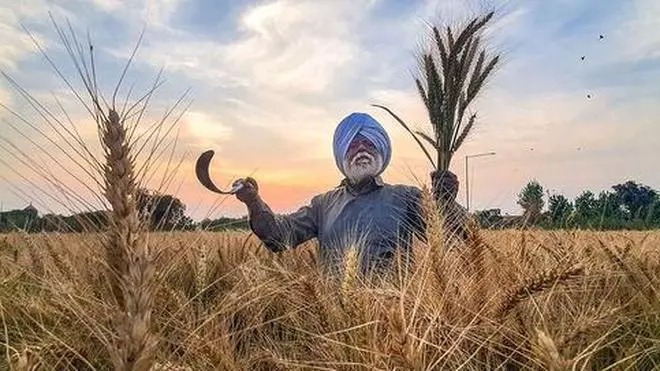
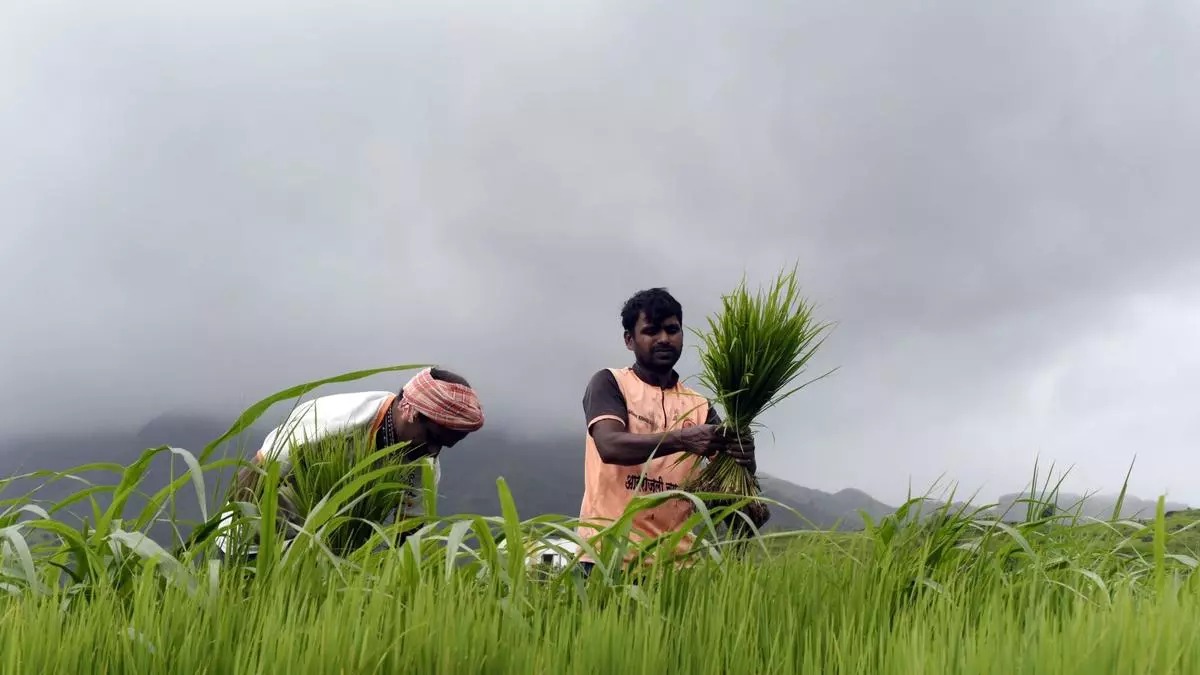
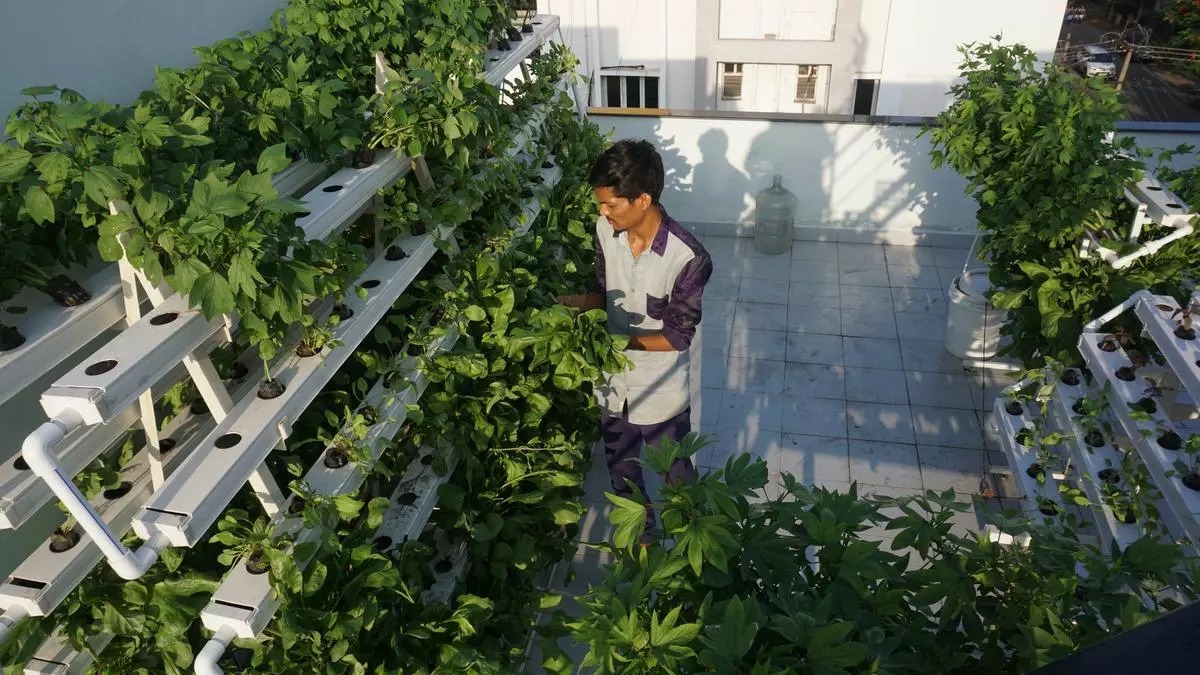
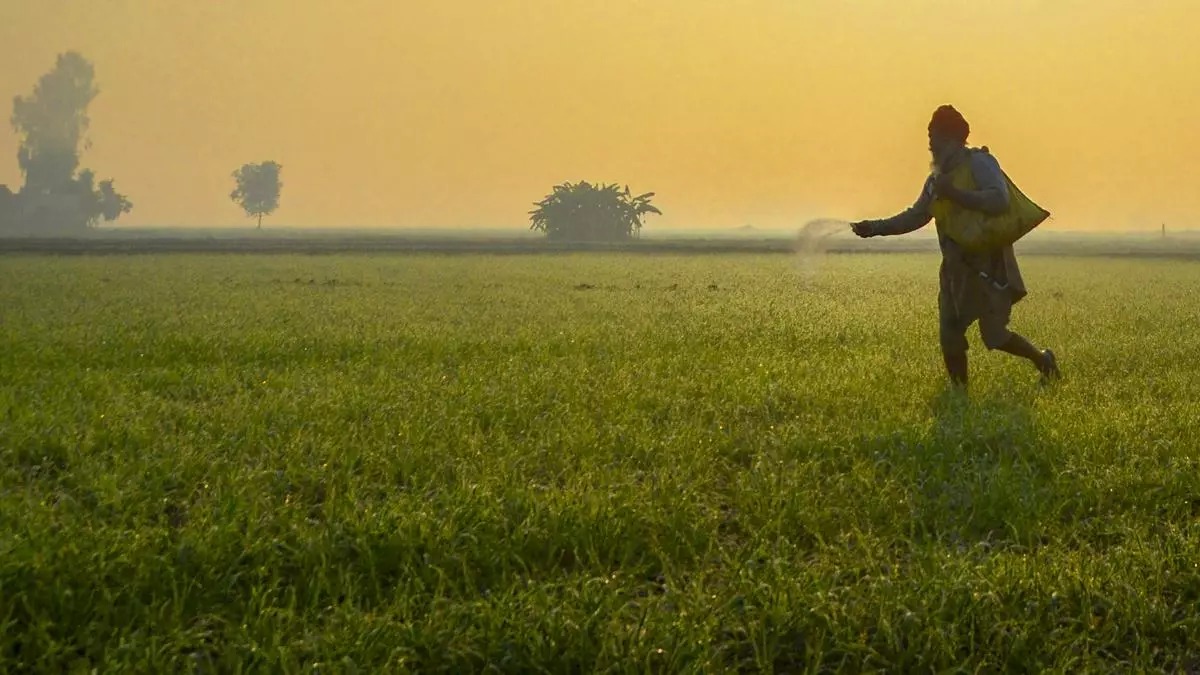
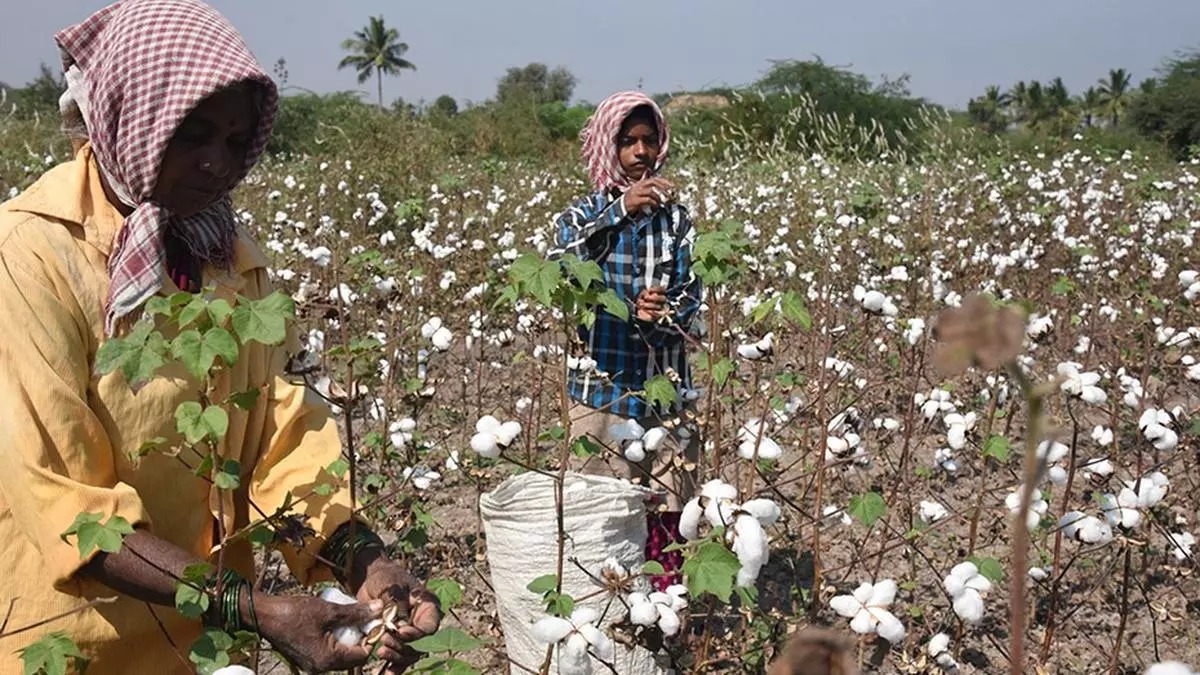
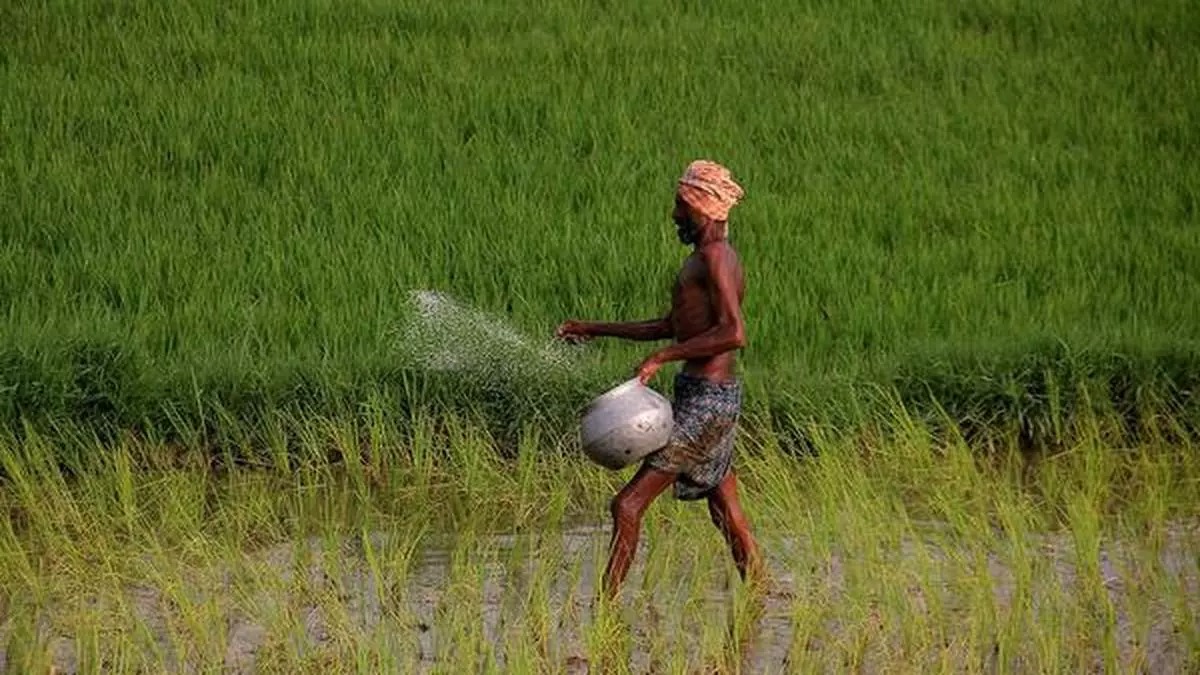
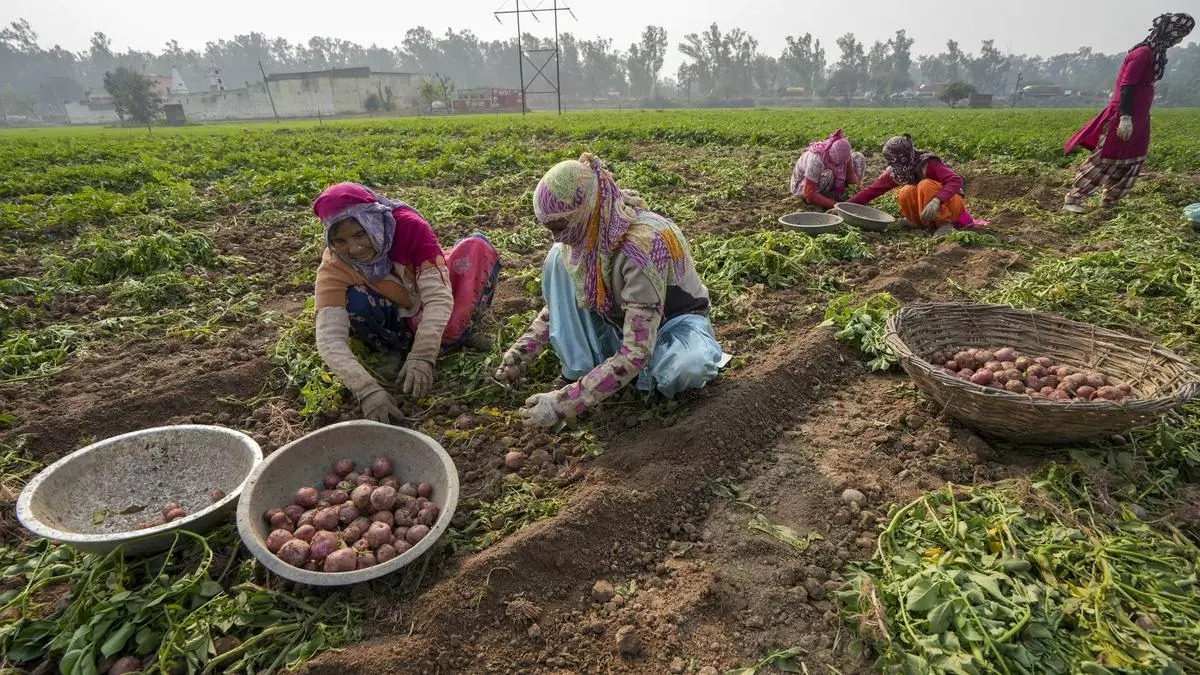
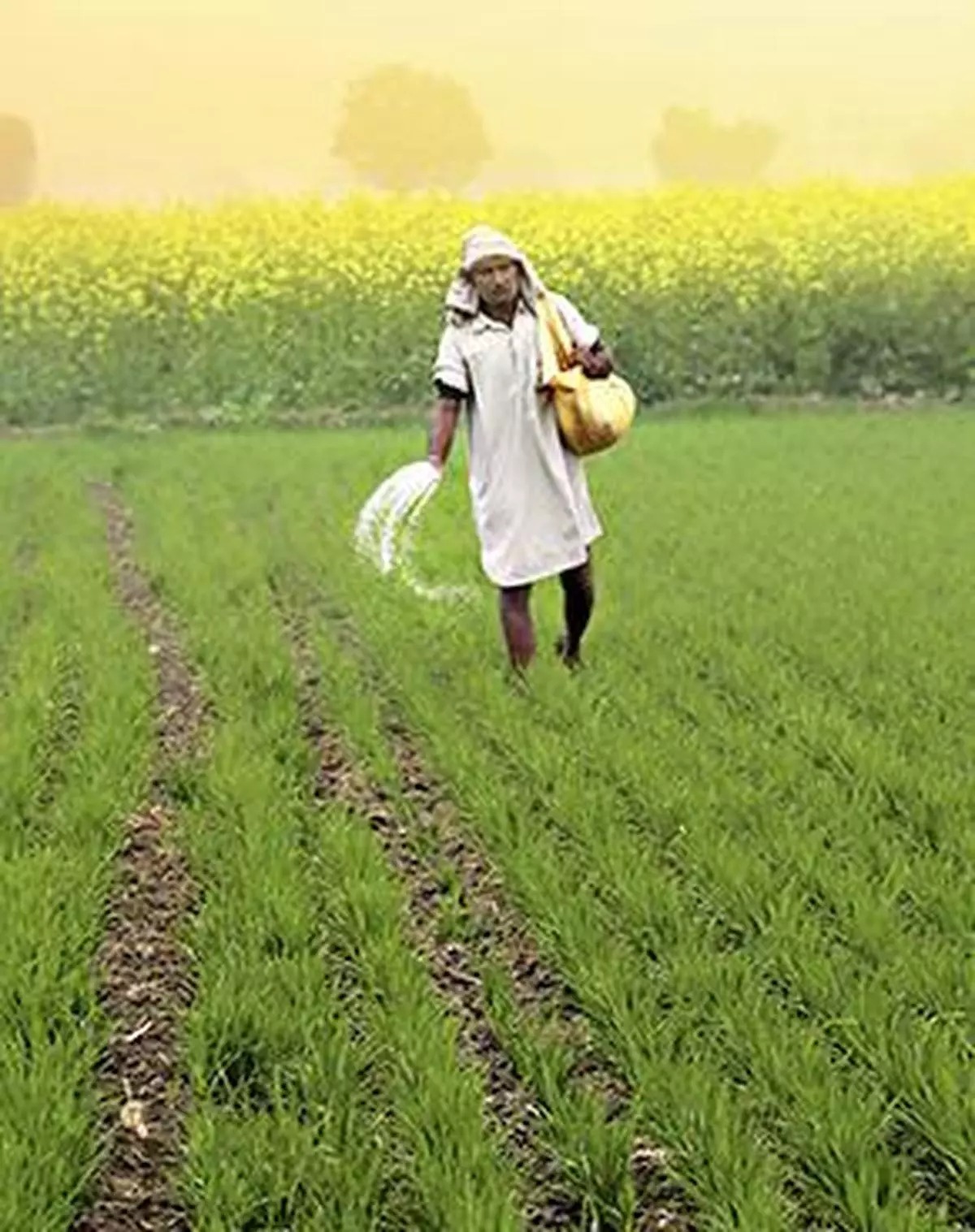
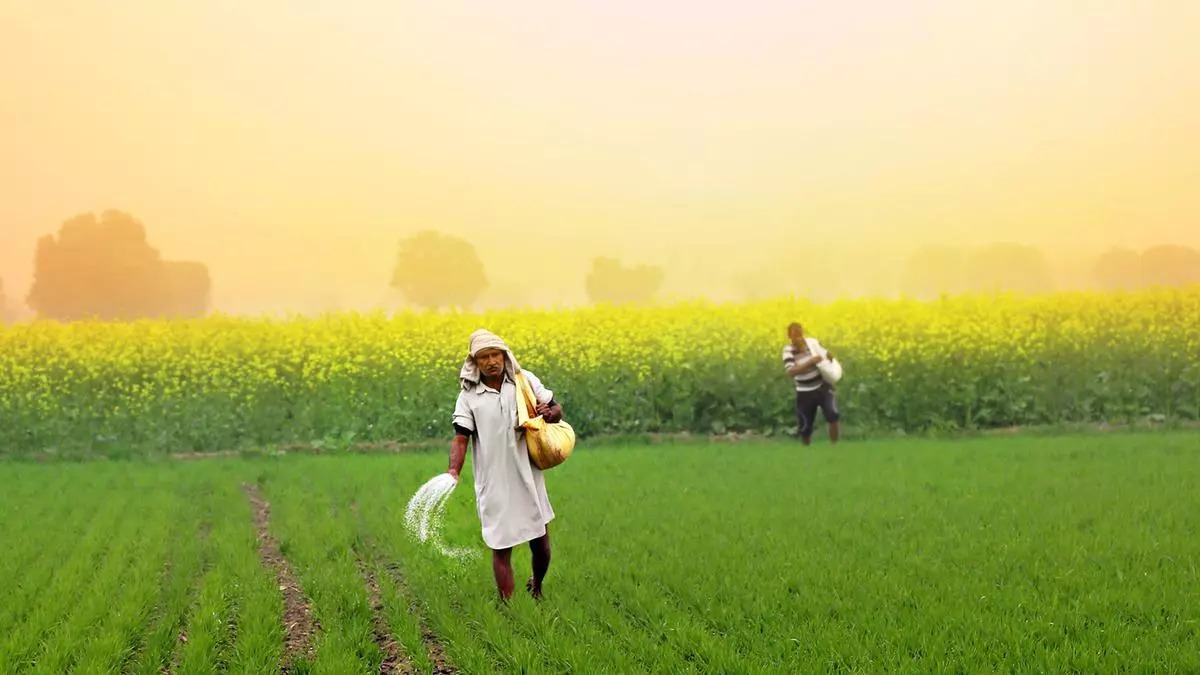
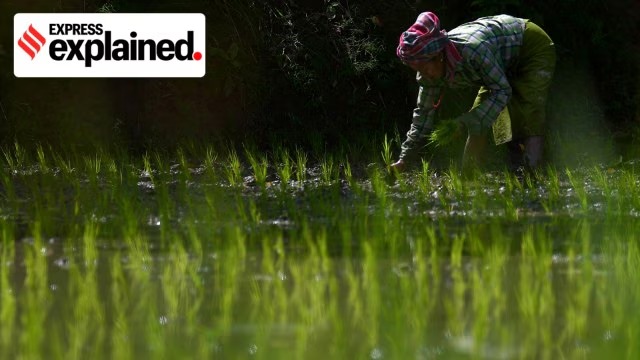
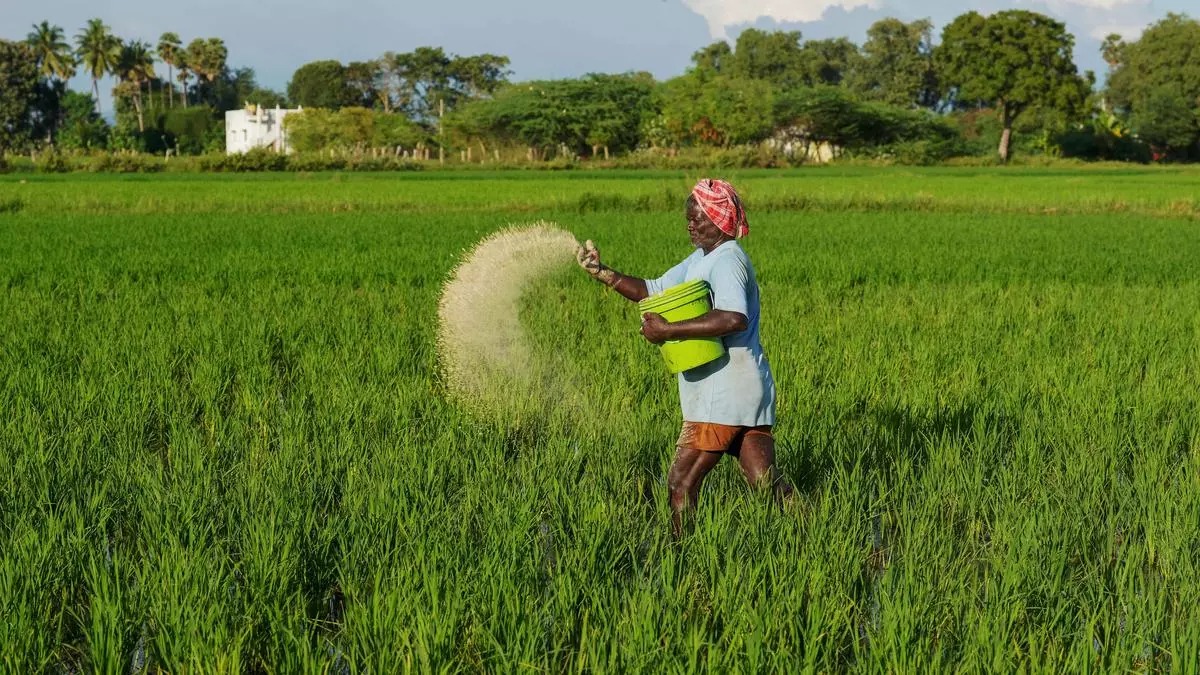
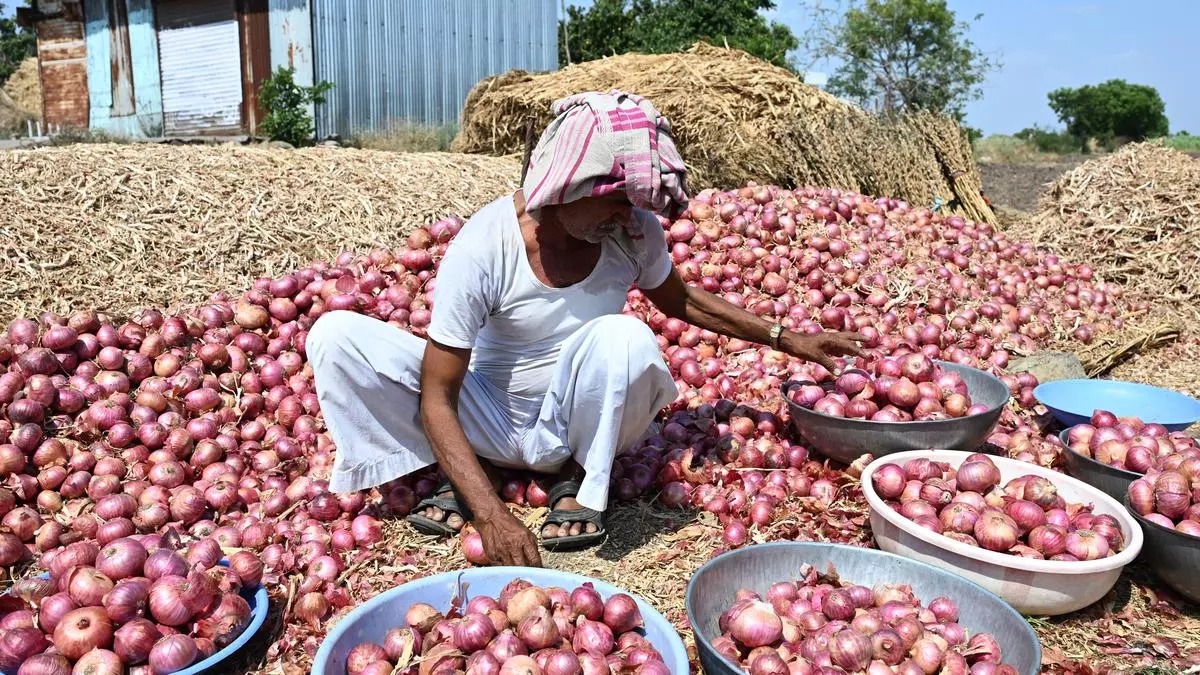
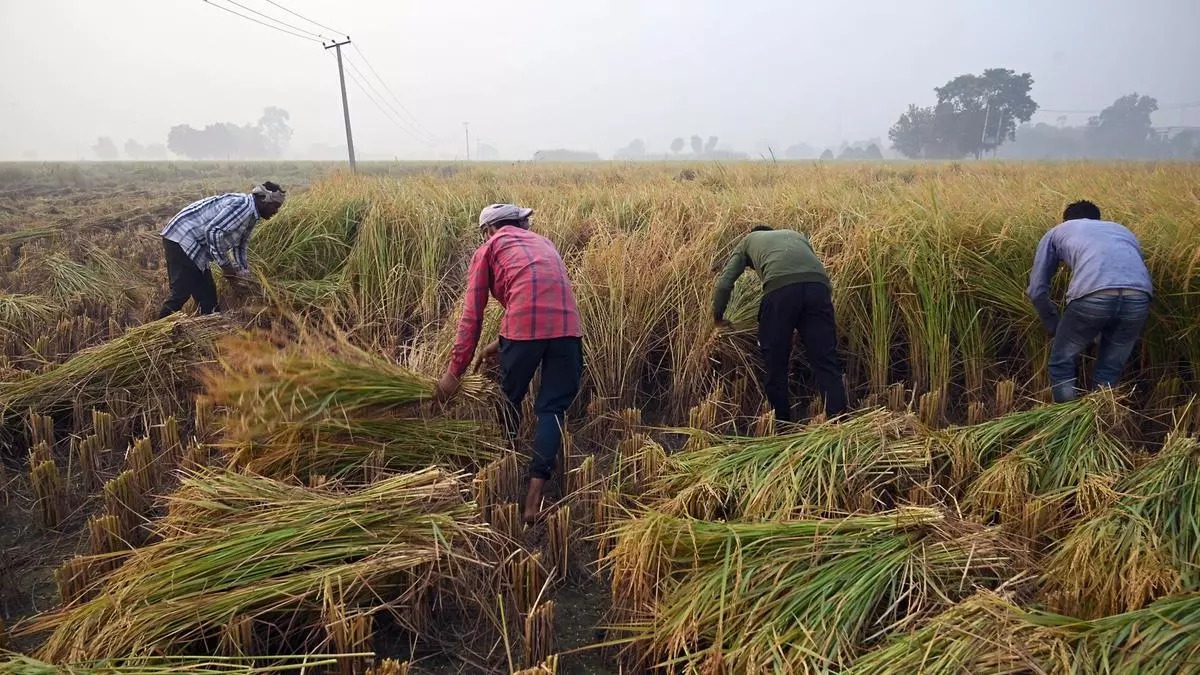
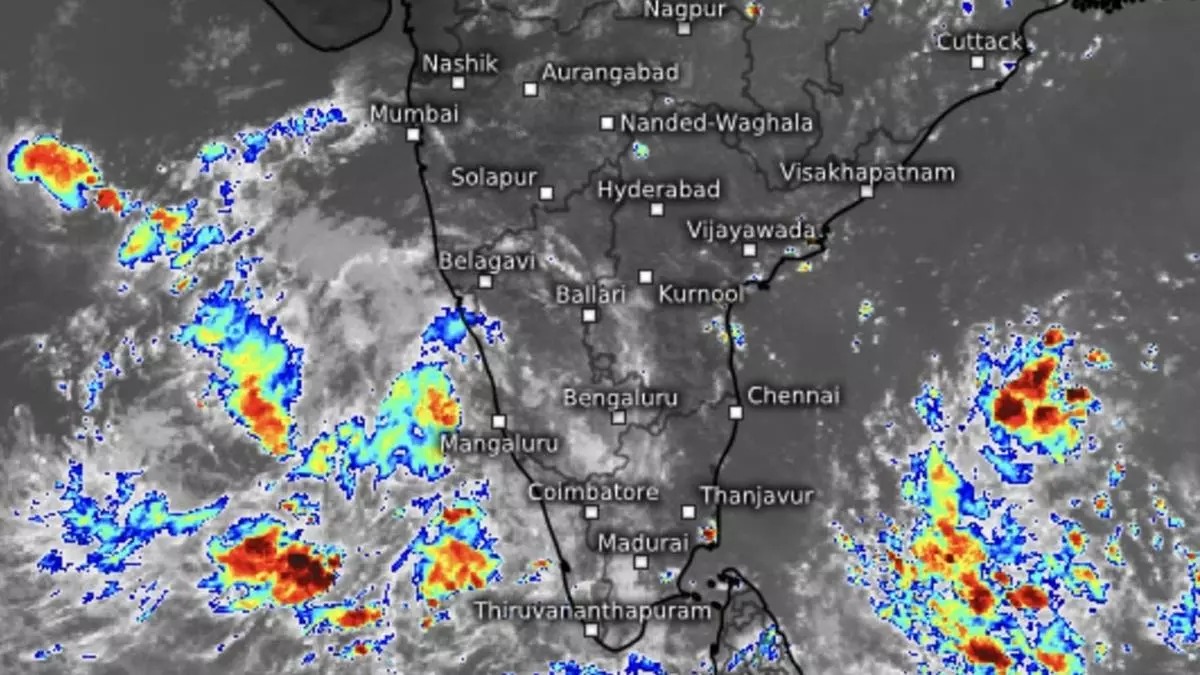
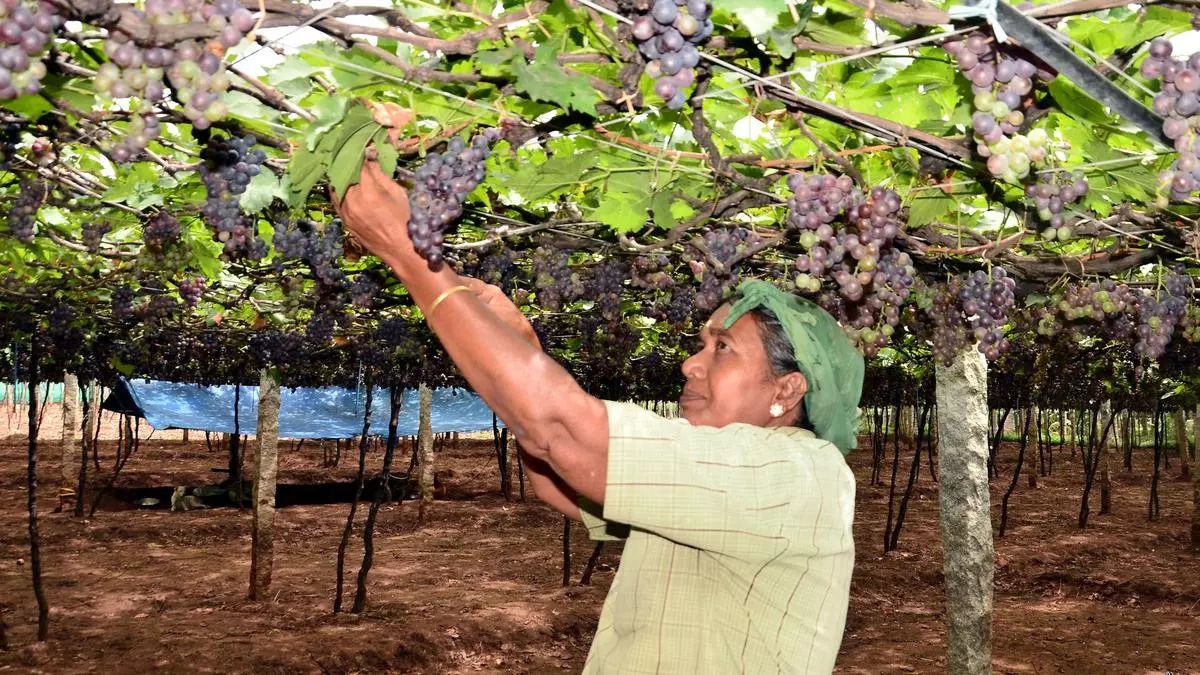
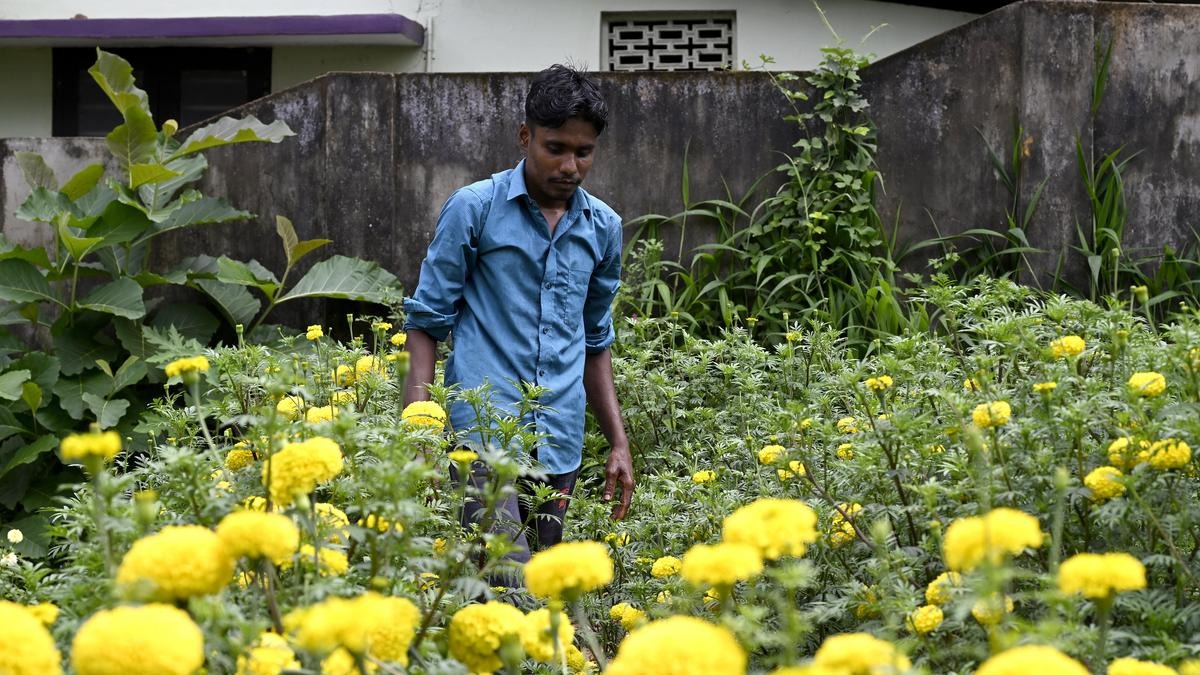
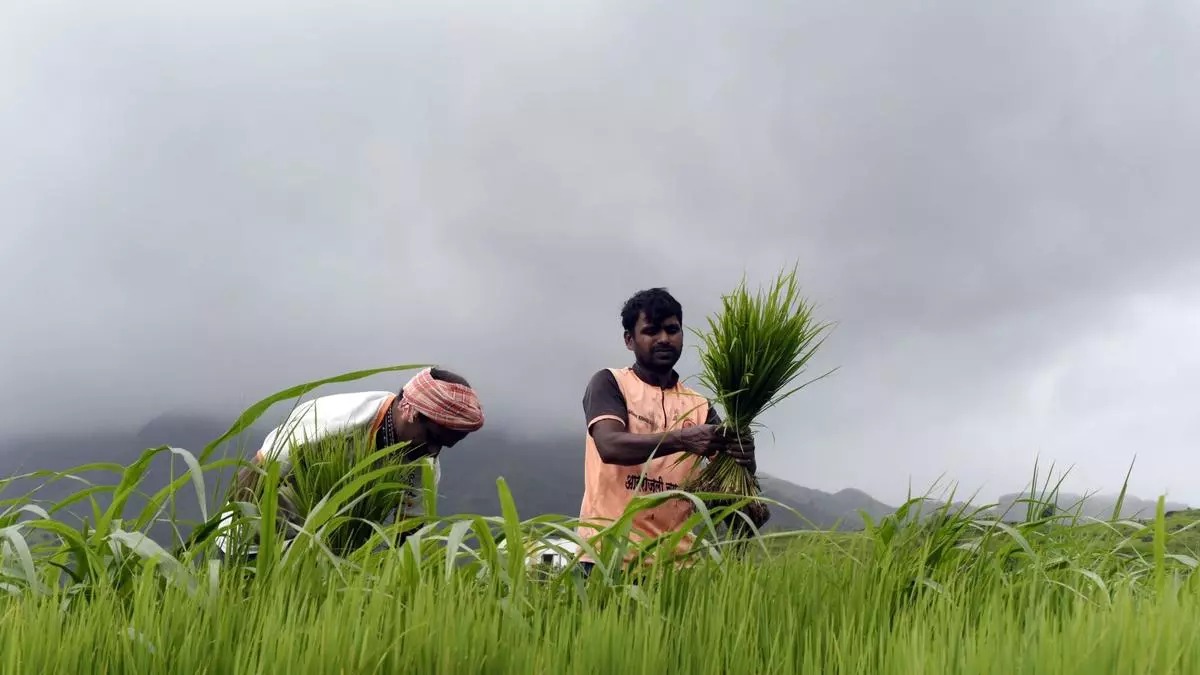
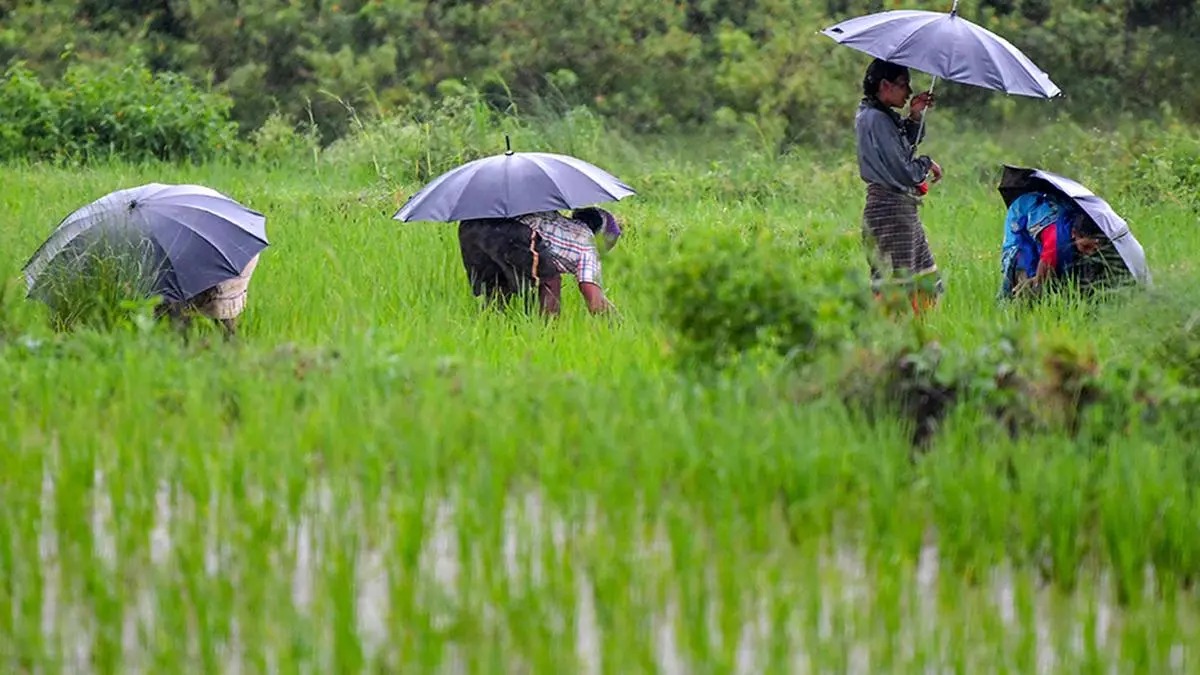
The Indian farmer has always lived in dialogue with the sky. For centuries, sowing patterns followed the rhythm of monsoons, and rivers dictated village life. Today, that dialogue has turned uncertain: rain arrives late or all at once, summers stretch longer, and groundwater tables sink silently beneath fields. The climate crisis is no longer a distant debate; it is a lived rural reality.
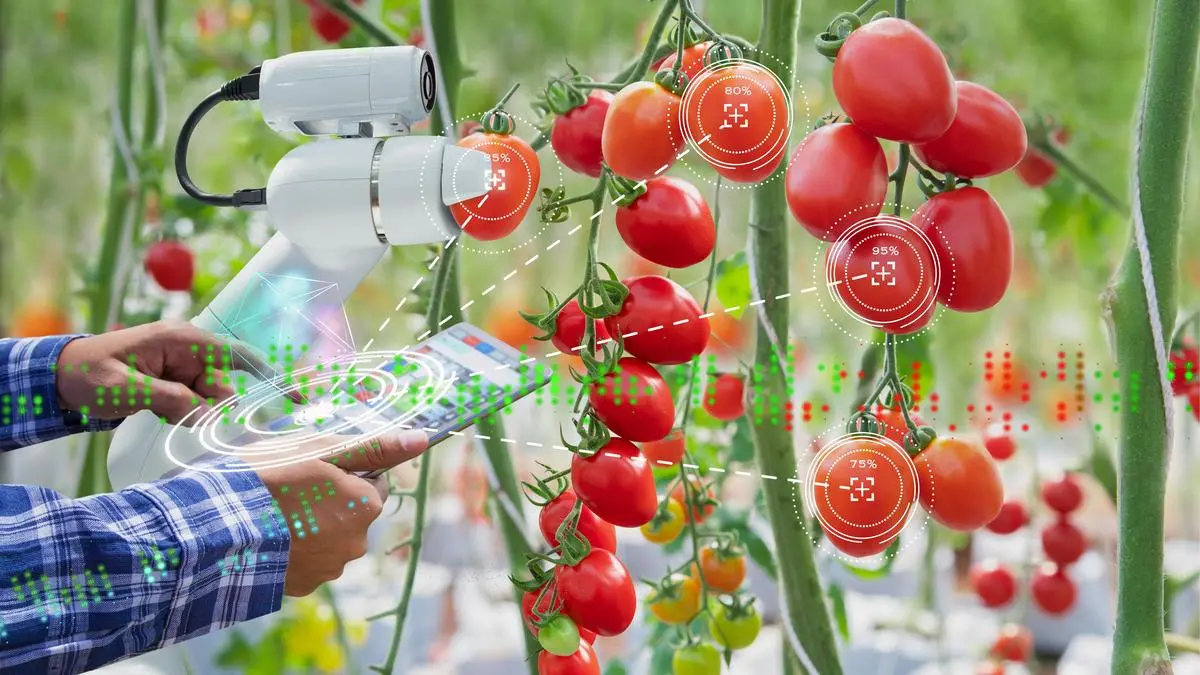
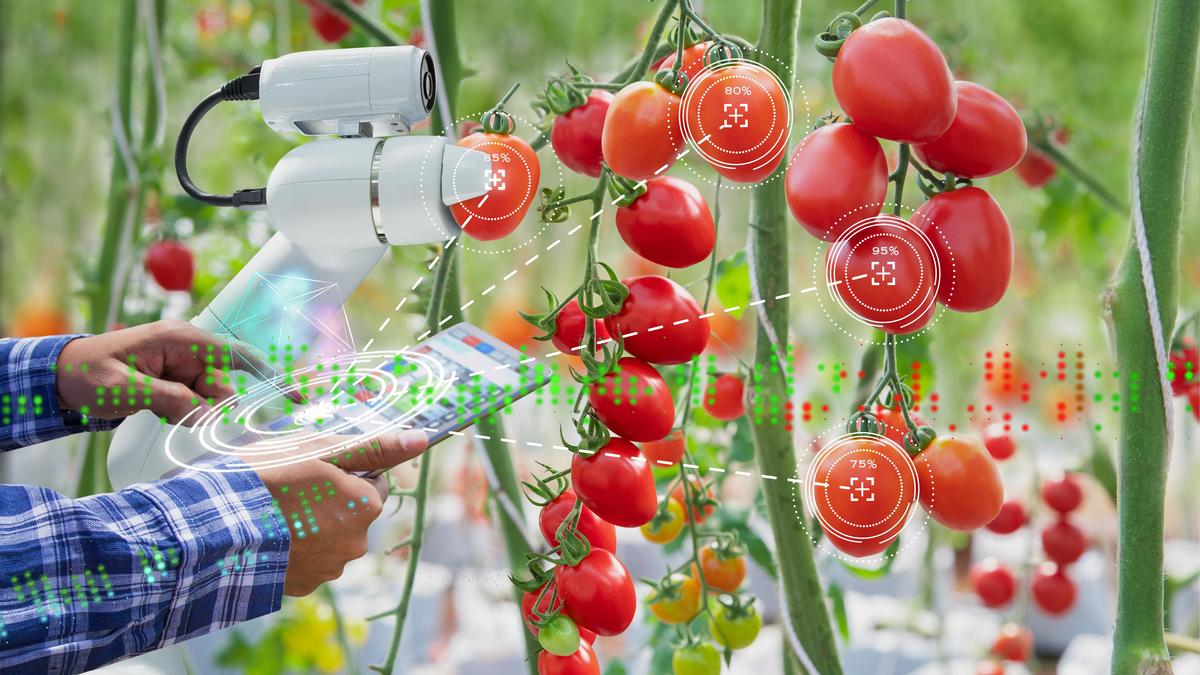
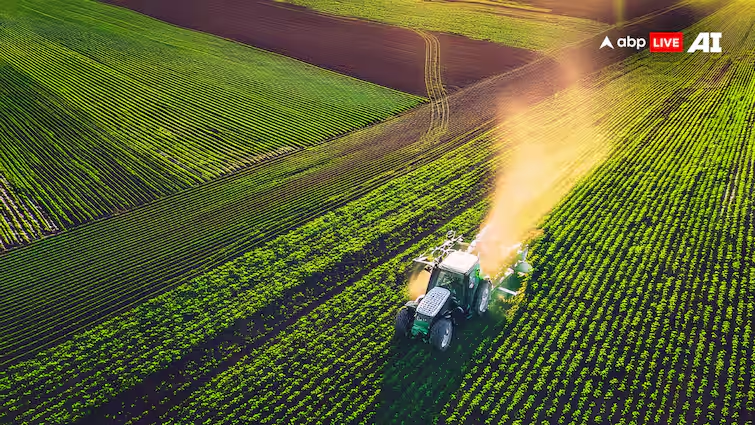
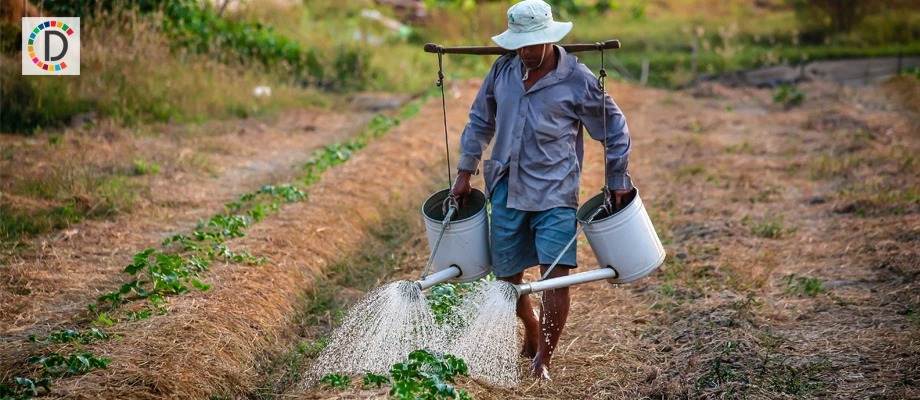
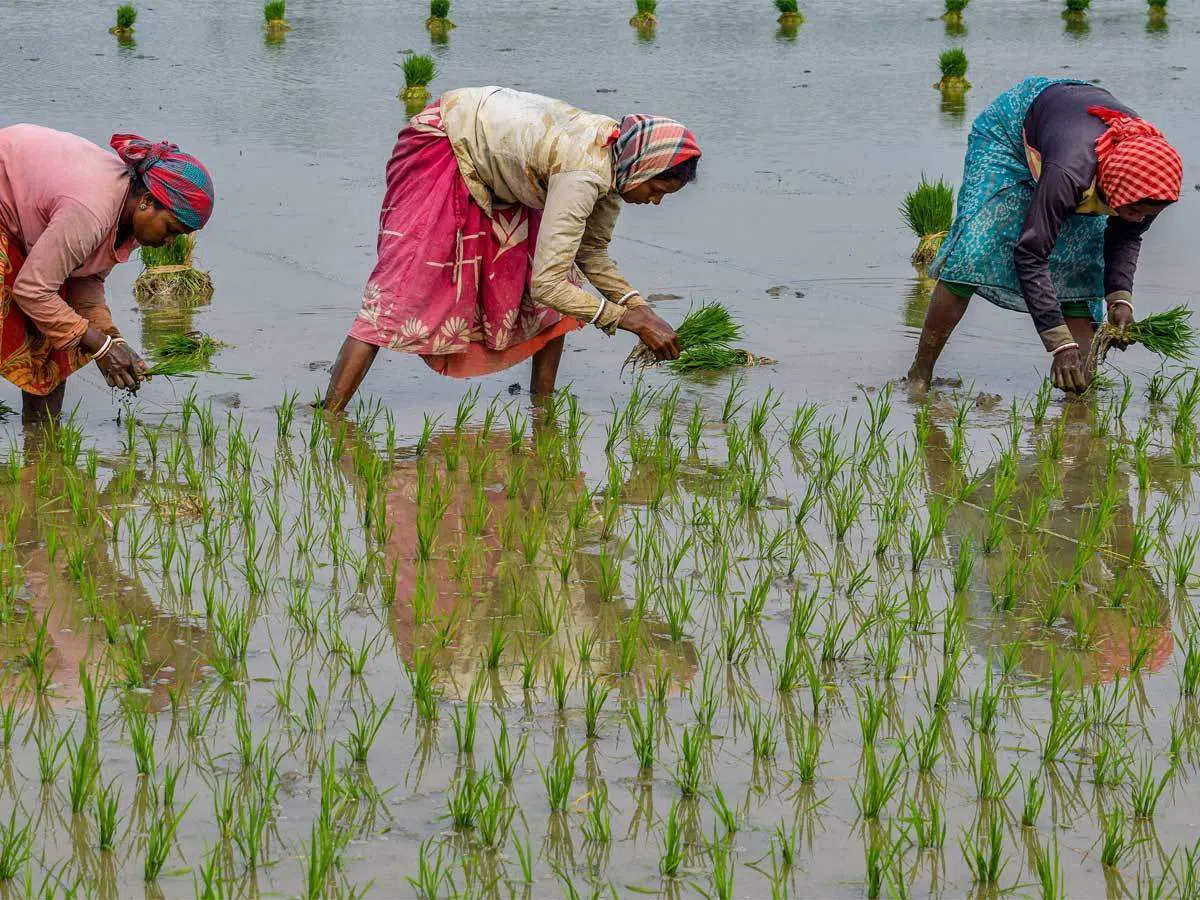
Across India’s villages, farmers face a difficult paradox. Agriculture consumes nearly 80 per cent of the country’s freshwater, yet water itself is growing scarce, even as agriculture remains the backbone of rural livelihoods. The challenge is not merely to produce more food, but to produce it differently – with resilience, intelligence, and respect for natural resources. This is where Climate-Smart Agriculture (CSA) becomes a survival framework for rural communities.
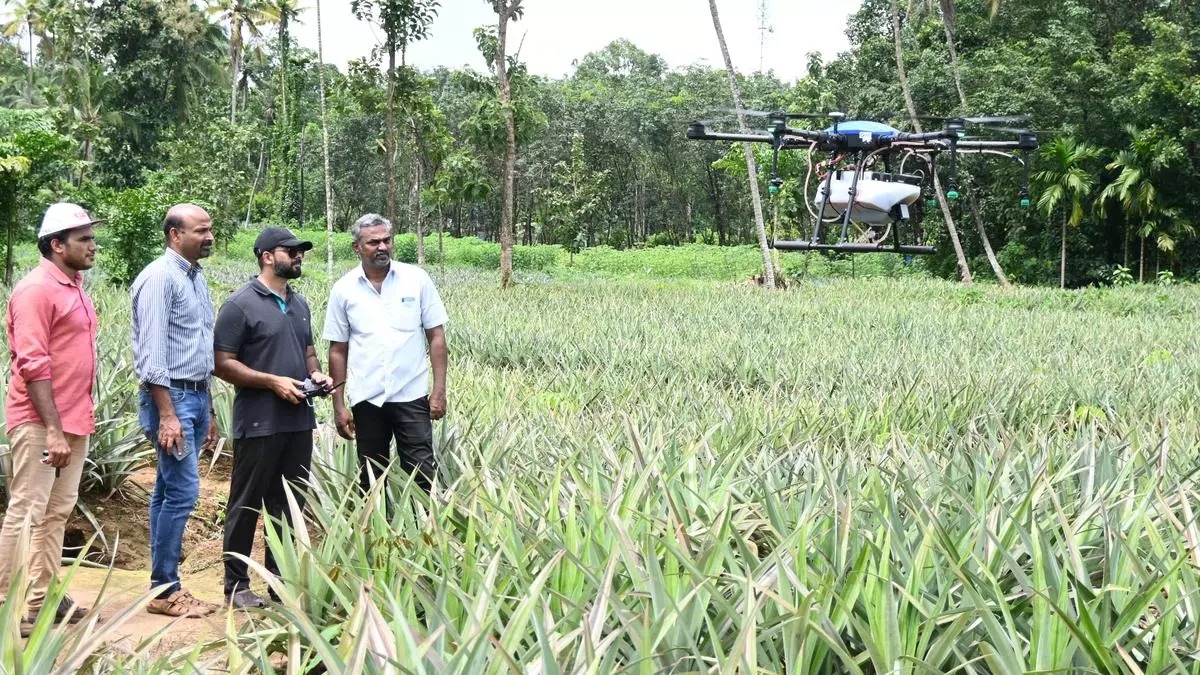
According to the Food and Agriculture Organization, climate-smart agriculture aims to increase productivity, build resilience to climate change, and reduce environmental impact – goals closely tied to water efficiency for India’s millions of rainfall-dependent small farmers.