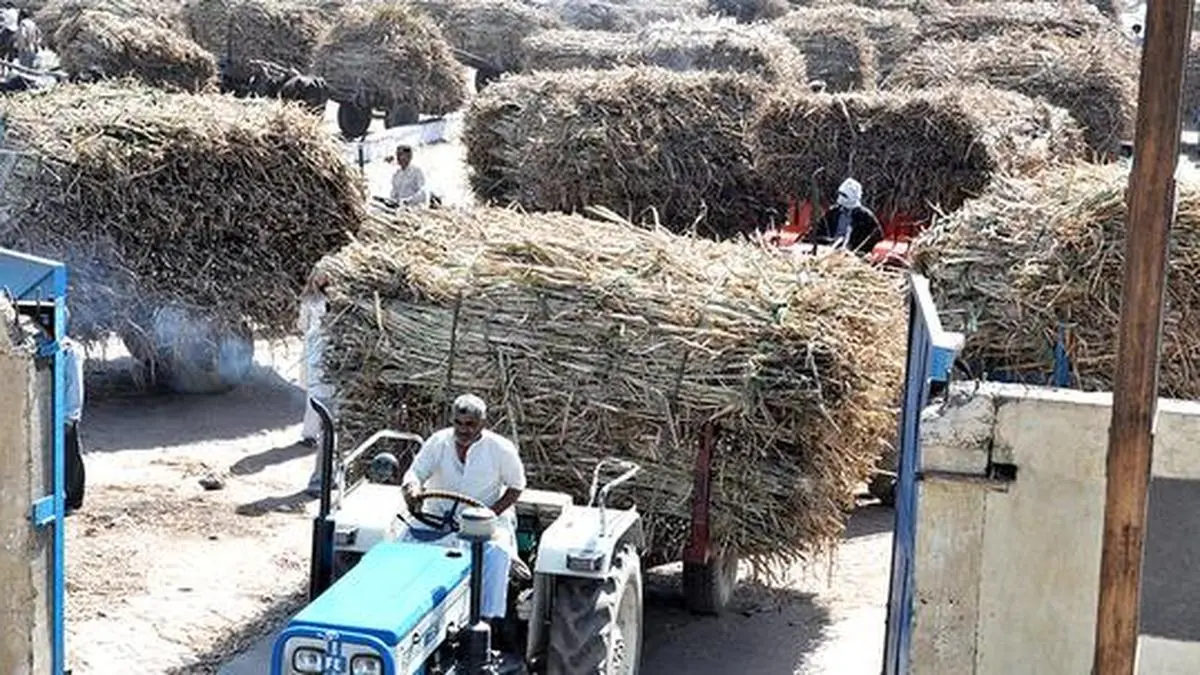
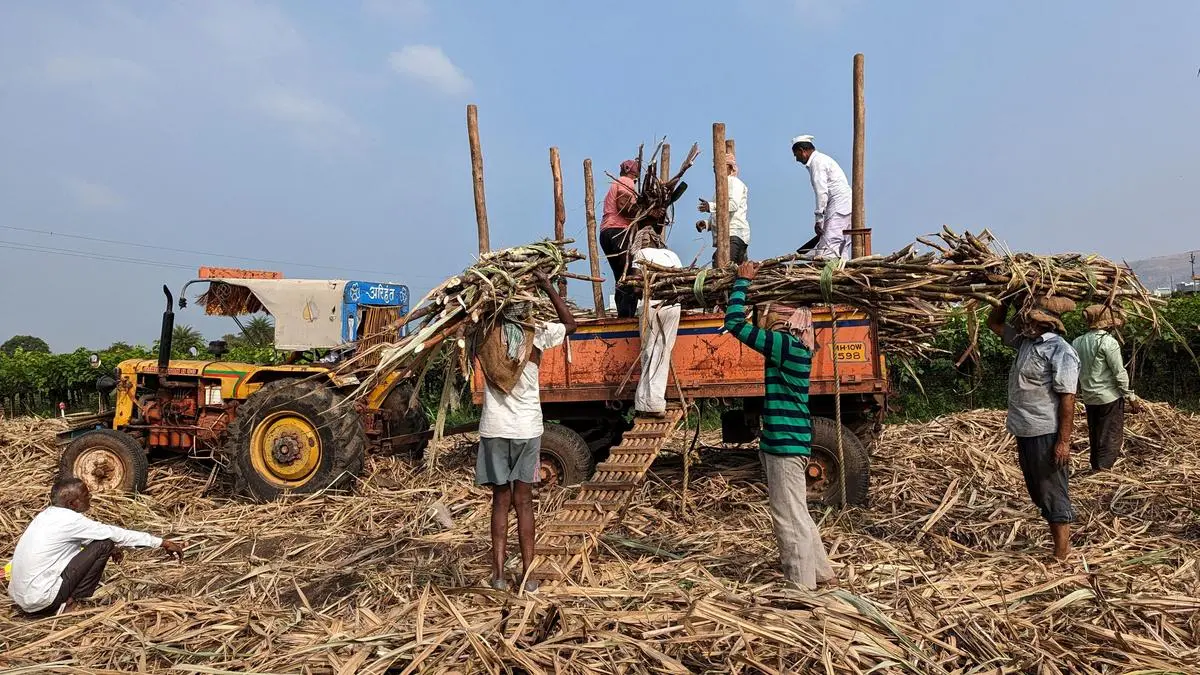
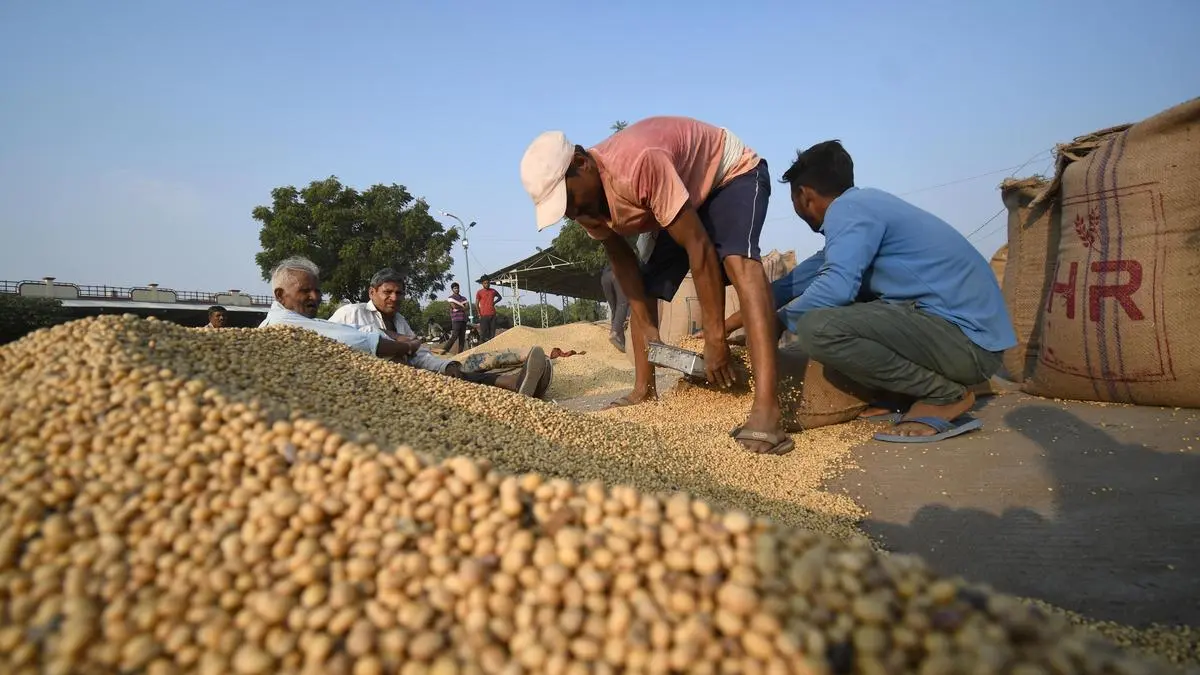
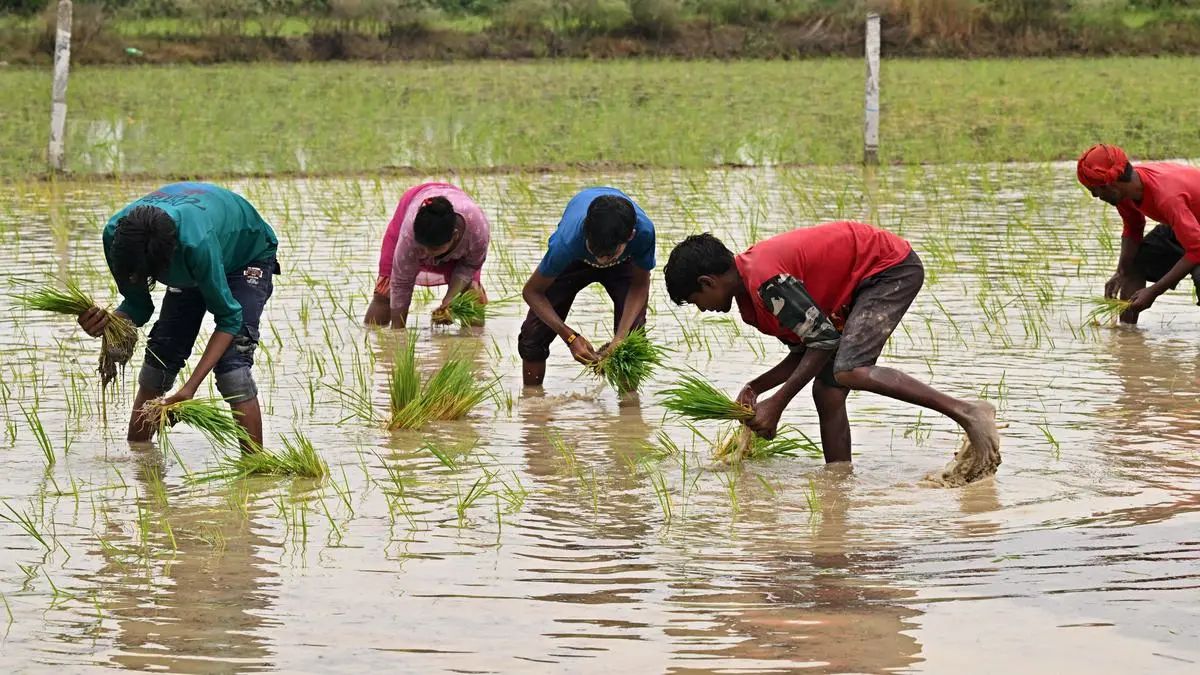
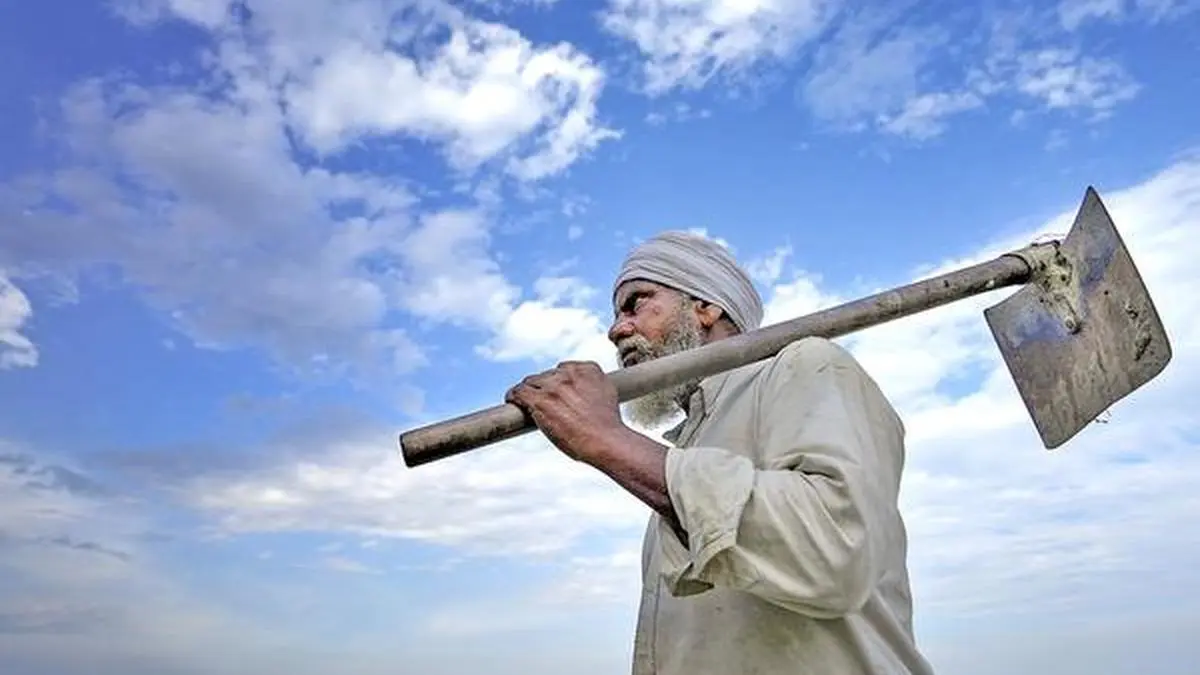
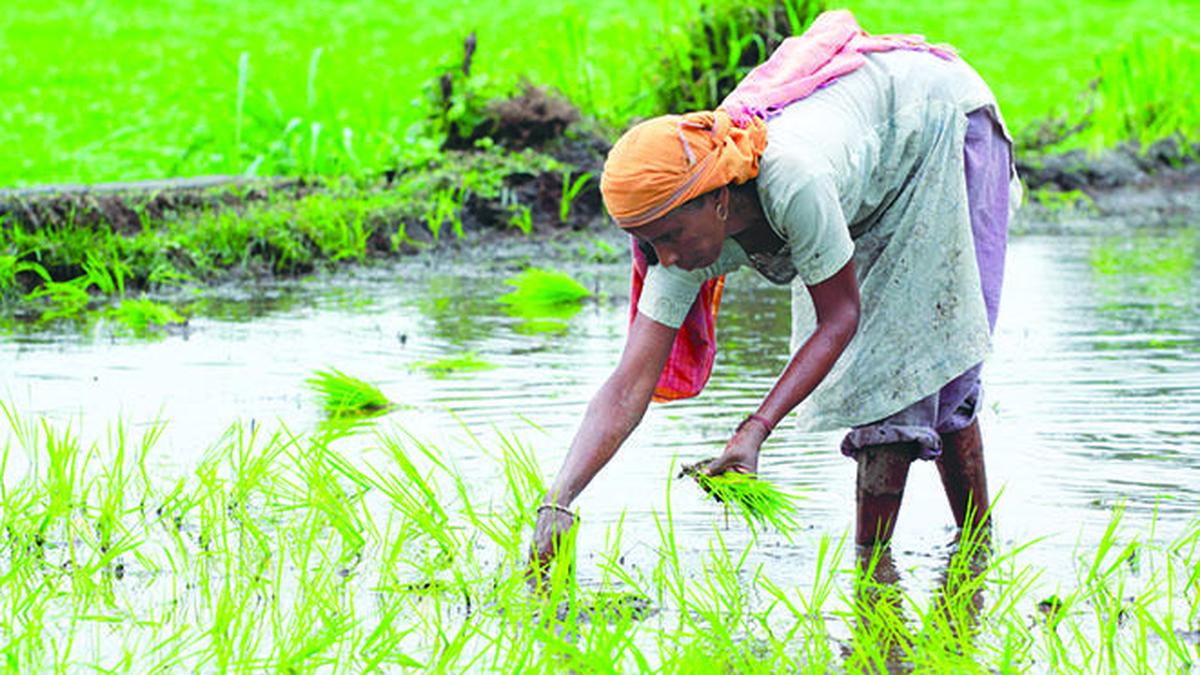
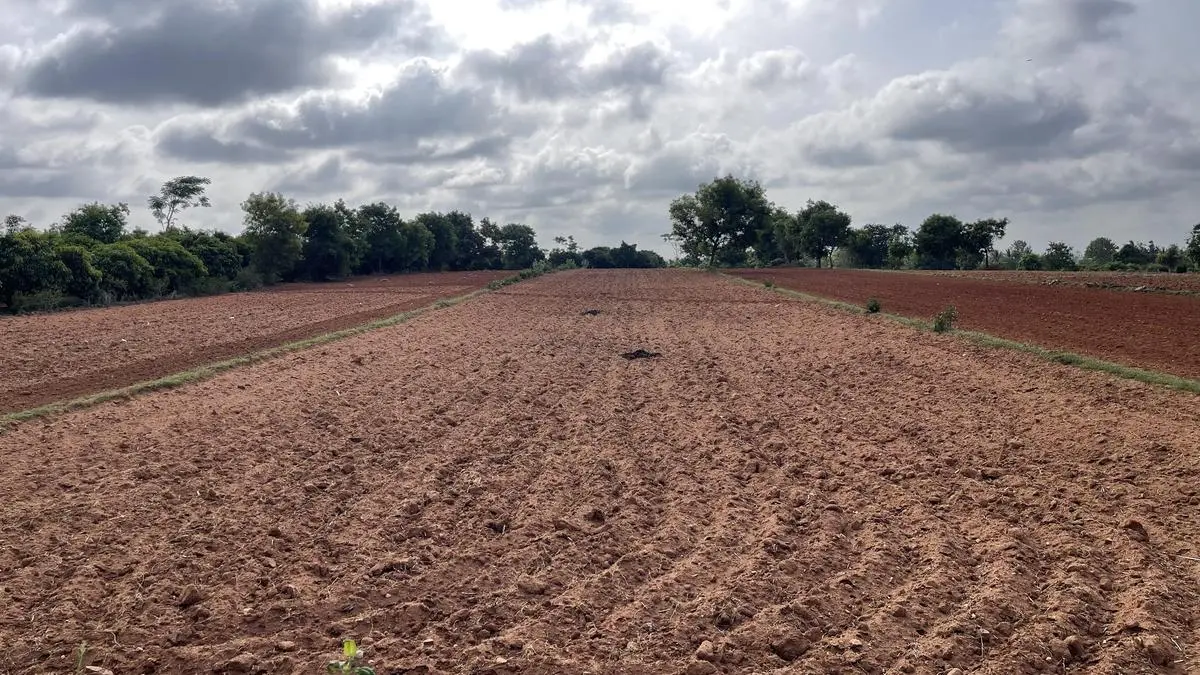
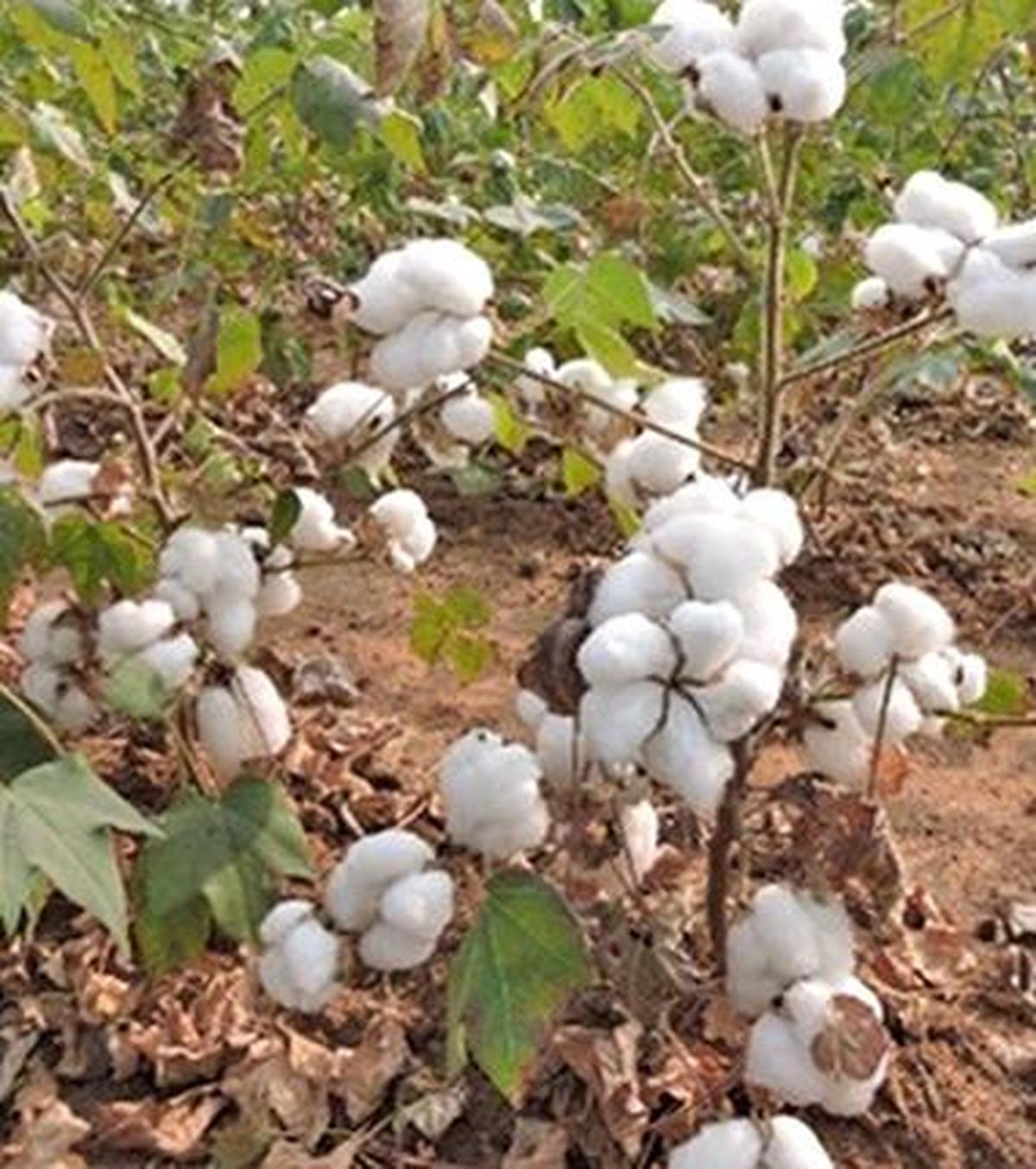
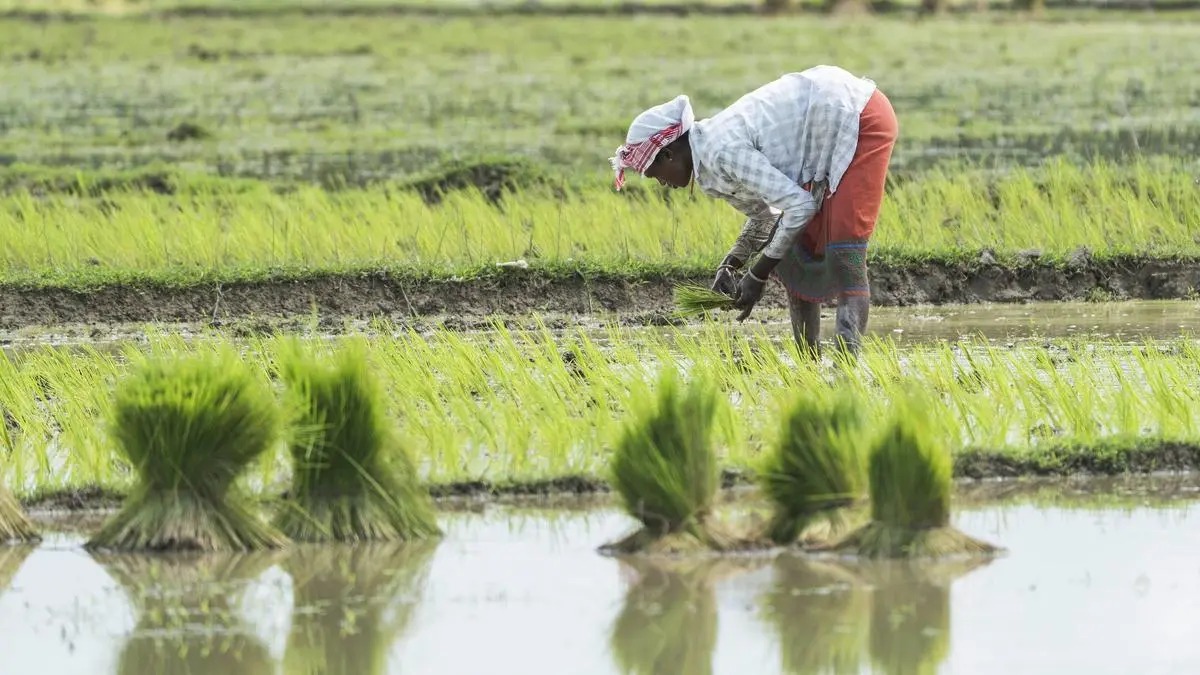
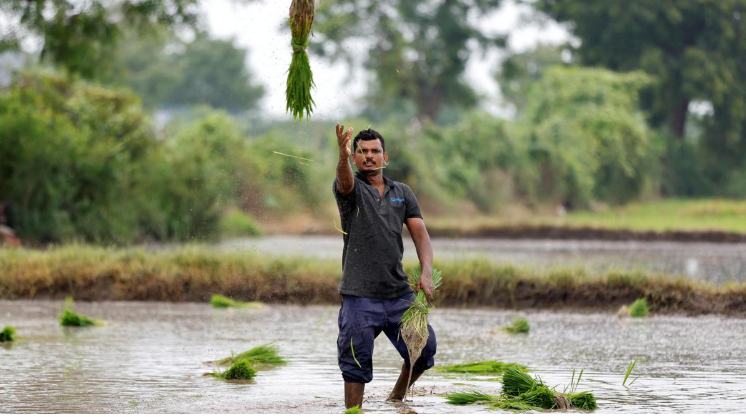
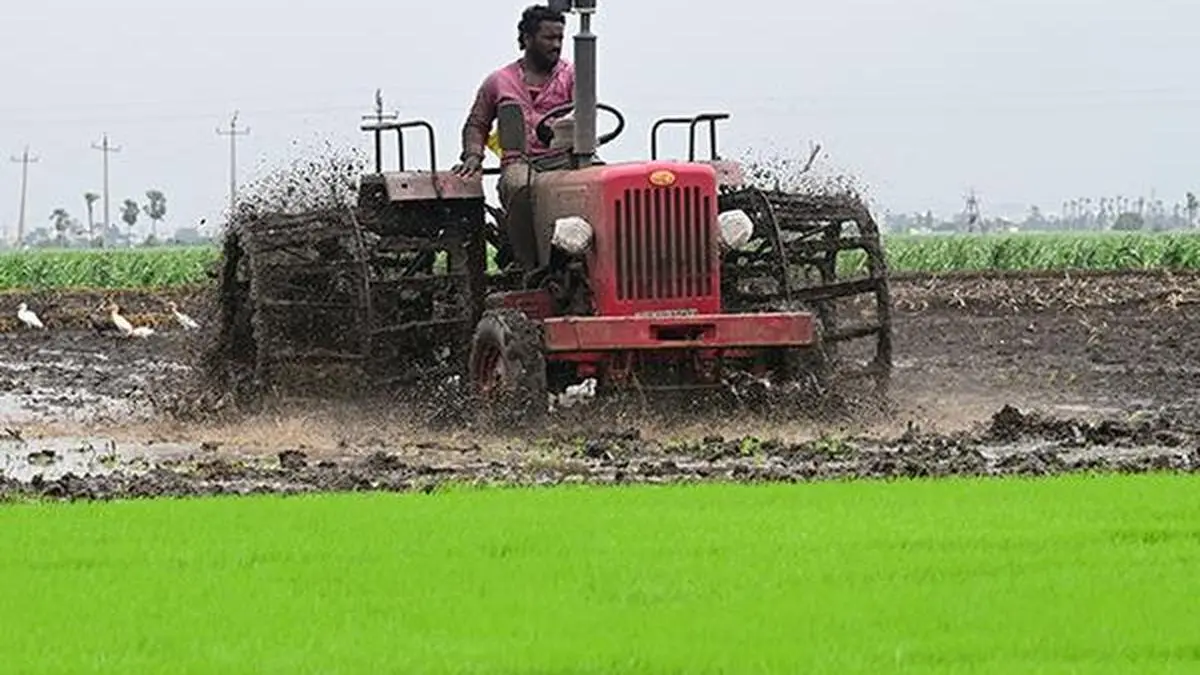
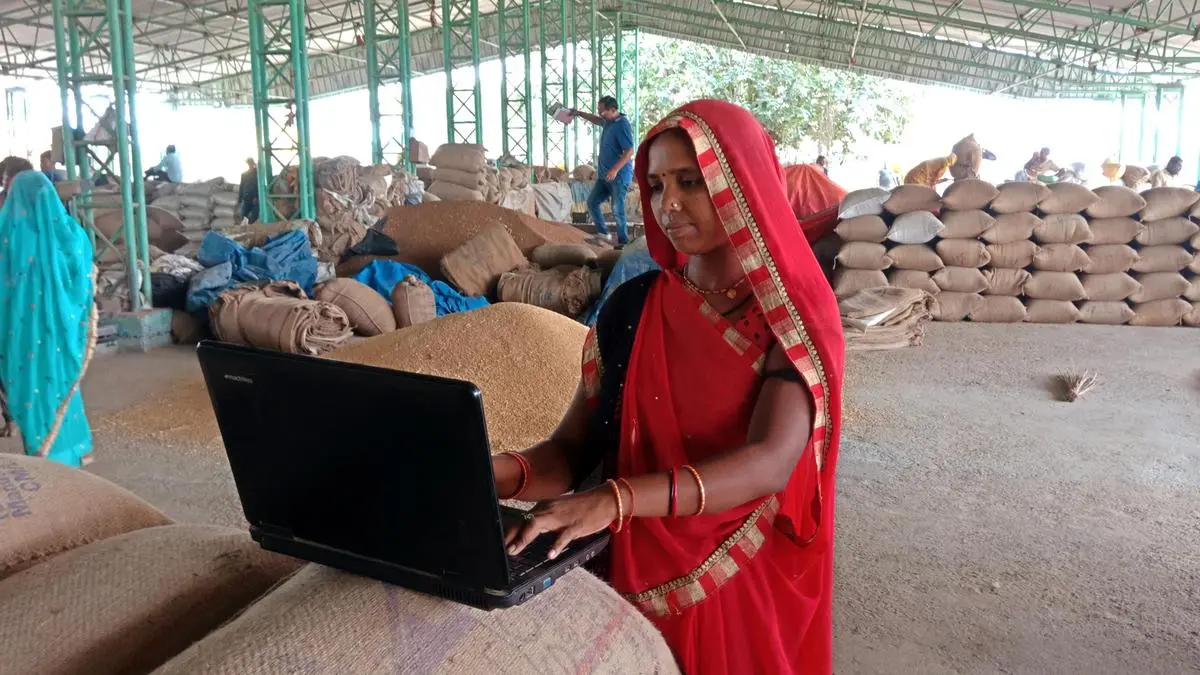
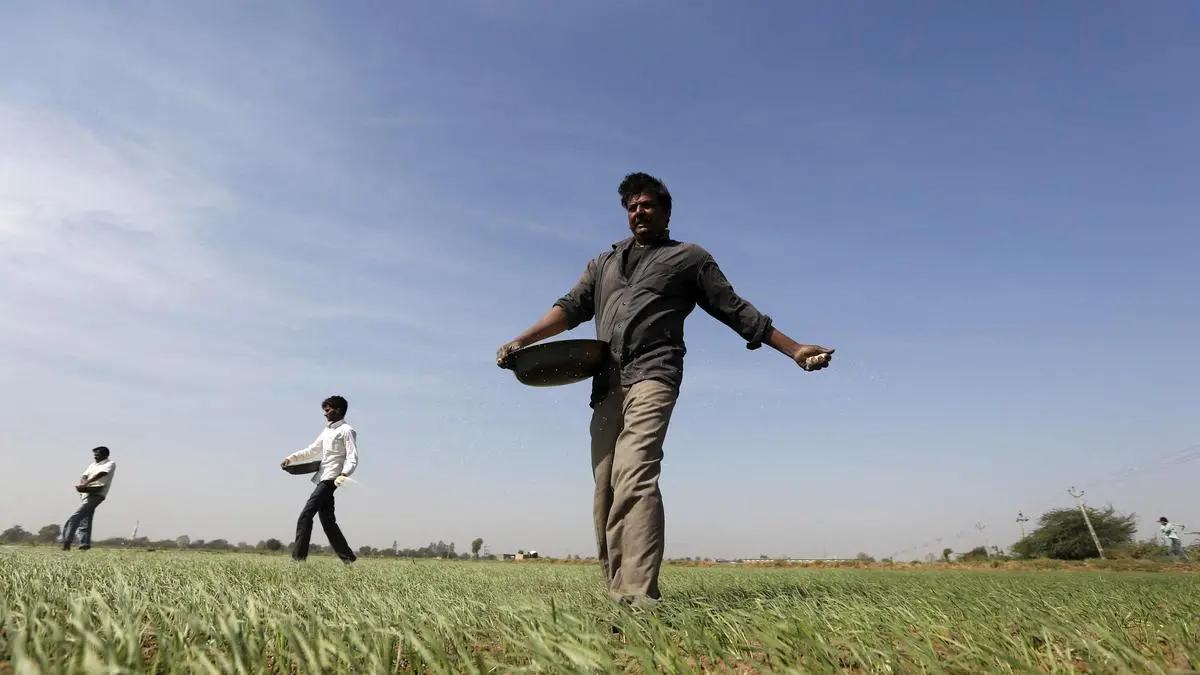
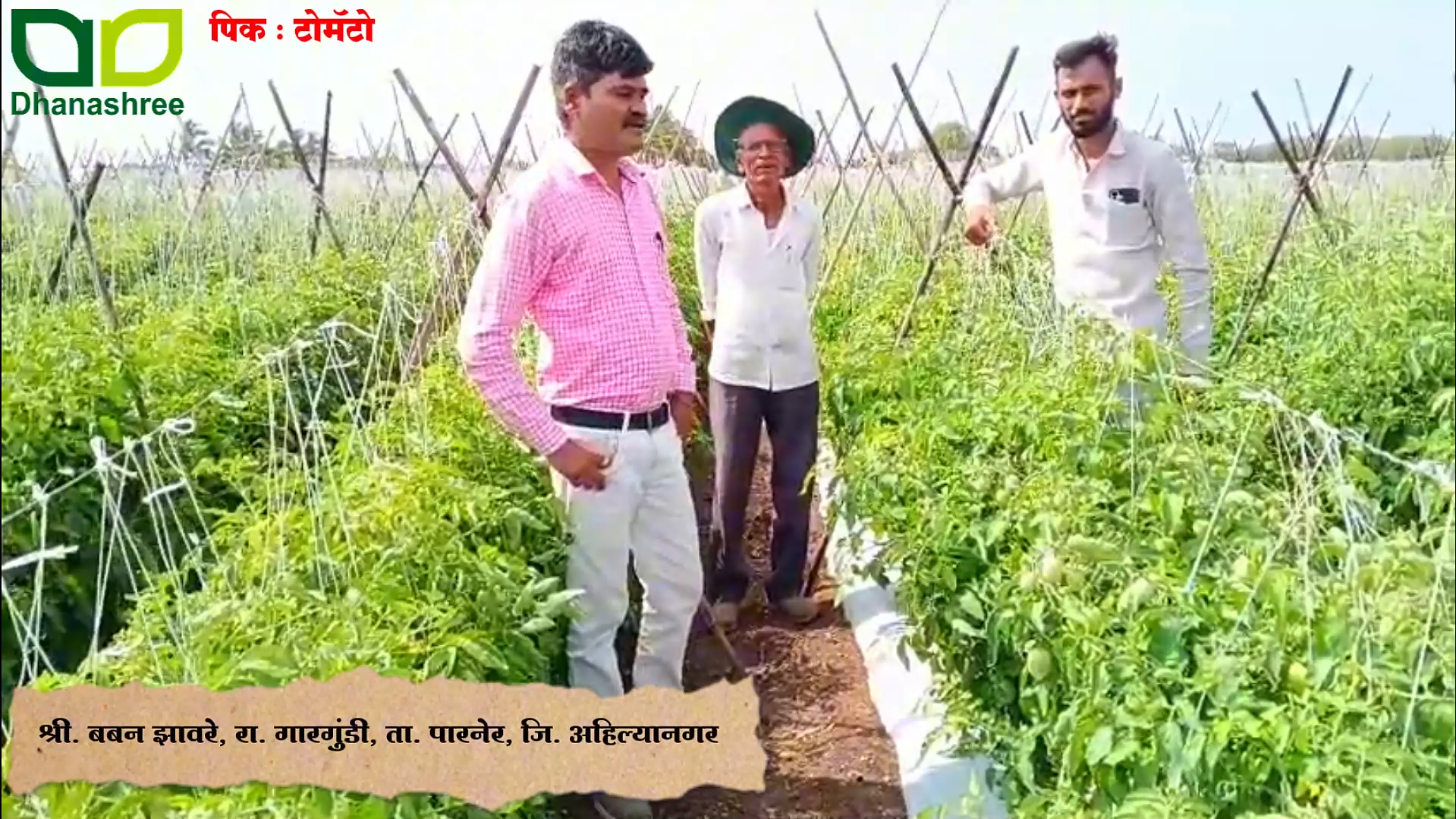
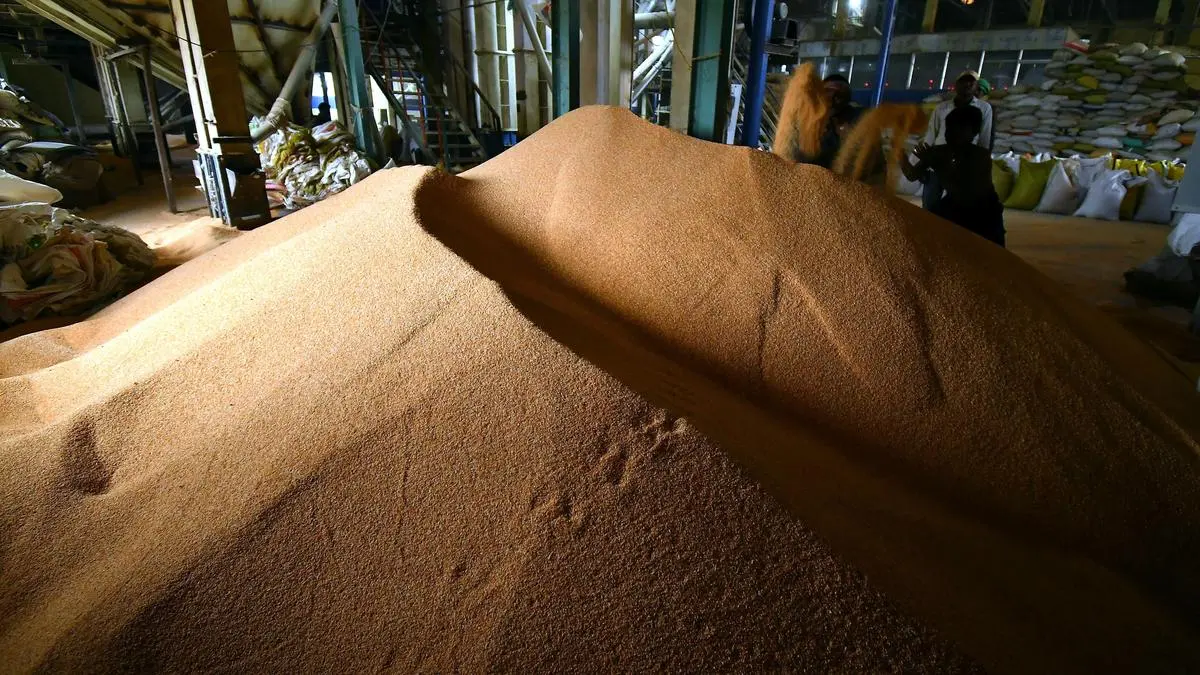
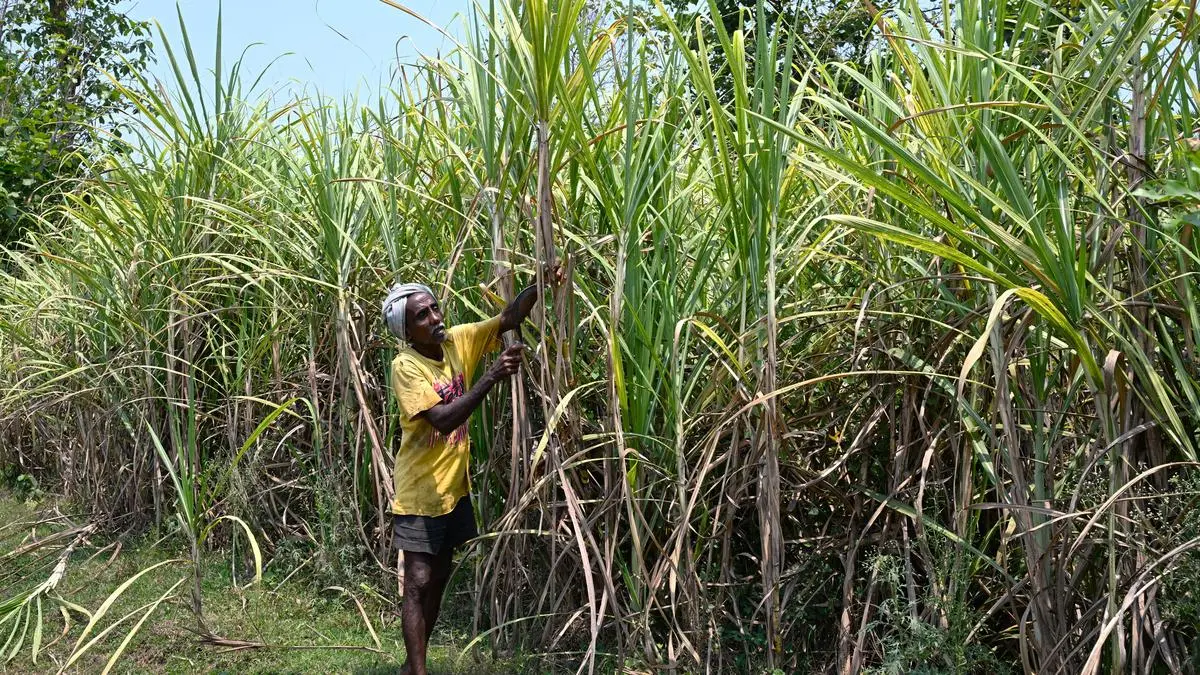
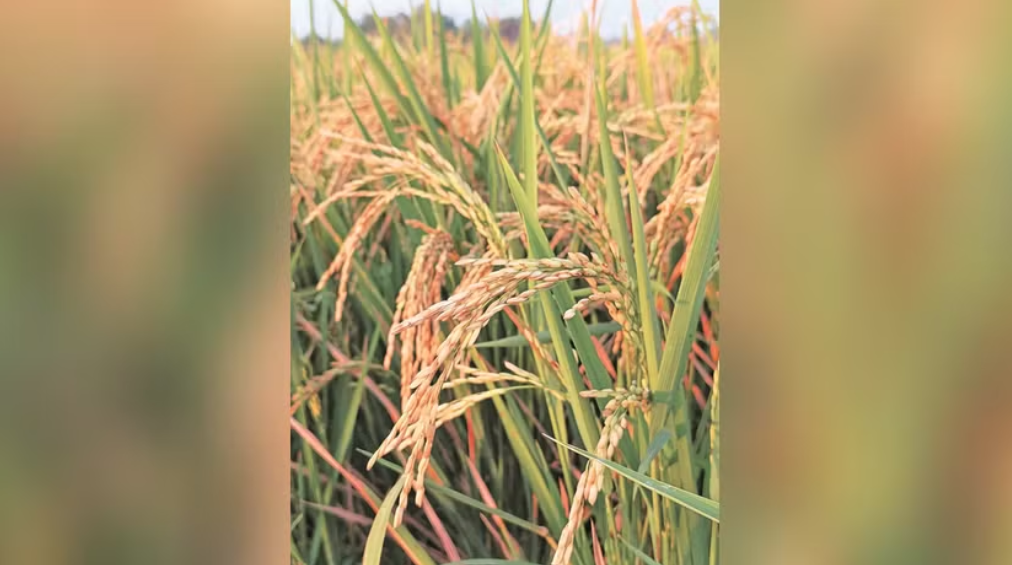
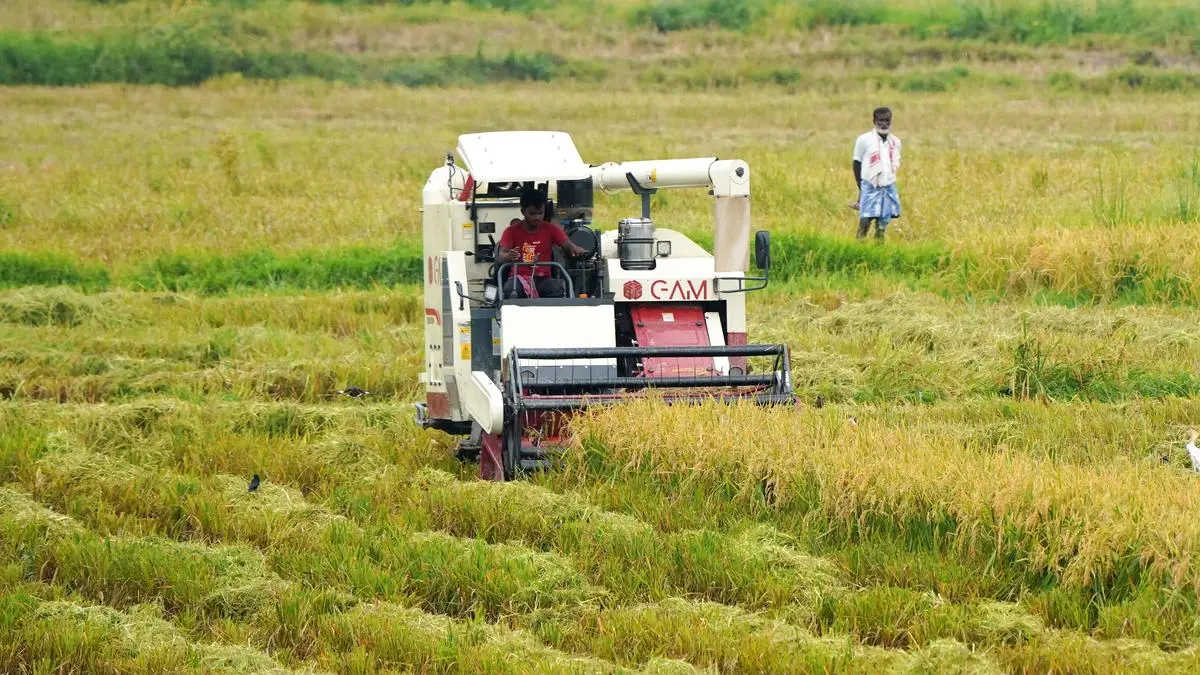
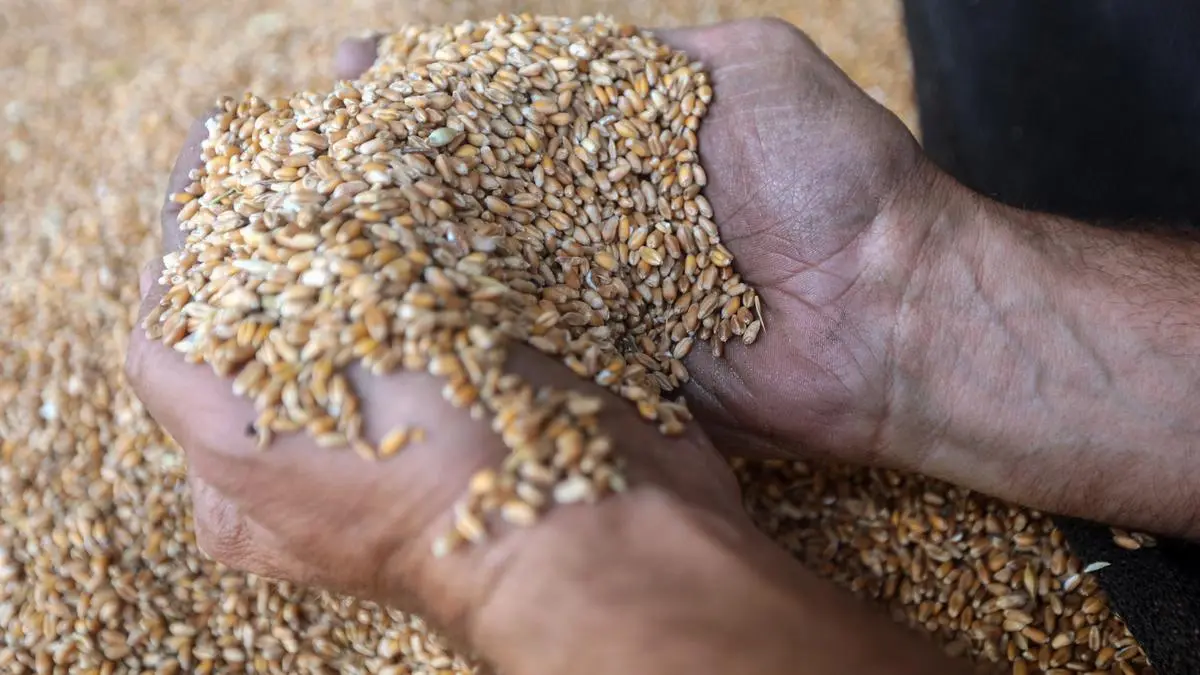
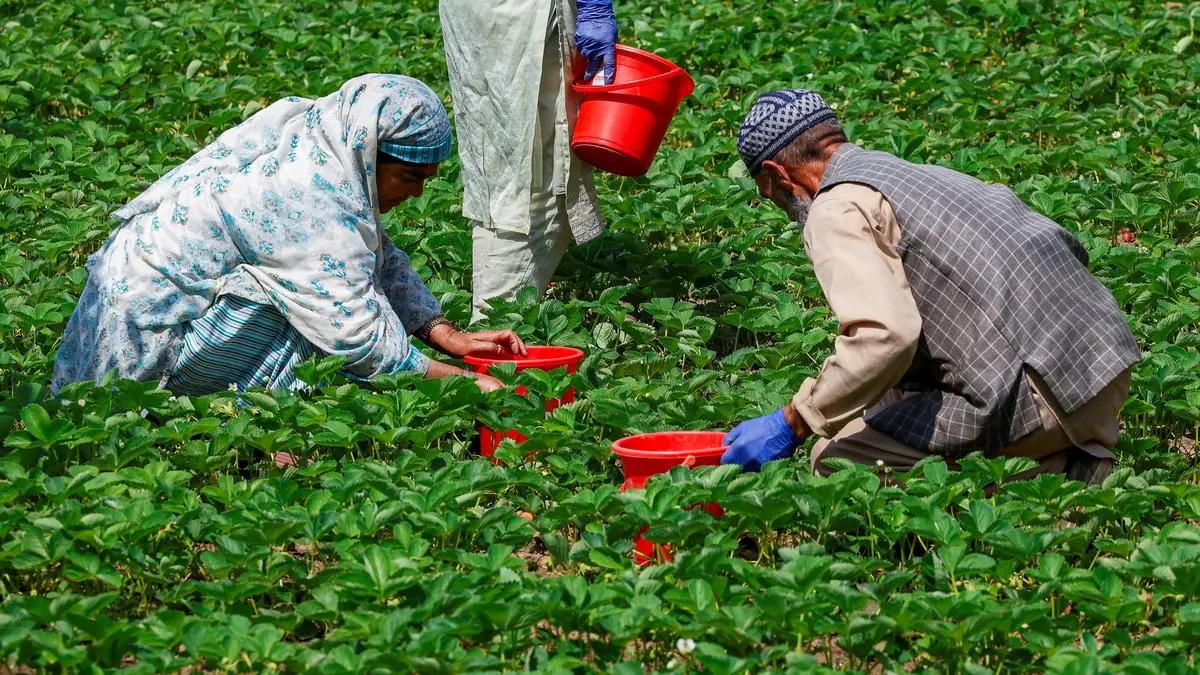
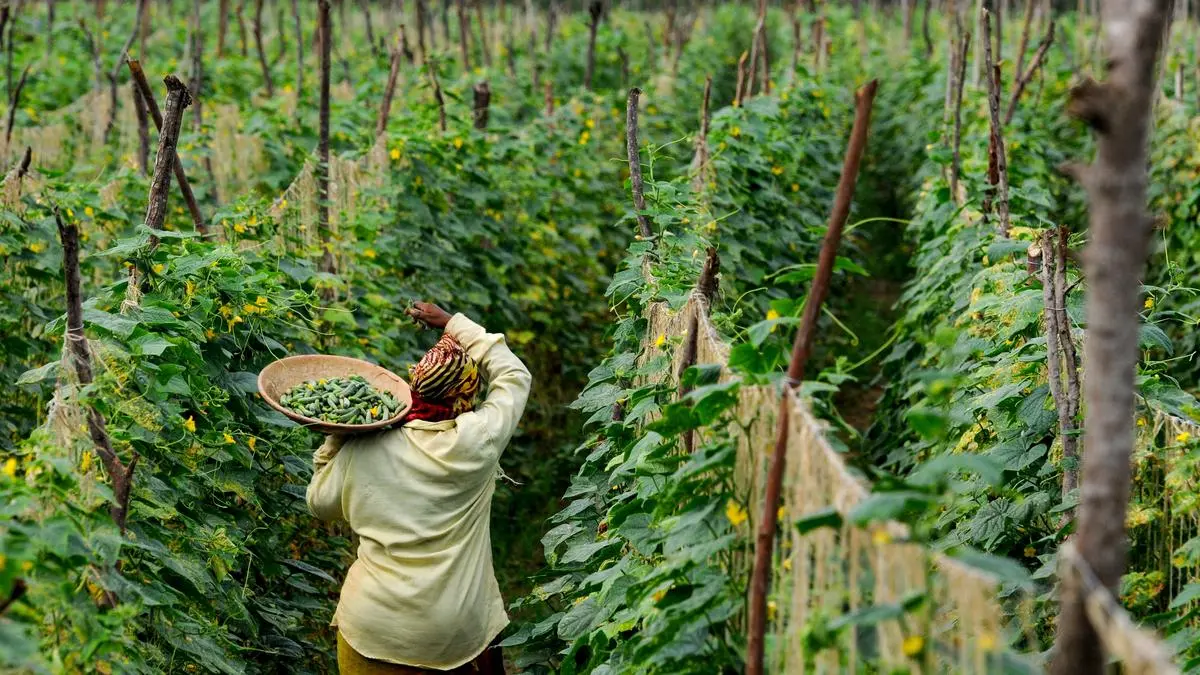
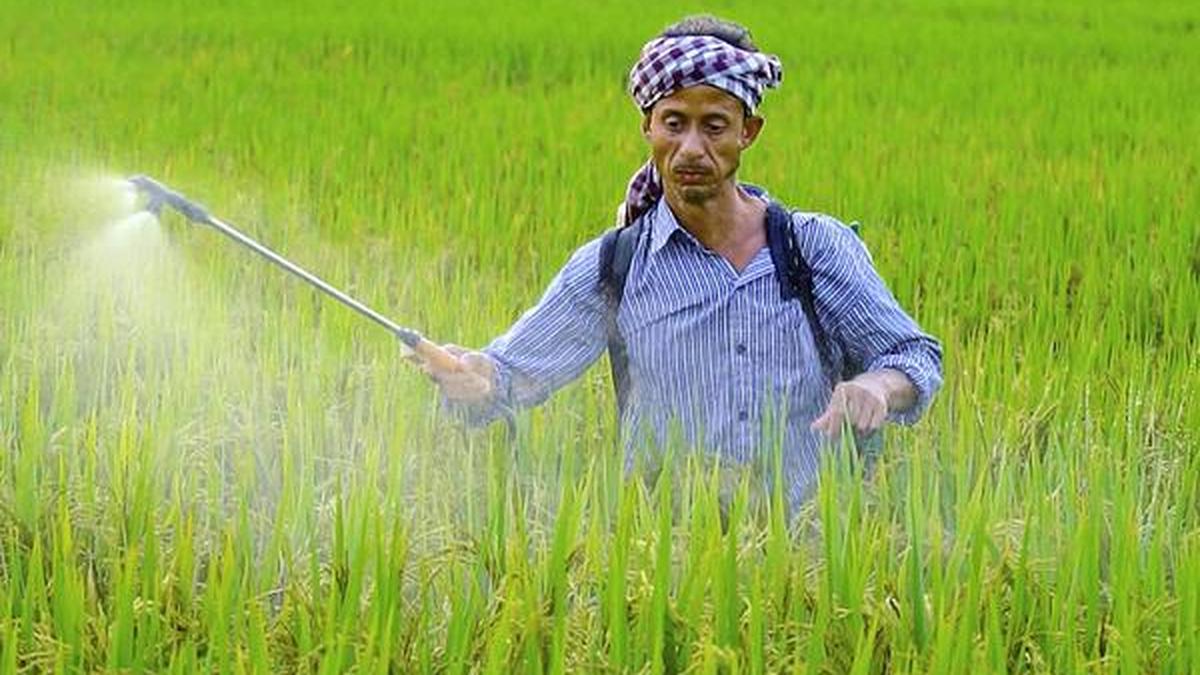
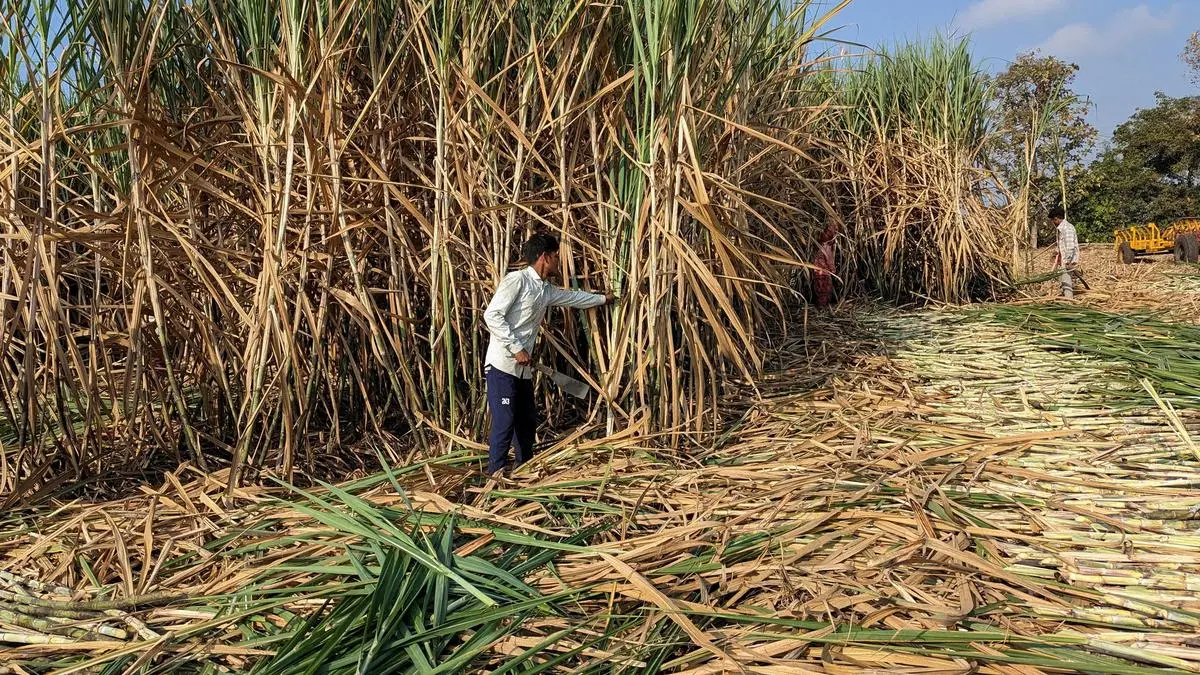
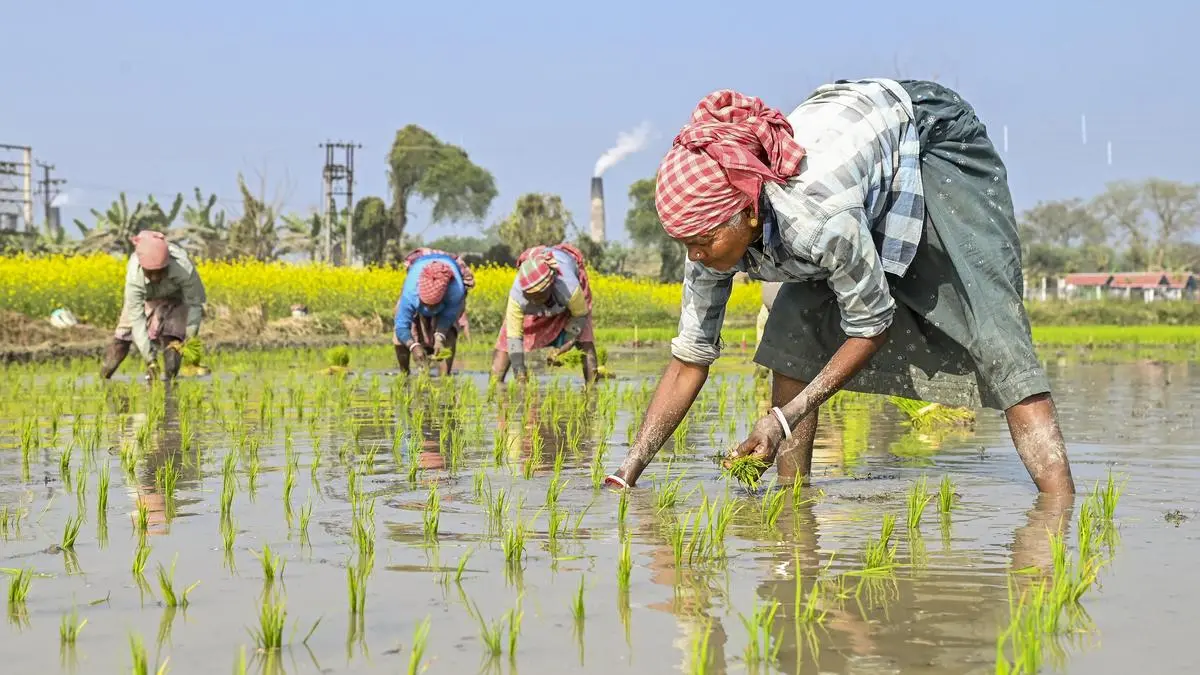
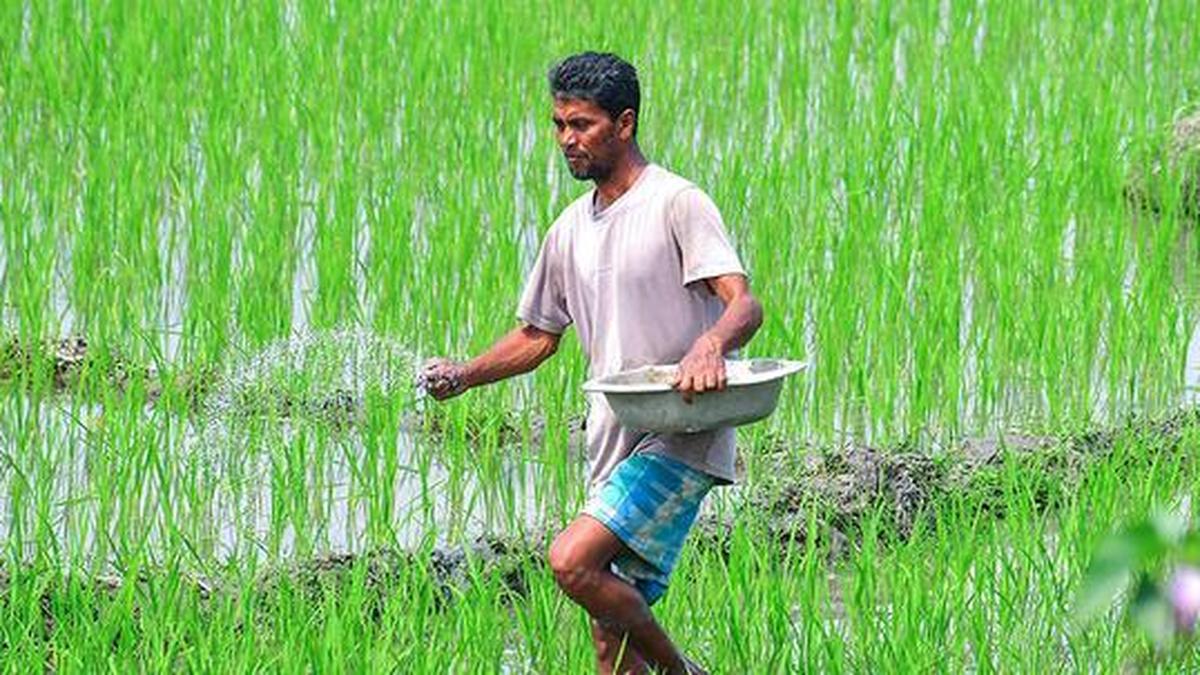
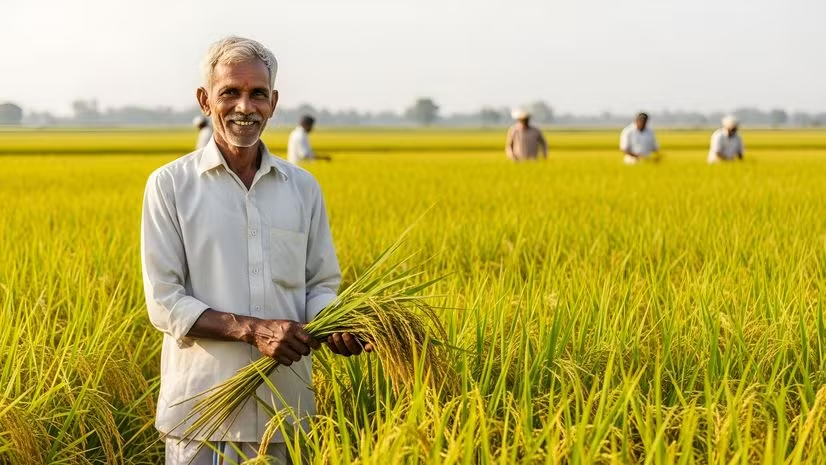
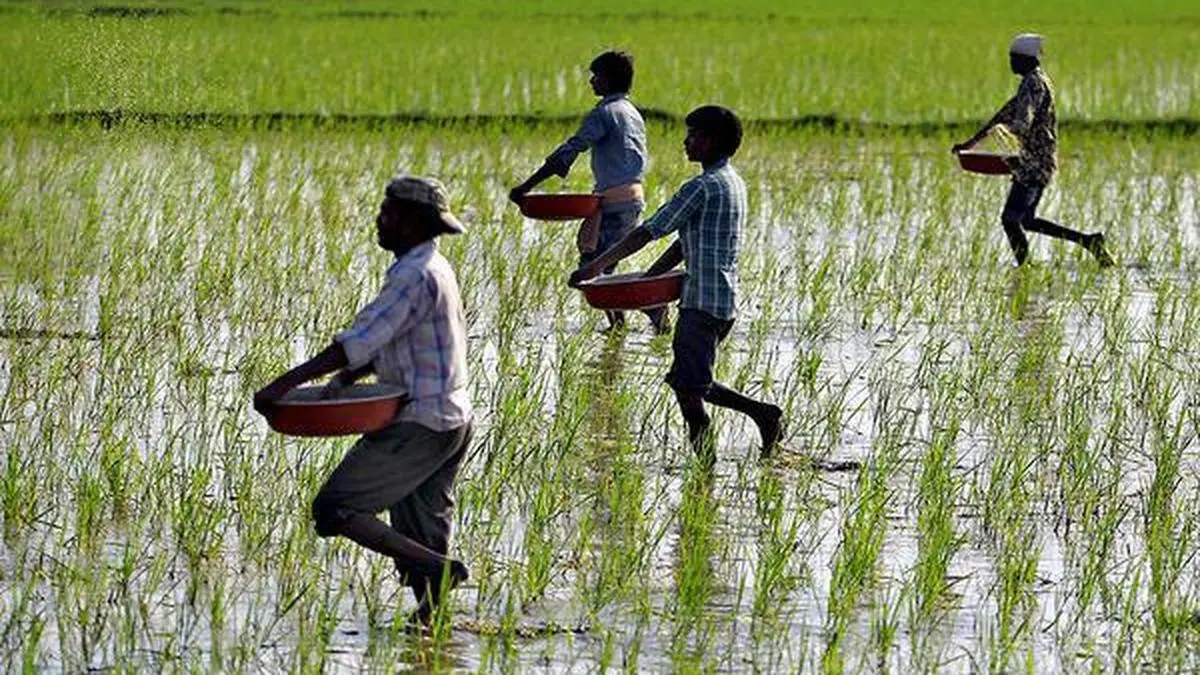
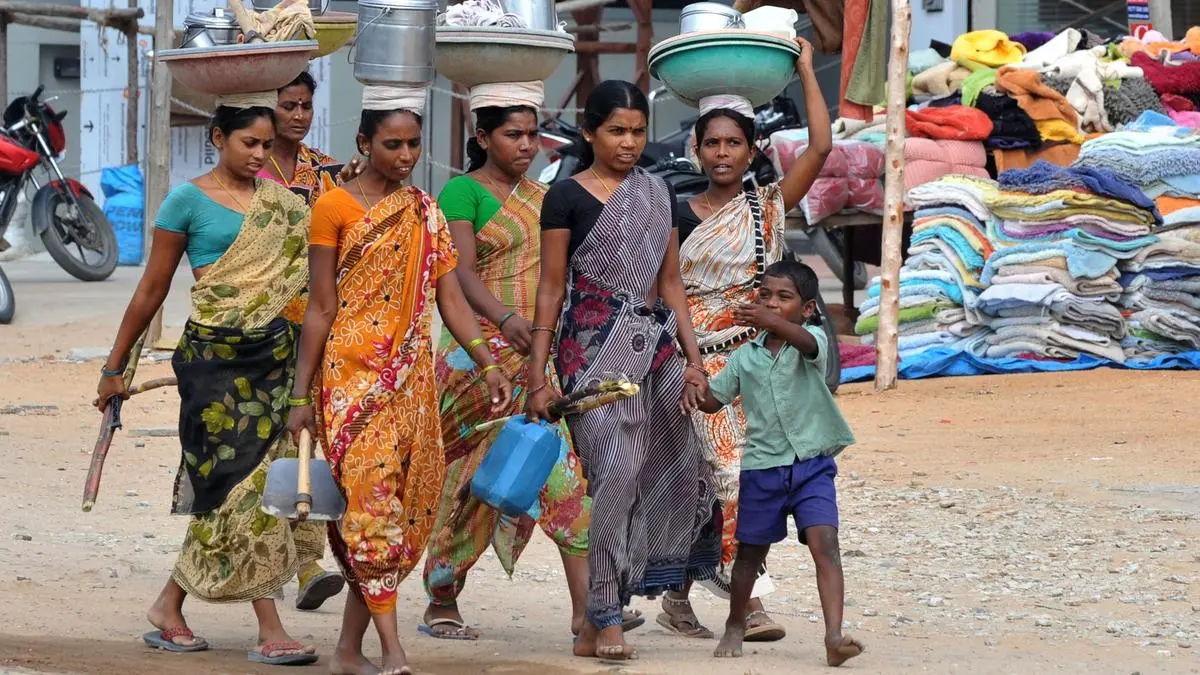
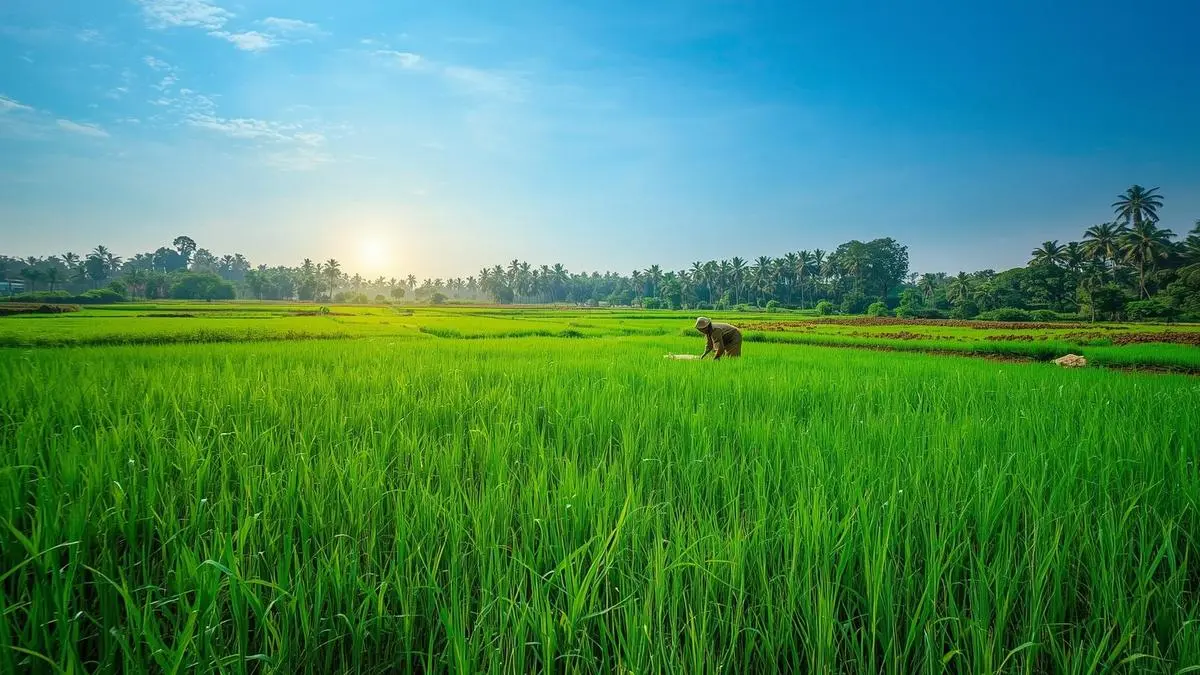
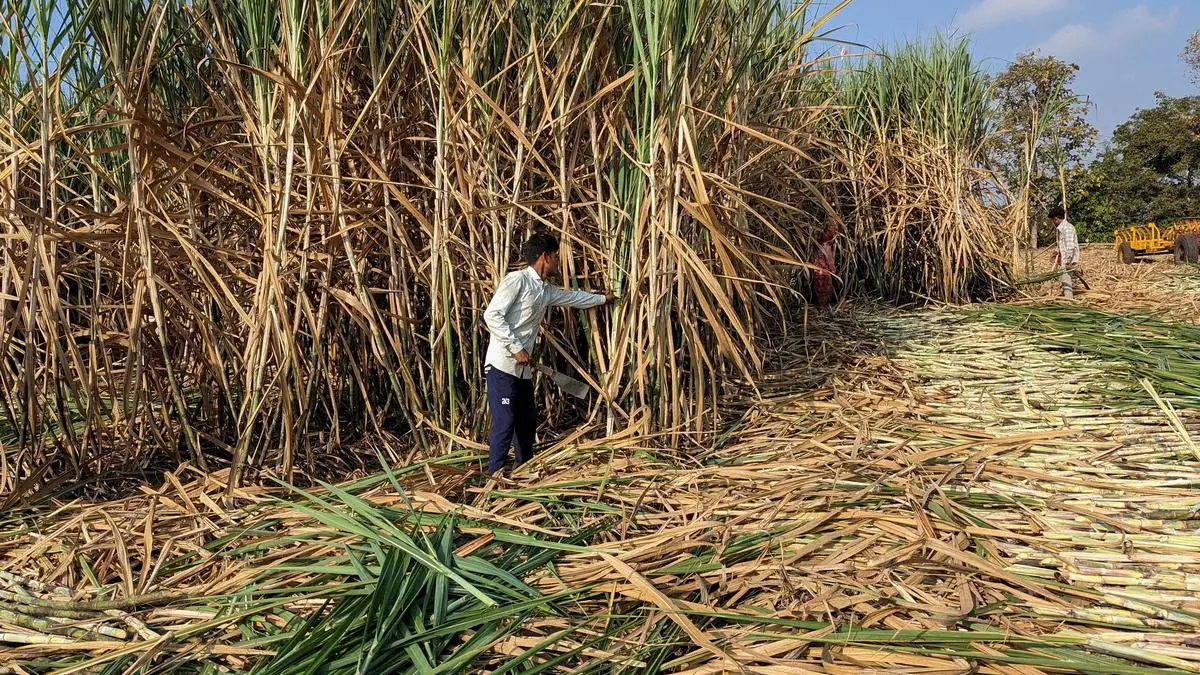
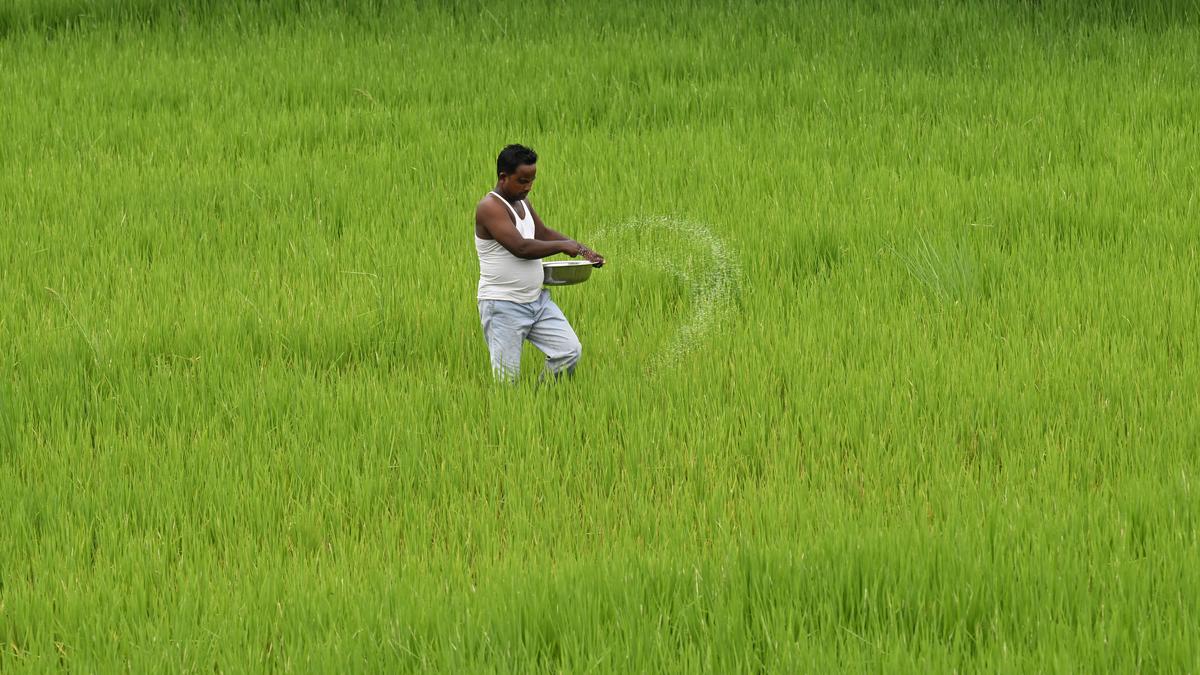
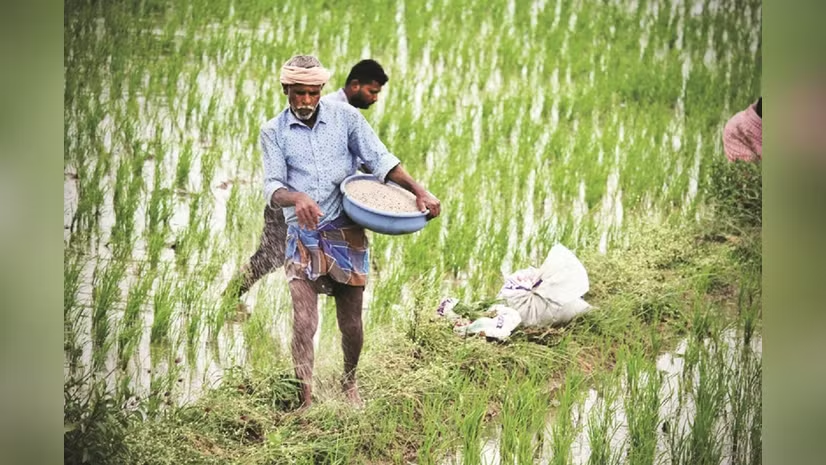
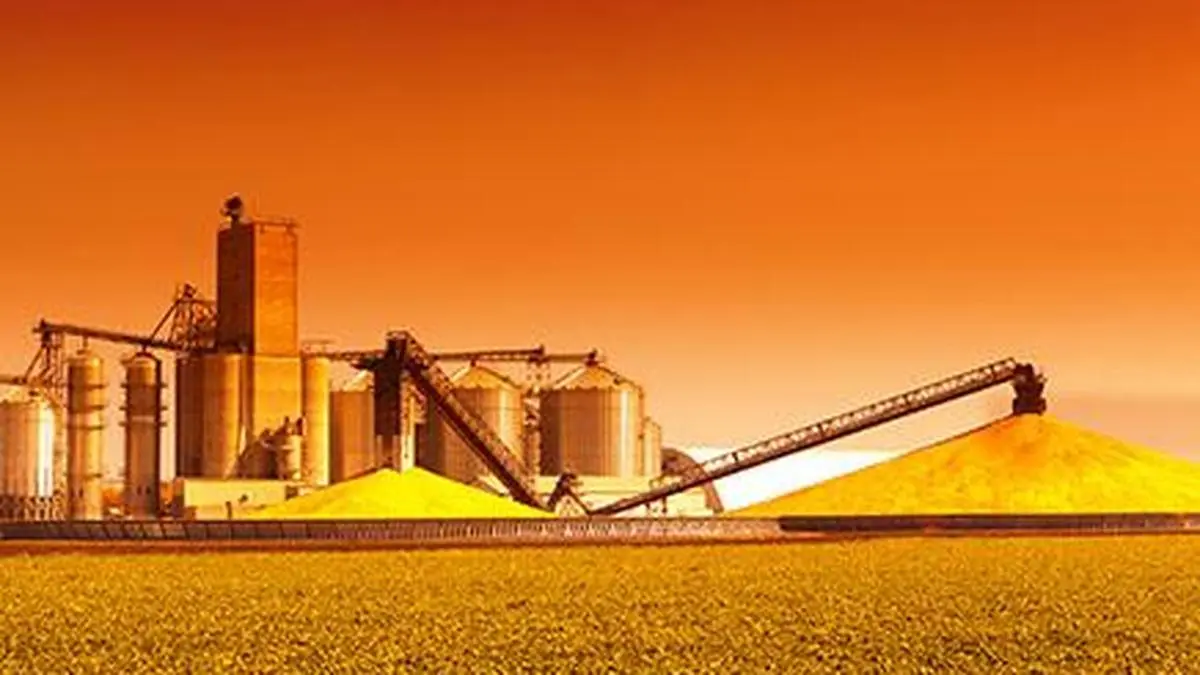
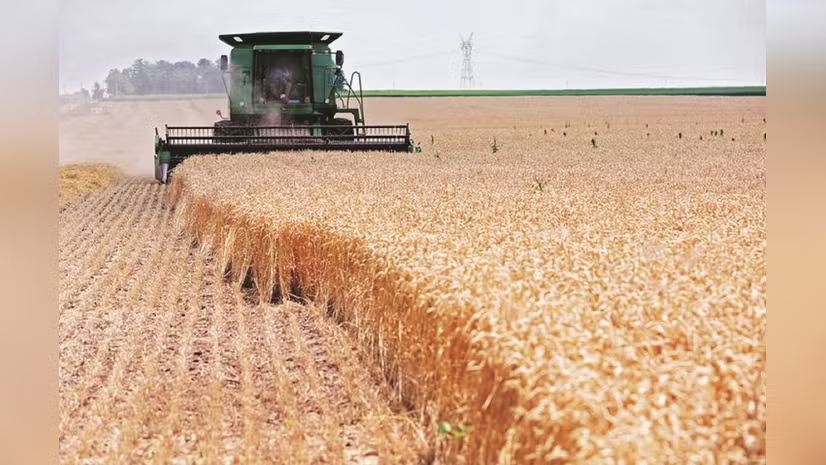
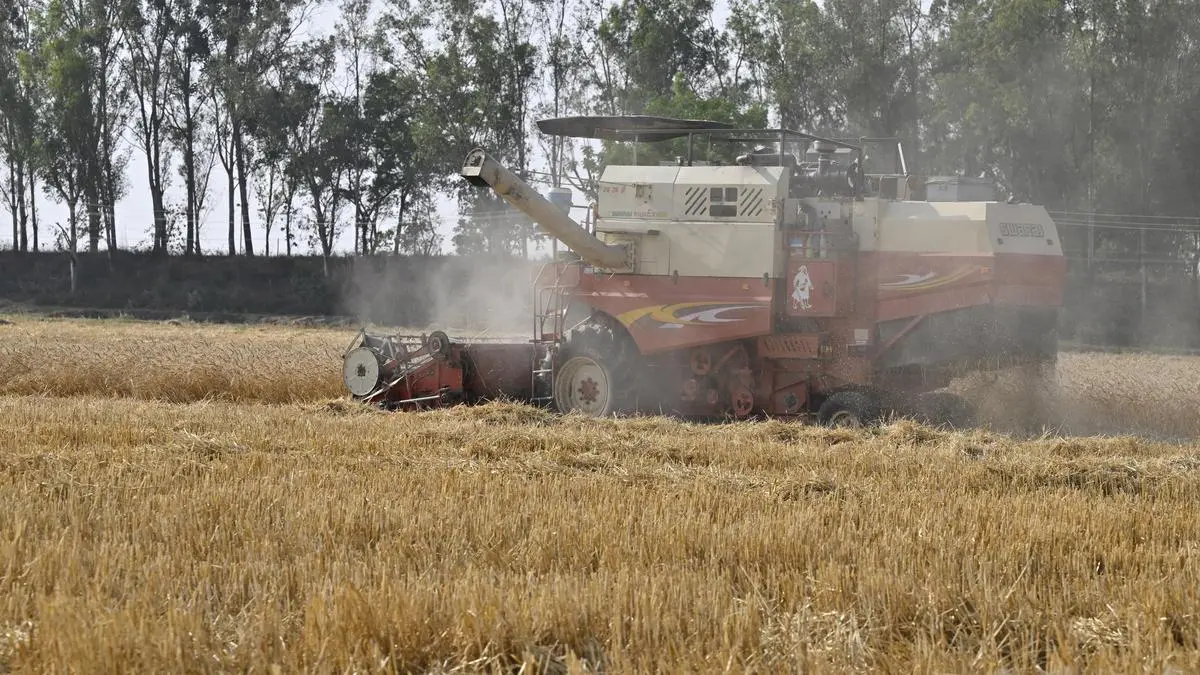
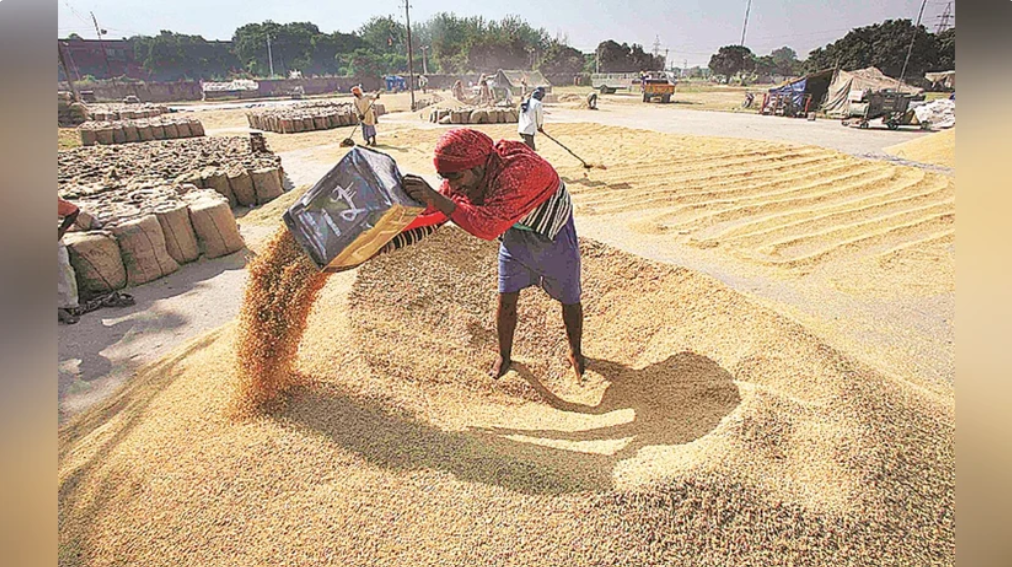
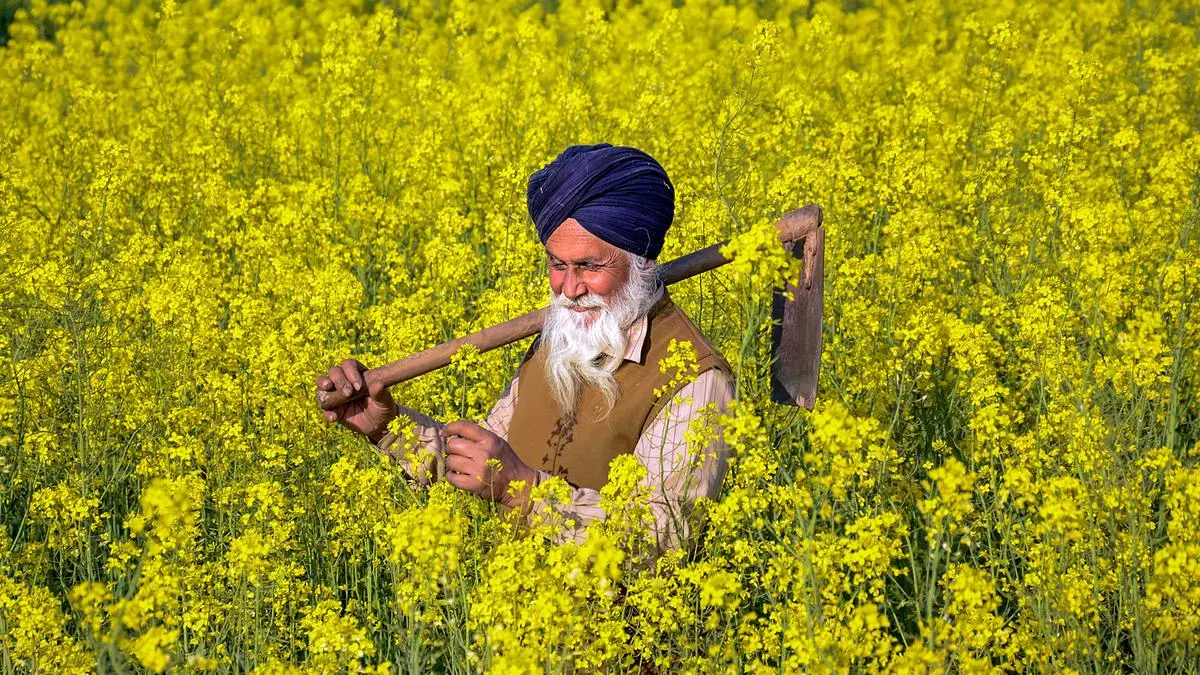
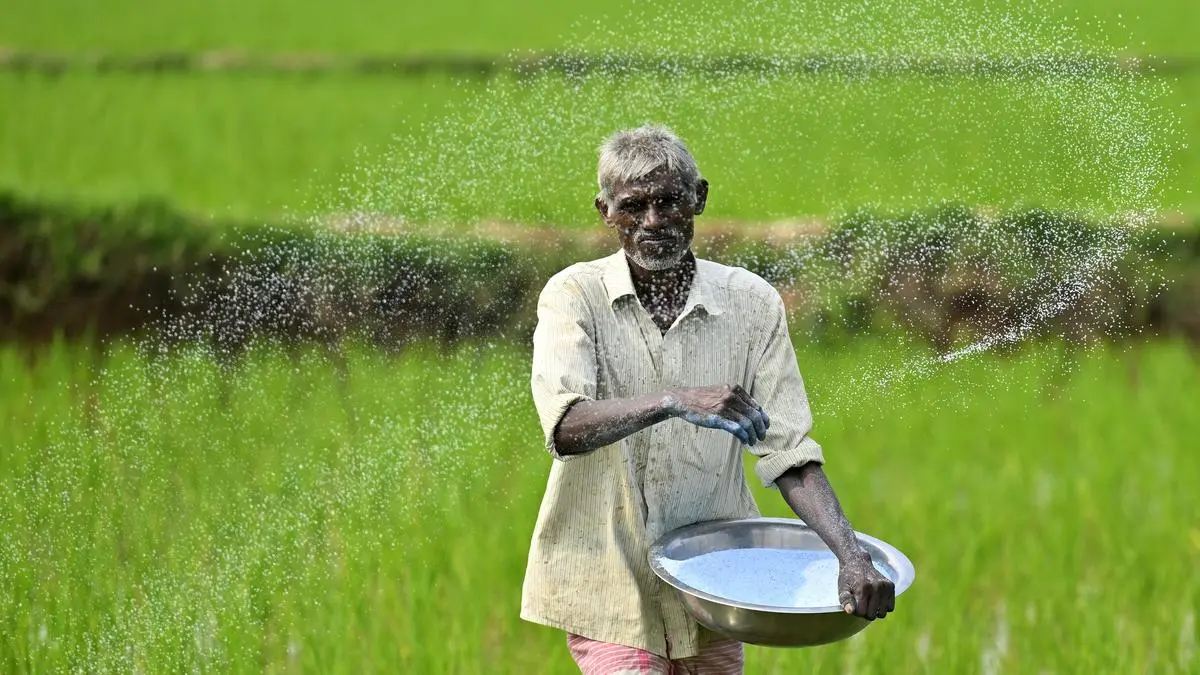
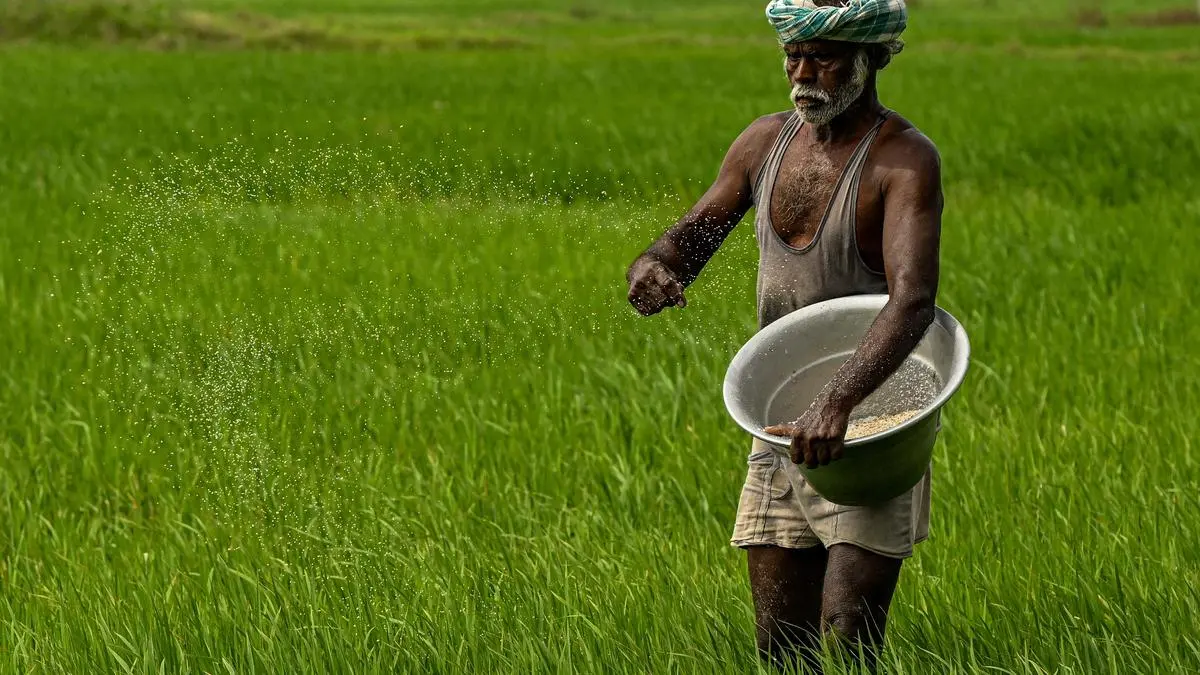
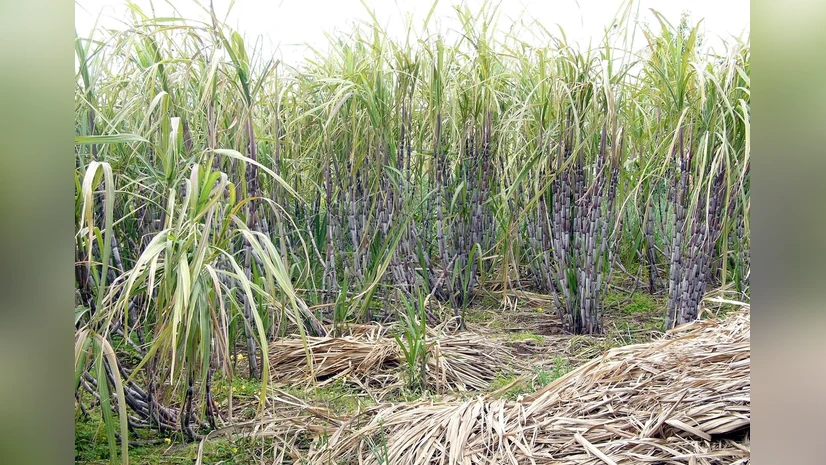
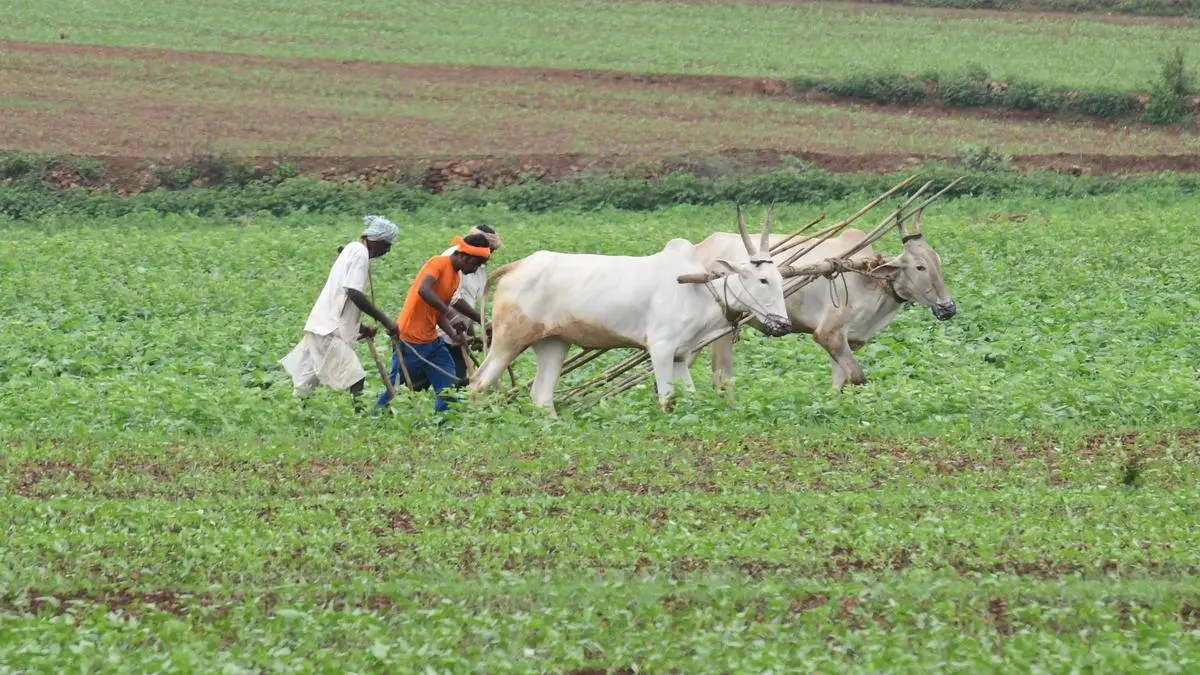
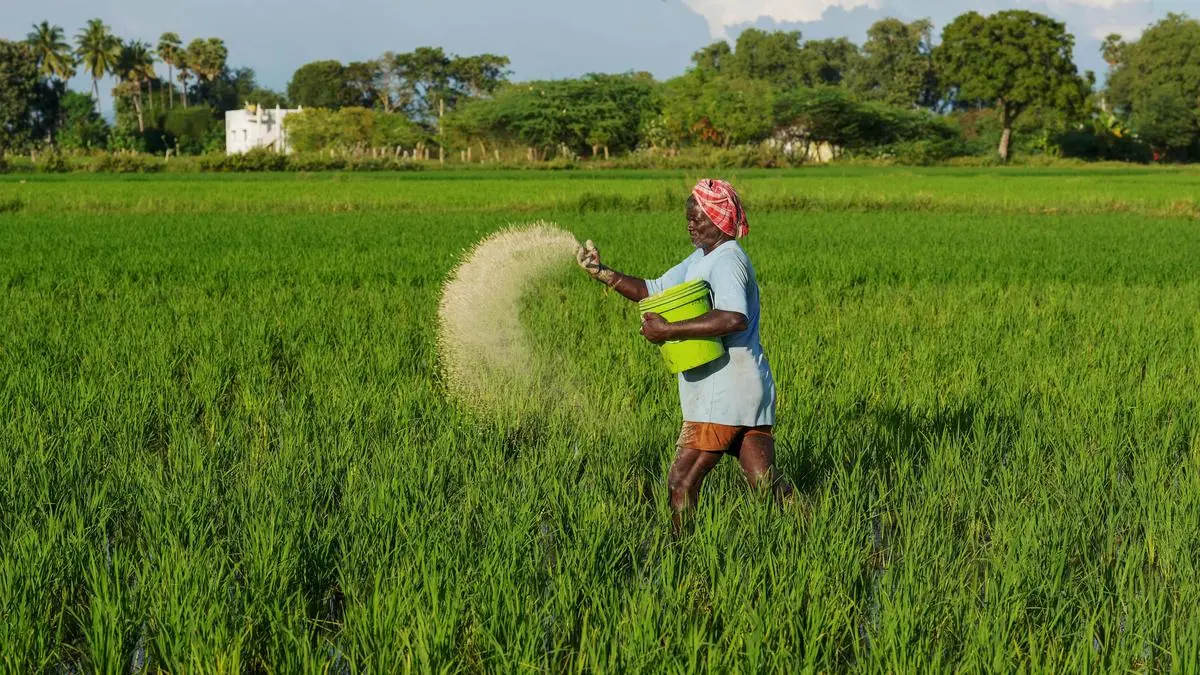
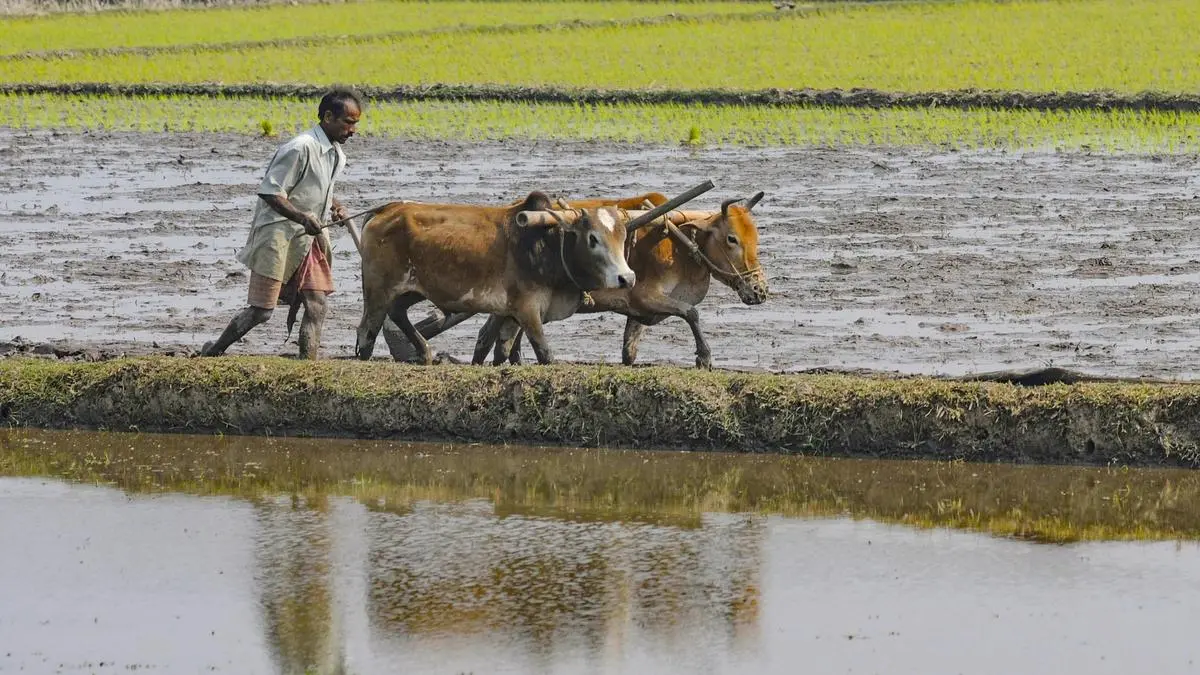
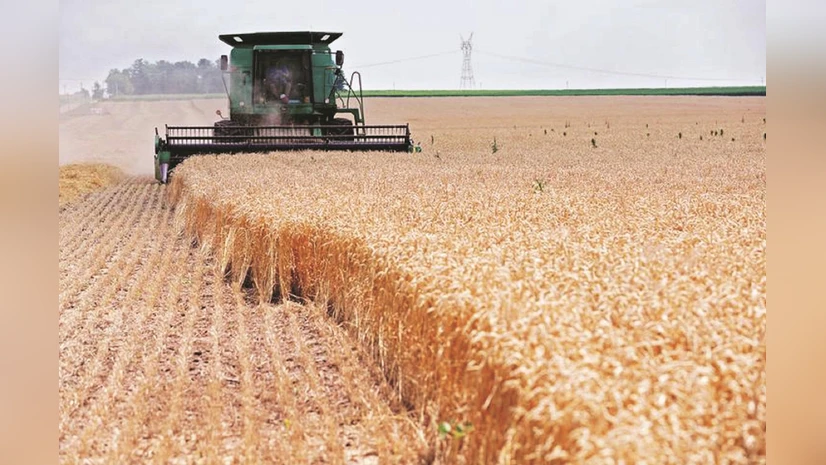
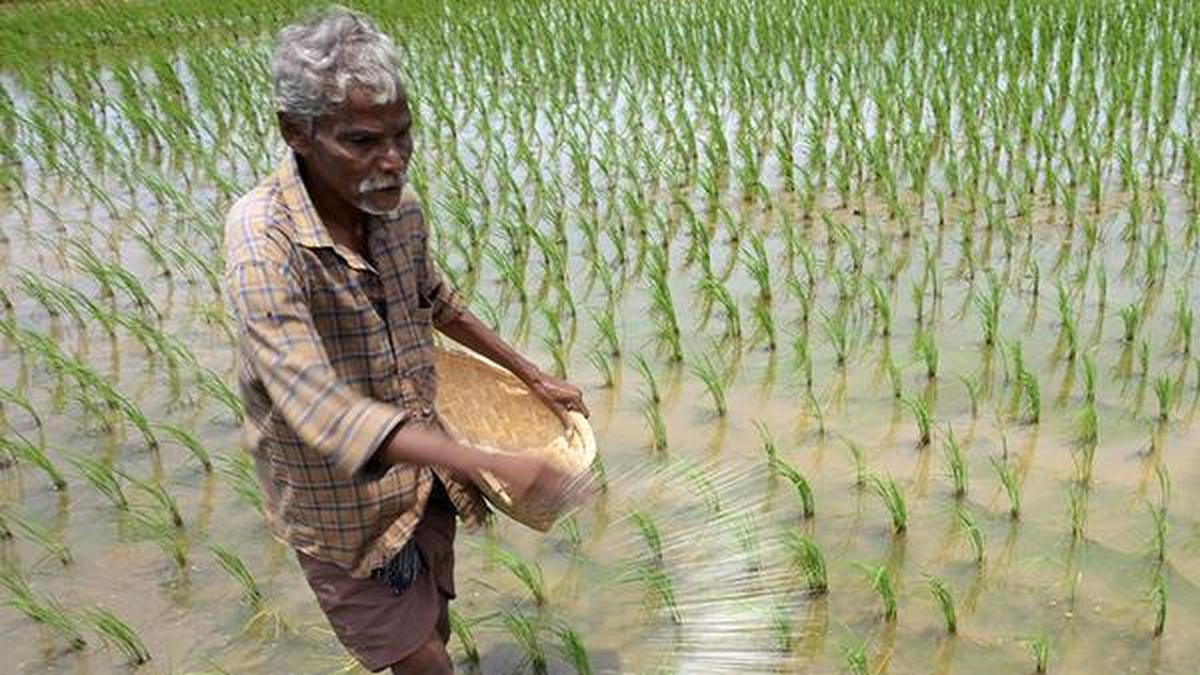
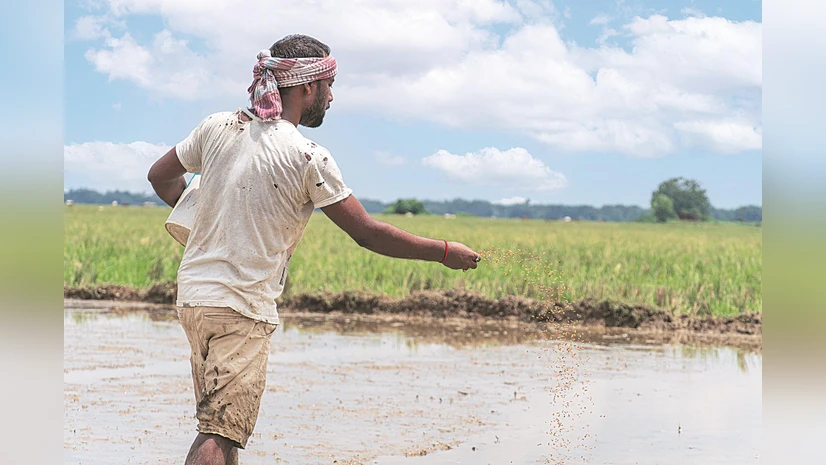
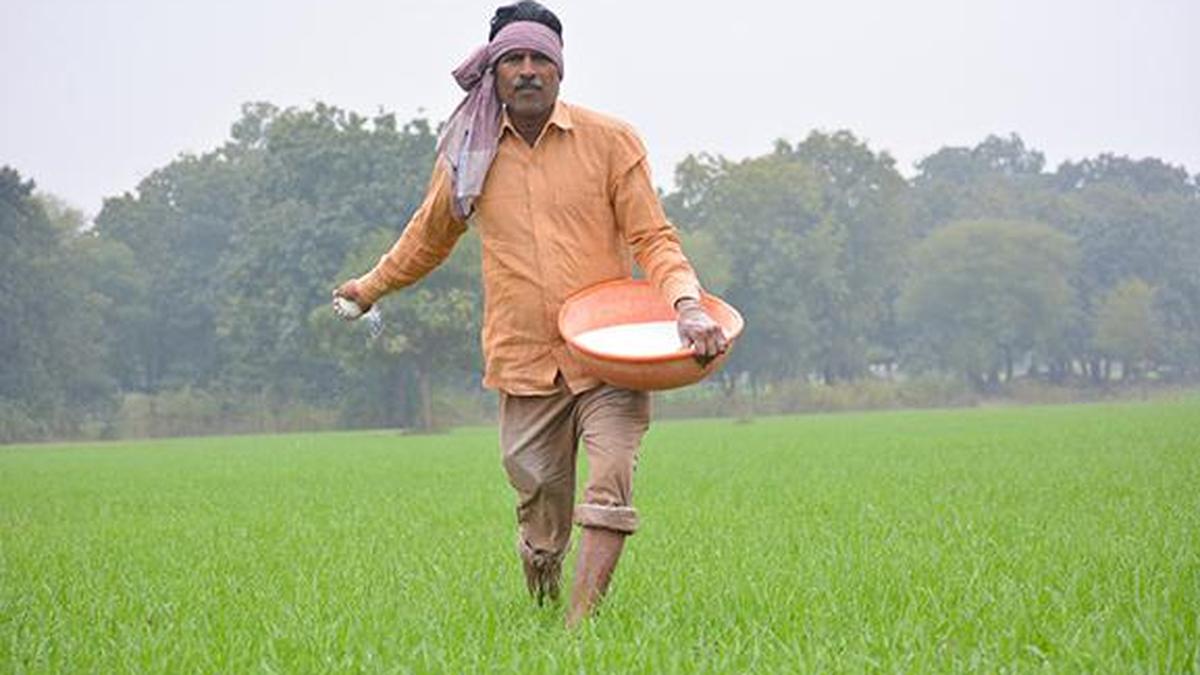
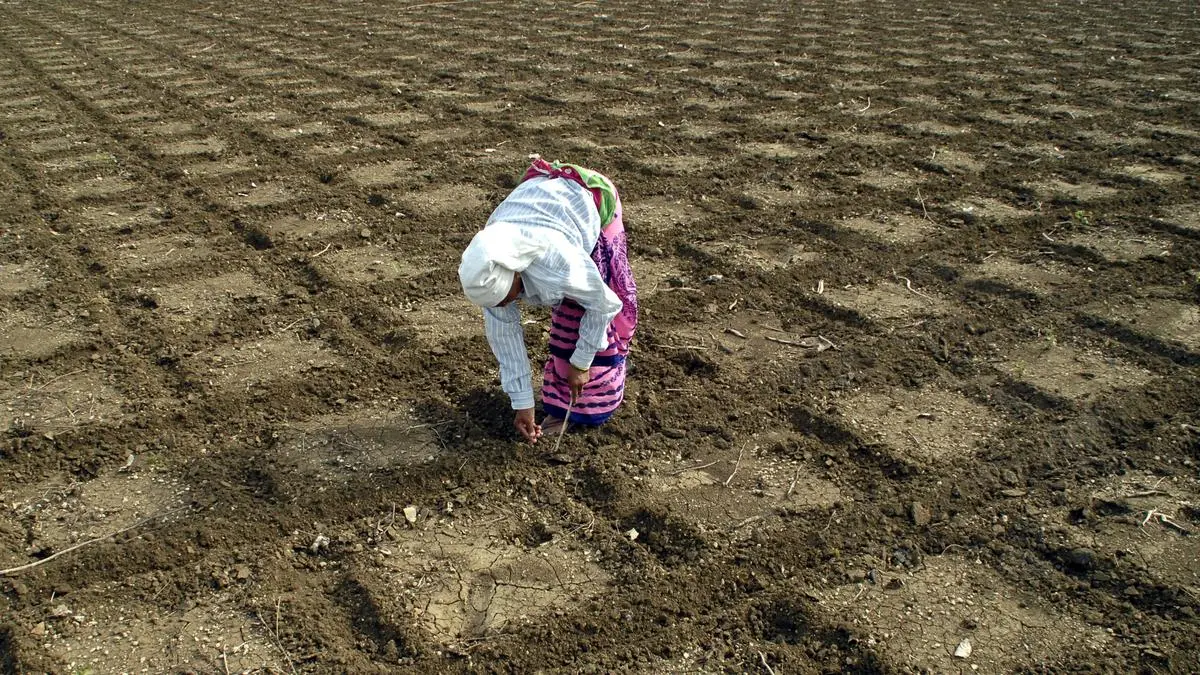
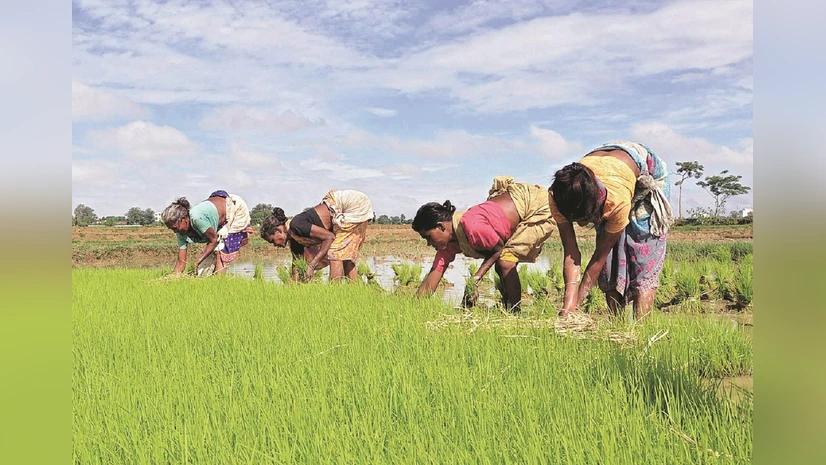
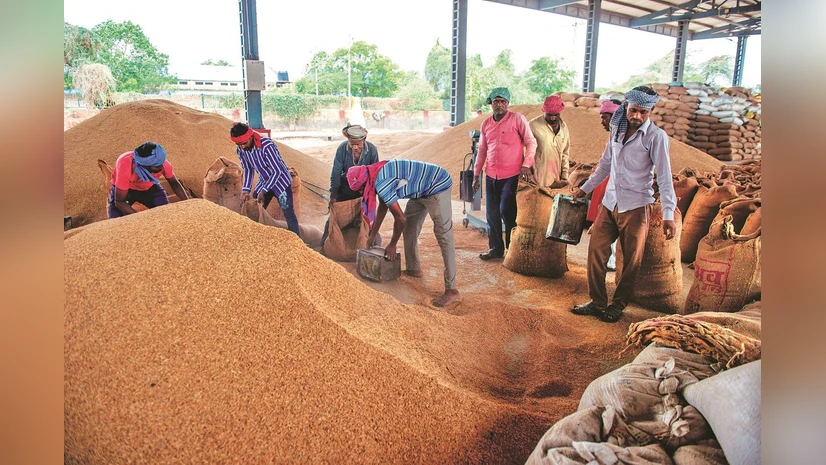
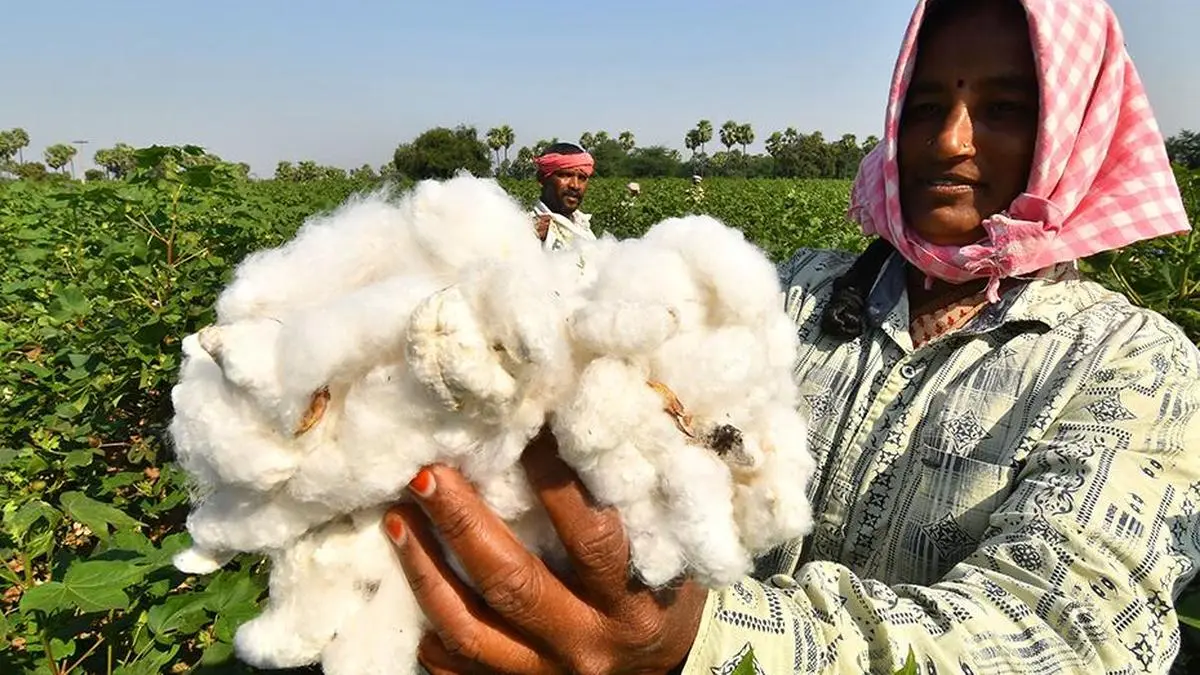
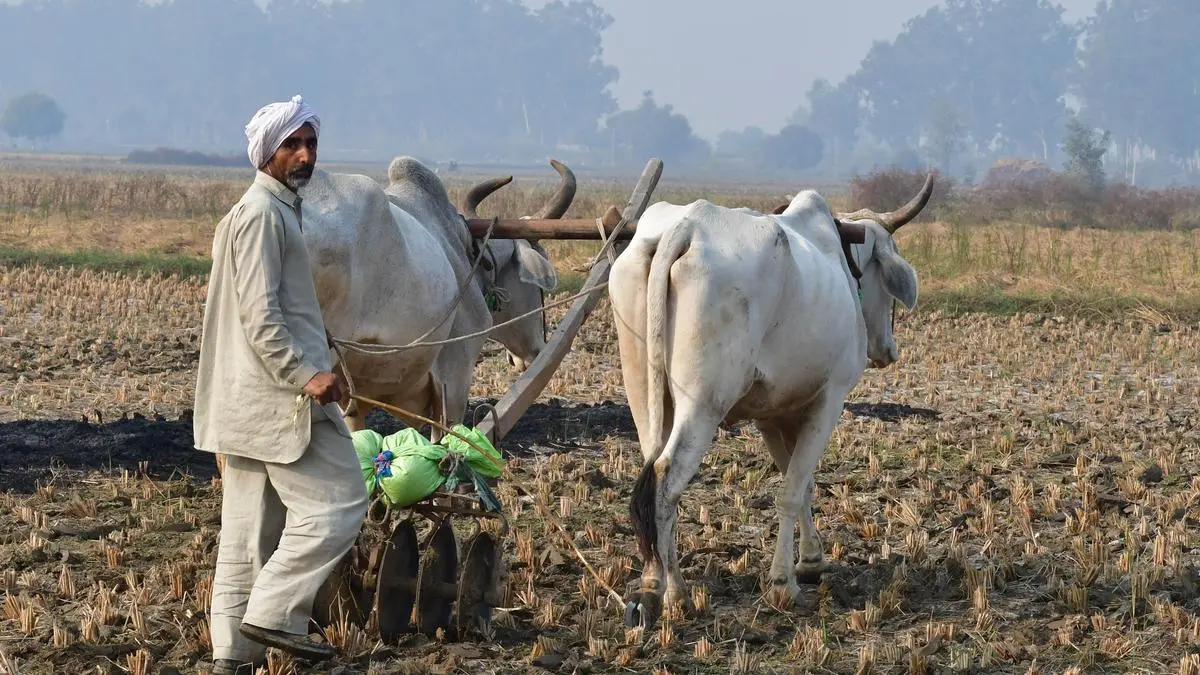
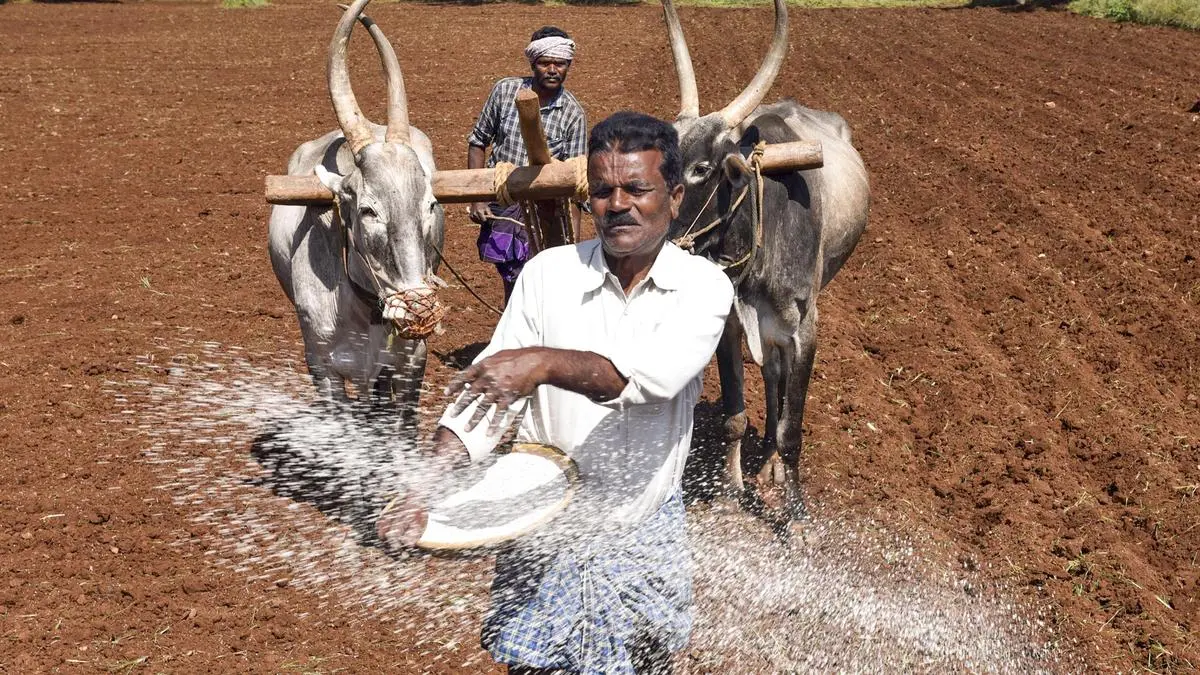
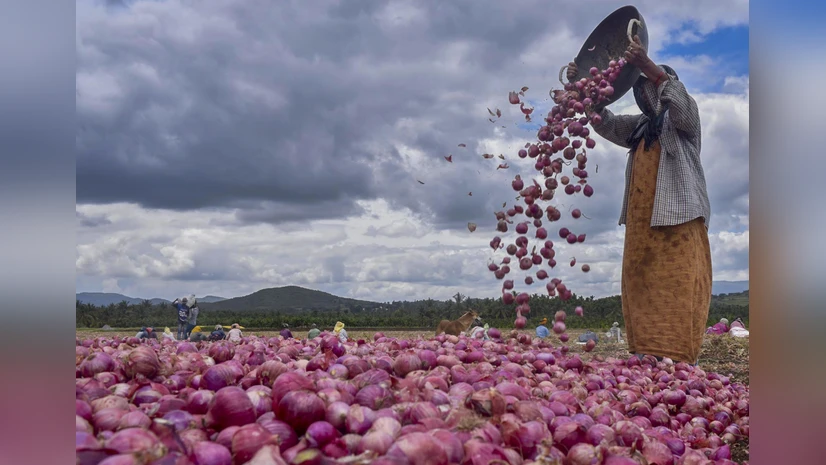
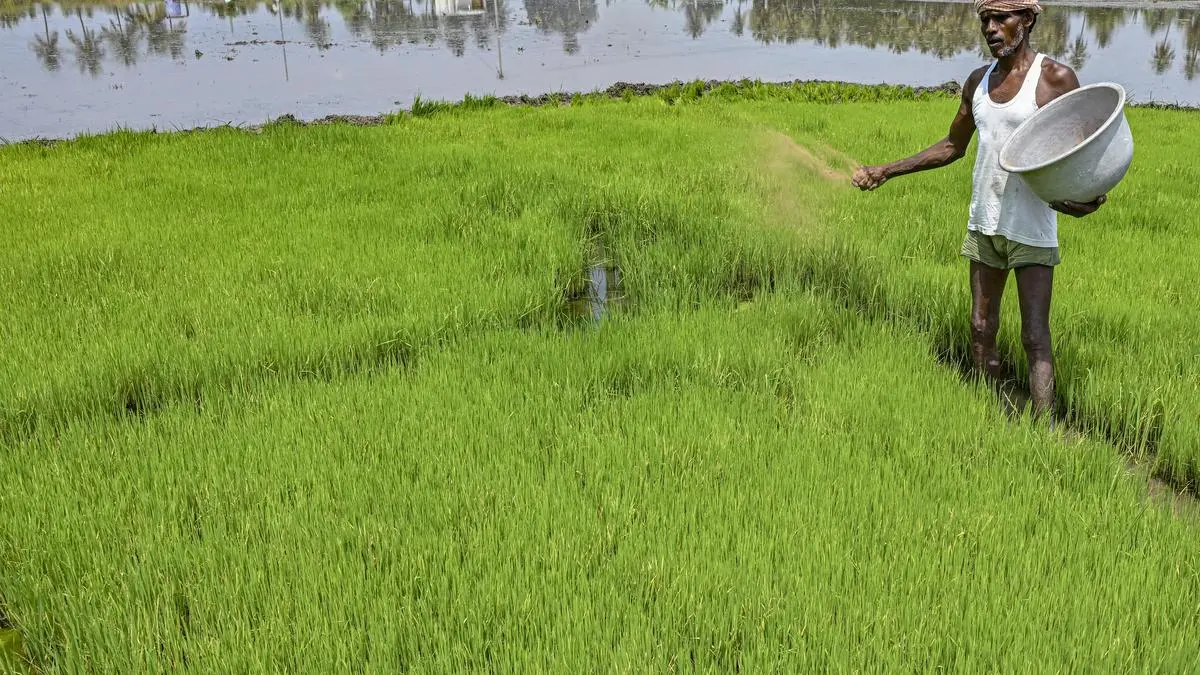
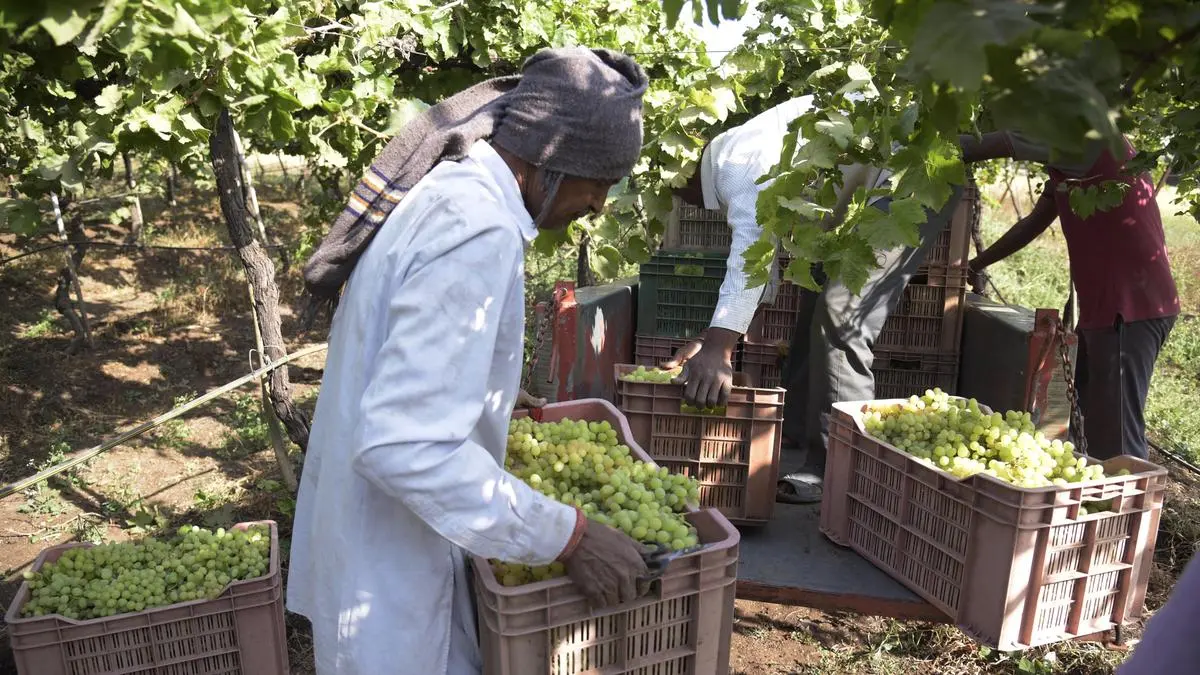
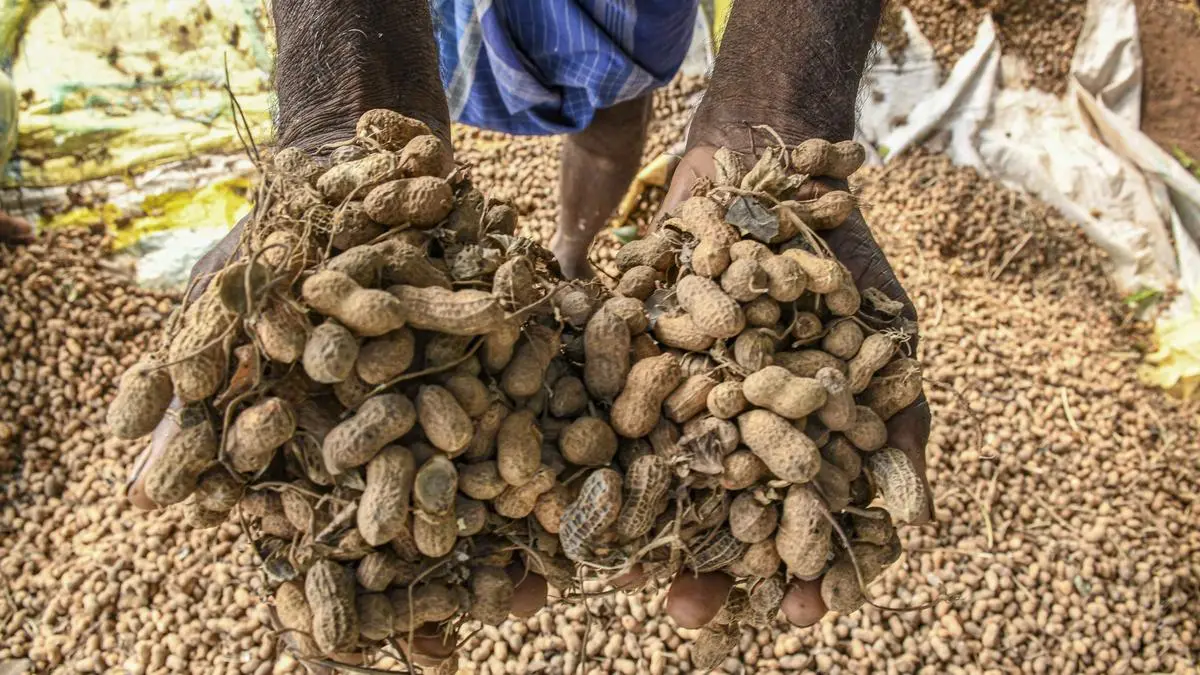
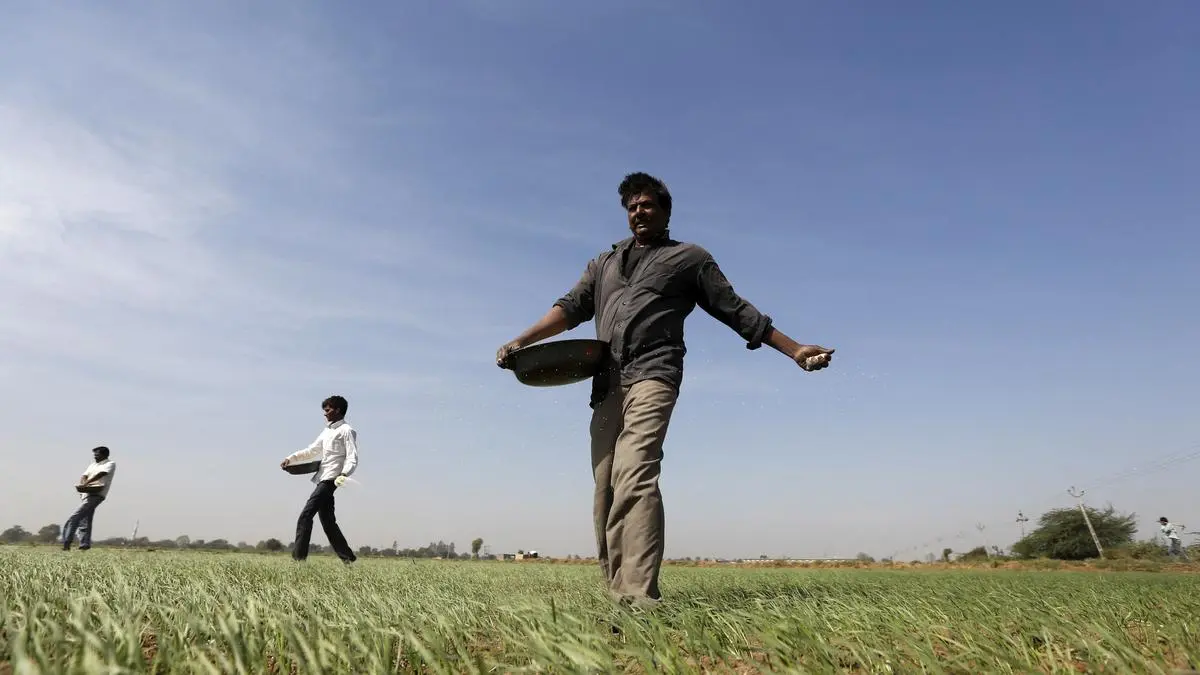
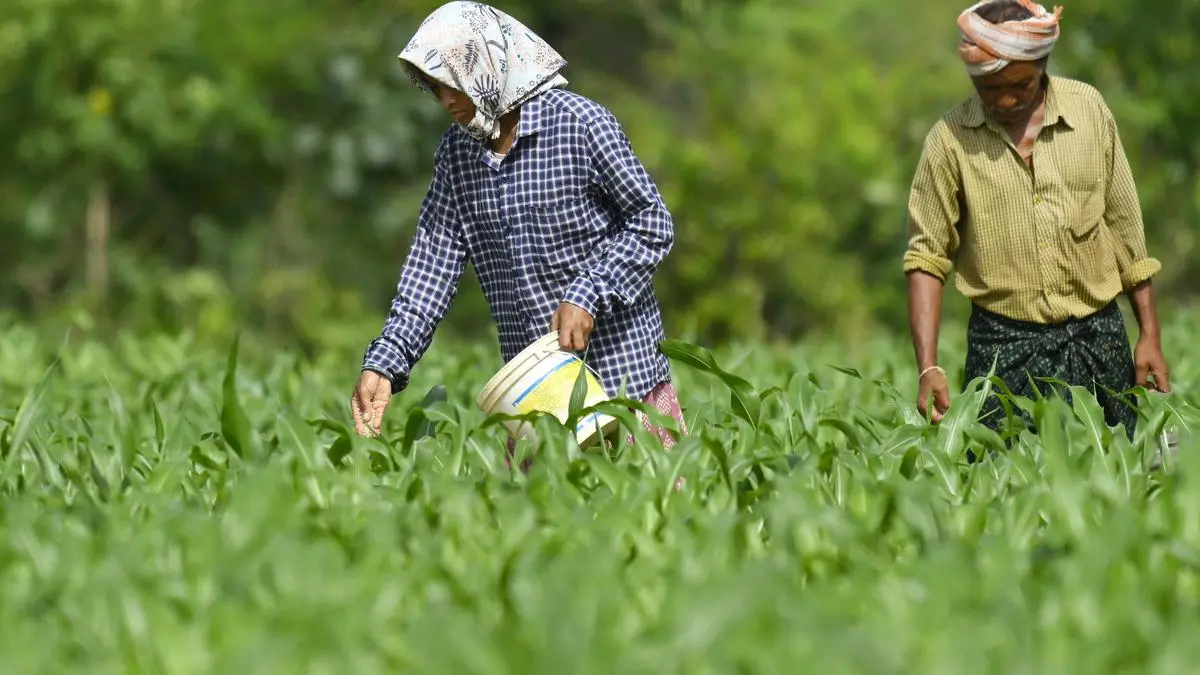
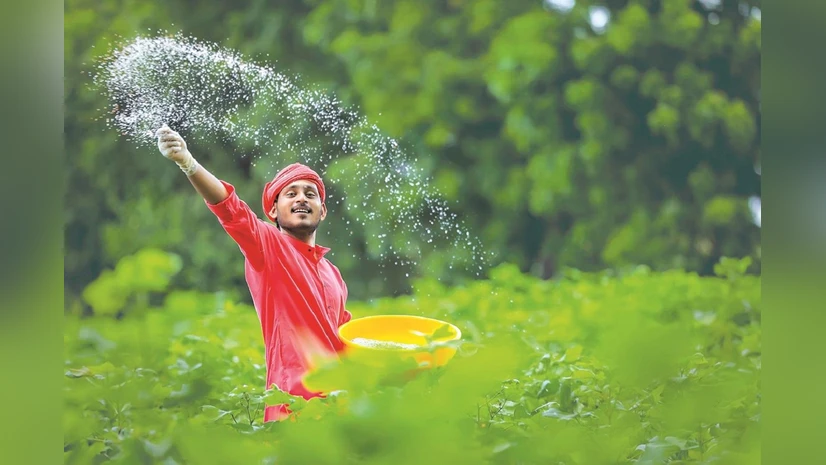
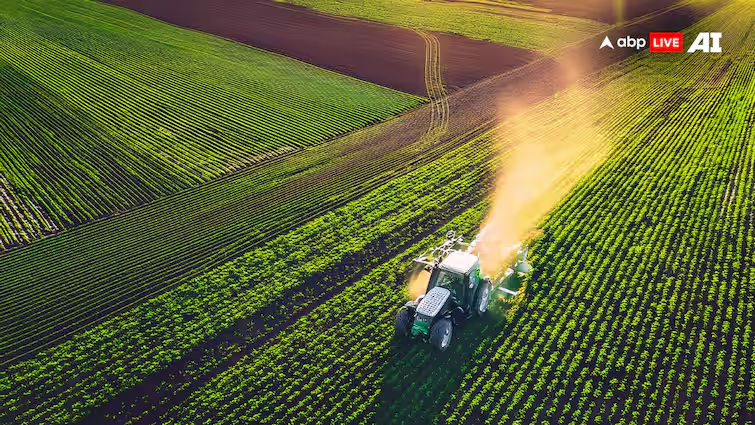
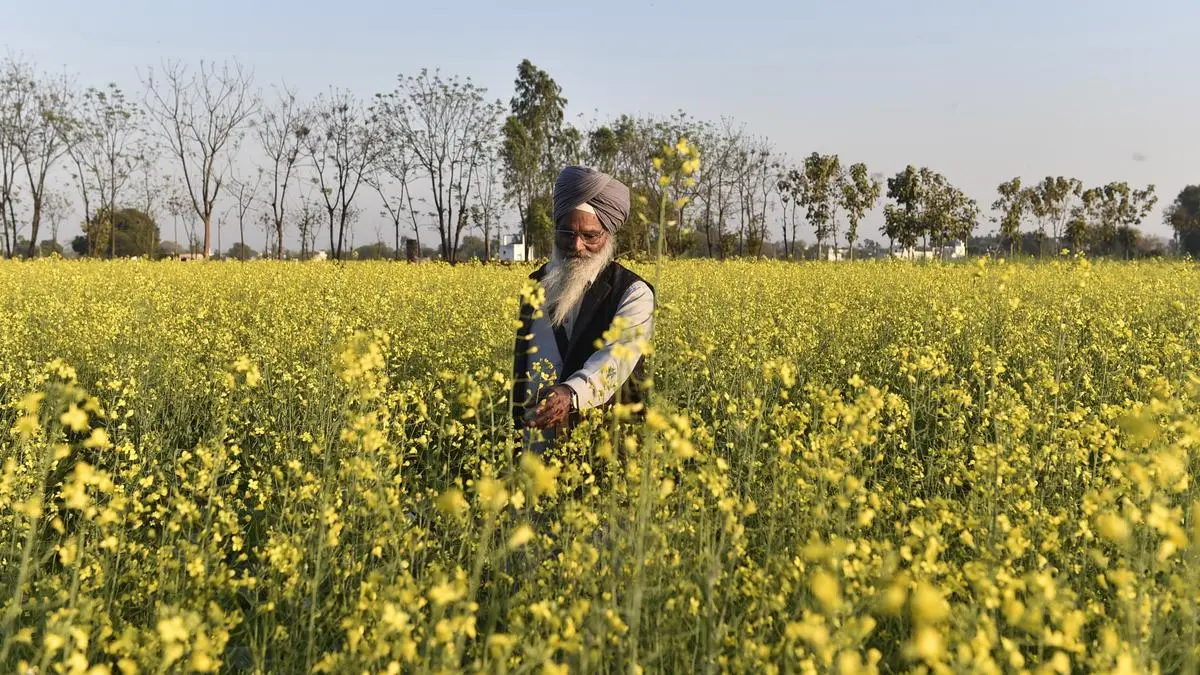
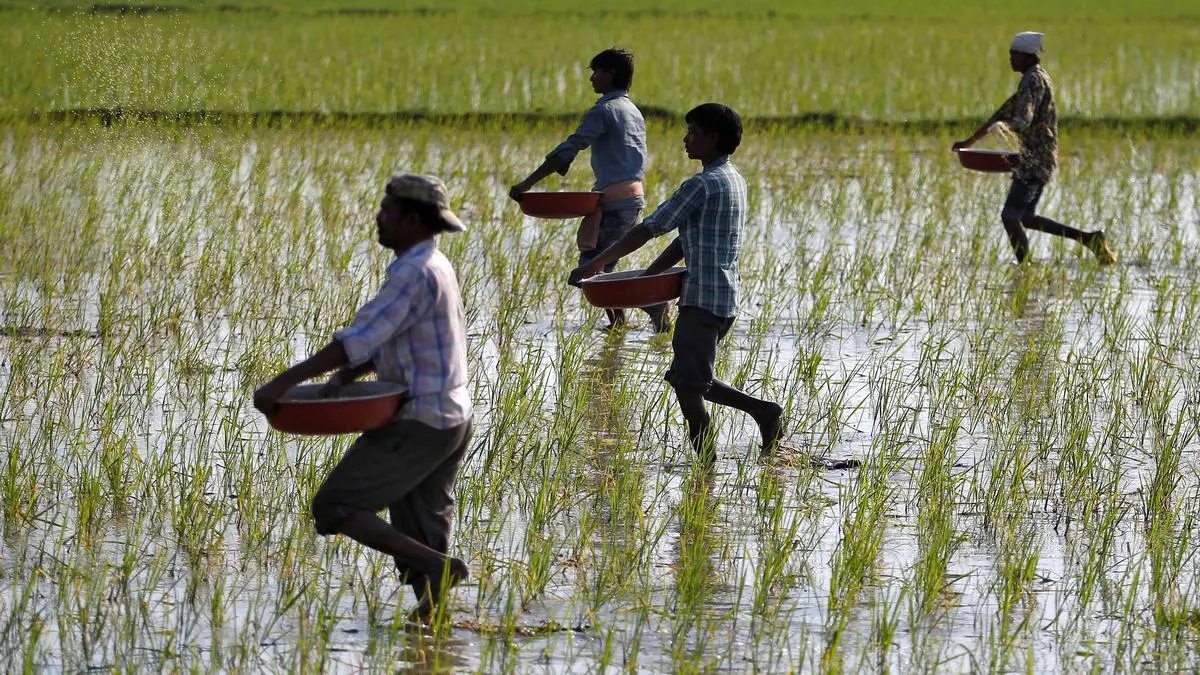
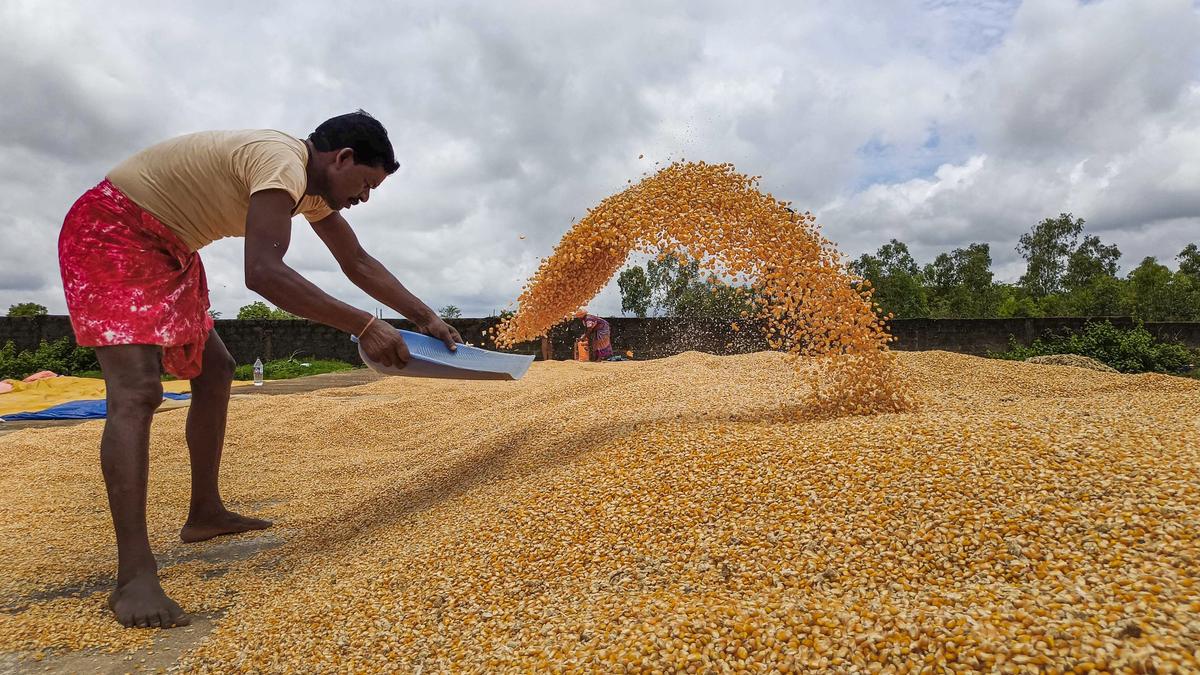
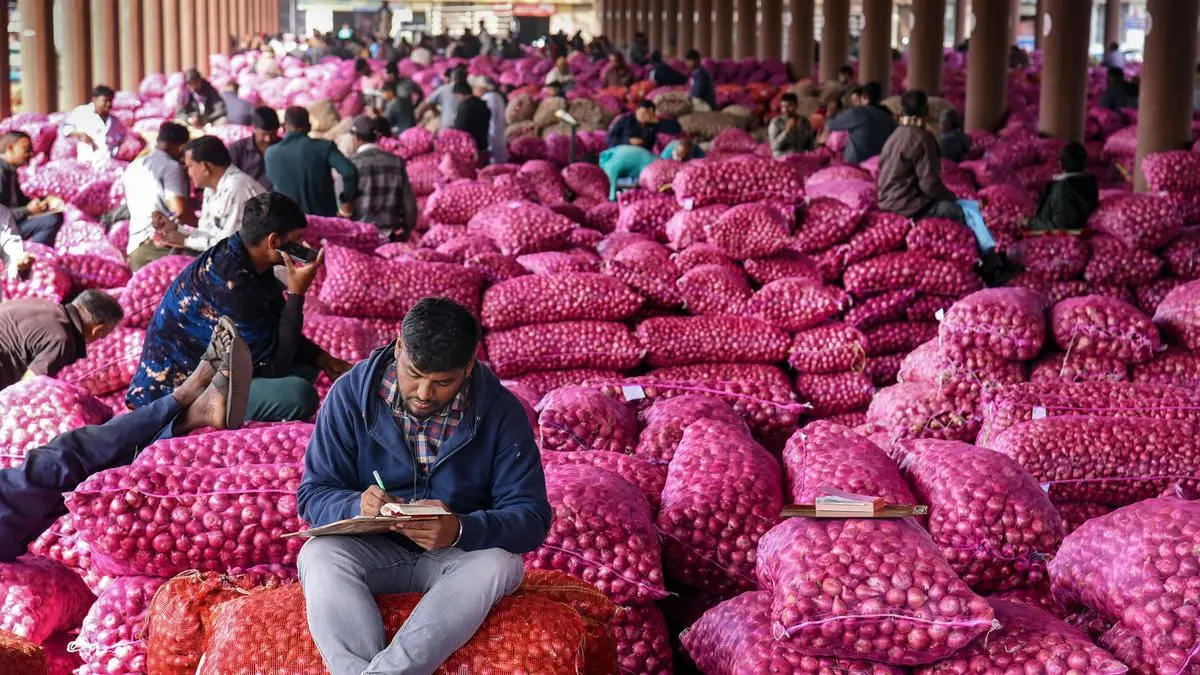
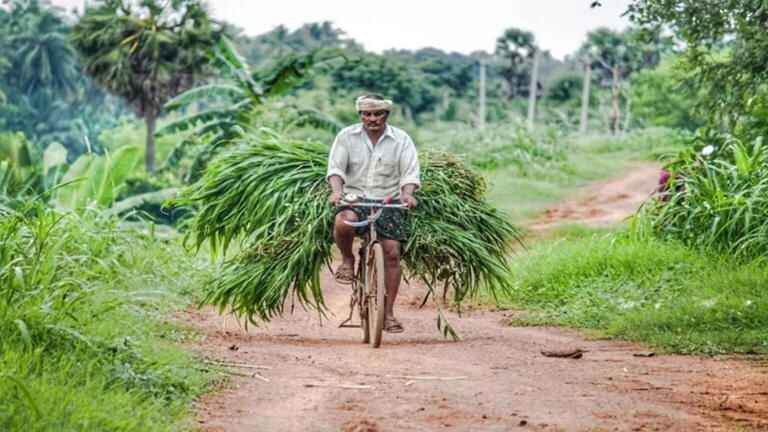
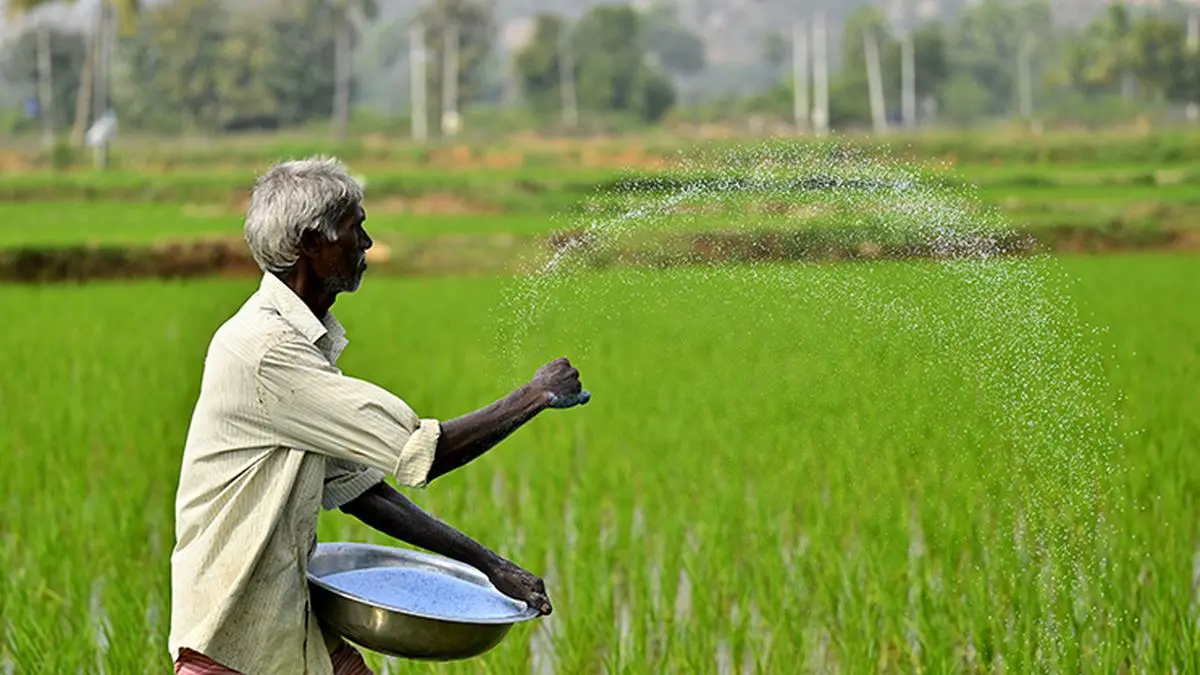
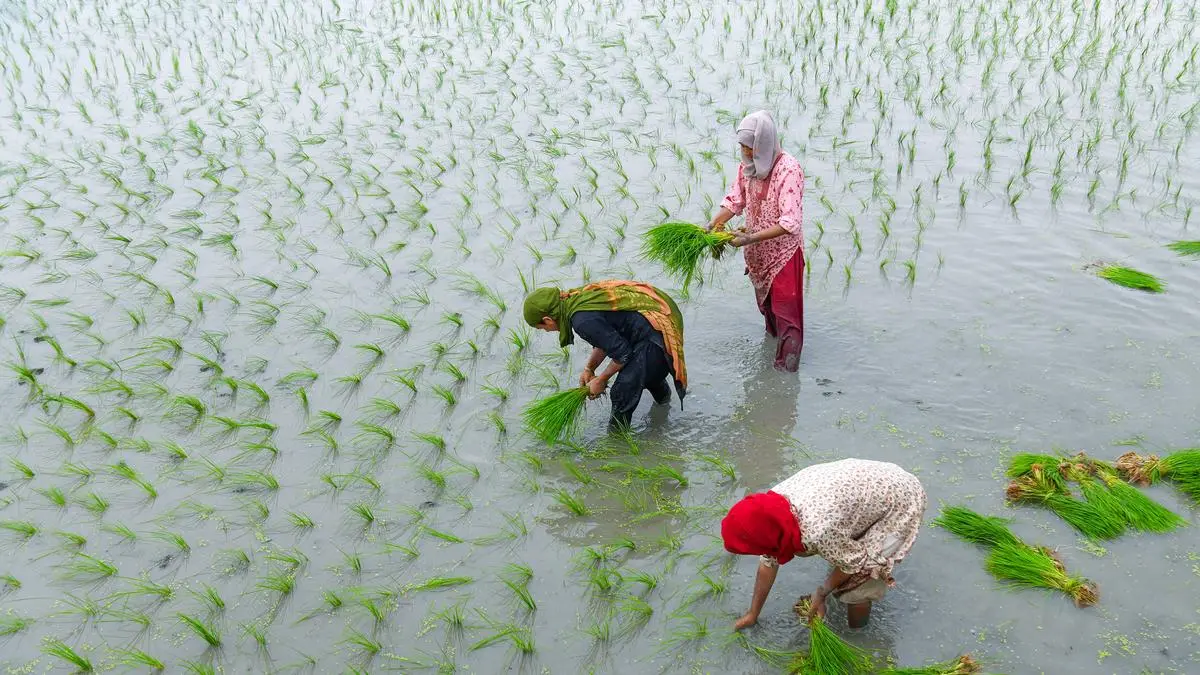
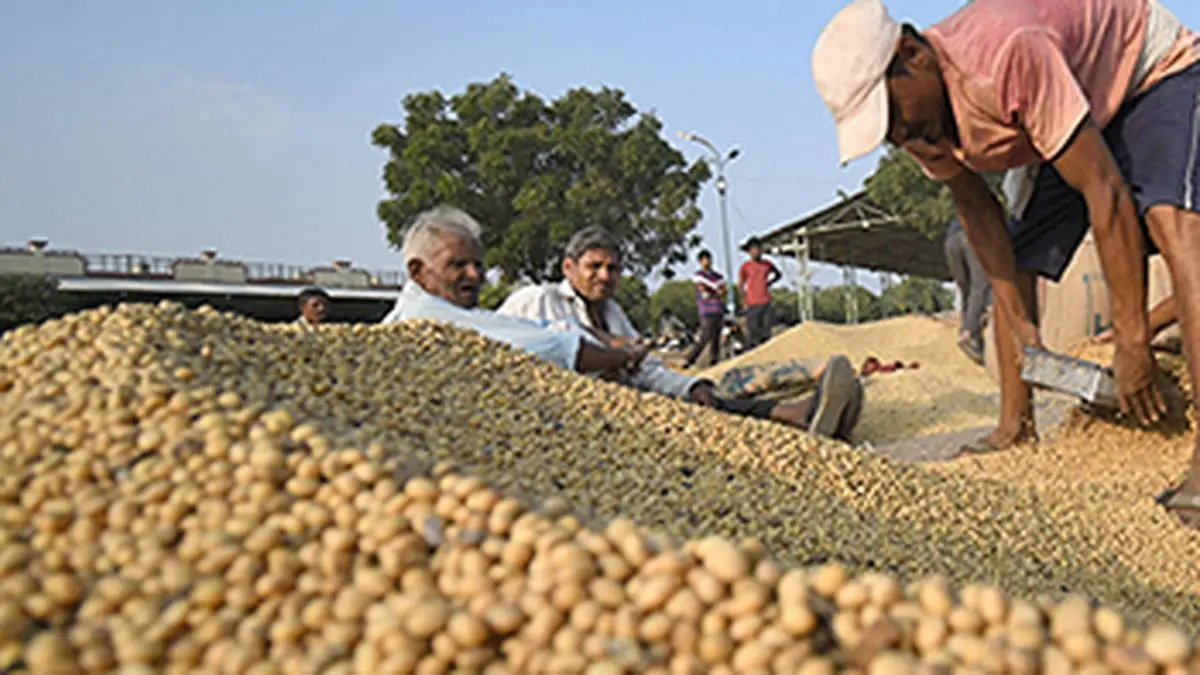
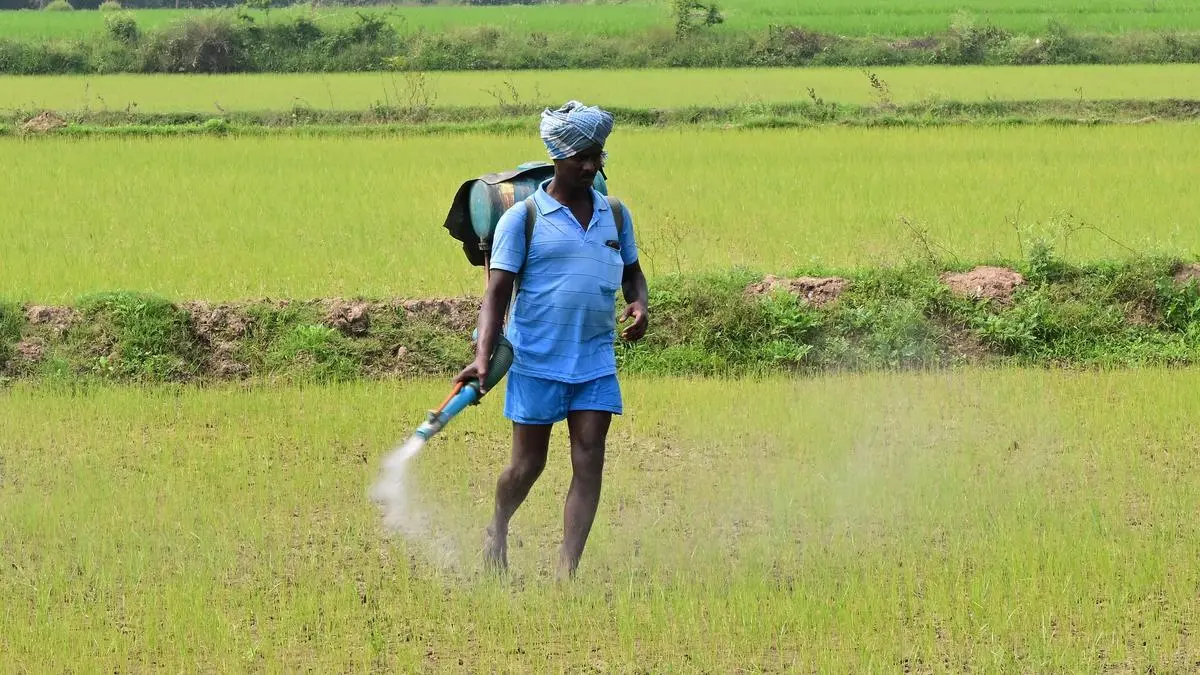
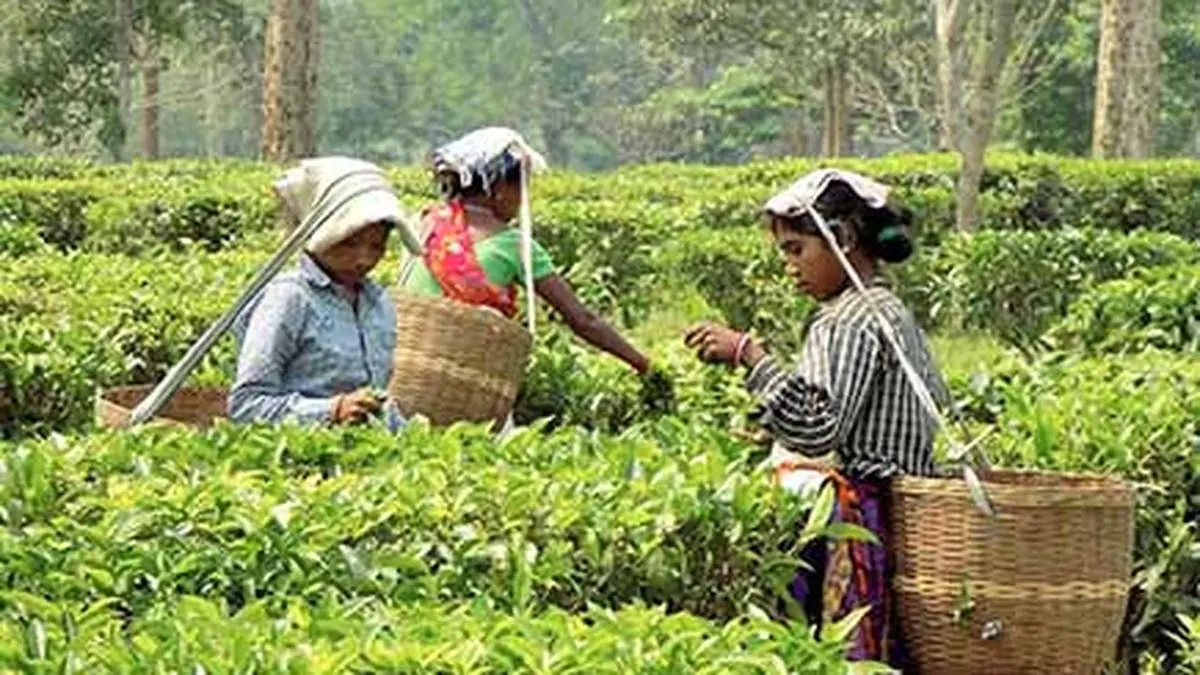
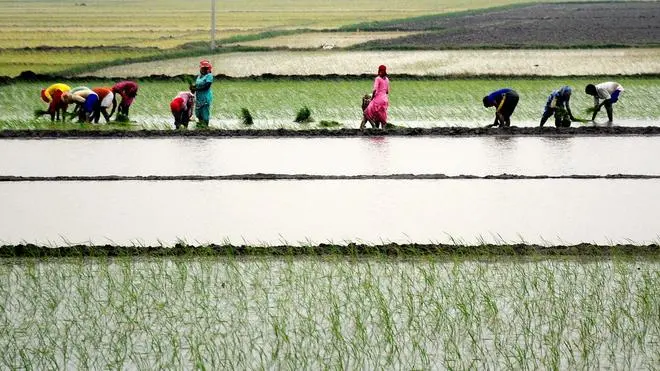
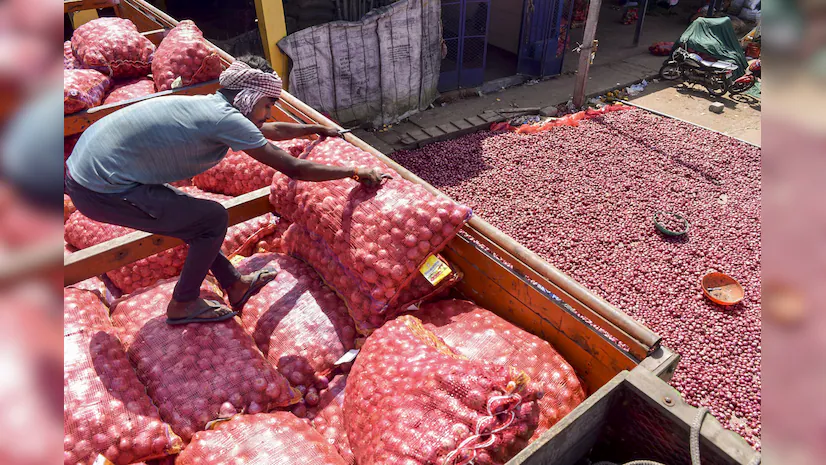
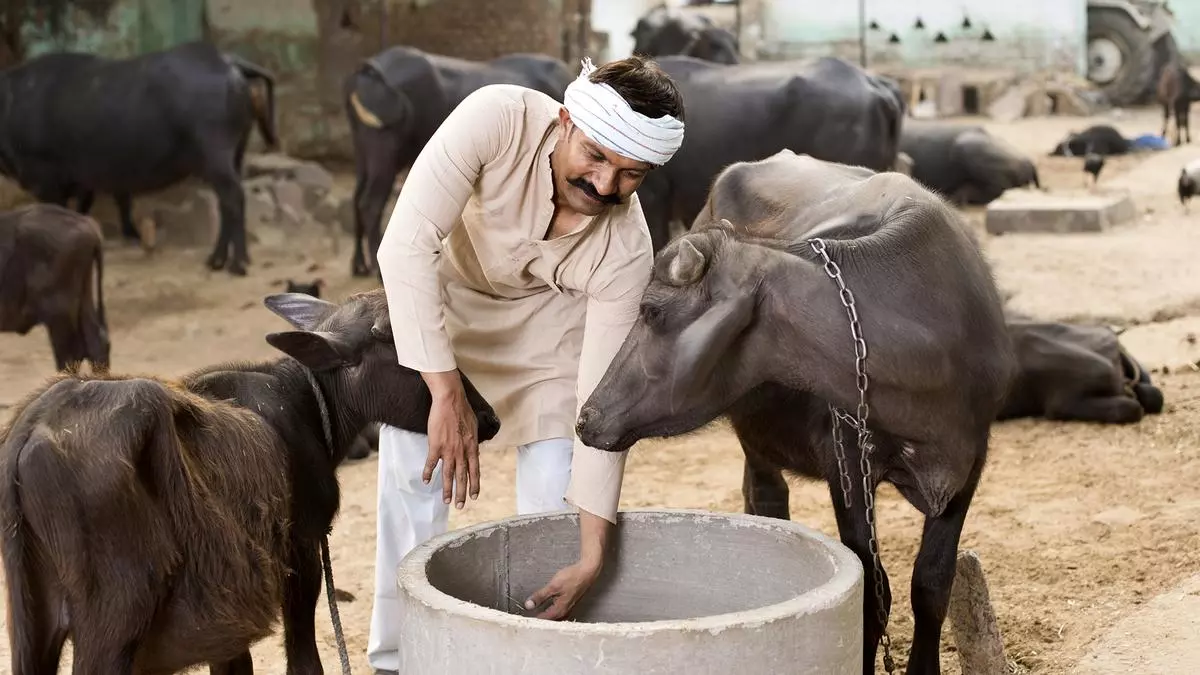
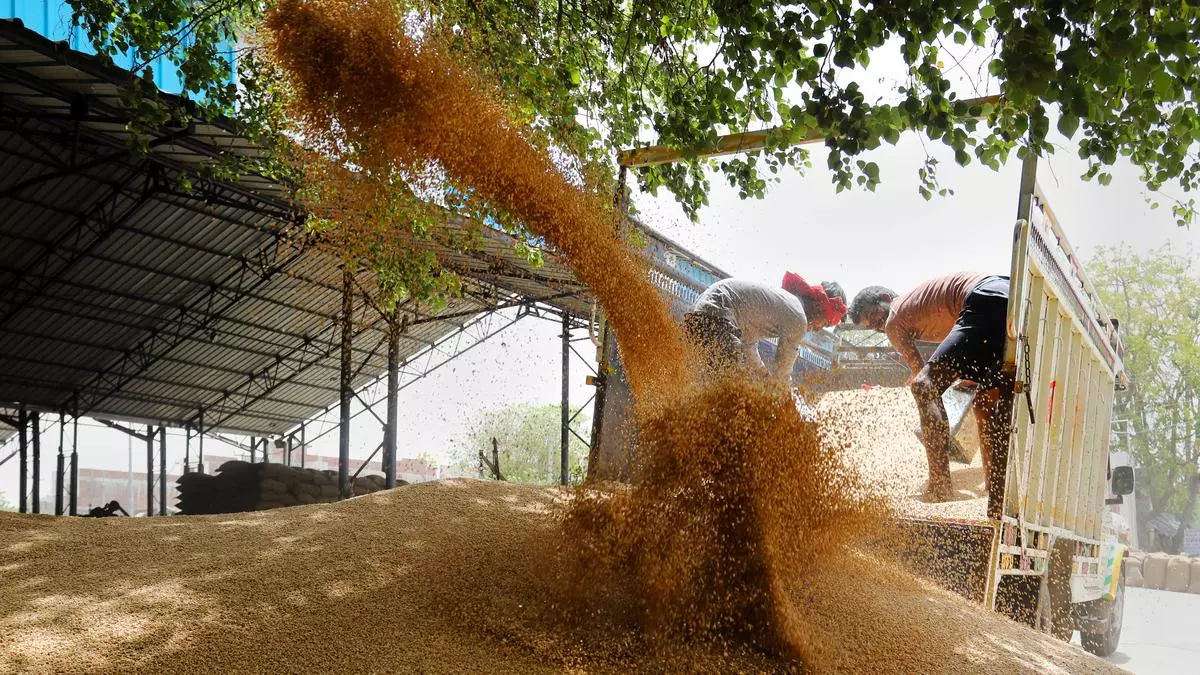
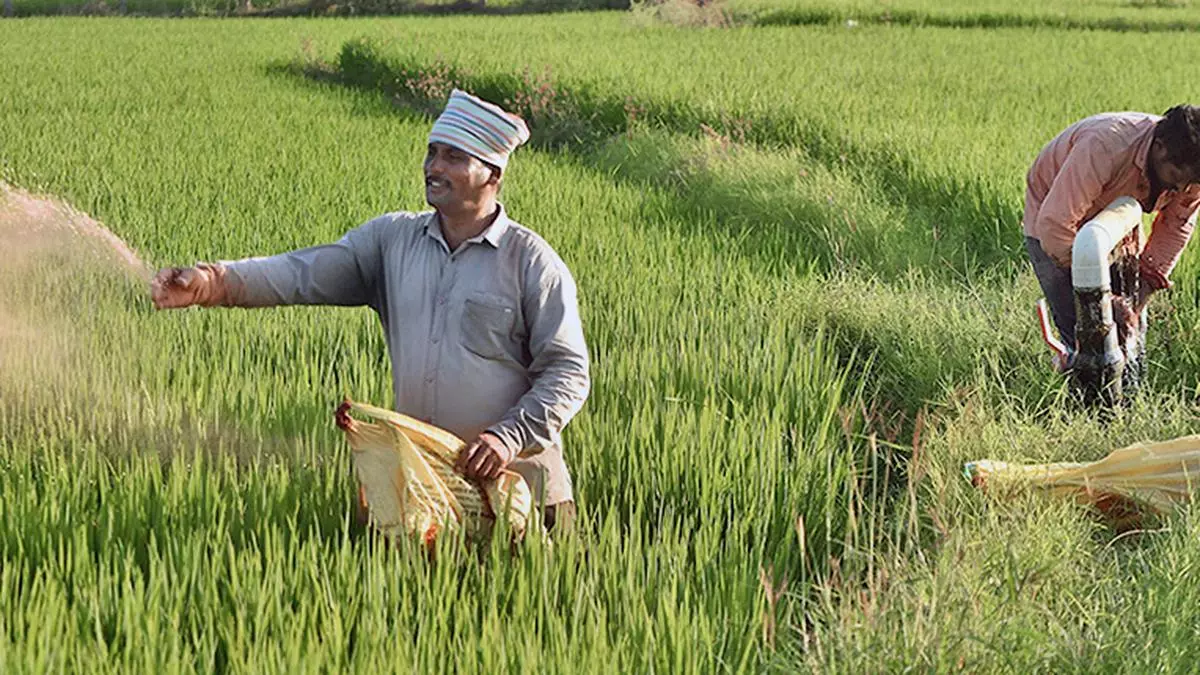
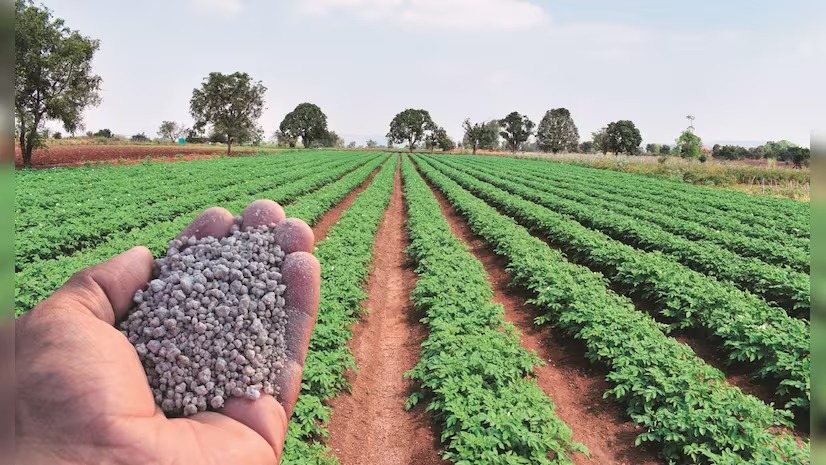
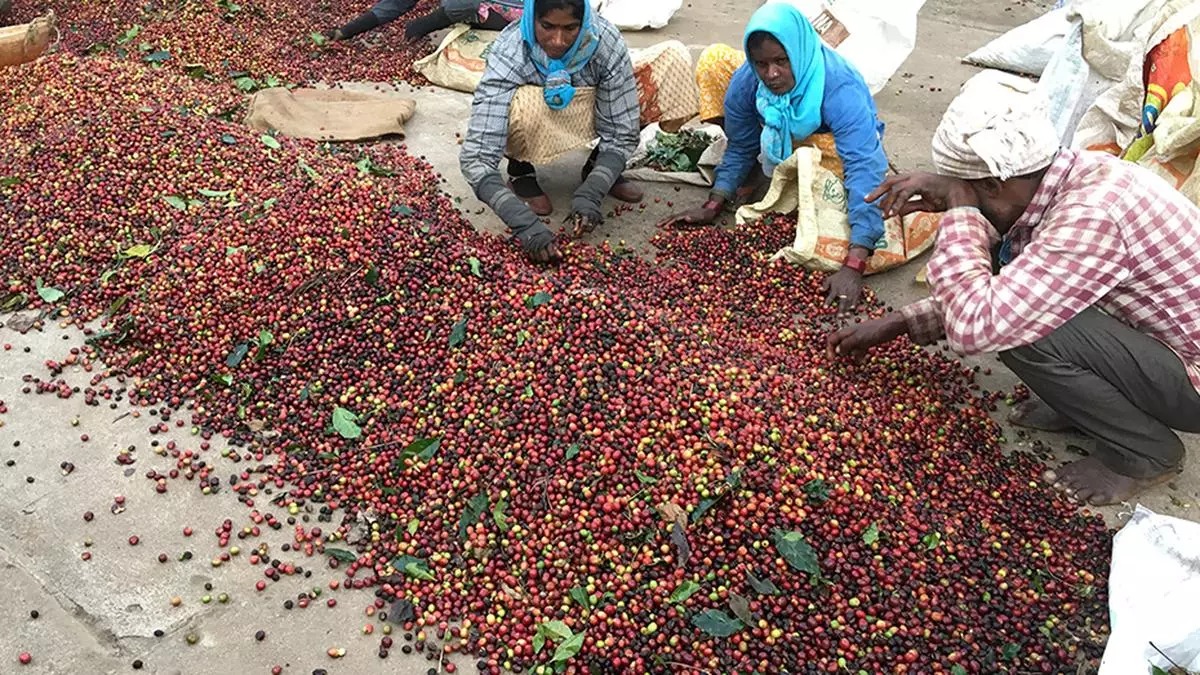
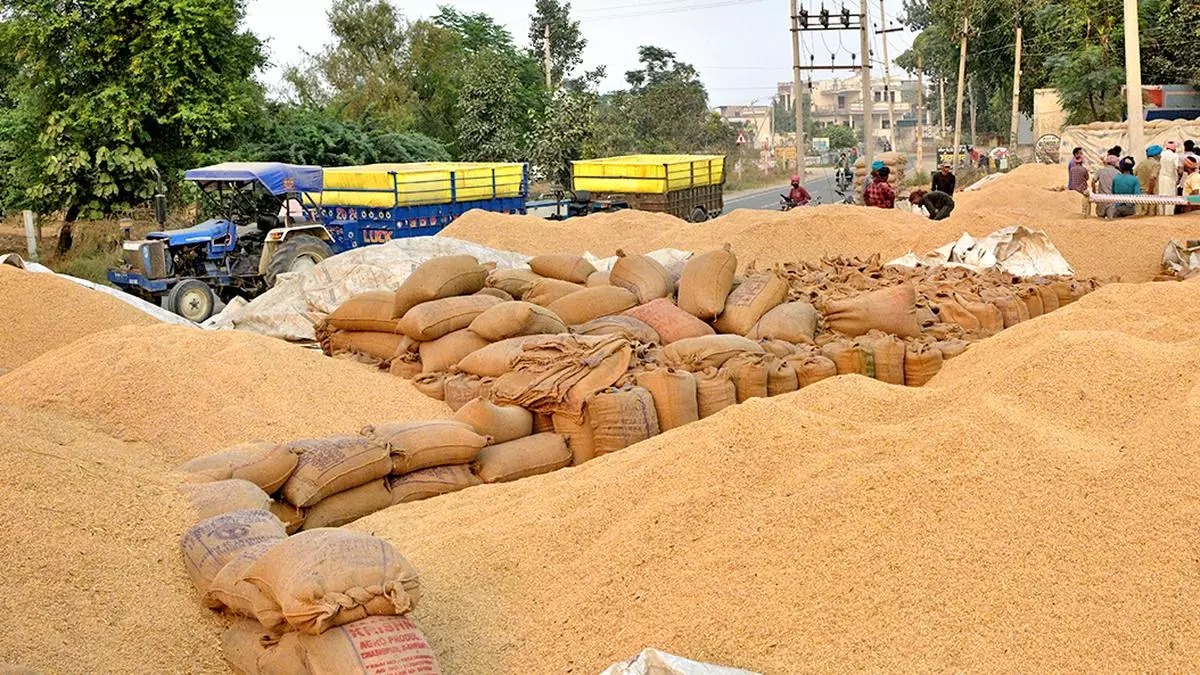
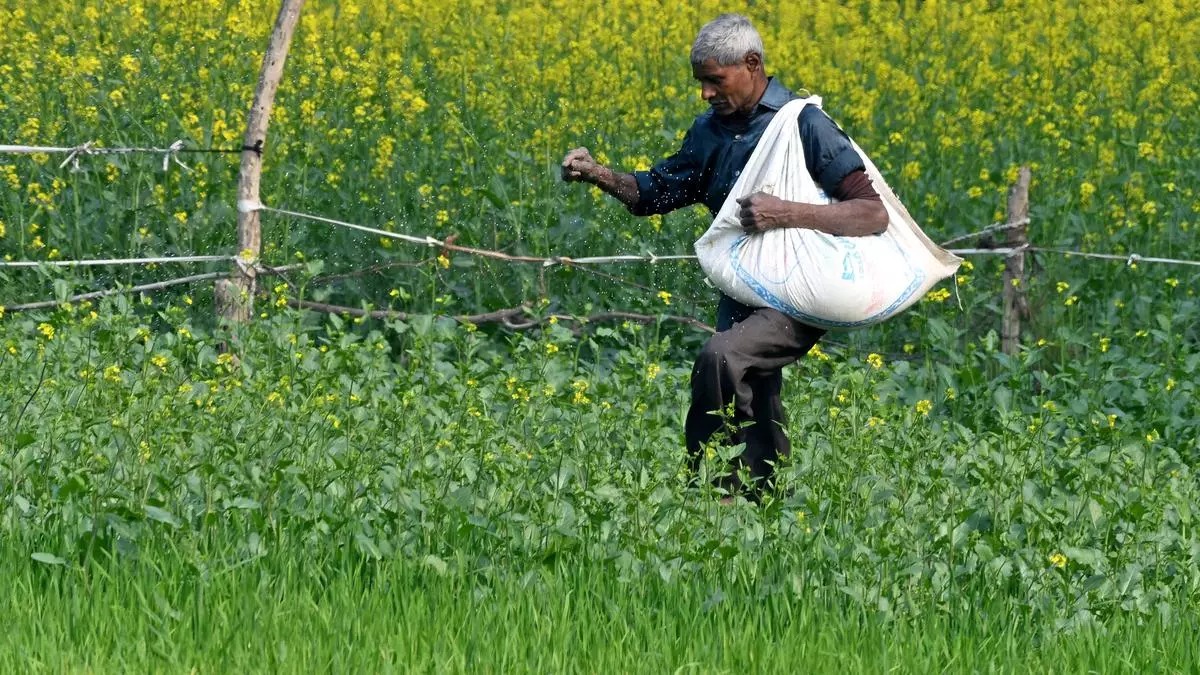
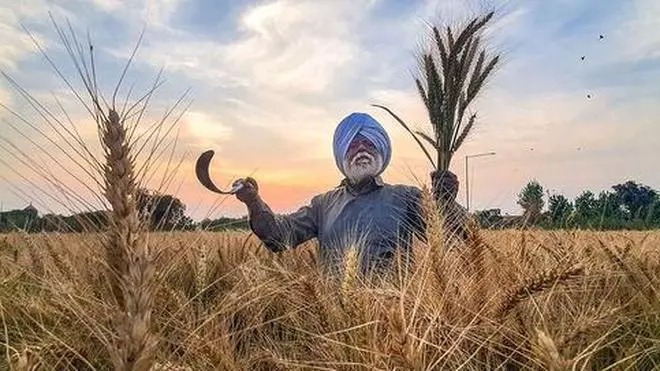
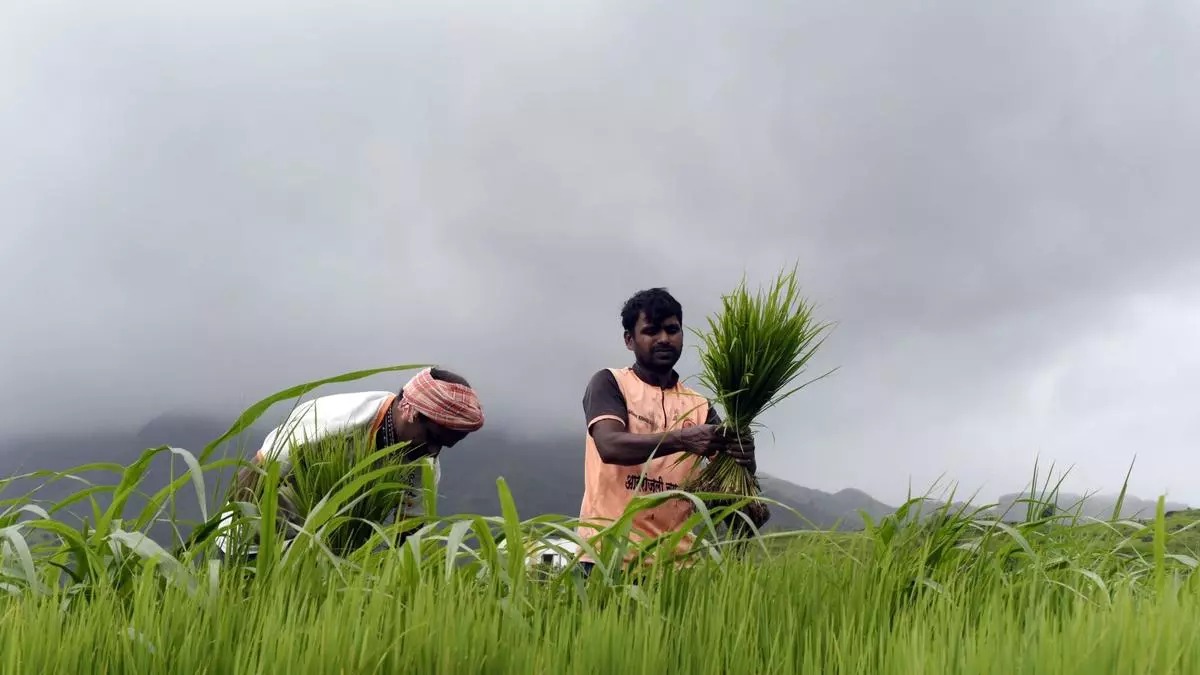
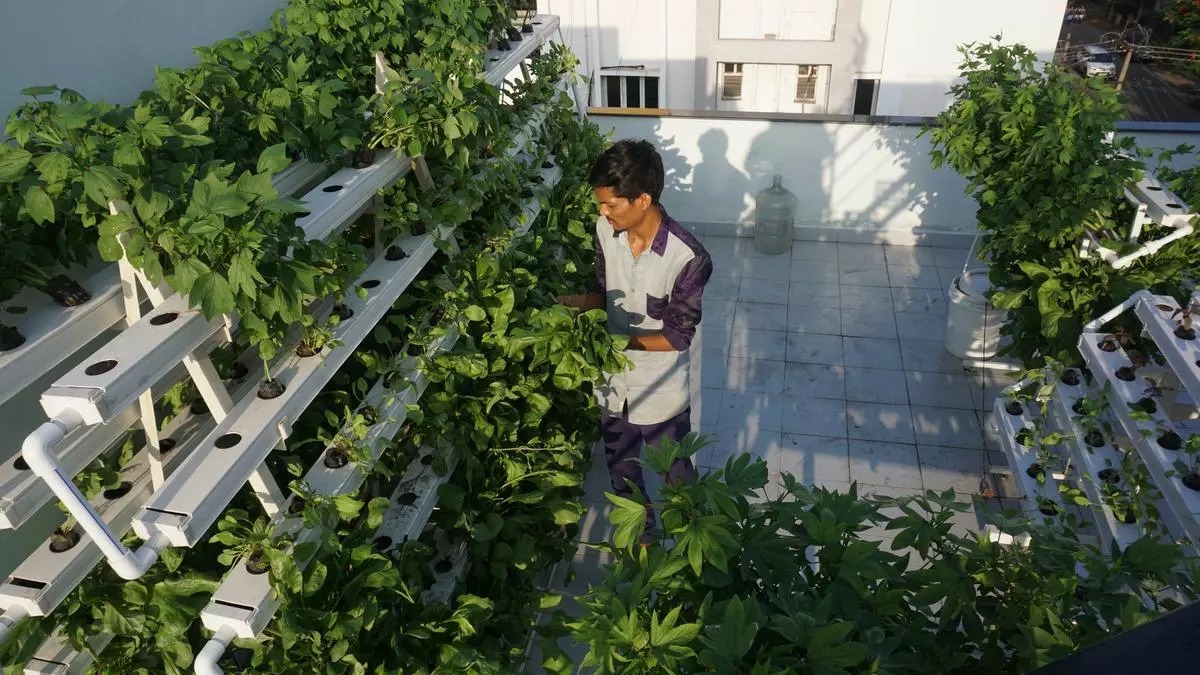
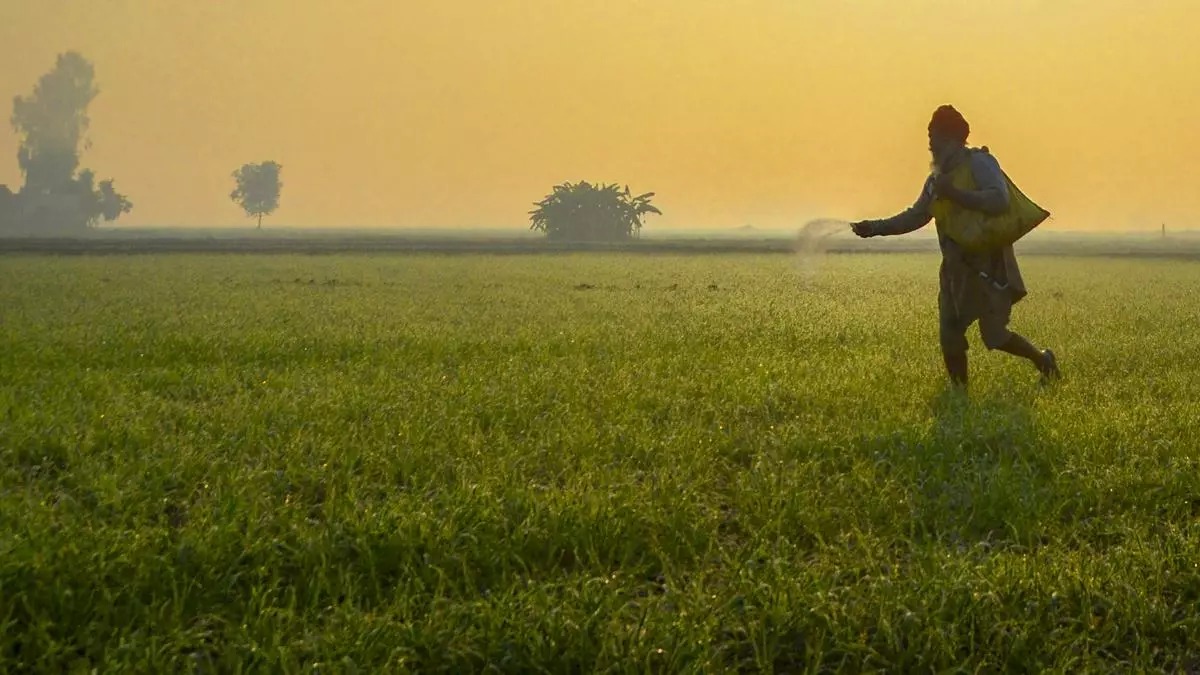
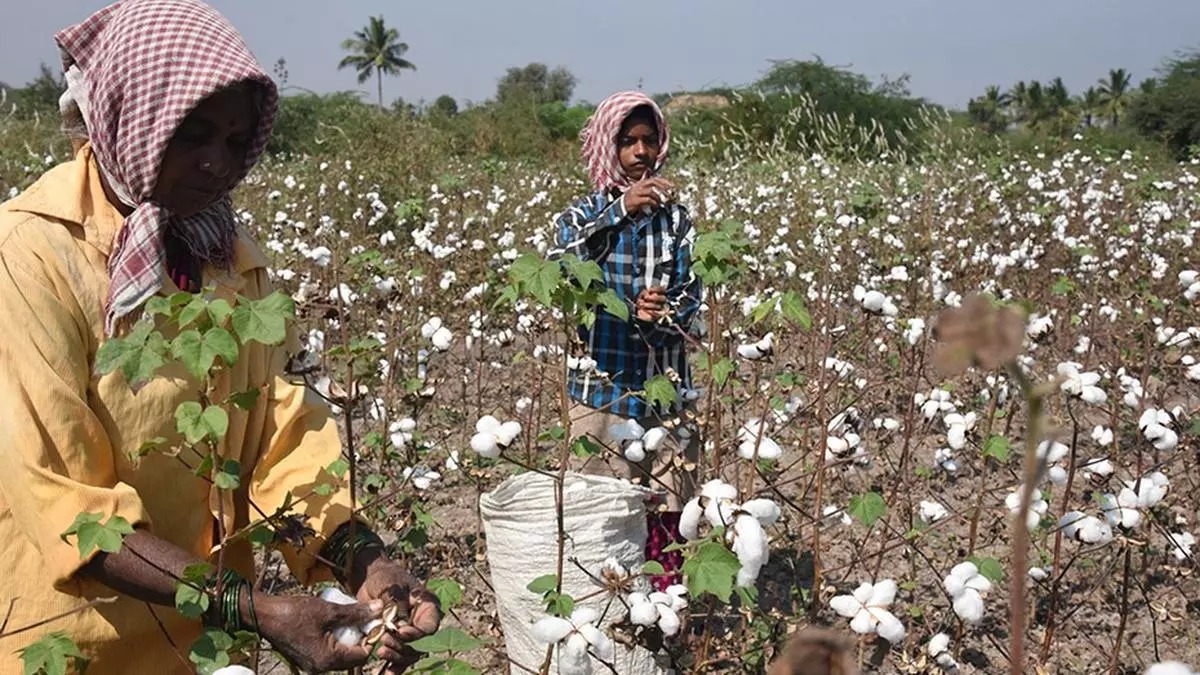
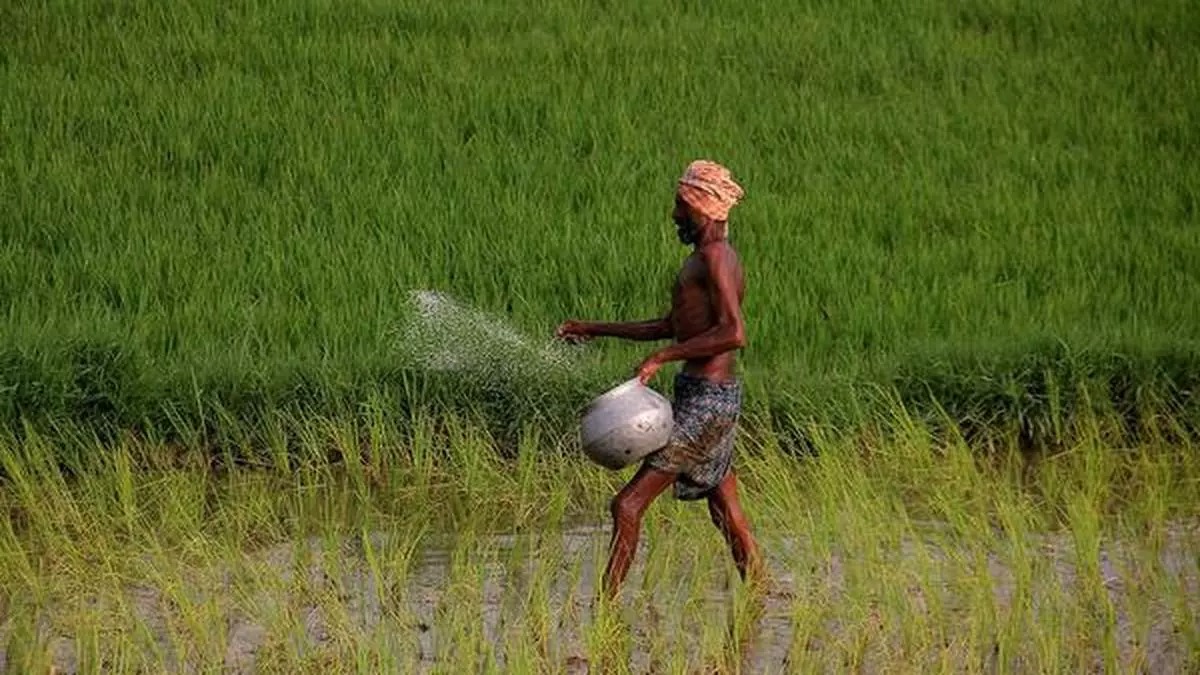
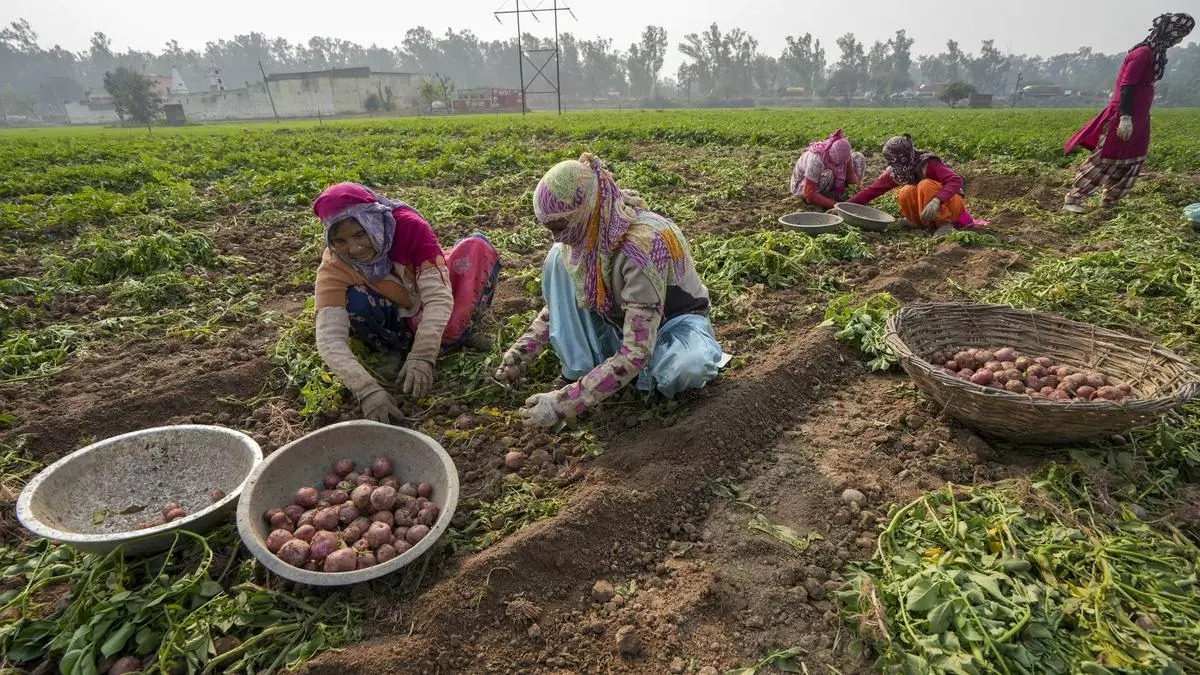
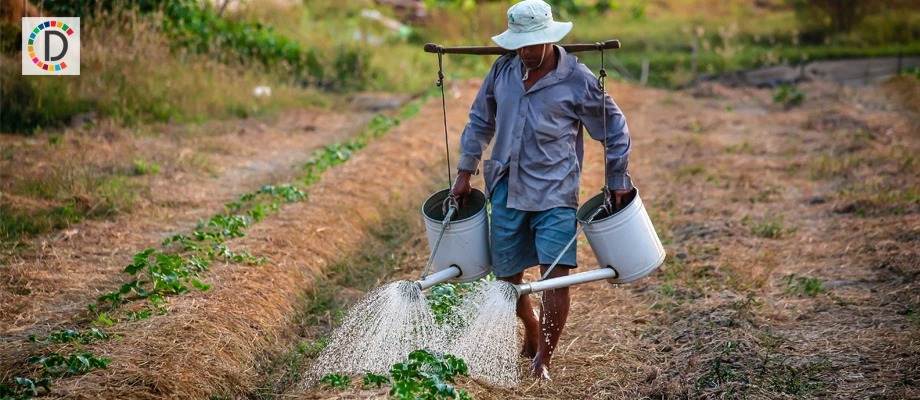
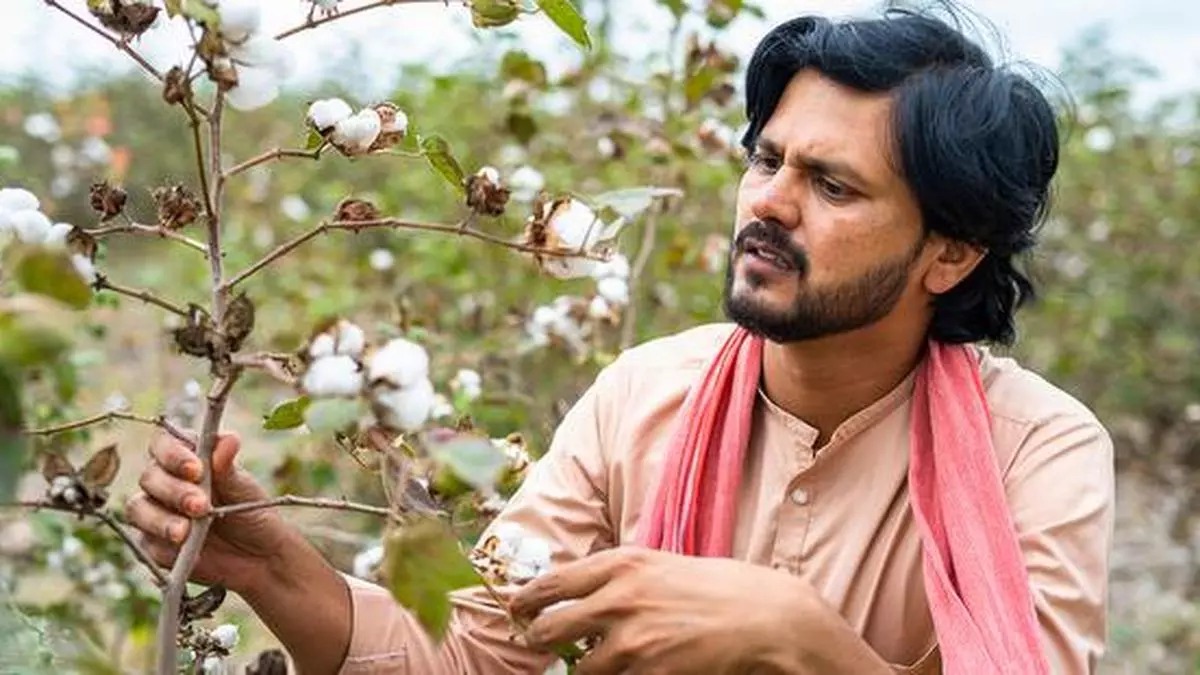
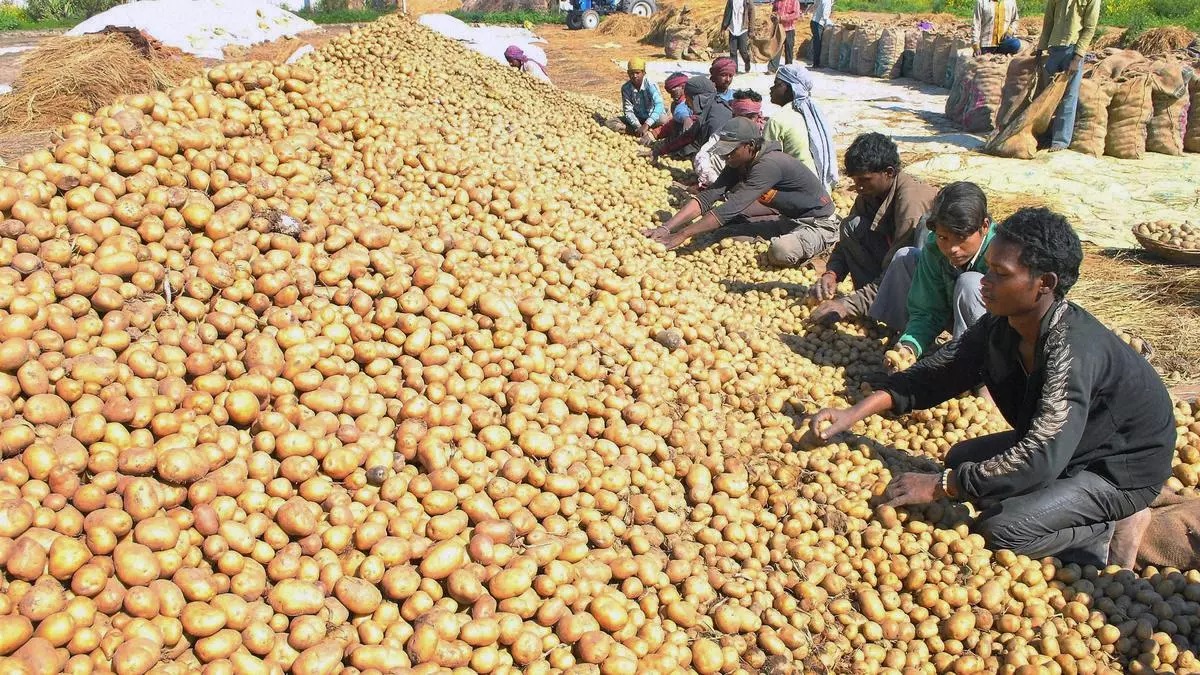
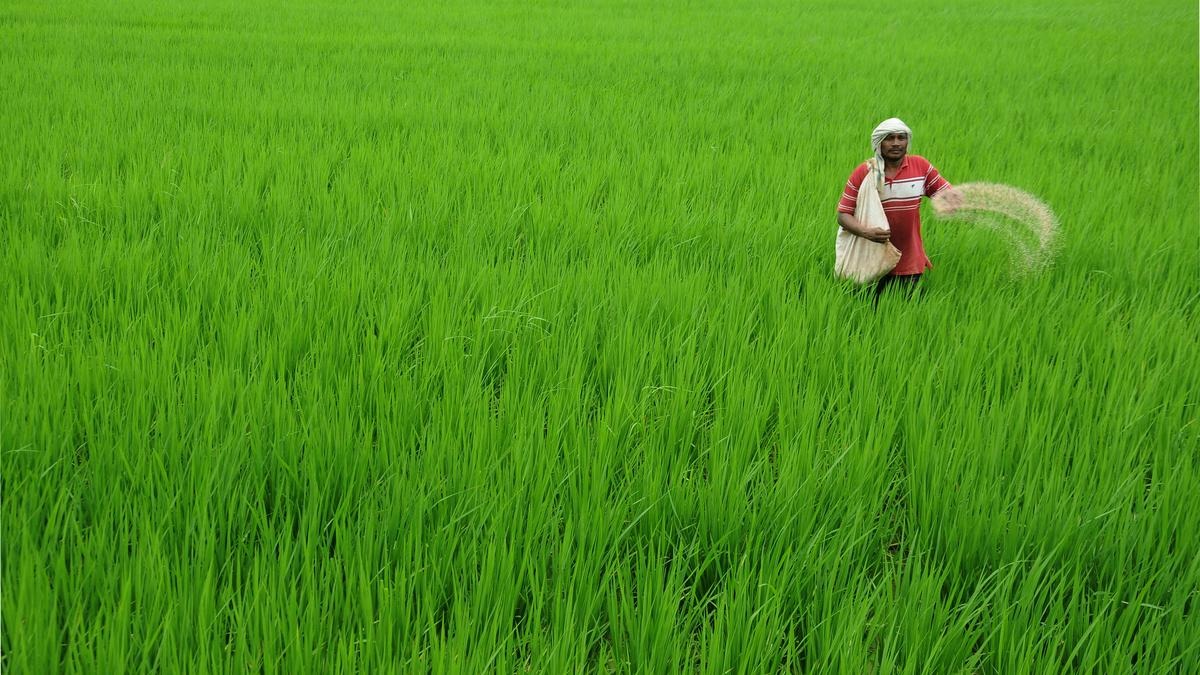
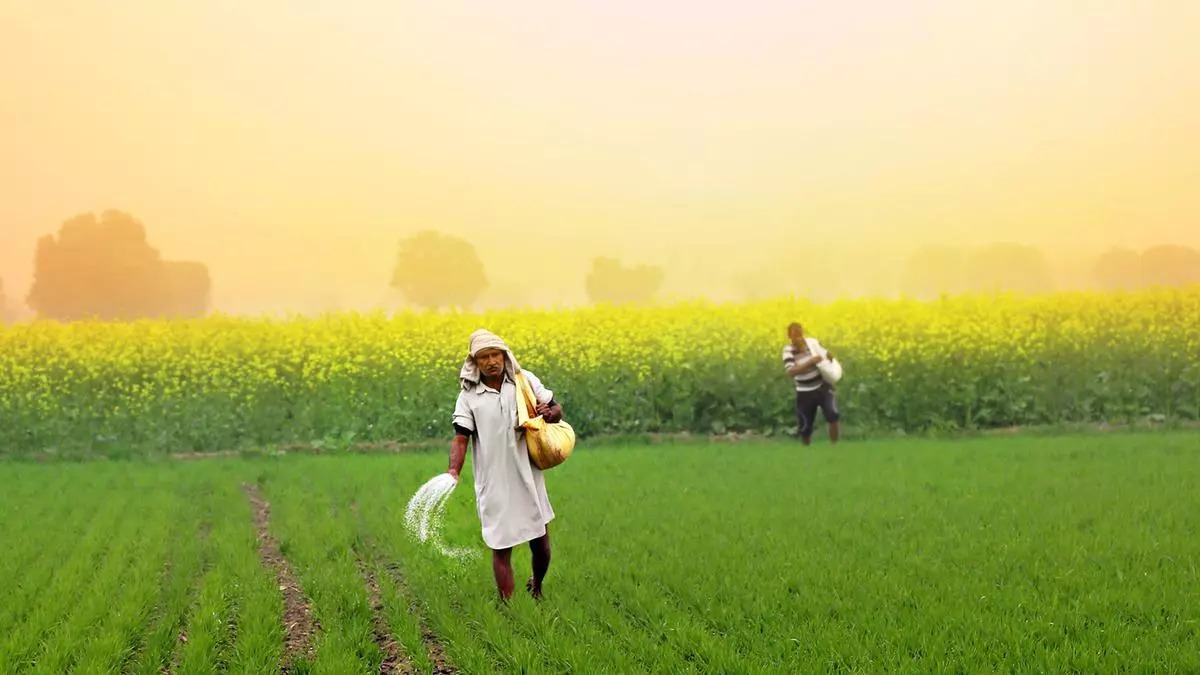
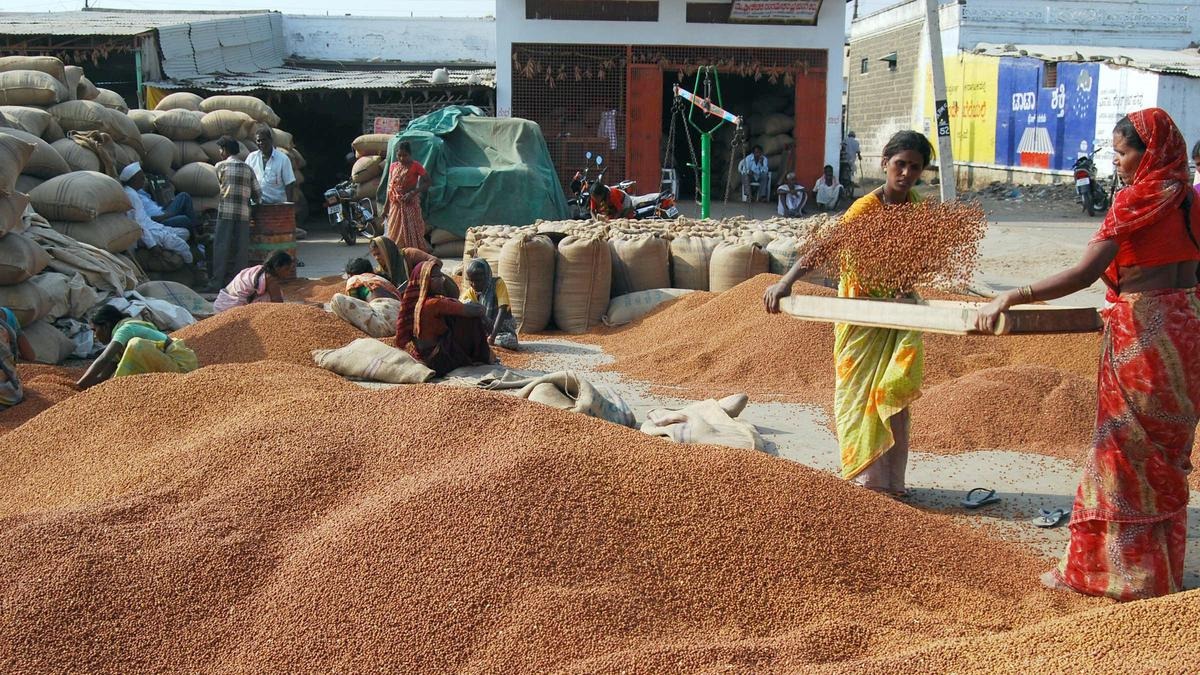
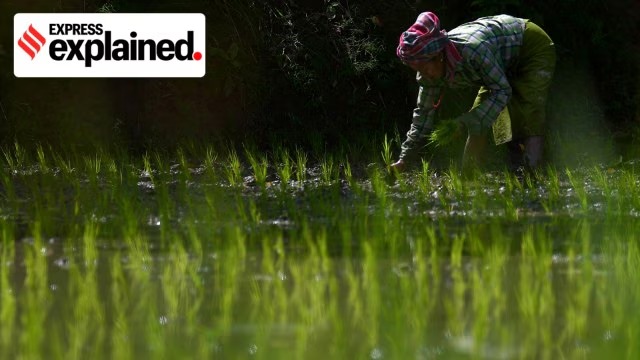
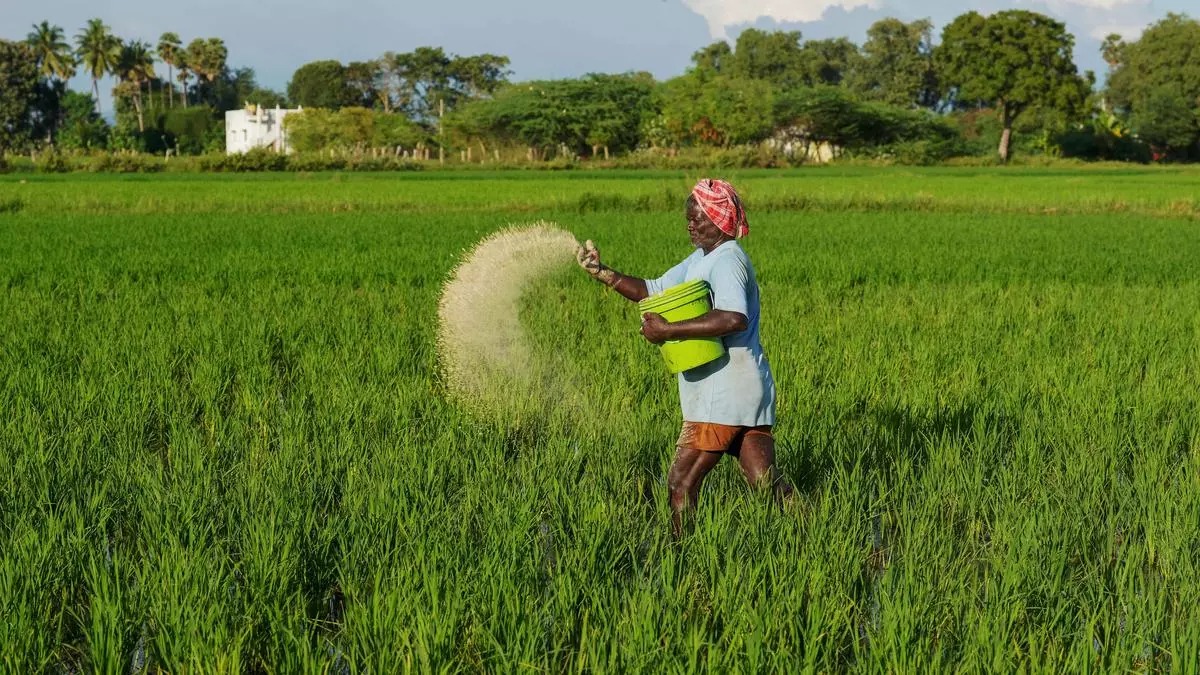
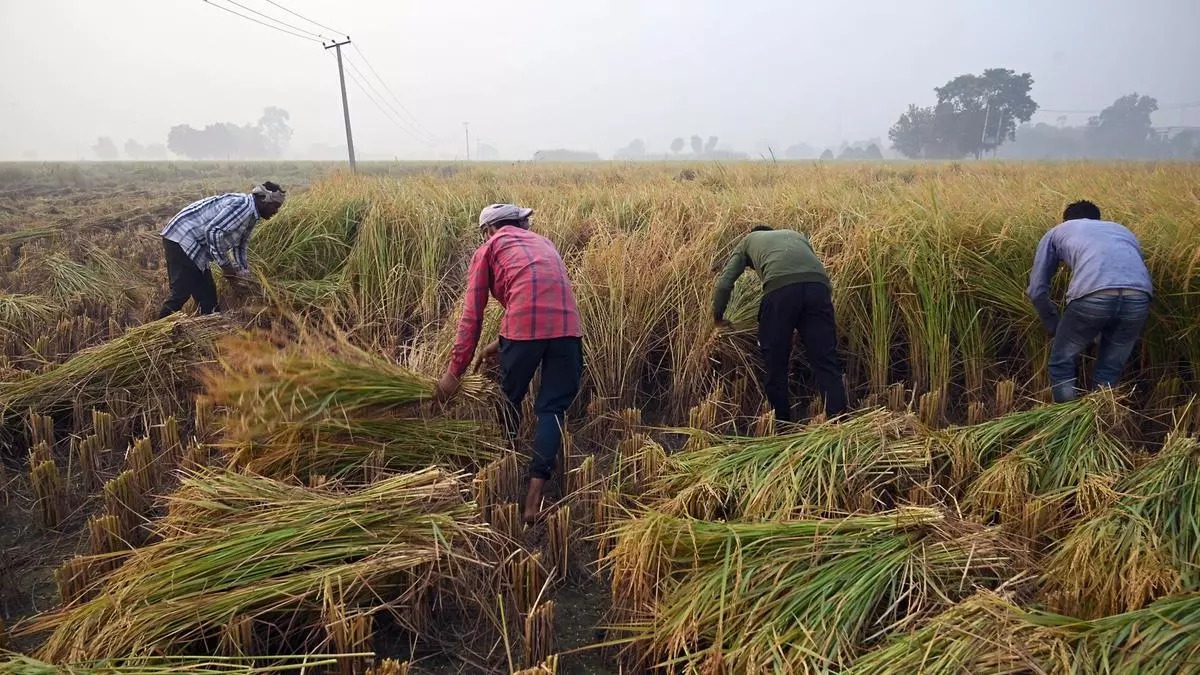
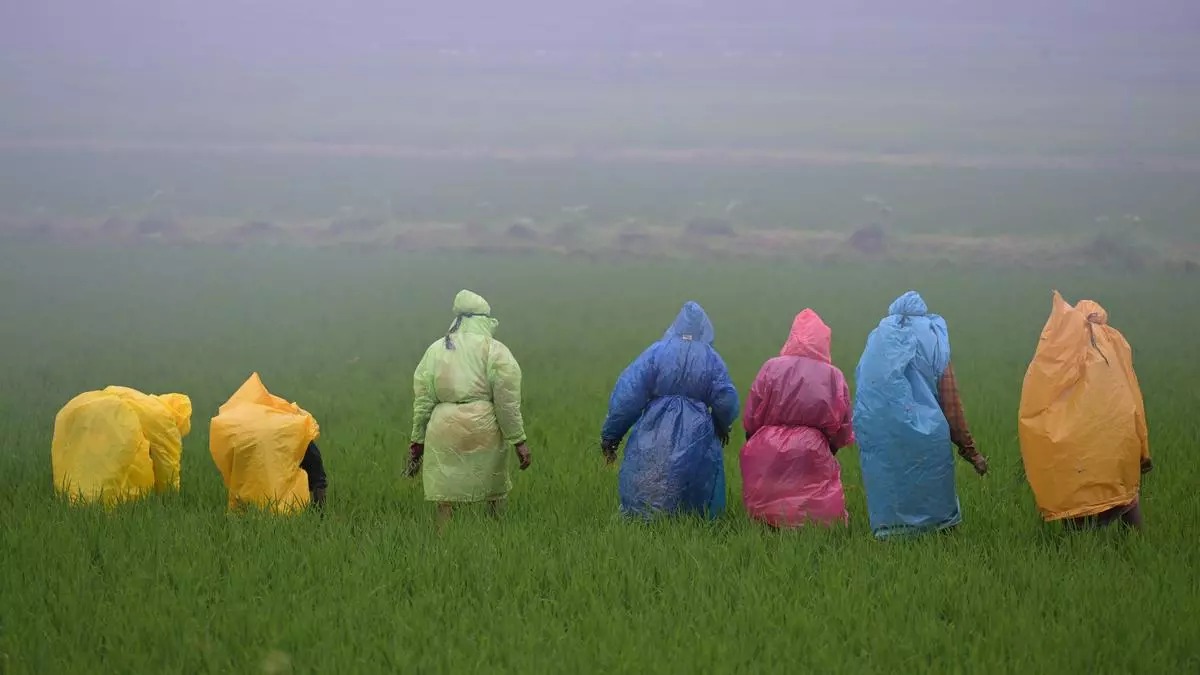
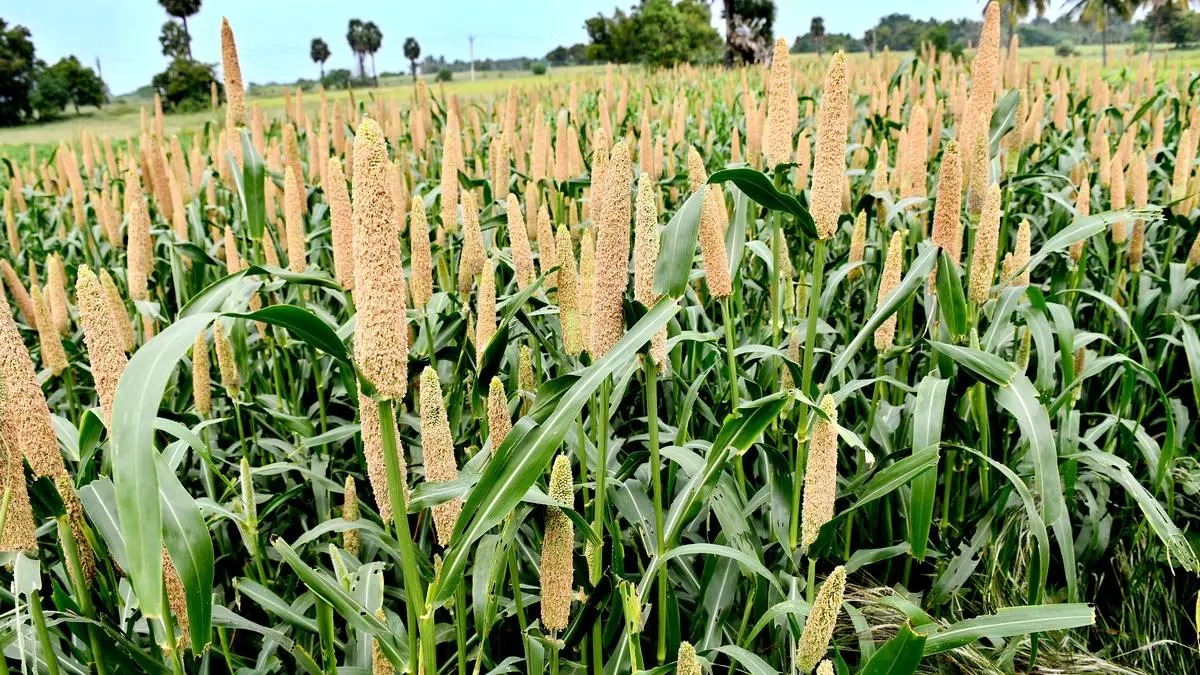
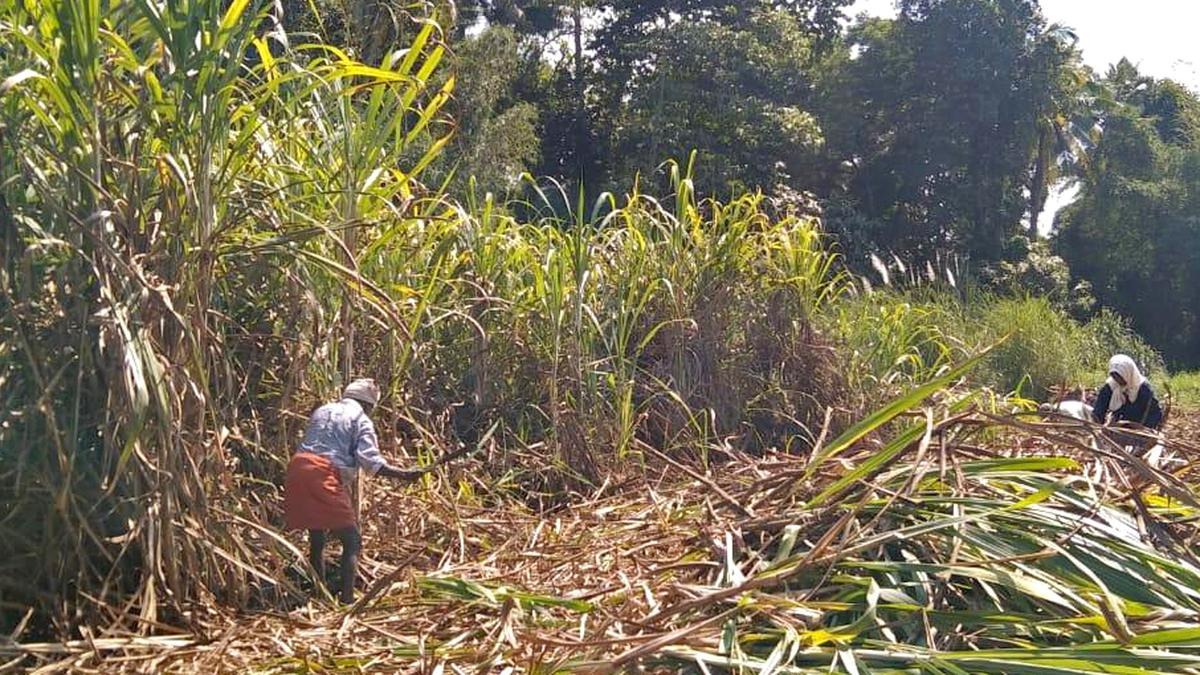
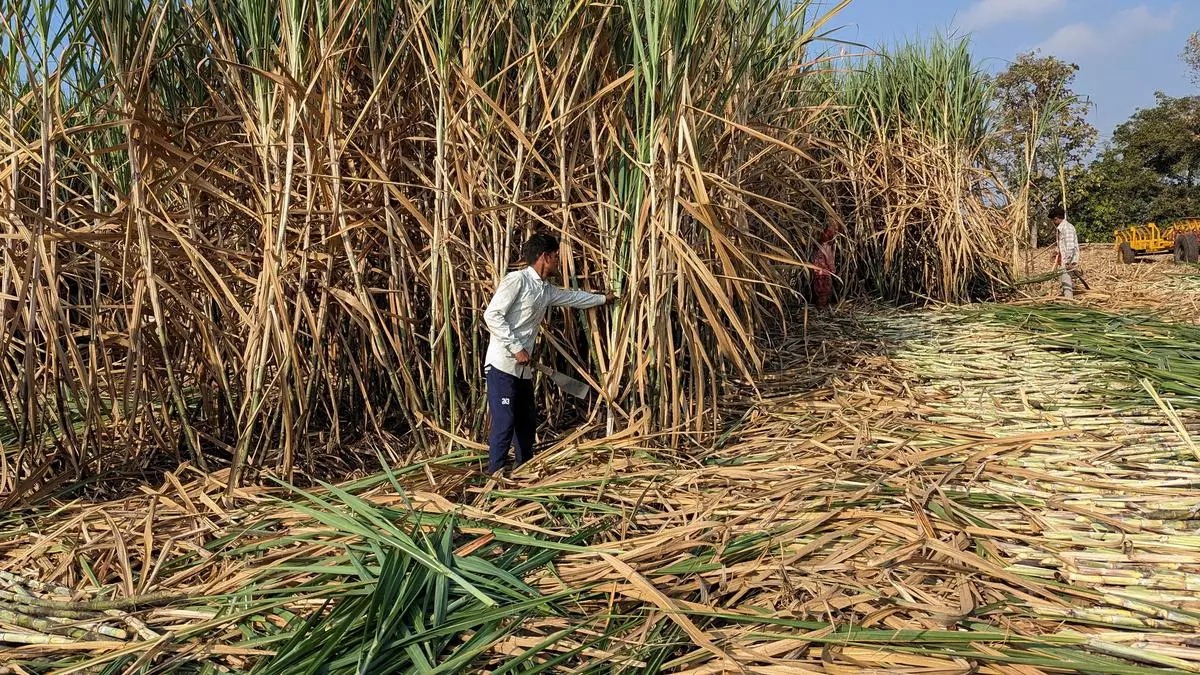
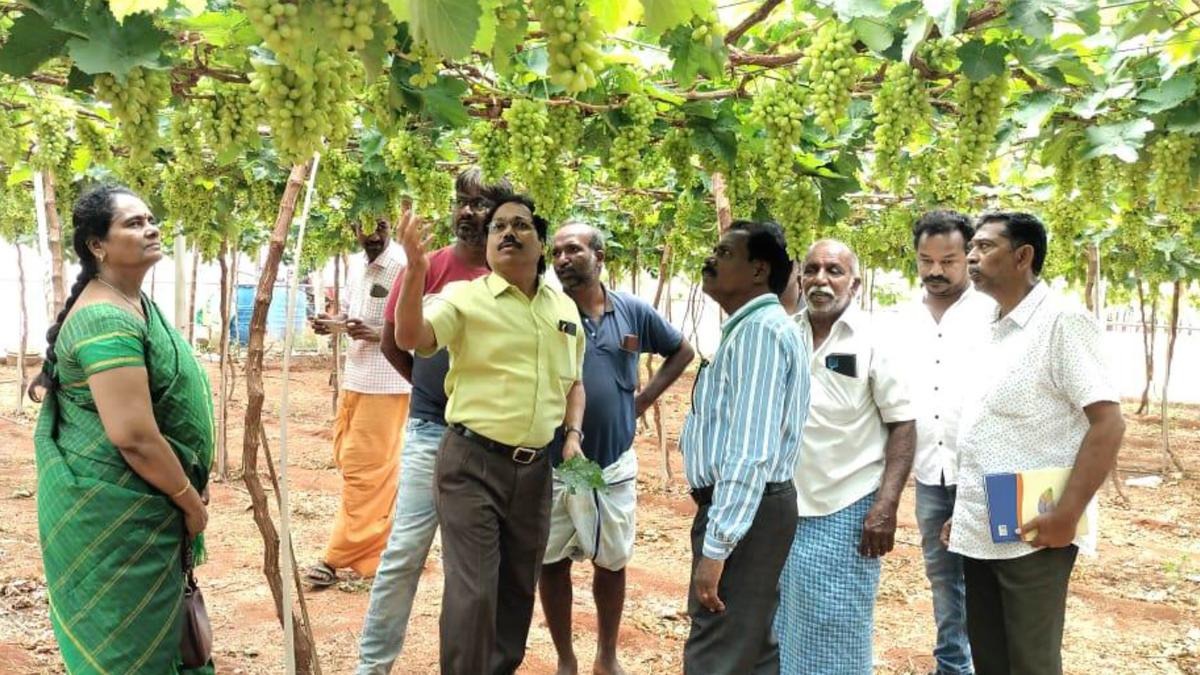
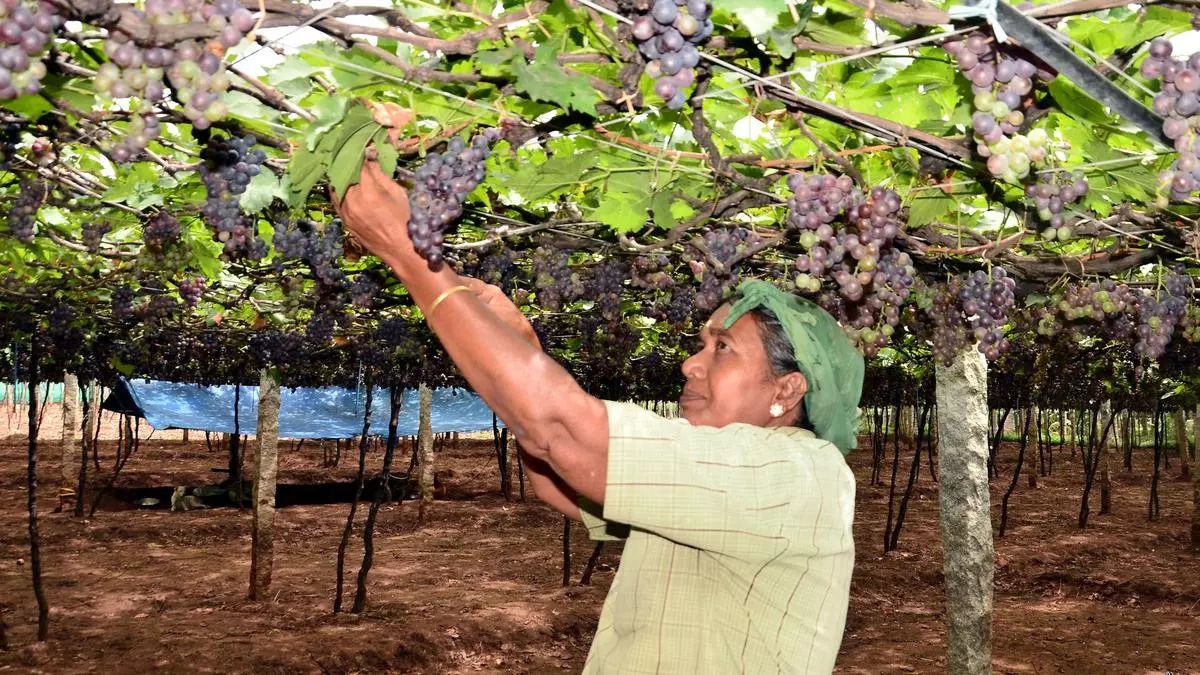
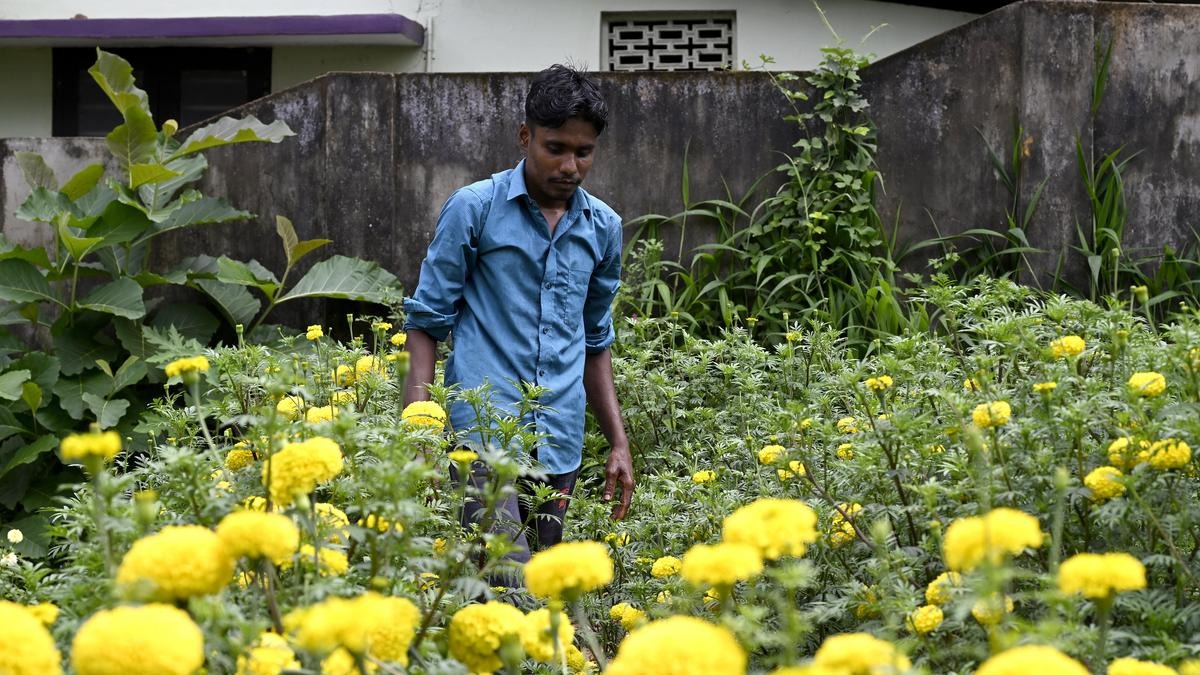
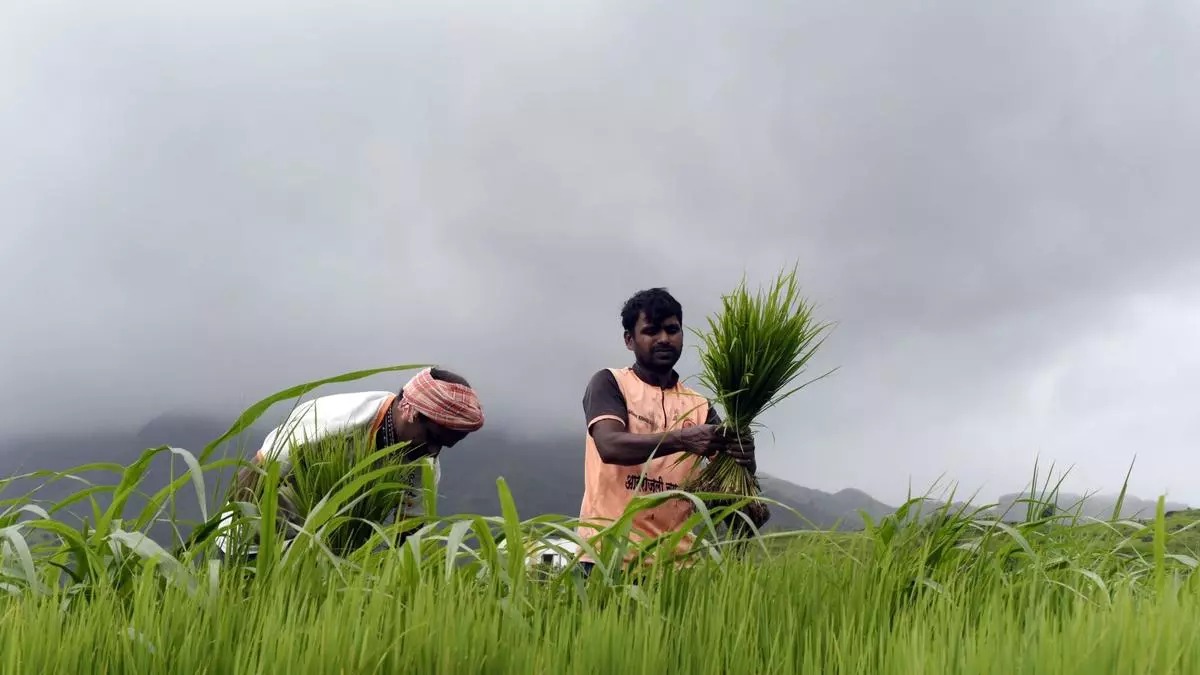
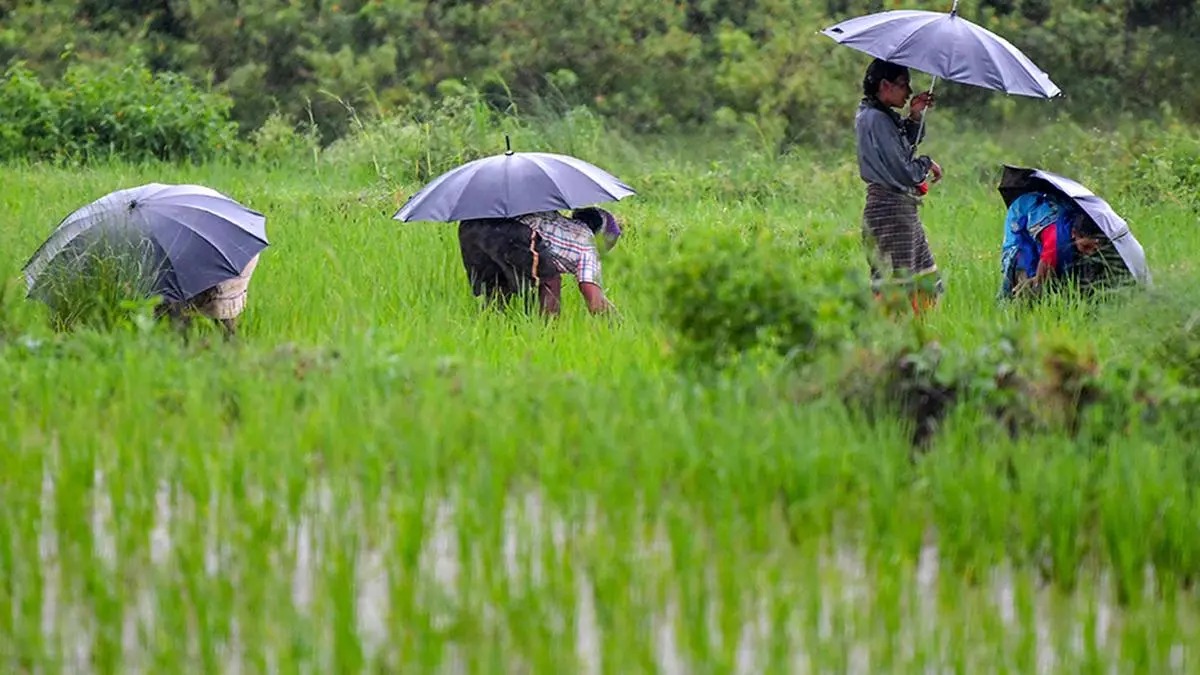
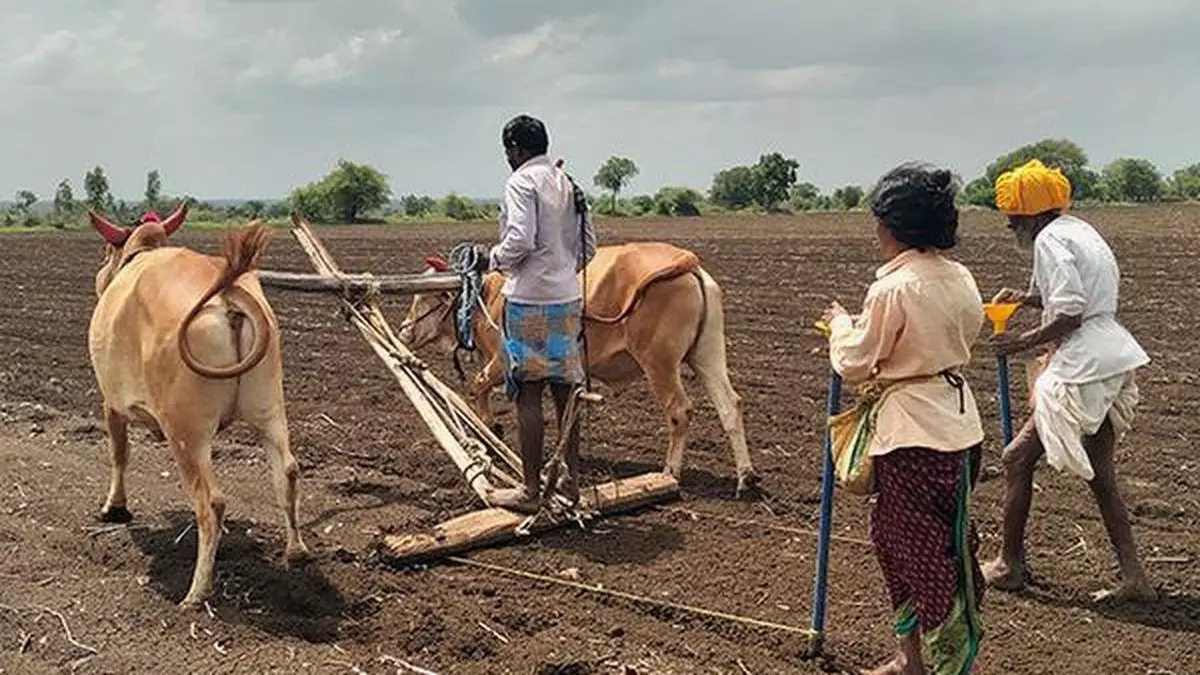
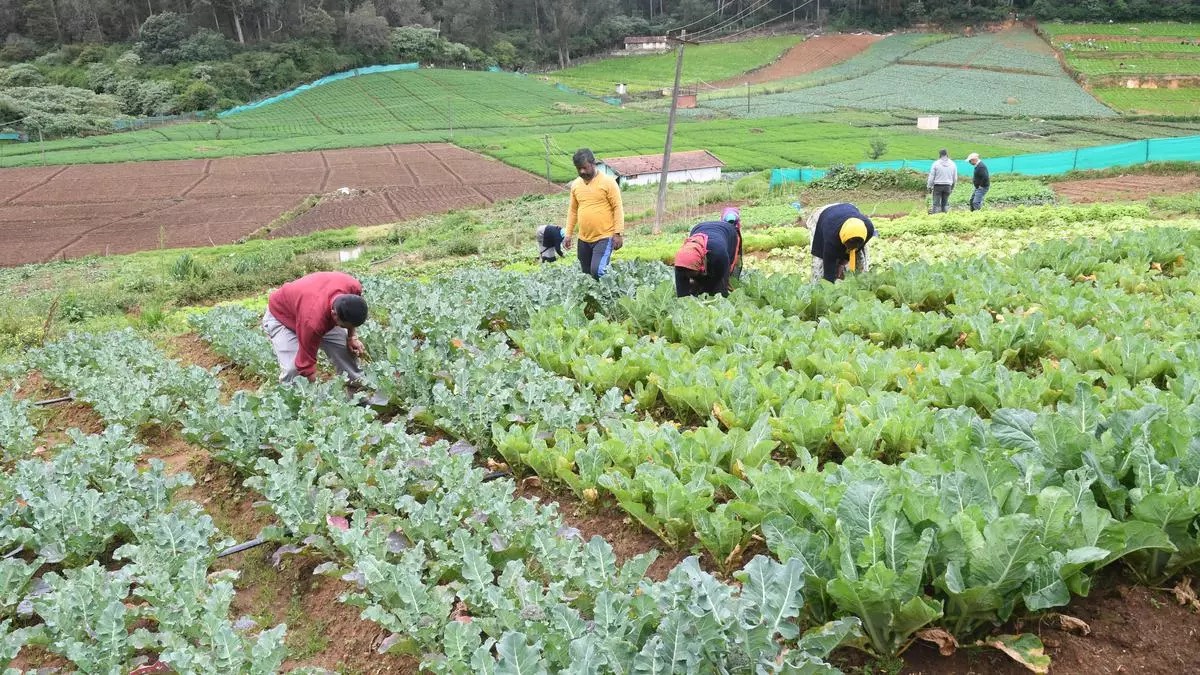
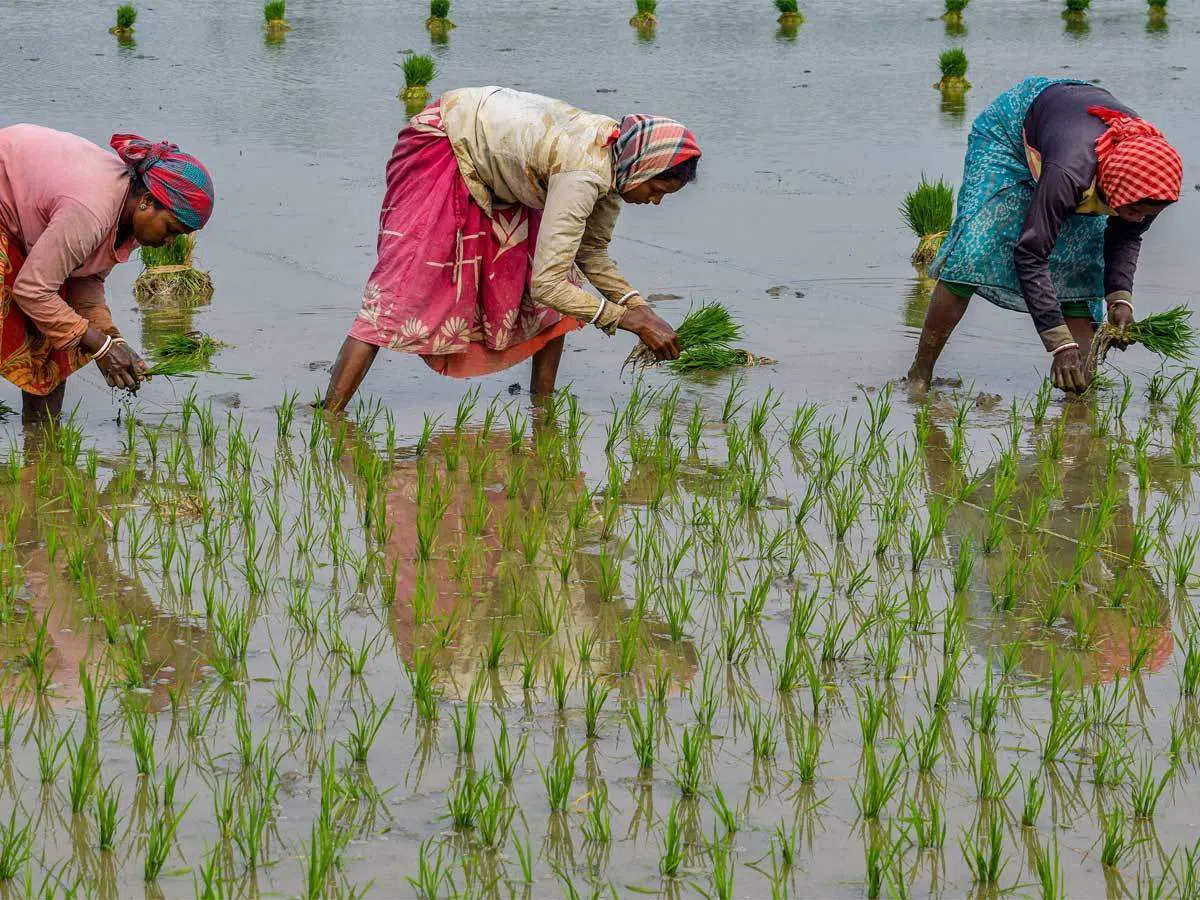
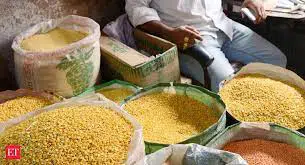
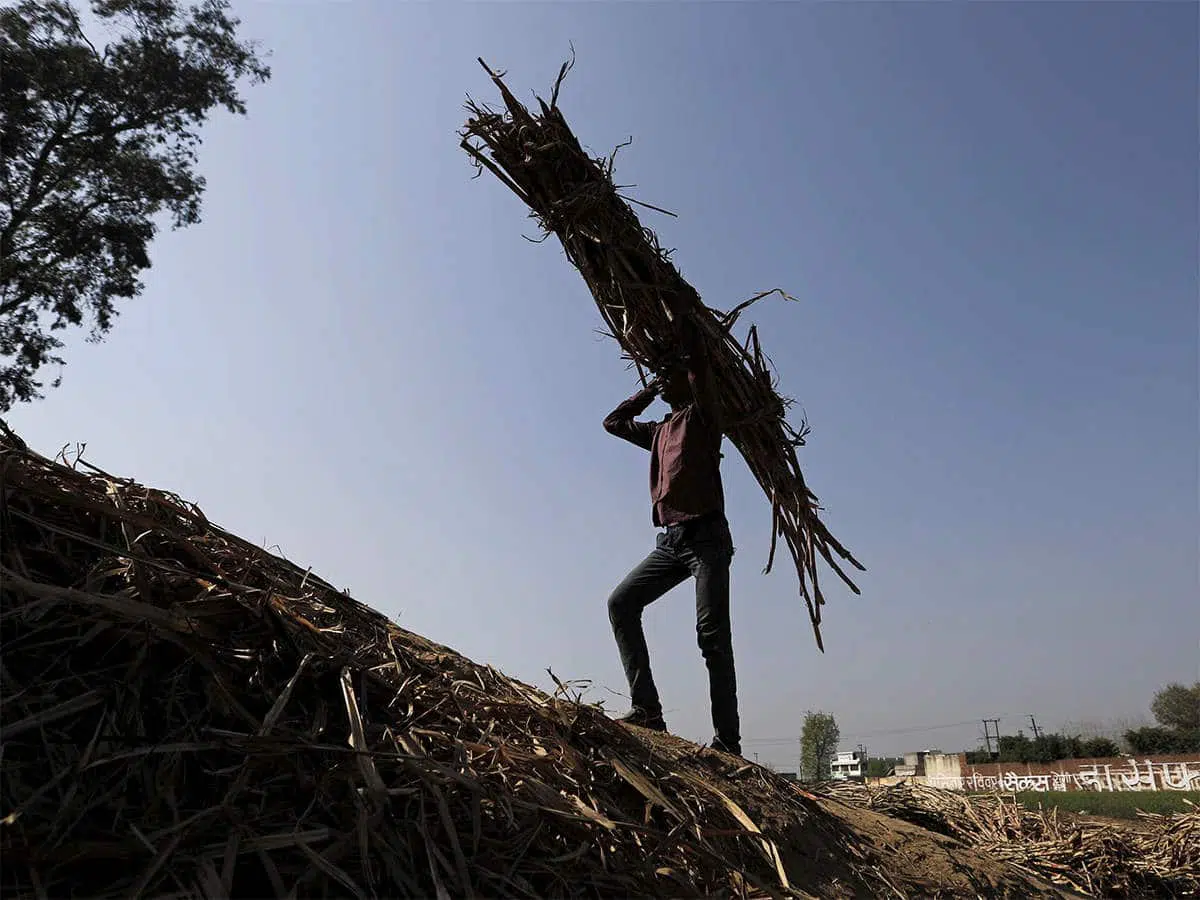
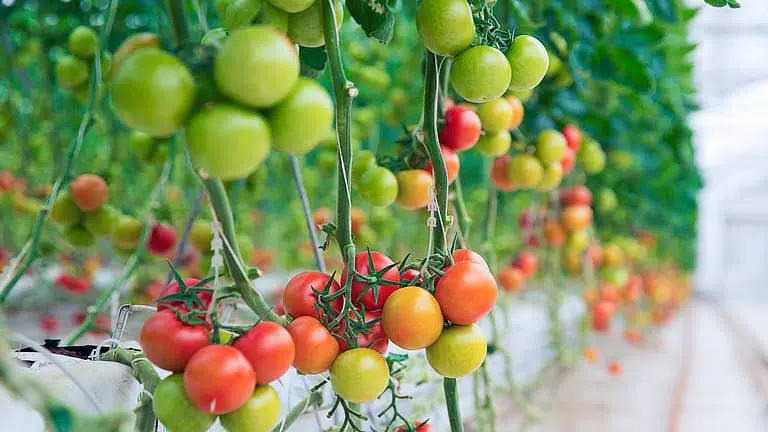
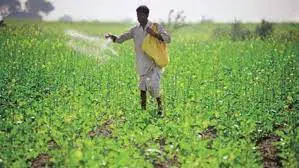
Agriculture remains the backbone of India’s economy, employing nearly 45 per cent of the workforce and contributing around 15-18 per cent to GDP, with foodgrain production exceeding 330 million tonnes annually to feed 1.4 billion people along with exports. A significant part of this production comes from farmers who operate in less than 2 hectares of land (about 5 acres, typically 1-2.5 acres in practice), referred to as marginal farmers. Despite operating in tiny plots, they are able to contribute significantly because they constitute over 89 per cent of agricultural households and more than half of the farming workforce.
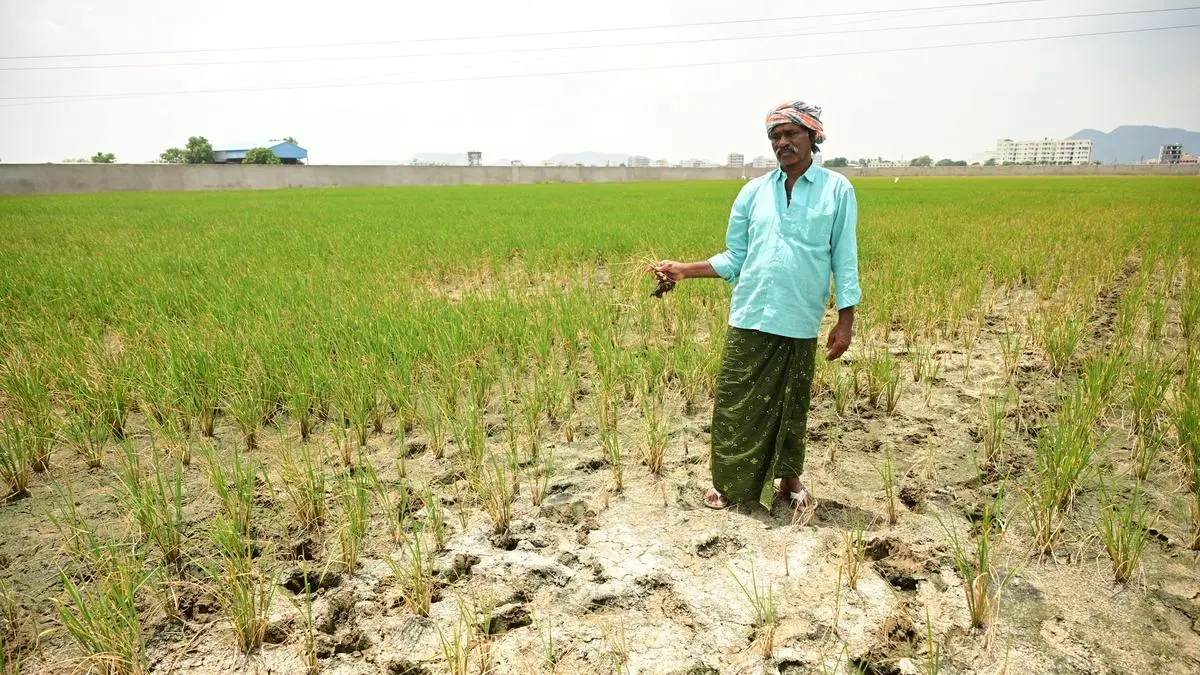
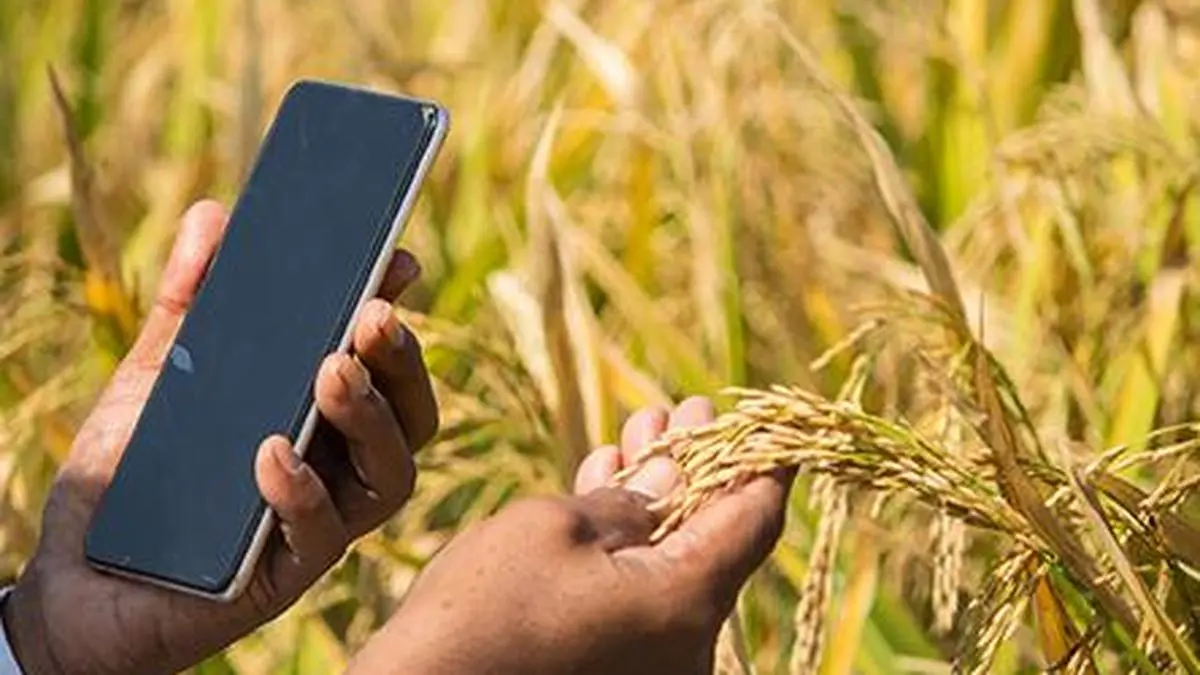
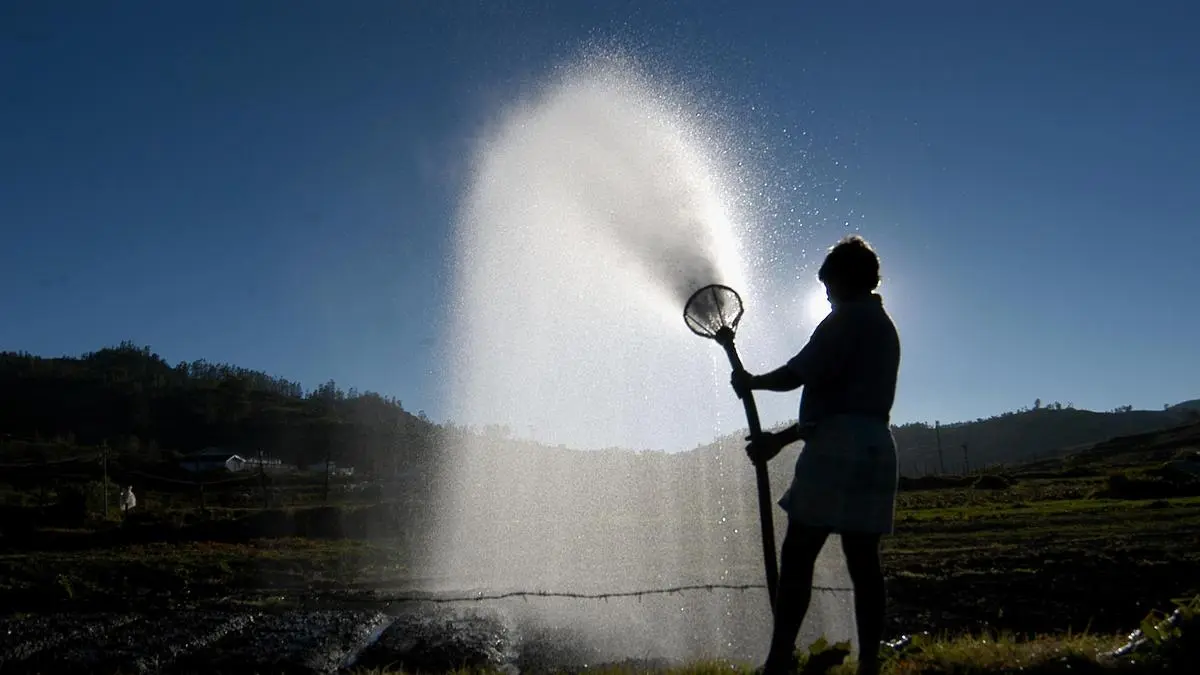
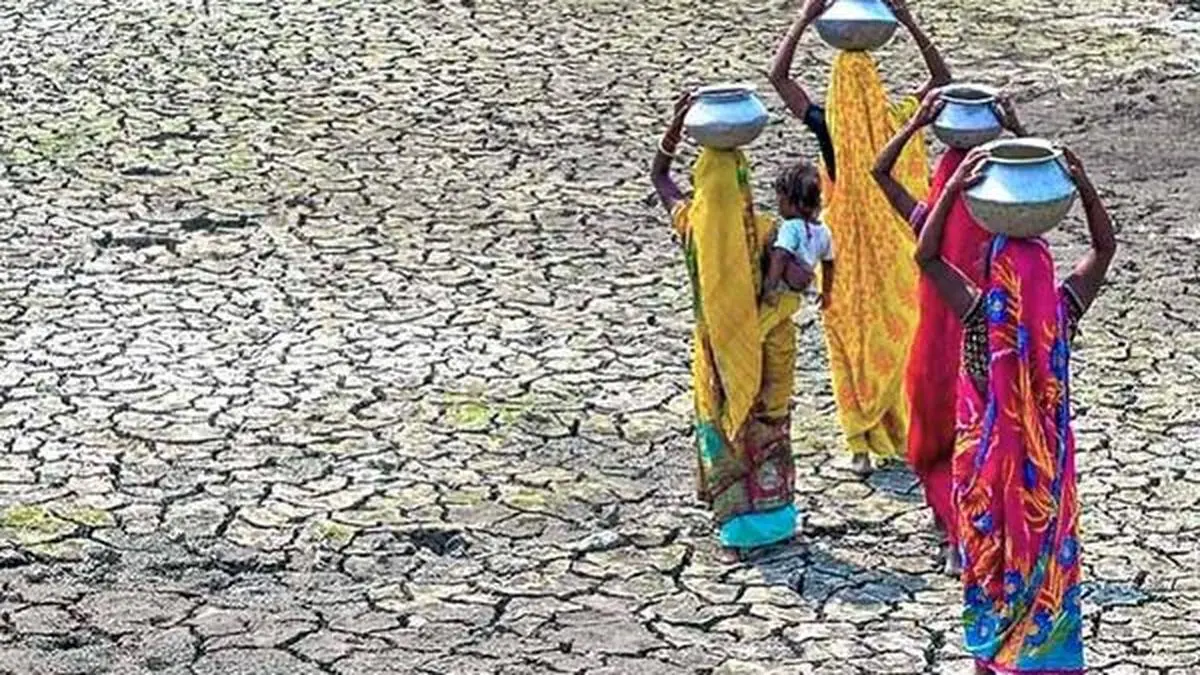
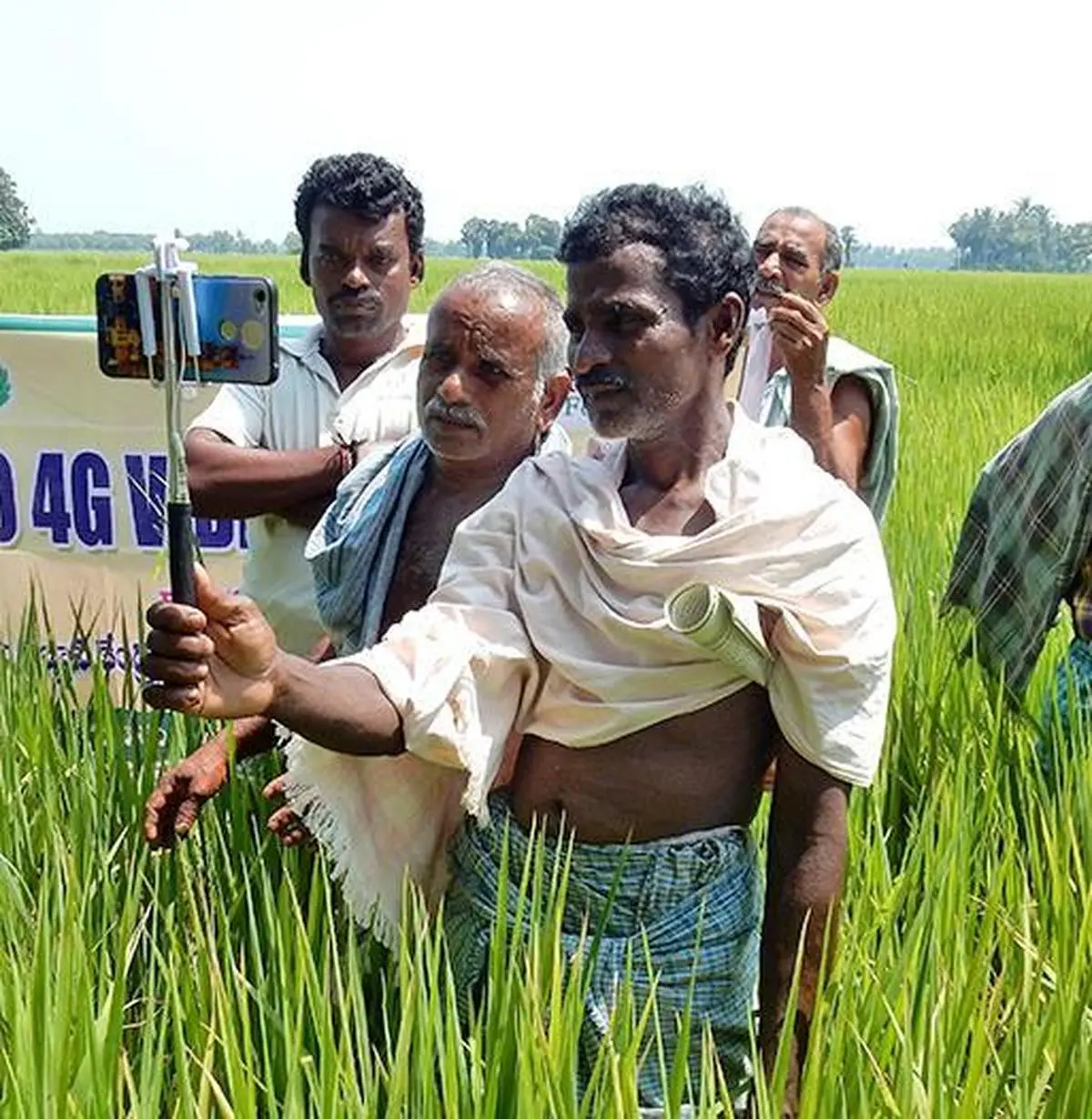
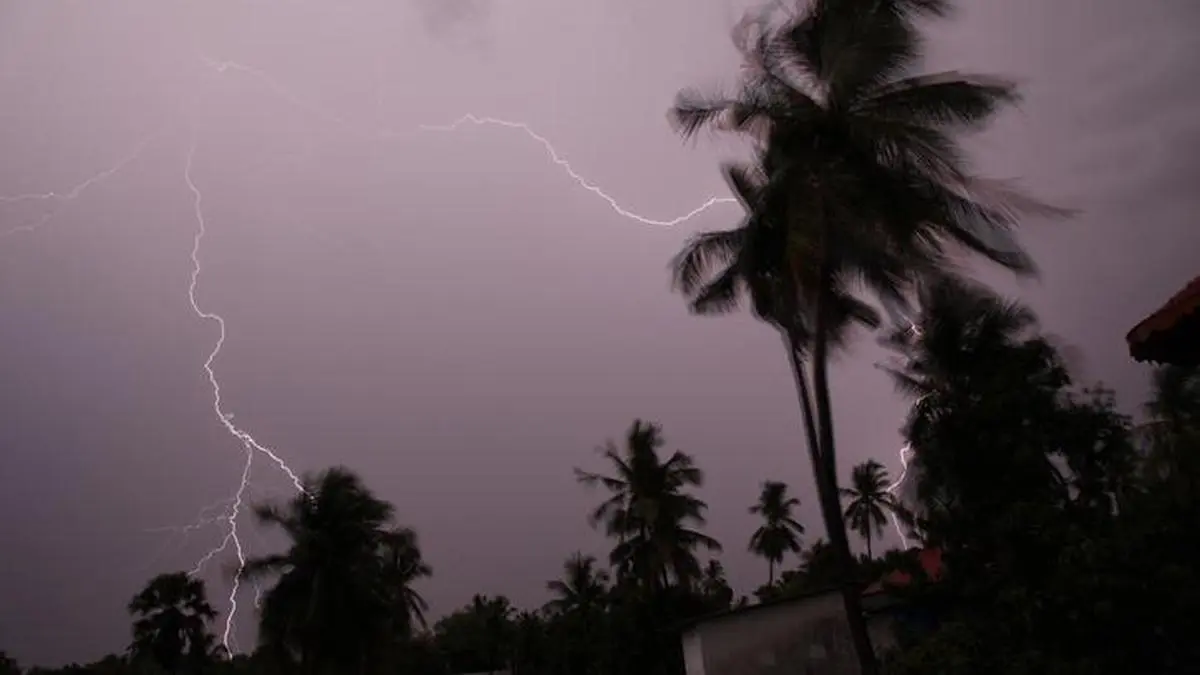
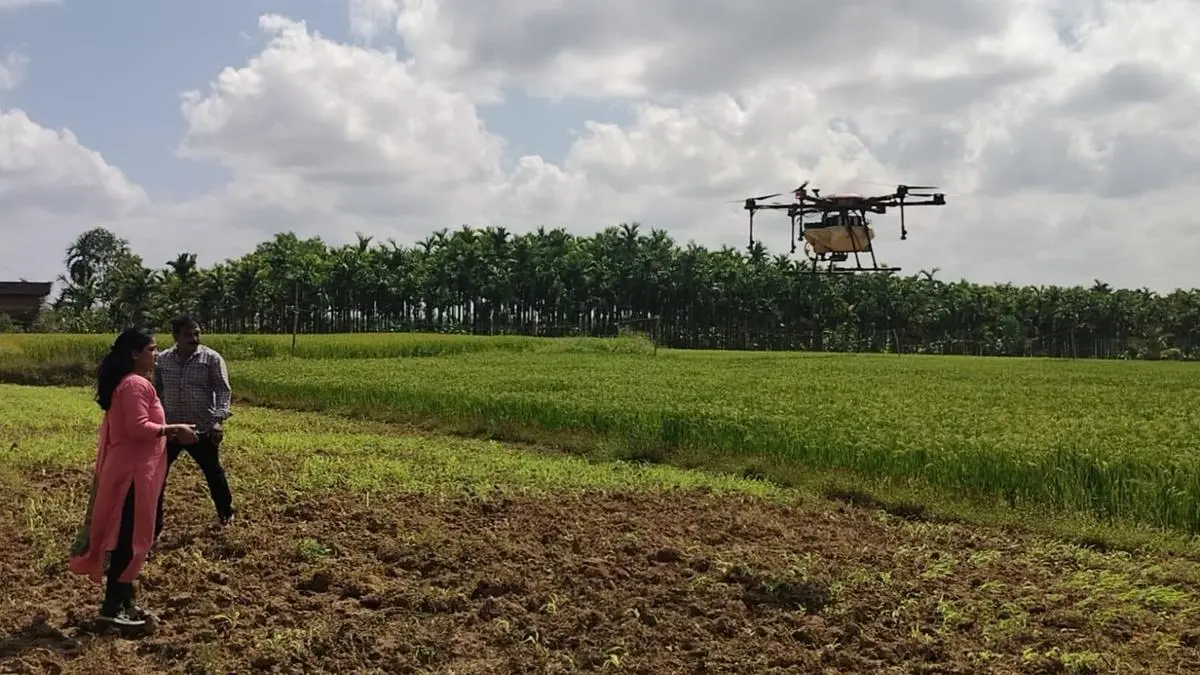
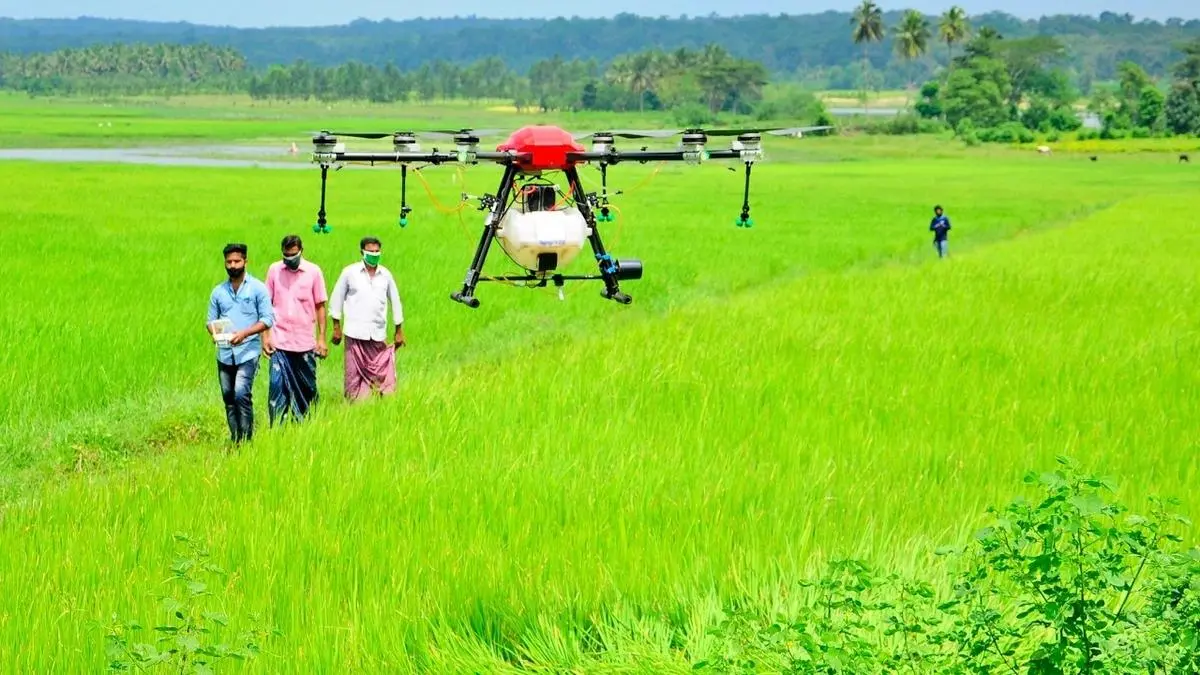
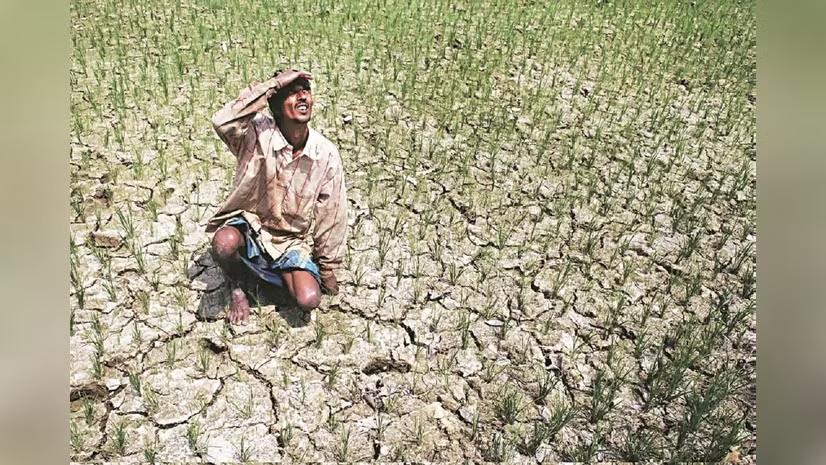
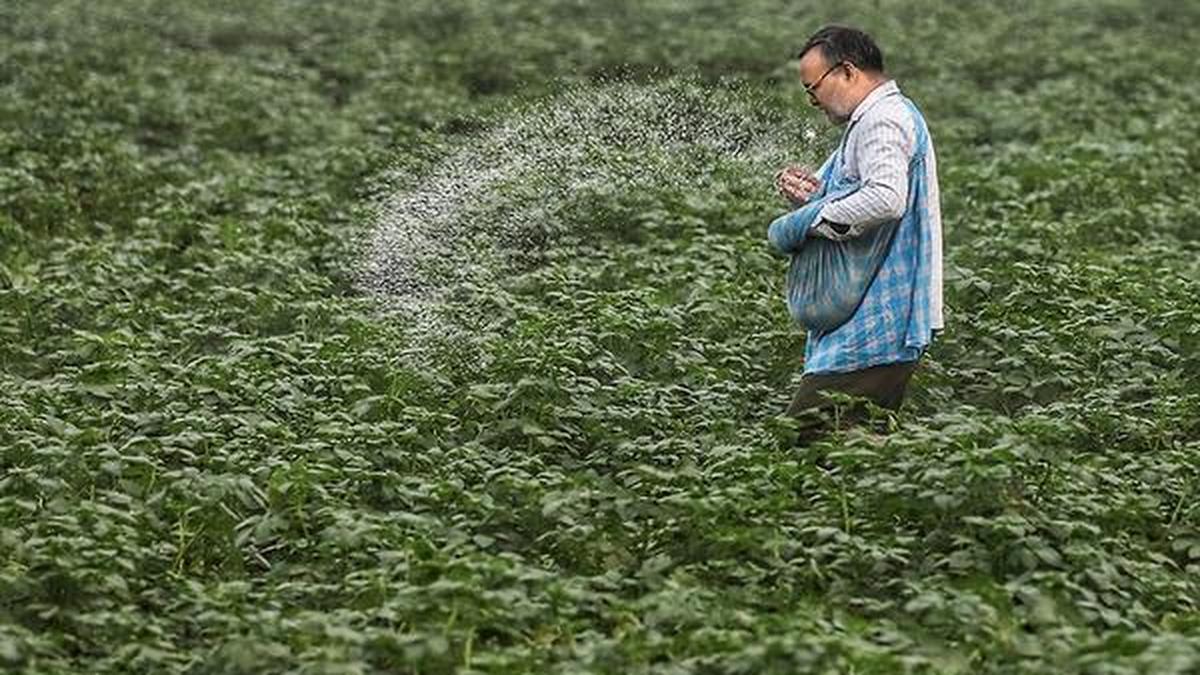
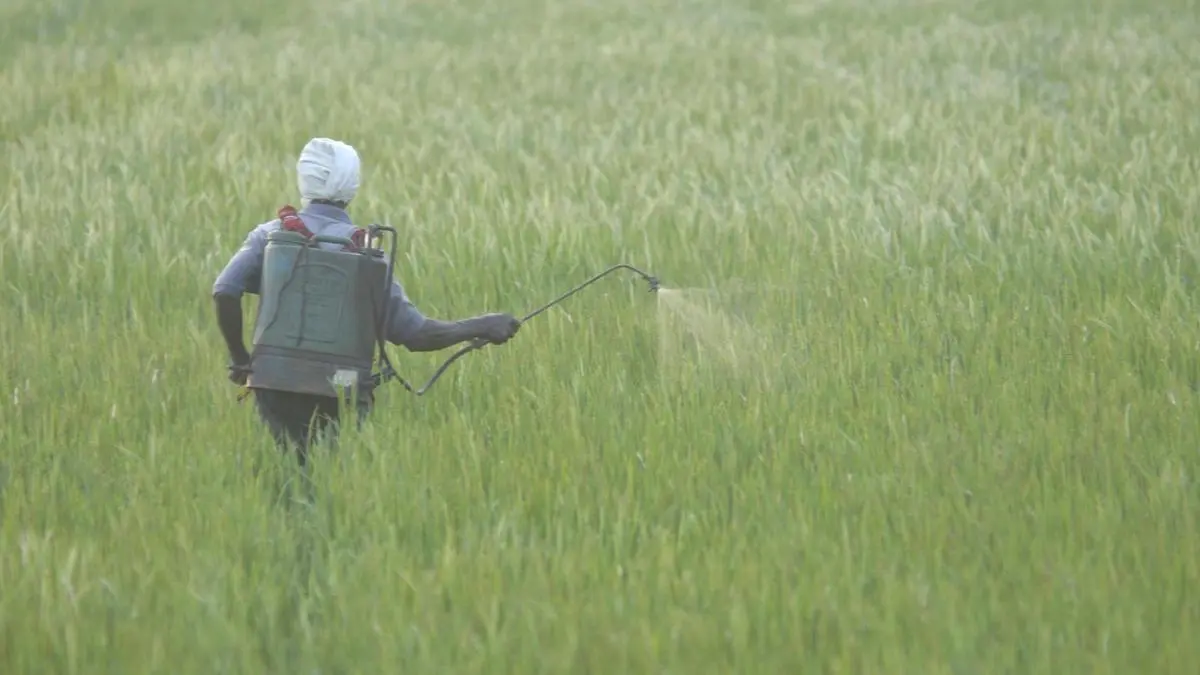
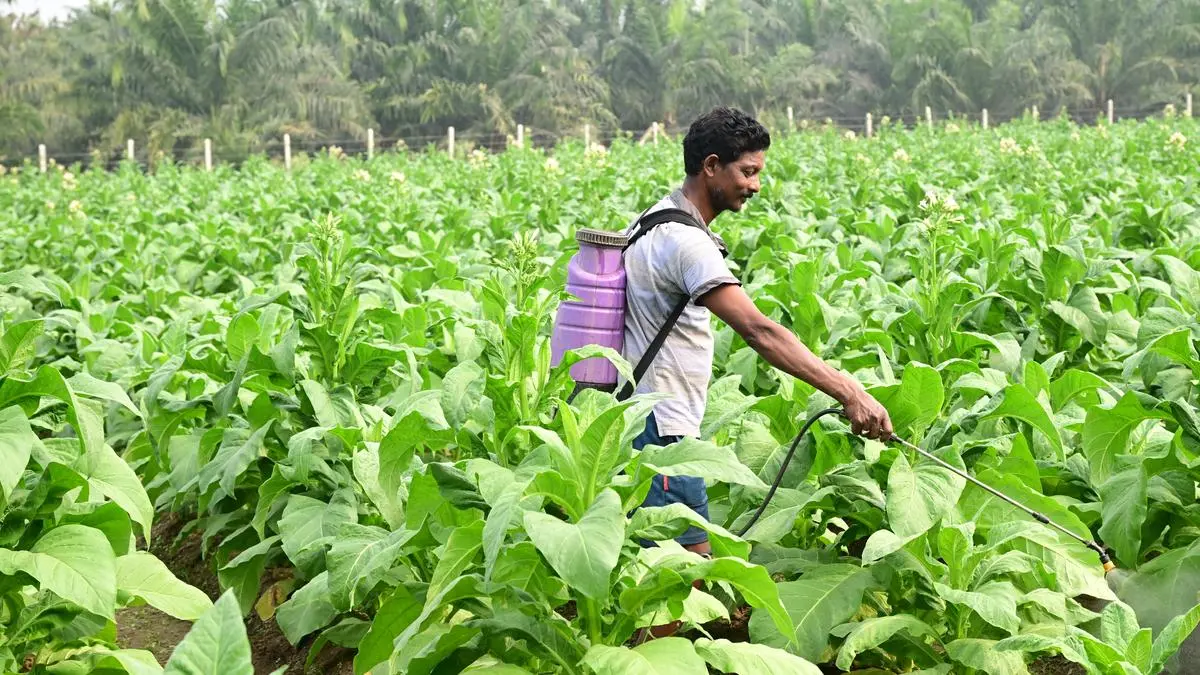
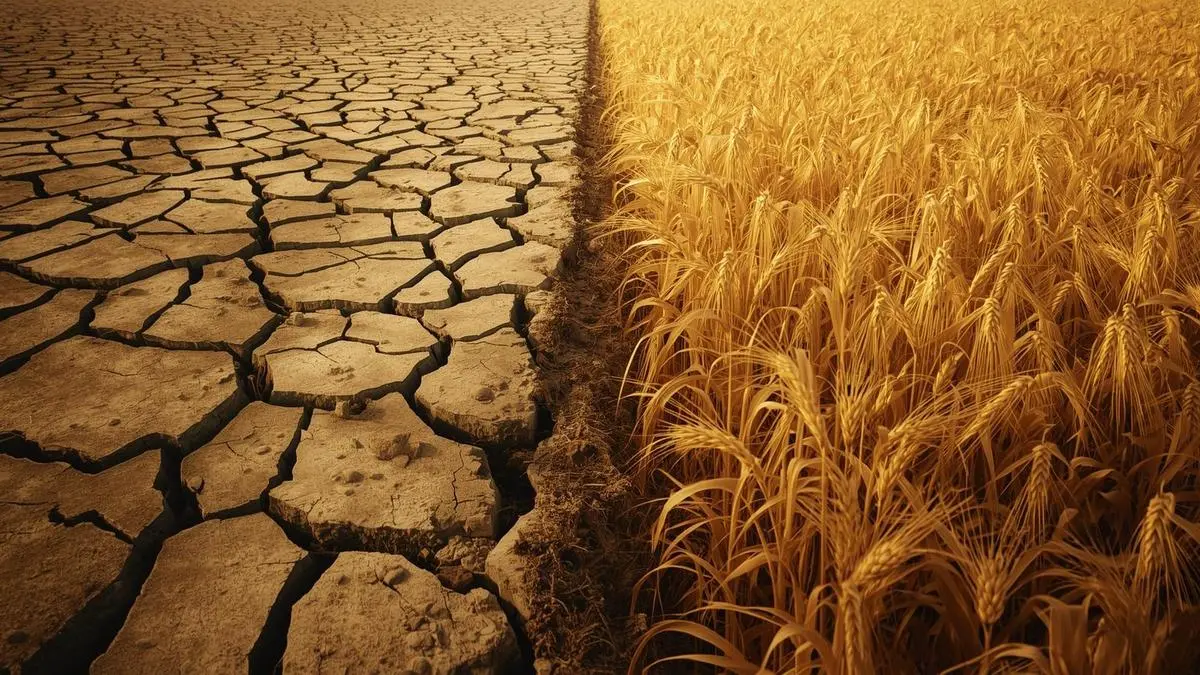
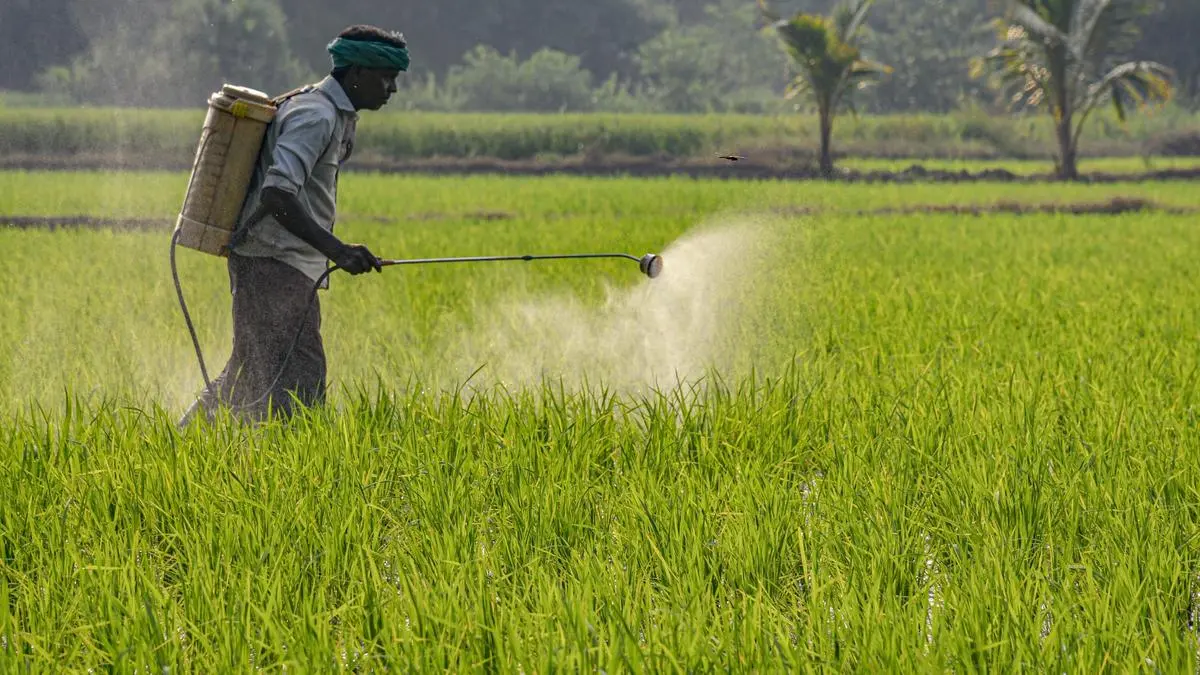
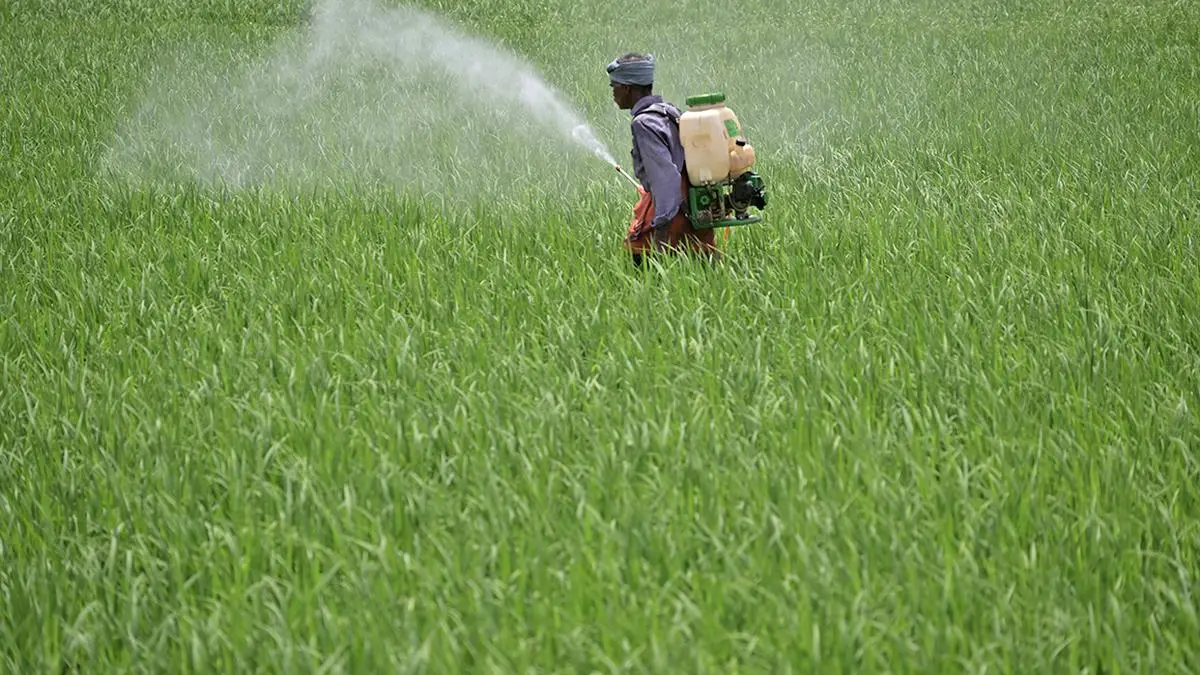
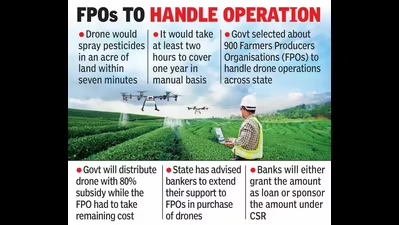
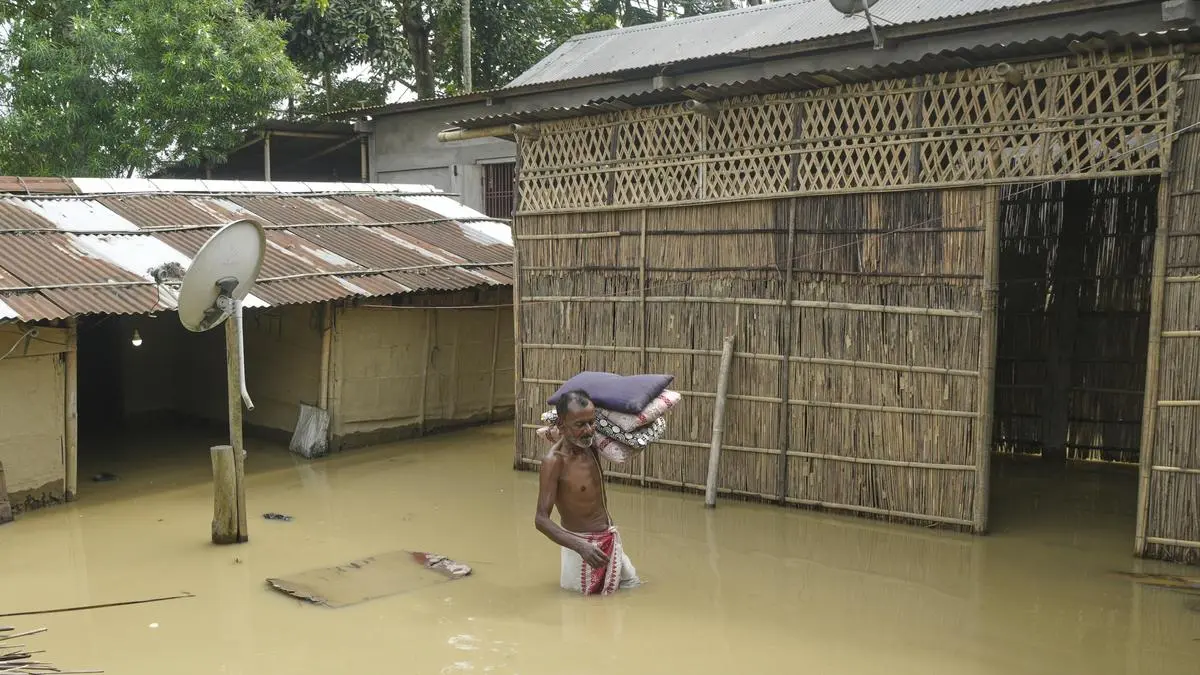
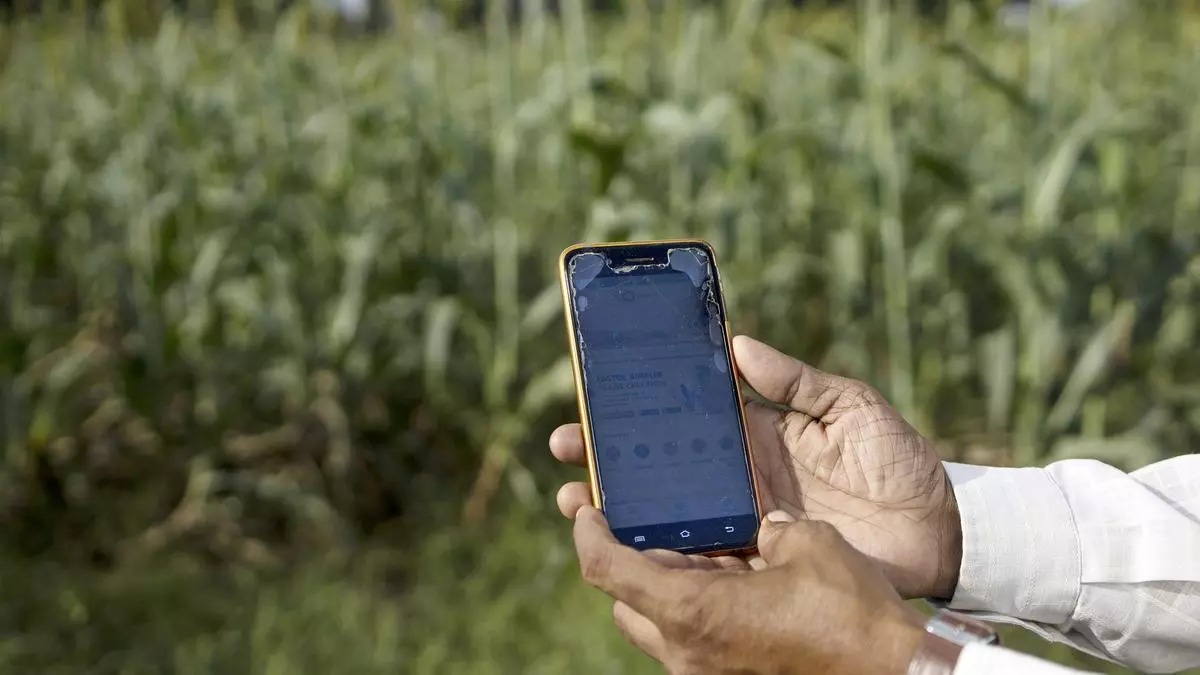
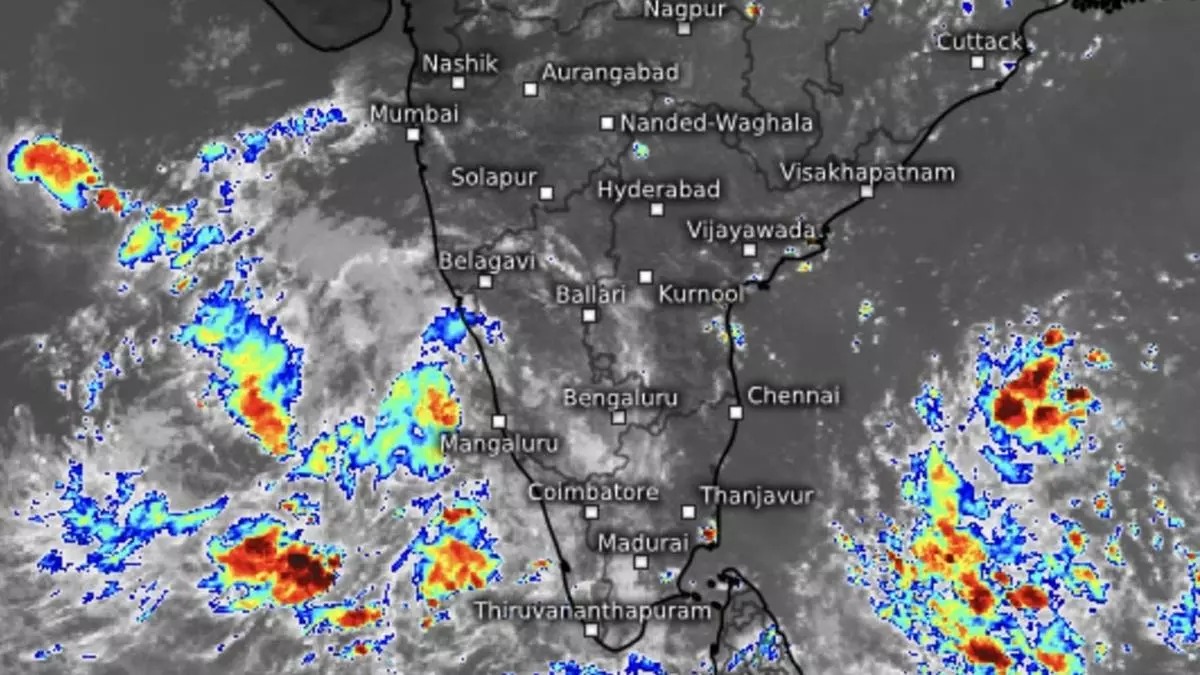
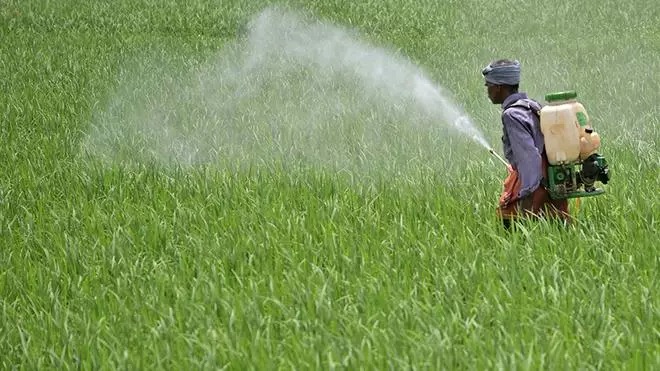
However, these small landholders grapple with challenges specific to them, such as low yields, unpredictable climate risks, limited market intelligence, and dependence on intermediaries, often lacking access to timely advisories or quality testing. That’s a gap AI can fill with its transformative power by delivering scalable, low-cost tools via basic smartphones, feature phones, and technical assistance. Therefore, AI solutions can help empower the core farmers of our nation to enhance their produce and ensure better returns through solutions aiding weather forecasting, pesticide use, etc.
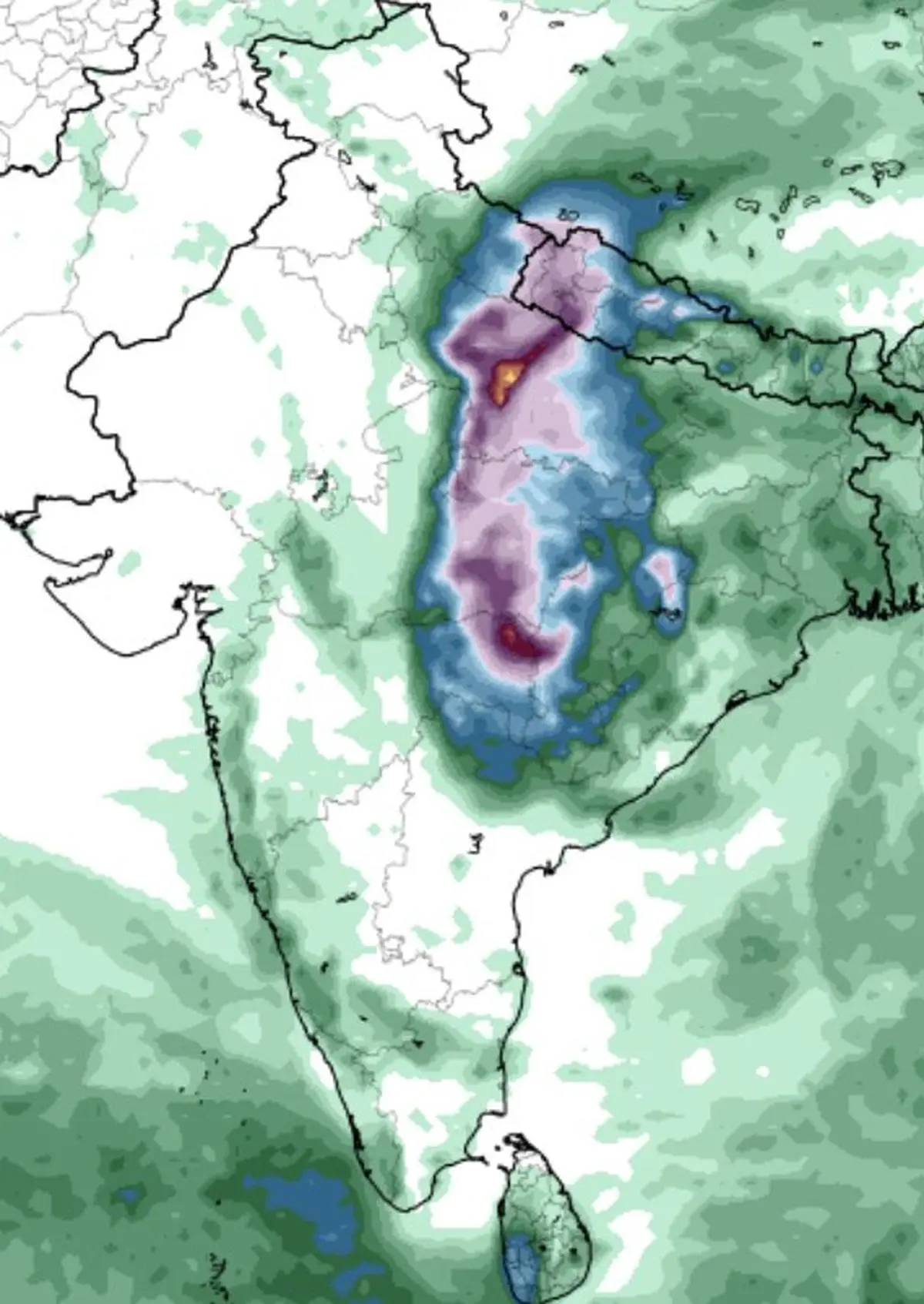
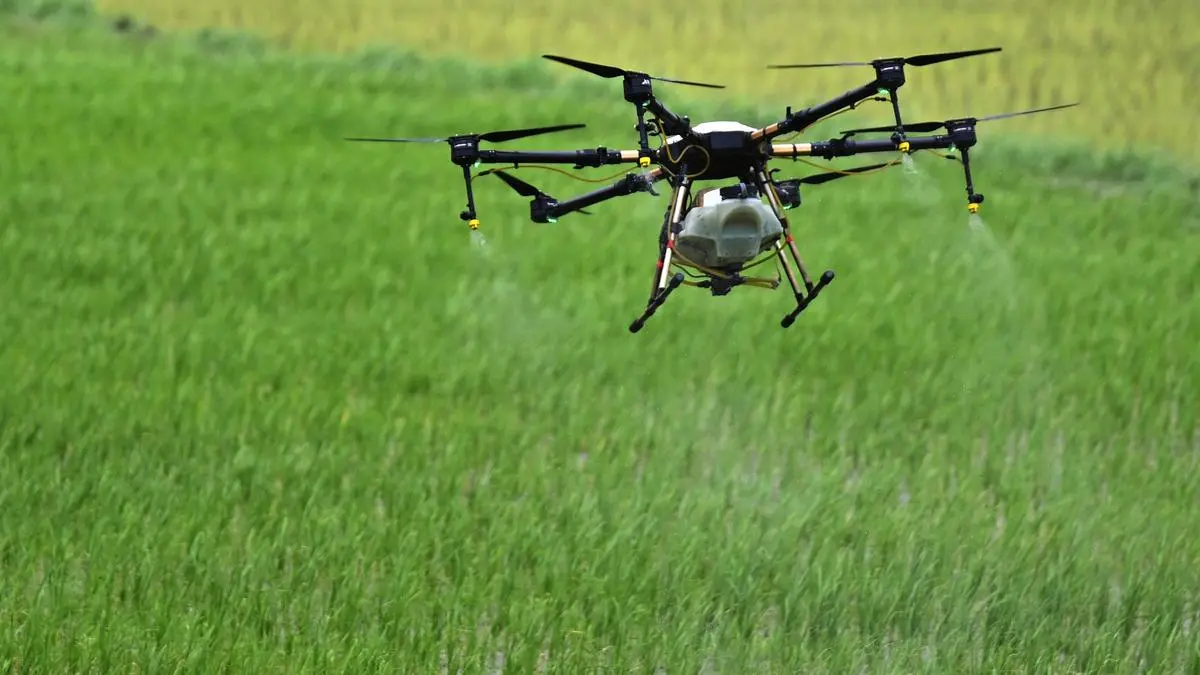
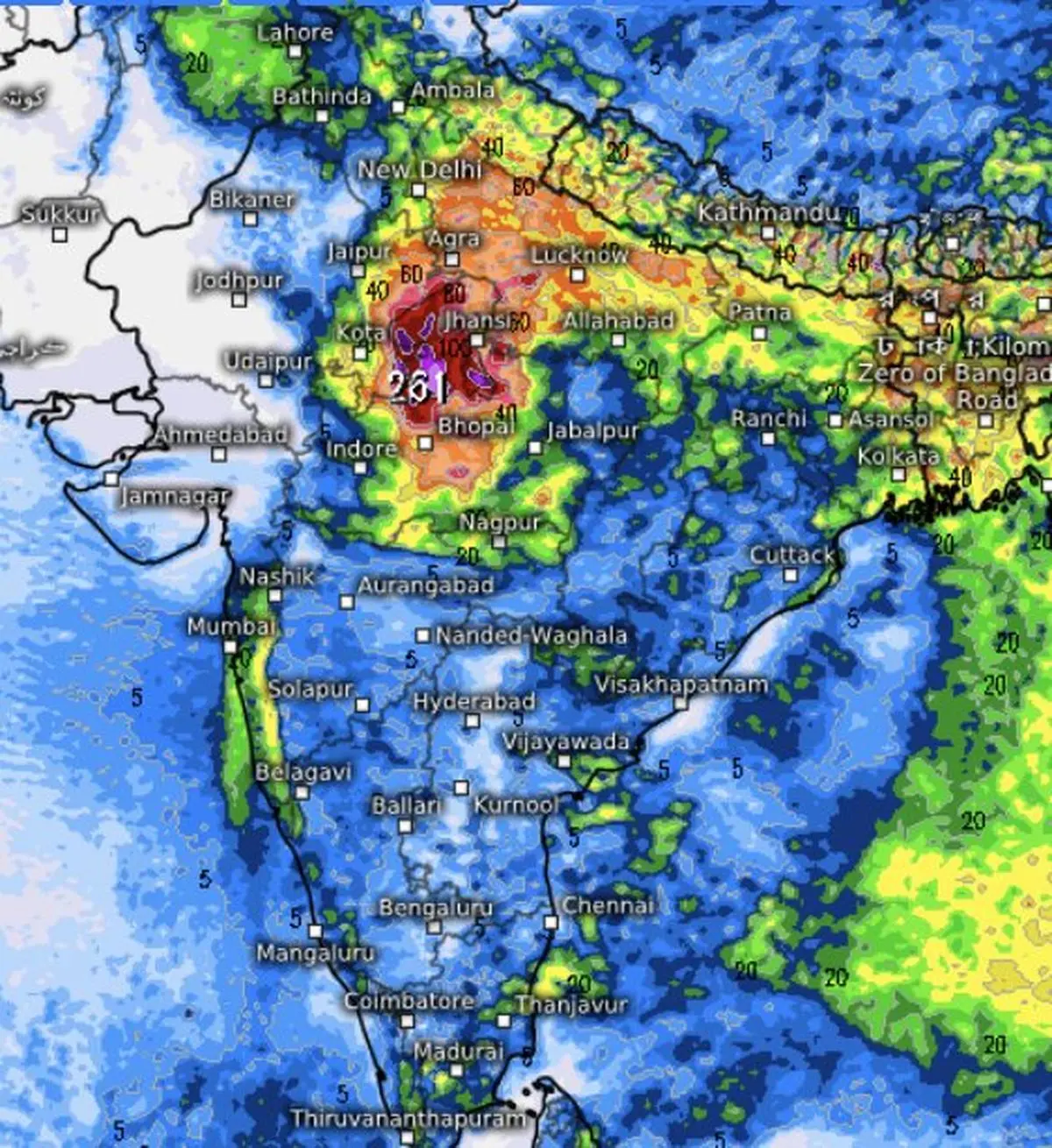
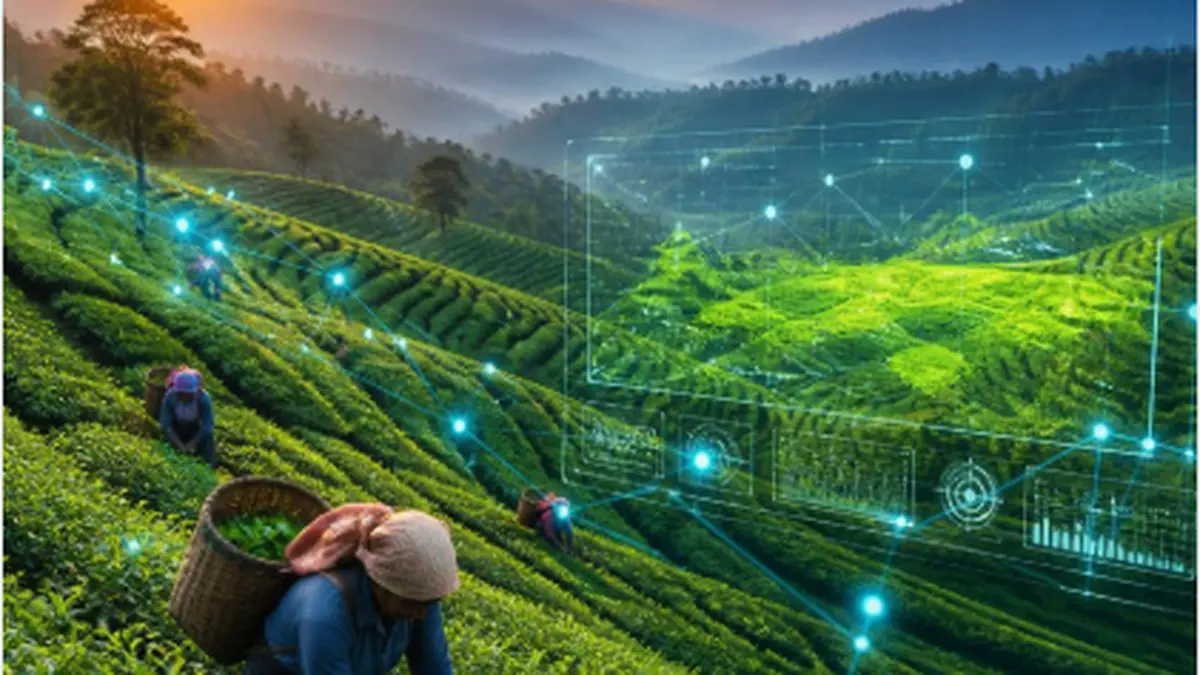
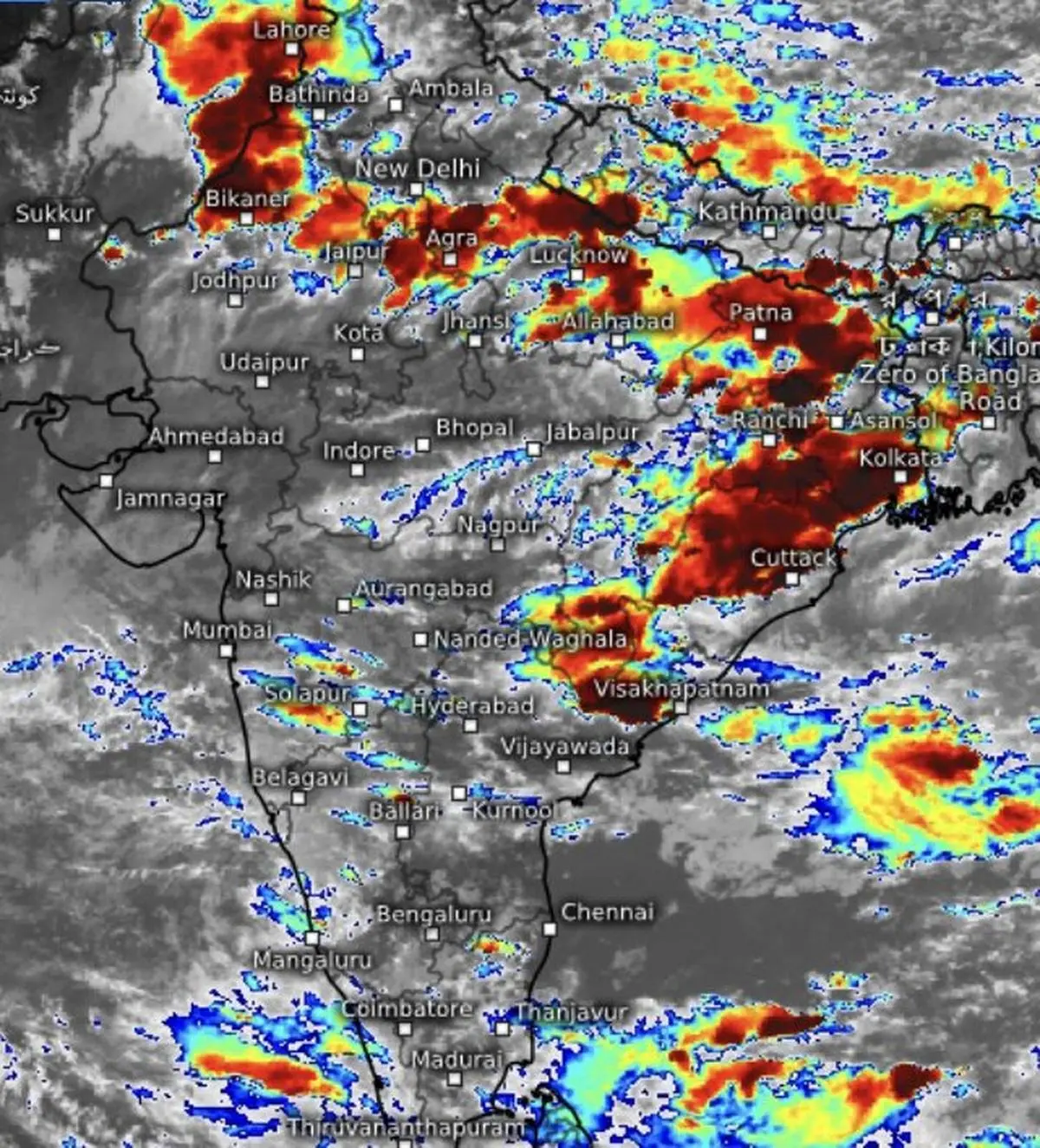
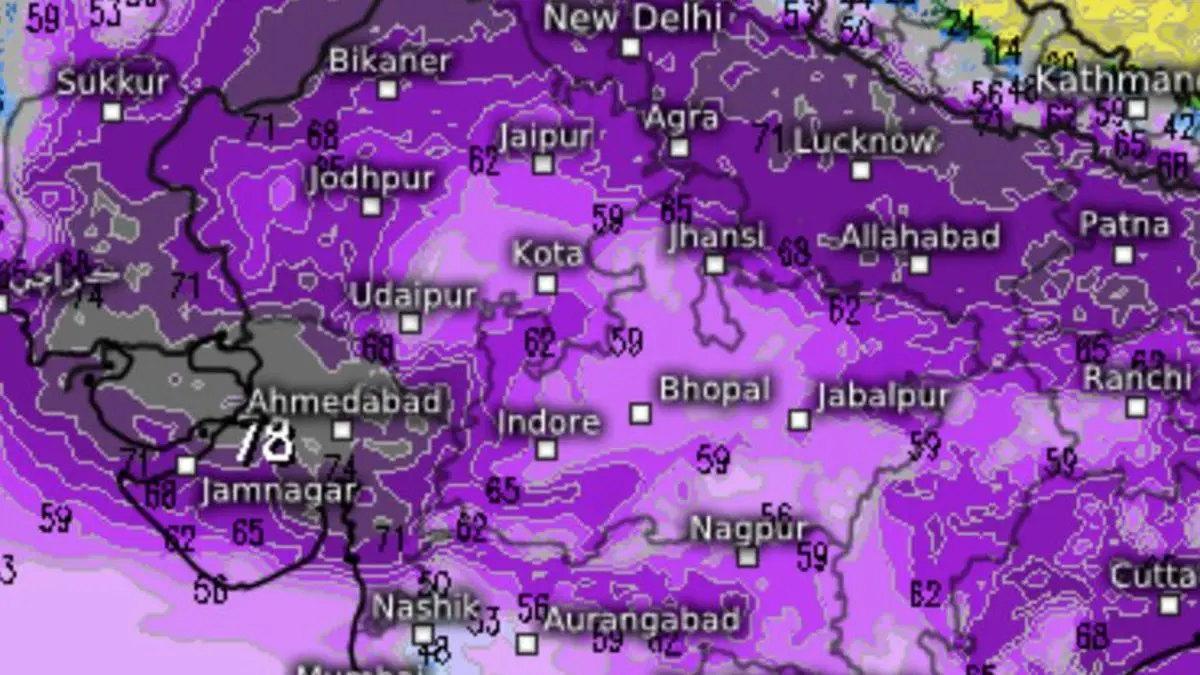
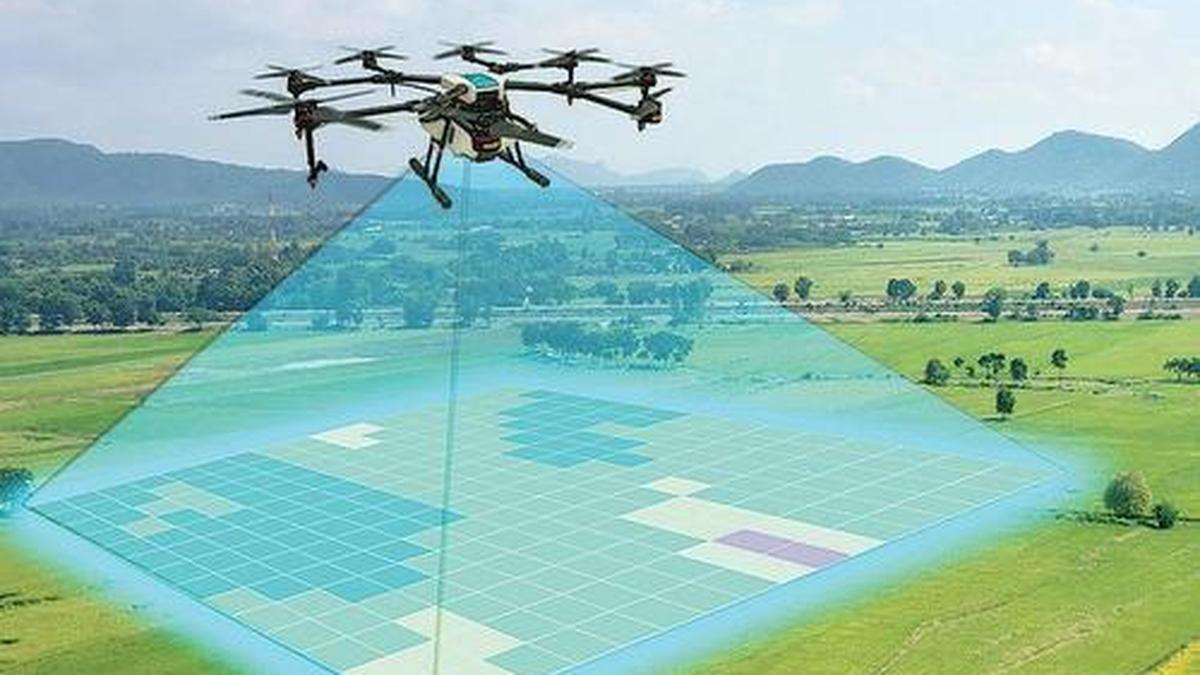
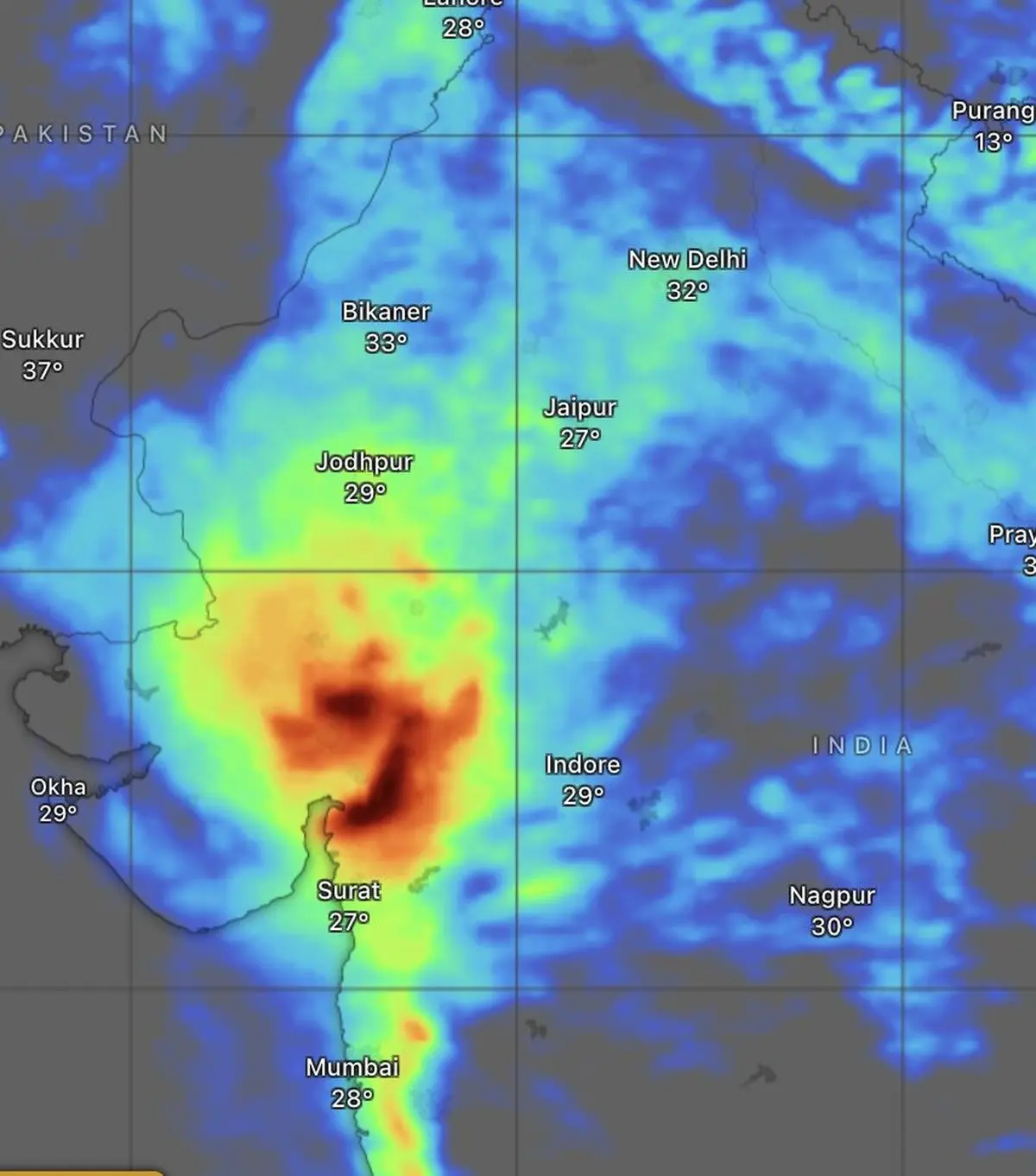
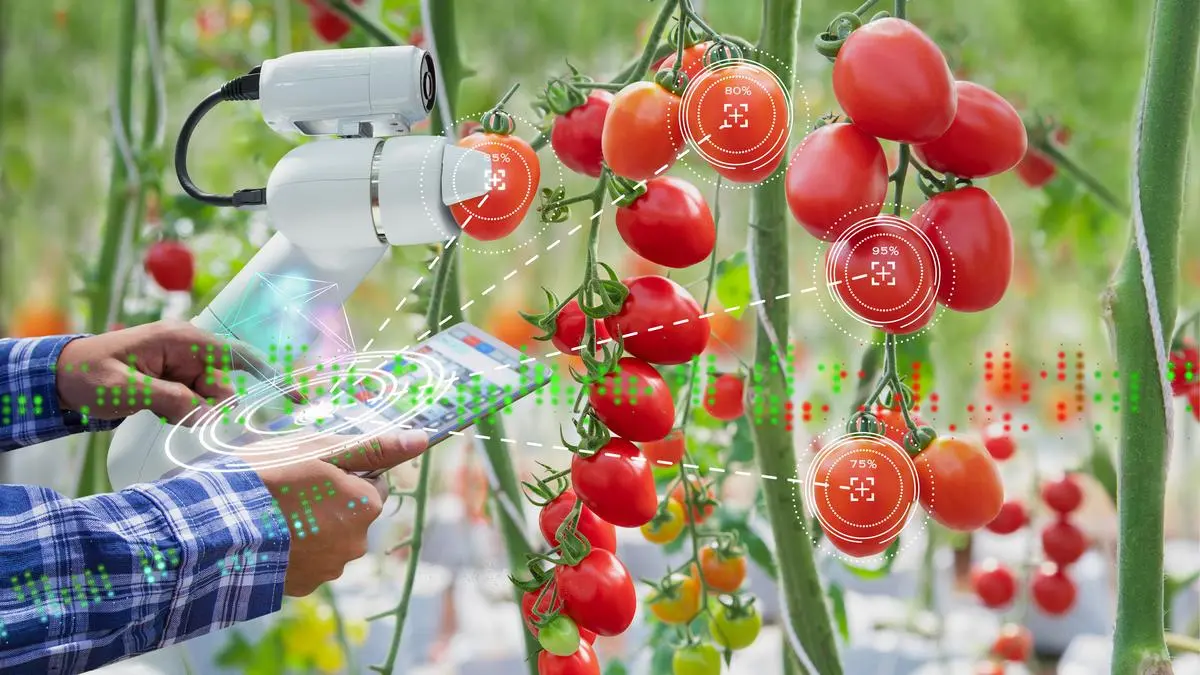
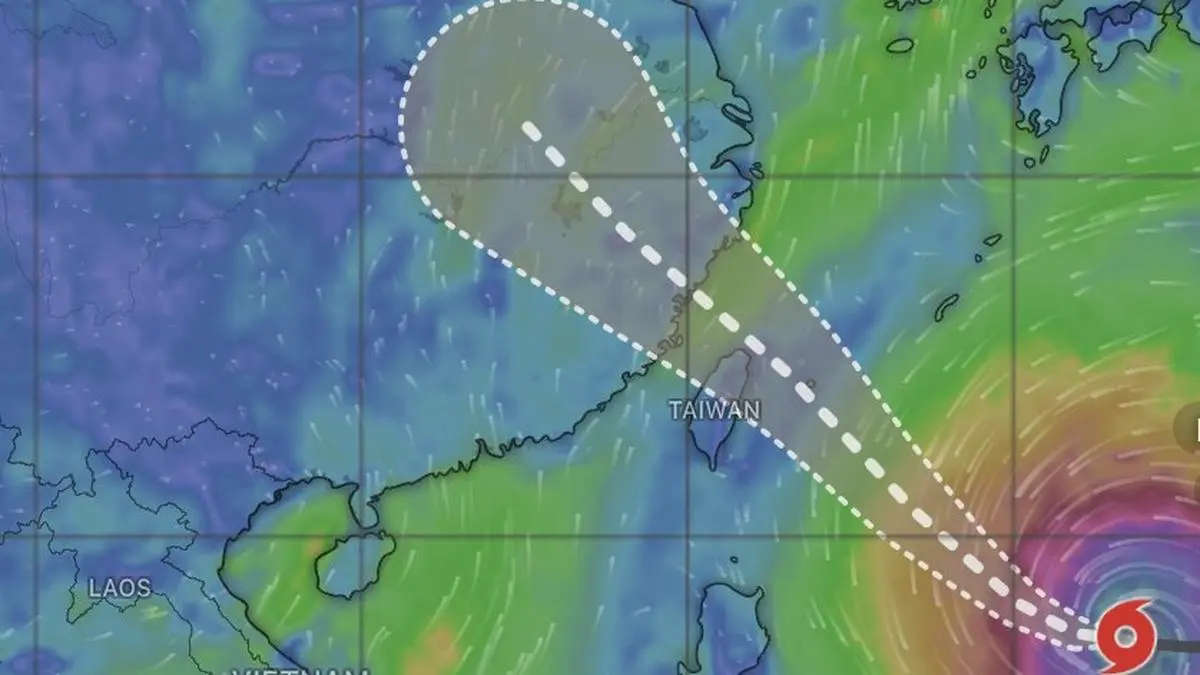
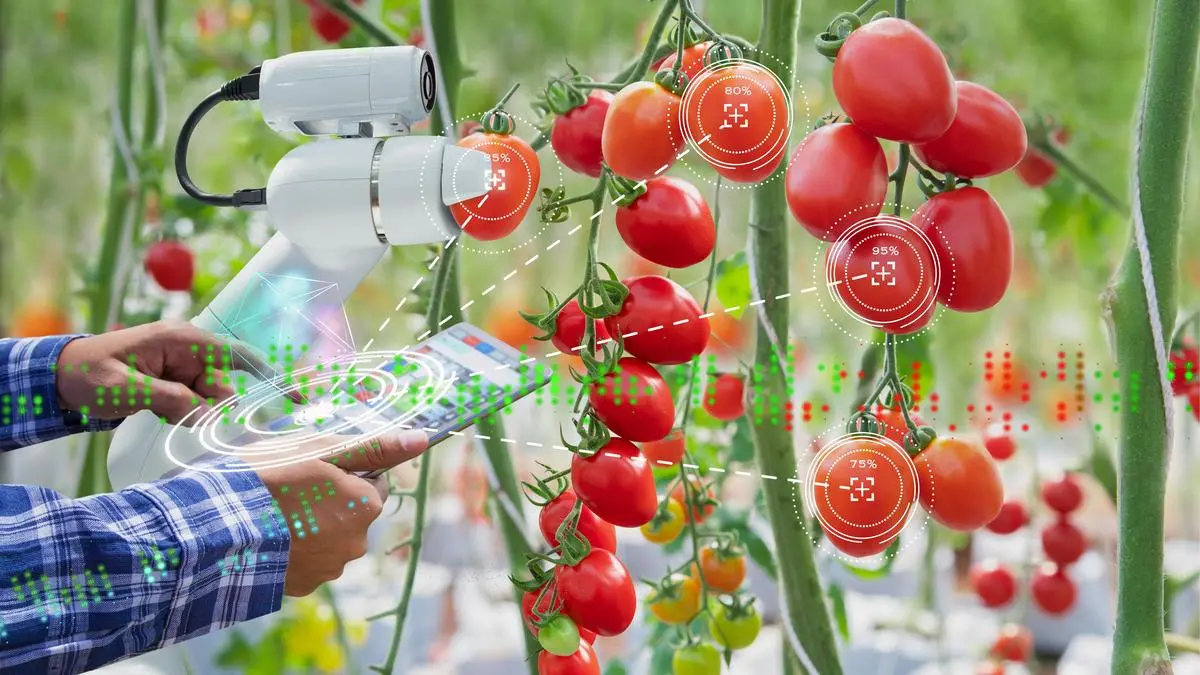
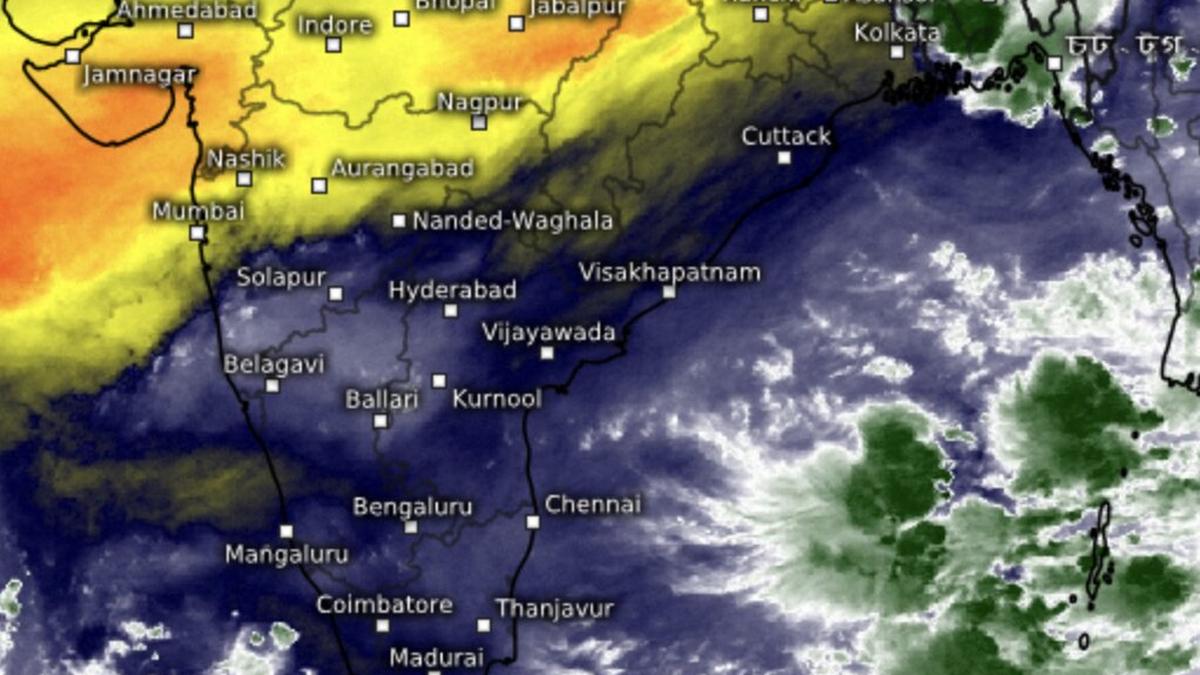
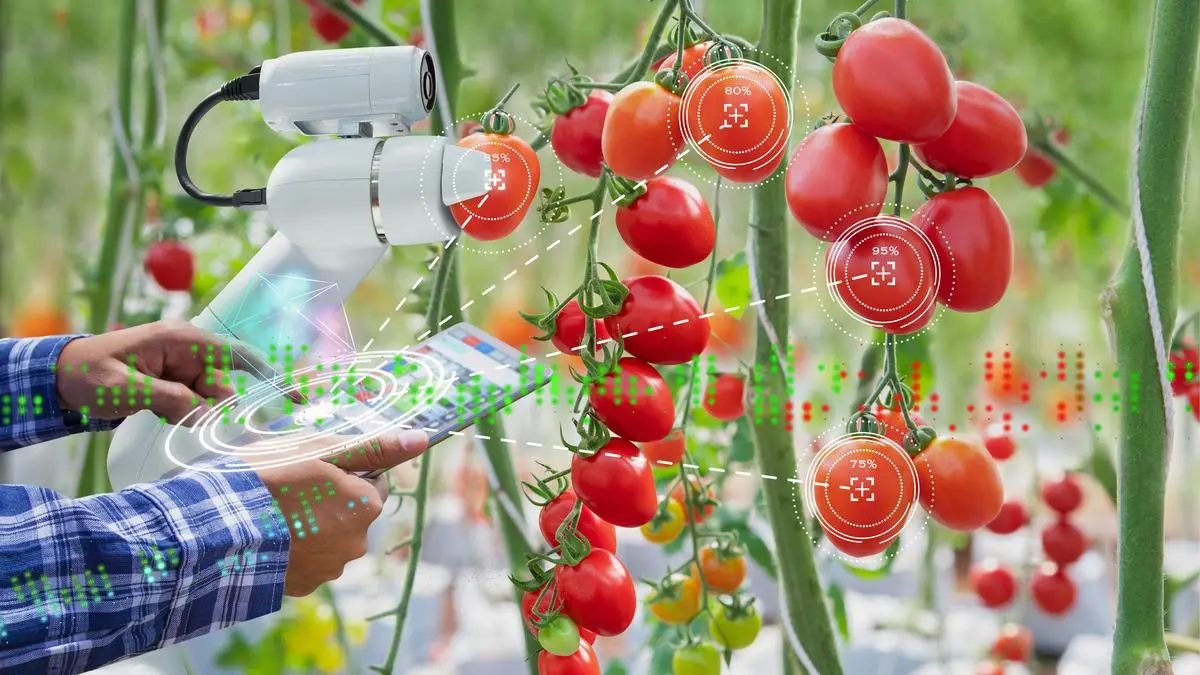
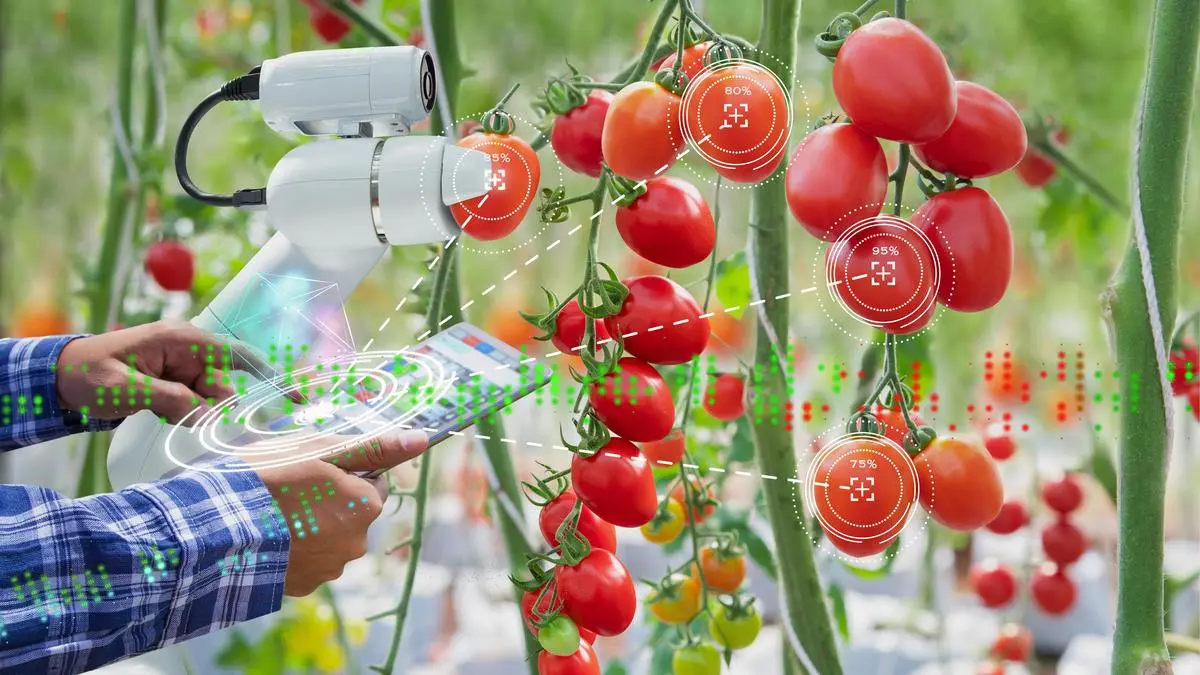
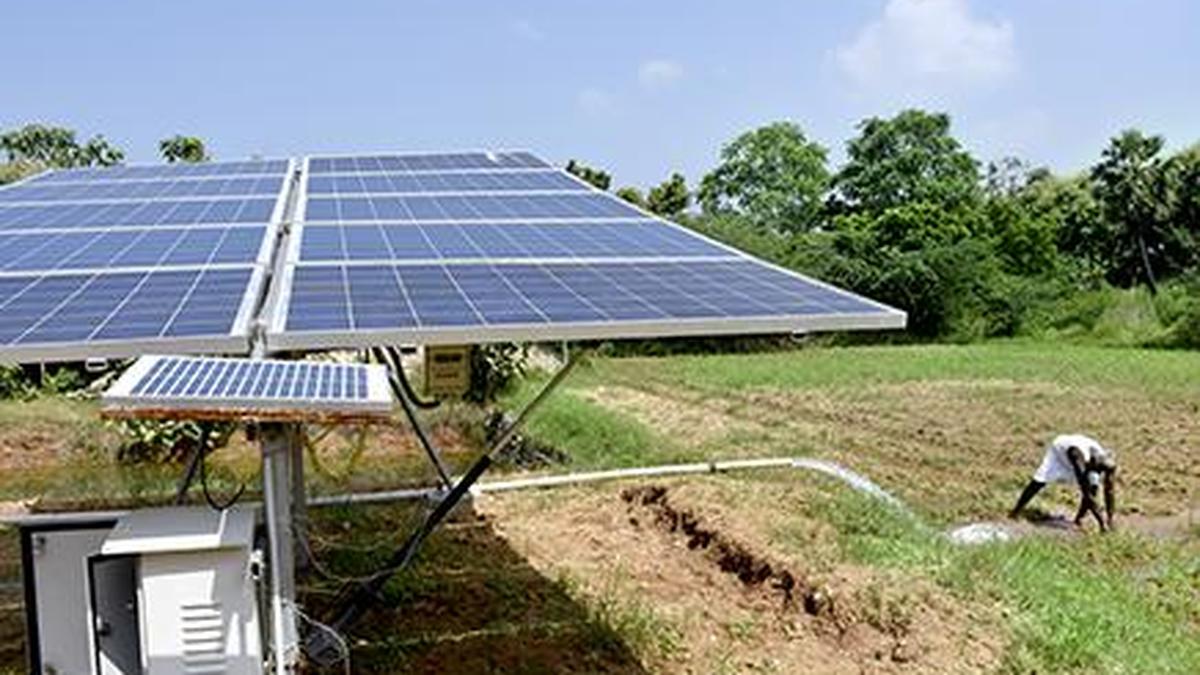
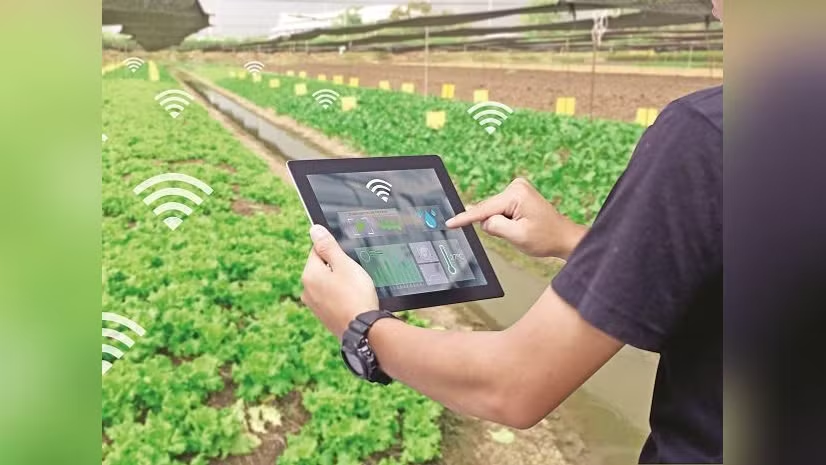
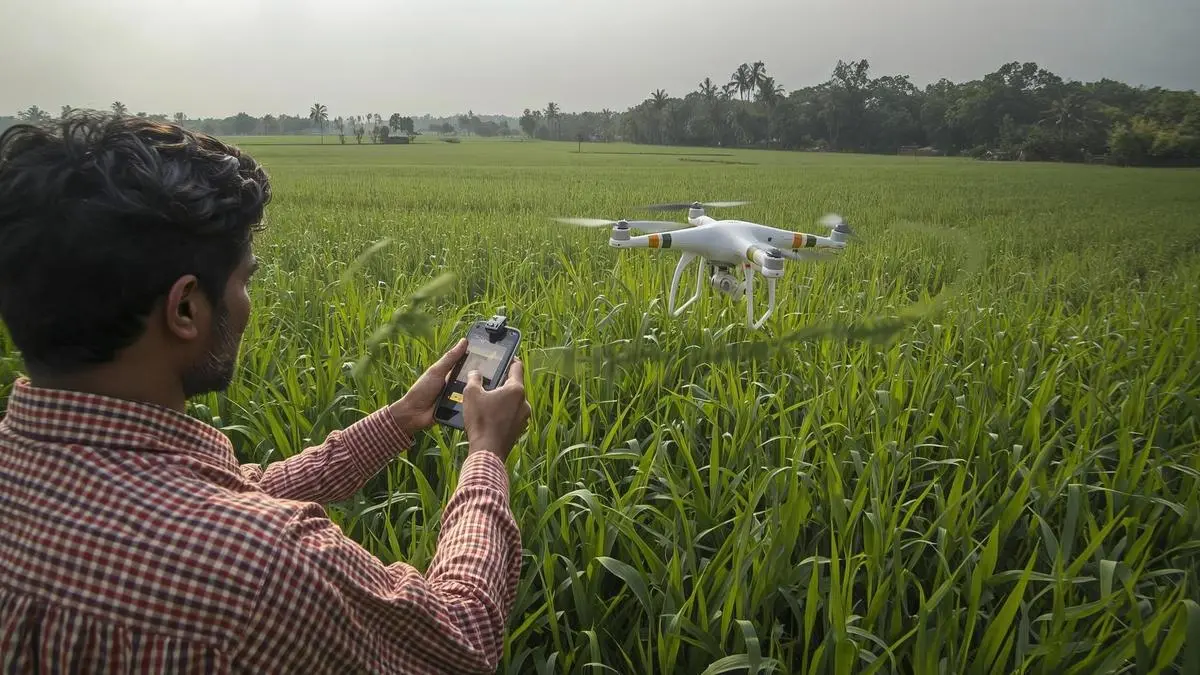
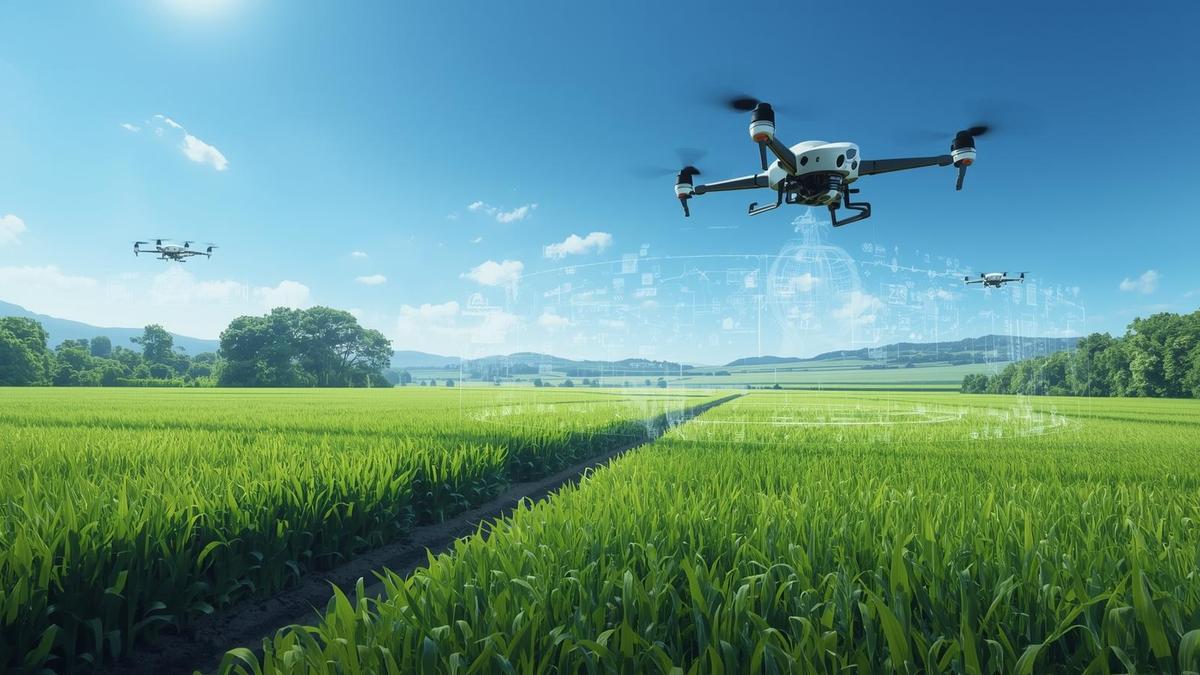
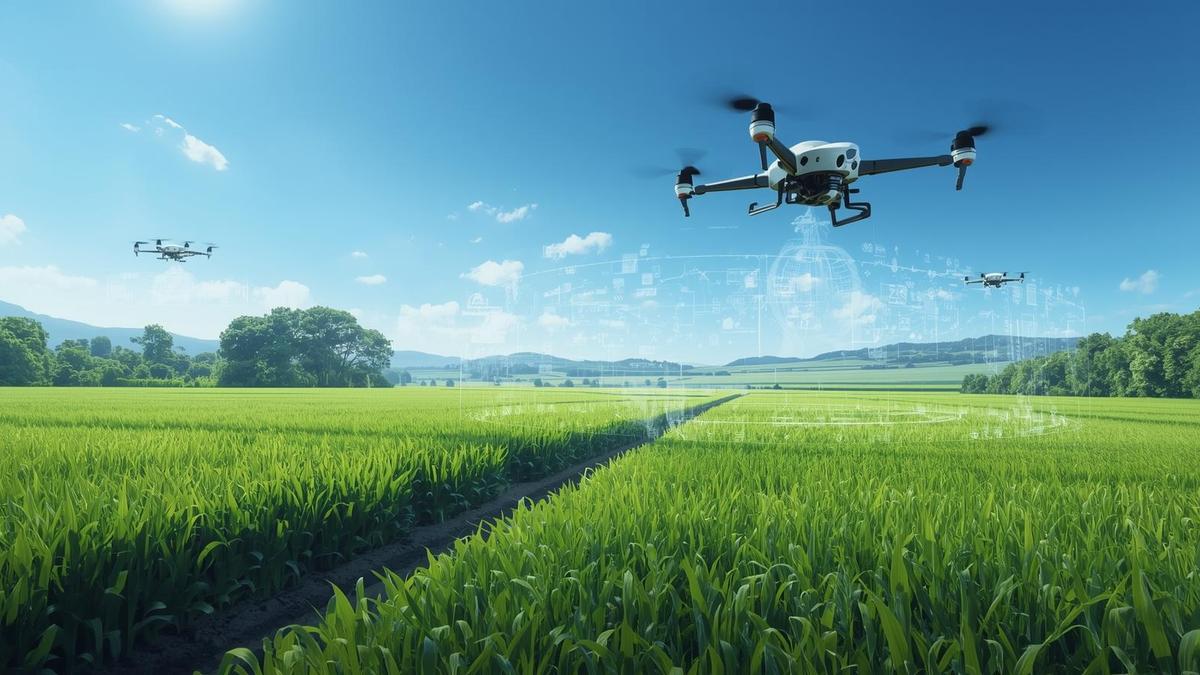
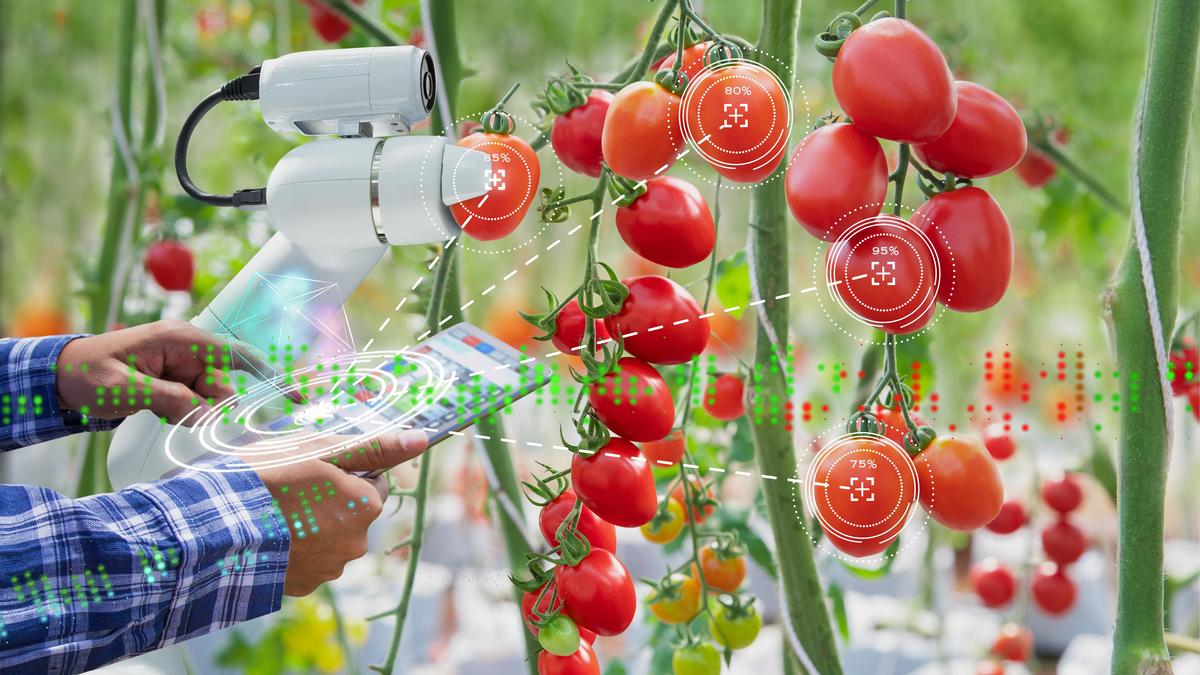
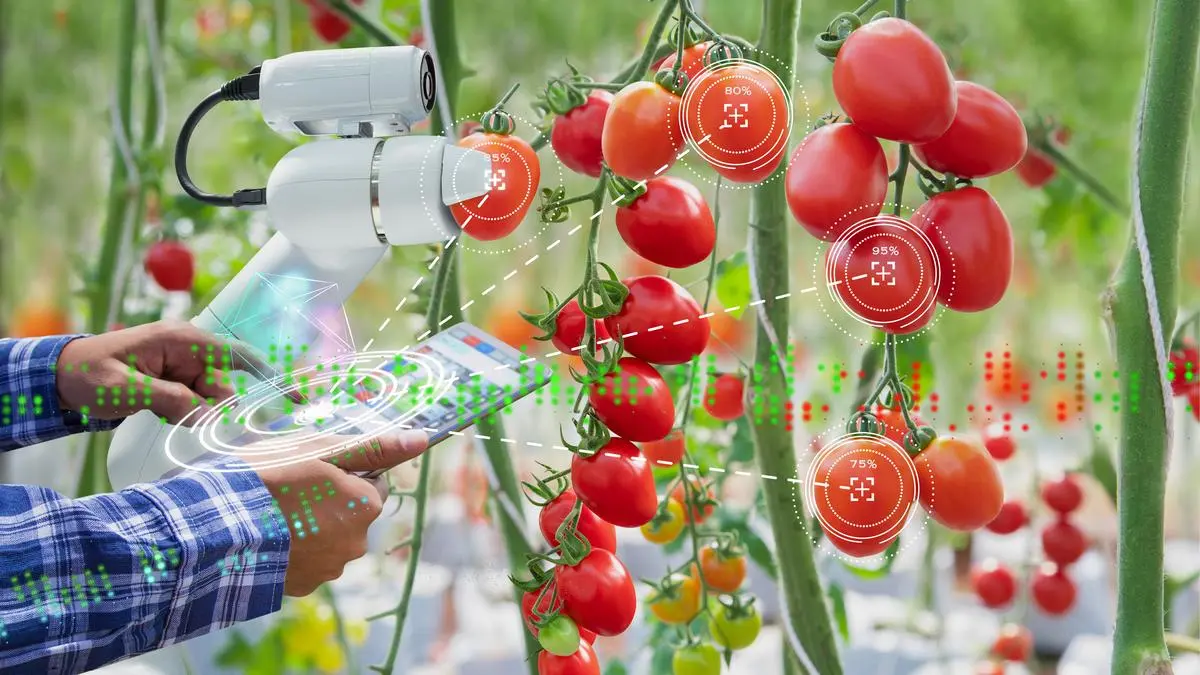
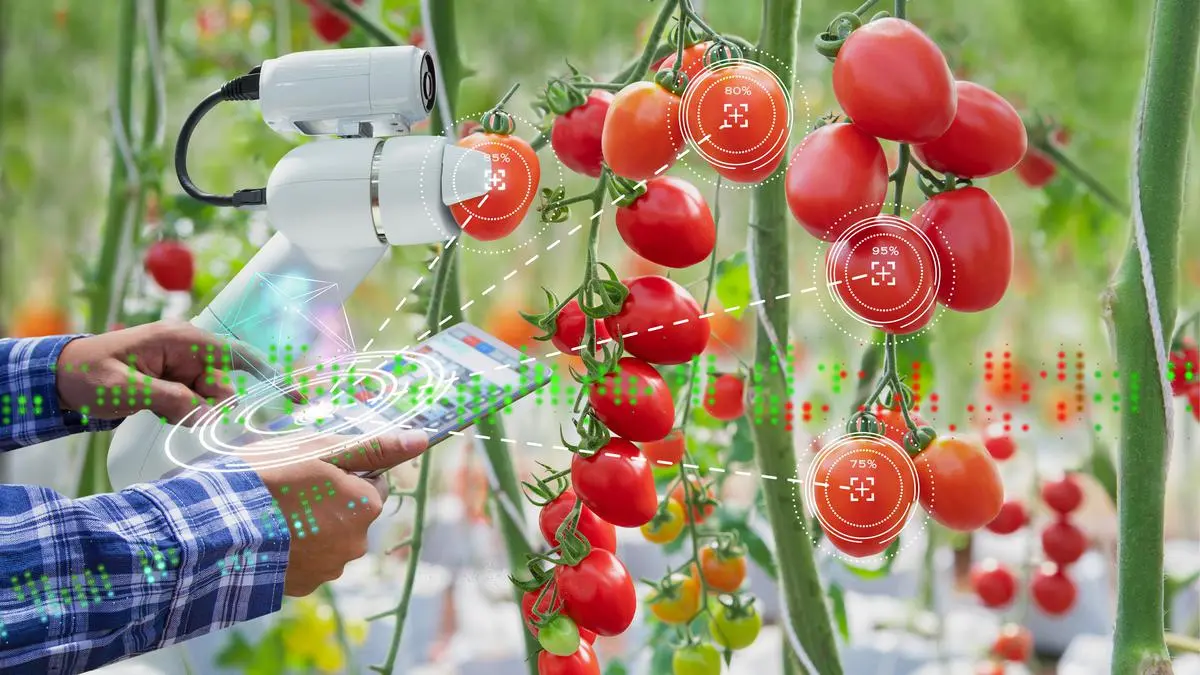
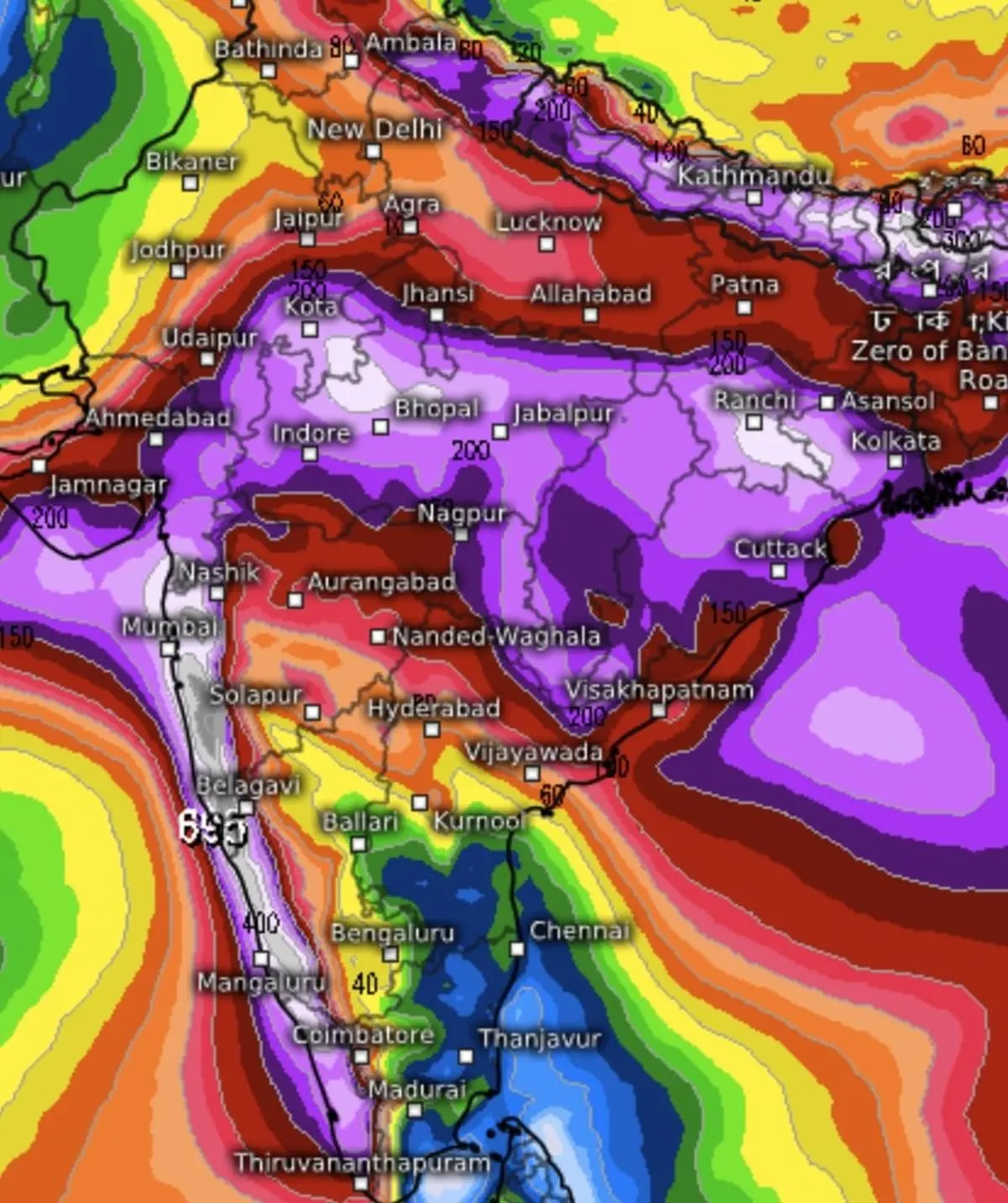
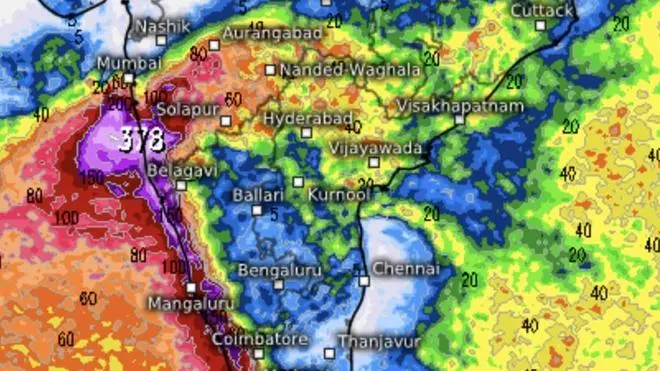
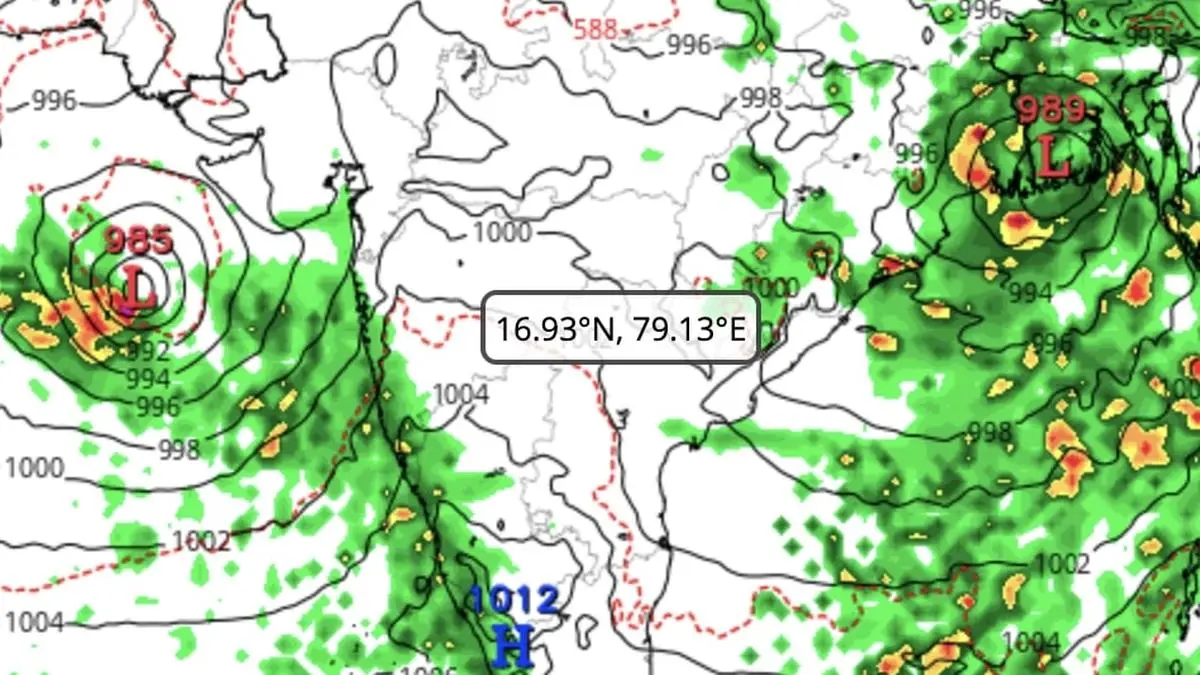
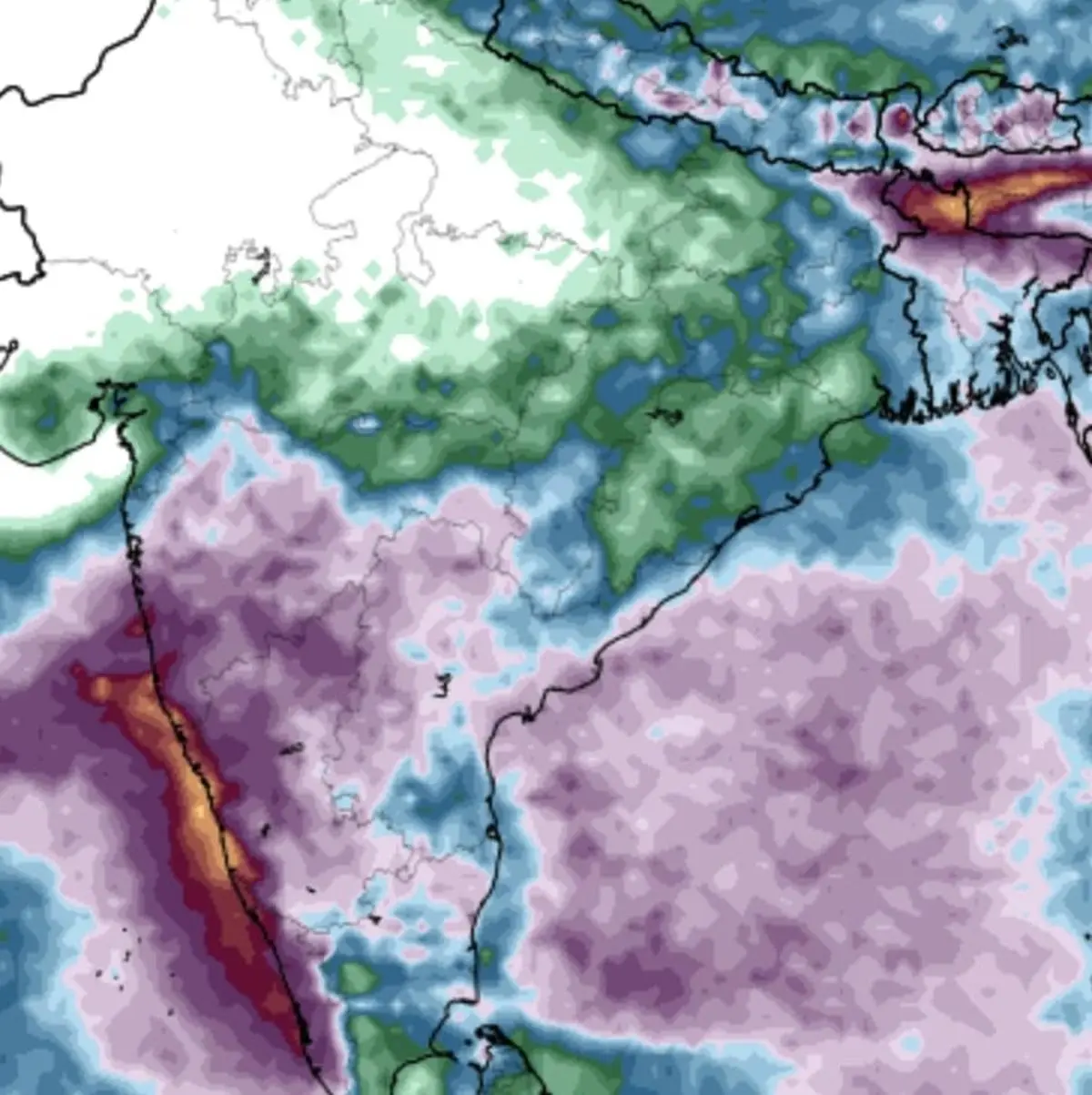
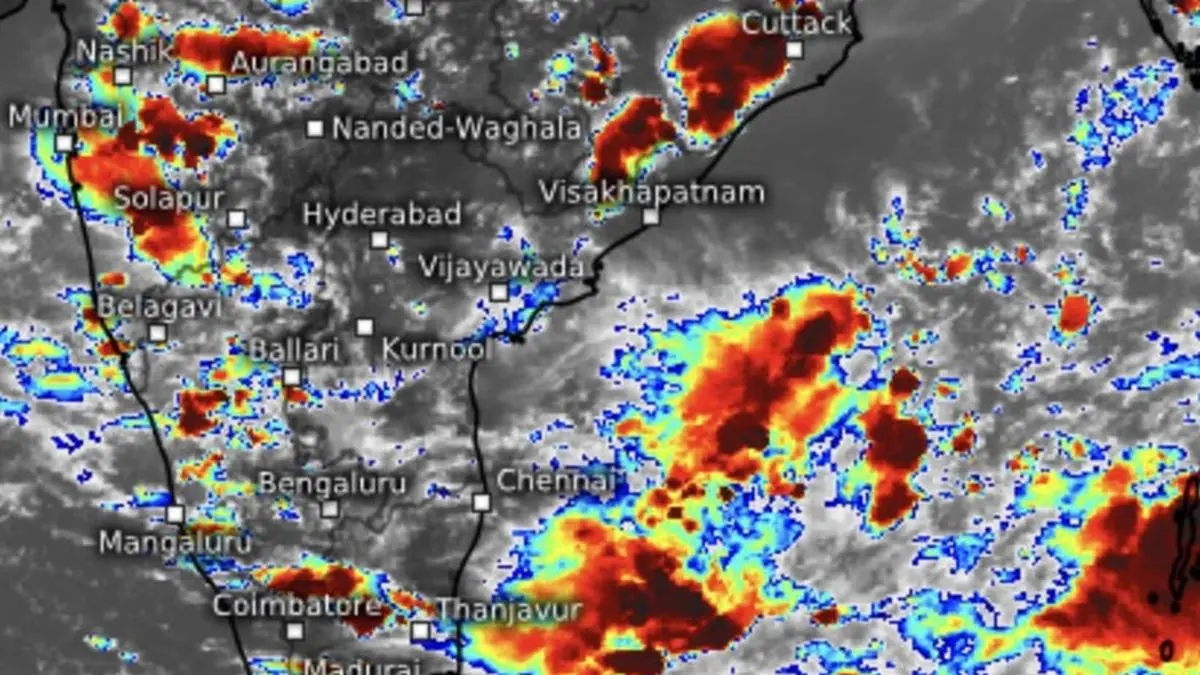
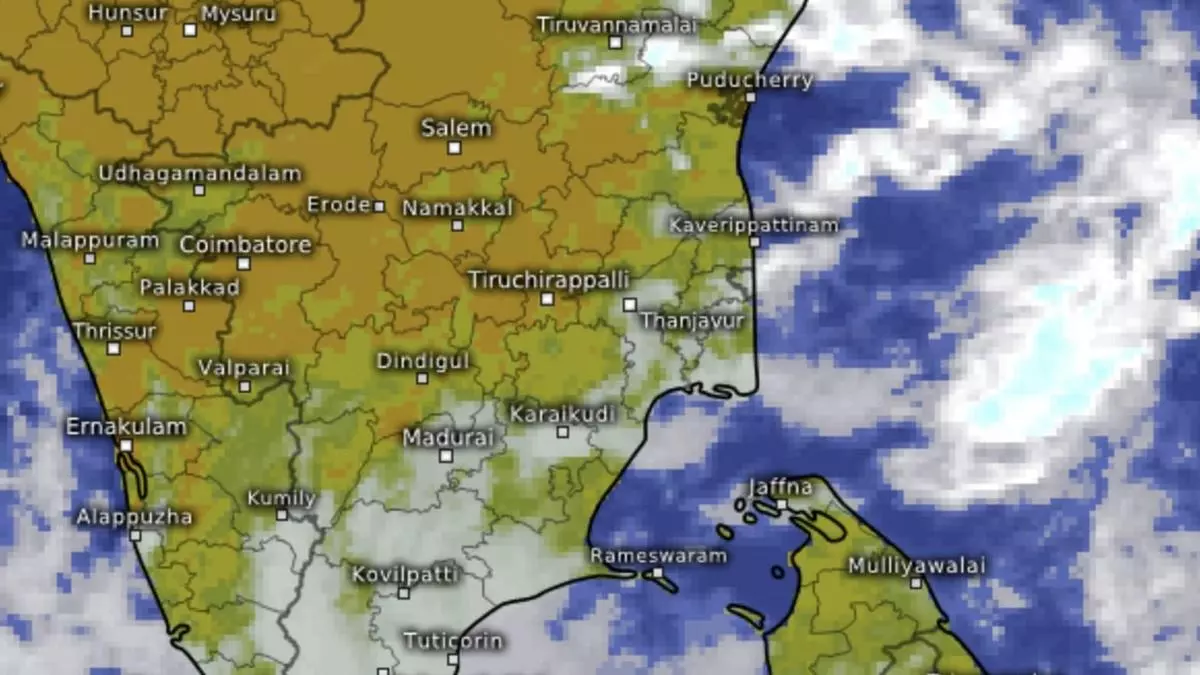
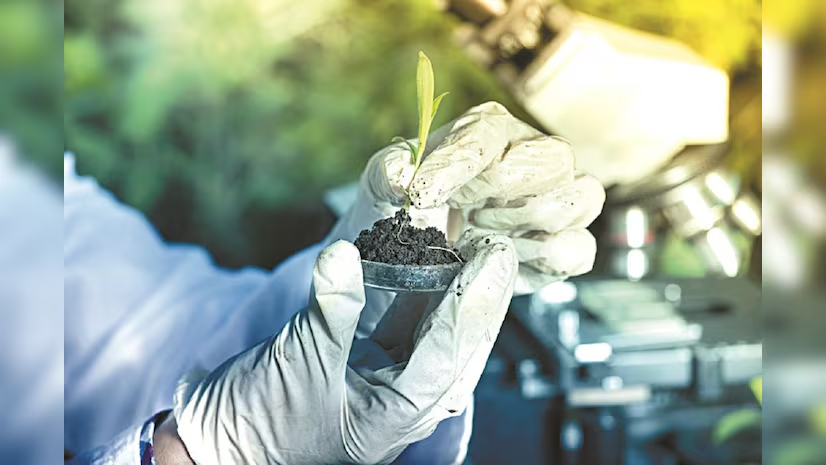
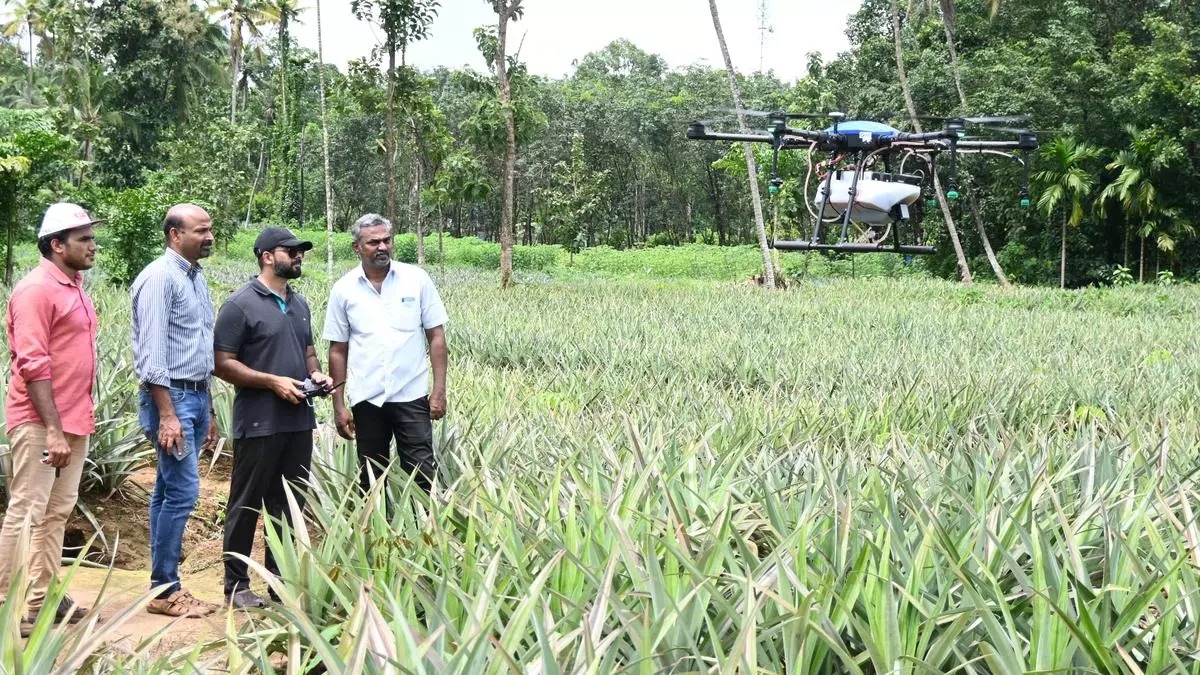
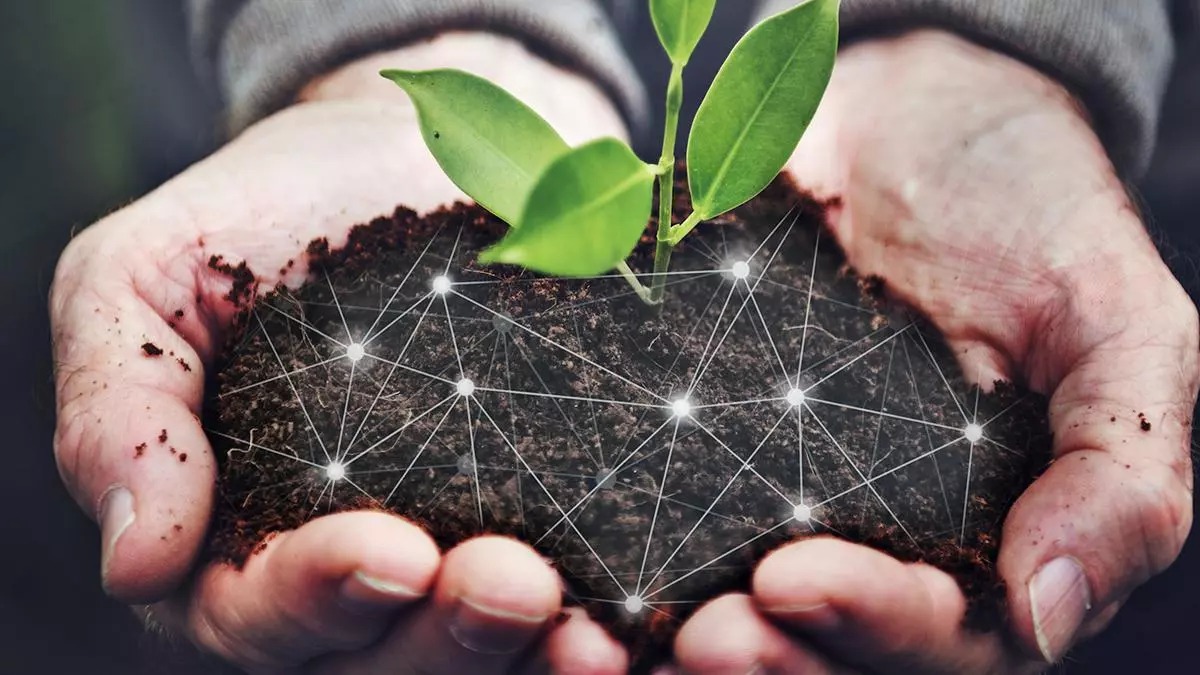
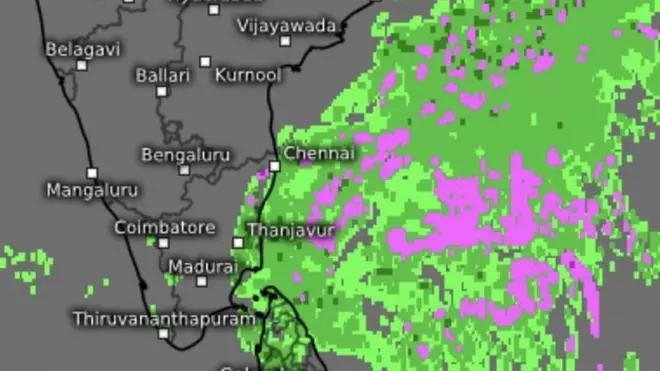
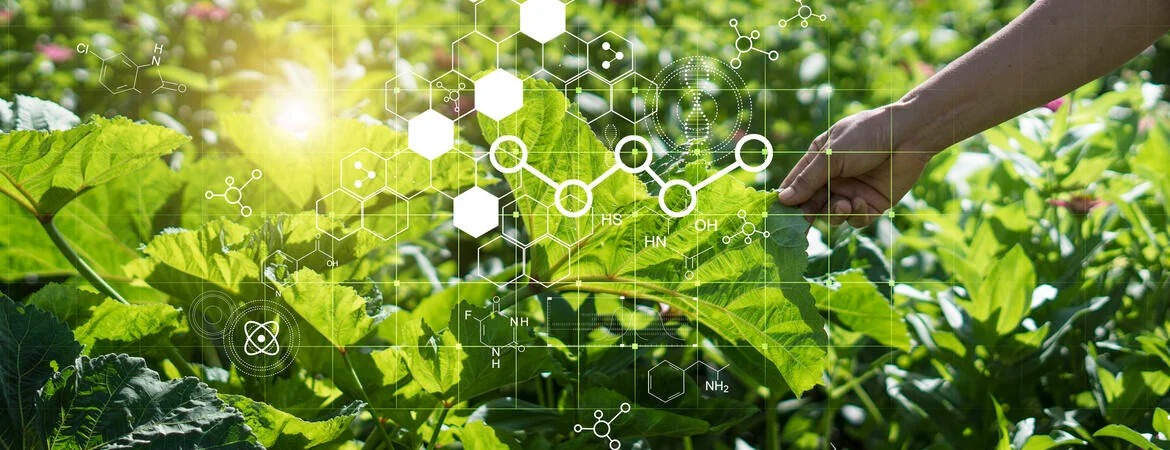
AI systems integrate massive amounts of real-time data from weather forecasts, soil sensors, and satellite imaging, rendering agricultural advisories precise and actionable. Tools providing Agricultural Monitoring & Event Detection (AMED) API deliver real-time, field-level insights into crop health, irrigation needs, and planting schedules, enabling marginal farmers to anticipate weather-driven risks, optimise resource use, and boost productivity on very small holdings. Such tools democratise access to information previously available only to well-resourced farmers, promoting inclusion and equity.