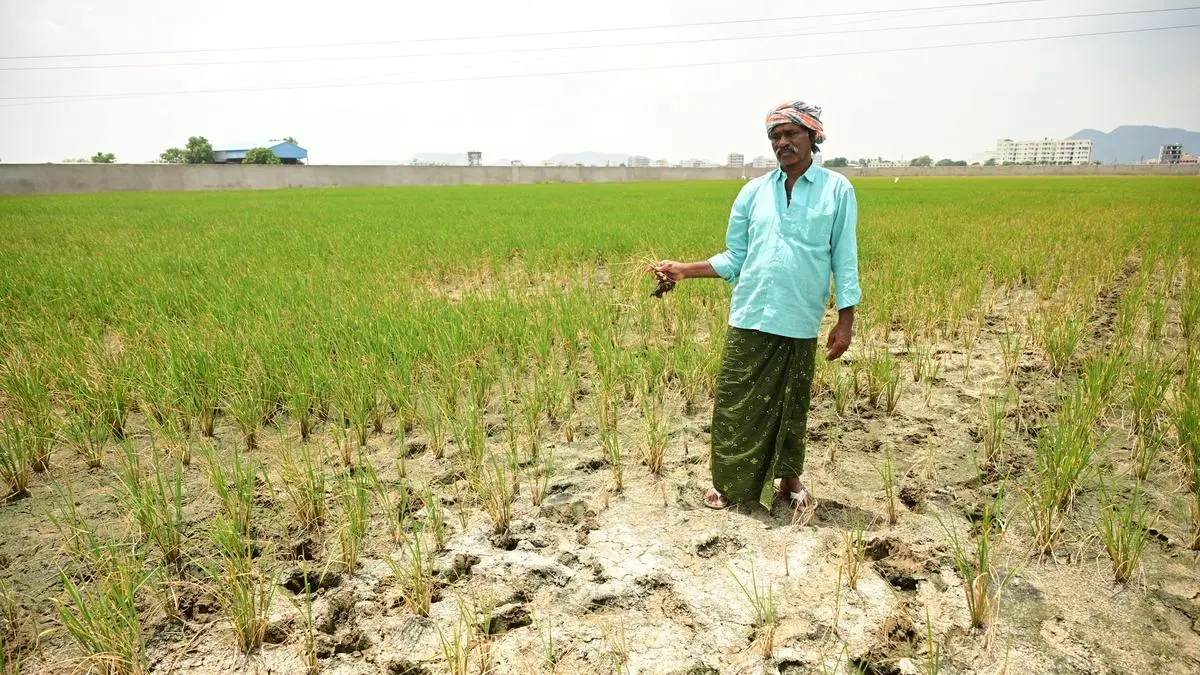
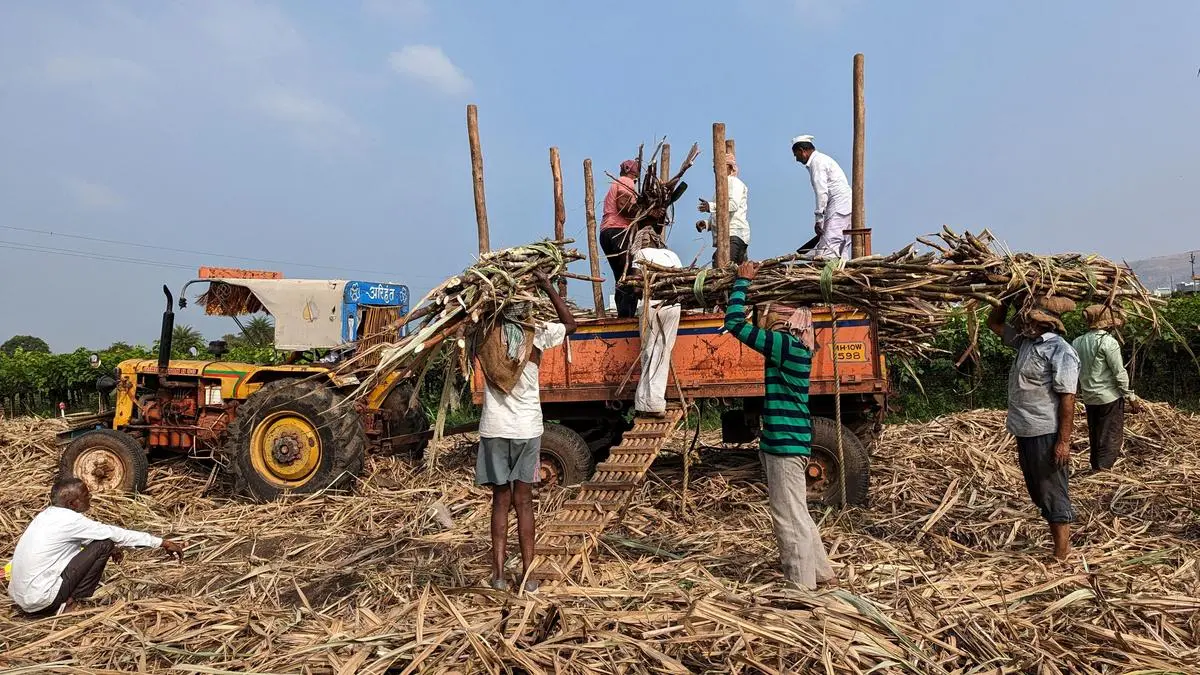
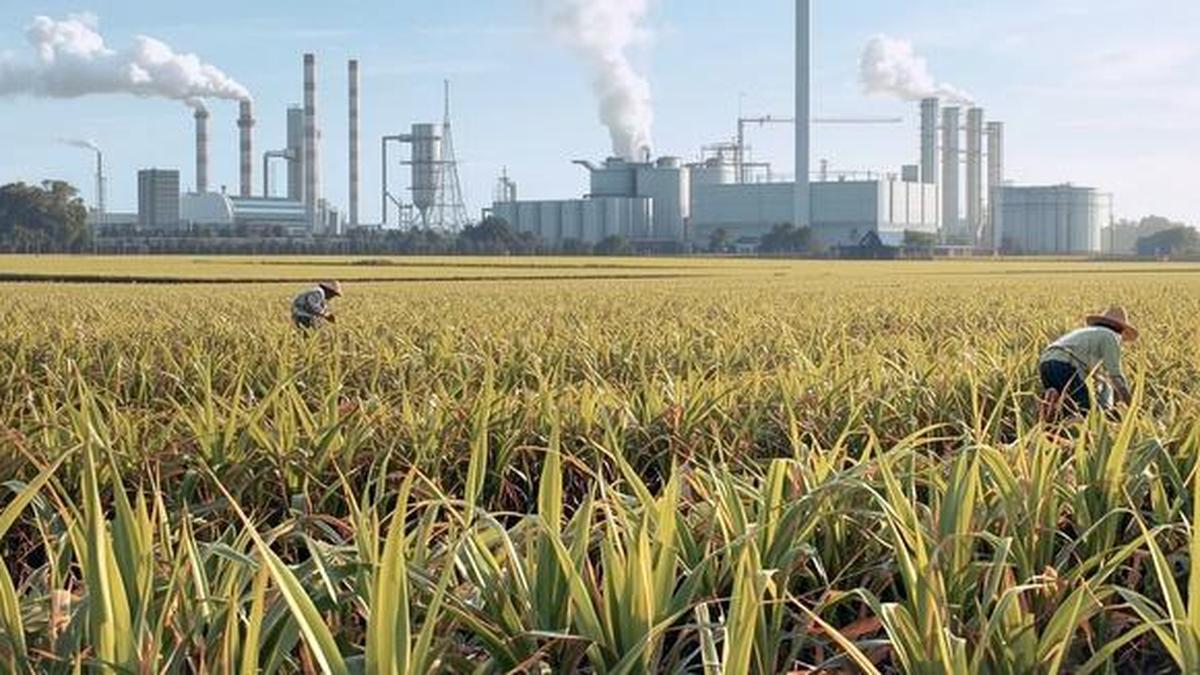
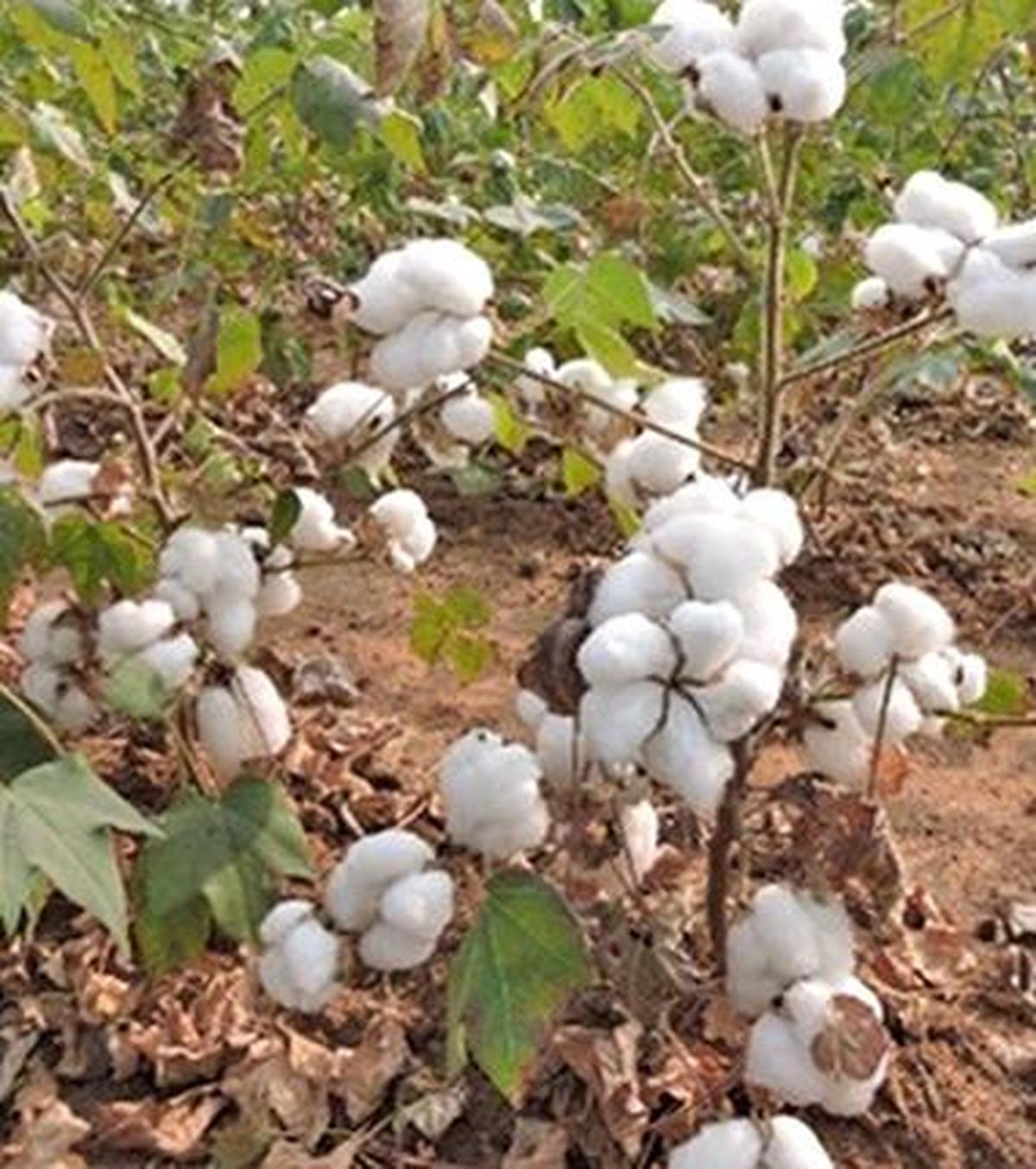
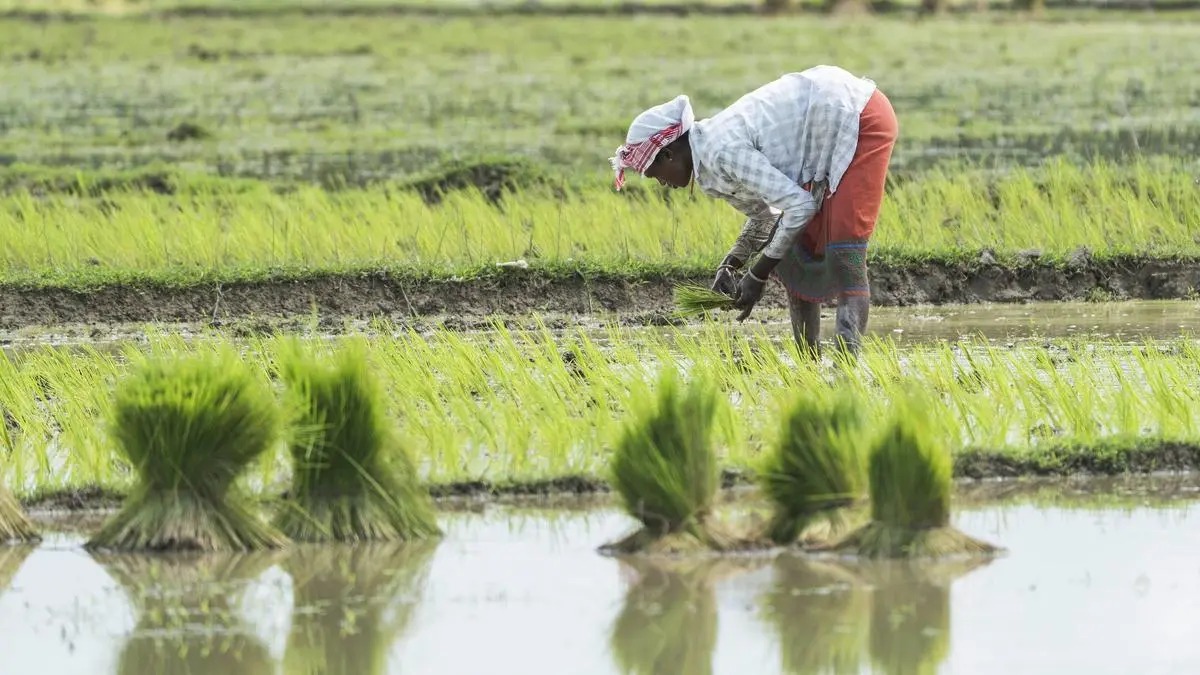
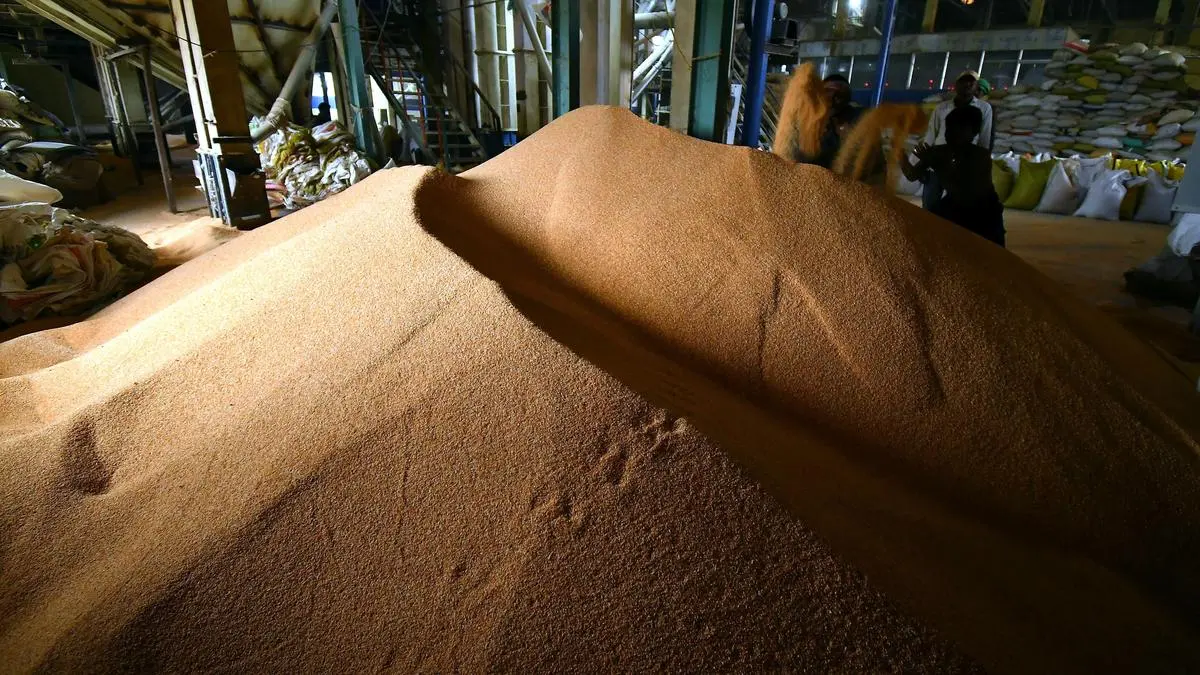
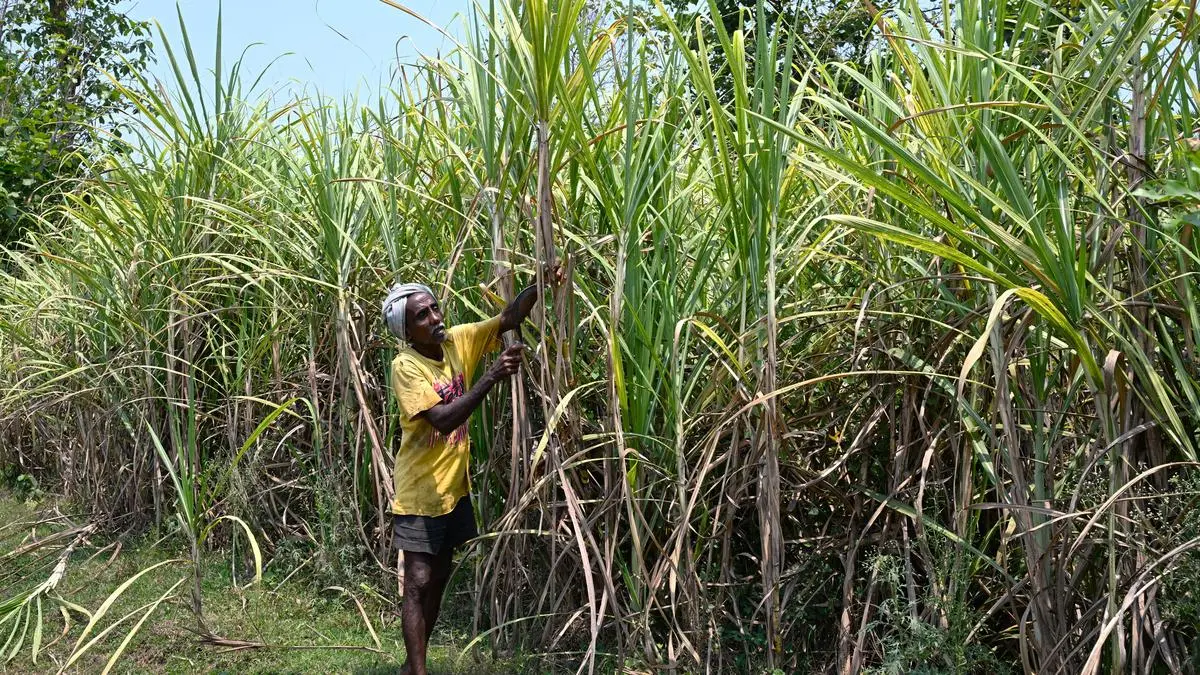
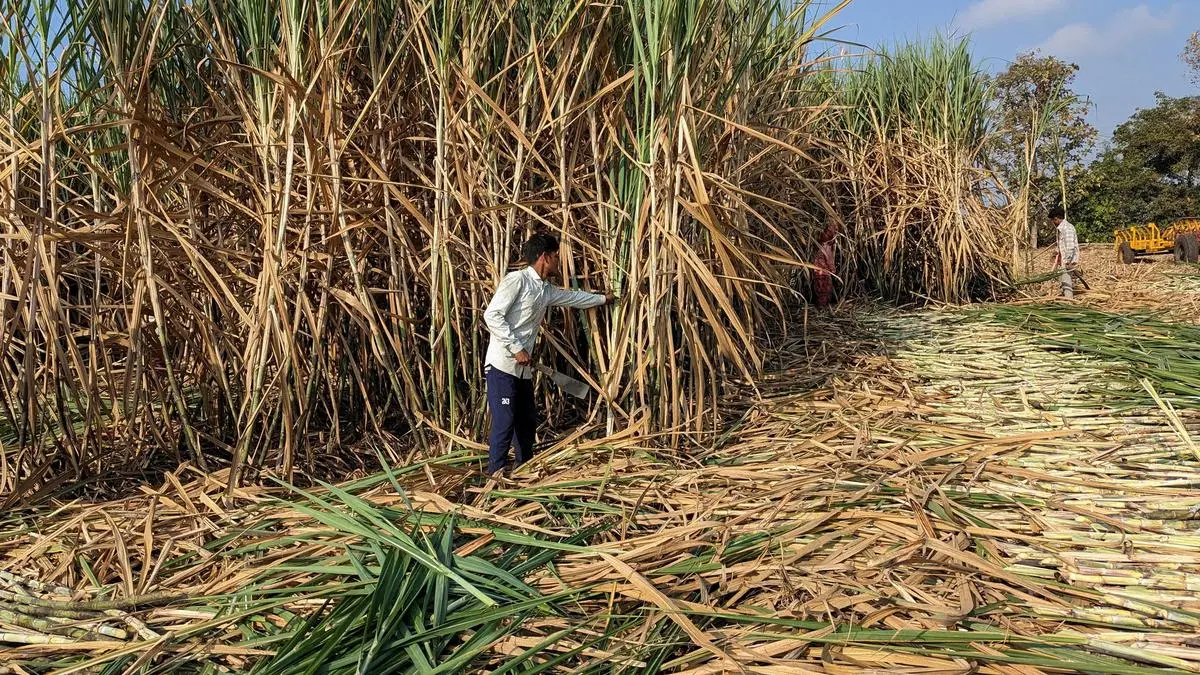
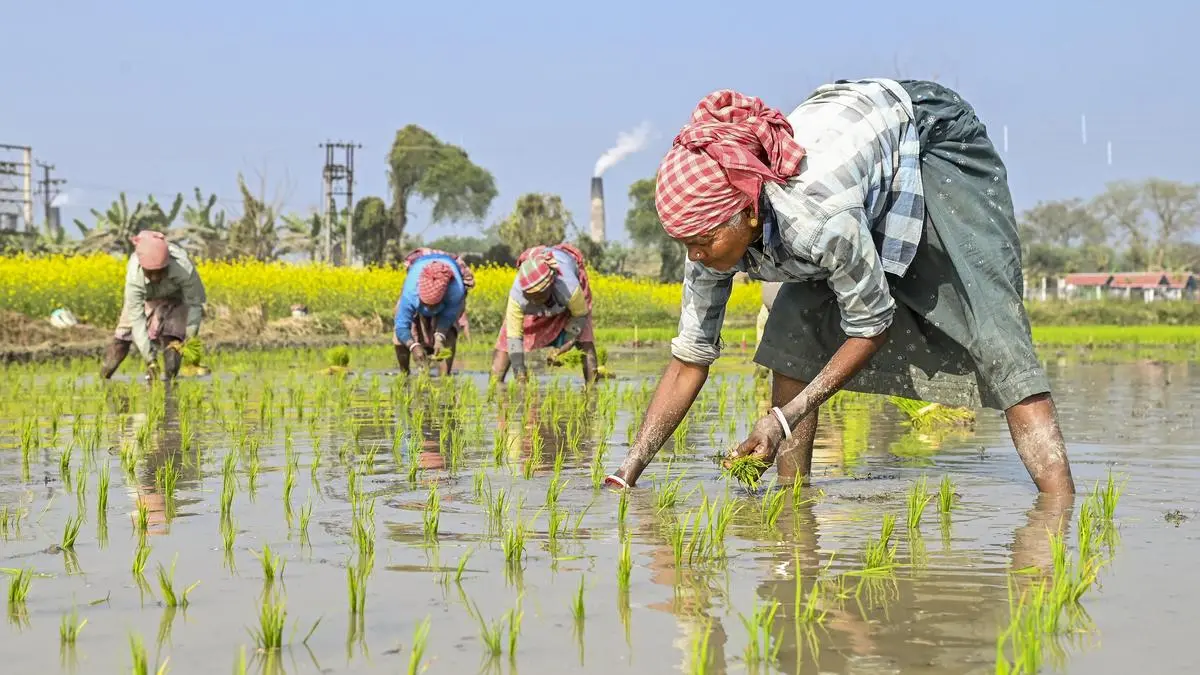
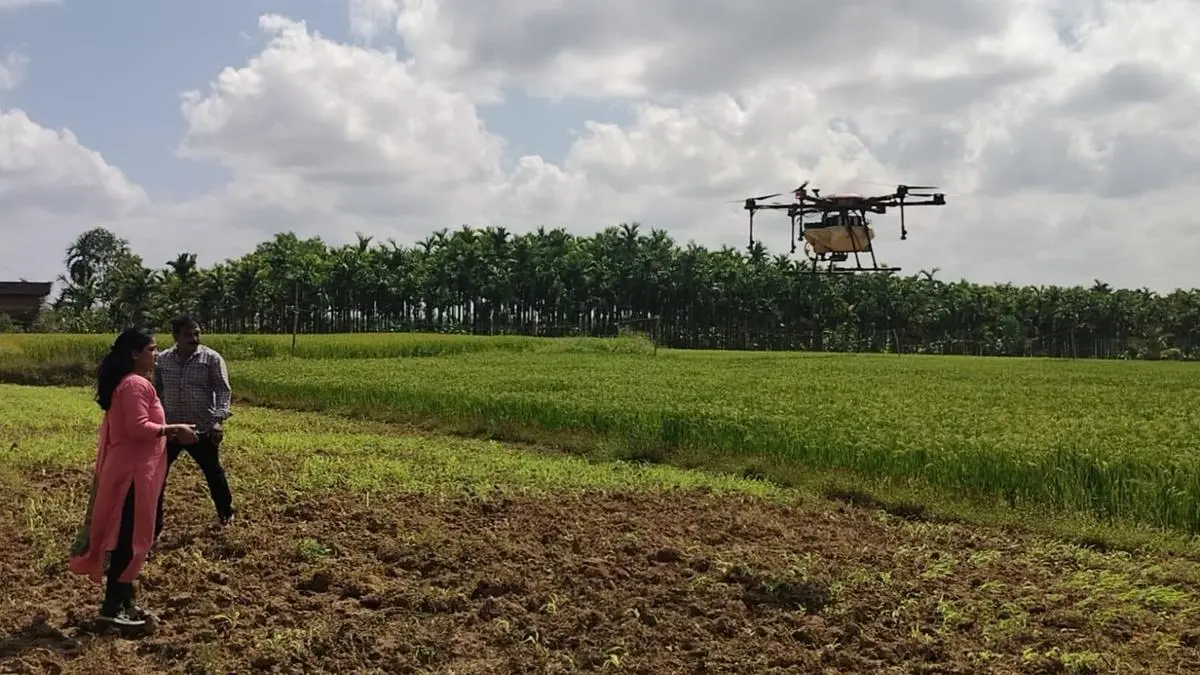
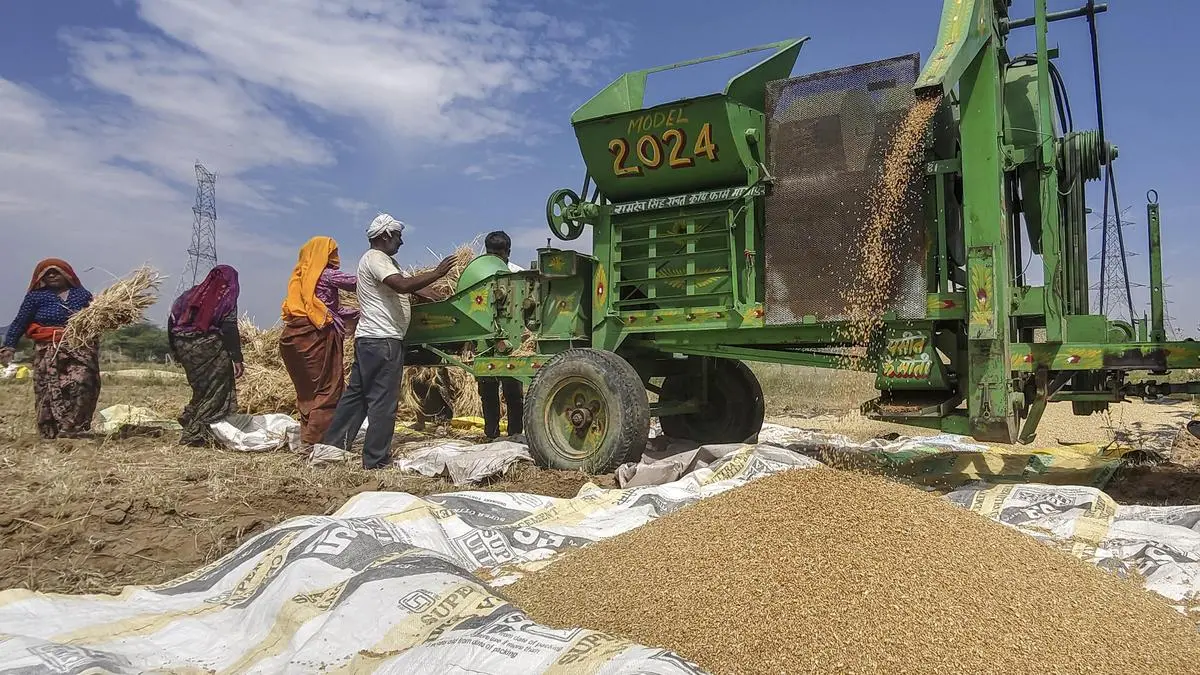
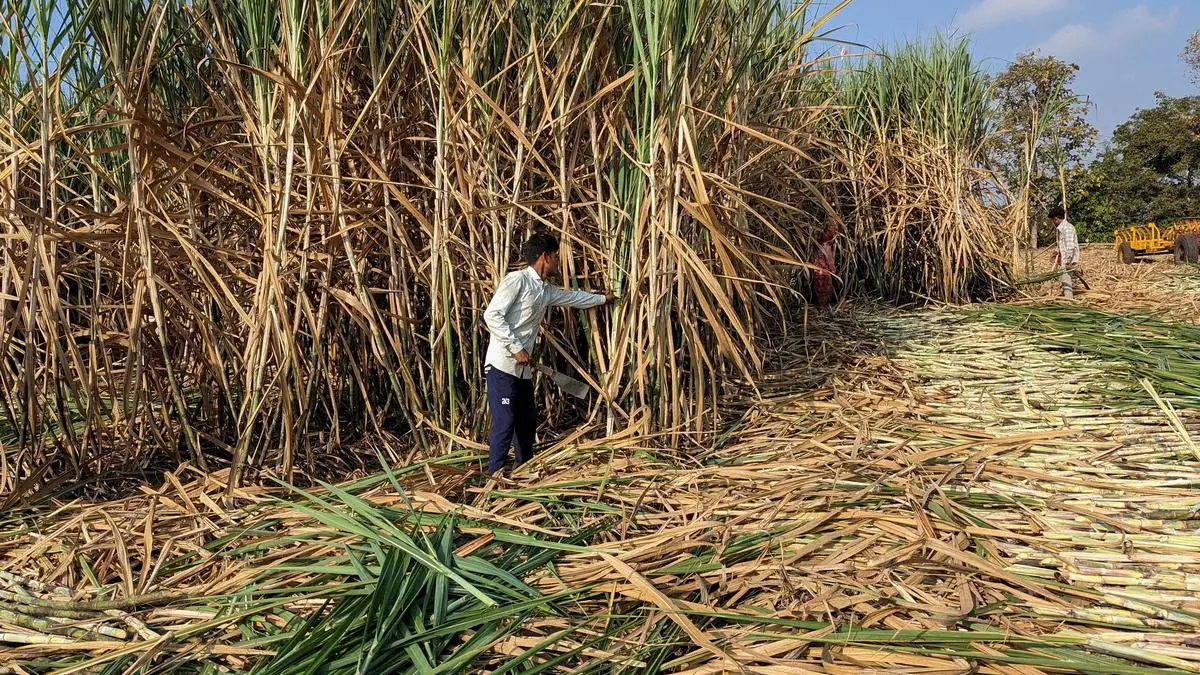
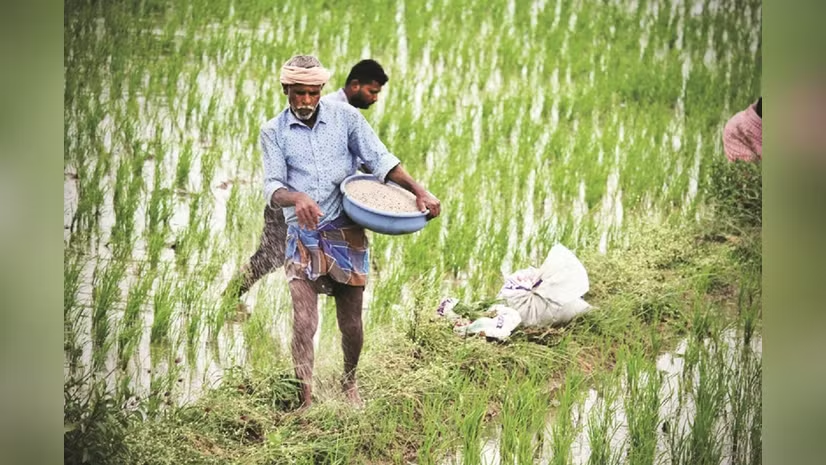
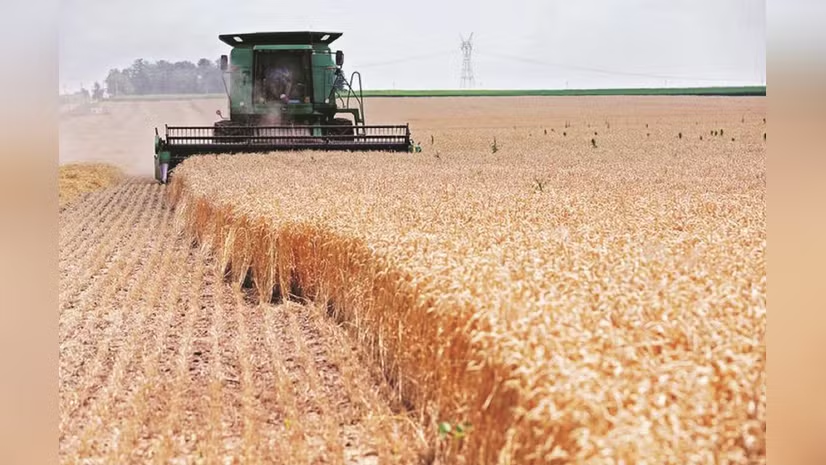
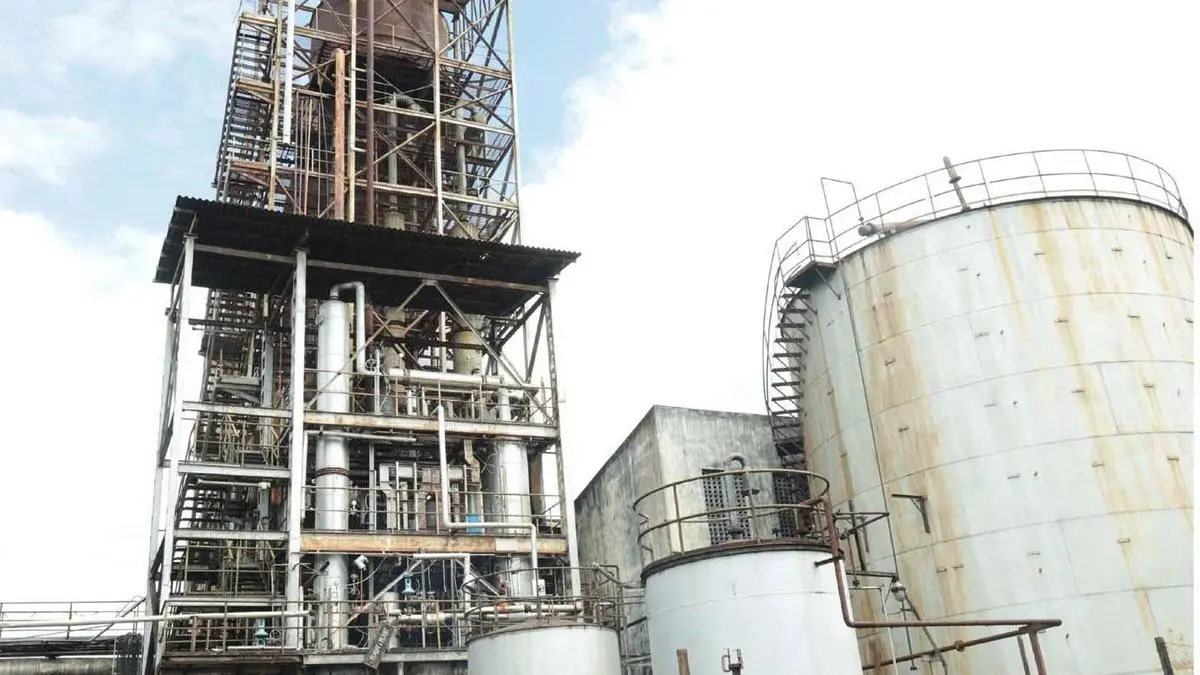
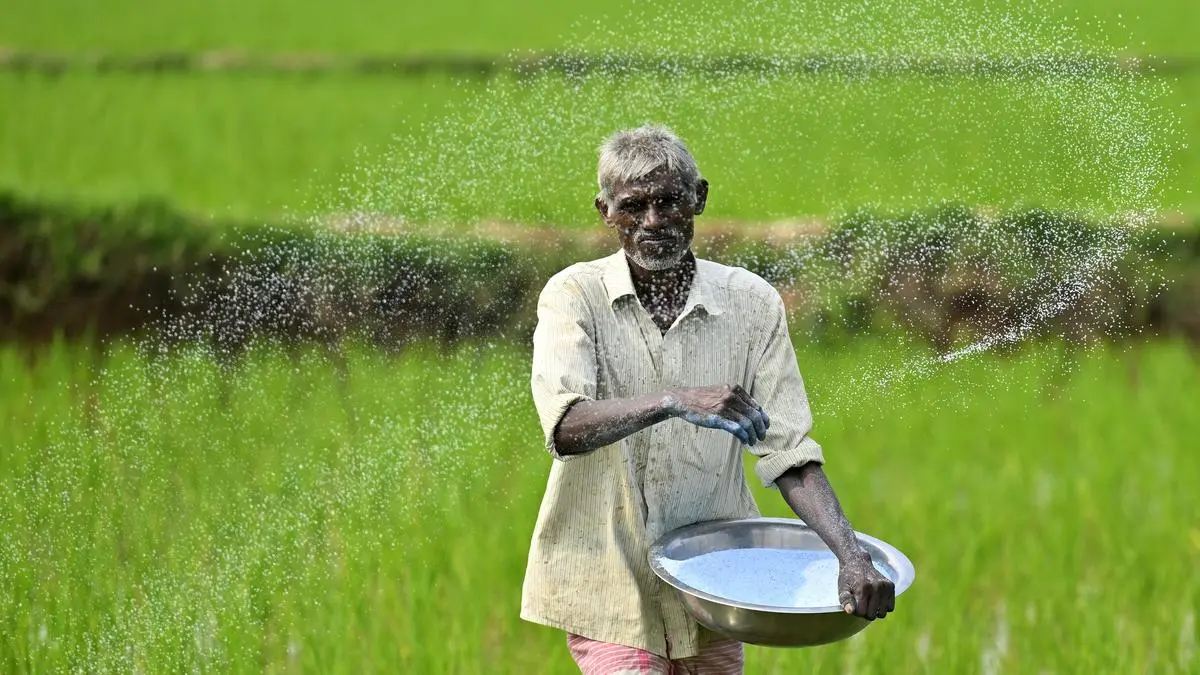
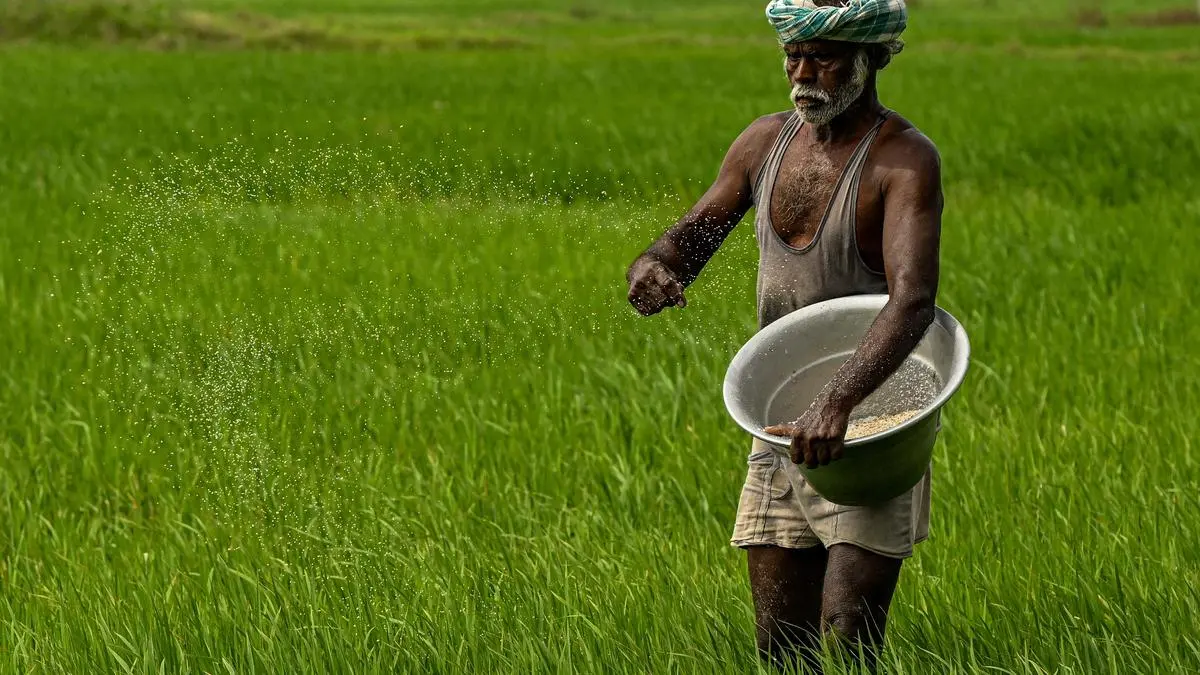
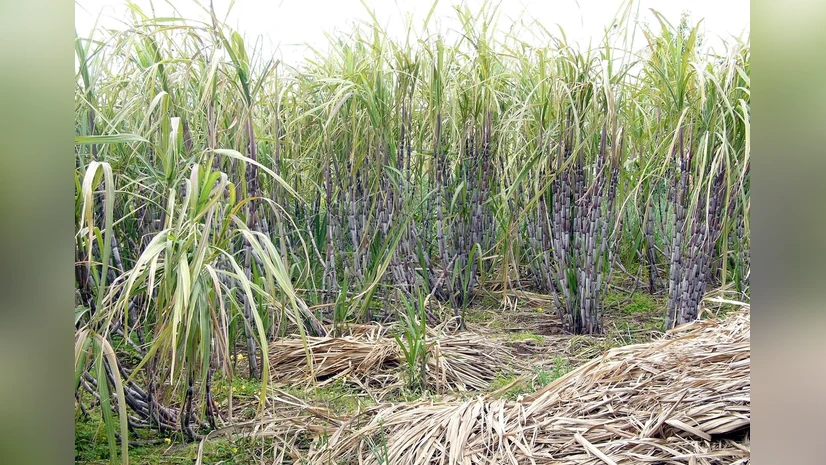
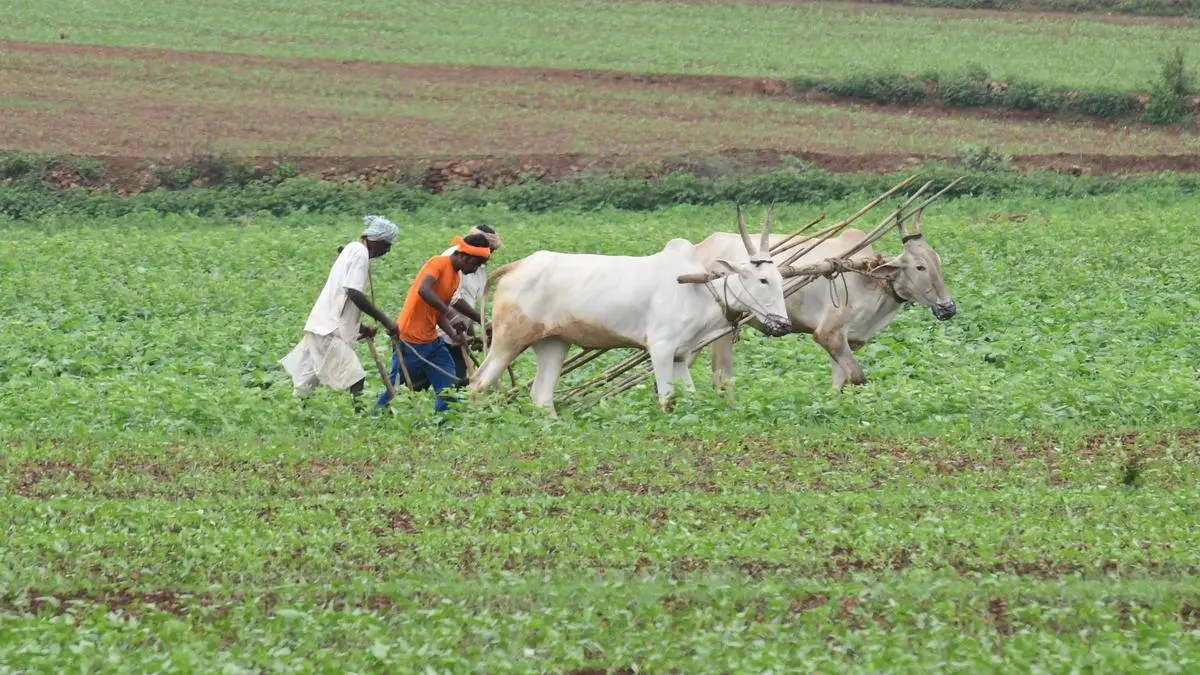
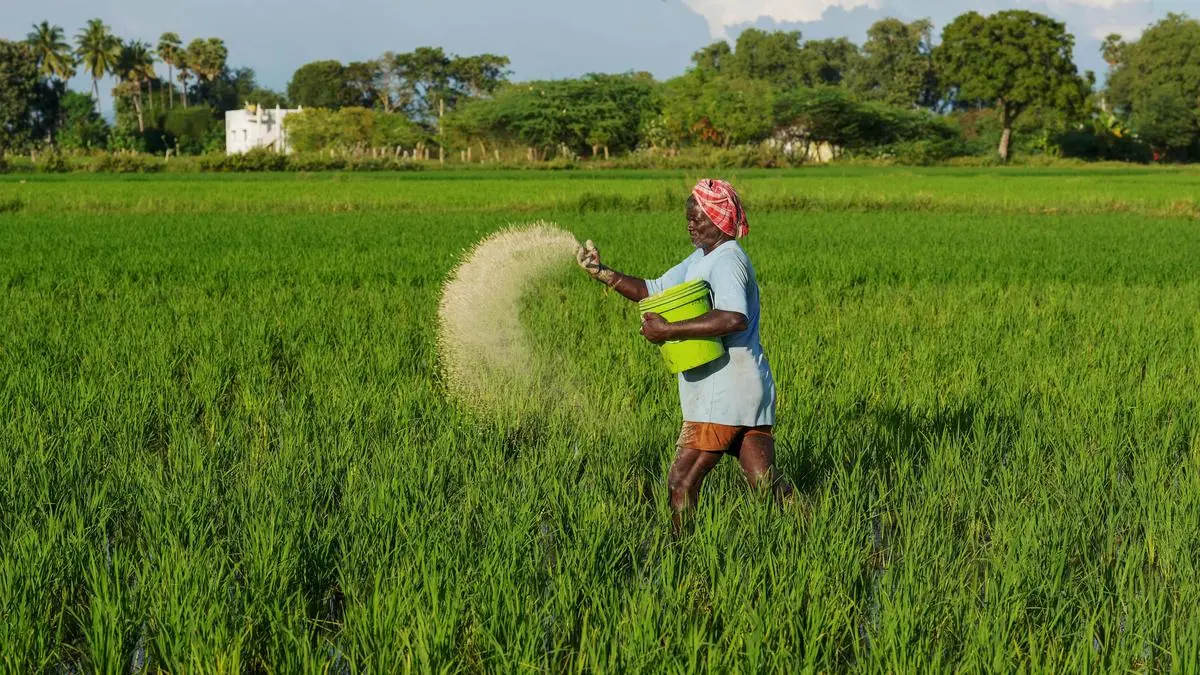
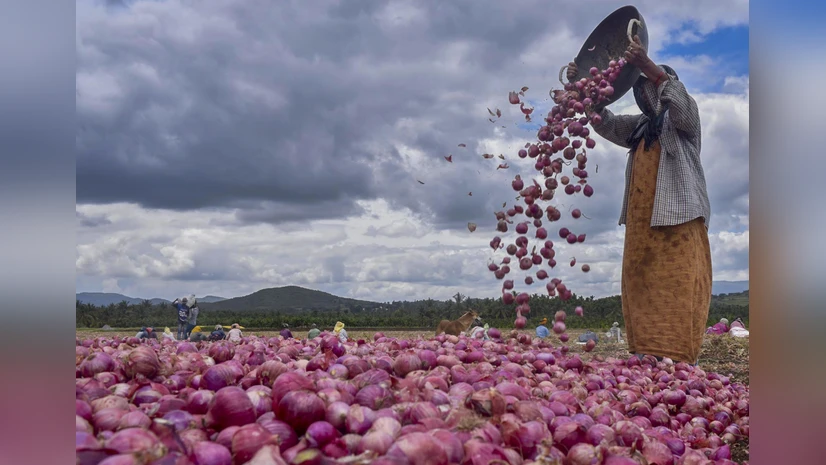
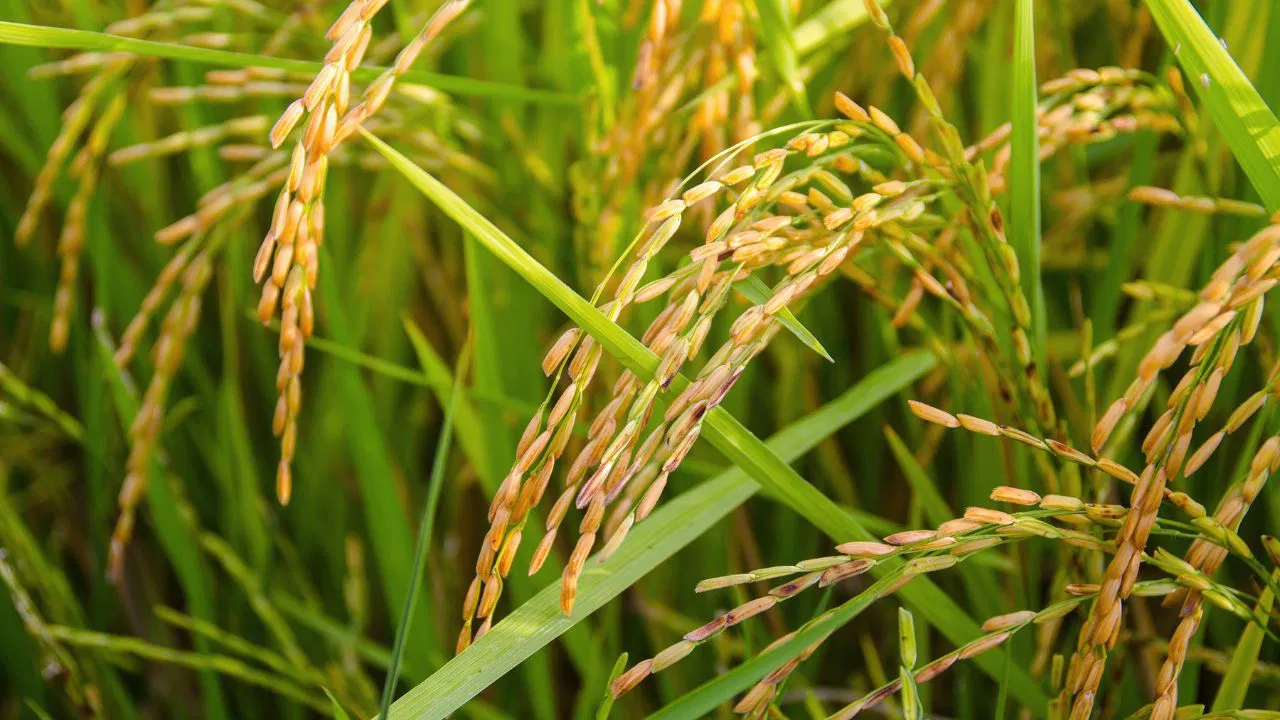
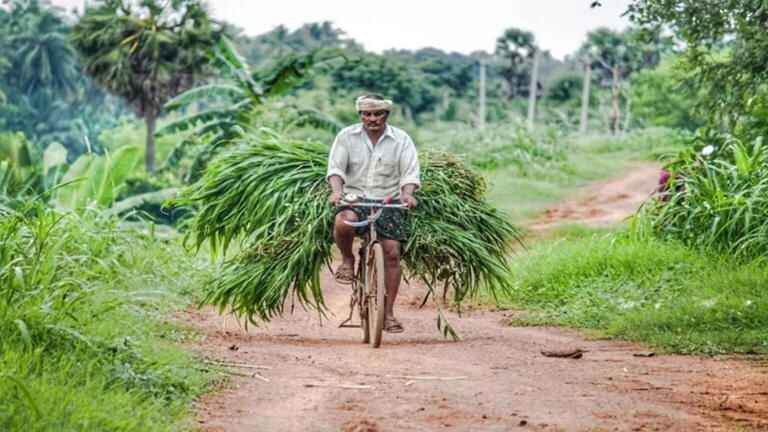
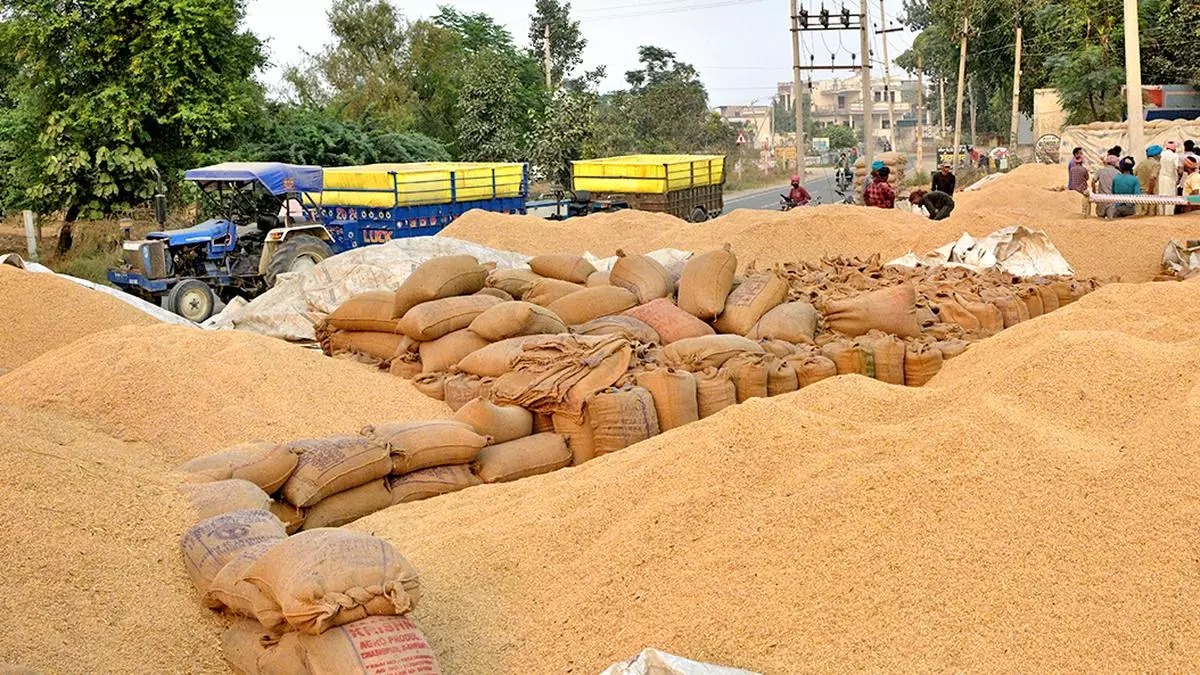
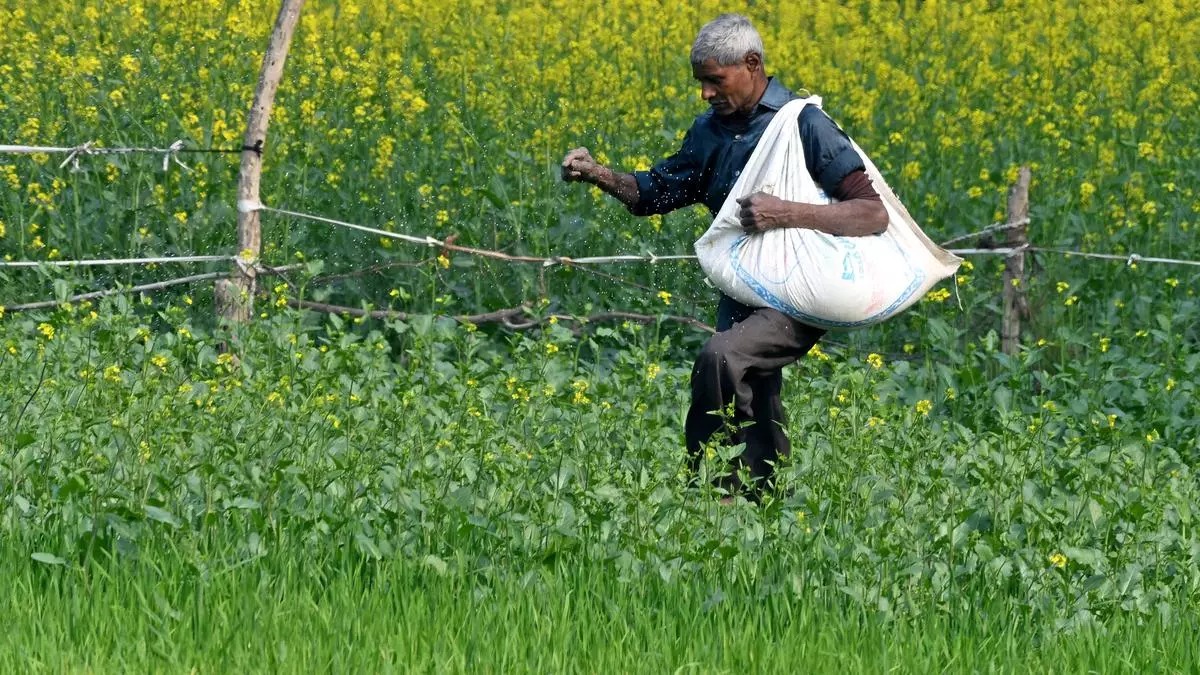
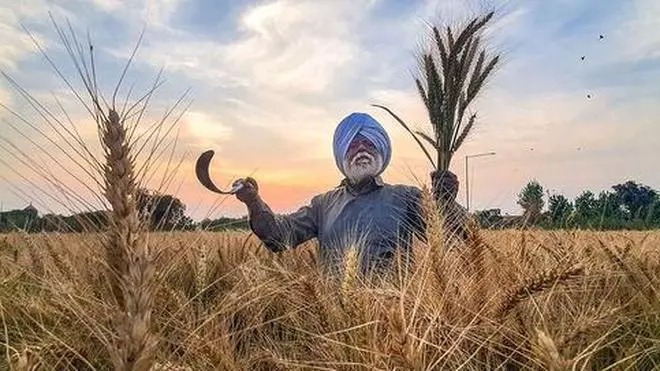
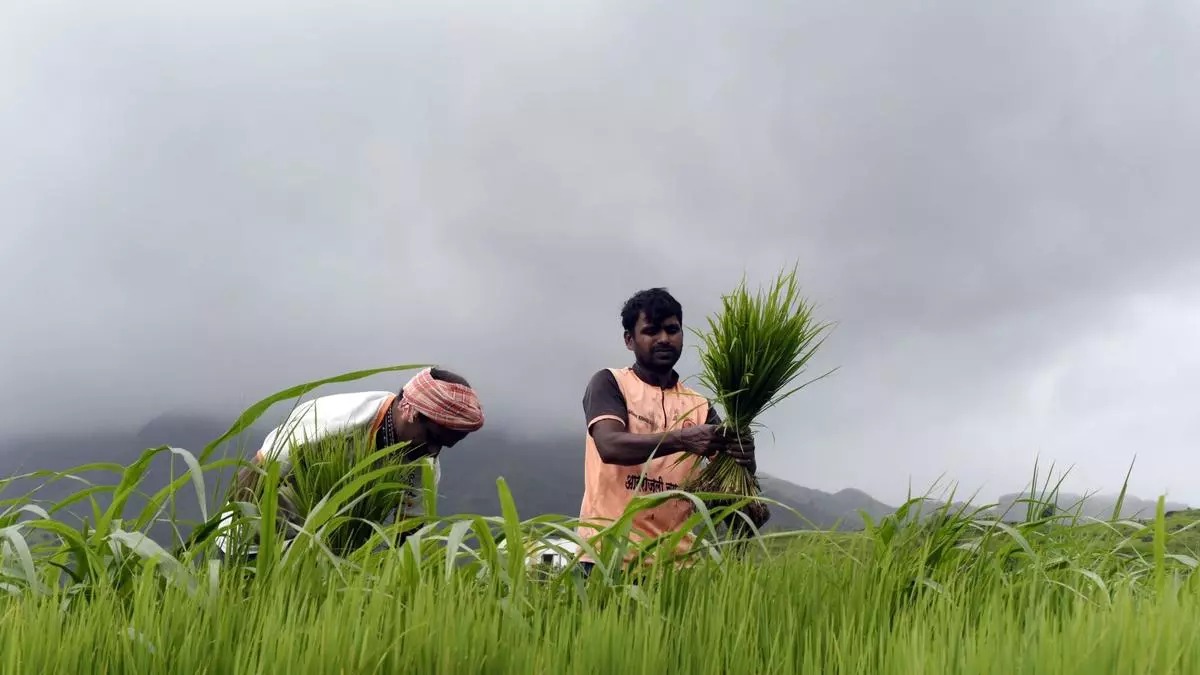
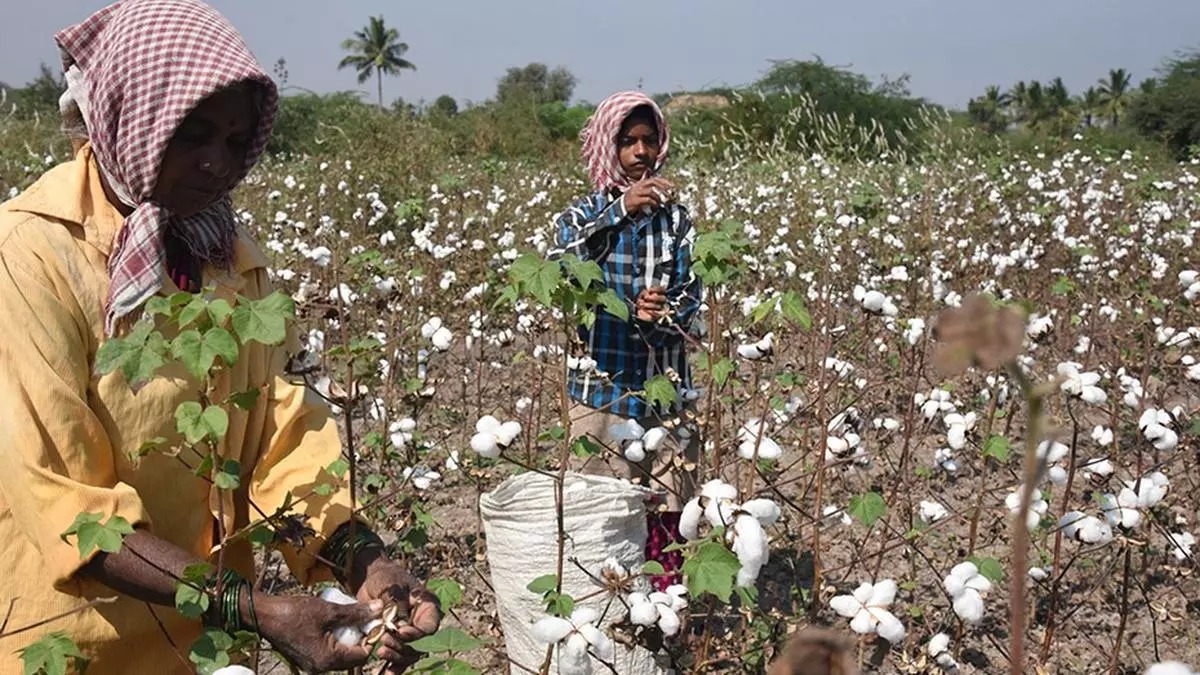
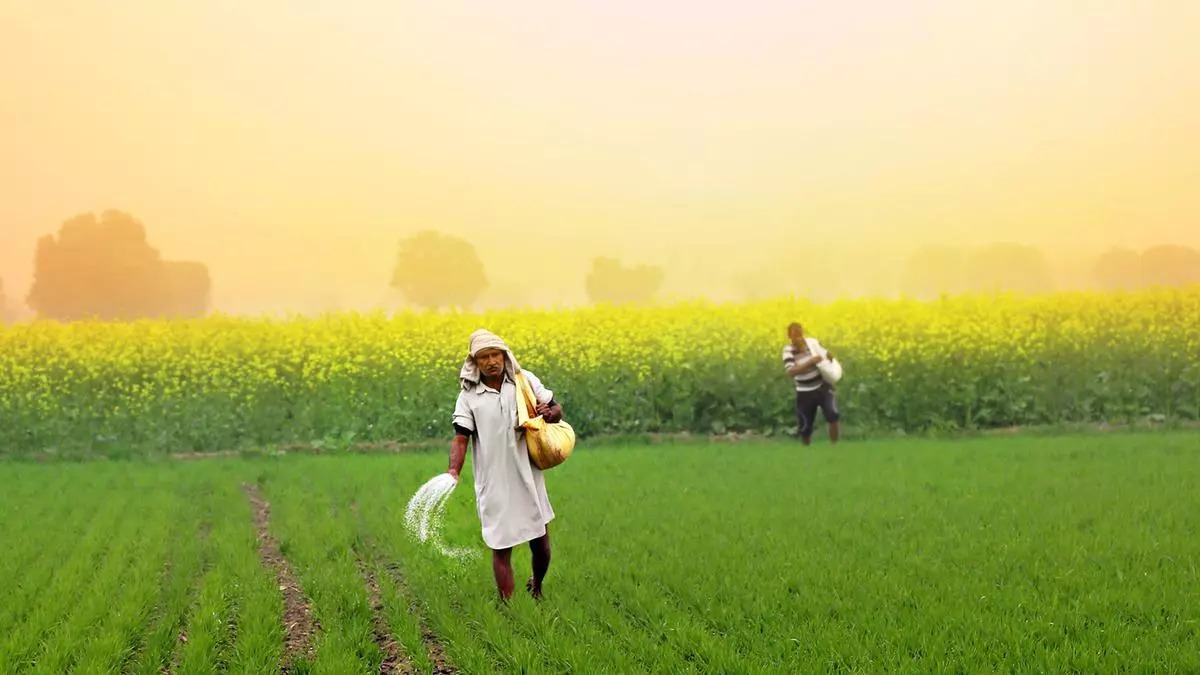
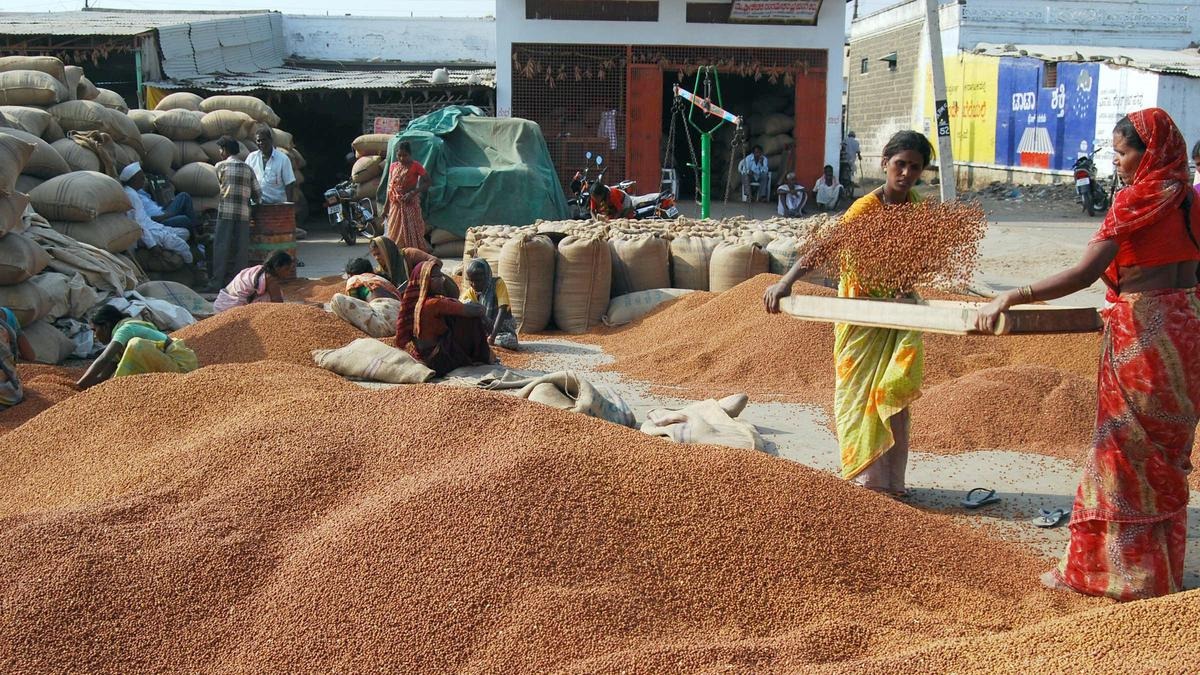
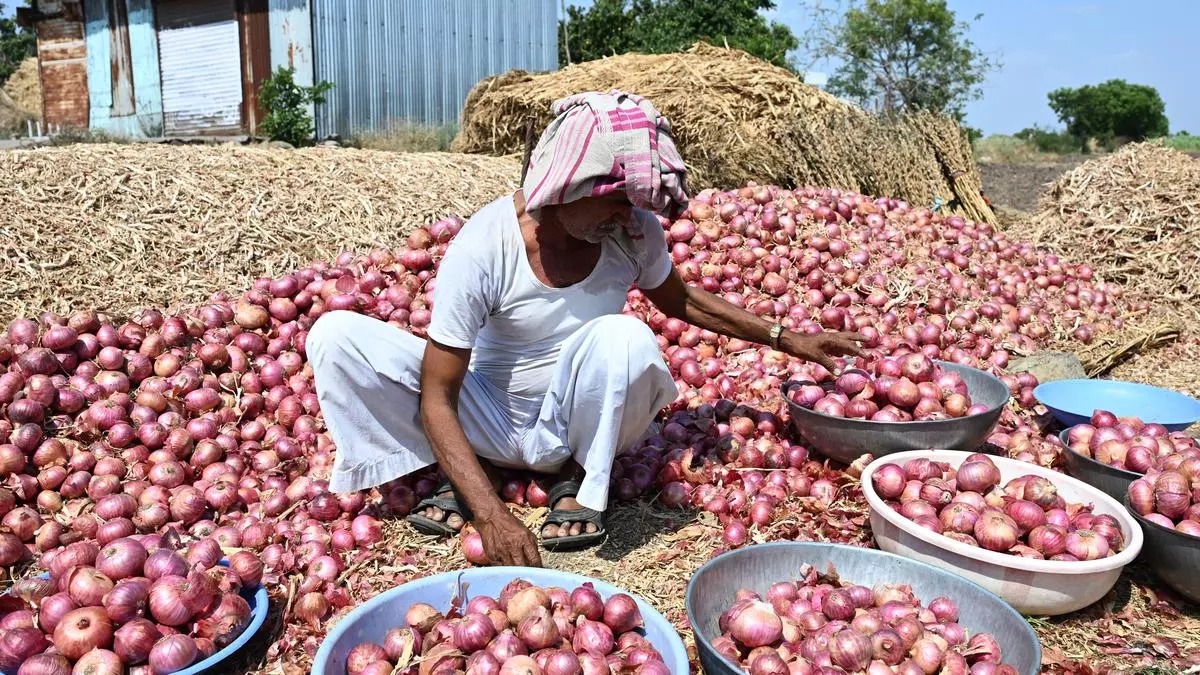
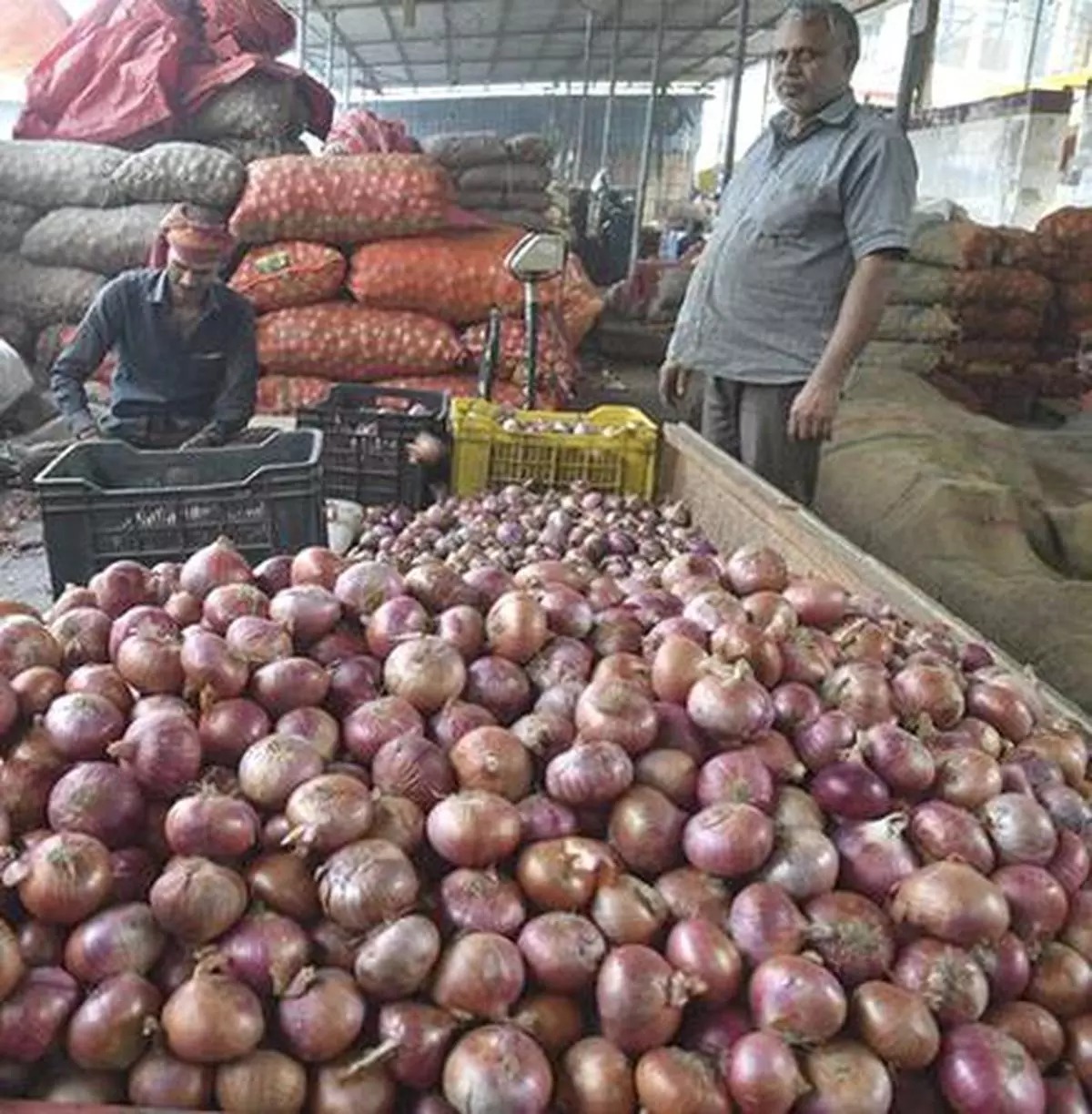
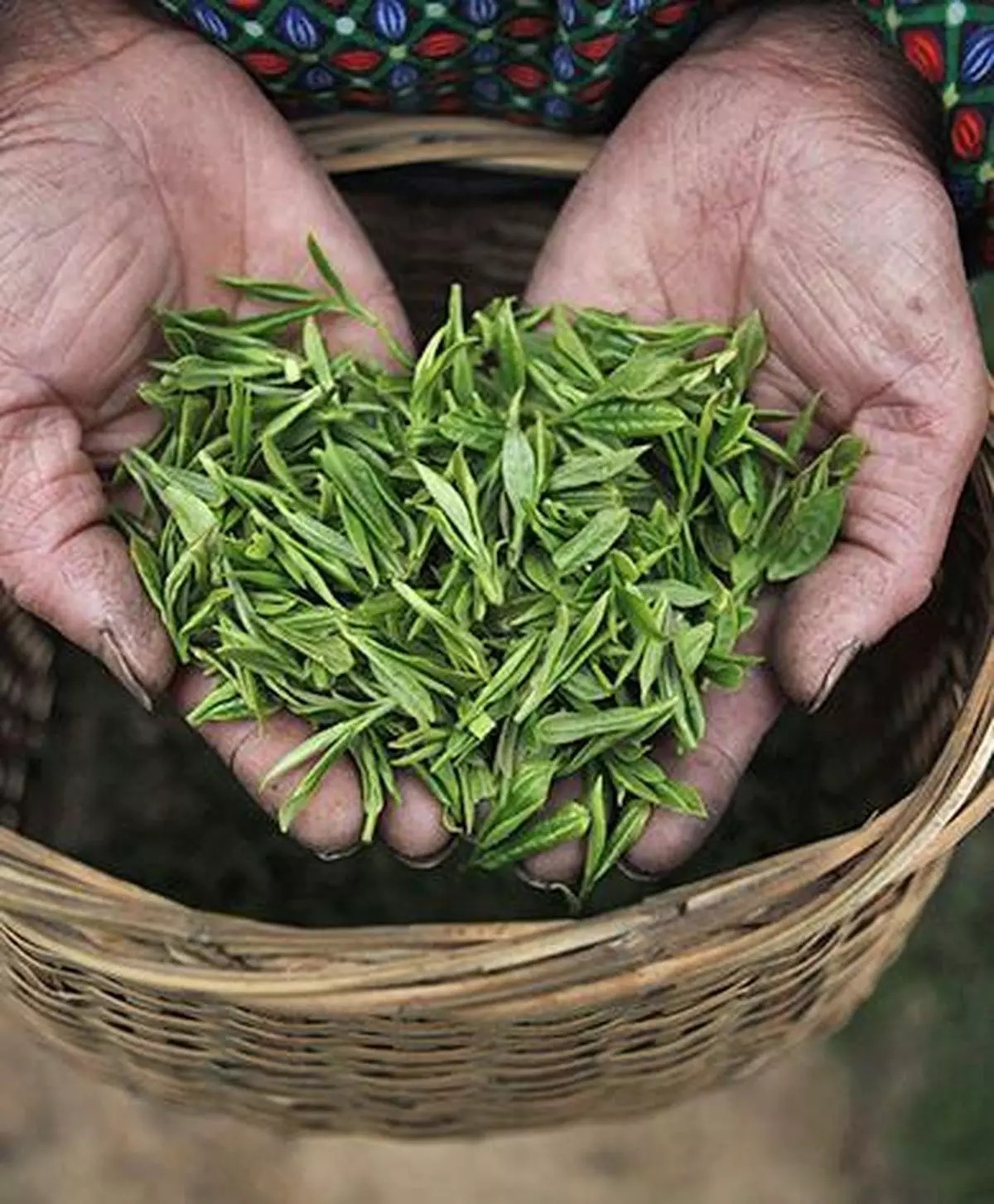
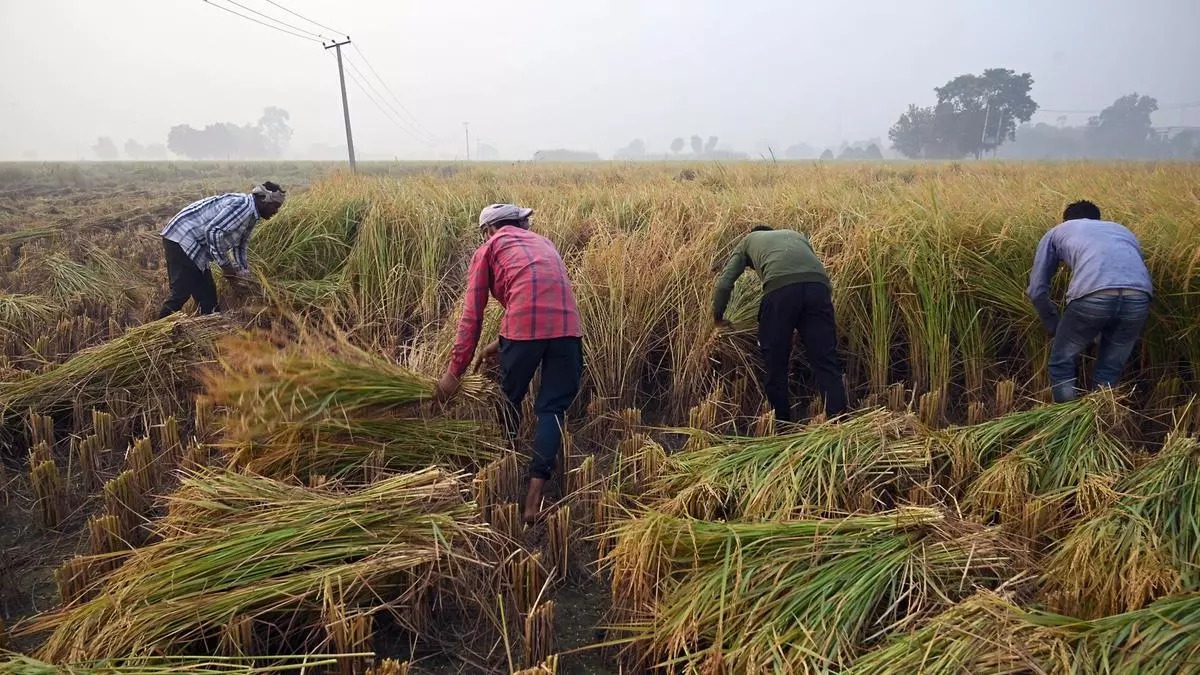
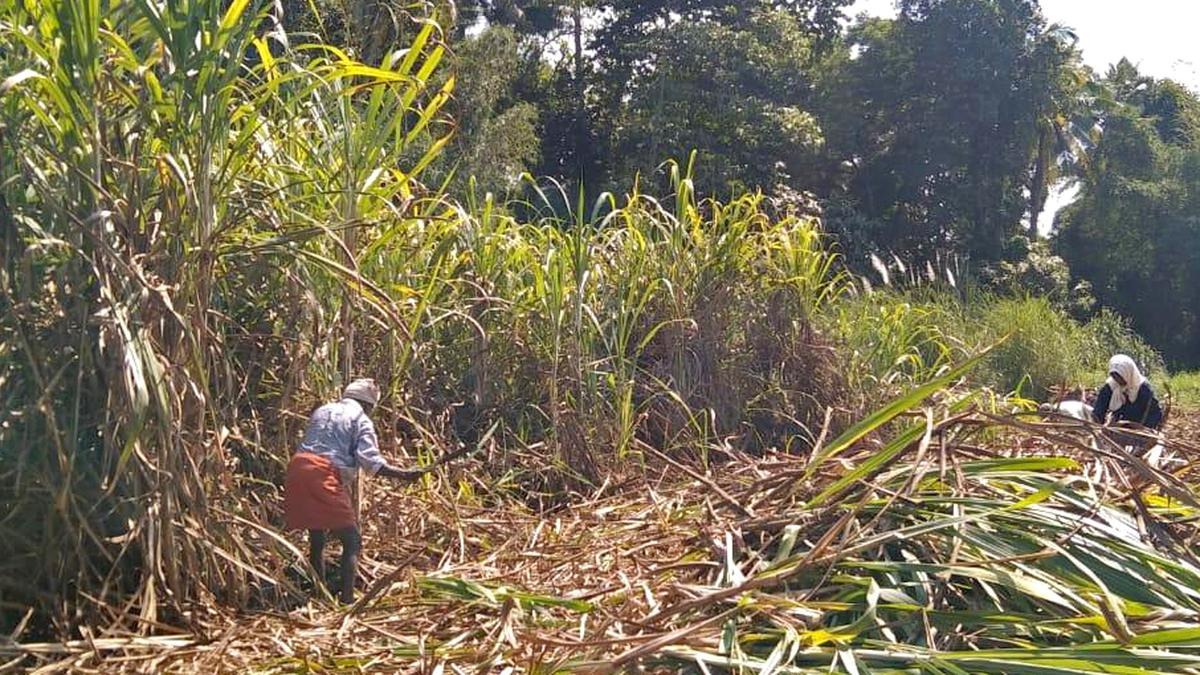
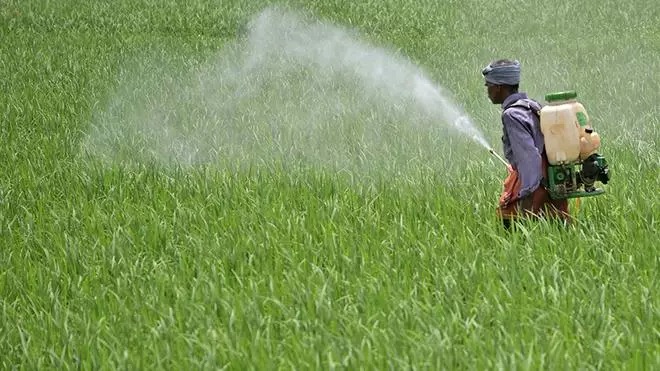
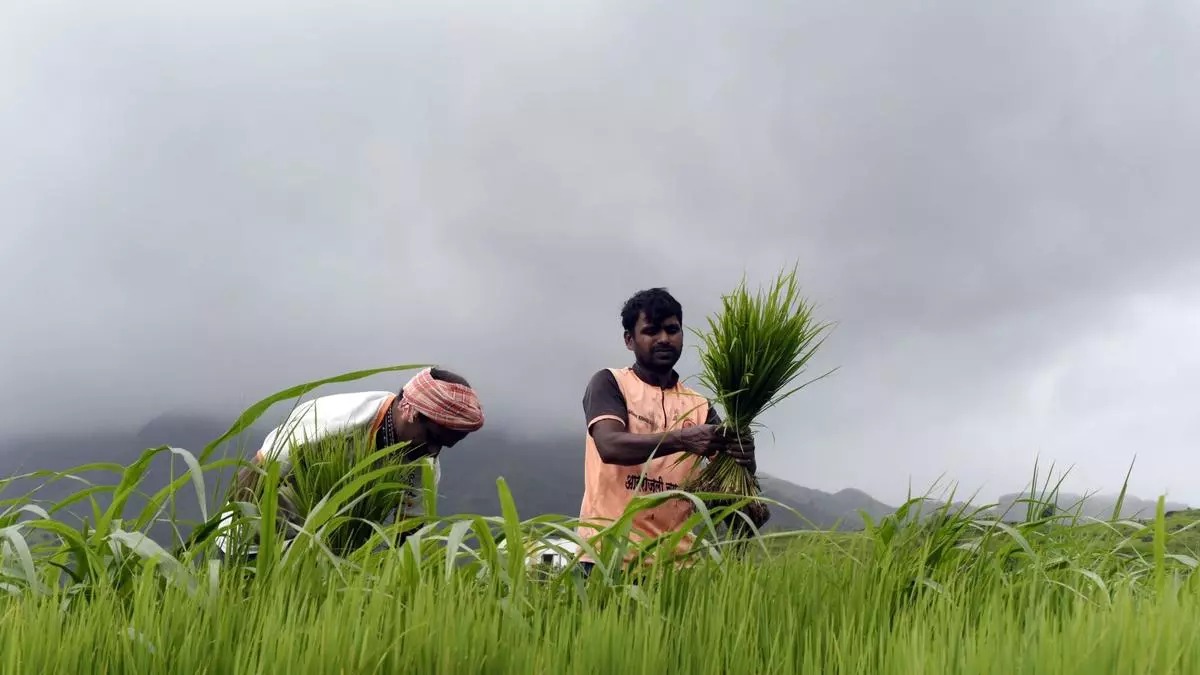
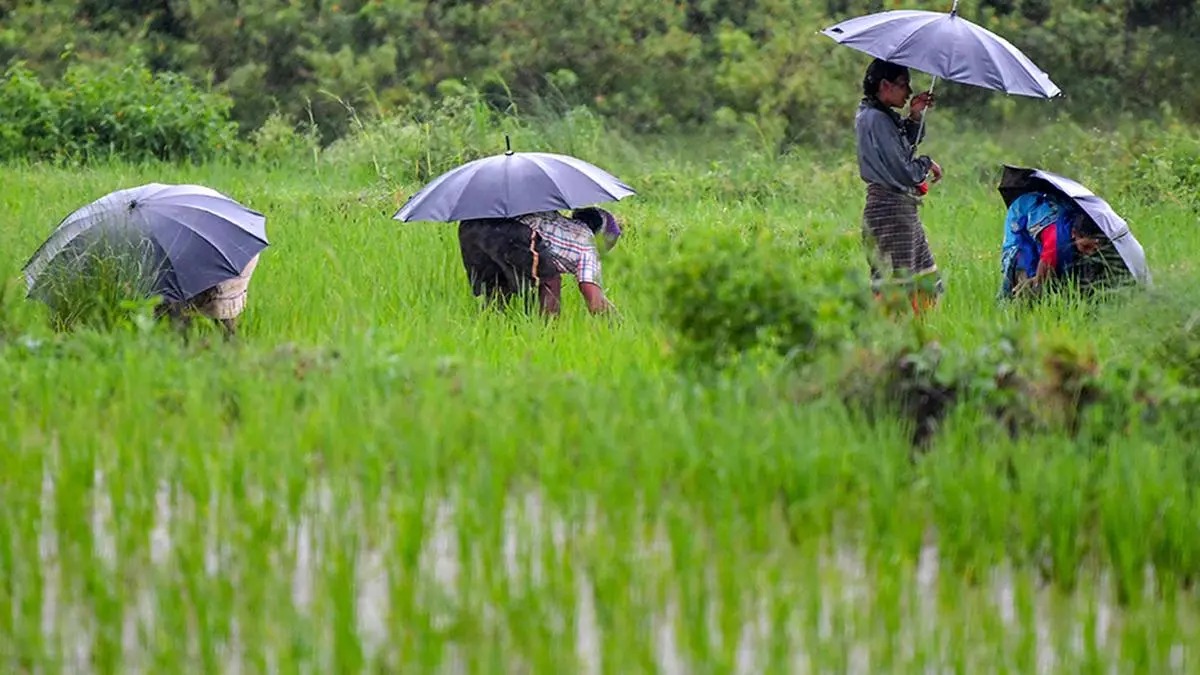
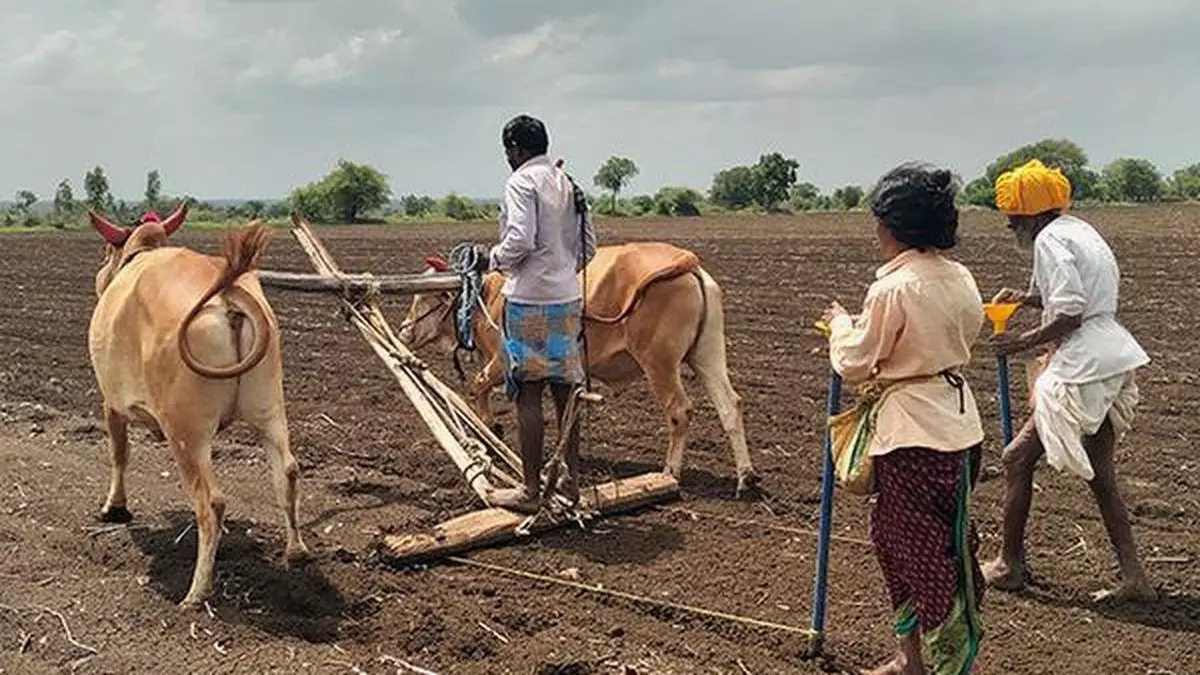
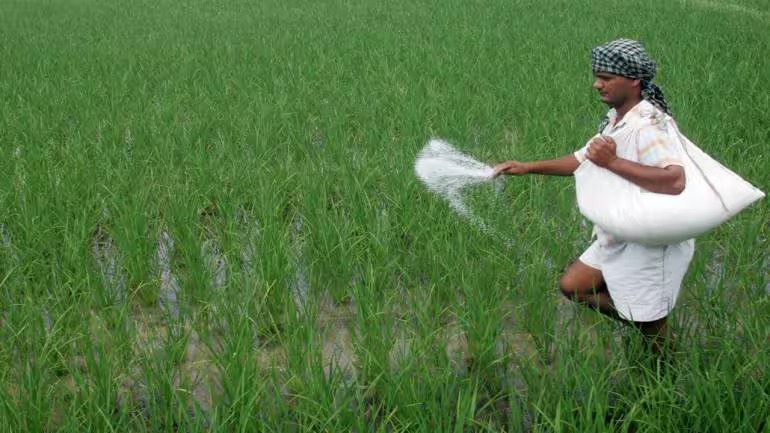
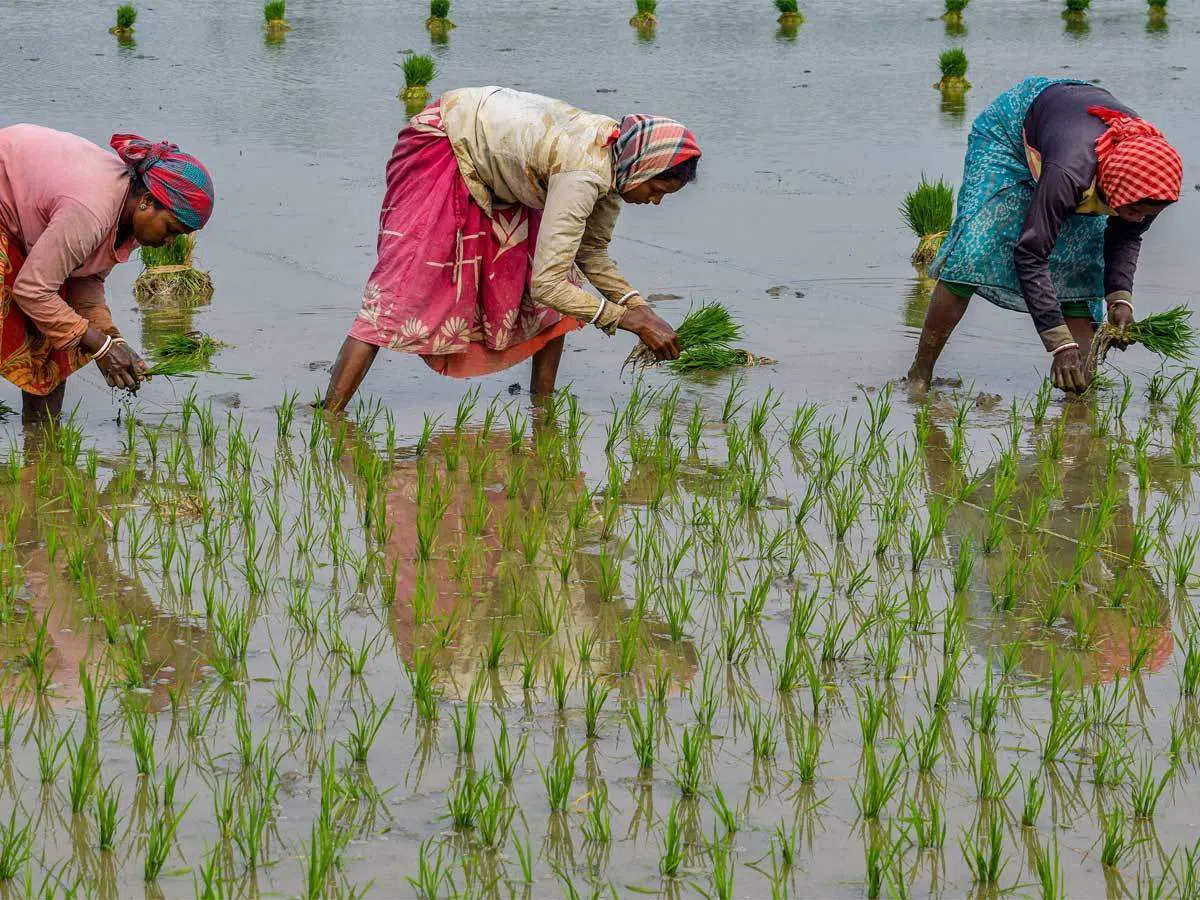
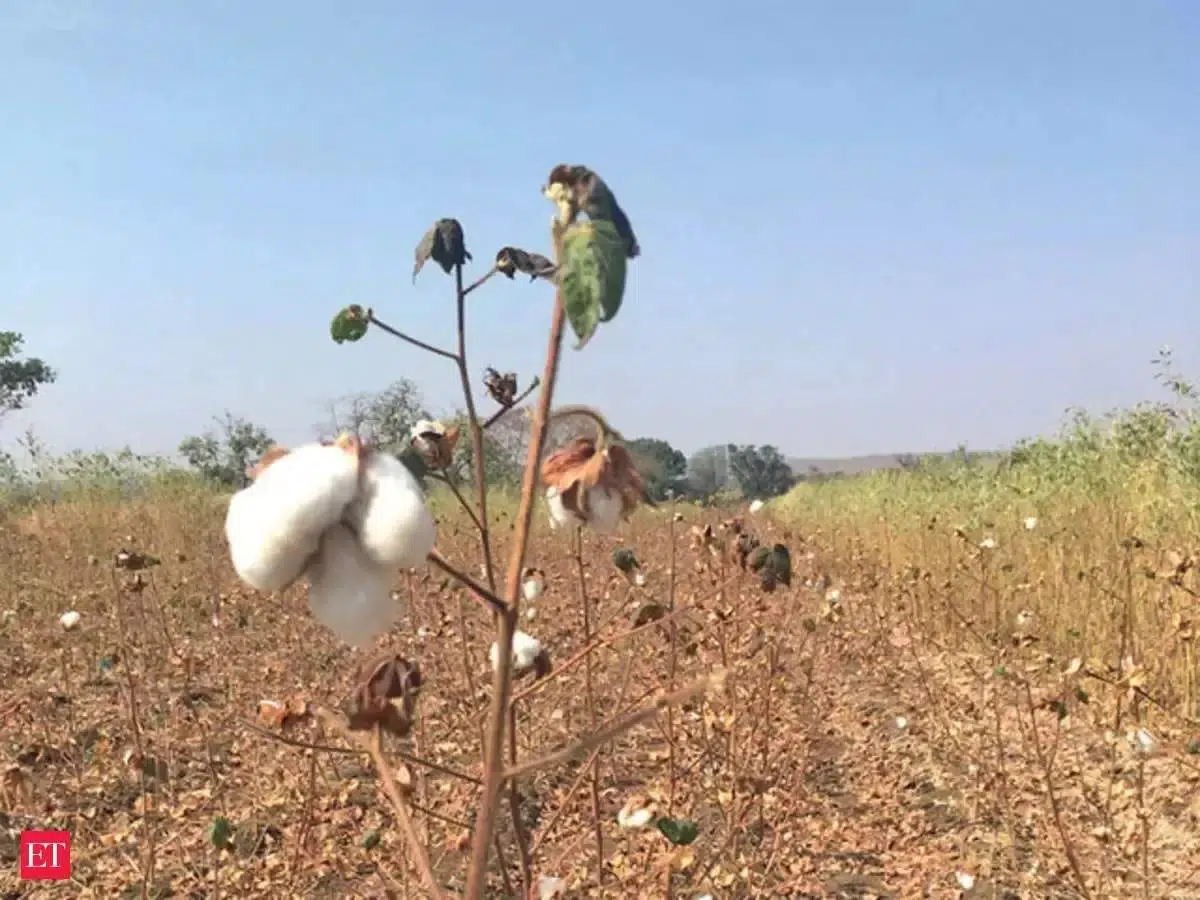
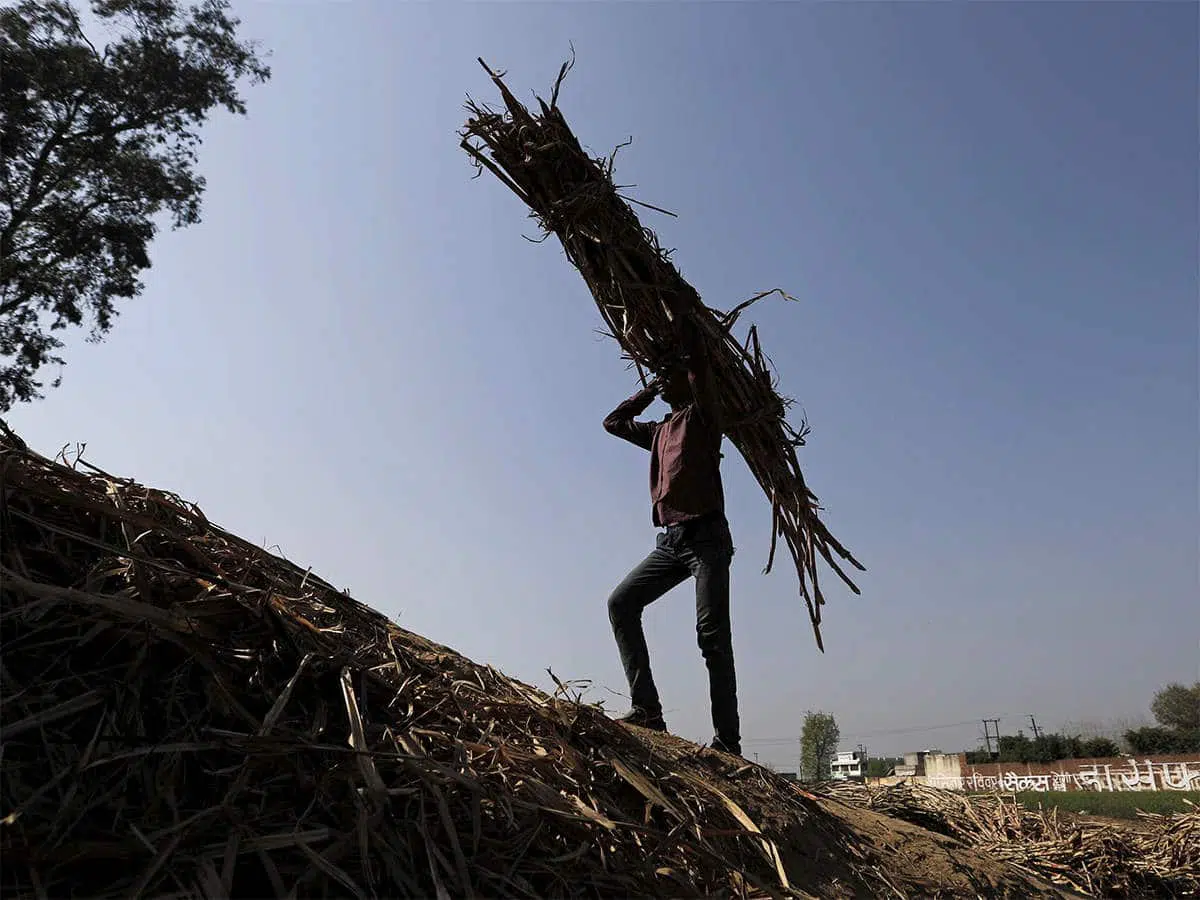
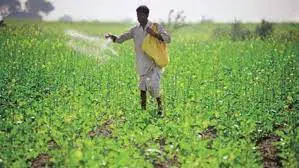
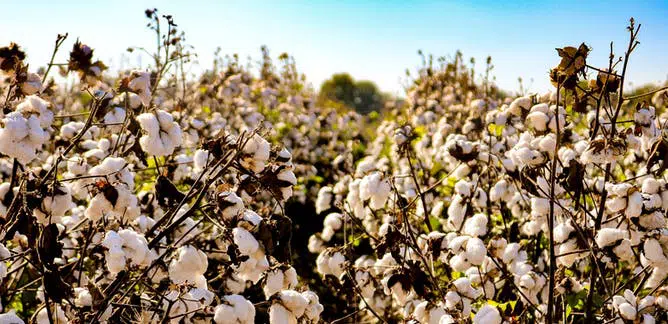
Every year, India generates 350 million tonne of agricultural waste – from paddy straw and sugarcane bagasse to coconut husks, banana stems, rice husk, cotton stalks and arecanut waste. Much of it is burnt, dumped or left to decompose, contributing to air pollution, greenhouse gas emissions and resource loss. Yet these same materials are increasingly finding value as inputs for packaging, construction materials, bioenergy, textiles, compost, biochar and recycled products.
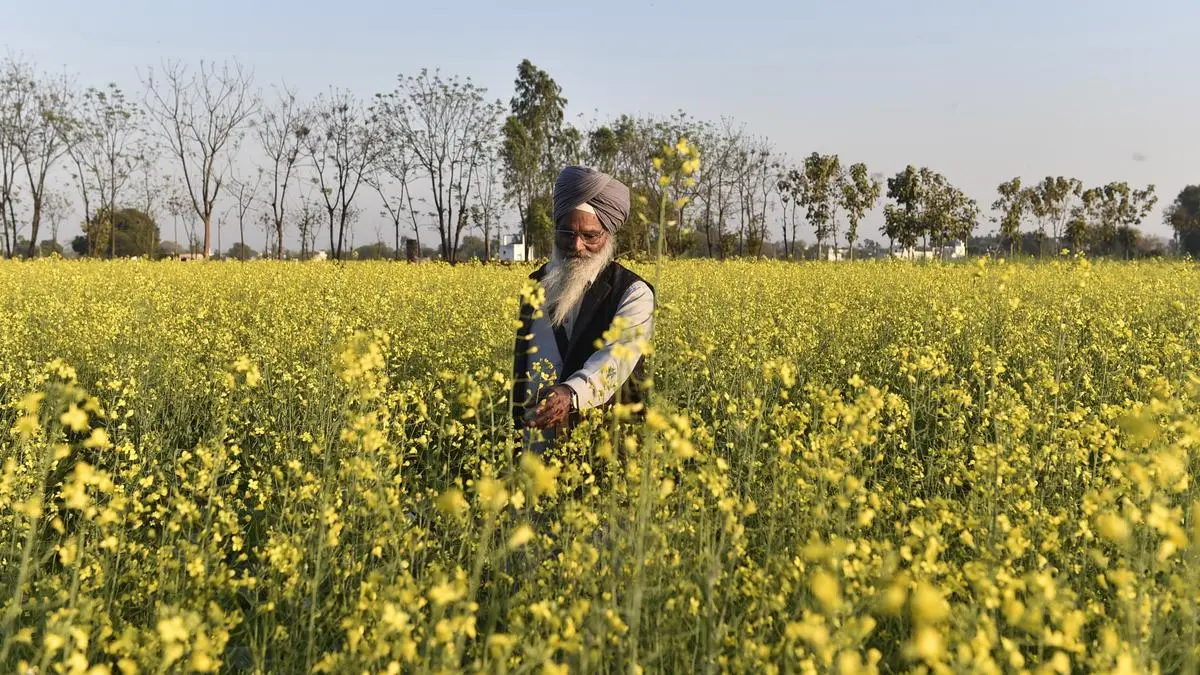
The opportunity is to create organised markets that connect farmers with industries seeking sustainable raw materials. If India succeeds, agricultural residue could become an additional and dependable source of rural income while accelerating the country’s transition to a circular economy. This aligns with India’s ambitious circular economy vision, which aims to transform agricultural waste into wealth, projecting a $2 trillion market by 2050, while creating an estimated 10 million jobs.
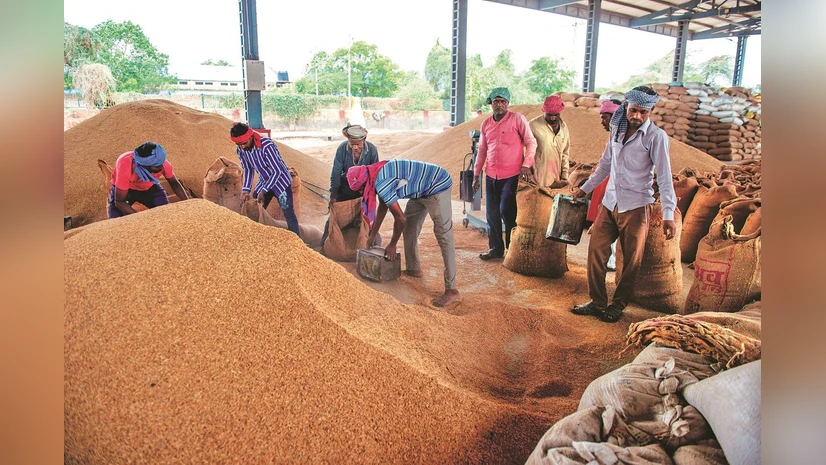
The economic potential is already visible in emerging biomass markets, where the average factory-gate price paid by pellet and briquette manufacturers for agro-residue ranges between ₹2 -2.5 per kg (₹2,000 – 2,500 per tonne) (CSE, 2020). These prices vary significantly depending on the type and quality of crop residue, but demonstrate the potential for agricultural waste to become an additional revenue stream for farmers when supported by organised collection and aggregation systems.
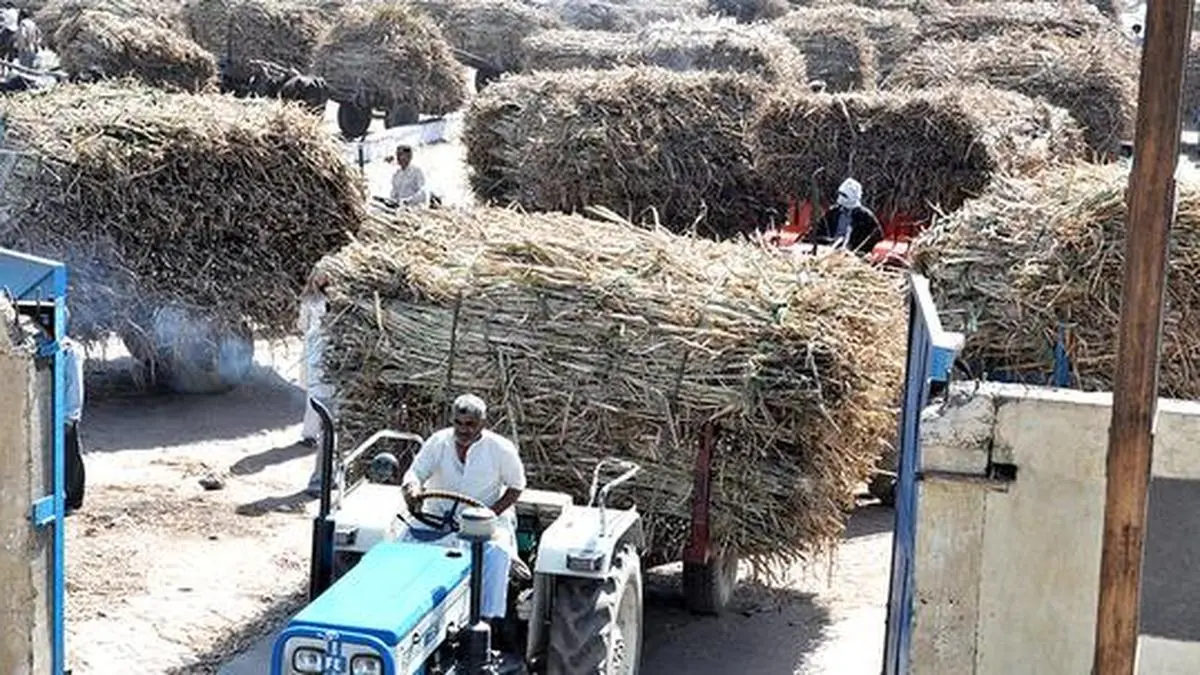
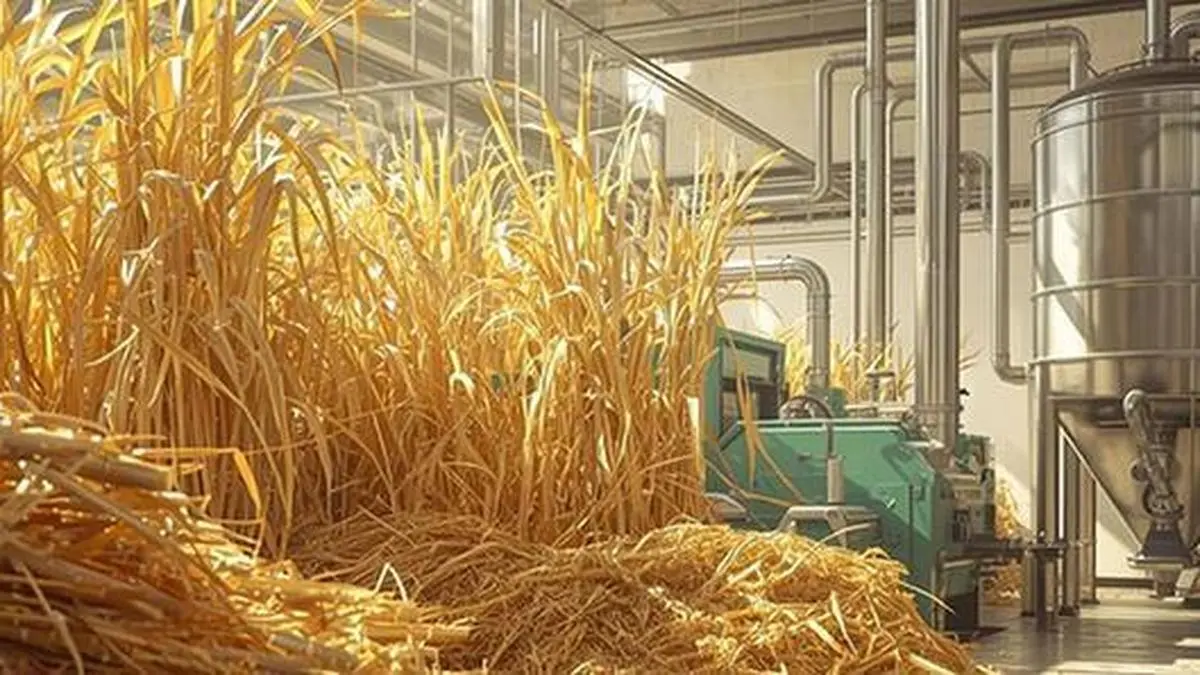
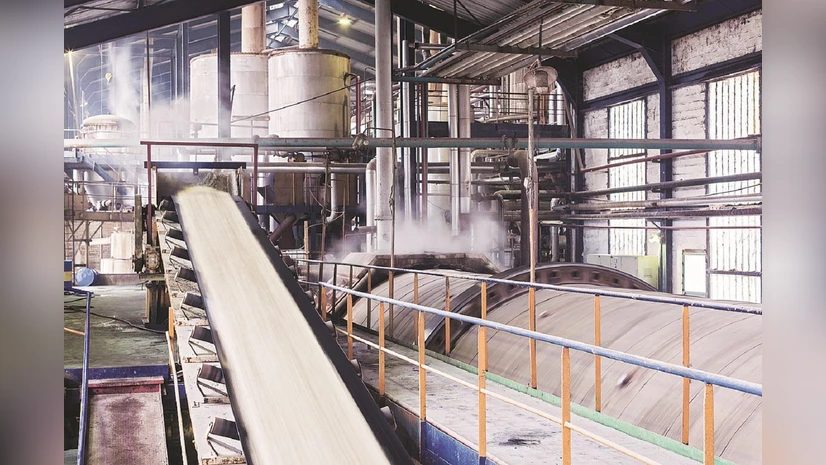
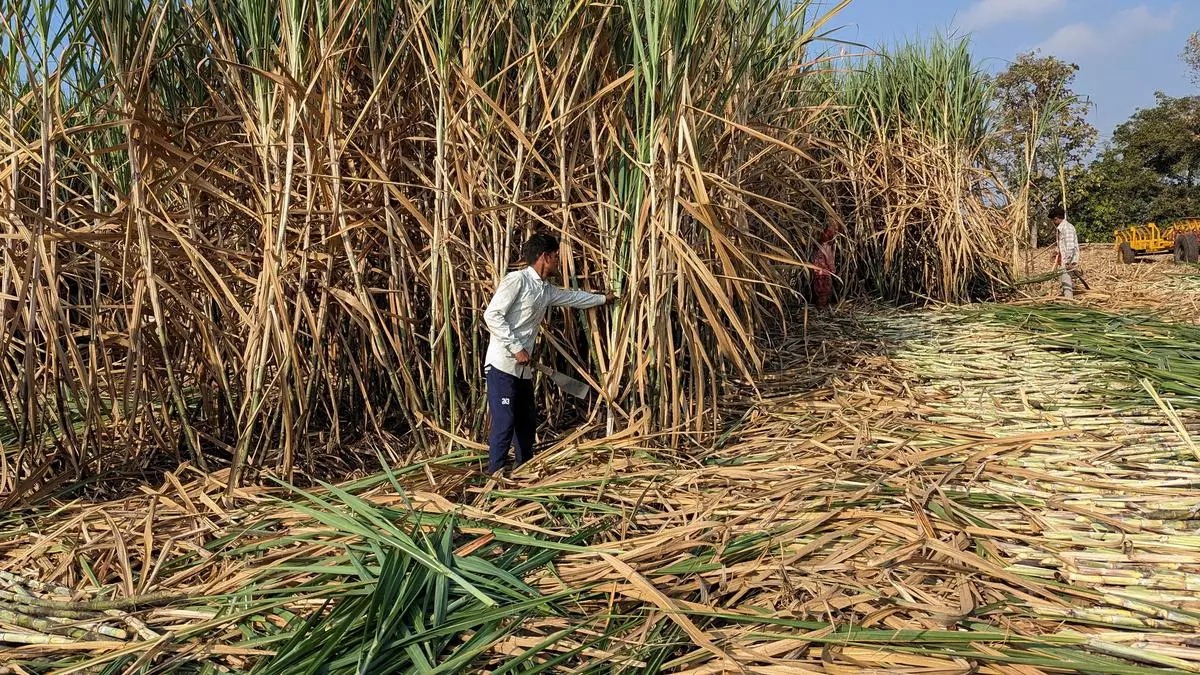
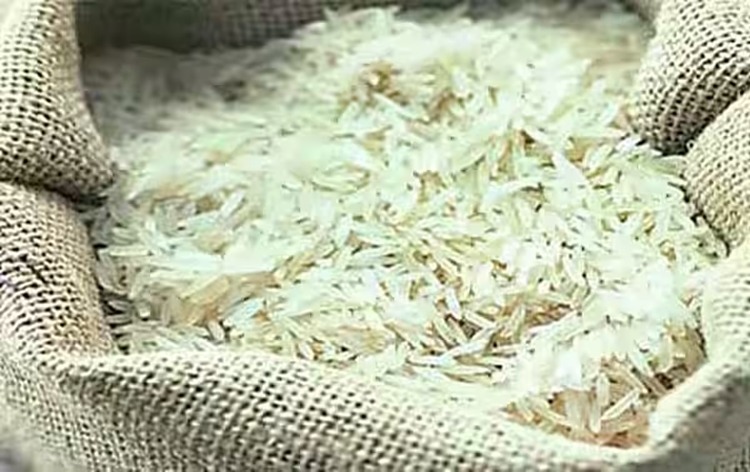
Many residue streams already have proven commercial applications. Paddy straw is being converted into engineered boards and low-carbon building materials. Sugarcane bagasse is being used to make plates, bowls and cutlery, while press mud is emerging as a feedstock for compressed biogas, biofertilisers and ethanol production. Rice husk and arecanut leaves are being transformed into compostable tableware, banana pseudostems into natural fibres for textiles and composites, and coconut husks, coco pith and coir into horticultural products, geotextiles and other value-added materials. Sawdust and agricultural biomass are also increasingly used to manufacture biomass pellets that substitute coal in thermal power plants.