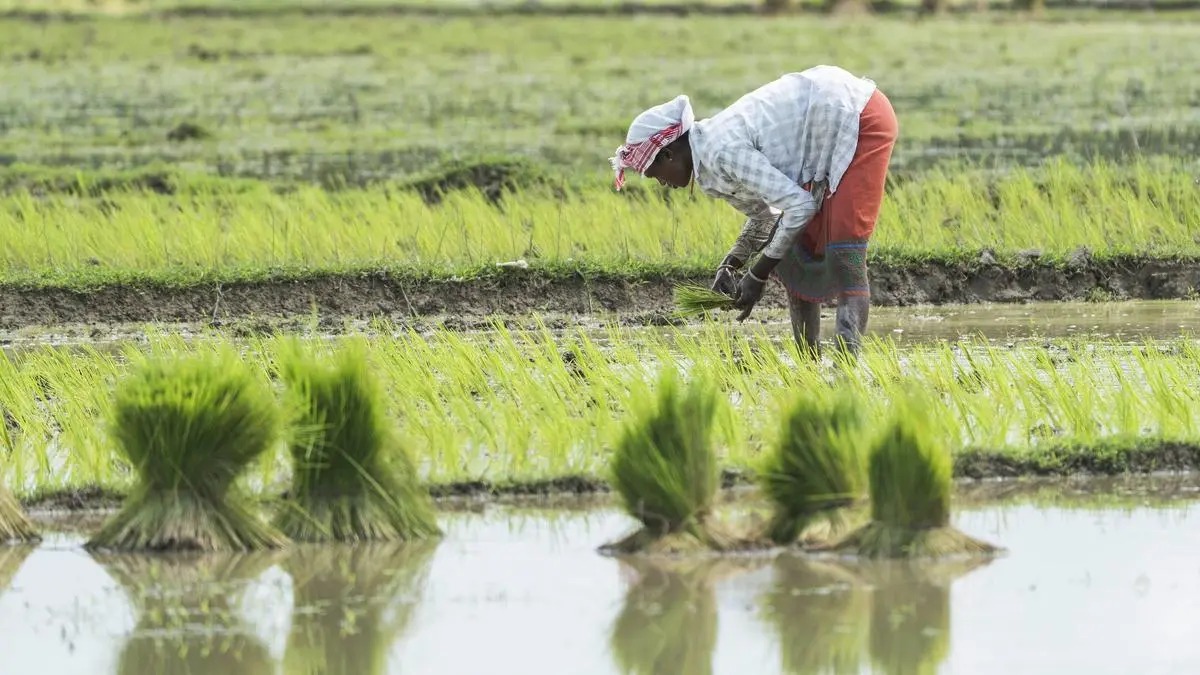
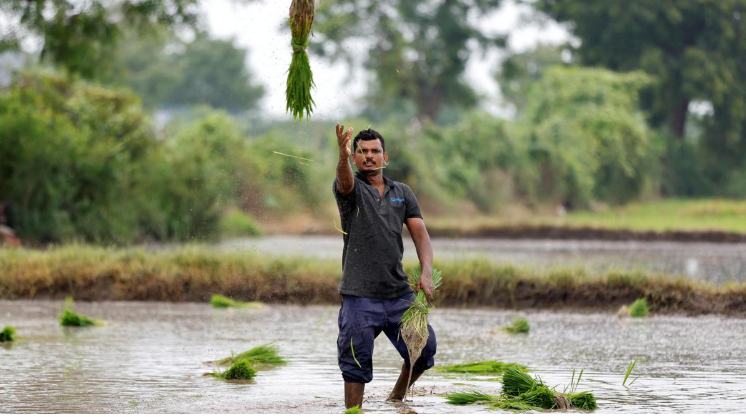
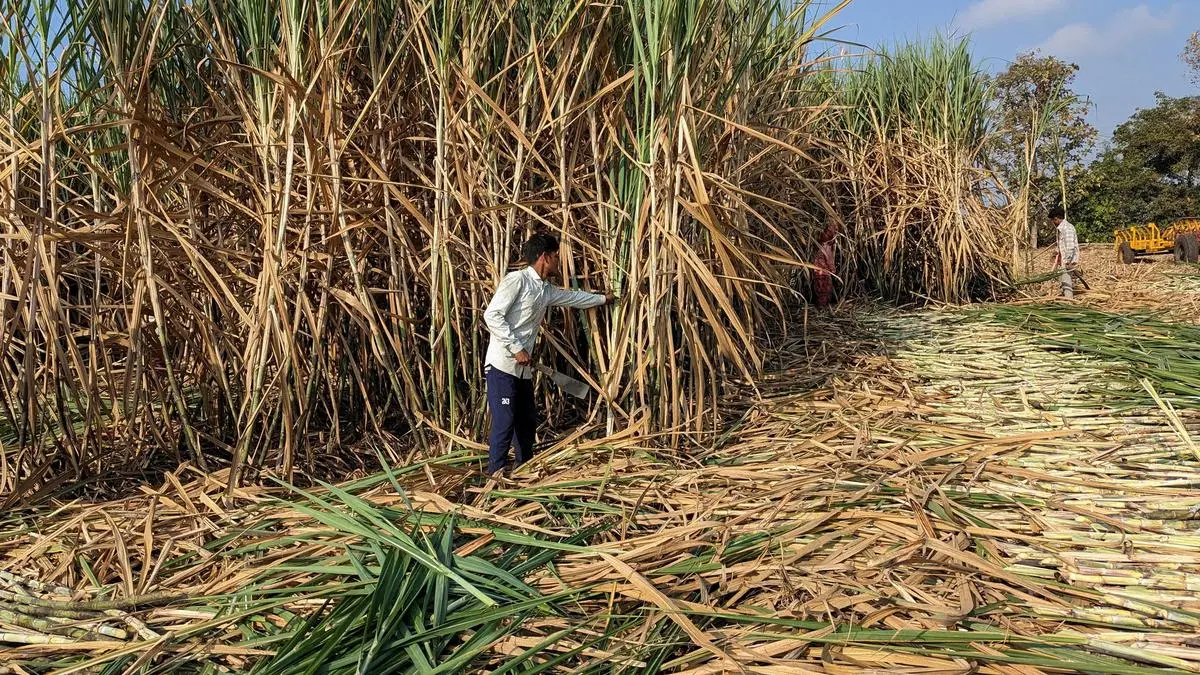
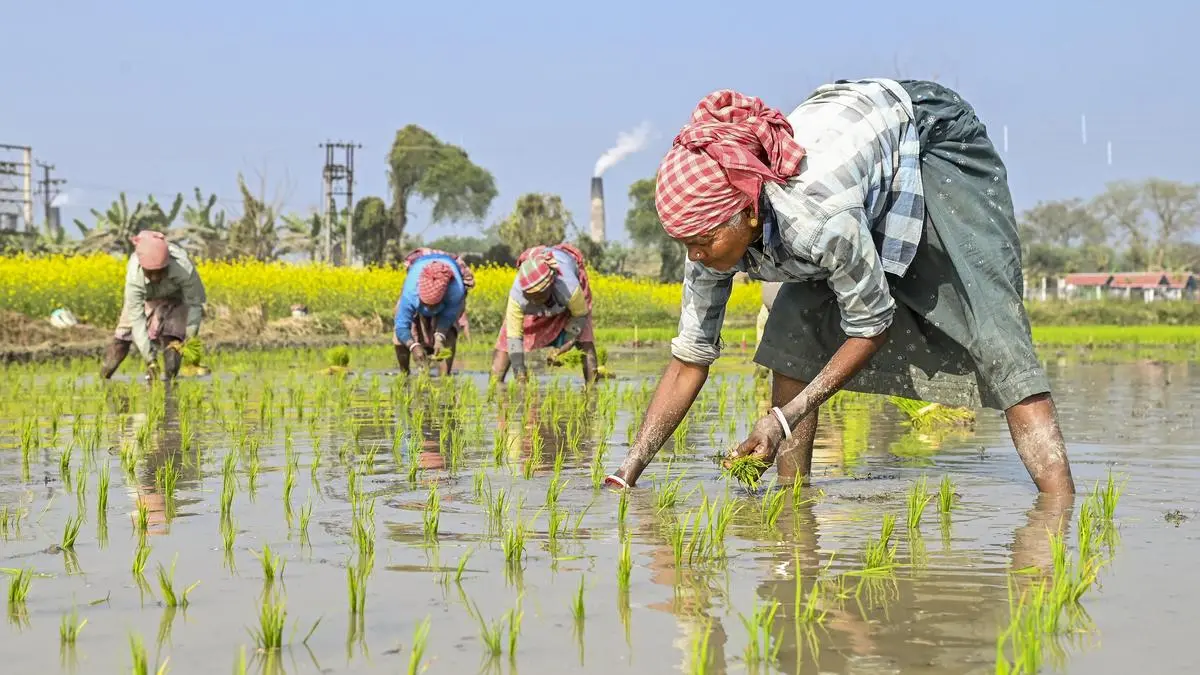
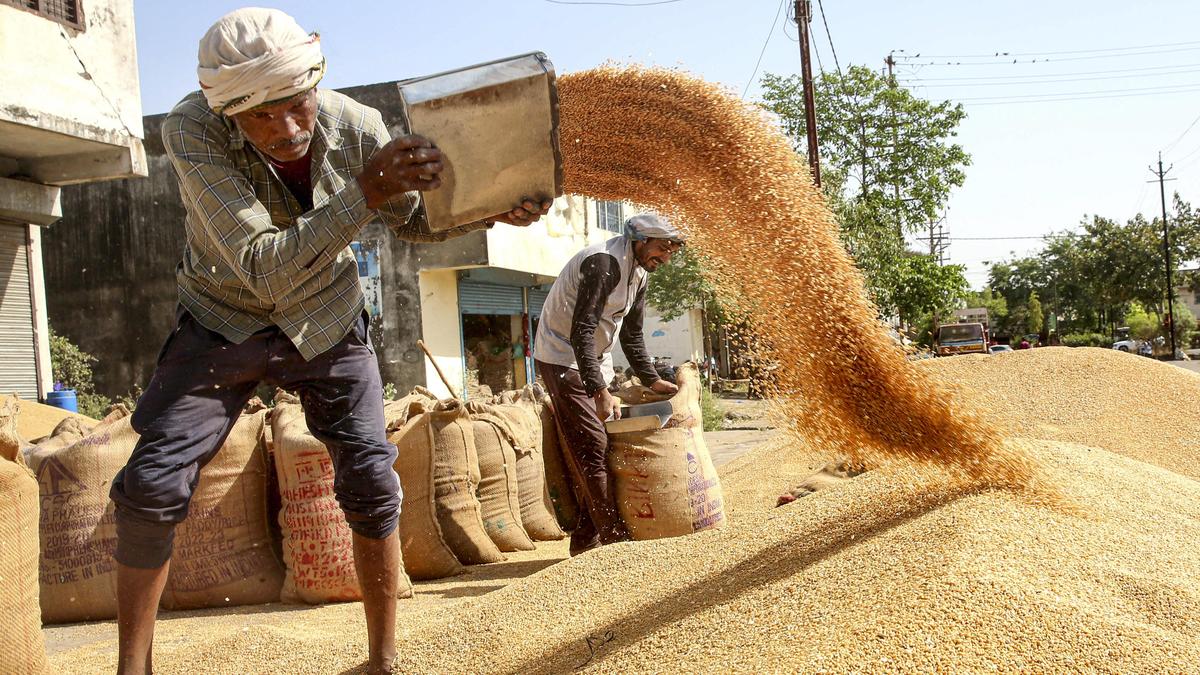
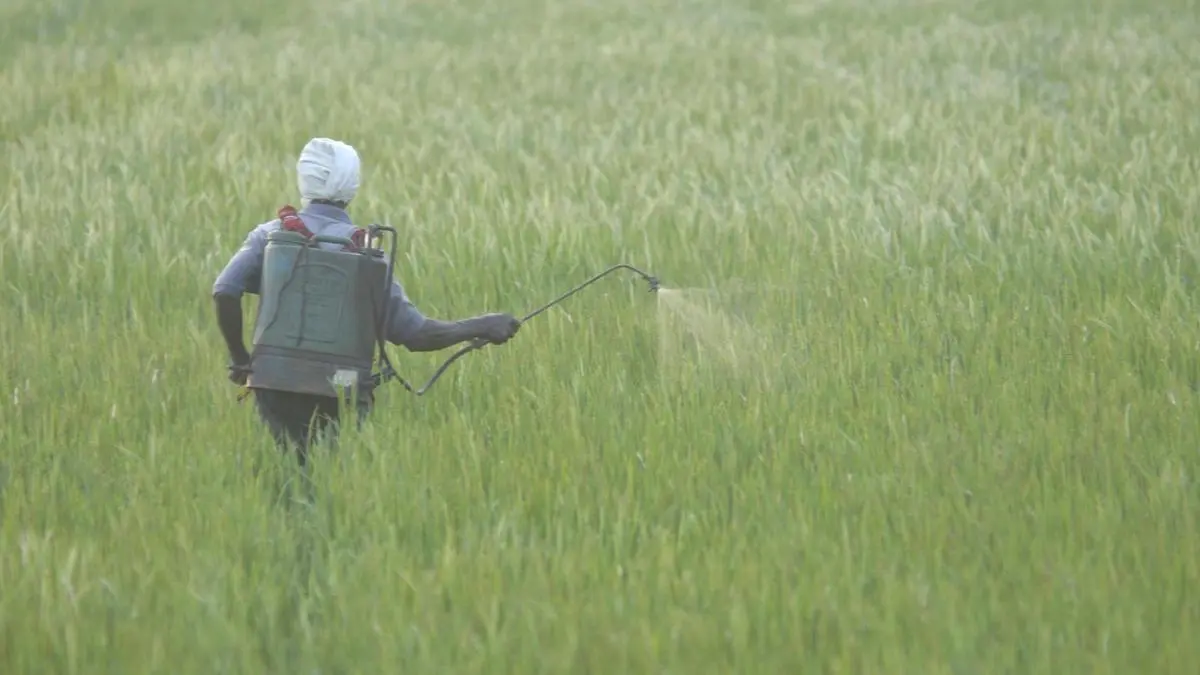
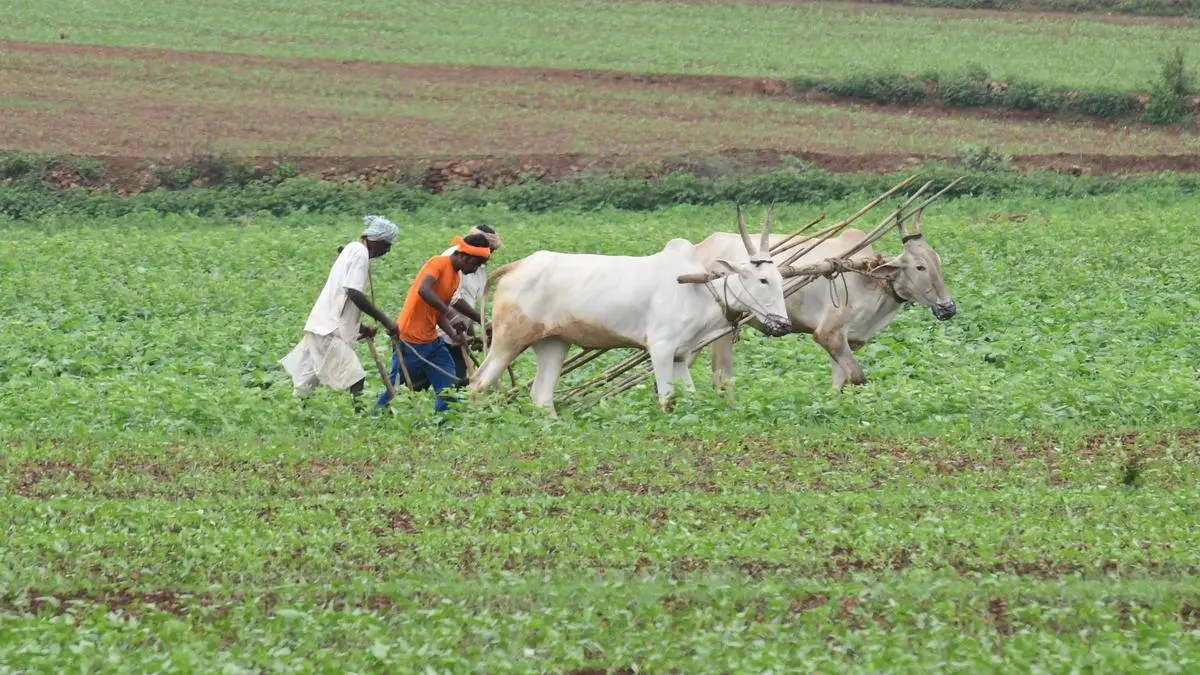
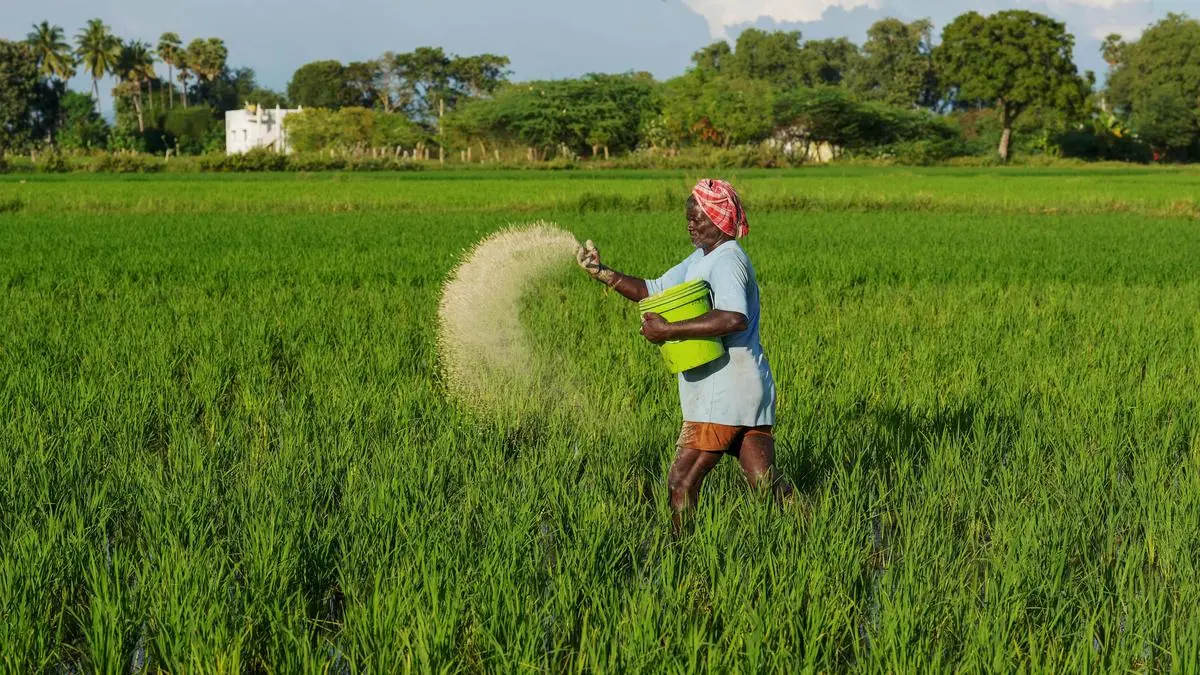
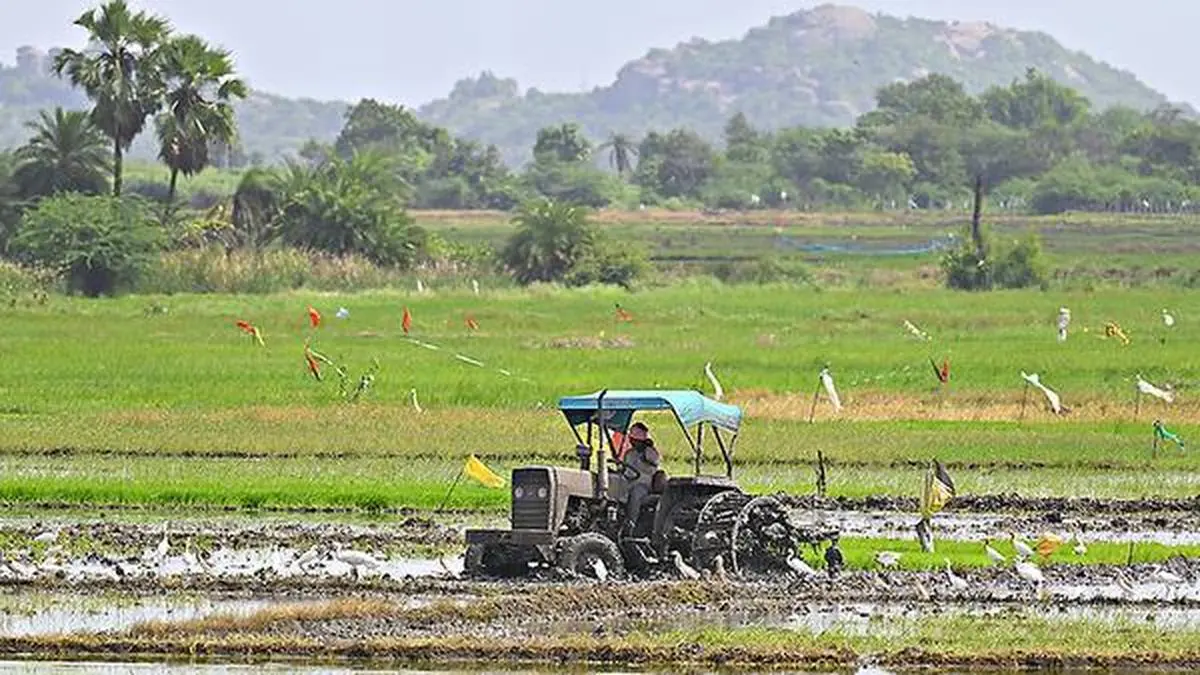
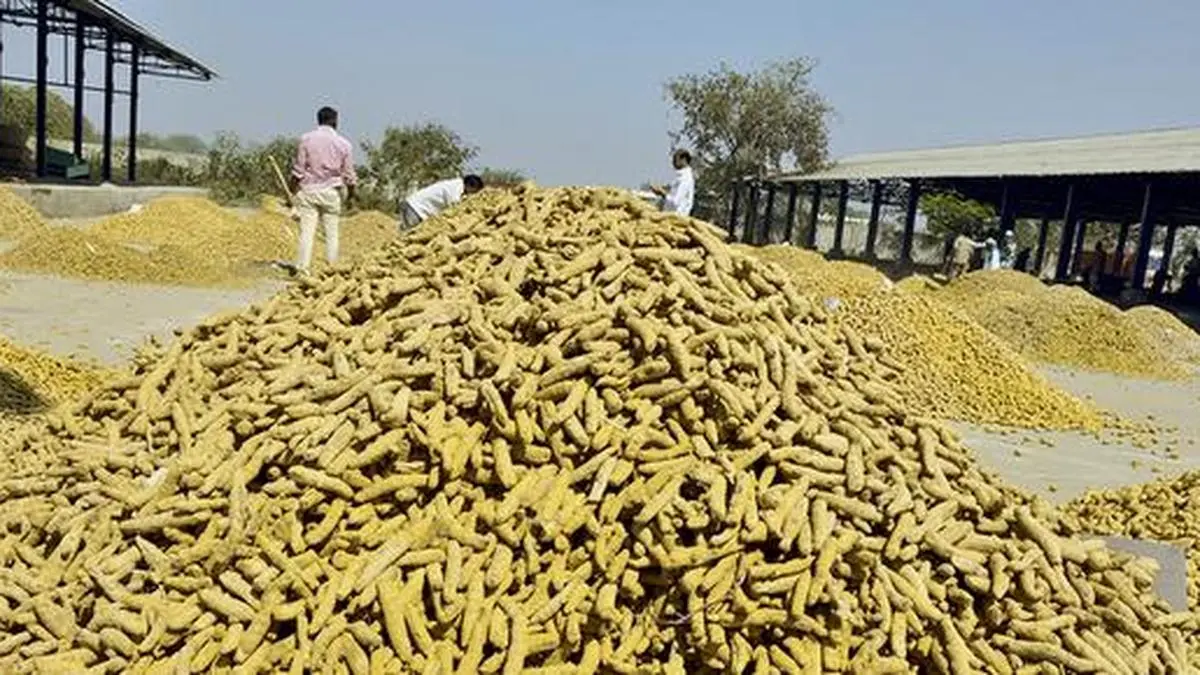
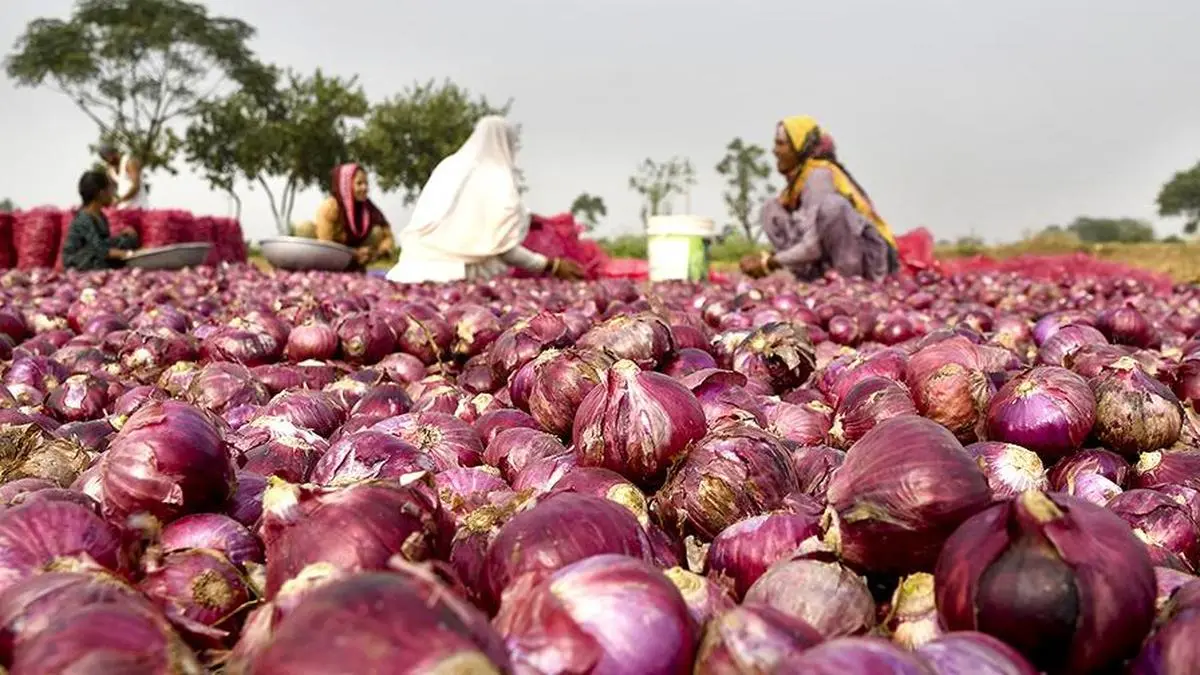
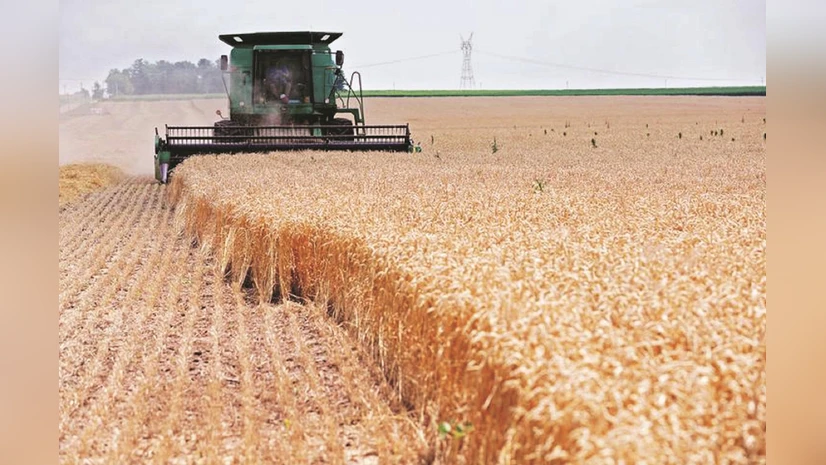
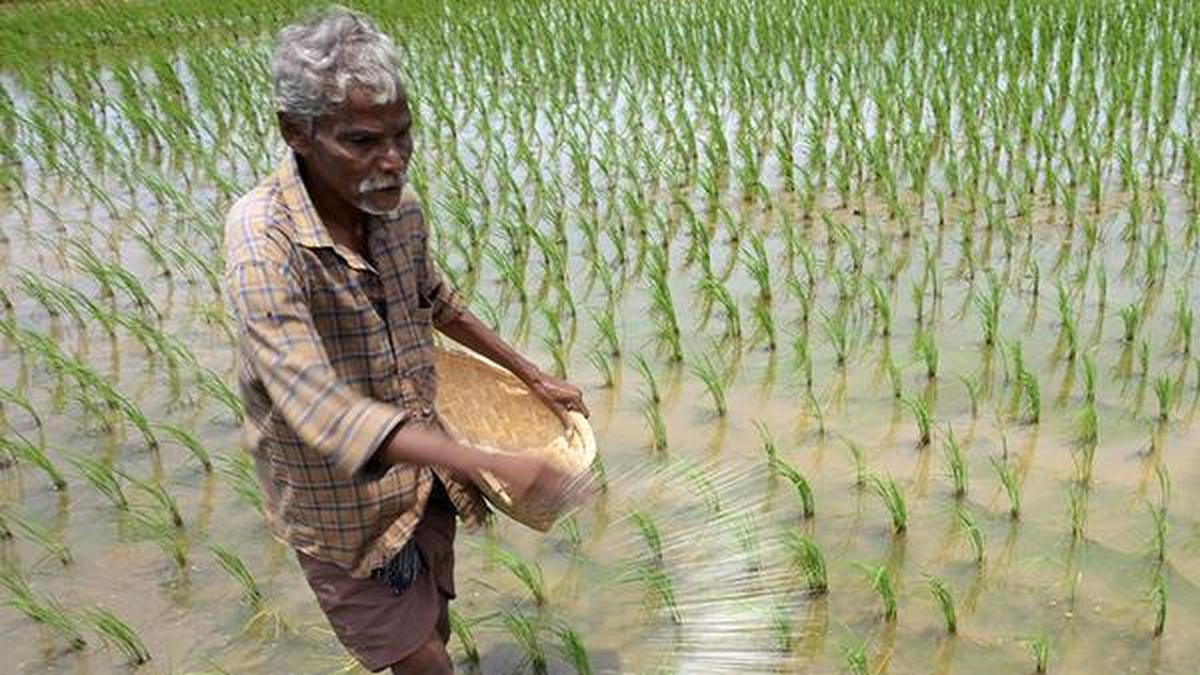
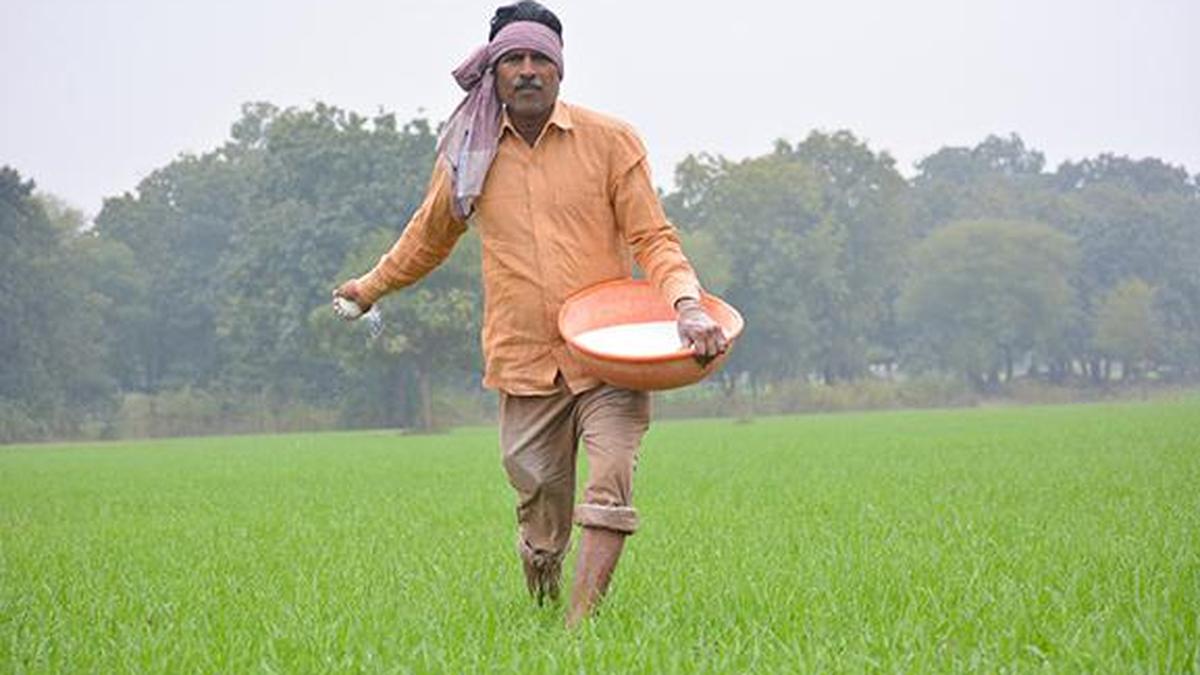
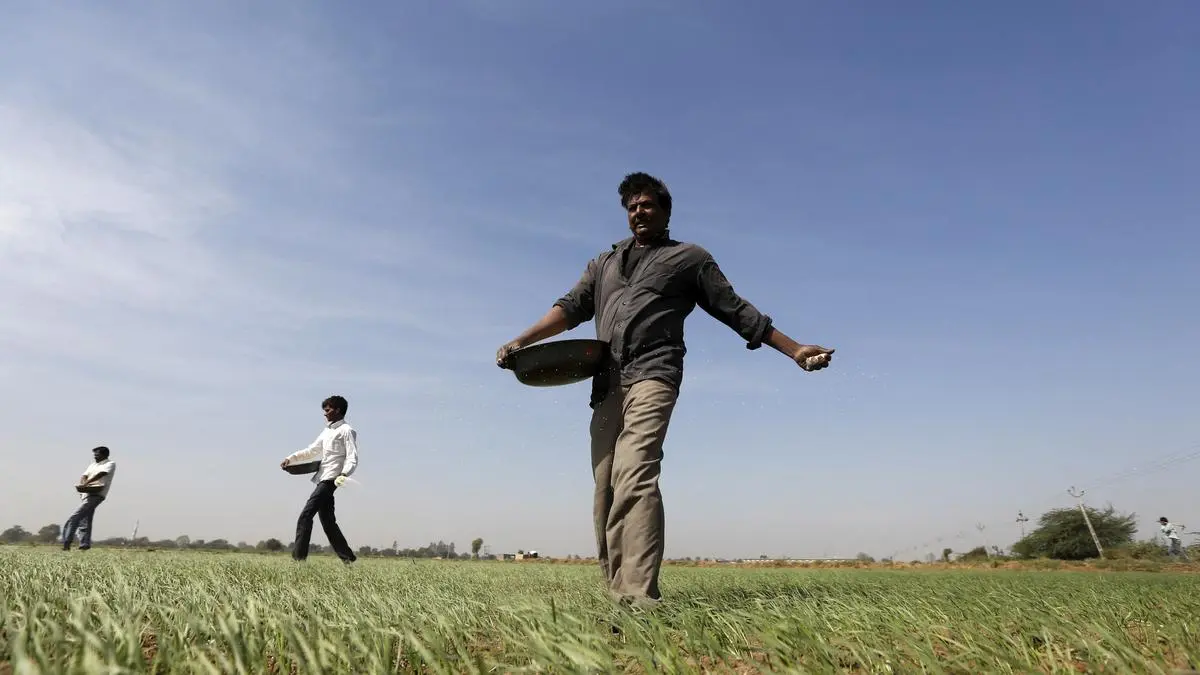
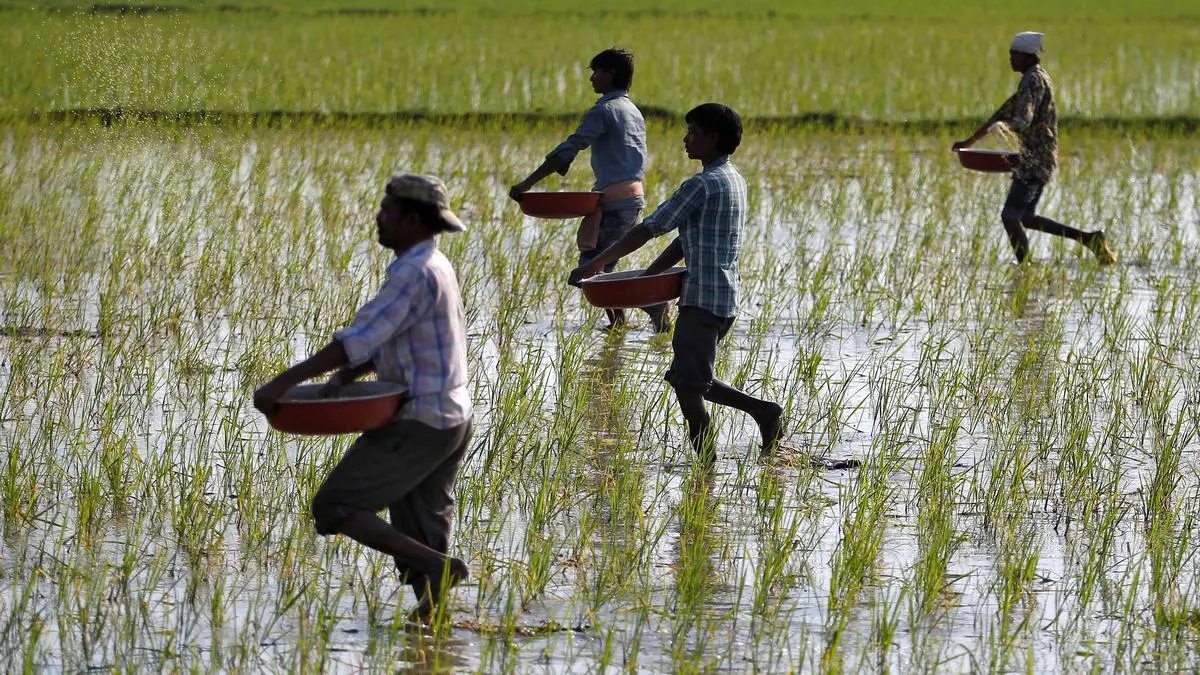
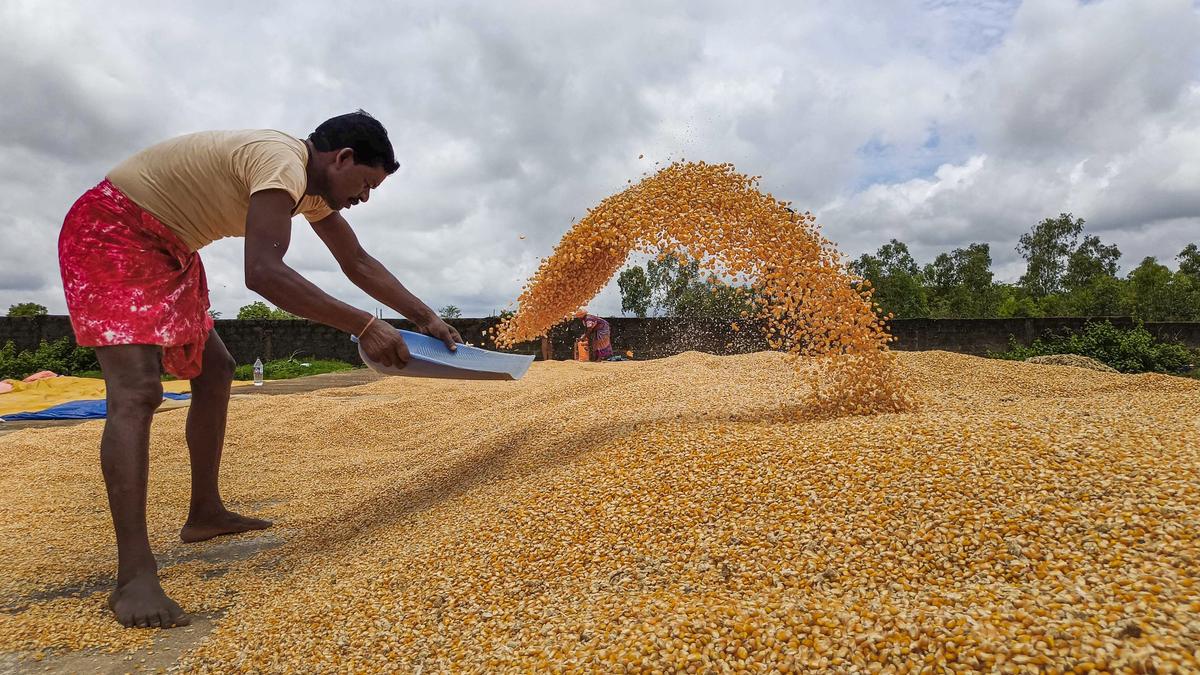
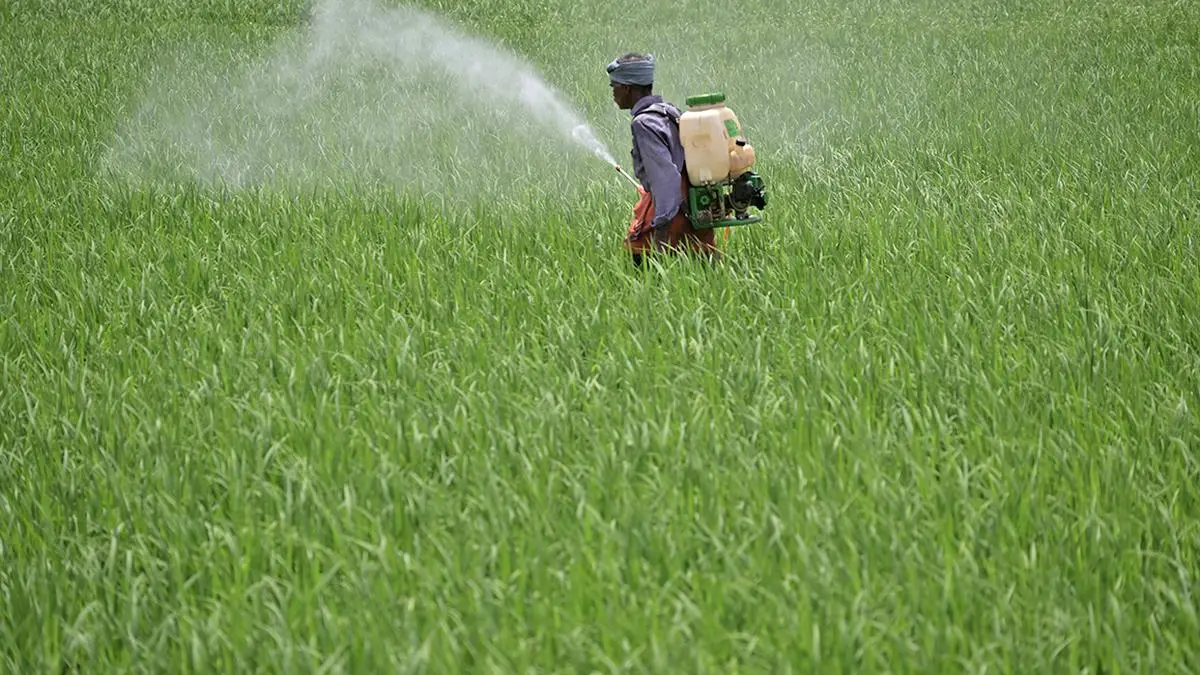
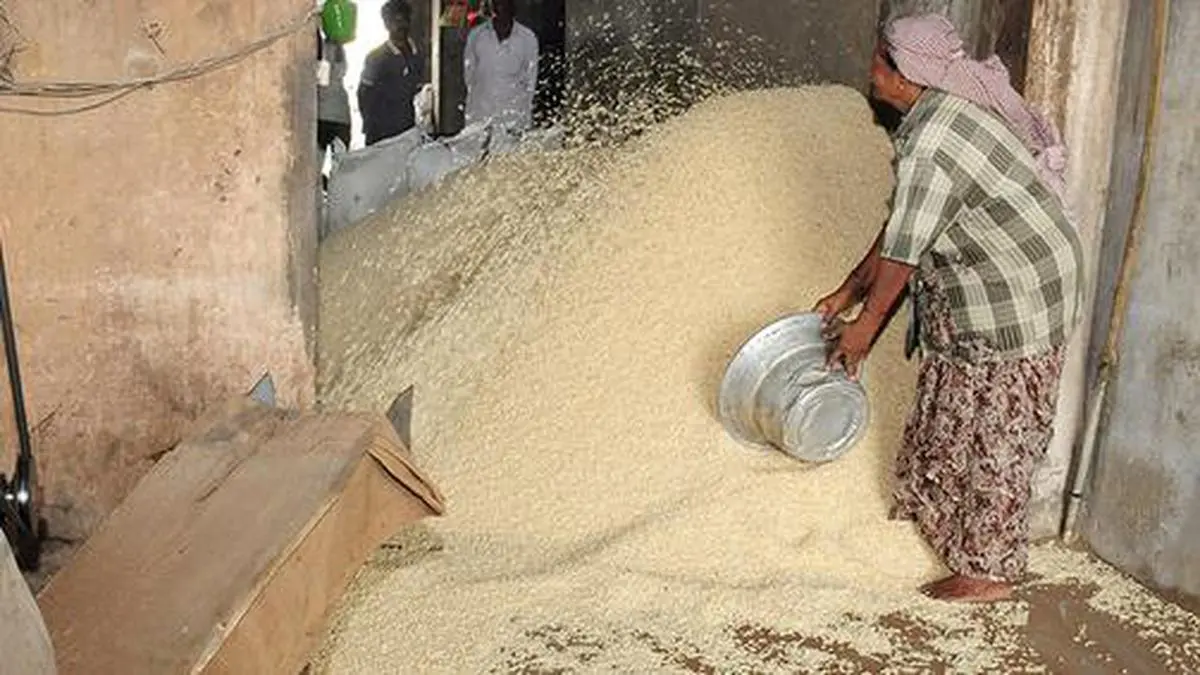
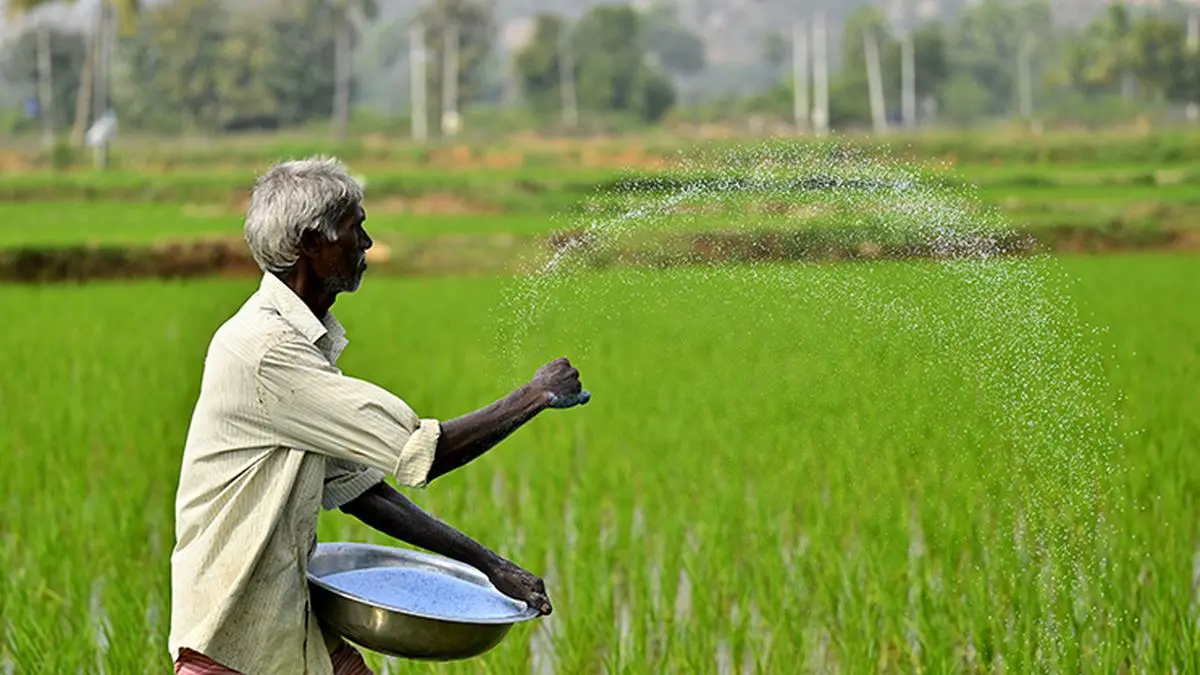
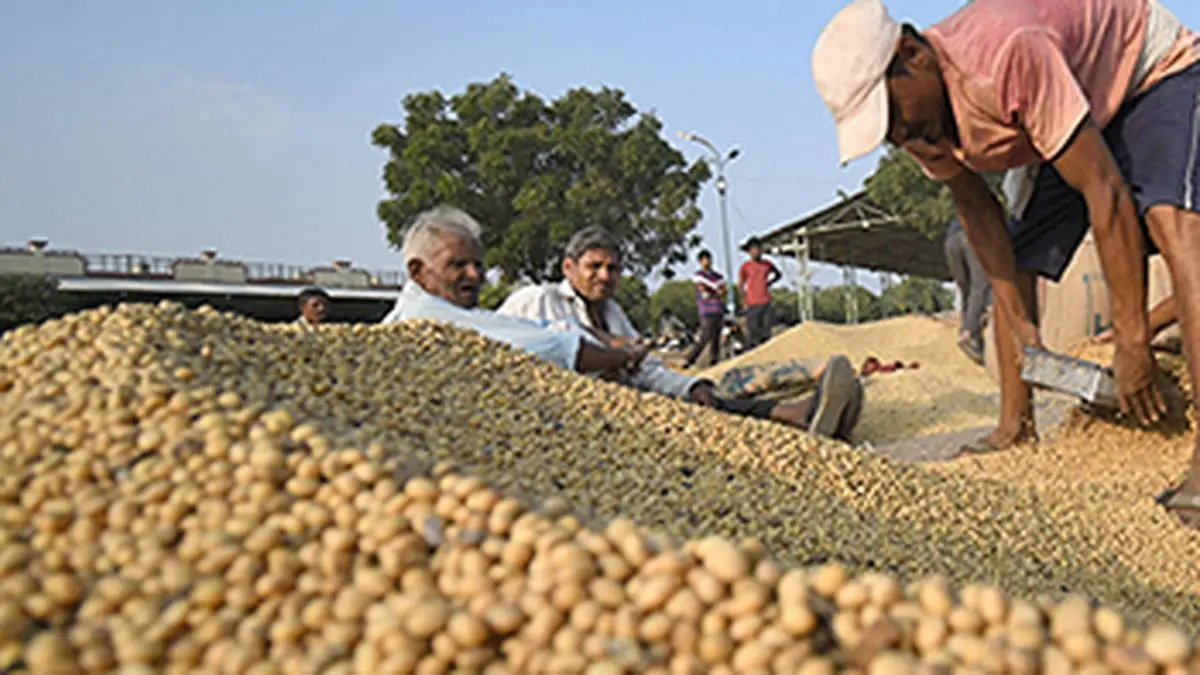
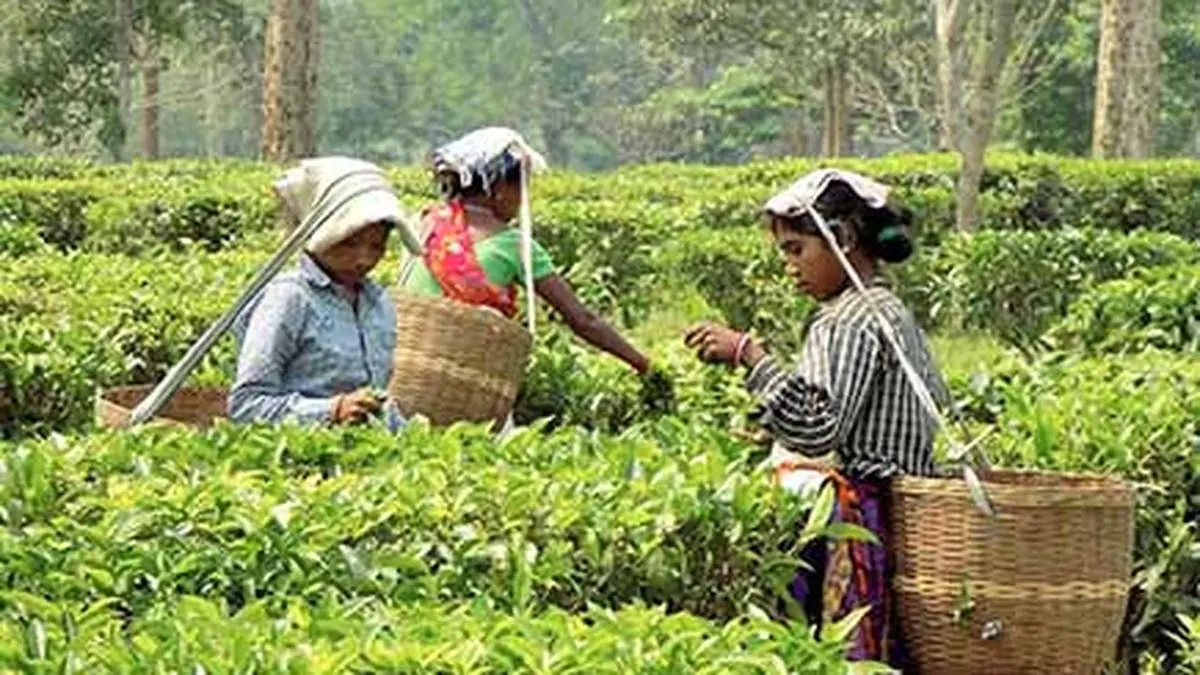
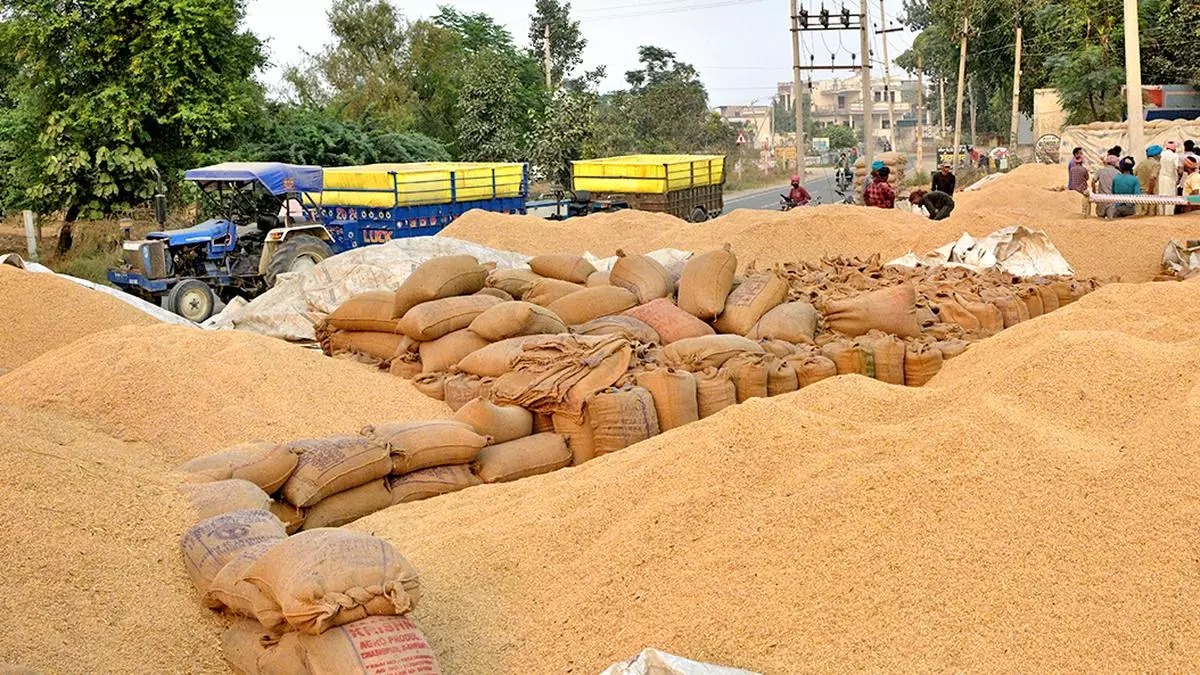
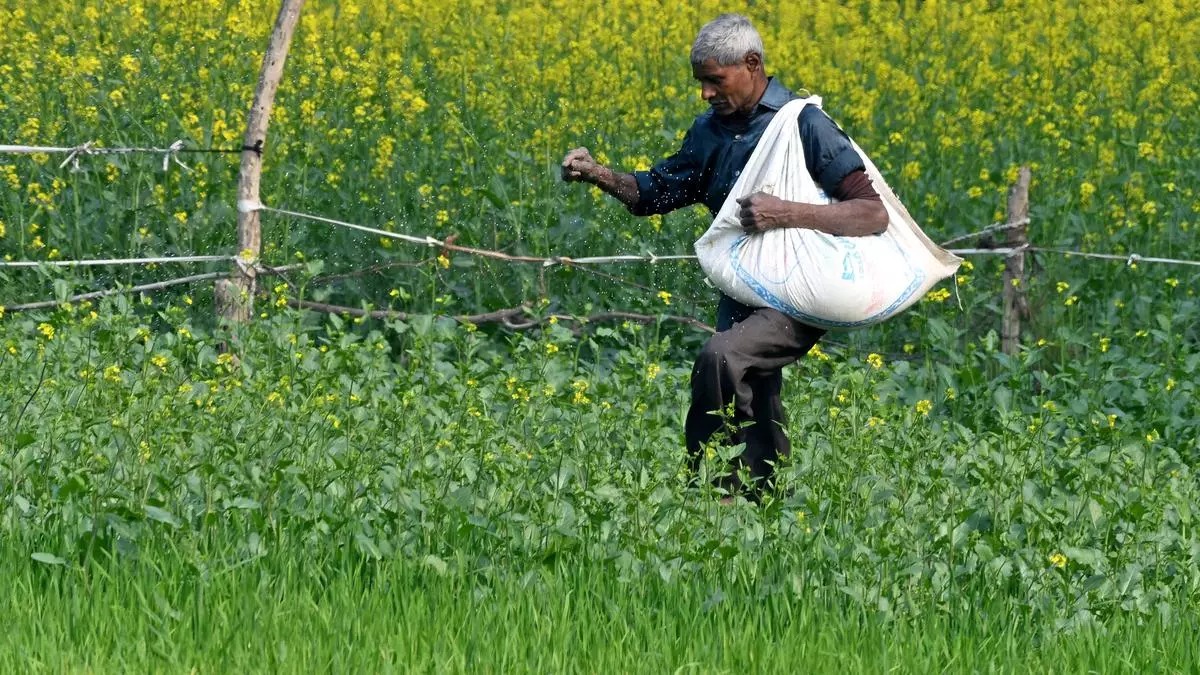
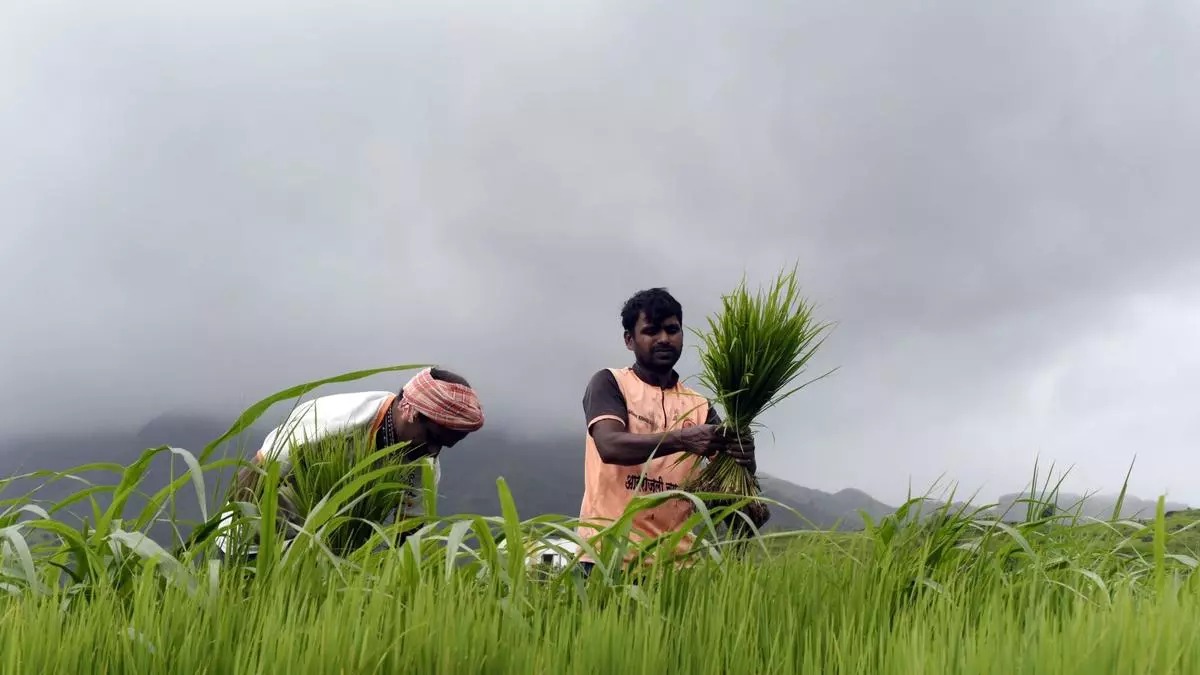
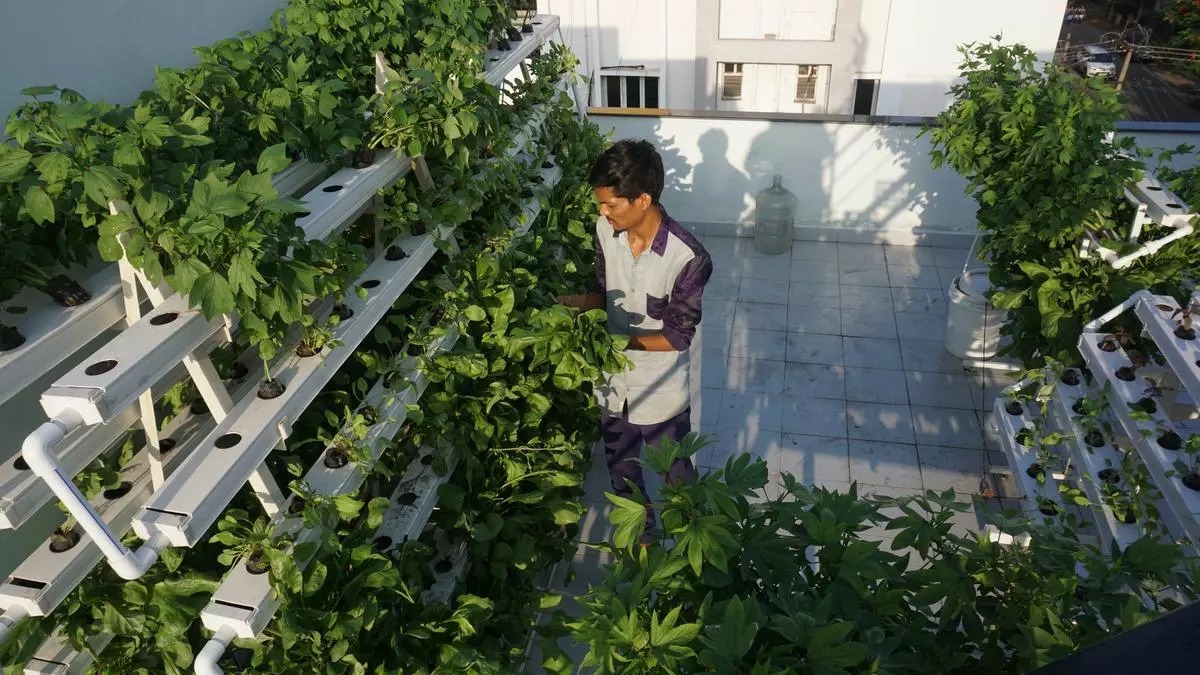
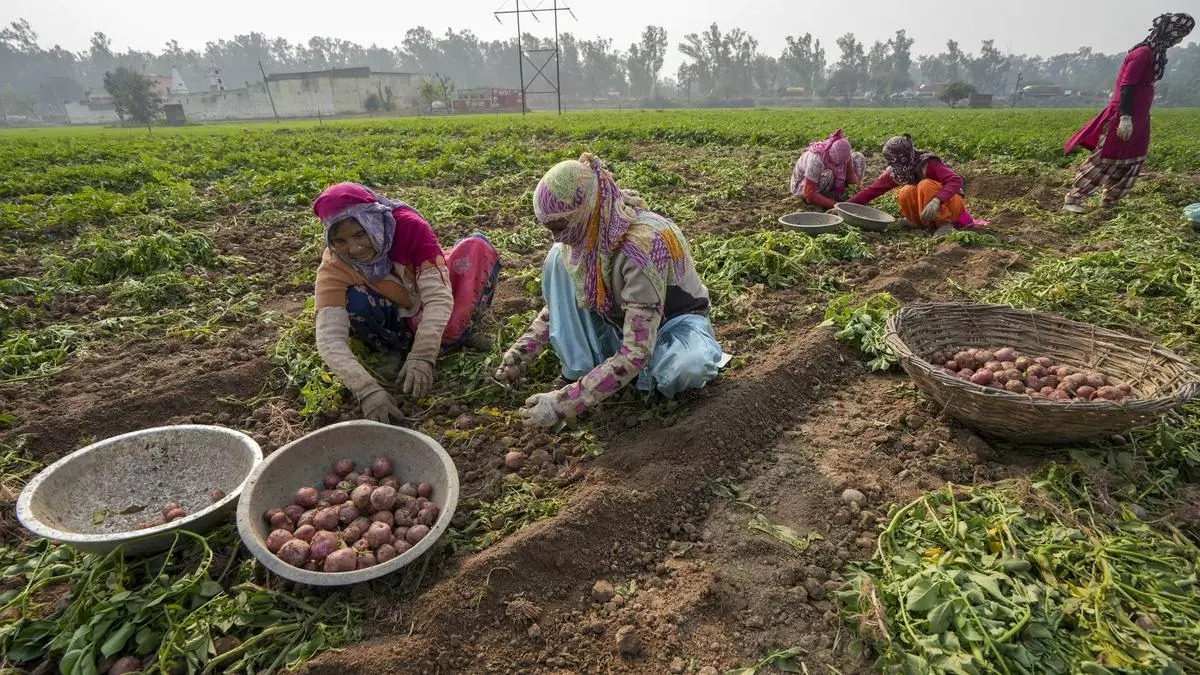
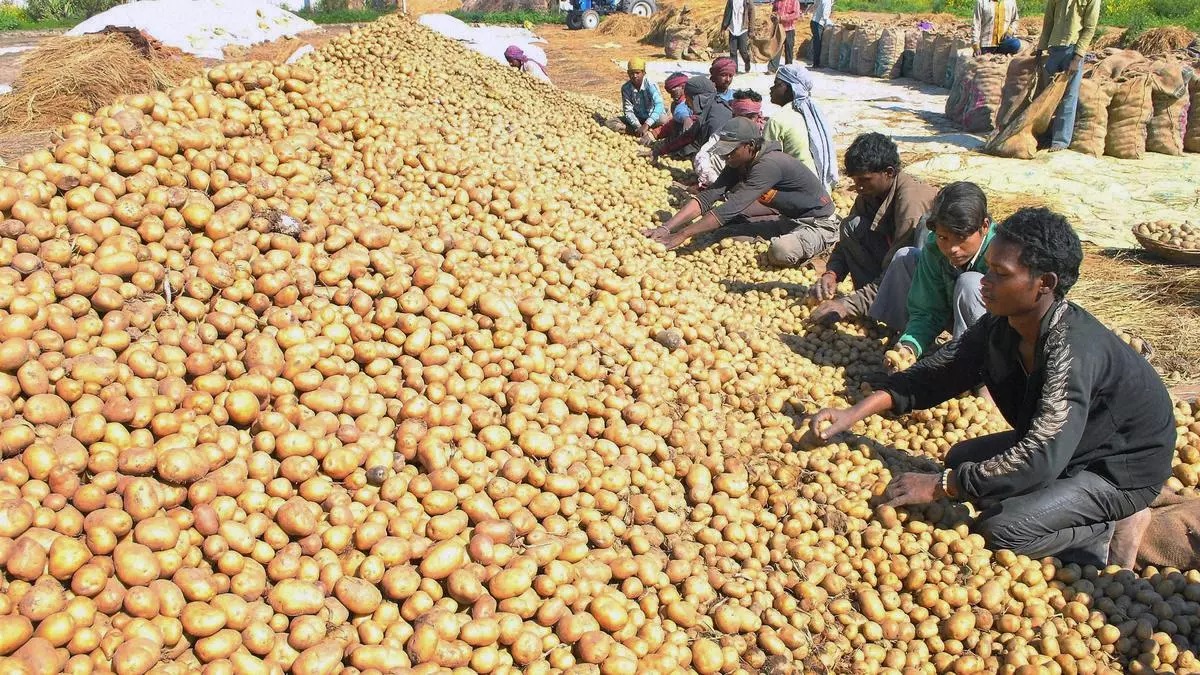
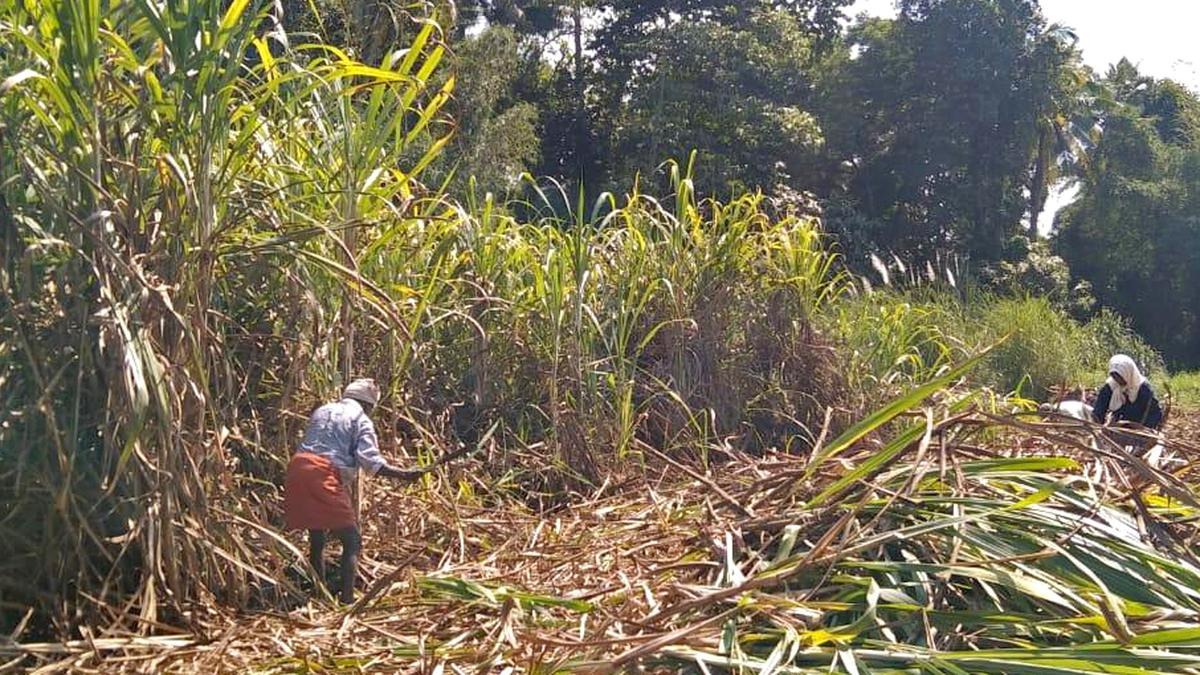
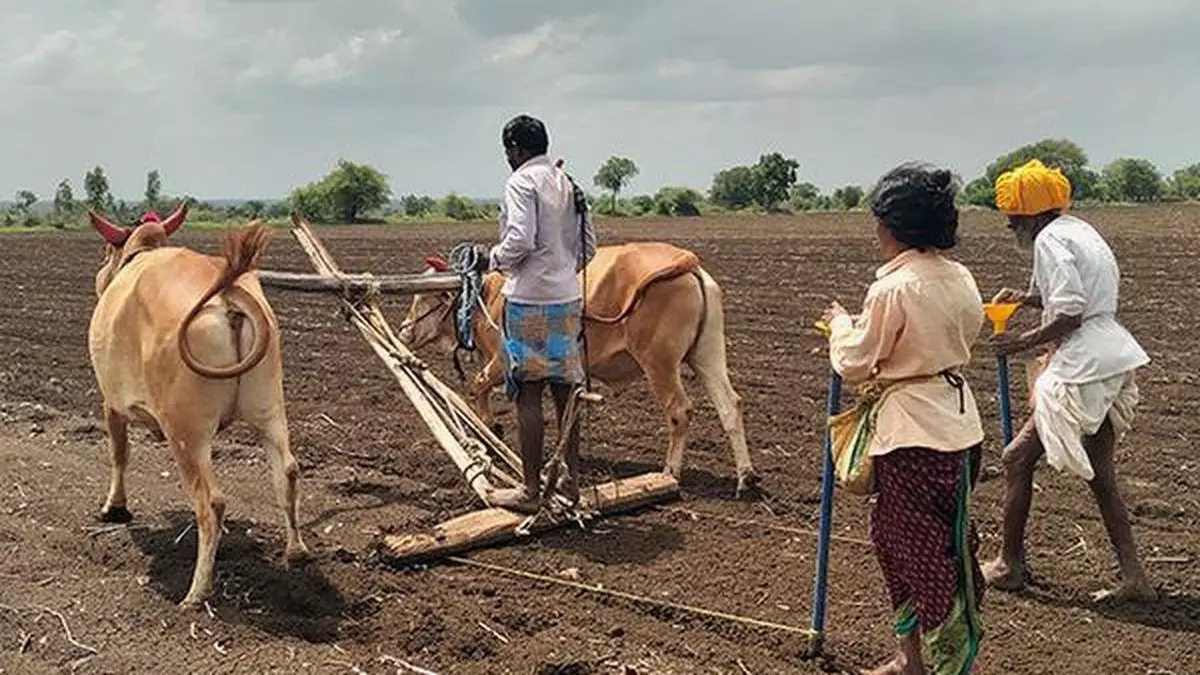
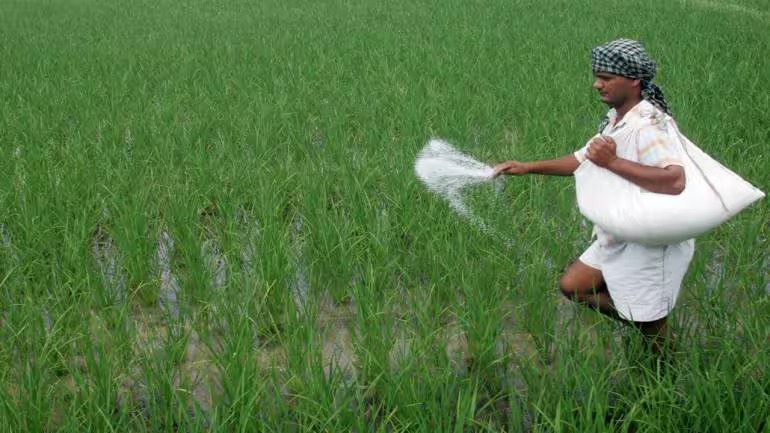
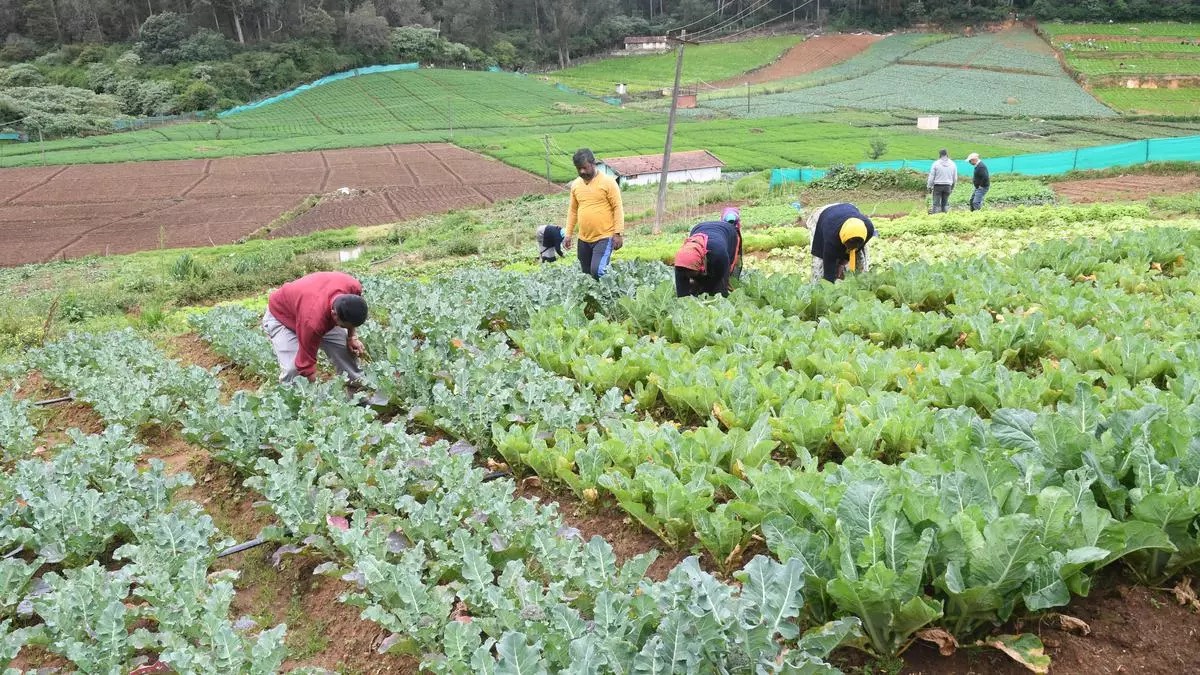
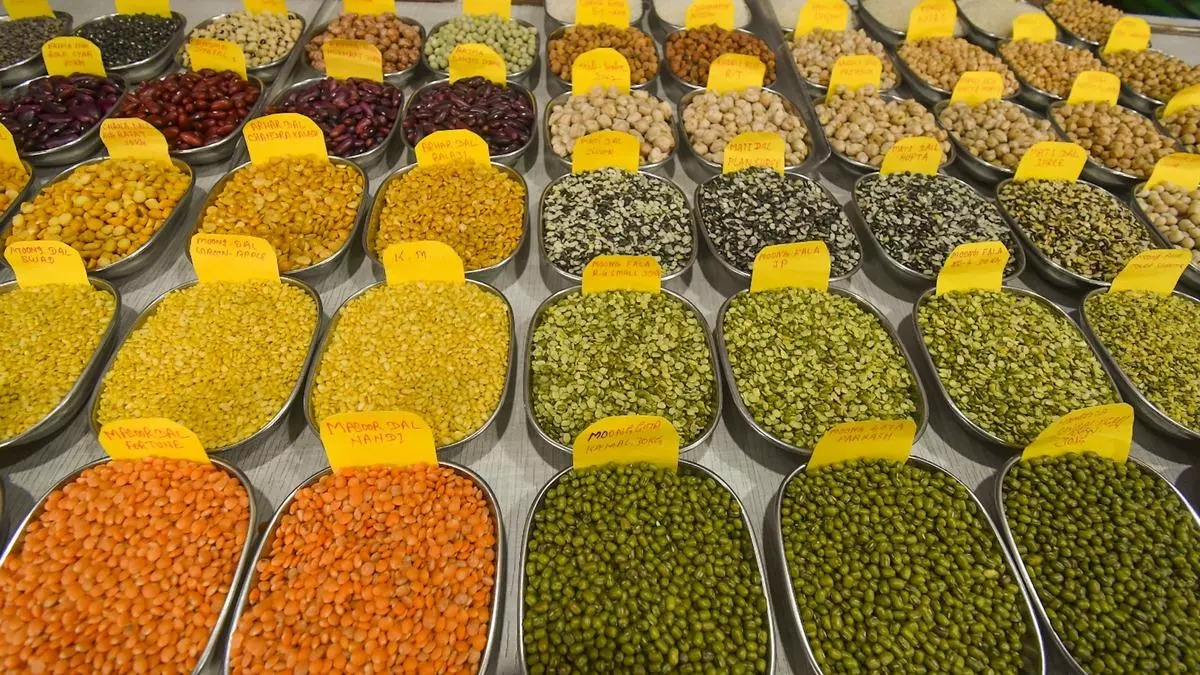
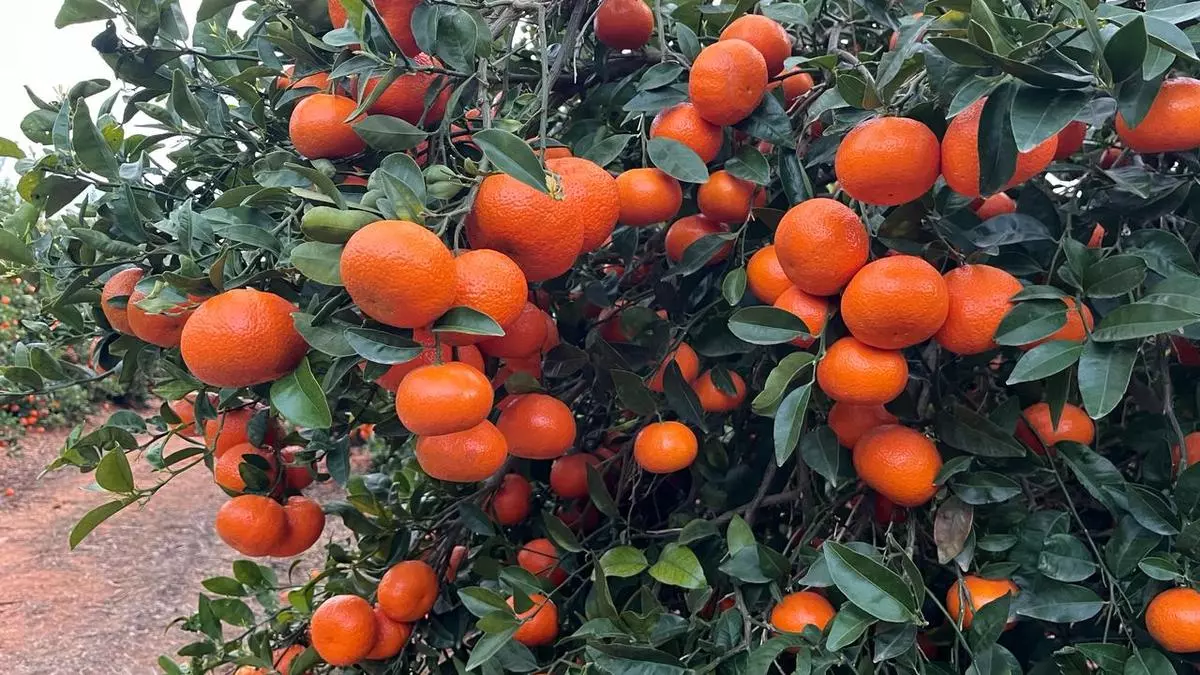
Agriculture has always been driven by choices. Every season, farmers have to decide what to grow, when to sow, how much to irrigate, when to apply fertilisers, and in the end, how and where to move their produce to market. In the past, these kinds of decisions mostly came from experience plus local knowledge. Even if that skill stays crucial, the current agricultural world wants answers that are faster, more exact and increasingly guided by data not just gut feeling.
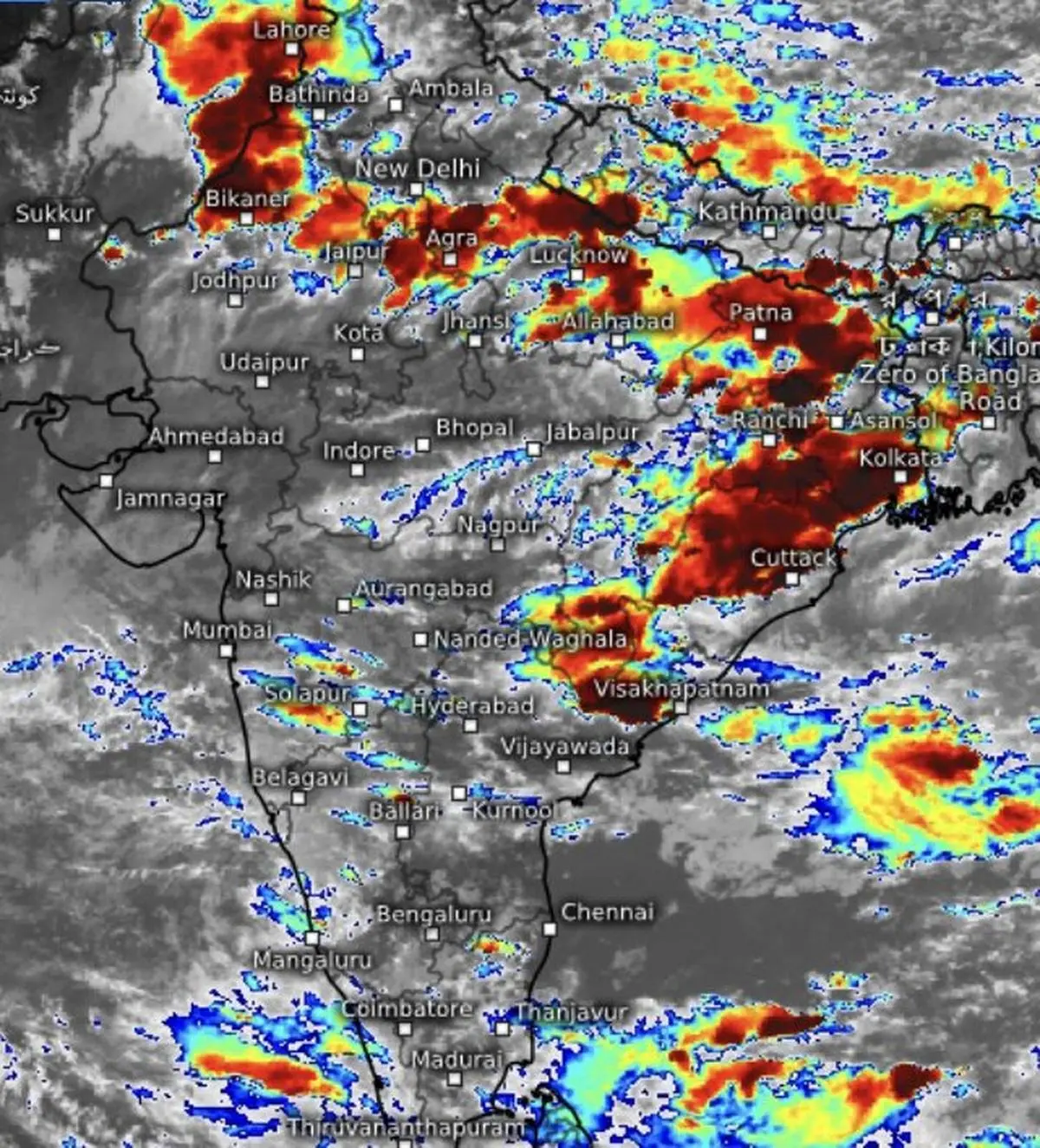
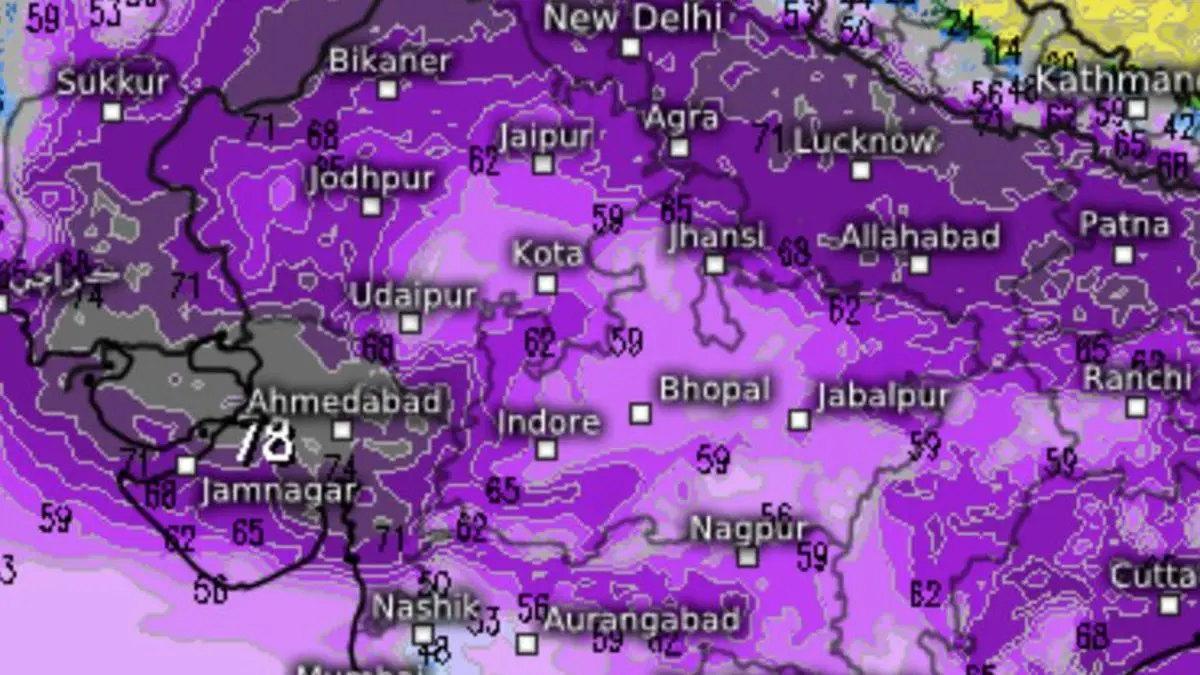
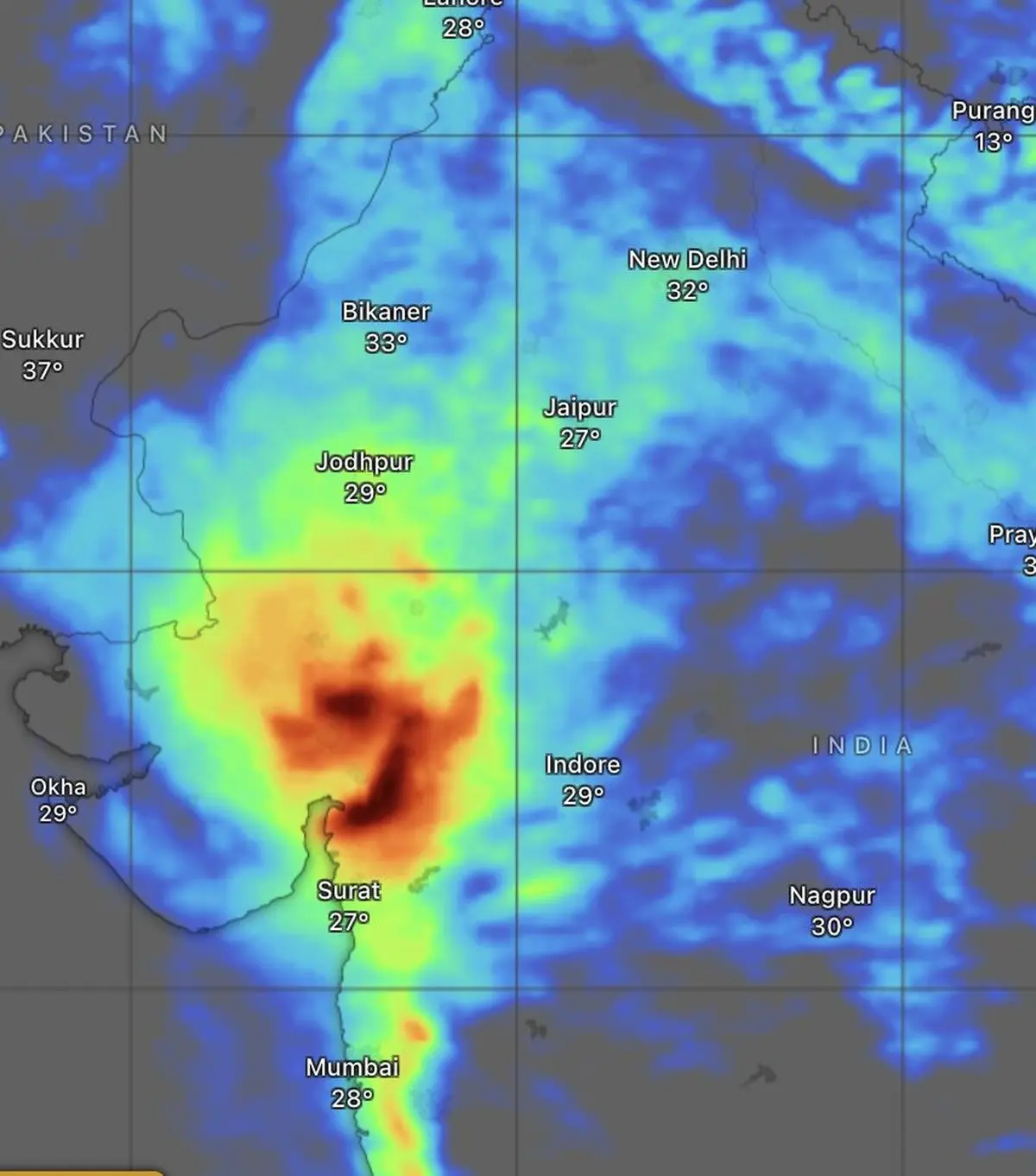
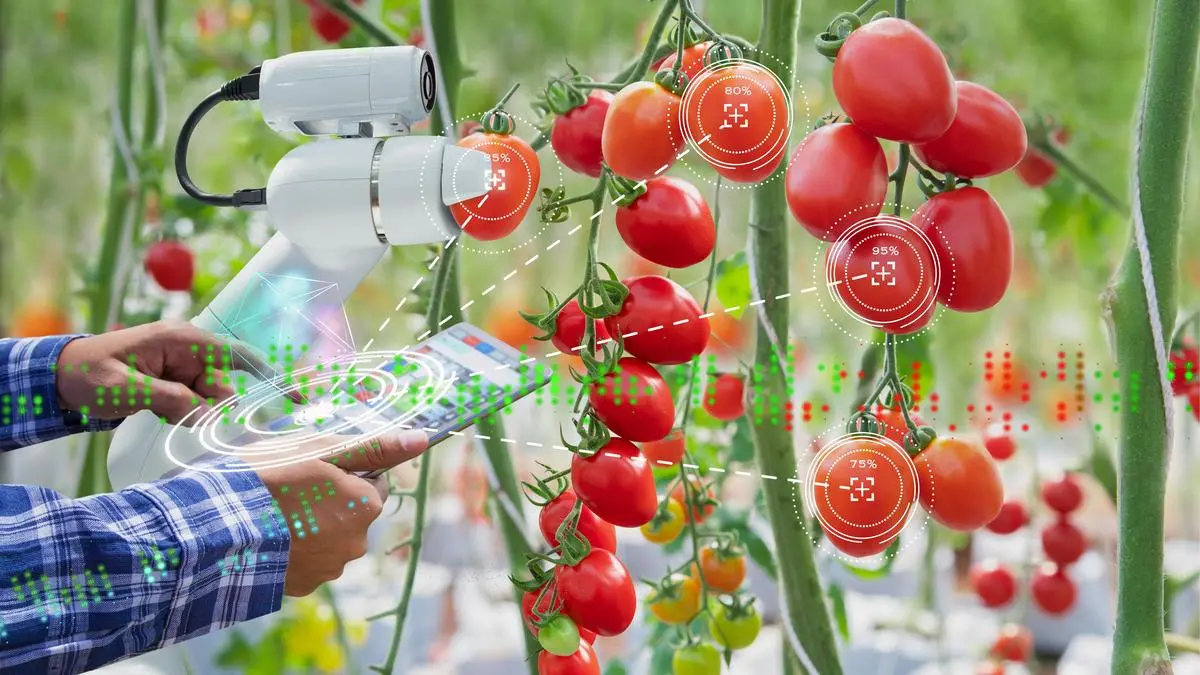
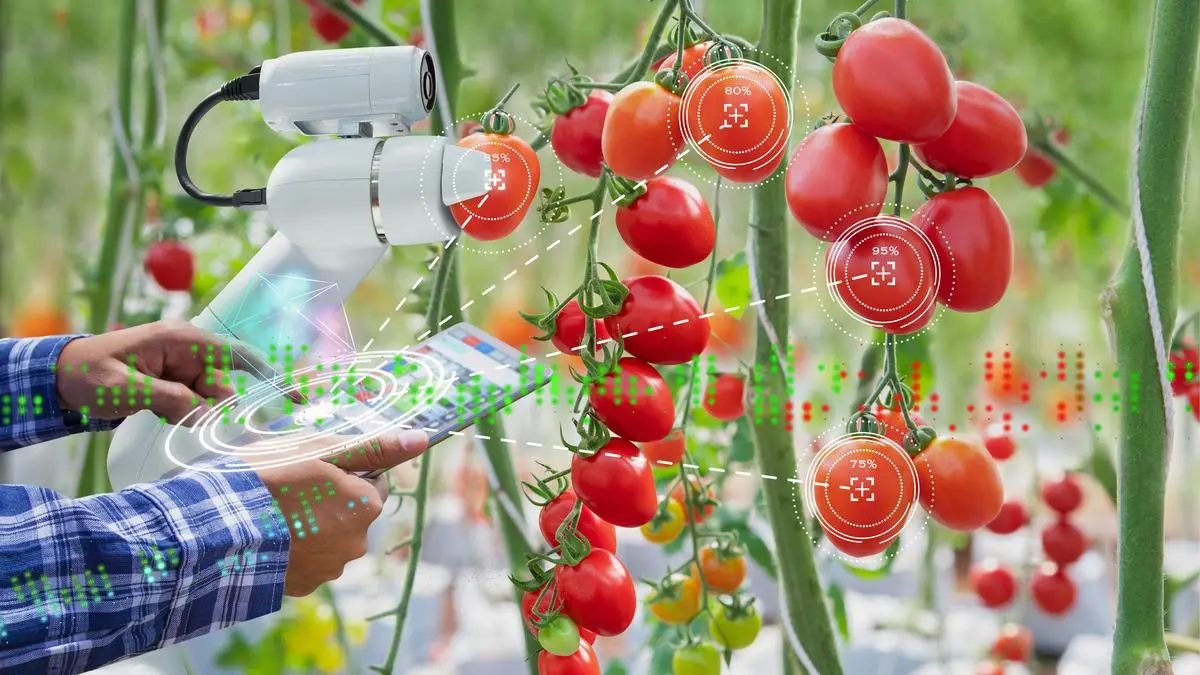
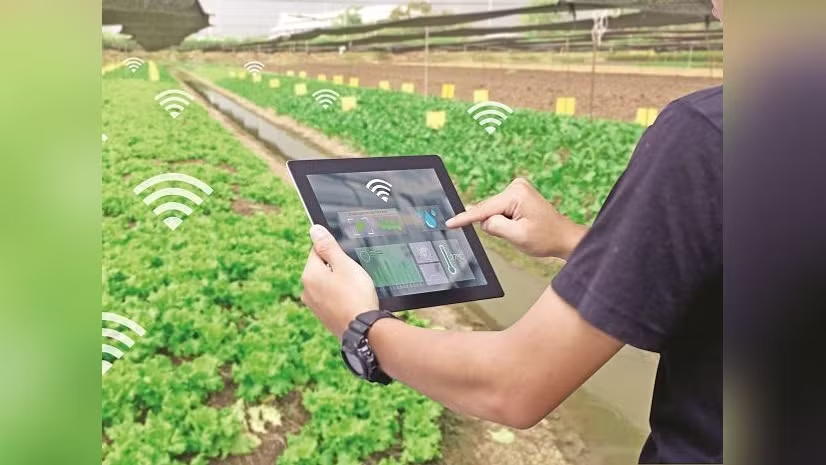
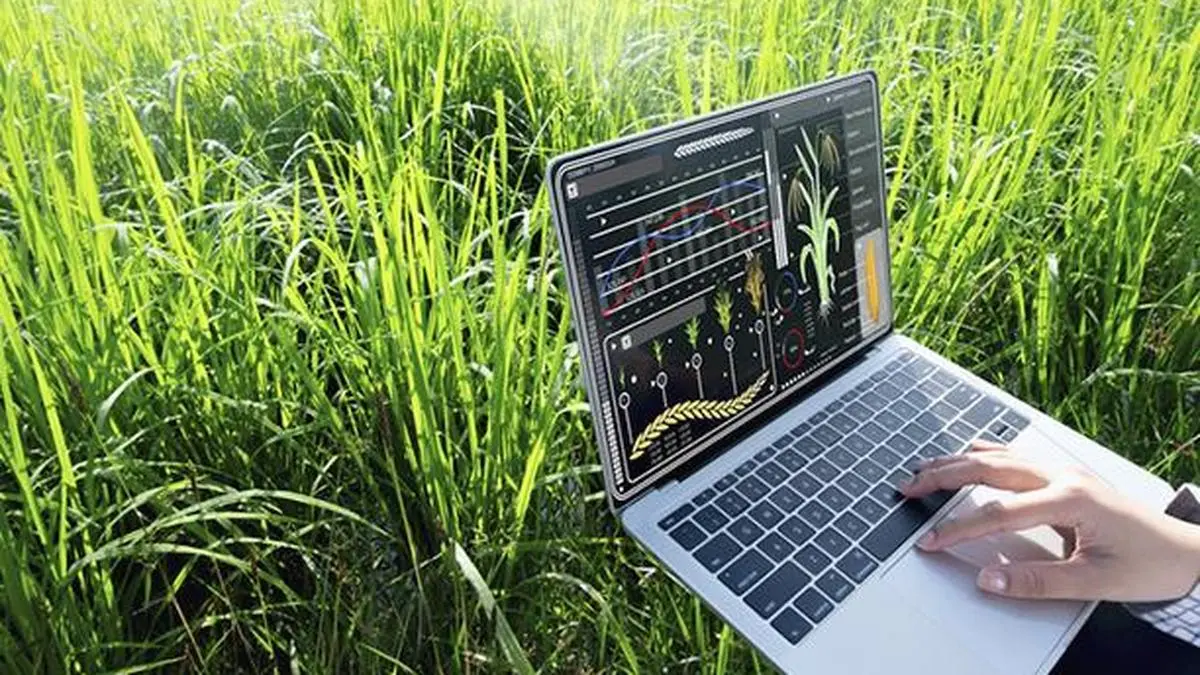
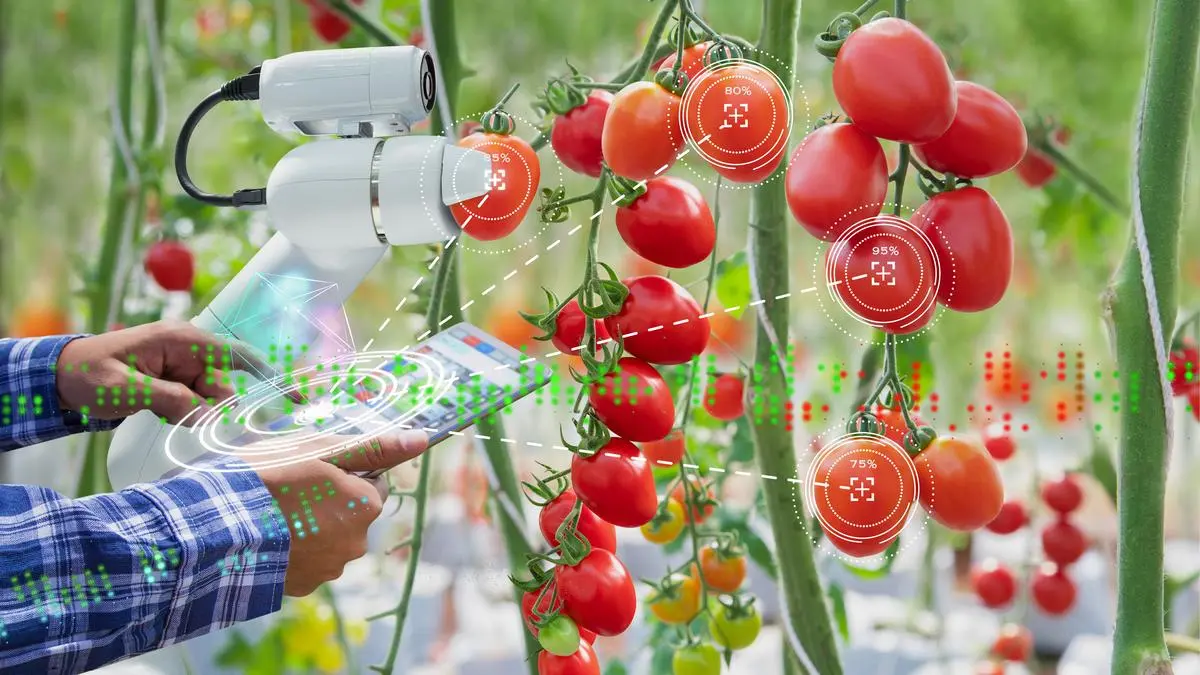
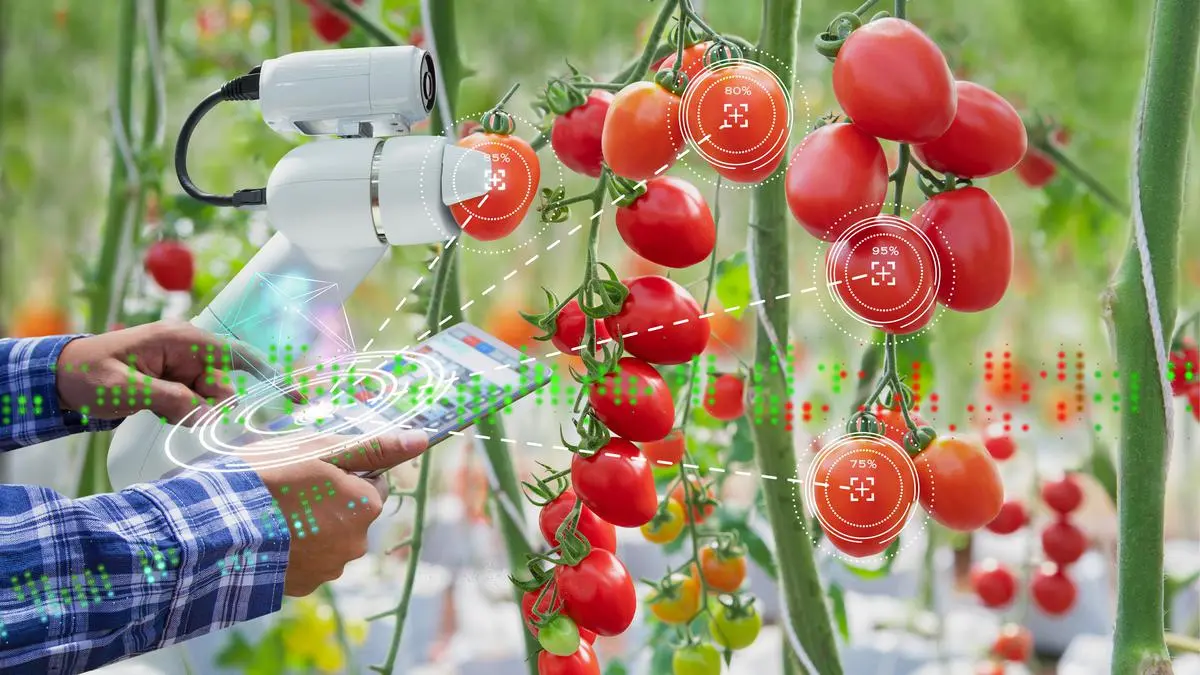
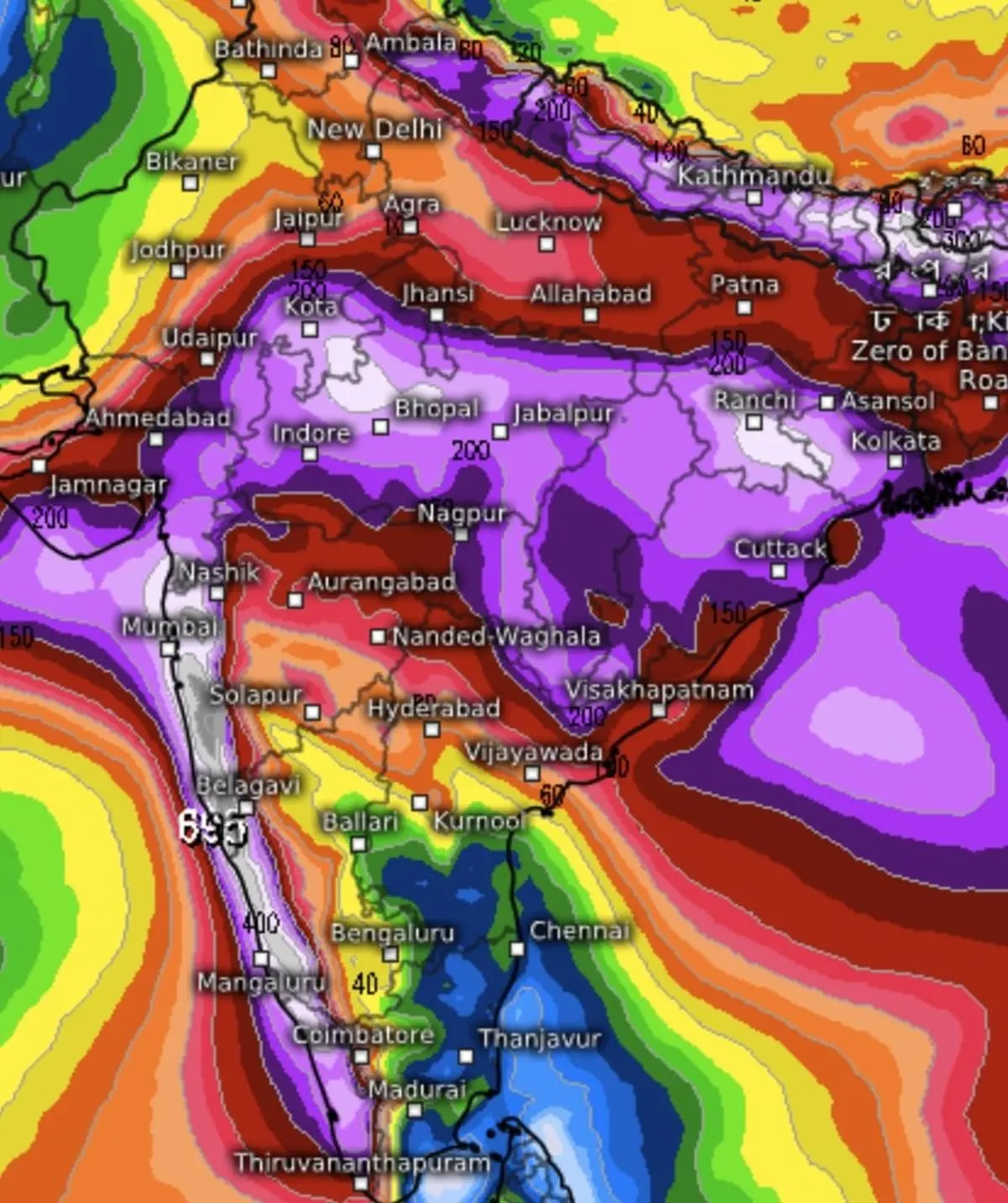
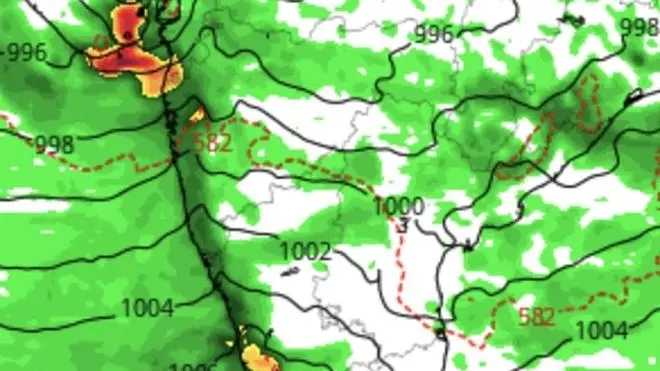
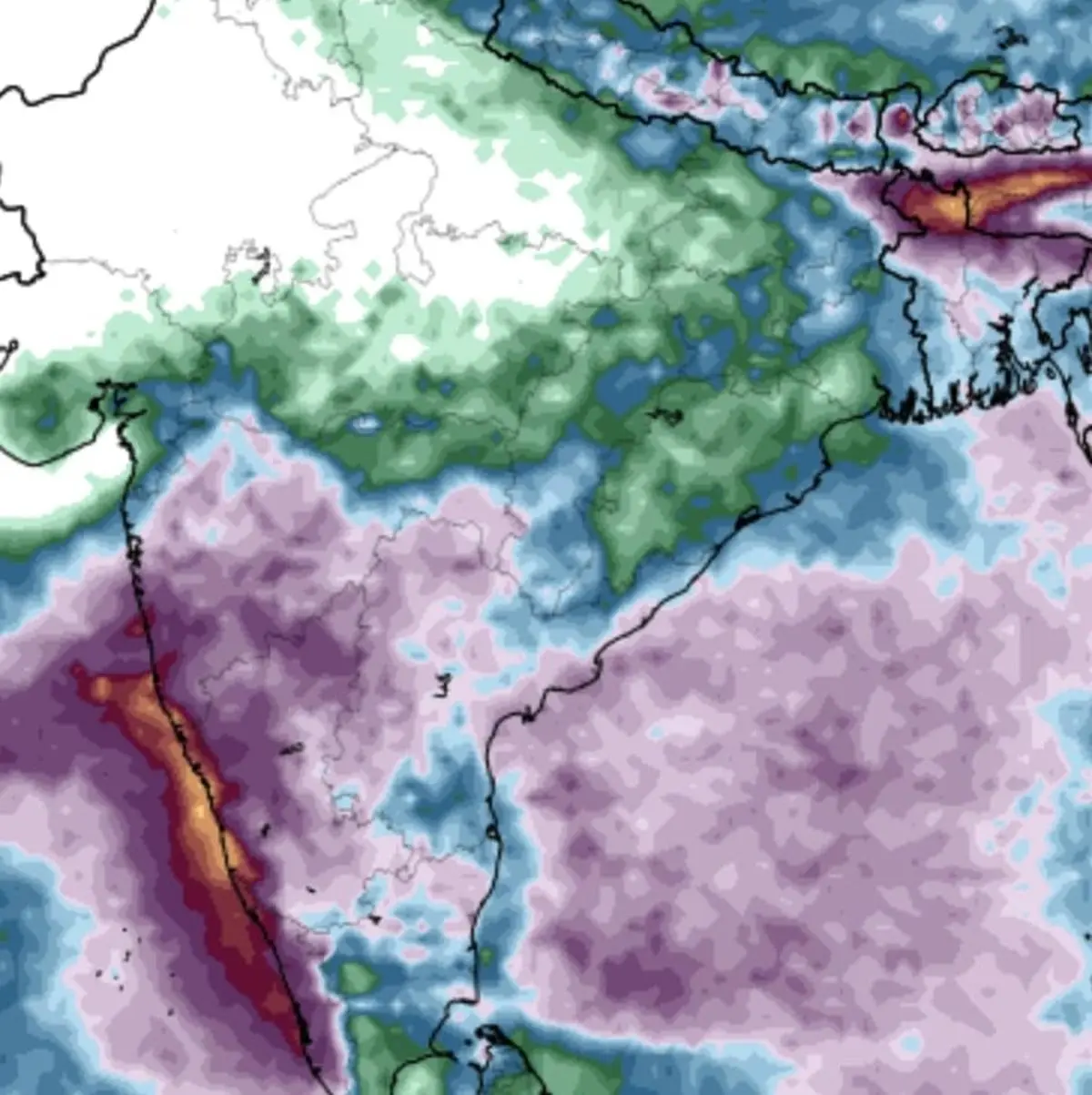
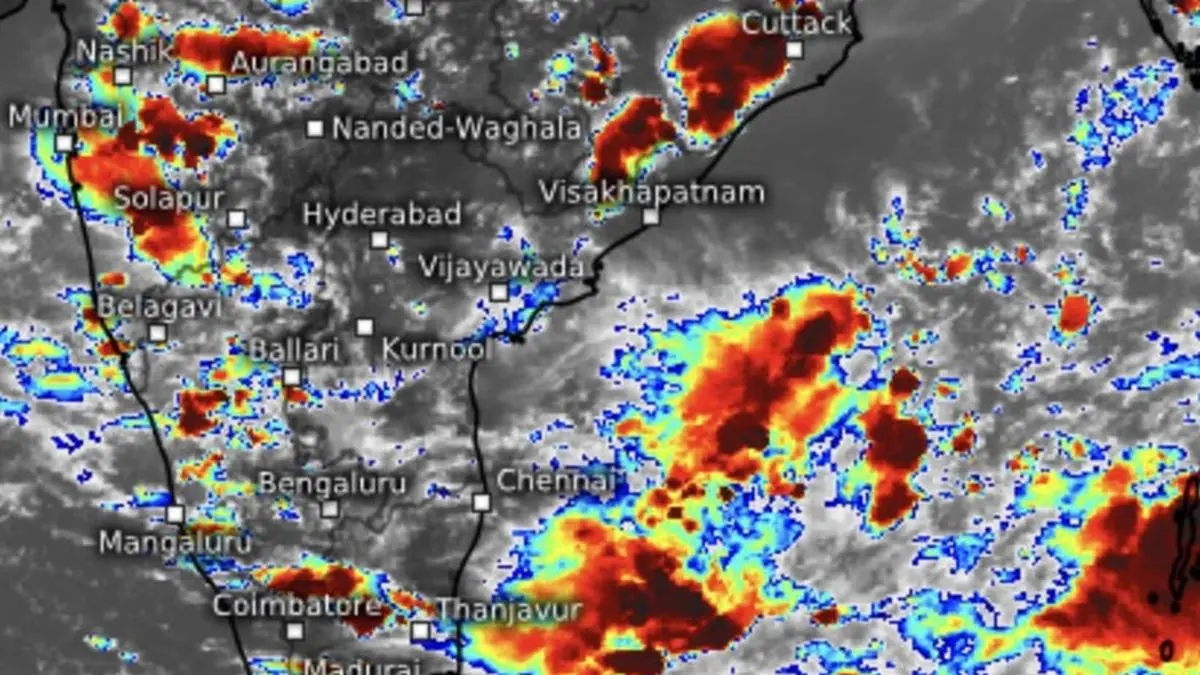
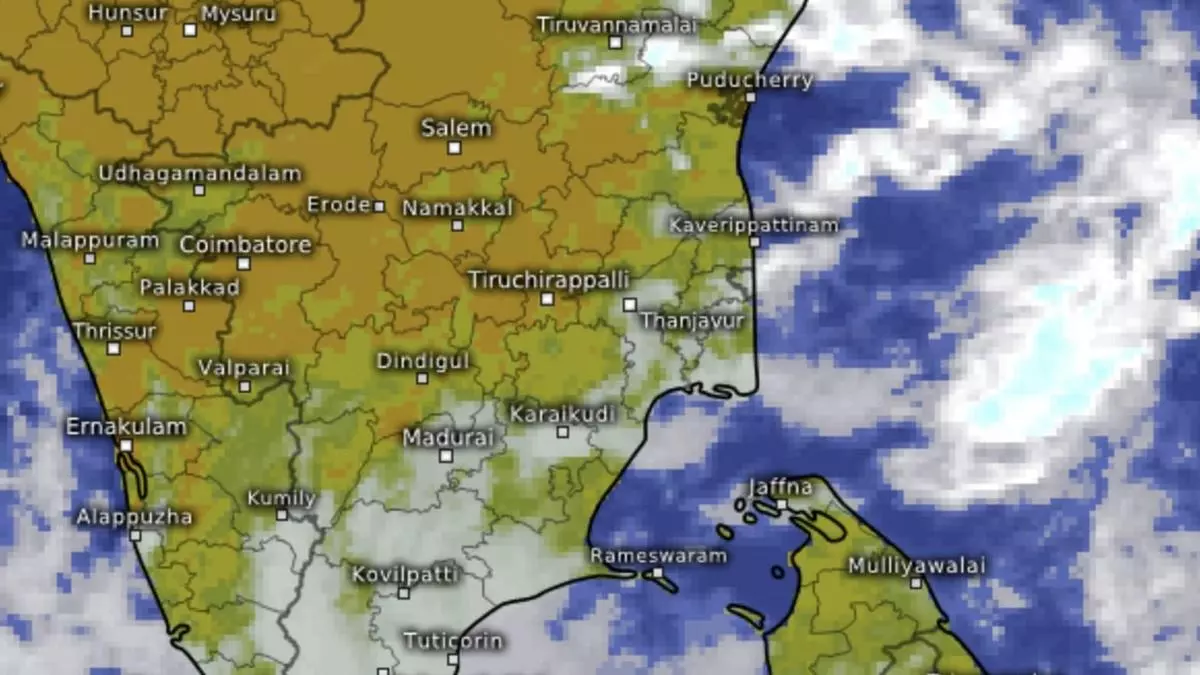
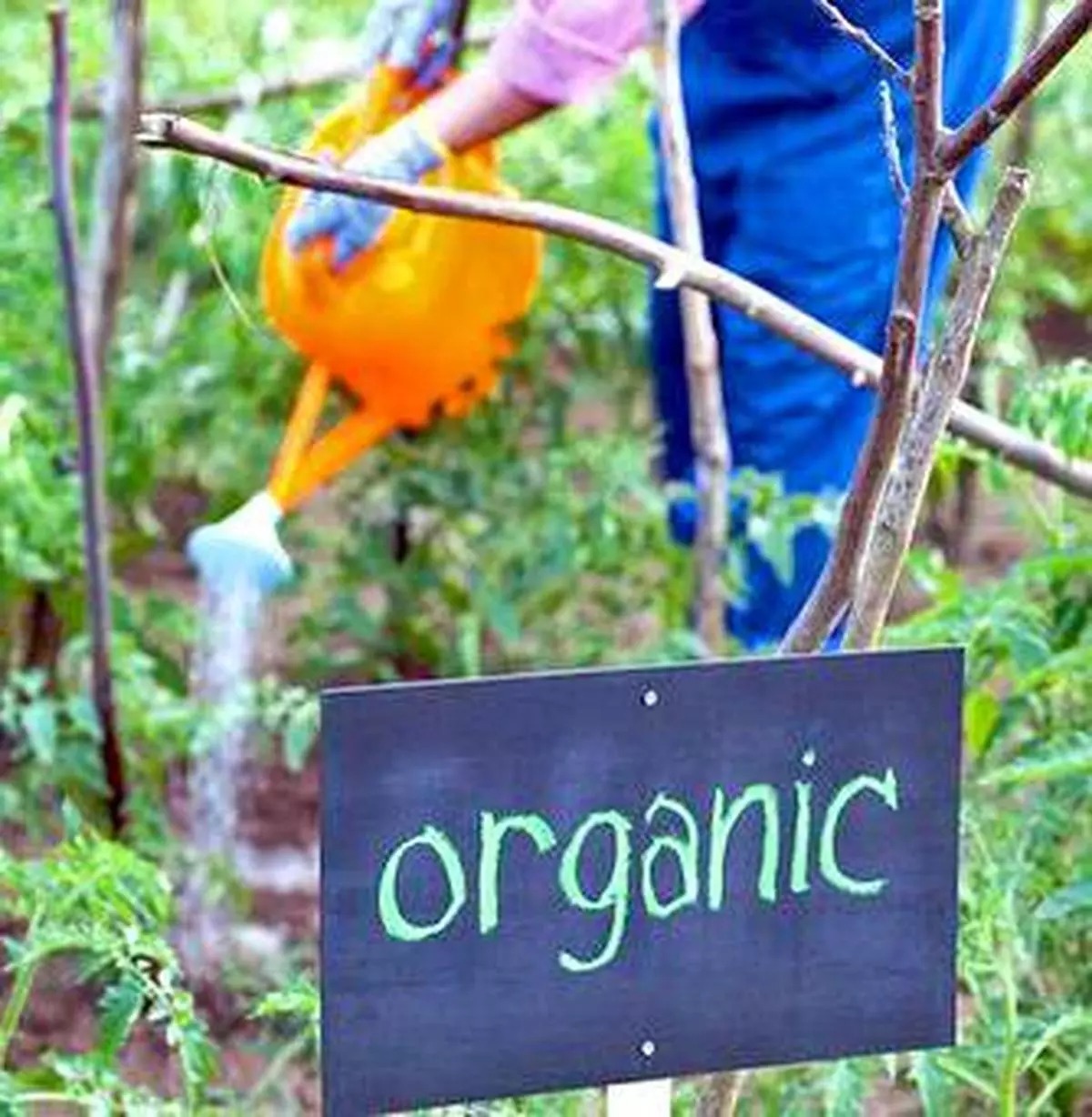
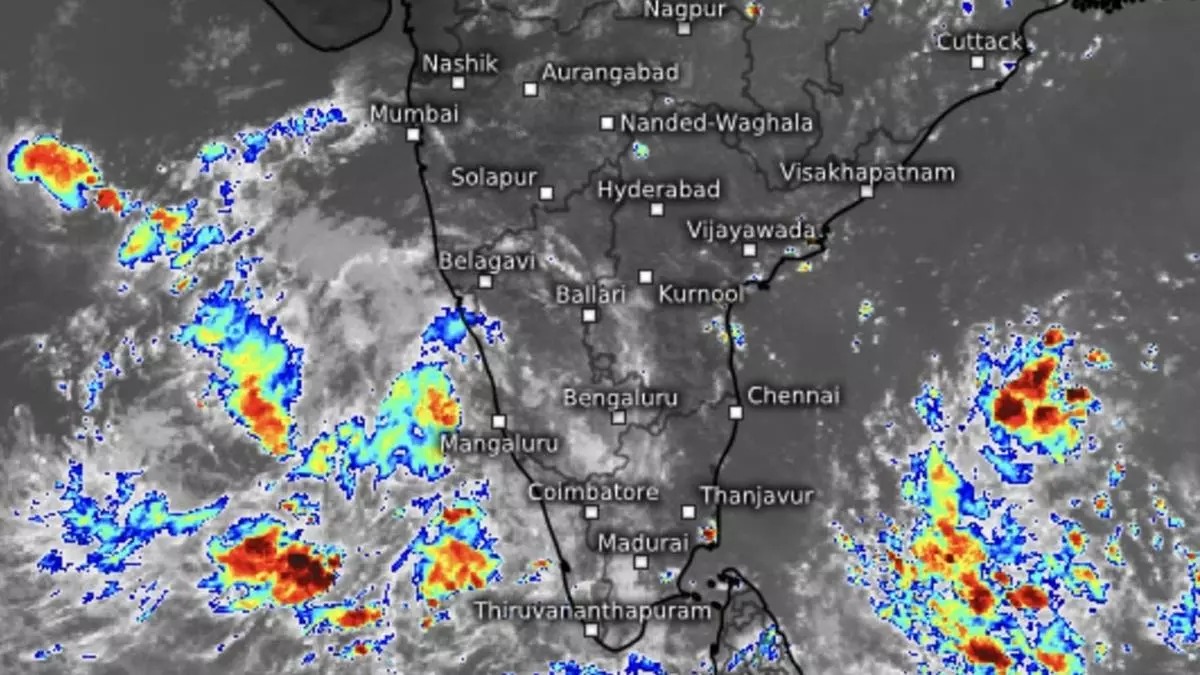
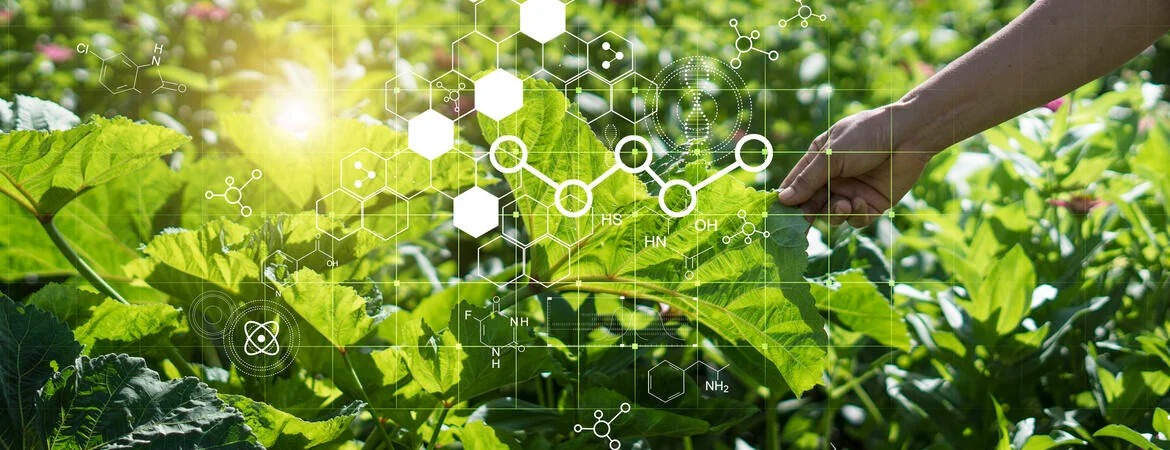
Artificial Intelligence is stepping in as the enabling technology for this change. Across the whole farming ecosystem, AI is moving past simple automation and becoming an extra layer of understanding that supports farmers, agri-business teams and the tech providers working around them. It’s not really about swapping out human know-how, instead it works alongside it, taking huge amounts of raw information and turning them into useful, ready-to-act insights. And it starts early, like before a seed is even put in the ground. When AI studies signals from connected sensors, satellite photos, weather predictions, along with older crop routines, it can point to better sowing windows, more sensible irrigation plans, and nutrient management approaches, all in response to what’s happening right now.
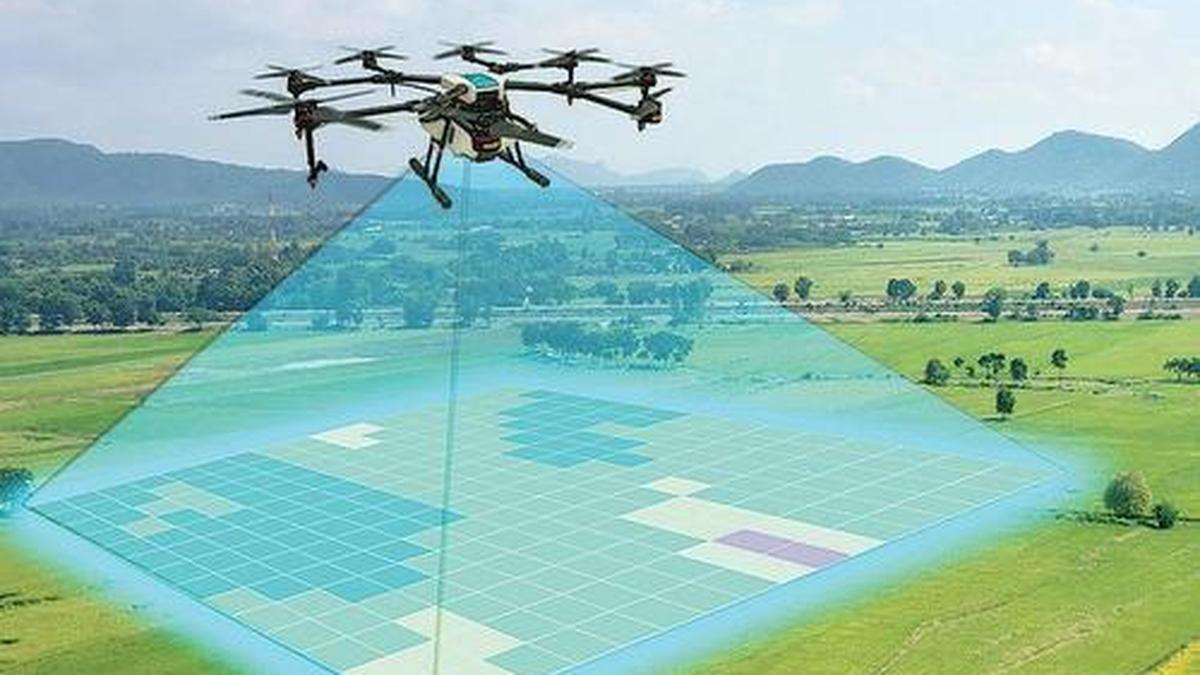
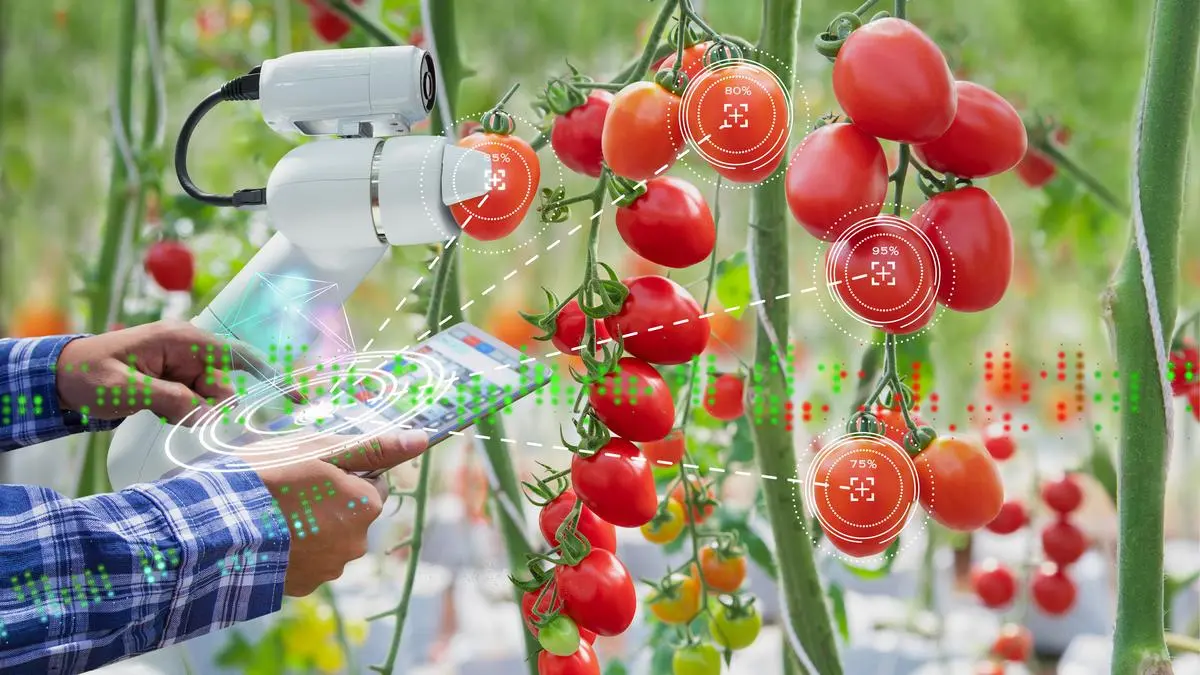
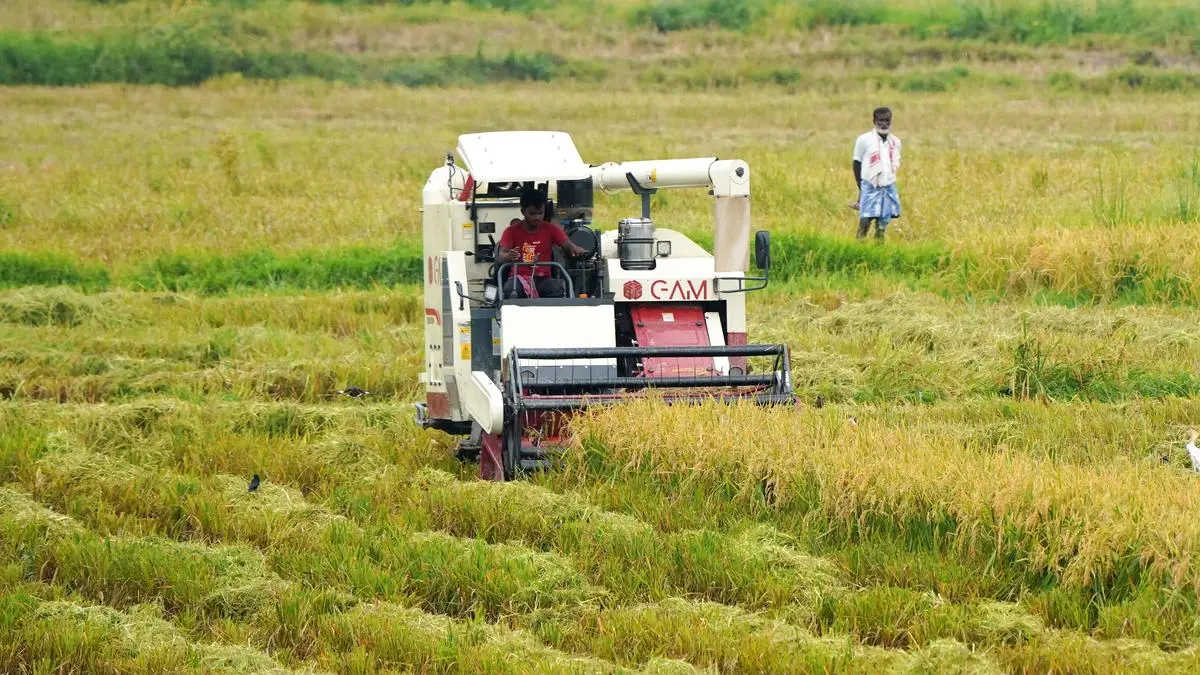
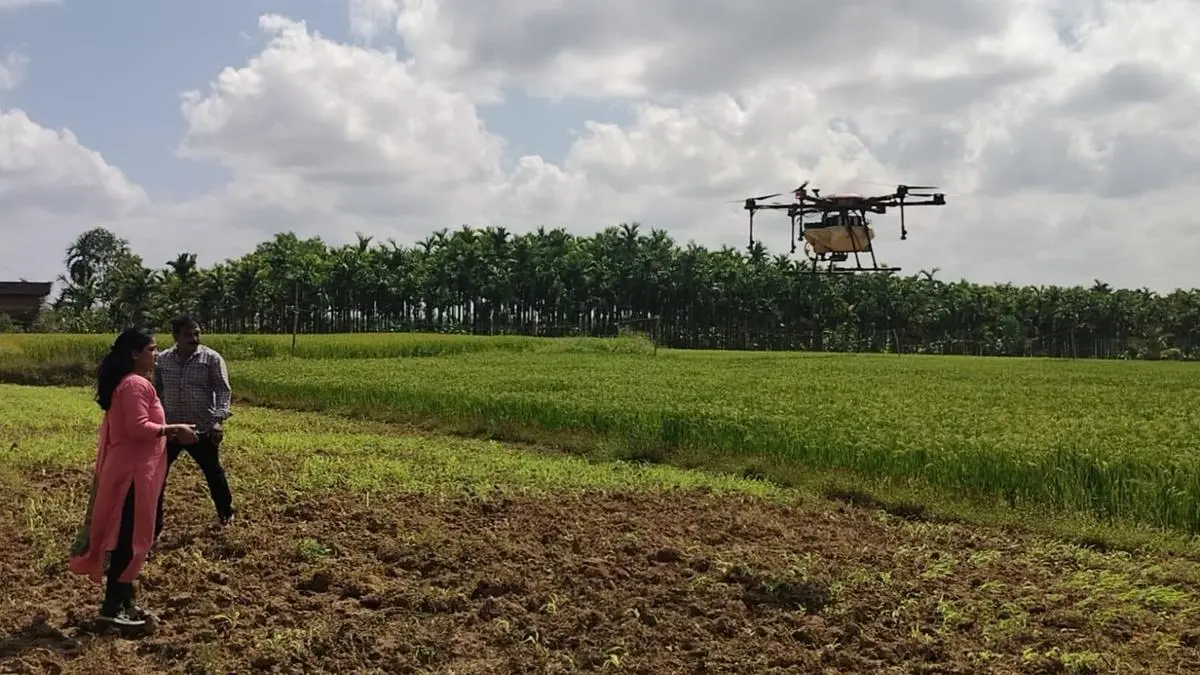
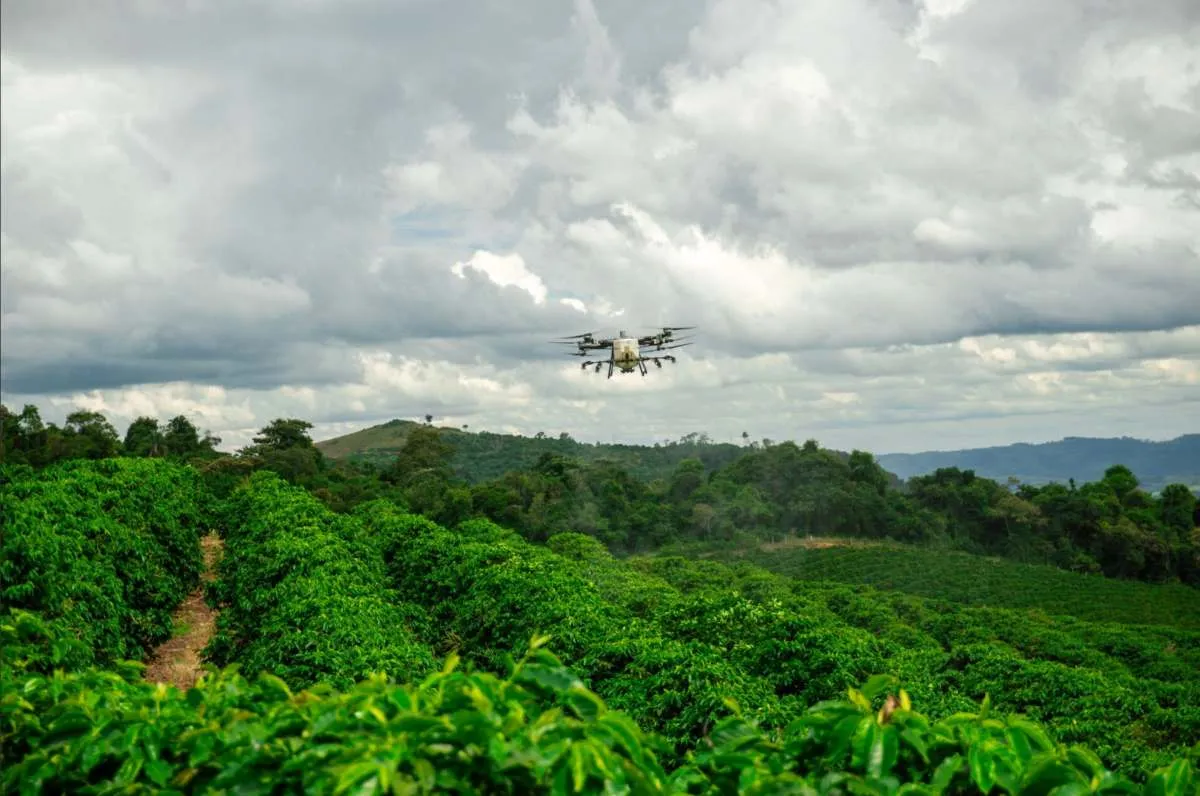
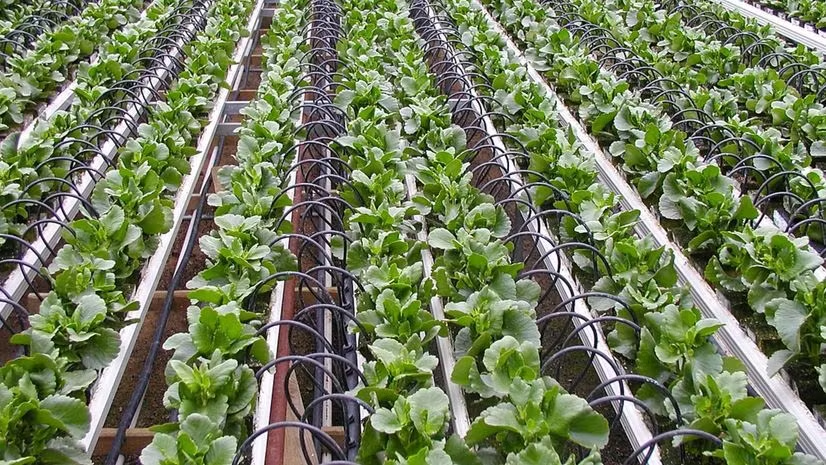
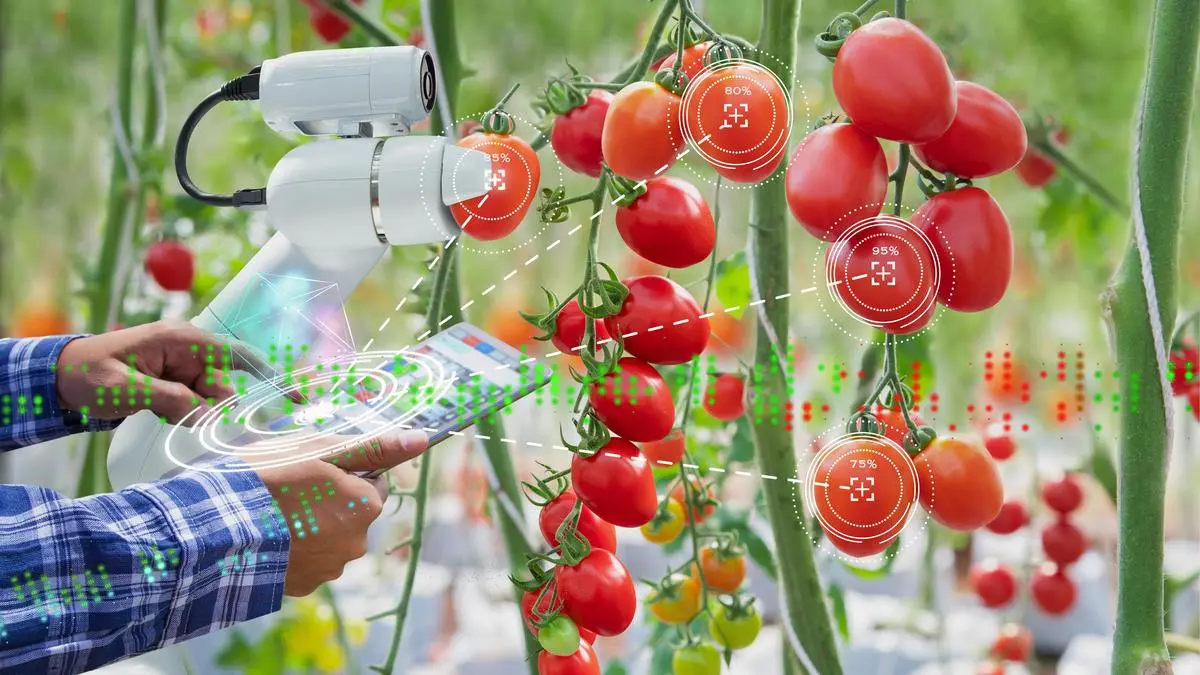
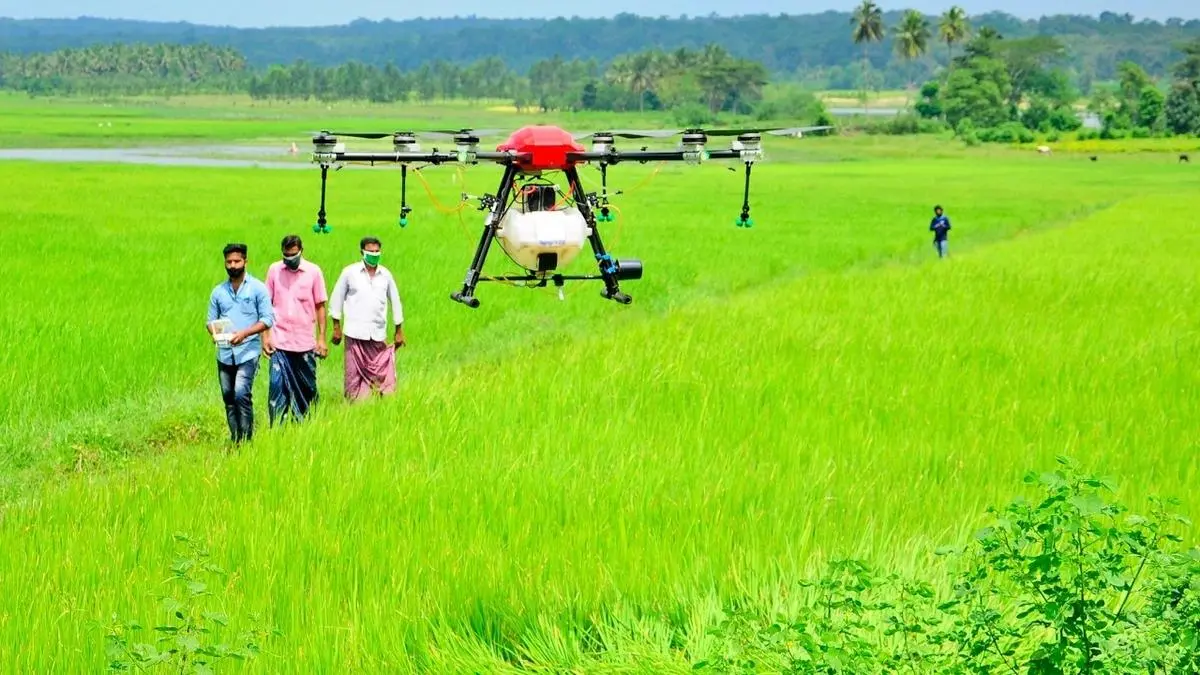
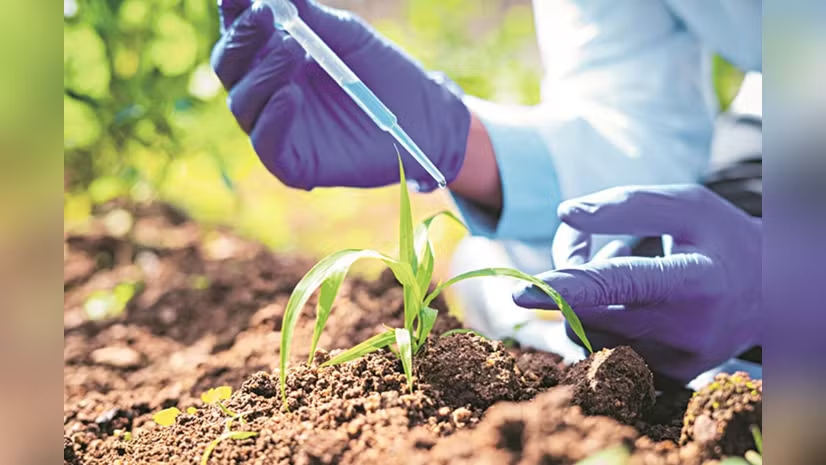
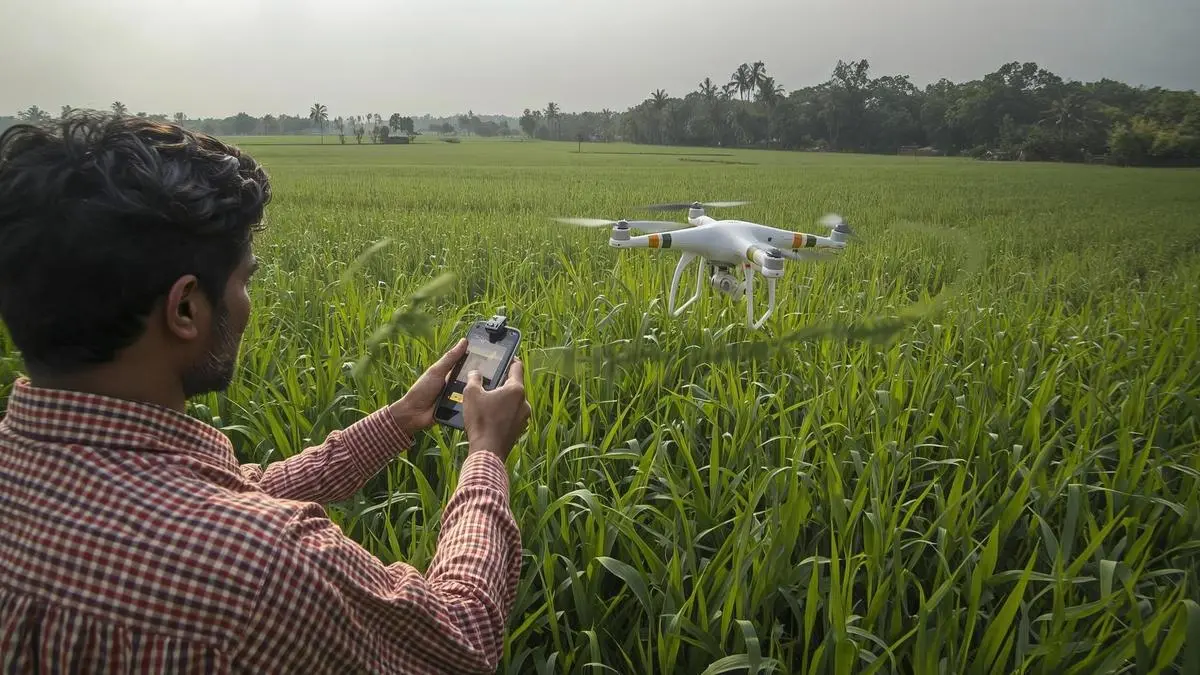
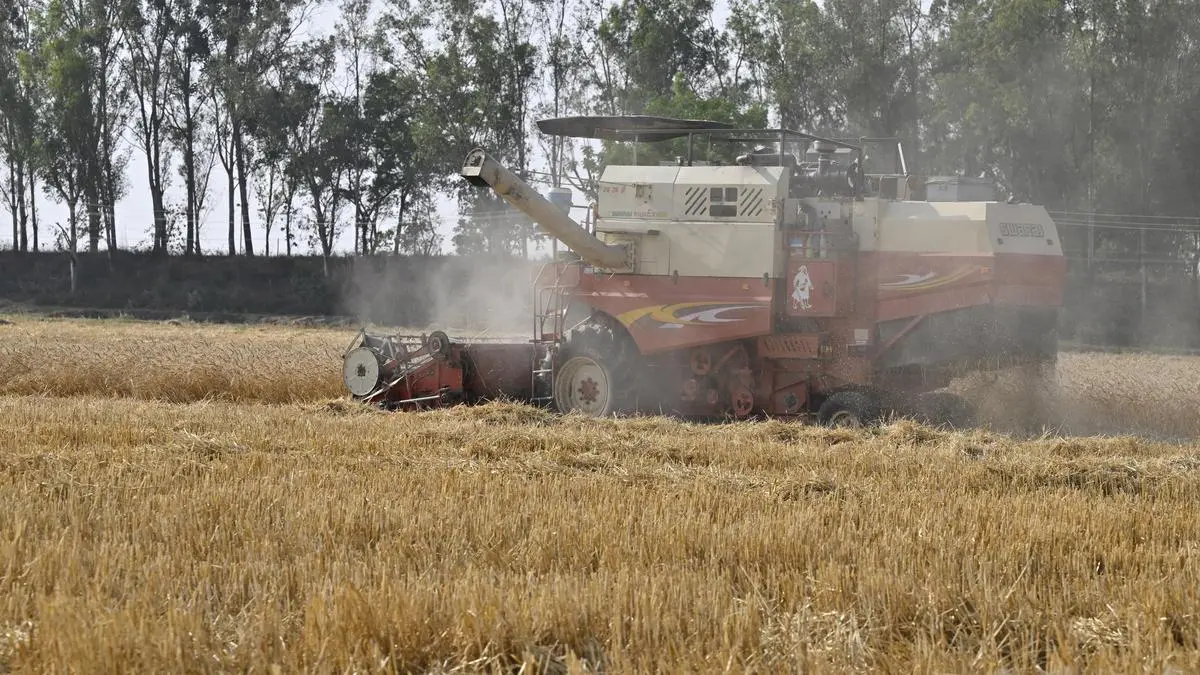
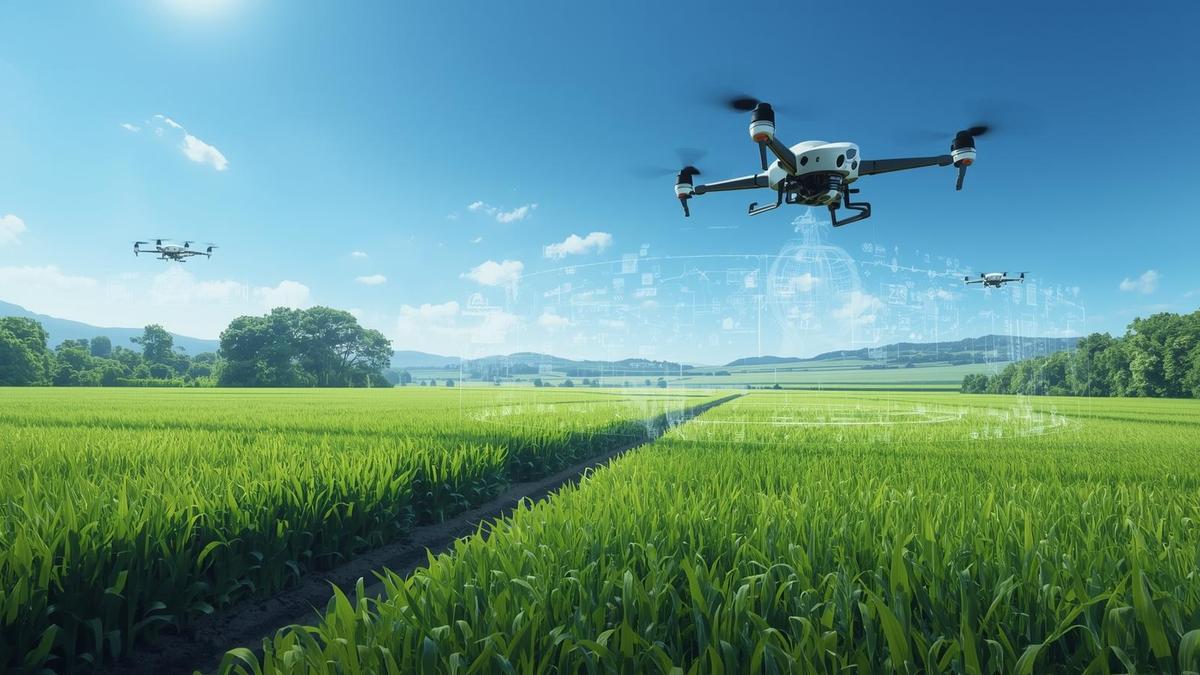
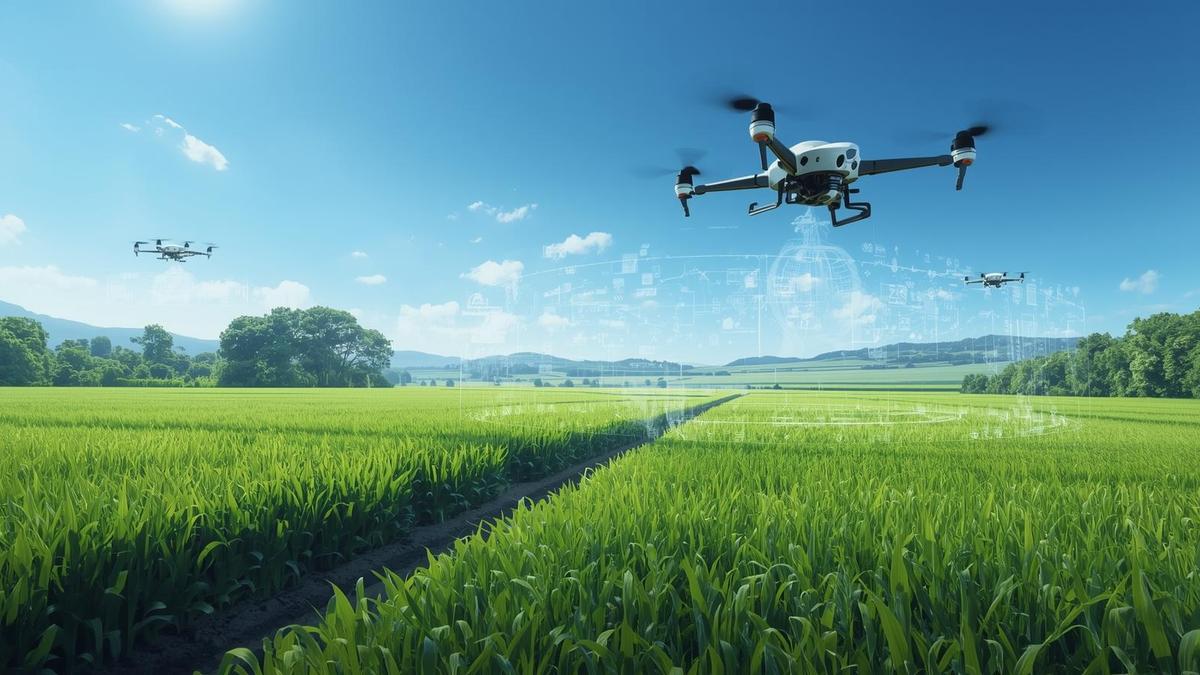
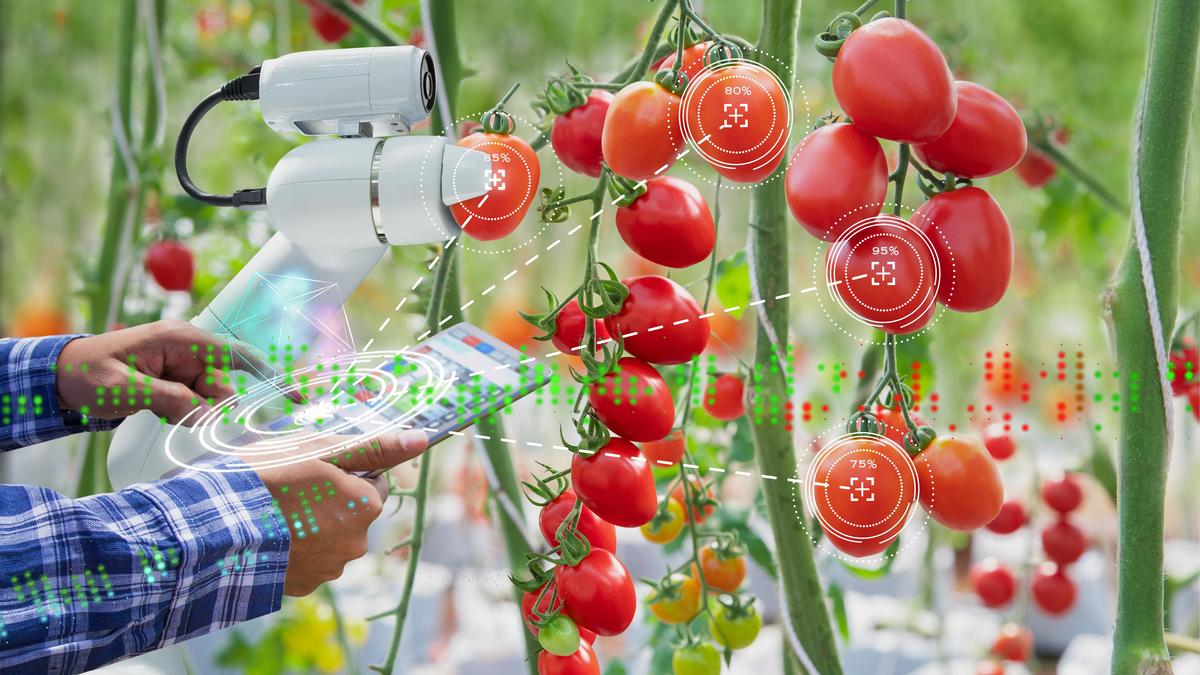
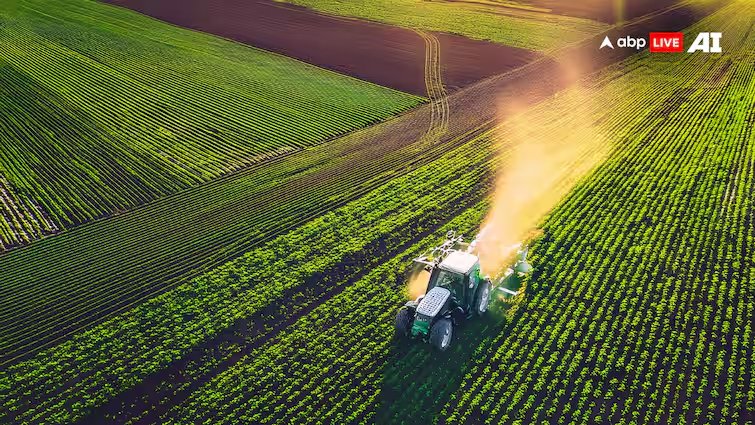
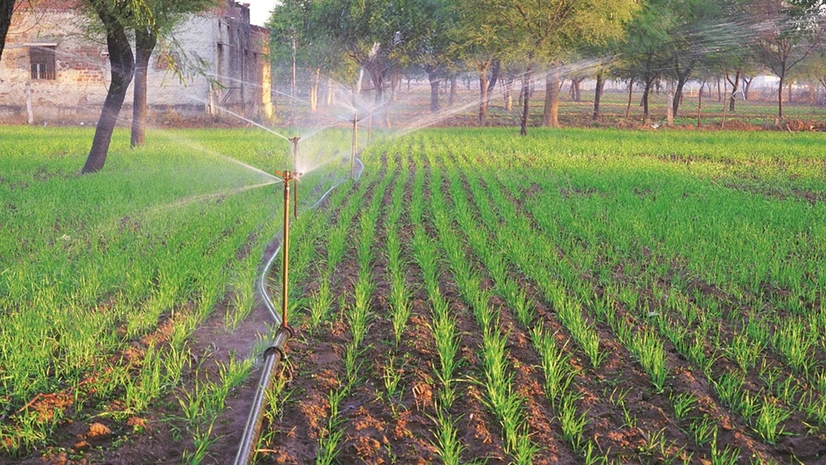
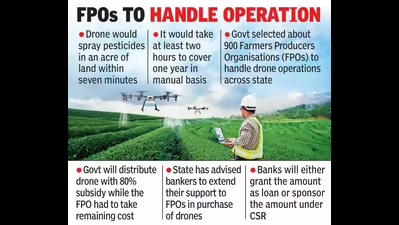
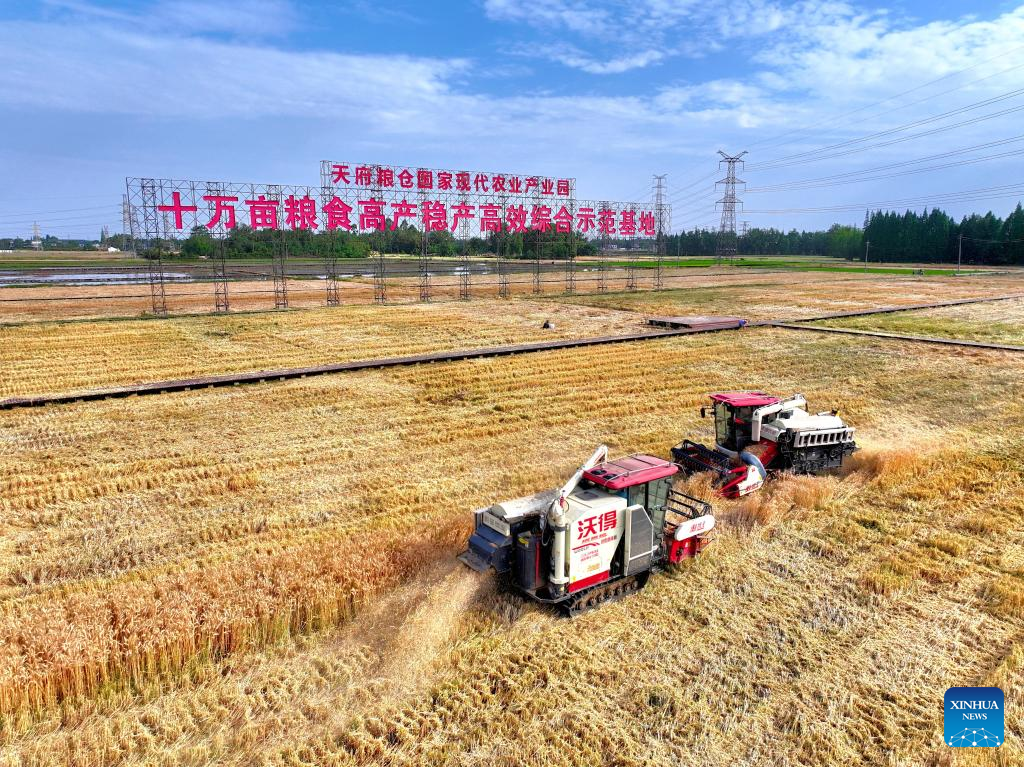
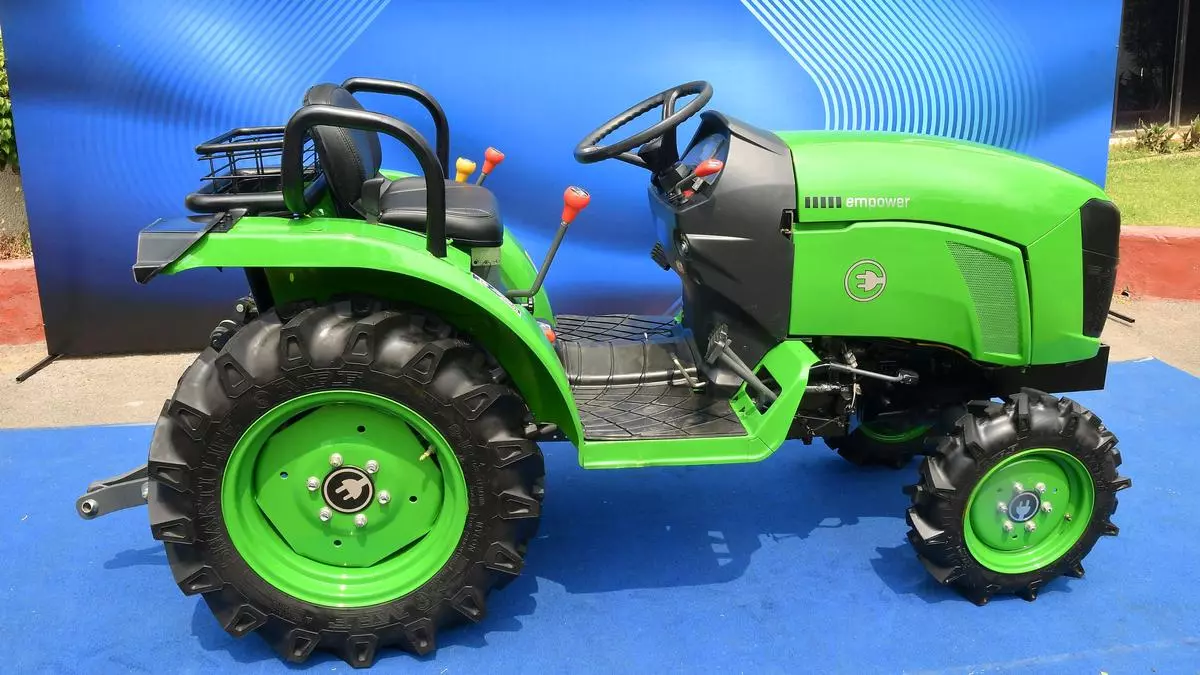
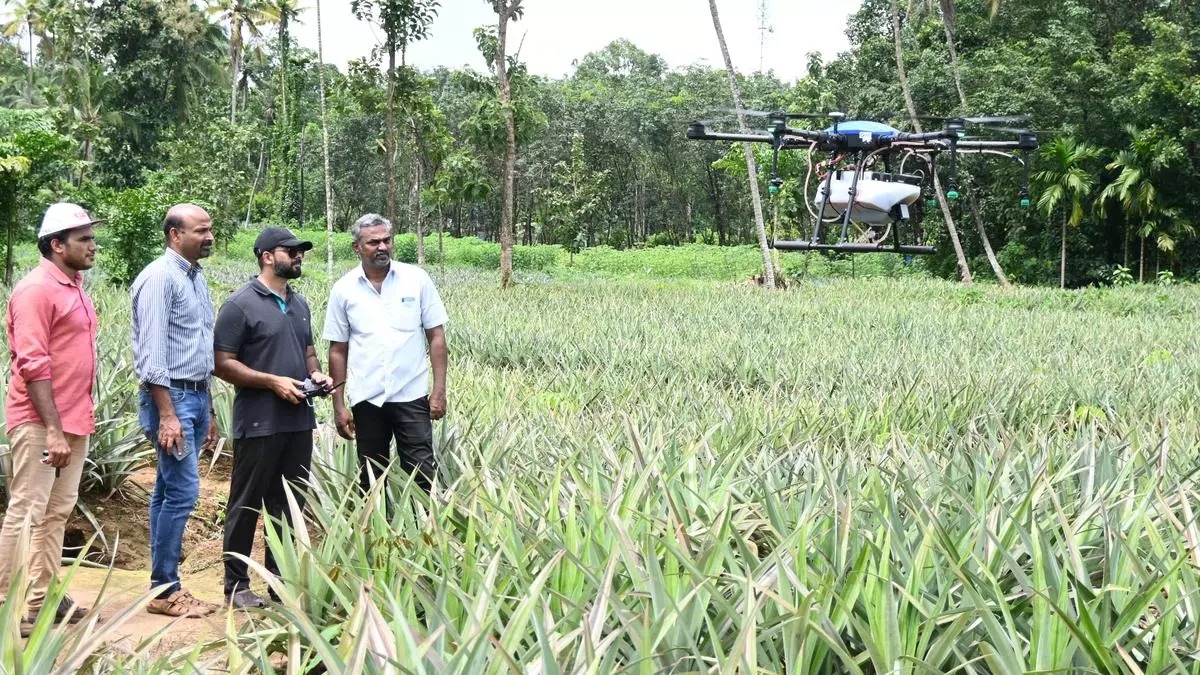
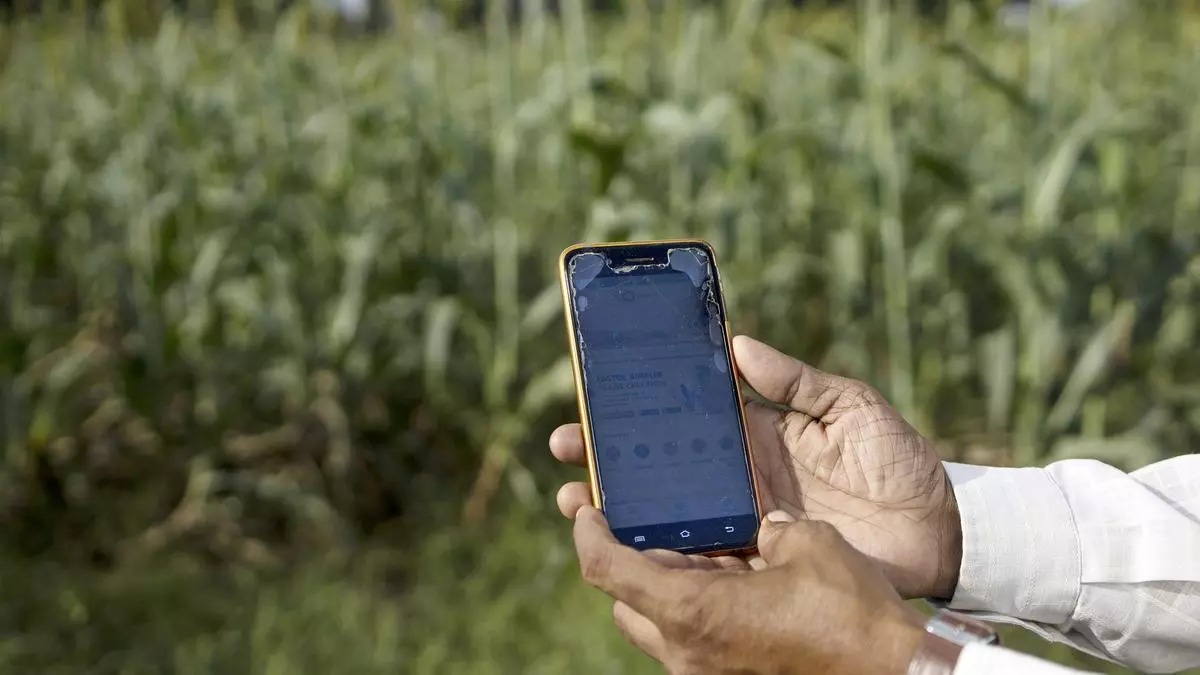
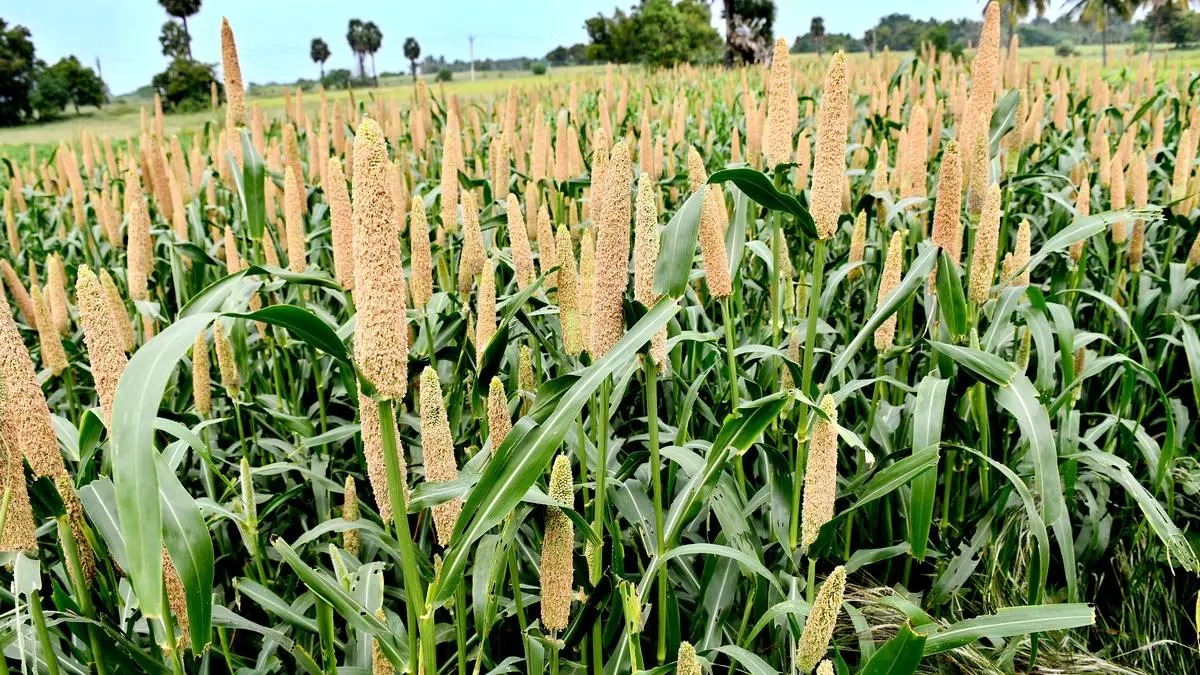
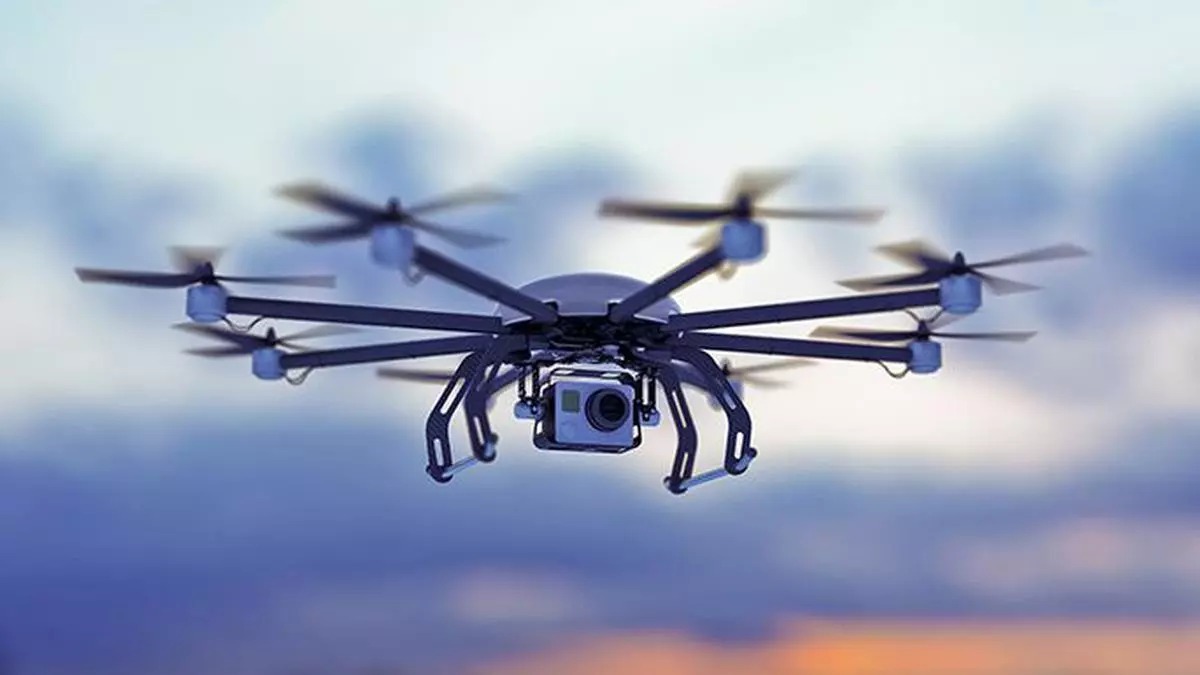
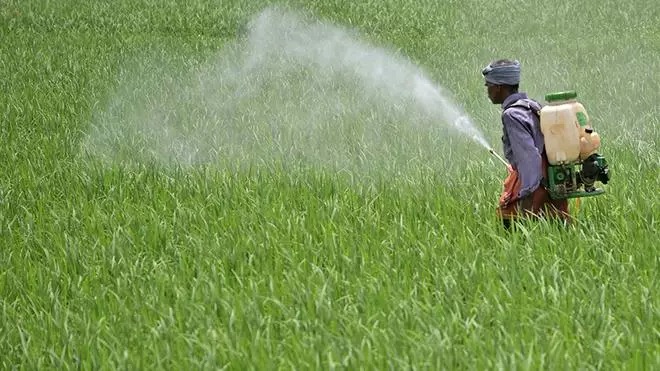
As crops move thru their growth cycle , AI keeps an eye on field conditions, flagging those early clues of pest infestations or plant diseases. Then it suggests timely actions, so farmers can jump in before things get out of hand. In practice, this helps improve output, while also optimising the use of water, fertilisers and a few other crucial resources. Still, one of AI’s biggest impacts is how it helps simplify the whole complexity side of farming. Nowadays, growers can tap into a growing mix of tech, from precision farming tools and smart irrigation setups, to drones, self-driving machinery and AI-powered advisory platforms. But yeah, that same fast innovation also makes selection harder than it used to be. Picking the right option means checking technical specifications, making sure it actually works with what you already have, estimating cost, thinking about likely returns, and judging long-term operational value.