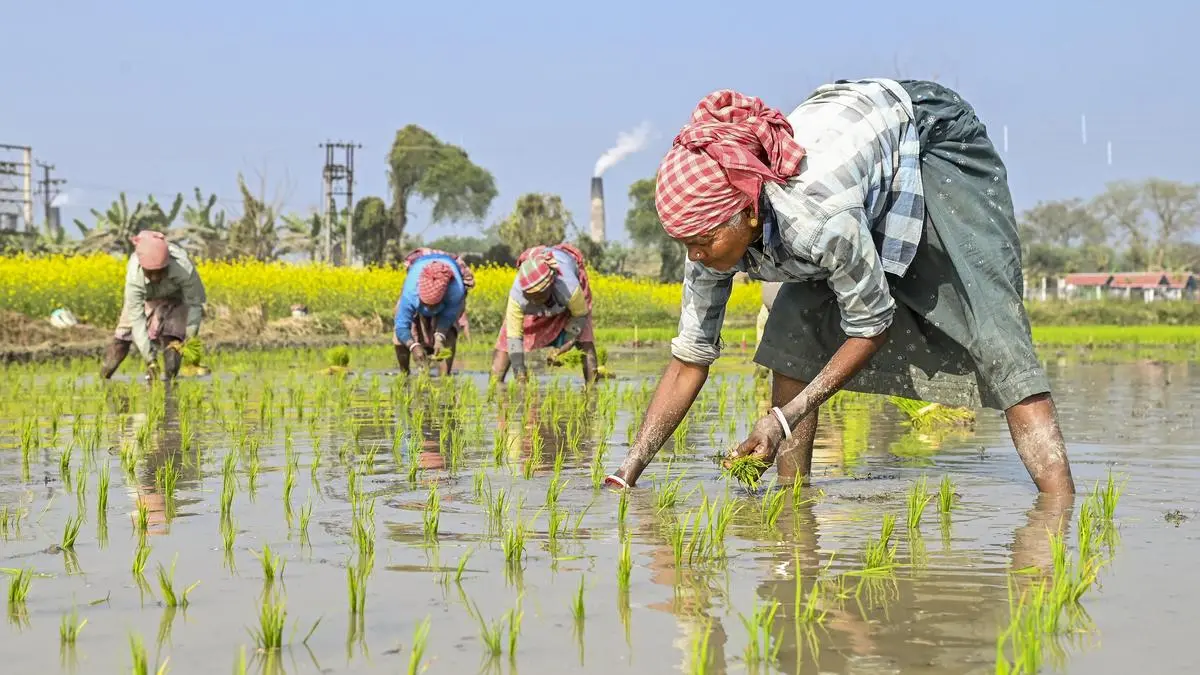
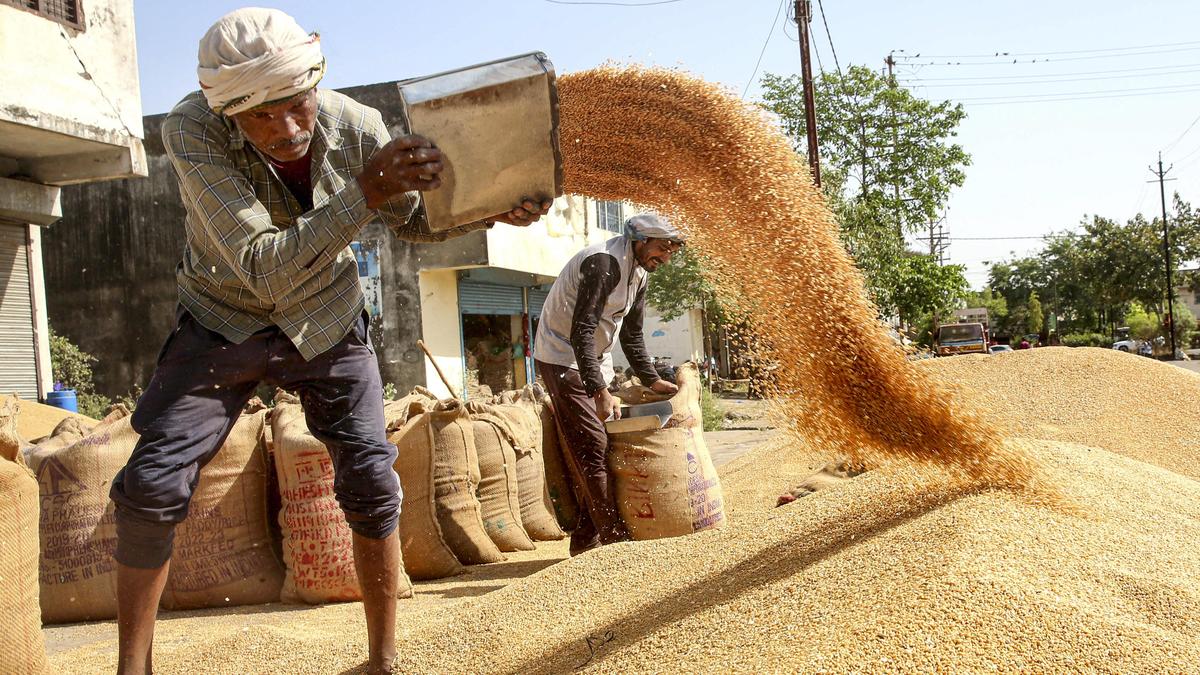
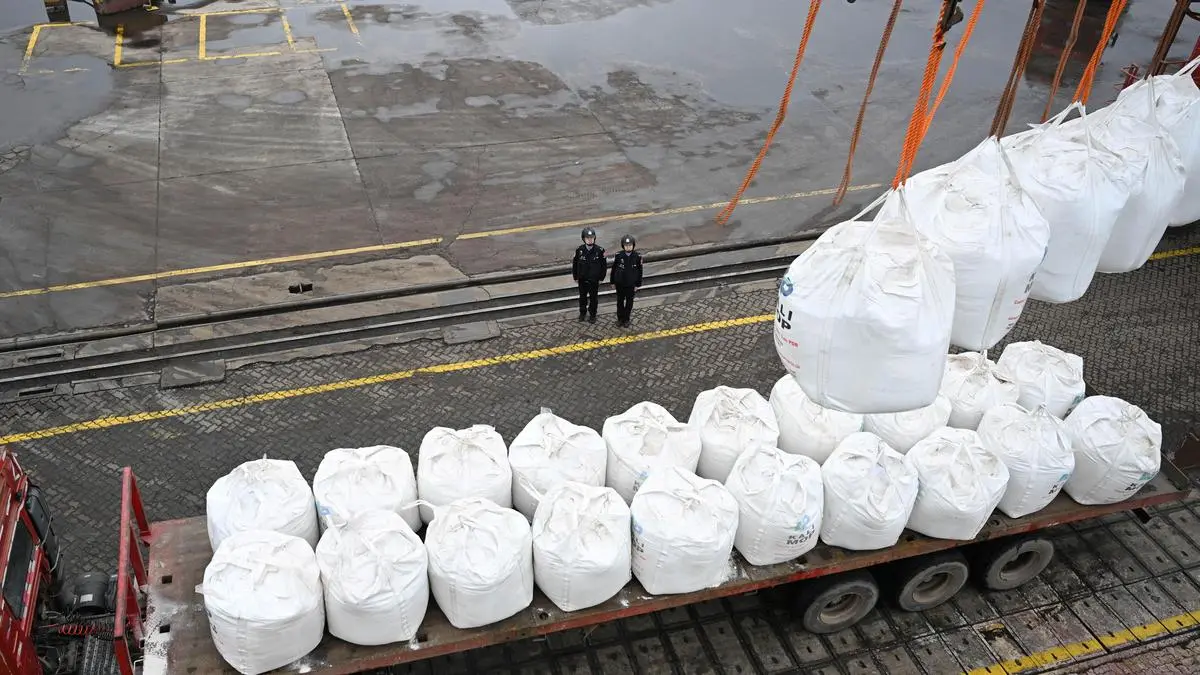
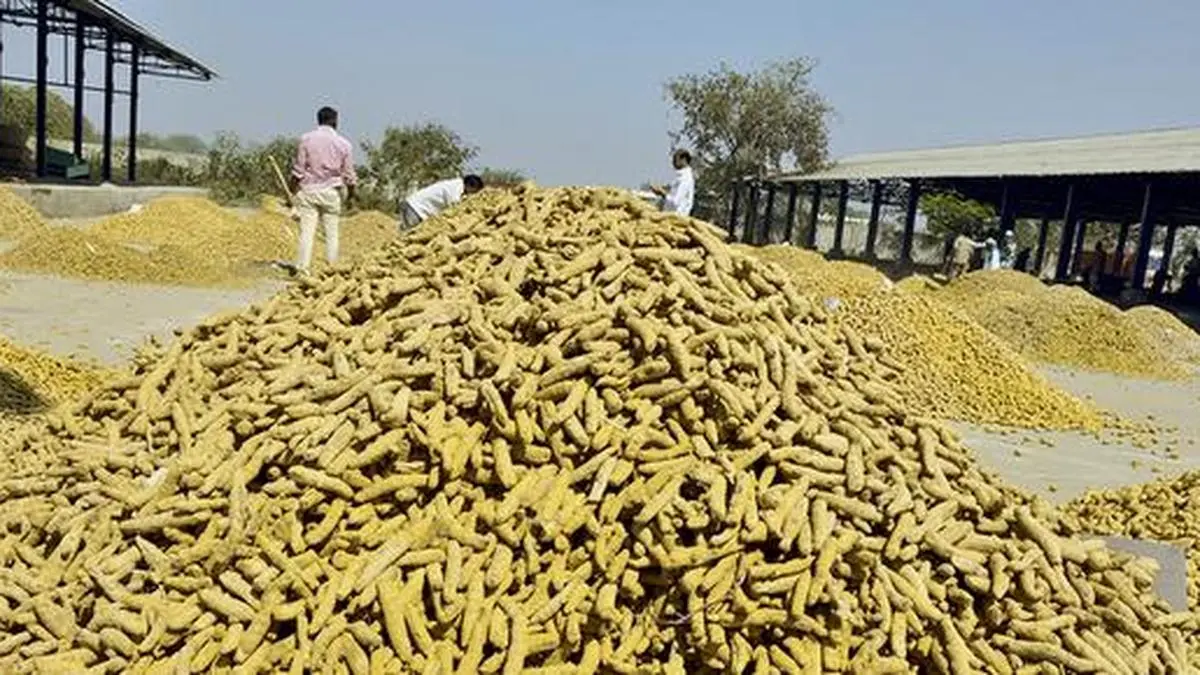
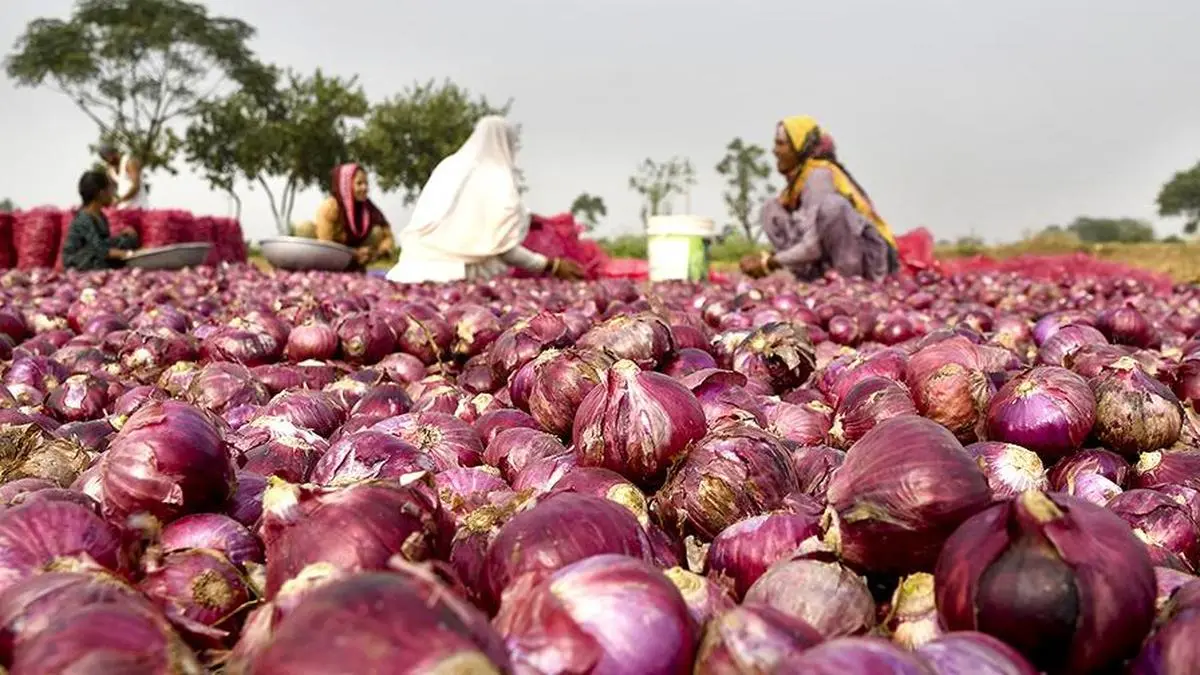
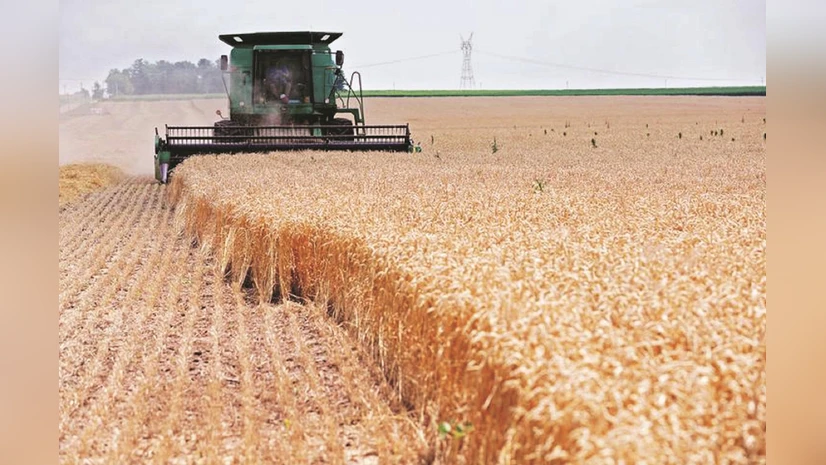
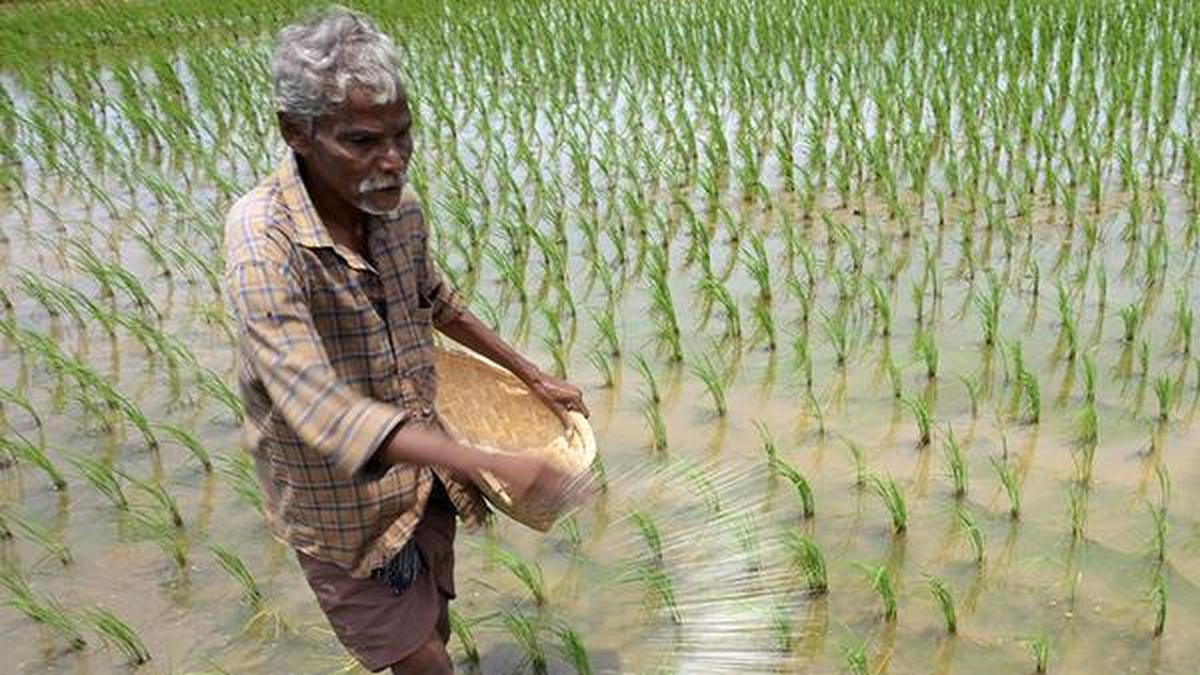
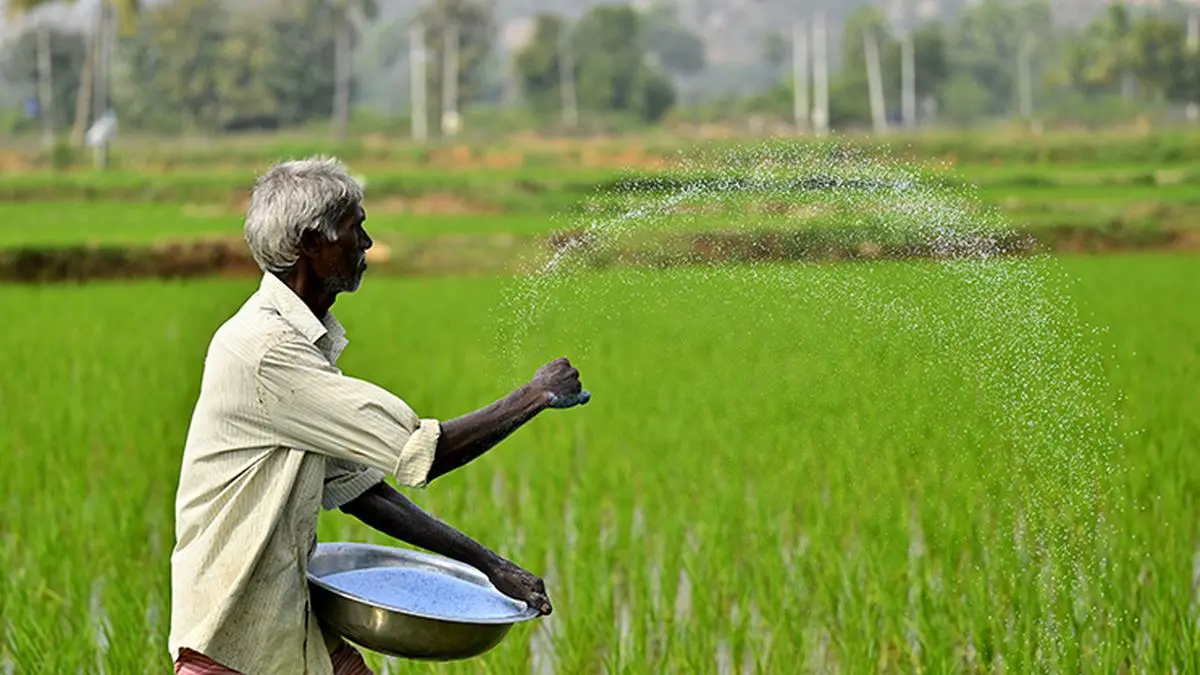
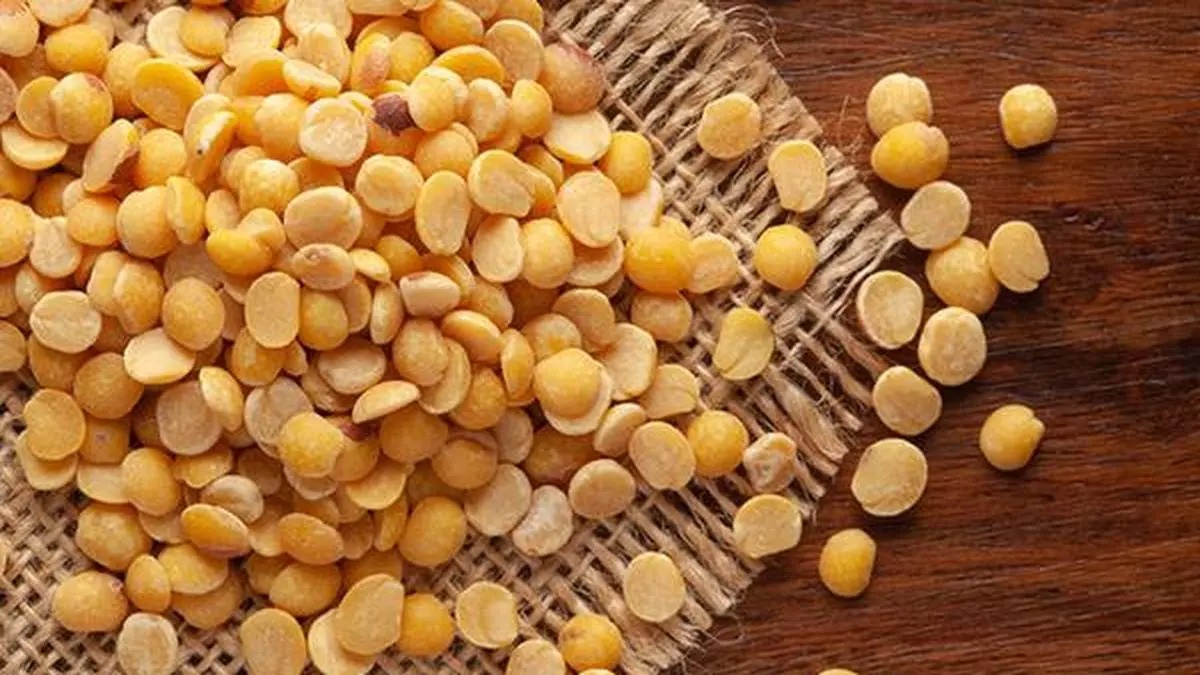
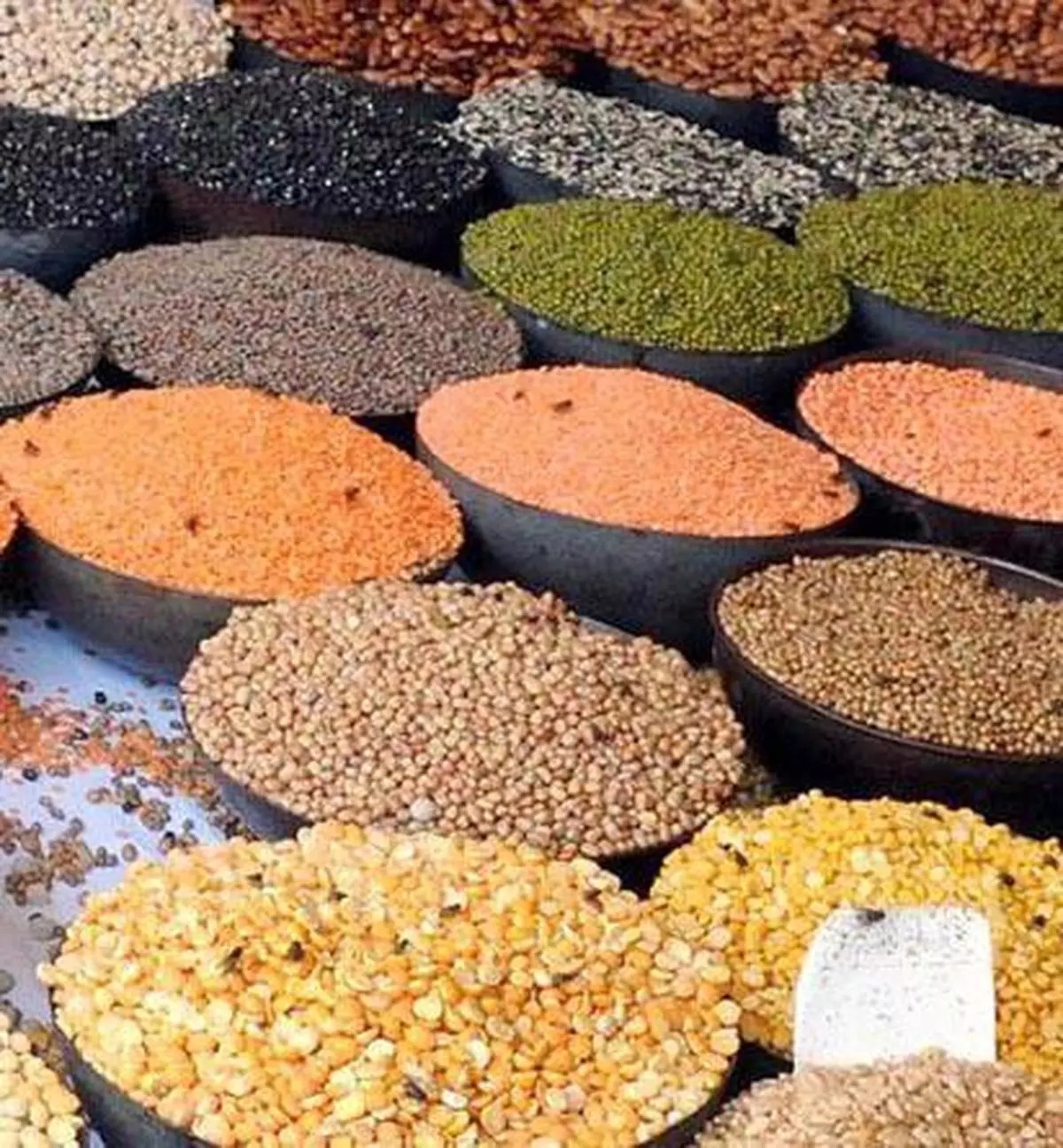
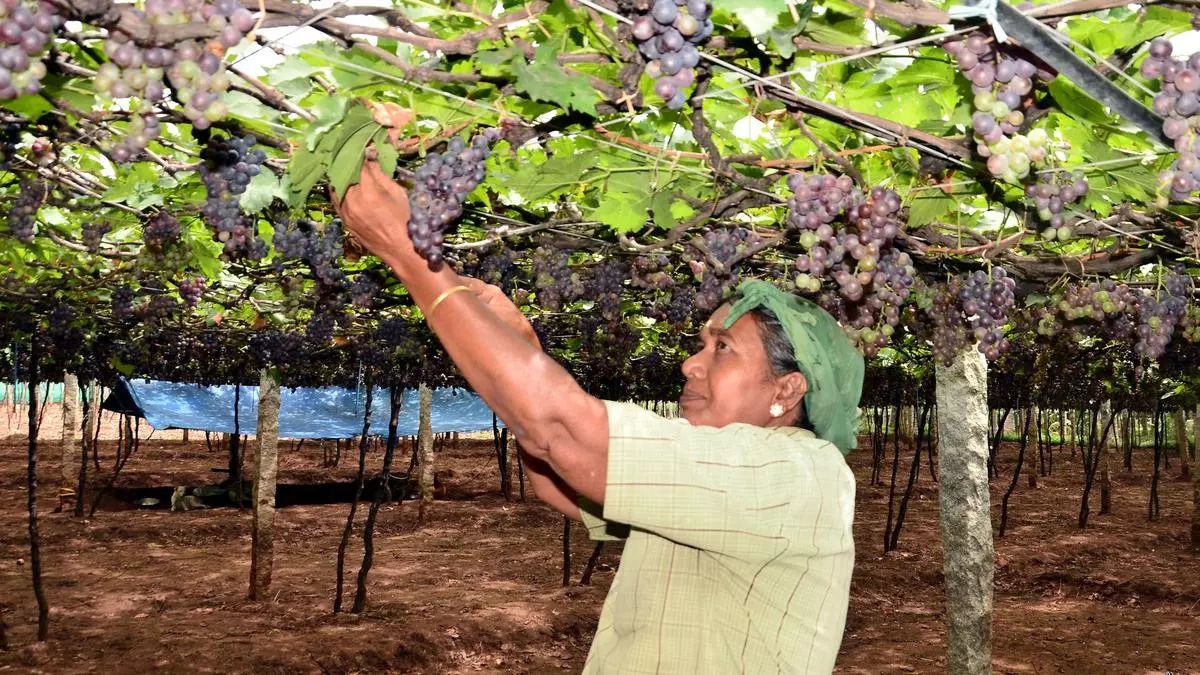
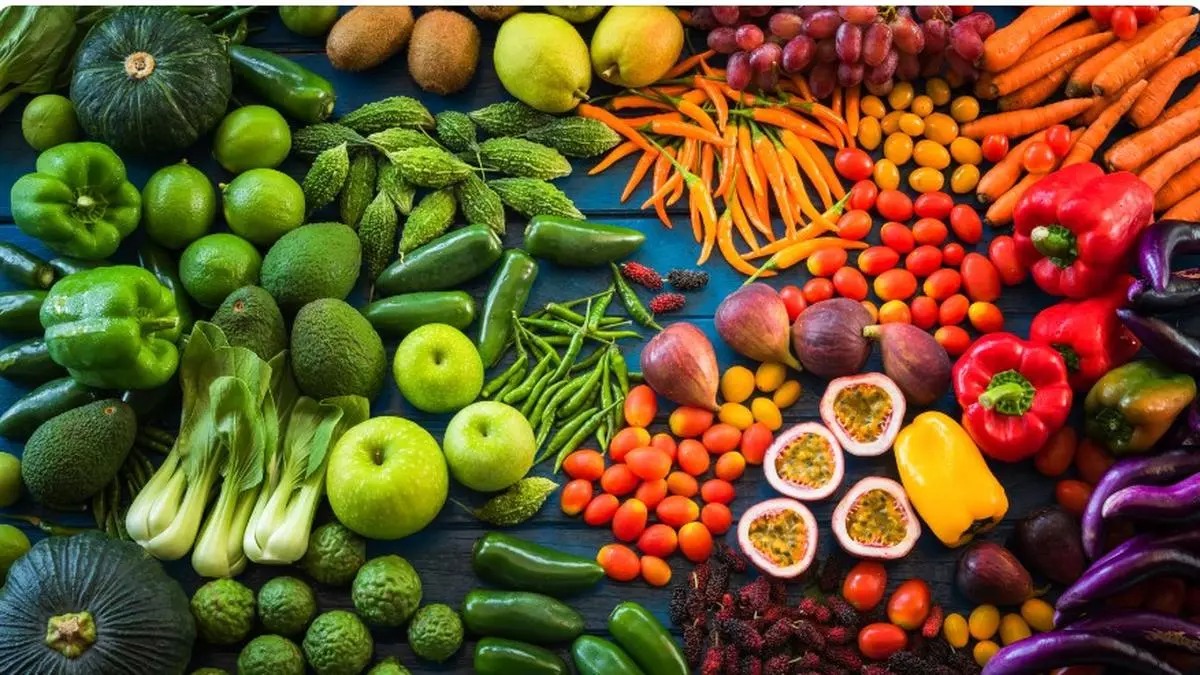
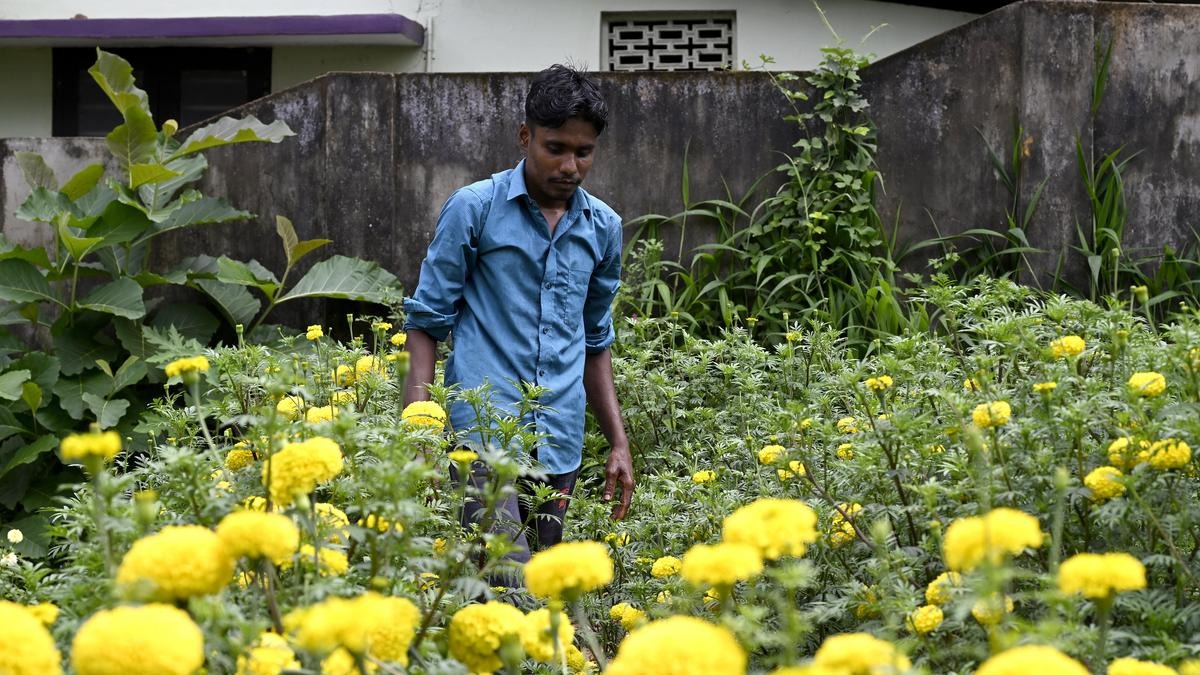
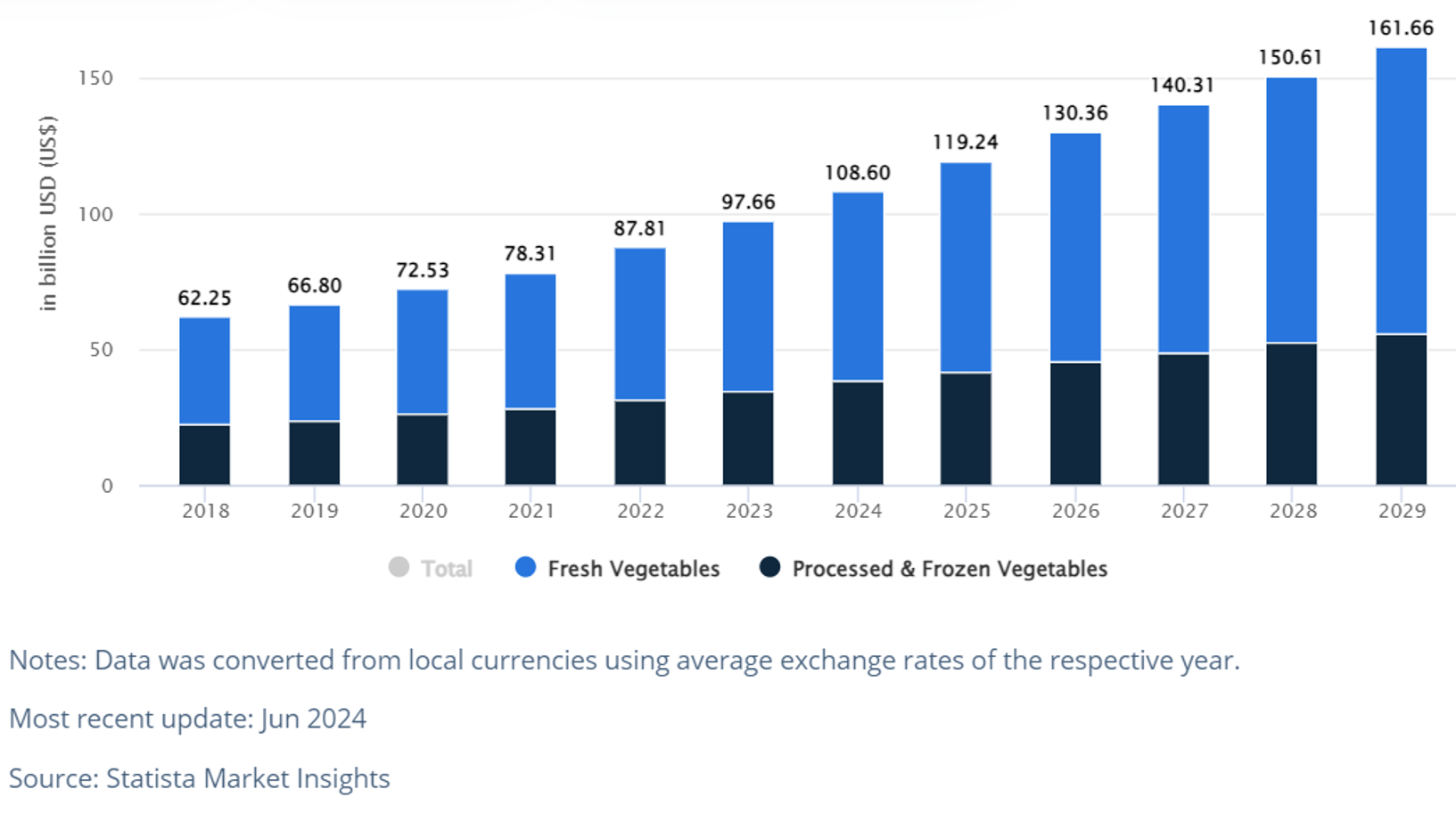
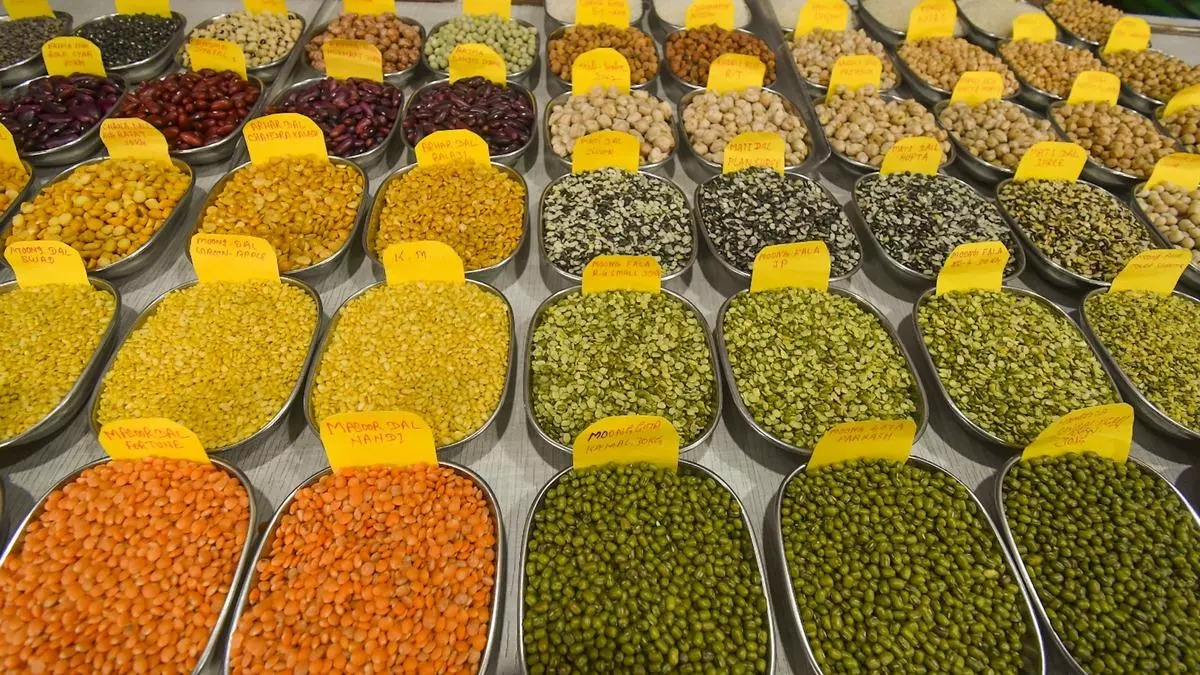
In FY26, India’s export diversification generated nearly $202 million in additional exports through new product-entry combinations, with sectors like marine products, pulses, and agri-processing contributing significantly. At the same time, India’s agricultural exports rose 2.8 per cent to $52.55 billion despite geographical disruptions and global inflationary headwinds.
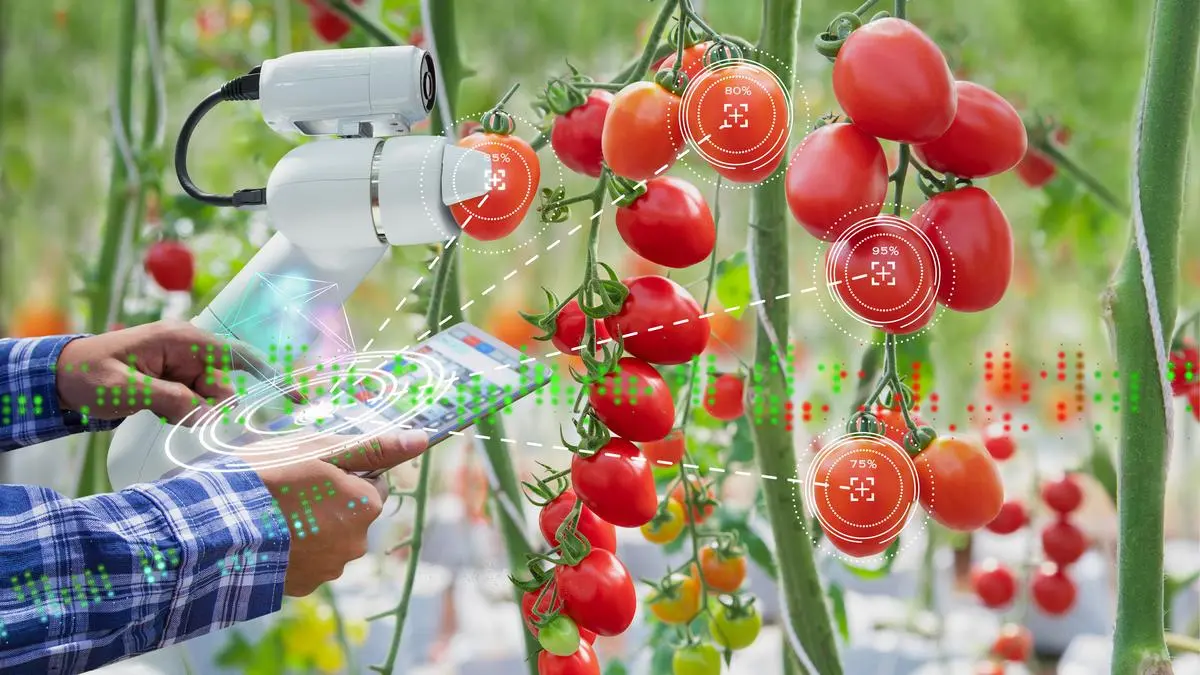
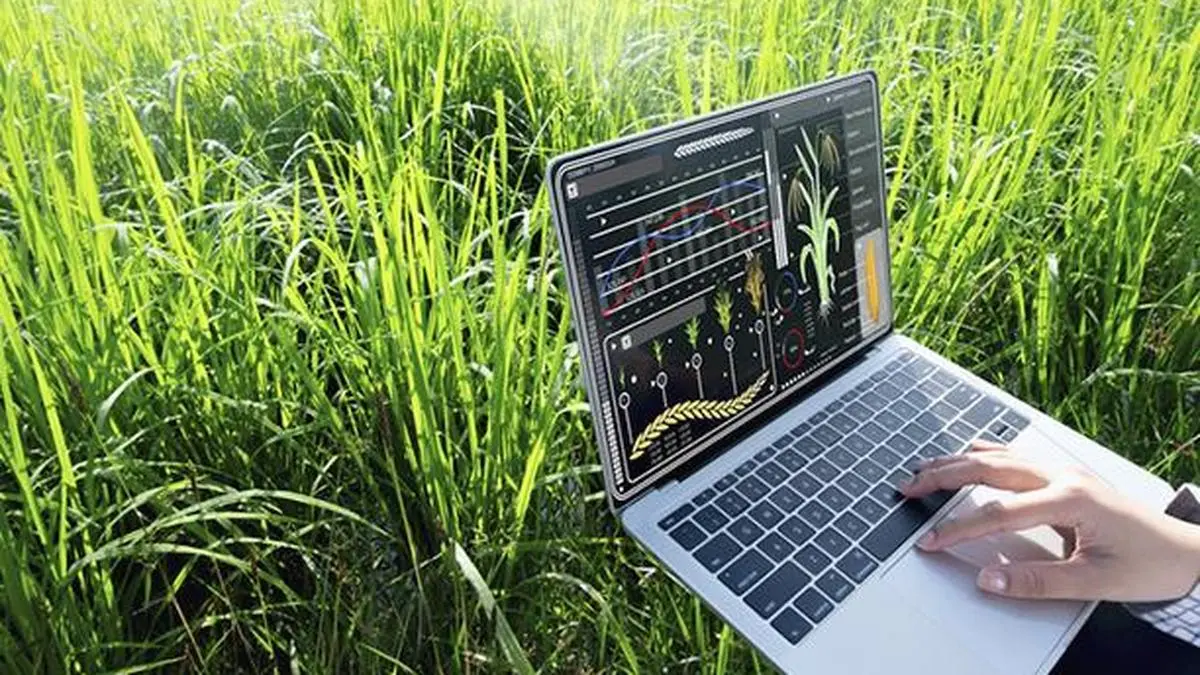
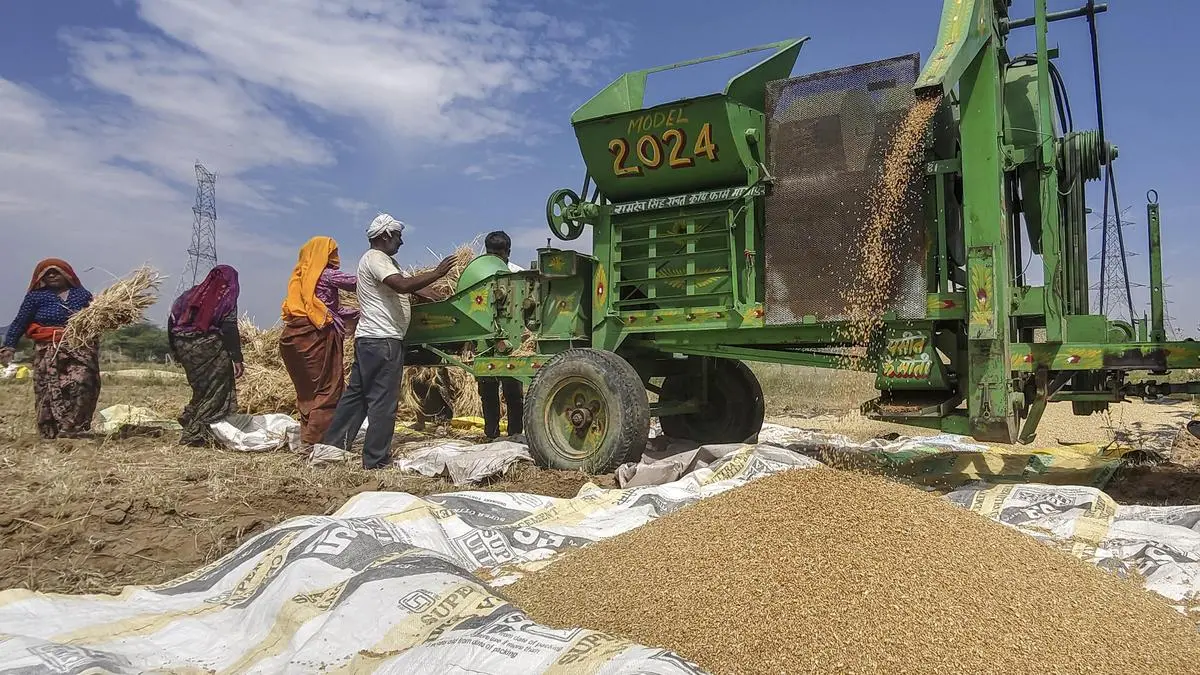
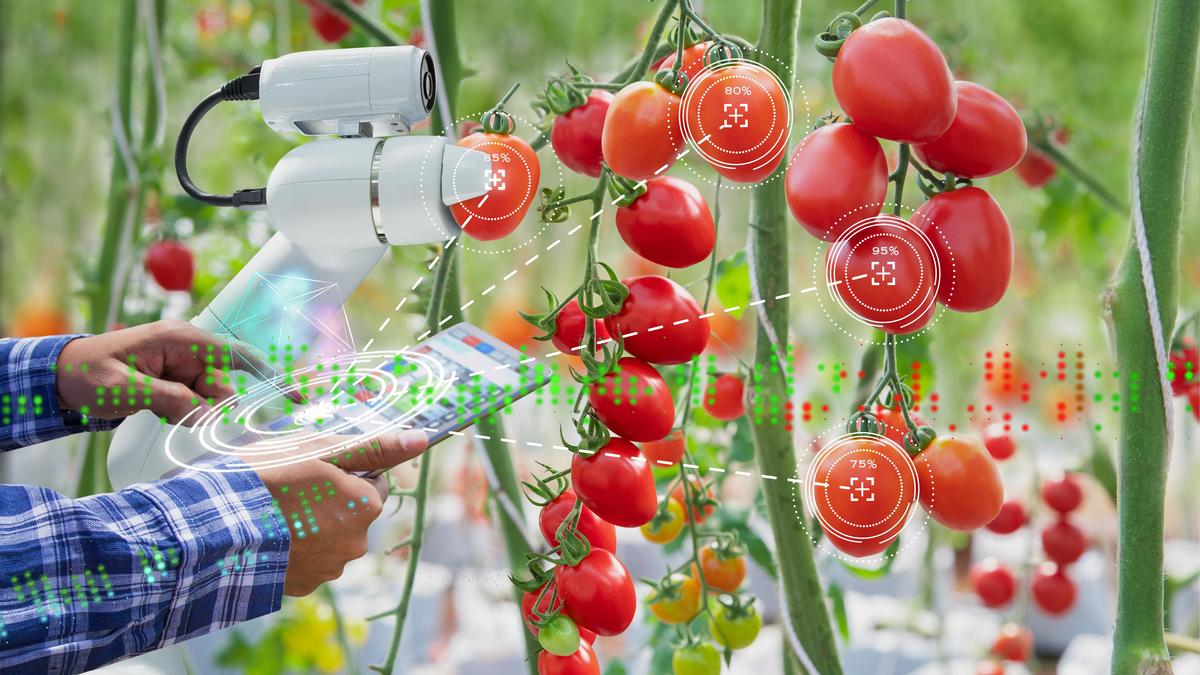
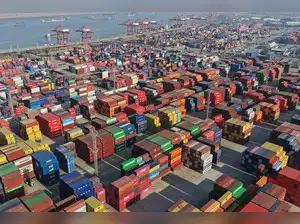
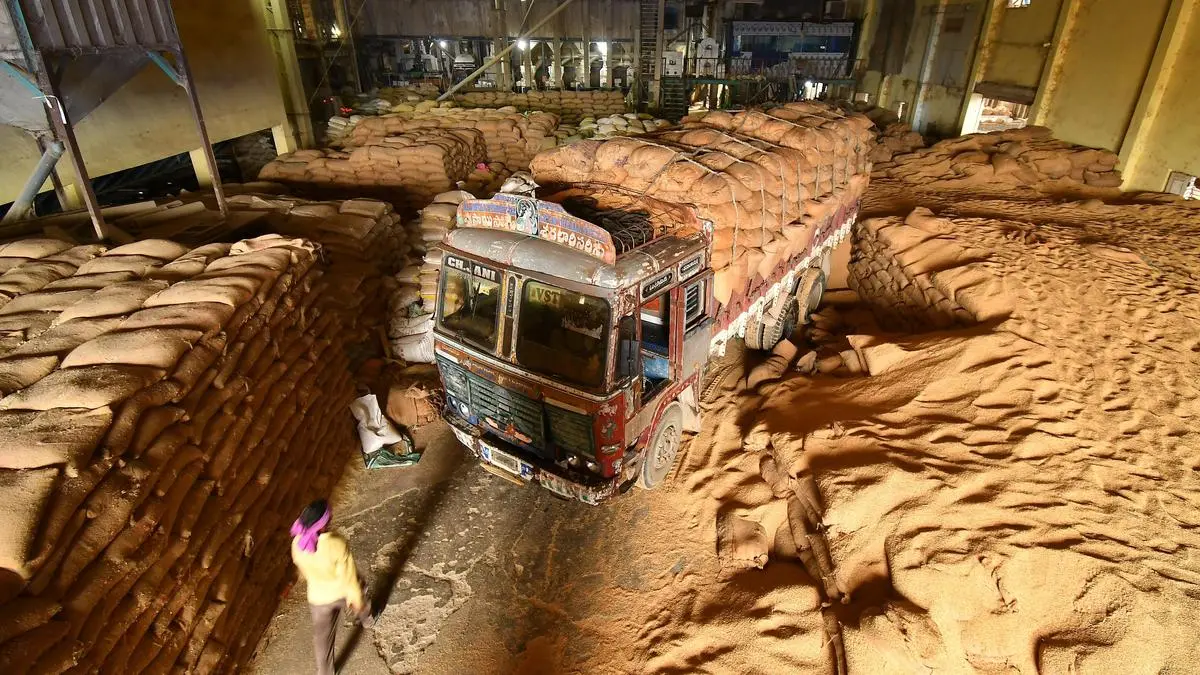
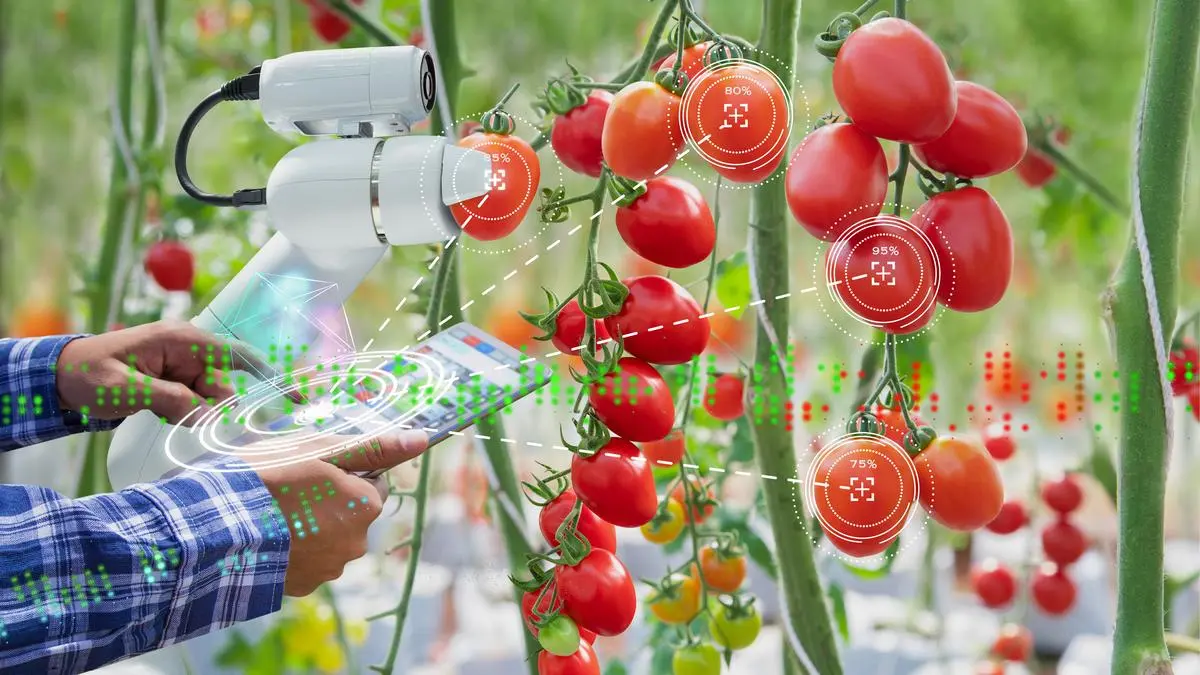
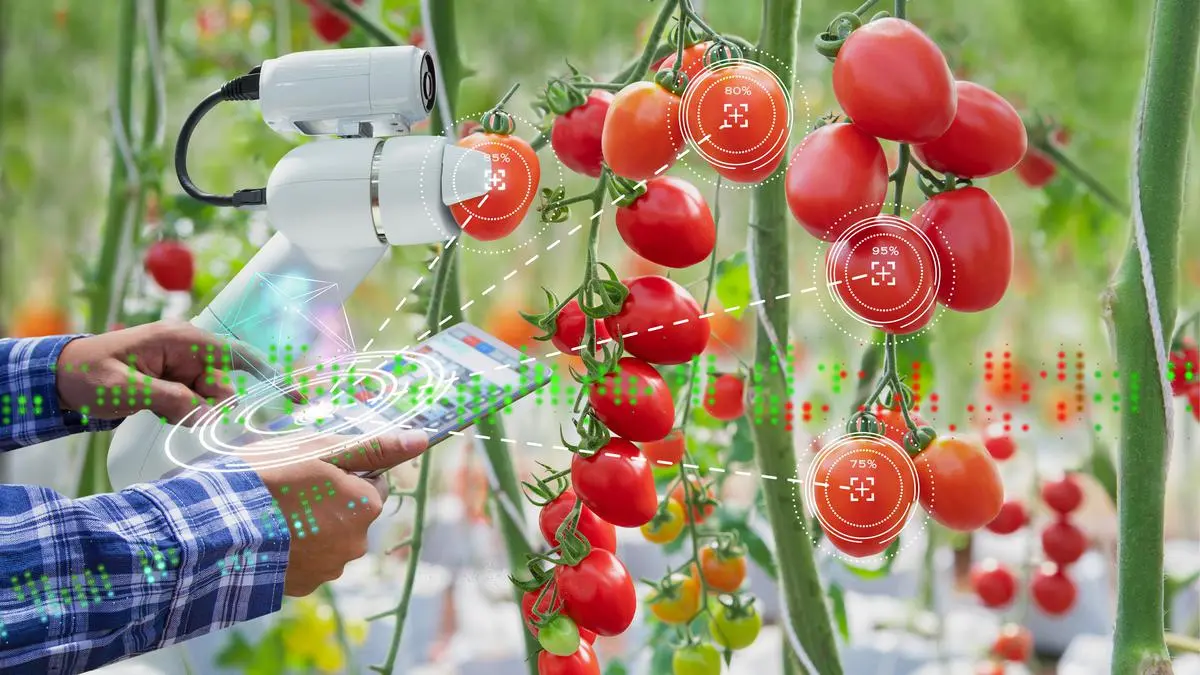
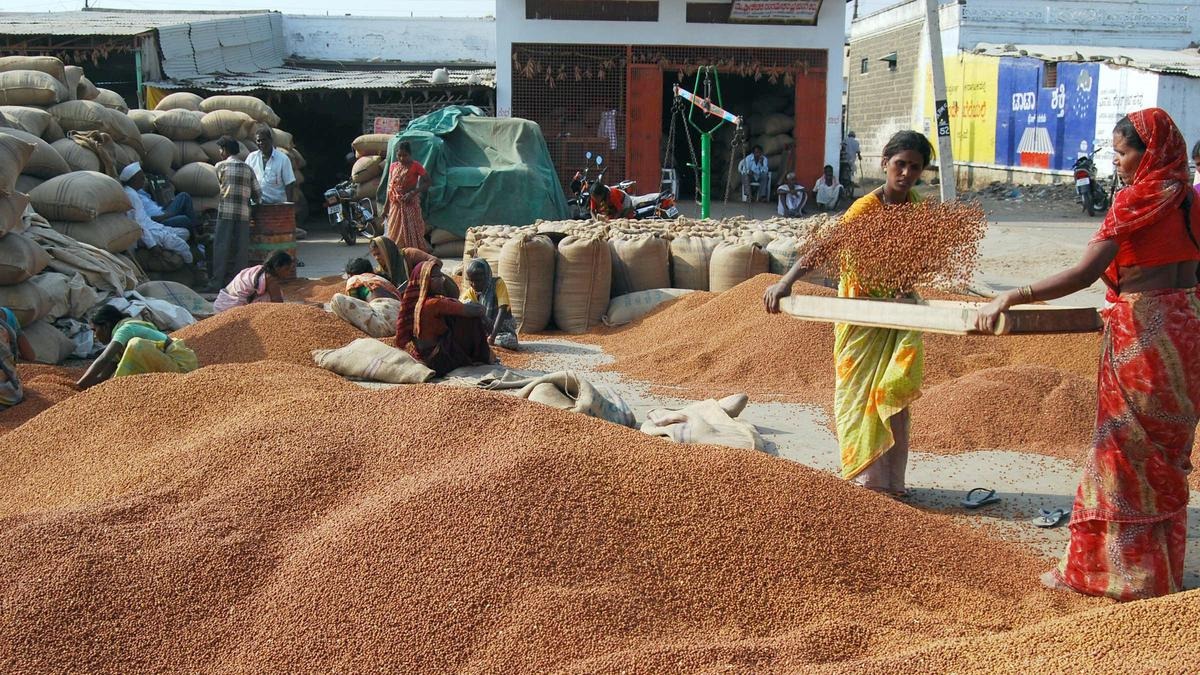
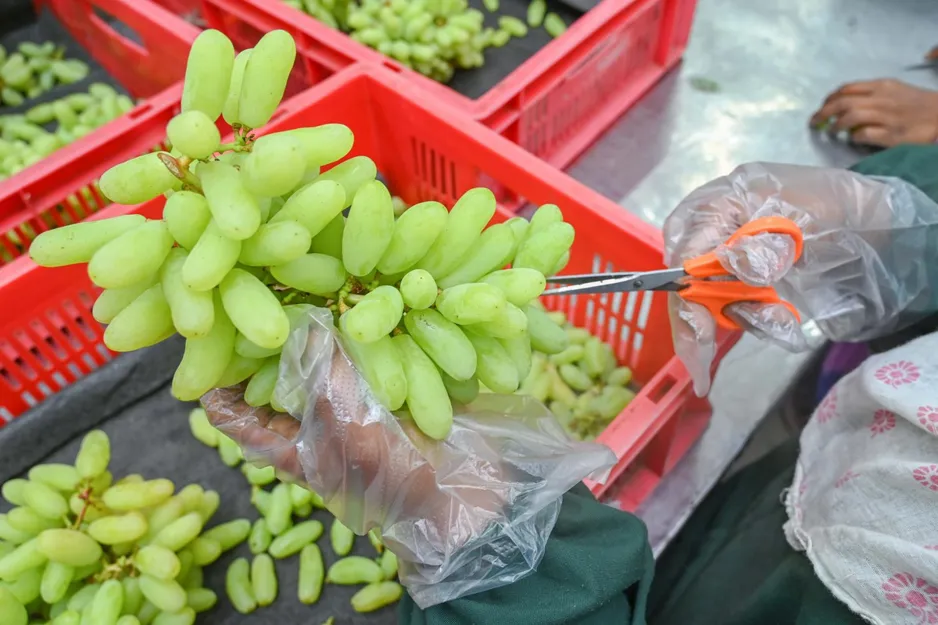
While these numbers reflect resilience, they also underline the structural limitations. Growth in agri exports today is not being constrained by demand; it is being constrained by logistics inefficiencies, fragmented cold-chain systems, inconsistent quality management and high wastage levels. If India wants to emerge as a dependable global food supplier, supply chain reform with integration of advanced tech can no longer be a secondary conversation.
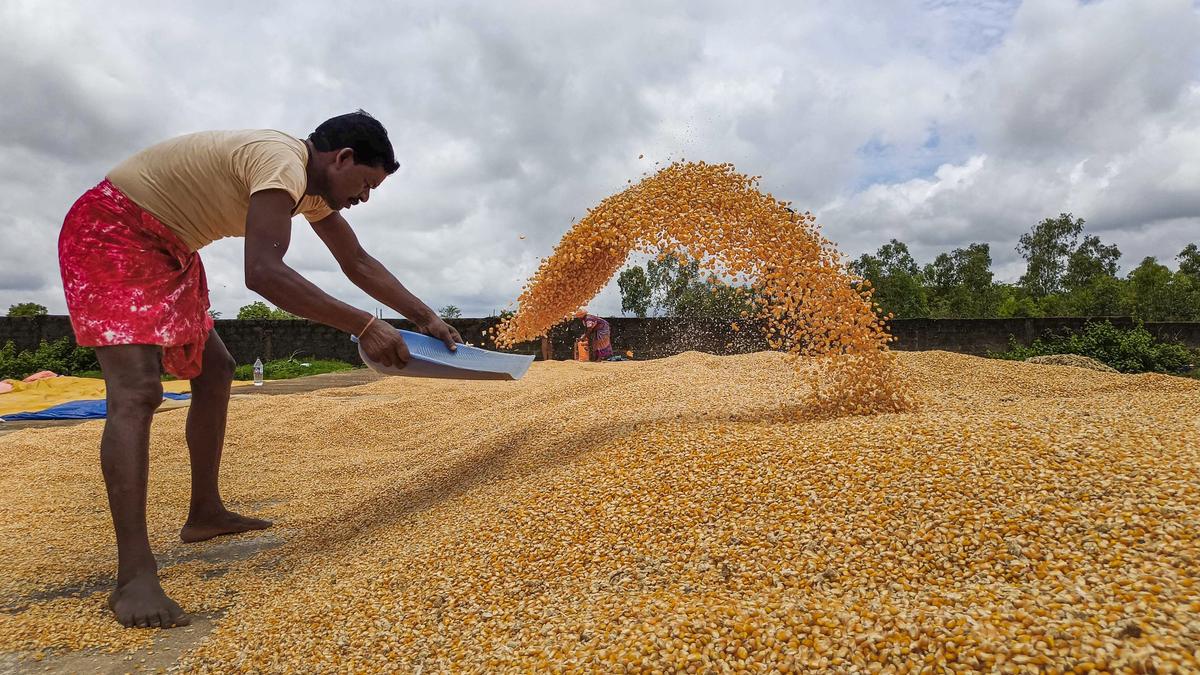
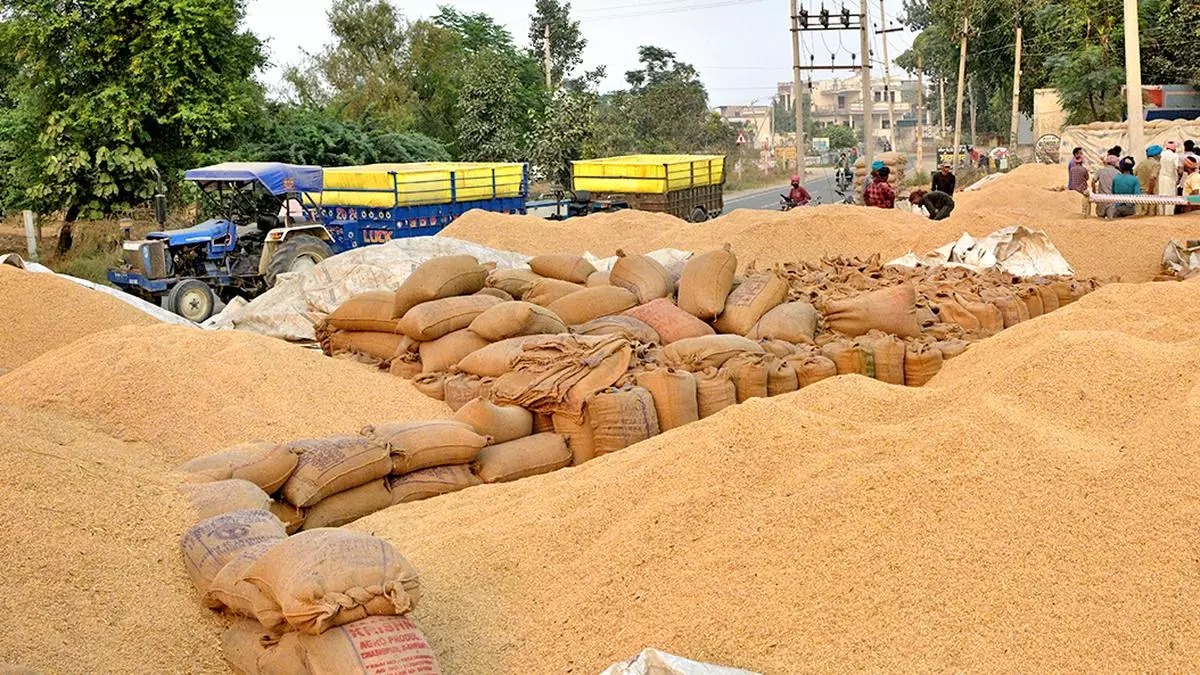
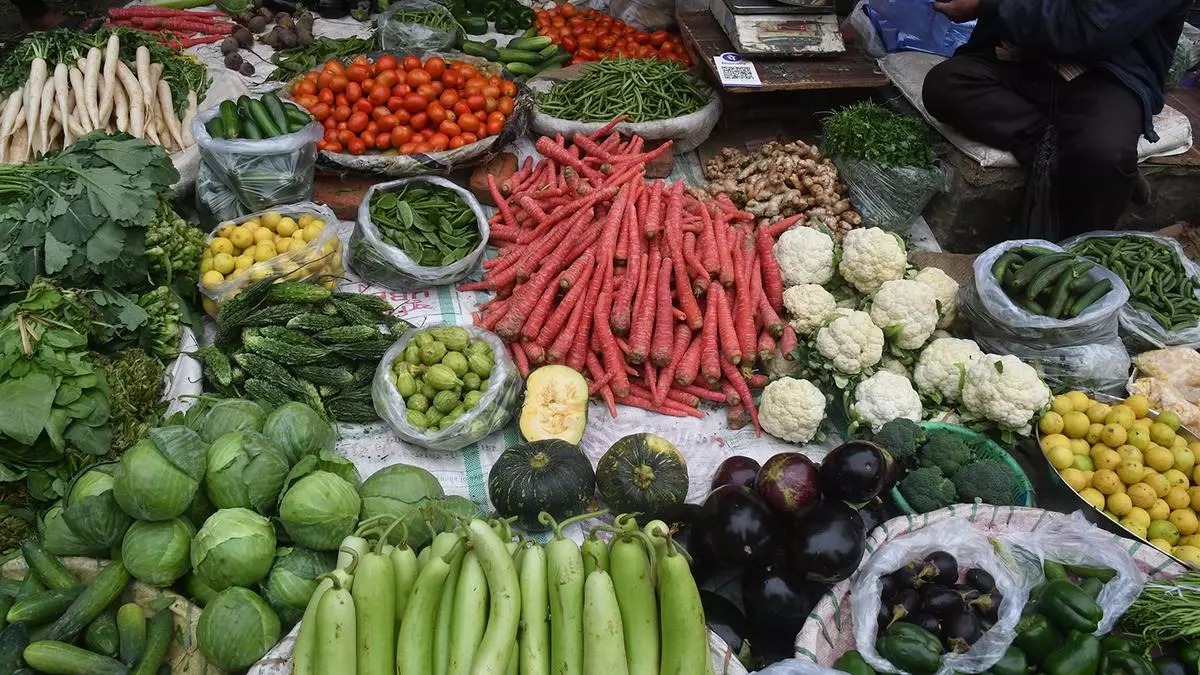
Statistically, about 15-20 per cent of India’s agricultural produce is estimated to be lost annually due to inadequate storage, transportation and processing infrastructure. This becomes even more critical in perishable categories such as sea-food, vegetables, dairy and sea-food, where international buyers demand consistency, traceability, and shelf-life assurance, along with reliability, sustainability, quality compliance and faster turn-around times. Countries competing alongside India like Vietnam, Thailand and Brazil have significantly invested in integrated agri-logistics ecosystems, digital traceability and export-oriented processing clusters. It is time that India also now needs to accelerate in the same direction.