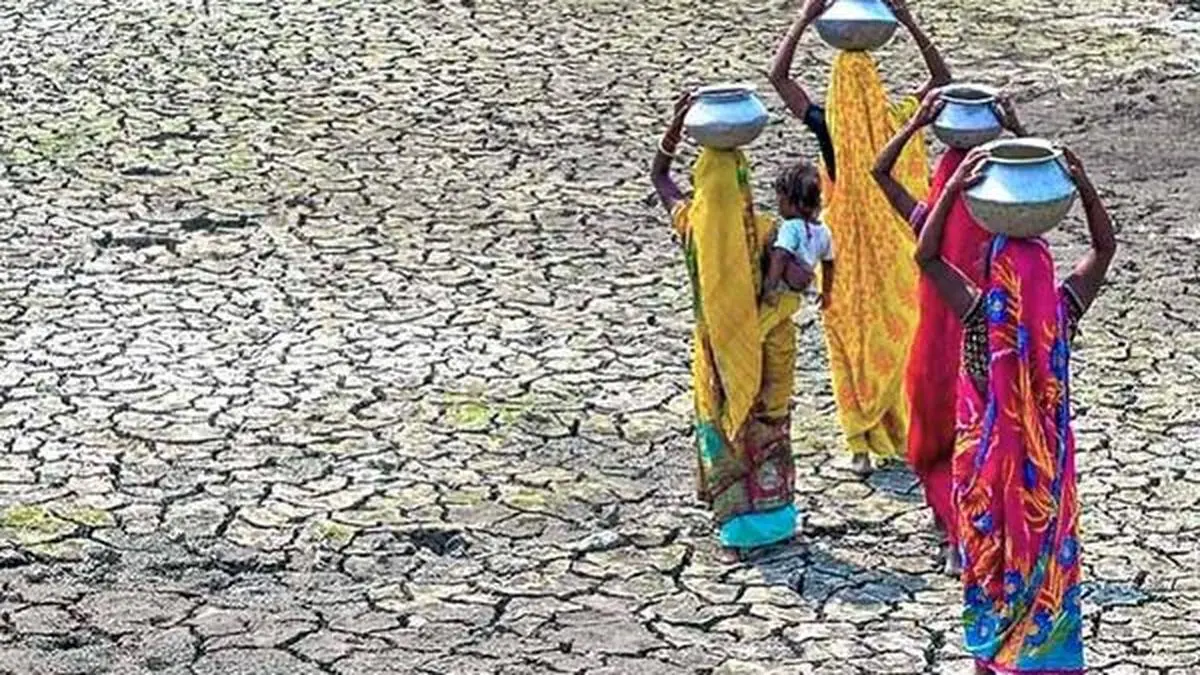
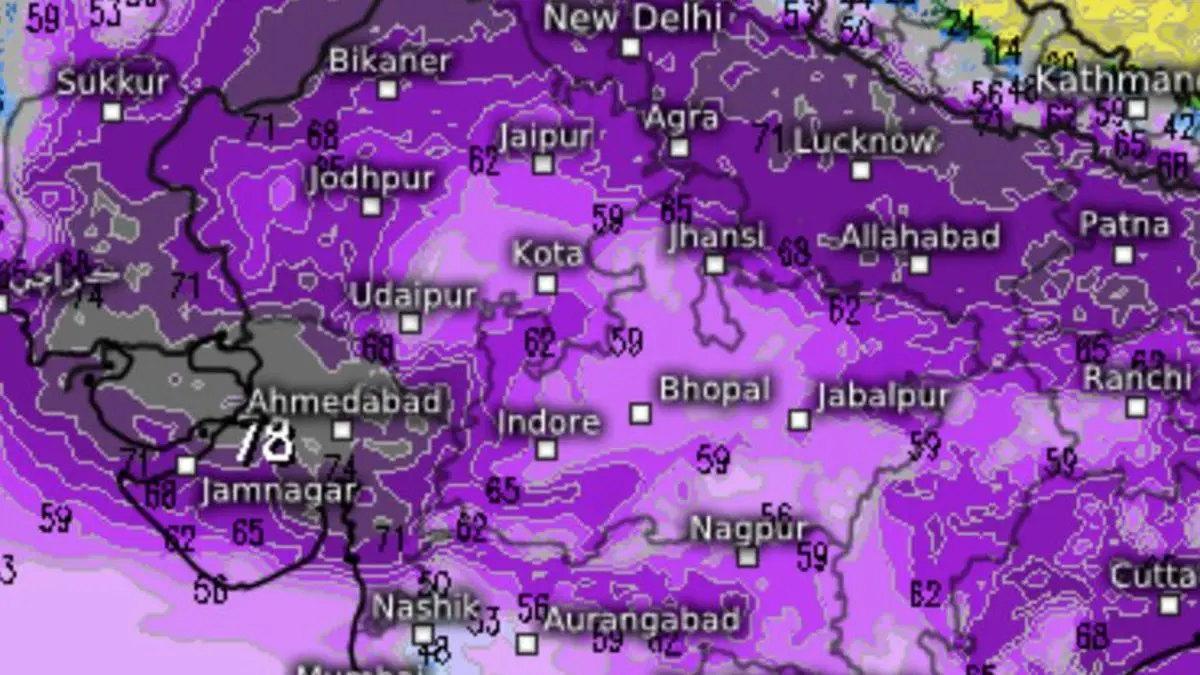
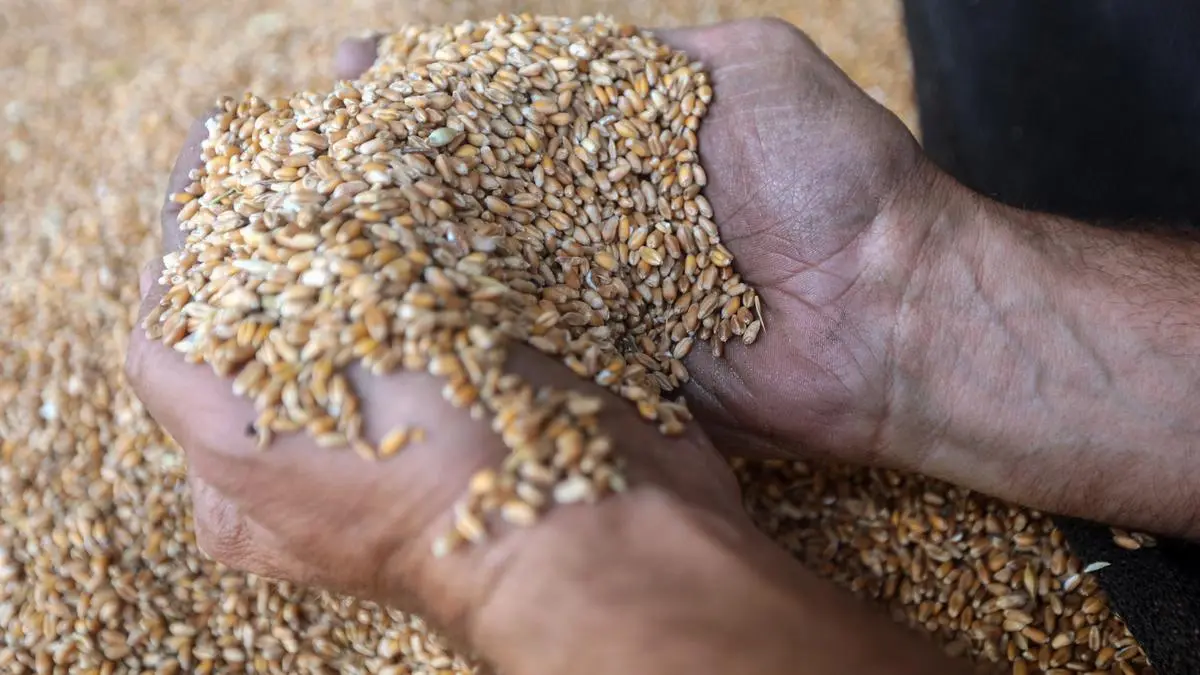
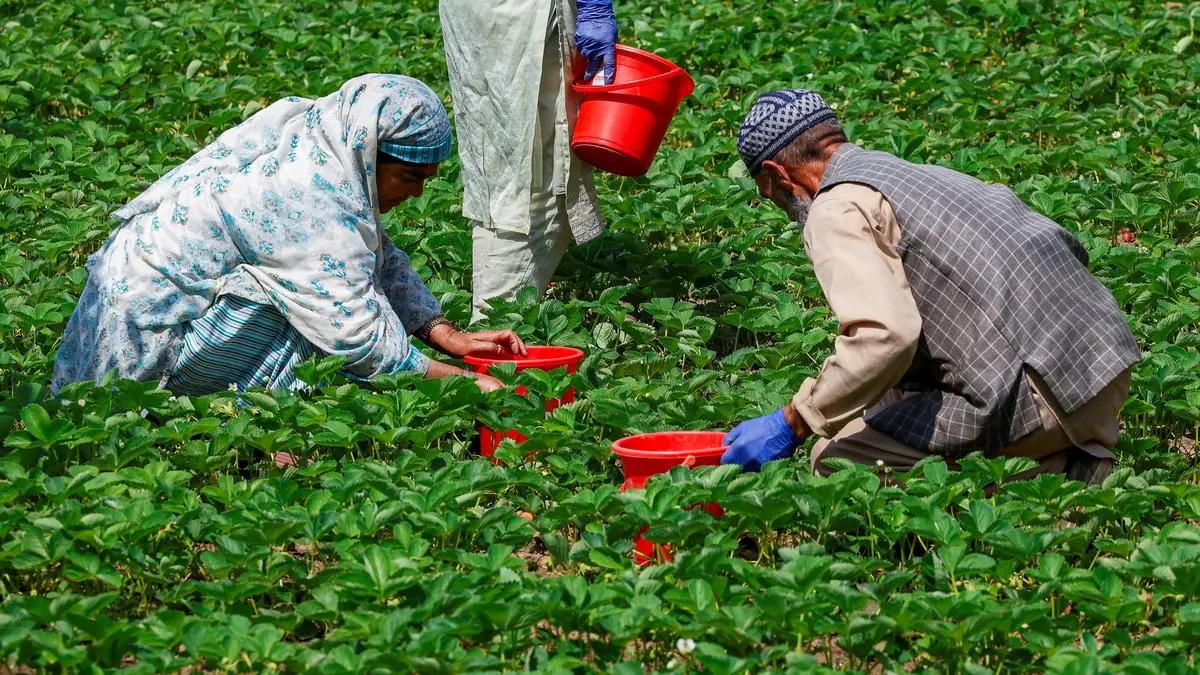
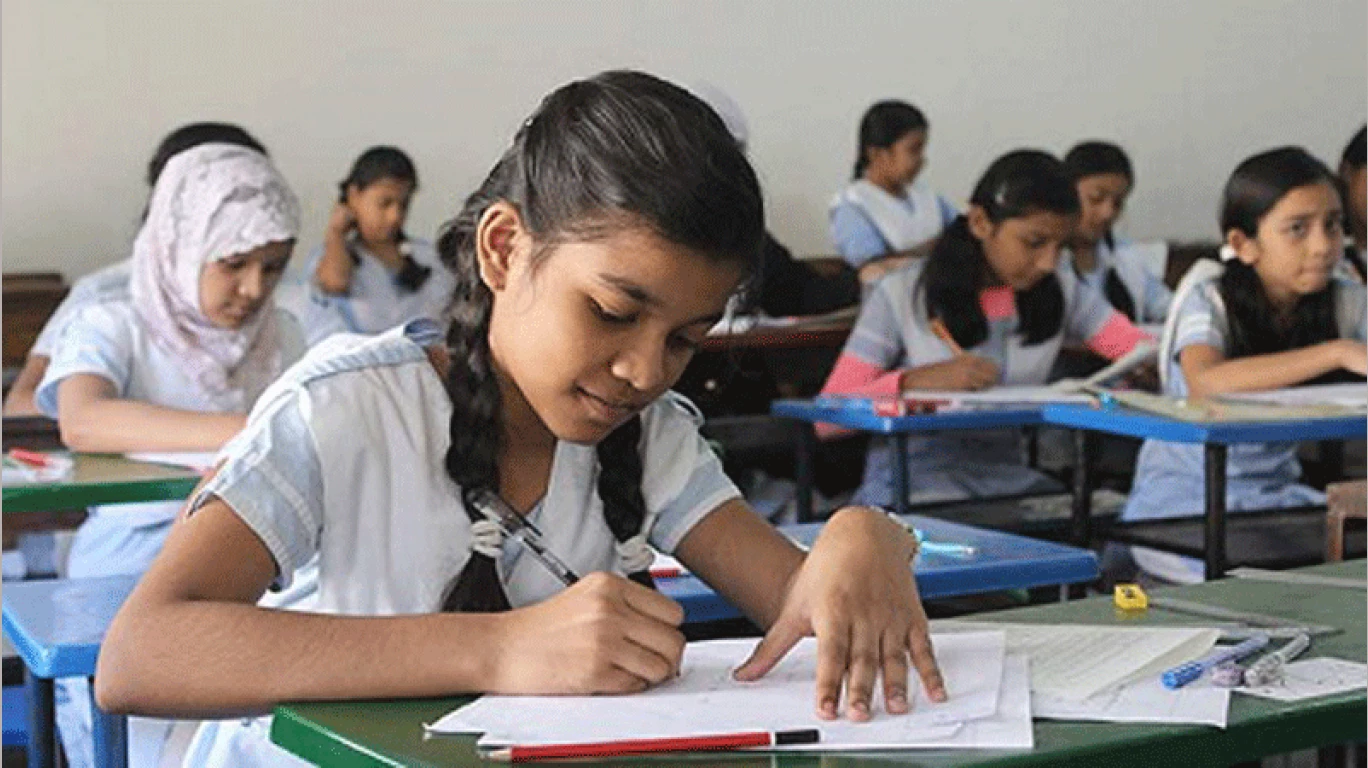
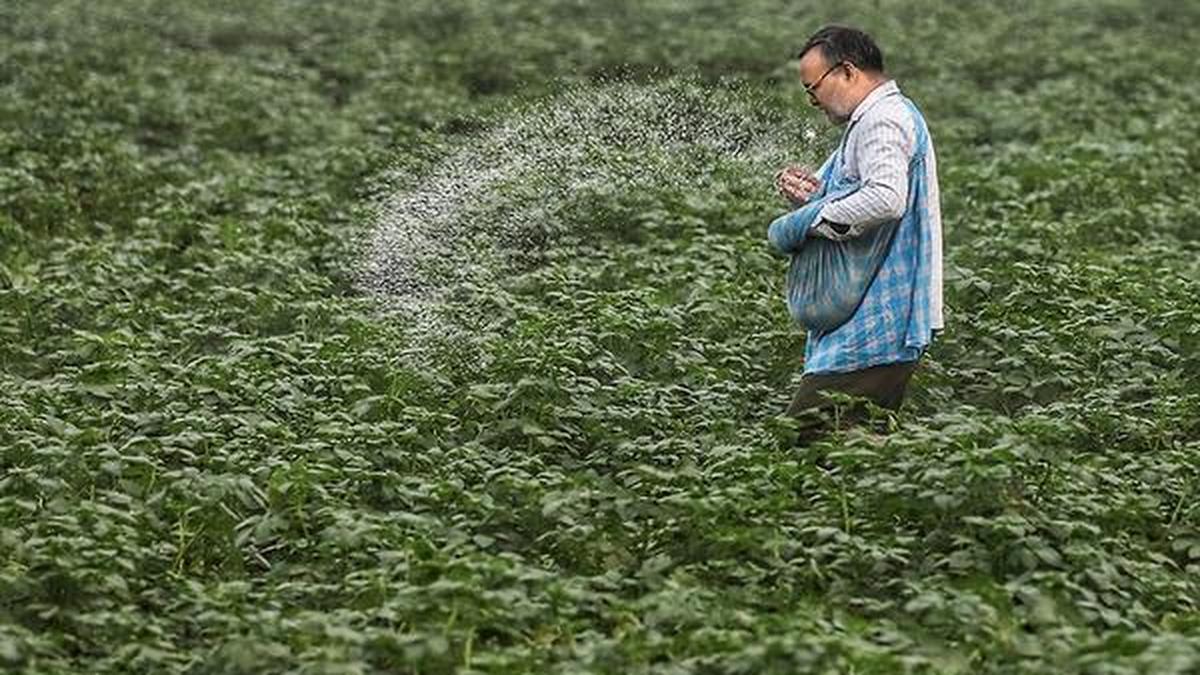
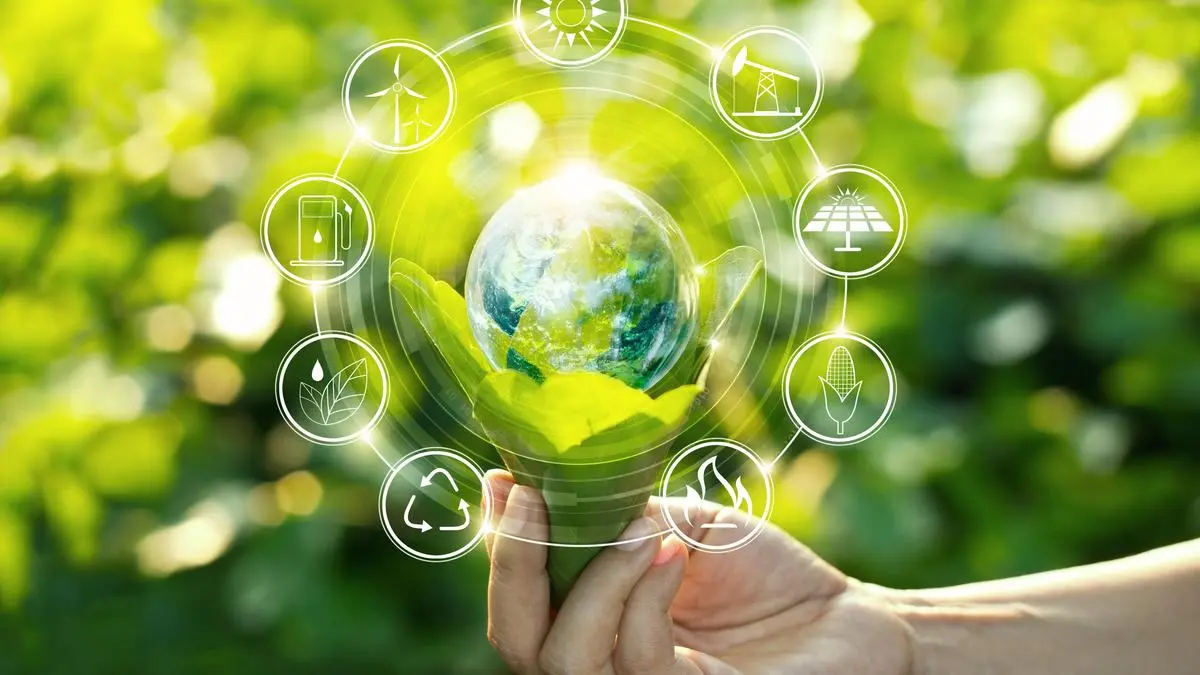
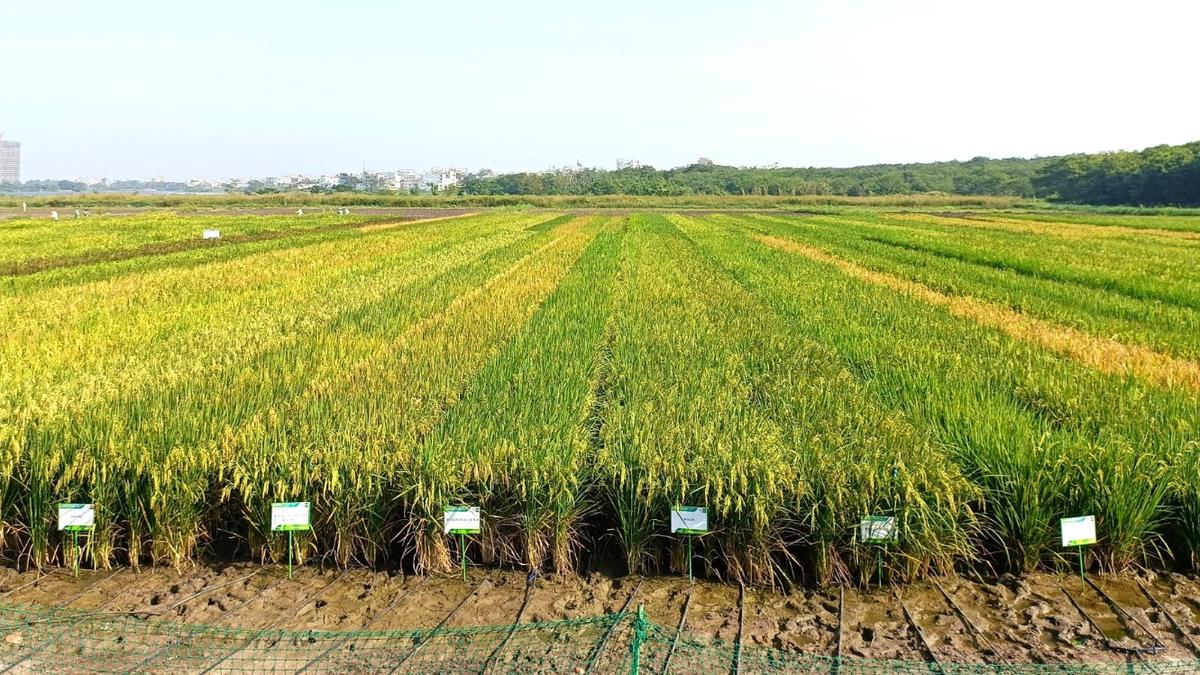
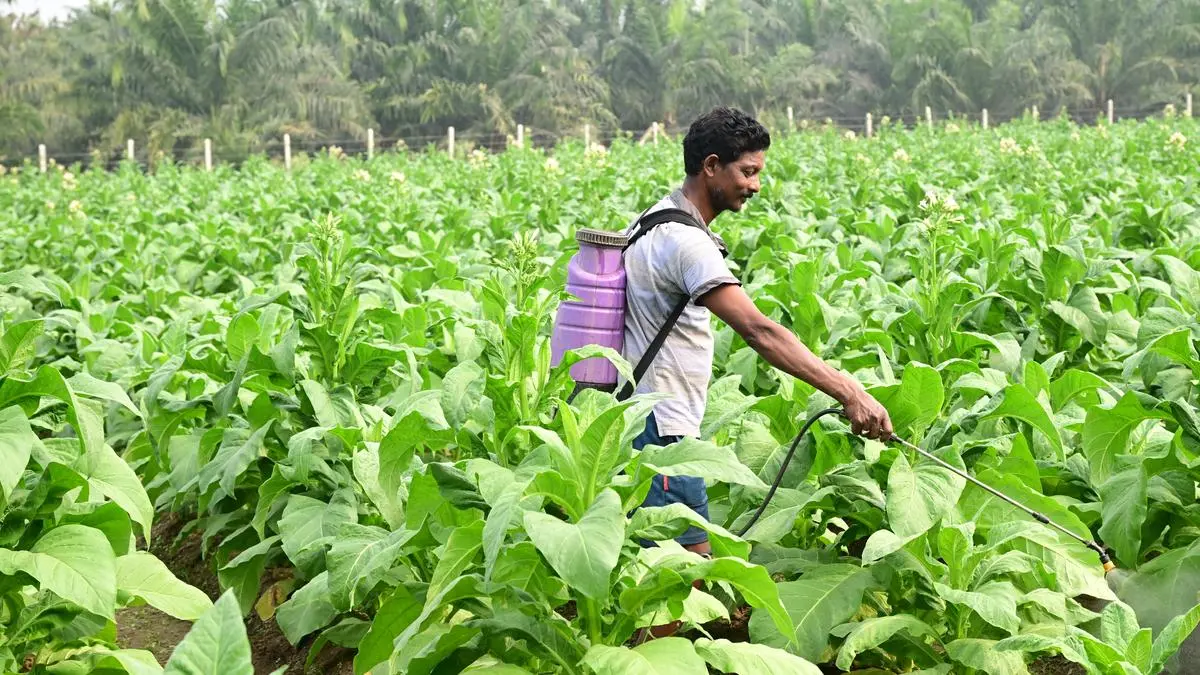
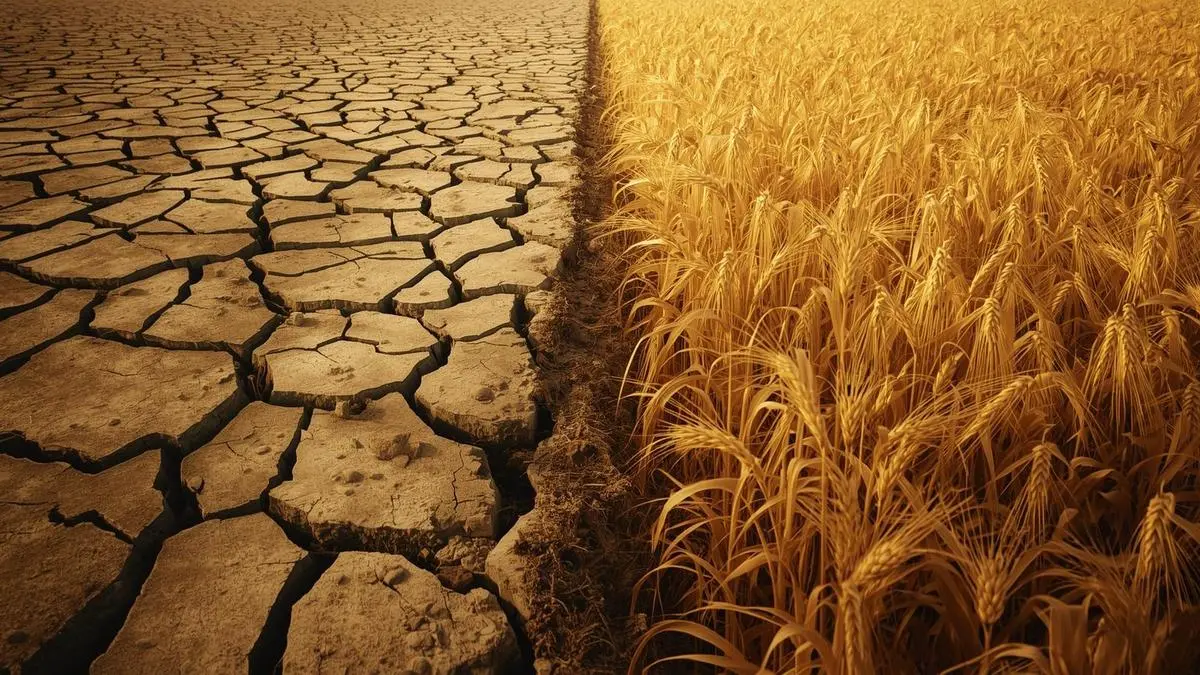
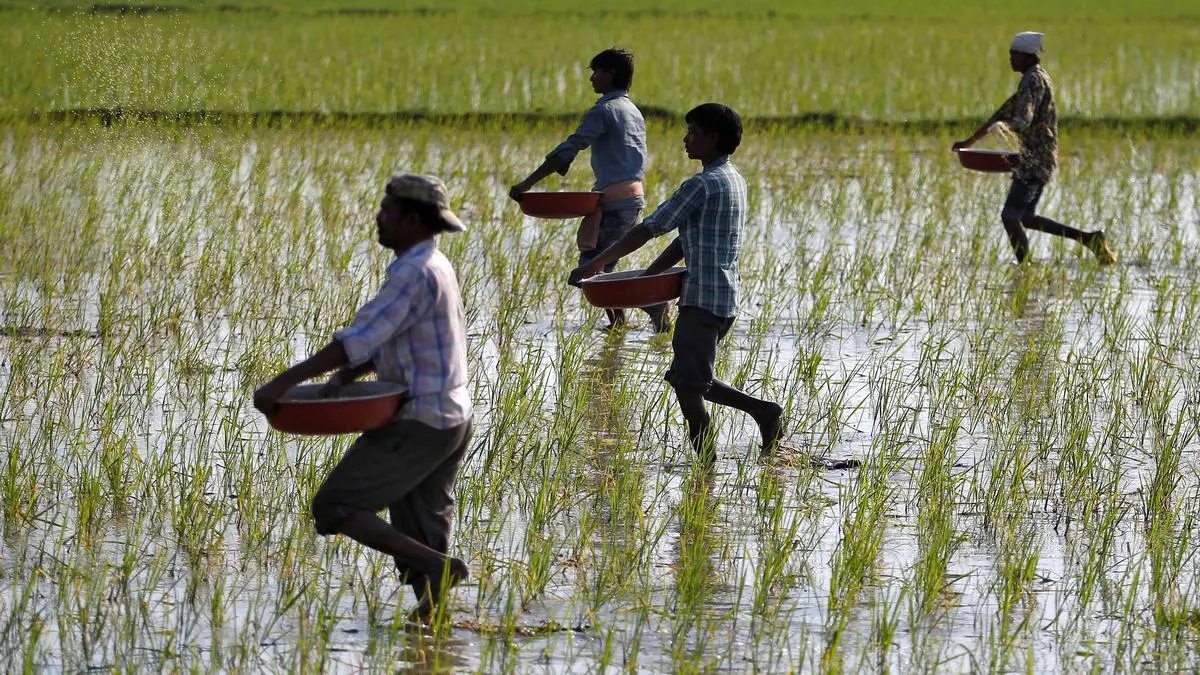
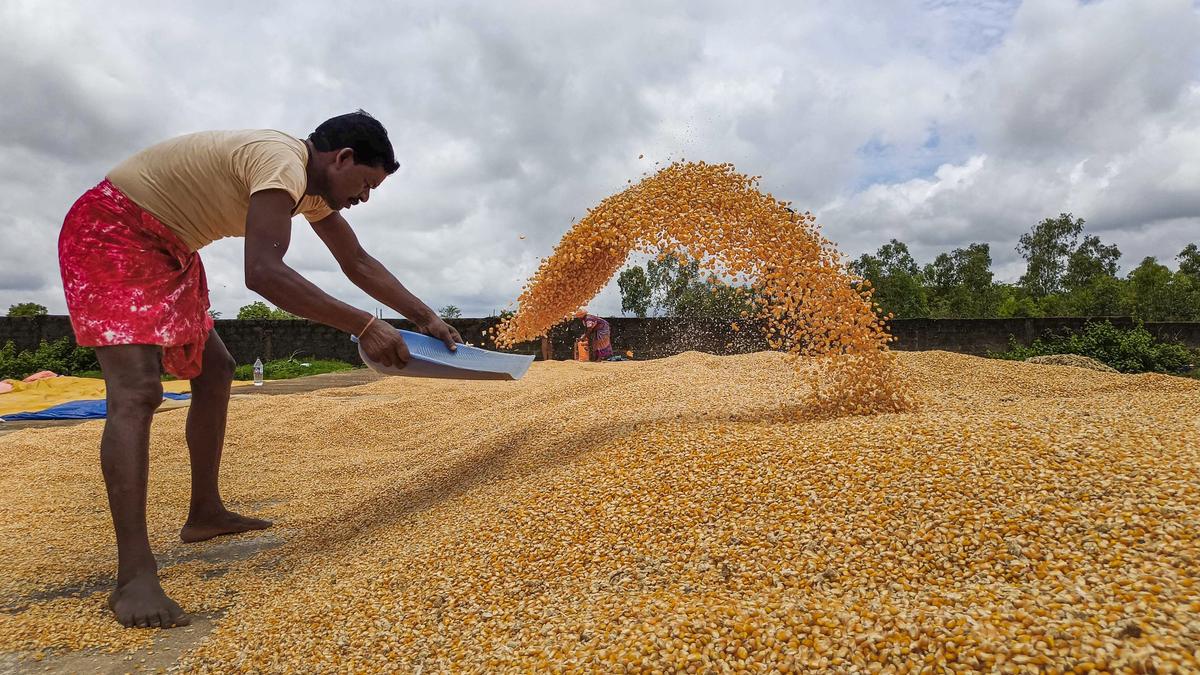
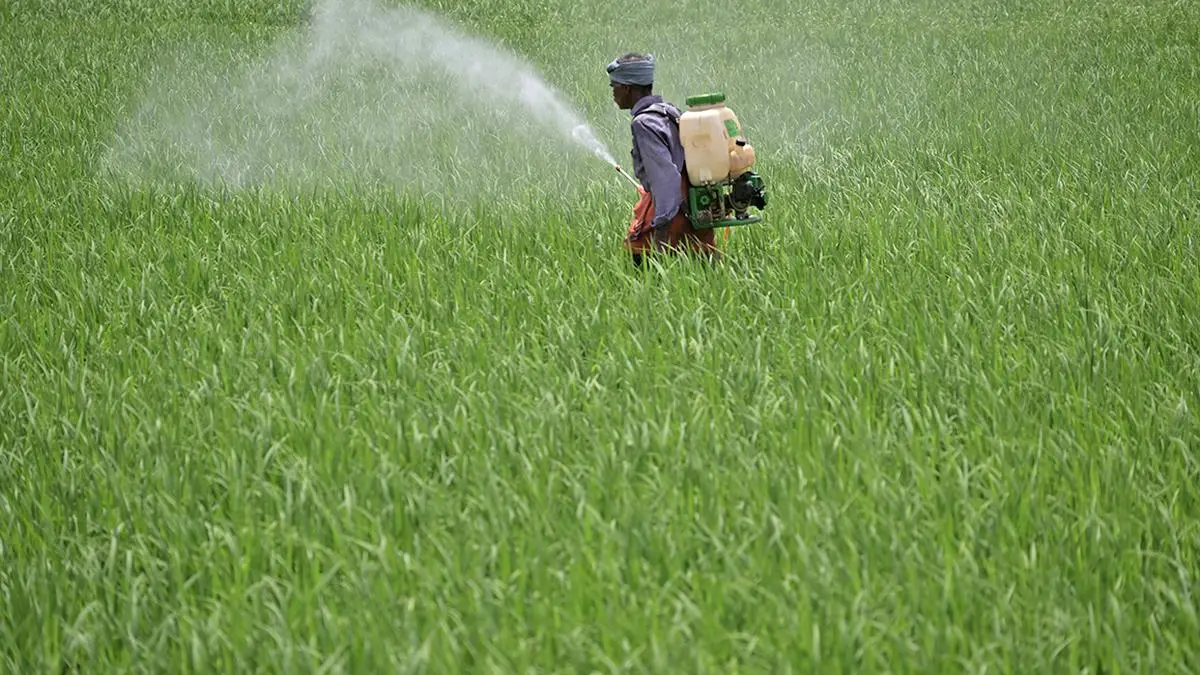
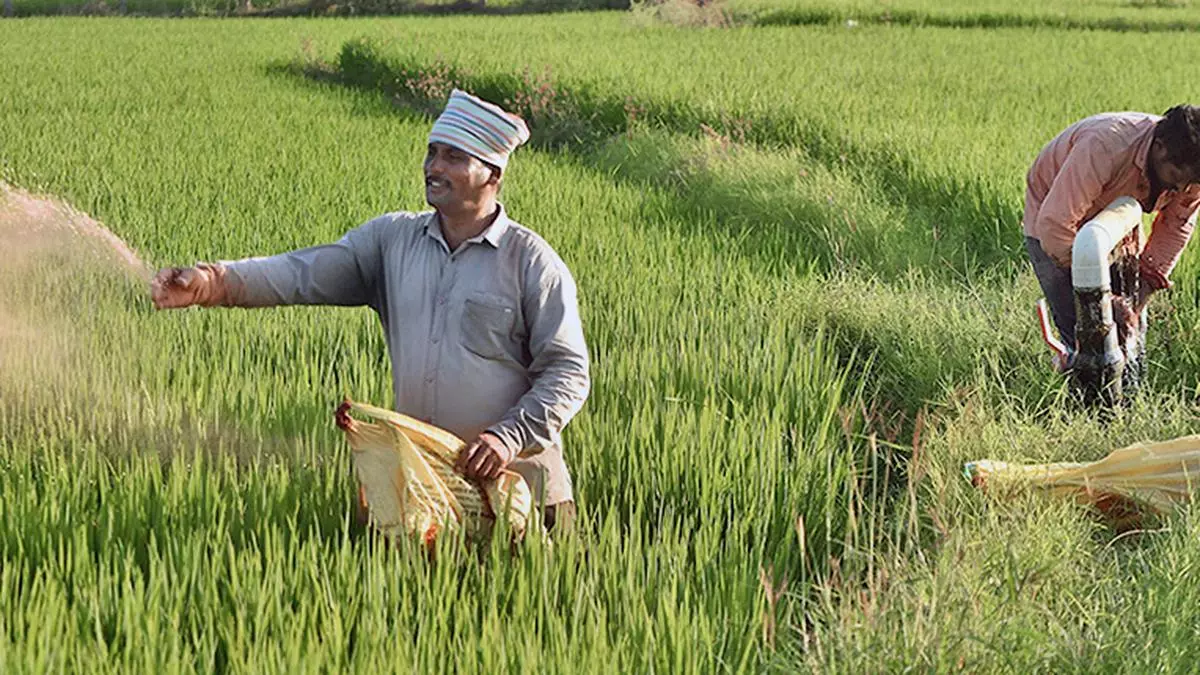
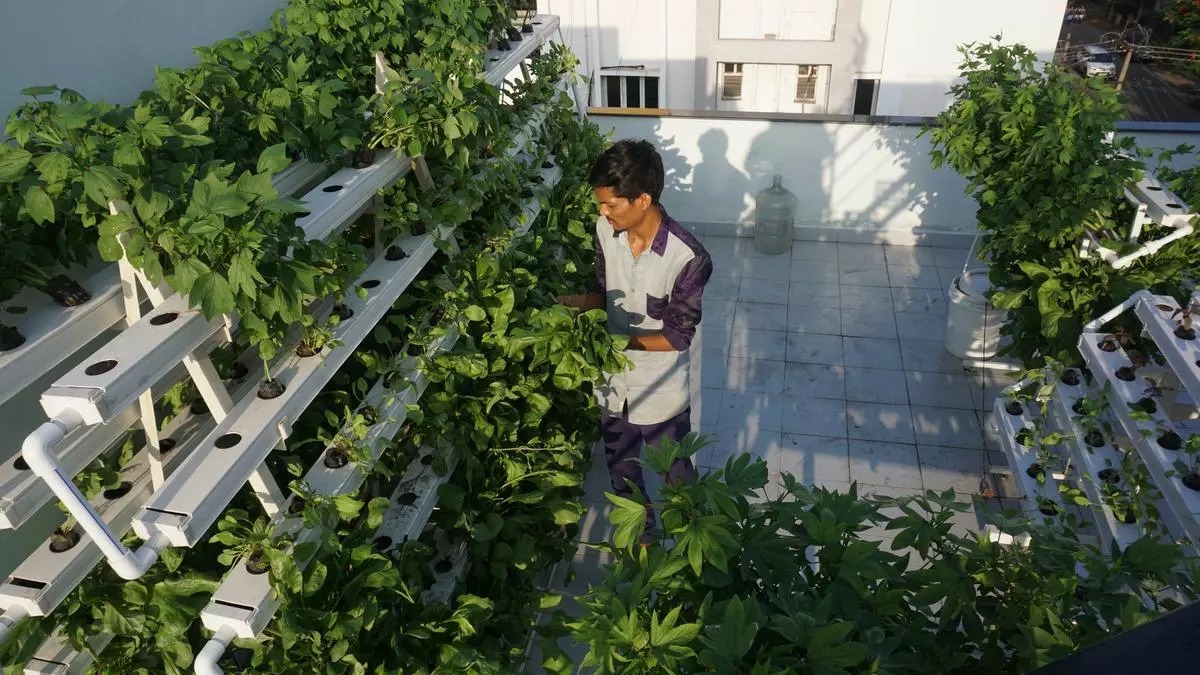
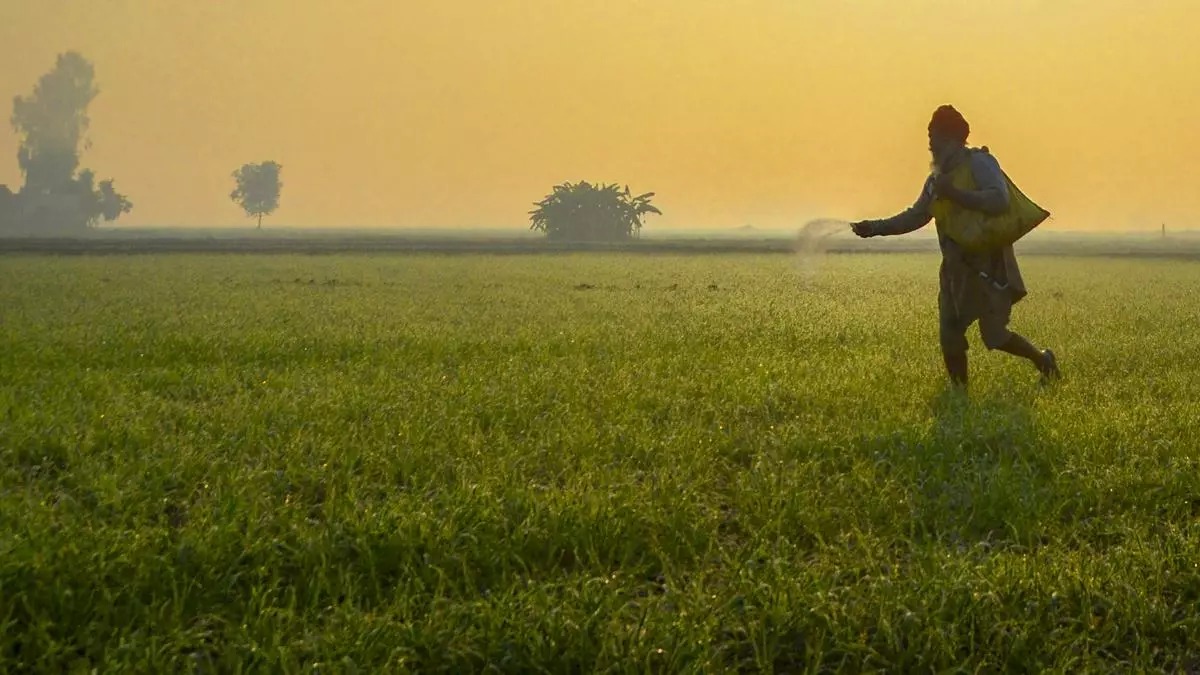
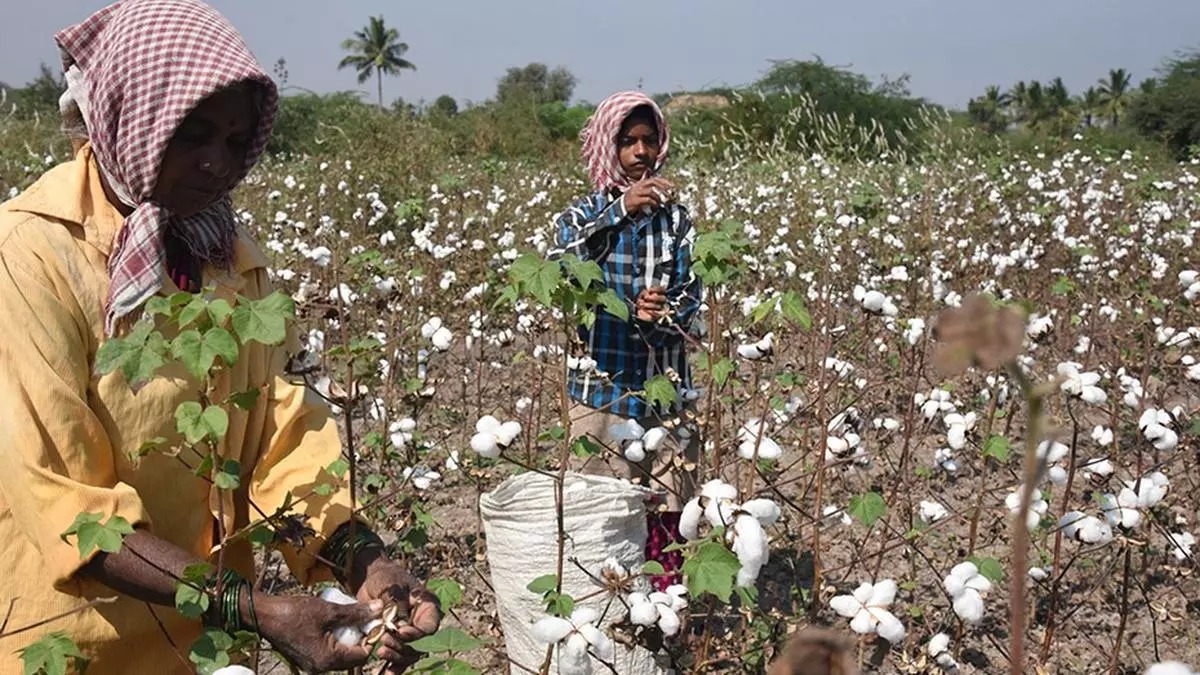
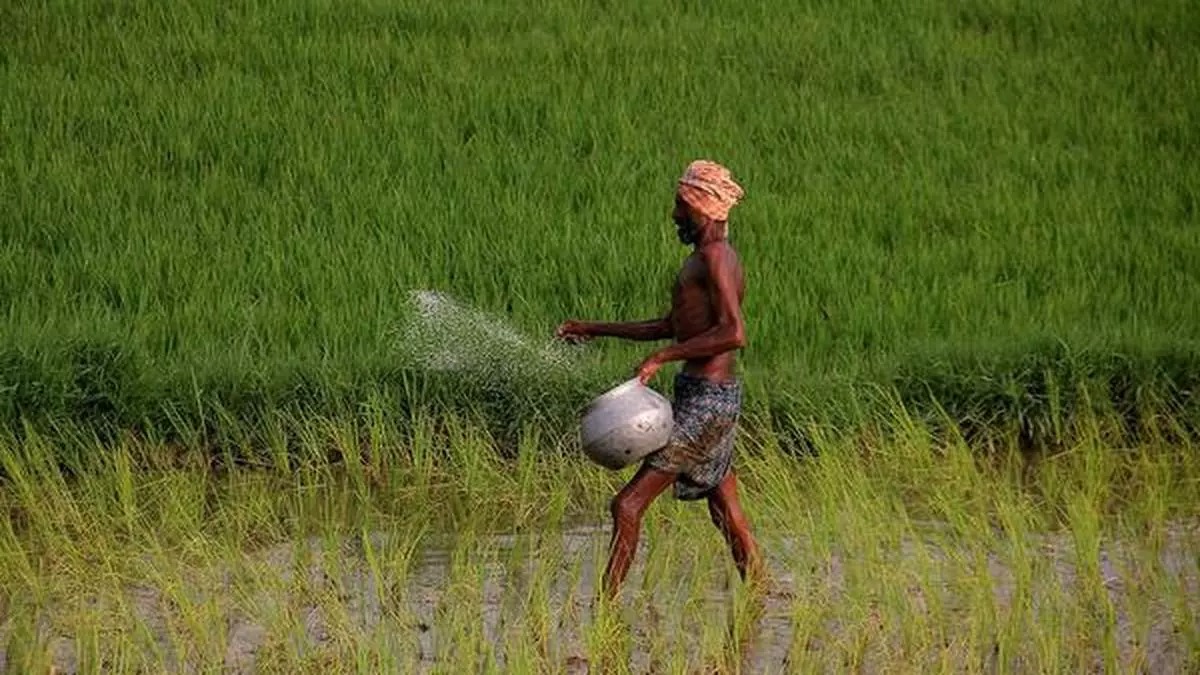
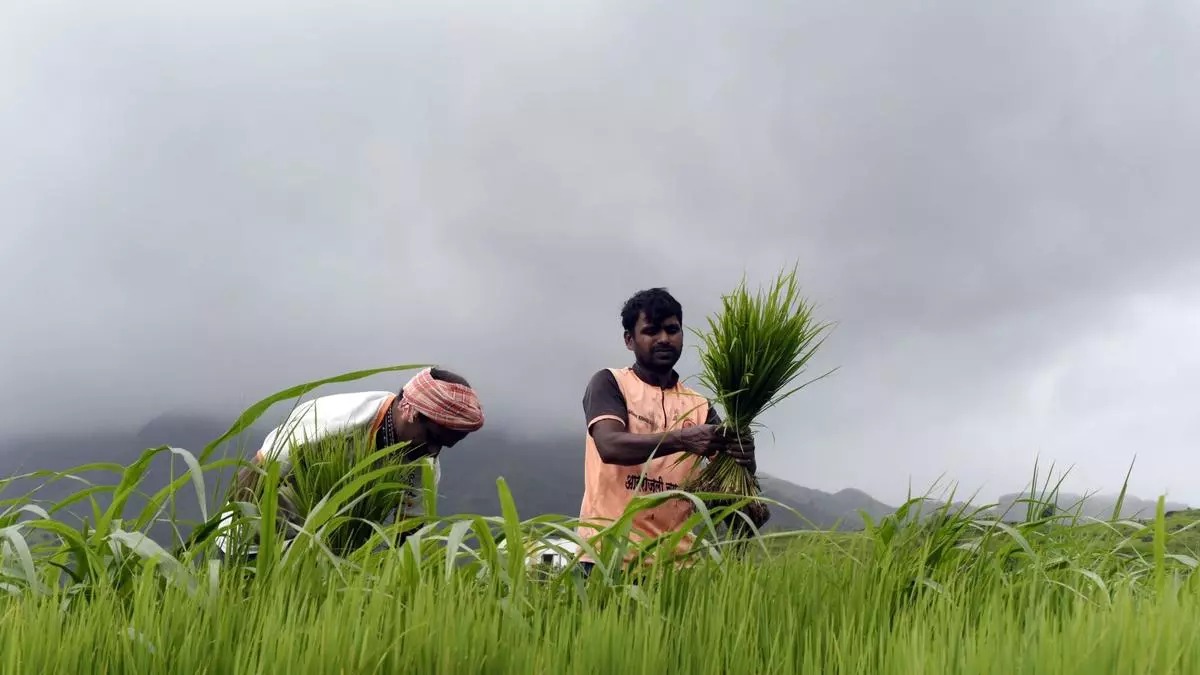
Agriculture is no longer just about producing more food; it is about producing more with less. Modern farming is not merely focused on maximizing yields. The real challenge today is to produce more using fewer resources, i.e. with less land, dwindling water reserves, and reduced chemical inputs, while coping with increasingly erratic climatic conditions. This transformation in agriculture calls for a corresponding shift in the way we educate the next generation. The future of food security will depend not only on the quality of our soils but also on the quality of training imparted to those who manage them.
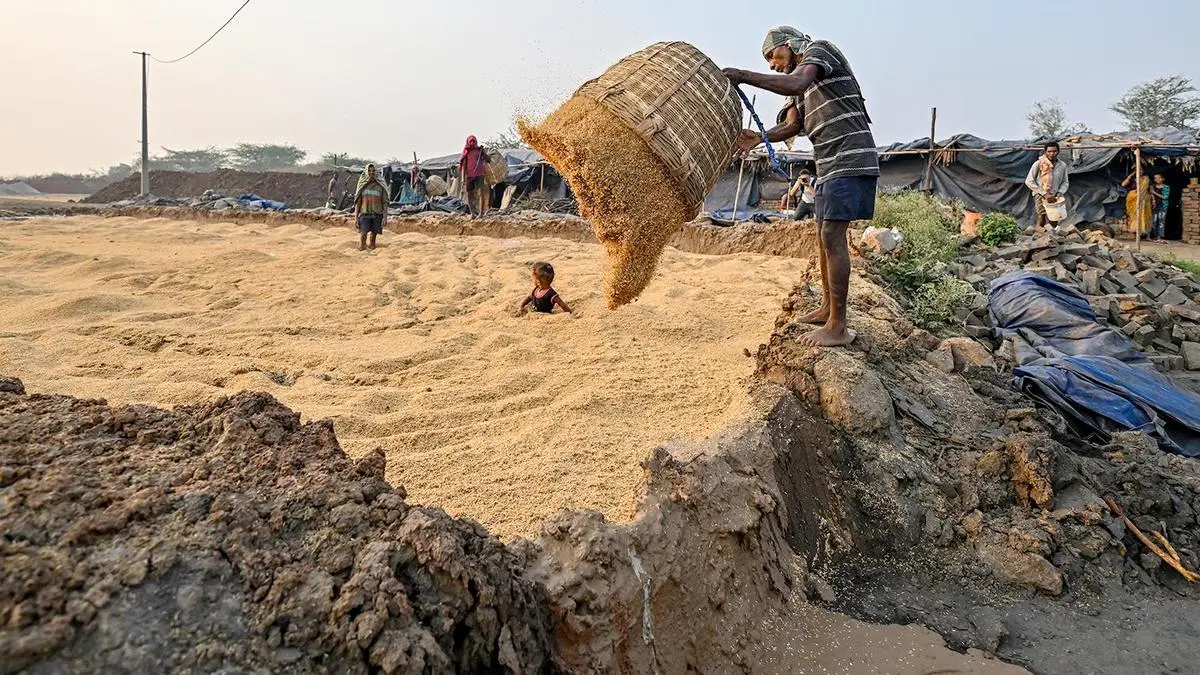
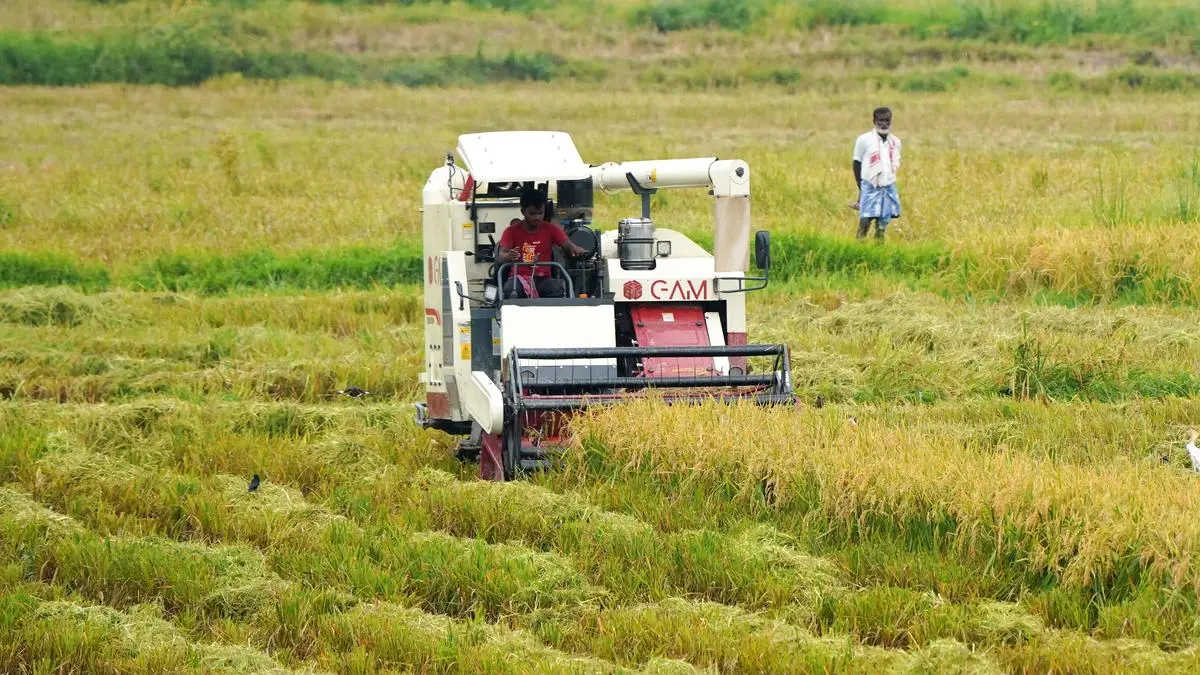
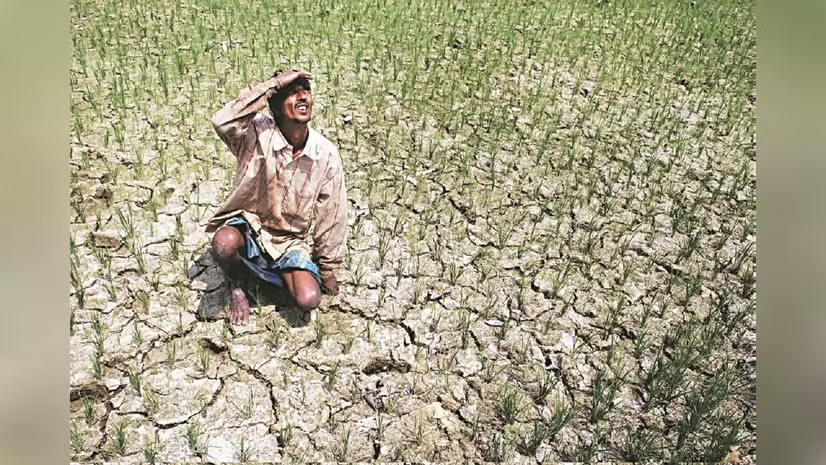
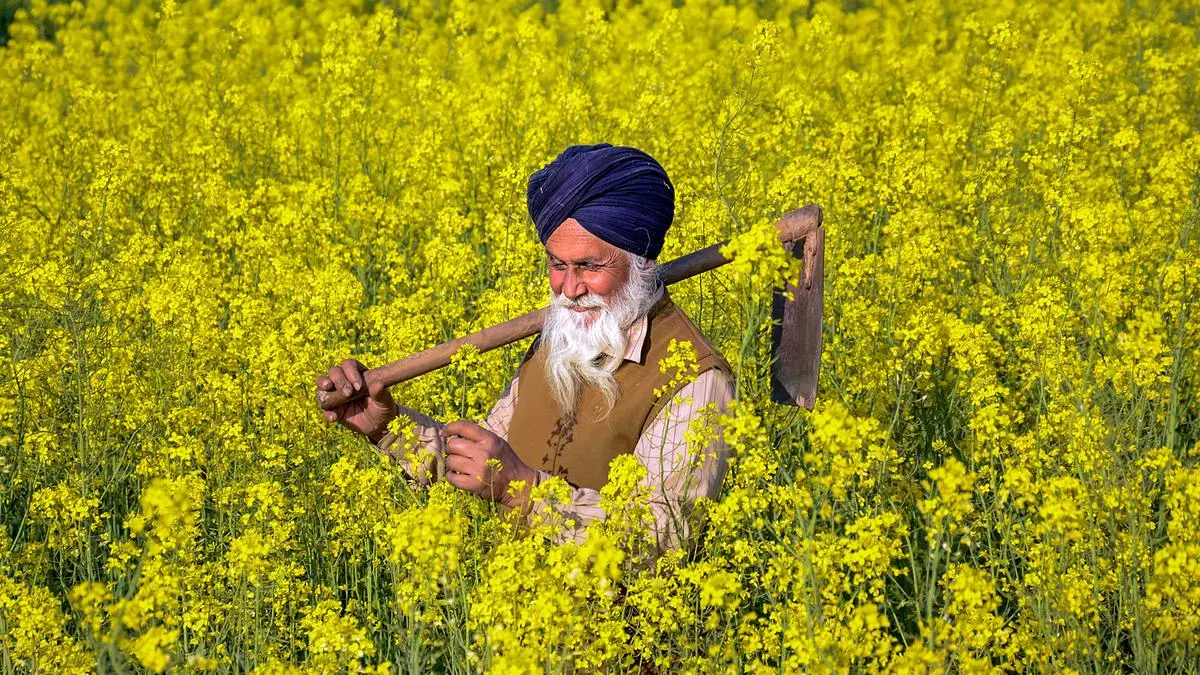
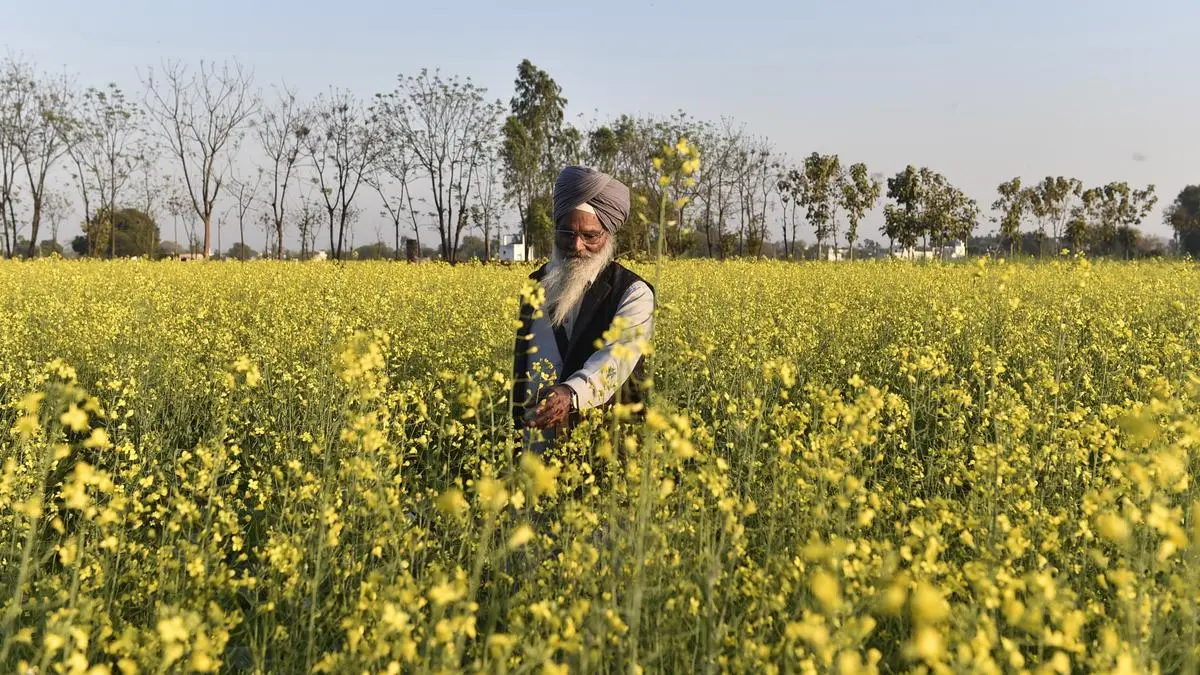
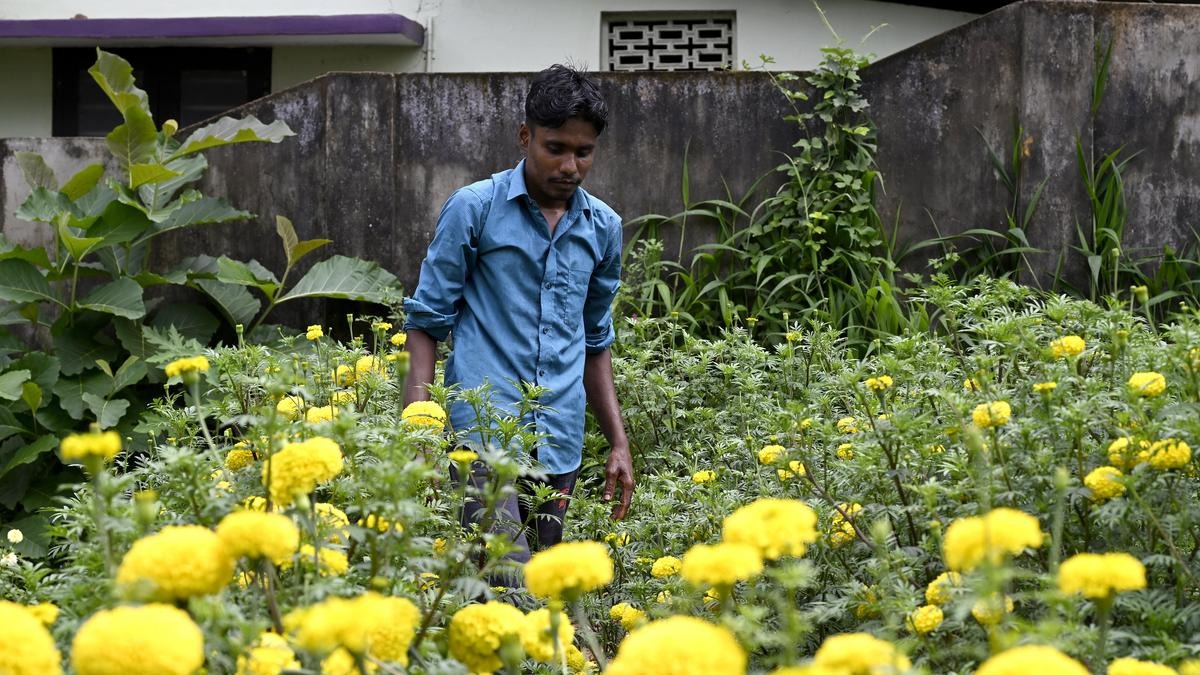
India’s transition is time-sensitive, particularly when a significant proportion of its workforce continues to depend on agriculture. Conventional farming practices are increasingly struggling to cope with climate change, resource depletion, and evolving market demands. The traditional approaches that once sustained food production are no longer sufficient. The sector urgently needs a new generation of professionals who can combine scientific precision, technological innovation, and environmentally responsible practices.
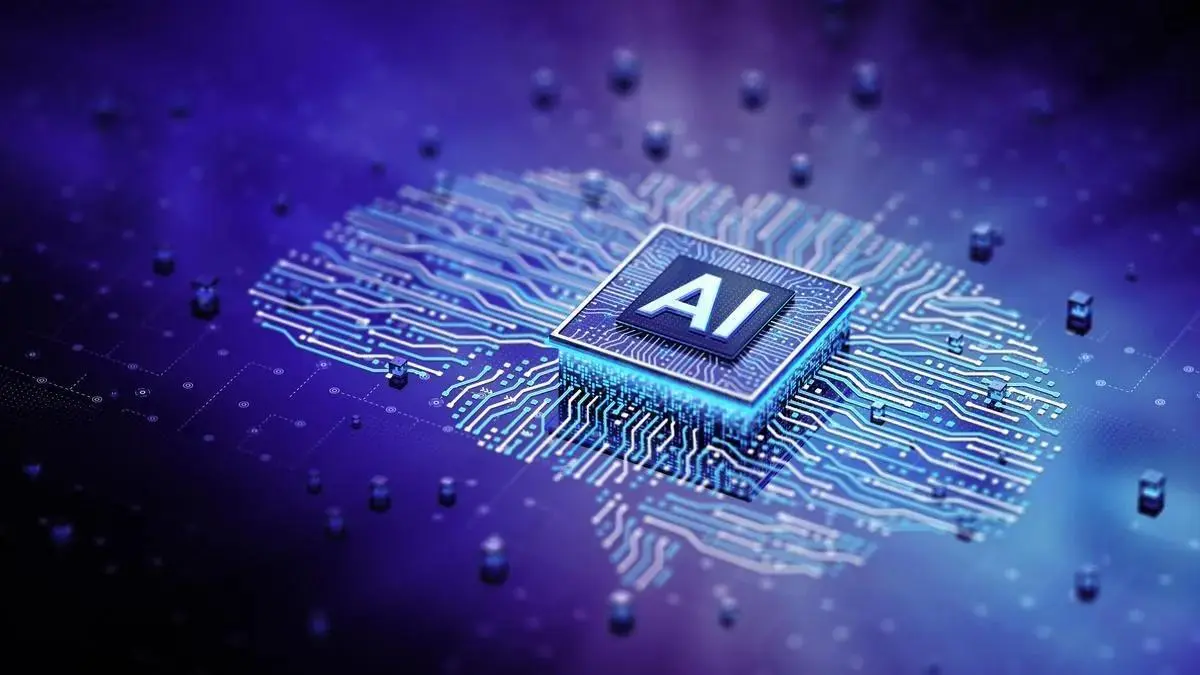
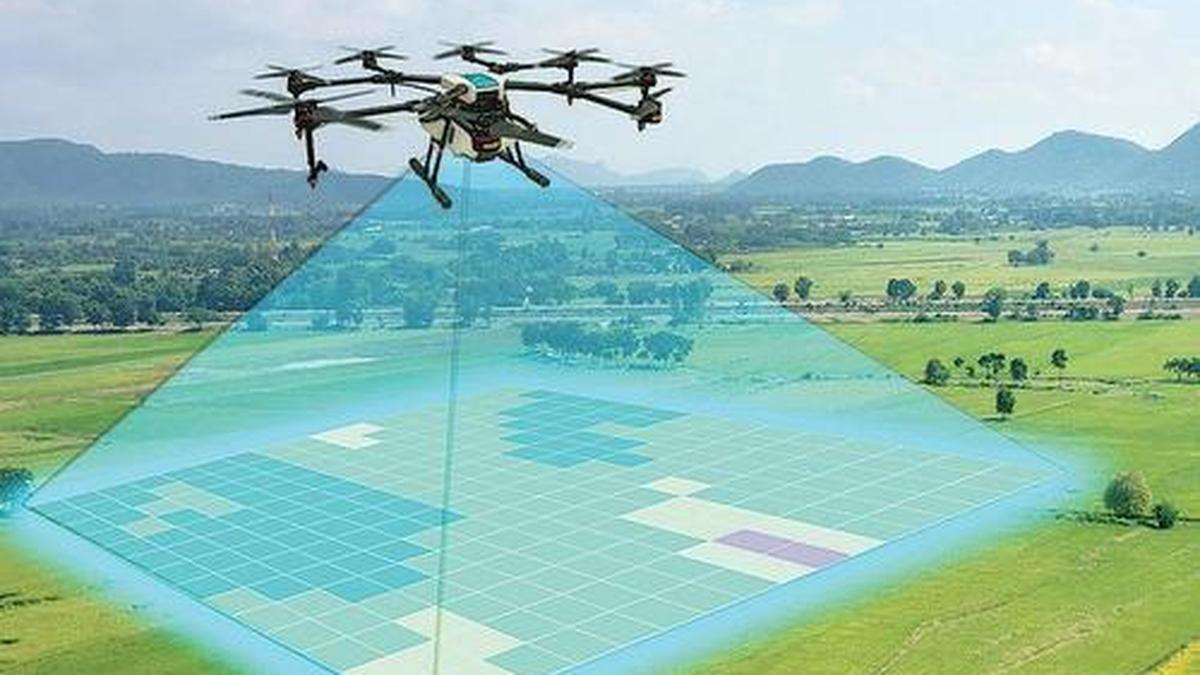
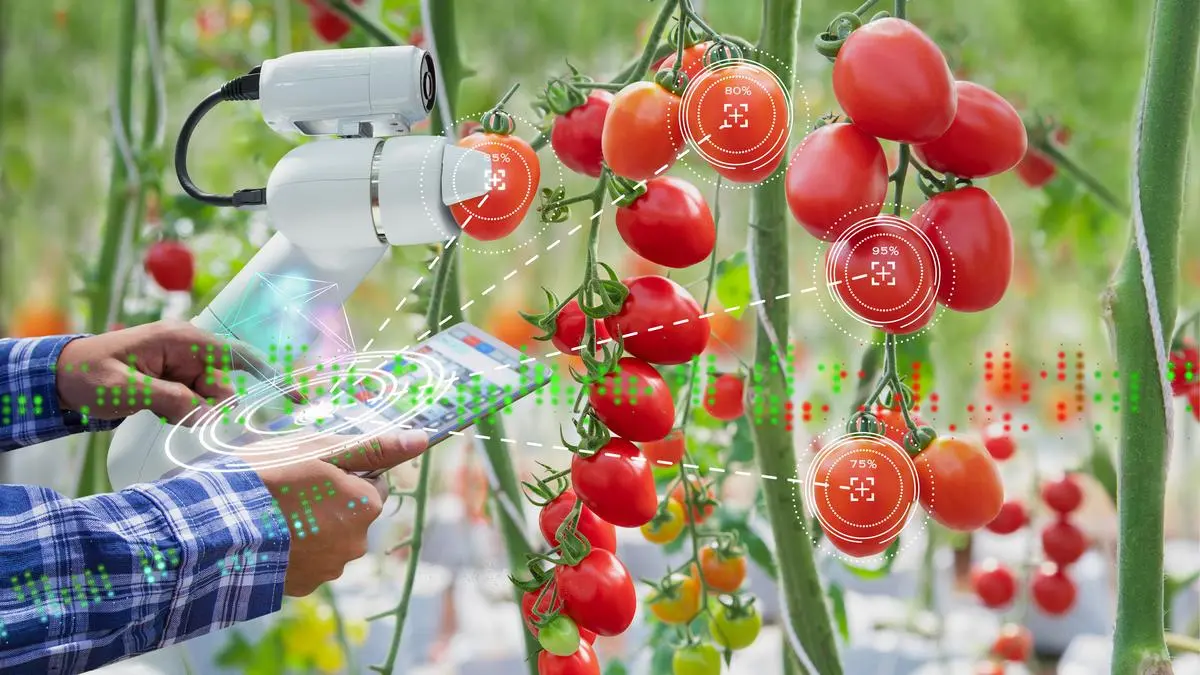
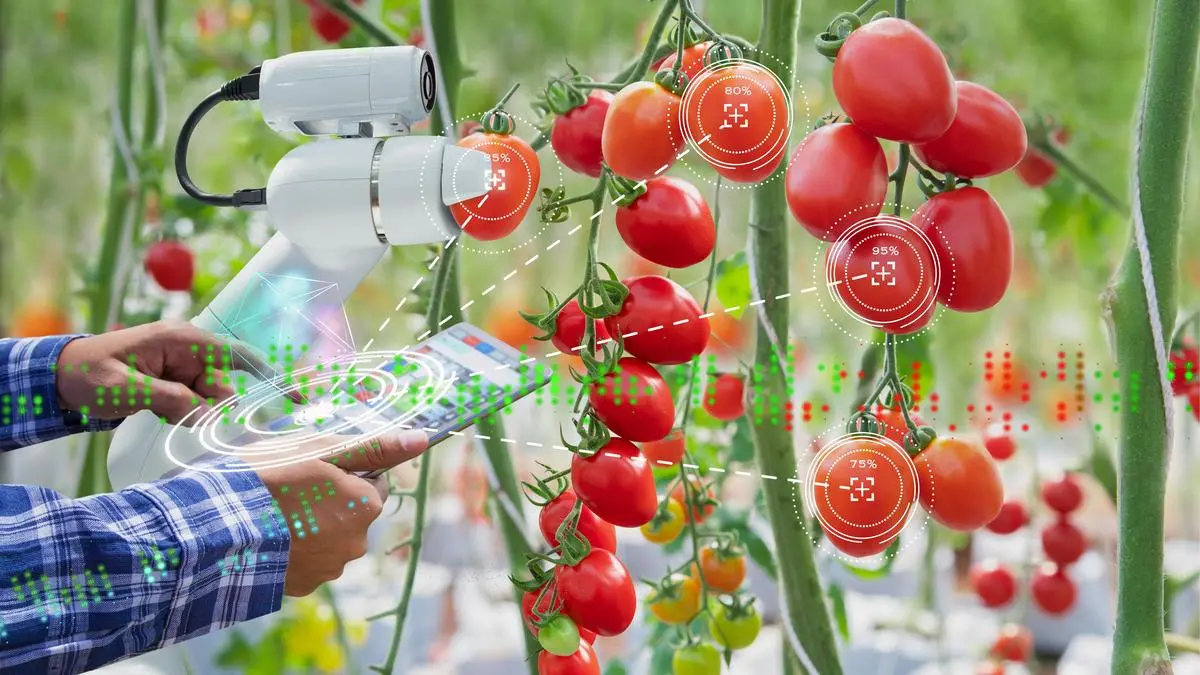
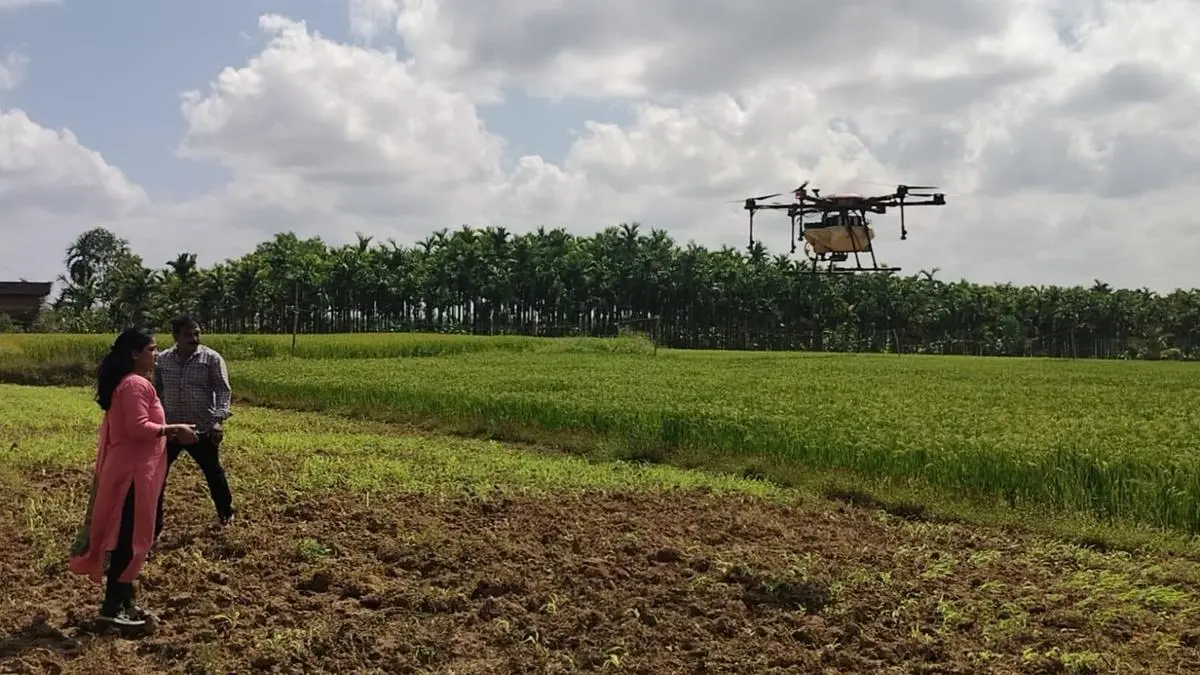
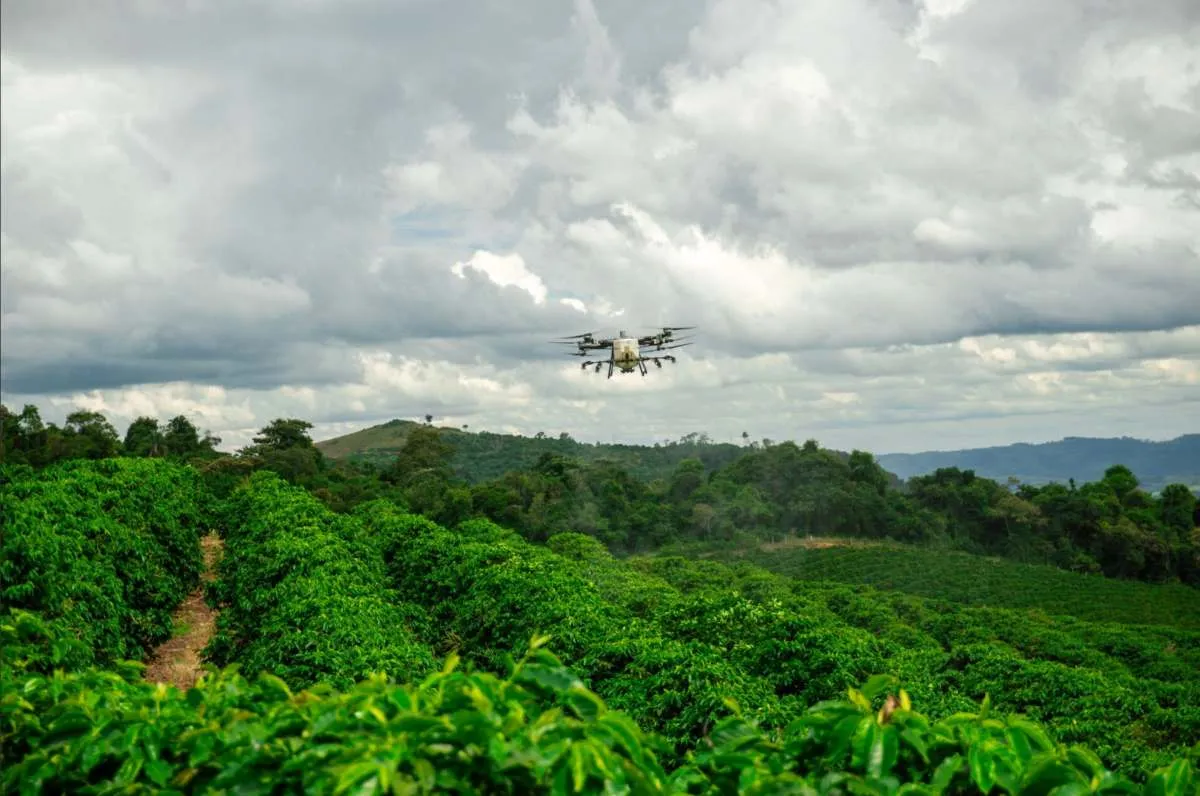
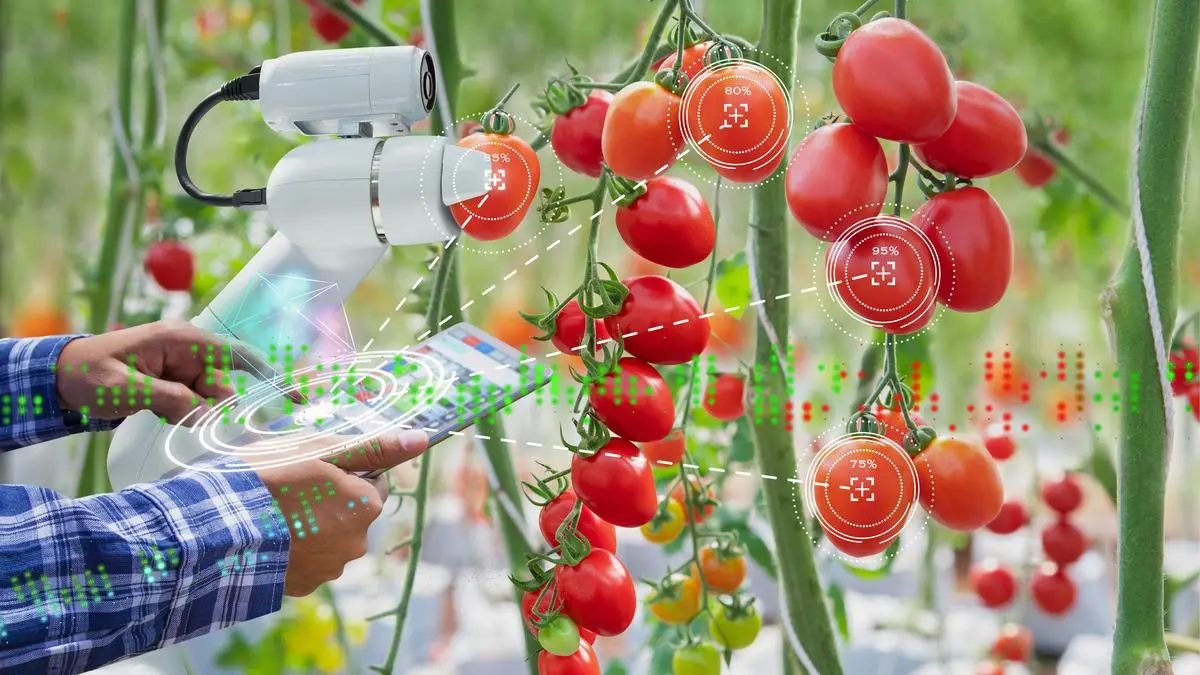
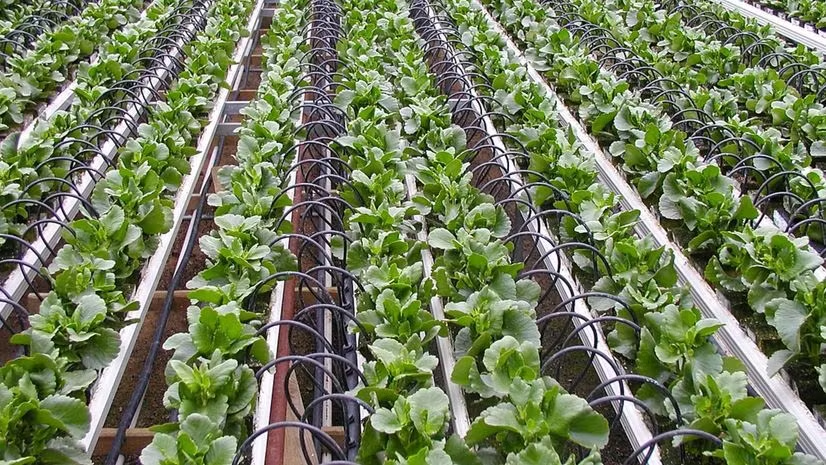
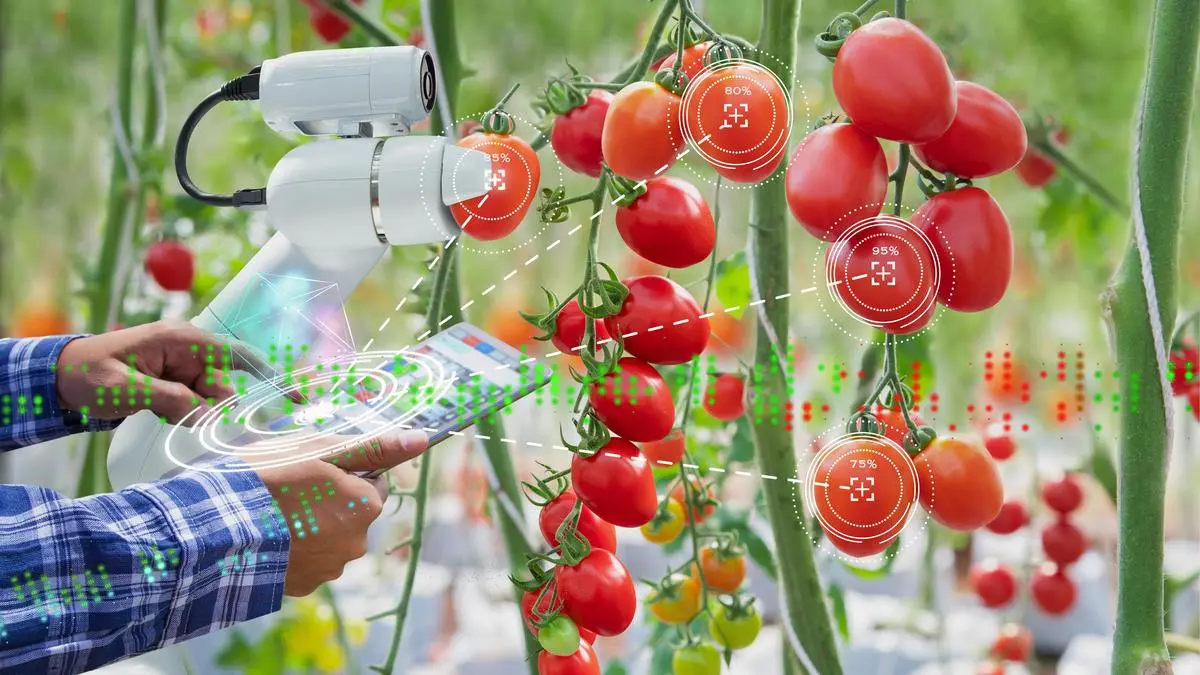
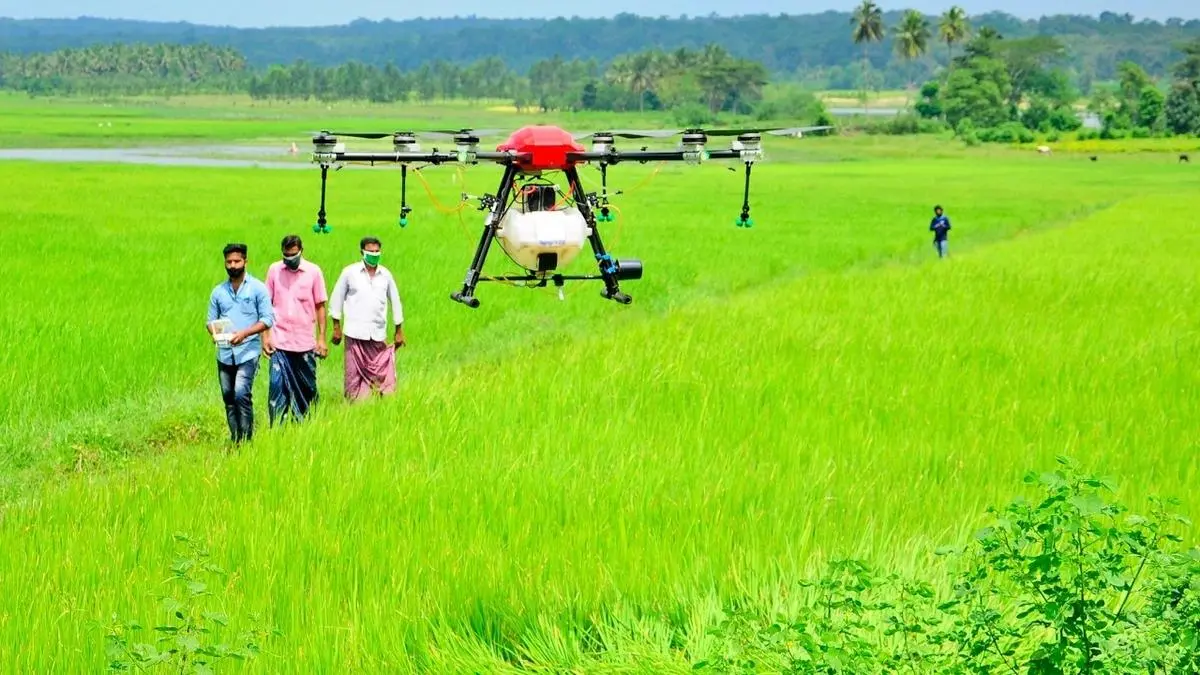
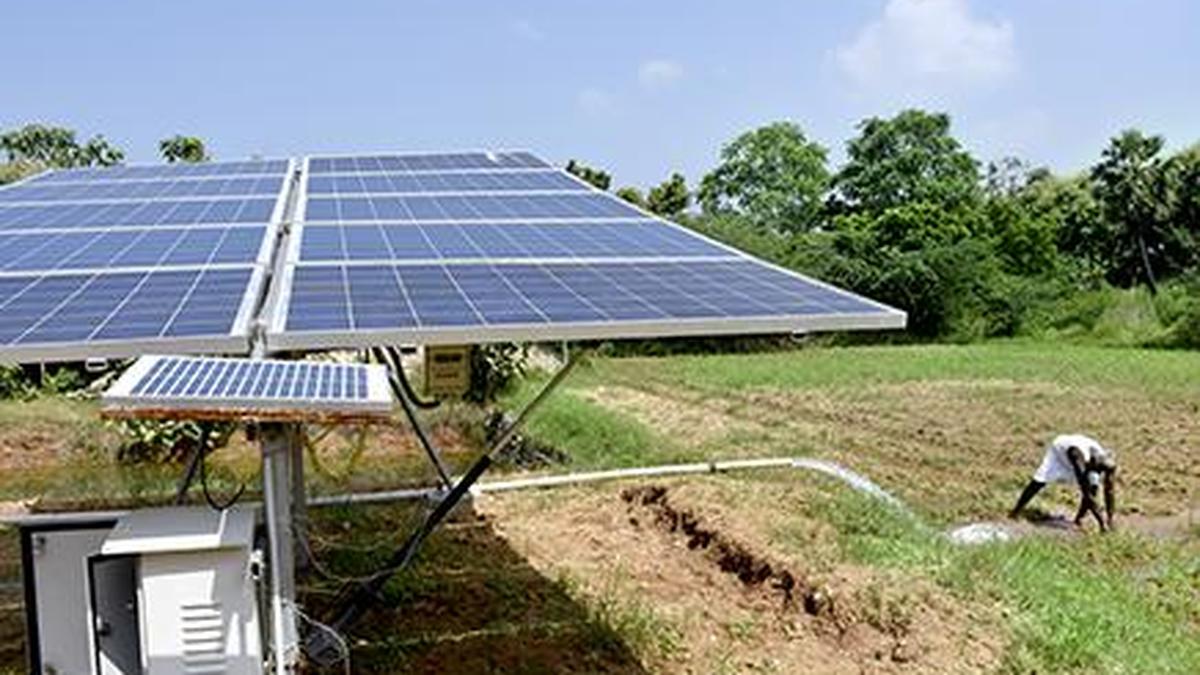
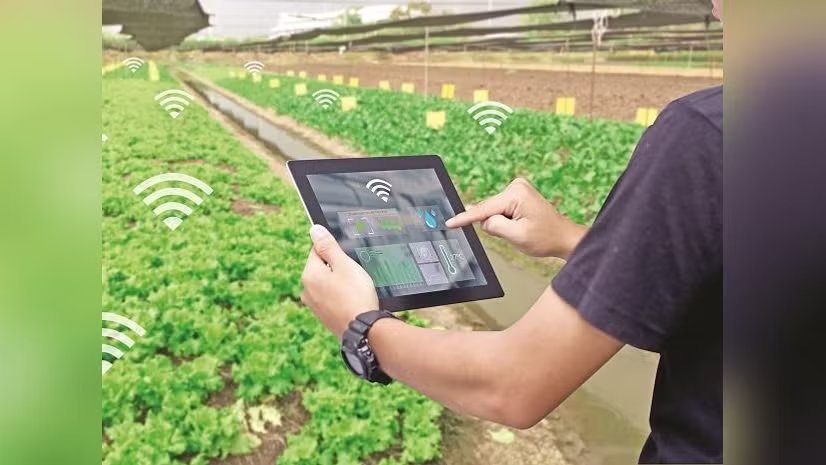
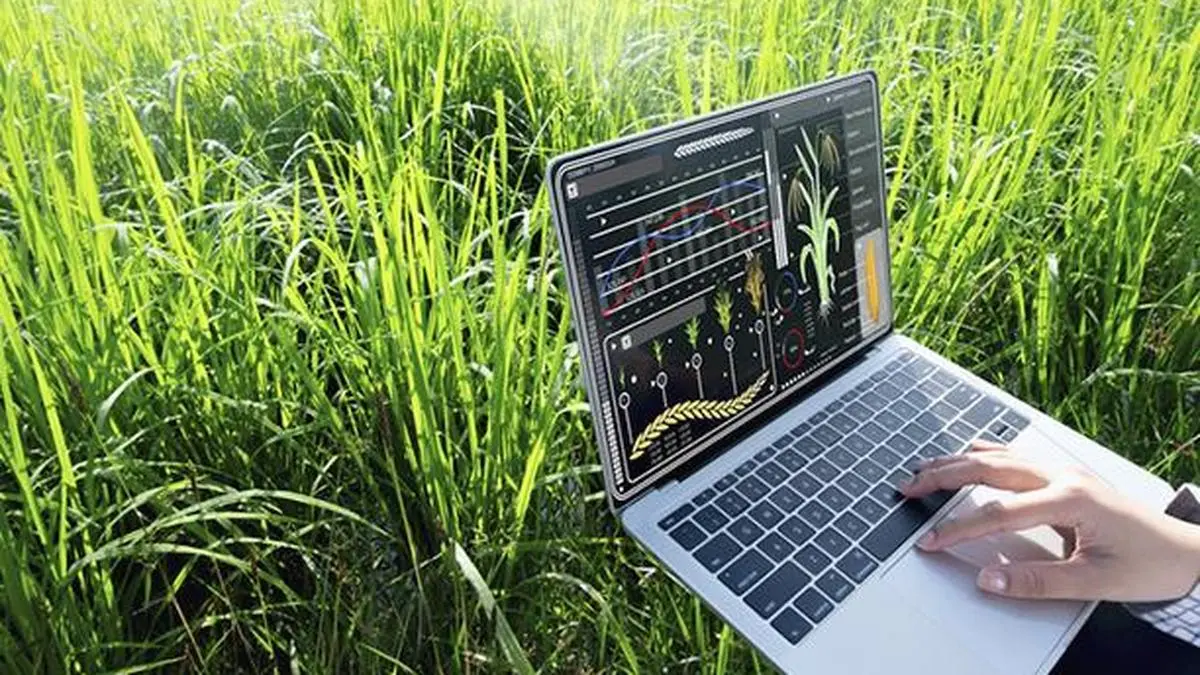
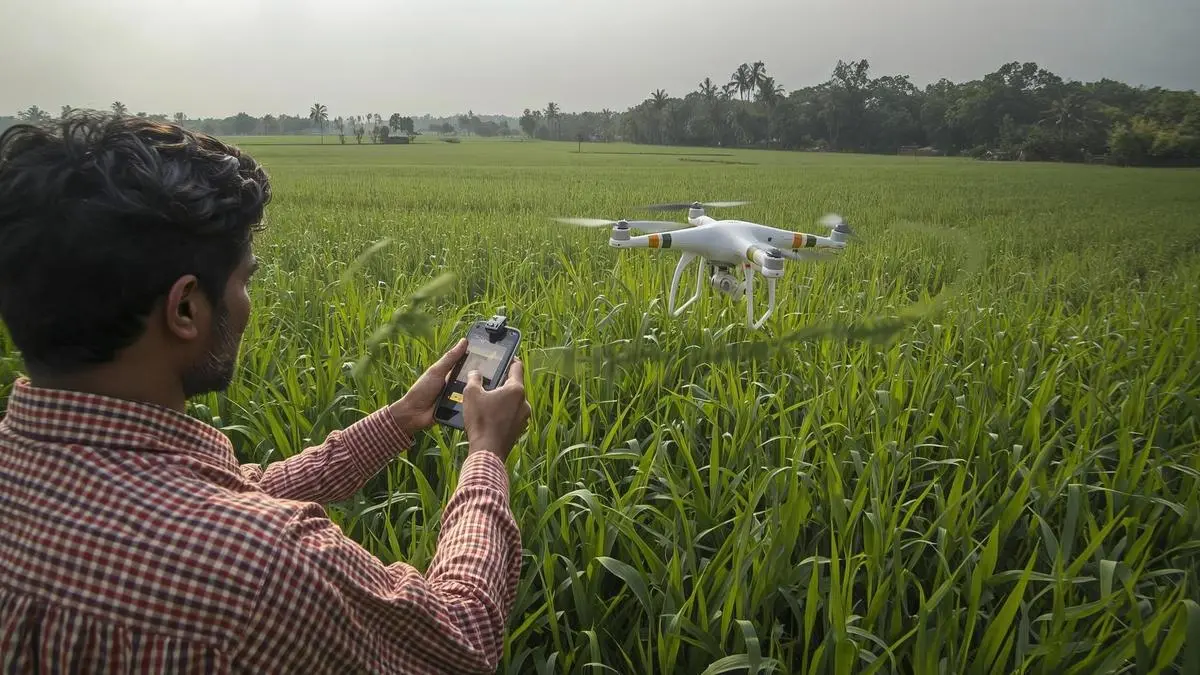
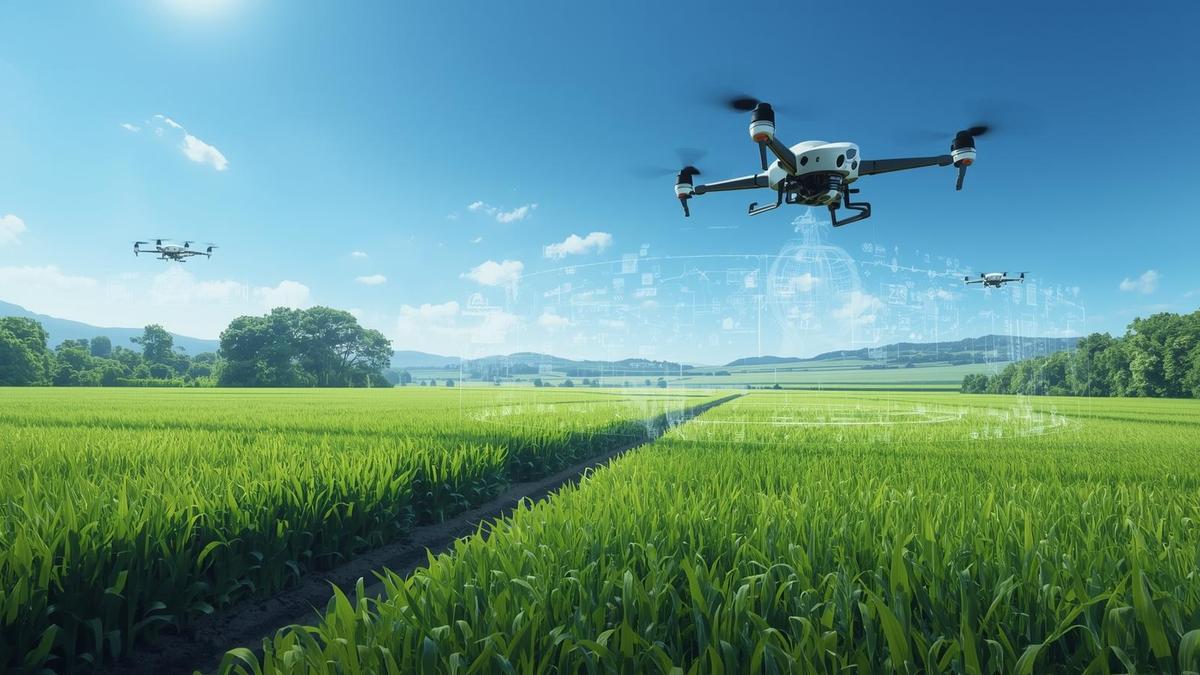
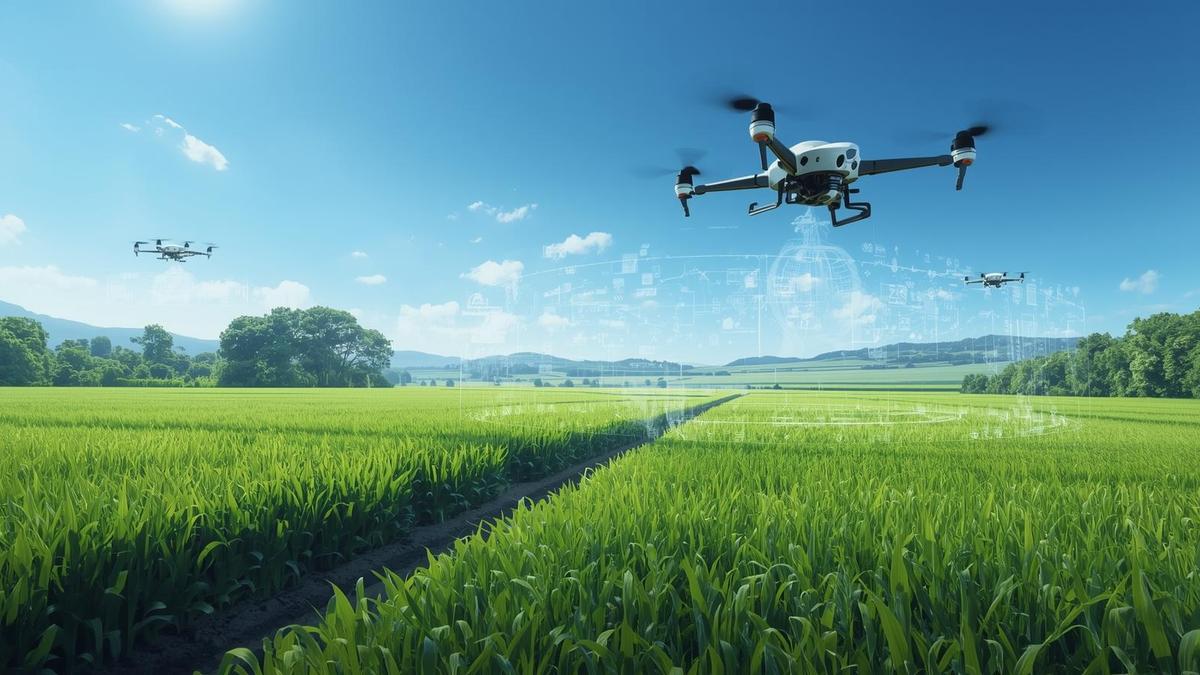
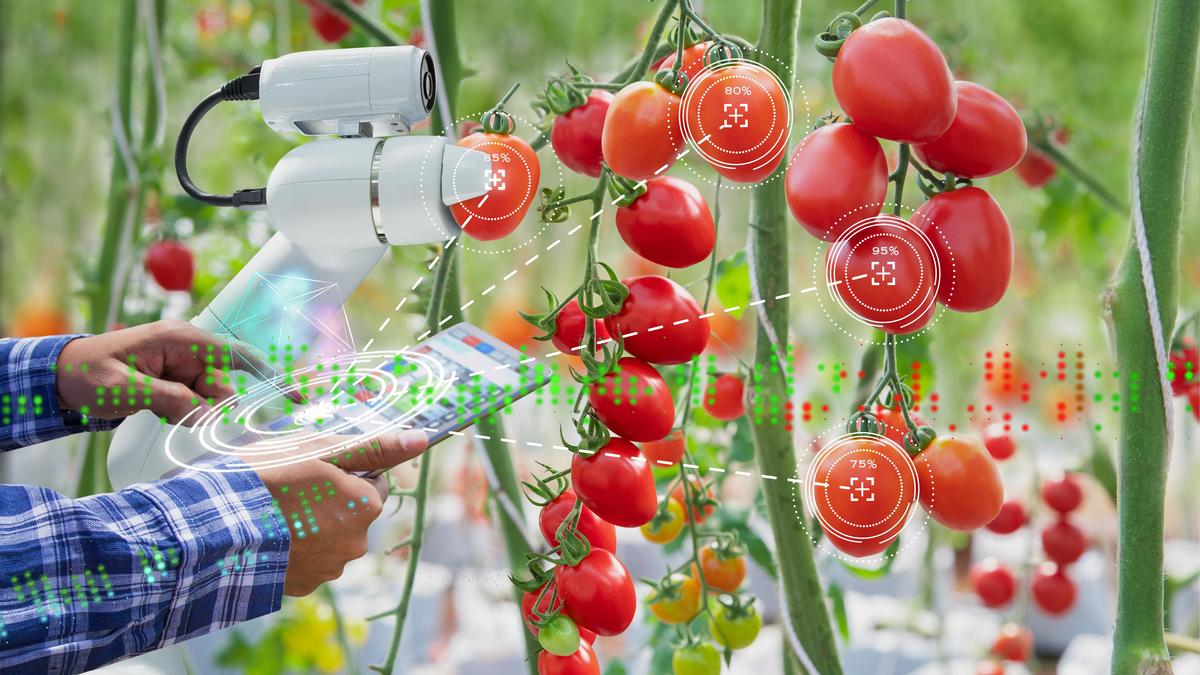
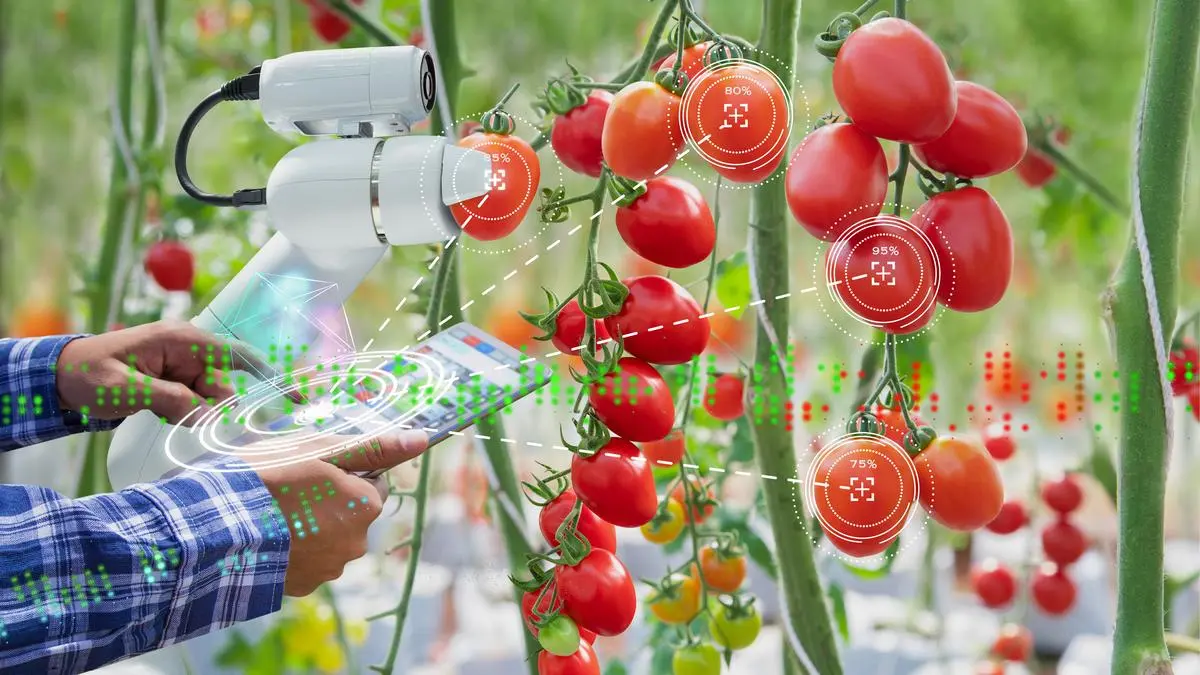
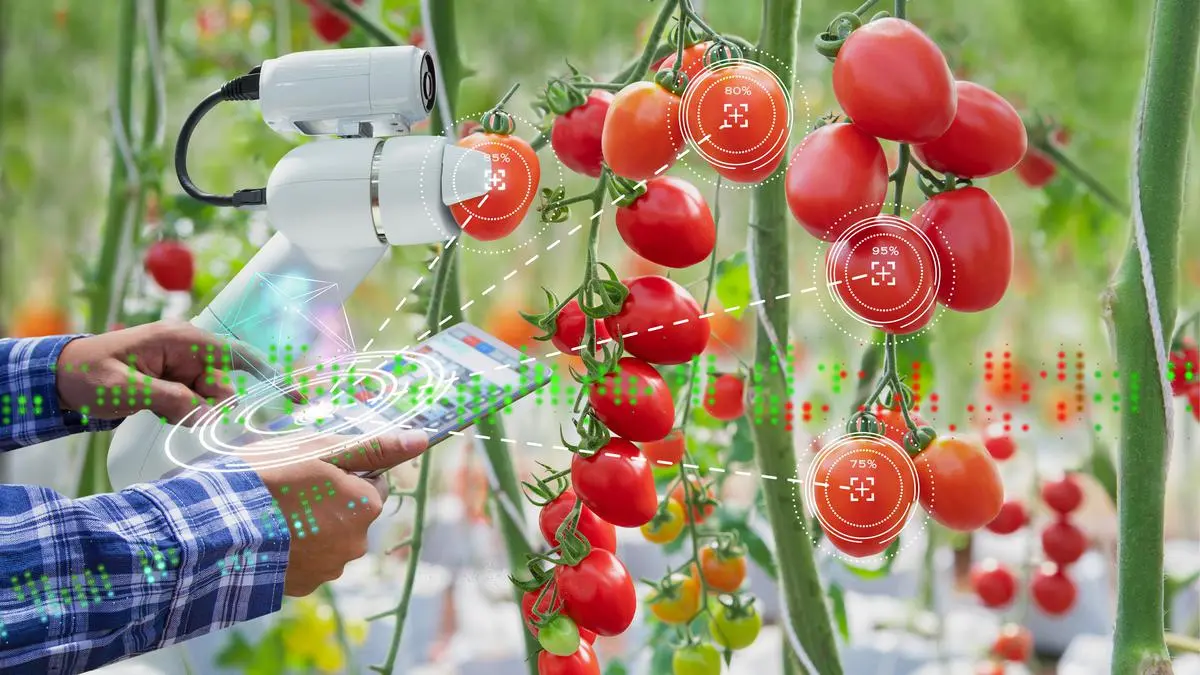
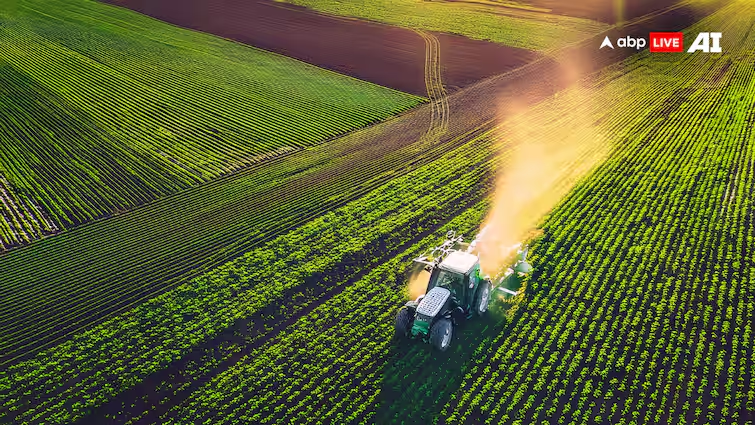
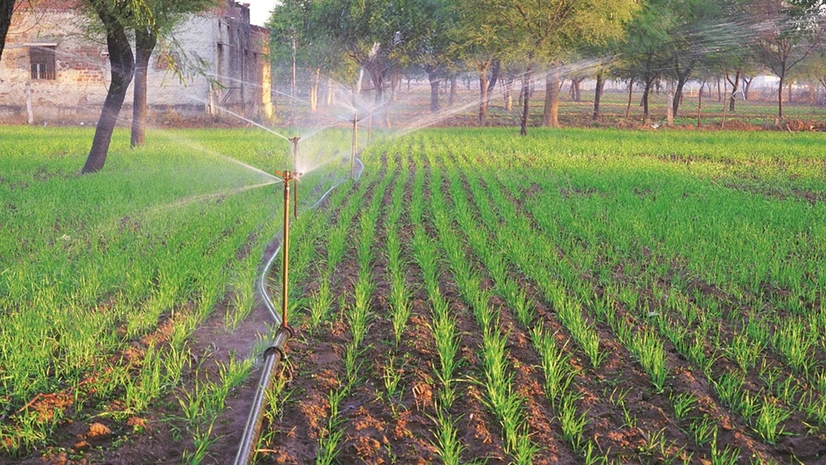
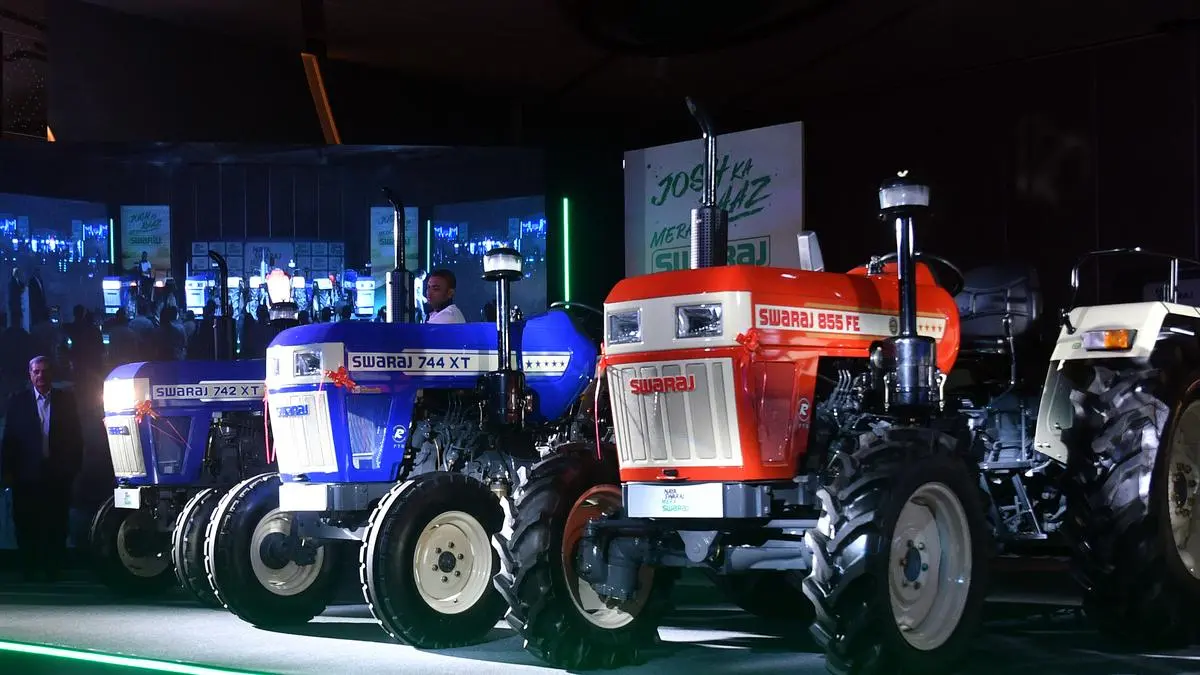
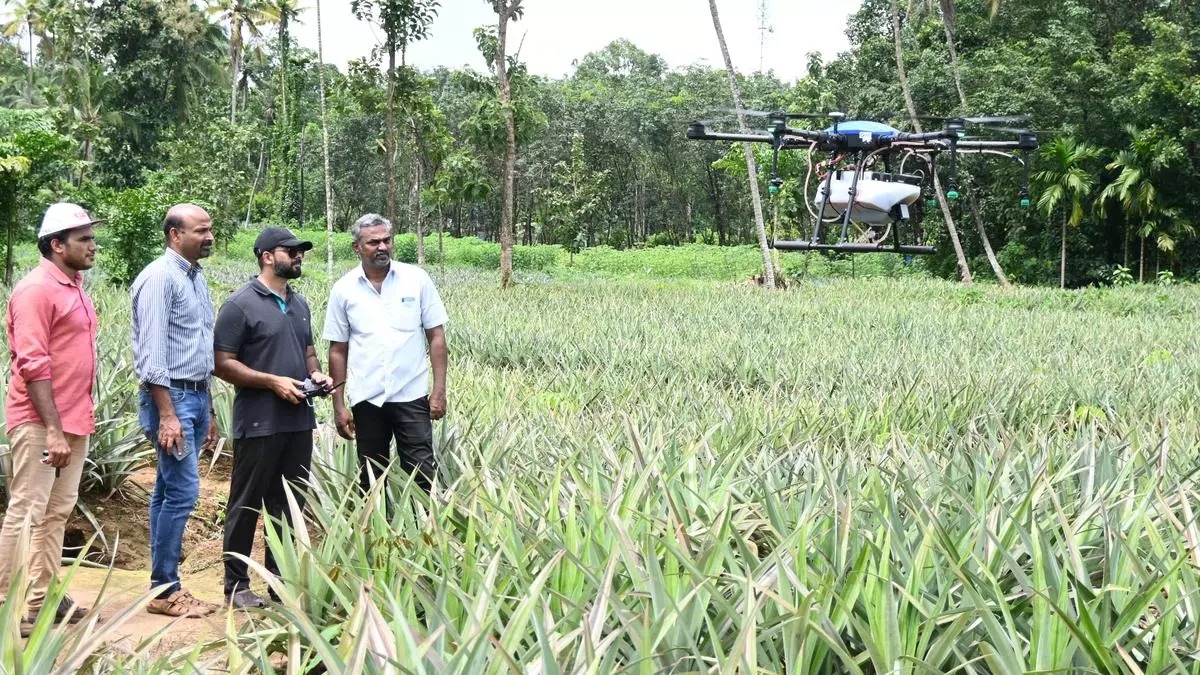
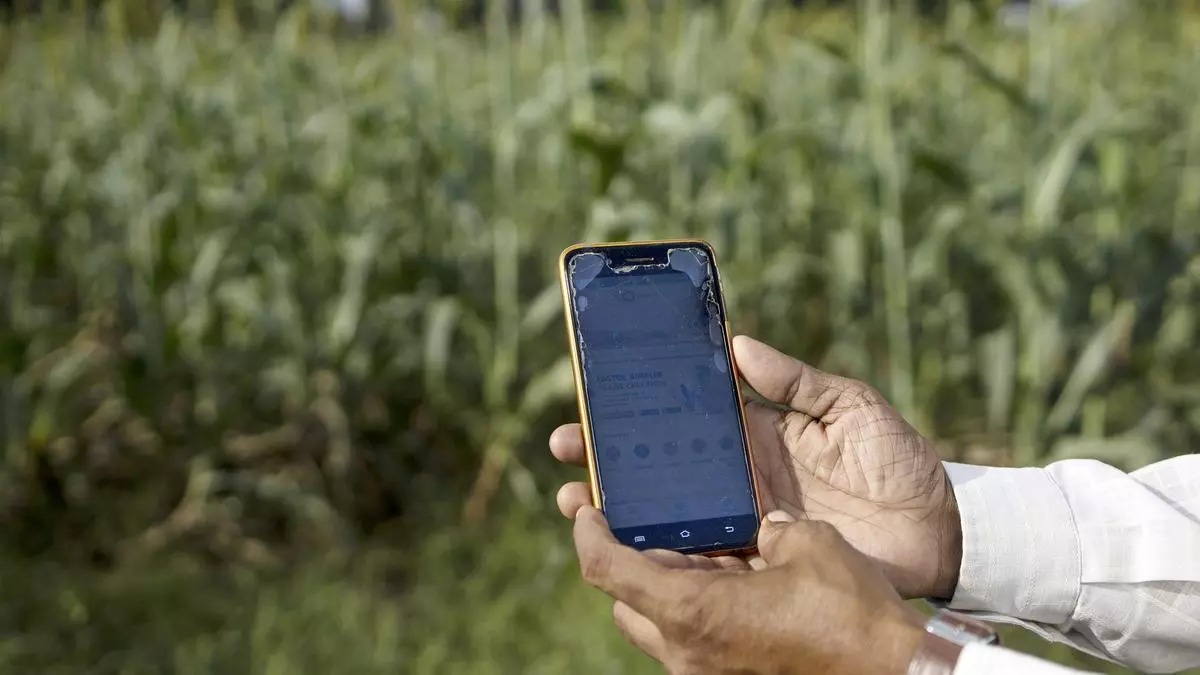
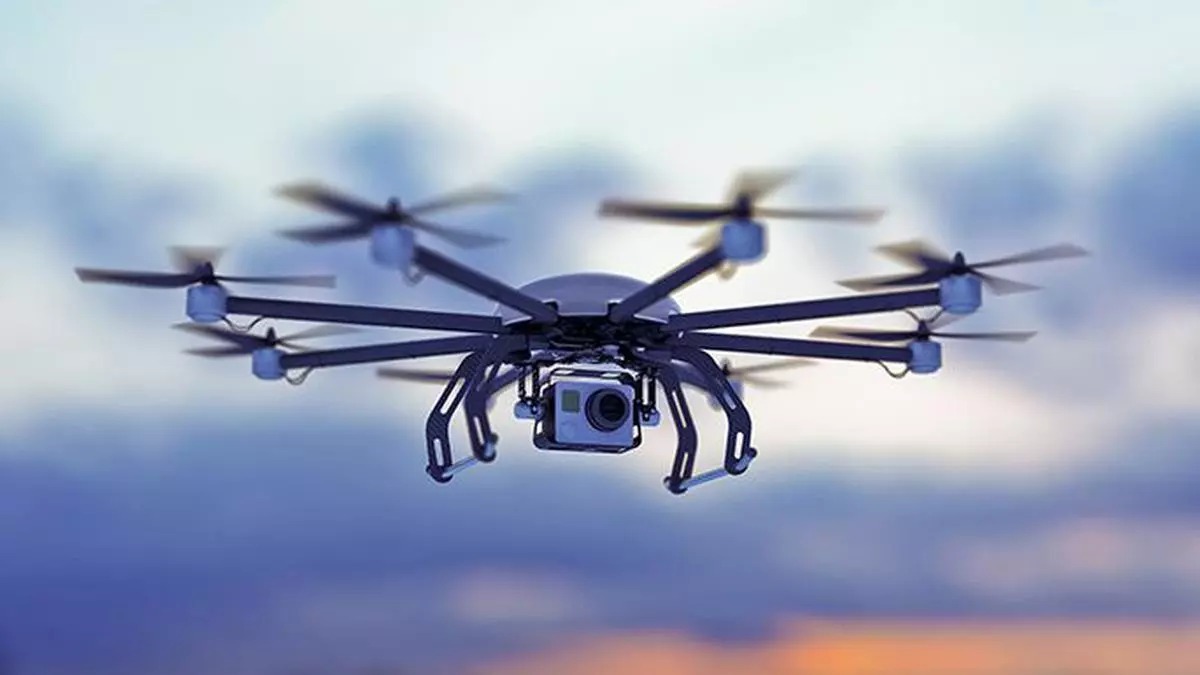
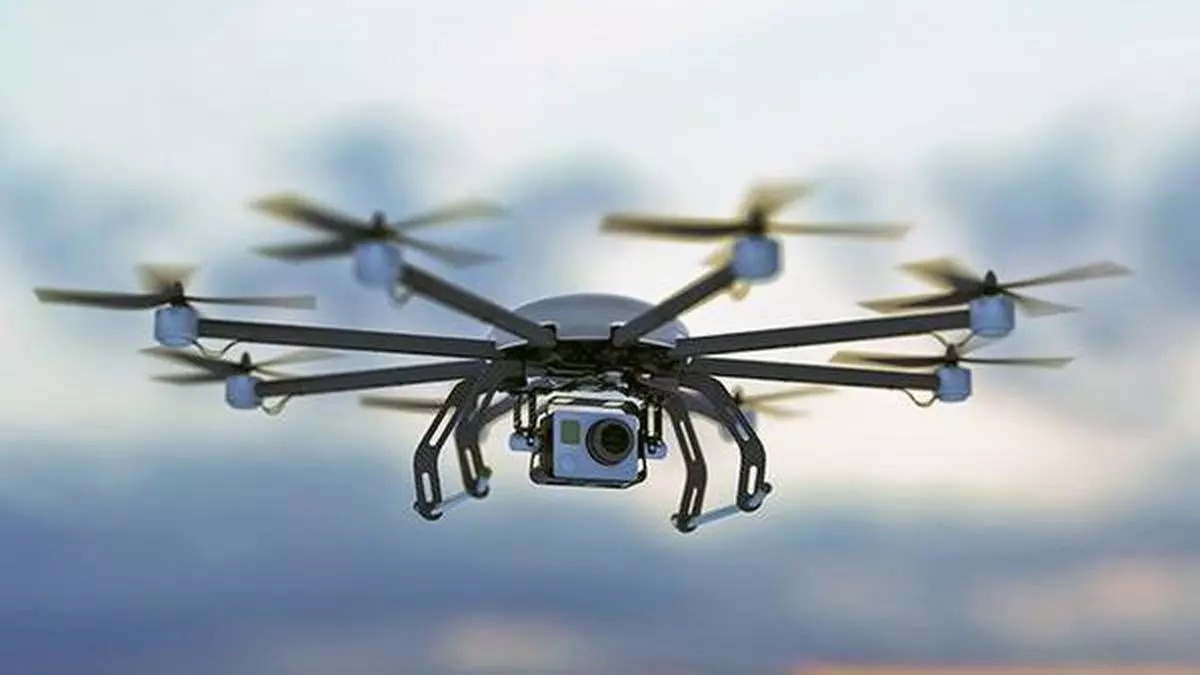
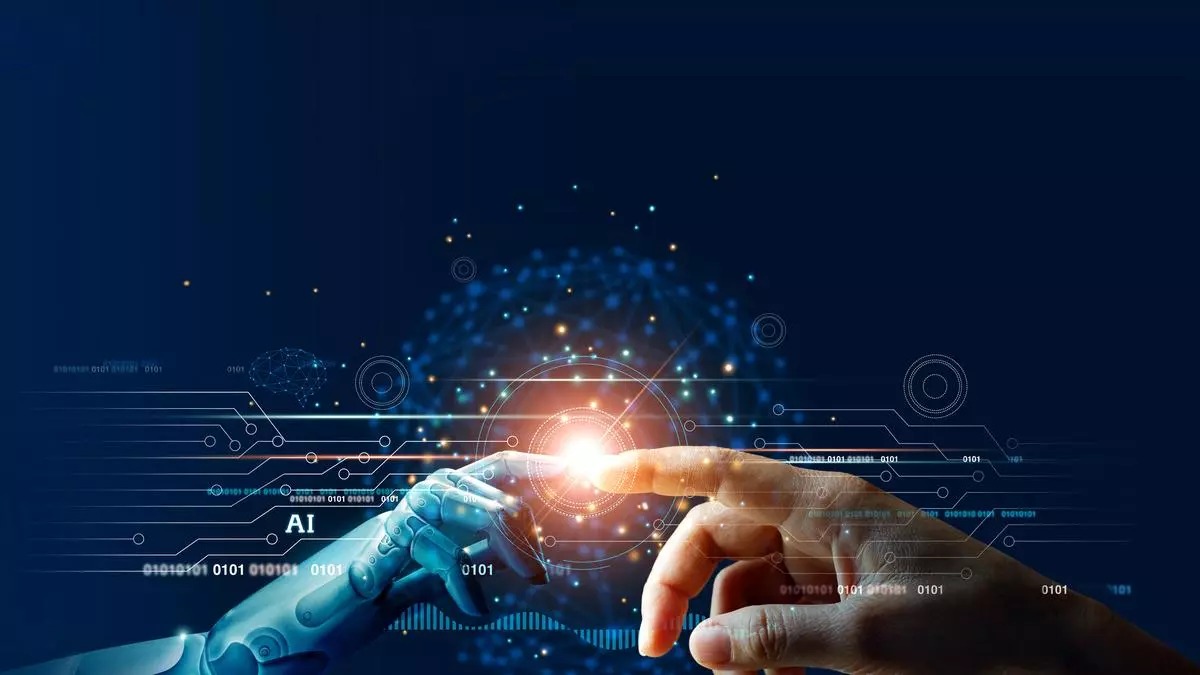
The digital revolution has already reached the farm. Drones are mapping crops, artificial intelligence is helping predict pest and disease outbreaks, and satellite-based technologies are enabling precise irrigation and resource management. These advances are exciting, but technology is only as effective as the people using it. Unless agricultural education keeps pace with these developments, innovation may fail to achieve its full potential, and graduates entering the workforce with outdated knowledge may find themselves at a disadvantage. Advanced tools such as artificial intelligence, bioinformatics, precision agriculture, and climate-smart farming should be integrated into the curriculum from the very beginning rather than being treated as optional additions.