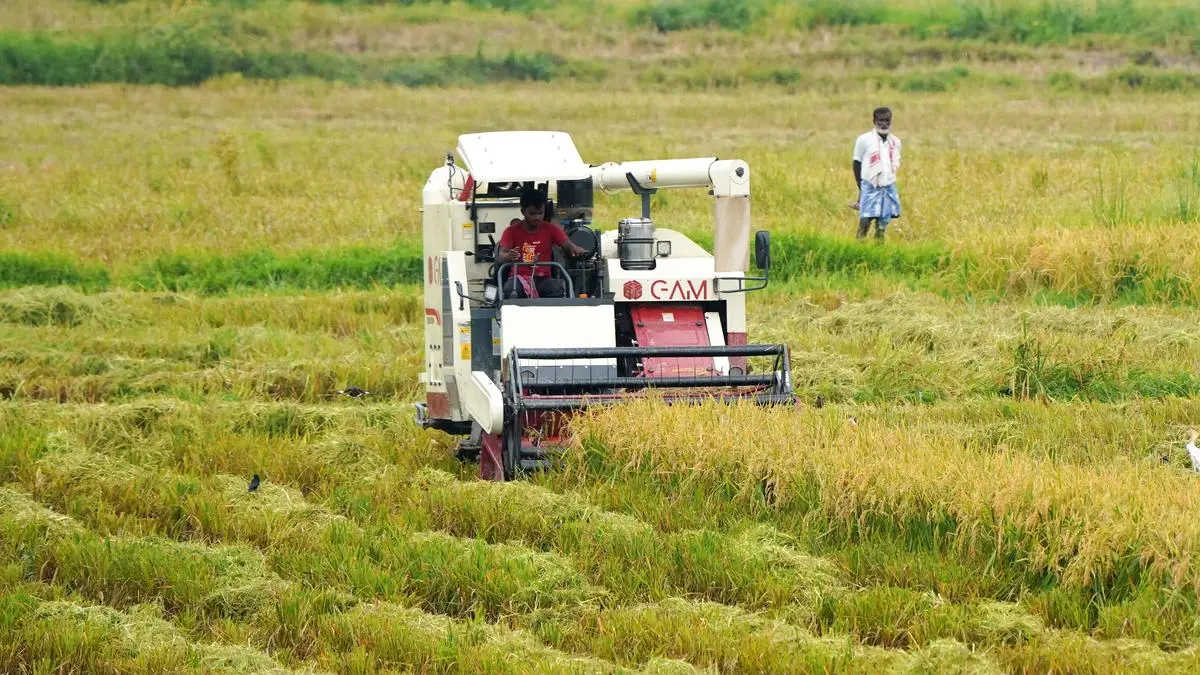
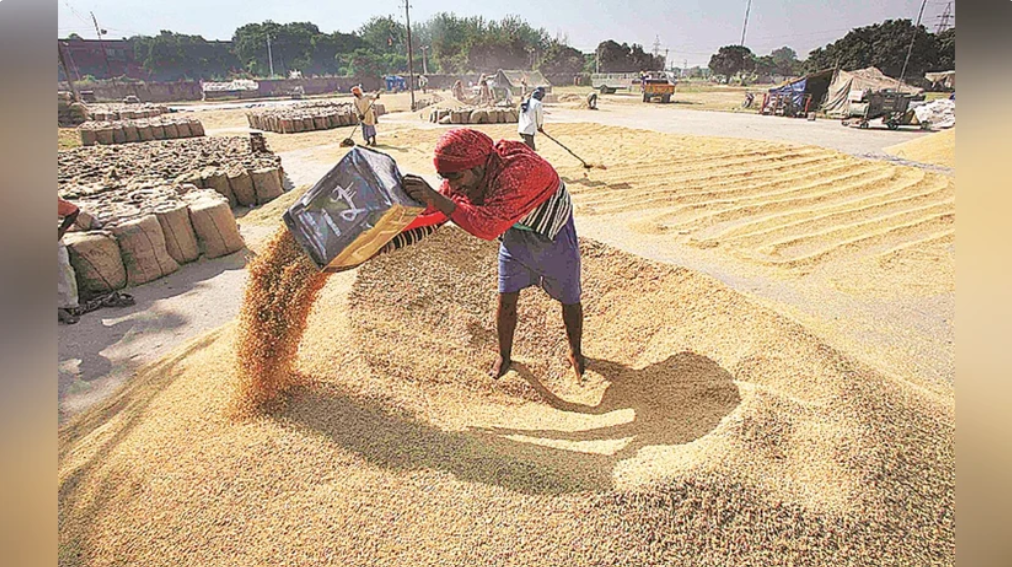
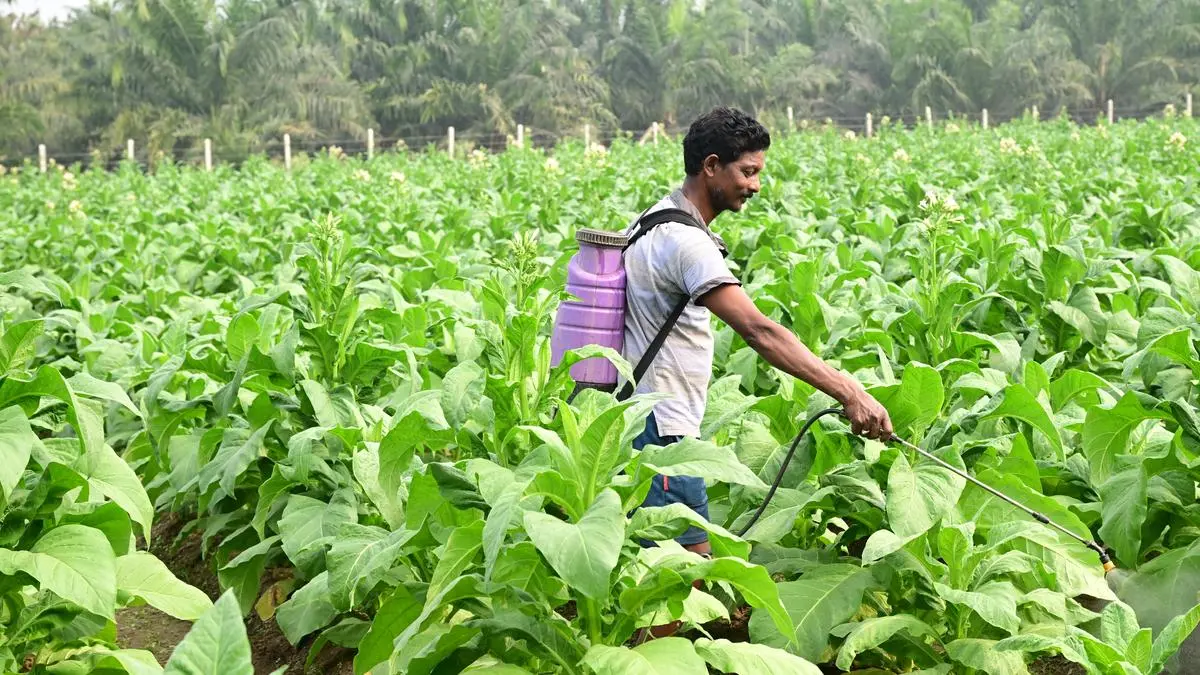
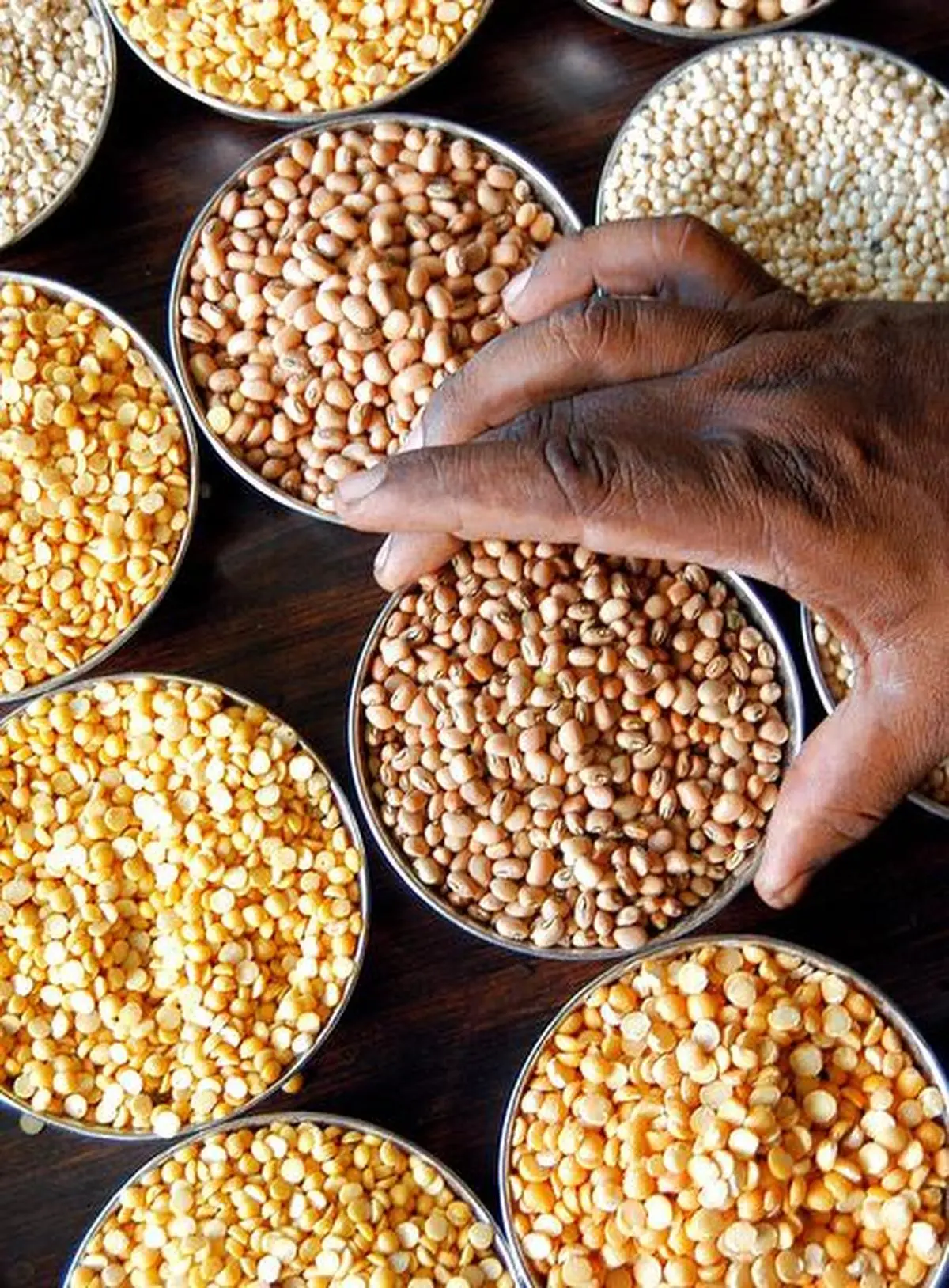
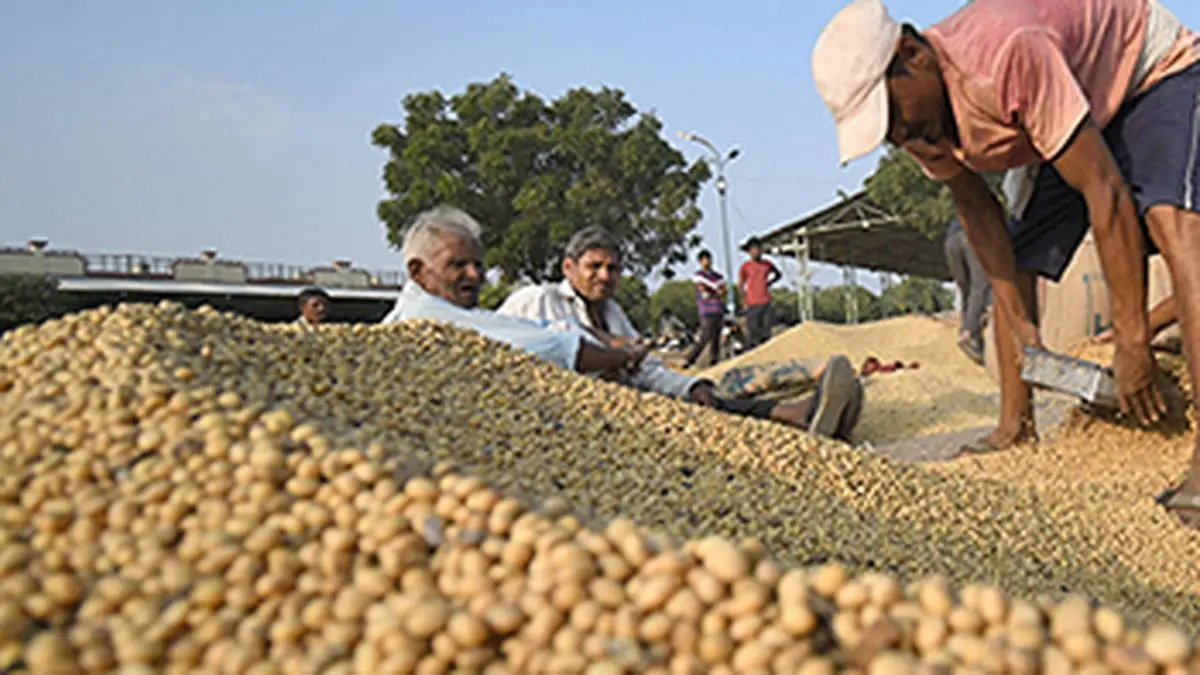
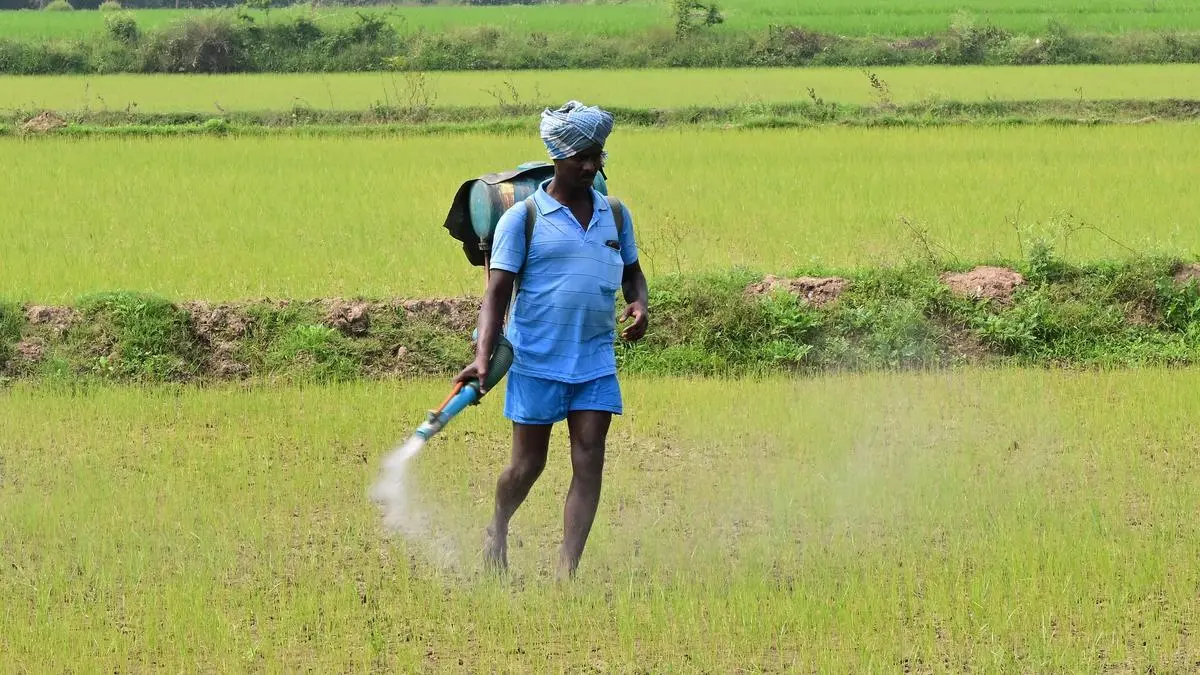
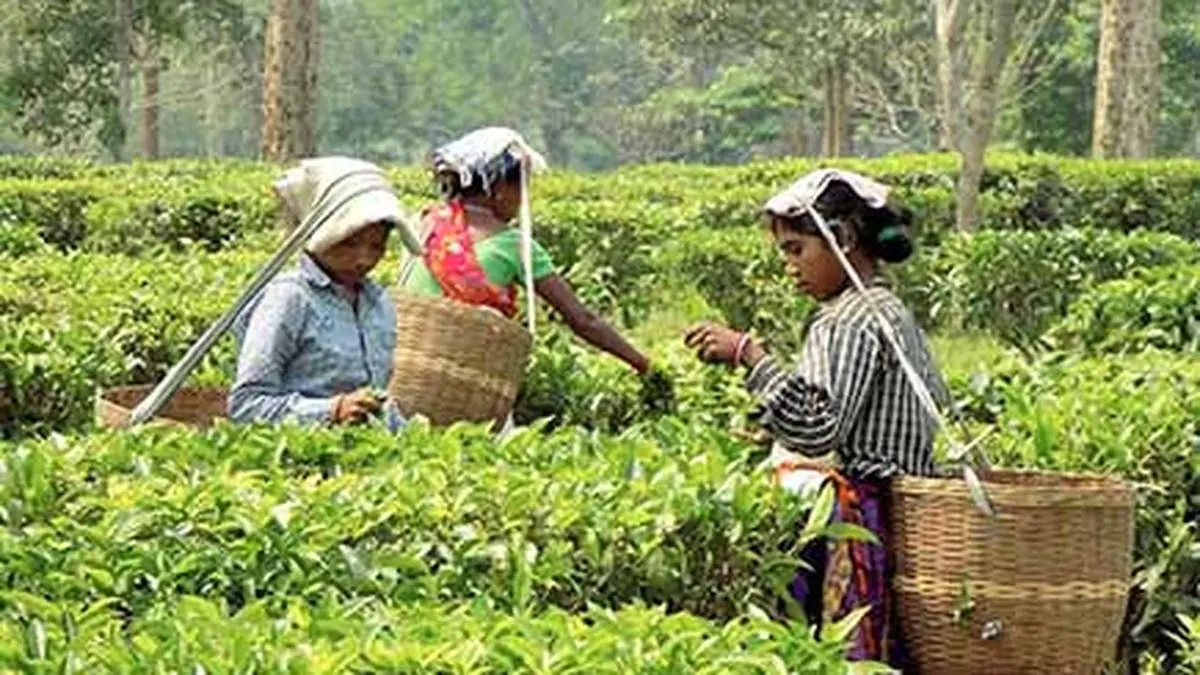
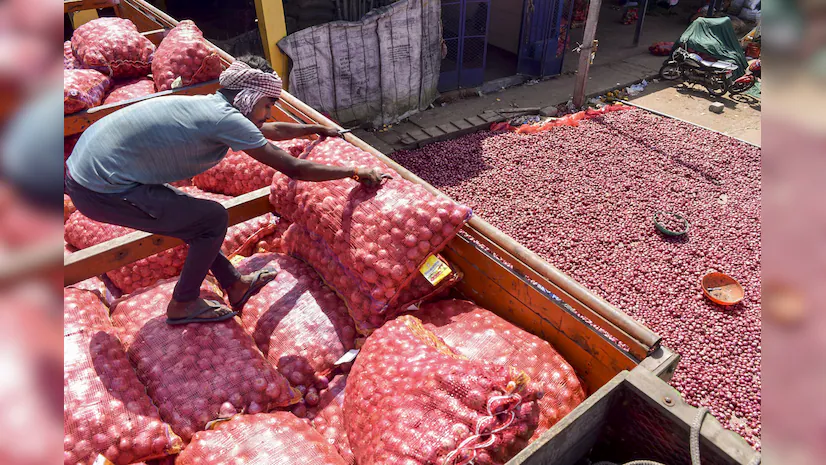
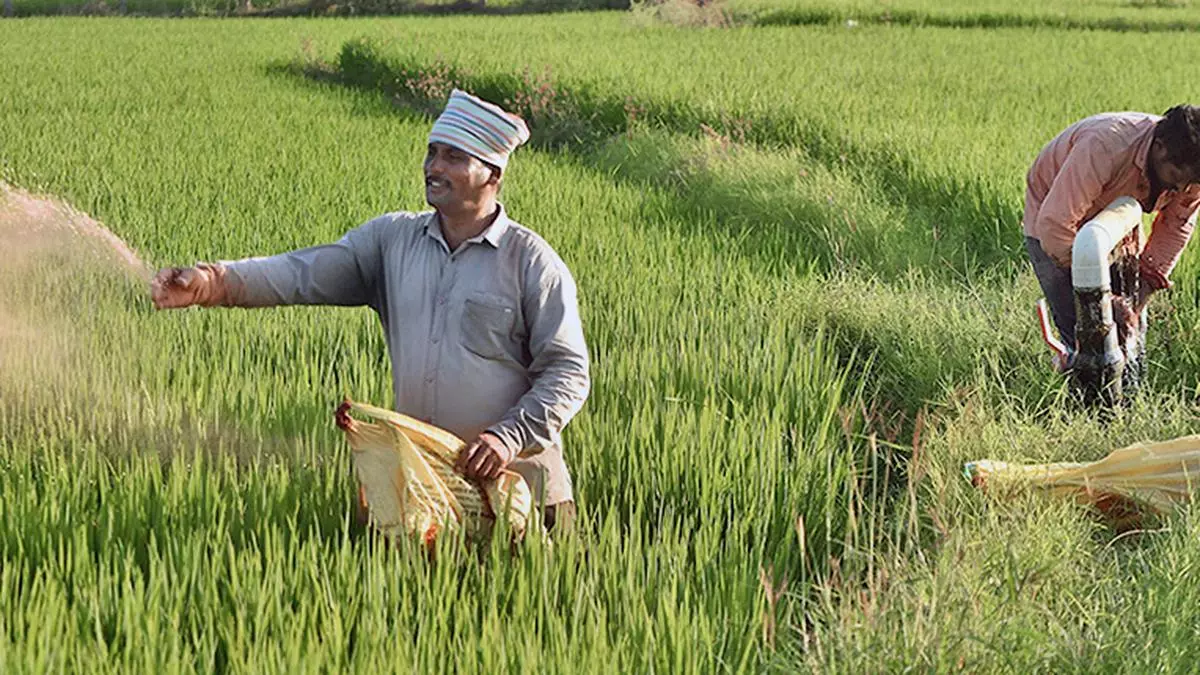
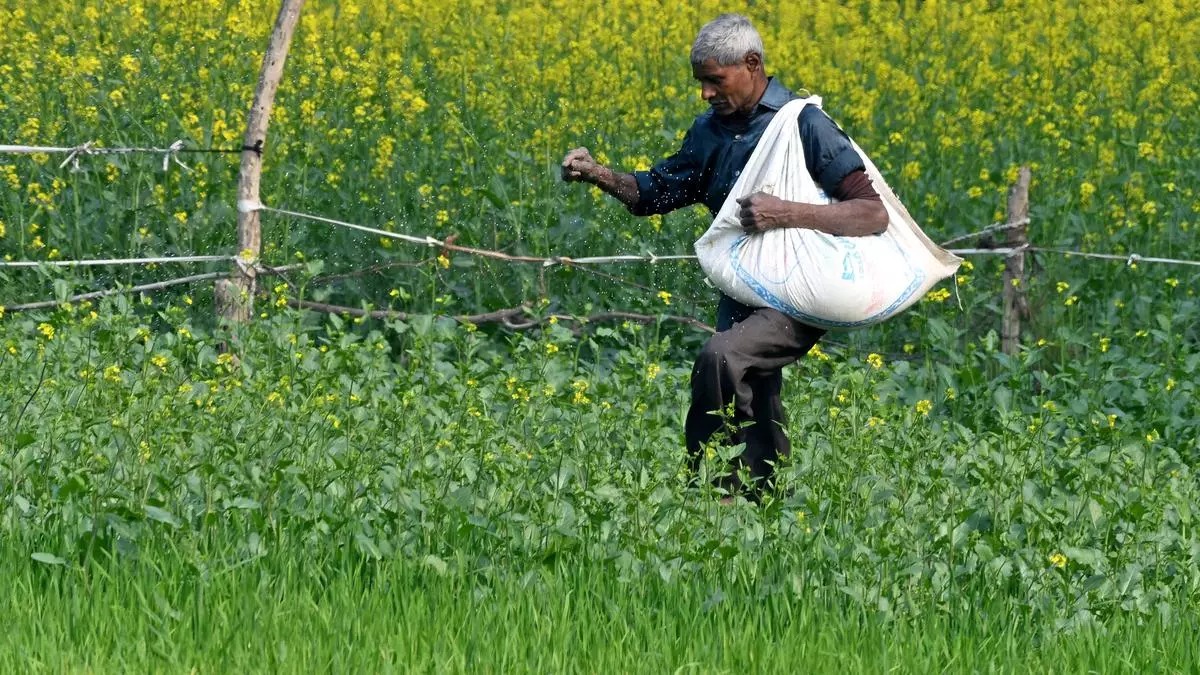
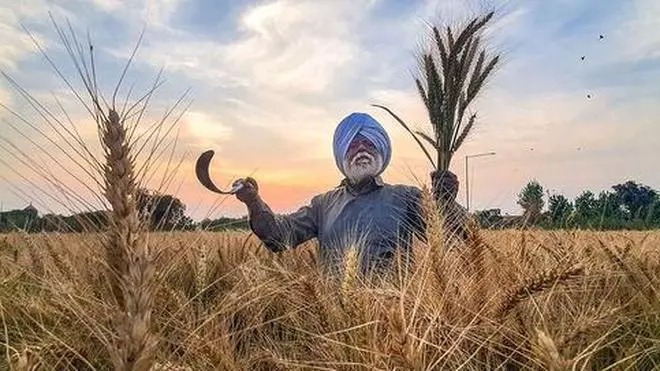
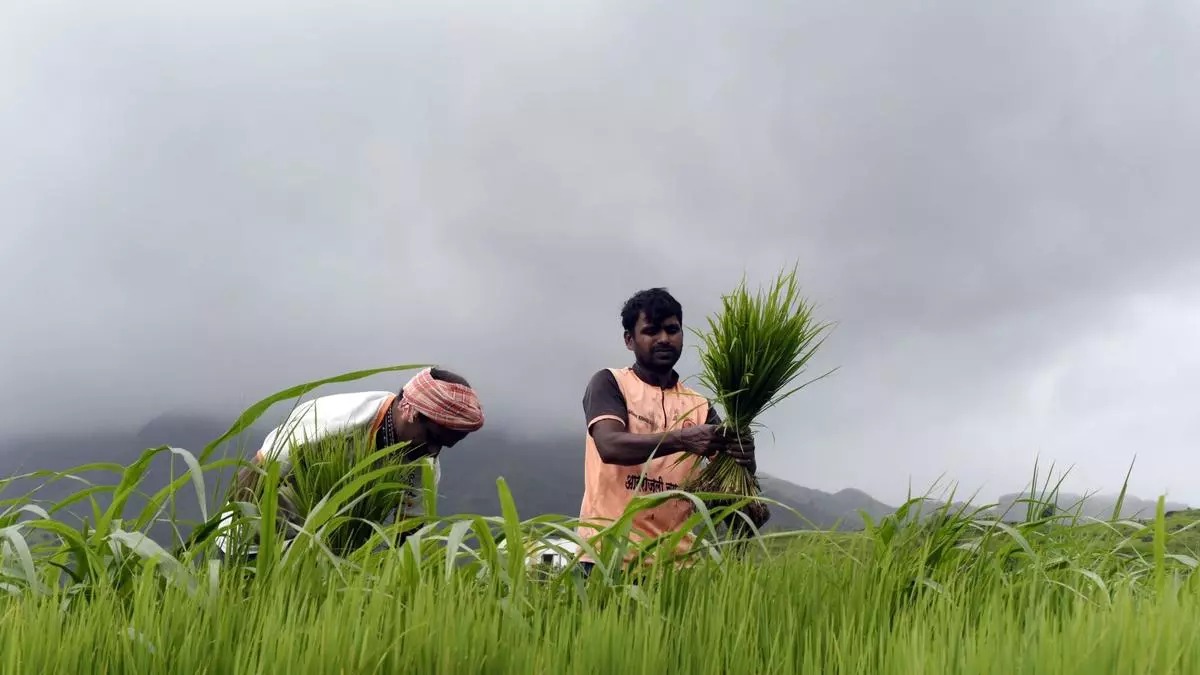
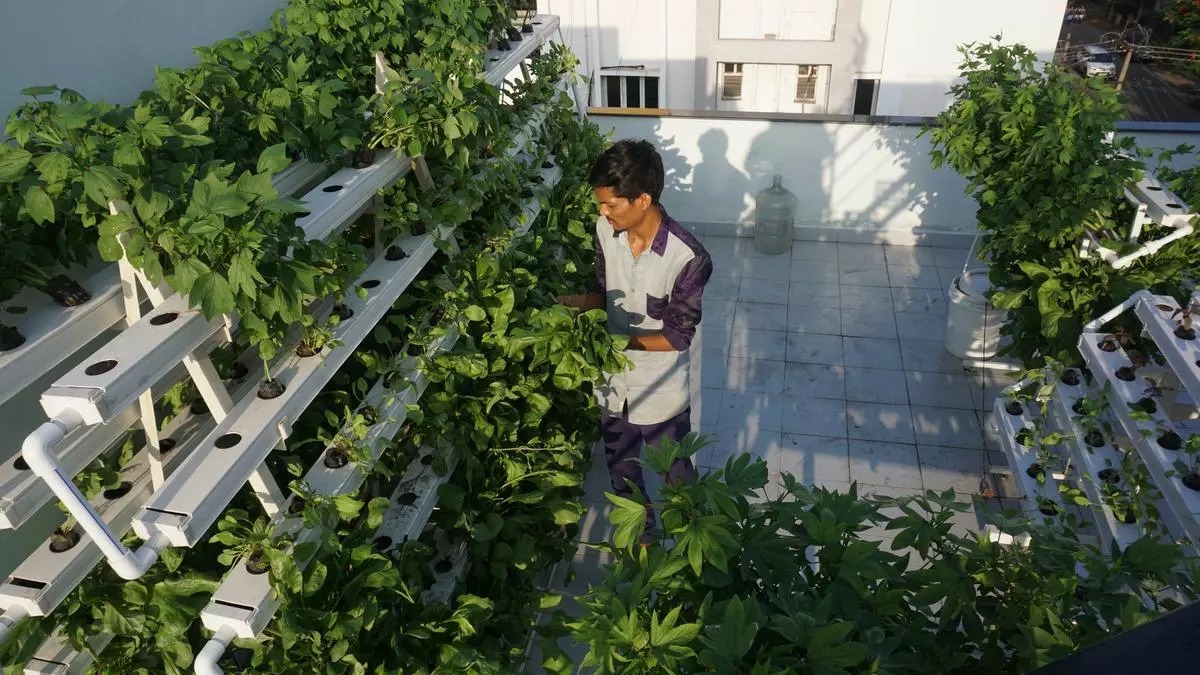
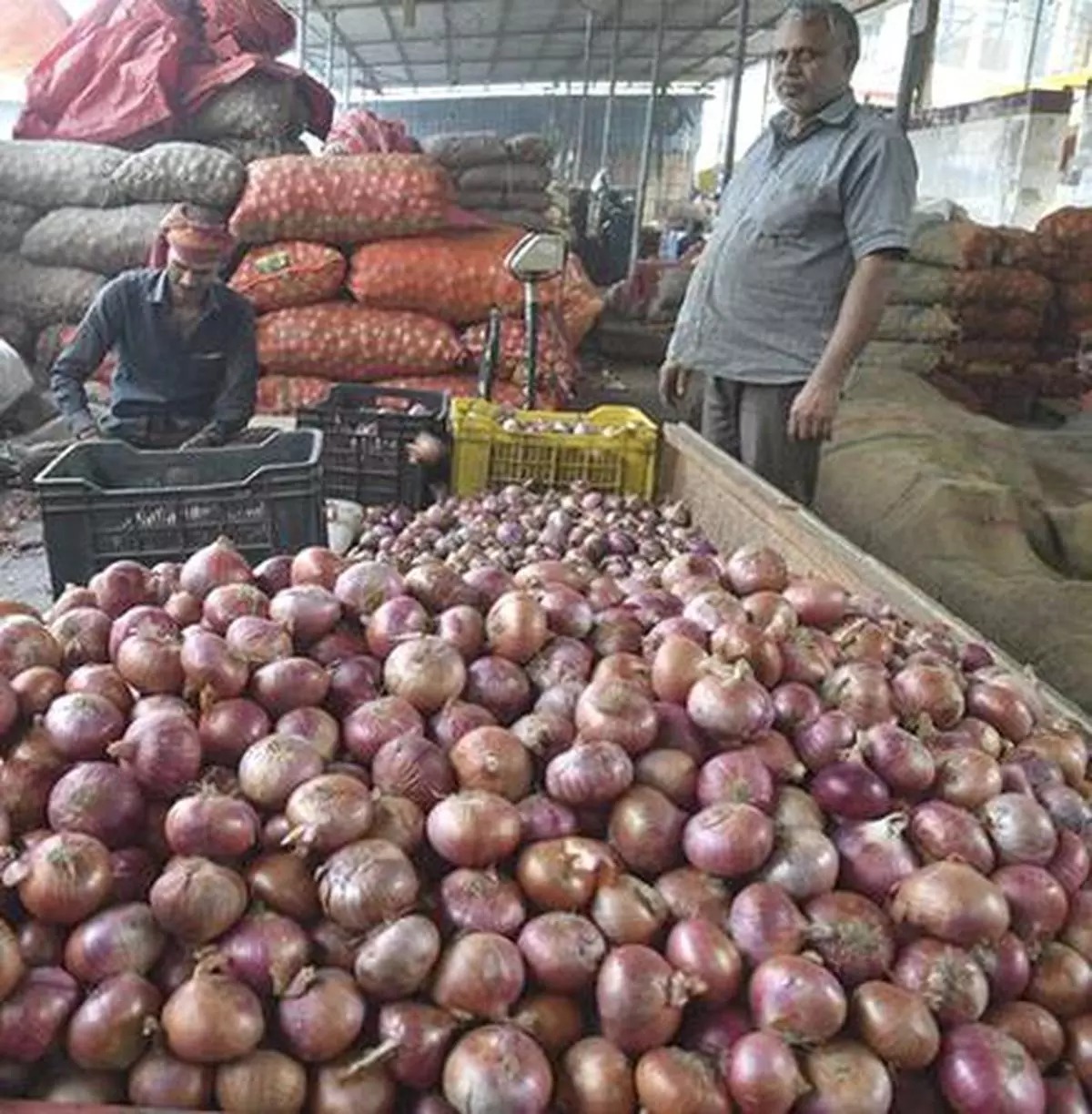
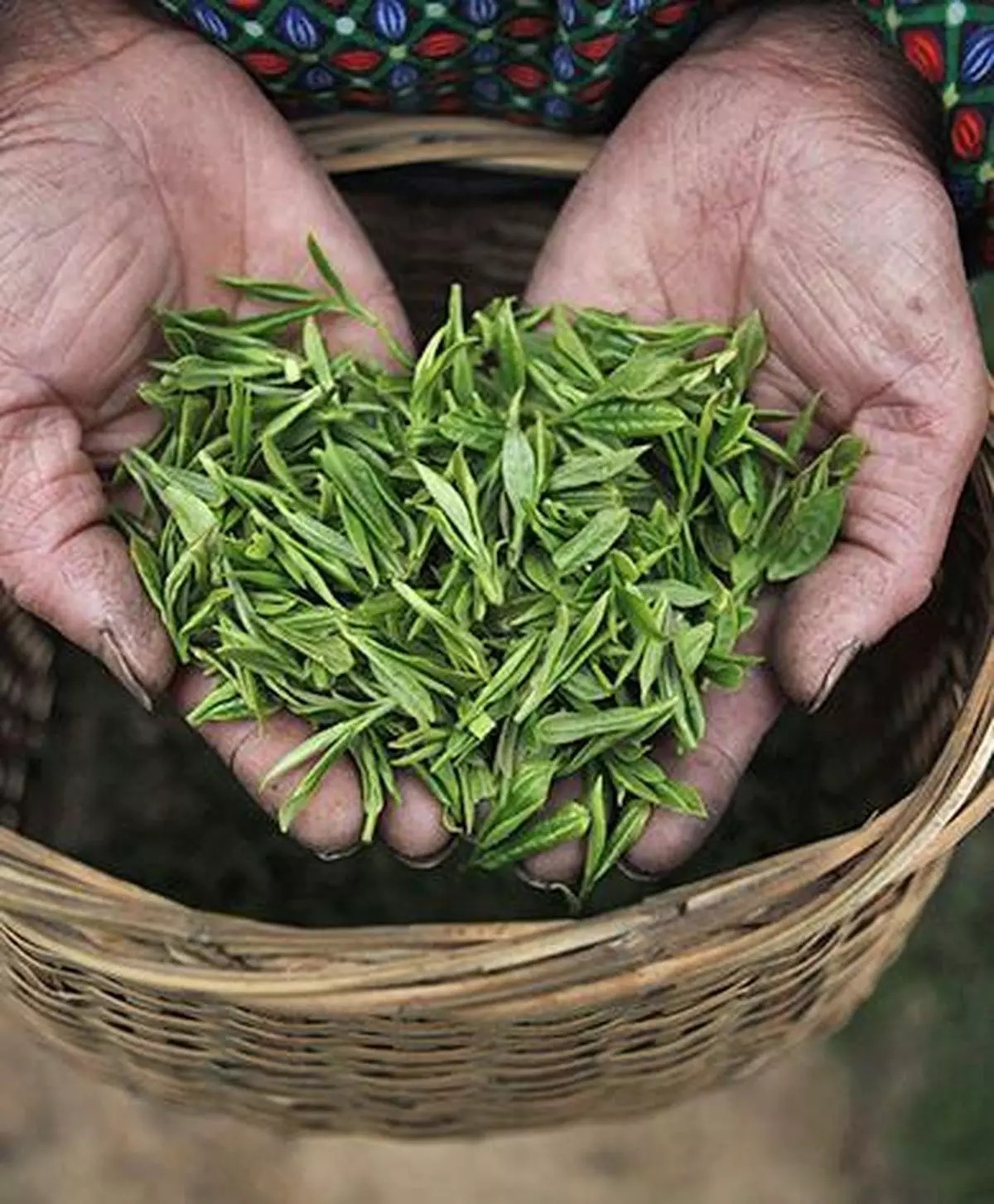
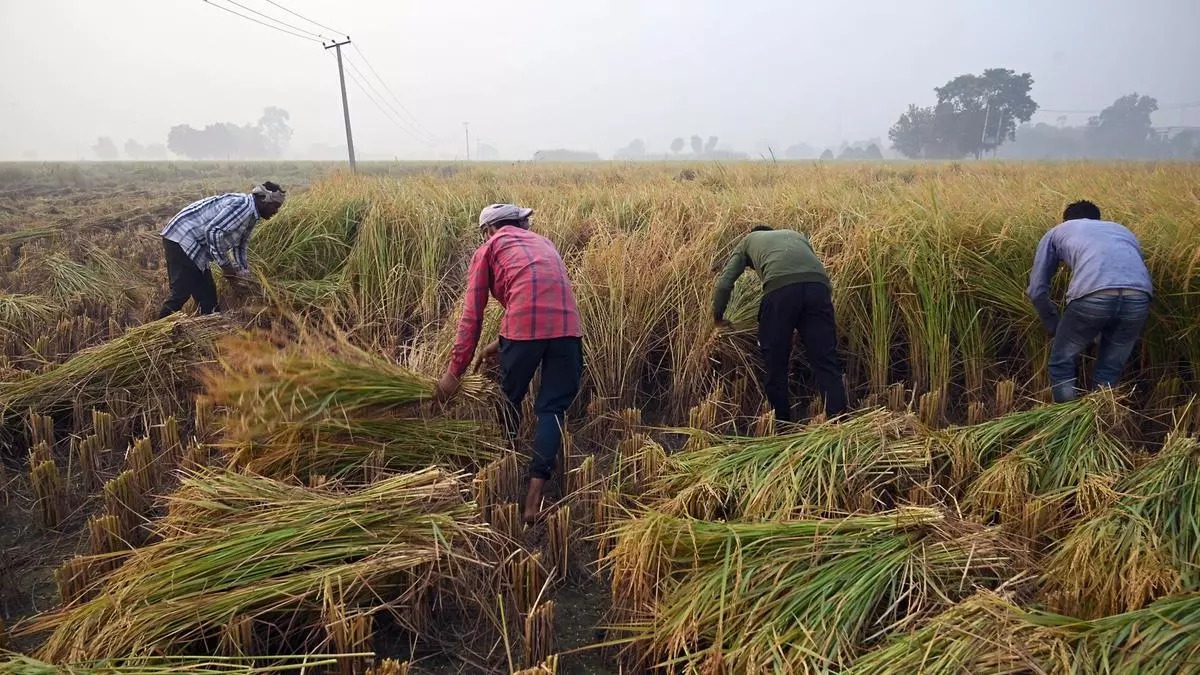
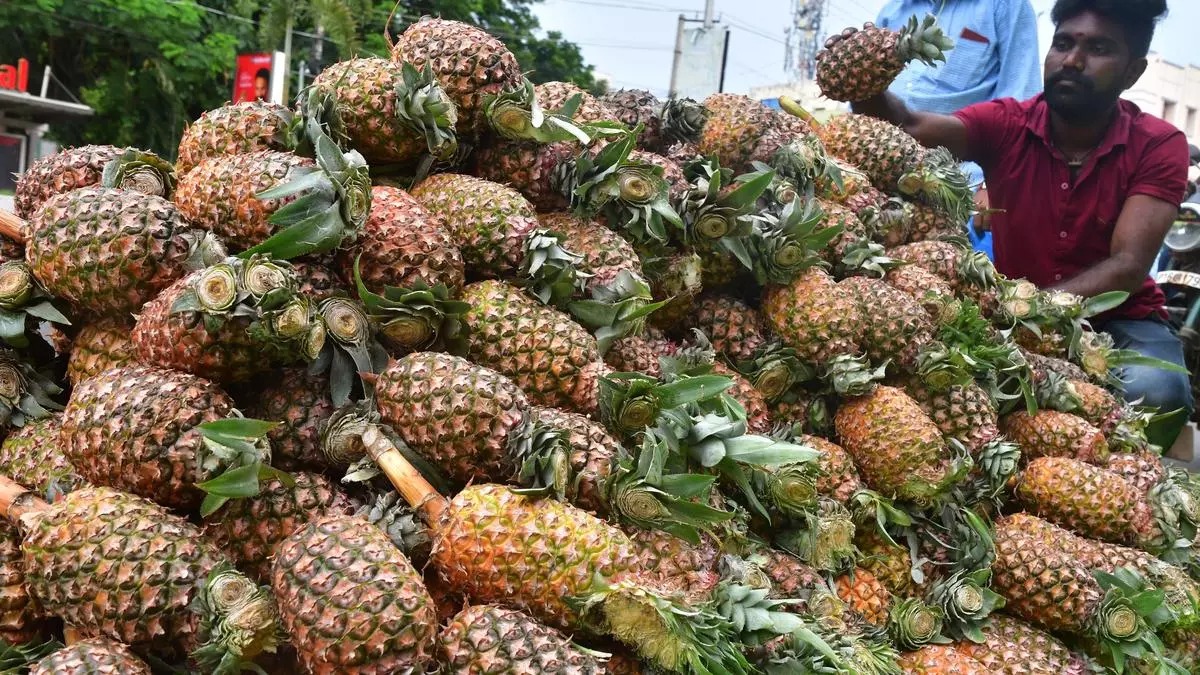
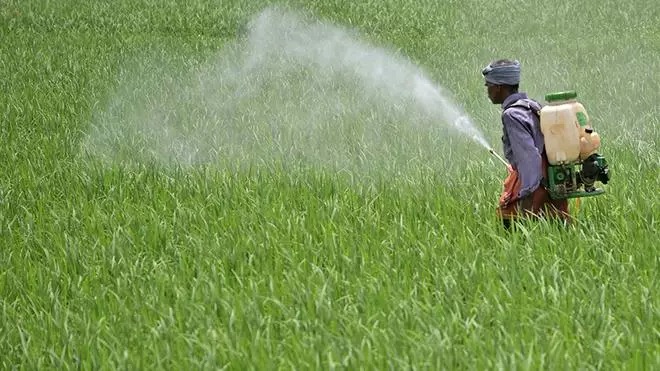
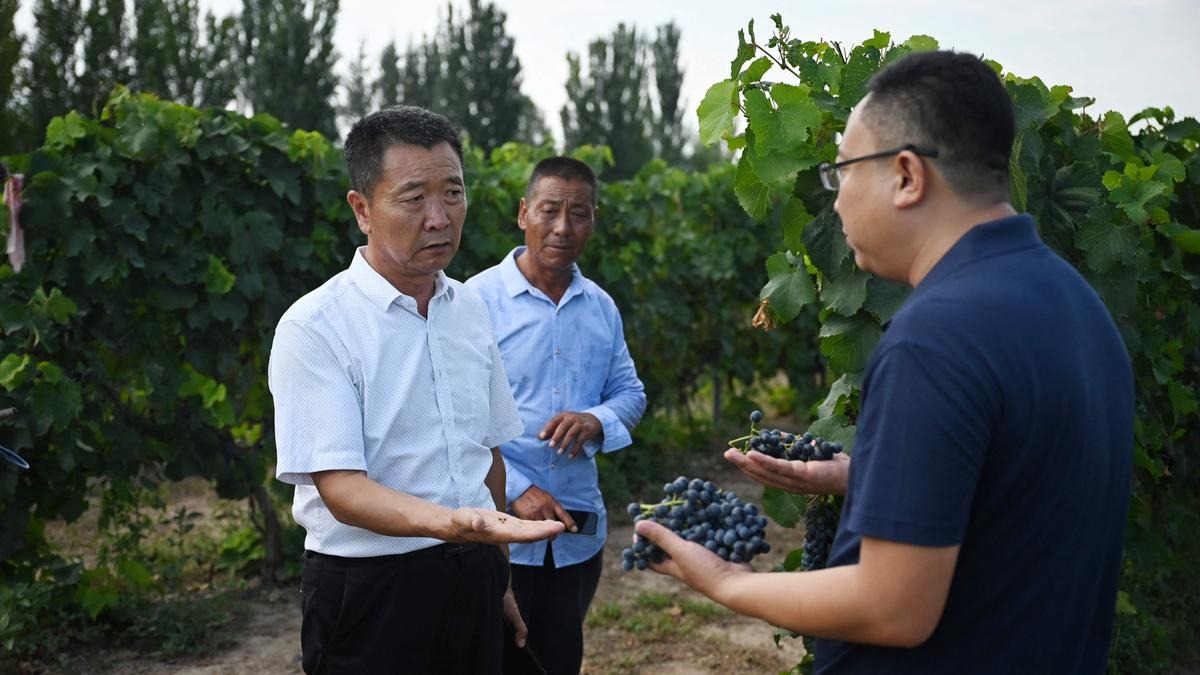
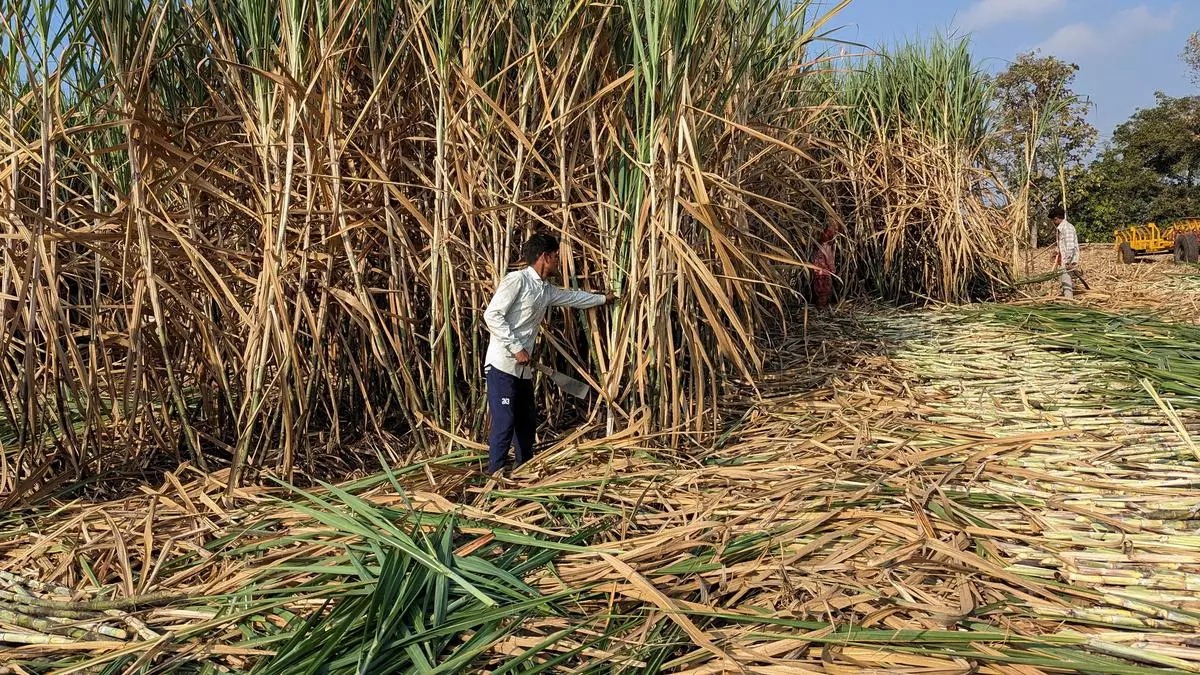
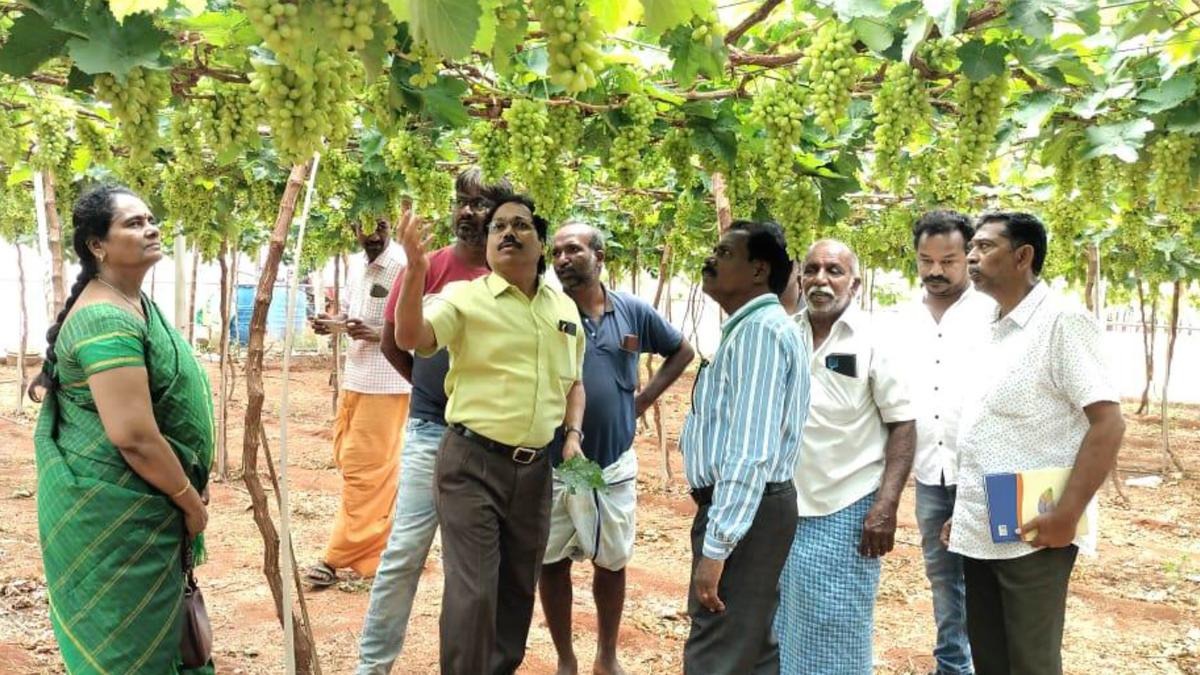
As global trade networks navigate heightened geopolitical volatility, food has evolved far beyond a conventional commodity into a critical instrument of statecraft, political legitimacy, and national security. For India, a global agricultural titan, this shift highlights a complex dual identity: it operates the world’s largest food welfare architecture while serving as a foundational pillar of international food supply. However, integrating domestic food sovereignty with global trade stability remains a defining policy challenge.
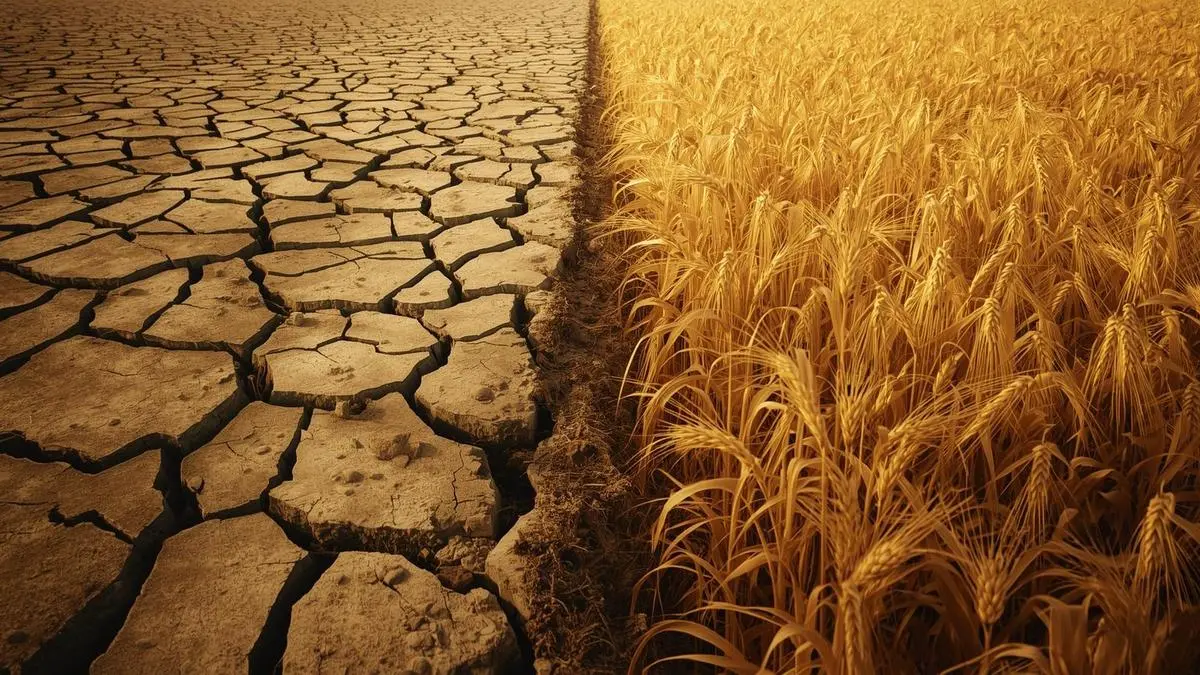
Recent global shocks—ranging from pandemic-era disruptions and climate-induced yield crashes to the Russia-Ukraine conflict—have exposed the deep fragility of international food chains. In response, major economies have increasingly pivoted toward food nationalism, prioritizing domestic availability over external trade commitments.
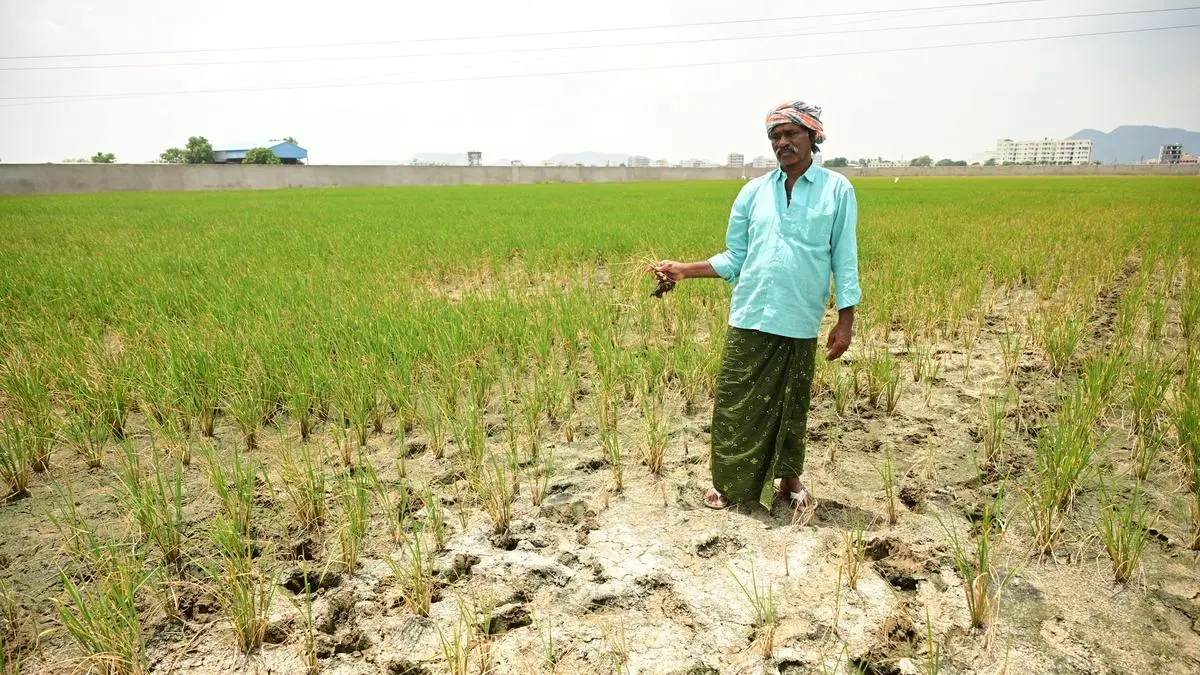
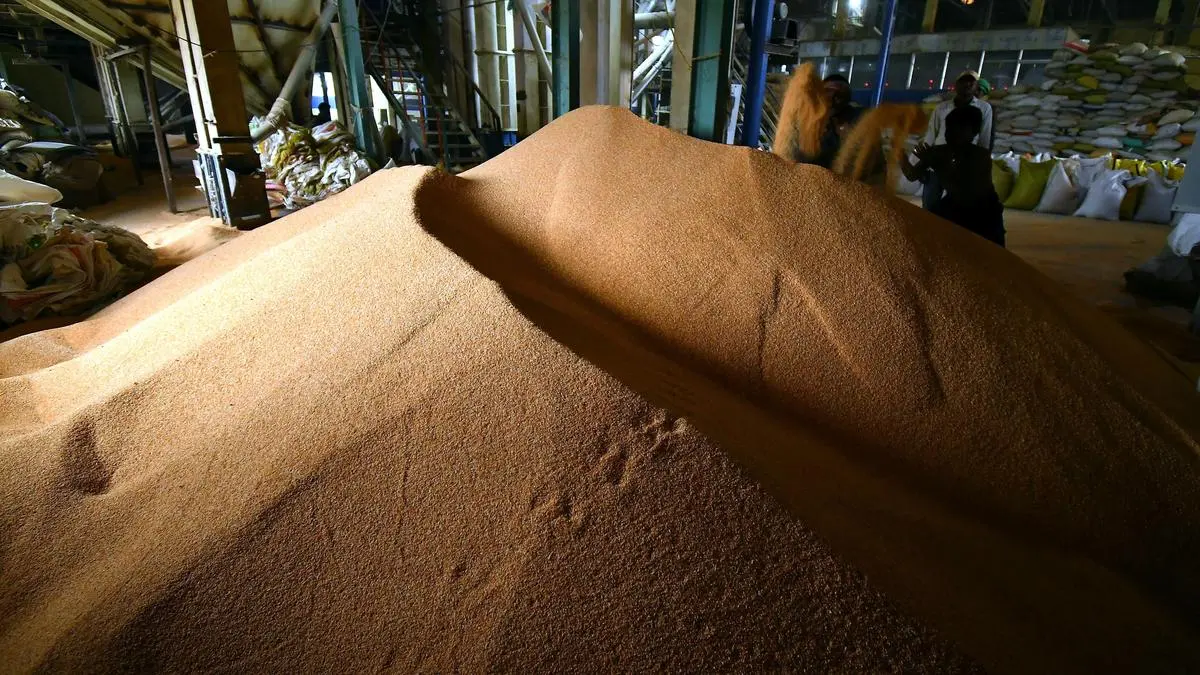
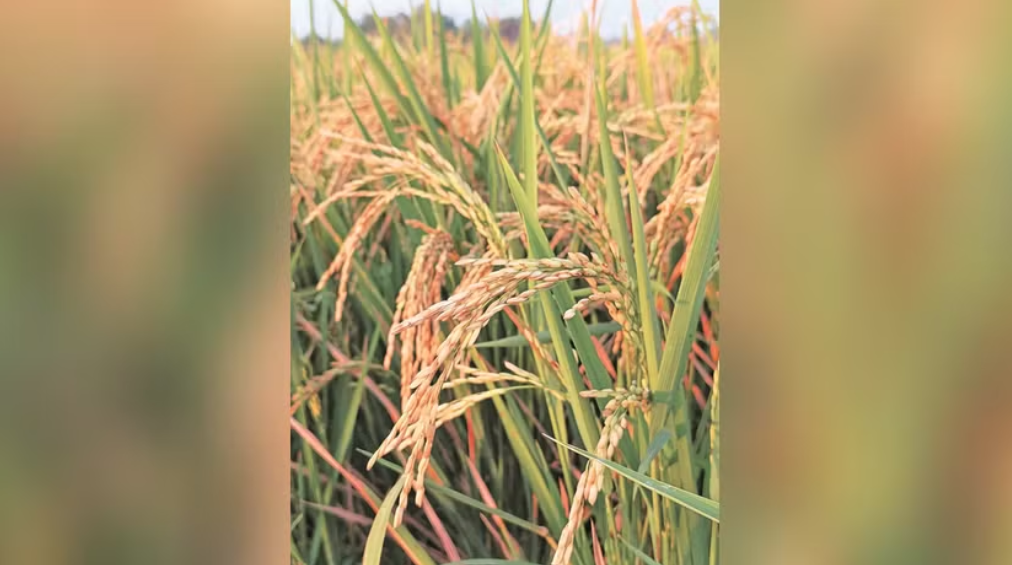
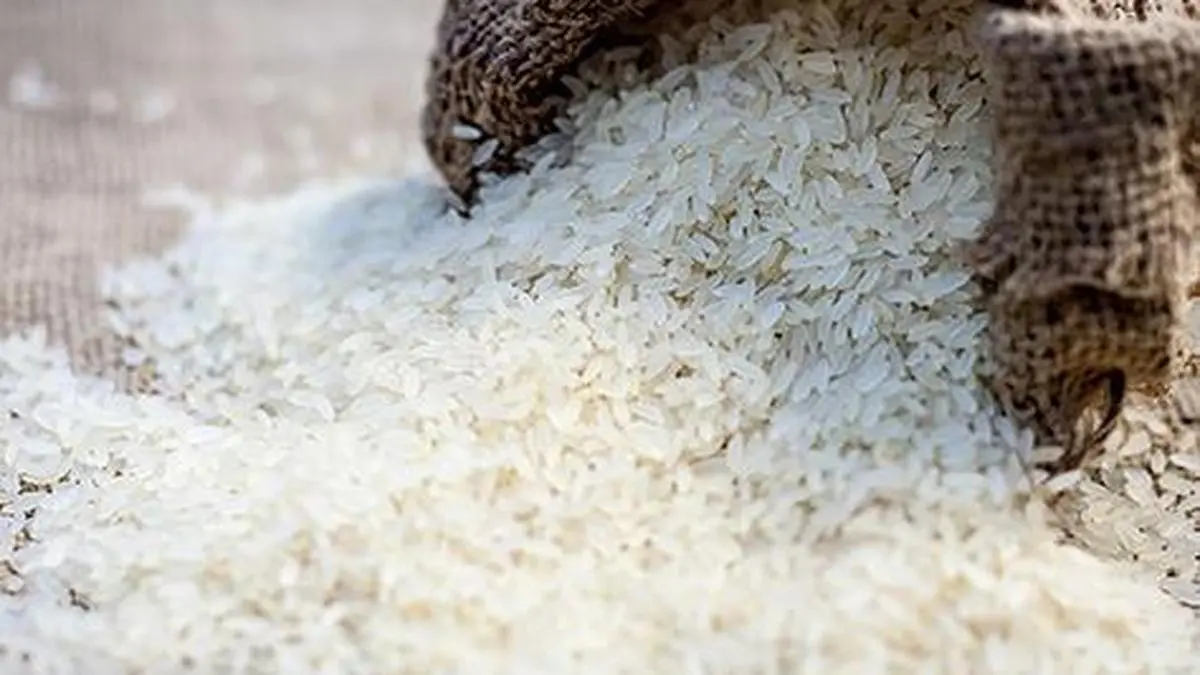
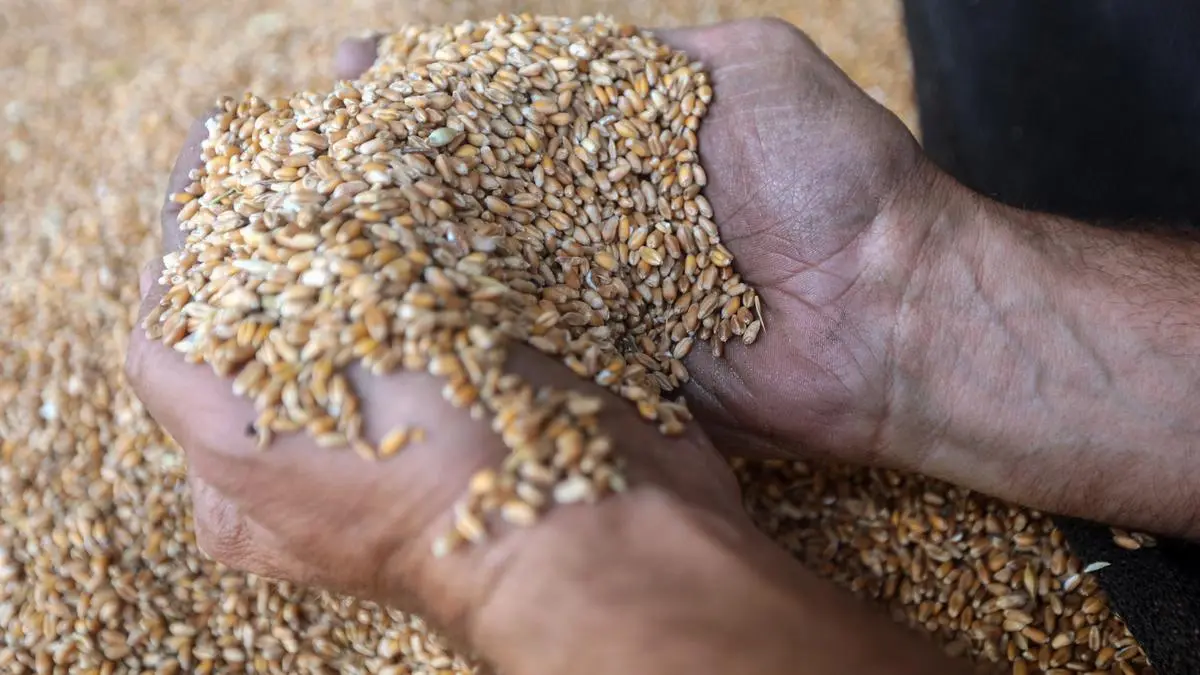
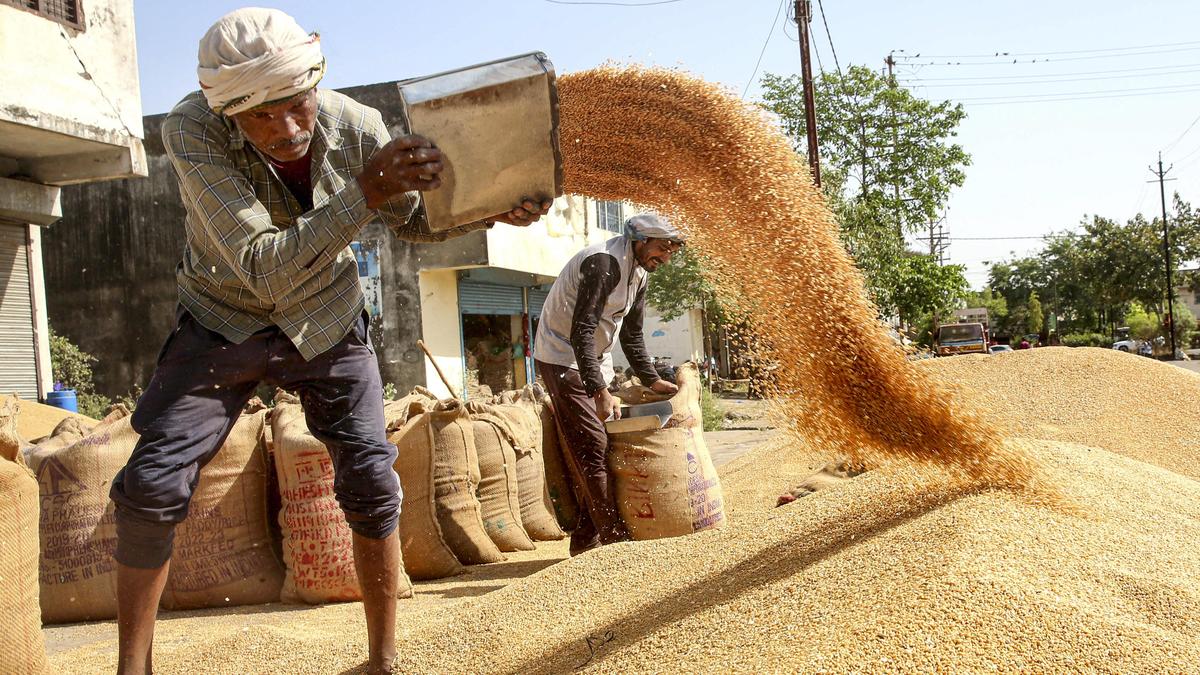
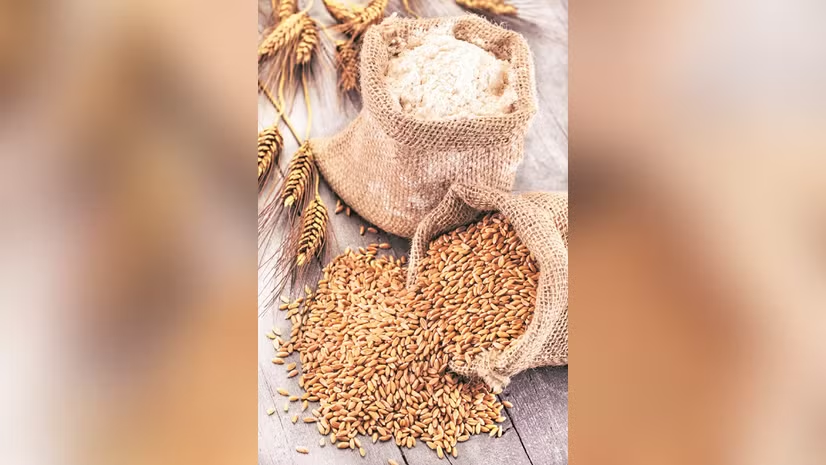
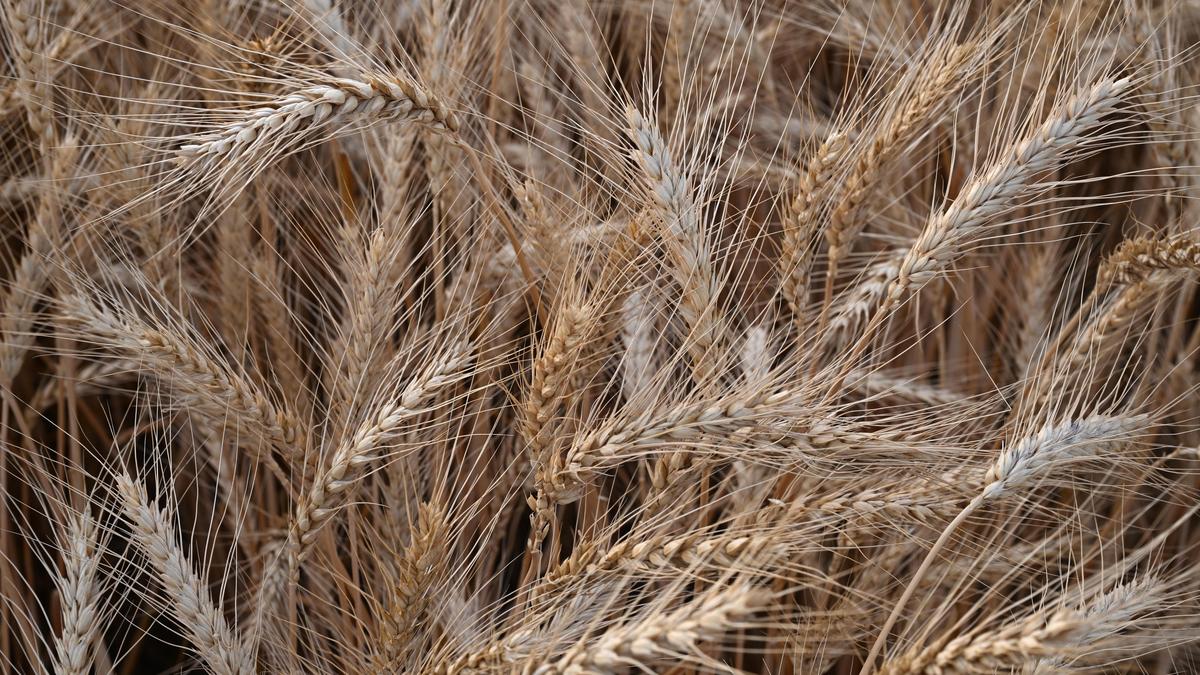
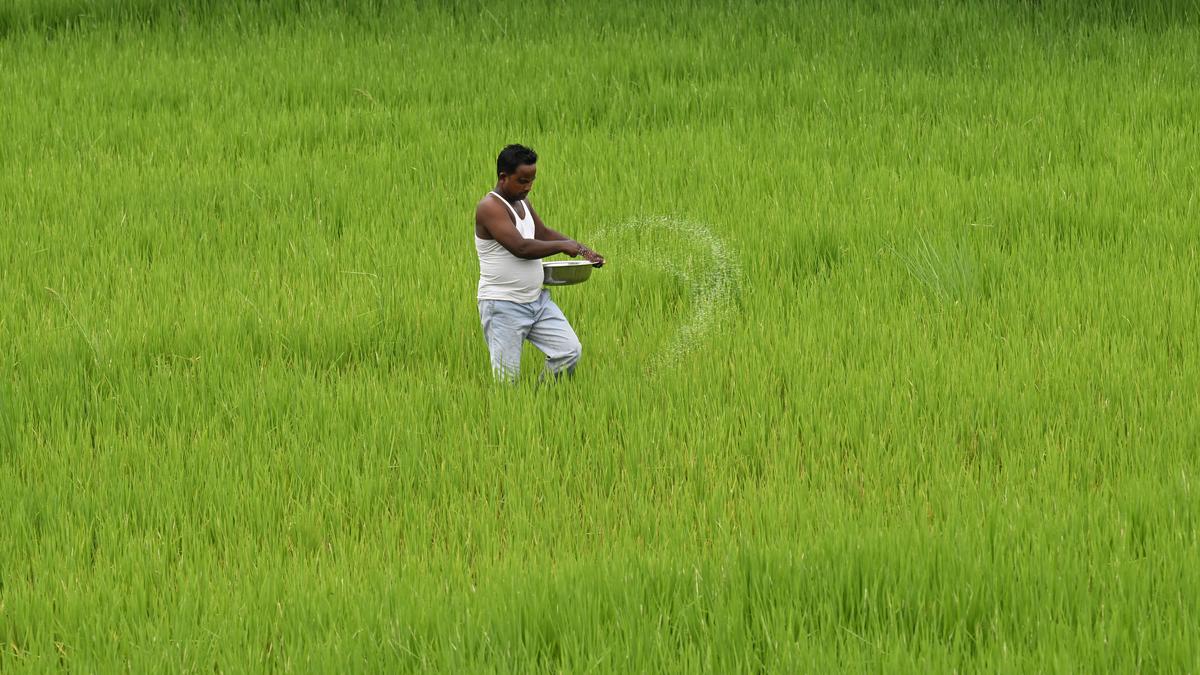
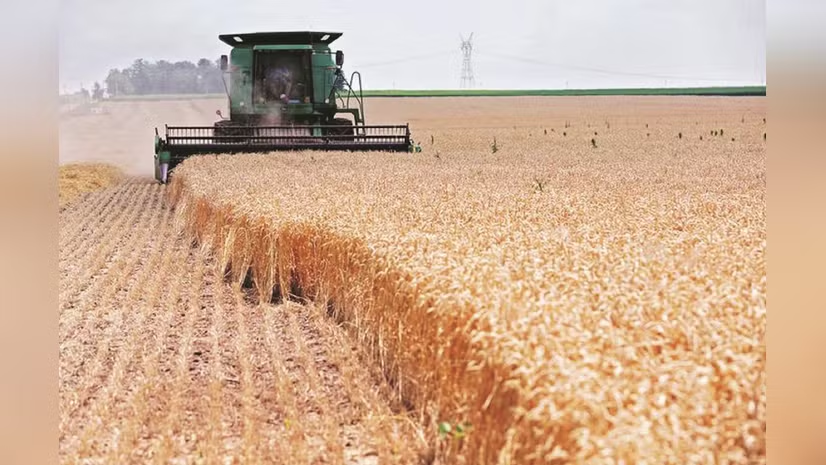
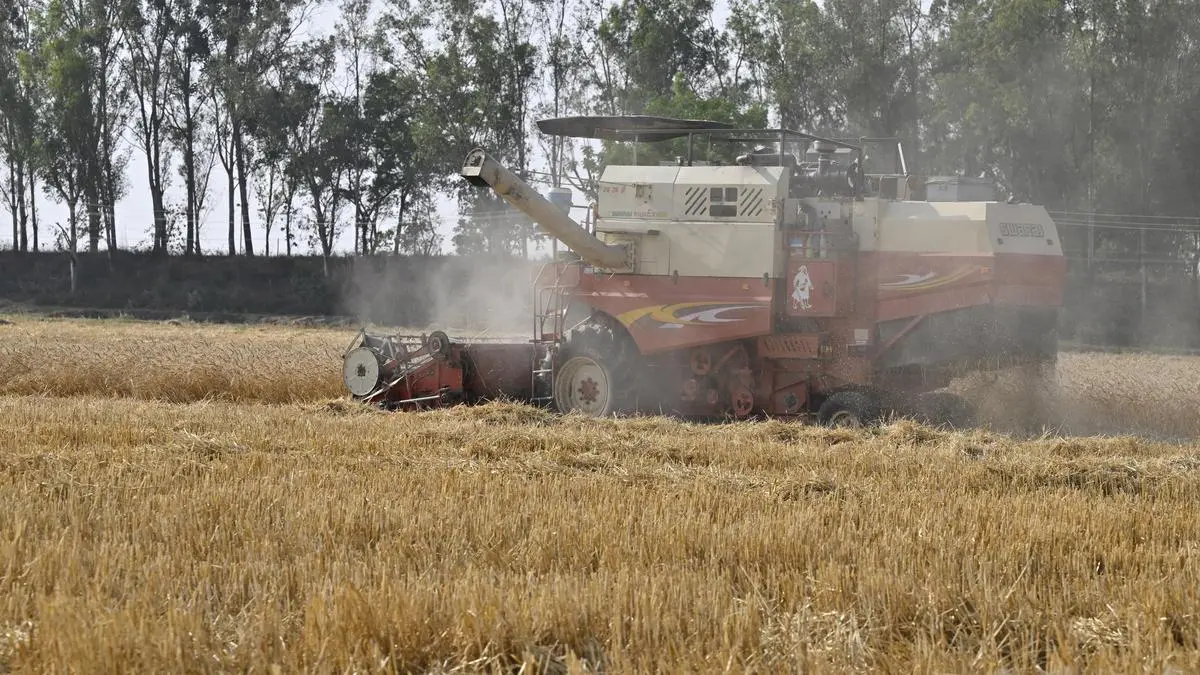
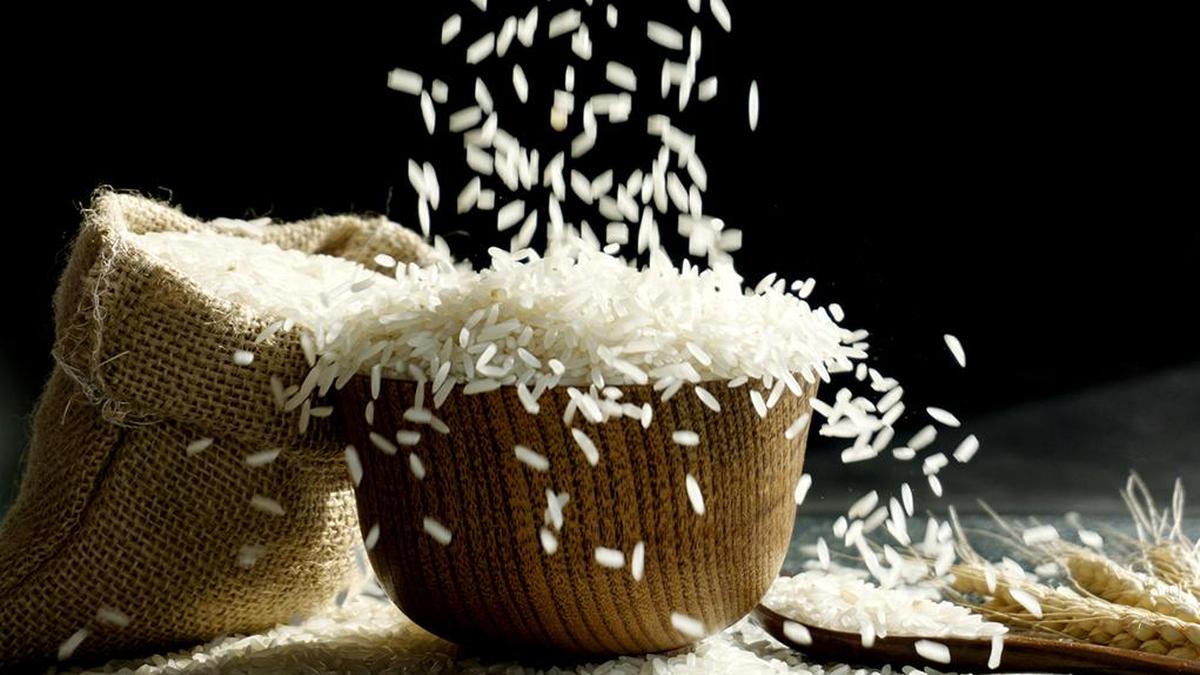
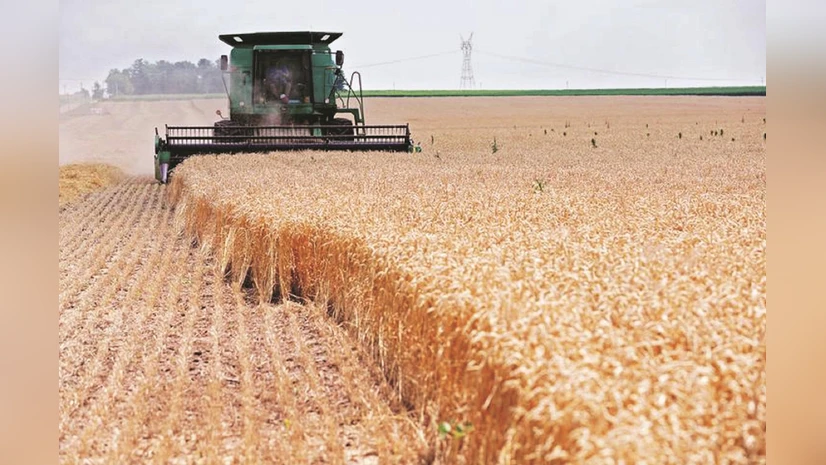
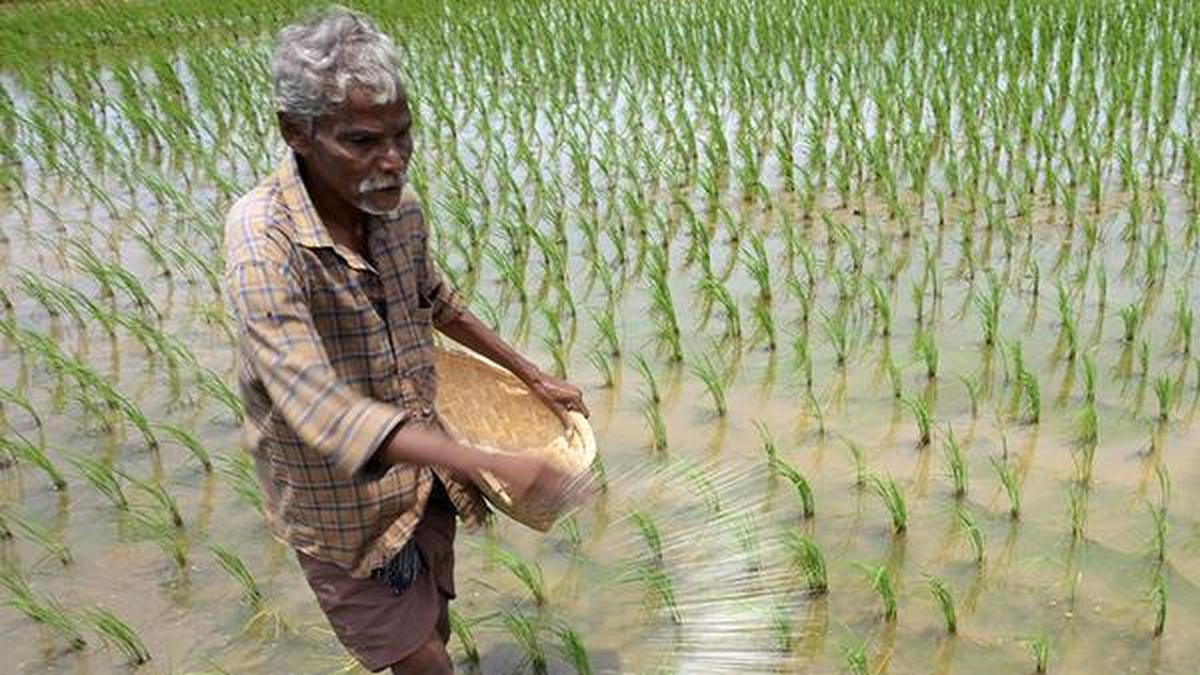
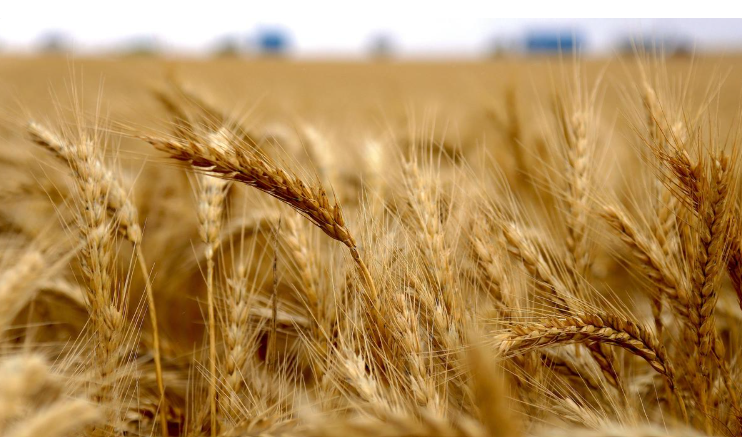
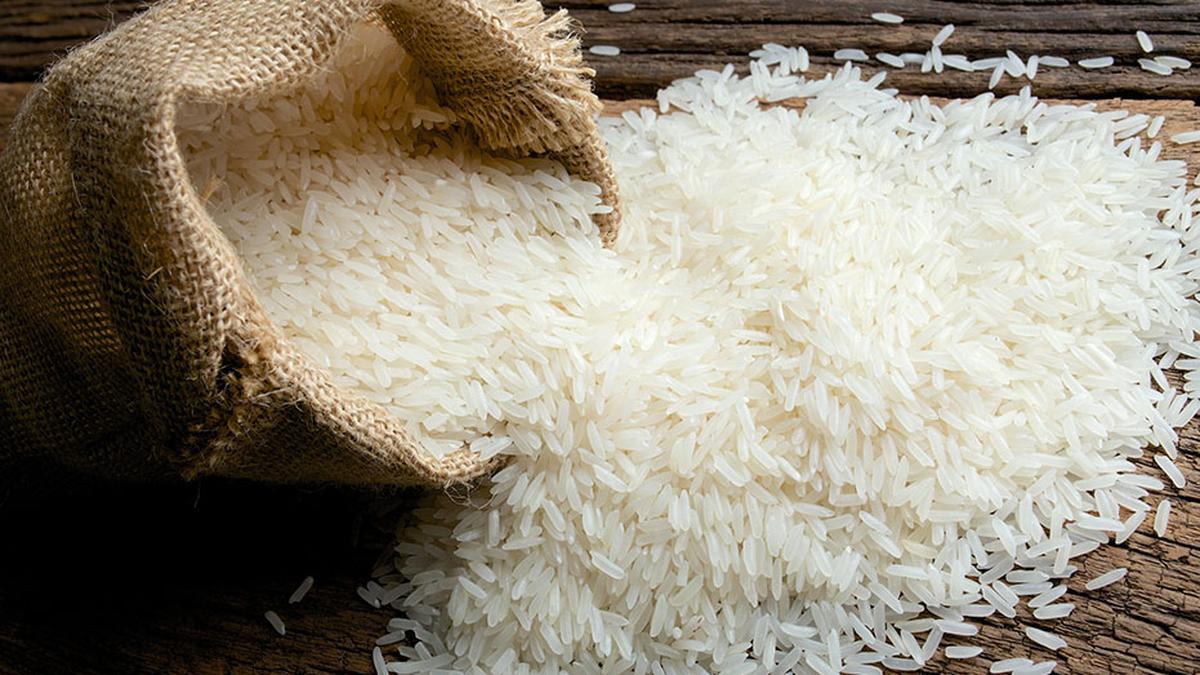
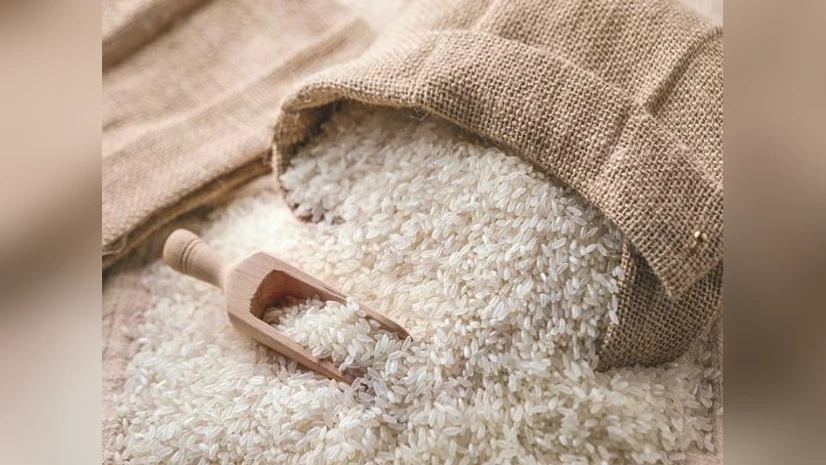
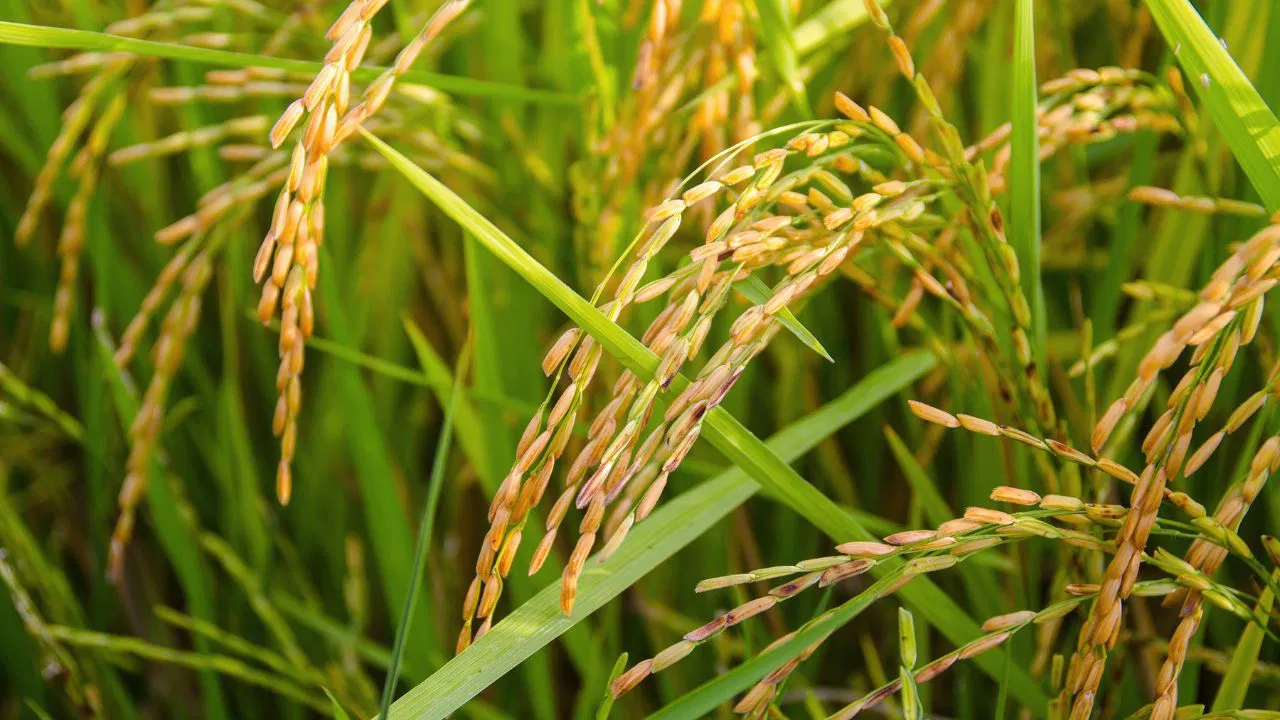
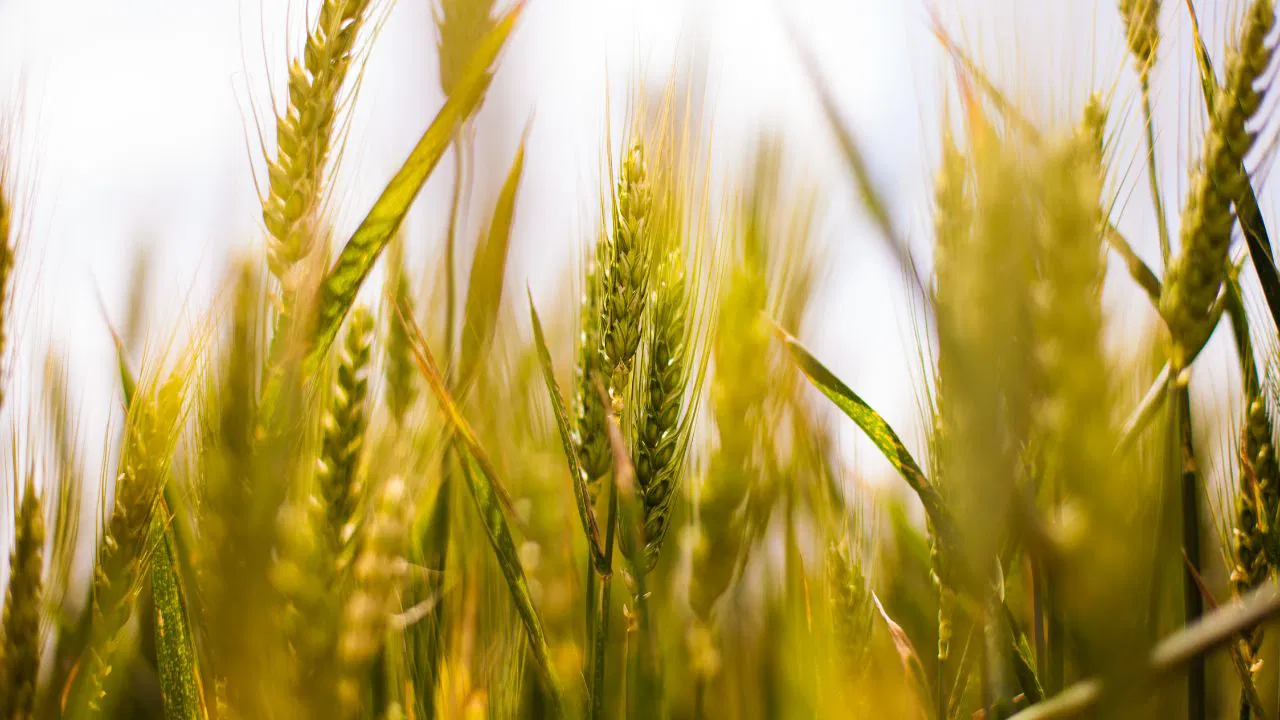
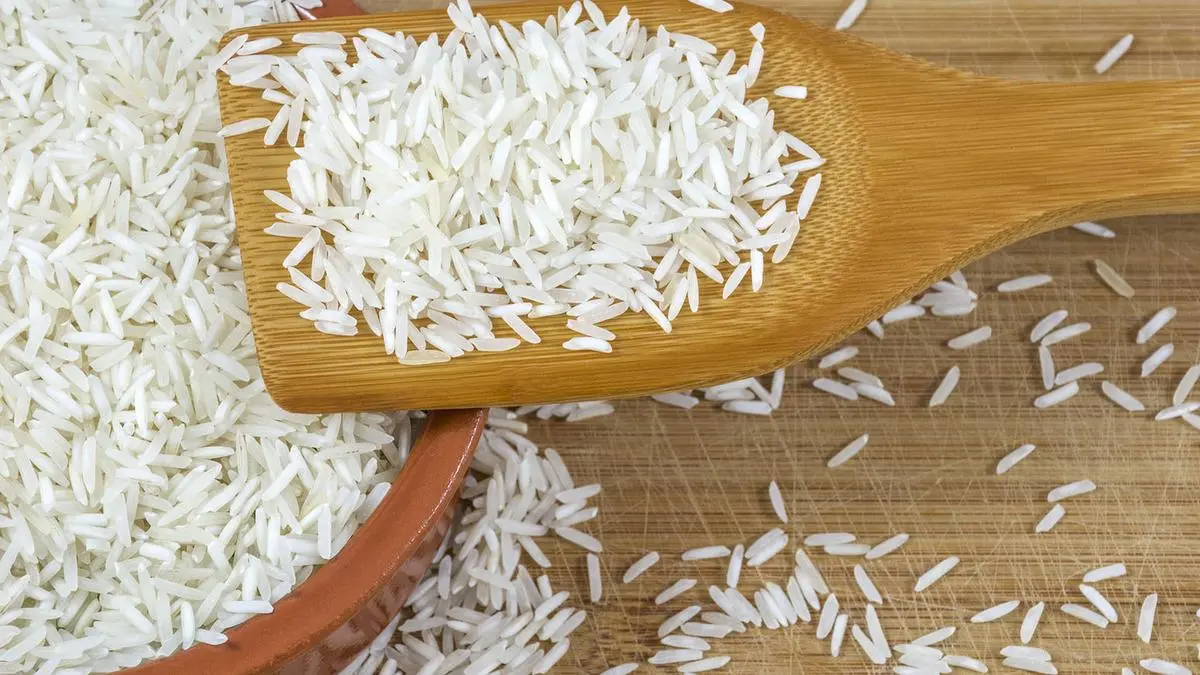
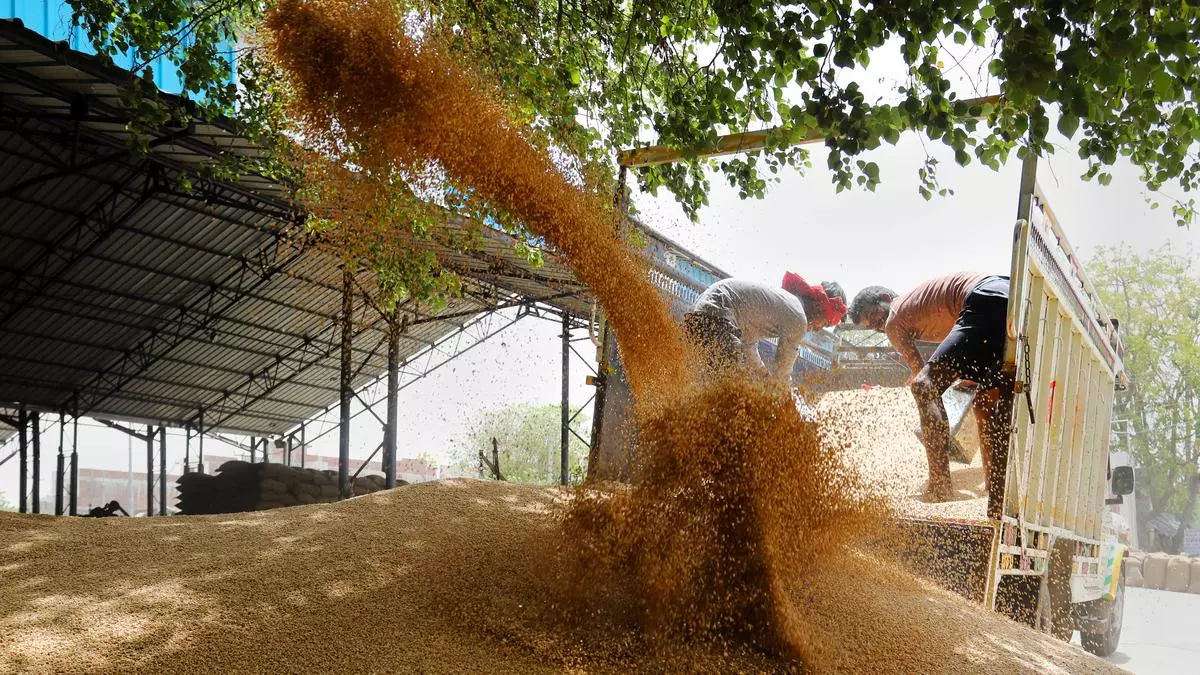
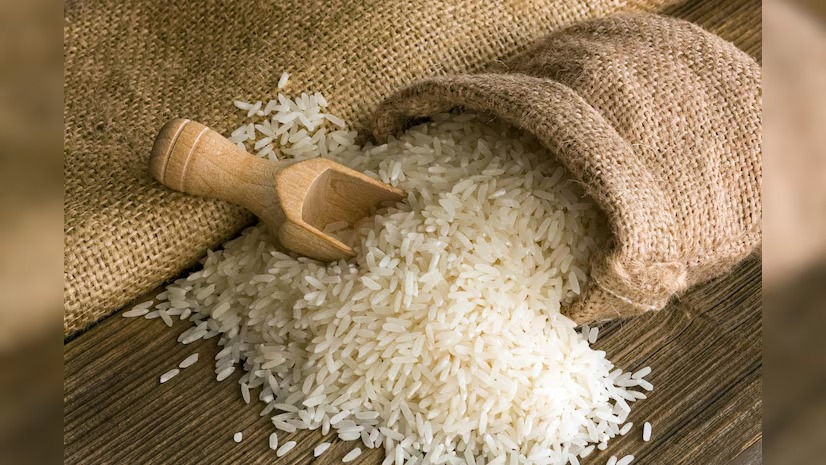
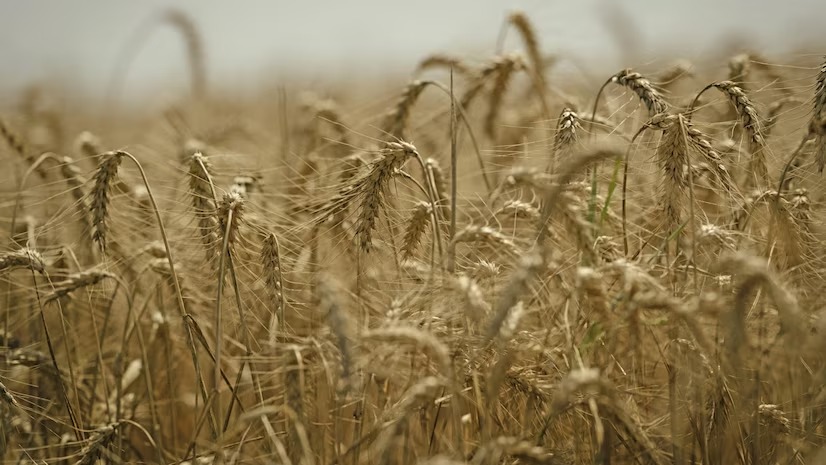
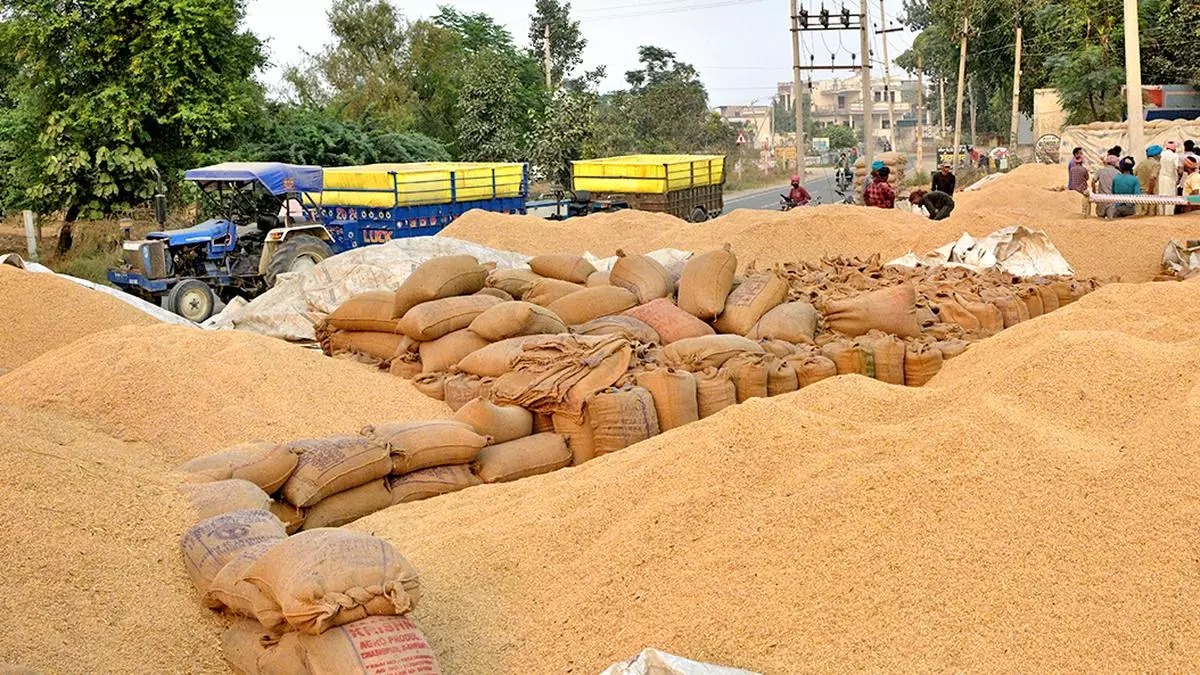
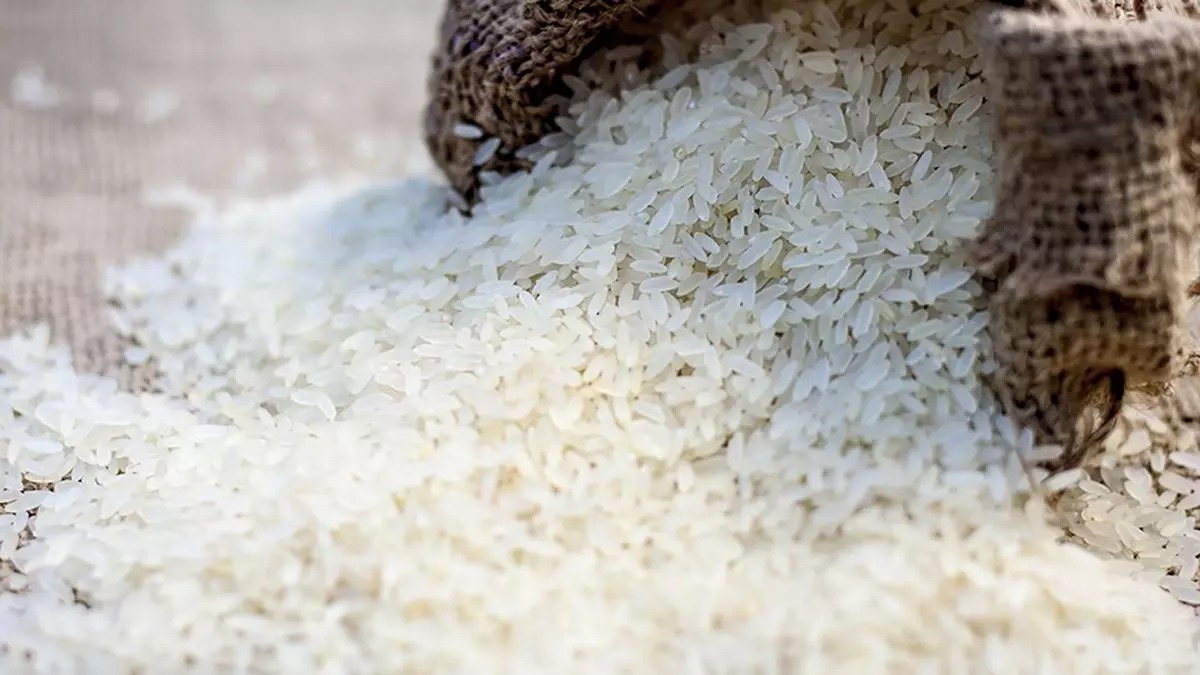
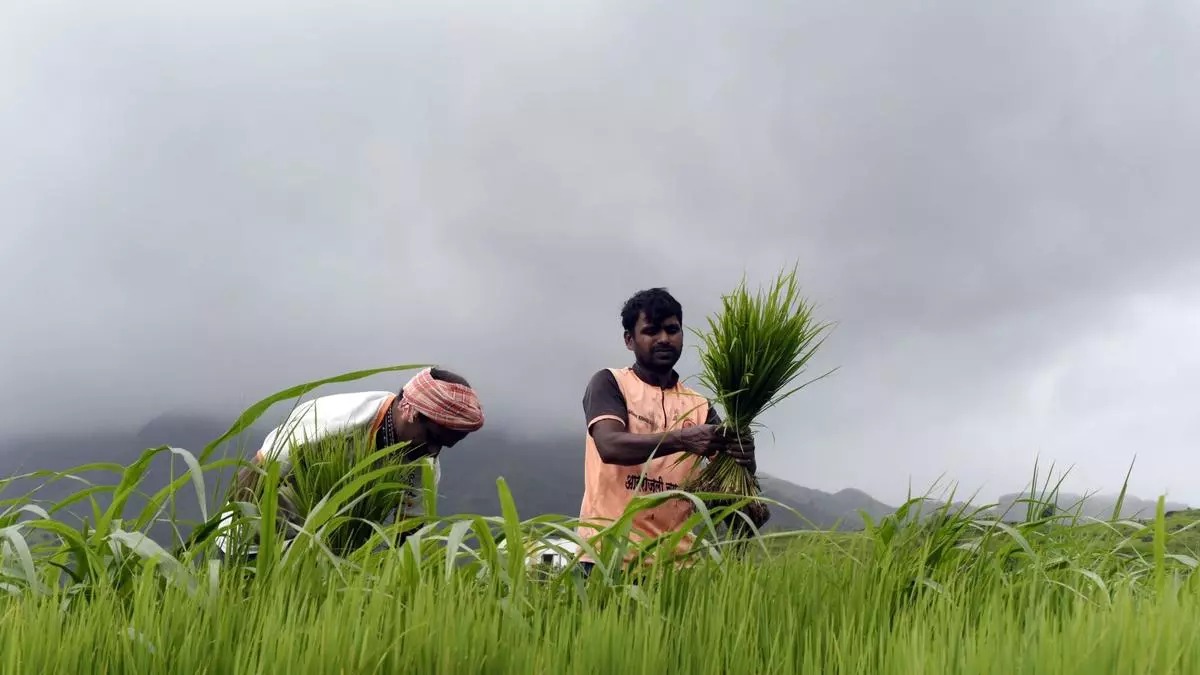
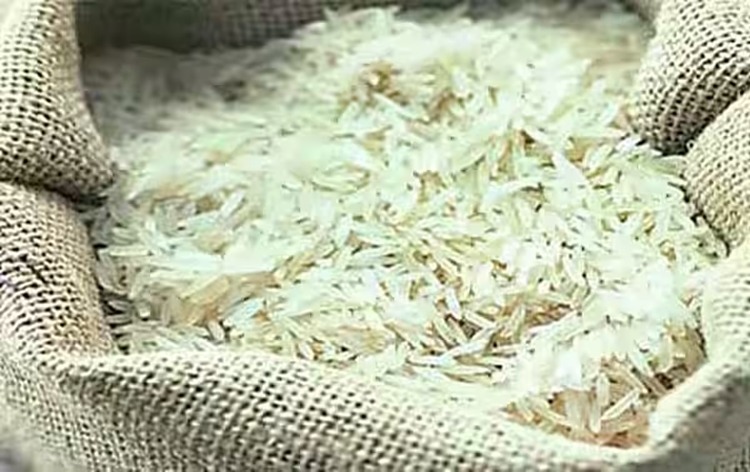
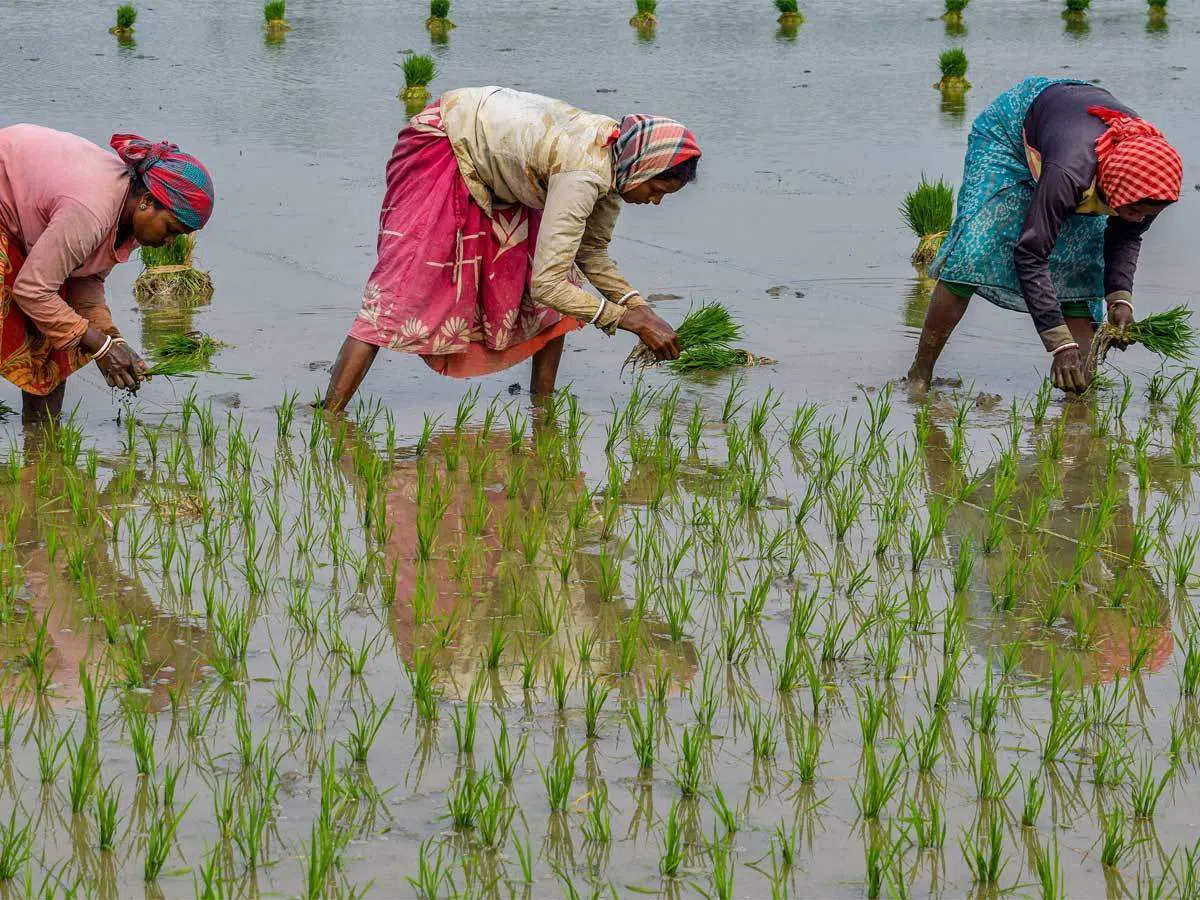
India’s recent trade policy adjustments mirror these realities. Protective measures, such as past restrictions on wheat and non-basmati rice exports, were implemented primarily to insulate domestic consumers from runaway inflation and safeguard local food security following weather anomalies and international price spikes. While vital for domestic stability, these ad-hoc measures introduce friction and unpredictability into international markets, complicating India’s aspiration to be viewed as a reliable, long-term trade partner.