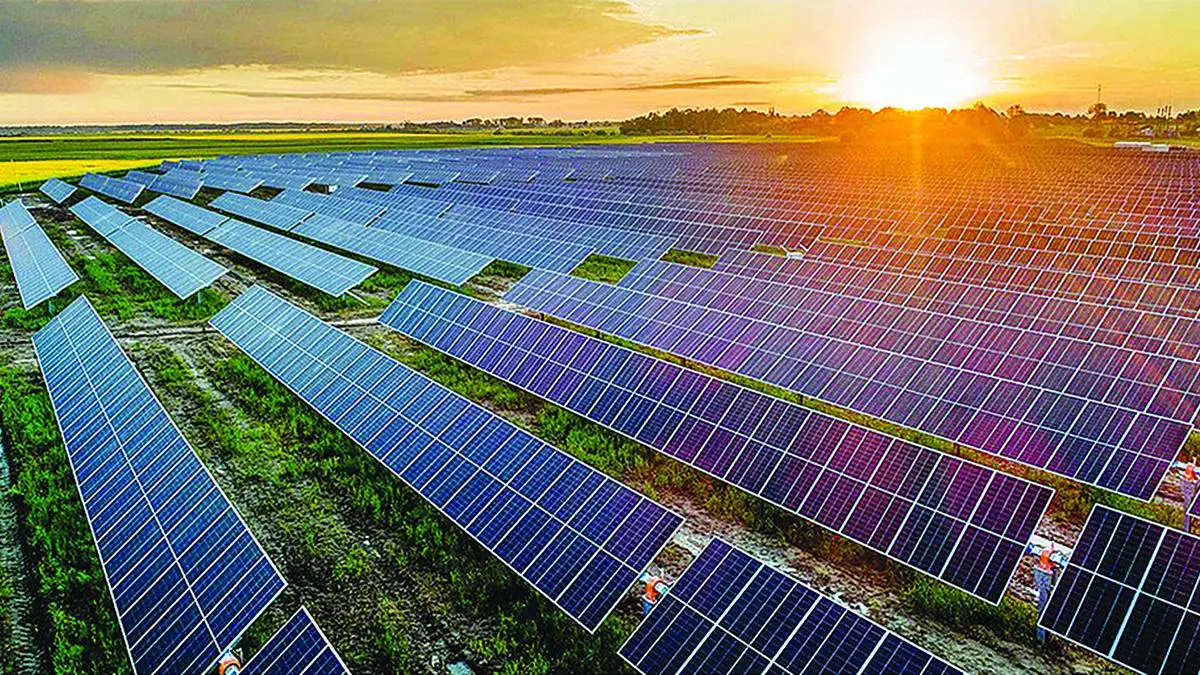
India is building its digital, physical and physital future at an unprecedented and historic pace, expanding its optical fibre cable network by an average of over 4.5 lakh route kilometres annually while simultaneously constructing roughly 11,000 kilometres of National Highways and electrifying 6500 km railway track, adding around 5,000 km of railway tracks each year. This massive expansion means that alongside a multi-year national rollout that adds an astounding 2.28 million kilometres of digital connectivity across our geography, the nation lays down approximately 30 kilometres of highways and 12 to 15 kilometres of new rail lines every single day. Yet, as these sprawling transport corridors, ultra-mega solar parks, and massive digital networks expand, a quiet technological support led by agricultural science is taking place right beneath the land surface.
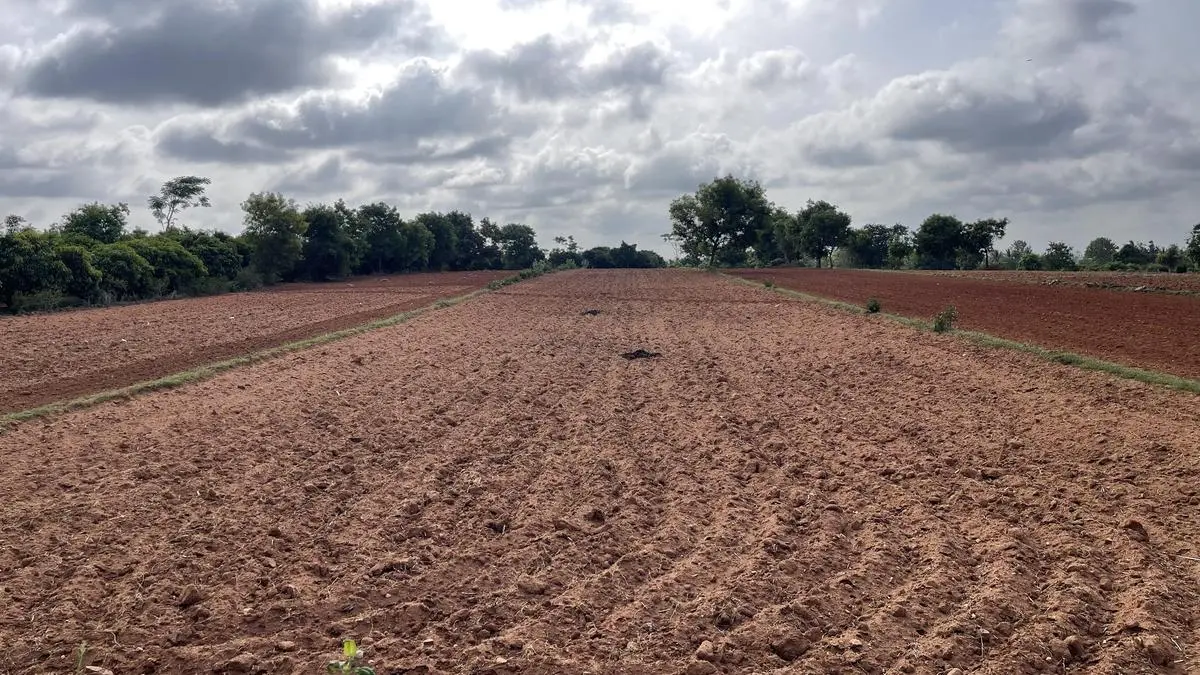
Bidders for mega-projects frequently need to prepare cost estimates for soil digging beforehand, even when no prior geological information is available. Because project tendering timelines are notoriously short, quick and reliable soil data can drastically alleviate this risk — especially when the project is located outside of India where local terrain data is hard to access. Further, after winning the bid, the executors are plagued by a recurring, multi-million-rupee nightmare: an engineering crew digging smoothly through soft soil suddenly strikes an unyielding wall of subterranean rock, or a newly laid road over deceptive black cotton soil begins to crack and buckle.
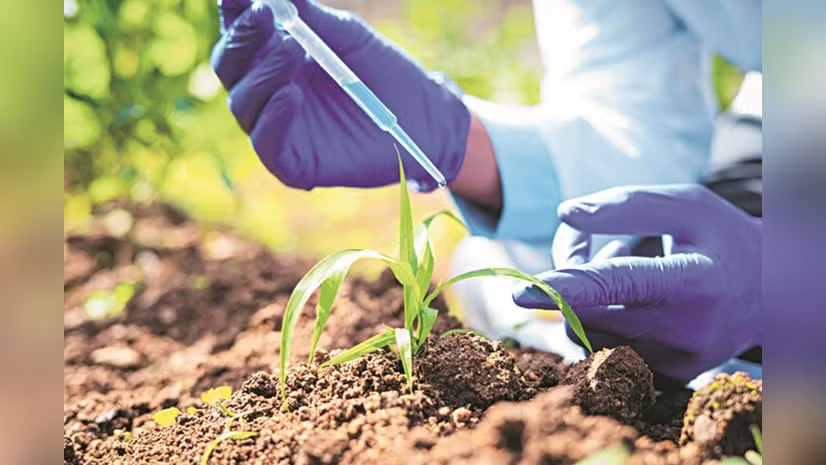
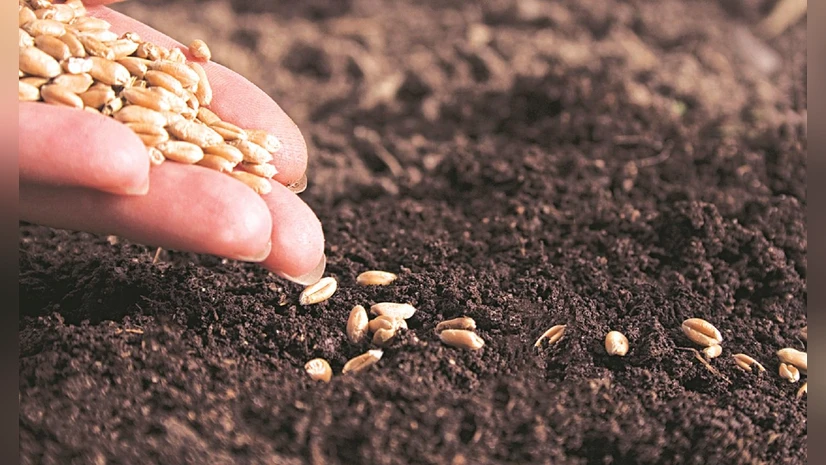
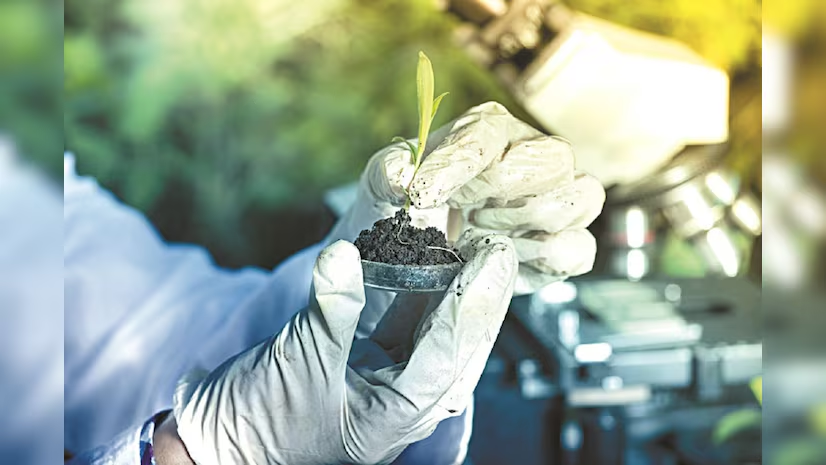
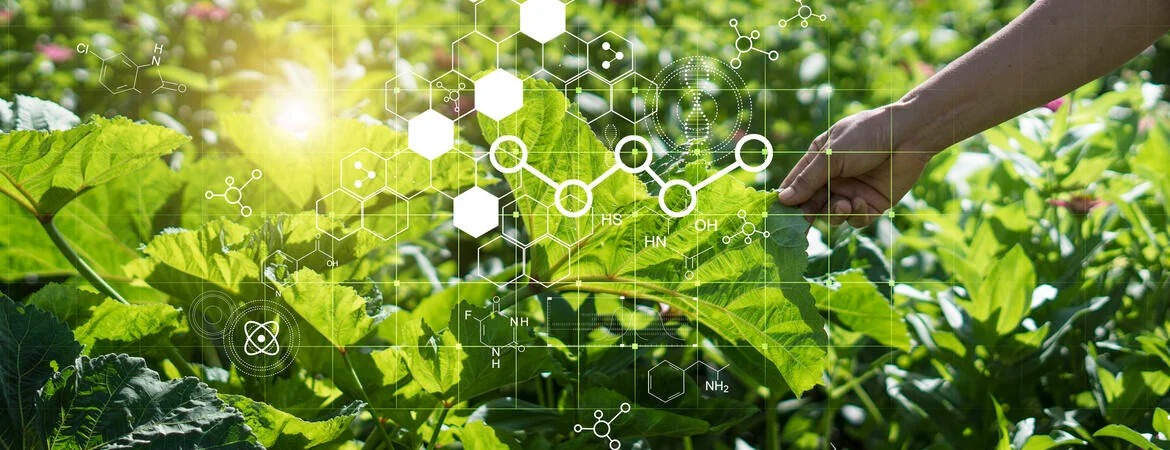
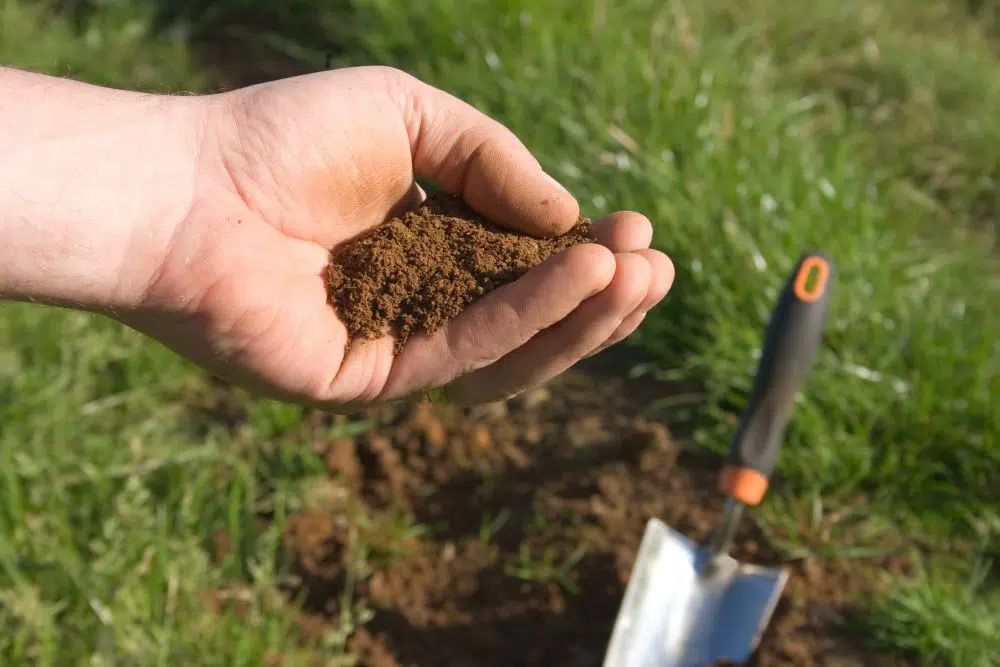
Work grinds to a halt, machinery sits idle, and project costs skyrocket. To bridge this critical information gap, scientists at the ICAR–National Bureau of Soil Survey and Land Use Planning (NBSS&LUP) in Nagpur have developed a ground-breaking paradigm: Soil Intelligence-Based Predictive Engineering. By fusing decades of legacy pedological (soil) data with advanced machine learning, ICAR is granting infrastructure planners “X-ray vision” into the earth before a single shovel hits the ground — proving that agricultural research is a foundational driver of national development far beyond the farms.