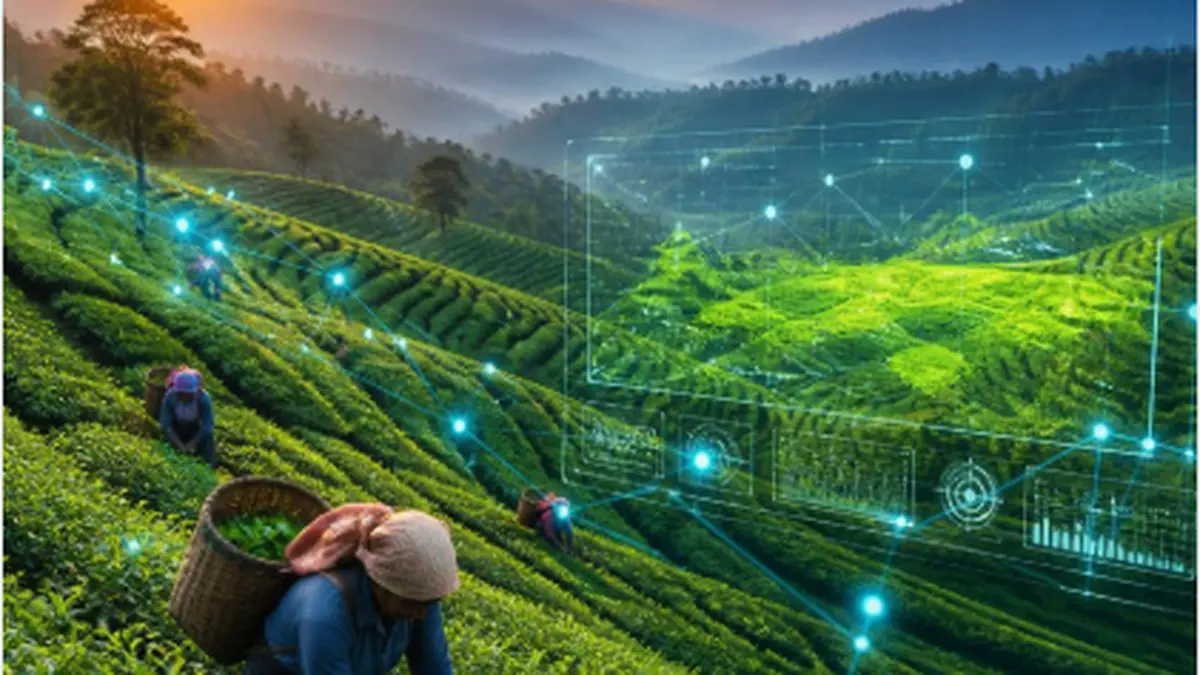
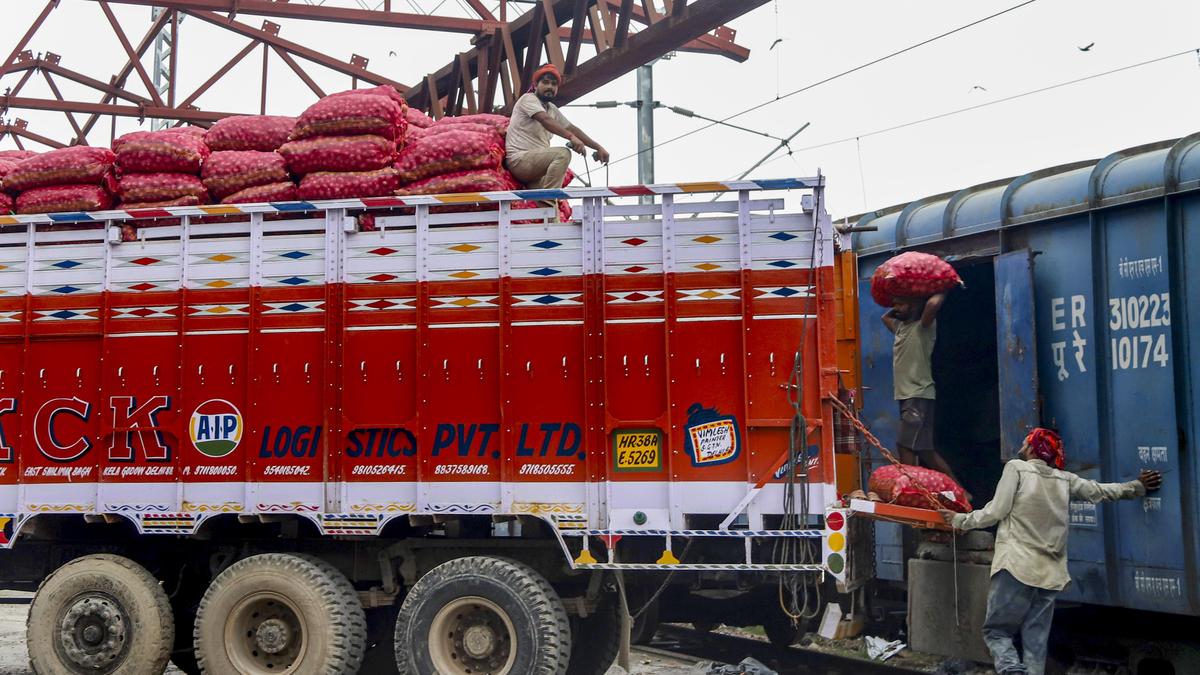
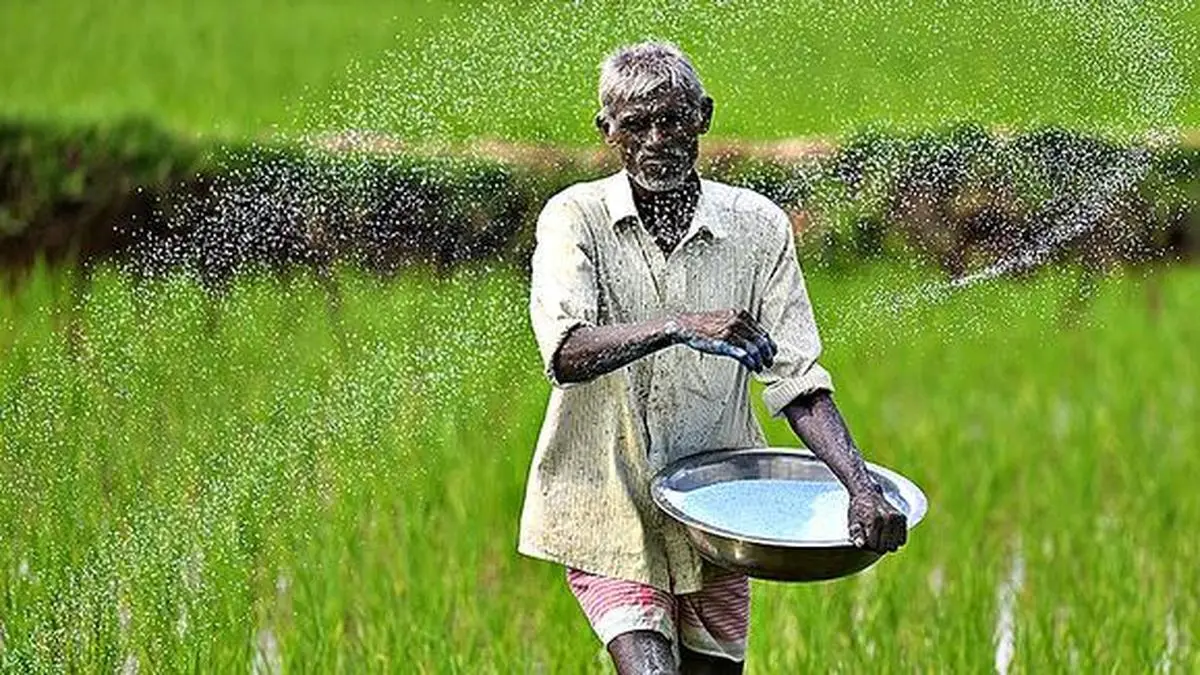
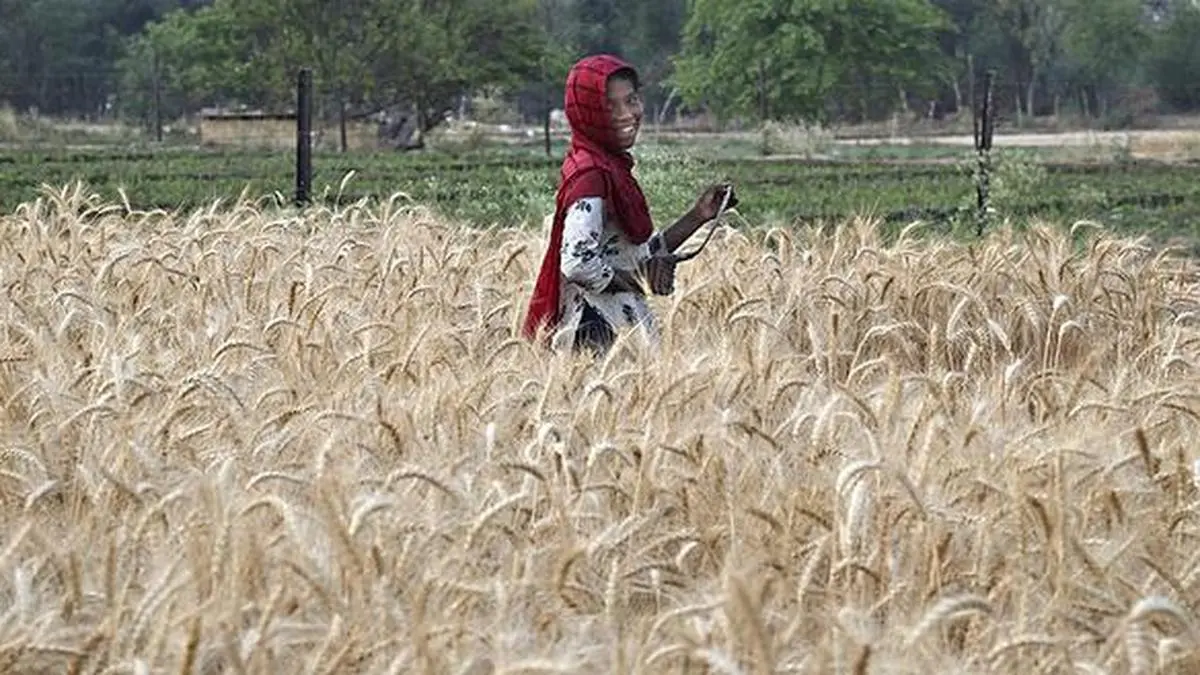
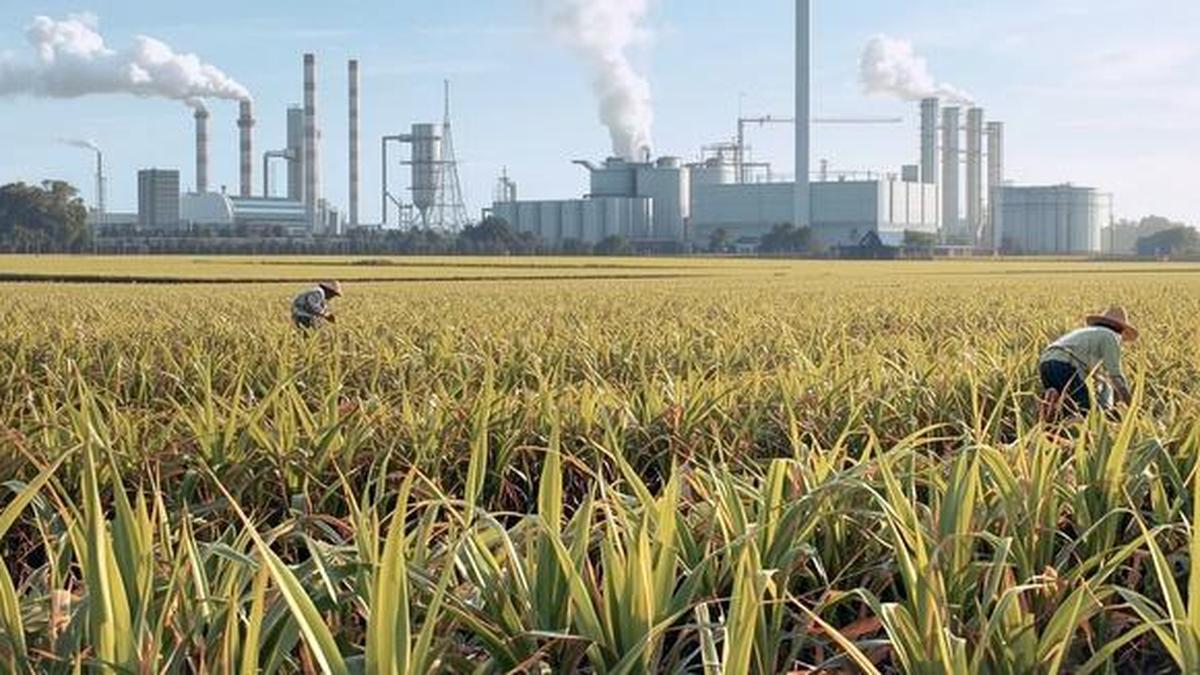
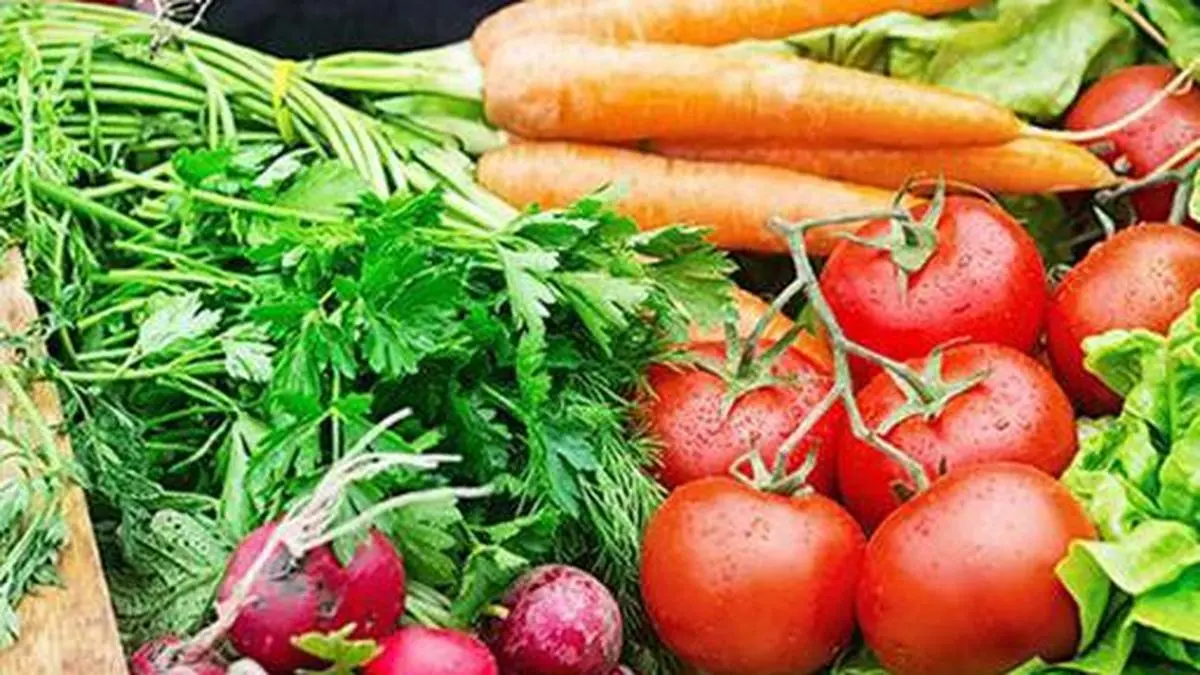
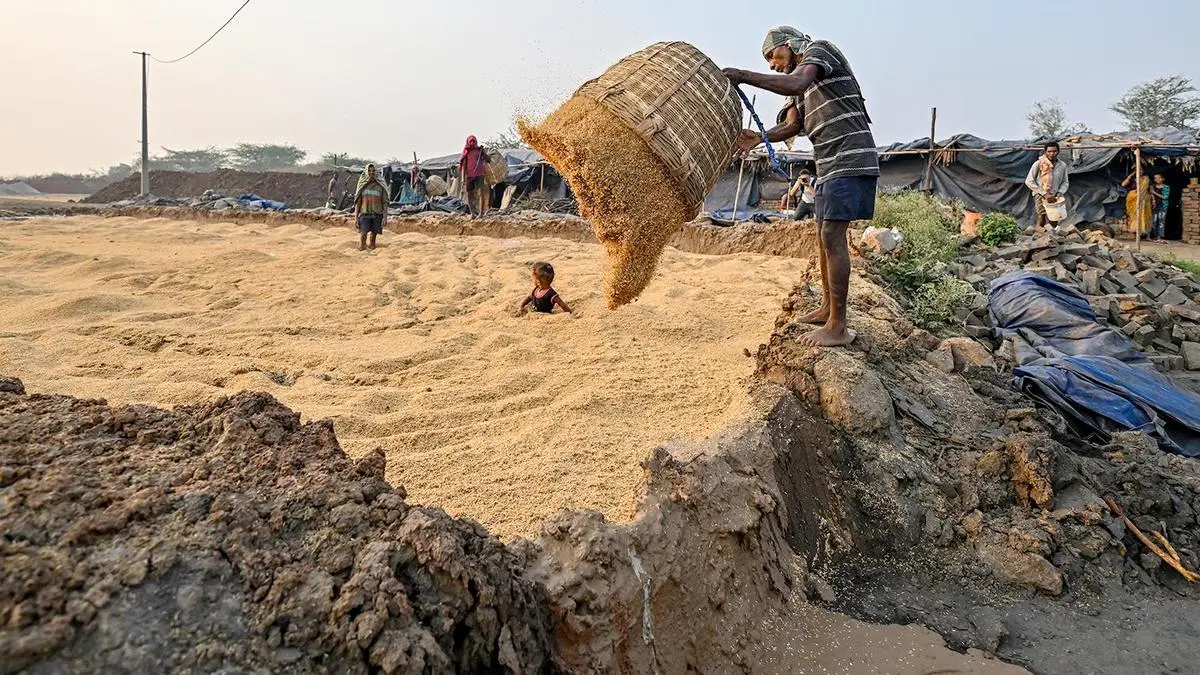
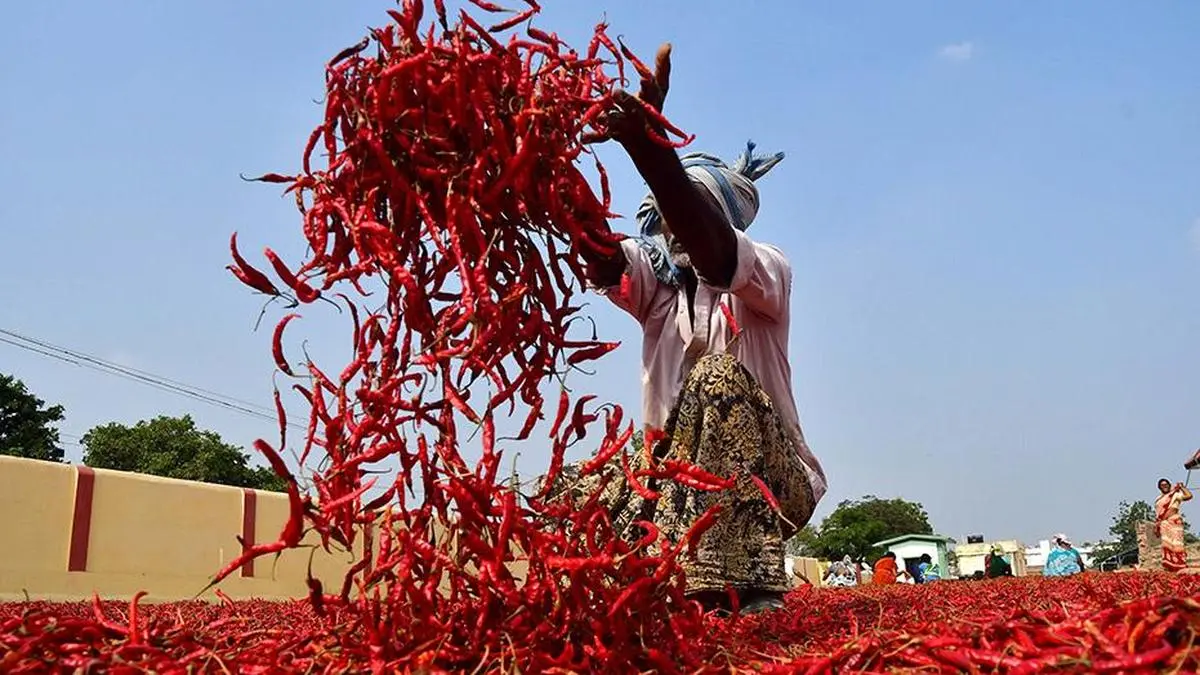
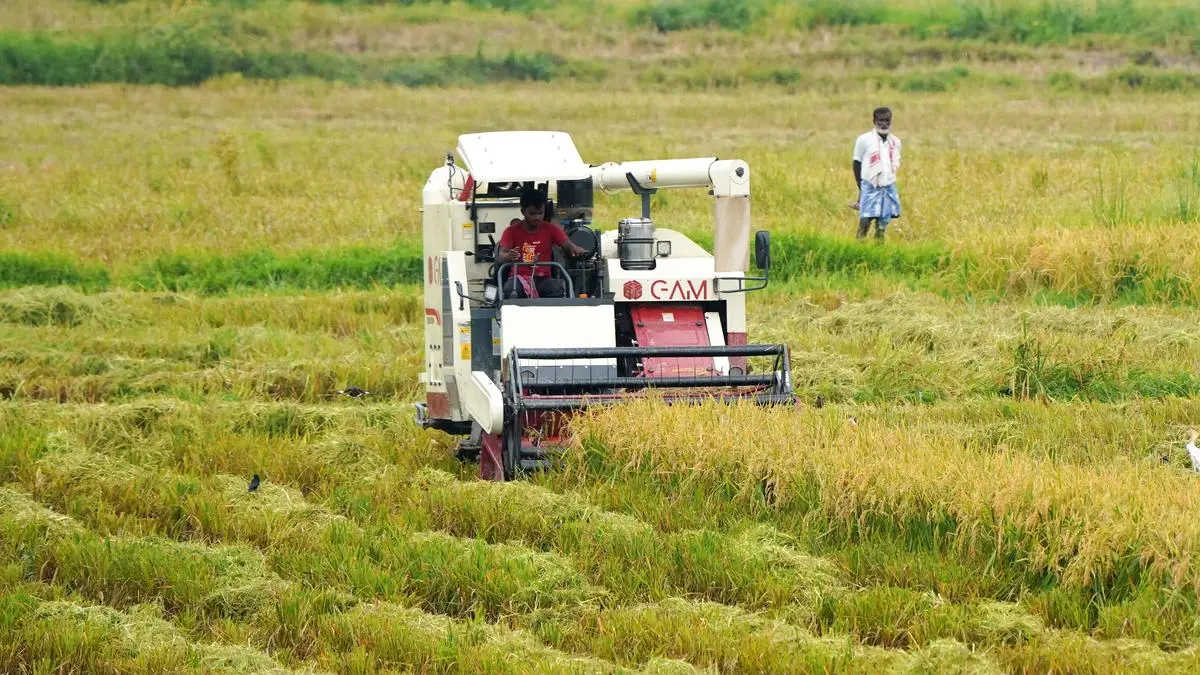
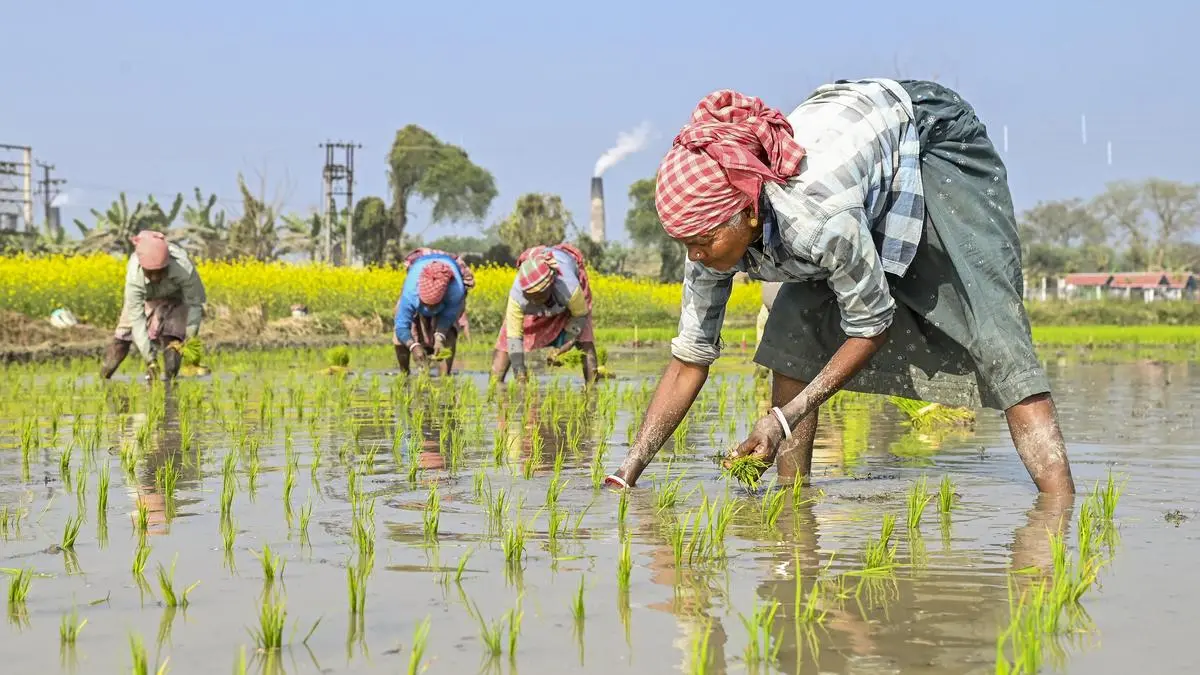
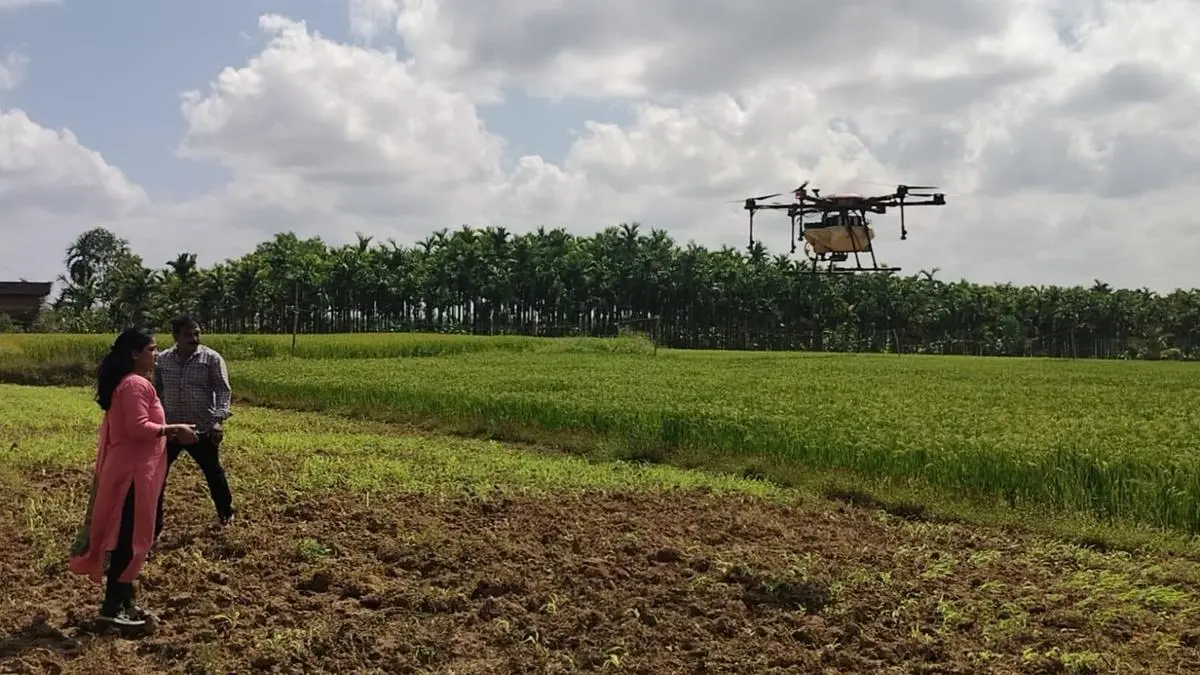
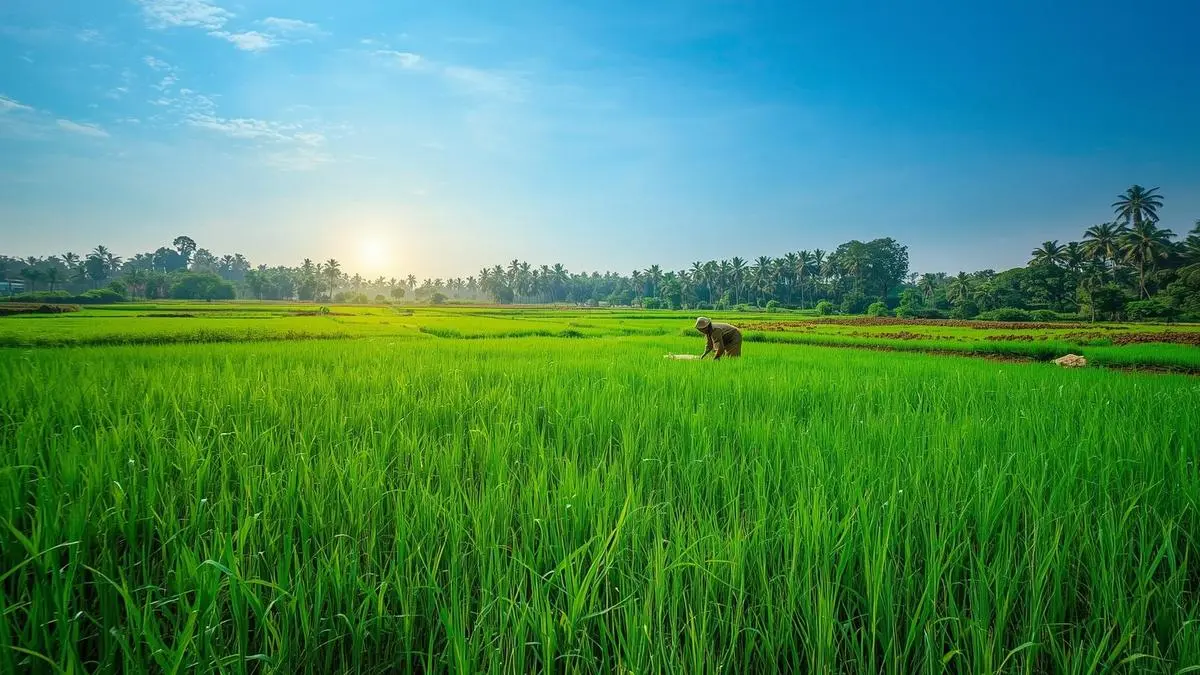
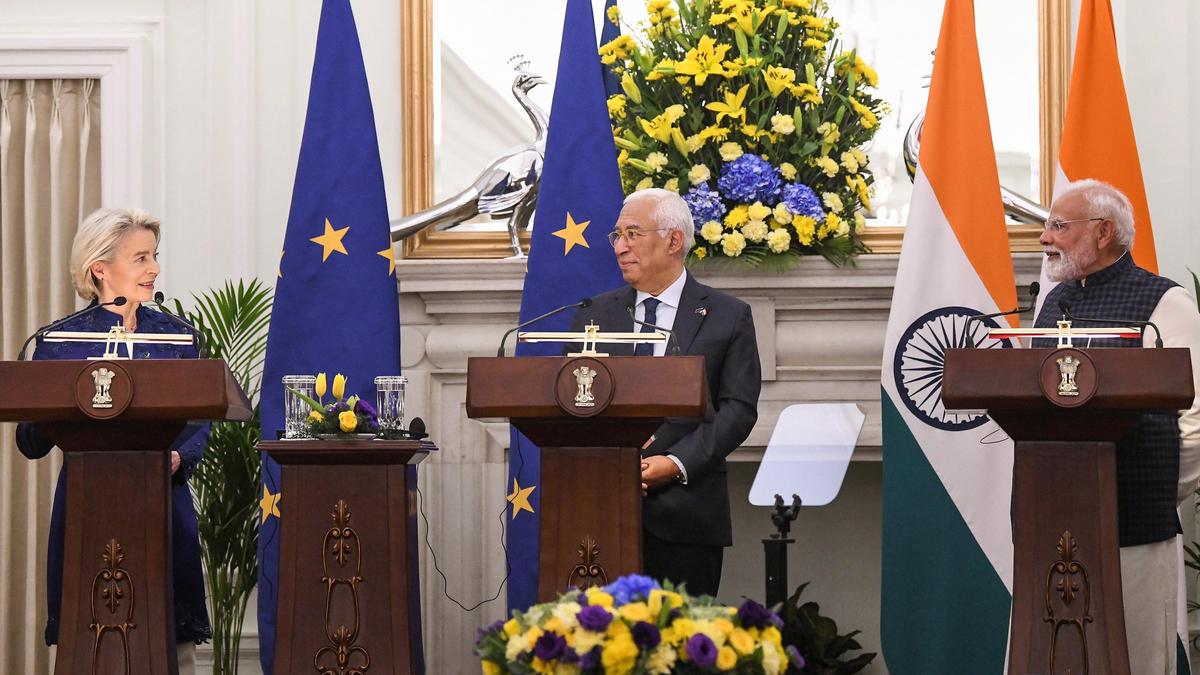
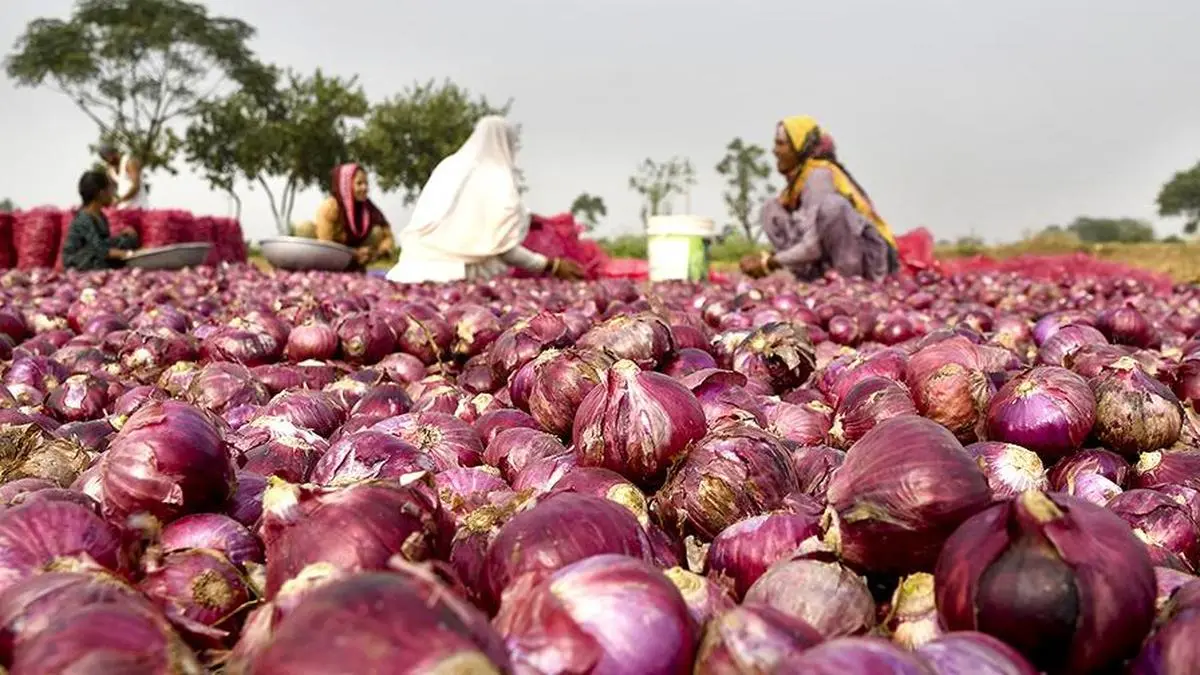
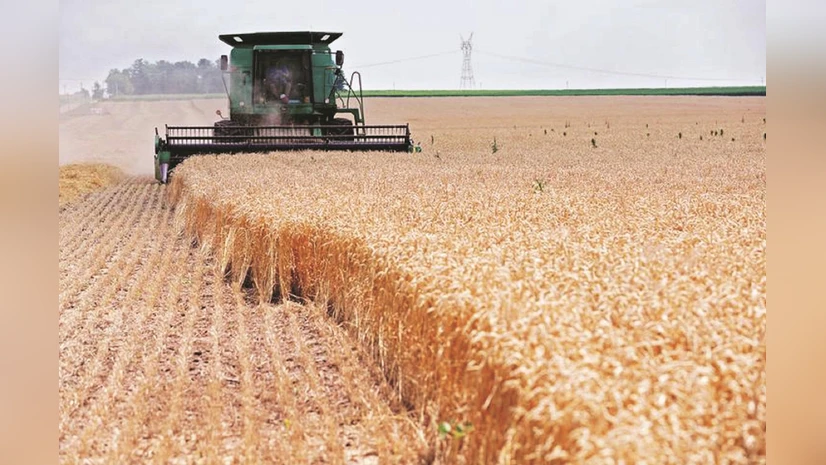
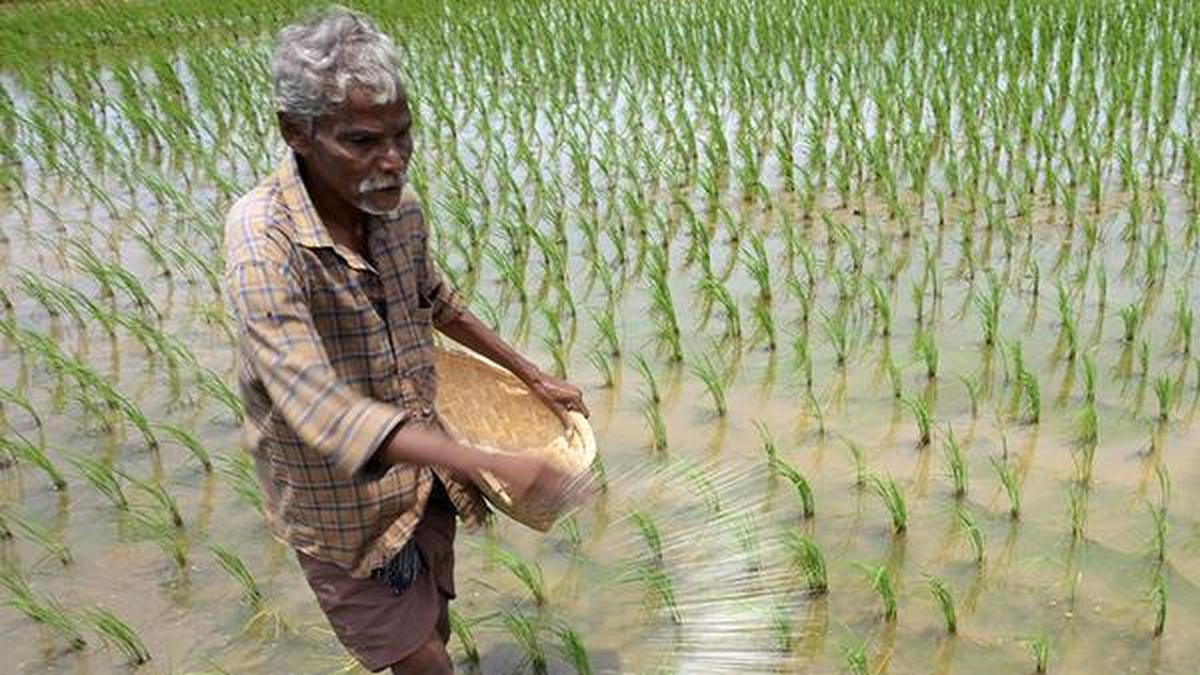
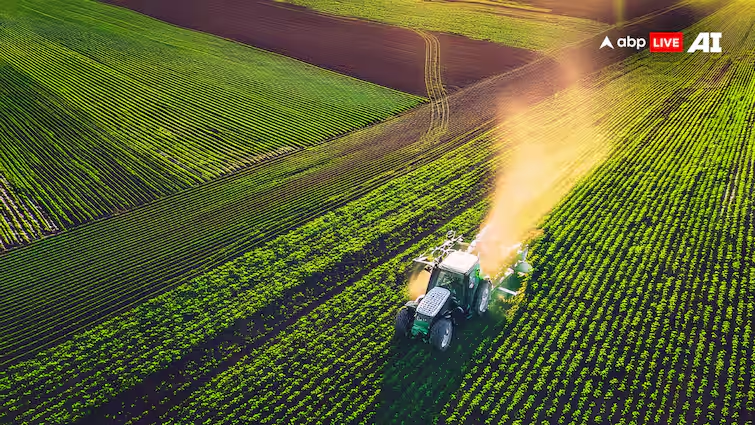
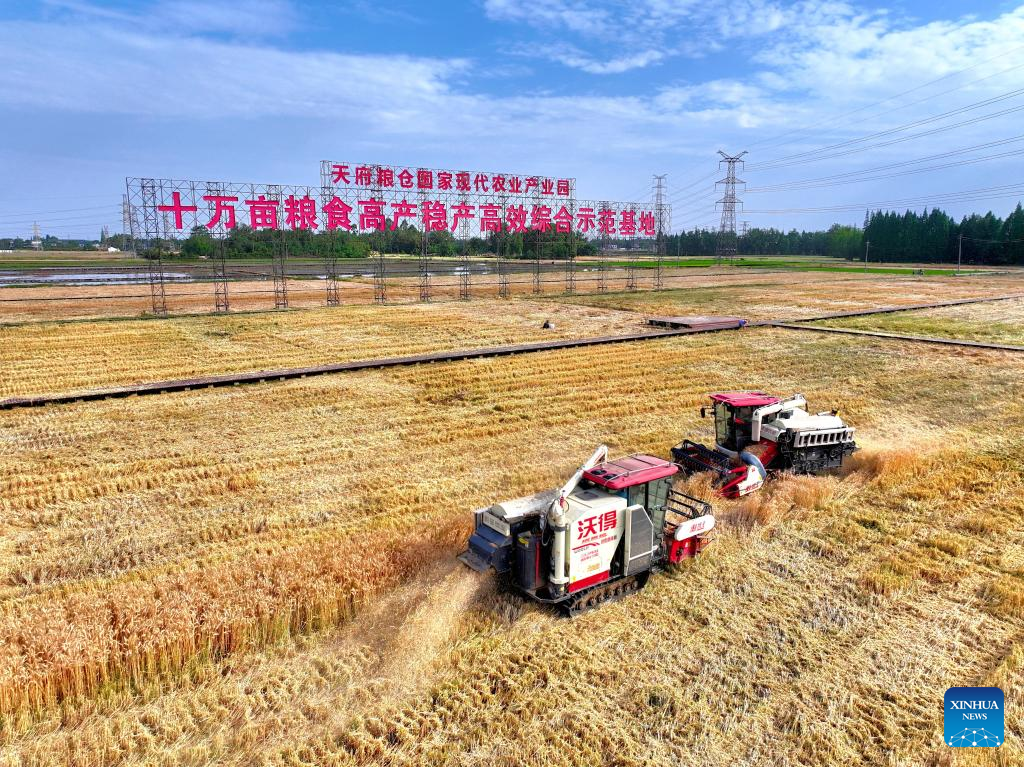
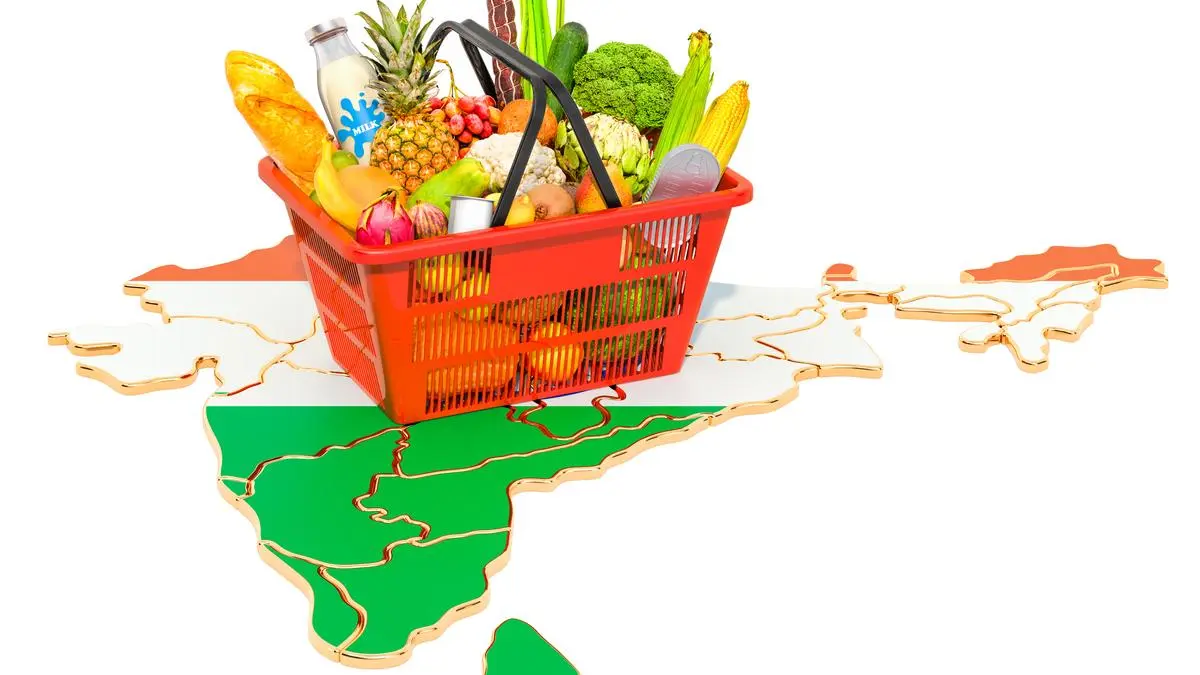
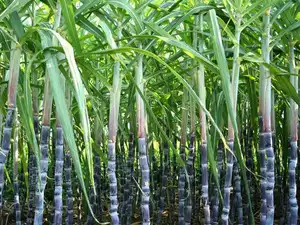
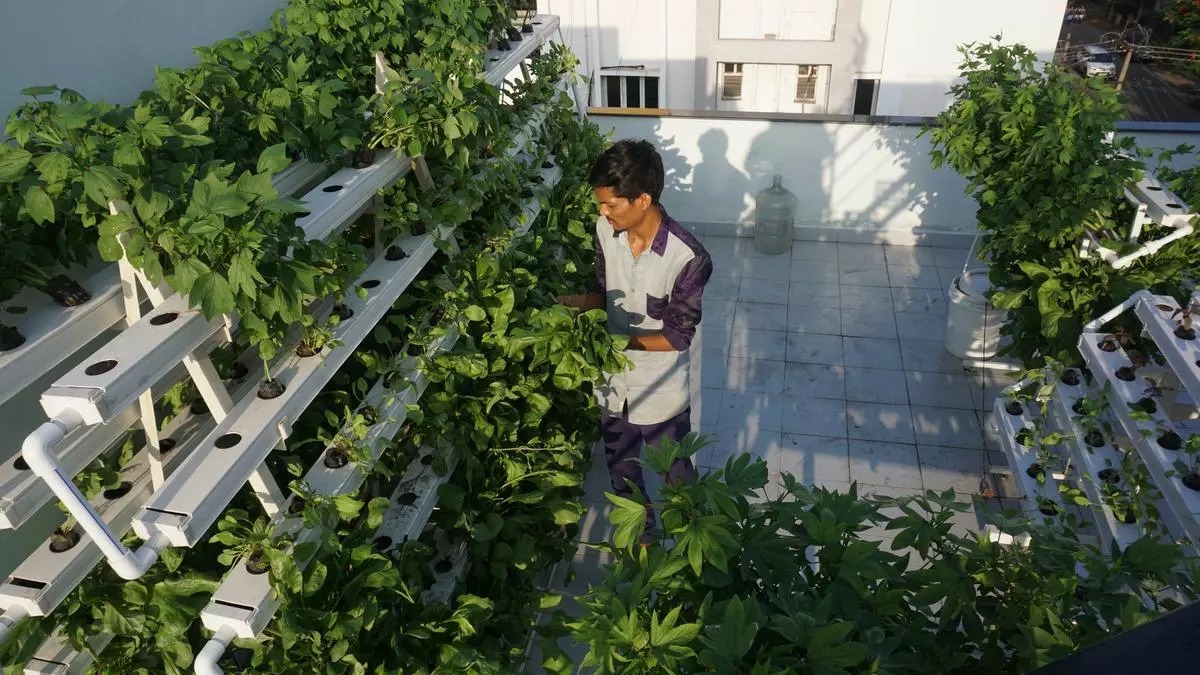
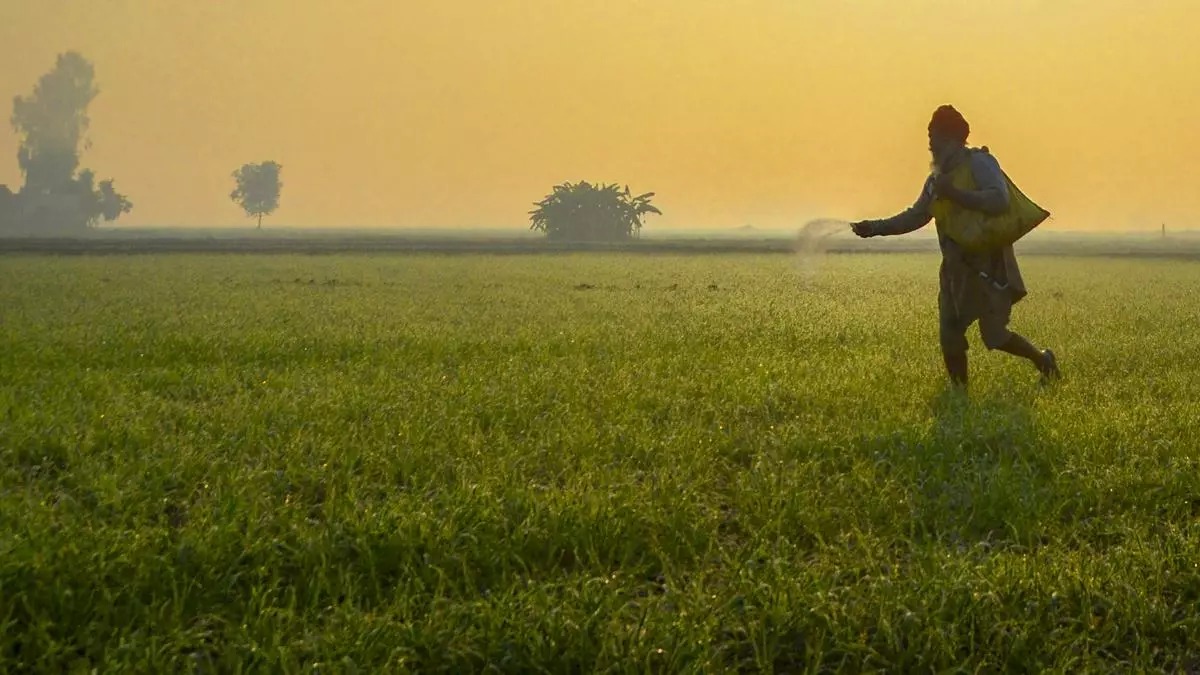
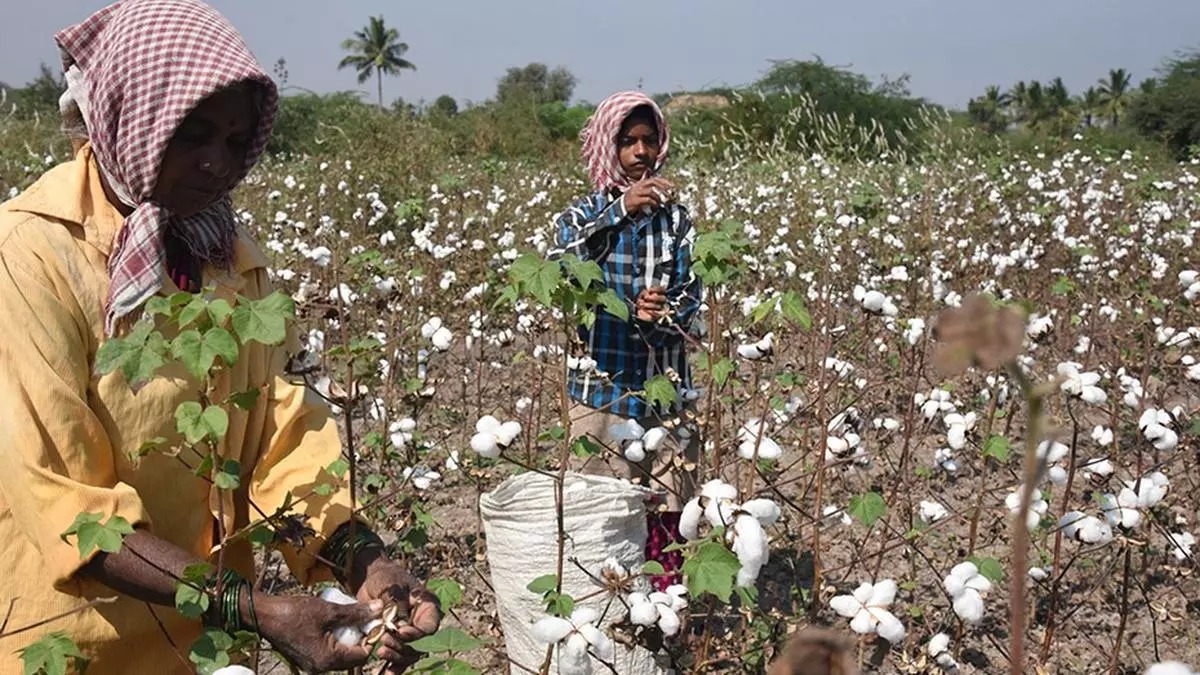
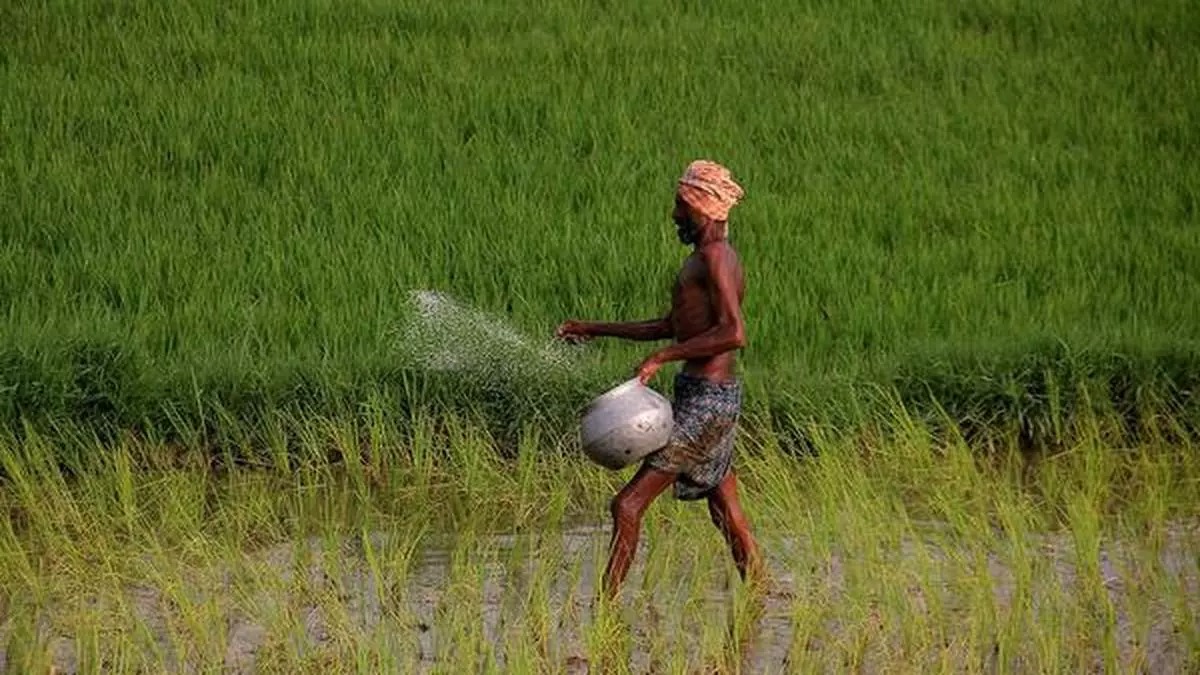
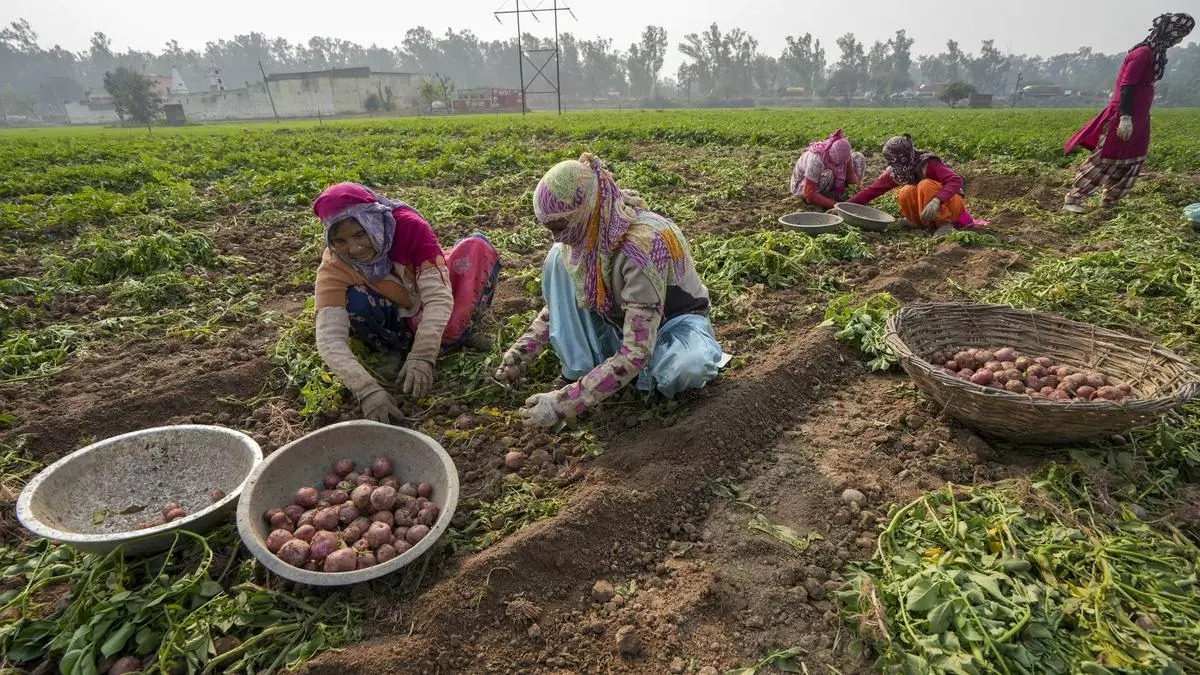
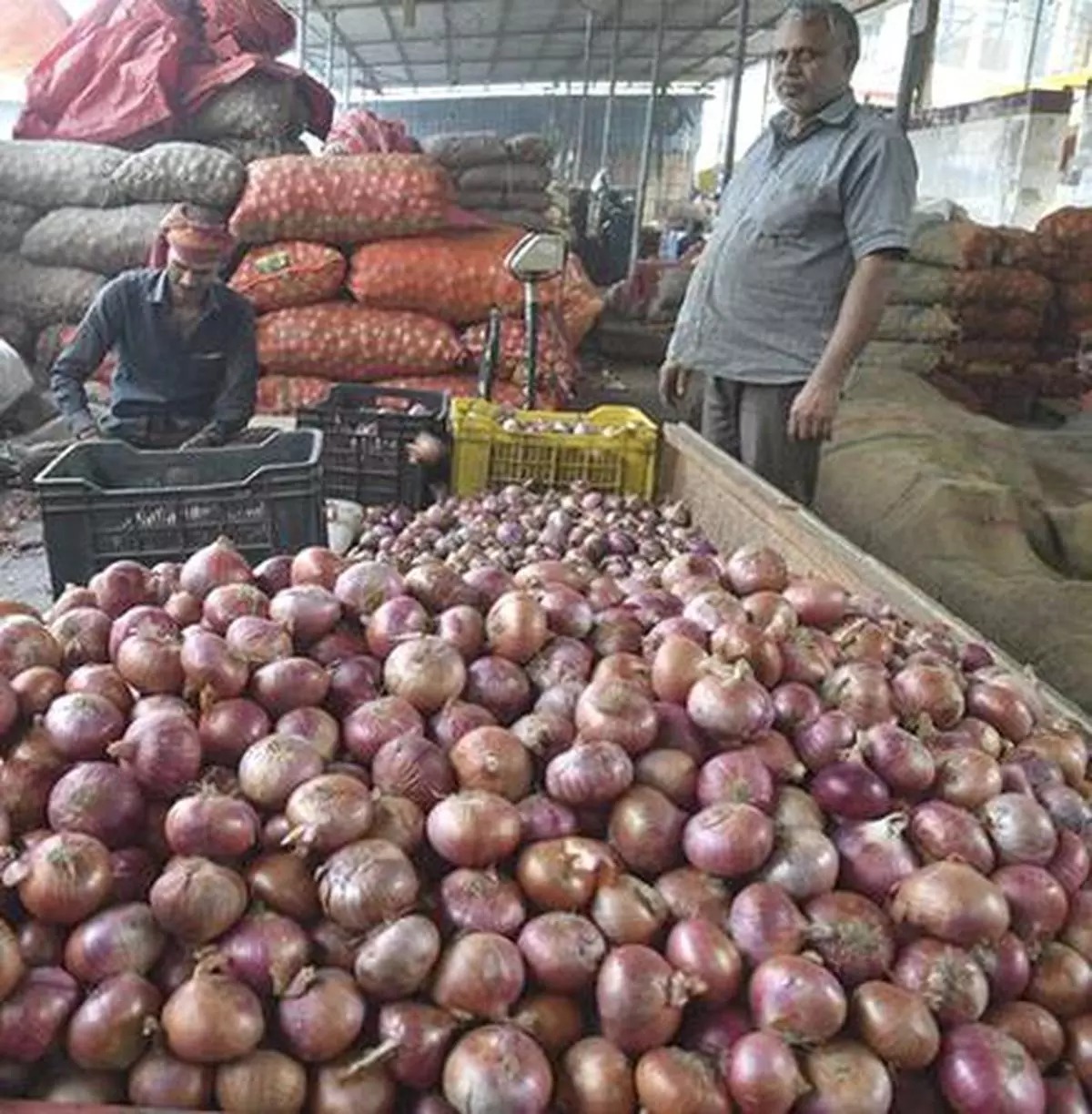
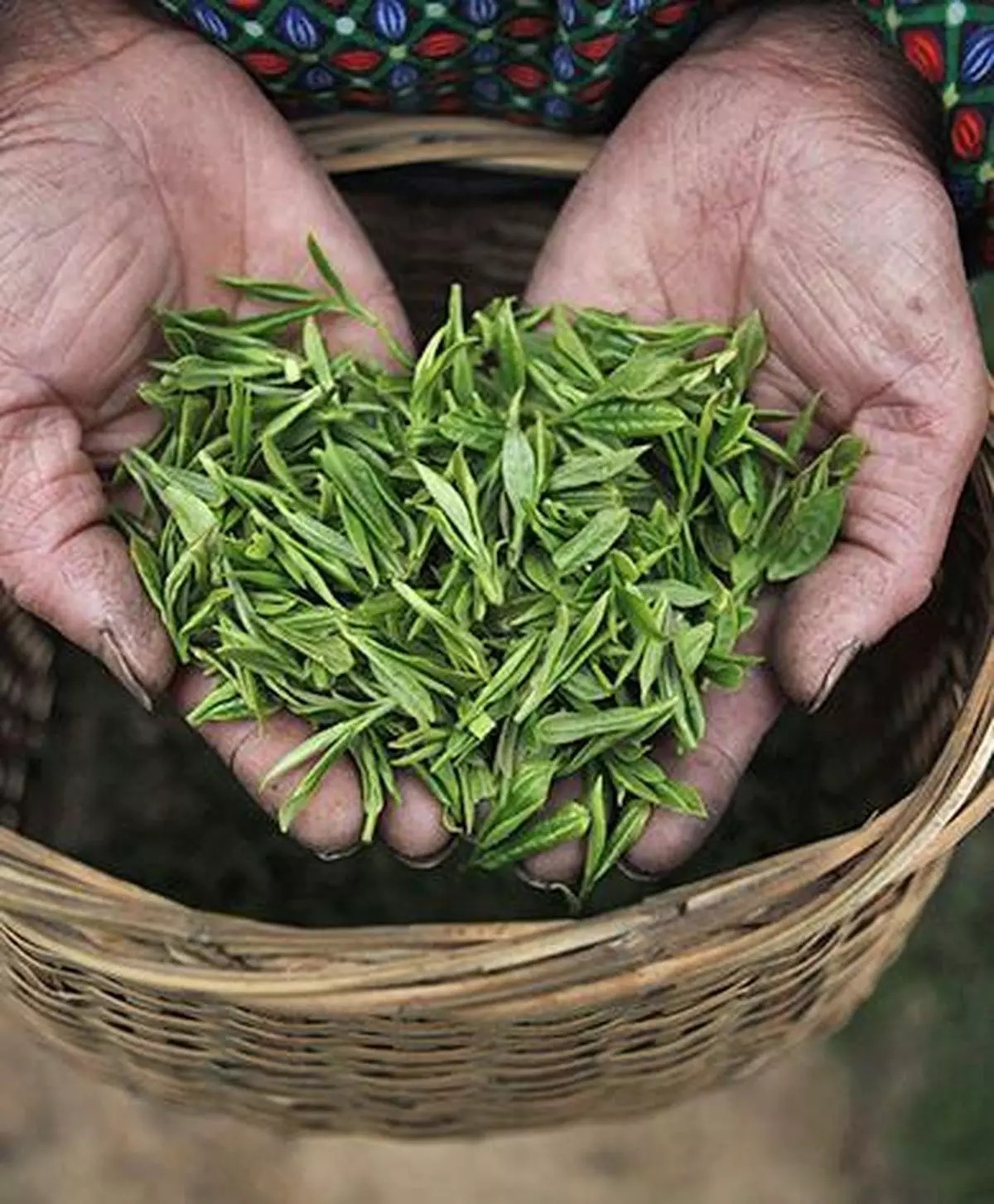
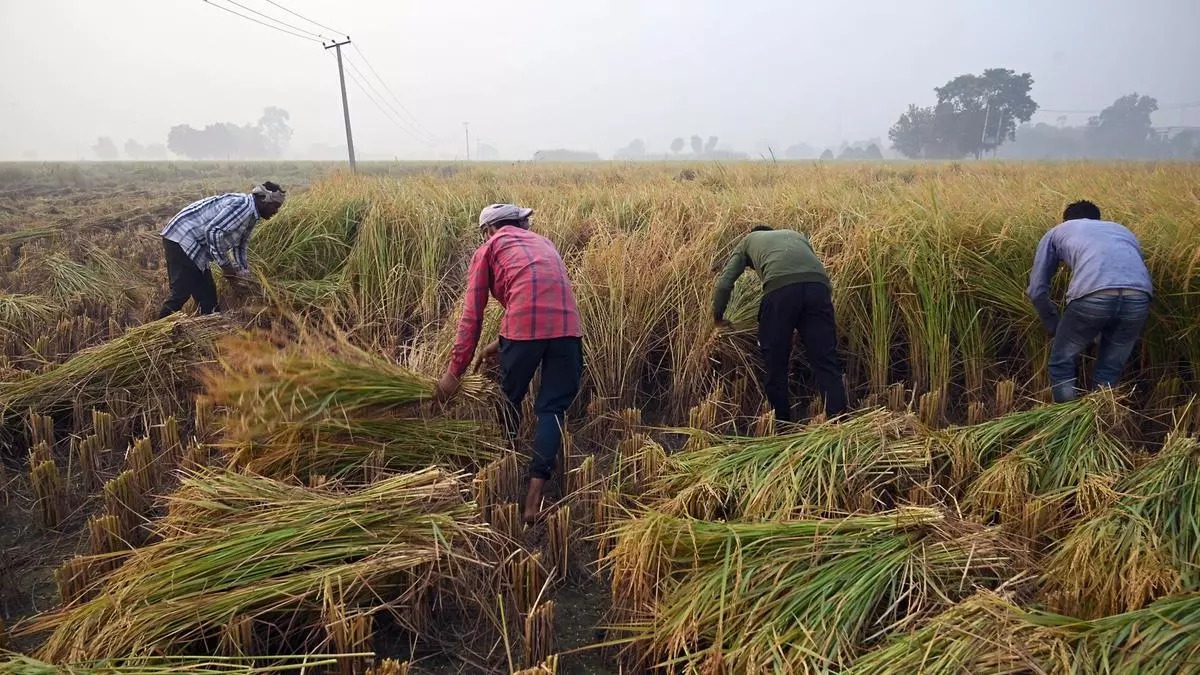
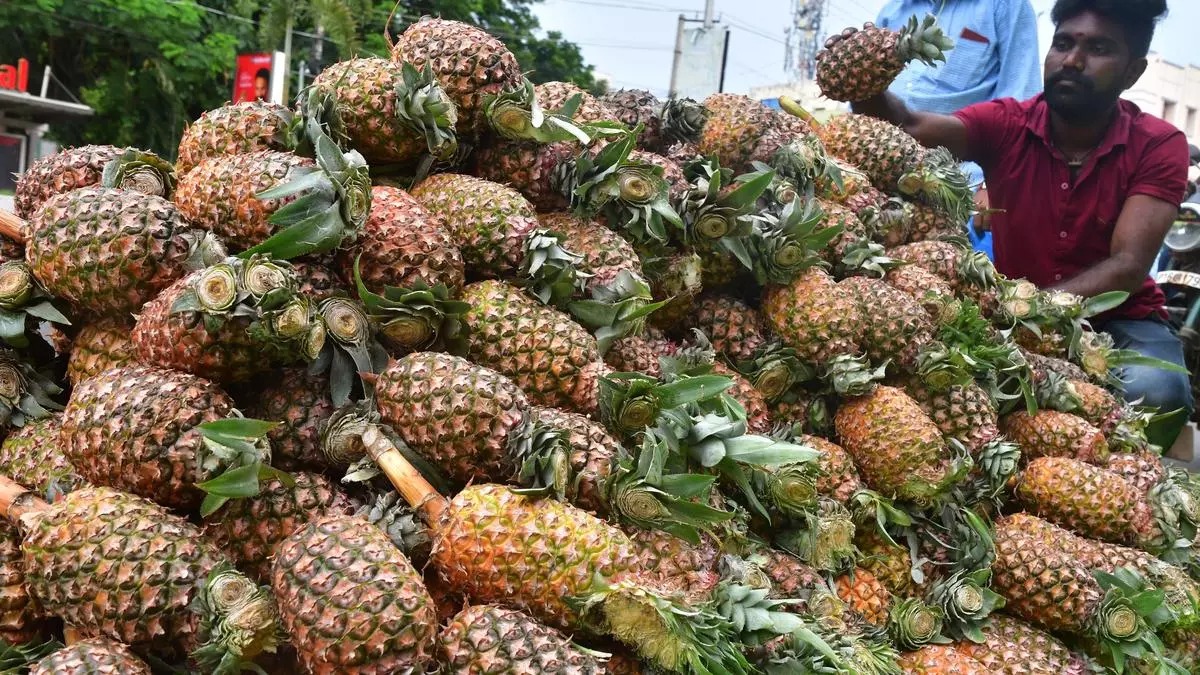
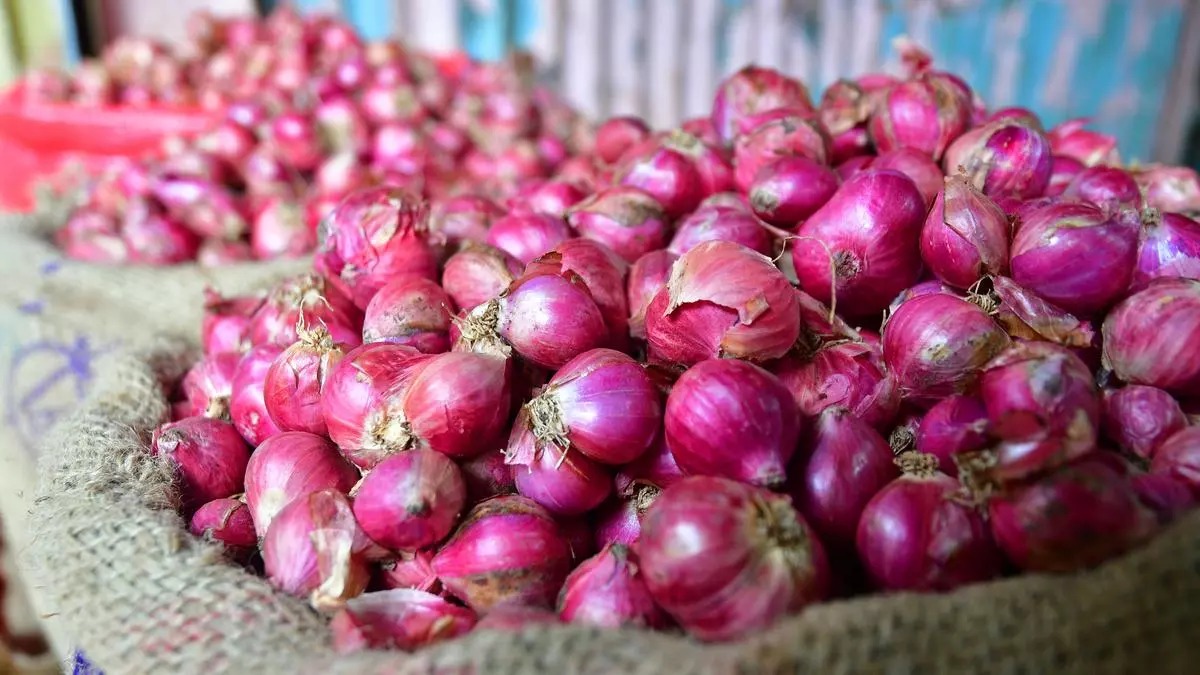
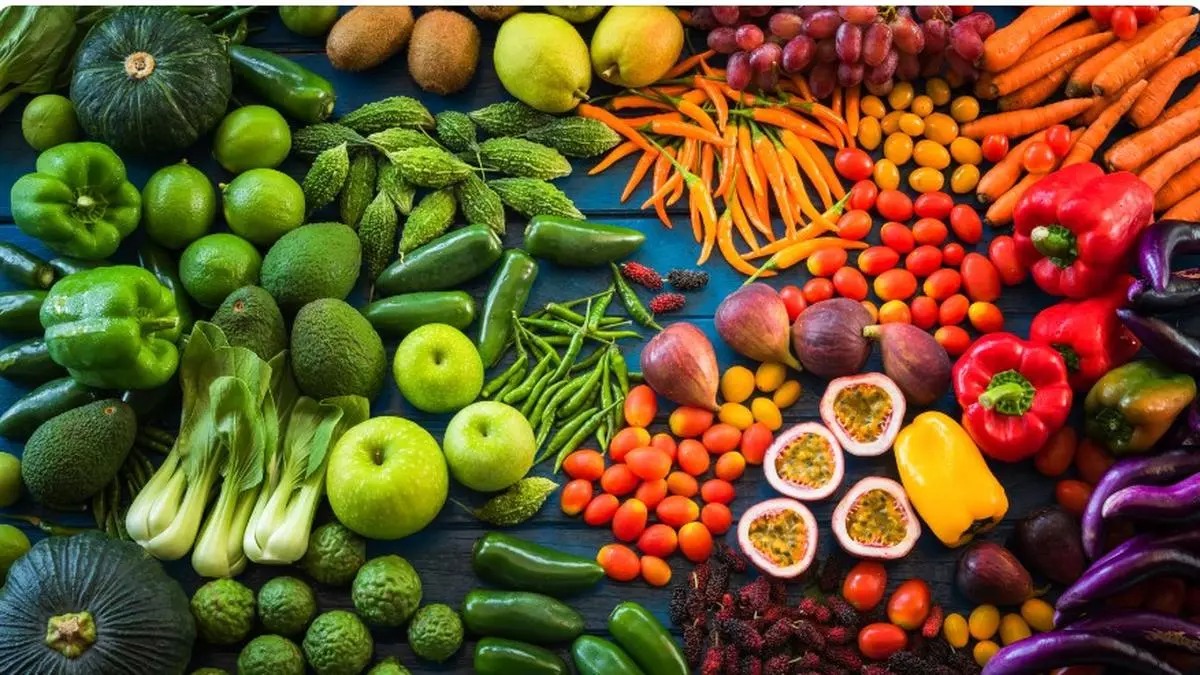
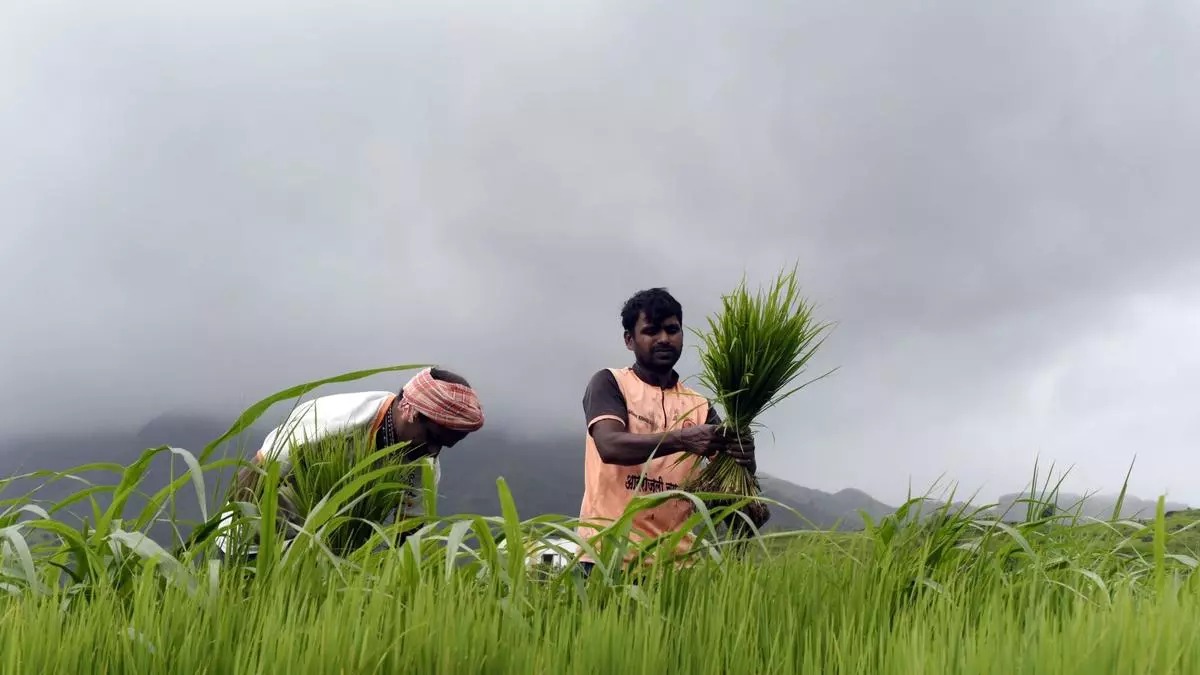
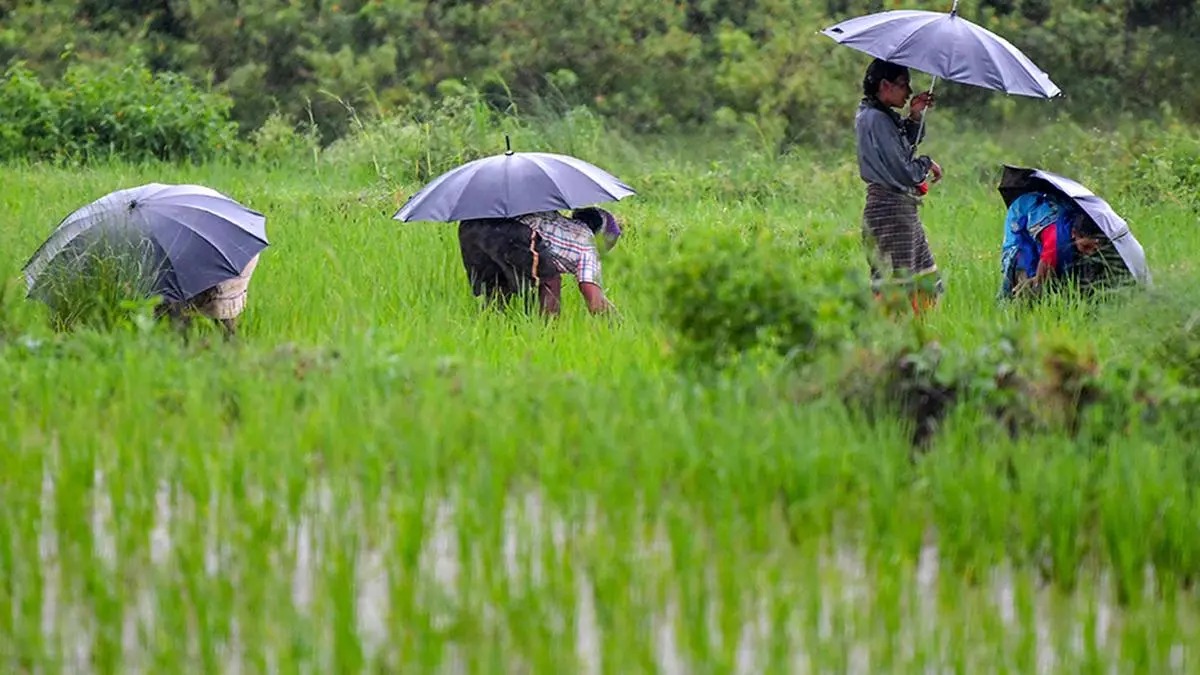
As India aggressively structures its next-generation trade frameworks to scale global markets, the nation’s agricultural export identity is undergoing a profound transformation. The state is rapidly shifting away from a traditional reliance on raw bulk staples toward an agile, high-value basket of processed foods and fresh horticulture.
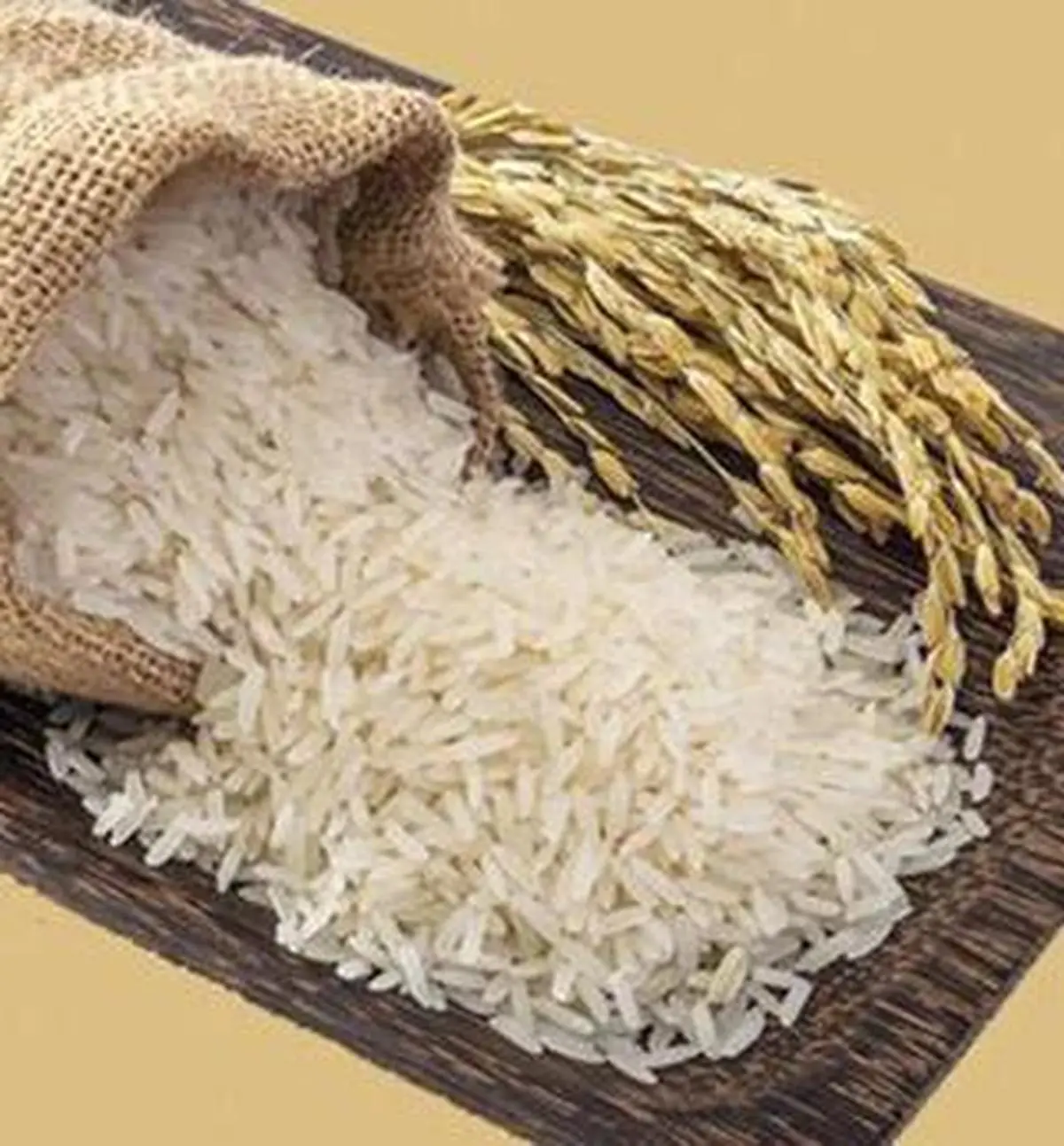
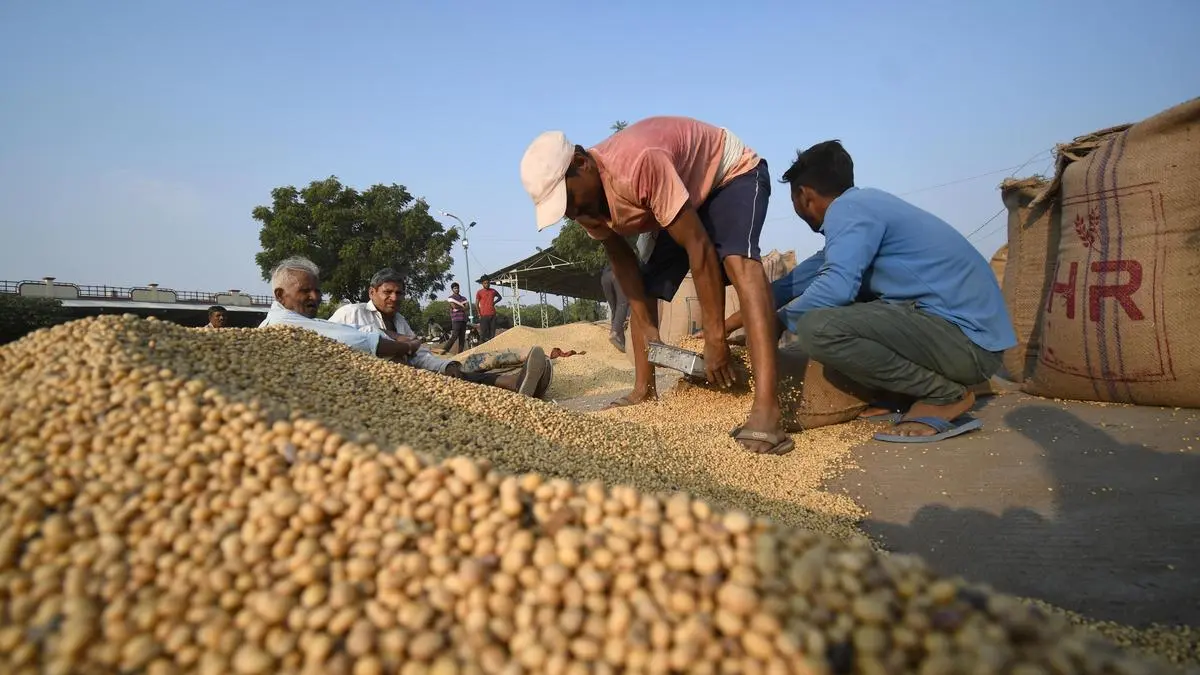
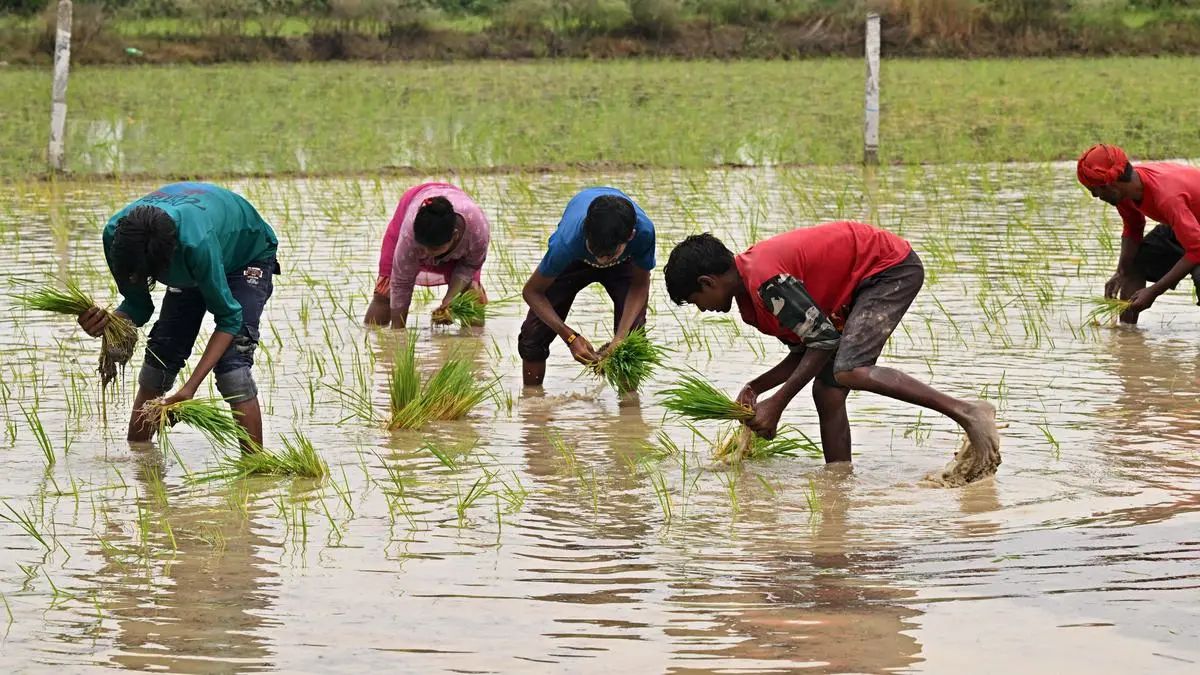
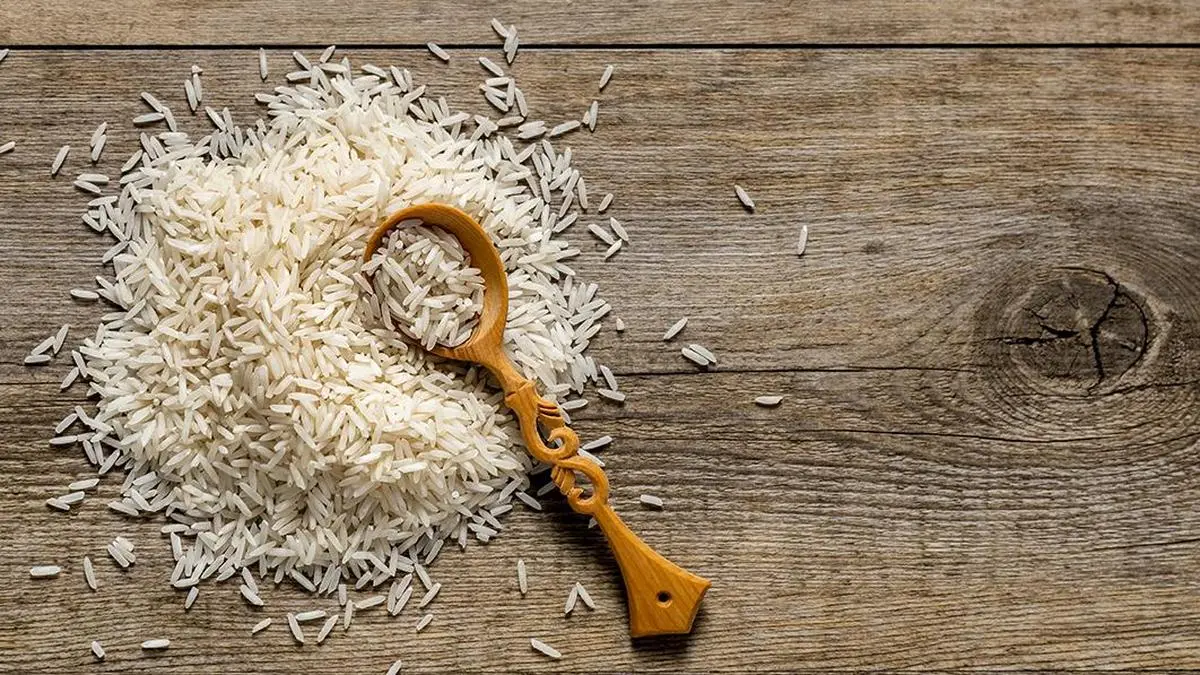
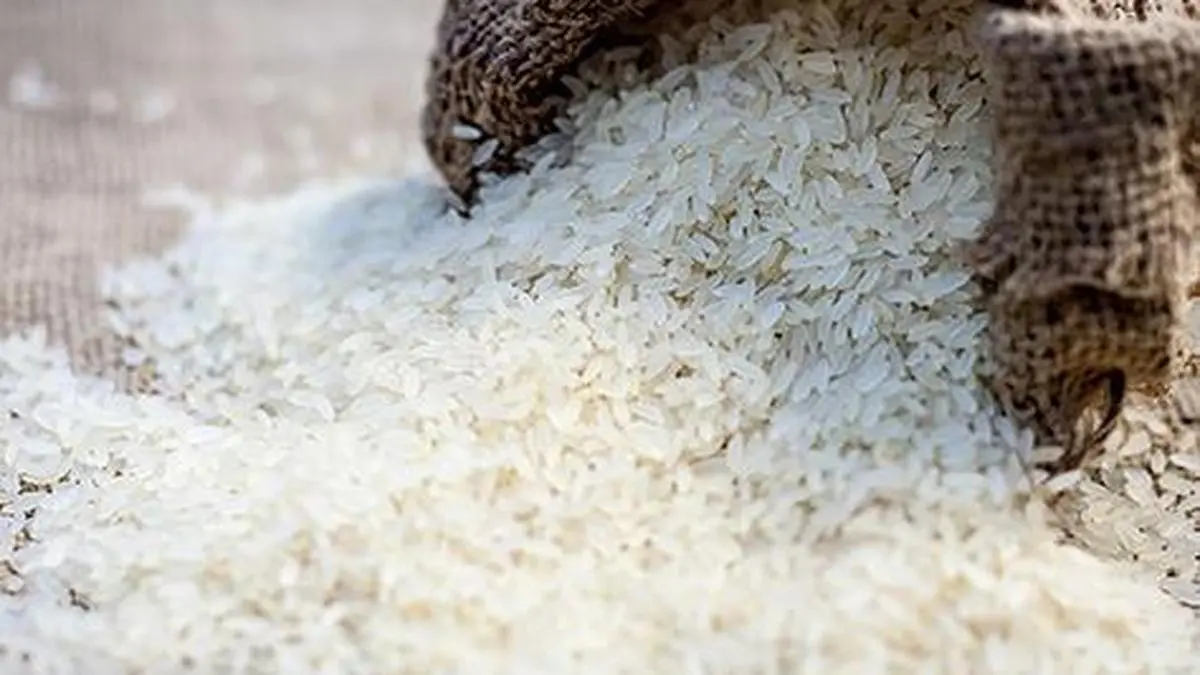
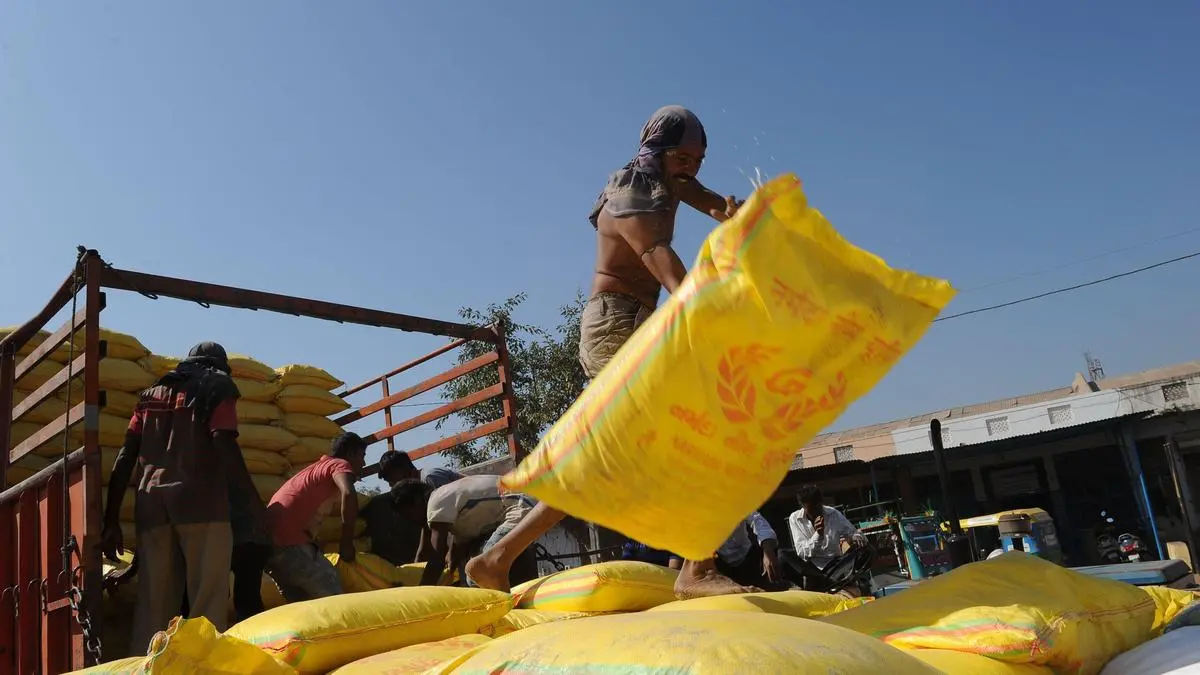
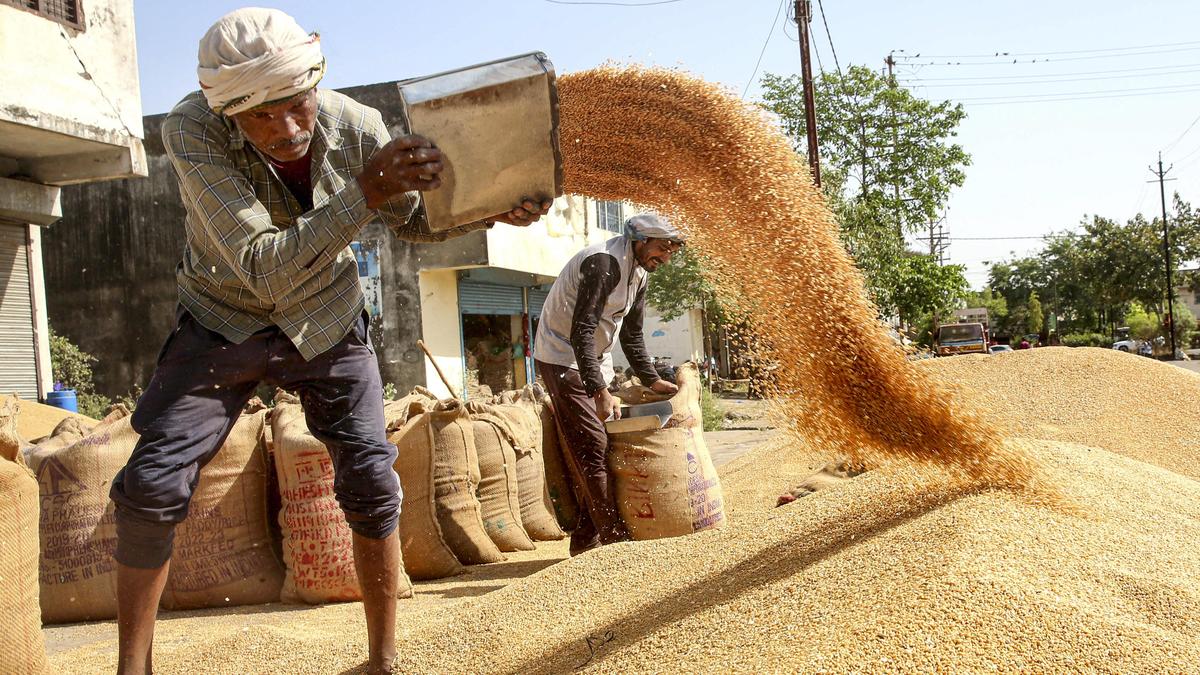
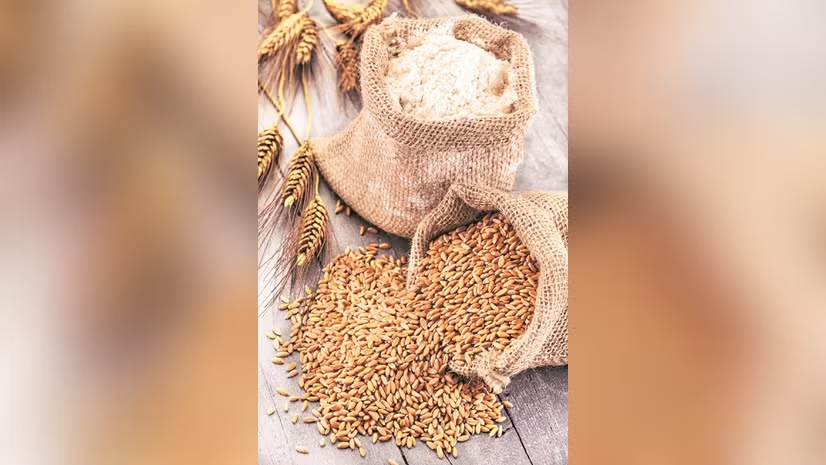
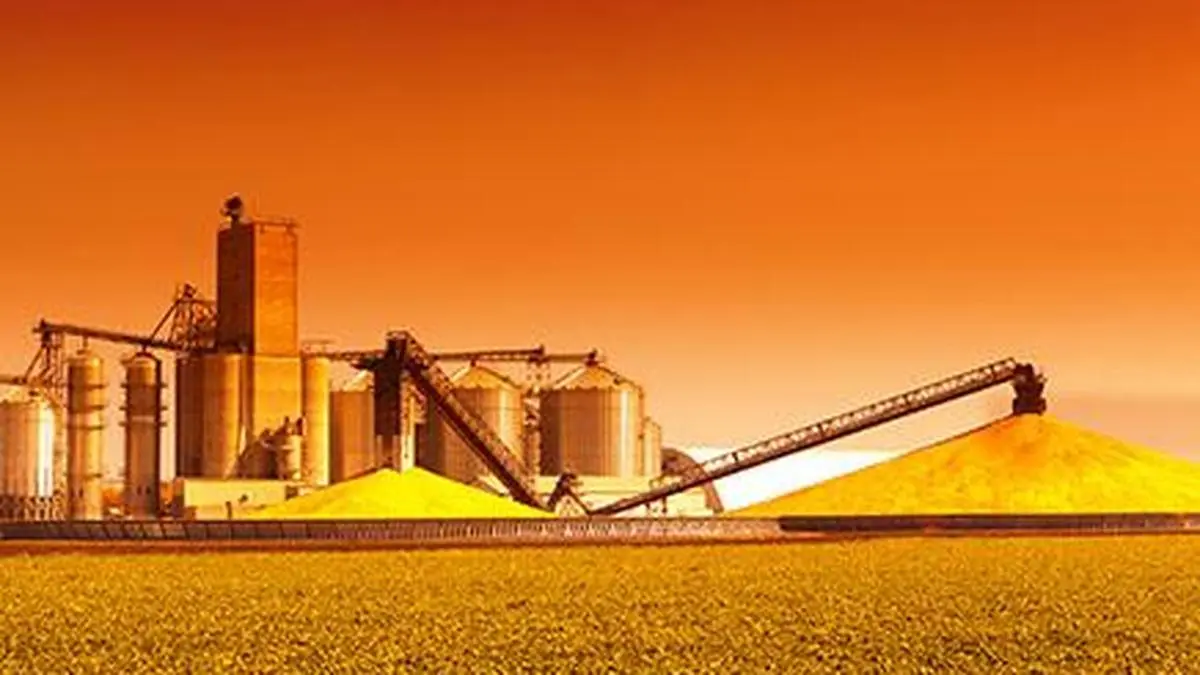
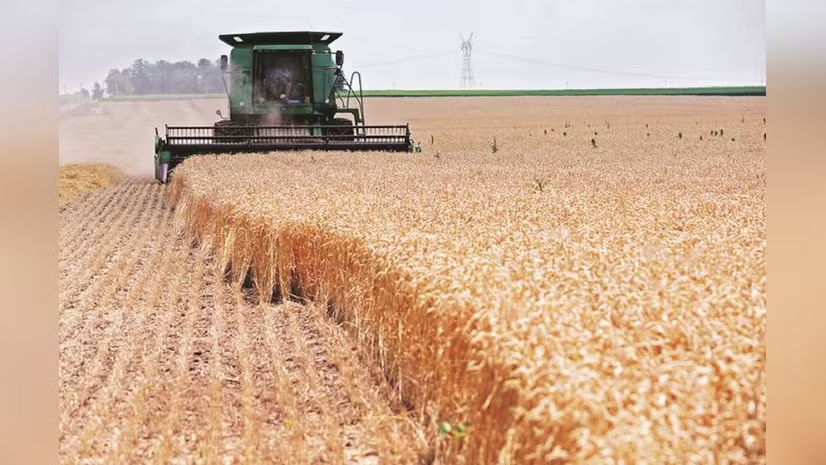
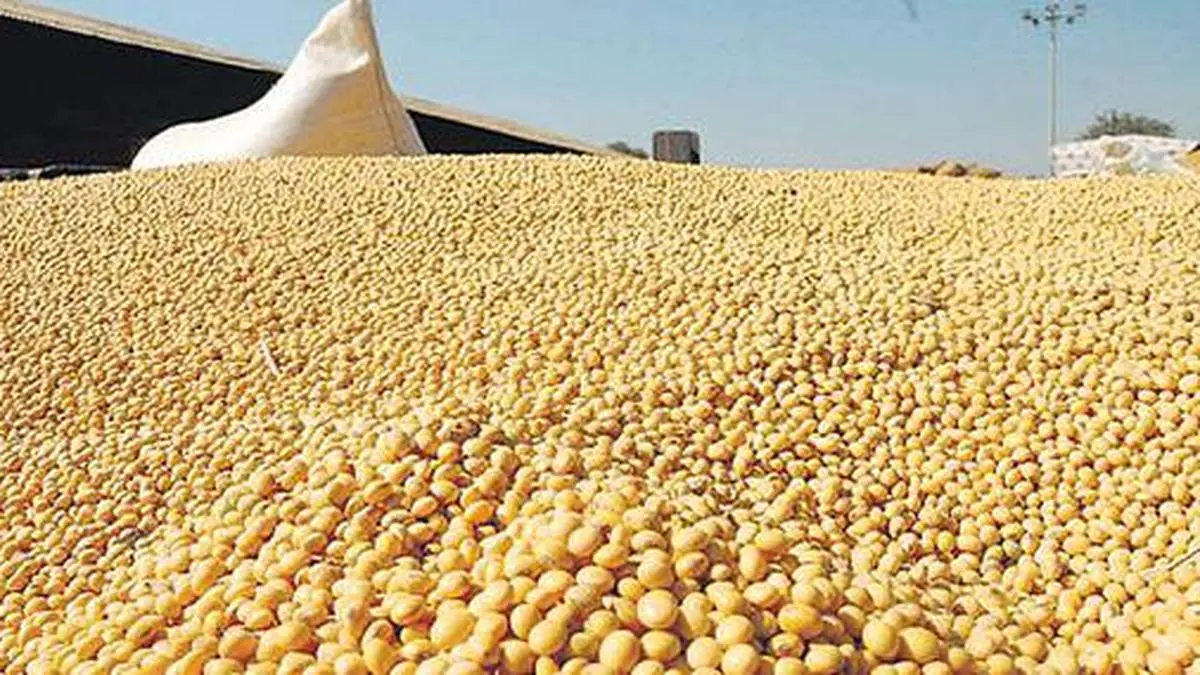
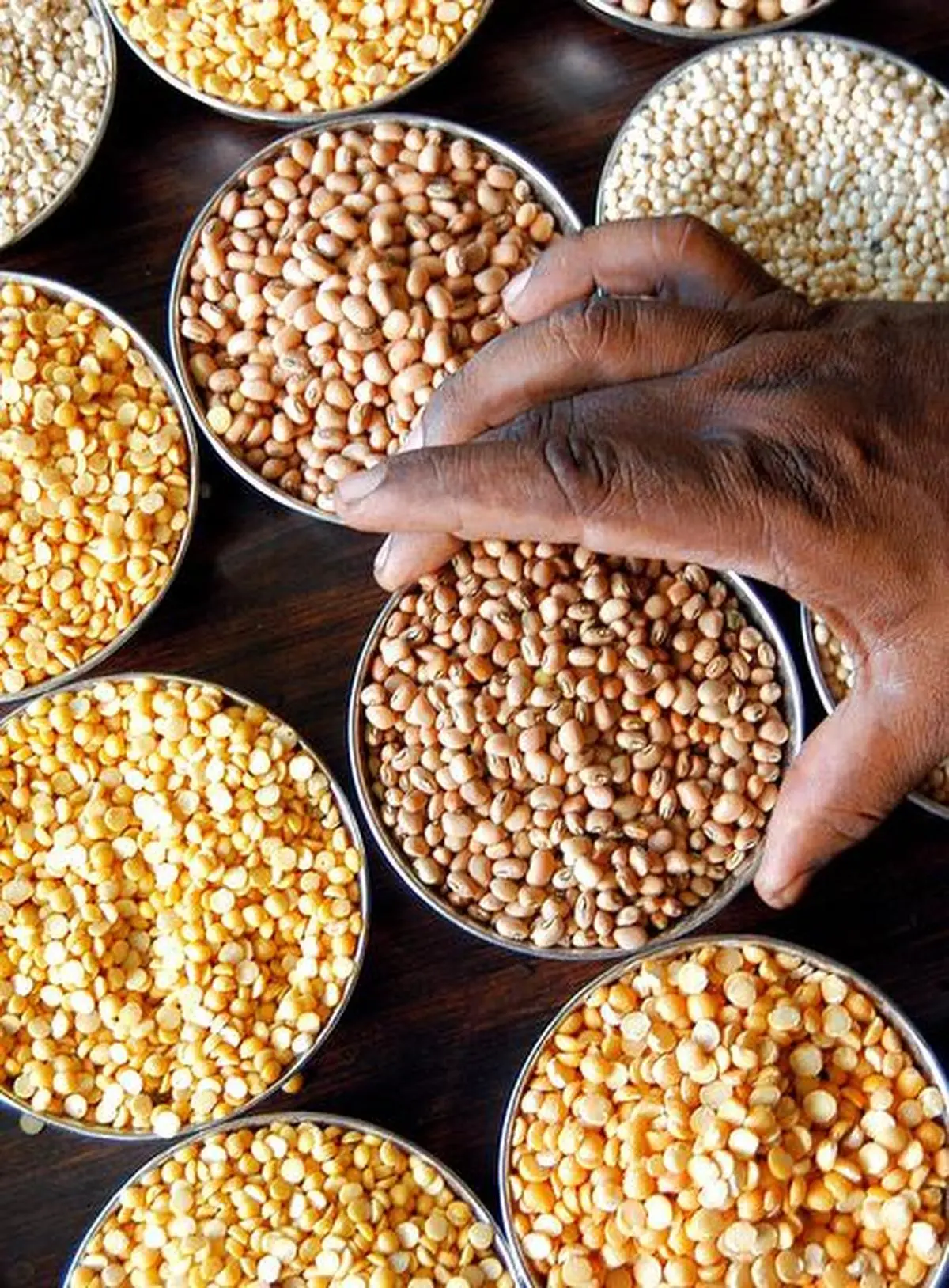
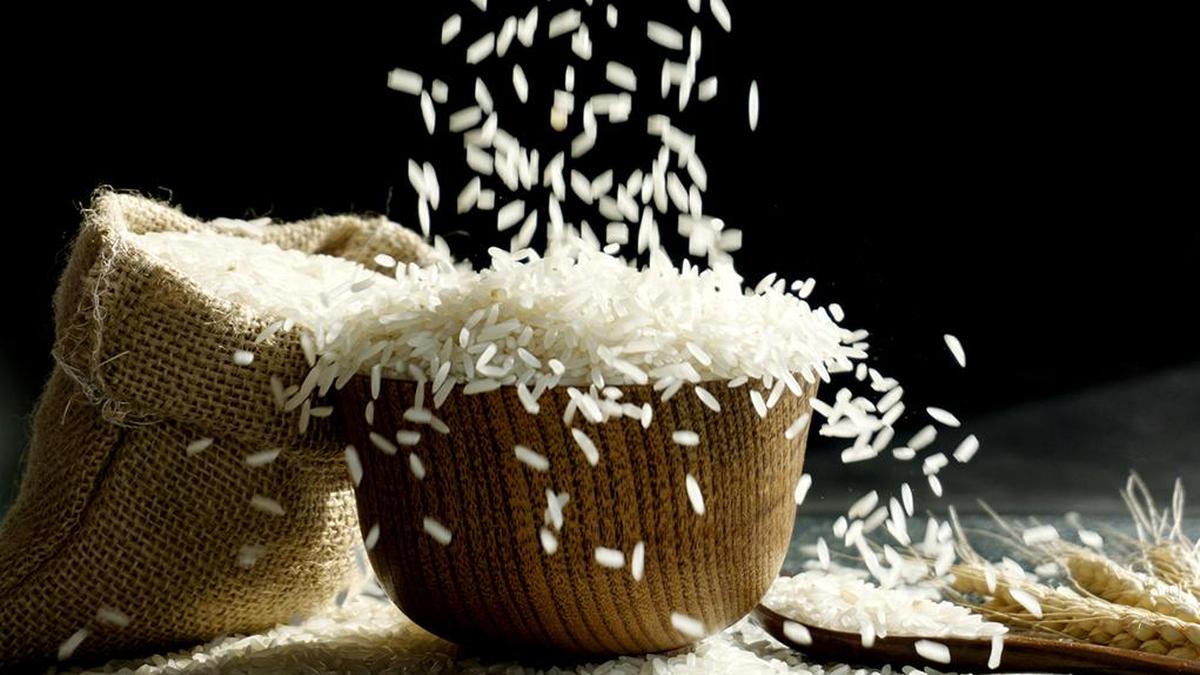
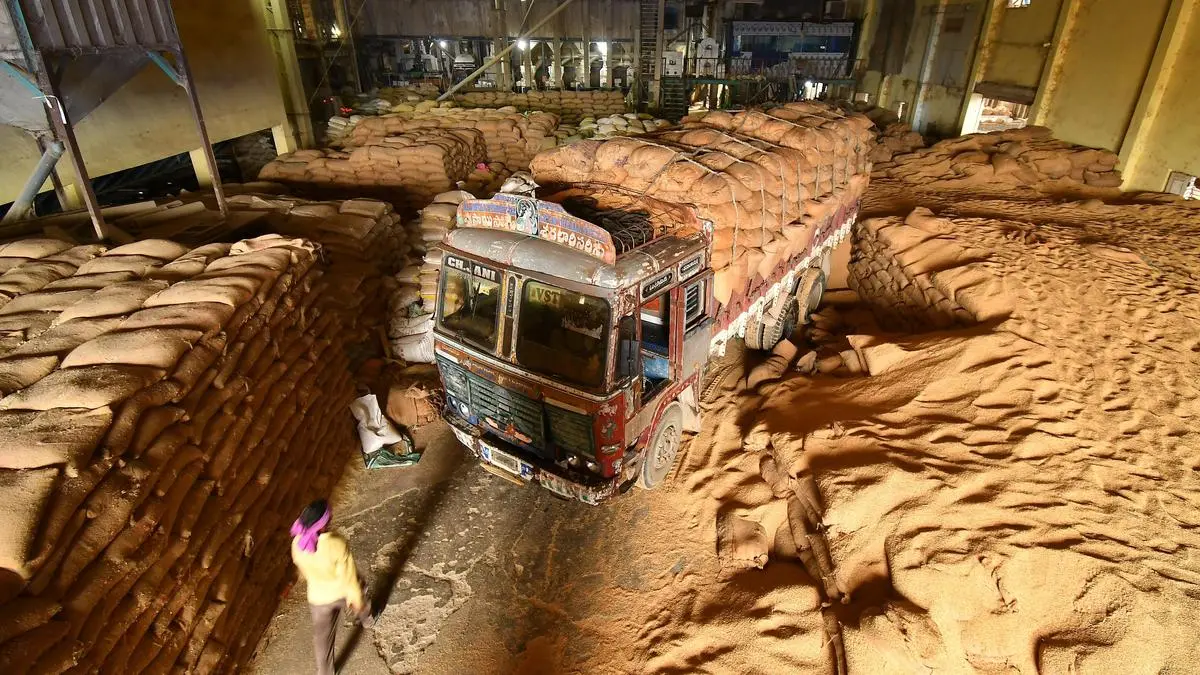
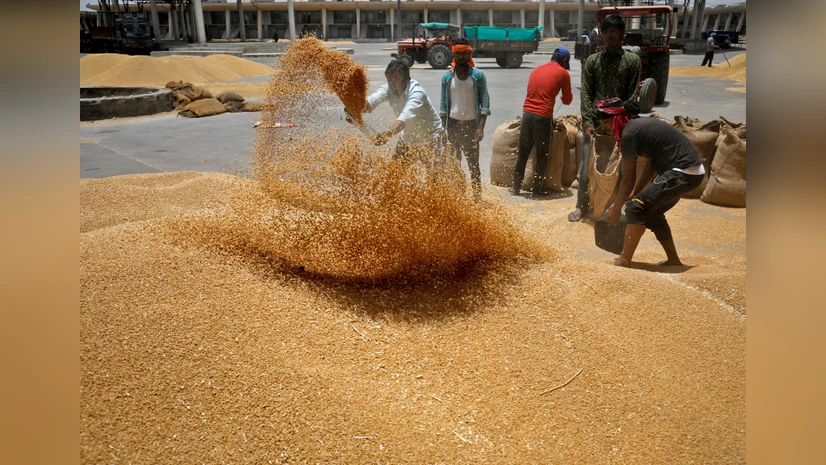
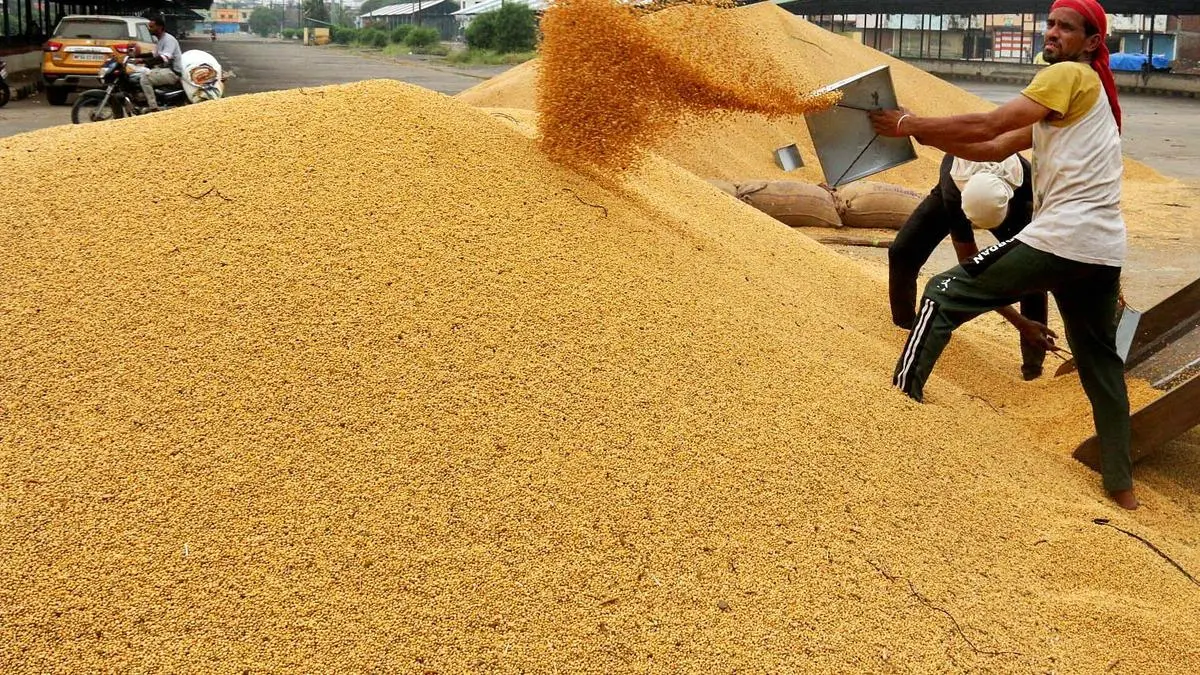
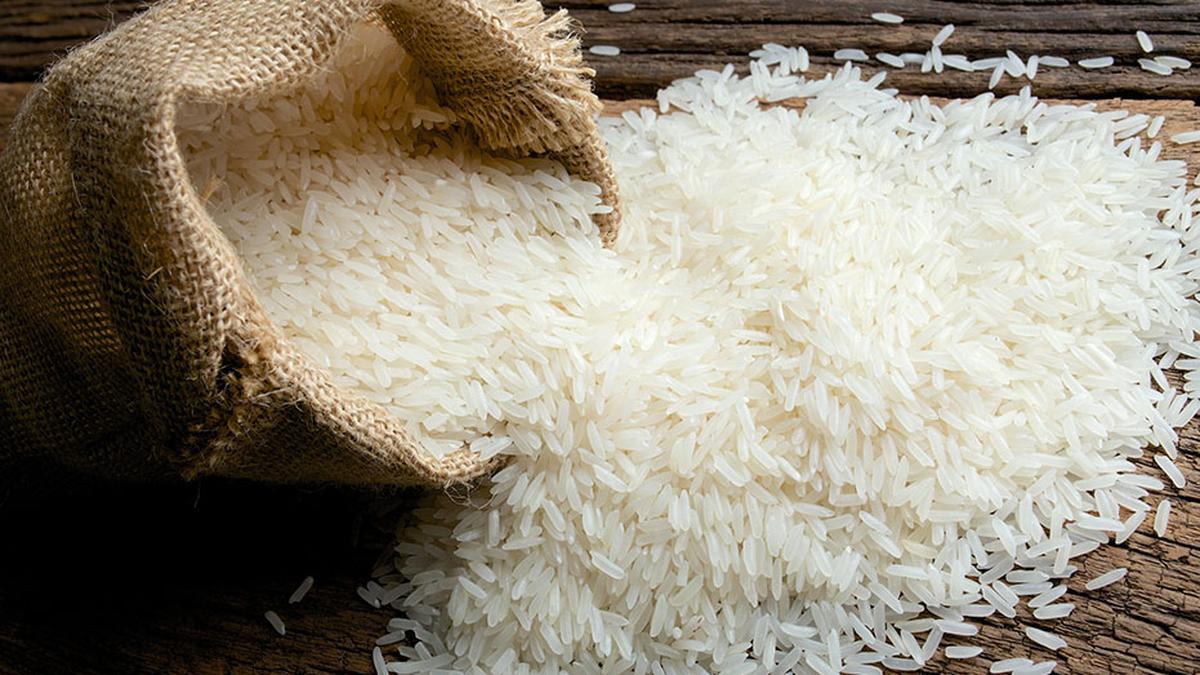
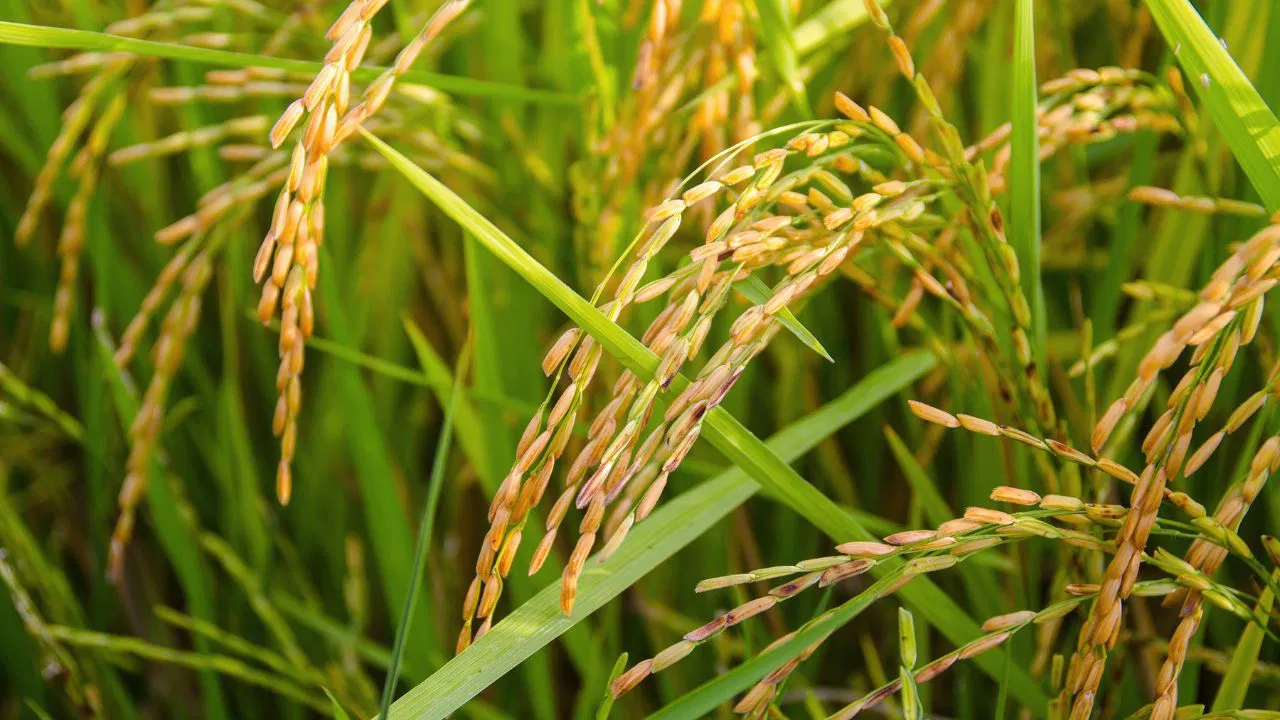
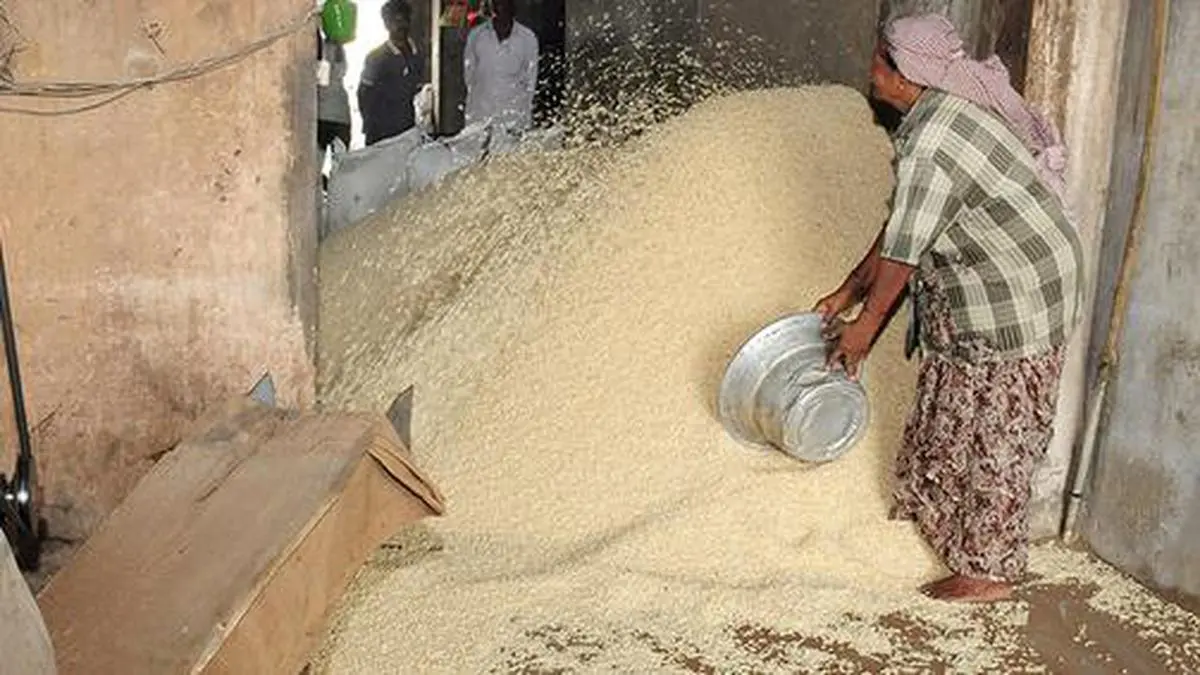
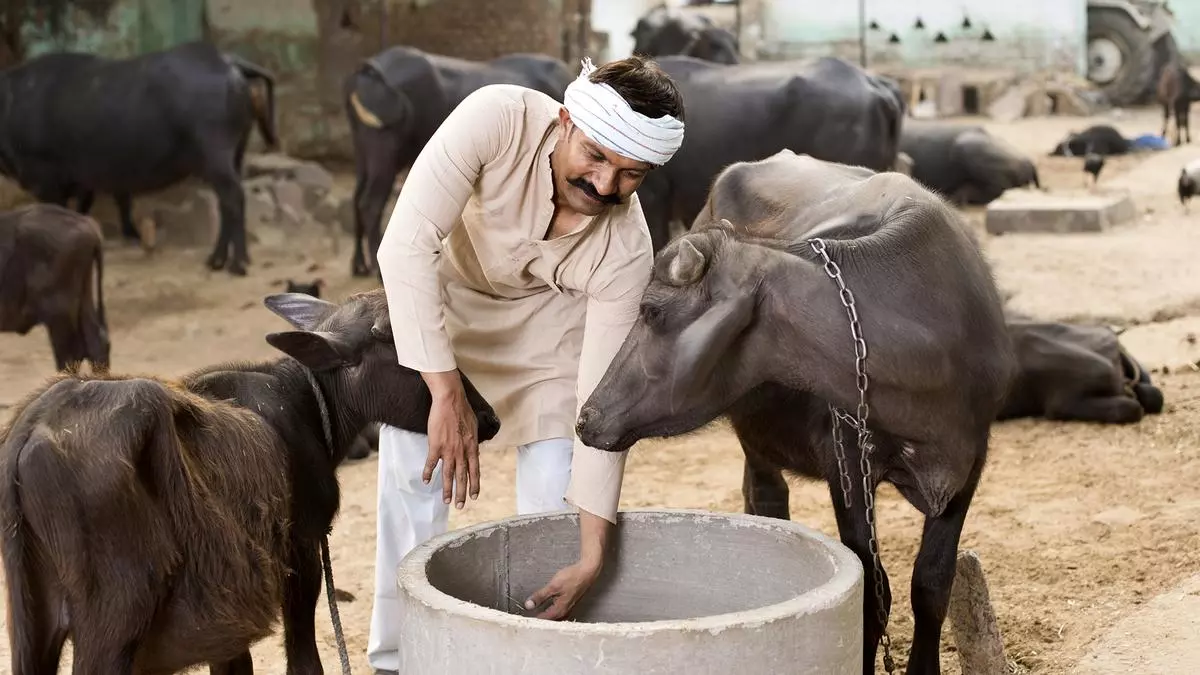
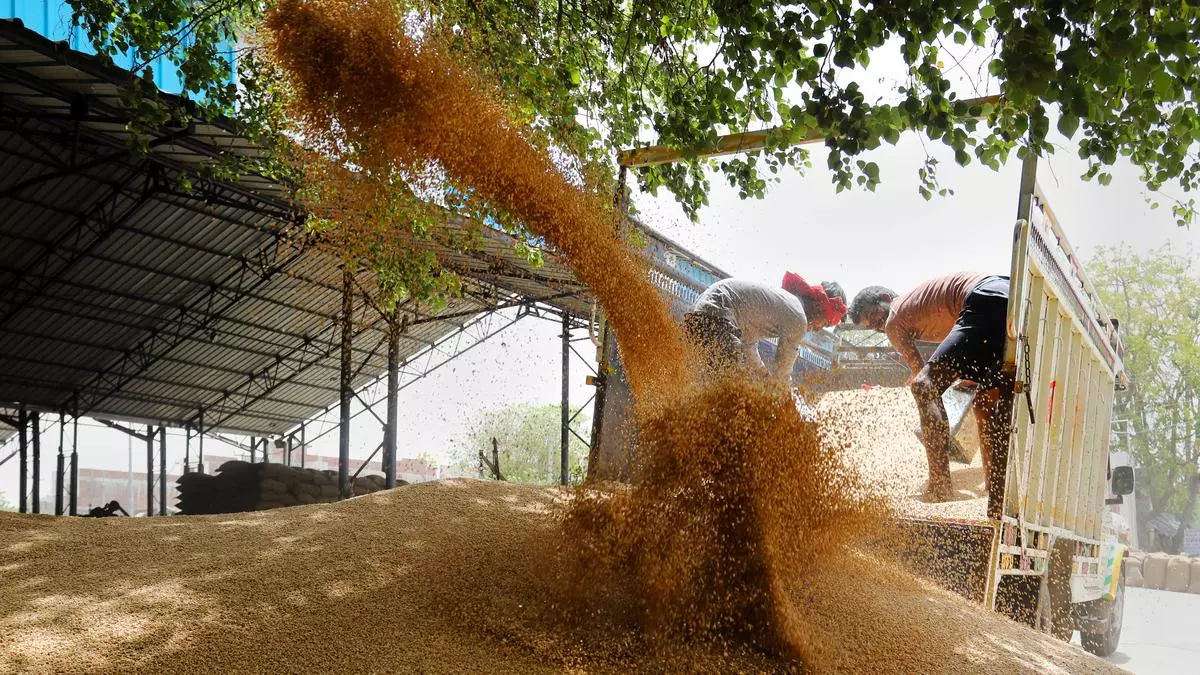
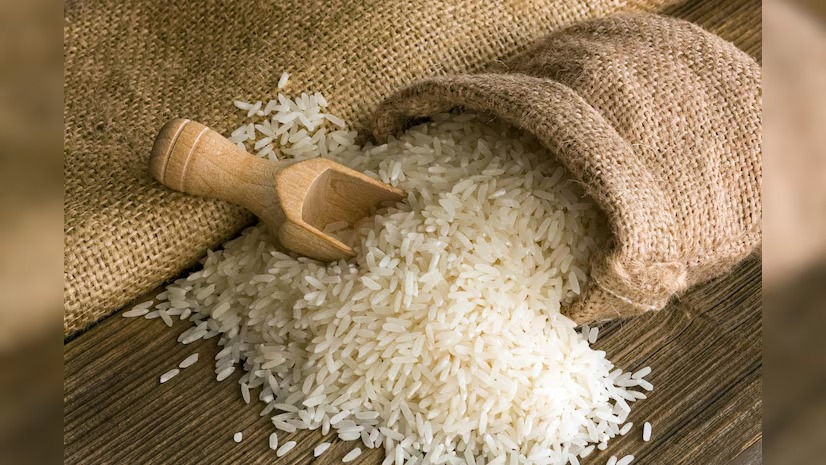
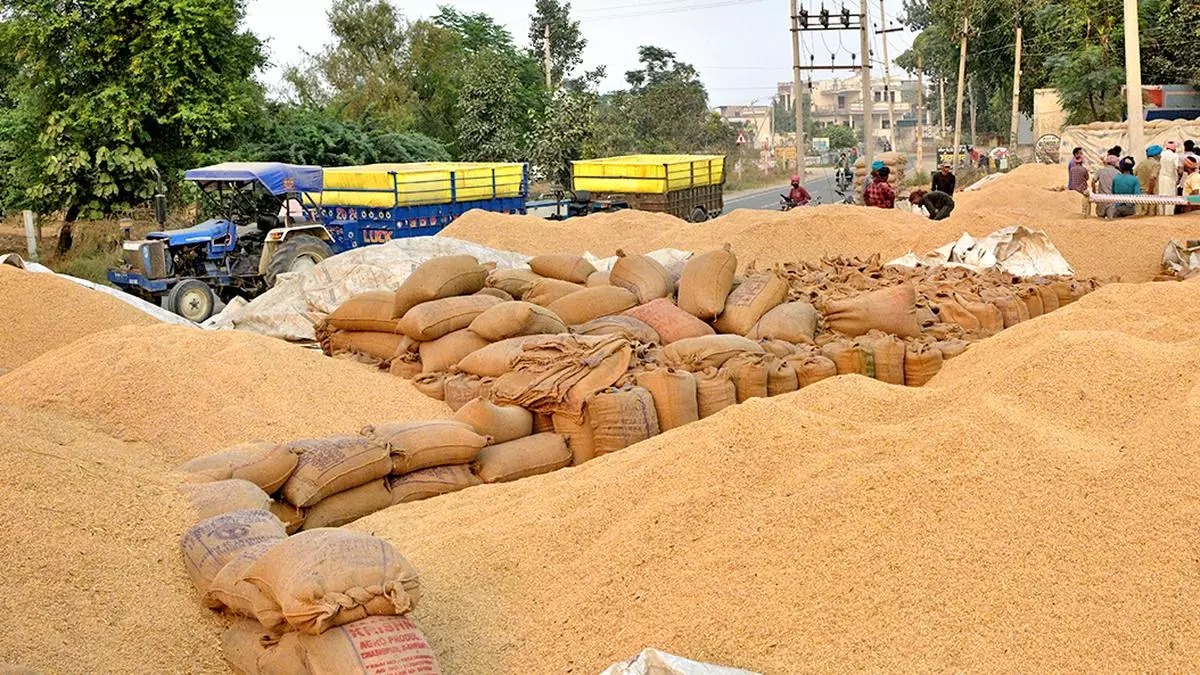
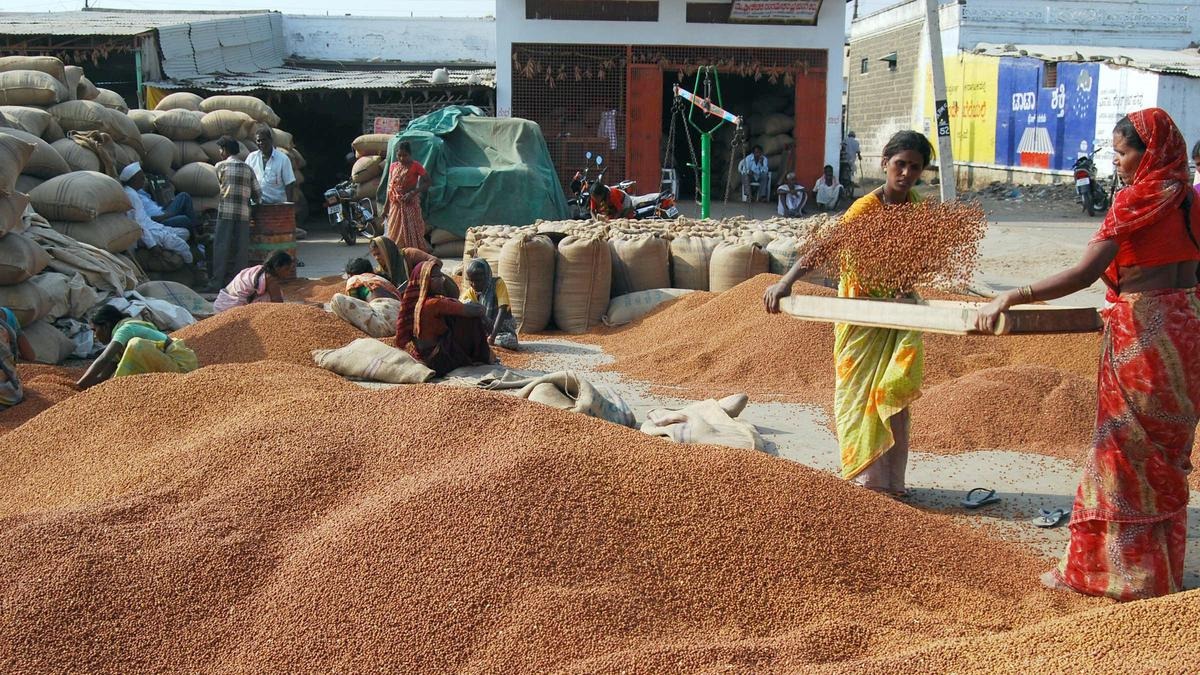
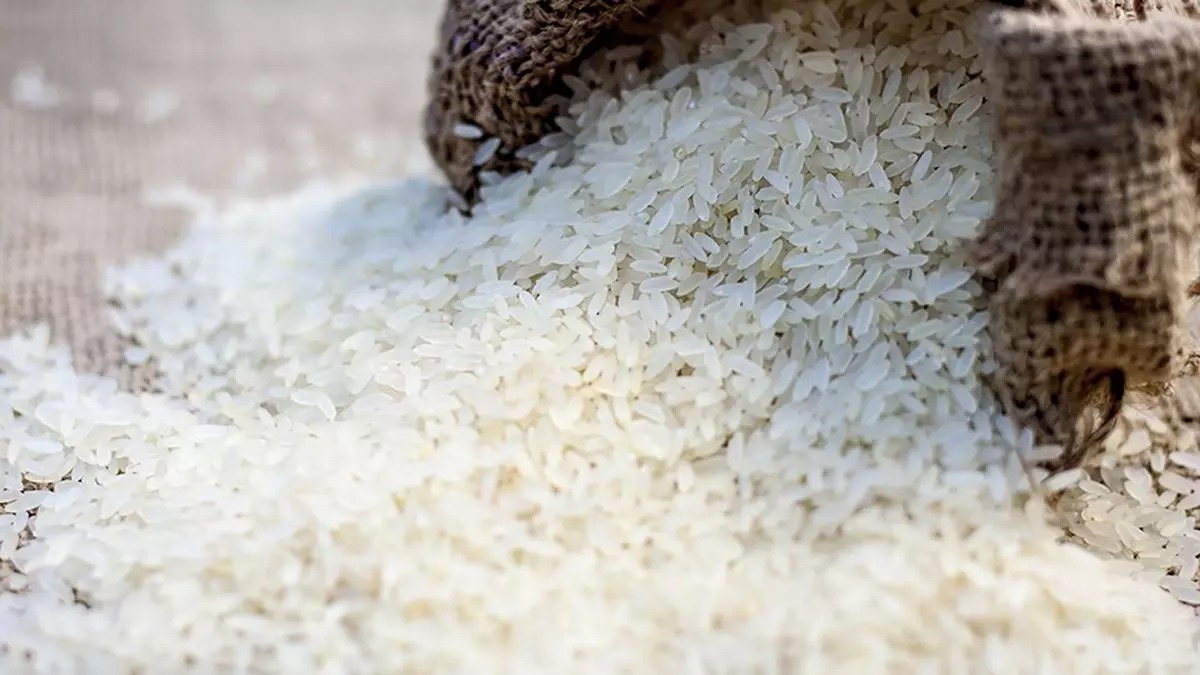
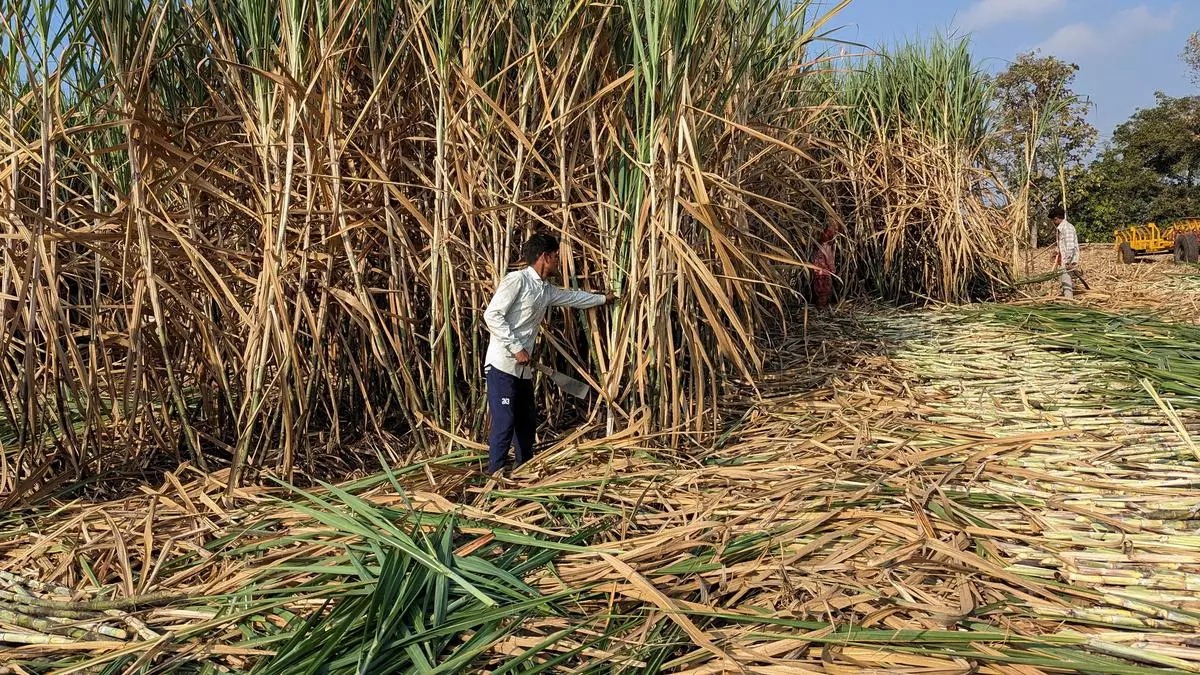
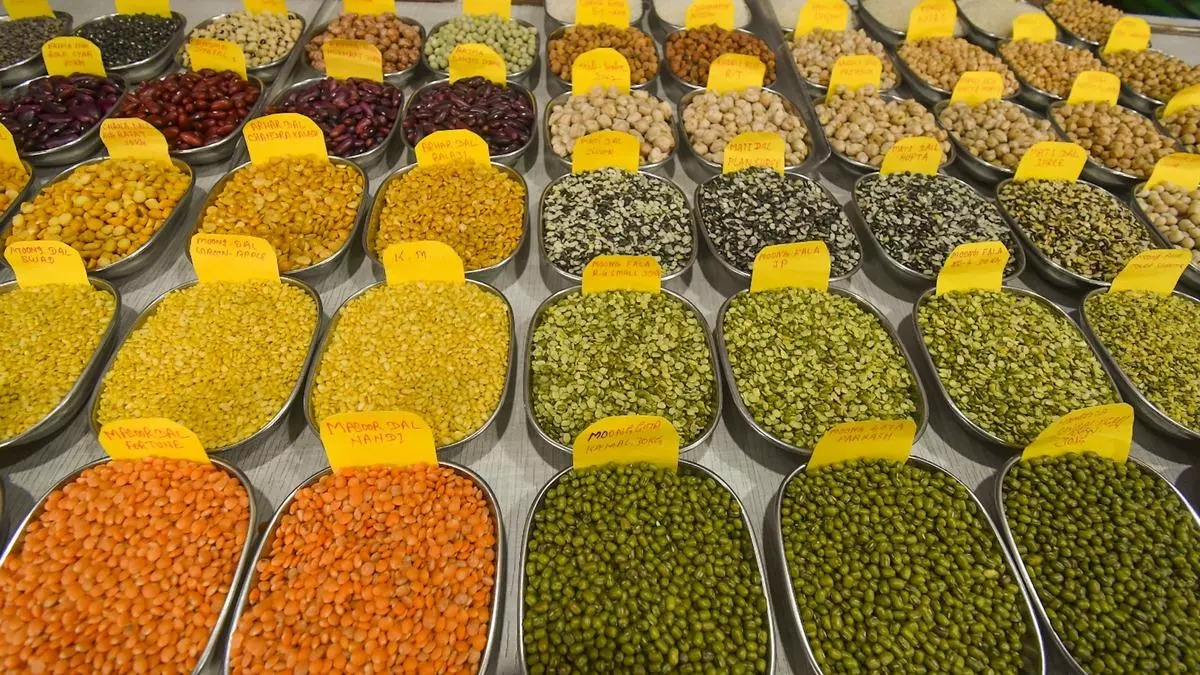
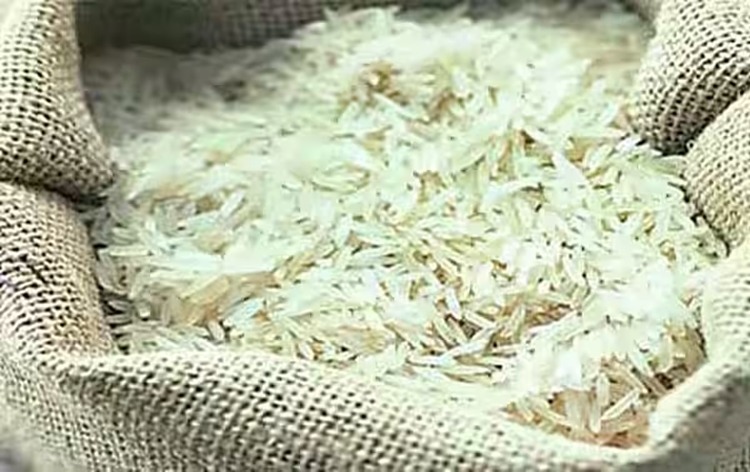
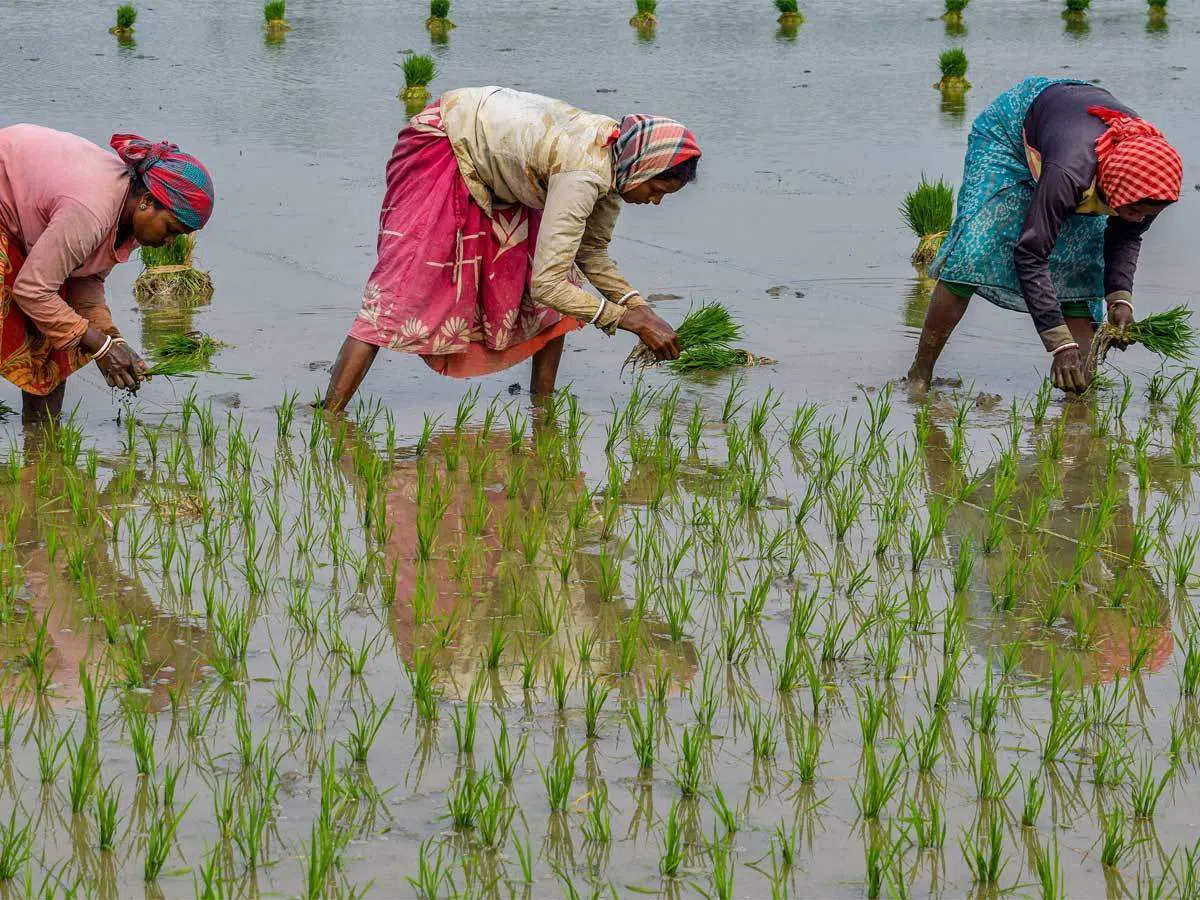
Recent official data marks a historic milestone in this trajectory: India’s total agricultural trade has consolidated at $97.92 billion, with outward shipments scaling $52.26 billion. Within this expanding matrix, mass-market commodities have provided powerful volumetric momentum, with non-Basmati rice peaking at 17.79 million tonnes (mt) and buffalo meat stabilising at 4.34 mt.
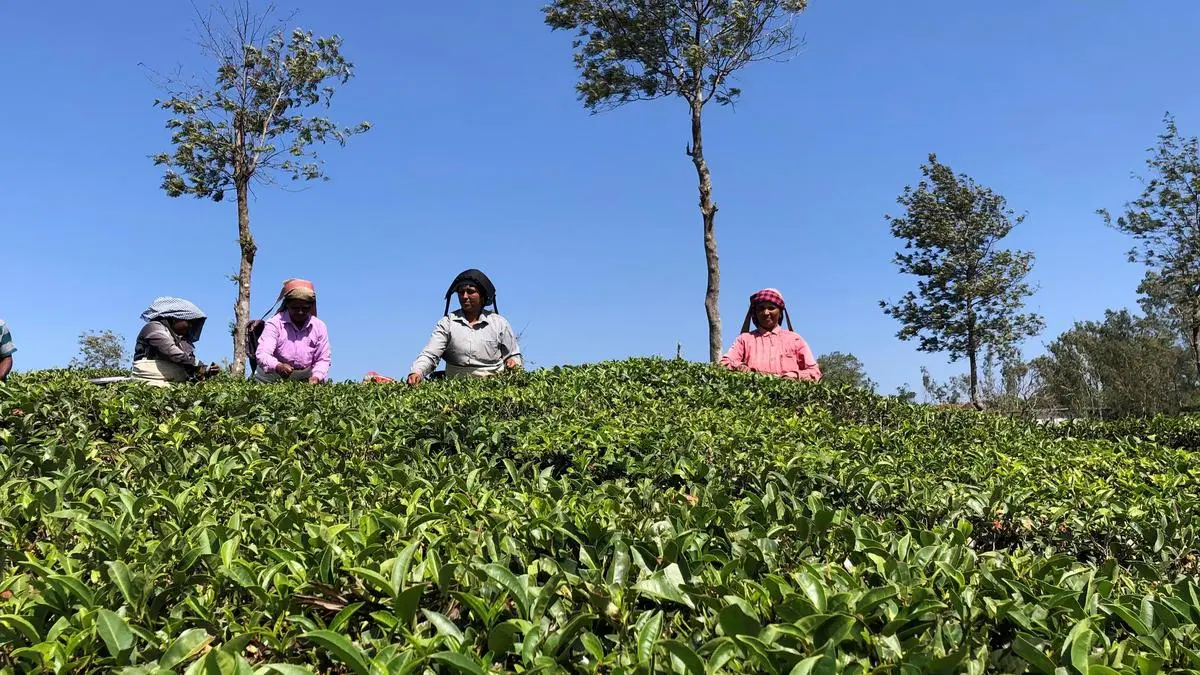
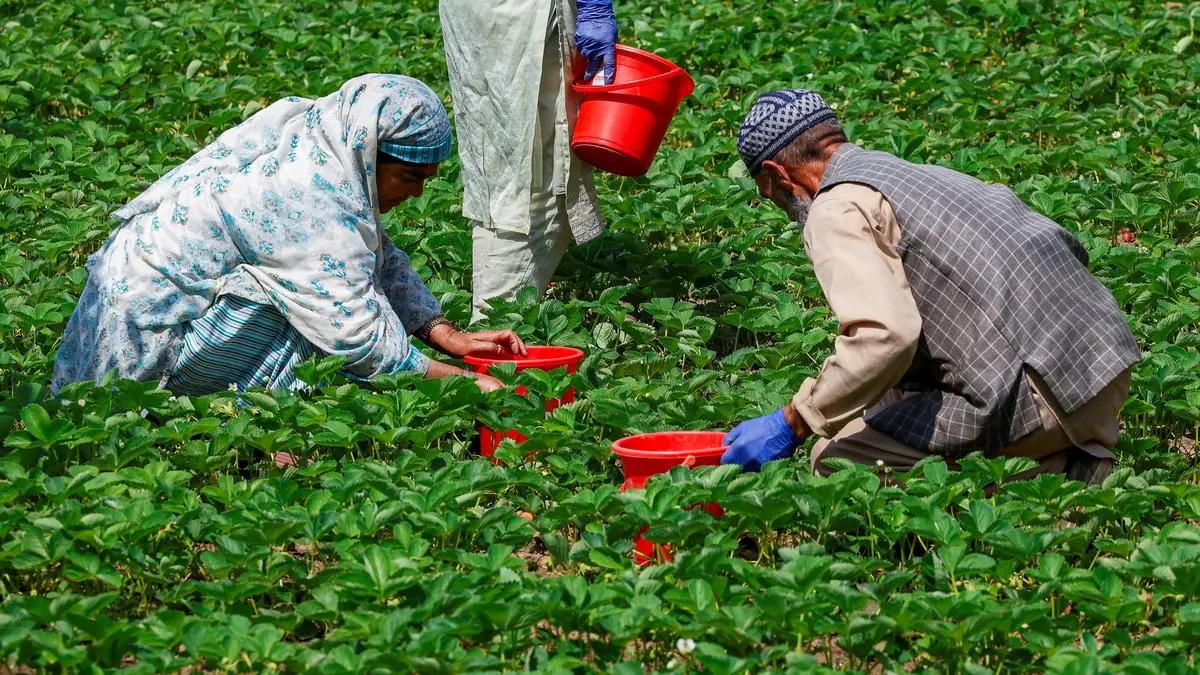
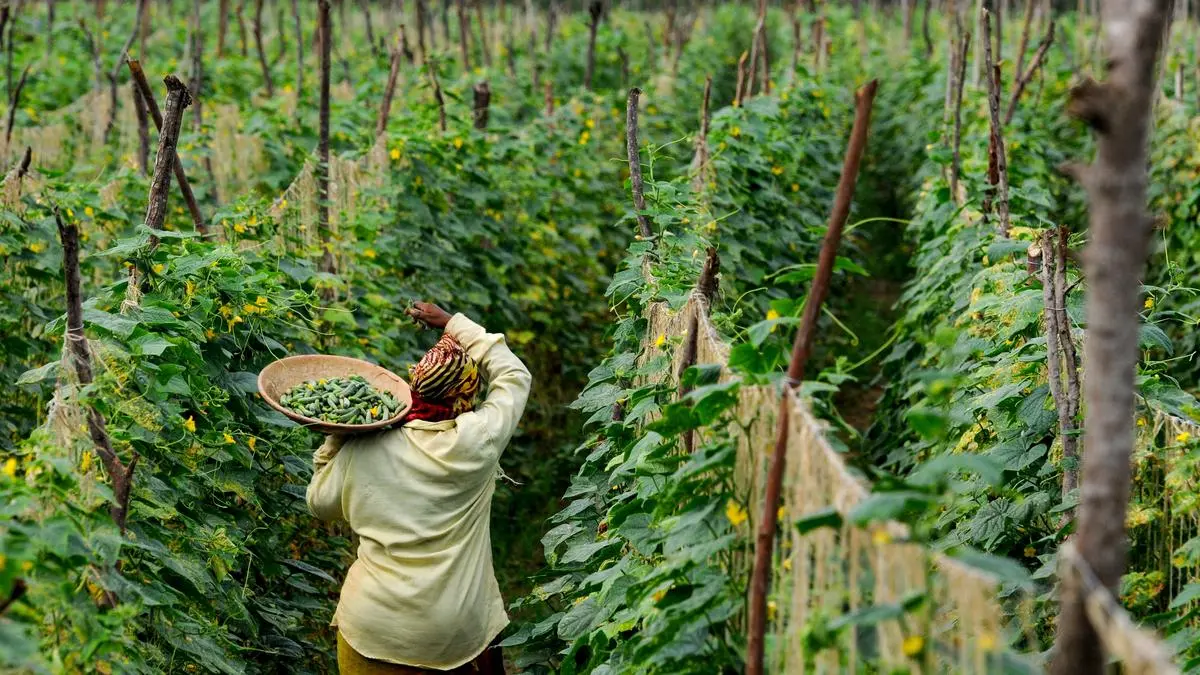
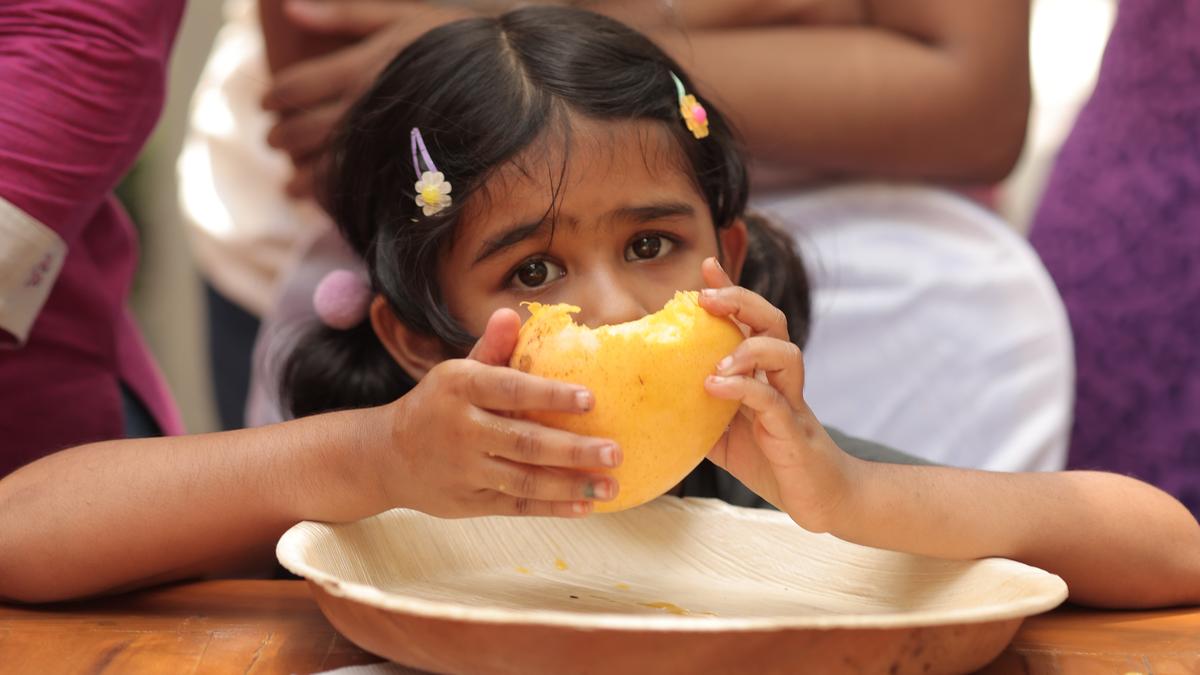
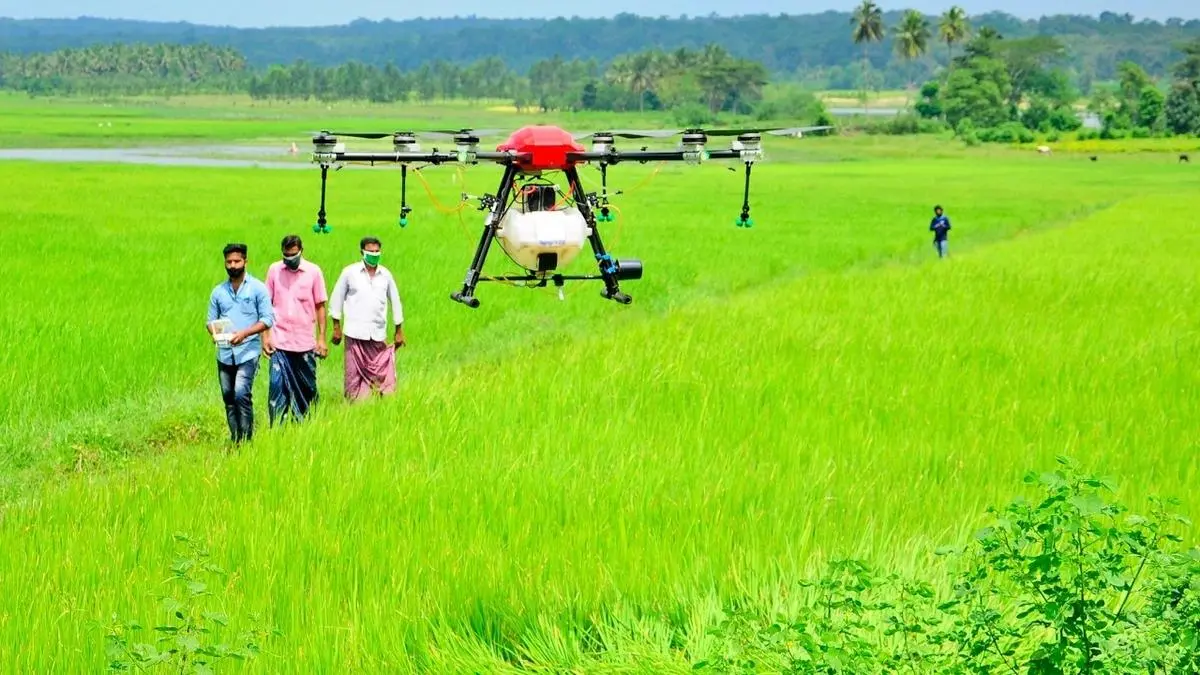
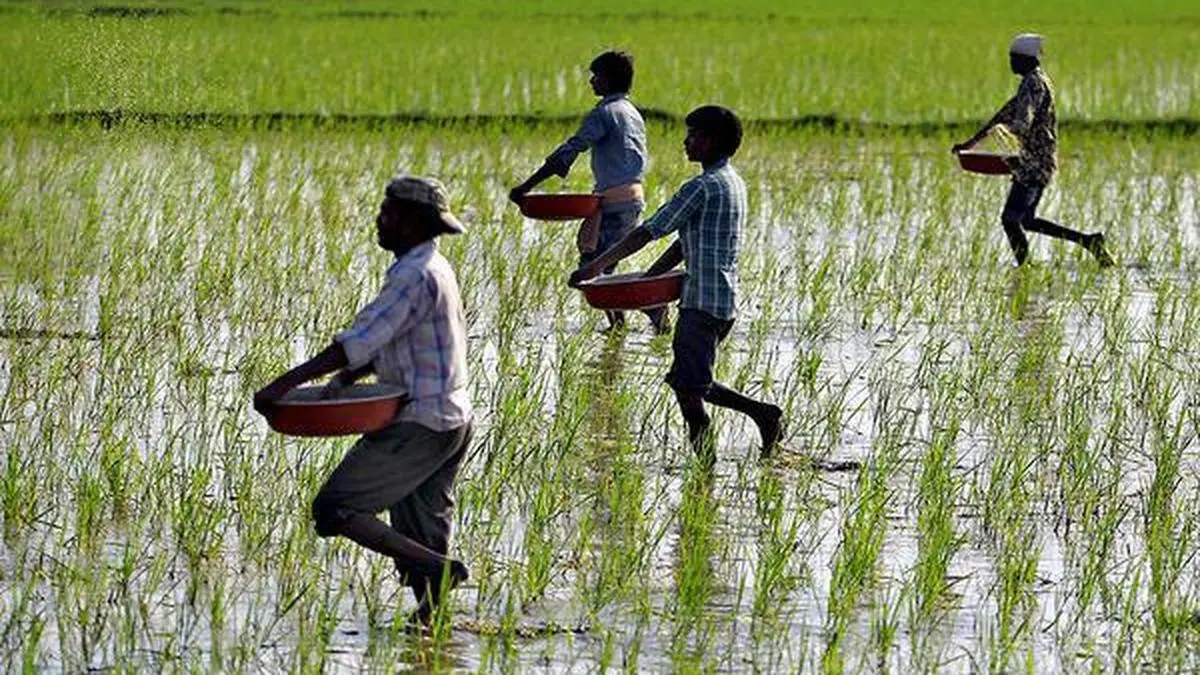
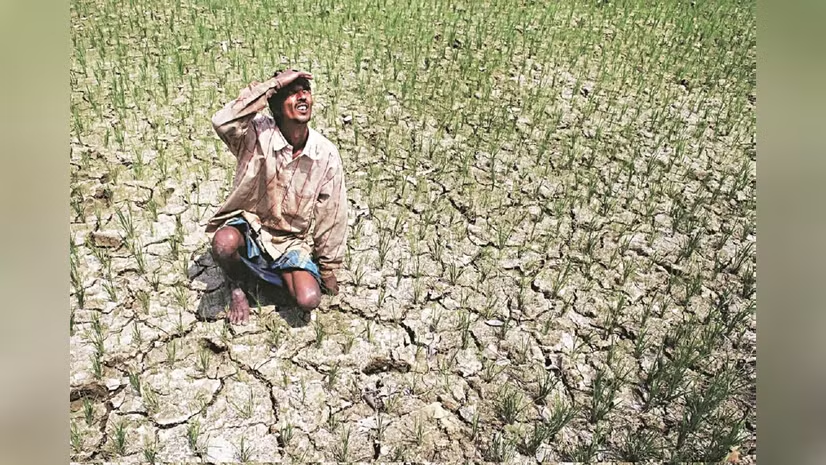
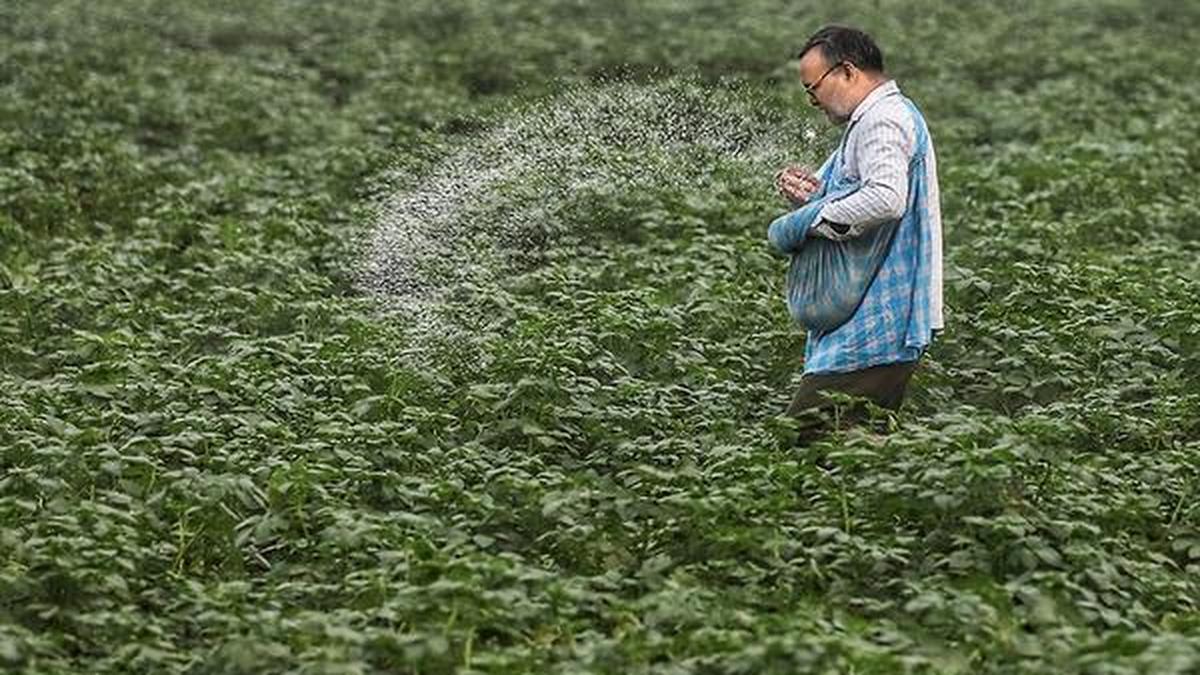
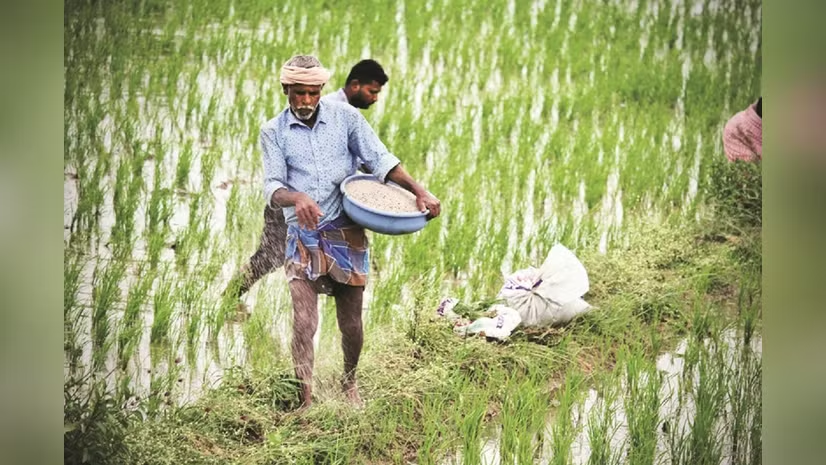
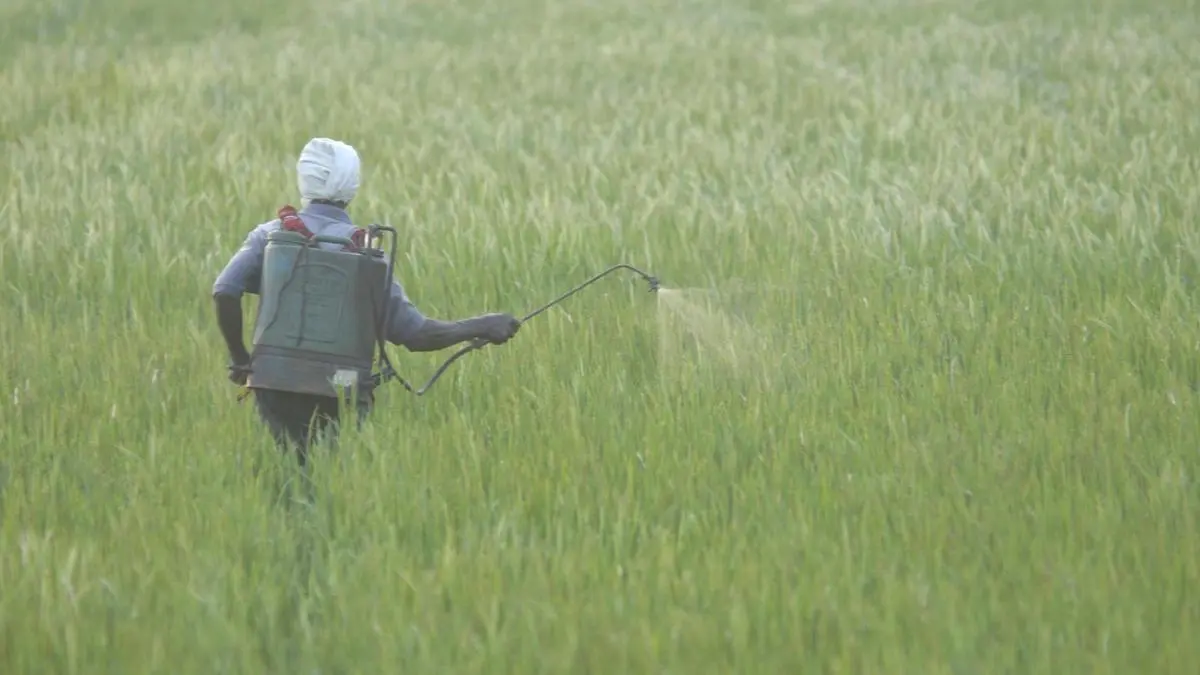
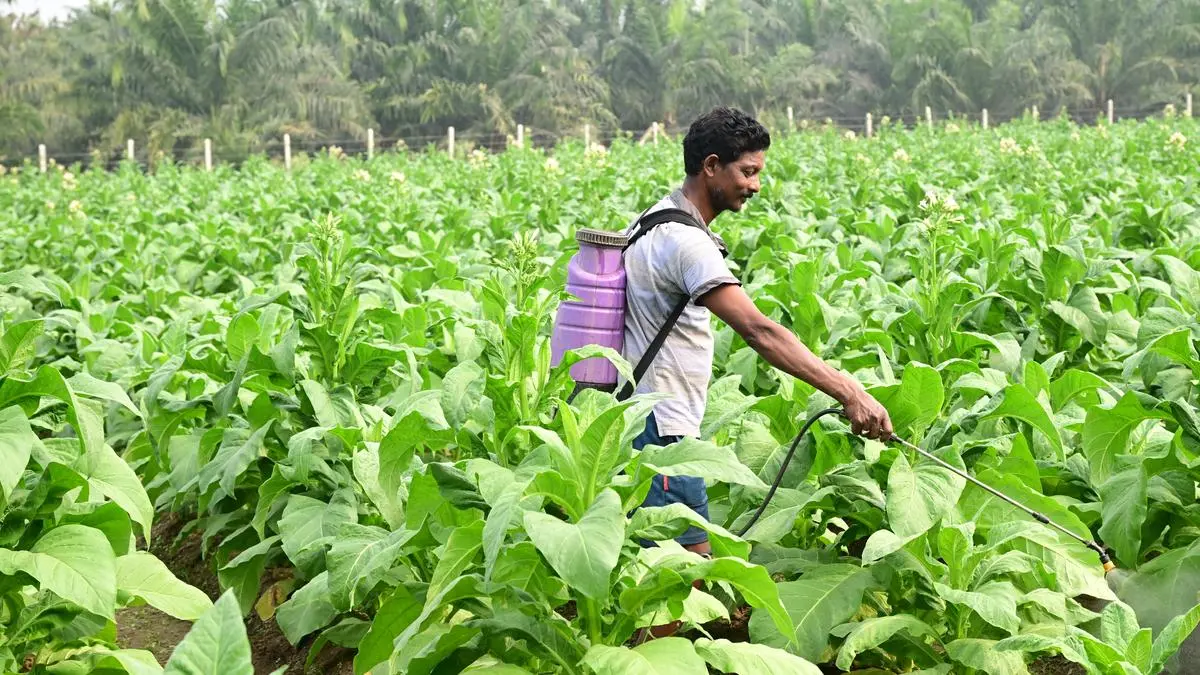
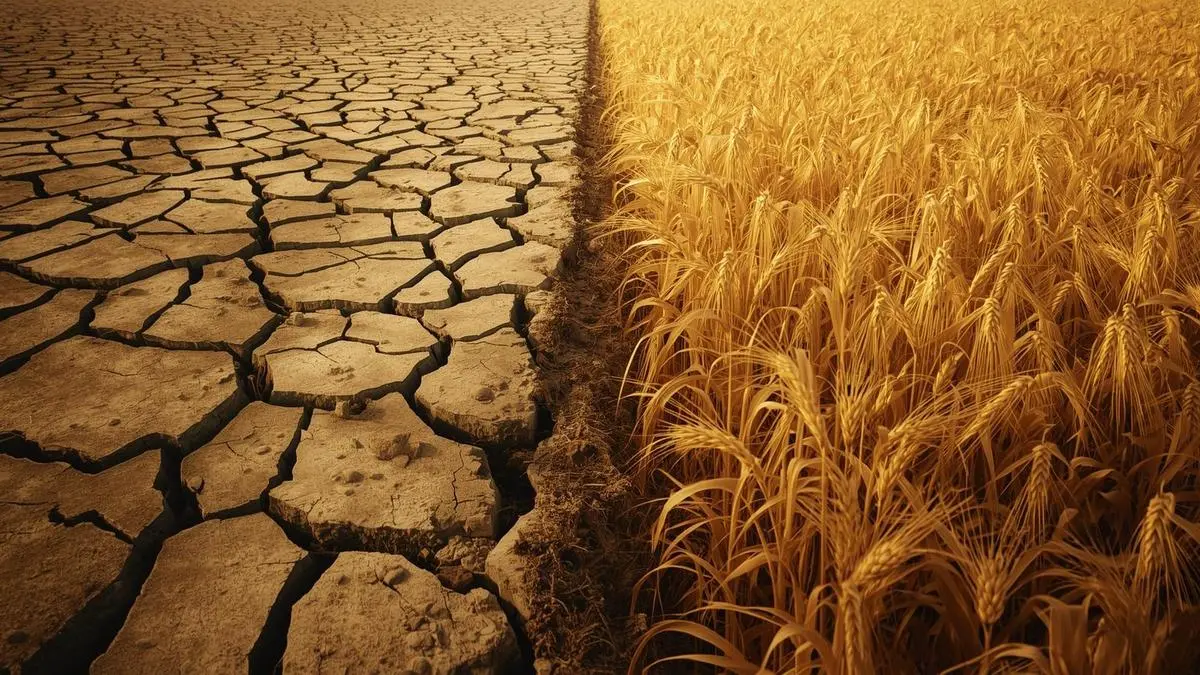
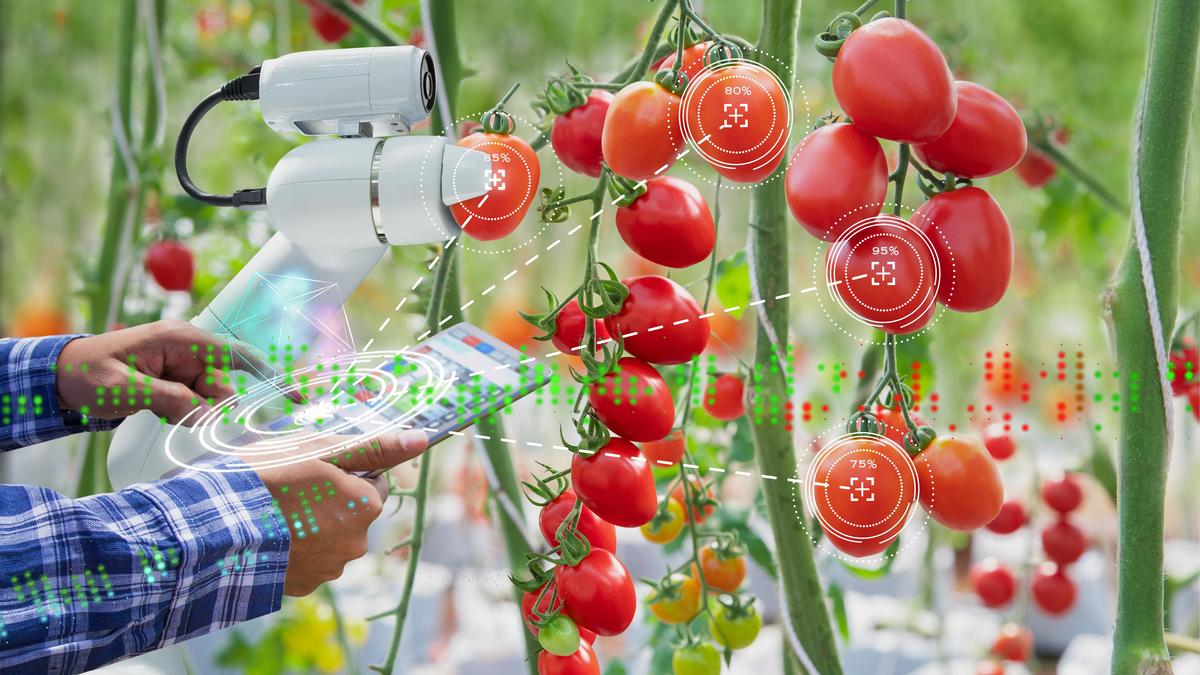
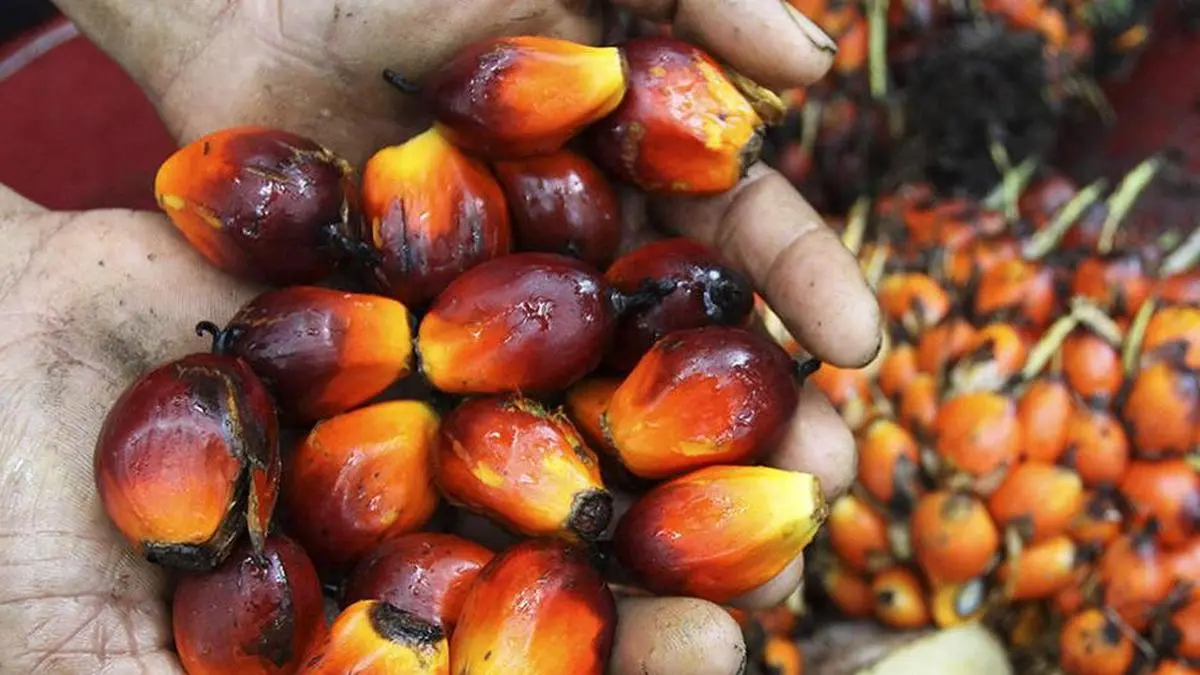
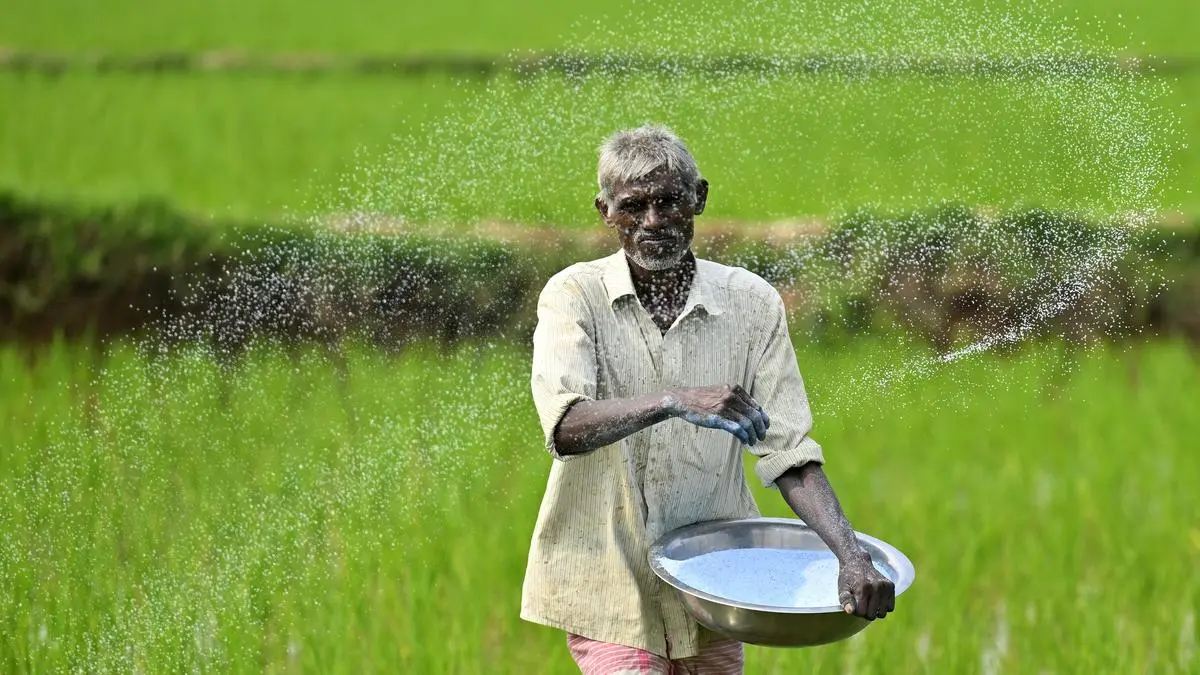
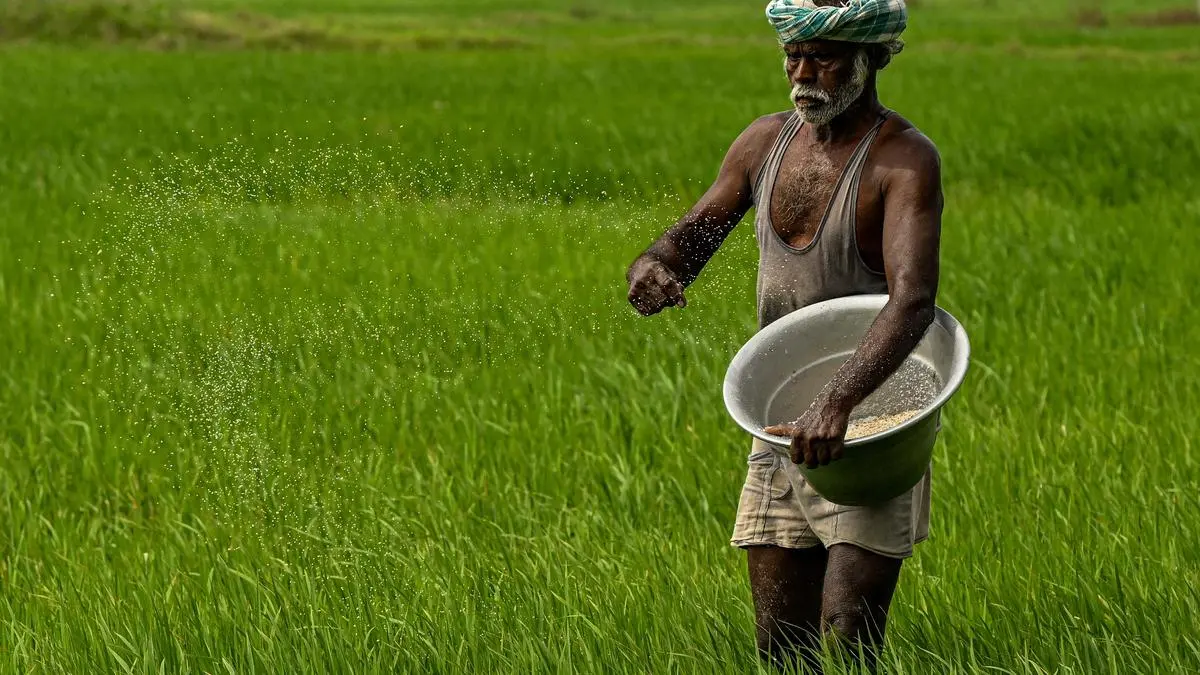
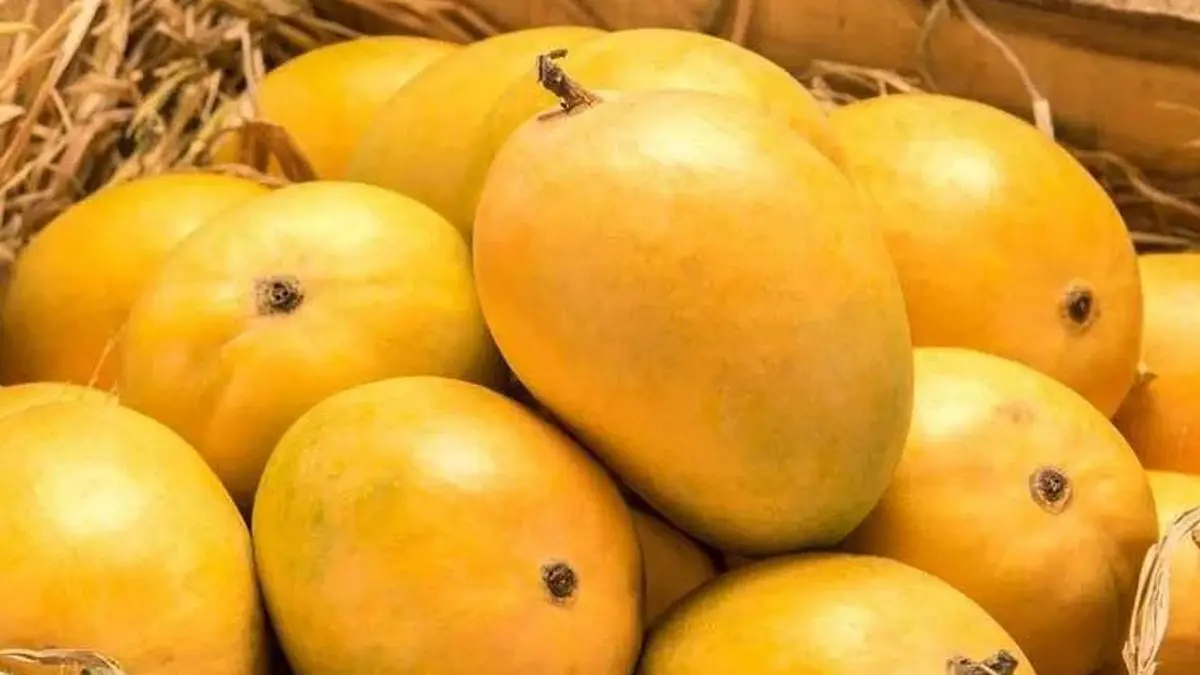
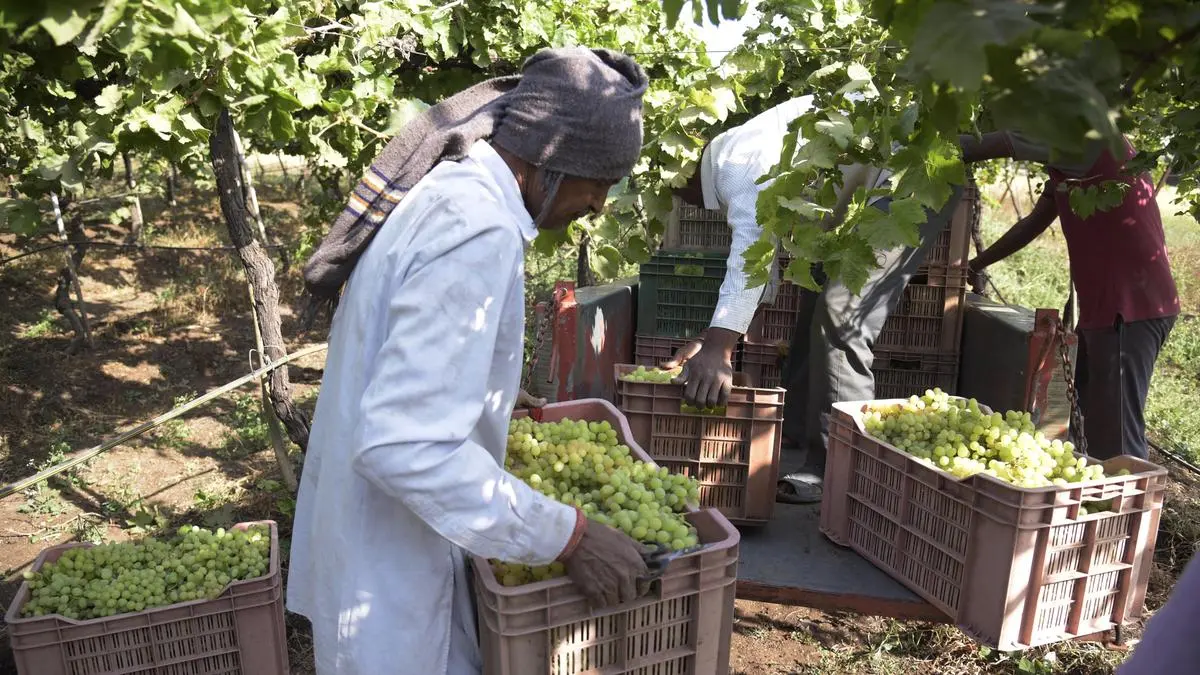
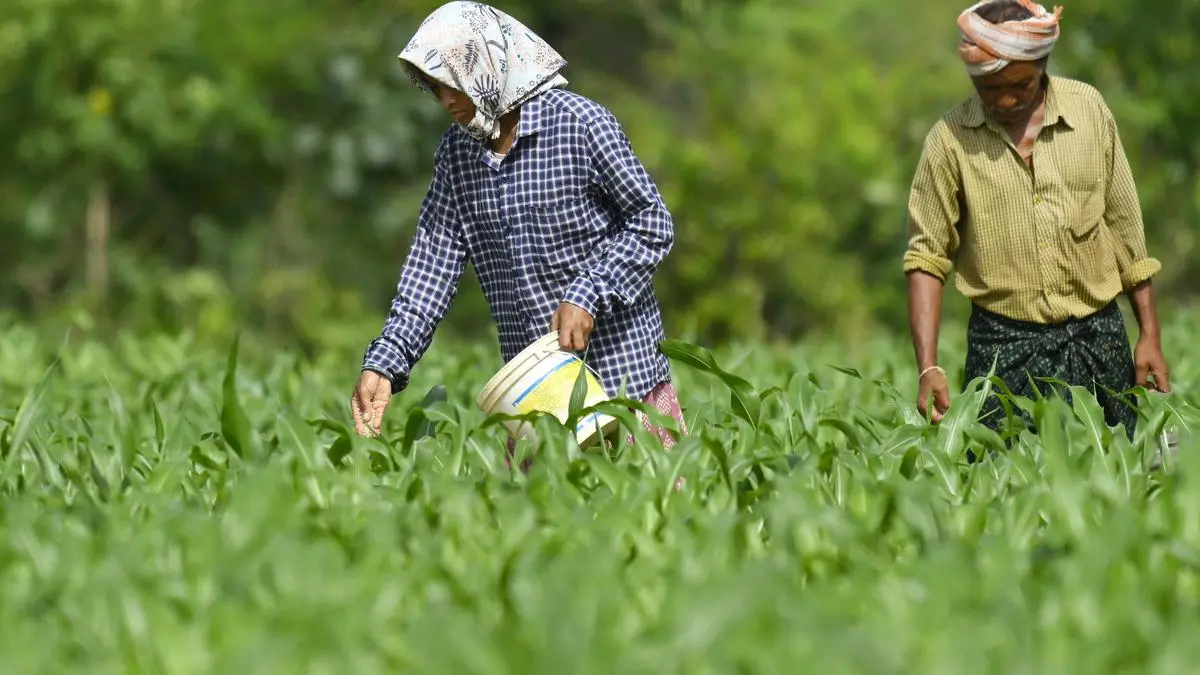
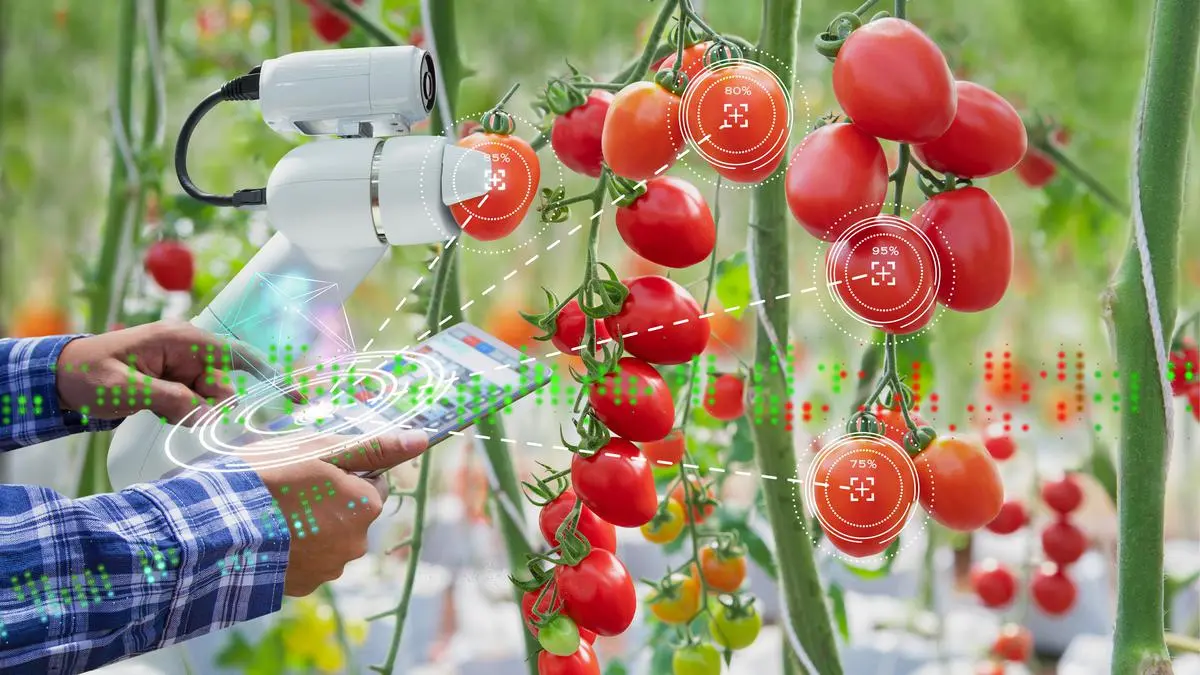
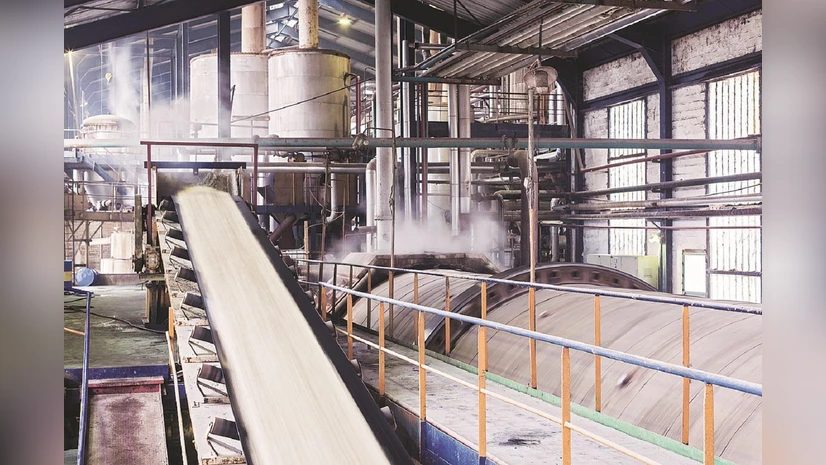
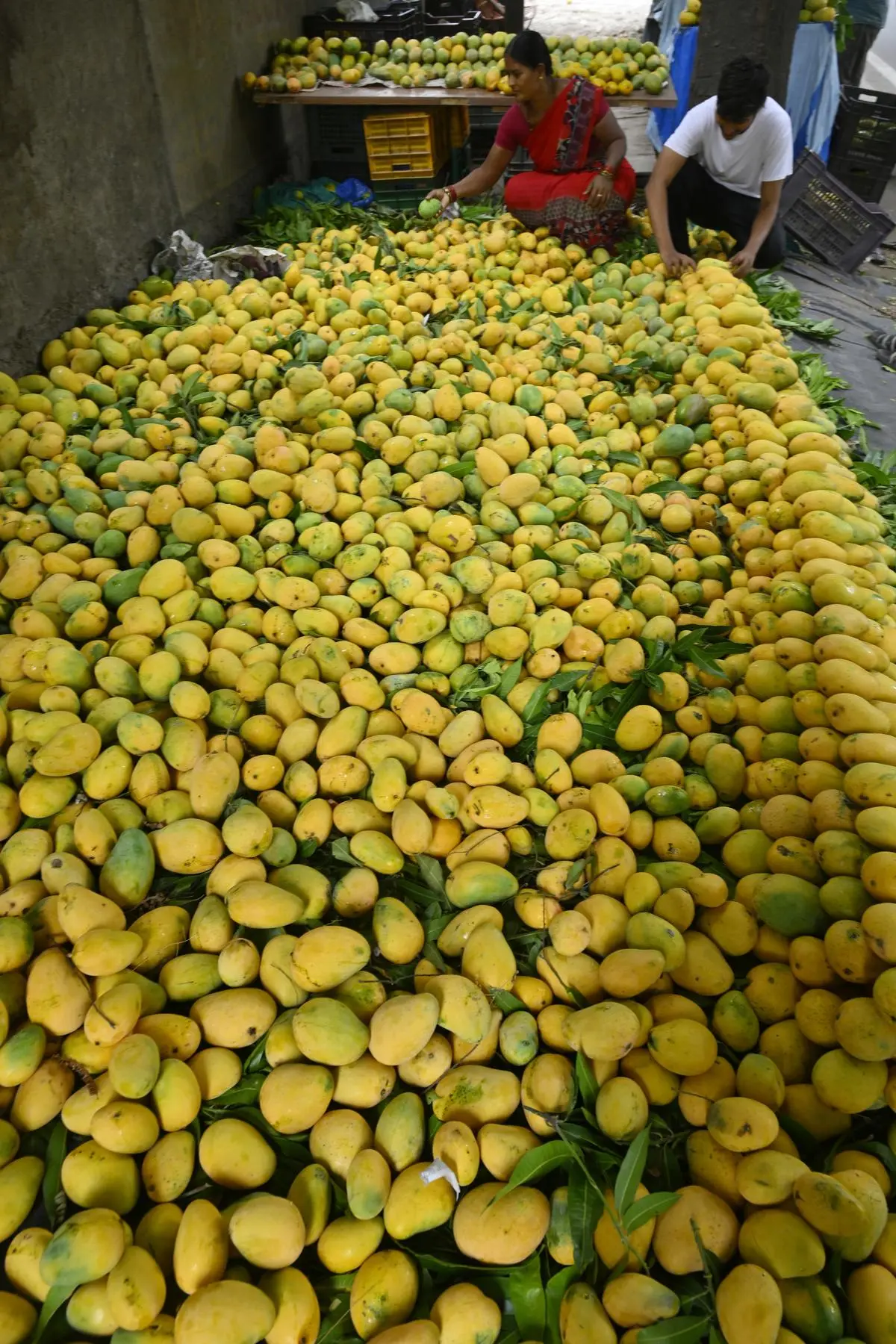
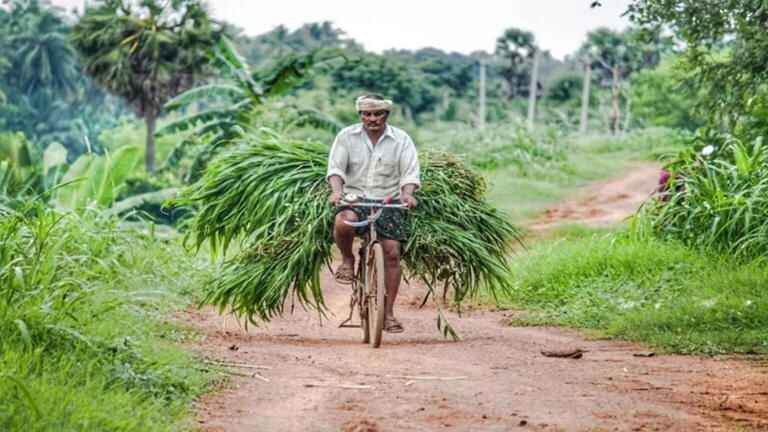
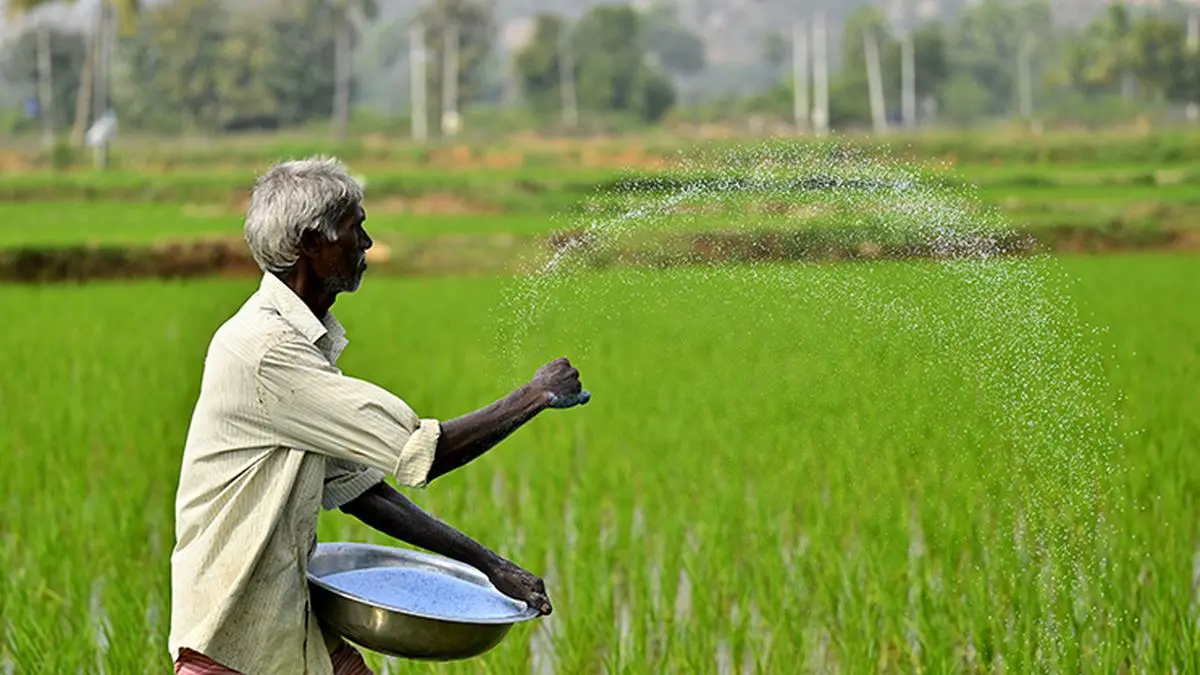
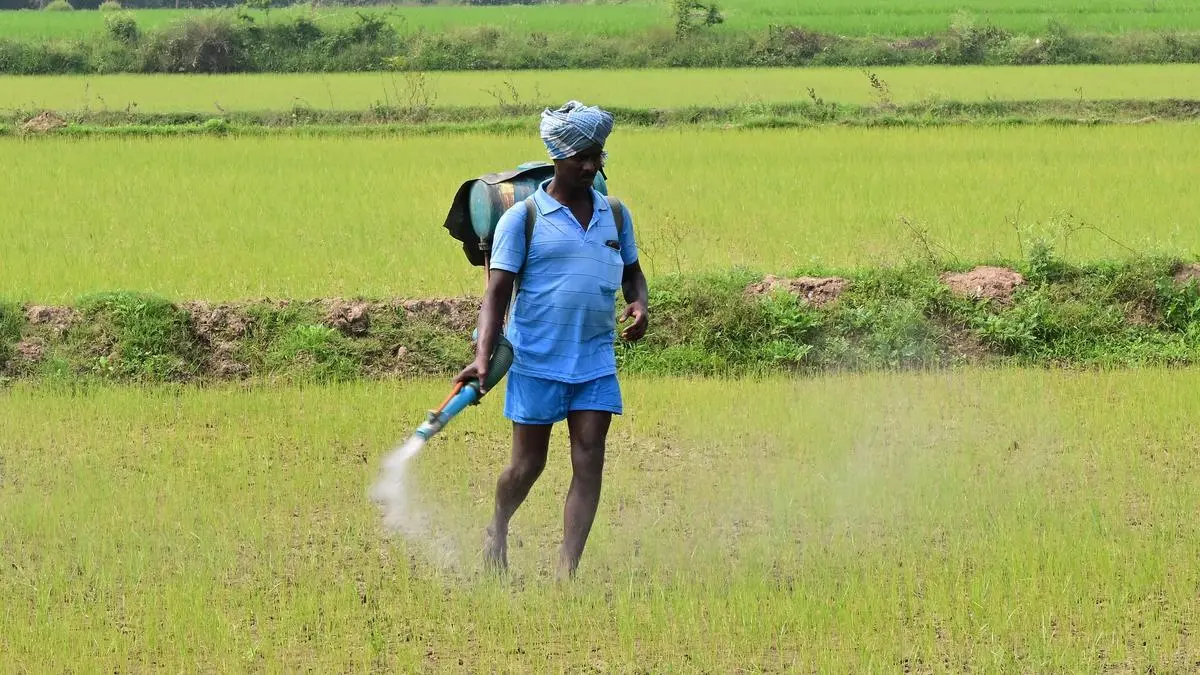
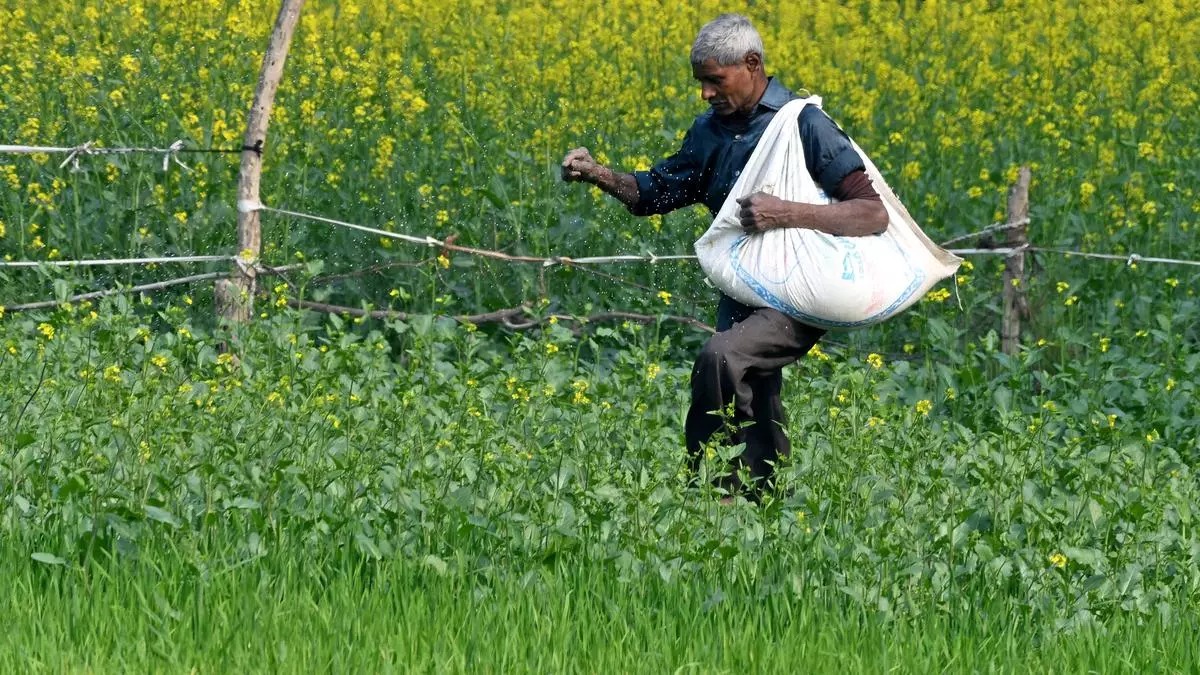
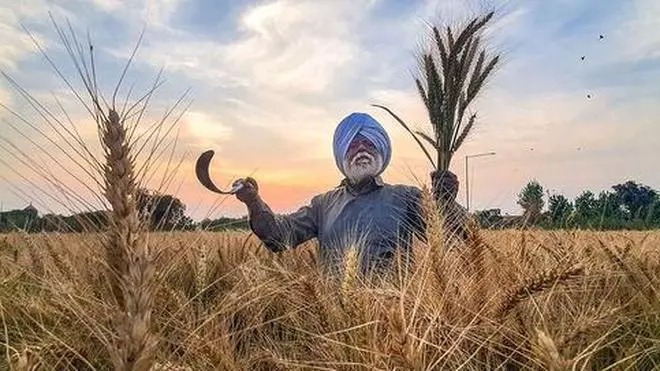
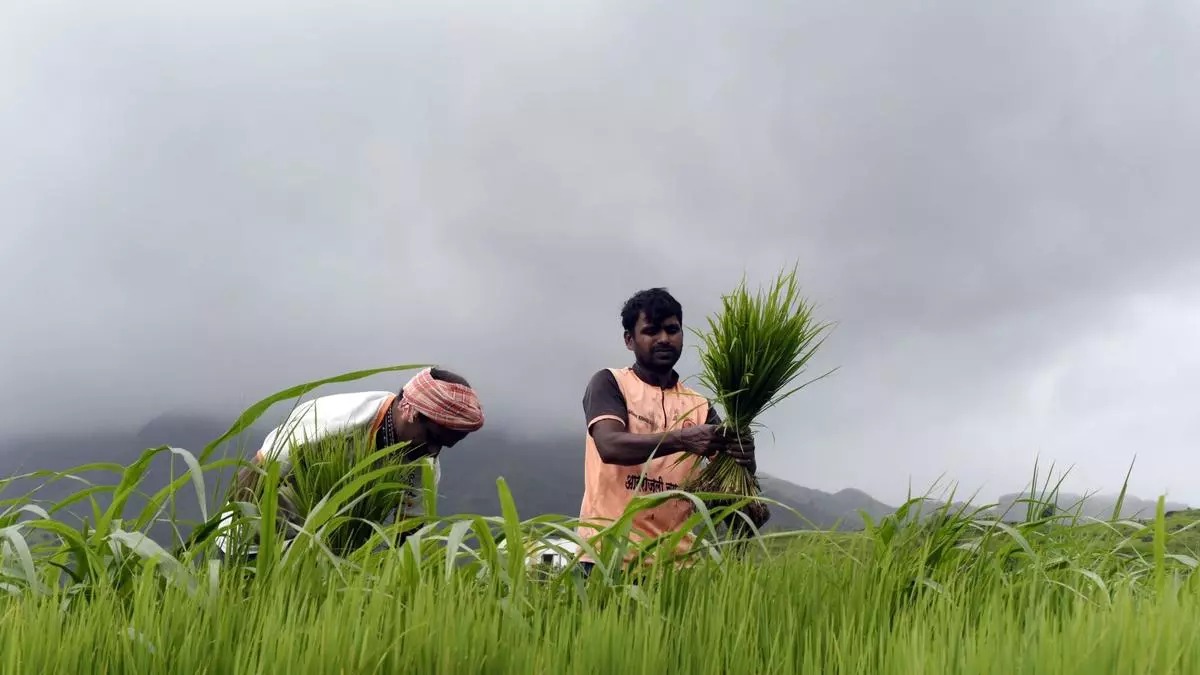
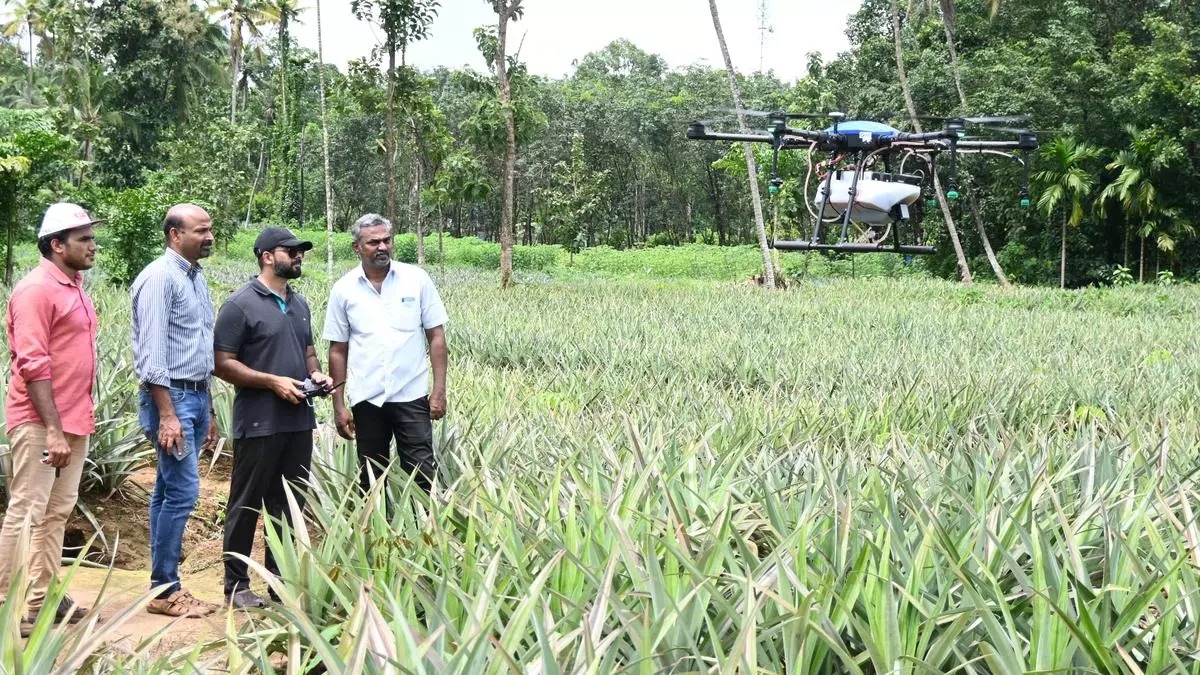
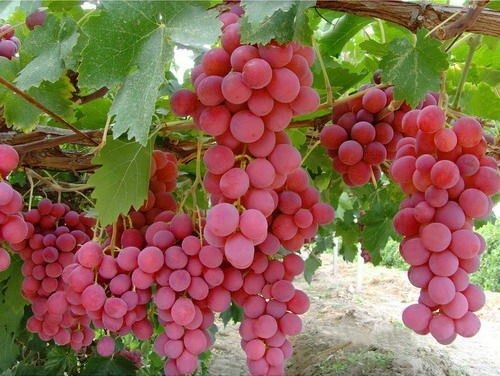
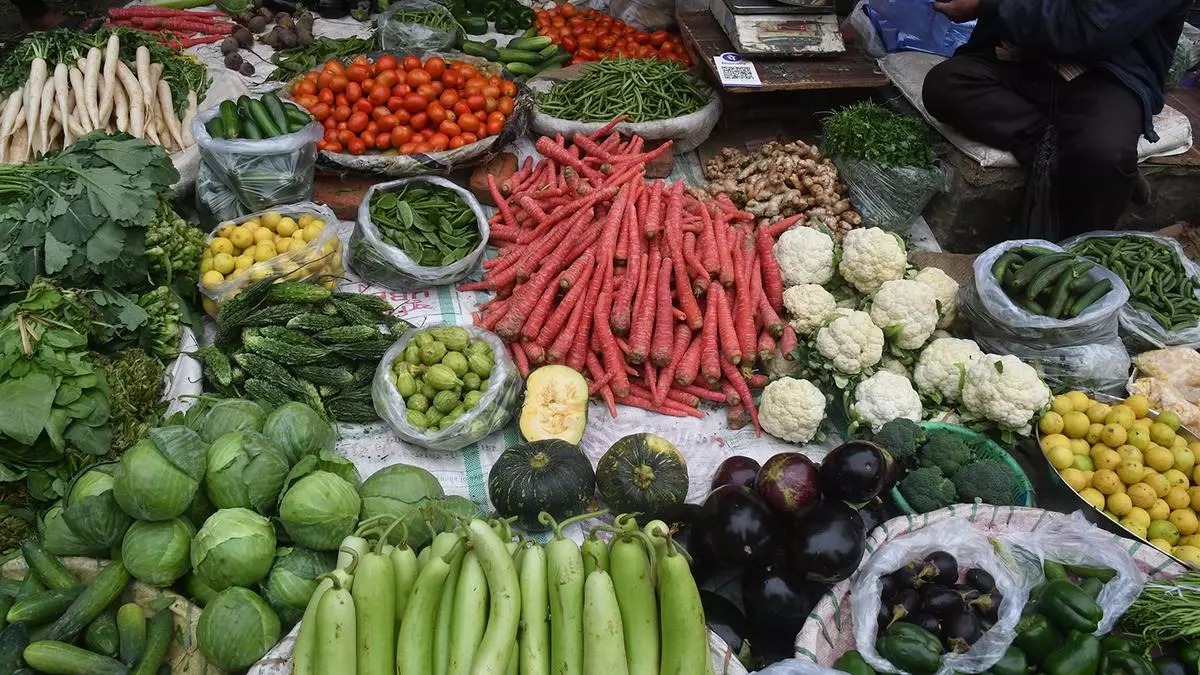
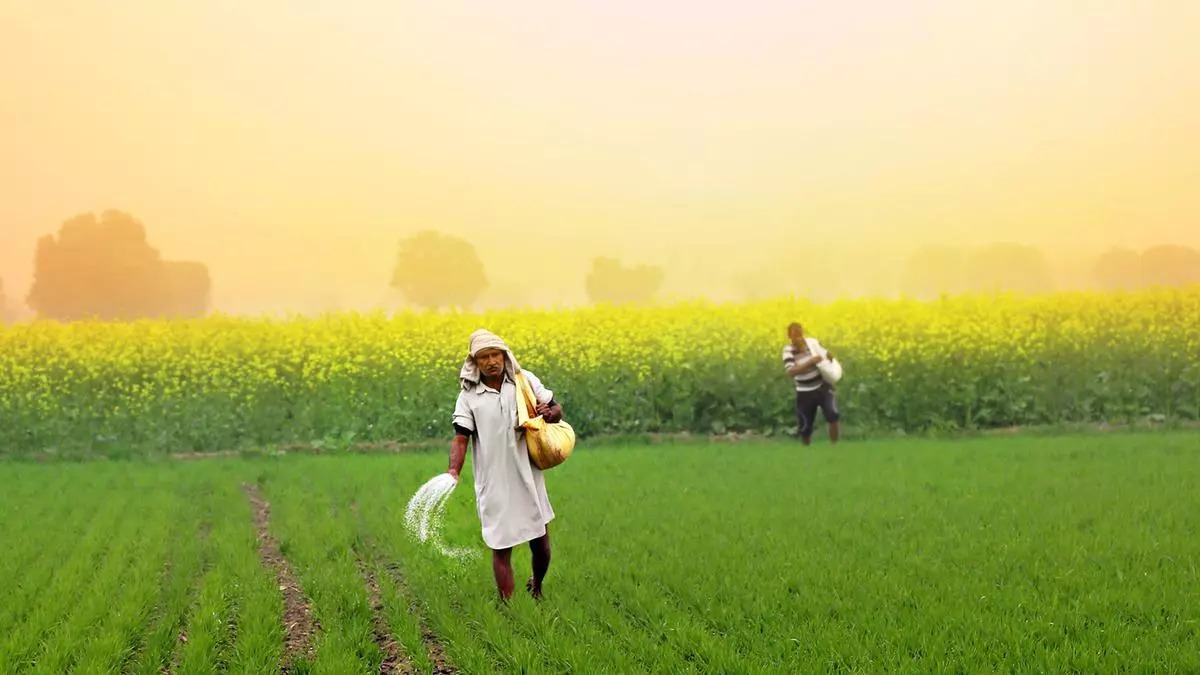
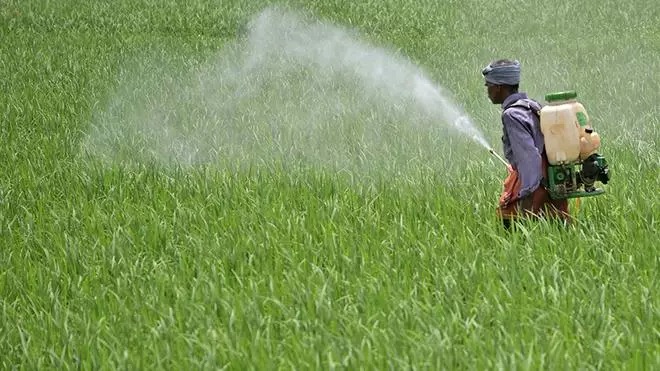
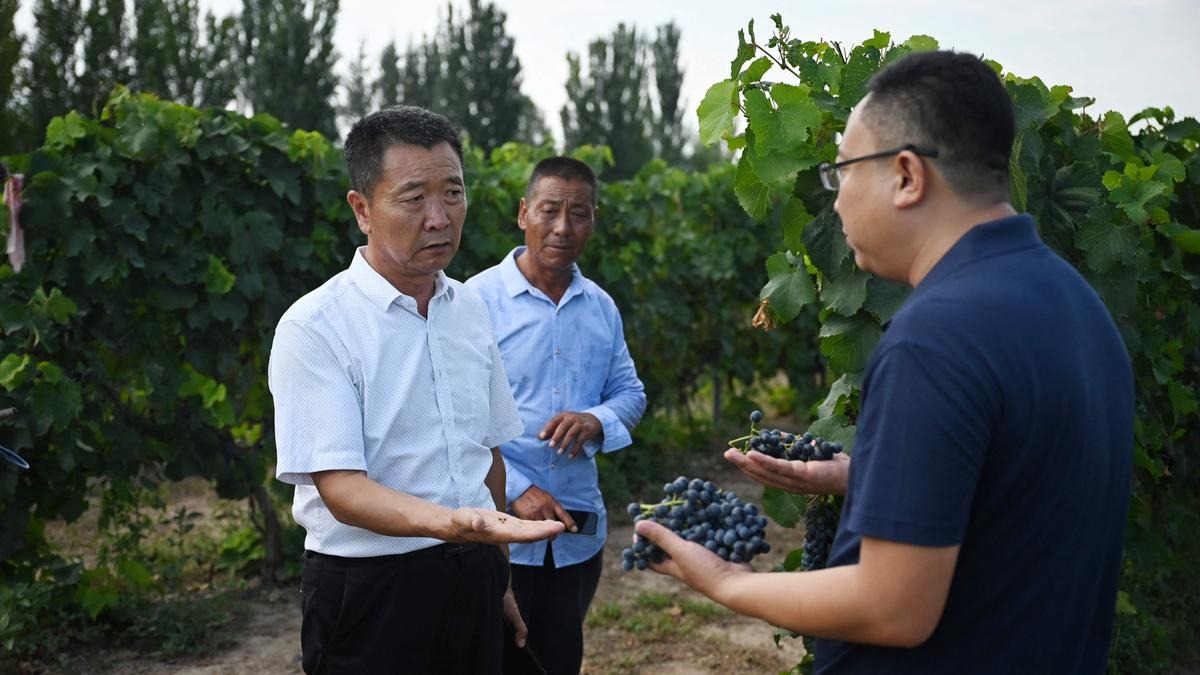
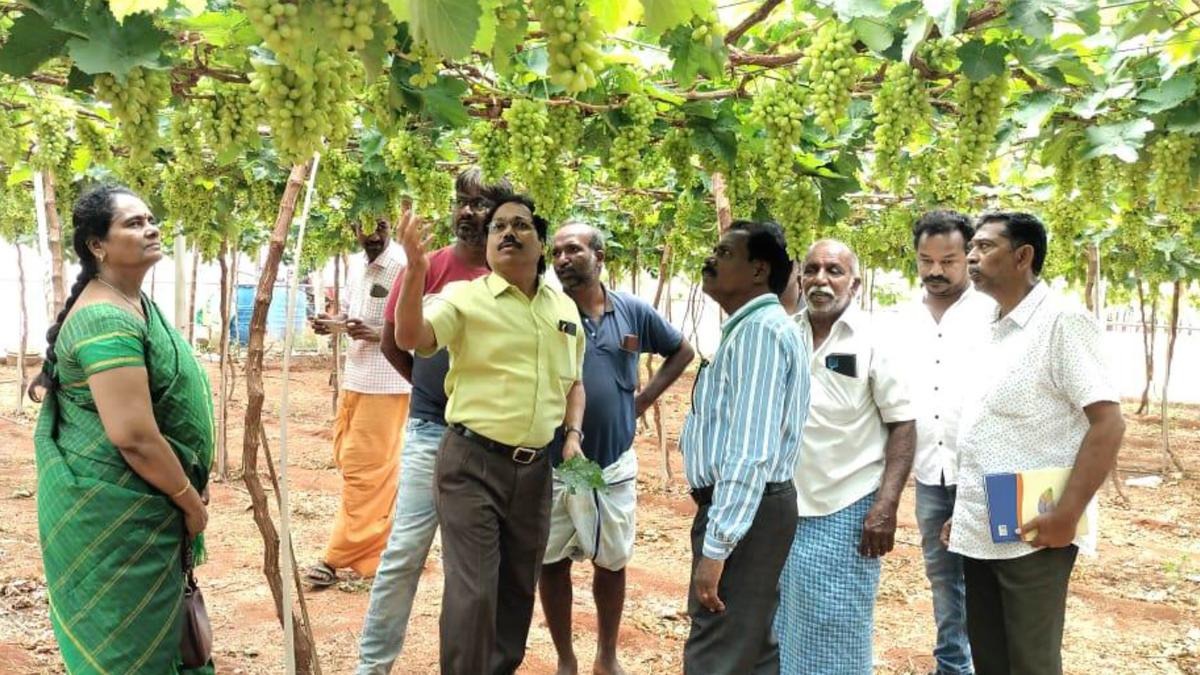
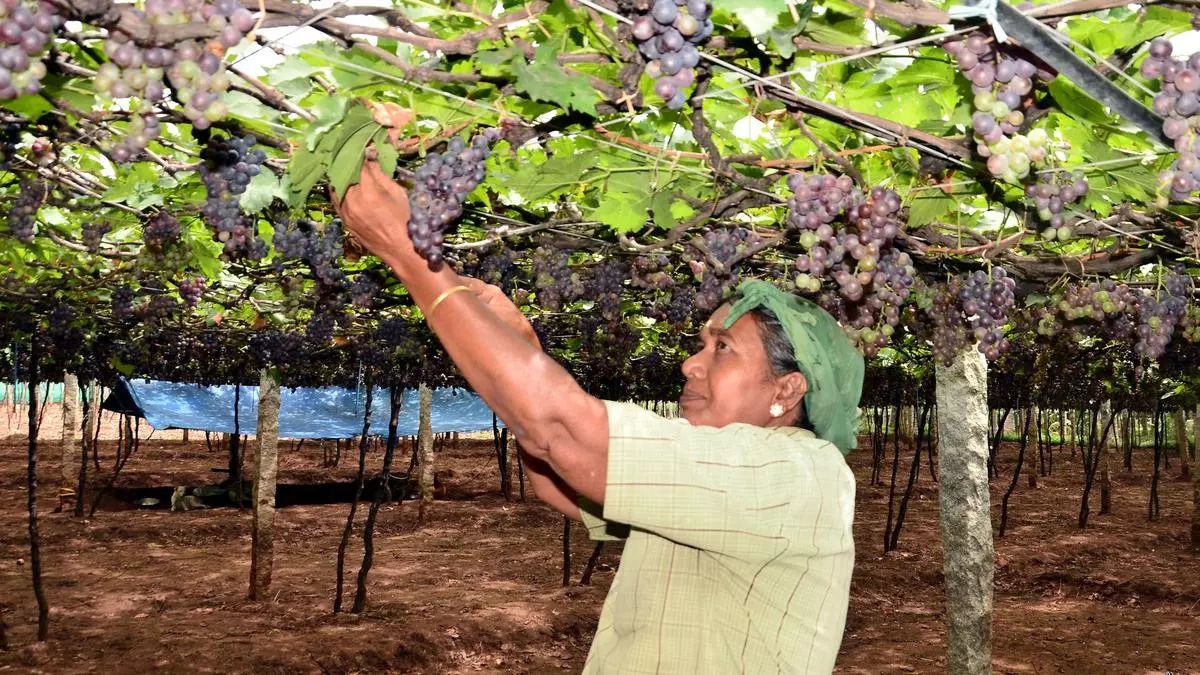
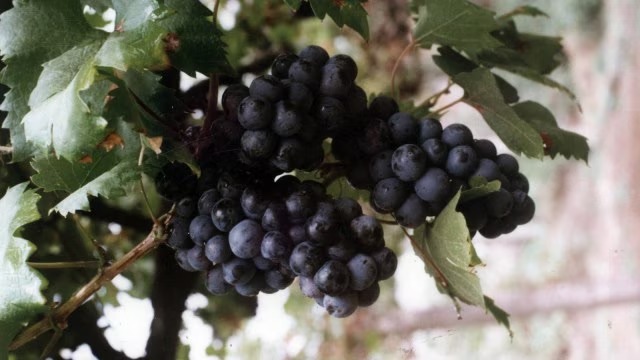
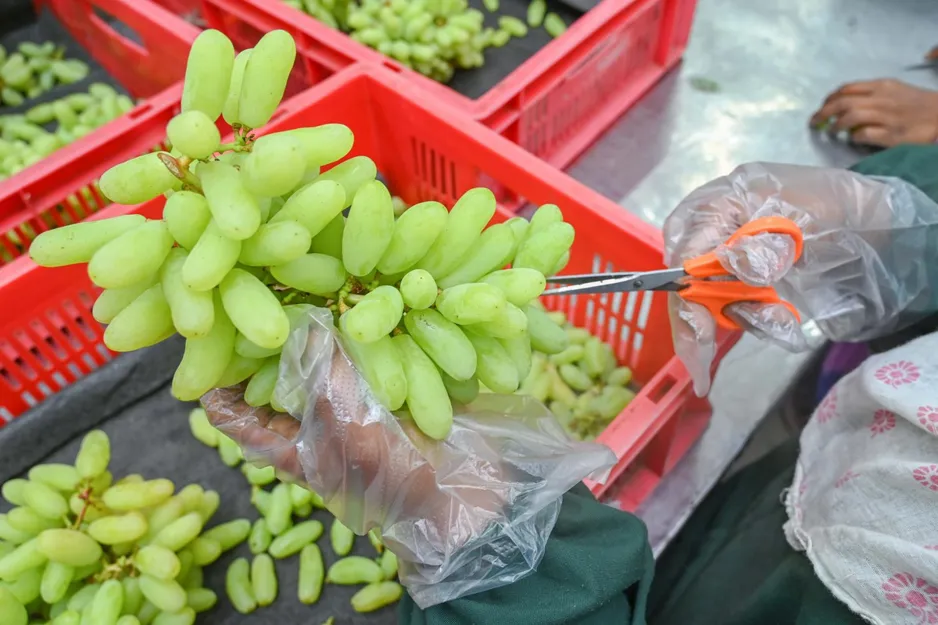
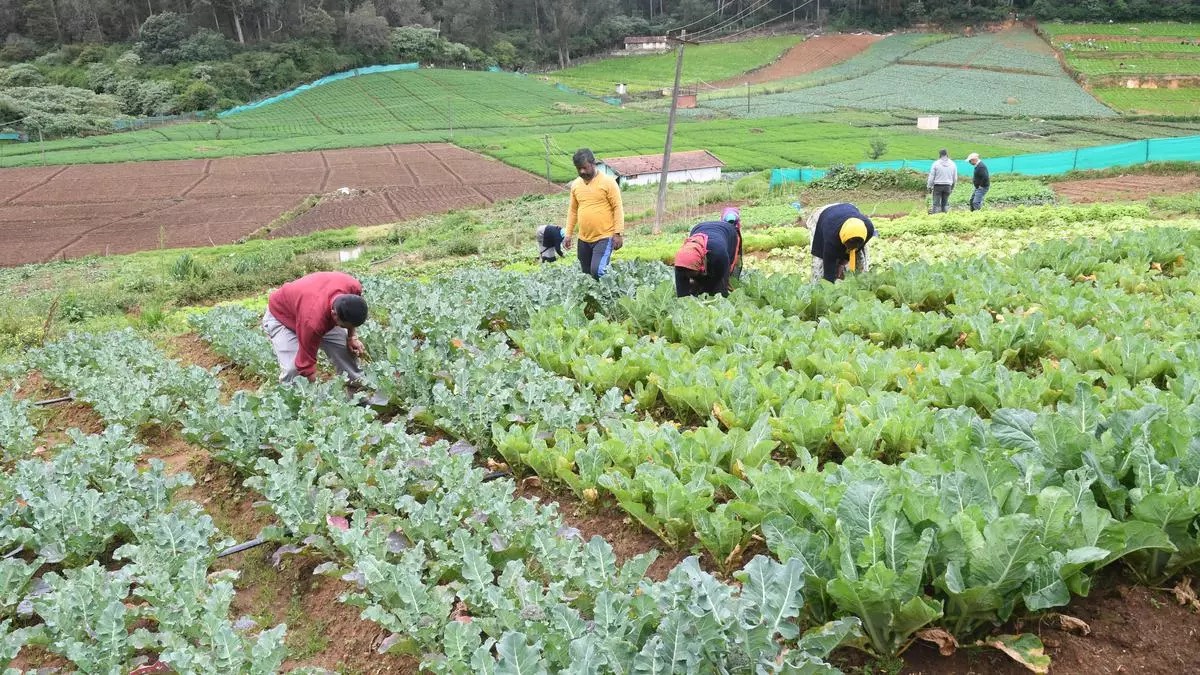
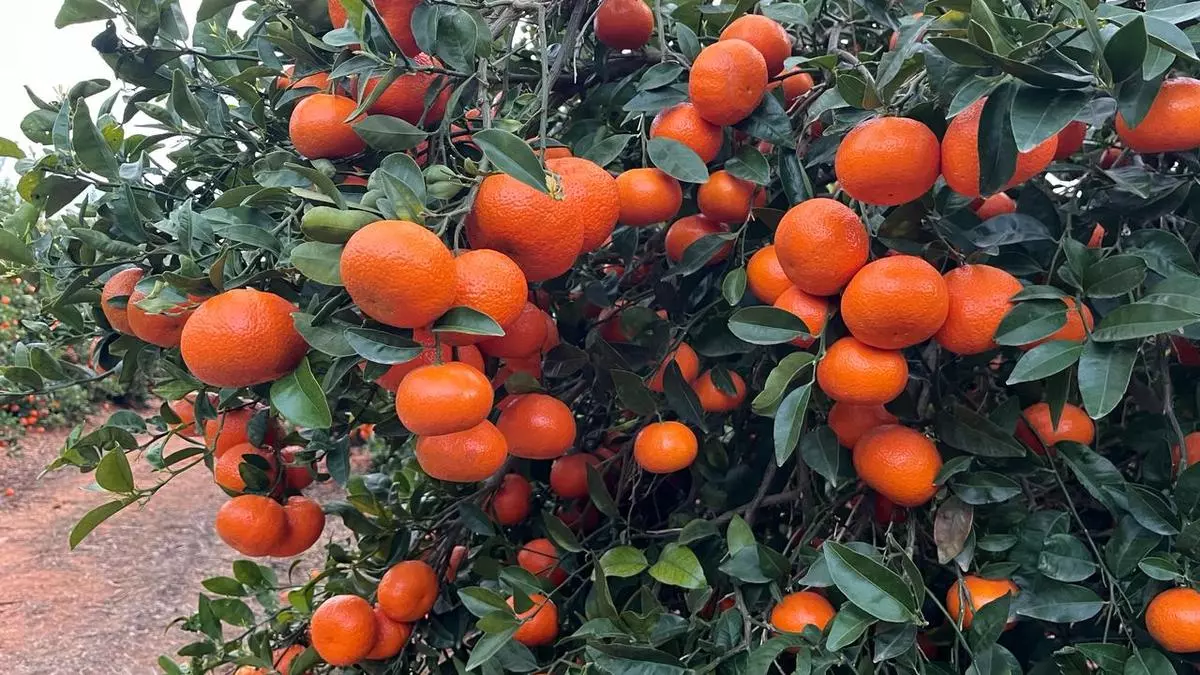
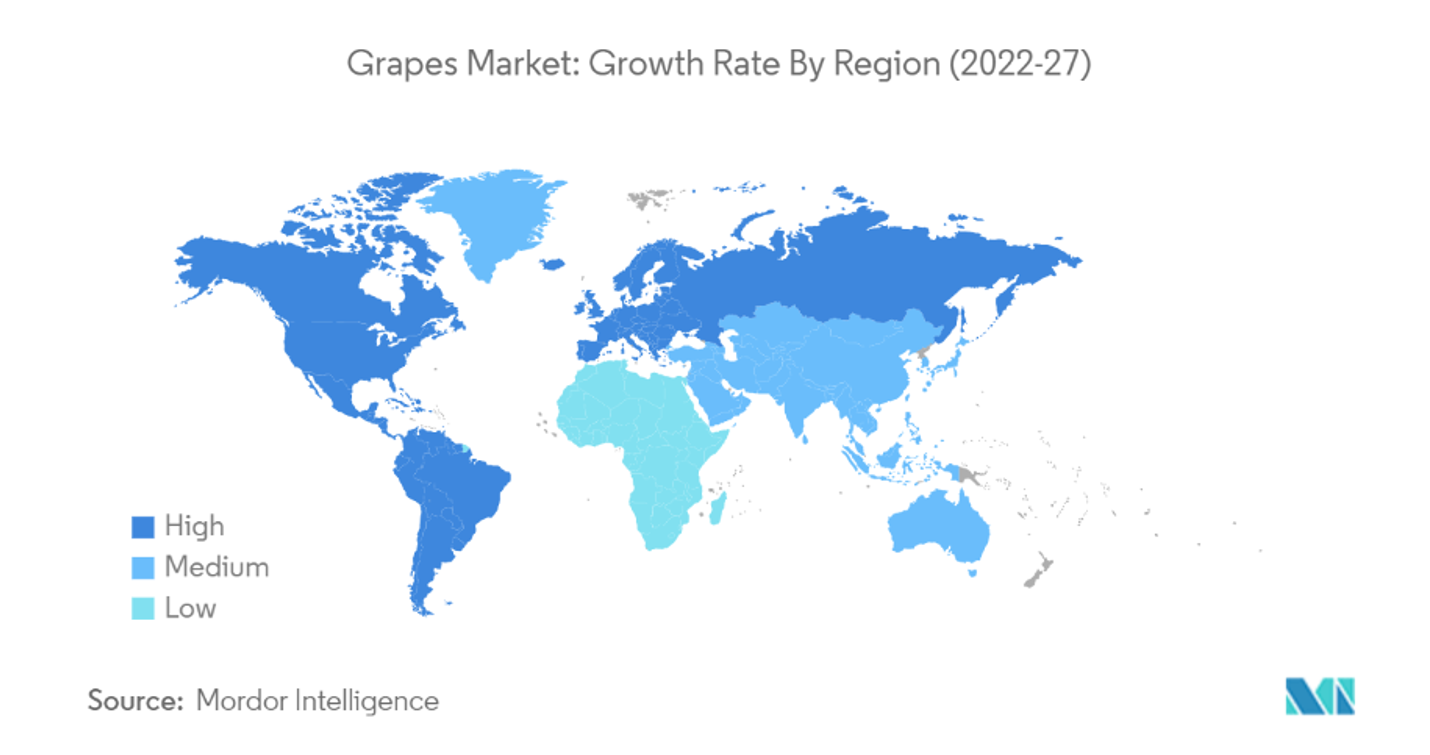
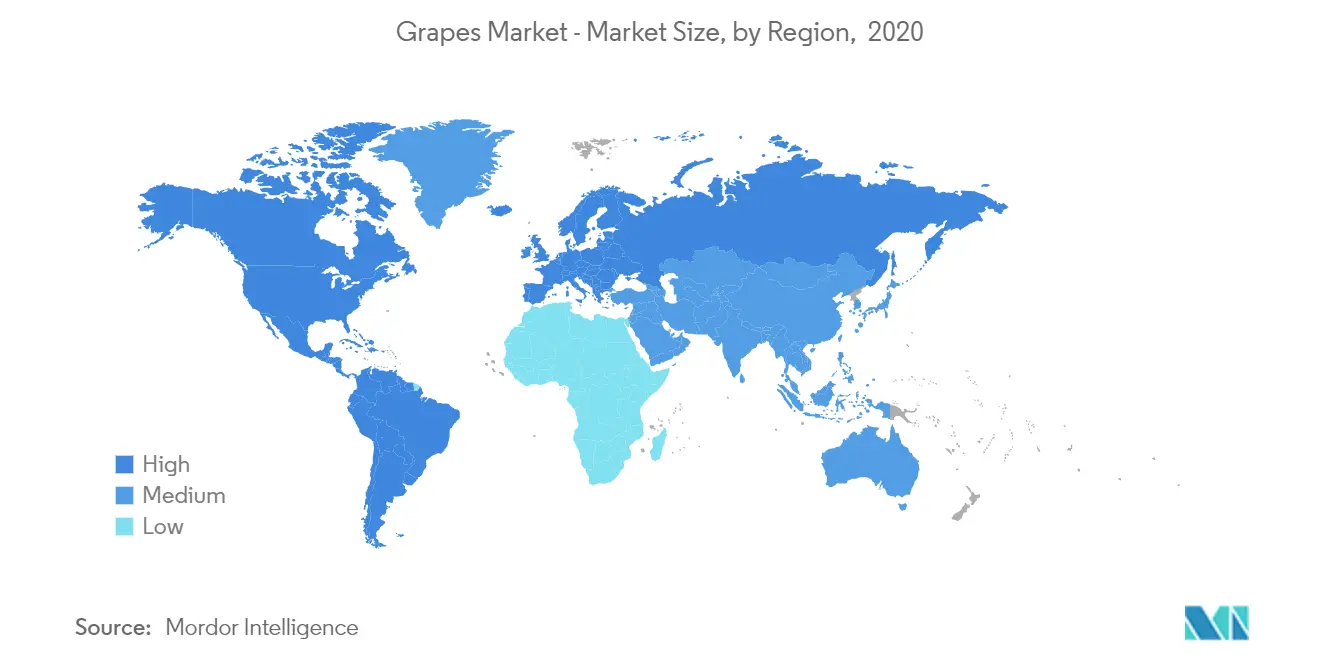
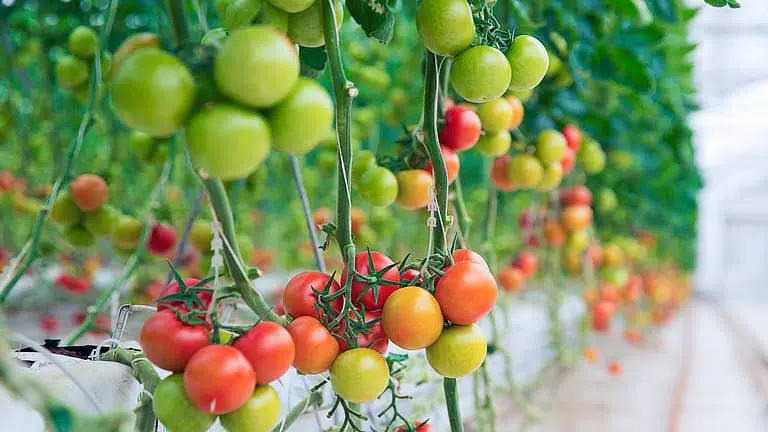
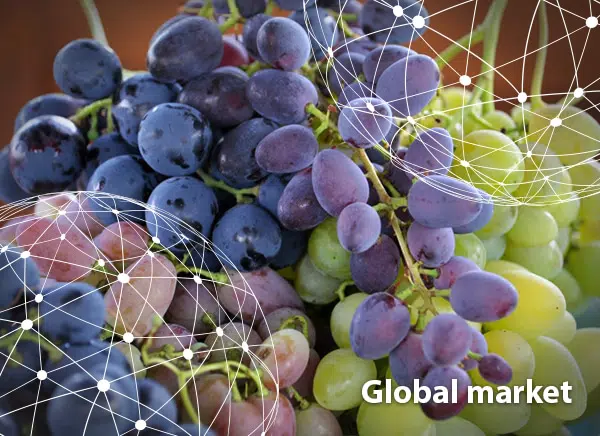
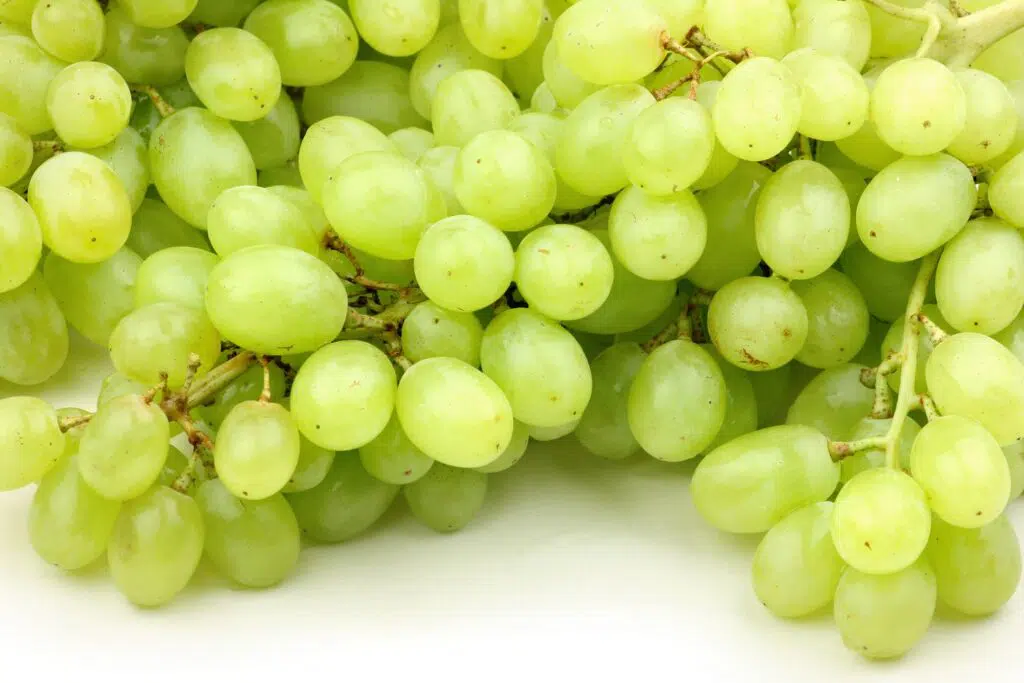
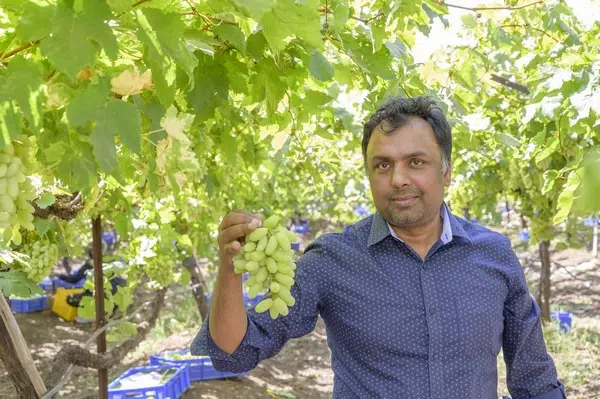
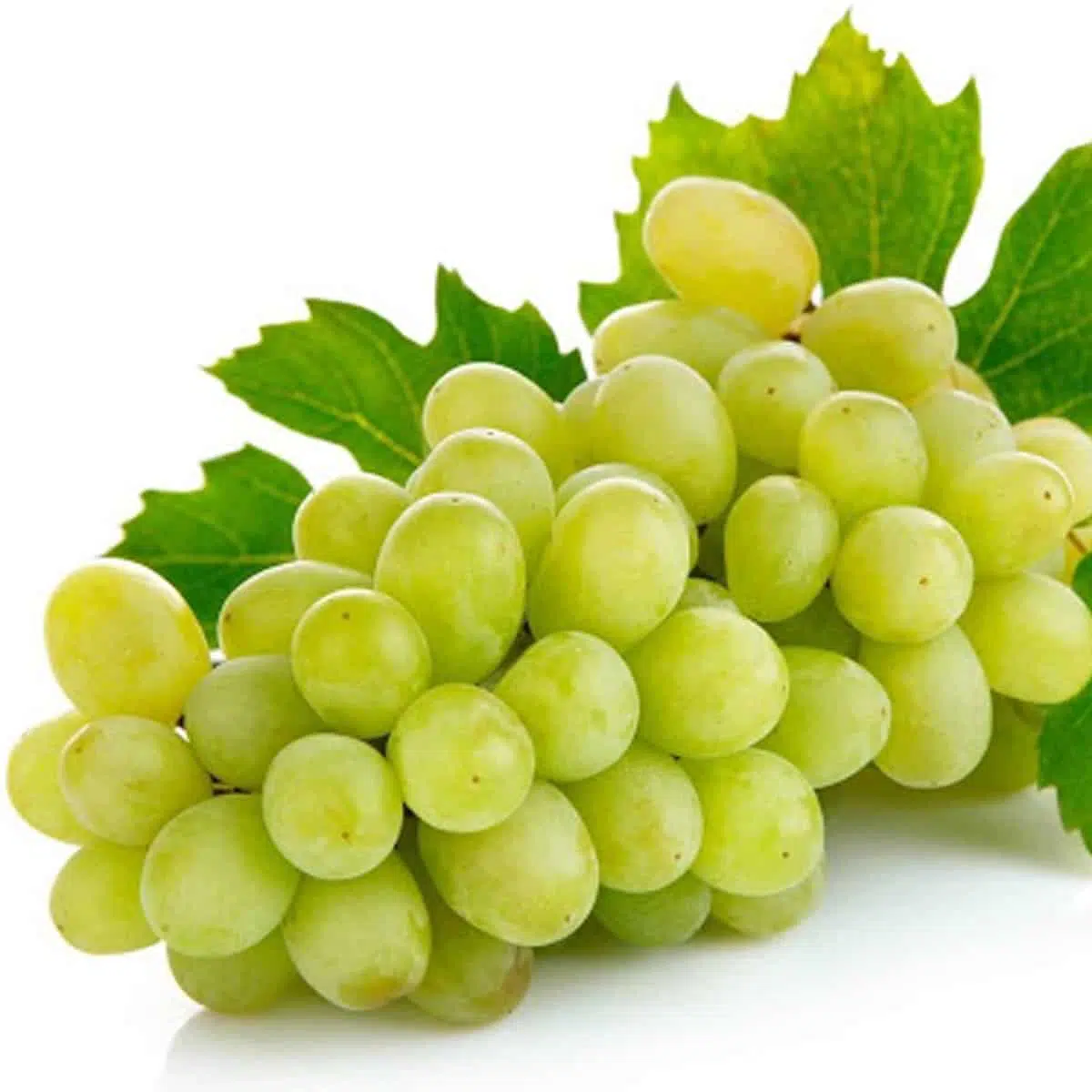
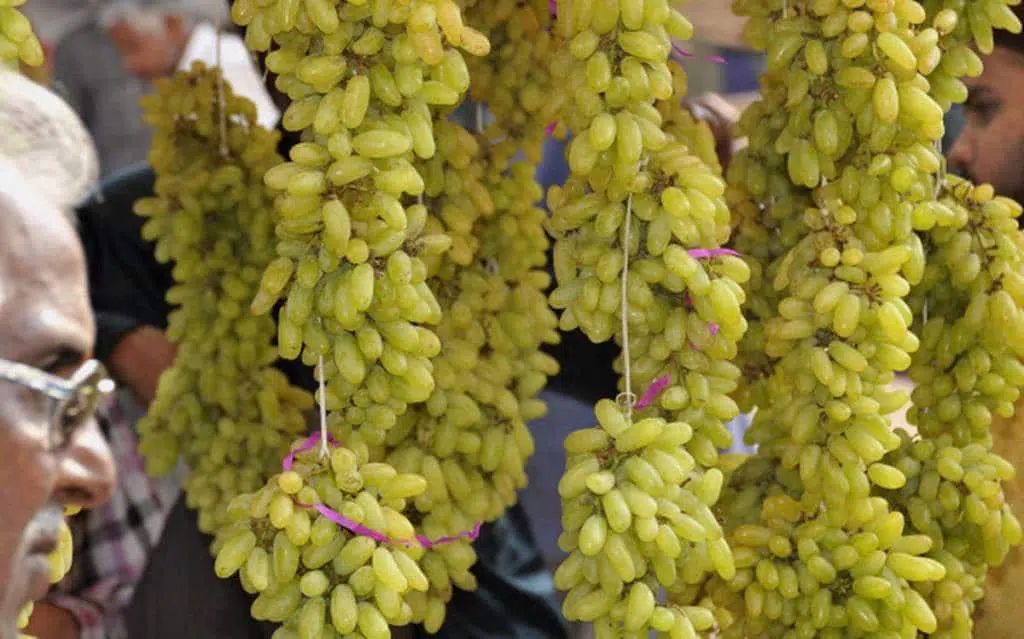
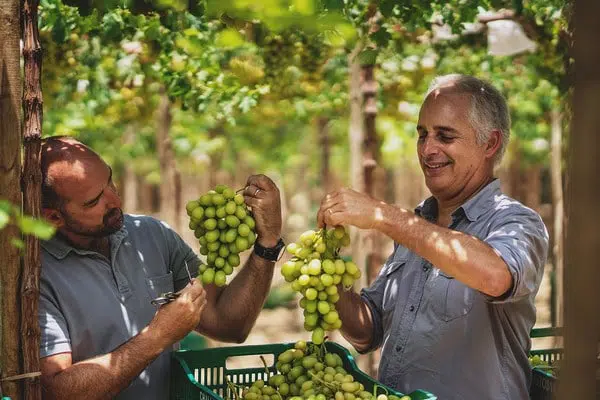
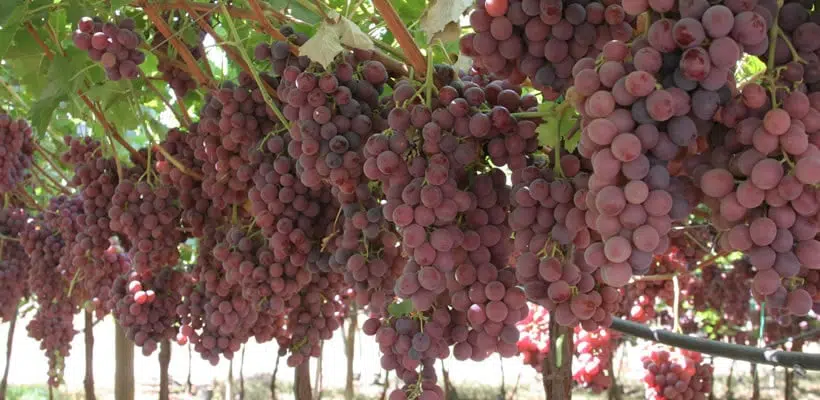
Yet, as the state pivots toward delicate, high-value horticultural items—such as mango pulp, table grapes, pomegranates, and processed gherkins—the overarching trade strategy faces a glaring microeconomic paradox. Current agricultural policies remain heavily focused on post-harvest cold-chain logistics, while largely ignoring the most fragile element of this changing basket: depreciating Farmers’ Health Capital (FHC).