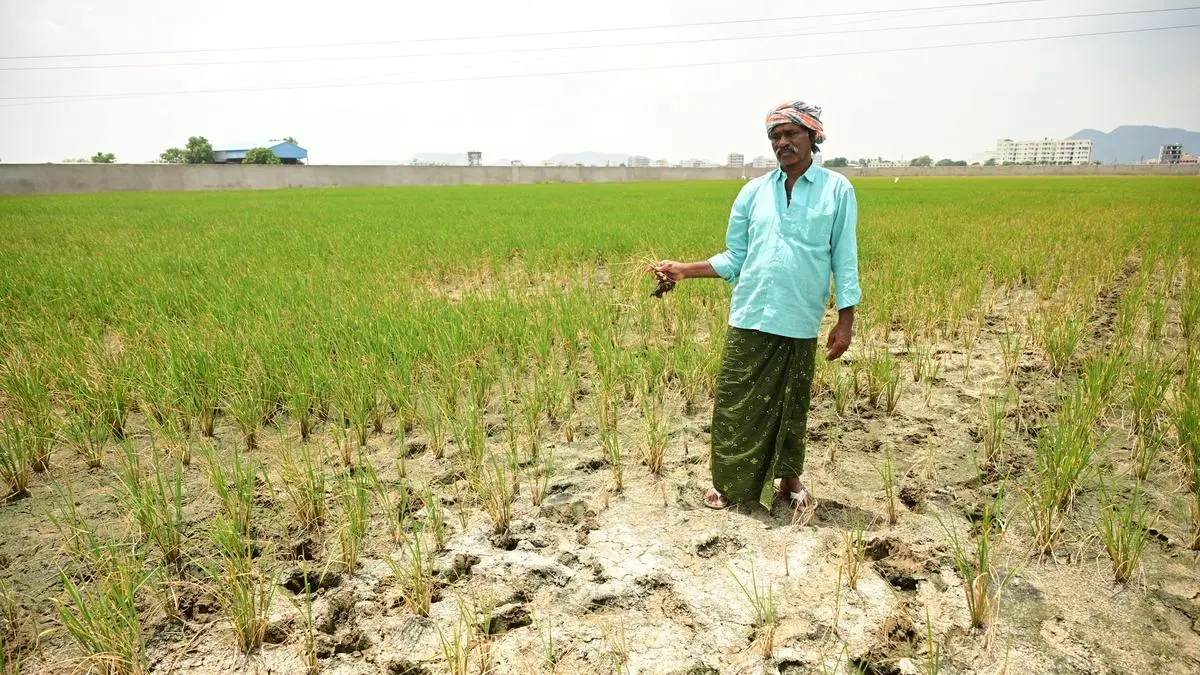
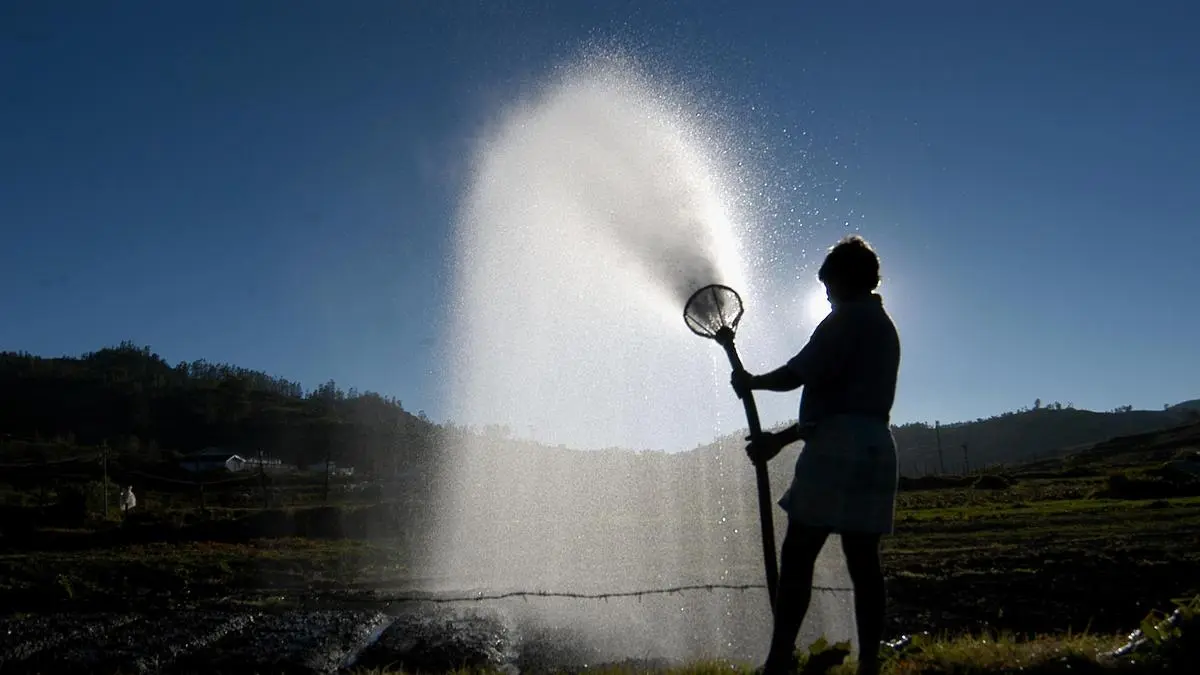
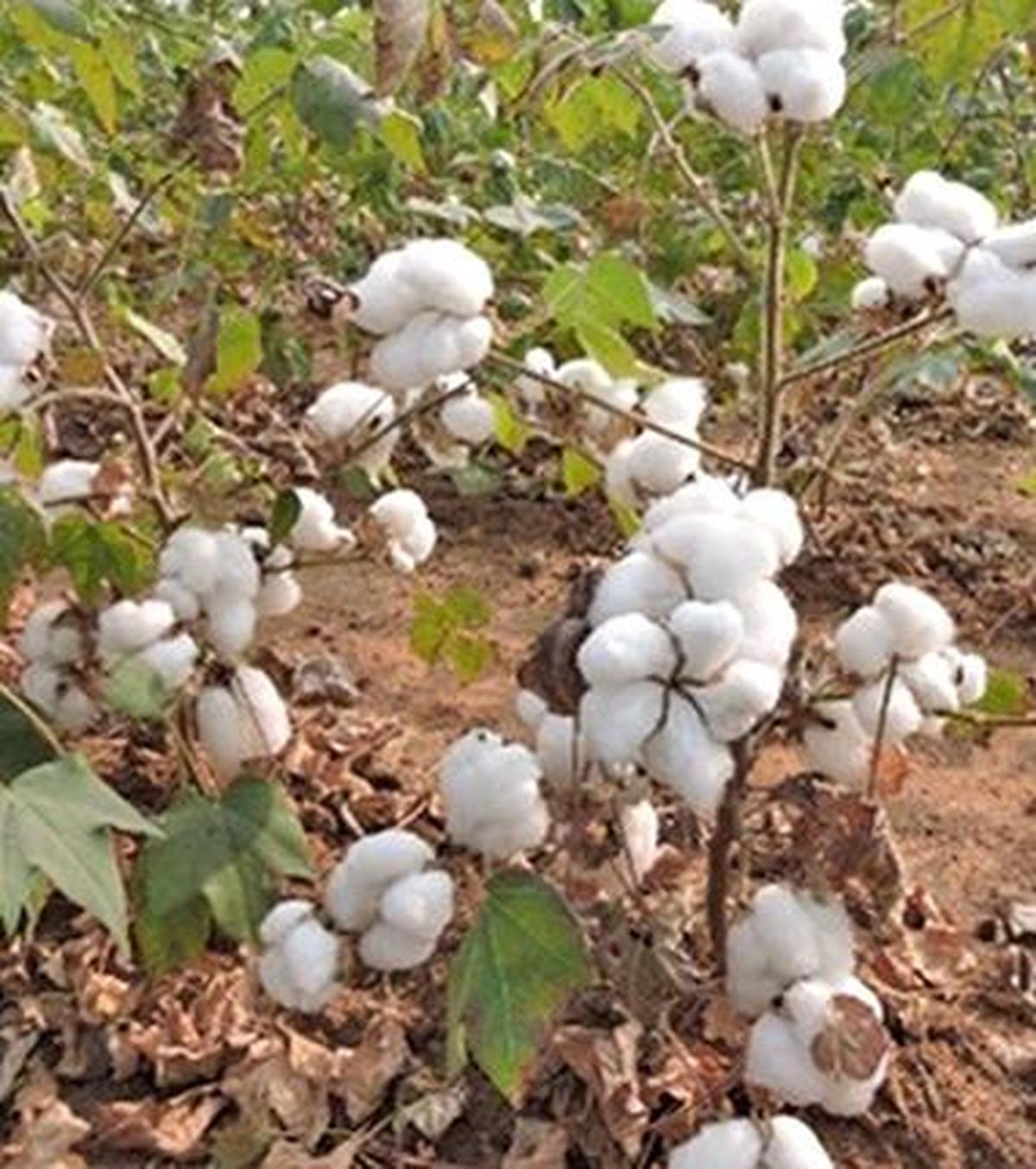
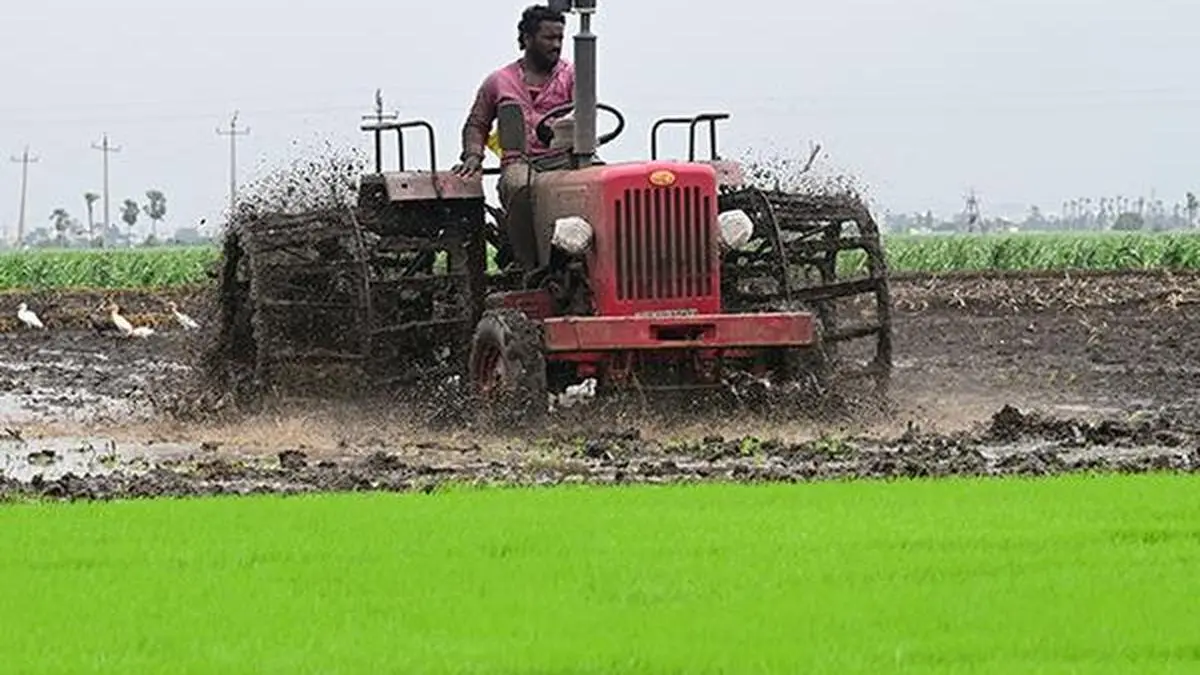
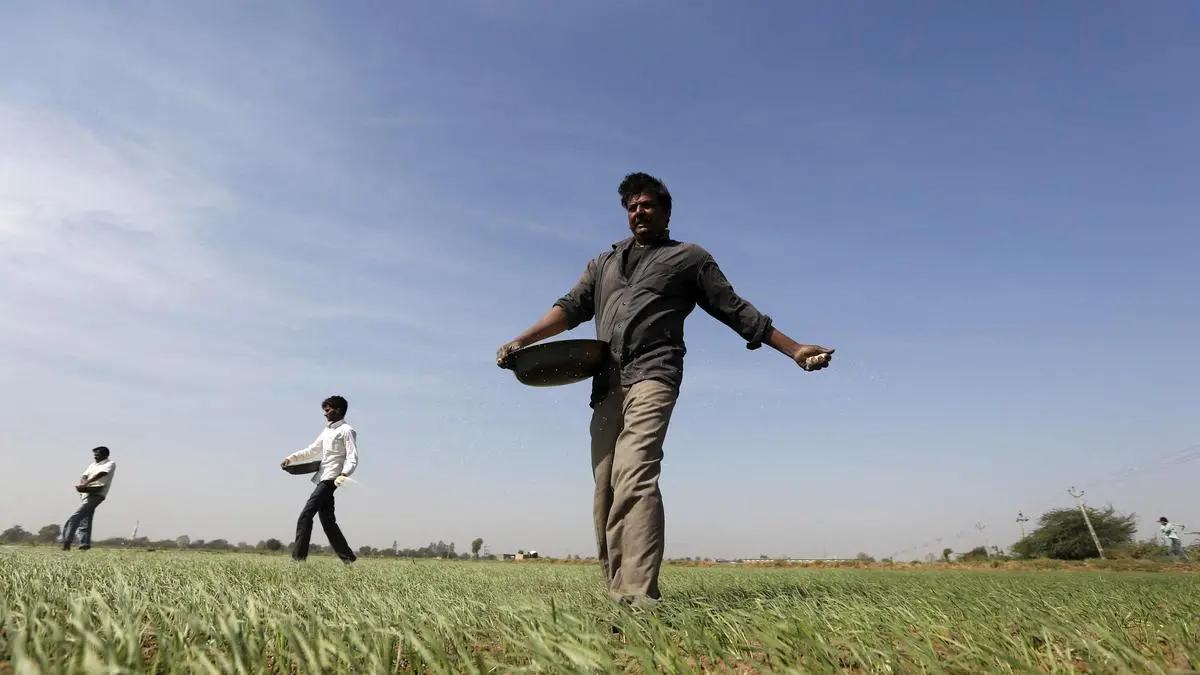
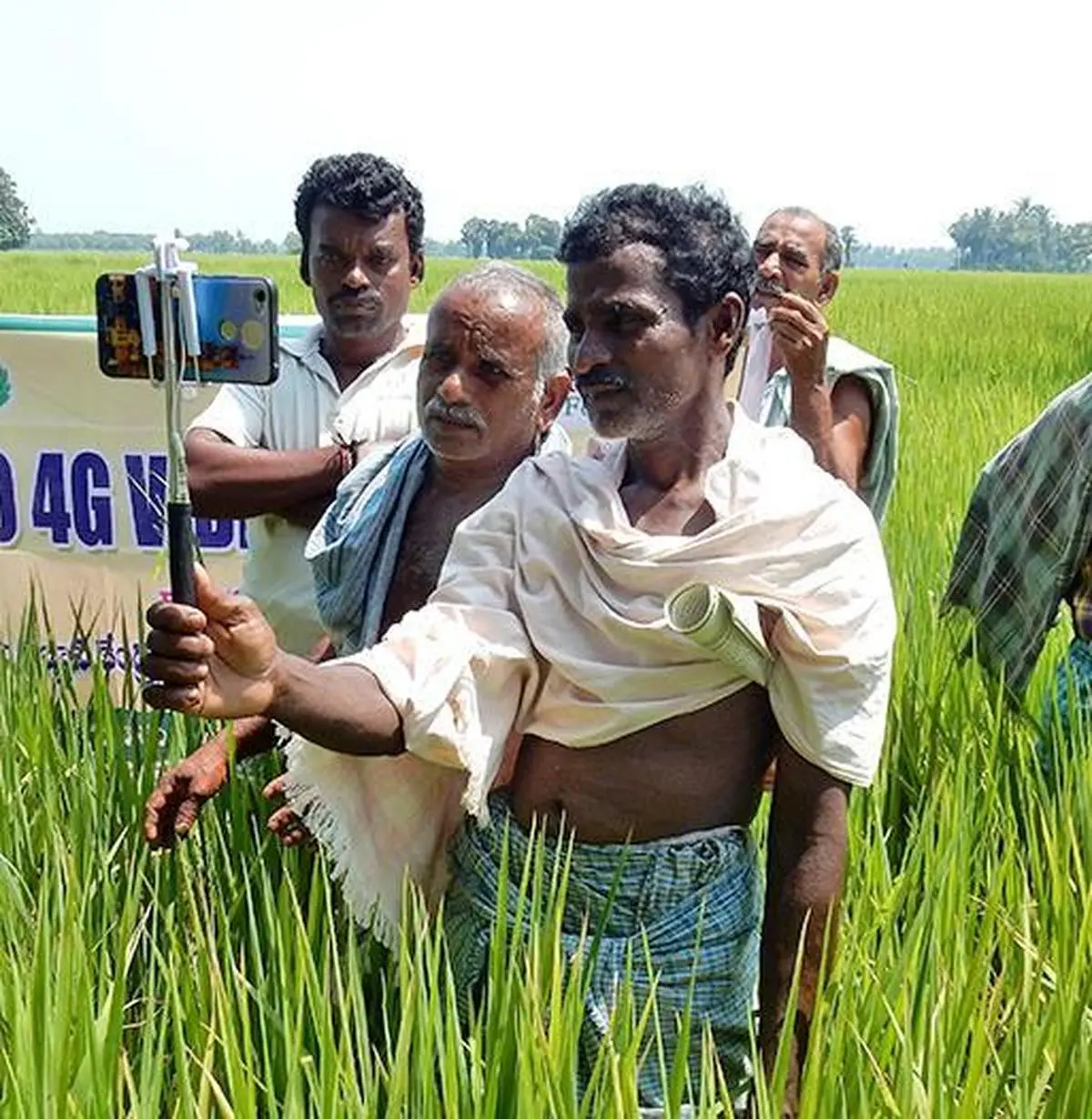
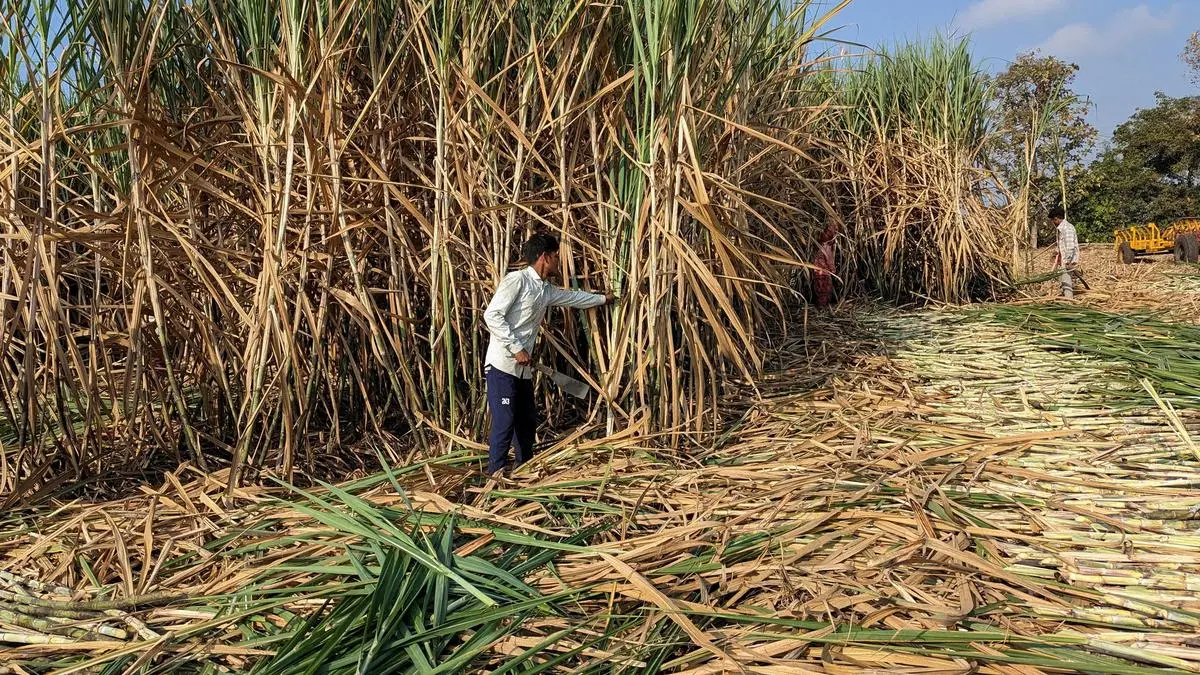
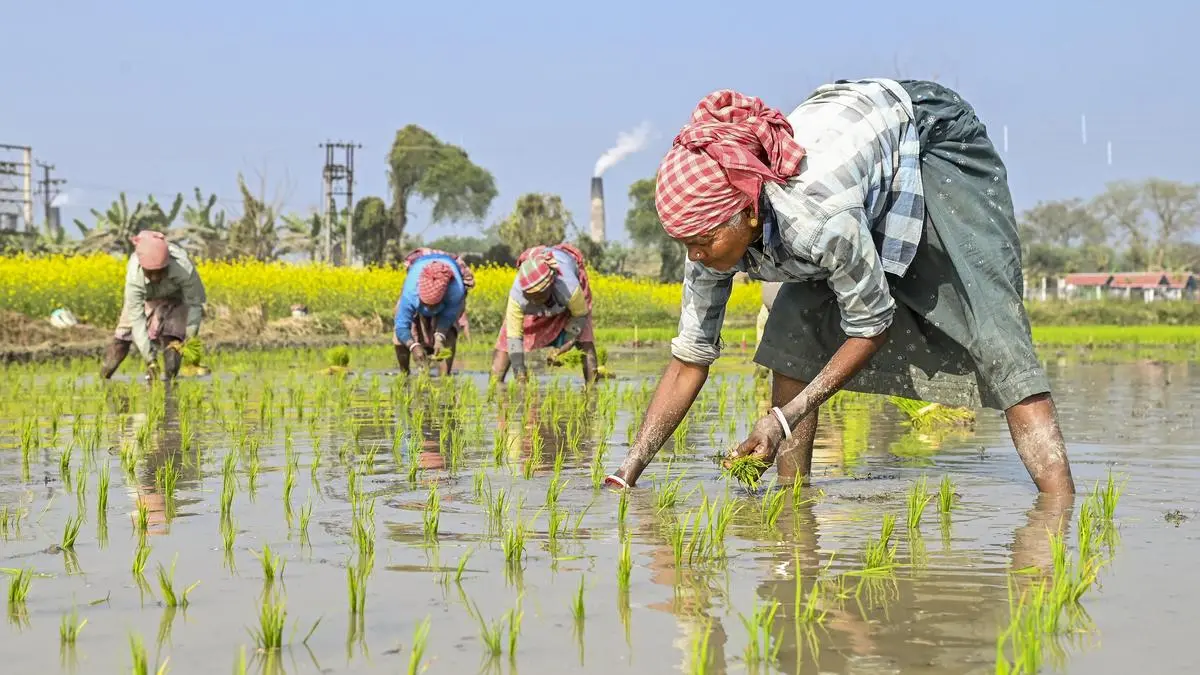
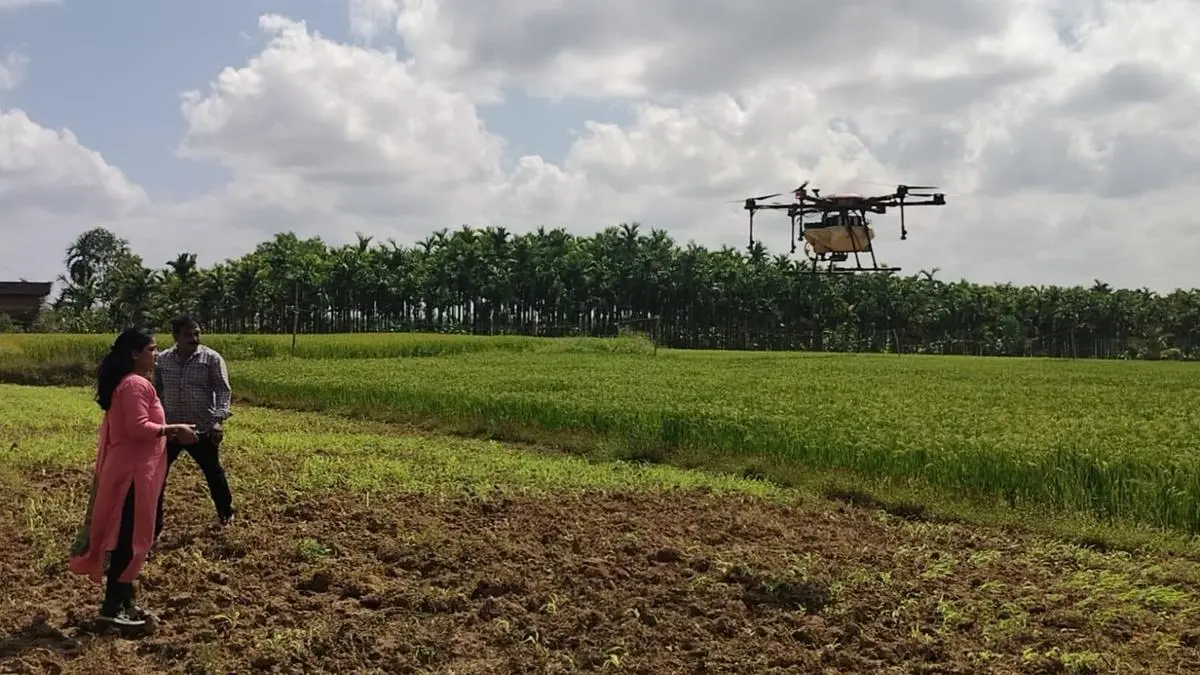
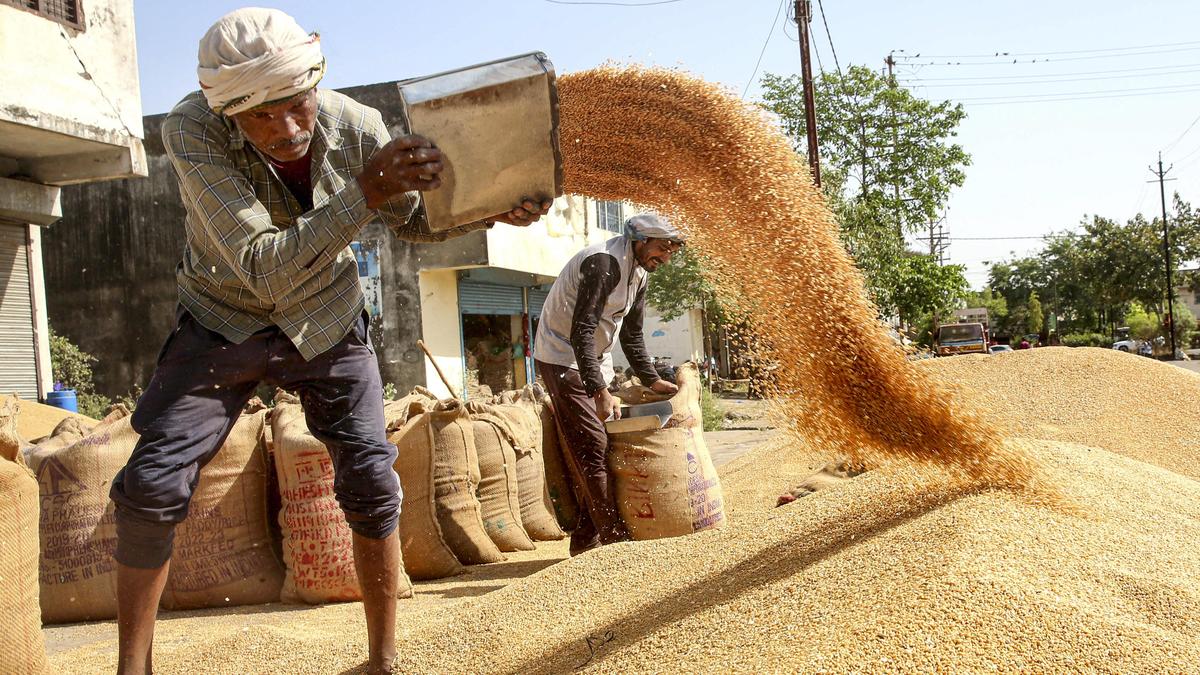
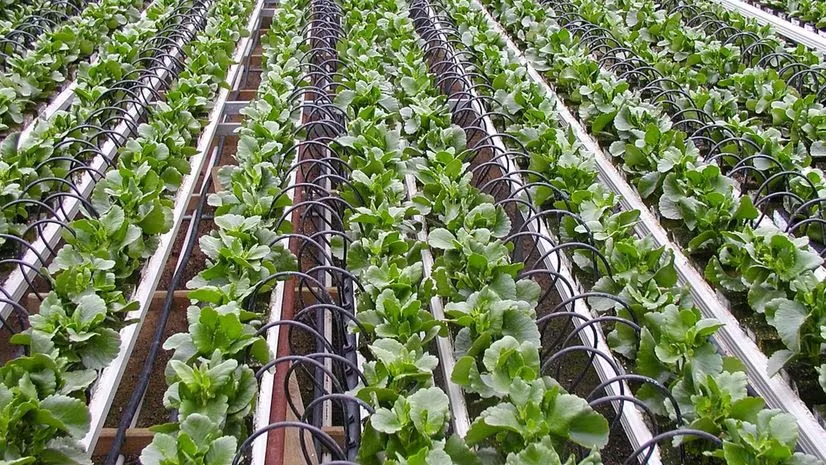
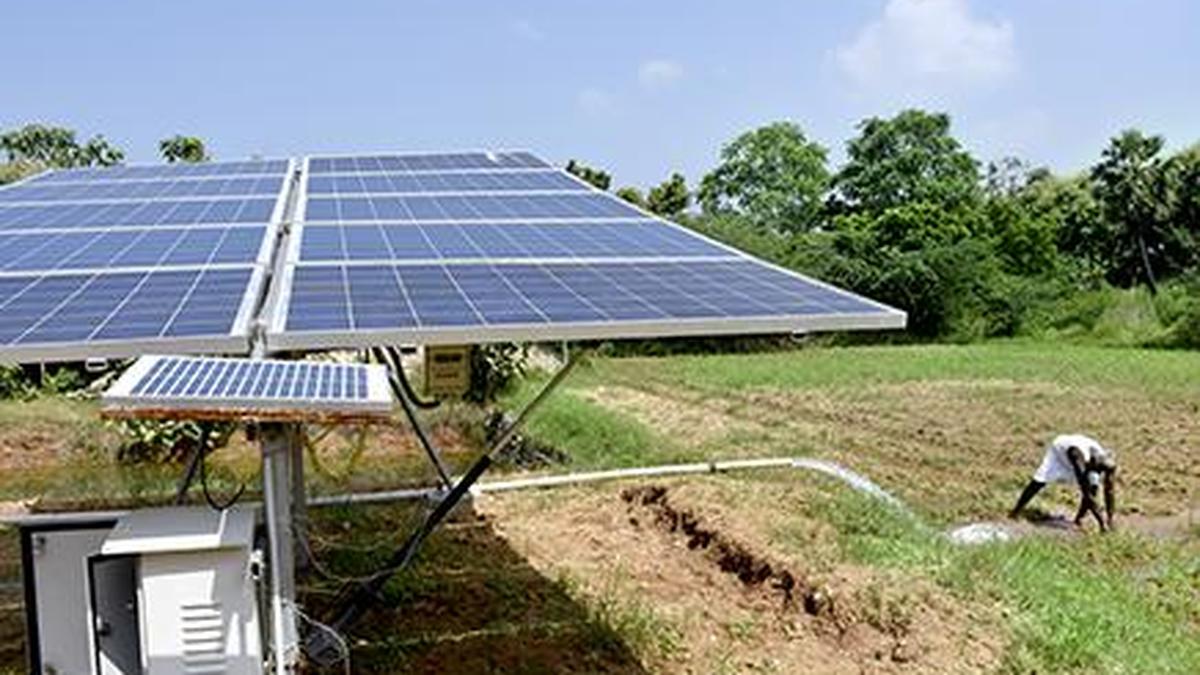
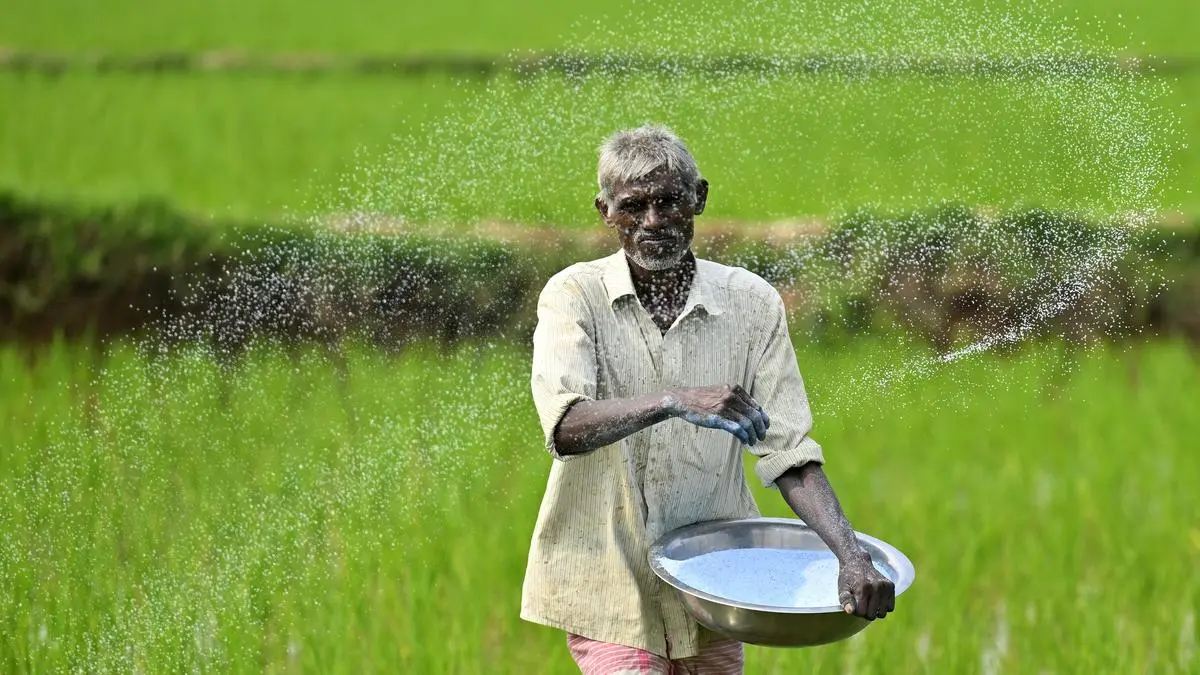
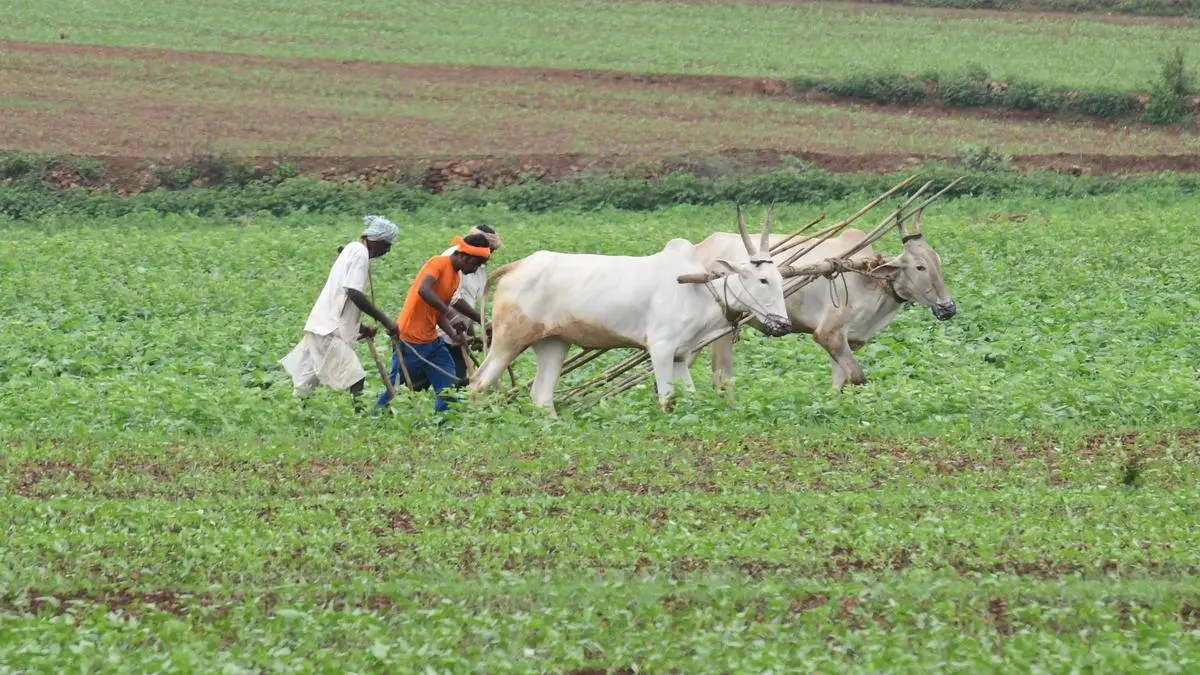
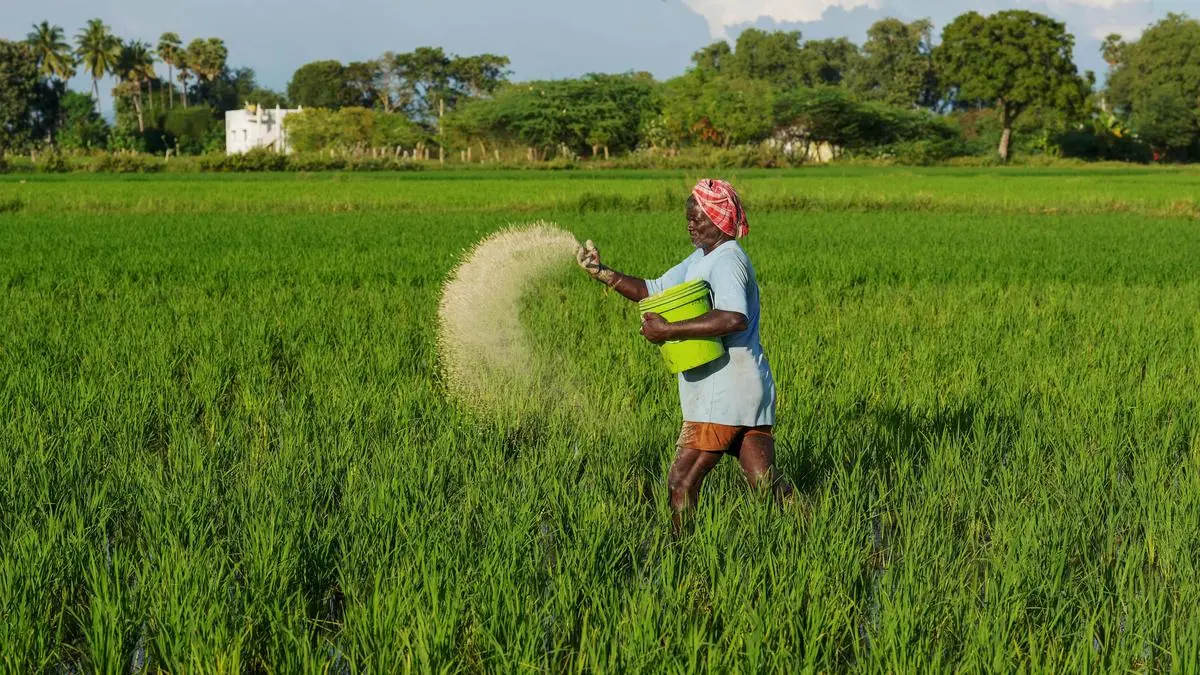
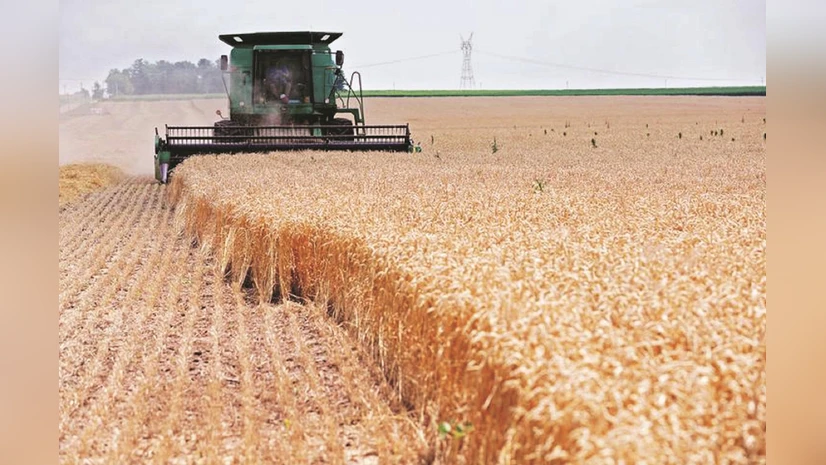
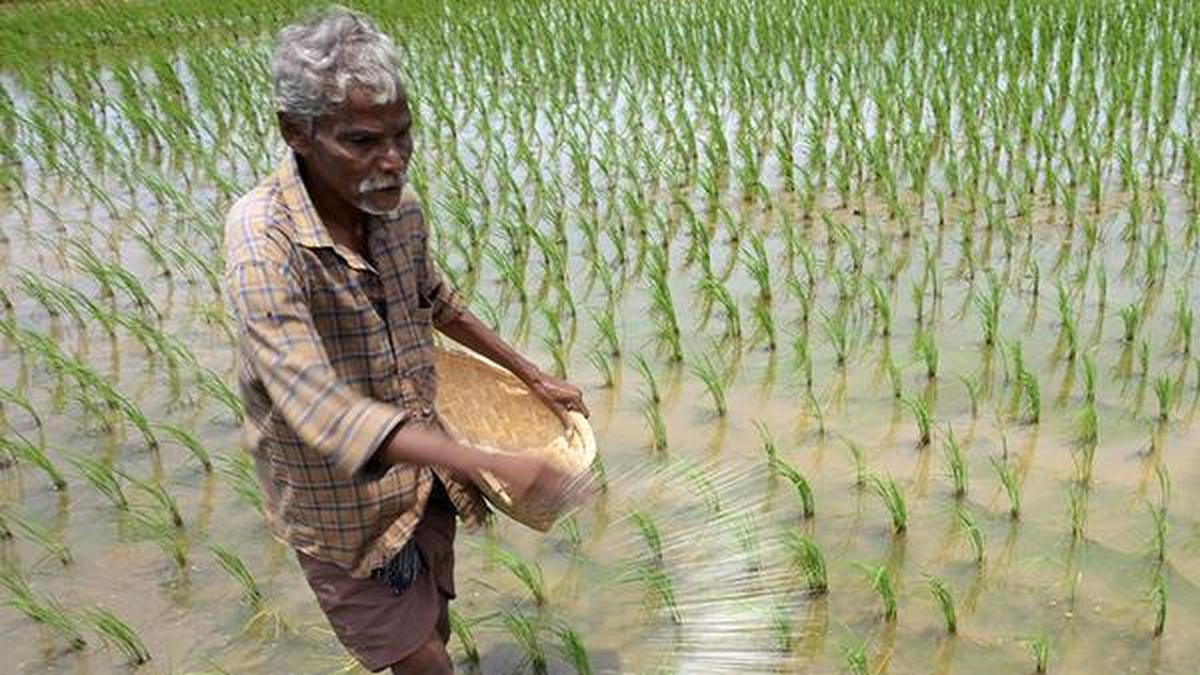
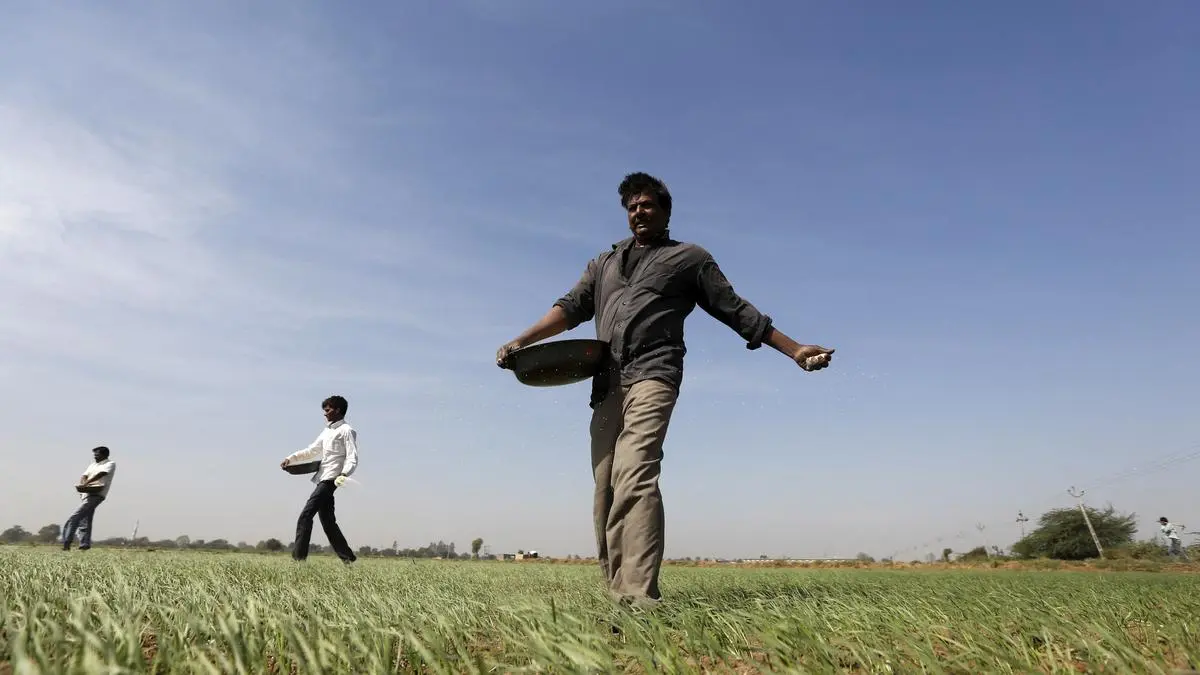
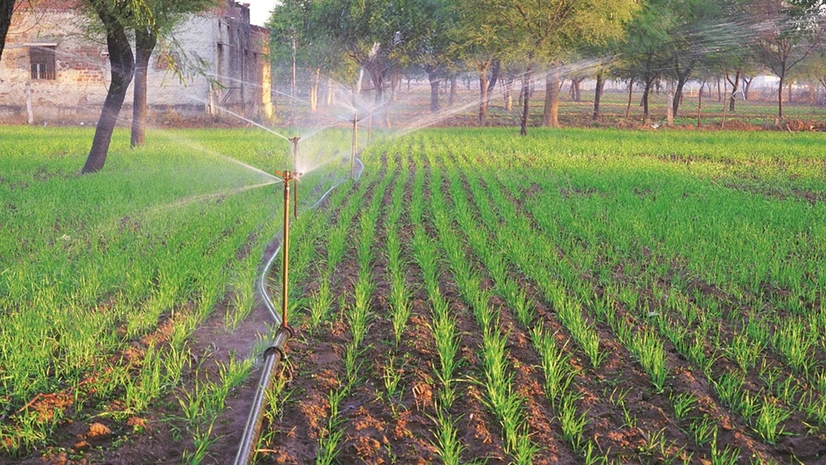
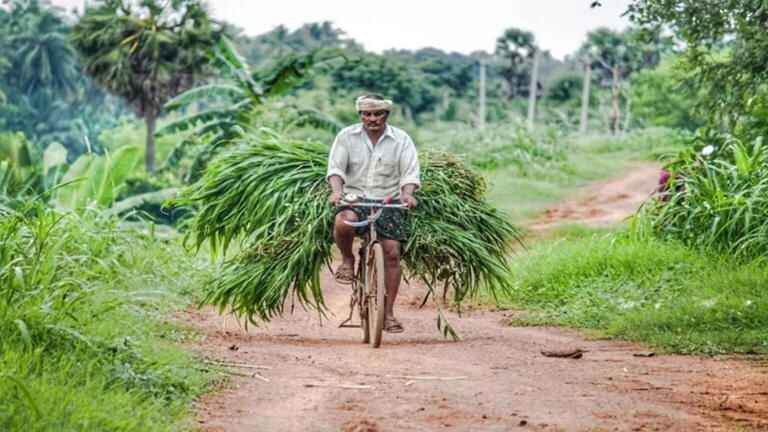
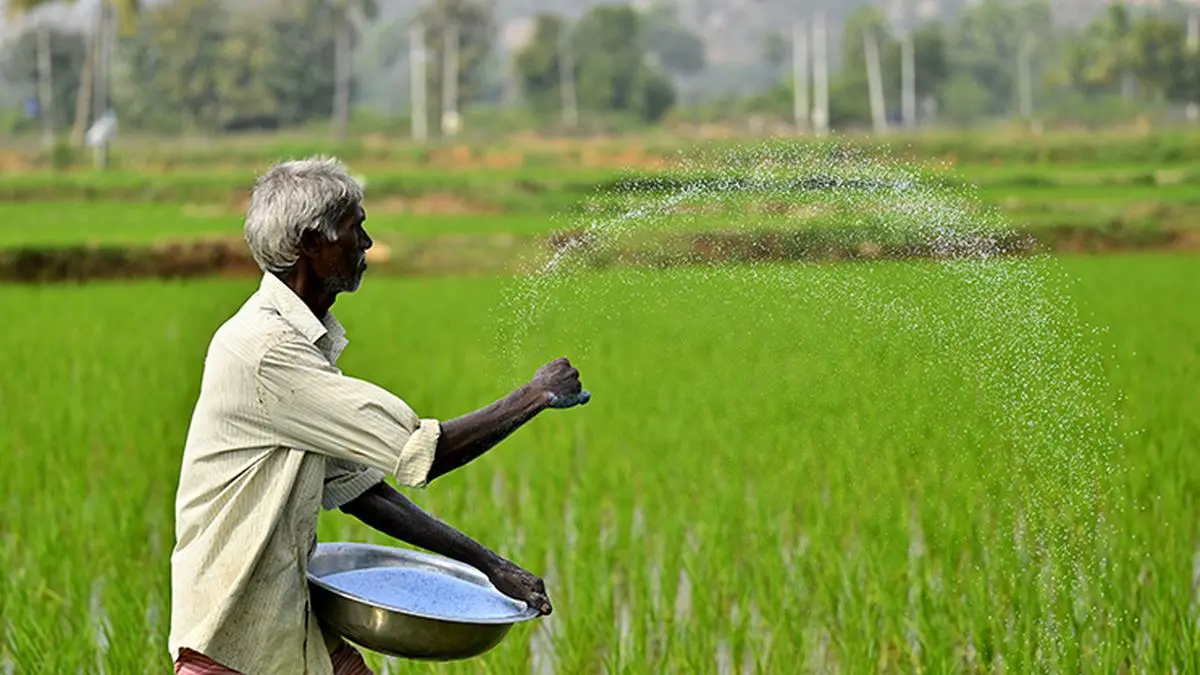
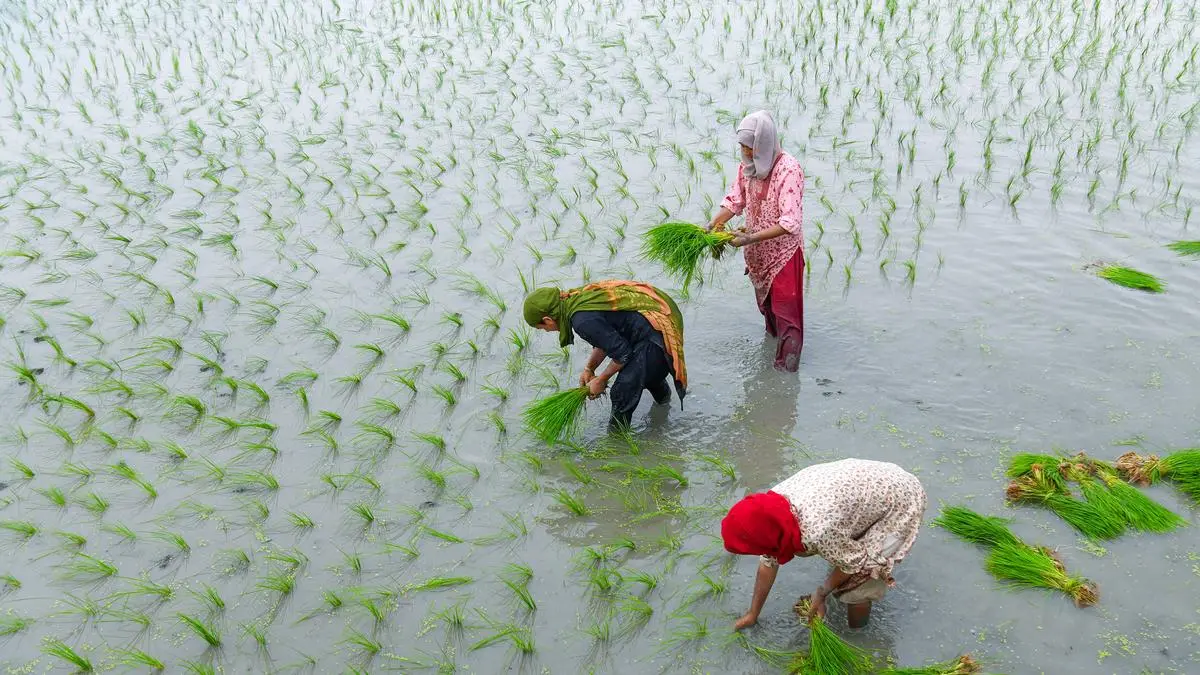
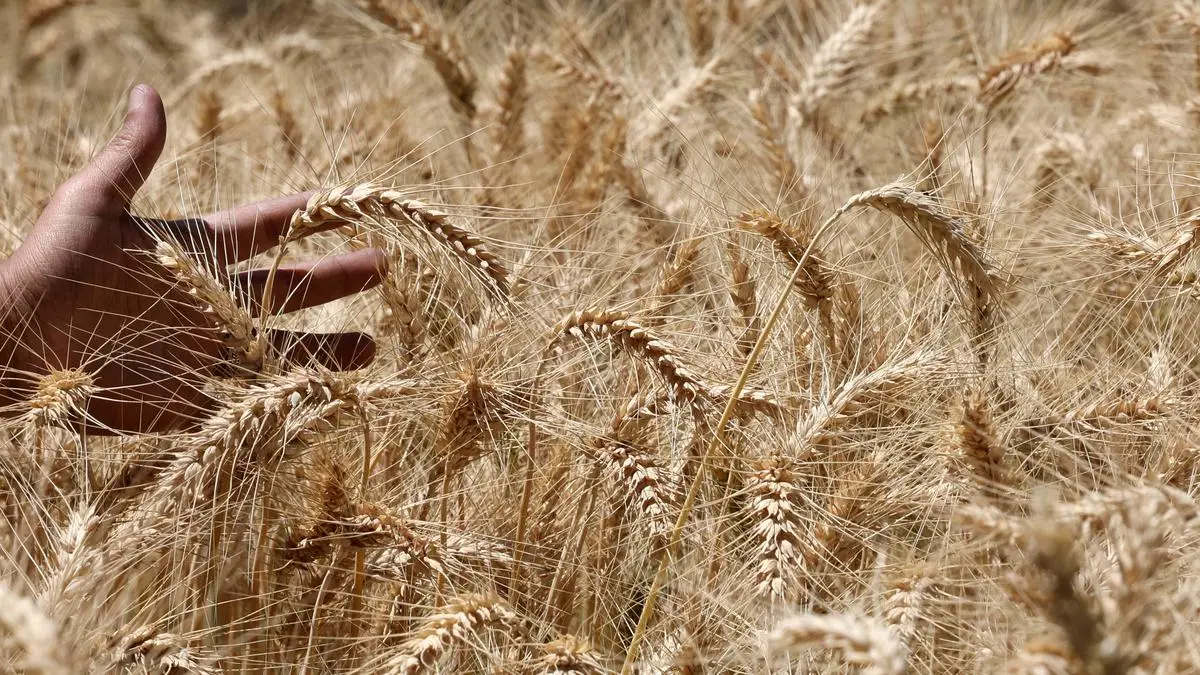
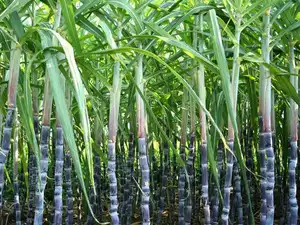
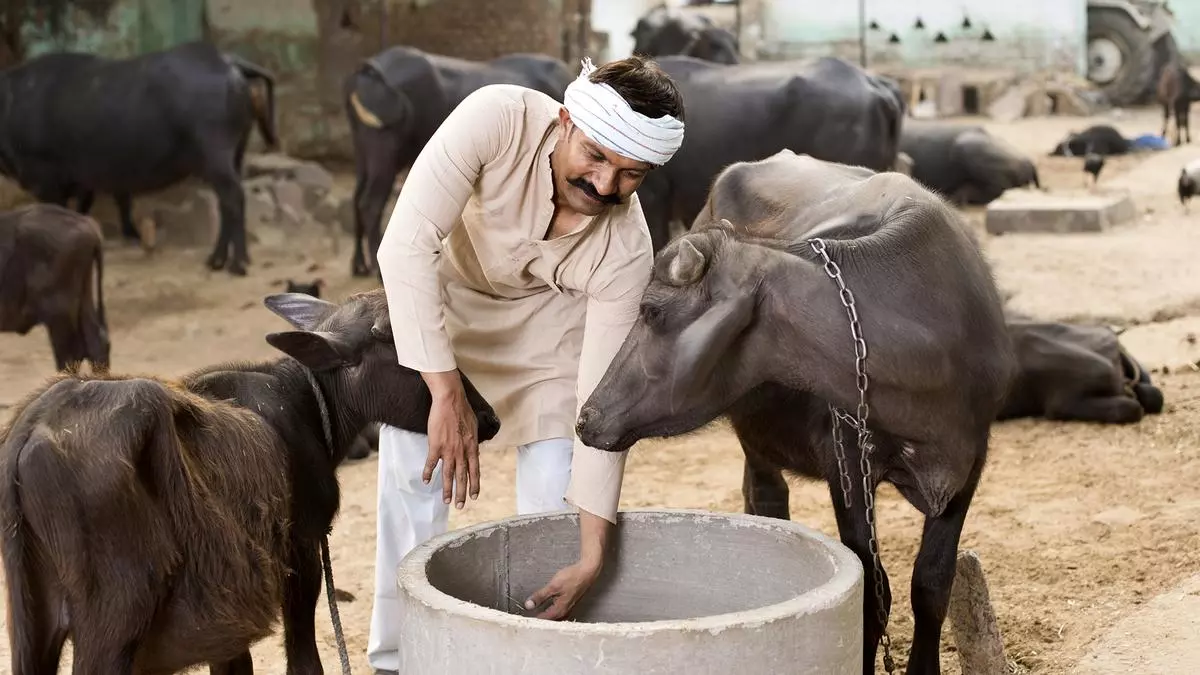
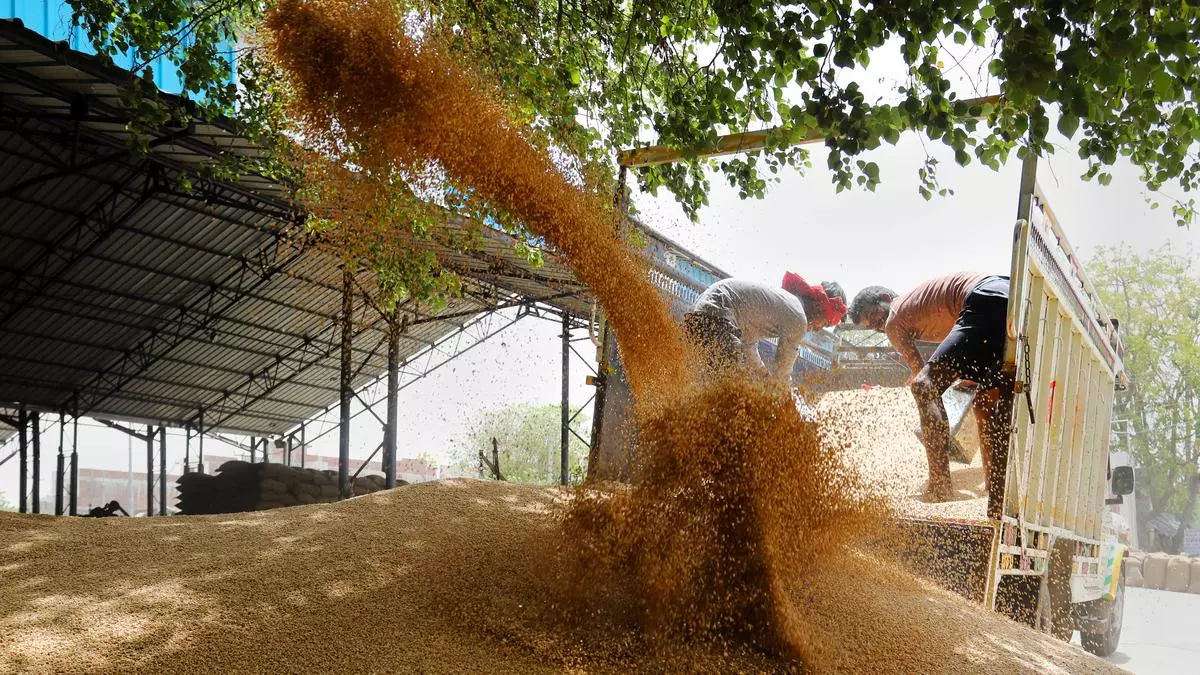
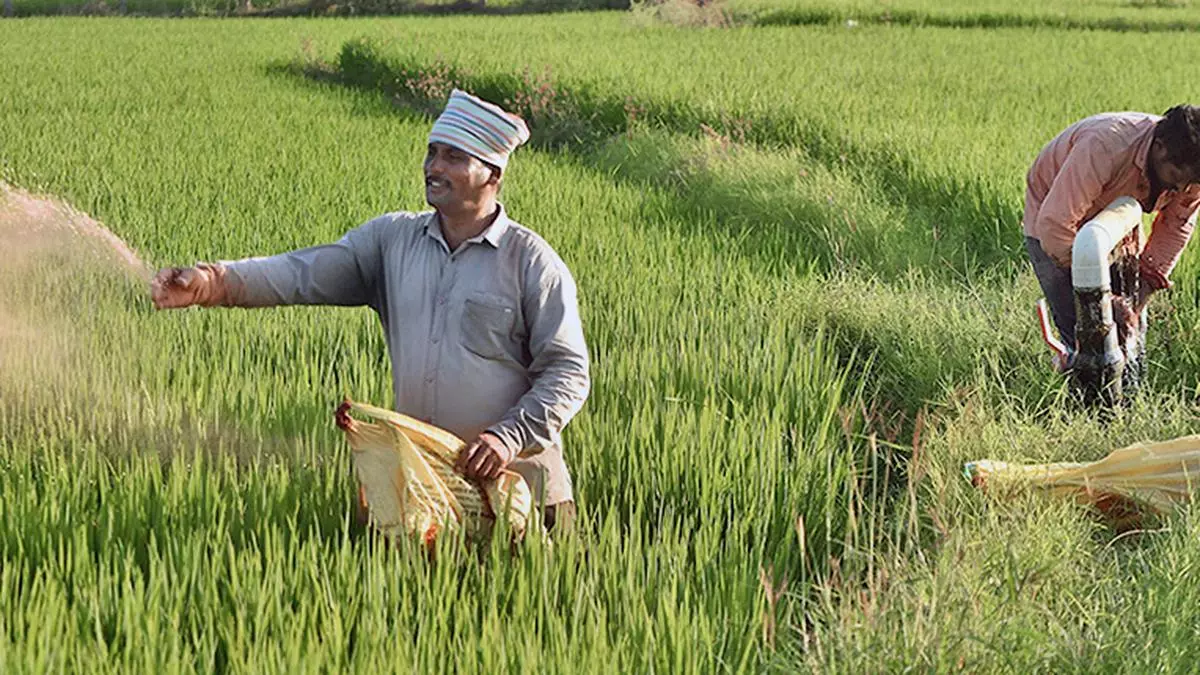
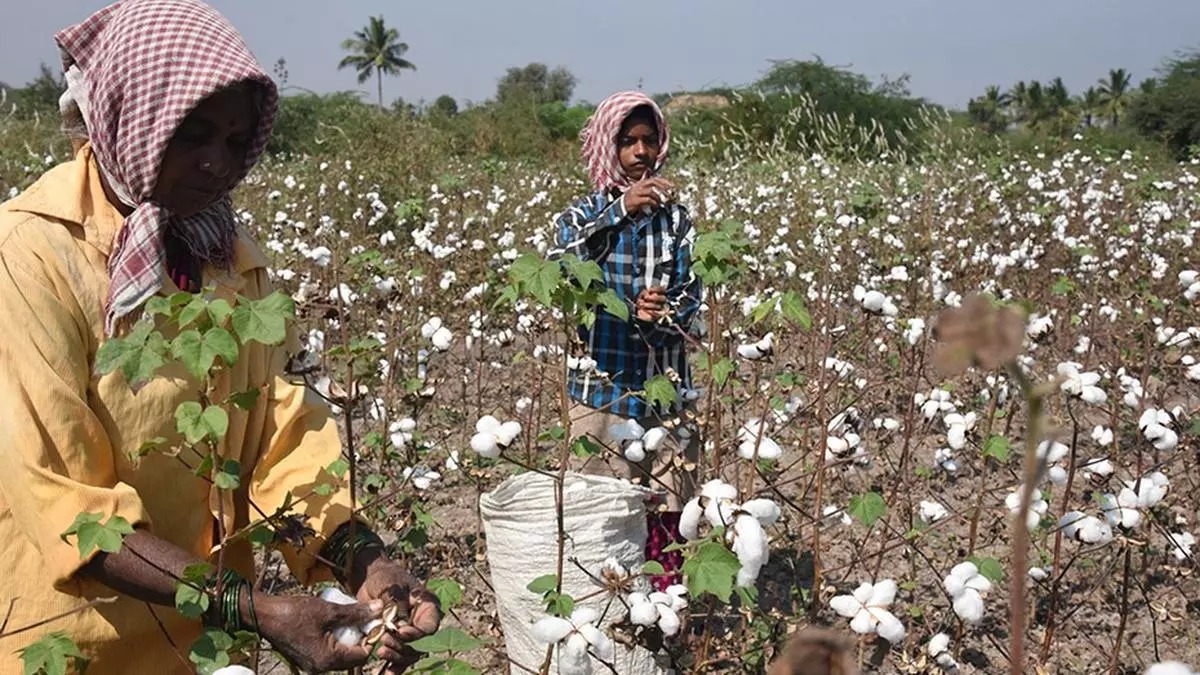
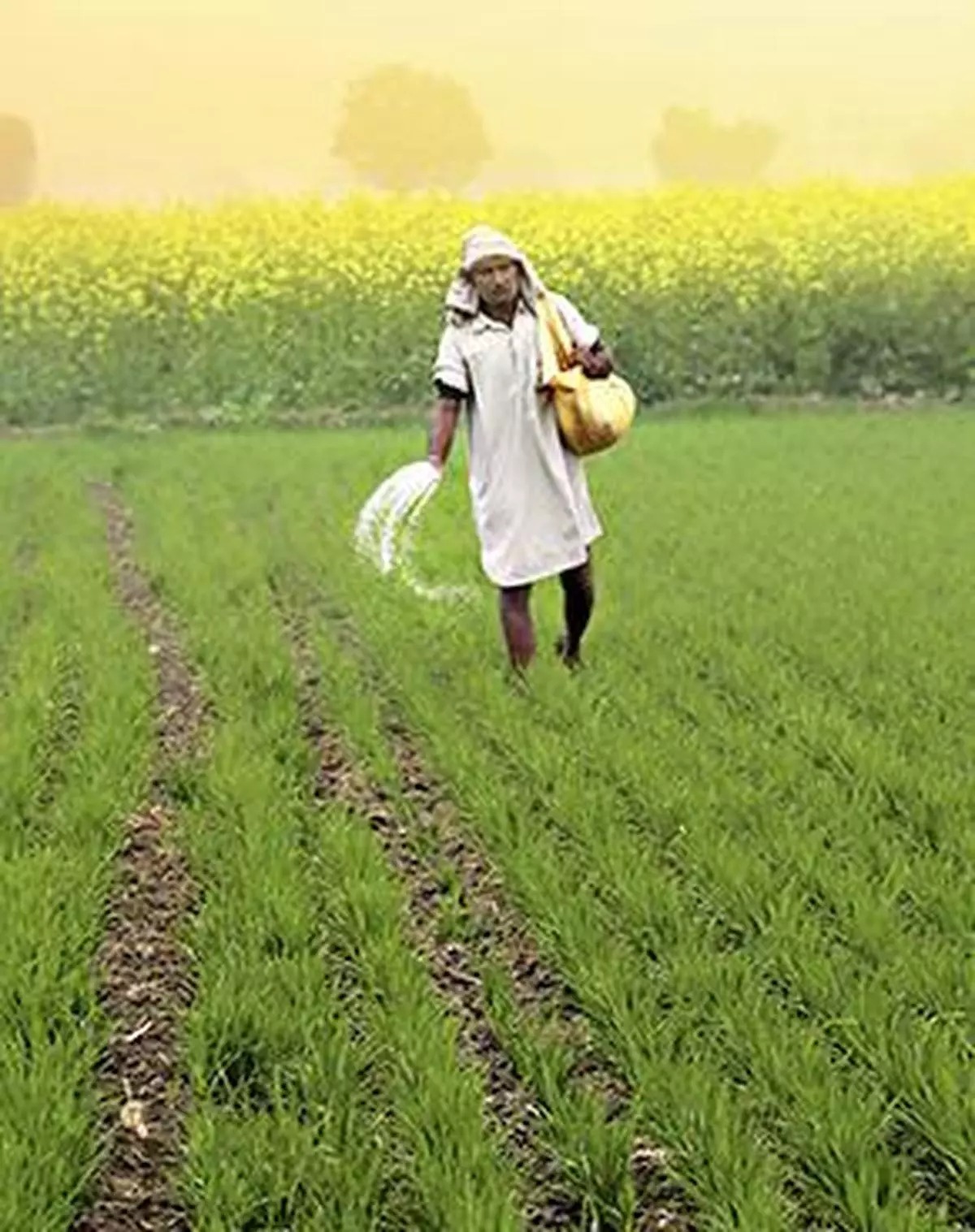
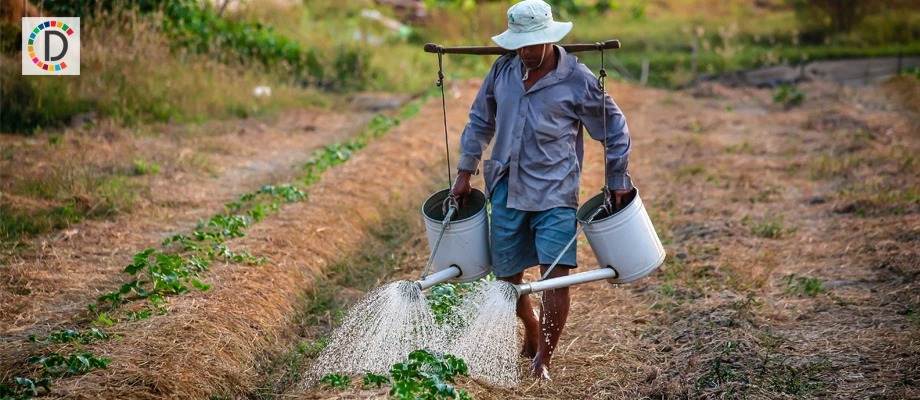
A solar pump for irrigation is only useful if it works when the crop needs water, and that is where quality in Indian agriculture actually starts to matter. Diesel irrigation costs a farmer close to ₹6,790 an acre for wheat, more for a thirsty crop like cotton, and a solar pump that runs reliably can save ₹5,000 to ₹6,500 of that every year. The saving is real, but it only shows up if the system survives the season it was built to serve. That single requirement, more than any subsidy or target, decides whether India’s agricultural solar push succeeds on the ground.
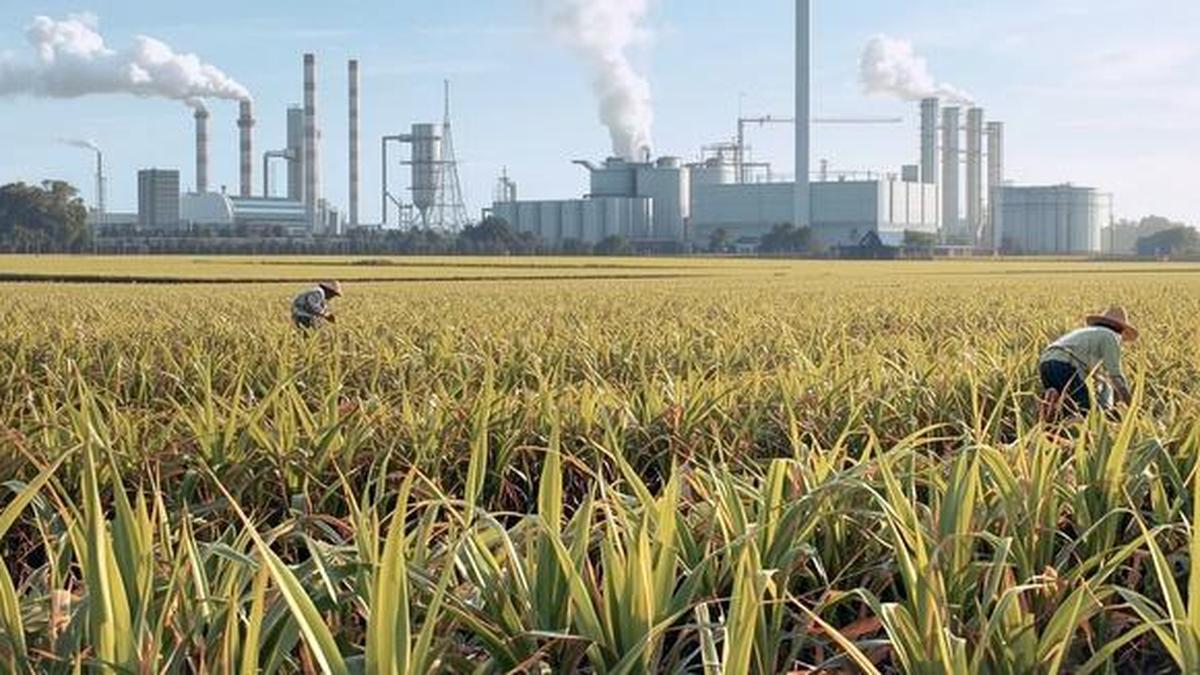
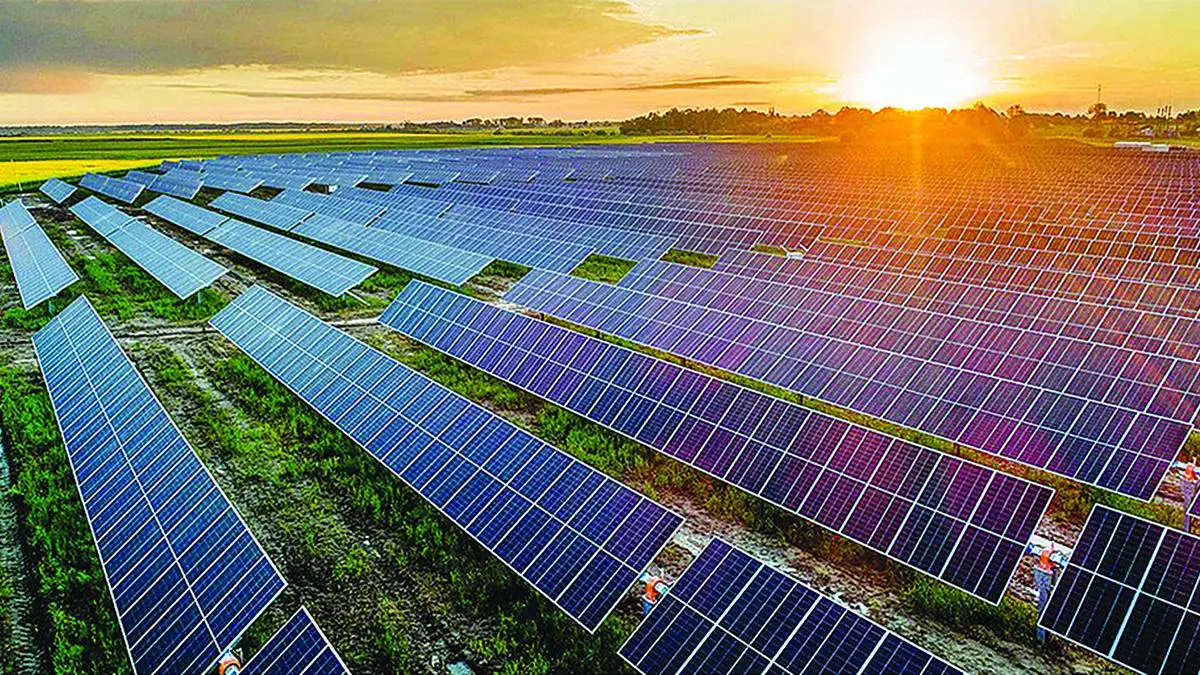
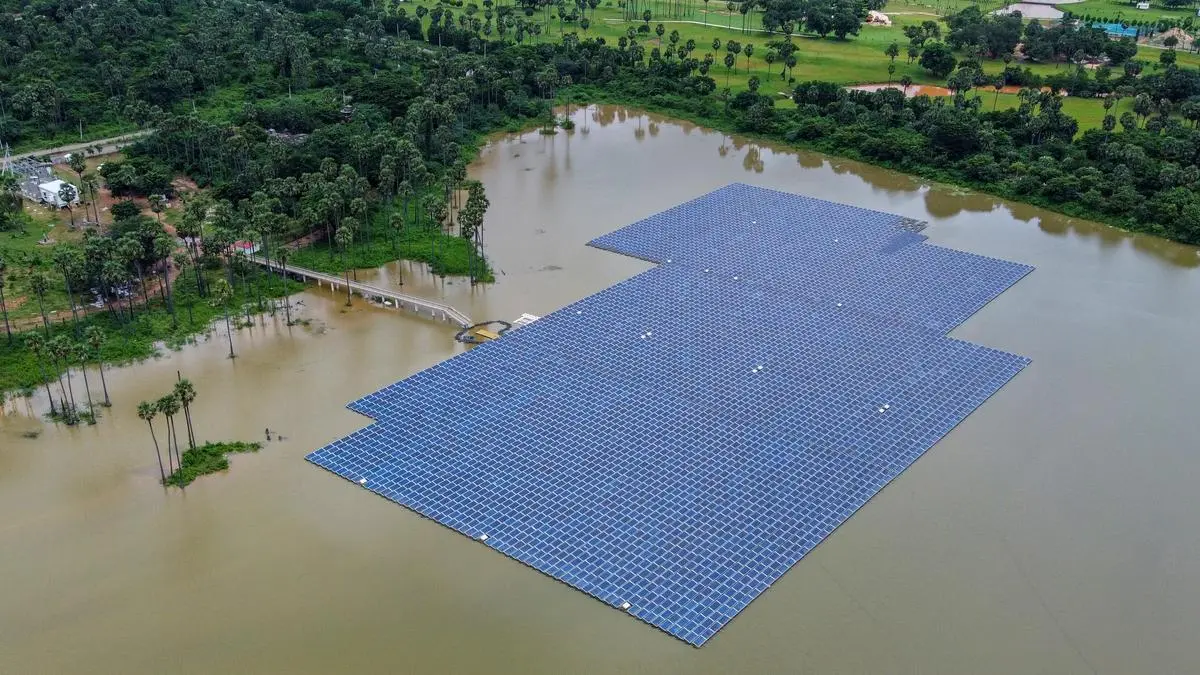
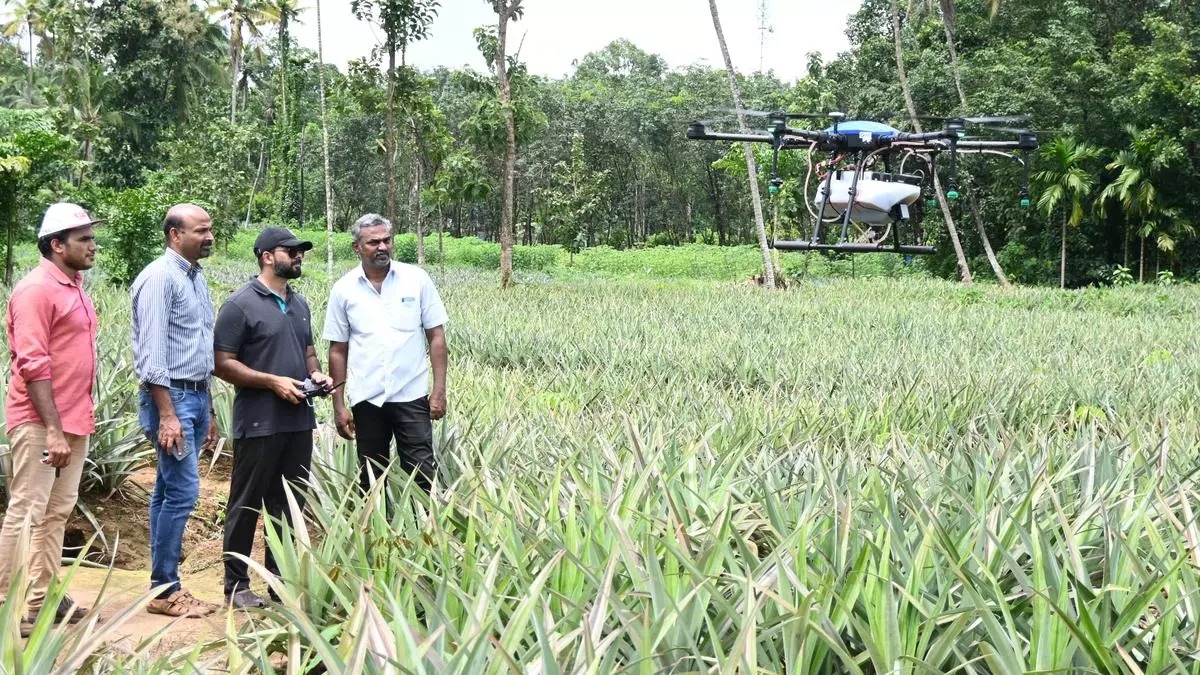
India’s agricultural solar programme is entering a new phase. PM-KUSUM’s first phase installed over 11.5 lakh standalone pumps, and its timelines have now been extended to March 2027 to let that work finish properly. The far larger shift is what comes next. PM-KUSUM 2.0, expected to carry an outlay above ₹50,000 crore, brings a dedicated 10 GW agrivoltaics component that pairs power generation with crops on the same land. Farmers under this model stand to see their income rise from around ₹60,000 an acre to over ₹1 lakh, combining harvest revenue with electricity sales.