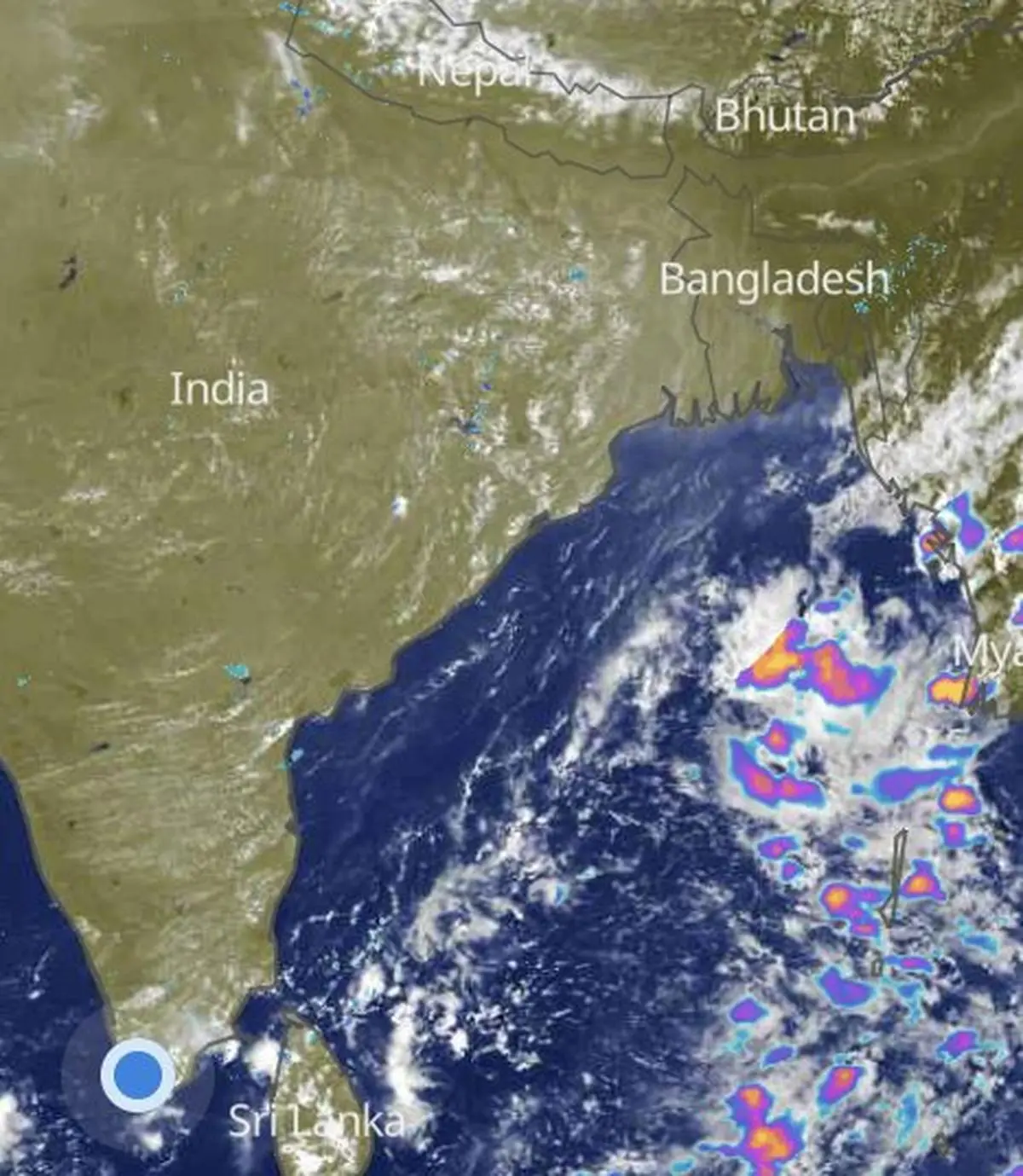
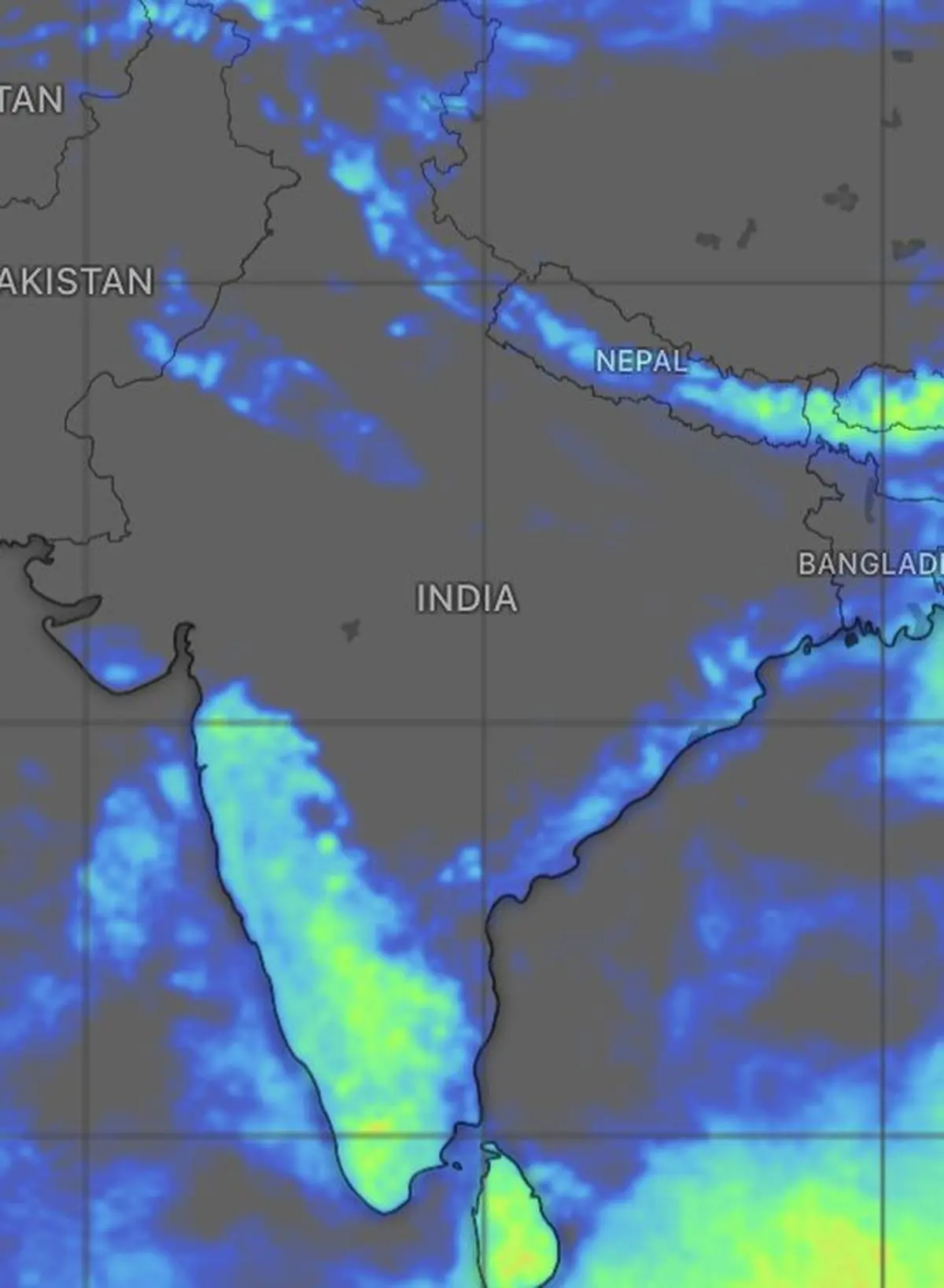
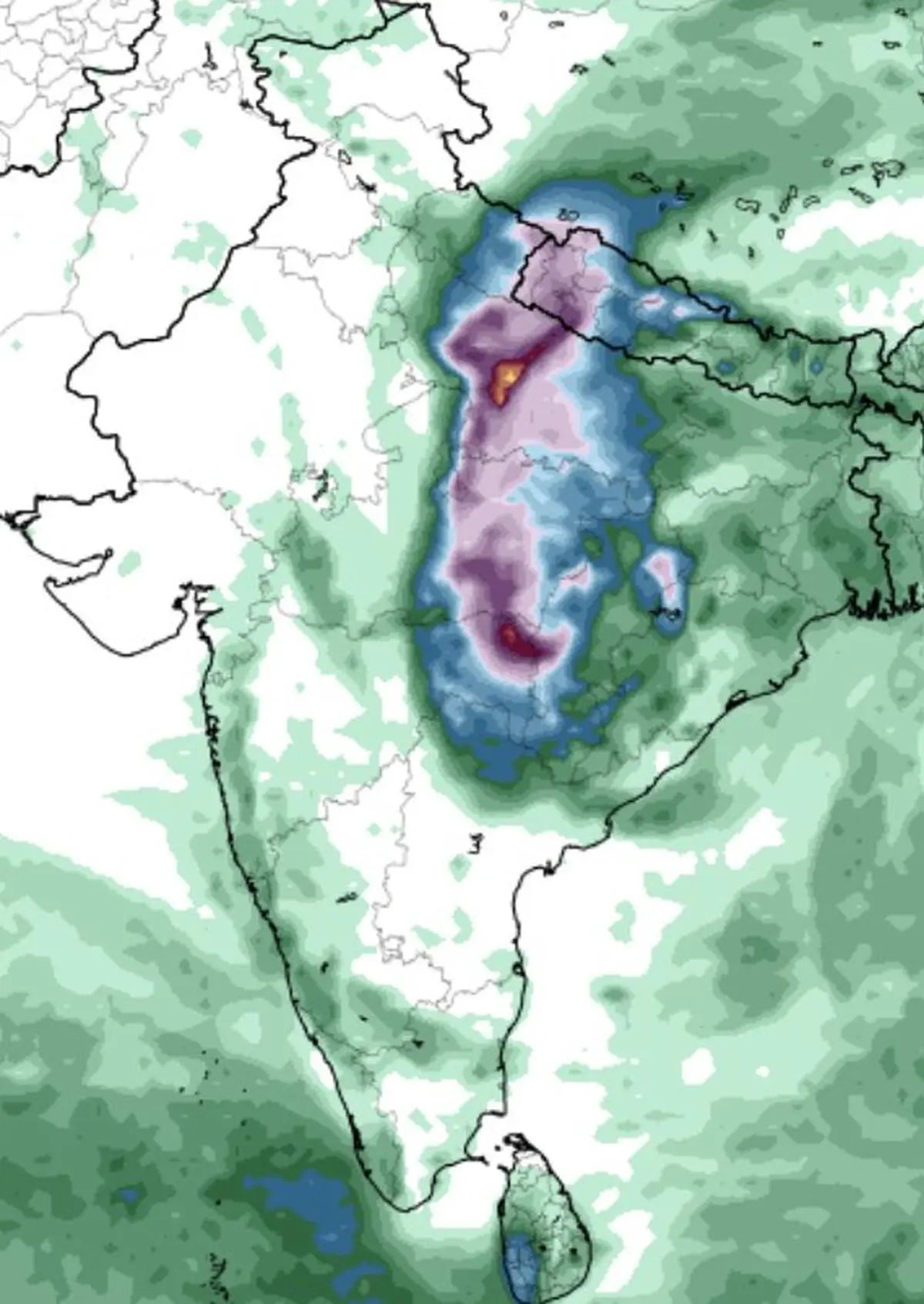
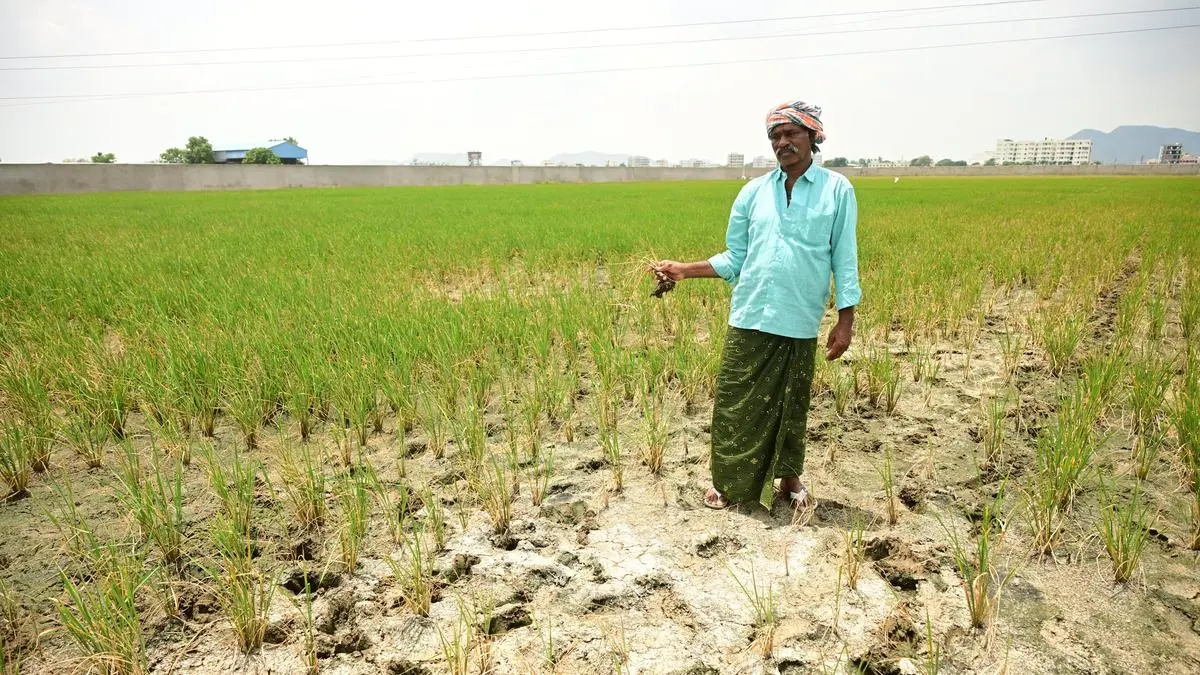
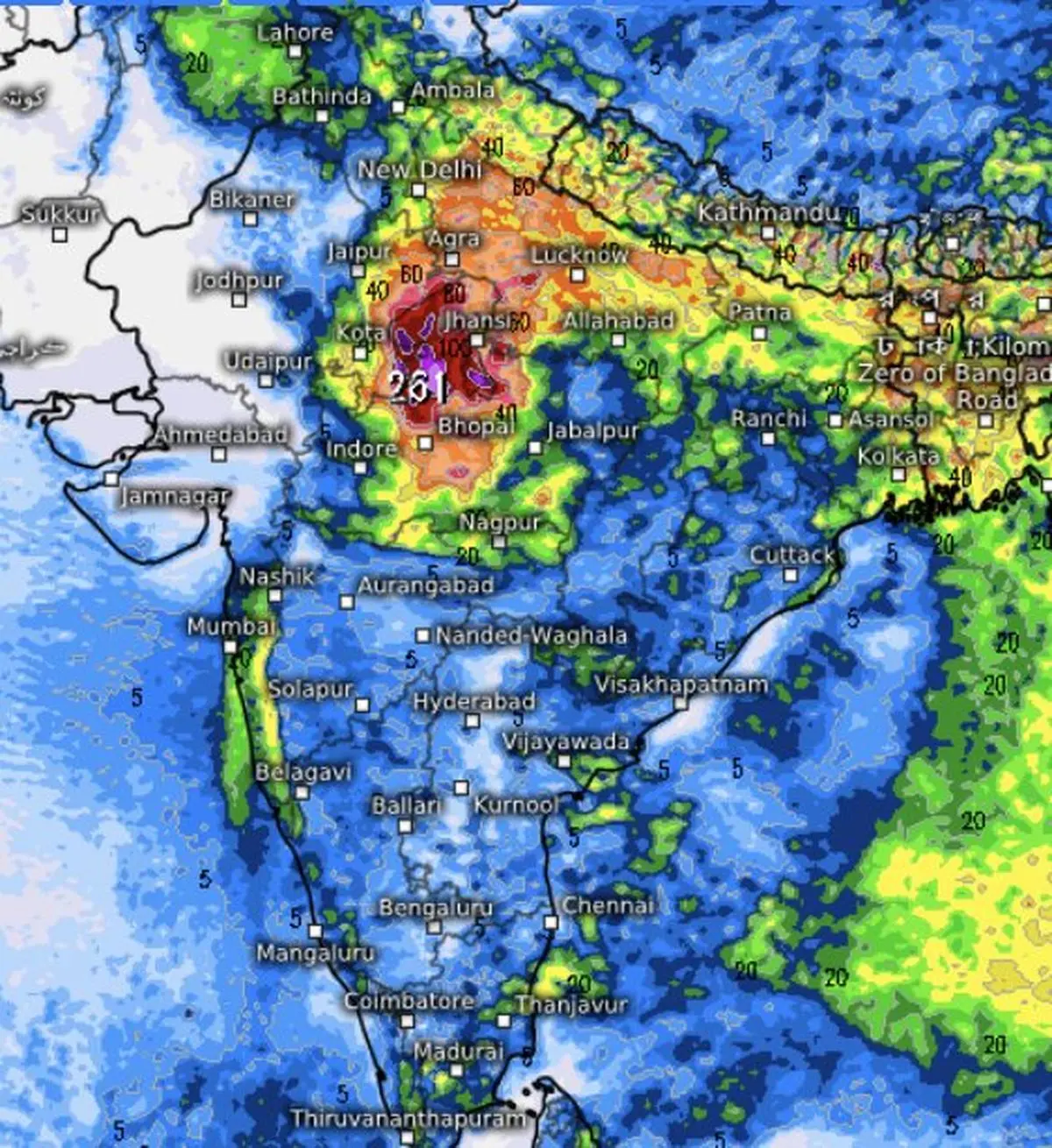
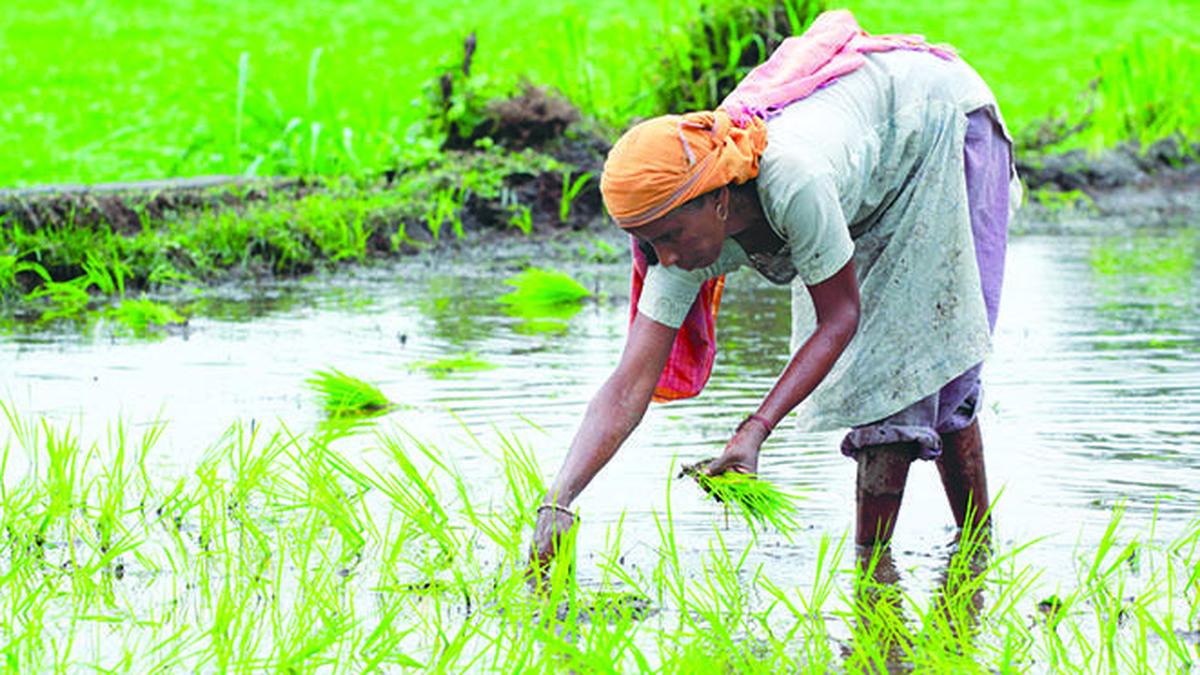
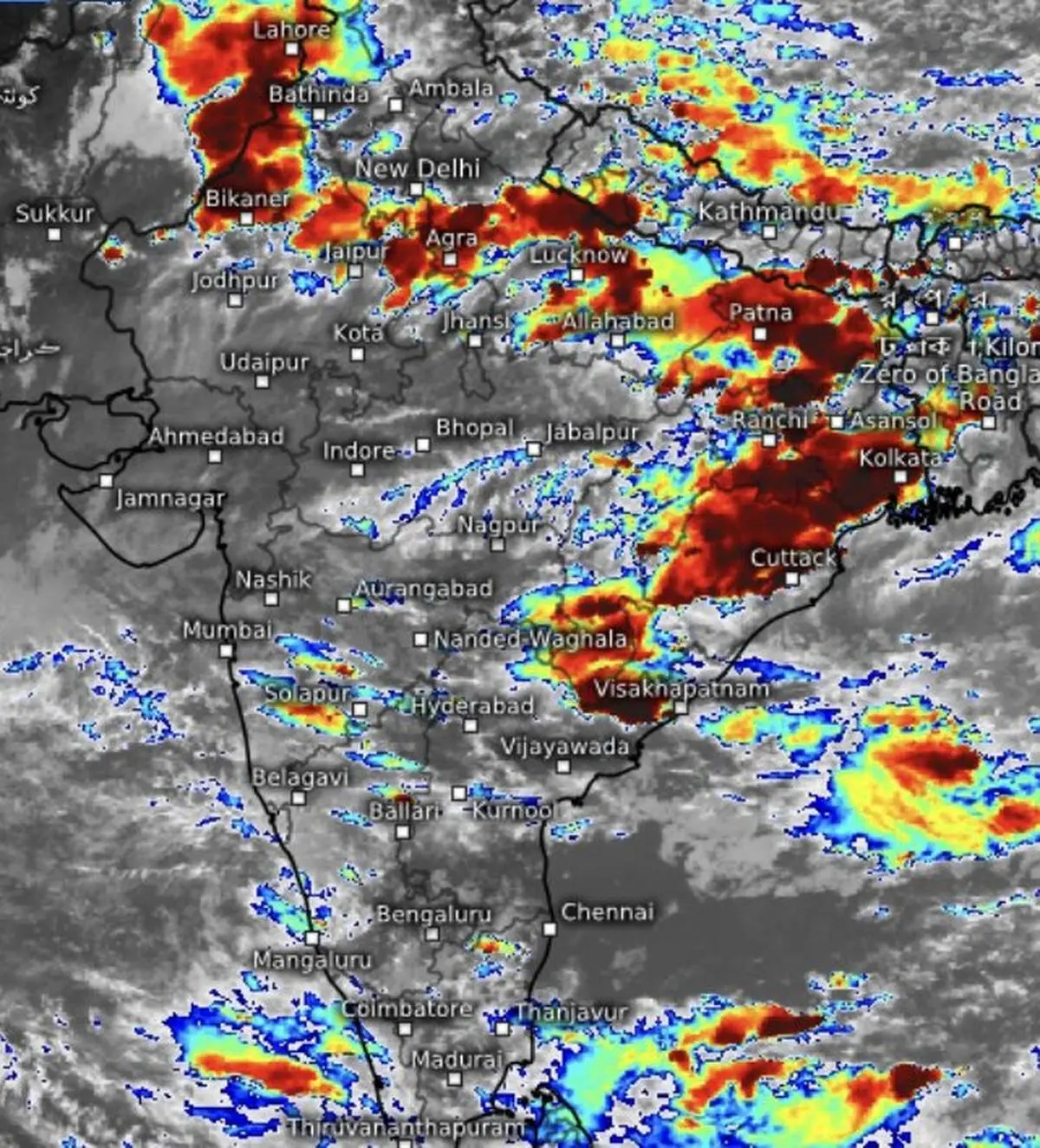
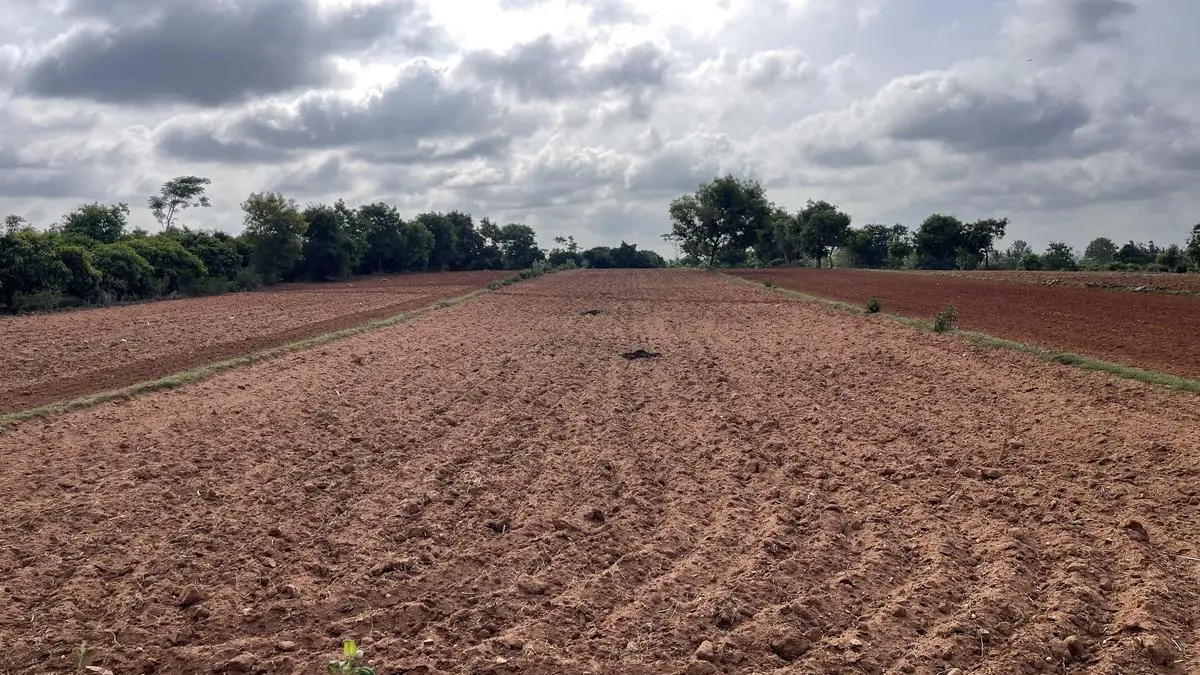
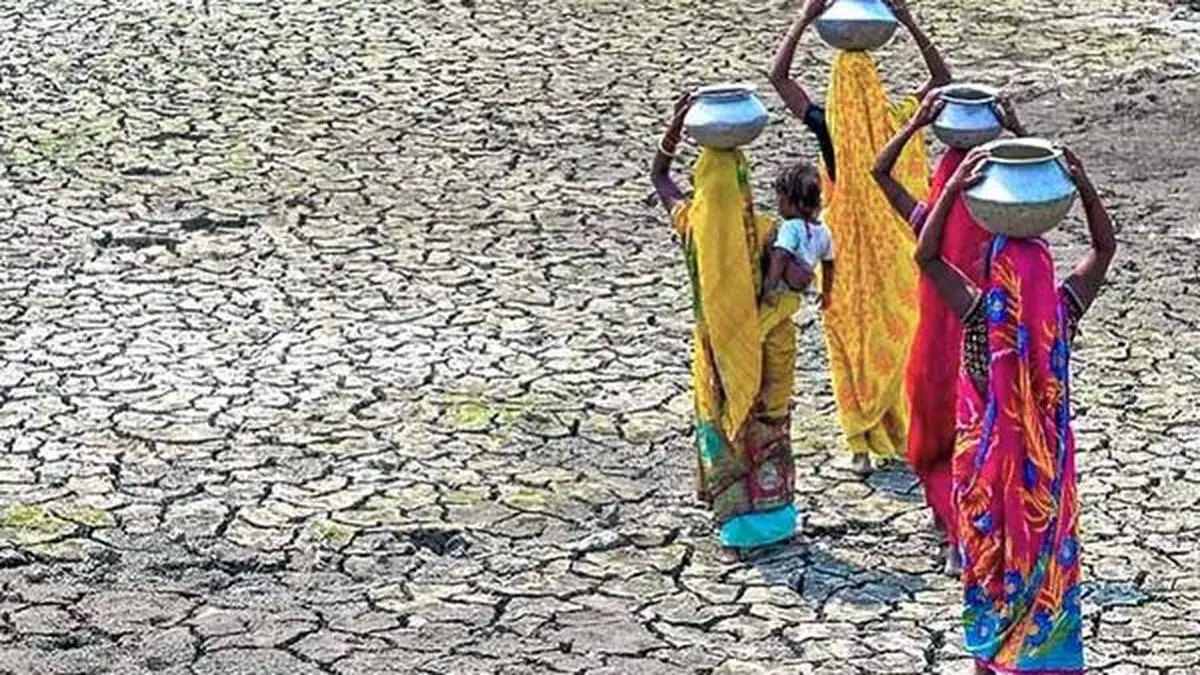
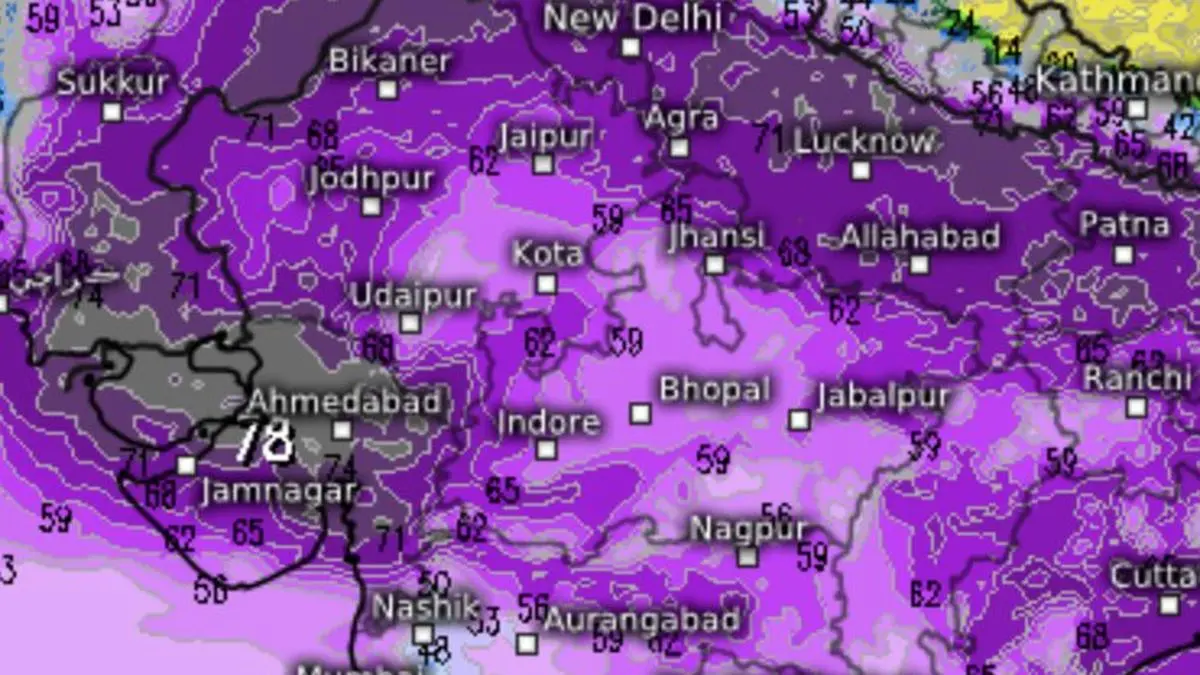
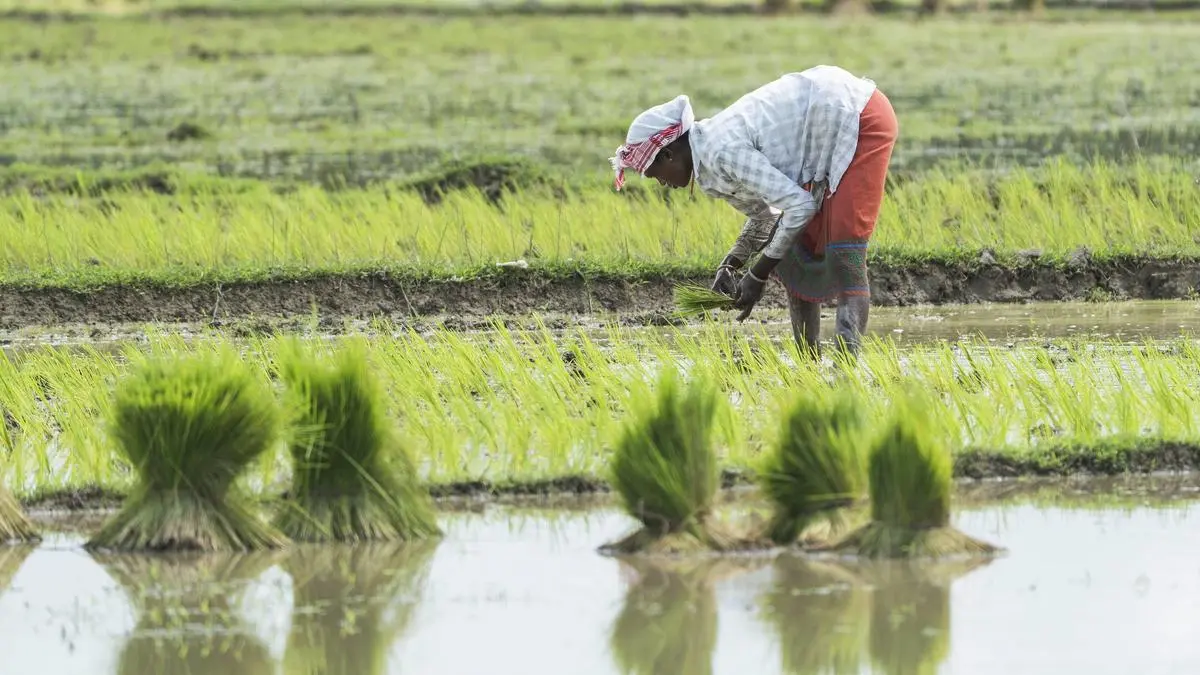
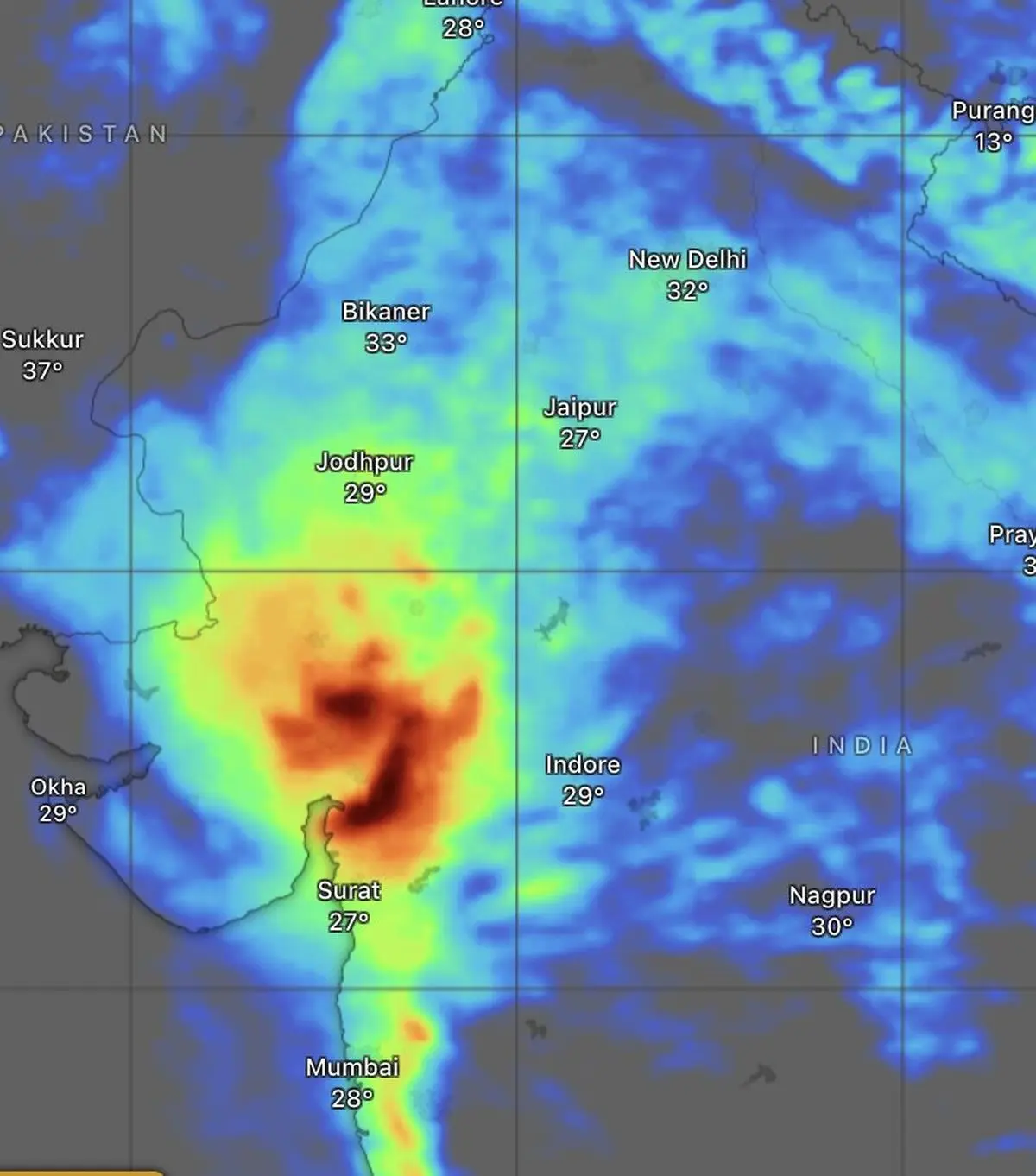
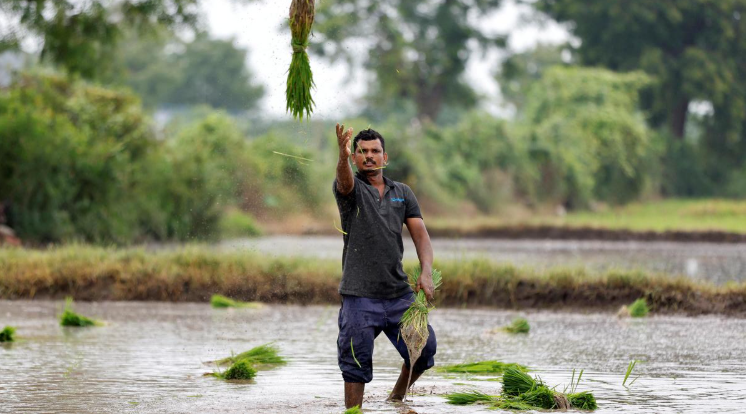
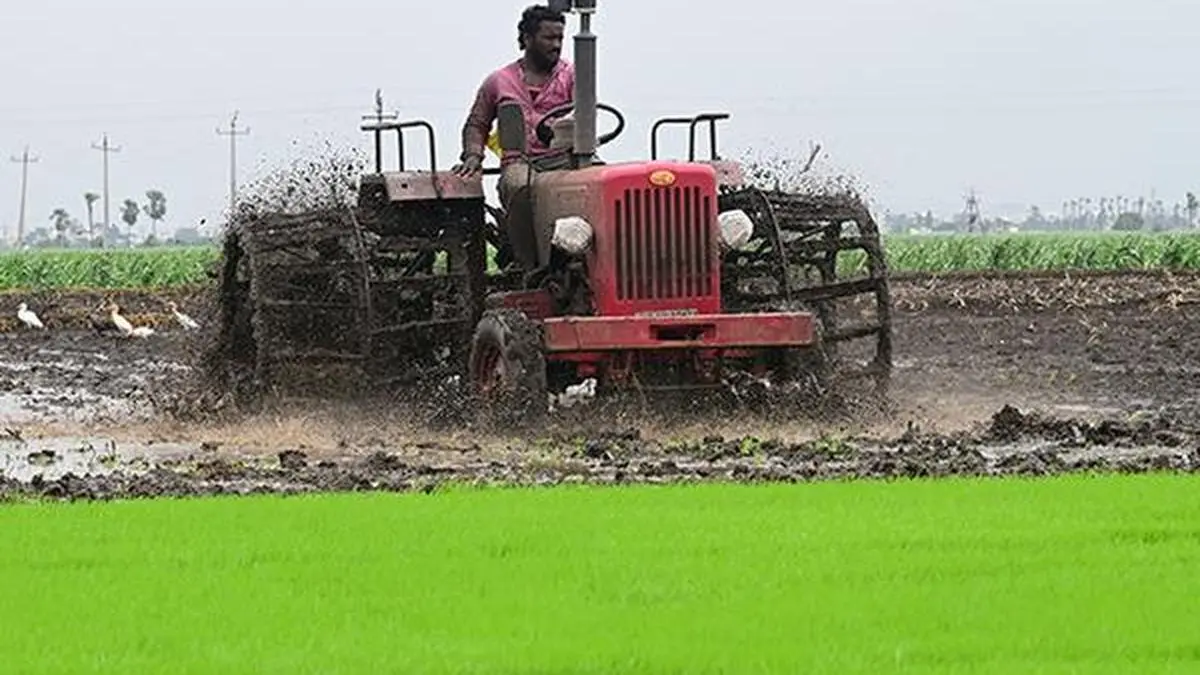
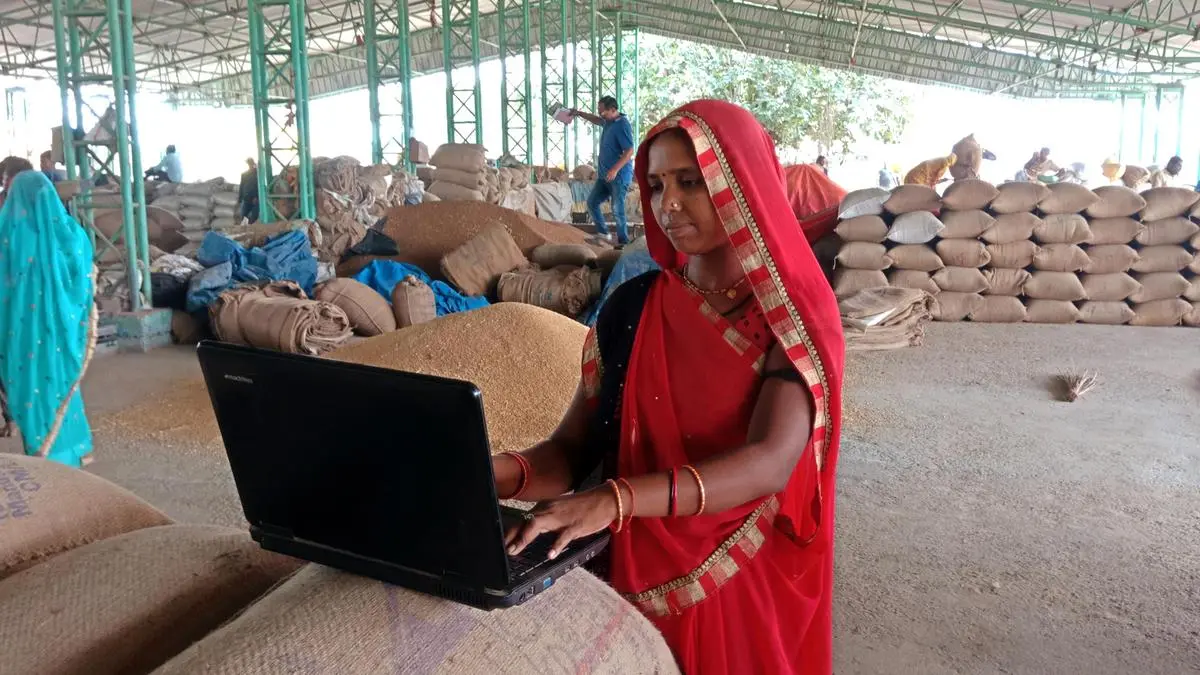
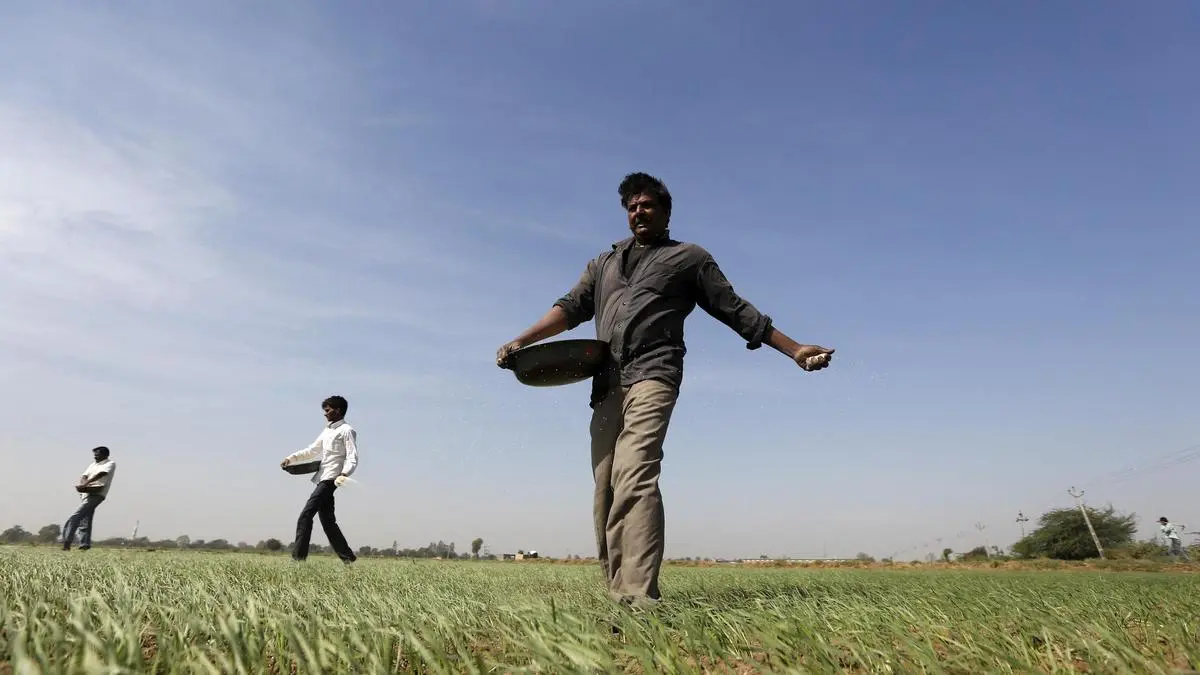
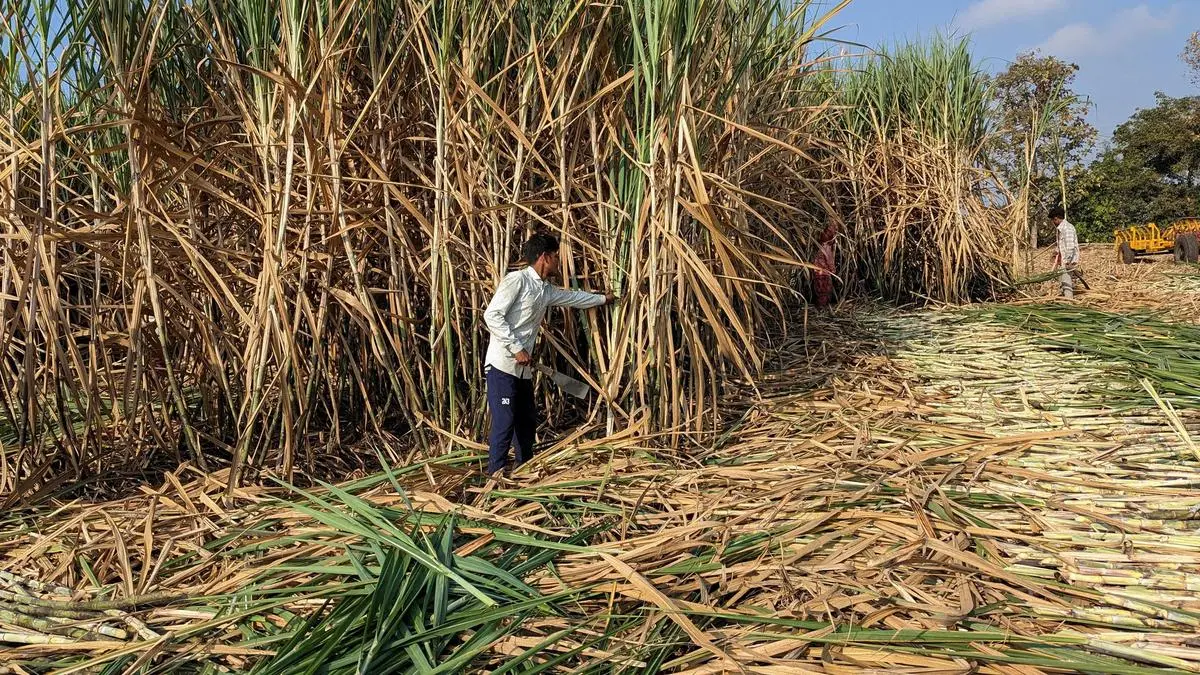
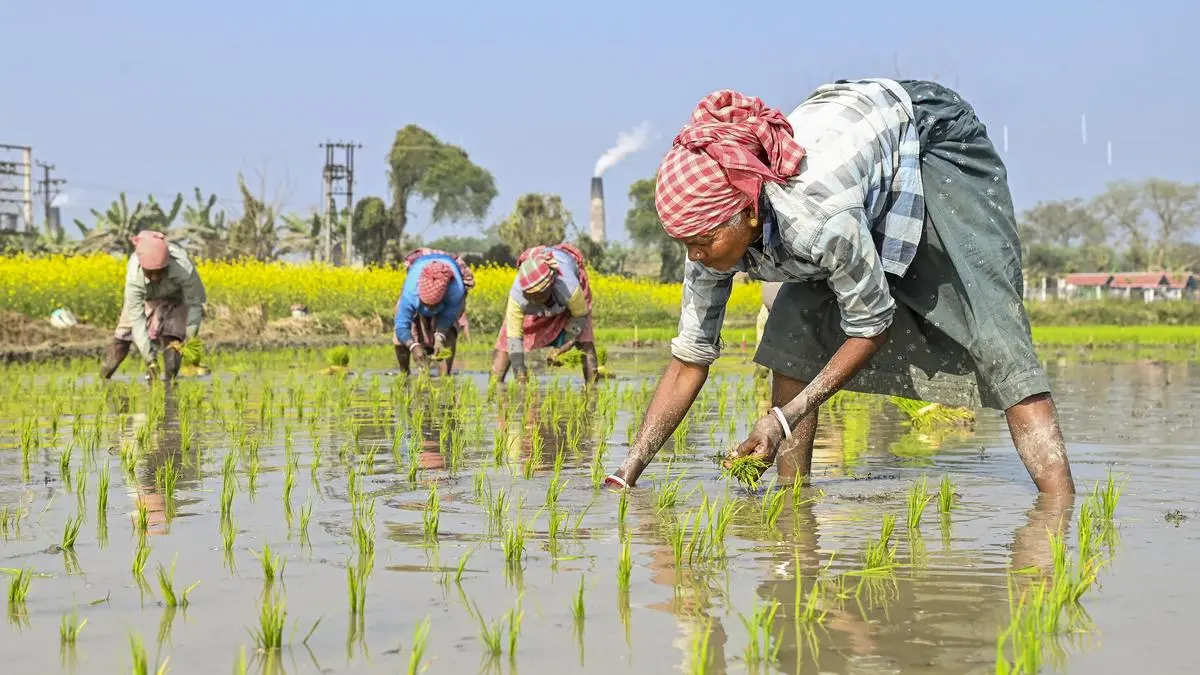
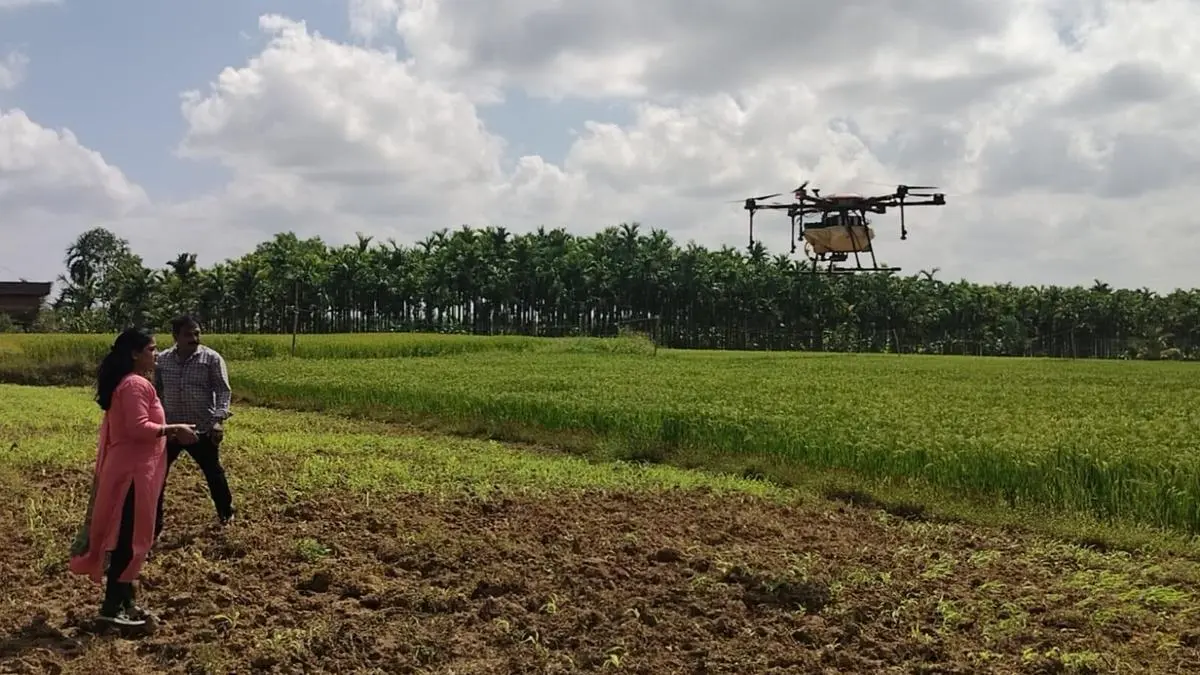
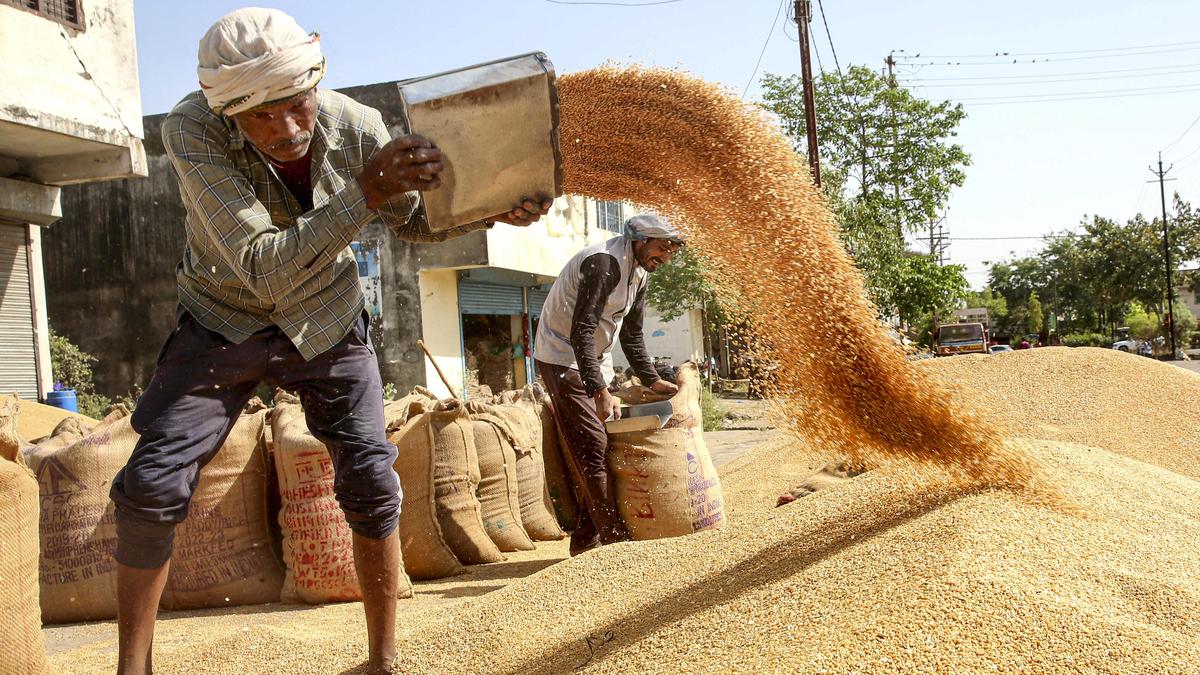
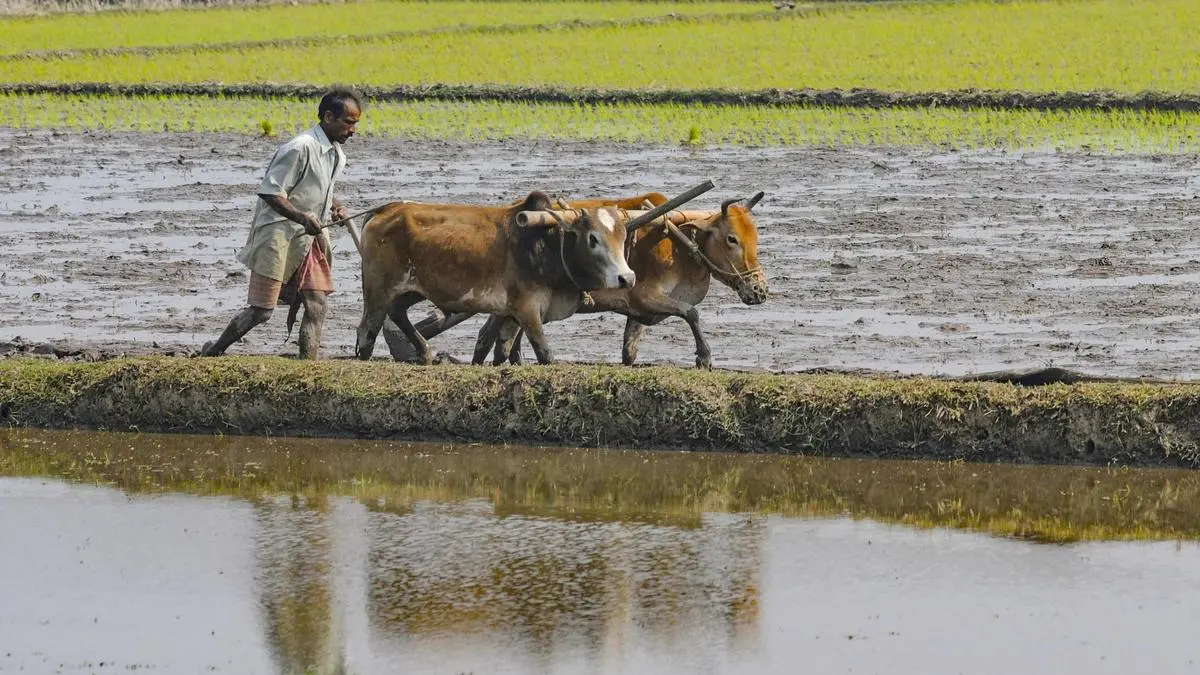
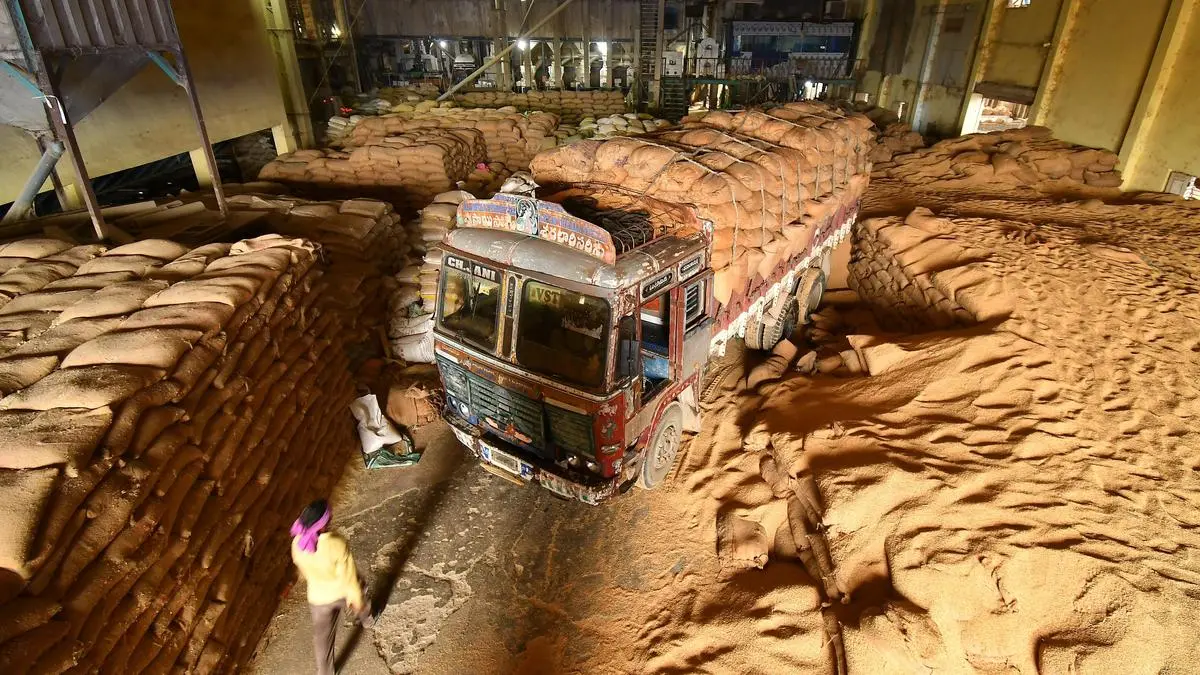
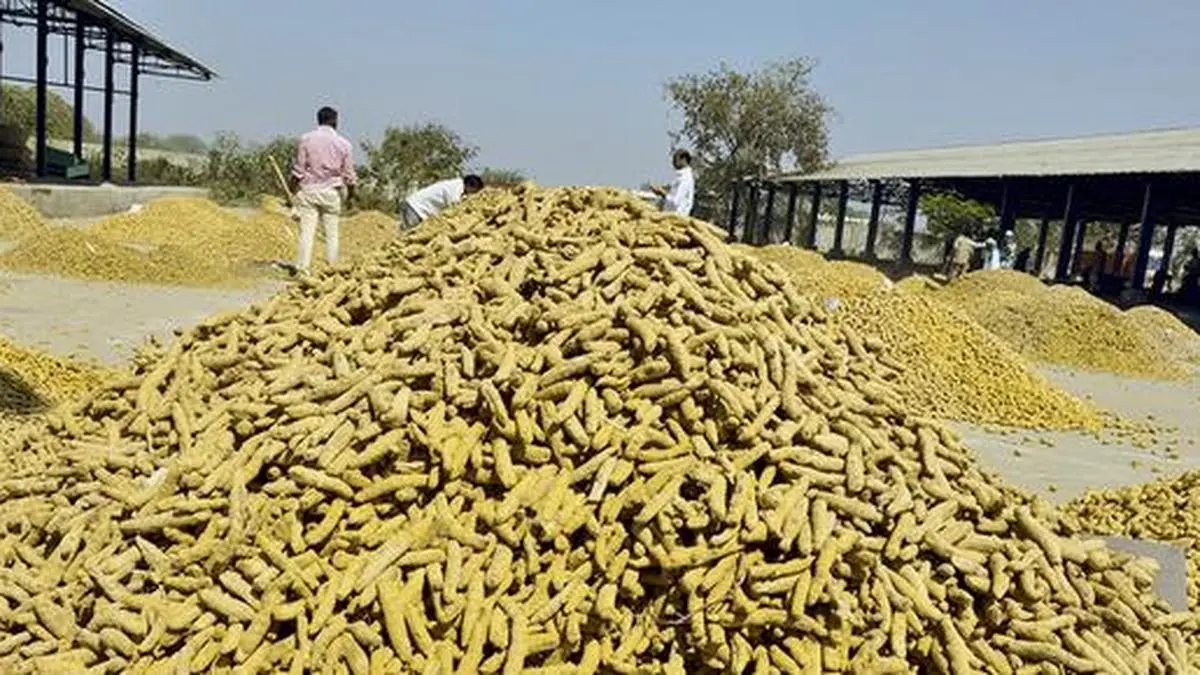
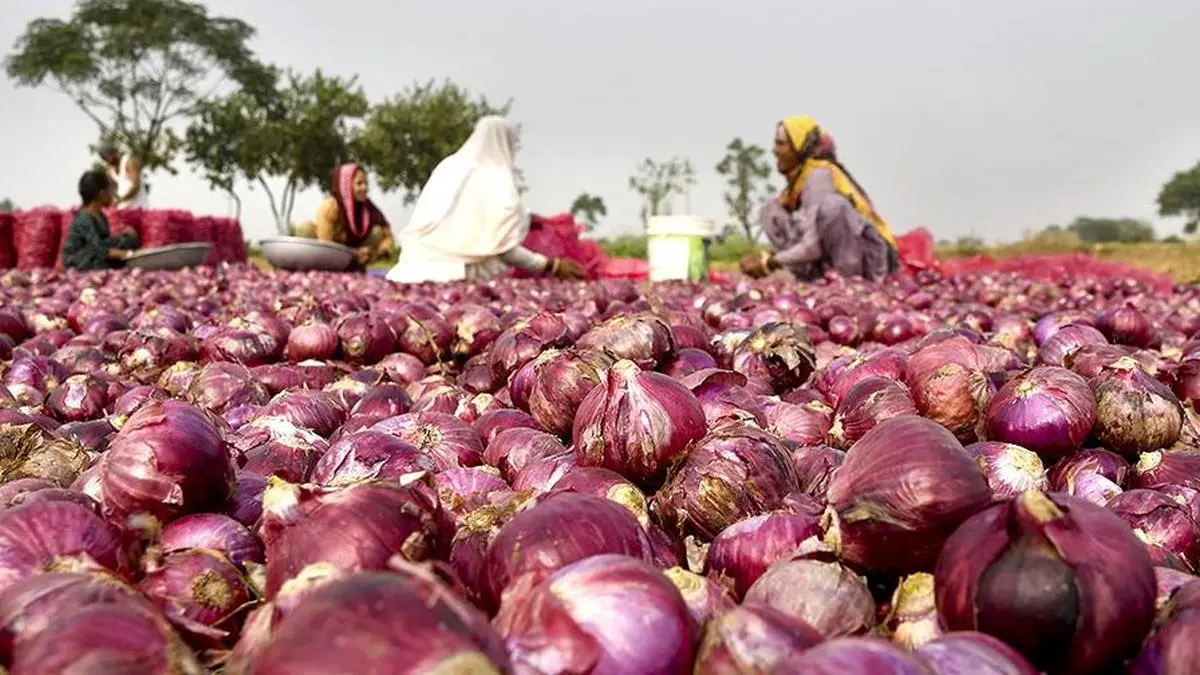
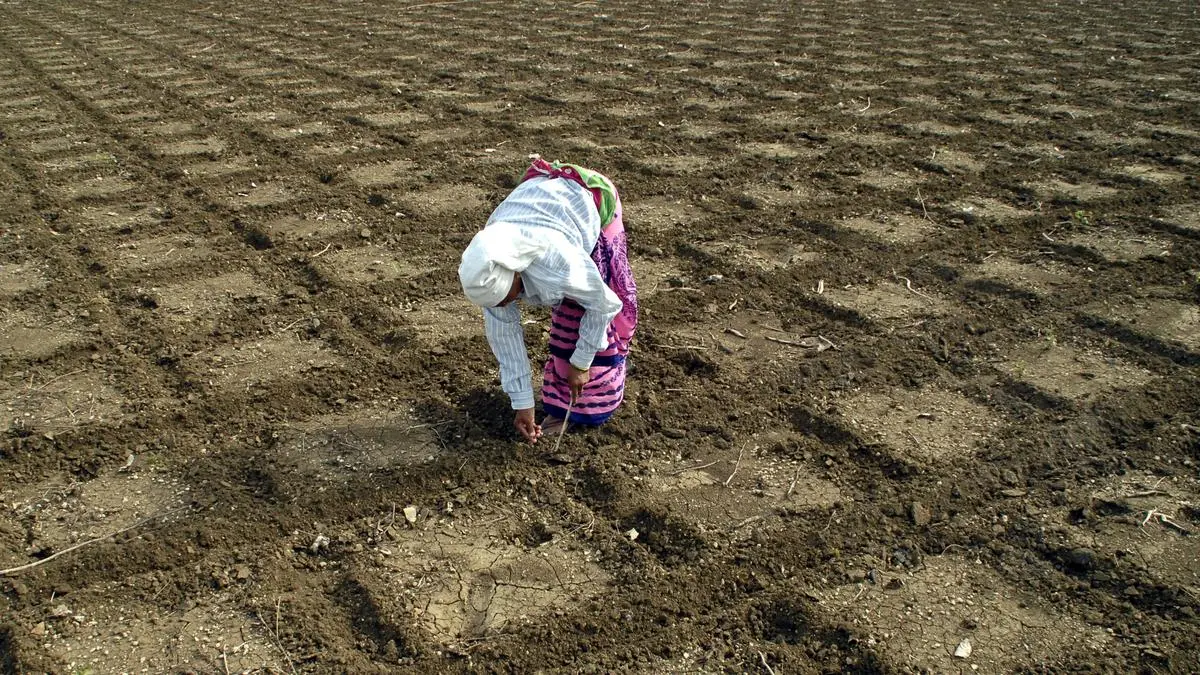
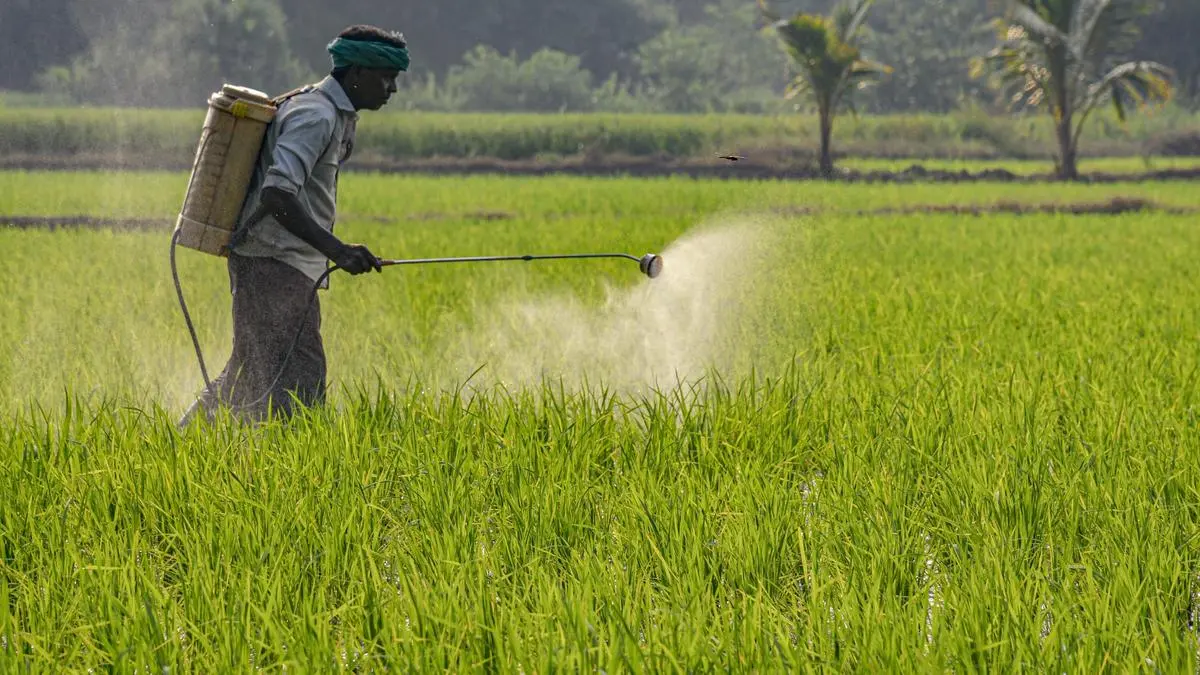
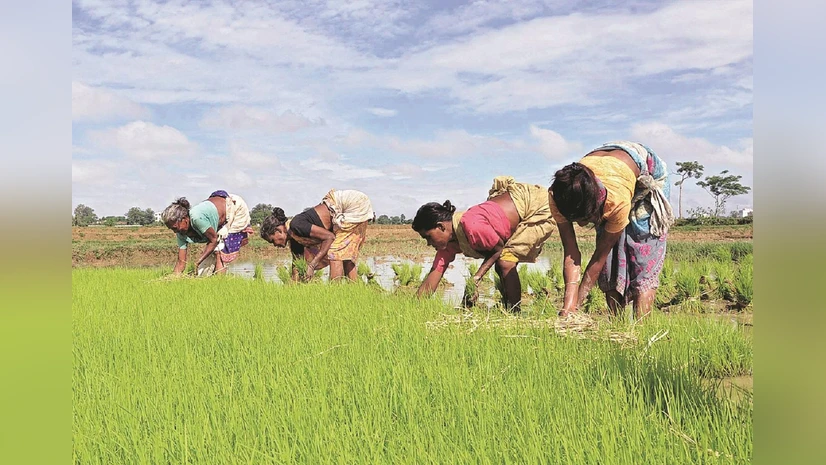
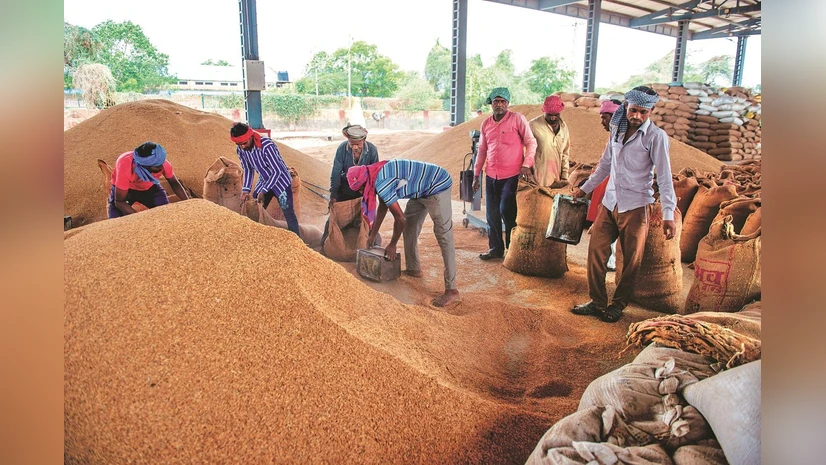
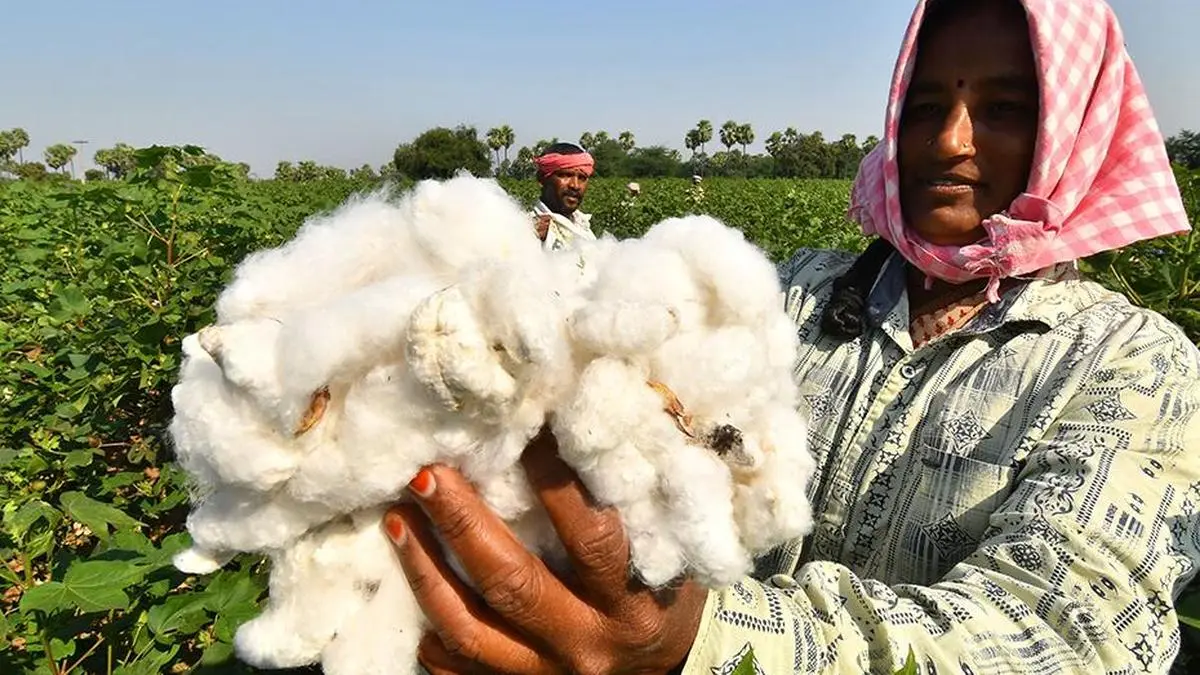
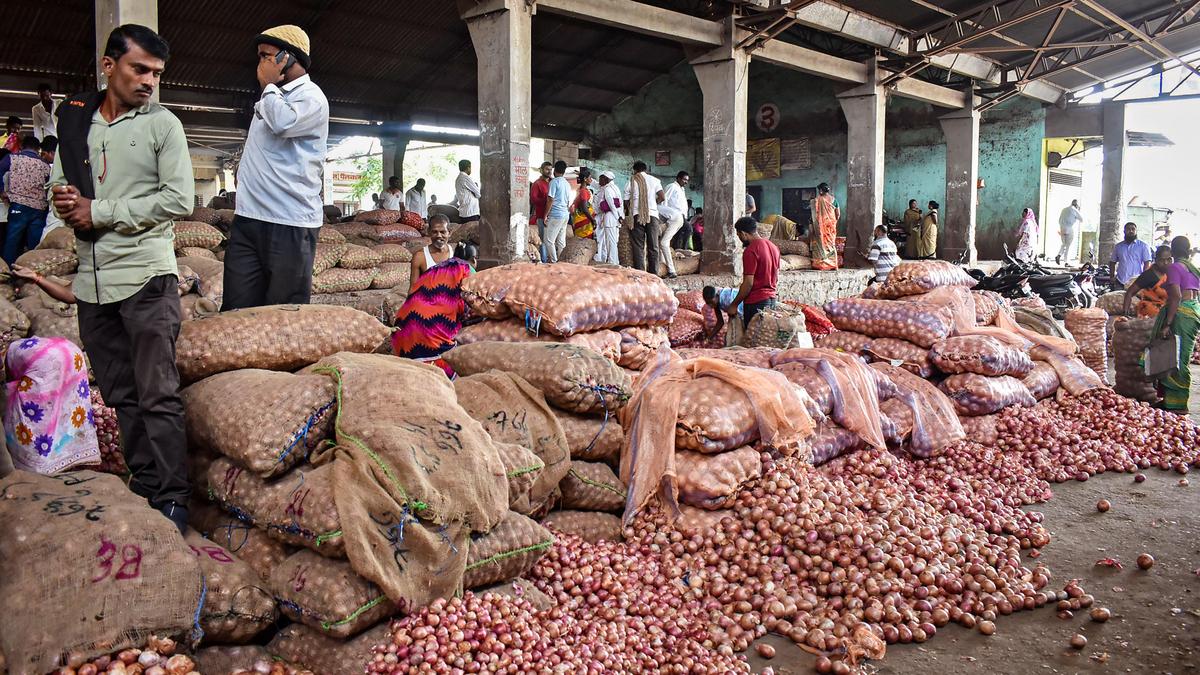
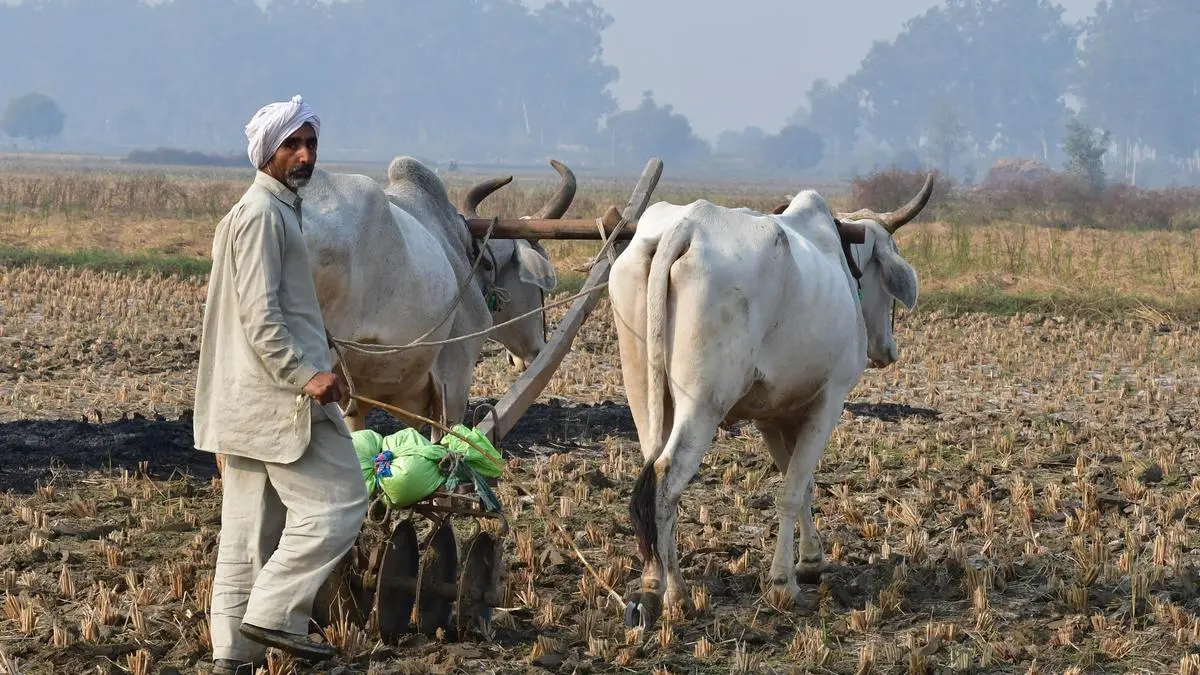
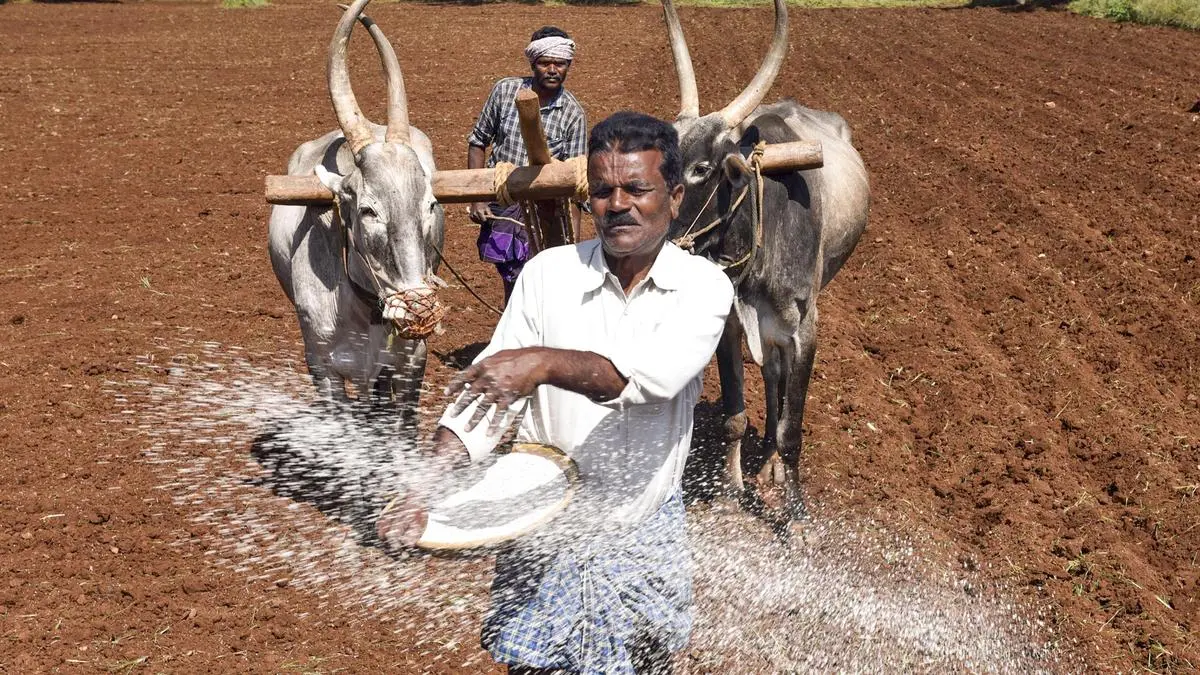
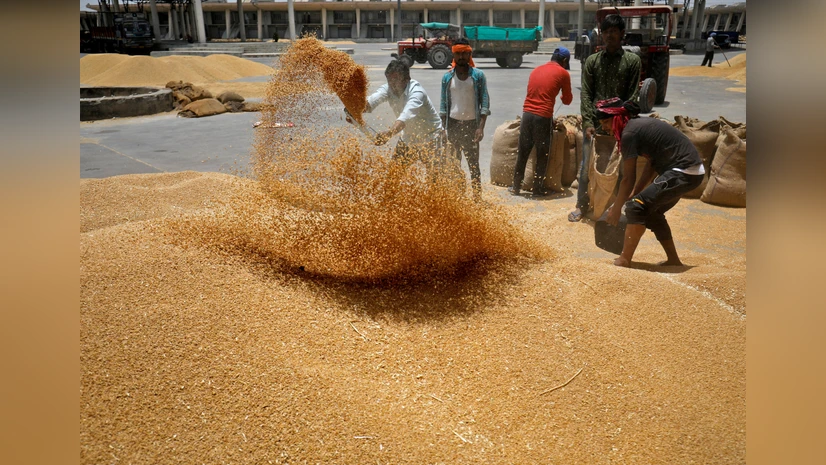
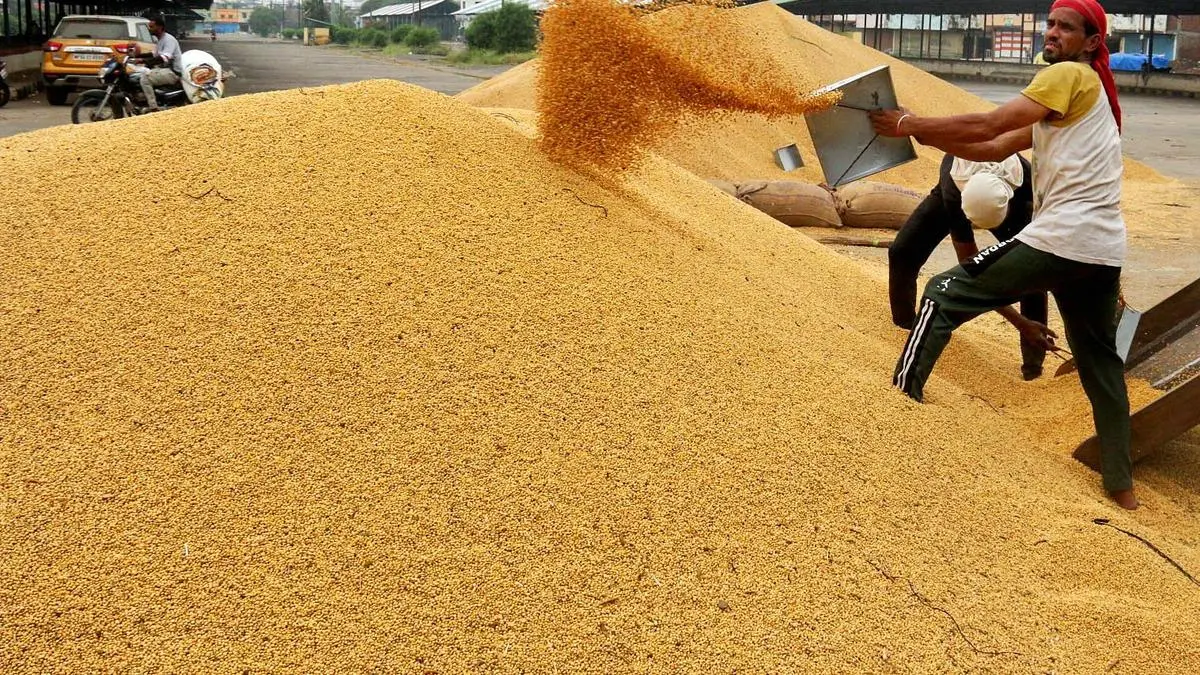
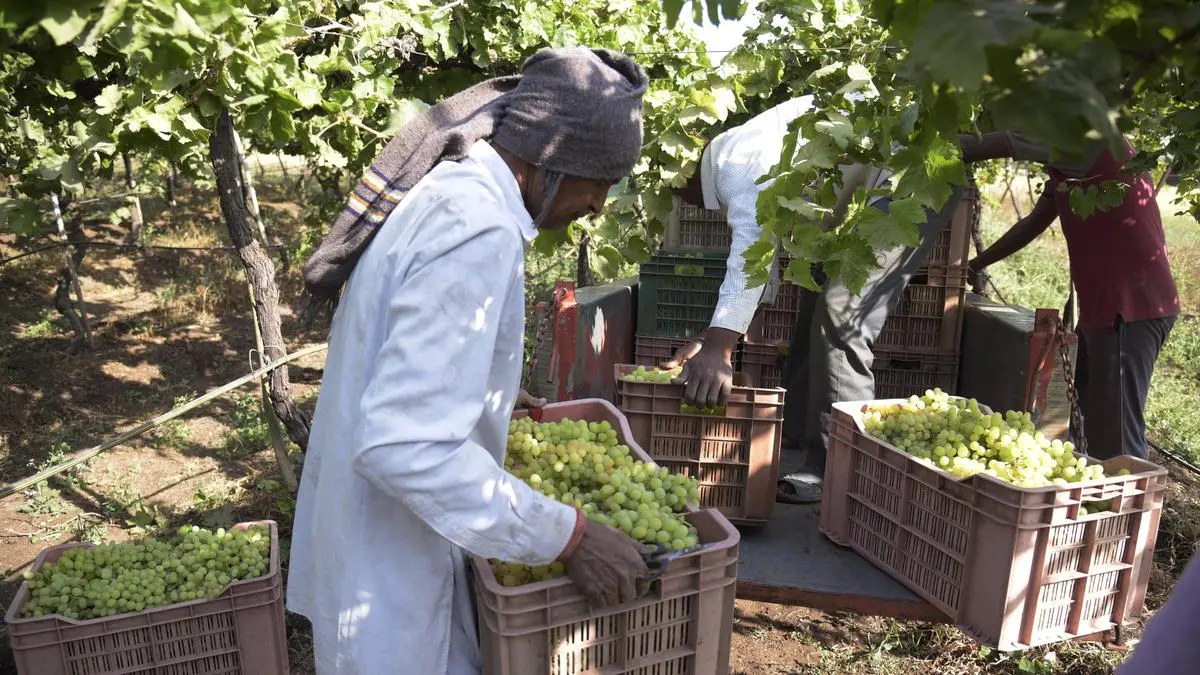
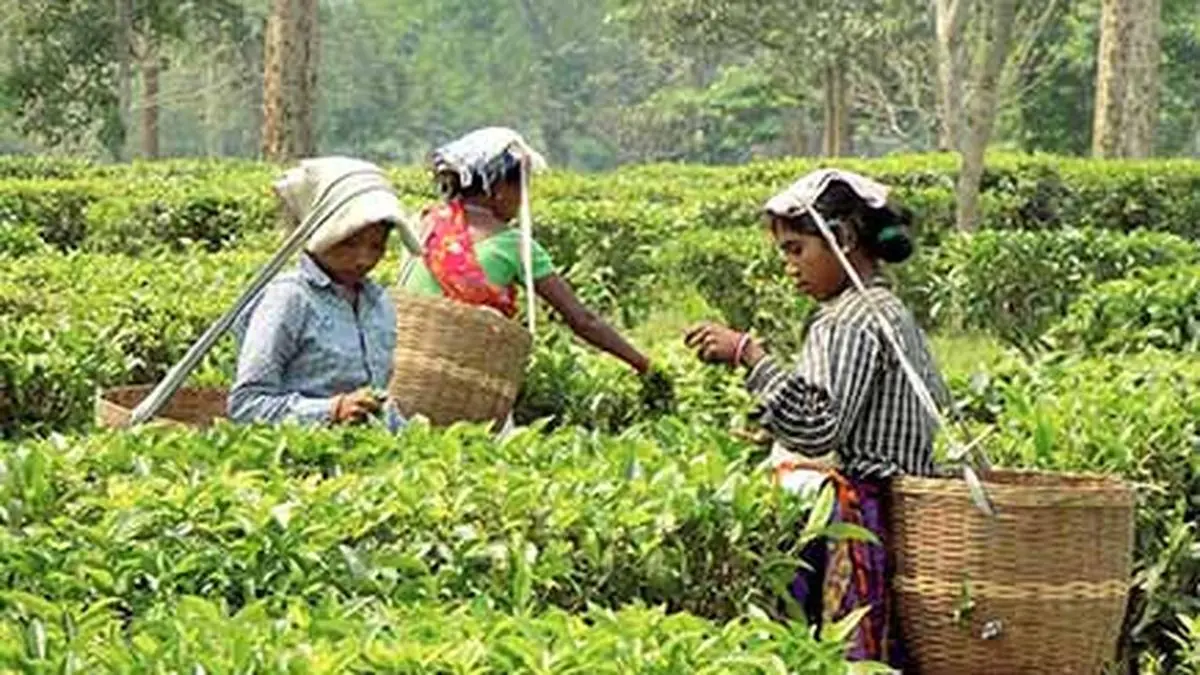
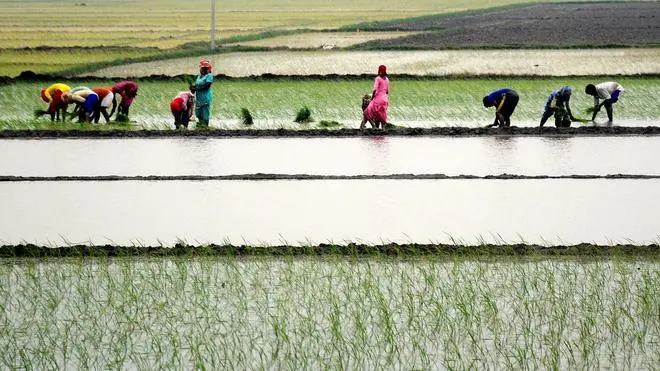
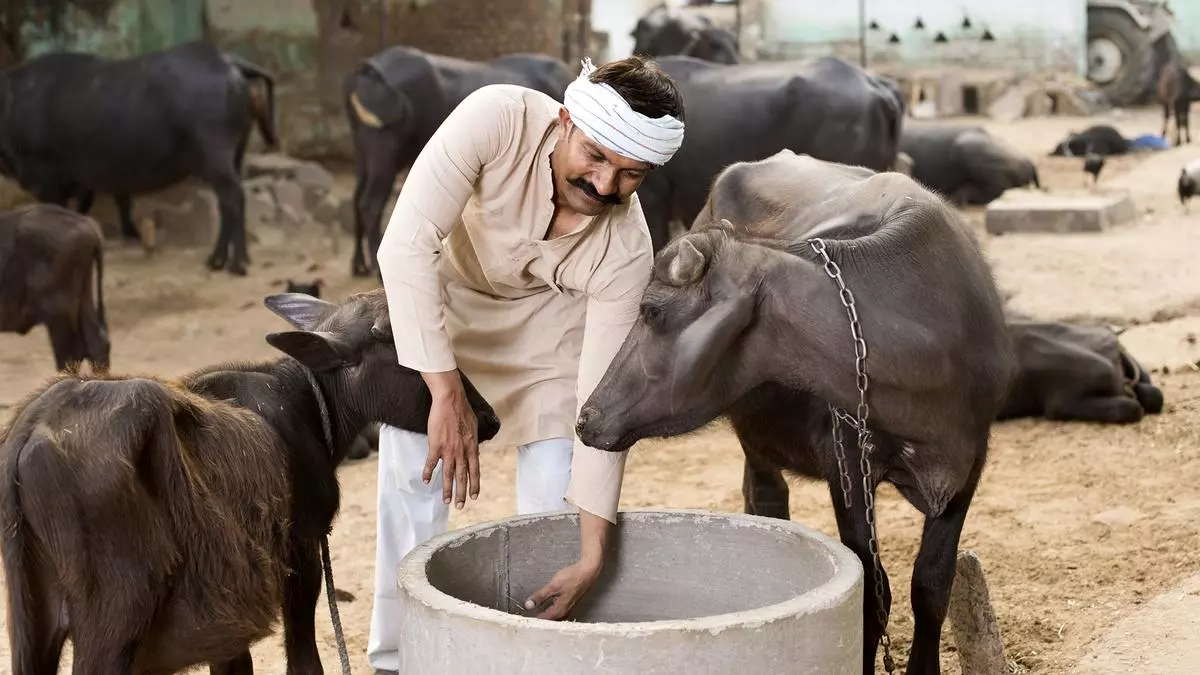
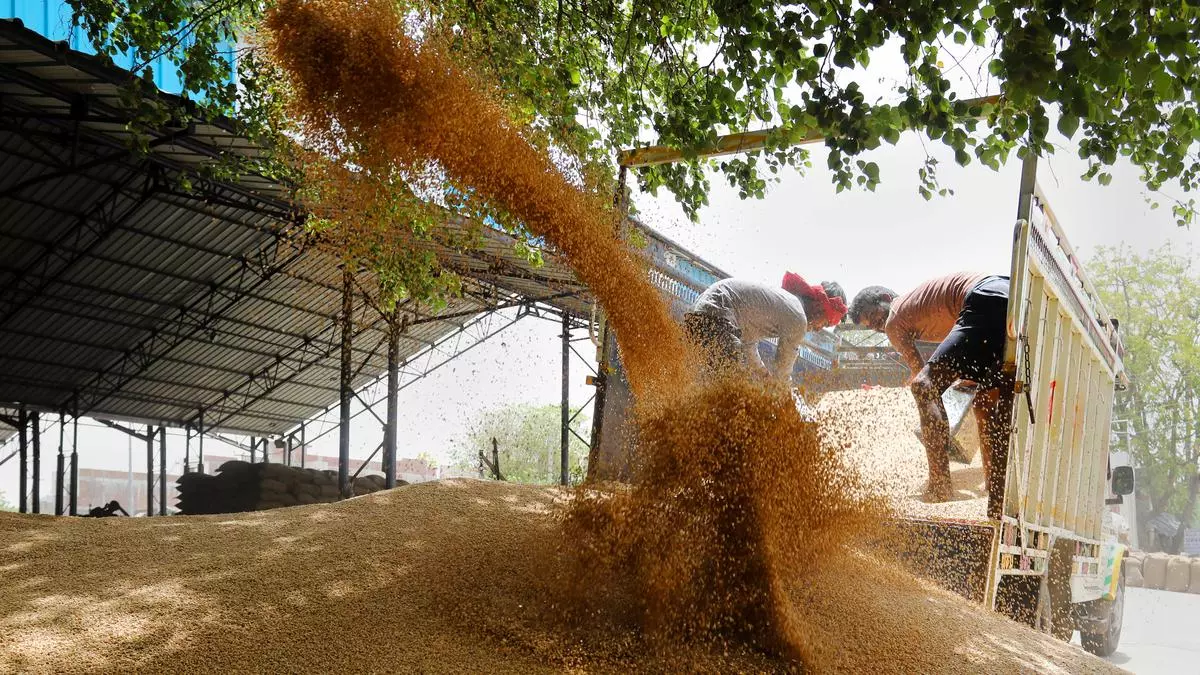
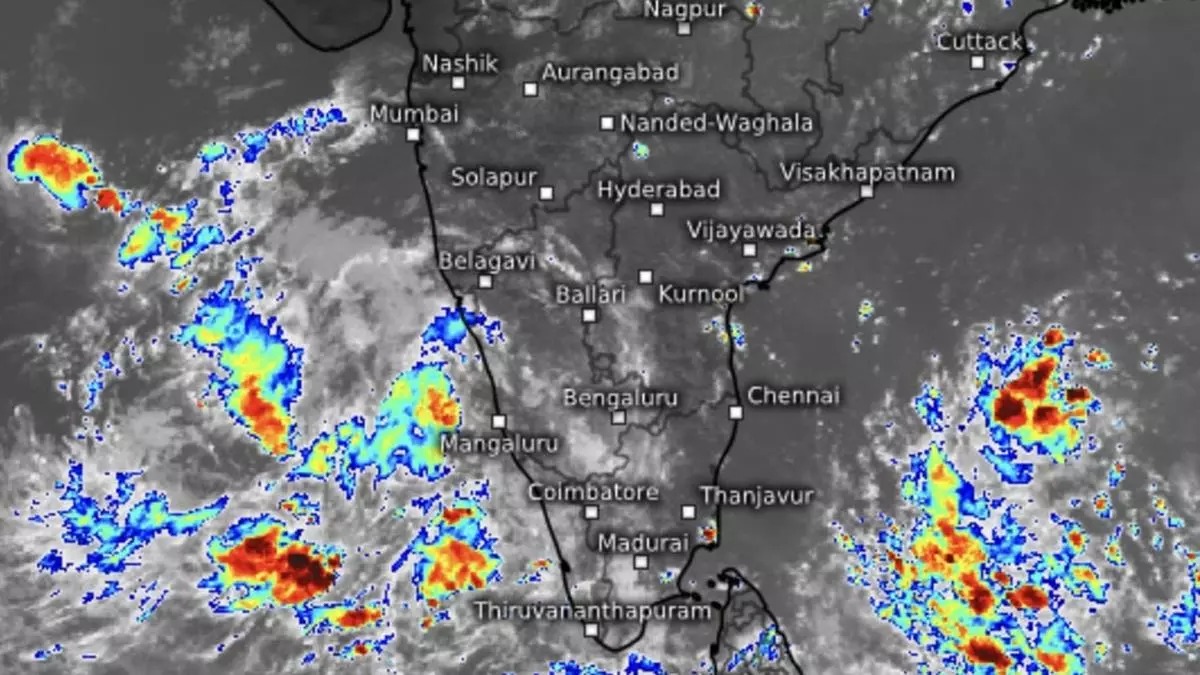
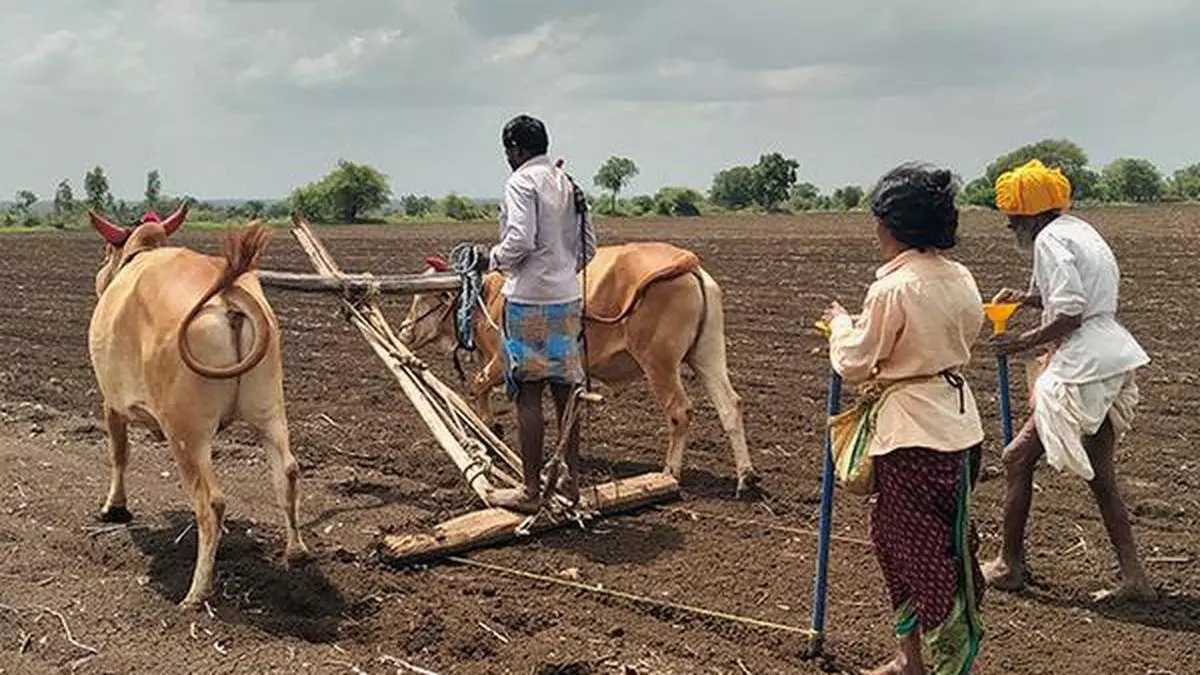
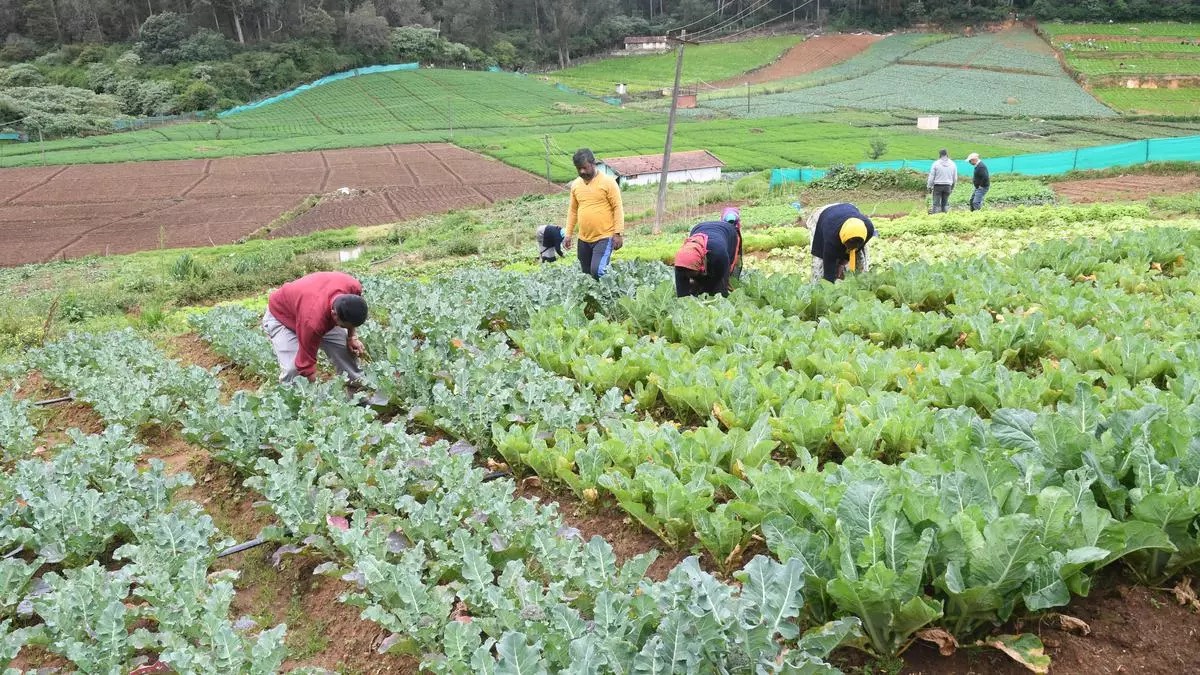
The Maharashtra government’s response to monsoon deficits across drought-affected talukas shows commendable administrative leadership. Measures such as crop-loan restructuring, power concessions, and emergency water tankers provide vital fiscal relief to rural households.
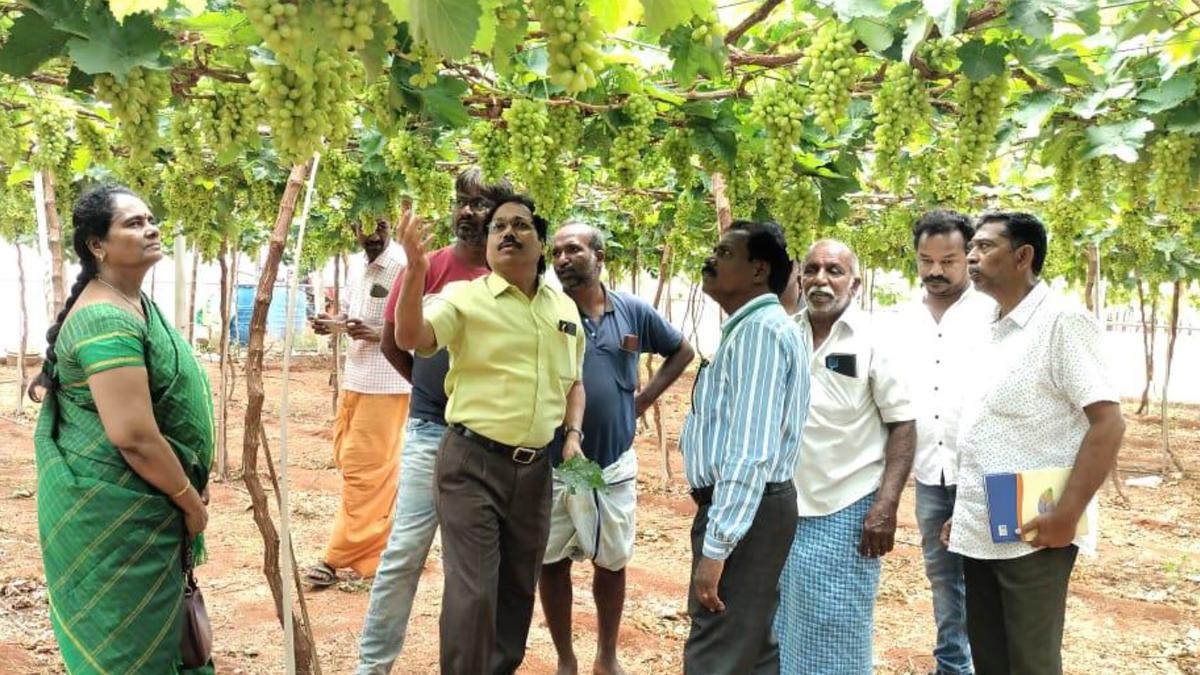
Yet empirical field telemetry from 1,000 farming families across Western Maharashtra, Marathwada, Khandesh, and Konkan reveals a fundamental blind spot in standard agricultural policy: traditional parameters like crop yields, output prices, and aggregate revenue no longer predict whether a farmer possesses the operational confidence to cultivate again.
Instead, empirical field evidence introduces a groundbreaking law of behavioural agri-economics centred on “Farmers’ Health Capital”: operational confidence is biological before it is financial.
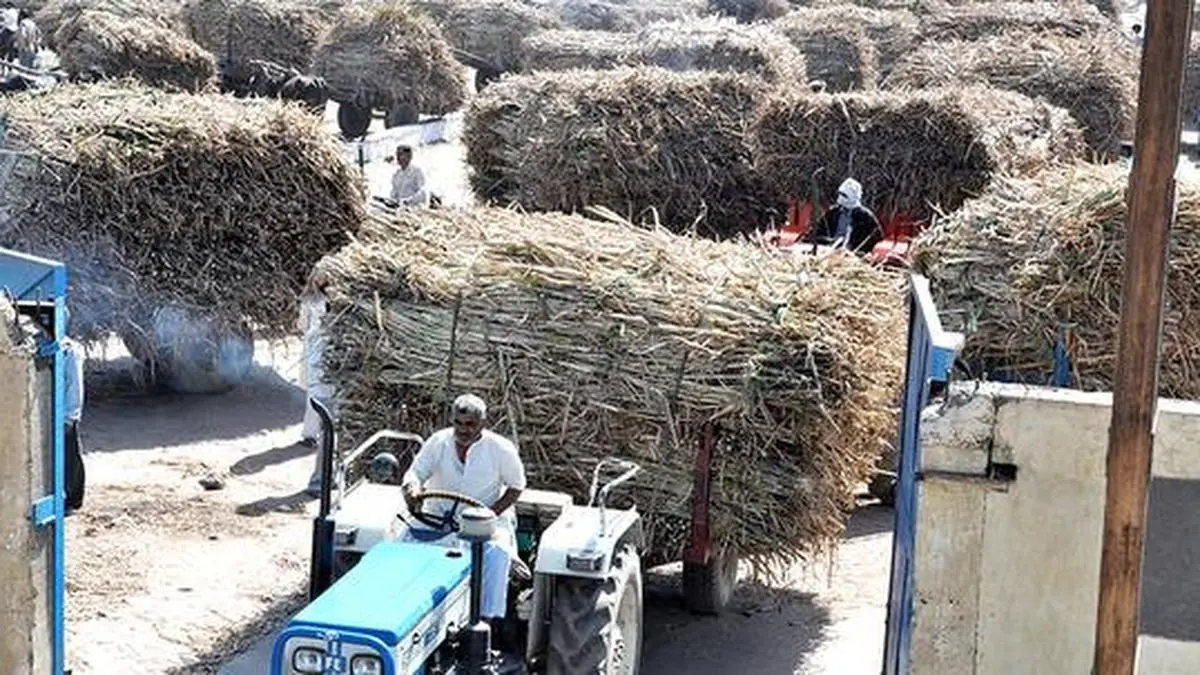
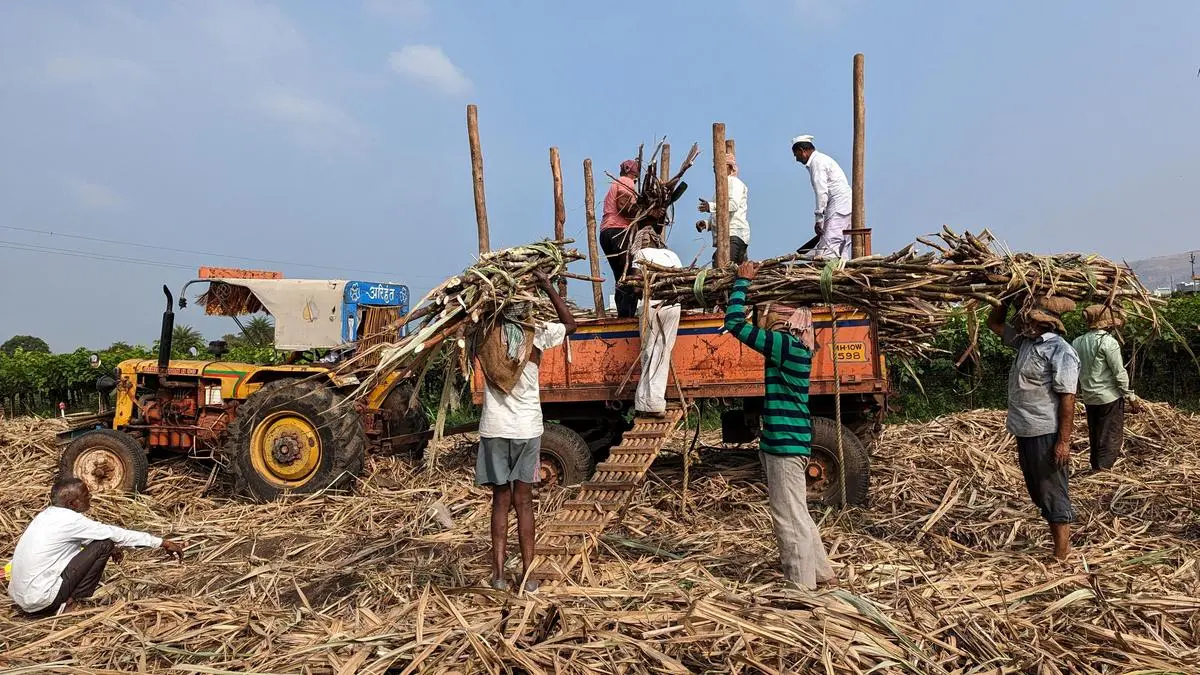
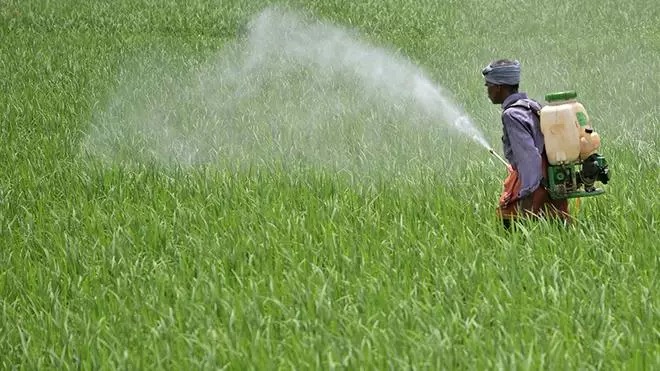
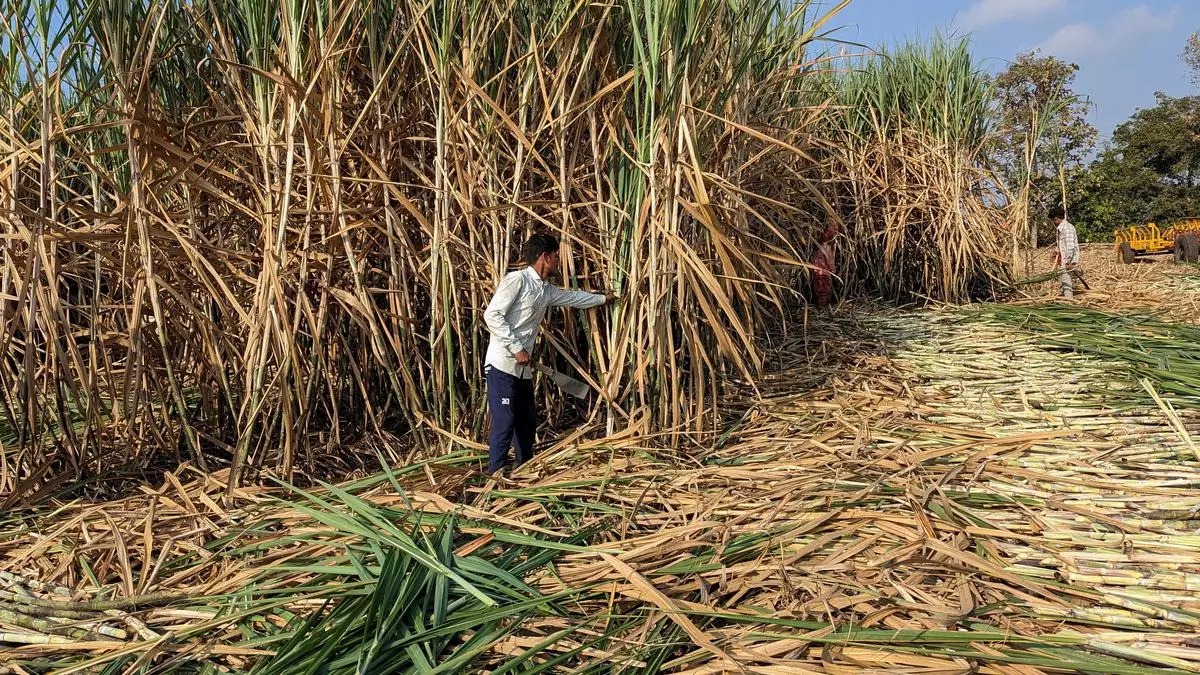
For decades, orthodox agricultural economics treated farm labor as a uniform, frictionless input measured strictly in man-days or hours worked. The classical macroeconomic assumption held that injecting financial liquidity or supporting market prices automatically restores operational momentum for the subsequent sowing cycle. Telemetry across Maharashtra’s agrarian belts disproves this model.